EP4208528B1 - High oleic oil compositions and uses thereof - Google Patents
High oleic oil compositions and uses thereof Download PDFInfo
- Publication number
- EP4208528B1 EP4208528B1 EP22843992.3A EP22843992A EP4208528B1 EP 4208528 B1 EP4208528 B1 EP 4208528B1 EP 22843992 A EP22843992 A EP 22843992A EP 4208528 B1 EP4208528 B1 EP 4208528B1
- Authority
- EP
- European Patent Office
- Prior art keywords
- oil
- strain
- less
- fatty acid
- content
- Prior art date
- Legal status (The legal status is an assumption and is not a legal conclusion. Google has not performed a legal analysis and makes no representation as to the accuracy of the status listed.)
- Active
Links
Images



Classifications
-
- A—HUMAN NECESSITIES
- A23—FOODS OR FOODSTUFFS; TREATMENT THEREOF, NOT COVERED BY OTHER CLASSES
- A23D—EDIBLE OILS OR FATS, e.g. MARGARINES, SHORTENINGS OR COOKING OILS
- A23D9/00—Other edible oils or fats, e.g. shortenings or cooking oils
- A23D9/007—Other edible oils or fats, e.g. shortenings or cooking oils characterised by ingredients other than fatty acid triglycerides
-
- A—HUMAN NECESSITIES
- A23—FOODS OR FOODSTUFFS; TREATMENT THEREOF, NOT COVERED BY OTHER CLASSES
- A23D—EDIBLE OILS OR FATS, e.g. MARGARINES, SHORTENINGS OR COOKING OILS
- A23D9/00—Other edible oils or fats, e.g. shortenings or cooking oils
- A23D9/02—Other edible oils or fats, e.g. shortenings or cooking oils characterised by the production or working-up
-
- A—HUMAN NECESSITIES
- A23—FOODS OR FOODSTUFFS; TREATMENT THEREOF, NOT COVERED BY OTHER CLASSES
- A23L—FOODS, FOODSTUFFS OR NON-ALCOHOLIC BEVERAGES, NOT OTHERWISE PROVIDED FOR; PREPARATION OR TREATMENT THEREOF
- A23L33/00—Modifying nutritive qualities of foods; Dietetic products; Preparation or treatment thereof
- A23L33/10—Modifying nutritive qualities of foods; Dietetic products; Preparation or treatment thereof using additives
- A23L33/115—Fatty acids or derivatives thereof; Fats or oils
-
- A—HUMAN NECESSITIES
- A23—FOODS OR FOODSTUFFS; TREATMENT THEREOF, NOT COVERED BY OTHER CLASSES
- A23L—FOODS, FOODSTUFFS OR NON-ALCOHOLIC BEVERAGES, NOT OTHERWISE PROVIDED FOR; PREPARATION OR TREATMENT THEREOF
- A23L33/00—Modifying nutritive qualities of foods; Dietetic products; Preparation or treatment thereof
- A23L33/40—Complete food formulations for specific consumer groups or specific purposes, e.g. infant formula
-
- C—CHEMISTRY; METALLURGY
- C08—ORGANIC MACROMOLECULAR COMPOUNDS; THEIR PREPARATION OR CHEMICAL WORKING-UP; COMPOSITIONS BASED THEREON
- C08L—COMPOSITIONS OF MACROMOLECULAR COMPOUNDS
- C08L91/00—Compositions of oils, fats or waxes; Compositions of derivatives thereof
-
- C—CHEMISTRY; METALLURGY
- C12—BIOCHEMISTRY; BEER; SPIRITS; WINE; VINEGAR; MICROBIOLOGY; ENZYMOLOGY; MUTATION OR GENETIC ENGINEERING
- C12N—MICROORGANISMS OR ENZYMES; COMPOSITIONS THEREOF; PROPAGATING, PRESERVING, OR MAINTAINING MICROORGANISMS; MUTATION OR GENETIC ENGINEERING; CULTURE MEDIA
- C12N1/00—Microorganisms; Compositions thereof; Processes of propagating, maintaining or preserving microorganisms or compositions thereof; Processes of preparing or isolating a composition containing a microorganism; Culture media therefor
- C12N1/12—Unicellular algae; Culture media therefor
-
- C—CHEMISTRY; METALLURGY
- C12—BIOCHEMISTRY; BEER; SPIRITS; WINE; VINEGAR; MICROBIOLOGY; ENZYMOLOGY; MUTATION OR GENETIC ENGINEERING
- C12N—MICROORGANISMS OR ENZYMES; COMPOSITIONS THEREOF; PROPAGATING, PRESERVING, OR MAINTAINING MICROORGANISMS; MUTATION OR GENETIC ENGINEERING; CULTURE MEDIA
- C12N15/00—Mutation or genetic engineering; DNA or RNA concerning genetic engineering, vectors, e.g. plasmids, or their isolation, preparation or purification; Use of hosts therefor
- C12N15/01—Preparation of mutants without inserting foreign genetic material therein; Screening processes therefor
-
- C—CHEMISTRY; METALLURGY
- C12—BIOCHEMISTRY; BEER; SPIRITS; WINE; VINEGAR; MICROBIOLOGY; ENZYMOLOGY; MUTATION OR GENETIC ENGINEERING
- C12N—MICROORGANISMS OR ENZYMES; COMPOSITIONS THEREOF; PROPAGATING, PRESERVING, OR MAINTAINING MICROORGANISMS; MUTATION OR GENETIC ENGINEERING; CULTURE MEDIA
- C12N15/00—Mutation or genetic engineering; DNA or RNA concerning genetic engineering, vectors, e.g. plasmids, or their isolation, preparation or purification; Use of hosts therefor
- C12N15/09—Recombinant DNA-technology
- C12N15/63—Introduction of foreign genetic material using vectors; Vectors; Use of hosts therefor; Regulation of expression
- C12N15/74—Vectors or expression systems specially adapted for prokaryotic hosts other than E. coli, e.g. Lactobacillus, Micromonospora
-
- C—CHEMISTRY; METALLURGY
- C12—BIOCHEMISTRY; BEER; SPIRITS; WINE; VINEGAR; MICROBIOLOGY; ENZYMOLOGY; MUTATION OR GENETIC ENGINEERING
- C12P—FERMENTATION OR ENZYME-USING PROCESSES TO SYNTHESISE A DESIRED CHEMICAL COMPOUND OR COMPOSITION OR TO SEPARATE OPTICAL ISOMERS FROM A RACEMIC MIXTURE
- C12P33/00—Preparation of steroids
-
- C—CHEMISTRY; METALLURGY
- C12—BIOCHEMISTRY; BEER; SPIRITS; WINE; VINEGAR; MICROBIOLOGY; ENZYMOLOGY; MUTATION OR GENETIC ENGINEERING
- C12P—FERMENTATION OR ENZYME-USING PROCESSES TO SYNTHESISE A DESIRED CHEMICAL COMPOUND OR COMPOSITION OR TO SEPARATE OPTICAL ISOMERS FROM A RACEMIC MIXTURE
- C12P7/00—Preparation of oxygen-containing organic compounds
- C12P7/64—Fats; Fatty oils; Ester-type waxes; Higher fatty acids, i.e. having at least seven carbon atoms in an unbroken chain bound to a carboxyl group; Oxidised oils or fats
- C12P7/6436—Fatty acid esters
- C12P7/6445—Glycerides
- C12P7/6463—Glycerides obtained from glyceride producing microorganisms, e.g. single cell oil
-
- C—CHEMISTRY; METALLURGY
- C12—BIOCHEMISTRY; BEER; SPIRITS; WINE; VINEGAR; MICROBIOLOGY; ENZYMOLOGY; MUTATION OR GENETIC ENGINEERING
- C12R—INDEXING SCHEME ASSOCIATED WITH SUBCLASSES C12C - C12Q, RELATING TO MICROORGANISMS
- C12R2001/00—Microorganisms ; Processes using microorganisms
- C12R2001/89—Algae ; Processes using algae
Definitions
- Oleaginous microorganisms have the ability to convert carbon substrates into oils, including triacylglycerides (TAGs) or lipids, and accumulate these oils intracellularly. Some microorganisms can have capacity to accumulate lipids in amounts of up to 80% dry weight. Thus, oleaginous microorganisms, including microalgae, bacteria, fungi, and yeasts, can serve as an ideal source for biobased oil production. Genetic and non-genetic modification techniques can allow for the production of non-naturally occurring oils having particular fatty acid profiles. US 10,053,646 B2 discusses microalgal compositions and methods for their use.
- the present invention is defined by the appended claims and provides a non-naturally occurring oil comprising a triacylglyceride (TAG) component and at least 100 mg of ergosterol per 100 g of the oil, wherein the TAG component has a fatty acid content comprising 80% or more C18:1 fatty acids and 5% or more C18:2 fatty acids, wherein the TAG component further comprises at least 60% triolein (OOO) and wherein the oil is produced from classical strain improvement of a cell.
- TAG triacylglyceride
- OEO triolein
- a method for producing the non-naturally occurring oil comprising: culturing in a bioreactor an oleaginous, non-naturally occurring microorganism described herein, thereby producing the non-naturally occurring oil.
- Oil compositions having high oleic acid content are provided herein. Methods of making the oil, and formulations and applications of the oil are disclosed. Oil compositions provided herein are produced by a microorganism that is produced by classical strain improvement strategies such as those described herein. In turn, these non-naturally occurring microorganisms can produce non-naturally occurring oils provided herein.
- Genetic and non-genetic modification techniques can allow for the production of non-naturally occurring oils having particular phenotypes. While genetic engineering techniques can tend to be more targeted to phenotypes elicited in a host oleaginous microbe, classical strain improvement or other non-genetic engineering techniques can also be employed to enhance phenotypes. Enhancement of phenotypes can include elaboration of a particular fatty acid profile (e.g., high oleic acid content), yield on carbon, volumetric oil accumulation (e.g., g oil/L culture), oil productivity (e.g., g oil/L culture day), and oil as a percent dry cell weight (DCW) as a measure of strain performance.
- a particular fatty acid profile e.g., high oleic acid content
- yield on carbon e.g oil/L culture
- oil productivity e.g., g oil/L culture day
- DCW percent dry cell weight
- a further benefit of classical strain improvement techniques when used as the sole means to alter or improve strain phenotype and performance, can be realized from both a regulatory and business/marketing perspective.
- non-genetically engineered microbes may be exempt from regulatory oversight by entities such as U.S. EPA's Toxic Substances Control Act (TSCA) and the requirement to file a Microbial Commercial Activity Notice (MCAN) when the material is to be used in chemical (non-food) applications.
- TSCA U.S. EPA's Toxic Substances Control Act
- MCAN Microbial Commercial Activity Notice
- Such dispensation extends to other geographies as well, such as Brazil, for example, where such microbes are exempt from filing a Strain Dossier with the Brazilian regulatory body (the National Technical Commission of Biosafety, Ministry of Science, Technology, Innovation, and Communications or CTNBio) that oversees industrial microbes.
- the avoidance of such regulatory oversight can save millions of dollars in development costs.
- the raw materials produced by such non-genetically engineered means can meet GMO-free and organic labeling standards, as well as brands' and consumers' desires for "clean labeling".
- classical strain improvement refers to methods of random or semi-random mutagenesis of microbes to create non-naturally occurring strains with improved properties. These methods include, but not limited to, mutagenesis of a population to create genetic variants, random selection or screening of a surviving population to identify an improved strain, and identification of improved strains by assaying fermentation broth for products.
- Classical strain improvement methods include exposure to UV radiation, chemical mutagens, and/or selective or enrichment agents.
- Classical strain improvement methods do not include recombinant genetic engineering methods targeted to one or more genomic regions, e.g., via homologous recombination.
- microbial oil refers to an oil produced or extracted from a microorganism (microbe), e.g., an oleaginous, single-celled, eukaryotic, or prokaryotic microorganism, including but not limited to, microalgae, yeast, bacteria, and fungi.
- a microorganism e.g., an oleaginous, single-celled, eukaryotic, or prokaryotic microorganism, including but not limited to, microalgae, yeast, bacteria, and fungi.
- triacylglycerol As used herein, the term "triacylglycerol”, “triglyceride”, or “TAG” refers to esters between glycerol and three saturated and/or unsaturated fatty acids. Generally, fatty acids of TAGs have chain lengths of 6 carbon atoms or more.
- TAG purity As used herein, the term “TAG purity”, “molecular purity”, or “oil purity” refers to the number of molecular species that make up an oil composition, on an absolute basis or present in amounts above a certain threshold. The fewer the number of TAG species in an oil, the greater the “purity" of the oil.
- fatty acid profile refers to a fatty acid composition of an oil, e.g., an oil produced by a cell provided herein or a derivative thereof.
- Derivatives of an oil produced by a cell provided herein include a refined, bleached, and deodorized oil.
- Fatty acid profiles can be determined by subjecting an oil to transesterification to generate fatty acid methyl esters (FAMEs) and subsequently quantitating fatty acid type by Gas Chromatography equipped with a Flame Ionization Detector (GC/FID).
- FAMEs fatty acid methyl esters
- GC/FID Flame Ionization Detector
- sterol profile refers to a sterol composition of an oil, e.g., an oil produced by a cell provided herein or a derivative thereof.
- Derivatives of an oil produced by a cell provided herein include a refined, bleached, and deodorized oil.
- polyol refers to triglycerols or fatty acid alcohols comprising hydroxyl functional groups.
- polyol derived from a TAG oil generally refers to a polyol obtained from chemical conversion of a TAG oil, e.g., via epoxidation and ring opening, ozonolysis and reduction, or hydroformylation and reduction.
- polyurethane refers to a class of polymers comprised of carbamate (urethane) linkages formed between a polyol and an isocyanate moiety.
- oleic content refers the percentage amount of oleic acid in the fatty acid profile of a substance (e.g., a TAG oil).
- C18:1 content refers the percentage amount of a C18:1 fatty acid (e.g., oleic acid) in the fatty acid profile of a substance (e.g., a microbial oil).
- high oleic can refer to greater than 60% oleic acid, greater than 65% oleic acid, greater than 70% oleic acid, greater than 75% oleic acid, greater than 80% oleic acid, greater than 85% oleic acid, or greater than 90% oleic acid.
- sequence identity refers to a percentage of identical amino acid residues between two sequences being compared after an optimal alignment of sequences.
- An optimal alignment of sequences may be produced manually or by means of computer programs that use a sequence alignment algorithm (e.g., ClustalW, T-coffee, COBALT, BestFit, FASTA, BLASTP, BLASTN, and TFastA).
- Sequence identity can be calculated by determining the number of identical positions between the two sequences being compared, dividing this number by the number of positions compared, and multiplying the result obtained by 100 to obtain the sequence identity between the two sequences.
- an oil provided herein is obtained from a non-genetically modified microorganism (microbe), for example, oleaginous microalgae, yeast, or bacteria.
- the non-genetically modified microorganism is a microalgal cell.
- the microalgal cell is a non-genetically modified Prototheca sp. strain.
- the non-genetically modified Prototheca sp. strain can be produced by one or more classical strain improvement strategies described herein.
- the cell does not comprise an exogenous gene or exogenous nucleotides that encodes for an exogenous protein or gene.
- the cell does not comprise an exogenous gene in a lipid biosynthetic pathway.
- the cell does not comprise a genetic disruption of one or more alleles of an endogenous gene in a lipid biosynthetic pathway.
- the cell does not comprise a heterologous insertion within a genomic region that encodes for an endogenous gene in a lipid biosynthetic pathway.
- Non-limiting examples of genes involved in lipid biosynthesis include acyl-ACP thioesterase (FAT), delta-12 fatty acid desaturase (FAD), ketoacyl-ACP synthase (KAS), stearoyl-ACP desaturase (SAD), lysophosphatidic acid acyltransferase (LPAAT), ketoacyl-CoA reductase (KCR), hydroxyacyl-CoA dehydratase (HACD), and enoyl-CoA reductase (ECR).
- FAT acyl-ACP thioesterase
- FAT delta-12 fatty acid desaturase
- KAS ketoacyl-ACP synthase
- SAD stearoyl-ACP desaturase
- LPAAT lysophosphatidic acid acyltransferase
- KCR ketoacyl-CoA reductase
- HACD hydroxyacyl-CoA dehydratase
- the cell does not comprise an exogenous acyl-ACP thioesterase gene. In some embodiments, the cell does not comprise a genetic disruption of one or more alleles of an endogenous acyl-ACP thioesterase gene. In some embodiments, the cell does not comprise a heterologous insertion within a genomic region that encodes for an endogenous acyl-ACP thioesterase gene. In some embodiments, the endogenous acyl-ACP thioesterase gene is FATA.
- the cell does not comprise an exogenous fatty acid desaturase gene. In some embodiments, the cell does not comprise a genetic disruption of one or more alleles of an endogenous fatty acid desaturase gene. In some embodiments, the cell does not comprise a heterologous insertion within a genomic region that encodes for an endogenous fatty acid desaturase gene. In some embodiments, the endogenous fatty acid desaturase gene is a delta-12 fatty acid desaturase. In some embodiments, the endogenous fatty acid desaturase gene is FAD2.
- the cell does not comprise an exogenous ketoacyl-ACP synthase gene. In some embodiments, the cell does not comprise a genetic disruption of one or more alleles of an endogenous ketoacyl-ACP synthase gene. In some embodiments, the cell does not comprise a heterologous insertion within a genomic region that encodes for an endogenous ketoacyl-ACP synthase gene. In some embodiments, the endogenous ketoacyl-ACP synthase gene is KASI, KASII, or KASIII.
- the cell does not comprise an exogenous stearoyl-ACP desaturase gene. In some embodiments, the cell does not comprise a genetic disruption of one or more alleles of an endogenous stearoyl-ACP desaturase gene. In some embodiments, the cell does not comprise a heterologous insertion within a genomic region that encodes for an endogenous stearoyl-ACP desaturase gene. In some embodiments, the endogenous stearoyl-ACP desaturase gene is SAD2.
- the cell does not comprise an exogenous lysophosphatidic acid acyltransferase gene. In some embodiments, the cell does not comprise a genetic disruption of one or more alleles of an endogenous lysophosphatidic acid acyltransferase gene. In some embodiments, the cell does not comprise a heterologous insertion within a genomic region that encodes for an endogenous lysophosphatidic acid acyltransferase gene.
- the cell does not comprise a genetic disruption of one or more alleles within 1.5 kb of an endogenous V-type proton ATPase catalytic subunit A isoform 1 gene or 6S genomic region. In some embodiments, the cell does not comprise a heterologous insertion within 1.5 kb of an endogenous V-type proton ATPase catalytic subunit A isoform 1 gene or 6S genomic region.
- the cell does not comprise a genetic disruption of one or more alleles within 1.5 kb of an endogenous DAO1B gene. In some embodiments, the cell does not comprise a heterologous insertion within 1.5 kb of an endogenous DAO1B gene.
- the cell does not comprise a genetic disruption of one or more alleles within 1.5 kb of an endogenous Thi4 gene. In some embodiments, the cell does not comprise a heterologous insertion within 1.5 kb of an endogenous Thi4 gene.
- the cell comprises uninterrupted sequences of endogenous genes or genomic regions, including FAD2, FATA1, KASII, SAD2, V-type proton ATPase catalytic subunit A isoform 1 (6S), DAO1B, and Thi4 described herein.
- the cell comprises at least 80%, at least 85%, at least 90%, at least 95%, or at least 99% sequence identity to any one of SEQ ID NO:1-26. In some embodiments, the cell comprises any one of SEQ ID NO:1-26 (genomic regions of CHK22 and CHK80). In some embodiments, the cell comprises SEQ ID NO:1-26 (genomic regions of CHK22 and CHK80).
- the cell comprises at least 80%, at least 85%, at least 90%, at least 95%, or at least 99% sequence identity to any one of SEQ ID NO:1, 3, 5, 7, 9, 11, 13, 15, 18, 19, 21, 23, and 25 (genomic regions of CHK80). In some embodiments, the cell comprises any one of SEQ ID NO:1, 3, 5, 7, 9, 11, 13, 15, 18, 19, 21, 23, and 25 (genomic regions of CHK80). In some embodiments, the cell comprises SEQ ID NO:1, 3, 5, 7, 9, 11, 13, 15, 18, 19, 21, 23, and 25 (genomic regions of CHK80).
- an oil provided herein is produced by microalgae.
- the microalgae is a species of a genus selected from the group consisting of: Chlorella sp., Pseudochlorella sp., Heterochlorella sp., Prototheca sp., Arthrospira sp., Euglena sp., Nannochloropsis sp., Phaeodactylum sp., Chlamydomonas sp., Scenedesmus sp., Ostreococcus sp., Selenastrum sp., Haematococcus sp., Nitzschia, Dunaliella, Navicula sp., Trebouxia sp., Pseudotrebouxia sp., Vavicula sp., Bracteococcus sp., Gomphonema sp., Watana
- the microalgae is Prototheca sp. In some embodiments, the microalgae is P. moriformis. In some embodiments, the microalgae is P. wickerhamii. In some embodiments, the cell is derived from a UTEX 1435 base strain. In some embodiments, the cell is derived from a UTEX 1533 base strain. In some embodiments, the cell is derived from a base strain having a 23S ribosomal DNA sequence that is at least 80%, at least 85%, at least 90%, at least 95%, or 100% identity to SEQ ID NO:30 or SEQ ID NO:31. In some embodiments, the cell has a 23S ribosomal DNA sequence that is at least 80%, at least 85%, at least 90%, at least 95%, or 100% identity to SEQ ID NO:30 or SEQ ID NO:31.
- an oil provided herein is produced by oleaginous yeast.
- the oleaginous yeast is a species of a genus selected from the group consisting of: Candida sp., Cryptococcus sp., Debaromyces sp., Endomycopsis sp., Geotrichum sp., Hyphopichia sp., Lipomyces sp., Pichia, sp., Rodosporidium sp., Rhodotorula sp., Sporobolomyces sp., Starmerella sp., Torulaspora sp., Trichosporon sp., Wickerhamomyces sp., Yarrowia sp., and Zygoascus sp.
- an oil provided herein is obtained from or produced by oleaginous bacteria.
- the oleaginous bacteria is a species selected from the group consisting of: Flavimonas oryzihabitans, Pseudomonas aeruginosa, Morococcus sp., Rhodobacter sphaeroides, Rhodococcus opacus, Rhodococcus erythropolis, Streptomyces jeddahensis, Ochrobactrum sp., Arthrobacter sp., Nocardia sp., Mycobacteria sp., Gordonia sp., Catenisphaera sp., and Dietzia sp.
- Classical strain improvement strategies can be used to select for organisms having desired phenotypes, e.g., high oleic oil production.
- Classical strain improvement also called "mutation breeding" involves exposing organisms to chemicals or radiation to generate mutants with desirable traits. These classical strain improvement methods introduce random or semi-random mutations, which can thereby allow selection of strains exhibiting desirable traits as a result of random mutagenesis. Several iterations of mutagenesis and selection can be performed with one or more mutagens to arrive to a strain having desirable phenotypes.
- Ultraviolet (UV) light can be used to introduce random mutations within a microorganism's nuclear genome.
- Chemical mutagens include compounds which inhibit or disrupt biosynthetic processes of a microorganism, e.g., antibiotics, antifungals, or carcinogens.
- Non-limiting examples of chemical mutagens include ICR-191, ethyl methanesulfonate (EMS), and 4-nitroquinoline-1-oxide (4-NQO).
- Non-limiting examples of chemical mutagens also include acridine mutagens, amino acid analogs, fatty acid biosynthesis inhibitors, cholesterol biosynthetic inhibitors, mTOR inhibitors, and membrane solubilizing agents. Combinations of chemical mutagens can also be used simultaneously to induce mutagenesis. Following mutagenesis, selective or enrichment agents can be used to select or enrich for strains of interest.
- Non-limiting examples of enrichment agents include L-canavanine, cerulenin, triparanol, clomiphene, clomiphene citrate, clotrimazole, terfenadine, fluphenazine, AZD8055, BASF 13-338, cafenstrole, clomiphene, PF-042110, and phenethyl alcohol.
- Classical strain improvement includes methods to improve strain productivity, carbon yield, and oleic acid content.
- Glucose consumption rate can be highly predictive indicator of lipid titer. As such, glucose consumption rate can be used as an enrichment tool in the mutant selection process.
- the methods can further include one or more of determining a total lipid titer of the cell, determining a fatty acid profile of the oil, or determining a C18:1 (e.g., oleic acid) content of the oil. Further, the methods can include assaying cell media to determine glucose consumption rate, total lipid titer, a fatty acid profile, and/or a C18:1 (e.g., oleic acid) content.
- the complexity and physical properties of an oil can be evaluated by the fatty acid profile and the TAG profile of the TAG component of an oil.
- the fatty acid profile is a measure of fatty acid composition, and can be determined by subjecting an oil to transesterification to generate fatty acid methyl esters (FAMEs) and subsequently quantitating fatty acid type by Gas Chromatography equipped with a Flame Ionization Detector (GC/FID). Accordingly, fatty acid content can be determined by GC/FID. Since TAGs comprise of three fatty acids arrayed along the glycerol backbone in the triglyceride molecule, the number of possible distinct regioisomers of TAGs can be defined by the number of fatty acid species in the oil raised to the third power.
- the TAG profile provides relative amounts of various TAG species in an oil, which can be determined by subjecting the oil to TAG fractionation using Liquid Chromatography/Time of Flight-Mass Spectrometry (LC/TOF-MS) equipped with an Atmospheric Pressure Chemical Ionization (APCI) source.
- LC/TOF-MS Liquid Chromatography/Time of Flight-Mass Spectrometry
- APCI Atmospheric Pressure Chemical Ionization
- an oil provided herein has a high oleic acid content and low saturated fatty acid content.
- the fatty acid content of the TAG component of an oil provided herein can be high in oleic acid and low in saturated fatty acids.
- Non-limiting examples of monounsaturated fatty acids include C10:1, C12:1, C14:1, C16:1, C17:1, C18:1, C18:1-OH, C20:1, C22:1, and C24:1.
- an oil provided herein comprises one or more of C10:1, C12:1, C14: 1, C16: 1, C17:1, C18:1, C18:1-OH, C20:1, C22:1, or C24:1 fatty acids.
- an oil provided herein has a monounsaturated fatty acid content of at least 60%, at least 70%, at least 80%, or at least 90%.
- an oil provided herein has a C18:1 content of at least about 60%, at least about 61%, at least about 62%, at least about 63%, at least about 64%, at least about 65%, at least about 66%, at least about 67%, at least about 68%, at least about 69%, at least about 70%, at least about 71%, at least about 72%, at least about 73%, at least about 74%, at least about 75%, at least about 76%, at least about 77%, at least about 78%, at least about 79%, at least about 80%, at least about 81%, at least about 82%, at least about 83%, at least about 84%, at least about 85%, at least about 86%, at least about 87%, at least about 88%, at least about 89%, at least about 90%, at least about 91%, at least about 92%, at least about 93%, at least about 94%, at least about 95%, at least about 96%, at least about 97%, at least about 98%, at least about 99%, or
- an oil provided herein has a fatty acid content comprising 60% or more, 70% or more, 80% or more, or 90% or more of C18:1 fatty acids.
- the C18:1 fatty acids comprise oleic acid.
- the C18:1 fatty acids comprise at least 90% oleic acid.
- the C18:1 fatty acids comprise at least 95% oleic acid.
- the C18:1 fatty acids comprise at least 99% oleic acid.
- An oil provided herein has a C18:1 content of from 60-100%, 60-70%, 70-80%, 80-90%, 85-90%, or 80-100%. In some embodiments, an oil provided herein has a C18:1 content of at least 60%, at least 70%, at least 80%, or at least 90%.
- an oil provided herein has a C18:1 content of at least about 60%, at least about 61%, at least about 62%, at least about 63%, at least about 64%, at least about 65%, at least about 66%, at least about 67%, at least about 68%, at least about 69%, at least about 70%, at least about 71%, at least about 72%, at least about 73%, at least about 74%, at least about 75%, at least about 76%, at least about 77%, at least about 78%, at least about 79%, at least about 80%, at least about 81%, at least about 82%, at least about 83%, at least about 84%, at least about 85%, at least about 86%, at least about 87%, at least about 88%, at least about 89%, at least about 90%, at least about 91%, at least about 92%, at least about 93%, at least about 94%, at least about 95%, at least about 96%, at least about 97%, at least about 98%, at least about 99%, or
- An oil provided herein has an oleic content of from 60-100%, 60-70%, 70-80%, 80-90%, 85-90%, or 80-100%. In some embodiments, an oil provided herein has an oleic content of at least 60%, at least 70%, at least 80%, or at least 90%.
- an oil provided herein has an oleic content of at least about 60%, at least about 61%, at least about 62%, at least about 63%, at least about 64%, at least about 65%, at least about 66%, at least about 67%, at least about 68%, at least about 69%, at least about 70%, at least about 71%, at least about 72%, at least about 73%, at least about 74%, at least about 75%, at least about 76%, at least about 77%, at least about 78%, at least about 79%, at least about 80%, at least about 81%, at least about 82%, at least about 83%, at least about 84%, at least about 85%, at least about 86%, at least about 87%, at least about 88%, at least about 89%, at least about 90%, at least about 91%, at least about 92%, at least about 93%, at least about 94%, at least about 95%, at least about 96%, at least about 97%, at least about 98%, at least about 99%, or more
- An oil provided herein has a triolein (OOO) content of from 50-100%, 60-100%, 60-90%, 60-80%, 60-70%, 50-70%, or 60-65%. In some embodiments, an oil provided herein has a triolein content of at least 30%, at least 40%, at least 50%, at least 60%, at least 70%, at least 80%, or at least 90%.
- OOO triolein
- an oil provided herein has a triolein content of at least about 30%, at least about 31%, at least about 32%, at least about 33%, at least about 34%, at least about 35%, at least about 36%, at least about 37%, at least about 38%, at least about 39%, at least about 40%, at least about 41%, at least about 42%, at least about 43%, at least about 44%, at least about 45%, at least about 46%, at least about 47%, at least about 48%, at least about 49%, at least about 50%, at least about 51%, at least about 52%, at least about 53%, at least about 54%, at least about 55%, at least about 56%, at least about 57%, at least about 58%, at least about 59%, at least about 60%, at least about 61%, at least about 62%, at least about 63%, at least about 64%, at least about 65%, or more.
- An oil provided herein has a C16:1 content of from 0.1-5%, 0.1-2%, 0.1-1%, 0.1-0.5%, or 0.1-0.2%. In some embodiments, an oil provided herein has a C16:1 content of greater than 0.1%, greater than 0.2%, greater than 0.3%, greater than 0.4%, or greater than 0.5%. In some embodiments, an oil provided herein has a C16:1 content of less than 0.5%, less than 0.4%, less than 0.3%, less than 0.2%, or less than 0.1%. In some embodiments, this oil has a C16:1 content of greater than 0%. In some embodiments, an oil provided herein has a C16:1 content of about 0.1% or about 0.2%.
- An oil provided herein has a C20:1 content of from 0.1-5%, 0.1-2%, 0.1-1%, 0.5-2%, 0.5-1%, or 1-2%. In some embodiments, an oil provided herein has a C20:1 content of greater than 0.1%, greater than 0.2%, greater than 0.3%, greater than 0.4%, greater than 0.5%, greater than 0.6%, greater than 0.7%, greater than 0.8%, greater than 0.9%, or greater than 1%.
- an oil provided herein has a C20:1 content of less than 5%, less than 4%, less than 3%, less than 2%, less than 1%, less than 0.9%, less than 0.8%, less than 0.7%, less than 0.6%, less than 0.5%, less than 0.4%, less than 0.3%, less than 0.2%, or less than 0.1%. In some embodiments, this oil has a C20:1 content of greater than 0%. In some embodiments, an oil provided herein has a C20:1 content of about 1% or about 1.5%.
- Non-limiting examples of saturated fatty acids include C10:0, C12:0, C14:0, C16:0, C17:0, C18:0, C20:0, C22:0, and C24:0.
- an oil provided herein comprises one or more of C10:0, C12:0, C14:0, C16:0, C17:0, C18:0, C20:0, C22:0, or C24:0 fatty acids.
- an oil provided herein has a saturated fatty acid content of less than 30%, less than 20%, less than 10%, less than 9%, less than 8%, less than 7%, less than 6%, less than 5%, less than 4%, less than 3%, less than 2%, or less than 1%.
- an oil provided herein has a saturated fatty acid content of less than about 30%, less than about 29%, less than about 28%, less than about 27%, less than about 26%, less than about 25%, less than about 24%, less than about 23%, less than about 22%, less than about 21%, less than about 20%, less than about 19%, less than about 18%, less than about 17%, less than about 16%, less than about 15%, less than about 14%, less than about 13%, less than about 12%, less than about 11%, less than about 10%, less than about 9%, less than about 8%, less than about 7%, less than about 6%, less than about 5%, less than about 4%, less than about 3%, less than about 2%, less than about 1%, or less.
- this oil has a saturated fatty acid content of greater than 0%.
- an oil provided herein has a saturated fatty acid content of about 0%.
- An oil provided herein has a C14:0 content of from 0.1-1%, 0.1-0.5%, 0.1-0.2%, or 0.1-0.3%. In some embodiments, an oil provided herein has a C14:0 content of less than 1%, less than 0.9%, less than 0.8%, less than 0.7%, less than 0.6%, less than 0.5%, less than 0.4%, less than 0.3%, less than 0.2%, or less than 0.1%. In some embodiments, this oil has a C14:0 content of greater than 0%. In some embodiments, an oil provided herein has a C14:0 content of about 0%.
- An oil provided herein has a C16:0 content of from 1-10%, 1-5%, 3-5%, or 3-4%. In some embodiments, an oil provided herein has a C16:0 content of less than 10%, less than 9%, less than 8%, less than 7%, less than 6%, less than 5%, less than 4%, less than 3%, less than 2%, or less than 1%. In some embodiments, this oil has a C16:0 content of greater than 0%. In some embodiments, an oil provided herein has a C16:0 content of greater than 3%. In some embodiments, an oil provided herein has a C16:0 content of about 0%.
- An oil provided herein has a C18:0 content of from 1-10%, 1-5%, 2-5%, or 2-3%. In some embodiments, an oil provided herein has a C18:0 content of less than 5%, less than 4%, less than 3%, less than 2%, or less than 1%. In some embodiments, this oil has a C18:0 content of greater than 0%. In some embodiments, an oil provided herein has a C18:0 content of about 0%.
- An oil provided herein has a C20:0 content of from 1-10%, 1-5%, 1-3%, 1-2%, or 2-3%. In some embodiments, an oil provided herein has a C20:0 content of less than 5%, less than 4%, less than 3%, less than 2%, or less than 1%. In some embodiments, this oil has a C20:0 content of greater than 0%. In some embodiments, an oil provided herein has a C20:0 content of about 0%.
- Non-limiting examples of polyunsaturated fatty acids include C18:2, C18:3, C18:3 alpha, C18:3 gamma, and C22:2.
- an oil provided herein comprises one or more of C18:2, C18:3, C18:3 alpha, C18:3 gamma, or C22:2 fatty acids.
- an oil provided herein has a polyunsaturated fatty acid content of less than 30%, less than 20%, less than 10%, less than 9%, less than 8%, less than 7%, less than 6%, less than 5%, less than 4%, less than 3%, less than 2%, or less than 1%.
- an oil provided herein has a polyunsaturated fatty acid content of less than about 30%, less than about 29%, less than about 28%, less than about 27%, less than about 26%, less than about 25%, less than about 24%, less than about 23%, less than about 22%, less than about 21%, less than about 20%, less than about 19%, less than about 18%, less than about 17%, less than about 16%, less than about 15%, less than about 14%, less than about 13%, less than about 12%, less than about 11%, less than about 10%, less than about 9%, less than about 8%, less than about 7%, less than about 6%, less than about 5%, less than about 4%, less than about 3%, less than about 2%, less than about 1%, or less.
- the oil has a polyunsaturated fatty acid content of greater than 0%.
- An oil provided herein has a C18:2 content of from 1-10% or 5-10%. In some embodiments, an oil provided herein has a C18:2 content of less than 10%, less than 9%, less than 8%, less than 7%, less than 6%, less than 5%, less than 4%, less than 3%, less than 2%, or less than 1%. The oil has a C18:2 content of greater than 0%.
- the fatty acid content of a TAG component comprises one or more of C14:0, C16:0, C16:1, C18:0, C18:1, C18:2, C18:3 alpha, C20:0, or C20:1 fatty acids. In some embodiments, the fatty acid content of the TAG component comprises one or more of C14:0, C16:0, C18:2, C18:3, C20:0, or C20:1 fatty acids. In some embodiments, the fatty acid content of the TAG component comprises C16:0, C18:0, C18:1, and C18:2 fatty acids. In some embodiments, the C18:1 fatty acids of the TAG component comprises at least 90% of oleic acid.
- the fatty acid content of the TAG component can comprise 1-10%, 1-5%, or 3-5% of C16:0 fatty acids. In some embodiments, the fatty acid content of a TAG component comprises 2% or more of C16:0 fatty acids. In some embodiments, the fatty acid content of a TAG component comprises 3% or more of C16:0 fatty acids. In some embodiments, the fatty acid content of a TAG component comprises more than 2% of C16:0 fatty acids. In some embodiments, the fatty acid content of a TAG component comprises more than 3% of C16:0 fatty acids.
- the fatty acid content of the TAG component can comprise 1-5%, 2-5%, or 2-3% of C18:0 fatty acids. In some embodiments, the fatty acid content of the TAG component comprises 1.5% or more of C18:0 fatty acids. In some embodiments, the fatty acid content of the TAG component comprises 2% or more of C18:0 fatty acids. In some embodiments, the fatty acid content of the TAG component comprises more than 2% of C18:0 fatty acids. In some embodiments, the fatty acid content of the TAG component comprises less than 3% of C18:0 fatty acids. In some embodiments, the fatty acid content of the TAG component comprises less than 1% of C20:0 fatty acids.
- the fatty acid content of the TAG component can comprise 5-10% of C18:2 fatty acids.
- the fatty acid content of the TAG component comprises 5% or more of C18:2 fatty acids.
- the fatty acid content of the TAG component comprises 6% or more of C18:2 fatty acids.
- the fatty acid content of the TAG component comprises more than 5% of C18:2 fatty acids.
- an oil can be further evaluated by the sterol profile or composition.
- Sterol composition can be determined by mass spectrometry, for example, gas chromatography-mass spectrometry (GC-MS); liquid chromatography-mass spectrometry (LC-MS); tandem mass spectrometry (MS/MS), and coupled liquid and gas chromatography with subsequent flame ionization detection (LC-GC-FID). Concentration of the different sterols present in an oil can be expressed as mg sterol/100 g of oil.
- Non-limiting examples of sterols include brassicasterol; campesterol; stigmasterol; beta-sitosterol ( ⁇ -sitosterol); ergosterol; ergosta-5,7,9(11),22-tetraen-3-ol,(3 ⁇ ,22E), ergosta-7,22-dien-3-ol, (3 ⁇ ,22E); ergost-8(14)-en-3-ol, (3 ⁇ ); ergosta-5,8-dien-3-ol, (3 ⁇ ); 5.xi.-ergost-7-en-3 ⁇ -ol; 9,19-cyclolanost-24-en-3-ol, (3 ⁇ ); and 9,19-cyclolanostan-3-ol, 24-methylene-, (3 ⁇ ).
- an oil provided herein comprises one or more of ergosterol; ergosta-5,8-dien-3-ol, (3 ⁇ ); 5.xi.-ergost-7-en-3 ⁇ -ol; 9,19-cyclolanost-24-en-3-ol, (3 ⁇ ); and 9,19-cyclolanostan-3-ol, 24-methylene-, (3 ⁇ ).
- the non-naturally occurring oil comprises one or more of brassicasterol, campesterol, stigmasterol, ⁇ -sitosterol, delta-5-avenasterol, cycloartol, or ergosterol.
- the non-naturally occurring oil comprises brassicasterol, cycloartol, and ergosterol.
- An oil provided herein may comprise 100-200 mg, 100-150 mg, 100-130 mg, 150-200 mg, 160-180 mg, or 160-170 mg of ergosterol per 100 g of the oil. In some embodiments, an oil provided herein comprises more than 100 mg, more than 150 mg, or more than 160 mg of ergosterol per 100 g of the oil. In some embodiments, an oil provided herein comprises no more than 170 mg of ergosterol per 100 g of the oil.
- the sterol content (as a percentage of total sterols) of an oil provided herein comprises 40-80%, 40-70%, 50-70%, 50-60%, 40-50%, at least 40%, at least 50%, or at least 60% ergosterol on a weight-by-weight basis.
- An oil provided herein comprises 0-10 mg, 0-5 mg, 0-2 mg, or 0-1 mg of campesterol per 100 g of the oil. In some embodiments, an oil provided herein comprises no more than 10 mg, no more than 9 mg, no more than 8 mg, no more than 7 mg, no more than 6 mg, no more than 5 mg, no more than 4 mg, no more than 3 mg, no more than 2 mg, or no more than 1 mg of campesterol per 100 g of the oil. In some embodiments, an oil provided herein does not comprise campesterol. In some embodiments, an oil provided herein does not contain a detectable level of campesterol. In some embodiments, the sterol content (as a percentage of total sterols) of an oil provided herein comprises about 0% campesterol on a weight-by-weight basis.
- An oil provided herein can comprise 0-10 mg, 0-5 mg, 0-2 mg, or 0-1 mg of brassicasterol per 100 g of the oil.
- the non-naturally occurring oil comprises more than 5 mg of brassicasterol per 100 g of the non-naturally occurring oil.
- the non-naturally occurring oil comprises more than 10 mg of brassicasterol per 100 g of the non-naturally occurring oil.
- an oil provided herein does not contain brassicasterol.
- an oil provided herein does not contain a detectable level of brassicasterol.
- the sterol content (as a percentage of total sterols) of an oil provided herein comprises about 0% brassicasterol on a weight-by-weight basis.
- an oil provided herein comprises 0-10 mg, 0-5 mg, 0-2 mg, or 0-1 mg of stigmasterol per 100 g of the oil.
- the non-naturally occurring oil comprises more than 10 mg of stigmasterol per 100 g of the non-naturally occurring oil.
- an oil provided herein comprises no more than 10 mg, no more than 9 mg, no more than 8 mg, no more than 7 mg, no more than 6 mg, no more than 5 mg, no more than 4 mg, no more than 3 mg, no more than 2 mg, or no more than 1 mg of stigmasterol per 100 g of the oil.
- an oil provided herein does not contain stigmasterol.
- an oil provided herein does not contain a detectable level of stigmasterol.
- the sterol content (as a percentage of total sterols) of an oil provided herein comprises about 0% stigmasterol on a weight-by-weight basis.
- An oil provided herein can comprise 0-10 mg, 0-5 mg, 0-2 mg, or 0-1 mg of ⁇ -sitosterol per 100 g of the oil.
- the non-naturally occurring oil comprises less than 30 mg of ⁇ -sitosterol per 100 g of the non-naturally occurring oil.
- an oil provided herein comprises no more than 20 mg, no more than 15 mg, no more than 10 mg, no more than 9 mg, no more than 8 mg, no more than 7 mg, no more than 6 mg, no more than 5 mg, no more than 4 mg, no more than 3 mg, no more than 2 mg, or no more than 1 mg of ⁇ -sitosterol per 100 g of the oil.
- an oil provided herein does not contain ⁇ -sitosterol. In some embodiments, an oil provided herein does not contain a detectable level of ⁇ -sitosterol. In some embodiments, the sterol content (as a percentage of total sterols) of an oil provided herein comprises about 0% ⁇ -sitosterol on a weight-by-weight basis.
- An oil provided herein can comprise 0.1-100 mg, 0.1-50 mg, 1-20 mg, 1-50 mg, 10-50 mg, 10-30 mg, or 10-20 mg of ergosta-5,8-dien-3-ol, (3 ⁇ )- per 100 g of the oil.
- an oil provided herein comprises more than 1 mg, more than 5 mg, more than 10 mg, more than 15 mg, more than 20 mg, more than 25 mg, more than 30 mg, more than 35 mg, more than 40 mg, more than 45 mg, or more than 50 mg of ergosta-5,8-dien-3-ol, (3 ⁇ )-per 100 g of the oil.
- the sterol content (as a percentage of total sterols) of an oil provided herein comprises 1-10%, 5-10%, at least 1%, at least 2%, at least 3%, at least 4%, at least 5%, at least 6%, or at least 7% ergosta-5,8-dien-3-ol, (3 ⁇ )- on a weight-by-weight basis.
- An oil provided herein can comprise 0.1-100 mg, 0.1-50 mg, 1-50 mg, 10-50 mg, 20-50 mg, 30-50 mg, or 30-40 mg of 5.xi.-ergost-7-en-3 ⁇ -ol, (3 ⁇ ) per 100 g of the oil.
- an oil provided herein comprises more than 1 mg, more than 5 mg, more than 10 mg, more than 15 mg, more than 20 mg, more than 25 mg, or more than 30 mg of 5.xi.-ergost-7-en-3 ⁇ -ol, (3 ⁇ ) per 100 g of the oil.
- the sterol content (as a percentage of total sterols) of an oil provided herein comprises 1-20%, 1-10%, 10-20%, at least 1%, at least 2%, at least 3%, at least 4%, at least 5%, at least 6%, at least 7%, at least 8%, at least 9%, at least 10%, at least 11%, or at least 12% 5.xi.-ergost-7-en-3 ⁇ -ol, (3 ⁇ ) on a weight-by-weight basis.
- An oil provided herein can comprise 0.1-100 mg, 0.1-50 mg, 1-100 mg, 1-50 mg, 50-100 mg, 50-70 mg, 60-70 mg, 30-50 mg, or 30-40 mg of 9,19-cyclolanost-24-en-3-ol, (3 ⁇ ) per 100 g of the oil.
- an oil provided herein comprises more than 20 mg, more than 30 mg, more than 40 mg, more than 50 mg, or more than 60 mg of 9,19-cyclolanost-24-en-3-ol, (3 ⁇ ) per 100 g of the oil.
- the sterol content (as a percentage of total sterols) of an oil provided herein comprises 1-50%, 10-40%, 10-30%, 10-20%, 20-30%, at least 5%, at least 10%, at least 11%, at least 12%, at least 13%, at least 14%, at least 15%, at least 16%, at least 17%, at least 18%, at least 19%, or at least 20% 9,19-cyclolanost-24-en-3-ol, (3 ⁇ ) on a weight-by-weight basis.
- An oil provided herein can comprise 0.1-100 mg, 0.1-50 mg, 1-100 mg, 1-50 mg, 1-20 mg, or 10-20 mg of 9,19-cyclolanostan-3-ol, 24-methylene-, (3 ⁇ ) per 100 g of the oil.
- an oil provided herein comprises more than 1 mg, more than 2 mg, more than 3 mg, more than 4 mg, more than 5 mg, more than 6 mg more than 7 mg, more than 8 mg, more than 9 mg, more than 10 mg, or more than 11 mg of 9,19-cyclolanostan-3-ol, 24-methylene-, (3 ⁇ ) per 100 g of the oil.
- the sterol content (as a percentage of total sterols) of an oil provided herein comprises 1-10%, 1-5%, 5-10%, at least 1%, at least 2%, at least 3%, at least 4%, or at least 5% 9,19-cyclolanostan-3-ol, 24-methylene-, (3 ⁇ ) on a weight-by-weight basis.
- the non-naturally occurring oil comprises less than 10 mg of cycloartol per 100 g of the non-naturally occurring oil.
- oils described herein can be used or formulated with one or more excipients for a variety of applications, including but not limited to, process oils (e.g., for tires), waxes, lubricants, polyols, macrodiols, polyesterdiols, and polyurethane products, e.g., hard foams, soft foams, cast polyurethanes, thermoplastic polyurethanes (TPUs), elastomers, adhesives, coatings, laminates, films, and dispersions.
- process oils e.g., for tires
- waxes e.g., for tires
- lubricants e.g., polyols, macrodiols, polyesterdiols
- polyurethane products e.g., hard foams, soft foams, cast polyurethanes, thermoplastic polyurethanes (TPUs), elastomers, adhesives, coatings, laminates, films, and dispersions.
- TPUs
- Polyurethane products can be used to construct aerospace, automotive, medical, electronic, building and construction goods; sporting goods or recreational equipment, e.g., skis, snowboards, sidewalls, boating equipment, kayaks; and other consumer goods, e.g., industrial containers, coolers, mattresses, leather goods, apparel, footwear, mannequins, and phone cases.
- These polyurethane applications can serve as sustainable alternatives to petroleum-based, non-renewable materials, such as acrylonitrile butadiene styrene (ABS), ultra-high molecular weight polyethylene (UHMWPE), or high density polyethylene (HDPE).
- ABS acrylonitrile butadiene styrene
- UHMWPE ultra-high molecular weight polyethylene
- HDPE high density polyethylene
- Oil provided herein can have improved production efficiency and a TAG composition that is enhanced for improved control of hydroformylation chemistry for generating polyols.
- These characteristics of microbial oil result in a greater degree of hydroxyl group (-OH) functionality relative to oils with greater TAG heterogeneity (hence, lower purity) and/or diversity (e.g., oilseed or plant derived oils).
- polyols produced from hydroformylation of high oleic oils can be preferable in generating polymers, including in instances where physical properties of a polymer can be compromised by molecular impurities, such as non-hydroxylated fatty acids that may be present in oils having a more diverse or heterogeneous TAG profile.
- oils provided herein can have relatively low TAG diversity, low fatty acid diversity, and the majority of fatty acids present in the oils may be unsaturated fatty acids. A higher ratio of unsaturated fatty acid to saturated fatty acid can allow for increased chemical reactivity at the double bonds. Oils having low TAG diversity and a high proportion of unsaturated fatty acids can be especially desirable in production of polyurethanes because hydroformylation of such a mixture yields a greater percentage of fatty acids that can participate in crosslinking reactions with isocyanates.
- saturated fatty acids do not contain carbon-carbon double bounds and cannot participate in crosslinking reactions with isocyanates.
- polyols generated from hydroformylation of unsaturated fatty acids from high oleic oil can yield polyurethane materials having superior properties.
- the hydroxyl functionality can be introduced into oils provided herein via a chemical conversion of the TAG component.
- This conversion requires the presence of a double bond on the acyl moiety of the fatty acid, e.g., an olefinic group, which can be accomplished using several different chemistries including, for example:
- oils described herein can be used or formulated with one or more excipients for a variety of personal care product applications, including but not limited to, cosmetics, creams, face creams, hand creams, balms, lip balms, serums, face serums, body oils, hair oils, soaps, shampoos, conditioners.
- oils described herein can be used or formulated with one or more excipients for a variety of food applications, including but not limited to, food products, e.g., food-grade oils, cooking oil, frying oils, coatings, salad dressings, spreads, frozen desserts, pharmaceuticals, nutritional supplements, nutraceuticals, meal replacements, infant formulas, beverages, flavoring agents, and food additives.
- food products e.g., food-grade oils, cooking oil, frying oils, coatings, salad dressings, spreads, frozen desserts, pharmaceuticals, nutritional supplements, nutraceuticals, meal replacements, infant formulas, beverages, flavoring agents, and food additives.
- EXAMPLE 1 Generation of a classically improved microalgal strain capable of producing a triglyceride oil that is highly enriched in oleic acid.
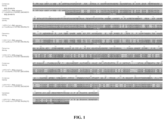
- a Prototheca wickerhamii strain (UTEX 1533) was obtained from the University of Texas at Austin Culture Collection of Algae (UTEX). Analysis of the 23S ribosomal DNA (rDNA) sequence of UTEX 1533 (SEQ ID NO:30) suggests that UTEX 1533 is very closely related to a Prototheca moriformis strain, UTEX 1435 (SEQ ID NO:31). The 23S rDNA sequence of UTEX 1533 has 100% sequence identity with the published 23S rDNA sequence from UTEX 1435 ( FIG. 1 ).
- the UTEX 1533 strain acquired from UTEX was verified as axenic through repeated passages on solid media containing various antibiotic and antifungal agents, followed by passage on antibiotic-free solid media to confirm a single cell type and a homogeneous morphology.
- This parent strain was given the designation "Strain 0" and also known as CHK22.
- Strain 0 was exposed to UV light to introduce a diverse collection of random mutations within the nuclear genome.
- Strain 0 cells were grown to mid-log phase in 50 mL of vegetative growth media (M21 seed media) in a 250-mL baffle flask at 28 °C/200 rpm. The cells were then washed in seed media and 3 ⁇ 10 7 cells were spread on a 150-mm solid tryptone soy agar (TSA) + 5 g/L glucose plate + 1.5% agar and allowed to dry.
- TSA solid tryptone soy agar
- the cells on the plate were then exposed to 25,000 ⁇ Joules of UV radiation (approximately 8.02 sec) using a Stratalinker ® 1800 UV Crosslinker system. Following UV exposure, the cells were scraped off of the solid media surface with a sterile cell scraper and into M21 seed media lacking both sugar and nitrogen. These cells were then washed extensively in the same nitrogen-free and sugar-free media, and then collected in a sterile 0.2-micron filter sterilization unit by vacuum filtration. Light exposure was kept to a minimum during this process to reduce the frequency of light-dependent repair of UV damage.
- the cells were washed off of the sterile filter and resuspended in M20 + 5 g/L glucose pre-seed media formulated with 10 mM L-serine as a nitrogen source, in lieu of the typical ammonium sulfate.
- Half of the mutagenized cell population was exposed to the acridine mutagen ICR-191 in M20 + 5 g/L glucose pre-seed media for 24 h at 28 °C with 200 rpm agitation.
- ICR-191 can introduce both double strand breaks and frame-shift mutations when used as a single agent, and significant chromosomal rearrangements when used in conjunction with other mutagens, including UV radiation.
- L-canavanine is a toxic analog of L-arginine that disrupts protein synthesis and leads to growth arrest. It is possible, albeit exceedingly rare, (i.e., approximately 1 in 10 8 to 1 in 10 9 ) to spontaneously obtain L-canavanine-resistant (L-can R ) colonies when plating otherwise wild-type populations of cells onto L-canavanine-containing media in the presence of L-arginine. Based on this possibility, the frequency of L-can R individuals observed in UV-mutagenized versus mock-mutagenized cell populations can serve as a rough measure of the efficiency of a given mutagenesis at increasing the rate of mutation over background. In the case of this UV-mutagenesis campaign, L-can R colonies were obtained at a rate >10,000 times more frequently in the UV-mutagenized population than in the mock-mutagenized population, indicating a significant mutagenic load.
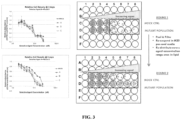
- FIG. 2 The mutagenesis, trait selection, high-throughput, and automated screening steps of the improvement process are outlined in FIG. 2 . Briefly, algal cells in log phase of growth were subjected to mutagenesis by means of chemicals or UV light (1). Cells were then sub-cultured into lipid production medium where the cells were subjected to selection/enrichment strategies (2). A non-mutagenized strain was run in parallel with the mutagenized strain until the growth in lipid production medium (as determined by an increase in A750) of the mutant strain exceeded that of the non-mutagenized control, as determined by a statistical analysis.
- Cerulenin is an antifungal antibiotic reported to inhibit fatty acid and sterol biosynthesis. Data from a number of studies suggest that cerulenin can specifically inhibit both the ⁇ -ketoacyl-ACP synthase I (KASI) and the ⁇ -ketoacyl-ACP synthase II (KASII) enzymes in plants, bacteria, and fungi. KASI catalyzes the two carbon at a time condensation reaction that generates 6-16 carbon long fatty acids. KASII functions in the condensation of palmitoyl-ACP with malonyl-ACP to yield stearoyl-ACP, which is rapidly desaturated to oleate.
- KASI ⁇ -ketoacyl-ACP synthase I
- KASIII ⁇ -ketoacyl-ACP synthase II
- UV-induced mutants of Strain 0 that show resistance to cerulenin could achieve this resistance through mutations that increase KASI/KASII activity, a phenotype that could be highly beneficial for oleate production.
- the approach illustrated in FIG. 2 was utilized. Briefly, the UV-mutagenized and mock mutagenized populations described previously were allowed to incubate in 5 mL M20 pre-seed media at 28 °C/200 rpm for an additional 48 hours after sampling for the L-canavanine resistance test (72 h total).
- FIG. 3 shows a prophetic example of the enrichment strategy used to isolate cerulenin-resistant microalgae.
- a portion of a 96-deep well block shows wells containing microalgae, with grey circles representing wild type, cerulenin-sensitive a portion of a 96-deep well blocks with wells containing microalgae, with grey circles representing wild type, cerulenin-sensitive cells, and yellow circles representing cerulenin-resistant cells.
- resistant cells are collected in the first round of enrichment and then redistributed across the cerulenin concentration gradient in a second round of enrichment, cells with a high tolerance for the cerulenin are present in concentrations that easily out-compete the sensitive cells in the population.
- These wells should thus have higher levels of growth than the mock-mutagenized populations of cells that have undergone a similar treatment. This "differentiation event" indicates the outgrowth of cerulenin resistance.
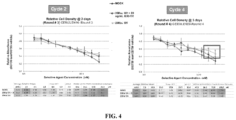
- FIG. 4 illustrates an actual enrichment strategy used to isolate cerulenin-resistant microalgae. After the first round of exposure to cerulenin, very little difference is observed between the UV-mutagenized and UV+ICR-191-mutagenized populations and the mock-mutagenized controls (left panel). After two additional round of drug exposure, the UV-mutagenized population shows slightly higher growth even at the highest cerulenin concentration then the mock mutagenized controls (right panel; red box). Wells containing these more cerulenin resistant cells were pooled, collected, and washed on sterile filters, and diluted and spread on solid media to isolate single colonies.
- Colonies arising from individual mutant clones were picked from the solid media plates for screening using a Picolo TM automated colony picking inoculation tool integrated into a TECAN Freedom EVO ® 200 automated liquid handling system. Each selected colony was used to inoculate both a single well of an archival 96-well solid media M20 + 5 g/L glucose + 0.8% agarose storage plate, as well as the corresponding well of a 96-well deep well block containing 0.5 mL of M20 pre-seed media. Pre-seed cultures were incubated at 28 °C/900 rpm/80% humidity for 72 h.
- Mutants described in TABLE 1 were re-interrogated in a larger tube-based format in which isolates were grown in duplicate in 10 mL of lipid production medium in a 50-mL bioreactor with shaking (200 rpm) for 120 hours at 28 °C at which point 1 mL of biomass was removed, applied to a polycarbonate filter, washed with an equal volume of Milli Q water, and placed in tared glass vial at -80 °C for 30 minutes. Vials containing filters and frozen biomass were lyophilized to dryness overnight, weights were recorded, and filters with dried biomass were subjected to direct transesterification followed by GC/FID to quantitate FAMEs. Mutants highlighted in bold showed both high productivity and high oleate levels.
- the phenotypic stability of each of the most promising mutants was evaluated by repeated sub-culturing in vegetative growth media (M21 + 40 g/L glucose seed media) until 30 or more population doublings had occurred. Cultures were then plated to M20 + 5 g/L glucose + 0.8% agarose solid media. Six colonies were picked to a solid media archival storage plate and were subsequently analyzed in duplicate 10-mL lipid production assays conducted in 50-mL bioreactor tubes at 28 °C/200 rpm. One of the strains showed a coefficient of variance (%CV) of less than 3% for oil titer and less than 1% in oleate levels across all six sub-clones.
- %CV coefficient of variance
- strain 1 This strain was deemed phenotypically stable and cryo-preserved as strain "Strain 1".
- the other mutant clones were not phenotypically stable and were reserved for additional rounds of sub-culturing and phenotypic evaluation or subject to additional round of classical strain improvement.
- Tube-based assays in which six isolates from each strain were grown in duplicate in 10 mL of lipid production medium. Cultures were grown with shaking (200 rpm) for 120 hours at 28 °C at which point 1 mL of biomass was removed, applied to a polycarbonate filter, washed with an equal volume of Milli Q water, and placed in tared glass vial at -80 °C for 30 minutes. Vials containing filters and frozen biomass were lyophilized to dryness overnight, their weights recorded and filters with dried biomass were subjected to direct transesterification followed by GC/FID to quantitate FAMEs.
- Strain 0_G07 was determined to be stable and was cryo-preserved as "Strain 1". TABLE 3 Strains in Duplicat e Strain Avg DCW Avg Oil Avg PCP Avg NLB Avg C18:1 Avg C16:1 Avg C18:2 6 Strain 0_G07_A1-5, B1 14.3 9.8 2.2 4.5 68.3 18.5 7.6 Stable; banked as "Strain 1" STDEV 0.2 0.2 0.2 0.1 0.1 0.1 0.1 %cv 1.4 1.8 3 2.2 0.2 0.7 1.1 6 Strain 0_E05_A7-11, B8 14.5 9.9 2.2 4.6 68.6 18.2 7.5 Unstable STDEV 0.5 0.4 0.2 0.3 0.2 0.1 %cv 3.7 3.5 6.9 7.0 0.3 0.9 1.0 6 Strain 0_E06_A1-5, B1 14.5 10.0 2.2 4.8 70.2 16.4 7.
- REFERENCE EXAMPLE 2 Generation of a classically improved microalgal strain capable of producing a triglyceride oil that is highly enriched in oleic acid.
- strain E06 The mutant strain, Strain 0_E06 (Strain E06), while not phenotypically stable, consistently achieved higher oleate levels than the mutant lineage that gave rise to Strain 1 ( TABLE 3 ). As such, this mutant lineage was selected for further rounds of classical strain improvement, and designated as "Strain K”. Following overnight growth in M21 + 40 g/L glucose seed media to mid-log phase, the E06 mutant was exposed to 270 mM ethyl methanesulfonate (EMS) in 0.1 M potassium phosphate buffer (pH 7.0) for 45 min at room temperature in dark and with periodic gentle agitation. Mutagenesis was terminated with the addition of a sodium thiosulfate solution to final concentration of 3% (w/v).
- EMS ethyl methanesulfonate
- a mock-mutagenized control cell population was taken through all the same manipulations, except for exposure to EMS.
- Cells were collected using 0.2-micron filter sterilization units, washed extensively with water, and then washed with and into 5 mL M20+ 5 g/L glucose pre-seed media.
- Pre-seed cultures were incubated at 28 °C/900 rpm/80% humidity for 72 h.
- An 8% (v/v) inoculum from each culture was then used to initiate a seed culture in 10 mL of standard M21 + 5 g/L glucose seed media in 50-mL bioreactor tubes.
- Triparanol is a 24-dehydroreductase inhibitor that disrupts production of cholesterol in mammalian cells. Triparanol can inhibit phytosterol biosynthesis in some microalgae.
- lipid cultures were incubated for approximately 72 hours at 28 °C/900 rpm/80% humidity. Growth was then assessed by measuring optical density at 750 nm wavelength (OD750) in a Molecular Devices Spectramax M5 plate reader.
- OD750 nm wavelength
- FIG . 6 Cells from lipid cultures with 50% or greater inhibition of growth relative to vehicle (DMSO)-treated controls as measured by optical density ( FIG . 6 ) were pooled in sterile 0.2-micron filter sterilization units, washed extensively with fresh M20 + 5 g/L glucose pre-seed media, and used to initiate a 10 mL M20 + 5 g/L glucose pre-seed cultures in 50-mL bioreactor tubes.
- the surviving population was then subjected to a second round of exposure to a combination of 5 ⁇ M triparanol and a range of phenethyl alcohol concentrations, ranging from 4-8 mM, again under lipid production culture conditions.
- Surviving cells were collected, washed, and recovered into M21 + 5 g/L glucose seed media, allowed to grow overnight to mid-log phase and then cryopreserved with the addition of dimethyl sulfoxide to 5% (v/v) and flash freezing.
- This expanded population of rare, surviving mutants was subsequently interrogated for the ability to survive under lipid production conditions in the presence of increasing levels of triparanol.
- cryo-vials were thawed and used to initiate a 10 mL pre-seed culture in bioreactor tube, which was incubated for 72 h at 28 °C/200 rpm. Two rounds of selection and enrichment with increasing amounts of triparanol were conducted following the strategy outlined in FIG. 3 . Following the third cycle of selection and enrichment, the mutant population began to significantly differentiate from the mock-mutagenized population when growth was measured during lipid production ( FIG . 7 ). This population was collected on sterile filters, diluted, and spread on solid media. The resulting clonal isolates were screened in our automated 96-well block-based lipid production and glucose consumption assay.
- FIG. 6 shows growth curves for selection for mutants with greater tolerance to membrane stress.
- Cells were exposed to a fixed concentration (1.6 ⁇ M) of triparanol and increasing concentrations of the membrane fluidizer phenethyl alcohol during a 3-day lipid production culture in a 96-deep well block.
- Significant inhibition of growth occurred at phenethyl alcohol concentrations >3.6 mM.
- Rare surviving cells were recovered by sterile filtration from wells treated with ⁇ 6.3 mM phenethyl alcohol, washed with and collected from the filter in M20 + glucose pre-seed media and the cultures used to initiate another round of selection for mutants with greater tolerance of membrane stress.
- FIG. 7 shows growth curves for selection for mutants with greater tolerance to the triparanol.
- Cells were exposed to increasing amounts of triparanol during a 3-day lipid production culture in a 96-deep well block. Significant inhibition of growth occurred at phenethyl alcohol concentrations >2 ⁇ M. Rare surviving cells presumed to be in wells where 50% inhibition was observed were recovered by sterile filtration, washed with and collected from the filter in M20 + glucose pre-seed media. The cultures were then used to initiate another round of selection. By the third round of selection (right panels), a subtle difference in the growth of the mutant population compared to the mock-mutagenized controls was observed. Cells were collected from the replicated wells treated with 7.7 ⁇ M triparanol (green boxes) and were plated to non-selective media to generate a mutant library for screening.
- strain 2 the best performing strain, designated as "Strain 2", manifested >26% more oleate than Strain 1.
- Strain 2 also achieved a 15% higher lipid titer than Strain 1. Based on its performance in low cell density lipid assays in tubes, the performance of Strain 2 was then evaluated under high cell density fermentation conditions.
- REFERENCE EXAMPLE 3 Generation of a classically improved microalgal strain capable of producing a triglyceride oil that is highly enriched in oleic acid.
- Two selective agent cocktail-treated mutant cultures exposed to inhibitor mixtures 12 and 14 ( FIG. 8 , Panels A and B) grew ⁇ 1.5-fold more than their paired, mock-treated control populations and were thus considered to have differentiated phenotypically.
- the mutant libraries derived from these cultures were plated on solid media to isolate individual mutant clones. These clones were initially screened for glucose consumption rates and those showing a statistically significant increase in glucose consumption compared to controls were analyzed for fatty acid profile.
- One isolate, M05_H03 showed a significant increase in oleate compared to the Strain 2 parental strain and was evaluated for phenotypic stability ( TABLE 8 ). In initial stability evaluations, some instability in both profile and glucose consumption was observed.
- the sub-clone manifesting the highest oleate level, M05_H03.D02 was selected for additional multi-generational sub-culture, and subsequently a re-evaluation of phenotypic stability.
- the sub-clone was shown to be unstable and was designated as "Strain 3".
- TABLE 8 shows representative fatty acid profiles for sub-clones of a promising Strain 2 mutant generated through an additional round of classical strain improvement. All strains were run under standard lipid production conditions in a 96-well block format in which cells are grown in 0.5 mL of lipid production media. Cultures were grown with shaking (900 rpm) for 72 hours at 28 °C, at which point 125 ⁇ L of biomass was removed, transferred to glass micro-vials, and frozen -80 °C for 30-60 minutes. The micro-vials containing frozen biomass were lyophilized to dryness overnight and then subjected to direct transesterification followed by GC/FID to quantitate FAMEs.
- the sub-clone, M05 _H03.C05 (highlighted in bold italics), showed a significant deviation in fatty acid profile from the other sub-clones of the original mutant that was identified. Note that the glucose consumption rate in grams/liter*day (g/L*D) correlated linearly with lipid titer in this assay and also showed significant variability in this mutant clone. Given this phenotypic instability, one of the sub-clones that produced the highest level of oleate, M05_H03.D02 (also highlighted in bold), was selected for additional sub-culture stability re-evaluation.
- FIG. 8 summarizes the classical strain improvement of Strain 2 by generation of diverse mutant libraries through exposure to different mixtures of metabolic inhibitors and herbicides.
- EMS ethyl methane sulfonate
- the resulting mutated cell populations were cultured under standard 96-well block lipid production conditions in 0.5 mL of lipid production media containing different combinations of inhibitors and/or herbicides.
- Mock-mutagenized cultures taken through all the same manipulations except for exposure to EMS were exposed to the same mixtures of inhibitors and herbicides in parallel. Cultures were grown with shaking (900 rpm) for 72 hours at 28 °C after which samples were removed from each well and diluted.
- FIG. 8 Panel A
- Error bars in the bar plot for each inhibitor mixture show the standard error derived from 4 replicate wells subjected to the same treatment.
- Mixtures 12 and 14 contained different combinations and concentrations of metabolic inhibitors ( FIG. 8 , Panel B) whose reported target activity and hypothesized mechanism of action in the lipid assay are described in the table in FIG. 8 , Panel C.
- REFERENCE EXAMPLE 4 Generation of a classically improved microalgal strain capable of producing a triglyceride oil that is highly enriched in oleic acid.
- REFERENCE EXAMPLE 5 Generation of a classically improved microalgal strain capable of producing a triglyceride oil that is highly enriched in oleic acid.
- a subpopulation of the Strain 4 lineage was concurrently subjected to an enrichment strategy employing one round of enrichment in an inhibitor cocktail (Inhibitor Cocktail 2 in FIG. 8 , Panel B) comprised of 0.115 ⁇ M clomiphene citrate, 12.35 ⁇ M terfenadine, 18.582 ⁇ M fluphenazine, and 1.654 ⁇ M triparanol.
- an inhibitor cocktail (Inhibitor Cocktail 2 in FIG. 8 , Panel B) comprised of 0.115 ⁇ M clomiphene citrate, 12.35 ⁇ M terfenadine, 18.582 ⁇ M fluphenazine, and 1.654 ⁇ M triparanol.
- Cells recovered from the enrichment were plated and subsequently assessed for glucose consumption and fatty acid profile in a 72-hour, 96-well block based format. One of these clones was subsequently stabilized and given the strain designation "Strain 5".
- REFERENCE EXAMPLE 6 Generation of a classically improved microalgal strain capable of producing a triglyceride oil that is highly enriched in oleic acid.
- Strain 5 was subjected to another round of mutagenesis with increasing concentrations and exposure time to 4-NQO (37 ⁇ M for 30 minutes at 28 °C). This population of cells was subsequently subdivided and grown in standard lipid production medium supplemented with a range of cerulenin concentrations (7-50 ⁇ M). Cells from all concentrations were pooled and fractionated over a 60% Percoll/0.15 M NaCl density gradient. Oil laden cells recovered from a density zone of 1.02 g/mL were plated and assessed for glucose consumption and fatty acid profile. One of these clones was subsequently stabilized and given the strain designation "Strain 6".
- EXAMPLE 7 Generation of a classically improved microalgal strain capable of producing a triglyceride oil that is highly enriched in oleic acid.
- Strain 6 was subsequently mutagenized with 8,000 ⁇ Joules of UV radiation. The resulting population of cells were subdivided and grown in standard lipid production medium supplemented with a range of concentrations (26-75 ⁇ M) of the mTOR (mammalian target of rapamycin) ATP-competitive inhibitor, AZD8055. Cells from all concentrations were pooled and fractionated over a 60% Percoll/0.15 M NaCl density gradient. Oil laden cells recovered from a density zone of 1.02-1.04 g/mL were plated and assessed for glucose consumption and fatty acid profile. One of these clones was subsequently stabilized and given the strain designation "Strain 7".
- TABLE 9 shows the fatty acid profiles of strains depicted in FIG. 9 from a 3-day, 96-well block lipid assay.
- Sample Name C14:0 C16:0 C16:1 C18:0 C18:1 C18:2 C18:3 alpha C20:0 C20:1 Strain 0* 1.38 27.40 0.85 3.33 58.32 6.70 0.51 0.40 0.20 Strain K* 0.76 15.21 0.61 3.53 70.62 7.23 0.51 0.42 0.16 Strain 2* 1.00 13.84 0.59 2.89 73.21 7.48 0.36 0.15 0.12 Strain 3* 0.87 9.76 0.51 2.43 74.83 10.30 0.48 0.21 0.33 Strain 4* 0.52 11.09 0.58 2.38 77.53 6.98 0.29 0.14 0.29 Strain 5* 0.51 8.45 0.42 2.77 78.78 7.90 0.38 0.12 0.37 Strain 6 0.31 5.75 0.30 2.67 81.45 7.83 0.34 0.13 0.66 Strain 7 0.28 5.29 0.27
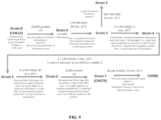
- FIG. 9 shows an overview of classical strain improvement and provenance of Strain 7 by generation of mutants derived from UTEX 1533 using mutagens and a series of selective agents and enrichment strategies.
- Inhibitor cocktail 1 (Strain 2 to Strain 3) comprised of 131.2 ⁇ M BASF 13-338, 1.1 ⁇ M cafenstrole, 0.4 ⁇ M clomiphene, 9.1 ⁇ M PF-042110, and 1.5 ⁇ M triparanol.
- Inhibitor cocktail 2 (Strain 4 to Strain 5) comprised of 0.115 ⁇ M clomiphene citrate, 12.35 ⁇ M terfenadine, 18.582 ⁇ M fluphenazine, and 1.654 ⁇ M triparanol.
- TABLE 10 shows the fatty acid profiles of various strains described herein.
- Strain Mutagen Enrichment Scale Process %Oleic Titer g/L
- EXAMPLE 8 Generation of a classically improved microalgal strain (CHK80) capable of producing a triglyceride oil that is highly enriched in oleic acid.
- CHK80 classically improved microalgal strain
- CHK74 was mutagenized for 30 min at 32 °C with 40 ⁇ M or 60 ⁇ M 4-NQO or subjected to sham mutagenesis with the addition of only the mutagen solvent, 0.06% DMSO.
- the two mutagenized and the mock-mutagenized populations were each independently cultured in lipid production media supplemented with different concentrations of the inhibitor, clomiphene, along with 2.44 g/L Tween-40, 2.49 g/L Tween-60, & 0.2 g/L linoleic acid.
- the Tween-emulsified linoleic acid was added to enrich for mutants that inherently produce lower levels of C18:2.
- mutant cells exposed to concentrations of clomiphene where growth was reduced >50% based on OD750 measurements were collected, pooled, washed free of the inhibitor, and subjected to another round of clomiphene exposure for 72 h in lipid media with linoleic supplementation, each time increasing the range of clomiphene exposures.
- a resistant population arose from the 60 ⁇ M 4-NQO mutant library compared to both the 40 ⁇ M 4-NQO mutant population or the mock-mutagenized controls ( FIG. 9 ).
- TABLE 13 shows genetic sequences of selectable markers that can be used to generate genetically modified microalgae.
- the classically improved microalgal strains provided herein do not comprises any of these exogenous sequences.
- Saccharomyces cerevisiae suc2 (ScSUC2) encodes for sucrose invertase, which allows for selection of strains that grow on sucrose media.
- Saccharomyces carlbergenesis MEL1 (ScarMEL) encodes for alpha-galactosidase (melibiase), which allows for selection of strains that grow on melibiose media.
- Arabidopsis thaliana ThiC encodes for phosphomethylpyrimidine synthase, an enzyme involved in pyrimidine synthesis in the thiamine biosynthesis pathway.
- S. cerevisiae suc2 sucrose invertase SEQ ID NO:27
- S. carlbergenesis MEL1 alpha galactosidase or melibiase SEQ ID NO:28
- A.thaliana ThiC (AtTHIC) (SEQ ID NO:29)
- the sterol and triterpene alcohol compositions of high oleic refined, bleached, and deodorized (RBD) triglyceride oils of the disclosure were determined using gas chromatography combined with mass spectrometry and flame ionization detection. Samples were prepared using the technique described in the German standardized method F-III for sterols in fats and oils from Aitzetmüller, et al. (1998), Analysis of sterol content and composition in fats and oils by capillary-gas liquid chromatography using an internal standard. Comments on the German sterol method. Fett/Lipid, 100: 429-435 . After addition of an internal standard, the oils were saponified. The unsaponifiable fractions were isolated using solid-phase extraction.
- Trimethylsilyl (TMS) derivatives of the unsaponifiable fraction were injected on an Agilent 8890 gas chromatograph equipped with a 5977B single quadrupole EI-MS and FID detector.
- a capillary flow technology (CFT) splitter was used to split the sample between the MS and FID detectors following separation using a DB-5MS Ultra Inert column (60 m length X 0.25 mm inner diameter X 0.25 ⁇ m film thickness).
- Mass spectra data, in conjunction with retention time comparison with analytical standards, if available, were used to identify each of the sterol species. Quantification was based on the FID response of the sterol TMS ethers compared to that of the internal standard.
- sterol profiles are shown in TABLE 14. Amounts are shown as mg/100 g of the oil and as approximate percentages of total detected sterols. Minor unidentified peaks were not accounted for. Not all sterols were identifiable and are listed as unknown. Ergosterol was the main sterol present in both oils. Various other sterols were present in the high oleic oils in significant amounts, including ergosta-5,8-dien-3-ol, (3 ⁇ )- and 5.xi.-ergost-7-en-3 ⁇ -ol, (3 ⁇ ). Campesterol, stigmasterol, and ⁇ -sitosterol were not detected in either oils.
- TABLE 15 shows fatty acid profiles of a TAG oil produced by strains CHK74 and CHK80. Values are in percentages of total detected fatty acids.
- LC/TOF-MS Liquid Chromatography/Time of Flight-Mass Spectrometry
- APCI Atmospheric Pressure Chemical Ionization
- TABLE 16 shows TAG profiles of a TAG oil produced by strains CHK74 and CHK80. Values are in percentages of total detected TAG species.
Landscapes
- Chemical & Material Sciences (AREA)
- Life Sciences & Earth Sciences (AREA)
- Engineering & Computer Science (AREA)
- Health & Medical Sciences (AREA)
- Organic Chemistry (AREA)
- Genetics & Genomics (AREA)
- Wood Science & Technology (AREA)
- Zoology (AREA)
- Biotechnology (AREA)
- Bioinformatics & Cheminformatics (AREA)
- General Engineering & Computer Science (AREA)
- Oil, Petroleum & Natural Gas (AREA)
- Biochemistry (AREA)
- Microbiology (AREA)
- General Health & Medical Sciences (AREA)
- Biomedical Technology (AREA)
- Polymers & Plastics (AREA)
- Food Science & Technology (AREA)
- Chemical Kinetics & Catalysis (AREA)
- Cell Biology (AREA)
- General Chemical & Material Sciences (AREA)
- Biophysics (AREA)
- Molecular Biology (AREA)
- Plant Pathology (AREA)
- Physics & Mathematics (AREA)
- Medicinal Chemistry (AREA)
- Mycology (AREA)
- Nutrition Science (AREA)
- Tropical Medicine & Parasitology (AREA)
- Virology (AREA)
- Botany (AREA)
- Pediatric Medicine (AREA)
- Micro-Organisms Or Cultivation Processes Thereof (AREA)
- Fats And Perfumes (AREA)
- Cosmetics (AREA)
Description
- Oleaginous microorganisms have the ability to convert carbon substrates into oils, including triacylglycerides (TAGs) or lipids, and accumulate these oils intracellularly. Some microorganisms can have capacity to accumulate lipids in amounts of up to 80% dry weight. Thus, oleaginous microorganisms, including microalgae, bacteria, fungi, and yeasts, can serve as an ideal source for biobased oil production. Genetic and non-genetic modification techniques can allow for the production of non-naturally occurring oils having particular fatty acid profiles.
US 10,053,646 B2 - The present invention is defined by the appended claims and provides a non-naturally occurring oil comprising a triacylglyceride (TAG) component and at least 100 mg of ergosterol per 100 g of the oil, wherein the TAG component has a fatty acid content comprising 80% or more C18:1 fatty acids and 5% or more C18:2 fatty acids, wherein the TAG component further comprises at least 60% triolein (OOO) and wherein the oil is produced from classical strain improvement of a cell.
- Formulations comprising the non-naturally occurring oil are disclosed herein.
- A method for producing the non-naturally occurring oil is disclosed herein, the method comprising: culturing in a bioreactor an oleaginous, non-naturally occurring microorganism described herein, thereby producing the non-naturally occurring oil.
- The novel features of the invention are set forth with particularity in the appended claims. A better understanding of the features and advantages of the present invention will be obtained by reference to the following detailed description that sets forth illustrative embodiments, in which the principles of the invention are utilized, and the accompanying drawings of which:
-
FIG. 1 shows a sequence alignment of a region of the plastidic 23S rDNA between a Prototheca wickerhamii strain (UTEX 1533; SEQ ID NO:30) and a Prototheca moriformis strain (UTEX 1435; SEQ ID NO:31). -
FIG. 2 shows an outline of the mutagenesis, trait selection, high-throughput, and automated screening steps of the improvement process described herein. -
FIG. 3 shows a theoretical example of the enrichment strategy used to isolate cerulenin-resistant microalgae. -
FIG. 4 illustrates an actual enrichment strategy used to isolate cerulenin-resistant microalgae. -
FIG. 5 describes an automated glucose assay used to measure residual glucose during mutant screening. -
FIG. 6 shows growth curves for selection for mutants with greater tolerance to membrane stress. -
FIG. 7 shows growth curves for selection for mutants with greater tolerance to the triparanol. -
FIG. 8 summarizes the classical strain improvement of Strain 2 by generation of diverse mutant libraries through exposure to different mixtures of metabolic inhibitors and herbicides.FIG. 8 , Panel A shows growth results from the selection strategies described herein.FIG. 8 , Panel B shows components ofmixture FIG. 8 , Panel C describes the various compounds used in selection strategies described herein. -
FIG. 9 shows an overview of an example classical strain improvement strategy for generation of mutants derived from UTEX 1533. - Provided herein are oil compositions having high oleic acid content. Methods of making the oil, and formulations and applications of the oil are disclosed. Oil compositions provided herein are produced by a microorganism that is produced by classical strain improvement strategies such as those described herein. In turn, these non-naturally occurring microorganisms can produce non-naturally occurring oils provided herein.
- Genetic and non-genetic modification techniques can allow for the production of non-naturally occurring oils having particular phenotypes. While genetic engineering techniques can tend to be more targeted to phenotypes elicited in a host oleaginous microbe, classical strain improvement or other non-genetic engineering techniques can also be employed to enhance phenotypes. Enhancement of phenotypes can include elaboration of a particular fatty acid profile (e.g., high oleic acid content), yield on carbon, volumetric oil accumulation (e.g., g oil/L culture), oil productivity (e.g., g oil/L culture day), and oil as a percent dry cell weight (DCW) as a measure of strain performance.
- A further benefit of classical strain improvement techniques, when used as the sole means to alter or improve strain phenotype and performance, can be realized from both a regulatory and business/marketing perspective. From a regulatory perspective, non-genetically engineered microbes may be exempt from regulatory oversight by entities such as U.S. EPA's Toxic Substances Control Act (TSCA) and the requirement to file a Microbial Commercial Activity Notice (MCAN) when the material is to be used in chemical (non-food) applications. Such dispensation extends to other geographies as well, such as Brazil, for example, where such microbes are exempt from filing a Strain Dossier with the Brazilian regulatory body (the National Technical Commission of Biosafety, Ministry of Science, Technology, Innovation, and Communications or CTNBio) that oversees industrial microbes. The avoidance of such regulatory oversight can save millions of dollars in development costs. From a marketing and consumer branding perspective, the raw materials produced by such non-genetically engineered means can meet GMO-free and organic labeling standards, as well as brands' and consumers' desires for "clean labeling".
- As used herein, the term "classical strain improvement" refers to methods of random or semi-random mutagenesis of microbes to create non-naturally occurring strains with improved properties. These methods include, but not limited to, mutagenesis of a population to create genetic variants, random selection or screening of a surviving population to identify an improved strain, and identification of improved strains by assaying fermentation broth for products. Classical strain improvement methods include exposure to UV radiation, chemical mutagens, and/or selective or enrichment agents. Classical strain improvement methods do not include recombinant genetic engineering methods targeted to one or more genomic regions, e.g., via homologous recombination.
- As used herein, the term "microbial oil" refers to an oil produced or extracted from a microorganism (microbe), e.g., an oleaginous, single-celled, eukaryotic, or prokaryotic microorganism, including but not limited to, microalgae, yeast, bacteria, and fungi.
- As used herein, the term "triacylglycerol", "triglyceride", or "TAG" refers to esters between glycerol and three saturated and/or unsaturated fatty acids. Generally, fatty acids of TAGs have chain lengths of 6 carbon atoms or more.
- As used herein, the term "TAG purity", "molecular purity", or "oil purity" refers to the number of molecular species that make up an oil composition, on an absolute basis or present in amounts above a certain threshold. The fewer the number of TAG species in an oil, the greater the "purity" of the oil.
- As used herein, the term "fatty acid profile" refers to a fatty acid composition of an oil, e.g., an oil produced by a cell provided herein or a derivative thereof. Derivatives of an oil produced by a cell provided herein include a refined, bleached, and deodorized oil. Fatty acid profiles can be determined by subjecting an oil to transesterification to generate fatty acid methyl esters (FAMEs) and subsequently quantitating fatty acid type by Gas Chromatography equipped with a Flame Ionization Detector (GC/FID).
- As used herein, the term "sterol profile" refers to a sterol composition of an oil, e.g., an oil produced by a cell provided herein or a derivative thereof. Derivatives of an oil produced by a cell provided herein include a refined, bleached, and deodorized oil.
- As used herein, the term "polyol" refers to triglycerols or fatty acid alcohols comprising hydroxyl functional groups. As used herein, the term "polyol derived from a TAG oil" generally refers to a polyol obtained from chemical conversion of a TAG oil, e.g., via epoxidation and ring opening, ozonolysis and reduction, or hydroformylation and reduction.
- As used herein, the term "polyurethane", "PU", or "urethane" refers to a class of polymers comprised of carbamate (urethane) linkages formed between a polyol and an isocyanate moiety.
- As used herein, the term "oleic content", "oleic acid content", "oleate content", or "olein content" refers the percentage amount of oleic acid in the fatty acid profile of a substance (e.g., a TAG oil). As used herein, the term "C18:1 content" refers the percentage amount of a C18:1 fatty acid (e.g., oleic acid) in the fatty acid profile of a substance (e.g., a microbial oil).
- As used herein, the term "high oleic" can refer to greater than 60% oleic acid, greater than 65% oleic acid, greater than 70% oleic acid, greater than 75% oleic acid, greater than 80% oleic acid, greater than 85% oleic acid, or greater than 90% oleic acid.
- As used herein, "sequence identity" refers to a percentage of identical amino acid residues between two sequences being compared after an optimal alignment of sequences. An optimal alignment of sequences may be produced manually or by means of computer programs that use a sequence alignment algorithm (e.g., ClustalW, T-coffee, COBALT, BestFit, FASTA, BLASTP, BLASTN, and TFastA). Sequence identity can be calculated by determining the number of identical positions between the two sequences being compared, dividing this number by the number of positions compared, and multiplying the result obtained by 100 to obtain the sequence identity between the two sequences.
- As used herein, the term "about" refers to ±10% from the value provided.
- Unless defined otherwise, all technical and scientific terms used herein have the same meaning as commonly understood by one of ordinary skill in the art to which this disclosure belongs. Although any methods and materials similar or equivalent to those described herein can also be used in the practice or testing of the present teachings, some exemplary methods and materials are described herein.
- An oil provided herein is obtained from a non-genetically modified microorganism (microbe), for example, oleaginous microalgae, yeast, or bacteria. In some embodiments, the non-genetically modified microorganism is a microalgal cell. In some embodiments, the microalgal cell is a non-genetically modified Prototheca sp. strain. The non-genetically modified Prototheca sp. strain can be produced by one or more classical strain improvement strategies described herein.
- In some embodiments, the cell does not comprise an exogenous gene or exogenous nucleotides that encodes for an exogenous protein or gene. For example, the cell does not comprise an exogenous gene in a lipid biosynthetic pathway. In some embodiments, the cell does not comprise a genetic disruption of one or more alleles of an endogenous gene in a lipid biosynthetic pathway. In some embodiments, the cell does not comprise a heterologous insertion within a genomic region that encodes for an endogenous gene in a lipid biosynthetic pathway. Non-limiting examples of genes involved in lipid biosynthesis include acyl-ACP thioesterase (FAT), delta-12 fatty acid desaturase (FAD), ketoacyl-ACP synthase (KAS), stearoyl-ACP desaturase (SAD), lysophosphatidic acid acyltransferase (LPAAT), ketoacyl-CoA reductase (KCR), hydroxyacyl-CoA dehydratase (HACD), and enoyl-CoA reductase (ECR).
- In some embodiments, the cell does not comprise an exogenous acyl-ACP thioesterase gene. In some embodiments, the cell does not comprise a genetic disruption of one or more alleles of an endogenous acyl-ACP thioesterase gene. In some embodiments, the cell does not comprise a heterologous insertion within a genomic region that encodes for an endogenous acyl-ACP thioesterase gene. In some embodiments, the endogenous acyl-ACP thioesterase gene is FATA.
- In some embodiments, the cell does not comprise an exogenous fatty acid desaturase gene. In some embodiments, the cell does not comprise a genetic disruption of one or more alleles of an endogenous fatty acid desaturase gene. In some embodiments, the cell does not comprise a heterologous insertion within a genomic region that encodes for an endogenous fatty acid desaturase gene. In some embodiments, the endogenous fatty acid desaturase gene is a delta-12 fatty acid desaturase. In some embodiments, the endogenous fatty acid desaturase gene is FAD2.
- In some embodiments, the cell does not comprise an exogenous ketoacyl-ACP synthase gene. In some embodiments, the cell does not comprise a genetic disruption of one or more alleles of an endogenous ketoacyl-ACP synthase gene. In some embodiments, the cell does not comprise a heterologous insertion within a genomic region that encodes for an endogenous ketoacyl-ACP synthase gene. In some embodiments, the endogenous ketoacyl-ACP synthase gene is KASI, KASII, or KASIII.
- In some embodiments, the cell does not comprise an exogenous stearoyl-ACP desaturase gene. In some embodiments, the cell does not comprise a genetic disruption of one or more alleles of an endogenous stearoyl-ACP desaturase gene. In some embodiments, the cell does not comprise a heterologous insertion within a genomic region that encodes for an endogenous stearoyl-ACP desaturase gene. In some embodiments, the endogenous stearoyl-ACP desaturase gene is SAD2.
- In some embodiments, the cell does not comprise an exogenous lysophosphatidic acid acyltransferase gene. In some embodiments, the cell does not comprise a genetic disruption of one or more alleles of an endogenous lysophosphatidic acid acyltransferase gene. In some embodiments, the cell does not comprise a heterologous insertion within a genomic region that encodes for an endogenous lysophosphatidic acid acyltransferase gene.
- In some embodiments, the cell does not comprise a genetic disruption of one or more alleles within 1.5 kb of an endogenous V-type proton ATPase catalytic
subunit A isoform 1 gene or 6S genomic region. In some embodiments, the cell does not comprise a heterologous insertion within 1.5 kb of an endogenous V-type proton ATPase catalyticsubunit A isoform 1 gene or 6S genomic region. - In some embodiments, the cell does not comprise a genetic disruption of one or more alleles within 1.5 kb of an endogenous DAO1B gene. In some embodiments, the cell does not comprise a heterologous insertion within 1.5 kb of an endogenous DAO1B gene.
- In some embodiments, the cell does not comprise a genetic disruption of one or more alleles within 1.5 kb of an endogenous Thi4 gene. In some embodiments, the cell does not comprise a heterologous insertion within 1.5 kb of an endogenous Thi4 gene.
- Accordingly, the cell comprises uninterrupted sequences of endogenous genes or genomic regions, including FAD2, FATA1, KASII, SAD2, V-type proton ATPase catalytic subunit A isoform 1 (6S), DAO1B, and Thi4 described herein.
- In some embodiments, the cell comprises at least 80%, at least 85%, at least 90%, at least 95%, or at least 99% sequence identity to any one of SEQ ID NO:1-26. In some embodiments, the cell comprises any one of SEQ ID NO:1-26 (genomic regions of CHK22 and CHK80). In some embodiments, the cell comprises SEQ ID NO:1-26 (genomic regions of CHK22 and CHK80).
- In some embodiments, the cell comprises at least 80%, at least 85%, at least 90%, at least 95%, or at least 99% sequence identity to any one of SEQ ID NO:1, 3, 5, 7, 9, 11, 13, 15, 18, 19, 21, 23, and 25 (genomic regions of CHK80). In some embodiments, the cell comprises any one of SEQ ID NO:1, 3, 5, 7, 9, 11, 13, 15, 18, 19, 21, 23, and 25 (genomic regions of CHK80). In some embodiments, the cell comprises SEQ ID NO:1, 3, 5, 7, 9, 11, 13, 15, 18, 19, 21, 23, and 25 (genomic regions of CHK80).
- In some embodiments, an oil provided herein is produced by microalgae. In some embodiments, the microalgae is a species of a genus selected from the group consisting of: Chlorella sp., Pseudochlorella sp., Heterochlorella sp., Prototheca sp., Arthrospira sp., Euglena sp., Nannochloropsis sp., Phaeodactylum sp., Chlamydomonas sp., Scenedesmus sp., Ostreococcus sp., Selenastrum sp., Haematococcus sp., Nitzschia, Dunaliella, Navicula sp., Trebouxia sp., Pseudotrebouxia sp., Vavicula sp., Bracteococcus sp., Gomphonema sp., Watanabea, sp., Botryococcus sp., Tetraselmis sp., and Isochrysis sp. In some embodiments, the microalgae is Prototheca sp. In some embodiments, the microalgae is P. moriformis. In some embodiments, the microalgae is P. wickerhamii. In some embodiments, the cell is derived from a UTEX 1435 base strain. In some embodiments, the cell is derived from a UTEX 1533 base strain. In some embodiments, the cell is derived from a base strain having a 23S ribosomal DNA sequence that is at least 80%, at least 85%, at least 90%, at least 95%, or 100% identity to SEQ ID NO:30 or SEQ ID NO:31. In some embodiments, the cell has a 23S ribosomal DNA sequence that is at least 80%, at least 85%, at least 90%, at least 95%, or 100% identity to SEQ ID NO:30 or SEQ ID NO:31.
- In some embodiments, an oil provided herein is produced by oleaginous yeast. In some embodiments, the oleaginous yeast is a species of a genus selected from the group consisting of: Candida sp., Cryptococcus sp., Debaromyces sp., Endomycopsis sp., Geotrichum sp., Hyphopichia sp., Lipomyces sp., Pichia, sp., Rodosporidium sp., Rhodotorula sp., Sporobolomyces sp., Starmerella sp., Torulaspora sp., Trichosporon sp., Wickerhamomyces sp., Yarrowia sp., and Zygoascus sp.
- In some embodiments, an oil provided herein is obtained from or produced by oleaginous bacteria. In some embodiments, the oleaginous bacteria is a species selected from the group consisting of: Flavimonas oryzihabitans, Pseudomonas aeruginosa, Morococcus sp., Rhodobacter sphaeroides, Rhodococcus opacus, Rhodococcus erythropolis, Streptomyces jeddahensis, Ochrobactrum sp., Arthrobacter sp., Nocardia sp., Mycobacteria sp., Gordonia sp., Catenisphaera sp., and Dietzia sp.
- Classical strain improvement strategies can be used to select for organisms having desired phenotypes, e.g., high oleic oil production. Classical strain improvement (also called "mutation breeding") involves exposing organisms to chemicals or radiation to generate mutants with desirable traits. These classical strain improvement methods introduce random or semi-random mutations, which can thereby allow selection of strains exhibiting desirable traits as a result of random mutagenesis. Several iterations of mutagenesis and selection can be performed with one or more mutagens to arrive to a strain having desirable phenotypes. Ultraviolet (UV) light can be used to introduce random mutations within a microorganism's nuclear genome. Chemical mutagens include compounds which inhibit or disrupt biosynthetic processes of a microorganism, e.g., antibiotics, antifungals, or carcinogens. Non-limiting examples of chemical mutagens include ICR-191, ethyl methanesulfonate (EMS), and 4-nitroquinoline-1-oxide (4-NQO). Non-limiting examples of chemical mutagens also include acridine mutagens, amino acid analogs, fatty acid biosynthesis inhibitors, cholesterol biosynthetic inhibitors, mTOR inhibitors, and membrane solubilizing agents. Combinations of chemical mutagens can also be used simultaneously to induce mutagenesis. Following mutagenesis, selective or enrichment agents can be used to select or enrich for strains of interest. Non-limiting examples of enrichment agents include L-canavanine, cerulenin, triparanol, clomiphene, clomiphene citrate, clotrimazole, terfenadine, fluphenazine, AZD8055, BASF 13-338, cafenstrole, clomiphene, PF-042110, and phenethyl alcohol.
- Classical strain improvement includes methods to improve strain productivity, carbon yield, and oleic acid content. Glucose consumption rate can be highly predictive indicator of lipid titer. As such, glucose consumption rate can be used as an enrichment tool in the mutant selection process. The methods can further include one or more of determining a total lipid titer of the cell, determining a fatty acid profile of the oil, or determining a C18:1 (e.g., oleic acid) content of the oil. Further, the methods can include assaying cell media to determine glucose consumption rate, total lipid titer, a fatty acid profile, and/or a C18:1 (e.g., oleic acid) content.
- The complexity and physical properties of an oil can be evaluated by the fatty acid profile and the TAG profile of the TAG component of an oil. The fatty acid profile is a measure of fatty acid composition, and can be determined by subjecting an oil to transesterification to generate fatty acid methyl esters (FAMEs) and subsequently quantitating fatty acid type by Gas Chromatography equipped with a Flame Ionization Detector (GC/FID). Accordingly, fatty acid content can be determined by GC/FID. Since TAGs comprise of three fatty acids arrayed along the glycerol backbone in the triglyceride molecule, the number of possible distinct regioisomers of TAGs can be defined by the number of fatty acid species in the oil raised to the third power. The TAG profile provides relative amounts of various TAG species in an oil, which can be determined by subjecting the oil to TAG fractionation using Liquid Chromatography/Time of Flight-Mass Spectrometry (LC/TOF-MS) equipped with an Atmospheric Pressure Chemical Ionization (APCI) source.
- In some embodiments, an oil provided herein has a high oleic acid content and low saturated fatty acid content. For example, the fatty acid content of the TAG component of an oil provided herein can be high in oleic acid and low in saturated fatty acids.
- Non-limiting examples of monounsaturated fatty acids include C10:1, C12:1, C14:1, C16:1, C17:1, C18:1, C18:1-OH, C20:1, C22:1, and C24:1. In some embodiments, an oil provided herein comprises one or more of C10:1, C12:1, C14: 1, C16: 1, C17:1, C18:1, C18:1-OH, C20:1, C22:1, or C24:1 fatty acids. In some embodiments, an oil provided herein has a monounsaturated fatty acid content of at least 60%, at least 70%, at least 80%, or at least 90%. For example, an oil provided herein has a C18:1 content of at least about 60%, at least about 61%, at least about 62%, at least about 63%, at least about 64%, at least about 65%, at least about 66%, at least about 67%, at least about 68%, at least about 69%, at least about 70%, at least about 71%, at least about 72%, at least about 73%, at least about 74%, at least about 75%, at least about 76%, at least about 77%, at least about 78%, at least about 79%, at least about 80%, at least about 81%, at least about 82%, at least about 83%, at least about 84%, at least about 85%, at least about 86%, at least about 87%, at least about 88%, at least about 89%, at least about 90%, at least about 91%, at least about 92%, at least about 93%, at least about 94%, at least about 95%, at least about 96%, at least about 97%, at least about 98%, at least about 99%, or more.
- In some embodiments, an oil provided herein has a fatty acid content comprising 60% or more, 70% or more, 80% or more, or 90% or more of C18:1 fatty acids. In some embodiments, the C18:1 fatty acids comprise oleic acid. In some embodiments, the C18:1 fatty acids comprise at least 90% oleic acid. In some embodiments, the C18:1 fatty acids comprise at least 95% oleic acid. In some embodiments, the C18:1 fatty acids comprise at least 99% oleic acid.
- An oil provided herein has a C18:1 content of from 60-100%, 60-70%, 70-80%, 80-90%, 85-90%, or 80-100%. In some embodiments, an oil provided herein has a C18:1 content of at least 60%, at least 70%, at least 80%, or at least 90%. For example, an oil provided herein has a C18:1 content of at least about 60%, at least about 61%, at least about 62%, at least about 63%, at least about 64%, at least about 65%, at least about 66%, at least about 67%, at least about 68%, at least about 69%, at least about 70%, at least about 71%, at least about 72%, at least about 73%, at least about 74%, at least about 75%, at least about 76%, at least about 77%, at least about 78%, at least about 79%, at least about 80%, at least about 81%, at least about 82%, at least about 83%, at least about 84%, at least about 85%, at least about 86%, at least about 87%, at least about 88%, at least about 89%, at least about 90%, at least about 91%, at least about 92%, at least about 93%, at least about 94%, at least about 95%, at least about 96%, at least about 97%, at least about 98%, at least about 99%, or more.
- An oil provided herein has an oleic content of from 60-100%, 60-70%, 70-80%, 80-90%, 85-90%, or 80-100%. In some embodiments, an oil provided herein has an oleic content of at least 60%, at least 70%, at least 80%, or at least 90%. For example, an oil provided herein has an oleic content of at least about 60%, at least about 61%, at least about 62%, at least about 63%, at least about 64%, at least about 65%, at least about 66%, at least about 67%, at least about 68%, at least about 69%, at least about 70%, at least about 71%, at least about 72%, at least about 73%, at least about 74%, at least about 75%, at least about 76%, at least about 77%, at least about 78%, at least about 79%, at least about 80%, at least about 81%, at least about 82%, at least about 83%, at least about 84%, at least about 85%, at least about 86%, at least about 87%, at least about 88%, at least about 89%, at least about 90%, at least about 91%, at least about 92%, at least about 93%, at least about 94%, at least about 95%, at least about 96%, at least about 97%, at least about 98%, at least about 99%, or more.
- An oil provided herein has a triolein (OOO) content of from 50-100%, 60-100%, 60-90%, 60-80%, 60-70%, 50-70%, or 60-65%. In some embodiments, an oil provided herein has a triolein content of at least 30%, at least 40%, at least 50%, at least 60%, at least 70%, at least 80%, or at least 90%. For example, an oil provided herein has a triolein content of at least about 30%, at least about 31%, at least about 32%, at least about 33%, at least about 34%, at least about 35%, at least about 36%, at least about 37%, at least about 38%, at least about 39%, at least about 40%, at least about 41%, at least about 42%, at least about 43%, at least about 44%, at least about 45%, at least about 46%, at least about 47%, at least about 48%, at least about 49%, at least about 50%, at least about 51%, at least about 52%, at least about 53%, at least about 54%, at least about 55%, at least about 56%, at least about 57%, at least about 58%, at least about 59%, at least about 60%, at least about 61%, at least about 62%, at least about 63%, at least about 64%, at least about 65%, or more.
- An oil provided herein has a C16:1 content of from 0.1-5%, 0.1-2%, 0.1-1%, 0.1-0.5%, or 0.1-0.2%. In some embodiments, an oil provided herein has a C16:1 content of greater than 0.1%, greater than 0.2%, greater than 0.3%, greater than 0.4%, or greater than 0.5%. In some embodiments, an oil provided herein has a C16:1 content of less than 0.5%, less than 0.4%, less than 0.3%, less than 0.2%, or less than 0.1%. In some embodiments, this oil has a C16:1 content of greater than 0%. In some embodiments, an oil provided herein has a C16:1 content of about 0.1% or about 0.2%.
- An oil provided herein has a C20:1 content of from 0.1-5%, 0.1-2%, 0.1-1%, 0.5-2%, 0.5-1%, or 1-2%. In some embodiments, an oil provided herein has a C20:1 content of greater than 0.1%, greater than 0.2%, greater than 0.3%, greater than 0.4%, greater than 0.5%, greater than 0.6%, greater than 0.7%, greater than 0.8%, greater than 0.9%, or greater than 1%. In some embodiments, an oil provided herein has a C20:1 content of less than 5%, less than 4%, less than 3%, less than 2%, less than 1%, less than 0.9%, less than 0.8%, less than 0.7%, less than 0.6%, less than 0.5%, less than 0.4%, less than 0.3%, less than 0.2%, or less than 0.1%. In some embodiments, this oil has a C20:1 content of greater than 0%. In some embodiments, an oil provided herein has a C20:1 content of about 1% or about 1.5%.
- Non-limiting examples of saturated fatty acids include C10:0, C12:0, C14:0, C16:0, C17:0, C18:0, C20:0, C22:0, and C24:0. In some embodiments, an oil provided herein comprises one or more of C10:0, C12:0, C14:0, C16:0, C17:0, C18:0, C20:0, C22:0, or C24:0 fatty acids. In some embodiments, an oil provided herein has a saturated fatty acid content of less than 30%, less than 20%, less than 10%, less than 9%, less than 8%, less than 7%, less than 6%, less than 5%, less than 4%, less than 3%, less than 2%, or less than 1%. For example, an oil provided herein has a saturated fatty acid content of less than about 30%, less than about 29%, less than about 28%, less than about 27%, less than about 26%, less than about 25%, less than about 24%, less than about 23%, less than about 22%, less than about 21%, less than about 20%, less than about 19%, less than about 18%, less than about 17%, less than about 16%, less than about 15%, less than about 14%, less than about 13%, less than about 12%, less than about 11%, less than about 10%, less than about 9%, less than about 8%, less than about 7%, less than about 6%, less than about 5%, less than about 4%, less than about 3%, less than about 2%, less than about 1%, or less. In some embodiments, this oil has a saturated fatty acid content of greater than 0%. In some embodiments, an oil provided herein has a saturated fatty acid content of about 0%.
- An oil provided herein has a C14:0 content of from 0.1-1%, 0.1-0.5%, 0.1-0.2%, or 0.1-0.3%. In some embodiments, an oil provided herein has a C14:0 content of less than 1%, less than 0.9%, less than 0.8%, less than 0.7%, less than 0.6%, less than 0.5%, less than 0.4%, less than 0.3%, less than 0.2%, or less than 0.1%. In some embodiments, this oil has a C14:0 content of greater than 0%. In some embodiments, an oil provided herein has a C14:0 content of about 0%.
- An oil provided herein has a C16:0 content of from 1-10%, 1-5%, 3-5%, or 3-4%. In some embodiments, an oil provided herein has a C16:0 content of less than 10%, less than 9%, less than 8%, less than 7%, less than 6%, less than 5%, less than 4%, less than 3%, less than 2%, or less than 1%. In some embodiments, this oil has a C16:0 content of greater than 0%. In some embodiments, an oil provided herein has a C16:0 content of greater than 3%. In some embodiments, an oil provided herein has a C16:0 content of about 0%.
- An oil provided herein has a C18:0 content of from 1-10%, 1-5%, 2-5%, or 2-3%. In some embodiments, an oil provided herein has a C18:0 content of less than 5%, less than 4%, less than 3%, less than 2%, or less than 1%. In some embodiments, this oil has a C18:0 content of greater than 0%. In some embodiments, an oil provided herein has a C18:0 content of about 0%.
- An oil provided herein has a C20:0 content of from 1-10%, 1-5%, 1-3%, 1-2%, or 2-3%. In some embodiments, an oil provided herein has a C20:0 content of less than 5%, less than 4%, less than 3%, less than 2%, or less than 1%. In some embodiments, this oil has a C20:0 content of greater than 0%. In some embodiments, an oil provided herein has a C20:0 content of about 0%.
- Non-limiting examples of polyunsaturated fatty acids include C18:2, C18:3, C18:3 alpha, C18:3 gamma, and C22:2. In some embodiments, an oil provided herein comprises one or more of C18:2, C18:3, C18:3 alpha, C18:3 gamma, or C22:2 fatty acids. In some embodiments, an oil provided herein has a polyunsaturated fatty acid content of less than 30%, less than 20%, less than 10%, less than 9%, less than 8%, less than 7%, less than 6%, less than 5%, less than 4%, less than 3%, less than 2%, or less than 1%. For example, an oil provided herein has a polyunsaturated fatty acid content of less than about 30%, less than about 29%, less than about 28%, less than about 27%, less than about 26%, less than about 25%, less than about 24%, less than about 23%, less than about 22%, less than about 21%, less than about 20%, less than about 19%, less than about 18%, less than about 17%, less than about 16%, less than about 15%, less than about 14%, less than about 13%, less than about 12%, less than about 11%, less than about 10%, less than about 9%, less than about 8%, less than about 7%, less than about 6%, less than about 5%, less than about 4%, less than about 3%, less than about 2%, less than about 1%, or less. The oil has a polyunsaturated fatty acid content of greater than 0%.
- An oil provided herein has a C18:2 content of from 1-10% or 5-10%. In some embodiments, an oil provided herein has a C18:2 content of less than 10%, less than 9%, less than 8%, less than 7%, less than 6%, less than 5%, less than 4%, less than 3%, less than 2%, or less than 1%. The oil has a C18:2 content of greater than 0%.
- In some embodiments, the fatty acid content of a TAG component comprises one or more of C14:0, C16:0, C16:1, C18:0, C18:1, C18:2, C18:3 alpha, C20:0, or C20:1 fatty acids. In some embodiments, the fatty acid content of the TAG component comprises one or more of C14:0, C16:0, C18:2, C18:3, C20:0, or C20:1 fatty acids. In some embodiments, the fatty acid content of the TAG component comprises C16:0, C18:0, C18:1, and C18:2 fatty acids. In some embodiments, the C18:1 fatty acids of the TAG component comprises at least 90% of oleic acid.
- The fatty acid content of the TAG component can comprise 1-10%, 1-5%, or 3-5% of C16:0 fatty acids. In some embodiments, the fatty acid content of a TAG component comprises 2% or more of C16:0 fatty acids. In some embodiments, the fatty acid content of a TAG component comprises 3% or more of C16:0 fatty acids. In some embodiments, the fatty acid content of a TAG component comprises more than 2% of C16:0 fatty acids. In some embodiments, the fatty acid content of a TAG component comprises more than 3% of C16:0 fatty acids.
- The fatty acid content of the TAG component can comprise 1-5%, 2-5%, or 2-3% of C18:0 fatty acids. In some embodiments, the fatty acid content of the TAG component comprises 1.5% or more of C18:0 fatty acids. In some embodiments, the fatty acid content of the TAG component comprises 2% or more of C18:0 fatty acids. In some embodiments, the fatty acid content of the TAG component comprises more than 2% of C18:0 fatty acids. In some embodiments, the fatty acid content of the TAG component comprises less than 3% of C18:0 fatty acids.
In some embodiments, the fatty acid content of the TAG component comprises less than 1% of C20:0 fatty acids. - The fatty acid content of the TAG component can comprise 5-10% of C18:2 fatty acids. The fatty acid content of the TAG component comprises 5% or more of C18:2 fatty acids. In some embodiments, the fatty acid content of the TAG component comprises 6% or more of C18:2 fatty acids. In some embodiments, the fatty acid content of the TAG component comprises more than 5% of C18:2 fatty acids.
- In addition to the fatty acid profile, an oil can be further evaluated by the sterol profile or composition. Sterol composition can be determined by mass spectrometry, for example, gas chromatography-mass spectrometry (GC-MS); liquid chromatography-mass spectrometry (LC-MS); tandem mass spectrometry (MS/MS), and coupled liquid and gas chromatography with subsequent flame ionization detection (LC-GC-FID). Concentration of the different sterols present in an oil can be expressed as mg sterol/100 g of oil. Non-limiting examples of sterols include brassicasterol; campesterol; stigmasterol; beta-sitosterol (β-sitosterol); ergosterol; ergosta-5,7,9(11),22-tetraen-3-ol,(3β,22E), ergosta-7,22-dien-3-ol, (3β,22E); ergost-8(14)-en-3-ol, (3β); ergosta-5,8-dien-3-ol, (3β); 5.xi.-ergost-7-en-3β-ol; 9,19-cyclolanost-24-en-3-ol, (3β); and 9,19-cyclolanostan-3-ol, 24-methylene-, (3β).
- In some embodiments, an oil provided herein comprises one or more of ergosterol; ergosta-5,8-dien-3-ol, (3β); 5.xi.-ergost-7-en-3β-ol; 9,19-cyclolanost-24-en-3-ol, (3β); and 9,19-cyclolanostan-3-ol, 24-methylene-, (3β). In some embodiments, the non-naturally occurring oil comprises one or more of brassicasterol, campesterol, stigmasterol, β-sitosterol, delta-5-avenasterol, cycloartenol, or ergosterol. In some embodiments, the non-naturally occurring oil comprises brassicasterol, cycloartenol, and ergosterol.
- An oil provided herein may comprise 100-200 mg, 100-150 mg, 100-130 mg, 150-200 mg, 160-180 mg, or 160-170 mg of ergosterol per 100 g of the oil. In some embodiments, an oil provided herein comprises more than 100 mg, more than 150 mg, or more than 160 mg of ergosterol per 100 g of the oil. In some embodiments, an oil provided herein comprises no more than 170 mg of ergosterol per 100 g of the oil. In some embodiments, the sterol content (as a percentage of total sterols) of an oil provided herein comprises 40-80%, 40-70%, 50-70%, 50-60%, 40-50%, at least 40%, at least 50%, or at least 60% ergosterol on a weight-by-weight basis.
- An oil provided herein comprises 0-10 mg, 0-5 mg, 0-2 mg, or 0-1 mg of campesterol per 100 g of the oil. In some embodiments, an oil provided herein comprises no more than 10 mg, no more than 9 mg, no more than 8 mg, no more than 7 mg, no more than 6 mg, no more than 5 mg, no more than 4 mg, no more than 3 mg, no more than 2 mg, or no more than 1 mg of campesterol per 100 g of the oil. In some embodiments, an oil provided herein does not comprise campesterol. In some embodiments, an oil provided herein does not contain a detectable level of campesterol. In some embodiments, the sterol content (as a percentage of total sterols) of an oil provided herein comprises about 0% campesterol on a weight-by-weight basis.
- An oil provided herein can comprise 0-10 mg, 0-5 mg, 0-2 mg, or 0-1 mg of brassicasterol per 100 g of the oil. In some embodiments, the non-naturally occurring oil comprises more than 5 mg of brassicasterol per 100 g of the non-naturally occurring oil. In some embodiments, the non-naturally occurring oil comprises more than 10 mg of brassicasterol per 100 g of the non-naturally occurring oil. In some embodiments, an oil provided herein does not contain brassicasterol. In some embodiments, an oil provided herein does not contain a detectable level of brassicasterol. In some embodiments, the sterol content (as a percentage of total sterols) of an oil provided herein comprises about 0% brassicasterol on a weight-by-weight basis.
- An oil provided herein comprises 0-10 mg, 0-5 mg, 0-2 mg, or 0-1 mg of stigmasterol per 100 g of the oil. In some embodiments, the non-naturally occurring oil comprises more than 10 mg of stigmasterol per 100 g of the non-naturally occurring oil. In some embodiments, an oil provided herein comprises no more than 10 mg, no more than 9 mg, no more than 8 mg, no more than 7 mg, no more than 6 mg, no more than 5 mg, no more than 4 mg, no more than 3 mg, no more than 2 mg, or no more than 1 mg of stigmasterol per 100 g of the oil. In some embodiments, an oil provided herein does not contain stigmasterol. In some embodiments, an oil provided herein does not contain a detectable level of stigmasterol. In some embodiments, the sterol content (as a percentage of total sterols) of an oil provided herein comprises about 0% stigmasterol on a weight-by-weight basis.
- An oil provided herein can comprise 0-10 mg, 0-5 mg, 0-2 mg, or 0-1 mg of β-sitosterol per 100 g of the oil. In some embodiments, the non-naturally occurring oil comprises less than 30 mg of β-sitosterol per 100 g of the non-naturally occurring oil. In some embodiments, an oil provided herein comprises no more than 20 mg, no more than 15 mg, no more than 10 mg, no more than 9 mg, no more than 8 mg, no more than 7 mg, no more than 6 mg, no more than 5 mg, no more than 4 mg, no more than 3 mg, no more than 2 mg, or no more than 1 mg of β-sitosterol per 100 g of the oil. In some embodiments, an oil provided herein does not contain β-sitosterol. In some embodiments, an oil provided herein does not contain a detectable level of β-sitosterol. In some embodiments, the sterol content (as a percentage of total sterols) of an oil provided herein comprises about 0% β-sitosterol on a weight-by-weight basis.
- An oil provided herein can comprise 0.1-100 mg, 0.1-50 mg, 1-20 mg, 1-50 mg, 10-50 mg, 10-30 mg, or 10-20 mg of ergosta-5,8-dien-3-ol, (3β)- per 100 g of the oil. In some embodiments, an oil provided herein comprises more than 1 mg, more than 5 mg, more than 10 mg, more than 15 mg, more than 20 mg, more than 25 mg, more than 30 mg, more than 35 mg, more than 40 mg, more than 45 mg, or more than 50 mg of ergosta-5,8-dien-3-ol, (3β)-per 100 g of the oil. In some embodiments, the sterol content (as a percentage of total sterols) of an oil provided herein comprises 1-10%, 5-10%, at least 1%, at least 2%, at least 3%, at least 4%, at least 5%, at least 6%, or at least 7% ergosta-5,8-dien-3-ol, (3β)- on a weight-by-weight basis.
- An oil provided herein can comprise 0.1-100 mg, 0.1-50 mg, 1-50 mg, 10-50 mg, 20-50 mg, 30-50 mg, or 30-40 mg of 5.xi.-ergost-7-en-3β-ol, (3β) per 100 g of the oil. In some embodiments, an oil provided herein comprises more than 1 mg, more than 5 mg, more than 10 mg, more than 15 mg, more than 20 mg, more than 25 mg, or more than 30 mg of 5.xi.-ergost-7-en-3β-ol, (3β) per 100 g of the oil. In some embodiments, the sterol content (as a percentage of total sterols) of an oil provided herein comprises 1-20%, 1-10%, 10-20%, at least 1%, at least 2%, at least 3%, at least 4%, at least 5%, at least 6%, at least 7%, at least 8%, at least 9%, at least 10%, at least 11%, or at least 12% 5.xi.-ergost-7-en-3β-ol, (3β) on a weight-by-weight basis.
- An oil provided herein can comprise 0.1-100 mg, 0.1-50 mg, 1-100 mg, 1-50 mg, 50-100 mg, 50-70 mg, 60-70 mg, 30-50 mg, or 30-40 mg of 9,19-cyclolanost-24-en-3-ol, (3β) per 100 g of the oil. In some embodiments, an oil provided herein comprises more than 20 mg, more than 30 mg, more than 40 mg, more than 50 mg, or more than 60 mg of 9,19-cyclolanost-24-en-3-ol, (3β) per 100 g of the oil. In some embodiments, the sterol content (as a percentage of total sterols) of an oil provided herein comprises 1-50%, 10-40%, 10-30%, 10-20%, 20-30%, at least 5%, at least 10%, at least 11%, at least 12%, at least 13%, at least 14%, at least 15%, at least 16%, at least 17%, at least 18%, at least 19%, or at least 20% 9,19-cyclolanost-24-en-3-ol, (3β) on a weight-by-weight basis.
- An oil provided herein can comprise 0.1-100 mg, 0.1-50 mg, 1-100 mg, 1-50 mg, 1-20 mg, or 10-20 mg of 9,19-cyclolanostan-3-ol, 24-methylene-, (3β) per 100 g of the oil. In some embodiments, an oil provided herein comprises more than 1 mg, more than 2 mg, more than 3 mg, more than 4 mg, more than 5 mg, more than 6 mg more than 7 mg, more than 8 mg, more than 9 mg, more than 10 mg, or more than 11 mg of 9,19-cyclolanostan-3-ol, 24-methylene-, (3β) per 100 g of the oil. In some embodiments, the sterol content (as a percentage of total sterols) of an oil provided herein comprises 1-10%, 1-5%, 5-10%, at least 1%, at least 2%, at least 3%, at least 4%, or at least 5% 9,19-cyclolanostan-3-ol, 24-methylene-, (3β) on a weight-by-weight basis. In some embodiments, the non-naturally occurring oil comprises less than 10 mg of cycloartenol per 100 g of the non-naturally occurring oil.
- The oils described herein can be used or formulated with one or more excipients for a variety of applications, including but not limited to, process oils (e.g., for tires), waxes, lubricants, polyols, macrodiols, polyesterdiols, and polyurethane products, e.g., hard foams, soft foams, cast polyurethanes, thermoplastic polyurethanes (TPUs), elastomers, adhesives, coatings, laminates, films, and dispersions. Polyurethane products can be used to construct aerospace, automotive, medical, electronic, building and construction goods; sporting goods or recreational equipment, e.g., skis, snowboards, sidewalls, boating equipment, kayaks; and other consumer goods, e.g., industrial containers, coolers, mattresses, leather goods, apparel, footwear, mannequins, and phone cases. These polyurethane applications can serve as sustainable alternatives to petroleum-based, non-renewable materials, such as acrylonitrile butadiene styrene (ABS), ultra-high molecular weight polyethylene (UHMWPE), or high density polyethylene (HDPE).
- Oil provided herein can have improved production efficiency and a TAG composition that is enhanced for improved control of hydroformylation chemistry for generating polyols. These characteristics of microbial oil result in a greater degree of hydroxyl group (-OH) functionality relative to oils with greater TAG heterogeneity (hence, lower purity) and/or diversity (e.g., oilseed or plant derived oils). Thus, polyols produced from hydroformylation of high oleic oils can be preferable in generating polymers, including in instances where physical properties of a polymer can be compromised by molecular impurities, such as non-hydroxylated fatty acids that may be present in oils having a more diverse or heterogeneous TAG profile.
- Polyols derived from hydroformylation of a high oleic oil can be particularly useful for producing polyurethane materials. For example, oils provided herein can have relatively low TAG diversity, low fatty acid diversity, and the majority of fatty acids present in the oils may be unsaturated fatty acids. A higher ratio of unsaturated fatty acid to saturated fatty acid can allow for increased chemical reactivity at the double bonds. Oils having low TAG diversity and a high proportion of unsaturated fatty acids can be especially desirable in production of polyurethanes because hydroformylation of such a mixture yields a greater percentage of fatty acids that can participate in crosslinking reactions with isocyanates. Unlike unsaturated fatty acids, saturated fatty acids do not contain carbon-carbon double bounds and cannot participate in crosslinking reactions with isocyanates. Thus, polyols generated from hydroformylation of unsaturated fatty acids from high oleic oil can yield polyurethane materials having superior properties.
- The hydroxyl functionality can be introduced into oils provided herein via a chemical conversion of the TAG component. This conversion requires the presence of a double bond on the acyl moiety of the fatty acid, e.g., an olefinic group, which can be accomplished using several different chemistries including, for example:
- i) Epoxidation in the presence of hydrogen peroxide and acid catalyst, followed by ring opening with reagents, such as water, hydrogen, methanol, ethanol, or other polyols. These chemistries result in secondary hydroxyl moieties, and are therefore less reactive, for example, with isocyanate or methyl esters.
- ii) Ozonolysis by molecular oxygen results in the formation of ozonides, which upon further oxidation results in scission at the double bond and formation of di-acids, carboxylic acids, and, upon reduction with hydrogen, aldehydes. Ozonolysis and reduction of oleic acid, for example, produces azaleic acid, pelargonic acid, and pelargonaldehyde, respectively.
- iii) Hydroformylation with synthesis gas (syngas), using rhodium or cobalt catalysts to form the aldehyde at the olefinic group, followed by reduction of the aldehyde to alcohol in the presence of hydrogen.
- While typically carried out in organic solvent, processes that utilize aqueous systems have been developed to improve sustainability of these chemistries. Of the chemistries described above, only hydroformylation results in the preservation of fatty acid length and formation of primary hydroxyl moieties. Primary hydroxyl functionalities are highly desirable due to increased reactivity compared to secondary hydroxyl moieties. Furthermore, only olefinic fatty acids with a double bond that is converted into a site possessing hydroxyl functionality, through epoxidation and ring opening, ozonolysis, or hydroformylation/reduction, can participate in subsequent downstream chemistries, i.e., reaction with an isocyanate moiety to form a urethane linkage or reaction with methyl esters to form polyesters. All other fatty acids, namely, fully saturated fatty acids that do not contain carbon-carbon double bonds, cannot participate in crosslinking reactions with isocyanates. Hence, saturated fatty acids can compromise the structural integrity and degrade performance of the polymer produced therefrom.
- The oils described herein can be used or formulated with one or more excipients for a variety of personal care product applications, including but not limited to, cosmetics, creams, face creams, hand creams, balms, lip balms, serums, face serums, body oils, hair oils, soaps, shampoos, conditioners.
- The oils described herein can be used or formulated with one or more excipients for a variety of food applications, including but not limited to, food products, e.g., food-grade oils, cooking oil, frying oils, coatings, salad dressings, spreads, frozen desserts, pharmaceuticals, nutritional supplements, nutraceuticals, meal replacements, infant formulas, beverages, flavoring agents, and food additives.
- A Prototheca wickerhamii strain (UTEX 1533) was obtained from the University of Texas at Austin Culture Collection of Algae (UTEX). Analysis of the 23S ribosomal DNA (rDNA) sequence of UTEX 1533 (SEQ ID NO:30) suggests that UTEX 1533 is very closely related to a Prototheca moriformis strain, UTEX 1435 (SEQ ID NO:31). The 23S rDNA sequence of UTEX 1533 has 100% sequence identity with the published 23S rDNA sequence from UTEX 1435 (
FIG. 1 ). The UTEX 1533 strain acquired from UTEX was verified as axenic through repeated passages on solid media containing various antibiotic and antifungal agents, followed by passage on antibiotic-free solid media to confirm a single cell type and a homogeneous morphology. This parent strain was given the designation "Strain 0" and also known as CHK22. - Classical strain improvement of
Strain 0 was undertaken in an effort to improve strain productivity, carbon yield, and oleic acid content. First,Strain 0 was exposed to UV light to introduce a diverse collection of random mutations within the nuclear genome. To accomplish this,Strain 0 cells were grown to mid-log phase in 50 mL of vegetative growth media (M21 seed media) in a 250-mL baffle flask at 28 °C/200 rpm. The cells were then washed in seed media and 3×10⁷ cells were spread on a 150-mm solid tryptone soy agar (TSA) + 5 g/L glucose plate + 1.5% agar and allowed to dry. The cells on the plate were then exposed to 25,000 µJoules of UV radiation (approximately 8.02 sec) using a Stratalinker® 1800 UV Crosslinker system. Following UV exposure, the cells were scraped off of the solid media surface with a sterile cell scraper and into M21 seed media lacking both sugar and nitrogen. These cells were then washed extensively in the same nitrogen-free and sugar-free media, and then collected in a sterile 0.2-micron filter sterilization unit by vacuum filtration. Light exposure was kept to a minimum during this process to reduce the frequency of light-dependent repair of UV damage. The cells were washed off of the sterile filter and resuspended in M20 + 5 g/L glucose pre-seed media formulated with 10 mM L-serine as a nitrogen source, in lieu of the typical ammonium sulfate. Half of the mutagenized cell population was exposed to the acridine mutagen ICR-191 in M20 + 5 g/L glucose pre-seed media for 24 h at 28 °C with 200 rpm agitation. ICR-191 can introduce both double strand breaks and frame-shift mutations when used as a single agent, and significant chromosomal rearrangements when used in conjunction with other mutagens, including UV radiation. - The culture of
Strain 0 in M22 pre-seed media formulated with 10 mM L-serine as a nitrogen source was previously shown to have little impact or no impact growth. Nonetheless, amino acid uptake studies in related microalgae have suggested that culture under such conditions stimulates the uptake of L-arginine. After 16-24 h of incubation at 28 °C/200 rpm agitation, a portion of the mutagenized and mock-mutagenized cultures were independently plated to M20 + 5 g/L glucose + 10 mM L-serine + 100 µg/mL L-canavanine + 0.8% agarose solid media. L-canavanine is a toxic analog of L-arginine that disrupts protein synthesis and leads to growth arrest. It is possible, albeit exceedingly rare, (i.e., approximately 1 in 108 to 1 in 109) to spontaneously obtain L-canavanine-resistant (L-canR) colonies when plating otherwise wild-type populations of cells onto L-canavanine-containing media in the presence of L-arginine. Based on this possibility, the frequency of L-canR individuals observed in UV-mutagenized versus mock-mutagenized cell populations can serve as a rough measure of the efficiency of a given mutagenesis at increasing the rate of mutation over background. In the case of this UV-mutagenesis campaign, L-canR colonies were obtained at a rate >10,000 times more frequently in the UV-mutagenized population than in the mock-mutagenized population, indicating a significant mutagenic load. - The mutagenesis, trait selection, high-throughput, and automated screening steps of the improvement process are outlined in
FIG. 2 . Briefly, algal cells in log phase of growth were subjected to mutagenesis by means of chemicals or UV light (1). Cells were then sub-cultured into lipid production medium where the cells were subjected to selection/enrichment strategies (2). A non-mutagenized strain was run in parallel with the mutagenized strain until the growth in lipid production medium (as determined by an increase in A750) of the mutant strain exceeded that of the non-mutagenized control, as determined by a statistical analysis. Strains were then plated to solid medium to obtain clonal isolates (3), followed by the interrogation of these isolates in lipid production medium in a 96-well plate format (4). Using glucose consumption as a surrogate for oil production, high glucose consuming strains were validated in lipid production medium in a tube or shake flask format (5). Isolates that were successfully validated were sub-cultured for multiple generations to stabilize mutations (6), followed by purification of clonal isolates (7) and subsequent re-interrogation in lipid production medium (8). Clones deemed to be phenotypically stable were then ready for validation in fermentation (9), while clones that still show variability in (8) are passaged once more (6) to generate stable lines. - Cerulenin is an antifungal antibiotic reported to inhibit fatty acid and sterol biosynthesis. Data from a number of studies suggest that cerulenin can specifically inhibit both the β-ketoacyl-ACP synthase I (KASI) and the β-ketoacyl-ACP synthase II (KASII) enzymes in plants, bacteria, and fungi. KASI catalyzes the two carbon at a time condensation reaction that generates 6-16 carbon long fatty acids. KASII functions in the condensation of palmitoyl-ACP with malonyl-ACP to yield stearoyl-ACP, which is rapidly desaturated to oleate. UV-induced mutants of
Strain 0 that show resistance to cerulenin could achieve this resistance through mutations that increase KASI/KASII activity, a phenotype that could be highly beneficial for oleate production. In order to isolate cerulenin-resistant Strain 0 mutants, the approach illustrated inFIG. 2 was utilized. Briefly, the UV-mutagenized and mock mutagenized populations described previously were allowed to incubate in 5 mL M20 pre-seed media at 28 °C/200 rpm for an additional 48 hours after sampling for the L-canavanine resistance test (72 h total). An 8% (v/v) inoculum from each culture was used to initiate a 10 mL seed culture in standard M21 seed media in a 50-mL bioreactor tube. These seed cultures were incubated for 24-26 h hour to mid-log phase, after which the cultures were divided and used to perform a 0.8% inoculation of different wells of a 96-well block containing 0.5 mL of M22 lipid production media and varying amounts of cerulenin or DMSO as a vehicle control. These lipid cultures were incubated for approximately 72 hours. Growth was then assessed by measuring optical density at 750 nm wavelength (OD750) in a Molecular Devices Spectramax M5 plate reader. - While growth of the vast majority of the cells can be negatively impacted by cerulenin, a very small subset of cells with beneficial mutations within the mutant population can be resistant to the antibiotic. To increase the likelihood of isolating these resistant cells, wells in which inhibition of growth was ≥50% of the growth observed in DMSO-treated controls were collected onto sterile filters, extensively washed in M20 pre-seed media, and then used to initiate another round of M20 pre-seed culture. These cells were then subjected to another round of seed and then lipid culture in the presence of differing amounts of cerulenin or DMSO, as was performed in the first round of enrichment for cerulenin resistance. This cycle was repeated until a "differentiation event" was observed in which the MIC50 of the mutant population is higher than that of the mock mutagenized population. Wells in which statistically significant differences were observed were pooled, collected on sterile filters, washed extensively, and then diluted and plated for single colonies on 10-cm M20+5 g/L glucose + 1.5% agar plates. Clonally isolated mutants from the cerulenin-resistant population constituted a cerulenin-resistant "mutant library".
- Using the UV-mutagenized and UV+ICR-191-mutagenized library of
Strain 0, four cycles of enrichment were conducted as described at which time a very small but statistically significant increase in the MIC50 was observed only in the UV-mutagenized mutant population when compared to the mock-mutagenized controls (FIG. 3 ). Cells in these wells were pooled, collected with 0.2-µm filter sterilization units, washed with media, and then resuspended in media and counted. These cells were then spread onto M20 + glucose + 1.5% agar solid media to clonally isolate individual mutants. -
FIG. 3 shows a prophetic example of the enrichment strategy used to isolate cerulenin-resistant microalgae. As illustrated inFIG. 3 , a portion of a 96-deep well block shows wells containing microalgae, with grey circles representing wild type, cerulenin-sensitive a portion of a 96-deep well blocks with wells containing microalgae, with grey circles representing wild type, cerulenin-sensitive cells, and yellow circles representing cerulenin-resistant cells. When resistant cells are collected in the first round of enrichment and then redistributed across the cerulenin concentration gradient in a second round of enrichment, cells with a high tolerance for the cerulenin are present in concentrations that easily out-compete the sensitive cells in the population. These wells should thus have higher levels of growth than the mock-mutagenized populations of cells that have undergone a similar treatment. This "differentiation event" indicates the outgrowth of cerulenin resistance. -
FIG. 4 illustrates an actual enrichment strategy used to isolate cerulenin-resistant microalgae. After the first round of exposure to cerulenin, very little difference is observed between the UV-mutagenized and UV+ICR-191-mutagenized populations and the mock-mutagenized controls (left panel). After two additional round of drug exposure, the UV-mutagenized population shows slightly higher growth even at the highest cerulenin concentration then the mock mutagenized controls (right panel; red box). Wells containing these more cerulenin resistant cells were pooled, collected, and washed on sterile filters, and diluted and spread on solid media to isolate single colonies. - Colonies arising from individual mutant clones were picked from the solid media plates for screening using a Picolo™ automated colony picking inoculation tool integrated into a TECAN Freedom EVO® 200 automated liquid handling system. Each selected colony was used to inoculate both a single well of an archival 96-well solid media M20 + 5 g/L glucose + 0.8% agarose storage plate, as well as the corresponding well of a 96-well deep well block containing 0.5 mL of M20 pre-seed media. Pre-seed cultures were incubated at 28 °C/900 rpm/80% humidity for 72 h. An 8% (v/v) inoculum from each culture was then used to initiate a seed culture in 0.5 mL of standard M21 seed media in corresponding wells of 96-deep well block. These seed cultures were incubated at 28 °C/200 rpm/80% humidity for 24-26 h to mid-log phase, and then the cultures were used to perform a 0.8% inoculation of corresponding wells of a 96-deep well block containing 0.5 mL of M22 lipid production media. Lipid cultures were incubated for 72 h and then samples from each culture were assessed for rate of glucose consumption using an automated glucose assay described in
FIG. 5 to measure residual glucose in each well. Individual clones with glucose consumption rates greater than or equal to the average consumption rate of theStrain 0 controls were selected for further analysis. Approximately 125 µL of broth from each of the selected lipid cultures were frozen at -80 °C for approximately 1 hour and lyophilized overnight and then submitted for quantitative FAME analysis of fatty acid composition by GC-FID. A number of clones were identified with significant increases in oleate levels and glucose consumption rates equal to or greater than Strain 0 (TABLE 1). These primary hits were re-screened in a tube assay to assess oleate production and lipid titer following 5-days in lipid culture (TABLE 2). Three mutants, Strain 0_G07, Strain 0_E05, and Strain 0_E06, had lipid titers that were comparable to theStrain 0 parental strain while manifesting 9-10% more oleate content.TABLE 1 Strain % Oleate in Block Strain 0_H07 60.14 Strain 0_G07 69.38 Strain 0_E05 68.96 Strain 0_H05 71.96 Strain 0_E06 69.92 Strain 0_G08 71.84 Strain 059.34 - TABLE 1 summarizes oleate content of select mutant strains exhibiting higher glucose consumption in a 96-well block lipid assay. Mutant strains (approximately 2,200 isolates) were grown in lipid production medium (0.5 mL) with shaking (900 rpm) for 72 hours at 28 °C at which point glucose consumption was measured. Isolates with high glucose consumption levels were further interrogated for fatty acid composition with lead strains shown here.
TABLE 2 Strain Avg DCW Avg Oil Oil %CV Avg NLB Avg PCP Avg % Oleate Strain 0_H07 15.5 10.8 4.5 4.7 2.3 58.82 Strain 0_G07 15.1 10.1 2.6 5.0 2.0 67.60 Strain 0_E05 15.2 10.3 1.1 4.9 2.1 67.87 Strain 0_H05 8.2 5.1 10.7 3.0 1.7 69.16 Strain 0_E06 15.1 10.2 2.3 4.8 2.1 69.24 Strain 0_G08 9.1 5.6 4.2 3.5 1.6 68.89 Strain 015.0 10.3 2.6 4.7 2.2 58.45 - TABLE 2 summarizes the performance of select mutant strains in a tube-based assay based on average dry cell weight (Avg DCW), average oil titer (g/L) (Avg Oil), oil titer g/L, % coefficient of variance (Oil %CV), average non lipid biomass (Avg NLB), average per cell production (oil titer/NLB-Avg PCP), and average % oleate content (Avg % Oleate). Mutants described in TABLE 1 were re-interrogated in a larger tube-based format in which isolates were grown in duplicate in 10 mL of lipid production medium in a 50-mL bioreactor with shaking (200 rpm) for 120 hours at 28 °C at which
point 1 mL of biomass was removed, applied to a polycarbonate filter, washed with an equal volume of Milli Q water, and placed in tared glass vial at -80 °C for 30 minutes. Vials containing filters and frozen biomass were lyophilized to dryness overnight, weights were recorded, and filters with dried biomass were subjected to direct transesterification followed by GC/FID to quantitate FAMEs. Mutants highlighted in bold showed both high productivity and high oleate levels. - The phenotypic stability of each of the most promising mutants (highlighted in bold in TABLE 2) was evaluated by repeated sub-culturing in vegetative growth media (M21 + 40 g/L glucose seed media) until 30 or more population doublings had occurred. Cultures were then plated to M20 + 5 g/L glucose + 0.8% agarose solid media. Six colonies were picked to a solid media archival storage plate and were subsequently analyzed in duplicate 10-mL lipid production assays conducted in 50-mL bioreactor tubes at 28 °C/200 rpm. One of the strains showed a coefficient of variance (%CV) of less than 3% for oil titer and less than 1% in oleate levels across all six sub-clones. This strain was deemed phenotypically stable and cryo-preserved as strain "
Strain 1". The other mutant clones were not phenotypically stable and were reserved for additional rounds of sub-culturing and phenotypic evaluation or subject to additional round of classical strain improvement. - TABLE 3 summarizes the results of tube-based assays assessing stability of classically improved high oleic strains. Tube-based assays in which six isolates from each strain were grown in duplicate in 10 mL of lipid production medium. Cultures were grown with shaking (200 rpm) for 120 hours at 28 °C at which
point 1 mL of biomass was removed, applied to a polycarbonate filter, washed with an equal volume of Milli Q water, and placed in tared glass vial at -80 °C for 30 minutes. Vials containing filters and frozen biomass were lyophilized to dryness overnight, their weights recorded and filters with dried biomass were subjected to direct transesterification followed by GC/FID to quantitate FAMEs. Strain 0_G07 was determined to be stable and was cryo-preserved as "Strain 1".TABLE 3 Strains in Duplicat e Strain Avg DCW Avg Oil Avg PCP Avg NLB Avg C18:1 Avg C16:1 Avg C18:2 6 Strain 0_G07_A1-5, B1 14.3 9.8 2.2 4.5 68.3 18.5 7.6 Stable; banked as " Strain 1"STDEV 0.2 0.2 0.2 0.1 0.1 0.1 0.1 %cv 1.4 1.8 3 2.2 0.2 0.7 1.1 6 Strain 0_E05_A7-11, B8 14.5 9.9 2.2 4.6 68.6 18.2 7.5 Unstable STDEV 0.5 0.4 0.2 0.3 0.2 0.2 0.1 %cv 3.7 3.5 6.9 7.0 0.3 0.9 1.0 6 Strain 0_E06_A1-5, B1 14.5 10.0 2.2 4.8 70.2 16.4 7.6 Unstable STDEV 0.9 0.6 0.1 4.5 0.2 0.1 0.1 %cv 6.2 5.8 3.8 0.4 0.2 0.4 0.8 1 Strain 014.8 10.3 2.3 4.4 59.0 27.1 7.0 STDEV 0.21 0.07 0.07 0.15 0.36 0.32 0.01 %cv 1.4 0.6 2.7 3.3 0.6 1.2 0.2 - Following the cryo-preservation of
Strain 1, a series of fermentation development runs were conducted to ascertain which process conditions would yield the highest oleic acid content compared to the parental base strain,Strain 0, which elaborates ca. 58% oleic acid in low cell density fermentations, and ca. 69% oleic acid under an optimized high cell density, high oleic process in a 0.5-L bioreactor. As illustrated in TABLE 4, feeding a macronutrient bolus (Mg++ and PO4 ---) or administering a complete media replacement bolus, had little impact on oleic accumulation. In contrast, increasing the dissolved oxygen (DO) from 30 to 50%, further elevated the oleic acid content by roughly 3%. Additional attempts at stressingStrain 1 by reducing the run temperature after the base transition from 28 °C to 25 °C showed no additional impact on oleic acid levels.TABLE 4 Strain Run No. Nitrogen (mM) DO set point (%) Bolus C18:1 DCW (g/L) Oil (g/L) Peak oil production (g/Ld) Final oil production (g/Ld) Final yield (g/g) Strain 019003 220 30 Mg++, PO4 --- 69.54 142.9 83.5 17.97 14.52 .209 Strain 019004 220 30 Mg++, PO4 --- 68.86 142.8 84.1 17.15 14.62 .219 Strain 119009 220 30 Mg++, PO4 --- 73.41 140.8 81.8 15.10 13.77 .218 Strain 119010 220 30 Mg++, PO4--- 73.68 149.6 85.9 16.29 14.47 .223 Strain 119013 170 30 Complete media replacement 73.16 170.2 103.1 21.9 17.86 .222 Strain 119014 170 30 Complete media replacement 73.25 167.8 103.8 21.4 18.1 .232 Strain 119019 220 50 Mg++, PO 4 --- 25 °C75.31 132.1 68.7 12.77 12 .186 Strain 119020 220 50 Mg++, PO 4 --- 25 °C75.38 125.5 61.9 12.89 10.87 .182 - TABLE 4 shows fermentation development runs for
Strain 1 in comparison with the highest oleic content observed in runs of Strain 0 (all at 0.5-L scale). All runs were carried out at 0.5-L scale. Nitrogen refers to the total nitrogen used in the process (batched + fed ammonia). DO refers to dissolved oxygen. Mg++ and PO4 --- bolus refers to a bolus (equivalent to the amount of each macronutrient that is batched in the initial vessel seed medium) that is administered just after base transition. Complete media replacement refers to administering a bolus (just after base transition) containing all batched media components with the exception of nitrogen. All broth samples for analysis were applied to a polycarbonate filter, washed with an equal volume of Milli Q water, and placed in a tared glass vial at -80 °C for 30 minutes. Vials containing filters and frozen biomass were lyophilized to dryness overnight, weights were recorded, and filters with dried biomass were subjected to direct transesterification followed by GC/FID to quantitate FAMEs. - The mutant strain, Strain 0_E06 (Strain E06), while not phenotypically stable, consistently achieved higher oleate levels than the mutant lineage that gave rise to Strain 1 (TABLE 3). As such, this mutant lineage was selected for further rounds of classical strain improvement, and designated as "Strain K". Following overnight growth in M21 + 40 g/L glucose seed media to mid-log phase, the E06 mutant was exposed to 270 mM ethyl methanesulfonate (EMS) in 0.1 M potassium phosphate buffer (pH 7.0) for 45 min at room temperature in dark and with periodic gentle agitation. Mutagenesis was terminated with the addition of a sodium thiosulfate solution to final concentration of 3% (w/v). In parallel, a mock-mutagenized control cell population was taken through all the same manipulations, except for exposure to EMS. Cells were collected using 0.2-micron filter sterilization units, washed extensively with water, and then washed with and into 5 mL M20+ 5 g/L glucose pre-seed media. Pre-seed cultures were incubated at 28 °C/900 rpm/80% humidity for 72 h. An 8% (v/v) inoculum from each culture was then used to initiate a seed culture in 10 mL of standard M21 + 5 g/L glucose seed media in 50-mL bioreactor tubes. These seed cultures were incubated at 28 °C/900 rpm/80% humidity for 24-26 h to mid-log phase, and then the cultures were used to perform a 0.8% inoculation of replicate wells in a 96-deep well block containing 0.5 mL of M22 lipid production media formulated with 1.6 µM triparanol and varying concentrations of the membrane fluidizing chemical, phenethyl alcohol, in a range from 2-20 mM. Triparanol is a 24-dehydroreductase inhibitor that disrupts production of cholesterol in mammalian cells. Triparanol can inhibit phytosterol biosynthesis in some microalgae. These lipid cultures were incubated for approximately 72 hours at 28 °C/900 rpm/80% humidity. Growth was then assessed by measuring optical density at 750 nm wavelength (OD750) in a Molecular Devices Spectramax M5 plate reader. Cells from lipid cultures with 50% or greater inhibition of growth relative to vehicle (DMSO)-treated controls as measured by optical density (
FIG. 6 ) were pooled in sterile 0.2-micron filter sterilization units, washed extensively with fresh M20 + 5 g/L glucose pre-seed media, and used to initiate a 10 mL M20 + 5 g/L glucose pre-seed cultures in 50-mL bioreactor tubes. The surviving population was then subjected to a second round of exposure to a combination of 5 µM triparanol and a range of phenethyl alcohol concentrations, ranging from 4-8 mM, again under lipid production culture conditions. Surviving cells were collected, washed, and recovered into M21 + 5 g/L glucose seed media, allowed to grow overnight to mid-log phase and then cryopreserved with the addition of dimethyl sulfoxide to 5% (v/v) and flash freezing. This expanded population of rare, surviving mutants was subsequently interrogated for the ability to survive under lipid production conditions in the presence of increasing levels of triparanol. - The cryo-vials were thawed and used to initiate a 10 mL pre-seed culture in bioreactor tube, which was incubated for 72 h at 28 °C/200 rpm. Two rounds of selection and enrichment with increasing amounts of triparanol were conducted following the strategy outlined in
FIG. 3 . Following the third cycle of selection and enrichment, the mutant population began to significantly differentiate from the mock-mutagenized population when growth was measured during lipid production (FIG. 7 ). This population was collected on sterile filters, diluted, and spread on solid media. The resulting clonal isolates were screened in our automated 96-well block-based lipid production and glucose consumption assay. A number of strains with increased oleate levels were identified among the mutant clones (TABLE 5). Strains validated in repeat assays were then assessed for phenotypic stability. Stable strains were cryo-preserved.TABLE 5 Strain % Oleate in Block Strain K_C08 72.8 Strain K_B01 72.2 Strain K_C01 72.4 Strain K_D03 72.3 Strain K_D09 74.5 Strain K_D11 72.6 Strain 0 (average) 58.2 - TABLE 5 summarizes the oleate content of select mutant strains exhibiting higher glucose consumption in a 96-well block lipid assay. Mutant strains (approximately 2,200 isolates) were grown in lipid production medium (0.5 mL) with shaking (900 rpm) for 72 hours at 28 °C at which point glucose consumption was measured. Isolates with high glucose consumption levels were further interrogated for fatty acid composition with lead strains shown here.
-
FIG. 6 shows growth curves for selection for mutants with greater tolerance to membrane stress. Cells were exposed to a fixed concentration (1.6 µM) of triparanol and increasing concentrations of the membrane fluidizer phenethyl alcohol during a 3-day lipid production culture in a 96-deep well block. Significant inhibition of growth occurred at phenethyl alcohol concentrations >3.6 mM. Rare surviving cells were recovered by sterile filtration from wells treated with ≥6.3 mM phenethyl alcohol, washed with and collected from the filter in M20 + glucose pre-seed media and the cultures used to initiate another round of selection for mutants with greater tolerance of membrane stress. -
FIG. 7 shows growth curves for selection for mutants with greater tolerance to the triparanol. Cells were exposed to increasing amounts of triparanol during a 3-day lipid production culture in a 96-deep well block. Significant inhibition of growth occurred at phenethyl alcohol concentrations >2 µM. Rare surviving cells presumed to be in wells where 50% inhibition was observed were recovered by sterile filtration, washed with and collected from the filter in M20 + glucose pre-seed media. The cultures were then used to initiate another round of selection. By the third round of selection (right panels), a subtle difference in the growth of the mutant population compared to the mock-mutagenized controls was observed. Cells were collected from the replicated wells treated with 7.7 µM triparanol (green boxes) and were plated to non-selective media to generate a mutant library for screening. - Lead strains where subsequently evaluated side-by-side in 10 mL lipid production cultures experiment conducted in 50-mL bioreactor tubes. As shown in TABLE 6, the best performing strain, designated as "
Strain 2", manifested >26% more oleate thanStrain 1.Strain 2 also achieved a 15% higher lipid titer thanStrain 1. Based on its performance in low cell density lipid assays in tubes, the performance ofStrain 2 was then evaluated under high cell density fermentation conditions.TABLE 6 Strain Avg DCW (g/L) Avg Oil Titer (g/L) Avg NLB (g/L) Avg PCP % C18:1 Strain 015.0 10.4 4.6 2.2 58.98 Strain 114.8 10.3 4.5 2.3 67.67 Strain K_stbE06 16.60 12.0 4.6 2.6 72.16 Strain K_stbE07 16.63 11.9 4.7 2.5 72.65 Strain 2 (Strain K_stbA02) 17.3 11.7 5.6 2.1 74.59 Strain K_stbC04 16.1 11.4 4.7 2.4 74.59 - TABLE 6 summarizes results of tube based assays on classically improved derivatives of
Strain 1 showing increased C18:1 content. All strains were run under standard lipid production conditions in which strains were grown in duplicate in 10 mL of lipid production medium. Cultures were grown with shaking (200 rpm) for 120 hours at 28 °C at whichpoint 1 mL of biomass was removed, applied to a polycarbonate filter, washed with an equal volume of Milli Q water, and placed in a tared glass vial at -80 °C for 30 minutes. Vials containing filters and frozen biomass were lyophilized to dryness overnight, weights were recorded, and filters with dried biomass were subjected to direct transesterification followed by GC/FID to quantitate FAMEs. - A series of development
runs utilizing Strain 2 were conducted in an effort to explore whether process conditions could further elevate C18:1 levels relative to the ca. 73-74% oleic obtained in tube and block based assays as described above. The results of these efforts are illustrated in TABLE 7 below. Reference runs showingStrain 0 andStrain 1 are also displayed, illustrating the best high oleic processes for these two strains as well. As shown in the data, the 220 mM nitrogen process that incorporated a Mg++ and PO4--- bolus post base transition, delivered the highest oleic content. At approximately 81% oleic content, a 5% increase in oleate over the previous high oleic strain,Strain 1, was achieved.TABLE 7 Strain Run No. Nitrogen (mM) DO set point (%) Bolus C18:1 DCW (g/L) Oil (g/L) Peak oil production (g/Ld) Final oil production (g/Ld) Final yield (g/g) Strain 019003 220 30 Mg++, PO4--- 69.54 142.9 83.5 17.97 14.52 .209 Strain 019004 220 30 Mg++, PO4--- 68.86 142.8 84.1 17.15 14.62 .219 Strain 219021 220 50 Mg++, PO4 --- 2 min. starve80.56 135.2 71.3 15.88 12.39 .191 Strain 219022 220 50 Mg++, PO4 --- 2 min. starve80.80 144.9 76.1 17.52 13.23 .201 Strain 219023 220 50 Mg++, PO4 --- 4 min. starve72.15 61.4 20.5 5.2 4.50 .100 Strain 219024 220 50 Mg++, PO4 --- 4 min. starve65.2 49.4 13.9 3.0 3.10 .080 Strain 219025 220 50 Mg++, PO4--- 80.63 138.3 80.7 17.57 14.00 .200 Strain 219026 220 50 Mg++, PO4--- 80.85 136.1 78.1 17.58 13.53 .205 Strain 219027 220 50 Mg++, PO4 --- 2nd Mg++80.86 141.2 80.2 16.25 13.75 .192 Strain 219028 220 50 Mg++, PO4 --- 2nd Mg++81.29 137.8 78.8 16.68 13.51 .207 Strain 219029 170 50 Complete media replacement 78.30 169.0 109.0 26.58 19.74 .234 Strain 219030 170 50 Complete media replacement 78.25 168.0 112.2 25.58 17.18 .245 - TABLE 7 summarizes results of fermentation development runs for
Strain 2 in comparison with the highest oleic content observed forStrain 0 and Strain 1 (all at 0.5-L scale). All runs were carried out at 0.5-L scale. Nitrogen refers to the total nitrogen used in the process (batched + fed ammonia). DO refers to dissolved oxygen. Mg++ and PO4--- bolus refers to a bolus (equivalent to the amount of each macronutrient that is batched in the initial vessel seed medium) that is administered just after base transition. Complete media replacement refers to administering a bolus (just after base transition) containing all batched media components with the exception of nitrogen. All broth samples for analysis were applied to a polycarbonate filter, washed with an equal volume of Milli Q water, and placed in a pre-weighed glass vial at -80 °C for 30 minutes. Vials containing filters and frozen biomass were lyophilized to dryness overnight, weights were recorded, and filters with dried biomass were subjected to direct transesterification followed by GC/FID to quantitate FAMEs. - To further increase the oleate levels achieved in
Strain 2 by classical strain improvement methods, a number of different cocktails of metabolic inhibitors and herbicides were tested with the goal of increasing genetic diversity in mutant libraries and biasing mutant populations toward higher oleate and/or increased lipid production. To generate a diverse library of mutants,Strain 2 was exposed to 360 mM ethyl methane sulfonate for 1 hour at room temperature, followed by inactivation of the mutagen and recovery of the cells after culture for 24 h. The resulting mutant population was subjected to a single round of enrichment with different cocktails of selective agents (FIG. 8 , Panel A) that impact disparate aspects of fatty acid, triacylglycerol, or sterol production. Two selective agent cocktail-treated mutant cultures exposed toinhibitor mixtures 12 and 14 (FIG. 8 , Panels A and B) grew ≥1.5-fold more than their paired, mock-treated control populations and were thus considered to have differentiated phenotypically. The mutant libraries derived from these cultures were plated on solid media to isolate individual mutant clones. These clones were initially screened for glucose consumption rates and those showing a statistically significant increase in glucose consumption compared to controls were analyzed for fatty acid profile. One isolate, M05_H03, showed a significant increase in oleate compared to theStrain 2 parental strain and was evaluated for phenotypic stability (TABLE 8). In initial stability evaluations, some instability in both profile and glucose consumption was observed. As such, the sub-clone manifesting the highest oleate level, M05_H03.D02, was selected for additional multi-generational sub-culture, and subsequently a re-evaluation of phenotypic stability. However, the sub-clone was shown to be unstable and was designated as "Strain 3".TABLE 8 Strain C14:0 C16:0 C18:0 C18:1 C18:2 C18:3 Glucose consumptio n (g/L*D) Strain 0*1.43±0.0 2 27.56±0.0 9 3.48±0.0 5 58.29±0.2 1 7.32±0.0 7 0.52±0.0 1 6.4±0.2 Strain 2**1.01±0.0 2 13.91±0.2 2 3.13±0.0 6 72.84±0.3 1 7.53±0.1 2 0.39±0.0 1 7.4±0.2 Strain 3 (M05_H03.D02 ) 0.64 8.22 2.79 78.89 8.21 0.31 6.0 M05_H03.D03 0.65 8.22 3.01 78.62 8.32 0.40 6.8 M05_H03.H04 0.68 8.33 2.84 78.56 8.19 0.37 6.0 M05_H03.C05 0.86 10.99 3.41 75.48 7.88 0.40 6.0 M05_H03.C04 0.66 8.13 2.97 78.45 8.30 0.42 7.2 *N=8; α=0.05
**N=40; α=0.05 - TABLE 8 shows representative fatty acid profiles for sub-clones of a
promising Strain 2 mutant generated through an additional round of classical strain improvement. All strains were run under standard lipid production conditions in a 96-well block format in which cells are grown in 0.5 mL of lipid production media. Cultures were grown with shaking (900 rpm) for 72 hours at 28 °C, at which point 125 µL of biomass was removed, transferred to glass micro-vials, and frozen -80 °C for 30-60 minutes. The micro-vials containing frozen biomass were lyophilized to dryness overnight and then subjected to direct transesterification followed by GC/FID to quantitate FAMEs. The sub-clone, M05 _H03.C05 (highlighted in bold italics), showed a significant deviation in fatty acid profile from the other sub-clones of the original mutant that was identified. Note that the glucose consumption rate in grams/liter*day (g/L*D) correlated linearly with lipid titer in this assay and also showed significant variability in this mutant clone. Given this phenotypic instability, one of the sub-clones that produced the highest level of oleate, M05_H03.D02 (also highlighted in bold), was selected for additional sub-culture stability re-evaluation. -
FIG. 8 summarizes the classical strain improvement ofStrain 2 by generation of diverse mutant libraries through exposure to different mixtures of metabolic inhibitors and herbicides. Following mutagenesis with ethyl methane sulfonate (EMS) and recovery, the resulting mutated cell populations were cultured under standard 96-well block lipid production conditions in 0.5 mL of lipid production media containing different combinations of inhibitors and/or herbicides. Mock-mutagenized cultures taken through all the same manipulations except for exposure to EMS were exposed to the same mixtures of inhibitors and herbicides in parallel. Cultures were grown with shaking (900 rpm) for 72 hours at 28 °C after which samples were removed from each well and diluted. Growth was assessed through optical density measurement at 750 nm in a 96-well plate reader (FIG. 8 , Panel A). Error bars in the bar plot for each inhibitor mixture show the standard error derived from 4 replicate wells subjected to the same treatment. Cultures treated with inhibitor mixtures that showed a ≥1.5-fold higher level of growth compared to the mock-mutagenized control (yellow arrows; student t-test assuming unequal variances, α=0.05) were plated to solid media to generate clonal mutant libraries and screened.Mixtures FIG. 8 , Panel B) whose reported target activity and hypothesized mechanism of action in the lipid assay are described in the table inFIG. 8 , Panel C. - As an alternative to stabilizing
Strain 3, a new round of mutagenesis was pursued forStrain 2 utilizing treatment of cells with the mutagen 4-nitroquinoline-1-oxide (4-NQO) for 5 minutes at 28 °C. Mutagenized cells were enriched by growing under conditions of limited glucose (14 g/L) for three days, then the cells were subjected to fraction over a 60% Percoll/0.15 M NaCl density gradient. Cells recovered from a density zone of 1.06 g/mL were plated and assessed for glucose consumption and fatty acid profile. One of these clones was subsequently stabilized and given the strain designation "Strain 4". - A subpopulation of the
Strain 4 lineage was concurrently subjected to an enrichment strategy employing one round of enrichment in an inhibitor cocktail (Inhibitor Cocktail 2 inFIG. 8 , Panel B) comprised of 0.115 µM clomiphene citrate, 12.35 µM terfenadine, 18.582 µM fluphenazine, and 1.654 µM triparanol. Cells recovered from the enrichment were plated and subsequently assessed for glucose consumption and fatty acid profile in a 72-hour, 96-well block based format. One of these clones was subsequently stabilized and given the strain designation "Strain 5". - Strain 5 was subjected to another round of mutagenesis with increasing concentrations and exposure time to 4-NQO (37 µM for 30 minutes at 28 °C). This population of cells was subsequently subdivided and grown in standard lipid production medium supplemented with a range of cerulenin concentrations (7-50 µM). Cells from all concentrations were pooled and fractionated over a 60% Percoll/0.15 M NaCl density gradient. Oil laden cells recovered from a density zone of 1.02 g/mL were plated and assessed for glucose consumption and fatty acid profile. One of these clones was subsequently stabilized and given the strain designation "
Strain 6". -
Strain 6 was subsequently mutagenized with 8,000 µJoules of UV radiation. The resulting population of cells were subdivided and grown in standard lipid production medium supplemented with a range of concentrations (26-75 µM) of the mTOR (mammalian target of rapamycin) ATP-competitive inhibitor, AZD8055. Cells from all concentrations were pooled and fractionated over a 60% Percoll/0.15 M NaCl density gradient. Oil laden cells recovered from a density zone of 1.02-1.04 g/mL were plated and assessed for glucose consumption and fatty acid profile. One of these clones was subsequently stabilized and given the strain designation "Strain 7". TABLE 9 shows the fatty acid profiles of strains depicted inFIG. 9 from a 3-day, 96-well block lipid assay.TABLE 9 Sample Name C14:0 C16:0 C16:1 C18:0 C18:1 C18:2 C18:3 alpha C20:0 C20:1 Strain 0*1.38 27.40 0.85 3.33 58.32 6.70 0.51 0.40 0.20 Strain K* 0.76 15.21 0.61 3.53 70.62 7.23 0.51 0.42 0.16 Strain 2*1.00 13.84 0.59 2.89 73.21 7.48 0.36 0.15 0.12 Strain 3*0.87 9.76 0.51 2.43 74.83 10.30 0.48 0.21 0.33 Strain 4*0.52 11.09 0.58 2.38 77.53 6.98 0.29 0.14 0.29 Strain 5* 0.51 8.45 0.42 2.77 78.78 7.90 0.38 0.12 0.37 Strain 60.31 5.75 0.30 2.67 81.45 7.83 0.34 0.13 0.66 Strain 70.28 5.29 0.27 2.45 82.58 7.78 0.34 0.11 0.63 * Reference examples -
FIG. 9 shows an overview of classical strain improvement and provenance ofStrain 7 by generation of mutants derived from UTEX 1533 using mutagens and a series of selective agents and enrichment strategies. Inhibitor cocktail 1 (Strain 2 to Strain 3) comprised of 131.2 µM BASF 13-338, 1.1 µM cafenstrole, 0.4 µM clomiphene, 9.1 µM PF-042110, and 1.5 µM triparanol. Inhibitor cocktail 2 (Strain 4 to Strain 5) comprised of 0.115 µM clomiphene citrate, 12.35 µM terfenadine, 18.582 µM fluphenazine, and 1.654 µM triparanol. - TABLE 10 shows the fatty acid profiles of various strains described herein.
TABLE 10 Strain Mutagen Enrichment Scale Process %Oleic Titer (g/L) Strain 0NA NA 10 mL Low Cell Density 59.61 (±0.30) 9.2 (±0.3) Strain 01 L High Productivity 62.08 105.4 Strain 01 L High Oleic 69.07 86.1 Strain 2EMS Triparanol 10 mL Low Cell Density 74.22 (±0.23) 10.1 (±0.4) Strain 21 L High Productivity 74.21 123.4 Strain 21 L High Oleic 80.22 98.4 Strain 2300 L High Oleic 83.75 77.5 Strain 4Strain 2 treated with 4-NQO (Nitroquinoline 4-oxide)LSBE (Limited Sugar Buoyancy Enrichment) 10 mL Low Cell Density 77.75 (±0.14) 10.1 (±0.5) Strain 41 L High Productivity 76.32 118.1 Strain 41 L High Oleic 79.89 79.7 Strain 5 Strain 4 treated with 2.7 NQODOE mix (1.654 µM Triparanol 0.115 µM Clomiphene 12.35 µM Terfenadine 18.582 µM Fluphenazine) 10 mL Low Cell Density 81.87 (±0.11) 10.3 (±0.4) Strain 5 1 L High Productivity 80.24 135.2 Strain 5 1 L High Oleic 82.86 85.4 - Strain 7 (CHK74) described in Example 7 was further subjected to classical strain improvement to produce the strain "CHK80". CHK74 was mutagenized for 30 min at 32 °C with 40 µM or 60 µM 4-NQO or subjected to sham mutagenesis with the addition of only the mutagen solvent, 0.06% DMSO. The two mutagenized and the mock-mutagenized populations were each independently cultured in lipid production media supplemented with different concentrations of the inhibitor, clomiphene, along with 2.44 g/L Tween-40, 2.49 g/L Tween-60, & 0.2 g/L linoleic acid. The Tween-emulsified linoleic acid was added to enrich for mutants that inherently produce lower levels of C18:2. After the first cycle of exposure, mutant cells exposed to concentrations of clomiphene where growth was reduced >50% based on OD750 measurements were collected, pooled, washed free of the inhibitor, and subjected to another round of clomiphene exposure for 72 h in lipid media with linoleic supplementation, each time increasing the range of clomiphene exposures. By the third cycle of exposure, a resistant population arose from the 60 µM 4-NQO mutant library compared to both the 40 µM 4-NQO mutant population or the mock-mutagenized controls (
FIG. 9 ). This population was collected, washed free of inhibitor, expanded in pre-seed media for 3 days and plated for single colonies. Mutant clones were then picked and assessed for glucose consumption and fatty acid profile in a 72h, 96-well block-based lipid production assay. A mutant identified in the screen was subsequently stabilized and given the strain designation "CHK80". - TABLE 11 shows sequence alignments of genes involved in fatty acid biosynthesis in CHK80 and CHK22 (
Strain 0; original progenitor strain): FAD2-1, FAD2-2, FATA1-1, FATA1-2, KASII-1, KASII-2, SAD2-1, and SAD2-2.
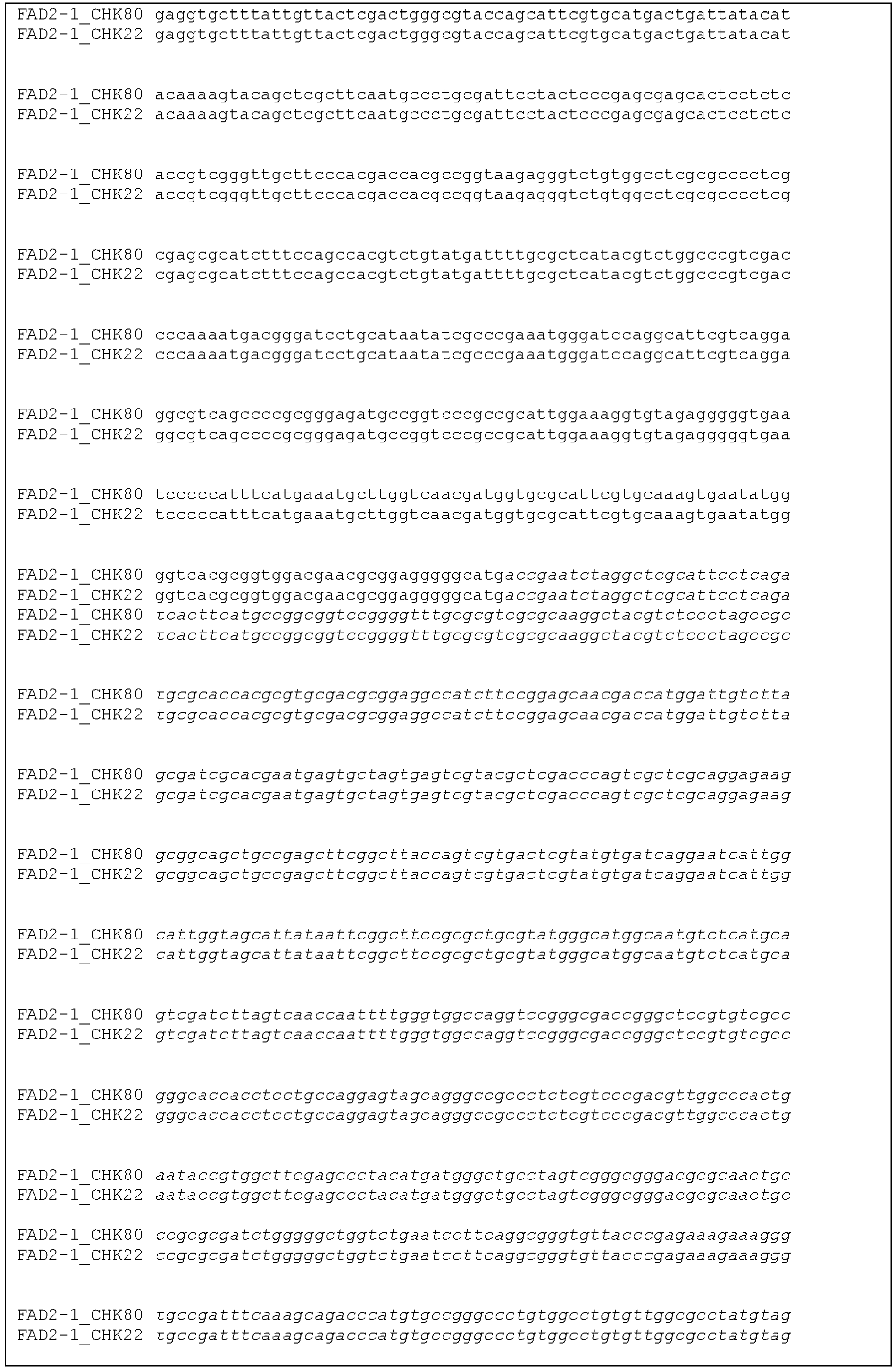


- TABLE 12 shows sequence alignments of genomic regions of CHK80 and CHK22: 6S, DAO1B, FAD2, FATA1, and Thi4.


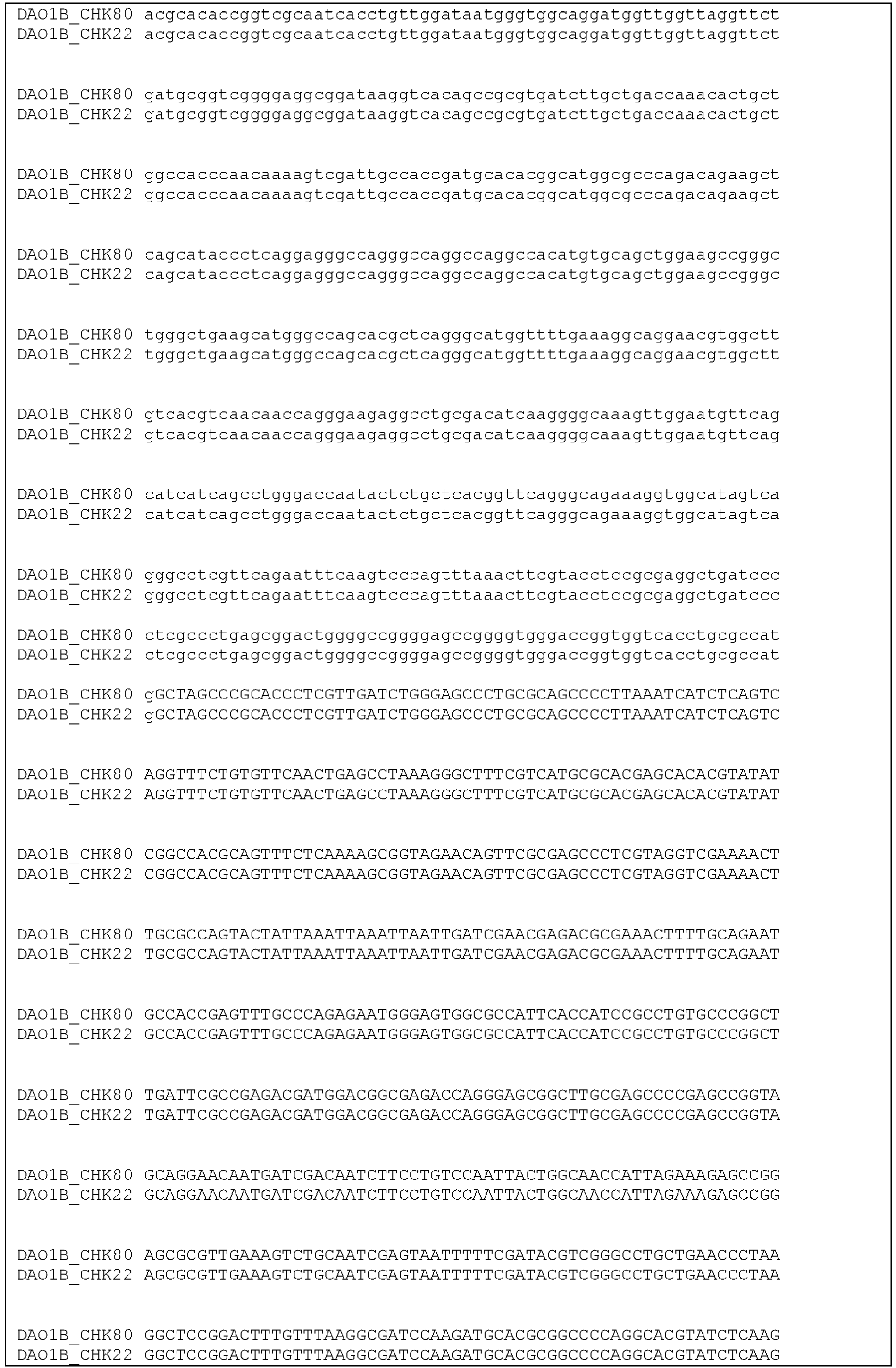
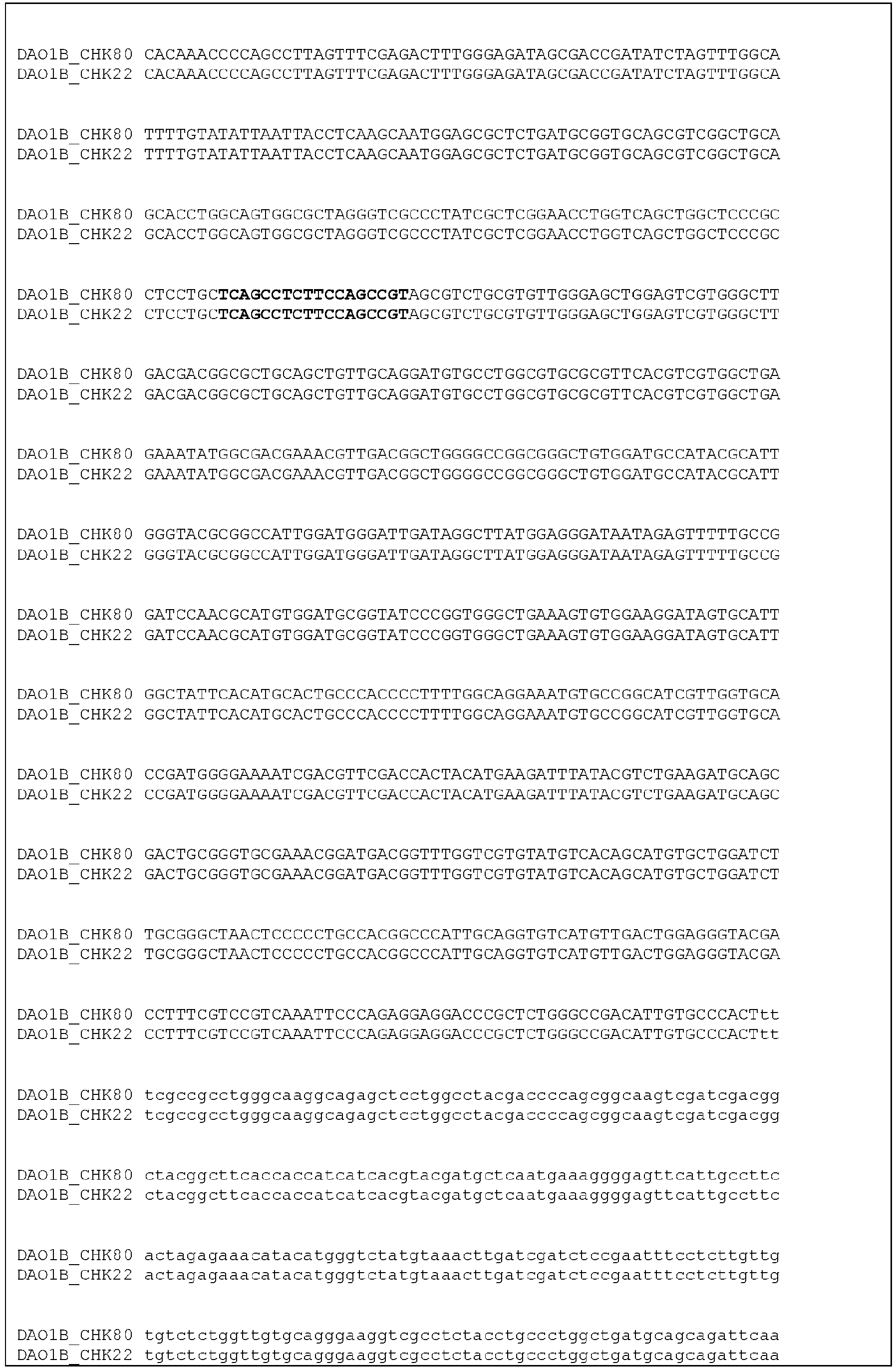


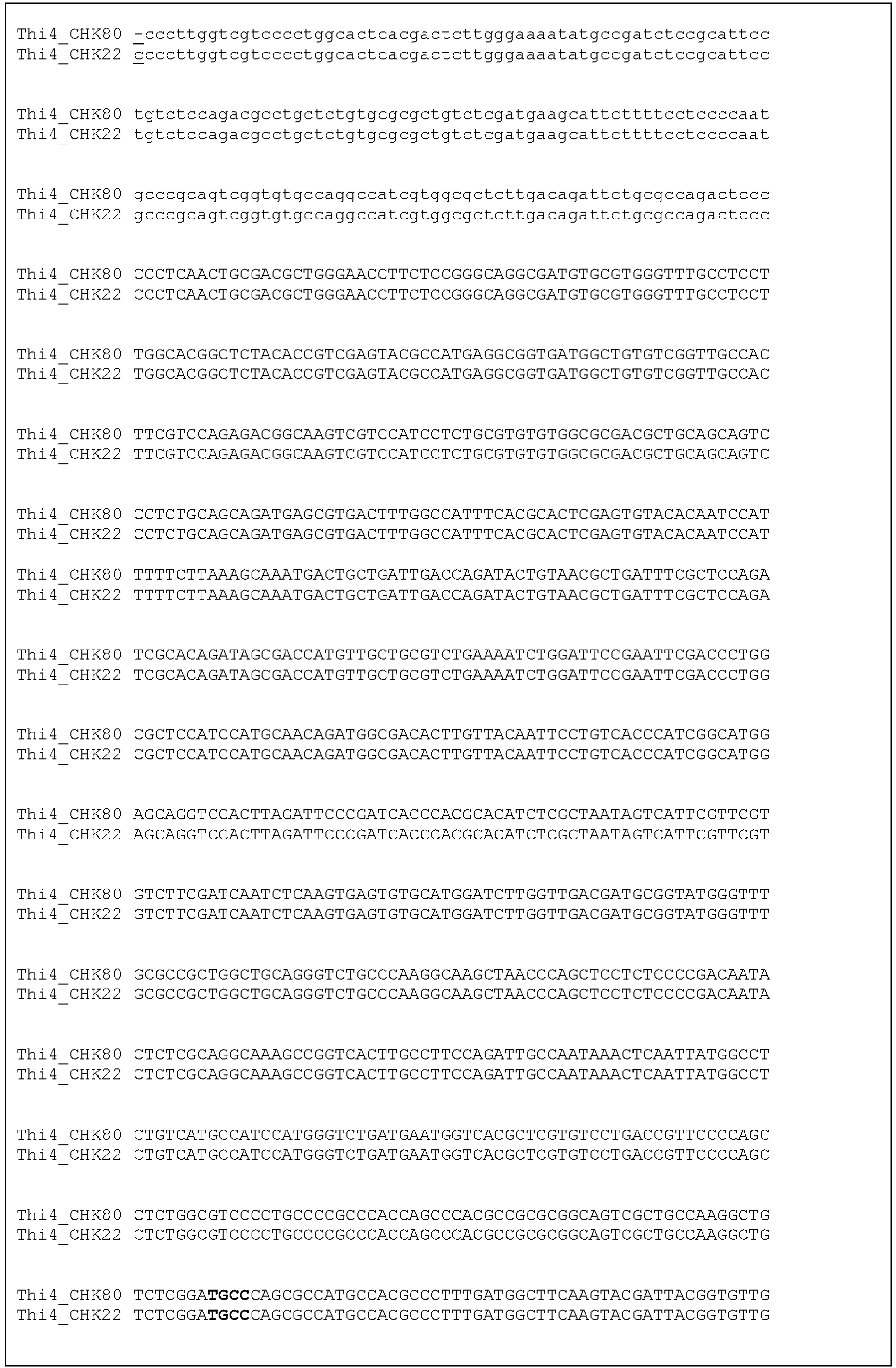


- TABLE 13 shows genetic sequences of selectable markers that can be used to generate genetically modified microalgae. The classically improved microalgal strains provided herein do not comprises any of these exogenous sequences. Saccharomyces cerevisiae suc2 (ScSUC2) encodes for sucrose invertase, which allows for selection of strains that grow on sucrose media. Saccharomyces carlbergenesis MEL1 (ScarMEL) encodes for alpha-galactosidase (melibiase), which allows for selection of strains that grow on melibiose media. Arabidopsis thaliana ThiC (AtTHIC) encodes for phosphomethylpyrimidine synthase, an enzyme involved in pyrimidine synthesis in the thiamine biosynthesis pathway.
TABLE 13 S. cerevisiae suc2 sucrose invertase (ScSUC2) 

(SEQ ID NO:27) S. carlbergenesis MEL1 alpha galactosidase or melibiase (ScarMEL) (SEQ ID NO:28) 
A.thaliana ThiC (AtTHIC) 
(SEQ ID NO:29) 
- The sterol and triterpene alcohol compositions of high oleic refined, bleached, and deodorized (RBD) triglyceride oils of the disclosure were determined using gas chromatography combined with mass spectrometry and flame ionization detection. Samples were prepared using the technique described in the German standardized method F-III for sterols in fats and oils from Aitzetmüller, et al. (1998), Analysis of sterol content and composition in fats and oils by capillary-gas liquid chromatography using an internal standard. Comments on the German sterol method. Fett/Lipid, 100: 429-435. After addition of an internal standard, the oils were saponified. The unsaponifiable fractions were isolated using solid-phase extraction. Trimethylsilyl (TMS) derivatives of the unsaponifiable fraction were injected on an Agilent 8890 gas chromatograph equipped with a 5977B single quadrupole EI-MS and FID detector. A capillary flow technology (CFT) splitter was used to split the sample between the MS and FID detectors following separation using a DB-5MS Ultra Inert column (60 m length X 0.25 mm inner diameter X 0.25 µm film thickness). Mass spectra data, in conjunction with retention time comparison with analytical standards, if available, were used to identify each of the sterol species. Quantification was based on the FID response of the sterol TMS ethers compared to that of the internal standard.
- The resulting sterol profiles are shown in TABLE 14. Amounts are shown as mg/100 g of the oil and as approximate percentages of total detected sterols. Minor unidentified peaks were not accounted for. Not all sterols were identifiable and are listed as unknown. Ergosterol was the main sterol present in both oils. Various other sterols were present in the high oleic oils in significant amounts, including ergosta-5,8-dien-3-ol, (3β)- and 5.xi.-ergost-7-en-3β-ol, (3β). Campesterol, stigmasterol, and β-sitosterol were not detected in either oils.
TABLE 14 Sterol and triterpene alcohol composition (mg/100g and %) RBD Oil Strain CHK74 CHK80 Brassicasterol (Ergosta-5,22-dien-3β-ol) ND (0%) ND (0%) Ergosta-5,7,9(11),22-tetraen-3-ol,(3β,22E) ND (0%) ND (0%) Ergosta-7,22-dien-3-ol, (3β,22E) ND (0%) ND (0%) Unknown ND (0%) ND (0%) Ergosterol 118.7 (48%) 166.1 (60%) Campesterol ND (0%) ND (0%) Ergost-8(14)-en-3-ol, (3β) ND (0%) ND (0%) Stigmasterol ND (0%) ND (0%) Unknown (MS similar to Ergost-8(14)-en-3-ol, (3β)) 6.9 (3%) 7.2 (3%) Ergosta-5,8-dien-3-ol, (3β) 13.5 (5%) 18.7 (7%) 5.Xi.-Ergost-7-en-3β-ol 30.4 (12%) 32.0 (11%) β-Sitosterol ND (0%) ND (0%) 9,19-Cyclolanost-24-en-3-ol, (3β) 60.6 (24%) 36.1 (13%) 9,19-Cyclolanostan-3-ol, 24-methylene-, (3β) 11.4 (5%) 10.9 (4%) Unknown 7.9 (3%) 7.8 (3%) TOTAL 249.4 (100%) 278.8 (100%) ND, not detectable. - TABLE 15 shows fatty acid profiles of a TAG oil produced by strains CHK74 and CHK80. Values are in percentages of total detected fatty acids.
TABLE 15 Fatty Acid Species CHK74 CHK80 Titer (g/L) 143.7 148.5 C12:0 0 0 C14:0 0.2 0.18 C14:1 0 0 C15:0 0.01 0.01 C16:0 3.83 3.9 C16:1 0.17 0.14 C17:0 0.02 0.02 C17:1 0.02 0.02 C18:0 2.11 2.51 C18:1 85.91 86.35 C18:2 6.14 5.09 C18:3 alpha 0.14 0.16 C20:0 0.15 0.22 C20:1 0.98 0.90 C22:0 0.03 0.05 12-OH-C18:1 0.11 0.09 C24:0 0.01 0.02 TOTAL 99.83 99.84 - TAG analysis was carried out utilizing Liquid Chromatography/Time of Flight-Mass Spectrometry (LC/TOF-MS), where fractionation of TAG species is carried out on a C18 column followed by interrogation of individual peaks on a TOF LC-MS equipped with an Atmospheric Pressure Chemical Ionization (APCI) source. LC TAG standards from NuChek and samples were run on a Shimadzu Shim-pack XR-ODS III 2.2 micron, 2.0 x 200 mm column and confirmed by MS on an Agilent TOF LC-MS equipped with an APCI ionization source utilizing a method from Neff, et al. (1995), Soybean Oil Triacylglycerol Analysis by Reversed-Phase High-Performance Liquid Chromatography Coupled with Atmospheric Pressure Chemical Ionization Mass Spectrometry, JAOCS, 72: 1185-1191. TABLE 16 shows TAG profiles of a TAG oil produced by strains CHK74 and CHK80. Values are in percentages of total detected TAG species.
TABLE 16 TAG Species CHK74 CHK80 LOL 1.54 1.26 OOLn 0.36 0.38 LLP 0.24 0.12 OOL 12.71 11.21 POL 1.67 1.28 OOM 0.66 0.45 LOG 0.14 0.14 OOO 60.73 63.19 SOL 0.90 0.50 OOP 10.59 9.15 POP 0.58 0.44 OOG 1.03 2.22 OOS 4.45 5.54 POS 0.34 0.28 OOA 0.42 0.45 OOB 0.07 0.06 TOTAL 96.43 96.67
Claims (13)
- An oil comprising a triacylglyceride (TAG) component and at least 100 mg of ergosterol per 100 g of the oil, wherein the TAG component has a fatty acid content comprising 80% or more C18:1 fatty acids and 5% or more C18:2 fatty acids, wherein the TAG component further comprises at least 60% triolein (OOO) and wherein the oil is produced from classical strain improvement of a cell.
- The oil of claim 1, wherein the C18:1 fatty acids comprise oleic acid.
- The oil of claim 1 or 2, wherein the fatty acid content of the TAG component comprises more than 85% C18:1 fatty acids.
- The oil of any one of claims 1-3, wherein the fatty acid content of the TAG component further comprises 3% or more C16:0 fatty acids.
- The oil of any one of claims 1-4, wherein the fatty acid content of the TAG component further comprises 2% or more C18:0 fatty acids.
- The oil of any one of claims 1-5, wherein the oil comprises at least 150 mg of ergosterol per 100 g of the oil.
- The oil of any one of claims 1-6, wherein the oil comprises no more than 5 mg of campesterol per 100 g of the oil, optionally wherein the oil does not comprise campesterol.
- The oil of any one of claims 1-7, wherein the oil comprises no more than 5 mg of stigmasterol per 100 g of the oil, optionally wherein the oil does not comprise stigmasterol.
- The oil of any one of claims 1-8, wherein the oil comprises no more than 5 mg of β-sitosterol per 100 g of the oil, optionally wherein the oil does not comprise β-sitosterol.
- The oil of any one of claims 1-9, wherein the oil comprises:(i) at least 1 mg of ergosta-5,8-dien-3-ol, (3β)- per 100 g of the oil; and/or(ii) at least 15 mg of 5.xi.-ergost-7-en-3β-ol, (3β) per 100 g of the oil; and/or(iii) at least 30 mg of 9,19-cyclolanost-24-en-3-ol, (3β) per 100 g of the oil; and/or(iv) at least 12 mg of 9,19-cyclolanostan-3-ol, 24-methylene-, (3β) per 100 g of the oil.
- The oil of claim 1, wherein the cell is a microalgal cell.
- The oil of claim 1, wherein the cell is of the genus Prototheca.
- The oil of any one of claims 1-12, wherein the oil is a microbial oil.
Applications Claiming Priority (5)
| Application Number | Priority Date | Filing Date | Title |
|---|---|---|---|
| US202163245736P | 2021-09-17 | 2021-09-17 | |
| US202163245734P | 2021-09-17 | 2021-09-17 | |
| US202163245740P | 2021-09-17 | 2021-09-17 | |
| US202163245737P | 2021-09-17 | 2021-09-17 | |
| PCT/US2022/043695 WO2023043945A2 (en) | 2021-09-17 | 2022-09-15 | High oleic oil compositions and uses thereof |
Publications (4)
| Publication Number | Publication Date |
|---|---|
| EP4208528A2 EP4208528A2 (en) | 2023-07-12 |
| EP4208528A4 EP4208528A4 (en) | 2023-10-11 |
| EP4208528C0 EP4208528C0 (en) | 2025-04-02 |
| EP4208528B1 true EP4208528B1 (en) | 2025-04-02 |
Family
ID=85603505
Family Applications (1)
| Application Number | Title | Priority Date | Filing Date |
|---|---|---|---|
| EP22843992.3A Active EP4208528B1 (en) | 2021-09-17 | 2022-09-15 | High oleic oil compositions and uses thereof |
Country Status (3)
| Country | Link |
|---|---|
| US (2) | US11873405B2 (en) |
| EP (1) | EP4208528B1 (en) |
| WO (1) | WO2023043945A2 (en) |
Families Citing this family (5)
| Publication number | Priority date | Publication date | Assignee | Title |
|---|---|---|---|---|
| CN118124217A (en) | 2019-12-18 | 2024-06-04 | 格纹蛱蝶公司 | Use of Microbial Derived Materials in Polymer Applications |
| WO2023043945A2 (en) | 2021-09-17 | 2023-03-23 | Checkerspot, Inc. | High oleic oil compositions and uses thereof |
| WO2023091669A1 (en) | 2021-11-19 | 2023-05-25 | Checkerspot, Inc. | Recycled polyurethane formulations |
| WO2023102069A1 (en) | 2021-12-01 | 2023-06-08 | Checkerspot, Inc. | Polyols, polyurethane dispersions, and uses thereof |
| WO2025170996A1 (en) * | 2024-02-05 | 2025-08-14 | Checkerspot, Inc. | High palmitic oil compositions and uses thereof |
Family Cites Families (87)
| Publication number | Priority date | Publication date | Assignee | Title |
|---|---|---|---|---|
| US2059052A (en) | 1934-10-25 | 1936-10-27 | Jr Frederick W Sperr | Cleaning and polishing material |
| NL7903340A (en) | 1979-04-27 | 1980-10-29 | Philips Nv | ERROR CORRECTION CIRCUIT FOR AN IMAGE AND / OR TEXT RECEIVER. |
| US4545941A (en) | 1983-06-20 | 1985-10-08 | A. E. Staley Manufacturing Company | Co-metathesis of triglycerides and ethylene |
| US5130404A (en) | 1991-06-04 | 1992-07-14 | Azon Usa Inc. | Castable thermosetting polyurethane polymer having improved heat stability |
| DK0965631T3 (en) | 1998-06-05 | 2013-07-22 | Consejo Superior Investigacion | Highly stable plant oils |
| JP3059707B2 (en) | 1998-09-28 | 2000-07-04 | 三洋化成工業株式会社 | Polyurethane resin slush molding material |
| US6107433A (en) | 1998-11-06 | 2000-08-22 | Pittsburg State University | Process for the preparation of vegetable oil-based polyols and electroninsulating casting compounds created from vegetable oil-based polyols |
| JP3921324B2 (en) | 1999-04-01 | 2007-05-30 | 三洋化成工業株式会社 | Polyurethane paste composition and sealing material |
| WO2010120939A2 (en) | 2009-04-14 | 2010-10-21 | Solazyme, Inc. | Methods of microbial oil extraction and separation |
| DE20019104U1 (en) | 2000-11-11 | 2001-03-08 | Bastian, Volker, 83131 Nußdorf | Temperature-independent composite safety plate |
| US20040241392A1 (en) | 2003-06-02 | 2004-12-02 | Vincent Sorrentino | Polyurethane and rigid substrate composite |
| DE10344379B4 (en) | 2003-09-23 | 2008-09-11 | Mankiewicz Gebr. & Co (Gmbh & Co Kg) | Use of a two-component composition to make flexible polyurethane gel coats for resin composites, methods of making composites and composites |
| US20050143508A1 (en) | 2003-12-30 | 2005-06-30 | General Electric Company | Resin compositions with fluoropolymer filler combinations |
| MX2007000022A (en) | 2004-06-25 | 2007-05-23 | Pittsburg State University | Modified vegetable oil-based polyols. |
| ITMI20041800A1 (en) | 2004-09-21 | 2004-12-21 | Univ Degli Studi Milano | NETWORK OF MEASUREMENT OF MOLECULAR INTERACTIONS WITH LLS |
| US7476705B2 (en) | 2005-02-07 | 2009-01-13 | Lubrizol Advanced Materials, Inc. | Aqueous dispersions of polyurethane compositions |
| JP2008539314A (en) | 2005-04-25 | 2008-11-13 | カーギル インコーポレイテッド | Polyurethane foam containing oligomer polyol |
| US7594928B2 (en) | 2006-05-17 | 2009-09-29 | Boston Scientific Scimed, Inc. | Bioabsorbable stents with reinforced filaments |
| US8029579B2 (en) | 2006-06-28 | 2011-10-04 | COH Inc. | Fatty acid blends and uses therefor |
| DE102006051726B4 (en) | 2006-10-30 | 2013-02-21 | Henkel Ag & Co. Kgaa | Process for bonding molded parts made of natural and synthetic polymers |
| DE202006018792U1 (en) | 2006-12-11 | 2008-04-10 | Universität Hamburg | Lightweight engineered wood panel |
| CN104212844A (en) | 2007-06-01 | 2014-12-17 | 索拉兹米公司 | Production of Oil in Microorganisms |
| WO2009058368A1 (en) | 2007-11-01 | 2009-05-07 | Cargill, Incorporated | Natural oil-derived polyester polyols and polyurethanes made therefrom |
| JP2009114247A (en) | 2007-11-02 | 2009-05-28 | Nippon Polyurethane Ind Co Ltd | Reaction curable polyurethane resin composition and two-component reaction curable polyurethane adhesive using the composition |
| BRPI0906236A2 (en) | 2008-03-20 | 2015-06-30 | Dow Global Technologies Inc | Prepolymer having at least one urethane group, method for producing a prepolymer, polyuterane product, method for producing a polyurethane product, polyol blend and polymer |
| MX338039B (en) | 2008-04-09 | 2016-03-30 | Solazyme Inc | Direct chemical modification of microbial biomass and microbial oils. |
| US20160324167A1 (en) | 2008-10-14 | 2016-11-10 | Terravia Holdings, Inc. | Novel microalgal food compositions |
| BRPI0920280B8 (en) | 2008-10-14 | 2022-11-16 | Corbion Biotech Inc | FOOD COMPOSITION AND METHOD FOR MANUFACTURING A FOOD COMPOSITION |
| US8557249B2 (en) | 2008-11-07 | 2013-10-15 | Solazyme, Inc. | Cosmetic compositions comprising microalgal components |
| EP2370554B1 (en) | 2008-11-28 | 2019-05-15 | Corbion Biotech, Inc. | Manufacturing of tailored oils in recombinant heterotrophic microorganisms |
| KR101769121B1 (en) | 2009-04-14 | 2017-08-17 | 테라비아 홀딩스 인코포레이티드 | Novel microalgal food compositions |
| AU2010254104A1 (en) * | 2009-05-26 | 2011-12-15 | Solazyme, Inc. | Fractionation of oil-bearing microbial biomass |
| DE102009039534A1 (en) | 2009-07-23 | 2011-02-03 | Hydroflex Technologies Gmbh | Composite body |
| PL2488474T3 (en) | 2009-10-12 | 2017-07-31 | Elevance Renewable Sciences, Inc. | Methods of refining and producing fuel from natural oil feedstocks |
| EP2545093A4 (en) | 2010-03-12 | 2015-01-21 | Synthezyme Llc | Polyurethane polymers comprising copolyester polyols having repeat units derived from biobased -hydroxyfatty acids |
| CN102803189B (en) | 2010-03-15 | 2016-01-20 | 埃克森美孚化学专利公司 | For the production of the method for alcohol |
| JP5865894B2 (en) | 2010-04-14 | 2016-02-17 | ソラザイム ロケット ニュートリショナルズ, エルエルシー | High lipid microalgae powder food composition |
| EP2576800B1 (en) | 2010-05-28 | 2019-01-30 | Corbion Biotech, Inc. | Method for producing oils from Prototheca |
| AU2011323288B2 (en) | 2010-11-03 | 2016-05-26 | Corbion Biotech, Inc. | Microbial oils with lowered pour points, dielectric fluids produced therefrom, and related methods |
| US8691929B2 (en) | 2010-11-18 | 2014-04-08 | Ppg Industries Ohio, Inc. | Curable compositions that form a polyurea demonstrating elongation properties over a large temperature range |
| AU2012212079B2 (en) | 2011-02-02 | 2016-07-28 | Corbion Biotech, Inc. | Tailored oils produced from recombinant oleaginous microorganisms |
| KR101296172B1 (en) | 2011-02-17 | 2013-08-13 | 주식회사 코아컴 | Process for preparing cationic water-dispersion resin and aqueous coating composition comprising the resin |
| ITMI20111557A1 (en) | 2011-08-30 | 2013-03-01 | Tecnoelastomeri S R L | POLIURETANI AND POLIURETANI-UREE HAVING IMPROVED PROPERTY |
| CA2857017A1 (en) | 2011-11-28 | 2013-06-06 | Solazyme, Inc. | Genetically engineered microbial strains including prototheca lipid pathway genes |
| SG11201403419SA (en) | 2011-12-23 | 2014-07-30 | Solazyme Inc | Algal thermoplastics, thermosets, paper, adsorbants and absorbants |
| WO2013138161A1 (en) | 2012-03-12 | 2013-09-19 | Novomer, Inc. | Polymer compositions and methods |
| US9719114B2 (en) | 2012-04-18 | 2017-08-01 | Terravia Holdings, Inc. | Tailored oils |
| EP2839018B1 (en) | 2012-04-18 | 2019-06-05 | Corbion Biotech, Inc. | Tailored oils |
| EP2730596A1 (en) | 2012-11-13 | 2014-05-14 | Basf Se | Polyurethane soft foam materials containing plant seeds |
| MX2015006167A (en) | 2012-11-20 | 2016-02-09 | Imflux Inc | Method of molding thermoplastic polymer compositions comprising hydroxylated lipids. |
| BR112015013193A2 (en) * | 2012-12-07 | 2017-07-11 | Solazyme Inc | recombinant nucleic acid, expression cassette, cell, method for obtaining microbial oil, microbial oil, and method for obtaining microbial oil. |
| US9567615B2 (en) | 2013-01-29 | 2017-02-14 | Terravia Holdings, Inc. | Variant thioesterases and methods of use |
| WO2014124967A1 (en) | 2013-02-12 | 2014-08-21 | Hofmann Sylvia R | Plastic material with improved properties comprising nanoclay |
| CA2903494A1 (en) | 2013-03-08 | 2014-09-12 | Solazyme, Inc. | Oleaginous microbial lubricants |
| US9783836B2 (en) | 2013-03-15 | 2017-10-10 | Terravia Holdings, Inc. | Thioesterases and cells for production of tailored oils |
| US9493640B2 (en) | 2013-03-15 | 2016-11-15 | Terravia Holdings, Inc. | Wood plastic and thermoplastic composites |
| ES2684020T3 (en) | 2013-03-20 | 2018-10-01 | Basf Se | Polyurethane based polymer composition |
| US9249252B2 (en) | 2013-04-26 | 2016-02-02 | Solazyme, Inc. | Low polyunsaturated fatty acid oils and uses thereof |
| EP2996672A4 (en) | 2013-05-15 | 2016-11-02 | Terravia Holdings Inc | Cosmetic compositions comprising microalgal oil |
| CN105829521A (en) | 2013-10-04 | 2016-08-03 | 索拉兹米公司 | Tailored oils |
| CA2941109A1 (en) | 2014-03-12 | 2015-09-17 | Rust-Oleum Corporation | Vegetable oil-modified, hydrophobic polyurethane dispersions |
| WO2015149026A1 (en) | 2014-03-28 | 2015-10-01 | Solazyme, Inc. | Lauric ester compositions |
| WO2016004473A1 (en) | 2014-07-07 | 2016-01-14 | Commonwealth Scientific And Industrial Research Organisation | Processes for producing industrial products from plant lipids |
| EP3167053B1 (en) | 2014-07-10 | 2019-10-09 | Corbion Biotech, Inc. | Novel ketoacyl acp synthase genes and uses thereof |
| CN107208103A (en) | 2014-09-18 | 2017-09-26 | 泰拉瑞亚控股公司 | Acyl group ACP thioesterases and its mutant |
| CN107075094A (en) | 2014-10-29 | 2017-08-18 | 树脂酸盐材料集团有限公司 | High recycle content polyester polyols from hydroxy-functional ketal acids, esters or amides |
| WO2016100681A1 (en) | 2014-12-17 | 2016-06-23 | Solazyme, Inc. | Microalgal derived cleaners and surfactants |
| US10377093B2 (en) | 2015-01-06 | 2019-08-13 | Gear Box | Panel structure with foam core and methods of manufacturing articles using the panel structure |
| US9777245B2 (en) | 2015-01-30 | 2017-10-03 | Trent University | Methods of fractionating metathesized triacylglycerol polyols and uses thereof |
| US10442922B2 (en) | 2015-02-04 | 2019-10-15 | Bridgestone Corporation | Tire |
| SG11201707876YA (en) * | 2015-03-24 | 2017-10-30 | Terravia Holdings Inc | Microalgal compositions and uses thereof |
| ES2908296T3 (en) * | 2015-03-31 | 2022-04-28 | Corbion Biotech Inc | Microalgae adapted to heterotrophic culture conditions |
| BR112017021421A2 (en) | 2015-04-06 | 2018-07-24 | Terravia Holdings Inc | oilseed microalgae having a lpaat ablation |
| FR3038312B1 (en) | 2015-06-30 | 2017-06-23 | Pivert | PROCESS FOR THE PREPARATION OF POLYOLS |
| WO2017044882A1 (en) | 2015-09-09 | 2017-03-16 | Bloom Holdings, Llc | Algae-derived flexible foam, and a method of manufacturing the same |
| CN106995519B (en) | 2016-01-25 | 2019-09-20 | 万华化学集团股份有限公司 | A kind of thermoplastic polyurethane and its preparation method and use |
| US10494068B2 (en) | 2016-02-24 | 2019-12-03 | Brenton Mac Woo | Variable-rocker surfboard |
| WO2020041521A1 (en) | 2018-08-22 | 2020-02-27 | Corbion Biotech, Inc. | β-KETOACYL-ACP SYNTHASE II VARIANTS |
| EP3844293A4 (en) | 2018-08-30 | 2022-06-08 | Checkerspot, Inc. | Hydroformylated triglycerides and uses thereof |
| BR112021015352A2 (en) | 2019-02-11 | 2021-10-05 | Checkerspot, Inc. | TRIGLYCERIDE OIL COMPOSITIONS |
| CN118124217A (en) | 2019-12-18 | 2024-06-04 | 格纹蛱蝶公司 | Use of Microbial Derived Materials in Polymer Applications |
| CA3167680A1 (en) | 2020-01-24 | 2021-07-29 | Checkerspot, Inc. | Uses of microbial derived materials in thermoset applications |
| WO2021247368A1 (en) | 2020-06-01 | 2021-12-09 | Checkerspot, Inc. | Triglyceride oils, polyols, and uses thereof |
| BR112023021243A2 (en) | 2021-04-15 | 2023-12-19 | Checkerspot Inc | CAST POLYURETHANE COMPOSITIONS AND THEIR USES |
| WO2023043945A2 (en) | 2021-09-17 | 2023-03-23 | Checkerspot, Inc. | High oleic oil compositions and uses thereof |
| WO2023091669A1 (en) | 2021-11-19 | 2023-05-25 | Checkerspot, Inc. | Recycled polyurethane formulations |
| WO2023102069A1 (en) | 2021-12-01 | 2023-06-08 | Checkerspot, Inc. | Polyols, polyurethane dispersions, and uses thereof |
-
2022
- 2022-09-15 WO PCT/US2022/043695 patent/WO2023043945A2/en not_active Ceased
- 2022-09-15 EP EP22843992.3A patent/EP4208528B1/en active Active
-
2023
- 2023-01-19 US US18/156,929 patent/US11873405B2/en active Active
- 2023-11-03 US US18/501,505 patent/US20240174860A1/en active Pending
Also Published As
| Publication number | Publication date |
|---|---|
| WO2023043945A2 (en) | 2023-03-23 |
| EP4208528C0 (en) | 2025-04-02 |
| US20230303841A1 (en) | 2023-09-28 |
| WO2023043945A3 (en) | 2023-06-08 |
| US20240174860A1 (en) | 2024-05-30 |
| EP4208528A2 (en) | 2023-07-12 |
| US11873405B2 (en) | 2024-01-16 |
| EP4208528A4 (en) | 2023-10-11 |
Similar Documents
| Publication | Publication Date | Title |
|---|---|---|
| US11873405B2 (en) | High oleic oil compositions and uses thereof | |
| DK2588599T3 (en) | Optimization of the synthesis and accumulation of lipids | |
| Jones et al. | Microbial lipid alternatives to plant lipids | |
| Michinaka et al. | Extracellular secretion of free fatty acids by disruption of a fatty acyl-CoA synthetase gene in Saccharomyces cerevisiae | |
| US20250290105A1 (en) | Regiospecific incorporation of fatty acids in triglyceride oil | |
| López-Malo et al. | Phenotypic analysis of mutant and overexpressing strains of lipid metabolism genes in Saccharomyces cerevisiae: implication in growth at low temperatures | |
| US20250248921A1 (en) | Ricinoleate Oil Production and Uses Thereof | |
| EP2412804A1 (en) | Novel lysophospholipid acyltransferase | |
| RU2485179C2 (en) | Homologues of glycerol-3- phosphate acyltransferase (gpat) and their use | |
| Sofeo et al. | Sustainable production of lipids from cocoa fatty acid distillate fermentation driven by adaptive evolution in Yarrowia lipolytica | |
| Froissard et al. | Lipids containing medium-chain fatty acids are specific to post-whole genome duplication Saccharomycotina yeasts | |
| Rupčić et al. | Cell lipids of the Candida lipolytica yeast grown on methanol | |
| Akhtar et al. | Synthesis of lipids by certain yeast strains grown on whey permeate | |
| WO2025170996A1 (en) | High palmitic oil compositions and uses thereof | |
| EP2226383A1 (en) | Novel atp:citrate lyase genes | |
| CN103703132B (en) | phosphatidic acid phosphatase gene | |
| de Castro et al. | Biotechnological valorization of yeast strains for lipids and carotenoids production from renewable resources | |
| Machado et al. | Alternative solvent systems for Yarrowia lipolytica oil extraction: cell disruption, lipid recovery and oil properties | |
| AU2024369443A1 (en) | Regiospecific triglyceride oils and blends and related food and nutrition applications | |
| EP2502932A1 (en) | Novel beta-oxidation pathway and hemicascomycetes yeast mutants | |
| EP2172548A1 (en) | Phosphatidate phosphatase homolog and use of the same | |
| Nwadibie | Lipids of Pedinomonas minor, Pedinomonas Sp., Pyramimonas parkeae, Pyramimonas obovata: A Quest to Reconcile These Tertiary and Secondary Plastid Ancestors of the Dinoflagellate Lepidodinium chlorophorum and Euglenid Euglena gracilis | |
| EP2532744B1 (en) | Glycerol-3-phosphate acyltransferase homologue and use thereof | |
| Duminil et al. | Setaphyte VERY-LONG-CHAIN FATTY ACYL DESATURASES are desaturases that impact glycerolipid and sphingolipid metabolism | |
| Dias et al. | Candida tropicalis as a Promising Oleaginous Yeast for Olive Mill Wastewater Bioconversion. Energies 2021; 14: 640 |
Legal Events
| Date | Code | Title | Description |
|---|---|---|---|
| STAA | Information on the status of an ep patent application or granted ep patent |
Free format text: STATUS: UNKNOWN |
|
| STAA | Information on the status of an ep patent application or granted ep patent |
Free format text: STATUS: THE INTERNATIONAL PUBLICATION HAS BEEN MADE |
|
| PUAI | Public reference made under article 153(3) epc to a published international application that has entered the european phase |
Free format text: ORIGINAL CODE: 0009012 |
|
| STAA | Information on the status of an ep patent application or granted ep patent |
Free format text: STATUS: REQUEST FOR EXAMINATION WAS MADE |
|
| 17P | Request for examination filed |
Effective date: 20230125 |
|
| AK | Designated contracting states |
Kind code of ref document: A2 Designated state(s): AL AT BE BG CH CY CZ DE DK EE ES FI FR GB GR HR HU IE IS IT LI LT LU LV MC MK MT NL NO PL PT RO RS SE SI SK SM TR |
|
| R17D | Deferred search report published (corrected) |
Effective date: 20230608 |
|
| REG | Reference to a national code |
Ref country code: DE Free format text: PREVIOUS MAIN CLASS: C11C0003000000 Ipc: A23D0009007000 Ref country code: DE Ref legal event code: R079 Ref document number: 602022012708 Country of ref document: DE Free format text: PREVIOUS MAIN CLASS: C11C0003000000 Ipc: A23D0009007000 |
|
| STAA | Information on the status of an ep patent application or granted ep patent |
Free format text: STATUS: EXAMINATION IS IN PROGRESS |
|
| A4 | Supplementary search report drawn up and despatched |
Effective date: 20230908 |
|
| RIC1 | Information provided on ipc code assigned before grant |
Ipc: C12P 33/00 20060101ALI20230904BHEP Ipc: C12R 1/89 20060101ALI20230904BHEP Ipc: C12P 7/6463 20220101ALI20230904BHEP Ipc: C12N 15/01 20060101ALI20230904BHEP Ipc: C12N 1/12 20060101ALI20230904BHEP Ipc: A23L 33/00 20160101ALI20230904BHEP Ipc: A23L 33/115 20160101ALI20230904BHEP Ipc: A23D 9/02 20060101ALI20230904BHEP Ipc: A23D 9/007 20060101AFI20230904BHEP |
|
| 17Q | First examination report despatched |
Effective date: 20230920 |
|
| GRAP | Despatch of communication of intention to grant a patent |
Free format text: ORIGINAL CODE: EPIDOSNIGR1 |
|
| STAA | Information on the status of an ep patent application or granted ep patent |
Free format text: STATUS: GRANT OF PATENT IS INTENDED |
|
| INTG | Intention to grant announced |
Effective date: 20241031 |
|
| GRAS | Grant fee paid |
Free format text: ORIGINAL CODE: EPIDOSNIGR3 |
|
| GRAA | (expected) grant |
Free format text: ORIGINAL CODE: 0009210 |
|
| STAA | Information on the status of an ep patent application or granted ep patent |
Free format text: STATUS: THE PATENT HAS BEEN GRANTED |
|
| AK | Designated contracting states |
Kind code of ref document: B1 Designated state(s): AL AT BE BG CH CY CZ DE DK EE ES FI FR GB GR HR HU IE IS IT LI LT LU LV MC MK MT NL NO PL PT RO RS SE SI SK SM TR |
|
| REG | Reference to a national code |
Ref country code: GB Ref legal event code: FG4D |
|
| REG | Reference to a national code |
Ref country code: CH Ref legal event code: EP |
|
| REG | Reference to a national code |
Ref country code: IE Ref legal event code: FG4D |
|
| REG | Reference to a national code |
Ref country code: DE Ref legal event code: R096 Ref document number: 602022012708 Country of ref document: DE |
|
| U01 | Request for unitary effect filed |
Effective date: 20250424 |
|
| U07 | Unitary effect registered |
Designated state(s): AT BE BG DE DK EE FI FR IT LT LU LV MT NL PT RO SE SI Effective date: 20250430 |
|
| PG25 | Lapsed in a contracting state [announced via postgrant information from national office to epo] |
Ref country code: ES Free format text: LAPSE BECAUSE OF FAILURE TO SUBMIT A TRANSLATION OF THE DESCRIPTION OR TO PAY THE FEE WITHIN THE PRESCRIBED TIME-LIMIT Effective date: 20250402 |
|
| PG25 | Lapsed in a contracting state [announced via postgrant information from national office to epo] |
Ref country code: GR Free format text: LAPSE BECAUSE OF FAILURE TO SUBMIT A TRANSLATION OF THE DESCRIPTION OR TO PAY THE FEE WITHIN THE PRESCRIBED TIME-LIMIT Effective date: 20250703 Ref country code: NO Free format text: LAPSE BECAUSE OF FAILURE TO SUBMIT A TRANSLATION OF THE DESCRIPTION OR TO PAY THE FEE WITHIN THE PRESCRIBED TIME-LIMIT Effective date: 20250702 |
|
| PG25 | Lapsed in a contracting state [announced via postgrant information from national office to epo] |
Ref country code: PL Free format text: LAPSE BECAUSE OF FAILURE TO SUBMIT A TRANSLATION OF THE DESCRIPTION OR TO PAY THE FEE WITHIN THE PRESCRIBED TIME-LIMIT Effective date: 20250402 |
|
| PG25 | Lapsed in a contracting state [announced via postgrant information from national office to epo] |
Ref country code: HR Free format text: LAPSE BECAUSE OF FAILURE TO SUBMIT A TRANSLATION OF THE DESCRIPTION OR TO PAY THE FEE WITHIN THE PRESCRIBED TIME-LIMIT Effective date: 20250402 |
|
| PG25 | Lapsed in a contracting state [announced via postgrant information from national office to epo] |
Ref country code: RS Free format text: LAPSE BECAUSE OF FAILURE TO SUBMIT A TRANSLATION OF THE DESCRIPTION OR TO PAY THE FEE WITHIN THE PRESCRIBED TIME-LIMIT Effective date: 20250702 |
|
| PG25 | Lapsed in a contracting state [announced via postgrant information from national office to epo] |
Ref country code: IS Free format text: LAPSE BECAUSE OF FAILURE TO SUBMIT A TRANSLATION OF THE DESCRIPTION OR TO PAY THE FEE WITHIN THE PRESCRIBED TIME-LIMIT Effective date: 20250802 |
|
| U20 | Renewal fee for the european patent with unitary effect paid |
Year of fee payment: 4 Effective date: 20250929 |
|
| PG25 | Lapsed in a contracting state [announced via postgrant information from national office to epo] |
Ref country code: SM Free format text: LAPSE BECAUSE OF FAILURE TO SUBMIT A TRANSLATION OF THE DESCRIPTION OR TO PAY THE FEE WITHIN THE PRESCRIBED TIME-LIMIT Effective date: 20250402 |
|
| PG25 | Lapsed in a contracting state [announced via postgrant information from national office to epo] |
Ref country code: CZ Free format text: LAPSE BECAUSE OF FAILURE TO SUBMIT A TRANSLATION OF THE DESCRIPTION OR TO PAY THE FEE WITHIN THE PRESCRIBED TIME-LIMIT Effective date: 20250402 |
|
| PG25 | Lapsed in a contracting state [announced via postgrant information from national office to epo] |
Ref country code: SK Free format text: LAPSE BECAUSE OF FAILURE TO SUBMIT A TRANSLATION OF THE DESCRIPTION OR TO PAY THE FEE WITHIN THE PRESCRIBED TIME-LIMIT Effective date: 20250402 |
|
| PLBE | No opposition filed within time limit |
Free format text: ORIGINAL CODE: 0009261 |
|
| STAA | Information on the status of an ep patent application or granted ep patent |
Free format text: STATUS: NO OPPOSITION FILED WITHIN TIME LIMIT |
|
| REG | Reference to a national code |
Ref country code: CH Ref legal event code: L10 Free format text: ST27 STATUS EVENT CODE: U-0-0-L10-L00 (AS PROVIDED BY THE NATIONAL OFFICE) Effective date: 20260211 |
|
| 26N | No opposition filed |
Effective date: 20260105 |
|
| REG | Reference to a national code |
Ref country code: CH Ref legal event code: H13 Free format text: ST27 STATUS EVENT CODE: U-0-0-H10-H13 (AS PROVIDED BY THE NATIONAL OFFICE) Effective date: 20260504 |