EP4205736A1 - Prevention of kidney injury induced by hemolytic reaction - Google Patents
Prevention of kidney injury induced by hemolytic reaction Download PDFInfo
- Publication number
- EP4205736A1 EP4205736A1 EP22767147.6A EP22767147A EP4205736A1 EP 4205736 A1 EP4205736 A1 EP 4205736A1 EP 22767147 A EP22767147 A EP 22767147A EP 4205736 A1 EP4205736 A1 EP 4205736A1
- Authority
- EP
- European Patent Office
- Prior art keywords
- cilastatin
- renal
- megalin
- hemoglobin
- inhibitor
- Prior art date
- Legal status (The legal status is an assumption and is not a legal conclusion. Google has not performed a legal analysis and makes no representation as to the accuracy of the status listed.)
- Granted
Links
Images

Classifications
-
- A—HUMAN NECESSITIES
- A61—MEDICAL OR VETERINARY SCIENCE; HYGIENE
- A61K—PREPARATIONS FOR MEDICAL, DENTAL OR TOILETRY PURPOSES
- A61K31/00—Medicinal preparations containing organic active ingredients
- A61K31/185—Acids; Anhydrides, halides or salts thereof, e.g. sulfur acids, imidic, hydrazonic or hydroximic acids
- A61K31/19—Carboxylic acids, e.g. valproic acid
- A61K31/194—Carboxylic acids, e.g. valproic acid having two or more carboxyl groups, e.g. succinic, maleic or phthalic acid
-
- A—HUMAN NECESSITIES
- A61—MEDICAL OR VETERINARY SCIENCE; HYGIENE
- A61P—SPECIFIC THERAPEUTIC ACTIVITY OF CHEMICAL COMPOUNDS OR MEDICINAL PREPARATIONS
- A61P13/00—Drugs for disorders of the urinary system
- A61P13/12—Drugs for disorders of the urinary system of the kidneys
-
- A—HUMAN NECESSITIES
- A61—MEDICAL OR VETERINARY SCIENCE; HYGIENE
- A61K—PREPARATIONS FOR MEDICAL, DENTAL OR TOILETRY PURPOSES
- A61K31/00—Medicinal preparations containing organic active ingredients
- A61K31/185—Acids; Anhydrides, halides or salts thereof, e.g. sulfur acids, imidic, hydrazonic or hydroximic acids
- A61K31/19—Carboxylic acids, e.g. valproic acid
- A61K31/195—Carboxylic acids, e.g. valproic acid having an amino group
- A61K31/197—Carboxylic acids, e.g. valproic acid having an amino group the amino and the carboxyl groups being attached to the same acyclic carbon chain, e.g. gamma-aminobutyric acid [GABA], beta-alanine, epsilon-aminocaproic acid or pantothenic acid
- A61K31/198—Alpha-amino acids, e.g. alanine or edetic acid [EDTA]
-
- A—HUMAN NECESSITIES
- A61—MEDICAL OR VETERINARY SCIENCE; HYGIENE
- A61K—PREPARATIONS FOR MEDICAL, DENTAL OR TOILETRY PURPOSES
- A61K9/00—Medicinal preparations characterised by special physical form
- A61K9/0012—Galenical forms characterised by the site of application
- A61K9/0019—Injectable compositions; Intramuscular, intravenous, arterial, subcutaneous administration; Compositions to be administered through the skin in an invasive manner
Definitions
- the present invention relates to inhibition of renal injuries induced by a hemolytic reaction. More specifically, this invention relates to an inhibitor for renal injuries induced by a hemolytic reaction, the inhibitor comprising cilastatin or a pharmaceutically acceptable salt thereof. The present invention also relates to an inhibitor for hemoglobin or heme uptake into kidney tissues.
- hemoglobin taken up into renal tubular epithelial cells produces reactive oxygen species through the iron contained in a heme and it causes cell injuries. Further, the heme freed from hemoglobin is known to be excreted in blood and urine, and it is thus believed that the free heme also causes injuries in renal proximal tubule.
- the hemolytic reaction occurs in various cases.
- the causes include, in addition to antibodies, genetic abnormality, and infectious diseases, mechanical causes such as cardiopulmonary bypass (CPB), extracorporeal membrane oxygenation (ECMO) or hemodialysis (HD), and ventricular assist device (VAD).
- CPB cardiopulmonary bypass
- ECMO extracorporeal membrane oxygenation
- HD hemodialysis
- VAD ventricular assist device
- AKI acute kidney injury
- means for inhibiting renal injuries induced by the hemolytic reaction is in demand.
- Hp haptoglobin
- Hp a fractionated plasma product, fails to completely deny an infection risk with a pathogen when administered despite the countermeasure taken against pathogen contamination during the product formulation (NPL 1).
- cilastatin can inhibit renal injuries caused by some drugs by antagonizing on the megalin receptor against the drugs binding to megalin, which is expressed in renal proximal tubular cells (NPL 3, PTL 2).
- an object of the present invention is to provide a novel means for inhibiting renal injuries induced by a hemolytic reaction.
- an object of the present invention is to provide a novel means for inhibiting hemoglobin or heme uptake into kidney tissues.
- cilastatin ((Z)-7-[[(R)-2-Amino-2-carboxyethyl]thio]-2-[[[(S)-2,2-dimethylcyclopropyl]carbonyl]amino] -2-heptenoic acid) is effective to accomplish the aforementioned objects.
- the present invention includes, but is not limited to, the following embodiments.
- the present invention can inhibit renal injuries induced by a hemolytic reaction.
- the hemoglobin freed by the hemolytic reaction is taken up into kidney tissues through the mediation of megalin and causes renal injuries.
- the present inventors confirmed that cilastatin inhibits the binding between megalin and hemoglobin and inhibits the hemoglobin uptake into kidney tissues. It is considered that the present invention inhibits renal injuries through this mechanism.
- the present inventors confirmed that ⁇ 1 M and Hx to which the heme freed from hemoglobin binds bind to megalin, and cilastatin inhibits the binding between ⁇ 1 M or Hx and megalin.
- the heme is intracellularly absorbed through the mediation of megalin and causes renal injuries, but it is confirmed that cilastatin inhibits the binding between ⁇ 1 M or Hx and megalin.
- cilastatin can inhibit the heme uptake into kidney tissues. It is then considered that the present invention can not only inhibit the injuries caused by the hemoglobin freed by the hemolytic reaction but also inhibit injuries caused by the heme.
- the present invention is also advantageous in the aspects of safety and price.
- a combination agent of cilastatin and an antibiotic imipenem has been safely used for many years across the world. This verifies the safety of cilastatin.
- the drug price of the above combination agent (including the main agent) in Japan is 1,741 JP Yen.
- the term “inhibit (inhibiting or inhibition)” refers to, for example, complete prevention of the onset of a symptom, or reduction of a symptom.
- the term “reduction” as referred to above includes decreasing the degree of the onset of the symptom, decreasing the symptom occurred, and complete elimination of the symptom occurred.
- prevention complete prevention of the onset or reduction of the degree of the onset of a disease symptom is referred to as "prevention”.
- a medicament for "inhibiting” may also be referred to as an "inhibitor”.
- the present invention is directed to an inhibitor for renal injuries induced by a hemolytic reaction.
- the hemolytic reaction which causes renal injuries include congenital causes and acquired causes.
- congenital causes include genetic abnormality associating with the red blood cell membrane, genetic abnormality associating with a red blood cell enzyme, and genetic abnormality of hemoglobin.
- Examples of the acquired causes include antibodies to red blood cells such as autoantibody, maternal antibody in a newborn baby, and antibody from incompatible blood transfusion, protozoan or bacterial infections, paroxysmal nocturnal hemoglobinuria, liver diseases, hypophosphatemia, and snake venom.
- Examples of the cases where the present invention is considered to be particularly frequently used include renal injuries induced by the hemolytic reactions caused by physical red blood cell destruction, such as valvular disease of the heart and cardiac valve replacement, hemolytic uremic syndrome, march hemoglobinuria, heat or fire burns, blood purification therapies such as massive blood transfusion, CPB, ECMO, VAD, or HD.
- the hemolytic reaction may have been occurred.
- the inhibitor of the present invention can be prescribed when the hemolytic reaction is diagnosed to have occurred, or suspected to have occurred.
- the hemolytic reaction can be diagnosed or suspected to have occurred when, for example, clinical examinations have findings of reticulocytosis, an elevated serum indirect bilirubin level, an increased urobilinogen level in feces and urea, an increased plasma free hemoglobin level, a decreased serum haptoglobin level, or hemoglobinuria.
- the inhibitor in the case where the onset of renal injuries by the hemolytic reaction is concerned, particularly in subjects with a reduced renal function, the inhibitor can be prescribed as prevention.
- examples of inhibition of renal injuries induced by the hemolytic reaction concerned at clinical sites include, in terms of clinical examinations, inhibition of an elevated serum creatinine level, a reduced renal filtration function (GFR, eGFR), an elevated blood urea nitrogen level, an elevated blood uric acid level, or ion concentration abnormality in blood or urea, and also inhibition of urinary concentration abnormality of, so-called renal injury markers, KIM-1, N-acetyl- ⁇ -D-glucosaminidase (NAG), ⁇ 1 M, ⁇ 2-microglobulin ( ⁇ 2M), Liver-type Fatty Acid-Binding Protein (L-FABP), Neutrophil Gelatinase-Associated Lipocalin (N-GAL), albumin (ALB), type IV collagen, megalin, or podocalyxin.
- KIM-1 N-acetyl- ⁇ -D-glucosaminidase
- ⁇ 1 M ⁇ 2-microglobulin
- ⁇ 2M Liver-type Fatty
- examples of inhibition of renal injuries from a viewpoint of clinical symptoms include inhibition of edema, hypertension, uremia symptoms (nausea and vomiting, consciousness disturbance and the like), or jaundice, inhibition of appearance of hematuria, hemoglobinuria, or proteinuria, or inhibition of reduction in urine volume
- examples of inhibition of renal injuries from a pathological viewpoint include inhibition of renal tubular epithelial injuries, cast formation, renal tubular obstruction, stromal cell infiltration/edema/fibrosis, glomerular injury, or angiopathy.
- renal injuries can be induced through the mediation of megalin. Since the main site of expression of megalin in the body is renal proximal tubular epithelial cells (mainly luminal plasmalemma), the present invention is useful for the inhibition (i.e., as an inhibitor) of renal proximal tubular epithelial cell injury and renal injuries derived therefrom.
- the present invention is useful for the inhibition (i.e., as an inhibitor) of renal proximal tubular epithelial cell injury and renal injuries derived therefrom.
- renal injuries induced by the hemolytic reaction include nephropathy, renal injury, nephritis, renal failure, renal disease, acute nephropathy, acute kidney injury, acute nephritis, acute renal failure, acute renal disease, chronic nephropathy, chronic renal injury, chronic nephritis, chronic renal failure, chronic kidney disease, tubular nephropathy, tubular renal injury, tubular nephritis, tubular renal failure, tubular renal disease, tubulointerstitial nephropathy, tubulointerstitial renal injury, tubulointerstitial nephritis, tubulointerstitial renal failure, tubulointerstitial renal disease, obstructive nephropathy, obstructive renal injury, obstructive nephritis, obstructive renal failure, obstructive renal disease, acute nephritic syndrome, rapidly progressive nephritic syndrome, chronic nephritic syndrome,
- cilastatin or a pharmaceutically acceptable salt thereof is used.
- Cilastatin refers to (Z)-7-[[(R)-2-Amino-2-carboxyethyl]thio]-2-[[[(S)-2,2-dimethylcyclopropyl]carbonyl]amino]-2-heptenoic acid.
- cilastatin produces a hydrate
- use of the hydrate is also included within the scope of this invention.
- Examples of a pharmaceutically acceptable salt of cilastatin include alkali metal salts, such as lithium salt, sodium salt and potassium salt; alkali earth metal salts, such as magnesium salt and calcium salt; zinc salt and aluminum salt; organic amine salts, such as choline salt, ethanolamine salt, trimethylamine salt, triethylamine salt, dicyclohexylamine salt, dibenzylamine salt, phenethylbenzylamine salt, procaine salt, morpholine salt, pyridine salt, piperidine salt, piperadine salt and N-ethylpiperidine salt; ammonium salt; basic amino acid salts, such as lysine salt and arginine salt.
- a particularly preferred salt is cilastatin sodium.
- the scope of pharmaceutically acceptable salts also includes hydrates of the salts.
- cilastatin or a pharmaceutically acceptable salt thereof use can be made of, for example, a commercially available product, or a product produced or obtained by a known method or by a method pursuant to a known method.
- Cilastatin binds to the extracellular region of megalin. Cilastatin or a pharmaceutically acceptable salt thereof can inhibit the direct or indirect binding of hemoglobin and heme to megalin, and the uptake of them into cells.
- the inhibitor of the present invention contains cilastatin or a pharmaceutically acceptable salt thereof in an effective amount for inhibiting renal injuries induced by the hemolytic reaction.
- an exemplary daily dose of cilastatin or a salt thereof in an adult is from 0.01 to 100 mg, or from 0.1 to 10 mg.
- the inventive inhibitor can be administered once or in divided doses.
- the inhibitor may also be administered using an intermittent dosing, such as alternate-day or every three day dosing.
- the present invention in an embodiment, relates to an inhibitor for hemoglobin uptake into kidney tissues, comprising cilastatin or a pharmaceutically acceptable salt thereof as an active component.
- Hemoglobin is a protein present in red blood cells of vertebrates including human and has the tetramer structure composed of four subunits. In each subunit, the polypeptide moiety called globin and the heme moiety, which is a prosthetic group, bind. Hemoglobin has the nature of binding to oxygen molecules, and plays a role of transporting oxygen from the lungs to the entire body.
- cilastatin inhibits the binding between hemoglobin and megalin. It is considered that this inhibitory effect leads to inhibition of renal injuries induced by the hemolytic reaction.
- the inhibitor of the present invention contains cilastatin or a pharmaceutically acceptable salt thereof in an effective amount.
- the effective amount can be determined by reference to the doses and the like as mentioned above in connection with the inhibitor for renal injuries of the present invention.
- the present invention in an embodiment, relates to an inhibitor for heme uptake into kidney tissues, comprising cilastatin or a pharmaceutically acceptable salt thereof as an active component.
- the hemes are the partial structure constituting hemoglobin and can be released in the body by hemoglobin degradation.
- the inhibitor of the present invention contains cilastatin or a pharmaceutically acceptable salt thereof in an effective amount.
- the effective amount can be determined by reference to the doses and the like as mentioned above in connection with the inhibitor for renal injuries of the present invention.
- the form of the inhibitor of the present invention is not particularly limited, and the inhibitor of this invention can be in the form of, for example, a solid formulation such as powder, granule, capsule, tablet or chewable tablet, a liquid formulation such as solution or syrup, or an injectable, or a spray.
- a preferred form is an injectable.
- the inhibitor of the present invention may contain a pharmaceutically acceptable carrier when required for pharmaceutical purposes.
- a pharmaceutically acceptable carrier include excipient and solvent.
- additional components that may be contained in the inhibitor of this invention include binder, pH adjustor, disintegrant, chelator, solubilizer, suspending agent, emulsifier, isotonic agent, stabilizer, soothing agent, antiseptic, antioxidant, lubricant, corrigent, and colorant.
- excipients include organic excipients, such as sugars like lactose, glucose and D-mannitol, starches, and celluloses like crystalline cellulose; and inorganic excipients, such as dicalcium phosphate, calcium carbonate and kaolin.
- solvents include purified water and normal saline.
- binders include pregelatinized starch, gelatin, gum Arabic, methylcellulose, carboxymethylcellulose, carboxymethylcellulose sodium, crystalline cellulose, D-mannitol, trehalose, hydroxypropylcellulose, hydroxypropylmethylcellulose, polyvinylpyrrolidone, and polyvinyl alcohol.
- pH adjustors include hydrochloric acid and sodium hydroxide.
- disintegrants include low-substituted hydroxypropylcellulose, chemically modified celluloses and starches, and alginic acid.
- chelators include calcium disodium edetate hydrate and calcium sodium edetate hydrate.
- solubilizers include polyethylene glycol, propylene glycol, trehalose, benzyl benzoate, ethanol, sodium carbonate, sodium citrate, sodium salicylate and sodium acetate.
- suspending agents or emulsifiers include sodium lauryl sulfate, gum Arabic, gelatin, lecithin, glyceryl monostearate, polyvinyl alcohol, polyvinylpyrrolidone, celluloses like carboxymethylcellulose sodium, polysorbates, and polyoxyethylene hydrogenated castor oil.
- isotonic agents include sodium chloride, potassium chloride, sugars, glycerin, and urea.
- stabilizers include polyethylene glycol, sodium dextran sulfate, and other amino acids.
- soothing agents include glucose, calcium gluconate and procaine hydrochloride.
- antiseptics include p-hydroxybenzoic esters, chlorobutanol, benzyl alcohol, phenethyl alcohol, dehydroacetic acid, and sorbic acid.
- antioxidants include sulfite and ascorbic acid.
- the inhibitor of the present invention does not contain imipenem.
- the inhibitor of the present invention is directed to use of cilastatin or a pharmaceutically acceptable salt thereof in the inhibition of renal injuries induced by the hemolytic reaction, the inhibition of hemoglobin uptake into kidney tissues, or the inhibition of heme uptake into kidney tissues.
- the inhibitor of the present invention is directed to a method for inhibiting renal injuries induced by the hemolytic reaction, inhibiting hemoglobin uptake into kidney tissues, or heme uptake into kidney tissues, the method comprising administering an effective amount of cilastatin or a pharmaceutically acceptable salt thereof to a subject in need thereof.
- the effective amount of cilastatin or a pharmaceutically acceptable salt thereof can be determined by reference to the doses and the like as mentioned above in connection with the inhibitor of the present invention.
- the method and use of the present invention do not comprise administration of imipenem.
- the subject in need of various inhibitions herein is preferably a mammal such as human, a domestic animal such as mouse, rat, rabbit, guinea pig, hamster, monkey, sheep, horse, cow, pig, donkey, dog or cat, or other laboratory animal, with a human being particularly preferred.
- Kidney Injury Molecule-1 Blood urea nitrogen and urinary Kidney Injury Molecule-1 (KIM-1), renal injury indicators, were measured to verify whether the onset of renal injuries in hemolysis model mice is inhibited by cilastatin administration.
- Phenylhydrazine (97% phenylhydrazine, Sigma-Aldrich Inc.) was dissolved in PBS in a concentration of 5 mg/ml to prepare a PBS solution, and the solution was intraperitoneally given to C57BL/6 mice (male, aged 10-12 weeks) so that the dose of phenylhydrazine was 1 mg/10 g, thereby constructing homolysis models.
- urine was pooled using a metabolic cage for 24 hours after phenylhydrazine dosing, and the obtained urine samples were collected. Additionally, 24 hours after phenylhydrazine dosing, blood was collected from the inferior vena cava of each animal, centrifuged for 30 minutes at 800 g to separate and collect serum.
- the urine and serum were stored at -80°C until analysis and measured for urinary KIM-1 and blood urea nitrogen.
- the measurements were conducted by Oriental Yeast Co., Ltd.
- the present inventors consider as follows.
- the hemoglobin released by the hemolysis is taken up into kidney tissues through megalin and causes renal injuries.
- the heme freed from the hemoglobin forms a complex by binding to ⁇ 1 M or Hx, and the complex is taken up into kidney tissues through megalin and causes renal injuries.
- cilastatin inhibits the binding between the hemoglobin or the complex and megalin, and inhibits renal injuries. In the subsequent test examples, these action mechanisms of cilastatin will be confirmed.
- hemoglobin LifeSpan Biosciences Inc., Rat Hemoglobin Native Protein, LS-G11201
- Hx Rat Hemopexin/HPX protein (His Tag 81025-R08H)
- each ligand solution prepared in Buffer A as provided with the kit to a concentration of 0.1 mg/mL, or a solution of bovine serum albumin (BSA: CALBIOCHEM, Albumin, Bovine Serum, Fraction V, Fatty Acid-Free, Cat#126575) as a control was placed on the quartz crystal sensor mounted in a holder, and the ligand or albumin was immobilized on the quartz crystal sensor.
- BSA bovine serum albumin
- the megalin solution was reacted to each of the ligand-immobilized quartz crystal sensors placed in a chamber with 200 ⁇ L of buffer, and frequency was measured.
- a quartz crystal sensor on which a rat-purified megalin or BSA was immobilized was prepared.
- This quartz crystal sensor was mounted in the measurement instrument, and a condition under which 1 mg/200 ⁇ L of cilastatin was injected into buffer in advance and a condition under which cilastatin was not injected were set. After the frequency was confirmed to be stable, an ⁇ 1 M (LifeSpan Biosciences, Inc., Rat AMBP Protein (Recombinant 6His, N-terminus) (aa20-202), LS-G11794) solution was injected in an 8 ⁇ L chamber, and frequency was measured with time.
- ⁇ 1 M LifeSpan Biosciences, Inc., Rat AMBP Protein (Recombinant 6His, N-terminus) (aa20-202), LS-G11794
- Cilastatin was administered to mice and changes in concentrations of each ligand in urine were observed.
- mice Male, aged 12 weeks C57BL/6 were intraperitoneally administered with 400 mg/kg (diluted in 100 ⁇ L of normal saline, cilastatin-treated group) of cilastatin sodium (Sigma-Aldrich Japan K.K., C5743), and then put in a metabolic cage for 3 hours to collect urine, and the urines of 5 mice were combined. Additionally, 100 ⁇ L of normal saline was administered to another group of 5 mice (control group), and the same experiment as above was conducted.
- Proteins were isolated from the obtained urine samples by electrophoresis (SDS-polyacrylamide gel), reductively alkylated (using dithiothreitol and iodoacetamide), digested with trypsin, and the obtained peptides were extracted to obtain a solid.
- the gradient of mobile phase was adjusted as described later, and the sample was introduced to an analytical column.
- LCMS data were checked against the sequence database, and the presence of a plural proteins was confirmed. Moreover, the proteins confirmed in both of the cilastatin-treated group and control group were calculated for an SpC/L ratio (spectral abundance factor: SAF), which is equivalent to the peak intensity ratio of the cilastatin-treated group/control group, and those having an SpC/L ratio of 2.0 or more were decided to be proteins more abundant in urine of the cilastatin-treated group and listed as the proteins as such.
- SAF spectral abundance factor
- AnaLyst (R) TF1.6 (AB SCIEX) was used as an LCMS/MS data acquisition and analysis software, and the obtained raw data were converted to a peak list file (mgf file format), whereby MS/MS Ion Search (MIS search) was conducted using Matrix Science Mascot daemon, Mascot server 2.2.1.
- the sequence data base used was Uniprot, Swiss-Prot. Significance threshold was set to 0.05 (false discovery rate of less than 5%), and the proteins having 2 or more peptides exceeding the identification standard were listed as identified proteins.
- Raw data were acquired 2 times per sample at LCMS to cover the issue of analysis reproducibility at LCMS, and the peak list files obtained from the 2 runs were combined and analyzed using Mascot ( Ohara et al., 2018, PLoS One, vol. 13, 1, e0204160 ).
- the spectral count method was used, which is a label-free comparative, semi quantitative analysis method utilizing a principle that a large number of peptide fragments will be identified in those expressed at high levels, resulting in the increase in the number of MS/MS.
- the proteins identified in both of the cilastatin-treated group and control group were calculated for an SpC/L ratio (spectral abundance factor: SAF) of the cilastatin-treated group/control group, and the proteins having an SpC/L ratio of 2.0 or more were listed as the proteins abundant in urine of the cilastatin-treated group.
- SAF spectral abundance factor
- the membrane was reacted to 0.25 ⁇ g/mL of Polyclonal Goat Anti-Rabbit Immunoglobulin (Dako Japan Inc.) labelled with horseradish peroxidase (HRP) as the secondary antibody at room temperature for 1 hour. Subsequently, bands were detected using a western blot chemiluminescent substrate (SuperSignalTM West Femto Maximum Sensitivity Substrate, Thermo Scientific (R)).
- HRP horseradish peroxidase
- the proteins which did not change in the urinary concentrations in the cilastatin-treated group and control group contained those reported as megalin ligands such as albumin, transthyretin, clusterin, vitamin D-binding protein and the like.
- the present study showed that the binding, even it is a ligand of megalin, may not be antagonized by cilastatin.
- a portion containing a renal pedicle was sliced to 3 mm thickness from the right kidney and fixed with 4% paraformaldehyde phosphate buffer.
- the fixed sample was thinly sliced at a thickness of 4 ⁇ m using a microtome (REM-710; Yamato Kohki Industrial Co., Ltd.), and the obtained thin slices were immunostained (500-fold diluted) with an anti-hemoglobin antibody (Abcam ab92492) and microscopically observed.
- REM-710 Yamato Kohki Industrial Co., Ltd.
- kidneys were immunostained and observed by following Test Example 4.
- Test Example 4 the thinly sliced fixed kidney samples were obtained, immunostained, and observed.
- separate thinly sliced fixed samples obtained from the remaining right kidney of the same animal were immunostained (500-fold diluted) using an anti- ⁇ 1 M antibody (Gene Tex: GTX101068) and microscopically observed.
- Test Example 5 the thinly sliced fixed kidney samples were obtained, immunostained, and observed.
- thinly sliced fixed samples obtained from the remaining right kidney of the same animal were immunostained (500-fold diluted) using an anti- ⁇ 1 M antibody (Gene Tex: GTX101068).
- the present invention is capable of providing an inhibitor for renal injuries induced by a hemolytic reaction, or an inhibitor for hemoglobin or heme uptake into kidney tissues.
Landscapes
- Health & Medical Sciences (AREA)
- Chemical & Material Sciences (AREA)
- Medicinal Chemistry (AREA)
- Pharmacology & Pharmacy (AREA)
- Life Sciences & Earth Sciences (AREA)
- Animal Behavior & Ethology (AREA)
- General Health & Medical Sciences (AREA)
- Public Health (AREA)
- Veterinary Medicine (AREA)
- Epidemiology (AREA)
- Engineering & Computer Science (AREA)
- Bioinformatics & Cheminformatics (AREA)
- Urology & Nephrology (AREA)
- Chemical Kinetics & Catalysis (AREA)
- General Chemical & Material Sciences (AREA)
- Nuclear Medicine, Radiotherapy & Molecular Imaging (AREA)
- Organic Chemistry (AREA)
- Dermatology (AREA)
- Medicines That Contain Protein Lipid Enzymes And Other Medicines (AREA)
- Medicinal Preparation (AREA)
- Acyclic And Carbocyclic Compounds In Medicinal Compositions (AREA)
Abstract
Description
- The present invention relates to inhibition of renal injuries induced by a hemolytic reaction. More specifically, this invention relates to an inhibitor for renal injuries induced by a hemolytic reaction, the inhibitor comprising cilastatin or a pharmaceutically acceptable salt thereof. The present invention also relates to an inhibitor for hemoglobin or heme uptake into kidney tissues.
- It is known that when a large amount of free hemoglobin is released into blood by a hemolytic reaction (hemoglobinemia), hemoglobin passing through the glomerulus is excreted in the urine (hemoglobinuria) causing injuries of renal tubular epithelial cells thereby leading to renal injuries.
- One of the mechanisms of renal injuries currently presumed is that hemoglobin taken up into renal tubular epithelial cells produces reactive oxygen species through the iron contained in a heme and it causes cell injuries. Further, the heme freed from hemoglobin is known to be excreted in blood and urine, and it is thus believed that the free heme also causes injuries in renal proximal tubule.
- It is said that the renal proximal tubular injuries caused by the hemoglobin, heme, and iron derived from hemolytic reaction trigger the renal tubular obstruction due to columnar shape cell components dropped out by the injuries, thereby leading to the onset of acute renal failure.
- The hemolytic reaction occurs in various cases. The causes include, in addition to antibodies, genetic abnormality, and infectious diseases, mechanical causes such as cardiopulmonary bypass (CPB), extracorporeal membrane oxygenation (ECMO) or hemodialysis (HD), and ventricular assist device (VAD).
- The renal injuries induced by the hemoglobin and heme derived from the hemolytic reaction cause the onset of acute kidney injury (AKI). AKI, in most cases, is transient and reversible but can be aggravated in some cases and seriously affects prognosis, and further transition from AKI to a chronic kidney disease is known in some cases. Further, in the case of developing AKI because of a medical procedure of some kind, AKI can possibly disturb the original therapy. For example, it is reported that the AKI incident frequency in the cases undergoing CPB is 18.2%, and the AKI incident frequency in the cases undergoing ECMO is 62.8%.
- Thus, means for inhibiting renal injuries induced by the hemolytic reaction is in demand.
- For the purpose of treating hemoglobinemia and hemoglobinuria, haptoglobin (Hp) products have been clinically applied. Hp, a plasma glycoprotein, has the characteristic of specifically binding to hemoglobin. Hp forms the Hp-hemoglobin complex in blood, and the Hp is presumed to transport free hemoglobin for its treatment to the liver without excreting the hemoglobin in the urine, thereby preventing the renal injuries caused by the free hemoglobin (NPL 1).
- However, most of the Hp supply to be the product raw material relies on blood donation causing concerns for stable procurement into the future, and is expensive. For example, the drug price of the above Hp product in Japan in terms of the standard single dose based on the package insert is 88,752 in JP Yen (at the time of filing).
- Additionally, Hp, a fractionated plasma product, fails to completely deny an infection risk with a pathogen when administered despite the countermeasure taken against pathogen contamination during the product formulation (NPL 1).
- There is no report on the binding property between Hp and the free heme, and for this reason, the effect of Hp on the renal injuries induced by the hemolytic reaction is possibly limited.
- In this regard, it is reported that α1-microglobulin (α1M) and hemopexin (Hx), which are proteins produced in the liver, bind to a free heme and prevent reactive oxygen production (NPL 2). Additionally, it is also reported the use of recombinant hemopexin for the purpose of reducing the heme toxicity in hemolytic diseases (PTL 1). However, according to NPL 2, the heme-α1M complex possibly causes renal injuries when excessively taken up into kidney tissues.
- It is reported that cilastatin can inhibit renal injuries caused by some drugs by antagonizing on the megalin receptor against the drugs binding to megalin, which is expressed in renal proximal tubular cells (NPL 3, PTL 2).
-
- PTL 1:
Japanese Patent Translation of PCT International Application Publication No. 2017-531643 - PTL 2: International Patent Publication No.
WO2019/208777 -
- NPL 1: Haptoglobin intravenous injection 2000 unit "JB" Medical product Interview Form, page 6
- NPL 2: Zagar et al., 2016, American Journal of Physiology-Renal Physiology, vol. 311, p.640-651
- NPL 3: Hori et al., Journal of the American Society of Nephrology, 2017, vol. 28, p.1783-1791
- In one aspect of the present invention, an object of the present invention is to provide a novel means for inhibiting renal injuries induced by a hemolytic reaction.
- In another aspect of the present invention, an object of the present invention is to provide a novel means for inhibiting hemoglobin or heme uptake into kidney tissues.
- The present inventors have conducted intensive studies to achieve the aforementioned objects and as a result found that cilastatin ((Z)-7-[[(R)-2-Amino-2-carboxyethyl]thio]-2-[[[(S)-2,2-dimethylcyclopropyl]carbonyl]amino] -2-heptenoic acid) is effective to accomplish the aforementioned objects.
- The present invention includes, but is not limited to, the following embodiments.
- 1. An inhibitor for renal injuries induced by a hemolytic reaction, comprising cilastatin or a pharmaceutically acceptable salt thereof as an active component.
- 2. The inhibitor according to 1, wherein the inhibitor is in an injectable form.
- 3. An inhibitor for hemoglobin uptake into kidney tissues, comprising cilastatin or a pharmaceutically acceptable salt thereof as an active component.
- 4. An inhibitor for heme uptake into kidney tissues, comprising cilastatin or a pharmaceutically acceptable salt thereof as an active component.
- The present invention can inhibit renal injuries induced by a hemolytic reaction.
- It is considered that the hemoglobin freed by the hemolytic reaction is taken up into kidney tissues through the mediation of megalin and causes renal injuries. The present inventors confirmed that cilastatin inhibits the binding between megalin and hemoglobin and inhibits the hemoglobin uptake into kidney tissues. It is considered that the present invention inhibits renal injuries through this mechanism.
- Additionally, the present inventors confirmed that α1M and Hx to which the heme freed from hemoglobin binds bind to megalin, and cilastatin inhibits the binding between α1M or Hx and megalin. Thus, the heme is intracellularly absorbed through the mediation of megalin and causes renal injuries, but it is confirmed that cilastatin inhibits the binding between α1M or Hx and megalin. For this reason, it is considered that cilastatin can inhibit the heme uptake into kidney tissues. It is then considered that the present invention can not only inhibit the injuries caused by the hemoglobin freed by the hemolytic reaction but also inhibit injuries caused by the heme.
- The present invention is also advantageous in the aspects of safety and price. First of all, a combination agent of cilastatin and an antibiotic imipenem has been safely used for many years across the world. This verifies the safety of cilastatin. The drug price of the above combination agent (including the main agent) in Japan (in terms of the standard single dose based on the package insert) is 1,741 JP Yen.
- As used herein in connection with renal injuries, the term "inhibit (inhibiting or inhibition)" refers to, for example, complete prevention of the onset of a symptom, or reduction of a symptom. The term "reduction" as referred to above includes decreasing the degree of the onset of the symptom, decreasing the symptom occurred, and complete elimination of the symptom occurred. Herein, complete prevention of the onset or reduction of the degree of the onset of a disease symptom is referred to as "prevention". Further, a medicament for "inhibiting" may also be referred to as an "inhibitor".
- These acknowledgements in respect of the "inhibition" also apply mutatis mutandis to the "inhibition" of uptake.
-
-
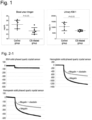
Fig. 1 shows the renal injury inhibitory effect of cilastatin in hemolysis model mice in terms of measured values of renal injury markers (blood urea nitrogen and urinary Kidney Injury Molecule-1: KIM-1). -
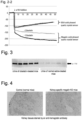
Fig. 2-1 shows, using the quartz crystal microbalance (QCM) method, the binding property of megalin onto the hemoglobin- or Hx-immobilized quartz crystal sensor, and the inhibitory effect of cilastatin. -
Fig. 2-2 shows, using the QCM method, the binding property of α1M onto the megalin-immobilized quartz crystal sensor, and the inhibitory effect of cilastatin. -
Fig. 3 shows the comparison of urinary protein (α1-microglobulin: α1M) concentrations between the cilastatin-treated group and control group. -
Fig. 4 shows the images comparing the amounts of hemoglobin taken up into kidney tissues between hemolysis models using kidney-specific megalin KO mice and control mice (immunostaining by anti-hemoglobin antibody). -
Fig. 5 shows the hemoglobin uptake inhibitory effect by cilastatin in hemolysis model mice (immunostaining by anti-hemoglobin antibody). -
Fig. 6 shows the images comparing the amounts of α1M taken up into kidney tissues between hemolysis models using kidney-specific megalin KO mice and control mice (immunostaining by anti-α1M antibody). -
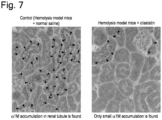
Fig. 7 shows the α1M uptake inhibitory effect by cilastatin in hemolysis model mice (immunostaining by anti-α1M antibody). - In one aspect, the present invention is directed to an inhibitor for renal injuries induced by a hemolytic reaction.
- The hemolytic reaction which causes renal injuries include congenital causes and acquired causes. Examples of the congenital causes include genetic abnormality associating with the red blood cell membrane, genetic abnormality associating with a red blood cell enzyme, and genetic abnormality of hemoglobin.
- Examples of the acquired causes include antibodies to red blood cells such as autoantibody, maternal antibody in a newborn baby, and antibody from incompatible blood transfusion, protozoan or bacterial infections, paroxysmal nocturnal hemoglobinuria, liver diseases, hypophosphatemia, and snake venom.
- Examples of the cases where the present invention is considered to be particularly frequently used include renal injuries induced by the hemolytic reactions caused by physical red blood cell destruction, such as valvular disease of the heart and cardiac valve replacement, hemolytic uremic syndrome, march hemoglobinuria, heat or fire burns, blood purification therapies such as massive blood transfusion, CPB, ECMO, VAD, or HD.
- When the above backgrounds or causes are present, the hemolytic reaction may have been occurred. The inhibitor of the present invention can be prescribed when the hemolytic reaction is diagnosed to have occurred, or suspected to have occurred. The hemolytic reaction can be diagnosed or suspected to have occurred when, for example, clinical examinations have findings of reticulocytosis, an elevated serum indirect bilirubin level, an increased urobilinogen level in feces and urea, an increased plasma free hemoglobin level, a decreased serum haptoglobin level, or hemoglobinuria.
- Further, in the case where the onset of renal injuries by the hemolytic reaction is concerned, particularly in subjects with a reduced renal function, the inhibitor can be prescribed as prevention.
- Additionally, examples of inhibition of renal injuries induced by the hemolytic reaction concerned at clinical sites include, in terms of clinical examinations, inhibition of an elevated serum creatinine level, a reduced renal filtration function (GFR, eGFR), an elevated blood urea nitrogen level, an elevated blood uric acid level, or ion concentration abnormality in blood or urea, and also inhibition of urinary concentration abnormality of, so-called renal injury markers, KIM-1, N-acetyl-β-D-glucosaminidase (NAG), α1M, β2-microglobulin (β2M), Liver-type Fatty Acid-Binding Protein (L-FABP), Neutrophil Gelatinase-Associated Lipocalin (N-GAL), albumin (ALB), type IV collagen, megalin, or podocalyxin.
- Additionally, examples of inhibition of renal injuries from a viewpoint of clinical symptoms include inhibition of edema, hypertension, uremia symptoms (nausea and vomiting, consciousness disturbance and the like), or jaundice, inhibition of appearance of hematuria, hemoglobinuria, or proteinuria, or inhibition of reduction in urine volume, and examples of inhibition of renal injuries from a pathological viewpoint include inhibition of renal tubular epithelial injuries, cast formation, renal tubular obstruction, stromal cell infiltration/edema/fibrosis, glomerular injury, or angiopathy.
- These renal injuries can be induced through the mediation of megalin. Since the main site of expression of megalin in the body is renal proximal tubular epithelial cells (mainly luminal plasmalemma), the present invention is useful for the inhibition (i.e., as an inhibitor) of renal proximal tubular epithelial cell injury and renal injuries derived therefrom.
- Examples of renal injuries induced by the hemolytic reaction include nephropathy, renal injury, nephritis, renal failure, renal disease, acute nephropathy, acute kidney injury, acute nephritis, acute renal failure, acute renal disease, chronic nephropathy, chronic renal injury, chronic nephritis, chronic renal failure, chronic kidney disease, tubular nephropathy, tubular renal injury, tubular nephritis, tubular renal failure, tubular renal disease, tubulointerstitial nephropathy, tubulointerstitial renal injury, tubulointerstitial nephritis, tubulointerstitial renal failure, tubulointerstitial renal disease, obstructive nephropathy, obstructive renal injury, obstructive nephritis, obstructive renal failure, obstructive renal disease, acute nephritic syndrome, rapidly progressive nephritic syndrome, chronic nephritic syndrome, nephrotic syndrome, renal vasospasm, and acute tubular necrosis.
- In the present invention, cilastatin or a pharmaceutically acceptable salt thereof is used.
- Cilastatin refers to (Z)-7-[[(R)-2-Amino-2-carboxyethyl]thio]-2-[[[(S)-2,2-dimethylcyclopropyl]carbonyl]amino]-2-heptenoic acid. For the sake of confirmation, when cilastatin produces a hydrate, use of the hydrate is also included within the scope of this invention.
- Examples of a pharmaceutically acceptable salt of cilastatin include alkali metal salts, such as lithium salt, sodium salt and potassium salt; alkali earth metal salts, such as magnesium salt and calcium salt; zinc salt and aluminum salt; organic amine salts, such as choline salt, ethanolamine salt, trimethylamine salt, triethylamine salt, dicyclohexylamine salt, dibenzylamine salt, phenethylbenzylamine salt, procaine salt, morpholine salt, pyridine salt, piperidine salt, piperadine salt and N-ethylpiperidine salt; ammonium salt; basic amino acid salts, such as lysine salt and arginine salt. A particularly preferred salt is cilastatin sodium. For the sake of confirmation, the scope of pharmaceutically acceptable salts also includes hydrates of the salts.
- As cilastatin or a pharmaceutically acceptable salt thereof, use can be made of, for example, a commercially available product, or a product produced or obtained by a known method or by a method pursuant to a known method.
- Cilastatin binds to the extracellular region of megalin. Cilastatin or a pharmaceutically acceptable salt thereof can inhibit the direct or indirect binding of hemoglobin and heme to megalin, and the uptake of them into cells.
- The inhibitor of the present invention contains cilastatin or a pharmaceutically acceptable salt thereof in an effective amount for inhibiting renal injuries induced by the hemolytic reaction. In the case of renal injuries, an exemplary daily dose of cilastatin or a salt thereof in an adult is from 0.01 to 100 mg, or from 0.1 to 10 mg. To achieve a dose in such a range, the inventive inhibitor can be administered once or in divided doses. The inhibitor may also be administered using an intermittent dosing, such as alternate-day or every three day dosing.
- The present invention, in an embodiment, relates to an inhibitor for hemoglobin uptake into kidney tissues, comprising cilastatin or a pharmaceutically acceptable salt thereof as an active component.
- Hemoglobin is a protein present in red blood cells of vertebrates including human and has the tetramer structure composed of four subunits. In each subunit, the polypeptide moiety called globin and the heme moiety, which is a prosthetic group, bind. Hemoglobin has the nature of binding to oxygen molecules, and plays a role of transporting oxygen from the lungs to the entire body.
- In connection with the present invention, the present inventors found that cilastatin inhibits the binding between hemoglobin and megalin. It is considered that this inhibitory effect leads to inhibition of renal injuries induced by the hemolytic reaction.
- The inhibitor of the present invention contains cilastatin or a pharmaceutically acceptable salt thereof in an effective amount. The effective amount can be determined by reference to the doses and the like as mentioned above in connection with the inhibitor for renal injuries of the present invention.
- The present invention, in an embodiment, relates to an inhibitor for heme uptake into kidney tissues, comprising cilastatin or a pharmaceutically acceptable salt thereof as an active component.
- The hemes are the partial structure constituting hemoglobin and can be released in the body by hemoglobin degradation.
- While the heme binds to α1M or Hx, the present inventors confirmed that α1M and Hx bind to megalin, and cilastatin inhibits the binding between these and megalin. It is considered that this inhibitory effect leads to inhibition of renal injuries induced by the hemolytic reaction.
- The inhibitor of the present invention contains cilastatin or a pharmaceutically acceptable salt thereof in an effective amount. The effective amount can be determined by reference to the doses and the like as mentioned above in connection with the inhibitor for renal injuries of the present invention.
- The form of the inhibitor of the present invention is not particularly limited, and the inhibitor of this invention can be in the form of, for example, a solid formulation such as powder, granule, capsule, tablet or chewable tablet, a liquid formulation such as solution or syrup, or an injectable, or a spray. A preferred form is an injectable.
- The inhibitor of the present invention may contain a pharmaceutically acceptable carrier when required for pharmaceutical purposes. Examples of such a carrier include excipient and solvent. Examples of additional components that may be contained in the inhibitor of this invention include binder, pH adjustor, disintegrant, chelator, solubilizer, suspending agent, emulsifier, isotonic agent, stabilizer, soothing agent, antiseptic, antioxidant, lubricant, corrigent, and colorant.
- Examples of excipients include organic excipients, such as sugars like lactose, glucose and D-mannitol, starches, and celluloses like crystalline cellulose; and inorganic excipients, such as dicalcium phosphate, calcium carbonate and kaolin. Examples of solvents include purified water and normal saline. Examples of binders include pregelatinized starch, gelatin, gum Arabic, methylcellulose, carboxymethylcellulose, carboxymethylcellulose sodium, crystalline cellulose, D-mannitol, trehalose, hydroxypropylcellulose, hydroxypropylmethylcellulose, polyvinylpyrrolidone, and polyvinyl alcohol. Examples of pH adjustors include hydrochloric acid and sodium hydroxide. Examples of disintegrants include low-substituted hydroxypropylcellulose, chemically modified celluloses and starches, and alginic acid. Examples of chelators include calcium disodium edetate hydrate and calcium sodium edetate hydrate. Examples of solubilizers include polyethylene glycol, propylene glycol, trehalose, benzyl benzoate, ethanol, sodium carbonate, sodium citrate, sodium salicylate and sodium acetate. Examples of suspending agents or emulsifiers include sodium lauryl sulfate, gum Arabic, gelatin, lecithin, glyceryl monostearate, polyvinyl alcohol, polyvinylpyrrolidone, celluloses like carboxymethylcellulose sodium, polysorbates, and polyoxyethylene hydrogenated castor oil. Examples of isotonic agents include sodium chloride, potassium chloride, sugars, glycerin, and urea. Examples of stabilizers include polyethylene glycol, sodium dextran sulfate, and other amino acids. Examples of soothing agents include glucose, calcium gluconate and procaine hydrochloride. Examples of antiseptics include p-hydroxybenzoic esters, chlorobutanol, benzyl alcohol, phenethyl alcohol, dehydroacetic acid, and sorbic acid. Examples of antioxidants include sulfite and ascorbic acid.
- In a preferred embodiment, the inhibitor of the present invention does not contain imipenem.
- In another aspect, the inhibitor of the present invention is directed to use of cilastatin or a pharmaceutically acceptable salt thereof in the inhibition of renal injuries induced by the hemolytic reaction, the inhibition of hemoglobin uptake into kidney tissues, or the inhibition of heme uptake into kidney tissues.
- In another aspect, the inhibitor of the present invention is directed to a method for inhibiting renal injuries induced by the hemolytic reaction, inhibiting hemoglobin uptake into kidney tissues, or heme uptake into kidney tissues, the method comprising administering an effective amount of cilastatin or a pharmaceutically acceptable salt thereof to a subject in need thereof.
- The effective amount of cilastatin or a pharmaceutically acceptable salt thereof can be determined by reference to the doses and the like as mentioned above in connection with the inhibitor of the present invention.
- In a preferred embodiment, the method and use of the present invention do not comprise administration of imipenem.
- The subject in need of various inhibitions herein is preferably a mammal such as human, a domestic animal such as mouse, rat, rabbit, guinea pig, hamster, monkey, sheep, horse, cow, pig, donkey, dog or cat, or other laboratory animal, with a human being particularly preferred.
- For the sake of clarity, the numerical ranges defined herein by lower and upper limit values, like "from 1.0 to 2.0 g", include the lower and upper limit values.
- Hereunder, the present invention will be described by way of examples, but this invention is not limited to these examples.
- Blood urea nitrogen and urinary Kidney Injury Molecule-1 (KIM-1), renal injury indicators, were measured to verify whether the onset of renal injuries in hemolysis model mice is inhibited by cilastatin administration.
- Phenylhydrazine (97% phenylhydrazine, Sigma-Aldrich Inc.) was dissolved in PBS in a concentration of 5 mg/ml to prepare a PBS solution, and the solution was intraperitoneally given to C57BL/6 mice (male, aged 10-12 weeks) so that the dose of phenylhydrazine was 1 mg/10 g, thereby constructing homolysis models.
- To the hemolysis models, a) 400 mg/kg (diluted in 100 µL of normal saline) of cilastatin (Sigma-Aldrich Inc.), or b) 100 µL of normal saline was intraperitoneally administered at the time of phenylhydrazine dosing, 3 hours after the dosing, and 6 hours after the dosing. For each a) and b), 6 mice were used.
- Then, for each individual in a) cilastatin-treated group and b) normal saline-treated group (control group), urine was pooled using a metabolic cage for 24 hours after phenylhydrazine dosing, and the obtained urine samples were collected. Additionally, 24 hours after phenylhydrazine dosing, blood was collected from the inferior vena cava of each animal, centrifuged for 30 minutes at 800 g to separate and collect serum.
- The urine and serum were stored at -80°C until analysis and measured for urinary KIM-1 and blood urea nitrogen. The measurements were conducted by Oriental Yeast Co., Ltd.
- As a result of evaluating renal injuries of the hemolysis models based on the blood urea nitrogen and urinary KIM-1, all measurement values were lower in the cilastatin (CS)-treated group than the control group (
Fig. 1 ). It was found that renal injuries induced by the hemolytic reaction can be inhibited by cilastatin administration. - The present inventors consider as follows. The hemoglobin released by the hemolysis is taken up into kidney tissues through megalin and causes renal injuries. Further, the heme freed from the hemoglobin forms a complex by binding to α1M or Hx, and the complex is taken up into kidney tissues through megalin and causes renal injuries. Then, cilastatin inhibits the binding between the hemoglobin or the complex and megalin, and inhibits renal injuries. In the subsequent test examples, these action mechanisms of cilastatin will be confirmed.
- Direct binding property between each ligand and megalin, and binding inhibition by cilastatin
- Binding specificity between megalin and each ligand (hemoglobin, α1M, Hx), and the possible binding inhibition by cilastatin were verified using the quartz crystal microbalance (QCM) method by reference to the method described in PTL 2.
- For the ligands to be verified, hemoglobin (LifeSpan Biosciences Inc., Rat Hemoglobin Native Protein, LS-G11201) and Hx (Sino Biological Inc., Rat Hemopexin/HPX protein (His Tag 81025-R08H)) were used.
- With the use of an immobilization kit for AFFINIX(R) (Initium Inc.) according to the recommended protocol for the kit, each ligand solution prepared in Buffer A as provided with the kit to a concentration of 0.1 mg/mL, or a solution of bovine serum albumin (BSA: CALBIOCHEM, Albumin, Bovine Serum, Fraction V, Fatty Acid-Free, Cat#126575) as a control was placed on the quartz crystal sensor mounted in a holder, and the ligand or albumin was immobilized on the quartz crystal sensor.
- After each of the ligand- or BSA-immobilized quartz crystal sensor was mounted in the measurement instrument AFFINIX(R) Q8 (Initium Inc.) and the frequency was confirmed to be stable, 8 µL of a 0.1 mg/mL solution of megalin purified from Sprague-Dawley (SD) rat kidneys according to the method of Orlando et al. was injected and frequency was measured with time.
- More specifically, the megalin solution was reacted to each of the ligand-immobilized quartz crystal sensors placed in a chamber with 200 µL of buffer, and frequency was measured.
- Additionally, 1 mg of cilastatin was injected into buffer in advance, each of the ligand-immobilized quartz crystal sensors was mounted in the measurement instrument, and after the frequency was confirmed to be stable, the megalin solution was injected and frequency was measured with time, whereby the antagonistic activity of cilastatin against the binding of each ligand to megalin was analyzed.
- The same experiment was done on controls.
- In line with Methodology-1, a quartz crystal sensor on which a rat-purified megalin or BSA was immobilized was prepared. This quartz crystal sensor was mounted in the measurement instrument, and a condition under which 1 mg/200 µL of cilastatin was injected into buffer in advance and a condition under which cilastatin was not injected were set. After the frequency was confirmed to be stable, an α1M (LifeSpan Biosciences, Inc., Rat AMBP Protein (Recombinant 6His, N-terminus) (aa20-202), LS-G11794) solution was injected in an 8 µL chamber, and frequency was measured with time.
- When megalin was added to the hemoglobin-immobilized quartz crystal sensor and the Hx-immobilized quartz crystal sensor, signals of the quartz crystal significantly dropped and this reaction was inhibited by cilastatin (
Fig. 2-1 ). It was found that hemoglobin and Hx directly bind to megalin, and cilastatin inhibits such a binding. - When α1M was added to the megalin-immobilized quartz crystal sensor, signals of the quartz crystal significantly dropped and this reaction was inhibited by cilastatin (
Fig. 2-2 ). It was found that α1M directly binds to megalin as in hemoglobin and Hx, and cilastatin inhibits such a binding. - This test example verified that each of the ligands (α1M and Hx) was taken up into kidney tissues through megalin, and cilastatin inhibits such an uptake.
- Cilastatin was administered to mice and changes in concentrations of each ligand in urine were observed.
- Five mice (male, aged 12 weeks C57BL/6) were intraperitoneally administered with 400 mg/kg (diluted in 100 µL of normal saline, cilastatin-treated group) of cilastatin sodium (Sigma-Aldrich Japan K.K., C5743), and then put in a metabolic cage for 3 hours to collect urine, and the urines of 5 mice were combined. Additionally, 100 µL of normal saline was administered to another group of 5 mice (control group), and the same experiment as above was conducted.
- Proteins were isolated from the obtained urine samples by electrophoresis (SDS-polyacrylamide gel), reductively alkylated (using dithiothreitol and iodoacetamide), digested with trypsin, and the obtained peptides were extracted to obtain a solid.
- To the obtained solid, 15 µL of 0.3% formic acid (FA) was added, shaken for 5 minutes, sonicated for 1 minute, and shaken again for 5 minutes. The resultant mixture was spun down, applied to a membrane filter having a pore diameter of 0.45 µm (ULtra free-MC, HV, 0.45 µm, Millipore), centrifuged at 10,000 rpm for 5 minutes, and the sample passed through the filter was subjected to LCMS analysis.
-
- (LC System)
Eksigent (R)Exspert nano LC 400, Exsigent TM Exspert cHiPLC (R) - (Column)
- Trap column: Nano
cHiPLC Trap column 200 µm × 0.5 mm ChromXP C18-CL 3 µm 120 Å (804-00006, SCIEX) - Analytical column: Nano cHiPLC column 75 µm × 15 cm ChromXP C18-CL 3 µm 120 Å (804-00001, SCIEX)
-
Column temperature 30°C
- Trap column: Nano
- (Sample introduction)
Injection volume: 3 µL - After holding the sample in a trap column, the gradient of mobile phase was adjusted as described later, and the sample was introduced to an analytical column.
-
- A Solvent: Aqueous solution of 0.1% trifluoroacetic acid
- B Solvent: Solution of 0.1% trifluoroacetic acid in acetonitrile
- Flow rate:
Total 300 nl/min - Gradient condition: When the sample was introduced to the analytical column equilibrated with 98% of A solvent and 2% of B solvent was 0 minute; the ratio of B solvent was linearly increased to 32% in 30 minutes; and the substance to be measured was separated and eluted. Subsequently, the ratio of B solvent was increased to 90% in 5 minutes; then the ratio of B solvent was retained at 90% for 5 minutes; the column was washed; the ratio was brought back to 2% in 0.1 minutes; and the ratio of B solvent was maintained at 2% as in the initial state until 60 minutes, thereby equilibrating the column.
- AB Sciex Triple TOF 5600+ was used in positive ion mode.
- Mass range: 400-1250 Da
- LCMS data were checked against the sequence database, and the presence of a plural proteins was confirmed. Moreover, the proteins confirmed in both of the cilastatin-treated group and control group were calculated for an SpC/L ratio (spectral abundance factor: SAF), which is equivalent to the peak intensity ratio of the cilastatin-treated group/control group, and those having an SpC/L ratio of 2.0 or more were decided to be proteins more abundant in urine of the cilastatin-treated group and listed as the proteins as such.
- The analysis method described in Ohara et al., 2018, PLoS One, vol. 13, 1, e0204160 was referred to. The analysis method is shown below.
- AnaLyst (R) TF1.6 (AB SCIEX) was used as an LCMS/MS data acquisition and analysis software, and the obtained raw data were converted to a peak list file (mgf file format), whereby MS/MS Ion Search (MIS search) was conducted using Matrix Science Mascot daemon, Mascot server 2.2.1. The sequence data base used was Uniprot, Swiss-Prot. Significance threshold was set to 0.05 (false discovery rate of less than 5%), and the proteins having 2 or more peptides exceeding the identification standard were listed as identified proteins.
- Raw data were acquired 2 times per sample at LCMS to cover the issue of analysis reproducibility at LCMS, and the peak list files obtained from the 2 runs were combined and analyzed using Mascot (Ohara et al., 2018, PLoS One, vol. 13, 1, e0204160).
- To the proteins identified in common in 2 groups when compared, the spectral count method was used, which is a label-free comparative, semi quantitative analysis method utilizing a principle that a large number of peptide fragments will be identified in those expressed at high levels, resulting in the increase in the number of MS/MS. In other words, the proteins identified in both of the cilastatin-treated group and control group were calculated for an SpC/L ratio (spectral abundance factor: SAF) of the cilastatin-treated group/control group, and the proteins having an SpC/L ratio of 2.0 or more were listed as the proteins abundant in urine of the cilastatin-treated group.
- For the urines of the cilastatin-treated group and control group obtained in above, SDS-polyacrylamide electrophoresis under reduction condition was conducted using a 4 to 15 % gradient gel (Bio-Rad Laboratories, Inc.), and developed fragments were transferred to a polyvinylidene fluoride (PVDF) membrane. The membrane was blocked using a 5% nonfat milk-containing buffer solution, and then reacted to 1 µg/mL of an anti-α1M antibody (LifeSpan Biosciences Inc.) as the primary antibody at room temperature for 2 hours. The membrane was reacted to 0.25 µg/mL of Polyclonal Goat Anti-Rabbit Immunoglobulin (Dako Japan Inc.) labelled with horseradish peroxidase (HRP) as the secondary antibody at room temperature for 1 hour. Subsequently, bands were detected using a western blot chemiluminescent substrate (SuperSignalTM West Femto Maximum Sensitivity Substrate, Thermo Scientific (R)).
- Of the proteins identified in both of the cilastatin-treated group and control group, 63 kinds having an SpC/L ratio of the cilastatin-treated group/control group of 2.0 or more were identified as the proteins with higher urinary concentrations in the cilastatin-treated group as compared to the control group. It is considered that the changes in urinary excretion of these proteins are affected by the megalin antagonistic activity by cilastatin. Further, in these, α1M and Hx, which are reported as the heme binders, were contained. As a reference,
Fig. 3 shows western blotting images of urinary α1M in the cilastatin-treated group and control group. - Therefore, while it is reported that α1M is the ligand of megalin (Christensen et al., 2002, MOLECULAR CELL BIOLOGY, vol. 3, p.258-268), the present study showed that Hx, not only α1M, is also the possible ligand of megalin. Additionally, it was confirmed that cilastatin inhibits the uptake of these into kidney tissues.
- The proteins which did not change in the urinary concentrations in the cilastatin-treated group and control group contained those reported as megalin ligands such as albumin, transthyretin, clusterin, vitamin D-binding protein and the like. The present study showed that the binding, even it is a ligand of megalin, may not be antagonized by cilastatin.
- Of the proteins having an SpC/L ratio of 2.0 or more and the proteins having an SpC/L ratio of less than 2.0 in the present test, the measured numerical values of examples of those already reported as ligands of megalin, or those found as ligands of megalin by the study of the present inventors are shown below.
[Table 1] Proteins having SpC/L ratio of 2.0 or more Protein name SpC/L ratio α1M 3.67 Hx 2.33 Transcobalamin-2 2.33 [Table 2] Proteins having SpC/L ratio of less than 2.0 Protein name SpC/L ratio Albumin 1.10 Transthyretin 1.00 Clusterin 0.73 Vitamin D-binding protein 0.80 -
- Megalin-dependent hemoglobin uptake into kidney tissues
- Megalin-dependency of the hemoglobin uptake into kidney tissues was verified using hemolysis models constructed from kidney-specific megalin-knock out (KO) mice.
- A solution of 5 mg/ml phenylhydrazine in PBS (97% phenylhydrazine, Sigma-Aldrich Inc.) was prepared, and an amount equivalent to 1 mg/10 g of the phenylhydrazine was intraperitoneally given to the kidney-specific megalin-KO mice (Ndrg1-CreERT2/+ megalin lox/lox) and control mice thereof (megalin (lox/lox); Cre(-)) as the control (both male, aged 12 weeks), thereby constructing hemolysis models.
- Twenty-four hours after phenylhydrazine dosing, a portion containing a renal pedicle was sliced to 3 mm thickness from the right kidney and fixed with 4% paraformaldehyde phosphate buffer. The fixed sample was thinly sliced at a thickness of 4 µm using a microtome (REM-710; Yamato Kohki Industrial Co., Ltd.), and the obtained thin slices were immunostained (500-fold diluted) with an anti-hemoglobin antibody (Abcam ab92492) and microscopically observed.
- It was confirmed that the amounts of hemoglobin taken up into kidney tissues of the hemolysis model mice were smaller in the megalin KO mice than in the control mice (
Fig. 4 ). Therefore, it was found that the hemoglobin uptake into kidneys was dependent on megalin. - The inhibition of hemoglobin uptake into kidney tissues by cilastatin administration was verified using hemolysis model mice.
- In line with Test Example 1, 1 mg/10 g of phenylhydrazine was given to C57BL/6 (male, aged 10-12 weeks), thereby constructing hemolysis model mice.
- To the hemolysis models, a) 400 mg/kg (diluted in 100 µL of normal saline) of cilastatin (Sigma-Aldrich Inc.), or b) 100 µL of normal saline was intraperitoneally administered at the time of phenylhydrazine dosing, 3 hours after the dosing, and 6 hours after the dosing.
- Twenty-four hours after phenylhydrazine dosing, kidneys were immunostained and observed by following Test Example 4.
- It was confirmed that the amounts of hemoglobin taken up into kidney tissues of the hemolysis model mice reduced by cilastatin administration (
Fig. 5 ). Therefore, it was found that the hemoglobin uptake into kidneys can be inhibited by cilastatin. - Megalin-dependency of the α1M uptake into kidney tissues was verified using hemolysis models constructed from kidney-specific megalin-knock out (KO) mice.
- In Test Example 4, the thinly sliced fixed kidney samples were obtained, immunostained, and observed. In the present test example, separate thinly sliced fixed samples obtained from the remaining right kidney of the same animal were immunostained (500-fold diluted) using an anti-α1M antibody (Gene Tex: GTX101068) and microscopically observed.
- It was confirmed that the amounts of α1M taken up into kidney tissues of the hemolysis model mice were smaller in the megalin KO mice than the control mice (
Fig. 6 ). Therefore, it was found that the α1M uptake into kidney was dependent on megalin. - The inhibition of α1M uptake into kidney tissues by cilastatin administration was verified using hemolysis model mice.
- In Test Example 5, the thinly sliced fixed kidney samples were obtained, immunostained, and observed. In the present test example, thinly sliced fixed samples obtained from the remaining right kidney of the same animal were immunostained (500-fold diluted) using an anti-α1M antibody (Gene Tex: GTX101068).
- It was confirmed that the amounts of α1M taken up into kidney tissues of the hemolysis model mice reduced by cilastatin administration (
Fig. 7 ). Therefore, it was found that the α1M uptake into kidneys can be inhibited by cilastatin. - The present invention is capable of providing an inhibitor for renal injuries induced by a hemolytic reaction, or an inhibitor for hemoglobin or heme uptake into kidney tissues.
Claims (4)
- An inhibitor for renal injuries induced by a hemolytic reaction, comprising cilastatin or a pharmaceutically acceptable salt thereof as an active component.
- The inhibitor according to claim 1, wherein the inhibitor is in an injectable form.
- An inhibitor for hemoglobin uptake into kidney tissues, comprising cilastatin or a pharmaceutically acceptable salt thereof as an active component.
- An inhibitor for heme uptake into kidney tissues, comprising cilastatin or a pharmaceutically acceptable salt thereof as an active component.
Applications Claiming Priority (2)
| Application Number | Priority Date | Filing Date | Title |
|---|---|---|---|
| JP2021040083 | 2021-03-12 | ||
| PCT/JP2022/010031 WO2022191193A1 (en) | 2021-03-12 | 2022-03-08 | Prevention of kidney injury induced by hemolytic reaction |
Publications (3)
| Publication Number | Publication Date |
|---|---|
| EP4205736A1 true EP4205736A1 (en) | 2023-07-05 |
| EP4205736A4 EP4205736A4 (en) | 2024-06-12 |
| EP4205736B1 EP4205736B1 (en) | 2025-06-18 |
Family
ID=83227974
Family Applications (1)
| Application Number | Title | Priority Date | Filing Date |
|---|---|---|---|
| EP22767147.6A Active EP4205736B1 (en) | 2021-03-12 | 2022-03-08 | Prevention of kidney injury induced by hemolytic reaction |
Country Status (5)
| Country | Link |
|---|---|
| US (1) | US12239621B2 (en) |
| EP (1) | EP4205736B1 (en) |
| JP (1) | JP7412722B2 (en) |
| CN (1) | CN116472037A (en) |
| WO (1) | WO2022191193A1 (en) |
Family Cites Families (9)
| Publication number | Priority date | Publication date | Assignee | Title |
|---|---|---|---|---|
| WO2006002073A2 (en) | 2004-06-15 | 2006-01-05 | Vanderbilt University | Method for preventing heme-induced lipid peroxidation |
| US9216185B2 (en) * | 2008-07-11 | 2015-12-22 | Fundacion Para La Investigacion Biomedica Del Hospital Gregorio Maranon | Use of cilastatin to reduce nephrotatoxicity of various compounds |
| US10005818B2 (en) | 2010-07-21 | 2018-06-26 | Realta Holdings, Llc | Derivative peptide compounds and methods of use |
| JP6508655B2 (en) | 2014-01-24 | 2019-05-08 | Eaファーマ株式会社 | Megalin antagonist |
| CN107072190B (en) | 2014-09-29 | 2020-10-09 | 弗莱德哈钦森癌症研究中心 | Compositions, kits and methods for inducing acquired cellular resistance using stress protein inducers |
| TW201629215A (en) | 2014-09-30 | 2016-08-16 | 拜耳保健有限責任公司 | Composition and treatment method using thrombin |
| US10933116B2 (en) | 2015-06-26 | 2021-03-02 | Realta Holdings, Llc | Synthetic peptide compounds and methods of use |
| WO2019165349A1 (en) * | 2018-02-26 | 2019-08-29 | Aerpio Therapeutics, Inc. | METHODS OF TREATING DIABETIC NEPHROPATHY USING HPTPß INHIBITORS |
| JP6548803B1 (en) * | 2018-04-27 | 2019-07-24 | 国立大学法人 新潟大学 | Use of silastatin in the suppression of renal injury |
-
2022
- 2022-03-08 EP EP22767147.6A patent/EP4205736B1/en active Active
- 2022-03-08 WO PCT/JP2022/010031 patent/WO2022191193A1/en not_active Ceased
- 2022-03-08 US US18/247,412 patent/US12239621B2/en active Active
- 2022-03-08 CN CN202280006946.1A patent/CN116472037A/en active Pending
- 2022-03-08 JP JP2023505580A patent/JP7412722B2/en active Active
Also Published As
| Publication number | Publication date |
|---|---|
| EP4205736A4 (en) | 2024-06-12 |
| US12239621B2 (en) | 2025-03-04 |
| JPWO2022191193A1 (en) | 2022-09-15 |
| JP7412722B2 (en) | 2024-01-15 |
| EP4205736B1 (en) | 2025-06-18 |
| CN116472037A (en) | 2023-07-21 |
| WO2022191193A1 (en) | 2022-09-15 |
| US20230390229A1 (en) | 2023-12-07 |
Similar Documents
| Publication | Publication Date | Title |
|---|---|---|
| Bachorzewska-Gajewska et al. | Neutrophil-gelatinase-associated lipocalin and renal function after percutaneous coronary interventions | |
| Funk et al. | Persistent disruption of mitochondrial homeostasis after acute kidney injury | |
| Chimienti | Zinc, pancreatic islet cell function and diabetes: new insights into an old story | |
| Trepiccione et al. | Lithium-induced nephrogenic diabetes insipidus: new clinical and experimental findings | |
| JP5893742B2 (en) | Method for monitoring, diagnosing and / or prognosing acute kidney injury in the early stage | |
| Weiss et al. | Free pentosidine and neopterin as markers of progression rate in diabetic nephropathy | |
| Rossing et al. | Differences between nisoldipine and lisinopril on glomerular filtration rates and albuminuria in hypertensive IDDM patients with diabetic nephropathy during the first year of treatment | |
| US20070238760A1 (en) | Diagnosis and treatment of human kidney diseases | |
| Dugbartey et al. | Supplementation of conventional anti-diabetic therapy with alpha-lipoic acid prevents early development and progression of diabetic nephropathy | |
| Zuk et al. | Preclinical characterization of vadadustat (AKB-6548), an oral small molecule hypoxia-inducible factor prolyl-4-hydroxylase inhibitor, for the potential treatment of renal anemia | |
| US20250120933A1 (en) | Agent for inhibiting renal damage induced by rhabdomyolysis | |
| Fjellstedt et al. | Cystine analyses of separate day and night urine as a basis for the management of patients with homozygous cystinuria | |
| Molinaro et al. | Monitoring of inosine monophosphate dehydrogenase activity and expression during the early period of mycophenolate mofetil therapy in de novo renal transplant patients | |
| EP4205736B1 (en) | Prevention of kidney injury induced by hemolytic reaction | |
| Nakamura et al. | Calcium channel blocker inhibition of AGE and RAGE axis limits renal injury in nondiabetic patients with stage I or II chronic kidney disease | |
| Xu et al. | Effects of Bailing capsule on diabetic nephropathy based on UPLC-MS urine metabolomics | |
| Deyneli et al. | Effects of ACE inhibition and angiotensin II receptor blockade on glomerular basement membrane protein excretion and charge selectivity in type 2 diabetic patients | |
| Ibrahim et al. | Impact of hepcidin, interleukin 6, and other inflammatory markers with respect to erythropoietin on anemia in chronic hemodialysis patients | |
| De Franceschi et al. | K-Cl cotransport modulation by intracellular Mg in erythrocytes from mice bred for low and high Mg levels | |
| JPH10504640A (en) | Methods for detecting hemoglobin advancing glucosylation end products | |
| Ghatpande et al. | In vivo pharmaco-proteomic analysis of hydroxyurea induced changes in the sickle red blood cell membrane proteome | |
| Rogers et al. | Lack of urea transporters, UT-A1 and UT-A3, increases nitric oxide accumulation to dampen medullary sodium reabsorption through ENaC | |
| CN114206377A (en) | Application of recombinant ADAMTS13 in treatment of sickle cell disease | |
| Fluck et al. | Platelet cytosolic free calcium concentration and parathyroid hormone: changing relationships with haemodialysis in end-stage renal disease. | |
| US20250215106A1 (en) | Compositions and methods for treating idiopathic nephrotic syndrome |
Legal Events
| Date | Code | Title | Description |
|---|---|---|---|
| STAA | Information on the status of an ep patent application or granted ep patent |
Free format text: STATUS: THE INTERNATIONAL PUBLICATION HAS BEEN MADE |
|
| PUAI | Public reference made under article 153(3) epc to a published international application that has entered the european phase |
Free format text: ORIGINAL CODE: 0009012 |
|
| STAA | Information on the status of an ep patent application or granted ep patent |
Free format text: STATUS: REQUEST FOR EXAMINATION WAS MADE |
|
| 17P | Request for examination filed |
Effective date: 20230330 |
|
| AK | Designated contracting states |
Kind code of ref document: A1 Designated state(s): AL AT BE BG CH CY CZ DE DK EE ES FI FR GB GR HR HU IE IS IT LI LT LU LV MC MK MT NL NO PL PT RO RS SE SI SK SM TR |
|
| A4 | Supplementary search report drawn up and despatched |
Effective date: 20240514 |
|
| RIC1 | Information provided on ipc code assigned before grant |
Ipc: A61K 9/00 20060101ALI20240507BHEP Ipc: A61P 43/00 20060101ALI20240507BHEP Ipc: A61P 13/12 20060101ALI20240507BHEP Ipc: A61K 31/201 20060101AFI20240507BHEP |
|
| DAV | Request for validation of the european patent (deleted) | ||
| DAX | Request for extension of the european patent (deleted) | ||
| GRAP | Despatch of communication of intention to grant a patent |
Free format text: ORIGINAL CODE: EPIDOSNIGR1 |
|
| STAA | Information on the status of an ep patent application or granted ep patent |
Free format text: STATUS: GRANT OF PATENT IS INTENDED |
|
| RIC1 | Information provided on ipc code assigned before grant |
Ipc: A61K 9/00 20060101ALI20250205BHEP Ipc: A61P 43/00 20060101ALI20250205BHEP Ipc: A61P 13/12 20060101ALI20250205BHEP Ipc: A61K 31/201 20060101AFI20250205BHEP |
|
| INTG | Intention to grant announced |
Effective date: 20250220 |
|
| GRAS | Grant fee paid |
Free format text: ORIGINAL CODE: EPIDOSNIGR3 |
|
| GRAA | (expected) grant |
Free format text: ORIGINAL CODE: 0009210 |
|
| STAA | Information on the status of an ep patent application or granted ep patent |
Free format text: STATUS: THE PATENT HAS BEEN GRANTED |
|
| AK | Designated contracting states |
Kind code of ref document: B1 Designated state(s): AL AT BE BG CH CY CZ DE DK EE ES FI FR GB GR HR HU IE IS IT LI LT LU LV MC MK MT NL NO PL PT RO RS SE SI SK SM TR |
|
| P01 | Opt-out of the competence of the unified patent court (upc) registered |
Free format text: CASE NUMBER: APP_22144/2025 Effective date: 20250509 |
|
| REG | Reference to a national code |
Ref country code: GB Ref legal event code: FG4D |
|
| REG | Reference to a national code |
Ref country code: CH Ref legal event code: EP |
|
| REG | Reference to a national code |
Ref country code: DE Ref legal event code: R096 Ref document number: 602022016175 Country of ref document: DE |
|
| REG | Reference to a national code |
Ref country code: CH Ref legal event code: EP |
|
| REG | Reference to a national code |
Ref country code: IE Ref legal event code: FG4D |
|
| REG | Reference to a national code |
Ref country code: NL Ref legal event code: FP |
|
| PG25 | Lapsed in a contracting state [announced via postgrant information from national office to epo] |
Ref country code: FI Free format text: LAPSE BECAUSE OF FAILURE TO SUBMIT A TRANSLATION OF THE DESCRIPTION OR TO PAY THE FEE WITHIN THE PRESCRIBED TIME-LIMIT Effective date: 20250618 |
|
| REG | Reference to a national code |
Ref country code: LT Ref legal event code: MG9D |
|
| PG25 | Lapsed in a contracting state [announced via postgrant information from national office to epo] |
Ref country code: GR Free format text: LAPSE BECAUSE OF FAILURE TO SUBMIT A TRANSLATION OF THE DESCRIPTION OR TO PAY THE FEE WITHIN THE PRESCRIBED TIME-LIMIT Effective date: 20250919 Ref country code: NO Free format text: LAPSE BECAUSE OF FAILURE TO SUBMIT A TRANSLATION OF THE DESCRIPTION OR TO PAY THE FEE WITHIN THE PRESCRIBED TIME-LIMIT Effective date: 20250918 |
|
| PG25 | Lapsed in a contracting state [announced via postgrant information from national office to epo] |
Ref country code: BG Free format text: LAPSE BECAUSE OF FAILURE TO SUBMIT A TRANSLATION OF THE DESCRIPTION OR TO PAY THE FEE WITHIN THE PRESCRIBED TIME-LIMIT Effective date: 20250618 |
|
| PG25 | Lapsed in a contracting state [announced via postgrant information from national office to epo] |
Ref country code: HR Free format text: LAPSE BECAUSE OF FAILURE TO SUBMIT A TRANSLATION OF THE DESCRIPTION OR TO PAY THE FEE WITHIN THE PRESCRIBED TIME-LIMIT Effective date: 20250618 |
|
| PG25 | Lapsed in a contracting state [announced via postgrant information from national office to epo] |
Ref country code: RS Free format text: LAPSE BECAUSE OF FAILURE TO SUBMIT A TRANSLATION OF THE DESCRIPTION OR TO PAY THE FEE WITHIN THE PRESCRIBED TIME-LIMIT Effective date: 20250918 |
|
| PG25 | Lapsed in a contracting state [announced via postgrant information from national office to epo] |
Ref country code: LV Free format text: LAPSE BECAUSE OF FAILURE TO SUBMIT A TRANSLATION OF THE DESCRIPTION OR TO PAY THE FEE WITHIN THE PRESCRIBED TIME-LIMIT Effective date: 20250618 |
|
| PG25 | Lapsed in a contracting state [announced via postgrant information from national office to epo] |
Ref country code: PT Free format text: LAPSE BECAUSE OF FAILURE TO SUBMIT A TRANSLATION OF THE DESCRIPTION OR TO PAY THE FEE WITHIN THE PRESCRIBED TIME-LIMIT Effective date: 20251020 |
|
| REG | Reference to a national code |
Ref country code: AT Ref legal event code: MK05 Ref document number: 1803570 Country of ref document: AT Kind code of ref document: T Effective date: 20250618 |
|
| PG25 | Lapsed in a contracting state [announced via postgrant information from national office to epo] |
Ref country code: IS Free format text: LAPSE BECAUSE OF FAILURE TO SUBMIT A TRANSLATION OF THE DESCRIPTION OR TO PAY THE FEE WITHIN THE PRESCRIBED TIME-LIMIT Effective date: 20251018 |
|
| PG25 | Lapsed in a contracting state [announced via postgrant information from national office to epo] |
Ref country code: AT Free format text: LAPSE BECAUSE OF FAILURE TO SUBMIT A TRANSLATION OF THE DESCRIPTION OR TO PAY THE FEE WITHIN THE PRESCRIBED TIME-LIMIT Effective date: 20250618 Ref country code: SM Free format text: LAPSE BECAUSE OF FAILURE TO SUBMIT A TRANSLATION OF THE DESCRIPTION OR TO PAY THE FEE WITHIN THE PRESCRIBED TIME-LIMIT Effective date: 20250618 |
|
| PG25 | Lapsed in a contracting state [announced via postgrant information from national office to epo] |
Ref country code: CZ Free format text: LAPSE BECAUSE OF FAILURE TO SUBMIT A TRANSLATION OF THE DESCRIPTION OR TO PAY THE FEE WITHIN THE PRESCRIBED TIME-LIMIT Effective date: 20250618 |
|
| PG25 | Lapsed in a contracting state [announced via postgrant information from national office to epo] |
Ref country code: PL Free format text: LAPSE BECAUSE OF FAILURE TO SUBMIT A TRANSLATION OF THE DESCRIPTION OR TO PAY THE FEE WITHIN THE PRESCRIBED TIME-LIMIT Effective date: 20250618 |
|
| PG25 | Lapsed in a contracting state [announced via postgrant information from national office to epo] |
Ref country code: EE Free format text: LAPSE BECAUSE OF FAILURE TO SUBMIT A TRANSLATION OF THE DESCRIPTION OR TO PAY THE FEE WITHIN THE PRESCRIBED TIME-LIMIT Effective date: 20250618 |
|
| PG25 | Lapsed in a contracting state [announced via postgrant information from national office to epo] |
Ref country code: SK Free format text: LAPSE BECAUSE OF FAILURE TO SUBMIT A TRANSLATION OF THE DESCRIPTION OR TO PAY THE FEE WITHIN THE PRESCRIBED TIME-LIMIT Effective date: 20250618 |
|
| PG25 | Lapsed in a contracting state [announced via postgrant information from national office to epo] |
Ref country code: ES Free format text: LAPSE BECAUSE OF FAILURE TO SUBMIT A TRANSLATION OF THE DESCRIPTION OR TO PAY THE FEE WITHIN THE PRESCRIBED TIME-LIMIT Effective date: 20250618 |
|
| REG | Reference to a national code |
Ref country code: DE Ref legal event code: R097 Ref document number: 602022016175 Country of ref document: DE |
|
| PG25 | Lapsed in a contracting state [announced via postgrant information from national office to epo] |
Ref country code: DK Free format text: LAPSE BECAUSE OF FAILURE TO SUBMIT A TRANSLATION OF THE DESCRIPTION OR TO PAY THE FEE WITHIN THE PRESCRIBED TIME-LIMIT Effective date: 20250618 |
|
| PGFP | Annual fee paid to national office [announced via postgrant information from national office to epo] |
Ref country code: DE Payment date: 20260327 Year of fee payment: 5 |
|
| PGFP | Annual fee paid to national office [announced via postgrant information from national office to epo] |
Ref country code: IT Payment date: 20260223 Year of fee payment: 5 |
|
| PGFP | Annual fee paid to national office [announced via postgrant information from national office to epo] |
Ref country code: NL Payment date: 20260319 Year of fee payment: 5 |
|
| PGFP | Annual fee paid to national office [announced via postgrant information from national office to epo] |
Ref country code: FR Payment date: 20260129 Year of fee payment: 5 |
|
| PLBE | No opposition filed within time limit |
Free format text: ORIGINAL CODE: 0009261 |
|
| STAA | Information on the status of an ep patent application or granted ep patent |
Free format text: STATUS: NO OPPOSITION FILED WITHIN TIME LIMIT |
|
| REG | Reference to a national code |
Ref country code: CH Ref legal event code: L10 Free format text: ST27 STATUS EVENT CODE: U-0-0-L10-L00 (AS PROVIDED BY THE NATIONAL OFFICE) Effective date: 20260430 |