EP4202037A1 - Ex vivo production of compounds of interest - Google Patents
Ex vivo production of compounds of interest Download PDFInfo
- Publication number
- EP4202037A1 EP4202037A1 EP21217091.4A EP21217091A EP4202037A1 EP 4202037 A1 EP4202037 A1 EP 4202037A1 EP 21217091 A EP21217091 A EP 21217091A EP 4202037 A1 EP4202037 A1 EP 4202037A1
- Authority
- EP
- European Patent Office
- Prior art keywords
- liver
- tissue
- kidney
- perfused
- compounds
- Prior art date
- Legal status (The legal status is an assumption and is not a legal conclusion. Google has not performed a legal analysis and makes no representation as to the accuracy of the status listed.)
- Withdrawn
Links
- 150000001875 compounds Chemical class 0.000 title claims abstract description 114
- 238000004519 manufacturing process Methods 0.000 title claims description 16
- 210000004185 liver Anatomy 0.000 claims abstract description 169
- 230000010412 perfusion Effects 0.000 claims abstract description 136
- 210000005228 liver tissue Anatomy 0.000 claims abstract description 112
- 239000002243 precursor Substances 0.000 claims abstract description 91
- 238000000034 method Methods 0.000 claims abstract description 88
- 239000007788 liquid Substances 0.000 claims abstract description 78
- 210000003734 kidney Anatomy 0.000 claims abstract description 73
- 210000005084 renal tissue Anatomy 0.000 claims abstract description 53
- 210000000941 bile Anatomy 0.000 claims abstract description 45
- 210000002700 urine Anatomy 0.000 claims abstract description 21
- 210000001519 tissue Anatomy 0.000 claims description 87
- 210000004789 organ system Anatomy 0.000 claims description 52
- 210000000232 gallbladder Anatomy 0.000 claims description 38
- 210000003240 portal vein Anatomy 0.000 claims description 24
- 210000002767 hepatic artery Anatomy 0.000 claims description 18
- NOESYZHRGYRDHS-UHFFFAOYSA-N insulin Chemical compound N1C(=O)C(NC(=O)C(CCC(N)=O)NC(=O)C(CCC(O)=O)NC(=O)C(C(C)C)NC(=O)C(NC(=O)CN)C(C)CC)CSSCC(C(NC(CO)C(=O)NC(CC(C)C)C(=O)NC(CC=2C=CC(O)=CC=2)C(=O)NC(CCC(N)=O)C(=O)NC(CC(C)C)C(=O)NC(CCC(O)=O)C(=O)NC(CC(N)=O)C(=O)NC(CC=2C=CC(O)=CC=2)C(=O)NC(CSSCC(NC(=O)C(C(C)C)NC(=O)C(CC(C)C)NC(=O)C(CC=2C=CC(O)=CC=2)NC(=O)C(CC(C)C)NC(=O)C(C)NC(=O)C(CCC(O)=O)NC(=O)C(C(C)C)NC(=O)C(CC(C)C)NC(=O)C(CC=2NC=NC=2)NC(=O)C(CO)NC(=O)CNC2=O)C(=O)NCC(=O)NC(CCC(O)=O)C(=O)NC(CCCNC(N)=N)C(=O)NCC(=O)NC(CC=3C=CC=CC=3)C(=O)NC(CC=3C=CC=CC=3)C(=O)NC(CC=3C=CC(O)=CC=3)C(=O)NC(C(C)O)C(=O)N3C(CCC3)C(=O)NC(CCCCN)C(=O)NC(C)C(O)=O)C(=O)NC(CC(N)=O)C(O)=O)=O)NC(=O)C(C(C)CC)NC(=O)C(CO)NC(=O)C(C(C)O)NC(=O)C1CSSCC2NC(=O)C(CC(C)C)NC(=O)C(NC(=O)C(CCC(N)=O)NC(=O)C(CC(N)=O)NC(=O)C(NC(=O)C(N)CC=1C=CC=CC=1)C(C)C)CC1=CN=CN1 NOESYZHRGYRDHS-UHFFFAOYSA-N 0.000 claims description 16
- 210000002381 plasma Anatomy 0.000 claims description 15
- 210000003743 erythrocyte Anatomy 0.000 claims description 12
- HTTJABKRGRZYRN-UHFFFAOYSA-N Heparin Chemical compound OC1C(NC(=O)C)C(O)OC(COS(O)(=O)=O)C1OC1C(OS(O)(=O)=O)C(O)C(OC2C(C(OS(O)(=O)=O)C(OC3C(C(O)C(O)C(O3)C(O)=O)OS(O)(=O)=O)C(CO)O2)NS(O)(=O)=O)C(C(O)=O)O1 HTTJABKRGRZYRN-UHFFFAOYSA-N 0.000 claims description 11
- 229960002897 heparin Drugs 0.000 claims description 11
- 229920000669 heparin Polymers 0.000 claims description 11
- 210000002254 renal artery Anatomy 0.000 claims description 11
- 238000000605 extraction Methods 0.000 claims description 9
- 102000004877 Insulin Human genes 0.000 claims description 8
- 108090001061 Insulin Proteins 0.000 claims description 8
- 229960001123 epoprostenol Drugs 0.000 claims description 8
- KAQKFAOMNZTLHT-VVUHWYTRSA-N epoprostenol Chemical compound O1C(=CCCCC(O)=O)C[C@@H]2[C@@H](/C=C/[C@@H](O)CCCCC)[C@H](O)C[C@@H]21 KAQKFAOMNZTLHT-VVUHWYTRSA-N 0.000 claims description 8
- 229940125396 insulin Drugs 0.000 claims description 8
- WBWWGRHZICKQGZ-HZAMXZRMSA-N taurocholic acid Chemical compound C([C@H]1C[C@H]2O)[C@H](O)CC[C@]1(C)[C@@H]1[C@@H]2[C@@H]2CC[C@H]([C@@H](CCC(=O)NCCS(O)(=O)=O)C)[C@@]2(C)[C@@H](O)C1 WBWWGRHZICKQGZ-HZAMXZRMSA-N 0.000 claims description 8
- WQZGKKKJIJFFOK-GASJEMHNSA-N Glucose Natural products OC[C@H]1OC(O)[C@H](O)[C@@H](O)[C@@H]1O WQZGKKKJIJFFOK-GASJEMHNSA-N 0.000 claims description 7
- WQZGKKKJIJFFOK-VFUOTHLCSA-N beta-D-glucose Chemical compound OC[C@H]1O[C@@H](O)[C@H](O)[C@@H](O)[C@@H]1O WQZGKKKJIJFFOK-VFUOTHLCSA-N 0.000 claims description 7
- 229960001031 glucose Drugs 0.000 claims description 7
- 239000008103 glucose Substances 0.000 claims description 7
- 229940088594 vitamin Drugs 0.000 claims description 7
- 239000011782 vitamin Substances 0.000 claims description 7
- 229930003231 vitamin Natural products 0.000 claims description 7
- 235000013343 vitamin Nutrition 0.000 claims description 7
- 238000004809 thin layer chromatography Methods 0.000 claims description 6
- HSINOMROUCMIEA-FGVHQWLLSA-N (2s,4r)-4-[(3r,5s,6r,7r,8s,9s,10s,13r,14s,17r)-6-ethyl-3,7-dihydroxy-10,13-dimethyl-2,3,4,5,6,7,8,9,11,12,14,15,16,17-tetradecahydro-1h-cyclopenta[a]phenanthren-17-yl]-2-methylpentanoic acid Chemical compound C([C@@]12C)C[C@@H](O)C[C@H]1[C@@H](CC)[C@@H](O)[C@@H]1[C@@H]2CC[C@]2(C)[C@@H]([C@H](C)C[C@H](C)C(O)=O)CC[C@H]21 HSINOMROUCMIEA-FGVHQWLLSA-N 0.000 claims description 5
- 229940024606 amino acid Drugs 0.000 claims description 5
- 150000001413 amino acids Chemical class 0.000 claims description 5
- 239000003613 bile acid Substances 0.000 claims description 5
- 229940099352 cholate Drugs 0.000 claims description 5
- BHQCQFFYRZLCQQ-OELDTZBJSA-N cholic acid Chemical compound C([C@H]1C[C@H]2O)[C@H](O)CC[C@]1(C)[C@@H]1[C@@H]2[C@@H]2CC[C@H]([C@@H](CCC(O)=O)C)[C@@]2(C)[C@@H](O)C1 BHQCQFFYRZLCQQ-OELDTZBJSA-N 0.000 claims description 5
- 238000004806 packaging method and process Methods 0.000 claims description 4
- 238000005377 adsorption chromatography Methods 0.000 claims description 3
- 238000004587 chromatography analysis Methods 0.000 claims description 3
- 238000004440 column chromatography Methods 0.000 claims description 3
- 238000002425 crystallisation Methods 0.000 claims description 3
- 230000008025 crystallization Effects 0.000 claims description 3
- 238000004821 distillation Methods 0.000 claims description 3
- 238000004508 fractional distillation Methods 0.000 claims description 3
- 239000003960 organic solvent Substances 0.000 claims description 3
- 238000004810 partition chromatography Methods 0.000 claims description 3
- 238000001577 simple distillation Methods 0.000 claims description 3
- 238000001256 steam distillation Methods 0.000 claims description 3
- 210000000056 organ Anatomy 0.000 description 127
- 229960003793 midazolam Drugs 0.000 description 27
- XUKUURHRXDUEBC-UHFFFAOYSA-N Atorvastatin Natural products C=1C=CC=CC=1C1=C(C=2C=CC(F)=CC=2)N(CCC(O)CC(O)CC(O)=O)C(C(C)C)=C1C(=O)NC1=CC=CC=C1 XUKUURHRXDUEBC-UHFFFAOYSA-N 0.000 description 24
- 229960005370 atorvastatin Drugs 0.000 description 24
- 239000002207 metabolite Substances 0.000 description 24
- XUKUURHRXDUEBC-KAYWLYCHSA-N Atorvastatin Chemical compound C=1C=CC=CC=1C1=C(C=2C=CC(F)=CC=2)N(CC[C@@H](O)C[C@@H](O)CC(O)=O)C(C(C)C)=C1C(=O)NC1=CC=CC=C1 XUKUURHRXDUEBC-KAYWLYCHSA-N 0.000 description 22
- WEVYAHXRMPXWCK-UHFFFAOYSA-N Acetonitrile Chemical compound CC#N WEVYAHXRMPXWCK-UHFFFAOYSA-N 0.000 description 21
- DDLIGBOFAVUZHB-UHFFFAOYSA-N midazolam Chemical compound C12=CC(Cl)=CC=C2N2C(C)=NC=C2CN=C1C1=CC=CC=C1F DDLIGBOFAVUZHB-UHFFFAOYSA-N 0.000 description 21
- 229940079593 drug Drugs 0.000 description 19
- 239000003814 drug Substances 0.000 description 19
- 108010078791 Carrier Proteins Proteins 0.000 description 11
- -1 drugs Chemical class 0.000 description 11
- 230000014509 gene expression Effects 0.000 description 11
- 108090000790 Enzymes Proteins 0.000 description 10
- 102000004190 Enzymes Human genes 0.000 description 10
- 230000002631 hypothermal effect Effects 0.000 description 10
- BDAGIHXWWSANSR-UHFFFAOYSA-N methanoic acid Natural products OC=O BDAGIHXWWSANSR-UHFFFAOYSA-N 0.000 description 10
- 108090000765 processed proteins & peptides Proteins 0.000 description 10
- OUCSEDFVYPBLLF-KAYWLYCHSA-N 5-(4-fluorophenyl)-1-[2-[(2r,4r)-4-hydroxy-6-oxooxan-2-yl]ethyl]-n,4-diphenyl-2-propan-2-ylpyrrole-3-carboxamide Chemical compound C=1C=CC=CC=1C1=C(C=2C=CC(F)=CC=2)N(CC[C@H]2OC(=O)C[C@H](O)C2)C(C(C)C)=C1C(=O)NC1=CC=CC=C1 OUCSEDFVYPBLLF-KAYWLYCHSA-N 0.000 description 8
- 210000004369 blood Anatomy 0.000 description 8
- 239000008280 blood Substances 0.000 description 8
- 229930182480 glucuronide Natural products 0.000 description 8
- 230000010224 hepatic metabolism Effects 0.000 description 7
- 238000004895 liquid chromatography mass spectrometry Methods 0.000 description 7
- 230000004060 metabolic process Effects 0.000 description 7
- 239000000126 substance Substances 0.000 description 7
- 241001465754 Metazoa Species 0.000 description 6
- 238000006243 chemical reaction Methods 0.000 description 6
- 238000001802 infusion Methods 0.000 description 6
- 238000002347 injection Methods 0.000 description 6
- 239000007924 injection Substances 0.000 description 6
- 238000002552 multiple reaction monitoring Methods 0.000 description 6
- 238000000746 purification Methods 0.000 description 6
- XLYOFNOQVPJJNP-UHFFFAOYSA-N water Substances O XLYOFNOQVPJJNP-UHFFFAOYSA-N 0.000 description 6
- OSWFIVFLDKOXQC-UHFFFAOYSA-N 4-(3-methoxyphenyl)aniline Chemical compound COC1=CC=CC(C=2C=CC(N)=CC=2)=C1 OSWFIVFLDKOXQC-UHFFFAOYSA-N 0.000 description 5
- 241000282887 Suidae Species 0.000 description 5
- 210000001953 common bile duct Anatomy 0.000 description 5
- 235000019253 formic acid Nutrition 0.000 description 5
- 239000000523 sample Substances 0.000 description 5
- 230000007704 transition Effects 0.000 description 5
- 102000002004 Cytochrome P-450 Enzyme System Human genes 0.000 description 4
- 108010015742 Cytochrome P-450 Enzyme System Proteins 0.000 description 4
- KDJMDZSAAFACAM-KAYWLYCHSA-N P-Hydroxyatorvastatin lactone Chemical compound C=1C=CC=CC=1C1=C(C=2C=CC(F)=CC=2)N(CC[C@H]2OC(=O)C[C@H](O)C2)C(C(C)C)=C1C(=O)NC1=CC=C(O)C=C1 KDJMDZSAAFACAM-KAYWLYCHSA-N 0.000 description 4
- UIIMBOGNXHQVGW-UHFFFAOYSA-M Sodium bicarbonate Chemical compound [Na+].OC([O-])=O UIIMBOGNXHQVGW-UHFFFAOYSA-M 0.000 description 4
- 238000004458 analytical method Methods 0.000 description 4
- 230000036760 body temperature Effects 0.000 description 4
- 230000029142 excretion Effects 0.000 description 4
- 231100000304 hepatotoxicity Toxicity 0.000 description 4
- 238000002955 isolation Methods 0.000 description 4
- 230000007056 liver toxicity Effects 0.000 description 4
- SOZOATLLFFVAPM-KAYWLYCHSA-N p-hydroxyatorvastatin Chemical compound C=1C=CC=CC=1C1=C(C=2C=CC(F)=CC=2)N(CC[C@@H](O)C[C@@H](O)CC(O)=O)C(C(C)C)=C1C(=O)NC1=CC=C(O)C=C1 SOZOATLLFFVAPM-KAYWLYCHSA-N 0.000 description 4
- 239000000243 solution Substances 0.000 description 4
- 241000894007 species Species 0.000 description 4
- 231100000419 toxicity Toxicity 0.000 description 4
- 230000001988 toxicity Effects 0.000 description 4
- 102100028162 ATP-binding cassette sub-family C member 3 Human genes 0.000 description 3
- 102100033350 ATP-dependent translocase ABCB1 Human genes 0.000 description 3
- CSCPPACGZOOCGX-UHFFFAOYSA-N Acetone Chemical compound CC(C)=O CSCPPACGZOOCGX-UHFFFAOYSA-N 0.000 description 3
- 102100028282 Bile salt export pump Human genes 0.000 description 3
- 102100022595 Broad substrate specificity ATP-binding cassette transporter ABCG2 Human genes 0.000 description 3
- 101000986633 Homo sapiens ATP-binding cassette sub-family C member 3 Proteins 0.000 description 3
- 101000823298 Homo sapiens Broad substrate specificity ATP-binding cassette transporter ABCG2 Proteins 0.000 description 3
- 108010047230 Member 1 Subfamily B ATP Binding Cassette Transporter Proteins 0.000 description 3
- 108010093662 Member 11 Subfamily B ATP Binding Cassette Transporter Proteins 0.000 description 3
- OKKJLVBELUTLKV-UHFFFAOYSA-N Methanol Chemical compound OC OKKJLVBELUTLKV-UHFFFAOYSA-N 0.000 description 3
- 102100034068 Monocarboxylate transporter 1 Human genes 0.000 description 3
- ZMXDDKWLCZADIW-UHFFFAOYSA-N N,N-Dimethylformamide Chemical compound CN(C)C=O ZMXDDKWLCZADIW-UHFFFAOYSA-N 0.000 description 3
- 101001122350 Neurospora crassa (strain ATCC 24698 / 74-OR23-1A / CBS 708.71 / DSM 1257 / FGSC 987) Dihydrolipoyllysine-residue acetyltransferase component of pyruvate dehydrogenase complex, mitochondrial Proteins 0.000 description 3
- MNECBMZJZFGTIK-JWQCQUIFSA-N O-Hydroxyatorvastatin lactone Chemical compound C=1C=CC=CC=1C1=C(C=2C=CC(F)=CC=2)N(CC[C@H]2OC(=O)C[C@H](O)C2)C(C(C)C)=C1C(=O)NC1=CC=CC=C1O MNECBMZJZFGTIK-JWQCQUIFSA-N 0.000 description 3
- 102100035593 POU domain, class 2, transcription factor 1 Human genes 0.000 description 3
- 101710084414 POU domain, class 2, transcription factor 1 Proteins 0.000 description 3
- 108091006296 SLC2A1 Proteins 0.000 description 3
- 102100023536 Solute carrier family 2, facilitated glucose transporter member 1 Human genes 0.000 description 3
- 241000282894 Sus scrofa domesticus Species 0.000 description 3
- YXFVVABEGXRONW-UHFFFAOYSA-N Toluene Chemical compound CC1=CC=CC=C1 YXFVVABEGXRONW-UHFFFAOYSA-N 0.000 description 3
- 230000015572 biosynthetic process Effects 0.000 description 3
- 230000002440 hepatic effect Effects 0.000 description 3
- 238000012317 liver biopsy Methods 0.000 description 3
- 239000000463 material Substances 0.000 description 3
- 239000012528 membrane Substances 0.000 description 3
- 230000002503 metabolic effect Effects 0.000 description 3
- 108010066052 multidrug resistance-associated protein 1 Proteins 0.000 description 3
- 238000004321 preservation Methods 0.000 description 3
- 102000004196 processed proteins & peptides Human genes 0.000 description 3
- 108090000623 proteins and genes Proteins 0.000 description 3
- 102000004169 proteins and genes Human genes 0.000 description 3
- 238000004704 ultra performance liquid chromatography Methods 0.000 description 3
- HJCMDXDYPOUFDY-WHFBIAKZSA-N Ala-Gln Chemical compound C[C@H](N)C(=O)N[C@H](C(O)=O)CCC(N)=O HJCMDXDYPOUFDY-WHFBIAKZSA-N 0.000 description 2
- 108010088751 Albumins Proteins 0.000 description 2
- 102000009027 Albumins Human genes 0.000 description 2
- IJGRMHOSHXDMSA-UHFFFAOYSA-N Atomic nitrogen Chemical compound N#N IJGRMHOSHXDMSA-UHFFFAOYSA-N 0.000 description 2
- 108091003079 Bovine Serum Albumin Proteins 0.000 description 2
- CURLTUGMZLYLDI-UHFFFAOYSA-N Carbon dioxide Chemical compound O=C=O CURLTUGMZLYLDI-UHFFFAOYSA-N 0.000 description 2
- IAZDPXIOMUYVGZ-UHFFFAOYSA-N Dimethylsulphoxide Chemical compound CS(C)=O IAZDPXIOMUYVGZ-UHFFFAOYSA-N 0.000 description 2
- 101000937642 Homo sapiens Malonyl-CoA-acyl carrier protein transacylase, mitochondrial Proteins 0.000 description 2
- 101000590830 Homo sapiens Monocarboxylate transporter 1 Proteins 0.000 description 2
- ZDXPYRJPNDTMRX-VKHMYHEASA-N L-glutamine Chemical compound OC(=O)[C@@H](N)CCC(N)=O ZDXPYRJPNDTMRX-VKHMYHEASA-N 0.000 description 2
- 229930182816 L-glutamine Natural products 0.000 description 2
- JVTAAEKCZFNVCJ-UHFFFAOYSA-M Lactate Chemical compound CC(O)C([O-])=O JVTAAEKCZFNVCJ-UHFFFAOYSA-M 0.000 description 2
- 102100021339 Multidrug resistance-associated protein 1 Human genes 0.000 description 2
- 108091006611 SLC10A1 Proteins 0.000 description 2
- 108091006686 SLCO2B1 Proteins 0.000 description 2
- 102100021988 Sodium/bile acid cotransporter Human genes 0.000 description 2
- 102100027264 Solute carrier organic anion transporter family member 2B1 Human genes 0.000 description 2
- WYURNTSHIVDZCO-UHFFFAOYSA-N Tetrahydrofuran Chemical compound C1CCOC1 WYURNTSHIVDZCO-UHFFFAOYSA-N 0.000 description 2
- 230000009102 absorption Effects 0.000 description 2
- 238000010521 absorption reaction Methods 0.000 description 2
- 239000002253 acid Substances 0.000 description 2
- 150000007513 acids Chemical class 0.000 description 2
- 210000000709 aorta Anatomy 0.000 description 2
- 239000007864 aqueous solution Substances 0.000 description 2
- 230000008901 benefit Effects 0.000 description 2
- 238000011953 bioanalysis Methods 0.000 description 2
- 230000036983 biotransformation Effects 0.000 description 2
- 230000037396 body weight Effects 0.000 description 2
- 229940098773 bovine serum albumin Drugs 0.000 description 2
- 229960004494 calcium gluconate Drugs 0.000 description 2
- 235000013927 calcium gluconate Nutrition 0.000 description 2
- 239000004227 calcium gluconate Substances 0.000 description 2
- NEEHYRZPVYRGPP-UHFFFAOYSA-L calcium;2,3,4,5,6-pentahydroxyhexanoate Chemical compound [Ca+2].OCC(O)C(O)C(O)C(O)C([O-])=O.OCC(O)C(O)C(O)C(O)C([O-])=O NEEHYRZPVYRGPP-UHFFFAOYSA-L 0.000 description 2
- RTIXKCRFFJGDFG-UHFFFAOYSA-N chrysin Chemical compound C=1C(O)=CC(O)=C(C(C=2)=O)C=1OC=2C1=CC=CC=C1 RTIXKCRFFJGDFG-UHFFFAOYSA-N 0.000 description 2
- 230000021615 conjugation Effects 0.000 description 2
- 238000001514 detection method Methods 0.000 description 2
- 238000001647 drug administration Methods 0.000 description 2
- 230000036267 drug metabolism Effects 0.000 description 2
- 239000002359 drug metabolite Substances 0.000 description 2
- 230000000694 effects Effects 0.000 description 2
- 238000002474 experimental method Methods 0.000 description 2
- 239000007789 gas Substances 0.000 description 2
- 230000031891 intestinal absorption Effects 0.000 description 2
- 230000000968 intestinal effect Effects 0.000 description 2
- 150000002500 ions Chemical class 0.000 description 2
- 150000002596 lactones Chemical class 0.000 description 2
- 238000001294 liquid chromatography-tandem mass spectrometry Methods 0.000 description 2
- 239000002609 medium Substances 0.000 description 2
- 238000006241 metabolic reaction Methods 0.000 description 2
- 230000037361 pathway Effects 0.000 description 2
- 239000000825 pharmaceutical preparation Substances 0.000 description 2
- 229940127557 pharmaceutical product Drugs 0.000 description 2
- 239000000047 product Substances 0.000 description 2
- 238000011002 quantification Methods 0.000 description 2
- 230000009467 reduction Effects 0.000 description 2
- 210000002796 renal vein Anatomy 0.000 description 2
- 238000000926 separation method Methods 0.000 description 2
- 235000017557 sodium bicarbonate Nutrition 0.000 description 2
- 229910000030 sodium bicarbonate Inorganic materials 0.000 description 2
- 230000006641 stabilisation Effects 0.000 description 2
- 238000011105 stabilization Methods 0.000 description 2
- 239000006228 supernatant Substances 0.000 description 2
- 238000012360 testing method Methods 0.000 description 2
- 210000000626 ureter Anatomy 0.000 description 2
- 210000001631 vena cava inferior Anatomy 0.000 description 2
- 150000003722 vitamin derivatives Chemical class 0.000 description 2
- VEPOHXYIFQMVHW-PVJVQHJQSA-N (2r,3r)-2,3-dihydroxybutanedioic acid;(2s,3s)-3,4-dimethyl-2-phenylmorpholine Chemical compound OC(=O)[C@H](O)[C@@H](O)C(O)=O.O1CCN(C)[C@@H](C)[C@@H]1C1=CC=CC=C1 VEPOHXYIFQMVHW-PVJVQHJQSA-N 0.000 description 1
- NYCXYKOXLNBYID-UHFFFAOYSA-N 5,7-Dihydroxychromone Natural products O1C=CC(=O)C=2C1=CC(O)=CC=2O NYCXYKOXLNBYID-UHFFFAOYSA-N 0.000 description 1
- 241000415078 Anemone hepatica Species 0.000 description 1
- 102100037904 CD9 antigen Human genes 0.000 description 1
- 102000004328 Cytochrome P-450 CYP3A Human genes 0.000 description 1
- 108010081668 Cytochrome P-450 CYP3A Proteins 0.000 description 1
- 206010014405 Electrocution Diseases 0.000 description 1
- 206010015719 Exsanguination Diseases 0.000 description 1
- 229940121710 HMGCoA reductase inhibitor Drugs 0.000 description 1
- 101710120903 Malignant T-cell-amplified sequence 1 Proteins 0.000 description 1
- 101710186853 Malignant T-cell-amplified sequence 1 homolog Proteins 0.000 description 1
- 108091006731 SLCO1B1 Proteins 0.000 description 1
- 108091006730 SLCO1B3 Proteins 0.000 description 1
- FAPWRFPIFSIZLT-UHFFFAOYSA-M Sodium chloride Chemical compound [Na+].[Cl-] FAPWRFPIFSIZLT-UHFFFAOYSA-M 0.000 description 1
- 102100027233 Solute carrier organic anion transporter family member 1B1 Human genes 0.000 description 1
- 102100027239 Solute carrier organic anion transporter family member 1B3 Human genes 0.000 description 1
- 238000000692 Student's t-test Methods 0.000 description 1
- 241000282890 Sus Species 0.000 description 1
- 102000004142 Trypsin Human genes 0.000 description 1
- 108090000631 Trypsin Proteins 0.000 description 1
- 230000003187 abdominal effect Effects 0.000 description 1
- 230000021736 acetylation Effects 0.000 description 1
- 238000006640 acetylation reaction Methods 0.000 description 1
- 239000008186 active pharmaceutical agent Substances 0.000 description 1
- 210000004100 adrenal gland Anatomy 0.000 description 1
- 230000004075 alteration Effects 0.000 description 1
- 230000006907 apoptotic process Effects 0.000 description 1
- 230000004872 arterial blood pressure Effects 0.000 description 1
- QVGXLLKOCUKJST-UHFFFAOYSA-N atomic oxygen Chemical compound [O] QVGXLLKOCUKJST-UHFFFAOYSA-N 0.000 description 1
- 230000004888 barrier function Effects 0.000 description 1
- 238000004364 calculation method Methods 0.000 description 1
- 238000011088 calibration curve Methods 0.000 description 1
- FFGPTBGBLSHEPO-UHFFFAOYSA-N carbamazepine Chemical compound C1=CC2=CC=CC=C2N(C(=O)N)C2=CC=CC=C21 FFGPTBGBLSHEPO-UHFFFAOYSA-N 0.000 description 1
- 229960000623 carbamazepine Drugs 0.000 description 1
- 239000001569 carbon dioxide Substances 0.000 description 1
- 229910002092 carbon dioxide Inorganic materials 0.000 description 1
- 230000015556 catabolic process Effects 0.000 description 1
- 210000004027 cell Anatomy 0.000 description 1
- 230000030833 cell death Effects 0.000 description 1
- 210000000170 cell membrane Anatomy 0.000 description 1
- 239000007795 chemical reaction product Substances 0.000 description 1
- 229940043370 chrysin Drugs 0.000 description 1
- 235000015838 chrysin Nutrition 0.000 description 1
- 238000012790 confirmation Methods 0.000 description 1
- 238000007796 conventional method Methods 0.000 description 1
- 230000008878 coupling Effects 0.000 description 1
- 238000010168 coupling process Methods 0.000 description 1
- 238000005859 coupling reaction Methods 0.000 description 1
- 210000001096 cystic duct Anatomy 0.000 description 1
- 230000006378 damage Effects 0.000 description 1
- 230000003247 decreasing effect Effects 0.000 description 1
- 230000002939 deleterious effect Effects 0.000 description 1
- 238000011161 development Methods 0.000 description 1
- 230000029087 digestion Effects 0.000 description 1
- 239000012470 diluted sample Substances 0.000 description 1
- 201000010099 disease Diseases 0.000 description 1
- 208000037265 diseases, disorders, signs and symptoms Diseases 0.000 description 1
- 229940000406 drug candidate Drugs 0.000 description 1
- 230000009977 dual effect Effects 0.000 description 1
- 230000002828 effect on organs or tissue Effects 0.000 description 1
- 239000003792 electrolyte Substances 0.000 description 1
- 230000008030 elimination Effects 0.000 description 1
- 238000003379 elimination reaction Methods 0.000 description 1
- 210000002472 endoplasmic reticulum Anatomy 0.000 description 1
- 230000002255 enzymatic effect Effects 0.000 description 1
- 238000010579 first pass effect Methods 0.000 description 1
- 239000012530 fluid Substances 0.000 description 1
- 235000012041 food component Nutrition 0.000 description 1
- 239000005417 food ingredient Substances 0.000 description 1
- 210000001035 gastrointestinal tract Anatomy 0.000 description 1
- 229960004580 glibenclamide Drugs 0.000 description 1
- 230000023611 glucuronidation Effects 0.000 description 1
- ZNNLBTZKUZBEKO-UHFFFAOYSA-N glyburide Chemical compound COC1=CC=C(Cl)C=C1C(=O)NCCC1=CC=C(S(=O)(=O)NC(=O)NC2CCCCC2)C=C1 ZNNLBTZKUZBEKO-UHFFFAOYSA-N 0.000 description 1
- 230000005484 gravity Effects 0.000 description 1
- 210000002216 heart Anatomy 0.000 description 1
- 210000003494 hepatocyte Anatomy 0.000 description 1
- 230000007062 hydrolysis Effects 0.000 description 1
- 238000006460 hydrolysis reaction Methods 0.000 description 1
- 238000000126 in silico method Methods 0.000 description 1
- 238000001727 in vivo Methods 0.000 description 1
- 208000015181 infectious disease Diseases 0.000 description 1
- 230000004941 influx Effects 0.000 description 1
- 230000005764 inhibitory process Effects 0.000 description 1
- 210000000936 intestine Anatomy 0.000 description 1
- 239000006193 liquid solution Substances 0.000 description 1
- 230000003908 liver function Effects 0.000 description 1
- 210000004072 lung Anatomy 0.000 description 1
- 210000001165 lymph node Anatomy 0.000 description 1
- 239000011159 matrix material Substances 0.000 description 1
- 238000005259 measurement Methods 0.000 description 1
- 230000001404 mediated effect Effects 0.000 description 1
- 230000011987 methylation Effects 0.000 description 1
- 238000007069 methylation reaction Methods 0.000 description 1
- 230000003278 mimic effect Effects 0.000 description 1
- 239000007758 minimum essential medium Substances 0.000 description 1
- 239000000203 mixture Substances 0.000 description 1
- 230000035772 mutation Effects 0.000 description 1
- 230000017074 necrotic cell death Effects 0.000 description 1
- 231100000417 nephrotoxicity Toxicity 0.000 description 1
- 229910052757 nitrogen Inorganic materials 0.000 description 1
- 230000003647 oxidation Effects 0.000 description 1
- 238000007254 oxidation reaction Methods 0.000 description 1
- 230000004792 oxidative damage Effects 0.000 description 1
- 239000001301 oxygen Substances 0.000 description 1
- 229910052760 oxygen Inorganic materials 0.000 description 1
- 238000006213 oxygenation reaction Methods 0.000 description 1
- 210000000496 pancreas Anatomy 0.000 description 1
- 210000002826 placenta Anatomy 0.000 description 1
- 210000004180 plasmocyte Anatomy 0.000 description 1
- 239000003761 preservation solution Substances 0.000 description 1
- 230000008569 process Effects 0.000 description 1
- 230000000541 pulsatile effect Effects 0.000 description 1
- 238000003908 quality control method Methods 0.000 description 1
- 238000011084 recovery Methods 0.000 description 1
- 238000006722 reduction reaction Methods 0.000 description 1
- 238000011160 research Methods 0.000 description 1
- 238000012552 review Methods 0.000 description 1
- 229910052708 sodium Inorganic materials 0.000 description 1
- 239000011734 sodium Substances 0.000 description 1
- 239000002904 solvent Substances 0.000 description 1
- 239000007921 spray Substances 0.000 description 1
- 239000011550 stock solution Substances 0.000 description 1
- 230000019635 sulfation Effects 0.000 description 1
- 238000005670 sulfation reaction Methods 0.000 description 1
- 238000003786 synthesis reaction Methods 0.000 description 1
- 210000001550 testis Anatomy 0.000 description 1
- YLQBMQCUIZJEEH-UHFFFAOYSA-N tetrahydrofuran Natural products C=1C=COC=1 YLQBMQCUIZJEEH-UHFFFAOYSA-N 0.000 description 1
- 210000001541 thymus gland Anatomy 0.000 description 1
- 231100000331 toxic Toxicity 0.000 description 1
- 230000002588 toxic effect Effects 0.000 description 1
- 239000003053 toxin Substances 0.000 description 1
- 230000032258 transport Effects 0.000 description 1
- 239000012588 trypsin Substances 0.000 description 1
- 238000001946 ultra-performance liquid chromatography-mass spectrometry Methods 0.000 description 1
- 210000003462 vein Anatomy 0.000 description 1
- 230000035899 viability Effects 0.000 description 1
- 239000003643 water by type Substances 0.000 description 1
Images



Classifications
-
- C—CHEMISTRY; METALLURGY
- C12—BIOCHEMISTRY; BEER; SPIRITS; WINE; VINEGAR; MICROBIOLOGY; ENZYMOLOGY; MUTATION OR GENETIC ENGINEERING
- C12P—FERMENTATION OR ENZYME-USING PROCESSES TO SYNTHESISE A DESIRED CHEMICAL COMPOUND OR COMPOSITION OR TO SEPARATE OPTICAL ISOMERS FROM A RACEMIC MIXTURE
- C12P33/00—Preparation of steroids
-
- A—HUMAN NECESSITIES
- A01—AGRICULTURE; FORESTRY; ANIMAL HUSBANDRY; HUNTING; TRAPPING; FISHING
- A01N—PRESERVATION OF BODIES OF HUMANS OR ANIMALS OR PLANTS OR PARTS THEREOF; BIOCIDES, e.g. AS DISINFECTANTS, AS PESTICIDES OR AS HERBICIDES; PEST REPELLANTS OR ATTRACTANTS; PLANT GROWTH REGULATORS
- A01N1/00—Preservation of bodies of humans or animals, or parts thereof
- A01N1/10—Preservation of living parts
- A01N1/12—Chemical aspects of preservation
- A01N1/122—Preservation or perfusion media
-
- A—HUMAN NECESSITIES
- A61—MEDICAL OR VETERINARY SCIENCE; HYGIENE
- A61P—SPECIFIC THERAPEUTIC ACTIVITY OF CHEMICAL COMPOUNDS OR MEDICINAL PREPARATIONS
- A61P3/00—Drugs for disorders of the metabolism
-
- C—CHEMISTRY; METALLURGY
- C12—BIOCHEMISTRY; BEER; SPIRITS; WINE; VINEGAR; MICROBIOLOGY; ENZYMOLOGY; MUTATION OR GENETIC ENGINEERING
- C12N—MICROORGANISMS OR ENZYMES; COMPOSITIONS THEREOF; PROPAGATING, PRESERVING, OR MAINTAINING MICROORGANISMS; MUTATION OR GENETIC ENGINEERING; CULTURE MEDIA
- C12N5/00—Undifferentiated human, animal or plant cells, e.g. cell lines; Tissues; Cultivation or maintenance thereof; Culture media therefor
- C12N5/06—Animal cells or tissues; Human cells or tissues
- C12N5/0602—Vertebrate cells
- C12N5/067—Hepatocytes
- C12N5/0671—Three-dimensional culture, tissue culture or organ culture; Encapsulated cells
-
- C—CHEMISTRY; METALLURGY
- C12—BIOCHEMISTRY; BEER; SPIRITS; WINE; VINEGAR; MICROBIOLOGY; ENZYMOLOGY; MUTATION OR GENETIC ENGINEERING
- C12P—FERMENTATION OR ENZYME-USING PROCESSES TO SYNTHESISE A DESIRED CHEMICAL COMPOUND OR COMPOSITION OR TO SEPARATE OPTICAL ISOMERS FROM A RACEMIC MIXTURE
- C12P7/00—Preparation of oxygen-containing organic compounds
- C12P7/40—Preparation of oxygen-containing organic compounds containing a carboxyl group including Peroxycarboxylic acids
- C12P7/42—Hydroxy-carboxylic acids
-
- C—CHEMISTRY; METALLURGY
- C12—BIOCHEMISTRY; BEER; SPIRITS; WINE; VINEGAR; MICROBIOLOGY; ENZYMOLOGY; MUTATION OR GENETIC ENGINEERING
- C12P—FERMENTATION OR ENZYME-USING PROCESSES TO SYNTHESISE A DESIRED CHEMICAL COMPOUND OR COMPOSITION OR TO SEPARATE OPTICAL ISOMERS FROM A RACEMIC MIXTURE
- C12P7/00—Preparation of oxygen-containing organic compounds
- C12P7/62—Carboxylic acid esters
-
- C—CHEMISTRY; METALLURGY
- C12—BIOCHEMISTRY; BEER; SPIRITS; WINE; VINEGAR; MICROBIOLOGY; ENZYMOLOGY; MUTATION OR GENETIC ENGINEERING
- C12M—APPARATUS FOR ENZYMOLOGY OR MICROBIOLOGY; APPARATUS FOR CULTURING MICROORGANISMS FOR PRODUCING BIOMASS, FOR GROWING CELLS OR FOR OBTAINING FERMENTATION OR METABOLIC PRODUCTS, i.e. BIOREACTORS OR FERMENTERS
- C12M21/00—Bioreactors or fermenters specially adapted for specific uses
- C12M21/08—Bioreactors or fermenters specially adapted for specific uses for producing artificial tissue or for ex-vivo cultivation of tissue
-
- C—CHEMISTRY; METALLURGY
- C12—BIOCHEMISTRY; BEER; SPIRITS; WINE; VINEGAR; MICROBIOLOGY; ENZYMOLOGY; MUTATION OR GENETIC ENGINEERING
- C12M—APPARATUS FOR ENZYMOLOGY OR MICROBIOLOGY; APPARATUS FOR CULTURING MICROORGANISMS FOR PRODUCING BIOMASS, FOR GROWING CELLS OR FOR OBTAINING FERMENTATION OR METABOLIC PRODUCTS, i.e. BIOREACTORS OR FERMENTERS
- C12M47/00—Means for after-treatment of the produced biomass or of the fermentation or metabolic products, e.g. storage of biomass
- C12M47/12—Purification
Definitions
- the invention relates to production of compounds of interest, in particular metabolites of precursors that are metabolized in the liver.
- the invention relates to production of such compounds using ex vivo liver tissue or an ex vivo liver.
- intestinal absorption is the first barrier that affects the final drug concentration in the circulating blood.
- drugs Upon oral intake of substances, including drugs, food ingredients and environmentally present pollution, intestinal absorption is the first barrier that affects the final drug concentration in the circulating blood.
- drugs Upon oral intake of substances, including drugs, food ingredients and environmentally present pollution, intestinal absorption is the first barrier that affects the final drug concentration in the circulating blood.
- drugs Upon intestinal absorption, drugs reach the liver via the portal vein, where they can be absorbed, metabolized and/or excreted into the bile.
- the liver is responsible for the biotransformation of many endogenous and exogenous compounds and is involved in the storage and biliary excretion of these compounds and their metabolites.
- extrahepatic tissues such as the gastro-intestinal tract and the kidneys significantly contribute to the clearance of drugs, as a diverse range of transporters and metabolizing enzymes also have been characterized in these organs.
- Influx and efflux transporters (expressed on apical or basolateral membranes of these organs), and cytochrome P450 (CYP450) enzymes regulate the absorption of drugs across the intestinal wall into the portal blood, the clearance of drugs in the liver (and kidneys) and excretion by the biliary and renal pathways.
- CYP450 cytochrome P450
- Ex vivo tissue and organ models including perfused whole organs, is an example of one of these preclinical models, see Stevens LJ. et al. (2020) for a review.
- Such methods make use of organs or organ tissue that are perfused with a perfusate to which the candidate drugs are added in physiologically relevant concentrations in order to mimic the in vivo pharmacokinetics following administration of the candidate drug.
- US10176887 describes a method of developing a pharmaceutical product, wherein a perfusate comprising at least one substance to be evaluated (i.e. the drug or drug candidates) is passed through at least one metabolically active human organ (e.g.
- the methods aim to provide a drug developer a tool to test compounds in an environment representative of the human condition.
- the invention therefore provides a method for producing one or more compounds of interest, the method comprising:
- the invention provides a method for obtaining one or more compounds of interest, the method comprising:
- a method of the invention comprises isolating and purifying the one or more compounds of interest from the perfusate, bile, urine and/or perfused liver or liver tissue.
- the liver or liver tissue is continuously perfused with said perfusion liquid.
- the liver or liver tissue comprises a portal vein and a hepatic artery and optionally the kidney or kidney tissue comprises a renal artery, and the liver or liver tissue is perfused through the portal vein and the hepatic artery, and optionally the kidney or kidney tissue which is perfused through the renal artery.
- the perfusion liquid comprises at least 10 mg, preferable at least 100 mg of said precursor.
- the perfusion is performed under normothermic or subnormothermic conditions.
- the perfusion liquid is continuously oxygenated.
- the perfusion liquid comprises red blood cells and plasma.
- the perfusion liquid comprises one or more compounds selected from the group consisting of bile acid, such as cholate or taurocholate, insulin, epoprostenol, heparin, amino acids, vitamins and glucose .
- the liver or liver tissue is perfused for at least 4 hours, preferably for 4 to 24 hours.
- the liver or liver tissue is comprised in an organ system further comprising a gall bladder or gall bladder tissue and the one or more compounds of interest are further purified from bile, preferably isolated and purified from bile, and/or the liver or liver tissue is comprised in an organ system further comprising a kidney or kidney tissue and the and one or more compounds of interest are further purified from urine, preferably isolated and purified from urine.
- the liver or liver tissue and kidney or kidney tissue are perfused in series, preferably wherein the liver or livers tissue is first perfused with the perfusion liquid comprising a precursor of said one or more compounds of interest and the kidney or kidney tissue is perfused with the perfusate from the perfused liver or liver tissue.
- the liver or liver tissue is a porcine liver or porcine liver tissue and optionally the gall bladder or gall bladder tissue is a porcine gall bladder or porcine gall bladder tissue and/or the kidney or kidney tissue is a porcine kidney or porcine kidney tissue.
- purifying comprises one or more selected from the group consisting of extraction, including differential extraction, crystallization, distillation, including simple distillation, fractional distillation and steam distillation, and chromatography, including adsorption chromatography, column chromatography, thin layer chromatography (TLC), partition chromatography and combinations thereof, preferably wherein the purifying comprises extraction using an organic solvent.
- extraction including differential extraction, crystallization, distillation, including simple distillation, fractional distillation and steam distillation
- chromatography including adsorption chromatography, column chromatography, thin layer chromatography (TLC), partition chromatography and combinations thereof, preferably wherein the purifying comprises extraction using an organic solvent.
- a method of the invention further comprises packaging the one or more purified compounds of interest.
- to comprise and its conjugations is used in its non-limiting sense to mean that items following the word are included, but items not specifically mentioned are not excluded.
- verb "to consist” may be replaced by "to consist essentially of” meaning that a compound or adjunct compound as defined herein may comprise additional component(s) than the ones specifically identified, said additional component(s) not altering the unique characteristic of the invention.
- an element means one element or more than one element.
- the word "approximately” or “about” when used in association with a numerical value preferably means that the value may be the given value of 10, plus or minus 10% of the value, preferably plus or minus 5% of the value, more preferably plus or minus 1% of the value.
- hepatic metabolism refers to chemical alterations to compounds such as drugs that occur in the liver, in particular by enzymatic activity. These compounds are processed by a variety of soluble and membrane-bound enzymes, especially those related to the hepatocyte endoplasmic reticulum. Each drug has its specific enzyme disposal pathway(s) of biotransformation involving one or more of these enzyme systems. Drug metabolism is achieved through phase I reactions, phase II reactions, or both phase I and phase II reactions. Phase I reactions of drug metabolism involve oxidation, reduction, or hydrolysis of a compound, resulting in its conversion to a more polar molecule increasing solubility. The cytochrome P450 (CYP) system is considered to be the most important enzyme in Phase I hepatic metabolism. Phase II reactions involve conjugation by coupling the compound or its metabolites resulting from Phase I metabolism to another molecule, such as acetylation, glucuronidation, sulfation and methylation.
- CYP cytochrome P450
- the term "metabolically active" in the context of an organ or organ tissue refers to having the metabolic activity ex vivo that is characteristic of the living organism from which the organ or organ tissue is derived.
- toxicity encompasses physical, chemical, biochemical and biological damage to tissue or organs. Toxicity encompasses any deleterious effect on tissues and organs, such as, but not limited to cell death, apoptosis, necrosis, genetic mutation, changes in gene expression, biochemical inhibition, and oxidative damage.
- the term "metabolically active" refers to having the metabolic activity characteristic of the living organism from which the organ or organ tissue is derived.
- liquid and “perfusion liquid” are used interchangeably and refer to the liquid that is used to perfuse the liver or liver tissue and optionally further organs or organ tissue in a method of the invention.
- the precursor of interest is present in or added to the liquid or perfusion liquid.
- perfusate refers to the liquid of perfusion liquid after perfusion of the liver or liver tissue and optionally further organs or organ tissue.
- the perfusate may comprise the one or more compounds of interest.
- hypothermic perfusion refers to a temperature below normal body temperature of the species from which the liver, liver tissue, and optionally further organ or organ tissue, is derived.
- hypothermic refers to a temperature of between 0 and 22 °C, more preferably of between 1 and 18 °C, more preferably between 1 and 10 °C.
- the term “normothermic”, such as in the context of normothermic perfusion, normothermic perfusion conditions or normothermic perfusion liquid, refers to a temperature that is similar to normal body temperature of the species from which the liver, liver tissue, and optionally further organ or organ tissue, is derived.
- “normothermic” refers to a temperature of between 36 and 38 °C, more preferably of between 36.5 and 37.5 °C, more preferably about 37 °C.
- subnormothermic refers to a temperature that is below normal body temperature of the species from which the liver, liver tissue, and optionally further organ or organ tissue, is derived, but preferably above 20 °C.
- subnormothermic refers to a temperature of between 20 and 25 °C.
- the present inventors have developed novel methods to produce metabolites of compounds, such as pharmaceutical compounds, that are metabolized in the liver.
- the methods make use of ex vivo liver or liver tissue that is perfused with a liquid containing the precursor of the metabolites. It has been found that it is possible to perfuse porcine liver with relatively high concentrations of pharmaceutical compounds in a relatively short period of time to obtain high amounts of the desired metabolites.
- a method of invention allows to produce in total 3.5 mg midazolam 1'O-glucuronide from 40 mg midazolam, whereby 1.5 mg midazolam 1'O-glucuronide is obtained from plasma and bile and 2 mg midazolam 1'O-glucuronide is obtained from liver tissue. It was further shown that a method of the invention allows to produce several metabolites from atorvastatin.
- the invention provides a method for producing one or more compounds of interest, the method comprising:
- a method for producing one or more compounds of interest is a method for obtaining one or more compounds of interest.
- a method for producing one or more compounds of interest is a method for perfusing a liver or liver tissue.
- the one or more compounds are preferably metabolites of a precursor of said one or more compounds of interest. I.e. the one or more compounds are preferably formed by hepatic metabolism and/or renal metabolism. Preferably, if more than one compound of interest are produced or obtained, these are metabolites of the same precursor.
- the one or more compounds of interest are metabolites of a precursor that are formed by hepatic metabolism, preferably in the human and/or porcine liver.
- the term "precursor” refers to a compound from which another compound is formed, in particular in a metabolic reaction, preferably a metabolic reaction in the human body.
- a precursor is compound that is metabolized in the liver and/or kidney, in particular in the human liver and/or kidney, more preferably in the human and porcine liver and/or kidney.
- the precursor and/or the compound of interest is a pharmaceutical compound.
- a method of the invention is in particular useful for producing compounds of interest that are known to be the subject of hepatic and/or renal metabolism.
- a method of the invention is in particular useful for producing compounds of interest that are known to be the subject of hepatic and/or renal metabolism.
- the production of two structurally very different compounds i.e. midazolam 1'O-glucuronide from precursor midazolam and atorvastatin lactone, 2-hydroxy atorvastatin, 2-hydroxy atorvastatin lactone, 4-hydroxy atorvastatin and 4-hydroxy atorvastatin lactone from precursor atorvastatin, is demonstrated.
- a method of the invention can be used to produce and obtain any compound of interest that is formed by hepatic and/or renal metabolism.
- a method of the invention comprises ex vivo perfusing a liver or liver tissue with a liquid comprising a precursor of one or more compounds of interest.
- a liver is perfused.
- the liver is preferably a healthy liver and the liver tissue is preferably healthy liver tissue.
- healthy refers to the absence of known disease or infection.
- the liver or liver tissue is metabolically active.
- the liver or liver tissue comprises a portal vein or part thereof that supplies the liver or liver tissue with the perfusion liquid and/or a hepatic artery or part thereof that supplies the liver or liver tissue with the perfusion liquid, preferably both a portal vein or part thereof and a hepatic artery or part thereof.
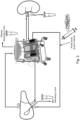
- FIGS 1 and 2 showing exemplary organ systems with (part of) the portal vein and (part of) the hepatic artery.
- the liver or liver tissue is preferably perfused through the portal vein and/or the hepatic artery or said parts thereof.
- the liver or liver tissue is perfused through the portal vein and the hepatic artery or said parts thereof.
- the liver or liver tissue preferably liver, comprises an inferior vena cava or part thereof from which the perfusate can be collected and/or an aorta or part thereof from which the perfusate can be collected.
- the liver or liver tissue, preferably liver comprises an inferior vena cava or said part thereof and an aorta or said part thereof.
- the liver or liver tissue is comprised in an organ system.
- organ system refers to the combination of all organs or organ tissues that are perfused in method of the invention. All organs in the organ system are preferably healthy organs and all organ tissue in the organ system is preferably healthy organ tissue.
- a liver or liver tissue is the sole organ or organ tissue present in an organ system used in a method of the invention.
- metabolism occurs in many organs in the body, including the liver, intestinal wall, lungs, kidneys, and in plasma.
- an organ system may comprise one or more further organs or organ tissue, in particular organ or organ tissue that is further perfused with the perfusion liquid comprising the precursor of the one or more compounds of interest.
- Preferred tissues and organs include, but are not limited to, gall bladder, kidney, intestine, pancreas, heart, testes, placenta, thymus, adrenal gland, lymph nodes and tissues thereof.
- the organ system comprises a gall bladder or gall bladder tissue, preferably a gall bladder, in addition to the liver or liver tissue.
- Figure 1 depicts an example of such organ system.
- the gall bladder or gall bladder tissue comprises a common bile duct or part thereof.
- the cystic duct is ligated and the common bile duct is cannulated.
- the one or more compounds of interest are further preferably purified from bile, preferably isolated and purified from bile, in particular collected from the common bile duct or part thereof.
- the liver or liver tissue and the gall bladder or gall bladder tissue are the sole organs or organ tissue present in an organ system used in a method of the invention.
- the organ system comprises a kidney or kidney tissue, preferably a kidney, in addition to the liver or liver tissue and the kidney or kidney tissue, preferably kidney, is further perfused with perfusion liquid.
- Figure 1 depicts an example of such organ system.
- the kidney or kidney tissue comprises a renal artery or part thereof that supplies the kidney or kidney tissue with the perfusion liquid.
- the kidney or kidney tissue comprises a renal vein or part thereof.
- the kidney or kidney tissue comprises a ureter or part thereof.
- the one or more compounds of interest are further preferably purified from urine, preferably isolated and purified from urine.
- the liver or liver tissue and the kidney or kidney tissue are the sole organs or organ tissue present in an organ system used in a method of the invention.
- the organ system comprises, in addition to the liver or liver tissue, both a gall bladder or gall bladder tissue, preferably a gall bladder and preferably comprising a common bile duct or part thereof as described herein above, and a kidney or kidney tissue, preferably a kidney and preferably comprising a renal vein or part thereof and/or renal artery or part thereof and/or ureter or part thereof as described herein above, and the kidney or kidney tissue, preferably kidney, is further perfused with perfusion liquid.
- the liver or liver tissue, the gall bladder or gall bladder tissue and the kidney or kidney tissue are the sole organs or organ tissue present in an organ system used in a method of the invention.
- the organs and/or organ tissues in an organ system may or may not be connected.
- the different organs or organ tissues may be perfused in parallel or sequentially, or a combination thereof.
- sequential perfusion for instance the liver or liver tissue is first perfused with perfusion liquid and a further organ or organ tissue such as a kidney of kidney tissue is at least in part perfused with the perfusate of the liver.
- the liver or liver tissue is first perfused with perfusion liquid via the portal vein and a further organ or organ tissue such as a kidney of kidney tissue is perfused with the perfusate of the liver, and the arterial perfusion supplies the renal artery as well as the hepatic artery via a Y-connection.
- the different organs are all perfused separately with perfusion liquid, which may be combined after perfusion.
- the arterial perfusion is preferably split to the hepatic artery and e.g. the renal artery, e.g. via a Y-connection, and preferably portal perfusion is to the portal vein of the liver.
- the organ system comprises a liver or liver tissue and a kidney or kidney tissue and the liver or liver tissue and kidney or kidney tissue are perfused in parallel and the perfusion liquid obtained from the organs and/or tissue is optionally combined.
- the arterial perfusion is preferably split to the hepatic artery and e.g. the renal artery, e.g. via a Y-connection, and preferably portal perfusion is to the portal vein of the liver.
- the organ system comprises a liver or liver tissue and a kidney or kidney tissue and the liver or liver tissue and kidney or kidney tissue are perfused in sequentially, preferably wherein the liver or livers tissue is first perfused with the perfusion liquid comprising a precursor of said one or more compounds of interest and the kidney or kidney tissue is perfused with the perfusate from the perfused liver or liver tissue.
- the different organs or organ tissues comprised in an organ system as defined herein are not connected and are perfused separately, i.e. with different batches of perfusion liquid.
- liver or liver tissue and optionally further organ or organ tissue comprised in an organ system used in a method of the invention can be of any species that is capable of producing the compound of interest from the precursor by hepatic metabolism.
- the liver or liver tissue is human liver or liver tissue and other organ or organ tissue, such as gall bladder or gall bladder tissue and/or kidney or kidney tissue, is human organ or human organ tissue, e.g. donated human liver or other organ.
- the liver or liver tissue, and optionally further organ or organ tissue comprised in an organ system used in a method of the invention is from a non-human animal.
- Such liver or liver tissue and optionally other organ or organ tissue is for instance obtained from a slaughterhouse.
- the liver or liver tissue, and optionally further organ or organ tissue comprised in an organ system used in a method of the invention is from an animal of the genus Sus, preferably Sus domesticus.
- the liver or liver tissue is a porcine liver or porcine liver tissue, and optionally further organs or organ tissue comprised in an organ system used in a method of the invention are porcine organs or organ tissue.
- the gall bladder or gall bladder tissue is preferably a porcine gall bladder or porcine gall bladder tissue and/or the kidney or kidney tissue is a porcine kidney or porcine kidney tissue.
- the porcine and human liver have comparable transporter and enzyme expression.
- the perfusion liquid that is used to perfuse the liver or liver tissue, preferably liver, and optionally further organ or organ tissue comprised in an organ system used in a method of the invention comprises a precursor of the one or more compounds of interest. It may comprise more than one different precursors of the one or more compounds of interest.
- the perfusion liquid is preferably a normothermic perfusion liquid.
- the perfusion liquid preferably for normothermic perfusion, is preferably an aqueous solution, preferably a buffered aqueous solution.
- the perfusion liquid preferably has a pH of between 7 and 7.8, more preferably between 7.3 and 7.5, more preferably 7.4.
- the perfusion liquid comprises red blood cells and/or plasma or albumin, preferably red blood cells and plasma or red blood cells and albumin, e.g. bovine serum albumin (BSA).
- the perfusion liquid comprises between 40 and 60% red blood cells and between 60 and 40% plasma, more preferably about 50% red blood cells and about 50% plasma.
- the red blood cells and/or plasma are porcine red blood cells and plasma, in particular if the organ or organ tissue that is perfused is porcine organ or porcine organ tissue.
- the perfusion liquid used to perfuse the liver or liver tissue and optionally kidney or kidney tissue comprises one or more compounds selected from the group consisting of bile acid, such as cholate or taurocholate, insulin, epoprostenol, heparin, amino acids, vitamins and glucose.
- the perfusion liquid used to perfuse the liver or liver tissue and optionally kidney or kidney tissue comprises bile acid, such as cholate or taurocholate, insulin, epoprostenol, and heparin.
- the perfusion liquid used to perfuse the liver or liver tissue and kidney or kidney tissue, preferably kidney comprises bile acid, such as cholate or taurocholate, insulin, epoprostenol, heparin, amino acids, vitamins and glucose.
- bile acid such as cholate or taurocholate
- insulin such as cholate or taurocholate
- epoprostenol such as heparin
- amino acids such as vitamins and glucose.
- vitamins and glucose may be present in the perfusion liquid.
- the liver or liver tissue and optionally further organ or organ tissue comprised in an organ system used in a method of the invention perfusion liquid is continuously perfused with a perfusion liquid comprising e.g. red blood cells and plasma and at a certain time point after perfusion has started, the one or more compounds are added to the perfusion liquid, e.g. by injection, preferably continuous injection.
- An example of a suitable perfusion liquid is depicted in table 2.
- the perfusion liquid comprises a precursor of the one or more compounds of interest.
- the maximal amount of the precursor that is perfused with a method of the invention depends on the characteristics of the precursor, in particular the degree of metabolization, liver toxicity and potentially toxicity for other organs or tissue that are comprised in an organ system that is used in a method of the invention.
- single perfusion refers to a preferably continuous perfusion with a method of the invention during a certain period of time, such as e.g. 4 hours, 6 hours or 8 hours, during which the perfusion system maintains in place.
- At least 10 mg of the precursor is perfused with a method of the invention in a single perfusion, more preferably at least 25 mg of the precursor, more preferably at least 50 mg of the precursor, more preferably at least 100 mg of the precursor, more preferably at least 200 mg of the precursor, more preferably at least 300 mg of the precursor, more preferably at least 400 mg of the precursor, more preferably at least 500 mg of the precursor, more preferably at least 600 mg of the precursor, more preferably at least 700 mg of the precursor, more preferably at least 800 mg of the precursor, more preferably at least 900 mg of the precursor, such as between 100 mg and 3 gram of the precursor, between 200 mg and 3 gram of the precursor, between 300 and 3 gram of the precursor, between 400 mg and 2 gram of the precursor, between 500 mg and 1 gram of the precursor, or between 600 mg and 1 gram of the precursor.
- at least 1 gram of precursor is perfused with a method of the invention in a single perfusion.
- the perfusion liquid comprises at least 10 mg of the precursor, more preferably at least 25 mg of the precursor, more preferably at least 50 mg of the precursor, more preferably at least 100 mg of the precursor, more preferably at least 200 mg of the precursor, more preferably at least 300 mg of the precursor, more preferably at least 400 mg of the precursor, more preferably at least 500 mg of the precursor, more preferably at least 600 mg of the precursor, more preferably at least 700 mg of the precursor, more preferably at least 800 mg of the precursor, more preferably at least 900 mg of the precursor, , such as between 100 and 1 gram of the precursor, between 200 mg and 3 gram of the precursor, between 300 mg and 3 gram of the precursor, between 400 mg and 2 gram of the precursor, between 500 mg and 1 gram of the precursor, or between 600 mg and 1 gram of the precursor.
- the perfusion liquid comprises at least 1 gram of the precursor.
- the amount of perfusion liquid that is perfused through the liver or liver tissue and optionally further organ or organ tissue comprised in an organ system used in a method of the invention may vary and is preferably between 1 and 4 litres, such between 1 and 3 litres, between 1.5 and 2.5 litres or about 2 litres.
- the total amount of the precursor is contained within this amount or perfusion liquid.
- the liver or liver tissue and optionally further organ or organ tissue comprised in an organ system used in a method of the invention may be perfused with a perfusion liquid under hypothermic conditions to re-charge the liver and/or optimise the energy status of the liver, liver tissue, organ or organ tissue until perfusion with the precursor compound. This will aid in maintaining the liver or liver tissue and optionally further organ or organ tissue in metabolically active state.
- Hypothermic preservation liquids are well known in the art and a skilled person is well capable of selecting an appropriate hypothermic preservation liquid for the relevant organ or organ tissue.
- the liver or liver tissue preferably liver, is preferably removed from e.g. hypothermic preservation or perfusate and, preferably, the portal vein and/or hepatic artery, are cannulated. Subsequently, and if necessary, the liver or liver tissue and optionally other organ or organ tissue can be flushed to remove e.g. hypothermic perfusion liquid or preservation solution
- the liver or liver tissue and optionally further organ or organ tissue comprised in an organ system used in a method of the invention is perfused first with a perfusion liquid that does not comprise the precursor, followed by perfusion with a perfusion liquid comprising the precursor.
- the perfusion liquids can be the same, except for the presence or absence of the precursor, or different. It is possible to replace the perfusion liquid without precursor by perfusion liquid without precursor. Alternatively, the precursor is added to the perfusion liquid during perfusion.
- the liver or liver tissue and optionally further organ or organ tissue comprised in an organ system used in a method of the invention perfusion liquid is continuously perfused with the perfusion liquid and at a certain time point after perfusion has started, the precursor is added to the perfusion liquid, e.g. by injection, preferably continuous injection.
- This continuous injection can for instance be a slow bolus, wherein the precursor is continuously added during a limited period of time, such as 5, 10 or 15 minutes.
- the precursor is added continuously during a more extended period of time such as 1 - 8 hours.
- the precursor is added continuously with a fixed concentration.
- the precursor is added at an increasing, a decreasing or a variable concentration.
- the perfusion is performed under normothermic or subnormothermic conditions. In further preferred embodiments the perfusion is performed under normothermic conditions.
- the perfusion liquid is continuously oxygenated.
- the liver or liver tissue, and optionally further organ or organ tissue comprised in an organ system used in a method of the invention is/are perfused under physiological temperature, pressure, oxygenation, osmolality, electrolyte balance and pH.
- the perfusion of the liver or liver tissue, preferably liver is a dual perfusion, i.e. perfusion via both the portal vein and the hepatic artery.
- the pressure of perfusion through the portal vein is between 8 and 11 mmHg, preferably about 11 mmHg.
- the pressure of perfusion through the hepatic artery is between 50 and 80 mmHg, preferably about 50 mmHg.
- an organ system is used in a method of the invention comprising also a kidney or kidney tissue, preferably a kidney
- the perfusion of the kidney or kidney tissue, preferably kidney is perfusion via the renal artery.
- the pressure of perfusion through the renal artery vein is between 70 and 95 mmHg, preferably about 85 mmHg.
- liver or liver tissue, and optionally further organ or organ tissue comprised in an organ system used in a method of the invention may be perfused for a long as is necessary to obtain the required amount of the one or more compounds or interest.
- liver or liver tissue and optionally further organ or organ tissue comprised in an organ system used in a method of the invention is/are perfused for at least 4 hours, preferably for 4 to 24 hours, such as 4 to 16 hours, 4 to 12 hours, 4 hours, 5 hours, 6 hours, 7 hours, 8 hours, 9 hours or 10 hours.
- liver or liver tissue and optionally further organ or organ tissue comprised in an organ system used in a method of the invention is/are perfused for between 4 and 8 hours.
- the amount of perfusion liquid used in a single perfusion may depend on the particular precursor, in particular its characteristics such as the degree of metabolization and liver toxicity. For instance, if a particular precursor has a relatively high liver toxicity, the concentration of precursor is relatively moderate and a higher amount of perfusion liquid may be required to obtain sufficient quantity of the one or more compounds of interest.
- the amount of perfusion liquid that is perfused through the liver or liver tissue and optionally further organ or organ tissue comprised in an organ system used in a method of the invention may vary and is preferably between 1 and 4 litres, such between 1 and 3 litres, between 1.5 and 2.5 litres or about 2 litres.
- the liver or liver tissue, and optionally further organ or organ tissue comprised in an organ system used in a method of the invention is continuously perfused with the perfusion liquid comprising the precursor.
- perfusion in a method of the invention several measurement can be performed to monitor e.g. progression of the perfusion, formation of the one or more compounds of interest and condition of the organs, organ tissue or organ system.
- perfusate and bile samples can be taken at regular intervals during perfusion, as well as liver biopsies.
- Parameters such as pH, lactate, pO2, flow parameters, bile production, etc. can be measured at regular intervals during perfusion. Methods to measure such parameters are standard in the art and can be readily performed by a person skilled in the art.
- Any perfusion system can be used in a method of the invention.
- a skilled person is well capable of selecting an appropriate perfusion system.
- suitable perfusion systems are LiverAssist ( XVIVO), OrganOx Metra (OrganOx) and Lifeport liver transporter (Organ Recovery Systems).
- a method of the invention preferably comprise collecting the perfusate and/or the perfused liver or liver tissue, preferably collecting both the perfusate and the perfused liver or liver tissue. If the liver or liver tissue is comprised in an organ system further comprising a gall bladder or gall bladder tissue, bile is preferably further collected. If the liver or liver tissue is comprised in an organ system further comprising a kidney or kidney tissue, urine and/or kidney or kidney tissue is preferably further collected. In a preferred embodiment, the liver or liver tissue is comprised in an organ system further comprising a gall bladder or gall bladder tissue and a kidney or kidney tissues. In such embodiment, the perfusate, liver or liver tissue, bile and/or urine are collected. Preferably, the perfusate, liver or liver tissue, bile and urine are collected.
- a method of the invention comprises purifying the one or more compounds of interest from the perfusate, perfused liver or liver tissue and/or bile.
- one or more compounds of interest are purified from other organ or organ tissue comprised in an organ system that is perfused with a method of the invention and/or from urine.
- the one or more compounds of interest are isolated and purified from the perfusate, perfused liver or liver tissue, bile, urine and/or other organ or organ tissue.
- the one or more compounds of interest are isolated and purified from the perfusate, perfused liver or liver tissue and bile.
- one or more compounds of interest are isolated and purified from other organ or organ tissue comprised in an organ system that is perfused with a method of the invention and/or from urine if the organ system comprises a kidney and/or kidney tissue.
- Isolation and purification of the one or more compounds of interest can be performed by any method suitable for isolating and purifying the particular compound or interest. In some embodiments, isolation and purification are performed in a single step. As used herein purification refers to separation of one or more compounds of interest from other components of the perfusate, liver or liver tissue, bile, urine and/or other organ or organ tissue. In preferred embodiment, purification refers to separation of one compound of interest from other components of the perfusate, liver tissue or bile. If more than one compound of interest are produced with a method of the invention, it is preferred, but not necessary, that each compounds of interest is purified, i.e.
- said purification comprises extraction using an organic solvent such as dimethylformamide, dimethyl sulfoxide, tetrahydrofuran, acetone, toluene and the like.
- the present inventors have shown that high yields of the compounds of interest can be obtained with a method of the invention.
- the yield is in the mg range.
- purified compounds are obtained.
- purified compound means that the obtained, product contains at least 90%, preferably at least 95%, more preferably at least 98%, more preferably at least 99% of a single compound of interest by weight of the product.
- a method of the invention further comprises packaging the one or more purified compounds, in particular packaging the one or more purified compounds in a suitable container.
- the total amount of a purified compound of interest obtained in a method of the invention can be packaged in a single container. Alternatively, aliquots or a purified compound of interest are packaged into separate containers.
- Figure 3 show the comparable transporter and enzyme expression in human and porcine liver.
- Atorvastatin was purchased from Bio-Connect (Huissen, The Netherlands). Heparin, taurocholate, and insulin were purchased from Sigma-Aldrich Chemie B.V. (Zwijndrecht, The Netherlands). Atorvastatin lactone, 2-hydroxy atorvastatin, 2-hydroxy atorvastatin lactone, 4-hydroxy atorvastatin, and 4-hydroxy atorvastatin lactone were obtained from Toronto Research Chemicals (Toronto, ON, Canada). Epoprostenol was purchased from R&D Systems (Minneapolis, MN). Vitamin solution, L-glutamine, Minimum Essential Medium (MEM) essential acids, and glutamax were obtained from Gibco (Paisley, Scotland). Calcium gluconate 10% was obtained from Pharmamarket (Hove, Belgium).
- Livers were obtained from a local slaughterhouse (Sus scrofa domesticus, approximately at the age of 6 months, with body weight between 100 and 120 kg). Pigs were sacrificed by a standardized procedure of electrocution followed by exsanguination. Thereafter, 3 L of blood was collected in a container supplemented with 25,000 IU of heparin. All abdominal organs were dissected outside the animal and collected.
- the vena porta was cannulated and directly flushed by gravity with 3 L of NaCl 0.9% (Baxter BV, Utrecht, The Netherlands) supplemented with 5000 IU of heparin followed by 2 L of ice-cold histidine-tryptophan-ketoglutarate solution (Plegistore, Warszawa, Poland).
- the arteria hepatica was dissected, cannulated, and subsequently flushed with histidine-tryptophan-ketoglutarate.
- side branches were ligated, and the common bile duct was cannulated, whereas the ductus cysticus, derived from the gall bladder, was ligated.
- the porcine livers were perfused using the LiverAssist device (XVIVO, Groningen, The Netherlands).
- the machine consists of two rotary pumps that provide a pulsatile flow to the hepatic artery and a continuous flow to the portal vein.
- the system was filled with 2 L perfusion fluid containing red blood cells and perfusate (Table 2).
- Insulin, taurocholate, heparin, and epoprostenol were provided as continuous infusion at a rate of 10 U/h, 1041 U/h, 10 ml/h (2% w/v), and 8 mg/h, respectively, to maintain liver functioning including bile flow.
- amino acids and vitamins were continuously provided to keep the liver metabolically active.
- Gas delivery to the LiverAssist consisted of 95% oxygen and 5% carbon dioxide at 2 L/min, and the temperature was set at 39C (body temperature pigs).
- the livers were perfused with a portal pressure of 11 mmHg and a mean arterial pressure of 50 mmHg.
- additional boluses of sodium bicarbonate and glucose were applied depending on perfusate pH (range 7.35- 7.45) and glucose concentration (>5 mmol/l).
- Arterial blood gas samples were taken hourly to monitor liver viability (pH, glucose, Na, K, lactate, etc.) using the i-STAT clinical analyzer (Abbot Point of Care Inc., Princeton, NJ).
- Bile samples were collected in 10 minute fractions. Blood samples were centrifuged directly after collection at 1.3 g for 10 min at 4°C and thereafter perfusate (and bile) samples were immediately stored at ⁇ -70°C until further processed. Drug concentrations in perfusate, bile and liver biopsies were determined by LC-MS/MS analysis as described below.
- LC/MS concentration of atorvastatin and its metabolites in perfusate and bile was quantified using LC/MS. Briefly, 20 ⁇ L of sample was extracted by adding 100 ⁇ L of acetonitrile containing internal standard. Samples were vortexed, centrifuged at 3000 rpm for 5 minutes and 100 ⁇ L of supernatant was collected in a clean sample plate. Samples were then mixed with 50 ⁇ L of water, vortexed and injected in to LC/MS for quantification. The details of LC/MS conditions used for the analysis of each compound are shown in table 3.
- the mass spectrometer (AB Sciex API 5500) was operated in electrospray positive ion mode with the capillary voltage of 5.5 kV and Spray temperature of 550 °C.
- Table 2 perfusate composition Components Quantity Red blood cells 1000 mL Plasma 1000 mL Calcium gluconate (10%) 10 mL Sodium bicarbonate 8.4% solution To pH of 7.4 Heparin 1000 IU Fast-acting insulin Continuous infusion (10 U/mL; 1mL/h) Taurocholate Continuous infusion (2% w/v; 10 mL/h) Epoprostenol Continuous infusion (80 ⁇ g in 100 mL; 10mL/h) Heparin Continuous infusion 1041 U/h (1mL/h) Continuous infusion Vitamin solution, (1 mL/hr) L-glutamine, (1 mL/hr) MEM essential acids and (2 mL/hr) Glutamax (1 mL/hr) Table 3.
- Figure 4 show the plasma and biliary profile of atorvastatin.
- atorvastatin was detected in the bile with a T max of 35.0 ⁇ 5.0 min.
- T max 35.0 ⁇ 5.0 min.
- a total of 13.0 ⁇ 5.6% of the parent compound was secreted into the bile within 120 min of perfusion.
- Atorvastatin is subjected to CYP3A4 mediated hepatic metabolism.
- Metabolite abundance is expressed as percentage of given Atorvastatin dose (0.104 mg) % biliary clearance 0 - 120 min Atorva alone Atorvastatin lactone 9.17 2-hydroxy atorva 5.33 2-hydroxy atorva lactone 3.48 4-hydroxy atorva 10.28 4-hydroxy atorva lactone 0.400
- Porcine livers were perfused according to the settings of example 2.
- the concentration of midazolam in perfusate and bile was quantified using UPLC/MS. Briefly, 200 uL of perfusate was extracted by adding 1mL of acetonitrile. Samples were vortexed, centrifuged at 3000 rpm for 5 minutes and 1200 uL of supernatant was collected in a clean sample plate. Samples were dried under nitrogen and subsequently dissolved in 50 ⁇ l 10% acetonitrile + 0.1% formic acid in water. 10 uL of bile samples were diluted 500x in 10%ACN + 0,1%FA. 20ul 50%ACN was added to 80 uL of diluted sample. Samples were measured according to settings below.
- Figure 5 and 6 show the 1-OH midazolam glucuronide formation during 240 min of perfusion. According to table 6, the doses of midazolam administered to the portal vein was increased in time and also an increase in metabolite formation was shown.
- Table 7 shows the total metabolite production derived from the different matrices during perfusion. As can be observed in table 7, a high concentration of 1-OH midazolam glucuronide is present in the tissue (1.891 mg). In the perfusate 1.19 mg was measured and the biliary excretion a total of 0.254 mg 1-OH glucuronide was excreted. Table 7 Total yield of 1-OH midazolam glucuronide during 240 min of perfusion with an input of 49.8 mg midazolam. Matrix Yield 1-OH midazolam glucuronide Perfusate 1.19 mg Bile 0.254 mg Tissue 1.891 mg Total 3.33 mg 1-OH midazolam glucuronide
Landscapes
- Health & Medical Sciences (AREA)
- Engineering & Computer Science (AREA)
- Life Sciences & Earth Sciences (AREA)
- Chemical & Material Sciences (AREA)
- Organic Chemistry (AREA)
- Zoology (AREA)
- Wood Science & Technology (AREA)
- Biotechnology (AREA)
- Bioinformatics & Cheminformatics (AREA)
- Biomedical Technology (AREA)
- Genetics & Genomics (AREA)
- General Health & Medical Sciences (AREA)
- Microbiology (AREA)
- Biochemistry (AREA)
- General Engineering & Computer Science (AREA)
- General Chemical & Material Sciences (AREA)
- Chemical Kinetics & Catalysis (AREA)
- Gastroenterology & Hepatology (AREA)
- Cell Biology (AREA)
- Environmental Sciences (AREA)
- Dentistry (AREA)
- Diabetes (AREA)
- Hematology (AREA)
- Obesity (AREA)
- Medicinal Chemistry (AREA)
- Nuclear Medicine, Radiotherapy & Molecular Imaging (AREA)
- Pharmacology & Pharmacy (AREA)
- Animal Behavior & Ethology (AREA)
- Public Health (AREA)
- Veterinary Medicine (AREA)
- Agricultural Chemicals And Associated Chemicals (AREA)
- Medicines Containing Material From Animals Or Micro-Organisms (AREA)
Abstract
The invention relates to methods for producing one or more compounds of interest, comprising ex vivo perfusing a liver or liver tissue and optionally a kidney or kidney tissue with a perfusion liquid comprising a precursor of said one or more compounds of interest, wherein said precursor is a compound that is metabolized in the liver and/or kidney, and purifying said one or more compounds of interest from the perfusate, bile, urine, perfused liver or liver tissue and/or perfused kidney or kidney tissue.
Description
- The invention relates to production of compounds of interest, in particular metabolites of precursors that are metabolized in the liver. In particular the invention relates to production of such compounds using ex vivo liver tissue or an ex vivo liver.
- Upon oral intake of substances, including drugs, food ingredients and environmentally present pollution, intestinal absorption is the first barrier that affects the final drug concentration in the circulating blood. Following intestinal absorption, drugs reach the liver via the portal vein, where they can be absorbed, metabolized and/or excreted into the bile. The liver is responsible for the biotransformation of many endogenous and exogenous compounds and is involved in the storage and biliary excretion of these compounds and their metabolites. In addition to the liver, extrahepatic tissues such as the gastro-intestinal tract and the kidneys significantly contribute to the clearance of drugs, as a diverse range of transporters and metabolizing enzymes also have been characterized in these organs. Influx and efflux transporters (expressed on apical or basolateral membranes of these organs), and cytochrome P450 (CYP450) enzymes regulate the absorption of drugs across the intestinal wall into the portal blood, the clearance of drugs in the liver (and kidneys) and excretion by the biliary and renal pathways. The metabolites that are formed as a result of the metabolic breakdown of drugs can be toxic for the body and lead to side effects.
- To predict the metabolism of candidate drugs a variety of preclinical models can be applied. Ex vivo tissue and organ models, including perfused whole organs, is an example of one of these preclinical models, see Stevens LJ. et al. (2020) for a review. Such methods make use of organs or organ tissue that are perfused with a perfusate to which the candidate drugs are added in physiologically relevant concentrations in order to mimic the in vivo pharmacokinetics following administration of the candidate drug. For instance,
US10176887 - In order to study the side effects of a drug, including its metabolites, in preclinical model and in particular in clinical studies, reference standards of known drug metabolites are used. This requires the production of such reference metabolites at a sufficiently large scale. The production of such metabolites at scale larger than micrograms is currently almost exclusively done by chemical synthesis, which processes are both costly and time consuming.
- Hence, there remains a need in the art for improved methods to produce reference standard metabolites.
- It is an object of the present invention to provide methods to produce compounds of interest, in particular drug metabolites, that overcome one or more of the advantages described above.
- The invention therefore provides a method for producing one or more compounds of interest, the method comprising:
- ex vivo perfusing a liver or liver tissue and optionally a kidney or kidney tissue with a perfusion liquid comprising a precursor of said one or more compounds of interest, wherein said precursor is a compound that is metabolized in the liver and/or kidney, and
- purifying said one or more compounds of interest from the perfusate, bile, urine, perfused liver or liver tissue and/or perfused kidney or kidney tissue.
- In another aspect, the invention provides a method for obtaining one or more compounds of interest, the method comprising:
- ex vivo perfusing a liver or liver tissue and optionally a kidney or kidney tissue with a perfusion liquid comprising a precursor of said one or more compounds of interest, wherein said precursor is a compound that is metabolized in the liver and/or kidney, and
- purifying said one or more compounds of interest from the perfusate, bile, urine, perfused liver or liver tissue and/or perfused kidney or kidney tissue.
- In preferred embodiments, a method of the invention comprises isolating and purifying the one or more compounds of interest from the perfusate, bile, urine and/or perfused liver or liver tissue.
- In preferred embodiments, the liver or liver tissue is continuously perfused with said perfusion liquid.
- In preferred embodiments, the liver or liver tissue comprises a portal vein and a hepatic artery and optionally the kidney or kidney tissue comprises a renal artery, and the liver or liver tissue is perfused through the portal vein and the hepatic artery, and optionally the kidney or kidney tissue which is perfused through the renal artery.
- In preferred embodiments, the perfusion liquid comprises at least 10 mg, preferable at least 100 mg of said precursor.
- In preferred embodiments, the perfusion is performed under normothermic or subnormothermic conditions.
- In preferred embodiments, the perfusion liquid is continuously oxygenated.
- In preferred embodiments, the perfusion liquid comprises red blood cells and plasma.
- In preferred embodiments, the perfusion liquid comprises one or more compounds selected from the group consisting of bile acid, such as cholate or taurocholate, insulin, epoprostenol, heparin, amino acids, vitamins and glucose .
- In preferred embodiments, the liver or liver tissue is perfused for at least 4 hours, preferably for 4 to 24 hours.
- In preferred embodiments, the liver or liver tissue is comprised in an organ system further comprising a gall bladder or gall bladder tissue and the one or more compounds of interest are further purified from bile, preferably isolated and purified from bile, and/or the liver or liver tissue is comprised in an organ system further comprising a kidney or kidney tissue and the and one or more compounds of interest are further purified from urine, preferably isolated and purified from urine.
- In preferred embodiments, the liver or liver tissue and kidney or kidney tissue are perfused in series, preferably wherein the liver or livers tissue is first perfused with the perfusion liquid comprising a precursor of said one or more compounds of interest and the kidney or kidney tissue is perfused with the perfusate from the perfused liver or liver tissue.
- In preferred embodiments, the liver or liver tissue is a porcine liver or porcine liver tissue and optionally the gall bladder or gall bladder tissue is a porcine gall bladder or porcine gall bladder tissue and/or the kidney or kidney tissue is a porcine kidney or porcine kidney tissue.
- In preferred embodiments, purifying comprises one or more selected from the group consisting of extraction, including differential extraction, crystallization, distillation, including simple distillation, fractional distillation and steam distillation, and chromatography, including adsorption chromatography, column chromatography, thin layer chromatography (TLC), partition chromatography and combinations thereof, preferably wherein the purifying comprises extraction using an organic solvent.
- In preferred embodiments, a method of the invention further comprises packaging the one or more purified compounds of interest.
- As used herein, "to comprise" and its conjugations is used in its non-limiting sense to mean that items following the word are included, but items not specifically mentioned are not excluded. In addition the verb "to consist" may be replaced by "to consist essentially of" meaning that a compound or adjunct compound as defined herein may comprise additional component(s) than the ones specifically identified, said additional component(s) not altering the unique characteristic of the invention.
- The articles "a" and "an" are used herein to refer to one or to more than one (i.e., to at least one) of the grammatical object of the article. By way of example, "an element" means one element or more than one element.
- The word "approximately" or "about" when used in association with a numerical value (approximately 10, about 10) preferably means that the value may be the given value of 10, plus or minus 10% of the value, preferably plus or minus 5% of the value, more preferably plus or minus 1% of the value.
- The use of the alternative (e.g., "or") should be understood to mean either one, both, or any combination thereof of the alternatives.
- As used herein the term "hepatic metabolism" refers to chemical alterations to compounds such as drugs that occur in the liver, in particular by enzymatic activity. These compounds are processed by a variety of soluble and membrane-bound enzymes, especially those related to the hepatocyte endoplasmic reticulum. Each drug has its specific enzyme disposal pathway(s) of biotransformation involving one or more of these enzyme systems. Drug metabolism is achieved through phase I reactions, phase II reactions, or both phase I and phase II reactions. Phase I reactions of drug metabolism involve oxidation, reduction, or hydrolysis of a compound, resulting in its conversion to a more polar molecule increasing solubility. The cytochrome P450 (CYP) system is considered to be the most important enzyme in Phase I hepatic metabolism. Phase II reactions involve conjugation by coupling the compound or its metabolites resulting from Phase I metabolism to another molecule, such as acetylation, glucuronidation, sulfation and methylation.
- As used herein, the term "metabolically active" in the context of an organ or organ tissue refers to having the metabolic activity ex vivo that is characteristic of the living organism from which the organ or organ tissue is derived.
- As used herein, the term "toxicity" encompasses physical, chemical, biochemical and biological damage to tissue or organs. Toxicity encompasses any deleterious effect on tissues and organs, such as, but not limited to cell death, apoptosis, necrosis, genetic mutation, changes in gene expression, biochemical inhibition, and oxidative damage.
- As used herein, the term "metabolically active" refers to having the metabolic activity characteristic of the living organism from which the organ or organ tissue is derived.
- As used herein, the term "liquid" and "perfusion liquid" are used interchangeably and refer to the liquid that is used to perfuse the liver or liver tissue and optionally further organs or organ tissue in a method of the invention. The precursor of interest is present in or added to the liquid or perfusion liquid.
- As used herein, the term "perfusate" refers to the liquid of perfusion liquid after perfusion of the liver or liver tissue and optionally further organs or organ tissue. The perfusate may comprise the one or more compounds of interest.
- As used herein, the term "hypothermic", such as in the context of hypothermic perfusion, hypothermic perfusion conditions or hypothermic perfusion liquid, refers to a temperature below normal body temperature of the species from which the liver, liver tissue, and optionally further organ or organ tissue, is derived. Preferably, "hypothermic" refers to a temperature of between 0 and 22 °C, more preferably of between 1 and 18 °C, more preferably between 1 and 10 °C.
- As used herein, the term "normothermic", such as in the context of normothermic perfusion, normothermic perfusion conditions or normothermic perfusion liquid, refers to a temperature that is similar to normal body temperature of the species from which the liver, liver tissue, and optionally further organ or organ tissue, is derived. Preferably, "normothermic" refers to a temperature of between 36 and 38 °C, more preferably of between 36.5 and 37.5 °C, more preferably about 37 °C.
- As used herein, the term "subnormothermic", such as in the context of subnormothermic perfusion, subnormothermic perfusion conditions or subnormothermic perfusion liquid, refers to a temperature that is below normal body temperature of the species from which the liver, liver tissue, and optionally further organ or organ tissue, is derived, but preferably above 20 °C. Preferably, "subnormothermic" refers to a temperature of between 20 and 25 °C.
- The present inventors have developed novel methods to produce metabolites of compounds, such as pharmaceutical compounds, that are metabolized in the liver. The methods make use of ex vivo liver or liver tissue that is perfused with a liquid containing the precursor of the metabolites. It has been found that it is possible to perfuse porcine liver with relatively high concentrations of pharmaceutical compounds in a relatively short period of time to obtain high amounts of the desired metabolites. As demonstrated in the examples a method of invention allows to produce in total 3.5 mg midazolam 1'O-glucuronide from 40 mg midazolam, whereby 1.5 mg midazolam 1'O-glucuronide is obtained from plasma and bile and 2 mg midazolam 1'O-glucuronide is obtained from liver tissue. It was further shown that a method of the invention allows to produce several metabolites from atorvastatin.
- This finding is not tied to a particular compound, but can be used for any compound of interest that is formed by hepatic metabolism. The examples demonstrate the production of metabolites of midazolam and atorvastatin in sufficiently high quantities, but it is emphasized that the present invention is applicable to various compounds, including drugs, and hence applicable in the production of all kinds of liver metabolites. As will be appreciated, the exact amount of a particular compound may need to be determined based on the properties of the compound, in particular liver toxicity and optionally kidney toxicity.
- In a first aspect the invention provides a method for producing one or more compounds of interest, the method comprising:
- ex vivo perfusing a liver or liver tissue and optionally a kidney or kidney tissue with a perfusion liquid comprising a precursor of said one or more compounds of interest, wherein said precursor is a compound that is metabolized in the liver and/or kidney, and
- purifying said one or more compounds of interest from the perfusate, bile, urine, perfused liver or liver tissue and/or perfused kidney or kidney tissue.
- In a method of the invention one or more compounds of interest are produced. In one embodiment a method for producing one or more compounds of interest is a method for obtaining one or more compounds of interest. In one embodiment a method for producing one or more compounds of interest is a method for perfusing a liver or liver tissue. The one or more compounds are preferably metabolites of a precursor of said one or more compounds of interest. I.e. the one or more compounds are preferably formed by hepatic metabolism and/or renal metabolism. Preferably, if more than one compound of interest are produced or obtained, these are metabolites of the same precursor. In preferred embodiments, the one or more compounds of interest are metabolites of a precursor that are formed by hepatic metabolism, preferably in the human and/or porcine liver.
- As used herein, the term "precursor" refers to a compound from which another compound is formed, in particular in a metabolic reaction, preferably a metabolic reaction in the human body. In a method of the invention a precursor is compound that is metabolized in the liver and/or kidney, in particular in the human liver and/or kidney, more preferably in the human and porcine liver and/or kidney. In one embodiment, the precursor and/or the compound of interest is a pharmaceutical compound.
- Compounds that are metabolized in the liver and their metabolites are well known. A method of the invention is in particular useful for producing compounds of interest that are known to be the subject of hepatic and/or renal metabolism. In the examples the production of two structurally very different compounds, i.e. midazolam 1'O-glucuronide from precursor midazolam and atorvastatin lactone, 2-hydroxy atorvastatin, 2-hydroxy atorvastatin lactone, 4-hydroxy atorvastatin and 4-hydroxy atorvastatin lactone from precursor atorvastatin, is demonstrated. Indeed, as described herein above, a method of the invention can be used to produce and obtain any compound of interest that is formed by hepatic and/or renal metabolism.
- A method of the invention comprises ex vivo perfusing a liver or liver tissue with a liquid comprising a precursor of one or more compounds of interest. In a preferred embodiment a liver is perfused.
- The liver is preferably a healthy liver and the liver tissue is preferably healthy liver tissue. As used herein "healthy" refers to the absence of known disease or infection.
- In preferred embodiments, the liver or liver tissue is metabolically active.
- In preferred embodiments, the liver or liver tissue comprises a portal vein or part thereof that supplies the liver or liver tissue with the perfusion liquid and/or a hepatic artery or part thereof that supplies the liver or liver tissue with the perfusion liquid, preferably both a portal vein or part thereof and a hepatic artery or part thereof. Reference is made to
figures 1 and2 , showing exemplary organ systems with (part of) the portal vein and (part of) the hepatic artery. In a method of the invention, the liver or liver tissue is preferably perfused through the portal vein and/or the hepatic artery or said parts thereof. Preferably, the liver or liver tissue is perfused through the portal vein and the hepatic artery or said parts thereof. In preferred embodiments, the liver or liver tissue, preferably liver, comprises an inferior vena cava or part thereof from which the perfusate can be collected and/or an aorta or part thereof from which the perfusate can be collected. Preferably, the liver or liver tissue, preferably liver, comprises an inferior vena cava or said part thereof and an aorta or said part thereof. - In one preferred embodiment, the liver or liver tissue, preferably liver, is comprised in an organ system. As used herein the term "organ system" refers to the combination of all organs or organ tissues that are perfused in method of the invention. All organs in the organ system are preferably healthy organs and all organ tissue in the organ system is preferably healthy organ tissue.
- In one embodiment, a liver or liver tissue is the sole organ or organ tissue present in an organ system used in a method of the invention. However, metabolism occurs in many organs in the body, including the liver, intestinal wall, lungs, kidneys, and in plasma. Hence, an organ system may comprise one or more further organs or organ tissue, in particular organ or organ tissue that is further perfused with the perfusion liquid comprising the precursor of the one or more compounds of interest. Preferred tissues and organs include, but are not limited to, gall bladder, kidney, intestine, pancreas, heart, testes, placenta, thymus, adrenal gland, lymph nodes and tissues thereof.
- In a preferred embodiment, the organ system comprises a gall bladder or gall bladder tissue, preferably a gall bladder, in addition to the liver or liver tissue.
Figure 1 depicts an example of such organ system. In preferred embodiments, the gall bladder or gall bladder tissue comprises a common bile duct or part thereof. Preferably, the cystic duct is ligated and the common bile duct is cannulated. Using such organ system, the one or more compounds of interest are further preferably purified from bile, preferably isolated and purified from bile, in particular collected from the common bile duct or part thereof. In one embodiment, the liver or liver tissue and the gall bladder or gall bladder tissue are the sole organs or organ tissue present in an organ system used in a method of the invention. - In another preferred embodiment, the organ system comprises a kidney or kidney tissue, preferably a kidney, in addition to the liver or liver tissue and the kidney or kidney tissue, preferably kidney, is further perfused with perfusion liquid.
Figure 1 depicts an example of such organ system. In preferred embodiments, the kidney or kidney tissue comprises a renal artery or part thereof that supplies the kidney or kidney tissue with the perfusion liquid. In some embodiments, the kidney or kidney tissue comprises a renal vein or part thereof. In preferred embodiments, the kidney or kidney tissue comprises a ureter or part thereof. Using such organ system, the one or more compounds of interest are further preferably purified from urine, preferably isolated and purified from urine. In one embodiment, the liver or liver tissue and the kidney or kidney tissue are the sole organs or organ tissue present in an organ system used in a method of the invention. - In a preferred embodiment, the organ system comprises, in addition to the liver or liver tissue, both a gall bladder or gall bladder tissue, preferably a gall bladder and preferably comprising a common bile duct or part thereof as described herein above, and a kidney or kidney tissue, preferably a kidney and preferably comprising a renal vein or part thereof and/or renal artery or part thereof and/or ureter or part thereof as described herein above, and the kidney or kidney tissue, preferably kidney, is further perfused with perfusion liquid. In one embodiment, the liver or liver tissue, the gall bladder or gall bladder tissue and the kidney or kidney tissue are the sole organs or organ tissue present in an organ system used in a method of the invention.
- The organs and/or organ tissues in an organ system may or may not be connected. The different organs or organ tissues may be perfused in parallel or sequentially, or a combination thereof. In sequential perfusion, for instance the liver or liver tissue is first perfused with perfusion liquid and a further organ or organ tissue such as a kidney of kidney tissue is at least in part perfused with the perfusate of the liver. Preferably in sequential perfusion, for instance the liver or liver tissue is first perfused with perfusion liquid via the portal vein and a further organ or organ tissue such as a kidney of kidney tissue is perfused with the perfusate of the liver, and the arterial perfusion supplies the renal artery as well as the hepatic artery via a Y-connection. In parallel perfusion, the different organs are all perfused separately with perfusion liquid, which may be combined after perfusion. In parallel perfusion the arterial perfusion is preferably split to the hepatic artery and e.g. the renal artery, e.g. via a Y-connection, and preferably portal perfusion is to the portal vein of the liver.
- In a preferred embodiment, the organ system comprises a liver or liver tissue and a kidney or kidney tissue and the liver or liver tissue and kidney or kidney tissue are perfused in parallel and the perfusion liquid obtained from the organs and/or tissue is optionally combined. In parallel perfusion the arterial perfusion is preferably split to the hepatic artery and e.g. the renal artery, e.g. via a Y-connection, and preferably portal perfusion is to the portal vein of the liver.
- In another embodiment, the organ system comprises a liver or liver tissue and a kidney or kidney tissue and the liver or liver tissue and kidney or kidney tissue are perfused in sequentially, preferably wherein the liver or livers tissue is first perfused with the perfusion liquid comprising a precursor of said one or more compounds of interest and the kidney or kidney tissue is perfused with the perfusate from the perfused liver or liver tissue.
- In alternative embodiments, the different organs or organ tissues comprised in an organ system as defined herein are not connected and are perfused separately, i.e. with different batches of perfusion liquid.
- The liver or liver tissue and optionally further organ or organ tissue comprised in an organ system used in a method of the invention can be of any species that is capable of producing the compound of interest from the precursor by hepatic metabolism.
- In one embodiment, the liver or liver tissue is human liver or liver tissue and other organ or organ tissue, such as gall bladder or gall bladder tissue and/or kidney or kidney tissue, is human organ or human organ tissue, e.g. donated human liver or other organ.
- In one embodiment, the liver or liver tissue, and optionally further organ or organ tissue comprised in an organ system used in a method of the invention, is from a non-human animal. Such liver or liver tissue and optionally other organ or organ tissue is for instance obtained from a slaughterhouse.
- In preferred embodiments, the liver or liver tissue, and optionally further organ or organ tissue comprised in an organ system used in a method of the invention, is from an animal of the genus Sus, preferably Sus domesticus. Hence, in a particularly preferred embodiment the liver or liver tissue is a porcine liver or porcine liver tissue, and optionally further organs or organ tissue comprised in an organ system used in a method of the invention are porcine organs or organ tissue. If present, the gall bladder or gall bladder tissue is preferably a porcine gall bladder or porcine gall bladder tissue and/or the kidney or kidney tissue is a porcine kidney or porcine kidney tissue. As demonstrated in the examples, the porcine and human liver have comparable transporter and enzyme expression.
- The perfusion liquid that is used to perfuse the liver or liver tissue, preferably liver, and optionally further organ or organ tissue comprised in an organ system used in a method of the invention, comprises a precursor of the one or more compounds of interest. It may comprise more than one different precursors of the one or more compounds of interest. The perfusion liquid is preferably a normothermic perfusion liquid.
- The perfusion liquid, preferably for normothermic perfusion, is preferably an aqueous solution, preferably a buffered aqueous solution. The perfusion liquid preferably has a pH of between 7 and 7.8, more preferably between 7.3 and 7.5, more preferably 7.4.
- In a preferred embodiment, the perfusion liquid comprises red blood cells and/or plasma or albumin, preferably red blood cells and plasma or red blood cells and albumin, e.g. bovine serum albumin (BSA). In preferred embodiments, the perfusion liquid comprises between 40 and 60% red blood cells and between 60 and 40% plasma, more preferably about 50% red blood cells and about 50% plasma. In preferred embodiments, the red blood cells and/or plasma are porcine red blood cells and plasma, in particular if the organ or organ tissue that is perfused is porcine organ or porcine organ tissue.
- In a preferred embodiment, the perfusion liquid used to perfuse the liver or liver tissue and optionally kidney or kidney tissue comprises one or more compounds selected from the group consisting of bile acid, such as cholate or taurocholate, insulin, epoprostenol, heparin, amino acids, vitamins and glucose. In preferred embodiments, the perfusion liquid used to perfuse the liver or liver tissue and optionally kidney or kidney tissue comprises bile acid, such as cholate or taurocholate, insulin, epoprostenol, and heparin. In preferred embodiments, the perfusion liquid used to perfuse the liver or liver tissue and kidney or kidney tissue, preferably kidney, comprises bile acid, such as cholate or taurocholate, insulin, epoprostenol, heparin, amino acids, vitamins and glucose. These compounds may be present in the perfusion liquid. Alternatively, the liver or liver tissue and optionally further organ or organ tissue comprised in an organ system used in a method of the invention perfusion liquid is continuously perfused with a perfusion liquid comprising e.g. red blood cells and plasma and at a certain time point after perfusion has started, the one or more compounds are added to the perfusion liquid, e.g. by injection, preferably continuous injection. An example of a suitable perfusion liquid is depicted in table 2.
- The perfusion liquid comprises a precursor of the one or more compounds of interest. The maximal amount of the precursor that is perfused with a method of the invention depends on the characteristics of the precursor, in particular the degree of metabolization, liver toxicity and potentially toxicity for other organs or tissue that are comprised in an organ system that is used in a method of the invention.
- In general up to several grams of precursor can be perfused with a method of the invention in a single perfusion. As used herein, the term "single perfusion" refers to a preferably continuous perfusion with a method of the invention during a certain period of time, such as e.g. 4 hours, 6 hours or 8 hours, during which the perfusion system maintains in place. In preferred embodiments at least 10 mg of the precursor is perfused with a method of the invention in a single perfusion, more preferably at least 25 mg of the precursor, more preferably at least 50 mg of the precursor, more preferably at least 100 mg of the precursor, more preferably at least 200 mg of the precursor, more preferably at least 300 mg of the precursor, more preferably at least 400 mg of the precursor, more preferably at least 500 mg of the precursor, more preferably at least 600 mg of the precursor, more preferably at least 700 mg of the precursor, more preferably at least 800 mg of the precursor, more preferably at least 900 mg of the precursor, such as between 100 mg and 3 gram of the precursor, between 200 mg and 3 gram of the precursor, between 300 and 3 gram of the precursor, between 400 mg and 2 gram of the precursor, between 500 mg and 1 gram of the precursor, or between 600 mg and 1 gram of the precursor. In some embodiments at least 1 gram of precursor is perfused with a method of the invention in a single perfusion.
- Hence, in a preferred embodiment, the perfusion liquid comprises at least 10 mg of the precursor, more preferably at least 25 mg of the precursor, more preferably at least 50 mg of the precursor, more preferably at least 100 mg of the precursor, more preferably at least 200 mg of the precursor, more preferably at least 300 mg of the precursor, more preferably at least 400 mg of the precursor, more preferably at least 500 mg of the precursor, more preferably at least 600 mg of the precursor, more preferably at least 700 mg of the precursor, more preferably at least 800 mg of the precursor, more preferably at least 900 mg of the precursor, , such as between 100 and 1 gram of the precursor, between 200 mg and 3 gram of the precursor, between 300 mg and 3 gram of the precursor, between 400 mg and 2 gram of the precursor, between 500 mg and 1 gram of the precursor, or between 600 mg and 1 gram of the precursor. In some embodiments the perfusion liquid comprises at least 1 gram of the precursor.
- The amount of perfusion liquid that is perfused through the liver or liver tissue and optionally further organ or organ tissue comprised in an organ system used in a method of the invention, may vary and is preferably between 1 and 4 litres, such between 1 and 3 litres, between 1.5 and 2.5 litres or about 2 litres. The total amount of the precursor is contained within this amount or perfusion liquid.
- The liver or liver tissue and optionally further organ or organ tissue comprised in an organ system used in a method of the invention, may be perfused with a perfusion liquid under hypothermic conditions to re-charge the liver and/or optimise the energy status of the liver, liver tissue, organ or organ tissue until perfusion with the precursor compound. This will aid in maintaining the liver or liver tissue and optionally further organ or organ tissue in metabolically active state. Hypothermic preservation liquids are well known in the art and a skilled person is well capable of selecting an appropriate hypothermic preservation liquid for the relevant organ or organ tissue.
- The liver or liver tissue, preferably liver, is preferably removed from e.g. hypothermic preservation or perfusate and, preferably, the portal vein and/or hepatic artery, are cannulated. Subsequently, and if necessary, the liver or liver tissue and optionally other organ or organ tissue can be flushed to remove e.g. hypothermic perfusion liquid or preservation solution
- In some embodiments, the liver or liver tissue and optionally further organ or organ tissue comprised in an organ system used in a method of the invention is perfused first with a perfusion liquid that does not comprise the precursor, followed by perfusion with a perfusion liquid comprising the precursor. The perfusion liquids can be the same, except for the presence or absence of the precursor, or different. It is possible to replace the perfusion liquid without precursor by perfusion liquid without precursor. Alternatively, the precursor is added to the perfusion liquid during perfusion. In a preferred embodiment, the liver or liver tissue and optionally further organ or organ tissue comprised in an organ system used in a method of the invention perfusion liquid is continuously perfused with the perfusion liquid and at a certain time point after perfusion has started, the precursor is added to the perfusion liquid, e.g. by injection, preferably continuous injection. This continuous injection can for instance be a slow bolus, wherein the precursor is continuously added during a limited period of time, such as 5, 10 or 15 minutes. Alternatively, the precursor is added continuously during a more extended period of time such as 1 - 8 hours. In one embodiment the precursor is added continuously with a fixed concentration. In another embodiment, the precursor is added at an increasing, a decreasing or a variable concentration.
- In preferred embodiments the perfusion is performed under normothermic or subnormothermic conditions. In further preferred embodiments the perfusion is performed under normothermic conditions.
- In preferred embodiments, the perfusion liquid is continuously oxygenated.
- Preferably, the liver or liver tissue, and optionally further organ or organ tissue comprised in an organ system used in a method of the invention, is/are perfused under physiological temperature, pressure, oxygenation, osmolality, electrolyte balance and pH.
- In preferred embodiments the perfusion of the liver or liver tissue, preferably liver, is a dual perfusion, i.e. perfusion via both the portal vein and the hepatic artery. In preferred embodiments, the pressure of perfusion through the portal vein is between 8 and 11 mmHg, preferably about 11 mmHg. In preferred embodiments, the pressure of perfusion through the hepatic artery is between 50 and 80 mmHg, preferably about 50 mmHg.
- If an organ system is used in a method of the invention comprising also a kidney or kidney tissue, preferably a kidney, the perfusion of the kidney or kidney tissue, preferably kidney, is perfusion via the renal artery. In preferred embodiments, the pressure of perfusion through the renal artery vein is between 70 and 95 mmHg, preferably about 85 mmHg.
- The liver or liver tissue, and optionally further organ or organ tissue comprised in an organ system used in a method of the invention, may be perfused for a long as is necessary to obtain the required amount of the one or more compounds or interest. In preferred embodiments, liver or liver tissue and optionally further organ or organ tissue comprised in an organ system used in a method of the invention is/are perfused for at least 4 hours, preferably for 4 to 24 hours, such as 4 to 16 hours, 4 to 12 hours, 4 hours, 5 hours, 6 hours, 7 hours, 8 hours, 9 hours or 10 hours. In some embodiments, liver or liver tissue and optionally further organ or organ tissue comprised in an organ system used in a method of the invention is/are perfused for between 4 and 8 hours.
- The amount of perfusion liquid used in a single perfusion may depend on the particular precursor, in particular its characteristics such as the degree of metabolization and liver toxicity. For instance, if a particular precursor has a relatively high liver toxicity, the concentration of precursor is relatively moderate and a higher amount of perfusion liquid may be required to obtain sufficient quantity of the one or more compounds of interest. The amount of perfusion liquid that is perfused through the liver or liver tissue and optionally further organ or organ tissue comprised in an organ system used in a method of the invention, may vary and is preferably between 1 and 4 litres, such between 1 and 3 litres, between 1.5 and 2.5 litres or about 2 litres.
- In a preferred embodiment, the liver or liver tissue, and optionally further organ or organ tissue comprised in an organ system used in a method of the invention, is continuously perfused with the perfusion liquid comprising the precursor. This has the advantage that the organs or organ tissue is provided with a constant concentration of the precursor, which aids in achieving a high yield as possible.
- During perfusion in a method of the invention several measurement can be performed to monitor e.g. progression of the perfusion, formation of the one or more compounds of interest and condition of the organs, organ tissue or organ system. For instance, perfusate and bile samples can be taken at regular intervals during perfusion, as well as liver biopsies. Parameters such as pH, lactate, pO2, flow parameters, bile production, etc. can be measured at regular intervals during perfusion. Methods to measure such parameters are standard in the art and can be readily performed by a person skilled in the art.
- Any perfusion system can be used in a method of the invention. A skilled person is well capable of selecting an appropriate perfusion system. Non-limiting examples of suitable perfusion systems are LiverAssist ( XVIVO), OrganOx Metra (OrganOx) and Lifeport liver transporter (Organ Recovery Systems).
- A method of the invention preferably comprise collecting the perfusate and/or the perfused liver or liver tissue, preferably collecting both the perfusate and the perfused liver or liver tissue. If the liver or liver tissue is comprised in an organ system further comprising a gall bladder or gall bladder tissue, bile is preferably further collected. If the liver or liver tissue is comprised in an organ system further comprising a kidney or kidney tissue, urine and/or kidney or kidney tissue is preferably further collected. In a preferred embodiment, the liver or liver tissue is comprised in an organ system further comprising a gall bladder or gall bladder tissue and a kidney or kidney tissues. In such embodiment, the perfusate, liver or liver tissue, bile and/or urine are collected. Preferably, the perfusate, liver or liver tissue, bile and urine are collected.
- A method of the invention comprises purifying the one or more compounds of interest from the perfusate, perfused liver or liver tissue and/or bile. Optionally, one or more compounds of interest are purified from other organ or organ tissue comprised in an organ system that is perfused with a method of the invention and/or from urine.
- In preferred embodiments, the one or more compounds of interest are isolated and purified from the perfusate, perfused liver or liver tissue, bile, urine and/or other organ or organ tissue. In particular preferred embodiments, the one or more compounds of interest are isolated and purified from the perfusate, perfused liver or liver tissue and bile. Optionally, one or more compounds of interest are isolated and purified from other organ or organ tissue comprised in an organ system that is perfused with a method of the invention and/or from urine if the organ system comprises a kidney and/or kidney tissue.
- Isolation and purification of the one or more compounds of interest can be performed by any method suitable for isolating and purifying the particular compound or interest. In some embodiments, isolation and purification are performed in a single step. As used herein purification refers to separation of one or more compounds of interest from other components of the perfusate, liver or liver tissue, bile, urine and/or other organ or organ tissue. In preferred embodiment, purification refers to separation of one compound of interest from other components of the perfusate, liver tissue or bile. If more than one compound of interest are produced with a method of the invention, it is preferred, but not necessary, that each compounds of interest is purified, i.e. separated from other components of the perfusate, liver tissue, bile, urine and/or other organ or organ tissue and from other compounds of interest. Conventional methods can be used for isolation and purification, such as extraction, including differential extraction, crystallization, distillation, including simple distillation, fractional distillation and steam distillation, and chromatography, including adsorption chromatography, column chromatography, thin layer chromatography (TLC) and partition chromatography. In preferred embodiments, said purification comprises extraction using an organic solvent such as dimethylformamide, dimethyl sulfoxide, tetrahydrofuran, acetone, toluene and the like.
- As described herein above and demonstrated in the examples, the present inventors have shown that high yields of the compounds of interest can be obtained with a method of the invention. In particular, the yield is in the mg range.
- In preferred embodiments, purified compounds are obtained. As used herein, "purified compound" means that the obtained, product contains at least 90%, preferably at least 95%, more preferably at least 98%, more preferably at least 99% of a single compound of interest by weight of the product.
- In preferred embodiments, a method of the invention further comprises packaging the one or more purified compounds, in particular packaging the one or more purified compounds in a suitable container. The total amount of a purified compound of interest obtained in a method of the invention can be packaged in a single container. Alternatively, aliquots or a purified compound of interest are packaged into separate containers.
- Features may be described herein as part of the same or separate aspects or embodiments of the present invention for the purpose of clarity and a concise description. It will be appreciated by the skilled person that the scope of the invention may include embodiments having combinations of all or some of the features described herein as part of the same or separate embodiments.
- The invention will be explained in more detail in the following, non-limiting examples.
-
-
Figure 1 : Exemplary organ system comprising a liver, gall bladder, portal vein and hepatic artery for use in a method of the invention. -
Figure 2 : Exemplary organ system comprising a liver, gall bladder, kidney, portal vein and hepatic artery for use in a method of the invention. -
Figure 3 : Comparable transporter & enzyme expression in human and porcine liver. Absolute expression (fmol/mg tissue) of various uptake and efflux transporter proteins within the plasma membrane of porcine livers (n=5) compared to the protein expression in human liver (n=15). Significant differences are denoted as asterisks (Students t-test *P<0.05, **P<0.01, ***P<0.001). -
Figure 4 : Pharmacokinetic profile of atorvastatin (dosed as slow bolus of 0.104 mg over 10 minutes to portal vein) in perfusate (A) and bile (B). Data represents mean ± SD (n=4). -
Figure 5 : Chromatogram showing the (abundant) presence of 1-OH midazolam glucuronide in perfusate, 240 min after starting the portal administration of midazolam. -
Figure 6 : Total production of midazolam 1-OH glucuronide in perfusate during 240 min of continuous administration of midazolam. - To study transporter and enzyme expression in porcine liver tissue compared to the expression in human liver tissue, from five healthy domestic pigs (Sus scrofa domesticus, 2 male and 3 female, age 10-14 weeks and body weight between 15 and 25 kg) was collected. These animals were additionally used for educational purposes at the Utrecht University (Utrecht, The Netherlands). The local animal welfare office approved the use of these animals for these purposes which was in full compliance with the aim to contribute to the reduction, refinement, and replacement of animal experiments. Before termination, pigs had free access to food and water. Liver tissue of domestic pigs was collected only when defined healthy as judged by a veterinarian.
- Human liver samples derived from 15 individuals, of which 5 were anonymously collected at the University Medical center of Groningen (UMCG, Groningen, The Netherlands) and were kindly provided by Prof. Dr. G.M.M. Groothuis (University of Groningen, The Netherlands) and 10 were collected at the Department of Surgery, Uppsala University Hospital (Uppsala, Sweden) and were kindly provided by Prof. Dr. P. Artursson (7 male and 3 female donors; human liver specimens also used in previously published study (Wegler et al., 2017). Collection of redundant tissue from surgeries (collected as waste material) was approved by the Medical Ethical Committee of the UMCG or the Uppsala Ethical Review Board (ethical approval no. 2009/028 and 2011/037). No clinically relevant or identifiable information from the patients was collected
- To determine the protein levels of BCRP, BSEP, MDR1, MRP1, MRP2, OATP2B1, OCT1, GLUT1, MCT1, MRP3, NTCP, OATP1B1, OATP1B3 in porcine and human liver tissue, we followed the protocol of membrane isolation and trypsin digestion as previously described for tissue samples and cell lines (Bosgra et al., 2014; Vaessen et al., 2017). All samples were processed in duplicate. LC-MS/MS settings were as previously described (Vaessen et al., 2017). For each
peptide 3 transitions were chosen (Q3-1, Q3-2, and Q3-3) for quantitation and confirmation (Table S1). In case no suitable prototypic peptide could be selected for the human and porcine transporter proteins, two separate peptides were selected and synthesized (Table 1). Peptides labeled with 15N and 13C (AQUA peptide) were synthesized (Sigma Aldrich Chemie, Steinheim, Germany) and used as an internal standard for quantification. For each peptide, a calibration curve of 0.01-50 ng/ml and quality controls were included in every run. Data are expressed as fmol transporter protein/ mg liver.Table 1. Multiple reaction monitoring (MRM) transitions of the various peptides and the corresponding internal standard (AQUA) used. The peptide sequences were chosen according to the in silico peptide criteria defined by Kamiie et al. (Kamiie et al. 2008) and are exclusively present in the selected protein of interest. Name Labelled Peptide sequencea MW Q1 Q3-1 Q3-2 Q3-3 BCRP unlabelled SSLLDVLAAR 1.044.2 522.8 644.3 757.5 529.4 AQUA SSLLDVLAAR 1.060.2 526.3 651.3 BSEP unlabelled STALQLIQR 1.029.2 515.3 657.4 841.6 529.4 AQUA STALQLIQR 1.045.2 518.8 664.3 GLUT-1 unlabelled VTILELFR 990.2 495.8 790.5 677.4 201.2 AQUA VTILELFR 1.00.2 500.8 800.5 MCT-1 unlabelled SITVFFK 841.0 421.2 173.3 641.3 201.1 AQUA SITVFFK 851.0 426.2 651.3 MDR1 unlabelled AGAVAEEVLAAIR 1269.5 467.7 719.4 216.1 618.4 AQUA AGAVAEEVLAAIR 1276.5 471.2 726.5 MRP-1 unlabelled TPSGNLVNR 957.1 479.2 428.8 759.4 672.4 AQUA TPSGNLVNR 973.1 482.7 432.3 MRP2 unlabelled VLGPNGLLK 910.1 455.8 698.5 185.3 213.3 AQUA VLGPNGLLK 926.1 459.2 705.4 MRP3 unlabelled ALVITNSVK 944.1 472.8 760.4 661.4 548.4 AQUA ALVITNSVK 950.1 475.8 766.5 NTCP-pig unlabelled GIYDGTLK 866.0 433.7 696.3 143.2 171.2 AQUA GIYDGTLK 882.0 437.2 703.4 NTCP-human unlabelled GIYDGDLK 880.0 440.7 710.3 143.2 171.2 AQUA GIYDGDLK 896.0 444.2 717.3 OATP-1B1 unlabelled LNTVGIAK 815.0 408.2 399.4 588.3 288.2 AQUA LNTVGIAK 831.0 411.7 402.9 OATP-1B3 unlabelled IYNSVFFGR 1.102.3 551.8 826.5 249.1 526.2 AQUA IYNSVFFGR 1.112.3 556.8 836.4 OATP-1B4-pig unlabelled LTLVGIAK 816.0 408.2 399.4 588.3 288.2 AQUA LTLVGIAK 832.0 411.7 402.9 OATP-2B1 unlabelled SSISTVEK 849.9 425.7 563.3 676.3 175.1 AQUA SSISTVEK 855.9 428.7 569.3 OCT-1 unlabelled LPPADLK 752.9 377.2 543.3 183.3 260.3 AQUA LPPADLK 768.9 380.7 550.4 -
Figure 3 show the comparable transporter and enzyme expression in human and porcine liver. - The LCMS based quantitative proteomics analysis demonstrate:
- comparable expression levels of the main hepatic transporters: MDR1, MRP1, MRP2, MRP3, NTCP, GLUT1 and MCT1
- expression of OCT1 was approximately 1.8-fold higher in human liver compared to porcine livers
- expression of BCRP, BSEP and OATP2B1 was ~2-fold higher in porcine livers than in human livers.
- Chemicals. Atorvastatin was purchased from Bio-Connect (Huissen, The Netherlands). Heparin, taurocholate, and insulin were purchased from Sigma-Aldrich Chemie B.V. (Zwijndrecht, The Netherlands). Atorvastatin lactone, 2-hydroxy atorvastatin, 2-hydroxy atorvastatin lactone, 4-hydroxy atorvastatin, and 4-hydroxy atorvastatin lactone were obtained from Toronto Research Chemicals (Toronto, ON, Canada). Epoprostenol was purchased from R&D Systems (Minneapolis, MN). Vitamin solution, L-glutamine, Minimum Essential Medium (MEM) essential acids, and glutamax were obtained from Gibco (Paisley, Scotland). Calcium gluconate 10% was obtained from Pharmamarket (Hove, Belgium).
- Porcine Livers. Livers were obtained from a local slaughterhouse (Sus scrofa domesticus, approximately at the age of 6 months, with body weight between 100 and 120 kg). Pigs were sacrificed by a standardized procedure of electrocution followed by exsanguination. Thereafter, 3 L of blood was collected in a container supplemented with 25,000 IU of heparin. All abdominal organs were dissected outside the animal and collected. Within 20 minutes after termination, the vena porta was cannulated and directly flushed by gravity with 3 L of NaCl 0.9% (Baxter BV, Utrecht, The Netherlands) supplemented with 5000 IU of heparin followed by 2 L of ice-cold histidine-tryptophan-ketoglutarate solution (Plegistore, Warszawa, Poland). In the meantime, the arteria hepatica was dissected, cannulated, and subsequently flushed with histidine-tryptophan-ketoglutarate. At the laboratory, side branches were ligated, and the common bile duct was cannulated, whereas the ductus cysticus, derived from the gall bladder, was ligated.
- Normothermic Machine Perfusion. The porcine livers were perfused using the LiverAssist device (XVIVO, Groningen, The Netherlands). The machine consists of two rotary pumps that provide a pulsatile flow to the hepatic artery and a continuous flow to the portal vein. The system was filled with 2 L perfusion fluid containing red blood cells and perfusate (Table 2). Insulin, taurocholate, heparin, and epoprostenol were provided as continuous infusion at a rate of 10 U/h, 1041 U/h, 10 ml/h (2% w/v), and 8 mg/h, respectively, to maintain liver functioning including bile flow. Additionally, amino acids and vitamins were continuously provided to keep the liver metabolically active. Gas delivery to the LiverAssist consisted of 95% oxygen and 5% carbon dioxide at 2 L/min, and the temperature was set at 39C (body temperature pigs). The livers were perfused with a portal pressure of 11 mmHg and a mean arterial pressure of 50 mmHg. Upon perfusion, additional boluses of sodium bicarbonate and glucose were applied depending on perfusate pH (range 7.35- 7.45) and glucose concentration (>5 mmol/l). Arterial blood gas samples were taken hourly to monitor liver viability (pH, glucose, Na, K, lactate, etc.) using the i-STAT clinical analyzer (Abbot Point of Care Inc., Princeton, NJ).
- The portal doses for atorvastatin applied to the system was based on SimCyp calculations. After, pilot experiments, the doses increased 2x for atorvastatin in order to facilitate proper detection by LCMS. After a stabilization period of 120 min, the statin was administered as a slow bolus at a rate of 1mL/min during 10 min to the portal vein. Time of starting the slow bolus was set at t=0 min. Subsequently, perfusate and bile samples were taken for the following 120 min. Arterial blood samples were taken at t=0, 2, 4, 6, 8, 10, 15, 20, 30, 40, 50, 60, 90 and 120 min. Portal samples were taken during the administration of the drug at t=5 and t=10 min to determine the first pass effect. Bile samples were collected in 10 minute fractions. Blood samples were centrifuged directly after collection at 1.3 g for 10 min at 4°C and thereafter perfusate (and bile) samples were immediately stored at ≤-70°C until further processed. Drug concentrations in perfusate, bile and liver biopsies were determined by LC-MS/MS analysis as described below.
- The concentration of atorvastatin and its metabolites in perfusate and bile was quantified using LC/MS. Briefly, 20 µL of sample was extracted by adding 100 µL of acetonitrile containing internal standard. Samples were vortexed, centrifuged at 3000 rpm for 5 minutes and 100 µL of supernatant was collected in a clean sample plate. Samples were then mixed with 50µL of water, vortexed and injected in to LC/MS for quantification. The details of LC/MS conditions used for the analysis of each compound are shown in table 3. The mass spectrometer (AB Sciex API 5500) was operated in electrospray positive ion mode with the capillary voltage of 5.5 kV and Spray temperature of 550 °C. The multiple reaction monitoring transitions used for all the compounds are shown table 4.
Table 2 perfusate composition Components Quantity Red blood cells 1000 mL Plasma 1000 mL Calcium gluconate (10%) 10 mL Sodium bicarbonate 8.4% solution To pH of 7.4 Heparin 1000 IU Fast-acting insulin Continuous infusion (10 U/mL; 1mL/h) Taurocholate Continuous infusion (2% w/v; 10 mL/h) Epoprostenol Continuous infusion (80 µg in 100 mL; 10mL/h) Heparin Continuous infusion 1041 U/h (1mL/h) Continuous infusion Vitamin solution, (1 mL/hr) L-glutamine, (1 mL/hr) MEM essential acids and (2 mL/hr) Glutamax (1 mL/hr) Table 3. Details of the LC/MS conditions used for the analysis of atorvastatin and atorvastatin metabolites. Compound Column Mobile Phase Time (sec) Mobile Phase B (%) Flow (ml/min) A B Atorvastatin, atorvastatin lactone, 2-hydroxy atorvastatin, 4-hydroxy-atorvastatin, 4-hydroxy atorvastatin lactone Macmod; ACE 3 C18-AR; 30×2.1 mm0.1% Formic Acid in 95:5 0.1% Formic Acid in 50:50 15 (Step) 45 60 (Ramp) 95 0.800 Water:Acetonitrile Acetonitrile:Methanol 5 (Ramp) 95 30 (Step) 95 Table 4 The Multiple Reaction Monitoring Transition (MRM) of Compounds Compound MRM Transition (m/z) Atorvastatin 559.30→466.00 Atorvastatin lactone 541.30→448.10 2-hydroxy atorvastatin 575.40→440.00 2-hydroxy atorvastatin lactone 557.30→448.10 4-hydroxy atorvastatin 575.30→440.20 4-hydroxy atorvastatin lactone 557.40→448.10 Glyburide (internal standard) 494.20→369.10 Carbamazepine (internal standard) 237.10→94.10 Chrysin (internal standard) 255.10→153.00 -
Figure 4 show the plasma and biliary profile of atorvastatin. Within 10 minutes after the start of the bolus administration, atorvastatin was detected in the bile with a Tmax of 35.0±5.0 min. A total of 13.0±5.6% of the parent compound was secreted into the bile within 120 min of perfusion. - Atorvastatin is subjected to CYP3A4 mediated hepatic metabolism. We investigated the presence of its known metabolites (atorvastatin lactone, 2-OH atorvastatin, 2-OH atorvastatin lactone, 4-OH atorvastatin and 4-OH atorvastatin lactone) in plasma and bile samples obtained from the perfused livers exposed to atorvastatin (Table 5). All five clinically known metabolites were detected in the bile, but no metabolites were detected in plasma.
Table 5 Atorvastatin metabolite excretion into the bile (n = 1) upon dosing atorvastatin (0.104 mg) to the portal vein of perfused porcine liver before (0-120 minutes). Metabolite abundance is expressed as percentage of given Atorvastatin dose (0.104 mg) % biliary clearance 0 - 120 min Atorva alone Atorvastatin lactone 9.17 2-hydroxy atorva 5.33 2-hydroxy atorva lactone 3.48 4-hydroxy atorva 10.28 4-hydroxy atorva lactone 0.400 - Porcine livers were perfused according to the settings of example 2.
- A stock solution for midazolam of 1.5 mg/mL was made. After a stabilization period of 60 min, midazolam was administered continuously to the portal vein for a period of 4h with an hourly increase of the midazolam doses (Table 6). Subsequently, perfusate and bile samples were taken for the following 240 min of perfusion. Arterial blood samples were taken at every half hour. Bile samples were collected in 30 minute fractions. Blood samples were centrifuged directly after collection at 1.3 g for 10 min at 4°C and thereafter perfusate (and bile) samples were immediately stored at ≤-70°C until further processed. Drug concentrations in perfusate, bile and liver biopsies were determined by UPLC
- The concentration of midazolam in perfusate and bile was quantified using UPLC/MS. Briefly, 200 uL of perfusate was extracted by adding 1mL of acetonitrile. Samples were vortexed, centrifuged at 3000 rpm for 5 minutes and 1200 uL of supernatant was collected in a clean sample plate. Samples were dried under nitrogen and subsequently dissolved in 50 µl 10% acetonitrile + 0.1% formic acid in water. 10 uL of bile samples were diluted 500x in 10%ACN + 0,1%FA. 20ul 50%ACN was added to 80 uL of diluted sample. Samples were measured according to settings below.
LC-MS method UPLC system Acquity H-Class (Waters) Mass spectrometer Q-Exactive Orbitrap HRMS (Thermo) Column Acquity UPLC BEH C18 (2.1x50 mm, 1.7 µm) Column temperature 25°C Wash solvent Acetonitrile/water (90/10; v/v) Sample manager temp 10°C Mobile Phase 1 (A) 0.1% formic acid in water Mobile Phase 2 (B) 0.1% formic acid in acetonitrile Flow rate 0.6 mL/min Detection (PRM) in positive ion mode Injection volume 10 µL -
Time Flow % A % B Curve 0 0.6 85 15 6 0.2 0.6 85 15 6 1.0 0.6 50 50 6 1.5 0.6 5 95 6 2.2 0.6 5 95 6 2.3 0.6 85 15 6 3.2 0.6 85 15 6 Table 6 Midazolam dosing perfusion set-up. Perfusion time 0-60 Start normothermic machine perfusion 60 - 120 Start dosing midazolam 4.95 mg/hr 120 - 180 Increase midazolam dosing to 9.90 mg/hr 180 - 240 Start dosing midazolam 15.00 mg/hr 240 - 300 Start dosing midazolam 19.95 mg/hr -
Figure 5 and6 show the 1-OH midazolam glucuronide formation during 240 min of perfusion. According to table 6, the doses of midazolam administered to the portal vein was increased in time and also an increase in metabolite formation was shown. - Table 7 shows the total metabolite production derived from the different matrices during perfusion. As can be observed in table 7, a high concentration of 1-OH midazolam glucuronide is present in the tissue (1.891 mg). In the perfusate 1.19 mg was measured and the biliary excretion a total of 0.254 mg 1-OH glucuronide was excreted.
Table 7 Total yield of 1-OH midazolam glucuronide during 240 min of perfusion with an input of 49.8 mg midazolam. Matrix Yield 1-OH midazolam glucuronide Perfusate 1.19 mg Bile 0.254 mg Tissue 1.891 mg Total 3.33 mg 1-OH midazolam glucuronide -
- Bosgra S, van de Steeg E, Vlaming ML, Verhoeckx KC, Huisman MT, Verwei M, and Wortelboer HM (2014) Predicting carrier-mediated hepatic disposition of rosuvastatin in man by scaling from individual transfected cell-lines in vitro using absolute transporter protein quantification and PBPK modeling. Eur J Pharm Sci 65:156-166
- Kamiie, J., Ohtsuki, S., Iwase, R., Ohmine, K., Katsukura, Y., Yanai, K., ... & Terasaki, T. (2008). Quantitative atlas of membrane transporter proteins: development and application of a highly sensitive simultaneous LC/MS/MS method combined with novel in-silico peptide selection criteria. Pharmaceutical research, 25(6), 1469-1483.
- Stevens, L. J., Donkers, J. M., Dubbeld, J., Vaes, W. H., Knibbe, C. A., Alwayn, I. P., & van de Steeg, E. (2020). Towards human ex vivo organ perfusion models to elucidate drug pharmacokinetics in health and disease. Drug metabolism reviews, 52(3), 438-454.
- Vaessen SF, van Lipzig MM, Pieters RH, Krul CA, Wortelboer HM, and van de Steeg E (2017) Regional expression levels of drug transporters and metabolizing enzymes along the pig and human intestinal tract and comparison with Caco-2 cells. Drug Metab Dispos 45:353-360.
- Wegler C, Gaugaz FZ, Andersson TB, Wisniewski JR, Busch D, Gr€oer C, Oswald S, Noren A, Weiss F, Hammer HS, et al. (2017) Variability in mass spectrometry-based quantification of clinically relevant drug transporters and drug metabolizing enzymes. Mol Pharm 14:3142-3151.
Claims (15)
- A method for producing one or more compounds of interest, the method comprising:- ex vivo perfusing a liver or liver tissue and optionally a kidney or kidney tissue with a perfusion liquid comprising a precursor of said one or more compounds of interest, wherein said precursor is a compound that is metabolized in the liver and/or kidney, and- purifying said one or more compounds of interest from the perfusate, bile, urine, perfused liver or liver tissue and/or perfused kidney or kidney tissue.
- The method according to claim 1, comprising isolating and purifying the one or more compounds of interest from the perfusate, bile, urine and/or perfused liver or liver tissue.
- The method according to any one of the preceding claims wherein the liver or liver tissue is continuously perfused with said perfusion liquid.
- The method according to any one of the preceding claims wherein the liver or liver tissue comprises a portal vein and a hepatic artery and optionally the kidney or kidney tissue comprises a renal artery, and the liver or liver tissue is perfused through the portal vein and the hepatic artery, and optionally the kidney or kidney tissue which is perfused through the renal artery.
- The method according to any one of the preceding claims wherein the perfusion liquid comprises at least 10 mg, preferable at least 100 mg of said precursor.
- The method according to any one of the preceding claims wherein the perfusion is performed under normothermic or subnormothermic conditions.
- The method according to any one of the preceding claims wherein the perfusion liquid is continuously oxygenated.
- The method according to any one of the preceding claims wherein the perfusion liquid comprises red blood cells and plasma.
- The method according to any one of the preceding claims wherein the perfusion liquid comprises one or more compounds selected from the group consisting of bile acid, such as cholate or taurocholate, insulin, epoprostenol, heparin, amino acids, vitamins and glucose .
- The method according to any one of the preceding claims wherein the liver or liver tissue is perfused for at least 4 hours, preferably for 4 to 24 hours.
- The method according to any one of the preceding claims wherein the liver or liver tissue is comprised in an organ system further comprising a gall bladder or gall bladder tissue and the one or more compounds of interest are further purified from bile, preferably isolated and purified from bile, and/or the liver or liver tissue is comprised in an organ system further comprising a kidney or kidney tissue and the and one or more compounds of interest are further purified from urine, preferably isolated and purified from urine.
- The method according to any one of the preceding claims wherein the liver or liver tissue and kidney or kidney tissue are perfused in series, preferably wherein the liver or livers tissue is first perfused with the perfusion liquid comprising a precursor of said one or more compounds of interest and the kidney or kidney tissue is perfused with the perfusate from the perfused liver or liver tissue.
- The method according to any one of the preceding claims wherein the liver or liver tissue is a porcine liver or porcine liver tissue and optionally the gall bladder or gall bladder tissue is a porcine gall bladder or porcine gall bladder tissue and/or the kidney or kidney tissue is a porcine kidney or porcine kidney tissue.
- The method according to any one of the preceding claims wherein said purifying comprises one or more selected from the group consisting of extraction, including differential extraction, crystallization, distillation, including simple distillation, fractional distillation and steam distillation, and chromatography, including adsorption chromatography, column chromatography, thin layer chromatography (TLC), partition chromatography and combinations thereof, preferably wherein the purifying comprises extraction using an organic solvent.
- The method according to any one of the preceding claims further comprising packaging the one or more purified compounds of interest.
Priority Applications (4)
| Application Number | Priority Date | Filing Date | Title |
|---|---|---|---|
| EP21217091.4A EP4202037A1 (en) | 2021-12-22 | 2021-12-22 | Ex vivo production of compounds of interest |
| EP22830967.0A EP4453184A1 (en) | 2021-12-22 | 2022-12-22 | Ex vivo production of compounds of interest |
| PCT/NL2022/050751 WO2023121459A1 (en) | 2021-12-22 | 2022-12-22 | Ex vivo production of compounds of interest |
| US18/719,627 US20250051825A1 (en) | 2021-12-22 | 2022-12-22 | Ex Vivo Production of Compounds of Interest |
Applications Claiming Priority (1)
| Application Number | Priority Date | Filing Date | Title |
|---|---|---|---|
| EP21217091.4A EP4202037A1 (en) | 2021-12-22 | 2021-12-22 | Ex vivo production of compounds of interest |
Publications (1)
| Publication Number | Publication Date |
|---|---|
| EP4202037A1 true EP4202037A1 (en) | 2023-06-28 |
Family
ID=80119662
Family Applications (2)
| Application Number | Title | Priority Date | Filing Date |
|---|---|---|---|
| EP21217091.4A Withdrawn EP4202037A1 (en) | 2021-12-22 | 2021-12-22 | Ex vivo production of compounds of interest |
| EP22830967.0A Pending EP4453184A1 (en) | 2021-12-22 | 2022-12-22 | Ex vivo production of compounds of interest |
Family Applications After (1)
| Application Number | Title | Priority Date | Filing Date |
|---|---|---|---|
| EP22830967.0A Pending EP4453184A1 (en) | 2021-12-22 | 2022-12-22 | Ex vivo production of compounds of interest |
Country Status (3)
| Country | Link |
|---|---|
| US (1) | US20250051825A1 (en) |
| EP (2) | EP4202037A1 (en) |
| WO (1) | WO2023121459A1 (en) |
Cited By (1)
| Publication number | Priority date | Publication date | Assignee | Title |
|---|---|---|---|---|
| WO2025264553A1 (en) * | 2024-06-20 | 2025-12-26 | Deka Products Limited Partnership | Composition and method for perfusing tissue |
Citations (2)
| Publication number | Priority date | Publication date | Assignee | Title |
|---|---|---|---|---|
| US20080286747A1 (en) * | 2007-05-18 | 2008-11-20 | Lifeline Scientific, Inc. | Ex vivo methods for validating substance testing with human organs and/or tissues |
| US10176887B1 (en) | 2005-11-14 | 2019-01-08 | Organ Recovery Systems, Inc. | Ex vivo methods for drug discovery, development and testing |
-
2021
- 2021-12-22 EP EP21217091.4A patent/EP4202037A1/en not_active Withdrawn
-
2022
- 2022-12-22 EP EP22830967.0A patent/EP4453184A1/en active Pending
- 2022-12-22 US US18/719,627 patent/US20250051825A1/en active Pending
- 2022-12-22 WO PCT/NL2022/050751 patent/WO2023121459A1/en not_active Ceased
Patent Citations (2)
| Publication number | Priority date | Publication date | Assignee | Title |
|---|---|---|---|---|
| US10176887B1 (en) | 2005-11-14 | 2019-01-08 | Organ Recovery Systems, Inc. | Ex vivo methods for drug discovery, development and testing |
| US20080286747A1 (en) * | 2007-05-18 | 2008-11-20 | Lifeline Scientific, Inc. | Ex vivo methods for validating substance testing with human organs and/or tissues |
Non-Patent Citations (9)
| Title |
|---|
| BOND J A ET AL: "Metabolism of 1-[^1^4C]nitropyrene in isolated perfused rat livers", TOXICOLOGY AND APPLIED PHARMACOLOGY, ACADEMIC PRESS, AMSTERDAM, NL, vol. 75, no. 3, 30 September 1984 (1984-09-30), pages 531 - 538, XP024884843, ISSN: 0041-008X, [retrieved on 19840930], DOI: 10.1016/0041-008X(84)90189-3 * |
| BOSGRA SVAN DE STEEG EVLAMING MLVERHOECKX KCHUISMAN MTVERWEI MWORTELBOER HM: "Predicting carrier-mediated hepatic disposition of rosuvastatin in man by scaling from individual transfected cell-lines in vitro using absolute transporter protein quantification and PBPK modeling", EUR J PHARM SCI, vol. 65, 2014, pages 156 - 166 |
| F. DESMOULIN ET AL: "Metabolism of Capecitabine, an Oral Fluorouracil Prodrug: 19F NMR Studies in Animal Models and Human Urine", DRUG METABOLISM AND DISPOSITION, vol. 30, no. 11, 1 January 2002 (2002-01-01), US, pages 1221 - 1229, XP055357568, ISSN: 0090-9556, DOI: 10.1124/dmd.30.11.1221 * |
| KAMIIE, J.OHTSUKI, S.IWASE, R.OHMINE, K.KATSUKURA, Y.YANAI, K.TERASAKI, T.: "Quantitative atlas of membrane transporter proteins: development and application of a highly sensitive simultaneous LC/MS/MS method combined with novel in-silico peptide selection criteria", PHARMACEUTICAL RESEARCH, vol. 25, no. 6, 2008, pages 1469 - 1483, XP019613101 |
| SCHMITT P ET AL: "Note Preparative high-performance liquid chromatographic method for the Z-hydroxy metabolite of carpipramine, excreted by isolated perfused liver", JOURNAL OF CHROMATOGRAPHY, 1 January 1989 (1989-01-01), pages 4742, XP055929491, Retrieved from the Internet <URL:https://www.sciencedirect.com/science/article/pii/S0378434700828716?via%3Dihub> [retrieved on 20220609] * |
| STEVENS, L. J.DONKERS, J. M.DUBBELD, J.VAES, W. H.KNIBBE, C. A.ALWAYN, I. P.VAN DE STEEG, E: "Towards human ex vivo organ perfusion models to elucidate drug pharmacokinetics in health and disease", DRUG METABOLISM REVIEWS, vol. 52, no. 3, 2020, pages 438 - 454 |
| VAESSEN SFVAN LIPZIG MMPIETERS RHKRUL CAWORTELBOER HMVAN DE STEEG E: "Regional expression levels of drug transporters and metabolizing enzymes along the pig and human intestinal tract and comparison with Caco-2 cells", DRUG METAB DISPOS, vol. 45, 2017, pages 353 - 360 |
| WALLEMACQ P. E. ET AL: "Isolation, purification and structure elucidation of cyclosporin a metabolites in rabbit and man", BIOMEDICAL AND ENVIRONMENTAL MASS SPECTROMETRY, vol. 18, no. 1, 1 January 1989 (1989-01-01), GB, pages 48 - 56, XP055929432, ISSN: 0887-6134, DOI: 10.1002/bms.1200180107 * |
| WEGLER CGAUGAZ FZANDERSSON TBWISNIEWSKI JRBUSCH DGR€OER COSWALD SNOREN AWEISS FHAMMER HS ET AL.: "Variability in mass spectrometry-based quantification of clinically relevant drug transporters and drug metabolizing enzymes", MOL PHARM, vol. 14, 2017, pages 3142 - 3151 |
Cited By (1)
| Publication number | Priority date | Publication date | Assignee | Title |
|---|---|---|---|---|
| WO2025264553A1 (en) * | 2024-06-20 | 2025-12-26 | Deka Products Limited Partnership | Composition and method for perfusing tissue |
Also Published As
| Publication number | Publication date |
|---|---|
| US20250051825A1 (en) | 2025-02-13 |
| WO2023121459A1 (en) | 2023-06-29 |
| EP4453184A1 (en) | 2024-10-30 |
Similar Documents
| Publication | Publication Date | Title |
|---|---|---|
| Dou et al. | Aryl hydrocarbon receptor is activated in patients and mice with chronic kidney disease | |
| Cozzolino et al. | Cardiovascular disease in dialysis patients | |
| Hansel et al. | The history and use of human hepatocytes for the treatment of liver diseases: the first 100 patients | |
| Ferrario et al. | Characterization of angiotensin-(1-7) in the urine of normal and essential hypertensive subjects | |
| Heijnen et al. | Subcellular localization of tyrosine-nitrated proteins is dictated by reactive oxygen species generating enzymes and by proximity to nitric oxide synthase | |
| Adamopoulos et al. | Thyroid hormone signalling is altered in response to physical training in patients with end-stage heart failure and mechanical assist devices: potential physiological consequences? | |
| Pickup et al. | Serum sialic acid concentration and coronary heart disease in NIDDM | |
| Fagerholm | Prediction of human pharmacokinetics—evaluation of methods for prediction of hepatic metabolic clearance | |
| Nässl et al. | Amino acid absorption and homeostasis in mice lacking the intestinal peptide transporter PEPT1 | |
| Padmanabhan et al. | Uromodulin, an emerging novel pathway for blood pressure regulation and hypertension | |
| Lundquist et al. | The impact of solute carrier (SLC) drug uptake transporter loss in human and rat cryopreserved hepatocytes on clearance predictions | |
| JP2011078829A (en) | Method of modulating inflammatory response | |
| CN101743472A (en) | Ex vivo methods for testing organ system disruption | |
| Mankad et al. | Persistent anemia after implantation of the total artificial heart | |
| US20250051825A1 (en) | Ex Vivo Production of Compounds of Interest | |
| Szwergold | Intrinsic toxicity of glucose, due to non-enzymatic glycation, is controlled in-vivo by deglycation systems including: FN3K-mediated deglycation of fructosamines and transglycation of aldosamines | |
| Fernández‐Iglesias et al. | 4 in 1: Antibody‐free protocol for isolating the main hepatic cells from healthy and cirrhotic single rat livers | |
| Németh et al. | Determination of bile acids in canine biological samples: diagnostic significance | |
| UA130591C2 (en) | LONG-ACTING AMYLIN RECEPTOR AGONISTS AND THEIR APPLICATIONS | |
| Brasaemle | A metabolic push to proliferate | |
| Simón et al. | Modulation of monocyte chemoattractant protein-1 expression by ischaemic preconditioning in a lung autotransplant model | |
| Shepherd et al. | Postmortem changes and pharmacokinetics: review of the literature and case report | |
| Park et al. | What changes drug metabolism in critically ill patients?—II Serum inhibits the metabolism of midazolam in human microsomes | |
| Wei et al. | Integrating transcriptomics and proteomics to understand the molecular mechanisms underlying the pathogenesis of type 2 diabetes mellitus | |
| Felgendreff et al. | First application of a mixed porcine–human repopulated bioengineered liver in a preclinical model of post-resection liver failure |
Legal Events
| Date | Code | Title | Description |
|---|---|---|---|
| PUAI | Public reference made under article 153(3) epc to a published international application that has entered the european phase |
Free format text: ORIGINAL CODE: 0009012 |
|
| STAA | Information on the status of an ep patent application or granted ep patent |
Free format text: STATUS: THE APPLICATION HAS BEEN PUBLISHED |
|
| AK | Designated contracting states |
Kind code of ref document: A1 Designated state(s): AL AT BE BG CH CY CZ DE DK EE ES FI FR GB GR HR HU IE IS IT LI LT LU LV MC MK MT NL NO PL PT RO RS SE SI SK SM TR |
|
| STAA | Information on the status of an ep patent application or granted ep patent |
Free format text: STATUS: THE APPLICATION IS DEEMED TO BE WITHDRAWN |
|
| 18D | Application deemed to be withdrawn |
Effective date: 20240103 |