EP4201419A1 - Method for extracting flavone aglycones in chrysanthemum morifolium, extract obtained thereby and anti inflammatory pharmaceutical composition - Google Patents
Method for extracting flavone aglycones in chrysanthemum morifolium, extract obtained thereby and anti inflammatory pharmaceutical composition Download PDFInfo
- Publication number
- EP4201419A1 EP4201419A1 EP21217409.8A EP21217409A EP4201419A1 EP 4201419 A1 EP4201419 A1 EP 4201419A1 EP 21217409 A EP21217409 A EP 21217409A EP 4201419 A1 EP4201419 A1 EP 4201419A1
- Authority
- EP
- European Patent Office
- Prior art keywords
- chrysanthemum morifolium
- immersion
- raw material
- aglycones
- extraction
- Prior art date
- Legal status (The legal status is an assumption and is not a legal conclusion. Google has not performed a legal analysis and makes no representation as to the accuracy of the status listed.)
- Withdrawn
Links
- 235000009604 Chrysanthemum X morifolium Nutrition 0.000 title claims abstract description 205
- 244000189548 Chrysanthemum x morifolium Species 0.000 title claims abstract description 205
- 238000000034 method Methods 0.000 title claims abstract description 119
- GAMYVSCDDLXAQW-AOIWZFSPSA-N Thermopsosid Natural products O(C)c1c(O)ccc(C=2Oc3c(c(O)cc(O[C@H]4[C@H](O)[C@@H](O)[C@H](O)[C@H](CO)O4)c3)C(=O)C=2)c1 GAMYVSCDDLXAQW-AOIWZFSPSA-N 0.000 title claims abstract description 72
- 229930003944 flavone Natural products 0.000 title claims abstract description 72
- 150000002212 flavone derivatives Chemical class 0.000 title claims abstract description 72
- 235000011949 flavones Nutrition 0.000 title claims abstract description 72
- VHBFFQKBGNRLFZ-UHFFFAOYSA-N vitamin p Natural products O1C2=CC=CC=C2C(=O)C=C1C1=CC=CC=C1 VHBFFQKBGNRLFZ-UHFFFAOYSA-N 0.000 title claims abstract description 72
- 239000000284 extract Substances 0.000 title claims abstract description 66
- 230000003110 anti-inflammatory effect Effects 0.000 title claims description 10
- 239000008194 pharmaceutical composition Substances 0.000 title claims description 10
- 238000007654 immersion Methods 0.000 claims abstract description 111
- 238000000605 extraction Methods 0.000 claims abstract description 97
- 239000002994 raw material Substances 0.000 claims abstract description 53
- XLYOFNOQVPJJNP-UHFFFAOYSA-N water Substances O XLYOFNOQVPJJNP-UHFFFAOYSA-N 0.000 claims abstract description 46
- 239000007864 aqueous solution Substances 0.000 claims abstract description 40
- 239000002904 solvent Substances 0.000 claims abstract description 24
- 241000196324 Embryophyta Species 0.000 claims abstract description 9
- 239000000243 solution Substances 0.000 claims description 71
- LFQSCWFLJHTTHZ-UHFFFAOYSA-N Ethanol Chemical compound CCO LFQSCWFLJHTTHZ-UHFFFAOYSA-N 0.000 claims description 66
- XADJWCRESPGUTB-UHFFFAOYSA-N apigenin Natural products C1=CC(O)=CC=C1C1=CC(=O)C2=CC(O)=C(O)C=C2O1 XADJWCRESPGUTB-UHFFFAOYSA-N 0.000 claims description 46
- 235000008714 apigenin Nutrition 0.000 claims description 46
- KZNIFHPLKGYRTM-UHFFFAOYSA-N apigenin Chemical compound C1=CC(O)=CC=C1C1=CC(=O)C2=C(O)C=C(O)C=C2O1 KZNIFHPLKGYRTM-UHFFFAOYSA-N 0.000 claims description 46
- 229940117893 apigenin Drugs 0.000 claims description 46
- MWDZOUNAPSSOEL-UHFFFAOYSA-N kaempferol Natural products OC1=C(C(=O)c2cc(O)cc(O)c2O1)c3ccc(O)cc3 MWDZOUNAPSSOEL-UHFFFAOYSA-N 0.000 claims description 42
- LRDGATPGVJTWLJ-UHFFFAOYSA-N luteolin Natural products OC1=CC(O)=CC(C=2OC3=CC(O)=CC(O)=C3C(=O)C=2)=C1 LRDGATPGVJTWLJ-UHFFFAOYSA-N 0.000 claims description 42
- 235000009498 luteolin Nutrition 0.000 claims description 42
- IQPNAANSBPBGFQ-UHFFFAOYSA-N luteolin Chemical compound C=1C(O)=CC(O)=C(C(C=2)=O)C=1OC=2C1=CC=C(O)C(O)=C1 IQPNAANSBPBGFQ-UHFFFAOYSA-N 0.000 claims description 42
- 239000007788 liquid Substances 0.000 claims description 18
- 239000006228 supernatant Substances 0.000 claims description 15
- 238000000926 separation method Methods 0.000 claims description 13
- XEKOWRVHYACXOJ-UHFFFAOYSA-N Ethyl acetate Chemical compound CCOC(C)=O XEKOWRVHYACXOJ-UHFFFAOYSA-N 0.000 claims description 9
- OKKJLVBELUTLKV-UHFFFAOYSA-N Methanol Chemical compound OC OKKJLVBELUTLKV-UHFFFAOYSA-N 0.000 claims description 9
- 150000003839 salts Chemical class 0.000 claims description 8
- 239000003937 drug carrier Substances 0.000 claims description 4
- 229930003935 flavonoid Natural products 0.000 description 25
- 235000017173 flavonoids Nutrition 0.000 description 25
- 150000002215 flavonoids Chemical class 0.000 description 24
- 210000004027 cell Anatomy 0.000 description 15
- KRKNYBCHXYNGOX-UHFFFAOYSA-N citric acid Chemical compound OC(=O)CC(O)(C(O)=O)CC(O)=O KRKNYBCHXYNGOX-UHFFFAOYSA-N 0.000 description 12
- 230000000694 effects Effects 0.000 description 11
- 238000004128 high performance liquid chromatography Methods 0.000 description 9
- 238000004458 analytical method Methods 0.000 description 8
- 239000000872 buffer Substances 0.000 description 8
- 238000001035 drying Methods 0.000 description 8
- 239000000463 material Substances 0.000 description 8
- 238000002360 preparation method Methods 0.000 description 8
- 239000011550 stock solution Substances 0.000 description 8
- 238000011282 treatment Methods 0.000 description 8
- GHCZTIFQWKKGSB-UHFFFAOYSA-N 2-hydroxypropane-1,2,3-tricarboxylic acid;phosphoric acid Chemical compound OP(O)(O)=O.OC(=O)CC(O)(C(O)=O)CC(O)=O GHCZTIFQWKKGSB-UHFFFAOYSA-N 0.000 description 7
- 239000008363 phosphate buffer Substances 0.000 description 7
- 239000004615 ingredient Substances 0.000 description 6
- -1 inorganic cation Chemical class 0.000 description 6
- 239000013641 positive control Substances 0.000 description 6
- 102000004190 Enzymes Human genes 0.000 description 5
- 108090000790 Enzymes Proteins 0.000 description 5
- 102000004889 Interleukin-6 Human genes 0.000 description 5
- 108090001005 Interleukin-6 Proteins 0.000 description 5
- 230000003078 antioxidant effect Effects 0.000 description 5
- 229940100601 interleukin-6 Drugs 0.000 description 5
- 239000013642 negative control Substances 0.000 description 5
- 239000000126 substance Substances 0.000 description 5
- TWCMVXMQHSVIOJ-UHFFFAOYSA-N Aglycone of yadanzioside D Natural products COC(=O)C12OCC34C(CC5C(=CC(O)C(O)C5(C)C3C(O)C1O)C)OC(=O)C(OC(=O)C)C24 TWCMVXMQHSVIOJ-UHFFFAOYSA-N 0.000 description 4
- PLMKQQMDOMTZGG-UHFFFAOYSA-N Astrantiagenin E-methylester Natural products CC12CCC(O)C(C)(CO)C1CCC1(C)C2CC=C2C3CC(C)(C)CCC3(C(=O)OC)CCC21C PLMKQQMDOMTZGG-UHFFFAOYSA-N 0.000 description 4
- 239000000427 antigen Substances 0.000 description 4
- 102000036639 antigens Human genes 0.000 description 4
- 108091007433 antigens Proteins 0.000 description 4
- 230000003833 cell viability Effects 0.000 description 4
- BNIILDVGGAEEIG-UHFFFAOYSA-L disodium hydrogen phosphate Chemical compound [Na+].[Na+].OP([O-])([O-])=O BNIILDVGGAEEIG-UHFFFAOYSA-L 0.000 description 4
- 229910000397 disodium phosphate Inorganic materials 0.000 description 4
- 229930182470 glycoside Natural products 0.000 description 4
- PFOARMALXZGCHY-UHFFFAOYSA-N homoegonol Natural products C1=C(OC)C(OC)=CC=C1C1=CC2=CC(CCCO)=CC(OC)=C2O1 PFOARMALXZGCHY-UHFFFAOYSA-N 0.000 description 4
- 238000004519 manufacturing process Methods 0.000 description 4
- 239000000203 mixture Substances 0.000 description 4
- 238000001543 one-way ANOVA Methods 0.000 description 4
- WEVYAHXRMPXWCK-UHFFFAOYSA-N Acetonitrile Chemical compound CC#N WEVYAHXRMPXWCK-UHFFFAOYSA-N 0.000 description 3
- IAZDPXIOMUYVGZ-UHFFFAOYSA-N Dimethylsulphoxide Chemical compound CS(C)=O IAZDPXIOMUYVGZ-UHFFFAOYSA-N 0.000 description 3
- 238000002835 absorbance Methods 0.000 description 3
- 238000002474 experimental method Methods 0.000 description 3
- 150000002338 glycosides Chemical class 0.000 description 3
- 230000002757 inflammatory effect Effects 0.000 description 3
- 238000002347 injection Methods 0.000 description 3
- 239000007924 injection Substances 0.000 description 3
- 230000000813 microbial effect Effects 0.000 description 3
- 238000010298 pulverizing process Methods 0.000 description 3
- 238000003756 stirring Methods 0.000 description 3
- 238000002965 ELISA Methods 0.000 description 2
- 241000124008 Mammalia Species 0.000 description 2
- MWUXSHHQAYIFBG-UHFFFAOYSA-N Nitric oxide Chemical compound O=[N] MWUXSHHQAYIFBG-UHFFFAOYSA-N 0.000 description 2
- NBIIXXVUZAFLBC-UHFFFAOYSA-N Phosphoric acid Chemical compound OP(O)(O)=O NBIIXXVUZAFLBC-UHFFFAOYSA-N 0.000 description 2
- UIIMBOGNXHQVGW-UHFFFAOYSA-M Sodium bicarbonate Chemical compound [Na+].OC([O-])=O UIIMBOGNXHQVGW-UHFFFAOYSA-M 0.000 description 2
- 241000251539 Vertebrata <Metazoa> Species 0.000 description 2
- 239000002154 agricultural waste Substances 0.000 description 2
- 230000000844 anti-bacterial effect Effects 0.000 description 2
- 238000003556 assay Methods 0.000 description 2
- 239000011545 carbonate/bicarbonate buffer Substances 0.000 description 2
- 238000004113 cell culture Methods 0.000 description 2
- 239000012228 culture supernatant Substances 0.000 description 2
- 230000007423 decrease Effects 0.000 description 2
- 238000000855 fermentation Methods 0.000 description 2
- 230000004151 fermentation Effects 0.000 description 2
- 229930182486 flavonoid glycoside Natural products 0.000 description 2
- 150000007955 flavonoid glycosides Chemical class 0.000 description 2
- 230000010355 oscillation Effects 0.000 description 2
- 238000007619 statistical method Methods 0.000 description 2
- 238000012360 testing method Methods 0.000 description 2
- 241000251468 Actinopterygii Species 0.000 description 1
- 239000004475 Arginine Substances 0.000 description 1
- 241000208838 Asteraceae Species 0.000 description 1
- 241000131317 Capitulum Species 0.000 description 1
- OKTJSMMVPCPJKN-UHFFFAOYSA-N Carbon Chemical compound [C] OKTJSMMVPCPJKN-UHFFFAOYSA-N 0.000 description 1
- 241000700199 Cavia porcellus Species 0.000 description 1
- 241000282693 Cercopithecidae Species 0.000 description 1
- 235000007516 Chrysanthemum Nutrition 0.000 description 1
- 241000723353 Chrysanthemum Species 0.000 description 1
- RKWHWFONKJEUEF-GQUPQBGVSA-O Cyanidin 3-O-glucoside Natural products O[C@@H]1[C@@H](O)[C@H](O)[C@@H](CO)O[C@H]1OC1=CC2=C(O)C=C(O)C=C2[O+]=C1C1=CC=C(O)C(O)=C1 RKWHWFONKJEUEF-GQUPQBGVSA-O 0.000 description 1
- XBPCUCUWBYBCDP-UHFFFAOYSA-N Dicyclohexylamine Chemical class C1CCCCC1NC1CCCCC1 XBPCUCUWBYBCDP-UHFFFAOYSA-N 0.000 description 1
- 241000283074 Equus asinus Species 0.000 description 1
- 241000282326 Felis catus Species 0.000 description 1
- 229920002527 Glycogen Polymers 0.000 description 1
- 102000005744 Glycoside Hydrolases Human genes 0.000 description 1
- 108010031186 Glycoside Hydrolases Proteins 0.000 description 1
- 206010061218 Inflammation Diseases 0.000 description 1
- ODKSFYDXXFIFQN-BYPYZUCNSA-P L-argininium(2+) Chemical compound NC(=[NH2+])NCCC[C@H]([NH3+])C(O)=O ODKSFYDXXFIFQN-BYPYZUCNSA-P 0.000 description 1
- ZDXPYRJPNDTMRX-VKHMYHEASA-N L-glutamine Chemical compound OC(=O)[C@@H](N)CCC(N)=O ZDXPYRJPNDTMRX-VKHMYHEASA-N 0.000 description 1
- HNDVDQJCIGZPNO-YFKPBYRVSA-N L-histidine Chemical compound OC(=O)[C@@H](N)CC1=CN=CN1 HNDVDQJCIGZPNO-YFKPBYRVSA-N 0.000 description 1
- KDXKERNSBIXSRK-YFKPBYRVSA-N L-lysine Chemical compound NCCCC[C@H](N)C(O)=O KDXKERNSBIXSRK-YFKPBYRVSA-N 0.000 description 1
- 241000270322 Lepidosauria Species 0.000 description 1
- KDXKERNSBIXSRK-UHFFFAOYSA-N Lysine Natural products NCCCCC(N)C(O)=O KDXKERNSBIXSRK-UHFFFAOYSA-N 0.000 description 1
- 239000004472 Lysine Substances 0.000 description 1
- MBBZMMPHUWSWHV-BDVNFPICSA-N N-methylglucamine Chemical compound CNC[C@H](O)[C@@H](O)[C@H](O)[C@H](O)CO MBBZMMPHUWSWHV-BDVNFPICSA-N 0.000 description 1
- IOVCWXUNBOPUCH-UHFFFAOYSA-M Nitrite anion Chemical compound [O-]N=O IOVCWXUNBOPUCH-UHFFFAOYSA-M 0.000 description 1
- 241000283973 Oryctolagus cuniculus Species 0.000 description 1
- 241000282405 Pongo abelii Species 0.000 description 1
- CDBYLPFSWZWCQE-UHFFFAOYSA-L Sodium Carbonate Chemical compound [Na+].[Na+].[O-]C([O-])=O CDBYLPFSWZWCQE-UHFFFAOYSA-L 0.000 description 1
- 239000003070 absorption delaying agent Substances 0.000 description 1
- 230000003213 activating effect Effects 0.000 description 1
- 239000004480 active ingredient Substances 0.000 description 1
- 229910052783 alkali metal Inorganic materials 0.000 description 1
- 229910052784 alkaline earth metal Inorganic materials 0.000 description 1
- AZDRQVAHHNSJOQ-UHFFFAOYSA-N alumane Chemical class [AlH3] AZDRQVAHHNSJOQ-UHFFFAOYSA-N 0.000 description 1
- 229910000147 aluminium phosphate Inorganic materials 0.000 description 1
- 150000001413 amino acids Chemical class 0.000 description 1
- 239000003242 anti bacterial agent Substances 0.000 description 1
- 230000000259 anti-tumor effect Effects 0.000 description 1
- 230000000840 anti-viral effect Effects 0.000 description 1
- 239000003429 antifungal agent Substances 0.000 description 1
- 229940121375 antifungal agent Drugs 0.000 description 1
- 239000003963 antioxidant agent Substances 0.000 description 1
- 235000006708 antioxidants Nutrition 0.000 description 1
- ODKSFYDXXFIFQN-UHFFFAOYSA-N arginine Natural products OC(=O)C(N)CCCNC(N)=N ODKSFYDXXFIFQN-UHFFFAOYSA-N 0.000 description 1
- 159000000007 calcium salts Chemical class 0.000 description 1
- 229910052799 carbon Inorganic materials 0.000 description 1
- 230000015556 catabolic process Effects 0.000 description 1
- 150000001767 cationic compounds Chemical class 0.000 description 1
- 150000001768 cations Chemical class 0.000 description 1
- 238000003570 cell viability assay Methods 0.000 description 1
- 230000001413 cellular effect Effects 0.000 description 1
- 238000005119 centrifugation Methods 0.000 description 1
- 238000006243 chemical reaction Methods 0.000 description 1
- 238000004587 chromatography analysis Methods 0.000 description 1
- YTMNONATNXDQJF-UBNZBFALSA-N chrysanthemin Chemical compound [Cl-].O[C@@H]1[C@@H](O)[C@H](O)[C@@H](CO)O[C@H]1OC1=CC2=C(O)C=C(O)C=C2[O+]=C1C1=CC=C(O)C(O)=C1 YTMNONATNXDQJF-UBNZBFALSA-N 0.000 description 1
- 239000011248 coating agent Substances 0.000 description 1
- 238000000576 coating method Methods 0.000 description 1
- 150000001875 compounds Chemical class 0.000 description 1
- 238000007796 conventional method Methods 0.000 description 1
- 239000013078 crystal Substances 0.000 description 1
- 238000012258 culturing Methods 0.000 description 1
- 230000003247 decreasing effect Effects 0.000 description 1
- 238000006731 degradation reaction Methods 0.000 description 1
- 238000011161 development Methods 0.000 description 1
- 230000018109 developmental process Effects 0.000 description 1
- 230000006806 disease prevention Effects 0.000 description 1
- 239000002612 dispersion medium Substances 0.000 description 1
- 239000002552 dosage form Substances 0.000 description 1
- 230000002526 effect on cardiovascular system Effects 0.000 description 1
- 239000000839 emulsion Substances 0.000 description 1
- 230000007071 enzymatic hydrolysis Effects 0.000 description 1
- 238000006047 enzymatic hydrolysis reaction Methods 0.000 description 1
- 238000001914 filtration Methods 0.000 description 1
- 239000000499 gel Substances 0.000 description 1
- ZDXPYRJPNDTMRX-UHFFFAOYSA-N glutamine Natural products OC(=O)C(N)CCC(N)=O ZDXPYRJPNDTMRX-UHFFFAOYSA-N 0.000 description 1
- 229940096919 glycogen Drugs 0.000 description 1
- 125000003147 glycosyl group Chemical group 0.000 description 1
- PCHJSUWPFVWCPO-UHFFFAOYSA-N gold Chemical compound [Au] PCHJSUWPFVWCPO-UHFFFAOYSA-N 0.000 description 1
- 239000010931 gold Substances 0.000 description 1
- 229910052737 gold Inorganic materials 0.000 description 1
- HNDVDQJCIGZPNO-UHFFFAOYSA-N histidine Natural products OC(=O)C(N)CC1=CN=CN1 HNDVDQJCIGZPNO-UHFFFAOYSA-N 0.000 description 1
- 230000007062 hydrolysis Effects 0.000 description 1
- 238000006460 hydrolysis reaction Methods 0.000 description 1
- 230000003301 hydrolyzing effect Effects 0.000 description 1
- 239000012535 impurity Substances 0.000 description 1
- 230000004054 inflammatory process Effects 0.000 description 1
- 238000001802 infusion Methods 0.000 description 1
- 229910001411 inorganic cation Inorganic materials 0.000 description 1
- 238000001361 intraarterial administration Methods 0.000 description 1
- 238000007918 intramuscular administration Methods 0.000 description 1
- 238000007919 intrasynovial administration Methods 0.000 description 1
- 238000007913 intrathecal administration Methods 0.000 description 1
- 238000001990 intravenous administration Methods 0.000 description 1
- 239000007951 isotonicity adjuster Substances 0.000 description 1
- 159000000003 magnesium salts Chemical class 0.000 description 1
- 238000012986 modification Methods 0.000 description 1
- 230000004048 modification Effects 0.000 description 1
- 210000001616 monocyte Anatomy 0.000 description 1
- 230000000324 neuroprotective effect Effects 0.000 description 1
- 231100000989 no adverse effect Toxicity 0.000 description 1
- 239000002674 ointment Substances 0.000 description 1
- 230000000144 pharmacologic effect Effects 0.000 description 1
- 230000008635 plant growth Effects 0.000 description 1
- XAEFZNCEHLXOMS-UHFFFAOYSA-M potassium benzoate Chemical compound [K+].[O-]C(=O)C1=CC=CC=C1 XAEFZNCEHLXOMS-UHFFFAOYSA-M 0.000 description 1
- 238000001556 precipitation Methods 0.000 description 1
- 230000001681 protective effect Effects 0.000 description 1
- 238000004064 recycling Methods 0.000 description 1
- QEVHRUUCFGRFIF-MDEJGZGSSA-N reserpine Chemical compound O([C@H]1[C@@H]([C@H]([C@H]2C[C@@H]3C4=C(C5=CC=C(OC)C=C5N4)CCN3C[C@H]2C1)C(=O)OC)OC)C(=O)C1=CC(OC)=C(OC)C(OC)=C1 QEVHRUUCFGRFIF-MDEJGZGSSA-N 0.000 description 1
- 229930000044 secondary metabolite Natural products 0.000 description 1
- 229910000030 sodium bicarbonate Inorganic materials 0.000 description 1
- 235000017557 sodium bicarbonate Nutrition 0.000 description 1
- 159000000000 sodium salts Chemical class 0.000 description 1
- 239000007787 solid Substances 0.000 description 1
- 239000007921 spray Substances 0.000 description 1
- 238000007920 subcutaneous administration Methods 0.000 description 1
- 239000000758 substrate Substances 0.000 description 1
- 235000000346 sugar Nutrition 0.000 description 1
- 150000008163 sugars Chemical class 0.000 description 1
- 230000000699 topical effect Effects 0.000 description 1
- 239000011573 trace mineral Substances 0.000 description 1
- 235000013619 trace mineral Nutrition 0.000 description 1
- 150000003648 triterpenes Chemical class 0.000 description 1
- 230000017260 vegetative to reproductive phase transition of meristem Effects 0.000 description 1
- 239000011782 vitamin Substances 0.000 description 1
- 229930003231 vitamin Natural products 0.000 description 1
- 229940088594 vitamin Drugs 0.000 description 1
- 235000013343 vitamin Nutrition 0.000 description 1
- 239000000341 volatile oil Substances 0.000 description 1
- 239000002699 waste material Substances 0.000 description 1
- 150000003751 zinc Chemical class 0.000 description 1
- 150000003754 zirconium Chemical class 0.000 description 1
Images




Classifications
-
- A—HUMAN NECESSITIES
- A61—MEDICAL OR VETERINARY SCIENCE; HYGIENE
- A61K—PREPARATIONS FOR MEDICAL, DENTAL OR TOILETRY PURPOSES
- A61K36/00—Medicinal preparations of undetermined constitution containing material from algae, lichens, fungi or plants, or derivatives thereof, e.g. traditional herbal medicines
- A61K36/18—Magnoliophyta (angiosperms)
- A61K36/185—Magnoliopsida (dicotyledons)
- A61K36/28—Asteraceae or Compositae (Aster or Sunflower family), e.g. chamomile, feverfew, yarrow or echinacea
- A61K36/287—Chrysanthemum, e.g. daisy
-
- A—HUMAN NECESSITIES
- A61—MEDICAL OR VETERINARY SCIENCE; HYGIENE
- A61K—PREPARATIONS FOR MEDICAL, DENTAL OR TOILETRY PURPOSES
- A61K2236/00—Isolation or extraction methods of medicinal preparations of undetermined constitution containing material from algae, lichens, fungi or plants, or derivatives thereof, e.g. traditional herbal medicine
Definitions
- the present disclosure relates to a method for extracting flavone aglycones in Chrysanthemum morifolium, an extract obtained thereby and an anti-inflammatory pharmaceutical composition.
- Chrysanthemum morifolium belongs to the Asteraceae family of plants. It is a perennial herb, mainly produced in regions of Asia such as Taiwan and China.
- Chrysanthemum morifolium can be used as a drink after drying, and it is also a traditional medicinal plant. Modern pharmacological studies have shown that Chrysanthemum morifolium has antioxidant, anti-inflammatory, antiviral, antitumor, neuroprotective and cardiovascular protective effects. Chrysanthemum morifolium contains chrysanthemin, amino acids, flavonoids and various vitamins and trace elements. The chemical composition of Chrysanthemum morifolium is complex, among which flavonoids, triterpenoids and volatile oils are its main active ingredients, however, due to differences in origin and variety, the chemical compositions and contents of Chrysanthemum morifolium from different sources are different.
- Flavonoids are a secondary metabolite synthesized by plants, and they play an important role in plant growth, development, flowering, fruiting, and antibacterial and disease prevention. Flavonoids are usually combined with sugars in plants to form glycosides while a small part exists in the form of free state (aglycones). Previous studies have shown that free glycogen flavonoids have better anti-inflammatory activity than glycoside derivatives. In recent years, many researchers have tried to hydrolyze flavonoid glycoside derivatives into free glycosides using enzymatic hydrolysis or microbial fermentation, however, addition of enzymes or microbial fermentation have greatly increased the extraction cost.
- the present disclosure provides a method for extracting flavone aglycones in Chrysanthemum morifolium, comprising: (a) immersing a Chrysanthemum morifolium raw material in water or an aqueous solution to perform an immersion procedure for 3.5 hours or more to obtain an immersion sample; and (b) adding an extraction solvent to the immersion sample to perform an extraction procedure for 5-60 minutes to obtain an extract solution.
- the Chrysanthemum morifolium raw material comprises at least one of the following parts of a Chrysanthemum morifolium : a whole plant, a root, a stem, a leaf and a flower, a weight ratio of the Chrysanthemum morifolium raw material to the water or the aqueous solution is 1:10-35, the immersion procedure is performed at 20 to 70°C, the water or the aqueous solution has a pH value of 3.0 to 9.5, and the immersion sample comprises an immersed Chrysanthemum morifolium raw material and an immersion solution.
- a weight ratio of the Chrysanthemum morifolium raw material to the extraction solvent is 1:10-35
- the extraction solvent comprises methanol, ethanol or ethyl acetate
- the extraction procedure is performed at 15 to 50°C
- the extract solution contains flavone aglycones.
- the present disclosure also provides a Chrysanthemum morifolium extract, which is obtained by the method for extracting flavone aglycones in Chrysanthemum morifolium mentioned above.
- the present disclosure also provides an anti-inflammatory pharmaceutical composition, comprising: a Chrysanthemum morifolium extract obtained by the method for extracting flavone aglycones in Chrysanthemum morifolium mentioned above; and a pharmaceutically acceptable carrier or salt.
- the present disclosure provides a method for extracting flavone aglycones in Chrysanthemum morifolium.
- the flavone aglycones mentioned above may comprise, but is not limited to, luteolin, apigenin, etc., or combinations thereof.
- the method for extracting flavone aglycones in Chrysanthemum morifolium of the present disclosure can effectively extract the flavonoid aglycones in chrysanthemum only through a water or aqueous solution immersion step, without additional addition of any enzyme. Furthermore, even if the method for extracting flavone aglycones in Chrysanthemum morifolium of the present disclosure is performed at room temperature for whole process, the flavonoid aglycones in the Chrysanthemum morifolium can still be effectively extracted. Therefore, the method for extracting flavone aglycones in Chrysanthemum morifolium of the present disclosure can effectively reduce the extraction cost, and has the effect of energy saving and carbon reduction.
- the extraction rate of flavonoid aglycones in the Chrysanthemum morifolium raw material can be greatly increased.
- the method for extracting flavone aglycones in Chrysanthemum morifolium of the present disclosure mentioned above may comprise, but is not limited to the following steps.
- a Chrysanthemum morifolium raw material is immersed in water or an aqueous solution to perform an immersion procedure for 3.5 hours or more to obtain an immersion sample.
- the immersion sample may comprise an immersed Chrysanthemum morifolium raw material and an immersion solution.
- the Chrysanthemum morifolium raw material mentioned above may comprise at least one of the following parts of a Chrysanthemum morifolium : a whole plant, a root, a stem, a leaf and a flower.
- the Chrysanthemum morifolium raw material mentioned above may be a flower of the Chrysanthemum morifolium.
- the Chrysanthemum morifolium raw material mentioned above may be a stem or a leaf of the Chrysanthemum morifolium.
- the Chrysanthemum morifolium raw material mentioned above may be subjected a pretreatment.
- the pretreatment mentioned above comprises a drying treatment, a pulverizing treatment, etc., or any combinations thereof.
- the pretreatment mentioned above comprises a drying treatment and a pulverizing treatment.
- the time for performing the immersion procedure mentioned above has no particular limitation and can depend on the operating environment at the time (such as temperature, humidity, pressure, etc.), the weight of Chrysanthemum morifolium raw material, the state of Chrysanthemum morifolium raw material (such as the degree of pulverization, water content) and/or the immersion temperature to be used, etc.
- the time for performing the immersion procedure mentioned above may be about 3.5 to 96 hours, about 4 to 96 hours, about 5 to 96 hours, about 5 to 72 hours, about 3.5 hours, about 4 hours, about 5 hours, about 6 hours, about 10 hours, about 12 hours, about 15 hours, about 16 hours, about 17 hours, about 18 hours, about 20 hours, about 21 hours, about 24 hours, about 27 hours, about 30 hours, about 36 hours, about 40 hours, about 48 hours, about 60 hours, about 72 hours, about 96 hour, but it is not limited thereto.
- the immersion procedure mentioned above is performed for about 5, 17 or 24 hours.
- the immersion procedure mentioned above is performed for about 5, 24, 48 or 72 hours.
- the temperature for performing the immersion procedure mentioned above may be about 20°C to 70°C, about 20°C to 65°C, about 25°C to 70°C or room temperature to about 70°C, about 25°C to 60°C or room temperature to about 60°C, about 25°C to 50°C or room temperature to about 50°C, about 25°C to 40°C or room temperature to about 40°C, about 20°C, about 25°C, room temperature, about 40°C, about 50°C, about 55°C, about 60°C, about 65°C, about 70°C, but it is not limited thereto.
- the immersion procedure mentioned above is performed at room temperature. In another embodiment, in the method for extracting flavone aglycones in Chrysanthemum morifolium of the present disclosure, the immersion procedure mentioned above is performed at about 50°C.
- a weight ratio of the foregoing Chrysanthemum morifolium raw material to the foregoing water or aqueous solution has no particular limitation, as long as the foregoing water or aqueous solution can cover the foregoing Chrysanthemum morifolium raw material, so that the foregoing Chrysanthemum morifolium raw material can be immersed therein.
- the weight ratio of the foregoing Chrysanthemum morifolium raw material to the foregoing water or aqueous solution may be about 1:10-35, such as about 1:15-30, about 1:15-20, about 1:10, about 1:15, about 1:20, about 1:25, about 1:30, but it is not limited thereto. In one specific embodiment, the weight ratio of the foregoing Chrysanthemum morifolium raw material to the foregoing water or aqueous solution may be about 1:20.
- the foregoing water or aqueous solution has a pH value of about 3.0 to 9.5, such as a pH value of about 4.0 to 9.5, a pH value of about 5.0 to 9.2, a pH value of about 3.0, a pH value of about 4.0, a pH value of about 5.0, a pH value of about 7, a pH value of about 7.18, a pH value of about 9, a pH value of about 9.2, a pH value of about 9.5, but it is not limited thereto.
- the extraction solvent mentioned above has no particular limitation, as long as it can dissolve the flavonoid aglycone in the immersion sample or the immersed Chrysanthemum morifolium raw material mentioned above, and has no adverse effect thereon.
- the extraction solvent mentioned above may comprise, but are not limited to, methanol, ethanol, ethyl acetate or any combinations thereof.
- a concentration of the ethanol mentioned above may be about 50-95%, but it is not limited thereto.
- the extraction solvent mentioned above is ethanol.
- the time for performing the extraction procedure mentioned above has no particular limitation and can depend on the operating environment at the time (such as temperature, humidity, pressure, etc.), a volume and/or a weight of the immersion sample or the immersed Chrysanthemum morifolium raw material and/or the extraction temperature to be used, etc.
- the time for performing the extraction procedure mentioned above may be about 5 to 60 minutes, about 10 to 60 minutes, about 10 to 55 minutes, about 10 to 45 minutes, about 10 to 40 minutes, about 15 to 30 minutes, about 10 minutes, about 15 minutes, about 20 minutes, about 25 minutes, about 30 minutes, about 35 minutes, about 40 hours, about 45 hours, about 50 hours, about 55 hours, about 60 hours, but it is not limited thereto.
- the extraction procedure mentioned above is performed for about 30 minutes.
- the temperature for performing the extraction procedure mentioned above may be about 15°C to 50°C, about 15°C to 45°C, about 20°C to 40°C, about 25°C to 40°C or room temperature to about 40°C, about 15°C, about 20°C, about 25°C, a room temperature, about 30°C, about 35°C, about 40°C, about 45°C, about 50°C, but it is not limited thereto.
- the extraction procedure mentioned above is performed at room temperature.
- a weight ratio of the foregoing Chrysanthemum morifolium raw material to the foregoing extraction solvent has no particular limitation.
- the weight ratio of the foregoing Chrysanthemum morifolium raw material to the foregoing extraction solvent may be about 1:10-35, such as about 1:15-30, about 1:15-20, about 1:10, about 1:15, about 1:20, about 1:25, about 1:30, but it is not limited thereto.
- the weight ratio of the foregoing Chrysanthemum morifolium raw material to the foregoing extraction solvent may be about 1:20.
- the method for extracting flavone aglycones in Chrysanthemum morifolium of the present disclosure may be performed under shaking or stirring, but it is not limited thereto.
- the shaking mentioned above may comprise, but is not limited to, ultrasonic oscillation, rotary oscillation, etc.
- the manner for the stirring mentioned above may be performing the stirring by a stirrer, such as a paddle agitator, an electromagnetic stirrer, but it is also not limited thereto.
- the method for extracting flavone aglycones in Chrysanthemum morifolium of the present disclosure further comprises between the step of immersing a Chrysanthemum morifolium raw material in water or an aqueous solution to perform an immersion procedure for 3.5 hours or more to obtain an immersion sample and the step of adding an extraction solvent to the immersion sample to perform an extraction procedure to obtain an extract solution, removing the immersion solution mentioned above in the immersion sample mentioned above. Namely, the extraction solvent only reacts with the immersed Chrysanthemum morifolium raw material mentioned above.
- the method for extracting flavone aglycones in Chrysanthemum morifolium of the present disclosure may further comprise after the step of adding an extraction solvent to the immersion sample to perform an extraction procedure to obtain an extract solution, performing a solid-liquid separation procedure on the extract solution to obtain a supernatant, while the supernatant contains the flavone aglycones mentioned above.
- the solid-liquid separation procedure has no particular limitation, as long as it can separate the solid from the liquid in the extract solution.
- Examples of the solid-liquid separation procedure may comprise, but is not limited to centrifugation or filtration.
- the method for extracting flavone aglycones in Chrysanthemum morifolium of the present disclosure may further comprise after obtaining the supernatant mentioned above, further separating and purifying the flavonoid aglycones mentioned above from the supernatant mentioned above.
- the method for extracting flavone aglycones in Chrysanthemum morifolium of the present disclosure may further comprise after obtaining the supernatant mentioned above, further performing a concentration procedure to obtain a concentrated solution while the concentrated solution mentioned above contains the flavone aglycones mentioned above.
- the method for extracting flavone aglycones in Chrysanthemum morifolium of the present disclosure also may further comprise after obtaining the concentrated solution mentioned above, further separating and purifying the flavonoid aglycones mentioned above from the concentrated solution mentioned above.
- the Chrysanthemum morifolium raw material mentioned above is a flower of the Chrysanthemum morifolium.
- the immersion procedure mentioned above is performed for 5 to 72 hours, the weight ratio of the Chrysanthemum morifolium raw material mentioned above to the water or the aqueous solution is 1:15-20, the immersion procedure mentioned above is performed at room temperature to 50°C, the water or the aqueous solution mentioned above has a pH value of 5.0 to 9.2, and the extraction solvent mentioned above is ethanol.
- an extraction rate of flavone aglycones of the Chrysanthemum morifolium raw material in the method for extracting flavone aglycones in Chrysanthemum morifolium of the present disclosure may be 2-30 mg flavone aglycones/g Chrysanthemum morifolium raw material.
- the Chrysanthemum morifolium raw material mentioned above is a stem and a leaf of the Chrysanthemum morifolium.
- the immersion procedure mentioned above is performed for 5 to 72 hours, the weight ratio of the Chrysanthemum morifolium raw material mentioned above to the water or the aqueous solution is 1:15-20, the immersion procedure mentioned above is performed at room temperature to 50°C, the water or the aqueous solution mentioned above has a pH value of 5.0 to 9.2, and the extraction solvent mentioned above is ethanol.
- an extraction rate of flavone aglycones of the Chrysanthemum morifolium raw material in the method for extracting flavone aglycones in Chrysanthemum morifolium of the present disclosure may be 2-25 mg flavone aglycones/g Chrysanthemum morifolium raw material.
- the present disclosure may further provide a Chrysanthemum morifolium extract, which may be obtained by any method for extracting flavone aglycones in Chrysanthemum morifolium of the present disclosure mentioned above.
- Chrysanthemum morifolium extract of the present disclosure mentioned above has an excellent anti-inflammatory effect.
- an anti-inflammatory pharmaceutical composition which may comprise, but is not limited to, a Chrysanthemum morifolium extract obtained by any method for extracting flavone aglycones in Chrysanthemum morifolium of the present disclosure mentioned above.
- an anti-inflammatory pharmaceutical composition which may further comprise a pharmaceutically acceptable carrier or salt, but it is not limited thereto.
- the pharmaceutically acceptable carrier mentioned above may comprise, but is not limited to, a solvent, a dispersion medium, a coating, an antibacterial and antifungal agent, or an isotonic and absorption delaying agent, etc. which is suitable for pharmaceutical administration.
- the pharmaceutical composition can be formulated into dosage forms for different administration routes utilizing conventional methods.
- the pharmaceutically acceptable salt mentioned above may comprise, but is not limited to, salts including inorganic cation, such as alkali metal salts such as sodium salt, potassium salt or amine salt, such as alkaline-earth metal salt such as magnesium salt or calcium salt, such as the salt containing bivalent or quadrivalent cation such as zinc salt, aluminum salt or zirconium salt.
- the pharmaceutically acceptable salt may also be organic salt, such as dicyclohexylamine salt, methyl-D-glucamine, and amino acid salt such as arginine, lysine, histidine, or glutamine.
- the pharmaceutical composition of the present disclosure can be administered to a subject in need thereof, but is not limited thereto.
- the administration route of the pharmaceutical composition of the present disclosure may include parenteral manner, oral manner, via inhalation spray, or by implanted reservoir, but is not limited thereto.
- the parenteral methods may comprise, but is not limited to, smearing affected region, subcutaneous, intracutaneous, intravenous, intramuscular, intra-articular, intraarterial, intrasynovial, intrasternal, intrathecal, intraleaional injection, external ophthalmic use, and intraocular injection, as well as infusion techniques, etc.
- Topical use form for smearing may include ointment, emulsion, liquid, gel, etc., but it is not limited thereto.
- the subject in need to be administrated the pharmaceutical composition mentioned above may comprise, but is not limited to, a vertebrate.
- the vertebrate mentioned above may comprise a fish, an amphibian, a reptile, a bird or a mammal, but it is not limited thereto.
- Examples of the mammal may comprise, but are not limited to a human, an orangutan, a monkey, a horse, a donkey, a dog, a cat, a rabbit, a guinea pig, a rat and a mouse.
- the subject mentioned above may be a human.
- the flowers of Chrysanthemum morifolium were subjected to a drying procedure to make the moisture content thereof was less than 10%.
- the drying procedure mentioned above could be drying at 50°C for 4-8 hours, drying at 60°C for 4-8 hours, or drying at 70°C for 2-4 hours.
- the dried flowers of Chrysanthemum morifolium mentioned above were pulverized by a pulverizer to obtain dried crumble of the flowers of Chrysanthemum morifolium.
- 0.1 M citric acid (2.1 g dissolved in 100 mL water) stock solution and 0.2 M Na 2 HPO 4 (2.84 g dissolved in 100 mL water) stock solution were prepared, respectively.
- Flavonoid aglycones in the sample were analyzed with high performance liquid chromatography according to the following conditions.
- FIG. 1 it is known that the content of luteolin and apigenin in the extract solutions increases with the immersion time for the flowers of Chrysanthemum morifolium.
- the extract solution obtained by immersing the flowers of Chrysanthemum morifolium at room temperature for 48 hours showed the highest extraction amounts per unit herb material of apigenin and luteolin.
- the extract solution obtained by immersing the flowers of Chrysanthemum morifolium at room temperature for 48 hours can extract 16.4 mg of apigenin and luteolin per gram of the flowers of Chrysanthemum morifolium, and the extraction amount thereof is greatly increased to 2300%.
- the high temperature and high pressure treated crumble was added to 20 mL of RO water and placed at room temperature for 24 hours to form an immersion sample.
- the extract solution was subjected to a solid-liquid separation procedure, and the obtained supernatant was subjected to high performance liquid chromatography to determine the extraction amounts of apigenin and luteolin in the extraction solution of the high temperature and high pressure treated flowers of Chrysanthemum morifolium.
- the immersion procedure belonging to mild treatments which is adopted in the present disclosure, through high performance liquid chromatography, it can be observed (referring to FIG. 1 ) that some ingredients decrease with the increase of immersion time while some ingredients increase with the increase of the immersion time. Therefore, it is speculated that the immersion procedure may activate the activity of the hydrolytic enzymes against the Chrysanthemum morifolium endogenous glycosidic bonds, thereby increasing the extraction amounts of apigenin and luteolin.
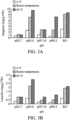
- the extraction amounts of apigenin and luteolin of only immersing the flowers of Chrysanthemum morifolium in RO water was slightly lower than the extraction amounts of apigenin and luteolin of immersing the flowers of Chrysanthemum morifolium in a pH 5.0 buffer aqueous solution.
- the pH value of RO water after immersing the flowers of Chrysanthemum morifolium was determined to be 4.5, and that was consistent with the observed result in which the extraction amounts of apigenin and luteolin increased with the increase of pH value under the pH value of the buffer aqueous solution used to immerse the flowers of Chrysanthemum morifolium increasing from 2.7 to 5.0.
- the immersion sample mentioned above was shaken for 30 minutes to form an extract solution.
- Table 3 Extraction amount of apigenin and luteolin after immersion in 50% ethanol aqueous solution Immersion time Apigenin (mg/g FW) Luteolin (mg/g FW) Apigenin+Luteolin (mg/g FW) (Hours) Extraction solution Extraction solution 1 0.42 0.18 0.6 5 0.45 0.21 0.66 24 0.52 0.31 0.83 FW: Weight of flowers of Chrysanthemum morifolium
- the flowers of Chrysanthemum morifolium through the immersion process can increase the extraction amount of flavonoid aglycone by activating the endogenous glycoside hydrolase of Chrysanthemum morifolium, stems and leaves belonging to different parts of the same plant may have the same effect.
- the extraction amount of apigenin and luteolin from stems and leaves can be increased by an immersion manner, the stems and leaves of Chrysanthemum morifolium, which are agricultural wastes, can be given a high economic value, and the effect of waste recycling can be achieved.
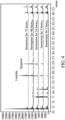
- FIG. 5 and Table 4 show that after the stems and leaves of Chrysanthemum morifolium were immersed for a fixed period of time at room temperature, the extraction amounts of apigenin and luteolin increase with the increase of immersion time, wherein compared to the unimmersed sample which only can be extracted 0.3 mg of apigenin and luteolin per gram of stems and leaves of Chrysanthemum morifolium, the stems and leaves of Chrysanthemum morifolium after being immersed for 48 hours, can be extracted 5.69 mg of total amount of apigenin and luteolin per gram, and the total extraction amount increases to 1890%, and the total extraction rate is significantly increased.
- CML-A 10 g of the dried crumble of stems and leaves of Chrysanthemum morifolium mentioned above was added to 200 L water and immersed at room temperature for 24 hours to form an immersion sample. Next, the immersion sample was centrifuged and the water layer was discarded. The residue was added to 200 L 95% ethanol and shaken for 30 minutes, and then a solid-liquid separation was performed and the obtained extract solution was concentrated and dried under reduced pressure.
- CML-C 10 g of the dried crumble of stems and leaves of Chrysanthemum morifolium mentioned above was added to 200 L water and boiled and refluxed for 1 hour, and then a solid-liquid separation was performed and the obtained extract solution was concentrated and dried under reduced pressure.
- the antioxidant activity analysis platform constructed by monocyte/macrophage-like (RAW264.7) cells was used to evaluate the effect of the extract of the stems and leaves of Chrysanthemum morifolium prepared above on RAW264.7 cells and the antioxidant activity of the extract of the stems and leaves of Chrysanthemum morifolium prepared above.
- the detailed experimental steps are as follows: the cells were divided into a negative control group, a positive control group and 3 experimental groups.
- the negative control group was the cells without any treatment
- the positive control group was the cells treated with 10 ⁇ M and 100 ⁇ M apigenin
- the three experimental groups were cells respectively treated with CML-A (12.5 to 100 ⁇ g/mL), CML-B ( 12.5 to 100 ⁇ g/mL) and CML-C (12.5 to 100 ⁇ g/mL).
- NO 2- production was determined by measuring the nitrite (NO 2 ) amount of in the cell culture supernatant according to the procedure of the manufacturer, Promega, for Griess kit. The absorbance at 540 nm was read, and NO 2- production was calculated. The results are shown in FIG. 6B .
- FIG. 6B shows that CML-A 25 ⁇ g/mL, 50 ⁇ g/mL and 100 g/mL, and CML-B 100 ⁇ g/mL significantly reduce the production of NO 2- inflammatory factor.
- Antibodies were immobilized on a 96-well plate and placed at 4°C overnight. On the next day, the antibodies which are not immobilized and impurities were washed away, and the cell supernatant (specimen) was added to the plate to make the antigens in the specimens bind to the immobilized antibodies. After reacting at room temperature for 2 hours, the excess specimens were washed away, and then antigen-specific antibodies with HRP were added to make the antigens in the specimen bind thereto. After 1 hour of reaction at room temperature, the unbound antibodies were washed away, and the enzyme substrates were added for coloration. The content of the antigen to be tested was calculated by the absorbance at 450 nm to calculate the concentration of IL-6. The results are shown in FIG. 6C .
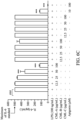
- FIG. 6C shows that CML-A 50 ⁇ g/mL and 100 ⁇ g/mL can significantly reduce the expression level of IL-6 inflammatory factor.
- the extract obtained by the extraction method of the present disclosure has an excellent anti-inflammatory effect.
Landscapes
- Health & Medical Sciences (AREA)
- Natural Medicines & Medicinal Plants (AREA)
- Life Sciences & Earth Sciences (AREA)
- Chemical & Material Sciences (AREA)
- Engineering & Computer Science (AREA)
- Alternative & Traditional Medicine (AREA)
- Biotechnology (AREA)
- Botany (AREA)
- Medical Informatics (AREA)
- Medicinal Chemistry (AREA)
- Microbiology (AREA)
- Mycology (AREA)
- Pharmacology & Pharmacy (AREA)
- Epidemiology (AREA)
- Animal Behavior & Ethology (AREA)
- General Health & Medical Sciences (AREA)
- Public Health (AREA)
- Veterinary Medicine (AREA)
- Pharmaceuticals Containing Other Organic And Inorganic Compounds (AREA)
Abstract
A method for extracting flavone aglycones in Chrysanthemum morifolium is provided. The method includes: (a) immersing a Chrysanthemum morifolium raw material in water or an aqueous solution to perform an immersion procedure for 3.5 hours or more to obtain an immersion sample; and (b) adding an extraction solvent to the immersion sample to perform an extraction procedure 5-60 minutes to obtain an extract. The Chrysanthemum morifolium raw material includes at least one of the following parts of Chrysanthemum morifolium: whole plant, roots, stems, leaves and flowers.
Description
- The present disclosure relates to a method for extracting flavone aglycones in Chrysanthemum morifolium, an extract obtained thereby and an anti-inflammatory pharmaceutical composition.
- Chrysanthemum morifolium belongs to the Asteraceae family of plants. It is a perennial herb, mainly produced in regions of Asia such as Taiwan and China.
- The capitulum of Chrysanthemum morifolium can be used as a drink after drying, and it is also a traditional medicinal plant. Modern pharmacological studies have shown that Chrysanthemum morifolium has antioxidant, anti-inflammatory, antiviral, antitumor, neuroprotective and cardiovascular protective effects. Chrysanthemum morifolium contains chrysanthemin, amino acids, flavonoids and various vitamins and trace elements. The chemical composition of Chrysanthemum morifolium is complex, among which flavonoids, triterpenoids and volatile oils are its main active ingredients, however, due to differences in origin and variety, the chemical compositions and contents of Chrysanthemum morifolium from different sources are different.
- Flavonoids are a secondary metabolite synthesized by plants, and they play an important role in plant growth, development, flowering, fruiting, and antibacterial and disease prevention. Flavonoids are usually combined with sugars in plants to form glycosides while a small part exists in the form of free state (aglycones). Previous studies have shown that free glycogen flavonoids have better anti-inflammatory activity than glycoside derivatives. In recent years, many researchers have tried to hydrolyze flavonoid glycoside derivatives into free glycosides using enzymatic hydrolysis or microbial fermentation, however, addition of enzymes or microbial fermentation have greatly increased the extraction cost.
- Therefore, at present, there is a need for a novel flavonoid aglycone extraction method, which can effectively extract the flavonoid aglycones of Chrysanthemum morifolium, but does not require any addition of enzymes and/or microbial treatment.
- The present disclosure provides a method for extracting flavone aglycones in Chrysanthemum morifolium, comprising: (a) immersing a Chrysanthemum morifolium raw material in water or an aqueous solution to perform an immersion procedure for 3.5 hours or more to obtain an immersion sample; and (b) adding an extraction solvent to the immersion sample to perform an extraction procedure for 5-60 minutes to obtain an extract solution. The Chrysanthemum morifolium raw material comprises at least one of the following parts of a Chrysanthemum morifolium: a whole plant, a root, a stem, a leaf and a flower, a weight ratio of the Chrysanthemum morifolium raw material to the water or the aqueous solution is 1:10-35, the immersion procedure is performed at 20 to 70°C, the water or the aqueous solution has a pH value of 3.0 to 9.5, and the immersion sample comprises an immersed Chrysanthemum morifolium raw material and an immersion solution. Moreover, a weight ratio of the Chrysanthemum morifolium raw material to the extraction solvent is 1:10-35, the extraction solvent comprises methanol, ethanol or ethyl acetate, the extraction procedure is performed at 15 to 50°C, and the extract solution contains flavone aglycones.
- The present disclosure also provides a Chrysanthemum morifolium extract, which is obtained by the method for extracting flavone aglycones in Chrysanthemum morifolium mentioned above.
- The present disclosure also provides an anti-inflammatory pharmaceutical composition, comprising: a Chrysanthemum morifolium extract obtained by the method for extracting flavone aglycones in Chrysanthemum morifolium mentioned above; and a pharmaceutically acceptable carrier or salt.
- A detailed description is given in the following embodiments with reference to the accompanying drawings.
- The present invention can be more fully understood by reading the subsequent detailed description and examples with references made to the accompanying drawings, wherein:
-
FIG. 1 shows the high performance liquid chromatograms of the extract solutions of the flowers of Chrysanthemum morifolium with different immersion time; -
FIG. 2 shows the extraction amounts per unit herb material (extraction rate) of apigenin and luteolin in the immersion solutions and the extract solutions of the flowers of Chrysanthemum morifolium obtained under different immersion time (at room temperature); -
FIG. 3A shows the extraction amount per unit herb material (extraction rate) of apigenin in the extract solutions of the flowers of Chrysanthemum morifolium obtained under different pH values and different immersion room temperature. FW: Weight of flowers of Chrysanthemum morifolium; -
FIG. 3B shows the extraction amount per unit herb material (extraction rate) of luteolin in the extract solutions of the flowers of Chrysanthemum morifolium obtained under different pH values and different immersion room temperature. FW: Weight of flowers of Chrysanthemum morifolium; -
FIG. 4 shows the high performance liquid chromatograms of the extract solutions of the stems and leaves of Chrysanthemum morifolium obtained under different immersion time (at room temperature); -
FIG. 5 shows the extraction amounts per unit herb material (extraction rate) of apigenin and luteolin in the extract solutions of the stems and leaves of Chrysanthemum morifolium obtained under different immersion time (at room temperature). LW: Weight of stems and leaves of Chrysanthemum morifolium; -
FIG. 6A shows cell viability of RAW264.7 cells treated with the extract solutions of the stems and leaves of Chrysanthemum morifolium. Apigenin is the positive control group. Data represent mean ± standard deviation (n = 3); -
FIG. 6B shows NO2- inflammatory factor production of RAW264.7 cells treated with the extract solutions of the stems and leaves of Chrysanthemum morifolium. Apigenin is the positive control group. ###: p < 0.001, compared to the negative control group. ∗: p < 0.05, ∗∗∗: p < 0.001, compared to the group only treated with LPS. Data represent mean ± standard deviation (n = 3); The statistical method is one-way analysis of variance (one-way ANOVA) and Dunnett's multiple comparison; and -
FIG. 6C shows IL-6 expression level of RAW264.7 cells treated with the extract solutions of the stems and leaves of Chrysanthemum morifolium. Apigenin is the positive control group. ###: p < 0.001, compared to the negative control group. ∗∗∗: p < 0.001, compared to the group only treated with LPS. Data represent mean ± standard deviation (n = 3); The statistical method is one-way analysis of variance (one-way ANOVA) and Dunnett's multiple comparison. - In the following detailed description, for purposes of explanation, numerous specific details are set forth in order to provide a thorough understanding of the disclosed embodiments. It will be apparent, however, that one or more embodiments may be practiced without these specific details. In other instances, well-known structures and devices are schematically shown in order to simplify the drawing.
- The present disclosure provides a method for extracting flavone aglycones in Chrysanthemum morifolium. Moreover, the flavone aglycones mentioned above may comprise, but is not limited to, luteolin, apigenin, etc., or combinations thereof.
- The method for extracting flavone aglycones in Chrysanthemum morifolium of the present disclosure can effectively extract the flavonoid aglycones in chrysanthemum only through a water or aqueous solution immersion step, without additional addition of any enzyme. Furthermore, even if the method for extracting flavone aglycones in Chrysanthemum morifolium of the present disclosure is performed at room temperature for whole process, the flavonoid aglycones in the Chrysanthemum morifolium can still be effectively extracted. Therefore, the method for extracting flavone aglycones in Chrysanthemum morifolium of the present disclosure can effectively reduce the extraction cost, and has the effect of energy saving and carbon reduction.
- In addition, by using the method for extracting flavone aglycones in Chrysanthemum morifolium of the present disclosure, the extraction rate of flavonoid aglycones in the Chrysanthemum morifolium raw material can be greatly increased.
- Moreover, the method for extracting flavone aglycones in Chrysanthemum morifolium of the present disclosure mentioned above may comprise, but is not limited to the following steps.
- First, a Chrysanthemum morifolium raw material is immersed in water or an aqueous solution to perform an immersion procedure for 3.5 hours or more to obtain an immersion sample. Furthermore, the immersion sample may comprise an immersed Chrysanthemum morifolium raw material and an immersion solution.
- Moreover, in the method for extracting flavone aglycones in Chrysanthemum morifolium of the present disclosure, the Chrysanthemum morifolium raw material mentioned above may comprise at least one of the following parts of a Chrysanthemum morifolium: a whole plant, a root, a stem, a leaf and a flower. In one embodiment, the Chrysanthemum morifolium raw material mentioned above may be a flower of the Chrysanthemum morifolium. In another embodiment, the Chrysanthemum morifolium raw material mentioned above may be a stem or a leaf of the Chrysanthemum morifolium.
- In one embodiment, the Chrysanthemum morifolium raw material mentioned above may be subjected a pretreatment. The pretreatment mentioned above comprises a drying treatment, a pulverizing treatment, etc., or any combinations thereof. In one embodiment, the pretreatment mentioned above comprises a drying treatment and a pulverizing treatment.
- Furthermore, in the method for extracting flavone aglycones in Chrysanthemum morifolium of the present disclosure, except that it has to be 3.5 hours or more, the time for performing the immersion procedure mentioned above has no particular limitation and can depend on the operating environment at the time (such as temperature, humidity, pressure, etc.), the weight of Chrysanthemum morifolium raw material, the state of Chrysanthemum morifolium raw material (such as the degree of pulverization, water content) and/or the immersion temperature to be used, etc. For example, the time for performing the immersion procedure mentioned above may be about 3.5 to 96 hours, about 4 to 96 hours, about 5 to 96 hours, about 5 to 72 hours, about 3.5 hours, about 4 hours, about 5 hours, about 6 hours, about 10 hours, about 12 hours, about 15 hours, about 16 hours, about 17 hours, about 18 hours, about 20 hours, about 21 hours, about 24 hours, about 27 hours, about 30 hours, about 36 hours, about 40 hours, about 48 hours, about 60 hours, about 72 hours, about 96 hour, but it is not limited thereto. In one embodiment, in the method for extracting flavone aglycones in Chrysanthemum morifolium of the present disclosure, the immersion procedure mentioned above is performed for about 5, 17 or 24 hours. In another embodiment, in the method for extracting flavone aglycones in Chrysanthemum morifolium of the present disclosure, the immersion procedure mentioned above is performed for about 5, 24, 48 or 72 hours.
- Moreover, in the method for extracting flavone aglycones in Chrysanthemum morifolium of the present disclosure, the temperature for performing the immersion procedure mentioned above may be about 20°C to 70°C, about 20°C to 65°C, about 25°C to 70°C or room temperature to about 70°C, about 25°C to 60°C or room temperature to about 60°C, about 25°C to 50°C or room temperature to about 50°C, about 25°C to 40°C or room temperature to about 40°C, about 20°C, about 25°C, room temperature, about 40°C, about 50°C, about 55°C, about 60°C, about 65°C, about 70°C, but it is not limited thereto. In one embodiment, in the method for extracting flavone aglycones in Chrysanthemum morifolium of the present disclosure, the immersion procedure mentioned above is performed at room temperature. In another embodiment, in the method for extracting flavone aglycones in Chrysanthemum morifolium of the present disclosure, the immersion procedure mentioned above is performed at about 50°C.
- In addition, in the method for extracting flavone aglycones in Chrysanthemum morifolium of the present disclosure, a weight ratio of the foregoing Chrysanthemum morifolium raw material to the foregoing water or aqueous solution has no particular limitation, as long as the foregoing water or aqueous solution can cover the foregoing Chrysanthemum morifolium raw material, so that the foregoing Chrysanthemum morifolium raw material can be immersed therein. In one embodiment, the weight ratio of the foregoing Chrysanthemum morifolium raw material to the foregoing water or aqueous solution may be about 1:10-35, such as about 1:15-30, about 1:15-20, about 1:10, about 1:15, about 1:20, about 1:25, about 1:30, but it is not limited thereto. In one specific embodiment, the weight ratio of the foregoing Chrysanthemum morifolium raw material to the foregoing water or aqueous solution may be about 1:20.
- In the method for extracting flavone aglycones in Chrysanthemum morifolium of the present disclosure, the foregoing water or aqueous solution has a pH value of about 3.0 to 9.5, such as a pH value of about 4.0 to 9.5, a pH value of about 5.0 to 9.2, a pH value of about 3.0, a pH value of about 4.0, a pH value of about 5.0, a pH value of about 7, a pH value of about 7.18, a pH value of about 9, a pH value of about 9.2, a pH value of about 9.5, but it is not limited thereto.
- Next, in the method for extracting flavone aglycones in Chrysanthemum morifolium of the present disclosure, after a Chrysanthemum morifolium raw material is immersed in water or an aqueous solution to perform an immersion procedure for 3.5 hours or more to obtain an immersion sample, an extraction solvent is added to the immersion sample to perform an extraction procedure to obtain an extract solution. The extract solution mentioned above contains flavone aglycones.
- The extraction solvent mentioned above has no particular limitation, as long as it can dissolve the flavonoid aglycone in the immersion sample or the immersed Chrysanthemum morifolium raw material mentioned above, and has no adverse effect thereon. Examples of the extraction solvent mentioned above may comprise, but are not limited to, methanol, ethanol, ethyl acetate or any combinations thereof. A concentration of the ethanol mentioned above may be about 50-95%, but it is not limited thereto. In one embodiment, the extraction solvent mentioned above is ethanol.
- In the method for extracting flavone aglycones in Chrysanthemum morifolium of the present disclosure, the time for performing the extraction procedure mentioned above has no particular limitation and can depend on the operating environment at the time (such as temperature, humidity, pressure, etc.), a volume and/or a weight of the immersion sample or the immersed Chrysanthemum morifolium raw material and/or the extraction temperature to be used, etc. For example, the time for performing the extraction procedure mentioned above may be about 5 to 60 minutes, about 10 to 60 minutes, about 10 to 55 minutes, about 10 to 45 minutes, about 10 to 40 minutes, about 15 to 30 minutes, about 10 minutes, about 15 minutes, about 20 minutes, about 25 minutes, about 30 minutes, about 35 minutes, about 40 hours, about 45 hours, about 50 hours, about 55 hours, about 60 hours, but it is not limited thereto. In one embodiment, in the method for extracting flavone aglycones in Chrysanthemum morifolium of the present disclosure, the extraction procedure mentioned above is performed for about 30 minutes.
- Furthermore, in the method for extracting flavone aglycones in Chrysanthemum morifolium of the present disclosure, the temperature for performing the extraction procedure mentioned above may be about 15°C to 50°C, about 15°C to 45°C, about 20°C to 40°C, about 25°C to 40°C or room temperature to about 40°C, about 15°C, about 20°C, about 25°C, a room temperature, about 30°C, about 35°C, about 40°C, about 45°C, about 50°C, but it is not limited thereto. In one embodiment, in the method for extracting flavone aglycones in Chrysanthemum morifolium of the present disclosure, the extraction procedure mentioned above is performed at room temperature.
- In the method for extracting flavone aglycones in Chrysanthemum morifolium of the present disclosure, a weight ratio of the foregoing Chrysanthemum morifolium raw material to the foregoing extraction solvent has no particular limitation. In one embodiment, the weight ratio of the foregoing Chrysanthemum morifolium raw material to the foregoing extraction solvent may be about 1:10-35, such as about 1:15-30, about 1:15-20, about 1:10, about 1:15, about 1:20, about 1:25, about 1:30, but it is not limited thereto. In one specific embodiment, the weight ratio of the foregoing Chrysanthemum morifolium raw material to the foregoing extraction solvent may be about 1:20.
- In one embodiment, the method for extracting flavone aglycones in Chrysanthemum morifolium of the present disclosure, the extraction procedure mentioned above may be performed under shaking or stirring, but it is not limited thereto. The shaking mentioned above may comprise, but is not limited to, ultrasonic oscillation, rotary oscillation, etc. Moreover, the manner for the stirring mentioned above may be performing the stirring by a stirrer, such as a paddle agitator, an electromagnetic stirrer, but it is also not limited thereto.
- In addition, in one embodiment, the method for extracting flavone aglycones in Chrysanthemum morifolium of the present disclosure, further comprises between the step of immersing a Chrysanthemum morifolium raw material in water or an aqueous solution to perform an immersion procedure for 3.5 hours or more to obtain an immersion sample and the step of adding an extraction solvent to the immersion sample to perform an extraction procedure to obtain an extract solution, removing the immersion solution mentioned above in the immersion sample mentioned above. Namely, the extraction solvent only reacts with the immersed Chrysanthemum morifolium raw material mentioned above.
- Moreover, in one embodiment, the method for extracting flavone aglycones in Chrysanthemum morifolium of the present disclosure may further comprise after the step of adding an extraction solvent to the immersion sample to perform an extraction procedure to obtain an extract solution, performing a solid-liquid separation procedure on the extract solution to obtain a supernatant, while the supernatant contains the flavone aglycones mentioned above.
- The solid-liquid separation procedure has no particular limitation, as long as it can separate the solid from the liquid in the extract solution. Examples of the solid-liquid separation procedure may comprise, but is not limited to centrifugation or filtration.
- Furthermore, in one specific embodiment, the method for extracting flavone aglycones in Chrysanthemum morifolium of the present disclosure may further comprise after obtaining the supernatant mentioned above, further separating and purifying the flavonoid aglycones mentioned above from the supernatant mentioned above.
- Alternatively, in another specific embodiment, the method for extracting flavone aglycones in Chrysanthemum morifolium of the present disclosure may further comprise after obtaining the supernatant mentioned above, further performing a concentration procedure to obtain a concentrated solution while the concentrated solution mentioned above contains the flavone aglycones mentioned above. Moreover, in this specific embodiment, the method for extracting flavone aglycones in Chrysanthemum morifolium of the present disclosure also may further comprise after obtaining the concentrated solution mentioned above, further separating and purifying the flavonoid aglycones mentioned above from the concentrated solution mentioned above.
- In one specific embodiment, in the method for extracting flavone aglycones in Chrysanthemum morifolium of the present disclosure, the Chrysanthemum morifolium raw material mentioned above is a flower of the Chrysanthemum morifolium. Furthermore, in this specific embodiment, the immersion procedure mentioned above is performed for 5 to 72 hours, the weight ratio of the Chrysanthemum morifolium raw material mentioned above to the water or the aqueous solution is 1:15-20, the immersion procedure mentioned above is performed at room temperature to 50°C, the water or the aqueous solution mentioned above has a pH value of 5.0 to 9.2, and the extraction solvent mentioned above is ethanol. Moreover, in this specific embodiment, an extraction rate of flavone aglycones of the Chrysanthemum morifolium raw material in the method for extracting flavone aglycones in Chrysanthemum morifolium of the present disclosure may be 2-30 mg flavone aglycones/g Chrysanthemum morifolium raw material.
- In another specific embodiment, in the method for extracting flavone aglycones in Chrysanthemum morifolium of the present disclosure, the Chrysanthemum morifolium raw material mentioned above is a stem and a leaf of the Chrysanthemum morifolium. Furthermore, in this specific embodiment, the immersion procedure mentioned above is performed for 5 to 72 hours, the weight ratio of the Chrysanthemum morifolium raw material mentioned above to the water or the aqueous solution is 1:15-20, the immersion procedure mentioned above is performed at room temperature to 50°C, the water or the aqueous solution mentioned above has a pH value of 5.0 to 9.2, and the extraction solvent mentioned above is ethanol. Moreover, in this specific embodiment, an extraction rate of flavone aglycones of the Chrysanthemum morifolium raw material in the method for extracting flavone aglycones in Chrysanthemum morifolium of the present disclosure may be 2-25 mg flavone aglycones/g Chrysanthemum morifolium raw material.
- Based on the foregoing, the present disclosure may further provide a Chrysanthemum morifolium extract, which may be obtained by any method for extracting flavone aglycones in Chrysanthemum morifolium of the present disclosure mentioned above.
- Moreover, the Chrysanthemum morifolium extract of the present disclosure mentioned above has an excellent anti-inflammatory effect.
- Therefore, the present disclosure also provide an anti-inflammatory pharmaceutical composition which may comprise, but is not limited to, a Chrysanthemum morifolium extract obtained by any method for extracting flavone aglycones in Chrysanthemum morifolium of the present disclosure mentioned above.
- The present disclosure mentioned above also provides an anti-inflammatory pharmaceutical composition which may further comprise a pharmaceutically acceptable carrier or salt, but it is not limited thereto.
- The pharmaceutically acceptable carrier mentioned above may comprise, but is not limited to, a solvent, a dispersion medium, a coating, an antibacterial and antifungal agent, or an isotonic and absorption delaying agent, etc. which is suitable for pharmaceutical administration. The pharmaceutical composition can be formulated into dosage forms for different administration routes utilizing conventional methods.
- Moreover, the pharmaceutically acceptable salt mentioned above may comprise, but is not limited to, salts including inorganic cation, such as alkali metal salts such as sodium salt, potassium salt or amine salt, such as alkaline-earth metal salt such as magnesium salt or calcium salt, such as the salt containing bivalent or quadrivalent cation such as zinc salt, aluminum salt or zirconium salt. In addition, the pharmaceutically acceptable salt may also be organic salt, such as dicyclohexylamine salt, methyl-D-glucamine, and amino acid salt such as arginine, lysine, histidine, or glutamine.
- Furthermore, the pharmaceutical composition of the present disclosure can be administered to a subject in need thereof, but is not limited thereto. The administration route of the pharmaceutical composition of the present disclosure may include parenteral manner, oral manner, via inhalation spray, or by implanted reservoir, but is not limited thereto. The parenteral methods may comprise, but is not limited to, smearing affected region, subcutaneous, intracutaneous, intravenous, intramuscular, intra-articular, intraarterial, intrasynovial, intrasternal, intrathecal, intraleaional injection, external ophthalmic use, and intraocular injection, as well as infusion techniques, etc.
- Topical use form for smearing may include ointment, emulsion, liquid, gel, etc., but it is not limited thereto.
- In addition, the subject in need to be administrated the pharmaceutical composition mentioned above may comprise, but is not limited to, a vertebrate. Moreover, the vertebrate mentioned above may comprise a fish, an amphibian, a reptile, a bird or a mammal, but it is not limited thereto. Examples of the mammal may comprise, but are not limited to a human, an orangutan, a monkey, a horse, a donkey, a dog, a cat, a rabbit, a guinea pig, a rat and a mouse. In one embodiment, the subject mentioned above may be a human.
- After flowers of Chrysanthemum morifolium were harvested, they were placed at room temperature for wilting for 2 hours (the time should not exceed 6 hours) to make them lose water evenly.
- Next, the flowers of Chrysanthemum morifolium were subjected to a drying procedure to make the moisture content thereof was less than 10%. The drying procedure mentioned above could be drying at 50°C for 4-8 hours, drying at 60°C for 4-8 hours, or drying at 70°C for 2-4 hours. After that, the dried flowers of Chrysanthemum morifolium mentioned above were pulverized by a pulverizer to obtain dried crumble of the flowers of Chrysanthemum morifolium.
- After stems and leaves of Chrysanthemum morifolium were harvested, without a wilting procedure, they were dried at 45°C for 48 hours to make the moisture content thereof was less than 10%.
- After that, the dried stems and leaves of Chrysanthemum morifolium mentioned above were pulverized by a pulverizer to obtain dried crumble of the stems and leaves of Chrysanthemum morifolium.
- 0.1 M citric acid (2.1 g dissolved in 100 mL water) stock solution and 0.2 M Na2HPO4 (2.84 g dissolved in 100 mL water) stock solution were prepared, respectively.
- 89.1 mL of the 0.1 M citric acid stock solution mentioned above was mixed with 10.9 mL of the 0.2 M Na2HPO4 stock solution mentioned above to obtain a pH 2.7 citrate-phosphate buffer.
- 53.25 mL of the 0.1 M citric acid stock solution mentioned above was mixed with 46.75 mL of the 0.2 M Na2HPO4 stock solution mentioned above to obtain a pH 5.0 citrate-phosphate buffer.
- 17.65 mL of the 0.1 M citric acid stock solution mentioned above was mixed with 82.35 mL of the 0.2 M Na2HPO4 stock solution mentioned above to obtain a pH 7.18 citrate-phosphate buffer.
- Water was quantitatively added to 0.11 g of anhydrous sodium carbonate and 0.756 g of sodium bicarbonate to 100 mL and mixed to obtain a pH 9.0 carbonate-bicarbonate buffer.
- Flavonoid aglycones in the sample were analyzed with high performance liquid chromatography according to the following conditions.
- Type of chromatography column: Hypersil Gold aQ 3um, 4.0×150 mm or equivalent
- Detecting wave length: 254 nm
- Flow rate of pump: 1.0 mL/minutes
- Analysis time per sample: 55 minutes
- Column temperature: 35°C
- Total injection volume: 20 µL
- Preparation of mobile phases: Mobile phase A= 0.1% phosphoric acid aqueous solution; Mobile phase B= Chromatographic grade acetonitrile
- 1 g of the dried crumble of flowers of Chrysanthemum morifolium mentioned above was added to 20 mL of RO water and placed at room temperature for 0, 1, 5 or 17 hours to form an immersion sample.
- Next, 20 mL of 95% ethanol was added to the immersion sample mentioned above and shaken for 30 minutes to form an extract solution.
- After that, the extract solution mentioned above was subjected to a solid-liquid separation procedure, and the obtained supernatant was subjected to high performance liquid chromatography to determine the chemical composition changes of extract solutions with different immersion time, wherein two flavonoid aglycones, apigenin and luteolin, were selected as indictor ingredients of Chrysanthemum morifolium extract.
- The results are shown in
FIG. 1 . According toFIG. 1 , it is known that the content of luteolin and apigenin in the extract solutions increases with the immersion time for the flowers of Chrysanthemum morifolium. - In order to investigate the effect of immersion time on the extraction amount of the two flavonoid aglycone indicator ingredients, apigenin and luteolin, of the flowers of Chrysanthemum morifolium, the following experiments and analyses were performed.
- 1 g of the dried crumble of flowers of Chrysanthemum morifolium mentioned above was added to 20 mL of RO water and placed at room temperature for 0, 5, 24, 48 or 72 hours to form an immersion sample.
- 1 mL of the immersion sample mentioned above was taken and centrifuged at 10,000 rpm for 10 minutes, and the obtained supernatant was used as a sample of the immersion solution.
- On the other hand, 20 mL of 95% ethanol was added to the rest of the immersion sample and shaken for 30 minutes to form an extract solution.
- 1 mL of the extract solution mentioned above was taken and centrifuged at 10,000 rpm for 10 minutes to perform a solid-liquid separation procedure, and the obtained supernatant was used as a sample of the extract solution.
- The sample of the immersion solution and the sample of the extract solution mentioned above were subjected to high performance liquid chromatography to determine the contents of apigenin and luteolin thereof. The results are shown in Table 2 and
FIG. 2 .
- The results of Table 2 and
FIG. 2 show that the extraction amounts of apigenin and luteolin in the immersion solutions decreased with the increase of the immersion time for the flowers of Chrysanthemum morifolium, and in contrast to this, the extraction amounts per unit herb material (extraction rates) of apigenin and luteolin in the extract solutions increase with the increase of the immersion time for the flowers of Chrysanthemum morifolium. - The extract solution obtained by immersing the flowers of Chrysanthemum morifolium at room temperature for 48 hours showed the highest extraction amounts per unit herb material of apigenin and luteolin. Compared to the unimmersed (immersed for 0 hours) extract solution for the flowers of Chrysanthemum morifolium, which only can extract 0.71 mg of apigenin and luteolin per gram of the flowers of Chrysanthemum morifolium, the extract solution obtained by immersing the flowers of Chrysanthemum morifolium at room temperature for 48 hours can extract 16.4 mg of apigenin and luteolin per gram of the flowers of Chrysanthemum morifolium, and the extraction amount thereof is greatly increased to 2300%.
- As for the reason why the extraction amounts of apigenin and luteolin in the immersion solution decreases with the increase of immersion time, it is speculated that the precipitation occurs due to poor water solubility of flavonoid aglycones derived from glycoside flavonoid hydrolysis in the immersion solution, and thus after addition of the same amount of 95% ethanol into the immersion solution to form the foregoing extraction solution, the flavonoid aglycones is redissolved in the solution, and the high extraction amount of the flavonoid aglycones is exhibited.
- 1 g of the dried crumble of flowers of Chrysanthemum morifolium mentioned above was placed in an autoclave and sterilized at 120°C for 20 minutes. Next, the high temperature and high pressure treated crumble was cooled to room temperature.
- After that, the high temperature and high pressure treated crumble was added to 20 mL of RO water and placed at room temperature for 24 hours to form an immersion sample.
- Next, 20 mL of 95% ethanol was added to the immersion sample mentioned above and shaken for 30 minutes to form an extract solution.
- After that, the extract solution was subjected to a solid-liquid separation procedure, and the obtained supernatant was subjected to high performance liquid chromatography to determine the extraction amounts of apigenin and luteolin in the extraction solution of the high temperature and high pressure treated flowers of Chrysanthemum morifolium.
- The results show that the high temperature and high pressure treated sample only can be extracted 0.72 mg of apigenin and luteolin per gram of Chrysanthemum morifolium while the sample without high temperature and high pressure can be extracted up to 12.15 mg of apigenin and luteolin, and there are obvious differences.
- This can demonstrate that the increase in the content of apigenin and luteolin during the immersion process is not caused by the natural degradation of the compound itself since according to the foregoing results, even high temperature and high pressure treatment cannot hydrolyze the glycosidic bond.
- In contrast, merely by the immersion procedure belonging to mild treatments which is adopted in the present disclosure, through high performance liquid chromatography, it can be observed (referring to
FIG. 1 ) that some ingredients decrease with the increase of immersion time while some ingredients increase with the increase of the immersion time. Therefore, it is speculated that the immersion procedure may activate the activity of the hydrolytic enzymes against the Chrysanthemum morifolium endogenous glycosidic bonds, thereby increasing the extraction amounts of apigenin and luteolin. - In order to investigate the optimum temperature and pH value for immersion, 1 g of the dried crumble of flowers of Chrysanthemum morifolium mentioned above was added to 20 mL of RO water or buffer aqueous solutions with different pH values (pH 2.7, pH 5.0, pH 7.18 and pH 9.2) and placed at a temperature of 4°C, 25°C or 50°C for 24 hours to form an immersion sample.
- Next, 20 mL of 95% ethanol was added to the immersion sample mentioned above and shaken for 30 minutes to form an extract solution.
- After that, the extract solution mentioned above was subjected to a solid-liquid separation procedure, and the obtained supernatant was subjected to a content analysis through high performance liquid chromatography.
- The results are shown in
FIG. 3 . Based onFIG. 3 , it is known that no matter whether the flowers of Chrysanthemum morifolium were immersed in RO water or buffered aqueous solution with pH 2.7 to 9.2, when the immersion temperature increases from 4°C to 50°C, the extraction amounts of apigenin and luteolin increase with the increase of immersion temperature. When the pH value of the buffer aqueous solution used to immerse the flowers of Chrysanthemum morifolium increases from 2.7 to 5.0, the extraction amounts of apigenin and luteolin increases with the increase of pH value, however, the extraction amounts of apigenin and luteolin under the pH value of the buffer aqueous solution being 7.18 and 9.2 is lower than the extraction amounts of apigenin and luteolin under the pH value of the buffer aqueous solution being 5.0. - The extraction amounts of apigenin and luteolin of only immersing the flowers of Chrysanthemum morifolium in RO water was slightly lower than the extraction amounts of apigenin and luteolin of immersing the flowers of Chrysanthemum morifolium in a pH 5.0 buffer aqueous solution. The pH value of RO water after immersing the flowers of Chrysanthemum morifolium was determined to be 4.5, and that was consistent with the observed result in which the extraction amounts of apigenin and luteolin increased with the increase of pH value under the pH value of the buffer aqueous solution used to immerse the flowers of Chrysanthemum morifolium increasing from 2.7 to 5.0. Although the extraction amount of apigenin and luteolin after immersion in RO water was slightly lower than the extraction amounts of apigenin and luteolin after immersion in a pH 5.0 buffer aqueous solution, direct immersion in RO water is a simpler, more convenient cost-saving operation.
- 1 g of the dried crumble of flowers of Chrysanthemum morifolium mentioned above was added to 40 mL of 50% ethanol aqueous solution and uniformly shaken, and then placed at room temperature for 1, 5 or 24 hours to form an immersion sample.
- The immersion sample mentioned above was shaken for 30 minutes to form an extract solution.
- After that, the extract solution mentioned above was subjected to a solid-liquid separation procedure, and the obtained supernatant was subjected to a content analysis through high performance liquid chromatography. The results are shown in Table 3.
Table 3: Extraction amount of apigenin and luteolin after immersion in 50% ethanol aqueous solution Immersion time Apigenin (mg/g FW) Luteolin (mg/g FW) Apigenin+Luteolin (mg/g FW) (Hours) Extraction solution Extraction solution Extraction solution 1 0.42 0.18 0.6 5 0.45 0.21 0.66 24 0.52 0.31 0.83 FW: Weight of flowers of Chrysanthemum morifolium - According to Table 3, it is known that the immersion procedure performed with 50% ethanol aqueous solution cannot increase the extraction amounts of apigenin and luteolin.
- For Chrysanthemum morifolium, after the flowers are harvested, the stems and leaves are generally discarded as agricultural waste. In this study, it is found that the stems and leaves of Chrysanthemum morifolium also contain a large amount of flavonoid glycosides. Although the glycosyl derivatives of flavonoid aglycones contained in the stems and leaves of Chrysanthemum morifolium are different from those of flowers, they are still mainly derived from apigenin and luteolin. Therefore, if the flowers of Chrysanthemum morifolium through the immersion process can increase the extraction amount of flavonoid aglycone by activating the endogenous glycoside hydrolase of Chrysanthemum morifolium, stems and leaves belonging to different parts of the same plant may have the same effect. Moreover, if the extraction amount of apigenin and luteolin from stems and leaves can be increased by an immersion manner, the stems and leaves of Chrysanthemum morifolium, which are agricultural wastes, can be given a high economic value, and the effect of waste recycling can be achieved.
- 1 g of the dried crumble of stems and leaves of Chrysanthemum morifolium mentioned above was added to 20 mL of RO water and placed at room temperature for 0, 1, 5, 24, 48 or 72 hours to form an immersion sample.
- 20 mL of 95% ethanol was added to the immersion sample mentioned above and shaken for 30 minutes to form an extract solution.
- After that, the extract solution was subjected to a solid-liquid separation procedure, and the obtained supernatant was subjected to high performance liquid chromatography to determine the chemical composition changes of extract solutions with different immersion time. The results are shown in
FIG. 4 . - The extraction amounts of apigenin and luteolin were respectively calculated based on the high performance liquid chromatograms show in
FIG. 4 . The results are shown inFIG. 5 and Table 4.Table 4: The extraction amount per unit herb material (extraction rate) of apigenin and luteolin in the immersion solution and the extract solution of stems and leaves of Chrysanthemum morifolium obtained under different immersion time (at room temperature) Immersion time Apigenin (mg/g LW) Luteolin (mg/g LW) Apigenin+Luteolin (mg/g LW) (Hours) Extraction solution Extraction solution Extraction solution 0 0.19 0.11 0.3 1 0.85 0.47 1.32 5 1.38 1.32 2.7 24 2.05 2.48 4.53 48 2.34 3.35 5.69 72 2.16 3.12 5.28 LW: Weight of stems and leaves of Chrysanthemum morifolium -
FIG. 5 and Table 4 show that after the stems and leaves of Chrysanthemum morifolium were immersed for a fixed period of time at room temperature, the extraction amounts of apigenin and luteolin increase with the increase of immersion time, wherein compared to the unimmersed sample which only can be extracted 0.3 mg of apigenin and luteolin per gram of stems and leaves of Chrysanthemum morifolium, the stems and leaves of Chrysanthemum morifolium after being immersed for 48 hours, can be extracted 5.69 mg of total amount of apigenin and luteolin per gram, and the total extraction amount increases to 1890%, and the total extraction rate is significantly increased. - CML-A: 10 g of the dried crumble of stems and leaves of Chrysanthemum morifolium mentioned above was added to 200 L water and immersed at room temperature for 24 hours to form an immersion sample. Next, the immersion sample was centrifuged and the water layer was discarded. The residue was added to 200 L 95% ethanol and shaken for 30 minutes, and then a solid-liquid separation was performed and the obtained extract solution was concentrated and dried under reduced pressure.
- CML-B: 10 g of the dried crumble of stems and leaves of Chrysanthemum morifolium mentioned above was added to 200
L 50% ethanol aqueous solution (95% ethanol : water =1:1 v/v) and shaken for 30 minutes, and then a solid-liquid separation was performed and the obtained extract solution was concentrated and dried under reduced pressure. - CML-C: 10 g of the dried crumble of stems and leaves of Chrysanthemum morifolium mentioned above was added to 200 L water and boiled and refluxed for 1 hour, and then a solid-liquid separation was performed and the obtained extract solution was concentrated and dried under reduced pressure.
- The antioxidant activity analysis platform constructed by monocyte/macrophage-like (RAW264.7) cells was used to evaluate the effect of the extract of the stems and leaves of Chrysanthemum morifolium prepared above on RAW264.7 cells and the antioxidant activity of the extract of the stems and leaves of Chrysanthemum morifolium prepared above.
- The detailed experimental steps are as follows: the cells were divided into a negative control group, a positive control group and 3 experimental groups. The negative control group was the cells without any treatment, the positive control group was the cells treated with 10 µM and 100 µM apigenin, and the three experimental groups were cells respectively treated with CML-A (12.5 to 100 µg/mL), CML-B ( 12.5 to 100 µg/mL) and CML-C (12.5 to 100 µg/mL).
- After RAW264.7 cells were cultured in a 96-well plate overnight, 100 ng/mL LPS was added to the positive control group and the experimental groups to induce cell inflammation. After the cell culturing were continued for 24 hours, the cell culture supernatant was collected and temporarily stored in a -20°C refrigerator for subsequent experiments.
- In the cell viability assay, 50 µL of MTT (5 mg/mL) was added to the cells in each well and reacted at 37°C for 20 minutes. After that, 150 µL of DMSO solvent was added to each well. The culture plate was shaken on an orbital shaker for 5 minutes to completely dissolve the MTT crystals and the absorbance at 590 nm was read.
- Cell viability was calculated based on the following formula:

- The results are shown in
FIG. 6A . According toFIG. 6A , it is known that the extract of the stems and leaves Chrysanthemum morifolium (CML-A, CML-B and CML-C) do not affect the cell viability of RAW264.7 cells. - In the cellular nitric oxide (NO2-) assay, NO2- production was determined by measuring the nitrite (NO2) amount of in the cell culture supernatant according to the procedure of the manufacturer, Promega, for Griess kit. The absorbance at 540 nm was read, and NO2- production was calculated. The results are shown in
FIG. 6B . -
FIG. 6B shows that CML-A 25 µg/mL, 50 µg/mL and 100 g/mL, and CML-B 100 µg/mL significantly reduce the production of NO2- inflammatory factor. - In the Interleukin-6 (IL-6) assay, Sandwich Enzyme-linked immunosorbent assay (ELISA) was used for the test. The detailed experimental steps are as follows:
- Antibodies were immobilized on a 96-well plate and placed at 4°C overnight. On the next day, the antibodies which are not immobilized and impurities were washed away, and the cell supernatant (specimen) was added to the plate to make the antigens in the specimens bind to the immobilized antibodies. After reacting at room temperature for 2 hours, the excess specimens were washed away, and then antigen-specific antibodies with HRP were added to make the antigens in the specimen bind thereto. After 1 hour of reaction at room temperature, the unbound antibodies were washed away, and the enzyme substrates were added for coloration. The content of the antigen to be tested was calculated by the absorbance at 450 nm to calculate the concentration of IL-6. The results are shown in
FIG. 6C . -
FIG. 6C shows that CML-A 50 µg/mL and 100 µg/mL can significantly reduce the expression level of IL-6 inflammatory factor. - According to the foregoing results, the extract obtained by the extraction method of the present disclosure has an excellent anti-inflammatory effect.
- It will be apparent to those skilled in the art that various modifications and variations can be made to the disclosed embodiments. It is intended that the specification and examples be considered as exemplary only, with a true scope of the disclosure being indicated by the following claims and their equivalents.
| Time (minutes) | Mobile phase A | | |||
| 0 | 85 | 15 | |||
| 30 | 70 | 30 | |||
| 45 | 50 | 50 | |||
| 50 | 10 | 90 | |||
| 51 | 85 | 15 | |||
| 55 | 85 | 15 | |||
Claims (15)
- A method for extracting flavone aglycones in Chrysanthemum morifolium, comprising:(a) immersing a Chrysanthemum morifolium raw material in water or an aqueous solution to perform an immersion procedure for 3.5 hours or more to obtain an immersion sample,
whereinthe Chrysanthemum morifolium raw material comprises at least one of the following parts of Chrysanthemum morifolium:
a whole plant, a root, a stem, a leaf, and a flower,a weight ratio of the Chrysanthemum morifolium raw material to the water or aqueous solution is 1:10-35,the immersion procedure is performed at 20 to 70°C,the water or aqueous solution has a pH value of 3.0 to 9.5, andthe immersion sample comprises an immersed Chrysanthemum morifolium raw material and an immersion solution; and(b) adding an extraction solvent to the immersion sample to perform an extraction procedure for 5-60 minutes to obtain an extract solution,
whereina weight ratio of the Chrysanthemum morifolium raw material to the extraction solvent is 1:10-35,the extraction solvent comprises methanol, ethanol or ethyl acetate,the extraction procedure is performed at 15 to 50°C, andthe extract solution contains flavone aglycones. - The method for extracting flavone aglycones in Chrysanthemum morifolium as claimed in claim 1, further comprising, between step (a) and step (b), removing the immersion solution in the immersion sample.
- The method for extracting flavone aglycones in Chrysanthemum morifolium as claimed in claim 1 or 2, wherein the immersion procedure is performed for 5 to 96 hours.
- The method for extracting flavone aglycones in Chrysanthemum morifolium as claimed in any one of claims 1-3, wherein the weight ratio of the Chrysanthemum morifolium raw material to the water or aqueous solution is 1:15-30.
- The method for extracting flavone aglycones in Chrysanthemum morifolium as claimed in any one of claims 1-4, wherein the immersion procedure is performed at room temperature to 70°C.
- The method for extracting flavone aglycones in Chrysanthemum morifolium as claimed in any one of claims 1-5, wherein the water or aqueous solution has a pH value of 4.0 to 9.5.
- The method for extracting flavone aglycones in Chrysanthemum morifolium as claimed in any one of claims 1-6, wherein the extraction procedure is performed for 10 to 40 minutes.
- The method for extracting flavone aglycones in Chrysanthemum morifolium as claimed in any one of claims 1-7, wherein the weight ratio of the Chrysanthemum morifolium raw material to the extraction solvent is 1:15-30.
- The method for extracting flavone aglycones in Chrysanthemum morifolium as claimed in any one of claims 1-8, wherein the extraction procedure is performed at room temperature to 40°C.
- The method for extracting flavone aglycones in Chrysanthemum morifolium as claimed in any one of claims 1-9, wherein the Chrysanthemum morifolium raw material is a flower of the Chrysanthemum morifolium, the immersion procedure is performed for 5 to 72 hours, the weight ratio of the Chrysanthemum morifolium raw material to the water or aqueous solution is 1:15-20, the immersion procedure is performed at room temperature to 50°C, the water or aqueous solution has a pH value of 5.0 to 9.2, and the extraction solvent is ethanol, and wherein an extraction rate of flavone aglycones of the Chrysanthemum morifolium raw material in the method for extracting flavone aglycones in Chrysanthemum morifolium is 2-30 mg flavone aglycones/g Chrysanthemum morifolium raw material.
- The method for extracting flavone aglycones in Chrysanthemum morifolium as claimed in any one of claims 1-9, wherein the Chrysanthemum morifolium raw material is a stem and a leaf of the Chrysanthemum morifolium, the immersion procedure is performed for 5 to 72 hours, the weight ratio of the Chrysanthemum morifolium raw material to the water or aqueous solution is 1:15-20, the immersion procedure is performed at room temperature to 50°C, the water or aqueous solution has a pH value of 5.0 to 9.2, and the extraction solvent is ethanol, and wherein an extraction rate of flavone aglycones of the Chrysanthemum morifolium raw material in the method for extracting flavone aglycones in Chrysanthemum morifolium is 2-25 mg flavone aglycones/g Chrysanthemum morifolium raw material.
- The method for extracting flavone aglycones in Chrysanthemum morifolium as claimed in any one of claims 1-11, further comprising, performing step (c) after step (b), performing a solid-liquid separation procedure on the extract solution to obtain a supernatant, wherein the supernatant contains the flavone aglycones.
- The method for extracting flavone aglycones in Chrysanthemum morifolium as claimed in any one of claims 1-12, wherein the flavone aglycones comprise luteolin, apigenin or a combination thereof.
- A Chrysanthemum morifolium extract obtained by the method for extracting flavone aglycones in Chrysanthemum morifolium as claimed in any one of claims 1-13.
- An anti-inflammatory pharmaceutical composition, comprising:a Chrysanthemum morifolium extract obtained by the method for extracting flavone aglycones in Chrysanthemum morifolium as claimed in any one of claims 1-13; anda pharmaceutically acceptable carrier or salt.
Priority Applications (1)
| Application Number | Priority Date | Filing Date | Title |
|---|---|---|---|
| EP21217409.8A EP4201419A1 (en) | 2021-12-23 | 2021-12-23 | Method for extracting flavone aglycones in chrysanthemum morifolium, extract obtained thereby and anti inflammatory pharmaceutical composition |
Applications Claiming Priority (1)
| Application Number | Priority Date | Filing Date | Title |
|---|---|---|---|
| EP21217409.8A EP4201419A1 (en) | 2021-12-23 | 2021-12-23 | Method for extracting flavone aglycones in chrysanthemum morifolium, extract obtained thereby and anti inflammatory pharmaceutical composition |
Publications (1)
| Publication Number | Publication Date |
|---|---|
| EP4201419A1 true EP4201419A1 (en) | 2023-06-28 |
Family
ID=80682318
Family Applications (1)
| Application Number | Title | Priority Date | Filing Date |
|---|---|---|---|
| EP21217409.8A Withdrawn EP4201419A1 (en) | 2021-12-23 | 2021-12-23 | Method for extracting flavone aglycones in chrysanthemum morifolium, extract obtained thereby and anti inflammatory pharmaceutical composition |
Country Status (1)
| Country | Link |
|---|---|
| EP (1) | EP4201419A1 (en) |
Cited By (1)
| Publication number | Priority date | Publication date | Assignee | Title |
|---|---|---|---|---|
| CN117243868A (en) * | 2023-11-10 | 2023-12-19 | 宝萃生物科技有限公司 | Camellia extract with soothing effect and preparation method and application thereof |
Citations (2)
| Publication number | Priority date | Publication date | Assignee | Title |
|---|---|---|---|---|
| CN111983095A (en) * | 2020-08-27 | 2020-11-24 | 中国农业科学院蔬菜花卉研究所 | UPLC-MS/UV detection method for content of five important medicinal components in chrysanthemum |
| WO2021064132A1 (en) * | 2019-10-01 | 2021-04-08 | Besins Healthcare Ireland Limited | Treatment of menopausal syndrome and/or symptoms associated with menopause |
-
2021
- 2021-12-23 EP EP21217409.8A patent/EP4201419A1/en not_active Withdrawn
Patent Citations (2)
| Publication number | Priority date | Publication date | Assignee | Title |
|---|---|---|---|---|
| WO2021064132A1 (en) * | 2019-10-01 | 2021-04-08 | Besins Healthcare Ireland Limited | Treatment of menopausal syndrome and/or symptoms associated with menopause |
| CN111983095A (en) * | 2020-08-27 | 2020-11-24 | 中国农业科学院蔬菜花卉研究所 | UPLC-MS/UV detection method for content of five important medicinal components in chrysanthemum |
Non-Patent Citations (1)
| Title |
|---|
| LII C K ET AL: "Chrysanthemum morifolium Ramat. reduces the oxidized LDL-induced expression of intercellular adhesion molecule-1 and E-selectin in human umbilical vein endothelial cells", JOURNAL OF ETHNOPHARMACOLOGY, ELSEVIER IRELAND LTD, IE, vol. 128, no. 1, 2 March 2010 (2010-03-02), pages 213 - 220, XP026904070, ISSN: 0378-8741, [retrieved on 20100115], DOI: 10.1016/J.JEP.2010.01.018 * |
Cited By (2)
| Publication number | Priority date | Publication date | Assignee | Title |
|---|---|---|---|---|
| CN117243868A (en) * | 2023-11-10 | 2023-12-19 | 宝萃生物科技有限公司 | Camellia extract with soothing effect and preparation method and application thereof |
| CN117243868B (en) * | 2023-11-10 | 2024-01-30 | 宝萃生物科技有限公司 | Camellia extract with soothing effect and preparation method and application thereof |
Similar Documents
| Publication | Publication Date | Title |
|---|---|---|
| Lee et al. | Mulberroside F isolated from the leaves of Morus alba inhibits melanin biosynthesis | |
| JP5209465B2 (en) | Composition based on plant extract of Ajuga reptans for preventing hair loss, stimulating hair growth and regulating sebum production | |
| Fang et al. | Identification, potency evaluation, and mechanism clarification of α-glucosidase inhibitors from tender leaves of Lithocarpus polystachyus Rehd | |
| EP3723723B1 (en) | Extract of the aerial parts of lawsonia inermis and its preparation method | |
| Baek et al. | Reduction of cisplatin-induced nephrotoxicity by ginsenosides isolated from processed ginseng in cultured renal tubular cells | |
| Widiastuti et al. | Identification of active compounds from Averrhoa bilimbi L.(Belimbing Wuluh) flower using LC-MS and antidiabetic activity test using in vitro and in silico approaches | |
| CN117417321A (en) | 5, 7-dihydroxychromone capable of inhibiting CD38 activity as well as preparation method and application thereof | |
| KR20190086085A (en) | Composition for improving liver function comprising gypenoside compound isolated from gynostemma pentaphyllum | |
| US12128082B2 (en) | Method for extracting flavone aglycones in chrysanthemum morifolium, extract obtained thereby and anti-inflammatory pharmaceutical composition | |
| CN110563686A (en) | Actinidia arguta root extract, extraction and separation method and application thereof | |
| Tong et al. | Pharmacokinetic and excretion study of Aronia melanocarpa anthocyanins bound to amylopectin nanoparticles and their main metabolites using high-performance liquid chromatography-tandem mass spectrometry | |
| JP2023094006A (en) | Chrysanthemum morifolium flavone aglycon extraction method, extract obtained by the same, and anti inflammatory pharmaceutical composition | |
| CN117783405B (en) | Screening and application of uric acid-lowering and blood sugar-lowering active ingredients in purified extracts of cactus fruit | |
| TWI796892B (en) | Method for extracting flavone aglycones in chrysanthemum morifolium, extract obtained thereby and anti-inflammatory pharmaceutical composition | |
| CN116803366B (en) | A method for preparing fine components and monomer compounds of Calyx tenuifolia and its application in cosmetics | |
| CN112156123B (en) | Viburnum edulis extract and preparation method and application thereof | |
| CN116159089A (en) | Phenethyl alcohol glycoside extract, preparation method thereof and application thereof in anti-saccharification | |
| CN116327818A (en) | Method for extracting flavonoid aglycone in Chrysanthemum chrysanthemum, extract obtained by the method and anti-inflammatory pharmaceutical composition | |
| US20090209649A1 (en) | Alpha-glucosidase inhibitor, inhibitor for blood glucose level elevation and functional food containing tricaffeoylaldaric acid and method for producing tricaffeoylaldaric acid | |
| CN111574579A (en) | Preparation method of dammarane type saponin and application of dammarane type saponin in preparation of hypoglycemic and anti-inflammatory drugs and health-care products | |
| CN115969757B (en) | A whitening root extract of Bletilla striata and its application | |
| US11987708B2 (en) | Process for preparing a Lawsonia inermis extract | |
| Watti et al. | Plant: Euryops abrotanifolius | |
| CN117510453A (en) | Preparation method of Tutan tree bark extract and isolated juniper-type sesquiterpenoids and their applications | |
| Luo et al. | Anti-glycation research: using anti-oxidative as indicators, screen the most promising Dendrobium from different habitats and growing environment |
Legal Events
| Date | Code | Title | Description |
|---|---|---|---|
| STAA | Information on the status of an ep patent application or granted ep patent |
Free format text: STATUS: UNKNOWN |
|
| PUAI | Public reference made under article 153(3) epc to a published international application that has entered the european phase |
Free format text: ORIGINAL CODE: 0009012 |
|
| STAA | Information on the status of an ep patent application or granted ep patent |
Free format text: STATUS: EXAMINATION IS IN PROGRESS |
|
| 17P | Request for examination filed |
Effective date: 20221125 |
|
| AK | Designated contracting states |
Kind code of ref document: A1 Designated state(s): AL AT BE BG CH CY CZ DE DK EE ES FI FR GB GR HR HU IE IS IT LI LT LU LV MC MK MT NL NO PL PT RO RS SE SI SK SM TR |
|
| STAA | Information on the status of an ep patent application or granted ep patent |
Free format text: STATUS: THE APPLICATION IS DEEMED TO BE WITHDRAWN |
|
| 18D | Application deemed to be withdrawn |
Effective date: 20230825 |