EP4197635A1 - Gold containing catalyst, method of preparation and use - Google Patents
Gold containing catalyst, method of preparation and use Download PDFInfo
- Publication number
- EP4197635A1 EP4197635A1 EP21386079.4A EP21386079A EP4197635A1 EP 4197635 A1 EP4197635 A1 EP 4197635A1 EP 21386079 A EP21386079 A EP 21386079A EP 4197635 A1 EP4197635 A1 EP 4197635A1
- Authority
- EP
- European Patent Office
- Prior art keywords
- catalyst
- ligand
- solvent
- gold
- organic solvent
- Prior art date
- Legal status (The legal status is an assumption and is not a legal conclusion. Google has not performed a legal analysis and makes no representation as to the accuracy of the status listed.)
- Ceased
Links
Images




Classifications
-
- B—PERFORMING OPERATIONS; TRANSPORTING
- B01—PHYSICAL OR CHEMICAL PROCESSES OR APPARATUS IN GENERAL
- B01J—CHEMICAL OR PHYSICAL PROCESSES, e.g. CATALYSIS OR COLLOID CHEMISTRY; THEIR RELEVANT APPARATUS
- B01J31/00—Catalysts comprising hydrides, coordination complexes or organic compounds
- B01J31/16—Catalysts comprising hydrides, coordination complexes or organic compounds containing coordination complexes
- B01J31/1616—Coordination complexes, e.g. organometallic complexes, immobilised on an inorganic support, e.g. ship-in-a-bottle type catalysts
-
- B—PERFORMING OPERATIONS; TRANSPORTING
- B01—PHYSICAL OR CHEMICAL PROCESSES OR APPARATUS IN GENERAL
- B01J—CHEMICAL OR PHYSICAL PROCESSES, e.g. CATALYSIS OR COLLOID CHEMISTRY; THEIR RELEVANT APPARATUS
- B01J21/00—Catalysts comprising the elements, oxides, or hydroxides of magnesium, boron, aluminium, carbon, silicon, titanium, zirconium, or hafnium
- B01J21/18—Carbon
-
- B—PERFORMING OPERATIONS; TRANSPORTING
- B01—PHYSICAL OR CHEMICAL PROCESSES OR APPARATUS IN GENERAL
- B01J—CHEMICAL OR PHYSICAL PROCESSES, e.g. CATALYSIS OR COLLOID CHEMISTRY; THEIR RELEVANT APPARATUS
- B01J23/00—Catalysts comprising metals or metal oxides or hydroxides, not provided for in group B01J21/00
- B01J23/38—Catalysts comprising metals or metal oxides or hydroxides, not provided for in group B01J21/00 of noble metals
- B01J23/48—Silver or gold
- B01J23/52—Gold
-
- B—PERFORMING OPERATIONS; TRANSPORTING
- B01—PHYSICAL OR CHEMICAL PROCESSES OR APPARATUS IN GENERAL
- B01J—CHEMICAL OR PHYSICAL PROCESSES, e.g. CATALYSIS OR COLLOID CHEMISTRY; THEIR RELEVANT APPARATUS
- B01J31/00—Catalysts comprising hydrides, coordination complexes or organic compounds
- B01J31/16—Catalysts comprising hydrides, coordination complexes or organic compounds containing coordination complexes
- B01J31/22—Organic complexes
- B01J31/2204—Organic complexes the ligands containing oxygen or sulfur as complexing atoms
- B01J31/2208—Oxygen, e.g. acetylacetonates
-
- B—PERFORMING OPERATIONS; TRANSPORTING
- B01—PHYSICAL OR CHEMICAL PROCESSES OR APPARATUS IN GENERAL
- B01J—CHEMICAL OR PHYSICAL PROCESSES, e.g. CATALYSIS OR COLLOID CHEMISTRY; THEIR RELEVANT APPARATUS
- B01J31/00—Catalysts comprising hydrides, coordination complexes or organic compounds
- B01J31/16—Catalysts comprising hydrides, coordination complexes or organic compounds containing coordination complexes
- B01J31/22—Organic complexes
- B01J31/2204—Organic complexes the ligands containing oxygen or sulfur as complexing atoms
- B01J31/226—Sulfur, e.g. thiocarbamates
-
- B—PERFORMING OPERATIONS; TRANSPORTING
- B01—PHYSICAL OR CHEMICAL PROCESSES OR APPARATUS IN GENERAL
- B01J—CHEMICAL OR PHYSICAL PROCESSES, e.g. CATALYSIS OR COLLOID CHEMISTRY; THEIR RELEVANT APPARATUS
- B01J35/00—Catalysts, in general, characterised by their form or physical properties
- B01J35/40—Catalysts, in general, characterised by their form or physical properties characterised by dimensions, e.g. grain size
-
- B—PERFORMING OPERATIONS; TRANSPORTING
- B01—PHYSICAL OR CHEMICAL PROCESSES OR APPARATUS IN GENERAL
- B01J—CHEMICAL OR PHYSICAL PROCESSES, e.g. CATALYSIS OR COLLOID CHEMISTRY; THEIR RELEVANT APPARATUS
- B01J37/00—Processes, in general, for preparing catalysts; Processes, in general, for activation of catalysts
- B01J37/02—Impregnation, coating or precipitation
- B01J37/0201—Impregnation
- B01J37/0203—Impregnation the impregnation liquid containing organic compounds
-
- B—PERFORMING OPERATIONS; TRANSPORTING
- B01—PHYSICAL OR CHEMICAL PROCESSES OR APPARATUS IN GENERAL
- B01J—CHEMICAL OR PHYSICAL PROCESSES, e.g. CATALYSIS OR COLLOID CHEMISTRY; THEIR RELEVANT APPARATUS
- B01J37/00—Processes, in general, for preparing catalysts; Processes, in general, for activation of catalysts
- B01J37/02—Impregnation, coating or precipitation
- B01J37/0201—Impregnation
- B01J37/0213—Preparation of the impregnating solution
-
- B—PERFORMING OPERATIONS; TRANSPORTING
- B01—PHYSICAL OR CHEMICAL PROCESSES OR APPARATUS IN GENERAL
- B01J—CHEMICAL OR PHYSICAL PROCESSES, e.g. CATALYSIS OR COLLOID CHEMISTRY; THEIR RELEVANT APPARATUS
- B01J37/00—Processes, in general, for preparing catalysts; Processes, in general, for activation of catalysts
- B01J37/02—Impregnation, coating or precipitation
- B01J37/0236—Drying, e.g. preparing a suspension, adding a soluble salt and drying
-
- C—CHEMISTRY; METALLURGY
- C07—ORGANIC CHEMISTRY
- C07C—ACYCLIC OR CARBOCYCLIC COMPOUNDS
- C07C17/00—Preparation of halogenated hydrocarbons
- C07C17/07—Preparation of halogenated hydrocarbons by addition of hydrogen halides
- C07C17/08—Preparation of halogenated hydrocarbons by addition of hydrogen halides to unsaturated hydrocarbons
-
- B—PERFORMING OPERATIONS; TRANSPORTING
- B01—PHYSICAL OR CHEMICAL PROCESSES OR APPARATUS IN GENERAL
- B01J—CHEMICAL OR PHYSICAL PROCESSES, e.g. CATALYSIS OR COLLOID CHEMISTRY; THEIR RELEVANT APPARATUS
- B01J2231/00—Catalytic reactions performed with catalysts classified in B01J31/00
- B01J2231/30—Addition reactions at carbon centres, i.e. to either C-C or C-X multiple bonds
- B01J2231/32—Addition reactions to C=C or C-C triple bonds
-
- B—PERFORMING OPERATIONS; TRANSPORTING
- B01—PHYSICAL OR CHEMICAL PROCESSES OR APPARATUS IN GENERAL
- B01J—CHEMICAL OR PHYSICAL PROCESSES, e.g. CATALYSIS OR COLLOID CHEMISTRY; THEIR RELEVANT APPARATUS
- B01J2235/00—Indexing scheme associated with group B01J35/00, related to the analysis techniques used to determine the catalysts form or properties
- B01J2235/05—Nuclear magnetic resonance [NMR]
-
- B—PERFORMING OPERATIONS; TRANSPORTING
- B01—PHYSICAL OR CHEMICAL PROCESSES OR APPARATUS IN GENERAL
- B01J—CHEMICAL OR PHYSICAL PROCESSES, e.g. CATALYSIS OR COLLOID CHEMISTRY; THEIR RELEVANT APPARATUS
- B01J2531/00—Additional information regarding catalytic systems classified in B01J31/00
- B01J2531/001—General concepts, e.g. reviews, relating to catalyst systems and methods of making them, the concept being defined by a common material or method/theory
- B01J2531/002—Materials
- B01J2531/004—Ligands
-
- B—PERFORMING OPERATIONS; TRANSPORTING
- B01—PHYSICAL OR CHEMICAL PROCESSES OR APPARATUS IN GENERAL
- B01J—CHEMICAL OR PHYSICAL PROCESSES, e.g. CATALYSIS OR COLLOID CHEMISTRY; THEIR RELEVANT APPARATUS
- B01J2531/00—Additional information regarding catalytic systems classified in B01J31/00
- B01J2531/10—Complexes comprising metals of Group I (IA or IB) as the central metal
- B01J2531/18—Gold
-
- B—PERFORMING OPERATIONS; TRANSPORTING
- B01—PHYSICAL OR CHEMICAL PROCESSES OR APPARATUS IN GENERAL
- B01J—CHEMICAL OR PHYSICAL PROCESSES, e.g. CATALYSIS OR COLLOID CHEMISTRY; THEIR RELEVANT APPARATUS
- B01J35/00—Catalysts, in general, characterised by their form or physical properties
- B01J35/50—Catalysts, in general, characterised by their form or physical properties characterised by their shape or configuration
-
- B—PERFORMING OPERATIONS; TRANSPORTING
- B01—PHYSICAL OR CHEMICAL PROCESSES OR APPARATUS IN GENERAL
- B01J—CHEMICAL OR PHYSICAL PROCESSES, e.g. CATALYSIS OR COLLOID CHEMISTRY; THEIR RELEVANT APPARATUS
- B01J35/00—Catalysts, in general, characterised by their form or physical properties
- B01J35/50—Catalysts, in general, characterised by their form or physical properties characterised by their shape or configuration
- B01J35/55—Cylinders or rings
Definitions
- the present invention relates to gold containing catalysts, particularly for the conversion of acetylene to vinyl chloride monomer (VCM).
- VCM polyvinyl chloride
- PVC polyvinyl chloride
- Minamata Due to the environmental impact of this process, the recently ratified Minamata convention dictates that all new VCM plants must use mercury free catalysts and in the near future all existing industrial plants must switch to mercury free alternatives. This has revived the commercial interest in using gold and other metals as a catalyst for this reaction.
- Au-containing catalysts prepared by wet impregnation of a mixture of HAuCl 4 / aqua regia are active for the conversion of acetylene to VCM.
- the catalysts are believed to include gold particles having a metallic gold core and a shell of higher oxidation state species, including Au(I) and Au(III) which are believed to be the active species for the hydrochlorination reaction.
- WO20131008004 (Johnson Matthey PLC ) describes a development of catalysts based on HAuCl 4 by including a sulphur-containing ligand such as thiosulphate. It is thought that the sulphur-containing ligand forms a complex with the Au atoms thereby stabilizing Au(I) and Au(III) which are the active species in the hydrochlorination reaction.
- VCM catalysts comprising a complex of gold with a thiosulphate ligand on a carbon support have been commercialised by Johnson Matthey under the brand PRICAT TM MFC. While these catalysts have been a commercial success, the very high initial activity of these catalysts in the extremely exothermic acetylene hydrochlorination reaction needs to be carefully optimised for a specific system. If the catalyst activity is too high initially then local hot spots may be formed in the catalyst bed which can cause deactivation. There is a need for alternative catalysts which have a more stable activity profile and which are less prone to initial overheating. The present invention addresses this problem.
- the present inventors have found that catalysts with stable activity profiles which are less prone to initial overheating can be prepared by modifying the production method described in WO20131008004 and WO2020/254817 .
- the methods exemplified in these references involve the formation of an aqueous impregnation solution containing a complex of gold with a sulphur-containing ligand which is applied onto a carbon support.
- the inventors have surprisingly found that the initial activity of the catalyst can be reduced by replacing the aqueous solvent of the impregnation solution with an organic solvent or a mixture of organic solvent and aqueous solvent. Without wishing to be bound by theory, this change is thought to alter wetting between the catalyst and the impregnation solution, which alters the dispersion of gold complex on the support.
- the invention relates to a method of manufacturing a hydrochlorination catalyst, comprising the steps of:
- WO2020/016555 (University College Cambridge Consultants Ltd ) describes a method of producing hydrochlorination catalysts by combining gold, an organic solvent and a support material.
- this reference catalysts are prepared by impregnating a solution of HAuCl 4 ⁇ 3H 2 O in an organic solvent.
- An advantage of this method is that no ligand is required.
- the method according to the first aspect is similar to the method in WO2020/016555 , but requires that impregnation is carried out using an impregnation solution containing a ligand in addition to the source of gold.
- the method according to the first aspect may be used to prepare analogous complexes to those described in WO20131008004 and WO2020/254817 , i.e. in which the ligand is sulfur-containing.
- the ligand is sulfur-containing.
- further advantages in terms of stability may be achieved by replacing the sulfur-containing ligand with the ligands of Formula (I) as described herein.
- the invention in a second aspect relates to a catalyst comprising a complex of gold and a ligand of Formula (I) wherein
- the term "complex" covers both possibilities. For the avoidance of doubt, the oxidation state of Au within the complex may be +1 or +3.
- CN110743624A (Zhejiang University of Technology ) describes a comparative example, prepared by combining a solution of CuCl 2 .2H 2 O and N-methyl pyrrolidone (NMP) with activated carbon followed by drying and treatment with hydrogen chloride gas.
- NMP N-methyl pyrrolidone
- the invention in a third aspect relates to a process for the catalytic hydrochlorination of a substrate containing an alkyne unit, wherein the reaction is carried out in the presence of a catalyst according to the second aspect, or a catalyst produced by or producible by a method according to the first aspect.
- the process is particularly suitable when acetylene is used as the substrate, to produce VCM.
- the conversion of acetylene to VCM is preferably carried out in the gas phase.
- a hydrochlorination catalyst comprising the steps of:
- step (i) a complex is formed between the gold and the ligand.
- the impregnation solution is prepared by adding the ligand to a solution containing the source of gold and the solvent.
- the source of gold it is also possible to add the source of gold to a solution containing the ligand and the solvent.
- the catalyst could be prepared by treating the support sequentially with the source of gold followed by the ligand, or vice versa.
- the source of gold is typically a gold salt which is able to form a complex with the ligand.
- a preferred source of gold is HAuCl 4 , either as a solid (e.g. HAuCl 4 ⁇ 3H 2 O) or as a solution (e.g. HAuCl 4 in HCI/water)
- the solvent comprises an organic solvent.
- the presence of an organic solvent in the impregnation solution is thought to alter wetting between the impregnation solution and the support, leading to improved dispersion of gold in comparison to when an aqueous solution of gold complex is used as the impregnation solution.
- the solvent consists of the organic solvent. This may be preferable where both the source of gold and the ligand are soluble in the organic solvent.
- the solvent comprises a mixture of an organic solvent and an aqueous solvent. This may be necessary where one of the source of gold or ligand are poorly soluble in the organic solvent. For example, where the source of gold is soluble in organic solvent but the ligand is poorly soluble in organic solvent, the ligand may be dissolved in aqueous solvent and then added to the solution of gold in organic solvent.
- Suitable organic solvents are described in WO2020/016555 , the contents of which are incorporated herein by reference.
- the organic solvent has an E ⁇ (30) polarity ⁇ 62, such as ⁇ 60, ⁇ 55 or ⁇ 50.
- E ⁇ (30) polarity is measured by the method described in C. Reichardt, Agnew. Chem. Int. Ed., 1979, 18, pages 98-110 .
- the solvent comprises a mixture of organic solvents, or is a mixture of organic solvent(s) and water
- the E ⁇ (30) polarity refers to the solvent as a whole.
- the organic solvent has a boiling point of ⁇ 120 °C at 1 atm, such as ⁇ 100 °C or ⁇ 90 °C.
- the organic solvent is preferably selected from the group consisting of an alcohol, a ketone, an ester, an ether, a sulphoxide, a nitrile, an amide, or a mixture thereof.
- Preferred alcoholic solvents are methanol, ethanol, propanol and butanol.
- Preferred ketone solvents are acetone, butanone and cyclohexanone. Acetone is a particularly preferred solvent.
- a preferred ester solvent is ethyl acetate.
- Preferred ether solvents are diethyl ether and tetrahydrofuran.
- a preferred sulphoxide solvent is dimethyl sulphoxide.
- a preferred amide solvent is dimethylformamide.
- the ligand is a sulphur-containing ligand. Suitable ligands are described in WO2013/008004 , the content of which are incorporated herein by reference. Where the ligand is sulphur-containing, it is preferred that the ligand is selected from a sulphonate, thiosulphate, thiocyanate, a thiourea or a thiol. Preferred ligands include thiosulphate, thiocyanate, thiopropionic acid and thiomalic acid. Thiosulphate is a particularly preferred ligand.
- the ligand is of Formula (I) as defined below in connection with the catalyst.
- the molar equivalents of ligand of Formula (I) added relative to gold is preferably from 1 : 1 to 1 : 4, such as from 1 : 1 to 1 : 2. Including more than 4 equivalents of ligand does not appear to have a detriment to the catalyst performance but is unfavoured on cost grounds. Using 1.2 molar equivalents of ligand is generally sufficient to fully complex the gold.
- step (ii) the support is impregnated with the impregnation solution formed in step (i). Impregnation techniques will be well known to those skilled in the art.
- step (iii) the catalyst is dried to remove the organic solvent. Drying techniques will be well known to those skilled in the art. A typical procedure involves heating the catalyst at a temperature of ⁇ 100 °C for a period of 12 hours or more. A stream of gas may be used to help remove the organic solvent. It will be appreciated that the temperature and duration of drying will differ depending on the scale at which the preparation is carried out.
- the invention also relates to catalysts comprising a complex of gold and a ligand of Formula (I) wherein
- X is O.
- the use of ligands in which X is S tend to have lower activities compared to when X is O.
- R is a C1 to C10 hydrocarbon group including one or more heteroatoms selected from halogen (F, Cl, Br, I), oxygen (e.g. OH) or nitrogen (e.g. NH 2 ), e.g. a C1 to C6 hydrocarbon group.
- halogen F, Cl, Br, I
- oxygen e.g. OH
- nitrogen e.g. NH 2
- R is a C1 to C10 hydrocarbon group including one or more heteroatoms selected from halogen (F, Cl, Br, I), oxygen (e.g. OH) or nitrogen (e.g. NH 2 ).
- the presence of heteroatoms in group R may be beneficial to improve the solubility of the ligand in a high polarity solvent.
- R is a C1 to C10 hydrocarbyl group consisting of C and H atoms only, e.g. a C1 to C6 hydrocarbyl group.
- a C1-C6 hydrocarbyl group or a C1-C3 hydrocarbyl group e.g. a C1-C6 hydrocarbyl group or a C1-C3 hydrocarbyl group.
- the absence of heteroatoms in group R may be beneficial to improve the solubility of the ligand in a low polarity solvent.
- R is H or Me, preferably R is Me.
- R is Me
- the use of ligands in which R is H tend to have lower activities compared to when R is Me.
- n 1
- Preferred ligands are N-methyl-2-pyrrolidone (NMP) and N-methyl-2-piperidone. These ligands show equivalent or better acetylene conversion than a comparative catalyst comprising a gold thiosulphate complex. NMP is a particularly preferred ligand.
- NMP has the following structure:
- the role of the ligand is to stabilise Au in the Au(I) or Au(III) oxidation state.
- the method of the present invention makes it possible to produce catalysts having a high dispersion of Au and a high proportion of Au(I) and Au(III) species, which are believed to be the active species for hydrochlorination.
- the loading of Au is a trade-off between the cost of Au and the activity of the catalyst.
- a typical Au content for the catalyst is typically from 0.01 to 5 wt%, based on the weight of catalyst as a whole.
- the loading of Au will be from 0.01 to 2 wt%, such as from 0.05 to 1.5 wt%, such as from 0.2 to 1.5 wt%.
- the catalyst in addition to Au may include one or more promoter metals.
- the presence of a promoter metal may improve the activity of the catalyst and/or help to maintain the activity of the catalyst over time.
- Suitable promoters include Group 1 and Group 2 metals, as well as cobalt, copper, lanthanum and cerium.
- any known catalyst support may be used to make the catalyst of the invention.
- Typical metal oxide supports such as alumina, silica, zeolite, silica-alumina, titania or zirconia and composites thereof may be used. It is preferred that the support is a carbon support.
- the carbon may be derived from natural sources (e.g. peat, wood, coal, graphitic) or may be a synthetic carbon.
- the carbon is preferably an activated carbon, activated for example by steam, acid, or otherwise chemically activated.
- the support may be in the form of a powder, granules or shaped particles.
- shaped particles include spheres, tablets, cylinders, multi-lobed cylinders (e.g. trilobes), rings, miniliths etc. or a massive catalyst unit such as a monolith.
- the catalyst in the form of a powder may be included in a coating formulation and coated onto a reactor wall or shaped substrate such as a monolith.
- One preferred form of catalyst support comprises a plurality of shaped units in the form of cylinders, spheres or lobed cylinders each having a diameter of 0.1 - 10 mm, or, more preferably a diameter in the range 1 - 3mm. In the case of a cross-section shape having a non-uniform diameter, such as a lobed cylinder, the diameter is an average diameter. Cylinders and trilobes are particularly preferred shapes of support.
- the catalysts of the present invention will be useful in any chemical process where gold containing catalysts are known to find utility.
- the catalysts are particularly suitable for hydrochlorination of compounds containing an alkyne moiety, especially for the conversion of acetylene to VCM.
- the conversion of acetylene to VCM is typically carried out at elevated temperature, usually between about 100°C and 250°C.
- the reaction temperature is a balance between conversion and economics of running the reactor at higher temperatures. Furthermore, at temperatures significantly above 200 °C coking can become significant.
- catalysts comprising a ligand of Formula (I) are active at lower temperatures than existing Au-based catalysts.
- the HCl and acetylene are preferably premixed, and also preferably pre-heated to the reaction temperature. Normally HCl is present in excess of the amount required for the stoichiometric reaction.
- the catalyst may be present in the reactor in the form of a fixed bed of catalyst particles arranged such that the feed gases are passed over or through the catalyst bed. Alternative reactor arrangements may be used, including fluidised beds or other moving bed arrangements.
- the catalyst may alternatively be provided in the form of a monolith or coated on the wall of a reactor vessel.
- the catalyst bed may be provided with means to regulate the temperature to avoid overheating due to the exothermic reaction, or to raise the temperature, if required. It may be preferred to treat the catalyst with HCI before use in the process.
- This treatment is typically carried out by flowing HCI over the catalyst for a period of at least an hour at a temperature of at least 50°C, more especially > 100°C.
- This pre-treatment may take place in the reactor by operating with a flow of HCl without the acetylene, at a suitable temperature.
- the invention includes the following embodiments.
- a sample of the catalyst ( ⁇ 90 mg) was loaded onto glass wool inside a reactor tube.
- a feed stream was prepared by combining 24.00 mL/min C 2 H 2 (5% acetylene in Argon), 30.00 mL/min HCl (5% HCI in Argon) and 4.10 mL/min Argon.
- the temperature of the feed stream was set at 180 °C unless otherwise specified.
- the acetylene conversion was determined by gas chromatography.
- Catalyst E1 was prepared via an impregnation method.
- Activated carbon (NORIT ROX 0.8) was initially ground and sieved (150 mesh) to obtain a powder with a particle size ⁇ 150 ⁇ m.
- the gold precursor, HAuCl 4 ⁇ 3H 2 O (solid from Alfa Aesar, 20 mg, assay 49%) was dissolved in dry acetone (2.7 mL) and allowed to stir for 10 mins. The solution was added drop-wise, with stirring, to the ground, activated, dry carbon powder (0.99 g). The solution was left to stir for 1 h at room temperature and finally dried under nitrogen at 45 °C for 16 h.
- Examples 2 to 11 reported in Table 1 were prepared by the same method as described for Example 1, modified as follows.
- the ligand was weighed into a vial.
- the solution of HAuCl 4 ⁇ 3H 2 O in acetone was added to the ligand and the resulting solution was used for impregnation of the carbon powder as described in Example 1.
- the ratio of Au : ligand (mol : mol) was 1 : 1.2, 1 : 2 or 1 : 4.
- the final Au loading was 1 wt%. Table 1.
- Catalyst Ligand Ligand Au (mol : mol)
- Catalyst Ligand Ligand Au (mol: mol)
- E1 none n/a
- E7 2-mercaptobenzoxazole
- E8 1.2
- E2-2.0 2.0
- E2-4.0 N-methyl pyrrolidone 4.0 (E2-4.0) 3,4,7,8-tetramethylphenanthroline
- E4 1.2 E10 1.2 Phenanthroline - amine benzylisothiocyanate
- E5 1.2
- E11 Phenanthroline Bathophenanthroline
- E6 1.2 N,N,N,N-Tetramethylthiourea
- Example E2-1.2 The activity of Example E2-1.2 was tested at temperatures of 30, 65, 120, 180, 200 and 220 °C. The results are shown in Figure 4 . Activity increased with increasing temperature. Although the acetylene conversion was highest at 220 °C, the amount of acetylene converted did not correspond to the amount of VCM produced. It is thought that this discrepancy is related to the formation of coke at high temperatures.
- Catalyst E2-1.2 containing the NMP ligand showed the highest activity of all catalysts and had an activity which was relatively stable over time.
- Catalyst E12 containing the N-methyl-2-piperidone ligand also showed good activity which was relatively stable, but slightly less active than E1 containing thiosulphate ligands.
- the other catalysts were less active and, in the case of E13 containing 2-pyrrolidinone and E15 containing 1-methylpyrrolidine, showed gradual deactivation from the start.
- Activated carbon (NORIT ROX 0.8) was ground to a powder and sieved to ⁇ 180 micron.
- An HAuCl 4 solution (Johnson Matthey, 0.25g Au, assay 41.76%) was diluted with 17 mL demineralized water and this solution as added to the ammonium thiosulphate containing solution.
- the carbon powder (24.75 g dry weight) was impregnated with the gold containing solution by an incipient wetness technique. The impregnated mass was allowed to stand for 1h and then dried in air at 105 °C for 16h to obtain catalyst E19.
- Activated carbon (NORIT ROX 0.8) ground to a powder and sieved ⁇ 180 micron).
- Ammonium thiosulphate (0.975g) was dissolved in 15 mL demineralized water.
- An HAuCl 4 solution (Johnson Matthey, 0.25g Au, assay 41.76%) was diluted with 25 mL acetone and this solution as added to the ammonium thiosulphate containing solution.
- the carbon powder (24.75g dry weight) was impregnated with the gold containing solution by an incipient wetness technique. The impregnated mass was allowed to stand for 12h at room temperature in flowing air and then dried in air at 105 °C for 16h to obtain catalyst E20.
- Catalyst testing was carried out using a fritted reactor tube. 150 mg of SiC was placed on the frit followed by 300 mg of the catalyst. A sample of the catalyst ( ⁇ 300 mg) was loaded onto glass wool inside a reactor tube. A feed stream was prepared by combining (5.83 mL/min acetylene (5% acetylene in Argon)) and 6.03 mL/min HCl (5% HCl in Argon). The temperature of the feed stream was set at 180 °C unless otherwise specified. The acetylene conversion was determined by gas chromatography. The results are shown in Figure 6 .
- the catalyst prepared using an aqueous impregnation solution with 1% Au (E19) originally showed ⁇ 70% conversion and stabilised at ⁇ 45% conversion.
- the stable value was ⁇ 65% of the initial activity.
- the catalyst prepared using an acetone/water impregnation solution (E20) originally showed ⁇ 50% conversion and stabilised at ⁇ 45% conversion.
- the stable value was ⁇ 90% of the initial activity.
- This catalyst showed a much more stable activity profile without high initial activity. This is expected to be advantageous in avoiding local hot-spots on initial activation of the catalyst.
- a catalyst containing 1% Au was prepared following the procedure used to produce E20, except that aqueous solution of ammonium thiosulphate was replaced by a solution of sodium thiocyanate (0.530g) dissolved in 25 mL acetone.
- the solution of the HAuCl 4 solution was diluted with 15 mL acetone rather than 25 mL. The solutions were mixed together and immediately used to impregnate the carbon powder.
- a catalyst containing 0.5% Au was prepared following the procedure used to produce E21, except that 0.125 g Au as HAuCl 4 solution was used instead of 0.25 g Au as HAuCl 4 solution.
- aqueous solution of ammonium thiosulphate was replaced by a solution of sodium thiocyanate (0.530g) dissolved in 25 mL acetone.
- the solution of the HAuCl 4 solution was diluted with 15 mL acetone rather than 25 mL. The solutions were mixed together and immediately used to impregnate the carbon powder.
Landscapes
- Chemical & Material Sciences (AREA)
- Organic Chemistry (AREA)
- Engineering & Computer Science (AREA)
- Materials Engineering (AREA)
- Chemical Kinetics & Catalysis (AREA)
- Inorganic Chemistry (AREA)
- Catalysts (AREA)
- Organic Low-Molecular-Weight Compounds And Preparation Thereof (AREA)
Abstract
The specification describes a method for the production of a hydrochlorination catalyst, comprising the steps of: i) preparing an impregnation solution by combining a source of gold and a ligand in a solvent, wherein the solvent comprises an organic solvent; ii) impregnating a support with the impregnation solution from step (i); and iii) drying the product of step (ii) to obtain the catalyst. Also described are hydrochlorination catalysts comprising a complex of gold and a ligand of Formula (I) supported on a support. These catalysts are particularly suitable for the conversion of acetylene to vinyl chloride monomer.
Description
- The present invention relates to gold containing catalysts, particularly for the conversion of acetylene to vinyl chloride monomer (VCM).
- The hydrochlorination of acetylene to produce VCM as the precursor to polyvinyl chloride (PVC) is currently a large scale industrial process, particularly in coal rich areas such as China and in areas rich in natural gas through natural gas to acetylene routes. Over 20 million tonnes of VCM are produced annually through acetylene hydrochlorination with the vast majority utilising mercuric chloride (HgCl2) catalysts supported on activated carbon. The mercury catalyst poses significant environmental concerns due to volatile HgCl2 subliming from the catalyst bed, up to 0.6 kg Hg/tonne VCM production. Due to the environmental impact of this process, the recently ratified Minamata convention dictates that all new VCM plants must use mercury free catalysts and in the near future all existing industrial plants must switch to mercury free alternatives. This has revived the commercial interest in using gold and other metals as a catalyst for this reaction.
- It is known from
WO2010/055341 (Johnson Matthey PLC and Aker Process B.V. ) that Au-containing catalysts prepared by wet impregnation of a mixture of HAuCl4 / aqua regia are active for the conversion of acetylene to VCM. The catalysts are believed to include gold particles having a metallic gold core and a shell of higher oxidation state species, including Au(I) and Au(III) which are believed to be the active species for the hydrochlorination reaction. -
WO20131008004 (Johnson Matthey PLC - A further development of the above catalysts is described in
WO2020/254817 (Johnson Matthey PLC ), in which an inorganic oxide, hydroxide, oxo-salt or oxo-acid is included in order to improve the resistance of the catalyst towards carbon nanotube formation. - VCM catalysts comprising a complex of gold with a thiosulphate ligand on a carbon support have been commercialised by Johnson Matthey under the brand PRICAT™ MFC. While these catalysts have been a commercial success, the very high initial activity of these catalysts in the extremely exothermic acetylene hydrochlorination reaction needs to be carefully optimised for a specific system. If the catalyst activity is too high initially then local hot spots may be formed in the catalyst bed which can cause deactivation. There is a need for alternative catalysts which have a more stable activity profile and which are less prone to initial overheating. The present invention addresses this problem.
- The present inventors have found that catalysts with stable activity profiles which are less prone to initial overheating can be prepared by modifying the production method described in
WO20131008004 WO2020/254817 . The methods exemplified in these references involve the formation of an aqueous impregnation solution containing a complex of gold with a sulphur-containing ligand which is applied onto a carbon support. The inventors have surprisingly found that the initial activity of the catalyst can be reduced by replacing the aqueous solvent of the impregnation solution with an organic solvent or a mixture of organic solvent and aqueous solvent. Without wishing to be bound by theory, this change is thought to alter wetting between the catalyst and the impregnation solution, which alters the dispersion of gold complex on the support. - In a first aspect the invention relates to a method of manufacturing a hydrochlorination catalyst, comprising the steps of:
- i) preparing an impregnation solution by combining a source of gold and a ligand in a solvent, wherein the solvent comprises an organic solvent;
- ii) impregnating a support with the impregnation solution from step (i); and
- iii) drying the product of step (ii) to obtain the catalyst.
-
WO2020/016555 (University College Cardiff Consultants Ltd ) describes a method of producing hydrochlorination catalysts by combining gold, an organic solvent and a support material. In the examples of this reference catalysts are prepared by impregnating a solution of HAuCl4·3H2O in an organic solvent. An advantage of this method is that no ligand is required. The method according to the first aspect is similar to the method inWO2020/016555 , but requires that impregnation is carried out using an impregnation solution containing a ligand in addition to the source of gold. - The method according to the first aspect may be used to prepare analogous complexes to those described in
WO20131008004 WO2020/254817 , i.e. in which the ligand is sulfur-containing. However, further advantages in terms of stability may be achieved by replacing the sulfur-containing ligand with the ligands of Formula (I) as described herein. - In a second aspect the invention relates to a catalyst comprising a complex of gold and a ligand of Formula (I)

- X is O or S;
- n is 1 or 2;
- R is H or a C1 to C10 hydrocarbon group optionally including one or more heteroatoms selected from halogen (F, Cl, Br, I), oxygen or nitrogen; and
- the complex is supported on a support.
- It is not yet fully understood whether catalysts comprising gold and a ligand of Formula I are coordination complexes (e.g. of formula Au[ligand]4-xClx where x = 1 to 4) or adducts (e.g. [AuCl3]·ligand). It is possible that this varies depending on the choice of ligand. As used herein, the term "complex" covers both possibilities. For the avoidance of doubt, the oxidation state of Au within the complex may be +1 or +3.
- It is known that complexes of copper and nitrogen-containing ligands can be used as catalysts in the conversion of acetylene to VCM.
CN111774094A andCN111715253A (Nankai University ) describe a method for producing a copper-based catalyst for the production of vinyl chloride. The method involves a step of impregnating a carbon support with an impregnation solution containing copper chloride and various additives, which may be nitrogen-containing ligands.CN110743624A (Zhejiang University of Technology ) describes a comparative example, prepared by combining a solution of CuCl2.2H2O and N-methyl pyrrolidone (NMP) with activated carbon followed by drying and treatment with hydrogen chloride gas. To the inventors' best knowledge, analogous complexes of gold and NMP have not previously been described. - In a third aspect the invention relates to a process for the catalytic hydrochlorination of a substrate containing an alkyne unit, wherein the reaction is carried out in the presence of a catalyst according to the second aspect, or a catalyst produced by or producible by a method according to the first aspect.
- The process is particularly suitable when acetylene is used as the substrate, to produce VCM. The conversion of acetylene to VCM is preferably carried out in the gas phase.
-
-
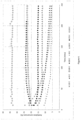
Figure 1 shows the activity of catalysts E1 to E11 over time. -
Figure 2 shows the activity of catalysts E2-1.2, E2-2.0 and E2-4.0 over time. -
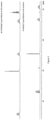
Figure 3 shows the NMR spectrum of NMP and the complex formed by combining HAuCl4·3H2O and NMP in a 1 : 4 molar ratio. -
Figure 4 shows the activity of catalyst E2-1.2 at varying temperatures. -
Figure 5 shows the activity of catalysts E12 to E18 over time. -
Figure 6 shows the activity of catalysts E19 (comparative) and E20 over time. -
Figure 7 shows the activity of catalysts E21 and E22 over time. - Herein all % relate to percentages by weight of the total catalyst, unless otherwise stated.
- According to a first aspect of the invention, there is provided a method of manufacturing a hydrochlorination catalyst comprising the steps of:
- i) preparing an impregnation solution by combining a source of gold and a ligand in a solvent, wherein the solvent comprises an organic solvent;
- ii) impregnating a support with the impregnation solution from step (i); and
- iii) drying the product of step (ii) to obtain the catalyst.
- It is thought that in step (i) a complex is formed between the gold and the ligand. It is preferred that the impregnation solution is prepared by adding the ligand to a solution containing the source of gold and the solvent. However, it is also possible to add the source of gold to a solution containing the ligand and the solvent. It is also expected that the catalyst could be prepared by treating the support sequentially with the source of gold followed by the ligand, or vice versa.
- The source of gold is typically a gold salt which is able to form a complex with the ligand. A preferred source of gold is HAuCl4, either as a solid (e.g. HAuCl4·3H2O) or as a solution (e.g. HAuCl4 in HCI/water)
- The solvent comprises an organic solvent. The presence of an organic solvent in the impregnation solution is thought to alter wetting between the impregnation solution and the support, leading to improved dispersion of gold in comparison to when an aqueous solution of gold complex is used as the impregnation solution.
- In some embodiments the solvent consists of the organic solvent. This may be preferable where both the source of gold and the ligand are soluble in the organic solvent.
- In some embodiments the solvent comprises a mixture of an organic solvent and an aqueous solvent. This may be necessary where one of the source of gold or ligand are poorly soluble in the organic solvent. For example, where the source of gold is soluble in organic solvent but the ligand is poorly soluble in organic solvent, the ligand may be dissolved in aqueous solvent and then added to the solution of gold in organic solvent.
- Suitable organic solvents are described in
WO2020/016555 , the contents of which are incorporated herein by reference. - In some embodiments it is preferred that the organic solvent has an Eτ(30) polarity ≤ 62, such as ≤ 60, ≤ 55 or ≤ 50. Eτ(30) polarity is measured by the method described in C. Reichardt, Agnew. Chem. Int. Ed., 1979, 18, pages 98-110. Where the solvent comprises a mixture of organic solvents, or is a mixture of organic solvent(s) and water, the Eτ(30) polarity refers to the solvent as a whole.
- In some embodiments it is preferred that the organic solvent has a boiling point of ≤ 120 °C at 1 atm, such as ≤ 100 °C or ≤ 90 °C.
- The organic solvent is preferably selected from the group consisting of an alcohol, a ketone, an ester, an ether, a sulphoxide, a nitrile, an amide, or a mixture thereof.
- Preferred alcoholic solvents are methanol, ethanol, propanol and butanol.
- Preferred ketone solvents are acetone, butanone and cyclohexanone. Acetone is a particularly preferred solvent.
- A preferred ester solvent is ethyl acetate.
- Preferred ether solvents are diethyl ether and tetrahydrofuran.
- A preferred sulphoxide solvent is dimethyl sulphoxide.
- A preferred amide solvent is dimethylformamide.
- In some embodiments the ligand is a sulphur-containing ligand. Suitable ligands are described in
WO2013/008004 , the content of which are incorporated herein by reference. Where the ligand is sulphur-containing, it is preferred that the ligand is selected from a sulphonate, thiosulphate, thiocyanate, a thiourea or a thiol. Preferred ligands include thiosulphate, thiocyanate, thiopropionic acid and thiomalic acid. Thiosulphate is a particularly preferred ligand. - In alternative embodiments the ligand is of Formula (I) as defined below in connection with the catalyst.
- The molar equivalents of ligand of Formula (I) added relative to gold is preferably from 1 : 1 to 1 : 4, such as from 1 : 1 to 1 : 2. Including more than 4 equivalents of ligand does not appear to have a detriment to the catalyst performance but is unfavoured on cost grounds. Using 1.2 molar equivalents of ligand is generally sufficient to fully complex the gold.
- In step (ii) the support is impregnated with the impregnation solution formed in step (i). Impregnation techniques will be well known to those skilled in the art.
- In step (iii) the catalyst is dried to remove the organic solvent. Drying techniques will be well known to those skilled in the art. A typical procedure involves heating the catalyst at a temperature of ≥ 100 °C for a period of 12 hours or more. A stream of gas may be used to help remove the organic solvent. It will be appreciated that the temperature and duration of drying will differ depending on the scale at which the preparation is carried out.
- The invention also relates to catalysts comprising a complex of gold and a ligand of Formula (I)

- X is O or S;
- n is 1 or 2;
- R is H or a C1 to C10 hydrocarbon group optionally including one or more heteroatoms selected from halogen (F, Cl, Br, I), oxygen or nitrogen; and
- the complex is supported on a support.
- It is preferred that X is O. The use of ligands in which X is S tend to have lower activities compared to when X is O.
- In one embodiment R is a C1 to C10 hydrocarbon group including one or more heteroatoms selected from halogen (F, Cl, Br, I), oxygen (e.g. OH) or nitrogen (e.g. NH2), e.g. a C1 to C6 hydrocarbon group. For example a C1-C6 hydrocarbyl group or a C1-C3 hydrocarbyl group, in each case including one or more heteroatoms selected from halogen (F, Cl, Br, I), oxygen (e.g. OH) or nitrogen (e.g. NH2). The presence of heteroatoms in group R may be beneficial to improve the solubility of the ligand in a high polarity solvent.
- In one embodiment R is a C1 to C10 hydrocarbyl group consisting of C and H atoms only, e.g. a C1 to C6 hydrocarbyl group. For example a C1-C6 hydrocarbyl group or a C1-C3 hydrocarbyl group. The absence of heteroatoms in group R may be beneficial to improve the solubility of the ligand in a low polarity solvent.
- It is preferred that R is H or Me, preferably R is Me. The use of ligands in which R is H tend to have lower activities compared to when R is Me.
- It is preferred that n is 1.
- Preferred ligands are N-methyl-2-pyrrolidone (NMP) and N-methyl-2-piperidone. These ligands show equivalent or better acetylene conversion than a comparative catalyst comprising a gold thiosulphate complex. NMP is a particularly preferred ligand.
- For the avoidance of doubt, NMP has the following structure:

- The role of the ligand is to stabilise Au in the Au(I) or Au(III) oxidation state. The method of the present invention makes it possible to produce catalysts having a high dispersion of Au and a high proportion of Au(I) and Au(III) species, which are believed to be the active species for hydrochlorination.
- The loading of Au is a trade-off between the cost of Au and the activity of the catalyst. A typical Au content for the catalyst is typically from 0.01 to 5 wt%, based on the weight of catalyst as a whole. Typically the loading of Au will be from 0.01 to 2 wt%, such as from 0.05 to 1.5 wt%, such as from 0.2 to 1.5 wt%.
- In some embodiments, in addition to Au the catalyst may include one or more promoter metals. The presence of a promoter metal may improve the activity of the catalyst and/or help to maintain the activity of the catalyst over time. Suitable promoters include
Group 1 andGroup 2 metals, as well as cobalt, copper, lanthanum and cerium. - Any known catalyst support may be used to make the catalyst of the invention. Typical metal oxide supports such as alumina, silica, zeolite, silica-alumina, titania or zirconia and composites thereof may be used. It is preferred that the support is a carbon support. The carbon may be derived from natural sources (e.g. peat, wood, coal, graphitic) or may be a synthetic carbon. The carbon is preferably an activated carbon, activated for example by steam, acid, or otherwise chemically activated.
- The support may be in the form of a powder, granules or shaped particles. Examples of shaped particles include spheres, tablets, cylinders, multi-lobed cylinders (e.g. trilobes), rings, miniliths etc. or a massive catalyst unit such as a monolith. Alternatively, the catalyst in the form of a powder may be included in a coating formulation and coated onto a reactor wall or shaped substrate such as a monolith. One preferred form of catalyst support comprises a plurality of shaped units in the form of cylinders, spheres or lobed cylinders each having a diameter of 0.1 - 10 mm, or, more preferably a diameter in the range 1 - 3mm. In the case of a cross-section shape having a non-uniform diameter, such as a lobed cylinder, the diameter is an average diameter. Cylinders and trilobes are particularly preferred shapes of support.
- It is envisaged that the catalysts of the present invention will be useful in any chemical process where gold containing catalysts are known to find utility. The catalysts are particularly suitable for hydrochlorination of compounds containing an alkyne moiety, especially for the conversion of acetylene to VCM.
- The conversion of acetylene to VCM is typically carried out at elevated temperature, usually between about 100°C and 250°C. The reaction temperature is a balance between conversion and economics of running the reactor at higher temperatures. Furthermore, at temperatures significantly above 200 °C coking can become significant. Surprisingly, catalysts comprising a ligand of Formula (I) are active at lower temperatures than existing Au-based catalysts.
- The HCl and acetylene are preferably premixed, and also preferably pre-heated to the reaction temperature. Normally HCl is present in excess of the amount required for the stoichiometric reaction. The catalyst may be present in the reactor in the form of a fixed bed of catalyst particles arranged such that the feed gases are passed over or through the catalyst bed. Alternative reactor arrangements may be used, including fluidised beds or other moving bed arrangements. The catalyst may alternatively be provided in the form of a monolith or coated on the wall of a reactor vessel. The catalyst bed may be provided with means to regulate the temperature to avoid overheating due to the exothermic reaction, or to raise the temperature, if required. It may be preferred to treat the catalyst with HCI before use in the process. This treatment is typically carried out by flowing HCI over the catalyst for a period of at least an hour at a temperature of at least 50°C, more especially > 100°C. This pre-treatment may take place in the reactor by operating with a flow of HCl without the acetylene, at a suitable temperature.
- The invention includes the following embodiments.
- 1. A method for the production of a hydrochlorination catalyst, comprising the steps of:
- i) preparing an impregnation solution by combining a source of gold and a ligand in a solvent, wherein the solvent comprises an organic solvent;
- ii) impregnating a support with the impregnation solution from step (i);
- iii) drying the product of step (ii) to obtain the catalyst.
- 2. A method according to
embodiment 1, wherein the solvent consists of the organic solvent. - 3. A method according to
embodiment 1, wherein the solvent consists of a mixture of organic solvent and aqueous solvent. - 4. A method according to any of
embodiments 1 to 3, wherein the support is a carbon support. - 5. A method according to any of
embodiments 1 to 4, wherein the organic solvent is selected from the group consisting of an alcohol, a ketone, an ester, an ether, a sulphoxide, a nitrile, an amide, or a mixture thereof. - 6. A method according to any of
embodiments 1 to 5, wherein the organic solvent comprises or consists of acetone. - 7. A method according to any of
embodiments 1 to 6, wherein the ligand is a sulphur-containing ligand. - 8. A method according to
embodiment 7, wherein the sulphur-containing ligand is selected from the group consisting of: a sulphonate, thiosulphate, thiocyanate, a thiourea or a thiol. - 9. A method according to
embodiment 7, wherein the sulphur-containing ligand is thiosulphate. - 10. A method according to any of
embodiments 1 to 6, wherein the ligand is of Formula (I)
- X is O or S;
- n is 1 or 2;
- R is H or a C1 to C10 hydrocarbon group optionally including one or more heteroatoms selected from halogen (F, CI, Br, I), oxygen or nitrogen.
- 11. A method according to
embodiment 10, wherein X is O. - 12. A method according to
embodiment 10 orembodiment 11, wherein R is Me. - 13. A method according to
embodiment 10, wherein the ligand is N-methyl-2-pyrrolidone. - 14. A method according to any of
embodiments 10 to 13, wherein the molar ratio of Au : ligand in step (i) is from 1 : 1 to 1 : 2. - 15. A hydrochlorination catalyst comprising a complex of gold and a ligand of Formula (I)

- X is O or S;
- n is 1 or 2;
- R is H or a C1 to C10 hydrocarbon group optionally including one or more heteroatoms selected from halogen (F, Cl, Br, I), oxygen or nitrogen; and
- the complex is supported on a support.
- 16. A catalyst according to
embodiment 15, wherein X is O. - 17. A catalyst according to
embodiment 15 or embodiment 16, wherein R is H. - 18. A catalyst according to
embodiment 15 or embodiment 16, wherein R is Me. - 19. A catalyst according to
embodiment 15, wherein the ligand is N-methyl-2-pyrrolidone. - 20. A catalyst according to any of
embodiments 15 to 19, wherein the molar ratio of Au : ligand is from 1 : 1 to 1 : 4. - 21. A catalyst according to any of
embodiments 15 to 20, wherein the content of Au in the catalyst is 0.01 to 5 wt%. - 22. A catalyst according to any of
embodiments 15 to 21, wherein the support is in the form of a powder, granules or shaped particles. - 23. A catalyst according to any of
embodiments 15 to 22, wherein the support is a carbon support. - 24. A process for the catalytic hydrochlorination of a substrate containing an alkyne unit, wherein the reaction is carried out in the presence of a catalyst according to any of
embodiments 15 to 23 or a catalyst producible by a method according to any ofembodiments 1 to 14. - 25. A process according to embodiment 24, wherein the substrate is acetylene.
- A sample of the catalyst (~ 90 mg) was loaded onto glass wool inside a reactor tube. A feed stream was prepared by combining 24.00 mL/min C2H2 (5% acetylene in Argon), 30.00 mL/min HCl (5% HCI in Argon) and 4.10 mL/min Argon. The temperature of the feed stream was set at 180 °C unless otherwise specified. The acetylene conversion was determined by gas chromatography.
- Catalyst E1 was prepared via an impregnation method. Activated carbon (NORIT ROX 0.8) was initially ground and sieved (150 mesh) to obtain a powder with a particle size < 150 µm. The gold precursor, HAuCl4·3H2O (solid from Alfa Aesar, 20 mg, assay 49%) was dissolved in dry acetone (2.7 mL) and allowed to stir for 10 mins. The solution was added drop-wise, with stirring, to the ground, activated, dry carbon powder (0.99 g). The solution was left to stir for 1 h at room temperature and finally dried under nitrogen at 45 °C for 16 h.
- Examples 2 to 11 reported in Table 1 were prepared by the same method as described for Example 1, modified as follows. The ligand was weighed into a vial. The solution of HAuCl4·3H2O in acetone was added to the ligand and the resulting solution was used for impregnation of the carbon powder as described in Example 1. The ratio of Au : ligand (mol : mol) was 1 : 1.2, 1 : 2 or 1 : 4. The final Au loading was 1 wt%.
Table 1. Catalyst Ligand Ligand : Au (mol : mol) Catalyst Ligand Ligand : Au (mol: mol) E1 none n/a E7 
1.2 2-mercaptobenzoxazole E2-1.2 
1.2 (E2-1.2) E8 
1.2 E2-2.0 2.0 (E2-2.0) E2-4.0 N-methyl pyrrolidone 4.0 (E2-4.0) 3,4,7,8-tetramethylphenanthroline E3 
1.2 E9 
1.2 epoxyphenanthroline 2-mercaptobenzimidazole E4 
1.2 E10 
1.2 Phenanthroline - amine benzylisothiocyanate E5 
1.2 E11 
1.2 Phenanthroline Bathophenanthroline E6 
1.2 N,N,N,N-Tetramethylthiourea - These catalysts were tested for their acetylene conversion following the general procedure. The results are shown in
Figure 1 . With the exception of E1 (no ligand), E2-1.2 (NMP) and E10 (benzyl isothiocyanate) all of the catalysts deactivated during the course of the test. - The role of ligand equivalents for E2-1.2, E2-2.0 and E2-4.0 is compared in
Figure 2 . The performance was similar but in general E2-4.0 > E2-2.0 > E2-1.2. - An overlay of the 1H NMR spectrum of NMP in d6-acetone and E2-4.0 prepared in d6-acetone is shown in
Figure 3 . All of the peaks associated with NMP are shifted in the complex suggesting that the NMP is coordinated. - The activity of Example E2-1.2 was tested at temperatures of 30, 65, 120, 180, 200 and 220 °C. The results are shown in
Figure 4 . Activity increased with increasing temperature. Although the acetylene conversion was highest at 220 °C, the amount of acetylene converted did not correspond to the amount of VCM produced. It is thought that this discrepancy is related to the formation of coke at high temperatures. - The catalysts in Table 2 were prepared following the same procedure as Examples 2-11 using 1.2 equivalents of the ligand. The final Au loading was 1 wt%.
Table 2. Catalyst Ligand Catalyst Ligand E12 
E16 
N-methyl-2-piperidone 1-vinyl-2-pyrrolidinone E13 
E17 
2-pyrrolidinone methylcyclopentane E14 
E18 
1-methylpyrrolidine-2-thione cyclopentanone E15 
1-methylpyrrolidine - These catalysts were tested for their acetylene conversion following the general procedure. The results are shown in
Figure 5 . Catalyst E2-1.2 containing the NMP ligand showed the highest activity of all catalysts and had an activity which was relatively stable over time. Catalyst E12 containing the N-methyl-2-piperidone ligand also showed good activity which was relatively stable, but slightly less active than E1 containing thiosulphate ligands. - The other catalysts were less active and, in the case of E13 containing 2-pyrrolidinone and E15 containing 1-methylpyrrolidine, showed gradual deactivation from the start.
- Catalysts containing 1% Au, in each case as a complex with thiosulphate ligand, were prepared by the following procedure.
- Activated carbon (NORIT ROX 0.8) was ground to a powder and sieved to < 180 micron. Ammonium thiosulphate (0.975g) and CaCl2 (0.175g) were dissolved in 17 mL demineralized water. An HAuCl4 solution (Johnson Matthey, 0.25g Au, assay 41.76%) was diluted with 17 mL demineralized water and this solution as added to the ammonium thiosulphate containing solution. The carbon powder (24.75 g dry weight) was impregnated with the gold containing solution by an incipient wetness technique. The impregnated mass was allowed to stand for 1h and then dried in air at 105 °C for 16h to obtain catalyst E19.
- Activated carbon (NORIT ROX 0.8) ground to a powder and sieved < 180 micron). Ammonium thiosulphate (0.975g) was dissolved in 15 mL demineralized water. An HAuCl4 solution (Johnson Matthey, 0.25g Au, assay 41.76%) was diluted with 25 mL acetone and this solution as added to the ammonium thiosulphate containing solution. The carbon powder (24.75g dry weight) was impregnated with the gold containing solution by an incipient wetness technique. The impregnated mass was allowed to stand for 12h at room temperature in flowing air and then dried in air at 105 °C for 16h to obtain catalyst E20.
- Catalyst testing was carried out using a fritted reactor tube. 150 mg of SiC was placed on the frit followed by 300 mg of the catalyst. A sample of the catalyst (~ 300 mg) was loaded onto glass wool inside a reactor tube. A feed stream was prepared by combining (5.83 mL/min acetylene (5% acetylene in Argon)) and 6.03 mL/min HCl (5% HCl in Argon). The temperature of the feed stream was set at 180 °C unless otherwise specified. The acetylene conversion was determined by gas chromatography. The results are shown in
Figure 6 . - The catalyst prepared using an aqueous impregnation solution with 1% Au (E19) originally showed ~ 70% conversion and stabilised at ~ 45% conversion. The stable value was ~ 65% of the initial activity.
- In contrast, the catalyst prepared using an acetone/water impregnation solution (E20) originally showed ~ 50% conversion and stabilised at ∼ 45% conversion. The stable value was ~ 90% of the initial activity. This catalyst showed a much more stable activity profile without high initial activity. This is expected to be advantageous in avoiding local hot-spots on initial activation of the catalyst.
- A catalyst containing 1% Au (E21) was prepared following the procedure used to produce E20, except that aqueous solution of ammonium thiosulphate was replaced by a solution of sodium thiocyanate (0.530g) dissolved in 25 mL acetone. The solution of the HAuCl4 solution was diluted with 15 mL acetone rather than 25 mL. The solutions were mixed together and immediately used to impregnate the carbon powder.
- A catalyst containing 0.5% Au (E22) was prepared following the procedure used to produce E21, except that 0.125 g Au as HAuCl4 solution was used instead of 0.25 g Au as HAuCl4 solution. aqueous solution of ammonium thiosulphate was replaced by a solution of sodium thiocyanate (0.530g) dissolved in 25 mL acetone. The solution of the HAuCl4 solution was diluted with 15 mL acetone rather than 25 mL. The solutions were mixed together and immediately used to impregnate the carbon powder.
- The results are shown in
Figure 7 . In each case, the catalyst showed a stable activity profile without an initial spike in catalyst activity. This is expected to be advantageous in avoiding local hot-spots during initial activation of the catalyst.
Claims (15)
- A method for the production of a hydrochlorination catalyst, comprising the steps of:i) preparing an impregnation solution by combining a source of gold and a ligand in a solvent, wherein the solvent comprises an organic solvent;ii) impregnating a support with the impregnation solution from step (i); andiii) drying the product of step (ii) to obtain the catalyst.
- A method according to claim 1, wherein the solvent consists of the organic solvent.
- A method according to claim 1, wherein the solvent consists of a mixture of organic solvent and aqueous solvent.
- A method according to any of claims 1 to 3, wherein the organic solvent is selected from the group consisting of an alcohol, a ketone, an ester, an ether, a sulphoxide, a nitrile, an amide, or a mixture thereof.
- A method according to any of claims 1 to 4, wherein the organic solvent comprises or consists of acetone.
- A method according to any of claims 1 to 5, wherein the ligand is a sulphur-containing ligand.
- A method according to claim 6, wherein the sulphur-containing ligand is thiosulphate.
- A method according to any of claims 1 to 5, wherein the ligand is of Formula I:
 X is O or S;n is 1 or 2; andR is H or a C1 to C10 hydrocarbon group optionally including one or more heteroatoms selected from halogen (F, CI, Br, I), oxygen or nitrogen.
 - A method according to claim 8, wherein the ligand is N-methyl-2-pyrrolidone.
- A hydrochlorination catalyst comprising a complex of gold and a ligand of Formula (I)
 X is O or S;n is 1 or 2;R is H or a C1 to C10 hydrocarbon group optionally including one or more heteroatoms selected from halogen (F, Cl, Br, I), oxygen or nitrogen; andthe complex is supported on a support.
 - A catalyst as claimed in claim 10, wherein the ligand is N-methyl-2-pyrrolidone.
- A catalyst as claimed in claim 10 or claim 11, wherein the support is in the form of a powder, granules or shaped particles.
- A catalyst as claimed in any of claims 10 to 12, wherein the support is a carbon support.
- A process for the catalytic hydrochlorination of a substrate containing an alkyne unit, wherein the reaction is carried out in the presence of a catalyst according to any of claims 10 to 13 or a catalyst producible by a method according to any of claims 1 to 9.
- A process as claimed in claim 14, wherein the substrate is acetylene.
Priority Applications (7)
| Application Number | Priority Date | Filing Date | Title |
|---|---|---|---|
| EP21386079.4A EP4197635A1 (en) | 2021-12-17 | 2021-12-17 | Gold containing catalyst, method of preparation and use |
| EP22826400.8A EP4448169B1 (en) | 2021-12-17 | 2022-12-13 | Gold containing catalyst, method of preparation and use |
| CN202280080144.5A CN118369157A (en) | 2021-12-17 | 2022-12-13 | Gold-containing catalyst, preparation method and use |
| PCT/GB2022/053185 WO2023111537A1 (en) | 2021-12-17 | 2022-12-13 | Gold containing catalyst, method of preparation and use |
| US18/698,983 US20240399350A1 (en) | 2021-12-17 | 2022-12-13 | Gold containing catalyst, method of preparation and use |
| JP2024522559A JP2024544835A (en) | 2021-12-17 | 2022-12-13 | Gold-containing catalysts, methods of preparation, and uses |
| ZA2024/02798A ZA202402798B (en) | 2021-12-17 | 2024-04-10 | Gold containing catalyst, method of preparation and use |
Applications Claiming Priority (1)
| Application Number | Priority Date | Filing Date | Title |
|---|---|---|---|
| EP21386079.4A EP4197635A1 (en) | 2021-12-17 | 2021-12-17 | Gold containing catalyst, method of preparation and use |
Publications (1)
| Publication Number | Publication Date |
|---|---|
| EP4197635A1 true EP4197635A1 (en) | 2023-06-21 |
Family
ID=80112329
Family Applications (2)
| Application Number | Title | Priority Date | Filing Date |
|---|---|---|---|
| EP21386079.4A Ceased EP4197635A1 (en) | 2021-12-17 | 2021-12-17 | Gold containing catalyst, method of preparation and use |
| EP22826400.8A Active EP4448169B1 (en) | 2021-12-17 | 2022-12-13 | Gold containing catalyst, method of preparation and use |
Family Applications After (1)
| Application Number | Title | Priority Date | Filing Date |
|---|---|---|---|
| EP22826400.8A Active EP4448169B1 (en) | 2021-12-17 | 2022-12-13 | Gold containing catalyst, method of preparation and use |
Country Status (6)
| Country | Link |
|---|---|
| US (1) | US20240399350A1 (en) |
| EP (2) | EP4197635A1 (en) |
| JP (1) | JP2024544835A (en) |
| CN (1) | CN118369157A (en) |
| WO (1) | WO2023111537A1 (en) |
| ZA (1) | ZA202402798B (en) |
Families Citing this family (2)
| Publication number | Priority date | Publication date | Assignee | Title |
|---|---|---|---|---|
| GB2641542A (en) | 2024-06-05 | 2025-12-10 | Johnson Matthey Davy Technologies Ltd | Heat integration in an acetylene-based process for producing vinyl chloride monomer |
| GB2701168A (en) | 2024-08-07 | 2026-04-22 | Johnson Matthey Davy Technologies Ltd | Process for producing vinyl chloride monomer from acetylene |
Citations (8)
| Publication number | Priority date | Publication date | Assignee | Title |
|---|---|---|---|---|
| WO2010055341A2 (en) | 2008-11-14 | 2010-05-20 | Johnson Matthey Plc | Improvements in catalytic processes |
| WO2013008004A2 (en) | 2011-07-11 | 2013-01-17 | Johnson Matthey Public Limited Company | Catalyst and method for its preparation |
| CN109847802A (en) * | 2019-02-13 | 2019-06-07 | 石河子大学 | A kind of Au heteroatom complex catalyst for acetylene hydrochlorination reaction and preparation method and application thereof |
| WO2020016555A1 (en) | 2018-07-16 | 2020-01-23 | University College Cardiff Consultants Ltd | Catalyst |
| CN110743624A (en) | 2019-09-29 | 2020-02-04 | 浙江工业大学 | A kind of acetylene copper hydrochloride-based catalyst and its preparation method and application |
| CN111715253A (en) | 2019-03-22 | 2020-09-29 | 南开大学 | A kind of copper-based catalyst for preparing vinyl chloride by acetylene hydrochlorination reaction and its preparation and use method |
| CN111774094A (en) | 2019-04-03 | 2020-10-16 | 南开大学 | A kind of copper-based mercury-free catalyst for producing vinyl chloride by calcium carbide method and preparation and use method thereof |
| WO2020254817A1 (en) | 2019-06-20 | 2020-12-24 | Johnson Matthey Public Limited Company | Gold containing catalyst, method of preparation and use |
Family Cites Families (2)
| Publication number | Priority date | Publication date | Assignee | Title |
|---|---|---|---|---|
| CN108993595B (en) * | 2018-06-27 | 2021-04-23 | 厦门中科易工化学科技有限公司 | Copper-based catalyst for synthesizing vinyl chloride by hydrochlorinating acetylene and preparation method and application thereof |
| CN113713841B (en) * | 2021-07-21 | 2023-10-27 | 内蒙古鄂尔多斯电力冶金集团股份有限公司 | Acetylene copper chloride-based catalyst and preparation method and application thereof |
-
2021
- 2021-12-17 EP EP21386079.4A patent/EP4197635A1/en not_active Ceased
-
2022
- 2022-12-13 EP EP22826400.8A patent/EP4448169B1/en active Active
- 2022-12-13 WO PCT/GB2022/053185 patent/WO2023111537A1/en not_active Ceased
- 2022-12-13 CN CN202280080144.5A patent/CN118369157A/en active Pending
- 2022-12-13 US US18/698,983 patent/US20240399350A1/en active Pending
- 2022-12-13 JP JP2024522559A patent/JP2024544835A/en active Pending
-
2024
- 2024-04-10 ZA ZA2024/02798A patent/ZA202402798B/en unknown
Patent Citations (8)
| Publication number | Priority date | Publication date | Assignee | Title |
|---|---|---|---|---|
| WO2010055341A2 (en) | 2008-11-14 | 2010-05-20 | Johnson Matthey Plc | Improvements in catalytic processes |
| WO2013008004A2 (en) | 2011-07-11 | 2013-01-17 | Johnson Matthey Public Limited Company | Catalyst and method for its preparation |
| WO2020016555A1 (en) | 2018-07-16 | 2020-01-23 | University College Cardiff Consultants Ltd | Catalyst |
| CN109847802A (en) * | 2019-02-13 | 2019-06-07 | 石河子大学 | A kind of Au heteroatom complex catalyst for acetylene hydrochlorination reaction and preparation method and application thereof |
| CN111715253A (en) | 2019-03-22 | 2020-09-29 | 南开大学 | A kind of copper-based catalyst for preparing vinyl chloride by acetylene hydrochlorination reaction and its preparation and use method |
| CN111774094A (en) | 2019-04-03 | 2020-10-16 | 南开大学 | A kind of copper-based mercury-free catalyst for producing vinyl chloride by calcium carbide method and preparation and use method thereof |
| WO2020254817A1 (en) | 2019-06-20 | 2020-12-24 | Johnson Matthey Public Limited Company | Gold containing catalyst, method of preparation and use |
| CN110743624A (en) | 2019-09-29 | 2020-02-04 | 浙江工业大学 | A kind of acetylene copper hydrochloride-based catalyst and its preparation method and application |
Non-Patent Citations (3)
| Title |
|---|
| C. REICHARDT, AGNEW. CHEM. INT. ED., vol. 18, 1979, pages 98 - 110 |
| LIU YANXIA ET AL: "Progress and Challenges of Mercury-Free Catalysis for Acetylene Hydrochlorination", CATALYSTS, vol. 10, no. 10, 20 October 2020 (2020-10-20), CH, pages 1218, XP055926275, ISSN: 2073-4344, DOI: 10.3390/catal10101218 * |
| MÖHRLE HANS ET AL: "Doppelsalzbildung bei Amiden und vinylogen Amiden", MONATSHEFTE FÜR CHEMIE, 1 January 1978 (1978-01-01), pages 1295 - 1303, XP055926621, Retrieved from the Internet <URL:https://link.springer.com/content/pdf/10.1007/BF00906041.pdf> [retrieved on 20220531] * |
Also Published As
| Publication number | Publication date |
|---|---|
| CN118369157A (en) | 2024-07-19 |
| EP4448169A1 (en) | 2024-10-23 |
| ZA202402798B (en) | 2025-07-30 |
| JP2024544835A (en) | 2024-12-05 |
| WO2023111537A1 (en) | 2023-06-22 |
| US20240399350A1 (en) | 2024-12-05 |
| EP4448169B1 (en) | 2025-08-13 |
Similar Documents
| Publication | Publication Date | Title |
|---|---|---|
| US10202320B2 (en) | Catalyst and method for its preparation | |
| CN105148989B (en) | A kind of cellular solid load-type ion liquid-Au catalyst and its preparation and application | |
| EP4448169B1 (en) | Gold containing catalyst, method of preparation and use | |
| CN107442171B (en) | A kind of supported quaternary ammonium salt and metal chloride catalyst and preparation method thereof | |
| CN101143328A (en) | Catalyst for preparing tetrachlorethylene and its preparation method and use | |
| CN103894208A (en) | Low noble metal mercury-free catalyst for acetylene hydrochlorination reaction, preparation method and application thereof | |
| CN113713841B (en) | Acetylene copper chloride-based catalyst and preparation method and application thereof | |
| CN107899613A (en) | A kind of preparation method of heteropoly acid type phenmethylol producing benzaldehyde catalyst | |
| EP0519548A1 (en) | Hydrochlorination catalyst system and preparation process of vinyl chloride from acetylène and hydrogen chloride in presence of this catalyst system | |
| EP1901993A2 (en) | Improvements in catalysts | |
| KR20120077634A (en) | Oxidation of propylene from propane dehydrogenation catalyst and method for producing it | |
| EP3831804A1 (en) | Method for producing 1-acyloxy-2-methyl-2-propene | |
| CN113649057A (en) | Platinum catalyst for preparing vinyl chloride by hydrochlorinating acetylene and preparation method and application thereof | |
| US20120020872A1 (en) | High temperature reduction of hydrogen peroxide catalyst for improved selectivity | |
| CN112424150B (en) | Catalyst | |
| EA051049B1 (en) | GOLD-CONTAINING CATALYST, METHOD OF PRODUCTION AND APPLICATION | |
| CN117696121A (en) | Copper-based composite catalyst for ethylene oxychlorination reaction and preparation method thereof | |
| Yunusov et al. | New ammonia synthesis catalysts based on supported potassium carbonyl ruthenates as precursors of catalytically active ruthenium particles and potassium promoter | |
| EP4474051A1 (en) | Gold complex, method of preparation and use | |
| JPH0751567A (en) | Catalyst for catalytic oxidation of glyoxal into glyoxylic acid, production thereof and production of glyoxylic acid | |
| EP4596102A1 (en) | Platinum containing catalyst, method of preparation, and use | |
| CN113058594A (en) | Polymer-coated ruthenium-based catalyst for catalyzing hydrochlorination of acetylene and preparation method and application thereof | |
| CN116655447B (en) | Application of ruthenium-based catalysts modified with pyridine ligands in acetylene hydrochlorination | |
| CN116987265B (en) | Metal halide coupled triazinyl porous organic framework, preparation method and application thereof | |
| CN105032454A (en) | Supported three-dimensional halogen bridging mixed-valence gold compound catalyst as well as preparation and application thereof |
Legal Events
| Date | Code | Title | Description |
|---|---|---|---|
| PUAI | Public reference made under article 153(3) epc to a published international application that has entered the european phase |
Free format text: ORIGINAL CODE: 0009012 |
|
| STAA | Information on the status of an ep patent application or granted ep patent |
Free format text: STATUS: THE APPLICATION HAS BEEN PUBLISHED |
|
| AK | Designated contracting states |
Kind code of ref document: A1 Designated state(s): AL AT BE BG CH CY CZ DE DK EE ES FI FR GB GR HR HU IE IS IT LI LT LU LV MC MK MT NL NO PL PT RO RS SE SI SK SM TR |
|
| STAA | Information on the status of an ep patent application or granted ep patent |
Free format text: STATUS: THE APPLICATION HAS BEEN REFUSED |
|
| 18R | Application refused |
Effective date: 20230713 |