EP4191033A1 - Intelligent control method, apparatus and device for engine ignition, and storage medium - Google Patents
Intelligent control method, apparatus and device for engine ignition, and storage medium Download PDFInfo
- Publication number
- EP4191033A1 EP4191033A1 EP21896889.9A EP21896889A EP4191033A1 EP 4191033 A1 EP4191033 A1 EP 4191033A1 EP 21896889 A EP21896889 A EP 21896889A EP 4191033 A1 EP4191033 A1 EP 4191033A1
- Authority
- EP
- European Patent Office
- Prior art keywords
- predetermined
- engine
- drive mode
- catalytic converter
- temperature
- Prior art date
- Legal status (The legal status is an assumption and is not a legal conclusion. Google has not performed a legal analysis and makes no representation as to the accuracy of the status listed.)
- Granted
Links
Images


Classifications
-
- F—MECHANICAL ENGINEERING; LIGHTING; HEATING; WEAPONS; BLASTING
- F01—MACHINES OR ENGINES IN GENERAL; ENGINE PLANTS IN GENERAL; STEAM ENGINES
- F01N—GAS-FLOW SILENCERS OR EXHAUST APPARATUS FOR MACHINES OR ENGINES IN GENERAL; GAS-FLOW SILENCERS OR EXHAUST APPARATUS FOR INTERNAL-COMBUSTION ENGINES
- F01N3/00—Exhaust or silencing apparatus having means for purifying, rendering innocuous, or otherwise treating exhaust
- F01N3/08—Exhaust or silencing apparatus having means for purifying, rendering innocuous, or otherwise treating exhaust for rendering innocuous
- F01N3/10—Exhaust or silencing apparatus having means for purifying, rendering innocuous, or otherwise treating exhaust for rendering innocuous by thermal or catalytic conversion of noxious components of exhaust
- F01N3/18—Exhaust or silencing apparatus having means for purifying, rendering innocuous, or otherwise treating exhaust for rendering innocuous by thermal or catalytic conversion of noxious components of exhaust characterised by methods of operation; Control
- F01N3/20—Exhaust or silencing apparatus having means for purifying, rendering innocuous, or otherwise treating exhaust for rendering innocuous by thermal or catalytic conversion of noxious components of exhaust characterised by methods of operation; Control specially adapted for catalytic conversion
- F01N3/2006—Periodically heating or cooling catalytic reactors, e.g. at cold starting or overheating
- F01N3/2013—Periodically heating or cooling catalytic reactors, e.g. at cold starting or overheating using electric or magnetic heating means
-
- F—MECHANICAL ENGINEERING; LIGHTING; HEATING; WEAPONS; BLASTING
- F01—MACHINES OR ENGINES IN GENERAL; ENGINE PLANTS IN GENERAL; STEAM ENGINES
- F01N—GAS-FLOW SILENCERS OR EXHAUST APPARATUS FOR MACHINES OR ENGINES IN GENERAL; GAS-FLOW SILENCERS OR EXHAUST APPARATUS FOR INTERNAL-COMBUSTION ENGINES
- F01N3/00—Exhaust or silencing apparatus having means for purifying, rendering innocuous, or otherwise treating exhaust
- F01N3/02—Exhaust or silencing apparatus having means for purifying, rendering innocuous, or otherwise treating exhaust for cooling, or for removing solid constituents of, exhaust
- F01N3/021—Exhaust or silencing apparatus having means for purifying, rendering innocuous, or otherwise treating exhaust for cooling, or for removing solid constituents of, exhaust by means of filters
- F01N3/023—Exhaust or silencing apparatus having means for purifying, rendering innocuous, or otherwise treating exhaust for cooling, or for removing solid constituents of, exhaust by means of filters using means for regenerating the filters, e.g. by burning trapped particles
- F01N3/027—Exhaust or silencing apparatus having means for purifying, rendering innocuous, or otherwise treating exhaust for cooling, or for removing solid constituents of, exhaust by means of filters using means for regenerating the filters, e.g. by burning trapped particles using electric or magnetic heating means
-
- F—MECHANICAL ENGINEERING; LIGHTING; HEATING; WEAPONS; BLASTING
- F01—MACHINES OR ENGINES IN GENERAL; ENGINE PLANTS IN GENERAL; STEAM ENGINES
- F01N—GAS-FLOW SILENCERS OR EXHAUST APPARATUS FOR MACHINES OR ENGINES IN GENERAL; GAS-FLOW SILENCERS OR EXHAUST APPARATUS FOR INTERNAL-COMBUSTION ENGINES
- F01N3/00—Exhaust or silencing apparatus having means for purifying, rendering innocuous, or otherwise treating exhaust
- F01N3/08—Exhaust or silencing apparatus having means for purifying, rendering innocuous, or otherwise treating exhaust for rendering innocuous
- F01N3/10—Exhaust or silencing apparatus having means for purifying, rendering innocuous, or otherwise treating exhaust for rendering innocuous by thermal or catalytic conversion of noxious components of exhaust
- F01N3/18—Exhaust or silencing apparatus having means for purifying, rendering innocuous, or otherwise treating exhaust for rendering innocuous by thermal or catalytic conversion of noxious components of exhaust characterised by methods of operation; Control
- F01N3/20—Exhaust or silencing apparatus having means for purifying, rendering innocuous, or otherwise treating exhaust for rendering innocuous by thermal or catalytic conversion of noxious components of exhaust characterised by methods of operation; Control specially adapted for catalytic conversion
- F01N3/2006—Periodically heating or cooling catalytic reactors, e.g. at cold starting or overheating
-
- F—MECHANICAL ENGINEERING; LIGHTING; HEATING; WEAPONS; BLASTING
- F01—MACHINES OR ENGINES IN GENERAL; ENGINE PLANTS IN GENERAL; STEAM ENGINES
- F01N—GAS-FLOW SILENCERS OR EXHAUST APPARATUS FOR MACHINES OR ENGINES IN GENERAL; GAS-FLOW SILENCERS OR EXHAUST APPARATUS FOR INTERNAL-COMBUSTION ENGINES
- F01N9/00—Electrical control of exhaust gas treating apparatus
-
- F—MECHANICAL ENGINEERING; LIGHTING; HEATING; WEAPONS; BLASTING
- F02—COMBUSTION ENGINES; HOT-GAS OR COMBUSTION-PRODUCT ENGINE PLANTS
- F02D—CONTROLLING COMBUSTION ENGINES
- F02D41/00—Electrical control of supply of combustible mixture or its constituents
- F02D41/02—Circuit arrangements for generating control signals
- F02D41/021—Introducing corrections for particular conditions exterior to the engine
- F02D41/0235—Introducing corrections for particular conditions exterior to the engine in relation with the state of the exhaust gas treating apparatus
- F02D41/024—Introducing corrections for particular conditions exterior to the engine in relation with the state of the exhaust gas treating apparatus to increase temperature of the exhaust gas treating apparatus
- F02D41/0255—Introducing corrections for particular conditions exterior to the engine in relation with the state of the exhaust gas treating apparatus to increase temperature of the exhaust gas treating apparatus to accelerate the warming-up of the exhaust gas treating apparatus at engine start
-
- F—MECHANICAL ENGINEERING; LIGHTING; HEATING; WEAPONS; BLASTING
- F02—COMBUSTION ENGINES; HOT-GAS OR COMBUSTION-PRODUCT ENGINE PLANTS
- F02D—CONTROLLING COMBUSTION ENGINES
- F02D41/00—Electrical control of supply of combustible mixture or its constituents
- F02D41/02—Circuit arrangements for generating control signals
- F02D41/04—Introducing corrections for particular operating conditions
- F02D41/06—Introducing corrections for particular operating conditions for engine starting or warming up
- F02D41/062—Introducing corrections for particular operating conditions for engine starting or warming up for starting
-
- F—MECHANICAL ENGINEERING; LIGHTING; HEATING; WEAPONS; BLASTING
- F01—MACHINES OR ENGINES IN GENERAL; ENGINE PLANTS IN GENERAL; STEAM ENGINES
- F01N—GAS-FLOW SILENCERS OR EXHAUST APPARATUS FOR MACHINES OR ENGINES IN GENERAL; GAS-FLOW SILENCERS OR EXHAUST APPARATUS FOR INTERNAL-COMBUSTION ENGINES
- F01N2590/00—Exhaust or silencing apparatus adapted to particular use, e.g. for military applications, airplanes, submarines
- F01N2590/11—Exhaust or silencing apparatus adapted to particular use, e.g. for military applications, airplanes, submarines for hybrid vehicles
-
- F—MECHANICAL ENGINEERING; LIGHTING; HEATING; WEAPONS; BLASTING
- F01—MACHINES OR ENGINES IN GENERAL; ENGINE PLANTS IN GENERAL; STEAM ENGINES
- F01N—GAS-FLOW SILENCERS OR EXHAUST APPARATUS FOR MACHINES OR ENGINES IN GENERAL; GAS-FLOW SILENCERS OR EXHAUST APPARATUS FOR INTERNAL-COMBUSTION ENGINES
- F01N2900/00—Details of electrical control or of the monitoring of the exhaust gas treating apparatus
- F01N2900/06—Parameters used for exhaust control or diagnosing
- F01N2900/0602—Electrical exhaust heater signals
-
- F—MECHANICAL ENGINEERING; LIGHTING; HEATING; WEAPONS; BLASTING
- F01—MACHINES OR ENGINES IN GENERAL; ENGINE PLANTS IN GENERAL; STEAM ENGINES
- F01N—GAS-FLOW SILENCERS OR EXHAUST APPARATUS FOR MACHINES OR ENGINES IN GENERAL; GAS-FLOW SILENCERS OR EXHAUST APPARATUS FOR INTERNAL-COMBUSTION ENGINES
- F01N2900/00—Details of electrical control or of the monitoring of the exhaust gas treating apparatus
- F01N2900/06—Parameters used for exhaust control or diagnosing
- F01N2900/08—Parameters used for exhaust control or diagnosing said parameters being related to the engine
-
- F—MECHANICAL ENGINEERING; LIGHTING; HEATING; WEAPONS; BLASTING
- F01—MACHINES OR ENGINES IN GENERAL; ENGINE PLANTS IN GENERAL; STEAM ENGINES
- F01N—GAS-FLOW SILENCERS OR EXHAUST APPARATUS FOR MACHINES OR ENGINES IN GENERAL; GAS-FLOW SILENCERS OR EXHAUST APPARATUS FOR INTERNAL-COMBUSTION ENGINES
- F01N2900/00—Details of electrical control or of the monitoring of the exhaust gas treating apparatus
- F01N2900/06—Parameters used for exhaust control or diagnosing
- F01N2900/10—Parameters used for exhaust control or diagnosing said parameters being related to the vehicle or its components
-
- F—MECHANICAL ENGINEERING; LIGHTING; HEATING; WEAPONS; BLASTING
- F01—MACHINES OR ENGINES IN GENERAL; ENGINE PLANTS IN GENERAL; STEAM ENGINES
- F01N—GAS-FLOW SILENCERS OR EXHAUST APPARATUS FOR MACHINES OR ENGINES IN GENERAL; GAS-FLOW SILENCERS OR EXHAUST APPARATUS FOR INTERNAL-COMBUSTION ENGINES
- F01N2900/00—Details of electrical control or of the monitoring of the exhaust gas treating apparatus
- F01N2900/06—Parameters used for exhaust control or diagnosing
- F01N2900/10—Parameters used for exhaust control or diagnosing said parameters being related to the vehicle or its components
- F01N2900/104—Battery status
-
- F—MECHANICAL ENGINEERING; LIGHTING; HEATING; WEAPONS; BLASTING
- F01—MACHINES OR ENGINES IN GENERAL; ENGINE PLANTS IN GENERAL; STEAM ENGINES
- F01N—GAS-FLOW SILENCERS OR EXHAUST APPARATUS FOR MACHINES OR ENGINES IN GENERAL; GAS-FLOW SILENCERS OR EXHAUST APPARATUS FOR INTERNAL-COMBUSTION ENGINES
- F01N2900/00—Details of electrical control or of the monitoring of the exhaust gas treating apparatus
- F01N2900/06—Parameters used for exhaust control or diagnosing
- F01N2900/16—Parameters used for exhaust control or diagnosing said parameters being related to the exhaust apparatus, e.g. particulate filter or catalyst
- F01N2900/1602—Temperature of exhaust gas apparatus
-
- F—MECHANICAL ENGINEERING; LIGHTING; HEATING; WEAPONS; BLASTING
- F01—MACHINES OR ENGINES IN GENERAL; ENGINE PLANTS IN GENERAL; STEAM ENGINES
- F01N—GAS-FLOW SILENCERS OR EXHAUST APPARATUS FOR MACHINES OR ENGINES IN GENERAL; GAS-FLOW SILENCERS OR EXHAUST APPARATUS FOR INTERNAL-COMBUSTION ENGINES
- F01N2900/00—Details of electrical control or of the monitoring of the exhaust gas treating apparatus
- F01N2900/06—Parameters used for exhaust control or diagnosing
- F01N2900/16—Parameters used for exhaust control or diagnosing said parameters being related to the exhaust apparatus, e.g. particulate filter or catalyst
- F01N2900/1626—Catalyst activation temperature
-
- F—MECHANICAL ENGINEERING; LIGHTING; HEATING; WEAPONS; BLASTING
- F02—COMBUSTION ENGINES; HOT-GAS OR COMBUSTION-PRODUCT ENGINE PLANTS
- F02D—CONTROLLING COMBUSTION ENGINES
- F02D2200/00—Input parameters for engine control
- F02D2200/02—Input parameters for engine control the parameters being related to the engine
- F02D2200/08—Exhaust gas treatment apparatus parameters
- F02D2200/0802—Temperature of the exhaust gas treatment apparatus
-
- F—MECHANICAL ENGINEERING; LIGHTING; HEATING; WEAPONS; BLASTING
- F02—COMBUSTION ENGINES; HOT-GAS OR COMBUSTION-PRODUCT ENGINE PLANTS
- F02D—CONTROLLING COMBUSTION ENGINES
- F02D2200/00—Input parameters for engine control
- F02D2200/50—Input parameters for engine control said parameters being related to the vehicle or its components
-
- F—MECHANICAL ENGINEERING; LIGHTING; HEATING; WEAPONS; BLASTING
- F02—COMBUSTION ENGINES; HOT-GAS OR COMBUSTION-PRODUCT ENGINE PLANTS
- F02D—CONTROLLING COMBUSTION ENGINES
- F02D2200/00—Input parameters for engine control
- F02D2200/50—Input parameters for engine control said parameters being related to the vehicle or its components
- F02D2200/503—Battery correction, i.e. corrections as a function of the state of the battery, its output or its type
-
- Y—GENERAL TAGGING OF NEW TECHNOLOGICAL DEVELOPMENTS; GENERAL TAGGING OF CROSS-SECTIONAL TECHNOLOGIES SPANNING OVER SEVERAL SECTIONS OF THE IPC; TECHNICAL SUBJECTS COVERED BY FORMER USPC CROSS-REFERENCE ART COLLECTIONS [XRACs] AND DIGESTS
- Y02—TECHNOLOGIES OR APPLICATIONS FOR MITIGATION OR ADAPTATION AGAINST CLIMATE CHANGE
- Y02A—TECHNOLOGIES FOR ADAPTATION TO CLIMATE CHANGE
- Y02A50/00—TECHNOLOGIES FOR ADAPTATION TO CLIMATE CHANGE in human health protection, e.g. against extreme weather
- Y02A50/20—Air quality improvement or preservation, e.g. vehicle emission control or emission reduction by using catalytic converters
Definitions
- the present disclosure relates to the technical field of engines, in particular to a method, an apparatus, a storage medium and device for intelligent control of engine initiation.
- a conversion efficiency of the three-way catalytic converter is determined by its own temperature. When the temperature of three-way catalytic converter is low, the conversion efficiency is almost 0; when the temperature of three-way catalytic converter reaches an initiation temperature, which is generally about 250 °C, its conversion efficiency can reach up to 50%; when the temperature reaches about 600 °C, the conversion efficiency can reach up to 95%; in a vehicle without an electric heating plate, exhaust gas of an internal combustion engine is usually used for heating the catalytic converter, which will lead to higher emission during the start-up of the internal combustion engine.
- hybrid vehicle has become a focus of automobile research and development due to its characteristics of energy saving and low emission. It can not only make internal combustion engine operate in high-efficiency regions a large proportion of, but also expand a cruising range of pure electric vehicles.
- different hybrid power structures are defined, including: P0 - the motor is at a front end of an internal combustion engine; P1 - the motor is at an output end of the engine; P2 - the motor is at an input end of a transmission after clutch, etc.
- hybrid power with one motor is selected as a scheme of hybrid vehicle, wherein in order to reduce the emission of the internal combustion engine during cold start, for the hybrid vehicle, a dedicated electric heating catalytic converter is taken into consideration, and the catalytic converter is heated to a certain extent before starting the internal combustion engine.
- the catalytic converter is electrically heated before the cold start of internal combustion engine. That is, a control unit sends out an electric heating instruction to heat the catalytic converter only after determining that the internal combustion engine is to be cold started, and the internal combustion engine is started after the heating is completed.
- a purpose of the present disclosure is to provide a method, an apparatus, a storage medium and a device for intelligent control of engine initiation, which can heat a catalytic converter by a heating plate in a pure electric drive mode or a hybrid drive mode, and the engine is started with fuel cut-off when a certain temperature is reached.
- the present disclosure provides a method for intelligent control of engine initiation, including the following steps:
- determining whether the operating state of the vehicle meets the predetermined operating state further includes the step of: starting the engine to rotate forward without fuel cut-off when the operating state of the vehicle does not meet the predetermined operating state.
- acquiring the temperature of the catalytic converter when the operating state of the vehicle meets the predetermined operating state further includes the steps of:
- the second predetermined capacity threshold is represented as a capacity value required for the vehicle's operating in the pure electric drive mode.
- the current drive mode does not meet the first predetermined drive mode, it further includes the following steps:
- the current drive mode is an engine drive mode.
- the predetermined start mode is represented by starting the engine where the catalytic converter is heating by the heating plate.
- the present disclosure protects a control apparatus for an engine initiated by a catalytic converter, including:
- the present disclosure protects a computer-readable storage medium in which at least one instruction or at least one program is stored, and the at least one instruction or the at least one program is loaded and executed by a processor to implement the method for intelligent control of engine initiation according to any one of the above description.
- the present disclosure protects a device for intelligent control of engine initiation, and the device includes a processor and a memory, wherein at least one instruction or at least one program is stored in the memory, the at least one instruction or the at least one program is loaded and executed by the processor to implement the method for intelligent control of engine initiation according to any one of the above description.
- 10 drive mode acquisition module 20 first logic module; 30 remaining capacity acquisition module; 40 second logic module; 50 first execution module; 60 third logic module; 70 catalytic converter temperature acquisition module; 80 fourth logic module; 90 second execution module; 100 third execution module.
- one embodiment or “embodiments” herein refers to a particular feature, structure, or characteristic that may be included in at least one implementation of the present disclosure.
- orientation or position relationships indicated by terms “upper”, “lower”, “left”, “right”, “top”, “bottom” and the like are based on the orientation or position relationships shown in the drawings, which are only for convenience of describing the present disclosure and simplifying the description, rather than indicating or implying that the device or element referred to has a specific orientation, be constructed and operated in the specific orientation, and thus cannot be interpreted as a limitation on the present disclosure.
- first and second are used for descriptive purposes only and cannot be understood as indicating or implying relative importance or implying the quantity of technical features indicated. Thus, a feature defined with “first” and “second” may explicitly or implicitly include one or more of such features. Moreover, the terms “first” and “second” and the like are used to distinguish similar objects and need not be used to describe a particular order or priority. It should be understood that data used in such way can be interchanged when appropriate, so that the embodiments of the present disclosure described herein can be implemented in an order other than those illustrated or described herein.
- the first embodiment provides a method for intelligent control of engine initiation, as shown in FIG. 1 , the method includes the following steps:
- the first predetermined capacity threshold is 23.5-25% of a total capacity of the battery, and the total capacity of the battery is 10KWH, preferably, the first predetermined capacity threshold is 24% of the total capacity of the battery.
- the first predetermined temperature threshold is 240-260 °C, preferably, the first predetermined temperature threshold is 250 °C.
- the engine when starting the engine, the engine can be started with fuel cut-off, and the gas flow can be accelerated to conduct the heat of the heating plate to the catalytic converter, so that the catalytic converter does not need to be heated, thus saving cost.
- heating the catalytic converter by the heating plate in the step S1010 includes two situations:
- a process of heating the catalytic converter by the heating plate is as follows: the motor drives the engine to rotate, the rotation of the engine makes the gas flow through and heated by the heating plate, and then makes the heated gas enter the catalytic converter to heat the whole catalytic converter.
- determining whether the operating state of the vehicle meets the predetermined operating state further includes the step of: starting the engine to rotate forward without fuel cut-off when the operating state of the vehicle does not meet the predetermined operating state.
- acquiring the temperature of the catalytic converter when the operating state of the vehicle meets the predetermined operating state further includes the steps of:
- the second predetermined capacity threshold is represented as a capacity value required for the vehicle's operating in the pure electric drive mode.
- the second predetermined capacity threshold is 22-23% of the total capacity of the battery, and the total capacity of the battery is 10KWH, preferably, the second predetermined capacity threshold is 23% of the total capacity of the battery.
- the current drive mode when the current drive mode does not meet the first predetermined drive mode, it further includes the following steps:
- the current drive mode when the current drive mode does not meet the first predetermined drive mode, the current drive mode is an engine drive mode.
- the predetermined start mode is represented by starting the engine where the catalytic converter is heating by the heating plate.
- the forward rotation of the engine is controlled by the motor, so that the engine starting stage can be omitted and fuel consumption, exhaust gas emissions and starting time in the starting stage can be reduced.
- the first embodiment further provides an apparatus for intelligent control of engine initiation.
- the control apparatus is used for implementing the method for intelligent control of engine initiation.
- the control apparatus includes:
- the embodiment further provides a device for intelligent control of engine initiation, and the device includes a processor and a memory, wherein at least one instruction or at least one program is stored in the memory, the at least one instruction or the at least one program is loaded and executed by the processor to implement the method for intelligent control of engine initiation according to anyone of the above description.
- the embodiment further provides a system for intelligent control of engine initiation, which includes a motor, an engine, a catalytic converter and the above control apparatus for engine initiation by a catalytic converter.
- the motor, the engine and the catalytic converter are each electrically connected with the apparatus for intelligent control of engine initiation, and the apparatus for intelligent control of engine initiation controls the engine to be initiated through the catalytic converter.
- control device further includes: a capacity detection apparatus and a temperature sensor.
- the capacity detection apparatus is configured to measure the current remaining capacity of a battery;
- the temperature sensor is configured to measure a current temperature of the catalytic converter.
- the first embodiment provides a method, an apparatus, a storage medium and a device for intelligent control of engine initiation, so that the catalytic converter can be heated by the heating plate in the pure electric drive mode or hybrid drive mode, and when the catalytic converter reaches a certain temperature, the engine will be initiated with fuel cut-off, which facilitates engine starting and reduces the exhaust emission and starting time.
Landscapes
- Engineering & Computer Science (AREA)
- Chemical & Material Sciences (AREA)
- Combustion & Propulsion (AREA)
- Mechanical Engineering (AREA)
- General Engineering & Computer Science (AREA)
- Chemical Kinetics & Catalysis (AREA)
- Health & Medical Sciences (AREA)
- Toxicology (AREA)
- Exhaust Gas After Treatment (AREA)
- Control Of Vehicle Engines Or Engines For Specific Uses (AREA)
- Hybrid Electric Vehicles (AREA)
- Combined Controls Of Internal Combustion Engines (AREA)
Abstract
Description
- The present disclosure relates to the technical field of engines, in particular to a method, an apparatus, a storage medium and device for intelligent control of engine initiation.
- With increasingly serious environmental pollution, and tighter emission regulations, many automobile manufacturers take reducing exhaust emission as a research priority. In order to reduce exhaust emission, it is necessary to improve the emission at a start-up stage of the engine. Researchers found that the emission at the start-up stage can be reduced by addition of electric heating for heating a three-way catalytic converter at the start-up stage.
- A conversion efficiency of the three-way catalytic converter is determined by its own temperature. When the temperature of three-way catalytic converter is low, the conversion efficiency is almost 0; when the temperature of three-way catalytic converter reaches an initiation temperature, which is generally about 250 °C, its conversion efficiency can reach up to 50%; when the temperature reaches about 600 °C, the conversion efficiency can reach up to 95%; in a vehicle without an electric heating plate, exhaust gas of an internal combustion engine is usually used for heating the catalytic converter, which will lead to higher emission during the start-up of the internal combustion engine.
- Nowadays, with the depletion of traditional energy, in order to use energy more efficiently, hybrid vehicle has become a focus of automobile research and development due to its characteristics of energy saving and low emission. It can not only make internal combustion engine operate in high-efficiency regions a large proportion of, but also expand a cruising range of pure electric vehicles. Depending on different installation position of a motor, different hybrid power structures are defined, including: P0 - the motor is at a front end of an internal combustion engine; P1 - the motor is at an output end of the engine; P2 - the motor is at an input end of a transmission after clutch, etc. Generally, hybrid power with one motor is selected as a scheme of hybrid vehicle, wherein in order to reduce the emission of the internal combustion engine during cold start, for the hybrid vehicle, a dedicated electric heating catalytic converter is taken into consideration, and the catalytic converter is heated to a certain extent before starting the internal combustion engine.
- At present, in control of hybrid automobile based on electric heating catalytic converter in the market, the catalytic converter is electrically heated before the cold start of internal combustion engine. That is, a control unit sends out an electric heating instruction to heat the catalytic converter only after determining that the internal combustion engine is to be cold started, and the internal combustion engine is started after the heating is completed. Thus, there are two problems to be faced with:
- 1) with the increase of capacity of high-voltage batteries, hybrid electric vehicles can run in pure electric mode for a long time, but when a state of charge (SOC) of a high-voltage battery is lower than a certain threshold, the temperature of catalytic converter may be relatively low when the internal combustion engine is started, and catalytic conversion with a high efficiency cannot be achieved;
- 2) the catalytic converter is heated before the cold start of the internal combustion engine, however, in order to ensure the success and stability of the start-up process of the internal combustion engine, original emission of the internal combustion engine is still very high due to the enrichment of the start-up process.
- Therefore, the above problems are to be solved urgently by those skilled in the art.
- Aiming at the above problems in the prior art, a purpose of the present disclosure is to provide a method, an apparatus, a storage medium and a device for intelligent control of engine initiation, which can heat a catalytic converter by a heating plate in a pure electric drive mode or a hybrid drive mode, and the engine is started with fuel cut-off when a certain temperature is reached.
- In order to solve the above problems, the present disclosure provides a method for intelligent control of engine initiation, including the following steps:
- acquiring a current drive mode of a vehicle;
- determining whether the current drive mode meets a first predetermined drive mode, wherein the first predetermined drive mode is one of a pure electric drive mode or a hybrid drive mode;
- acquiring current remaining capacity of a battery when the current drive mode meets the first predetermined drive mode;
- determining whether the current remaining capacity is greater than a first predetermined capacity threshold, wherein the first predetermined capacity threshold is a sum of a capacity value required for starting an engine, a capacity threshold required for heating a catalytic converter by a heating plate and a capacity threshold required for operating the vehicle in the pure electric drive mode;
- no need to start the engine when the current remaining capacity is greater than the first predetermined capacity threshold;
- determining whether an operating state of the vehicle meets a predetermined operating state when the current remaining capacity is not greater than the first predetermined capacity threshold, wherein the predetermined operating state is represented as the vehicle being not in an acceleration state or a torque increasing state;
- acquiring a temperature of the catalytic converter when the operating state of the vehicle meets the predetermined operating state;
- determining whether the temperature of the catalytic converter is less than a first predetermined temperature threshold;
- starting the engine to rotate forward with fuel cut-off when the temperature of the catalytic converter is not less than the first predetermined temperature threshold; and
- heating the catalytic converter by the heating plate to not less than the first predetermined temperature threshold when the temperature of the catalytic converter is less than the first predetermined temperature threshold.
- Further, determining whether the operating state of the vehicle meets the predetermined operating state further includes the step of:
starting the engine to rotate forward without fuel cut-off when the operating state of the vehicle does not meet the predetermined operating state. - Further, acquiring the temperature of the catalytic converter when the operating state of the vehicle meets the predetermined operating state further includes the steps of:
- determining whether the current remaining capacity is greater than a second predetermined capacity threshold when the operating state of the vehicle is the predetermined operating state; and
- acquiring the temperature of the catalytic converter when the current remaining capacity is greater than the second predetermined capacity threshold.
- Further, the second predetermined capacity threshold is represented as a capacity value required for the vehicle's operating in the pure electric drive mode.
- Further, when the current drive mode does not meet the first predetermined drive mode, it further includes the following steps:
- acquiring an engine start mode;
- determining whether the engine start mode meets a predetermined start mode;
- starting the engine to rotate forward without fuel cut-off when the engine start mode does not meet the predetermined start mode;
- heating the catalytic converter by the heating plate when the engine start mode meets the predetermined start mode;
- starting the engine to rotate forward with fuel cut-off when the temperature of the catalytic converter is heated to be greater than the first predetermined temperature threshold.
- Further, when the current drive mode does not meet the first predetermined drive mode, the current drive mode is an engine drive mode.
- Further, the predetermined start mode is represented by starting the engine where the catalytic converter is heating by the heating plate.
- The present disclosure protects a control apparatus for an engine initiated by a catalytic converter, including:
- a drive mode acquisition module configured to acquire a current drive mode of a vehicle;
- a first logic module configured to determine whether the current drive mode meets a first predetermined drive mode;
- a remaining capacity acquisition module configured to acquire current remaining capacity of a battery when the current drive mode meets the first predetermined drive mode;
- a second logic module configured to determine whether the current remaining capacity is greater than a first predetermined capacity threshold, wherein the first predetermined capacity threshold is a sum of a capacity value required for starting the engine a capacity threshold required for heating the catalytic converter by a heating plate and the capacity threshold required for operating the vehicle in the pure electric drive mode;
- a first execution module configured not to start the engine when the current remaining capacity is greater than the first predetermined capacity threshold;
- a third logic module configured to determine whether an operating state of the vehicle meets a predetermined operating state when the current remaining capacity is not greater than the first predetermined capacity threshold, wherein the predetermined operating state is represented as the vehicle being not in an acceleration state or a torque increasing state;
- a catalytic converter temperature acquisition module configured to acquire a temperature of the catalytic converter when the operating state of the vehicle meets the predetermined operating state;
- a fourth logic module configured to determine whether the temperature of the catalytic converter is less than the first predetermined temperature threshold;
- a second execution module configured to start the engine to rotate forward with fuel cut-off when the temperature of the catalytic converter is not less than the first predetermined temperature threshold; and
- a third execution module configured to heat the catalytic converter to not less than the first predetermined temperature threshold by the heating plate when the temperature of the catalytic converter is less than the first predetermined temperature threshold.
- The present disclosure protects a computer-readable storage medium in which at least one instruction or at least one program is stored, and the at least one instruction or the at least one program is loaded and executed by a processor to implement the method for intelligent control of engine initiation according to any one of the above description.
- The present disclosure protects a device for intelligent control of engine initiation, and the device includes a processor and a memory, wherein at least one instruction or at least one program is stored in the memory, the at least one instruction or the at least one program is loaded and executed by the processor to implement the method for intelligent control of engine initiation according to any one of the above description.
- Due to the above technical solutions, the present disclosure has the following beneficial effects:
- 1) In the method, the apparatus, the storage medium and the device for intelligent control of engine initiation according to the present disclosure. In a pure electric drive mode or a hybrid drive mode, a catalytic converter is heated by a heating plate, and the engine is initiated with fuel cut-off when the catalytic converter is heated to a certain temperature, which facilitates engine starting and reduces exhaust gas emission and starting time;
- 2) In the method, the apparatus, the storage medium and the device for intelligent control of engine initiation according to the present disclosure. When the engine is started, it can be started with fuel cut-off, and gas flow is accelerated to conduct the heat of the heating plate to the catalytic converter without heating the catalytic converter, thus saving cost;
- 3) In the method, the apparatus, the storage medium and the device for intelligent control of engine initiation according to the present disclosure. The motor controls the engine to rotate forward, so that an engine starting stage can be omitted, and the fuel consumption, exhaust emission and starting time in the starting stage can be reduced.
- In order to more clearly illustrate technical solutions of the present disclosure, a brief description of drawings required for use in the description of embodiments or prior art will be given below. It is apparent that the accompanying drawings described below are only some embodiments of the present disclosure, and other drawings may be obtained from these drawings by those of ordinary skills in the art without creative effort.
-
FIG. 1 is a flowchart of a method for intelligent control of engine initiation according to a first embodiment of the present disclosure. -
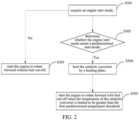
FIG. 2 is a flowchart of step S102 according to the first embodiment of the present disclosure; -
FIG. 3 is a schematic structural diagram of an apparatus for intelligent control of engine initiation according to the first embodiment of the present disclosure. - 10 drive mode acquisition module; 20 first logic module; 30 remaining capacity acquisition module; 40 second logic module; 50 first execution module; 60 third logic module; 70 catalytic converter temperature acquisition module; 80 fourth logic module; 90 second execution module; 100 third execution module.
- A clear and complete description of the technical solutions of the embodiments of the present disclosure will be given below with reference the accompanying drawings of the embodiments of the present disclosure, and it is apparent that the described embodiments are only part of the embodiments of the present disclosure rather than all of them. Based on the embodiments in the present disclosure, all other embodiments obtained by those of ordinary skills in the art without making creative efforts are within the scope of protection of the present disclosure.
- "one embodiment" or "embodiments" herein refers to a particular feature, structure, or characteristic that may be included in at least one implementation of the present disclosure. In the description of the present disclosure, it should be understood that orientation or position relationships indicated by terms "upper", "lower", "left", "right", "top", "bottom" and the like are based on the orientation or position relationships shown in the drawings, which are only for convenience of describing the present disclosure and simplifying the description, rather than indicating or implying that the device or element referred to has a specific orientation, be constructed and operated in the specific orientation, and thus cannot be interpreted as a limitation on the present disclosure. Furthermore, terms "first" and "second" are used for descriptive purposes only and cannot be understood as indicating or implying relative importance or implying the quantity of technical features indicated. Thus, a feature defined with "first" and "second" may explicitly or implicitly include one or more of such features. Moreover, the terms "first" and "second" and the like are used to distinguish similar objects and need not be used to describe a particular order or priority. It should be understood that data used in such way can be interchanged when appropriate, so that the embodiments of the present disclosure described herein can be implemented in an order other than those illustrated or described herein.
- As shown in
FIG. 1 , the first embodiment provides a method for intelligent control of engine initiation, as shown inFIG. 1 , the method includes the following steps: - S 101: acquiring a current drive mode of a vehicle;
- S102: determining whether the current drive mode meets a first predetermined drive mode, wherein the first predetermined drive mode is one of a pure electric drive mode or a hybrid drive mode;
- S 103: acquiring a current remaining capacity of a battery when the current drive mode meets the first predetermined drive mode;
- S 104: determining whether the current remaining capacity is greater than a first predetermined capacity threshold, wherein the first predetermined capacity threshold is a sum of a capacity value required for starting an engine, a capacity threshold required for heating a catalytic converter by a heating plate and a capacity threshold required for operating the vehicle in the pure electric drive mode;
- S 105: no need to start the engine when the current remaining capacity is greater than the first predetermined capacity threshold;
- S106: determining whether an operating state of the vehicle meets a predetermined operating state when the current remaining capacity is not greater than the first predetermined capacity threshold, wherein the predetermined operating state is represented as the vehicle being not in an acceleration state or a torque increasing state;
- S107: acquiring a temperature of the catalytic converter when the operating state of the vehicle meets the predetermined operating state;
- S 108: determining whether the temperature of the catalytic converter is less than a first predetermined temperature threshold;
- S109: starting the engine to rotate forward with fuel cut-off when the temperature of the catalytic converter is not less than the first predetermined temperature threshold;
- S1010: heating the catalytic converter by a heating plate to not less than the first predetermined temperature threshold when the temperature of the catalytic converter is less than the first predetermined temperature threshold.
- Specifically, the first predetermined capacity threshold is 23.5-25% of a total capacity of the battery, and the total capacity of the battery is 10KWH, preferably, the first predetermined capacity threshold is 24% of the total capacity of the battery.
- Specifically, the first predetermined temperature threshold is 240-260 °C, preferably, the first predetermined temperature threshold is 250 °C.
- Specifically, in the S109 step, when starting the engine, the engine can be started with fuel cut-off, and the gas flow can be accelerated to conduct the heat of the heating plate to the catalytic converter, so that the catalytic converter does not need to be heated, thus saving cost.
- Specifically, heating the catalytic converter by the heating plate in the step S1010 includes two situations:
- In a first case, the engine needs to be started for the first time, and the temperature of the catalytic converter meets the condition of heating the catalytic converter by the heating plate, and only the catalytic converter needs to be heated by the heating plate;
- In a second case, the engine needs to be started during operating of the vehicle, and the temperature of the catalytic converter meets the condition of heating the catalytic converter by the heating plate, so only the catalytic converter needs to be heated by the heating plate.
- Specifically, a process of heating the catalytic converter by the heating plate is as follows: the motor drives the engine to rotate, the rotation of the engine makes the gas flow through and heated by the heating plate, and then makes the heated gas enter the catalytic converter to heat the whole catalytic converter.
- Specifically, determining whether the operating state of the vehicle meets the predetermined operating state further includes the step of:
starting the engine to rotate forward without fuel cut-off when the operating state of the vehicle does not meet the predetermined operating state. - Specifically, acquiring the temperature of the catalytic converter when the operating state of the vehicle meets the predetermined operating state further includes the steps of:
- determining whether the current remaining capacity is greater than a second predetermined capacity threshold when the operating state of the vehicle is the predetermined operating state; and
- acquiring the temperature of the catalytic converter when the current remaining capacity is greater than the second predetermined capacity threshold.
- Specifically, the second predetermined capacity threshold is represented as a capacity value required for the vehicle's operating in the pure electric drive mode.
- Further, the second predetermined capacity threshold is 22-23% of the total capacity of the battery, and the total capacity of the battery is 10KWH, preferably, the second predetermined capacity threshold is 23% of the total capacity of the battery.
- As shown in
FIG. 2 , when the current drive mode does not meet the first predetermined drive mode, it further includes the following steps: - S301: acquiring an engine start mode;
- S302: determining whether the engine start mode meets a predetermined start mode;
- S303: starting the engine to rotate forward without fuel cut-off when the engine start mode does not meet the predetermined start mode;
- S304: heating the catalytic converter by a heating plate when the engine start mode meets the predetermined start mode; and
- S305: starting the engine to rotate forward with fuel cut-off when the temperature of the catalytic converter is heated to be greater than the first predetermined temperature threshold.
- Specifically, when the current drive mode does not meet the first predetermined drive mode, the current drive mode is an engine drive mode.
- Specifically, the predetermined start mode is represented by starting the engine where the catalytic converter is heating by the heating plate.
- Specifically, the forward rotation of the engine is controlled by the motor, so that the engine starting stage can be omitted and fuel consumption, exhaust gas emissions and starting time in the starting stage can be reduced.
- As shown in
FIG. 3 , the first embodiment further provides an apparatus for intelligent control of engine initiation. The control apparatus is used for implementing the method for intelligent control of engine initiation. The control apparatus includes: - a drive
mode acquisition module 10 configured to acquire a current drive mode of a vehicle; - a
first logic module 20 configured to determine whether the current drive mode meets a first predetermined drive mode; - a remaining
capacity acquisition module 30 configured to acquire current remaining capacity of a battery when the current drive mode meets the first predetermined drive mode; - a
second logic module 40 configured to determine whether the current remaining capacity is greater than a first predetermined capacity threshold, wherein the first predetermined capacity threshold is a sum of a capacity value required for starting the engine, a capacity threshold required for heating the catalytic converter by the heating plate and a capacity threshold required for operating the vehicle in a pure electric drive mode; - a
first execution module 50 configured not to start the engine when the current remaining capacity is greater than the first predetermined capacity threshold; - a
third logic module 60 for determining whether the operating state of the vehicle meets a predetermined operating state when the current remaining capacity is not greater than the first predetermined capacity threshold, - wherein the predetermined operating state is represented as the vehicle being not in an acceleration state or a torque increasing state;
- a catalytic converter
temperature acquisition module 70 configured to acquire the temperature of the catalytic converter when the operating state of the vehicle meets the predetermined operating state; - a
fourth logic module 80 configured to determine whether the temperature of the catalytic converter is less than a first predetermined temperature threshold; - a
second execution module 90 configured to start the engine to rotate forward with fuel cut-off when the temperature of the catalytic converter is not less than the first predetermined temperature threshold; - a
third execution module 100 configured to heat the catalytic converter to not less than the first predetermined temperature threshold by the heating plate when the temperature of the catalytic converter is less than the first predetermined temperature threshold. - The embodiment further provides a device for intelligent control of engine initiation, and the device includes a processor and a memory, wherein at least one instruction or at least one program is stored in the memory, the at least one instruction or the at least one program is loaded and executed by the processor to implement the method for intelligent control of engine initiation according to anyone of the above description.
- The embodiment further provides a computer-readable storage medium in which at least one instruction or at least one program is stored, and the at least one instruction or the at least one program is loaded and executed by a processor to realize the method for intelligent control of engine initiation according to anyone of the above description.
- The embodiment further provides a system for intelligent control of engine initiation, which includes a motor, an engine, a catalytic converter and the above control apparatus for engine initiation by a catalytic converter.
- The motor, the engine and the catalytic converter are each electrically connected with the apparatus for intelligent control of engine initiation, and the apparatus for intelligent control of engine initiation controls the engine to be initiated through the catalytic converter.
- Specifically, the control device further includes: a capacity detection apparatus and a temperature sensor.
- The capacity detection apparatus is configured to measure the current remaining capacity of a battery;
The temperature sensor is configured to measure a current temperature of the catalytic converter. - The first embodiment provides a method, an apparatus, a storage medium and a device for intelligent control of engine initiation, so that the catalytic converter can be heated by the heating plate in the pure electric drive mode or hybrid drive mode, and when the catalytic converter reaches a certain temperature, the engine will be initiated with fuel cut-off, which facilitates engine starting and reduces the exhaust emission and starting time.
- It is noted that each of the foregoing method embodiments has been described as a series of action combination for simplicity of description, but those skilled in the art will appreciate that the present disclosure is not limited by the sequence of actions described, since certain steps may be performed in other sequences or simultaneously according to the present disclosure. Similarly, the above-mentioned modules of the apparatus for intelligent control of engine initiation refer to computer programs or program segments for performing one or more specific functions. In addition, distinction between the above-mentioned modules does not mean that the actual program codes must also be separated. In addition, the above embodiments can be randomly combined with each other to obtain other embodiments.
- In the above embodiments, the description of each embodiment has its own emphasis, and for parts not described in detail in certain embodiments, reference may be made to the related description of other embodiments. Those skilled in the art will also appreciate that various illustrative logical blocks, units, and steps listed in embodiments of the present disclosure may be implemented by electronic hardware, computer software, or a combination of both. In order to clearly demonstrate the interchangeability of hardware and software, the functions of the illustrative components, units and steps described above have been generally described. Whether such function is implemented by hardware or software depends on the specific application and the design requirements of the whole system. A person skilled in the art may implement the described functionality using a variety of methods for each particular application, but such implementation should not be construed as being beyond the scope of protection of embodiments of the present disclosure.
- Those of ordinary skills in the art will appreciate that all or part of the steps to implement the above embodiments may be performed by hardware, or by instructing the related hardware through a program that may be stored in a computer-readable storage medium, such as a read-only memory, a magnetic disk, or the like.
- The above description has fully disclosed specific embodiments of the present disclosure. It is to be noted that any change made by a person skilled in the art to a specific embodiment of the present disclosure does not depart from the scope of the claims of the present disclosure. Accordingly, the scope of the claims of the present disclosure is not solely limited to the foregoing specific embodiments.
Claims (10)
- A method for intelligent control of engine initiation, comprising following steps:acquiring a current drive mode of a vehicle;determining whether the current drive mode meets a first predetermined drive mode, wherein the first predetermined drive mode is one of a pure electric drive mode or a hybrid drive mode;acquiring current remaining capacity of a battery when the current drive mode meets the first predetermined drive mode;determining whether the current remaining capacity is greater than a first predetermined capacity threshold, wherein the first predetermined capacity threshold is a sum of a capacity value required for starting an engine, a capacity threshold required for heating a catalytic converter by a heating plate and a capacity threshold required for operating the vehicle in the pure electric drive mode;no need to start the engine when the current remaining capacity is greater than the first predetermined capacity threshold;determining whether an operating state of the vehicle meets a predetermined operating state when the current remaining capacity is not greater than the first predetermined capacity threshold, wherein the predetermined operating state is represented as the vehicle being not in an acceleration state or a torque increasing state;acquiring a temperature of the catalytic converter when the operating state of the vehicle meets the predetermined operating state;determining whether the temperature of the catalytic converter is less than a first predetermined temperature threshold;starting the engine to rotate forward with fuel cut-off when the temperature of the catalytic converter is not less than the first predetermined temperature threshold; andheating the catalytic converter by the heating plate to not less than the first predetermined temperature threshold when the temperature of the catalytic converter is less than the first predetermined temperature threshold.
- The method for intelligent control of engine initiation according to claim 1, wherein determining whether the operating state of the vehicle meets the predetermined operating state further comprises a step:
starting the engine to rotate forward without fuel cut-off when the operating state of the vehicle does not meet the predetermined operating state. - The method for intelligent control of engine initiation according to claim 2, wherein acquiring the temperature of the catalytic converter when the operating state of the vehicle meets the predetermined operating state further comprises steps of:determining whether the current remaining capacity is greater than a second predetermined capacity threshold when the operating state of the vehicle is the predetermined operating state; andacquiring the temperature of the catalytic converter when the current remaining capacity is greater than the second predetermined capacity threshold.
- The method for intelligent control of engine initiation according to claim 3, wherein the second predetermined capacity threshold is represented as a capacity value required for operating of the vehicle in the pure electric drive mode.
- The method for intelligent control of engine initiation according to claim 1, wherein when the current drive mode does not meet the first predetermined drive mode, the method further comprises following steps:acquiring an engine start mode;determining whether the engine start mode meets a predetermined start mode;starting the engine to rotate forward without fuel cut-off when the engine start mode does not meet the predetermined start mode;heating the catalytic converter by the heating plate when the engine start mode meets the predetermined start mode;starting the engine to rotate forward with fuel cut-off when the temperature of the catalytic converter is heated to be greater than the first predetermined temperature threshold.
- The method for intelligent control of engine initiation according to claim 5, wherein the current drive mode is an engine drive mode when the current drive mode does not meet the first predetermined drive mode.
- The method for intelligent control of engine initiation according to claim 5, wherein the predetermined start mode is represented as starting the engine where the catalytic converter is heating by the heating plate.
- An apparatus for intelligent control of engine initiation, comprising: a drive mode acquisition module (10) configured to acquire a current drive mode of a vehicle;a first logic module (20) configured to determine whether the current drive mode meets a first predetermined drive mode, wherein the first predetermined drive mode is one of a pure electric drive mode or a hybrid drive mode;a remaining capacity acquisition module (30) configured to acquire current remaining capacity of a battery when the current drive mode meets the first predetermined drive mode;a second logic module (40) configured to determine whether the current remaining capacity is greater than a first predetermined capacity threshold;a first execution module (50) configured not to start an engine when the current remaining capacity is greater than the first predetermined capacity threshold;a third logic module (60) configured to determine whether an operating state of the vehicle meets a predetermined operating state when the current remaining capacity is not greater than the first predetermined capacity threshold, wherein the predetermined operating state is represented as the vehicle being not in an acceleration state or a torque increasing state;a catalytic converter temperature acquisition module (70) configured to acquire a temperature of a catalytic converter when the operating state of the vehicle meets the predetermined operating state;a fourth logic module (80) configured to determine whether the temperature of the catalytic converter is less than a first predetermined temperature threshold;wherein the first predetermined capacity threshold is a sum of a capacity value required for starting the engine, a capacity threshold required for heating the catalytic converter by a heating plate and a capacity threshold required for operating the vehicle in the pure electric drive mode;a second execution module (90) configured to start the engine to rotate forward with fuel cut-off when the temperature of the catalytic converter is not less than the first predetermined temperature threshold; anda third execution module (100) configured to heat the catalytic converter to not less than the first predetermined temperature threshold by the heating plate when the temperature of the catalytic converter is less than the first predetermined temperature threshold.
- A computer-readable storage medium, wherein at least one instruction or at least one program is stored in the storage medium, the at least one instruction or the at least one program is loaded and executed by a processor to implement the method for intelligent control of engine initiation according to any one of claims 1 to 7.
- A device for intelligent control of engine initiation, comprising a processor and a memory, wherein at least one instruction or at least one program is stored in the memory, the at least one instruction or the at least one program is loaded and executed by the processor to implement the method for intelligent control of engine initiation according to any one of claims 1 to 7.
Applications Claiming Priority (2)
| Application Number | Priority Date | Filing Date | Title |
|---|---|---|---|
| CN202011332449.XA CN112523844B (en) | 2020-11-24 | 2020-11-24 | Intelligent control method and device for engine ignition, storage medium and equipment |
| PCT/CN2021/131720 WO2022111388A1 (en) | 2020-11-24 | 2021-11-19 | Intelligent control method, apparatus and device for engine ignition, and storage medium |
Publications (4)
| Publication Number | Publication Date |
|---|---|
| EP4191033A1 true EP4191033A1 (en) | 2023-06-07 |
| EP4191033A4 EP4191033A4 (en) | 2023-10-25 |
| EP4191033B1 EP4191033B1 (en) | 2024-05-15 |
| EP4191033C0 EP4191033C0 (en) | 2024-05-15 |
Family
ID=74993304
Family Applications (1)
| Application Number | Title | Priority Date | Filing Date |
|---|---|---|---|
| EP21896889.9A Active EP4191033B1 (en) | 2020-11-24 | 2021-11-19 | Intelligent control method, apparatus and device for engine ignition, and storage medium |
Country Status (5)
| Country | Link |
|---|---|
| US (1) | US11913395B2 (en) |
| EP (1) | EP4191033B1 (en) |
| KR (1) | KR102676302B1 (en) |
| CN (1) | CN112523844B (en) |
| WO (1) | WO2022111388A1 (en) |
Families Citing this family (8)
| Publication number | Priority date | Publication date | Assignee | Title |
|---|---|---|---|---|
| CN112523844B (en) * | 2020-11-24 | 2022-01-18 | 浙江吉利控股集团有限公司 | Intelligent control method and device for engine ignition, storage medium and equipment |
| CN113147730B (en) * | 2021-04-27 | 2022-10-14 | 浙江吉利控股集团有限公司 | Vehicle control method, device and computer storage medium |
| CN113250833B (en) * | 2021-05-29 | 2022-06-10 | 奇瑞汽车股份有限公司 | Engine fuel cut-off control method for vehicle sliding stage |
| DE102021118935B4 (en) * | 2021-07-22 | 2026-07-16 | Schaeffler Technologies AG & Co. KG | Battery management method and battery management system for an on-board electrical system battery of a hybrid motor vehicle |
| US11713702B2 (en) | 2021-11-08 | 2023-08-01 | Ford Global Technologies, Llc | Systems and methods for controlling an after-treatment system comprising an electronic catalyst |
| CN114407874B (en) * | 2022-01-21 | 2023-10-10 | 神龙汽车有限公司 | Catalytic converter ignition control method and control system of plug-in hybrid electric vehicle |
| CN118548133B (en) * | 2024-05-11 | 2026-01-02 | 奇瑞汽车股份有限公司 | Vehicle catalytic heating systems and hybrid vehicles |
| CN120684292A (en) * | 2025-06-16 | 2025-09-23 | 浙江吉利控股集团有限公司 | Engine ignition control method, device, equipment and medium |
Family Cites Families (24)
| Publication number | Priority date | Publication date | Assignee | Title |
|---|---|---|---|---|
| JP2007276510A (en) * | 2006-04-03 | 2007-10-25 | Nissan Motor Co Ltd | DPF control device for hybrid vehicle |
| JP4183013B1 (en) * | 2007-05-15 | 2008-11-19 | トヨタ自動車株式会社 | Vehicle and control method thereof |
| CN101357633B (en) * | 2007-07-31 | 2011-05-18 | 比亚迪股份有限公司 | Driving method and system of tandem type hybrid vehicle |
| WO2010134163A1 (en) * | 2009-05-19 | 2010-11-25 | トヨタ自動車株式会社 | Hybrid vehicle and control method of same |
| US8413423B2 (en) | 2009-09-01 | 2013-04-09 | GM Global Technologies Operations LLC | Catalyst temperature control systems and methods for hybrid vehicles |
| JP2011105133A (en) * | 2009-11-17 | 2011-06-02 | Toyota Motor Corp | Hybrid vehicle and method for controlling the same |
| EP2639129B1 (en) * | 2010-11-08 | 2019-10-09 | Toyota Jidosha Kabushiki Kaisha | Hybrid automobile |
| JP5629657B2 (en) * | 2011-08-03 | 2014-11-26 | トヨタ自動車株式会社 | Hybrid vehicle and control method of hybrid vehicle |
| WO2013042217A1 (en) * | 2011-09-21 | 2013-03-28 | トヨタ自動車株式会社 | Vehicle and method for controlling vehicle |
| JP2013159176A (en) * | 2012-02-02 | 2013-08-19 | Suzuki Motor Corp | Catalyst warm-up control apparatus |
| JP6168097B2 (en) * | 2015-05-08 | 2017-07-26 | トヨタ自動車株式会社 | Hybrid car |
| CN107878179B (en) * | 2016-01-21 | 2019-07-09 | 厦门市福工动力技术有限公司 | A kind of hybrid power system and its control method |
| CN106740814B (en) * | 2016-12-06 | 2019-01-01 | 科力远混合动力技术有限公司 | The constant-speed-cruise control method and device of hybrid power shunting hybrid vehicle |
| US10465615B2 (en) * | 2017-10-17 | 2019-11-05 | Ford Global Technologies, Llc | Engine cooling by electrically driven intake air compressor |
| JP6954051B2 (en) * | 2017-11-27 | 2021-10-27 | トヨタ自動車株式会社 | Hybrid car |
| FR3075259B1 (en) * | 2017-12-14 | 2021-01-15 | Psa Automobiles Sa | SYSTEM AND METHOD OF CONTROL OF THE TEMPERATURE OF A CATALYST OF A VEHICLE EXHAUST LINE, AND MOTOR VEHICLE INCORPORATING THEM |
| CN108313059A (en) * | 2018-03-28 | 2018-07-24 | 浙江吉利汽车研究院有限公司 | Engine start-up and shut-down control method, apparatus and system |
| CN108454618B (en) | 2018-03-29 | 2020-01-07 | 上海汽车集团股份有限公司 | Control methods for reducing emissions of hybrid electric vehicles |
| GB2576890B (en) * | 2018-09-05 | 2021-03-03 | Jaguar Land Rover Ltd | Heating of an exhaust after-treatment component |
| CN109291807B (en) * | 2018-09-28 | 2022-03-29 | 上汽通用五菱汽车股份有限公司 | Electric vehicle and energy feedback management method, system, device and storage medium thereof |
| JP7163779B2 (en) * | 2019-01-10 | 2022-11-01 | トヨタ自動車株式会社 | Hybrid vehicle control device |
| CN111196266B (en) * | 2020-01-20 | 2021-06-01 | 浙江锋锐发动机有限公司 | Torque distribution method, system and device for catalyst ignition stage |
| CN111828189B (en) * | 2020-06-11 | 2022-08-05 | 义乌吉利自动变速器有限公司 | Control method, device and equipment for starting engine |
| CN112523844B (en) | 2020-11-24 | 2022-01-18 | 浙江吉利控股集团有限公司 | Intelligent control method and device for engine ignition, storage medium and equipment |
-
2020
- 2020-11-24 CN CN202011332449.XA patent/CN112523844B/en active Active
-
2021
- 2021-11-19 WO PCT/CN2021/131720 patent/WO2022111388A1/en not_active Ceased
- 2021-11-19 US US18/031,612 patent/US11913395B2/en active Active
- 2021-11-19 EP EP21896889.9A patent/EP4191033B1/en active Active
- 2021-11-19 KR KR1020237015999A patent/KR102676302B1/en active Active
Also Published As
| Publication number | Publication date |
|---|---|
| EP4191033B1 (en) | 2024-05-15 |
| CN112523844B (en) | 2022-01-18 |
| CN112523844A (en) | 2021-03-19 |
| KR102676302B1 (en) | 2024-06-17 |
| EP4191033A4 (en) | 2023-10-25 |
| EP4191033C0 (en) | 2024-05-15 |
| US20230407803A1 (en) | 2023-12-21 |
| WO2022111388A1 (en) | 2022-06-02 |
| KR20230084305A (en) | 2023-06-12 |
| US11913395B2 (en) | 2024-02-27 |
Similar Documents
| Publication | Publication Date | Title |
|---|---|---|
| EP4191033B1 (en) | Intelligent control method, apparatus and device for engine ignition, and storage medium | |
| WO2024103627A1 (en) | Hybrid-vehicle control method and control system and hybrid vehicle | |
| KR101099072B1 (en) | Hybrid car control device, control method and recording medium for recording program to put the control method into practice | |
| CN114909228B (en) | Engine start control method and device, hybrid vehicle and storage medium | |
| EP4087761A2 (en) | Hybrid vehicle engine idling control | |
| CN114810453A (en) | Low-temperature cold starting method and system for P2-configuration hybrid vehicle and vehicle | |
| JPWO2012086021A1 (en) | Vehicle, vehicle control method, and vehicle control apparatus | |
| CN114412651B (en) | Hybrid vehicle and control method and control device for ignition of catalyst thereof | |
| CN116620252A (en) | A plug-in hybrid electric vehicle torque control method and system | |
| CN111828189B (en) | Control method, device and equipment for starting engine | |
| US11524671B2 (en) | Method and device for controlling start of mild hybrid vehicle | |
| CN118636858A (en) | A starting system, method and device for a hybrid power tractor | |
| US10507821B2 (en) | Hybrid vehicle and method of controlling the same | |
| KR102732497B1 (en) | Oil dilution driving control method and hybrid vehicle using same | |
| JP6390100B2 (en) | Control device for plug-in hybrid vehicle | |
| WO2013188513A2 (en) | Hybrid vehicle control | |
| CN115450815B (en) | Automobile control method and device | |
| US11286897B2 (en) | Control method for ISG of vehicle provided with manual transmission and vehicle of which the control method is applied | |
| JP2020075653A (en) | Engine start control device for hybrid vehicle | |
| JP2007283854A (en) | Engine starter | |
| KR102451875B1 (en) | Method for controlling vehicle | |
| JP7831446B2 (en) | vehicle | |
| US20260084689A1 (en) | Control device for hybrid electric vehicle | |
| US12275387B2 (en) | Hybrid system emissions management | |
| JP2026049955A (en) | Control system for hybrid vehicles |
Legal Events
| Date | Code | Title | Description |
|---|---|---|---|
| STAA | Information on the status of an ep patent application or granted ep patent |
Free format text: STATUS: THE INTERNATIONAL PUBLICATION HAS BEEN MADE |
|
| PUAI | Public reference made under article 153(3) epc to a published international application that has entered the european phase |
Free format text: ORIGINAL CODE: 0009012 |
|
| STAA | Information on the status of an ep patent application or granted ep patent |
Free format text: STATUS: REQUEST FOR EXAMINATION WAS MADE |
|
| 17P | Request for examination filed |
Effective date: 20230303 |
|
| AK | Designated contracting states |
Kind code of ref document: A1 Designated state(s): AL AT BE BG CH CY CZ DE DK EE ES FI FR GB GR HR HU IE IS IT LI LT LU LV MC MK MT NL NO PL PT RO RS SE SI SK SM TR |
|
| A4 | Supplementary search report drawn up and despatched |
Effective date: 20230925 |
|
| RIC1 | Information provided on ipc code assigned before grant |
Ipc: F01N 3/027 20060101ALI20230919BHEP Ipc: F02D 41/02 20060101ALI20230919BHEP Ipc: F01N 3/20 20060101AFI20230919BHEP |
|
| DAV | Request for validation of the european patent (deleted) | ||
| DAX | Request for extension of the european patent (deleted) | ||
| GRAP | Despatch of communication of intention to grant a patent |
Free format text: ORIGINAL CODE: EPIDOSNIGR1 |
|
| STAA | Information on the status of an ep patent application or granted ep patent |
Free format text: STATUS: GRANT OF PATENT IS INTENDED |
|
| GRAS | Grant fee paid |
Free format text: ORIGINAL CODE: EPIDOSNIGR3 |
|
| GRAA | (expected) grant |
Free format text: ORIGINAL CODE: 0009210 |
|
| STAA | Information on the status of an ep patent application or granted ep patent |
Free format text: STATUS: THE PATENT HAS BEEN GRANTED |
|
| INTG | Intention to grant announced |
Effective date: 20240320 |
|
| AK | Designated contracting states |
Kind code of ref document: B1 Designated state(s): AL AT BE BG CH CY CZ DE DK EE ES FI FR GB GR HR HU IE IS IT LI LT LU LV MC MK MT NL NO PL PT RO RS SE SI SK SM TR |
|
| REG | Reference to a national code |
Ref country code: CH Ref legal event code: EP |
|
| REG | Reference to a national code |
Ref country code: DE Ref legal event code: R096 Ref document number: 602021013427 Country of ref document: DE |
|
| REG | Reference to a national code |
Ref country code: IE Ref legal event code: FG4D |
|
| U01 | Request for unitary effect filed |
Effective date: 20240530 |
|
| U07 | Unitary effect registered |
Designated state(s): AT BE BG DE DK EE FI FR IT LT LU LV MT NL PT SE SI Effective date: 20240610 |
|
| PG25 | Lapsed in a contracting state [announced via postgrant information from national office to epo] |
Ref country code: IS Free format text: LAPSE BECAUSE OF FAILURE TO SUBMIT A TRANSLATION OF THE DESCRIPTION OR TO PAY THE FEE WITHIN THE PRESCRIBED TIME-LIMIT Effective date: 20240915 |
|
| PG25 | Lapsed in a contracting state [announced via postgrant information from national office to epo] |
Ref country code: HR Free format text: LAPSE BECAUSE OF FAILURE TO SUBMIT A TRANSLATION OF THE DESCRIPTION OR TO PAY THE FEE WITHIN THE PRESCRIBED TIME-LIMIT Effective date: 20240515 |
|
| PG25 | Lapsed in a contracting state [announced via postgrant information from national office to epo] |
Ref country code: GR Free format text: LAPSE BECAUSE OF FAILURE TO SUBMIT A TRANSLATION OF THE DESCRIPTION OR TO PAY THE FEE WITHIN THE PRESCRIBED TIME-LIMIT Effective date: 20240816 |
|
| PG25 | Lapsed in a contracting state [announced via postgrant information from national office to epo] |
Ref country code: ES Free format text: LAPSE BECAUSE OF FAILURE TO SUBMIT A TRANSLATION OF THE DESCRIPTION OR TO PAY THE FEE WITHIN THE PRESCRIBED TIME-LIMIT Effective date: 20240515 |
|
| PG25 | Lapsed in a contracting state [announced via postgrant information from national office to epo] |
Ref country code: PL Free format text: LAPSE BECAUSE OF FAILURE TO SUBMIT A TRANSLATION OF THE DESCRIPTION OR TO PAY THE FEE WITHIN THE PRESCRIBED TIME-LIMIT Effective date: 20240515 |
|
| PG25 | Lapsed in a contracting state [announced via postgrant information from national office to epo] |
Ref country code: PL Free format text: LAPSE BECAUSE OF FAILURE TO SUBMIT A TRANSLATION OF THE DESCRIPTION OR TO PAY THE FEE WITHIN THE PRESCRIBED TIME-LIMIT Effective date: 20240515 Ref country code: NO Free format text: LAPSE BECAUSE OF FAILURE TO SUBMIT A TRANSLATION OF THE DESCRIPTION OR TO PAY THE FEE WITHIN THE PRESCRIBED TIME-LIMIT Effective date: 20240815 Ref country code: IS Free format text: LAPSE BECAUSE OF FAILURE TO SUBMIT A TRANSLATION OF THE DESCRIPTION OR TO PAY THE FEE WITHIN THE PRESCRIBED TIME-LIMIT Effective date: 20240915 Ref country code: HR Free format text: LAPSE BECAUSE OF FAILURE TO SUBMIT A TRANSLATION OF THE DESCRIPTION OR TO PAY THE FEE WITHIN THE PRESCRIBED TIME-LIMIT Effective date: 20240515 Ref country code: GR Free format text: LAPSE BECAUSE OF FAILURE TO SUBMIT A TRANSLATION OF THE DESCRIPTION OR TO PAY THE FEE WITHIN THE PRESCRIBED TIME-LIMIT Effective date: 20240816 Ref country code: ES Free format text: LAPSE BECAUSE OF FAILURE TO SUBMIT A TRANSLATION OF THE DESCRIPTION OR TO PAY THE FEE WITHIN THE PRESCRIBED TIME-LIMIT Effective date: 20240515 Ref country code: RS Free format text: LAPSE BECAUSE OF FAILURE TO SUBMIT A TRANSLATION OF THE DESCRIPTION OR TO PAY THE FEE WITHIN THE PRESCRIBED TIME-LIMIT Effective date: 20240815 |
|
| U20 | Renewal fee for the european patent with unitary effect paid |
Year of fee payment: 4 Effective date: 20241025 |
|
| PG25 | Lapsed in a contracting state [announced via postgrant information from national office to epo] |
Ref country code: CZ Free format text: LAPSE BECAUSE OF FAILURE TO SUBMIT A TRANSLATION OF THE DESCRIPTION OR TO PAY THE FEE WITHIN THE PRESCRIBED TIME-LIMIT Effective date: 20240515 |
|
| PG25 | Lapsed in a contracting state [announced via postgrant information from national office to epo] |
Ref country code: SK Free format text: LAPSE BECAUSE OF FAILURE TO SUBMIT A TRANSLATION OF THE DESCRIPTION OR TO PAY THE FEE WITHIN THE PRESCRIBED TIME-LIMIT Effective date: 20240515 Ref country code: RO Free format text: LAPSE BECAUSE OF FAILURE TO SUBMIT A TRANSLATION OF THE DESCRIPTION OR TO PAY THE FEE WITHIN THE PRESCRIBED TIME-LIMIT Effective date: 20240515 |
|
| PG25 | Lapsed in a contracting state [announced via postgrant information from national office to epo] |
Ref country code: SM Free format text: LAPSE BECAUSE OF FAILURE TO SUBMIT A TRANSLATION OF THE DESCRIPTION OR TO PAY THE FEE WITHIN THE PRESCRIBED TIME-LIMIT Effective date: 20240515 |
|
| PG25 | Lapsed in a contracting state [announced via postgrant information from national office to epo] |
Ref country code: SM Free format text: LAPSE BECAUSE OF FAILURE TO SUBMIT A TRANSLATION OF THE DESCRIPTION OR TO PAY THE FEE WITHIN THE PRESCRIBED TIME-LIMIT Effective date: 20240515 Ref country code: SK Free format text: LAPSE BECAUSE OF FAILURE TO SUBMIT A TRANSLATION OF THE DESCRIPTION OR TO PAY THE FEE WITHIN THE PRESCRIBED TIME-LIMIT Effective date: 20240515 Ref country code: RO Free format text: LAPSE BECAUSE OF FAILURE TO SUBMIT A TRANSLATION OF THE DESCRIPTION OR TO PAY THE FEE WITHIN THE PRESCRIBED TIME-LIMIT Effective date: 20240515 Ref country code: CZ Free format text: LAPSE BECAUSE OF FAILURE TO SUBMIT A TRANSLATION OF THE DESCRIPTION OR TO PAY THE FEE WITHIN THE PRESCRIBED TIME-LIMIT Effective date: 20240515 |
|
| REG | Reference to a national code |
Ref country code: DE Ref legal event code: R097 Ref document number: 602021013427 Country of ref document: DE |
|
| PLBE | No opposition filed within time limit |
Free format text: ORIGINAL CODE: 0009261 |
|
| STAA | Information on the status of an ep patent application or granted ep patent |
Free format text: STATUS: NO OPPOSITION FILED WITHIN TIME LIMIT |
|
| 26N | No opposition filed |
Effective date: 20250218 |
|
| REG | Reference to a national code |
Ref country code: CH Ref legal event code: PL |
|
| PG25 | Lapsed in a contracting state [announced via postgrant information from national office to epo] |
Ref country code: MC Free format text: LAPSE BECAUSE OF FAILURE TO SUBMIT A TRANSLATION OF THE DESCRIPTION OR TO PAY THE FEE WITHIN THE PRESCRIBED TIME-LIMIT Effective date: 20240515 |
|
| REG | Reference to a national code |
Ref country code: CH Ref legal event code: PL |
|
| PG25 | Lapsed in a contracting state [announced via postgrant information from national office to epo] |
Ref country code: CH Free format text: LAPSE BECAUSE OF NON-PAYMENT OF DUE FEES Effective date: 20241130 |
|
| PG25 | Lapsed in a contracting state [announced via postgrant information from national office to epo] |
Ref country code: IE Free format text: LAPSE BECAUSE OF NON-PAYMENT OF DUE FEES Effective date: 20241119 |
|
| U20 | Renewal fee for the european patent with unitary effect paid |
Year of fee payment: 5 Effective date: 20251114 |
|
| PG25 | Lapsed in a contracting state [announced via postgrant information from national office to epo] |
Ref country code: HU Free format text: LAPSE BECAUSE OF FAILURE TO SUBMIT A TRANSLATION OF THE DESCRIPTION OR TO PAY THE FEE WITHIN THE PRESCRIBED TIME-LIMIT; INVALID AB INITIO Effective date: 20211119 |
|
| PG25 | Lapsed in a contracting state [announced via postgrant information from national office to epo] |
Ref country code: CY Free format text: LAPSE BECAUSE OF FAILURE TO SUBMIT A TRANSLATION OF THE DESCRIPTION OR TO PAY THE FEE WITHIN THE PRESCRIBED TIME-LIMIT; INVALID AB INITIO Effective date: 20211119 |
|
| PG25 | Lapsed in a contracting state [announced via postgrant information from national office to epo] |
Ref country code: TR Free format text: LAPSE BECAUSE OF FAILURE TO SUBMIT A TRANSLATION OF THE DESCRIPTION OR TO PAY THE FEE WITHIN THE PRESCRIBED TIME-LIMIT Effective date: 20240515 |