EP4190322A1 - Compound for preventing and treating psychiatric disorders and use thereof - Google Patents
Compound for preventing and treating psychiatric disorders and use thereof Download PDFInfo
- Publication number
- EP4190322A1 EP4190322A1 EP21850238.3A EP21850238A EP4190322A1 EP 4190322 A1 EP4190322 A1 EP 4190322A1 EP 21850238 A EP21850238 A EP 21850238A EP 4190322 A1 EP4190322 A1 EP 4190322A1
- Authority
- EP
- European Patent Office
- Prior art keywords
- compound
- pharmaceutical composition
- trek
- ion channel
- disorder
- Prior art date
- Legal status (The legal status is an assumption and is not a legal conclusion. Google has not performed a legal analysis and makes no representation as to the accuracy of the status listed.)
- Withdrawn
Links
Images


Classifications
-
- A—HUMAN NECESSITIES
- A61—MEDICAL OR VETERINARY SCIENCE; HYGIENE
- A61K—PREPARATIONS FOR MEDICAL, DENTAL OR TOILETRY PURPOSES
- A61K31/00—Medicinal preparations containing organic active ingredients
- A61K31/16—Amides, e.g. hydroxamic acids
- A61K31/18—Sulfonamides
-
- A—HUMAN NECESSITIES
- A61—MEDICAL OR VETERINARY SCIENCE; HYGIENE
- A61P—SPECIFIC THERAPEUTIC ACTIVITY OF CHEMICAL COMPOUNDS OR MEDICINAL PREPARATIONS
- A61P25/00—Drugs for disorders of the nervous system
-
- A—HUMAN NECESSITIES
- A61—MEDICAL OR VETERINARY SCIENCE; HYGIENE
- A61K—PREPARATIONS FOR MEDICAL, DENTAL OR TOILETRY PURPOSES
- A61K45/00—Medicinal preparations containing active ingredients not provided for in groups A61K31/00 - A61K41/00
- A61K45/06—Mixtures of active ingredients without chemical characterisation, e.g. antiphlogistics and cardiaca
-
- A—HUMAN NECESSITIES
- A61—MEDICAL OR VETERINARY SCIENCE; HYGIENE
- A61P—SPECIFIC THERAPEUTIC ACTIVITY OF CHEMICAL COMPOUNDS OR MEDICINAL PREPARATIONS
- A61P25/00—Drugs for disorders of the nervous system
- A61P25/18—Antipsychotics, i.e. neuroleptics; Drugs for mania or schizophrenia
-
- A—HUMAN NECESSITIES
- A61—MEDICAL OR VETERINARY SCIENCE; HYGIENE
- A61P—SPECIFIC THERAPEUTIC ACTIVITY OF CHEMICAL COMPOUNDS OR MEDICINAL PREPARATIONS
- A61P25/00—Drugs for disorders of the nervous system
- A61P25/22—Anxiolytics
-
- A—HUMAN NECESSITIES
- A61—MEDICAL OR VETERINARY SCIENCE; HYGIENE
- A61P—SPECIFIC THERAPEUTIC ACTIVITY OF CHEMICAL COMPOUNDS OR MEDICINAL PREPARATIONS
- A61P25/00—Drugs for disorders of the nervous system
- A61P25/24—Antidepressants
-
- Y—GENERAL TAGGING OF NEW TECHNOLOGICAL DEVELOPMENTS; GENERAL TAGGING OF CROSS-SECTIONAL TECHNOLOGIES SPANNING OVER SEVERAL SECTIONS OF THE IPC; TECHNICAL SUBJECTS COVERED BY FORMER USPC CROSS-REFERENCE ART COLLECTIONS [XRACs] AND DIGESTS
- Y02—TECHNOLOGIES OR APPLICATIONS FOR MITIGATION OR ADAPTATION AGAINST CLIMATE CHANGE
- Y02A—TECHNOLOGIES FOR ADAPTATION TO CLIMATE CHANGE
- Y02A50/00—TECHNOLOGIES FOR ADAPTATION TO CLIMATE CHANGE in human health protection, e.g. against extreme weather
- Y02A50/30—Against vector-borne diseases, e.g. mosquito-borne, fly-borne, tick-borne or waterborne diseases whose impact is exacerbated by climate change
Definitions
- the invention relates to the field of pharmaceutical chemistry, in particular, a compound for preventing and treating psychiatric disorders and use thereof.
- Depression is a common mood disorder that can lead to suicidal thoughts and behaviors in severe cases, and affects 16% of the population at some point in their lives.
- Depressive disorder is a serious mental disorder characterized by high prevalence, high relapse rate, high disability rate and high suicide rate. Depression also brings considerable economic burden while seriously affects the physical and mental health of patients. Depression is an extremely complex psychiatric disorder according to the comprehensive analysis of clinical diagnosis, pathological mechanism and treatment outcome.
- Major depressive disorder is a serious mental disorder with a low recovery rate and a high relapse rate, and its chronic incidence rate is about 20%.
- the annual cost of major depression is approximately $83 billion all over the world, which mainly includes indirect costs caused by reduced psychosocial function (especially workforce performance).
- Refractory depression comes from the treating goal for MDD.
- the primary treating goal for MDD is to achieve a state of full recovery in which the affected individual no longer has clinically significant symptoms and/or functional impairment (e.g., at work, in personal and domestic life).
- failure to achieve remission using two or more appropriate antidepressant treatments is considered as TRD.
- antidepressant targets are primarily monoamine receptors and transporters, but these first-line clinical drugs have deficiencies such as slow onset, large individual differences, and ineffectiveness in 30% of patients.
- the purpose of the present invention is to provide a novel drug for preventing or treating psychiatric disorders (such as depression).
- a compound of formula I or a pharmaceutically acceptable salt thereof in (i) the preparation of a pharmaceutical composition or a preparation for preventing and/or treating a TREK-1 ion channel-related disease, (ii) the preparation of a pharmaceutical composition or a preparation for preventing and/or treating a psychiatric disorder and/or (iii) the preparation of a TREK-1 ion channel inhibitor.
- the compound of formula I is compound CLA096, i.e. N-benzyl-2-(N-(4-chlorophenyl)methylsulfonylamino)-N-methylacetamide.
- the TREK-1 ion channel-related disease refers to diseases that can be treated, prevented or improved by inhibiting the TREK-1 ion channel.
- the TREK-1 ion channel-related diseases include a psychiatric disorder.
- the psychiatric disorder includes depression, anxiety disorder, schizophrenia, bipolar disorder, or a combination thereof.
- the TREK-1 ion channel-related disease includes depression, anxiety disorder, schizophrenia, bipolar disorder, or a combination thereof.
- the depression includes major depressive disorder and/or refractory depression.
- the preventing and/or treating TREK-1 ion channel-related disease includes depression, anxiety disorder, schizophrenia, bipolar disorder, or a combination thereof.
- the preventing and/or treating a psychiatric disorder includes depression, anxiety disorder, schizophrenia, bipolar disorder, or a combination thereof.
- the pharmaceutical composition further includes one or more additional active ingredient selected from the group consisting of
- the additional active ingredient is not the compound of formula I and the pharmaceutically acceptable salt thereof.
- the drug for preventing or treating a psychiatric disorder includes an active ingredient for treating depression or antidepressants.
- the pharmaceutical composition further contains other active ingredients for treating depression.
- the administration dosage of the compound of formula I is 0.1-50 mg/kg body weight, preferably 1-5 mg/kg body weight.
- the adverse reactions include significant change in body weight and death.
- the pharmaceutical composition contains 0.001 to 99 wt% the compound of formula I or the pharmaceutically acceptable salt thereof, based on the total weight of the pharmaceutical composition.
- the pharmaceutical composition contains 0.1 to 90 wt%, preferably 1 to 80 wt%, the compound of formula I or the pharmaceutically acceptable salt thereof, based on the total weight of the composition.
- the dosage form of the pharmaceutical composition includes an oral dosage form, an injection dosage form, and/or an inhalation dosage form.
- the oral dosage form includes tablets, capsules, membranes, and/or granules.
- the oral dosage form is a sustained-release dosage form or a non-sustained-release dosage form.
- a pharmaceutical composition comprising a compound of Formula I or a pharmaceutically acceptable salt thereof.
- the pharmaceutical composition further includes one or more additional active ingredients selected from the group consisting of
- the additional active ingredient is not the compound of formula I and the pharmaceutically acceptable salt thereof.
- the drug for preventing or treating a psychiatric disorder includes an active ingredient for treating depression or antidepressants.
- the pharmaceutical composition further contains other active ingredients for treating depression or antidepressants.
- the pharmaceutical composition further contains pharmaceutically acceptable carriers.
- the total content of the compound of formula I or the pharmaceutically acceptable salt thereof is 0.001 to 99 wt%, preferably 0.1 to 90 wt%, more preferably 1 to 80 wt% of the pharmaceutical composition.
- the pharmaceutical composition is used for preventing and/or treating a TREK-1 ion channel-related disease.
- the pharmaceutical composition is used for preventing and/or treating a psychiatric disorder.
- the TREK-1 ion channel-related disease includes a psychiatric disorder.
- the psychiatric disorder includes depression (including major depressive disorder and/or refractory depression.), anxiety disorder, schizophrenia, bipolar disorder, or a combination thereof.
- the pharmaceutical composition is used for preventing and/or treating major depressive disorder.
- the pharmaceutical composition is used for preventing and/or treating refractory disorder.
- a TREK-1 ion channel inhibitor comprising a compound of Formula I or a pharmaceutically acceptable salt thereof:
- a method for preventing and/or treating a TREK-1 ion channel-related disease comprising a step of administration of a compound of Formula I or a pharmaceutically acceptable salt thereof to a subject in need thereof; wherein the compound of formula I is as defined in the first aspect.
- the TREK-1 ion channel-related disease is a psychiatric disorder.
- the psychiatric disorder includes depression, anxiety disorder, schizophrenia, bipolar disorder, or a combination thereof.
- the TREK-1 ion channel-related disease includes depression, anxiety disorder, schizophrenia, bipolar disorder, or a combination thereof.
- the subject includes human people, or non-human mammals.
- the non-human mammals include primates, or rodents (e.g., mice, rats, etc.).
- the administration dosage of the administration is 1 to 20 mg/kg body weight, preferably 5 mg/kg body weight.
- the frequency of the administration is 1 to 4 times per day, preferably 1 time a day.
- the administration total daily dosage of the administration is 1 to 20 mg/kg body weight, preferably 5 mg/kg body weight.
- the time period of the administration is from 2 weeks to 5 years, preferably from 2 months to 1 year.
- a method for preventing and/or treating a psychiatric disorder comprising a step of administration of a compound of Formula I or a pharmaceutically acceptable salt thereof to a subject in need thereof; wherein the compound of formula I is as defined in the first aspect.
- the psychiatric disorder includes depression, anxiety disorder, schizophrenia, bipolar disorder, or a combination thereof.
- the psychiatric disorder is depression.
- the subject includes human people, or non-human mammals.
- the non-human mammals include primates, or rodents (e.g., mice, rats, etc.).
- the administration dosage of the administration is 1 to 20 mg/kg body weight, preferably 5 mg/kg body weight.
- the frequency of the administration is 1 to 4 times per day, preferably 1 time a day.
- the administration total daily dosage of the administration is 1 to 20 mg/kg body weight, preferably 5 mg/kg body weight.
- the time period of the administration is from 2 weeks to 5 years, preferably from 2 months to 1 year.
- kit comprising:
- the recording of the instructions notes that the indications of the kit include psychiatric disorder, preferably the indications include depression (including major depressive disorder and/or refractory depression.), anxiety disorder, schizophrenia, and/or bipolar disorder.
- psychiatric disorder preferably the indications include depression (including major depressive disorder and/or refractory depression.), anxiety disorder, schizophrenia, and/or bipolar disorder.
- the recording of the instructions notes that the administration dosage of the drug or the preparation is 1 to 20 mg/kg body weight, preferably 5 mg/kg body weight, calculated by the active ingredient.
- the administration frequency of the drug or the preparation is 1 to 4 times per day, preferably 1 time a day.
- the administration time period of the drug or the preparation is from 2 weeks to 5 years, preferably from 2 months to 1 year.
- a method for inhibiting the current of an intracellular TREK-1 ion channel comprising a step of: contacting a cell expressing a TREK-1 ion channel protein with a compound of Formula I or a pharmaceutically acceptable salt thereof, thereby inhibiting the current of the intracellular TREK-1 ion channel.
- the method is in vitro and non-therapeutic.
- CLA096 has a significant inhibitory effect on the TREK-1 ion channel, and that the compound also has excellent in vivo antidepressant ability and low toxicity, therefore the compound is very suitable for the treatment or prevention of TREK-1 ion channel-related diseases (e.g., psychiatric disorders such as depression) or for the treatment or prevention of psychiatric disorders.
- TREK-1 ion channel-related diseases e.g., psychiatric disorders such as depression
- the present invention is completed on this basis.
- the terms “compound of the invention”, “compound of Formula I”, “CLA096” and “compound CLA096” are used interchangeably, referring to a compound shown in Formula I (whose name is N-benzyl-2-(N-(4-chlorophenyl)methylsulfonylamino)-N-methylacetamide), these terms also include various crystalline forms of the compound of Formula I, pharmaceutically acceptable salts;
- Ms methylsulfonyl
- salts refers to salts that are formed by the compound of the invention and acids or bases, and suitable for use as a drug.
- Pharmaceutically acceptable salts include inorganic salts and organic salts.
- a group of preferred salts are salts formed by the compound of the present invention and the acids.
- Acids suitable for forming salts include, but are not limited to, inorganic acids such as hydrochloric acid, hydrobromic acid, hydrofluoric acid, sulfuric acid, nitric acid, phosphoric acid and the like; organic acids such as methanoic acid, acetic acid, propionic acid, oxalic acid, malonic acid, succinic acid, fumaric acid, maleic acid, lactic acid, malic acid, tartaric acid, citric acid, bitter acid, methane sulfonic acid, benzenemethanesulfonic acid, benzene sulfonic acid, and the like; and amino acids such as aspartic acid, glutamic acid and the like.
- inorganic acids such as hydrochloric acid, hydrobromic acid, hydrofluoric acid, sulfuric acid, nitric acid, phosphoric acid and the like
- organic acids such as methanoic acid, acetic acid, propionic acid, oxalic acid, malonic acid, succ
- the compound of the present invention possesses outstanding activity of inhibiting the TREK-1 ion channel as well as in vivo antidepressant ability. Therefore, the compound of the present invention, and the crystal forms thereof, pharmaceutically acceptable inorganic or organic salts thereof, and the pharmaceutical composition containing the compound of the present invention as a main active ingredient can be used for treating, preventing and/or alleviating TREK-1 ion channel-related diseases (e.g. psychiatric disorders) or for treating, preventing and/or alleviating psychiatric disorders such as depression. According to the prior art, the compound of the invention can be used to treat the following diseases: psychiatric disorders such as depression, anxiety disorder, schizophrenia, and/or bipolar disorder.
- psychiatric disorders such as depression, anxiety disorder, schizophrenia, and/or bipolar disorder.
- the pharmaceutical composition of the invention comprises the compound of the present invention (the compound of formula I) or the pharmaceutically acceptable salts thereof in a safe and effective dosage range.
- the pharmaceutical composition of the invention may further include additional therapeutic agents for depression or antidepressant drugs (such as fluoxetine).
- the pharmaceutical composition of the invention may further include pharmaceutically acceptable excipients or carriers.
- the pharmaceutical composition contains 1-2000 mg compound of the invention per dose, preferably, 10-500mg compound of the invention per dose.
- the "one dose” is one capsule or one pill.
- “Pharmaceutically acceptable carrier” means one or more compatible solid or liquid fillers, or gel materials which are suitable for human use and should be of sufficient purity and sufficiently low toxicity. "Compatibility” used herein means that the components of the composition can be admixed with the compounds of the invention and with each other without significantly reducing the efficacy of the compounds.
- Some examples of pharmaceutically acceptable carriers include cellulose and the derivatives thereof (such as sodium carboxymethyl cellulose, sodium ethyl cellulose, cellulose acetate, etc.), gelatin, talc, solid lubricants (such as stearic acid, magnesium stearate), calcium sulfate, vegetable oils (such as soybean oil, sesame oil, peanut oil, olive oil, etc.), polyols (such as propylene glycol, glycerol, mannitol, sorbitol, etc.), emulsifiers (such as Tween ® ), wetting agent (such as sodium dodecyl sulfate), coloring agents, flavoring agents, stabilizers, antioxidants, preservatives, pyrogen-free water, etc.
- cellulose and the derivatives thereof such as sodium carboxymethyl cellulose, sodium ethyl cellulose, cellulose acetate, etc.
- gelatin such as talc
- solid lubricants such as stearic acid,
- administration mode of the compound or pharmaceutical compositions of the present invention can be administered by conventional means to the subject in need (e.g., human and non-human mammals).
- Representative administration mode include (but are not limited to): oral, injectable (e.g., intravenous, intramuscular, or subcutaneous), and inhalation (e.g., aerosol inhalation) administration.
- Solid dosage forms for oral administration include capsules, tablets, pills, powders and granules.
- the active compounds are mixed with at least one conventional inert excipient (or carrier), such as sodium citrate or dicalcium phosphate, or mixed with any of the following components: (a) fillers or compatibilizer, for example, starch, lactose, sucrose, glucose, mannitol and silicic acid; (b) binders, for example, hydroxymethyl cellulose, alginates, gelatin, polyvinylpyrrolidone, sucrose and arabic gum; (c) humectant, such as, glycerol; (d) disintegrating agents such as agar, calcium carbonate, potato starch or tapioca starch, alginic acid, certain composite silicates, and sodium carbonate; (e) dissolution-retarding agents, such as paraffin; (f) absorption accelerators, for example, quaternary ammonium compounds; (g) wetting agents, such as
- the dosage form may also contain buffering agents.
- the solid dosage form such as tablets, sugar pills, capsules, pills and granules can be prepared by using coating and shell materials, such as enteric coatings and any other materials known in the art. They can contain an opaque agent.
- the active compounds or compounds in the compositions can be released in a delayed mode in a given portion of the digestive tract (i.e. sustained release preparation).
- the embedding components include polymers and waxes. If necessary, the active compound and one or more above excipients can form microcapsules.
- Liquid dosage forms for oral administration include pharmaceutically acceptable emulsions, solutions, suspensions, syrups or tinctures.
- the liquid dosage form may contain any conventional inert diluents known in the art such as water or other solvents, solubilizers and emulsifiers, for example, ethanol, isopropanol, ethyl carbonate, ethyl acetate, propylene glycol, 1,3-butanediol, dimethyl formamide, as well as oil, in particular, cottonseed oil, peanut oil, corn germ oil, olive oil, castor oil and sesame oil, or the combination thereof.
- composition may also contain additives such as wetting agents, emulsifiers, and suspending agent, sweetener, flavoring agents and perfume.
- additives such as wetting agents, emulsifiers, and suspending agent, sweetener, flavoring agents and perfume.
- the suspension may contain suspending agent, for example, ethoxylated isooctadecanol, polyoxyethylene sorbitol and dehydrated sorbitan esters, microcrystalline cellulose, methanol aluminum and agar, or the combination thereof.
- suspending agent for example, ethoxylated isooctadecanol, polyoxyethylene sorbitol and dehydrated sorbitan esters, microcrystalline cellulose, methanol aluminum and agar, or the combination thereof.
- compositions for injection may comprise physiologically acceptable sterile aqueous or anhydrous solutions, dispersions, suspensions or emulsions, and sterile powders which can be re-dissolved into sterile injectable solutions or dispersions.
- Suitable aqueous and non-aqueous carriers, diluents, solvents or excipients include water, ethanol, polyols and any suitable mixtures thereof.
- the pharmaceutical composition of the present invention can also be made into powders for aerosol inhalation.
- Compounds of the present invention can be administrated alone, or in combination with any other pharmaceutically acceptable compounds.
- a safe and effective amount of drug is administered to a mammal (such as human or a non-human mammal), wherein the safe and effective amount is usually at least about 10 ⁇ g/kg body weight and in most cases does not exceed about 50 mg/kg body weight (daily), preferably the dose is about 10 ⁇ g/kg body weight to about 20 mg/kg body weight, more preferably, 1 to 20 mg/kg body weight, most preferably 1 to 5 mg/kg body weight.
- the specific dose should also depend on various factors, such as the route of administration, the health conditions of patient, which are well within the skills of an experienced physician.
- TREK-1 ion channel As used herein, the terms “TREK-1 ion channel” and “TREK-1 channel” can be used interchangeably.
- TREK-1 ion channel (TWIK-Related K + Channel 1) is an important member of the Potassium channel K2P channel (Two Pore-Domain Potassium Channels) family.
- Depression also known as depressive disorder, is characterized by significant and persistent depression and is the main type of mood disorder. Clinically, it can be seen that low mood is not commensurate with its situation. Emotional depression can range from gloom to grief, inferiority depression, and even pessimism, and may have suicidal attempts or behaviors; or even the occurrence of stupor. Some cases have obvious anxiety and exercise agitation. In severe cases, psychotic symptoms such as hallucinations and delusions may occur. Each period lasts for at least 2 weeks, or longer or even for several years, and most cases tend to recur, most of which can be relieved, but some may have residual symptoms or become chronic.
- refractory depression among depressions is more difficult and slower.
- a diagnosis of refractory depression is made after a poor outcome (HAMD reduction rate ⁇ 20%) after adequate dose and full course of treatment by applying two or more antidepressant drugs with different action mechanisms.
- Current treatment regimens generally require attempts to administer multiple combinations of drugs at high doses, placing a physical and psychological burden on the patient.
- test or analysis methods used in each example are as follows:
- Cells were transfected using a cationic liposome transfection method, and the target gene TREK-1 plasmid protein was heterologously expressed in CHO-K1 cells according to the operating standard instructions of Lipo3000 transfection reagent.
- the ion channel protein was expressed in the cells for 24-48h followed by electrophysiological experiments.
- Whole-cell membrane clamp recording mode was used for electrophysiological experiments.
- the transfected cells were placed in a bath containing extracellular fluid, the resistance of the drawn electrode is 3-7 M ⁇ , the electrode was filled with intracellular fluid, the polished electrode was used to contact the cell membrane, the positive voltage was removed and the negative voltage was gently applied to form a high impedance seal, and then the cell membrane was broken by continuing to apply negative voltage, i.e. whole-cell recording mode was formed.
- the sampling frequency of the electrophysiological amplifier was 10 kHz, and the data sampling was controlled using a DigiData 1440A conversion interface.
- the software used for collecting and analyzing whole-cell recording experimental data is Clamfit 10.7, the software used for data analysis and graphing is Origin 8.1, and the software used for statistical analysis is SPSS.
- Open field test also known as the open box test, is a method to evaluate the autonomous behavior, exploratory behavior and anxiety-like behavior of experimental animals in a novel environment.
- the frequency and duration of the normal activities, the fear of the open environment and the exploration of the new environment and other behaviors of the experimental animals in the open box are used to reflect the autonomous behavior and exploratory behavior of the experimental animals in the unfamiliar environment.
- the results of the open-field experiments were analyzed to evaluate the depression and anxiety-like behaviors of the animals.
- mice were placed in the behavior room 2 hours before the experiment.
- the animals were placed in the center of the bottom of a black plastic box (size 100 ⁇ 100 ⁇ 45 cm) during the experiment, while video filming was performed.
- the experiment time was 10 minutes and was conducted in a quiet environment.
- the bottom and inner walls of the open box were wiped after each experiment to prevent the interference of the remaining information of the last animal on the next experiment.
- the video was analyzed using the animal spontaneous activity analysis software to obtain information of central area activity time (anxiety-like behavior), total distance of activities (exercise ability), and number of wall climbing (novel environment exploratory behavior) and the like, which can be used to judge the depression or anxiety-like behavior of the animal and degree thereof.
- the forced swimming test system is primarily used in antidepressant studies.
- the experimental animal is placed in a confined environment (e.g., water) wherein the animal struggles exclusively to escape but unable to succeed, thus providing an inescapably oppressive environment, and after a period of experimentation, the animal exhibits a typical "immobility state” reflecting a state called “behavior despair state”, and a series of parameters in the process of animals in this environment that generate desperate immobility were recorded.
- mice were individually placed in a cylindrical glass tank 30 cm high and 20 cm in diameter, with a water depth of 15 cm (20 cm for rats), so that the mice are unable to escape from the glass tank and their feet and tails can not touch the bottom of the tank.
- the water temperature was 23°C-25°C.
- the mice were filmed for 6 minutes after entering the water. Since most of the mice were very active in the first two minutes, the last 4 minutes of immobility time were calculated (criteria for determining immobility: the mice stopped struggling in the water, immobility and fine limb movements to maintain balance or float). Groups of mice were operated in parallel.
- Novelty-suppressed feeding experiment is a conflict between feeding occurred in a novel environment in a state of starvation after fasting and fear of novel environment.
- Long-term administration of antidepressant drugs can reduce the conflict response ability of animals, which is manifested by shortened incubation period of the start of feeding.
- This model is currently widely used in the evaluation of antidepressant and anti-anxiety efficacy.
- the experimental equipment was a 35cm*35cm*30cm (L*W*H) open box, which was overspread with substrate, and a white filter paper with a diameter of 5cm was placed in the open box, and 2 pieces of food were placed in the middle of the filter paper. The animals were fasted for 12 h before the administration of the drug.
- Novelty-suppressed feeding experiments were performed at 1h and 24h after drug administration, respectively, and were performed as follows. The animal were placed from the edge of the experimental open box, and the animal were regarded as successful feeding if their mouths touched the food within 10 min, and then the animal were removed immediately and the time of successful feeding (i.e. Novelty latency) was calculated. The animal were then placed in the normal feeding cage and the time from placement to feeding (i.e. Habituation latency) was also calculated. If the animal did not successfully obtain food within 10 min, the animal were forcibly removed and similarly placed in the normal cage, and the habituation latency thereof was also calculated. The whole experiment was recorded by camera, and the data were processed and analyzed offline.
- CLA096 Three doses were set up in this example. The drug was firstly dissolved in DMSO and then diluted with tri-distilled water to high, medium and low doses: 5 ⁇ M, 10 ⁇ M and 20 ⁇ M, respectively.
- Protocol A0 was chosen to record the currents of cells at -80mV, -60mV, -40mV, -20mV, 0mV, 20mV, 40mV, 60mV and 80mV, and Protocol A0 was repeated with different concentrations such as 5 ⁇ M, 10 ⁇ M and 20 ⁇ M of CLA096 being perfused, respectively. After administration, whether it can be eluted was tested.
- CLA096 is able to inhibit the open current of TREK-1 channel, wherein the inhibition rates of 5 ⁇ M, 10 ⁇ M and 20 ⁇ M CLA096 are 0.75 ⁇ 0.02, 0.55 ⁇ 0.05 and 0.59 ⁇ 0.01, respectively, indicating the high inhibitory activity of CLA096 on TREK-1 channel.
- C57 mice were selected in the present invention, and two kinds of behavioral pharmacodynamic experiments of antidepressants were conducted using different doses of CLA096 by intraperitoneal administration.
- the compound CLA096 was found to have a significant antidepressant effect, which was superior to that of the positive control drug fluoxetine, and therefore can be used as an application for the preparation of drugs for the treatment of depression.
- CLA096 Three doses were set up in this example, the low, medium and high doses were 5 mg/kg, 20 mg/kg and 40 mg/kg, respectively. The compound was dissolved in 0.5% Tween-40 and sonicated, and should be used right after it was ready.
- Fluoxetine FLX with a dose of 10 mg/kg; dissolved in double distilled water, and should be used right after it was ready.
- Vehicle control group (Veh): 0.5% Tween-40.
- mice Animal grouping 60 of 8-week-old C57 male mice were randomly divided into five groups, and each group was shown in the following table: Group Number of Animals (mouse) Administration mode Injection Dose (mg/kg) Injection Volume (ml/kg) Vehicle control group 12 intraperitoneal injection 0.5% Tween-40 10 Fluoxetine group 12 intraperitoneal injection 20 10 CLA096 low dose group 12 intraperitoneal injection 5 10 CLA096 medium dose group 12 intraperitoneal injection 20 10 CLA096 high dose group 12 intraperitoneal injection 40 10
- Figure 3 shows the determination results of the latency (time, s) of the compound on feeding of fasted mice.
- the value of latency reflects the motivation of mice in a physiological sense. It is one of the clinical symptoms of depression and can also be used to describe anxiety symptoms. In general, the longer the latency period, the severer the depressive symptoms. All different doses of CLA096 significantly reduced the latency value and were significantly better than fluoxetine (data were analyzed using One-way ANOVA with LSD post-hoc tests: ⁇ p ⁇ 0.05, ⁇ p ⁇ 0.01, compared with vehicle control group).
- CLA096 has a significant antidepressant effect, and the antidepressant effects of CLA096 at all three doses of high, medium and low are better than that of the positive control drug fluoxetine. It can be seen that the CLA096 of the invention is able to bring a significant antidepressant-like behavior at low doses.
- Modeling method An animal model of refractory depression was induced in SD rats by continuous intraperitoneal injection of adrenocorticotropic hormone (ACTH) for 3 weeks. This model can block the effects of tricyclic antidepressants and some SSRIs antidepressants, but can not block the efficacy of ketamine and electroconvulsive therapy (ETC). Since ketamine and ETC have specific efficacy in refractory depression, this animal model can be used to preliminary evaluate whether the drug have efficacy in refractory depression.
- ACTH adrenocorticotropic hormone
- Vehicle control group taking 163.5 ⁇ l DMSO, then adding 327 ⁇ l Tween-80, and finally adding tri-distilled water to a required volume of 3 ml.
- Animal grouping 20 male mice and 20 female mice were randomly divided into 4 groups, specific groups are as shown in the following table: Groups Administration Dose (mg/kg) Administration Volume (ml/kg) Administration frequency (times / day) Administration Times (times) Number of Animals (mouse) Administration mode Vehicle control Vehicle of the test compound being used as control. 10 1 14 5 male mice and 5 female mice intraperitoneal Low dose CLA096 5 10 1 14 5 male mice and 5 female mice intraperitoneal medium dose CLA096 50 10 1 14 5 male mice and 5 female mice intraperitoneal high dose CLA096 100 10 1 14 5 male mice and 5 female mice intraperitoneal
- CLA096 possesses significant and excellent antidepressant effect and a good safety profile.
Landscapes
- Health & Medical Sciences (AREA)
- Chemical & Material Sciences (AREA)
- Medicinal Chemistry (AREA)
- Pharmacology & Pharmacy (AREA)
- Life Sciences & Earth Sciences (AREA)
- Animal Behavior & Ethology (AREA)
- General Health & Medical Sciences (AREA)
- Public Health (AREA)
- Veterinary Medicine (AREA)
- Engineering & Computer Science (AREA)
- Bioinformatics & Cheminformatics (AREA)
- Neurology (AREA)
- Biomedical Technology (AREA)
- Neurosurgery (AREA)
- Chemical Kinetics & Catalysis (AREA)
- General Chemical & Material Sciences (AREA)
- Nuclear Medicine, Radiotherapy & Molecular Imaging (AREA)
- Organic Chemistry (AREA)
- Psychiatry (AREA)
- Epidemiology (AREA)
- Pain & Pain Management (AREA)
- Acyclic And Carbocyclic Compounds In Medicinal Compositions (AREA)
- Pharmaceuticals Containing Other Organic And Inorganic Compounds (AREA)
Abstract
Description
- The invention relates to the field of pharmaceutical chemistry, in particular, a compound for preventing and treating psychiatric disorders and use thereof.
- Depression is a common mood disorder that can lead to suicidal thoughts and behaviors in severe cases, and affects 16% of the population at some point in their lives. Depressive disorder is a serious mental disorder characterized by high prevalence, high relapse rate, high disability rate and high suicide rate. Depression also brings considerable economic burden while seriously affects the physical and mental health of patients. Depression is an extremely complex psychiatric disorder according to the comprehensive analysis of clinical diagnosis, pathological mechanism and treatment outcome.
- Major depressive disorder (MDD) is a serious mental disorder with a low recovery rate and a high relapse rate, and its chronic incidence rate is about 20%. The annual cost of major depression is approximately $83 billion all over the world, which mainly includes indirect costs caused by reduced psychosocial function (especially workforce performance).
- Refractory depression (TRD) comes from the treating goal for MDD. In general, the primary treating goal for MDD is to achieve a state of full recovery in which the affected individual no longer has clinically significant symptoms and/or functional impairment (e.g., at work, in personal and domestic life). In clinical practice, failure to achieve remission using two or more appropriate antidepressant treatments is considered as TRD.
- Currently, antidepressant targets are primarily monoamine receptors and transporters, but these first-line clinical drugs have deficiencies such as slow onset, large individual differences, and ineffectiveness in 30% of patients.
- In summary, there is an urgent need in this field to develop a novel antidepressant drug.
- The purpose of the present invention is to provide a novel drug for preventing or treating psychiatric disorders (such as depression).
- In the first aspect of the present invention, provided is a use of a compound of formula I or a pharmaceutically acceptable salt thereof in (i) the preparation of a pharmaceutical composition or a preparation for preventing and/or treating a TREK-1 ion channel-related disease, (ii) the preparation of a pharmaceutical composition or a preparation for preventing and/or treating a psychiatric disorder and/or (iii) the preparation of a TREK-1 ion channel inhibitor.

- In another preferred embodiment, the compound of formula I is compound CLA096, i.e.
N-benzyl-2-(N-(4-chlorophenyl)methylsulfonylamino)-N-methylacetamide. - In another preferred embodiment, the TREK-1 ion channel-related disease refers to diseases that can be treated, prevented or improved by inhibiting the TREK-1 ion channel.
- In another preferred embodiment, the TREK-1 ion channel-related diseases include a psychiatric disorder.
- In another preferred embodiment, the psychiatric disorder includes depression, anxiety disorder, schizophrenia, bipolar disorder, or a combination thereof.
- In another preferred embodiment, the TREK-1 ion channel-related disease includes depression, anxiety disorder, schizophrenia, bipolar disorder, or a combination thereof.
- In another preferred embodiment, the depression includes major depressive disorder and/or refractory depression.
- In another preferred embodiment, the preventing and/or treating TREK-1 ion channel-related disease includes depression, anxiety disorder, schizophrenia, bipolar disorder, or a combination thereof.
- In another preferred embodiment, the preventing and/or treating a psychiatric disorder includes depression, anxiety disorder, schizophrenia, bipolar disorder, or a combination thereof.
- In another preferred embodiment, the pharmaceutical composition further includes one or more additional active ingredient selected from the group consisting of
- (i) a TREK-1 ion channel inhibitor;
- (ii) a drug for preventing or treating a psychiatric disorder.
- In another preferred embodiment, the additional active ingredient is not the compound of formula I and the pharmaceutically acceptable salt thereof.
- In another preferred embodiment, the drug for preventing or treating a psychiatric disorder includes an active ingredient for treating depression or antidepressants.
- In another preferred embodiment, the pharmaceutical composition further contains other active ingredients for treating depression.
- In another preferred embodiment, the administration dosage of the compound of formula I is 0.1-50 mg/kg body weight, preferably 1-5 mg/kg body weight.
- In another preferred embodiment, there is no adverse reaction at the administration dosage of the compound of formula I of ≤50 mg/kg body weight.
- In another preferred embodiment, the adverse reactions include significant change in body weight and death.
- In another preferred embodiment, the pharmaceutical composition contains 0.001 to 99 wt% the compound of formula I or the pharmaceutically acceptable salt thereof, based on the total weight of the pharmaceutical composition.
- In another preferred embodiment, the pharmaceutical composition contains 0.1 to 90 wt%, preferably 1 to 80 wt%, the compound of formula I or the pharmaceutically acceptable salt thereof, based on the total weight of the composition.
- In another preferred embodiment, the dosage form of the pharmaceutical composition includes an oral dosage form, an injection dosage form, and/or an inhalation dosage form.
- In another preferred embodiment, the oral dosage form includes tablets, capsules, membranes, and/or granules.
- In another preferred embodiment, the oral dosage form is a sustained-release dosage form or a non-sustained-release dosage form.
- In the second aspect of the present invention, provided is a pharmaceutical composition, comprising a compound of Formula I or a pharmaceutically acceptable salt thereof.
- In another preferred embodiment, the pharmaceutical composition further includes one or more additional active ingredients selected from the group consisting of
- (i) a TREK-1 ion channel inhibitor;
- (ii) a drug for preventing or treating a psychiatric disorder.
- In another preferred embodiment, the additional active ingredient is not the compound of formula I and the pharmaceutically acceptable salt thereof.
- In another preferred embodiment, the drug for preventing or treating a psychiatric disorder includes an active ingredient for treating depression or antidepressants.
- In another preferred embodiment, the pharmaceutical composition further contains other active ingredients for treating depression or antidepressants.
- In another preferred embodiment, the pharmaceutical composition further contains pharmaceutically acceptable carriers.
- In another preferred embodiment, the total content of the compound of formula I or the pharmaceutically acceptable salt thereof is 0.001 to 99 wt%, preferably 0.1 to 90 wt%, more preferably 1 to 80 wt% of the pharmaceutical composition.
- In another preferred embodiment, the pharmaceutical composition is used for preventing and/or treating a TREK-1 ion channel-related disease.
- In another preferred embodiment, the pharmaceutical composition is used for preventing and/or treating a psychiatric disorder.
- In another preferred embodiment, the TREK-1 ion channel-related disease includes a psychiatric disorder.
- In another preferred embodiment, the psychiatric disorder includes depression (including major depressive disorder and/or refractory depression.), anxiety disorder, schizophrenia, bipolar disorder, or a combination thereof.
- In another preferred embodiment, the pharmaceutical composition is used for preventing and/or treating major depressive disorder.
- In another preferred embodiment, the pharmaceutical composition is used for preventing and/or treating refractory disorder.
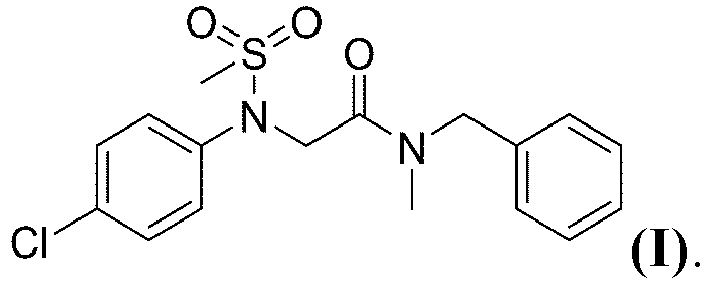
- In the third aspect of the present invention, provided is a TREK-1 ion channel inhibitor, comprising a compound of Formula I or a pharmaceutically acceptable salt thereof:
- In the fourth aspect of the present invention, provided is a method for preventing and/or treating a TREK-1 ion channel-related disease comprising a step of administration of a compound of Formula I or a pharmaceutically acceptable salt thereof to a subject in need thereof; wherein the compound of formula I is as defined in the first aspect.
- In another preferred embodiment, the TREK-1 ion channel-related disease is a psychiatric disorder.
- In another preferred embodiment, the psychiatric disorder includes depression, anxiety disorder, schizophrenia, bipolar disorder, or a combination thereof.
- In another preferred embodiment, the TREK-1 ion channel-related disease includes depression, anxiety disorder, schizophrenia, bipolar disorder, or a combination thereof.
- In another preferred embodiment, the subject includes human people, or non-human mammals.
- In another preferred embodiment, the non-human mammals include primates, or rodents (e.g., mice, rats, etc.).
- In another preferred embodiment, the administration dosage of the administration is 1 to 20 mg/kg body weight, preferably 5 mg/kg body weight.
- In another preferred embodiment, the frequency of the administration is 1 to 4 times per day, preferably 1 time a day.
- In another preferred embodiment, the administration total daily dosage of the administration is 1 to 20 mg/kg body weight, preferably 5 mg/kg body weight.
- In another preferred embodiment, the time period of the administration is from 2 weeks to 5 years, preferably from 2 months to 1 year.
- In the fifth aspect of the present invention, provided is a method for preventing and/or treating a psychiatric disorder comprising a step of administration of a compound of Formula I or a pharmaceutically acceptable salt thereof to a subject in need thereof; wherein the compound of formula I is as defined in the first aspect.
- In another preferred embodiment, the psychiatric disorder includes depression, anxiety disorder, schizophrenia, bipolar disorder, or a combination thereof.
- In another preferred embodiment, the psychiatric disorder is depression.
- In another preferred embodiment, the subject includes human people, or non-human mammals.
- In another preferred embodiment, the non-human mammals include primates, or rodents (e.g., mice, rats, etc.).
- In another preferred embodiment, the administration dosage of the administration is 1 to 20 mg/kg body weight, preferably 5 mg/kg body weight.
- In another preferred embodiment, the frequency of the administration is 1 to 4 times per day, preferably 1 time a day.
- In another preferred embodiment, the administration total daily dosage of the administration is 1 to 20 mg/kg body weight, preferably 5 mg/kg body weight.
- In another preferred embodiment, the time period of the administration is from 2 weeks to 5 years, preferably from 2 months to 1 year.
- In the sixth aspect of the present invention, provided is a kit, comprising:
- (i) a drug or a preparation containing a compound of formula I or a pharmaceutically acceptable salt thereof as an active ingredient; and
- (ii) an instructions.
- In another preferred embodiment, the recording of the instructions notes that the indications of the kit include psychiatric disorder, preferably the indications include depression (including major depressive disorder and/or refractory depression.), anxiety disorder, schizophrenia, and/or bipolar disorder.
- In another preferred embodiment, the recording of the instructions notes that the administration dosage of the drug or the preparation is 1 to 20 mg/kg body weight, preferably 5 mg/kg body weight, calculated by the active ingredient.
- In another preferred embodiment, the administration frequency of the drug or the preparation is 1 to 4 times per day, preferably 1 time a day.
- In another preferred embodiment, the administration time period of the drug or the preparation is from 2 weeks to 5 years, preferably from 2 months to 1 year.
- In the seventh aspect of the invention, provided is a method for inhibiting the current of an intracellular TREK-1 ion channel, comprising a step of: contacting a cell expressing a TREK-1 ion channel protein with a compound of Formula I or a pharmaceutically acceptable salt thereof, thereby inhibiting the current of the intracellular TREK-1 ion channel.
- In another preferred embodiment, the method is in vitro and non-therapeutic.
- It should be understood that within the scope of the present invention, the above technical features of the present invention and the technical features specifically described in the following (e.g., embodiments) can be combined with each other, thereby forming a new or preferred technical solution. Due to space limitations, it will not be repeated herein.
-
-
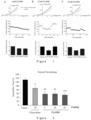
Figure 1 shows the TREK-1 ion channel action effect experiment of Example 2, wherein Figures A, B and C show the effect of CLA096 at 5 µM, 10 µM and 20 µM respectively, on the I-V curve (top), current amplitude (middle) and current inhibition rate (bottom) of the TREK-1 channel. -
Figure 2 shows the effect of different doses of CLA096 on the immobility time of forced swimming in the forced swimming experiment in normal mice (Example 3) to evaluate the antidepressant-like effect of CLA096. ∗ p<0.05, ∗∗ p<0.01, ∗∗∗ p<0.001, compared with vehicle group. -
Figure 3 shows the effect of different doses of CLA096 on the latency of feeding inhibition in novel environment in the novel environment feeding inhibition experiment in normal mice (Example 3) to evaluate the antidepressant-like effect of CLA096. ∗ p<0.05, ∗∗ p<0.01, compared with vehicle group. -
Figure 4 shows the modeling process of the animal model of refractory depression in rats and the route map of administration (example 4). -
Figure 5 shows the pharmacodynamic evaluation in the rat refractory depression model induced with adrenocorticotropic hormone (Example 4), whereinFigures A-C show the immobility, swimming and climbing states of the rats in the forced swimming experiment, respectively, and Figure D shows the total distance traveled by the rats in the open field experiment. ∗ p<0.05, compared with vehicle group. -
Figure 6 shows the survival curve of mice in a 14-day subacute toxicity assay for CLA096 (Example 5). -
Figure 7 shows the weight change of mice in the 14-day subacute toxicity experiment for CLA096, wherein the left panel shows the weight change of male mice and the right panel shows the weight change of female mice (Example 5). - After extensive and in-depth research, the present inventors unexpectedly found that CLA096 has a significant inhibitory effect on the TREK-1 ion channel, and that the compound also has excellent in vivo antidepressant ability and low toxicity, therefore the compound is very suitable for the treatment or prevention of TREK-1 ion channel-related diseases (e.g., psychiatric disorders such as depression) or for the treatment or prevention of psychiatric disorders. The present invention is completed on this basis.
- In particular, various antidepressant behavioral efficacy experiments of CLA096 were conducted herein. The experiments were conducted by intraperitoneal administration of CLA096 with different doses, and the compound CLA096 was found to have a significant antidepressant effect that was superior to that of the positive control fluoxetine, making it very suitable for application in the preparation of drugs for the treatment of depression.
- Unless otherwise indicated, the abbreviations used herein have the conventional meaning as understood by those skilled in the art, for example, "Ms" refers to methylsulfonyl.
- As used herein, the terms "compound of the invention", "compound of Formula I", "CLA096" and "compound CLA096" are used interchangeably, referring to a compound shown in Formula I (whose name is N-benzyl-2-(N-(4-chlorophenyl)methylsulfonylamino)-N-methylacetamide), these terms also include various crystalline forms of the compound of Formula I, pharmaceutically acceptable salts;

- Wherein, the term "pharmaceutically acceptable salts" refers to salts that are formed by the compound of the invention and acids or bases, and suitable for use as a drug. Pharmaceutically acceptable salts include inorganic salts and organic salts. A group of preferred salts are salts formed by the compound of the present invention and the acids. Acids suitable for forming salts include, but are not limited to, inorganic acids such as hydrochloric acid, hydrobromic acid, hydrofluoric acid, sulfuric acid, nitric acid, phosphoric acid and the like; organic acids such as methanoic acid, acetic acid, propionic acid, oxalic acid, malonic acid, succinic acid, fumaric acid, maleic acid, lactic acid, malic acid, tartaric acid, citric acid, bitter acid, methane sulfonic acid, benzenemethanesulfonic acid, benzene sulfonic acid, and the like; and amino acids such as aspartic acid, glutamic acid and the like.
- The compound of the present invention possesses outstanding activity of inhibiting the TREK-1 ion channel as well as in vivo antidepressant ability. Therefore, the compound of the present invention, and the crystal forms thereof, pharmaceutically acceptable inorganic or organic salts thereof, and the pharmaceutical composition containing the compound of the present invention as a main active ingredient can be used for treating, preventing and/or alleviating TREK-1 ion channel-related diseases (e.g. psychiatric disorders) or for treating, preventing and/or alleviating psychiatric disorders such as depression. According to the prior art, the compound of the invention can be used to treat the following diseases: psychiatric disorders such as depression, anxiety disorder, schizophrenia, and/or bipolar disorder.
- The pharmaceutical composition of the invention comprises the compound of the present invention (the compound of formula I) or the pharmaceutically acceptable salts thereof in a safe and effective dosage range. The pharmaceutical composition of the invention may further include additional therapeutic agents for depression or antidepressant drugs (such as fluoxetine). The pharmaceutical composition of the invention may further include pharmaceutically acceptable excipients or carriers.
- "Safe and effective amount" refers to the amount of compound which is sufficient to significantly improve the condition, and not to generate severe side effects. Generally, the pharmaceutical composition contains 1-2000 mg compound of the invention per dose, preferably, 10-500mg compound of the invention per dose. Preferably, the "one dose" is one capsule or one pill.
- "Pharmaceutically acceptable carrier" means one or more compatible solid or liquid fillers, or gel materials which are suitable for human use and should be of sufficient purity and sufficiently low toxicity. "Compatibility" used herein means that the components of the composition can be admixed with the compounds of the invention and with each other without significantly reducing the efficacy of the compounds. Some examples of pharmaceutically acceptable carriers include cellulose and the derivatives thereof (such as sodium carboxymethyl cellulose, sodium ethyl cellulose, cellulose acetate, etc.), gelatin, talc, solid lubricants (such as stearic acid, magnesium stearate), calcium sulfate, vegetable oils (such as soybean oil, sesame oil, peanut oil, olive oil, etc.), polyols (such as propylene glycol, glycerol, mannitol, sorbitol, etc.), emulsifiers (such as Tween®), wetting agent (such as sodium dodecyl sulfate), coloring agents, flavoring agents, stabilizers, antioxidants, preservatives, pyrogen-free water, etc.
- There is no special restriction on the administration mode of the compound or pharmaceutical compositions of the present invention, and they can be administered by conventional means to the subject in need (e.g., human and non-human mammals). Representative administration mode include (but are not limited to): oral, injectable (e.g., intravenous, intramuscular, or subcutaneous), and inhalation (e.g., aerosol inhalation) administration.
- Solid dosage forms for oral administration include capsules, tablets, pills, powders and granules. In these solid dosage forms, the active compounds are mixed with at least one conventional inert excipient (or carrier), such as sodium citrate or dicalcium phosphate, or mixed with any of the following components: (a) fillers or compatibilizer, for example, starch, lactose, sucrose, glucose, mannitol and silicic acid; (b) binders, for example, hydroxymethyl cellulose, alginates, gelatin, polyvinylpyrrolidone, sucrose and arabic gum; (c) humectant, such as, glycerol; (d) disintegrating agents such as agar, calcium carbonate, potato starch or tapioca starch, alginic acid, certain composite silicates, and sodium carbonate; (e) dissolution-retarding agents, such as paraffin; (f) absorption accelerators, for example, quaternary ammonium compounds; (g) wetting agents, such as cetyl alcohol and glyceryl monostearate; (h) adsorbents, for example, kaolin; and (i) lubricants such as talc, stearin calcium, magnesium stearate, solid polyethylene glycol, sodium lauryl sulfate, or the mixtures thereof. In capsules, tablets and pills, the dosage form may also contain buffering agents. The solid dosage form such as tablets, sugar pills, capsules, pills and granules can be prepared by using coating and shell materials, such as enteric coatings and any other materials known in the art. They can contain an opaque agent. The active compounds or compounds in the compositions can be released in a delayed mode in a given portion of the digestive tract (i.e. sustained release preparation). Examples of the embedding components include polymers and waxes. If necessary, the active compound and one or more above excipients can form microcapsules.
- Liquid dosage forms for oral administration include pharmaceutically acceptable emulsions, solutions, suspensions, syrups or tinctures. In addition to the active compounds, the liquid dosage form may contain any conventional inert diluents known in the art such as water or other solvents, solubilizers and emulsifiers, for example, ethanol, isopropanol, ethyl carbonate, ethyl acetate, propylene glycol, 1,3-butanediol, dimethyl formamide, as well as oil, in particular, cottonseed oil, peanut oil, corn germ oil, olive oil, castor oil and sesame oil, or the combination thereof.
- Besides these inert diluents, the composition may also contain additives such as wetting agents, emulsifiers, and suspending agent, sweetener, flavoring agents and perfume.
- In addition to the active compounds, the suspension may contain suspending agent, for example, ethoxylated isooctadecanol, polyoxyethylene sorbitol and dehydrated sorbitan esters, microcrystalline cellulose, methanol aluminum and agar, or the combination thereof.
- The compositions for injection may comprise physiologically acceptable sterile aqueous or anhydrous solutions, dispersions, suspensions or emulsions, and sterile powders which can be re-dissolved into sterile injectable solutions or dispersions. Suitable aqueous and non-aqueous carriers, diluents, solvents or excipients include water, ethanol, polyols and any suitable mixtures thereof.
- The pharmaceutical composition of the present invention can also be made into powders for aerosol inhalation.
- Compounds of the present invention can be administrated alone, or in combination with any other pharmaceutically acceptable compounds.
- When the pharmaceutical composition is used, a safe and effective amount of drug is administered to a mammal (such as human or a non-human mammal), wherein the safe and effective amount is usually at least about 10 µg/kg body weight and in most cases does not exceed about 50 mg/kg body weight (daily), preferably the dose is about 10 µg/kg body weight to about 20 mg/kg body weight, more preferably, 1 to 20 mg/kg body weight, most preferably 1 to 5 mg/kg body weight. Of course, the specific dose should also depend on various factors, such as the route of administration, the health conditions of patient, which are well within the skills of an experienced physician.
- As used herein, the terms "TREK-1 ion channel" and "TREK-1 channel" can be used interchangeably. TREK-1 ion channel (TWIK-Related K+ Channel 1) is an important member of the Potassium channel K2P channel (Two Pore-Domain Potassium Channels) family.
- Depression, also known as depressive disorder, is characterized by significant and persistent depression and is the main type of mood disorder. Clinically, it can be seen that low mood is not commensurate with its situation. Emotional depression can range from gloom to grief, inferiority depression, and even pessimism, and may have suicidal attempts or behaviors; or even the occurrence of stupor. Some cases have obvious anxiety and exercise agitation. In severe cases, psychotic symptoms such as hallucinations and delusions may occur. Each period lasts for at least 2 weeks, or longer or even for several years, and most cases tend to recur, most of which can be relieved, but some may have residual symptoms or become chronic.
- The treatment of refractory depression among depressions is more difficult and slower. Clinically, a diagnosis of refractory depression is made after a poor outcome (HAMD reduction rate <20%) after adequate dose and full course of treatment by applying two or more antidepressant drugs with different action mechanisms. Current treatment regimens generally require attempts to administer multiple combinations of drugs at high doses, placing a physical and psychological burden on the patient.
-
- (a) The compound CLA096 of the invention has significant antidepressant effect. Especially there is also significant antidepressant effect on refractory depression.
- (b) The compound CLA096 of the invention has excellent safety.
- (c) The compound CLA096 of the invention can produce the antidepressant effect equivalent to or even significantly superior to the positive drug (fluoxetine) in the body at a lower dose (such as 5mg/kg body weight).
- (d) The compound CLA096 of the invention shows significant antidepressant effect in both rats and mice.
- The present invention will be further described hereafter in combination with specific examples. It should be understood that these examples are only used to illustrate the present invention and not to limit the scope of the invention. The experimental methods without specific conditions in the following examples generally follow the conventional conditions or the conditions suggested by the manufacturer. Unless otherwise stated, percentages and parts are percentages by weight and parts by weight.
- Unless otherwise specified, the test or analysis methods used in each example are as follows:
- Cells were transfected using a cationic liposome transfection method, and the target gene TREK-1 plasmid protein was heterologously expressed in CHO-K1 cells according to the operating standard instructions of Lipo3000 transfection reagent. The ion channel protein was expressed in the cells for 24-48h followed by electrophysiological experiments.
- Whole-cell membrane clamp recording mode was used for electrophysiological experiments. The transfected cells were placed in a bath containing extracellular fluid, the resistance of the drawn electrode is 3-7 MΩ, the electrode was filled with intracellular fluid, the polished electrode was used to contact the cell membrane, the positive voltage was removed and the negative voltage was gently applied to form a high impedance seal, and then the cell membrane was broken by continuing to apply negative voltage, i.e. whole-cell recording mode was formed. The sampling frequency of the electrophysiological amplifier was 10 kHz, and the data sampling was controlled using a DigiData 1440A conversion interface. The software used for collecting and analyzing whole-cell recording experimental data is Clamfit 10.7, the software used for data analysis and graphing is Origin 8.1, and the software used for statistical analysis is SPSS.
- Open field test, also known as the open box test, is a method to evaluate the autonomous behavior, exploratory behavior and anxiety-like behavior of experimental animals in a novel environment. The frequency and duration of the normal activities, the fear of the open environment and the exploration of the new environment and other behaviors of the experimental animals in the open box are used to reflect the autonomous behavior and exploratory behavior of the experimental animals in the unfamiliar environment. The results of the open-field experiments were analyzed to evaluate the depression and anxiety-like behaviors of the animals.
- Experimental operation: the experimental animals were placed in the
behavior room 2 hours before the experiment. The animals were placed in the center of the bottom of a black plastic box (size 100∗100∗45 cm) during the experiment, while video filming was performed. The experiment time was 10 minutes and was conducted in a quiet environment. The bottom and inner walls of the open box were wiped after each experiment to prevent the interference of the remaining information of the last animal on the next experiment. The video was analyzed using the animal spontaneous activity analysis software to obtain information of central area activity time (anxiety-like behavior), total distance of activities (exercise ability), and number of wall climbing (novel environment exploratory behavior) and the like, which can be used to judge the depression or anxiety-like behavior of the animal and degree thereof. - The forced swimming test system is primarily used in antidepressant studies. The experimental animal is placed in a confined environment (e.g., water) wherein the animal struggles desperately to escape but unable to succeed, thus providing an inescapably oppressive environment, and after a period of experimentation, the animal exhibits a typical "immobility state" reflecting a state called "behavior despair state", and a series of parameters in the process of animals in this environment that generate desperate immobility were recorded.
- Experimental operation: Mice were individually placed in a
cylindrical glass tank 30 cm high and 20 cm in diameter, with a water depth of 15 cm (20 cm for rats), so that the mice are unable to escape from the glass tank and their feet and tails can not touch the bottom of the tank. The water temperature was 23°C-25°C. The mice were filmed for 6 minutes after entering the water. Since most of the mice were very active in the first two minutes, the last 4 minutes of immobility time were calculated (criteria for determining immobility: the mice stopped struggling in the water, immobility and fine limb movements to maintain balance or float). Groups of mice were operated in parallel. - Novelty-suppressed feeding experiment (NSF) is a conflict between feeding occurred in a novel environment in a state of starvation after fasting and fear of novel environment. Long-term administration of antidepressant drugs can reduce the conflict response ability of animals, which is manifested by shortened incubation period of the start of feeding. This model is currently widely used in the evaluation of antidepressant and anti-anxiety efficacy.
- The experimental equipment was a 35cm*35cm*30cm (L*W*H) open box, which was overspread with substrate, and a white filter paper with a diameter of 5cm was placed in the open box, and 2 pieces of food were placed in the middle of the filter paper. The animals were fasted for 12 h before the administration of the drug.
- Two hours before the behavioral test, the animal were moved into the functional room for 2 h to acclimatize. The drug intervention was given according to the above dosing protocol. Novelty-suppressed feeding experiments were performed at 1h and 24h after drug administration, respectively, and were performed as follows. The animal were placed from the edge of the experimental open box, and the animal were regarded as successful feeding if their mouths touched the food within 10 min, and then the animal were removed immediately and the time of successful feeding (i.e. Novelty latency) was calculated. The animal were then placed in the normal feeding cage and the time from placement to feeding (i.e. Habituation latency) was also calculated. If the animal did not successfully obtain food within 10 min, the animal were forcibly removed and similarly placed in the normal cage, and the habituation latency thereof was also calculated. The whole experiment was recorded by camera, and the data were processed and analyzed offline.
-

-

- STEP 1: P-chloroaniline (150.00 g, 1.18 mol) was dissolved in dichloromethane (1.25 L) and pyridine (102.83 g, 1.30 mol) was added at room temperature at once. The temperature of the reaction system remained unchanged. The reaction was replaced with nitrogen for three times and cooled to 0~5°C in an ice-water bath, and methyl sulfonyl chloride (148.67 g, 1.30 mol) was added slowly dropwise. After dripping, the reaction was warmed to room temperature and stirred overnight, TLC (PE: EA=3:1) shows that the reaction of raw material p-chloroaniline was complete. The reaction solution was quenched by pouring into water (2.0 L) and solids were precipitated, filtered and the filter cake was washed with water and dried to give intermediate 1 (236.80 g, 98% yield) as light pink solid.
HPLC: 99.73% purity, 220 nm; 1H NMR: (400 MHz, DMSO-d6) δ9.87 (s, 1H), 7.43-7.36 (m, 2H), 7.24-7.17 (m, 2H), 2.99 (s, 3H). - STEP 2: Sodium bicarbonate (156.10 g, 1.86 mol) was dispersed into dichloromethane (0.5 L), bromoacetyl bromide (274.83 g, 1.36 mol) in dichloromethane (0.5 L) was added dropwise through a dropping funnel. After addition, the reaction was replaced with nitrogen for three times and cooled to 0 to 5 degrees in an ice water bath. N-methylbenzylamine (150.00 g, 1.24 mol) in dichloromethane (0.5 L) was added slowly dropwise through the dropping funnel, and after dropping, the solution was warmed to room temperature and stirred for 1 h. The HPLC showed that there was still a part of N-methylbenzylamine remaining. The reaction was cooled to 0 to 5 degrees in an ice-water bath, supplemental bromoacetyl bromide (75.00 g, 0.37 mol) was added and the mixture was stirred overnight at room temperature, and HPLC showed that a small amount of N-methylbenzylamine was still remaining. The reaction solution was quenched by pouring into ice water (1.5 L). The mixture was partitioned, extracted with dichloromethane. The organic phase was combined, part of the organic phase was concentrated, dried with anhydrous sodium sulfate, filtered, concentrated, and the crude product was purified by silica gel column chromatography (PE:EA=10: 1 to 4:1) to obtain intermediate 2 (200 g, 67% yield) as colorless oily product. HPLC: (98.75% purity, 220 nm)
- STEP 3: Intermediate 1 (232.0 g, 1.13 mol), Intermediate 2 (309.9 g, 1.28 mol) and potassium carbonate (235.0 g, 1.70 mol) were dispersed in acetonitrile (2.5 L), heated and stirred at reflux for 2 h. HPLC showed that the reaction of the raw materials was complete. The reaction solution was cooled to room temperature, quenched with water (1.5 L), partitioned, extracted with ethyl acetate. The organic phases were combined, part of the organic phase was concentrated, washed with water, dried with anhydrous sodium sulfate, filtered and concentrated to obtain crude product as pale yellow oil, which was purified by silica gel column chromatography (petroleum ether: ethyl acetate=10: 1 to 4:1) to give an off-white solid CLA096 (245.6 g, 59% yield). LCMS: m/z=367.1 [M+H]+, HPLC: (99.33% purity, 220 nm), 1H NMR (400 MHz, DMSO-d 6) δ7.53-7.44 (m, 4H), 7.38-7.23 (m, 3H), 7.19-7.10 (m, 2H), 4.70-4.67 (m, 2H), 4.56-4.49 (m, 2H), 3.14 (s, 3H), 2.91-2.81 (m, 3H).
- Specific implementation:
- Test drug: CLA096
- Test drug configuration
- CLA096: Three doses were set up in this example. The drug was firstly dissolved in DMSO and then diluted with tri-distilled water to high, medium and low doses: 5 µM, 10 µM and 20 µM, respectively.
- The experiment was performed using a cell membrane clamp method to record the current of TREK-1 ion channel in whole cells. Protocol A0 was chosen to record the currents of cells at -80mV, -60mV, -40mV, -20mV, 0mV, 20mV, 40mV, 60mV and 80mV, and Protocol A0 was repeated with different concentrations such as 5µM, 10µM and 20µM of CLA096 being perfused, respectively. After administration, whether it can be eluted was tested.
- The results are shown in
Figure 1 , CLA096 is able to inhibit the open current of TREK-1 channel, wherein the inhibition rates of 5 µM, 10 µM and 20 µM CLA096 are 0.75 ± 0.02, 0.55 ± 0.05 and 0.59 ± 0.01, respectively, indicating the high inhibitory activity of CLA096 on TREK-1 channel. - C57 mice were selected in the present invention, and two kinds of behavioral pharmacodynamic experiments of antidepressants were conducted using different doses of CLA096 by intraperitoneal administration. The compound CLA096 was found to have a significant antidepressant effect, which was superior to that of the positive control drug fluoxetine, and therefore can be used as an application for the preparation of drugs for the treatment of depression.
- Test drug:
- CLA096, Fluoxetine (FLX)
- Test drug configuration
- CLA096: Three doses were set up in this example, the low, medium and high doses were 5 mg/kg, 20 mg/kg and 40 mg/kg, respectively. The compound was dissolved in 0.5% Tween-40 and sonicated, and should be used right after it was ready.
- Fluoxetine (FLX): FLX with a dose of 10 mg/kg; dissolved in double distilled water, and should be used right after it was ready.
- Vehicle control group (Veh): 0.5% Tween-40.
- Data analysis:
All data analysis were completed using spss 22 (for mac) data processing software. One-way analysis of variance was used and results were calibrated using LSD method for multiple comparisons. - Animal grouping
60 of 8-week-old C57 male mice were randomly divided into five groups, and each group was shown in the following table:Group Number of Animals (mouse) Administration mode Injection Dose (mg/kg) Injection Volume (ml/kg) Vehicle control group 12 intraperitoneal injection 0.5% Tween-40 10 Fluoxetine group 12 intraperitoneal injection 20 10 CLA096 low dose group 12 intraperitoneal injection 5 10 CLA096 medium dose group 12 intraperitoneal injection 20 10 CLA096 high dose group 12 intraperitoneal injection 40 10 - Experimental results
- 1. Forced swimming experiment in mice
Figure 2 shows the immobility time (s) of mice in forced swimming test, the results shows that fluoxetine significantly reduces the immobility time of animals in water, CLA096 significantly reduces the immobility time of animals at all doses, and the effect of CLA096 is significantly better than fluoxetine. The immobility time of forced swimming reflects the desperate behavior of animals in an inescapable environment, which is also a common depressive symptom, and it can be seen that CLA096 has a significant antidepressant effect. (Data were analyzed using One-way ANOVA with LSD post-hoc tests: ∗p<0.05, ∗∗p<0.01, ∗∗∗p<0.001, compared with vehicle control group). - 2. Novelty-Suppressed Feeding Inhibition Experiment
-
Figure 3 shows the determination results of the latency (time, s) of the compound on feeding of fasted mice. The value of latency reflects the motivation of mice in a physiological sense. It is one of the clinical symptoms of depression and can also be used to describe anxiety symptoms. In general, the longer the latency period, the severer the depressive symptoms. All different doses of CLA096 significantly reduced the latency value and were significantly better than fluoxetine (data were analyzed using One-way ANOVA with LSD post-hoc tests: ∗p<0.05, ∗∗p<0.01, compared with vehicle control group). - Based on the results of the above two behavioral pharmacodynamic experiments of antidepressant, it is shown that CLA096 has a significant antidepressant effect, and the antidepressant effects of CLA096 at all three doses of high, medium and low are better than that of the positive control drug fluoxetine. It can be seen that the CLA096 of the invention is able to bring a significant antidepressant-like behavior at low doses.
- Modeling method:
An animal model of refractory depression was induced in SD rats by continuous intraperitoneal injection of adrenocorticotropic hormone (ACTH) for 3 weeks. This model can block the effects of tricyclic antidepressants and some SSRIs antidepressants, but can not block the efficacy of ketamine and electroconvulsive therapy (ETC). Since ketamine and ETC have specific efficacy in refractory depression, this animal model can be used to preliminary evaluate whether the drug have efficacy in refractory depression. - The experimental procedure is generally shown in
Figure 4 , and the specific steps are as follows: - 1. SD rats in the model group (ACTG) were continuously injected with ACTH for 3 weeks (once/day), and the test drug was injected intraperitoneally 24 h after the last administration of ACTH. The rats in the control group (CON) were continuously injected intraperitoneally with 0.9% saline (once/day) and similarly the test drug was injected intraperitoneally 24 h after the last administration of saline.
- 2. After 30 min of single dose administration of the test drug, the open-field experiment was performed.
- 3. After the open-field experiment, ACTH was continued to be injected, and after 24 h, the above test drug was injected intraperitoneally and forced swimming was tested 30 min after the administration.
-
Group Injection Dose (mg/kg) Injection Volume (ml/kg) Administration mode Behavioral test CON+ Veh Vehicle 10 intraperitoneal injection Open field is tested 30 min after administration, and forced swimming is tested 30 min after administration the next day. CON+ Imipramine 20 10 intraperitoneal injection CON+ Ketamine 20 10 intraperitoneal injection CON+CLA096 20 10 intraperitoneal injection ACTH+ Veh Vehicle 10 intraperitoneal injection ACTH + Imipramine 20 10 intraperitoneal injection ACTH + Ketamine 20 10 intraperitoneal injection ACTH + CLA096 20 10 intraperitoneal injection - The results of forced swimming in rats showed (
Figure 5 . A-C) that CLA096 and the positive drugs Imipramine and ketamine significantly reduced the immobility time of forced swimming in rats in the control (CON) group (Figure 5A ), and CLA096 significantly increased the swimming time of rats (Figure 5B ), indicating that the antidepressant efficacy of CLA096 was significant with acute administration. The antidepressant effect of the tricyclic antidepressant Imipramine was blocked after rats were modeled with ACTH (ACTH group rats), while the antidepressant effect of Ketamine and CLA096 remained significant, indicating that CLA096 has effect on refractory depression (data were analyzed using One-way ANOVA with LSD post-hoc tests: ∗ p<0.05, compared with vehicle control group). - The rat open field results (
Figure 5D ) showed that although CLA096 and Ketamine had an increasing trend in the total movement distance of normal animals and ACTH model animals, there was no significant difference, indicating that CLA096 had no significant effect on the movement ability of rats. - Specific implementation:
- Test drug: CLA096
- Test drug configuration: CLA096: Three doses were set up: 5 mg/kg, 50 mg/kg and 100 mg/kg, respectively.
- 5 mg/kg: taking 8.2 µl of stock solution, adding 155.3 µl of DMSO, then adding 327 µl of Tween-80, mixing thoroughly, and finally adding tri-distilled water to a required volume of 3 ml, and tri-distilled water is added slowly in drops to prevent the precipitation of drugs.
- 50 mg/kg: taking 81.8 µl of stock solution, adding 81.7 µl of DMSO, then adding 327 µl of Tween-80, mixing thoroughly, and finally adding tri-distilled water to a required volume of 3 ml, and tri-distilled water is added slowly in drops to prevent the precipitation of drugs.
- 100 mg/kg: taking 163.5 µl of stock solution, then adding 327 µl of Tween-80, and finally adding tri-distilled water to a required volume of 3 ml, and tri-distilled water is added slowly in drops to prevent the precipitation of drugs.
- Vehicle control group: taking 163.5 µl DMSO, then adding 327 µl Tween-80, and finally adding tri-distilled water to a required volume of 3 ml.
- Animal grouping: 20 male mice and 20 female mice were randomly divided into 4 groups, specific groups are as shown in the following table:
Groups Administration Dose (mg/kg) Administration Volume (ml/kg) Administration frequency (times / day) Administration Times (times) Number of Animals (mouse) Administration mode Vehicle control Vehicle of the test compound being used as control. 10 1 14 5 male mice and 5 female mice intraperitoneal Low dose CLA096 5 10 1 14 5 male mice and 5 female mice intraperitoneal medium dose CLA096 50 10 1 14 5 male mice and 5 female mice intraperitoneal high dose CLA096 100 10 1 14 5 male mice and 5 female mice intraperitoneal - It can be seen from the survival curves of mice shown in
Figure 6 that the low, medium and high dose groups of CLA096 were not lethal to the mice. Moreover, no significant changes in body weight were observed from any of the mouse groups of both gender (seeFigure 7 ). - Based on the above behavioral pharmacodynamic experimental results, it is indicated that CLA096 possesses significant and excellent antidepressant effect and a good safety profile.
- All documents mentioned in the present invention are cited as references in this application, just as each document is individually cited as a reference. In addition, it should be understood that, after reading the above teaching content of the present invention, those skilled in the art can make various changes or modifications to the present invention, and these equivalent forms also fall within the scope defined by the appended claims of the present application.
Claims (14)
- A use of a compound of formula I or a pharmaceutically acceptable salt thereof in (i) the preparation of a pharmaceutical composition or a preparation for preventing and/or treating a TREK-1 ion channel-related disease, (ii) the preparation of a pharmaceutical composition or a preparation for preventing and/or treating a psychiatric disorder and/or (iii) the preparation of a TREK-1 ion channel inhibitor.

- The use according to claim 1, wherein the TREK-1 ion channel-related disease includes a psychiatric disorder.
- The use according to claim 1 or 2, wherein the psychiatric disorder includes depression, anxiety disorder, schizophrenia, bipolar disorder, or a combination thereof.
- The use according to claim 3, wherein the depression includes major depressive disorder and/or refractory depression.
- The use according to claim 1, wherein the administration dosage of the compound of formula I is 0.1-50 mg/kg body weight, preferably 1-5 mg/kg body weight.
- The use according to claim 1, wherein the pharmaceutical composition contains 0.001 to 99 wt% the compound of formula I or the pharmaceutically acceptable salt thereof, based on the total weight of the pharmaceutical composition.
- The use according to claim 1, wherein the dosage form of the pharmaceutical composition includes an oral dosage form, an injection dosage form, and/or an inhalation dosage form.
- A pharmaceutical composition, wherein the pharmaceutical composition comprises a compound of Formula I or a pharmaceutically acceptable salt thereof.
- The pharmaceutical composition according to claim 8, wherein the pharmaceutical composition further includes one or more additional active ingredients selected from the group consisting of(i) a TREK-1 ion channel inhibitor;(ii) a drug for preventing or treating a psychiatric disorder.
- The pharmaceutical composition according to claim 8, wherein the pharmaceutical composition further contains pharmaceutically acceptable carriers.
- A method for preventing and/or treating a TREK-1 ion channel-related disease, comprising a step of administration of a compound of Formula I or a pharmaceutically acceptable salt thereof to a subject in need thereof; wherein the compound of formula I is as defined in claim 1.
- The method according to claim 11, wherein the TREK-1 ion channel-related disease is a psychiatric disorder.
- The method according to claim 11, wherein the TREK-1 ion channel-related disease includes depression, anxiety disorder, schizophrenia, bipolar disorder, or a combination thereof.
- A kit, wherein the kit comprising:(i) a drug or a preparation containing a compound of formula I or a pharmaceutically acceptable salt thereof as an active ingredient; and(ii) an instructions.
Applications Claiming Priority (2)
| Application Number | Priority Date | Filing Date | Title |
|---|---|---|---|
| CN202010754144.1A CN114053256B (en) | 2020-07-30 | 2020-07-30 | A compound for preventing and treating mental disorders and its application |
| PCT/CN2021/109365 WO2022022651A1 (en) | 2020-07-30 | 2021-07-29 | Compound for preventing and treating psychiatric disorders and use thereof |
Publications (2)
| Publication Number | Publication Date |
|---|---|
| EP4190322A1 true EP4190322A1 (en) | 2023-06-07 |
| EP4190322A4 EP4190322A4 (en) | 2024-10-16 |
Family
ID=80037647
Family Applications (1)
| Application Number | Title | Priority Date | Filing Date |
|---|---|---|---|
| EP21850238.3A Withdrawn EP4190322A4 (en) | 2020-07-30 | 2021-07-29 | ASSOCIATED WITH THE PREVENTION AND TREATMENT OF PSYCHIATRIC DISEASES AND USE THEREOF |
Country Status (5)
| Country | Link |
|---|---|
| US (1) | US20230301947A1 (en) |
| EP (1) | EP4190322A4 (en) |
| JP (1) | JP7599664B2 (en) |
| CN (2) | CN114053256B (en) |
| WO (1) | WO2022022651A1 (en) |
Family Cites Families (5)
| Publication number | Priority date | Publication date | Assignee | Title |
|---|---|---|---|---|
| BR0315115A (en) * | 2002-10-11 | 2005-08-16 | Actelion Pharmaceuticals Ltd | Compounds, pharmaceutical compositions, method for treating or preventing diseases or disorders in which a human orexin receptor antagonist is required, process for the manufacture of pharmaceutical compositions, and use of one or more compounds in combination with other pharmacologically active compounds. |
| CN101684096A (en) * | 2008-09-23 | 2010-03-31 | 中国科学院上海药物研究所 | Novel benzoazepine compound and preparation method and application thereof |
| MX2011011428A (en) * | 2009-05-01 | 2011-11-29 | Raqualia Pharma Inc | Sulfamoyl benzoic acid derivatives as trpm8 antagonists. |
| CN109020887B (en) * | 2017-06-10 | 2022-03-01 | 绍兴从零医药科技有限公司 | Amide compounds for the prevention and treatment of mental disorders |
| CN110878048B (en) * | 2018-09-06 | 2023-03-17 | 中国科学院上海药物研究所 | Anilines as psychotropic disorders |
-
2020
- 2020-07-30 CN CN202010754144.1A patent/CN114053256B/en active Active
-
2021
- 2021-07-29 EP EP21850238.3A patent/EP4190322A4/en not_active Withdrawn
- 2021-07-29 JP JP2023507254A patent/JP7599664B2/en active Active
- 2021-07-29 WO PCT/CN2021/109365 patent/WO2022022651A1/en not_active Ceased
- 2021-07-29 US US18/018,290 patent/US20230301947A1/en active Pending
- 2021-07-29 CN CN202180058434.5A patent/CN116194093A/en active Pending
Also Published As
| Publication number | Publication date |
|---|---|
| US20230301947A1 (en) | 2023-09-28 |
| JP2023536590A (en) | 2023-08-28 |
| CN114053256B (en) | 2023-07-18 |
| JP7599664B2 (en) | 2024-12-16 |
| CN116194093A (en) | 2023-05-30 |
| CN114053256A (en) | 2022-02-18 |
| WO2022022651A1 (en) | 2022-02-03 |
| EP4190322A4 (en) | 2024-10-16 |
Similar Documents
| Publication | Publication Date | Title |
|---|---|---|
| US20240000765A1 (en) | Combination treatment of liver disorders | |
| US8642661B2 (en) | Pharmaceutical combinations of beta-3 adrenergic receptor agonists and muscarinic receptor antagonists | |
| US20110059998A1 (en) | Kit, composition, product or medicament for treating cognitive impairment | |
| US20190365683A1 (en) | Pharmaceutical compositions and the treatment of overactive bladder | |
| JP2021523934A (en) | Aminopyrazine and related compounds useful as mitochondrial deconjugation agents | |
| US20260001872A1 (en) | Benzisothiazole compound and application thereof, and pharmaceutical composition and application thereof | |
| JP6958860B2 (en) | Agents for improving mitochondrial dysfunction, preventive or therapeutic agents for diseases or symptoms caused by mitochondrial dysfunction, and their uses | |
| KR20150020160A (en) | Combination of muscarinic receptor antagonists and beta―3 adrenoceptor agonists for treating overactive bladder | |
| EP3331853B1 (en) | Selected amide of -hydroxybutyric acid and uses thereof in the treatment of alcohol misuse | |
| EA015483B1 (en) | Use of a p38 kinase inhibitor for treating psychiatric disorders | |
| AU2015231076B2 (en) | Carboxy-cyclopropyl undecanol compounds for treatment of liver disease and other medical disorders | |
| US20050277626A1 (en) | Methods and compositions for treatment of nicotine dependence and dementias | |
| US20230301947A1 (en) | Compound for preventing and treating psychiatric disorders and use thereof | |
| CA3195597A1 (en) | Metalloenzyme inhibitors for treating cancers, alzheimer's disease, hemochromatosis, and other disorders | |
| US11730714B2 (en) | Compounds for the treatment of neuromuscular disorders | |
| US20200276186A1 (en) | Use of morphinans for treating cocaine addiction, pruritis, and seizure disorders | |
| US12582648B2 (en) | Method for treating central nervous system disorders using dopamine D3 partial agonists | |
| KR20170004978A (en) | 5-ht4 receptor agonist for gastroparesis | |
| CN106061940A (en) | Compounds for the treatment of diabetes and its associated diseases | |
| KR20060079122A (en) | Benzothiazole derivatives effective for the prevention of diabetes and obesity | |
| US20190183833A1 (en) | Compounds For The Treatment Of Neuromuscular Disorders | |
| AMANDA et al. | ABSORPTION, DISTRIBUTION, AND | |
| KR20120022934A (en) | Stable forms of n-(2,6-dimethyl-4-morpholin-4-yl-phenyl)-3,3-dimethyl-butyramide | |
| RS60744B1 (en) | Diarylmethylidene piperidine derivatives and their use as delta opioid receptor agonists | |
| EP2072515B1 (en) | Substituted quinazolidines for antidiabetic treatment |
Legal Events
| Date | Code | Title | Description |
|---|---|---|---|
| STAA | Information on the status of an ep patent application or granted ep patent |
Free format text: STATUS: THE INTERNATIONAL PUBLICATION HAS BEEN MADE |
|
| PUAI | Public reference made under article 153(3) epc to a published international application that has entered the european phase |
Free format text: ORIGINAL CODE: 0009012 |
|
| STAA | Information on the status of an ep patent application or granted ep patent |
Free format text: STATUS: REQUEST FOR EXAMINATION WAS MADE |
|
| 17P | Request for examination filed |
Effective date: 20230227 |
|
| AK | Designated contracting states |
Kind code of ref document: A1 Designated state(s): AL AT BE BG CH CY CZ DE DK EE ES FI FR GB GR HR HU IE IS IT LI LT LU LV MC MK MT NL NO PL PT RO RS SE SI SK SM TR |
|
| DAV | Request for validation of the european patent (deleted) | ||
| DAX | Request for extension of the european patent (deleted) | ||
| A4 | Supplementary search report drawn up and despatched |
Effective date: 20240916 |
|
| RIC1 | Information provided on ipc code assigned before grant |
Ipc: A61P 25/24 20060101ALI20240911BHEP Ipc: A61P 25/22 20060101ALI20240911BHEP Ipc: A61P 25/18 20060101ALI20240911BHEP Ipc: A61K 9/72 20060101ALI20240911BHEP Ipc: A61K 9/48 20060101ALI20240911BHEP Ipc: A61K 9/20 20060101ALI20240911BHEP Ipc: A61K 9/08 20060101ALI20240911BHEP Ipc: A61K 31/137 20060101ALI20240911BHEP Ipc: A61K 31/136 20060101ALI20240911BHEP Ipc: A61K 31/18 20060101AFI20240911BHEP |
|
| STAA | Information on the status of an ep patent application or granted ep patent |
Free format text: STATUS: THE APPLICATION HAS BEEN WITHDRAWN |
|
| 18W | Application withdrawn |
Effective date: 20250612 |