EP4184164A1 - Multi-sense platform for internal air quality hazard classification - Google Patents
Multi-sense platform for internal air quality hazard classification Download PDFInfo
- Publication number
- EP4184164A1 EP4184164A1 EP22208170.5A EP22208170A EP4184164A1 EP 4184164 A1 EP4184164 A1 EP 4184164A1 EP 22208170 A EP22208170 A EP 22208170A EP 4184164 A1 EP4184164 A1 EP 4184164A1
- Authority
- EP
- European Patent Office
- Prior art keywords
- sensor
- gas
- type
- readings
- ones
- Prior art date
- Legal status (The legal status is an assumption and is not a legal conclusion. Google has not performed a legal analysis and makes no representation as to the accuracy of the status listed.)
- Granted
Links
Images


Classifications
-
- G—PHYSICS
- G01—MEASURING; TESTING
- G01N—INVESTIGATING OR ANALYSING MATERIALS BY DETERMINING THEIR CHEMICAL OR PHYSICAL PROPERTIES
- G01N21/00—Investigating or analysing materials by the use of optical means, i.e. using sub-millimetre waves, infrared, visible or ultraviolet light
- G01N21/17—Systems in which incident light is modified in accordance with the properties of the material investigated
- G01N21/25—Colour; Spectral properties, i.e. comparison of effect of material on the light at two or more different wavelengths or wavelength bands
- G01N21/31—Investigating relative effect of material at wavelengths characteristic of specific elements or molecules, e.g. atomic absorption spectrometry
- G01N21/35—Investigating relative effect of material at wavelengths characteristic of specific elements or molecules, e.g. atomic absorption spectrometry using infrared light
- G01N21/3504—Investigating relative effect of material at wavelengths characteristic of specific elements or molecules, e.g. atomic absorption spectrometry using infrared light for analysing gases, e.g. multi-gas analysis
-
- G—PHYSICS
- G01—MEASURING; TESTING
- G01N—INVESTIGATING OR ANALYSING MATERIALS BY DETERMINING THEIR CHEMICAL OR PHYSICAL PROPERTIES
- G01N33/00—Investigating or analysing materials by specific methods not covered by groups G01N1/00 - G01N31/00
- G01N33/0004—Gaseous mixtures, e.g. polluted air
- G01N33/0009—General constructional details of gas analysers, e.g. portable test equipment
- G01N33/0027—General constructional details of gas analysers, e.g. portable test equipment concerning the detector
- G01N33/0031—General constructional details of gas analysers, e.g. portable test equipment concerning the detector comprising two or more sensors, e.g. a sensor array
- G01N33/0032—General constructional details of gas analysers, e.g. portable test equipment concerning the detector comprising two or more sensors, e.g. a sensor array using two or more different physical functioning modes
-
- G—PHYSICS
- G01—MEASURING; TESTING
- G01N—INVESTIGATING OR ANALYSING MATERIALS BY DETERMINING THEIR CHEMICAL OR PHYSICAL PROPERTIES
- G01N33/00—Investigating or analysing materials by specific methods not covered by groups G01N1/00 - G01N31/00
- G01N33/0004—Gaseous mixtures, e.g. polluted air
- G01N33/0009—General constructional details of gas analysers, e.g. portable test equipment
- G01N33/0073—Control unit therefor
- G01N33/0075—Control unit therefor for multiple spatially distributed sensors, e.g. for environmental monitoring
-
- G—PHYSICS
- G01—MEASURING; TESTING
- G01N—INVESTIGATING OR ANALYSING MATERIALS BY DETERMINING THEIR CHEMICAL OR PHYSICAL PROPERTIES
- G01N21/00—Investigating or analysing materials by the use of optical means, i.e. using sub-millimetre waves, infrared, visible or ultraviolet light
- G01N21/17—Systems in which incident light is modified in accordance with the properties of the material investigated
- G01N21/25—Colour; Spectral properties, i.e. comparison of effect of material on the light at two or more different wavelengths or wavelength bands
- G01N21/31—Investigating relative effect of material at wavelengths characteristic of specific elements or molecules, e.g. atomic absorption spectrometry
- G01N21/35—Investigating relative effect of material at wavelengths characteristic of specific elements or molecules, e.g. atomic absorption spectrometry using infrared light
- G01N21/359—Investigating relative effect of material at wavelengths characteristic of specific elements or molecules, e.g. atomic absorption spectrometry using infrared light using near infrared light
-
- G—PHYSICS
- G01—MEASURING; TESTING
- G01N—INVESTIGATING OR ANALYSING MATERIALS BY DETERMINING THEIR CHEMICAL OR PHYSICAL PROPERTIES
- G01N21/00—Investigating or analysing materials by the use of optical means, i.e. using sub-millimetre waves, infrared, visible or ultraviolet light
- G01N21/62—Systems in which the material investigated is excited whereby it emits light or causes a change in wavelength of the incident light
- G01N21/63—Systems in which the material investigated is excited whereby it emits light or causes a change in wavelength of the incident light optically excited
- G01N21/65—Raman scattering
-
- G—PHYSICS
- G01—MEASURING; TESTING
- G01N—INVESTIGATING OR ANALYSING MATERIALS BY DETERMINING THEIR CHEMICAL OR PHYSICAL PROPERTIES
- G01N27/00—Investigating or analysing materials by the use of electric, electrochemical, or magnetic means
- G01N27/02—Investigating or analysing materials by the use of electric, electrochemical, or magnetic means by investigating impedance
- G01N27/04—Investigating or analysing materials by the use of electric, electrochemical, or magnetic means by investigating impedance by investigating resistance
- G01N27/12—Investigating or analysing materials by the use of electric, electrochemical, or magnetic means by investigating impedance by investigating resistance of a solid body in dependence upon absorption of a fluid; of a solid body in dependence upon reaction with a fluid, for detecting components in the fluid
-
- G—PHYSICS
- G01—MEASURING; TESTING
- G01N—INVESTIGATING OR ANALYSING MATERIALS BY DETERMINING THEIR CHEMICAL OR PHYSICAL PROPERTIES
- G01N27/00—Investigating or analysing materials by the use of electric, electrochemical, or magnetic means
- G01N27/26—Investigating or analysing materials by the use of electric, electrochemical, or magnetic means by investigating electrochemical variables; by using electrolysis or electrophoresis
-
- G—PHYSICS
- G01—MEASURING; TESTING
- G01N—INVESTIGATING OR ANALYSING MATERIALS BY DETERMINING THEIR CHEMICAL OR PHYSICAL PROPERTIES
- G01N27/00—Investigating or analysing materials by the use of electric, electrochemical, or magnetic means
- G01N27/62—Investigating or analysing materials by the use of electric, electrochemical, or magnetic means by investigating the ionisation of gases, e.g. aerosols; by investigating electric discharges, e.g. emission of cathode
- G01N27/64—Investigating or analysing materials by the use of electric, electrochemical, or magnetic means by investigating the ionisation of gases, e.g. aerosols; by investigating electric discharges, e.g. emission of cathode using wave or particle radiation to ionise a gas, e.g. in an ionisation chamber
-
- G—PHYSICS
- G01—MEASURING; TESTING
- G01N—INVESTIGATING OR ANALYSING MATERIALS BY DETERMINING THEIR CHEMICAL OR PHYSICAL PROPERTIES
- G01N33/00—Investigating or analysing materials by specific methods not covered by groups G01N1/00 - G01N31/00
- G01N33/0004—Gaseous mixtures, e.g. polluted air
- G01N33/0009—General constructional details of gas analysers, e.g. portable test equipment
- G01N33/0027—General constructional details of gas analysers, e.g. portable test equipment concerning the detector
- G01N33/0031—General constructional details of gas analysers, e.g. portable test equipment concerning the detector comprising two or more sensors, e.g. a sensor array
-
- G—PHYSICS
- G01—MEASURING; TESTING
- G01N—INVESTIGATING OR ANALYSING MATERIALS BY DETERMINING THEIR CHEMICAL OR PHYSICAL PROPERTIES
- G01N33/00—Investigating or analysing materials by specific methods not covered by groups G01N1/00 - G01N31/00
- G01N33/0004—Gaseous mixtures, e.g. polluted air
- G01N33/0009—General constructional details of gas analysers, e.g. portable test equipment
- G01N33/0027—General constructional details of gas analysers, e.g. portable test equipment concerning the detector
- G01N33/0036—General constructional details of gas analysers, e.g. portable test equipment concerning the detector specially adapted to detect a particular component
- G01N33/0047—Organic compounds
-
- G—PHYSICS
- G08—SIGNALLING
- G08B—SIGNALLING SYSTEMS, e.g. PERSONAL CALLING SYSTEMS; ORDER TELEGRAPHS; ALARM SYSTEMS
- G08B21/00—Alarms responsive to a single specified undesired or abnormal condition and not otherwise provided for
- G08B21/02—Alarms for ensuring the safety of persons
- G08B21/12—Alarms for ensuring the safety of persons responsive to undesired emission of substances, e.g. pollution alarms
- G08B21/14—Toxic gas alarms
-
- G—PHYSICS
- G01—MEASURING; TESTING
- G01N—INVESTIGATING OR ANALYSING MATERIALS BY DETERMINING THEIR CHEMICAL OR PHYSICAL PROPERTIES
- G01N33/00—Investigating or analysing materials by specific methods not covered by groups G01N1/00 - G01N31/00
- G01N33/0004—Gaseous mixtures, e.g. polluted air
- G01N33/0009—General constructional details of gas analysers, e.g. portable test equipment
- G01N33/0027—General constructional details of gas analysers, e.g. portable test equipment concerning the detector
- G01N33/0031—General constructional details of gas analysers, e.g. portable test equipment concerning the detector comprising two or more sensors, e.g. a sensor array
- G01N33/0034—General constructional details of gas analysers, e.g. portable test equipment concerning the detector comprising two or more sensors, e.g. a sensor array comprising neural networks or related mathematical techniques
-
- G—PHYSICS
- G01—MEASURING; TESTING
- G01N—INVESTIGATING OR ANALYSING MATERIALS BY DETERMINING THEIR CHEMICAL OR PHYSICAL PROPERTIES
- G01N33/00—Investigating or analysing materials by specific methods not covered by groups G01N1/00 - G01N31/00
- G01N33/0004—Gaseous mixtures, e.g. polluted air
- G01N33/0009—General constructional details of gas analysers, e.g. portable test equipment
- G01N33/0062—General constructional details of gas analysers, e.g. portable test equipment concerning the measuring method or the display, e.g. intermittent measurement or digital display
- G01N33/0063—General constructional details of gas analysers, e.g. portable test equipment concerning the measuring method or the display, e.g. intermittent measurement or digital display using a threshold to release an alarm or displaying means
-
- G—PHYSICS
- G08—SIGNALLING
- G08B—SIGNALLING SYSTEMS, e.g. PERSONAL CALLING SYSTEMS; ORDER TELEGRAPHS; ALARM SYSTEMS
- G08B21/00—Alarms responsive to a single specified undesired or abnormal condition and not otherwise provided for
- G08B21/02—Alarms for ensuring the safety of persons
- G08B21/12—Alarms for ensuring the safety of persons responsive to undesired emission of substances, e.g. pollution alarms
Definitions
- the present invention relates to sensor platforms and, more particularly but optionally, to a multi-sensor platform for indoor air quality (IAQ) hazard classification.
- IAQ indoor air quality
- Air pollution is the presence of substances in the atmosphere that are harmful to the health of humans and other living beings, or cause damage to the climate or to building structures, interiors, and materials.
- air pollutants such as gases (including ammonia, carbon monoxide, sulfur dioxide, nitric oxide, methane, carbon dioxide and chlorofluorocarbons), particulates (both organic and inorganic) and biological molecules.
- Air pollution may cause diseases, allergies and even death to humans; it may also cause harm to other living organisms such as animals and food crops, and may damage the natural environment (for example, due to climate change, ozone depletion or habitat degradation) or built environment (for example, acid rain). Both human activity and natural processes can generate air pollution.
- a multi-sense platform includes a first sensor, a second sensor and a controller disposed in signal communication with the first sensor and the second sensor.
- the controller is configured to determine a presence of a first type of gas based on readings of the first sensor and to distinguish between a first one of the first type of gas and a second one of the first type of gas based on readings of the second sensor.
- the controller may be embodied in one or more of the first and second sensors or may be remote from the first and second sensors.
- the controller may generate a fingerprint of a species of interest in accordance with the readings of the first and second sensors.
- the controller may be configured to issue a warning in an event either of the first and second ones of the first type of gas is hazardous and present and the warning includes a gas concentration indicator and a risk factor indicator.
- the first sensor may include a metal-oxide semiconductor (MOS) sensor and the second sensor may include at least one of an electrochemical sensor and an infrared sensor.
- MOS metal-oxide semiconductor
- the first type of gas may include a reducing gas and the first and second ones of the first type of gas may be different reducing gases with similar reduction potential and similar bonding affinities to the MOS sensor.
- the first sensor may include a particulate sensor and the second sensor may include at least one of a metal-oxide semiconductor (MOS) sensor, an electrochemical sensor and an infrared sensor.
- MOS metal-oxide semiconductor
- the first type of gas may include particulates and the first and second ones of the first type of gas may be gases with harmful and safe particulates, respectively.
- a multi-sense platform includes a frame, a circuit board supportively disposed in the frame, a first sensor operatively coupled to the circuit board and configured to detect a first type of gas and to generate readings indicative thereof, a second sensor operatively coupled to the circuit board and configured to detect first and second ones of the first type of gas and to generate readings indicative thereof and a controller disposed in signal communication with the first sensor and the second sensor.
- the controller is configured to determine a presence of the first type of gas based on the readings of the first sensor and to distinguish between the first and second ones of the first type of gas based on the readings of the second sensor.
- the multi-sense platform of the second aspect of the invention may be in accordance with the multi-sense platform of the first aspect of the invention, and may optionally be in accordance with any optional form of the first aspect of the invention.
- the controller may be embodied in the circuit board, in one or more of the first and second sensors or may be remote from the first and second sensors.
- the controller may generate a fingerprint of a species of interest in accordance with the readings of the first and second sensors.
- the controller may be configured to issue a warning in an event either of the first and second ones of the first type of gas is hazardous and present and the warning includes a gas concentration indicator and a risk factor indicator.
- the first sensor may include a metal-oxide semiconductor (MOS) sensor and the second sensor may include at least one of an electrochemical sensor and an infrared sensor.
- MOS metal-oxide semiconductor
- the first type of gas may include a reducing gas and the first and second ones of the first type of gas may be different reducing gases with similar reduction potential and similar bonding affinities to the MOS sensor.
- the first sensor may include a particulate sensor and the second sensor may include at least one of a metal-oxide semiconductor (MOS) sensor, an electrochemical sensor and an infrared sensor.
- MOS metal-oxide semiconductor
- the first type of gas may include particulates and the first and second ones of the first type of gas may be gases with harmful and safe particulates, respectively.
- a method of operation of a multi-sense platform includes detecting a first type of gas and generating readings indicative thereof at a first sensor, detecting first and second ones of the first type of gas and to generate readings indicative thereof at a second sensor, determining a presence of the first type of gas based on the readings of the first sensor and distinguishing between the first and second ones of the first type of gas based on the readings of the second sensor.
- the method of operation of the multi-sense platform of the third aspect of the invention may be a method of operation of a multi-sense platform in accordance with the first and/or second aspects of the invention, optionally in accordance with any optional form of the first and/or second aspects of the invention.
- the method may include generating a fingerprint of a species of interest in accordance with the readings of the first and second sensors.
- the method may include issuing a warning in an event either of the first and second ones of the first type of gas is hazardous and present.
- the warning may include a gas concentration indicator and a risk factor indicator.
- inorganic gases such as nitrogen, oxygen and carbon dioxide
- air naturally contains low levels of aerosolized particulate matter (PM), as well as chemicals, such as volatile organic compounds (VOCs) and volatile sulfur compounds (VSCs).
- PM aerosolized particulate matter
- VOCs volatile organic compounds
- VSCs volatile sulfur compounds
- HAPs hazardous air pollutants
- a multi-sense platform features various sensors that can be used in combination to create a fingerprint of a species of interest.
- Using the sensors in combination with one another can overcome specificity limitations of the individual sensors in insolation.
- a sensor formed of a metal-oxide semiconductor (MOS) can detect reducing gases, but will have difficulty distinguishing between two gases with similar reduction potential and similar bonding affinity to the sensor.
- MOS metal-oxide semiconductor
- use of one or more electrochemical sensors and/or IR sensors in combination with the MOS sensor could allow the gases to be distinguished and provide additional specificity to the sensing platform.
- a particulate sensor could be used in conjunction with an MOS sensor, an electrochemical sensor or an infra-red (IR) sensor (i.e., a photo-electric scattering sensor or a near IR (NIR) emitter with a silicon photodiode sensor to measure a scattering of particles) to distinguish harmful particulate matter, such as wildfire smoke from water droplets in condensing steam.
- IR infra-red
- NIR near IR
- This information could be used to modify a hazard classification algorithm to reduce the hazard category when a benign component is identified.
- a multi-sense platform 101 includes a frame 201, a circuit board 202 that is supportively disposed in the frame 201, at least one or more first sensors 210, at least one or more second sensors 220 and a controller 230 (see FIGS. 2 and 3 ).
- the at least one or more first sensors 210 are operatively coupled to the circuit board 202 and are configured to detect a first type of gas and to generate readings indicative thereof.
- the at least one or more second sensors 220 are operatively coupled to the circuit board 202 and configured to detect first and second ones of the first type of gas and to generate readings indicative thereof.
- the at least one or more second sensors 220 can be used to distinguish between the first and second ones of the first type of gas.
- the multi-sense platform 101 can include at least one or more first sensors 210 and at least one or more second sensors 220, the following description will relate to the exemplary case in which the multi-sense platform 101 includes a first sensor 210 and a second sensor 220. This is being done for clarity and brevity and should not be interpreted as limiting of the instant disclosure or the claims in any way.
- the controller 230 is disposed in signal communication with the first sensor 210 and with the second sensor 220.
- the controller 230 is configured to determine a presence of the first type of gas based on the readings of the first sensor 210 and to distinguish between the first and second ones of the first type of gas based on the readings of the second sensor 220.
- the controller 230 can be embodied in the circuit board 202.
- the controller 230 can be embodied in one or more of the first sensor 210 and the second sensor 220.
- the controller 230 can be remote from the circuit board 202, from the first sensor 210 and from the second sensor 220.
- FIG. 2 illustrates that the controller 230 is embodied in the circuit board 202. This is done for clarity and should not be interpreted as limiting a scope of the description in any manner.
- the controller 230 can include a processor 231, such as a microprocessor or a central processing unit, a memory unit 232 and a networking unit 233 by which the processor 231 communicates with the circuit board 202, the first sensor 210 and the second sensor 220.
- the memory unit 232 has executable instructions stored thereon, which are readable and executable by the processor 231.
- the executable instructions When the executable instructions are read and executed by the processor 231, the executable instructions cause the processor 231 to operate substantially as described herein.
- the processor 231 of the controller 230 can generate a fingerprint of a species of interest in accordance with the readings of the first and second sensors.
- the processor 231 of the controller 230 can be further configured to issue a warning in an event when either of the first and second detected gases is hazardous and present.
- the warning can include a gas concentration indicator and a risk factor indicator.
- the first sensor 210 can include a MOS sensor 211 or a particulate sensor (not shown) and the second sensor 220 can include at least one of a MOS sensor, an electrochemical sensor 221 and an infrared sensor 222.
- the first type of gas can be a reducing gas that can be sensed by the MOS sensor 211, where the MOS sensor 211 is otherwise incapable of distinguishing between different reducing gases due to their having similar reduction potentials and similar bonding affinities to the MOS sensor.
- the first and second ones of the first type of gas are different reducing gases with similar reduction potential and similar bonding affinities to the MOS sensor that can be distinguished from one another by at least one of the electrochemical sensor 221 and an infrared sensor 222.
- the first type of gas can be associated with presence of particulates
- the first and second ones of the first type of gas are gases associated with harmful and safe particulates, respectively.
- 'gas' can be classified as being molecular with a size of about ⁇ 0.3 nm while particulate matter includes molecules with sizes of about > 300 nm. Particulates may be generated in conjunction with certain types of gases.
- particles in particulate matter can be larger or smaller than 300 nm. It is, therefore, to be understood that particles in particulate matter can be any size and that the present description is not limited to any sensors (optical or otherwise) that are capable of sensing particles of particular size ranges.
- the first sensor 210 and the second sensor 220 can include various combinations of photo-electric based smoke detector chambers, ion-based smoke detector chambers, radon detectors, polymeric temperature/humidity sensors, MOS sensors optimized for sensing reducing or oxidizing gases (ozone or nitrogen oxide, both considered HAP) and which are often marketed as being outdoor air quality sensors, photoionization detectors (PID) especially suitable for very low concentration HAP sensing, electrochemical sensors, non-dispersive infrared (NDIR) sensors or photo-acoustic (PA) infrared sensors, low-cost Raman spectroscopes and optical fiber sensors for VOCs.
- PID photoionization detectors
- electrochemical sensors electrochemical sensors
- NDIR non-dispersive infrared
- PA photo-acoustic
- the senor can be provided as single-channel chambers or multi-channel chambers that employ multiple wavelengths of light including infrared and blue light and photodiodes at different positions to capture multiple angles of scattered light where a ratio between channels can provide information on particle size and shape.
- the sensor can also include additional ultra-violet channels (inclusive of additional LED, photodiode, and bandpass filter as necessary) to detect HAP aromatics (benzene, phenol, polycyclic aromatics) and potential biological fluorescence.
- HAP aromatics benzene, phenol, polycyclic aromatics
- the aromatics absorb ultraviolet (UV) light whereas most other non-biological VOCs do not.
- Aromatics are also a common fire component (wildfire smokes generated in California contain many prevalent HAP contaminants).
- the reducing gases can be ethanol vapor, toluene vapor, formaldehyde, mercaptans, carbon monoxide and others.
- the MOS sensors can be those that are often marketed as indoor air quality (IAQ) or VOC sensors. These sensors can include different chemical dopants within the metal oxide structure to fine-tune selectivity and sensitivity of their response to different gases. Furthermore, these sensors feature a heater and can cycle through different temperature settings where the adsorbed gases will cause the sensor to have a different resistance at different temperatures. This correlation between temperature and resistance can also function as a fingerprint identification.
- these sensors can include carbon monoxide (i.e., HAP) sensors, where an electrochemical catalyst may be optimized to react with a specific analyte or class of analytes of high concern, such as formaldehyde.
- An electrochemical sensor voltage bias may be optimized to detect a specific analyte or class of analytes of high concern, such as formaldehyde once again.
- NDIR sensors For NDIR sensors or photo-acoustic (PA) infrared sensors, these function by emitting infra-red light subsequently absorbed by gas molecules stimulated to bend, stretch and rotate. The light adsorption is detected by NDIR sensor photodiode or resulting acoustic signal detected by a PA sensor microphone.
- a narrow bandpass filter can be applied to the emitted IR light so that only molecules possessing the infrared moiety of interest will be stimulated and be detected.
- Hydroxyl band (-OH) occurring at 3400 cm-1 could be indicative of common low-hazard compounds such as: water, hydroxypropyl- ⁇ -cyclodextrin (used in odor eliminator air fresheners), propylene glycol (vaping), diethylene glycol (odor eliminator in cleaning products), ethyl alcohol (beverages) and isopropanol (hand sanitizer).
- Cross-sensitivities to hazardous substances sharing the same 3400 cm-1 band (phenols for example) can be detected and accounted for by other sensors on the platform.
- aromatic compounds could be detected by UV adsorption, while ammonia can be detected with a metal oxide sensor.
- a residential user can place the multi-sense platform 101 in a normal operational mode (see FIG. 5 ) or in a training-mode (see FIG. 6 ).
- sensor input signals are collected (block 501) and sensor data is analyzed and compared with a database (block 502).
- An HAP determination is then made (block 503) and followed up with an alert (block 504) and, if a detected chemical is not an HAP, a determination is made as to whether a chemical is a low-risk VOC (block 505) which is followed by an alert (block 506). If the detected chemical is not a low-risk VOC, the database is updated accordingly (block 507) and control reverts to block 501.
- the training mode can be engaged where PM or VOC sources of low-concern can be introduced to the multi-sense platform 101 and identified as low-risk sources.
- a VOC type is registered (block 601), sensor data is analyzed and the VOC type is assigned to the database (block 602). At this point, a determination is made as to whether sensor signals are below a threshold based on sensor sensitivity limits or gas concentrations (block 603). If not, control reverts to block 602. If so, learning mode is exited (block 604). Thus, upon future exposure to a source, the multi-sense platform 101 would show a reduced risk response. Data uploaded to the database will be available for cross-referencing with other user-reported low risk sources and given sufficient independent validation it could be added to the general population of low-risk fingerprint profiles.
- the multi-sense platform 101 described above makes use of targeted sensors to detect classes of chemicals (e.g., an IR sensor for a hydroxyl group and/or a UV sensor to detect aromatics) and makes use of targeted sensors to detect specific chemicals of interest (e.g., electrochemical sensor for CO and formaldehyde).
- targeted sensors e.g., an IR sensor for a hydroxyl group and/or a UV sensor to detect aromatics
- targeted sensors to detect specific chemicals of interest e.g., electrochemical sensor for CO and formaldehyde.
- the multi-sense platform 101 also makes use of combinations of sensors to fingerprint identify other specific chemicals of interest.
- the multi-sense platform makes use of combinations of sensors to fingerprint identify and categorize unknown chemicals to certain classes including: potential HAPs, uncategorized VOCs and low-risk VOCs. A raw response of a primary VOC sensor or a quantified VOC concentration can then be multiplied by a risk factor.
- a final VOC risk score can then be reported to a customer as a combination of VOC concentration and risk factor of constituent VOC classes.
- a method of operation of a multi-sense platform such as the multi-sense platform 101.
- the method includes detecting a first type of gas and generating readings indicative thereof at a first sensor (block 701), detecting first and second ones of the first type of gas and to generate readings indicative thereof at a second sensor (block 702), determining a presence of the first type of gas based on the readings of the first sensor (block 703) and distinguishing between the first and second ones of the first type of gas based on the readings of the second sensor (block 704).
- this method can lead to the generating of a fingerprint of a species of interest in accordance with the readings of the first and second sensors.
- the method can also include issuing a warning in an event either of the first and second ones of the first type of gas is hazardous and present (block 705), where the warning can include a gas concentration indicator and a risk factor indicator.
- a multi-sense platform with an ability to distinguish HAPs from less harmful substances. This can provide more useful and actionable information to an end user than what is normally available from conventional sensor platforms that do not offer multiple, varied sensor types.
- the multi-sense platform would enable distinctions between "actual" IAQ events and false alarms due to room fresheners and other similar compositions that may be found in a given space whose ingredients are considered benign.
Landscapes
- Chemical & Material Sciences (AREA)
- Health & Medical Sciences (AREA)
- Life Sciences & Earth Sciences (AREA)
- Physics & Mathematics (AREA)
- General Health & Medical Sciences (AREA)
- General Physics & Mathematics (AREA)
- Pathology (AREA)
- Immunology (AREA)
- Analytical Chemistry (AREA)
- Biochemistry (AREA)
- Engineering & Computer Science (AREA)
- Medicinal Chemistry (AREA)
- Combustion & Propulsion (AREA)
- Food Science & Technology (AREA)
- Spectroscopy & Molecular Physics (AREA)
- Toxicology (AREA)
- Electrochemistry (AREA)
- Chemical Kinetics & Catalysis (AREA)
- Environmental & Geological Engineering (AREA)
- Emergency Management (AREA)
- Business, Economics & Management (AREA)
- Molecular Biology (AREA)
- Nuclear Medicine, Radiotherapy & Molecular Imaging (AREA)
- Investigating Or Analysing Materials By Optical Means (AREA)
- Investigating Or Analyzing Materials By The Use Of Fluid Adsorption Or Reactions (AREA)
Abstract
Description
- The present invention relates to sensor platforms and, more particularly but optionally, to a multi-sensor platform for indoor air quality (IAQ) hazard classification.
- Air pollution is the presence of substances in the atmosphere that are harmful to the health of humans and other living beings, or cause damage to the climate or to building structures, interiors, and materials. There are many different types of air pollutants, such as gases (including ammonia, carbon monoxide, sulfur dioxide, nitric oxide, methane, carbon dioxide and chlorofluorocarbons), particulates (both organic and inorganic) and biological molecules. Air pollution may cause diseases, allergies and even death to humans; it may also cause harm to other living organisms such as animals and food crops, and may damage the natural environment (for example, due to climate change, ozone depletion or habitat degradation) or built environment (for example, acid rain). Both human activity and natural processes can generate air pollution.
- According to a first aspect of the invention, a multi-sense platform is provided and includes a first sensor, a second sensor and a controller disposed in signal communication with the first sensor and the second sensor. The controller is configured to determine a presence of a first type of gas based on readings of the first sensor and to distinguish between a first one of the first type of gas and a second one of the first type of gas based on readings of the second sensor.
- The controller may be embodied in one or more of the first and second sensors or may be remote from the first and second sensors.
- The controller may generate a fingerprint of a species of interest in accordance with the readings of the first and second sensors.
- The controller may be configured to issue a warning in an event either of the first and second ones of the first type of gas is hazardous and present and the warning includes a gas concentration indicator and a risk factor indicator.
- The first sensor may include a metal-oxide semiconductor (MOS) sensor and the second sensor may include at least one of an electrochemical sensor and an infrared sensor.
- The first type of gas may include a reducing gas and the first and second ones of the first type of gas may be different reducing gases with similar reduction potential and similar bonding affinities to the MOS sensor.
- The first sensor may include a particulate sensor and the second sensor may include at least one of a metal-oxide semiconductor (MOS) sensor, an electrochemical sensor and an infrared sensor.
- The first type of gas may include particulates and the first and second ones of the first type of gas may be gases with harmful and safe particulates, respectively.
- According to a second aspect of the invention, a multi-sense platform is provided and includes a frame, a circuit board supportively disposed in the frame, a first sensor operatively coupled to the circuit board and configured to detect a first type of gas and to generate readings indicative thereof, a second sensor operatively coupled to the circuit board and configured to detect first and second ones of the first type of gas and to generate readings indicative thereof and a controller disposed in signal communication with the first sensor and the second sensor. The controller is configured to determine a presence of the first type of gas based on the readings of the first sensor and to distinguish between the first and second ones of the first type of gas based on the readings of the second sensor.
- The multi-sense platform of the second aspect of the invention may be in accordance with the multi-sense platform of the first aspect of the invention, and may optionally be in accordance with any optional form of the first aspect of the invention.
- The controller may be embodied in the circuit board, in one or more of the first and second sensors or may be remote from the first and second sensors.
- The controller may generate a fingerprint of a species of interest in accordance with the readings of the first and second sensors.
- The controller may be configured to issue a warning in an event either of the first and second ones of the first type of gas is hazardous and present and the warning includes a gas concentration indicator and a risk factor indicator.
- The first sensor may include a metal-oxide semiconductor (MOS) sensor and the second sensor may include at least one of an electrochemical sensor and an infrared sensor.
- The first type of gas may include a reducing gas and the first and second ones of the first type of gas may be different reducing gases with similar reduction potential and similar bonding affinities to the MOS sensor.
- The first sensor may include a particulate sensor and the second sensor may include at least one of a metal-oxide semiconductor (MOS) sensor, an electrochemical sensor and an infrared sensor.
- The first type of gas may include particulates and the first and second ones of the first type of gas may be gases with harmful and safe particulates, respectively.
- According to a third aspect of the invention, a method of operation of a multi-sense platform is provided and includes detecting a first type of gas and generating readings indicative thereof at a first sensor, detecting first and second ones of the first type of gas and to generate readings indicative thereof at a second sensor, determining a presence of the first type of gas based on the readings of the first sensor and distinguishing between the first and second ones of the first type of gas based on the readings of the second sensor.
- The method of operation of the multi-sense platform of the third aspect of the invention may be a method of operation of a multi-sense platform in accordance with the first and/or second aspects of the invention, optionally in accordance with any optional form of the first and/or second aspects of the invention.
- The method may include generating a fingerprint of a species of interest in accordance with the readings of the first and second sensors.
- The method may include issuing a warning in an event either of the first and second ones of the first type of gas is hazardous and present.
- The warning may include a gas concentration indicator and a risk factor indicator.
- Additional features and advantages are realized through the techniques of the present disclosure. Other embodiments and aspects of the disclosure are described in detail herein and are considered a part of the claimed technical concept. For a better understanding of the disclosure with the advantages and the features, refer to the description and to the drawings.
- Certain embodiments of the invention will now be described, by way of example only, and with reference to the accompanying figures, wherein like reference numerals represent like parts, in which:
-
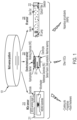
FIG. 1 is a schematic illustration of an exemplary multi-sense platform for indoor air quality (IAQ) hazard classification; -
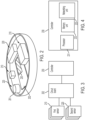
FIG. 2 is a perspective view of an exemplary structure of the multi-sense platform for IAQ hazard classification ofFIG. 1 ; -
FIG. 3 is a schematic diagram illustrating sensors and a controller of the multi-sense platform for IAQ hazard classification ofFIG. 1 ; -
FIG. 4 is a schematic diagram of the controller ofFIG. 3 ; -
FIG. 5 is a flow diagram illustrating a normal operation mode of the multi-sense platform for IAQ hazard classification ofFIG. 1 ; -
FIG. 6 is a flow diagram illustrating a learning mode of the multi-sense platform for IAQ hazard classification ofFIG. 1 ; and -
FIG. 7 is a flow diagram illustrating a method of operation of a multi-sense platform. - In addition to inorganic gases, such as nitrogen, oxygen and carbon dioxide, air naturally contains low levels of aerosolized particulate matter (PM), as well as chemicals, such as volatile organic compounds (VOCs) and volatile sulfur compounds (VSCs). Within these classes are materials that are classified as hazardous air pollutants (HAPs), while other materials may be more benign or harmless.
- Thus, as will be described below, a multi-sense platform is provided and features various sensors that can be used in combination to create a fingerprint of a species of interest. Using the sensors in combination with one another can overcome specificity limitations of the individual sensors in insolation. For example, a sensor formed of a metal-oxide semiconductor (MOS) can detect reducing gases, but will have difficulty distinguishing between two gases with similar reduction potential and similar bonding affinity to the sensor. However, use of one or more electrochemical sensors and/or IR sensors in combination with the MOS sensor could allow the gases to be distinguished and provide additional specificity to the sensing platform. Similarly, a particulate sensor could be used in conjunction with an MOS sensor, an electrochemical sensor or an infra-red (IR) sensor (i.e., a photo-electric scattering sensor or a near IR (NIR) emitter with a silicon photodiode sensor to measure a scattering of particles) to distinguish harmful particulate matter, such as wildfire smoke from water droplets in condensing steam. This information could be used to modify a hazard classification algorithm to reduce the hazard category when a benign component is identified.
- With reference to
FIGS. 1-3 , amulti-sense platform 101 is provided and includes aframe 201, acircuit board 202 that is supportively disposed in theframe 201, at least one or morefirst sensors 210, at least one or moresecond sensors 220 and a controller 230 (seeFIGS. 2 and 3 ). The at least one or morefirst sensors 210 are operatively coupled to thecircuit board 202 and are configured to detect a first type of gas and to generate readings indicative thereof. The at least one or moresecond sensors 220 are operatively coupled to thecircuit board 202 and configured to detect first and second ones of the first type of gas and to generate readings indicative thereof. In this way, if the one or morefirst sensors 210 are able to detect the first type of gas but are incapable of distinguishing between different ones of the first type of gas, the at least one or moresecond sensors 220 can be used to distinguish between the first and second ones of the first type of gas. - Although the
multi-sense platform 101 can include at least one or morefirst sensors 210 and at least one or moresecond sensors 220, the following description will relate to the exemplary case in which themulti-sense platform 101 includes afirst sensor 210 and asecond sensor 220. This is being done for clarity and brevity and should not be interpreted as limiting of the instant disclosure or the claims in any way. - The
controller 230 is disposed in signal communication with thefirst sensor 210 and with thesecond sensor 220. Thecontroller 230 is configured to determine a presence of the first type of gas based on the readings of thefirst sensor 210 and to distinguish between the first and second ones of the first type of gas based on the readings of thesecond sensor 220. Thecontroller 230 can be embodied in thecircuit board 202. Alternatively, thecontroller 230 can be embodied in one or more of thefirst sensor 210 and thesecond sensor 220. In yet another embodiment, thecontroller 230 can be remote from thecircuit board 202, from thefirst sensor 210 and from thesecond sensor 220. The embodiment ofFIG. 2 illustrates that thecontroller 230 is embodied in thecircuit board 202. This is done for clarity and should not be interpreted as limiting a scope of the description in any manner. - With reference to
FIG. 4 , thecontroller 230 can include aprocessor 231, such as a microprocessor or a central processing unit, amemory unit 232 and anetworking unit 233 by which theprocessor 231 communicates with thecircuit board 202, thefirst sensor 210 and thesecond sensor 220. Thememory unit 232 has executable instructions stored thereon, which are readable and executable by theprocessor 231. When the executable instructions are read and executed by theprocessor 231, the executable instructions cause theprocessor 231 to operate substantially as described herein. For example, theprocessor 231 of thecontroller 230 can generate a fingerprint of a species of interest in accordance with the readings of the first and second sensors. In addition, theprocessor 231 of thecontroller 230 can be further configured to issue a warning in an event when either of the first and second detected gases is hazardous and present. The warning can include a gas concentration indicator and a risk factor indicator. - In accordance with exemplary embodiments, as shown in
FIG. 1 , thefirst sensor 210 can include aMOS sensor 211 or a particulate sensor (not shown) and thesecond sensor 220 can include at least one of a MOS sensor, anelectrochemical sensor 221 and aninfrared sensor 222. In these or other cases, the first type of gas can be a reducing gas that can be sensed by theMOS sensor 211, where theMOS sensor 211 is otherwise incapable of distinguishing between different reducing gases due to their having similar reduction potentials and similar bonding affinities to the MOS sensor. Here, the first and second ones of the first type of gas are different reducing gases with similar reduction potential and similar bonding affinities to the MOS sensor that can be distinguished from one another by at least one of theelectrochemical sensor 221 and aninfrared sensor 222. Alternatively, the first type of gas can be associated with presence of particulates, and the first and second ones of the first type of gas are gases associated with harmful and safe particulates, respectively.
As used herein, 'gas' can be classified as being molecular with a size of about <0.3 nm while particulate matter includes molecules with sizes of about > 300 nm. Particulates may be generated in conjunction with certain types of gases. This is particularly true of fires whereby many toxic gases are emitted (carbon monoxide, carbon dioxide, nitrogen oxides, aldehydes, ketones, etc.) prior to or during combustion events that generate particulates. Similarly, cleaning (benign activity) will typically include generations of droplets and concurrent emissions of gas species such as ammonia, alcohols, acetone, etc. - In some cases, particles in particulate matter can be larger or smaller than 300 nm. It is, therefore, to be understood that particles in particulate matter can be any size and that the present description is not limited to any sensors (optical or otherwise) that are capable of sensing particles of particular size ranges.
- In greater detail, the
first sensor 210 and thesecond sensor 220 can include various combinations of photo-electric based smoke detector chambers, ion-based smoke detector chambers, radon detectors, polymeric temperature/humidity sensors, MOS sensors optimized for sensing reducing or oxidizing gases (ozone or nitrogen oxide, both considered HAP) and which are often marketed as being outdoor air quality sensors, photoionization detectors (PID) especially suitable for very low concentration HAP sensing, electrochemical sensors, non-dispersive infrared (NDIR) sensors or photo-acoustic (PA) infrared sensors, low-cost Raman spectroscopes and optical fiber sensors for VOCs. - In the case of the
first sensor 210 or thesecond sensor 220 being a photo-electric based smoke detector chambers for sensing particulate matter (PM), the sensor can be provided as single-channel chambers or multi-channel chambers that employ multiple wavelengths of light including infrared and blue light and photodiodes at different positions to capture multiple angles of scattered light where a ratio between channels can provide information on particle size and shape. The sensor can also include additional ultra-violet channels (inclusive of additional LED, photodiode, and bandpass filter as necessary) to detect HAP aromatics (benzene, phenol, polycyclic aromatics) and potential biological fluorescence. The aromatics absorb ultraviolet (UV) light whereas most other non-biological VOCs do not. Aromatics are also a common fire component (wildfire smokes generated in California contain many prevalent HAP contaminants). - For MOS sensors optimized for sensing reducing gases, the reducing gases can be ethanol vapor, toluene vapor, formaldehyde, mercaptans, carbon monoxide and others. The MOS sensors can be those that are often marketed as indoor air quality (IAQ) or VOC sensors. These sensors can include different chemical dopants within the metal oxide structure to fine-tune selectivity and sensitivity of their response to different gases. Furthermore, these sensors feature a heater and can cycle through different temperature settings where the adsorbed gases will cause the sensor to have a different resistance at different temperatures. This correlation between temperature and resistance can also function as a fingerprint identification.
- For electrochemical sensors, these sensors can include carbon monoxide (i.e., HAP) sensors, where an electrochemical catalyst may be optimized to react with a specific analyte or class of analytes of high concern, such as formaldehyde. An electrochemical sensor voltage bias may be optimized to detect a specific analyte or class of analytes of high concern, such as formaldehyde once again.
- For NDIR sensors or photo-acoustic (PA) infrared sensors, these function by emitting infra-red light subsequently absorbed by gas molecules stimulated to bend, stretch and rotate. The light adsorption is detected by NDIR sensor photodiode or resulting acoustic signal detected by a PA sensor microphone. A narrow bandpass filter can be applied to the emitted IR light so that only molecules possessing the infrared moiety of interest will be stimulated and be detected. Hydroxyl band (-OH) occurring at 3400 cm-1 could be indicative of common low-hazard compounds such as: water, hydroxypropyl-β-cyclodextrin (used in odor eliminator air fresheners), propylene glycol (vaping), diethylene glycol (odor eliminator in cleaning products), ethyl alcohol (beverages) and isopropanol (hand sanitizer). Cross-sensitivities to hazardous substances sharing the same 3400 cm-1 band (phenols for example) can be detected and accounted for by other sensors on the platform. In the same manner, aromatic compounds could be detected by UV adsorption, while ammonia can be detected with a metal oxide sensor.
- With reference to
FIGS. 5 and 6 and in accordance with further exemplary embodiments, a residential user can place themulti-sense platform 101 in a normal operational mode (seeFIG. 5 ) or in a training-mode (seeFIG. 6 ). - In the former case, as shown in
FIG. 5 , sensor input signals are collected (block 501) and sensor data is analyzed and compared with a database (block 502). An HAP determination is then made (block 503) and followed up with an alert (block 504) and, if a detected chemical is not an HAP, a determination is made as to whether a chemical is a low-risk VOC (block 505) which is followed by an alert (block 506). If the detected chemical is not a low-risk VOC, the database is updated accordingly (block 507) and control reverts to block 501. In the latter case, as shown inFIG. 6 , the training mode can be engaged where PM or VOC sources of low-concern can be introduced to themulti-sense platform 101 and identified as low-risk sources. - In the training mode, a VOC type is registered (block 601), sensor data is analyzed and the VOC type is assigned to the database (block 602). At this point, a determination is made as to whether sensor signals are below a threshold based on sensor sensitivity limits or gas concentrations (block 603). If not, control reverts to block 602. If so, learning mode is exited (block 604). Thus, upon future exposure to a source, the
multi-sense platform 101 would show a reduced risk response. Data uploaded to the database will be available for cross-referencing with other user-reported low risk sources and given sufficient independent validation it could be added to the general population of low-risk fingerprint profiles. - In summary, the
multi-sense platform 101 described above makes use of targeted sensors to detect classes of chemicals (e.g., an IR sensor for a hydroxyl group and/or a UV sensor to detect aromatics) and makes use of targeted sensors to detect specific chemicals of interest (e.g., electrochemical sensor for CO and formaldehyde). Themulti-sense platform 101 also makes use of combinations of sensors to fingerprint identify other specific chemicals of interest. These can include, but are not limited to, phenols which respond to UV, reducing gases sensed with MOX, IR 3400 cm-1, benzene which responds to UV, reducing gas MOX, ammonia which responds to IR 3400 cm-1, reducing gas MOX that is a different MOX fingerprint from VOCs, water that registers with IR 3400 cm-1 and/or smoke chamber/particulate sensors depending on droplet size. In addition, the multi-sense platform makes use of combinations of sensors to fingerprint identify and categorize unknown chemicals to certain classes including: potential HAPs, uncategorized VOCs and low-risk VOCs. A raw response of a primary VOC sensor or a quantified VOC concentration can then be multiplied by a risk factor. For example, a potential HAPs could use a risk factor >1, uncategorized VOCs - risk factor = 1 and low-risk VOCs - risk factor <1. A final VOC risk score can then be reported to a customer as a combination of VOC concentration and risk factor of constituent VOC classes. - With reference to
FIG. 7 , a method of operation of a multi-sense platform, such as themulti-sense platform 101, is provided. As shown inFIG. 7 , the method includes detecting a first type of gas and generating readings indicative thereof at a first sensor (block 701), detecting first and second ones of the first type of gas and to generate readings indicative thereof at a second sensor (block 702), determining a presence of the first type of gas based on the readings of the first sensor (block 703) and distinguishing between the first and second ones of the first type of gas based on the readings of the second sensor (block 704). As explained above, this method can lead to the generating of a fingerprint of a species of interest in accordance with the readings of the first and second sensors. The method can also include issuing a warning in an event either of the first and second ones of the first type of gas is hazardous and present (block 705), where the warning can include a gas concentration indicator and a risk factor indicator. - Technical effects and benefits of the present disclosure are the provision of a multi-sense platform with an ability to distinguish HAPs from less harmful substances. This can provide more useful and actionable information to an end user than what is normally available from conventional sensor platforms that do not offer multiple, varied sensor types. In addition, the multi-sense platform would enable distinctions between "actual" IAQ events and false alarms due to room fresheners and other similar compositions that may be found in a given space whose ingredients are considered benign.
- The corresponding structures, materials, acts, and equivalents of all means or step plus function elements in the claims below are intended to include any structure, material, or act for performing the function in combination with other claimed elements as specifically claimed. The description of the present disclosure has been presented for purposes of illustration and description, but is not intended to be exhaustive or limited to the technical concepts in the form disclosed. Many modifications and variations will be apparent to those of ordinary skill in the art without departing from the scope of the invention as defined in the claims. The embodiments were chosen and described in order to explain the principles of the invention and the practical application, and to enable others of ordinary skill in the art to understand the invention for various embodiments with various modifications as are suited to the particular use contemplated.
- While the preferred embodiments to the disclosure have been described, it will be understood that those skilled in the art, both now and in the future, may make various improvements and enhancements which fall within the scope of the claims which follow. These claims should be construed to maintain the proper protection for the invention first described.
Claims (15)
- A multi-sense platform (101), comprising:a first sensor (210);a second sensor (220); anda controller (230) disposed in signal communication with the first sensor and the second sensor,the controller being configured to determine a presence of a first type of gas based on readings of the first sensor and to distinguish between a first one of the first type of gas and a second one of the first type of gas based on readings of the second sensor.
- The multi-sense platform (101) according to claim 1, wherein the controller (230) is embodied in one or more of the first and second sensors (210, 220) or is remote from the first and second sensors.
- The multi-sense platform (101) according to claim 1 or 2, wherein the controller (230) generates a fingerprint of a species of interest in accordance with the readings of the first and second sensors (210, 220).
- The multi-sense platform according to claim 1, 2 or 3, wherein:the controller (230) is further configured to issue a warning in an event either of the first and second ones of the first type of gas is hazardous and present, andthe warning comprises a gas concentration indicator and a risk factor indicator.
- The multi-sense platform (101) according to any preceding claim, wherein:the first sensor (210) comprises a metal-oxide semiconductor (MOS) sensor (211), andthe second sensor (220) comprises at least one of an electrochemical sensor (221) and an infrared sensor (222);optionally wherein:the first type of gas comprises a reducing gas, andthe first and second ones of the first type of gas are different reducing gases with similar reduction potential and similar bonding affinities to the MOS sensor.
- The multi-sense platform (101) according to any of claims 1 to 4, wherein:the first sensor (210) comprises a particulate sensor, andthe second sensor (220) comprises at least one of a metal-oxide semiconductor (MOS) sensor, an electrochemical sensor (221) and an infrared sensor (222);optionally wherein:the first type of gas comprises particulates, andthe first and second ones of the first type of gas are gases with harmful and safe particulates, respectively.
- A multi-sense platform (101), comprising:a frame (201);a circuit board (202) supportively disposed in the frame;a first sensor (210) operatively coupled to the circuit board and configured to detect a first type of gas and to generate readings indicative thereof;a second sensor (220) operatively coupled to the circuit board and configured to detect first and second ones of the first type of gas and to generate readings indicative thereof; anda controller (230) disposed in signal communication with the first sensor and the second sensor,the controller being configured to determine a presence of the first type of gas based on the readings of the first sensor and to distinguish between the first and second ones of the first type of gas based on the readings of the second sensor.
- The multi-sense platform (101) according to claim 7, wherein the controller (230) is embodied in the circuit board (202), in one or more of the first and second sensors (210, 220) or is remote from the first and second sensors.
- The multi-sense platform (101) according to claim 7 or 8, wherein the controller (230) generates a fingerprint of a species of interest in accordance with the readings of the first and second sensors (210, 220).
- The multi-sense platform (101) according to claim 7, 8 or 9, wherein:the controller (230) is further configured to issue a warning in an event either of the first and second ones of the first type of gas is hazardous and present, andthe warning comprises a gas concentration indicator and a risk factor indicator.
- The multi-sense platform (101) according to any of claims 7 to 10, wherein:the first sensor (210) comprises a metal-oxide semiconductor (MOS) sensor (211), andthe second sensor (220) comprises at least one of an electrochemical sensor (221) and an infrared sensor (222);optionally wherein:the first type of gas comprises a reducing gas, andthe first and second ones of the first type of gas are different reducing gases with similar reduction potential and similar bonding affinities to the MOS sensor.
- The multi-sense platform according to any of claims 7 to 10, wherein:the first sensor (210) comprises a particulate sensor, andthe second sensor (220) comprises at least one of a metal-oxide semiconductor (MOS) sensor, an electrochemical sensor (221) and an infrared sensor (220);optionally wherein:the first type of gas comprises particulates, andthe first and second ones of the first type of gas are gases with harmful and safe particulates, respectively.
- A method of operation of a multi-sense platform (101), the method comprising:detecting (701) a first type of gas and generating readings indicative thereof at a first sensor (210);detecting (702) first and second ones of the first type of gas and to generate readings indicative thereof at a second sensor (220);determining (703) a presence of the first type of gas based on the readings of the first sensor; anddistinguishing (704) between the first and second ones of the first type of gas based on the readings of the second sensor.
- The method according to claim 13, generating a fingerprint of a species of interest in accordance with the readings of the first and second sensors (210, 220).
- The method according to claim 13 or 14, further comprising issuing (705) a warning in an event either of the first and second ones of the first type of gas is hazardous and present; optionally wherein the warning comprises a gas concentration indicator and a risk factor indicator.
Applications Claiming Priority (3)
| Application Number | Priority Date | Filing Date | Title |
|---|---|---|---|
| US202163264217P | 2021-11-17 | 2021-11-17 | |
| US202263304304P | 2022-01-28 | 2022-01-28 | |
| US18/055,745 US12474316B2 (en) | 2021-11-17 | 2022-11-15 | Multi-sense platform for IAQ hazard classification |
Publications (2)
| Publication Number | Publication Date |
|---|---|
| EP4184164A1 true EP4184164A1 (en) | 2023-05-24 |
| EP4184164B1 EP4184164B1 (en) | 2026-04-15 |
Family
ID=86047762
Family Applications (1)
| Application Number | Title | Priority Date | Filing Date |
|---|---|---|---|
| EP22208170.5A Active EP4184164B1 (en) | 2021-11-17 | 2022-11-17 | Multi-sense platform for internal air quality hazard classification |
Country Status (3)
| Country | Link |
|---|---|
| US (1) | US12474316B2 (en) |
| EP (1) | EP4184164B1 (en) |
| CN (1) | CN116136493A (en) |
Citations (4)
| Publication number | Priority date | Publication date | Assignee | Title |
|---|---|---|---|---|
| US5918257A (en) * | 1993-09-17 | 1999-06-29 | Alpha M.O.S. | Methods and devices for the detection of odorous substances and applications |
| WO2009011593A1 (en) * | 2007-07-17 | 2009-01-22 | Sintef Ikt | Detector system and method to detect or determine a specific gas within a gas mixture |
| US20180321207A1 (en) * | 2015-10-29 | 2018-11-08 | Inficon Gmbh | Infrared Gas Detector with Secondary Sensor |
| WO2021011822A1 (en) * | 2019-07-16 | 2021-01-21 | Airthinx, Inc | Environment monitoring and management system and method |
Family Cites Families (29)
| Publication number | Priority date | Publication date | Assignee | Title |
|---|---|---|---|---|
| US4670405A (en) | 1984-03-02 | 1987-06-02 | The United States Of America As Represented By The United States Department Of Energy | Sensor array for toxic gas detection |
| GB9410412D0 (en) | 1994-05-23 | 1994-07-13 | Aromascan Plc | Sensor arrangement |
| GB9512929D0 (en) | 1995-06-24 | 1995-08-30 | Sun Electric Uk Ltd | Multi-gas sensor systems for automatic emissions measurement |
| US6085576A (en) | 1998-03-20 | 2000-07-11 | Cyrano Sciences, Inc. | Handheld sensing apparatus |
| ES2173048B1 (en) | 2001-03-26 | 2003-12-16 | Univ Barcelona | INSTRUMENT AND METHOD FOR ANALYSIS, IDENTIFICATION AND QUANTIFICATION OF GASES OR LIQUIDS. |
| US7756683B2 (en) | 2004-07-12 | 2010-07-13 | MLU-Monitoring fuer Leben und Umwelt GES.m.b.H. | Measuring device and method for measuring at least one environmental parameter |
| US8545761B2 (en) | 2010-03-25 | 2013-10-01 | Raytheon Company | Chemical and biological sensor |
| EP2388581A1 (en) | 2010-05-17 | 2011-11-23 | Airsense Analytics GmbH | Device and method for detecting dangerous materials comprising at least two replacable sensor elements coupled to an evaluation unit |
| US9074731B2 (en) | 2011-12-15 | 2015-07-07 | Venture Corporation Limited | Gas monitoring system with oxygen control for human life support in enclosed refuge spaces |
| US8907803B2 (en) * | 2012-01-09 | 2014-12-09 | Intwine Energy | Networked air quality monitoring |
| US9823211B1 (en) | 2014-09-09 | 2017-11-21 | Maxim Integrated Products, Inc. | Gas characterization system having a preconcentrator |
| US10408482B2 (en) * | 2015-02-11 | 2019-09-10 | Bitfinder, Inc. | Managing environmental conditions |
| KR20160134023A (en) | 2015-05-14 | 2016-11-23 | 재단법인 다차원 스마트 아이티 융합시스템 연구단 | hybrid environment sensor |
| CN105388259A (en) | 2015-12-31 | 2016-03-09 | 青岛博泰美联化工技术有限公司 | Outside-of-building gas parameter detection device and detection method |
| KR102572499B1 (en) * | 2016-02-17 | 2023-08-30 | 코웨이 주식회사 | System and method of controlling air quality, and analyzing server |
| GB2562275A (en) | 2017-05-10 | 2018-11-14 | Univ Warwick | Monitoring of an agricultural product and/or the environment in the vicinity of the agricultural product |
| CN107478683B (en) | 2017-08-30 | 2020-06-19 | 广东工业大学 | A detection and identification method of toxic and harmful gases based on machine smell |
| US11047843B2 (en) * | 2017-12-21 | 2021-06-29 | Smartcitygrid Co., Ltd. | Atmospheric environment monitoring apparatus detecting failure of atmospheric environment sensor, and method for detecting failure of atmospheric environment sensor |
| US11009474B2 (en) * | 2017-12-26 | 2021-05-18 | Stmicroelectronics Pte Ltd | Adaptive test method and designs for low power mox sensor |
| CN110274988A (en) | 2018-03-14 | 2019-09-24 | 智能城市网络有限公司 | Indoor air quality measurement device and its system |
| US10935531B2 (en) | 2018-10-12 | 2021-03-02 | Hamilton Sundstrand Corporation | Integrated sensor packages |
| US11307186B2 (en) * | 2019-05-10 | 2022-04-19 | Aclima Inc. | Integration and active flow control for environmental sensors |
| US20210055272A1 (en) * | 2019-08-23 | 2021-02-25 | Center For Integrated Smart Sensors Foundation | Portable environmental sensor measuring and correcting system and the method thereof |
| WO2021050294A1 (en) * | 2019-09-10 | 2021-03-18 | Integrated Energy Services Corporation | System and method for assuring building air quality |
| CN110596316A (en) | 2019-09-20 | 2019-12-20 | 风纹物联(深圳)技术有限公司 | Indoor air quality monitoring device |
| US11913926B2 (en) | 2019-11-04 | 2024-02-27 | Honeywell Analytics Inc. | Multi-sensor gas detector |
| US11719541B2 (en) * | 2019-11-13 | 2023-08-08 | Aclima Inc. | Hyper-local mapping of environmental conditions |
| CN111596013A (en) | 2020-07-08 | 2020-08-28 | 宁夏诺克银丰智能科技有限公司 | Gaseous detector that detects of online all-in-one arbitrary combination of high in clouds thing allies oneself with |
| WO2022051572A1 (en) * | 2020-09-03 | 2022-03-10 | Cameron International Corporation | Greenhouse gas emission monitoring systems and methods |
-
2022
- 2022-11-15 US US18/055,745 patent/US12474316B2/en active Active
- 2022-11-17 CN CN202211439195.0A patent/CN116136493A/en active Pending
- 2022-11-17 EP EP22208170.5A patent/EP4184164B1/en active Active
Patent Citations (4)
| Publication number | Priority date | Publication date | Assignee | Title |
|---|---|---|---|---|
| US5918257A (en) * | 1993-09-17 | 1999-06-29 | Alpha M.O.S. | Methods and devices for the detection of odorous substances and applications |
| WO2009011593A1 (en) * | 2007-07-17 | 2009-01-22 | Sintef Ikt | Detector system and method to detect or determine a specific gas within a gas mixture |
| US20180321207A1 (en) * | 2015-10-29 | 2018-11-08 | Inficon Gmbh | Infrared Gas Detector with Secondary Sensor |
| WO2021011822A1 (en) * | 2019-07-16 | 2021-01-21 | Airthinx, Inc | Environment monitoring and management system and method |
Also Published As
| Publication number | Publication date |
|---|---|
| US12474316B2 (en) | 2025-11-18 |
| EP4184164B1 (en) | 2026-04-15 |
| CN116136493A (en) | 2023-05-19 |
| US20230152291A1 (en) | 2023-05-18 |
Similar Documents
| Publication | Publication Date | Title |
|---|---|---|
| Saxena et al. | A review on recent developments and advances in environmental gas sensors to monitor toxic gas pollutants | |
| US11280705B2 (en) | System and method for measuring a concentration of a pollutant within a gas | |
| US8920627B2 (en) | Selective detector for carbon monoxide | |
| KR102175224B1 (en) | Air quality management divice and system | |
| Scorsone et al. | Development of an electronic nose for fire detection | |
| Salthammer | Carbon monoxide as an indicator of indoor air quality | |
| Elia et al. | Investigation on the source of VOCs emission from indoor construction materials using electronic sensors and TD-GC-MS | |
| Xu et al. | Hybrid gas sensor array to identify and quantify low-concentration VOCs mixtures commonly found in chemical industrial parks | |
| AU2010214715A1 (en) | A particle counting and DNA uptake system and method for detection, assessment and further analysis of threats due to nebulized biological agents | |
| Chattopadhyay et al. | Low-cost formaldehyde sensor evaluation and calibration in a controlled environment | |
| Schütze et al. | Indoor air quality monitoring | |
| EP4184164B1 (en) | Multi-sense platform for internal air quality hazard classification | |
| Schütze | Integrated sensor systems for indoor applications: ubiquitous monitoring for improved health, comfort and safety | |
| Aversa et al. | A case study of indoor air quality in a classroom by comparing passive and continuous monitoring. | |
| EP1058847B1 (en) | Stochastic array processing of sensor measurements to detect and quantify analytes | |
| Hoefer et al. | Fire gas detection | |
| JP3255897B2 (en) | Air quality detection device | |
| EP1373884A2 (en) | Volatile signature detector and associated methods | |
| Wu et al. | Monitoring Environmental Tobacco Smoke (ETS) by Smart E-Nose: A Review | |
| Pandey et al. | ELECTRONIC SENSORS FOR DETECTING POLLUTON DUE TO ORGANIC GASES USING PARAFAC TECHNOLOGY | |
| Srivastava et al. | Volatile Organic Compounds: The Concealed Depreciator of Indoor Air Quality | |
| Yeşi̇lata | Machine learning based indoor air pollutant source recognition with gas resistance and multi-sensor array electronic noses | |
| Ghasemi | Evaluation of Physical and Chemical Parameters Effects on Different Ozone Monitoring Technologies | |
| Beckett | Indoor air quality: A guide for UK building surveyors and property professionals | |
| WO2025257508A1 (en) | System for analysing the ambient air of a room |
Legal Events
| Date | Code | Title | Description |
|---|---|---|---|
| PUAI | Public reference made under article 153(3) epc to a published international application that has entered the european phase |
Free format text: ORIGINAL CODE: 0009012 |
|
| STAA | Information on the status of an ep patent application or granted ep patent |
Free format text: STATUS: THE APPLICATION HAS BEEN PUBLISHED |
|
| AK | Designated contracting states |
Kind code of ref document: A1 Designated state(s): AL AT BE BG CH CY CZ DE DK EE ES FI FR GB GR HR HU IE IS IT LI LT LU LV MC ME MK MT NL NO PL PT RO RS SE SI SK SM TR |
|
| STAA | Information on the status of an ep patent application or granted ep patent |
Free format text: STATUS: REQUEST FOR EXAMINATION WAS MADE |
|
| 17P | Request for examination filed |
Effective date: 20231122 |
|
| RBV | Designated contracting states (corrected) |
Designated state(s): AL AT BE BG CH CY CZ DE DK EE ES FI FR GB GR HR HU IE IS IT LI LT LU LV MC ME MK MT NL NO PL PT RO RS SE SI SK SM TR |
|
| STAA | Information on the status of an ep patent application or granted ep patent |
Free format text: STATUS: EXAMINATION IS IN PROGRESS |
|
| 17Q | First examination report despatched |
Effective date: 20240917 |
|
| GRAP | Despatch of communication of intention to grant a patent |
Free format text: ORIGINAL CODE: EPIDOSNIGR1 |
|
| STAA | Information on the status of an ep patent application or granted ep patent |
Free format text: STATUS: GRANT OF PATENT IS INTENDED |
|
| RIC1 | Information provided on ipc code assigned before grant |
Ipc: G01N 33/00 20060101AFI20251029BHEP Ipc: G08B 21/12 20060101ALN20251029BHEP |
|
| INTG | Intention to grant announced |
Effective date: 20251106 |
|
| GRAS | Grant fee paid |
Free format text: ORIGINAL CODE: EPIDOSNIGR3 |
|
| GRAA | (expected) grant |
Free format text: ORIGINAL CODE: 0009210 |
|
| STAA | Information on the status of an ep patent application or granted ep patent |
Free format text: STATUS: THE PATENT HAS BEEN GRANTED |
|
| AK | Designated contracting states |
Kind code of ref document: B1 Designated state(s): AL AT BE BG CH CY CZ DE DK EE ES FI FR GB GR HR HU IE IS IT LI LT LU LV MC ME MK MT NL NO PL PT RO RS SE SI SK SM TR |
|
| REG | Reference to a national code |
Ref country code: CH Ref legal event code: F10 Free format text: ST27 STATUS EVENT CODE: U-0-0-F10-F00 (AS PROVIDED BY THE NATIONAL OFFICE) Effective date: 20260415 |
|
| REG | Reference to a national code |
Ref country code: DE Ref legal event code: R096 Ref document number: 602022034518 Country of ref document: DE |