EP4183835A2 - Thermoplastic films and methods for coating thermoplastic substrates with thermoset materials - Google Patents
Thermoplastic films and methods for coating thermoplastic substrates with thermoset materials Download PDFInfo
- Publication number
- EP4183835A2 EP4183835A2 EP22194863.1A EP22194863A EP4183835A2 EP 4183835 A2 EP4183835 A2 EP 4183835A2 EP 22194863 A EP22194863 A EP 22194863A EP 4183835 A2 EP4183835 A2 EP 4183835A2
- Authority
- EP
- European Patent Office
- Prior art keywords
- thermoplastic
- polymer
- thermoplastic composition
- polyaryletherketone
- composition
- Prior art date
- Legal status (The legal status is an assumption and is not a legal conclusion. Google has not performed a legal analysis and makes no representation as to the accuracy of the status listed.)
- Granted
Links
Images


Classifications
-
- C—CHEMISTRY; METALLURGY
- C08—ORGANIC MACROMOLECULAR COMPOUNDS; THEIR PREPARATION OR CHEMICAL WORKING-UP; COMPOSITIONS BASED THEREON
- C08L—COMPOSITIONS OF MACROMOLECULAR COMPOUNDS
- C08L71/00—Compositions of polyethers obtained by reactions forming an ether link in the main chain; Compositions of derivatives of such polymers
-
- C—CHEMISTRY; METALLURGY
- C08—ORGANIC MACROMOLECULAR COMPOUNDS; THEIR PREPARATION OR CHEMICAL WORKING-UP; COMPOSITIONS BASED THEREON
- C08L—COMPOSITIONS OF MACROMOLECULAR COMPOUNDS
- C08L79/00—Compositions of macromolecular compounds obtained by reactions forming in the main chain of the macromolecule a linkage containing nitrogen with or without oxygen or carbon only, not provided for in groups C08L61/00 - C08L77/00
- C08L79/04—Polycondensates having nitrogen-containing heterocyclic rings in the main chain; Polyhydrazides; Polyamide acids or similar polyimide precursors
- C08L79/08—Polyimides; Polyester-imides; Polyamide-imides; Polyamide acids or similar polyimide precursors
-
- B—PERFORMING OPERATIONS; TRANSPORTING
- B29—WORKING OF PLASTICS; WORKING OF SUBSTANCES IN A PLASTIC STATE IN GENERAL
- B29C—SHAPING OR JOINING OF PLASTICS; SHAPING OF MATERIAL IN A PLASTIC STATE, NOT OTHERWISE PROVIDED FOR; AFTER-TREATMENT OF THE SHAPED PRODUCTS, e.g. REPAIRING
- B29C43/00—Compression moulding, i.e. applying external pressure to flow the moulding material; Apparatus therefor
- B29C43/003—Compression moulding, i.e. applying external pressure to flow the moulding material; Apparatus therefor characterised by the choice of material
-
- B—PERFORMING OPERATIONS; TRANSPORTING
- B32—LAYERED PRODUCTS
- B32B—LAYERED PRODUCTS, i.e. PRODUCTS BUILT-UP OF STRATA OF FLAT OR NON-FLAT, e.g. CELLULAR OR HONEYCOMB, FORM
- B32B27/00—Layered products comprising a layer of synthetic resin
- B32B27/06—Layered products comprising a layer of synthetic resin as the main or only constituent of a layer, which is next to another layer of the same or of a different material
- B32B27/08—Layered products comprising a layer of synthetic resin as the main or only constituent of a layer, which is next to another layer of the same or of a different material of synthetic resin
-
- B—PERFORMING OPERATIONS; TRANSPORTING
- B32—LAYERED PRODUCTS
- B32B—LAYERED PRODUCTS, i.e. PRODUCTS BUILT-UP OF STRATA OF FLAT OR NON-FLAT, e.g. CELLULAR OR HONEYCOMB, FORM
- B32B27/00—Layered products comprising a layer of synthetic resin
- B32B27/28—Layered products comprising a layer of synthetic resin comprising synthetic resins not wholly covered by any one of the sub-groups B32B27/30 - B32B27/42
- B32B27/281—Layered products comprising a layer of synthetic resin comprising synthetic resins not wholly covered by any one of the sub-groups B32B27/30 - B32B27/42 comprising polyimides
-
- B—PERFORMING OPERATIONS; TRANSPORTING
- B32—LAYERED PRODUCTS
- B32B—LAYERED PRODUCTS, i.e. PRODUCTS BUILT-UP OF STRATA OF FLAT OR NON-FLAT, e.g. CELLULAR OR HONEYCOMB, FORM
- B32B27/00—Layered products comprising a layer of synthetic resin
- B32B27/28—Layered products comprising a layer of synthetic resin comprising synthetic resins not wholly covered by any one of the sub-groups B32B27/30 - B32B27/42
- B32B27/285—Layered products comprising a layer of synthetic resin comprising synthetic resins not wholly covered by any one of the sub-groups B32B27/30 - B32B27/42 comprising polyethers
-
- B—PERFORMING OPERATIONS; TRANSPORTING
- B32—LAYERED PRODUCTS
- B32B—LAYERED PRODUCTS, i.e. PRODUCTS BUILT-UP OF STRATA OF FLAT OR NON-FLAT, e.g. CELLULAR OR HONEYCOMB, FORM
- B32B27/00—Layered products comprising a layer of synthetic resin
- B32B27/28—Layered products comprising a layer of synthetic resin comprising synthetic resins not wholly covered by any one of the sub-groups B32B27/30 - B32B27/42
- B32B27/288—Layered products comprising a layer of synthetic resin comprising synthetic resins not wholly covered by any one of the sub-groups B32B27/30 - B32B27/42 comprising polyketones
-
- B—PERFORMING OPERATIONS; TRANSPORTING
- B32—LAYERED PRODUCTS
- B32B—LAYERED PRODUCTS, i.e. PRODUCTS BUILT-UP OF STRATA OF FLAT OR NON-FLAT, e.g. CELLULAR OR HONEYCOMB, FORM
- B32B27/00—Layered products comprising a layer of synthetic resin
- B32B27/38—Layered products comprising a layer of synthetic resin comprising epoxy resins
-
- B—PERFORMING OPERATIONS; TRANSPORTING
- B32—LAYERED PRODUCTS
- B32B—LAYERED PRODUCTS, i.e. PRODUCTS BUILT-UP OF STRATA OF FLAT OR NON-FLAT, e.g. CELLULAR OR HONEYCOMB, FORM
- B32B33/00—Layered products characterised by particular properties or particular surface features, e.g. particular surface coatings; Layered products designed for particular purposes not covered by another single class
-
- C—CHEMISTRY; METALLURGY
- C08—ORGANIC MACROMOLECULAR COMPOUNDS; THEIR PREPARATION OR CHEMICAL WORKING-UP; COMPOSITIONS BASED THEREON
- C08L—COMPOSITIONS OF MACROMOLECULAR COMPOUNDS
- C08L71/00—Compositions of polyethers obtained by reactions forming an ether link in the main chain; Compositions of derivatives of such polymers
- C08L71/08—Polyethers derived from hydroxy compounds or from their metallic derivatives
- C08L71/10—Polyethers derived from hydroxy compounds or from their metallic derivatives from phenols
-
- C—CHEMISTRY; METALLURGY
- C08—ORGANIC MACROMOLECULAR COMPOUNDS; THEIR PREPARATION OR CHEMICAL WORKING-UP; COMPOSITIONS BASED THEREON
- C08L—COMPOSITIONS OF MACROMOLECULAR COMPOUNDS
- C08L71/00—Compositions of polyethers obtained by reactions forming an ether link in the main chain; Compositions of derivatives of such polymers
- C08L71/08—Polyethers derived from hydroxy compounds or from their metallic derivatives
- C08L71/10—Polyethers derived from hydroxy compounds or from their metallic derivatives from phenols
- C08L71/12—Polyphenylene oxides
-
- B—PERFORMING OPERATIONS; TRANSPORTING
- B29—WORKING OF PLASTICS; WORKING OF SUBSTANCES IN A PLASTIC STATE IN GENERAL
- B29K—INDEXING SCHEME ASSOCIATED WITH SUBCLASSES B29B, B29C OR B29D, RELATING TO MOULDING MATERIALS OR TO MATERIALS FOR MOULDS, REINFORCEMENTS, FILLERS OR PREFORMED PARTS, e.g. INSERTS
- B29K2071/00—Use of polyethers, e.g. PEEK, i.e. polyether-etherketone or PEK, i.e. polyetherketone or derivatives thereof, as moulding material
- B29K2071/12—PPO, i.e. polyphenylene oxide; PPE, i.e. polyphenylene ether
-
- B—PERFORMING OPERATIONS; TRANSPORTING
- B29—WORKING OF PLASTICS; WORKING OF SUBSTANCES IN A PLASTIC STATE IN GENERAL
- B29K—INDEXING SCHEME ASSOCIATED WITH SUBCLASSES B29B, B29C OR B29D, RELATING TO MOULDING MATERIALS OR TO MATERIALS FOR MOULDS, REINFORCEMENTS, FILLERS OR PREFORMED PARTS, e.g. INSERTS
- B29K2079/00—Use of polymers having nitrogen, with or without oxygen or carbon only, in the main chain, not provided for in groups B29K2061/00 - B29K2077/00, as moulding material
- B29K2079/08—PI, i.e. polyimides or derivatives thereof
- B29K2079/085—Thermoplastic polyimides, e.g. polyesterimides, PEI, i.e. polyetherimides, or polyamideimides; Derivatives thereof
-
- B—PERFORMING OPERATIONS; TRANSPORTING
- B32—LAYERED PRODUCTS
- B32B—LAYERED PRODUCTS, i.e. PRODUCTS BUILT-UP OF STRATA OF FLAT OR NON-FLAT, e.g. CELLULAR OR HONEYCOMB, FORM
- B32B2255/00—Coating on the layer surface
- B32B2255/26—Polymeric coating
-
- B—PERFORMING OPERATIONS; TRANSPORTING
- B32—LAYERED PRODUCTS
- B32B—LAYERED PRODUCTS, i.e. PRODUCTS BUILT-UP OF STRATA OF FLAT OR NON-FLAT, e.g. CELLULAR OR HONEYCOMB, FORM
- B32B2270/00—Resin or rubber layer containing a blend of at least two different polymers
-
- B—PERFORMING OPERATIONS; TRANSPORTING
- B32—LAYERED PRODUCTS
- B32B—LAYERED PRODUCTS, i.e. PRODUCTS BUILT-UP OF STRATA OF FLAT OR NON-FLAT, e.g. CELLULAR OR HONEYCOMB, FORM
- B32B2307/00—Properties of the layers or laminate
- B32B2307/70—Other properties
- B32B2307/732—Dimensional properties
-
- C—CHEMISTRY; METALLURGY
- C08—ORGANIC MACROMOLECULAR COMPOUNDS; THEIR PREPARATION OR CHEMICAL WORKING-UP; COMPOSITIONS BASED THEREON
- C08G—MACROMOLECULAR COMPOUNDS OBTAINED OTHERWISE THAN BY REACTIONS ONLY INVOLVING UNSATURATED CARBON-TO-CARBON BONDS
- C08G2650/00—Macromolecular compounds obtained by reactions forming an ether link in the main chain of the macromolecule
- C08G2650/28—Macromolecular compounds obtained by reactions forming an ether link in the main chain of the macromolecule characterised by the polymer type
- C08G2650/38—Macromolecular compounds obtained by reactions forming an ether link in the main chain of the macromolecule characterised by the polymer type containing oxygen in addition to the ether group
- C08G2650/40—Macromolecular compounds obtained by reactions forming an ether link in the main chain of the macromolecule characterised by the polymer type containing oxygen in addition to the ether group containing ketone groups, e.g. polyarylethylketones, PEEK or PEK
Definitions
- thermoplastic compositions and, more specifically, to thermoplastic films and methods for coating thermoplastic substrates with thermoset materials in the aerospace industry.
- thermoset material The process of finishing polyaryletherketone-based structural thermoplastic composites presents challenges, specifically with respect to medium and large-scale components, particularly those used in airstream applications.
- Current surface treatment techniques include the need for mechanically treating substrate surfaces using techniques such as sand blasting, grit blasting, plasma treatment, and other techniques that roughen substrate surfaces prior to bonding with a thermoset material.
- thermoplastic substrates with thermoset materials Conventional surface treatment techniques present challenges with respect to adhesion and miscibility. Therefore, those skilled in the art continue with research and development efforts in the field of coating thermoplastic substrates with thermoset materials.
- thermoplastic compositions Disclosed are thermoplastic compositions.
- the disclosed thermoplastic composition includes a thermoplastic polymer and a polyaryletherketone polymer in admixture with the thermoplastic polymer.
- the disclosed consolidated laminate structure includes a thermoplastic substrate including a thermoplastic polymer and a thermoplastic composition consolidated with the thermoplastic substrate to define a receiving surface.
- the thermoplastic composition may include a thermoplastic polymer and a polyaryletherketone polymer in admixture with the thermoplastic polymer.
- the disclosed method for manufacturing a consolidated laminate structure includes applying a thermoplastic composition to a first major surface of a thermoplastic substrate.
- the thermoplastic composition may include a thermoplastic polymer and a polyaryletherketone polymer in admixture with the thermoplastic polymer.
- the method may further include co-consolidating the thermoplastic composition with the thermoplastic substrate to define a receiving surface.
- compositions and methods for chemically modifying a receiving surface of a thermoplastic composite substrate improve compatibility of a thermoplastic composite substrate and a thermoset coating, such as an epoxy-based primer.
- the disclosed compositions and methods account for threshold adhesive properties with the thermoset coating and miscibility of the components of the compositions. The result is a modified surface of the thermoplastic composite material to enhance compatibility to a thermoset coating.
- thermoplastic composition 120' includes a thermoplastic polymer 116 and a polyaryletherketone polymer 118 in admixture with the thermoplastic polymer 116.
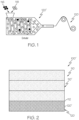
- the thermoplastic composition may be manufactured by combining and blending the thermoplastic polymer and the polyaryletherketone polymer 118 in an extruder and extruding the resulting composition into a coating, such as a film 120.
- the thermoplastic polymer 116 ( FIG. 1 ) of the thermoplastic composition 120' may be selected based upon material properties such as threshold adhesive properties that align with a mating thermoset coating 130 and miscibility with the thermoplastic substrate 110 material such that a first major surface 112 of a receiving thermoplastic substrate 110 is modified to enhance compatibility with a thermoset coating 130. Further, the thermoplastic polymer 116 is miscible with polyaryletherketone polymers. In some examples, the thermoplastic polymer 116 of the thermoplastic composition 120' includes polyetherimide. The thermoplastic polymer 116 may be amorphous. The thermoplastic polymer 116 is compatible with aerospace grade paints and coatings and is stable at processing temperatures of at least about 350°C (or at least 350°C).
- the polyaryletherketone polymer 118 is a semi-crystalline material belonging to the family of polyaryletherketone (PAEK) polymers.
- the polyaryletherketone polymer 118 may be in the form of a film plastic pellets, powder, etc.
- the polyaryletherketone polymer 118 may include polyether ether ketone.
- the polyaryletherketone polymer includes polyether ketone ketone.
- the polyaryletherketone polymer includes a blend of at least two polyaryletherketones.
- the polyaryletherketone polymer may include a blend of polyether ketone ketone and polyether ether ketone.
- the thermoplastic composition 120' has a melting temperature based upon the ratio of thermoplastic polymer 116 to the polyaryletherketone polymer 118 and the respective melting temperatures of each of the thermoplastic polymer to the polyaryletherketone polymer 118.
- the melting temperature of the polyaryletherketone polymer 118 is about 275 °C to about 350 °C (or 275 °C to 350 °C).
- the melting temperature of the polyaryletherketone polymer 118 is at least about 300 °C (or at least 300 °C).
- the thermoplastic composition 120' includes a ratio of the thermoplastic polymer 116 to the polyaryletherketone polymer 118.
- the ratio of the thermoplastic polymer 116 to the polyaryletherketone polymer 118 by weight is between about 1:20 and about 1:1 (or between 1:20 and 1:1).
- the ratio of the thermoplastic polymer 116 to the polyaryletherketone polymer 118 by weight is between about 10:90 and about 50:50 (between 10:90 and 50:50).
- the ratio of the thermoplastic polymer 116 to the polyaryletherketone polymer 118 by weight is between about 1:9 and about 1:1 (or between 1:9 and 1:1).
- the ratio of the thermoplastic polymer 116 to the polyaryletherketone polymer 118 by weight is between about 20:80 and about 50:50 (or between 20:80 and 50:50).
- the thermoplastic composition 120' includes a degree of crystallinity such that it is a semi-crystalline material.
- the degree of crystallinity is from about 1 percent to about 30 percent (or 1 percent to 30 percent).
- the degree of crystallinity is from about 2 percent to about 15 percent (or 2 percent to 15 percent).
- the degree of crystallinity is from about 3 percent to about 10 percent (or 3 percent to 10 percent).
- the degree of crystallinity may be calculated using, for example, density measurements or differential scanning calorimetry (DSC). Suitable techniques are known in the art.
- the thermoplastic composition 120' may include additional additives.
- the thermoplastic composition 120' includes a heat stabilizer.
- the thermoplastic composition 120' includes a nucleating agent.
- thermoplastic composition 120' comprises the thermoplastic polymer 116, the polyaryletherketone polymer (118) and optionally the additional additives (e.g. the heat stabilizer and/or nucleating agent).
- the thermoplastic composition 120' consists essentially of, or consists of, these components.
- consists essentially of' it is meant that specific further components can be present, namely those not materially affecting the essential characteristics of the composition.
- the thermoplastic composition 120' may be extruded into a film 120 for application on a thermoplastic substrate 110 to form a laminate structure 100'.
- the film 120 has a thickness of about 1 mil to about 15 mil (or 1 mil to 15 mil), equivalent to about 0.03 mm to about 0.38 mm (or 0.03 mm to 0.38 mm).
- the laminate structure 100' may be co-consolidated into a consolidated laminate structure 100, see FIG. 3 .
- the consolidated laminate structure 100 includes a thermoplastic substrate 110.
- the thermoplastic substrate 110 includes a thermoplastic polymer.
- the thermoplastic polymer of the thermoplastic substrate 110 includes a polyaryletherketone polymer.
- the thermoplastic substrate 110 may be formed of at least two plies 110' of laminate in a stacked configuration.
- the at least two plies 110' of laminate may include a polymer from the family of polyaryletherketone (PAEK) polymers.
- PAEK polyaryletherketone
- the at least two plies 110' of laminate include polyether ketone ketone.
- the consolidated laminate structure 100 may further include a thermoplastic composition 120' consolidated with the thermoplastic substrate 110 to define a receiving surface 114 of the consolidated laminate structure 100.
- the thermoplastic composition 120' includes a thermoplastic polymer 116 and a polyaryletherketone polymer 118 in admixture with the thermoplastic polymer 116.
- the thermoplastic polymer 116 of the thermoplastic composition 120' may be selected based upon material properties such as threshold adhesive properties that align with a mating thermoset coating 130 and miscibility with the thermoplastic substrate 110 material such that a first major surface 112 of a receiving thermoplastic substrate 110 is modified to enhance compatibility with a thermoset coating 130.
- the thermoplastic polymer of the consolidated laminate structure 100 includes polyetherimide.
- the thermoplastic polymer 116 may be amorphous.
- the thermoplastic polymer 116 is compatible with aerospace grade paints and coatings and is stable at processing temperatures of at least about 350°C (or at least 350°C).
- the polyaryletherketone polymer 118 of the consolidated laminate structure 100 includes at least one of polyether ether ketone and polyether ketone ketone. In other examples, the polyaryletherketone polymer 118 of the consolidated laminate structure 100 includes a blend of polyether ether ketone and polyether ketone ketone.
- the ratio of the thermoplastic polymer 116 to the polyaryletherketone polymer 118 by weight is between about 1:20 and about 1:1 (or 1:20 and 1:1). In other examples, the ratio of the thermoplastic polymer 116 to the polyaryletherketone polymer 118 by weight is between about 10:90 and about 50:50 (or 10:90 and 50:50). In other examples, the ratio of the thermoplastic polymer 116 to the polyaryletherketone polymer 118 by weight is between about 1:9 and about 1:1 (or 1:9 and 1:1). In yet other examples, the ratio of the thermoplastic polymer 116 to the polyaryletherketone polymer 118 by weight is between about 20:80 and about 50:50 (or 20:80 and 50:50).
- the consolidated laminate structure 100 may further include a thermoset material 130' applied to the receiving surface 114.
- the thermoset material 130' is in the form of a thermoset coating 130.
- the thermoset material 130' may include an epoxy.
- the thermoset material 130' may be a primer, such as a paint primer.
- the consolidated laminate structure 100 may further include a top coat 140 applied to the thermoset material 130', or primer, see FIG. 5 .
- the top coat 140 includes polyurethane.
- the method 600 includes applying a thermoplastic composition to a first major surface 112 of a thermoplastic substrate 110.
- the thermoplastic substrate is a layered structure including at least two layers of thermoplastic material.
- the thermoplastic composition 120' of the method 600 includes a thermoplastic polymer 116 and a polyaryletherketone polymer in admixture with the thermoplastic polymer 116.
- the thermoplastic polymer 116 comprises polyetherimide.
- the polyaryletherketone polymer 118 comprises at least one of polyether ether ketone and polyether ketone ketone, or a blend of polyether ether ketone and polyether ketone ketone.
- the thermoplastic substrate 110 of the method 600 includes a polyaryletherketone polymer 118. Further, in one or more examples, the polyaryletherketone polymer of the thermoplastic composition 120' and the polyaryletherketone polymer of the thermoplastic substrate 110 are one and the same.
- the method 600 further includes co-consolidating 640 the thermoplastic composition with the thermoplastic substrate 110 to define a receiving surface 114.
- the co-consolidating 640 is performed at a temperature of about 275 °C to about 400 °C (or 275 °C to 400 °C).
- the co-consolidating 640 is performed at a temperature of about 330 °C to about 400 °C (or 330 °C to 400 °C).
- the co-consolidating 640 is performed at a temperature of at least about 340 °C (or at least 340 °C).
- the co-consolidating 640 may include any means including compression molding or stamp forming.
- the method 600 may further include applying 650 a thermoset material 130', such as a thermoset coating 130, to the receiving surface 114.
- a thermoset material 130' of the method 600 includes an epoxy.
- the thermoset material 130' of the method 600 is a primer, such as a paint primer.
- the method 600 may further include applying a top coat 140 to the thermoset material 130'.
- the top coat 140 includes polyurethane.
- the method 600 may further include, prior to the applying 630, extruding 620 the thermoplastic polymer 116 and the polyaryletherketone polymer 118 to yield the thermoplastic composition 120'.
- the extruding 620 may include extruding 620 the thermoplastic composition 120' to a thermoplastic film 120.
- the method 600 may further include, prior to the applying 630, arranging 610 at least two plies 110' of laminate in a stacked configuration to yield the thermoplastic substrate 110.
- the arranging 610 may be performed by any suitable means of arranging plies of laminate.
- the at least two plies 110' of laminate may include at least one of polyether ether ketone and polyether ketone ketone, or a blend thereof.
- thermoplastic composition 120' and method 600 will be used in the context of aircraft manufacturing and service including material procurement (block 1106), production, component and subassembly manufacturing (block 1108), and certification and delivery (block 1112) of aircraft 1102.
- the consolidated laminate structure 100 comprises a stringer assembly used in aircraft manufacturing.
- illustrative method 1100 may include specification and design (block 1104) of aircraft 1102 and material procurement (block 1106).
- component and subassembly manufacturing (block 1108) and system integration (block 1110) of aircraft 1102 may take place.
- aircraft 1102 may go through certification and delivery (block 1112) to be placed in service (block 1114).
- aircraft 1102 may be scheduled for routine maintenance and service (block 1116). Routine maintenance and service may include modification, reconfiguration, refurbishment, etc. of one or more systems of aircraft 1102.
- a system integrator may include, without limitation, any number of aircraft manufacturers and major-system subcontractors; a third party may include, without limitation, any number of vendors, subcontractors, and suppliers; and an operator may be an airline, leasing company, military entity, service organization, and so on.
- aircraft 1102 produced by illustrative method 1100 may include airframe 1118 with a plurality of high-level systems 1120 and interior 1122.
- high-level systems 1120 include one or more of propulsion system 1124, electrical system 1126, hydraulic system 1128, and environmental system 1130. Any number of other systems may be included.
- Apparatus(es) and method(s) shown or described herein may be employed during any one or more of the stages of the manufacturing and illustrative method 1100.
- components or subassemblies corresponding to component and subassembly manufacturing (block 1108) may be fabricated or manufactured in a manner similar to components or subassemblies produced while aircraft 1102 is in service (block 1114).
- one or more examples of the apparatus(es), method(s), or combination thereof may be utilized during production stages component and subassembly manufacturing (block 1108) and system integration (block 1110), for example, by substantially expediting assembly of or reducing the cost of aircraft 1102.
- one or more examples of the apparatus or method realizations, or a combination thereof may be utilized, for example and without limitation, while aircraft 1102 is in service (block 1114) and/or during maintenance and service (block 1116).
- thermoplastic composition (120') comprises: a thermoplastic polymer (116); and a polyaryletherketone polymer (118) in admixture with the thermoplastic polymer (116).
- thermoplastic polymer (116) comprises polyetherimide.
- the polyaryletherketone polymer (118) comprises polyether ether ketone.
- the polyaryletherketone polymer (118) comprises polyether ketone ketone.
- the polyaryletherketone polymer (118) comprises a blend of at least two polyaryletherketones.
- the polyaryletherketone polymer (118) comprises a blend of polyether ketone ketone and polyether ether ketone.
- thermoplastic composition (120') of any of the preceding six paragraphs a ratio of the thermoplastic polymer (116) to the polyaryletherketone polymer (118) by weight is between about 20:80 and about 50:50 (or between 20:80 and 50:50).
- thermoplastic composition (120') of any of the preceding seven paragraphs a ratio of the thermoplastic polymer (116) to the polyaryletherketone polymer (118) by weight is between about 10:90 and about 50:50 (or between 10:90 and 50:50).
- thermoplastic composition (120') of any of the preceding eight paragraphs comprises a degree of crystallinity from about 1 percent to about 30 percent (from 1 percent to 30 percent).
- thermoplastic composition (120') of any of the preceding nine paragraphs comprises a degree of crystallinity from about 2 percent to about 15 percent (or from 2 percent to 15 percent).
- thermoplastic composition (120') of any of the preceding ten paragraphs comprises a degree of crystallinity from about 3 percent to about 10 percent (from 3 percent to 10 percent).
- the polyaryletherketone polymer (118) has a melting temperature of about 275 °C to about 350 °C (or 275 °C to 350 °C).
- the polyaryletherketone polymer (118) has a melting temperature of at least about 300 °C (or at least 300 °C).
- thermoplastic composition (120') of any of the preceding thirteen paragraphs further comprises a heat stabilizer.
- thermoplastic composition (120') of any of the preceding fourteen paragraphs further comprise a nucleating agent.
- a film (120) comprises the thermoplastic composition (120') of any of the preceding fifteen paragraphs.
- the film (120) of the preceding paragraph comprises a thickness of about 1 mil to about 15 mil (or 1 mil to 15 mil - about 0.03 mm to about 0.38 mm/0.03 mm to 0.38 mm).
- a consolidated laminate structure (100) comprises: a thermoplastic substrate (110) comprising a thermoplastic polymer; and a thermoplastic composition (120') consolidated with the thermoplastic substrate (110) to define a receiving surface (114), the thermoplastic composition (120') comprises: a thermoplastic polymer (116); and a polyaryletherketone polymer (118) in admixture with the thermoplastic polymer (116).
- thermoplastic polymer (116) comprises polyetherimide.
- the polyaryletherketone polymer (118) comprises at least one of polyether ether ketone and polyether ketone ketone.
- a ratio of the thermoplastic polymer (116) to the polyaryletherketone polymer (118) by weight is between about 10:90 and about 50:50 (or between 10:90 and 50:50).
- the consolidated laminate structure (100) of any of the preceding four paragraphs further comprises a thermoset material (130') applied to the receiving surface (114).
- thermoset material (130') comprises an epoxy
- thermoset material (130') is a primer.
- the consolidated laminate structure (100) of any of the preceding seven paragraphs further comprises a top coat (140) applied to the primer.
- a method (600) for manufacturing a consolidated laminate structure (100) comprises: applying (630) a thermoplastic composition (120') to a first major surface (112) of a thermoplastic substrate (110), the thermoplastic composition comprises (120'): a thermoplastic polymer (116); and a polyaryletherketone polymer (118) in admixture with the thermoplastic polymer (116); and co-consolidating (640) the thermoplastic composition (120') with the thermoplastic substrate (110) to define a receiving surface (114).
- thermoplastic substrate (110) comprises a polyaryletherketone polymer (118).
- the polyaryletherketone polymer (118) of the thermoplastic composition (120') and the polyaryletherketone polymer (118) of the thermoplastic substrate (110) are one and the same.
- thermoplastic substrate (110) comprises at least one of polyether ether ketone and polyether ketone ketone.
- thermoplastic polymer (116) comprises polyetherimide.
- the polyaryletherketone polymer (118) comprises at least one of polyether ether ketone and polyether ketone ketone.
- the co-consolidating (640) is performed at a temperature of about 330 °C to about 400 °C (or 330 °C to 400 °C).
- the co-consolidating (640) is performed at a temperature of at least about 340 °C (or at least 340 °C).
- the co-consolidating (640) comprises compression molding the thermoplastic composition (120') with the first major surface (112) of the thermoplastic substrate (110).
- the method (600) of any of the preceding eight paragraphs further comprises applying (650) a thermoset material (130') to the receiving surface (114).
- thermoset material (130') comprises an epoxy
- the method (600) of any of the preceding ten paragraphs further comprises, prior to the applying (630), extruding (620) the thermoplastic polymer (116) and the polyaryletherketone polymer (118) to yield the thermoplastic composition (120').
- the method (600) of any of the preceding eleven paragraphs further comprises, prior to the applying (630), arranging (610) at least two plies (110') of laminate in a stacked configuration to yield the thermoplastic substrate (110).
- composition(s), structure(s) and method(s) disclosed herein include a variety of components, features, and functionalities. It should be understood that the various examples of composition(s), structure(s) and method(s), disclosed herein, may include any of the components, features, and functionalities of any of the other examples of the composition(s), structure(s) and method(s) disclosed herein in any combination.
Landscapes
- Chemical & Material Sciences (AREA)
- Health & Medical Sciences (AREA)
- Chemical Kinetics & Catalysis (AREA)
- Medicinal Chemistry (AREA)
- Polymers & Plastics (AREA)
- Organic Chemistry (AREA)
- Engineering & Computer Science (AREA)
- Mechanical Engineering (AREA)
- Compositions Of Macromolecular Compounds (AREA)
- Laminated Bodies (AREA)
- Paints Or Removers (AREA)
Abstract
Description
- This application relates to thermoplastic compositions and, more specifically, to thermoplastic films and methods for coating thermoplastic substrates with thermoset materials in the aerospace industry.
- The process of finishing polyaryletherketone-based structural thermoplastic composites presents challenges, specifically with respect to medium and large-scale components, particularly those used in airstream applications. Current surface treatment techniques include the need for mechanically treating substrate surfaces using techniques such as sand blasting, grit blasting, plasma treatment, and other techniques that roughen substrate surfaces prior to bonding with a thermoset material.
- Conventional surface treatment techniques present challenges with respect to adhesion and miscibility. Therefore, those skilled in the art continue with research and development efforts in the field of coating thermoplastic substrates with thermoset materials.
- Disclosed are thermoplastic compositions. In some examples, the disclosed thermoplastic composition includes a thermoplastic polymer and a polyaryletherketone polymer in admixture with the thermoplastic polymer.
- Also disclosed are consolidated laminate structures. In some examples, the disclosed consolidated laminate structure includes a thermoplastic substrate including a thermoplastic polymer and a thermoplastic composition consolidated with the thermoplastic substrate to define a receiving surface. The thermoplastic composition may include a thermoplastic polymer and a polyaryletherketone polymer in admixture with the thermoplastic polymer.
- Also disclosed are methods for manufacturing consolidated laminate structures. In some examples, the disclosed method for manufacturing a consolidated laminate structure includes applying a thermoplastic composition to a first major surface of a thermoplastic substrate. The thermoplastic composition may include a thermoplastic polymer and a polyaryletherketone polymer in admixture with the thermoplastic polymer. The method may further include co-consolidating the thermoplastic composition with the thermoplastic substrate to define a receiving surface.
-
-
FIG. 1 is a schematic diagram of a method for forming a thermoplastic film; -
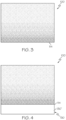
FIG. 2 is a cross sectional schematic of a laminate structure prior to consolidation; -
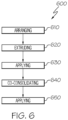
FIG. 3 is a cross sectional schematic of the laminate structure ofFIG. 2 after consolidation; -
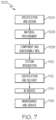
FIG. 4 is a cross sectional schematic of the laminate structure ofFIG. 3 with an additional coating; -
FIG. 5 is a cross sectional schematic of the laminate structure ofFIG. 4 with an additional coating; -
FIG. 6 is a flow diagram of a method for manufacturing a consolidated laminate structure; -
FIG. 7 is a block diagram of aircraft production and illustrative methodology; and -
FIG. 8 is a schematic illustration of an aircraft. - Disclosed are compositions and methods for chemically modifying a receiving surface of a thermoplastic composite substrate. The compositions and methods improve compatibility of a thermoplastic composite substrate and a thermoset coating, such as an epoxy-based primer. The disclosed compositions and methods account for threshold adhesive properties with the thermoset coating and miscibility of the components of the compositions. The result is a modified surface of the thermoplastic composite material to enhance compatibility to a thermoset coating.
- Referring to
FIG. 1 , disclosed is a thermoplastic composition 120'. The thermoplastic composition includes athermoplastic polymer 116 and apolyaryletherketone polymer 118 in admixture with thethermoplastic polymer 116. The thermoplastic composition may be manufactured by combining and blending the thermoplastic polymer and thepolyaryletherketone polymer 118 in an extruder and extruding the resulting composition into a coating, such as afilm 120. - As shown in
FIGs. 2 and4 , the thermoplastic polymer 116 (FIG. 1 ) of the thermoplastic composition 120' may be selected based upon material properties such as threshold adhesive properties that align with amating thermoset coating 130 and miscibility with thethermoplastic substrate 110 material such that a firstmajor surface 112 of a receivingthermoplastic substrate 110 is modified to enhance compatibility with athermoset coating 130. Further, thethermoplastic polymer 116 is miscible with polyaryletherketone polymers. In some examples, thethermoplastic polymer 116 of the thermoplastic composition 120' includes polyetherimide. Thethermoplastic polymer 116 may be amorphous. Thethermoplastic polymer 116 is compatible with aerospace grade paints and coatings and is stable at processing temperatures of at least about 350°C (or at least 350°C). - In some examples, the
polyaryletherketone polymer 118 is a semi-crystalline material belonging to the family of polyaryletherketone (PAEK) polymers. Thepolyaryletherketone polymer 118 may be in the form of a film plastic pellets, powder, etc. Thepolyaryletherketone polymer 118 may include polyether ether ketone. In other examples, the polyaryletherketone polymer includes polyether ketone ketone. In yet other examples, the polyaryletherketone polymer includes a blend of at least two polyaryletherketones. For example, the polyaryletherketone polymer may include a blend of polyether ketone ketone and polyether ether ketone. - The thermoplastic composition 120' has a melting temperature based upon the ratio of
thermoplastic polymer 116 to thepolyaryletherketone polymer 118 and the respective melting temperatures of each of the thermoplastic polymer to thepolyaryletherketone polymer 118. In some examples, the melting temperature of thepolyaryletherketone polymer 118 is about 275 °C to about 350 °C (or 275 °C to 350 °C). In other examples, the melting temperature of thepolyaryletherketone polymer 118 is at least about 300 °C (or at least 300 °C). - The thermoplastic composition 120' includes a ratio of the
thermoplastic polymer 116 to thepolyaryletherketone polymer 118. In some examples, the ratio of thethermoplastic polymer 116 to thepolyaryletherketone polymer 118 by weight is between about 1:20 and about 1:1 (or between 1:20 and 1:1). In other examples, the ratio of thethermoplastic polymer 116 to thepolyaryletherketone polymer 118 by weight is between about 10:90 and about 50:50 (between 10:90 and 50:50). In other examples, the ratio of thethermoplastic polymer 116 to thepolyaryletherketone polymer 118 by weight is between about 1:9 and about 1:1 (or between 1:9 and 1:1). In yet other examples, the ratio of thethermoplastic polymer 116 to thepolyaryletherketone polymer 118 by weight is between about 20:80 and about 50:50 (or between 20:80 and 50:50). - The thermoplastic composition 120' includes a degree of crystallinity such that it is a semi-crystalline material. In some examples, the degree of crystallinity is from about 1 percent to about 30 percent (or 1 percent to 30 percent). In other examples, the degree of crystallinity is from about 2 percent to about 15 percent (or 2 percent to 15 percent). In yet other examples, the degree of crystallinity is from about 3 percent to about 10 percent (or 3 percent to 10 percent). The degree of crystallinity may be calculated using, for example, density measurements or differential scanning calorimetry (DSC). Suitable techniques are known in the art.
- The thermoplastic composition 120' may include additional additives. In some examples, the thermoplastic composition 120' includes a heat stabilizer. In other examples, the thermoplastic composition 120' includes a nucleating agent.
- The thermoplastic composition 120' comprises the
thermoplastic polymer 116, the polyaryletherketone polymer (118) and optionally the additional additives (e.g. the heat stabilizer and/or nucleating agent). In some examples, the thermoplastic composition 120' consists essentially of, or consists of, these components. By "consists essentially of', it is meant that specific further components can be present, namely those not materially affecting the essential characteristics of the composition. - Referring to
FIG. 2 , the thermoplastic composition 120' may be extruded into afilm 120 for application on athermoplastic substrate 110 to form a laminate structure 100'. In some examples, thefilm 120 has a thickness of about 1 mil to about 15 mil (or 1 mil to 15 mil), equivalent to about 0.03 mm to about 0.38 mm (or 0.03 mm to 0.38 mm). The laminate structure 100' may be co-consolidated into aconsolidated laminate structure 100, seeFIG. 3 . In some examples, theconsolidated laminate structure 100 includes athermoplastic substrate 110. Thethermoplastic substrate 110 includes a thermoplastic polymer. In some examples, the thermoplastic polymer of thethermoplastic substrate 110 includes a polyaryletherketone polymer. - The
thermoplastic substrate 110 may be formed of at least two plies 110' of laminate in a stacked configuration. The at least two plies 110' of laminate may include a polymer from the family of polyaryletherketone (PAEK) polymers. In some examples, the at least two plies 110' of laminate include polyether ketone ketone. - The
consolidated laminate structure 100 may further include a thermoplastic composition 120' consolidated with thethermoplastic substrate 110 to define a receivingsurface 114 of theconsolidated laminate structure 100. The thermoplastic composition 120' includes athermoplastic polymer 116 and apolyaryletherketone polymer 118 in admixture with thethermoplastic polymer 116. - The
thermoplastic polymer 116 of the thermoplastic composition 120' may be selected based upon material properties such as threshold adhesive properties that align with amating thermoset coating 130 and miscibility with thethermoplastic substrate 110 material such that a firstmajor surface 112 of a receivingthermoplastic substrate 110 is modified to enhance compatibility with athermoset coating 130. In some examples, the thermoplastic polymer of theconsolidated laminate structure 100 includes polyetherimide. Thethermoplastic polymer 116 may be amorphous. Thethermoplastic polymer 116 is compatible with aerospace grade paints and coatings and is stable at processing temperatures of at least about 350°C (or at least 350°C). - In some examples, the
polyaryletherketone polymer 118 of theconsolidated laminate structure 100 includes at least one of polyether ether ketone and polyether ketone ketone. In other examples, thepolyaryletherketone polymer 118 of theconsolidated laminate structure 100 includes a blend of polyether ether ketone and polyether ketone ketone. - In some examples, the ratio of the
thermoplastic polymer 116 to thepolyaryletherketone polymer 118 by weight is between about 1:20 and about 1:1 (or 1:20 and 1:1). In other examples, the ratio of thethermoplastic polymer 116 to thepolyaryletherketone polymer 118 by weight is between about 10:90 and about 50:50 (or 10:90 and 50:50). In other examples, the ratio of thethermoplastic polymer 116 to thepolyaryletherketone polymer 118 by weight is between about 1:9 and about 1:1 (or 1:9 and 1:1). In yet other examples, the ratio of thethermoplastic polymer 116 to thepolyaryletherketone polymer 118 by weight is between about 20:80 and about 50:50 (or 20:80 and 50:50). - Referring to
FIG. 4 , theconsolidated laminate structure 100 may further include a thermoset material 130' applied to the receivingsurface 114. In one example, the thermoset material 130' is in the form of athermoset coating 130. In some examples, the thermoset material 130' may include an epoxy. In other examples, the thermoset material 130' may be a primer, such as a paint primer. Additionally, theconsolidated laminate structure 100 may further include atop coat 140 applied to the thermoset material 130', or primer, seeFIG. 5 . In some examples, thetop coat 140 includes polyurethane. - Referring to
FIG. 6 , disclosed is amethod 600 for manufacturing aconsolidated laminate structure 100. Themethod 600 includes applying a thermoplastic composition to a firstmajor surface 112 of athermoplastic substrate 110. In some examples, the thermoplastic substrate is a layered structure including at least two layers of thermoplastic material. - The thermoplastic composition 120' of the
method 600 includes athermoplastic polymer 116 and a polyaryletherketone polymer in admixture with thethermoplastic polymer 116. In some examples, thethermoplastic polymer 116 comprises polyetherimide. Further, in one or more examples, thepolyaryletherketone polymer 118 comprises at least one of polyether ether ketone and polyether ketone ketone, or a blend of polyether ether ketone and polyether ketone ketone. - In some examples, the
thermoplastic substrate 110 of themethod 600 includes apolyaryletherketone polymer 118. Further, in one or more examples, the polyaryletherketone polymer of the thermoplastic composition 120' and the polyaryletherketone polymer of thethermoplastic substrate 110 are one and the same. - Still referring to
FIG. 6 , themethod 600 further includes co-consolidating 640 the thermoplastic composition with thethermoplastic substrate 110 to define a receivingsurface 114. In one or more examples, the co-consolidating 640 is performed at a temperature of about 275 °C to about 400 °C (or 275 °C to 400 °C). In other examples, the co-consolidating 640 is performed at a temperature of about 330 °C to about 400 °C (or 330 °C to 400 °C). In yet other examples, the co-consolidating 640 is performed at a temperature of at least about 340 °C (or at least 340 °C). The co-consolidating 640 may include any means including compression molding or stamp forming. - The
method 600 may further include applying 650 a thermoset material 130', such as athermoset coating 130, to the receivingsurface 114. In some examples, the thermoset material 130' of themethod 600 includes an epoxy. In other examples, the thermoset material 130' of themethod 600 is a primer, such as a paint primer. Referring toFIG. 5 , themethod 600 may further include applying atop coat 140 to the thermoset material 130'. In other examples, thetop coat 140 includes polyurethane. - Still referring to
FIG. 6 , themethod 600 may further include, prior to the applying 630, extruding 620 thethermoplastic polymer 116 and thepolyaryletherketone polymer 118 to yield the thermoplastic composition 120'. The extruding 620 may include extruding 620 the thermoplastic composition 120' to athermoplastic film 120. - The
method 600 may further include, prior to the applying 630, arranging 610 at least two plies 110' of laminate in a stacked configuration to yield thethermoplastic substrate 110. The arranging 610 may be performed by any suitable means of arranging plies of laminate. The at least two plies 110' of laminate may include at least one of polyether ether ketone and polyether ketone ketone, or a blend thereof. - Referring to
FIG. 7 andFIG. 8 , the disclosedconsolidated laminate structure 100, thermoplastic composition 120' andmethod 600 will be used in the context of aircraft manufacturing and service including material procurement (block 1106), production, component and subassembly manufacturing (block 1108), and certification and delivery (block 1112) ofaircraft 1102. - Examples of the subject matter disclosed herein may be described in the context of aircraft manufacturing and
illustrative method 1100 as shown inFIG. 7 andaircraft 1102 as shown inFIG. 8 . In one or more examples, theconsolidated laminate structure 100 comprises a stringer assembly used in aircraft manufacturing. During pre-production,illustrative method 1100 may include specification and design (block 1104) ofaircraft 1102 and material procurement (block 1106). During production, component and subassembly manufacturing (block 1108) and system integration (block 1110) ofaircraft 1102 may take place. Thereafter,aircraft 1102 may go through certification and delivery (block 1112) to be placed in service (block 1114). While in service,aircraft 1102 may be scheduled for routine maintenance and service (block 1116). Routine maintenance and service may include modification, reconfiguration, refurbishment, etc. of one or more systems ofaircraft 1102. - Each of the processes of
illustrative method 1100 may be performed or carried out by a system integrator, a third party, and/or an operator (e.g., a customer). For the purposes of this description, a system integrator may include, without limitation, any number of aircraft manufacturers and major-system subcontractors; a third party may include, without limitation, any number of vendors, subcontractors, and suppliers; and an operator may be an airline, leasing company, military entity, service organization, and so on. - As shown in
FIG. 8 ,aircraft 1102 produced byillustrative method 1100 may includeairframe 1118 with a plurality of high-level systems 1120 and interior 1122. Examples of high-level systems 1120 include one or more ofpropulsion system 1124,electrical system 1126,hydraulic system 1128, andenvironmental system 1130. Any number of other systems may be included. Although an aerospace example is shown, the principles disclosed herein may be applied to other industries, such as the automotive industry. Accordingly, in addition toaircraft 1102, the principles disclosed herein may apply to other vehicles, e.g., land vehicles, marine vehicles, space vehicles, etc. - Apparatus(es) and method(s) shown or described herein may be employed during any one or more of the stages of the manufacturing and
illustrative method 1100. For example, components or subassemblies corresponding to component and subassembly manufacturing (block 1108) may be fabricated or manufactured in a manner similar to components or subassemblies produced whileaircraft 1102 is in service (block 1114). Also, one or more examples of the apparatus(es), method(s), or combination thereof may be utilized during production stages component and subassembly manufacturing (block 1108) and system integration (block 1110), for example, by substantially expediting assembly of or reducing the cost ofaircraft 1102. Similarly, one or more examples of the apparatus or method realizations, or a combination thereof, may be utilized, for example and without limitation, whileaircraft 1102 is in service (block 1114) and/or during maintenance and service (block 1116). - Further illustrative and non-exclusive examples according to the disclosure are described in the following paragraphs:
In an example according to the present disclosure, a thermoplastic composition (120') comprises: a thermoplastic polymer (116); and a polyaryletherketone polymer (118) in admixture with the thermoplastic polymer (116). - Optionally, in the thermoplastic composition (120') of the preceding paragraph, the thermoplastic polymer (116) comprises polyetherimide.
- Optionally, in the thermoplastic composition (120') of either of the preceding two paragraphs, the polyaryletherketone polymer (118) comprises polyether ether ketone.
- Optionally, in the thermoplastic composition (120') of any of the preceding three paragraphs, the polyaryletherketone polymer (118) comprises polyether ketone ketone.
- Optionally, in the thermoplastic composition (120') of any of the preceding four paragraphs, the polyaryletherketone polymer (118) comprises a blend of at least two polyaryletherketones.
- Optionally, in the thermoplastic composition (120') of any of the preceding five paragraphs, the polyaryletherketone polymer (118) comprises a blend of polyether ketone ketone and polyether ether ketone.
- Optionally, in the thermoplastic composition (120') of any of the preceding six paragraphs, a ratio of the thermoplastic polymer (116) to the polyaryletherketone polymer (118) by weight is between about 20:80 and about 50:50 (or between 20:80 and 50:50).
- Optionally, in the thermoplastic composition (120') of any of the preceding seven paragraphs, a ratio of the thermoplastic polymer (116) to the polyaryletherketone polymer (118) by weight is between about 10:90 and about 50:50 (or between 10:90 and 50:50).
- Optionally, the thermoplastic composition (120') of any of the preceding eight paragraphs comprises a degree of crystallinity from about 1 percent to about 30 percent (from 1 percent to 30 percent).
- Optionally, the thermoplastic composition (120') of any of the preceding nine paragraphs comprises a degree of crystallinity from about 2 percent to about 15 percent (or from 2 percent to 15 percent).
- Optionally, the thermoplastic composition (120') of any of the preceding ten paragraphs comprises a degree of crystallinity from about 3 percent to about 10 percent (from 3 percent to 10 percent).
- Optionally, in the thermoplastic composition (120') of any of the preceding eleven paragraphs, the polyaryletherketone polymer (118) has a melting temperature of about 275 °C to about 350 °C (or 275 °C to 350 °C).
- Optionally, in the thermoplastic composition (120') of any of the preceding twelve paragraphs, the polyaryletherketone polymer (118) has a melting temperature of at least about 300 °C (or at least 300 °C).
- Optionally, the thermoplastic composition (120') of any of the preceding thirteen paragraphs further comprises a heat stabilizer.
- Optionally, the thermoplastic composition (120') of any of the preceding fourteen paragraphs further comprise a nucleating agent.
- In another example according to the present disclosure, a film (120) comprises the thermoplastic composition (120') of any of the preceding fifteen paragraphs.
- Optionally, the film (120) of the preceding paragraph comprises a thickness of about 1 mil to about 15 mil (or 1 mil to 15 mil - about 0.03 mm to about 0.38 mm/0.03 mm to 0.38 mm).
- In another example according to the present disclosure a consolidated laminate structure (100) comprises: a thermoplastic substrate (110) comprising a thermoplastic polymer; and a thermoplastic composition (120') consolidated with the thermoplastic substrate (110) to define a receiving surface (114), the thermoplastic composition (120') comprises: a thermoplastic polymer (116); and a polyaryletherketone polymer (118) in admixture with the thermoplastic polymer (116).
- Optionally, in the consolidated laminate structure (100) of the preceding paragraph, the thermoplastic polymer (116) comprises polyetherimide.
- Optionally, in the consolidated laminate structure (100) of either of the preceding two paragraphs, the polyaryletherketone polymer (118) comprises at least one of polyether ether ketone and polyether ketone ketone.
- Optionally, in the consolidated laminate structure (100) of any of the preceding three paragraphs, a ratio of the thermoplastic polymer (116) to the polyaryletherketone polymer (118) by weight is between about 10:90 and about 50:50 (or between 10:90 and 50:50).
- Optionally, the consolidated laminate structure (100) of any of the preceding four paragraphs further comprises a thermoset material (130') applied to the receiving surface (114).
- Optionally, in the consolidated laminate structure (100) of any of the preceding five paragraphs, the thermoset material (130') comprises an epoxy.
- Optionally, in the consolidated laminate structure (100) of any of the preceding six paragraphs, the thermoset material (130') is a primer.
- Optionally, the consolidated laminate structure (100) of any of the preceding seven paragraphs further comprises a top coat (140) applied to the primer.
- In another example according to the present disclosure, a method (600) for manufacturing a consolidated laminate structure (100), the method (600) comprises: applying (630) a thermoplastic composition (120') to a first major surface (112) of a thermoplastic substrate (110), the thermoplastic composition comprises (120'): a thermoplastic polymer (116); and a polyaryletherketone polymer (118) in admixture with the thermoplastic polymer (116); and co-consolidating (640) the thermoplastic composition (120') with the thermoplastic substrate (110) to define a receiving surface (114).
- Optionally, in the method (600) of the preceding paragraph, the thermoplastic substrate (110) comprises a polyaryletherketone polymer (118).
- Optionally, in the method (600) of either of the preceding two paragraphs, the polyaryletherketone polymer (118) of the thermoplastic composition (120') and the polyaryletherketone polymer (118) of the thermoplastic substrate (110) are one and the same.
- Optionally, in the method (600) of any of the preceding three paragraphs, the thermoplastic substrate (110) comprises at least one of polyether ether ketone and polyether ketone ketone.
- Optionally, in the method (600) of any of the preceding four paragraphs, the thermoplastic polymer (116) comprises polyetherimide.
- Optionally, in the method (600) of any of the preceding five paragraphs, the polyaryletherketone polymer (118) comprises at least one of polyether ether ketone and polyether ketone ketone.
- Optionally, in the method (600) of any of the preceding six paragraphs, the co-consolidating (640) is performed at a temperature of about 330 °C to about 400 °C (or 330 °C to 400 °C).
- Optionally, in the method (600) of any of the preceding seven paragraphs, the co-consolidating (640) is performed at a temperature of at least about 340 °C (or at least 340 °C).
- Optionally, in the method (600) of any of the preceding seven paragraphs, the co-consolidating (640) comprises compression molding the thermoplastic composition (120') with the first major surface (112) of the thermoplastic substrate (110).
- Optionally, the method (600) of any of the preceding eight paragraphs further comprises applying (650) a thermoset material (130') to the receiving surface (114).
- Optionally, in the method (600) of any of the preceding nine paragraphs, the thermoset material (130') comprises an epoxy.
- Optionally, the method (600) of any of the preceding ten paragraphs further comprises, prior to the applying (630), extruding (620) the thermoplastic polymer (116) and the polyaryletherketone polymer (118) to yield the thermoplastic composition (120').
- Optionally, the method (600) of any of the preceding eleven paragraphs further comprises, prior to the applying (630), arranging (610) at least two plies (110') of laminate in a stacked configuration to yield the thermoplastic substrate (110).
- Different examples of the composition(s), structure(s) and method(s) disclosed herein include a variety of components, features, and functionalities. It should be understood that the various examples of composition(s), structure(s) and method(s), disclosed herein, may include any of the components, features, and functionalities of any of the other examples of the composition(s), structure(s) and method(s) disclosed herein in any combination.
- Many modifications of examples, set forth herein, will come to mind of one skilled in the art, having the benefit of the teachings, presented in the foregoing descriptions and the associated drawings.
- Therefore, it is to be understood that the subject matter, disclosed herein, is not to be limited to the specific examples illustrated and that modifications and other examples are intended to be included within the scope of the appended claims. Moreover, although the foregoing description and the associated drawings describe examples of the subject matter, disclosed herein, in the context of certain illustrative combinations of elements and/or functions, it should be appreciated that different combinations of elements and/or functions may be provided by alternative implementations without departing from the scope of the appended claims. Accordingly, parenthetical reference numerals in the appended claims are presented for illustrative purposes only and are not intended to limit the scope of the claimed subject matter to the specific examples provided herein.
Claims (15)
- A thermoplastic composition (120') comprising:a thermoplastic polymer (116); anda polyaryletherketone polymer (118) in admixture with the thermoplastic polymer (116).
- The thermoplastic composition (120') of Claim 1 wherein the thermoplastic polymer (116) comprises polyetherimide.
- The thermoplastic composition (120') of Claim 1 or 2 wherein the polyaryletherketone polymer (118) comprises polyether ether ketone and/or polyether ketone ketone.
- The thermoplastic composition (120') of any one of Claims 1-3 wherein the polyaryletherketone polymer (118) comprises a blend of at least two polyaryletherketones.
- The thermoplastic composition (120') of any one of Claims 1-4 wherein a ratio of the thermoplastic polymer (116) to the polyaryletherketone polymer (118) by weight is between about 20:80 and about 50:50, optionally between about 10:90 and about 50:50.
- The thermoplastic composition (120') of any one of Claims 1-5 comprising a degree of crystallinity from about 1 percent to about 30 percent, or from about 2 percent to about 15 percent, or from about 3 percent to about 10 percent.
- The thermoplastic composition (120') of any one of Claims 1-6 wherein the polyaryletherketone polymer (118) has a melting temperature of about 275 °C to about 350 °C, or at least about 300 °C.
- The thermoplastic composition (120') of any one of Claims 1-7 further comprising a heat stabilizer and/or a nucleating agent.
- A film comprising the thermoplastic composition (120') of any one of Claims 1-8 wherein, optionally, the film comprises a thickness of about 1 mil to about 15 mil (about 0.03 mm to about 0.38 mm).
- A consolidated laminate structure comprising:a thermoplastic substrate comprising a thermoplastic polymer; andthe thermoplastic composition (120') of any one of Claims 1-8 consolidated with the thermoplastic substrate to define a receiving surface.
- A method for manufacturing a consolidated laminate structure, the method comprising:applying the thermoplastic composition (120') of any one of Claims 1-8 to a first major surface of a thermoplastic substrate; andco-consolidating the thermoplastic composition with the thermoplastic substrate to define a receiving surface.
- The method of Claim 11 wherein the thermoplastic substrate comprises a polyaryletherketone polymer and, optionally, the polyaryletherketone polymer of the thermoplastic composition and the polyaryletherketone polymer of the thermoplastic substrate (110) are one and the same.
- The method of Claim 11 or 12 wherein: the co-consolidating is performed at a temperature of about 330 °C to about 400 °C, or at least 340 °C; and/or the co-consolidating comprises compression molding the thermoplastic composition with the first major surface of the thermoplastic substrate.
- The method of any one of Claims 11-13, further comprising applying a thermoset material, optionally an epoxy, to the receiving surface.
- The method of any one of Claims 11-14, further comprising, prior to the applying: extruding the thermoplastic polymer and the polyaryletherketone polymer to yield the thermoplastic composition; and/or arranging at least two plies of laminate in a stacked configuration to yield the thermoplastic substrate.
Applications Claiming Priority (1)
| Application Number | Priority Date | Filing Date | Title |
|---|---|---|---|
| US17/530,978 US12227647B2 (en) | 2021-11-19 | 2021-11-19 | Thermoplastic films and methods for coating thermoplastic substrates with thermoset materials |
Publications (3)
| Publication Number | Publication Date |
|---|---|
| EP4183835A2 true EP4183835A2 (en) | 2023-05-24 |
| EP4183835A3 EP4183835A3 (en) | 2023-06-21 |
| EP4183835B1 EP4183835B1 (en) | 2025-11-12 |
Family
ID=83902770
Family Applications (1)
| Application Number | Title | Priority Date | Filing Date |
|---|---|---|---|
| EP22194863.1A Active EP4183835B1 (en) | 2021-11-19 | 2022-09-09 | Thermoplastic films and methods for coating thermoplastic substrates with thermoset materials |
Country Status (5)
| Country | Link |
|---|---|
| US (1) | US12227647B2 (en) |
| EP (1) | EP4183835B1 (en) |
| JP (1) | JP2023075926A (en) |
| CN (1) | CN116144175A (en) |
| ES (1) | ES3060518T3 (en) |
Families Citing this family (1)
| Publication number | Priority date | Publication date | Assignee | Title |
|---|---|---|---|---|
| US12521964B2 (en) | 2023-08-14 | 2026-01-13 | The Boeing Company | Multi-region surfacing film for enhanced adhesion of finishes to thermoplastic surfaces |
Family Cites Families (10)
| Publication number | Priority date | Publication date | Assignee | Title |
|---|---|---|---|---|
| GB8728887D0 (en) | 1987-12-10 | 1988-01-27 | Ici Plc | Fibre reinforced thermoplastic composite structures |
| JP4201965B2 (en) | 2000-08-10 | 2008-12-24 | 三菱樹脂株式会社 | Heat-resistant resin composition, heat-resistant film or sheet comprising the same, and laminated board based thereon |
| JP2006044224A (en) | 2004-07-09 | 2006-02-16 | Mitsubishi Plastics Ind Ltd | Laminate |
| ITTO20070079A1 (en) | 2007-02-05 | 2008-08-06 | Alenia Aeronautica Spa | SEMICRISTALLINE MATRIX MATERIALS WITH LAYER SURFACE AMORPHOUS |
| US20150298388A1 (en) | 2012-12-04 | 2015-10-22 | The Boeing Company | Joining Composite Components Using Low Temperature Thermoplastic Film Fusion |
| EP2899231A1 (en) | 2014-01-22 | 2015-07-29 | Solvay Specialty Polymers USA, LLC. | Aerospace articles |
| CN106832760B (en) * | 2017-01-13 | 2018-10-12 | 江门市德众泰工程塑胶科技有限公司 | A kind of mobile phone Kato composite material and preparation method and application |
| JP6988594B2 (en) * | 2018-03-13 | 2022-01-05 | 三菱ケミカル株式会社 | Resin compositions, films and composites |
| CN114761235A (en) | 2019-10-02 | 2022-07-15 | 美国埃赛克斯古河电磁线有限责任公司 | Polymer insulating film |
| EP3854834A1 (en) | 2020-01-21 | 2021-07-28 | Solvay Specialty Polymers USA, LLC. | Blend of polyarylether ketone copolymer |
-
2021
- 2021-11-19 US US17/530,978 patent/US12227647B2/en active Active
-
2022
- 2022-09-09 EP EP22194863.1A patent/EP4183835B1/en active Active
- 2022-09-09 ES ES22194863T patent/ES3060518T3/en active Active
- 2022-10-27 CN CN202211328974.3A patent/CN116144175A/en active Pending
- 2022-11-15 JP JP2022182214A patent/JP2023075926A/en active Pending
Also Published As
| Publication number | Publication date |
|---|---|
| EP4183835A3 (en) | 2023-06-21 |
| US20230159754A1 (en) | 2023-05-25 |
| ES3060518T3 (en) | 2026-03-26 |
| US12227647B2 (en) | 2025-02-18 |
| JP2023075926A (en) | 2023-05-31 |
| EP4183835B1 (en) | 2025-11-12 |
| CN116144175A (en) | 2023-05-23 |
Similar Documents
| Publication | Publication Date | Title |
|---|---|---|
| JP7254883B2 (en) | Surface material for composite structures | |
| CA2893646C (en) | Conductive surfacing material for composite structures | |
| US10059080B2 (en) | Method for the production of a fiber composite component, and semifinished textile product therefor | |
| US20120171477A1 (en) | Method of fabricating a composite structure with a conductive surface | |
| WO2021001298A1 (en) | Method of producing a component shielded from electromagnetic radiation | |
| US12623431B2 (en) | Foam sheet core for composite sandwich structures and method of making the same | |
| EP4049833B1 (en) | Methods for joining a first thermoplastic substrate with a second thermoplastic substrate | |
| EP3508343B1 (en) | Thermoplastic composite laminate with ultraviolet protection and method of forming the same | |
| US12227647B2 (en) | Thermoplastic films and methods for coating thermoplastic substrates with thermoset materials | |
| Yousefi et al. | Solid epoxy resin systems for automated composite manufacturing | |
| JP2023129268A (en) | Composite laminate with metal layer and method thereof | |
| US12172397B2 (en) | Structures and methods for repairing composite members | |
| CN111572057A (en) | Tool and associated manufacturing method | |
| US20180361689A1 (en) | Improvements in or relating to electrically conducting materials | |
| EP4116071A1 (en) | Method for repairing composite structures using foamable media | |
| US12611844B2 (en) | Thermoplastic joining films and methods for joining thermoplastic and thermoset composite materials | |
| US12577367B2 (en) | Thermoplastic composition, consolidated laminate structure, and method for manufacturing thereof | |
| CN116262398A (en) | Paint transfer film and its preparation method and use method | |
| US20260091572A1 (en) | Reinforcement film for a sandwich core and method of making a reinforced sandwich core | |
| US20260048575A1 (en) | Methods for manufacturing thermally protected polymer composite structure | |
| Lopata et al. | Electron Beam Processing | |
| Durso et al. | Application Versatility Of Conductive Polymer Coatings As Lightning Strike Protection |
Legal Events
| Date | Code | Title | Description |
|---|---|---|---|
| PUAI | Public reference made under article 153(3) epc to a published international application that has entered the european phase |
Free format text: ORIGINAL CODE: 0009012 |
|
| STAA | Information on the status of an ep patent application or granted ep patent |
Free format text: STATUS: THE APPLICATION HAS BEEN PUBLISHED |
|
| PUAL | Search report despatched |
Free format text: ORIGINAL CODE: 0009013 |
|
| AK | Designated contracting states |
Kind code of ref document: A2 Designated state(s): AL AT BE BG CH CY CZ DE DK EE ES FI FR GB GR HR HU IE IS IT LI LT LU LV MC MK MT NL NO PL PT RO RS SE SI SK SM TR |
|
| AK | Designated contracting states |
Kind code of ref document: A3 Designated state(s): AL AT BE BG CH CY CZ DE DK EE ES FI FR GB GR HR HU IE IS IT LI LT LU LV MC MK MT NL NO PL PT RO RS SE SI SK SM TR |
|
| RIC1 | Information provided on ipc code assigned before grant |
Ipc: C08J 5/18 20060101ALI20230512BHEP Ipc: B32B 27/08 20060101ALI20230512BHEP Ipc: C08L 79/08 20060101ALI20230512BHEP Ipc: C08L 71/00 20060101AFI20230512BHEP |
|
| STAA | Information on the status of an ep patent application or granted ep patent |
Free format text: STATUS: REQUEST FOR EXAMINATION WAS MADE |
|
| 17P | Request for examination filed |
Effective date: 20231123 |
|
| RBV | Designated contracting states (corrected) |
Designated state(s): AL AT BE BG CH CY CZ DE DK EE ES FI FR GB GR HR HU IE IS IT LI LT LU LV MC MK MT NL NO PL PT RO RS SE SI SK SM TR |
|
| GRAP | Despatch of communication of intention to grant a patent |
Free format text: ORIGINAL CODE: EPIDOSNIGR1 |
|
| STAA | Information on the status of an ep patent application or granted ep patent |
Free format text: STATUS: GRANT OF PATENT IS INTENDED |
|
| INTG | Intention to grant announced |
Effective date: 20250624 |
|
| P01 | Opt-out of the competence of the unified patent court (upc) registered |
Free format text: CASE NUMBER: APP_31731/2025 Effective date: 20250701 |
|
| GRAS | Grant fee paid |
Free format text: ORIGINAL CODE: EPIDOSNIGR3 |
|
| GRAA | (expected) grant |
Free format text: ORIGINAL CODE: 0009210 |
|
| STAA | Information on the status of an ep patent application or granted ep patent |
Free format text: STATUS: THE PATENT HAS BEEN GRANTED |
|
| AK | Designated contracting states |
Kind code of ref document: B1 Designated state(s): AL AT BE BG CH CY CZ DE DK EE ES FI FR GB GR HR HU IE IS IT LI LT LU LV MC MK MT NL NO PL PT RO RS SE SI SK SM TR |
|
| REG | Reference to a national code |
Ref country code: CH Ref legal event code: F10 Free format text: ST27 STATUS EVENT CODE: U-0-0-F10-F00 (AS PROVIDED BY THE NATIONAL OFFICE) Effective date: 20251112 Ref country code: GB Ref legal event code: FG4D |
|
| REG | Reference to a national code |
Ref country code: DE Ref legal event code: R096 Ref document number: 602022024797 Country of ref document: DE |
|
| REG | Reference to a national code |
Ref country code: IE Ref legal event code: FG4D |
|
| REG | Reference to a national code |
Ref country code: NL Ref legal event code: MP Effective date: 20251112 |
|
| REG | Reference to a national code |
Ref country code: ES Ref legal event code: FG2A Ref document number: 3060518 Country of ref document: ES Kind code of ref document: T3 Effective date: 20260326 |
|
| REG | Reference to a national code |
Ref country code: LT Ref legal event code: MG9D |
|
| PG25 | Lapsed in a contracting state [announced via postgrant information from national office to epo] |
Ref country code: NO Free format text: LAPSE BECAUSE OF FAILURE TO SUBMIT A TRANSLATION OF THE DESCRIPTION OR TO PAY THE FEE WITHIN THE PRESCRIBED TIME-LIMIT Effective date: 20260212 |
|
| PG25 | Lapsed in a contracting state [announced via postgrant information from national office to epo] |
Ref country code: AT Free format text: LAPSE BECAUSE OF FAILURE TO SUBMIT A TRANSLATION OF THE DESCRIPTION OR TO PAY THE FEE WITHIN THE PRESCRIBED TIME-LIMIT Effective date: 20251112 Ref country code: FI Free format text: LAPSE BECAUSE OF FAILURE TO SUBMIT A TRANSLATION OF THE DESCRIPTION OR TO PAY THE FEE WITHIN THE PRESCRIBED TIME-LIMIT Effective date: 20251112 Ref country code: HR Free format text: LAPSE BECAUSE OF FAILURE TO SUBMIT A TRANSLATION OF THE DESCRIPTION OR TO PAY THE FEE WITHIN THE PRESCRIBED TIME-LIMIT Effective date: 20251112 |
|
| REG | Reference to a national code |
Ref country code: AT Ref legal event code: MK05 Ref document number: 1856730 Country of ref document: AT Kind code of ref document: T Effective date: 20251112 |
|
| PG25 | Lapsed in a contracting state [announced via postgrant information from national office to epo] |
Ref country code: NL Free format text: LAPSE BECAUSE OF FAILURE TO SUBMIT A TRANSLATION OF THE DESCRIPTION OR TO PAY THE FEE WITHIN THE PRESCRIBED TIME-LIMIT Effective date: 20251112 |
|
| PG25 | Lapsed in a contracting state [announced via postgrant information from national office to epo] |
Ref country code: RS Free format text: LAPSE BECAUSE OF FAILURE TO SUBMIT A TRANSLATION OF THE DESCRIPTION OR TO PAY THE FEE WITHIN THE PRESCRIBED TIME-LIMIT Effective date: 20260212 |
|
| PG25 | Lapsed in a contracting state [announced via postgrant information from national office to epo] |
Ref country code: IS Free format text: LAPSE BECAUSE OF FAILURE TO SUBMIT A TRANSLATION OF THE DESCRIPTION OR TO PAY THE FEE WITHIN THE PRESCRIBED TIME-LIMIT Effective date: 20260312 |
|
| PG25 | Lapsed in a contracting state [announced via postgrant information from national office to epo] |
Ref country code: PT Free format text: LAPSE BECAUSE OF FAILURE TO SUBMIT A TRANSLATION OF THE DESCRIPTION OR TO PAY THE FEE WITHIN THE PRESCRIBED TIME-LIMIT Effective date: 20260312 |
|
| PG25 | Lapsed in a contracting state [announced via postgrant information from national office to epo] |
Ref country code: PL Free format text: LAPSE BECAUSE OF FAILURE TO SUBMIT A TRANSLATION OF THE DESCRIPTION OR TO PAY THE FEE WITHIN THE PRESCRIBED TIME-LIMIT Effective date: 20251112 |
|
| PG25 | Lapsed in a contracting state [announced via postgrant information from national office to epo] |
Ref country code: LV Free format text: LAPSE BECAUSE OF FAILURE TO SUBMIT A TRANSLATION OF THE DESCRIPTION OR TO PAY THE FEE WITHIN THE PRESCRIBED TIME-LIMIT Effective date: 20251112 |
|
| PG25 | Lapsed in a contracting state [announced via postgrant information from national office to epo] |
Ref country code: BG Free format text: LAPSE BECAUSE OF FAILURE TO SUBMIT A TRANSLATION OF THE DESCRIPTION OR TO PAY THE FEE WITHIN THE PRESCRIBED TIME-LIMIT Effective date: 20251112 |
|
| PG25 | Lapsed in a contracting state [announced via postgrant information from national office to epo] |
Ref country code: LT Free format text: LAPSE BECAUSE OF FAILURE TO SUBMIT A TRANSLATION OF THE DESCRIPTION OR TO PAY THE FEE WITHIN THE PRESCRIBED TIME-LIMIT Effective date: 20251112 |
|
| PG25 | Lapsed in a contracting state [announced via postgrant information from national office to epo] |
Ref country code: SM Free format text: LAPSE BECAUSE OF FAILURE TO SUBMIT A TRANSLATION OF THE DESCRIPTION OR TO PAY THE FEE WITHIN THE PRESCRIBED TIME-LIMIT Effective date: 20251112 |
|
| PG25 | Lapsed in a contracting state [announced via postgrant information from national office to epo] |
Ref country code: DK Free format text: LAPSE BECAUSE OF FAILURE TO SUBMIT A TRANSLATION OF THE DESCRIPTION OR TO PAY THE FEE WITHIN THE PRESCRIBED TIME-LIMIT Effective date: 20251112 |
|
| PG25 | Lapsed in a contracting state [announced via postgrant information from national office to epo] |
Ref country code: EE Free format text: LAPSE BECAUSE OF FAILURE TO SUBMIT A TRANSLATION OF THE DESCRIPTION OR TO PAY THE FEE WITHIN THE PRESCRIBED TIME-LIMIT Effective date: 20251112 |
|
| PG25 | Lapsed in a contracting state [announced via postgrant information from national office to epo] |
Ref country code: CZ Free format text: LAPSE BECAUSE OF FAILURE TO SUBMIT A TRANSLATION OF THE DESCRIPTION OR TO PAY THE FEE WITHIN THE PRESCRIBED TIME-LIMIT Effective date: 20251112 |
|
| PG25 | Lapsed in a contracting state [announced via postgrant information from national office to epo] |
Ref country code: SK Free format text: LAPSE BECAUSE OF FAILURE TO SUBMIT A TRANSLATION OF THE DESCRIPTION OR TO PAY THE FEE WITHIN THE PRESCRIBED TIME-LIMIT Effective date: 20251112 |