EP4181297B1 - Battery terminal force reduction feature for battery operated cordless appliance - Google Patents
Battery terminal force reduction feature for battery operated cordless appliance Download PDFInfo
- Publication number
- EP4181297B1 EP4181297B1 EP22207650.7A EP22207650A EP4181297B1 EP 4181297 B1 EP4181297 B1 EP 4181297B1 EP 22207650 A EP22207650 A EP 22207650A EP 4181297 B1 EP4181297 B1 EP 4181297B1
- Authority
- EP
- European Patent Office
- Prior art keywords
- power source
- appliance
- power
- installed position
- lever
- Prior art date
- Legal status (The legal status is an assumption and is not a legal conclusion. Google has not performed a legal analysis and makes no representation as to the accuracy of the status listed.)
- Active
Links
Images


Classifications
-
- H—ELECTRICITY
- H01—ELECTRIC ELEMENTS
- H01R—ELECTRICALLY-CONDUCTIVE CONNECTIONS; STRUCTURAL ASSOCIATIONS OF A PLURALITY OF MUTUALLY-INSULATED ELECTRICAL CONNECTING ELEMENTS; COUPLING DEVICES; CURRENT COLLECTORS
- H01R13/00—Details of coupling devices of the kinds covered by groups H01R12/70 or H01R24/00 - H01R33/00
- H01R13/62—Means for facilitating engagement or disengagement of coupling parts or for holding them in engagement
- H01R13/639—Additional means for holding or locking coupling parts together, after engagement, e.g. separate keylock, retainer strap
-
- H—ELECTRICITY
- H01—ELECTRIC ELEMENTS
- H01M—PROCESSES OR MEANS, e.g. BATTERIES, FOR THE DIRECT CONVERSION OF CHEMICAL ENERGY INTO ELECTRICAL ENERGY
- H01M50/00—Constructional details or processes of manufacture of the non-active parts of electrochemical cells other than fuel cells, e.g. hybrid cells
- H01M50/20—Mountings; Secondary casings or frames; Racks, modules or packs; Suspension devices; Shock absorbers; Transport or carrying devices; Holders
- H01M50/262—Mountings; Secondary casings or frames; Racks, modules or packs; Suspension devices; Shock absorbers; Transport or carrying devices; Holders with fastening means, e.g. locks
- H01M50/264—Mountings; Secondary casings or frames; Racks, modules or packs; Suspension devices; Shock absorbers; Transport or carrying devices; Holders with fastening means, e.g. locks for cells or batteries, e.g. straps, tie rods or peripheral frames
-
- H—ELECTRICITY
- H01—ELECTRIC ELEMENTS
- H01M—PROCESSES OR MEANS, e.g. BATTERIES, FOR THE DIRECT CONVERSION OF CHEMICAL ENERGY INTO ELECTRICAL ENERGY
- H01M50/00—Constructional details or processes of manufacture of the non-active parts of electrochemical cells other than fuel cells, e.g. hybrid cells
- H01M50/20—Mountings; Secondary casings or frames; Racks, modules or packs; Suspension devices; Shock absorbers; Transport or carrying devices; Holders
- H01M50/262—Mountings; Secondary casings or frames; Racks, modules or packs; Suspension devices; Shock absorbers; Transport or carrying devices; Holders with fastening means, e.g. locks
-
- A—HUMAN NECESSITIES
- A47—FURNITURE; DOMESTIC ARTICLES OR APPLIANCES; COFFEE MILLS; SPICE MILLS; SUCTION CLEANERS IN GENERAL
- A47J—KITCHEN EQUIPMENT; COFFEE MILLS; SPICE MILLS; APPARATUS FOR MAKING BEVERAGES
- A47J43/00—Implements for preparing or holding food, not provided for in other groups of this subclass
- A47J43/04—Machines for domestic use not covered elsewhere, e.g. for grinding, mixing, stirring, kneading, emulsifying, whipping or beating foodstuffs, e.g. power-driven
-
- A—HUMAN NECESSITIES
- A47—FURNITURE; DOMESTIC ARTICLES OR APPLIANCES; COFFEE MILLS; SPICE MILLS; SUCTION CLEANERS IN GENERAL
- A47J—KITCHEN EQUIPMENT; COFFEE MILLS; SPICE MILLS; APPARATUS FOR MAKING BEVERAGES
- A47J43/00—Implements for preparing or holding food, not provided for in other groups of this subclass
- A47J43/04—Machines for domestic use not covered elsewhere, e.g. for grinding, mixing, stirring, kneading, emulsifying, whipping or beating foodstuffs, e.g. power-driven
- A47J43/07—Parts or details, e.g. mixing tools, whipping tools
-
- A—HUMAN NECESSITIES
- A47—FURNITURE; DOMESTIC ARTICLES OR APPLIANCES; COFFEE MILLS; SPICE MILLS; SUCTION CLEANERS IN GENERAL
- A47L—DOMESTIC WASHING OR CLEANING; SUCTION CLEANERS IN GENERAL
- A47L9/00—Details or accessories of suction cleaners, e.g. mechanical means for controlling the suction or for effecting pulsating action; Storing devices specially adapted to suction cleaners or parts thereof; Carrying-vehicles specially adapted for suction cleaners
- A47L9/28—Installation of the electric equipment, e.g. adaptation or attachment to the suction cleaner; Controlling suction cleaners by electric means
- A47L9/2868—Arrangements for power supply of vacuum cleaners or the accessories thereof
- A47L9/2884—Details of arrangements of batteries or their installation
-
- H—ELECTRICITY
- H01—ELECTRIC ELEMENTS
- H01M—PROCESSES OR MEANS, e.g. BATTERIES, FOR THE DIRECT CONVERSION OF CHEMICAL ENERGY INTO ELECTRICAL ENERGY
- H01M50/00—Constructional details or processes of manufacture of the non-active parts of electrochemical cells other than fuel cells, e.g. hybrid cells
- H01M50/20—Mountings; Secondary casings or frames; Racks, modules or packs; Suspension devices; Shock absorbers; Transport or carrying devices; Holders
- H01M50/244—Secondary casings; Racks; Suspension devices; Carrying devices; Holders characterised by their mounting method
-
- H—ELECTRICITY
- H01—ELECTRIC ELEMENTS
- H01M—PROCESSES OR MEANS, e.g. BATTERIES, FOR THE DIRECT CONVERSION OF CHEMICAL ENERGY INTO ELECTRICAL ENERGY
- H01M50/00—Constructional details or processes of manufacture of the non-active parts of electrochemical cells other than fuel cells, e.g. hybrid cells
- H01M50/20—Mountings; Secondary casings or frames; Racks, modules or packs; Suspension devices; Shock absorbers; Transport or carrying devices; Holders
- H01M50/247—Mountings; Secondary casings or frames; Racks, modules or packs; Suspension devices; Shock absorbers; Transport or carrying devices; Holders specially adapted for portable devices, e.g. mobile phones, computers, hand tools or pacemakers
-
- H—ELECTRICITY
- H01—ELECTRIC ELEMENTS
- H01M—PROCESSES OR MEANS, e.g. BATTERIES, FOR THE DIRECT CONVERSION OF CHEMICAL ENERGY INTO ELECTRICAL ENERGY
- H01M50/00—Constructional details or processes of manufacture of the non-active parts of electrochemical cells other than fuel cells, e.g. hybrid cells
- H01M50/20—Mountings; Secondary casings or frames; Racks, modules or packs; Suspension devices; Shock absorbers; Transport or carrying devices; Holders
- H01M50/256—Carrying devices, e.g. belts
-
- H—ELECTRICITY
- H01—ELECTRIC ELEMENTS
- H01M—PROCESSES OR MEANS, e.g. BATTERIES, FOR THE DIRECT CONVERSION OF CHEMICAL ENERGY INTO ELECTRICAL ENERGY
- H01M50/00—Constructional details or processes of manufacture of the non-active parts of electrochemical cells other than fuel cells, e.g. hybrid cells
- H01M50/20—Mountings; Secondary casings or frames; Racks, modules or packs; Suspension devices; Shock absorbers; Transport or carrying devices; Holders
- H01M50/296—Mountings; Secondary casings or frames; Racks, modules or packs; Suspension devices; Shock absorbers; Transport or carrying devices; Holders characterised by terminals of battery packs
-
- H—ELECTRICITY
- H01—ELECTRIC ELEMENTS
- H01R—ELECTRICALLY-CONDUCTIVE CONNECTIONS; STRUCTURAL ASSOCIATIONS OF A PLURALITY OF MUTUALLY-INSULATED ELECTRICAL CONNECTING ELEMENTS; COUPLING DEVICES; CURRENT COLLECTORS
- H01R13/00—Details of coupling devices of the kinds covered by groups H01R12/70 or H01R24/00 - H01R33/00
- H01R13/62—Means for facilitating engagement or disengagement of coupling parts or for holding them in engagement
- H01R13/629—Additional means for facilitating engagement or disengagement of coupling parts, e.g. aligning or guiding means, levers, gas pressure electrical locking indicators, manufacturing tolerances
-
- H—ELECTRICITY
- H01—ELECTRIC ELEMENTS
- H01M—PROCESSES OR MEANS, e.g. BATTERIES, FOR THE DIRECT CONVERSION OF CHEMICAL ENERGY INTO ELECTRICAL ENERGY
- H01M2220/00—Batteries for particular applications
- H01M2220/30—Batteries in portable systems, e.g. mobile phone, laptop
Definitions
- the present disclosure generally relates to battery-operated appliances, and more specifically, to a battery-operated appliance, typically kitchen appliances, having a force-reduction feature that assists in the removal of the battery from a power receptacle that receives the battery.
- Document EP1289032A1 discloses a power tool with a mechanism for ejecting a battery pack.
- the mechanism comprises a frame, a cavity in the frame for receiving the battery pack, a receiving member adjacent the cavity and capable of engaging with a portion of the battery pack to hold the battery pack in the cavity, a biasing member disposed in the cavity and adjacent the receiving member, and a retaining member for retaining the biasing member in the cavity.
- Document US2009/0255084A1 discloses a latching assembly for securing a battery package to an electrically powered cleaning device.
- the latching assembly comprises a moveable engagement member, located toward a side of a long end of the battery package and configured for movement between an engaged position to thereby secure the battery package to the cleaning device and an unengaged position for removal of the battery package from the cleaning device.
- a rod having a longitudinal axis is movably mounted to the battery package to interface with the engagement member.
- a user contact is movably mounted to the battery package along the longitudinal axis of the battery package to interface with the rod for moving the engagement member between the engaged position and the unengaged position with the cleaning device.
- an appliance includes a housing that has an operable portion.
- a power receptacle is in electrical communication with the operable portion and has a high-friction interface.
- a power source selectively engages with the power receptacle to define an installed position that selectively delivers an electrical current from the power source to a motor of the operable portion.
- At least one resilient member exerts a biasing force against the power source when the power source is in the installed position.
- the high-friction interface maintains the power source in the installed position during operation of the motor and resists vibration from the operable portion to maintain the power source in the installed position, and at least one of the power receptacle and the power source include the at least one resilient member.
- an appliance includes a housing that has an operable portion.
- a power receptacle is in electrical communication with the operable portion and has a high-friction interface.
- a power source selectively engages with the power receptacle and the high-friction interface to define an installed position that selectively delivers an electrical current from the power source to a motor of the operable portion.
- a lever is attached to the power source, and selectively engages a bearing surface of the housing in the installed position.
- the high-friction interface maintains the power source in the installed position during operation of the motor and resists vibrations from the operable portion to maintain the power source in the installed position.
- the lever selectively operates to remove the power source from the installed position.
- a handle portion rotationally operates to exert a biasing force against the bearing surface that overcomes the high-friction interface and biases the power source away from the installed position.
- an appliance includes a housing that has an operable portion.
- a power receptacle is in electrical communication with the operable portion and has a high-friction interface.
- a power source selectively engages with the power receptacle to define an installed position that selectively delivers an electrical current from the power source to the operable portion.
- a resilient member exerts a biasing force against the power source when the power source is in the installed position.
- a lever is coupled to the power source. The lever is selectively operable to cooperate with the resilient member to increase the biasing force that selectively overcomes the high-friction interface.
- the high-friction interface maintains the power source in the installed position during operation of a motor of the operable portion and resists vibrations from the operable portion to maintain the power source in the installed position, and at least one of the power receptacle and the power source includes the at least one resilient member.
- the present illustrated embodiments reside primarily in combinations of method steps and apparatus components related to combinations of methods, steps and apparatus components related to a cordless and battery-operated appliance that includes a force reduction feature to maintain a battery in an installed position in response to vibrations experienced by the battery during operation of the appliance, and also to assist in the extraction of the battery from a power receptacle for the appliance. Accordingly, the apparatus components and method steps have been represented, where appropriate, by conventional symbols in the drawings, showing only those specific details that are pertinent to understanding the embodiments of the present disclosure so as not to obscure the disclosure with details that will be readily apparent to those of ordinary skill in the art having the benefit of the description herein. Further, like numerals in the description and drawings represent like elements.
- the terms “upper,” “lower,” “right,” “left,” “rear,” “front,” “vertical,” “horizontal,” and derivatives thereof shall relate to the disclosure as oriented in FIG. 1 .
- the term “front” shall refer to the surface of the element closer to an intended viewer, and the term “rear” shall refer to the surface of the element further from the intended viewer.
- the disclosure may assume various alternative orientations, except where expressly specified to the contrary.
- the specific devices and processes illustrated in the attached drawings, and described in the following specification are simply exemplary embodiments of the inventive concepts defined in the appended claims. Hence, specific dimensions and other physical characteristics relating to the embodiments disclosed herein are not to be considered as limiting, unless the claims expressly state otherwise.
- reference numeral 10 generally refers to a cordless appliance that includes a power source 12, typically a battery, that can be removed from the appliance 10.
- This power source 12 can be placed within the appliance 10 in an installed position 14 to provide electrical current to an operable portion 16 of the appliance 10.
- This power source 12 can also be removed from the appliance 10 and placed within a separate charger for recharging the power source 12 for later use within any one of several appliances 10.
- the appliances 10 include a suite of appliances 10 where various power sources 12 can be used interchangeably among the suite of appliances 10.
- the appliance 10 includes a housing 30 that includes the operable portion 16.
- the operable portion 16 can be in the form of a motor 32 that operates a rotary interface 34.
- This rotary interface 34 can be in the form of a blender, mixer, chopper, or other food processing portion of an appliance 10.
- the appliance 10 also includes a power receptacle 36 that is in electrical communication with the operable portion 16.
- the power receptacle 36 includes a high-friction interface 38 that is used to assist in securing a power source 12 in the installed position 14.
- the power source 12 is selectively engaged with the power receptacle 36 as well as the high-friction interface 38 to define the installed position 14.
- This installed position 14 places the power source 12 in engagement with a contact of the power receptacle 36 for delivering electrical current from the power source 12 to the motor 32 of the operable portion 16.
- At least one of the power source 12 and the power receptacle 36 can include a force reduction feature 40 that selectively operates to overcome the high-friction interface 38 to assist in removing the power source 12 from the installed position 14 and the power receptacle 36.
- this force reduction feature 40 can be in the form of various resilient members 42, a lever 44, combinations thereof, and other similar force reduction features 40 that can be attached to the housing 30 or the power source 12.
- the motor 32 for the operable portion 16 can generate various vibrations within the appliance 10. These vibrations, in certain instances, can be sufficient to cause a "contact bounce" where the power source 12 temporarily disengages from the contact within the power receptacle 36. This temporary disengagement can result in a loss of electrical power within the appliance 10.
- the high-friction interface 38 is utilized for counteracting and resisting these vibration forces and maintaining the power source 12 within the installed position 14. Use of this high-friction interface 38, while securing the power source 12 in the installed position 14, can also produce difficulties in separating the power source 12 from the power receptacle 36.
- the use of the force reduction feature 40 resists vibration and provides a counteracting force that biases the power source 12 away from the installed position 14 and assists the user in separating the power source 12 from the power receptacle 36.
- the high-friction interface 38 can be formed through the engagement of various mating electrical terminals 60 that are defined within each of the power source 12 and the power receptacle 36.
- the cooperative engagement of the electrical terminals 60 form a close engagement that is used to secure the power source 12 in the installed position 14. Due to this close engagement, separating the power source 12 from the installed position 14 can require a significant force to overcome the high-friction interface 38.
- the various force reduction features 40 described herein are utilized for disengaging the electrical terminals 60 that form the high-friction interface 38. Accordingly, the force reduction features 40 are configured to provide for a relatively limited amount of travel of the power source 12 with respect to the power receptacle 36. This amount of travel substantially corresponds to the distance necessary to disengage the electrical terminals 60.
- the power source 12 can be removed from the remainder of the power receptacle 36 with significantly less effort. Accordingly, as the power source 12 is removed from the power receptacle 36, the high-friction interface 38 is typically utilized near the installed position 14 and areas of the power receptacle 36 immediately adjacent to the installed position 14.
- the electrical terminals 60 that define the high-friction interface 38 can include any one of various engagement structures, such as electrical engaging features.
- These electrical terminals 60 can include one or more pins 62, and typically a set of pins 62 that selectively and matingly engage a respective and opposing set of electrical contacts 64 that are disposed on the power source 12 and the power receptacle 36.
- the location of the pins 62 and the electrical contacts 64 can vary with respect to the power source 12 and the power receptacle 36.
- the pins 62 and electrical contacts 64 selectively and matingly engage with one another to define an electrical engagement that selectively delivers the electrical current from the power source 12 to the motor 32 of the appliance 10.
- the force reduction feature 40 can be in the form of a resilient member 42 that is positioned between the power source 12 and a surface 70 of the power receptacle 36.
- the resilient member 42 is preloaded within the power receptacle 36.
- a tab, latch, or other securing member maintains the power source 12 within the installed position 14 of the power receptacle 36 and also maintains the resilient member 42 in the pre-loaded state 72.
- the resilient member 42 can be in the form of a flat spring, leaf spring, or other similar resilient member 42.
- the resilient member 42 exerts the biasing force 80 away from the installed position 14 and in an outward direction 110. Accordingly, when the securing mechanism of the power source 12 is disengaged, the resilient member 42 at least partially overcomes the high-friction interface 38 and assists the user in separating the power source 12 from the installed position 14 within the power receptacle 36.
- the resilient member 42 can be attached to an underside 90 of the power source 12.
- the resilient member 42 can be attached to a surface 70 of the power receptacle 36 that receives the power source 12.
- the resilient member 42 is positioned to exert the biasing force 80 in the same outward direction 110 that the power source 12 can be extracted from the power receptacle 36.
- each of the power source 12 and the power receptacle 36 can include a cooperative component of the resilient member 42.
- the resilient member 42 can include dedicated and respective resilient members 42 on each of the power source 12 and the power receptacle 36 that engage with one another to provide a cooperative biasing force 80 for absorbing vibration and assisting in separating the power source 12 from the power receptacle 36.
- the component of the resilient member 42 on the power source 12 can exert a portion of the biasing force 80 on the power receptacle 36.
- the component of the resilient member 42 on the power receptacle 36 can exert a portion of the biasing force 80 on the power source 12.
- the resilient member 42 can be in the form of one or more pieces of spring metal, one or more elastomeric members, combinations thereof, or other similar member that deflect to a pre-loaded state 72 when the power source 12 is disposed within the installed position 14 inside the power receptacle 36. As discussed herein, the resilient member 42 tends toward its original shape. In doing so, the resilient member 42 exerts the biasing force 80 that biases the power source 12 away from the installed position 14 and in the outward direction 110 from the power receptacle 36.
- the power source 12 (or the housing 30) includes a lever 44 that is rotationally operable. Rotation of the lever 44, being coupled with the power source, serves to extract the power source 12 from the power receptacle 36.
- the lever 44 can be attached to the power source 12, such as an outer case 100 of the power source 12.
- the lever 44 includes a handle 102, a fulcrum 104 and a biasing portion 106.
- the user operates the handle 102 about the fulcrum 104 such that the biasing portion 106 engages a bearing surface 108.
- Engagement of the biasing portion 106 with the bearing surface 108 allows the user to exert the biasing force 80 against the bearing surface 108 such that the fulcrum 104 is moved in an outward direction 110 with respect to the high-friction interface 38 of the power receptacle 36.
- the lever 44 cooperates with the resilient member 42 or the resilient members 42.
- the lever 44 can operate to selectively increase the biasing force 80 acting on the power source 12 by cooperating with the various resilient members 42.
- the one or more resilient members 42 continually exert the biasing force 80 on the power source 12 when the power source 12 is in the installed position 14. Operation of the lever 44 selectively and temporarily increases the biasing force 80 that acts upon the power source to bias the power source 12 away from the installed position 14 and assist in the extraction of the power source 12 from the power receptacle 36.
- the lever 44 being attached to an outer case 100 of the power source 12, generates the biasing force 80 that serves to overcome the high-friction interface 38 and extract the power source 12 from the power receptacle 36.
- the handle 102 is configured to rotationally operate through a large rotational distance. This provides for a mechanical advantage the results in the biasing portion 106 exerting the biasing force 80 through the smaller path of travel. As discussed herein, the distance required to disengage the power source 12 from the high-friction interface 38 is relatively small.
- the bearing surface 108 will be defined by a portion of the housing 30 for the appliance 10.
- the biasing portion 106 of the lever 44 pushes against the housing 30 and generates the biasing force 80 away from the housing 30 to extract the power source 12 from the power receptacle 36.
- Use of the lever 44 operate to convert a rotational motion of the lever 44 into an axial or linear motion of the biasing force 80. Accordingly, the rotational operation of the lever 44 can be transmitted through various linkages and to the bearing surface 108 of the housing 30.
- the bearing surface 108 of the housing 30 can be located near the aperture 120 of the power receptacle 36 or near the base 122 of the power receptacle 36.
- one or more linkages can be included in the force reduction feature 40 to overcome the high-friction interface 38 and remove the power source 12 from the installed position 14.
- the biasing force 80 operates to move the power source 12 typically only through the limited travel distance to disengage the electrical terminals 60 and the high-friction interface 38.
- the handle 102 can also be attached to the housing 30.
- the biasing portion 106 of the lever 44 rotates to engage a portion of the outer case 100 of the power source 12.
- the biasing portion 106 pries the power source 12 away from the installed position 14 to overcome the high-friction interface 38 of the power receptacle 36.
- the outer case 100 of the power source 12 can include various notches and other features that can be used to allow the biasing portion 106 of the lever 44 to engage with the power source 12 to exert the biasing force 80 that can be used to extract the power source 12 from the installed position 14 and away from the power receptacle 36.
- the various force reduction features 40 described herein can be utilized within any one of various cordless appliances 10.
- Such appliances 10 can be in the form of countertop appliances, portable appliances, handheld appliances, and other similar appliances that can be utilized in a cordless and battery-operated configuration.
- an appliance includes a housing that has an operable portion.
- a power receptacle is in electrical communication with the operable portion and has a high-friction interface.
- a power source selectively engages with the power receptacle to define an installed position that selectively delivers an electrical current from the power source to a motor of the operable portion.
- At least one resilient member exerts a biasing force against the power source when the power source is in the installed position.
- the high-friction interface maintains the power source in the installed position during operation of the motor and resists vibration from the operable portion to maintain the power source in the installed position, and at least one of the power receptacle and the power source include the at least one resilient member.
- each of the power source and the power receptacle includes a component of the at least one resilient member.
- each of the power source and the power receptacle includes a respective resilient member of the at least one resilient member.
- the power source includes a lever that selectively engages the housing when the power source is in the installed position.
- the lever is selectively operable to selectively increase the biasing force to bias the power source away from the installed position.
- the lever and the at least one resilient member cooperate to overcome the high-friction interface.
- the lever is rotationally operable to engage a bearing surface of the housing. Engagement of the lever and the bearing surface defines a portion of the biasing force.
- the high-friction interface is defined by electrical terminals that include a set of pins and an opposing set of electrical contacts that are disposed on the power source and the power receptacle.
- the set of pins and the opposing set of electrical contacts matingly engage with one another to define an electrical engagement that selectively delivers the electrical current from the power source to the motor.
- the lever includes a handle portion that is operable to extract the power source from the power receptacle.
- the lever includes a fulcrum that is rotationally attached to the power source.
- the fulcrum is positioned between the handle portion and a biasing portion that selectively engages the housing.
- an appliance includes a housing that has an operable portion.
- a power receptacle is in electrical communication with the operable portion and has a high-friction interface.
- a power source selectively engages with the power receptacle and the high-friction interface to define an installed position that selectively delivers an electrical current from the power source to a motor of the operable portion.
- a lever is attached to the power source, and selectively engages a bearing surface of the housing in the installed position.
- the high-friction interface maintains the power source in the installed position during operation of the motor and resists vibrations from the operable portion to maintain the power source in the installed position, and the lever selectively operates to remove the power source from the installed position.
- a handle portion rotationally operates to exert a biasing force against the bearing surface that overcomes the high-friction interface and biases the power source away from the installed position.
- At least one of the power source and the power receptacle include a resilient member that partially absorbs the vibrations from the operable portion.
- an appliance includes a housing that has an operable portion.
- a power receptacle is in electrical communication with the operable portion and has a high-friction interface.
- a power source selectively engages with the power receptacle to define an installed position that selectively delivers an electrical current from the power source to the operable portion.
- a resilient member exerts a biasing force against the power source when the power source is in the installed position.
- a lever is coupled to the power source. The lever is selectively operable to cooperate with the resilient member to increase the biasing force that selectively overcomes the high-friction interface.
- the high-friction interface maintains the power source in the installed position during operation of a motor of the operable portion and resists vibrations from the operable portion to maintain the power source in the installed position, and at least one of the power receptacle and the power source includes the at least one resilient member.
- each of the power source and the power receptacle includes a component of the at least one resilient member.
- each of the power source and the power receptacle includes a respective resilient member of the at least one resilient member.
- the lever is rotationally operable to engage a bearing surface of the housing. Engagement of the lever and the bearing surface defines a portion of the biasing force.
- the high-friction interface includes a set of pins and an opposing set of electrical contacts that are disposed on the power source and the power receptacle.
- the lever includes a handle portion that is operable to extract the power source from the power receptacle.
- the lever includes a fulcrum that is rotationally attached to the power source, and the fulcrum is positioned between the handle portion and a biasing portion that selectively engages the housing.
Landscapes
- General Chemical & Material Sciences (AREA)
- Chemical & Material Sciences (AREA)
- Electrochemistry (AREA)
- Chemical Kinetics & Catalysis (AREA)
- Engineering & Computer Science (AREA)
- Mechanical Engineering (AREA)
- Life Sciences & Earth Sciences (AREA)
- Biophysics (AREA)
- Computer Hardware Design (AREA)
- Food Science & Technology (AREA)
- Connector Housings Or Holding Contact Members (AREA)
- Battery Mounting, Suspending (AREA)
- Food-Manufacturing Devices (AREA)
- Details Of Connecting Devices For Male And Female Coupling (AREA)
Description
- The present disclosure generally relates to battery-operated appliances, and more specifically, to a battery-operated appliance, typically kitchen appliances, having a force-reduction feature that assists in the removal of the battery from a power receptacle that receives the battery. Document
EP1289032A1 discloses a power tool with a mechanism for ejecting a battery pack. The mechanism comprises a frame, a cavity in the frame for receiving the battery pack, a receiving member adjacent the cavity and capable of engaging with a portion of the battery pack to hold the battery pack in the cavity, a biasing member disposed in the cavity and adjacent the receiving member, and a retaining member for retaining the biasing member in the cavity. When the battery pack is locked onto the frame, the biasing member is in a compressed condition and, when the battery pack is in an unlocked condition, the biasing member ejects the battery pack from the frame. DocumentUS2009/0255084A1 - According to one aspect of the present disclosure, an appliance includes a housing that has an operable portion. A power receptacle is in electrical communication with the operable portion and has a high-friction interface. A power source selectively engages with the power receptacle to define an installed position that selectively delivers an electrical current from the power source to a motor of the operable portion. At least one resilient member exerts a biasing force against the power source when the power source is in the installed position. The high-friction interface maintains the power source in the installed position during operation of the motor and resists vibration from the operable portion to maintain the power source in the installed position, and at least one of the power receptacle and the power source include the at least one resilient member.
- According to another aspect of the present disclosure, an appliance includes a housing that has an operable portion. A power receptacle is in electrical communication with the operable portion and has a high-friction interface. A power source selectively engages with the power receptacle and the high-friction interface to define an installed position that selectively delivers an electrical current from the power source to a motor of the operable portion. A lever is attached to the power source, and selectively engages a bearing surface of the housing in the installed position. The high-friction interface maintains the power source in the installed position during operation of the motor and resists vibrations from the operable portion to maintain the power source in the installed position. The lever selectively operates to remove the power source from the installed position. A handle portion rotationally operates to exert a biasing force against the bearing surface that overcomes the high-friction interface and biases the power source away from the installed position.
- According to yet another aspect of the present disclosure, an appliance includes a housing that has an operable portion. A power receptacle is in electrical communication with the operable portion and has a high-friction interface. A power source selectively engages with the power receptacle to define an installed position that selectively delivers an electrical current from the power source to the operable portion. A resilient member exerts a biasing force against the power source when the power source is in the installed position. A lever is coupled to the power source. The lever is selectively operable to cooperate with the resilient member to increase the biasing force that selectively overcomes the high-friction interface. The high-friction interface maintains the power source in the installed position during operation of a motor of the operable portion and resists vibrations from the operable portion to maintain the power source in the installed position, and at least one of the power receptacle and the power source includes the at least one resilient member.
- These and other features, advantages, and objects of the present disclosure will be further understood and appreciated by those skilled in the art by reference to the following specification, claims, and appended drawings.
- In the drawings:
-
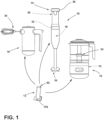
FIG. 1 is a side perspective view of various battery-operated kitchen appliances that utilize an aspect of the force reduction feature; -
FIG. 2 is a schematic cross-sectional view of a power source installed within a power receptacle and showing a force reduction feature in the form of at least one interior spring; -
FIG. 3 is a schematic perspective view of a handle that is incorporated within the power source, where the handle generates a biasing force for extracting the power source from the power receptacle; and -
FIG. 4 is a schematic elevation view showing rotation of the handle that biases against a bearing surface for at least partially extracting the power source from the power receptacle. - The components in the figures are not necessarily to scale, emphasis instead being placed upon illustrating the principles described herein.
- The present illustrated embodiments reside primarily in combinations of method steps and apparatus components related to combinations of methods, steps and apparatus components related to a cordless and battery-operated appliance that includes a force reduction feature to maintain a battery in an installed position in response to vibrations experienced by the battery during operation of the appliance, and also to assist in the extraction of the battery from a power receptacle for the appliance. Accordingly, the apparatus components and method steps have been represented, where appropriate, by conventional symbols in the drawings, showing only those specific details that are pertinent to understanding the embodiments of the present disclosure so as not to obscure the disclosure with details that will be readily apparent to those of ordinary skill in the art having the benefit of the description herein. Further, like numerals in the description and drawings represent like elements.
- For purposes of description herein, the terms "upper," "lower," "right," "left," "rear," "front," "vertical," "horizontal," and derivatives thereof shall relate to the disclosure as oriented in
FIG. 1 . Unless stated otherwise, the term "front" shall refer to the surface of the element closer to an intended viewer, and the term "rear" shall refer to the surface of the element further from the intended viewer. However, it is to be understood that the disclosure may assume various alternative orientations, except where expressly specified to the contrary. It is also to be understood that the specific devices and processes illustrated in the attached drawings, and described in the following specification are simply exemplary embodiments of the inventive concepts defined in the appended claims. Hence, specific dimensions and other physical characteristics relating to the embodiments disclosed herein are not to be considered as limiting, unless the claims expressly state otherwise. - The terms "including," "comprises," "comprising," or any other variation thereof, are intended to cover a non-exclusive inclusion, such that a process, method, article, or apparatus that comprises a list of elements does not include only those elements but may include other elements not expressly listed or inherent to such process, method, article, or apparatus. An element proceeded by "comprises a . . . " does not, without more constraints, preclude the existence of additional identical elements in the process, method, article, or apparatus that comprises the element.
- Referring to
FIGS. 1-4 ,reference numeral 10 generally refers to a cordless appliance that includes apower source 12, typically a battery, that can be removed from theappliance 10. Thispower source 12 can be placed within theappliance 10 in an installedposition 14 to provide electrical current to anoperable portion 16 of theappliance 10. Thispower source 12 can also be removed from theappliance 10 and placed within a separate charger for recharging thepower source 12 for later use within any one ofseveral appliances 10. Typically, theappliances 10 include a suite ofappliances 10 wherevarious power sources 12 can be used interchangeably among the suite ofappliances 10. - According to various aspects of the device, as exemplified in
FIGS. 1-4 , theappliance 10 includes ahousing 30 that includes theoperable portion 16. As discussed herein, theoperable portion 16 can be in the form of amotor 32 that operates arotary interface 34. Thisrotary interface 34 can be in the form of a blender, mixer, chopper, or other food processing portion of anappliance 10. Theappliance 10 also includes apower receptacle 36 that is in electrical communication with theoperable portion 16. Thepower receptacle 36 includes a high-friction interface 38 that is used to assist in securing apower source 12 in the installedposition 14. Thepower source 12 is selectively engaged with thepower receptacle 36 as well as the high-friction interface 38 to define the installedposition 14. This installedposition 14 places thepower source 12 in engagement with a contact of thepower receptacle 36 for delivering electrical current from thepower source 12 to themotor 32 of theoperable portion 16. At least one of thepower source 12 and thepower receptacle 36 can include aforce reduction feature 40 that selectively operates to overcome the high-friction interface 38 to assist in removing thepower source 12 from the installedposition 14 and thepower receptacle 36. As is discussed herein, thisforce reduction feature 40 can be in the form of variousresilient members 42, alever 44, combinations thereof, and other similar force reduction features 40 that can be attached to thehousing 30 or thepower source 12. - During use of the
appliance 10, themotor 32 for theoperable portion 16 can generate various vibrations within theappliance 10. These vibrations, in certain instances, can be sufficient to cause a "contact bounce" where thepower source 12 temporarily disengages from the contact within thepower receptacle 36. This temporary disengagement can result in a loss of electrical power within theappliance 10. The high-friction interface 38 is utilized for counteracting and resisting these vibration forces and maintaining thepower source 12 within the installedposition 14. Use of this high-friction interface 38, while securing thepower source 12 in the installedposition 14, can also produce difficulties in separating thepower source 12 from thepower receptacle 36. The use of theforce reduction feature 40 resists vibration and provides a counteracting force that biases thepower source 12 away from the installedposition 14 and assists the user in separating thepower source 12 from thepower receptacle 36. - The high-
friction interface 38 can be formed through the engagement of various matingelectrical terminals 60 that are defined within each of thepower source 12 and thepower receptacle 36. The cooperative engagement of theelectrical terminals 60 form a close engagement that is used to secure thepower source 12 in the installedposition 14. Due to this close engagement, separating thepower source 12 from the installedposition 14 can require a significant force to overcome the high-friction interface 38. The various force reduction features 40 described herein are utilized for disengaging theelectrical terminals 60 that form the high-friction interface 38. Accordingly, the force reduction features 40 are configured to provide for a relatively limited amount of travel of thepower source 12 with respect to thepower receptacle 36. This amount of travel substantially corresponds to the distance necessary to disengage theelectrical terminals 60. Once theelectrical terminals 60 are disengaged, thepower source 12 can be removed from the remainder of thepower receptacle 36 with significantly less effort. Accordingly, as thepower source 12 is removed from thepower receptacle 36, the high-friction interface 38 is typically utilized near the installedposition 14 and areas of thepower receptacle 36 immediately adjacent to the installedposition 14. - Referring again to
FIGS. 2-4 , theelectrical terminals 60 that define the high-friction interface 38 can include any one of various engagement structures, such as electrical engaging features. Theseelectrical terminals 60 can include one ormore pins 62, and typically a set ofpins 62 that selectively and matingly engage a respective and opposing set ofelectrical contacts 64 that are disposed on thepower source 12 and thepower receptacle 36. The location of thepins 62 and theelectrical contacts 64 can vary with respect to thepower source 12 and thepower receptacle 36. As discussed herein thepins 62 andelectrical contacts 64 selectively and matingly engage with one another to define an electrical engagement that selectively delivers the electrical current from thepower source 12 to themotor 32 of theappliance 10. - Referring now to
FIG. 2 , theforce reduction feature 40 can be in the form of aresilient member 42 that is positioned between thepower source 12 and asurface 70 of thepower receptacle 36. When thepower source 12 is moved into the installedposition 14, theresilient member 42 is preloaded within thepower receptacle 36. As thepower source 12 is installed within thepower receptacle 36, a tab, latch, or other securing member maintains thepower source 12 within the installedposition 14 of thepower receptacle 36 and also maintains theresilient member 42 in thepre-loaded state 72. - As exemplified in
FIG. 2 , theresilient member 42 can be in the form of a flat spring, leaf spring, or other similarresilient member 42. When in thepre-loaded state 72, theresilient member 42 exerts the biasingforce 80 away from the installedposition 14 and in anoutward direction 110. Accordingly, when the securing mechanism of thepower source 12 is disengaged, theresilient member 42 at least partially overcomes the high-friction interface 38 and assists the user in separating thepower source 12 from the installedposition 14 within thepower receptacle 36. - Referring again to
FIG. 2 , theresilient member 42 can be attached to anunderside 90 of thepower source 12. In addition, theresilient member 42 can be attached to asurface 70 of thepower receptacle 36 that receives thepower source 12. According to the claimed invention, theresilient member 42 is positioned to exert the biasingforce 80 in the sameoutward direction 110 that thepower source 12 can be extracted from thepower receptacle 36. It is also contemplated that each of thepower source 12 and thepower receptacle 36 can include a cooperative component of theresilient member 42. In this manner, theresilient member 42 can include dedicated and respectiveresilient members 42 on each of thepower source 12 and thepower receptacle 36 that engage with one another to provide acooperative biasing force 80 for absorbing vibration and assisting in separating thepower source 12 from thepower receptacle 36. Where each of thepower source 12 and thepower receptacle 36 include a component of theresilient member 42, the component of theresilient member 42 on thepower source 12 can exert a portion of the biasingforce 80 on thepower receptacle 36. Similarly, the component of theresilient member 42 on thepower receptacle 36 can exert a portion of the biasingforce 80 on thepower source 12. - The
resilient member 42 can be in the form of one or more pieces of spring metal, one or more elastomeric members, combinations thereof, or other similar member that deflect to apre-loaded state 72 when thepower source 12 is disposed within the installedposition 14 inside thepower receptacle 36. As discussed herein, theresilient member 42 tends toward its original shape. In doing so, theresilient member 42 exerts the biasingforce 80 that biases thepower source 12 away from the installedposition 14 and in theoutward direction 110 from thepower receptacle 36. - As exemplified in
FIGS. 3 and4 , the power source 12 (or the housing 30) includes alever 44 that is rotationally operable. Rotation of thelever 44, being coupled with the power source, serves to extract thepower source 12 from thepower receptacle 36. - As exemplified in
FIGS. 3 and4 , thelever 44 can be attached to thepower source 12, such as anouter case 100 of thepower source 12. In this manner, thelever 44 includes ahandle 102, afulcrum 104 and a biasingportion 106. During operation of thelever 44, the user operates thehandle 102 about thefulcrum 104 such that the biasingportion 106 engages abearing surface 108. Engagement of the biasingportion 106 with the bearingsurface 108 allows the user to exert the biasingforce 80 against the bearingsurface 108 such that thefulcrum 104 is moved in anoutward direction 110 with respect to the high-friction interface 38 of thepower receptacle 36. According to the herein claimed invention thelever 44 cooperates with theresilient member 42 or theresilient members 42. In this manner, thelever 44 can operate to selectively increase the biasingforce 80 acting on thepower source 12 by cooperating with the variousresilient members 42. The one or moreresilient members 42 continually exert the biasingforce 80 on thepower source 12 when thepower source 12 is in the installedposition 14. Operation of thelever 44 selectively and temporarily increases the biasingforce 80 that acts upon the power source to bias thepower source 12 away from the installedposition 14 and assist in the extraction of thepower source 12 from thepower receptacle 36. - The
lever 44, being attached to anouter case 100 of thepower source 12, generates the biasingforce 80 that serves to overcome the high-friction interface 38 and extract thepower source 12 from thepower receptacle 36. As exemplified inFIG. 4 , thehandle 102 is configured to rotationally operate through a large rotational distance. This provides for a mechanical advantage the results in the biasingportion 106 exerting the biasingforce 80 through the smaller path of travel. As discussed herein, the distance required to disengage thepower source 12 from the high-friction interface 38 is relatively small. - Typically, the bearing
surface 108 will be defined by a portion of thehousing 30 for theappliance 10. In this manner, as the user operates thehandle 102 of thelever 44, the biasingportion 106 of thelever 44 pushes against thehousing 30 and generates the biasingforce 80 away from thehousing 30 to extract thepower source 12 from thepower receptacle 36. Use of thelever 44, according to various aspects, operate to convert a rotational motion of thelever 44 into an axial or linear motion of the biasingforce 80. Accordingly, the rotational operation of thelever 44 can be transmitted through various linkages and to thebearing surface 108 of thehousing 30. It is contemplated that the bearingsurface 108 of thehousing 30 can be located near theaperture 120 of thepower receptacle 36 or near thebase 122 of thepower receptacle 36. Depending on the intended location of the bearingsurface 108, one or more linkages can be included in theforce reduction feature 40 to overcome the high-friction interface 38 and remove thepower source 12 from the installedposition 14. As discussed herein, the biasingforce 80 operates to move thepower source 12 typically only through the limited travel distance to disengage theelectrical terminals 60 and the high-friction interface 38. - In certain aspects of the device, the
handle 102 can also be attached to thehousing 30. In such an aspect of the device, the biasingportion 106 of thelever 44 rotates to engage a portion of theouter case 100 of thepower source 12. As thehandle 102 of thelever 44 rotates about thefulcrum 104, the biasingportion 106 pries thepower source 12 away from the installedposition 14 to overcome the high-friction interface 38 of thepower receptacle 36. In this aspect of the device, theouter case 100 of thepower source 12 can include various notches and other features that can be used to allow the biasingportion 106 of thelever 44 to engage with thepower source 12 to exert the biasingforce 80 that can be used to extract thepower source 12 from the installedposition 14 and away from thepower receptacle 36. - According to various aspects of the device, the various force reduction features 40 described herein can be utilized within any one of various
cordless appliances 10.Such appliances 10 can be in the form of countertop appliances, portable appliances, handheld appliances, and other similar appliances that can be utilized in a cordless and battery-operated configuration. - The invention disclosed and claimed herein is further summarized in the following paragraphs and is further characterized by combinations of any and all of the various aspects described therein.
- According to one aspect of the present disclosure, an appliance includes a housing that has an operable portion. A power receptacle is in electrical communication with the operable portion and has a high-friction interface. A power source selectively engages with the power receptacle to define an installed position that selectively delivers an electrical current from the power source to a motor of the operable portion. At least one resilient member exerts a biasing force against the power source when the power source is in the installed position. The high-friction interface maintains the power source in the installed position during operation of the motor and resists vibration from the operable portion to maintain the power source in the installed position, and at least one of the power receptacle and the power source include the at least one resilient member.
- According to another aspect, each of the power source and the power receptacle includes a component of the at least one resilient member.
- According to another aspect, each of the power source and the power receptacle includes a respective resilient member of the at least one resilient member.
- According to another aspect, the power source includes a lever that selectively engages the housing when the power source is in the installed position. The lever is selectively operable to selectively increase the biasing force to bias the power source away from the installed position.
- According to another aspect, the lever and the at least one resilient member cooperate to overcome the high-friction interface.
- According to another aspect, the lever is rotationally operable to engage a bearing surface of the housing. Engagement of the lever and the bearing surface defines a portion of the biasing force.
- According to another aspect, the high-friction interface is defined by electrical terminals that include a set of pins and an opposing set of electrical contacts that are disposed on the power source and the power receptacle.
- According to another aspect, the set of pins and the opposing set of electrical contacts matingly engage with one another to define an electrical engagement that selectively delivers the electrical current from the power source to the motor.
- According to another aspect, the lever includes a handle portion that is operable to extract the power source from the power receptacle.
- According to another aspect, the lever includes a fulcrum that is rotationally attached to the power source.
- According to another aspect, the fulcrum is positioned between the handle portion and a biasing portion that selectively engages the housing.
- According to another aspect of the present disclosure, an appliance includes a housing that has an operable portion. A power receptacle is in electrical communication with the operable portion and has a high-friction interface. A power source selectively engages with the power receptacle and the high-friction interface to define an installed position that selectively delivers an electrical current from the power source to a motor of the operable portion. A lever is attached to the power source, and selectively engages a bearing surface of the housing in the installed position. The high-friction interface maintains the power source in the installed position during operation of the motor and resists vibrations from the operable portion to maintain the power source in the installed position, and the lever selectively operates to remove the power source from the installed position. A handle portion rotationally operates to exert a biasing force against the bearing surface that overcomes the high-friction interface and biases the power source away from the installed position.
- According to another aspect, at least one of the power source and the power receptacle include a resilient member that partially absorbs the vibrations from the operable portion.
- According to yet another aspect of the present disclosure, an appliance includes a housing that has an operable portion. A power receptacle is in electrical communication with the operable portion and has a high-friction interface. A power source selectively engages with the power receptacle to define an installed position that selectively delivers an electrical current from the power source to the operable portion. A resilient member exerts a biasing force against the power source when the power source is in the installed position. A lever is coupled to the power source. The lever is selectively operable to cooperate with the resilient member to increase the biasing force that selectively overcomes the high-friction interface. The high-friction interface maintains the power source in the installed position during operation of a motor of the operable portion and resists vibrations from the operable portion to maintain the power source in the installed position, and at least one of the power receptacle and the power source includes the at least one resilient member.
- According to another aspect, each of the power source and the power receptacle includes a component of the at least one resilient member.
- According to another aspect, each of the power source and the power receptacle includes a respective resilient member of the at least one resilient member.
- According to another aspect, the lever is rotationally operable to engage a bearing surface of the housing. Engagement of the lever and the bearing surface defines a portion of the biasing force.
- According to another aspect, the high-friction interface includes a set of pins and an opposing set of electrical contacts that are disposed on the power source and the power receptacle.
- According to another aspect, the set of pins and the opposing set of electrical contacts matingly engage to define an electrical engagement that selectively delivers the electrical current from the power source to the motor.
- According to another aspect, the lever includes a handle portion that is operable to extract the power source from the power receptacle. The lever includes a fulcrum that is rotationally attached to the power source, and the fulcrum is positioned between the handle portion and a biasing portion that selectively engages the housing.
- The invention as claimed herein is defined by the appended claims.
Claims (12)
- An appliance (10) comprising:a housing (30) having an operable portion (16);a power receptacle (36) in electrical communication with the operable portion (16) and having a high-friction interface (38);a power source (12) that is selectively engaged with the power receptacle (36) to define an installed position (14) that selectively delivers an electrical current from the power source (12) to a motor (32) of the operable portion (16); andat least one resilient member (42) that exerts a biasing force (80) against the power source (12) when the power source (12) is in the installed position (14),wherein:the high-friction interface (38) maintains the power source (12) in the installed position (14) during operation of the motor (32) and resists vibrations from the operable portion (16) to maintain the power source (12) in the installed position (14);at least one of the power receptacle (36) and the power source (12) includes the at least one resilient member (42); andthe resilient member (42) is positioned to exert the biasing force (80) in an outward direction (110) that the power source (12) can be extracted from the power receptacle (36),characterised in that the power source (12) includes a lever (44) that selectively engages the housing (30) when the power source (12) is in the installed position (14),wherein the lever (44) and the at least one resilient member (42) cooperate to overcome the high-friction interface (38) and the lever (44) is rotationally operable to engage a bearing surface (108) of the housing (30).
- The appliance (10) of claim 1, wherein each of the power source (12) and the power receptacle (36) includes a component of the at least one resilient member (42).
- The appliance (10) of any one of claims 1-2, wherein each of the power source (12) and the power receptacle (36) includes a respective resilient member (42) of the at least one resilient member (42).
- The appliance (10) of any one of claims 1-3, wherein the lever (44) is operable to selectively increase the biasing force (80) to bias the power source (12) away from the installed position (14).
- The appliance (10) of any one of claims 1-4, wherein selective engagement of the lever (44) and the bearing surface (108) defines a portion of the biasing force (80).
- The appliance (10) of any one of claims 1-5, wherein the high-friction interface (38) is defined by electrical terminals (60) that include a set of pins (62) and an opposing set of electrical contacts (64) that are disposed on the power source (12) and the power receptacle (36).
- The appliance (10) of claim 6, wherein the electrical contacts (64) are disposed in the power source (12).
- The appliance (10) of any one of claims 6-7, wherein the set of pins (62) and the opposing set of electrical contacts (64) matingly engage with one another to define an electrical engagement that selectively delivers the electrical current from the power source (12) to the motor (32).
- The appliance (10) of any one of claims 1-5, wherein the lever (44) includes a handle portion (102) that is operable to extract the power source (12) from the power receptacle (36).
- The appliance (10) of claim 9, wherein the lever (44) includes a fulcrum (104) that is rotationally attached to the power source (12).
- The appliance (10) of claim 10, wherein the fulcrum (104) is positioned between the handle portion (102) and a biasing portion (106) that selectively engages the housing (30).
- The appliance (10) of any one of claims 1-11, wherein the operable portion (16) is a food-processing portion.
Applications Claiming Priority (2)
| Application Number | Priority Date | Filing Date | Title |
|---|---|---|---|
| US202163279401P | 2021-11-15 | 2021-11-15 | |
| US17/982,622 US12620664B2 (en) | 2021-11-15 | 2022-11-08 | Battery terminal force reduction feature for battery operated cordless appliance |
Publications (2)
| Publication Number | Publication Date |
|---|---|
| EP4181297A1 EP4181297A1 (en) | 2023-05-17 |
| EP4181297B1 true EP4181297B1 (en) | 2025-04-23 |
Family
ID=84358795
Family Applications (1)
| Application Number | Title | Priority Date | Filing Date |
|---|---|---|---|
| EP22207650.7A Active EP4181297B1 (en) | 2021-11-15 | 2022-11-15 | Battery terminal force reduction feature for battery operated cordless appliance |
Country Status (3)
| Country | Link |
|---|---|
| US (1) | US12620664B2 (en) |
| EP (1) | EP4181297B1 (en) |
| CN (1) | CN116131028A (en) |
Families Citing this family (2)
| Publication number | Priority date | Publication date | Assignee | Title |
|---|---|---|---|---|
| USD1050799S1 (en) * | 2022-07-08 | 2024-11-12 | Sharkninja Operating Llc | Immersion blender |
| USD1064719S1 (en) * | 2022-09-19 | 2025-03-04 | Whirlpool Corporation | Hand mixer |
Family Cites Families (13)
| Publication number | Priority date | Publication date | Assignee | Title |
|---|---|---|---|---|
| US3917372A (en) | 1974-10-03 | 1975-11-04 | Motorola Inc | Supporting and connecting structure for electric device |
| JPH03226813A (en) | 1990-01-31 | 1991-10-07 | Toshiba Corp | Portable electronic equipment |
| US5305180A (en) | 1991-06-06 | 1994-04-19 | Grid Systems Corporation | Disk drive ejector mechanism with latch and ejector and standby switch |
| US5663011A (en) | 1994-08-11 | 1997-09-02 | Black & Decker Inc. | Battery pack retaining latch for cordless device |
| TW389405U (en) | 1998-04-28 | 2000-05-01 | Hon Hai Prec Ind Co Ltd | Ejection mechanism for IC card connector |
| KR100347041B1 (en) | 2000-05-24 | 2002-08-03 | 엘지전자주식회사 | Memory connector |
| TW468872U (en) | 2000-06-17 | 2001-12-11 | Hon Hai Prec Ind Co Ltd | Electrical connector |
| US6729413B2 (en) | 2001-08-24 | 2004-05-04 | Black & Decker Inc. | Power tool with battery pack ejector |
| US6814597B1 (en) | 2003-09-22 | 2004-11-09 | Cheng Uei Precision Industry Co., Ltd. | Subscriber identity module (SIM) card connector with ejector |
| US20090255084A1 (en) | 2008-03-14 | 2009-10-15 | Gee Ii Jack W | Removable Battery Pack with Latching Mechanism |
| US20140045367A1 (en) | 2012-08-07 | 2014-02-13 | Hill-Rom Services, Inc. | Battery systems for person support apparatus |
| CN104886970A (en) | 2014-03-07 | 2015-09-09 | Ciar股份公司 | Stuffed chair with one or more seats, in particular armchair or a couch |
| AU2017375491B2 (en) | 2016-12-16 | 2021-06-10 | Milwaukee Electric Tool Corporation | Battery pack interface |
-
2022
- 2022-11-08 US US17/982,622 patent/US12620664B2/en active Active
- 2022-11-15 EP EP22207650.7A patent/EP4181297B1/en active Active
- 2022-11-15 CN CN202211428432.3A patent/CN116131028A/en active Pending
Also Published As
| Publication number | Publication date |
|---|---|
| US20230155237A1 (en) | 2023-05-18 |
| US12620664B2 (en) | 2026-05-05 |
| CN116131028A (en) | 2023-05-16 |
| EP4181297A1 (en) | 2023-05-17 |
Similar Documents
| Publication | Publication Date | Title |
|---|---|---|
| EP4181297A1 (en) | Battery terminal force reduction feature for battery operated cordless appliance | |
| US8906124B2 (en) | Dust collecting device | |
| US6742601B2 (en) | Battery powered tools | |
| EP3165335B1 (en) | Disc grinder | |
| US7648383B2 (en) | Device for locking a power tool and a rechargeable battery pack that is insertable in a guide of the power tool | |
| US7455544B2 (en) | Device for locking a battery pack in a guide of a power tool | |
| EP3010071B1 (en) | Removable battery pack with latching mechanism | |
| US20080207026A1 (en) | Power tool, battery pack, and method of operating the same | |
| CN110931684B (en) | Battery fixing device | |
| US11581154B2 (en) | Battery lock out for power tool | |
| EP3753679B1 (en) | Electric power work device | |
| CN104942362A (en) | Electric circular saw | |
| CN112038137B (en) | Switch assembly and electric tool | |
| US20140013539A1 (en) | Intelligent Vacuum Cleaner | |
| JP3427431B2 (en) | Battery-powered tool | |
| US5771580A (en) | Electric razor | |
| EP4378649A1 (en) | Log splitter actuation assembly | |
| CN217121949U (en) | Electric tool | |
| CN210704132U (en) | Brushless direct-drive angle grinder | |
| KR101789419B1 (en) | Charging device | |
| US20250046542A1 (en) | Trigger switch | |
| CN211529822U (en) | Push-button switch | |
| CN219759468U (en) | Mounting base, contactor and contactor mounting structure | |
| KR101701155B1 (en) | Air circuit breaker | |
| CN212887706U (en) | Cutting tool handle and cutting tool |
Legal Events
| Date | Code | Title | Description |
|---|---|---|---|
| PUAI | Public reference made under article 153(3) epc to a published international application that has entered the european phase |
Free format text: ORIGINAL CODE: 0009012 |
|
| STAA | Information on the status of an ep patent application or granted ep patent |
Free format text: STATUS: THE APPLICATION HAS BEEN PUBLISHED |
|
| AK | Designated contracting states |
Kind code of ref document: A1 Designated state(s): AL AT BE BG CH CY CZ DE DK EE ES FI FR GB GR HR HU IE IS IT LI LT LU LV MC ME MK MT NL NO PL PT RO RS SE SI SK SM TR |
|
| STAA | Information on the status of an ep patent application or granted ep patent |
Free format text: STATUS: REQUEST FOR EXAMINATION WAS MADE |
|
| 17P | Request for examination filed |
Effective date: 20231116 |
|
| P01 | Opt-out of the competence of the unified patent court (upc) registered |
Effective date: 20231110 |
|
| RBV | Designated contracting states (corrected) |
Designated state(s): AL AT BE BG CH CY CZ DE DK EE ES FI FR GB GR HR HU IE IS IT LI LT LU LV MC ME MK MT NL NO PL PT RO RS SE SI SK SM TR |
|
| GRAP | Despatch of communication of intention to grant a patent |
Free format text: ORIGINAL CODE: EPIDOSNIGR1 |
|
| STAA | Information on the status of an ep patent application or granted ep patent |
Free format text: STATUS: GRANT OF PATENT IS INTENDED |
|
| INTG | Intention to grant announced |
Effective date: 20241206 |
|
| GRAS | Grant fee paid |
Free format text: ORIGINAL CODE: EPIDOSNIGR3 |
|
| GRAA | (expected) grant |
Free format text: ORIGINAL CODE: 0009210 |
|
| STAA | Information on the status of an ep patent application or granted ep patent |
Free format text: STATUS: THE PATENT HAS BEEN GRANTED |
|
| AK | Designated contracting states |
Kind code of ref document: B1 Designated state(s): AL AT BE BG CH CY CZ DE DK EE ES FI FR GB GR HR HU IE IS IT LI LT LU LV MC ME MK MT NL NO PL PT RO RS SE SI SK SM TR |
|
| REG | Reference to a national code |
Ref country code: GB Ref legal event code: FG4D |
|
| REG | Reference to a national code |
Ref country code: CH Ref legal event code: EP |
|
| REG | Reference to a national code |
Ref country code: DE Ref legal event code: R096 Ref document number: 602022013487 Country of ref document: DE |
|
| REG | Reference to a national code |
Ref country code: IE Ref legal event code: FG4D |
|
| REG | Reference to a national code |
Ref country code: NL Ref legal event code: MP Effective date: 20250423 |
|
| PG25 | Lapsed in a contracting state [announced via postgrant information from national office to epo] |
Ref country code: NL Free format text: LAPSE BECAUSE OF FAILURE TO SUBMIT A TRANSLATION OF THE DESCRIPTION OR TO PAY THE FEE WITHIN THE PRESCRIBED TIME-LIMIT Effective date: 20250423 |
|
| REG | Reference to a national code |
Ref country code: AT Ref legal event code: MK05 Ref document number: 1788726 Country of ref document: AT Kind code of ref document: T Effective date: 20250423 |
|
| PG25 | Lapsed in a contracting state [announced via postgrant information from national office to epo] |
Ref country code: FI Free format text: LAPSE BECAUSE OF FAILURE TO SUBMIT A TRANSLATION OF THE DESCRIPTION OR TO PAY THE FEE WITHIN THE PRESCRIBED TIME-LIMIT Effective date: 20250423 Ref country code: PT Free format text: LAPSE BECAUSE OF FAILURE TO SUBMIT A TRANSLATION OF THE DESCRIPTION OR TO PAY THE FEE WITHIN THE PRESCRIBED TIME-LIMIT Effective date: 20250825 Ref country code: ES Free format text: LAPSE BECAUSE OF FAILURE TO SUBMIT A TRANSLATION OF THE DESCRIPTION OR TO PAY THE FEE WITHIN THE PRESCRIBED TIME-LIMIT Effective date: 20250423 |
|
| REG | Reference to a national code |
Ref country code: LT Ref legal event code: MG9D |
|
| PG25 | Lapsed in a contracting state [announced via postgrant information from national office to epo] |
Ref country code: NO Free format text: LAPSE BECAUSE OF FAILURE TO SUBMIT A TRANSLATION OF THE DESCRIPTION OR TO PAY THE FEE WITHIN THE PRESCRIBED TIME-LIMIT Effective date: 20250723 Ref country code: GR Free format text: LAPSE BECAUSE OF FAILURE TO SUBMIT A TRANSLATION OF THE DESCRIPTION OR TO PAY THE FEE WITHIN THE PRESCRIBED TIME-LIMIT Effective date: 20250724 |
|
| PG25 | Lapsed in a contracting state [announced via postgrant information from national office to epo] |
Ref country code: PL Free format text: LAPSE BECAUSE OF FAILURE TO SUBMIT A TRANSLATION OF THE DESCRIPTION OR TO PAY THE FEE WITHIN THE PRESCRIBED TIME-LIMIT Effective date: 20250423 |
|
| PG25 | Lapsed in a contracting state [announced via postgrant information from national office to epo] |
Ref country code: BG Free format text: LAPSE BECAUSE OF FAILURE TO SUBMIT A TRANSLATION OF THE DESCRIPTION OR TO PAY THE FEE WITHIN THE PRESCRIBED TIME-LIMIT Effective date: 20250423 |
|
| PG25 | Lapsed in a contracting state [announced via postgrant information from national office to epo] |
Ref country code: HR Free format text: LAPSE BECAUSE OF FAILURE TO SUBMIT A TRANSLATION OF THE DESCRIPTION OR TO PAY THE FEE WITHIN THE PRESCRIBED TIME-LIMIT Effective date: 20250423 |
|
| PG25 | Lapsed in a contracting state [announced via postgrant information from national office to epo] |
Ref country code: AT Free format text: LAPSE BECAUSE OF FAILURE TO SUBMIT A TRANSLATION OF THE DESCRIPTION OR TO PAY THE FEE WITHIN THE PRESCRIBED TIME-LIMIT Effective date: 20250423 |
|
| PG25 | Lapsed in a contracting state [announced via postgrant information from national office to epo] |
Ref country code: RS Free format text: LAPSE BECAUSE OF FAILURE TO SUBMIT A TRANSLATION OF THE DESCRIPTION OR TO PAY THE FEE WITHIN THE PRESCRIBED TIME-LIMIT Effective date: 20250723 |
|
| PG25 | Lapsed in a contracting state [announced via postgrant information from national office to epo] |
Ref country code: IS Free format text: LAPSE BECAUSE OF FAILURE TO SUBMIT A TRANSLATION OF THE DESCRIPTION OR TO PAY THE FEE WITHIN THE PRESCRIBED TIME-LIMIT Effective date: 20250823 |
|
| PG25 | Lapsed in a contracting state [announced via postgrant information from national office to epo] |
Ref country code: LV Free format text: LAPSE BECAUSE OF FAILURE TO SUBMIT A TRANSLATION OF THE DESCRIPTION OR TO PAY THE FEE WITHIN THE PRESCRIBED TIME-LIMIT Effective date: 20250423 |
|
| PGFP | Annual fee paid to national office [announced via postgrant information from national office to epo] |
Ref country code: DE Payment date: 20251126 Year of fee payment: 4 |
|
| PG25 | Lapsed in a contracting state [announced via postgrant information from national office to epo] |
Ref country code: DK Free format text: LAPSE BECAUSE OF FAILURE TO SUBMIT A TRANSLATION OF THE DESCRIPTION OR TO PAY THE FEE WITHIN THE PRESCRIBED TIME-LIMIT Effective date: 20250423 Ref country code: SM Free format text: LAPSE BECAUSE OF FAILURE TO SUBMIT A TRANSLATION OF THE DESCRIPTION OR TO PAY THE FEE WITHIN THE PRESCRIBED TIME-LIMIT Effective date: 20250423 |
|
| PGFP | Annual fee paid to national office [announced via postgrant information from national office to epo] |
Ref country code: FR Payment date: 20251125 Year of fee payment: 4 |
|
| PG25 | Lapsed in a contracting state [announced via postgrant information from national office to epo] |
Ref country code: CZ Free format text: LAPSE BECAUSE OF FAILURE TO SUBMIT A TRANSLATION OF THE DESCRIPTION OR TO PAY THE FEE WITHIN THE PRESCRIBED TIME-LIMIT Effective date: 20250423 |
|
| PG25 | Lapsed in a contracting state [announced via postgrant information from national office to epo] |
Ref country code: EE Free format text: LAPSE BECAUSE OF FAILURE TO SUBMIT A TRANSLATION OF THE DESCRIPTION OR TO PAY THE FEE WITHIN THE PRESCRIBED TIME-LIMIT Effective date: 20250423 |
|
| REG | Reference to a national code |
Ref country code: DE Ref legal event code: R097 Ref document number: 602022013487 Country of ref document: DE |
|
| PG25 | Lapsed in a contracting state [announced via postgrant information from national office to epo] |
Ref country code: SK Free format text: LAPSE BECAUSE OF FAILURE TO SUBMIT A TRANSLATION OF THE DESCRIPTION OR TO PAY THE FEE WITHIN THE PRESCRIBED TIME-LIMIT Effective date: 20250423 |
|
| PG25 | Lapsed in a contracting state [announced via postgrant information from national office to epo] |
Ref country code: IT Free format text: LAPSE BECAUSE OF FAILURE TO SUBMIT A TRANSLATION OF THE DESCRIPTION OR TO PAY THE FEE WITHIN THE PRESCRIBED TIME-LIMIT Effective date: 20250423 |
|
| PLBE | No opposition filed within time limit |
Free format text: ORIGINAL CODE: 0009261 |
|
| STAA | Information on the status of an ep patent application or granted ep patent |
Free format text: STATUS: NO OPPOSITION FILED WITHIN TIME LIMIT |
|
| REG | Reference to a national code |
Ref country code: CH Ref legal event code: L10 Free format text: ST27 STATUS EVENT CODE: U-0-0-L10-L00 (AS PROVIDED BY THE NATIONAL OFFICE) Effective date: 20260304 |
|
| PG25 | Lapsed in a contracting state [announced via postgrant information from national office to epo] |
Ref country code: RO Free format text: LAPSE BECAUSE OF FAILURE TO SUBMIT A TRANSLATION OF THE DESCRIPTION OR TO PAY THE FEE WITHIN THE PRESCRIBED TIME-LIMIT Effective date: 20250423 |
|
| 26N | No opposition filed |
Effective date: 20260126 |