EP4180744A1 - Control method for automatic ice maker, automatic ice maker, and refrigerator - Google Patents
Control method for automatic ice maker, automatic ice maker, and refrigerator Download PDFInfo
- Publication number
- EP4180744A1 EP4180744A1 EP21792268.1A EP21792268A EP4180744A1 EP 4180744 A1 EP4180744 A1 EP 4180744A1 EP 21792268 A EP21792268 A EP 21792268A EP 4180744 A1 EP4180744 A1 EP 4180744A1
- Authority
- EP
- European Patent Office
- Prior art keywords
- ice
- box
- water
- making
- automatic
- Prior art date
- Legal status (The legal status is an assumption and is not a legal conclusion. Google has not performed a legal analysis and makes no representation as to the accuracy of the status listed.)
- Pending
Links
Images



Classifications
-
- F—MECHANICAL ENGINEERING; LIGHTING; HEATING; WEAPONS; BLASTING
- F25—REFRIGERATION OR COOLING; COMBINED HEATING AND REFRIGERATION SYSTEMS; HEAT PUMP SYSTEMS; MANUFACTURE OR STORAGE OF ICE; LIQUEFACTION SOLIDIFICATION OF GASES
- F25D—REFRIGERATORS; COLD ROOMS; ICE-BOXES; COOLING OR FREEZING APPARATUS NOT OTHERWISE PROVIDED FOR
- F25D23/00—General constructional features
- F25D23/12—Arrangements of compartments additional to cooling compartments; Combinations of refrigerators with other equipment, e.g. stove
-
- F—MECHANICAL ENGINEERING; LIGHTING; HEATING; WEAPONS; BLASTING
- F25—REFRIGERATION OR COOLING; COMBINED HEATING AND REFRIGERATION SYSTEMS; HEAT PUMP SYSTEMS; MANUFACTURE OR STORAGE OF ICE; LIQUEFACTION SOLIDIFICATION OF GASES
- F25C—PRODUCING, WORKING OR HANDLING ICE
- F25C1/00—Producing ice
- F25C1/04—Producing ice by using stationary moulds
-
- F—MECHANICAL ENGINEERING; LIGHTING; HEATING; WEAPONS; BLASTING
- F25—REFRIGERATION OR COOLING; COMBINED HEATING AND REFRIGERATION SYSTEMS; HEAT PUMP SYSTEMS; MANUFACTURE OR STORAGE OF ICE; LIQUEFACTION SOLIDIFICATION OF GASES
- F25C—PRODUCING, WORKING OR HANDLING ICE
- F25C1/00—Producing ice
- F25C1/22—Construction of moulds; Filling devices for moulds
- F25C1/24—Construction of moulds; Filling devices for moulds for refrigerators, e.g. freezing trays
-
- F—MECHANICAL ENGINEERING; LIGHTING; HEATING; WEAPONS; BLASTING
- F25—REFRIGERATION OR COOLING; COMBINED HEATING AND REFRIGERATION SYSTEMS; HEAT PUMP SYSTEMS; MANUFACTURE OR STORAGE OF ICE; LIQUEFACTION SOLIDIFICATION OF GASES
- F25C—PRODUCING, WORKING OR HANDLING ICE
- F25C5/00—Working or handling ice
- F25C5/02—Apparatus for disintegrating, removing or harvesting ice
- F25C5/04—Apparatus for disintegrating, removing or harvesting ice without the use of saws
-
- F—MECHANICAL ENGINEERING; LIGHTING; HEATING; WEAPONS; BLASTING
- F25—REFRIGERATION OR COOLING; COMBINED HEATING AND REFRIGERATION SYSTEMS; HEAT PUMP SYSTEMS; MANUFACTURE OR STORAGE OF ICE; LIQUEFACTION SOLIDIFICATION OF GASES
- F25D—REFRIGERATORS; COLD ROOMS; ICE-BOXES; COOLING OR FREEZING APPARATUS NOT OTHERWISE PROVIDED FOR
- F25D29/00—Arrangement or mounting of control or safety devices
- F25D29/005—Mounting of control devices
-
- F—MECHANICAL ENGINEERING; LIGHTING; HEATING; WEAPONS; BLASTING
- F25—REFRIGERATION OR COOLING; COMBINED HEATING AND REFRIGERATION SYSTEMS; HEAT PUMP SYSTEMS; MANUFACTURE OR STORAGE OF ICE; LIQUEFACTION SOLIDIFICATION OF GASES
- F25D—REFRIGERATORS; COLD ROOMS; ICE-BOXES; COOLING OR FREEZING APPARATUS NOT OTHERWISE PROVIDED FOR
- F25D29/00—Arrangement or mounting of control or safety devices
- F25D29/008—Alarm devices
-
- F—MECHANICAL ENGINEERING; LIGHTING; HEATING; WEAPONS; BLASTING
- F25—REFRIGERATION OR COOLING; COMBINED HEATING AND REFRIGERATION SYSTEMS; HEAT PUMP SYSTEMS; MANUFACTURE OR STORAGE OF ICE; LIQUEFACTION SOLIDIFICATION OF GASES
- F25C—PRODUCING, WORKING OR HANDLING ICE
- F25C2400/00—Auxiliary features or devices for producing, working or handling ice
- F25C2400/12—Means for sanitation
-
- F—MECHANICAL ENGINEERING; LIGHTING; HEATING; WEAPONS; BLASTING
- F25—REFRIGERATION OR COOLING; COMBINED HEATING AND REFRIGERATION SYSTEMS; HEAT PUMP SYSTEMS; MANUFACTURE OR STORAGE OF ICE; LIQUEFACTION SOLIDIFICATION OF GASES
- F25C—PRODUCING, WORKING OR HANDLING ICE
- F25C2600/00—Control issues
- F25C2600/02—Timing
-
- F—MECHANICAL ENGINEERING; LIGHTING; HEATING; WEAPONS; BLASTING
- F25—REFRIGERATION OR COOLING; COMBINED HEATING AND REFRIGERATION SYSTEMS; HEAT PUMP SYSTEMS; MANUFACTURE OR STORAGE OF ICE; LIQUEFACTION SOLIDIFICATION OF GASES
- F25C—PRODUCING, WORKING OR HANDLING ICE
- F25C2600/00—Control issues
- F25C2600/04—Control means
Definitions
- the present invention relates to the technical field of refrigeration, and specifically to a method of controlling an automatic ice maker, an automatic ice maker and a refrigerator.
- the automatic ice maker may automatically fill water to an ice-making box to make ice by being connected externally to tap water or by filling water into a built-in water box; as the amount of ice reduces, water is refilled automatically into the ice-making box to make ice, thereby achieving an automatic ice-making cycle. Therefore, it is unnecessary to require the user to fill water into the ice-making box when ice is made every time.
- the automatic ice maker is structurally more complicated with a control circuit and a sensor being internally provided.
- An object of the present invention is to provide a method for controlling an automatic ice maker, which may avoid a problem that foreign matters in a water filling pipe and an ice-making box cannot be discharged because the automatic ice maker does not make ice in a long time period.
- Two more objects of the present invention are to provide an automatic ice maker and a refrigerator containing the same, wherein the automatic ice maker makes ice by the above controlling method to overcome the problem that foreign matters in the water filling pipe and the ice-making box cannot be discharged.
- an embodiment of the present invention is to provide a method for controlling an automatic ice maker, the method comprising: calculating a time period in which the automatic ice maker stops ice making; if the time period in which the automatic ice maker stops ice making exceeds a preset threshold, filling water into an ice-making box of the automatic ice maker and then directly discharging the water out of the ice-making box at least once; and filling water into the ice-making box to make ice cubes.
- step of filling water into an ice-making box of the automatic ice maker and then directly discharging the water out of the ice-making box at least once further comprises:
- directly discharging the water out of the ice-making box further comprises:
- controlling method further comprises:
- controlling method further comprises: if the expired ice cubes are not removed, outputting a prompt message prompting the user to remove the expired ice cubes.
- the present invention also provides an automatic ice maker, comprising an ice-making box and a water filling pipe, wherein the automatic ice maker comprises:
- the automatic ice maker further comprises an ice storage box disposed between the ice-making box and the waste water collection box, wherein an anti-overflow groove is disposed on a bottom of the ice storage box, and the water discharged from the ice-making box flows through the anti-overflow groove into the waste water collection box.
- waste water collection box is detachably mounted on the bottom of the ice storage box.
- the automatic ice maker further comprises a water discharging pipe whose inlet is connected to the waste water collection box, the water in the waste water collection box being discharged through the water discharging pipe.
- the present invention also provides a refrigerator, comprising a refrigeration compartment, a door body for opening and closing the refrigeration compartment, and an automatic ice maker disposed on the refrigeration compartment or door body, wherein the refrigerator further comprises: a memory and a processor, the memory storing a computer program that may run on the processor, wherein the processor, upon executing the computer program, implements the steps of the method for controlling the automatic ice maker according to above.
- the present invention provides a controlling method, an automatic ice maker and a refrigerator.
- the controlling method is adapted to control the ice making process of the automatic ice maker in the refrigerator.
- the water is filled into the ice-making box at least once and then the water is directly discharged out of the ice-making box; then the water is filled into the ice-making box to make clean ice cubes; on the one hand, foreign matters such as dust existing in the water filling pipe and ice-making box due to no use of the automatic ice maker in a long time period are carried away by filling water at least once to wash the water filling pipe and ice-making box; on the other hand, this ensures that the user can obtain clean ice cubes whenever removing ice cubes.
- a method 101 of controlling an automatic ice maker according to the present invention comprises:
- step S1 calculating a time period in which the automatic ice maker stops ice making means recording a time period in which the automatic ice maker stops ice making, starting from completion of a previous ice-making process.
- step S2 filling water into an ice-making box of the automatic ice maker and then directly discharging the water from the ice-making box at least once means judging a cleanness degree of water discharged from the ice-making box. If the cleanness degree of the discharged water is low, water will be filled into the ice-making box repeatedly multiple times to wash and the ice-making box repeatedly multiple times before performing step S3 until the cleanness degree of the water directly discharged from the ice-making box meets a preset condition.
- the preset condition is for example that the discharged water does not contain foreign matters visible to naked eyes.
- step S2 in the controlling method 101 in a case where the automatic ice maker does not make ice in a long time period, foreign matters such as dust existing in the water filling pipe and the ice-making box are removed by periodically filling water to wash the water filling pipe and ice-making box; on the other hand, the ice cubes accessed by the user may be ensured clean in the case where the automatic ice maker does not make ice in a long time period.
- step S2 further comprises:
- the ice removal signal received in step S4 refers to a signal indicating the user to open the automatic ice maker to remove newly-made ice cubes (clean ice cubes) out of the ice-making box.
- the contamination of the clean ice cubes by the expired ice blocks after the mixture of the clean ice cubes and the expired ice blocks is avoided by prompting the user to remove the expired ice cubes and then discharging the ice cubes (clean ice cubes) out of the ice-making box.
- the clean ice cubes are judged as being the expired ice cubes.
- the ice cubes are discharged so that water is pumped through the water filling pipe to wash the ice-making box.
- controlling method 101 further comprises: before filling water into the ice-making box, judging whether the automatic ice maker meets an ice making condition; when a water level in a water tank in the automatic ice maker is greater than a minimum water level and an amount of stored water is greater than a minimum amount of stored water, it is judged that the ice making condition is met and ice making is performed; otherwise, the ice making is not performed; in this way, the ice making in step S3 can be ensured to be performed smoothly.
- the automatic ice maker comprises a time-counting unit 102, a control unit 103 and a prompt unit 104 that are electrically connected with one another.
- the time counting unit 102 is used to count the time period in which the automatic ice maker stops ice making. After the completion of a previous ice making process, the control unit 103 sends a time counting signal to the time counting unit 102.
- the time counting unit 102 is activated and starts to count the time period in which the automatic ice maker stops ice making, wherein when the counted time period in which the automatic ice maker stops ice making is greater than the preset threshold, the time period counted by the time counting unit 102 is automatically cleared, and the counting of the time period in which the automatic ice maker stops ice making is restarted. Therefore, from the completion of the previous ice making process to the start of next ice making process, the time period in which the automatic ice maker stops ice making counted by the time counting time 102 may be greater than or equal to the preset threshold at least once.
- the control unit 103 controls a flip mechanism 107 to flip the ice-making box 108, so that the water filled into the ice-making box 108 is directly discharged, or the expired ice cubes in the ice-making box 108 are discharged.
- the prompt unit 104 outputs a text and/or voice prompt indicating to remove the expired ice cubes.
- the prompt unit 104 when it is judged that the water in the waste water collection box has not been discharged, the prompt unit 104 outputs a prompt to remove the waste water collection box to prevent the water in the waste water collection box from polluting the clean ice cubes discharged from the ice-making box.
- the prompt unit 104 may be a display touch panel integrated on a front door body of the refrigerator.
- the display touch panel comprises a text display interface and a loudspeaker which is used to output the voice corresponding to the text.
- control unit 103 is for example an integrated circuit board, and the time counting unit 102 is integrated on the integrated circuit board and electrically connected with the control unit 103.
- the control unit 103 and the prompt unit 104 are electrically connected via a circuit, so that prompt information output by the control unit 103 can be transmitted to the prompt unit 104 for output.
- the automatic ice maker further comprises a detection unit 106, which detects whether there are expired ice cubes in the ice-making box 108 before the water filling pipe 105 of the automatic ice maker is controlled to fill water into the ice-making box 108. If there are expired ice cubes, the signal is output to the control unit 103.
- the control unit 103 controls the flip mechanism 107 to flip the ice-making box 108 to discharge the expired ice cubes, and then controls the water filling pipe 105 to fill water into the ice-making box 108.
- the automatic ice maker further comprises a water tank and a liquid level sensor disposed in the water tank.
- the liquid level sensor detects a water level of the water tank and transmits the detected water level information of the water tank to the control unit 103.
- the control unit 103 calculates the amount of stored water in the water tank according to the water level information of the water tank. When the water level is greater than a minimum water level and the amount of stored water is greater than a minimum amount of stored water, it is judged that the ice making condition is met; otherwise, the ice making is not performed.
- the automatic ice maker further comprises: a water filling pipe 41, an ice-making box 42, an ice storage box 43 and a waste water collection box 44, wherein one end of the water filling pipe 41 is connected to an external water source, and the other end of the water filling pipe 41 is disposed inclined towards above the ice-making box 42; the ice storage box 43 is disposed below the ice-making box 42, and the flip mechanism discharges the ice cubes out of the ice-making box 42 into the ice storage box 43 below the ice-making box 42, or the flip mechanism 42 flips the ice-making box 42 to discharge the water out of the ice-making box 42, to power the water into the ice storage box 43.
- a plurality of anti-overflow grooves 432 are formed on a bottom 431 of the ice storage box 43, and the water discharged from the ice-making box 42 flows through the anti-overflow grooves 432 on the bottom 431 of the ice storage box 43 into the waste water collection box 44.
- the waste water collection box 44 is detachably connected to the outside of the bottom 431 of the ice storage box 43.
- the ice maker is opened to detach the waste water collection box 44 from the bottom 431, and re-mount the waste water collection box 44 to the outside of the bottom 431 after the waste water is discharged from the waste water collection box 44.
- another liquid level detector may be mounted in the waste water collection box 44.
- the prompting unit 104 electrically connected with the liquid level detector outputs a prompt for detaching the waste water collection box 44.
- the control unit 103 outputs a stop signal to stop the flip mechanism 107 from flipping the ice-making box, and controls a main water pipe 105 not to fill water into the ice-making box 42.
- the automatic ice maker makes ice again according to the steps in the controlling method 101.
- a water discharging pipe is disposed on the waste water collection box, one end of the water-discharging pipe is communicated with the waste water collection box, and the other end of the water-discharging pipe discharges the waste water from the waste water collection box to the external of the automatic ice maker, for example, to an evaporating dish in a compressor chamber of the refrigerator, and the waste water is heated by a heating pipe in the evaporating dish to evaporate for removal.
- the other end of the water-discharging pipe may also be communicated with the external of the refrigerator to directly discharge the waste water in the waste water collection box to the external of the refrigerator.
- the water-discharging pipe is disposed to discharge the waste water out of the waste water collection box, so that the waste water in the waste water collection box can be discharged in time without detaching the waste water collection box, which overcomes the problem that the controlling method of the automatic ice maker is interrupted due to too much water in the waste water collection box.
- the present invention further provides a refrigerator 100.
- the refrigerator 100 comprises a cabinet 10.
- the cabinet 10 comprises a refrigeration compartment, a door body (not shown) for opening and closing the refrigeration compartment, and an automatic ice maker disposed on the refrigeration compartment or door body.
- the refrigerator further comprises: a memory and a processor, the memory storing a computer program that may run on the processor, the processor, upon executing the computer program, implementing the steps of the method 101 for controlling the automatic ice maker.
- the interior of the refrigeration compartment is divided into multiple compartments 20 and 30, and the automatic ice maker 40 is located in the compartment 30.
- the compartment 30 may be a refrigerating compartment or a freezing compartment.
- the automatic ice maker may also be disposed on the door body for opening and closing the refrigeration compartment.
- the automatic ice maker 40 makes ice according to the steps of the above controlling method 101.
- the refrigerator 100 is a double-door refrigerator
- the refrigerating compartment 20 and the freezing compartment 30 are parallel and adjacent to each other in a left-right direction
- the automatic ice maker 40 is disposed in an upper portion of the freezing compartment 30.
- the present invention provides a controlling method, an automatic ice maker and a refrigerator.
- the controlling method is adapted to control the ice making process of the automatic ice maker in the refrigerator.
- the water is filled into the ice-making box at least once and then the water is directly discharged out of the ice-making box; then the water is filled into the ice-making box to make clean ice cubes; on the one hand, foreign matters such as dust existing in the water filling pipe and ice-making box due to no use of the automatic ice maker in a long time period are carried away by filling water at least once to wash the water filling pipe and ice-making box; on the other hand, this ensures that the user can obtain clean ice cubes whenever removing ice cubes.
Landscapes
- Engineering & Computer Science (AREA)
- Physics & Mathematics (AREA)
- Mechanical Engineering (AREA)
- Thermal Sciences (AREA)
- General Engineering & Computer Science (AREA)
- Chemical & Material Sciences (AREA)
- Combustion & Propulsion (AREA)
- Production, Working, Storing, Or Distribution Of Ice (AREA)
Abstract
Description
- The present invention relates to the technical field of refrigeration, and specifically to a method of controlling an automatic ice maker, an automatic ice maker and a refrigerator.
- As smart refrigerators prevail, high-end smart refrigerators increasingly appeal to uses.
- At present, many refrigerators have an ice-making function. An ice-making manner in the refrigerators evolves from a simple ice-making mold to a manual ice maker and then to an automatic ice maker. The automatic ice maker may automatically fill water to an ice-making box to make ice by being connected externally to tap water or by filling water into a built-in water box; as the amount of ice reduces, water is refilled automatically into the ice-making box to make ice, thereby achieving an automatic ice-making cycle. Therefore, it is unnecessary to require the user to fill water into the ice-making box when ice is made every time. However, while providing convenience to the user, the automatic ice maker is structurally more complicated with a control circuit and a sensor being internally provided. Meanwhile, when the ice maker is not used in a long period of time, the water filling pipe and the ice mold of the ice maker are exposed to the environment in the long period of time, contaminants such as dust remain on the inner wall of the pipe, and the user cannot clean them.
- An object of the present invention is to provide a method for controlling an automatic ice maker, which may avoid a problem that foreign matters in a water filling pipe and an ice-making box cannot be discharged because the automatic ice maker does not make ice in a long time period.
- Two more objects of the present invention are to provide an automatic ice maker and a refrigerator containing the same, wherein the automatic ice maker makes ice by the above controlling method to overcome the problem that foreign matters in the water filling pipe and the ice-making box cannot be discharged.
- To achieve one of the above objects, an embodiment of the present invention is to provide a method for controlling an automatic ice maker, the method comprising: calculating a time period in which the automatic ice maker stops ice making; if the time period in which the automatic ice maker stops ice making exceeds a preset threshold, filling water into an ice-making box of the automatic ice maker and then directly discharging the water out of the ice-making box at least once; and filling water into the ice-making box to make ice cubes.
- As an optional embodiment, wherein the step of filling water into an ice-making box of the automatic ice maker and then directly discharging the water out of the ice-making box at least once further comprises:
- judging whether there are expired ice cubes in the ice-making box;
- if there are the expired ice cubes, discharging the expired ice cubes out of the ice-making box; and
- filling water into the ice-making box of the automatic ice maker and then directly discharging the water out of the ice-making box.
- As an optional embodiment, wherein the directly discharging the water out of the ice-making box further comprises:
- discharging the water out of the ice-making box into a waste water collection box;
- detaching the waste water collection box and discharging the water out of the waste water collection box; or, discharging the water by guiding the water from the waste water collection box to the external of the automatic ice maker.
- As an optional embodiment, wherein the controlling method further comprises:
- after receiving an ice removal signal, judging whether the expired ice cubes are removed;
- if the expired ice cubes are removed, discharging the ice cubes out of the ice-making box.
- As an optional embodiment, wherein the controlling method further comprises:
if the expired ice cubes are not removed, outputting a prompt message prompting the user to remove the expired ice cubes. - The present invention also provides an automatic ice maker, comprising an ice-making box and a water filling pipe, wherein the automatic ice maker comprises:
- a waste water collection box disposed below the ice-making box;
- a time counting unit for calculating a time period in which the automatic ice maker stops ice making;
- a control unit for controlling the automatic ice maker to make ice by the controlling method according to any of claims 1-5; and
- a prompting unit for outputting a prompt message output by the control unit.
- As an optional embodiment, wherein the automatic ice maker further comprises an ice storage box disposed between the ice-making box and the waste water collection box, wherein an anti-overflow groove is disposed on a bottom of the ice storage box, and the water discharged from the ice-making box flows through the anti-overflow groove into the waste water collection box.
- As an optional embodiment, wherein the waste water collection box is detachably mounted on the bottom of the ice storage box.
- As an optional embodiment, wherein the automatic ice maker further comprises a water discharging pipe whose inlet is connected to the waste water collection box, the water in the waste water collection box being discharged through the water discharging pipe.
- The present invention also provides a refrigerator, comprising a refrigeration compartment, a door body for opening and closing the refrigeration compartment, and an automatic ice maker disposed on the refrigeration compartment or door body, wherein the refrigerator further comprises:
a memory and a processor, the memory storing a computer program that may run on the processor, wherein the processor, upon executing the computer program, implements the steps of the method for controlling the automatic ice maker according to above. - As compared with the prior art, the present invention provides a controlling method, an automatic ice maker and a refrigerator. The controlling method is adapted to control the ice making process of the automatic ice maker in the refrigerator. By calculating the time period in which the automatic ice maker stops ice making, the water is filled into the ice-making box at least once and then the water is directly discharged out of the ice-making box; then the water is filled into the ice-making box to make clean ice cubes; on the one hand, foreign matters such as dust existing in the water filling pipe and ice-making box due to no use of the automatic ice maker in a long time period are carried away by filling water at least once to wash the water filling pipe and ice-making box; on the other hand, this ensures that the user can obtain clean ice cubes whenever removing ice cubes.
-
-
FIG. 1 is a flow chart of a method of controlling an automatic ice maker in an embodiment of the present invention. -
FIG. 2 is a flow chart of step S2 of the controlling method ofFIG. 1 . -
FIG. 3 is a block diagram of functional modules of the automatic ice maker ofFIG. 1 . -
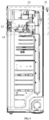
FIG. 4 is a schematic view of a refrigerator in an embodiment of the present invention. -
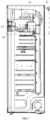
FIG. 5 is a cross-sectional view taken along a dashed line b inFIG. 4 . -
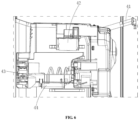
FIG. 6 is an enlarged view taken along a dashed line inFIG. 5 . -
FIG. 7 is a cross-sectional view taken along a dashed line a inFIG. 4 . -
FIG. 8 is an enlarged view taken along a dashed line inFIG. 7 . - The present invention will be described in detail below in combination with embodiments shown in the figures. However, these embodiments do not limit the present invention, and structural or functional changes made by those having ordinary skill in the art according to these embodiments are all included in the protection scope of the present invention.
- As shown in
FIG. 1 , amethod 101 of controlling an automatic ice maker according to the present invention comprises: - Step S1: calculating a time period in which the automatic ice maker stops ice making;
- Step S2: If the time period in which the automatic ice maker stops ice making exceeds a preset threshold, filling water into an ice-making box of the automatic ice maker and then directly discharging the water out of the ice-making box at least once; and
- Step S3: continuing to fill water into the ice-making box to make ice cubes.
- In the present embodiment, the automatic ice maker is always in an ON operation state. In step S1, calculating a time period in which the automatic ice maker stops ice making means recording a time period in which the automatic ice maker stops ice making, starting from completion of a previous ice-making process.
- In the present embodiment, in step S2, filling water into an ice-making box of the automatic ice maker and then directly discharging the water from the ice-making box at least once means judging a cleanness degree of water discharged from the ice-making box. If the cleanness degree of the discharged water is low, water will be filled into the ice-making box repeatedly multiple times to wash and the ice-making box repeatedly multiple times before performing step S3 until the cleanness degree of the water directly discharged from the ice-making box meets a preset condition. The preset condition is for example that the discharged water does not contain foreign matters visible to naked eyes.
- It needs to be appreciated that by step S2 in the controlling
method 101, in a case where the automatic ice maker does not make ice in a long time period, foreign matters such as dust existing in the water filling pipe and the ice-making box are removed by periodically filling water to wash the water filling pipe and ice-making box; on the other hand, the ice cubes accessed by the user may be ensured clean in the case where the automatic ice maker does not make ice in a long time period. - As shown in
FIG. 2 , step S2 further comprises: - Step S21: judging whether there are expired ice cubes in the ice-making box before filling water into the ice-making box;
- Step S22: if there are the expired ice cubes, discharging the expired ice cubes out of the ice-making box;
- Step S23: continuing to fill water into the ice-making box and then directly discharging the water out of the ice-making box.
- In the present embodiment, the directly discharging the water out of the ice-making box in step S23 further comprises:
- Step S24: discharging the water out of the ice-making box into a waste water collection box;
- Step S25: detaching the waste water collection box and discharging the water out of the waste water collection box; or, discharging the water by guiding the water from the waste water collection box to the external of the automatic ice maker.
- As shown in
FIG. 1 , the controllingmethod 101 further comprises the following steps after step S3: - Step S4: after receiving an ice removal signal, judging whether the expired ice cubes are removed;
- Step S5: if the expired ice cubes are removed, discharging the ice cubes out of the ice-making box.
- In the present embodiment, after step S4, the method further comprises:
- Step S6: if the expired ice cubes are not removed, outputting a prompt message prompting the user to remove the expired ice cubes.
- It needs to be appreciated that the ice removal signal received in step S4 refers to a signal indicating the user to open the automatic ice maker to remove newly-made ice cubes (clean ice cubes) out of the ice-making box.
- The contamination of the clean ice cubes by the expired ice blocks after the mixture of the clean ice cubes and the expired ice blocks is avoided by prompting the user to remove the expired ice cubes and then discharging the ice cubes (clean ice cubes) out of the ice-making box.
- In an embodiment of the present invention, if the clean ice cubes are not removed for a long time period, and the clean ice cubes are stored in the ice-making box for a time period greater than or equal to a preset threshold, the clean ice cubes are judged as being the expired ice cubes. After step S1 of the controlling
method 101, the ice cubes are discharged so that water is pumped through the water filling pipe to wash the ice-making box. - In addition, the controlling
method 101 further comprises: before filling water into the ice-making box, judging whether the automatic ice maker meets an ice making condition; when a water level in a water tank in the automatic ice maker is greater than a minimum water level and an amount of stored water is greater than a minimum amount of stored water, it is judged that the ice making condition is met and ice making is performed; otherwise, the ice making is not performed; in this way, the ice making in step S3 can be ensured to be performed smoothly. - As shown in
FIG. 3 , the automatic ice maker comprises a time-counting unit 102, acontrol unit 103 and aprompt unit 104 that are electrically connected with one another. - The
time counting unit 102 is used to count the time period in which the automatic ice maker stops ice making. After the completion of a previous ice making process, thecontrol unit 103 sends a time counting signal to thetime counting unit 102. Thetime counting unit 102 is activated and starts to count the time period in which the automatic ice maker stops ice making, wherein when the counted time period in which the automatic ice maker stops ice making is greater than the preset threshold, the time period counted by thetime counting unit 102 is automatically cleared, and the counting of the time period in which the automatic ice maker stops ice making is restarted. Therefore, from the completion of the previous ice making process to the start of next ice making process, the time period in which the automatic ice maker stops ice making counted by thetime counting time 102 may be greater than or equal to the preset threshold at least once. - The
control unit 103 controls aflip mechanism 107 to flip the ice-makingbox 108, so that the water filled into the ice-makingbox 108 is directly discharged, or the expired ice cubes in the ice-makingbox 108 are discharged. - In one embodiment, if the
control unit 103, after receiving the ice removal signal, judges that the expired ice cubes discharged in step S2 are not removed, theprompt unit 104 outputs a text and/or voice prompt indicating to remove the expired ice cubes. - In other embodiments, when it is judged that the water in the waste water collection box has not been discharged, the
prompt unit 104 outputs a prompt to remove the waste water collection box to prevent the water in the waste water collection box from polluting the clean ice cubes discharged from the ice-making box. - The
prompt unit 104 may be a display touch panel integrated on a front door body of the refrigerator. The display touch panel comprises a text display interface and a loudspeaker which is used to output the voice corresponding to the text. - In a preferred embodiment, the
control unit 103 is for example an integrated circuit board, and thetime counting unit 102 is integrated on the integrated circuit board and electrically connected with thecontrol unit 103. Thecontrol unit 103 and theprompt unit 104 are electrically connected via a circuit, so that prompt information output by thecontrol unit 103 can be transmitted to theprompt unit 104 for output. - The automatic ice maker further comprises a
detection unit 106, which detects whether there are expired ice cubes in the ice-makingbox 108 before thewater filling pipe 105 of the automatic ice maker is controlled to fill water into the ice-makingbox 108. If there are expired ice cubes, the signal is output to thecontrol unit 103. Thecontrol unit 103 controls theflip mechanism 107 to flip the ice-makingbox 108 to discharge the expired ice cubes, and then controls thewater filling pipe 105 to fill water into the ice-makingbox 108. - In addition, the automatic ice maker further comprises a water tank and a liquid level sensor disposed in the water tank. The liquid level sensor detects a water level of the water tank and transmits the detected water level information of the water tank to the
control unit 103. Thecontrol unit 103 calculates the amount of stored water in the water tank according to the water level information of the water tank. When the water level is greater than a minimum water level and the amount of stored water is greater than a minimum amount of stored water, it is judged that the ice making condition is met; otherwise, the ice making is not performed. - As shown in
FIG. 4 through FIG. 8 , the automatic ice maker further comprises: awater filling pipe 41, an ice-makingbox 42, anice storage box 43 and a wastewater collection box 44, wherein one end of thewater filling pipe 41 is connected to an external water source, and the other end of thewater filling pipe 41 is disposed inclined towards above the ice-makingbox 42; theice storage box 43 is disposed below the ice-makingbox 42, and the flip mechanism discharges the ice cubes out of the ice-makingbox 42 into theice storage box 43 below the ice-makingbox 42, or theflip mechanism 42 flips the ice-makingbox 42 to discharge the water out of the ice-makingbox 42, to power the water into theice storage box 43. - A plurality of
anti-overflow grooves 432 are formed on abottom 431 of theice storage box 43, and the water discharged from the ice-makingbox 42 flows through theanti-overflow grooves 432 on thebottom 431 of theice storage box 43 into the wastewater collection box 44. - The waste
water collection box 44 is detachably connected to the outside of the bottom 431 of theice storage box 43. When the waste water needs to be discharged, the ice maker is opened to detach the wastewater collection box 44 from the bottom 431, and re-mount the wastewater collection box 44 to the outside of the bottom 431 after the waste water is discharged from the wastewater collection box 44. - In order to avoid storing too much waste water in the waste
water collection box 44 so that the waste water overflows to the interior of the automatic ice maker when the wastewater collection box 44 is detached, another liquid level detector may be mounted in the wastewater collection box 44. When the liquid level detector detects that the water level in the wastewater collection box 44 is too high, the promptingunit 104 electrically connected with the liquid level detector outputs a prompt for detaching the wastewater collection box 44. At the same time, thecontrol unit 103 outputs a stop signal to stop theflip mechanism 107 from flipping the ice-making box, and controls amain water pipe 105 not to fill water into the ice-makingbox 42. - When the waste
water collection box 44 is removed and the water therein is discharged, the automatic ice maker makes ice again according to the steps in the controllingmethod 101. - In other embodiments of the present invention, a water discharging pipe is disposed on the waste water collection box, one end of the water-discharging pipe is communicated with the waste water collection box, and the other end of the water-discharging pipe discharges the waste water from the waste water collection box to the external of the automatic ice maker, for example, to an evaporating dish in a compressor chamber of the refrigerator, and the waste water is heated by a heating pipe in the evaporating dish to evaporate for removal. Certainly, the other end of the water-discharging pipe may also be communicated with the external of the refrigerator to directly discharge the waste water in the waste water collection box to the external of the refrigerator.
- The water-discharging pipe is disposed to discharge the waste water out of the waste water collection box, so that the waste water in the waste water collection box can be discharged in time without detaching the waste water collection box, which overcomes the problem that the controlling method of the automatic ice maker is interrupted due to too much water in the waste water collection box.
- As shown in
FIG. 4 , the present invention further provides arefrigerator 100. Therefrigerator 100 comprises acabinet 10. Thecabinet 10 comprises a refrigeration compartment, a door body (not shown) for opening and closing the refrigeration compartment, and an automatic ice maker disposed on the refrigeration compartment or door body. The refrigerator further comprises: a memory and a processor, the memory storing a computer program that may run on the processor, the processor, upon executing the computer program, implementing the steps of themethod 101 for controlling the automatic ice maker. - The interior of the refrigeration compartment is divided into
multiple compartments automatic ice maker 40 is located in thecompartment 30. Thecompartment 30 may be a refrigerating compartment or a freezing compartment. In addition, in other embodiments of the present invention, the automatic ice maker may also be disposed on the door body for opening and closing the refrigeration compartment. - When the processor of the refrigerator executes the corresponding computer program, the
automatic ice maker 40 makes ice according to the steps of theabove controlling method 101. - In the present embodiment, the
refrigerator 100 is a double-door refrigerator, the refrigeratingcompartment 20 and the freezingcompartment 30 are parallel and adjacent to each other in a left-right direction, and theautomatic ice maker 40 is disposed in an upper portion of the freezingcompartment 30. - To sum up, the present invention provides a controlling method, an automatic ice maker and a refrigerator. The controlling method is adapted to control the ice making process of the automatic ice maker in the refrigerator. By calculating the time period in which the automatic ice maker stops ice making, the water is filled into the ice-making box at least once and then the water is directly discharged out of the ice-making box; then the water is filled into the ice-making box to make clean ice cubes; on the one hand, foreign matters such as dust existing in the water filling pipe and ice-making box due to no use of the automatic ice maker in a long time period are carried away by filling water at least once to wash the water filling pipe and ice-making box; on the other hand, this ensures that the user can obtain clean ice cubes whenever removing ice cubes.
- It should be understood that although the description is described according to the embodiments, not every embodiment only comprises one independent technical solution, that such a description manner is only for the sake of clarity, that those skilled in the art should take the description as an integral part, and that the technical solutions in the embodiments may be suitably combined to form other embodiments understandable by those skilled in the art.
- The detailed descriptions set forth above are merely specific illustrations of feasible embodiments of the present invention, and are not intended to limit the scope of protection of the present invention. All equivalent embodiments or modifications that do not depart from the art spirit of the present invention should fall within the scope of protection of the present invention.
Claims (10)
- A method for controlling an automatic ice maker, wherein the method comprises:calculating a time period in which the automatic ice maker stops ice making;if the time period in which the automatic ice maker stops ice making exceeds a preset threshold, filling water into an ice-making box of the automatic ice maker and then directly discharging the water out of the ice-making box at least once; andfilling water into the ice-making box to make ice cubes.
- The controlling method according to claim 1, wherein the step of filling water into an ice-making box of the automatic ice maker and then directly discharging the water out of the ice-making box at least once further comprises:judging whether there are expired ice cubes in the ice-making box;if there are the expired ice cubes, discharging the expired ice cubes out of the ice-making box; andfilling water into the ice-making box of the automatic ice maker and then directly discharging the water out of the ice-making box.
- The controlling method according to claim 2, wherein the directly discharging the water out of the ice-making box further comprises:discharging the water out of the ice-making box into a waste water collection box;detaching the waste water collection box and discharging the water out of the waste water collection box; or, discharging the water by guiding the water from the waste water collection box to the external of the automatic ice maker.
- The controlling method according to claim 2, wherein the controlling method further comprises:after receiving an ice removal signal, judging whether the expired ice cubes are removed;if the expired ice cubes are removed, discharging the ice cubes out of the ice-making box.
- The controlling method according to claim 4, wherein the controlling method further comprises:
if the expired ice cubes are not removed, outputting a prompt message prompting the user to remove the expired ice cubes. - An automatic ice maker, comprising an ice-making box and a water filling pipe, wherein the automatic ice maker comprises:a waste water collection box disposed below the ice-making box;a time counting unit for calculating a time period in which the automatic ice maker stops ice making;a control unit for controlling the automatic ice maker to make ice by the controlling method according to any of claims 1-5; anda prompting unit for outputting a prompt message output by the control unit.
- The automatic ice maker according to claim 6, wherein the automatic ice maker further comprises an ice storage box disposed between the ice-making box and the waste water collection box, wherein an anti-overflow groove is disposed on a bottom of the ice storage box, and the water discharged from the ice-making box flows through the anti-overflow groove into the waste water collection box.
- The automatic ice maker according to claim 7, wherein the waste water collection box is detachably mounted on the bottom of the ice storage box.
- The automatic ice maker according to claim 7, wherein the automatic ice maker further comprises a water discharging pipe whose inlet is connected to the waste water collection box, the water in the waste water collection box being discharged through the water discharging pipe.
- A refrigerator, comprising a refrigeration compartment, a door body for opening and closing the refrigeration compartment, and an automatic ice maker disposed on the refrigeration compartment or door body, wherein the refrigerator further comprises:
a memory and a processor, the memory storing a computer program that may run on the processor, wherein the processor, upon executing the computer program, implements the steps of the method for controlling the automatic ice maker according to any of claims 1-5.
Applications Claiming Priority (2)
| Application Number | Priority Date | Filing Date | Title |
|---|---|---|---|
| CN202010657293.6A CN113932508A (en) | 2020-07-09 | 2020-07-09 | Control method of automatic ice maker, automatic ice maker and refrigerator |
| PCT/CN2021/085626 WO2021213180A1 (en) | 2020-07-09 | 2021-04-06 | Control method for automatic ice maker, automatic ice maker, and refrigerator |
Publications (2)
| Publication Number | Publication Date |
|---|---|
| EP4180744A1 true EP4180744A1 (en) | 2023-05-17 |
| EP4180744A4 EP4180744A4 (en) | 2023-12-13 |
Family
ID=78270258
Family Applications (1)
| Application Number | Title | Priority Date | Filing Date |
|---|---|---|---|
| EP21792268.1A Pending EP4180744A4 (en) | 2020-07-09 | 2021-04-06 | CONTROL METHOD FOR AN AUTOMATIC ICE MAKER, AUTOMATIC ICE MAKER AND REFRIGERATOR |
Country Status (3)
| Country | Link |
|---|---|
| EP (1) | EP4180744A4 (en) |
| CN (1) | CN113932508A (en) |
| WO (1) | WO2021213180A1 (en) |
Families Citing this family (1)
| Publication number | Priority date | Publication date | Assignee | Title |
|---|---|---|---|---|
| CN117628826B (en) * | 2023-12-01 | 2024-05-10 | 广东凯得智能科技股份有限公司 | Ice making control method, system, device and medium for refrigerator ice maker |
Family Cites Families (15)
| Publication number | Priority date | Publication date | Assignee | Title |
|---|---|---|---|---|
| AU2001286523A1 (en) * | 2000-08-18 | 2002-03-04 | Lancer Fbd | Frozen beverage machine |
| JP2007040678A (en) * | 2005-08-05 | 2007-02-15 | Matsushita Electric Ind Co Ltd | Refrigerator with automatic ice machine |
| KR20090049262A (en) * | 2007-11-13 | 2009-05-18 | 주식회사 대우일렉트로닉스 | Refrigerator Ice Maker |
| US8443619B2 (en) * | 2008-01-16 | 2013-05-21 | Samsung Electronics Co., Ltd. | Ice making unit and refrigerator having the same |
| US20120031135A1 (en) * | 2009-04-09 | 2012-02-09 | MAJA-MASCHINENFABRILK HERMANN SCHILL GmbH &Co. KG | Apparatus for Producing Flake Ice and Method for Cleaning, Descaling and/or Disinfecting an Apparatus for Producing Flake Ice |
| KR101742586B1 (en) * | 2010-07-30 | 2017-06-01 | 엘지전자 주식회사 | Refrigerator with instant ice maker |
| CN102878740A (en) * | 2011-07-11 | 2013-01-16 | 上海酒店设备股份有限公司 | Ice-making machine with automatic cleaning function |
| JP2013245868A (en) * | 2012-05-25 | 2013-12-09 | Sharp Corp | Refrigerator |
| CN203605570U (en) * | 2013-11-15 | 2014-05-21 | 宁波余通电器有限公司 | Ice making machine capable of being automatically cleaned |
| US10001306B2 (en) * | 2014-10-09 | 2018-06-19 | Scottsman Group LLC | Ice-making freezer cleaning |
| US10174984B2 (en) * | 2016-09-01 | 2019-01-08 | Follett Corporation | Ice making system with provision for cleaning and cleaning method |
| KR102712358B1 (en) * | 2017-02-09 | 2024-10-04 | 에스케이매직 주식회사 | Ice maker and method for sterilizing the same |
| CN110006198A (en) * | 2017-12-29 | 2019-07-12 | 深圳市家惠宝智能家居有限公司 | A kind of ice machine system and its ice making method |
| CN109579419B (en) * | 2018-10-22 | 2021-05-25 | 重庆海尔制冷电器有限公司 | Refrigerator with ice making structure and control method thereof |
| CN111735244A (en) * | 2019-03-20 | 2020-10-02 | 合肥华凌股份有限公司 | Ice making tray cleaning method and control system, ice making method, ice making machine and refrigerator |
-
2020
- 2020-07-09 CN CN202010657293.6A patent/CN113932508A/en active Pending
-
2021
- 2021-04-06 WO PCT/CN2021/085626 patent/WO2021213180A1/en not_active Ceased
- 2021-04-06 EP EP21792268.1A patent/EP4180744A4/en active Pending
Also Published As
| Publication number | Publication date |
|---|---|
| EP4180744A4 (en) | 2023-12-13 |
| CN113932508A (en) | 2022-01-14 |
| WO2021213180A1 (en) | 2021-10-28 |
Similar Documents
| Publication | Publication Date | Title |
|---|---|---|
| CN101849150B (en) | Refrigerator control method | |
| JP5858678B2 (en) | refrigerator | |
| KR101322777B1 (en) | Refrigerator and its control method | |
| EP2743622A2 (en) | Refrigerator | |
| KR101668251B1 (en) | Refrigerator and Control method of the same | |
| EP1589305A1 (en) | Ice-Making Apparatus | |
| EP4180743A1 (en) | Control method, automatic ice maker, and refrigerator | |
| WO2003009249A1 (en) | Refrigerator having power outage duration feature | |
| EP4180744A1 (en) | Control method for automatic ice maker, automatic ice maker, and refrigerator | |
| KR101519198B1 (en) | Refrigerator | |
| RU2448311C2 (en) | Refrigerating appliance with ice generator | |
| JP2008304155A (en) | Refrigerator with automatic ice machine | |
| KR20100092686A (en) | Refrigerator with filter and control method thereof | |
| US20250102220A1 (en) | Refrigerator with water tank | |
| CN114279123B (en) | Ice machine and control method | |
| KR20160055741A (en) | Refrigerator | |
| EP4273478B1 (en) | Refrigerator | |
| KR20230120964A (en) | Refrigerator and controlling method for the same | |
| JP2009068815A (en) | refrigerator | |
| JP4904764B2 (en) | refrigerator | |
| JP2005273979A (en) | Refrigerator | |
| KR101622728B1 (en) | Refrigerator | |
| KR101639481B1 (en) | Refrigerator | |
| JP4248478B2 (en) | Automatic ice making equipment for refrigerators | |
| JP2004286313A (en) | refrigerator |
Legal Events
| Date | Code | Title | Description |
|---|---|---|---|
| STAA | Information on the status of an ep patent application or granted ep patent |
Free format text: STATUS: THE INTERNATIONAL PUBLICATION HAS BEEN MADE |
|
| PUAI | Public reference made under article 153(3) epc to a published international application that has entered the european phase |
Free format text: ORIGINAL CODE: 0009012 |
|
| STAA | Information on the status of an ep patent application or granted ep patent |
Free format text: STATUS: REQUEST FOR EXAMINATION WAS MADE |
|
| 17P | Request for examination filed |
Effective date: 20230109 |
|
| AK | Designated contracting states |
Kind code of ref document: A1 Designated state(s): AL AT BE BG CH CY CZ DE DK EE ES FI FR GB GR HR HU IE IS IT LI LT LU LV MC MK MT NL NO PL PT RO RS SE SI SK SM TR |
|
| DAV | Request for validation of the european patent (deleted) | ||
| DAX | Request for extension of the european patent (deleted) | ||
| A4 | Supplementary search report drawn up and despatched |
Effective date: 20231115 |
|
| RIC1 | Information provided on ipc code assigned before grant |
Ipc: F25C 1/10 20060101AFI20231109BHEP |
|
| GRAP | Despatch of communication of intention to grant a patent |
Free format text: ORIGINAL CODE: EPIDOSNIGR1 |
|
| STAA | Information on the status of an ep patent application or granted ep patent |
Free format text: STATUS: GRANT OF PATENT IS INTENDED |
|
| INTG | Intention to grant announced |
Effective date: 20251223 |
|
| GRAS | Grant fee paid |
Free format text: ORIGINAL CODE: EPIDOSNIGR3 |
|
| GRAA | (expected) grant |
Free format text: ORIGINAL CODE: 0009210 |
|
| STAA | Information on the status of an ep patent application or granted ep patent |
Free format text: STATUS: THE PATENT HAS BEEN GRANTED |