EP4178584B1 - Hydroxyapatite composition comprising zoledronic acid and doxorubicin for treating cancer - Google Patents
Hydroxyapatite composition comprising zoledronic acid and doxorubicin for treating cancer Download PDFInfo
- Publication number
- EP4178584B1 EP4178584B1 EP21793863.8A EP21793863A EP4178584B1 EP 4178584 B1 EP4178584 B1 EP 4178584B1 EP 21793863 A EP21793863 A EP 21793863A EP 4178584 B1 EP4178584 B1 EP 4178584B1
- Authority
- EP
- European Patent Office
- Prior art keywords
- particulate material
- particles
- doxorubicin
- administered
- zoledronic acid
- Prior art date
- Legal status (The legal status is an assumption and is not a legal conclusion. Google has not performed a legal analysis and makes no representation as to the accuracy of the status listed.)
- Active
Links
Images


Classifications
-
- A—HUMAN NECESSITIES
- A61—MEDICAL OR VETERINARY SCIENCE; HYGIENE
- A61K—PREPARATIONS FOR MEDICAL, DENTAL OR TOILETRY PURPOSES
- A61K9/00—Medicinal preparations characterised by special physical form
- A61K9/14—Particulate form, e.g. powders, Processes for size reducing of pure drugs or the resulting products, Pure drug nanoparticles
- A61K9/141—Intimate drug-carrier mixtures characterised by the carrier, e.g. ordered mixtures, adsorbates, solid solutions, eutectica, co-dried, co-solubilised, co-kneaded, co-milled, co-ground products, co-precipitates, co-evaporates, co-extrudates, co-melts; Drug nanoparticles with adsorbed surface modifiers
- A61K9/143—Intimate drug-carrier mixtures characterised by the carrier, e.g. ordered mixtures, adsorbates, solid solutions, eutectica, co-dried, co-solubilised, co-kneaded, co-milled, co-ground products, co-precipitates, co-evaporates, co-extrudates, co-melts; Drug nanoparticles with adsorbed surface modifiers with inorganic compounds
-
- A—HUMAN NECESSITIES
- A61—MEDICAL OR VETERINARY SCIENCE; HYGIENE
- A61P—SPECIFIC THERAPEUTIC ACTIVITY OF CHEMICAL COMPOUNDS OR MEDICINAL PREPARATIONS
- A61P35/00—Antineoplastic agents
-
- A—HUMAN NECESSITIES
- A61—MEDICAL OR VETERINARY SCIENCE; HYGIENE
- A61K—PREPARATIONS FOR MEDICAL, DENTAL OR TOILETRY PURPOSES
- A61K31/00—Medicinal preparations containing organic active ingredients
- A61K31/66—Phosphorus compounds
- A61K31/675—Phosphorus compounds having nitrogen as a ring hetero atom, e.g. pyridoxal phosphate
-
- A—HUMAN NECESSITIES
- A61—MEDICAL OR VETERINARY SCIENCE; HYGIENE
- A61K—PREPARATIONS FOR MEDICAL, DENTAL OR TOILETRY PURPOSES
- A61K31/00—Medicinal preparations containing organic active ingredients
- A61K31/70—Carbohydrates; Sugars; Derivatives thereof
- A61K31/7028—Compounds having saccharide radicals attached to non-saccharide compounds by glycosidic linkages
- A61K31/7034—Compounds having saccharide radicals attached to non-saccharide compounds by glycosidic linkages attached to a carbocyclic compound, e.g. phloridzin
- A61K31/704—Compounds having saccharide radicals attached to non-saccharide compounds by glycosidic linkages attached to a carbocyclic compound, e.g. phloridzin attached to a condensed carbocyclic ring system, e.g. sennosides, thiocolchicosides, escin, daunorubicin
-
- A—HUMAN NECESSITIES
- A61—MEDICAL OR VETERINARY SCIENCE; HYGIENE
- A61K—PREPARATIONS FOR MEDICAL, DENTAL OR TOILETRY PURPOSES
- A61K45/00—Medicinal preparations containing active ingredients not provided for in groups A61K31/00 - A61K41/00
- A61K45/06—Mixtures of active ingredients without chemical characterisation, e.g. antiphlogistics and cardiaca
-
- A—HUMAN NECESSITIES
- A61—MEDICAL OR VETERINARY SCIENCE; HYGIENE
- A61K—PREPARATIONS FOR MEDICAL, DENTAL OR TOILETRY PURPOSES
- A61K9/00—Medicinal preparations characterised by special physical form
- A61K9/0012—Galenical forms characterised by the site of application
- A61K9/0019—Injectable compositions; Intramuscular, intravenous, arterial, subcutaneous administration; Compositions to be administered through the skin in an invasive manner
Definitions
- Present invention relates to a novel composition and administration mode of a particulate material, i.e. micro and/or nano sized hydroxyapatite (HA) and an anthracycline being doxorubicin and a bisphosphonate, being zoledronic acid.
- a particulate material i.e. micro and/or nano sized hydroxyapatite (HA) and an anthracycline being doxorubicin and a bisphosphonate, being zoledronic acid.
- Present invention relates to use of the novel compositions according to the invention for treatment of cancer and in particular solid tumours.
- osteosarcoma and Ewing's sarcoma are highly malignant tumours, usually affecting children and adolescents. Chemotherapy has dramatically increased the prognosis for the affected individuals both pre and postoperatively but for non-responders the options are few.
- methotrexate, doxorubicin (Adriamycin), and cisplatin (MAP) form the backbone of standard treatment protocol.
- doxorubicin Adriamycin
- MAP cisplatin
- approximately 40% patients show a poor response to chemotherapy, with a 5-year survival of 45% to 55%.
- a recent clinical study conducted by EURAMOS-1 compared postoperative MAP with MAP plus ifosfamide and etoposide (MAPIE) in patients with a poor response.
- MAPIE ifosfamide and etoposide
- EHS event-free survival
- Passive target delivery is based on enhanced permeability and retention effect (EPR effect) by loading drugs on a nano-size carrier such as Doxil, for which doxorubicin (Dox) is encapsuled in liposome.
- EPR effect enhanced permeability and retention effect
- Dox doxorubicin
- Pignatello Rosario et al. "Synthesis and Biological Evaluation of a New Polymeric Conjugate and Nanocarrier with Osteotropic Properties", Journal of functional biomaterials, vol. 3, no. 1, 2012, pages 79-99 , relates to a bone-seeking (osteotropic) drug delivery systems (ODDS) representing a solution for targeting different types of drugs to the bones.
- ODDS bone-seeking drug delivery systems
- anticancer and antibacterial agents could take advantage of such therapeutic strategy.
- the document relates to a osteotropic biomaterial, based on the conjugation of a poly(lactide-co-glycolide) (PLGA) with the bisphosphonate drug alendronate (PLGA-ALE).
- Yuan Ye et al. "A multiple drug loaded, functionalized pH-sensitive nanocarrier as therapeutic and epigenetic modulator for osteosarcoma", Scientific Reports, vol. 10, no. 15497, 2020, pages 1-11 , relates to a multiple drug loaded, functionalized pH-sensitive nanocarrier as therapeutic and epigenetic modulator for osteosarcoma.
- the document further relates to a novel organic nanoparticle was devised conjugated with bisphosphonate zoledronic acid which has an affinity for bone tissues.
- the nanoparticle was loaded with multiple anti-cancer drugs like gemcitabine and epirubicin.
- the nanoparticles were characterized by microscopic analysis, entrapment and loading efficiencies, bone affinity studies, in-vitro release studies, cytotoxicity studies and finally in-vivo tumour regression studies.
- WO 2013/008240 relates to liposomes comprising a membrane and an intrahposomal aqueous water phase, the membrane comprising at least one liposome forming lipid and the intrahposomal aqueous water phase comprises a salt of a bisphosphonate together with an amphipathic weak base agent (PLAD).
- PLAD amphipathic weak base agent
- US 2009/215729 relates to a pharmaceutical compositions and methods related to the prevention and treatment of primary tumours and metastatic, malignant or spreading cancers by selectively targeting cancer associated myeloid derived cells by the targeted delivery of a bisphosphonate formulated with a non-liposomal particle carrier.
- Low Zol treatment significantly decreased cell proliferation (1, 3 and 10 ⁇ M), migration (3 and 10 ⁇ M) and invasion (10 ⁇ M) while increasing apoptosis (10 ⁇ M) in lung cancer and metastatic cells.
- the data exploits the potential of using low doses Zol for longer treatment periods and reinforces this approach as a new therapeutic regimen to impede the development of metastatic bone cancer while limiting severe side effects following high doses of systemic drug treatment.
- rhBMP-2 recombinant human bone morphogenic protein-2
- ZA zoledronic acid
- WO 2019/206677 relates to a method of administering one or more pharmaceutical compounds to a subject in need thereof.
- the document further relates to the use of a mono or biphasic material, such as e.g. a ceramic material in combination with administration of one or more pharmaceutical compounds.
- HA Hydroxyapatite
- doxorubicin could bind to nano-size synthetic hydroxyapatite (HA). Functionalized nano HA could facilitate delivery of drugs intracellularly, which in turn could enhances the cytotoxic effect.
- ZA systemic Dox and zoledronic acid
- Present invention relates i.a. to a completely novel composition and treatment regimen which entails combining Dox and ZA using a carrier containing nano HA for local delivery and showed increased killing of tumour cells. This presents a significant clinical step forward and a major contribution to the art which overcomes the above discussed shortcomings. The findings of these aspects will be further elaborated upon below and in the following text.
- the present invention relates to a novel composition
- a particulate material may be in various size particle sizes such as in micro sized particles.
- the particles may be in nano sized particles.
- the particulate material may comprise a mixture of micro size and nano sized particles.
- the particulate material may be hydroxyapatite (HA).
- the invention further relates to use of one or more drugs commonly used in treatment of therapy of cancer or tumour related diseases.
- the invention relates to anthracyclines, which may be drugs extracted from Streptomyces spp.
- the anthracycline is doxorubicin.
- present invention relates to one or more compounds capable of binding to apatite in any binding mode.
- the invention relates to a combination of at least two compounds capable of binding to calcium apatite.
- the above mentioned compounds or agents for use in the treatment of bone related tumour type selected from osteosarcoma (OS) or osteogenic sarcoma (OGS).
- OS osteosarcoma
- OGS osteogenic sarcoma
- the invention relates to use of a bisphosphonate selected from zoledronic acid.
- the bisphosphonate may also be a salt wherein a radioactive compound is present or a radioactive compound as 99 Tc or 223 Ra or strontium or samarium.
- Present invention also enables a novel mode of administration.
- the invention enables a novel administration wherein a subject in need of a treatment is administered the particulate material which may be e.g. HA (hydroxyapatite). Thereafter, the anthracyclines and bisphosphonate are administered to the subject in any order or simultaneously.
- a subject in need of a treatment is administered the particulate material which may be e.g. HA (hydroxyapatite).
- HA hydroxyapatite
- the particulate material, for use according to the invention, onto which the one or more anthracyclines are absorbed, or otherwise bound to the particulate material is administered to a subject.
- Said composition (HA+anthracyclines) is administered to a subject after which one or more bisphosphonates is/are administered.
- the particulate material, for use according to the invention onto which the one or more bisphosphonates are absorbed or otherwise bound to the particulate material is administered to a subject.
- Said composition (HA+bisphosphonates) is administered to a subject after which one or more anthracyclines is/are administered.
- the particulate material for use according to the invention, onto which the one or more bisphosphonates and one or more anthracyclines are absorbed or otherwise bound to the particulate material and is subsequently administered to a subject.
- the inventors of present invention have surprisingly found that the combinations of particulate material and bisphosphonates and anthracyclines result in an increased cell toxicity in respect of tumorous cells.
- the inventors of present invention have surprisingly found that the combinations of particulate material and bisphosphonates and anthracyclines result in an increased cell toxicity in respect of tumorous cells.
- present invention relates to a composition
- a composition comprising a particulate material, and further comprising at least two pharmaceutical drug agents, and wherein the drug agents are anti-cancer drugs and/or drugs used in treatment of cancer, wherein the particulate material is hydroxyapatite in any crystalline form or configuration wherein the particles in the particulate material comprises or consist of particles in size range of 1 ⁇ m to 20 ⁇ m or in range of 20 nm to 120 nm, and wherein one pharmaceutical drug agent is one or more bisphosphonates and one or more anthracyclines selected from zoledronic acid and doxorubicin respectively, or any suitable pharmaceutically acceptable salts or ester thereof.
- the particulate material is hydroxyapatite (HA) in any form or configuration.
- HA hydroxyapatite
- the term “particulate” is meant to be understood as a material present in a fine particles or particle sizes specified herein.
- hydroxyapatite is a naturally occurring mineral form of calcium apatite with the formula Ca 5 (PO 4 ) 3 (OH), but it is usually written Ca 10 (PO 4 ) 6 (OH) 2 to denote that the crystal unit cell comprises two entities.
- the particulate material may be in any suitable size or size distribution.
- One non-limiting example is particles size ranges or distributions of less than about 100 nm, less than about 50 nm, less than about 45 nm, less than about 40 nm, less than 35 nm, less than about 30 nm, less than about 25 nm
- the particles may be 20 nm, such as e.g. about 25 nm, such as e.g. about 30 nm, such as e.g. about 35 nm, such as e.g. about 40 nm, such as e.g. about 45 nm, such as e.g. about 50 nm, such as e.g. about 100 nm, such as e.g. about 110 nm.
- the particle size may be in range of about 30 nm to about 70 nm, such as e.g. about 50 nm.
- the particle size may be in range of 20 nm to 80 nm, such as e.g. 30 nm to about 70 nm, or such as e.g. about 40 nm to about 60 nm, or 20 nm, or about 30 nm, or about 40 nm, or about 50 nm, or about 60 nm, or about 70 nm, or about 80 nm. In a further aspect, the particle size may be about 50 nm.
- the particle size may be in range of about 80 nm to 120 nm.
- the particle size may be in range of about 100 nm to 120 nm, or about 110 nm.
- the particle size may be in range of less than 20 ⁇ m or less than 10 ⁇ m.
- the microparticles may be in range of 1 ⁇ m to about 15 ⁇ m, or 1 ⁇ m to about 10 ⁇ m, or 1 ⁇ m, about 5 ⁇ m, about 10 ⁇ m, about 15 ⁇ m, or 20 ⁇ m.
- the particles may be in range of e.g. about 1 ⁇ m to about 10 ⁇ m.
- the particles may be in range of e.g. about 5 ⁇ m to about 15 ⁇ m, such as e.g. about 10 ⁇ m.
- the invention relates to a mixture of particles
- the mixture of particles may comprise particles in range of 1 ⁇ m to about 15 ⁇ m, 1 ⁇ m to about 10 ⁇ m, or 1 ⁇ m, 5 ⁇ m, 10 ⁇ m, 15 ⁇ m, 20 ⁇ m, , and further comprise particles in range of, less than about 100 nm, less than about 50 nm, less than about 45 nm, less than about 40 nm, less than 35 nm, less than about 30 nm, less than about 25 nm,.
- the invention relates to a mixture of particles in the range of e.g. 1 ⁇ m to about 10 ⁇ m and in range of about 40 nm to about 100 nm, or e.g. about 80 nm to 120 nm, or e.g. about 100 nm to 120 nm, or about 110 nm.
- the invention relates to HA particles that may be in range of e.g. 1 ⁇ m to about 10 ⁇ m and in range of about 40 nm to about 100 nm, and HA particles of sizes of e.g. about 80 nm to 120 nm, or e.g. about 100 nm to 120 nm, or about 110 nm.
- the HA particles consist or comprises particles in size range of 5 ⁇ m to about 15 ⁇ m, and/or in range of about 30 nm to about 70 nm.
- Present invention relates to use of one or more anthracyclines according to the invention, wherein the anthracycline is doxorubicin.
- Present invention also relates to use of one or more bisphosphonates according to the invention, wherein the bisphosphonate is zoledronic acid.
- the bisphosphonate may also be a salt wherein a radioactive compound is present or a radioactive compound as 99 Tc or 223 Ra or strontium or samarium.
- the bisphosphonate is zoledronic acid or any pharmaceutically acceptable salt or ester thereof.
- composition according to the invention may comprise a particulate material in size range of 20 nm to 80 nm, or about 50 nm, and further comprise doxorubicin and/or zoledronic acid or any pharmaceutically acceptable salt or ester thereof.
- present invention relates to a composition comprising particulate hydroxyapatite in any configuration.
- present invention also enables a novel method of administration of a subject in need thereof.
- the invention relates to a composition according to the invention for use in the treatment of cancer selected from bone related cancer, or osteosarcoma, wherein the composition is administered once every 7 days.
- the one or more pharmaceutical active compounds for use according to the invention may be administered locally and/or systemically to a subject.
- one pharmaceutical compound for use according to the invention may be administered locally and the other systemically.
- both pharmaceutical compounds for use according to the invention may be administered systemically or locally.
- the one or more pharmaceutical compounds for use according to the invention may be administered in any order or simultaneously.
- the one or more pharmaceutical compounds for use according to the invention may be administered by injection, or implantation, or alternatively in a tablet, capsule or any suitable formulation independently of each other. Alternatively, administration may be via the enteral route and/or the parenteral route.
- the particulate material for use according to the invention may be administered to a subject in need thereof.
- the administration may systemic or local, i.e. be administered to a desired site on the body of the subject.
- the anthracycline and/or the bisphosphonate may be administered locally or systemically in any order, and either separately or simultaneously.
- the particulate material for use according to the invention may be mixed with the bisphosphonate prior to being administered to a subject in need thereof.
- the administration may be systemic or local, i.e. be administered to a desired site on the body of the subject. Thereafter, the anthracycline may be administered locally or systemically to the subject.
- the particulate material for use according to the invention may be mixed with the anthracycline prior to being administered to a subject in need thereof.
- the administration may be systemic and local, i.e. be administered to a desired site on the body of the subject. Thereafter, the bisphosphonate may be administered locally or systemically to the subject.
- the particulate material for use according to the invention may be mixed with the anthracycline and the bisphosphonate prior to being administered to a subject in need thereof.
- the administration may be systemic or local, i.e. be administered to a desired site on the body of the subject.
- the inventors of present invention has surprisingly found that the long term effect is especially pronounced. Already after 4 days, the long term effect is particularly noticed and even more so 7 days after administration of the composition according to the invention.
- the invention relates to administration once every 7 days.
- the tumour may be e.g. osteosarcoma (OS) or also called osteogenic sarcoma (OGS).
- OS osteosarcoma
- OGS osteogenic sarcoma
- HA is intended to mean hydroxyapatite.
- ZA is intended to mean zoledronic acid or a suitable pharmaceutically acceptable salt thereof.
- Dox is intended to mean doxorubicin or a suitable pharmaceutically acceptable salt thereof.
- ZA zoledronic acid
- Dox doxorubicin
- nHA nano-hydroxyapatite
- ZA zoledronic acid
- MG-63 cells were seeded in a 96-well plate and culturing for 24h to let cells attached to the bottom of the plate.
- the toxic effect of functionalized nHA was explored by setting up an experiment comprising thr MG-63 cells in 5 groups: 1. Control groups which was given normal medium; 2. Only nHA; 3. nHA-D (functionalized nHA with Dox); 4. nHA-Z (functionalized nHA with Dox); 5. nHA-D-Z (functionalized nHA with both Dox and ZA). Then check the cell viability on Day 1,4 and 7 after the point of administration. The result is illustrated in Fig. 1 .
- MTT cell proliferation/viability assay As known to a person skilled in the art this is a colorimetric assay for assessing cell metabolic activity; MTT, a yellow tetrazole, is reduced to purple formazan in living cells. A solubilization solution like dimethyl sulfoxide (DMSO) is added to dissolve the insoluble purple formazan product into a colored solution.
- DMSO dimethyl sulfoxide
- the absorbance of this colored solution can be quantified by measuring at a certain wavelength (usually between 500 and 600 nm) by a spectrophotometer.
- the degree of light absorption is dependent on the degree of formazan concentration accumulated inside the cell and on the cell surface, which could be used to measure cytotoxicity.
- nHA-D-Z has the best cytotoxicity with 66.4% cells dead.
- a human lung cancer cell line A549 (adenocarcinomic human alveolar basal epithelial cells) was used as a model for lung cancer. Following treatment groups were used: 1. No treatment (negative control), 2) Nano-HA alone, 3) Nano-HA+ DOX (0.44 ⁇ g/well), 4) Nano-HA+ZA (0.08 ⁇ g/well) and 5) Nano-HA+ DOX (0.44 ⁇ g/well) + ZA (0.08 ⁇ g/well). HA particles had an average size of about 50 nm. In all treatment groups receiving the nano particles, a total of 20 ⁇ g/well HA particles were given in each well. 104 A549 cells were seeded in each well of a 96-well plate.
- Cells were cultured with RPMI 1640 medium+10% serum+1 % antibiotics+ 1% glutamine. 24 h after seeding, medium was removed and new medium containing no nano particles (group 1) or nano particles alone or containing DOX or ZA or the combination (as described above in groups 2-5) were given to the cells. After a period of 48 h, the culture medium was replenished and new medium (similar to when the treatment was started) was provided to the cells for another 48 h. Finally, after a 4-day treatment period, viability of the cells was assessed using an MTT assay.
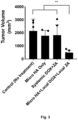
- a human osteosarcoma model was created in Athymic nude mice using 4 ⁇ 10 6 143B human osteosarcoma cells injected sub-cutaneously. After a period of 7-days, when the tumor was palpable and clearly visible, a small skin incision was made and a sharp incision in the core of the tumor was created.
- pellets of micro-HA with or without cytostatics were inserted into the core of the tumor. The incision was sutured and 14-days later, the effect of the treatment was evaluated by measuring the tumor volume using a Vernier-Caliper. The results of the experiment are illustrated in Fig. 3 .
Landscapes
- Health & Medical Sciences (AREA)
- Life Sciences & Earth Sciences (AREA)
- Chemical & Material Sciences (AREA)
- General Health & Medical Sciences (AREA)
- Public Health (AREA)
- Medicinal Chemistry (AREA)
- Pharmacology & Pharmacy (AREA)
- Veterinary Medicine (AREA)
- Animal Behavior & Ethology (AREA)
- Epidemiology (AREA)
- Engineering & Computer Science (AREA)
- Bioinformatics & Cheminformatics (AREA)
- Molecular Biology (AREA)
- Chemical Kinetics & Catalysis (AREA)
- General Chemical & Material Sciences (AREA)
- Nuclear Medicine, Radiotherapy & Molecular Imaging (AREA)
- Organic Chemistry (AREA)
- Inorganic Chemistry (AREA)
- Pharmaceuticals Containing Other Organic And Inorganic Compounds (AREA)
- Medicinal Preparation (AREA)
Description
- Present invention relates to a novel composition and administration mode of a particulate material, i.e. micro and/or nano sized hydroxyapatite (HA) and an anthracycline being doxorubicin and a bisphosphonate, being zoledronic acid. Present invention relates to use of the novel compositions according to the invention for treatment of cancer and in particular solid tumours.
- Both osteosarcoma and Ewing's sarcoma are highly malignant tumours, usually affecting children and adolescents. Chemotherapy has dramatically increased the prognosis for the affected individuals both pre and postoperatively but for non-responders the options are few. For osteosarcoma, methotrexate, doxorubicin (Adriamycin), and cisplatin (MAP) form the backbone of standard treatment protocol. However, approximately 40% patients show a poor response to chemotherapy, with a 5-year survival of 45% to 55%. A recent clinical study conducted by EURAMOS-1 compared postoperative MAP with MAP plus ifosfamide and etoposide (MAPIE) in patients with a poor response. No significant benefit was achieved by using MAPIE and its administration was associated with increased toxicity without improving event-free survival. For Ewing's sarcoma (ES), induction chemotherapy with vincristine, doxorubicin, and cyclophosphamide (VIDE) is now considered the standard of care in Europe, whereas compressed vincristine, doxorubicin, and cyclophosphamide plus ifosfamide and etoposide (VDC-IE) is the North American standard. In a study conducted by Italian Sarcoma Group (ISP) and Scandinavian Sarcoma Group (SSG), they showed 51% (154 out of 300) Ewing's sarcoma patients had a poor response to chemotherapy. For poor response patients, five-year event-free survival (EFS) was about 33% under conventional chemotherapy. A review from E Hanafy et al. concluded that no strong evidence exists that intensifying systemic chemotherapy in poor responders results in better outcome or at least still needs further validation. Adding more systemic drugs does not improve outcome and rather, other strategies to efficiently deliver the drugs to the target sites are thus necessary.
- Various ways of improving drug delivery to the target site have been explored within the last three decades, which can be divided into passive or active target delivery based on the mechanism. Passive target delivery is based on enhanced permeability and retention effect (EPR effect) by loading drugs on a nano-size carrier such as Doxil, for which doxorubicin (Dox) is encapsuled in liposome. However, limited evidence base to support the superiority of the liposomal doxorubicin compared to the conventional doxorubicin in efficacy when it comes to patients, with the only benefit to reduced cardiotoxicity. Active target delivery is trying to decorate surface of the nanocarrier with ligands binding to the receptors overexpressed on tumour cells, which has been considered to significantly increase the quantity of drug delivered to the target cell compared to free drug or passively targeted nano-systems. However, a comprehensive review paper from Stefan Wilhelm published on Nature Reviews Materials reported only 0.7% (median) of the administered nanoparticle dose is found to be delivered to a solid tumour. Another review paper from Kinam Park published on Journal of Controlled Release has the same opinion that only a very small fraction (<5%) of the total administered formulation is actually delivered to the intended target site. Moreover, the fabrication processes of these nano-systems are highly complicated regardless of passive or active strategy. Thus, nano particles as carrier for tumour drugs has been largely unsuccessful in clinical translation mainly due to insufficient carriers and delivery at the target site.
- Pignatello Rosario et al.: "Synthesis and Biological Evaluation of a New Polymeric Conjugate and Nanocarrier with Osteotropic Properties", Journal of functional biomaterials, vol. 3, no. 1, 2012, pages 79-99, relates to a bone-seeking (osteotropic) drug delivery systems (ODDS) representing a solution for targeting different types of drugs to the bones. In particular, anticancer and antibacterial agents could take advantage of such therapeutic strategy. Moreover, the document relates to a osteotropic biomaterial, based on the conjugation of a poly(lactide-co-glycolide) (PLGA) with the bisphosphonate drug alendronate (PLGA-ALE).
- Yuan Ye et al.: "A multiple drug loaded, functionalized pH-sensitive nanocarrier as therapeutic and epigenetic modulator for osteosarcoma", Scientific Reports, vol. 10, no. 15497, 2020, pages 1-11, relates to a multiple drug loaded, functionalized pH-sensitive nanocarrier as therapeutic and epigenetic modulator for osteosarcoma. The document further relates to a novel organic nanoparticle was devised conjugated with bisphosphonate zoledronic acid which has an affinity for bone tissues. Moreover, the nanoparticle was loaded with multiple anti-cancer drugs like gemcitabine and epirubicin. The nanoparticles were characterized by microscopic analysis, entrapment and loading efficiencies, bone affinity studies, in-vitro release studies, cytotoxicity studies and finally in-vivo tumour regression studies.
-
WO 2013/008240 relates to liposomes comprising a membrane and an intrahposomal aqueous water phase, the membrane comprising at least one liposome forming lipid and the intrahposomal aqueous water phase comprises a salt of a bisphosphonate together with an amphipathic weak base agent (PLAD). -
US 2009/215729 relates to a pharmaceutical compositions and methods related to the prevention and treatment of primary tumours and metastatic, malignant or spreading cancers by selectively targeting cancer associated myeloid derived cells by the targeted delivery of a bisphosphonate formulated with a non-liposomal particle carrier. - Akoury Elie et al: "Anti-Tumor Effects of Low Dose Zoledronate on Lung Cancer- Induced Spine Metastasis", Journal of Clinical Medicine, vol. 8, no. 8, 2019, page 1212, relates to evaluating the effects of lower doses zoledronate (Zol) on lung cancer and lung cancer-induced bone metastasis cells over a longer time period. Human lung cancer (HCC827) and three bone metastases secondary to lung cancer (BMLI, BML3 and BML4) cells were treated with Zol at 1, 3 and 10 µM for 7 days and then assessed for cell proliferation, migration, invasion and apoptosis. Low Zol treatment significantly decreased cell proliferation (1, 3 and 10 µM), migration (3 and 10 µM) and invasion (10 µM) while increasing apoptosis (10 µM) in lung cancer and metastatic cells. The data exploits the potential of using low doses Zol for longer treatment periods and reinforces this approach as a new therapeutic regimen to impede the development of metastatic bone cancer while limiting severe side effects following high doses of systemic drug treatment.
- Deepak Bushan Raina et al: "A Biphasic Calcium Sulphate/Hydroxyapatite Carrier Containing Bone Morphogenic Protein-2 and Zoledronic Acid Generates Bone", Scientific Reports, vol. 6, no. 1, 2016, relates to properties of a biphasic, calcium sulphate and hydroxyapatite ceramic material, containing a combination of recombinant human bone morphogenic protein-2 (rhBMP-2) to induce bone, and zoledronic acid (ZA) to delay early resorption.
-
WO 2019/206677 relates to a method of administering one or more pharmaceutical compounds to a subject in need thereof. The document further relates to the use of a mono or biphasic material, such as e.g. a ceramic material in combination with administration of one or more pharmaceutical compounds. - Hydroxyapatite (HA), a main component of calcified bone (70% inorganic mineral), has been successfully synthesized and approved for clinical usage.
- Recently, the inventors of present invention found doxorubicin (Dox) could bind to nano-size synthetic hydroxyapatite (HA). Functionalized nano HA could facilitate delivery of drugs intracellularly, which in turn could enhances the cytotoxic effect. Combining systemic Dox and zoledronic acid (ZA) together has indicated a synergistic anti-tumour effect on subcutaneous breast tumour in mice. Present invention relates i.a. to a completely novel composition and treatment regimen which entails combining Dox and ZA using a carrier containing nano HA for local delivery and showed increased killing of tumour cells. This presents a significant clinical step forward and a major contribution to the art which overcomes the above discussed shortcomings. The findings of these aspects will be further elaborated upon below and in the following text.
- Present invention relates to a novel composition comprising a particulate material. The particulate material may be in various size particle sizes such as in micro sized particles. In another aspect, the particles may be in nano sized particles. In yet a further aspect, the particulate material may comprise a mixture of micro size and nano sized particles. The particulate material may be hydroxyapatite (HA).
- The invention further relates to use of one or more drugs commonly used in treatment of therapy of cancer or tumour related diseases. In one aspect, the invention relates to anthracyclines, which may be drugs extracted from Streptomyces spp. According to the invention, the anthracycline is doxorubicin.
- In another aspect, present invention relates to one or more compounds capable of binding to apatite in any binding mode. In one aspect, the invention relates to a combination of at least two compounds capable of binding to calcium apatite.
- The above mentioned compounds or agents for use in the treatment of bone related tumour type selected from osteosarcoma (OS) or osteogenic sarcoma (OGS).
- Furthermore, the invention relates to use of a bisphosphonate selected from zoledronic acid. The bisphosphonate may also be a salt wherein a radioactive compound is present or a radioactive compound as 99Tc or 223Ra or strontium or samarium.
- Present invention also enables a novel mode of administration.
- Thus, the invention enables a novel administration wherein a subject in need of a treatment is administered the particulate material which may be e.g. HA (hydroxyapatite). Thereafter, the anthracyclines and bisphosphonate are administered to the subject in any order or simultaneously.
- Moreover, the particulate material, for use according to the invention, onto which the one or more anthracyclines are absorbed, or otherwise bound to the particulate material, is administered to a subject. Said composition (HA+anthracyclines) is administered to a subject after which one or more bisphosphonates is/are administered.
- Furthermore, the particulate material, for use according to the invention, onto which the one or more bisphosphonates are absorbed or otherwise bound to the particulate material is administered to a subject. Said composition (HA+bisphosphonates) is administered to a subject after which one or more anthracyclines is/are administered.
- Alternatively, the particulate material, for use according to the invention, onto which the one or more bisphosphonates and one or more anthracyclines are absorbed or otherwise bound to the particulate material and is subsequently administered to a subject.
- The inventors of present invention have surprisingly found that the combinations of particulate material and bisphosphonates and anthracyclines result in an increased cell toxicity in respect of tumorous cells.
-
-
Fig. 1 illustrates the synergistic effect observed by the combination of particles with hydroxyapatite, doxorubicin and zoledronic acid with effect on cell viability observed atday 1,day 4 andday 7 respectively (after administration) in a head-to-head study of control (a control not containing any hydroxyapatite particles), nHA (nano sized particles of hydroxyapaptite), nHA-D (nano-sized particles of hydroxyapatite+doxorubicin), nHA+Z (nano-sized particles of hydroxyapatite+zoledronic acid), and nHA-D-Z (nano-sized particles of hydroxyapatite+doxorubicin+zoledronic acid). -
Fig.2 illustrates results from the MTT assay (assay employing enzymes that are capable of reducing the tetrazolium dye MTT 3-(4,5-dimethylthiazol-2-yl)-2,5-diphenyltetrazolium bromide to its insoluble formazan, which has a purple colour) showing the cytotoxic effect of DOX (doxorubicin) and ZA (zoledronic acid) functionalized nano-HA (hydroxyapatite) particles on A549 lung cancer cells. It is clearly illustrated that the DOX+ZA combination was the most toxic for the A549 cells. -
Fig. 3 illustrates the tumor volume in groups 1-3 was similar and no statistical differences could be noted. On the contrary, when DOX and ZA were locally delivered using the micro-HA particles, a strong effect on tumor growth inhibition was observed and the tumor volume ingroup 4 was significantly lower than all other groups (p<0.01). - The inventors of present invention have surprisingly found that the combinations of particulate material and bisphosphonates and anthracyclines result in an increased cell toxicity in respect of tumorous cells.
- Thus, present invention relates to a composition comprising a particulate material, and further comprising at least two pharmaceutical drug agents, and wherein the drug agents are anti-cancer drugs and/or drugs used in treatment of cancer, wherein the particulate material is hydroxyapatite in any crystalline form or configuration wherein the particles in the particulate material comprises or consist of particles in size range of 1 µm to 20 µm or in range of 20 nm to 120 nm,
and wherein one pharmaceutical drug agent is one or more bisphosphonates and one or more anthracyclines selected from zoledronic acid and doxorubicin respectively, or any suitable pharmaceutically acceptable salts or ester thereof. - In one aspect, the particulate material is hydroxyapatite (HA) in any form or configuration. The term "particulate" is meant to be understood as a material present in a fine particles or particle sizes specified herein.
- One non-limiting example is hydroxyapatite. Hydroxyapatite (herein also, and interchangeably denoted as "HA"), is a naturally occurring mineral form of calcium apatite with the formula Ca5(PO4)3(OH), but it is usually written Ca10(PO4)6(OH)2 to denote that the crystal unit cell comprises two entities.
- The particulate material may be in any suitable size or size distribution. One non-limiting example is particles size ranges or distributions of less than about 100 nm, less than about 50 nm, less than about 45 nm, less than about 40 nm, less than 35 nm, less than about 30 nm, less than about 25 nm
- In a further aspect, the particles may be 20 nm, such as e.g. about 25 nm, such as e.g. about 30 nm, such as e.g. about 35 nm, such as e.g. about 40 nm, such as e.g. about 45 nm, such as e.g. about 50 nm, such as e.g. about 100 nm, such as e.g. about 110 nm.
- In another aspect, the particle size may be in range of about 30 nm to about 70 nm, such as e.g. about 50 nm.
- In another aspect, the particle size may be in range of 20 nm to 80 nm, such as e.g. 30 nm to about 70 nm, or such as e.g. about 40 nm to about 60 nm, or 20 nm, or about 30 nm, or about 40 nm, or about 50 nm, or about 60 nm, or about 70 nm, or about 80 nm. In a further aspect, the particle size may be about 50 nm.
- In a further aspect, the particle size may be in range of about 80 nm to 120 nm.
- I another aspect, the particle size may be in range of about 100 nm to 120 nm, or about 110 nm.
- I a further aspect, the particle size may be in range of less than 20 µm or less than 10 µm. In another aspect the microparticles may be in range of 1 µm to about 15 µm, or 1 µm to about 10 µm, or 1 µm, about 5 µm, about 10 µm, about 15 µm, or 20 µm.
- In one aspect, the particles may be in range of e.g. about 1 µm to about 10 µm.
- In another aspect, the particles may be in range of e.g. about 5 µm to about 15 µm, such as e.g. about 10 µm.
- In yet a further aspect, the invention relates to a mixture of particles, The mixture of particles may comprise particles in range of 1 µm to about 15 µm, 1 µm to about 10 µm, or 1 µm, 5 µm, 10 µm, 15 µm, 20 µm, , and further comprise particles in range of, less than about 100 nm, less than about 50 nm, less than about 45 nm, less than about 40 nm, less than 35 nm, less than about 30 nm, less than about 25 nm,.
- In one aspect, the invention relates to a mixture of particles in the range of e.g. 1 µm to about 10 µm and in range of about 40 nm to about 100 nm, or e.g. about 80 nm to 120 nm, or e.g. about 100 nm to 120 nm, or about 110 nm.
- In one aspect, the invention relates to HA particles that may be in range of e.g. 1 µm to about 10 µm and in range of about 40 nm to about 100 nm, and HA particles of sizes of e.g. about 80 nm to 120 nm, or e.g. about 100 nm to 120 nm, or about 110 nm.
- In a further aspect, the HA particles consist or comprises particles in size range of 5 µm to about 15 µm, and/or in range of about 30 nm to about 70 nm.
- Present invention relates to use of one or more anthracyclines according to the invention, wherein the anthracycline is doxorubicin.
- Present invention also relates to use of one or more bisphosphonates according to the invention, wherein the bisphosphonate is zoledronic acid. The bisphosphonate may also be a salt wherein a radioactive compound is present or a radioactive compound as 99Tc or 223Ra or strontium or samarium.
- Consequently, in one aspect, the bisphosphonate is zoledronic acid or any pharmaceutically acceptable salt or ester thereof.
- In one aspect, the composition according to the invention may comprise a particulate material in size range of 20 nm to 80 nm, or about 50 nm, and further comprise doxorubicin and/or zoledronic acid or any pharmaceutically acceptable salt or ester thereof.
- Consequently, and in one aspect, present invention relates to a composition comprising particulate hydroxyapatite in any configuration.
- As mentioned herein, present invention also enables a novel method of administration of a subject in need thereof. Thus, the invention relates to a composition according to the invention for use in the treatment of cancer selected from bone related cancer, or osteosarcoma, wherein the composition is administered once every 7 days.
- In one aspect, the one or more pharmaceutical active compounds for use according to the invention may be administered locally and/or systemically to a subject.
- In one aspect, one pharmaceutical compound for use according to the invention may be administered locally and the other systemically. In a further aspect, both pharmaceutical compounds for use according to the invention may be administered systemically or locally.
- In yet a further aspect, the one or more pharmaceutical compounds for use according to the invention may be administered in any order or simultaneously.
- The one or more pharmaceutical compounds for use according to the invention may be administered by injection, or implantation, or alternatively in a tablet, capsule or any suitable formulation independently of each other. Alternatively, administration may be via the enteral route and/or the parenteral route.
- In one aspect, the particulate material for use according to the invention, may be administered to a subject in need thereof. The administration may systemic or local, i.e. be administered to a desired site on the body of the subject. Thereafter, the anthracycline and/or the bisphosphonate may be administered locally or systemically in any order, and either separately or simultaneously.
- In a further aspect, the particulate material for use according to the invention may be mixed with the bisphosphonate prior to being administered to a subject in need thereof. The administration may be systemic or local, i.e. be administered to a desired site on the body of the subject. Thereafter, the anthracycline may be administered locally or systemically to the subject.
- In yet a further aspect, the particulate material for use according to the invention may be mixed with the anthracycline prior to being administered to a subject in need thereof. The administration may be systemic and local, i.e. be administered to a desired site on the body of the subject. Thereafter, the bisphosphonate may be administered locally or systemically to the subject.
- In another aspect, the particulate material for use according to the invention may be mixed with the anthracycline and the bisphosphonate prior to being administered to a subject in need thereof. The administration may be systemic or local, i.e. be administered to a desired site on the body of the subject.
- The inventors of present invention has surprisingly found that the long term effect is especially pronounced. Already after 4 days, the long term effect is particularly noticed and even more so 7 days after administration of the composition according to the invention.
- In one aspect, the invention relates to administration once every 7 days.
- In one aspect, the tumour may be e.g. osteosarcoma (OS) or also called osteogenic sarcoma (OGS).
- As mentioned herein, it has surprisingly been found that a combination of a particulate material, one or more anthracyclines, and one or more bisphosphonates greatly improves treatment of tumours and consequently an unexpected increase in tumour cell death. This leads to a more efficient treatment regimen.
- Present invention will now be illustrated in the following examples.
- As used throughout the description, "HA" is intended to mean hydroxyapatite. "ZA" is intended to mean zoledronic acid or a suitable pharmaceutically acceptable salt thereof. "Dox" is intended to mean doxorubicin or a suitable pharmaceutically acceptable salt thereof.
- The inventors of present invention have surprisingly found that zoledronic acid (ZA) could increase the binding of doxorubicin (Dox) to nano-hydroxyapatite (nHA). In order to further investigate this, MG-63 cells were seeded in a 96-well plate and culturing for 24h to let cells attached to the bottom of the plate.The toxic effect of functionalized nHA was explored by setting up an experiment comprising thr MG-63 cells in 5 groups: 1. Control groups which was given normal medium; 2. Only nHA; 3. nHA-D (functionalized nHA with Dox); 4. nHA-Z (functionalized nHA with Dox); 5. nHA-D-Z (functionalized nHA with both Dox and ZA). Then check the cell viability on
Day Fig. 1 . - Preparation of functionalized nHA:
- nHA: 10mg nHA+250µl PBS (average particle size of about 50 nm),
- nHA-D: 10mg nHA+100µl Dox stock (170νg/ml)+150µl PBS,
- nHA-Z: 10mg nHA+50µl ZA stock (0.8mg/ml)+200µl PBS,
- nHA-D-Z: 10mg nHA+100µl Dox stock (170µg/ml)+50µl ZA stock, (0.8mg/ml)+100µl PBS,
- After mixing, leave them in a sonication bath for 15 mins, then on a shaker for 48hrs. Centrifuge and throw the supernatant and wash the particles 4-5 times.
- 104 MG-63 cells were seeded in each well of 96-plate. After 24hs, treatments were given. For all the particle group, nHA were given at the concentration of 100µg/ml. Check cell viability on
day - In more detail, we incubated MG-63 cells with different particles up to 7 days. The comparison was divided into 5 groups: 1, Control group without nHA; 2. Only nHA; 3. Functionalized nHA by Dox; 4. Functionalized nHA by ZA and 5. Functionalized by Dox and ZA. For all the particle groups, concentration of nHA was used as 100µg/ml. We could see there is no toxic effect on
day 1 for all the groups. Onday 4, 22.9% cells were killed by nHA. And nHA-D or nHA-Z could lead to more cell death, with 50.7% and 45.9% respectively. nHA-D-Z has the best cytotoxicity with 66.4% cells dead. The similar trend of toxic effect from each group was also seen onday 7 with 66.9% cells dead in nHA-D group and 68% for nHA-Z. For nHA-D-Z group, almost 91.6% cells have been cleared. Based on these data, we surprisingly found that Dox or ZA could bind to nHA and functionalized nHA has a strong toxic effect on tumor cells. When loading both drugs on nHA, we could achieve the best cytotoxicity. - In a further experiment, a human lung cancer cell line A549 (adenocarcinomic human alveolar basal epithelial cells) was used as a model for lung cancer. Following treatment groups were used: 1. No treatment (negative control), 2) Nano-HA alone, 3) Nano-HA+ DOX (0.44 µg/well), 4) Nano-HA+ZA (0.08 µg/well) and 5) Nano-HA+ DOX (0.44 µg/well) + ZA (0.08 µg/well). HA particles had an average size of about 50 nm. In all treatment groups receiving the nano particles, a total of 20 µg/well HA particles were given in each well. 104 A549 cells were seeded in each well of a 96-well plate. Cells were cultured with RPMI 1640 medium+10% serum+1
% antibiotics+ 1% glutamine. 24 h after seeding, medium was removed and new medium containing no nano particles (group 1) or nano particles alone or containing DOX or ZA or the combination (as described above in groups 2-5) were given to the cells. After a period of 48 h, the culture medium was replenished and new medium (similar to when the treatment was started) was provided to the cells for another 48 h. Finally, after a 4-day treatment period, viability of the cells was assessed using an MTT assay. - The viability of controls (no treatment) or nano-HA alone treated cells was almost 100% after 4-days of treatment. Addition of only ZA to the nano-HA particles led to only 10-15% reduction in cell viability. Addition of DOX to the nano-HA particles induced cell death in about 65% cells. However, the combination of DOX and ZA functionalized nano-HA was the most cytotoxic combination inducing apoptosis in nearly 85% of the cells. The results are illustrated in
Fig. 2 . - It can thus be concluded that a combination of hydroxyapatite particles, an anthracycline and a bisphosphonate results in an unexpected synergistic effect leading to an unexpected high cytotoxicity.
- A human osteosarcoma model was created in Athymic nude mice using 4×10⁶ 143B human osteosarcoma cells injected sub-cutaneously. After a period of 7-days, when the tumor was palpable and clearly visible, a small skin incision was made and a sharp incision in the core of the tumor was created. After this, the tumor was treated as follows: 1) No treatment (n=5), 2) Micro Hydroxyapatite (HA) particles (size approximately 10 microns) (n=5), 3) Systemic delivery of Doxorubicin (DOX) and Zoledronic acid (ZA), given sub-cutaneously to each animal at doses of 60 µg and 10 µg, respectively (n=6) and 4) Micro HA particles combined with local DOX and ZA at doses of 60 µg and 10 µg, respectively (n=6). In
groups Fig. 3 .
Claims (6)
- A composition comprising a particulate material, and further comprising at least two pharmaceutical drug agents, and wherein the drug agents are anti-cancer drugs and/or drugs used in treatment of cancer, wherein the particulate material is hydroxyapatite in any crystalline form or configuration wherein the particles in the particulate material comprises or consist of particles in size range of 1 µm to 20 µm or in range of 20 nm to 120 nm,
and wherein one pharmaceutical drug agent is one or more bisphosphonates and one or more anthracyclines selected from zoledronic acid and doxorubicin respectively, or any suitable pharmaceutically acceptable salts or ester thereof. - The composition according to claim 1, wherein at least one of the pharmaceutical drugs are capable of binding to the particulate material.
- The composition according to any of the preceding claims, wherein the particles in the particulate material is a combination of different particles sizes in the micrometre range and in the nanometre range.
- The composition according to any one of preceding claims, wherein the anthracycline is doxorubicin, and the bisphosphonate is zoledronic acid or any pharmaceutically acceptable salt or ester thereof, and the hydroxyapatite is present in particle size range of 20 nm to 80 nm, or 50 nm.
- A composition according to any one of the preceding claims for use in the treatment of cancer selected from bone related cancer, or osteosarcoma, wherein the composition is administered once every 7 days.
- The composition for use according to claim 5, wherein(a) the doxorubicin is mixed with the particulate material prior to being administered to the subject or,(b) the zoledronic acid, or any suitable pharmaceutically acceptable salts thereof, is mixed with the particulate material prior to being administered to the subject or,(c) the doxorubicin, and the zoledronic acid, or any suitable pharmaceutically acceptable salts thereof, is mixed with the particulate material prior to being administered to the subject.
Applications Claiming Priority (2)
| Application Number | Priority Date | Filing Date | Title |
|---|---|---|---|
| SE2051170 | 2020-10-05 | ||
| PCT/EP2021/077420 WO2022073990A1 (en) | 2020-10-05 | 2021-10-05 | Novel treatment regimen of cancer |
Publications (3)
| Publication Number | Publication Date |
|---|---|
| EP4178584A1 EP4178584A1 (en) | 2023-05-17 |
| EP4178584B1 true EP4178584B1 (en) | 2023-10-25 |
| EP4178584C0 EP4178584C0 (en) | 2023-10-25 |
Family
ID=78212082
Family Applications (1)
| Application Number | Title | Priority Date | Filing Date |
|---|---|---|---|
| EP21793863.8A Active EP4178584B1 (en) | 2020-10-05 | 2021-10-05 | Hydroxyapatite composition comprising zoledronic acid and doxorubicin for treating cancer |
Country Status (6)
| Country | Link |
|---|---|
| US (1) | US20230330024A1 (en) |
| EP (1) | EP4178584B1 (en) |
| JP (1) | JP7802067B2 (en) |
| CN (1) | CN116583289A (en) |
| ES (1) | ES2965526T3 (en) |
| WO (1) | WO2022073990A1 (en) |
Citations (1)
| Publication number | Priority date | Publication date | Assignee | Title |
|---|---|---|---|---|
| WO2019206677A1 (en) * | 2018-04-23 | 2019-10-31 | Seagles Ab | Novel treatment approach by targeted delivery of bioactive molecules bio modulated ceramics |
Family Cites Families (2)
| Publication number | Priority date | Publication date | Assignee | Title |
|---|---|---|---|---|
| EP2255199A1 (en) | 2008-02-19 | 2010-12-01 | Jovesis Inc. | Microparticle compositions to modify cancer promoting cells |
| EP2731591B1 (en) * | 2011-07-13 | 2020-06-17 | Yissum Research Development Company of the Hebrew University of Jerusalem Ltd. | Liposomes co-encapsulating a bisphosphonate and an amphipathic agent |
-
2021
- 2021-10-05 WO PCT/EP2021/077420 patent/WO2022073990A1/en not_active Ceased
- 2021-10-05 EP EP21793863.8A patent/EP4178584B1/en active Active
- 2021-10-05 JP JP2023520518A patent/JP7802067B2/en active Active
- 2021-10-05 US US18/247,740 patent/US20230330024A1/en active Pending
- 2021-10-05 ES ES21793863T patent/ES2965526T3/en active Active
- 2021-10-05 CN CN202180067805.6A patent/CN116583289A/en active Pending
Patent Citations (1)
| Publication number | Priority date | Publication date | Assignee | Title |
|---|---|---|---|---|
| WO2019206677A1 (en) * | 2018-04-23 | 2019-10-31 | Seagles Ab | Novel treatment approach by targeted delivery of bioactive molecules bio modulated ceramics |
Non-Patent Citations (1)
| Title |
|---|
| LIU YANG ET AL: "Sustained and controlled delivery of doxorubicin from an in-situ setting biphasic hydroxyapatite carrier for local treatment of a highly proliferative human osteosarcoma", ACTA BIOMATERIALIA, ELSEVIER, AMSTERDAM, NL, vol. 131, 13 July 2021 (2021-07-13), pages 555 - 571, XP086746921, ISSN: 1742-7061, [retrieved on 20210713], DOI: 10.1016/J.ACTBIO.2021.07.016 * |
Also Published As
| Publication number | Publication date |
|---|---|
| JP2023545990A (en) | 2023-11-01 |
| JP7802067B2 (en) | 2026-01-19 |
| US20230330024A1 (en) | 2023-10-19 |
| ES2965526T3 (en) | 2024-04-15 |
| CN116583289A (en) | 2023-08-11 |
| WO2022073990A1 (en) | 2022-04-14 |
| EP4178584C0 (en) | 2023-10-25 |
| EP4178584A1 (en) | 2023-05-17 |
Similar Documents
| Publication | Publication Date | Title |
|---|---|---|
| Wang et al. | RGD peptide conjugated liposomal drug delivery system for enhance therapeutic efficacy in treating bone metastasis from prostate cancer | |
| Xiong et al. | Co-delivery of polymeric metformin and cisplatin by self-assembled core-membrane nanoparticles to treat non-small cell lung cancer | |
| Carbone et al. | Osteotropic nanoscale drug delivery systems based on small molecule bone-targeting moieties | |
| Wu et al. | Low molecular weight heparin modified bone targeting liposomes for orthotopic osteosarcoma and breast cancer bone metastatic tumors | |
| US7901707B2 (en) | Biodegradable biocompatible implant and method of manufacturing same | |
| US11413253B2 (en) | Nanoparticle delivery systems | |
| TWI603731B (en) | Use of hyaluronan-based nanoparticle in manufacture of a medicament for treating tumors in a lymphatic system of a subject | |
| JP2003533485A5 (en) | ||
| Zhong et al. | Fine-tuning the sequential drug release of nano-formulated mutual prodrugs dictates the combination effects | |
| CN112955152A (en) | Flavin adenine dinucleotide for preventing and/or treating cancer | |
| Khan et al. | Biodegradable nanoparticulate co-delivery of flavonoid and doxorubicin: mechanistic exploration and evaluation of anticancer effect in vitro and in vivo | |
| JP2018530623A (en) | Liposome composition co-encapsulating doxorubicin and mitomycin C prodrug | |
| JP2004517961A (en) | Cancer treatment | |
| CN101264057A (en) | PH-sensitive long circulating liposomes composition and preparation thereof | |
| ES2965526T3 (en) | Hydroxyapatite composition comprising zoledronic acid and doxorubicin for cancer treatment | |
| US20220047613A1 (en) | Dual-drug co-delivery system, preparation method therefor and use thereof | |
| CA3008095C (en) | A pharmaceutical composition comprising apatite-based matrix and surface modifying agent | |
| Jumah et al. | Synthesis and characterization of cellulose fibers modified zinc phosphate/hydroxyapatite core-shell as enhanced carrier of cisplatin: Loading, release, and cytotoxicity | |
| KR20030019612A (en) | Use of estramustine phosphate in the treatment of bone metastasis | |
| Zhang et al. | Targeting mesoporous silica for synergistic TH-302 and afatinib delivery to nasopharyngeal carcinoma | |
| JP2008528640A (en) | Antitumor synergistic pharmaceutical composition of baicalein and baicalin | |
| AU2021101145A4 (en) | Codelivery of verapamil with cisplatin and paclitaxel nanopalrticulate drug delivery system for ovarian cancer | |
| Pignatello | PLGA-alendronate conjugate as a new biomaterial to produce osteotropic drug nanocarriers | |
| KR20110122682A (en) | Combined use of cholestanol derivatives | |
| KR20200122733A (en) | A pharmaceutical composition for the prevention or treatment of cancer comprising mesenchymal stem cells loaded with liposome in which anticancer agent is encapsulated |
Legal Events
| Date | Code | Title | Description |
|---|---|---|---|
| STAA | Information on the status of an ep patent application or granted ep patent |
Free format text: STATUS: UNKNOWN |
|
| STAA | Information on the status of an ep patent application or granted ep patent |
Free format text: STATUS: THE INTERNATIONAL PUBLICATION HAS BEEN MADE |
|
| PUAI | Public reference made under article 153(3) epc to a published international application that has entered the european phase |
Free format text: ORIGINAL CODE: 0009012 |
|
| STAA | Information on the status of an ep patent application or granted ep patent |
Free format text: STATUS: REQUEST FOR EXAMINATION WAS MADE |
|
| 17P | Request for examination filed |
Effective date: 20230209 |
|
| AK | Designated contracting states |
Kind code of ref document: A1 Designated state(s): AL AT BE BG CH CY CZ DE DK EE ES FI FR GB GR HR HU IE IS IT LI LT LU LV MC MK MT NL NO PL PT RO RS SE SI SK SM TR |
|
| GRAP | Despatch of communication of intention to grant a patent |
Free format text: ORIGINAL CODE: EPIDOSNIGR1 |
|
| STAA | Information on the status of an ep patent application or granted ep patent |
Free format text: STATUS: GRANT OF PATENT IS INTENDED |
|
| RIC1 | Information provided on ipc code assigned before grant |
Ipc: A61K 9/00 20060101ALI20230728BHEP Ipc: A61K 45/06 20060101ALI20230728BHEP Ipc: A61K 9/14 20060101ALI20230728BHEP Ipc: A61P 35/00 20060101ALI20230728BHEP Ipc: A61K 31/675 20060101ALI20230728BHEP Ipc: A61K 31/704 20060101AFI20230728BHEP |
|
| GRAS | Grant fee paid |
Free format text: ORIGINAL CODE: EPIDOSNIGR3 |
|
| DAV | Request for validation of the european patent (deleted) | ||
| DAX | Request for extension of the european patent (deleted) | ||
| INTG | Intention to grant announced |
Effective date: 20230822 |
|
| RAP1 | Party data changed (applicant data changed or rights of an application transferred) |
Owner name: MOROXITE T AB |
|
| GRAA | (expected) grant |
Free format text: ORIGINAL CODE: 0009210 |
|
| STAA | Information on the status of an ep patent application or granted ep patent |
Free format text: STATUS: THE PATENT HAS BEEN GRANTED |
|
| AK | Designated contracting states |
Kind code of ref document: B1 Designated state(s): AL AT BE BG CH CY CZ DE DK EE ES FI FR GB GR HR HU IE IS IT LI LT LU LV MC MK MT NL NO PL PT RO RS SE SI SK SM TR |
|
| REG | Reference to a national code |
Ref country code: GB Ref legal event code: FG4D |
|
| REG | Reference to a national code |
Ref country code: CH Ref legal event code: EP |
|
| REG | Reference to a national code |
Ref country code: DE Ref legal event code: R096 Ref document number: 602021006261 Country of ref document: DE |
|
| REG | Reference to a national code |
Ref country code: IE Ref legal event code: FG4D |
|
| U01 | Request for unitary effect filed |
Effective date: 20231123 |
|
| U07 | Unitary effect registered |
Designated state(s): AT BE BG DE DK EE FI FR IT LT LU LV MT NL PT SE SI Effective date: 20231129 |
|
| PG25 | Lapsed in a contracting state [announced via postgrant information from national office to epo] |
Ref country code: GR Free format text: LAPSE BECAUSE OF FAILURE TO SUBMIT A TRANSLATION OF THE DESCRIPTION OR TO PAY THE FEE WITHIN THE PRESCRIBED TIME-LIMIT Effective date: 20240126 |
|
| PG25 | Lapsed in a contracting state [announced via postgrant information from national office to epo] |
Ref country code: IS Free format text: LAPSE BECAUSE OF FAILURE TO SUBMIT A TRANSLATION OF THE DESCRIPTION OR TO PAY THE FEE WITHIN THE PRESCRIBED TIME-LIMIT Effective date: 20240225 |
|
| REG | Reference to a national code |
Ref country code: ES Ref legal event code: FG2A Ref document number: 2965526 Country of ref document: ES Kind code of ref document: T3 Effective date: 20240415 |
|
| PG25 | Lapsed in a contracting state [announced via postgrant information from national office to epo] |
Ref country code: IS Free format text: LAPSE BECAUSE OF FAILURE TO SUBMIT A TRANSLATION OF THE DESCRIPTION OR TO PAY THE FEE WITHIN THE PRESCRIBED TIME-LIMIT Effective date: 20240225 Ref country code: GR Free format text: LAPSE BECAUSE OF FAILURE TO SUBMIT A TRANSLATION OF THE DESCRIPTION OR TO PAY THE FEE WITHIN THE PRESCRIBED TIME-LIMIT Effective date: 20240126 |
|
| PG25 | Lapsed in a contracting state [announced via postgrant information from national office to epo] |
Ref country code: RS Free format text: LAPSE BECAUSE OF FAILURE TO SUBMIT A TRANSLATION OF THE DESCRIPTION OR TO PAY THE FEE WITHIN THE PRESCRIBED TIME-LIMIT Effective date: 20231025 Ref country code: PL Free format text: LAPSE BECAUSE OF FAILURE TO SUBMIT A TRANSLATION OF THE DESCRIPTION OR TO PAY THE FEE WITHIN THE PRESCRIBED TIME-LIMIT Effective date: 20231025 Ref country code: NO Free format text: LAPSE BECAUSE OF FAILURE TO SUBMIT A TRANSLATION OF THE DESCRIPTION OR TO PAY THE FEE WITHIN THE PRESCRIBED TIME-LIMIT Effective date: 20240125 Ref country code: HR Free format text: LAPSE BECAUSE OF FAILURE TO SUBMIT A TRANSLATION OF THE DESCRIPTION OR TO PAY THE FEE WITHIN THE PRESCRIBED TIME-LIMIT Effective date: 20231025 |
|
| PG25 | Lapsed in a contracting state [announced via postgrant information from national office to epo] |
Ref country code: CZ Free format text: LAPSE BECAUSE OF FAILURE TO SUBMIT A TRANSLATION OF THE DESCRIPTION OR TO PAY THE FEE WITHIN THE PRESCRIBED TIME-LIMIT Effective date: 20231025 |
|
| REG | Reference to a national code |
Ref country code: DE Ref legal event code: R097 Ref document number: 602021006261 Country of ref document: DE |
|
| PG25 | Lapsed in a contracting state [announced via postgrant information from national office to epo] |
Ref country code: SK Free format text: LAPSE BECAUSE OF FAILURE TO SUBMIT A TRANSLATION OF THE DESCRIPTION OR TO PAY THE FEE WITHIN THE PRESCRIBED TIME-LIMIT Effective date: 20231025 |
|
| PG25 | Lapsed in a contracting state [announced via postgrant information from national office to epo] |
Ref country code: SM Free format text: LAPSE BECAUSE OF FAILURE TO SUBMIT A TRANSLATION OF THE DESCRIPTION OR TO PAY THE FEE WITHIN THE PRESCRIBED TIME-LIMIT Effective date: 20231025 Ref country code: SK Free format text: LAPSE BECAUSE OF FAILURE TO SUBMIT A TRANSLATION OF THE DESCRIPTION OR TO PAY THE FEE WITHIN THE PRESCRIBED TIME-LIMIT Effective date: 20231025 Ref country code: RO Free format text: LAPSE BECAUSE OF FAILURE TO SUBMIT A TRANSLATION OF THE DESCRIPTION OR TO PAY THE FEE WITHIN THE PRESCRIBED TIME-LIMIT Effective date: 20231025 Ref country code: CZ Free format text: LAPSE BECAUSE OF FAILURE TO SUBMIT A TRANSLATION OF THE DESCRIPTION OR TO PAY THE FEE WITHIN THE PRESCRIBED TIME-LIMIT Effective date: 20231025 |
|
| PLBE | No opposition filed within time limit |
Free format text: ORIGINAL CODE: 0009261 |
|
| STAA | Information on the status of an ep patent application or granted ep patent |
Free format text: STATUS: NO OPPOSITION FILED WITHIN TIME LIMIT |
|
| 26N | No opposition filed |
Effective date: 20240726 |
|
| U20 | Renewal fee for the european patent with unitary effect paid |
Year of fee payment: 4 Effective date: 20240828 |
|
| PG25 | Lapsed in a contracting state [announced via postgrant information from national office to epo] |
Ref country code: MC Free format text: LAPSE BECAUSE OF FAILURE TO SUBMIT A TRANSLATION OF THE DESCRIPTION OR TO PAY THE FEE WITHIN THE PRESCRIBED TIME-LIMIT Effective date: 20231025 |
|
| U1H | Name or address of the proprietor changed after the registration of the unitary effect |
Owner name: LITHEA AB; SE |
|
| U20 | Renewal fee for the european patent with unitary effect paid |
Year of fee payment: 5 Effective date: 20250828 |
|
| PGFP | Annual fee paid to national office [announced via postgrant information from national office to epo] |
Ref country code: GB Payment date: 20250825 Year of fee payment: 5 |
|
| PG25 | Lapsed in a contracting state [announced via postgrant information from national office to epo] |
Ref country code: IE Free format text: LAPSE BECAUSE OF NON-PAYMENT OF DUE FEES Effective date: 20241005 |
|
| REG | Reference to a national code |
Ref country code: CH Ref legal event code: U11 Free format text: ST27 STATUS EVENT CODE: U-0-0-U10-U11 (AS PROVIDED BY THE NATIONAL OFFICE) Effective date: 20251101 |
|
| PGFP | Annual fee paid to national office [announced via postgrant information from national office to epo] |
Ref country code: CH Payment date: 20251101 Year of fee payment: 5 |
|
| PG25 | Lapsed in a contracting state [announced via postgrant information from national office to epo] |
Ref country code: CY Free format text: LAPSE BECAUSE OF FAILURE TO SUBMIT A TRANSLATION OF THE DESCRIPTION OR TO PAY THE FEE WITHIN THE PRESCRIBED TIME-LIMIT; INVALID AB INITIO Effective date: 20211005 |
|
| PGFP | Annual fee paid to national office [announced via postgrant information from national office to epo] |
Ref country code: ES Payment date: 20251218 Year of fee payment: 5 |
|
| PG25 | Lapsed in a contracting state [announced via postgrant information from national office to epo] |
Ref country code: HU Free format text: LAPSE BECAUSE OF FAILURE TO SUBMIT A TRANSLATION OF THE DESCRIPTION OR TO PAY THE FEE WITHIN THE PRESCRIBED TIME-LIMIT; INVALID AB INITIO Effective date: 20211005 |