EP4177601A1 - Gas sensor - Google Patents
Gas sensor Download PDFInfo
- Publication number
- EP4177601A1 EP4177601A1 EP21833354.0A EP21833354A EP4177601A1 EP 4177601 A1 EP4177601 A1 EP 4177601A1 EP 21833354 A EP21833354 A EP 21833354A EP 4177601 A1 EP4177601 A1 EP 4177601A1
- Authority
- EP
- European Patent Office
- Prior art keywords
- graphene
- perovskite
- gas
- sensor according
- sensor
- Prior art date
- Legal status (The legal status is an assumption and is not a legal conclusion. Google has not performed a legal analysis and makes no representation as to the accuracy of the status listed.)
- Pending
Links
Images




Classifications
-
- G—PHYSICS
- G01—MEASURING; TESTING
- G01N—INVESTIGATING OR ANALYSING MATERIALS BY DETERMINING THEIR CHEMICAL OR PHYSICAL PROPERTIES
- G01N27/00—Investigating or analysing materials by the use of electric, electrochemical, or magnetic means
- G01N27/02—Investigating or analysing materials by the use of electric, electrochemical, or magnetic means by investigating impedance
- G01N27/04—Investigating or analysing materials by the use of electric, electrochemical, or magnetic means by investigating impedance by investigating resistance
- G01N27/045—Circuits
-
- G—PHYSICS
- G01—MEASURING; TESTING
- G01N—INVESTIGATING OR ANALYSING MATERIALS BY DETERMINING THEIR CHEMICAL OR PHYSICAL PROPERTIES
- G01N27/00—Investigating or analysing materials by the use of electric, electrochemical, or magnetic means
- G01N27/02—Investigating or analysing materials by the use of electric, electrochemical, or magnetic means by investigating impedance
- G01N27/04—Investigating or analysing materials by the use of electric, electrochemical, or magnetic means by investigating impedance by investigating resistance
-
- C—CHEMISTRY; METALLURGY
- C01—INORGANIC CHEMISTRY
- C01B—NON-METALLIC ELEMENTS; COMPOUNDS THEREOF; METALLOIDS OR COMPOUNDS THEREOF NOT COVERED BY SUBCLASS C01C
- C01B32/00—Carbon; Compounds thereof
- C01B32/15—Nano-sized carbon materials
- C01B32/182—Graphene
- C01B32/194—After-treatment
-
- B—PERFORMING OPERATIONS; TRANSPORTING
- B82—NANOTECHNOLOGY
- B82Y—SPECIFIC USES OR APPLICATIONS OF NANOSTRUCTURES; MEASUREMENT OR ANALYSIS OF NANOSTRUCTURES; MANUFACTURE OR TREATMENT OF NANOSTRUCTURES
- B82Y30/00—Nanotechnology for materials or surface science, e.g. nanocomposites
-
- C—CHEMISTRY; METALLURGY
- C01—INORGANIC CHEMISTRY
- C01B—NON-METALLIC ELEMENTS; COMPOUNDS THEREOF; METALLOIDS OR COMPOUNDS THEREOF NOT COVERED BY SUBCLASS C01C
- C01B32/00—Carbon; Compounds thereof
- C01B32/15—Nano-sized carbon materials
- C01B32/182—Graphene
-
- G—PHYSICS
- G01—MEASURING; TESTING
- G01N—INVESTIGATING OR ANALYSING MATERIALS BY DETERMINING THEIR CHEMICAL OR PHYSICAL PROPERTIES
- G01N27/00—Investigating or analysing materials by the use of electric, electrochemical, or magnetic means
- G01N27/02—Investigating or analysing materials by the use of electric, electrochemical, or magnetic means by investigating impedance
- G01N27/04—Investigating or analysing materials by the use of electric, electrochemical, or magnetic means by investigating impedance by investigating resistance
- G01N27/12—Investigating or analysing materials by the use of electric, electrochemical, or magnetic means by investigating impedance by investigating resistance of a solid body in dependence upon absorption of a fluid; of a solid body in dependence upon reaction with a fluid, for detecting components in the fluid
- G01N27/125—Composition of the body, e.g. the composition of its sensitive layer
- G01N27/127—Composition of the body, e.g. the composition of its sensitive layer comprising nanoparticles
-
- C—CHEMISTRY; METALLURGY
- C01—INORGANIC CHEMISTRY
- C01P—INDEXING SCHEME RELATING TO STRUCTURAL AND PHYSICAL ASPECTS OF SOLID INORGANIC COMPOUNDS
- C01P2002/00—Crystal-structural characteristics
- C01P2002/30—Three-dimensional structures
- C01P2002/34—Three-dimensional structures perovskite-type (ABO3)
-
- G—PHYSICS
- G01—MEASURING; TESTING
- G01N—INVESTIGATING OR ANALYSING MATERIALS BY DETERMINING THEIR CHEMICAL OR PHYSICAL PROPERTIES
- G01N33/00—Investigating or analysing materials by specific methods not covered by groups G01N1/00 - G01N31/00
- G01N33/0004—Gaseous mixtures, e.g. polluted air
- G01N33/0009—General constructional details of gas analysers, e.g. portable test equipment
- G01N33/0027—General constructional details of gas analysers, e.g. portable test equipment concerning the detector
- G01N33/0036—General constructional details of gas analysers, e.g. portable test equipment concerning the detector specially adapted to detect a particular component
- G01N33/0037—NOx
-
- G—PHYSICS
- G01—MEASURING; TESTING
- G01N—INVESTIGATING OR ANALYSING MATERIALS BY DETERMINING THEIR CHEMICAL OR PHYSICAL PROPERTIES
- G01N33/00—Investigating or analysing materials by specific methods not covered by groups G01N1/00 - G01N31/00
- G01N33/0004—Gaseous mixtures, e.g. polluted air
- G01N33/0009—General constructional details of gas analysers, e.g. portable test equipment
- G01N33/0027—General constructional details of gas analysers, e.g. portable test equipment concerning the detector
- G01N33/0036—General constructional details of gas analysers, e.g. portable test equipment concerning the detector specially adapted to detect a particular component
- G01N33/0047—Organic compounds
-
- G—PHYSICS
- G01—MEASURING; TESTING
- G01N—INVESTIGATING OR ANALYSING MATERIALS BY DETERMINING THEIR CHEMICAL OR PHYSICAL PROPERTIES
- G01N33/00—Investigating or analysing materials by specific methods not covered by groups G01N1/00 - G01N31/00
- G01N33/0004—Gaseous mixtures, e.g. polluted air
- G01N33/0009—General constructional details of gas analysers, e.g. portable test equipment
- G01N33/0027—General constructional details of gas analysers, e.g. portable test equipment concerning the detector
- G01N33/0036—General constructional details of gas analysers, e.g. portable test equipment concerning the detector specially adapted to detect a particular component
- G01N33/0054—Ammonia
-
- H—ELECTRICITY
- H10—SEMICONDUCTOR DEVICES; ELECTRIC SOLID-STATE DEVICES NOT OTHERWISE PROVIDED FOR
- H10K—ORGANIC ELECTRIC SOLID-STATE DEVICES
- H10K85/00—Organic materials used in the body or electrodes of devices covered by this subclass
- H10K85/50—Organic perovskites; Hybrid organic-inorganic perovskites [HOIP], e.g. CH3NH3PbI3
-
- Y—GENERAL TAGGING OF NEW TECHNOLOGICAL DEVELOPMENTS; GENERAL TAGGING OF CROSS-SECTIONAL TECHNOLOGIES SPANNING OVER SEVERAL SECTIONS OF THE IPC; TECHNICAL SUBJECTS COVERED BY FORMER USPC CROSS-REFERENCE ART COLLECTIONS [XRACs] AND DIGESTS
- Y02—TECHNOLOGIES OR APPLICATIONS FOR MITIGATION OR ADAPTATION AGAINST CLIMATE CHANGE
- Y02A—TECHNOLOGIES FOR ADAPTATION TO CLIMATE CHANGE
- Y02A50/00—TECHNOLOGIES FOR ADAPTATION TO CLIMATE CHANGE in human health protection, e.g. against extreme weather
- Y02A50/20—Air quality improvement or preservation, e.g. vehicle emission control or emission reduction by using catalytic converters
Definitions
- the present invention refers to a gas sensor comprising a hybrid material of perovskite and graphene, to the method for obtaining said sensor and to the gas detection method using said sensor.
- MOx metal oxides
- graphene has aroused a great deal of research interest to develop a new generation of low-power gas sensors.
- graphene has the highest surface/volume ratio; in fact, a sheet of graphene has all its atoms exposed to the chemical environment.
- graphene presents a high carrier density and charge mobility, leading to a low noise level.
- this chemo-resistive material has the ability to work at room temperature (low energy consumption).
- a gas sensor has been developed that comprises a hybrid material graphene, perovskite.
- This material can be easily applied in chemo-resistive sensors that work at room temperature.
- their processing by means of solution methods entails a low cost and ease of synthesis, making them more attractive than other options.
- perovskites show very interesting properties from the gas detection point of view, such as adjustable bandwidth, high absorption coefficient and long carrier lifetimes. Modulation of the bandgap can be achieved by modifying the structure of the ABX 3 perovskite by substitution of its A, B and/or X components.
- the gas sensor of the invention achieves a highly reproducible, reversible, sensitive and ultra-fast detection at room temperature. Additionally, the low noise levels in the response demonstrate that detection at trace levels (ppb) is possible.
- the creation of a library of perovskite nanomaterials by changing the cation and/or anion in the ABX 3 structure is possible, opening the possibility of adapting the devices to the detection of a wide spectrum of gases.
- Graphene has proven to be very effective in protecting perovskites against the effect of environmental humidity and, therefore, in preventing their long-term degradation, thanks to the high hydrophobicity of graphene.
- the perovskite nanocrystals are embedded in the graphene and this improves the sensitivity and performance of the sensor. In this way the electrical response of the sensor is generally improved without affecting the relative performance of the anions/cations of the perovskites.
- a first aspect of the invention refers to a gas sensor comprising: a hybrid material comprising metal halide perovskite nanocrystals of the formula ABX 3 and graphene deposited on a substrate with electrodes where the perovskite nanocrystals are embedded in the graphene.
- metal halide perovskite refers to an ABX 3 material, where A is an organic and/or inorganic cation, B is a metal and X is a halogen with a structure based on the mineral perovskite, CaTiOs.
- nanocrystal means a crystal in which at least one of its dimensions is less than 100 nm.
- graphene preparation has an essential role in the performance of gas detection.
- graphene is exfoliated in liquid phase (LPE). This is an attractive preparation method given its low cost.
- a second aspect of the invention refers to a method of obtaining the sensor described in the first aspect of the invention. This is a method for obtaining a sensor comprising the following stages:
- the sensors of the invention can be connected to a gas detection system and therefore, the third aspect of the invention refers to a gas detection method comprising the steps of:
- the first aspect of the invention refers to a gas sensor comprising: a hybrid material comprising metal halide perovskite nanocrystals of formula ABX 3 and graphene deposited on a substrate with electrodes where the perovskite nanocrystals are embedded in the graphene.
- the senor has less than 10% oxygen functional groups. This feature gives it a better transport of carriers (hollows). This is due to shifting the Fermi level towards the valence band and increasing the work function. In addition, the limited oxygen content maintains the high hydrophobicity of graphene, thus continuing to confer high stability to gas sensors composed of perovskite and graphene nanocrystals.
- B is selected from divalent metals, more preferably from: Pb +2 , Sn +2 , Cu +2 , Mn +2 , Fe +2 , Ge +2 , Bi +2 , Sb +2 or a mixture thereof.
- a in the formula ABX 3 is an organic and/or inorganic monovalent cation. More preferably, it is selected from: methylammonium, MA (CH 3 NH 3 + ), formamidinium, FA ((NH 2 ) 2 CH + ) and cesium (Cs + ), guanidinium, phenylethylammonium, K + and Rb + or combinations thereof.
- X 3 represents the anion, selected from Cl - , Br and I - .
- perovskite nanocrystals are comprised between 6 to 8 nanometers in size.
- the substrate is alumina.
- the gas to be detected in the sensor is benzene and toluene, and the cation of the perovskite is methylammonium.
- the cation of the perovskite is methylammonium and the anion is bromine.
- the gas to be detected is NO 2
- the cation of the perovskite is formamidine.
- the gas to be detected is NH 3
- the cation of the perovskite is methylammonium
- the anion of the perovskite is a chlorine anion
- halogen of the perovskite is selected from an anion of chlorine and/or bromine and/or iodine.
- the second aspect of the invention refers to a method for obtaining a sensor defined above that comprises the following stages:
- the solvent of the solution of step a) is toluene or hexane and the graphene consists of sheets of graphene.
- the graphene is exfoliated in step b) by pulsed sonication.
- the substrate is alumina containing screen-printed platinum interdigitated electrodes.
- the gas detection method described above as the third aspect of the invention is carried out at room temperature.
- room temperature is used for several reasons: low power consumption, to preserve the NC of perovskite from its degradation, thus improving the useful life of the sensor.
- MA cation perovskite NC was adapted from the method proposed by L. Schmidt et al. First, a stock solution was prepared by adding 85 mg of oleic acid (OA) to 2 ml of 1-octadene (ODE). The solution was stirred and heated to 80°C.
- OA oleic acid
- ODE 1-octadene
- each of the solutions with the specific precursors was added to the base solution. Subsequently, the solutions were cooled to 60°C and 5 ml of acetone was added, causing the immediate precipitation of the different nanocrystals. Yellow, white and yellow-orange precipitates were obtained for MAPbBr 3 , MAPbCl 3 and MAPbBr 2.5 I 0.5 respectively. Subsequently, the solutions were centrifuged at 6000 rpm for 10 minutes to extract the precipitates, and finally they were dispersed in toluene.
- CsPbBr 3 for the synthesis of this type of nanocrystals, the method proposed by L. Protesescu et al.
- Cs 2 CO 3 814 mg
- ODE 40 mL
- OA 2.5 mL
- the solution was mixed under stirring and heated at 120°C for 1 hour.
- the temperature was increased to 150°C under a nitrogen atmosphere to ensure the complete reaction of Cs 2 CO 3 with oleic acid.
- the solution was cooled to room temperature obtaining a precipitate of Cs oleate.
- FAPbBr 3 NCs containing FA cation were carried out following the method proposed by L. Protesescu et al.
- the FA oleate precursor was prepared, where 521 mg of formamidinium acetate (FA(CH 3 COO)) and 20 ml of OA were added to a 3-necked flask.
- the solution was heated at 120°C for 1 hour. Subsequently, the temperature was increased to 130°C until complete reaction. Finally, the FA oleate was dried for 30 minutes at 50°C under vacuum and cooled to room temperature.
- the developed sensors were placed in a Teflon chamber with a volume of 35 cm 3 , which was connected to gas cylinders calibrated with synthetic air.
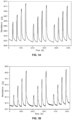
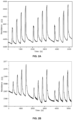
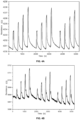
- Figures 1 to 5 show the responses obtained for the detection of benzene (A) and toluene using graphene decorated with different perovskite NCs. For both gases, 2, 4, 6 and 8 ppm were applied in three consecutive cycles. Table 3. Example of the average responses and relative error for the detection of benzene with graphene decorated with the different perovskite NCs.
- the measurement methodology used in this work results in highly reproducible (less than 5% error), reversible (absence of significant baseline drift) and rapid (1 minute exposure) responses at room temperature.
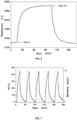
- Figure 6 shows the saturation of the sensor and its initial recovery.
- Response and recovery times (t90) are approximately 30 minutes for a flow rate of 400 mL/min. Once the resistance baseline was stable in synthetic air, 10 ppm toluene was applied until saturation of the sensor response was reached. Basal recovery was achieved in fresh air.
- Figure 7 shows a reproducibility analysis using the MAPbBr 3 perovskite. Resistance changes (solid line) were recorded under exposure to 10 ppm benzene (dashed line) for long periods (30 minutes).
- Figure 8 shows examples of electrical response to NO 2 using FAPbBr 3 .
- Three consecutive cycles with four concentrations 250, 500, 750 and 1000 ppb) were applied for a 1 minute exposure. Synthetic air was used for a five minute wash between the different concentrations measured.
- Figure 9 shows exposure to different NH3 concentrations by using FAPbBr 3 NC decorated graphene. No sensitivity to ammonia was obtained because the resistance changes recorded are practically identical for the different analyte concentrations.
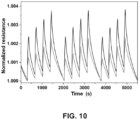
- Figure 10 shows a comparison of electrical responses to NH 3 using MAPbCl 3 (black line) and MAPbBr 3 (red line) NCs. Three consecutive cycles with four concentrations (25, 50, 75 and 100 ppm) were applied for one minute. Again, there were applied five minute cleanings in synthetic air periods.
- Figure 11A and 11B show the calibration curves for benzene detection using the different cations (a) and halide anions (b).
- MA shows a clear improvement in responses (up to 3 times greater) and in sensitivity (slope of the curve) compared to FA and Cs.
- responses obtained by using different halide anions reveal that Br anions offer a higher response and sensitivity than Cl - and I - anions.
- Equivalent behavior was observed for toluene vapors.
- Aromatic molecules such as benzene and toluene can act as electron donating groups due to their delocalized electrons.
Landscapes
- Chemical & Material Sciences (AREA)
- Organic Chemistry (AREA)
- Engineering & Computer Science (AREA)
- Nanotechnology (AREA)
- Materials Engineering (AREA)
- General Physics & Mathematics (AREA)
- Inorganic Chemistry (AREA)
- Physics & Mathematics (AREA)
- Analytical Chemistry (AREA)
- Chemical Kinetics & Catalysis (AREA)
- Electrochemistry (AREA)
- Health & Medical Sciences (AREA)
- Life Sciences & Earth Sciences (AREA)
- Biochemistry (AREA)
- General Health & Medical Sciences (AREA)
- Immunology (AREA)
- Pathology (AREA)
- Condensed Matter Physics & Semiconductors (AREA)
- Crystallography & Structural Chemistry (AREA)
- Composite Materials (AREA)
- Investigating Or Analyzing Materials By The Use Of Fluid Adsorption Or Reactions (AREA)
Abstract
Description
- The present invention refers to a gas sensor comprising a hybrid material of perovskite and graphene, to the method for obtaining said sensor and to the gas detection method using said sensor.
- During the last decades, the growing air pollution has increased its harmful effects on the environment and human health. Therefore, to address these problems and help protect both the environment and the well-being of the population, it is required a ubiquitous and continuous monitoring of air pollutants. However, the development of a wide network of sensors to monitor air quality would only be possible if reliable, low cost and low power consumption detection devices were available. These new sensor networks would complement currently used instrumental techniques such as gas chromatography and mass spectroscopy, which, despite their precision and low detection limits, are bulky and expensive. Among the different technological alternatives, chemo-resistive sensors can be an appropriate option due to its easy manufacturing and use.
- Most of the chemo-resistive gas sensors developed and marketed to date use metal oxides (MOx), since they present interesting properties such as adequate stability and high sensitivity. However, MOx have important limitations that compromise their implementation in autonomous gas detection networks. For example, their main drawback is the lack of selectivity, and in addition, they require high temperatures for their operation. Consequently, they require high energy consumption.
- In recent years, graphene has aroused a great deal of research interest to develop a new generation of low-power gas sensors. Theoretically, graphene has the highest surface/volume ratio; in fact, a sheet of graphene has all its atoms exposed to the chemical environment. In addition, graphene presents a high carrier density and charge mobility, leading to a low noise level. Likewise, this chemo-resistive material has the ability to work at room temperature (low energy consumption).
- However, its basic structure (sp2 carbon configuration) is practically inert, offering low sensitivity and selectivity to gases. Therefore, the functionalization of graphene has been planned. For example, the US application with publication number
US20160334386 describes a gas sensor comprising a layer of graphene in contact with a metalloporphyrin that has an affinity for nitric oxide. - Historically, the most studied modification has been the decoration of graphene with metallic or metallic oxide nanoparticles. This approach improves the sensitivity of the material and, to some extent, helps to fine-tune the selectivity. However, this strategy implies raising the operating temperature of the sensors above that of the environment so that the nanoparticles perform their functions of electronic and chemical sensitization. On the contrary, other alternatives, such as the treatment of graphene with plasma, promote the creation of defects and the anchoring of functional groups, which allows increasing the response capacity at room temperature. However, the selectivity is not improved.
- In recent years, increasing research efforts have been focused on the development of gas sensors using perovskites. As an example, the sensor described in the patent with publication number
US10352893 - Therefore, it is necessary to develop new perovskite sensors that work at room temperature, under normal humidity conditions, that are sensitive and can detect different gases depending on the ions present in the perovskite.
- A gas sensor has been developed that comprises a hybrid material graphene, perovskite. This material can be easily applied in chemo-resistive sensors that work at room temperature. In addition, their processing by means of solution methods entails a low cost and ease of synthesis, making them more attractive than other options. Furthermore, perovskites show very interesting properties from the gas detection point of view, such as adjustable bandwidth, high absorption coefficient and long carrier lifetimes. Modulation of the bandgap can be achieved by modifying the structure of the ABX3 perovskite by substitution of its A, B and/or X components.
- The gas sensor of the invention achieves a highly reproducible, reversible, sensitive and ultra-fast detection at room temperature. Additionally, the low noise levels in the response demonstrate that detection at trace levels (ppb) is possible. The creation of a library of perovskite nanomaterials by changing the cation and/or anion in the ABX3 structure is possible, opening the possibility of adapting the devices to the detection of a wide spectrum of gases.
- Graphene has proven to be very effective in protecting perovskites against the effect of environmental humidity and, therefore, in preventing their long-term degradation, thanks to the high hydrophobicity of graphene.
- In the present invention, the perovskite nanocrystals are embedded in the graphene and this improves the sensitivity and performance of the sensor. In this way the electrical response of the sensor is generally improved without affecting the relative performance of the anions/cations of the perovskites.
- Therefore, a first aspect of the invention refers to a gas sensor comprising:
a hybrid material comprising metal halide perovskite nanocrystals of the formula ABX3 and graphene deposited on a substrate with electrodes where the perovskite nanocrystals are embedded in the graphene. - In the present invention the term metal halide perovskite refers to an ABX3 material, where A is an organic and/or inorganic cation, B is a metal and X is a halogen with a structure based on the mineral perovskite, CaTiOs.
- In the present invention the term nanocrystal means a crystal in which at least one of its dimensions is less than 100 nm.
- It is important to note that the graphene preparation has an essential role in the performance of gas detection. In the preparation method, graphene is exfoliated in liquid phase (LPE). This is an attractive preparation method given its low cost.
- A second aspect of the invention refers to a method of obtaining the sensor described in the first aspect of the invention. This is a method for obtaining a sensor comprising the following stages:
- a) preparing a graphene dispersion;
- b) exfoliating the graphene from the previous dispersion;
- c) adding and mixing some metal halide perovskite nanocrystals to the exfoliated graphene solution to obtain a hybrid material of graphene and perovskite;
- d) depositing the hybrid material of graphene and perovskite on a substrate containing electrodes.
- The sensors of the invention can be connected to a gas detection system and therefore, the third aspect of the invention refers to a gas detection method comprising the steps of:
- a) placing the sensor defined in the first aspect of the invention in a chamber through which the gas flow passes,
- b) measuring the change in resistance after the passage of gas.
-
-
Figure 1 AB shows the responses obtained for the detection of benzene (1A) and toluene (1B) using graphene decorated with different NCs of MAPbBr3. -
Figure 2 AB shows the responses obtained for the detection of benzene (2A) and toluene (2B) using graphene decorated with different NCs of CsPbBr3. - Figure 3AB shows the responses obtained for the detection of benzene (3A) and toluene (3B) using graphene decorated with different NCs of FAPbBr3.
-
Figure 4 AB shows the responses obtained for the detection of benzene (4A) and toluene (4B) using graphene decorated with different NCs of MAPbCl3. - Figure 5AB shows the responses obtained for the detection of benzene (5A) and toluene (5B) using graphene decorated with different NCs of MAPbBr2.5 I0.5.
-
Figure 6 is an example response and recovery curve for a lead halide perovskite decorated graphene sensor operating at room temperature. -
Figure 7 shows a reproducibility analysis using the MAPbBr3 perovskite. -
Figure 8 shows an example of an electrical response to NO2 using FAPbBr3. -
Figure 9 shows exposure to different NH3 concentrations by using FAPbBr3 NC-decorated graphene. -
Figure 10 shows a comparison of electrical responses to NH3 using MAPbCl3 (black line) and MAPbBr3 (grey line) NCs. -
Figures 11A and 11B show calibration curves obtained for the detection of benzene using different cation (11A) and anion (11B) in lead halide perovskites. - As stated above, the first aspect of the invention refers to a gas sensor comprising: a hybrid material comprising metal halide perovskite nanocrystals of formula ABX3 and graphene deposited on a substrate with electrodes where the perovskite nanocrystals are embedded in the graphene.
- Preferably the sensor has less than 10% oxygen functional groups. This feature gives it a better transport of carriers (hollows). This is due to shifting the Fermi level towards the valence band and increasing the work function. In addition, the limited oxygen content maintains the high hydrophobicity of graphene, thus continuing to confer high stability to gas sensors composed of perovskite and graphene nanocrystals.
- Preferably in the ABX3 configuration, B is selected from divalent metals, more preferably from: Pb+2, Sn+2, Cu+2, Mn+2, Fe+2, Ge+2, Bi+2, Sb+2 or a mixture thereof.
- Preferably A in the formula ABX3 is an organic and/or inorganic monovalent cation. More preferably, it is selected from: methylammonium, MA (CH3NH3 +), formamidinium, FA ((NH2)2CH+) and cesium (Cs+), guanidinium, phenylethylammonium, K+ and Rb+ or combinations thereof.
- Preferably X3 represents the anion, selected from Cl-, Br and I-.
- Preferably perovskite nanocrystals are comprised between 6 to 8 nanometers in size.
- Preferably the substrate is alumina.
- The monitoring of benzene and toluene is of great interest due to its danger, for example, benzene is considered a carcinogen. For all these reasons, the detection of trace levels in the environment is highly relevant.
- Preferably the gas to be detected in the sensor is benzene and toluene, and the cation of the perovskite is methylammonium.
- Preferably the cation of the perovskite is methylammonium and the anion is bromine.
- Preferably the gas to be detected is NO2, and the cation of the perovskite is formamidine.
- Preferably the gas to be detected is NH3, the cation of the perovskite is methylammonium and the anion of the perovskite is a chlorine anion.
- Preferably halogen of the perovskite is selected from an anion of chlorine and/or bromine and/or iodine.
- As has been stated before, the second aspect of the invention refers to a method for obtaining a sensor defined above that comprises the following stages:
- a) preparing a graphene dispersion;
- b) exfoliating the graphene from the previous dispersion;
- c) adding and mixing the perovskite nanocrystals to the exfoliated graphene solution to obtain a hybrid material of graphene and perovskite;
- d) depositing the hybrid material of graphene and perovskite on a substrate containing electrodes.
- Preferably the solvent of the solution of step a) is toluene or hexane and the graphene consists of sheets of graphene.
- Preferably the graphene is exfoliated in step b) by pulsed sonication.
- Preferably in stage d) the substrate is alumina containing screen-printed platinum interdigitated electrodes.
- Preferably, the gas detection method described above as the third aspect of the invention is carried out at room temperature. Despite the fact that operation at room temperature usually implies a weak recovery of the sensor baseline, due to the low desorption rate of adsorbed molecules, room temperature is used for several reasons: low power consumption, to preserve the NC of perovskite from its degradation, thus improving the useful life of the sensor.
- The following examples are only for illustrative purposes of this invention, and should not be construed as limiting the same.
- In all the examples the methods to quantify the color transmittance in the prepared samples are as follows.
- The synthesis of MA cation perovskite NC was adapted from the method proposed by L. Schmidt et al. First, a stock solution was prepared by adding 85 mg of oleic acid (OA) to 2 ml of 1-octadene (ODE). The solution was stirred and heated to 80°C.
- Subsequently, 33.5 mg of octylammonium bromide (OABr) was added.
- Next, other specific solutions for each perovskite anion were prepared using different precursors. In the case of MAPbBr3NCs, 26.4 mg and 18.3 mg of methylammonium bromide (MABr) and lead(II) bromide (PbBr2), respectively, were dissolved in 200 µL of dimethylformamide (DMF). Meanwhile, 3.37 mg and 13.9 mg of methyl ammonium chloride (MACI) and lead(II) chloride (PbCl2), respectively, were dissolved in 200 µL of dimethyl sulfoxide (DMSO) to form MAPbCl3. Finally, to prepare the NCs of MAPbBr2.5I0.5, 2.7 mg, 3 mg, and 18.5 mg of methylammonium iodide (MAI), methylammonium bromide (MABr), and lead(II) bromide (PbBr2) were added, respectively, to 300 µL of DMF. The solutions were shaken until completely dissolved.
- Finally, each of the solutions with the specific precursors was added to the base solution. Subsequently, the solutions were cooled to 60°C and 5 ml of acetone was added, causing the immediate precipitation of the different nanocrystals. Yellow, white and yellow-orange precipitates were obtained for MAPbBr3, MAPbCl3 and MAPbBr2.5I0.5 respectively. Subsequently, the solutions were centrifuged at 6000 rpm for 10 minutes to extract the precipitates, and finally they were dispersed in toluene.
- CsPbBr3: for the synthesis of this type of nanocrystals, the method proposed by L. Protesescu et al. To prepare the Cs oleate, Cs2CO3 (814 mg), ODE (40 mL) and OA (2.5 mL) were added to a 3-necked flask. Subsequently, the solution was mixed under stirring and heated at 120°C for 1 hour. Finally, the temperature was increased to 150°C under a nitrogen atmosphere to ensure the complete reaction of Cs2CO3 with oleic acid. The solution was cooled to room temperature obtaining a precipitate of Cs oleate.
- Subsequently, another solution was prepared by mixing 69 mg of PbBr2 and 5 ml of ODE in a 3-necked flask. The solution was then dried under vacuum at 120°C for 1 hour. Next, 0.5 ml of dry oleylamine (OLA) and OA was injected while creating a nitrogen atmosphere. After complete solubilization, the temperature was raised to 140°C and the Cs oleate solution (0.4 ml, prewarmed to 100°C before injection) was rapidly injected. Five seconds later, the final solution was cooled using an ice water bath. Finally, 5 ml of tert-butyl alcohol (tBuOH) were added to favor the complete precipitation of the NCs. After the centrifugation step explained in the previous point, the CsPbBr3 NCs were dispersed in hexane.
- FAPbBr3: NCs containing FA cation were carried out following the method proposed by L. Protesescu et al. First, the FA oleate precursor was prepared, where 521 mg of formamidinium acetate (FA(CH3COO)) and 20 ml of OA were added to a 3-necked flask. Next, similar to the previous synthesis, the solution was heated at 120°C for 1 hour. Subsequently, the temperature was increased to 130°C until complete reaction. Finally, the FA oleate was dried for 30 minutes at 50°C under vacuum and cooled to room temperature.
- Subsequently, another solution was prepared by mixing ODE (5 ml) and PbBr2 (69 mg) in a 3-necked flask. The solution was dried in vacuo for 1 hour at 120°C. Next, 0.5 ml of OLA and 1 ml of OA were injected at 120°C under nitrogen flow. After complete solubilization of the PbBr2 salt, the temperature was lowered to 100°C. Next, 2.5 mL of FA oleate solution was rapidly injected, and 5 seconds later, the reaction mixture was cooled using an ice-water bath. Finally, 10 ml of toluene and 5 ml of acetonitrile were added to favor the complete precipitation of the NCs. Finally, the solution was centrifuged and the FAPbBr3 NCs were dispersed in hexane.
Table 1: Synthesis summary Perovskite Precursors Reagents Solvents Solvent stabilizer MAPbBr3 26.4 mg MABr 85mg AO 5 mL Toluene 18.3 mg PbBr 22 mL ODE Acetone 33.5 mg OABr 200 µL DMF MAPBCl3 3.37 mg MACl 85mg AO 5 mL Acetone Toluene 13.9 mg PbCl 22 mLODE 200 µL 33.5mg OABr DMSO MAPbBr2.5I0.5 2.7 mg MAl 85mg AO 5 mL Toluene 3 mg MABr 2 mL ODE Acetone 18.5 mg PbBr2 33.5 mg OABr 300 µL DMF CsPbBr3 814 mg Cs2CO3 45ml ODE 5 mL tBuOH Hexane 69 mg PbBr2 2.5 mL OA 0.5 mL OLA FAPbBr3 521 mg 21 mL OA 10 mL Toluene Hexane 5 mL ODE FA(CH3COO) 0.5 mL OLA 5 mL Acetonitrile Table 2 Mean size of the crystals. Data extracted from HRTEM images Perovskite Mean size (nm) Interplanar distance (Å) MAPbBr3 7.2 ± 2.2 2.8 CsPbBr3 8.7 ± 1.1 5.8 FAPbBr3 6.9 ± 1.2 23 MAPbCl3 5.6 ± 1.5 2.6 MAPbBr2.5I0.5 6.3 ± 0.6 3.0 - Graphene decoration with perovskite NC and configuration of gas measurements.
- Once the different perovskite NCs were synthesized, a solution of graphene in toluene or hexane (0.5 mg/ml) was prepared using commercial graphene nanosheets from Strem Chemicals, Inc. (USA). Subsequently, the solution was placed in an ultrasonic tip to apply pulsed sonication (1s on/2s off) at 280 W for 90 minutes. Once the graphene is properly exfoliated, the perovskite NCs (5% by weight) were added to the solution. The nanomaterials were mixed in an ultrasonic bath for 1 hour. Finally, perovskite NC decorated graphene was deposited by a spray-coating technique onto alumina substrates containing screen-printed platinum interdigitated electrodes.
- The developed sensors were placed in a Teflon chamber with a volume of 35 cm3, which was connected to gas cylinders calibrated with synthetic air.
- To study the detection of different gases, different dilutions were made in order to expose the sensors to variable concentrations. Sensors are stabilized under synthetic air for 5 minutes prior to application of the target gas concentration during 1 minute exposure. Total flow was set to 100 mL/min using a set of Bronkhorst High-Tech BV (Ruurlo, The Netherlands) flow controllers, while resistance changes were recorded using an Agilent HP 34972A multimeter connected to the measurement chamber. Responses are defined as (ΔR/R0) expressed as a percentage. Where ΔR is the resistance change during one minute of exposure to the gas, while R0 corresponds to the reference resistance.
-
Figures 1 to 5 show the responses obtained for the detection of benzene (A) and toluene using graphene decorated with different perovskite NCs. For both gases, 2, 4, 6 and 8 ppm were applied in three consecutive cycles.Table 3. Example of the average responses and relative error for the detection of benzene with graphene decorated with the different perovskite NCs. C6H6 (ppm) MAPbBr3 FAPbBr3 MAPbBr2.5I0.5 MAPbCl3 CsPbBr3 2 0.202 ± 0.007 0.079 ± 0.004 0.096 ± 0.004 0.080 ± 0.005 0.0472 ± 0.0001 4 0.283 ± 0.008 0.117 ± 0.004 0.139 ± 0.006 0.119 ± 0.006 0.070 ± 0.001 6 0.345 ± 0.012 0.147 ± 0.006 0.172 ± 0.006 0.149 ± 0.004 0.0904 ± 0.0005 8 0.402 ± 0.014 0.167 ± 0.007 0.197 ± 0.007 0.169 ± 0.005 0.104 ± 0.001 - The measurement methodology used in this work results in highly reproducible (less than 5% error), reversible (absence of significant baseline drift) and rapid (1 minute exposure) responses at room temperature.
- Since the behavior of the sensor during the exposure to the gas until the stabilization of the response is important,
Figure 6 shows the saturation of the sensor and its initial recovery. Response and recovery times (t90) are approximately 30 minutes for a flow rate of 400 mL/min. Once the resistance baseline was stable in synthetic air, 10 ppm toluene was applied until saturation of the sensor response was reached. Basal recovery was achieved in fresh air. -
Figure 7 shows a reproducibility analysis using the MAPbBr3perovskite. Resistance changes (solid line) were recorded under exposure to 10 ppm benzene (dashed line) for long periods (30 minutes). -
Figure 8 shows examples of electrical response to NO2 using FAPbBr3. Three consecutive cycles with four concentrations (250, 500, 750 and 1000 ppb) were applied for a 1 minute exposure. Synthetic air was used for a five minute wash between the different concentrations measured.Figure 9 shows exposure to different NH3 concentrations by using FAPbBr3 NC decorated graphene. No sensitivity to ammonia was obtained because the resistance changes recorded are practically identical for the different analyte concentrations.Figure 10 shows a comparison of electrical responses to NH3 using MAPbCl3 (black line) and MAPbBr3 (red line) NCs. Three consecutive cycles with four concentrations (25, 50, 75 and 100 ppm) were applied for one minute. Again, there were applied five minute cleanings in synthetic air periods. -
Figure 11A and 11B show the calibration curves for benzene detection using the different cations (a) and halide anions (b). Regarding the effect of the cation, MA shows a clear improvement in responses (up to 3 times greater) and in sensitivity (slope of the curve) compared to FA and Cs. Meanwhile, responses obtained by using different halide anions reveal that Br anions offer a higher response and sensitivity than Cl- and I- anions. Equivalent behavior was observed for toluene vapors. Aromatic molecules such as benzene and toluene can act as electron donating groups due to their delocalized electrons. A significant effect of Cs, MA or FA cations is clearly observed in graphene decorated with perovskite NC when exposed to these gases. In fact, higher electrical responses to both gases are recorded when MA is present in the perovskite structure. These better electrical properties are due to the positions of the energy levels (band structure) and the concentration of defects (traps).
Claims (16)
- Gas sensor comprising:
a hybrid material comprising formula ABX3 metal halide perovskite nanocrystals, and graphene deposited on a substrate with electrodes where the perovskite nanocrystals are embedded in the graphene. - Gas sensor according to claim 1, where the graphene has less than 10% of oxygen functional groups.
- Gas sensor according to any one of claims 1 to 2, where A in the formula ABX3is a cation selected from: methylammonium, formamidinium and cesium.
- Sensor according to any one of claims 1 to 3, where the perovskite nanocrystals are comprised between 6 and 8 nanometers in size.
- Sensor according to any one of claims 1 to 4, the substrate of which is made of alumina.
- Sensor according to any one of claims 1 to 5, where A in the formula ABX3 is methylammonium and X is bromine.
- Sensor according to any one of claims 1 to 5, where the gas to be detected is benzene and toluene, and A in the formula ABX3 is methylammonium.
- Sensor according to any one of claims 1 to 5, where the gas to be detected is NO2, and A in the formula ABX3 is formamidinium.
- Sensor according to any one of claims 1 to 5 where the gas to be detected is NH3, A in the formula ABX3 of the perovskite is methylammonium and X is a chlorine anion.
- Gas sensor according to any one of claims 1 to 5 or 7 to 9, where the halide of the perovskite is selected from chlorine and/or bromine and/or iodine.
- Method for obtaining a sensor defined according to any of claims 1 to 10 comprising the following steps:a) preparing a graphene dispersion;b) exfoliating the graphene from the previous dispersion;c) adding and mixing the perovskite nanocrystals to the exfoliated graphene solution to obtain a hybrid material of graphene and perovskite;d) depositing the hybrid material of graphene and perovskite on a substrate containing electrodes.
- Method according to claim 11, where the solvent of the solution in step a) is toluene or hexane and the graphene consists of sheets of graphene.
- Method according to any one of claims 11 and 12, the graphene is exfoliated in step b) by pulsed sonication.
- Method according to any one of claims 11 to 13, where in step d) the substrate is alumina containing screen-printed platinum interdigitated electrodes.
- Gas detection method comprising the stages of:a) placing any one of the sensors defined in claims 1 to 10 in a chamber through which the gas flow passes,b) measuring the variation of the resistance after the passage of gas.
- Method according to claim 15, characterized in that stage b) is carried out at room temperature.
Applications Claiming Priority (2)
| Application Number | Priority Date | Filing Date | Title |
|---|---|---|---|
| ES202030687A ES2890458B2 (en) | 2020-07-03 | 2020-07-03 | GAS SENSOR |
| PCT/ES2021/070484 WO2022003229A1 (en) | 2020-07-03 | 2021-07-02 | Gas sensor |
Publications (2)
| Publication Number | Publication Date |
|---|---|
| EP4177601A1 true EP4177601A1 (en) | 2023-05-10 |
| EP4177601A4 EP4177601A4 (en) | 2024-10-09 |
Family
ID=79315623
Family Applications (1)
| Application Number | Title | Priority Date | Filing Date |
|---|---|---|---|
| EP21833354.0A Pending EP4177601A4 (en) | 2020-07-03 | 2021-07-02 | Gas sensor |
Country Status (6)
| Country | Link |
|---|---|
| US (1) | US12474286B2 (en) |
| EP (1) | EP4177601A4 (en) |
| JP (1) | JP7735379B2 (en) |
| BR (1) | BR112022027027A2 (en) |
| ES (1) | ES2890458B2 (en) |
| WO (1) | WO2022003229A1 (en) |
Families Citing this family (1)
| Publication number | Priority date | Publication date | Assignee | Title |
|---|---|---|---|---|
| ES2890458B2 (en) * | 2020-07-03 | 2022-09-30 | Univ Rovira I Virgili | GAS SENSOR |
Family Cites Families (10)
| Publication number | Priority date | Publication date | Assignee | Title |
|---|---|---|---|---|
| US20080128274A1 (en) * | 2006-12-04 | 2008-06-05 | Honeywell International Inc. | Nanostructured sensor for high temperature applications |
| US20090065369A1 (en) * | 2007-09-10 | 2009-03-12 | The Board Of Regents, The University Of Texas System | Catalytic nanocarbon electrodes for biosensors |
| US9366664B2 (en) | 2014-05-21 | 2016-06-14 | Andas Inc. | Device for measurement of exhaled nitric oxide concentration |
| JP6523878B2 (en) * | 2015-08-31 | 2019-06-05 | 日本特殊陶業株式会社 | Gas sensor controller |
| KR101922187B1 (en) * | 2017-03-13 | 2018-11-26 | 한국과학기술연구원 | Sensing materials for gas sensor, method for fabricating the sensing materials, gas sensor including the sensing materials and method for fabricating the gas sensor |
| GB2577492B (en) * | 2018-09-24 | 2021-02-10 | Oxford Photovoltaics Ltd | Method of forming a crystalline or polycrystalline layer of an organic-inorganic metal halide perovskite |
| KR102090489B1 (en) * | 2018-10-19 | 2020-03-18 | 한국과학기술연구원 | Ammonia gas detecting sensor using graphene doped with copper oxide nanopaticles and ammonia gas detecting device comprising the same |
| JP7246045B2 (en) * | 2019-02-21 | 2023-03-27 | 国立大学法人信州大学 | organic gas sensor |
| US20230184731A1 (en) * | 2020-05-08 | 2023-06-15 | The Regents Of The University Of California | Method for rapid in situ detection of ammonia |
| ES2890458B2 (en) * | 2020-07-03 | 2022-09-30 | Univ Rovira I Virgili | GAS SENSOR |
-
2020
- 2020-07-03 ES ES202030687A patent/ES2890458B2/en active Active
-
2021
- 2021-07-02 BR BR112022027027A patent/BR112022027027A2/en not_active Application Discontinuation
- 2021-07-02 US US18/014,238 patent/US12474286B2/en active Active
- 2021-07-02 EP EP21833354.0A patent/EP4177601A4/en active Pending
- 2021-07-02 WO PCT/ES2021/070484 patent/WO2022003229A1/en not_active Ceased
- 2021-07-02 JP JP2023500333A patent/JP7735379B2/en active Active
Also Published As
| Publication number | Publication date |
|---|---|
| ES2890458A1 (en) | 2022-01-19 |
| US12474286B2 (en) | 2025-11-18 |
| US20230258589A1 (en) | 2023-08-17 |
| WO2022003229A1 (en) | 2022-01-06 |
| BR112022027027A2 (en) | 2023-03-07 |
| ES2890458B2 (en) | 2022-09-30 |
| JP7735379B2 (en) | 2025-09-08 |
| JP2023532762A (en) | 2023-07-31 |
| EP4177601A4 (en) | 2024-10-09 |
Similar Documents
| Publication | Publication Date | Title |
|---|---|---|
| Narjinary et al. | Enhanced and selective acetone sensing properties of SnO2-MWCNT nanocomposites: Promising materials for diabetes sensor | |
| Han et al. | Highly sensitive NO2 gas sensor of ppb-level detection based on In2O3 nanobricks at low temperature | |
| Ikram et al. | Controllable synthesis of MoS 2@ MoO 2 nanonetworks for enhanced NO 2 room temperature sensing in air | |
| Comini et al. | Tin oxide nanobelts electrical and sensing properties | |
| Liu et al. | Hydrogen sulfide sensing properties of NiFe2O4 nanopowder doped with noble metals | |
| Devi et al. | SnO2: Bi2O3 based CO sensor: Laser-Raman, temperature programmed desorption and X-ray photoelectron spectroscopic studies | |
| Yan et al. | A low temperature gas sensor based on Au-loaded MoS2 hierarchical nanostructures for detecting ammonia | |
| Brintakis et al. | Ligand-free all-inorganic metal halide nanocubes for fast, ultra-sensitive and self-powered ozone sensors | |
| Capone et al. | Gas sensitivity measurements on NO2 sensors based on copper (II) tetrakis (n-butylaminocarbonyl) phthalocyanine LB films | |
| Zhu et al. | Conductometric acetic anhydride gas sensors based on S-doped porous ZnO microspheres with enhanced Lewis base interaction | |
| Casanova-Chafer et al. | The role of anions and cations in the gas sensing mechanisms of graphene decorated with lead halide perovskite nanocrystals | |
| Rahman et al. | High-sensitivity and room-temperature nitrous oxide sensor using Au nanoparticles-decorated MoS 2 | |
| Zhu et al. | Controlled synthesis of α-Fe2O3 nanocubes for gas-sensing applications: Feasibility of assessing crucian carp (Carassius auratus) freshness via trimethylamine levels | |
| Chang et al. | Heterostructural (Sr0. 6Bi0. 305) 2Bi2O7/ZnO for novel high-performance H2S sensor operating at low temperature | |
| Qin et al. | High-performance gas sensor based on Ag@ SnO2-Co3O4 hollow nanocomposite for fast and highly selective H2S detection | |
| Liang et al. | Room temperature NO2 sensing performance of Ag nanoparticles modified VO2 nanorods | |
| Motaung et al. | Multi-functioning of CeO2-SnO2 heterostructure as room temperature ferromagnetism and chemiresistive sensors | |
| Deng et al. | Humidity-tolerant and highly sensitive gas sensor for hydrogen sulfide based on WO 3 nanocubes modified with CeO 2 | |
| Colak et al. | Gadolinium (III)-doped ZnO nanorods and gas sensing properties | |
| Li et al. | Heterostructure engineering of In2O3/ErVO4 hairy curd for high-performance TEA gas sensors | |
| Ni et al. | Enhanced room-temperature NO2 sensing performance of mulberry-like Cu2O/CuO composites | |
| Qiao et al. | MOF-derived porous In2O3 nanospheres sensitized by CdS quantum dots: a ppb-level NO2 sensor with ultra-high response at room-temperature | |
| US12474286B2 (en) | Gas sensor | |
| Zhou et al. | Ultrasensitive gas sensor based on nanocube In2O3-CNH composite at low operating temperature | |
| Jain et al. | Screen-printed PANI/MoS2-based flexible gas sensor for sub-ppm NH3 detection: Experimental and DFT investigations |
Legal Events
| Date | Code | Title | Description |
|---|---|---|---|
| STAA | Information on the status of an ep patent application or granted ep patent |
Free format text: STATUS: THE INTERNATIONAL PUBLICATION HAS BEEN MADE |
|
| PUAI | Public reference made under article 153(3) epc to a published international application that has entered the european phase |
Free format text: ORIGINAL CODE: 0009012 |
|
| STAA | Information on the status of an ep patent application or granted ep patent |
Free format text: STATUS: REQUEST FOR EXAMINATION WAS MADE |
|
| 17P | Request for examination filed |
Effective date: 20230120 |
|
| AK | Designated contracting states |
Kind code of ref document: A1 Designated state(s): AL AT BE BG CH CY CZ DE DK EE ES FI FR GB GR HR HU IE IS IT LI LT LU LV MC MK MT NL NO PL PT RO RS SE SI SK SM TR |
|
| DAV | Request for validation of the european patent (deleted) | ||
| DAX | Request for extension of the european patent (deleted) | ||
| REG | Reference to a national code |
Ref country code: HK Ref legal event code: DE Ref document number: 40094166 Country of ref document: HK |
|
| A4 | Supplementary search report drawn up and despatched |
Effective date: 20240911 |
|
| RIC1 | Information provided on ipc code assigned before grant |
Ipc: B82Y 30/00 20110101ALI20240905BHEP Ipc: C01B 32/182 20170101ALI20240905BHEP Ipc: G01N 27/04 20060101AFI20240905BHEP |
|
| STAA | Information on the status of an ep patent application or granted ep patent |
Free format text: STATUS: EXAMINATION IS IN PROGRESS |