EP4176898A1 - Pan sars-cov2 vaccine antigen - Google Patents
Pan sars-cov2 vaccine antigen Download PDFInfo
- Publication number
- EP4176898A1 EP4176898A1 EP22170226.9A EP22170226A EP4176898A1 EP 4176898 A1 EP4176898 A1 EP 4176898A1 EP 22170226 A EP22170226 A EP 22170226A EP 4176898 A1 EP4176898 A1 EP 4176898A1
- Authority
- EP
- European Patent Office
- Prior art keywords
- seq
- protein
- acid sequence
- cell
- polypeptide sequence
- Prior art date
- Legal status (The legal status is an assumption and is not a legal conclusion. Google has not performed a legal analysis and makes no representation as to the accuracy of the status listed.)
- Withdrawn
Links
- 239000000427 antigen Substances 0.000 title claims abstract description 28
- 108091007433 antigens Proteins 0.000 title claims abstract description 28
- 102000036639 antigens Human genes 0.000 title claims abstract description 28
- 229940022962 COVID-19 vaccine Drugs 0.000 title abstract description 4
- 210000001744 T-lymphocyte Anatomy 0.000 claims abstract description 99
- 102100033130 T-box transcription factor T Human genes 0.000 claims abstract description 57
- 101710086566 T-box transcription factor T Proteins 0.000 claims abstract description 28
- 125000003275 alpha amino acid group Chemical group 0.000 claims abstract 11
- 108090000765 processed proteins & peptides Proteins 0.000 claims description 107
- 102000004196 processed proteins & peptides Human genes 0.000 claims description 76
- 108090000623 proteins and genes Proteins 0.000 claims description 73
- 235000018102 proteins Nutrition 0.000 claims description 68
- 102000004169 proteins and genes Human genes 0.000 claims description 68
- 229920001184 polypeptide Polymers 0.000 claims description 67
- 229960005486 vaccine Drugs 0.000 claims description 47
- 108091028043 Nucleic acid sequence Proteins 0.000 claims description 36
- 102100031673 Corneodesmosin Human genes 0.000 claims description 35
- 235000004279 alanine Nutrition 0.000 claims description 35
- 101710139375 Corneodesmosin Proteins 0.000 claims description 34
- 150000007523 nucleic acids Chemical group 0.000 claims description 31
- 208000025721 COVID-19 Diseases 0.000 claims description 28
- QNAYBMKLOCPYGJ-REOHCLBHSA-N L-alanine Chemical compound C[C@H](N)C(O)=O QNAYBMKLOCPYGJ-REOHCLBHSA-N 0.000 claims description 26
- 102000004961 Furin Human genes 0.000 claims description 22
- 108090001126 Furin Proteins 0.000 claims description 22
- 101710085938 Matrix protein Proteins 0.000 claims description 20
- 101710127721 Membrane protein Proteins 0.000 claims description 20
- 101710141454 Nucleoprotein Proteins 0.000 claims description 19
- 238000003776 cleavage reaction Methods 0.000 claims description 19
- 230000007017 scission Effects 0.000 claims description 19
- 108020004999 messenger RNA Proteins 0.000 claims description 12
- 101710204837 Envelope small membrane protein Proteins 0.000 claims description 11
- 101710145006 Lysis protein Proteins 0.000 claims description 11
- 208000024891 symptom Diseases 0.000 claims description 9
- 208000012396 long COVID-19 Diseases 0.000 claims description 7
- 239000002245 particle Substances 0.000 claims description 6
- 238000011282 treatment Methods 0.000 claims description 6
- 239000013603 viral vector Substances 0.000 claims description 3
- 229940096437 Protein S Drugs 0.000 abstract description 4
- 108010052285 Membrane Proteins Proteins 0.000 abstract description 3
- 102000018697 Membrane Proteins Human genes 0.000 abstract description 3
- 101710198474 Spike protein Proteins 0.000 abstract description 2
- 101710091045 Envelope protein Proteins 0.000 abstract 1
- 108090001074 Nucleocapsid Proteins Proteins 0.000 abstract 1
- 101710188315 Protein X Proteins 0.000 abstract 1
- 102100021696 Syncytin-1 Human genes 0.000 abstract 1
- 241001678559 COVID-19 virus Species 0.000 description 32
- 150000001413 amino acids Chemical group 0.000 description 26
- 210000004027 cell Anatomy 0.000 description 26
- 241000700605 Viruses Species 0.000 description 14
- 101710172711 Structural protein Proteins 0.000 description 12
- 208000015181 infectious disease Diseases 0.000 description 12
- 108091032973 (ribonucleotides)n+m Proteins 0.000 description 10
- 229940024606 amino acid Drugs 0.000 description 10
- 241000711573 Coronaviridae Species 0.000 description 9
- 241000315672 SARS coronavirus Species 0.000 description 9
- 230000005867 T cell response Effects 0.000 description 9
- 235000001014 amino acid Nutrition 0.000 description 9
- 210000001266 CD8-positive T-lymphocyte Anatomy 0.000 description 8
- 241000713666 Lentivirus Species 0.000 description 8
- 108010067390 Viral Proteins Proteins 0.000 description 8
- 238000000034 method Methods 0.000 description 8
- 241001465754 Metazoa Species 0.000 description 7
- 208000037847 SARS-CoV-2-infection Diseases 0.000 description 7
- 230000000638 stimulation Effects 0.000 description 7
- 201000010099 disease Diseases 0.000 description 6
- 208000037265 diseases, disorders, signs and symptoms Diseases 0.000 description 6
- 230000000694 effects Effects 0.000 description 6
- 238000012545 processing Methods 0.000 description 6
- 238000002255 vaccination Methods 0.000 description 6
- 239000013598 vector Substances 0.000 description 6
- 230000003612 virological effect Effects 0.000 description 6
- 239000012528 membrane Substances 0.000 description 5
- 239000013612 plasmid Substances 0.000 description 5
- 108020004414 DNA Proteins 0.000 description 4
- 102000004245 Proteasome Endopeptidase Complex Human genes 0.000 description 4
- 108090000708 Proteasome Endopeptidase Complex Proteins 0.000 description 4
- 108091008874 T cell receptors Proteins 0.000 description 4
- 241001493065 dsRNA viruses Species 0.000 description 4
- 239000012634 fragment Substances 0.000 description 4
- 230000028993 immune response Effects 0.000 description 4
- 201000009240 nasopharyngitis Diseases 0.000 description 4
- 238000013518 transcription Methods 0.000 description 4
- 230000035897 transcription Effects 0.000 description 4
- 241000701161 unidentified adenovirus Species 0.000 description 4
- DHMQDGOQFOQNFH-UHFFFAOYSA-N Glycine Chemical compound NCC(O)=O DHMQDGOQFOQNFH-UHFFFAOYSA-N 0.000 description 3
- 241000282412 Homo Species 0.000 description 3
- 241000282414 Homo sapiens Species 0.000 description 3
- 108700018351 Major Histocompatibility Complex Proteins 0.000 description 3
- 108010076504 Protein Sorting Signals Proteins 0.000 description 3
- 101710110895 Uncharacterized 7.3 kDa protein in cox-rep intergenic region Proteins 0.000 description 3
- 230000001154 acute effect Effects 0.000 description 3
- 125000000539 amino acid group Chemical group 0.000 description 3
- 230000030741 antigen processing and presentation Effects 0.000 description 3
- 230000000890 antigenic effect Effects 0.000 description 3
- 230000008901 benefit Effects 0.000 description 3
- 210000004369 blood Anatomy 0.000 description 3
- 239000008280 blood Substances 0.000 description 3
- 210000004899 c-terminal region Anatomy 0.000 description 3
- 210000004443 dendritic cell Anatomy 0.000 description 3
- 230000005923 long-lasting effect Effects 0.000 description 3
- 238000003753 real-time PCR Methods 0.000 description 3
- 230000003362 replicative effect Effects 0.000 description 3
- 238000012340 reverse transcriptase PCR Methods 0.000 description 3
- 125000006850 spacer group Chemical group 0.000 description 3
- 230000020382 suppression by virus of host antigen processing and presentation of peptide antigen via MHC class I Effects 0.000 description 3
- 210000003412 trans-golgi network Anatomy 0.000 description 3
- 206010001052 Acute respiratory distress syndrome Diseases 0.000 description 2
- 108700028369 Alleles Proteins 0.000 description 2
- 108090000975 Angiotensin-converting enzyme 2 Proteins 0.000 description 2
- 241000008904 Betacoronavirus Species 0.000 description 2
- 102000053602 DNA Human genes 0.000 description 2
- 101710121417 Envelope glycoprotein Proteins 0.000 description 2
- 229940026205 Gam-COVID-Vac Drugs 0.000 description 2
- WHUUTDBJXJRKMK-UHFFFAOYSA-N Glutamic acid Natural products OC(=O)C(N)CCC(O)=O WHUUTDBJXJRKMK-UHFFFAOYSA-N 0.000 description 2
- 102000001398 Granzyme Human genes 0.000 description 2
- 108060005986 Granzyme Proteins 0.000 description 2
- 241000701024 Human betaherpesvirus 5 Species 0.000 description 2
- 101100540311 Human papillomavirus type 16 E6 gene Proteins 0.000 description 2
- 102100034349 Integrase Human genes 0.000 description 2
- 102100037850 Interferon gamma Human genes 0.000 description 2
- 108010074328 Interferon-gamma Proteins 0.000 description 2
- DCXYFEDJOCDNAF-REOHCLBHSA-N L-asparagine Chemical compound OC(=O)[C@@H](N)CC(N)=O DCXYFEDJOCDNAF-REOHCLBHSA-N 0.000 description 2
- KDXKERNSBIXSRK-UHFFFAOYSA-N Lysine Natural products NCCCCC(N)C(O)=O KDXKERNSBIXSRK-UHFFFAOYSA-N 0.000 description 2
- 108060004795 Methyltransferase Proteins 0.000 description 2
- 241000127282 Middle East respiratory syndrome-related coronavirus Species 0.000 description 2
- 201000003176 Severe Acute Respiratory Syndrome Diseases 0.000 description 2
- 102000016266 T-Cell Antigen Receptors Human genes 0.000 description 2
- 101150022492 UL83 gene Proteins 0.000 description 2
- 108010031318 Vitronectin Proteins 0.000 description 2
- 125000003295 alanine group Chemical group N[C@@H](C)C(=O)* 0.000 description 2
- 230000000840 anti-viral effect Effects 0.000 description 2
- 210000001151 cytotoxic T lymphocyte Anatomy 0.000 description 2
- 238000012217 deletion Methods 0.000 description 2
- 230000037430 deletion Effects 0.000 description 2
- 230000001419 dependent effect Effects 0.000 description 2
- 238000013461 design Methods 0.000 description 2
- 239000003814 drug Substances 0.000 description 2
- 210000001163 endosome Anatomy 0.000 description 2
- 108010048367 enhanced green fluorescent protein Proteins 0.000 description 2
- 230000017188 evasion or tolerance of host immune response Effects 0.000 description 2
- 206010016256 fatigue Diseases 0.000 description 2
- 238000001943 fluorescence-activated cell sorting Methods 0.000 description 2
- 238000009472 formulation Methods 0.000 description 2
- 230000006870 function Effects 0.000 description 2
- 238000011553 hamster model Methods 0.000 description 2
- 210000005260 human cell Anatomy 0.000 description 2
- 210000000987 immune system Anatomy 0.000 description 2
- 230000036039 immunity Effects 0.000 description 2
- 230000002163 immunogen Effects 0.000 description 2
- 230000006698 induction Effects 0.000 description 2
- 230000002757 inflammatory effect Effects 0.000 description 2
- 210000004072 lung Anatomy 0.000 description 2
- 238000004519 manufacturing process Methods 0.000 description 2
- 239000000203 mixture Substances 0.000 description 2
- 230000035772 mutation Effects 0.000 description 2
- 230000003472 neutralizing effect Effects 0.000 description 2
- 108020004707 nucleic acids Proteins 0.000 description 2
- 102000039446 nucleic acids Human genes 0.000 description 2
- 230000001717 pathogenic effect Effects 0.000 description 2
- 230000037361 pathway Effects 0.000 description 2
- 230000034190 positive regulation of NF-kappaB transcription factor activity Effects 0.000 description 2
- 125000002924 primary amino group Chemical group [H]N([H])* 0.000 description 2
- 230000001915 proofreading effect Effects 0.000 description 2
- 230000000069 prophylactic effect Effects 0.000 description 2
- 229940021993 prophylactic vaccine Drugs 0.000 description 2
- 230000001681 protective effect Effects 0.000 description 2
- 230000010076 replication Effects 0.000 description 2
- 210000002345 respiratory system Anatomy 0.000 description 2
- 238000012552 review Methods 0.000 description 2
- 230000003248 secreting effect Effects 0.000 description 2
- 230000004936 stimulating effect Effects 0.000 description 2
- 238000006467 substitution reaction Methods 0.000 description 2
- 230000008685 targeting Effects 0.000 description 2
- 238000012360 testing method Methods 0.000 description 2
- 230000009258 tissue cross reactivity Effects 0.000 description 2
- 238000013519 translation Methods 0.000 description 2
- 230000029812 viral genome replication Effects 0.000 description 2
- 230000009385 viral infection Effects 0.000 description 2
- 241000004176 Alphacoronavirus Species 0.000 description 1
- 102000008873 Angiotensin II receptor Human genes 0.000 description 1
- 102100035765 Angiotensin-converting enzyme 2 Human genes 0.000 description 1
- 239000004475 Arginine Substances 0.000 description 1
- DCXYFEDJOCDNAF-UHFFFAOYSA-N Asparagine Natural products OC(=O)C(N)CC(N)=O DCXYFEDJOCDNAF-UHFFFAOYSA-N 0.000 description 1
- 241000288673 Chiroptera Species 0.000 description 1
- 206010053567 Coagulopathies Diseases 0.000 description 1
- 208000035473 Communicable disease Diseases 0.000 description 1
- 208000001528 Coronaviridae Infections Diseases 0.000 description 1
- 206010011224 Cough Diseases 0.000 description 1
- 241000699800 Cricetinae Species 0.000 description 1
- 229940021995 DNA vaccine Drugs 0.000 description 1
- 208000001490 Dengue Diseases 0.000 description 1
- 206010012310 Dengue fever Diseases 0.000 description 1
- 206010012735 Diarrhoea Diseases 0.000 description 1
- 239000004471 Glycine Substances 0.000 description 1
- 108090000288 Glycoproteins Proteins 0.000 description 1
- 102000003886 Glycoproteins Human genes 0.000 description 1
- 229940033332 HIV-1 vaccine Drugs 0.000 description 1
- 102000025850 HLA-A2 Antigen Human genes 0.000 description 1
- 108010074032 HLA-A2 Antigen Proteins 0.000 description 1
- 206010019233 Headaches Diseases 0.000 description 1
- 206010019663 Hepatic failure Diseases 0.000 description 1
- 101000833492 Homo sapiens Jouberin Proteins 0.000 description 1
- 101001023379 Homo sapiens Lysosome-associated membrane glycoprotein 1 Proteins 0.000 description 1
- 101000651236 Homo sapiens NCK-interacting protein with SH3 domain Proteins 0.000 description 1
- 244000309467 Human Coronavirus Species 0.000 description 1
- 241000711467 Human coronavirus 229E Species 0.000 description 1
- 241001109669 Human coronavirus HKU1 Species 0.000 description 1
- 241000482741 Human coronavirus NL63 Species 0.000 description 1
- 241001428935 Human coronavirus OC43 Species 0.000 description 1
- 206010061218 Inflammation Diseases 0.000 description 1
- 102100024407 Jouberin Human genes 0.000 description 1
- 150000008575 L-amino acids Chemical class 0.000 description 1
- CKLJMWTZIZZHCS-REOHCLBHSA-N L-aspartic acid Chemical compound OC(=O)[C@@H](N)CC(O)=O CKLJMWTZIZZHCS-REOHCLBHSA-N 0.000 description 1
- AGPKZVBTJJNPAG-WHFBIAKZSA-N L-isoleucine Chemical compound CC[C@H](C)[C@H](N)C(O)=O AGPKZVBTJJNPAG-WHFBIAKZSA-N 0.000 description 1
- ROHFNLRQFUQHCH-YFKPBYRVSA-N L-leucine Chemical compound CC(C)C[C@H](N)C(O)=O ROHFNLRQFUQHCH-YFKPBYRVSA-N 0.000 description 1
- FFEARJCKVFRZRR-BYPYZUCNSA-N L-methionine Chemical compound CSCC[C@H](N)C(O)=O FFEARJCKVFRZRR-BYPYZUCNSA-N 0.000 description 1
- COLNVLDHVKWLRT-QMMMGPOBSA-N L-phenylalanine Chemical compound OC(=O)[C@@H](N)CC1=CC=CC=C1 COLNVLDHVKWLRT-QMMMGPOBSA-N 0.000 description 1
- QIVBCDIJIAJPQS-VIFPVBQESA-N L-tryptophane Chemical compound C1=CC=C2C(C[C@H](N)C(O)=O)=CNC2=C1 QIVBCDIJIAJPQS-VIFPVBQESA-N 0.000 description 1
- OUYCCCASQSFEME-QMMMGPOBSA-N L-tyrosine Chemical compound OC(=O)[C@@H](N)CC1=CC=C(O)C=C1 OUYCCCASQSFEME-QMMMGPOBSA-N 0.000 description 1
- KZSNJWFQEVHDMF-BYPYZUCNSA-N L-valine Chemical compound CC(C)[C@H](N)C(O)=O KZSNJWFQEVHDMF-BYPYZUCNSA-N 0.000 description 1
- ROHFNLRQFUQHCH-UHFFFAOYSA-N Leucine Natural products CC(C)CC(N)C(O)=O ROHFNLRQFUQHCH-UHFFFAOYSA-N 0.000 description 1
- 206010025327 Lymphopenia Diseases 0.000 description 1
- 239000004472 Lysine Substances 0.000 description 1
- 102100035133 Lysosome-associated membrane glycoprotein 1 Human genes 0.000 description 1
- 241000124008 Mammalia Species 0.000 description 1
- 208000025370 Middle East respiratory syndrome Diseases 0.000 description 1
- 208000000112 Myalgia Diseases 0.000 description 1
- 241001292005 Nidovirales Species 0.000 description 1
- 206010068319 Oropharyngeal pain Diseases 0.000 description 1
- 102000035195 Peptidases Human genes 0.000 description 1
- 108091005804 Peptidases Proteins 0.000 description 1
- 201000007100 Pharyngitis Diseases 0.000 description 1
- 108010089430 Phosphoproteins Proteins 0.000 description 1
- 102000007982 Phosphoproteins Human genes 0.000 description 1
- 108010076039 Polyproteins Proteins 0.000 description 1
- 241000288906 Primates Species 0.000 description 1
- ONIBWKKTOPOVIA-UHFFFAOYSA-N Proline Natural products OC(=O)C1CCCN1 ONIBWKKTOPOVIA-UHFFFAOYSA-N 0.000 description 1
- 101710118538 Protease Proteins 0.000 description 1
- 239000004365 Protease Substances 0.000 description 1
- 206010037660 Pyrexia Diseases 0.000 description 1
- 238000011529 RT qPCR Methods 0.000 description 1
- 102000007056 Recombinant Fusion Proteins Human genes 0.000 description 1
- 108010008281 Recombinant Fusion Proteins Proteins 0.000 description 1
- 208000035415 Reinfection Diseases 0.000 description 1
- 208000001647 Renal Insufficiency Diseases 0.000 description 1
- 101710151619 Replicase polyprotein 1ab Proteins 0.000 description 1
- MTCFGRXMJLQNBG-UHFFFAOYSA-N Serine Natural products OCC(N)C(O)=O MTCFGRXMJLQNBG-UHFFFAOYSA-N 0.000 description 1
- 101100316897 Severe acute respiratory syndrome coronavirus 2 E gene Proteins 0.000 description 1
- 101000629318 Severe acute respiratory syndrome coronavirus 2 Spike glycoprotein Proteins 0.000 description 1
- 241000008910 Severe acute respiratory syndrome-related coronavirus Species 0.000 description 1
- 108020004682 Single-Stranded DNA Proteins 0.000 description 1
- 230000006044 T cell activation Effects 0.000 description 1
- AYFVYJQAPQTCCC-UHFFFAOYSA-N Threonine Natural products CC(O)C(N)C(O)=O AYFVYJQAPQTCCC-UHFFFAOYSA-N 0.000 description 1
- 239000004473 Threonine Substances 0.000 description 1
- QIVBCDIJIAJPQS-UHFFFAOYSA-N Tryptophan Natural products C1=CC=C2C(CC(N)C(O)=O)=CNC2=C1 QIVBCDIJIAJPQS-UHFFFAOYSA-N 0.000 description 1
- KZSNJWFQEVHDMF-UHFFFAOYSA-N Valine Natural products CC(C)C(N)C(O)=O KZSNJWFQEVHDMF-UHFFFAOYSA-N 0.000 description 1
- 241000711975 Vesicular stomatitis virus Species 0.000 description 1
- 108010087302 Viral Structural Proteins Proteins 0.000 description 1
- 208000036142 Viral infection Diseases 0.000 description 1
- 108070000030 Viral receptors Proteins 0.000 description 1
- 208000027418 Wounds and injury Diseases 0.000 description 1
- 239000002253 acid Substances 0.000 description 1
- 150000007513 acids Chemical class 0.000 description 1
- 230000003044 adaptive effect Effects 0.000 description 1
- 230000004721 adaptive immunity Effects 0.000 description 1
- 239000002671 adjuvant Substances 0.000 description 1
- 230000002411 adverse Effects 0.000 description 1
- 150000001295 alanines Chemical class 0.000 description 1
- 238000010171 animal model Methods 0.000 description 1
- ODKSFYDXXFIFQN-UHFFFAOYSA-N arginine Natural products OC(=O)C(N)CCCNC(N)=N ODKSFYDXXFIFQN-UHFFFAOYSA-N 0.000 description 1
- 235000009582 asparagine Nutrition 0.000 description 1
- 229960001230 asparagine Drugs 0.000 description 1
- 235000003704 aspartic acid Nutrition 0.000 description 1
- 210000003719 b-lymphocyte Anatomy 0.000 description 1
- OQFSQFPPLPISGP-UHFFFAOYSA-N beta-carboxyaspartic acid Natural products OC(=O)C(N)C(C(O)=O)C(O)=O OQFSQFPPLPISGP-UHFFFAOYSA-N 0.000 description 1
- 238000002306 biochemical method Methods 0.000 description 1
- 208000015294 blood coagulation disease Diseases 0.000 description 1
- 210000000234 capsid Anatomy 0.000 description 1
- 125000003178 carboxy group Chemical group [H]OC(*)=O 0.000 description 1
- 230000000747 cardiac effect Effects 0.000 description 1
- 238000004113 cell culture Methods 0.000 description 1
- 230000005859 cell recognition Effects 0.000 description 1
- 230000001413 cellular effect Effects 0.000 description 1
- 230000036755 cellular response Effects 0.000 description 1
- 230000000295 complement effect Effects 0.000 description 1
- 239000002299 complementary DNA Substances 0.000 description 1
- 230000001186 cumulative effect Effects 0.000 description 1
- 235000018417 cysteine Nutrition 0.000 description 1
- XUJNEKJLAYXESH-UHFFFAOYSA-N cysteine Natural products SCC(N)C(O)=O XUJNEKJLAYXESH-UHFFFAOYSA-N 0.000 description 1
- 230000006378 damage Effects 0.000 description 1
- 230000002939 deleterious effect Effects 0.000 description 1
- 208000025729 dengue disease Diseases 0.000 description 1
- 239000012636 effector Substances 0.000 description 1
- 244000000026 endemic pathogen Species 0.000 description 1
- 230000002708 enhancing effect Effects 0.000 description 1
- 238000011156 evaluation Methods 0.000 description 1
- 239000013604 expression vector Substances 0.000 description 1
- 230000002349 favourable effect Effects 0.000 description 1
- 238000000684 flow cytometry Methods 0.000 description 1
- 230000002068 genetic effect Effects 0.000 description 1
- 230000005182 global health Effects 0.000 description 1
- 235000013922 glutamic acid Nutrition 0.000 description 1
- 239000004220 glutamic acid Substances 0.000 description 1
- ZDXPYRJPNDTMRX-UHFFFAOYSA-N glutamine Natural products OC(=O)C(N)CCC(N)=O ZDXPYRJPNDTMRX-UHFFFAOYSA-N 0.000 description 1
- 231100000869 headache Toxicity 0.000 description 1
- 230000036541 health Effects 0.000 description 1
- HNDVDQJCIGZPNO-UHFFFAOYSA-N histidine Natural products OC(=O)C(N)CC1=CN=CN1 HNDVDQJCIGZPNO-UHFFFAOYSA-N 0.000 description 1
- 230000004727 humoral immunity Effects 0.000 description 1
- 238000009396 hybridization Methods 0.000 description 1
- 230000002998 immunogenetic effect Effects 0.000 description 1
- 230000001024 immunotherapeutic effect Effects 0.000 description 1
- 230000006872 improvement Effects 0.000 description 1
- 238000012405 in silico analysis Methods 0.000 description 1
- 238000011534 incubation Methods 0.000 description 1
- 230000001939 inductive effect Effects 0.000 description 1
- 230000004054 inflammatory process Effects 0.000 description 1
- 239000003112 inhibitor Substances 0.000 description 1
- 238000002347 injection Methods 0.000 description 1
- 239000007924 injection Substances 0.000 description 1
- 208000014674 injury Diseases 0.000 description 1
- 210000005007 innate immune system Anatomy 0.000 description 1
- 238000002743 insertional mutagenesis Methods 0.000 description 1
- 238000010212 intracellular staining Methods 0.000 description 1
- 229960000310 isoleucine Drugs 0.000 description 1
- AGPKZVBTJJNPAG-UHFFFAOYSA-N isoleucine Natural products CCC(C)C(N)C(O)=O AGPKZVBTJJNPAG-UHFFFAOYSA-N 0.000 description 1
- 210000003734 kidney Anatomy 0.000 description 1
- 201000006370 kidney failure Diseases 0.000 description 1
- 231100000636 lethal dose Toxicity 0.000 description 1
- 210000000265 leukocyte Anatomy 0.000 description 1
- 150000002632 lipids Chemical class 0.000 description 1
- 239000002502 liposome Substances 0.000 description 1
- 208000007903 liver failure Diseases 0.000 description 1
- 231100000835 liver failure Toxicity 0.000 description 1
- 231100001023 lymphopenia Toxicity 0.000 description 1
- 210000003712 lysosome Anatomy 0.000 description 1
- 230000001868 lysosomic effect Effects 0.000 description 1
- 229940038694 mRNA-based vaccine Drugs 0.000 description 1
- 238000012768 mass vaccination Methods 0.000 description 1
- 230000035800 maturation Effects 0.000 description 1
- 230000001404 mediated effect Effects 0.000 description 1
- 210000001806 memory b lymphocyte Anatomy 0.000 description 1
- 229930182817 methionine Natural products 0.000 description 1
- 238000010369 molecular cloning Methods 0.000 description 1
- 238000009126 molecular therapy Methods 0.000 description 1
- 239000002105 nanoparticle Substances 0.000 description 1
- 244000052769 pathogen Species 0.000 description 1
- 230000001575 pathological effect Effects 0.000 description 1
- 239000011049 pearl Substances 0.000 description 1
- 229940023041 peptide vaccine Drugs 0.000 description 1
- 210000003819 peripheral blood mononuclear cell Anatomy 0.000 description 1
- COLNVLDHVKWLRT-UHFFFAOYSA-N phenylalanine Natural products OC(=O)C(N)CC1=CC=CC=C1 COLNVLDHVKWLRT-UHFFFAOYSA-N 0.000 description 1
- 239000013641 positive control Substances 0.000 description 1
- 230000002265 prevention Effects 0.000 description 1
- 210000004986 primary T-cell Anatomy 0.000 description 1
- 230000002062 proliferating effect Effects 0.000 description 1
- 238000011321 prophylaxis Methods 0.000 description 1
- 229940023143 protein vaccine Drugs 0.000 description 1
- 238000011002 quantification Methods 0.000 description 1
- 108020003175 receptors Proteins 0.000 description 1
- 102000005962 receptors Human genes 0.000 description 1
- 238000011084 recovery Methods 0.000 description 1
- 230000000306 recurrent effect Effects 0.000 description 1
- 230000001105 regulatory effect Effects 0.000 description 1
- 230000004044 response Effects 0.000 description 1
- 238000010839 reverse transcription Methods 0.000 description 1
- 210000004739 secretory vesicle Anatomy 0.000 description 1
- 230000008786 sensory perception of smell Effects 0.000 description 1
- 230000035939 shock Effects 0.000 description 1
- 241000894007 species Species 0.000 description 1
- 239000012798 spherical particle Substances 0.000 description 1
- 238000010561 standard procedure Methods 0.000 description 1
- 230000001954 sterilising effect Effects 0.000 description 1
- 239000000126 substance Substances 0.000 description 1
- 208000011580 syndromic disease Diseases 0.000 description 1
- 238000003786 synthesis reaction Methods 0.000 description 1
- 230000009885 systemic effect Effects 0.000 description 1
- 229940124597 therapeutic agent Drugs 0.000 description 1
- 230000001225 therapeutic effect Effects 0.000 description 1
- 238000002560 therapeutic procedure Methods 0.000 description 1
- 229940021747 therapeutic vaccine Drugs 0.000 description 1
- 230000009424 thromboembolic effect Effects 0.000 description 1
- 101150010939 tpa gene Proteins 0.000 description 1
- 238000012546 transfer Methods 0.000 description 1
- OUYCCCASQSFEME-UHFFFAOYSA-N tyrosine Natural products OC(=O)C(N)CC1=CC=C(O)C=C1 OUYCCCASQSFEME-UHFFFAOYSA-N 0.000 description 1
- 238000011870 unpaired t-test Methods 0.000 description 1
- 239000004474 valine Substances 0.000 description 1
- 230000008478 viral entry into host cell Effects 0.000 description 1
Images




Classifications
-
- A—HUMAN NECESSITIES
- A61—MEDICAL OR VETERINARY SCIENCE; HYGIENE
- A61K—PREPARATIONS FOR MEDICAL, DENTAL OR TOILETRY PURPOSES
- A61K39/00—Medicinal preparations containing antigens or antibodies
- A61K39/12—Viral antigens
-
- A—HUMAN NECESSITIES
- A61—MEDICAL OR VETERINARY SCIENCE; HYGIENE
- A61P—SPECIFIC THERAPEUTIC ACTIVITY OF CHEMICAL COMPOUNDS OR MEDICINAL PREPARATIONS
- A61P31/00—Antiinfectives, i.e. antibiotics, antiseptics, chemotherapeutics
- A61P31/12—Antivirals
- A61P31/14—Antivirals for RNA viruses
-
- A—HUMAN NECESSITIES
- A61—MEDICAL OR VETERINARY SCIENCE; HYGIENE
- A61K—PREPARATIONS FOR MEDICAL, DENTAL OR TOILETRY PURPOSES
- A61K39/00—Medicinal preparations containing antigens or antibodies
- A61K2039/51—Medicinal preparations containing antigens or antibodies comprising whole cells, viruses or DNA/RNA
-
- A—HUMAN NECESSITIES
- A61—MEDICAL OR VETERINARY SCIENCE; HYGIENE
- A61K—PREPARATIONS FOR MEDICAL, DENTAL OR TOILETRY PURPOSES
- A61K39/00—Medicinal preparations containing antigens or antibodies
- A61K2039/54—Medicinal preparations containing antigens or antibodies characterised by the route of administration
- A61K2039/541—Mucosal route
- A61K2039/543—Mucosal route intranasal
-
- A—HUMAN NECESSITIES
- A61—MEDICAL OR VETERINARY SCIENCE; HYGIENE
- A61K—PREPARATIONS FOR MEDICAL, DENTAL OR TOILETRY PURPOSES
- A61K39/00—Medicinal preparations containing antigens or antibodies
- A61K2039/545—Medicinal preparations containing antigens or antibodies characterised by the dose, timing or administration schedule
-
- A—HUMAN NECESSITIES
- A61—MEDICAL OR VETERINARY SCIENCE; HYGIENE
- A61K—PREPARATIONS FOR MEDICAL, DENTAL OR TOILETRY PURPOSES
- A61K39/00—Medicinal preparations containing antigens or antibodies
- A61K2039/57—Medicinal preparations containing antigens or antibodies characterised by the type of response, e.g. Th1, Th2
-
- A—HUMAN NECESSITIES
- A61—MEDICAL OR VETERINARY SCIENCE; HYGIENE
- A61K—PREPARATIONS FOR MEDICAL, DENTAL OR TOILETRY PURPOSES
- A61K39/00—Medicinal preparations containing antigens or antibodies
- A61K2039/57—Medicinal preparations containing antigens or antibodies characterised by the type of response, e.g. Th1, Th2
- A61K2039/572—Medicinal preparations containing antigens or antibodies characterised by the type of response, e.g. Th1, Th2 cytotoxic response
-
- A—HUMAN NECESSITIES
- A61—MEDICAL OR VETERINARY SCIENCE; HYGIENE
- A61K—PREPARATIONS FOR MEDICAL, DENTAL OR TOILETRY PURPOSES
- A61K39/00—Medicinal preparations containing antigens or antibodies
- A61K2039/70—Multivalent vaccine
-
- C—CHEMISTRY; METALLURGY
- C12—BIOCHEMISTRY; BEER; SPIRITS; WINE; VINEGAR; MICROBIOLOGY; ENZYMOLOGY; MUTATION OR GENETIC ENGINEERING
- C12N—MICROORGANISMS OR ENZYMES; COMPOSITIONS THEREOF; PROPAGATING, PRESERVING, OR MAINTAINING MICROORGANISMS; MUTATION OR GENETIC ENGINEERING; CULTURE MEDIA
- C12N2740/00—Reverse transcribing RNA viruses
- C12N2740/00011—Details
- C12N2740/10011—Retroviridae
- C12N2740/15011—Lentivirus, not HIV, e.g. FIV, SIV
- C12N2740/15041—Use of virus, viral particle or viral elements as a vector
-
- C—CHEMISTRY; METALLURGY
- C12—BIOCHEMISTRY; BEER; SPIRITS; WINE; VINEGAR; MICROBIOLOGY; ENZYMOLOGY; MUTATION OR GENETIC ENGINEERING
- C12N—MICROORGANISMS OR ENZYMES; COMPOSITIONS THEREOF; PROPAGATING, PRESERVING, OR MAINTAINING MICROORGANISMS; MUTATION OR GENETIC ENGINEERING; CULTURE MEDIA
- C12N2770/00—MICROORGANISMS OR ENZYMES; COMPOSITIONS THEREOF; PROPAGATING, PRESERVING, OR MAINTAINING MICROORGANISMS; MUTATION OR GENETIC ENGINEERING; CULTURE MEDIA ssRNA viruses positive-sense
- C12N2770/00011—Details
- C12N2770/20011—Coronaviridae
- C12N2770/20034—Use of virus or viral component as vaccine, e.g. live-attenuated or inactivated virus, VLP, viral protein
Definitions
- the present invention relates to a vaccine antigen amino acid sequence for vaccination or therapy of SARS-CoV-2 infection, comprising consensus T cell epitopes representing the SARS-CoV-2 S (spike) protein, E (envelope) protein, N (nucleocapsid) protein, M (membrane) protein, nonstructural proteins (NSP), and accessory proteins, and further to a nucleic acid sequence encoding such antigen.
- Coronaviruses comprise a large family of enveloped, positive-sense single-stranded RNA viruses within the order Nidovirales. They are linked to diseases in birds and mammals. Several strains within the genera alpha- and betacoronaviruses are known to cause common cold in humans: the alphacoronaviruses HCoV-229E and HCoV-NL63 and the betacoronaviruses HCoV-OC43 and HCoV-HKU1. Since the outbreak of severe acute respiratory syndrome (SARS) in 2002 in Guangdong province, China, three betacoronaviruses causing severe disease in humans have been discovered: Middle East respiratory syndrome coronavirus (MERS-CoV), SARS-CoV, and SARS-CoV-2.
- SARS severe acute respiratory syndrome
- SARS-CoV and MERS-CoV were responsible for separate viral epidemics with case fatality rates of up to 10% and 35%, respectively. After it emerged in Asia 2019, SARS-CoV-2 rapidly spread throughout the globe.
- SARS-CoV-2 is a serious threat for global health because it can cause coronavirus disease 2019 (COVID-19).
- the incubation period for SARS-CoV-2 infection can extend to 14 days, with a median time of 4-5 days from exposure to debut of symptoms.
- Acute infection starts with viral replication in the upper respiratory tract and can be asymptomatic.
- a symptomatic course often shows only mild symptoms (sore throat, cough, fever, fatigue, myalgia, headache, and diarrhea).
- Severe COVID-19 usually begins approximately 1 week after onset of symptoms and is associated with SARS-CoV-2 infection of the lower respiratory tract. This can result in acute respiratory distress syndrome (ARDS). Frequently, lymphopenia and thromboembolic complications occur.
- ARDS acute respiratory distress syndrome
- acute cardiac, kidney, and liver failure followed by coagulopathy and shock may be critical.
- radical measures to stop the pandemic a substantial number of individuals developed severe COVID-19, causing an estimated number of fatalities exceeding 4 million by
- At least two other different periods of disease have been linked to SARS-CoV-2 infection: a rare post-acute multisystem inflammatory syndrome (2-5 weeks after onset of symptoms), and late inflammatory sequelae (Long-COVID-19) such as chronic fatigue and loss of sense of smell taste.
- Long-COVID-19 late inflammatory sequelae
- individuals with mild COVID-19 can suffer from variable and debilitating symptoms for many months after the initial infection.
- Even a small incidence of Long-COVID-19 with ca. 10% of infected people will have dramatic consequences for economy and health care systems.
- CD4+ T cells possess a range of helper and effector functionalities whereas CD8+ T cells called cytotoxic T cells (CTLs) kill virus-infected cells.
- CTLs cytotoxic T cells
- the approved vaccines from Pfizer-BioNTech and Moderna are based on S-protein-encoding mRNA delivered by lipid nanoparticles (LNPs), while the approved formulations by AstraZeneca, Johnson and Johnson and Gam-COVID-vac (Sputnik V) contain S-protein-encoding DNA delivered within non-replicating recombinant adenovirus (AdV) vector systems.
- LNPs lipid nanoparticles
- AdV lipid nanoparticles
- Both, mRNA and AdV vaccines possess inherent adjuvant activity, which stimulates the innate immune system and provides the required second signal for T cell activation.
- nAbs targeting the S protein can prevent infection (“sterilizing immunity"), if produced in large quantities by the immune system.
- Most nAbs from COVID-19 convalescent patients target the receptor-binding domain (RBD) or the N-terminal domain (NTD) of the S protein.
- RBD receptor-binding domain
- NTD N-terminal domain
- Some nAbs derived from patients are already in clinical use as prophylactic and therapeutic agents.
- the globally applied vaccines and nAbs are all based on the first available S-protein-sequence, which was derived from the early Wuhan strain and published in January 2020 [ Lu et al., Lancet, 2020. 395(10224): p. 565-574 .].
- the objective of the present invention is to provide means and methods to facilitate long lasting, cross-strain immune responses against SARS-CoV-2 infection through vaccination.
- This objective is attained by the subject-matter of the independent claims of the present specification, with further advantageous embodiments described in the dependent claims, examples, figures and general description of this specification.
- Waning antibody levels and emergence of novel SARS-CoV-2 variants may facilitate reinfections of convalescent individuals or breakthrough infections in the vaccinated population.
- Prophylactic vaccines that induce broad, polyfunctional, and long-lasting T cell responses against SARS-CoV-2 could solve the problem.
- acute COVID-19 typically starts with mild symptoms 10 to 14 days before patients are admitted to the intensive care unit (ICU).
- ICU intensive care unit
- therapeutic T cell-inducing vaccines could be applied to prevent death due to acute respiratory distress syndrome (ARDS) and/or systemic inflammation.
- ARDS acute respiratory distress syndrome
- later there are anecdotal reports that people suffering from Long-COVID-19 recover after being vaccinated. Long-COVID-19 could be due to incomplete viral clearance and boosting CD8+ T cells with a vaccine could help the immune system to get rid of the pathogen.
- PanCoVac-based prophylactic or therapeutic vaccines can be easily generated by using currently available vaccine platforms such as mRNA delivered by LNPs or replication-incompetent adenoviral vectors.
- the invention relates to a vaccine antigen amino acid sequence comprising
- Each T cell epitope separated from another T cell epitope by an alanine stretch peptide is independently selected from another T cell epitope by an alanine stretch peptide.
- a further aspect of the invention relates to a nucleic acid sequence encoding the vaccine antigen amino acid sequence according to the above aspect.
- Another aspect of the invention relates to use of the vaccine antigen amino acid sequence or the nucleic acid sequence according to the invention for use as a vaccine to prevent or ameliorate symptoms of COVID-19 disease.
- the vaccine can be administered as a treatment of Long-COVID-19.
- references to "about” a value or parameter herein includes (and describes) variations that are directed to that value or parameter per se. For example, description referring to "about X” includes description of "X.”
- polypeptide in the context of the present specification relates to a molecule consisting of 50 or more amino acids that form a linear chain wherein the amino acids are connected by peptide bonds.
- the amino acid sequence of a polypeptide may represent the amino acid sequence of a whole (as found physiologically) protein or fragments thereof.
- polypeptides and protein are used interchangeably herein and include proteins and fragments thereof. Polypeptides are disclosed herein as amino acid residue sequences.
- peptide in the context of the present specification relates to a molecule consisting of up to 50 amino acids, in particular 8 to 30 amino acids, more particularly 8 to 15amino acids, that form a linear chain wherein the amino acids are connected by peptide bonds.
- Amino acid residue sequences are given from amino to carboxyl terminus.
- Capital letters for sequence positions refer to L-amino acids in the one-letter code (Stryer, Biochemistry, 3 rd ed. p. 21).
- Lower case letters for amino acid sequence positions refer to the corresponding D- or (2R)-amino acids. Sequences are written left to right in the direction from the amino to the carboxy terminus.
- amino acid residue sequences are denominated by either a three letter or a single letter code as indicated as follows: Alanine (Ala, A), Arginine (Arg, R), Asparagine (Asn, N), Aspartic Acid (Asp, D), Cysteine (Cys, C), Glutamine (Gin, Q), Glutamic Acid (Glu, E), Glycine (Gly, G), Histidine (His, H), Isoleucine (Ile, I), Leucine (Leu, L), Lysine (Lys, K), Methionine (Met, M), Phenylalanine (Phe, F), Proline (Pro, P), Serine (Ser, S), Threonine (Thr, T), Tryptophan (Trp, W), Tyrosine (Tyr, Y), and Valine (Val, V).
- nucleic acid expression vector in the context of the present specification relates to a plasmid, a viral genome or an RNA, which is used to transfect (in case of a plasmid or an RNA) or transduce (in case of a viral genome) a target cell with a certain gene of interest, or -in the case of an RNA construct being transfected- to translate the corresponding protein of interest from a transfected mRNA.
- the gene of interest is under control of a promoter sequence and the promoter sequence is operational inside the target cell, thus, the gene of interest is transcribed either constitutively or in response to a stimulus or dependent on the cell's status.
- the viral genome is packaged into a capsid to become a viral vector, which is able to transduce the target cell.
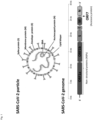
- SARS-CoV and SARS-CoV-2 express multiple nonstructural and structural proteins including S protein, envelope (E) protein, membrane (M) glycoprotein, and nucleocapsid (N) phosphoprotein.
- MHC major histocompatibility complex
- HLA human leukocyte antigen [HLA] in people
- MHC-I human leukocyte antigen
- MHC-II class II
- TCR complementary T cell receptors
- CD4+ T cells express TCRs that interact with MHC-II-bound peptides.
- TCRs of the CD8+ T cell population detect peptides bound to MHC-I.
- the S protein is a source of CD4+ T cell epitopes
- a large pool of predicted MHC-II binding epitopes is located in other viral proteins, predominantly in the N and M protein [35, 122].
- the M protein harbours many CD4+ T cell epitopes although it is a comparatively small multipass membrane protein [16, 117, 122, 140, 141]. It has been estimated that each convalescent individual recognizes ca. 19 CD4+ T cell epitopes on average [102]. CD8+ T cell responses are frequently driven by a few immunodominant MHC-I epitopes [117].
- T cell epitopes make it difficult for viruses to escape T cell recognition.
- the T cell response directed against SARS-CoV-2 seems to be much broader than that observed after infection with other RNA viruses such as SARS-CoV [143] and dengue [144, 145].
- T cell epitopes not only from the S protein but also from other viral proteins such as the M and the N protein should be included in future vaccines against SARS-CoV-2 to induce a strong, broad and poly-functional T cell response that SARS-CoV-2 cannot escape.
- the first-generation vaccines focused on induction of neutralizing antibodies against the viral S protein, a strategy that facilitates immune escape.
- conserved T cell epitopes in structural proteins (S, E, M, N) from both SARS-CoV, SARS-CoV-2 as well as the four endemic common cold coronaviruses by using freely available algorithms (such as NetMHCpan 4.1 and NetMHCII 2.3) [146].
- the majority of the antiviral CD8+ T cells recognize epitopes within the S, N, and M proteins [122].
- the PanCoVac sequence according to the invention includes predicted epitopes that are experimentally validated, that are conserved in SARS-CoV and SARS-CoV-2, and that show strong binding affinity to HLA class I and II [ Altmann and Boyton, Science immunology, 2020. 5(49 ); Campbell et al., Prediction of SARS-CoV-2 epitopes across 9360 HLA class I alleles. BioRxiv, 2020 .]. In fact, PanCoVac encodes all conserved HLA class I epitopes covering the important HLA class I supertypes (A1, A2, A3, A24, A26, B7, B8, B27, B39, B44, B58, B62).
- HLA supertypes are defined as HLA allelic variants that bind peptides possessing a particular HLA supermotif [ Sette and Sidney, Immunogenetics, 1999. 50(3): p. 201-212 ].
- the residues flanking MHC-I epitopes determine the efficiency of processing by the proteasome system. This positional effect can be rescued by flanking epitopes with multiple alanines. For this reason, we separated the T cell epitopes within the same structural protein by double alanine (-AA) spacers.
- -AA double alanine
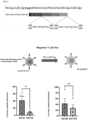
- PanCoVac reflects the broad T cell stimulatory capacity of SARS-CoV-2 and related coronaviruses in a compact form and can be easily delivered using different vaccine platforms ( Figure 2 ). This is a major advantage compared to peptide vaccines, which are poorly immunogenic and require in vitro-synthesis of multiple peptides of 20-30 amino acids.
- the invention relates to a vaccine antigen amino acid sequence comprising
- each alanine stretch peptide independent of any other alanine stretch peptide is selected from AA and AAA.
- the nonstructural protein epitope polypeptide sequence comprises 12, 13, 14, or 15 sequences selected from SEQ ID NO 006, SEQ ID NO 007, SEQ ID NO 008, SEQ ID NO 009, SEQ ID NO 010, SEQ ID NO 011, SEQ ID NO 012, SEQ ID NO 013, SEQ ID NO 014, SEQ ID NO 015, SEQ ID NO 016, SEQ ID NO 017, SEQ ID NO 018, SEQ ID NO 019, SEQ ID NO 020.
- the nonstructural protein epitope polypeptide sequence is split into a first nonstructural protein epitope polypeptide sequence and a second nonstructural protein epitope polypeptide sequence.
- the first nonstructural protein epitope polypeptide sequence comprises 12 or 13 nonstructural protein T cell epitopes
- the second nonstructural protein epitope polypeptide sequence comprises two nonstructural protein T cell epitopes
- the nonstructural protein T cell epitopes of the first nonstructural protein epitope polypeptide sequence are selected from SEQ ID NO 006, SEQ ID NO 007, SEQ ID NO 008, SEQ ID NO 009, SEQ ID NO 010, SEQ ID NO 011, SEQ ID NO 012, SEQ ID NO 013, SEQ ID NO 014, SEQ ID NO 015, SEQ ID NO 016, SEQ ID NO 017, SEQ ID NO 018, and the nonstructural protein T cell epitopes of the second nonstructural protein epitope polypeptide sequence are SEQ ID NO 019 and 020.
- the nonstructural protein and accessory epitope polypeptide sequence comprises SEQ ID NO 004 and SEQ ID NO 005, particularly a first nonstructural protein epitope polypeptide sequence comprises or is SEQ ID NO 004 and a second nonstructural (accessory) protein epitope polypeptide sequence comprises or is SEQ ID NO 005.
- the S protein epitope polypeptide sequence comprises 14, 15, 16, or 17 sequences selected from SEQ ID NO 021 SEQ ID NO 022, SEQ ID NO 023, SEQ ID NO 024, SEQ ID NO 025, SEQ ID NO 026, SEQ ID NO 027, SEQ ID NO 028, SEQ ID NO 029, SEQ ID NO 030, SEQ ID NO 031, SEQ ID NO 032, SEQ ID NO 033, SEQ ID NO 034, SEQ ID NO 035, SEQ ID NO 036, SEQ ID NO 037.
- PanCoVac The architecture of PanCoVac reflects the natural epitope sequence of viral structural proteins in a compact form. The inventors do not know whether the natural order of epitopes in the sequence can be changed without suffering a loss of T-cell stimulatory activity. Theoretically, even with only 12 epitopes, there are about 500 million different possible combinations. The importance of sequential position of each epitope cannot be verified experimentally. However, experimental evidence points toward that an epitope placed in the middle of the PanCoVac sequence is processed and presented almost as efficiently as an epitope inserted at the C-terminal end of PanCoVac. Therefore, the inventors assume that there are no substantial position effects.
- the AA linkers are always positioned at the N-terminal and C-terminal ends of the T-cell epitopes. According to the inventors' bioinformatic evaluation (proteasome score, TAP score), the AA linker is the most favorable in terms of processing and presentation of the PanCoVac-encoded T cell epitopes. AAY and AAA linkers are expected to deliver a comparable result. Extending the linkers to 4 or more amino acids is not useful from the inventors' point of view, since the probability of unwanted neo-epitopes and cleavage sites increases with the length of the spacers. In addition, the construct would become unnecessarily longer, potentially leading to losses in stability and translatability of the PanCoVac mRNA.
- the nonstructural NSP epitope polypeptide sequence comprises or is SEQ ID NO 057.
- the S protein epitope polypeptide sequence comprises or is SEQ ID NO 058.
- the M protein epitope polypeptide sequence comprises 5 or 6 sequences selected from SEQ ID NO 040, SEQ ID NO 041, SEQ ID NO 042, SEQ ID NO 043, SEQ ID NO 044, SEQ ID NO 045.
- the M protein epitope polypeptide sequence comprises or is SEQ ID NO 059.
- the N protein epitope polypeptide sequence comprises 7, 8 or 9 sequences selected from SEQ ID NO 046, SEQ ID NO 047, SEQ ID NO 048, SEQ ID NO 049, SEQ ID NO 050, SEQ ID NO 051, SEQ ID NO 052, SEQ ID NO 053, SEQ ID NO 054.
- the N protein epitope polypeptide sequence comprises or is SEQ ID NO 060.
- each protein epitope polypeptide sequence is separated from its neighboring protein epitope polypeptide sequence by a furin cleavage peptide sequence, particularly wherein said furin cleavage peptide sequence is RGRKRRS (SEQ ID NO 055)
- the vaccine antigen amino acid sequence according to any one of the preceding embodiments or a combination thereof further comprises a leader sequence/signal peptide selected from an IgE heavy chain sequence and a tPA gene sequence forming the N terminal end of the vaccine antigen amino acid sequence.
- the IgE leader sequence is known to improve translation of the pan vaccine mRNA [ Vijayachari et al., Human vaccines & immunotherapeutics, 2015. 11(8): p. 1945-1953 ; Yan et al., Molecular Therapy, 2007. 15(2): p. 411-421 ]. It further facilitates introduction of the PanCoVac protein into the secretory pathway. The latter is necessary for furin to recognize and cleave the Furin cleavage sites incorporated in the PanCoVac sequence.
- Furin is a cellular endoprotease localised in the trans-Golgi network (TGN) - a late Golgi structure responsible for sorting secretory pathway proteins to their final destinations, including the cell surface, endosomes, lysosomes and secretory granules.
- TGN trans-Golgi network
- furin is mainly localised in the TGN, it shuttles between this sorting compartment, the cell surface and early endosomes. It mediates the maturation of many proproteins by cleavage at precise junctions.
- furin can generate immunologically important epitopes independently of TAP and the proteasome. Without wanting to be bound by their scientific reasoning, the inventors therefore assume that furin plays a role in the successful processing of the PanCoVac protein.
- leader sequence and signal sequence are used synonymously herein, whereas the terms generally refer to different biological phenomena (see ( M ⁇ lh ⁇ j and Degan, Nature Biotechnology, 2004. 22(12): p. 1502-1502 ). Many other leader or signal sequences may be employed (see Table S1 in Haryadi et al., PLOS ONE, 2015. 10(2): p. e0116878 ).
- the vaccine antigen amino acid sequence is or comprises SEQ ID NO 001.
- a further aspect of the invention relates to a nucleic acid sequence encoding the vaccine antigen amino acid sequence according to the above aspect in any one of the preceding embodiments.
- the nucleic acid sequence comprises or consists of SEQ ID NO 003.
- the nucleic acid sequence further comprises a promoter sequence operably linked to said nucleic acid sequence.
- the nucleic acid sequence is comprised in a viral vector.
- a viral vector This can be an RNA virus, particularly an RNA+ or RNA- virus, or a single- or double stranded DNA virus.
- RNA virus particularly an RNA+ or RNA- virus, or a single- or double stranded DNA virus.
- Particular embodiments include primate adenoviruses.
- the nucleic acid sequence is an RNA sequence.
- the RNA sequence can be contained in a virus particle, or can be a "naked" messenger RNA (mRNA) formulated for injection, for example as part of a liposome formulation.
- mRNA messenger RNA
- the nucleic acid sequence is an mRNA.
- the nucleic acid sequence is a DNA sequence, for example a plasmid or minicircle comprising the antigen encoding sequence under control of a promoter operable in a human cell, or as part of a DNA virus.
- a particular set of embodiment relates to replication-defective adenoviral particles comprising the nucleic acid sequence encoding the antigen polypeptide according to any of the previous embodiments.
- Another aspect of the invention relates to a vaccine antigen amino acid sequence according to any one of the preceding embodiments, or the nucleic acid sequence according to any one of the preceding embodiments, for use as a vaccine to prevent or ameliorate symptoms of Covid-19 disease.
- the vaccine can be administered as a treatment of Long-Covid-19.
- SARS-CoV and SARS-CoV-2 share 79.6 % sequence identity.
- the PanCoVac-encoded amino acid sequence is highly conserved in pathogenic coronaviruses. This is illustrated by the alignment of PanCoVac with SARS-CoV (isolate Tor2) and SARS-CoV-2 (isolate Wuhan-Hu-1) as well as the variants B.1.7.7 and P.1 (not shown).
- the DNA sequence of PanCoVac is shown in SEQ ID NO 001.
- the invention further encompasses, as an additional aspect, the use of an amino acid or nucleic acid sequence as identified herein for use in a method of manufacture of a medicament for the prevention of SARS-CoV-2 infection or the treatment of its associated disease (COVID-19).
- the invention encompasses methods of treatment of a patient at risk of SARS-CoV-2 infection or its associated disease (COVID-19).
- This method entails administering to the patient an effective amount of an amino acid or nucleic acid sequence as identified herein as specified in detail herein.
- NILV-PanCoVac non-integrating lentiviral vector
- NILV-PanCoVac a vaccine platform
- Lentiviral vectors can efficiently deliver antigens to proliferating and non-dividing cells such as dendritic cells and induce strong and long-lasting adaptive immunity. Similar to integrative lentiviral platforms, NILVs display strong vaccine efficacy but do not cause insertional mutagenesis. It has been shown that S protein-expressing NILVs inhibit lung deleterious injury in small animal models of COVID-19.
- NILVs are not restricted by pre-existing immunity because they are pseudotyped with the envelope glycoprotein of vesicular stomatitis virus (VSV-G), to which human beings are rarley exposed. Importantly, the safety of NILVs in humans has been shown in a phase 1 trial testing a HIV-1 vaccine.
- VSV-G vesicular stomatitis virus
- NILV-PanCoVac non-integrating Lentivirus particles
- SARS-CoV-2 1 ⁇ 10 4 PFU
- Nasal swabs were collected from the infected animals for virus quantification using q-PCR. The animals were randomized and 3 animals were sacrificed at different timed points, the lungs were isolated and the virus was quantified using q-PCR ( Fig. 5 ).
- IgE leader sequence ⁇ Double alanine spacers ⁇ Furin cleavage sites
- SEQ ID NO 003 PanCoVac nucleic acid sequence (this is a contiguous sequence) IgE leader seq atg gac tgg acc tgg atc ctg ttt ctg gtg gcc get gcc aca aga gtg cac tca NSP epitopes Furin cleavage site aga ggc cgg aag cgg aga tcc S epitopes Furin cleavage site aga gga cgc aag agg cgg agc E epitopes Furin cleavage site aga gga cgc aag agg cgg agc M epitopes Furin cleavage site aga ggc aga aaagg c agc M epitopes Furin clea
Landscapes
- Health & Medical Sciences (AREA)
- Life Sciences & Earth Sciences (AREA)
- Virology (AREA)
- Animal Behavior & Ethology (AREA)
- Public Health (AREA)
- Medicinal Chemistry (AREA)
- Veterinary Medicine (AREA)
- General Health & Medical Sciences (AREA)
- Pharmacology & Pharmacy (AREA)
- Chemical & Material Sciences (AREA)
- Oncology (AREA)
- Mycology (AREA)
- Immunology (AREA)
- Microbiology (AREA)
- Molecular Biology (AREA)
- Communicable Diseases (AREA)
- Epidemiology (AREA)
- Chemical Kinetics & Catalysis (AREA)
- General Chemical & Material Sciences (AREA)
- Nuclear Medicine, Radiotherapy & Molecular Imaging (AREA)
- Organic Chemistry (AREA)
- Medicines Containing Antibodies Or Antigens For Use As Internal Diagnostic Agents (AREA)
- Peptides Or Proteins (AREA)
Abstract
In one aspect, the invention relates to a Sars-Cov-2 vaccine antigen amino acid sequence comprising a plurality of each of: nonstructural protein T cell epitopes, accessory protein T cell epitopes, spike protein T cell epitopes, envelope protein T cell epitopes, membrane protein T cell epitopes, nucleocapsid protein T cell epitopes.
Description
- The present invention relates to a vaccine antigen amino acid sequence for vaccination or therapy of SARS-CoV-2 infection, comprising consensus T cell epitopes representing the SARS-CoV-2 S (spike) protein, E (envelope) protein, N (nucleocapsid) protein, M (membrane) protein, nonstructural proteins (NSP), and accessory proteins, and further to a nucleic acid sequence encoding such antigen.
- Coronaviruses comprise a large family of enveloped, positive-sense single-stranded RNA viruses within the order Nidovirales. They are linked to diseases in birds and mammals. Several strains within the genera alpha- and betacoronaviruses are known to cause common cold in humans: the alphacoronaviruses HCoV-229E and HCoV-NL63 and the betacoronaviruses HCoV-OC43 and HCoV-HKU1. Since the outbreak of severe acute respiratory syndrome (SARS) in 2002 in Guangdong province, China, three betacoronaviruses causing severe disease in humans have been discovered: Middle East respiratory syndrome coronavirus (MERS-CoV), SARS-CoV, and SARS-CoV-2.
- There is ample evidence that all known recently emerged human coronaviruses originated in bats. SARS-CoV and MERS-CoV were responsible for separate viral epidemics with case fatality rates of up to 10% and 35%, respectively. After it emerged in Asia 2019, SARS-CoV-2 rapidly spread throughout the globe.
- SARS-CoV-2 is a serious threat for global health because it can cause coronavirus disease 2019 (COVID-19). The incubation period for SARS-CoV-2 infection can extend to 14 days, with a median time of 4-5 days from exposure to debut of symptoms. Acute infection starts with viral replication in the upper respiratory tract and can be asymptomatic. A symptomatic course often shows only mild symptoms (sore throat, cough, fever, fatigue, myalgia, headache, and diarrhea). Severe COVID-19 usually begins approximately 1 week after onset of symptoms and is associated with SARS-CoV-2 infection of the lower respiratory tract. This can result in acute respiratory distress syndrome (ARDS). Frequently, lymphopenia and thromboembolic complications occur. Moreover, acute cardiac, kidney, and liver failure followed by coagulopathy and shock may be critical. Despite radical measures to stop the pandemic, a substantial number of individuals developed severe COVID-19, causing an estimated number of fatalities exceeding 4 million by October 2021.
- At least two other different periods of disease have been linked to SARS-CoV-2 infection: a rare post-acute multisystem inflammatory syndrome (2-5 weeks after onset of symptoms), and late inflammatory sequelae (Long-COVID-19) such as chronic fatigue and loss of sense of smell taste. Even individuals with mild COVID-19 can suffer from variable and debilitating symptoms for many months after the initial infection. In the face of an ongoing pandemic with hundreds of millions of confirmed COVID-19 cases, even a small incidence of Long-COVID-19 with ca. 10% of infected people will have dramatic consequences for economy and health care systems.
- Mass vaccination campaigns are key in the prophylaxis of COVID-19 and regarded as the only realistic scenario to end strict social isolation measures and concomitant economic shutdown. Even if these efforts will be successful, it is very likely that the virus is here to stay as an endemic pathogen making safe and efficient vaccination also mandatory in the future. Current COVID-19 vaccines comprise virally vectored platforms (replicating or non-replicating), DNA- and mRNA-based vaccines, alum-adjuvanted inactivated virus, and recombinant protein [Krammer, Nature, 2020. 586(7830): p. 516-527.; Kyriakidis et al., npj Vaccines, 2021. 6(1): p. 28.]. Similar to virus infections, vaccines cannot only stimulate B cells to produce virus-specific antibodies but also CD4+ T cells and CD8+ T cells. CD4+ T cells possess a range of helper and effector functionalities whereas CD8+ T cells called cytotoxic T cells (CTLs) kill virus-infected cells.
- At this stage, however, all approved vaccines against COVID-19 and almost all of those in clinical trials are designed to induce preferentially neutralizing antibodies (nAbs) [Krammer, ibid; Kyriakidis, ibid., Dai and Gao, Nature Reviews Immunology, 2021. 21(2): p. 73-82.; Jeyanathan et al., Nature Reviews Immunology, 2020. 20(10): p. 615-632, Rapaka et al., Clinical Infectious Diseases, 2021.]. These are directed against the spike (S) protein of SARS-CoV-2, which mediates viral entry into host cells via the main viral receptor, angiotensin converting enzyme-2 (ACE2). The approved vaccines from Pfizer-BioNTech and Moderna are based on S-protein-encoding mRNA delivered by lipid nanoparticles (LNPs), while the approved formulations by AstraZeneca, Johnson and Johnson and Gam-COVID-vac (Sputnik V) contain S-protein-encoding DNA delivered within non-replicating recombinant adenovirus (AdV) vector systems. Both, mRNA and AdV vaccines, possess inherent adjuvant activity, which stimulates the innate immune system and provides the required second signal for T cell activation.
- Explaining the strategic decision for S-protein-based vaccines, nAbs targeting the S protein can prevent infection ("sterilizing immunity"), if produced in large quantities by the immune system. Most nAbs from COVID-19 convalescent patients target the receptor-binding domain (RBD) or the N-terminal domain (NTD) of the S protein. Some nAbs derived from patients are already in clinical use as prophylactic and therapeutic agents. Importantly, the globally applied vaccines and nAbs are all based on the first available S-protein-sequence, which was derived from the early Wuhan strain and published in January 2020 [Lu et al., Lancet, 2020. 395(10224): p. 565-574.].
- S protein-based vaccines leave room for improvement for several reasons:
- i) High SARS-CoV-2 nAb titer as a single blood parameter is not predictive of recovery from COVID-19. In fact, robust nAb activity in the blood does not protect against progression towards severe disease. In contrast, SARS-CoV-2-specific T cell responses are linked to milder COVID-19. Moreover, SARS-CoV-2 specific T cell responses without seroconversion have been reported in asymptomatic contacts of SARS-CoV-2 infected individuals. Taken together, antibodies alone are not able to prevent virus spread and an efficient T cell response is key for control and clearance of an ongoing infection.
- ii) In most cases of SARS-CoV and MERS infections, antiviral antibodies and memory B cell responses quickly vanish and facilitate immune escape. In a significant proportion of convalescent COVID-19 patients, nAb levels are relatively low and start to decrease within 2-3 months after infection. Indeed, insights from infections with common cold coronaviruses suggest that humoral immunity after coronavirus infection is short-lasting. This also applies for SARS-CoV-2. In conclusion, focusing vaccination strategies on induction of nAbs may provide protection only for a limited time.
- iii) Most importantly, the antigenic evolution of the S protein erodes the protective effect of nAbs. In comparison to other RNA viruses, coronaviruses such as SARS-CoV-2 only slowly acquire substitutions due to a proofreading function of the RNA dependent RNA polymerase (RdRp). Nevertheless, SARS-CoV-2 variants such as Alpha (previously B.1.1.7 , first detected in the UK), Beta (previously B.1.351, first detected in South Africa), Gamma (previously P.1, first detected in Brazil), and Delta (previously B.1.617.2, first detected in India) emerged recently. They are more transmissible and probably also cause more severe illness. These variants harbor mutations in the S protein that confer resistance to experimental entry inhibitors and nAbs. The Delta variant, which currently outcompetes all other variants, shows higher replication and more efficient S-protein-mediated entry as compared to the Alpha variant. Alpha is refractory to most nAbs targeting the NTD and relatively resistant to nAbs binding to the RBD of the S protein. Sera from convalescent or vaccinated individuals poorly neutralized the Beta variant or chimeric strains containing the S protein of Beta or Gama. In fact, nAbs induced by infection or vaccination select S protein mutations that help SARS-CoV-2 to escape the immune response. Similarly, common cold coronaviruses have been shown to undergo adaptive evolution in S protein regions to evade nAbs. Recent data suggest that recurrent deletions in the S protein drive antibody escape. In contrast to substitutions, deletions are not corrected by proofreading function and accelerate antigenic evolution of SARS-CoV-2. Taken together, convalescent and vaccinated individuals could become susceptible to infection by emerging SARS-CoV-2 variants.
- In conclusion, rapid decay of nAb levels, lack of broad SARS-CoV-2 specific T cell responses, and antigen evolution all threaten the success of vaccination campaigns using S protein-based COVID-19 vaccines.
- Based on the above-mentioned state of the art, the objective of the present invention is to provide means and methods to facilitate long lasting, cross-strain immune responses against SARS-CoV-2 infection through vaccination. This objective is attained by the subject-matter of the independent claims of the present specification, with further advantageous embodiments described in the dependent claims, examples, figures and general description of this specification.
- Waning antibody levels and emergence of novel SARS-CoV-2 variants may facilitate reinfections of convalescent individuals or breakthrough infections in the vaccinated population. Prophylactic vaccines that induce broad, polyfunctional, and long-lasting T cell responses against SARS-CoV-2 could solve the problem. Moreover, acute COVID-19 typically starts with
mild symptoms 10 to 14 days before patients are admitted to the intensive care unit (ICU). Thus, there is a time window in which therapeutic T cell-inducing vaccines could be applied to prevent death due to acute respiratory distress syndrome (ARDS) and/or systemic inflammation. Finally, there are anecdotal reports that people suffering from Long-COVID-19 recover after being vaccinated. Long-COVID-19 could be due to incomplete viral clearance and boosting CD8+ T cells with a vaccine could help the immune system to get rid of the pathogen. - For generation of such vaccines, we have designed a consensus DNA sequence encoding all highly immunogenic and conserved T cell epitopes from structural proteins (S, E, M, N), nonstructural proteins (NSP) and accessory proteins of pandemic coronaviruses (PanCoVac). This multi-epitope vaccine is structured in such a way that the single T cell epitopes of a particular viral protein are strung like pearls on a necklace (epitope string). To allow efficient processing of the PanCoVac-encoded multi-epitope protein, the single T cell epitopes of a viral protein are separated by alanine spacers (epitope-alanine-strings). Moreover, the epitope-alanine-strings derived from the different viral proteins are linked by furin cleavage sites. Multi-epitope vaccines can induce a highly targeted immune responses and avoid unnecessary antigenic load, which may trigger either pathological immune responses or adverse effects. Due to the compact format of the PanCoVac-sequence, PanCoVac-based prophylactic or therapeutic vaccines can be easily generated by using currently available vaccine platforms such as mRNA delivered by LNPs or replication-incompetent adenoviral vectors.
- In one aspect, the invention relates to a vaccine antigen amino acid sequence comprising
- a. a nonstructural protein (NSP) epitope polypeptide sequence comprising a plurality of nonstructural protein T cell epitopes;
- b. an accessory protein epitope polypeptide sequence comprising a plurality of accessory protein T cell epitopes;
- c. an S (spike) protein epitope polypeptide sequence comprising a plurality of S protein T cell epitopes;
- d. an E (envelope) protein epitope polypeptide sequence comprising a plurality of E protein T cell epitopes;
- e. an M (membrane) protein epitope polypeptide sequence comprising a plurality of M protein T cell epitopes;
- f. an N (nucleocapsid) protein epitope polypeptide sequence comprising a plurality of N protein T cell epitopes.
- Each T cell epitope separated from another T cell epitope by an alanine stretch peptide.
- A further aspect of the invention relates to a nucleic acid sequence encoding the vaccine antigen amino acid sequence according to the above aspect.
- Another aspect of the invention relates to use of the vaccine antigen amino acid sequence or the nucleic acid sequence according to the invention for use as a vaccine to prevent or ameliorate symptoms of COVID-19 disease. Alternatively, the vaccine can be administered as a treatment of Long-COVID-19.
- For purposes of interpreting this specification, the following definitions will apply and whenever appropriate, terms used in the singular will also include the plural and vice versa. In the event that any definition set forth below conflicts with any document incorporated herein by reference, the definition set forth shall control.
- The terms "comprising," "having," "containing," and "including," and other similar forms, and grammatical equivalents thereof, as used herein, are intended to be equivalent in meaning and to be open-ended in that an item or items following any one of these words is not meant to be an exhaustive listing of such item or items, or meant to be limited to only the listed item or items. For example, an article "comprising" components A, B, and C can consist of (i.e., contain only) components A, B, and C, or can contain not only components A, B, and C but also one or more other components. As such, it is intended and understood that "comprises" and similar forms thereof, and grammatical equivalents thereof, include disclosure of embodiments of "consisting essentially of" or "consisting of."
- Where a range of values is provided, it is understood that each intervening value, to the tenth of the unit of the lower limit, unless the context clearly dictates otherwise, between the upper and lower limit of that range and any other stated or intervening value in that stated range, is encompassed within the disclosure, subject to any specifically excluded limit in the stated range. Where the stated range includes one or both of the limits, ranges excluding either or both of those included limits are also included in the disclosure.
- Reference to "about" a value or parameter herein includes (and describes) variations that are directed to that value or parameter per se. For example, description referring to "about X" includes description of "X."
- As used herein, including in the appended claims, the singular forms "a," "or," and "the" include plural referents unless the context clearly dictates otherwise.
- Unless defined otherwise, all technical and scientific terms used herein have the same meaning as commonly understood by one of ordinary skill in the art (e.g., in cell culture, molecular genetics, nucleic acid chemistry, hybridization techniques and biochemistry). Standard techniques are used for molecular, genetic, and biochemical methods (see generally, Sambrook et al., Molecular Cloning: A Laboratory Manual, 4th ed. (2012) Cold Spring Harbor Laboratory Press, Cold Spring Harbor, N.Y. and Ausubel et al., Short Protocols in Molecular Biology (2002) 5th Ed, John Wiley & Sons, Inc.) and chemical methods.
- The term polypeptide in the context of the present specification relates to a molecule consisting of 50 or more amino acids that form a linear chain wherein the amino acids are connected by peptide bonds. The amino acid sequence of a polypeptide may represent the amino acid sequence of a whole (as found physiologically) protein or fragments thereof. The term "polypeptides" and "protein" are used interchangeably herein and include proteins and fragments thereof. Polypeptides are disclosed herein as amino acid residue sequences.
- The term peptide in the context of the present specification relates to a molecule consisting of up to 50 amino acids, in particular 8 to 30 amino acids, more particularly 8 to 15amino acids, that form a linear chain wherein the amino acids are connected by peptide bonds.
- Amino acid residue sequences are given from amino to carboxyl terminus. Capital letters for sequence positions refer to L-amino acids in the one-letter code (Stryer, Biochemistry, 3rd ed. p. 21). Lower case letters for amino acid sequence positions refer to the corresponding D- or (2R)-amino acids. Sequences are written left to right in the direction from the amino to the carboxy terminus. In accordance with standard nomenclature, amino acid residue sequences are denominated by either a three letter or a single letter code as indicated as follows: Alanine (Ala, A), Arginine (Arg, R), Asparagine (Asn, N), Aspartic Acid (Asp, D), Cysteine (Cys, C), Glutamine (Gin, Q), Glutamic Acid (Glu, E), Glycine (Gly, G), Histidine (His, H), Isoleucine (Ile, I), Leucine (Leu, L), Lysine (Lys, K), Methionine (Met, M), Phenylalanine (Phe, F), Proline (Pro, P), Serine (Ser, S), Threonine (Thr, T), Tryptophan (Trp, W), Tyrosine (Tyr, Y), and Valine (Val, V).
- The term nucleic acid expression vector in the context of the present specification relates to a plasmid, a viral genome or an RNA, which is used to transfect (in case of a plasmid or an RNA) or transduce (in case of a viral genome) a target cell with a certain gene of interest, or -in the case of an RNA construct being transfected- to translate the corresponding protein of interest from a transfected mRNA. For vectors operating on the level of transcription and subsequent translation, the gene of interest is under control of a promoter sequence and the promoter sequence is operational inside the target cell, thus, the gene of interest is transcribed either constitutively or in response to a stimulus or dependent on the cell's status. In certain embodiments, the viral genome is packaged into a capsid to become a viral vector, which is able to transduce the target cell.
- SARS-CoV and SARS-CoV-2 express multiple nonstructural and structural proteins including S protein, envelope (E) protein, membrane (M) glycoprotein, and nucleocapsid (N) phosphoprotein.
- Upon viral infection, viral proteins are expressed and processed into small peptides by proteasome and other proteases. These peptides are then loaded into the peptide binding groove of major histocompatibility complex (MHC) molecules (human leukocyte antigen [HLA] in people), which comprise class I (MHC-I) or class II (MHC-II), and presented on the surface of the infected cells. These epitopes are subsequently recognized by T cells with complementary T cell receptors (TCR). CD4+ T cells express TCRs that interact with MHC-II-bound peptides. In contrast, TCRs of the CD8+ T cell population detect peptides bound to MHC-I.
- Although the S protein is a source of CD4+ T cell epitopes, a large pool of predicted MHC-II binding epitopes is located in other viral proteins, predominantly in the N and M protein [35, 122]. Intriguingly, the M protein harbours many CD4+ T cell epitopes although it is a comparatively small multipass membrane protein [16, 117, 122, 140, 141]. It has been estimated that each convalescent individual recognizes ca. 19 CD4+ T cell epitopes on average [102]. CD8+ T cell responses are frequently driven by a few immunodominant MHC-I epitopes [117]. Intriguingly, a higher proportion of polyfunctional M/N-specific CD8+ T cells compared with S-specific CD8+ T cells were detected in individuals who had recovered from mild COVID-19 [126]. In fact, most epitopes that are shared by CD8+ T cells of COVID-19 patients are located outside the S protein [116, 123]. It is important to include epitopes from all structural proteins because there is a strong inverse correlation between the predicted MHC-I epitope load and mortality from SARS-CoV-2 [142]. At least 17 CD8+ T cell epitopes per convalescent individual are recognized on average [102]. Which of the potential T cell epitopes are actually targeted depends on the MHC alleles, which vary widely from person to person. This large variety of T cell epitopes makes it difficult for viruses to escape T cell recognition. In conclusion, the T cell response directed against SARS-CoV-2 seems to be much broader than that observed after infection with other RNA viruses such as SARS-CoV [143] and dengue [144, 145]. Thus, T cell epitopes not only from the S protein but also from other viral proteins such as the M and the N protein should be included in future vaccines against SARS-CoV-2 to induce a strong, broad and poly-functional T cell response that SARS-CoV-2 cannot escape.
- The first-generation vaccines focused on induction of neutralizing antibodies against the viral S protein, a strategy that facilitates immune escape. In contrast, we want to generate vaccines that induce a broad, robust and polyfunctional T cell response against conserved SARS-CoV-2 epitopes with emphasis on CD8+ T cells. For this purpose, we have identified the conserved T cell epitopes in structural proteins (S, E, M, N) from both SARS-CoV, SARS-CoV-2 as well as the four endemic common cold coronaviruses by using freely available algorithms (such as NetMHCpan 4.1 and NetMHCII 2.3) [146]. The majority of the antiviral CD8+ T cells recognize epitopes within the S, N, and M proteins [122]. However, algorithms predicting peptides that are naturally presented often yield false-positive results, especially if peptides with low binding adffinity are regarded [147]. Thus, peptide-encoding sequences that are based purely on in silico analyses [148] are less suitable for vaccine design.
- The PanCoVac sequence according to the invention includes predicted epitopes that are experimentally validated, that are conserved in SARS-CoV and SARS-CoV-2, and that show strong binding affinity to HLA class I and II [Altmann and Boyton, Science immunology, 2020. 5(49); Campbell et al., Prediction of SARS-CoV-2 epitopes across 9360 HLA class I alleles. BioRxiv, 2020.]. In fact, PanCoVac encodes all conserved HLA class I epitopes covering the important HLA class I supertypes (A1, A2, A3, A24, A26, B7, B8, B27, B39, B44, B58, B62). HLA supertypes are defined as HLA allelic variants that bind peptides possessing a particular HLA supermotif [Sette and Sidney, Immunogenetics, 1999. 50(3): p. 201-212]. We also codon-optimized the PanCoVac-sequence and modified it in such a way that it allows efficient processing and presentation of the PanCoVac protein in human cells. Usually, the residues flanking MHC-I epitopes determine the efficiency of processing by the proteasome system. This positional effect can be rescued by flanking epitopes with multiple alanines. For this reason, we separated the T cell epitopes within the same structural protein by double alanine (-AA) spacers. In addition, the resulting epitope-alanine-strings derived from the different structural proteins (S, E, M, M, and N protein) were linked by furin sites to allow cleavage of the PanCoVac-polyprotein into the single epitope-alanine-strings. In this way, PanCoVac reflects the broad T cell stimulatory capacity of SARS-CoV-2 and related coronaviruses in a compact form and can be easily delivered using different vaccine platforms (
Figure 2 ). This is a major advantage compared to peptide vaccines, which are poorly immunogenic and require in vitro-synthesis of multiple peptides of 20-30 amino acids. - In one aspect, the invention relates to a vaccine antigen amino acid sequence comprising
- a. a nonstructural protein epitope polypeptide sequence comprising, particularly consisting of, a plurality of nonstructural protein T cell epitopes, each nonstructural protein T cell epitope separated from another nonstructural protein T cell epitope by an alanine stretch peptide, wherein the plurality of nonstructural protein T cell epitopes comprises at least 10 sequences selected from SEQ ID NO 006, SEQ ID NO 007, SEQ ID NO 008, SEQ ID NO 009, SEQ ID NO 010, SEQ ID NO 011, SEQ ID NO 012, SEQ ID NO 013, SEQ ID NO 014, SEQ ID NO 015, SEQ ID NO 016, SEQ ID NO 017, SEQ ID NO 018,
- b. an accessory protein epitope polypeptide sequence comprising, particularly consisting of, a plurality of nonstructural protein T cell epitopes, each nonstructural protein T cell epitope separated from another nonstructural protein T cell epitope by an alanine stretch peptide, wherein the plurality of accessory protein T cell epitopes comprises SEQ ID NO 019 and SEQ ID NO 020;
- c. an S (spike) protein epitope polypeptide sequence comprising, particularly consisting of, a plurality of S protein T cell epitopes, each S protein T cell epitope separated from another S protein T cell epitope by an alanine stretch peptide, wherein the plurality of S protein T cell epitopes comprises at least 12 sequences selected from SEQ ID NO 021 SEQ ID NO 022, SEQ ID NO 023, SEQ ID NO 024, SEQ ID NO 025, SEQ ID NO 026, SEQ ID NO 027, SEQ ID NO 028, SEQ ID NO 029, SEQ ID NO 030, SEQ ID NO 031, SEQ ID NO 032, SEQ ID NO 033, SEQ ID NO 034, SEQ ID NO 035, SEQ ID NO 036, SEQ ID NO 037;
- d. an E (envelope) protein epitope polypeptide sequence comprising, particularly consisting of, a plurality of E protein T cell epitopes, each E protein T cell epitope separated from another E protein T cell epitope by an alanine stretch peptide, wherein the plurality of E protein T cell epitopes comprises the sequences SEQ ID NO 038 and SEQ ID NO 039;
- e. an M (membrane) protein epitope polypeptide sequence comprising, particularly consisting of, a plurality of M protein T cell epitopes, each M protein T cell epitope separated from another M protein T cell epitope by an alanine stretch peptide, wherein the plurality of M protein T cell epitopes comprises at least 4 sequences selected from SEQ ID NO 040, SEQ ID NO 041, SEQ ID NO 042, SEQ ID NO 043, SEQ ID NO 044, SEQ ID NO 045;
- f. an N (nucleocapsid) protein epitope polypeptide sequence comprising, particularly consisting of, a plurality of N protein T cell epitopes, each N protein T cell epitope separated from another N protein T cell epitope by an alanine stretch peptide, wherein the plurality of N protein T cell epitopes comprises at least 6 sequences selected from SEQ ID NO 046, SEQ ID NO 047, SEQ ID NO 048, SEQ ID NO 049, SEQ ID NO 050, SEQ ID NO 051, SEQ ID NO 052, SEQ ID NO 053, SEQ ID NO 054.
- In certain embodiments, each alanine stretch peptide independent of any other alanine stretch peptide is selected from AA and AAA.
- In certain embodiments, the nonstructural protein epitope polypeptide sequence comprises 12, 13, 14, or 15 sequences selected from SEQ ID NO 006, SEQ ID NO 007, SEQ ID NO 008, SEQ ID NO 009, SEQ ID NO 010, SEQ ID NO 011, SEQ ID NO 012, SEQ ID NO 013, SEQ ID NO 014, SEQ ID NO 015, SEQ ID NO 016, SEQ ID NO 017, SEQ ID NO 018, SEQ ID NO 019, SEQ ID NO 020.
- In certain embodiments, the nonstructural protein epitope polypeptide sequence is split into a first nonstructural protein epitope polypeptide sequence and a second nonstructural protein epitope polypeptide sequence.
- In certain particular embodiments, the first nonstructural protein epitope polypeptide sequence comprises 12 or 13 nonstructural protein T cell epitopes, and the second nonstructural protein epitope polypeptide sequence comprises two nonstructural protein T cell epitopes.
- In certain more particular embodiments, the nonstructural protein T cell epitopes of the first nonstructural protein epitope polypeptide sequence are selected from SEQ ID NO 006, SEQ ID NO 007, SEQ ID NO 008, SEQ ID NO 009, SEQ ID NO 010, SEQ ID NO 011, SEQ ID NO 012, SEQ ID NO 013, SEQ ID NO 014, SEQ ID NO 015, SEQ ID NO 016, SEQ ID NO 017, SEQ ID NO 018, and the nonstructural protein T cell epitopes of the second nonstructural protein epitope polypeptide sequence are SEQ ID NO 019 and 020.
- In certain embodiments, the nonstructural protein and accessory epitope polypeptide sequence comprises SEQ ID NO 004 and SEQ ID NO 005, particularly a first nonstructural protein epitope polypeptide sequence comprises or is SEQ ID NO 004 and a second nonstructural (accessory) protein epitope polypeptide sequence comprises or is SEQ ID NO 005.
- In certain embodiments, the S protein epitope polypeptide sequence comprises 14, 15, 16, or 17 sequences selected from SEQ ID NO 021 SEQ ID NO 022, SEQ ID NO 023, SEQ ID NO 024, SEQ ID NO 025, SEQ ID NO 026, SEQ ID NO 027, SEQ ID NO 028, SEQ ID NO 029, SEQ ID NO 030, SEQ ID NO 031, SEQ ID NO 032, SEQ ID NO 033, SEQ ID NO 034, SEQ ID NO 035, SEQ ID NO 036, SEQ ID NO 037.
- The architecture of PanCoVac reflects the natural epitope sequence of viral structural proteins in a compact form. The inventors do not know whether the natural order of epitopes in the sequence can be changed without suffering a loss of T-cell stimulatory activity. Theoretically, even with only 12 epitopes, there are about 500 million different possible combinations. The importance of sequential position of each epitope cannot be verified experimentally. However, experimental evidence points toward that an epitope placed in the middle of the PanCoVac sequence is processed and presented almost as efficiently as an epitope inserted at the C-terminal end of PanCoVac. Therefore, the inventors assume that there are no substantial position effects.
- The AA linkers are always positioned at the N-terminal and C-terminal ends of the T-cell epitopes. According to the inventors' bioinformatic evaluation (proteasome score, TAP score), the AA linker is the most favorable in terms of processing and presentation of the PanCoVac-encoded T cell epitopes. AAY and AAA linkers are expected to deliver a comparable result. Extending the linkers to 4 or more amino acids is not useful from the inventors' point of view, since the probability of unwanted neo-epitopes and cleavage sites increases with the length of the spacers. In addition, the construct would become unnecessarily longer, potentially leading to losses in stability and translatability of the PanCoVac mRNA.
- In certain embodiments, the nonstructural NSP epitope polypeptide sequence comprises or is SEQ ID NO 057.
- In certain embodiments, the S protein epitope polypeptide sequence comprises or is SEQ ID NO 058.
- In certain embodiments, the M protein epitope polypeptide sequence comprises 5 or 6 sequences selected from SEQ ID NO 040, SEQ ID NO 041, SEQ ID NO 042, SEQ ID NO 043, SEQ ID NO 044, SEQ ID NO 045.
- In certain embodiments, the M protein epitope polypeptide sequence comprises or is SEQ ID NO 059.
- In certain embodiments, the N protein epitope polypeptide sequence comprises 7, 8 or 9 sequences selected from SEQ ID NO 046, SEQ ID NO 047, SEQ ID NO 048, SEQ ID NO 049, SEQ ID NO 050, SEQ ID NO 051, SEQ ID NO 052, SEQ ID NO 053, SEQ ID NO 054.
- In certain embodiments, the N protein epitope polypeptide sequence comprises or is SEQ ID NO 060.
- In certain embodiments, each protein epitope polypeptide sequence is separated from its neighboring protein epitope polypeptide sequence by a furin cleavage peptide sequence, particularly wherein said furin cleavage peptide sequence is RGRKRRS (SEQ ID NO 055)
- In certain embodiments, the vaccine antigen amino acid sequence according to any one of the preceding embodiments or a combination thereof, further comprises a leader sequence/signal peptide selected from an IgE heavy chain sequence and a tPA gene sequence forming the N terminal end of the vaccine antigen amino acid sequence.
- The IgE leader sequence is known to improve translation of the pan vaccine mRNA [Vijayachari et al., Human vaccines & immunotherapeutics, 2015. 11(8): p. 1945-1953; Yan et al., Molecular Therapy, 2007. 15(2): p. 411-421]. It further facilitates introduction of the PanCoVac protein into the secretory pathway. The latter is necessary for furin to recognize and cleave the Furin cleavage sites incorporated in the PanCoVac sequence. Furin is a cellular endoprotease localised in the trans-Golgi network (TGN) - a late Golgi structure responsible for sorting secretory pathway proteins to their final destinations, including the cell surface, endosomes, lysosomes and secretory granules. Although furin is mainly localised in the TGN, it shuttles between this sorting compartment, the cell surface and early endosomes. It mediates the maturation of many proproteins by cleavage at precise junctions. Importantly, in this context, furin can generate immunologically important epitopes independently of TAP and the proteasome. Without wanting to be bound by their scientific reasoning, the inventors therefore assume that furin plays a role in the successful processing of the PanCoVac protein.
- The terms leader sequence and signal sequence are used synonymously herein, whereas the terms generally refer to different biological phenomena (see (Mølhøj and Degan, Nature Biotechnology, 2004. 22(12): p. 1502-1502). Many other leader or signal sequences may be employed (see Table S1 in Haryadi et al., PLOS ONE, 2015. 10(2): p. e0116878).
- In certain embodiments, the vaccine antigen amino acid sequence is or comprises SEQ ID NO 001.
- A further aspect of the invention relates to a nucleic acid sequence encoding the vaccine antigen amino acid sequence according to the above aspect in any one of the preceding embodiments. In a particular embodiment, the nucleic acid sequence comprises or consists of SEQ ID NO 003.
- In certain embodiments, the nucleic acid sequence further comprises a promoter sequence operably linked to said nucleic acid sequence.
- In certain embodiments, the nucleic acid sequence is comprised in a viral vector. This can be an RNA virus, particularly an RNA+ or RNA- virus, or a single- or double stranded DNA virus. Particular embodiments include primate adenoviruses.
- In certain embodiments, the nucleic acid sequence is an RNA sequence. The RNA sequence can be contained in a virus particle, or can be a "naked" messenger RNA (mRNA) formulated for injection, for example as part of a liposome formulation.
- In certain particular embodiments, the nucleic acid sequence is an mRNA.
- In certain embodiments, the nucleic acid sequence is a DNA sequence, for example a plasmid or minicircle comprising the antigen encoding sequence under control of a promoter operable in a human cell, or as part of a DNA virus.
- A particular set of embodiment relates to replication-defective adenoviral particles comprising the nucleic acid sequence encoding the antigen polypeptide according to any of the previous embodiments.
- Another aspect of the invention relates to a vaccine antigen amino acid sequence according to any one of the preceding embodiments, or the nucleic acid sequence according to any one of the preceding embodiments, for use as a vaccine to prevent or ameliorate symptoms of Covid-19 disease. Alternatively, the vaccine can be administered as a treatment of Long-Covid-19.
- SARS-CoV and SARS-CoV-2 share 79.6 % sequence identity. The PanCoVac-encoded amino acid sequence is highly conserved in pathogenic coronaviruses. This is illustrated by the alignment of PanCoVac with SARS-CoV (isolate Tor2) and SARS-CoV-2 (isolate Wuhan-Hu-1) as well as the variants B.1.7.7 and P.1 (not shown). The DNA sequence of PanCoVac is shown in SEQ ID NO 001.
- The invention further encompasses, as an additional aspect, the use of an amino acid or nucleic acid sequence as identified herein for use in a method of manufacture of a medicament for the prevention of SARS-CoV-2 infection or the treatment of its associated disease (COVID-19).
- Similarly, the invention encompasses methods of treatment of a patient at risk of SARS-CoV-2 infection or its associated disease (COVID-19). This method entails administering to the patient an effective amount of an amino acid or nucleic acid sequence as identified herein as specified in detail herein.
- Wherever alternatives for single separable features are laid out herein as "embodiments", it is to be understood that such alternatives may be combined freely to form discrete embodiments of the invention disclosed herein.
- The invention is further illustrated by the following examples and figures, from which further embodiments and advantages can be drawn. These examples are meant to illustrate the invention but not to limit its scope.
-
- Fig. 1
- shows the schematic representation of the coronavirus genomic organisation. Coronaviruses form enveloped and spherical particles of 100 -160nm in diameter. They contain a positive-sense, single-stranded RNA (ssRNA) genome of 27-32 kb in size. The 5'-terminal two-thirds of the genome (ORF1 ab) encodes pp1ab. This polyprotein is further cleaved into 16 non-structural proteins that are involved in genome transcription and replication (not shown). The 3' terminus encodes structural proteins, including envelope glycoproteins spike (S), envelope (E), membrane (M) and nucleocapsid (N). In addition to the genes encoding structural proteins, there are accessory genes that are species-specific and dispensable for virus replication (e.g. ORF7).
- Fig. 2
- shows a diagrammatic illustration of the PanCoVac design. The PanCoVac sequence is a compact form of the conserved T cell epitopes found in the structural proteins (S, E, M, N), non-structural proteins (ORF1ab), and an accessory protein (ORF7). The T cell epitopes within the same protein are separated by alanine (-AA) spacers to generate an epitope-alanine-string. The epitope-alanine-strings from different proteins are linked by furin sites to allow cleavage of the PanCoVac-polyprotein into single epitope-alanine-strings.
- Fig. 3
- shows RT-PCR of PanCoVac fragments extracted from transduced U251 cells. RNA was harvested from cells transduced with empty and PanCoVac-expressing lentivirus (LV) and used to synthesize cDNA by reverse transcription. Lane 1 is LV empty - RNA, 2 is LV-PanCoVac - RNA, 3 is LV empty + RNA, 4 is LV-PanCoVac + RNA, negative (-) and positive controls (+). M is 100 bp ladder (Invitrogen).
- Fig. 4
- shows intracellular staining of PanCoVac for spike protein. U251 cells transduced with lentivirus using either an empty LeGO-iG2 transfer plasmid (U251 LV empty) or PanCoVac-containing plasmid (U251 LV-PanCoVac).
- Fig. 5
- shows real-time PCR of SARS-CoV-2 E gene in a dwarf hamster model. The animals were immunized intranasal with 1×10⁸ virus particles of NILV (control) or NILV-PanCoVac. Afterwards, the animals were challenged with 1×10⁴ PFU of SARS-CoV-2. The graph shows the cumulative qPCR results of animals from 2 to 7 days post infection (dpi) (n=9).
- Fig 6
- shows the enhancement of antigen processing and presentation of PanCoVac by alanine (AA) linker and IgE leader sequence. For the optimal selection of peptide linker, two linkers (AA or AAY) were tested in two different versions of PanCovac. The HLA-A2 U251 cells were transfected with PanCoVac tagged with HPV16 E6 peptide (in the middle) and HCMV UL83 (at the C-terminus ) using different linker (AA or AAY). After 24 hours, the transfected cells were co-cultured with specific Jurkat reporter cell lines. The EGFP signal corresponding to NF-κB activation was measured by FACS. Stimulation of reporter cells is given as percentage of maximal peptide stimulation, i.e., stimulation of reporter cells incubated with peptide pulsed U251cells. The error bars represent the mean ± SEM. ns: not significant and *P < 0.05; unpaired t-test.
- Fig 7
- shows the effect of the IgE Leader sequence on antigen processing and presentation. For enhancing the antigen presentation, the PanCoVac with AA linkers was synthesized with or without the IgE leader sequence. PanCoVac was tagged with HPV16 E6 peptide (in the middle) and HCMV UL83 (at the C-terminus ) using AA linker. After 24 hours, the transfected cells were co-cultured with specific Jurkat reporter cell lines. The EGFP signal corresponding to NF-κB activation was measured by FACS. Stimulation of reporter cells is given as percentage of maximal peptide stimulation, i.e., stimulation of reporter cells incubated with peptide pulsed U251cells.
- Fig.8
- Re-stimulation of primary T-cells by autologous APCs. The PBMCs from convalescent SARS-CoV-2 blood donors were isolated and the dendritic cells (DCs) were generated and untransfected (Mock) or transfected with mRNA (PanCoVac or SRAS-CoV-2 spike). The spike was in the prefusion form (2p). The transfected cells were afterwards cocultured with the autologous T cell and CD8+ T cell were stained for IFN-γ release, granzyme B (GrB) and CD107a . PanCovac showed stronger CD8+ T cell stimulation than Spike 2p, especially for IFN-γ. The error bars represent the mean ± SEM.
- For preclinical testing of PanCoVac, the inventors employed a non-integrating lentiviral vector (NILV) as a vaccine platform (NILV-PanCoVac) [Apolonia, Viruses, 2020. 12(10).; Ku et al., Cell host & microbe, 2021. 29(2): p. 236-249.e6]. Lentiviral vectors can efficiently deliver antigens to proliferating and non-dividing cells such as dendritic cells and induce strong and long-lasting adaptive immunity. Similar to integrative lentiviral platforms, NILVs display strong vaccine efficacy but do not cause insertional mutagenesis. It has been shown that S protein-expressing NILVs inhibit lung deleterious injury in small animal models of COVID-19. As another advantage, NILVs are not restricted by pre-existing immunity because they are pseudotyped with the envelope glycoprotein of vesicular stomatitis virus (VSV-G), to which human beings are rarley exposed. Importantly, the safety of NILVs in humans has been shown in a phase 1 trial testing a HIV-1 vaccine.
- In order to demonstrate successful transcription of PanCoVac sequence areas encoding epitopes from structural viral proteins the U251 cell line was transduced with lentiviral vector expressing PanCoVac. Subsequently, the mRNA was isolated and used for reverse transcriptase PCR (RT-PCR) to demonstrate successful transcription of PanCoVac sequence areas encoding epitopes from structural viral proteins in U251 cells. We sought to amplify fragments of the all structural proteins (S, E, M and N) by PCR using primers specific to each protein coding component (
Fig. 3 ). The expression of S protein in transduced U251 cells with PanCoVac-expressing lentivirus was quantified by flow cytometry using PE-labelled secondary antibodies against anti-S protein primary antibodies (Fig. 4 ). We have also tested the potential protective capacity of NILV-PanCoVac in dwarf hamster model. The hamsters were inoculated with a non-PanCoVac expressing non-integrating Lentivirus particles (NILV) or with NILV-PanCoVac with a single dose of 1×10⁸ virus particles intranasal. After three weeks, the animals were challenged with a lethal dose of SARS-CoV-2 (1×10⁴ PFU) intranasal. Nasal swabs were collected from the infected animals for virus quantification using q-PCR. The animals were randomized and 3 animals were sacrificed at different timed points, the lungs were isolated and the virus was quantified using q-PCR (Fig. 5 ). -
- SEQ ID NO 001: PanCoVac amino acid sequence including leader sequence


- SEQ ID NO 002: PanCoVac amino acid sequence without leader sequence

-
- ▪ Non-structural protein (NSP) epitopes
- ▪ Spike (S) protein epitopes
- ▪ Envelope (E) protein epitopes
- ▪ Membrane (M) protein epitopes
- ▪ Nucleocapsid (N) epitopes
- ▪ Accessory epitopes encoded by ORF7
- Additional sequences regulating expression, transport, and processing:
▪ IgE leader sequence
▪ Double alanine spacers
▪ Furin cleavage sites
SEQ ID NO 003: PanCoVac nucleic acid sequence (this is a contiguous sequence)IgE leader seq atg gac tgg acc tgg atc ctg ttt ctg gtg gcc get gcc aca aga gtg cac tca NSP epitopes 
Furin cleavage site aga ggc cgg aag cgg aga tcc S epitopes 

Furin cleavage site aga gga cgc aag agg cgg agc E epitopes 
Furin cleavage site aga gga cgc aag agg cgg agc M epitopes 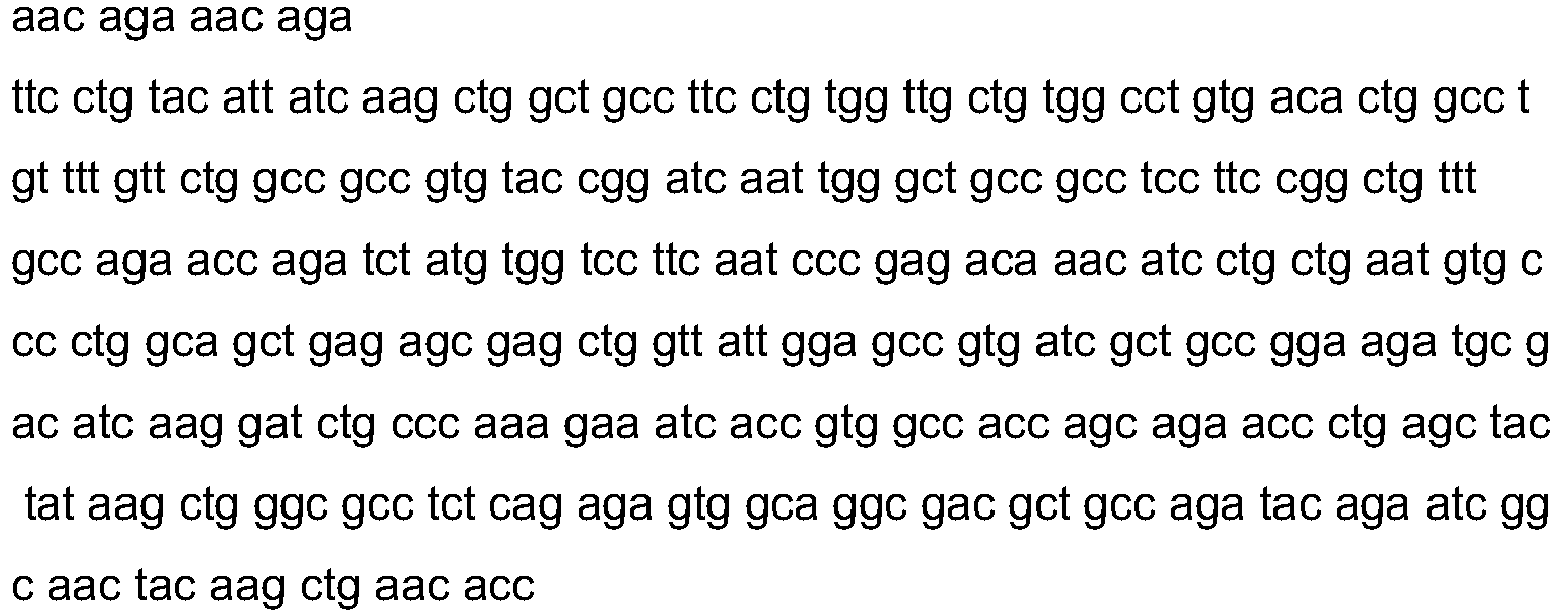
Furin cleavage site aga ggc aga aaa agg cgg tcc N epitopes 

Furin cleavage site cgc gga aga aag cgg aga agc Accessory epitopes  SEQ ID NO 005: Accessory protein epitope polypeptide sequence (located after the last furin cleavage site)
TYEGNSPFHPLADNKFALAARARSVSPKL
▪ NSP epitopesSEQ ID NO 006 RPDTRYVL SEQ ID NO 007 TPKYKFVRI SEQ ID NO 008 FLLPSLATV SEQ ID NO 009 KLWAQCVQL SEQ ID NO 010 TEAFEKMVSL SEQ ID NO 011 ALWEIQQVV SEQ ID NO 012 CTDDNALAYY SEQ ID NO 013 VTDTPKGPK SEQ ID NO 014 TEVPANSTVL SEQ ID NO 015 DLKGKYVQI SEQ ID NO 016 LSFKELLVY SEQ ID NO 017 IPRRNVATL SEQ ID NO 018 MMISAGFSL SEQ ID NO 019 TYEGNSPFHPLADNKFAL SEQ ID NO 020 RARSVSPKL SEQ ID NO 021 MFIFLLFLT SEQ ID NO 022 KGIYQTSNFRV SEQ ID NO 023 VRFPNITNLCPFGEVFNATRFASVYAWNRKRSNCVADYSVLYNS SEQ ID NO 024 VRQIAPGQTG SEQ ID NO 025 IADYNYKLPDDF SEQ ID NO 026 GYQPYRVWLSFELL SEQ ID NO 027 CVNFNFNGLTGTGVLT SEQ ID NO 028 NLLLQYGSFCTQLNRAL SEQ ID NO 029 SFIEDLLFNKVTLADAGF SEQ ID NO 030 ARDLICAQKFNGLTVLPPLL SEQ ID NO 031 GWTFGAGAALQIPFAMQMAYRFNGIGVTQNVLYENQK SEQ ID NO 032 
SEQ ID NO 033 APHGWFLHVTYV SEQ ID NO 034 QIITTDNTFVSGNCDWIGI SEQ ID NO 035 
SEQ ID NO 036 WLGFIAGLIAIVMVTI SEQ ID NO 037 CCKFDEDDSEPVLKGVKLHY SEQ ID NO 038 MYSFVSEETGTLIVNSVLLFLAFWFLLVTLAILTALRLCAYCCNIVNVSLVK SEQ ID NO 039 YVYSRVKNL SEQ ID NO 040 NRNRFLYIIKL SEQ ID NO 041 FLWLLWPVTLACFVLAAVYRINW SEQ ID NO 042 ASFRLFARTRSMWSFNPETNILLNVPL SEQ ID NO 043 ESELVIGAVI SEQ ID NO 044 GRCDIKDLPKEITVATSRTLSYYKLGASQRVAGD SEQ ID NO 045 RYRIGNYKLNT SEQ ID NO 046 KQRRPQGLPNNTASWFTALTQHGKE SEQ ID NO 047 FPRGQGVPIN SEQ ID NO 048 LSPRWYFYYLGTGPEA SEQ ID NO 049 VLQLPQGTTLPKGFYAEGSRGGSQAS3RSSSR3R SEQ ID NO 050 ALALLLLDRLNQLESK SEQ ID NO 051 KGQQQQGQTVTKKSAAEASKKPRQKRTATK SEQ ID NO 052 YNVTQAFGRRGPEQTQGNF SEQ ID NO 053 LIRQGTDYKHWPQIAQFAPSASAFFGMSRIGMEVTPSGTWLTY SEQ ID NO 054 VILLNKHIDAYKTFPPTEPKKDKKKKADET SEQ ID NO 055 RGRKKRS - SEQ ID NO 056 MDWTWILFLVAAATRVHS
- SEQ ID NO 057 NSP epitope polypeptide sequence

- SEQ ID NO 058 S protein epitope polypeptide sequence:

- SEQ ID NO 059 M protein epitope polypeptide sequence:

- SEQ ID NO 060 N protein epitope polypeptide sequence:

Claims (14)
- A vaccine antigen amino acid sequence comprisinga. a nonstructural protein epitope polypeptide sequence comprising, particularly consisting of, a plurality of nonstructural protein T cell epitopes, each nonstructural protein T cell epitope separated from another nonstructural protein T cell epitope by an alanine stretch peptide, wherein the plurality of nonstructural protein T cell epitopes comprises at least 10 sequences selected from SEQ ID NO 006 to SEQ ID NO 018;b. an accessory protein epitope polypeptide sequence comprising, particularly consisting of, a plurality of nonstructural protein T cell epitopes, each nonstructural protein T cell epitope separated from another nonstructural protein T cell epitope by an alanine stretch peptide, wherein the plurality of accessory protein T cell epitopes comprises SEQ ID NO 019 and SEQ ID NO 020;c. an S protein epitope polypeptide sequence comprising, particularly consisting of, a plurality of S protein T cell epitopes, each S protein T cell epitope separated from another S protein T cell epitope by an alanine stretch peptide, wherein the plurality of S protein T cell epitopes comprises at least 12 sequences selected from SEQ ID NO 021 to SEQ ID NO 037;d. an E protein epitope polypeptide sequence comprising, particularly consisting of, a plurality of E protein T cell epitopes, each E protein T cell epitope separated from another E protein T cell epitope by an alanine stretch peptide, wherein the plurality of E protein T cell epitopes comprises the sequences SEQ ID NO 038 and SEQ ID NO 039;e. an M protein epitope polypeptide sequence comprising, particularly consisting of, a plurality of M protein T cell epitopes, each M protein T cell epitope separated from another M protein T cell epitope by an alanine stretch peptide, wherein the plurality of M protein T cell epitopes comprises at least 4 sequences selected from SEQ ID NO 040 to SEQ ID NO 045;f. an N protein epitope polypeptide sequence comprising, particularly consisting of, a plurality of N protein T cell epitopes, each N protein T cell epitope separated from another N protein T cell epitope by an alanine stretch peptide, wherein the plurality of N protein T cell epitopes comprises at least 6 sequences selected from SEQ ID NO 046 to SEQ ID NO 054.
- The vaccine antigen amino acid sequence according to claim 1, wherein each alanine stretch peptide independent of any other alanine stretch peptide is selected from AA and AAA,
particularly wherein each alanine stretch peptide is AA. - The vaccine antigen amino acid sequence according to claim 1 or 2, whereina. the nonstructural protein epitope polypeptide sequence comprises 12, 13, 14, or 15 sequences selected from SEQ ID NO 006 to SEQ ID NO 018;b. the S protein epitope polypeptide sequence comprises 14, 15, 16, or 17 sequences selected from SEQ ID NO 021 to SEQ ID NO 037;c. the M protein epitope polypeptide sequence comprises 5 or 6 sequences selected from SEQ ID NO 040 to SEQ ID NO 045;d. the N protein epitope polypeptide sequence comprises 7, 8 or 9 sequences selected from SEQ ID NO 046 to SEQ ID NO 054.
- The vaccine antigen amino acid sequence according to any one of the preceding claims, whereina. the nonstructural protein epitope polypeptide sequence comprises SEQ ID NO 004;b. the S protein epitope polypeptide sequence comprises or is SEQ ID NO 058;c. the M protein epitope polypeptide sequence comprises or is SEQ ID NO 059;d. the N protein epitope polypeptide sequence comprises or is SEQ ID NO 060.
- The vaccine antigen amino acid sequence according to any one of the preceding claims, wherein the nonstructural protein epitope polypeptide sequence is split into a first nonstructural protein epitope polypeptide sequence and a second nonstructural protein epitope polypeptide sequence,particularly wherein the first nonstructural protein epitope polypeptide sequence comprises 12 or 13 nonstructural protein T cell epitopes, and the second nonstructural protein epitope polypeptide sequence comprises two nonstructural protein T cell epitopes,more particularly wherein the nonstructural protein T cell epitopes of the first nonstructural protein epitope polypeptide sequence are selected from SEQ ID NO 006 to SEQ ID NO 018,and the nonstructural protein T cell epitopes of the second nonstructural protein epitope polypeptide sequence are SEQ ID NO 019 and 020.
- The vaccine antigen amino acid sequence according to any one of the preceding claims, wherein each protein epitope polypeptide sequence is separated from its neighboring protein epitope polypeptide sequence by a furin cleavage peptide sequence, particularly wherein said furin cleavage peptide sequence is RGRKRRS (SEQ ID NO 055)
- The vaccine antigen amino acid sequence according to any one of the preceding claims, wherein the vaccine antigen amino acid sequence is or comprises SEQ ID NO 001.
- A nucleic acid sequence encoding the vaccine antigen amino acid sequence according to any one of the preceding claims,
particularly wherein the nucleic acid sequence comprises or consists of SEQ ID NO 003. - The nucleic acid sequence according to claim 8, further comprising a promoter sequence operably linked to said nucleic acid sequence.
- The nucleic acid sequence according to claim 8 or 9, wherein the nucleic acid sequence is comprised in a viral vector.
- The nucleic acid sequence according to claim 8 to 10, wherein the nucleic acid sequence is an RNA sequence, particularly wherein the nucleic acid sequence is an mRNA.
- The nucleic acid sequence according to claim 8 to 10, wherein the nucleic acid sequence is a DNA sequence.
- A replication-defective adenoviral particle comprising the nucleic acid sequence according to any one of claim 8 to 12.
- The vaccine antigen amino acid sequence according to any one of the preceding claims 1 to 7, or the nucleic acid sequence according to any one of the preceding claims 8 to 13, for usea. as a vaccine to prevent or ameliorate symptoms of Covid-19 disease;b. as a treatment of Long-Covid-19.
Applications Claiming Priority (1)
| Application Number | Priority Date | Filing Date | Title |
|---|---|---|---|
| EP21206845 | 2021-11-08 |
Publications (1)
| Publication Number | Publication Date |
|---|---|
| EP4176898A1 true EP4176898A1 (en) | 2023-05-10 |
Family
ID=78536113
Family Applications (1)
| Application Number | Title | Priority Date | Filing Date |
|---|---|---|---|
| EP22170226.9A Withdrawn EP4176898A1 (en) | 2021-11-08 | 2022-04-27 | Pan sars-cov2 vaccine antigen |
Country Status (1)
| Country | Link |
|---|---|
| EP (1) | EP4176898A1 (en) |
Citations (2)
| Publication number | Priority date | Publication date | Assignee | Title |
|---|---|---|---|---|
| WO2021163456A1 (en) * | 2020-02-14 | 2021-08-19 | Epivax, Inc. | T cell epitopes and related compositions useful in the prevention, diagnosis, and treatment of covid-19 |
| WO2021211748A1 (en) * | 2020-04-14 | 2021-10-21 | The Regents Of The University Of California | Pan-coronavirus vaccine compositions |
-
2022
- 2022-04-27 EP EP22170226.9A patent/EP4176898A1/en not_active Withdrawn
Patent Citations (2)
| Publication number | Priority date | Publication date | Assignee | Title |
|---|---|---|---|---|
| WO2021163456A1 (en) * | 2020-02-14 | 2021-08-19 | Epivax, Inc. | T cell epitopes and related compositions useful in the prevention, diagnosis, and treatment of covid-19 |
| WO2021211748A1 (en) * | 2020-04-14 | 2021-10-21 | The Regents Of The University Of California | Pan-coronavirus vaccine compositions |
Non-Patent Citations (17)
| Title |
|---|
| ADAM KHALID MOHAMED ET AL: "Immunoinformatics approach for multi-epitope vaccine design against structural proteins and ORF1a polyprotein of severe acute respiratory syndrome coronavirus-2 (SARS-CoV-2)", TROPICAL DISEASES, TRAVEL MEDICINE AND VACCINES, vol. 7, no. 1, 8 July 2021 (2021-07-08), pages 22, XP055970907, Retrieved from the Internet <URL:https://tdtmvjournal.biomedcentral.com/counter/pdf/10.1186/s40794-021-00147-1.pdf> [retrieved on 20221013], DOI: 10.1186/s40794-021-00147-1 * |
| ALTMANNBOYTON, SCIENCE IMMUNOLOGY, vol. 5, no. 49, 2020, pages 21 |
| AUSUBEL ET AL.: "Short Protocols in Molecular Biology", 2002, JOHN WILEY & SONS, INC |
| CAMPBELL ET AL.: "Prediction of SARS-CoV-2 epitopes across 9360 HLA class I alleles", BIORXIV, 2020 |
| DAIGAO, NATURE REVIEWS IMMUNOLOGY, vol. 21, no. 2, 2021, pages 73 - 82 |
| HARYADI ET AL., PLOS ONE, vol. 10, no. 2, 2015, pages e0116878 |
| JEYANATHAN ET AL., NATURE REVIEWS IMMUNOLOGY, vol. 20, no. 10, 2020, pages 615 - 632 |
| KRAMMER, NATURE, vol. 586, no. 7830, 2020, pages 516 - 527 |
| KYRIAKIDIS ET AL., NPJ VACCINES, vol. 6, no. 1, 2021, pages 28 |
| LU ET AL., LANCET, vol. 395, no. 10224, 2020, pages 565 - 574 |
| M0LH0JDEGAN, NATURE BIOTECHNOLOGY, vol. 22, no. 12, 2004, pages 1502 - 1502 |
| RAPAKA ET AL., CLINICAL INFECTIOUS DISEASES, 2021 |
| SABA ABDULLAH AL ET AL: "An in-depth in silico and immunoinformatics approach for designing a potential multi-epitope construct for the effective development of vaccine to combat against SARS-CoV-2 encompassing variants of concern and interest", COMPUTERS IN BIOLOGY AND MEDICINE, NEW YORK, NY, US, vol. 136, 30 July 2021 (2021-07-30), XP086773580, ISSN: 0010-4825, [retrieved on 20210730], DOI: 10.1016/J.COMPBIOMED.2021.104703 * |
| SAMBROOK ET AL.: "Molecular Cloning: A Laboratory Manual", 2012, COLD SPRING HARBOR LABORATORY PRESS |
| SETTESIDNEY, IMMUNOGENETICS, vol. 50, no. 3, 1999, pages 201 - 212 |
| VIJAYACHARI ET AL., HUMAN VACCINES & IMMUNOTHERAPEUTICS, vol. 11, no. 8, 2015, pages 1945 - 1953 |
| YAN ET AL., MOLECULAR THERAPY, vol. 15, no. 2, 2007, pages 411 - 421 |
Similar Documents
| Publication | Publication Date | Title |
|---|---|---|
| US12285481B2 (en) | Methods for the treatment of COVID-19 comprising administering replication-defective adenoviruses encoding the SARS-CoV-2 spike glycoprotein and modified nucleocapsid protein | |
| Colombage et al. | DNA-based and alphavirus-vectored immunisation with prM and E proteins elicits long-lived and protective immunity against the flavivirus, Murray Valley encephalitis virus | |
| CN114096675A (en) | Coronavirus immunogenic compositions and uses thereof | |
| BE1021192B1 (en) | IMPROVED POXVIRAL VACCINES. | |
| US20210338804A1 (en) | Vaccine Compositions For Preventing Coronavirus Disease | |
| US10059747B2 (en) | Crimean-congo haemorrhagic fever virus antigenic composition | |
| US12285480B2 (en) | Method of inducing immunity against SARS-CoV-2 using spike and nucleocapsid-ETSD immunogens delivered by RNA and replication-defective adenoviruses | |
| Steffensen et al. | Pre-existing vector immunity does not prevent replication deficient adenovirus from inducing efficient CD8 T-cell memory and recall responses | |
| Riezebos-Brilman et al. | Recombinant alphaviruses as vectors for anti-tumour and anti-microbial immunotherapy | |
| JP2024028762A (en) | Hepatitis B immunization regimens and compositions | |
| US9439922B2 (en) | Tat DNA sequences, gene constructs, vaccine and processes thereof | |
| CN110382518B (en) | Chimeric vaccine for serotype A foot and mouth disease virus | |
| Bayer et al. | Improved vaccine protection against retrovirus infection after co-administration of adenoviral vectors encoding viral antigens and type I interferon subtypes | |
| Basirnejad et al. | Development of HCV therapeutic vaccines using Hp91 peptide and small heat shock protein 20 as an adjuvant | |
| US20240181041A1 (en) | Adenovirus SARS-CoV-2 Vaccine | |
| US12290558B2 (en) | SARS-CoV-2 vaccines comprising human adenovirus vectors encoding spike and nucleocapsid-ETSD immunogens | |
| US20240293532A1 (en) | Replication-competent adenovirus type 4 sars-cov-2 vaccines and their use | |
| RU2828676C2 (en) | African swine fever virus vaccine | |
| Yan et al. | COVID-19: The vaccine development strategies | |
| Cecil et al. | Structure and immunogenicity of alternative forms of the simian immunodeficiency virus gag protein expressed using Venezuelan equine encephalitis virus replicon particles |
Legal Events
| Date | Code | Title | Description |
|---|---|---|---|
| PUAI | Public reference made under article 153(3) epc to a published international application that has entered the european phase |
Free format text: ORIGINAL CODE: 0009012 |
|
| STAA | Information on the status of an ep patent application or granted ep patent |
Free format text: STATUS: THE APPLICATION HAS BEEN PUBLISHED |
|
| AK | Designated contracting states |
Kind code of ref document: A1 Designated state(s): AL AT BE BG CH CY CZ DE DK EE ES FI FR GB GR HR HU IE IS IT LI LT LU LV MC MK MT NL NO PL PT RO RS SE SI SK SM TR |
|
| STAA | Information on the status of an ep patent application or granted ep patent |
Free format text: STATUS: THE APPLICATION IS DEEMED TO BE WITHDRAWN |
|
| 18D | Application deemed to be withdrawn |
Effective date: 20231111 |