EP4170586A1 - Face structure estimation device, face structure estimation method, and face structure estimation program - Google Patents
Face structure estimation device, face structure estimation method, and face structure estimation program Download PDFInfo
- Publication number
- EP4170586A1 EP4170586A1 EP21826406.7A EP21826406A EP4170586A1 EP 4170586 A1 EP4170586 A1 EP 4170586A1 EP 21826406 A EP21826406 A EP 21826406A EP 4170586 A1 EP4170586 A1 EP 4170586A1
- Authority
- EP
- European Patent Office
- Prior art keywords
- facial
- facial image
- feature point
- estimator
- controller
- Prior art date
- Legal status (The legal status is an assumption and is not a legal conclusion. Google has not performed a legal analysis and makes no representation as to the accuracy of the status listed.)
- Withdrawn
Links
Images



Classifications
-
- G—PHYSICS
- G06—COMPUTING OR CALCULATING; COUNTING
- G06T—IMAGE DATA PROCESSING OR GENERATION, IN GENERAL
- G06T7/00—Image analysis
- G06T7/20—Analysis of motion
-
- G—PHYSICS
- G06—COMPUTING OR CALCULATING; COUNTING
- G06T—IMAGE DATA PROCESSING OR GENERATION, IN GENERAL
- G06T7/00—Image analysis
- G06T7/20—Analysis of motion
- G06T7/246—Analysis of motion using feature-based methods, e.g. the tracking of corners or segments
-
- G—PHYSICS
- G06—COMPUTING OR CALCULATING; COUNTING
- G06V—IMAGE OR VIDEO RECOGNITION OR UNDERSTANDING
- G06V10/00—Arrangements for image or video recognition or understanding
- G06V10/70—Arrangements for image or video recognition or understanding using pattern recognition or machine learning
- G06V10/77—Processing image or video features in feature spaces; using data integration or data reduction, e.g. principal component analysis [PCA] or independent component analysis [ICA] or self-organising maps [SOM]; Blind source separation
- G06V10/771—Feature selection, e.g. selecting representative features from a multi-dimensional feature space
-
- G—PHYSICS
- G06—COMPUTING OR CALCULATING; COUNTING
- G06V—IMAGE OR VIDEO RECOGNITION OR UNDERSTANDING
- G06V10/00—Arrangements for image or video recognition or understanding
- G06V10/70—Arrangements for image or video recognition or understanding using pattern recognition or machine learning
- G06V10/77—Processing image or video features in feature spaces; using data integration or data reduction, e.g. principal component analysis [PCA] or independent component analysis [ICA] or self-organising maps [SOM]; Blind source separation
- G06V10/776—Validation; Performance evaluation
-
- G—PHYSICS
- G06—COMPUTING OR CALCULATING; COUNTING
- G06V—IMAGE OR VIDEO RECOGNITION OR UNDERSTANDING
- G06V10/00—Arrangements for image or video recognition or understanding
- G06V10/70—Arrangements for image or video recognition or understanding using pattern recognition or machine learning
- G06V10/77—Processing image or video features in feature spaces; using data integration or data reduction, e.g. principal component analysis [PCA] or independent component analysis [ICA] or self-organising maps [SOM]; Blind source separation
- G06V10/778—Active pattern-learning, e.g. online learning of image or video features
- G06V10/7784—Active pattern-learning, e.g. online learning of image or video features based on feedback from supervisors
- G06V10/7792—Active pattern-learning, e.g. online learning of image or video features based on feedback from supervisors the supervisor being an automated module, e.g. "intelligent oracle"
-
- G—PHYSICS
- G06—COMPUTING OR CALCULATING; COUNTING
- G06V—IMAGE OR VIDEO RECOGNITION OR UNDERSTANDING
- G06V10/00—Arrangements for image or video recognition or understanding
- G06V10/70—Arrangements for image or video recognition or understanding using pattern recognition or machine learning
- G06V10/82—Arrangements for image or video recognition or understanding using pattern recognition or machine learning using neural networks
-
- G—PHYSICS
- G06—COMPUTING OR CALCULATING; COUNTING
- G06V—IMAGE OR VIDEO RECOGNITION OR UNDERSTANDING
- G06V40/00—Recognition of biometric, human-related or animal-related patterns in image or video data
- G06V40/10—Human or animal bodies, e.g. vehicle occupants or pedestrians; Body parts, e.g. hands
- G06V40/16—Human faces, e.g. facial parts, sketches or expressions
- G06V40/161—Detection; Localisation; Normalisation
- G06V40/167—Detection; Localisation; Normalisation using comparisons between temporally consecutive images
-
- G—PHYSICS
- G06—COMPUTING OR CALCULATING; COUNTING
- G06V—IMAGE OR VIDEO RECOGNITION OR UNDERSTANDING
- G06V40/00—Recognition of biometric, human-related or animal-related patterns in image or video data
- G06V40/10—Human or animal bodies, e.g. vehicle occupants or pedestrians; Body parts, e.g. hands
- G06V40/16—Human faces, e.g. facial parts, sketches or expressions
- G06V40/168—Feature extraction; Face representation
- G06V40/171—Local features and components; Facial parts ; Occluding parts, e.g. glasses; Geometrical relationships
-
- G—PHYSICS
- G06—COMPUTING OR CALCULATING; COUNTING
- G06T—IMAGE DATA PROCESSING OR GENERATION, IN GENERAL
- G06T2207/00—Indexing scheme for image analysis or image enhancement
- G06T2207/20—Special algorithmic details
- G06T2207/20084—Artificial neural networks [ANN]
-
- G—PHYSICS
- G06—COMPUTING OR CALCULATING; COUNTING
- G06T—IMAGE DATA PROCESSING OR GENERATION, IN GENERAL
- G06T2207/00—Indexing scheme for image analysis or image enhancement
- G06T2207/30—Subject of image; Context of image processing
- G06T2207/30196—Human being; Person
- G06T2207/30201—Face
-
- G—PHYSICS
- G06—COMPUTING OR CALCULATING; COUNTING
- G06T—IMAGE DATA PROCESSING OR GENERATION, IN GENERAL
- G06T2207/00—Indexing scheme for image analysis or image enhancement
- G06T2207/30—Subject of image; Context of image processing
- G06T2207/30248—Vehicle exterior or interior
- G06T2207/30268—Vehicle interior
Definitions
- the present invention relates to a facial structure estimating device, a facial structure estimating method, and a facial structure estimating program.
- Patent Literature 1 International Publication No. 2019-176994
- a facial structure estimating device includes an acquiring unit and a controller.
- the acquiring unit is configured to acquire a facial image.
- the controller is configured to output a facial structure of the facial image.
- the controller functions as an estimator configured to estimate a facial structure of a facial image acquired by the acquiring unit based on the facial image.
- the controller tracks a starting feature point constituting the facial structure in a facial image of a frame subsequent to a frame of a facial image used in estimation of the facial structure using a prescribed tracking algorithm.
- the controller tracks a tracked feature point in a facial image of an original frame using a prescribed tracking algorithm to obtain a resulting feature point.
- the controller selects a facial image for learning for which an interval between the starting feature point and the resulting feature point is less than or equal to a threshold.
- the controller trains the estimator using a facial image selected for learning and a facial structure estimated by the estimator based on the facial image.
- a facial structure estimating method includes an acquiring step and an output step.
- a facial image is acquired in the acquiring step.
- a facial structure of the facial image is output in the output step.
- the output step includes an estimating step, a selecting step, and a training step.
- a facial structure of the facial image acquired in the acquiring step is estimated based on the facial image.
- a starting feature point constituting the facial structure is tracked using a prescribed tracking algorithm in a facial image of a frame subsequent to a frame of a facial image used in estimation of the facial structure, a tracked feature point is tracked using a prescribed tracking algorithm in a facial image of an original frame to obtain a resulting feature point, and a facial image for learning for which an interval between the starting feature point and the resulting feature point is less than or equal to a threshold is selected.
- the estimating step is trained using a facial image selected for learning and a facial structure estimated in the estimating step based on the facial image.
- a facial structure estimating program is configured to make a computer function as an acquiring unit and a controller.
- the acquiring unit is configured to acquire a facial image.
- the controller is configured to output a facial structure of the facial image.
- the controller functions as an estimator configured to estimate a facial structure of a facial image acquired by the acquiring unit based on the facial image.
- the controller tracks a starting feature point constituting the facial structure using a prescribed tracking algorithm in a facial image of a frame subsequent to a frame of a facial image used in estimation of the facial structure.
- the controller tracks a tracked feature point using a prescribed tracking algorithm in a facial image of an original frame to obtain a resulting feature point.
- the controller selects a facial image for learning for which an interval between the starting feature point and the resulting feature point is less than or equal to a threshold.
- the controller trains the estimator using a facial image selected for learning and a facial structure estimated by the estimator based on the facial image.
- a facial structure estimating device to which an embodiment of the present disclosure has been applied will be described while referring to the drawings.
- the following description of a facial structure estimating device to which an embodiment of the present disclosure has been applied also serves as a description of a facial structure estimating method and a facial structure estimating program to which an embodiment of the present disclosure has been applied.
- a facial structure estimating device is, for example, provided in a mobile object.
- Such mobile objects may include, for example, vehicles, ships, and aircraft.
- Vehicles may include, for example, automobiles, industrial vehicles, rail vehicles, motorhomes, and fixed-wing aircraft traveling along runways.
- Automobiles may include, for example, passenger cars, trucks, buses, motorcycles, and trolleybuses.
- Industrial vehicles may include, for example, industrial vehicles used in agriculture and construction.
- Industrial vehicles may include, for example, forklift trucks and golf carts.
- Industrial vehicles used in agriculture may include, for example, tractors, cultivators, transplanters, binders, combine harvesters, and lawn mowers.
- Industrial vehicles used in construction may include, for example, bulldozers, scrapers, excavators, cranes, dump trucks, and road rollers.
- Vehicles may include vehicles that are human powered.
- the categories of vehicles are not limited to the above examples.
- automobiles may include industrial vehicles that can travel along roads. The same vehicles may be included in multiple categories.
- Ships may include, for example, jet skis, boats, and tankers.
- Aircraft may include, for example, fixed-wing and rotary-wing aircraft.
- a facial structure estimating device 10 includes an acquiring unit 11, a memory 12, and a controller 13.
- the acquiring unit 11 acquires a facial image, which is an image of the face of an occupant captured by a camera 14.
- the camera 14 is, for example, mounted at a position where the camera 14 can capture an image of the region around the face of an occupant at a particular position in a moving vehicle such as in the driver's seat.
- the camera 14 captures facial images at 30 fps, for example.
- the memory 12 includes any suitable storage device such as a random access memory (RAM) or a read only memory (ROM).
- RAM random access memory
- ROM read only memory
- the memory 12 stores various programs that make controller 13 function and a variety of information used by controller 13.
- the controller 13 includes at least one processor and memory. Such processors may include general-purpose processors into which specific programs are loaded to perform specific functions, and dedicated processors dedicated to specific processing. Dedicated processors may include application specific integrated circuits (ASICs). Processors may include programmable logic devices (PLDs). PLDs may include field-programmable gate arrays (FPGAs).
- SoC system-on-a-chip
- SiP system in a package
- the controller 13 controls operation of each component of the facial structure estimating device 10.
- the controller 13 outputs a facial structure of the facial image acquired by the acquiring unit 11 to an external device 15.
- Facial structures are features that identify facial expressions and so on that change in accordance with a person's condition and, for example, consist of a collection of feature points.
- Feature points are, for example, points defined along the contours of a face, such as the tip of the chin, points defined along the contours of the eyes, such as the inner and outer corners of the eyes, and points defined along the bridge of the nose from the tip of the nose to the base of the nose. Outputting of the facial structure by the controller 13 will be described in detail below.
- the controller 13 functions as an estimator 16 and an evaluator 17.
- the estimator 16 estimates the structure of a facial image acquired by the acquiring unit 11 based on the facial image.
- the facial structure estimated by the estimator 16 is output from the controller 13.
- the estimator 16 consists of, for example, a multilayer-structure neural network. As described later, the estimator 16 is constructed by performing supervised learning.
- the evaluator 17 calculates the validity of a facial structure estimated by the estimator 16. As described later, the evaluator 17 varies a threshold used to train the estimator 16 based on the validity.
- the evaluator 17 consists of, for example, a multilayer-structure neural network. As described later, the evaluator 17 is constructed by performing supervised learning.
- the supervised learning of the estimator 16 and the evaluator 17 will be described. Supervised learning is performed in order to construct the estimator 16 and the evaluator 17 at the time of manufacture of the facial structure estimating device 10. Construction of the estimator 16 and the evaluator 17 may be performed for a single facial structure estimating device 10, and data for constructing the estimator 16 and the evaluator 17 may be stored in other facial structure estimating devices 10.
- a labeled facial structure is a facial structure that is the ground truth for a facial image. Labeled facial structures are created by human judgment, for example, based on definitions such as those described above.
- a primary estimator 16a is constructed by performing supervised learning using a labeled facial structure IFS as the ground truth for a facial image FI.
- a constructed primary generic estimator 18 estimates a facial structure gFS from the facial images FI included in the multiple sets CB1.
- the controller 13 calculates the validity of the estimated facial structure gFS using the labeled facial structure IFS corresponding to the facial image FI used to estimate the facial structure gFS.
- Validity is the agreement of the estimated facial structure gFS with the labeled facial structure lFS, and is calculated, for example, so as to be lower the greater the distance between a point making up the estimated facial structure gFS and a point making up the labeled facial structure lFS becomes and so as to be higher as this difference approaches zero.
- multiple sets CB2 each consisting of a facial image FI, a labeled facial structure lFS, and a validity are used to construct the evaluator 17.
- the evaluator 17a is constructed by performing supervised learning using the validity as the ground truth for the facial image FI and the labeled facial structure lFS.
- Additional machine learning proceeds for the primary estimator 16a. Additional machine learning for the primary estimator 16a is not limited to being performed the time of manufacture, and may be performed at the time of use. Simple facial images FI without labeled facial structures lFS are used in the additional machine learning for the primary estimator 16a. Facial images FI used in the additional machine learning are selected as follows.
- facial images FI In order to select facial images FI for additional machine learning, multiple frames of facial images FI captured for the same person at a speed of, for example, 30 fps, are used. In this embodiment, for example, four frames of facial images FI are used.
- the primary estimator 16a estimates the facial structure gFS of the facial image FI of the first frame among the multiple frames of facial images FI based on that facial image FI.
- the controller 13 uses each feature point constituting the estimated facial structure gFS as a starting feature point sFP and estimates to which positions the feature point moves in the facial images FI of subsequent frames using a prescribed tracking algorithm.
- the prescribed tracking algorithm is a gradient method, more specifically, the Lucas-Kaneda method.
- the controller 13 sequentially tracks a starting feature point sFP across multiple frames and calculates the positions of a tracked feature point tFP. After calculating the position of the tracked feature point tFp in the final frame, the controller 13 uses the same prescribed tracking algorithm to estimate to which positions this feature point moves to in the facial images FI of the previous frames. The controller 13 sequentially tracks the tracked feature point tFp in the final frame across multiple frames to calculate the position of a resulting feature point gFP in the facial image FI of the first frame.
- the controller 13 calculates the interval between the starting feature point sFP and the resulting feature point gFP.
- the controller 13 compares the calculated interval to a threshold.
- the threshold may be adjusted based on the validity as described above.
- the evaluator 17 may estimate the validity based on at least one facial image FI out of facial images FI of multiple frames.
- the controller 13 may set the threshold so as to become smaller, the higher the validity becomes.
- the controller 13 selects at least one of the facial images FI of multiple frames as a facial image FI to use in additional machine learning.
- An interval may be calculated for each of the multiple feature points constituting up the facial structure gFS, and the threshold may be compared to a representative value, such as the mean, median, or maximum value, of the multiple intervals.
- the controller 13 combines the estimated facial structure gFS estimated by the estimator 16 based on the selected facial image FI with the facial image FI as a pseudo labeled facial structure vlFS.
- the controller 13 may combine a facial structure composed of a point obtained by averaging the starting feature point sFP and the resulting feature point gFP based on the selected facial image FI, i.e., the midpoint, and the facial image FI to obtain the pseudo labeled facial structure vlFS.
- the facial structure gFS is estimated using a larger number of facial images FI than the facial images FI of a true labeled facial structure IFS, and sets CB3 each consisting of a pseudo labeled facial structure vlFS and a facial image FI are generated.
- supervised learning proceeds for the primary estimator 16a using multiple sets CB3 each consisting of a facial image FI and a pseudo labeled facial structure vlFS and a secondary estimator 16b is constructed. Data for building the secondary estimator 16b is generated and the controller 13 functions as the estimator 16 based on this data.
- the construction processing starts, for example, when the controller 13 recognizes an operation input to start the construction in a state where multiple sets CB1 of facial images FI and labeled facial structures lFS and multiple frames of facial images FI captured for the same person can be supplied to the facial structure estimating device 10.
- Step S100 the controller 13 performs supervised learning of a facial image FI using a true labeled facial structure IFS as a ground truth. After the supervised learning, the process advances to Step S101.
- Step S101 the controller 13 stores the data for building the primary estimator 16a constructed through the supervised learning in Step S100 in the memory 12. After storing the data, the process advances to Step S102.
- Step S102 the controller 13 makes the primary estimator 16a constructed in Step S101 estimate a facial structure gFS based on facial images FI.
- the controller 13 also calculates a validity using the estimated facial structure gFS and a labeled facial structure IFS. After the calculation, the process advances to Step S103.
- Step S103 the controller 13 performs supervised learning of the facial image FI and the labeled facial structure lFS using the validity calculated in Step S102 as the ground truth. After the supervised learning, the process advances to Step S104.
- Step S104 the controller 13 stores the data for building the evaluator 17 constructed by the supervised learning in Step S103 in the memory 12. After storing the data, the process advances to Step S105.
- Step S105 the controller 13 reads out the facial images FI of multiple frames of the same person. After that, the process advances to Step S106.
- Step S106 the controller 13 makes the primary estimator 16a, which was constructed in Step S101, estimate the facial structure gFS of the facial image FI of the first frame among the multiple frames of facial images FI read out in Step S105.
- the controller 13 also makes the evaluator 17 estimate the validity for the facial image FI and the facial structure gFS. After the estimation, the process advances to Step S107.
- Step S107 the controller 13 determines the threshold based on the validity estimated in Step S106. After the determination, the process advances to Step S108.
- Step S108 a position in the facial image FI is calculated using a feature point making up the facial structure gFS estimated in Step S106 as a starting feature point sFP.
- the controller 13 estimates the moved positions of the starting feature point sFP in subsequent frames using a prescribed tracking algorithm.
- the controller 13 estimates the position of a resulting feature point gFP by estimating the moved position of the tracked feature point tFp in the facial image FI of the first frame using a prescribed tracking algorithm.
- the controller 13 calculates the interval between the starting feature point sFP and the resulting feature point gFP. After the calculation, the process advances to Step S109.
- Step S109 the controller 13 determines whether or not the interval calculated in Step S108 is less than or equal to the threshold determined in Step S107. When the interval is less than or equal to the threshold, the process advances to Step S110. When the interval is not greater than or equal to the threshold, the process advances to Step S111.
- Step S110 the controller 13 combines at least one frame of the multiple frames of facial images FI read out in Step S105 with the facial structure gFS estimated for the facial image FI of that frame.
- the controller 13 may instead combine, with the facial image FI of that frame, a facial structure consisting of a midpoint between the starting feature point sFP and the resulting feature point gFP estimated in Step S108 for the facial image FI of that frame.
- the process advances to Step S112.
- Step S111 the controller 13 discards the multiple frames of facial images FI read out in Step S105. After that, the process advances to Step S112.
- Step S112 the controller 13 determines whether or not enough sets CB3 each consisting of a facial image FI and a facial structure gFS have accumulated. Whether or not enough sets CB3 have accumulated may be determined based on whether or not the number of sets CB3 has exceeded a threshold. When enough sets CB3 have not accumulated, the process advances to Step S105. When enough sets CB3 have accumulated, the process advances to Step S113.
- Step S113 the controller 13 proceeds with supervised learning of the facial images FI for the primary estimator 16a constructed in Step S101, using the facial structure gFS in the sets CB3 as the ground truth, which is the pseudo labeled facial structure vlFS. After the supervised learning, the process advances to Step S114.
- Step S114 the controller 13 stores the data for building the secondary estimator 16b constructed through the supervised learning in Step S113 in the memory 12. After storing the data, the construction processing ends.
- the thus-configured facial structure estimating device 10 of this embodiment tracks the starting feature point sFP making up the facial structure gFS in the facial image FI of frames subsequent to a frame of the facial image FI used to estimate the facial structure gFS using a prescribed tracking algorithm.
- the facial structure estimating device 10 tracks a tracked feature point tFp using a prescribed tracking algorithm in the facial image FI of the original frame to obtain a resulting feature point gFP, and selects a facial image FI for learning for which the interval between the starting feature point sFP and the resulting feature point gFP is less than or equal to a threshold.
- facial images FI for which the interval between the starting feature point sFP and the resulting feature point gFP is less than or equal to a threshold are selected, and therefore facial images FI for which facial structures gFS made up of feature points having large differences from the surrounding region are estimated are used in training of the estimator 16.
- a facial structure gFS composed of feature points having large differences from the surrounding region tends to have smaller differences from a labeled facial structure IFS virtually created for the facial image FI used in estimation of the facial structure gFS.
- the facial structure estimating device 10 trains the estimator 16 using the facial images FI selected for training and the estimated facial structures gFS estimated by the estimator 16 based on the facial images FI. Therefore, the facial structure estimating device 10 can improve the accuracy with which a facial structure gFS is estimated based on a facial image FI. In addition, the facial structure estimating device 10 generates a large amount of training data without assigning ground truth labels, and therefore an increase in annotation cost can be reduced.
- the facial structure estimating device 10 estimates the validity of a facial structure gFS estimated by the estimator 16 and varies the threshold based on the validity.
- the differences between a facial structure gFS composed of feature points having large differences from the surrounding region and a labeled facial structure IFS virtually created for the facial image FI used in estimation of the facial structure gFS are not necessarily always small.
- the difference between the facial structure gFS and the labeled facial structure lFS is expected to be small.
- both facial images FI having a low validity from the estimation and a small interval between the starting feature point sFP and the resulting feature point gFP and facial images FI having a large interval between the starting feature point sFP and the resulting feature point gFP and a high validity from the estimation can be selected for use in training the estimator 16. Therefore, the facial structure estimating device 10 is able to select a greater number of facial images FI so as to reduce leakage, while maintaining high accuracy in estimating the facial structure gFS.
Landscapes
- Engineering & Computer Science (AREA)
- Theoretical Computer Science (AREA)
- Computer Vision & Pattern Recognition (AREA)
- Multimedia (AREA)
- Physics & Mathematics (AREA)
- General Physics & Mathematics (AREA)
- Health & Medical Sciences (AREA)
- General Health & Medical Sciences (AREA)
- Evolutionary Computation (AREA)
- Databases & Information Systems (AREA)
- Computing Systems (AREA)
- Artificial Intelligence (AREA)
- Medical Informatics (AREA)
- Software Systems (AREA)
- Oral & Maxillofacial Surgery (AREA)
- Human Computer Interaction (AREA)
- Image Analysis (AREA)
- Image Processing (AREA)
Abstract
Description
- This application claims priority of
Japanese Patent Application No. 2020-106439 filed in Japan on June 19, 2020 - The present invention relates to a facial structure estimating device, a facial structure estimating method, and a facial structure estimating program.
- For example, devices that perform various functions in accordance with the condition of a driver inside a vehicle, such as encouraging a drowsy occupant to rest or shifting to automatic operation, are being considered. In such devices, there is a need for simple recognition of the condition of an occupant. Ascertaining the condition of a person, such as an occupant, by estimating the facial structure in accordance with the condition of the person is being considered. For example, estimating a facial structure from a facial image using deep learning is known (for example, refer to Patent Literature 1).
- Patent Literature 1: International Publication No.
2019-176994 - In order to solve the above-described problem, in a First Aspect, a facial structure estimating device includes an acquiring unit and a controller. The acquiring unit is configured to acquire a facial image. The controller is configured to output a facial structure of the facial image. The controller functions as an estimator configured to estimate a facial structure of a facial image acquired by the acquiring unit based on the facial image. The controller tracks a starting feature point constituting the facial structure in a facial image of a frame subsequent to a frame of a facial image used in estimation of the facial structure using a prescribed tracking algorithm. The controller tracks a tracked feature point in a facial image of an original frame using a prescribed tracking algorithm to obtain a resulting feature point. The controller selects a facial image for learning for which an interval between the starting feature point and the resulting feature point is less than or equal to a threshold. The controller trains the estimator using a facial image selected for learning and a facial structure estimated by the estimator based on the facial image.
- In a Second Aspect, a facial structure estimating method includes an acquiring step and an output step. A facial image is acquired in the acquiring step. A facial structure of the facial image is output in the output step. The output step includes an estimating step, a selecting step, and a training step. In the estimating step, a facial structure of the facial image acquired in the acquiring step is estimated based on the facial image. In the selecting step, a starting feature point constituting the facial structure is tracked using a prescribed tracking algorithm in a facial image of a frame subsequent to a frame of a facial image used in estimation of the facial structure, a tracked feature point is tracked using a prescribed tracking algorithm in a facial image of an original frame to obtain a resulting feature point, and a facial image for learning for which an interval between the starting feature point and the resulting feature point is less than or equal to a threshold is selected. In the training step, the estimating step is trained using a facial image selected for learning and a facial structure estimated in the estimating step based on the facial image.
- In a Third Aspect, a facial structure estimating program is configured to make a computer function as an acquiring unit and a controller. The acquiring unit is configured to acquire a facial image. The controller is configured to output a facial structure of the facial image. The controller functions as an estimator configured to estimate a facial structure of a facial image acquired by the acquiring unit based on the facial image. The controller tracks a starting feature point constituting the facial structure using a prescribed tracking algorithm in a facial image of a frame subsequent to a frame of a facial image used in estimation of the facial structure. The controller tracks a tracked feature point using a prescribed tracking algorithm in a facial image of an original frame to obtain a resulting feature point. The controller selects a facial image for learning for which an interval between the starting feature point and the resulting feature point is less than or equal to a threshold. The controller trains the estimator using a facial image selected for learning and a facial structure estimated by the estimator based on the facial image.
-
-
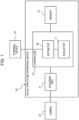
FIG. 1 is a block diagram illustrating an outline configuration of a facial structure estimating device according to an embodiment. -
FIG. 2 is a conceptual diagram for describing training used to primarily construct an estimator inFIG. 1 . -
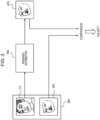
FIG. 3 is a conceptual diagram for describing a method for calculating validity, i.e., the ground truth, based on a facial structure estimated by the estimator inFIG. 1 and a labeled facial structure. -
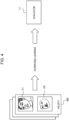
FIG. 4 is a conceptual diagram for describing training for constructing an evaluator inFIG. 1 . -
FIG. 5 is a diagram for describing a method of estimating a resulting feature point and the relationship between the resulting feature point and a starting feature point. -
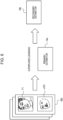
FIG. 6 is a conceptual diagram for describing training used to secondarily construct an estimator inFIG. 1 . -
FIG. 7 is a flowchart for describing construction processing executed by a controller inFIG. 1 . - Hereafter, a facial structure estimating device to which an embodiment of the present disclosure has been applied will be described while referring to the drawings. The following description of a facial structure estimating device to which an embodiment of the present disclosure has been applied also serves as a description of a facial structure estimating method and a facial structure estimating program to which an embodiment of the present disclosure has been applied.
- A facial structure estimating device according to an embodiment of the present disclosure is, for example, provided in a mobile object. Such mobile objects may include, for example, vehicles, ships, and aircraft. Vehicles may include, for example, automobiles, industrial vehicles, rail vehicles, motorhomes, and fixed-wing aircraft traveling along runways. Automobiles may include, for example, passenger cars, trucks, buses, motorcycles, and trolleybuses. Industrial vehicles may include, for example, industrial vehicles used in agriculture and construction. Industrial vehicles may include, for example, forklift trucks and golf carts. Industrial vehicles used in agriculture may include, for example, tractors, cultivators, transplanters, binders, combine harvesters, and lawn mowers. Industrial vehicles used in construction may include, for example, bulldozers, scrapers, excavators, cranes, dump trucks, and road rollers. Vehicles may include vehicles that are human powered. The categories of vehicles are not limited to the above examples. For example, automobiles may include industrial vehicles that can travel along roads. The same vehicles may be included in multiple categories. Ships may include, for example, jet skis, boats, and tankers. Aircraft may include, for example, fixed-wing and rotary-wing aircraft.
- As illustrated in
FIG. 1 , a facial structure estimatingdevice 10 according to an embodiment of the present disclosure includes an acquiringunit 11, amemory 12, and acontroller 13. - The acquiring
unit 11, for example, acquires a facial image, which is an image of the face of an occupant captured by acamera 14. Thecamera 14 is, for example, mounted at a position where thecamera 14 can capture an image of the region around the face of an occupant at a particular position in a moving vehicle such as in the driver's seat. Thecamera 14 captures facial images at 30 fps, for example. - The
memory 12 includes any suitable storage device such as a random access memory (RAM) or a read only memory (ROM). Thememory 12 stores various programs that makecontroller 13 function and a variety of information used bycontroller 13. - The
controller 13 includes at least one processor and memory. Such processors may include general-purpose processors into which specific programs are loaded to perform specific functions, and dedicated processors dedicated to specific processing. Dedicated processors may include application specific integrated circuits (ASICs). Processors may include programmable logic devices (PLDs). PLDs may include field-programmable gate arrays (FPGAs). Thecontroller 13 may be either a system-on-a-chip (SoC) or a system in a package (SiP), in which one or more processors work together. Thecontroller 13 controls operation of each component of the facialstructure estimating device 10. - The
controller 13 outputs a facial structure of the facial image acquired by the acquiringunit 11 to anexternal device 15. Facial structures are features that identify facial expressions and so on that change in accordance with a person's condition and, for example, consist of a collection of feature points. Feature points are, for example, points defined along the contours of a face, such as the tip of the chin, points defined along the contours of the eyes, such as the inner and outer corners of the eyes, and points defined along the bridge of the nose from the tip of the nose to the base of the nose. Outputting of the facial structure by thecontroller 13 will be described in detail below. Thecontroller 13 functions as anestimator 16 and anevaluator 17. - The
estimator 16 estimates the structure of a facial image acquired by the acquiringunit 11 based on the facial image. The facial structure estimated by theestimator 16 is output from thecontroller 13. Theestimator 16 consists of, for example, a multilayer-structure neural network. As described later, theestimator 16 is constructed by performing supervised learning. - The
evaluator 17 calculates the validity of a facial structure estimated by theestimator 16. As described later, theevaluator 17 varies a threshold used to train theestimator 16 based on the validity. Theevaluator 17 consists of, for example, a multilayer-structure neural network. As described later, theevaluator 17 is constructed by performing supervised learning. - Next, the supervised learning of the
estimator 16 and theevaluator 17 will be described. Supervised learning is performed in order to construct theestimator 16 and theevaluator 17 at the time of manufacture of the facialstructure estimating device 10. Construction of theestimator 16 and theevaluator 17 may be performed for a single facialstructure estimating device 10, and data for constructing theestimator 16 and theevaluator 17 may be stored in other facialstructure estimating devices 10. - Construction of the
estimator 16 and theevaluator 17 is described below. Multiple sets each consisting of a facial image and a labeled facial structure for the facial image are used to construct theestimator 16 and theevaluator 17 using machine learning. A labeled facial structure is a facial structure that is the ground truth for a facial image. Labeled facial structures are created by human judgment, for example, based on definitions such as those described above. - As illustrated in
FIG. 2 , aprimary estimator 16a is constructed by performing supervised learning using a labeled facial structure IFS as the ground truth for a facial image FI. As illustrated inFIG. 3 , a constructed primary generic estimator 18 estimates a facial structure gFS from the facial images FI included in the multiple sets CB1. - The
controller 13 calculates the validity of the estimated facial structure gFS using the labeled facial structure IFS corresponding to the facial image FI used to estimate the facial structure gFS. Validity is the agreement of the estimated facial structure gFS with the labeled facial structure lFS, and is calculated, for example, so as to be lower the greater the distance between a point making up the estimated facial structure gFS and a point making up the labeled facial structure lFS becomes and so as to be higher as this difference approaches zero. - As illustrated in
FIG. 4 , multiple sets CB2 each consisting of a facial image FI, a labeled facial structure lFS, and a validity are used to construct theevaluator 17. The evaluator 17a is constructed by performing supervised learning using the validity as the ground truth for the facial image FI and the labeled facial structure lFS. - Additional machine learning proceeds for the
primary estimator 16a. Additional machine learning for theprimary estimator 16a is not limited to being performed the time of manufacture, and may be performed at the time of use. Simple facial images FI without labeled facial structures lFS are used in the additional machine learning for theprimary estimator 16a. Facial images FI used in the additional machine learning are selected as follows. - In order to select facial images FI for additional machine learning, multiple frames of facial images FI captured for the same person at a speed of, for example, 30 fps, are used. In this embodiment, for example, four frames of facial images FI are used. The
primary estimator 16a estimates the facial structure gFS of the facial image FI of the first frame among the multiple frames of facial images FI based on that facial image FI. - As illustrated in
FIG. 5 , thecontroller 13 uses each feature point constituting the estimated facial structure gFS as a starting feature point sFP and estimates to which positions the feature point moves in the facial images FI of subsequent frames using a prescribed tracking algorithm. For example, the prescribed tracking algorithm is a gradient method, more specifically, the Lucas-Kaneda method. - The
controller 13 sequentially tracks a starting feature point sFP across multiple frames and calculates the positions of a tracked feature point tFP. After calculating the position of the tracked feature point tFp in the final frame, thecontroller 13 uses the same prescribed tracking algorithm to estimate to which positions this feature point moves to in the facial images FI of the previous frames. Thecontroller 13 sequentially tracks the tracked feature point tFp in the final frame across multiple frames to calculate the position of a resulting feature point gFP in the facial image FI of the first frame. - The
controller 13 calculates the interval between the starting feature point sFP and the resulting feature point gFP. Thecontroller 13 compares the calculated interval to a threshold. The threshold may be adjusted based on the validity as described above. Theevaluator 17 may estimate the validity based on at least one facial image FI out of facial images FI of multiple frames. Thecontroller 13 may set the threshold so as to become smaller, the higher the validity becomes. When the calculated interval is less than or equal to the threshold, thecontroller 13 selects at least one of the facial images FI of multiple frames as a facial image FI to use in additional machine learning. An interval may be calculated for each of the multiple feature points constituting up the facial structure gFS, and the threshold may be compared to a representative value, such as the mean, median, or maximum value, of the multiple intervals. - The
controller 13 combines the estimated facial structure gFS estimated by theestimator 16 based on the selected facial image FI with the facial image FI as a pseudo labeled facial structure vlFS. Thecontroller 13 may combine a facial structure composed of a point obtained by averaging the starting feature point sFP and the resulting feature point gFP based on the selected facial image FI, i.e., the midpoint, and the facial image FI to obtain the pseudo labeled facial structure vlFS. The facial structure gFS is estimated using a larger number of facial images FI than the facial images FI of a true labeled facial structure IFS, and sets CB3 each consisting of a pseudo labeled facial structure vlFS and a facial image FI are generated. - As illustrated in
FIG. 6 , supervised learning proceeds for theprimary estimator 16a using multiple sets CB3 each consisting of a facial image FI and a pseudo labeled facial structure vlFS and asecondary estimator 16b is constructed. Data for building thesecondary estimator 16b is generated and thecontroller 13 functions as theestimator 16 based on this data. - Next, construction processing performed by the
controller 13 at the time of manufacture of this embodiment will be described using the flowchart inFIG. 7 . The construction processing starts, for example, when thecontroller 13 recognizes an operation input to start the construction in a state where multiple sets CB1 of facial images FI and labeled facial structures lFS and multiple frames of facial images FI captured for the same person can be supplied to the facialstructure estimating device 10. - In Step S100, the
controller 13 performs supervised learning of a facial image FI using a true labeled facial structure IFS as a ground truth. After the supervised learning, the process advances to Step S101. - In Step S101, the
controller 13 stores the data for building theprimary estimator 16a constructed through the supervised learning in Step S100 in thememory 12. After storing the data, the process advances to Step S102. - In Step S102, the
controller 13 makes theprimary estimator 16a constructed in Step S101 estimate a facial structure gFS based on facial images FI. Thecontroller 13 also calculates a validity using the estimated facial structure gFS and a labeled facial structure IFS. After the calculation, the process advances to Step S103. - In Step S103, the
controller 13 performs supervised learning of the facial image FI and the labeled facial structure lFS using the validity calculated in Step S102 as the ground truth. After the supervised learning, the process advances to Step S104. - In Step S104, the
controller 13 stores the data for building theevaluator 17 constructed by the supervised learning in Step S103 in thememory 12. After storing the data, the process advances to Step S105. - In Step S105, the
controller 13 reads out the facial images FI of multiple frames of the same person. After that, the process advances to Step S106. - In Step S106, the
controller 13 makes theprimary estimator 16a, which was constructed in Step S101, estimate the facial structure gFS of the facial image FI of the first frame among the multiple frames of facial images FI read out in Step S105. Thecontroller 13 also makes theevaluator 17 estimate the validity for the facial image FI and the facial structure gFS. After the estimation, the process advances to Step S107. - In Step S107, the
controller 13 determines the threshold based on the validity estimated in Step S106. After the determination, the process advances to Step S108. - In Step S108, a position in the facial image FI is calculated using a feature point making up the facial structure gFS estimated in Step S106 as a starting feature point sFP. The
controller 13 estimates the moved positions of the starting feature point sFP in subsequent frames using a prescribed tracking algorithm. Thecontroller 13 estimates the position of a resulting feature point gFP by estimating the moved position of the tracked feature point tFp in the facial image FI of the first frame using a prescribed tracking algorithm. Thecontroller 13 calculates the interval between the starting feature point sFP and the resulting feature point gFP. After the calculation, the process advances to Step S109. - In Step S109, the
controller 13 determines whether or not the interval calculated in Step S108 is less than or equal to the threshold determined in Step S107. When the interval is less than or equal to the threshold, the process advances to Step S110. When the interval is not greater than or equal to the threshold, the process advances to Step S111. - In Step S110, the
controller 13 combines at least one frame of the multiple frames of facial images FI read out in Step S105 with the facial structure gFS estimated for the facial image FI of that frame. Instead of the facial structure gFS estimated for the facial image FI of that frame, thecontroller 13 may instead combine, with the facial image FI of that frame, a facial structure consisting of a midpoint between the starting feature point sFP and the resulting feature point gFP estimated in Step S108 for the facial image FI of that frame. After that, the process advances to Step S112. - In Step S111, the
controller 13 discards the multiple frames of facial images FI read out in Step S105. After that, the process advances to Step S112. - In Step S112, the
controller 13 determines whether or not enough sets CB3 each consisting of a facial image FI and a facial structure gFS have accumulated. Whether or not enough sets CB3 have accumulated may be determined based on whether or not the number of sets CB3 has exceeded a threshold. When enough sets CB3 have not accumulated, the process advances to Step S105. When enough sets CB3 have accumulated, the process advances to Step S113. - In Step S113, the
controller 13 proceeds with supervised learning of the facial images FI for theprimary estimator 16a constructed in Step S101, using the facial structure gFS in the sets CB3 as the ground truth, which is the pseudo labeled facial structure vlFS. After the supervised learning, the process advances to Step S114. - In Step S114, the
controller 13 stores the data for building thesecondary estimator 16b constructed through the supervised learning in Step S113 in thememory 12. After storing the data, the construction processing ends. - The thus-configured facial
structure estimating device 10 of this embodiment tracks the starting feature point sFP making up the facial structure gFS in the facial image FI of frames subsequent to a frame of the facial image FI used to estimate the facial structure gFS using a prescribed tracking algorithm. The facialstructure estimating device 10 tracks a tracked feature point tFp using a prescribed tracking algorithm in the facial image FI of the original frame to obtain a resulting feature point gFP, and selects a facial image FI for learning for which the interval between the starting feature point sFP and the resulting feature point gFP is less than or equal to a threshold. In general, in a tracking algorithm, the greater the difference between values such as luminance values in the region where tracking is to be performed and values in the surrounding region, the greater the tracking accuracy. Therefore, in the thus-configured facialstructure estimating device 10, facial images FI for which the interval between the starting feature point sFP and the resulting feature point gFP is less than or equal to a threshold are selected, and therefore facial images FI for which facial structures gFS made up of feature points having large differences from the surrounding region are estimated are used in training of theestimator 16. A facial structure gFS composed of feature points having large differences from the surrounding region tends to have smaller differences from a labeled facial structure IFS virtually created for the facial image FI used in estimation of the facial structure gFS. The facialstructure estimating device 10 trains theestimator 16 using the facial images FI selected for training and the estimated facial structures gFS estimated by theestimator 16 based on the facial images FI. Therefore, the facialstructure estimating device 10 can improve the accuracy with which a facial structure gFS is estimated based on a facial image FI. In addition, the facialstructure estimating device 10 generates a large amount of training data without assigning ground truth labels, and therefore an increase in annotation cost can be reduced. - The facial
structure estimating device 10 estimates the validity of a facial structure gFS estimated by theestimator 16 and varies the threshold based on the validity. The differences between a facial structure gFS composed of feature points having large differences from the surrounding region and a labeled facial structure IFS virtually created for the facial image FI used in estimation of the facial structure gFS are not necessarily always small. On the other hand, if either the validity obtained from the estimation or the difference between the feature points making up the facial structure gFS and the surrounding region is large, the difference between the facial structure gFS and the labeled facial structure lFS is expected to be small. Consequently, in the thus-configured facialstructure estimating device 10, since the threshold is varied based on the validity, both facial images FI having a low validity from the estimation and a small interval between the starting feature point sFP and the resulting feature point gFP and facial images FI having a large interval between the starting feature point sFP and the resulting feature point gFP and a high validity from the estimation can be selected for use in training theestimator 16. Therefore, the facialstructure estimating device 10 is able to select a greater number of facial images FI so as to reduce leakage, while maintaining high accuracy in estimating the facial structure gFS. - The present disclosure has been described based on the drawings and examples, but it should be noted that a variety of variations and amendments may be easily made by one skilled in the art based on the present disclosure. Therefore, it should be noted that such variations and amendments are included within the scope of the present invention.
-
- 10
- facial structure estimating device
- 11
- acquiring unit
- 12
- memory
- 13
- controller
- 14
- camera
- 15
- external device
- 16
- estimator
- 16a
- primary estimator
- 16b
- secondary estimator
- 17
- evaluator
- CB1
- set of facial image and labeled facial structure
- CB2
- set of facial image, labeled facial structure, and validity
- CB3
- set of facial image and pseudo labeled facial structure
- FI
- facial image
- gFP
- resulting feature point
- gFS
- estimated facial structure
- IFS
- labeled facial structure
- sFP
- starting feature point
- vIFS
- pseudo labeled facial structure
Claims (5)
- A facial structure estimating device comprising:an acquiring unit configured to acquire a facial image; anda controller configured to output a facial structure of the facial image,wherein the controllerfunctions as an estimator configured to estimate a facial structure of a facial image acquired by the acquiring unit based on the facial image, andtracks a starting feature point constituting the facial structure using a prescribed tracking algorithm in a facial image of a frame subsequent to a frame of a facial image used in estimation of the facial structure, tracks a tracked feature point using a prescribed tracking algorithm in a facial image of an original frame to obtain a resulting feature point, and selects a facial image for learning for which an interval between the starting feature point and the resulting feature point is less than or equal to a threshold, andtrains the estimator using a facial image selected for learning and a facial structure estimated by the estimator based on the facial image.
- The facial structure estimating device according to claim 1,
wherein the controller functions as an evaluator that estimates a validity of a facial structure estimated by the estimator and varies the threshold based on the validity. - The facial structure estimating device according to claim 1 or 2,
wherein the controller uses, in training of the estimator, a facial image selected for learning and a facial structure composed of a midpoint between the starting feature point, which constitutes a facial structure estimated by the estimator based on the facial image, and the resulting feature point. - A facial structure estimating method comprising:an acquiring step of acquiring a facial image; andan output step of outputting a facial structure of the facial image,wherein the output step includesan estimating step of estimating a facial structure of the facial image acquired in the acquiring step based on the facial image, anda selecting step of tracking a starting feature point constituting the facial structure using a prescribed tracking algorithm in a facial image of a frame subsequent to a frame of a facial image used in estimation of the facial structure, tracking a tracked feature point using a prescribed tracking algorithm in a facial image of an original frame to obtain a resulting feature point, and selecting a facial image for learning for which an interval between the starting feature point and the resulting feature point is less than or equal to a threshold, anda training step of training the estimating step using a facial image selected for learning and a facial structure estimated in the estimating step based on the facial image.
- A facial structure estimating program configured to make a computer function as:an acquiring unit configured to acquire a facial image; anda controller configured to output a facial structure of the facial image,wherein the controllerfunctions as an estimator configured to estimate a facial structure of a facial image acquired by the acquiring unit based on the facial image, andtracks a starting feature point constituting the facial structure using a prescribed tracking algorithm in a facial image of a frame subsequent to a frame of a facial image used in estimation of the facial structure, tracks a tracked feature point using a prescribed tracking algorithm in a facial image of an original frame to obtain a resulting feature point, and selects a facial image for learning for which an interval between the starting feature point and the resulting feature point is less than or equal to a threshold, andtrains the estimator using a facial image selected for learning and a facial structure estimated by the estimator based on the facial image.
Applications Claiming Priority (2)
| Application Number | Priority Date | Filing Date | Title |
|---|---|---|---|
| JP2020106439A JP7345435B2 (en) | 2020-06-19 | 2020-06-19 | Facial structure estimation device, facial structure estimation method, and facial structure estimation program |
| PCT/JP2021/021273 WO2021256288A1 (en) | 2020-06-19 | 2021-06-03 | Face structure estimation device, face structure estimation method, and face structure estimation program |
Publications (2)
| Publication Number | Publication Date |
|---|---|
| EP4170586A1 true EP4170586A1 (en) | 2023-04-26 |
| EP4170586A4 EP4170586A4 (en) | 2024-03-20 |
Family
ID=79244721
Family Applications (1)
| Application Number | Title | Priority Date | Filing Date |
|---|---|---|---|
| EP21826406.7A Withdrawn EP4170586A4 (en) | 2020-06-19 | 2021-06-03 | Face structure estimation device, face structure estimation method, and face structure estimation program |
Country Status (5)
| Country | Link |
|---|---|
| US (1) | US20230215016A1 (en) |
| EP (1) | EP4170586A4 (en) |
| JP (1) | JP7345435B2 (en) |
| CN (1) | CN115917591A (en) |
| WO (1) | WO2021256288A1 (en) |
Families Citing this family (2)
| Publication number | Priority date | Publication date | Assignee | Title |
|---|---|---|---|---|
| JP7345436B2 (en) * | 2020-06-19 | 2023-09-15 | 京セラ株式会社 | Facial structure estimation device, facial structure estimation method, and facial structure estimation program |
| CN117275073A (en) * | 2023-10-19 | 2023-12-22 | 合肥高维数据技术有限公司 | Inference optimization method and system based on face-changing technology |
Family Cites Families (6)
| Publication number | Priority date | Publication date | Assignee | Title |
|---|---|---|---|---|
| CN101952853B (en) * | 2008-01-16 | 2013-05-15 | 旭化成株式会社 | Face pose estimation device and face pose estimation method |
| JP5302730B2 (en) * | 2009-03-25 | 2013-10-02 | トヨタ自動車株式会社 | Driver monitoring device |
| JP7036610B2 (en) * | 2017-03-16 | 2022-03-15 | パナソニック インテレクチュアル プロパティ コーポレーション オブ アメリカ | Learning methods and programs |
| CN109684901B (en) * | 2017-10-19 | 2023-06-06 | 富士通株式会社 | Image processing apparatus and image processing method |
| JP6760318B2 (en) | 2018-03-14 | 2020-09-23 | オムロン株式会社 | Face image identification system, classifier generator, identification device, image identification system, and identification system |
| CN110738082B (en) * | 2018-07-20 | 2023-01-24 | 北京陌陌信息技术有限公司 | Method, device, equipment and medium for locating key points of human face |
-
2020
- 2020-06-19 JP JP2020106439A patent/JP7345435B2/en active Active
-
2021
- 2021-06-03 WO PCT/JP2021/021273 patent/WO2021256288A1/en not_active Ceased
- 2021-06-03 CN CN202180043887.0A patent/CN115917591A/en active Pending
- 2021-06-03 US US18/000,487 patent/US20230215016A1/en not_active Abandoned
- 2021-06-03 EP EP21826406.7A patent/EP4170586A4/en not_active Withdrawn
Also Published As
| Publication number | Publication date |
|---|---|
| WO2021256288A1 (en) | 2021-12-23 |
| US20230215016A1 (en) | 2023-07-06 |
| JP2022002003A (en) | 2022-01-06 |
| JP7345435B2 (en) | 2023-09-15 |
| EP4170586A4 (en) | 2024-03-20 |
| CN115917591A (en) | 2023-04-04 |
Similar Documents
| Publication | Publication Date | Title |
|---|---|---|
| CN110531753B (en) | Control system, control method and controller for autonomous vehicle | |
| US10796184B2 (en) | Method for processing information, information processing apparatus, and non-transitory computer-readable recording medium | |
| DE102022127739A1 (en) | INTELLIGENT VEHICLE SYSTEMS AND CONTROL LOGIC FOR INCIDENT PREDICTION AND ASSISTANCE DURING OFF-ROAD DRIVING | |
| DE102020127043A1 (en) | SECURITY SYSTEM FOR ONE VEHICLE | |
| US12482275B2 (en) | Electronic device, information processing device, alertness level calculating method, and alertness level calculating program | |
| DE102018123467B4 (en) | METHODS AND SYSTEMS FOR RADAR LOCALIZATION IN AUTONOMOUS VEHICLES | |
| Kim et al. | Probabilistic threat assessment with environment description and rule-based multi-traffic prediction for integrated risk management system | |
| EP4170586A1 (en) | Face structure estimation device, face structure estimation method, and face structure estimation program | |
| US20240331410A1 (en) | Visual Detection of Hands on Steering Wheel | |
| US11529966B2 (en) | Risk prediction on a peer-to-peer network | |
| JP2022088962A (en) | Electronic apparatus, information processing apparatus, concentration degree calculation program, and concentration degree calculation method | |
| JP7224550B2 (en) | Face structure estimation device, face structure estimation method, and face structure estimation program | |
| US20230394842A1 (en) | Vision-based system with thresholding for object detection | |
| CN114435401B (en) | Vacancy recognition method, vehicle, and readable storage medium | |
| US20230222815A1 (en) | Facial structure estimating device, facial structure estimating method, and facial structure estimating program | |
| JP7160867B2 (en) | Electronic device, information processing device, estimation method, and estimation program | |
| TW201520108A (en) | Sliding mode of trajectory voting strategy module of driving control system and method | |
| US20230245474A1 (en) | Electronic device, information processing device, estimating method, and estimating program | |
| CN119810786A (en) | Obstacle trajectory prediction method, device, electronic device and storage medium | |
| WO2026056504A1 (en) | Rainfall measurement method and apparatus, and vehicle | |
| CN118922858A (en) | Object feature point detection device | |
| CN118038400A (en) | Method, device, equipment and storage medium for curb detection | |
| Lemeret et al. | Simulator of obstacle detection and tracking |
Legal Events
| Date | Code | Title | Description |
|---|---|---|---|
| STAA | Information on the status of an ep patent application or granted ep patent |
Free format text: STATUS: THE INTERNATIONAL PUBLICATION HAS BEEN MADE |
|
| PUAI | Public reference made under article 153(3) epc to a published international application that has entered the european phase |
Free format text: ORIGINAL CODE: 0009012 |
|
| STAA | Information on the status of an ep patent application or granted ep patent |
Free format text: STATUS: REQUEST FOR EXAMINATION WAS MADE |
|
| 17P | Request for examination filed |
Effective date: 20221209 |
|
| AK | Designated contracting states |
Kind code of ref document: A1 Designated state(s): AL AT BE BG CH CY CZ DE DK EE ES FI FR GB GR HR HU IE IS IT LI LT LU LV MC MK MT NL NO PL PT RO RS SE SI SK SM TR |
|
| P01 | Opt-out of the competence of the unified patent court (upc) registered |
Effective date: 20230505 |
|
| DAV | Request for validation of the european patent (deleted) | ||
| DAX | Request for extension of the european patent (deleted) | ||
| REG | Reference to a national code |
Ref country code: DE Ref legal event code: R079 Free format text: PREVIOUS MAIN CLASS: G06T0007000000 Ipc: G06V0040160000 |
|
| A4 | Supplementary search report drawn up and despatched |
Effective date: 20240220 |
|
| RIC1 | Information provided on ipc code assigned before grant |
Ipc: G06T 7/246 20170101ALI20240214BHEP Ipc: G06V 10/82 20220101ALI20240214BHEP Ipc: G06V 10/778 20220101ALI20240214BHEP Ipc: G06V 10/776 20220101ALI20240214BHEP Ipc: G06V 40/16 20220101AFI20240214BHEP |
|
| STAA | Information on the status of an ep patent application or granted ep patent |
Free format text: STATUS: THE APPLICATION IS DEEMED TO BE WITHDRAWN |
|
| 18D | Application deemed to be withdrawn |
Effective date: 20240912 |