EP4166168A1 - Devices, methods and systems for wireless control of medical devices - Google Patents
Devices, methods and systems for wireless control of medical devices Download PDFInfo
- Publication number
- EP4166168A1 EP4166168A1 EP22191337.9A EP22191337A EP4166168A1 EP 4166168 A1 EP4166168 A1 EP 4166168A1 EP 22191337 A EP22191337 A EP 22191337A EP 4166168 A1 EP4166168 A1 EP 4166168A1
- Authority
- EP
- European Patent Office
- Prior art keywords
- remote interface
- user
- medical device
- radio
- infusion pump
- Prior art date
- Legal status (The legal status is an assumption and is not a legal conclusion. Google has not performed a legal analysis and makes no representation as to the accuracy of the status listed.)
- Pending
Links
Images
































Classifications
-
- A—HUMAN NECESSITIES
- A61—MEDICAL OR VETERINARY SCIENCE; HYGIENE
- A61M—DEVICES FOR INTRODUCING MEDIA INTO, OR ONTO, THE BODY; DEVICES FOR TRANSDUCING BODY MEDIA OR FOR TAKING MEDIA FROM THE BODY; DEVICES FOR PRODUCING OR ENDING SLEEP OR STUPOR
- A61M5/00—Devices for bringing media into the body in a subcutaneous, intra-vascular or intramuscular way; Accessories therefor, e.g. filling or cleaning devices, arm-rests
- A61M5/14—Infusion devices, e.g. infusing by gravity; Blood infusion; Accessories therefor
- A61M5/142—Pressure infusion, e.g. using pumps
- A61M5/14244—Pressure infusion, e.g. using pumps adapted to be carried by the patient, e.g. portable on the body
-
- A—HUMAN NECESSITIES
- A61—MEDICAL OR VETERINARY SCIENCE; HYGIENE
- A61M—DEVICES FOR INTRODUCING MEDIA INTO, OR ONTO, THE BODY; DEVICES FOR TRANSDUCING BODY MEDIA OR FOR TAKING MEDIA FROM THE BODY; DEVICES FOR PRODUCING OR ENDING SLEEP OR STUPOR
- A61M5/00—Devices for bringing media into the body in a subcutaneous, intra-vascular or intramuscular way; Accessories therefor, e.g. filling or cleaning devices, arm-rests
- A61M5/14—Infusion devices, e.g. infusing by gravity; Blood infusion; Accessories therefor
- A61M2005/1401—Functional features
- A61M2005/1402—Priming
-
- A—HUMAN NECESSITIES
- A61—MEDICAL OR VETERINARY SCIENCE; HYGIENE
- A61M—DEVICES FOR INTRODUCING MEDIA INTO, OR ONTO, THE BODY; DEVICES FOR TRANSDUCING BODY MEDIA OR FOR TAKING MEDIA FROM THE BODY; DEVICES FOR PRODUCING OR ENDING SLEEP OR STUPOR
- A61M5/00—Devices for bringing media into the body in a subcutaneous, intra-vascular or intramuscular way; Accessories therefor, e.g. filling or cleaning devices, arm-rests
- A61M5/14—Infusion devices, e.g. infusing by gravity; Blood infusion; Accessories therefor
- A61M5/142—Pressure infusion, e.g. using pumps
- A61M5/14244—Pressure infusion, e.g. using pumps adapted to be carried by the patient, e.g. portable on the body
- A61M2005/14264—Pressure infusion, e.g. using pumps adapted to be carried by the patient, e.g. portable on the body with means for compensating influence from the environment
-
- A—HUMAN NECESSITIES
- A61—MEDICAL OR VETERINARY SCIENCE; HYGIENE
- A61M—DEVICES FOR INTRODUCING MEDIA INTO, OR ONTO, THE BODY; DEVICES FOR TRANSDUCING BODY MEDIA OR FOR TAKING MEDIA FROM THE BODY; DEVICES FOR PRODUCING OR ENDING SLEEP OR STUPOR
- A61M2205/00—General characteristics of the apparatus
- A61M2205/33—Controlling, regulating or measuring
- A61M2205/332—Force measuring means
-
- A—HUMAN NECESSITIES
- A61—MEDICAL OR VETERINARY SCIENCE; HYGIENE
- A61M—DEVICES FOR INTRODUCING MEDIA INTO, OR ONTO, THE BODY; DEVICES FOR TRANSDUCING BODY MEDIA OR FOR TAKING MEDIA FROM THE BODY; DEVICES FOR PRODUCING OR ENDING SLEEP OR STUPOR
- A61M2205/00—General characteristics of the apparatus
- A61M2205/33—Controlling, regulating or measuring
- A61M2205/3331—Pressure; Flow
- A61M2205/3358—Measuring barometric pressure, e.g. for compensation
-
- A—HUMAN NECESSITIES
- A61—MEDICAL OR VETERINARY SCIENCE; HYGIENE
- A61M—DEVICES FOR INTRODUCING MEDIA INTO, OR ONTO, THE BODY; DEVICES FOR TRANSDUCING BODY MEDIA OR FOR TAKING MEDIA FROM THE BODY; DEVICES FOR PRODUCING OR ENDING SLEEP OR STUPOR
- A61M2205/00—General characteristics of the apparatus
- A61M2205/33—Controlling, regulating or measuring
- A61M2205/3368—Temperature
-
- A—HUMAN NECESSITIES
- A61—MEDICAL OR VETERINARY SCIENCE; HYGIENE
- A61M—DEVICES FOR INTRODUCING MEDIA INTO, OR ONTO, THE BODY; DEVICES FOR TRANSDUCING BODY MEDIA OR FOR TAKING MEDIA FROM THE BODY; DEVICES FOR PRODUCING OR ENDING SLEEP OR STUPOR
- A61M2205/00—General characteristics of the apparatus
- A61M2205/33—Controlling, regulating or measuring
- A61M2205/3368—Temperature
- A61M2205/3372—Temperature compensation
-
- A—HUMAN NECESSITIES
- A61—MEDICAL OR VETERINARY SCIENCE; HYGIENE
- A61M—DEVICES FOR INTRODUCING MEDIA INTO, OR ONTO, THE BODY; DEVICES FOR TRANSDUCING BODY MEDIA OR FOR TAKING MEDIA FROM THE BODY; DEVICES FOR PRODUCING OR ENDING SLEEP OR STUPOR
- A61M2205/00—General characteristics of the apparatus
- A61M2205/35—Communication
- A61M2205/3546—Range
- A61M2205/3561—Range local, e.g. within room or hospital
-
- A—HUMAN NECESSITIES
- A61—MEDICAL OR VETERINARY SCIENCE; HYGIENE
- A61M—DEVICES FOR INTRODUCING MEDIA INTO, OR ONTO, THE BODY; DEVICES FOR TRANSDUCING BODY MEDIA OR FOR TAKING MEDIA FROM THE BODY; DEVICES FOR PRODUCING OR ENDING SLEEP OR STUPOR
- A61M2205/00—General characteristics of the apparatus
- A61M2205/35—Communication
- A61M2205/3546—Range
- A61M2205/3569—Range sublocal, e.g. between console and disposable
-
- A—HUMAN NECESSITIES
- A61—MEDICAL OR VETERINARY SCIENCE; HYGIENE
- A61M—DEVICES FOR INTRODUCING MEDIA INTO, OR ONTO, THE BODY; DEVICES FOR TRANSDUCING BODY MEDIA OR FOR TAKING MEDIA FROM THE BODY; DEVICES FOR PRODUCING OR ENDING SLEEP OR STUPOR
- A61M2205/00—General characteristics of the apparatus
- A61M2205/35—Communication
- A61M2205/3576—Communication with non implanted data transmission devices, e.g. using external transmitter or receiver
- A61M2205/3592—Communication with non implanted data transmission devices, e.g. using external transmitter or receiver using telemetric means, e.g. radio or optical transmission
-
- A—HUMAN NECESSITIES
- A61—MEDICAL OR VETERINARY SCIENCE; HYGIENE
- A61M—DEVICES FOR INTRODUCING MEDIA INTO, OR ONTO, THE BODY; DEVICES FOR TRANSDUCING BODY MEDIA OR FOR TAKING MEDIA FROM THE BODY; DEVICES FOR PRODUCING OR ENDING SLEEP OR STUPOR
- A61M2205/00—General characteristics of the apparatus
- A61M2205/36—General characteristics of the apparatus related to heating or cooling
- A61M2205/3606—General characteristics of the apparatus related to heating or cooling cooled
-
- A—HUMAN NECESSITIES
- A61—MEDICAL OR VETERINARY SCIENCE; HYGIENE
- A61M—DEVICES FOR INTRODUCING MEDIA INTO, OR ONTO, THE BODY; DEVICES FOR TRANSDUCING BODY MEDIA OR FOR TAKING MEDIA FROM THE BODY; DEVICES FOR PRODUCING OR ENDING SLEEP OR STUPOR
- A61M2205/00—General characteristics of the apparatus
- A61M2205/36—General characteristics of the apparatus related to heating or cooling
- A61M2205/364—General characteristics of the apparatus related to heating or cooling by chemical reaction
-
- A—HUMAN NECESSITIES
- A61—MEDICAL OR VETERINARY SCIENCE; HYGIENE
- A61M—DEVICES FOR INTRODUCING MEDIA INTO, OR ONTO, THE BODY; DEVICES FOR TRANSDUCING BODY MEDIA OR FOR TAKING MEDIA FROM THE BODY; DEVICES FOR PRODUCING OR ENDING SLEEP OR STUPOR
- A61M2205/00—General characteristics of the apparatus
- A61M2205/36—General characteristics of the apparatus related to heating or cooling
- A61M2205/3653—General characteristics of the apparatus related to heating or cooling by Joule effect, i.e. electric resistance
-
- A—HUMAN NECESSITIES
- A61—MEDICAL OR VETERINARY SCIENCE; HYGIENE
- A61M—DEVICES FOR INTRODUCING MEDIA INTO, OR ONTO, THE BODY; DEVICES FOR TRANSDUCING BODY MEDIA OR FOR TAKING MEDIA FROM THE BODY; DEVICES FOR PRODUCING OR ENDING SLEEP OR STUPOR
- A61M2205/00—General characteristics of the apparatus
- A61M2205/36—General characteristics of the apparatus related to heating or cooling
- A61M2205/3673—General characteristics of the apparatus related to heating or cooling thermo-electric, e.g. Peltier effect, thermocouples, semi-conductors
-
- A—HUMAN NECESSITIES
- A61—MEDICAL OR VETERINARY SCIENCE; HYGIENE
- A61M—DEVICES FOR INTRODUCING MEDIA INTO, OR ONTO, THE BODY; DEVICES FOR TRANSDUCING BODY MEDIA OR FOR TAKING MEDIA FROM THE BODY; DEVICES FOR PRODUCING OR ENDING SLEEP OR STUPOR
- A61M2205/00—General characteristics of the apparatus
- A61M2205/36—General characteristics of the apparatus related to heating or cooling
- A61M2205/368—General characteristics of the apparatus related to heating or cooling by electromagnetic radiation, e.g. IR waves
-
- A—HUMAN NECESSITIES
- A61—MEDICAL OR VETERINARY SCIENCE; HYGIENE
- A61M—DEVICES FOR INTRODUCING MEDIA INTO, OR ONTO, THE BODY; DEVICES FOR TRANSDUCING BODY MEDIA OR FOR TAKING MEDIA FROM THE BODY; DEVICES FOR PRODUCING OR ENDING SLEEP OR STUPOR
- A61M2205/00—General characteristics of the apparatus
- A61M2205/36—General characteristics of the apparatus related to heating or cooling
- A61M2205/368—General characteristics of the apparatus related to heating or cooling by electromagnetic radiation, e.g. IR waves
- A61M2205/3686—General characteristics of the apparatus related to heating or cooling by electromagnetic radiation, e.g. IR waves microwaves
-
- A—HUMAN NECESSITIES
- A61—MEDICAL OR VETERINARY SCIENCE; HYGIENE
- A61M—DEVICES FOR INTRODUCING MEDIA INTO, OR ONTO, THE BODY; DEVICES FOR TRANSDUCING BODY MEDIA OR FOR TAKING MEDIA FROM THE BODY; DEVICES FOR PRODUCING OR ENDING SLEEP OR STUPOR
- A61M2205/00—General characteristics of the apparatus
- A61M2205/36—General characteristics of the apparatus related to heating or cooling
- A61M2205/3693—General characteristics of the apparatus related to heating or cooling by mechanical waves, e.g. ultrasonic
-
- A—HUMAN NECESSITIES
- A61—MEDICAL OR VETERINARY SCIENCE; HYGIENE
- A61M—DEVICES FOR INTRODUCING MEDIA INTO, OR ONTO, THE BODY; DEVICES FOR TRANSDUCING BODY MEDIA OR FOR TAKING MEDIA FROM THE BODY; DEVICES FOR PRODUCING OR ENDING SLEEP OR STUPOR
- A61M2205/00—General characteristics of the apparatus
- A61M2205/50—General characteristics of the apparatus with microprocessors or computers
- A61M2205/502—User interfaces, e.g. screens or keyboards
-
- A—HUMAN NECESSITIES
- A61—MEDICAL OR VETERINARY SCIENCE; HYGIENE
- A61M—DEVICES FOR INTRODUCING MEDIA INTO, OR ONTO, THE BODY; DEVICES FOR TRANSDUCING BODY MEDIA OR FOR TAKING MEDIA FROM THE BODY; DEVICES FOR PRODUCING OR ENDING SLEEP OR STUPOR
- A61M2205/00—General characteristics of the apparatus
- A61M2205/50—General characteristics of the apparatus with microprocessors or computers
- A61M2205/502—User interfaces, e.g. screens or keyboards
- A61M2205/505—Touch-screens; Virtual keyboard or keypads; Virtual buttons; Soft keys; Mouse touches
-
- A—HUMAN NECESSITIES
- A61—MEDICAL OR VETERINARY SCIENCE; HYGIENE
- A61M—DEVICES FOR INTRODUCING MEDIA INTO, OR ONTO, THE BODY; DEVICES FOR TRANSDUCING BODY MEDIA OR FOR TAKING MEDIA FROM THE BODY; DEVICES FOR PRODUCING OR ENDING SLEEP OR STUPOR
- A61M2205/00—General characteristics of the apparatus
- A61M2205/50—General characteristics of the apparatus with microprocessors or computers
- A61M2205/52—General characteristics of the apparatus with microprocessors or computers with memories providing a history of measured variating parameters of apparatus or patient
-
- A—HUMAN NECESSITIES
- A61—MEDICAL OR VETERINARY SCIENCE; HYGIENE
- A61M—DEVICES FOR INTRODUCING MEDIA INTO, OR ONTO, THE BODY; DEVICES FOR TRANSDUCING BODY MEDIA OR FOR TAKING MEDIA FROM THE BODY; DEVICES FOR PRODUCING OR ENDING SLEEP OR STUPOR
- A61M2205/00—General characteristics of the apparatus
- A61M2205/70—General characteristics of the apparatus with testing or calibration facilities
-
- A—HUMAN NECESSITIES
- A61—MEDICAL OR VETERINARY SCIENCE; HYGIENE
- A61M—DEVICES FOR INTRODUCING MEDIA INTO, OR ONTO, THE BODY; DEVICES FOR TRANSDUCING BODY MEDIA OR FOR TAKING MEDIA FROM THE BODY; DEVICES FOR PRODUCING OR ENDING SLEEP OR STUPOR
- A61M2205/00—General characteristics of the apparatus
- A61M2205/75—General characteristics of the apparatus with filters
- A61M2205/7536—General characteristics of the apparatus with filters allowing gas passage, but preventing liquid passage, e.g. liquophobic, hydrophobic, water-repellent membranes
-
- A—HUMAN NECESSITIES
- A61—MEDICAL OR VETERINARY SCIENCE; HYGIENE
- A61M—DEVICES FOR INTRODUCING MEDIA INTO, OR ONTO, THE BODY; DEVICES FOR TRANSDUCING BODY MEDIA OR FOR TAKING MEDIA FROM THE BODY; DEVICES FOR PRODUCING OR ENDING SLEEP OR STUPOR
- A61M2209/00—Ancillary equipment
- A61M2209/04—Tools for specific apparatus
- A61M2209/045—Tools for specific apparatus for filling, e.g. for filling reservoirs
-
- A—HUMAN NECESSITIES
- A61—MEDICAL OR VETERINARY SCIENCE; HYGIENE
- A61M—DEVICES FOR INTRODUCING MEDIA INTO, OR ONTO, THE BODY; DEVICES FOR TRANSDUCING BODY MEDIA OR FOR TAKING MEDIA FROM THE BODY; DEVICES FOR PRODUCING OR ENDING SLEEP OR STUPOR
- A61M5/00—Devices for bringing media into the body in a subcutaneous, intra-vascular or intramuscular way; Accessories therefor, e.g. filling or cleaning devices, arm-rests
- A61M5/14—Infusion devices, e.g. infusing by gravity; Blood infusion; Accessories therefor
- A61M5/168—Means for controlling media flow to the body or for metering media to the body, e.g. drip meters, counters ; Monitoring media flow to the body
- A61M5/16831—Monitoring, detecting, signalling or eliminating infusion flow anomalies
-
- A—HUMAN NECESSITIES
- A61—MEDICAL OR VETERINARY SCIENCE; HYGIENE
- A61M—DEVICES FOR INTRODUCING MEDIA INTO, OR ONTO, THE BODY; DEVICES FOR TRANSDUCING BODY MEDIA OR FOR TAKING MEDIA FROM THE BODY; DEVICES FOR PRODUCING OR ENDING SLEEP OR STUPOR
- A61M5/00—Devices for bringing media into the body in a subcutaneous, intra-vascular or intramuscular way; Accessories therefor, e.g. filling or cleaning devices, arm-rests
- A61M5/14—Infusion devices, e.g. infusing by gravity; Blood infusion; Accessories therefor
- A61M5/168—Means for controlling media flow to the body or for metering media to the body, e.g. drip meters, counters ; Monitoring media flow to the body
- A61M5/16886—Means for controlling media flow to the body or for metering media to the body, e.g. drip meters, counters ; Monitoring media flow to the body for measuring fluid flow rate, i.e. flowmeters
-
- A—HUMAN NECESSITIES
- A61—MEDICAL OR VETERINARY SCIENCE; HYGIENE
- A61M—DEVICES FOR INTRODUCING MEDIA INTO, OR ONTO, THE BODY; DEVICES FOR TRANSDUCING BODY MEDIA OR FOR TAKING MEDIA FROM THE BODY; DEVICES FOR PRODUCING OR ENDING SLEEP OR STUPOR
- A61M5/00—Devices for bringing media into the body in a subcutaneous, intra-vascular or intramuscular way; Accessories therefor, e.g. filling or cleaning devices, arm-rests
- A61M5/44—Devices for bringing media into the body in a subcutaneous, intra-vascular or intramuscular way; Accessories therefor, e.g. filling or cleaning devices, arm-rests having means for cooling or heating the devices or media
Definitions
- an infusion pump system in accordance with one aspect of the present invention.
- the infusion pump system includes an infusion pump, and a remote interface device in wireless communication with the infusion pump including instructions for controlling the infusion pump wherein the instructions may be synchronized with a secure web portal.
- Fluid shall mean a substance, e.g., a liquid, capable of flowing through a flow line or fluid line.
- a "user” includes a person or animal receiving treatment from or connected to the device whether as part of a medical treatment or otherwise and/or a caregiver or third party involved in programming the device or otherwise interacting with the device to convey treatment and or collect information from the device, which may include, but is not limited to, a physician and / or medical provider and / or companion and /or parent and / or guardian.
- Reusable refers to a portion that is intended to have an open-ended duration of use.
- Fluids may include, but are not limited to, analgesics to those in pain, chemotherapy to cancer patients and enzymes to patients with metabolic disorders.
- Various therapeutic fluids may include, but are not limited to, small molecules, natural products, peptide, proteins, nucleic acids, carbohydrates, nanoparticulate suspensions, and associated pharmaceutically acceptable carrier molecules.
- Therapeutically active molecules may be modified to improve stability in the device (e.g., by pegylation of peptides or proteins).
- the devices, methods and systems work to deliver insulin which supplements or replaces the action of the person living with diabetes' (referred to as the user) pancreatic islet beta cells.
- Embodiments adapted for insulin delivery seek to replace the action of the pancreatic islet beta cells by providing both a basal level of fluid delivery as well as bolus levels of fluid delivery. Basal levels, bolus levels and timing may be set by the user by using a remote interface user interface or directly by using a user interface on the device.
- a bolus may be triggered by a user using a designated button or other input means located on a device, i.e., on an infusion pump, and/or on a remote interface.
- the bolus or basal may be programmed or administered through a user interface located either on the device (e.g., on the infusion pump and/or on the remote interface).
- Infusion pumps contemplated by this description include a pump which may pump any fluid, including, but not limited to, a therapeutic fluid, which includes, but is not limited to, insulin.
- a therapeutic fluid which includes, but is not limited to, insulin.
- this description describes an embodiment as pertaining to insulin, this is meant merely for descriptive purpose only, as the device is not intended to be limited to insulin.
- Other fluids are also contemplated.
- the methods, systems and devices described herein may be used in conjunction with other fluid delivery devices, e.g., pens and/or syringes, which are known in the art.
- the electrical control assembly 516 may provide the appropriate signal to the mechanical control assembly 512 so that any additional necessary dosage may be pumped or the electrical control assembly 516 may provide the appropriate signal to the mechanical control assembly 512 so that the additional dosage may be dispensed with the next dosage. Alternatively, if too much infusible fluid has been dispensed, the electrical control assembly 516 may provide the appropriate signal to the mechanical control assembly 512 so that less infusible fluid may be dispensed in the next dosage.
- the electrical control assembly 516 may include one or more microprocessors. In an exemplary embodiment, the electrical control assembly 516 may include three microprocessors.
- the various embodiments of the infusion pump may include or be similar to one or more described in U.S. Patent No. 7,306,578, issued December 11, 2007 and entitled Loading Mechanism for Infusion Pump (Attorney Docket No. C54); U.S. Patent Application Serial No. 12/249,882, filed October 10, 2008 and entitled Infusion Pump Assembly, now U.S. Publication No. US-2010-0094222, published April 15, 2010 (Attorney Docket No. F51); and U.S. Patent Application Serial No. 12/249,891, filed October 10, 2008 and entitled Infusion Pump Assembly, now U.S. Publication No. US-2009-0099523 published April 16, 2009 (Attorney Docket No. G46), all of which are hereby incorporated herein by reference in their entireties.
- the infusion pump may be configured using a remote interface 600, 700.
- the infusion pump may include telemetry circuitry (not shown) that allows for communication (e.g., wired or wireless) between the infusion pump and the remote interface 600, 700, thus allowing the remote interface 600, 700 to remotely control the infusion pump.
- the user interface may require user confirmation and/or user input.
- the user interface is centered on ensuring the user knows the effect of various interactions with the device. Many examples will be presented throughout this description of the device communicating the result of the user's actions to the user. These features ensure the user understands their actions and therefore, imparts greater safety onto the user.
- One such example is where a user presses the back button on a screen after a value has been changed; the user interface displays a "Cancel Changes?” confirmation screen. If the user selects "Yes", in various embodiments the user interface discards any pending changes, closes the confirmation screen and goes back to the previous screen (i.e., the screen previous to the screen where the user pressed the Back button).
- the device 800 may include an electrical control assembly 516 that may include one or more electrical components.
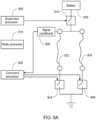
- electrical control assembly 516 may include a plurality of data processors (e.g. a supervisor processor and a command processor) and a radio processor for allowing the device 800 to communicate with the remote interface 802.
- PCGP may be designed to work in an embedded environment with or without an operating system by using a semaphore to protect shared data such that some calls can be re-entrant and run on a multiple threads.
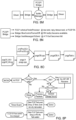
- FIG. 8D One non-limiting illustrative example of such an implementation is shown in FIG. 8D .
- PCGP may operate the same way in both environments, but there may be versions of the call for specific processor types (e.g., the ARM 9 / OS version). So while the functionality may be the same, in some embodiments, there may be an operating system abstraction layer with slightly different calls tailored for e.g., the ARM 9 Nucleus OS environment.
- PCGP may be configured such that:
- the driver may discover the buffer is TX and may send the message. After sending the message, the buffer may immediately become an RX buffer if the driver was low in RX buffers, or the buffer may be freed for re-allocation.
- Flow control may be part of the shared buffer format.
- the first two bytes may be reserved for the driver so that the driver never needs to shift the packet bytes.
- Two bytes may be used so that one byte is the DMA length - 1, and the second byte is to control the flow of messages.
- These same two bytes may be synchronizing bytes if a PCGP message is transmitted over RS232.
- Various other configurations and sizes may be used in various embodiments.
- PCGP may use two different times (set at initialization) for all timeouts, one for when the RF link is in fast heartbeat mode, and another for when the RF link is in slow mode, however, in other embodiments, the PCGP may use more or less than two different times.
- the timeout may be adjusted and the difference between fast and slow may be added to the time-to-live counter for the packet. No additional transitions back and forth may affect the time-to-live time for the message.
- the PCGP messaging system may pass messages that contain header information and payload. However, in various embodiments, the PCGP messaging system may pass messages that contain different information. Outside of PCGP, the header may be a set of data items in a call signature. In some embodiments, however, internal to PCGP, there may be a consistent, driver friendly byte layout. In some embodiments, drivers may insert bytes either into the PCGP packet or before the PCGP packet such:
- PCGP may not be an event driven software design, but it may be used in event driven architectures by how the sub-classes are written. Data may be exchanged between the classes conceptually (as shown in FIG. 8M-8N ).
- the following illustrative example shows how the PCGP event model may work with Nucleus to wakeup the PCGP task after every message send, reply, or decTimeout that generated a NACK:
- SPI flow control may prevent data from being sent if the receiving side does not currently have an empty buffer to place the packet. In some embodiments, this may be accomplished by asking for permission to send and waiting for a response indicating that you have been cleared to do so. In some embodiments, another method may be used to indicate to the other side that there are currently no free buffers and the transfer should be attempted at a later time.
- the actual transmission of a packet may be the length of the packet plus one for the command byte, followed by the command byte for a message appended and finally the packet itself.
- the transmission o f the packet may vary.
- the master processor may begin the retrieval by sending the slave processor M_CTS commands; in some embodiments, this may be repeated until the slave processor responds by sending the S_MSG_APPENDED command along with the packet itself.
- the FlowControl line may be cleared after the packet has been sent. If a M_CTS command is received by the slave processor when one is not expected, the M_CTS command may be ignored.
- the master processor may initiate the transfer by sending a M_RTS command.
- the slave processor Upon receiving the M_RTS command, if the slave processor currently has a send packet pending, in some embodiments, the slave processor will lower the FlowControl line so that it may be re-used as a Cleared To Send signal.
- the slave processor may then tell the master processor that it is in the process of preparing the SPI DMA to receive the packet, during which time the master processor may stop clocking bytes onto the bus and may allow the slave processor to finish preparing for the receive.
- the remote interface 802 (which may also include telemetry circuitry (not shown) and may be capable of communicating with the infusion pump 800) may include a display assembly (602, 702, 804) and at least one input assembly 608, 604, 610, 606, 704, 702, 804 806), however, in various embodiments, the display assembly may also serve as an input assembly.
- the OS may be a non-preemptive scheduling system, in that all tasks may run to completion before the next task is allowed to run regardless of priority. Additionally, context switches may not be performed. When a task completes executing, the highest priority task that is currently scheduled to run may then be executed. If no tasks are scheduled to execute, the OS may place the processor (e.g., the supervisor processor 900 and/or the command processor 902) into a low power sleep mode and may wake when the next task is scheduled. The OS may only be used to manage main loop code and may leave interrupt-based functionality unaffected.
- the processor e.g., the supervisor processor 900 and/or the command processor 902
- the actual execution of the Managed Functions may be controlled and performed by the SleepManager class.
- the SleepManager may contain the actual prioritized list of managed functions. This prioritized list of functions may automatically be populated by the managed function creation process and may ensure that each function is created properly and has a unique ID.
- Radio circuitry included within the device 800 and the remote interface 802 may effectuate wireless communication between the remote interface 802 and device 800.
- a 2.4 GHz radio communications chip e.g., a Texas Instruments CC2510 radio transceiver
- an internal 8051 microremote interface may be used for radio communications.
- the radio of the remote interface 802 may come out of Sleep Mode 2 when the Quiet_Radio signal is de-asserted or the maximum time period has expired.
- the UI processor of the remote interface 802 may assert Quiet_Radio at least one radio communication's interval before the event needs to be asserted.
- the radio of the remote interface 802 may inform the radio of the device 800 such that communications will be shutdown during this quiet period.
- the periodic radio link protocol may have status bits / bytes that accommodate the Quiet_Radio feature unless Quiet_Radio is not required.
- the radio software may integrate with the messaging system and radio bootloader on the same processor, and may be verified using a throughput test.
- the radio software may integrate with the messaging system, SPI Driver using DMA, and radio bootloader, all on the same processor (e.g., the TI CC2510).
- the radio configuration message there may be two parameters in the radio configuration message: namely the number of RF retries (e.g., the value may be from 0 to 10); and the radio offline parameters (e.g., the value may be from 1 to 100 in percent of bandwidth).
- the number of RF retries e.g., the value may be from 0 to 10
- the radio offline parameters e.g., the value may be from 1 to 100 in percent of bandwidth.
- one or more of, but not limited to, the following parameters may be recommended for the radio hardware configuration:
- Forward Error Correction may or may not be utilized.
- FEC Forward Error Correction
- FEC may be used to increase the effective signal dynamic range by approximately 3 dB
- FEC requires fixed packet sizes and doubles the number of over the air bits for the same fixed size message, so this may not be desirable in some embodiments.
- the radio of the device 800 may issue a store paired radio serial number message if an RF pairing confirm request message is received after receiving a RF pairing request message. This action may store the radio serial number of the remote interface 802 in the non-volatile memory of the device 800 and may overwrite the existing pairing data for the device 800.
- the radio of the device 800 may transmit an RF pairing confirm acknowledge and exit pairing mode after the acknowledgment from the store paired radio serial number message is received. In some embodiments, this may be the default exit of pairing mode on the device 800 and may result in the device 800 powering down until connection mode or paring mode entered by the user.
- the radio of the remote interface 802 may only accept an RF pairing confirm acknowledge messages after an RF pairing acknowledge is received while in pairing mode.
- the radio of the remote interface 802 may transmit the RF pairing confirm message upon receiving a pair confirm request message from the UI processor of the remote interface 802.
- the radio of the device 800 may obtain the serial number of the last stored paired the remote interface 802.
- the radio of the device 800 may only communicate with the remote interface 802 to which it has been "paired" (except while in the "pairing request” mode).
- the radio of the device 800 may transition from acquisition mode to fast heartbeat mode upon successfully acquiring synchronization with the remote interface 802.
- the acquisition mode of the device 800 may be capable of acquiring synchronization within 6.1 seconds, which, in some embodiments, may indicate that the device 800 may always be listening at least every ⁇ 6 seconds when in acquisition mode. However, in various embodiments, the listening may be at shorter or increased durations.
- a one byte (modulo 256) radio sequence number may be included in all radio data packets over the RF link. Since the radio may be responsible for retrying data packet transmission if not acknowledged, the sequence number may provide a way for the two radios to know if a data packet is a duplicate. The transmitted sequence number may be incremented for each new radio data packet and may be allowed to rollover. When a data packet is successfully received with the same sequence number as the previous successfully received data packet (and in the same direction), the data packet may be ACK'd and the received data packet discarded. This may remove duplicate packets generated by the RF protocol before they are introduced into the network. Note that it may be possible that multiple data packets in a row may need to be dropped with the same sequence number under extreme situations.
- the radio may be considered online while in the following modes:
- the radio of the remote interface 802 and the radio of the device 800 may periodically attempt to exchange heartbeats in order to reestablish data bandwidth while in search sync mode.
- the radio of the remote interface 802 may transition to radio off mode after a predetermined period of time, for example, twenty minutes, of search sync mode with no heartbeats successfully exchanged.
- a #define DEBUG option may be used to gather one or more of the following additional radio performance statistics per each channel (16 bit numbers), however, in various other embodiments, additional information may also be gathered:
- the debug option may be used to gather engineering only statistics. If processor performance, power, and memory allow, it may be desirable to keep this information at runtime.
- the radio statistics may be made available to the messaging system.
- the battery charger 1600 may include a USB plug 1650 which may be configured to couple with a wall charger and/or a computer and/or a personal computer and / or with a remote interface.
- the USB plug 1650 may allow for data transfer to/from the computer/remote interface 1402 as well as providing power to the charging of the reusable portion 1602 using the battery charger 1600.
- battery charger 1704 may be coupled to computing device 1700 (which, in some embodiments, may be a personal computer or any device that may be used in a similar fashion as a personal computer, for example, but not limited to, a tablet) by way of bus translator 1702, which converts, for example, and in some embodiments, RS232 formatted data to e.g., I2C formatted data.
- Bus translator 1702 may execute a pass-through program that effectuates the above-described translation.
- Battery charger 1704 may be coupled to the radio processor 1718 by way of electrical contacts 1606 (described above).
- the infusion pump completes all decision making and controls the delivery of infusible fluid.
- the remote interface is an interface to the infusion pump and in some embodiments provides for an enhanced user interface (e.g. a display screen) with diverse opportunities to interact with the device (e.g., the infusion pump) and/or the user.
- the basal rate may pre-programmed to remain constant, for example, 1.0 units per hour, and may not change throughout a time-frame.
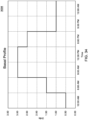
- the basal rates may be repeated regularly / daily and/or on particular days until otherwise changed. These pre-programmed basal rates may be referred to as a basal profile.
- an extended-bolus infusion event may refer to a pre-defined volume of fluid delivered in repeated injections of small quantities of infusible fluid at a predefined interval (e.g. every three minutes) over a pre-defined period of time (e.g., three hours).
- Some extended-bolus infusion events may include a pre-defined volume of infusible fluid delivered as a normal bolus (i.e., a percentage of the total extended-bolus volume delivered as a normal bolus) followed by the remaining volume of the pre-defined volume delivered as an extended-bolus infusion event (i.e., over a pre-defined period of time).
- An extended-bolus infusion event may occur simultaneously with a basal infusion event.
- the control of the delivery of various types of infusion events simultaneously may be as described in U.S. Patent Application Serial No. 12/837,193, filed July 15, 2010 and entitled Apparatus, Systems and Methods for An Infusion Pump Assembly, now U.S. Publication No. US-2011-0144574, published June 16,2011 (Attorney Docket No. 123), which is hereby incorporated herein by reference in its entirety.
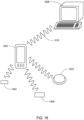
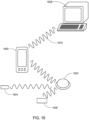
- a secure web portal/ personal computer 1808, 1908 may be utilized by a user to review infusion pump therapy, CGM data and / or glucose meter data (as well as, in some embodiments, additional devices connected either to the remote interface 1800, 1900 and/or to the secure web page/ personal computer 1808, 1908 in the same location.
- the secure web page/ personal computer 1808, 1908 may include a food library and / or user customizable therapy recommendations that may be customized by the user on, for example, a personal computer and then, in some embodiments, automatically synchronized with the remote interface 1800, 1900.
- the user may edit and / or "tag" the CGM and / or infusion pump and / or other data with an event.
- the user may perform post event analysis and design and/or make changes to therapies based on analysis.
- the user may use this information and examine the trends and modify basal and / or bolus profiles.
- the analysis may be completed with or by a physician and/or caregiver through the secure web page 1808, 1908.
- the user may "filter" the database for specific events and / or foods consumed and analyze them with their care giver or alone, to determine basal and / or bolus profiles to link with specific events and/or food items.
- the service may then call an emergency service and / or a parent or guardian and /or emergency contact.
- a GPS in the remote interface 1800, 1900 may locate the user and thus, emergency personal may be contracted and called to the user.
- the service may also send the current CGM and / or pump data for review.
- the remote interface 1800, 1900 includes the logs and/or information for all of the devices connected to the remote interface 1800, 1900.
- replacing a device may be accomplished by downloading, from the remote interface 1800, 1900, the logs, user profiles, user preferences, etc., such that the device may be used with minimum "set-up" time by the user and the replacement device may function/be configured exactly as the old device that was replaced.
- a user is sending a signal/ communication from their remote interface 1800, 1900 to their infusion pump 1802, 1902, this may ensure that the user is wearing the infusion pump 1802, 1902, as it is unlikely the remote interface 1800, 1900 would be more than a particular distance from the infusion pump 1802, 1902, e.g., 4 feet.
- the remote interface 1800, 1900 may alert/alarm and/or notify the user.
- the alarm/alert may also include a message stating that an unidentified device is attempting communication with the infusion pump 1802, 1902.
- the information on the remote interface may be uploaded and /or synchronized with another device and/or a computer and/or machine, including, but not limited to, uploading the data to an internet site that may be password protected (web portal).
- a user may access the information from any device and or may download the information to any device including any device specific applications and therefore the user information may be downloaded to any device including, but not limited to, history, preferred settings, etc., information.
- a translator may be included to translate to a proprietary protocol on one or more of the devices in the system.
- the messaging may be accomplished through the protocols discussed herein, or through similar protocols and/or using protocols from the remote interface device.
- the remote interface therefore, in various embodiments, includes a display assembly which may include a color touch screen.
- the remote interface additionally includes at least one switch assembly.
- the remote interface includes animated "set-up" instructions for the one or more devices.
- the remote interface includes alarm recovery and or alarm animations, which may include, but are not limited to, instructions to the user for checking and /or confirming and/or recovering from the alarm condition. These animations may include, but are not limited to, written/ word instructions and/or audio instructions.
- the graphical user interface may present different color backgrounds to represent different conditions, for example, "red” for alarm, "blue” for idol, "green” for delivering/action, etc.
- one or more of the above functions may additionally include sound/audio which may include, but is not limited to, audio instructions, beeps, etc.
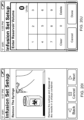
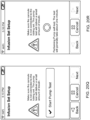
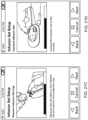
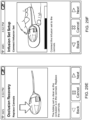
- FIGS. 20A- 20M graphical instructions for filling a disposable portion (which may also be referred to as a reservoir) and priming the disposable portion are shown.
- some embodiments include at least one screen instructing the user to wash their hands.
- at least one screen is included showing a user washing their hands and may instruct the user to wash their hands with soap and warm water.
- a screen may include an animation showing the user washing their hands with soap and water.
- FIG. 20B some embodiments include at least one screen instructing the user to remove the cover and lid of the disposable portion. In some embodiments, the screen may show the disposable portion.
- the screen shows an embodiment of a vial and an alcohol swab and instructs the user to clean the top of the insulin vial with an alcohol swab.
- this embodiment is an animation of the vial being cleaned with an alcohol swab.
- some embodiments include at least one screen showing a syringe in a package.
- the screen shows an embodiment of a syringe in a package and instructs the user to remove the syringe from the package and connect needle.
- this embodiment is an animation of the syringe being removed from the package and the needle being connected. Referring now to FIG.
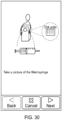
- the remote interface 3004 may display the basal profile 3008 in graphical form for the user to review.
- the system may request the user enter a passcode/password before the system will read the basal profile 3008. This may be beneficial to prevent the prescription basal profile from being read and programmed into the remote interface without the user's consent.
- some embodiments include at least one screen showing a syringe and a "sharps" container.
- the screen shows an embodiment of a user holding a syringe next to a sharps container and instructs the user to remove the syringe and dispose of the needle in a sharps container.
- this embodiment is an animation of the user removing the syringe and disposing of the needle in a sharps container.
- some embodiments include at least one screen instructing the user priming the disposable.
- the screen shows a thumb/hand pressing on the filling aid on the disposable portion / reservoir and a caption of an infusion set connector and instructs the user to press and hold the prime button on the filling aid until a drop of insulin is visible at the infusion set connector.
- this embodiment is an animation of a thumb/hand pressing and holding the prime button on the filling aid until a drop of insulin is visible at the infusion set connector.
- some embodiments include at least one screen instructing the user to remove the filling aid.
- the screen shows a hands rotating the filling aid on the disposable portion / reservoir and instructs the user to remove the filling aid from the base by rotating the filling aid counter clockwise, discard the filling aid.
- this embodiment is an animation of hands removing the filling aid from the base by rotating the filling aid counter clockwise and discarding the filling aid.
- some embodiments include at least one screen instructing the user to attach the pump to the base.
- the screen shows a user attaching the pump to the base and includes an insert/caption that may be an enlargement of a "lock" and "unlock” position icons and instructs the user to first remove the protective dust cover or charger, then attach the pump to the base and rotate to the locked position; the pump will play a confirmation tone when it detects the base in position.
- this embodiment is an animation of hands first removing the protective dust cover or charger, then attaching the pump to the base and rotating to the locked position.
- some embodiments include at least one screen stating that the pump test is complete.
- the screen shows a "check mark” and instructs the user that the test passed; the pump and base are working properly; press the next button to continue.
- the "back" button may become de-highlighted, indicating that the system suggest to continue to next or cancel, in some embodiments.
- some embodiments include at least one screen instructed the user to insert the infusion set according to the manufacturer's instructions.
- some embodiments include at least one screen instructing the user to attach the VELCRO to the pump.
- the disposable portion may include an adhesive patch which in some embodiments may include a VELCRO fastener system.
- the screen shows a user touching the backing of the patch on the back of the disposable and instructing the user to remove the backing and attach the smaller VELCRO patch to the back of the base.
- this embodiment is an animation of hands removing the backing and attaching the smaller VELCRO patch to the back of the base.
- some embodiments include at least one screen instructing the user to attach the VELCRO to the pump.
- the disposable portion may include an adhesive patch which in some embodiments may include a VELCRO fastener system .
- the screen shows a user touching the backing of the patch on the back of the disposable and instructing the user to remove the backing and attach the smaller VELCRO patch to the back of the base.
- this embodiment includes an animation of hands removing the backing and attach the smaller VELCRO patch to the back of the base.
- the disposable portion may include an adhesive patch which in some embodiments may include a VELCRO fastener system that attaches to the body.
- the screen shows a user touching the backing of the large patch and the large patch and instructing the user to remove the backing and attach the larger VELCRO patch to their body; next, attach the pump to the VELCRO.
- this embodiment is an animation of hands removing the backing and attaching the larger VELCRO patch to the body and attaching the pump to the patch.
- some embodiments include at least one screen for priming the cannula.
- the screen shows a prime volume and includes a button to start cannula prime and includes instruct to verify that the cannula prime volume is correct and then press the start cannula prime button.
- a button on the screen indicates the user should press to start the cannula prime.
- some embodiments include at least one screen for showing the cannula prime in progress.
- the screen shows the volume of prime delivered and a total prime volume and includes a button to stop prime.
- the screen also includes a status bar that represents the volume delivered out of the total prime volume requested.
- some embodiments include at least one screen for programming basal profiles.
- the user enters the rate, which, in some embodiments may be the volume, in units, per hour, and the start and end time.
- the rate which, in some embodiments may be the volume, in units, per hour, and the start and end time.
- a user may create basal profiles for various days (for example, a Monday profile, etc), and/or for weekdays and/or for weekends and / or may create custom profiles for events (for example, skiing).
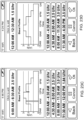
- some embodiments include at least one basal profile screen that includes buttons including each rate during a range of time, for example, a twenty-four hour period.
- a user may select a button representing one of the ranges of time and that will bring the user to a screen to edit that particular time-frame.
- the screen may additionally include both a graphical representation of the current basal profile and the current time-frame on top.
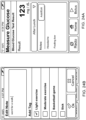
- some embodiments may include a screen, as shown in FIG. 25A , where the user manually enters a blood glucose reading.
- a label screen for example, as shown in FIG. 25B , may allow the user to select a label.
- the label list may include custom tags that the user may have pre-programmed into user settings either by using the personal computer/web portal or by using the remote interface.
- the settings for the GUI may include default labels that may be edited.
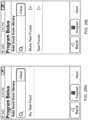
- the remote interface may be preprogrammed with specific instructions to treat hypoglycemia, for example, with fifteen skittles (for example, or any other candy or glucose item) and four ounces of apple juice (in some embodiments, however, these may vary) (all of which may be entered by the user into the user profile either through the remote interface or the personal computer/ web portal) and, the user interface may show a picture of the food, for example, the 15 skittles and/or four ounces of apples juice, to the user upon entering a hypoglycemic glucose number (which number may be pre-programmed into the system).
- the user may request additional suggestions which may also be presented to the user on the GUI in the form of words and or pictures.
- This may be desirable for many reasons, including but not limited to, quick and easy treatment of hypoglycemic events, where a user will quickly decipher the food they should eat to treat the hypoglycemic event and / or the user may show a friend or another person the picture and request they provide that food. In some embodiments, this may be beneficial especially in countries where the user may not speak the local language.
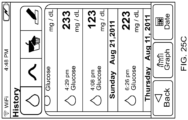
- the graph may be interactive and the user may touch points or locations on the graph that will take the user to a screen including more detail for that entry and or period of time, etc.
- the GUI may show continuous glucose monitor (CGM), blood glucose meter (BGM) and infusion pump volumes on the same graph.
- 26K And 26L select the food and/or select "keypad" and type the food into the search screen, and then another screen, for example, in some embodiments, the one shown or similar to the one shown in FIG. 26A , may request the user enter the quantity of the food.
- the screen may also include indications of the nutritional value of the food, for example, which may include, but is not limited to, one or more of the following: carbohydrates, fat and/or calories.
- a confirmation screen will indicate same to the user, which, in some embodiments, may be similar to the embodiment of the screen shown in FIG. 26M .
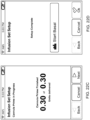
- the user may select to enter the units of insulin requested for a bolus, rather than enter the carbohydrates or the food items and quantity. In some embodiments, this may be accomplished using a keypad screen, for example, which may be similar to the screen shown in FIG. 26N . Once the user has entered the volume requested, the user may select "ok" and a screen, which may be similar to the one shown in FIG. 26B , may indicate to the user that the remote interface is establishing wireless communication with the infusion pump.
- the user may select "no, skip correction bolus", in which case the bolus calculator will not use the value and will not bring the user to the blood glucose meter screens automatically. In some embodiments, the user may select "OK" and the bolus process may continue.
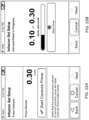
- a user desired to deliver a particular percentage as an extended for example, if the user desired to deliver 80 % as extended, the user may slide the slider 2610 to the right until the percentage in extended 2608 shows "80%".
- a user desires to deliver a particular volume for example, 1.0 units, as normal, which may be desired in many situations, including, but not limited to, where the user desires to deliver the volume in the total that is attributed to correction bolus as normal, the user may slide the slider 2610 towards the right until the volume in the normal 2604 is 1.00 units.
- the direction of the slider 2610 with respect to the increase or decreasing amounts under the normal 2604 and or the extended 2608 may vary.
- the user may first determine the volume of bolus and then, following, determine the method of delivery.
- a user does not have to decide that the bolus is "extended" before, for example, entering the carbohydrates/food and/or blood glucose value, for, as mentioned above, in some circumstances, a user may wish to deliver the food bolus portion of the total bolus as an extended bolus and the correction portion of the total bolus as a normal bolus.
- the slider embodiments shown in FIGS. 26G , 26E and 26F allow for the user to view the percentage change as well as the total volume at any given time.
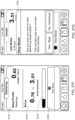
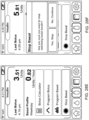
- the user interface may include a "delivering" screen indicating the status of the active delivery.
- the volume delivered and the total volume to be delivered 2716 may be indicated, as well as a status bar 2714 representing the volume delivered as a function of the total volume to be delivered.
- a stop basal pop up screen 2722 may appear that asks the user to confirm that they wish to stop delivering basal insulin and reminds the user that this will also stop the current bolus delivery.
- the infusion pump may not allow the user to stop basal unless they also stop bolus, as this may be desirable for if a user wishes to stop delivering of the basal insulin, it may indicate that all insulin delivery should cease.
- the stop basal pop up screen 2722 reminds users that a bolus delivering is in progress in case they did not realize when the elected to start the process to "stop basal".
- the system may automatically start a series of screens, which, in some embodiments include those describe above, and in some embodiments, include animations, that remind the user to connect to the new cannula (and prime the new cannula, etc.).
- the system may instruct the user to replace the disposable portion.
Landscapes
- Health & Medical Sciences (AREA)
- Vascular Medicine (AREA)
- Engineering & Computer Science (AREA)
- Anesthesiology (AREA)
- Biomedical Technology (AREA)
- Heart & Thoracic Surgery (AREA)
- Hematology (AREA)
- Life Sciences & Earth Sciences (AREA)
- Animal Behavior & Ethology (AREA)
- General Health & Medical Sciences (AREA)
- Public Health (AREA)
- Veterinary Medicine (AREA)
- Infusion, Injection, And Reservoir Apparatuses (AREA)
- Electrotherapy Devices (AREA)
Abstract
Description
- The present disclosure relates to medical devices and more particularly, to a system for controlling at least one medical device.
- Many potentially valuable medicines or compounds, including biologicals, are not orally active due to poor absorption, hepatic metabolism or other pharmacokinetic factors. Additionally, some therapeutic compounds, although they can be orally absorbed, are sometimes required to be administered so often it is difficult for a patient to maintain the desired schedule. In these cases, parenteral delivery is often employed or could be employed.
- Effective parenteral routes of drug delivery, as well as other fluids and compounds, such as subcutaneous injection, intramuscular injection, and intravenous (IV) administration include puncture of the skin with a needle or stylet. Insulin is an example of a therapeutic fluid that is self-injected by millions of diabetic patients. Users of parenterally delivered drugs may benefit from a wearable device that would automatically deliver needed drugs/compounds over a period of time.
- To this end, there have been efforts to design portable and wearable devices for the controlled release of therapeutics. Such devices are known to have a reservoir such as a cartridge, syringe, or bag, and to be electronically controlled. These devices suffer from a number of drawbacks including the malfunction rate. Reducing the size, weight and cost of these devices is also an ongoing challenge. Additionally, these devices often apply to the skin and pose the challenge of frequent re-location for application.
- Managing multiple medical devices simultaneously for a single user presents challenges. One includes the hardware, for many medical devices include a designated interface and with respect to medical devices that are wirelessly controlled, multiple "controllers" or "hand helds" present logistical challenges. Firstly, the variety of interfaces may be difficult to transfer attention from one to another and to master. Secondly, recharging multiple devices may present a challenge and thirdly, carrying the multiple controllers, together with the medical devices, presents challenges.
- In accordance with one aspect of the present invention, a medical device system is disclosed. The medical device system includes a first medical device and a second medical device. The system also includes a remote interface including a touch screen. The remote interface is in wireless communication with the first medical device and the second medical device. The remote interface is configured to provide a user interface to the first medical device and the second medical device. The remote interface is configured to receive user input through a touch screen. Also, a charging device is included. The charging device is configured to receive at least the first medical device and the remote interface and the charging device is configured to recharge a first medical device battery and the charging device is configured to recharge an interface battery in the remote interface. The charging device is connected to a personal computer wherein the personal computer provides information to the remote interface.
- Some embodiments of this aspect of the invention may include one or more of the following. Wherein the first medical device is an infusion pump; wherein the first medical device further includes at least one disposable portion and at least two reusable portions, each of the two reusable portions configured to connect to the at least one disposable portion.; wherein the charging device is configured to receive at least one of the at least two reusable portions of the first medical device; wherein the second medical device is a continuous glucose monitor system comprising at least one transmitter wherein the at least one transmitter in wireless communication with the remote interface; wherein the system further includes a third medical device in wireless communication with the remote interface; wherein the remote interface configured to provide a user interface to the third medical device; wherein the third medical device is at least one blood glucose meter; wherein the system further includes wherein the wireless communication is radio frequency communication; wherein the first medical device and the remote interface are paired using near field communication; and/or wherein the remote interface further comprising at least one camera.
- In accordance with one aspect of the present invention, a medical device system is disclosed. The medical device system includes a first medical device and a second medical device, in wireless communication with the first medical device. The system also includes a remote interface including a touch screen. The remote interface is in wireless communication with the first medical device and the remote interface is configured to provide a user interface to the first medical device and the second medical device. The remote interface is configured to receive user input through a touch screen. The system also includes a charging device configured to receive the first medical device and the remote interface. The charging device configured to recharge a first medical device battery, and the charging device is configured to recharge an interface battery in the remote interface. The charging device is connected to a personal computer wherein the personal computer provides information to the remote interface.
- Some embodiments of this aspect of the invention may include one or more of the following. Where the first medical device is an infusion pump; wherein the first medical device further includes at least one disposable portion and at least two reusable portions, each of the two reusable portions configured to connect to the at least one disposable portion; wherein the charging device configured to receive at least one of the at least two reusable portions of the first medical device; wherein the second medical device including a continuous glucose monitor system including at least one transmitter wherein the at least one transmitter in wireless communication with the first medical device; wherein the second medical device including a blood glucose meter in wireless communication with the first medical device; wherein the first medical device and the remote interface are paired using near field communication; wherein the first medical device and the second medical device are paired using near field communication.
- In accordance with one aspect of the present invention, an infusion pump system is disclosed. The infusion pump system includes at least one disposable portion of an infusion pump, at least two reusable portions of an infusion pump, each of the two reusable portions of an infusion pump configured to connect to the at least one disposable portion. The system also includes a remote interface including a touch screen, the remote interface in wireless communication with at least one of the at least two reusable portions, the remote interface configured to provide user instructions to the at least one of the at least two reusable portions, wherein the remote interface configured to receive user input through a touch screen. The system also includes a charging device configured to receive at least one of the at least two reusable portions and the remote interface. The charging device is configured to recharge a pump battery of the at least one of the at least two reusable portions, and the charging device is configured to recharge an interface battery in the remote interface. The charging device is connected to a personal computer wherein the personal computer provides information to the remote interface.
- Some embodiments of this aspect of the invention may include one or more of the following. Wherein the system further includes a continuous glucose monitor system including at least one transmitter wherein the at least one transmitter in wireless communication with the remote interface; wherein the system further includes at least one blood glucose meter wherein the blood glucose meter in wireless communication with the remote interface; wherein the at least one reusable portion and the remote interface are paired using near field communication; wherein the remote interface further including at least one accelerometer; wherein the remote interface further includes at least one camera.
- In accordance with one aspect of the present invention, an infusion pump system is disclosed. The infusion pump system includes an infusion pump, and a remote interface device in wireless communication with the infusion pump including instructions for controlling the infusion pump wherein the instructions may be synchronized with a secure web portal.
- Some embodiments of this aspect of the invention may include one or more of the following. Wherein the system further includes a continuous glucose monitor system including a transmitter wherein the transmitter in wireless communication with the remote interface device. Wherein the system further includes a blood glucose meter wherein the blood glucose meter in wireless communication with the remote interface device. Wherein the wireless communication is radio frequency ("RF") communication. Wherein the infusion pump and the remote interface device are paired using near field communication. Wherein the system further includes at least one accelerometer.
- In accordance with one aspect of the present invention, a medical device system is disclosed. The medical device system includes a first medical device and a second medical device in wireless communication with the first medical device, the second medical device including instructions for controlling the first medical device wherein the instructions may be synchronized with a secure web portal.
- Some embodiments of this aspect of the invention may include one or more of the following. Wherein the first medical device is an infusion pump and the second medical device is a remote interface device. Wherein the infusion pump and the remote interface device are paired using near field communication. Wherein the first medical device is a continuous glucose monitor sensor and the second medical device is a remote interface device. Wherein the infusion pump and the remote interface device are paired using near field communication. Wherein the first medical device is a blood glucose meter and the second medical device is a remote interface device. Wherein the infusion pump and the remote interface device are paired using near field communication.
- In accordance with one aspect of the present invention, a method for communication between two medical devices is disclosed. The method includes a first medical device sending a radio signal together with an acoustic signal to a second medical device, calculating the distance between the first medical device and the second medical device using the acoustic signal, determining whether the calculated distance exceeds a predetermined threshold, and if the calculated distance exceeds a predetermined threshold, notifying the user.
- Some embodiments of this aspect of the invention may include one or more of the following. Wherein the first medical device is a remote interface and the second medical device is an infusion pump. Wherein the first medical device is a remote interface and the second medical device is a continuous glucose monitor sensor/transmitter. Wherein the first medical device is a remote interface and the second medical device is a blood glucose meter.
- These aspects of the invention are not meant to be exclusive and other features, aspects, and advantages of the present invention will be readily apparent to those of ordinary skill in the art when read in conjunction with the appended claims and accompanying drawings.
- These and other features and advantages of the present invention will be better understood by reading the following detailed description, taken together with the drawings wherein:
-
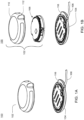
FIG. 1A is an exploded view of an embodiment of an infusion pump; -
FIG. 1B is an exploded view of an embodiment of an infusion pump; -
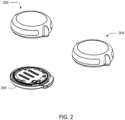
FIG. 2 is an exploded view of an embodiment of an infusion pump and a second reusable portion; -
FIG. 3 is a perspective view of one embodiment of the infusion pump disposable portion showing an external infusion set; -
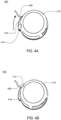
FIGS. 4A and 4B depict an embodiment of an infusion pump; -
FIGS. 5A-5C depict an embodiment of an infusion pump; -
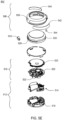
FIG. 5D is an exploded view of an embodiment of a reusable portion; -
FIG. 5E is an exploded view of an embodiment of a reusable portion; -
FIG. 5F is an exploded view of an embodiment of a reusable portion; -
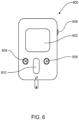
FIG. 6 is a view of an embodiment of a remote interface; -
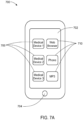
FIG. 7 is a view of an embodiment of a remote interface; -
FIG. 8 is view of an embodiment of the system; -
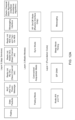
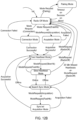
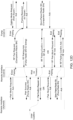
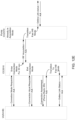
FIGS. 8B-8R depicts various views of high level schematics and flow charts of an embodiment of the system; -
FIG. 9A diagrammatically depicts an embodiment of a multi-processor control configuration that may be included within one embodiment of the device; -
FIG. 9B diagrammatically depicts an embodiment of a multi-processor control configuration that may be included within one embodiment of the device in some embodiments; -
FIGS. 10A and10B diagrammatically depict one embodiment of multi-processor functionality; -
FIG. 11 diagrammatically depicts one embodiment of multi-processor functionality; -
FIG. 12 diagrammatically depicts one embodiment of multi-processor functionality; -
FIGS. 12A - 12E graphically depict various software layers according to one embodiment; -
FIG. 13 is an illustration of one embodiment of the system; -
FIG. 14 is an illustration of one embodiment of the system; -
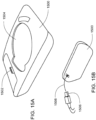
FIGS. 15A - 15B are illustrations of one embodiment of a charging station in one embodiment of the system; -
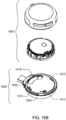
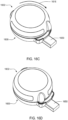
FIGS.16A- 16F depict various views of an embodiment of a battery charger / charging station according to one embodiment of the system; -
FIG. 17 diagrammatically depicts one embodiment of an inter-connection of the various elements of the system; -
FIG. 18 is an illustration of one embodiment of the system; -
FIG. 19 is an illustration of one embodiment of the system; -
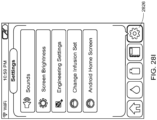
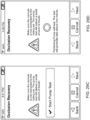
FIGS. 20A - 30 are embodiments of various screen shots of a remote interface according to one embodiment of the system; -
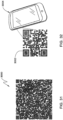
FIG. 31 is an embodiment of a 2D bar code; -
FIG. 32 is an embodiment of a system for programming a basal profile using the remote interface and a 2D bar code; -
FIG. 33 is an embodiment information that may be embedded in a 2D bar code; and -
FIG. 34 is an example of a basal profile that may be programmed into a remote interface using a camera. - As used in this description and the accompanying claims, the following terms shall have the meanings indicated, unless the context otherwise requires:
A "remote interface" shall mean a device for wireless communication with a device which may include, but is not limited to, a medical device. - A "device" shall mean any medical device, which includes, but is not limited to, a medical device, which includes, but is not limited to, an infusion pump and/or a microinfusion pump, a drug delivery pump and/or apparatus, a sensor, a measuring device and/or meter, a blood pressure monitor, ECG monitor, pill dispenser, pulse oximetry monitor, a CO2 capometer, an intravenous bag, a drop-flow meter, a temperature monitor, a peritoneal dialysis machine, including, but not limited to, a home peritoneal dialysis machine, a hemodialysis machine, including, but not limited to, a home hemodialysis machine, and any other medical device or device configured to deliver, treat and/or determine medical care.
- An "input" of a device includes any mechanism by which a user and/or other operator/caregiver of the device and/or remote interface may control a function of the device and/or remote interface. User inputs may include mechanical arrangements (e.g., switches, pushbuttons, jogwheel(s)), electrical arrangements (e.g., a slider, touch screen), wireless interfaces for communication with a remote interface (e.g., radio frequency ("RF"), infrared ("IR"), BLUETOOTH), acoustic interfaces (e.g., with speech recognition), computer network interfaces (e.g., USB port), light/light wave image including, but not limited to, camera input and/or images captured using a camera), sound wave and/or other types of interfaces.
- A "button" in the context of an input such as the so-called "bolus button" discussed below may be any type of user input capable of performing a desired function, and is not limited to a pushbutton, a slider, switch, touch screen and/or a jog wheel.
- An "alarm" includes any mechanism by which an alert may be generated to a user and/or third party / operator / caregiver. Alarms may include audible alarms (e.g., a speaker, a buzzer, a speech generator), visual alarms (e.g., an LED, an LCD screen, an image), tactile alarms (e.g., a vibrating element), wireless signals (e.g., a wireless transmission to a remote interface or caretaker), and/ or other mechanism. Alarms may be generated using multiple mechanisms simultaneously, concurrently, or in a sequence, including redundant mechanisms (e.g., two different audio alarms) or complementary mechanisms (e.g., an audio alarm, a tactile alarm, and a wireless alarm) and/or mechanisms of increasing volume and/or intensity (e.g. escalating alarm sequence).
- "Fluid" shall mean a substance, e.g., a liquid, capable of flowing through a flow line or fluid line.
- A "user" includes a person or animal receiving treatment from or connected to the device whether as part of a medical treatment or otherwise and/or a caregiver or third party involved in programming the device or otherwise interacting with the device to convey treatment and or collect information from the device, which may include, but is not limited to, a physician and / or medical provider and / or companion and /or parent and / or guardian.
- "Cannula" shall mean a disposable device capable of infusing fluid to a user. A cannula as used herein may refer to a traditional cannula /flexible tube or to a needle.
- "Disposable" refers to a part, device, portion or other that is intended to be used for a fixed duration of time, then discarded and replaced.
- "Reusable" refers to a portion that is intended to have an open-ended duration of use.
- "Acoustic volume measurement" shall mean quantitative measurement of a relevant volume using acoustical techniques such as those described in
U.S. Patent Nos. 5,349,852 and5,641,892 , and inU.S. Patent Application Serial No. 11/704,899, filed February 9, 2007 US-2007-0228071-A1 published October 4, 2007 (Attorney Docket No. E70), andU.S. Patent Application Serial No. 12/347,985, filed December 31, 2008 US-2009-0299277 published December 3, 2009 (Attorney Docket No. G75), which are each hereby incorporated herein by reference in their entireties, as well as other techniques. - An exemplary use of various embodiments of the devices, methods and systems described here is for the delivery of insulin to people living with diabetes, but other uses include delivery of any fluid, sensing of any condition and / or state and/or providing medical treatment and/or medical care. Fluids may include, but are not limited to, analgesics to those in pain, chemotherapy to cancer patients and enzymes to patients with metabolic disorders. Various therapeutic fluids may include, but are not limited to, small molecules, natural products, peptide, proteins, nucleic acids, carbohydrates, nanoparticulate suspensions, and associated pharmaceutically acceptable carrier molecules. Therapeutically active molecules may be modified to improve stability in the device (e.g., by pegylation of peptides or proteins). Although illustrative embodiments herein describe drug-delivery applications, embodiments may be used for other applications including liquid dispensing of reagents for high throughput analytical measurements such as lab-on-chip applications and capillary chromatography. For purposes of description below, terms "therapeutic", "insulin" or "fluid" are used interchangeably, however, in other embodiments, any fluid, as described above, may be used. Thus, the devices, systems, methods and description thereof included herein are not limited to use with therapeutics.
- Some embodiments of the device are adapted for use by people living with diabetes and/or their caregivers. Thus, in these embodiments, the devices, methods and systems work to deliver insulin which supplements or replaces the action of the person living with diabetes' (referred to as the user) pancreatic islet beta cells. Embodiments adapted for insulin delivery seek to replace the action of the pancreatic islet beta cells by providing both a basal level of fluid delivery as well as bolus levels of fluid delivery. Basal levels, bolus levels and timing may be set by the user by using a remote interface user interface or directly by using a user interface on the device. Additionally, basal and/or bolus levels may be triggered or adjusted in response to the output of one or more glucose meters and/or glucose monitors (i.e., devices) which, in the exemplary embodiments, may be integral to, or in wireless communication with, the remote interface. In other embodiments, the remote interface may include one or more analyte monitoring devices which may include, but is not limited to, a blood glucose meter/device which receives blood samples and/or receives a device that is configured to receive a blood sample, e.g., a blood glucose strip. In some embodiments, a bolus may be triggered by a user using a designated button or other input means located on a device, i.e., on an infusion pump, and/or on a remote interface. In still other embodiments, the bolus or basal may be programmed or administered through a user interface located either on the device (e.g., on the infusion pump and/or on the remote interface).
- With respect to the names given to screens and types of screens herein, as well as proper names given to various features, throughout various embodiments, these terms may vary and are for descriptive purposes. The description is not limited by these names.
- The devices, systems and methods described herein may be used to control an infusion pump. For purposes of this description, the various embodiments of the user interface and the infusion pump may be described with reference to an insulin pump, or a pump which infuses insulin. However, it should be understood that the user interface may be on an infusion pump and/or on a remote interface and the medical device to which the remote interface communicates with may be any medical device, i.e., is not limited to an infusion pump. Additionally, where the description pertains to an infusion pump "screen", this "screen" may also appear on a remote interface, or may appear on a remote interface in lieu of on an infusion pump.
- Infusion pumps contemplated by this description include a pump which may pump any fluid, including, but not limited to, a therapeutic fluid, which includes, but is not limited to, insulin. Thus, where this description describes an embodiment as pertaining to insulin, this is meant merely for descriptive purpose only, as the device is not intended to be limited to insulin. Other fluids are also contemplated. In some embodiments, the methods, systems and devices described herein may be used in conjunction with other fluid delivery devices, e.g., pens and/or syringes, which are known in the art.
- The system for controlling a device described herein may be used for any one or more device, and in some embodiments, the device may include an infusion pump and/or an infusion pump system which may deliver fluid and/or may be configured to deliver fluid to a user through a cannula. For descriptive purposes only, an infusion pump system, which may include at least one insulin pump, is described herein. However, the system is not limited to use with one or more infusion pumps and/or an insulin pump systems, rather, may be used with any device and/or with any one or more devices.
- Referring now to
FIGS. 1A and 1B , one embodiment of adevice 100 is shown. Thedevice 100, in the illustrative embodiment, is an infusion pump, which may be any infusion pump, however, in some embodiments, may be one of the embodiments of the infusion pumps shown and described in U.S. Publication No.US-2007-0228071, published October 4, 2007 (E70) or U.S. Publication No.US-2009-0299277-A1 published December 3, 2009 (Attorney Docket No. G75). However, and as discussed above, in various other embodiments, the device may be any medical device and in some embodiments, one or more devices are included in a system. - The
device 100 includes areusable portion 102 and adisposable portion 104. In various embodiments,disposable portion 104 includes a reservoir and a fluid line, i.e., the "wetted" components of an infusion pump. In some embodiments, thedisposable portion 104 includes atab 116. - The
reusable portion 102 includes mechanical andelectrical components 108 configured to cause fluid in the reservoir to be pumped from the reservoir to thetubing 106 which may be connected to a cannula (not shown, shown inFIG. 3 as 308). In some embodiments, thereusable portion 102 may include a lockingring assembly 110 and aposition nub 808 that may facilitate rotation of the lockingring assembly 110. Thereusable portion 102 may be releasably engaged to thedisposable portion 104 which may be effectuated by, for example, but not limited to, a screw-on, twist-lock, or compression fit configuration, or other configuration. In some embodiments, thereusable portion 104 may be properly positioned relative to thedisposable portion 102, and lockingring assembly 110 may be rotated to releasable engage thereusable portion 104 to thedisposable portion 102. - Additionally, the position of
nub 112, e.g., relative totab 116 ofdisposable housing assembly 104, may provide verification that thereusable portion 102 is fully engaged with thedisposable portion 104. For example, as shown inFIG. 4A , when the reusable portion 402 is properly aligned with thedisposable portion 104, thenub 412 may be aligned in a first position, relative to thetab 416. Upon achieving a fully engaged condition, by rotation of the locking ring assembly 410 (direction of rotation shown by arrow inFIG. 4A ), thenub 412 may be aligned in a second position relative to thetab 416, as shown inFIG. 4B . - Referring now also to
FIG. 2 , in some embodiments of the system, the system may include one or more devices, and in some embodiments, the system may include twodevices 200, 202. In some embodiments of the system, the system may include tworeusable portions 200, 202 and at least onedisposable portion 204. Thereusable portions 200, 202 and thedisposable portion 204 may be, in some embodiments, the embodiments of thedevice 100 described above. In some embodiments of the system, the system may include tworeusable portions 200, 202 that may each include rechargeable power device, e.g., a rechargeable battery. Therefore, in some embodiments, while one reusable portion 200 is connected to adisposable portion 204 and in use by a user, the otherreusable portion 202 may be recharged. Thus, in some embodiments, the system may include a backup device that may be recharged or serviced while the other device is in use. - Referring also to
FIG. 3 , in some embodiments, thedisposable portion 300 includes atubing 302 which may include amale connector 304 connected to thetubing 302. Themale connector 304, in some embodiments, is configured to be connected to afemale connector 306. The completed connection of themale connector 304 to thefemale connector 306 provides a fluid pathway from thetubing 302 to thecannula 308 and therefore from the reservoir to the cannula. Thecannula 308 may be held in place on a user by a cannulaadhesive pad 310. Thetubing 302,male connector 304,female connector 306,cannula 308 and cannulaadhesive pad 310 may collectively be referred to as aninfusion set 312. In some embodiments, thereusable portion 300 may be held onto a user by a patch 314 which may, in some embodiments, may be a disposable adhesive patch (connected to the lower surface of thedisposable portion 300 and the adhesive may be exposed and then attached to a user) or a hook and loop fastener patch, for example. In embodiments where the disposable patch is a loop and hook fastener patch (e.g. such as hook and loop fastener systems offered by VELCRO USA Inc. of Manchester, NH) the lower surface of thedisposable portion 300 may include a complementary hook or loop surface. - Referring now also to
FIGS. 5A-5F , in some embodiments, thereusable portion 500 may include an input switch assembly that may be configured to receive user commands (e.g., for bolus delivery, pairing with a remote interface, or the like). The input switch assembly, in some embodiments, may include a button 824 that may be disposed in anopening 526 of thebody 520. As shown, e.g., inFIG. 5B , the lockingring assembly 506 may include aradial slot 528 that may be configured to allow thelocking ring assembly 506 to be rotated relative tobody 520 while still providing facile access to thebutton 524. - Still referring to
FIGS. 5A-5F ,electrical control assembly 516 may include printedcircuit board 530 as well asbattery 532, which in some embodiments may be a rechargeable battery. The printedcircuit board 530 may include the various control electronics for monitoring and controlling the amount of infusible fluid that has been and/or is being pumped. For example, theelectrical control assembly 516 may measure the amount of infusible fluid that has just been dispensed, and determine, based upon the dosage required by the user, whether enough infusible fluid has been dispensed. If not enough infusible fluid has been dispensed, theelectrical control assembly 516 may determine that more infusible fluid should be pumped. Theelectrical control assembly 516 may provide the appropriate signal to themechanical control assembly 512 so that any additional necessary dosage may be pumped or theelectrical control assembly 516 may provide the appropriate signal to themechanical control assembly 512 so that the additional dosage may be dispensed with the next dosage. Alternatively, if too much infusible fluid has been dispensed, theelectrical control assembly 516 may provide the appropriate signal to themechanical control assembly 512 so that less infusible fluid may be dispensed in the next dosage. Theelectrical control assembly 516 may include one or more microprocessors. In an exemplary embodiment, theelectrical control assembly 516 may include three microprocessors. One processor (e.g., which may include, but is not limited to a CC2510 microcontroller / radio frequency ("RF") transceiver, available from Chipcon AS, of Oslo, Norway) may be dedicated to radio communication, e.g., for communicating with a remote interface. Two additional microprocessors (example of which may include, but is not limited to an MSP430 microremote interface, available from Texas Instruments Inc. of Dallas, Texas) may be dedicated to issuing and carrying out commands (e.g., to dispense a dosage of infusible fluid, process feedback signals from a volume measurement device, and the like). - As shown in
FIG. 5C ,base plate 518 may provide access to theelectrical contacts 534, e.g., which may be electrically coupled to theelectrical control assembly 516 forrechargeable battery 532. Thebase plate 518 may include one or more features (e.g.,openings 536, 538) which may be configured to facilitate proper alignment with the disposable housing assembly 504 by way of cooperating features (e.g., tabs) of the disposable housing assembly 504. Additionally,base plate 518 may include various features for mounting avalve assembly 514 and theelectrical control assembly 516, as well as providing access to the disposable portion 504 by valve assembly 514 (shown inFIGS. 5D-5F ). - The locking
ring assembly 506 may include grip inserts 540, 542, e.g., which may include an elastomeric or textured material that may facilitate gripping and twisting the lockingring assembly 506, e.g., for engaging / disengaging thereusable portion 500 and the disposable portion 504. Additionally, the lockingring assembly 506 may include one or more sensing components, which in some embodiments may be amagnet 544, but in other embodiments may be an electrical contact or other sensing component. In various embodiments, the sensing component may interact with one or more components of the reusable portion 500 (e.g., a Hall Effect sensor), e.g., to provide an indication of the nature of a mating component (e.g., which in some embodiments may include, but is not limited to, one or more of the disposable portion 504, a charging station, or a filling station) and/or of whether thereusable portion 500 is properly engaged with the mating component. In some embodiments, a Hall Effect sensor (not shown) may be located on the pump printedcircuit board 530. The Hall Effect sensor may detect when the lockingring assembly 506 has been rotated to a closed position. Thus, in some embodiments, the Hall Effect sensor together with themagnet 544 may provide a system for determining whether the lockingring assembly 506 has been rotated to a closed position. - The sensing component (magnet) 544 together with the reusable portion components, i.e., in the some embodiments, the Hall Effect sensor, may work to provide for a determination of whether the
reusable portion 500 is properly attached to the intended component or device. In some embodiments, the lockingring assembly 506 may not turn without being attached to a component, which may include, but is not limited to, a disposable portion 504, a dust cover (not shown) or a battery charger (not shown). Thus, thesensing component 544 together with thereusable portion 500 may function to provide many advantageous safety features to the infusion pump system. These features may include, but are not limited to, one or more of the following. Where the system does not detect being attached to a disposable portion 504, a dust cover or a charger, the system may notify, alert or alarm the user as thereusable portion 500, e.g., the valves and pumping components, may be vulnerable to contamination or destruction which may compromise the integrity of the reusable assembly. Thus, the system may provide for an integrity alarm to alert the user of potential reusable integrity threats. Also, where the system senses the reusable assembly is attached to a dust cover, the system may power off or reduce power to conserve power. This may provide for more efficient use of power where the reusable portion is not connecting to a component in which it needs to interact. - The
reusable portion 500 may attach to a number of different components, including but not limited to, a disposable housing assembly, a dust cover or a battery charger/battery charging station. In each case, the Hall Effect sensor may detect that the lockingring assembly 506 is in the closed position, and therefore, thatreusable portion 500 is releasably engaged to a disposable portion 504, a dust cover, or a battery charger/battery charging station (or, another component in various embodiments). The infusion pump system may determine the component to which it is attached by using an AVS system, such as one described in the above referenced patent publications and patents, or by an electronic contact. Referring now also toFIGS. 5G-5I , one embodiment of a dust cover (e.g., dust cover 539) is shown. In the exemplary embodiment,dust cover 539 may includefeatures ring assembly 506 of thereusable portion 500 may releasably engage thedust cover 539. In addition, thedust cover 539 may further include a recess region5849 for accommodating the valving and pumping features ofreusable portion 500. For example, with respect to the dust cover, the AVS system may determine that a dust cover, and not a disposable portion, is connected to the reusable portion. The AVS system may distinguish using a look-up table or other comparative data and comparing the measurement data with characteristic dust cover or empty disposable portion data. With respect to the battery charger, the battery charger, in some embodiments, may include electric contacts. When the reusable portion is attached to the battery charger, the infusion pump assembly electronic system may sense that the contacts have been made, and will thus indicate that the reusable portion is attached to a battery charger. - Various embodiments of the infusion pump may include, or be similar to, a reservoir assembly configured to contain infusible fluid. In some embodiments, reservoir assembly may be a reservoir assembly similar to that described in
U.S. Patent No. 7,498,563, issued March 3, 2009 and entitled Optical Displacement Sensor for Infusion Devices (Attorney Docket No. D78), which is herein incorporated by reference in its entirety; and/or as described inU.S. Patent No. 7,306,578, issued December 11, 2007 and entitled Loading Mechanism for Infusion Pump (Attorney Docket No. C54); PCT Application Serial No.PCT/US2009/060158, filed October 9, 2009 and entitled Infusion Pump Assembly, now Publication No.WO 2010/042814, published April 15, 2010 (Attorney Docket No. F51WO); and/orU.S. Patent Application Serial No. 12/249,882, filed October 10, 2008 US-2010-0094222, published April 15, 2010 (Attorney Docket No. F51); and/orU.S. Patent Application Serial No. 13/076,067, filed March 30, 2011 and entitled Infusion Pump Methods, Systems and Apparatus, now U.S. Publication No.US-2011-0230837, published September 22, 2011 (Attorney Docket No. I70); and/orU.S. Patent Application Serial No. 13/121,822, filed March 30, 2011 US-2011-0208123, published August 25, 2011 (Attorney Docket No. 173); all of which are hereby incorporated herein by reference in their entireties. - In some embodiments, the various embodiments of the infusion pump may include or be similar to one or more described in
U.S. Patent No. 7,306,578, issued December 11, 2007 and entitled Loading Mechanism for Infusion Pump (Attorney Docket No. C54);U.S. Patent Application Serial No. 12/249,882, filed October 10, 2008 US-2010-0094222, published April 15, 2010 (Attorney Docket No. F51); andU.S. Patent Application Serial No. 12/249,891, filed October 10, 2008 US-2009-0099523 published April 16, 2009 (Attorney Docket No. G46), all of which are hereby incorporated herein by reference in their entireties. - In some embodiments, the device, which may be in some embodiments, an infusion pump such as one described above, includes hardware for wireless radio frequency ("RF") communication with a remote interface. However, in various embodiments, the device may be any device and is not limited to an infusion pump. In some exemplary embodiments of the system, the device may include a display assembly, which may include, but is not limited to, one or more of the following: at least one screen or other display including a visual indication to a user; however, in other embodiments, such as those shown in
FIGS. 1A-5F , the device may not include a display assembly. In these embodiments, a display assembly may be included on a remote interface. In some embodiments of the system, even if the device includes a display, the system may include a remote interface that also includes a display. Some embodiments of a remote interface are shown inFIGS. 6 ,7 ,7A and8 . - Referring to the infusion pump system shown in
FIGS. 1A-5I , but also to other devices that may be used with the system, the device may include processing logic (not shown), which may be referred to as one or more processors, that execute one or more processes that may be required for the device to operate. Processing logic may include one or more microprocessors (not shown), one or more input / output remote interfaces (not shown), and cache memory devices (not shown). One or more data buses and/or memory buses may be used to interconnect processing logic with one or more subsystems. - Where the system requires an interaction between the user and the device, the interaction may be accomplished using an input either on the remote interface or on the device, for example, in some embodiments, where the device is an infusion pump, the input on the device may be the switch assembly on the infusion pump.
- Processing logic, in some embodiments, is used to receive inputs from a user. The user may use one or more input devices or assemblies, including but not limited to, one or more of the following: button / switch assembly, slider assemblies, including, but not limited to, capacitive sliders (which may include, for example, including but not limited to any slider described in
U.S. Patent Application Serial No. 11/999,268, filed December 4, 2007 US-2008-0177900, published July 24, 2008 (Attorney Docket No. F14), which is hereby incorporated herein by reference in its entirety, jog wheel, audio input, tactile input and/or touch screen. In some embodiments, the device may additionally receive inputs from internal systems. These internal systems may include, for example, in embodiments where the device is an infusion pump, these may include, but are not limited to, one or more of the following: occlusion detection processes, confirmation processes, and volume measurement technology, e.g., acoustic volume sensing ("AVS"). Using these inputs, the device, which, in some embodiments may be an infusion pump, may produce outputs, for example including, but not limited to, infusion fluid delivery to the user; and/or these inputs may produce outputs that may include, but are not limited to, one or more of the following: comments, alerts, alarms or warnings to the user. The inputs are thus either directly from the user to the device, directly from the device systems to the processing logic, or from another device or remote interface, to the device. The user interaction experience thus includes, but is not limited to, one or more of the following: interaction with a display (either on the device itself or a remote interface or both), which includes but is not limited to, reading/seeing text and/or graphics on a display, direct interaction with a display, for example, through a touch screen, interaction with one or more buttons, sliders, jog wheels or other inputs, interaction with one or more glucose strip readers, and sensing either through touch sensation or audio, one or more vibration motors, and/or an audio system. Thus, the term "user interface" is used to encompass all of the systems, methods and devices in which a user uses to interact with the device to control and/or receive information from the device. - Referring now to
FIGS. 6 and7A-7B , in some embodiments of the infusion pump system, the infusion pump may be remotely controlled using aremote interface remote interface FIGS. 1A-5I . As discussed above, for purposes of description, the device may be described as an infusion pump, however, this disclosure is not limited to an infusion pump. Also, the systems, methods and apparatus described herein may be used with any device. - In some embodiments of the above-described infusion pump, the infusion pump may be configured using a
remote interface remote interface remote interface remote interface 600, 700 (which may also include telemetry circuitry (not shown) and may be capable of communicating with infusion pump) may include adisplay assembly jog wheel 606,slider assembly 610, or another conventional mode for input into a device), and/orswitch assemblies remote interface 600 as shown inFIG. 6 includes ajog wheel 606 andslider assembly 610, some embodiments may include only one of either thejog wheel 606 or theslider assembly 610, or another conventional mode for input into a device. In embodiments having ajog wheel 606, thejog wheel 606 may include a wheel, ring, knob, or the like, that may be coupled to a rotary encoder, or other rotary transducer, for providing a control signal based upon, at least in part, movement of the wheel, ring, knob, or the like. - In some embodiments, the remote interface may include a touch screen and in such embodiments, as depicted in
FIGS. 7A and7B , the touch screen may include one ormore icons remote interface 700. In some embodiments, one or more theicons FIG. 7A , in some embodiments, one ormore icons 706 may indicate one or more devices, which, in some embodiments, may be medical devices (e.g.,medical device 1,medical device 2, medical device 3) applications. However, in various embodiments, less than or more than threeicons 706 may be included on theremote interface 700. Also, as shown inFIG. 7A , in some embodiments, theremote interface 700 may includeicons 710 relating to launching applications related to another functionality of the remote interface 700 (in addition to communicating with at least one device). In some embodiments, these may include, but are not limited to, launching a web browser, launching a cell phone or mobile phone functionality and / or launching an MP3 or other "audio" player functionality. In some embodiments, it may be desirable for the user to "launch" the various functions and/or applications of theremote interface 700. In some embodiments, the non-device related functionalities may be dormant and/or may "sleep" until and unless launched. This may be desirable for many reasons, including, but not limited to, extending the battery life and/or preventing distraction and/or slowing performance with respect to use of theremote interface 700 to communicate with one or more devices. In some embodiments, once a device is paired with the remote interface 700 (as described in more detail below), the application may be automatically launched. In some embodiments, theicons 706 with respect to the devices on theremote interface 700 may indicate that the "application" is "minimized" in thedisplay 702, but the application is active. Thus, in some embodiments, launching of the applications related to the devices using theicons 706 may not be necessary and may be automatic once theremote interface 700 is paired with the device. Referring toFIG. 7B , in some embodiments, theremote interface 700 may include various buttons on the display assembly that are links to add notes and or tags to a logbook. Thus, in some embodiments, when the user taps one of the buttons, a note may open and the user may add a note to the logbook. In some embodiments, tapping the icon may automatically register that event in the logbook. - The various embodiments of the remote interface may include the ability to pre-program basal rates, bolus alarms, delivery limitations, user profiles, etc., and allow the user to view history, logbook, etc and to establish user preferences. In some embodiments, the remote interface may also include a glucose strip reader. However, in various embodiments, where the remote interface does not communicate with an infusion pump, but rather, other devices, the abilities of the remote interface may vary.
- During use, in some embodiments, the
remote interface remote interface remote interface - In various embodiments of the user interface, the user interface may require user confirmation and/or user input. In some embodiments, the user interface is centered on ensuring the user knows the effect of various interactions with the device. Many examples will be presented throughout this description of the device communicating the result of the user's actions to the user. These features ensure the user understands their actions and therefore, imparts greater safety onto the user. One such example is where a user presses the back button on a screen after a value has been changed; the user interface displays a "Cancel Changes?" confirmation screen. If the user selects "Yes", in various embodiments the user interface discards any pending changes, closes the confirmation screen and goes back to the previous screen (i.e., the screen previous to the screen where the user pressed the Back button). When the action selection is "No", on the "Cancel Changes?" confirmation screen, the user presses the enter button or other depending on the embodiment, and the user interface closes the confirmation screen and returns to the screen with pending changes. This feature prevents the outcome where the user assumes the changes have been implemented, but in fact, they have not been. Thus, this feature prevents that circumstance and ensures the user understands that the changes have not been implemented. This is just one of many examples of the user interface requiring user confirmation and/or input.
- Additionally and referring also to
FIG. 8 , in some embodiments of the device, thedevice 800 may be configured by aremote interface 802. In some embodiments, thedevice 800 may include telemetry circuitry (not shown) that allows for communication (e.g., wired or wireless) between thedevice 800 and at least oneremote interface 802, thus allowing theremote interface 802 to remotely communicate with thedevice 800. The remote interface 802 (which may also include telemetry circuitry (not shown) and may be capable of communicating with thedevice 800 may include, in various embodiments, adisplay assembly 804 and at least oneinput assembly 806. Theinput assembly 806 may include at least one switch assembly in some embodiments and in some embodiments may include, but are not limited to, any of one or more of the input assemblies described above. Thus, in some embodiments, the input assembly may include a jog wheel, a plurality of switch assemblies, a capacitive slider or the like. - The
remote interface 802 may include the ability to command the device and/or to receive information from the device. In some embodiments, theremote interface 802 may include the ability to view history, receive and view alarms, program limitations, for example, delivery limitations, and/or establish user preferences. In some embodiments, theremote interface 802 may allow the user to view the status of the device which may include the power status, delivery status, values read, alarm status, progress of the device, and/or any other data that may be communicated from the device to theremote interface 802. In some embodiments, theremote interface 802 may include a glucose strip reader and/or a temperature indication device and or other medical functionalities that may be desired to treat and/or to diagnose and/or to provide a medical service to the user. - In some embodiments, the
remote interface 802 may provide instructions to thedevice 800 by way of awireless communication channel 808 established between theremote interface 802 and thedevice 800. Accordingly, the user may useremote interface 802 to program / configure thedevice 800. Some or all of the communication betweenremote interface 802 and the device may be encrypted to provide an enhanced level of security. - Communication between the
remote interface 802 and thedevice 800 may be accomplished utilizing a standardized communication protocol. Further, communication between the various components included thedevice 800 may be accomplished using the same protocol. One example of such a communication protocol is the Packet Communication Gateway Protocol (PCGP) developed by DEKA Research & Development of Manchester, NH. As discussed above, thedevice 800, which, in some embodiments may be an infusion pump, may include anelectrical control assembly 516 that may include one or more electrical components. For example,electrical control assembly 516 may include a plurality of data processors (e.g. a supervisor processor and a command processor) and a radio processor for allowing thedevice 800 to communicate with theremote interface 802. Further, theremote interface 802 may include one or more electrical components, examples of which may include but are not limited to a command processor and a radio processor for allowing the remote interface 802to communicate with thedevice 800. A high-level diagrammatic view of one example of such a system is shown inFIG. 8B . - Each of these electrical components may be manufactured from a different component provider and, therefore, may utilize native (i.e. unique) communication commands. Accordingly, through the use of a standardized communication protocol, efficient communication between such disparate components may be accomplished.
- PCGP may be a flexible extendable software module that may be used on the processors within the
device 800 and theremote interface 802 to build and route packets. PCGP may abstract the various interfaces and may provide a unified application programming interface (API) to the various applications being executed on each processor. PCGP may also provide an adaptable interface to the various drivers. For illustrative purposes only, PCGP may have the conceptual structure illustrated inFIG. 8C for any given processor. - PCGP may ensure data integrity by utilizing cyclic redundancy checks (CRCs). PCGP may also provide guaranteed delivery status. As a non limiting example, all new messages should have a reply. If such a reply is not sent back in time, the message may time out and PCGP may generate a negative acknowledge reply message for the application (i.e., a NACK). Accordingly, the message-reply protocol may let the application know whether the application should retry sending a message.
- In some embodiments, PCGP may also limit the number of messages in-flight from a given node, and may be coupled with a flow-control mechanism at the driver level to provide a deterministic approach to message delivery and may let individual nodes have different quantities of buffers without dropping packets. As a node runs out of buffers, drivers may provide back pressure to other nodes and prevent sending of new messages.
- PCGP may use a shared buffer pool strategy to minimize data copies, and may avoid mutual exclusions, which may have a small affect on the API used to send / receive messages to the application, and a larger affect on the drivers. PCGP may use a "Bridge" base class that provides routing and buffer ownership. The main PCGP class may be sub-classed from the bridge base class. In some embodiments, drivers may be derived from a bridge class, or talk to or own a derived bridge class.
- In some embodiments, PCGP may be designed to work in an embedded environment with or without an operating system by using a semaphore to protect shared data such that some calls can be re-entrant and run on a multiple threads. One non-limiting illustrative example of such an implementation is shown in
FIG. 8D . PCGP may operate the same way in both environments, but there may be versions of the call for specific processor types (e.g., theARM 9 / OS version). So while the functionality may be the same, in some embodiments, there may be an operating system abstraction layer with slightly different calls tailored for e.g., theARM 9 Nucleus OS environment. - Referring also to
FIG. 8E , PCGP may: - allow multiple Send / Reply calls to occur';
- have multiple drivers running asynchronously for RX and TX on different interfaces; and/or
- provide packet ordering for send / receive, and deterministic timeout on message send.
- In some embodiments, each software object may ask the buffer manager for the next buffer to use, and may then give that buffer to another object. Buffers may pass from one exclusive owner to another autonomicly, and queues may occur automatically by ordering buffers by sequence number. In some embodiments, when a buffer is no longer in use, the buffer may be recycled (e.g., object attempts to give the buffer to itself, or frees it for the buffer manager to re-allocate later). Accordingly, in some embodiments, data generally does not need to be copied, and routing simply writes over the buffer ownership byte.
- Such an implementation of PCGP may provide various benefits, examples of which may include, but are not limited to:
- dropping a message due to lack of buffers may be impossible, as once a message is put into a buffer, the message may live there until it is transferred or received by the application;
- data may not need to be copied, as offsets are used to access driver, PCGP and payload sections of a buffer;
- drivers may exchange ownership of message data by writing over one byte (i.e., the buffer ownership byte);
- there may be no need for multiple exclusions except for re-entrant calls, as a mutual exclusion may be needed only when a single buffer owner could simultaneously want to use a buffer or get a new sequence number;
- there may be fewer rules for application writers to follow to implement a reliable system;
- drivers may use ISR / push / pull and polled data models, as there are a set of calls provided to push / pull data out of the buffer management system from the drivers;
- drivers may not do much work beyond TX and RX, as drivers may not copy, CRC or check anything but the destination byte and CRC and other checks may be done off of the ISR hot path later;
- as the buffer manager may order access by sequence number, queue ordering may automatically occur; and
- a small code / variable foot print may be utilized; hot path code may be small and overhead may be low.
- As shown in
FIG. 8F , when a message needs to be sent, the PCGP may build the packet quickly and may insert it into the buffer management system. Once in the buffer management system, a call to "packetProcessor" may apply protocol rules and may give the messages to the drivers / application. - To send a new message or send a reply, PCGP may perform one or more of the following:
- check the call arguments to e.g., make sure the packet length is legal, destination is ok, etc.;
- avoid trying to send a message across a link that is down unless the down link is the radio node, which may allow PCGP to be used by the radio processors to establish a link, pair, etc. and, in some embodiments, may notify the application when PCGP is trying to talk across a link that is not functional (instead of timing out);
- obtain a sequence number for a new message or utilize an existing sequence number for an existing message;
- build the packet, copy the payload data and write in the CRC, wherein (from this point forward) the packet integrity may be protected by the CRC; and/or
- either give the message to the buffer manager as a reply or as a new message, and check to see if putting this buffer into the buffer manager would exceed the maximum number of en-queued send messages.
- Referring also to
FIGS. 8G-8H , in some embodiments, PCGP may work by doing all of the main work on one thread to avoid mutual exclusions, and to avoid doing considerable work on the send / reply or driver calls. The "packetProcessor" call may have to apply protocol rules to replies, new sent messages, and received messages. Reply messages may simply get routed, but new messages and received messages may have rules for routing the messages. In each case, the software may loop while a message of the right type is available to apply protocol rules until it cannot process the packets. - Sending a new message may, in some embodiments, conform to one or more of the following rules:
- only two messages may be allowed "in-flight" on the network; and/or
- enough data about an in-flight message may be stored to match the response and handle timeout.
- Receiving a message may conform to the following rules:
- responses that match may clear out the "in-flight" information slot so a new packet may be sent;
- responses that do not match may be dropped;
- new messages may be for the protocol (e.g., getting / clearing network statistics for this node);
- to receive a message, the buffer may be given up to the application and may use a call back; and/or
- the buffer may be freed or left owned by the application.
- Accordingly, in some embodiments, PCGP may be configured such that:
- the call back function may copy the payload data out or may use it completely before returning;
- the call back function owns the buffer and may reference the buffer and the buffer's payload by the payload address, wherein the message may be processed later;
- applications may poll the PCGP system for received messages; and/or
- applications may use the call back to set an event and then poll for received messages.
- The communication system may have a limited number of buffers. When PCGP runs out of buffers, drivers may stop receiving new packets and the application may be told that the application cannot send new packets. To avoid this and maintain optimal performance, the application may try to perform one or more procedures, examples of which may include but are not limited to:
- a) The application may keep PCGP up to date with radio status. Specifically, in some embodiments, if the link goes down and PCGP does not know, PCGP may accept and queue new messages to send (or not timeout messages optimally), which may jam the send queue and delay the application from using the link optimally;
- b) The application may call "decrement timeouts" regularly. Optimally, in some embodiments, the application may call "decrement timeouts" every 20-100 milliseconds unless the processor is asleep. In general, a message moves fast (milliseconds) slow (seconds) or not at all. Timeouts, in some embodiments, are an attempt to remove "in-flight" messages that should be dropped to free up buffers and bandwidth. Doing this less often may delay when a new message gets sent, or when the application can queue a new message;
- c) The application may ask PCGP if it has work to do that is pending before going to sleep. Thus, in some embodiments, if PCGP has nothing to do, driver activity may wake up the system and thus PCGP, and then PCGP will not need a call to "packetProcessor" or "decrement timeouts" until new packets enter the system. In some embodiments, failure to do this may cause messages that could have been sent / forwarded / received successfully to be dropped due to a timeout condition;
- d) The application may not hold onto received messages indefinitely: The message system relies on prompt replies. If the application is sharing PCGP buffers, then holding onto a message means holding onto a PCGP buffer. In some embodiments, the receiving node does not know if the sending node has timeout configured for slow or fast radio. This means that when a node receives a message it should assume the network's fast timeout speed; and/or
- e) The application may call the "packetProcessor" often. In some embodiments, the call may cause new messages queued by the application to get sent and may handle receipt of new messages. The call may also cause buffers to re-allocate and calling it infrequently may delay message traffic.
- As shown in
FIG. 81 , in some embodiments, at some point the RX driver may be asked to receive a message from the other side of the interface. To ensure a message does not get dropped, in some embodiments, the RX driver may ask the buffer manager if there is an available buffer for storing a new message. The driver may then ask for a buffer pointer and may start filling the buffer with received data. When a complete message is received, the RX driver may call a function to route the packet. The route function may examine the destination byte in the packet header and may, in some embodiments, perform one or more of the following: change the owner to either the other driver, and/or the application, and/ or may detect that the packet is bad and may drop the packet by freeing the buffer. - PCGP RX overhead may include asking for the next available buffer and calling the route function. A non-limiting example of code that performs such a function is as follows:
        @ Receive request
        uint8 i=0, *p;
        if (Bridge::canReceiveFlowControl() )
       {
           {p = Bridge::nextBufferRX();
           while (not done) { p[i] = the next byte; }
           Bridge::route(p);
      }
        uint8 *p = Bridge::nextBufferTX();
        if (p != (uint8 *)0)
       {
             {send the buffer p;
             Bridge::recycle(p);
      }
| Interface / Delay cause | Delay (seconds) | Notes |
| SPI | < 3 | Roughly 400 kbps |
| I2C | < 1 | |
| Waking a CC2510 | < 6 ? | Clock calibration, min. sleep time. |
| Flow control | < 0.2 | |
| | 20 to 2000 | |
| Interference / separation | Minutes, never |
- DE, CA: Synch bytes for use with RS232, nominal value of 0xDE, 0xCA or 0x5A, 0xA5.
- LD: Driver DMA length byte, equals amount driver is pushing in this DMA transfer, which is the total size, not including the size byte or synch bytes.
- Cmd: Driver command and control byte used for flow control.
- LP: PCGP packet length, always the total header + payload size in bytes + CRC size. LD =
LP + 1. - Dst: Destination address.
- Src: Source address
- Cmd: Command byte
- Scd: Sub command byte
- AT: Application Tag is defined by the application and has no significance to PCGP. It allows the application to attach more information to a message e.g., the thread from which the message originated.
- SeqNum: thirty-two bit sequence number is incremented by PCGP for a new message sent, guarantees the number will not wrap, acts as a token, endianess isn't relevant.
- CRC16: A sixteen bit CRC of the PCGP header and payload.
- 0xDE, 0xCA, 0xC, 0x5, 0x14, 1, 2, 0, 0, 0, 0, 0x1, crchigh, crclow.
- 0x0D, cmd, 0xC, 0x5, 0x14, 1, 2, 0, 0, 0, 0, 0x1, crchigh, crclow.
- In various embodiments, most of the hardware DMA engines may use the first byte to define how many additional bytes to move, so in this methodology, drivers and PCGP may share buffers.
- A byte may be provided right after the DMA length to pass flow control information between drivers.
- Driver length and "Cmd" byte may be outside the CRC region so they may be altered by the driver, may be owned by the driver transport mechanism, and the driver may guard for invalid lengths.
- There may be a separate PGCP packet length byte that is CRC protected.
- The endianness of the sequence number may not be relevant, as it is just a byte pattern that may be matched that happens to also be a thirty-two bit integer.
- The sequence number may be four bytes aligned to the edge of the shared buffer pool length.
- There may be optional RS232 synchronizing bytes so that users may move cables around while debugging a message stream and both sides of the interface may resynchronize.
- The application, driver and PCGP may share buffers and may release them by pointer.
| Event: | Possible use: | Where this occurs: |
| When a new send or reply is queued, or decTimeouts generates a timeout reply. | Decide to run packet Processor. | Inside PCGP::sendInternal |
| When a messages is received for PCGP. | Decide to run packet Processor. | BufferManager: :give |
| When a driver has something new to send. | Wake driver for TX. | BufferManager: :give |
| When a Driver RX buffer becomes available. | Turn off flow control. | BufferManager: :give |
class PcgpOS : public Pcgp
           {
              virtual void schedulePacketProcessor(void)
               {
                  OS_EventGrp_Set(g_RCVEvGrps[EVG_RF_TASK].pEvgHandle,
                                           RfRadioTxEvent, OS_EV_OR_NO_CLEAR);
              }
          }
class SPI_Driver : public Bridge

           {
           {virtual void hasMessagesToSend()
              {
                 Trigger_ISR(TX_ISR, this);
               }
           virtual void flowControlTurnedOff()
               {
              Trigger_ISR(RX_ISR, this);
               }
            static void TX_RetryTimer()
               {Trigger_ISR(TX_ISR, this);
               }
            static void TX_ISR(Bridge *b)
               {
               DisableISRs();
               do
                   {uint8 *p = b->nextBufferTX();
                   if (p == null) break;
                   if (b->_bufferManager->bufferTimedOut(p)==false)
                       {
                         if (OtherSideSPI_FlowControl() == false)
                       {
                        Trigger TX_RetryTimer in 20 msec.
                          break ;
                       }
                       send(p);
                        }
                   free(p);
               } while (true) ;
               EnableISRs();
            }
            static void RX_ISR(Bridge *b)
               {
                   DisableISRs();
               do
               {
                     uint8* p = b->nextBufferRX();
                   if (p == null) break;
                   uint i;
                   while (not done receiving)
                       p[i++] = getChar();
                   b->route (p);
               } while (true) ;
               EnableISRs();
          }
       }
- Number of packets sent;
- Number of packets received;
- CRC errors;
- Timeouts; and
- Buffer unavailable (ran out of buffers)
- # driver bytes: may be two bytes reserved in the common buffer scheme for the driver, but, in some embodiments, this may be a compile time option to accommodate other drivers such as RF protocol.
- # RX driver buffers: may be tuned to how many buffers desired for that processor / traffic flow, etc.
- # PCGP RX buffers: may be tuned to how many buffers desired for that processor / traffic flow, etc.
- Total # of buffers: may be tuned to how many buffers desired for that processor.
- PCGP may run on all nodes: any driver may support a generic driver interface.
- Race conditions may not be permitted.
- May support half duplex on the SPI port between slave processor and master processor.
- Data transfer may not be attempted; as it either succeeds or returns fail/false.
- May require low overhead (time, processing, bandwidth wasted).
- May support CC2510 operating at DMA (fast) SPI clock rates.
Commands to be sent by the master processor:
| Command | Value | Description |
| M_RTS | 0xC1 | Master is requesting to send a packet |
| M_MSG_APPENDED | 0xC2 | Master is sending a packet |
| M_CTS | 0xC3 | Master is tell slave it is Cleared to Send |
| M_ERROR | 0xC4 | An Error condition has been encountered |
| Command | Value | Description |
| S_PREPARING_FOR_RX | 0xA1 | Slave is prepare the dma to receive a packet |
| S_RX_BUFF_FULL | 0xA2 | Slave is currently out of RX buffers, retry later |
| S_MSG_APPENDED | OxA3 | Slave is sending a packet |
| S_ERROR | OxA4 | An Error condition has been encountered |
        #include "ManagedFunc.h"

        // The SendGoodFunc is a "heartbeat" status message
        class SendGoodFunc : public ManagedFunc
        {
        public:
            // Initialize the managed func to run 2 seconds after start
           up
            // and repeat every second.
            SendGoodFunc() :
               ManagedFunc(IPC_SEND_GOOD, SCHEDULED_SEC, 1, true, 10)
                {};
            ~SendGoodFunc() {};
           protected:
               void execute(void); };
        void SendGoodFunc::execute(void)
            { // << code to send the heartbeat >> }
        SendGoodFunc g_sendGoodFunc;
        // to manipulate the heartbeat timing simply call:
        // g_sendGoodFunc.setFuncStart(...) or
        g_sendGoodFunc.setRepeat( ... )
- Pairing Mode
- Connection Mode
- Acquisition Mode (includes the desired paired
infusion pump assembly - Sync Mode - Fast Heartbeat
- Sync Mode - Slow Heartbeat
- RF Off Mode
- Pairing Mode
- Acquisition Mode
- RF Off Mode
- Online Fast: Successful connection
- Online Fast: Change from Acquisition Mode to Fast Heartbeat Mode
- Online Slow: Successful request change from Fast Heartbeat to Slow Heartbeat
- Offline: Automatic change to Search Sync mode due to lack of heartbeat exchanges.
- Online Fast: Successful request change from Slow Heartbeat to Fast Heartbeat
- Offline: Bandwidth falls below 10% in Sync Mode
- Online: Bandwidth rises above 10% in Search Sync mode
- Offline: Successful request change to RF Off Mode
- Base Radio Specifications
- MSK
- 250 kbps over air baud rate
- Up to 84 channels
-
Channel spacing 1000 kHz - Filter bandwidth 812 kHz
- No Manchester encoding
- Data whitening
- 4 byte preamble
- 4 byte sync (word)
- CRC appended to packet
- LQI (Link Quality Indicator) appended to packet
- Automatic CRC filtering enabled
- Pairing Mode
- RF Off Mode
- Connection Mode
- Acquisition Mode
- Fast Heartbeat Mode
- Slow Heartbeat Mode
- Search Sync Mode
- Sync'ed Acquisition Mode
- RF Pairing Request (broadcast from the
remote interface 802 to any device 800) - RF Pairing Acknowledge (from the device to the remote interface 802)
- RF Pairing Confirm Request (from the
remote interface 802 to the device 800)- RF Pairing Confirm Acknowledge (from the
device 800 to the remote interface 802)
- RF Pairing Confirm Acknowledge (from the
- When in Radio Off Mode and Acquisition Mode may be requested.
- When Search Sync Mode times out due to lack of heartbeats.
- Fast Heartbeat mode
- Slow Heartbeat mode
| NAME | SIZE | DESCRIPTION |
| TX Heartbeat Count | 32 Bits | Total transmitted heartbeats |
| RX Heartbeat Count | 32 bits | Total valid received heartbeats |
| CRC Errors | 16 bits | Total packets received over the RF link which were dropped due to bad CRC. This may be a subset of RX Packets Nacked. |
| First Retry Count | 32 bits | Total number of packets which were successfully acknowledged after 1 retry |
| Second Retry Count | 32 bits | Total number of packets which were successfully acknowledged after 2 retries |
| Third Retry Count | 32 bits | Total number of packets which were successfully acknowledged after 3 retries |
| Fourth Retry Count | 32 bits | Total number of packets which were successfully acknowledged after 4 retries |
| Fifth Retry Count | 16 bits | Total number of packets which were successfully acknowledged after 5 retries |
| Sixth Retry Count | 16 bits | Total number of packets which were successfully acknowledged after 6 retries |
| Seventh Retry Count | 16 bits | Total number of packets which were successfully acknowledged after 7 retries |
| Eighth Retry Count | 16 bits | Total number of packets which were successfully acknowledged after 8 retries |
| Ninth Retry Count | 16 bits | Total number of packets which were successfully acknowledged after 9 retries |
| Tenth Retry Count | 16 bits | Total number of packets which were successfully acknowledged after 10 retries |
| Dropped Retry Count | 16 bits | Total number of packets which were dropped after maximum retries attempts |
| Duplicate Packet Count | 16 bits | Total number of received packets dropped due to duplicate |
| 1 to 5 Missed Fast Mode Hops | 16 bits | Count of 1 to 5 consecutive missed hops in Fast mode (i.e. not received) |
| 6 to 16 Missed Fast Mode Hops | 16 bits | Count of 6 to 16 consecutive missed hops in Fast mode. |
| 17 to 33 Missed Fast Mode Hops | 16 bits | Count of 17 to 33 consecutive missed hops in Fast mode |
| 34+ Missed Fast Mode Hops | 16 bits | Count of 34 or more consecutive missed hops in |
| 1 to 2 Missed Slow Mode Hops | 16 bits | Count of 1 to 2 consecutive missed hops in Slow mode (i.e. not received) |
| 3 to 5 Missed Slow Mode Hops | 16 bits | Count of 3 to 5 consecutive missed hops in |
| 5 to 7 Missed Slow Mode Hops | 16 bits | Count of 5 to 7 consecutive missed hops in |
| 8+ Missed Slow Mode Hops | 16 bits | Count of 8 or more consecutive missed hops in Slow mode |
| Destination Radio Serial Number Mismatch | 16 bits | Count of received packets in which the destination made it past the hardware filtering but does not match this radio's serial number. This may be not an error but indicates that the radio may be waking up and receiving (but not processing) packets intended for other radios |
| Total Walkaway Time (minutes) | 16 bits | |
| Total Walkaway Events | 16 bits | Together with total walkaway time provides an average walkaway time |
| Number of Pairing Attempts | 16 bits | |
| Total Time in Acquisition Mode ( | 16 bits | |
| Total Acquisition Mode Attempts (the | 16 bits | Successful Acquisition Count 16 bits Count of transitions from Connect or Acquisition Mode to Fast Heartbeat Mode |
| Requested Slow Heartbeat Mode Transitions | 16 bits | |
| Automatic Slow Heartbeat Mode Transitions | 16 bits | |
| Radio offline messages sent | 16 bits | |
| Radio online messages sent | 16 bits |
- Number of missed hops
- CCA good count
- CCA bad count
- Average RSSI (accumulated for good RX packets only)
- Dropped from Frequency Hop List count
- Acquisition Mode count (found pair on this channel)
Still referring to
- [1] A medical device system comprising:
- a first medical device;
- a second medical device;
- a remote interface comprising a touch screen, the remote interface in wireless communication with the first medical device and the second medical device, the remote interface configured to provide a user interface to the first medical device and the second medical device, wherein the remote interface configured to receive user input through a touch screen; and
- a charging device configured to receive at least the first medical device and the remote interface, wherein the charging device configured to recharge a first medical device battery, and wherein the charging device configured to recharge an interface battery in the remote interface, the charging device connected to a personal computer wherein the personal computer provides information to the remote interface.
- [2] The system of [1] wherein the first medical device is an infusion pump.
- [3] The system of [2] wherein the first medical device further comprising at least one disposable portion and at least two reusable portions, each of the two reusable portions configured to connect to the at least one disposable portion.
- [4] The system of [3] wherein the charging device configured to receive at least one of the at least two reusable portions of the first medical device.
- [5] The system of [1] wherein the second medical device is a continuous glucose monitor system comprising at least one transmitter wherein the at least one transmitter in wireless communication with the remote interface.
- [6] The system of [1] further comprising a third medical device in wireless communication with the remote interface.
- [7] The system of [6] wherein the remote interface configured to provide a user interface to the third medical device.
- [8] The system of [7] wherein the third medical device is at least one blood glucose meter.
- [9] The system of [1] further comprising wherein the wireless communication is radio frequency communication.
- [10] The system of [1] wherein the first medical device and the remote interface are paired using near field communication.
- [11] The system of [1] wherein the remote interface further comprising at least one camera.
- [12] A medical device system comprising:
- a first medical device;
- a second medical device in wireless communication with the first medical device; a remote interface comprising a touch screen, the remote interface in wireless communication with the first medical device, the remote interface configured to provide a user interface to the first medical device and the second medical device, wherein the remote interface configured to receive user input through a touch screen; and
- a charging device configured to receive the first medical device and the remote interface, wherein the charging device configured to recharge a first medical device battery, and wherein the charging device configured to recharge an interface battery in the remote interface, the charging device connected to a personal computer wherein the personal computer provides information to the remote interface.
- [13] The system of [12] wherein the first medical device is an infusion pump.
- [14] The system of [13] wherein the first medical device further comprising at least one disposable portion and at least two reusable portions, each of the two reusable portions configured to connect to the at least one disposable portion;
- [15] The system of [13] wherein the charging device configured to receive at least one of the at least two reusable portions of the first medical device.
- [16] The system of [12] wherein the second medical device comprising a continuous glucose monitor system comprising at least one transmitter wherein the at least one transmitter in wireless communication with the first medical device.
- [17] The system of [12] wherein the second medical device comprising a blood glucose meter in wireless communication with the first medical device.
- [18] The infusion pump system of [12] wherein the first medical device and the remote interface are paired using near field communication.
- [19] The infusion pump system of [12] wherein the first medical device and the second medical device are paired using near field communication.
- [20] An infusion pump system comprising:
- at least one disposable portion of an infusion pump;
- at least two reusable portions of an infusion pump, each of the two reusable portions of an infusion pump configured to connect to the at least one disposable portion;
- a remote interface comprising a touch screen, the remote interface in wireless communication with at least one of the at least two reusable portions, the remote interface configured to provide user instructions to the at least one of the at least two reusable portions, wherein the remote interface configured to receive user input through a touch screen; and
- a charging device configured to receive at least one of the at least two reusable portions and the remote interface, wherein the charging device configured to recharge a pump battery of the at least one of the at least two reusable portions, and wherein the charging device configured to recharge an interface battery in the remote interface, the charging device connected to a personal computer wherein the personal computer provides information to the remote interface.
- [21] The infusion pump system of [20] further comprising a continuous glucose monitor system comprising at least one transmitter wherein the at least one transmitter in wireless communication with the remote interface.
- [22] The infusion pump system of [20] further comprising at least one blood glucose meter wherein the blood glucose meter in wireless communication with the remote interface.
- [23] The infusion pump system of [20] wherein the at least one reusable portion and the remote interface are paired using near field communication.
- [24] The infusion pump system of [20] wherein the remote interface further comprising at least one accelerometer.
- [25] The infusion pump system of [20] wherein the remote interface further comprising at least one camera.
Claims (15)
- A medical device system comprising:a first medical device;a second medical device; anda remote interface comprising a touch screen, the remote interface in wireless communication with the first medical device, the remote interface configured to provide a user interface to the first medical device,wherein the remote interface is configured to receive user input through a touch screen, andwherein the remote interface communicates to the second medical device through the first medical device.
- The system of claim 1 wherein the first medical device is in wireless communication with the second medical device, and preferably wherein the second medical device is a blood glucose meter.
- The system of claim 1 or claim 2 wherein the first medical device is an infusion pump.
- The system of claim 3 wherein the infusion pump further comprises at least one disposable portion and at least two reusable portions, each of the two reusable portions configured to connect to the at least one disposable portion.
- The system of claim 4 wherein a charging device configured to receive at least one of the at least two reusable portions of the infusion pump.
- The system of any preceding claim wherein the second medical device is a continuous glucose monitor system comprising at least one transmitter wherein the at least one transmitter in wireless communication with the remote interface by way of the infusion pump.
- The system of any preceding claim further comprising a third medical device in wireless communication with the first medical device, wherein the remote interface communicates to the third medical device through the first medical device.
- The system of claim 7 wherein the remote interface is configured to provide a user interface to the third medical device, and preferably wherein the third medical device is at least one blood glucose meter.
- The system of any preceding claim wherein the wireless communication between the remote interface and the first medical device is radio frequency communication.
- The system of any preceding claim wherein the first medical device and the remote interface are paired using near field communication and/or wherein the first medical device and the second medical device and paired using near field communication.
- The system of claim 1 or 6 wherein the first medical device is an infusion pump, the infusion pump comprising:at least one disposable portion;at least two reusable portions, wherein each of the two reusable portions of the infusion pump comprise a pump, and wherein each of the two reusable portions of an infusion pump is configured to connect to the at least one disposable portion; andwherein the remote interface is in wireless communication with at least one of the at least two reusable portions, the remote interface configured to provide user instructions to the at least one of the at least two reusable portions.
- The infusion pump system of claim 11 further comprising at least one blood glucose meter wherein the blood glucose meter is in wireless communication with the remote interface.
- The infusion pump system of any of claims 11-13 wherein the at least one reusable portion and the remote interface are paired using near field communication and/or wherein the remote interface further comprises at least one accelerometer.
- The system of claims 1, 4, 5, 7, 8 or 10 wherein the first medical device is an infusion pump and the second medical device is a measurement device for measuring blood glucose and generating blood glucose readings, and the remote interface is configured to receive blood glucose readings, the system further comprising a computer, wherein the remote interface is configured to communicate with the computer through an internet connection.
- The system of claim 14, wherein the measurement device is a wearable medical device, the infusion pump is a wearable device for infusing a medicant to the user and the remote interface is configured to communicate with the computer by uploading information from the first and second medical devices to the internet, and the computer is configured to download the information from the internet.
Applications Claiming Priority (4)
| Application Number | Priority Date | Filing Date | Title |
|---|---|---|---|
| US13/332,896 US9662438B2 (en) | 2010-02-05 | 2011-12-21 | Devices, methods and systems for wireless control of medical devices |
| EP12860737.1A EP2793974B1 (en) | 2011-12-21 | 2012-12-21 | Devices, methods and systems for wireless control of medical devices |
| PCT/US2012/071280 WO2013096789A1 (en) | 2011-12-21 | 2012-12-21 | Devices, methods and systems for wireless control of medical devices |
| EP19210213.5A EP3662943B1 (en) | 2011-12-21 | 2012-12-21 | Devices, methods and systems for wireless control of medical devices |
Related Parent Applications (2)
| Application Number | Title | Priority Date | Filing Date |
|---|---|---|---|
| EP19210213.5A Division EP3662943B1 (en) | 2011-12-21 | 2012-12-21 | Devices, methods and systems for wireless control of medical devices |
| EP12860737.1A Division EP2793974B1 (en) | 2011-12-21 | 2012-12-21 | Devices, methods and systems for wireless control of medical devices |
Publications (1)
| Publication Number | Publication Date |
|---|---|
| EP4166168A1 true EP4166168A1 (en) | 2023-04-19 |
Family
ID=48669540
Family Applications (3)
| Application Number | Title | Priority Date | Filing Date |
|---|---|---|---|
| EP22191337.9A Pending EP4166168A1 (en) | 2011-12-21 | 2012-12-21 | Devices, methods and systems for wireless control of medical devices |
| EP19210213.5A Active EP3662943B1 (en) | 2011-12-21 | 2012-12-21 | Devices, methods and systems for wireless control of medical devices |
| EP12860737.1A Active EP2793974B1 (en) | 2011-12-21 | 2012-12-21 | Devices, methods and systems for wireless control of medical devices |
Family Applications After (2)
| Application Number | Title | Priority Date | Filing Date |
|---|---|---|---|
| EP19210213.5A Active EP3662943B1 (en) | 2011-12-21 | 2012-12-21 | Devices, methods and systems for wireless control of medical devices |
| EP12860737.1A Active EP2793974B1 (en) | 2011-12-21 | 2012-12-21 | Devices, methods and systems for wireless control of medical devices |
Country Status (6)
| Country | Link |
|---|---|
| US (3) | US9662438B2 (en) |
| EP (3) | EP4166168A1 (en) |
| JP (6) | JP6636697B2 (en) |
| CA (2) | CA2859561C (en) |
| MX (1) | MX359858B (en) |
| WO (1) | WO2013096789A1 (en) |
Families Citing this family (192)
| Publication number | Priority date | Publication date | Assignee | Title |
|---|---|---|---|---|
| CA2620586A1 (en) | 2005-08-31 | 2007-03-08 | Boris P. Kovatchev | Improving the accuracy of continuous glucose sensors |
| ATE480278T1 (en) | 2005-09-12 | 2010-09-15 | Unomedical As | INTRODUCTION SYSTEM FOR AN INFUSION SET WITH A FIRST AND SECOND SPRING UNIT |
| US8224415B2 (en) | 2009-01-29 | 2012-07-17 | Abbott Diabetes Care Inc. | Method and device for providing offset model based calibration for analyte sensor |
| US8260558B2 (en) | 2007-05-14 | 2012-09-04 | Abbott Diabetes Care Inc. | Method and apparatus for providing data processing and control in a medical communication system |
| US8417311B2 (en) | 2008-09-12 | 2013-04-09 | Optiscan Biomedical Corporation | Fluid component analysis system and method for glucose monitoring and control |
| CA2702116C (en) | 2007-10-10 | 2021-01-05 | Optiscan Biomedical Corporation | Fluid component analysis system and method for glucose monitoring and control |
| US10089443B2 (en) * | 2012-05-15 | 2018-10-02 | Baxter International Inc. | Home medical device systems and methods for therapy prescription and tracking, servicing and inventory |
| US7959598B2 (en) | 2008-08-20 | 2011-06-14 | Asante Solutions, Inc. | Infusion pump systems and methods |
| US10911515B2 (en) | 2012-05-24 | 2021-02-02 | Deka Products Limited Partnership | System, method, and apparatus for electronic patient care |
| US9636455B2 (en) | 2011-12-21 | 2017-05-02 | Deka Products Limited Partnership | System, method, and apparatus for estimating liquid delivery |
| US10238794B2 (en) * | 2010-02-05 | 2019-03-26 | Deka Products Limited Partnership | Devices, methods and systems for wireless control of medical devices |
| US11660392B2 (en) | 2010-02-05 | 2023-05-30 | Deka Products Limited Partnership | Devices, methods and systems for wireless control of medical devices |
| US9662438B2 (en) * | 2010-02-05 | 2017-05-30 | Deka Products Limited Partnership | Devices, methods and systems for wireless control of medical devices |
| CA2792138A1 (en) | 2010-03-30 | 2011-10-06 | Unomedical A/S | Medical device |
| US8479035B1 (en) * | 2010-09-02 | 2013-07-02 | Google Inc. | Smart limited functionality mode manager |
| EP2436412A1 (en) | 2010-10-04 | 2012-04-04 | Unomedical A/S | A sprinkler cannula |
| JP2014500538A (en) | 2010-10-12 | 2014-01-09 | タニス,ケヴィン ジェイ. | Medical equipment |
| US10201296B2 (en) | 2010-11-11 | 2019-02-12 | Ascensia Diabetes Care Holdings Ag | Apparatus, systems, and methods adapted to transmit analyte data having common electronic architecture |
| US20120137102A1 (en) * | 2010-11-30 | 2012-05-31 | Ramkumar Perumanam | Consumer approach based memory buffer optimization for multimedia applications |
| US10194938B2 (en) | 2011-03-14 | 2019-02-05 | UnoMedical, AS | Inserter system with transport protection |
| EP4122384A1 (en) | 2011-06-16 | 2023-01-25 | Abbott Diabetes Care, Inc. | Temperature-compensated analyte monitoring devices, systems, and methods thereof |
| EP2763723B1 (en) | 2011-10-05 | 2016-04-13 | Unomedical A/S | Inserter for simultaneous insertion of multiple transcutaneous parts |
| EP2583715A1 (en) | 2011-10-19 | 2013-04-24 | Unomedical A/S | Infusion tube system and method for manufacture |
| US8812761B2 (en) * | 2011-10-28 | 2014-08-19 | Apple Inc. | System and method for adjusting power usage to reduce interrupt latency |
| US10563681B2 (en) | 2011-12-21 | 2020-02-18 | Deka Products Limited Partnership | System, method, and apparatus for clamping |
| US9339691B2 (en) | 2012-01-05 | 2016-05-17 | Icon Health & Fitness, Inc. | System and method for controlling an exercise device |
| WO2013103660A1 (en) * | 2012-01-06 | 2013-07-11 | Icon Health & Fitness, Inc. | Exercise device with communication linkage for connection with external computing device |
| CN103326747B (en) * | 2012-03-23 | 2017-03-15 | 深圳富泰宏精密工业有限公司 | Bluetooth file transmission system and method |
| RS65875B1 (en) | 2012-03-30 | 2024-09-30 | Insulet Corp | Fluid delivery device with transcutaneous access tool, insertion mechanism and blood glucose monitoring for use therewith |
| US9335910B2 (en) * | 2012-04-23 | 2016-05-10 | Tandem Diabetes Care, Inc. | System and method for reduction of inadvertent activation of medical device during manipulation |
| US9462970B2 (en) | 2012-04-24 | 2016-10-11 | Abbott Diabetes Care Inc. | Methods of lag-compensation for analyte measurements, and devices related thereto |
| CN104661601B (en) | 2012-05-22 | 2018-06-22 | 史密夫及内修公开有限公司 | Apparatus and method for wound therapy |
| US9715327B2 (en) | 2012-06-07 | 2017-07-25 | Tandem Diabetes Care, Inc. | Preventing inadvertent changes in ambulatory medical devices |
| US20140045547A1 (en) * | 2012-08-10 | 2014-02-13 | Silverplus, Inc. | Wearable Communication Device and User Interface |
| EP2901153A4 (en) | 2012-09-26 | 2016-04-27 | Abbott Diabetes Care Inc | METHOD AND APPARATUS FOR IMPROVING DELAY CORRECTION DURING IN VIVO MEASUREMENT OF SUBSTANCE CONCENTRATION WITH VARIABILITY AND RANGE DATA OF ANALYTE SUBSTANCE CONCENTRATION |
| USD734348S1 (en) * | 2012-11-07 | 2015-07-14 | Bionime Corporation | Display screen for blood glucose meter with graphical user interface |
| US9363010B2 (en) * | 2012-12-03 | 2016-06-07 | Samsung Electronics Co., Ltd. | Mobile terminal and method of controlling function of the mobile terminal |
| US9801541B2 (en) | 2012-12-31 | 2017-10-31 | Dexcom, Inc. | Remote monitoring of analyte measurements |
| US9730620B2 (en) | 2012-12-31 | 2017-08-15 | Dexcom, Inc. | Remote monitoring of analyte measurements |
| US9737649B2 (en) | 2013-03-14 | 2017-08-22 | Smith & Nephew, Inc. | Systems and methods for applying reduced pressure therapy |
| US9254409B2 (en) | 2013-03-14 | 2016-02-09 | Icon Health & Fitness, Inc. | Strength training apparatus with flywheel and related methods |
| WO2014158405A2 (en) | 2013-03-14 | 2014-10-02 | Dexcom, Inc. | Systems and methods for processing and transmitting sensor data |
| RU2015143724A (en) | 2013-03-14 | 2017-04-17 | Смит Энд Нефью Инк. | SYSTEMS AND METHODS OF APPLICATION OF THERAPY USING REDUCED PRESSURE |
| US9788354B2 (en) | 2013-03-14 | 2017-10-10 | Dexcom, Inc. | Systems and methods for processing and transmitting sensor data |
| US9474475B1 (en) | 2013-03-15 | 2016-10-25 | Abbott Diabetes Care Inc. | Multi-rate analyte sensor data collection with sample rate configurable signal processing |
| US10433773B1 (en) | 2013-03-15 | 2019-10-08 | Abbott Diabetes Care Inc. | Noise rejection methods and apparatus for sparsely sampled analyte sensor data |
| US9561324B2 (en) * | 2013-07-19 | 2017-02-07 | Bigfoot Biomedical, Inc. | Infusion pump system and method |
| WO2015017275A1 (en) | 2013-07-31 | 2015-02-05 | Deka Products Limited Partnership | System, method, and apparatus for bubble detection in a fluid line using a split-ring resonator |
| BR112016006893A2 (en) * | 2013-09-30 | 2017-08-01 | Animas Corp | methods for safe communication and pairing of an infusion medical device and a remote controller for such a medical device |
| DE112014004813T5 (en) * | 2013-10-21 | 2016-07-07 | Fisher & Paykel Healthcare Limited | Respiratory support device user interface |
| EP3072074B1 (en) * | 2013-11-18 | 2019-04-10 | Gambro Lundia AB | Dialysis apparatus with versatile user interface and method and computer program therefor |
| US10569015B2 (en) | 2013-12-02 | 2020-02-25 | Bigfoot Biomedical, Inc. | Infusion pump system and method |
| EP3623020B1 (en) | 2013-12-26 | 2024-05-01 | iFIT Inc. | Magnetic resistance mechanism in a cable machine |
| CN114582482A (en) | 2014-01-10 | 2022-06-03 | 安晟信医疗科技控股公司 | End-user medical device, method for synchronizing the device, and blood glucose meter |
| JP2017513086A (en) | 2014-01-29 | 2017-05-25 | ベクトン・ディキンソン・アンド・カンパニーBecton, Dickinson And Company | System and method for ensuring dosing and fluid delivery to a patient during clinical use |
| EP3100186B1 (en) | 2014-01-29 | 2021-05-12 | Becton, Dickinson and Company | System and method for collection confirmation and sample tracking at the clinical point of use |
| GB2523989B (en) * | 2014-01-30 | 2020-07-29 | Insulet Netherlands B V | Therapeutic product delivery system and method of pairing |
| WO2015138339A1 (en) | 2014-03-10 | 2015-09-17 | Icon Health & Fitness, Inc. | Pressure sensor to quantify work |
| US11237152B2 (en) | 2014-04-11 | 2022-02-01 | Ascensia Diabetes Care Holdings Ag | Wireless transmitter adapters for battery-operated biosensor meters and methods of providing same |
| EP2932945A1 (en) * | 2014-04-17 | 2015-10-21 | seiratherm GmbH | Apparatus, system and method for controlling a temperature of a patient |
| USD746434S1 (en) * | 2014-04-22 | 2015-12-29 | Medirio Sa | Hand-held device for treatment or control of medical condition |
| CN111840696B (en) | 2014-06-03 | 2022-12-20 | 安姆根有限公司 | Controllable drug delivery systems and methods of use |
| US10426989B2 (en) | 2014-06-09 | 2019-10-01 | Icon Health & Fitness, Inc. | Cable system incorporated into a treadmill |
| WO2015195965A1 (en) | 2014-06-20 | 2015-12-23 | Icon Health & Fitness, Inc. | Post workout massage device |
| EP3167560B1 (en) | 2014-07-07 | 2021-06-30 | Ascensia Diabetes Care Holdings AG | Improved device pairing with a dual use piezoelectric acoustic component and vibration sensor |
| US12133789B2 (en) | 2014-07-31 | 2024-11-05 | Smith & Nephew, Inc. | Reduced pressure therapy apparatus construction and control |
| US10971260B2 (en) | 2014-09-14 | 2021-04-06 | Becton, Dickinson And Company | System and method for capturing dose information |
| US10704944B2 (en) | 2014-09-14 | 2020-07-07 | Becton, Dickinson And Company | System and method for capturing dose information |
| US10285591B2 (en) * | 2014-10-22 | 2019-05-14 | Dexcom, Inc. | User interfaces for continuous glucose monitoring |
| CN111905188B (en) | 2015-02-18 | 2022-07-22 | 英赛罗公司 | Fluid delivery and infusion device and method of use |
| US10391361B2 (en) | 2015-02-27 | 2019-08-27 | Icon Health & Fitness, Inc. | Simulating real-world terrain on an exercise device |
| CA2983551A1 (en) | 2015-04-29 | 2016-11-03 | Ascensia Diabetes Care Holdings Ag | Location-based wireless diabetes management systems, methods and apparatus |
| US9878097B2 (en) | 2015-04-29 | 2018-01-30 | Bigfoot Biomedical, Inc. | Operating an infusion pump system |
| WO2016187286A1 (en) | 2015-05-18 | 2016-11-24 | Tandem Diabetes Care, Inc. | Patch pump cartridge attachment |
| WO2017062042A1 (en) | 2015-10-07 | 2017-04-13 | Smith & Nephew, Inc. | Systems and methods for applying reduced pressure therapy |
| WO2017091584A1 (en) | 2015-11-25 | 2017-06-01 | Insulet Corporation | Wearable medication delivery device |
| US11399721B2 (en) | 2015-12-28 | 2022-08-02 | Dexcom, Inc. | Systems and methods for remote and host monitoring communications |
| CN108472440B (en) | 2016-01-05 | 2021-11-09 | 比格福特生物医药公司 | Operating a multi-mode drug delivery system |
| WO2017123525A1 (en) | 2016-01-13 | 2017-07-20 | Bigfoot Biomedical, Inc. | User interface for diabetes management system |
| US10806859B2 (en) | 2016-01-14 | 2020-10-20 | Bigfoot Biomedical, Inc. | Adjusting insulin delivery rates |
| HK1256995A1 (en) | 2016-01-14 | 2019-10-11 | Bigfoot Biomedical, Inc. | Occlusion resolution in medication delivery devices, systems, and methods |
| WO2017125817A1 (en) | 2016-01-19 | 2017-07-27 | Unomedical A/S | Cannula and infusion devices |
| JP2019508124A (en) | 2016-02-12 | 2019-03-28 | スミス アンド ネフュー インコーポレイテッド | System and method for detecting operating conditions of decompression therapy |
| US10926756B2 (en) | 2016-02-23 | 2021-02-23 | Deka Products Limited Partnership | Mobility device |
| US10908045B2 (en) | 2016-02-23 | 2021-02-02 | Deka Products Limited Partnership | Mobility device |
| CA3278463A1 (en) | 2016-02-23 | 2025-10-27 | Deka Products Limited Partnership | Mobility device control system |
| US11399995B2 (en) | 2016-02-23 | 2022-08-02 | Deka Products Limited Partnership | Mobility device |
| US10493349B2 (en) | 2016-03-18 | 2019-12-03 | Icon Health & Fitness, Inc. | Display on exercise device |
| US10272317B2 (en) | 2016-03-18 | 2019-04-30 | Icon Health & Fitness, Inc. | Lighted pace feature in a treadmill |
| US10625137B2 (en) | 2016-03-18 | 2020-04-21 | Icon Health & Fitness, Inc. | Coordinated displays in an exercise device |
| CA3133253A1 (en) | 2016-03-31 | 2017-10-05 | Dexcom, Inc. | Systems and methods for display device and sensor electronics unit communication |
| US10891040B2 (en) | 2016-04-01 | 2021-01-12 | Gambro Lundia Ab | Systems and methods including bar-type parameter adjustment elements |
| US10978204B2 (en) | 2016-04-01 | 2021-04-13 | Gambro Lundia Ab | Bar-type parameter adjustment elements |
| US12419547B2 (en) * | 2016-04-08 | 2025-09-23 | Medtronic Minimed, Inc. | Sensor and transmitter product |
| US10765369B2 (en) | 2016-04-08 | 2020-09-08 | Medtronic Minimed, Inc. | Analyte sensor |
| EP3443426B1 (en) | 2016-04-14 | 2022-10-26 | DEKA Products Limited Partnership | A transporter and a control method for a transporter |
| EP3242196B1 (en) * | 2016-05-03 | 2020-09-09 | Roche Diabetes Care GmbH | A method for providing a favorite menu on a computing device and a computing device |
| AU2017261814B2 (en) | 2016-05-13 | 2022-05-19 | Smith & Nephew, Inc. | Automatic wound coupling detection in negative pressure wound therapy systems |
| US12383166B2 (en) | 2016-05-23 | 2025-08-12 | Insulet Corporation | Insulin delivery system and methods with risk-based set points |
| EP3471796B1 (en) | 2016-06-16 | 2023-09-13 | Smiths Medical ASD, Inc. | Assemblies and methods for infusion pump system administration sets |
| US10375222B2 (en) | 2016-07-20 | 2019-08-06 | Dexcom, Inc. | System and method for wireless communication of glucose data |
| US10765807B2 (en) | 2016-09-23 | 2020-09-08 | Insulet Corporation | Fluid delivery device with sensor |
| US10671705B2 (en) | 2016-09-28 | 2020-06-02 | Icon Health & Fitness, Inc. | Customizing recipe recommendations |
| US12263294B2 (en) | 2016-09-28 | 2025-04-01 | T.J.Smith And Nephew, Limited | Systems and methods for operating negative pressure wound therapy devices |
| AU2017335635B2 (en) | 2016-09-29 | 2023-01-05 | Smith & Nephew, Inc. | Construction and protection of components in negative pressure wound therapy systems |
| US11032855B2 (en) | 2016-10-18 | 2021-06-08 | Dexcom, Inc. | System and method for communication of analyte data |
| CN110049723B (en) | 2016-10-18 | 2022-10-11 | 德克斯康公司 | Analyte data communication system and method |
| US11096624B2 (en) | 2016-12-12 | 2021-08-24 | Bigfoot Biomedical, Inc. | Alarms and alerts for medication delivery devices and systems |
| US10589014B2 (en) | 2016-12-21 | 2020-03-17 | Baxter International Inc. | Medical fluid delivery system including remote machine updating and control |
| US10964417B2 (en) | 2016-12-21 | 2021-03-30 | Baxter International Inc. | Medical fluid delivery system including a mobile platform for patient engagement and treatment compliance |
| US10357603B2 (en) * | 2017-01-11 | 2019-07-23 | Tandem Diabetes Care, Inc. | Electromagnetic signal-based infusion pump control |
| US10758675B2 (en) | 2017-01-13 | 2020-09-01 | Bigfoot Biomedical, Inc. | System and method for adjusting insulin delivery |
| EP3568860B1 (en) * | 2017-01-13 | 2025-12-10 | Insulet Corporation | Insulin delivery methods, systems and devices |
| US11033682B2 (en) | 2017-01-13 | 2021-06-15 | Bigfoot Biomedical, Inc. | Insulin delivery methods, systems and devices |
| US10500334B2 (en) | 2017-01-13 | 2019-12-10 | Bigfoot Biomedical, Inc. | System and method for adjusting insulin delivery |
| US10583250B2 (en) | 2017-01-13 | 2020-03-10 | Bigfoot Biomedical, Inc. | System and method for adjusting insulin delivery |
| US10881792B2 (en) | 2017-01-13 | 2021-01-05 | Bigfoot Biomedical, Inc. | System and method for adjusting insulin delivery |
| US20190378603A1 (en) * | 2017-02-02 | 2019-12-12 | West Pharma. Services IL, Ltd. | Communication with drug delivery device |
| USD852225S1 (en) * | 2017-02-14 | 2019-06-25 | Roche Diabetes Care, Inc. | Display screen with graphical user interface for glucose monitoring system |
| WO2018156548A1 (en) | 2017-02-22 | 2018-08-30 | Insulet Corporation | Needle insertion mechanisms for drug containers |
| US10492126B2 (en) * | 2017-03-02 | 2019-11-26 | Hewlett Packard Enterprise Development Lp | Bluetooth low energy device state transition |
| CN110545766A (en) | 2017-03-07 | 2019-12-06 | 史密夫和内修有限公司 | Reduced pressure treatment systems and methods including antennas |
| EP3600519A4 (en) * | 2017-03-29 | 2021-01-13 | Becton, Dickinson and Company | SYSTEM AND METHOD FOR OPERATING A CONTROL DEVICE OF A DISTRIBUTION DEVICE HAVING SLIDING AND TAPPING TO CONFIRM A CHARACTERISTIC |
| CN110463058B (en) * | 2017-03-29 | 2023-04-28 | 贝克顿·迪金森公司 | Systems, apparatuses, and methods for device pairing with range control and unexpected device coexistence detection |
| EP3618712A1 (en) | 2017-05-03 | 2020-03-11 | Abbott Diabetes Care Inc. | Systems, devices, and methods with duration-based adjustment of sensor data |
| USD1047785S1 (en) | 2017-05-20 | 2024-10-22 | Deka Products Limited Partnership | Toggle control device |
| USD846452S1 (en) | 2017-05-20 | 2019-04-23 | Deka Products Limited Partnership | Display housing |
| USD829612S1 (en) | 2017-05-20 | 2018-10-02 | Deka Products Limited Partnership | Set of toggles |
| ES3050085T3 (en) | 2017-07-07 | 2025-12-19 | Neuroderm Ltd | Device for subcutaneous delivery of fluid medicament |
| US20230123806A1 (en) | 2017-07-07 | 2023-04-20 | Neuroderm, Ltd. | Device for subcutaneous delivery of fluid medicament |
| WO2019014141A1 (en) | 2017-07-10 | 2019-01-17 | Smith & Nephew, Inc. | Systems and methods for directly interacting with communications module of wound therapy apparatus |
| JP7295840B2 (en) | 2017-07-19 | 2023-06-21 | スミスズ メディカル エーエスディー,インコーポレイティド | Housing structure for infusion pump |
| US10898656B2 (en) | 2017-09-26 | 2021-01-26 | Insulet Corporation | Needle mechanism module for drug delivery device |
| US11147931B2 (en) | 2017-11-17 | 2021-10-19 | Insulet Corporation | Drug delivery device with air and backflow elimination |
| USD872260S1 (en) * | 2017-12-11 | 2020-01-07 | Deka Products Limited Partnership | Reservoir |
| WO2019125932A1 (en) | 2017-12-21 | 2019-06-27 | Eli Lilly And Company | Closed loop control of physiological glucose |
| DE102018101345B3 (en) * | 2018-01-22 | 2019-04-04 | Karl Storz Se & Co. Kg | System for controlling a medical device |
| USD928199S1 (en) | 2018-04-02 | 2021-08-17 | Bigfoot Biomedical, Inc. | Medication delivery device with icons |
| US11565043B2 (en) | 2018-05-04 | 2023-01-31 | Insulet Corporation | Safety constraints for a control algorithm based drug delivery system |
| US11664107B2 (en) * | 2018-05-08 | 2023-05-30 | Medtronic Minimed, Inc. | Intelligent medication delivery systems and methods using a prescription-regulated software application |
| US12562251B1 (en) | 2018-05-09 | 2026-02-24 | Bigfoot Biomedical, Inc. | Computing architecture for assuring the provenance of medication therapy related parameters, and related systems, methods and devices |
| JP2021527204A (en) | 2018-06-07 | 2021-10-11 | デカ・プロダクツ・リミテッド・パートナーシップ | Systems and methods for delivery multipurpose service execution |
| AU2019347755B2 (en) | 2018-09-28 | 2023-02-02 | Insulet Corporation | Activity mode for artificial pancreas system |
| EP3864668A1 (en) | 2018-10-11 | 2021-08-18 | Insulet Corporation | Event detection for drug delivery system |
| GB201820668D0 (en) | 2018-12-19 | 2019-01-30 | Smith & Nephew Inc | Systems and methods for delivering prescribed wound therapy |
| US10736037B2 (en) * | 2018-12-26 | 2020-08-04 | Tandem Diabetes Care, Inc. | Methods of wireless communication in an infusion pump system |
| USD920343S1 (en) | 2019-01-09 | 2021-05-25 | Bigfoot Biomedical, Inc. | Display screen or portion thereof with graphical user interface associated with insulin delivery |
| EP3931840A1 (en) | 2019-02-27 | 2022-01-05 | T.J.Smith And Nephew, Limited | Systems and methods for synchronizing a device clock in wound monitoring and/or treatment systems |
| US10922961B2 (en) * | 2019-03-13 | 2021-02-16 | Fresenius Medical Care Holdings, Inc. | Remote communication with multiple dialysis machines |
| US20200323471A1 (en) * | 2019-04-11 | 2020-10-15 | Roche Diabetes Care, Inc. | System and method to locate glucose sources or diabetes testing supplies |
| AU2020257200A1 (en) | 2019-04-17 | 2021-12-16 | Icu Medical, Inc. | System for onboard electronic encoding of the contents and administration parameters of IV containers and the secure use and disposal thereof |
| CA3141608A1 (en) | 2019-05-20 | 2020-11-26 | Unomedical A/S | Rotatable infusion device and methods thereof |
| GB201911693D0 (en) | 2019-08-15 | 2019-10-02 | Smith & Nephew | Systems and methods for monitoring essential performance of wound therapy |
| EP4021529A1 (en) | 2019-09-10 | 2022-07-06 | DEKA Products Limited Partnership | Medical device, method and system |
| US11801344B2 (en) | 2019-09-13 | 2023-10-31 | Insulet Corporation | Blood glucose rate of change modulation of meal and correction insulin bolus quantity |
| US11510497B2 (en) | 2019-09-13 | 2022-11-29 | Deka Products Limited Partnership | Quick release connector |
| US11935637B2 (en) | 2019-09-27 | 2024-03-19 | Insulet Corporation | Onboarding and total daily insulin adaptivity |
| DE102019130410A1 (en) * | 2019-11-12 | 2021-05-12 | B. Braun Melsungen Aktiengesellschaft | Medical device with a data transmission system and method for ensuring the completeness of a data stream |
| EP4069082B1 (en) | 2019-12-06 | 2024-06-05 | Insulet Corporation | Techniques and devices providing adaptivity and personalization in diabetes treatment |
| US11833329B2 (en) | 2019-12-20 | 2023-12-05 | Insulet Corporation | Techniques for improved automatic drug delivery performance using delivery tendencies from past delivery history and use patterns |
| JP7512395B2 (en) | 2020-01-06 | 2024-07-08 | インスレット コーポレイション | Predicting dietary and/or exercise behavior based on persistence residuals |
| EP4100958A1 (en) | 2020-02-03 | 2022-12-14 | Insulet Corporation | Use of fuzzy logic in predicting user behavior affecting blood glucose concentration |
| US11551802B2 (en) | 2020-02-11 | 2023-01-10 | Insulet Corporation | Early meal detection and calorie intake detection |
| US11986630B2 (en) | 2020-02-12 | 2024-05-21 | Insulet Corporation | Dual hormone delivery system for reducing impending hypoglycemia and/or hyperglycemia risk |
| US11547800B2 (en) | 2020-02-12 | 2023-01-10 | Insulet Corporation | User parameter dependent cost function for personalized reduction of hypoglycemia and/or hyperglycemia in a closed loop artificial pancreas system |
| US11324889B2 (en) | 2020-02-14 | 2022-05-10 | Insulet Corporation | Compensation for missing readings from a glucose monitor in an automated insulin delivery system |
| US12495994B2 (en) | 2020-02-20 | 2025-12-16 | Insulet Corporation | Meal bolus subcategories in model based insulin therapy |
| US11607493B2 (en) | 2020-04-06 | 2023-03-21 | Insulet Corporation | Initial total daily insulin setting for user onboarding |
| US12121700B2 (en) | 2020-07-22 | 2024-10-22 | Insulet Corporation | Open-loop insulin delivery basal parameters based on insulin delivery records |
| US11684716B2 (en) | 2020-07-31 | 2023-06-27 | Insulet Corporation | Techniques to reduce risk of occlusions in drug delivery systems |
| US12569619B2 (en) | 2020-09-21 | 2026-03-10 | Insulet Corporation | Techniques for determining automated insulin delivery dosages |
| EP4696344A3 (en) | 2020-09-30 | 2026-04-15 | Insulet Corporation | Drug delivery device with integrated optical-based glucose monitor |
| US12115351B2 (en) | 2020-09-30 | 2024-10-15 | Insulet Corporation | Secure wireless communications between a glucose monitor and other devices |
| CN116917996A (en) * | 2020-12-31 | 2023-10-20 | 英赛罗公司 | Drug delivery system with graphical user interface |
| US11160925B1 (en) | 2021-01-29 | 2021-11-02 | Insulet Corporation | Automatic drug delivery system for delivery of a GLP-1 therapeutic |
| US11904140B2 (en) | 2021-03-10 | 2024-02-20 | Insulet Corporation | Adaptable asymmetric medicament cost component in a control system for medicament delivery |
| EP4305636A1 (en) | 2021-03-10 | 2024-01-17 | Insulet Corporation | A medicament delivery device with an adjustable and piecewise analyte level cost component to address persistent positive analyte level excursions |
| DE112022000753T5 (en) | 2021-03-31 | 2023-11-23 | Honda Motor Co., Ltd. | CLUTCH CONTROL DEVICE |
| EP4327579A1 (en) | 2021-04-21 | 2024-02-28 | T.J. Smith and Nephew, Limited | Communication systems and methods for negative pressure wound therapy devices |
| US12592306B2 (en) | 2021-04-28 | 2026-03-31 | Insulet Corporation | Devices and methods for initialization of drug delivery devices using measured analyte sensor information |
| US12496398B2 (en) | 2021-05-28 | 2025-12-16 | Insulet Corporation | Threshold based automatic glucose control response |
| EP4101482A1 (en) | 2021-06-07 | 2022-12-14 | Insulet Corporation | Exercise safety prediction based on physiological conditions |
| US12514980B2 (en) | 2021-06-30 | 2026-01-06 | Insulet Corporation | Adjustment of medicament delivery by a medicament delivery device based on menstrual cycle phase |
| US12521486B2 (en) | 2021-07-16 | 2026-01-13 | Insulet Corporation | Method for modification of insulin delivery during pregnancy in automatic insulin delivery systems |
| WO2023049900A1 (en) | 2021-09-27 | 2023-03-30 | Insulet Corporation | Techniques enabling adaptation of parameters in aid systems by user input |
| US11439754B1 (en) | 2021-12-01 | 2022-09-13 | Insulet Corporation | Optimizing embedded formulations for drug delivery |
| EP4243030A1 (en) | 2022-03-09 | 2023-09-13 | Insulet Corporation | Adjusting medicament delivery parameters in an open loop medicament delivery mode |
| KR20250044385A (en) | 2022-08-04 | 2025-03-31 | 인슐렛 코포레이션 | Pump mechanism with dual reservoir and fixed fluid port |
| EP4646726A1 (en) | 2023-01-06 | 2025-11-12 | Insulet Corporation | Automatically or manually initiated meal bolus delivery with subsequent automatic safety constraint relaxation |
| US12328149B1 (en) * | 2023-02-02 | 2025-06-10 | Rockwell Collins, Inc. | Notification system and apparatus |
| USD1114649S1 (en) * | 2024-02-27 | 2026-02-24 | Roche Diabetes Care Gmbh | Analyte sensor assembly |
| USD1115575S1 (en) * | 2024-02-27 | 2026-03-03 | Roche Diabetes Care Gmbh | Analyte sensor assembly |
Citations (16)
| Publication number | Priority date | Publication date | Assignee | Title |
|---|---|---|---|---|
| US5349852A (en) | 1986-03-04 | 1994-09-27 | Deka Products Limited Partnership | Pump controller using acoustic spectral analysis |
| US5641892A (en) | 1995-06-07 | 1997-06-24 | Deka Products Limited Partnership | Intravenous-line air-detection system |
| WO2007051139A2 (en) * | 2005-10-27 | 2007-05-03 | Insulet Corporation | Diabetes management systems and methods |
| US20070228071A1 (en) | 2006-02-09 | 2007-10-04 | Dean Kamen | Fluid delivery systems and methods |
| US7306578B2 (en) | 2002-01-04 | 2007-12-11 | Deka Products Limited Partnership | Loading mechanism for infusion pump |
| US20080177900A1 (en) | 2006-12-04 | 2008-07-24 | Grant Kevin L | Medical device including a slider assembly |
| US20080300572A1 (en) * | 2007-06-01 | 2008-12-04 | Medtronic Minimed, Inc. | Wireless monitor for a personal medical device system |
| US7498563B2 (en) | 2002-07-24 | 2009-03-03 | Deka Products Limited Partnership | Optical displacement sensor for infusion devices |
| US20090099523A1 (en) | 2001-05-18 | 2009-04-16 | Grant Kevin L | Infusion pump assembly |
| US20090299277A1 (en) | 2007-12-31 | 2009-12-03 | Dean Kamen | Infusion pump assembly |
| WO2010042814A2 (en) | 2008-10-10 | 2010-04-15 | Deka Products Limited Partnership | Infusion pump assemble |
| US20100094222A1 (en) | 2008-10-10 | 2010-04-15 | Grant Kevin L | Infusion pump assembly |
| US20110009824A1 (en) * | 2008-03-10 | 2011-01-13 | Ofer Yodfat | Infusion and sensing device with battery changing and data transferring mechanisms |
| US20110144574A1 (en) | 2006-02-09 | 2011-06-16 | Deka Research & Development Corp. | Apparatus, Systems and Methods for An Infusion Pump Assembly |
| US20110230837A1 (en) | 2008-10-10 | 2011-09-22 | Deka Products Limited Partnership | Infusion pump methods, systems and apparatus |
| US20110300001A1 (en) | 2006-02-09 | 2011-12-08 | Deka Products Limited Partnership | Method and system for shape-memory alloy wire control |
Family Cites Families (70)
| Publication number | Priority date | Publication date | Assignee | Title |
|---|---|---|---|---|
| US3951147A (en) | 1975-04-07 | 1976-04-20 | Metal Bellows Company | Implantable infusate pump |
| US4265241A (en) | 1979-02-28 | 1981-05-05 | Andros Incorporated | Implantable infusion device |
| US4525165A (en) | 1979-04-27 | 1985-06-25 | The Johns Hopkins University | Fluid handling system for medication infusion system |
| US4486190A (en) | 1982-12-27 | 1984-12-04 | Consolidated Controls Corporation | Precision medication dispensing system and method |
| US4604090A (en) | 1983-11-22 | 1986-08-05 | Consolidated Controls Corporation | Compact implantable medication infusion device |
| EP0168675B1 (en) | 1984-06-21 | 1990-04-11 | David R. Fischell | Finger actuated medication infusion system |
| US4976162A (en) | 1987-09-03 | 1990-12-11 | Kamen Dean L | Enhanced pressure measurement flow control system |
| US5067943A (en) | 1989-09-26 | 1991-11-26 | Infusaid, Inc. | Pressure regulator for implantable pump |
| US5713865A (en) | 1991-11-15 | 1998-02-03 | Deka Products Limited Partnership | Intravenous-line air-elimination system |
| BR9407238A (en) | 1993-08-11 | 1996-09-24 | Thomas John Berrigan | Implantable drug delivery device |
| US5533381A (en) | 1994-06-10 | 1996-07-09 | Seale; Joseph B. | Conversion of liquid volume, density, and viscosity to frequency signals |
| DE69611869T2 (en) | 1996-08-26 | 2001-09-13 | Fluidsense Corp., Newburyport | Dynamic fluid flow controller with variable pulses |
| US6558320B1 (en) * | 2000-01-20 | 2003-05-06 | Medtronic Minimed, Inc. | Handheld personal data assistant (PDA) with a medical device and method of using the same |
| US6554798B1 (en) * | 1998-08-18 | 2003-04-29 | Medtronic Minimed, Inc. | External infusion device with remote programming, bolus estimator and/or vibration alarm capabilities |
| JP2000090985A (en) * | 1998-09-11 | 2000-03-31 | Matsushita Electric Ind Co Ltd | Charger device |
| US6191552B1 (en) * | 1999-01-25 | 2001-02-20 | Dell Usa, L.P. | External universal battery charging apparatus and method |
| US6877713B1 (en) | 1999-07-20 | 2005-04-12 | Deka Products Limited Partnership | Tube occluder and method for occluding collapsible tubes |
| US6589229B1 (en) | 2000-07-31 | 2003-07-08 | Becton, Dickinson And Company | Wearable, self-contained drug infusion device |
| US6749587B2 (en) | 2001-02-22 | 2004-06-15 | Insulet Corporation | Modular infusion device and method |
| US6344727B1 (en) * | 2001-03-05 | 2002-02-05 | Motorola, Inc. | Charger having a data store and data link |
| TW550870B (en) * | 2001-09-07 | 2003-09-01 | Primax Electronics Ltd | Power charging system and related apparatuses |
| US7018360B2 (en) | 2002-07-16 | 2006-03-28 | Insulet Corporation | Flow restriction system and method for patient infusion device |
| EP1545657B1 (en) | 2002-09-09 | 2006-11-02 | Novo Nordisk A/S | Flow restrictor with safety feature |
| KR100527154B1 (en) * | 2003-05-23 | 2005-11-08 | 최수봉 | Control method of insulin pump by bluetooth protocol |
| US7116079B2 (en) * | 2004-02-27 | 2006-10-03 | Research In Motion Limited | Methods and apparatus for simultaneously charging multiple rechargable batteries |
| US7620452B1 (en) * | 2004-08-10 | 2009-11-17 | Cardiac Pacemakers, Inc. | Systems and methods for managing the longevity of an implantable medical device battery |
| US20060267549A1 (en) * | 2005-05-26 | 2006-11-30 | Kung Ching-Hu | Charger with two types of power plugs |
| US7935104B2 (en) * | 2005-11-07 | 2011-05-03 | Medingo, Ltd. | Systems and methods for sustained medical infusion and devices related thereto |
| WO2007104755A1 (en) * | 2006-03-13 | 2007-09-20 | Novo Nordisk A/S | Secure pairing of electronic devices using dual means of communication |
| EP1839566A1 (en) * | 2006-03-29 | 2007-10-03 | F. Hoffmann-La Roche AG | Method and assembly for the observation of a medical instrument. |
| US7539532B2 (en) * | 2006-05-12 | 2009-05-26 | Bao Tran | Cuffless blood pressure monitoring appliance |
| EP2028998B1 (en) * | 2006-05-25 | 2017-04-05 | Koninklijke Philips N.V. | Cordless charger for a wearable patient monitor |
| US20090171269A1 (en) * | 2006-06-29 | 2009-07-02 | Abbott Diabetes Care, Inc. | Infusion Device and Methods Therefor |
| US9119582B2 (en) * | 2006-06-30 | 2015-09-01 | Abbott Diabetes Care, Inc. | Integrated analyte sensor and infusion device and methods therefor |
| JP4753817B2 (en) * | 2006-09-05 | 2011-08-24 | 三洋電機株式会社 | Charger |
| US8202267B2 (en) * | 2006-10-10 | 2012-06-19 | Medsolve Technologies, Inc. | Method and apparatus for infusing liquid to a body |
| US7612527B2 (en) * | 2006-11-27 | 2009-11-03 | Eveready Battery Co., Inc. | Communicative and virtual battery chargers and methods |
| US8352041B2 (en) * | 2006-11-28 | 2013-01-08 | The Alfred E. Mann Foundation For Scientific Research | Remote controls and ambulatory medical systems including the same |
| US10154804B2 (en) * | 2007-01-31 | 2018-12-18 | Medtronic Minimed, Inc. | Model predictive method and system for controlling and supervising insulin infusion |
| US8121857B2 (en) * | 2007-02-15 | 2012-02-21 | Abbott Diabetes Care Inc. | Device and method for automatic data acquisition and/or detection |
| EP1961436B1 (en) * | 2007-02-24 | 2016-08-24 | Roche Diabetes Care GmbH | Infusion system |
| AU2008227836A1 (en) * | 2007-03-19 | 2008-09-25 | Medingo Ltd. | User interface for selecting bolus doses in a drug delivery device |
| US9220837B2 (en) | 2007-03-19 | 2015-12-29 | Insuline Medical Ltd. | Method and device for drug delivery |
| US20080306444A1 (en) * | 2007-06-08 | 2008-12-11 | Dexcom, Inc. | Integrated medicament delivery device for use with continuous analyte sensor |
| US20090005729A1 (en) * | 2007-06-27 | 2009-01-01 | Animas Corporation | Medical infusion pumps |
| EP2173407B1 (en) * | 2007-07-02 | 2020-02-19 | Roche Diabetes Care GmbH | A device for drug delivery |
| JP2010533027A (en) * | 2007-07-12 | 2010-10-21 | メディンゴ・リミテッド | Blood glucose management system and method during pump disconnection |
| CN102831294B (en) * | 2007-08-10 | 2016-08-17 | 施曼信医疗Asd公司 | A kind of method and system of the operational capacity determining armarium at server |
| US20090105646A1 (en) * | 2007-10-18 | 2009-04-23 | Animas Corporation | Multi-Frequency Communication System For A Drug Infusion Device |
| WO2009081404A1 (en) * | 2007-12-26 | 2009-07-02 | Medingo Ltd. | System and method for glycemic control |
| CA2930689C (en) | 2008-04-01 | 2020-04-14 | Deka Products Limited Partnership | Methods and systems for controlling an infusion pump |
| EP2277123B1 (en) * | 2008-04-29 | 2019-08-07 | Roche Diabetes Care GmbH | A method for selecting bolus doses and bolus delivery patterns in a drug delivery device |
| WO2009133557A2 (en) * | 2008-04-29 | 2009-11-05 | Medingo Ltd. | Methods and apparatuses for selecting a bolus delivery pattern in a drug delivery device |
| EP2355865A2 (en) * | 2008-09-02 | 2011-08-17 | Medingo Ltd. | Remote control for fluid dispensing device with a rechargeable power source |
| WO2010030602A1 (en) | 2008-09-09 | 2010-03-18 | Baxter International Inc. | Device to indicate priming of an infusion line |
| US8107243B2 (en) * | 2008-09-12 | 2012-01-31 | Callpod Inc. | Portable multi-device power supply, battery charger, and docking system |
| WO2010031059A2 (en) | 2008-09-15 | 2010-03-18 | Deka Products Limited Partnership | Systems and methods for fluid delivery |
| WO2010150257A2 (en) * | 2009-06-25 | 2010-12-29 | Medingo Ltd. | A method and device for improving glycemic control based on residual insulin |
| US20110010257A1 (en) * | 2009-07-09 | 2011-01-13 | Medtronic Minimed, Inc. | Providing contextually relevant advertisements and e-commerce features in a personal medical device system |
| US20110009813A1 (en) * | 2009-07-09 | 2011-01-13 | Medtronic Minimed, Inc. | Panning a display of a portable medical device |
| US8926561B2 (en) * | 2009-07-30 | 2015-01-06 | Tandem Diabetes Care, Inc. | Infusion pump system with disposable cartridge having pressure venting and pressure feedback |
| US20110092788A1 (en) * | 2009-10-15 | 2011-04-21 | Roche Diagnostics Operations, Inc. | Systems And Methods For Providing Guidance In Administration Of A Medicine |
| US20110118578A1 (en) * | 2009-11-17 | 2011-05-19 | Roche Diagnostics Operations, Inc. | Hypoglycemic treatment methods and systems |
| US20110124996A1 (en) * | 2009-11-20 | 2011-05-26 | Roche Diagnostics Operations, Inc. | Diabetes health management systems and methods |
| WO2011082272A2 (en) * | 2009-12-31 | 2011-07-07 | Deka Products Limited Partnership | Infusion pump assembley |
| US8633674B2 (en) * | 2010-01-07 | 2014-01-21 | Ada (Hong Kong) Limited | Universal charger |
| US9662438B2 (en) * | 2010-02-05 | 2017-05-30 | Deka Products Limited Partnership | Devices, methods and systems for wireless control of medical devices |
| US8894631B2 (en) * | 2010-03-24 | 2014-11-25 | Baxter International Inc. | Multiple drug infusion system and method |
| WO2011141442A1 (en) * | 2010-05-12 | 2011-11-17 | Bien-Air Holding Sa | Device for interfacing between a user and a surgical or dental instrument |
| US8588687B2 (en) * | 2010-10-15 | 2013-11-19 | Roche Diagnostics Operations, Inc. | Coexistence of multiple radios in a medical device |
-
2011
- 2011-12-21 US US13/332,896 patent/US9662438B2/en active Active
-
2012
- 2012-12-21 JP JP2014548957A patent/JP6636697B2/en active Active
- 2012-12-21 MX MX2014007752A patent/MX359858B/en active IP Right Grant
- 2012-12-21 EP EP22191337.9A patent/EP4166168A1/en active Pending
- 2012-12-21 EP EP19210213.5A patent/EP3662943B1/en active Active
- 2012-12-21 CA CA2859561A patent/CA2859561C/en active Active
- 2012-12-21 CA CA3149410A patent/CA3149410A1/en active Pending
- 2012-12-21 EP EP12860737.1A patent/EP2793974B1/en active Active
- 2012-12-21 WO PCT/US2012/071280 patent/WO2013096789A1/en not_active Ceased
-
2017
- 2017-02-28 JP JP2017036158A patent/JP2017109141A/en not_active Withdrawn
- 2017-05-26 US US15/606,940 patent/US10786621B2/en active Active
-
2018
- 2018-08-15 JP JP2018152879A patent/JP2018196760A/en not_active Withdrawn
-
2020
- 2020-09-28 US US17/035,536 patent/US20210252215A1/en active Pending
-
2021
- 2021-01-22 JP JP2021008634A patent/JP2021062275A/en not_active Withdrawn
-
2023
- 2023-01-16 JP JP2023004455A patent/JP2023037008A/en not_active Withdrawn
-
2024
- 2024-11-15 JP JP2024199607A patent/JP2025020422A/en active Pending
Patent Citations (17)
| Publication number | Priority date | Publication date | Assignee | Title |
|---|---|---|---|---|
| US5349852A (en) | 1986-03-04 | 1994-09-27 | Deka Products Limited Partnership | Pump controller using acoustic spectral analysis |
| US5641892A (en) | 1995-06-07 | 1997-06-24 | Deka Products Limited Partnership | Intravenous-line air-detection system |
| US20090099523A1 (en) | 2001-05-18 | 2009-04-16 | Grant Kevin L | Infusion pump assembly |
| US7306578B2 (en) | 2002-01-04 | 2007-12-11 | Deka Products Limited Partnership | Loading mechanism for infusion pump |
| US7498563B2 (en) | 2002-07-24 | 2009-03-03 | Deka Products Limited Partnership | Optical displacement sensor for infusion devices |
| WO2007051139A2 (en) * | 2005-10-27 | 2007-05-03 | Insulet Corporation | Diabetes management systems and methods |
| US20110144574A1 (en) | 2006-02-09 | 2011-06-16 | Deka Research & Development Corp. | Apparatus, Systems and Methods for An Infusion Pump Assembly |
| US20070228071A1 (en) | 2006-02-09 | 2007-10-04 | Dean Kamen | Fluid delivery systems and methods |
| US20110300001A1 (en) | 2006-02-09 | 2011-12-08 | Deka Products Limited Partnership | Method and system for shape-memory alloy wire control |
| US20080177900A1 (en) | 2006-12-04 | 2008-07-24 | Grant Kevin L | Medical device including a slider assembly |
| US20080300572A1 (en) * | 2007-06-01 | 2008-12-04 | Medtronic Minimed, Inc. | Wireless monitor for a personal medical device system |
| US20090299277A1 (en) | 2007-12-31 | 2009-12-03 | Dean Kamen | Infusion pump assembly |
| US20110009824A1 (en) * | 2008-03-10 | 2011-01-13 | Ofer Yodfat | Infusion and sensing device with battery changing and data transferring mechanisms |
| WO2010042814A2 (en) | 2008-10-10 | 2010-04-15 | Deka Products Limited Partnership | Infusion pump assemble |
| US20100094222A1 (en) | 2008-10-10 | 2010-04-15 | Grant Kevin L | Infusion pump assembly |
| US20110208123A1 (en) | 2008-10-10 | 2011-08-25 | Deka Products Limited Partnership | Infusion Pump Assembly |
| US20110230837A1 (en) | 2008-10-10 | 2011-09-22 | Deka Products Limited Partnership | Infusion pump methods, systems and apparatus |
Also Published As
| Publication number | Publication date |
|---|---|
| US10786621B2 (en) | 2020-09-29 |
| WO2013096789A8 (en) | 2014-07-10 |
| EP2793974A1 (en) | 2014-10-29 |
| US9662438B2 (en) | 2017-05-30 |
| WO2013096789A1 (en) | 2013-06-27 |
| CA3149410A1 (en) | 2013-06-27 |
| CA2859561C (en) | 2022-04-05 |
| JP2015506738A (en) | 2015-03-05 |
| EP3662943A1 (en) | 2020-06-10 |
| EP3662943B1 (en) | 2022-08-24 |
| EP2793974B1 (en) | 2019-11-20 |
| MX2014007752A (en) | 2015-02-04 |
| MX359858B (en) | 2018-10-11 |
| CA2859561A1 (en) | 2013-06-27 |
| JP2023037008A (en) | 2023-03-14 |
| EP2793974A4 (en) | 2015-09-09 |
| JP2025020422A (en) | 2025-02-12 |
| JP2017109141A (en) | 2017-06-22 |
| US20120238851A1 (en) | 2012-09-20 |
| JP2018196760A (en) | 2018-12-13 |
| US20210252215A1 (en) | 2021-08-19 |
| US20180104406A1 (en) | 2018-04-19 |
| JP6636697B2 (en) | 2020-01-29 |
| JP2021062275A (en) | 2021-04-22 |
Similar Documents
| Publication | Publication Date | Title |
|---|---|---|
| US20210252215A1 (en) | Devices, Methods and Systems for Wireless Control of Medical Devices | |
| US11660392B2 (en) | Devices, methods and systems for wireless control of medical devices | |
| US20200054825A1 (en) | Devices, Methods and Systems for Wireless Control of Medical Devices | |
| US10195343B2 (en) | Devices, methods and systems for wireless control of medical devices | |
| CA2900205C (en) | Devices, methods and systems for wireless control of medical devices | |
| US20220362467A1 (en) | Devices methods and systems for wireless control of medical devices | |
| JP7548962B2 (en) | Apparatus, system and method for infusion pump assembly - Patents.com | |
| US12070574B2 (en) | Apparatus, systems and methods for an infusion pump assembly |
Legal Events
| Date | Code | Title | Description |
|---|---|---|---|
| PUAI | Public reference made under article 153(3) epc to a published international application that has entered the european phase |
Free format text: ORIGINAL CODE: 0009012 |
|
| STAA | Information on the status of an ep patent application or granted ep patent |
Free format text: STATUS: THE APPLICATION HAS BEEN PUBLISHED |
|
| AC | Divisional application: reference to earlier application |
Ref document number: 2793974 Country of ref document: EP Kind code of ref document: P Ref document number: 3662943 Country of ref document: EP Kind code of ref document: P |
|
| AK | Designated contracting states |
Kind code of ref document: A1 Designated state(s): AL AT BE BG CH CY CZ DE DK EE ES FI FR GB GR HR HU IE IS IT LI LT LU LV MC MK MT NL NO PL PT RO RS SE SI SK SM TR |
|
| P01 | Opt-out of the competence of the unified patent court (upc) registered |
Effective date: 20230520 |
|
| STAA | Information on the status of an ep patent application or granted ep patent |
Free format text: STATUS: REQUEST FOR EXAMINATION WAS MADE |
|
| 17P | Request for examination filed |
Effective date: 20231019 |
|
| RBV | Designated contracting states (corrected) |
Designated state(s): AL AT BE BG CH CY CZ DE DK EE ES FI FR GB GR HR HU IE IS IT LI LT LU LV MC MK MT NL NO PL PT RO RS SE SI SK SM TR |
|
| STAA | Information on the status of an ep patent application or granted ep patent |
Free format text: STATUS: EXAMINATION IS IN PROGRESS |
|
| 17Q | First examination report despatched |
Effective date: 20251002 |