EP4161180B1 - Information transmission method and apparatus, communication node, and storage medium - Google Patents
Information transmission method and apparatus, communication node, and storage medium Download PDFInfo
- Publication number
- EP4161180B1 EP4161180B1 EP22794235.6A EP22794235A EP4161180B1 EP 4161180 B1 EP4161180 B1 EP 4161180B1 EP 22794235 A EP22794235 A EP 22794235A EP 4161180 B1 EP4161180 B1 EP 4161180B1
- Authority
- EP
- European Patent Office
- Prior art keywords
- paging
- communication node
- information
- capability
- indication information
- Prior art date
- Legal status (The legal status is an assumption and is not a legal conclusion. Google has not performed a legal analysis and makes no representation as to the accuracy of the status listed.)
- Active
Links
Images



Classifications
-
- H—ELECTRICITY
- H04—ELECTRIC COMMUNICATION TECHNIQUE
- H04W—WIRELESS COMMUNICATION NETWORKS
- H04W68/00—User notification, e.g. alerting and paging, for incoming communication, change of service or the like
-
- H—ELECTRICITY
- H04—ELECTRIC COMMUNICATION TECHNIQUE
- H04W—WIRELESS COMMUNICATION NETWORKS
- H04W52/00—Power management, e.g. Transmission Power Control [TPC] or power classes
- H04W52/02—Power saving arrangements
- H04W52/0209—Power saving arrangements in terminal devices
- H04W52/0212—Power saving arrangements in terminal devices managed by the network, e.g. network or access point is leader and terminal is follower
- H04W52/0216—Power saving arrangements in terminal devices managed by the network, e.g. network or access point is leader and terminal is follower using a pre-established activity schedule, e.g. traffic indication frame
-
- H—ELECTRICITY
- H04—ELECTRIC COMMUNICATION TECHNIQUE
- H04W—WIRELESS COMMUNICATION NETWORKS
- H04W68/00—User notification, e.g. alerting and paging, for incoming communication, change of service or the like
- H04W68/02—Arrangements for increasing efficiency of notification or paging channel
-
- H—ELECTRICITY
- H04—ELECTRIC COMMUNICATION TECHNIQUE
- H04W—WIRELESS COMMUNICATION NETWORKS
- H04W52/00—Power management, e.g. Transmission Power Control [TPC] or power classes
- H04W52/02—Power saving arrangements
- H04W52/0209—Power saving arrangements in terminal devices
- H04W52/0212—Power saving arrangements in terminal devices managed by the network, e.g. network or access point is leader and terminal is follower
-
- H—ELECTRICITY
- H04—ELECTRIC COMMUNICATION TECHNIQUE
- H04W—WIRELESS COMMUNICATION NETWORKS
- H04W68/00—User notification, e.g. alerting and paging, for incoming communication, change of service or the like
- H04W68/005—Transmission of information for alerting of incoming communication
-
- H—ELECTRICITY
- H04—ELECTRIC COMMUNICATION TECHNIQUE
- H04W—WIRELESS COMMUNICATION NETWORKS
- H04W76/00—Connection management
- H04W76/20—Manipulation of established connections
- H04W76/27—Transitions between radio resource control [RRC] states
-
- H—ELECTRICITY
- H04—ELECTRIC COMMUNICATION TECHNIQUE
- H04W—WIRELESS COMMUNICATION NETWORKS
- H04W76/00—Connection management
- H04W76/20—Manipulation of established connections
- H04W76/28—Discontinuous transmission [DTX]; Discontinuous reception [DRX]
-
- H—ELECTRICITY
- H04—ELECTRIC COMMUNICATION TECHNIQUE
- H04W—WIRELESS COMMUNICATION NETWORKS
- H04W8/00—Network data management
- H04W8/22—Processing or transfer of terminal data, e.g. status or physical capabilities
- H04W8/24—Transfer of terminal data
-
- H—ELECTRICITY
- H04—ELECTRIC COMMUNICATION TECHNIQUE
- H04L—TRANSMISSION OF DIGITAL INFORMATION, e.g. TELEGRAPHIC COMMUNICATION
- H04L5/00—Arrangements affording multiple use of the transmission path
- H04L5/0091—Signalling for the administration of the divided path, e.g. signalling of configuration information
-
- Y—GENERAL TAGGING OF NEW TECHNOLOGICAL DEVELOPMENTS; GENERAL TAGGING OF CROSS-SECTIONAL TECHNOLOGIES SPANNING OVER SEVERAL SECTIONS OF THE IPC; TECHNICAL SUBJECTS COVERED BY FORMER USPC CROSS-REFERENCE ART COLLECTIONS [XRACs] AND DIGESTS
- Y02—TECHNOLOGIES OR APPLICATIONS FOR MITIGATION OR ADAPTATION AGAINST CLIMATE CHANGE
- Y02D—CLIMATE CHANGE MITIGATION TECHNOLOGIES IN INFORMATION AND COMMUNICATION TECHNOLOGIES [ICT], I.E. INFORMATION AND COMMUNICATION TECHNOLOGIES AIMING AT THE REDUCTION OF THEIR OWN ENERGY USE
- Y02D30/00—Reducing energy consumption in communication networks
- Y02D30/70—Reducing energy consumption in communication networks in wireless communication networks
Definitions
- the present application relates to the field of communications, for example, an information transmission method and apparatus, a communication node, and a storage medium.
- Radio resource control (RRC) under new radio (NR) access technology has three states: an idle state (that is, RRC_IDLE), an inactive state ((that is, RRC_INACTIVE), and a connected state (that is, RRC_CONNECTED).
- a network-side device may send paging to a user equipment (UE) in the idle state or the connected state, but there is no paging mechanism in the inactive state.
- UE user equipment
- Embodiments of the present application provide an information transmission method and apparatus, a communication node, and a storage medium to effectively determine a paging mechanism in the inactive state.
- FIG. 1 is a flowchart of an information transmission method according to an embodiment of the present application. This method may be applicable to the case where the paging mechanism of a first communication node in the inactive state is determined. This method may be implemented by software and/or hardware and integrated on the first communication node.
- the first communication node may be a UE.
- the techniques used for computing a paging occasion index in this embodiment of the present application are also applicable to computing a paging narrowband (PNB) index and a group index of a wake-up signal group (WG). That is, the PNB index, the WG index, and the paging occasion index may be computed by using a discontinuous reception cycle in an idle mode.
- PNB paging narrowband
- WG wake-up signal group
- the information transmission method provided in this embodiment of the present application includes the following steps.
- paging capability indication information is determined.
- the paging capability indication information indicates paging capability of the first communication node in the inactive state.
- the paging capability indication information may indicate whether a paging occasion index in an inactive state can be computed by using the discontinuous reception cycle of the first communication node in an idle mode.
- the paging capability indication information may instruct a second communication node to determine a paging occasion.
- the second communication node may be a base station.
- the paging capability indication information is transmitted.
- the paging capability indication information may be transmitted in this step.
- the paging capability indication information is transmitted to a third communication node to facilitate the computation of the paging occasion.
- the third communication node may be a core network.
- the paging capability indication information is determined, where the paging capability indication information indicates the paging capability of the first communication node in the inactive state, and the paging capability indication information is transmitted. Determination of the paging mechanism in the inactive state can be facilitated based on the transmitted paging capability indication information.
- the paging capability of the first communication node in the inactive state includes at least one of the following: a capability of computing a paging occasion index in the inactive state by using the discontinuous reception cycle of the first communication node in an idle mode or a capability of computing a paging occasion index in an inactive state.
- the capability of computing the paging occasion index in the inactive state includes, in the case where the paging occasion index in the inactive state is greater than 1, the capability of computing the paging occasion index by using the discontinuous reception cycle of the first communication node in the idle mode, or, in the case where the paging occasion index in the inactive state is greater than 1, a capability of computing the paging occasion index.
- the capability of computing the paging occasion index in the case where the paging occasion index in the inactive state is greater than 1 may be the capability of computing the paging occasion index by using the discontinuous reception cycle of the first communication node in the idle mode.
- the discontinuous reception cycle of the first communication node in the idle mode is determined by the minimum cycle in a specific paging cycle of the first communication node and a default paging cycle of a second communication node.
- the specific paging cycle is not limited. Exemplarily, the specific paging cycle may be the paging cycle assigned by an upper layer.
- FIG. 2 is a flowchart of another information transmission method according to an embodiment of the present application. This method may be applicable to the case where the paging mechanism of the first communication node in the inactive state is determined. This method may be implemented by software and/or hardware and integrated on a third communication node.
- the third communication node may be a core network.
- the information transmission method provided in this embodiment of the present application includes the following steps.
- paging capability indication information is acquired.
- the paging capability indication information indicates the paging capability of the first communication node in the inactive state.
- the paging capability indication information may be acquired from the first communication node.
- first paging information is transmitted.
- the first paging information includes the paging capability indication information.
- the paging capability indication information may be included in the first paging information for transmission so as to determine a paging occasion.
- the first paging information may be transmitted to the second communication node for the second communication node to determine the paging occasion.
- the paging capability indication information included in the first paging information is used for the second communication node to determine the paging occasion.
- the paging capability indication information is acquired, where the paging capability indication information indicates the paging capability of the first communication node in the inactive state, and the first paging information is transmitted.
- the first paging information includes the paging capability indication information.
- the paging capability of the first communication node in the inactive state includes at least one of the following: a capability of computing a paging occasion index in the inactive state by using the discontinuous reception cycle of the first communication node in the idle mode or the capability of computing the paging occasion index in the inactive state.
- FIG. 3A is a flowchart of another information transmission method according to an embodiment of the present application.
- This method may be applicable to the case where the paging mechanism of the first communication node in the inactive state is determined.
- This method may be implemented by software and/or hardware and integrated on a second communication node.
- the second communication node may be a base station.
- the information transmission method provided in this embodiment of the present application includes the following steps.
- second paging information is acquired.
- the second paging information includes paging capability indication information of the first communication node.
- the second paging information may be determined by the first paging information transmitted by a third communication node.
- the second paging information may be information transmitted by a central unit of the second communication node to a distribution unit of the second communication node based on the first paging information.
- the second paging information may be used for the second communication node to determine the paging occasion.
- the second paging information may also include the discontinuous reception cycle of the first communication node in an idle mode.
- the paging occasion is determined according to the second paging information and capability information of the second communication node.
- the capability information of the second communication node may represent the capability of whether the second communication node can compute a paging occasion index by using the discontinuous reception cycle of the first communication node in the idle mode.
- the capability information of the second communication node and the second paging information may determine parameters used in computing the paging occasion index.
- the specific content is not limited herein.
- the second paging information is acquired, where the second paging information includes the paging capability indication information of the first communication node, and the paging occasion is determined according to the second paging information and the capability information of the second communication node.
- the paging mechanism in the inactive state is effectively determined by using this method.
- the paging capability indication information of the first communication node includes at least one of the following: capability indication information for computing a paging occasion index in the inactive state by using the discontinuous reception cycle of the first communication node in the idle mode or indication information about a capability of computing the paging occasion index in the inactive state.
- acquiring second paging information includes the following steps: the central unit of the second communication node acquires first paging information of the third communication node, where the first paging information includes the paging capability indication information of the first communication node, and the central unit of the second communication node transmits the second paging information to the distribution unit of the second communication node.
- the second paging information is determined according to the first paging information.
- the second paging information also includes the discontinuous reception cycle of the first communication node in the idle mode.
- the second paging information includes the paging capability indication information in the first paging information and also the discontinuous reception cycle of the first communication node in the idle mode.
- a paging occasion is determined according to the first number of paging times of one paging frame and the discontinuous reception cycle of the first communication node in the idle mode.
- the first number of paging times is determined according to the second paging information.
- a paging occasion is determined according to the second number of paging times of one paging frame of a conventional user equipment and the paging cycle of the conventional user equipment.
- the conventional user equipment may be considered as not supporting the preceding capabilities, such as the capability of computing the paging occasion index in the inactive state.
- determining the paging occasion according to the second paging information and the capability information of the second communication node includes determining a paging occasion index according to the second paging information and the capability information of the second communication node and determining the paging occasion according to the paging occasion index.
- the paging occasion may be determined based on the paging occasion index in this embodiment.
- the paging occasion index is not limited herein as long as the paging occasion can be uniquely identified. How to determine the paging occasion index is also not limited herein. For example, the paging occasion index may be determined based on the number of paging times and the paging cycle. For the specific content, reference is made to the preceding description.
- the method also includes broadcasting the capability information of the second communication node.
- the capability information broadcast by the second communication node includes at least one of the following: capability indication information indicating whether the second communication node supports computing the paging occasion index by using the discontinuous reception cycle of the first communication node in the idle mode, or indication information about whether the second communication node supports the capability of computing the paging occasion index in the inactive state, or the specific information about the number of paging times of one paging frame of the first communication node for the second communication node to support computing a paging occasion index by using the discontinuous reception cycle of the first communication node in the idle mode.
- the manner in which the capability of the second communication node is indicated by the number of paging times may be considered as an implicit indication manner.
- a UE may use discontinuous reception (DRX) in the idle mode to reduce power consumption.
- the DRX of the UE in the idle state is mainly to monitor a paging channel and a broadcast channel. As long as a fixed cycle is defined, the purpose of the discontinuous reception can be achieved. Determining a DRX cycle of paging is described as follows: if an upper layer configures a UE-specific extended DRX value of 512 radio frames, the DRX cycle of the UE is 512. Otherwise, the DRX cycle of the UE is determined by the shortest one between the UE-specific DRX value (if assigned by the upper layer) and a default DRX value broadcast in system information.
- the default value is applied.
- the DRX cycle of the UE is determined by the shortest one among a paging cycle of a RAN, a UE-specific paging cycle (if assigned by the upper layer), and a default paging cycle.
- the DRX cycle of the UE during a paging time window is determined by the shortest one among the paging cycle of the RAN, the UE-specific paging cycle (if assigned by the upper layer) and the default paging cycle of the base station, and the DRX cycle of the UE outside of the PTW is determined by the paging cycle of the RAN.
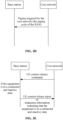
- FIG. 3B is a diagram of computing a paging occasion index in an inactive state according to an embodiment of the present application.
- equipment may be considered as the first communication node
- a base station may be considered as the second communication node
- a core network may be considered as the third communication node.
- the equipment reports paging capability through the paging capability indication information.
- the paging capability indication information performing a paging capability indication in the inactive state includes capability indication information for computing a paging occasion index by using the discontinuous reception (DRX) cycle of the UE in the idle mode when a paging occasion index (i_s) is computed in the inactive state, or indication information about the capability of computing the paging occasion index in the inactive state.
- the indication information about the capability of computing the paging occasion index in the inactive state includes capability indication information for computing the paging occasion index by using the discontinuous reception (DRX) cycle of the UE in the idle mode when the paging occasion index (i_s) in the inactive state is greater than 1, or indication information about the capability of computing the paging occasion index when the paging occasion index (i_s) in the inactive state is greater than 1.
- the indication information about the capability of computing the paging occasion index indicates that the paging occasion index is computed through the discontinuous reception cycle of the UE in the idle mode.
- the core network When the core network sends the first paging information triggered by the core network to the base station, the paging capability indication information and the discontinuous reception cycle triggered by the core network are sent to the central unit of the base station.
- the central unit of the base station receives the first paging information, the paging capability indication information and the discontinuous reception cycle triggered by the core network are sent to the distribution unit of the base station through second paging information.
- the discontinuous reception cycle triggered by the core network may be determined by the minimum cycle among a UE-specific paging cycle (if configured) and the default paging cycle of the base station.
- the default paging cycle may be broadcast by the base station.
- the discontinuous reception cycle triggered by the core network may be considered as the discontinuous reception cycle of the first communication node in the idle mode.
- the base station informs the UE through broadcasting whether the base station supports computing the paging occasion index in the inactive state by using the discontinuous reception cycle of the UE in the idle mode.
- the information broadcast by the base station to the UE that whether the base station supports computing the paging occasion index in the inactive state by using the discontinuous reception cycle of the UE in the idle mode may be implicitly indicated or explicitly indicated.
- the number of paging times (for example, Ns-r17 of NR or nB-r17 of enhanced machine type communication (eMTC)) of one paging frame of the UE used for supporting the preceding capability is implicitly broadcast by the base station, which represents that the base station supports the preceding capability.
- whether the base station supports the preceding capability is explicitly indicated through information.
- the value of the number of paging times is generally 2 or 4. For example, if the base station broadcasts through 1 bit, 0 represents that the number of paging times is 2, and 1 represents that the number of paging times is 4. If the broadcast does not include this 1 bit, this represents that the base station does not support the preceding capability.
- the equipment supports the preceding capability (that is, the capability of computing the paging occasion index in the inactive state by using the discontinuous reception cycle of the UE in the idle mode)
- the base station supports the preceding capability (that is, the capability of computing the paging occasion index in the inactive state by using the discontinuous reception cycle of the UE in the idle mode)
- the paging occasion index (i_s) is computed by using the number of paging times broadcast by the base station and the discontinuous reception (DRX) cycle of the UE in the idle mode.
- the DRX cycle of the UE in the idle mode is determined by the minimum cycle among the UE-specific paging cycle (if configured) and the default paging cycle of the base station.
- the paging occasion index (i_s) in the RRC_INACTIVE state is computed by using the discontinuous reception cycle of the UE in the idle mode.
- the discontinuous reception (DRX) cycle of the UE in the idle mode is determined by the minimum cycle among the UE-specific paging cycle (if configured) and the default paging cycle of the base station.
- the paging occasion is determined by using the paging occasion index in the idle mode, a paging narrowband index, and/or the group index of a wake-up signal group.
- the PNB is the narrowband index for receiving the paging message by the UE.
- the paging occasion index, the paging narrowband index, and the group index of the wake-up signal group are computed by using the discontinuous reception cycle of the UE in the idle mode.
- the PNB is the narrowband index for receiving the paging message by the UE.
- the paging occasion index (i_s) is computed by using the number of paging times (for example, Ns-r15 of NR or nB-r8 of eMTC) of one paging frame of a conventional UE and the paging cycle of the conventional UE.
- the paging cycle of the conventional UE is determined by the minimum cycle among a paging cycle of a RAN, the UE-specific paging cycle (if configured), and the default paging cycle.
- FIG. 4 is a flowchart of another information transmission method according to an embodiment of the present application. This method may be applicable to the case where the paging cycle of the RAN is determined. This method may be executed by an information transmission apparatus. This method may be implemented by software and/or hardware and integrated on a second communication node or a third communication node. For the content that is not yet exhaustive in this embodiment, reference may be made to the preceding embodiments. Details are not described herein.
- the information transmission method provided in this embodiment of the present application includes the following steps.
- the paging cycle of the RAN may be considered as a paging cycle configured by a base station to a UE through UE-dedicated signaling.
- the method is applied to the second communication node.
- Transmitting the paging cycle of the RAN includes that, in the case where the second communication node configures the paging cycle of the RAN for the first communication node, the second communication node carries the paging cycle of the RAN on dedicated signaling of the first communication node to transmit the paging cycle of the RAN to the third communication node.
- the base station When the base station configures the paging cycle of the RAN for the equipment, that is, the UE, the base station notifies the core network of the paging cycle of the RAN configured for the equipment through UE-dedicated signaling, that is, the dedicated signaling of the first communication node.
- the UE-dedicated signaling also includes at least one of the following: UE context release complete, UE context suspend request, or UE context resume request.
- the core network includes the paging cycle of the RAN in the triggered paging information, that is, the paging information triggered by the third communication node, to send the base station.
- the base station sends the paging according to the paging cycle of the RAN.
- the base station sends the paging according to the paging cycle of the RAN and the paging cycle of the core network (CN) separately.
- this embodiment of the present application provides an information transmission method.
- This method may be applicable to the case of processing a context release command.
- This method may be executed by an information transmission apparatus.
- This apparatus may be executed by software and/or hardware and integrated on the second communication node.
- the information transmission method provided in this embodiment of the present application includes, in the case where a context release command of the first communication node sent by the third communication node is acquired and the first communication node is in the RRC_INACTIVE state, transmitting indication information.
- the context release command of the first communication node may be considered as a command to release the context of the first communication node.
- the indication information may indicate that the context of the first communication node is retained, such as release of the context of the first communication node is rejected or the context of the first communication node is suspended.
- the indication information is transmitted. This effectively rejects the release of the context of the first communication node or suspends the context of the first communication node.
- the indication information includes at least one of the following: a context release reject message of the first communication node, indication information indicating that the first communication node is in the RRC_INACTIVE state, or indication information of suspending one context of the first communication node.
- the context of the first communication node is rejected or suspended through the indication information.
- the indication information indicating that the first communication node is in the RRC_INACTIVE state or the indication information of suspending the one context of the first communication node is included in at least one of the following: context release complete information of the first communication node or context suspend request information of the first communication node.
- an embodiment of the present application provides an information transmission method.
- FIG. 5 is a flowchart of another information transmission method according to an embodiment of the present application. This method is applicable to the case of processing a context release command. This method may be executed by an information transmission apparatus. This apparatus may be implemented by software and/or hardware and integrated on the third communication node. For the content that is not yet exhaustive in this embodiment, reference may be made to the preceding embodiments. Details are not described herein.
- the information transmission method provided in this embodiment of the present application includes the following steps.
- a context release command of a first communication node is sent.
- the third communication node may send the context release command of the first communication node to the first communication node.
- the indication information may be acquired.
- the indication information indicates that release of the context of the first communication node is rejected or the context of the first communication node is suspended.
- the context of the first communication node may be correspondingly processed based on the indication information, such as performing an operation of suspending the context of the first communication node.
- the information transmission method provided by the present application sends the context release command of the first communication node and acquires the indication information. This effectively rejects the release of the context of the first communication node or suspends the context of the first communication node.
- the indication information includes at least one of the following: a context release reject message of the first communication node, indication information indicating that the first communication node is in the RRC_INACTIVE state, or indication information of suspending one context of the first communication node.
- the indication information indicating that the first communication node is in the RRC_INACTIVE state or the indication information of suspending the one context of the first communication node is included in at least one of the following: context release complete information of the first communication node or context suspend request information of the first communication node.
- FIG. 3E is a diagram of processing a UE context release command according to an embodiment of the present application.
- a base station may be the second communication node
- a UE may be the first communication node
- a core network may be the third communication node.
- a UE context release reject message is sent to the core network; or indication information indicating that the UE is in the RRC_INACTIVE state is sent to the core network; or indication information of suspending one context of the UE is sent to the core network so that the core network does not release the context of the UE, thereby not triggering paging of the core network.
- the UE context release reject message or the indication information of suspending the one context of the UE is included in at least one of the following: UE context release complete information or UE context suspend request information.
- the base station and the core network save the context of the UE after sending or receiving the indication.
- a UE context resume request is sent to the base station to resume the context of the UE.
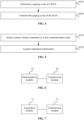
- FIG. 6 is a diagram illustrating the structure of an information transmission apparatus according to an embodiment of the present application.
- This apparatus may be configured in the first communication node.
- This apparatus includes a determination module 61 and a transmission module 62.
- the determination module 61 is configured to determine paging capability indication information.
- the paging capability indication information indicates paging capability of the first communication node in an inactive state.
- the transmission module 62 is configured to transmit the paging capability indication information.
- the information transmission apparatus provided in this embodiment is configured to implement the information transmission method of the embodiment shown in FIG. 1 .
- the information transmission apparatus provided in this embodiment has similar implementation principles and technical effects to the information transmission method of the embodiment shown in FIG. 1 . Repetition is not made here.
- the paging capability of the first communication node in the inactive state includes at least one of the following: a capability of computing a paging occasion index in the inactive state by using the discontinuous reception cycle of the first communication node in an idle mode or the capability of computing a paging occasion index in the inactive state.
- the capability of computing the paging occasion index in the inactive state includes, in the case where the paging occasion index in the inactive state is greater than 1, a capability of computing the paging occasion index by using the discontinuous reception cycle of the first communication node in the idle mode, or, in the case where the paging occasion index in the inactive state is greater than 1, the capability of computing the paging occasion index.
- the discontinuous reception cycle of the first communication node in the idle mode is determined by the minimum cycle among a specific paging cycle of the first communication node and a default paging cycle of a second communication node.
- FIG. 7 is a diagram illustrating the structure of another information transmission apparatus according to an embodiment of the present application.
- This apparatus is configured in a third communication node. As shown in FIG. 7 , this apparatus includes an acquisition module 71 and a transmission module 72.
- the acquisition module 71 is configured to acquire paging capability indication information.
- the paging capability indication information indicates paging capability of a first communication node in an inactive state.
- the transmission module 72 is configured to transmit first paging information.
- the first paging information includes the paging capability indication information.
- the information transmission apparatus provided in this embodiment is configured to implement the information transmission method of the embodiment shown in FIG. 2 .
- the information transmission apparatus provided in this embodiment has similar implementation principles and technical effects to the information transmission method of the embodiment shown in FIG. 2 . Repetition is not made here.
- the paging capability of the first communication node in the inactive state includes at least one of the following: a capability of computing a paging occasion index in the inactive state by using the discontinuous reception cycle of the first communication node in an idle mode or the capability of computing a paging occasion index in the inactive state.
- FIG. 8 is a diagram illustrating the structure of another information transmission apparatus according to an embodiment of the present application.
- This apparatus may be configured in a second communication node.
- This apparatus includes an acquisition module 81 and a determination module 82.
- the acquisition module 81 is configured to acquire second paging information.
- the second paging information includes paging capability indication information of a first communication node.
- the determination module 82 is configured to determine a paging occasion according to the second paging information and capability information of the second communication node.
- the information transmission apparatus provided in this embodiment is configured to implement the information transmission method of the embodiment shown in FIG. 3A .
- the information transmission apparatus provided in this embodiment has similar implementation principles and technical effects to the information transmission method of the embodiment shown in FIG. 3A . Repetition is not made here.
- the paging capability indication information of the first communication node includes at least one of the following: capability indication information for computing a paging occasion index in the inactive state by using the discontinuous reception cycle of the first communication node in an idle mode or indication information about a capability of computing a paging occasion index in the inactive state.
- the acquisition module 81 is configured to acquire the second paging information in the following manner, acquiring first paging information of a third communication node by a central unit of the second communication node, where the first paging information includes the paging capability indication information of the first communication node, and transmitting the second paging information by the central unit of the second communication node to a distribution unit of the second communication node.
- the second paging information is determined according to the first paging information.
- the second paging information also includes the discontinuous reception cycle of the first communication node in the idle mode.
- a paging occasion is determined according to the first number of paging times of one paging frame and the discontinuous reception cycle of the first communication node in the idle mode.
- the first number of paging times is determined according to the second paging information.
- the paging occasion is determined according to the second number of paging times of one paging frame of a conventional user equipment and the paging cycle of the conventional user equipment.
- the determination module 82 is configured to determine the paging occasion according to the second paging information and the capability information of the second communication node in the following manner: determining a paging occasion index according to the second paging information and the capability information of the second communication node and determining the paging occasion according to the paging occasion index.
- the apparatus further includes a broadcast module configured to broadcast capability information of the second communication node.
- the capability information broadcast by the broadcast module includes at least one of the following: capability indication information indicating whether the second communication node supports computing the paging occasion index by using the discontinuous reception cycle of the first communication node in the idle mode, about computing the paging occasion index in the inactive state whether supported by a second communication node, or the specific information about the number of paging times of one paging frame of the first communication node for the second communication node to support computing a paging occasion index by using the discontinuous reception cycle of the first communication node in the idle mode.
- FIG. 9 is a diagram illustrating the structure of another information transmission apparatus according to an embodiment of the present application.
- This apparatus may be integrated on the second communication node or the third communication node.
- This apparatus includes a determination module 91 and a transmission module 92.
- the transmission module 92 is configured to transmit the paging cycle of the RAN.
- the information transmission apparatus provided in this embodiment is configured to implement the information transmission method of the embodiment shown in FIG. 4 .
- the information transmission apparatus provided in this embodiment has similar implementation principles and technical effects to the information transmission method of the embodiment shown in FIG. 4 . Repetition is not made here.
- the method is applied by a second communication node.
- the transmission module 92 is configured to transmit the paging cycle of the RAN in the following manner, in the case where the second communication node configures the paging cycle of the RAN for the first communication node, carrying the paging cycle of the RAN on dedicated signaling of the first communication node by the second communication node to transmit the paging cycle of the RAN to the third communication node.
- the method is applied by a third communication node.
- the transmission module 92 is configured to transmit the paging cycle of the RAN in the following manner, in the case where the third communication node triggers paging, the third communication node carrying the paging cycle of the RAN on the paging information triggered by the third communication node to transmit the paging cycle of the RAN to a second communication node, and instructing the first communication node to send the paging according to the paging cycle of the RAN or instructing the first communication node to send the paging according to the paging cycle of the RAN and the paging cycle of the third communication node.
- the present application provides an information transmission apparatus.
- This apparatus may be integrated on the second communication node.
- This apparatus is configured to, in the case where a context release command of a first communication node sent by a third communication node is acquired and the first communication node is in the RRC_INACTIVE state, transmit indication information.
- the information transmission apparatus provided in this embodiment is configured to implement the information transmission method of transmitting the indication information in the present application.
- the information transmission apparatus provided in this embodiment has similar implementation principles and technical effects to the information transmission method transmitting indication information. Repetition is not made here.
- the indication information indicating that the first communication node is in the RRC_INACTIVE state or the indication information of suspending the one context of the first communication node is included in at least one of the following: context release complete information of the first communication node or context suspend request information of the first communication node.
- the sending module 110 is configured to send a context release command of a first communication node.
- the acquisition module 120 is configured to acquire indication information.
- the information transmission apparatus provided in this embodiment is configured to implement the information transmission method of the embodiment shown in FIG. 5 .
- the information transmission apparatus provided in this embodiment has similar implementation principles and technical effects to the information transmission method of the embodiment shown in FIG. 5 . Repetition is not made here.
- the indication information includes at least one of the following: a context release reject message of the first communication node, indication information indicating that the first communication node is in the RRC_INACTIVE state, or indication information of suspending one context of the first communication node.
- the indication information indicating that the first communication node is in the RRC_INACTIVE state or the indication information of suspending the one context of the first communication node is included in at least one of the following: context release complete information of the first communication node or context suspend request information of the first communication node.
- the present application provides a communication node.
- the communication node in this embodiment may be a first communication node, a second communication node, or a third communication node in the present application.
- FIG. 11 is a diagram illustrating the structure of a communication node according to an embodiment of the present application.
- the communication node provided in the present application includes one or more processors 111 and a storage apparatus 112.
- One or more processors 111 may be disposed in the communication node.
- one processor 111 is used as an example.
- the storage apparatus 112 is used for storing one or more programs. When executed by the one or more processors 111, the one or more programs cause the one or more processors 111 to implement the information transmission method described in embodiments of the present application.
- the communication node also includes a communication apparatus 113, an input apparatus 114, and an output apparatus 115.
- the processor 111, the storage apparatus 112, the communication apparatus 113, the input apparatus 114, and the output apparatus 115 in the communication node may be connected via a bus or other manners, with connection via a bus as an example in FIG. 11 .
- the input apparatus 114 may be configured to receive inputted digital or character information and generate key signal input related to user settings and function control of the communication node.
- the output apparatus 115 may include a display device such as a display screen.
- the communication apparatus 113 may include a receiver and a sender.
- the communication apparatus 113 is configured to perform information transceiving communication under the control of the processor 111.
- the storage apparatus 112 may be configured to store software programs and computer-executable programs and modules, such as program instructions/modules (for example, the determination module 61 and the transmission module 62 in the information transmission apparatus; the acquisition module 71 and the transmission module 72 in the information transmission apparatus; the acquisition module 81 and the determination module 82 in the information transmission apparatus; the determination module 91 and the transmission module 92 in the information transmission apparatus; or the sending module 110 and the acquisition module 120 in the information transmission apparatus) corresponding to the information transmission method in the embodiments of the present application.
- the storage apparatus 112 may include a program storage region and a data storage region.
- the program storage region may store an operating system and an application program required by at least one function.
- the data storage region may store data created depending on use of the communication node.
- the storage apparatus 112 may include a high-speed random-access memory and may also include a nonvolatile memory, such as at least one magnetic disk memory, a flash memory, or another nonvolatile solid-state memory.
- the storage apparatus 112 may further include memories which are remotely disposed with respect to the processor 111. These remote memories may be connected to the communication node via a network. Examples of the preceding network include, but are not limited to, the Internet, an intranet, a local area network, a mobile communication network, and a combination thereof.
- An embodiment of the present application also provides a storage medium storing a computer program, and the computer program, when executed by a processor, implements any method in the present application.
- the storage medium storing a computer program which, when executed by a processor, implements the information transmission method in any embodiment of the present application.
- the information transmission method includes determining paging capability indication information, where the paging capability indication information indicates the paging capability of a first communication node in an inactive state, and transmitting the paging capability indication information.
- the information transmission method includes acquiring paging capability indication information, where the paging capability indication information indicates the paging capability of a first communication node in an inactive state, and transmitting first paging information, where the first paging information includes the paging capability indication information.
- the information transmission method includes acquiring second paging information, where the second paging information includes paging capability indication information of a first communication node, and determining a paging occasion according to the second paging information and capability information of a second communication node.
- the information transmission method includes determining a paging cycle of a RAN and transmitting the paging cycle of the RAN.
- the information transmission method includes transmitting indication information, in response to acquiring a context release command of a first communication node sent by a third communication node and the first communication node being in an RRC_INACTIVE state.
- the information transmission method includes sending a context release command of a first communication node and acquiring indication information.
- the computer storage medium in this embodiment of the present application may use any combination of one or more computer-readable mediums.
- a computer-readable medium may be a computer-readable signal medium or a computer-readable storage medium.
- the computer-readable storage medium may be, for example, but is not limited to, an electrical, magnetic, optical, electromagnetic, infrared, or semiconductor system, apparatus or device, or any combination thereof.
- the computer-readable storage medium include (non-exhaustive list) an electrical connection having one or more wires, a portable computer magnetic disk, a hard disk, a random-access memory (RAM), a read-only memory (ROM), an erasable programmable read-only memory (EPROM), a flash memory, an optical fiber, a portable compact disc (CD) ROM, an optical storage element, a magnetic storage device, or any suitable combination thereof.
- the computer-readable storage medium may be any tangible medium containing or storing a program.
- the program may be used by or used in conjunction with an instruction execution system, apparatus, or element.
- the computer-readable signal medium may include a data signal propagated in a baseband or as part of a carrier.
- the data signal carries computer-readable program codes.
- the data signal propagated in this manner may be in multiple forms and includes, but is not limited to, an electromagnetic signal, an optical signal, or any suitable combination thereof.
- the computer-readable signal medium may also be any computer-readable medium other than a computer-readable storage medium.
- the computer-readable medium may send, propagate, or transmit the program used by or used in conjunction with the instruction execution system, apparatus, or element.
- the program codes contained on the computer-readable medium may be transmitted on any suitable medium including, but not limited to, a wireless medium, a wire, an optical cable, and a radio frequency (RF) or transmitted on any suitable combination thereof.
- a wireless medium including, but not limited to, a wireless medium, a wire, an optical cable, and a radio frequency (RF) or transmitted on any suitable combination thereof.
- RF radio frequency
- Computer program codes for executing operations of the present application may be written in one or more programming languages or a combination of multiple programming languages.
- the programming languages include object-oriented programming languages such as Java, Smalltalk, and C++ and conventional procedural programming languages such as C language or similar programming languages.
- the program codes may be executed entirely on a user computer, partly on the user computer, as a stand-alone software package, partly on the user computer and partly on a remote computer, or entirely on the remote computer or a server.
- the remote computer may be connected to a user computer via any kind of network including a local area network (LAN) or a wide area network (WAN), or may be connected to an external computer (for example, via the Internet through an Internet service provider).
- LAN local area network
- WAN wide area network
- Internet service provider for example, via the Internet through an Internet service provider
- the storage medium may be a non-transitory storage medium.
- radio user equipment covers any suitable type of radio user equipment, for example, a mobile phone, a portable data processing apparatus, a portable web browser, or a vehicle-mounted mobile station.
- multiple embodiments of the present application may be implemented in hardware, dedicated circuits, software, logic, or any combination thereof.
- some aspects may be implemented in hardware, and other aspects may be implemented in firmware or software that may be executed by a controller, a microprocessor, or another computing apparatus, though the present application is not limited thereto.
- the embodiments of the present application may be implemented by computer program instructions executed by a data processor of a mobile apparatus, for example, implemented in a processor entity, by hardware, or by a combination of software and hardware.
- the computer program instructions may be assembly instructions, instruction set architecture (ISA) instructions, machine instructions, machine-related instructions, microcodes, firmware instructions, status setting data, or source or object codes written in any combination of one or more programming languages.
- ISA instruction set architecture
- a block diagram of any logic flow among the drawings of the present application may represent program steps, may represent interconnected logic circuits, modules, and functions, or may represent a combination of program steps with logic circuits, modules, and functions.
- Computer programs may be stored in a memory.
- the memory may be of any type suitable for a local technical environment and may be implemented by using any suitable data storage technology, such as, but not limited to, a read-only memory (ROM), a random access memory (RAM), and an optical memory apparatus and system (digital video disc (DVD) or compact disk (CD)).
- the computer-readable medium may include a non-transitory storage medium.
- the data processor may be in any type suitable for the local technical environment, for example, but not limited to, a general-purpose computer, a special-purpose computer, a microprocessor, a digital signal processing (DSP), an application specific integrated circuit (ASIC), a field-programmable gate array (FGPA), and a processor based on a multi-core processor architecture.
- a general-purpose computer for example, but not limited to, a general-purpose computer, a special-purpose computer, a microprocessor, a digital signal processing (DSP), an application specific integrated circuit (ASIC), a field-programmable gate array (FGPA), and a processor based on a multi-core processor architecture.
- DSP digital signal processing
- ASIC application specific integrated circuit
- FGPA field-programmable gate array
Landscapes
- Engineering & Computer Science (AREA)
- Computer Networks & Wireless Communication (AREA)
- Signal Processing (AREA)
- Databases & Information Systems (AREA)
- Mobile Radio Communication Systems (AREA)
- Communication Control (AREA)
- Telephonic Communication Services (AREA)
Description
- The present application relates to the field of communications, for example, an information transmission method and apparatus, a communication node, and a storage medium.
- Radio resource control (RRC) under new radio (NR) access technology has three states: an idle state (that is, RRC_IDLE), an inactive state ((that is, RRC_INACTIVE), and a connected state (that is, RRC_CONNECTED).
- Currently, a network-side device may send paging to a user equipment (UE) in the idle state or the connected state, but there is no paging mechanism in the inactive state.
US 2019/342833 A1 , 3GPP R1-2103768 and 3GPP Draft R3-210338 are related prior art documents. - The invention is specified by the independent claims. Preferred embodiments are defined in the dependent claims. In the following description, although numerous features may be designated as optional, it is nevertheless acknowledged that all features comprised in the independent claims are not to be read as optional. Embodiments of the present application provide an information transmission method and apparatus, a communication node, and a storage medium to effectively determine a paging mechanism in the inactive state.
- The preceding embodiments and other aspects of the present application and implementations thereof are described in more detail in the brief description of drawings, detailed description, and claims.
-
-
FIG. 1 is a flowchart of an information transmission method according to an embodiment of the present application. -
FIG. 2 is a flowchart of another information transmission method according to an embodiment of the present application. -
FIG. 3A is a flowchart of another information transmission method according to an embodiment of the present application. -
FIG. 3B is a diagram of computing a paging occasion index in an inactive state according to an embodiment of the present application. -
FIG. 3C is a flowchart for determining a paging cycle of a RAN according to an embodiment of the present application. -
FIG. 3D is another flowchart for determining a paging cycle of a RAN according to an embodiment of the present application. -
FIG. 3E is a diagram of processing a UE context release command according to an embodiment of the present application. -
FIG. 4 is a flowchart of another information transmission method according to an embodiment of the present application. -
FIG. 5 is a flowchart of another information transmission method according to an embodiment of the present application. -
FIG. 6 is a diagram illustrating the structure of an information transmission apparatus according to an embodiment of the present application. -
FIG. 7 is a diagram illustrating the structure of another information transmission apparatus according to an embodiment of the present application. -
FIG. 8 is a diagram illustrating the structure of another information transmission apparatus according to an embodiment of the present application. -
FIG. 9 is a diagram illustrating the structure of another information transmission apparatus according to an embodiment of the present application. -
FIG. 10 is a diagram illustrating the structure of another information transmission apparatus according to an embodiment of the present application. -
FIG. 11 is a diagram illustrating the structure of a communication node according to an embodiment of the present application. - To illustrate the object, solutions, and advantages of the present application clearer, embodiments of the present application are described hereinafter in detail in conjunction with the drawings. It is to be noted that if not in collision, embodiments of the present application and features therein may be combined with each other in any manner.
- The steps illustrated in the flowcharts among the drawings may be executed by, for example, a computer system capable of executing a set of computer-executable instructions. Moreover, although logical sequences are illustrated in the flowcharts, the steps illustrated or described may be executed in a sequence different from those described here in some cases.
- In an example embodiment,
FIG. 1 is a flowchart of an information transmission method according to an embodiment of the present application. This method may be applicable to the case where the paging mechanism of a first communication node in the inactive state is determined. This method may be implemented by software and/or hardware and integrated on the first communication node. The first communication node may be a UE. - It is to be noted that the techniques used for computing a paging occasion index in this embodiment of the present application are also applicable to computing a paging narrowband (PNB) index and a group index of a wake-up signal group (WG). That is, the PNB index, the WG index, and the paging occasion index may be computed by using a discontinuous reception cycle in an idle mode.
- As shown in
FIG. 1 , the information transmission method provided in this embodiment of the present application includes the following steps. - In S110, paging capability indication information is determined. The paging capability indication information indicates paging capability of the first communication node in the inactive state.
- Herein, it is not limited that how the paging capability of the first communication node is determined as long as the paging capability indication information can indicate the paging capability of the first communication node. For example, the paging capability indication information may indicate whether a paging occasion index in an inactive state can be computed by using the discontinuous reception cycle of the first communication node in an idle mode.
- The paging capability indication information may instruct a second communication node to determine a paging occasion. The second communication node may be a base station.
- In S120, the paging capability indication information is transmitted.
- After the paging capability indication information is determined, the paging capability indication information may be transmitted in this step. For example, the paging capability indication information is transmitted to a third communication node to facilitate the computation of the paging occasion. The third communication node may be a core network.
- In the information transmission method provided by this embodiment of the present application, the paging capability indication information is determined, where the paging capability indication information indicates the paging capability of the first communication node in the inactive state, and the paging capability indication information is transmitted. Determination of the paging mechanism in the inactive state can be facilitated based on the transmitted paging capability indication information.
- On the basis of the preceding embodiment, variant embodiments of the preceding embodiment are proposed. It is to be noted here that for ease of description, only differences from the preceding embodiment are described in the variant embodiments.
- In an embodiment, the paging capability of the first communication node in the inactive state includes at least one of the following: a capability of computing a paging occasion index in the inactive state by using the discontinuous reception cycle of the first communication node in an idle mode or a capability of computing a paging occasion index in an inactive state.
- In an embodiment, the capability of computing the paging occasion index in the inactive state includes, in the case where the paging occasion index in the inactive state is greater than 1, the capability of computing the paging occasion index by using the discontinuous reception cycle of the first communication node in the idle mode, or, in the case where the paging occasion index in the inactive state is greater than 1, a capability of computing the paging occasion index.
- The capability of computing the paging occasion index in the case where the paging occasion index in the inactive state is greater than 1 may be the capability of computing the paging occasion index by using the discontinuous reception cycle of the first communication node in the idle mode.
- In an embodiment, the discontinuous reception cycle of the first communication node in the idle mode is determined by the minimum cycle in a specific paging cycle of the first communication node and a default paging cycle of a second communication node.
- The specific paging cycle is not limited. Exemplarily, the specific paging cycle may be the paging cycle assigned by an upper layer.
- In an example embodiment, the present application also provides an information transmission method.
FIG. 2 is a flowchart of another information transmission method according to an embodiment of the present application. This method may be applicable to the case where the paging mechanism of the first communication node in the inactive state is determined. This method may be implemented by software and/or hardware and integrated on a third communication node. The third communication node may be a core network. For the content that is not yet exhaustive in this embodiment, reference may be made to the preceding embodiments. Details are not described herein. - As shown in
FIG. 2 , the information transmission method provided in this embodiment of the present application includes the following steps. - In S210, paging capability indication information is acquired. The paging capability indication information indicates the paging capability of the first communication node in the inactive state.
- In this step, the paging capability indication information may be acquired from the first communication node.
- In S220, first paging information is transmitted. The first paging information includes the paging capability indication information.
- After the paging capability indication information is acquired, in this step, the paging capability indication information may be included in the first paging information for transmission so as to determine a paging occasion. In this step, the first paging information may be transmitted to the second communication node for the second communication node to determine the paging occasion.
- The paging capability indication information included in the first paging information is used for the second communication node to determine the paging occasion.
- In the information transmission method provided by this embodiment of the present application, the paging capability indication information is acquired, where the paging capability indication information indicates the paging capability of the first communication node in the inactive state, and the first paging information is transmitted. The first paging information includes the paging capability indication information. By transmitting the first paging information, it is convenient to determine the paging occasion based on the paging capability indication information.
- On the basis of the preceding embodiments, variant embodiments of the preceding embodiments are proposed. It is to be noted here that for ease of description, only differences from the preceding embodiments are described in the variant embodiments.
- In an embodiment, the paging capability of the first communication node in the inactive state includes at least one of the following: a capability of computing a paging occasion index in the inactive state by using the discontinuous reception cycle of the first communication node in the idle mode or the capability of computing the paging occasion index in the inactive state.
- In an example embodiment, the present application provides an information transmission method.
FIG. 3A is a flowchart of another information transmission method according to an embodiment of the present application. This method may be applicable to the case where the paging mechanism of the first communication node in the inactive state is determined. This method may be implemented by software and/or hardware and integrated on a second communication node. The second communication node may be a base station. For the content that is not yet exhaustive in this embodiment, reference may be made to the preceding embodiments. Details are not described herein. - As shown in
FIG. 3A , the information transmission method provided in this embodiment of the present application includes the following steps. - In S310, second paging information is acquired. The second paging information includes paging capability indication information of the first communication node.
- In this step, the second paging information may be determined by the first paging information transmitted by a third communication node. The second paging information may be information transmitted by a central unit of the second communication node to a distribution unit of the second communication node based on the first paging information. The second paging information may be used for the second communication node to determine the paging occasion. The second paging information may also include the discontinuous reception cycle of the first communication node in an idle mode.
- In S320, the paging occasion is determined according to the second paging information and capability information of the second communication node.
- The capability information of the second communication node may represent the capability of whether the second communication node can compute a paging occasion index by using the discontinuous reception cycle of the first communication node in the idle mode.
- When the paging occasion is determined, the capability information of the second communication node and the second paging information may determine parameters used in computing the paging occasion index. The specific content is not limited herein.
- In the information transmission method provided in this embodiment of the present application, the second paging information is acquired, where the second paging information includes the paging capability indication information of the first communication node, and the paging occasion is determined according to the second paging information and the capability information of the second communication node. The paging mechanism in the inactive state is effectively determined by using this method.
- On the basis of the preceding embodiments, variant embodiments of the preceding embodiments are proposed. It is to be noted here that for ease of description, only differences from the preceding embodiments are described in the variant embodiments.
- In an embodiment, the paging capability indication information of the first communication node includes at least one of the following: capability indication information for computing a paging occasion index in the inactive state by using the discontinuous reception cycle of the first communication node in the idle mode or indication information about a capability of computing the paging occasion index in the inactive state.
- In an embodiment, acquiring second paging information includes the following steps: the central unit of the second communication node acquires first paging information of the third communication node, where the first paging information includes the paging capability indication information of the first communication node, and the central unit of the second communication node transmits the second paging information to the distribution unit of the second communication node. The second paging information is determined according to the first paging information. The second paging information also includes the discontinuous reception cycle of the first communication node in the idle mode.
- The second paging information includes the paging capability indication information in the first paging information and also the discontinuous reception cycle of the first communication node in the idle mode.
- In an embodiment, in the case where the second paging information is acquired and the second communication node supports computing the paging occasion index in the inactive state, a paging occasion is determined according to the first number of paging times of one paging frame and the discontinuous reception cycle of the first communication node in the idle mode. The first number of paging times is determined according to the second paging information.
- How to determine the first number of paging times and the paging occasion is not limited herein. In the embodiments of the present application, "first" and "second" are used for distinguishing corresponding contents and have no practical meaning.
- In an embodiment, in the case where the second paging information is not acquired or the central unit of the second communication node does not support computing the paging occasion index in the inactive state or the paging capability indication information included in the second paging information is not acquired, a paging occasion is determined according to the second number of paging times of one paging frame of a conventional user equipment and the paging cycle of the conventional user equipment.
- The conventional user equipment may be considered as not supporting the preceding capabilities, such as the capability of computing the paging occasion index in the inactive state.
- In an embodiment, determining the paging occasion according to the second paging information and the capability information of the second communication node includes determining a paging occasion index according to the second paging information and the capability information of the second communication node and determining the paging occasion according to the paging occasion index.
- When the paging occasion is determined, the paging occasion may be determined based on the paging occasion index in this embodiment. The paging occasion index is not limited herein as long as the paging occasion can be uniquely identified. How to determine the paging occasion index is also not limited herein. For example, the paging occasion index may be determined based on the number of paging times and the paging cycle. For the specific content, reference is made to the preceding description.
- In an embodiment, the method also includes broadcasting the capability information of the second communication node.
- In an embodiment, the capability information broadcast by the second communication node includes at least one of the following: capability indication information indicating whether the second communication node supports computing the paging occasion index by using the discontinuous reception cycle of the first communication node in the idle mode, or indication information about whether the second communication node supports the capability of computing the paging occasion index in the inactive state, or the specific information about the number of paging times of one paging frame of the first communication node for the second communication node to support computing a paging occasion index by using the discontinuous reception cycle of the first communication node in the idle mode. The manner in which the capability of the second communication node is indicated by the number of paging times may be considered as an implicit indication manner.
- Exemplary description of the present application is made below.
- Currently, in the wireless communication standard, a UE may use discontinuous reception (DRX) in the idle mode to reduce power consumption. The DRX of the UE in the idle state is mainly to monitor a paging channel and a broadcast channel. As long as a fixed cycle is defined, the purpose of the discontinuous reception can be achieved. Determining a DRX cycle of paging is described as follows: if an upper layer configures a UE-specific extended DRX value of 512 radio frames, the DRX cycle of the UE is 512. Otherwise, the DRX cycle of the UE is determined by the shortest one between the UE-specific DRX value (if assigned by the upper layer) and a default DRX value broadcast in system information. If no UE-specific DRX is configured by the upper layer, the default value is applied. In the RRC_INACTIVE state, if the extended DRX is not configured by the upper layer, the DRX cycle of the UE is determined by the shortest one among a paging cycle of a RAN, a UE-specific paging cycle (if assigned by the upper layer), and a default paging cycle. Otherwise, in the case where the extended DRX is configured by the upper layer, in the RRC_INACTIVE state, the DRX cycle of the UE during a paging time window (PTW) is determined by the shortest one among the paging cycle of the RAN, the UE-specific paging cycle (if assigned by the upper layer) and the default paging cycle of the base station, and the DRX cycle of the UE outside of the PTW is determined by the paging cycle of the RAN.
- There is no paging mechanism for the inactive RRC state in the current standard.
FIG. 3B is a diagram of computing a paging occasion index in an inactive state according to an embodiment of the present application. Referring toFIG. 3B , equipment may be considered as the first communication node, a base station may be considered as the second communication node, and a core network may be considered as the third communication node. - The equipment reports paging capability through the paging capability indication information. The paging capability indication information performing a paging capability indication in the inactive state includes capability indication information for computing a paging occasion index by using the discontinuous reception (DRX) cycle of the UE in the idle mode when a paging occasion index (i_s) is computed in the inactive state, or indication information about the capability of computing the paging occasion index in the inactive state.
- The indication information about the capability of computing the paging occasion index in the inactive state includes capability indication information for computing the paging occasion index by using the discontinuous reception (DRX) cycle of the UE in the idle mode when the paging occasion index (i_s) in the inactive state is greater than 1, or indication information about the capability of computing the paging occasion index when the paging occasion index (i_s) in the inactive state is greater than 1. When the paging occasion index (i_s) in the inactive state is greater than 1, the indication information about the capability of computing the paging occasion index indicates that the paging occasion index is computed through the discontinuous reception cycle of the UE in the idle mode.
- When the core network sends the first paging information triggered by the core network to the base station, the paging capability indication information and the discontinuous reception cycle triggered by the core network are sent to the central unit of the base station. When the central unit of the base station receives the first paging information, the paging capability indication information and the discontinuous reception cycle triggered by the core network are sent to the distribution unit of the base station through second paging information. The discontinuous reception cycle triggered by the core network may be determined by the minimum cycle among a UE-specific paging cycle (if configured) and the default paging cycle of the base station. The default paging cycle may be broadcast by the base station. The discontinuous reception cycle triggered by the core network may be considered as the discontinuous reception cycle of the first communication node in the idle mode.
- The base station informs the UE through broadcasting whether the base station supports computing the paging occasion index in the inactive state by using the discontinuous reception cycle of the UE in the idle mode. The information broadcast by the base station to the UE that whether the base station supports computing the paging occasion index in the inactive state by using the discontinuous reception cycle of the UE in the idle mode may be implicitly indicated or explicitly indicated.
- For example, the number of paging times (for example, Ns-r17 of NR or nB-r17 of enhanced machine type communication (eMTC)) of one paging frame of the UE used for supporting the preceding capability is implicitly broadcast by the base station, which represents that the base station supports the preceding capability. Alternatively, whether the base station supports the preceding capability is explicitly indicated through information.
- The value of the number of paging times is generally 2 or 4. For example, if the base station broadcasts through 1 bit, 0 represents that the number of paging times is 2, and 1 represents that the number of paging times is 4. If the broadcast does not include this 1 bit, this represents that the base station does not support the preceding capability.
- In the case where the equipment supports the preceding capability (that is, the capability of computing the paging occasion index in the inactive state by using the discontinuous reception cycle of the UE in the idle mode), if the base station supports the preceding capability (that is, the capability of computing the paging occasion index in the inactive state by using the discontinuous reception cycle of the UE in the idle mode), when both paging initiated by the core network and paging initiated by a radio access network (RAN) are monitored simultaneously in the RRC_INACTIVE state, the paging occasion index (i_s) is computed by using the number of paging times broadcast by the base station and the discontinuous reception (DRX) cycle of the UE in the idle mode. The DRX cycle of the UE in the idle mode is determined by the minimum cycle among the UE-specific paging cycle (if configured) and the default paging cycle of the base station. Alternatively, in the case where the equipment supports the preceding capability, and when the paging initiated by the core network and the paging initiated by a radio access network are monitored simultaneously in the RRC_INACTIVE state, the paging occasion index (i_s) in the RRC_INACTIVE state is computed by using the discontinuous reception cycle of the UE in the idle mode. The discontinuous reception (DRX) cycle of the UE in the idle mode is determined by the minimum cycle among the UE-specific paging cycle (if configured) and the default paging cycle of the base station. Alternatively, in the case where the equipment in the RRC_INACTIVE state supports the preceding capability, the paging occasion is determined by using the paging occasion index in the idle mode, a paging narrowband index, and/or the group index of a wake-up signal group. The PNB is the narrowband index for receiving the paging message by the UE. Alternatively, in the case where the equipment in the RRC_INACTIVE state supports the preceding capability, the paging occasion index, the paging narrowband index, and the group index of the wake-up signal group are computed by using the discontinuous reception cycle of the UE in the idle mode. The PNB is the narrowband index for receiving the paging message by the UE.
- In the case where the equipment or the base station does not support the preceding capability (that is, the capability of computing the paging occasion index in the inactive state by using the discontinuous reception cycle of the UE in the idle mode), and when paging initiated by the core network and paging initiated by the RAN are monitored simultaneously in the RRC_INACTIVE state, the paging occasion index (i_s) is computed by using the number of paging times (for example, Ns-r15 of NR or nB-r8 of eMTC) of one paging frame of a conventional UE and the paging cycle of the conventional UE. The paging cycle of the conventional UE is determined by the minimum cycle among a paging cycle of a RAN, the UE-specific paging cycle (if configured), and the default paging cycle.
- In an example embodiment,
FIG. 4 is a flowchart of another information transmission method according to an embodiment of the present application. This method may be applicable to the case where the paging cycle of the RAN is determined. This method may be executed by an information transmission apparatus. This method may be implemented by software and/or hardware and integrated on a second communication node or a third communication node. For the content that is not yet exhaustive in this embodiment, reference may be made to the preceding embodiments. Details are not described herein. - As shown in
FIG. 4 , the information transmission method provided in this embodiment of the present application includes the following steps. - In S410, a paging cycle of a RAN is determined.
- The paging cycle of the RAN may be considered as a paging cycle configured by a base station to a UE through UE-dedicated signaling.
- In S420, the paging cycle of the RAN is transmitted.
- In this embodiment, it is not limited that the method may be executed by the second communication node if the second communication node transmits the paging cycle of the RAN to the third communication node. The method may also be executed by the third communication node if the third communication node transmits the paging cycle of the RAN to the second communication node. The paging cycle of the RAN is included in which information is not limited herein.
- In the information transmission method provided in this embodiment of the present application, the paging cycle of the RAN is determined and then transmitted. The paging cycle of the RAN is effectively indicated by using the method.
- On the basis of the preceding embodiments, variant embodiments of the preceding embodiments are proposed. It is to be noted here that for ease of description, only differences from the preceding embodiments are described in the variant embodiments.
- In an embodiment, the method is applied to the second communication node. Transmitting the paging cycle of the RAN includes that, in the case where the second communication node configures the paging cycle of the RAN for the first communication node, the second communication node carries the paging cycle of the RAN on dedicated signaling of the first communication node to transmit the paging cycle of the RAN to the third communication node.
- In an embodiment, the method is applied to the third communication node. Transmitting the paging cycle of the RAN includes that, in the case where the third communication node triggers paging, the third communication node carries the paging cycle of the RAN on the paging information triggered by the third communication node to transmit the paging cycle of the RAN to the second communication node, and the third communication node instructs the first communication node to send the paging according to the paging cycle of the RAN or the third communication node instructs the first communication node to send the paging according to the paging cycle of the RAN and the paging cycle of the third communication node.
- Exemplary description of the present application is made below.
- In this example, the paging triggered by a core network is sent on the paging occasion of a RAN and the paging occasion of the core network.
FIG. 3C is a flowchart for determining the paging cycle of the RAN according to an embodiment of the present application.FIG. 3D is another flowchart for determining the paging cycle of the RAN according to an embodiment of the present application. Referring toFIG. 3C andFIG. 3D , a base station may be the second communication node, a core network may be the third communication node, and a UE may be the first communication node. When the base station configures the paging cycle of the RAN for the equipment, that is, the UE, the base station notifies the core network of the paging cycle of the RAN configured for the equipment through UE-dedicated signaling, that is, the dedicated signaling of the first communication node. The UE-dedicated signaling also includes at least one of the following: UE context release complete, UE context suspend request, or UE context resume request. - In the case where the paging is triggered by the core network, the core network includes the paging cycle of the RAN in the triggered paging information, that is, the paging information triggered by the third communication node, to send the base station. The base station sends the paging according to the paging cycle of the RAN. Alternatively, the base station sends the paging according to the paging cycle of the RAN and the paging cycle of the core network (CN) separately.
- In an exemplary embodiment, this embodiment of the present application provides an information transmission method. This method may be applicable to the case of processing a context release command. This method may be executed by an information transmission apparatus. This apparatus may be executed by software and/or hardware and integrated on the second communication node. For the content that is not yet exhaustive in this embodiment, reference may be made to the preceding embodiments. Details are not described herein.
- The information transmission method provided in this embodiment of the present application includes, in the case where a context release command of the first communication node sent by the third communication node is acquired and the first communication node is in the RRC_INACTIVE state, transmitting indication information.
- The context release command of the first communication node may be considered as a command to release the context of the first communication node. The indication information may indicate that the context of the first communication node is retained, such as release of the context of the first communication node is rejected or the context of the first communication node is suspended.
- In the information transmission method provided in this embodiment of the present application, in the case where the context release command of the first communication node sent by the third communication node is acquired and the first communication node is in the RRC_INACTIVE state, the indication information is transmitted. This effectively rejects the release of the context of the first communication node or suspends the context of the first communication node.
- On the basis of the preceding embodiments, variant embodiments of the preceding embodiments are proposed. It is to be noted here that for ease of description, only differences from the preceding embodiments are described in the variant embodiments.
- In an embodiment, the indication information includes at least one of the following: a context release reject message of the first communication node, indication information indicating that the first communication node is in the RRC_INACTIVE state, or indication information of suspending one context of the first communication node.
- The context of the first communication node is rejected or suspended through the indication information.
- In an embodiment, the indication information indicating that the first communication node is in the RRC_INACTIVE state or the indication information of suspending the one context of the first communication node is included in at least one of the following: context release complete information of the first communication node or context suspend request information of the first communication node.
- In an exemplary embodiment, an embodiment of the present application provides an information transmission method.
FIG. 5 is a flowchart of another information transmission method according to an embodiment of the present application. This method is applicable to the case of processing a context release command. This method may be executed by an information transmission apparatus. This apparatus may be implemented by software and/or hardware and integrated on the third communication node. For the content that is not yet exhaustive in this embodiment, reference may be made to the preceding embodiments. Details are not described herein. - As shown in
FIG. 5 , the information transmission method provided in this embodiment of the present application includes the following steps. - In S510, a context release command of a first communication node is sent.
- The third communication node may send the context release command of the first communication node to the first communication node.
- In S520, indication information is acquired.
- After the context release command of the first communication node is sent, the indication information may be acquired. The indication information indicates that release of the context of the first communication node is rejected or the context of the first communication node is suspended.
- After the indication information is acquired, the context of the first communication node may be correspondingly processed based on the indication information, such as performing an operation of suspending the context of the first communication node.
- The information transmission method provided by the present application sends the context release command of the first communication node and acquires the indication information. This effectively rejects the release of the context of the first communication node or suspends the context of the first communication node.
- On the basis of the preceding embodiments, variant embodiments of the preceding embodiments are proposed. It is to be noted here that for ease of description, only differences from the preceding embodiments are described in the variant embodiments.
- In an embodiment, the indication information includes at least one of the following: a context release reject message of the first communication node, indication information indicating that the first communication node is in the RRC_INACTIVE state, or indication information of suspending one context of the first communication node.
- The indication information indicating that the first communication node is in the RRC_INACTIVE state or the indication information of suspending the one context of the first communication node is included in at least one of the following: context release complete information of the first communication node or context suspend request information of the first communication node.
- Exemplary description of the present application is made below.
-
FIG. 3E is a diagram of processing a UE context release command according to an embodiment of the present application. Referring toFIG. 3E , a base station may be the second communication node, a UE may be the first communication node, and a core network may be the third communication node. When the base station receives a UE context release command sent by the core network, that is, the context release command of the first communication node, if the equipment is in the RRC_INACTIVE state, a UE context release reject message is sent to the core network; or indication information indicating that the UE is in the RRC_INACTIVE state is sent to the core network; or indication information of suspending one context of the UE is sent to the core network so that the core network does not release the context of the UE, thereby not triggering paging of the core network. - The UE context release reject message or the indication information of suspending the one context of the UE is included in at least one of the following: UE context release complete information or UE context suspend request information.
- The base station and the core network save the context of the UE after sending or receiving the indication. When the core network needs to send data to the UE, a UE context resume request is sent to the base station to resume the context of the UE.
- In an exemplary embodiment, the present application provides an information transmission apparatus.
FIG. 6 is a diagram illustrating the structure of an information transmission apparatus according to an embodiment of the present application. This apparatus may be configured in the first communication node. This apparatus includes adetermination module 61 and atransmission module 62. - The
determination module 61 is configured to determine paging capability indication information. The paging capability indication information indicates paging capability of the first communication node in an inactive state. - The
transmission module 62 is configured to transmit the paging capability indication information. - The information transmission apparatus provided in this embodiment is configured to implement the information transmission method of the embodiment shown in
FIG. 1 . The information transmission apparatus provided in this embodiment has similar implementation principles and technical effects to the information transmission method of the embodiment shown inFIG. 1 . Repetition is not made here. - On the basis of the preceding embodiments, variant embodiments of the preceding embodiments are proposed. It is to be noted here that for ease of description, only differences from the preceding embodiments are described in the variant embodiments.
- In an embodiment, the paging capability of the first communication node in the inactive state includes at least one of the following: a capability of computing a paging occasion index in the inactive state by using the discontinuous reception cycle of the first communication node in an idle mode or the capability of computing a paging occasion index in the inactive state.
- In an embodiment, the capability of computing the paging occasion index in the inactive state includes, in the case where the paging occasion index in the inactive state is greater than 1, a capability of computing the paging occasion index by using the discontinuous reception cycle of the first communication node in the idle mode, or, in the case where the paging occasion index in the inactive state is greater than 1, the capability of computing the paging occasion index.
- In an embodiment, the discontinuous reception cycle of the first communication node in the idle mode is determined by the minimum cycle among a specific paging cycle of the first communication node and a default paging cycle of a second communication node.
- In an example embodiment, the present application provides an information transmission apparatus.
FIG. 7 is a diagram illustrating the structure of another information transmission apparatus according to an embodiment of the present application. This apparatus is configured in a third communication node. As shown inFIG. 7 , this apparatus includes anacquisition module 71 and atransmission module 72. - The
acquisition module 71 is configured to acquire paging capability indication information. The paging capability indication information indicates paging capability of a first communication node in an inactive state. - The
transmission module 72 is configured to transmit first paging information. The first paging information includes the paging capability indication information. - The information transmission apparatus provided in this embodiment is configured to implement the information transmission method of the embodiment shown in
FIG. 2 . The information transmission apparatus provided in this embodiment has similar implementation principles and technical effects to the information transmission method of the embodiment shown inFIG. 2 . Repetition is not made here. - On the basis of the preceding embodiments, variant embodiments of the preceding embodiments are proposed. It is to be noted here that for ease of description, only differences from the preceding embodiments are described in the variant embodiments.
- In an embodiment, the paging capability of the first communication node in the inactive state includes at least one of the following: a capability of computing a paging occasion index in the inactive state by using the discontinuous reception cycle of the first communication node in an idle mode or the capability of computing a paging occasion index in the inactive state.
- In an example embodiment, the present application provides an information transmission manner.
FIG. 8 is a diagram illustrating the structure of another information transmission apparatus according to an embodiment of the present application. This apparatus may be configured in a second communication node. This apparatus includes anacquisition module 81 and adetermination module 82. - The
acquisition module 81 is configured to acquire second paging information. The second paging information includes paging capability indication information of a first communication node. - The
determination module 82 is configured to determine a paging occasion according to the second paging information and capability information of the second communication node. - The information transmission apparatus provided in this embodiment is configured to implement the information transmission method of the embodiment shown in
FIG. 3A . The information transmission apparatus provided in this embodiment has similar implementation principles and technical effects to the information transmission method of the embodiment shown inFIG. 3A . Repetition is not made here. - On the basis of the preceding embodiments, variant embodiments of the preceding embodiments are proposed. It is to be noted here that for ease of description, only differences from the preceding embodiments are described in the variant embodiments.
- In an embodiment, the paging capability indication information of the first communication node includes at least one of the following: capability indication information for computing a paging occasion index in the inactive state by using the discontinuous reception cycle of the first communication node in an idle mode or indication information about a capability of computing a paging occasion index in the inactive state.
- In an embodiment, the
acquisition module 81 is configured to acquire the second paging information in the following manner, acquiring first paging information of a third communication node by a central unit of the second communication node, where the first paging information includes the paging capability indication information of the first communication node, and transmitting the second paging information by the central unit of the second communication node to a distribution unit of the second communication node. The second paging information is determined according to the first paging information. The second paging information also includes the discontinuous reception cycle of the first communication node in the idle mode. - In an embodiment, in the case where the second paging information is acquired and the second communication node supports computing a paging occasion index in the inactive state, a paging occasion is determined according to the first number of paging times of one paging frame and the discontinuous reception cycle of the first communication node in the idle mode. The first number of paging times is determined according to the second paging information.
- In an embodiment, in the case where the first paging information is not acquired or the central unit of the second communication node does not support computing a paging occasion index in the inactive state or the paging capability indication information included in the first paging information is not acquired, the paging occasion is determined according to the second number of paging times of one paging frame of a conventional user equipment and the paging cycle of the conventional user equipment.
- In an embodiment, the
determination module 82 is configured to determine the paging occasion according to the second paging information and the capability information of the second communication node in the following manner: determining a paging occasion index according to the second paging information and the capability information of the second communication node and determining the paging occasion according to the paging occasion index. - In an embodiment, the apparatus further includes a broadcast module configured to broadcast capability information of the second communication node.
- In an embodiment, the capability information broadcast by the broadcast module includes at least one of the following: capability indication information indicating whether the second communication node supports computing the paging occasion index by using the discontinuous reception cycle of the first communication node in the idle mode, about computing the paging occasion index in the inactive state whether supported by a second communication node, or the specific information about the number of paging times of one paging frame of the first communication node for the second communication node to support computing a paging occasion index by using the discontinuous reception cycle of the first communication node in the idle mode.
- In an exemplary embodiment, the present application provides an information transmission apparatus.
FIG. 9 is a diagram illustrating the structure of another information transmission apparatus according to an embodiment of the present application. This apparatus may be integrated on the second communication node or the third communication node. This apparatus includes adetermination module 91 and atransmission module 92. - The
determination module 91 is configured to determine a paging cycle of a RAN. - The
transmission module 92 is configured to transmit the paging cycle of the RAN. - The information transmission apparatus provided in this embodiment is configured to implement the information transmission method of the embodiment shown in
FIG. 4 . The information transmission apparatus provided in this embodiment has similar implementation principles and technical effects to the information transmission method of the embodiment shown inFIG. 4 . Repetition is not made here. - On the basis of the preceding embodiments, variant embodiments of the preceding embodiments are proposed. It is to be noted here that for ease of description, only differences from the preceding embodiments are described in the variant embodiments.
- In an embodiment, the method is applied by a second communication node. The
transmission module 92 is configured to transmit the paging cycle of the RAN in the following manner, in the case where the second communication node configures the paging cycle of the RAN for the first communication node, carrying the paging cycle of the RAN on dedicated signaling of the first communication node by the second communication node to transmit the paging cycle of the RAN to the third communication node. - In an embodiment, the method is applied by a third communication node. The
transmission module 92 is configured to transmit the paging cycle of the RAN in the following manner, in the case where the third communication node triggers paging, the third communication node carrying the paging cycle of the RAN on the paging information triggered by the third communication node to transmit the paging cycle of the RAN to a second communication node, and instructing the first communication node to send the paging according to the paging cycle of the RAN or instructing the first communication node to send the paging according to the paging cycle of the RAN and the paging cycle of the third communication node. - In an exemplary embodiment, the present application provides an information transmission apparatus. This apparatus may be integrated on the second communication node. This apparatus is configured to, in the case where a context release command of a first communication node sent by a third communication node is acquired and the first communication node is in the RRC_INACTIVE state, transmit indication information.
- The information transmission apparatus provided in this embodiment is configured to implement the information transmission method of transmitting the indication information in the present application. The information transmission apparatus provided in this embodiment has similar implementation principles and technical effects to the information transmission method transmitting indication information. Repetition is not made here.
- On the basis of the preceding embodiments, variant embodiments of the preceding embodiments are proposed. It is to be noted here that for ease of description, only differences from the preceding embodiments are described in the variant embodiments.
- In an embodiment, the indication information includes at least one of the following: a context release reject message of the first communication node, indication information indicating that the first communication node is in the RRC_INACTIVE state, or indication information of suspending one context of the first communication node.
- In an embodiment, the indication information indicating that the first communication node is in the RRC_INACTIVE state or the indication information of suspending the one context of the first communication node is included in at least one of the following: context release complete information of the first communication node or context suspend request information of the first communication node.
- In an exemplary embodiment, the present application provides an information transmission apparatus.
FIG. 10 is a diagram illustrating the structure of another information transmission apparatus according to an embodiment of the present application. This apparatus may be integrated on a third communication node. As shown inFIG. 10 , this apparatus includes a sendingmodule 110 and anacquisition module 120. - The sending
module 110 is configured to send a context release command of a first communication node. - The
acquisition module 120 is configured to acquire indication information. - The information transmission apparatus provided in this embodiment is configured to implement the information transmission method of the embodiment shown in
FIG. 5 . The information transmission apparatus provided in this embodiment has similar implementation principles and technical effects to the information transmission method of the embodiment shown inFIG. 5 . Repetition is not made here. - On the basis of the preceding embodiments, variant embodiments of the preceding embodiments are proposed. It is to be noted here that for ease of description, only differences from the preceding embodiments are described in the variant embodiments.
- In an embodiment, the indication information includes at least one of the following: a context release reject message of the first communication node, indication information indicating that the first communication node is in the RRC_INACTIVE state, or indication information of suspending one context of the first communication node.
- The indication information indicating that the first communication node is in the RRC_INACTIVE state or the indication information of suspending the one context of the first communication node is included in at least one of the following: context release complete information of the first communication node or context suspend request information of the first communication node.
- In an exemplary embodiment, the present application provides a communication node. The communication node in this embodiment may be a first communication node, a second communication node, or a third communication node in the present application.
FIG. 11 is a diagram illustrating the structure of a communication node according to an embodiment of the present application. As shown inFIG. 11 , the communication node provided in the present application includes one ormore processors 111 and astorage apparatus 112. One ormore processors 111 may be disposed in the communication node. InFIG. 11 , oneprocessor 111 is used as an example. Thestorage apparatus 112 is used for storing one or more programs. When executed by the one ormore processors 111, the one or more programs cause the one ormore processors 111 to implement the information transmission method described in embodiments of the present application. - The communication node also includes a
communication apparatus 113, aninput apparatus 114, and anoutput apparatus 115. - The
processor 111, thestorage apparatus 112, thecommunication apparatus 113, theinput apparatus 114, and theoutput apparatus 115 in the communication node may be connected via a bus or other manners, with connection via a bus as an example inFIG. 11 . - The
input apparatus 114 may be configured to receive inputted digital or character information and generate key signal input related to user settings and function control of the communication node. Theoutput apparatus 115 may include a display device such as a display screen. - The
communication apparatus 113 may include a receiver and a sender. Thecommunication apparatus 113 is configured to perform information transceiving communication under the control of theprocessor 111. - As a computer-readable storage medium, the
storage apparatus 112 may be configured to store software programs and computer-executable programs and modules, such as program instructions/modules (for example, thedetermination module 61 and thetransmission module 62 in the information transmission apparatus; theacquisition module 71 and thetransmission module 72 in the information transmission apparatus; theacquisition module 81 and thedetermination module 82 in the information transmission apparatus; thedetermination module 91 and thetransmission module 92 in the information transmission apparatus; or the sendingmodule 110 and theacquisition module 120 in the information transmission apparatus) corresponding to the information transmission method in the embodiments of the present application. Thestorage apparatus 112 may include a program storage region and a data storage region. The program storage region may store an operating system and an application program required by at least one function. The data storage region may store data created depending on use of the communication node. Additionally, thestorage apparatus 112 may include a high-speed random-access memory and may also include a nonvolatile memory, such as at least one magnetic disk memory, a flash memory, or another nonvolatile solid-state memory. In some examples, thestorage apparatus 112 may further include memories which are remotely disposed with respect to theprocessor 111. These remote memories may be connected to the communication node via a network. Examples of the preceding network include, but are not limited to, the Internet, an intranet, a local area network, a mobile communication network, and a combination thereof. - An embodiment of the present application also provides a storage medium storing a computer program, and the computer program, when executed by a processor, implements any method in the present application. The storage medium storing a computer program which, when executed by a processor, implements the information transmission method in any embodiment of the present application.
- In an example, the information transmission method includes determining paging capability indication information, where the paging capability indication information indicates the paging capability of a first communication node in an inactive state, and transmitting the paging capability indication information.
- In an example, the information transmission method includes acquiring paging capability indication information, where the paging capability indication information indicates the paging capability of a first communication node in an inactive state, and transmitting first paging information, where the first paging information includes the paging capability indication information.
- In an example, the information transmission method includes acquiring second paging information, where the second paging information includes paging capability indication information of a first communication node, and determining a paging occasion according to the second paging information and capability information of a second communication node.
- In an example, the information transmission method includes determining a paging cycle of a RAN and transmitting the paging cycle of the RAN.
- In an example, the information transmission method includes transmitting indication information, in response to acquiring a context release command of a first communication node sent by a third communication node and the first communication node being in an RRC_INACTIVE state.
- In an example, the information transmission method includes sending a context release command of a first communication node and acquiring indication information.
- The computer storage medium in this embodiment of the present application may use any combination of one or more computer-readable mediums. A computer-readable medium may be a computer-readable signal medium or a computer-readable storage medium. The computer-readable storage medium may be, for example, but is not limited to, an electrical, magnetic, optical, electromagnetic, infrared, or semiconductor system, apparatus or device, or any combination thereof. More specific examples of the computer-readable storage medium include (non-exhaustive list) an electrical connection having one or more wires, a portable computer magnetic disk, a hard disk, a random-access memory (RAM), a read-only memory (ROM), an erasable programmable read-only memory (EPROM), a flash memory, an optical fiber, a portable compact disc (CD) ROM, an optical storage element, a magnetic storage device, or any suitable combination thereof.
- The computer-readable storage medium may be any tangible medium containing or storing a program. The program may be used by or used in conjunction with an instruction execution system, apparatus, or element.
- The computer-readable signal medium may include a data signal propagated in a baseband or as part of a carrier. The data signal carries computer-readable program codes. The data signal propagated in this manner may be in multiple forms and includes, but is not limited to, an electromagnetic signal, an optical signal, or any suitable combination thereof. The computer-readable signal medium may also be any computer-readable medium other than a computer-readable storage medium. The computer-readable medium may send, propagate, or transmit the program used by or used in conjunction with the instruction execution system, apparatus, or element.
- The program codes contained on the computer-readable medium may be transmitted on any suitable medium including, but not limited to, a wireless medium, a wire, an optical cable, and a radio frequency (RF) or transmitted on any suitable combination thereof.
- Computer program codes for executing operations of the present application may be written in one or more programming languages or a combination of multiple programming languages. The programming languages include object-oriented programming languages such as Java, Smalltalk, and C++ and conventional procedural programming languages such as C language or similar programming languages. The program codes may be executed entirely on a user computer, partly on the user computer, as a stand-alone software package, partly on the user computer and partly on a remote computer, or entirely on the remote computer or a server. In the case relating to a remote computer, the remote computer may be connected to a user computer via any kind of network including a local area network (LAN) or a wide area network (WAN), or may be connected to an external computer (for example, via the Internet through an Internet service provider).
- The storage medium may be a non-transitory storage medium.
- The above are only example embodiments of the present application and are not intended to limit the scope of the present application.
- It is to be understood by those skilled in the art that the term "user equipment" covers any suitable type of radio user equipment, for example, a mobile phone, a portable data processing apparatus, a portable web browser, or a vehicle-mounted mobile station.
- In general, multiple embodiments of the present application may be implemented in hardware, dedicated circuits, software, logic, or any combination thereof. For example, some aspects may be implemented in hardware, and other aspects may be implemented in firmware or software that may be executed by a controller, a microprocessor, or another computing apparatus, though the present application is not limited thereto.
- The embodiments of the present application may be implemented by computer program instructions executed by a data processor of a mobile apparatus, for example, implemented in a processor entity, by hardware, or by a combination of software and hardware. The computer program instructions may be assembly instructions, instruction set architecture (ISA) instructions, machine instructions, machine-related instructions, microcodes, firmware instructions, status setting data, or source or object codes written in any combination of one or more programming languages.
- A block diagram of any logic flow among the drawings of the present application may represent program steps, may represent interconnected logic circuits, modules, and functions, or may represent a combination of program steps with logic circuits, modules, and functions. Computer programs may be stored in a memory. The memory may be of any type suitable for a local technical environment and may be implemented by using any suitable data storage technology, such as, but not limited to, a read-only memory (ROM), a random access memory (RAM), and an optical memory apparatus and system (digital video disc (DVD) or compact disk (CD)). The computer-readable medium may include a non-transitory storage medium. The data processor may be in any type suitable for the local technical environment, for example, but not limited to, a general-purpose computer, a special-purpose computer, a microprocessor, a digital signal processing (DSP), an application specific integrated circuit (ASIC), a field-programmable gate array (FGPA), and a processor based on a multi-core processor architecture.
- Detailed description of exemplary embodiments of the present application has been provided in the preceding through exemplary and non-restrictive examples. However, considering the drawings and the claims, various modifications and adjustments to the preceding embodiments are obvious to those skilled in the art but do not deviate from the scope of the present application. Accordingly, the proper scope of the present application is determined according to the claims.
Claims (11)
- An information transmission method, comprising:
transmitting, by a user equipment, a paging capability indication information, wherein the paging capability indication information indicates a paging capability of the user equipment in an inactive state, wherein the paging capability comprises a capability of computing a paging occasion index in the inactive state by using a discontinuous reception cycle of the user equipment in an idle mode. - The method of claim 1, further comprising: receiving a capability information, transmitted by a base station, wherein the capability information includes a capability indication information indicating that the base station supports computing the paging occasion index based on the discontinuous reception cycle of the user equipment in the idle mode.
- The method of claim 2, further comprising:
monitoring at least one paging occasions when the user equipment is in the inactive state. - The method of claim 3, further comprising
determining the paging occasion index based on at least one of 1) a number of paging times broadcast in the capability information, or 2) the discontinuous reception cycle. - An information transmission method, comprising:acquiring, by a base station, a paging information, wherein the paging information comprises paging capability indication information of a user equipment, wherein the paging capability indication information of the user equipment comprises capability indication information for computing a paging occasion index in an inactive state by using a discontinuous reception cycle of the user equipment in an idle mode; anddetermining a paging occasion according to the paging information and capability information of the base station.
- The method of claim 5, further comprising:
broadcasting the capability information of the base station. - The method of claim 5, wherein the capability information broadcast by the base station comprises at least one of: capability indication information for computing a paging occasion index by using the discontinuous reception cycle of the user equipment in the idle mode when the paging occasion index is computed in the inactive state.
- A User Equipment, UE, comprising: a processor configured to implement a method recited in any of claims 1 to 4.
- A Base Station, BS, comprising: a processor configured to implement a method recited in any of claims 5 to 7.
- A computer-readable storage medium having code stored thereupon, the code, upon execution by a processor, causing the processor to implement a method recited in any of claims 1 to 4.
- A computer-readable storage medium having code stored thereupon, the code, upon execution by a processor, causing the processor to implement a method recited in any of claims 5 to 7.
Priority Applications (1)
| Application Number | Priority Date | Filing Date | Title |
|---|---|---|---|
| EP24212440.2A EP4535709A3 (en) | 2021-04-29 | 2022-01-28 | Information transmission method and apparatus, communication node, and storage medium |
Applications Claiming Priority (2)
| Application Number | Priority Date | Filing Date | Title |
|---|---|---|---|
| CN202110476901.8A CN115278879A (en) | 2021-04-29 | 2021-04-29 | Information transmission method, device, communication node and storage medium |
| PCT/CN2022/074669 WO2022227754A1 (en) | 2021-04-29 | 2022-01-28 | Information transmission method and apparatus, communication node, and storage medium |
Related Child Applications (2)
| Application Number | Title | Priority Date | Filing Date |
|---|---|---|---|
| EP24212440.2A Division EP4535709A3 (en) | 2021-04-29 | 2022-01-28 | Information transmission method and apparatus, communication node, and storage medium |
| EP24212440.2A Division-Into EP4535709A3 (en) | 2021-04-29 | 2022-01-28 | Information transmission method and apparatus, communication node, and storage medium |
Publications (3)
| Publication Number | Publication Date |
|---|---|
| EP4161180A1 EP4161180A1 (en) | 2023-04-05 |
| EP4161180A4 EP4161180A4 (en) | 2024-01-17 |
| EP4161180B1 true EP4161180B1 (en) | 2025-03-05 |
Family
ID=83745020
Family Applications (2)
| Application Number | Title | Priority Date | Filing Date |
|---|---|---|---|
| EP24212440.2A Pending EP4535709A3 (en) | 2021-04-29 | 2022-01-28 | Information transmission method and apparatus, communication node, and storage medium |
| EP22794235.6A Active EP4161180B1 (en) | 2021-04-29 | 2022-01-28 | Information transmission method and apparatus, communication node, and storage medium |
Family Applications Before (1)
| Application Number | Title | Priority Date | Filing Date |
|---|---|---|---|
| EP24212440.2A Pending EP4535709A3 (en) | 2021-04-29 | 2022-01-28 | Information transmission method and apparatus, communication node, and storage medium |
Country Status (10)
| Country | Link |
|---|---|
| US (2) | US12150092B2 (en) |
| EP (2) | EP4535709A3 (en) |
| JP (1) | JP7488923B2 (en) |
| KR (1) | KR102984621B1 (en) |
| CN (2) | CN115278879A (en) |
| ES (1) | ES3015521T3 (en) |
| FI (1) | FI4161180T3 (en) |
| MX (1) | MX2023000218A (en) |
| PT (1) | PT4161180T (en) |
| WO (1) | WO2022227754A1 (en) |
Families Citing this family (3)
| Publication number | Priority date | Publication date | Assignee | Title |
|---|---|---|---|---|
| CN118975340A (en) * | 2022-04-22 | 2024-11-15 | Oppo广东移动通信有限公司 | Wireless communication method and communication device |
| CN119729772B (en) * | 2023-09-27 | 2026-06-09 | 中国电信股份有限公司技术创新中心 | Wireless paging area management method, device, equipment and medium |
| WO2025170374A1 (en) * | 2024-02-07 | 2025-08-14 | 엘지전자 주식회사 | Method and apparatus for performing paging in wireless communication system |
Family Cites Families (13)
| Publication number | Priority date | Publication date | Assignee | Title |
|---|---|---|---|---|
| EP3412086B1 (en) * | 2016-02-01 | 2019-08-07 | Telefonaktiebolaget LM Ericsson (PUBL) | Methods of reliable paging transmission under ue edrx |
| CN108616986A (en) * | 2017-01-05 | 2018-10-02 | 中兴通讯股份有限公司 | a kind of paging method, device and transmission node |
| CN109548143B (en) * | 2017-08-11 | 2021-06-11 | 维沃移动通信有限公司 | Paging processing method and device |
| CN111491318B (en) * | 2017-11-03 | 2022-02-08 | Oppo广东移动通信有限公司 | Paging method, terminal device and computer storage medium |
| CN110351831A (en) * | 2018-04-03 | 2019-10-18 | 北京展讯高科通信技术有限公司 | Instruction, method of reseptance and the device of paging control information, storage medium, base station, terminal |
| US11265813B2 (en) * | 2018-05-07 | 2022-03-01 | Telefonaktiebolaget Lm Ericsson (Publ) | Support for a wireless device with a wake-up receiver |
| CN111867018B (en) * | 2019-04-30 | 2022-09-23 | 华为技术有限公司 | Communication method, device and system |
| CN112087795B (en) | 2019-06-14 | 2022-05-17 | 华为技术有限公司 | Paging method, device and storage medium |
| KR102264953B1 (en) * | 2019-06-14 | 2021-06-15 | 아서스테크 컴퓨터 인코포레이션 | Method and apparatus for multiple-usim device in a wireless communication system |
| CN115604822B (en) * | 2019-09-29 | 2024-03-05 | 中兴通讯股份有限公司 | A data transmission and information determination method, device and storage medium |
| WO2021162623A1 (en) * | 2020-02-13 | 2021-08-19 | Telefonaktiebolaget Lm Ericsson (Publ) | Aspects of wus transmission in idle mode |
| US12689984B2 (en) * | 2020-07-16 | 2026-07-21 | Beijing Xiaomi Mobile Software Co., Ltd. | Method, and electronic device for power saving |
| EP4201125A1 (en) * | 2020-08-24 | 2023-06-28 | Telefonaktiebolaget LM Ericsson (publ) | Efficient wake-up-signal provision for wireless devices in discontinuous reception |
-
2021
- 2021-04-29 CN CN202110476901.8A patent/CN115278879A/en active Pending
- 2021-04-29 CN CN202410236683.4A patent/CN118119000B/en active Active
-
2022
- 2022-01-28 WO PCT/CN2022/074669 patent/WO2022227754A1/en not_active Ceased
- 2022-01-28 EP EP24212440.2A patent/EP4535709A3/en active Pending
- 2022-01-28 PT PT227942356T patent/PT4161180T/en unknown
- 2022-01-28 ES ES22794235T patent/ES3015521T3/en active Active
- 2022-01-28 EP EP22794235.6A patent/EP4161180B1/en active Active
- 2022-01-28 JP JP2022581695A patent/JP7488923B2/en active Active
- 2022-01-28 MX MX2023000218A patent/MX2023000218A/en unknown
- 2022-01-28 KR KR1020227046414A patent/KR102984621B1/en active Active
- 2022-01-28 FI FIEP22794235.6T patent/FI4161180T3/en active
- 2022-12-28 US US18/090,377 patent/US12150092B2/en active Active
-
2024
- 2024-11-15 US US18/949,805 patent/US20250081163A1/en active Pending
Also Published As
| Publication number | Publication date |
|---|---|
| KR20230021031A (en) | 2023-02-13 |
| CN115278879A (en) | 2022-11-01 |
| WO2022227754A1 (en) | 2022-11-03 |
| FI4161180T3 (en) | 2025-05-25 |
| ES3015521T3 (en) | 2025-05-06 |
| EP4535709A2 (en) | 2025-04-09 |
| KR102984621B1 (en) | 2026-06-30 |
| PT4161180T (en) | 2025-04-01 |
| EP4535709A3 (en) | 2025-09-24 |
| US20250081163A1 (en) | 2025-03-06 |
| EP4161180A1 (en) | 2023-04-05 |
| JP2023539545A (en) | 2023-09-15 |
| CN118119000B (en) | 2025-03-21 |
| EP4161180A4 (en) | 2024-01-17 |
| CN118119000A (en) | 2024-05-31 |
| US12150092B2 (en) | 2024-11-19 |
| JP7488923B2 (en) | 2024-05-22 |
| US20230144654A1 (en) | 2023-05-11 |
| MX2023000218A (en) | 2023-04-13 |
Similar Documents
| Publication | Publication Date | Title |
|---|---|---|
| US12150092B2 (en) | Information transmission method and apparatus, communication node, and storage medium | |
| KR102896327B1 (en) | Data transmission method and device, information determination method and device, and storage medium | |
| EP3952367A1 (en) | Event notification method and device, and storage medium | |
| US11647437B2 (en) | Method and system for base station handover | |
| US11991762B2 (en) | Direct connection communication method, AMF, access network functional entity and terminal | |
| US12574997B2 (en) | Terminal control method, information processing method, communication device, and storage medium | |
| EP4280743A1 (en) | Method and device for determining channel occupancy time, first communication node and storage medium | |
| EP4366377A1 (en) | Cell indication method and apparatus, cell switching method and apparatus, and service node, terminal and medium | |
| EP4668802A1 (en) | Roaming decision-making method, communication node, and storage medium | |
| CN115942239A (en) | Positioning method, device and storage medium | |
| WO2017121070A1 (en) | Method, apparatus, and device for transmitting activation-related system information | |
| WO2022206844A1 (en) | Communication method and device, and storage medium | |
| US20240430971A1 (en) | Instruction method, data transmission method, communication node, and storage medium | |
| CN115811757A (en) | System and method for reporting quality of service experience, storage medium and electronic device | |
| US12389370B2 (en) | Channel transmission method, channel receiving method, communication node, and storage medium | |
| US20250365694A1 (en) | Method and apparatus for stopping positioning terminal, device and storage medium | |
| CN115866720A (en) | Terminal access method, device and storage medium in shared network | |
| EP4651572A1 (en) | Transmission method, first communication node, second communication node, and storage medium | |
| KR20250114427A (en) | Data transmission methods, communication nodes, and storage media |
Legal Events
| Date | Code | Title | Description |
|---|---|---|---|
| STAA | Information on the status of an ep patent application or granted ep patent |
Free format text: STATUS: THE INTERNATIONAL PUBLICATION HAS BEEN MADE |
|
| PUAI | Public reference made under article 153(3) epc to a published international application that has entered the european phase |
Free format text: ORIGINAL CODE: 0009012 |
|
| STAA | Information on the status of an ep patent application or granted ep patent |
Free format text: STATUS: REQUEST FOR EXAMINATION WAS MADE |
|
| 17P | Request for examination filed |
Effective date: 20221230 |
|
| AK | Designated contracting states |
Kind code of ref document: A1 Designated state(s): AL AT BE BG CH CY CZ DE DK EE ES FI FR GB GR HR HU IE IS IT LI LT LU LV MC MK MT NL NO PL PT RO RS SE SI SK SM TR |
|
| REG | Reference to a national code |
Ref country code: DE Ref legal event code: R079 Free format text: PREVIOUS MAIN CLASS: H04W0068020000 Ipc: H04W0068000000 Ref country code: DE Ref legal event code: R079 Ref document number: 602022011524 Country of ref document: DE Free format text: PREVIOUS MAIN CLASS: H04W0068020000 Ipc: H04W0068000000 |
|
| A4 | Supplementary search report drawn up and despatched |
Effective date: 20231219 |
|
| RIC1 | Information provided on ipc code assigned before grant |
Ipc: H04W 76/27 20180101ALN20231213BHEP Ipc: H04W 76/28 20180101ALN20231213BHEP Ipc: H04W 8/24 20090101ALN20231213BHEP Ipc: H04L 5/00 20060101ALI20231213BHEP Ipc: H04W 52/02 20090101ALI20231213BHEP Ipc: H04W 68/00 20090101AFI20231213BHEP |
|
| DAV | Request for validation of the european patent (deleted) | ||
| DAX | Request for extension of the european patent (deleted) | ||
| GRAP | Despatch of communication of intention to grant a patent |
Free format text: ORIGINAL CODE: EPIDOSNIGR1 |
|
| STAA | Information on the status of an ep patent application or granted ep patent |
Free format text: STATUS: GRANT OF PATENT IS INTENDED |
|
| GRAJ | Information related to disapproval of communication of intention to grant by the applicant or resumption of examination proceedings by the epo deleted |
Free format text: ORIGINAL CODE: EPIDOSDIGR1 |
|
| STAA | Information on the status of an ep patent application or granted ep patent |
Free format text: STATUS: REQUEST FOR EXAMINATION WAS MADE |
|
| RIC1 | Information provided on ipc code assigned before grant |
Ipc: H04W 76/27 20180101ALN20240924BHEP Ipc: H04W 76/28 20180101ALN20240924BHEP Ipc: H04W 8/24 20090101ALN20240924BHEP Ipc: H04L 5/00 20060101ALI20240924BHEP Ipc: H04W 52/02 20090101ALI20240924BHEP Ipc: H04W 68/00 20090101AFI20240924BHEP |
|
| INTG | Intention to grant announced |
Effective date: 20241008 |
|
| INTC | Intention to grant announced (deleted) | ||
| GRAS | Grant fee paid |
Free format text: ORIGINAL CODE: EPIDOSNIGR3 |
|
| STAA | Information on the status of an ep patent application or granted ep patent |
Free format text: STATUS: GRANT OF PATENT IS INTENDED |
|
| GRAP | Despatch of communication of intention to grant a patent |
Free format text: ORIGINAL CODE: EPIDOSNIGR1 |
|
| RIC1 | Information provided on ipc code assigned before grant |
Ipc: H04W 76/27 20180101ALN20241121BHEP Ipc: H04W 76/28 20180101ALN20241121BHEP Ipc: H04W 8/24 20090101ALN20241121BHEP Ipc: H04L 5/00 20060101ALI20241121BHEP Ipc: H04W 52/02 20090101ALI20241121BHEP Ipc: H04W 68/00 20090101AFI20241121BHEP |
|
| INTG | Intention to grant announced |
Effective date: 20241209 |
|
| GRAA | (expected) grant |
Free format text: ORIGINAL CODE: 0009210 |
|
| STAA | Information on the status of an ep patent application or granted ep patent |
Free format text: STATUS: THE PATENT HAS BEEN GRANTED |
|
| AK | Designated contracting states |
Kind code of ref document: B1 Designated state(s): AL AT BE BG CH CY CZ DE DK EE ES FI FR GB GR HR HU IE IS IT LI LT LU LV MC MK MT NL NO PL PT RO RS SE SI SK SM TR |
|
| REG | Reference to a national code |
Ref country code: GB Ref legal event code: FG4D |
|
| REG | Reference to a national code |
Ref country code: CH Ref legal event code: EP |
|
| REG | Reference to a national code |
Ref country code: DE Ref legal event code: R096 Ref document number: 602022011524 Country of ref document: DE |
|
| REG | Reference to a national code |
Ref country code: IE Ref legal event code: FG4D |
|
| REG | Reference to a national code |
Ref country code: PT Ref legal event code: SC4A Ref document number: 4161180 Country of ref document: PT Date of ref document: 20250401 Kind code of ref document: T Free format text: AVAILABILITY OF NATIONAL TRANSLATION Effective date: 20250326 |
|
| REG | Reference to a national code |
Ref country code: ES Ref legal event code: FG2A Ref document number: 3015521 Country of ref document: ES Kind code of ref document: T3 Effective date: 20250506 |
|
| REG | Reference to a national code |
Ref country code: FI Ref legal event code: FGE |
|
| PG25 | Lapsed in a contracting state [announced via postgrant information from national office to epo] |
Ref country code: RS Free format text: LAPSE BECAUSE OF FAILURE TO SUBMIT A TRANSLATION OF THE DESCRIPTION OR TO PAY THE FEE WITHIN THE PRESCRIBED TIME-LIMIT Effective date: 20250605 |
|
| REG | Reference to a national code |
Ref country code: NL Ref legal event code: MP Effective date: 20250305 |
|
| REG | Reference to a national code |
Ref country code: LT Ref legal event code: MG9D |
|
| PG25 | Lapsed in a contracting state [announced via postgrant information from national office to epo] |
Ref country code: NO Free format text: LAPSE BECAUSE OF FAILURE TO SUBMIT A TRANSLATION OF THE DESCRIPTION OR TO PAY THE FEE WITHIN THE PRESCRIBED TIME-LIMIT Effective date: 20250605 |
|
| PG25 | Lapsed in a contracting state [announced via postgrant information from national office to epo] |
Ref country code: HR Free format text: LAPSE BECAUSE OF FAILURE TO SUBMIT A TRANSLATION OF THE DESCRIPTION OR TO PAY THE FEE WITHIN THE PRESCRIBED TIME-LIMIT Effective date: 20250305 |
|
| PG25 | Lapsed in a contracting state [announced via postgrant information from national office to epo] |
Ref country code: LV Free format text: LAPSE BECAUSE OF FAILURE TO SUBMIT A TRANSLATION OF THE DESCRIPTION OR TO PAY THE FEE WITHIN THE PRESCRIBED TIME-LIMIT Effective date: 20250305 |
|
| PG25 | Lapsed in a contracting state [announced via postgrant information from national office to epo] |
Ref country code: BG Free format text: LAPSE BECAUSE OF FAILURE TO SUBMIT A TRANSLATION OF THE DESCRIPTION OR TO PAY THE FEE WITHIN THE PRESCRIBED TIME-LIMIT Effective date: 20250305 Ref country code: GR Free format text: LAPSE BECAUSE OF FAILURE TO SUBMIT A TRANSLATION OF THE DESCRIPTION OR TO PAY THE FEE WITHIN THE PRESCRIBED TIME-LIMIT Effective date: 20250606 |
|
| REG | Reference to a national code |
Ref country code: AT Ref legal event code: MK05 Ref document number: 1774123 Country of ref document: AT Kind code of ref document: T Effective date: 20250305 |
|
| PG25 | Lapsed in a contracting state [announced via postgrant information from national office to epo] |
Ref country code: NL Free format text: LAPSE BECAUSE OF FAILURE TO SUBMIT A TRANSLATION OF THE DESCRIPTION OR TO PAY THE FEE WITHIN THE PRESCRIBED TIME-LIMIT Effective date: 20250305 |
|
| PG25 | Lapsed in a contracting state [announced via postgrant information from national office to epo] |
Ref country code: SE Free format text: LAPSE BECAUSE OF FAILURE TO SUBMIT A TRANSLATION OF THE DESCRIPTION OR TO PAY THE FEE WITHIN THE PRESCRIBED TIME-LIMIT Effective date: 20250305 |
|
| PG25 | Lapsed in a contracting state [announced via postgrant information from national office to epo] |
Ref country code: SM Free format text: LAPSE BECAUSE OF FAILURE TO SUBMIT A TRANSLATION OF THE DESCRIPTION OR TO PAY THE FEE WITHIN THE PRESCRIBED TIME-LIMIT Effective date: 20250305 |
|
| PG25 | Lapsed in a contracting state [announced via postgrant information from national office to epo] |
Ref country code: PL Free format text: LAPSE BECAUSE OF FAILURE TO SUBMIT A TRANSLATION OF THE DESCRIPTION OR TO PAY THE FEE WITHIN THE PRESCRIBED TIME-LIMIT Effective date: 20250305 |
|
| PG25 | Lapsed in a contracting state [announced via postgrant information from national office to epo] |
Ref country code: AT Free format text: LAPSE BECAUSE OF FAILURE TO SUBMIT A TRANSLATION OF THE DESCRIPTION OR TO PAY THE FEE WITHIN THE PRESCRIBED TIME-LIMIT Effective date: 20250305 |
|
| PG25 | Lapsed in a contracting state [announced via postgrant information from national office to epo] |
Ref country code: CZ Free format text: LAPSE BECAUSE OF FAILURE TO SUBMIT A TRANSLATION OF THE DESCRIPTION OR TO PAY THE FEE WITHIN THE PRESCRIBED TIME-LIMIT Effective date: 20250305 Ref country code: EE Free format text: LAPSE BECAUSE OF FAILURE TO SUBMIT A TRANSLATION OF THE DESCRIPTION OR TO PAY THE FEE WITHIN THE PRESCRIBED TIME-LIMIT Effective date: 20250305 |
|
| PG25 | Lapsed in a contracting state [announced via postgrant information from national office to epo] |
Ref country code: RO Free format text: LAPSE BECAUSE OF FAILURE TO SUBMIT A TRANSLATION OF THE DESCRIPTION OR TO PAY THE FEE WITHIN THE PRESCRIBED TIME-LIMIT Effective date: 20250305 |
|
| PG25 | Lapsed in a contracting state [announced via postgrant information from national office to epo] |
Ref country code: SK Free format text: LAPSE BECAUSE OF FAILURE TO SUBMIT A TRANSLATION OF THE DESCRIPTION OR TO PAY THE FEE WITHIN THE PRESCRIBED TIME-LIMIT Effective date: 20250305 |
|
| PG25 | Lapsed in a contracting state [announced via postgrant information from national office to epo] |
Ref country code: IS Free format text: LAPSE BECAUSE OF FAILURE TO SUBMIT A TRANSLATION OF THE DESCRIPTION OR TO PAY THE FEE WITHIN THE PRESCRIBED TIME-LIMIT Effective date: 20250705 |
|
| REG | Reference to a national code |
Ref country code: DE Ref legal event code: R097 Ref document number: 602022011524 Country of ref document: DE |
|
| PLBE | No opposition filed within time limit |
Free format text: ORIGINAL CODE: 0009261 |
|
| STAA | Information on the status of an ep patent application or granted ep patent |
Free format text: STATUS: NO OPPOSITION FILED WITHIN TIME LIMIT |
|
| PG25 | Lapsed in a contracting state [announced via postgrant information from national office to epo] |
Ref country code: DK Free format text: LAPSE BECAUSE OF FAILURE TO SUBMIT A TRANSLATION OF THE DESCRIPTION OR TO PAY THE FEE WITHIN THE PRESCRIBED TIME-LIMIT Effective date: 20250305 |
|
| REG | Reference to a national code |
Ref country code: CH Ref legal event code: L10 Free format text: ST27 STATUS EVENT CODE: U-0-0-L10-L00 (AS PROVIDED BY THE NATIONAL OFFICE) Effective date: 20260114 |
|
| 26N | No opposition filed |
Effective date: 20251208 |
|
| PGFP | Annual fee paid to national office [announced via postgrant information from national office to epo] |
Ref country code: GB Payment date: 20260123 Year of fee payment: 5 |
|
| PGFP | Annual fee paid to national office [announced via postgrant information from national office to epo] |
Ref country code: ES Payment date: 20260227 Year of fee payment: 5 |
|
| PGFP | Annual fee paid to national office [announced via postgrant information from national office to epo] |
Ref country code: DE Payment date: 20260121 Year of fee payment: 5 |
|
| PGFP | Annual fee paid to national office [announced via postgrant information from national office to epo] |
Ref country code: IT Payment date: 20260126 Year of fee payment: 5 Ref country code: FI Payment date: 20260129 Year of fee payment: 5 |
|
| PGFP | Annual fee paid to national office [announced via postgrant information from national office to epo] |
Ref country code: FR Payment date: 20260123 Year of fee payment: 5 |
|
| PGFP | Annual fee paid to national office [announced via postgrant information from national office to epo] |
Ref country code: PT Payment date: 20260115 Year of fee payment: 5 |
|
| PG25 | Lapsed in a contracting state [announced via postgrant information from national office to epo] |
Ref country code: LT Free format text: LAPSE BECAUSE OF FAILURE TO SUBMIT A TRANSLATION OF THE DESCRIPTION OR TO PAY THE FEE WITHIN THE PRESCRIBED TIME-LIMIT Effective date: 20250305 |