EP4159839A1 - Antiviral agent - Google Patents
Antiviral agent Download PDFInfo
- Publication number
- EP4159839A1 EP4159839A1 EP21813425.2A EP21813425A EP4159839A1 EP 4159839 A1 EP4159839 A1 EP 4159839A1 EP 21813425 A EP21813425 A EP 21813425A EP 4159839 A1 EP4159839 A1 EP 4159839A1
- Authority
- EP
- European Patent Office
- Prior art keywords
- strain
- case
- accession number
- lactobacillus
- deposited under
- Prior art date
- Legal status (The legal status is an assumption and is not a legal conclusion. Google has not performed a legal analysis and makes no representation as to the accuracy of the status listed.)
- Pending
Links
Images





Classifications
-
- A—HUMAN NECESSITIES
- A23—FOODS OR FOODSTUFFS; TREATMENT THEREOF, NOT COVERED BY OTHER CLASSES
- A23L—FOODS, FOODSTUFFS OR NON-ALCOHOLIC BEVERAGES, NOT OTHERWISE PROVIDED FOR; PREPARATION OR TREATMENT THEREOF
- A23L33/00—Modifying nutritive qualities of foods; Dietetic products; Preparation or treatment thereof
- A23L33/10—Modifying nutritive qualities of foods; Dietetic products; Preparation or treatment thereof using additives
- A23L33/135—Bacteria or derivatives thereof, e.g. probiotics
-
- A—HUMAN NECESSITIES
- A23—FOODS OR FOODSTUFFS; TREATMENT THEREOF, NOT COVERED BY OTHER CLASSES
- A23K—FODDER
- A23K10/00—Animal feeding-stuffs
- A23K10/10—Animal feeding-stuffs obtained by microbiological or biochemical processes
- A23K10/16—Addition of microorganisms or extracts thereof, e.g. single-cell proteins, to feeding-stuff compositions
- A23K10/18—Addition of microorganisms or extracts thereof, e.g. single-cell proteins, to feeding-stuff compositions of live microorganisms
-
- A—HUMAN NECESSITIES
- A61—MEDICAL OR VETERINARY SCIENCE; HYGIENE
- A61K—PREPARATIONS FOR MEDICAL, DENTAL OR TOILETRY PURPOSES
- A61K35/00—Medicinal preparations containing materials or reaction products thereof with undetermined constitution
- A61K35/66—Microorganisms or materials therefrom
- A61K35/74—Bacteria
- A61K35/741—Probiotics
- A61K35/744—Lactic acid bacteria, e.g. enterococci, pediococci, lactococci, streptococci or leuconostocs
- A61K35/747—Lactobacilli, e.g. L. acidophilus or L. brevis
-
- A—HUMAN NECESSITIES
- A61—MEDICAL OR VETERINARY SCIENCE; HYGIENE
- A61K—PREPARATIONS FOR MEDICAL, DENTAL OR TOILETRY PURPOSES
- A61K9/00—Medicinal preparations characterised by special physical form
- A61K9/0012—Galenical forms characterised by the site of application
- A61K9/0053—Mouth and digestive tract, i.e. intraoral and peroral administration
- A61K9/0056—Mouth soluble or dispersible forms; Suckable, eatable, chewable coherent forms; Forms rapidly disintegrating in the mouth; Lozenges; Lollipops; Bite capsules; Baked products; Baits or other oral forms for animals
-
- A—HUMAN NECESSITIES
- A61—MEDICAL OR VETERINARY SCIENCE; HYGIENE
- A61P—SPECIFIC THERAPEUTIC ACTIVITY OF CHEMICAL COMPOUNDS OR MEDICINAL PREPARATIONS
- A61P31/00—Antiinfectives, i.e. antibiotics, antiseptics, chemotherapeutics
- A61P31/12—Antivirals
-
- A—HUMAN NECESSITIES
- A61—MEDICAL OR VETERINARY SCIENCE; HYGIENE
- A61P—SPECIFIC THERAPEUTIC ACTIVITY OF CHEMICAL COMPOUNDS OR MEDICINAL PREPARATIONS
- A61P31/00—Antiinfectives, i.e. antibiotics, antiseptics, chemotherapeutics
- A61P31/12—Antivirals
- A61P31/14—Antivirals for RNA viruses
-
- C—CHEMISTRY; METALLURGY
- C12—BIOCHEMISTRY; BEER; SPIRITS; WINE; VINEGAR; MICROBIOLOGY; ENZYMOLOGY; MUTATION OR GENETIC ENGINEERING
- C12N—MICROORGANISMS OR ENZYMES; COMPOSITIONS THEREOF; PROPAGATING, PRESERVING, OR MAINTAINING MICROORGANISMS; MUTATION OR GENETIC ENGINEERING; CULTURE MEDIA
- C12N1/00—Microorganisms; Compositions thereof; Processes of propagating, maintaining or preserving microorganisms or compositions thereof; Processes of preparing or isolating a composition containing a microorganism; Culture media therefor
- C12N1/20—Bacteria; Culture media therefor
- C12N1/205—Bacterial isolates
-
- A—HUMAN NECESSITIES
- A23—FOODS OR FOODSTUFFS; TREATMENT THEREOF, NOT COVERED BY OTHER CLASSES
- A23V—INDEXING SCHEME RELATING TO FOODS, FOODSTUFFS OR NON-ALCOHOLIC BEVERAGES AND LACTIC OR PROPIONIC ACID BACTERIA USED IN FOODSTUFFS OR FOOD PREPARATION
- A23V2002/00—Food compositions, function of food ingredients or processes for food or foodstuffs
-
- A—HUMAN NECESSITIES
- A61—MEDICAL OR VETERINARY SCIENCE; HYGIENE
- A61K—PREPARATIONS FOR MEDICAL, DENTAL OR TOILETRY PURPOSES
- A61K35/00—Medicinal preparations containing materials or reaction products thereof with undetermined constitution
- A61K2035/11—Medicinal preparations comprising living procariotic cells
- A61K2035/115—Probiotics
-
- C—CHEMISTRY; METALLURGY
- C12—BIOCHEMISTRY; BEER; SPIRITS; WINE; VINEGAR; MICROBIOLOGY; ENZYMOLOGY; MUTATION OR GENETIC ENGINEERING
- C12R—INDEXING SCHEME ASSOCIATED WITH SUBCLASSES C12C - C12Q, RELATING TO MICROORGANISMS
- C12R2001/00—Microorganisms ; Processes using microorganisms
- C12R2001/01—Bacteria or Actinomycetales ; using bacteria or Actinomycetales
- C12R2001/225—Lactobacillus
- C12R2001/25—Lactobacillus plantarum
-
- Y—GENERAL TAGGING OF NEW TECHNOLOGICAL DEVELOPMENTS; GENERAL TAGGING OF CROSS-SECTIONAL TECHNOLOGIES SPANNING OVER SEVERAL SECTIONS OF THE IPC; TECHNICAL SUBJECTS COVERED BY FORMER USPC CROSS-REFERENCE ART COLLECTIONS [XRACs] AND DIGESTS
- Y02—TECHNOLOGIES OR APPLICATIONS FOR MITIGATION OR ADAPTATION AGAINST CLIMATE CHANGE
- Y02A—TECHNOLOGIES FOR ADAPTATION TO CLIMATE CHANGE
- Y02A50/00—TECHNOLOGIES FOR ADAPTATION TO CLIMATE CHANGE in human health protection, e.g. against extreme weather
- Y02A50/30—Against vector-borne diseases, e.g. mosquito-borne, fly-borne, tick-borne or waterborne diseases whose impact is exacerbated by climate change
Definitions
- the present invention relates to an antiviral agent containing an antiviral probiotic (preferably, an immunobiotic [namely a probiotic having the immunomodulatory function on mucosa such as intestinal mucosa]) as an active ingredient.
- an antiviral probiotic preferably, an immunobiotic [namely a probiotic having the immunomodulatory function on mucosa such as intestinal mucosa]
- Probiotics are living microorganisms which act on the normal microbiota in the body (especially in the intestinal tract) of a host mammal to improve the balance thereof and which thus provide beneficial effects on the body of the mammal.
- Probiotics are known to exhibit a sterilizing effect or an immunostimulatory effect on infection with a virus or a pathogenic bacterium by inducing production of a disinfecting substance, competitive intake of nutritional components, competition on the attachment site, promotion/suppression of the metabolic enzyme activity or the like.
- probiotics include lactic acid bacteria of the genus Lactobacillus, the genus Bifidobacterium, the genus Enterococcus, the genus Leuconostoc, the genus Pediococcus and the like.
- a cytoplasm fraction of lactic acid bacterium cells and an immunostimulating composition containing a cytoplasm fraction have been reported (PTL 1).
- lyophilized powder of Lactobacillus brevis subsp. coagulans has the action of enhancing the expression of interferon (IFN)- ⁇ and IFN- ⁇ and the action of activating natural killer (NK) cells (PTL 2).
- spore-forming lactic acid bacteria such as Bacillus coagulans have an antiviral effect on infection with a common cold virus or an influenza virus (PTL 3). Furthermore, it has been reported that lactic acid bacteria such as Lactobacillus plantarum, Lactobacillus rhamnosus, Lactobacillus fermentum, Lactobacillus paracasei and Lactobacillus gasseri can be used for preventing or treating viral infection (PTL 4). It has also been reported that Lactobacillus brevis subsp. coagulans and Enterococcus faecalis exhibit an excellent prophylactic effect on infection with an influenza virus when used in combination (PTL 5). However, a probiotic which effectively exhibits an antiviral effect on combined infection with a virus and a pathogenic bacterium has not been known so far.
- a problem of the invention is to provide an antiviral agent containing as an active ingredient a probiotic which effectively exhibits an antiviral effect also on combined infection with a virus and a pathogenic bacterium.
- the present inventors have been extensively studying to solve the above problem.
- the present inventors have first identified two factors (IFN- ⁇ and Mx1) as indicators for evaluating the antiviral activities of probiotics.
- IFN- ⁇ and Mx1 factors for evaluating the antiviral activities of probiotics.
- Lactobacillus salivarius also called “Ligilactobacillus salivarius”
- Lactobacillus strains showing antiviral activity have been selected using the expression levels of the two factors as indicators.
- the selected antiviral Lactobacillus strains have the action of enhancing the expression of antiviral factors and the action of reducing the expression of downregulators of an antiviral factor and effectively exhibit an antiviral effect also on combined infection with a virus and a pathogenic bacterium. It has also been observed that a specific Lactobacillus strain exhibiting the ability to assimilate wakame has 16S rRNA gene having the same nucleotide sequence as that of the selected antiviral Lactobacillus strains and has the action of enhancing the expression of an antiviral factor.
- strains of Lactobacillus plantarum also called “Lactiplantibacillus plantarum”
- Lactobacillus plantarum a species different from Lactobacillus salivarius
- 16S rRNA gene having an identity of at least 90%
- the nucleotide sequence of 16S rRNA gene of Lactobacillus salivarius which exhibited an antiviral effect (namely the nucleotide sequence of SEQ ID NO: 1) also have an antiviral effect.
- the invention has been completed based on the findings.
- the invention is as follows.
- the Lactobacillus strains of this case have the action of enhancing the expression of an antiviral factor or the action of reducing the expression of a downregulator of an antiviral factor and effectively exhibit an antiviral effect also on combined infection with a virus and a pathogenic bacterium.
- the Lactobacillus strains of this case are bacterial strains which live in symbiosis in the body (especially in the intestinal tract) of the host mammal (namely probiotics) and thus can effectively prevent/improve (treat) viral infection (preferably viral infection in combined infection with a virus and a pathogenic bacterium) in a human or a nonhuman mammal (especially livestock) with few side effects, unlike vaccines or antibiotics.
- an immunosymbiotic of the Lactobacillus strain of this case having the ability to assimilate wakame promotes the proliferation of the bacterial strain, and thus the antiviral effect of the Lactobacillus strain of this case can be exhibited more effectively.
- the antiviral agent of the invention is an agent containing one, two or more of the Lactobacillus strains of this case (namely, Lactobacillus strains which have 16S rRNA gene having an identity of at least 90% with the nucleotide sequence of SEQ ID NO: 1 and which have the action of enhancing the expression of an antiviral factor and/or the action of reducing the expression of a downregulator of an antiviral factor) which is specified for "antiviral" application (sometimes called “the antiviral agent of this case” below).
- the 16S rRNA gene is generally contained in the genome DNA of the Lactobacillus strains of this case.
- the Lactobacillus strains of this case which are antiviral probiotics, may be used alone as livestock feed, a food or a drink or a pharmaceutical product (formulation) or may be used in the form of a composition further containing an additive (a livestock feed composition, a food or drink composition or a pharmaceutical composition).
- a livestock feed composition a food or drink composition or a pharmaceutical composition
- the food or the drink include health foods (functional foods, nutritional supplements, dietary supplements, enriched foods, balanced foods, supplements and the like) and food with health claims (foods for specified health uses, foods with nutrient function claims, foods with function claims and the like) .
- the antiviral agent of this case is preferably livestock feed or a food or a drink.
- the "antiviral” means to prevent and/or to improve (treat) of viral infection through the action of suppressing the multiplication of the virus, inactivating the virus or reducing the sensitivity to the virus or another action.
- the antiviral factor may be a factor which causes an antiviral action in mammalian cells (such as polypeptides, proteins [specifically, cytokines and antibodies], polynucleotides, saccharides and lipids), and examples thereof include interferon (IFN)- ⁇ , IFN- ⁇ , IFN- ⁇ , Mx1 (MX dynamin like GTPase 1), OAS1 (2'-5'-oligoadenylate synthetase 1), RNaseL, PKR (protein kinase R), RIG-I (retinoic acid inducible gene-I), ISG15 (IFN stimulated gene 15 kDa), MDA5 (melanoma differentiation-associated gene 5), IPS-1 (interferon- ⁇ promoter stimulator-1) and the like. Because the effects have been demonstrated in the Examples described below, one, two or more antiviral factors selected from IFN- ⁇ , IFN- ⁇ , Mx1, OAS1, RNaseL, PKR and RIG-I are
- the "downregulator of an antiviral factor” may be a factor which causes reduction in the expression of an antiviral factor (such as polypeptides, proteins, polynucleotides, saccharides and lipids), and examples thereof include A20 (also called TNFAIP3 [Tumor Necrosis Factor Alpha-Induced Protein 3]), Tollip (Toll-interacting protein), RNF125 (Ring Finger Protein 125), DUBA (deubiquitinase A), CYLD (CYLD lysine 63 deubiquitinase) and the like. Because the effects have been demonstrated in the Examples described below, one or two downregulators of an antiviral factor selected from A20 and Tollip are suitable examples.
- the Lactobacillus strains of this case can be characterized by the action of enhancing the expression of one, two or more receptors selected from TLR (Toll-like receptor) 2, TLR4 and NOD2 (nucleotide binding oligomerization domain-like receptor 2) (sometimes called “antiviral factor receptors” below).
- TLR Toll-like receptor
- NOD2 nucleotide binding oligomerization domain-like receptor 2
- the expression of the antiviral factor, the downregulator of an antiviral factor and the antiviral factor receptor means the expression of the antiviral factor or the like itself and/or the expression of the transcription product (specifically mRNA) of the gene encoding the antiviral factor or the like (namely the gene of the antiviral factor or the like).
- the expression level of the antiviral factor or the like can be detected using a method such as the western blot, indirect fluorescent antibody technique, flow cytometry, ELISA, EIA and RIA.
- mRNA of the gene of the antiviral factor or the like can be directly detected, or cDNA synthesized from the mRNA of the gene of the antiviral factor or the like as a template can be indirectly detected.
- the method for detecting the mRNA of the gene of the antiviral factor or the like include methods such as (Reverse Transcription)-PCR, the northern blot, microarrays and ISH.
- Examples of the method for detecting the cDNA synthesized from the mRNA of the gene of the antiviral factor or the like as a template include LAMP, PCR (for example, real-time PCR [intercalation, 5'-nuclease method, cycling probe technology or the like] or ddPCR), LCR, sequencing using a next-generation sequencer, Southern hybridization using a probe for detecting the cDNA of this case or the like, microarrays, ISH and the like.
- “enhancement of the expression of an antiviral factor”, “reduction of the expression of a downregulator of an antiviral factor” and “enhancement of the expression of an antiviral factor receptor” mean “an increase in the expression level of the antiviral factor”, “reduction in the expression level of the downregulator of an antiviral factor” and “an increase in the expression level of the antiviral factor receptor”, respectively, when a mammalian cell line is cultured in the presence of a Lactobacillus strain of this case compared to the control for comparison in which the mammalian cell line is cultured in the absence of the Lactobacillus strain of this case .
- the mammalian cell line may be stimulated with a virus as the subject of the antiviral agent of this case, a substance inducing pseudo-virus infection (for example, polyinosinic-polycytidylic acid [poly I:C]) and/or a pathogenic bacterium before or after culturing in the presence or absence of the Lactobacillus strain of this case.
- a substance inducing pseudo-virus infection for example, polyinosinic-polycytidylic acid [poly I:C]
- a pathogenic bacterium before or after culturing in the presence or absence of the Lactobacillus strain of this case.
- the threshold value examples include the average, the average + the standard deviation (SD), the average + 2SD, the average + 3SD, the median, the interquartile range and the like of the expression levels of the antiviral factor or the like in the control for comparison.
- the threshold value can also be calculated using the ROC (Receiver Operating Characteristic) curve using statistical analysis software based on the expression level data obtained by culturing the mammalian cell line in the presence of the Lactobacillus strain of this case and the expression level data obtained by culturing the mammalian cell line in the absence of the Lactobacillus strain of this case in such a manner that the sensitivity (the percentage that the mammalian cell line cultured in the presence of the Lactobacillus strain of this case can be correctly determined to be positive) and the specificity (the percentage that the mammalian cell line cultured in the absence of the Lactobacillus strain of this case can be correctly determined to be negative) become high.
- ROC Receiveiver Operating Characteristic
- mammalian cell line examples include a human intestinal epitheliocyte (Caco-2) line, a porcine intestinal epitheliocyte line (a PIE cell line) and a bovine intestinal epitheliocyte line (a BIE cell line).
- Caco-2 human intestinal epitheliocyte
- PIE cell line porcine intestinal epitheliocyte line
- BIE cell line bovine intestinal epitheliocyte line
- the virus as the subject of the antiviral agent of this case is not particularly restricted, and examples thereof include DNA viruses (double-stranded DNA viruses, single-stranded DNA viruses and the like), RNA viruses (double-stranded RNA viruses, single-stranded positive-strand RNA viruses, single-stranded negative-strand RNA viruses and the like) and the like. Because the effects on a double-stranded RNA model virus have been demonstrated in the Examples described below, a double-stranded RNA virus is preferable.
- influenza viruses (single-stranded negative-strand RNA viruses), noroviruses (single-stranded positive-strand RNA viruses), rotaviruses (double-stranded RNA viruses), rubella virus (single-stranded positive-strand RNA virus), measles virus (single-stranded positive-strand RNA virus), RS virus (single-stranded negative-strand RNA virus), herpesviruses (double-stranded DNA viruses), hepatitis A virus (single-stranded positive-strand RNA virus), hepatitis B virus (double-stranded DNA virus), hepatitis C virus (single-stranded positive-strand RNA virus), hepatitis E virus (single-stranded positive-strand RNA virus), adenoviruses (double-stranded DNA viruses), foot-and-mouth disease virus (single-stranded positive-strand RNA virus), rabies
- Influenza viruses include type A virus, type B virus, type C virus, avian influenza viruses and subtypes thereof, and coronaviruses include, in addition to general coronaviruses which cause common cold, new coronaviruses (for example, severe acute respiratory syndrome coronaviruses [SARS and SARS-CoV-2], Middle East respiratory syndrome coronavirus [MERS] and COVID-19).
- coronaviruses include, in addition to general coronaviruses which cause common cold, new coronaviruses (for example, severe acute respiratory syndrome coronaviruses [SARS and SARS-CoV-2], Middle East respiratory syndrome coronavirus [MERS] and COVID-19).
- the subject to which the antiviral agent of this case is applied is a mammal in need of prevention and/or improvement (treatment) of viral infection
- a suitable example thereof is a mammal in need of prevention and/or improvement (treatment) of viral infection in combined infection with a virus and a pathogenic bacterium because it has been demonstrated in the Examples described below that an antiviral effect is effectively exhibited also on combined infection with a virus and a pathogenic bacterium.
- examples of the pathogenic bacterium include Mycoplasma species, diarrheagenic Escherichia coli (for example, enteropathogenic Escherichia coli [EPEC], enteroinvasive Escherichia coli [EIEC], enterotoxigenic Escherichia coli [ETEC], enteroaggregative Escherichia coli [EAggEC] and enterohemorrhagic Escherichia coli [EHEC]), hemolytic streptococci and the like.
- diarrheagenic Escherichia coli for example, enteropathogenic Escherichia coli [EPEC], enteroinvasive Escherichia coli [EIEC], enterotoxigenic Escherichia coli [ETEC], enteroaggregative Escherichia coli [EAggEC] and enterohemorrhagic Escherichia coli [EHEC]
- EHEC enterohemorrhagic Escherichia coli
- the mammal may be a human, a nonhuman mammal (for example, a monkey, a mouse, a rat, a dog, a cat and a livestock animal [for example, a rabbit, a pig, a horse, a cow, a sheep, a goat and a deer]) or the like, and a human and a livestock animal are suitable examples.
- a nonhuman mammal for example, a monkey, a mouse, a rat, a dog, a cat and a livestock animal [for example, a rabbit, a pig, a horse, a cow, a sheep, a goat and a deer]
- a human and a livestock animal are suitable examples.
- the Lactobacillus strains of this case may be bacterial strains in the living state or bacterial strains in the dead state as long as the Lactobacillus strains have 16S rRNA gene having an identity of at least 90% with the nucleotide sequence of SEQ ID NO: 1 and have the action of enhancing the expression of an antiviral factor and/or the action of reducing the expression of a downregulator of an antiviral factor.
- the Lactobacillus strains of this case include the Lactobacillus salivarius strains or the Lactobacillus plantarum strains which have been demonstrated to exhibit an effect in the Examples described below and Lactobacillus strains which are of different species from the Lactobacillus salivarius strains or the Lactobacillus plantarum strains (for example, Lactobacillus hayakitensis, Lactobacillus agilis, Lactobacillus aviarius subsp. araffinosus and Lactobacillus aviarius subsp.
- aviarius which have 16S rRNA gene having an identity of at least 90% with the nucleotide sequence of SEQ ID NO: 1 and have the action of enhancing the expression of an antiviral factor and/or the action of reducing the expression of a downregulator of an antiviral factor.
- the Lactobacillus strains of this case specifically include: a Lactobacillus salivarius strain deposited under international deposit accession number NITE ABP-03218 (strain #35 of this case), a Lactobacillus salivarius strain deposited under international deposit accession number NITE ABP-03219 (strain #58 of this case), a Lactobacillus salivarius strain deposited under international deposit accession number NITE ABP-03221 (strain #131 of this case) and a Lactobacillus salivarius strain deposited under international deposit accession number NITE ABP-03220 (strain #71 of this case); and a Lactobacillus plantarum strain deposited under international deposit accession number NITE ABP-03474 (strain #16 of this case), a Lactobacillus plantarum strain deposited under international deposit accession number NITE ABP-03467 (strain #6VG132 of this case), a Lactobacillus plantarum strain deposited under international deposit accession number NITE ABP-
- the "identity of at least 90% with the nucleotide sequence of SEQ ID NO: 1” means that one or several nucleotides in the nucleotide sequence of SEQ ID NO: 1 are substituted, deleted, inserted, added or inverted and that the 90% or more of the whose sequence is identical with the nucleotide sequence of SEQ ID NO: 1.
- nucleotide sequence in which one or several nucleotides are substituted, deleted, inserted, added or inverted means a nucleotide sequence in which for example 1 to 149, preferably 1 to 100, more preferably 1 to 75, further preferably 1 to 50, more preferably 1 to 40, further preferably 1 to 30, more preferably 1 to 15 nucleotides are substituted, deleted, inserted, added or inverted.
- the "identity of at least 90%” is an identity of preferably 91% or more, more preferably 92% or more, further preferably 93% or more, still further preferably 94% or more, particularly preferably 95% or more, particularly more preferably 96% or more, particularly further preferably 97% or more, particularly still further preferably 98% or more, most preferably 99% or more (about 100%).
- the nucleotide sequence identity can be determined using a program called BLASTN ( Altschul SF, et al: J Mol Biol 215: 403, 1990 ) based on a program called BLASTX or BLASTP ( Altschul SF, et al: J Mol Biol 215: 403, 1990 ) based on algorism BLAST of Karlin and Altschul (Proc. Natl. Acad. Sci. USA 87:2264-2268, 1990 , Proc Natl Acad Sci USA 90: 5873, 1993 ).
- BLASTN Altschul SF, et al: J Mol Biol 215: 403, 1990
- BLASTP Altschul SF, et al: J Mol Biol 215: 403, 1990
- algorism BLAST of Karlin and Altschul Proc. Natl. Acad. Sci. USA 87:2264-2268, 1990 , Proc Natl Acad Sci USA 90: 5873, 1993 .
- the parameters are, for example, score
- the Lactobacillus strains of this case also include those further having the ability to assimilate wakame.
- the ability to assimilate wakame means the ability to synthesize substances necessary for the Lactobacillus spp. such as proteins, nucleic acids, saccharides and lipids from wakame as a carbon source or a nitrogen source.
- the antiviral agents of this case are roughly classified into liquid type and non-liquid type.
- the antiviral agent of this case of liquid type can be produced by purifying a culture solution of a Lactobacillus strain of this case, adding appropriate physiological saline, fluid replacement or a pharmaceutical additive thereto according to the need and packing in an ampule, a vial or the like.
- the antiviral agent of this case in non-liquid type can be produced by adding an appropriate cryoprotectant (for example, glycerol, dimethyl sulfoxide [DMSO], trehalose or dextran) to the antiviral agent of this case of liquid type, packing in an ampule, a vial or the like and then freezing or lyophilizing.
- an appropriate cryoprotectant for example, glycerol, dimethyl sulfoxide [DMSO], trehalose or dextran
- both an oral application method (oral administration) and a parenteral application method (parenteral administration) may be used, and examples of the parenteral application method (parenteral administration) include intravenous administration and topical administration.
- examples of the additive include pharmaceutically acceptable general ingredients such as a carrier, a binder, a stabilizer, an excipient, a diluent, a pH buffer, a disintegrant, an isotonic agent, an additive, a coating agent, a solubilizer, a lubricant, a sliding agent, a solubilizing agent, a lubricator, an aroma, a sweetener, a solvent, a gelling agent and a nutrient.
- pharmaceutically acceptable general ingredients such as a carrier, a binder, a stabilizer, an excipient, a diluent, a pH buffer, a disintegrant, an isotonic agent, an additive, a coating agent, a solubilizer, a lubricant, a sliding agent, a solubilizing agent, a lubricator, an aroma, a sweetener, a solvent, a gelling agent and a nutrient.
- ingredients include water, a wakame component, physiological saline, animal fat and oil, vegetable oil, lactose, starch, gelatin, crystalline cellulose, gum, talc, magnesium stearate, hydroxypropyl cellulose, polyalkylene glycol, polyvinyl alcohol and glycerin.
- a wakame component which is the nutrient source of the Lactobacillus strains of this case, as an additive and containing an immunosymbiotic of the Lactobacillus strains of this case (preferably an antiviral immunobiotic) and a prebiotic are suitable examples of the antiviral agent of this case.
- the wakame component may be wakame powder obtained by crushing dried wakame or a wakame component extract solution obtained by further extracting from the wakame powder with water or the like.
- the applied amount (dosage) of the Lactobacillus strains of this case contained in the antiviral agent of this case cannot be specified generally because the amount varies with the gender, the age, the body weight, the condition and the like of the subject of intake (mammal), but the amount is, for example, 10 4 to 10 12 cfu (Colony Forming Unit), preferably 10 6 to 10 10 cfu per day per 1 kg body weight. The amount may be taken at one time or taken in several divided portions.
- the amount of the Lactobacillus strains of this case contained in the livestock feed composition is, for example, 10 4 to 10 12 cfu/g, preferably 10 6 to 10 10 cfu per 1 g of the livestock feed composition.
- Factors as indicators for evaluating the antiviral activity of a probiotic were searched.
- the PIE cell line was cultured using a 250-mL flask coated with type I collagen (manufactured by Sumitomo Bakelite Co., Ltd.) in 10% FCS (fetal calf serum)- and 1% streptomycin/penicillin-containing DMEM liquid medium (containing high glucose, L-glutamine and sodium pyruvate; manufactured by GIBCO) (simply called "DMEM liquid medium” below).
- FCS fetal calf serum
- streptomycin/penicillin-containing DMEM liquid medium containing high glucose, L-glutamine and sodium pyruvate; manufactured by GIBCO
- the epithelium buffer was removed, and the cells were incubated at 37°C for five minutes in PBS containing 0.25% trypsin and 0.02% EDTA.
- DMEM liquid medium was added, and the cells were collected. After counting the cells, the cells were seeded at 1 ⁇ 10 6 cells per flask. After culturing for 24 hours, the culture supernatant was removed by suction with an aspirator, and fresh DMEM liquid medium was added, followed by culturing.
- Each generation of the cells was stored at -80°C using Cellbanker (registered trademark) (manufactured by Nippon Zenyaku Kogyo Co., Ltd.). The cells were cultured under the conditions of 5% CO 2 /20% O 2 at 37°C.
- the PIE cell line was stimulated with poly I:C, which is a double-stranded RNA virus model inducing pseudo-virus infection, and the expression of cytokine-related factors was analyzed. Specifically, the analysis was conducted according to the following procedures [1] to [5].
- the expression levels of two antiviral factors increased significantly at and after three hours of the poly I:C stimulation.
- the expression level of IFN- ⁇ was the highest at the third hour after the poly I:C stimulation
- the expression level of Mx1 was the highest at the 12th hour after the poly I:C stimulation (see Figs. 1A and B ).
- the Lactobacillus strains of this case were selected.
- Each of 116 Lactobacillus salivarius strains isolated from a porcine intestinal tract was inoculated in MRS liquid medium (manufactured by Difco), cultured at 37°C for 16 hours, then passaged three times and washed with PBS. After heat sterilization at 72°C for 1.5 hours, the cells were washed twice with PBS and re-suspended in DMEM liquid medium at a concentration of 2.5 ⁇ 10 9 cells/mL, and 116 Lactobacillus salivarius strain-containing solutions were thus prepared.
- the PIE cell line was stimulated with the prepared 116 Lactobacillus salivarius strain-containing solutions and then stimulated with poly I:C, and the Lactobacillus strains of this case were selected using the expression levels of the two antiviral factors (IFN- ⁇ and Mx1) as indicators. Specifically, the analysis was conducted according to the following procedures [1] to [4].
- strain #35 of this case and strain #58 of this case were selected as the Lactobacillus strains of this case.
- the PIE cell line was stimulated with selected strain #35 of this case or strain #58 of this case only, and the immune response of the cells was analyzed.
- the immune response of the cells was analyzed according to the following procedures [1] to [3].
- TLR2, TLR4 and NOD2 three receptors which recognize the outer layer component of cells of gram-positive bacteria
- the expression level of TLR2 increased for six hours and 12 hours after the stimulation with strain #35 of this case and strain #58 of this case, respectively, reached the peak and then decreased, while the expression levels of TLR4 and NOD2 increased at least for 48 hours after the stimulation with strain #35 of this case and strain #58 of this case (see Fig. 3 ).
- strain #35 of this case or strain #58 of this case may be recognized by the three receptors as a ligand.
- the expression level of IFN- ⁇ increased remarkably at the sixth hour after the stimulation with strain #35 of this case or strain #58 of this case, and the expression level of IFN- ⁇ increased remarkably at the 48th hour after the stimulation with strain #35 of this case or strain #58 of this case (see Fig. 4 ).
- strain #35 of this case or strain #58 of this case increased the expression levels of IFN and the factors induced by IFN and that, as a result, the reactivity of the PIE cell line to the virus increased.
- strain #35 of this case and strain #58 of this case are well expected to enhance the antiviral immune response.
- strain #35 of this case and strain #58 of this case on a double-stranded RNA model virus were stimulated with strain #35 of this case or strain #58 of this case before stimulation with poly I:C, and the expression of antiviral factors was analyzed.
- the immune response of the cells was analyzed according to the following procedures [1] to [4].
- the expression levels of the five antiviral factors (IFN- ⁇ , Mx1, OAS1, RNaseL and PKR) in the PIE cell line which was stimulated with strain #35 of this case or strain #58 of this case before the stimulation with poly I:C increased significantly compared to the expression levels in the PIE cell line which was not stimulated with the strains and which was stimulated with poly I:C (see Fig. 6 ).
- strain #35 of this case or strain #58 of this case has the action of enhancing the IFN- ⁇ production in response to poly I:C stimulation and the action of enhancing the expression of the IFN-inducible factors (Mx1, OAS1, RNaseL and PKR). Accordingly, it was suggested that strain #35 of this case or strain #58 of this case is useful for infection with a double-stranded RNA virus.
- A20/TNFAIP3 is known to be a negative regulator which plays an especially important role in viral infection, and it has been reported that infection with a rotavirus is suppressed significantly in cells in which the expression of A20 has been knocked down (see document " Vet Res. 2011 Nov 3;42:111. doi: 10.1186/1297-9716-42-111 .”). Moreover, it has been reported that Tollip (Toll-interacting protein) is a negative regulator which inhibits phosphorylation through interaction with IRAK-1 and which negatively regulates the signaling of TLR2 or TLR4 and is involved in the regulation of the expression of IRF3 (interferon regulatory factor 3) involved in the expression of IFN- ⁇ or IFN- ⁇ (sed document " Fish Shellfish Immunol.
- Tollip Toll-interacting protein
- the immune response of the cells was analyzed according to the following procedures [1] to [4].
- Example 4 shows that, when strain #35 of this case or strain #58 of this case is administered to cells infected with a double-stranded RNA virus, the expression level of a downregulator (negative regulator) of an antiviral factor such as A20 and Tollip decreases, and the action of enhancing the expression of the antiviral factor is exhibited.
- a downregulator negative regulator
- an antiviral factor such as A20 and Tollip
- strain #35 of this case and strain #58 of this case enhance the antiviral immune response
- a rotavirus infection test was conducted to see that the strains have the effect of reducing viral infection.
- Livestock infectious group A rotavirus strain OSU found in pigs as hosts which was used was provided from National Institute of Animal Health, National Agriculture and Food Research Organization.
- rotavirus strain OSU-containing DMEM liquid medium containing high glucose, L-glutamine and sodium pyruvate; manufactured by GIBCO
- 2 ⁇ L of 1 mg/mL purified trypsin T8003-1G Type I, manufactured by SIGMA was added (the final trypsin concentration of 10 ⁇ g/mL).
- the mixture was incubated at 37°C for 30 minutes for trypsin treatment, and thus an active rotavirus solution was prepared.
- the rotavirus infection test and the subsequent indirect fluorescent antibody assay using an anti-rotavirus antibody were conducted according to the following procedures [1] to [7].
- Alexa488-derived fluorescent signals namely rotavirus-positive cells
- the PIE cell line was stimulated with strain #35 of this case or strain #58 of this case before the incubation in the active rotavirus solution
- the percentage of the rotavirus-positive cells decreased significantly to 66% and 57%, respectively, compared to the case without the stimulation with the strains (see #35 and #58 in Figs. 8A and B ).
- strain #35 of this case and strain #58 of this case have the effect of reducing (preventing) viral infection.
- strain #35 of this case and strain #58 of this case in viral infection the PIE cell line was stimulated with strain #35 of this case or strain #58 of this case and then infected with a rotavirus, and the expression of antiviral factors was analyzed.
- strain #35 of this case and strain #58 of this case in viral infection the PIE cell line was stimulated with strain #35 of this case or strain #58 of this case and then infected with a rotavirus, and the expression of A20 and Tollip, which down-regulate the expression of an antiviral factor, was analyzed.
- results show that the expression level of a downregulator of an antiviral factor (for example, A20 and Tollip) decreases and the action of enhancing the expression of the antiviral factor is exhibited when strain #35 of this case or strain #58 of this case is administered to cells infected with a virus.
- an antiviral factor for example, A20 and Tollip
- ETEC strain (provided from National Institute of Animal Health, National Agriculture and Food Research Organization) was streaked on an agar plate containing 5% defibrinated sheep blood and cultured at 37°C for 20 hours.
- a formed colony was extracted, seeded in 5 mL of tryptone soya broth (TSB) liquid medium (manufactured by Nippon Becton Dickinson Company, Ltd) and stationary cultured at 37°C for five to eight days for recovering cilia. Then, the bacterium was extracted from the part forming pellicle, seeded in 11 mL of TSB and cultured with shaking at 37°C for 20 hours.
- TTB tryptone soya broth
- the bacterial cells were collected by centrifugation, washed three times with PBS and sterilized by heating at 100°C for 15 minutes. Then, the bacterial cells were washed with PBS and suspended in DMEM liquid medium at a bacterial cell concentration of 1.5 ⁇ 10 10 cells/mL, and thus an ETEC-containing solution was prepared.
- the rotavirus/ETEC combined infection test and the subsequent indirect fluorescent antibody assay using an anti-rotavirus antibody were conducted according to the following procedures [1] to [4].
- strain #35 of this case and strain #58 of this case effectively exhibit a reducing (preventing) effect also on viral infection in virus/pathogenic bacterium combined infection.
- strain #35 of this case and strain #58 of this case in virus/pathogenic bacterium combined infection the PIE cell line was stimulated with strain #35 of this case or strain #58 of this case and then infected with a rotavirus, and the expression of antiviral factors and downregulators of an antiviral factor was analyzed.
- the virus/pathogenic bacterium combined infection test and the subsequent analysis of the expression of antiviral factors and downregulators of an antiviral factor were conducted according to the following procedures [1] to [4].
- results show that the expression level of a downregulator of an antiviral factor (for example, A20 and Tollip) decreases and the action of enhancing the expression of the antiviral factor is exhibited when a Lactobacillus strain of this case (strain #35 of this case or strain #58 of this case) is administered to cells with virus/pathogenic bacterium combined infection.
- an antiviral factor for example, A20 and Tollip
- Example 11 Selection of Lactobacillus Strains of This Case Using Ability to Assimilate Wakame as Indicator
- composition of the intestinal microorganisms in the intestinal mucus of a wakame residue-administered pig was analyzed by large-scale analysis of the gut microbiota, and Lactobacillus strains having the ability to assimilate wakame were selected using a wakame component-adjusted agar plate.
- Wakame powder in an amount of 0.1 g and 100 mL of Milli-Q water were put into a bottle and autoclaved (121°C, 15 minutes), and thus a 0.1% aqueous wakame solution was prepared.
- the solution was dispensed into 50-mL tubes and centrifuged (6000 rpm, 20 minutes, 4°C), and then the supernatants were collected.
- Sodium chloride and yeast extract were added to the supernatant component (wakame component) at final concentrations of 0.5% and 0.1%, respectively, and thus a 0.1% wakame component-containing liquid medium was prepared.
- Agar was added to the 0.1% wakame component-containing liquid medium at a final concentration of 1.5%, and 0.1% wakame component-containing agar plates were prepared.
- Lactobacillus salivarius strain #131 in the present specification, sometimes called “strain #131 of this case”
- Lactobacillus salivarius strain #71 in the present specification, sometimes called “strain #71 of this case
- strain #131 of this case has the action of enhancing antiviral immune response like strain #35 of this case and strain #58 of this case
- the PIE cell line was stimulated with strain #131 of this case before stimulation with poly I:C, and the expression of an antiviral factor was analyzed.
- the immune response of the cells was analyzed according to the following procedures [1] to [4].
- the expression level of IFN- ⁇ in the PIE cell line which was stimulated with strain #131 of this case before the stimulation with poly I:C increased significantly compared to the expression level in the PIE cell line which was not stimulated with strain #131 of this case and which was stimulated with poly I:C (see Fig. 16 ).
- strain #131 of this case has the action of enhancing the expression of an antiviral factor like strain #35 of this case and strain #58 of this case.
- strain #35 of this case and strain #58 of this case as well as strain #131 of this case and strain #71 of this case are all Lactobacillus salivarius strains having 16S rRNA gene having the nucleotide sequence of SEQ ID NO: 1, it was suggested that a Lactobacillus salivarius strain having 16S rRNA gene having the nucleotide sequence of SEQ ID NO: 1 has both features of antiviral activity and the ability to assimilate wakame.
- Lactobacillus strains of a different species from Lactobacillus salivarius had an antiviral effect when the strains had a high sequence identity with the nucleotide sequence of 16S rRNA gene of Lactobacillus salivarius which exhibited an antiviral effect (namely, the nucleotide sequence of SEQ ID NO: 1).
- a rotavirus infection test was conducted using nine Lactobacillus plantarum strains (strain #16 of this case, strain #6VG132 of this case, strain #6ML6109 of this case, strain #6ML686 of this case, strain #3CS123 of this case, strain #6VG141 of this case, strain #2CS82 of this case, strain #1FeB18 of this case and strain #4FeB195 of this case) which are included in the Lactobacillus strains of this case.
- Strain #16 of this case is a Lactobacillus plantarum strain having 16S rRNA gene having the nucleotide sequence of SEQ ID NO: 52 and was deposited for an international deposit at NITE Patent Microorganisms Depositary (NPMD), National Institute of Technology and Evaluation (NITE) (address: #122, 2-5-8 Kazusakamatari, Kisarazu-shi, Chiba 292-0818, Japan) on April 23, 2021 under international deposit accession number NITE ABP-03474. Strain #16 of this case has the following features like the four Lactobacillus salivarius strains (strain #35 of this case, strain #58 of this case, strain #131 of this case and strain #71 of this case).
- Strain #6VG132 of this case is a Lactobacillus plantarum strain having 16S rRNA gene having the nucleotide sequence of SEQ ID NO: 54 and was deposited for an international deposit at NITE Patent Microorganisms Depositary (NPMD), National Institute of Technology and Evaluation (NITE) (address: #122, 2-5-8 Kazusakamatari, Kisarazu-shi, Chiba 292-0818, Japan) on April 23, 2021 under international deposit accession number NITE ABP-03467.
- Strain #6VG132 of this case has the following features like the four Lactobacillus salivarius strains (strain #35 of this case, strain #58 of this case, strain #131 of this case and strain #71 of this case).
- Strain #6VG141 of this case is a Lactobacillus plantarum strain having 16S rRNA gene having the nucleotide sequence of SEQ ID NO: 55 and was deposited for an international deposit at NITE Patent Microorganisms Depositary (NPMD), National Institute of Technology and Evaluation (NITE) (address: #122, 2-5-8 Kazusakamatari, Kisarazu-shi, Chiba 292-0818, Japan) on April 23, 2021 under international deposit accession number NITE ABP-03469.
- Strain #6VG141 of this case has the following features like the four Lactobacillus salivarius strains (strain #35 of this case, strain #58 of this case, strain #131 of this case and strain #71 of this case).
- Strain #3CS123 of this case is a Lactobacillus plantarum strain having 16S rRNA gene having the nucleotide sequence of SEQ ID NO: 57 and was deposited for an international deposit at NITE Patent Microorganisms Depositary (NPMD), National Institute of Technology and Evaluation (NITE) (address: #122, 2-5-8 Kazusakamatari, Kisarazu-shi, Chiba 292-0818, Japan) on April 23, 2021 under international deposit accession number NITE ABP-03471.
- Strain #3CS123 of this case has the following features like the four Lactobacillus salivarius strains (strain #35 of this case, strain #58 of this case, strain #131 of this case and strain #71 of this case).
- Strain #4FeB195 of this case is a Lactobacillus plantarum strain having 16S rRNA gene having the nucleotide sequence of SEQ ID NO: 58 and was deposited for an international deposit at NITE Patent Microorganisms Depositary (NPMD), National Institute of Technology and Evaluation (NITE) (address: #122, 2-5-8 Kazusakamatari, Kisarazu-shi, Chiba 292-0818, Japan) on April 23, 2021 under international deposit accession number NITE ABP-03473.
- Strain #4FeB195 of this case has the following features like the four Lactobacillus salivarius strains (strain #35 of this case, strain #58 of this case, strain #131 of this case and strain #71 of this case).
- the nine Lactobacillus plantarum strains are all Lactobacillus strains having 16S rRNA gene having an identity of at least 90% with the nucleotide sequence of SEQ ID NO: 1.
- the rotavirus infection test and the subsequent analysis of the rotavirus infection level and the rotavirus-infected cells were conducted according to the following procedures [1] to [7].
- the invention contributes to prevention or treatment of viral infection in livestock industry or human medicine.
Landscapes
- Health & Medical Sciences (AREA)
- Life Sciences & Earth Sciences (AREA)
- Chemical & Material Sciences (AREA)
- Engineering & Computer Science (AREA)
- Microbiology (AREA)
- General Health & Medical Sciences (AREA)
- Medicinal Chemistry (AREA)
- Organic Chemistry (AREA)
- Zoology (AREA)
- Virology (AREA)
- Veterinary Medicine (AREA)
- Biotechnology (AREA)
- Animal Behavior & Ethology (AREA)
- Genetics & Genomics (AREA)
- Public Health (AREA)
- Pharmacology & Pharmacy (AREA)
- Bioinformatics & Cheminformatics (AREA)
- Wood Science & Technology (AREA)
- Molecular Biology (AREA)
- Mycology (AREA)
- Biomedical Technology (AREA)
- Biochemistry (AREA)
- Epidemiology (AREA)
- General Engineering & Computer Science (AREA)
- Oncology (AREA)
- Communicable Diseases (AREA)
- Chemical Kinetics & Catalysis (AREA)
- General Chemical & Material Sciences (AREA)
- Nuclear Medicine, Radiotherapy & Molecular Imaging (AREA)
- Tropical Medicine & Parasitology (AREA)
- Polymers & Plastics (AREA)
- Nutrition Science (AREA)
- Physiology (AREA)
- Food Science & Technology (AREA)
- Animal Husbandry (AREA)
- Medicines Containing Material From Animals Or Micro-Organisms (AREA)
- Fodder In General (AREA)
- Coloring Foods And Improving Nutritive Qualities (AREA)
- Micro-Organisms Or Cultivation Processes Thereof (AREA)
- Pharmaceuticals Containing Other Organic And Inorganic Compounds (AREA)
Abstract
Description
- The present invention relates to an antiviral agent containing an antiviral probiotic (preferably, an immunobiotic [namely a probiotic having the immunomodulatory function on mucosa such as intestinal mucosa]) as an active ingredient.
- Probiotics are living microorganisms which act on the normal microbiota in the body (especially in the intestinal tract) of a host mammal to improve the balance thereof and which thus provide beneficial effects on the body of the mammal. Probiotics are known to exhibit a sterilizing effect or an immunostimulatory effect on infection with a virus or a pathogenic bacterium by inducing production of a disinfecting substance, competitive intake of nutritional components, competition on the attachment site, promotion/suppression of the metabolic enzyme activity or the like.
- Specific examples of known probiotics include lactic acid bacteria of the genus Lactobacillus, the genus Bifidobacterium, the genus Enterococcus, the genus Leuconostoc, the genus Pediococcus and the like. Specifically, a cytoplasm fraction of lactic acid bacterium cells and an immunostimulating composition containing a cytoplasm fraction have been reported (PTL 1). Moreover, it has been reported that lyophilized powder of Lactobacillus brevis subsp. coagulans has the action of enhancing the expression of interferon (IFN)-α and IFN-γ and the action of activating natural killer (NK) cells (PTL 2). It has also been reported that spore-forming lactic acid bacteria such as Bacillus coagulans have an antiviral effect on infection with a common cold virus or an influenza virus (PTL 3). Furthermore, it has been reported that lactic acid bacteria such as Lactobacillus plantarum, Lactobacillus rhamnosus, Lactobacillus fermentum, Lactobacillus paracasei and Lactobacillus gasseri can be used for preventing or treating viral infection (PTL 4). It has also been reported that Lactobacillus brevis subsp. coagulans and Enterococcus faecalis exhibit an excellent prophylactic effect on infection with an influenza virus when used in combination (PTL 5). However, a probiotic which effectively exhibits an antiviral effect on combined infection with a virus and a pathogenic bacterium has not been known so far.
-
- PTL 1:
JP-A-5-252900 - PTL 2:
JP-A-6-206826 - PTL 3:
JP-A-2008-13543 - PTL 4:
JP-T-2009-511470 - PTL 5:
JP-A-2012-136450 - A problem of the invention is to provide an antiviral agent containing as an active ingredient a probiotic which effectively exhibits an antiviral effect also on combined infection with a virus and a pathogenic bacterium.
- The present inventors have been extensively studying to solve the above problem. In the process, the present inventors have first identified two factors (IFN-β and Mx1) as indicators for evaluating the antiviral activities of probiotics. Next, from 116 strains of Lactobacillus salivarius (also called "Ligilactobacillus salivarius") isolated from a porcine intestinal tract, Lactobacillus strains showing antiviral activity have been selected using the expression levels of the two factors as indicators. Moreover, it has been found that the selected antiviral Lactobacillus strains have the action of enhancing the expression of antiviral factors and the action of reducing the expression of downregulators of an antiviral factor and effectively exhibit an antiviral effect also on combined infection with a virus and a pathogenic bacterium. It has also been observed that a specific Lactobacillus strain exhibiting the ability to assimilate wakame has 16S rRNA gene having the same nucleotide sequence as that of the selected antiviral Lactobacillus strains and has the action of enhancing the expression of an antiviral factor. It has also been observed that strains of Lactobacillus plantarum (also called "Lactiplantibacillus plantarum"), a species different from Lactobacillus salivarius, which have 16S rRNA gene having an identity of at least 90% with the nucleotide sequence of 16S rRNA gene of Lactobacillus salivarius which exhibited an antiviral effect (namely the nucleotide sequence of SEQ ID NO: 1) also have an antiviral effect. The invention has been completed based on the findings.
- That is, the invention is as follows.
- [1] An antiviral agent containing one, two or more of Lactobacillus strains which have 16S rRNA gene having an identity of at least 90% with the nucleotide sequence of SEQ ID NO: 1 and which have an action of enhancing expression of an antiviral factor and/or an action of reducing expression of a downregulator of an antiviral factor.
- [2] The antiviral agent described in [1] above, wherein the antiviral factor is one, two or more antiviral factors selected from interferon (IFN)-β, IFN-λ, Mx1 (MX dynamin like GTPase 1), OAS1 (2'-5'-oligoadenylate synthetase 1), RNaseL, PKR (protein kinase R) and RIG-I (retinoic acid inducible gene-I) and that the downregulator of an antiviral factor is one or two downregulators of an antiviral factor selected from A20 and Tollip (Toll-interacting protein).
- [3] The antiviral agent described in [1] or [2] above, wherein the Lactobacillus strain has an action of enhancing expression of one, two or more receptors selected from TLR (Toll-like receptor) 2, TLR4 and NOD2 (nucleotide binding oligomerization domain-like receptor 2).
- [4] The antiviral agent described in any one of [1] to [3] above, wherein the virus is a double-stranded RNA virus.
- [5] The antiviral agent described in any of [1] to [4] above, wherein that the Lactobacillus strains is one, two or more selected from: a Lactobacillus salivarius strain deposited under accession number NITE ABP-03218; a Lactobacillus salivarius strain deposited under accession number NITE ABP-03219; a Lactobacillus salivarius strain deposited under accession number NITE ABP-03221; a Lactobacillus plantarum strain deposited under accession number NITE ABP-03474; a Lactobacillus plantarum strain deposited under accession number NITE ABP-03467; a Lactobacillus plantarum strain deposited under accession number NITE ABP-03468; a Lactobacillus plantarum strain deposited under accession number NITE ABP-03466; a Lactobacillus plantarum strain deposited under accession number NITE ABP-03471; a Lactobacillus plantarum strain deposited under accession number NITE ABP-03469; a Lactobacillus plantarum strain deposited under accession number NITE ABP-03470; a Lactobacillus plantarum strain deposited under accession number NITE ABP-03472; and a Lactobacillus plantarum strain deposited under accession number NITE ABP-03473.
- [6] The antiviral agent described in any one of [1] to [5] above, wherein the Lactobacillus strain exhibits an ability to assimilate wakame.
- [7] The antiviral agent described in any one of [1] to [6] above, wherein the antiviral agent is livestock feed or a food or a drink.
- [8] A Lactobacillus salivarius strain deposited under accession number NITE ABP-03218; a Lactobacillus salivarius strain deposited under accession number NITE ABP-03219; a Lactobacillus salivarius strain deposited under accession number NITE ABP-03221; a Lactobacillus plantarum strain deposited under accession number NITE ABP-03474; a Lactobacillus plantarum strain deposited under accession number NITE ABP-03467; a Lactobacillus plantarum strain deposited under accession number NITE ABP-03468; a Lactobacillus plantarum strain deposited under accession number NITE ABP-03466; a Lactobacillus plantarum strain deposited under accession number NITE ABP-03471; a Lactobacillus plantarum strain deposited under accession number NITE ABP-03469; a Lactobacillus plantarum strain deposited under accession number NITE ABP-03470; a Lactobacillus plantarum strain deposited under accession number NITE ABP-03472; or a Lactobacillus plantarum strain deposited under accession number NITE ABP-03473.
- Other embodiments of the invention include:
- a method for preventing and/or treating viral infection, including a step of administering one, two or more of Lactobacillus strains which have 16S rRNA gene (16S rDNA) having an identity of at least 90% with the nucleotide sequence of SEQ ID NO: 1 and which have the action of enhancing the expression of an antiviral factor and/or the action of reducing the expression of a downregulator of an antiviral factor (sometimes called "the Lactobacillus strains of this case" below) to a subject (patient) in need of prevention and/or treatment of viral infection (preferably viral infection in combined infection with a virus and a pathogenic bacterium);
- one, two or more of the Lactobacillus strains of this case for use as an antiviral agent;
- one, two or more of the Lactobacillus strains of this case for use in antiviral application;
- one, two or more of the Lactobacillus strains of this case for use in the prevention and/or the treatment of viral infection;
- use of one, two or more of the Lactobacillus strains of this case for the manufacture of an antiviral agent; and
- use of one, two or more of the Lactobacillus strains of this case for the manufacture of an agent for preventing and/or treating viral infection.
- The Lactobacillus strains of this case have the action of enhancing the expression of an antiviral factor or the action of reducing the expression of a downregulator of an antiviral factor and effectively exhibit an antiviral effect also on combined infection with a virus and a pathogenic bacterium. Moreover, the Lactobacillus strains of this case are bacterial strains which live in symbiosis in the body (especially in the intestinal tract) of the host mammal (namely probiotics) and thus can effectively prevent/improve (treat) viral infection (preferably viral infection in combined infection with a virus and a pathogenic bacterium) in a human or a nonhuman mammal (especially livestock) with few side effects, unlike vaccines or antibiotics. Furthermore, when a Lactobacillus strain of this case has the ability to assimilate wakame, an immunosymbiotic of the Lactobacillus strain of this case having the ability to assimilate wakame (preferably an antiviral immunobiotic) and wakame (a prebiotic) promotes the proliferation of the bacterial strain, and thus the antiviral effect of the Lactobacillus strain of this case can be exhibited more effectively.
-
- [
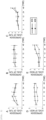
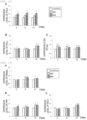
Fig. 1 ] A figure showing the results of analysis of the expression levels of two antiviral factors (IFN-β [Fig. 1A ] and Mx1 [Fig. 1B ]) in a porcine intestinal epitheliocyte line (a PIE cell line) stimulated with poly I:C. The time after the stimulation with poly I:C is shown. In the figure, "∗", "∗∗" and "∗∗∗" indicate statistically significant differences (p<0.05, p<0.01 and p<0.001) from the results at 0 hour. - [
Fig. 2 ] A figure showing the results of analysis of the expression levels of two antiviral factors (IFN-β [vertical axis] and Mx1 [horizontal axis]) in the PIE cell line stimulated with 116 Lactobacillus salivarius strains before stimulation with poly I:C. Each dot (●) in the figure shows a Lactobacillus salivarius strain. The arrow in the figure indicatesstrain # 35 of this case, and the arrowhead in the figure indicatesstrain # 58 of this case. - [
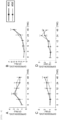
Fig. 3 ] A figure showing the results of analysis of the expression levels of five receptors (TLR2 [Fig. 3A ], TLR3 [Fig. 3B ], TLR4 [Fig. 3C ], NOD1 [Fig. 3D ] and NOD2 [Fig. 3E ]) in the PIE cell line stimulated withstrain # 35 of this case ("#35" in the figure) orstrain # 58 of this case ("#58" in the figure). In the figure, "*", "**" and "***" indicate statistically significant differences (p<0.05, p<0.01 and p<0.001) from the results at 0 hour. - [
Fig. 4 ] A figure showing the results of analysis of the expression levels of four antiviral factors (IFN-β [Fig. 4A ], IFN-λ [Fig. 4B ], Mx1 [Fig. 4C ] and OAS1 [Fig. 4D ]) in the PIE cell line stimulated withstrain # 35 of this case ("#35" in the figure) orstrain # 58 of this case ("#58" in the figure). In the figure, "*", "**" and "***" indicate statistically significant differences (p<0.05, p<0.01 and p<0.001) from the results at 0 hour. - [
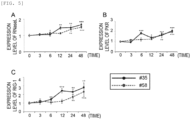
Fig. 5 ] A figure showing the results of analysis of the expression levels of three antiviral factors (RNaseL [Fig. 5A ], PKR [Fig. 5B ] and RIG-I [Fig. 5C ]) in the PIE cell line stimulated withstrain # 35 of this case ("#35" in the figure) orstrain # 58 of this case ("#58" in the figure) . In the figure, "**" and "***" indicate statistically significant differences (p<0.01 and p<0.001) from the results at 0 hour. - [
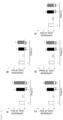
Fig. 6 ] A figure showing the results of analysis of the expression levels of five antiviral factors (IFN-β [Fig. 6A ], Mx1 [Fig. 6B ], OAS1 [Fig. 6C ], RNaseL [Fig. 6D ] and PKR [Fig. 6E ]) in the PIE cell line stimulated withstrain # 35 of this case ("#35" in the figure) orstrain # 58 of this case ("#58" in the figure) before stimulation with poly I:C. In the figure, "*", "**" and "***" indicate statistically significant differences (p<0.05, p<0.01 and p<0.001) from the results of the case with stimulation only with poly I:C ("POLY(I:C)+" in the figure). - [
Fig. 7] Figs. 7A to C are figures showing the results of analysis of the expression levels of A20 (Fig. 7A ) and the expression levels of Tollip (Figs. 7B and C ) in the PIE cell line stimulated withstrain # 35 of this case ("#35" in the figure) orstrain # 58 of this case ("#58" in the figure) before stimulation with poly I:C for six hours, three hours and 12 hours. In the figure, "**" and "***" indicate statistically significant differences (p<0.01 and p<0.001) from the results of the case with stimulation only with poly I:C ("POLY(I:C)+" in the figure). - [
Fig. 8] Fig. 8A shows fluorescence images analyzing the PIE cell line which was stimulated withstrain # 35 of this case ("#35" in the figure) orstrain # 58 of this case ("#58" in the figure) or was not stimulated with the strains ("CONTROL" in the figure) before incubation in an active rotavirus solution by indirect fluorescent antibody assay using an anti-rotavirus antibody.Fig. 8B is a figure showing the results of analysis of the percentages of rotavirus-infected cells based on the results inFig. 8A . The percentages of rotavirus-infected cells are values relative to that of the control set to 100. In the figure, "*" and "**" indicate statistically significant differences (p<0.05 and p<0.01) from the control value. - [
Fig. 9 ] A figure showing the results of analysis of the expression levels of four antiviral factors (IFN-β [Fig. 9A ], IFN-λ [Fig. 9B ], Mx1 [Fig. 9C ] and RNaseL [Fig. 9D ]) in the PIE cell line which was stimulated withstrain # 35 of this case ("#35" in the figure) orstrain # 58 of this case ("#58" in the figure) or was not stimulated with the strains ("CONTROL" in the figure) before incubation in an active rotavirus solution for three hours, six hours or 12 hours. The expression levels of the antiviral factors are values relative to those of the controls set to 1. In the figure, "∗", "∗∗" and "∗∗∗" indicate statistically significant differences (p<0.05, p<0.01 and p<0.001) from the control values. - [
Fig. 10] Fig. 10A is a figure showing the results of analysis of the expression levels of A20 in the PIE cell line which was stimulated withstrain # 35 of this case ("#35" in the figure) orstrain # 58 of this case ("#58" in the figure) or was not stimulated with the strains ("CONTROL" in the figure) before incubation in an active rotavirus solution for three hours or six hours.Fig. 10B is a figure showing the results of analysis of the expression levels of Tollip in the PIE cell line which was stimulated withstrain # 35 of this case ("#35" in the figure) orstrain # 58 of this case ("#58" in the figure) or was not stimulated with the strains ("CONTROL" in the figure) before incubation in the active rotavirus solution for three hours, six hours or 12 hours. The expression levels of A20 and the expression levels of Tollip are values relative to those of the controls set to 1. In the figure, "*", "**" and "***" indicate statistically significant differences (p<0.05, p<0.01 and p<0.001) from the control values. - [
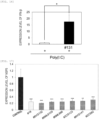
Fig. 11] Fig. 11A is a figure showing the results of analysis of the percentages of rotavirus-infected cells in the PIE cell line which was incubated in an active rotavirus solution alone ("VIRUS" in the figure) or incubated in the active rotavirus solution and an ETEC-containing solution ("VIRUS + ETEC" in the figure). The percentage of rotavirus-infected cells is a value relative to that of "VIRUS + ETEC" set to 100.Fig. 11B is a figure showing the results of analysis of the percentages of rotavirus-infected cells in the PIE cell line which was stimulated withstrain # 35 of this case ("#35" in the figure) orstrain # 58 of this case ("#58" in the figure) or was not stimulated with the strains ("CONTROL" in the figure) before incubation in the active rotavirus solution and the ETEC-containing solution. The percentages of rotavirus-infected cells are values relative to that of the control set to 100. In the figure, "***" indicates a statistically significant difference (p<0.001). - [
Fig. 12 ] A figure showing the results of analysis of the expression levels of three antiviral factors (IFN-β [Fig. 12A ], IFN-λ [Fig. 12B ] and Mx1 [Fig. 12C ]) in the PIE cell line which was stimulated withstrain # 35 of this case ("#35" in the figure) orstrain # 58 of this case ("#58" in the figure) or was not stimulated with the strains ("CONTROL" in the figure) before incubation in an active rotavirus solution and an ETEC-containing solution for three hours, six hours or 12 hours. The expression levels of the antiviral factors are values relative to those of the controls set to 1. In the figure, "*", "**" and "***" indicate statistically significant differences (p<0.05, p<0.01 and p<0.001) from the control values. - [
Fig. 13 ] A figure showing the results of analysis of the expression levels of three antiviral factors (RNaseL [Fig. 13A ], PKR [Fig. 13B ] and RIG-1 [Fig. 13C ]) in the PIE cell line which was stimulated withstrain # 35 of this case ("#35" in the figure) orstrain # 58 of this case ("#58" in the figure) or was not stimulated with the strains ("CONTROL" in the figure) before incubation in an active rotavirus solution and an ETEC-containing solution for three hours, six hours or 12 hours. The expression levels of the antiviral factors are values relative to those of the controls set to 1. In the figure, "*", "**" and "***" indicate statistically significant differences (p<0.05, p<0.01 and p<0.001) from the control values. - [
Fig. 14] Fig. 14A is a figure showing the results of analysis of the expression levels of A20 in the PIE cell line which was stimulated withstrain # 35 of this case ("#35" in the figure) orstrain # 58 of this case ("#58" in the figure) or was not stimulated with the strains ("CONTROL" in the figure) before incubation in an active rotavirus solution and an ETEC-containing solution for three hours or six hours.Fig. 14B is a figure showing the results of analysis of the expression levels of Tollip in the PIE cell line which was stimulated withstrain # 35 of this case ("#35" in the figure) orstrain # 58 of this case ("#58" in the figure) or was not stimulated with the strains ("CONTROL" in the figure) before incubation in the active rotavirus solution and the ETEC-containing solution for three hours, six hours or 12 hours. The expression levels of A20 and the expression levels of Tollip are values relative to those of the controls set to 1. In the figure, "*", "**" and "***" indicate statistically significant differences (p<0.05, p<0.01 and p<0.001) from the control values. - [
Fig. 15 ] A figure showing the results of measurement of the colony counts and the medium pH ofstrain # 131 of this case ("#131" in the figure) orstrain # 71 of this case ("#71" in the figure) which was cultured on a wakame component-adjusted agar plate. - [
Fig. 16 ] A figure showing the results of analysis of the expression level of an antiviral factor (IFN-β) in the PIE cell line stimulated withstrain # 131 of this case before stimulation with poly I:C (right column). In the figure, "*" indicates a statistically significant difference (p<0.05) from the results of the case with stimulation only with poly I:C (left column). - [
Fig. 17 ] A figure showing the results of analysis of the expression levels of NSP5 in a PIE1-3 cell line which was stimulated with seven Lactobacillus strains of this case (strain # 16 of this case ["#16" in the figure], strain #6VG132 of this case ["#6VG132" in the figure], strain #6ML6109 of this case ["#6ML6109" in the figure], strain #6ML686 of this case ["#6ML686" in the figure], strain #3CS123 of this case ["#3CS123" in the figure], strain #6VG141 of this case ["#6VG141" in the figure] and strain #2CS82 of this case ["#2CS82" in the figure]) or was not stimulated with the strains ("CONTROL" in the figure) before incubation in an active rotavirus solution. In the figure, "**" and "***" indicate statistically significant differences (p<0.01 and p<0.001) from the control value. - [
Fig. 18 ] A figure showing the results of analysis of the percentages of rotavirus-infected cells in a PIE1-3 cell line which was stimulated with two Lactobacillus strains of this case (strain #1FeB18 of this case ["#1FeB18" in the figure] and strain #4FeB195 of this case ["#4FeB195" in the figure]) or was not stimulated with the strains ("CONTROL" in the figure) before incubation in an active rotavirus solution. The percentages of rotavirus-infected cells are values relative to that of the control set to 1. In the figure, "*" indicates a statistically significant difference (p<0.05) from the control value. - The antiviral agent of the invention is an agent containing one, two or more of the Lactobacillus strains of this case (namely, Lactobacillus strains which have 16S rRNA gene having an identity of at least 90% with the nucleotide sequence of SEQ ID NO: 1 and which have the action of enhancing the expression of an antiviral factor and/or the action of reducing the expression of a downregulator of an antiviral factor) which is specified for "antiviral" application (sometimes called "the antiviral agent of this case" below). Here, the 16S rRNA gene is generally contained in the genome DNA of the Lactobacillus strains of this case.
- Regarding the antiviral agent of this case, the Lactobacillus strains of this case, which are antiviral probiotics, may be used alone as livestock feed, a food or a drink or a pharmaceutical product (formulation) or may be used in the form of a composition further containing an additive (a livestock feed composition, a food or drink composition or a pharmaceutical composition). Examples of the food or the drink include health foods (functional foods, nutritional supplements, dietary supplements, enriched foods, balanced foods, supplements and the like) and food with health claims (foods for specified health uses, foods with nutrient function claims, foods with function claims and the like) . The antiviral agent of this case is preferably livestock feed or a food or a drink.
- In the present specification, the "antiviral" means to prevent and/or to improve (treat) of viral infection through the action of suppressing the multiplication of the virus, inactivating the virus or reducing the sensitivity to the virus or another action.
- The antiviral factor may be a factor which causes an antiviral action in mammalian cells (such as polypeptides, proteins [specifically, cytokines and antibodies], polynucleotides, saccharides and lipids), and examples thereof include interferon (IFN)-α, IFN-β, IFN-λ, Mx1 (MX dynamin like GTPase 1), OAS1 (2'-5'-oligoadenylate synthetase 1), RNaseL, PKR (protein kinase R), RIG-I (retinoic acid inducible gene-I), ISG15 (IFN stimulated
gene 15 kDa), MDA5 (melanoma differentiation-associated gene 5), IPS-1 (interferon-β promoter stimulator-1) and the like. Because the effects have been demonstrated in the Examples described below, one, two or more antiviral factors selected from IFN-β, IFN-λ, Mx1, OAS1, RNaseL, PKR and RIG-I are suitable examples. - The "downregulator of an antiviral factor" may be a factor which causes reduction in the expression of an antiviral factor (such as polypeptides, proteins, polynucleotides, saccharides and lipids), and examples thereof include A20 (also called TNFAIP3 [Tumor Necrosis Factor Alpha-Induced Protein 3]), Tollip (Toll-interacting protein), RNF125 (Ring Finger Protein 125), DUBA (deubiquitinase A), CYLD (CYLD lysine 63 deubiquitinase) and the like. Because the effects have been demonstrated in the Examples described below, one or two downregulators of an antiviral factor selected from A20 and Tollip are suitable examples.
- The Lactobacillus strains of this case can be characterized by the action of enhancing the expression of one, two or more receptors selected from TLR (Toll-like receptor) 2, TLR4 and NOD2 (nucleotide binding oligomerization domain-like receptor 2) (sometimes called "antiviral factor receptors" below).
- In the present specification, the expression of the antiviral factor, the downregulator of an antiviral factor and the antiviral factor receptor (sometimes together called "the antiviral factor or the like" below) means the expression of the antiviral factor or the like itself and/or the expression of the transcription product (specifically mRNA) of the gene encoding the antiviral factor or the like (namely the gene of the antiviral factor or the like). The expression level of the antiviral factor or the like can be detected using a method such as the western blot, indirect fluorescent antibody technique, flow cytometry, ELISA, EIA and RIA. Regarding the expression level of the transcription product of the gene of the antiviral factor or the like, mRNA of the gene of the antiviral factor or the like can be directly detected, or cDNA synthesized from the mRNA of the gene of the antiviral factor or the like as a template can be indirectly detected. Examples of the method for detecting the mRNA of the gene of the antiviral factor or the like include methods such as (Reverse Transcription)-PCR, the northern blot, microarrays and ISH. Examples of the method for detecting the cDNA synthesized from the mRNA of the gene of the antiviral factor or the like as a template include LAMP, PCR (for example, real-time PCR [intercalation, 5'-nuclease method, cycling probe technology or the like] or ddPCR), LCR, sequencing using a next-generation sequencer, Southern hybridization using a probe for detecting the cDNA of this case or the like, microarrays, ISH and the like.
- In the present specification, "enhancement of the expression of an antiviral factor", "reduction of the expression of a downregulator of an antiviral factor" and "enhancement of the expression of an antiviral factor receptor" mean "an increase in the expression level of the antiviral factor", "reduction in the expression level of the downregulator of an antiviral factor" and "an increase in the expression level of the antiviral factor receptor", respectively, when a mammalian cell line is cultured in the presence of a Lactobacillus strain of this case compared to the control for comparison in which the mammalian cell line is cultured in the absence of the Lactobacillus strain of this case . The mammalian cell line may be stimulated with a virus as the subject of the antiviral agent of this case, a substance inducing pseudo-virus infection (for example, polyinosinic-polycytidylic acid [poly I:C]) and/or a pathogenic bacterium before or after culturing in the presence or absence of the Lactobacillus strain of this case. When observing whether the expression level of the antiviral factor or the like has increased or decreased, any threshold value (cut-off value) may be set. Examples of the threshold value include the average, the average + the standard deviation (SD), the average + 2SD, the average + 3SD, the median, the interquartile range and the like of the expression levels of the antiviral factor or the like in the control for comparison. The threshold value can also be calculated using the ROC (Receiver Operating Characteristic) curve using statistical analysis software based on the expression level data obtained by culturing the mammalian cell line in the presence of the Lactobacillus strain of this case and the expression level data obtained by culturing the mammalian cell line in the absence of the Lactobacillus strain of this case in such a manner that the sensitivity (the percentage that the mammalian cell line cultured in the presence of the Lactobacillus strain of this case can be correctly determined to be positive) and the specificity (the percentage that the mammalian cell line cultured in the absence of the Lactobacillus strain of this case can be correctly determined to be negative) become high.
- Examples of the mammalian cell line include a human intestinal epitheliocyte (Caco-2) line, a porcine intestinal epitheliocyte line (a PIE cell line) and a bovine intestinal epitheliocyte line (a BIE cell line).
- The virus as the subject of the antiviral agent of this case is not particularly restricted, and examples thereof include DNA viruses (double-stranded DNA viruses, single-stranded DNA viruses and the like), RNA viruses (double-stranded RNA viruses, single-stranded positive-strand RNA viruses, single-stranded negative-strand RNA viruses and the like) and the like. Because the effects on a double-stranded RNA model virus have been demonstrated in the Examples described below, a double-stranded RNA virus is preferable. More specific examples of the subject virus include influenza viruses (single-stranded negative-strand RNA viruses), noroviruses (single-stranded positive-strand RNA viruses), rotaviruses (double-stranded RNA viruses), rubella virus (single-stranded positive-strand RNA virus), measles virus (single-stranded positive-strand RNA virus), RS virus (single-stranded negative-strand RNA virus), herpesviruses (double-stranded DNA viruses), hepatitis A virus (single-stranded positive-strand RNA virus), hepatitis B virus (double-stranded DNA virus), hepatitis C virus (single-stranded positive-strand RNA virus), hepatitis E virus (single-stranded positive-strand RNA virus), adenoviruses (double-stranded DNA viruses), foot-and-mouth disease virus (single-stranded positive-strand RNA virus), rabies virus (single-stranded negative-strand RNA virus), human immunodeficiency viruses (single-stranded positive-strand RNA viruses), coronaviruses (single-stranded positive-strand RNA viruses) and the like. Because the effects have been demonstrated in the Examples described below, a rotavirus is a suitable example. Influenza viruses include type A virus, type B virus, type C virus, avian influenza viruses and subtypes thereof, and coronaviruses include, in addition to general coronaviruses which cause common cold, new coronaviruses (for example, severe acute respiratory syndrome coronaviruses [SARS and SARS-CoV-2], Middle East respiratory syndrome coronavirus [MERS] and COVID-19).
- The subject to which the antiviral agent of this case is applied is a mammal in need of prevention and/or improvement (treatment) of viral infection, and a suitable example thereof is a mammal in need of prevention and/or improvement (treatment) of viral infection in combined infection with a virus and a pathogenic bacterium because it has been demonstrated in the Examples described below that an antiviral effect is effectively exhibited also on combined infection with a virus and a pathogenic bacterium.
- In the present specification, examples of the pathogenic bacterium include Mycoplasma species, diarrheagenic Escherichia coli (for example, enteropathogenic Escherichia coli [EPEC], enteroinvasive Escherichia coli [EIEC], enterotoxigenic Escherichia coli [ETEC], enteroaggregative Escherichia coli [EAggEC] and enterohemorrhagic Escherichia coli [EHEC]), hemolytic streptococci and the like.
- In the present specification, the mammal may be a human, a nonhuman mammal (for example, a monkey, a mouse, a rat, a dog, a cat and a livestock animal [for example, a rabbit, a pig, a horse, a cow, a sheep, a goat and a deer]) or the like, and a human and a livestock animal are suitable examples.
- The Lactobacillus strains of this case may be bacterial strains in the living state or bacterial strains in the dead state as long as the Lactobacillus strains have 16S rRNA gene having an identity of at least 90% with the nucleotide sequence of SEQ ID NO: 1 and have the action of enhancing the expression of an antiviral factor and/or the action of reducing the expression of a downregulator of an antiviral factor. The Lactobacillus strains of this case include the Lactobacillus salivarius strains or the Lactobacillus plantarum strains which have been demonstrated to exhibit an effect in the Examples described below and Lactobacillus strains which are of different species from the Lactobacillus salivarius strains or the Lactobacillus plantarum strains (for example, Lactobacillus hayakitensis, Lactobacillus agilis, Lactobacillus aviarius subsp. araffinosus and Lactobacillus aviarius subsp. aviarius) and which have 16S rRNA gene having an identity of at least 90% with the nucleotide sequence of SEQ ID NO: 1 and have the action of enhancing the expression of an antiviral factor and/or the action of reducing the expression of a downregulator of an antiviral factor. The Lactobacillus strains of this case specifically include: a Lactobacillus salivarius strain deposited under international deposit accession number NITE ABP-03218 (strain #35 of this case), a Lactobacillus salivarius strain deposited under international deposit accession number NITE ABP-03219 (strain #58 of this case), a Lactobacillus salivarius strain deposited under international deposit accession number NITE ABP-03221 (strain #131 of this case) and a Lactobacillus salivarius strain deposited under international deposit accession number NITE ABP-03220 (strain #71 of this case); and a Lactobacillus plantarum strain deposited under international deposit accession number NITE ABP-03474 (strain #16 of this case), a Lactobacillus plantarum strain deposited under international deposit accession number NITE ABP-03467 (strain #6VG132 of this case), a Lactobacillus plantarum strain deposited under international deposit accession number NITE ABP-03468 (strain #6ML6109 of this case), a Lactobacillus plantarum strain deposited under international deposit accession number NITE ABP-03466 (strain #6ML686 of this case), a Lactobacillus plantarum strain deposited under international deposit accession number NITE ABP-03471 (strain #3CS123 of this case), a Lactobacillus plantarum strain deposited under international deposit accession number NITE ABP-03469 (strain #6VG141 of this case), a Lactobacillus plantarum strain deposited under international deposit accession number NITE ABP-03470 (strain #2CS82 of this case), a Lactobacillus plantarum strain deposited under international deposit accession number NITE ABP-03472 (strain #1FeB18 of this case) and a Lactobacillus plantarum strain deposited under international deposit accession number NITE ABP-03473 (strain #4FeB195 of this case). Because the antiviral effect has been demonstrated in the Examples described below, one, two or more selected from the Lactobacillus salivarius strain deposited under international deposit accession number NITE ABP-03218 (strain #35 of this case), the Lactobacillus salivarius strain deposited under international deposit accession number NITE ABP-03219 (strain #58 of this case), the Lactobacillus salivarius strain deposited under international deposit accession number NITE ABP-03221 (strain #131 of this case), the Lactobacillus plantarum strain deposited under international deposit accession number NITE ABP-03474 (strain #16 of this case), the Lactobacillus plantarum strain deposited under international deposit accession number NITE ABP-03467 (strain #6VG132 of this case), the Lactobacillus plantarum strain deposited under international deposit accession number NITE ABP-03468 (strain #6ML6109 of this case), the Lactobacillus plantarum strain deposited under international deposit accession number NITE ABP-03466 (strain #6ML686 of this case), the Lactobacillus plantarum strain deposited under international deposit accession number NITE ABP-03471 (strain #3CS123 of this case), the Lactobacillus plantarum strain deposited under international deposit accession number NITE ABP-03469 (strain #6VG141 of this case), the Lactobacillus plantarum strain deposited under international deposit accession number NITE ABP-03470 (strain #2CS82 of this case), the Lactobacillus plantarum strain deposited under international deposit accession number NITE ABP-03472 (strain #1FeB18 of this case) and the Lactobacillus plantarum strain deposited under international deposit accession number NITE ABP-03473 (strain #4FeB195 of this case) are suitable examples.
- In the invention, the "identity of at least 90% with the nucleotide sequence of SEQ ID NO: 1" means that one or several nucleotides in the nucleotide sequence of SEQ ID NO: 1 are substituted, deleted, inserted, added or inverted and that the 90% or more of the whose sequence is identical with the nucleotide sequence of SEQ ID NO: 1. Here, the "nucleotide sequence in which one or several nucleotides are substituted, deleted, inserted, added or inverted" means a nucleotide sequence in which for example 1 to 149, preferably 1 to 100, more preferably 1 to 75, further preferably 1 to 50, more preferably 1 to 40, further preferably 1 to 30, more preferably 1 to 15 nucleotides are substituted, deleted, inserted, added or inverted.
- In the invention, the "identity of at least 90%" is an identity of preferably 91% or more, more preferably 92% or more, further preferably 93% or more, still further preferably 94% or more, particularly preferably 95% or more, particularly more preferably 96% or more, particularly further preferably 97% or more, particularly still further preferably 98% or more, most preferably 99% or more (about 100%). The nucleotide sequence identity can be determined using a program called BLASTN (Altschul SF, et al: J Mol Biol 215: 403, 1990) based on a program called BLASTX or BLASTP (Altschul SF, et al: J Mol Biol 215: 403, 1990) based on algorism BLAST of Karlin and Altschul (Proc. Natl. Acad. Sci. USA 87:2264-2268, 1990, Proc Natl Acad Sci USA 90: 5873, 1993). When nucleotide sequences are analyzed using BLASTN, the parameters are, for example, score=100 and word length=12.
- The Lactobacillus strains of this case also include those further having the ability to assimilate wakame. Here, "the ability to assimilate wakame" means the ability to synthesize substances necessary for the Lactobacillus spp. such as proteins, nucleic acids, saccharides and lipids from wakame as a carbon source or a nitrogen source.
- The antiviral agents of this case are roughly classified into liquid type and non-liquid type. The antiviral agent of this case of liquid type can be produced by purifying a culture solution of a Lactobacillus strain of this case, adding appropriate physiological saline, fluid replacement or a pharmaceutical additive thereto according to the need and packing in an ampule, a vial or the like. The antiviral agent of this case in non-liquid type can be produced by adding an appropriate cryoprotectant (for example, glycerol, dimethyl sulfoxide [DMSO], trehalose or dextran) to the antiviral agent of this case of liquid type, packing in an ampule, a vial or the like and then freezing or lyophilizing.
- As the application (administration) method of the antiviral agent of this case, both an oral application method (oral administration) and a parenteral application method (parenteral administration) may be used, and examples of the parenteral application method (parenteral administration) include intravenous administration and topical administration.
- In the present specification, examples of the additive include pharmaceutically acceptable general ingredients such as a carrier, a binder, a stabilizer, an excipient, a diluent, a pH buffer, a disintegrant, an isotonic agent, an additive, a coating agent, a solubilizer, a lubricant, a sliding agent, a solubilizing agent, a lubricator, an aroma, a sweetener, a solvent, a gelling agent and a nutrient. Specific examples of the ingredients include water, a wakame component, physiological saline, animal fat and oil, vegetable oil, lactose, starch, gelatin, crystalline cellulose, gum, talc, magnesium stearate, hydroxypropyl cellulose, polyalkylene glycol, polyvinyl alcohol and glycerin. When the Lactobacillus strains of this case have the ability to assimilate wakame, those containing a wakame component (a prebiotic), which is the nutrient source of the Lactobacillus strains of this case, as an additive and containing an immunosymbiotic of the Lactobacillus strains of this case (preferably an antiviral immunobiotic) and a prebiotic are suitable examples of the antiviral agent of this case. The wakame component may be wakame powder obtained by crushing dried wakame or a wakame component extract solution obtained by further extracting from the wakame powder with water or the like.
- The applied amount (dosage) of the Lactobacillus strains of this case contained in the antiviral agent of this case cannot be specified generally because the amount varies with the gender, the age, the body weight, the condition and the like of the subject of intake (mammal), but the amount is, for example, 104 to 1012 cfu (Colony Forming Unit), preferably 106 to 1010 cfu per day per 1 kg body weight. The amount may be taken at one time or taken in several divided portions. When the antiviral agent of this case is a livestock feed composition, the amount of the Lactobacillus strains of this case contained in the livestock feed composition is, for example, 104 to 1012 cfu/g, preferably 106 to 1010 cfu per 1 g of the livestock feed composition.
- The invention is explained more specifically below with Examples, but the technical scope of the invention is not limited to the examples. In this regard, special grade or 1st grade reagents manufactured by Wako Pure Chemical Industries, Ltd. were used as the reagents unless otherwise specified, and Milli-Q grade water was used as water.
- Factors as indicators for evaluating the antiviral activity of a probiotic were searched.
- As the PIE cell line, cells cloned from the small intestine of a newborn 3-way cross pig (LWD; Landrace × Large White × Duroc) were used.
- The PIE cell line was cultured using a 250-mL flask coated with type I collagen (manufactured by Sumitomo Bakelite Co., Ltd.) in 10% FCS (fetal calf serum)- and 1% streptomycin/penicillin-containing DMEM liquid medium (containing high glucose, L-glutamine and sodium pyruvate; manufactured by GIBCO) (simply called "DMEM liquid medium" below). When the cells became confluent, the cells were washed twice with PBS and incubated at 37°C for five minutes in an epithelium buffer (a PBS solution containing 0.1M disodium hydrogen phosphate dodecahydrate, 0.45M sucrose, 0.36% EDTA-4Na and 0.1% BSA). Then, the epithelium buffer was removed, and the cells were incubated at 37°C for five minutes in PBS containing 0.25% trypsin and 0.02% EDTA. After adding DMEM liquid medium and collecting detached cells, centrifugation (12000 rpm × five minutes) was conducted, and the culture supernatant was removed. Fresh DMEM liquid medium was added, and the cells were collected. After counting the cells, the cells were seeded at 1×10⁶ cells per flask. After culturing for 24 hours, the culture supernatant was removed by suction with an aspirator, and fresh DMEM liquid medium was added, followed by culturing. Each generation of the cells was stored at -80°C using Cellbanker (registered trademark) (manufactured by Nippon Zenyaku Kogyo Co., Ltd.). The cells were cultured under the conditions of 5% CO2/20% O2 at 37°C.
- The PIE cell line was stimulated with poly I:C, which is a double-stranded RNA virus model inducing pseudo-virus infection, and the expression of cytokine-related factors was analyzed. Specifically, the analysis was conducted according to the following procedures [1] to [5].
- [1] The PIE cell line was seeded in 12-well plates coated with type I collagen (manufactured by Sumitomo Bakelite Co., Ltd.) at 3×10⁴ cells/well and cultured in DMEM liquid medium for five days.
- [2] The medium was replaced with DMEM liquid medium containing 50 ng/mL poly I:C (catalog number P9582, manufactured by SIGMA), and the cells were cultured for 0, 3, 6 and 12 hours and thus stimulated with poly I:C. As a control which was not stimulated with poly I:C, the PIE cell line was cultured similarly in poly I:C-free DMEM liquid medium.
- [3] After removing the medium, the cells were washed once with PBS, and the total RNA of the cells was obtained according to a standard method using a cell-dissolving solution (TRIzol reagent [manufactured by Invitrogen]). The concentration and the purity of the RNA were measured with NanoDrop ND-1000 spectrophotometer (manufactured by Thermo Fisher Scientific).
- [4] cDNA was synthesized from the obtained total RNA using Prime Script RT reagent Kit with gDNA Eraser (Perfect Real Time) (manufactured by Takara) according to the protocols attached to the product.
- [5] To analyze the mRNA expression levels of the genes of 24 cytokine-related factors (IFN-β, IFN-λ, Mx1, OAS1, RNaseL, PKR, RIG-I, TLR2, TLR3, TLR4, NOD1, NOD2, MCP-1 [also called CCL2], IL-6, IL-8 [also called CXCL8], IL-12, IL-18, TNFα, A20, BCL-3, Tollip, IRAK-M, MKP-1 and SIGIRR) and β-actin, quantitative PCR analysis was conducted using the synthesized cDNA as a template, using the primer sets shown in Table 1 below (the sense primers and the antisense primers), Platinum SYBR Green qPCR Super Mix-UDG with ROX (manufactured by Invitrogen) and ABI PRISM 7300 real-time PCR system (manufactured by Applied Biosystem) according to the protocols attached to the product. The expression levels of the cytokine-related factors with the poly I:C-stimulation were calculated based on the equation ([the mRNA expression level of the cytokine-related factor gene/the mRNA expression level of β-actin gene] with the poly I:C-stimulation/[the mRNA expression level of the cytokine-related factor gene/the mRNA expression level of β-actin gene] without the poly I:C-stimulation).
- As a result of the analysis of the mRNA expression levels of the 24 cytokine-related factor genes in the poly I:C-stimulated PIE cell line, the expression levels of two antiviral factors (IFN-β and Mx1) increased significantly at and after three hours of the poly I:C stimulation. In particular, the expression level of IFN-β was the highest at the third hour after the poly I:C stimulation, and the expression level of Mx1 was the highest at the 12th hour after the poly I:C stimulation (see
Figs. 1A and B ). - From the results, it was determined to use the expression level of IFN-β at the third hour after the poly I:C stimulation and the expression level of Mx1 at the 12th hour after the poly I:C stimulation as indicators for selecting the Lactobacillus strains of this case.
- Using the expression levels of the two antiviral factors (IFN-β and Mx1) as indicators, the Lactobacillus strains of this case were selected.
- Each of 116 Lactobacillus salivarius strains isolated from a porcine intestinal tract was inoculated in MRS liquid medium (manufactured by Difco), cultured at 37°C for 16 hours, then passaged three times and washed with PBS. After heat sterilization at 72°C for 1.5 hours, the cells were washed twice with PBS and re-suspended in DMEM liquid medium at a concentration of 2.5×10⁹ cells/mL, and 116 Lactobacillus salivarius strain-containing solutions were thus prepared.
- The PIE cell line was stimulated with the prepared 116 Lactobacillus salivarius strain-containing solutions and then stimulated with poly I:C, and the Lactobacillus strains of this case were selected using the expression levels of the two antiviral factors (IFN-β and Mx1) as indicators. Specifically, the analysis was conducted according to the following procedures [1] to [4].
- [1] The PIE cell line was seeded in 12-well plates coated with type I collagen (manufactured by Sumitomo Bakelite Co., Ltd.) at 3×10⁴ cells/well and cultured in DMEM liquid medium for three days.
- [2] The prepared 116 Lactobacillus salivarius strain-containing solutions were added to the medium each at 5.0×10⁷ cells/mL per well, and the cells were cultured (stimulated) for two days. As a control which was not stimulated with the Lactobacillus salivarius strains, the PIE cell line was cultured similarly in DMEM liquid medium which did not contain the Lactobacillus salivarius strains.
- [3] The medium was removed, and the cells were washed twice with PBS. Then, the medium was replaced with DMEM liquid medium containing 50 ng/mL poly I:C (catalog number P9582, manufactured by SIGMA), and the cells were cultured for three hours and 12 hours and thus stimulated with poly I:C. As controls which were not stimulated with poly I:C, the PIE cell line was cultured similarly in poly I:C-free DMEM liquid medium.
- [4] After removing the medium, the procedures from the collection of the total RNA of the cells to the analysis of the mRNA expression levels of the genes of the two antiviral factors (IFN-β and Mx1) were conducted according to the procedures [3] to [5] in the section [Expression Analysis of Cytokine-Related Factors in Poly I:C-Stimulated PIE Cell Line] in Example 1 above. The expression levels of IFN-β and the expression levels of Mx1 with the stimulation with the Lactobacillus salivarius strains were calculated based on the equation ([the mRNA expression level of IFN-β gene or Mx1 gene/the mRNA expression level of β-actin gene] with the stimulation with the Lactobacillus salivarius strain before the stimulation with poly I:C/[the mRNA expression level of IFN-β gene or Mx1 gene/the mRNA expression level of β-actin gene] with the stimulation with poly I:C) (see the vertical axis in
Fig. 2 ). - As a result of the analysis of the expression levels of the two antiviral factors (IFN-β and Mx1) in the PIE cell line which was stimulated with the 116 Lactobacillus salivarius strains before the stimulation with poly I:C, the expression levels with the stimulation with Lactobacillus salivarius strain #35 (in the present specification, sometimes called "
strain # 35 of this case") and Lactobacillus salivarius strain #58 (in the present specification, sometimes called "strain # 58 of this case") were the highest (see the arrow and the arrowhead inFig. 2 ). - From the results,
strain # 35 of this case andstrain # 58 of this case were selected as the Lactobacillus strains of this case. - 1)
Strain # 35 of this case is a Lactobacillus salivarius strain having 16S rRNA gene having the nucleotide sequence of SEQ ID NO: 1 and has the following features.Strain # 35 of this case was deposited for an international deposit at NITE Patent Microorganisms Depositary (NPMD), National Institute of Technology and Evaluation (NITE) (address: #122, 2-5-8 Kazusakamatari, Kisarazu-shi, Chiba 292-0818, Japan) on May 19, 2020 under international deposit accession number NITE ABP-03218.- (a) Cell Morphology
Shape: bacillus, sporulation: (-), motility: (-) - (b) Colony Morphology (The strain was smeared on an MRS agar plate and aerobically cultured at 37°C for 24 hours, and the colony shape was observed.)
- (1) Gram stain: (+)
- (2) Gas production: (-)
- (3) Catalase activity: (-)
- (4) Indole production: (-)
- (5) Response to oxygen: facultatively anaerobic
- (6) Optimum growth temperature: 37 to 40°C
- (7) Optimum growth pH: pH 5.5 to 5.8
- (a) Cell Morphology
- 2)
Strain # 58 of this case is a Lactobacillus salivarius strain having 16S rRNA gene having the nucleotide sequence of SEQ ID NO: 1 and has the following features.Strain # 58 of this case was deposited for an international deposit at NITE Patent Microorganisms Depositary (NPMD), National Institute of Technology and Evaluation (NITE) (address: #122, 2-5-8 Kazusakamatari, Kisarazu-shi, Chiba 292-0818, Japan) on May 19, 2020 under international deposit accession number NITE ABP-03219.- (a) Cell Morphology
Shape: bacillus, sporulation: (-), motility: (-) - (b) Colony Morphology (The strain was smeared on an MRS agar plate and aerobically cultured at 37°C for 24 hours, and the colony shape was observed.)
- (1) Gram stain: (+)
- (2) Gas production: (-)
- (3) Catalase activity: (-)
- (4) Indole production: (-)
- (5) Response to oxygen: facultatively anaerobic
- (6) Optimum growth temperature: 37 to 40°C
- (7) Optimum growth pH: pH 5.5 to 5.8
- (a) Cell Morphology
- The PIE cell line was stimulated with selected
strain # 35 of this case orstrain # 58 of this case only, and the immune response of the cells was analyzed. - The immune response of the cells was analyzed according to the following procedures [1] to [3].
- [1] The PIE cell line was seeded in 12-well plates coated with type I collagen (manufactured by Sumitomo Bakelite Co., Ltd.) at 3×10⁴ cells/well and cultured in DMEM liquid medium for three days.
- [2]
Strain # 35 of this case andstrain # 58 of this case were added to the medium each at 5.0×10⁷ cells/mL per well, and the cells were cultured (stimulated) for 0 hour (unstimulated), three hours, six hours, 12 hours, 24 hours and 48 hours. As a control which was not stimulated with the strains, the PIE cell line was cultured similarly in DMEM liquid medium which did not contain the strains. - [3] After removing the medium, the procedures from the collection of the total RNA of the cells to the analysis of the mRNA expression levels of the genes of five receptors (TLR2, TLR3, TLR4, NOD1 and NOD2) and the mRNA expression levels of the genes of seven antiviral factors (IFN-β, IFN-λ, Mx1, OAS1, RNaseL, PKR and RIG-I) were conducted according to the procedures [3] to [5] in the section [Expression Analysis of Cytokine-Related Factors in Poly I:C-Stimulated PIE Cell Line] in Example 1 above. The expression levels of the receptors (see
Fig. 3 ) and the expression levels of the antiviral factors (seeFigs. 4 and5 ) with the stimulation withstrain # 35 of this case orstrain # 58 of this case were calculated based on the equation ([the mRNA expression level of the receptor gene or the antiviral factor gene/the mRNA expression level of β-actin gene] with the stimulation withstrain # 35 of this case orstrain # 58 of this case/[the mRNA expression level of the receptor gene or the antiviral factor gene/the mRNA expression level of β-actin gene] without the stimulation with the strains (0 hour)). - As a result of the analysis of the expression levels of the five receptors in the PIE cell line which was stimulated with
strain # 35 of this case orstrain # 58 of this case, the expression levels of three receptors which recognize the outer layer component of cells of gram-positive bacteria (TLR2, TLR4 and NOD2) increased significantly (seeFig. 3 ). Specifically, the expression level of TLR2 increased for six hours and 12 hours after the stimulation withstrain # 35 of this case andstrain # 58 of this case, respectively, reached the peak and then decreased, while the expression levels of TLR4 and NOD2 increased at least for 48 hours after the stimulation withstrain # 35 of this case andstrain # 58 of this case (seeFig. 3 ). - The results suggest that a bacterial cell membrane component constituting
strain # 35 of this case orstrain # 58 of this case may be recognized by the three receptors as a ligand. - Moreover, as a result of the analysis of the expression levels of the seven antiviral factors (IFN-β, IFN-λ, Mx1, OAS1, RNaseL, PKR and RIG-I) in the PIE cell line which was stimulated with
strain # 35 of this case orstrain # 58 of this case, the expression levels of all the antiviral factors, namely the two types of IFN (IFN-β and IFN-λ) and the five IFN-inducible factors (Mx1, OAS1, RNaseL, PKR and RIG-I), increased significantly (seeFigs. 4 and5 ). In particular, the expression level of IFN-β increased remarkably at the sixth hour after the stimulation withstrain # 35 of this case orstrain # 58 of this case, and the expression level of IFN-λ increased remarkably at the 48th hour after the stimulation withstrain # 35 of this case orstrain # 58 of this case (seeFig. 4 ). - The results show that
strain # 35 of this case orstrain # 58 of this case increased the expression levels of IFN and the factors induced by IFN and that, as a result, the reactivity of the PIE cell line to the virus increased. In particular, because it is known that TLR3 and RIG-I recognize the double-stranded RNA in double-stranded RNA viruses such as rotaviruses and exhibit antiviral action and that Mx1 acts on suppression of the multiplication of single-stranded RNA or DNA viruses,strain # 35 of this case andstrain # 58 of this case are well expected to enhance the antiviral immune response. - To evaluate the immunomodulatory potential of
strain # 35 of this case andstrain # 58 of this case on a double-stranded RNA model virus, the PIE cell line was stimulated withstrain # 35 of this case orstrain # 58 of this case before stimulation with poly I:C, and the expression of antiviral factors was analyzed. - The immune response of the cells was analyzed according to the following procedures [1] to [4].
- [1] The PIE cell line was seeded in 12-well plates coated with type I collagen (manufactured by Sumitomo Bakelite Co., Ltd.) at 3×10⁴ cells/well and cultured in DMEM liquid medium for three days.
- [2]
Strain # 35 of this case andstrain # 58 of this case were added to the medium each at 5.0×10⁷ cells/mL per well, and the cells were cultured (stimulated) for 48 hours. As a control which was not stimulated with the strains, the PIE cell line was cultured similarly in DMEM liquid medium which did not contain the strains. - [3] The medium was removed, and the cells were washed twice with PBS. Then, the medium was replaced with DMEM liquid medium containing 50 ng/mL poly I:C (catalog number P9582, manufactured by SIGMA), and the cells were cultured for 12 hours and thus stimulated with poly I:C. As controls which were not stimulated with poly I:C, the PIE cell line was cultured similarly in poly I:C-free DMEM liquid medium.
- [4] After removing the medium, the procedures from the collection of the total RNA of the cells to the analysis of the mRNA expression levels of the genes of five antiviral factors (IFN-β, Mx1, OAS1, RNaseL and PKR) were conducted according to the procedures [3] to [5] in the section [Expression Analysis of Cytokine-Related Factors in Poly I:C-Stimulated PIE Cell Line] in Example 1 above. The expression levels of the antiviral factors with the stimulation with
strain # 35 of this case orstrain # 58 of this case (seeFig. 6 ) were calculated based on the equation ([the mRNA expression level of the antiviral factor gene/the mRNA expression level of β-actin gene] with the stimulation withstrain # 35 of this case orstrain # 58 of this case before the stimulation with poly I:C/[the mRNA expression level of the antiviral factor gene/the mRNA expression level of β-actin gene] with the stimulation with poly I:C). As controls for comparison, the expression levels of the antiviral factors without the stimulation with the strains and poly I:C were also calculated (see "POLY(I:C)-" inFig. 6 ) . - The expression levels of the five antiviral factors (IFN-β, Mx1, OAS1, RNaseL and PKR) in the PIE cell line which was stimulated with
strain # 35 of this case orstrain # 58 of this case before the stimulation with poly I:C increased significantly compared to the expression levels in the PIE cell line which was not stimulated with the strains and which was stimulated with poly I:C (seeFig. 6 ). - The results show that
strain # 35 of this case orstrain # 58 of this case has the action of enhancing the IFN-β production in response to poly I:C stimulation and the action of enhancing the expression of the IFN-inducible factors (Mx1, OAS1, RNaseL and PKR). Accordingly, it was suggested thatstrain # 35 of this case orstrain # 58 of this case is useful for infection with a double-stranded RNA virus. - A20/TNFAIP3 is known to be a negative regulator which plays an especially important role in viral infection, and it has been reported that infection with a rotavirus is suppressed significantly in cells in which the expression of A20 has been knocked down (see document "Vet Res. 2011 ."). Moreover, it has been reported that Tollip (Toll-interacting protein) is a negative regulator which inhibits phosphorylation through interaction with IRAK-1 and which negatively regulates the signaling of TLR2 or TLR4 and is involved in the regulation of the expression of IRF3 (interferon regulatory factor 3) involved in the expression of IFN-β or IFN-λ (sed document "Fish Shellfish Immunol. 2015 Dec;47(2) :807-16."). Thus, to analyze the mechanism of the action of enhancing the expression of an antiviral factor of
strain # 35 of this case orstrain # 58 of this case, the expression of downregulators of an antiviral factor, A20 and Tollip, was analyzed. - The immune response of the cells was analyzed according to the following procedures [1] to [4].
- [1] The PIE cell line was seeded in 12-well plates coated with type I collagen (manufactured by Sumitomo Bakelite Co., Ltd.) at 3×10⁴ cells/well and cultured in DMEM liquid medium for three days.
- [2]
Strain # 35 of this case andstrain # 58 of this case were added to the medium each at 5.0×10⁷ cells/mL per well, and the cells were cultured (stimulated) for 48 hours. As a control which was not stimulated with the strains, the PIE cell line was cultured similarly in DMEM liquid medium which did not contain the strains. - [3] The medium was removed, and the cells were washed twice with PBS. Then, the medium was replaced with DMEM liquid medium containing 50 ng/mL poly I:C (catalog number P9582, manufactured by SIGMA), and the cells were cultured for three hours, six hours or 12 hours and thus stimulated with poly I:C. As controls which were not stimulated with poly I:C, the PIE cell line was cultured similarly in poly I:C-free DMEM liquid medium.
- [4] After removing the medium, the procedures from the collection of the total RNA of the cells to the analysis of the mRNA expression levels of A20 gene and Tollip gene were conducted according to the procedures [3] to [5] in the section [Expression Analysis of Cytokine-Related Factors in Poly I:C-Stimulated PIE Cell Line] in Example 1 above. The expression levels of A20 and the expression levels of Tollip with the stimulation with
strain # 35 of this case orstrain # 58 of this case (seeFig. 7 ) were calculated based on the equation ([the mRNA expression level of A20 gene or Tollip gene/the mRNA expression level of β-actin gene] with the stimulation withstrain # 35 of this case orstrain # 58 of this case before the stimulation with poly I:C/[the mRNA expression level of A20 gene or Tollip gene/the mRNA expression level of β-actin gene] with the stimulation with poly I:C). As controls for comparison, the expression level of A20 and the expression level of Tollip without the stimulation with the strains and poly I:C were also calculated (see "POLY(I:C)-" inFig. 7 ). - The expression levels of A20 and Tollip in the PIE cell line which was stimulated with
strain # 35 of this case orstrain # 58 of this case before the stimulation with poly I:C decreased significantly compared to the expression levels in the PIE cell line which was not stimulated with the strains and which was stimulated with poly I:C (seeFig. 7 ) . - Taking the results of Example 4 above also into consideration, the results show that, when
strain # 35 of this case orstrain # 58 of this case is administered to cells infected with a double-stranded RNA virus, the expression level of a downregulator (negative regulator) of an antiviral factor such as A20 and Tollip decreases, and the action of enhancing the expression of the antiviral factor is exhibited. - Because it was shown that
strain # 35 of this case andstrain # 58 of this case enhance the antiviral immune response, a rotavirus infection test was conducted to see that the strains have the effect of reducing viral infection. - Livestock infectious group A rotavirus strain OSU found in pigs as hosts which was used was provided from National Institute of Animal Health, National Agriculture and Food Research Organization.
- To 200 µL of rotavirus strain OSU-containing DMEM liquid medium (containing high glucose, L-glutamine and sodium pyruvate; manufactured by GIBCO), 2 µL of 1 mg/mL purified trypsin (T8003-1G Type I, manufactured by SIGMA) was added (the final trypsin concentration of 10 µg/mL). After mixing well, the mixture was incubated at 37°C for 30 minutes for trypsin treatment, and thus an active rotavirus solution was prepared.
- The rotavirus infection test and the subsequent indirect fluorescent antibody assay using an anti-rotavirus antibody were conducted according to the following procedures [1] to [7].
- [1] The PIE cell line was seeded in 96-well plates coated with type I collagen (manufactured by Sumitomo Bakelite Co., Ltd.) at 3×10⁴ cells/mL and cultured in DMEM liquid medium for eight days.
- [2]
Strain # 35 of this case andstrain # 58 of this case were added to the medium each at 100 MOI (multiplicity of infection) per well, and the cells were cultured (stimulated) for 48 hours. As a control which was not stimulated with the strains, the PIE cell line was cultured similarly in DMEM liquid medium which did not contain the strains. - [3] The cells were washed three times with FCS-free DMEM liquid medium, and the active rotavirus solution prepared according to the method described in the section [Preparation of Active Rotavirus Solution] above was added at 100 µL (corresponding to 1 MOI) per well, followed by incubation under the conditions of 5% CO2/20% O2 at 37°C for 16 hours.
- [4] The active rotavirus solution was removed, and 80% acetone solution at 4°C was added at 100 µL per well. The cells were incubated at 4°C for 20 minutes, and the cells were thus fixed.
- [5] The acetone solution was removed, and the cells were washed three times with PBS. Then, primary antibody reaction using a rotavirus A antibody (anti-human strain RVAWa guinea pig serum, provided from National Institute of Animal Health, National Agriculture and Food Research Organization) was conducted. Specifically, the rotavirus A antibody was diluted 800-fold with PBS and dispensed at 50 µL per well, and the cells were incubated at 37°C for 40 minutes.
- [6] After washing the cells three times with PBS, secondary antibody reaction using an Alexa488-labeled antiguinea pig IgG antibody (Cat. ab150185, manufactured by abcam) was conducted. Specifically, the antibody was diluted 400-fold with PBS to 1:400 and dispensed at 50 µL per well, and then the cells were incubated at 37°C for 40 minutes.
- [7] After washing the cells three times with PBS, 30% glycerin-containing PBS was dispensed at 50 µL per well. Then, Alexa488-derived fluorescent signals were detected using a fluorescence microscope (IX70-FL manufactured by Olympus Corporation) (see
Fig. 8A ), and the percentages (%) of the fluorescent signal-positive cells, namely the rotavirus-positive (infected) cells, were calculated (seeFig. 8B ) . - First, it was confirmed that Alexa488-derived fluorescent signals, namely rotavirus-positive cells, were detected from the PIE cell line incubated with the active rotavirus solution (see the control in
Figs. 8A and B ). Next, it was shown that, when the PIE cell line was stimulated withstrain # 35 of this case orstrain # 58 of this case before the incubation in the active rotavirus solution, the percentage of the rotavirus-positive cells decreased significantly to 66% and 57%, respectively, compared to the case without the stimulation with the strains (see #35 and #58 inFigs. 8A and B ). - The results show that
strain # 35 of this case andstrain # 58 of this case have the effect of reducing (preventing) viral infection. - To evaluate the immunomodulatory potential of
strain # 35 of this case andstrain # 58 of this case in viral infection, the PIE cell line was stimulated withstrain # 35 of this case orstrain # 58 of this case and then infected with a rotavirus, and the expression of antiviral factors was analyzed. - The rotavirus infection test and the subsequent analysis of the expression of antiviral factors were conducted according to the following procedures [1] to [4].
- [1] The PIE cell line was seeded in a 96-well plate coated with type I collagen (manufactured by Sumitomo Bakelite Co., Ltd.) at 5×10⁴ cells/well and cultured in DMEM liquid medium for 10 days.
- [2]
Strain # 35 of this case andstrain # 58 of this case were added to the medium each at 100 MOI per well, and the cells were cultured (stimulated) for 48 hours. As a control which was not stimulated with the strains, the PIE cell line was cultured similarly in DMEM liquid medium which did not contain the strains. - [3] The cells were washed three times with FCS-free DMEM liquid medium, and the active rotavirus solution prepared according to the method described in the section [Preparation of Active Rotavirus Solution] in Example 6 above was added at 100 µL (corresponding to 1 MOI) per well, followed by incubation under the conditions of 5% CO2/20% O2 at 37°C for three hours, six hours or 12 hours.
- [4] After removing the active rotavirus solution, the procedures from the collection of the total RNA of the cells to the analysis of the mRNA expression levels of the genes of four antiviral factors (IFN-β, IFN-γ, Mx1 and RNaseL) were conducted according to the procedures [3] to [5] in the section [Expression Analysis of Cytokine-Related Factors in Poly I:C-Stimulated PIE Cell Line] in Example 1 above.
- When the PIE cell line was stimulated with
strain # 35 of this case orstrain # 58 of this case before the incubation in the active rotavirus solution, the expression levels of the four antiviral factors (IFN-β, IFN-γ, Mx1 and RNaseL) increased significantly compared to the case without the stimulation with the strains (seeFig. 9 ). - The results show that the action of enhancing the expression of an antiviral factor is exhibited when
strain # 35 of this case orstrain # 58 of this case is administered to cells infected with a virus. - To evaluate the immunomodulatory potential of
strain # 35 of this case andstrain # 58 of this case in viral infection, the PIE cell line was stimulated withstrain # 35 of this case orstrain # 58 of this case and then infected with a rotavirus, and the expression of A20 and Tollip, which down-regulate the expression of an antiviral factor, was analyzed. - The rotavirus infection test and the subsequent analysis of the expression of A20 and Tollip were conducted according to the following procedures [1] to [4].
- [1] The PIE cell line was seeded in a 96-well plate coated with type I collagen (manufactured by Sumitomo Bakelite Co., Ltd.) at 3×10⁴ cells/mL and cultured in DMEM liquid medium for eight days.
- [2]
Strain # 35 of this case andstrain # 58 of this case were added to the medium each at 100 MOI per well, and the cells were cultured (stimulated) for 48 hours. As a control which was not stimulated with the strains, the PIE cell line was cultured similarly in DMEM liquid medium which did not contain the strains. - [3] The cells were washed three times with FCS-free DMEM liquid medium, and the active rotavirus solution prepared according to the method described in the section [Preparation of Active Rotavirus Solution] in Example 6 above was added at 100 µL (corresponding to 1 MOI) per well, followed by incubation under the conditions of 5% CO2/20% O2 at 37°C for three hours, six hours or 12 hours.
- [4] After removing the active rotavirus solution, the procedures from the collection of the total RNA of the cells to the analysis of the mRNA expression levels of the genes of four antiviral factors (IFN-β, IFN-γ, Mx1 and RNaseL) were conducted according to the procedures [3] to [5] in the section [Expression Analysis of Cytokine-Related Factors in Poly I:C-Stimulated PIE Cell Line] in Example 1 above.
- When the PIE cell line was stimulated with
strain # 35 of this case orstrain # 58 of this case before the incubation in the active rotavirus solution, the expression levels of A20 and Tollip decreased significantly compared to the case without the stimulation with the strains (seeFig. 10 ). - The results show that the expression level of a downregulator of an antiviral factor (for example, A20 and Tollip) decreases and the action of enhancing the expression of the antiviral factor is exhibited when
strain # 35 of this case orstrain # 58 of this case is administered to cells infected with a virus. - In actual life, not only single infection with a virus but also combined infection also with a pathogenic bacterium is developed. Thus, a combined infection system of a rotavirus and enterotoxigenic E. coli (ETEC) was constructed, and it was first examined whether there was a difference in the efficiency of rotavirus infection between single infection with the rotavirus and combined infection with the rotavirus and ETEC. Next, it was analyzed whether
strain # 35 of this case andstrain # 58 of this case were effective also for combined infection with the rotavirus and ETEC. - An ETEC strain (provided from National Institute of Animal Health, National Agriculture and Food Research Organization) was streaked on an agar plate containing 5% defibrinated sheep blood and cultured at 37°C for 20 hours. A formed colony was extracted, seeded in 5 mL of tryptone soya broth (TSB) liquid medium (manufactured by Nippon Becton Dickinson Company, Ltd) and stationary cultured at 37°C for five to eight days for recovering cilia. Then, the bacterium was extracted from the part forming pellicle, seeded in 11 mL of TSB and cultured with shaking at 37°C for 20 hours. After culturing, the bacterial cells were collected by centrifugation, washed three times with PBS and sterilized by heating at 100°C for 15 minutes. Then, the bacterial cells were washed with PBS and suspended in DMEM liquid medium at a bacterial cell concentration of 1.5×10¹⁰ cells/mL, and thus an ETEC-containing solution was prepared.
- The rotavirus/ETEC combined infection test and the subsequent indirect fluorescent antibody assay using an anti-rotavirus antibody were conducted according to the following procedures [1] to [4].
- [1] The PIE cell line was seeded in a 96-well plate coated with type I collagen (manufactured by Sumitomo Bakelite Co., Ltd.) at 3×10⁴ cells/well and cultured in DMEM liquid medium for eight days.
- [2]
Strain # 35 of this case andstrain # 58 of this case were added to the medium each at 100 MOI per well, and the cells were cultured (stimulated) for 48 hours. As a control which was not stimulated with the strains, the PIE cell line was cultured similarly in DMEM liquid medium which did not contain the strains. - [3] The cells were washed three times with FCS-free DMEM liquid medium. The active rotavirus solution prepared according to the method described in the section [Preparation of Active Rotavirus Solution] in Example 6 above was added at 100 µL (corresponding to 1 MOI) per well, and the ETEC-containing solution prepared according to the method described in the section [Preparation of ETEC-Containing Solution] above was added at 50 µL (corresponding to 1 MOI) per well, followed by incubation under the conditions of 5% CO2/20% O2 at 37°C for 16 hours. As controls of single viral infection, the PIE cell line to which the active rotavirus solution alone was added was incubated similarly.
- [4] After removing the active rotavirus solution and the ETEC-containing solution, the procedures from fixing of the cells to the indirect fluorescent antibody assay were conducted according to the procedures [4] to [7] in the section [Rotavirus Infection Test and Indirect Fluorescent Antibody Assay] in Example 6 above.
- It was shown that, when the PIE cell line was incubated in the active rotavirus solution and the ETEC-containing solution, the percentage of the rotavirus-positive cells increased significantly compared to the case incubated in the active rotavirus solution alone (see
Fig. 11A ). - The results show that the efficiency of rotavirus infection in the PIE cell line was increased through the rotavirus/ETEC combined infection compared to the single infection with the rotavirus.
- Next, it was shown that, when the PIE cell line was stimulated with
strain # 35 of this case orstrain # 58 of this case before the incubation in the active rotavirus solution and the ETEC-containing solution, the percentage of the rotavirus-positive cells decreased significantly compared to the case without the stimulation with the strains (seeFig. 11B ). - The results show that
strain # 35 of this case andstrain # 58 of this case effectively exhibit a reducing (preventing) effect also on viral infection in virus/pathogenic bacterium combined infection. - To evaluate the immunomodulatory potential of
strain # 35 of this case andstrain # 58 of this case in virus/pathogenic bacterium combined infection, the PIE cell line was stimulated withstrain # 35 of this case orstrain # 58 of this case and then infected with a rotavirus, and the expression of antiviral factors and downregulators of an antiviral factor was analyzed. - The virus/pathogenic bacterium combined infection test and the subsequent analysis of the expression of antiviral factors and downregulators of an antiviral factor were conducted according to the following procedures [1] to [4].
- [1] The PIE cell line was seeded in a 96-well plate coated with type I collagen (manufactured by Sumitomo Bakelite Co., Ltd.) at 5×10⁴ cells/well and cultured in DMEM liquid medium for 10 days.
- [2]
Strain # 35 of this case andstrain # 58 of this case were added to the medium each at 100 MOI per well, and the cells were cultured (stimulated) for 48 hours. As a control which was not stimulated with the strains, the PIE cell line was cultured similarly in DMEM liquid medium which did not contain the strains. - [3] The cells were washed three times with FCS-free DMEM liquid medium. The active rotavirus solution prepared according to the method described in the section [Preparation of Active Rotavirus Solution] in Example 6 above was added at 100 µL (corresponding to 1 MOI) per well, and the ETEC-containing solution prepared according to the method described in the section [Preparation of ETEC-Containing Solution] above was added at 50 µL (corresponding to 1 MOI) per well, followed by incubation under the conditions of 5% CO2/20% O2 at 37°C for 16 hours. As controls of single viral infection, the PIE cell line to which the active rotavirus solution alone was added was incubated similarly.
- [4] After removing the active rotavirus solution and the ETEC-containing solution, the procedures from the collection of the total RNA of the cells to the analysis of the mRNA expression levels of the genes of six antiviral factors (IFN-β, IFN-γ, Mx1, RNaseL, PKR and RIG-1) and the mRNA expression levels of two downregulators of an antiviral factor (A20 and Tollip) were conducted according to the procedures [3] to [5] in the section [Expression Analysis of Cytokine-Related Factors in Poly I:C-Stimulated PIE Cell Line] in Example 1 above.
- When the PIE cell line was stimulated with
strain # 35 of this case orstrain # 58 of this case before the incubation in the active rotavirus solution and the ETEC-containing solution, the expression levels of the six antiviral factors (IFN-β, IFN-γ, Mx1, RNaseL, PKR and RIG-1) increased significantly (seeFigs. 12 and 13 ), and the expression levels of the two downregulators of an antiviral factor (A20 and Tollip) decreased significantly (seeFig. 14 ), compared to the case without the stimulation with the strains. - The results show that the expression level of a downregulator of an antiviral factor (for example, A20 and Tollip) decreases and the action of enhancing the expression of the antiviral factor is exhibited when a Lactobacillus strain of this case (
strain # 35 of this case orstrain # 58 of this case) is administered to cells with virus/pathogenic bacterium combined infection. - Regarding the metabolites of bacteria which assimilate seaweeds, especially organic acids produced from algal carbohydrate have been reported to activate the intestinal microorganisms in humans and marine invertebrates (see documents "Front Immunol.2014 Jan 14;4:512." and "NewPhytol. 2010 Oct;188(1):82-97."). Furthermore, with respect to prebiotics-related research, it has also been reported that metabolites obtained through microbial fermentation of red algae exhibit an antioxidant or anticoagulation action or an immunomodulatory action (see document "Phytomedicine. 2012 .") . These reports mean that there are microorganisms which can utilize marine biological materials as substrates and that developmental application thereof creates new value in use. Here, the research team of Jan-Hendrik Hehemann et al. has reported in 2010 that "an enzyme which degrades the algal cell wall in marine bacteria was identified, and the gene encoding the enzyme existed only in the intestinal bacteria in Japanese people" (see document "Anim Sci J. 2011 Apr;82(2):274-81."). From this report, it has been speculated that, due to influence of the diet of Japanese people, the newly acquired ability of the intestinal bacteria to degrade the red algae cell wall has spread in the intestinal environment and remains in the gut microbiota of Japanese people. This suggests the emergence of an intestinal bacterium which can activity assimilate seaweeds through the consumption of seaweeds. Thus, the composition of the intestinal microorganisms in the intestinal mucus of a wakame residue-administered pig was analyzed by large-scale analysis of the gut microbiota, and Lactobacillus strains having the ability to assimilate wakame were selected using a wakame component-adjusted agar plate.
- Wakame powder in an amount of 0.1 g and 100 mL of Milli-Q water were put into a bottle and autoclaved (121°C, 15 minutes), and thus a 0.1% aqueous wakame solution was prepared. The solution was dispensed into 50-mL tubes and centrifuged (6000 rpm, 20 minutes, 4°C), and then the supernatants were collected. Sodium chloride and yeast extract were added to the supernatant component (wakame component) at final concentrations of 0.5% and 0.1%, respectively, and thus a 0.1% wakame component-containing liquid medium was prepared. Agar was added to the 0.1% wakame component-containing liquid medium at a final concentration of 1.5%, and 0.1% wakame component-containing agar plates were prepared.
- Onto MRS agar plates, 136 Lactobacillus salivarius strains isolated from a porcine intestinal tract were applied. The bacterial strains were added to 5 mL of MRS liquid medium after 72 hours and incubated at 37°C for 24 hours. The strains were passaged twice in 100 µL of the 0.1% wakame component-containing liquid medium and then adjusted with PBS to OD=0.5, and 5 mL of the 0.1% wakame component-containing liquid medium was added. Then, 100 µL thereof were applied to the 0.1% wakame component-containing agar plates, and the pH of the medium and the colony counts were measured every six hours (see
Fig. 15 ). - As Lactobacillus salivarius strains which proliferate in the wakame component-containing liquid medium, Lactobacillus salivarius strain #131 (in the present specification, sometimes called "
strain # 131 of this case") and Lactobacillus salivarius strain #71 (in the present specification, sometimes called "strain # 71 of this case") were identified. - 1) Like
strain # 35 of this case andstrain # 58 of this case,strain # 131 of this case is a Lactobacillus salivarius strain having 16S rRNA gene having the nucleotide sequence of SEQ ID NO: 1 and has similar features to those ofstrain # 35 of this case andstrain # 58 of this case. That is,strain # 131 of this case has the following features.Strain # 131 of this case was deposited for an international deposit at NITE Patent Microorganisms Depositary (NPMD), National Institute of Technology and Evaluation (NITE) (address: #122, 2-5-8 Kazusakamatari, Kisarazu-shi, Chiba 292-0818, Japan) on May 19, 2020 under international deposit accession number NITE ABP-03221.- (a) Cell Morphology
Shape: bacillus, sporulation: (-), motility: (-) - (b) Colony Morphology (The strain was smeared on an MRS agar plate and aerobically cultured at 37°C for 24 hours, and the colony shape was observed.)
- (1) Gram stain: (+)
- (2) Gas production: (-)
- (3) Catalase activity: (-)
- (4) Indole production: (-)
- (5) Response to oxygen: facultatively anaerobic
- (6) Optimum growth temperature: 37 to 40°C
- (7) Optimum growth pH: pH 5.5 to 5.8
- (a) Cell Morphology
- 2) Like
strain # 35 of this case andstrain # 58 of this case,strain # 71 of this case is a Lactobacillus salivarius strain having 16S rRNA gene having the nucleotide sequence of SEQ ID NO: 1 and has similar features to those ofstrain # 35 of this case andstrain # 58 of this case. That is,strain # 71 of this case has the following features.Strain # 71 of this case was deposited for an international deposit at NITE Patent Microorganisms Depositary (NPMD), National Institute of Technology and Evaluation (NITE) (address: #122, 2-5-8 Kazusakamatari, Kisarazu-shi, Chiba 292-0818, Japan) on May 19, 2020 under international deposit accession number NITE ABP-03220.- (a) Cell Morphology
Shape: bacillus, sporulation: (-), motility: (-) - (b) Colony Morphology (The strain was smeared on an MRS agar plate and aerobically cultured at 37°C for 24 hours, and the colony shape was observed.)
- (1) Gram stain: (+)
- (2) Gas production: (-)
- (3) Catalase activity: (-)
- (4) Indole production: (-)
- (5) Response to oxygen: facultatively anaerobic
- (6) Optimum growth temperature: 37 to 40°C
- (7) Optimum growth pH: pH 5.5 to 5.8
- (a) Cell Morphology
- To confirm that
strain # 131 of this case has the action of enhancing antiviral immune response likestrain # 35 of this case andstrain # 58 of this case, the PIE cell line was stimulated withstrain # 131 of this case before stimulation with poly I:C, and the expression of an antiviral factor was analyzed. - The immune response of the cells was analyzed according to the following procedures [1] to [4].
- [1] The PIE cell line was seeded in a 12-well plate coated with type I collagen (manufactured by Sumitomo Bakelite Co., Ltd.) at 3×10⁴ cells/well and cultured in DMEM liquid medium for three days.
- [2]
Strain # 131 of this case was added to the medium at 5.0×10⁷ cells/mL per well, and the cells were cultured (stimulated) for 48 hours. As a control which was not stimulated withstrain # 131 of this case, the PIE cell line was cultured similarly in DMEM liquid medium which did not containstrain # 131 of this case. - [3] The medium was removed, and the cells were washed twice with PBS. Then, the medium was replaced with DMEM liquid medium containing 50 ng/mL poly I:C (catalog number P9582, manufactured by SIGMA), and the cells were cultured for 12 hours and thus stimulated with poly I:C. As a control which was not stimulated with poly I:C, the PIE cell line was cultured similarly in poly I:C-free DMEM liquid medium.
- [4] After removing the medium, the procedures from the collection of the total RNA of the cells to the analysis of the mRNA expression level of an antiviral factor (IFN-β) gene were conducted according to the procedures [3] to [5] in the section [Expression Analysis of Cytokine-Related Factors in Poly I:C-Stimulated PIE Cell Line] in Example 1 above. The expression level of IFN-β with the stimulation with
strain # 131 of this case (seeFig. 16 ) was calculated based on the equation ([the mRNA expression level of IFN-β gene/the mRNA expression level of β-actin gene] with the stimulation withstrain # 131 of this case before the stimulation with poly I:C/[the mRNA expression level of IFN-β gene/the mRNA expression level of β-actin gene] with the stimulation with poly I:C). As a control for comparison, the expression level of the antiviral factor without the stimulation withstrain # 131 of this case and poly I:C was also calculated (seeFig. 16 ). - The expression level of IFN-β in the PIE cell line which was stimulated with
strain # 131 of this case before the stimulation with poly I:C increased significantly compared to the expression level in the PIE cell line which was not stimulated withstrain # 131 of this case and which was stimulated with poly I:C (seeFig. 16 ). - The results show that
strain # 131 of this case has the action of enhancing the expression of an antiviral factor likestrain # 35 of this case andstrain # 58 of this case. Moreover, becausestrain # 35 of this case andstrain # 58 of this case as well asstrain # 131 of this case andstrain # 71 of this case are all Lactobacillus salivarius strains having 16S rRNA gene having the nucleotide sequence of SEQ ID NO: 1, it was suggested that a Lactobacillus salivarius strain having 16S rRNA gene having the nucleotide sequence of SEQ ID NO: 1 has both features of antiviral activity and the ability to assimilate wakame. - It was analyzed whether Lactobacillus strains of a different species from Lactobacillus salivarius had an antiviral effect when the strains had a high sequence identity with the nucleotide sequence of 16S rRNA gene of Lactobacillus salivarius which exhibited an antiviral effect (namely, the nucleotide sequence of SEQ ID NO: 1). Specifically, a rotavirus infection test was conducted using nine Lactobacillus plantarum strains (
strain # 16 of this case, strain #6VG132 of this case, strain #6ML6109 of this case, strain #6ML686 of this case, strain #3CS123 of this case, strain #6VG141 of this case, strain #2CS82 of this case, strain #1FeB18 of this case and strain #4FeB195 of this case) which are included in the Lactobacillus strains of this case. -
Strain # 16 of this case is a Lactobacillus plantarum strain having 16S rRNA gene having the nucleotide sequence of SEQ ID NO: 52 and was deposited for an international deposit at NITE Patent Microorganisms Depositary (NPMD), National Institute of Technology and Evaluation (NITE) (address: #122, 2-5-8 Kazusakamatari, Kisarazu-shi, Chiba 292-0818, Japan) on April 23, 2021 under international deposit accession number NITE ABP-03474.Strain # 16 of this case has the following features like the four Lactobacillus salivarius strains (strain # 35 of this case,strain # 58 of this case,strain # 131 of this case andstrain # 71 of this case). - (a) Cell Morphology
Shape: bacillus, sporulation: (-), motility: (-) - (b) Colony Morphology (The strain was smeared on an MRS agar plate and aerobically cultured at 37°C for 24 hours, and the colony shape was observed.)
- (1) Gram stain: (+)
- (2) Gas production: (-)
- (3) Catalase activity: (-)
- (4) Indole production: (-)
- (5) Response to oxygen: facultatively anaerobic
- (6) Optimum growth temperature: 37 to 40°C
- (7) Optimum growth pH: pH 5.5 to 5.8
- 1) Strain #6ML686 of this case is a Lactobacillus plantarum strain having 16S rRNA gene having the nucleotide sequence of SEQ ID NO: 53 and was deposited for an international deposit at NITE Patent Microorganisms Depositary (NPMD), National Institute of Technology and Evaluation (NITE) (address: #122, 2-5-8 Kazusakamatari, Kisarazu-shi, Chiba 292-0818, Japan) on April 23, 2021 under international deposit accession number NITE ABP-03466. Strain #6ML686 of this case has the following features like the four Lactobacillus salivarius strains (
strain # 35 of this case,strain # 58 of this case,strain # 131 of this case andstrain # 71 of this case).- (a) Cell Morphology
Shape: bacillus, sporulation: (-), motility: (-) - (b) Colony Morphology (The strain was smeared on an MRS agar plate and aerobically cultured at 37°C for 24 hours, and the colony shape was observed.)
- (1) Gram stain: (+)
- (2) Gas production: (-)
- (3) Catalase activity: (-)
- (4) Indole production: (-)
- (5) Response to oxygen: facultatively anaerobic
- (6) Optimum growth temperature: 37 to 40°C
- (7) Optimum growth pH: pH 5.5 to 5.8
- (a) Cell Morphology
- 2) Strain #6ML6109 of this case is a Lactobacillus plantarum strain having 16S rRNA gene having the nucleotide sequence of SEQ ID NO: 53 and was deposited for an international deposit at NITE Patent Microorganisms Depositary (NPMD), National Institute of Technology and Evaluation (NITE) (address: #122, 2-5-8 Kazusakamatari, Kisarazu-shi, Chiba 292-0818, Japan) on April 23, 2021 under international deposit accession number NITE ABP-03468. Strain #6ML6109 of this case has the following features like the four Lactobacillus salivarius strains (
strain # 35 of this case,strain # 58 of this case,strain # 131 of this case andstrain # 71 of this case).- (a) Cell Morphology
Shape: bacillus, sporulation: (-), motility: (-) - (b) Colony Morphology (The strain was smeared on an MRS agar plate and aerobically cultured at 37°C for 24 hours, and the colony shape was observed.)
- (1) Gram stain: (+)
- (2) Gas production: (-)
- (3) Catalase activity: (-)
- (4) Indole production: (-)
- (5) Response to oxygen: facultatively anaerobic
- (6) Optimum growth temperature: 37 to 40°C
- (7) Optimum growth pH: pH 5.5 to 5.8
- (a) Cell Morphology
- Strain #6VG132 of this case is a Lactobacillus plantarum strain having 16S rRNA gene having the nucleotide sequence of SEQ ID NO: 54 and was deposited for an international deposit at NITE Patent Microorganisms Depositary (NPMD), National Institute of Technology and Evaluation (NITE) (address: #122, 2-5-8 Kazusakamatari, Kisarazu-shi, Chiba 292-0818, Japan) on April 23, 2021 under international deposit accession number NITE ABP-03467. Strain #6VG132 of this case has the following features like the four Lactobacillus salivarius strains (
strain # 35 of this case,strain # 58 of this case,strain # 131 of this case andstrain # 71 of this case). - (a) Cell Morphology
Shape: bacillus, sporulation: (-), motility: (-) - (b) Colony Morphology (The strain was smeared on an MRS agar plate and aerobically cultured at 37°C for 24 hours, and the colony shape was observed.)
- (1) Gram stain: (+)
- (2) Gas production: (-)
- (3) Catalase activity: (-)
- (4) Indole production: (-)
- (5) Response to oxygen: facultatively anaerobic
- (6) Optimum growth temperature: 37 to 40°C
- (7) Optimum growth pH: pH 5.5 to 5.8
- Strain #6VG141 of this case is a Lactobacillus plantarum strain having 16S rRNA gene having the nucleotide sequence of SEQ ID NO: 55 and was deposited for an international deposit at NITE Patent Microorganisms Depositary (NPMD), National Institute of Technology and Evaluation (NITE) (address: #122, 2-5-8 Kazusakamatari, Kisarazu-shi, Chiba 292-0818, Japan) on April 23, 2021 under international deposit accession number NITE ABP-03469. Strain #6VG141 of this case has the following features like the four Lactobacillus salivarius strains (
strain # 35 of this case,strain # 58 of this case,strain # 131 of this case andstrain # 71 of this case). - (a) Cell Morphology
Shape: bacillus, sporulation: (-), motility: (-) - (b) Colony Morphology (The strain was smeared on an MRS agar plate and aerobically cultured at 37°C for 24 hours, and the colony shape was observed.)
- (1) Gram stain: (+)
- (2) Gas production: (-)
- (3) Catalase activity: (-)
- (4) Indole production: (-)
- (5) Response to oxygen: facultatively anaerobic
- (6) Optimum growth temperature: 37 to 40°C
- (7) Optimum growth pH: pH 5.5 to 5.8
- 1) Strain #2CS82 of this case is a Lactobacillus plantarum strain having 16S rRNA gene having the nucleotide sequence of SEQ ID NO: 56 and was deposited for an international deposit at NITE Patent Microorganisms Depositary (NPMD), National Institute of Technology and Evaluation (NITE) (address: #122, 2-5-8 Kazusakamatari, Kisarazu-shi, Chiba 292-0818, Japan) on April 23, 2021 under international deposit accession number NITE ABP-03470. Strain #2CS82 of this case has the following features like the four Lactobacillus salivarius strains (
strain # 35 of this case,strain # 58 of this case,strain # 131 of this case andstrain # 71 of this case).- (a) Cell Morphology
Shape: bacillus, sporulation: (-), motility: (-) - (b) Colony Morphology (The strain was smeared on an MRS agar plate and aerobically cultured at 37°C for 24 hours, and the colony shape was observed.)
- (1) Gram stain: (+)
- (2) Gas production: (-)
- (3) Catalase activity: (-)
- (4) Indole production: (-)
- (5) Response to oxygen: facultatively anaerobic
- (6) Optimum growth temperature: 37 to 40°C
- (7) Optimum growth pH: pH 5.5 to 5.8
- (a) Cell Morphology
- 2) Strain #1FeB18 of this case is a Lactobacillus plantarum strain having 16S rRNA gene having the nucleotide sequence of SEQ ID NO: 56 and was deposited for an international deposit at NITE Patent Microorganisms Depositary (NPMD), National Institute of Technology and Evaluation (NITE) (address: #122, 2-5-8 Kazusakamatari, Kisarazu-shi, Chiba 292-0818, Japan) on April 23, 2021 under international deposit accession number NITE ABP-03472. Strain #1FeB18 of this case has the following features like the four Lactobacillus salivarius strains (
strain # 35 of this case,strain # 58 of this case,strain # 131 of this case andstrain # 71 of this case).- (a) Cell Morphology
Shape: bacillus, sporulation: (-), motility: (-) - (b) Colony Morphology (The strain was smeared on an MRS agar plate and aerobically cultured at 37°C for 24 hours, and the colony shape was observed.)
- (1) Gram stain: (+)
- (2) Gas production: (-)
- (3) Catalase activity: (-)
- (4) Indole production: (-)
- (5) Response to oxygen: facultatively anaerobic
- (6) Optimum growth temperature: 37 to 40°C
- (7) Optimum growth pH: pH 5.5 to 5.8
- (a) Cell Morphology
- Strain #3CS123 of this case is a Lactobacillus plantarum strain having 16S rRNA gene having the nucleotide sequence of SEQ ID NO: 57 and was deposited for an international deposit at NITE Patent Microorganisms Depositary (NPMD), National Institute of Technology and Evaluation (NITE) (address: #122, 2-5-8 Kazusakamatari, Kisarazu-shi, Chiba 292-0818, Japan) on April 23, 2021 under international deposit accession number NITE ABP-03471. Strain #3CS123 of this case has the following features like the four Lactobacillus salivarius strains (
strain # 35 of this case,strain # 58 of this case,strain # 131 of this case andstrain # 71 of this case). - (a) Cell Morphology
Shape: bacillus, sporulation: (-), motility: (-) - (b) Colony Morphology (The strain was smeared on an MRS agar plate and aerobically cultured at 37°C for 24 hours, and the colony shape was observed.)
- (1) Gram stain: (+)
- (2) Gas production: (-)
- (3) Catalase activity: (-)
- (4) Indole production: (-)
- (5) Response to oxygen: facultatively anaerobic
- (6) Optimum growth temperature: 37 to 40°C
- (7) Optimum growth pH: pH 5.5 to 5.8
- Strain #4FeB195 of this case is a Lactobacillus plantarum strain having 16S rRNA gene having the nucleotide sequence of SEQ ID NO: 58 and was deposited for an international deposit at NITE Patent Microorganisms Depositary (NPMD), National Institute of Technology and Evaluation (NITE) (address: #122, 2-5-8 Kazusakamatari, Kisarazu-shi, Chiba 292-0818, Japan) on April 23, 2021 under international deposit accession number NITE ABP-03473. Strain #4FeB195 of this case has the following features like the four Lactobacillus salivarius strains (
strain # 35 of this case,strain # 58 of this case,strain # 131 of this case andstrain # 71 of this case). - (a) Cell Morphology
Shape: bacillus, sporulation: (-), motility: (-) - (b) Colony Morphology (The strain was smeared on an MRS agar plate and aerobically cultured at 37°C for 24 hours, and the colony shape was observed.)
- (1) Gram stain: (+)
- (2) Gas production: (-)
- (3) Catalase activity: (-)
- (4) Indole production: (-)
- (5) Response to oxygen: facultatively anaerobic
- (6) Optimum growth temperature: 37 to 40°C
- (7) Optimum growth pH: pH 5.5 to 5.8
- The nine Lactobacillus plantarum strains are all Lactobacillus strains having 16S rRNA gene having an identity of at least 90% with the nucleotide sequence of SEQ ID NO: 1.
- As the PIE1-3 cell line, cells cloned from the small intestine of a Duroc weanling piglet were used.
- The rotavirus infection test and the subsequent analysis of the rotavirus infection level and the rotavirus-infected cells were conducted according to the following procedures [1] to [7].
- [1] The PIE1-3 cell line was seeded in 96-well plates coated with type I collagen (manufactured by Sumitomo Bakelite Co., Ltd.) at 3×10⁴ cells/mL and cultured in DMEM liquid medium for eight days.
- [2] The nine Lactobacillus plantarum strains were added to the medium each at 1 MOI per well, and the cells were cultured (stimulated) for 48 hours. As a control which was not stimulated with the strains, the PIE1-3 cell line was cultured similarly in DMEM liquid medium which did not contain the strains.
- [3] The cells were washed three times with FCS-free DMEM liquid medium, and the active rotavirus solution prepared according to the method described in the section [Preparation of Active Rotavirus Solution] in Example 6 above was added at 100 µL (corresponding to 1 MOI) per well, followed by incubation under the conditions of 5% CO2/20% O2 at 37°C for 12 hours.
- [4] After removing the active rotavirus solution, to analyze the percentages of the rotavirus-infected cells in the PIE1-3 cell line which was stimulated with two Lactobacillus plantarum strains (strain #1FeB18 of this case and strain #4FeB195 of this case), the procedures from fixing of the cells to the indirect fluorescent antibody assay were conducted (see
Fig. 18 ) according to the procedures [4] to [7] in the section [Rotavirus Infection Test and Indirect Fluorescent Antibody Assay] in Example 6 above. - [5] Moreover, regarding the PIE1-3 cell line which was stimulated with seven Lactobacillus plantarum strains (
strain # 16 of this case, strain #6VG132 of this case, strain #6ML6109 of this case, strain #6ML686 of this case, strain #3CS123 of this case, strain #6VG141 of this case and strain #2CS82 of this case), the rotavirus infection levels were analyzed using the expression level of a rotavirus-derived gene as an indicator. First, after removing the active rotavirus solution, the cells were washed once with PBS, and the total RNA of the cells was obtained according to a standard method using a cell-dissolving solution (TRIzol reagent [manufactured by Invitrogen]). The concentrations and the purities of the RNA were measured with NanoDrop ND-1000 spectrophotometer (manufactured by Thermo Fisher Scientific). - [6] cDNA was synthesized from the obtained total RNA using Prime Script RT reagent Kit with gDNA Eraser (Perfect Real Time) (manufactured by Takara) according to the protocols attached to the product.
- [7] To analyze the mRNA expression levels of a rotavirus-derived gene (NSP5 gene) and β-actin gene, quantitative PCR analysis was conducted using the synthesized cDNA as a template using the primer sets shown in Table 2 below (the sense primers and the antisense primers), Platinum SYBR Green qPCR Super Mix-UDG with ROX (manufactured by Invitrogen) and ABI PRISM 7300 real-time PCR system (manufactured by Applied Biosystem) according to the protocols attached to the product. The expression levels of NSP5 with the stimulation with the nine Lactobacillus plantarum strains were calculated based on the equation ([the mRNA expression level of NSP5 gene/the mRNA expression level of β-actin gene] with the stimulation with the nine Lactobacillus plantarum strains/[the mRNA expression level of NSP5 gene/the mRNA expression level of β-actin gene] without the stimulation with the nine Lactobacillus plantarum strains) (see
Fig. 17 ). - When the PIE1-3 cell line was stimulated with the seven Lactobacillus plantarum strains (
strain # 16 of this case, strain #6VG132 of this case, strain #6ML6109 of this case, strain #6ML686 of this case, strain #3CS123 of this case, strain #6VG141 of this case and strain #2CS82 of this case) before the incubation in the active rotavirus solution, the expression level of rotavirus-derived NSP5 decreased significantly compared to the case without the stimulation with the strains (seeFig. 17 ). - Moreover, it was shown that, when the PIE1-3 cell line was stimulated with the two Lactobacillus plantarum strains (strain #1FeB18 of this case and strain #4FeB195 of this case) before the incubation in the active rotavirus solution, the percentages of the rotavirus-infected cells decreased significantly compared to the case without the stimulation with the strains (see
Fig. 18 ). - The results show that the nine Lactobacillus plantarum strains have the effect of reducing (preventing) viral infection.
- The invention contributes to prevention or treatment of viral infection in livestock industry or human medicine.
| Gene Name | Sense Primer (5'→3') | Antisense Primer (5'→3') |
| β-actin | TGGATAAGCTGCAGTCACAG | GCGTAGAGGTCCTCCCTGATGT |
| IFN-β | AGTTGCCTGGGACTCCTCAA | CCTCAGGGACCTCAAAGTTCAT |
| IFN-λ | CCTTAGAGGCTGAGCTAGACTTGAC | AGCCTGAAGTTCGACGTGGATG |
| Mx1 | GAGGTGGACCCCGAAGGA | CACCAGATCCGGCTTCGT |
| OAS1 | CCAACAGGTTCAGACAGCCT | GAGGAGCCACCCTTCACAAC |
| RNaseL | GCAGCCGAGCCAACGATA | AGCTCCCGTCGCTCTCACT |
| PKR | CCCTGCACTTCTAGCCATCT | CGACCACTGGCCATTTCTTTC |
| RIG-I | TATCCGAGCAGCAGGCTTTG | CTCGTTGCTGGGATCTATGGCC |
| TLR2 | ACATGAAGATGATGTGGGCC | TAGGAGTCCTGCTCACTGTA |
| TLR3 | TAGAGACATGGATTGCTCCC | AACTTCTGGAATGCAGGTCC |
| TLR4 | CTCTGCCTTCACTACAGAGA | CTCTGCCTTCACTACAGAGA |
| NOD1 | CTGTCGTCAACACCGATCCA | CCAGTTGGTGACGCAGCTT |
| NOD2 | GAGCGCATCCTCTTAACTTTCG | ACGCTCGTGATCCGTGAAC |
| MCP-1 | ACAGAAGAGTCACCAGCAGCAA | GCCCGCGATGGTCTTG |
| IL-6 | TCCATAAGCTGCAGTCACAG | ATTATCCGAATGGCCCTCAG |
| IL-8 | GCTCTCTGTGAGGCTGCAGTT | TTTATGCACTGGCATCGAAGTT |
| IL-12 | AGTTCCAGGCCATGAATGCA | TGGCACAGTCTCACTGTTGA |
| IL-18 | TGAACCGGAAGACAATTGCATCAG | CCAGGTCTTCATCGTTTTCAGCTAC |
| TNFα | CGACTCAGTGCCGAGATCAA | CCTGCCCAGATTCAGCAAAG |
| A20 | CCTCCCTGGAAAGCCAGAA | GTGCCACAAGCTTCCTCACTT |
| BCL-3 | CGACGCGGTGGACATTAAG | ACCATGCTAAGGCTGTTGTTTTC |
| Tollip | TACCGTGGGCCGTCTCA | CCGTAGTTCTTCGCCAACTTG |
| IRAK-M | TGGAGCAGCCTTGAATCCTT | TGGATAACACGTTTGGGAATCTT |
| MKP-1 | AACGAGGGTCAGGCTTTTCC | TCCCCAATGTGCTGAGTTCAG |
| SIGIRR | ATGTGAAGTGTCGGCTCAATGT | TTCATCTCCACCTCCCCATACT |
| Gene Name | Sense Primer (5'→3') | Antisense Primer (5'→3') |
| β-actin | TGGATAAGCTGCAGTCACAG | GCGTAGAGGTCCTCCCTGATGT |
| NSP5 | CTCTTTCTGGAAAATCTATTGGTAG | GATGAATCCATAGACACGCCAG |
Claims (8)
- An antiviral agent containing one, two or more Lactobacillus strains which have 16S rRNA gene having an identity of at least 90% with the nucleotide sequence of SEQ ID NO: 1 and which have an action of enhancing expression of an antiviral factor and/or an action of reducing expression of a downregulator of an antiviral factor.
- The antiviral agent according to claim 1, wherein the antiviral factor is one, two or more antiviral factors selected from: interferon (IFN)-β, IFN-λ, Mx1 (MX dynamin like GTPase 1), OAS1 (2'-5'-oligoadenylate synthetase 1), RNaseL, PKR (protein kinase R) and RIG-I (retinoic acid inducible gene-I), and that the downregulator of an antiviral factor is one or two downregulators of an antiviral factor selected from A20 and Tollip (Toll-interacting protein).
- The antiviral agent according to claim 1 or 2, wherein the Lactobacillus strain has an action of enhancing expression of one, two or more receptors selected from TLR (Toll-like receptor) 2, TLR4 and NOD2 (nucleotide binding oligomerization domain-like receptor 2).
- The antiviral agent according to any one of claims 1 to 3, wherein the virus is a double-stranded RNA virus.
- The antiviral agent according to any one of claims 1 to 4, wherein the Lactobacillus strain is one, two or more selected from: a Lactobacillus salivarius strain deposited under accession number NITE ABP-03218; a Lactobacillus salivarius strain deposited under accession number NITE ABP-03219; a Lactobacillus salivarius strain deposited under accession number NITE ABP-03221; a Lactobacillus plantarum strain deposited under accession number NITE ABP-03474; a Lactobacillus plantarum strain deposited under accession number NITE ABP-03467; a Lactobacillus plantarum strain deposited under accession number NITE ABP-03468; a Lactobacillus plantarum strain deposited under accession number NITE ABP-03466; a Lactobacillus plantarum strain deposited under accession number NITE ABP-03471; a Lactobacillus plantarum strain deposited under accession number NITE ABP-03469; a Lactobacillus plantarum strain deposited under accession number NITE ABP-03470; a Lactobacillus plantarum strain deposited under accession number NITE ABP-03472; and a Lactobacillus plantarum strain deposited under accession number NITE ABP-03473.
- The antiviral agent according to any one of claims 1 to 5, wherein the Lactobacillus strain exhibits an ability to assimilate wakame.
- The antiviral agent according to any one of claims 1 to 6, wherein the antiviral agent is livestock feed or a food or a drink.
- A Lactobacillus salivarius strain deposited under accession number NITE ABP-03218; a Lactobacillus salivarius strain deposited under accession number NITE ABP-03219; a Lactobacillus salivarius strain deposited under accession number NITE ABP-03221; a Lactobacillus plantarum strain deposited under accession number NITE ABP-03474; a Lactobacillus plantarum strain deposited under accession number NITE ABP-03467; a Lactobacillus plantarum strain deposited under accession number NITE ABP-03468; a Lactobacillus plantarum strain deposited under accession number NITE ABP-03466; a Lactobacillus plantarum strain deposited under accession number NITE ABP-03471; a Lactobacillus plantarum strain deposited under accession number NITE ABP-03469; a Lactobacillus plantarum strain deposited under accession number NITE ABP-03470; a Lactobacillus plantarum strain deposited under accession number NITE ABP-03472; or a Lactobacillus plantarum strain deposited under accession number NITE ABP-03473.
Applications Claiming Priority (2)
| Application Number | Priority Date | Filing Date | Title |
|---|---|---|---|
| JP2020093820 | 2020-05-29 | ||
| PCT/JP2021/020382 WO2021241728A1 (en) | 2020-05-29 | 2021-05-28 | Antiviral agent |
Publications (2)
| Publication Number | Publication Date |
|---|---|
| EP4159839A1 true EP4159839A1 (en) | 2023-04-05 |
| EP4159839A4 EP4159839A4 (en) | 2024-10-23 |
Family
ID=78744833
Family Applications (1)
| Application Number | Title | Priority Date | Filing Date |
|---|---|---|---|
| EP21813425.2A Pending EP4159839A4 (en) | 2020-05-29 | 2021-05-28 | ANTIVIRAL AGENT |
Country Status (4)
| Country | Link |
|---|---|
| US (1) | US12576117B2 (en) |
| EP (1) | EP4159839A4 (en) |
| JP (2) | JP7872990B2 (en) |
| WO (1) | WO2021241728A1 (en) |
Families Citing this family (4)
| Publication number | Priority date | Publication date | Assignee | Title |
|---|---|---|---|---|
| WO2023048197A1 (en) * | 2021-09-22 | 2023-03-30 | アサヒバイオサイクル株式会社 | Composition for preventing avian enteritis comprising lactobacillus plantarum |
| CN121712402A (en) | 2023-08-31 | 2026-03-20 | 国立大学法人东北大学 | Mitochondrial function improver |
| CN117343880B (en) * | 2023-12-05 | 2024-06-21 | 四川厌氧生物科技有限责任公司 | Saliva host-associated lactobacillus and application thereof |
| WO2025173692A1 (en) * | 2024-02-16 | 2025-08-21 | 国立大学法人東北大学 | Antiviral agent |
Family Cites Families (5)
| Publication number | Priority date | Publication date | Assignee | Title |
|---|---|---|---|---|
| WO2005086870A2 (en) * | 2004-03-10 | 2005-09-22 | The Board Of Trustees Of The University Of Illinois | Novel lactobacillus strains and method of use |
| KR101300086B1 (en) | 2005-10-06 | 2013-08-30 | 프로비 아베 | Use of lactobacillus for treatment of autoimmune diseases |
| KR20150066772A (en) * | 2013-12-09 | 2015-06-17 | 주식회사 쎌바이오텍 | A novel lactic acid bacteria and composition for preventing or treating diarrhea of an infant comprising the same |
| KR101978455B1 (en) * | 2018-01-03 | 2019-05-14 | 대한민국(농촌진흥청장) | Lactobacillus salivarius DJ-sa-01 strain and composition for immune enhancement comprising the same |
| AR119653A1 (en) * | 2018-07-13 | 2022-01-05 | Cj Cheiljedang Corp | LACTOBACILLUS PLANTARUM STRAIN CJLP475 HAVING ANTIVIRAL AND IMMUNOMODULATORY EFFECTS AND A COMPOSITION COMPRISING THE SAME |
-
2021
- 2021-05-28 EP EP21813425.2A patent/EP4159839A4/en active Pending
- 2021-05-28 WO PCT/JP2021/020382 patent/WO2021241728A1/en not_active Ceased
- 2021-05-28 US US17/925,333 patent/US12576117B2/en active Active
- 2021-05-28 JP JP2022526664A patent/JP7872990B2/en active Active
-
2026
- 2026-01-26 JP JP2026010198A patent/JP2026074019A/en active Pending
Also Published As
| Publication number | Publication date |
|---|---|
| EP4159839A4 (en) | 2024-10-23 |
| WO2021241728A1 (en) | 2021-12-02 |
| JPWO2021241728A1 (en) | 2021-12-02 |
| US20230263845A1 (en) | 2023-08-24 |
| JP2026074019A (en) | 2026-05-01 |
| JP7872990B2 (en) | 2026-06-11 |
| US12576117B2 (en) | 2026-03-17 |
Similar Documents
| Publication | Publication Date | Title |
|---|---|---|
| Kong et al. | The positive effects of single or conjoint administration of lactic acid bacteria on Channa argus: Digestive enzyme activity, antioxidant capacity, intestinal microbiota and morphology | |
| US12576117B2 (en) | Antiviral agent | |
| US11013773B2 (en) | Lactic acid bacterial strains | |
| JP5186077B2 (en) | Probiotic compound obtained from Lactobacillus casei KE01 strain | |
| Gaudana et al. | Probiotic attributes of Lactobacillus strains isolated from food and of human origin | |
| US8728461B2 (en) | Lactic acid bacterium having high immunoglobulin-A-inducing ability | |
| US12370225B2 (en) | Dysosmobacter, a novel bacterial genus of the gastrointestinal microbiota and uses thereof | |
| US20200147152A1 (en) | Probiotic or prebiotic, method for producing same, microbial preparation, health food, and medicine | |
| Modesto et al. | Strategies to augment non-immune system based defence mechanisms against gastrointestinal diseases in pigs | |
| Kostovova et al. | Probiotic bacteria of wild boar origin intended for piglets–An in vitro study. | |
| CN117286057A (en) | A kind of Bifidobacterium longum subspecies (Bifidobacterium longum) HEPRO-261 and its application | |
| JP2008054556A (en) | A novel lactic acid bacterium having immunostimulatory action and / or allergy-suppressing action and gastric juice resistance | |
| CN115786175A (en) | Lactobacillus mucosae and application thereof | |
| Tochilina et al. | Results of the Study of Biological and Molecular Genetic Properties of Bifidobacterium Strains–Probiotic Producers | |
| WO2024090413A1 (en) | Lactic acid bacterium, natural immunoactivator derived from said lactic acid bacterium, and food containing said lactic acid bacterium | |
| WO2024090415A1 (en) | Lactic acid bacteria, innate immunity activator derived from said lactic acid bacteria, and food containing said lactic acid bacteria | |
| HK40123777B (en) | Isolated animal bifidobacterium, composition containing same and uses | |
| HK40123777A (en) | Isolated animal bifidobacterium, composition containing same and uses | |
| WO2024090414A1 (en) | Lactic acid bacterium, natural immunoactivating agent derived from said lactic acid bacterium, and food containing said lactic acid bacterium | |
| Yang et al. | SEBS colonized in ileal mucosa, optimized bacterial composition, improved Se level and activated TLR2-NF-kB1 signaling pathway to regulate β-defensin 1 expression | |
| CN117731698A (en) | Lactobacillus and microbial inoculum for preventing or treating hyperuricemia and application thereof | |
| WO2025173692A1 (en) | Antiviral agent | |
| CN120836651A (en) | A composite microecological feed additive for treating poultry coccidiosis and its application |
Legal Events
| Date | Code | Title | Description |
|---|---|---|---|
| STAA | Information on the status of an ep patent application or granted ep patent |
Free format text: STATUS: THE INTERNATIONAL PUBLICATION HAS BEEN MADE |
|
| PUAI | Public reference made under article 153(3) epc to a published international application that has entered the european phase |
Free format text: ORIGINAL CODE: 0009012 |
|
| STAA | Information on the status of an ep patent application or granted ep patent |
Free format text: STATUS: REQUEST FOR EXAMINATION WAS MADE |
|
| 17P | Request for examination filed |
Effective date: 20221222 |
|
| AK | Designated contracting states |
Kind code of ref document: A1 Designated state(s): AL AT BE BG CH CY CZ DE DK EE ES FI FR GB GR HR HU IE IS IT LI LT LU LV MC MK MT NL NO PL PT RO RS SE SI SK SM TR |
|
| DAV | Request for validation of the european patent (deleted) | ||
| DAX | Request for extension of the european patent (deleted) | ||
| RIC1 | Information provided on ipc code assigned before grant |
Ipc: C12R 1/25 20060101ALI20240527BHEP Ipc: C12R 1/225 20060101ALI20240527BHEP Ipc: A61K 35/00 20060101ALI20240527BHEP Ipc: A23K 10/18 20160101ALI20240527BHEP Ipc: C12N 15/11 20060101ALI20240527BHEP Ipc: A61P 31/14 20060101ALI20240527BHEP Ipc: A61P 31/12 20060101ALI20240527BHEP Ipc: A61K 35/747 20150101ALI20240527BHEP Ipc: A23L 33/135 20160101ALI20240527BHEP Ipc: A23K 10/10 20160101ALI20240527BHEP Ipc: C12N 1/20 20060101AFI20240527BHEP |
|
| A4 | Supplementary search report drawn up and despatched |
Effective date: 20240923 |
|
| RIC1 | Information provided on ipc code assigned before grant |
Ipc: C12R 1/25 20060101ALI20240917BHEP Ipc: C12R 1/225 20060101ALI20240917BHEP Ipc: A61K 35/00 20060101ALI20240917BHEP Ipc: A23K 10/18 20160101ALI20240917BHEP Ipc: C12N 15/11 20060101ALI20240917BHEP Ipc: A61P 31/14 20060101ALI20240917BHEP Ipc: A61P 31/12 20060101ALI20240917BHEP Ipc: A61K 35/747 20150101ALI20240917BHEP Ipc: A23L 33/135 20160101ALI20240917BHEP Ipc: A23K 10/10 20160101ALI20240917BHEP Ipc: C12N 1/20 20060101AFI20240917BHEP |