EP4159578B1 - Train interval protection control method and apparatus based on tacs system - Google Patents
Train interval protection control method and apparatus based on tacs system Download PDFInfo
- Publication number
- EP4159578B1 EP4159578B1 EP21944798.4A EP21944798A EP4159578B1 EP 4159578 B1 EP4159578 B1 EP 4159578B1 EP 21944798 A EP21944798 A EP 21944798A EP 4159578 B1 EP4159578 B1 EP 4159578B1
- Authority
- EP
- European Patent Office
- Prior art keywords
- train
- control
- controller
- carborne
- wayside
- Prior art date
- Legal status (The legal status is an assumption and is not a legal conclusion. Google has not performed a legal analysis and makes no representation as to the accuracy of the status listed.)
- Active
Links
Images

Classifications
-
- B—PERFORMING OPERATIONS; TRANSPORTING
- B61—RAILWAYS
- B61L—GUIDING RAILWAY TRAFFIC; ENSURING THE SAFETY OF RAILWAY TRAFFIC
- B61L15/00—Indicators provided on the vehicle or train for signalling purposes
- B61L15/0018—Communication with or on the vehicle or train
- B61L15/0027—Radio-based, e.g. using GSM-R
-
- B—PERFORMING OPERATIONS; TRANSPORTING
- B61—RAILWAYS
- B61L—GUIDING RAILWAY TRAFFIC; ENSURING THE SAFETY OF RAILWAY TRAFFIC
- B61L15/00—Indicators provided on the vehicle or train for signalling purposes
- B61L15/0072—On-board train data handling
-
- B—PERFORMING OPERATIONS; TRANSPORTING
- B61—RAILWAYS
- B61L—GUIDING RAILWAY TRAFFIC; ENSURING THE SAFETY OF RAILWAY TRAFFIC
- B61L23/00—Control, warning or like safety means along the route or between vehicles or trains
- B61L23/08—Control, warning or like safety means along the route or between vehicles or trains for controlling traffic in one direction only
- B61L23/12—Control, warning or like safety means along the route or between vehicles or trains for controlling traffic in one direction only partly operated by train
-
- B—PERFORMING OPERATIONS; TRANSPORTING
- B61—RAILWAYS
- B61L—GUIDING RAILWAY TRAFFIC; ENSURING THE SAFETY OF RAILWAY TRAFFIC
- B61L23/00—Control, warning or like safety means along the route or between vehicles or trains
- B61L23/08—Control, warning or like safety means along the route or between vehicles or trains for controlling traffic in one direction only
- B61L23/14—Control, warning or like safety means along the route or between vehicles or trains for controlling traffic in one direction only automatically operated
-
- B—PERFORMING OPERATIONS; TRANSPORTING
- B61—RAILWAYS
- B61L—GUIDING RAILWAY TRAFFIC; ENSURING THE SAFETY OF RAILWAY TRAFFIC
- B61L27/00—Central railway traffic control systems; Trackside control; Communication systems specially adapted therefor
- B61L27/20—Trackside control of safe travel of vehicle or train, e.g. braking curve calculation
-
- B—PERFORMING OPERATIONS; TRANSPORTING
- B61—RAILWAYS
- B61L—GUIDING RAILWAY TRAFFIC; ENSURING THE SAFETY OF RAILWAY TRAFFIC
- B61L99/00—Subject matter not provided for in other groups of this subclass
- B61L99/002—Autonomous vehicles, i.e. under distributed traffic control
-
- Y—GENERAL TAGGING OF NEW TECHNOLOGICAL DEVELOPMENTS; GENERAL TAGGING OF CROSS-SECTIONAL TECHNOLOGIES SPANNING OVER SEVERAL SECTIONS OF THE IPC; TECHNICAL SUBJECTS COVERED BY FORMER USPC CROSS-REFERENCE ART COLLECTIONS [XRACs] AND DIGESTS
- Y02—TECHNOLOGIES OR APPLICATIONS FOR MITIGATION OR ADAPTATION AGAINST CLIMATE CHANGE
- Y02T—CLIMATE CHANGE MITIGATION TECHNOLOGIES RELATED TO TRANSPORTATION
- Y02T90/00—Enabling technologies or technologies with a potential or indirect contribution to GHG emissions mitigation
- Y02T90/10—Technologies relating to charging of electric vehicles
- Y02T90/16—Information or communication technologies improving the operation of electric vehicles
Definitions
- the present invention relates to the field of rail transit signal control, in particular to a train autonomous control system (TACS) based method for train interval protection control, and an apparatus for the method.
- TACS train autonomous control system
- a communication based train control (CBTC) system is used as a mainstream urban rail transit signal system in China, which is essentially a signal system mainly based on train-ground communication.
- a conventional CBTC signal system with lots of ground equipment as a train control core has lower train-ground communication efficiency.
- line and switch resources are managed in a packaged manner, resulting in low space utilization.
- wayside equipment collects location and status information of trains on a line in a unified way and then provide the information to the trains after calculation, resulting in low time utilization.
- a train autonomous control system based on train-to-train communication, as the representative of a new-generation signal system, takes train active resource management and active blocking as the core, and carborne equipment actively applies for resources according to an operation plan and a current location and autonomously calculates a movement authority according to a resource obtaining condition and a location of an adjacent train.
- the TACS controls the resources of trains and lines in a more refined way from time and space dimensions, making the use safer and more efficient.
- direct communication between trains is to achieve train safety interval protection. For the train operating autonomously, its concern is the nearest upstream or downstream train, and the adjacent train serves as an obstacle in combination with the operational direction of the train for movement authority calculation.
- CN 112 061 182 A By retrieval, a train management method based on train-to-train communication is disclosed in CN 112 061 182 A .
- the train-to-train communication based train set sends fault information to a ground controller, and the ground controller generates a train activation identification command according to the communication fault information, and sends the train activation identification command to the train-to-train communication based train set; and the train-to-train communication based train set switches a train-to-train communication driving mode to an autonomous driving mode according to the activation identification command.
- EP 3 299 250 A1 discloses a train-centric electronic interlocking system and method for an autonomous train control system based on connection between trains.
- the train-centric electronic interlocking system is simplified based on the onboard electronic interlocking system without wayside electronic interlocking system facilities, whereby installation and maintenance costs of the system can be reduced.
- CN 110 104 031 A discloses a downgrading management system of a train control system based on train-train communication.
- CN 112 572 537 A discloses a train-ground cooperative train operation control system and method.
- an objective of the present invention is to provide a reliable, secure and efficient train autonomous control system (TACS) based method and apparatus for train interval protection control, which realize interval protection between trains.
- TACS train autonomous control system
- the train guaranteed zone is a location that a train is currently guaranteed not to cross.
- an apparatus for the TACS based method for train interval protection control including a WSIC, an object controller (OC), a wayside train control (WSTC), an ATS system, a CC, a BLS, and a balise, where the BLS is arranged on a train; the WSIC communicates with all train CCs; every two of the ATS system, the WSIC, and the WSTC are communicatively connected to each other; and the WSIC is connected to the OC.
- the WSIC is responsible for line resource allocation and recovery, train sequence management, and signal and switch control; and the WSTC is responsible for handling temporary speed restriction, managing and tracking a faulty train, and replacing the faulty train to perform interval protection, resource application, and release.
- a computer readable storage medium having a computer program stored thereon, where the computer program, when executed by a processor, causes the processor to perform the method.
- the present invention has the following advantages:
- a train autonomous control system (TACS) based method for train interval protection control in the present invention aims to manage an adjacent relationship of trains on a line and realize more efficient and safer tracking between the trains on the line through direct information interaction between the trains.
- TACS train autonomous control system
- the train autonomous control system based on train-to-train communication mainly includes a wayside information control (WSIC), a wayside train control (WSTC), an object controller (OC), an automatic train supervision (ATS) system, a carborne controller (CC), a backup localization system (BLS), and a balise.
- WSIC wayside information control
- WSTC wayside train control
- OC object controller
- ATS automatic train supervision
- CC carborne controller
- BLS backup localization system
- balise a balise.
- the ATS system is responsible for supervising and controlling train operation, and has the functions of train tracking operation, alarming and event reporting, operation adjustment, operation control, etc.;
- the WSIC is responsible for line resource allocation and recovery, train sequence management, and signal and switch control;
- the WSTC is mainly responsible for handling temporary speed restriction, managing and tracking a faulty train, and replacing the faulty train to perform interval protection, resource application, and release;
- the OC is mainly configured for implementing status collection and drive of wayside equipment;
- the CC is configured to perform line resource request and release according to a plan, and to actively perform train control to realize a train safety protection function and a train autonomous driving function;
- the balise is configured to provide location information in combination with a line map;
- the BLS is mainly configured to provide a corresponding train identity (ID) and train location information to the wayside train control according to obtained balise information, so as to achieve location tracking of a degraded train, where the BLS is arranged on the train and is configured to
- the TACS based method for train interval protection control includes the following steps:
- the CC cuts off the communication and reports the condition to the WSIC, as shown in FIG. 5 .
- the CC uploads a status of the train to the WSTC in real time.
- the WSTC applies to the WSIC for a control authority of the train.
- the WSIC authorizes the WSTC to obtain the control authority, and sends a guaranteed location reported by the CC to the WSTC.
- the BLS uploads a location of the train to the WSTC when the train passes the balise.
- the WSTC calculates the train guaranteed location of the faulty train on a basis of the location information provided by the BLS.
- the ATS system sends the operation mission of the train to the WSTC, and the WSTC calculates the track resources required to be occupied by the faulty train on a basis of the guaranteed location of the faulty train and the operation mission of the train, and replaces the CC to perform interval protection between the trains.
- An electronic device in the present disclosure not falling under the scoe of protection includes a central processing unit (CPU) which may perform various appropriate actions and processes according to computer program instructions stored in a read-only memory (ROM) or loaded into a random access memory (RAM) from memory cells. Various programs and data required for device operation may also be stored in the RAM.
- the CPU, the ROM, and the RAM are connected to one another via a bus.
- An input/output (I/O) interface is also connected to the bus.
- a plurality of components in the device are connected to the I/O interface, including: an input unit, such as a keyboard or a mouse; an output unit, such as various types of displays or loudspeakers; a memory cell, such as a magnetic disk or a compact disc; and a communication unit, such as a network card, a modem, or a wireless communication transceiver.
- the communication unit allows the device to exchange information/data with other device through a computer network such as the Internet and/or various telecommunication networks.
- the computer program product includes a computer program stored on a non-transient computer-readable storage medium.
- the computer program includes program instructions. When the program instructions are executed by a computer, the computer can execute the methods provided by the embodiments of the above methods.
- Program codes for implementing the method in the present disclosure may be written in any combination of one or more programming languages. These program codes may be provided to a processor or controller of a general purpose computer, a special purpose computer, or other programmable data processing apparatus, such that the program codes, when executed by the processor or controller, cause the processor or controller to perform the functions/operations specified in a flowchart and/or block diagram.
- the program codes may be completely or partially executed on a machine, partially executed on the machine as an independent software package and partially executed on a remote machine or completely executed on the remote machine or a server.
Landscapes
- Engineering & Computer Science (AREA)
- Mechanical Engineering (AREA)
- Train Traffic Observation, Control, And Security (AREA)
- Electric Propulsion And Braking For Vehicles (AREA)
Description
- The present invention relates to the field of rail transit signal control, in particular to a train autonomous control system (TACS) based method for train interval protection control, and an apparatus for the method.
- At present, a communication based train control (CBTC) system is used as a mainstream urban rail transit signal system in China, which is essentially a signal system mainly based on train-ground communication. A conventional CBTC signal system with lots of ground equipment as a train control core has lower train-ground communication efficiency. In a train control system based on continuous bidirectional train-ground communication, line and switch resources are managed in a packaged manner, resulting in low space utilization. For the realization of interval protection, wayside equipment collects location and status information of trains on a line in a unified way and then provide the information to the trains after calculation, resulting in low time utilization.
- Compared to the conventional CBTC system, a train autonomous control system (TACS) based on train-to-train communication, as the representative of a new-generation signal system, takes train active resource management and active blocking as the core, and carborne equipment actively applies for resources according to an operation plan and a current location and autonomously calculates a movement authority according to a resource obtaining condition and a location of an adjacent train. Through such function transfer from a wayside to a train, the wayside equipment of the system is simplified, and the efficiency of bifurcation, junction and turnaround are significantly improved. The TACS controls the resources of trains and lines in a more refined way from time and space dimensions, making the use safer and more efficient. As the core control function of the TACS, direct communication between trains is to achieve train safety interval protection. For the train operating autonomously, its concern is the nearest upstream or downstream train, and the adjacent train serves as an obstacle in combination with the operational direction of the train for movement authority calculation.
- Because the number of trains operating in the line is uncertain, the arrangement order and relative distance between the trains are also changing. For each train operating autonomously, the train that needs to communicate with it must be determined by a safe and reliable method to ensure that the train occupies the line resources in a certain order and completes the corresponding mission of the train.
- By retrieval, a train management method based on train-to-train communication is disclosed in
CN 112 061 182 A . When a communication fault occurs in a train-to-train communication based train set, the train-to-train communication based train set sends fault information to a ground controller, and the ground controller generates a train activation identification command according to the communication fault information, and sends the train activation identification command to the train-to-train communication based train set; and the train-to-train communication based train set switches a train-to-train communication driving mode to an autonomous driving mode according to the activation identification command. However, this technology takes into account the problem of control and management of faulty trains, and the communication based train set only includes a main train and a front train, and does not control and manage real-time interval protection between the trains.EP 3 299 250 A1CN 110 104 031 A discloses a downgrading management system of a train control system based on train-train communication.CN 112 572 537 A discloses a train-ground cooperative train operation control system and method. - To overcome the above defects existing in the prior art, an objective of the present invention is to provide a reliable, secure and efficient train autonomous control system (TACS) based method and apparatus for train interval protection control, which realize interval protection between trains.
- The objective of the present invention may be achieved through the following technical solution:
According to a first aspect of the present invention, provided is a TACS based method for train interval protection control, including the following steps: - step one: receiving, by a carborne controller (CC), a train operation command sent by an automatic train supervision (ATS) system to obtain a movement mission;
- step two: calculating, by the CC, a train guaranteed zone in real time according to information of train localization, car characteristics, and carborne controller characteristics;
- step three: calculating, by the CC, track resources required to be used in combination with current mission information according to the train guaranteed zone, and requesting to a wayside information control (WSIC) for information of collided trains occupying these track resources;
- step four: sending, by the WSIC, a list of the collided trains on the track resources required to be used to the CC according to information of the track resources required to be occupied by a train on a whole line.
- step five: when there is no valid train information in the list of the collided trains, recognizing, by the CC, that there is no collided train on the track resources required to be occupied; when there is valid train information in the list of the collided trains, initiating, by the CC, communication between the trains according to the train information in the list of the collided trains; and after the communication is established, negotiating, by the CC, with a CC of a related train for interval protection, and reporting a negotiation status to the WSIC;
- step six: after the WSIC receives a negotiation success status, authorizing the CCs to directly negotiate about occupation of the track resources between the trains; and
- step seven: when the track resources required to be used by the CC no longer intersect with the track resources required to be used by the corresponding collided train, ending, by the CC, the communication and negotiation with the CC of the corresponding collided train, and reporting the condition to the WSIC.
- As a preferred solution, the train guaranteed zone is a location that a train is currently guaranteed not to cross.
- As a preferred solution, when the train has a fault, faulty train interval protection is taken over by the WSTC, specifically as follows:
- a location of the train is reported to the WSTC via a backup localization system (BLS) arranged on the faulty train; and
- the WSTC receives the train movement mission sent by the ATS system and replaces the CC to perform the train interval protection.
- As a preferred solution, the fault of the train is a fault of the CC.
- According to a second aspect of the present invention, provided is an apparatus for the TACS based method for train interval protection control, including a WSIC, an object controller (OC), a wayside train control (WSTC), an ATS system, a CC, a BLS, and a balise, where the BLS is arranged on a train; the WSIC communicates with all train CCs; every two of the ATS system, the WSIC, and the WSTC are communicatively connected to each other; and the WSIC is connected to the OC.
- As a preferred solution, the ATS system is responsible for supervising and controlling train operation, and has the functions of train tracking operation, alarming and event reporting, operation adjustment, and operation control.
- As a preferred solution, the WSIC is responsible for line resource allocation and recovery, train sequence management, and signal and switch control; and the WSTC is responsible for handling temporary speed restriction, managing and tracking a faulty train, and replacing the faulty train to perform interval protection, resource application, and release.
- As a preferred solution, the OC is configured for implementing status collection and drive of wayside equipment;
- the CC is configured to perform line resource request and release according to a plan, and to actively perform train control;
- the balise is configured to provide location information in combination with a line map; and
- the BLS is configured to provide a corresponding train identity (ID) and train location information to the wayside train control according to obtained balise information.
- According to a third aspect of the present disclosure not falling under the scope of protection, provided is an electronic device, including a memory, a processor, and a computer program stored on the memory and executable on the processor, where the processor is configured to perform, when executing the program, the method.
- According to a fourth aspect of the present disclosure not falling under the scope of protection, provided is a computer readable storage medium having a computer program stored thereon, where the computer program, when executed by a processor, causes the processor to perform the method.
- Compared to the prior art, the present invention has the following advantages:
- 1) The train interval protection control technology in the present invention reduces the intermediate processing steps and improves the operation efficiency of the system through protection of a time interval of direct information interaction between the trains.
- 2) The train interval protection control technology in the present invention initiates the information interaction between the trains only when certain conditions are met, namely, it is necessary to establish the communication between the trains, thus saving communication resources of the system.
- 3) According to the train interval protection control technology in the present invention, the demand for interval protection is actively initiated by the train, which ensures higher safety compared to a passive protection mechanism.
- 4) The train interval protection control technology in the present invention may still ensure efficient mixed operation of the faulty train and the normal train in case of the fault, thereby improving the reliability of the system.
-
-
FIG. 1 is a schematic diagram of a train autonomous control system (TACS) architecture; -
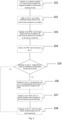
FIG. 2 is a work flow chart of a method in the present invention; -
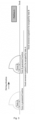
FIG. 3 is a schematic principle diagram a of the method in the present invention; -
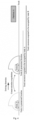
FIG. 4 is a schematic principle diagram b of the method in the present invention; and -
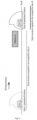
FIG. 5 is a schematic principle diagram c of the method in the present invention. - The technical solutions in the embodiments of the present invention will be clearly and completely described below with reference to the accompanying drawings in the embodiments of the present invention. Apparently, the described embodiments are part rather than all of the embodiments of the present invention.
- A train autonomous control system (TACS) based method for train interval protection control in the present invention aims to manage an adjacent relationship of trains on a line and realize more efficient and safer tracking between the trains on the line through direct information interaction between the trains.
- As shown in
FIG. 1 , the train autonomous control system based on train-to-train communication mainly includes a wayside information control (WSIC), a wayside train control (WSTC), an object controller (OC), an automatic train supervision (ATS) system, a carborne controller (CC), a backup localization system (BLS), and a balise. The ATS system is responsible for supervising and controlling train operation, and has the functions of train tracking operation, alarming and event reporting, operation adjustment, operation control, etc.; the WSIC is responsible for line resource allocation and recovery, train sequence management, and signal and switch control; the WSTC is mainly responsible for handling temporary speed restriction, managing and tracking a faulty train, and replacing the faulty train to perform interval protection, resource application, and release; the OC is mainly configured for implementing status collection and drive of wayside equipment; the CC is configured to perform line resource request and release according to a plan, and to actively perform train control to realize a train safety protection function and a train autonomous driving function; the balise is configured to provide location information in combination with a line map; and the BLS is mainly configured to provide a corresponding train identity (ID) and train location information to the wayside train control according to obtained balise information, so as to achieve location tracking of a degraded train, where the BLS is arranged on the train and is configured to complete operation of the degraded train in cooperation with the WSTC. - As shown in
FIG. 2 , the TACS based method for train interval protection control includes the following steps: - 101): receiving, by a CC, an operation mission and a location of a train sent by the ATS system, and calculating track resources required to be occupied;
- 102): applying, by the CC (of a train A), to a WSIC for the track resources required to be occupied, as shown in
FIG. 3 ; - 103): calculating, by the WSIC, a list of collided trains whose track resources intersect with the track resources required to be occupied according to information of the track resources required to be occupied by the train on a whole line;
- 104): sending, by the WSIC, the list of the collided trains related to the track resources applied by the train to the CC;
- 105): after the CC receives the list of the collided trains, comparing the train with a train that already communicates with it currently, determining whether there is a collided train that does not establish communication yet, if so, proceeding to step 106), otherwise, proceeding to step 107);
- 106): actively establishing, by the CC (of the train A), communication with a CC of a collided train (a train B) that does not establish communication yet, and reporting the condition to the WSIC, as shown in
FIG. 4 ; - 107): authorizing, by the WSIC, the CCs (of the trains A and B) to directly negotiate about occupation of corresponding tracks; and
- 108): negotiating, by the CC, with all CCs (when existent) that already establish communication for interval protection.
- When the train (the train B) that already establishes the communication is not within a range of the track resources required to be occupied by the CC (of the train A), the CC (of the train A) cuts off the communication and reports the condition to the WSIC, as shown in
FIG. 5 . - The CC uploads a status of the train to the WSTC in real time. In case of a CC fault, the WSTC applies to the WSIC for a control authority of the train. After successful application, the WSIC authorizes the WSTC to obtain the control authority, and sends a guaranteed location reported by the CC to the WSTC. At this time, the BLS uploads a location of the train to the WSTC when the train passes the balise. The WSTC calculates the train guaranteed location of the faulty train on a basis of the location information provided by the BLS. The ATS system sends the operation mission of the train to the WSTC, and the WSTC calculates the track resources required to be occupied by the faulty train on a basis of the guaranteed location of the faulty train and the operation mission of the train, and replaces the CC to perform interval protection between the trains.
- An electronic device in the present disclosure not falling under the scoe of protection includes a central processing unit (CPU) which may perform various appropriate actions and processes according to computer program instructions stored in a read-only memory (ROM) or loaded into a random access memory (RAM) from memory cells. Various programs and data required for device operation may also be stored in the RAM. The CPU, the ROM, and the RAM are connected to one another via a bus. An input/output (I/O) interface is also connected to the bus.
- A plurality of components in the device are connected to the I/O interface, including: an input unit, such as a keyboard or a mouse; an output unit, such as various types of displays or loudspeakers; a memory cell, such as a magnetic disk or a compact disc; and a communication unit, such as a network card, a modem, or a wireless communication transceiver. The communication unit allows the device to exchange information/data with other device through a computer network such as the Internet and/or various telecommunication networks.
- An embodiment of the present disclosure not falling under the scope of protection provides a computer program product. The computer program product includes a computer program stored on a non-transient computer-readable storage medium. The computer program includes program instructions. When the program instructions are executed by a computer, the computer can execute the methods provided by the embodiments of the above methods. Program codes for implementing the method in the present disclosure may be written in any combination of one or more programming languages. These program codes may be provided to a processor or controller of a general purpose computer, a special purpose computer, or other programmable data processing apparatus, such that the program codes, when executed by the processor or controller, cause the processor or controller to perform the functions/operations specified in a flowchart and/or block diagram. The program codes may be completely or partially executed on a machine, partially executed on the machine as an independent software package and partially executed on a remote machine or completely executed on the remote machine or a server.
Claims (8)
- A train autonomous control system based method for train interval protection control, comprising the following steps:step one (101): receiving, by a carborne controller, a train operation command sent by an automatic train supervision system to obtain a movement mission;step two: calculating, by the carborne controller, a train guaranteed zone in real time according to information of train localization, car characteristics, and carborne controller characteristics;step three (102): calculating, by the carborne controller, track resources required to be used in combination with current mission information according to the train guaranteed zone, and requesting to a wayside information control for information of collided trains occupying these track resources;step four (104): sending, by the wayside information control, a list of the collided trains on the track resources required to be used to the carborne controller according to information of the track resources required to be occupied by a train on a whole line;step five (105, 106, 108): when there is no valid train information in the list of the collided trains, recognizing, by the carborne controller, that there is no collided train on the track resources required to be occupied; when there is valid train information in the list of the collided trains, initiating, by the carborne controller, communication between the trains according to the train information in the list of the collided trains;characterized in that:after the communication is established, negotiating, by the carborne controller, with a carborne controller of a related train for interval protection, and reporting a negotiation status to the wayside information control;step six (107): after the wayside information control receives a negotiation success status, authorizing the carborne controllers to directly negotiate about occupation of the track resources between the trains; andstep seven: when the track resources required to be used by the carborne controller no longer intersect with the track resources required to be used by the corresponding collided train, ending, by the carborne controller, the communication and negotiation with the carborne controller of the corresponding collided train, and reporting the condition to the wayside information control.
- The train autonomous control system based method for train interval protection control according to claim 1, wherein the train guaranteed zone is a location that a train is currently guaranteed not to cross.
- The train autonomous control system based method for train interval protection control according to claim 1, wherein when the train has a fault, faulty train interval protection is taken over by a wayside train control, specifically as follows:a location of the train is reported to the wayside train control via a backup localization system arranged on the faulty train; andthe wayside train control receives the train movement mission sent by the automatic train supervision system and replaces the carborne controller to perform the train interval protection.
- The train autonomous control system based method for train interval protection control according to claim 3, wherein the fault of the train is a fault of the carborne controller.
- An apparatus configured to carry out the method according to claim 1, the apparatus comprising a wayside information control, an object controller, a wayside train control, an automatic train supervision system, a carborne controller, a backup localization system, and a balise, wherein the backup localization system is arranged on a train; the wayside information control communicates with all train carborne controllers; every two of the automatic train supervision system, the wayside information control, and the wayside train control are communicatively connected to each other; and the WSIC is connected to the object controller.
- The apparatus according to claim 5, wherein the automatic train supervision system is responsible for supervising and controlling train operation, and has the functions of train tracking operation, alarming and event reporting, operation adjustment, and operation control.
- The apparatus according to claim 5, wherein the wayside information control is responsible for line resource allocation and recovery, train sequence management, and signal and switch control; and the wayside train control is responsible for handling temporary speed restriction, managing and tracking a faulty train, and replacing the faulty train to perform interval protection, resource application, and release.
- The apparatus according to claim 5, wherein the object controller is configured for implementing status collection and drive of wayside equipment;the carborne controller is configured to perform line resource request and release according to a plan, and to actively perform train control;the balise is configured to provide location information in combination with a line map; andthe backup localization system is configured to provide a corresponding train identity and train location information to the wayside train control according to obtained balise information.
Applications Claiming Priority (2)
| Application Number | Priority Date | Filing Date | Title |
|---|---|---|---|
| CN202110635583.5A CN113264086B (en) | 2021-06-08 | 2021-06-08 | Train interval protection control method and device based on TACS (train operating System) |
| PCT/CN2021/119546 WO2022257298A1 (en) | 2021-06-08 | 2021-09-22 | Train interval protection control method and apparatus based on tacs system |
Publications (3)
| Publication Number | Publication Date |
|---|---|
| EP4159578A1 EP4159578A1 (en) | 2023-04-05 |
| EP4159578A4 EP4159578A4 (en) | 2024-03-13 |
| EP4159578B1 true EP4159578B1 (en) | 2025-03-05 |
Family
ID=77234693
Family Applications (1)
| Application Number | Title | Priority Date | Filing Date |
|---|---|---|---|
| EP21944798.4A Active EP4159578B1 (en) | 2021-06-08 | 2021-09-22 | Train interval protection control method and apparatus based on tacs system |
Country Status (4)
| Country | Link |
|---|---|
| US (1) | US12151726B2 (en) |
| EP (1) | EP4159578B1 (en) |
| CN (1) | CN113264086B (en) |
| WO (1) | WO2022257298A1 (en) |
Families Citing this family (24)
| Publication number | Priority date | Publication date | Assignee | Title |
|---|---|---|---|---|
| CN113022652A (en) * | 2021-03-23 | 2021-06-25 | 卡斯柯信号有限公司 | Whole-network train autonomous positioning system |
| CN113320575B (en) * | 2021-05-19 | 2022-07-15 | 卡斯柯信号有限公司 | TACS system supporting backup vehicle control mode and manual fault handling |
| CN113264086B (en) | 2021-06-08 | 2022-08-26 | 卡斯柯信号有限公司 | Train interval protection control method and device based on TACS (train operating System) |
| CN114312932B (en) * | 2021-12-13 | 2023-09-08 | 卡斯柯信号有限公司 | Deadlock prevention method, device, equipment and medium of TACS system |
| CN114590293B (en) * | 2022-02-24 | 2023-08-25 | 卡斯柯信号有限公司 | Sliding window-based train route protection distance calculation method and device |
| CN114802361B (en) * | 2022-04-26 | 2024-05-14 | 青岛地铁集团有限公司 | Control method and device for train turning back and electronic equipment |
| CN117485408B (en) * | 2022-07-25 | 2026-03-20 | 比亚迪股份有限公司 | Methods for adjusting departure times, storage media, onboard controllers, and rail vehicles |
| CN116118823B (en) * | 2022-09-07 | 2025-06-20 | 卡斯柯信号有限公司 | A method, device and storage medium for sorting and managing rail transit line resources |
| CN115649242B (en) * | 2022-10-26 | 2025-02-18 | 卡斯柯信号有限公司 | Train controller management method and device based on priority queue execution |
| CN115610481B (en) * | 2022-11-07 | 2025-05-30 | 交控科技股份有限公司 | Faulty train location tracking and screening method |
| CN115973242A (en) * | 2022-11-15 | 2023-04-18 | 卡斯柯信号有限公司 | Track resource anti-deadlock management method, equipment and medium for TACS system |
| CN116409361A (en) * | 2022-11-24 | 2023-07-11 | 卡斯柯信号有限公司 | A grating-based TACS system boundary intrusion detection method and device |
| CN116039707B (en) * | 2022-11-28 | 2024-10-18 | 卡斯柯信号有限公司 | A train controller resource inheritance method and device based on vehicle-to-vehicle communication |
| CN116039733B (en) * | 2022-12-13 | 2024-10-22 | 卡斯柯信号有限公司 | Train anti-collision method, device and storage medium based on train communication |
| CN115892144B (en) * | 2022-12-13 | 2025-02-07 | 卡斯柯信号有限公司 | A method, device, equipment and medium for switching between active and standby positioning of a TACS system |
| CN116125877B (en) * | 2022-12-30 | 2025-02-07 | 卡斯柯信号有限公司 | A subway tunnel automatic flushing method, device and storage medium |
| CN116001872A (en) * | 2022-12-30 | 2023-04-25 | 北京市轨道交通建设管理有限公司 | Train operation control system, method, electronic device and storage medium |
| CN116946222B (en) * | 2023-07-25 | 2026-03-17 | 卡斯柯信号有限公司 | CBTC System Based on Spacing Protection and Heterogeneous Redundancy and Its Implementation Method |
| CN116923500B (en) * | 2023-07-25 | 2026-03-17 | 卡斯柯信号有限公司 | Resource management system, methods, and media based on rail transit automation levels |
| CN117022399B (en) * | 2023-07-27 | 2025-10-28 | 卡斯柯信号有限公司 | Signal display method and equipment for tracking ATP trains and DTP trains |
| CN117163107A (en) * | 2023-08-23 | 2023-12-05 | 卡斯柯信号有限公司 | Line resource allocation method, equipment and media based on potential conflict identification |
| CN118387166A (en) * | 2024-05-17 | 2024-07-26 | 卡斯柯信号有限公司 | Initialization method, equipment and medium for TACS (train control system) degraded train positioning information |
| CN119705565B (en) * | 2024-12-06 | 2026-02-03 | 卡斯柯信号有限公司 | Active resource management method and system for vehicle-mounted backup positioning system of TACS (total internal control system) |
| CN119858583B (en) * | 2024-12-30 | 2025-09-23 | 卡斯柯信号有限公司 | Positioning display system, method, equipment and medium for train communication trains |
Family Cites Families (25)
| Publication number | Priority date | Publication date | Assignee | Title |
|---|---|---|---|---|
| CA2446545C (en) * | 2001-05-07 | 2012-12-04 | C3 Trans Systems Llc | Autonomous vehicle collision/crossing warning system |
| DE50301157D1 (en) * | 2003-07-22 | 2005-10-13 | Alcatel Sa | Method for resolving conflicts in a track-bound traffic system |
| US9002546B2 (en) * | 2011-06-14 | 2015-04-07 | Thales Canada Inc. | Control of automatic guided vehicles without wayside interlocking |
| WO2014011887A1 (en) * | 2012-07-11 | 2014-01-16 | Carnegie Mellon University | A railroad interlocking system with distributed control |
| CN104149821B (en) * | 2014-07-09 | 2016-03-16 | 卡斯柯信号有限公司 | For train initiatively interval means of defence and the device of train operation control system |
| JP6239469B2 (en) * | 2014-09-01 | 2017-11-29 | 株式会社日立製作所 | On-board equipment, trains, and signal security systems |
| KR101834854B1 (en) * | 2016-07-28 | 2018-03-07 | 한국철도기술연구원 | train-centric electronic interlocking system for connected train based autonomous train control system and the method thereof |
| CN106672020B (en) * | 2016-12-12 | 2019-04-16 | 交控科技股份有限公司 | Front truck recognition methods, Vehicle Controller and train based on object controller |
| CN106985880A (en) * | 2017-02-28 | 2017-07-28 | 北京交通大学 | A kind of truck traffic management method of Train Detection and Identification |
| CN109552367B (en) * | 2017-09-26 | 2020-12-18 | 交控科技股份有限公司 | Train running protection system and method based on combination of communication and active identification |
| CN109664923B (en) * | 2017-10-17 | 2021-03-12 | 交控科技股份有限公司 | Urban rail transit train control system based on vehicle-vehicle communication |
| US12079721B2 (en) * | 2018-07-10 | 2024-09-03 | Rail Vision Ltd. | Method and system for railway obstacle detection based on rail segmentation |
| CN109677456A (en) | 2018-12-27 | 2019-04-26 | 卡斯柯信号有限公司 | A kind of train route control method and system suitable for low-density railway |
| CN110104031B (en) * | 2019-04-19 | 2021-06-08 | 卡斯柯信号有限公司 | Train control system degradation management system based on vehicle-to-vehicle communication |
| CN110126882B (en) * | 2019-05-29 | 2021-04-02 | 北京和利时系统工程有限公司 | Train control method and system and calculation method of movement authorization |
| CN110696876B (en) * | 2019-09-11 | 2021-06-15 | 浙江众合科技股份有限公司 | A train operation safety protection system and method based on dynamic resource management |
| US11352034B2 (en) * | 2019-10-14 | 2022-06-07 | Raytheon Company | Trusted vehicle accident avoidance control |
| US20210107546A1 (en) * | 2019-10-14 | 2021-04-15 | Raytheon Company | Trusted Train Derailment Avoidance Control System and Method |
| CN111776013A (en) | 2020-05-29 | 2020-10-16 | 卡斯柯信号有限公司 | A train autonomous control system and method based on train-to-vehicle communication |
| CN112061182B (en) | 2020-08-25 | 2022-06-17 | 通号城市轨道交通技术有限公司 | Train management method and device based on vehicle-vehicle communication |
| CN112172872B (en) * | 2020-08-25 | 2022-11-29 | 通号城市轨道交通技术有限公司 | Method, device, electronic equipment and storage medium for detecting train conflict |
| CN112249097B (en) * | 2020-09-15 | 2022-07-15 | 卡斯柯信号有限公司 | Train autonomous running system with degraded management device and its application |
| CN112572537A (en) * | 2020-12-30 | 2021-03-30 | 卡斯柯信号有限公司 | Train-ground cooperative train operation control system and method |
| CN113264086B (en) | 2021-06-08 | 2022-08-26 | 卡斯柯信号有限公司 | Train interval protection control method and device based on TACS (train operating System) |
| US20210354566A1 (en) * | 2021-06-21 | 2021-11-18 | Jacob Ben-Ari | Scalable Tractive-Power System For Electric Railway-Vehicles Integrated into All-Wheel Electric Steering and Electric Braking Systems, Deriving 90% To 99% Traction and Dynamic Efficiency |
-
2021
- 2021-06-08 CN CN202110635583.5A patent/CN113264086B/en active Active
- 2021-09-22 US US18/003,846 patent/US12151726B2/en active Active
- 2021-09-22 WO PCT/CN2021/119546 patent/WO2022257298A1/en not_active Ceased
- 2021-09-22 EP EP21944798.4A patent/EP4159578B1/en active Active
Also Published As
| Publication number | Publication date |
|---|---|
| WO2022257298A1 (en) | 2022-12-15 |
| CN113264086B (en) | 2022-08-26 |
| US12151726B2 (en) | 2024-11-26 |
| EP4159578A1 (en) | 2023-04-05 |
| US20230249727A1 (en) | 2023-08-10 |
| EP4159578A4 (en) | 2024-03-13 |
| CN113264086A (en) | 2021-08-17 |
Similar Documents
| Publication | Publication Date | Title |
|---|---|---|
| US12151726B2 (en) | TACS based method for train interval protection control, and apparatus for method | |
| US12377893B2 (en) | Train autonomous control system and method based on train-to-train communication | |
| EP4414243B1 (en) | Anti-deadlock method and apparatus for tacs, and device and medium | |
| CN109080667B (en) | Train moving authorization method based on vehicle-vehicle cooperation | |
| CN109649435B (en) | A new train operation control system based on train-to-vehicle communication | |
| CN116443082B (en) | Derailment protection method, device, equipment and medium between adjacent trackside resource managers | |
| CN113335350A (en) | Train autonomous operation system for interconnection, intercommunication, collinear operation and overline operation | |
| CN109625031A (en) | Simplify the non-communicating vehicle operation method and control system of orbit occupancy detection device | |
| CN114194260A (en) | TACS and TBTC fused signal system and switching method thereof | |
| EP4620775A1 (en) | Train screening method for tacs, and system, device and storage medium | |
| CN114228788B (en) | Rail side auxiliary positioning method, device, equipment and medium for out-of-position train | |
| CN111806484A (en) | Train door and platform door fault isolation control method, device and system | |
| CN114179863B (en) | Access control method, control system and storage medium | |
| CN212500426U (en) | Train autonomous control system based on vehicle-to-vehicle communication | |
| CN117068238A (en) | Systems, methods and media for interconnection between TACS and CBTC | |
| CN118387166A (en) | Initialization method, equipment and medium for TACS (train control system) degraded train positioning information | |
| CN115973242A (en) | Track resource anti-deadlock management method, equipment and medium for TACS system | |
| CN118907190A (en) | TACS system time-limited allowable signal opening method based on train safety envelope expansion | |
| CN119078930A (en) | A method and system for switching train CBTC and TACS modes | |
| CN116437318A (en) | A heavy-haul railway virtual marshalling wireless block center switching method, equipment and medium | |
| CN115535039A (en) | Method, device, equipment and medium for degrading operation of train | |
| CN114228789A (en) | Full-automatic train dual-channel remote control method, device, equipment and medium | |
| CN115923881B (en) | Train fault rescue management method, device and medium for TACS system | |
| CN118770324A (en) | A train authorization method, device and medium under switch loss indication | |
| CN117565940A (en) | Double-action turnout protection methods, equipment and media for TACS system under degradation |
Legal Events
| Date | Code | Title | Description |
|---|---|---|---|
| STAA | Information on the status of an ep patent application or granted ep patent |
Free format text: STATUS: THE INTERNATIONAL PUBLICATION HAS BEEN MADE |
|
| PUAI | Public reference made under article 153(3) epc to a published international application that has entered the european phase |
Free format text: ORIGINAL CODE: 0009012 |
|
| STAA | Information on the status of an ep patent application or granted ep patent |
Free format text: STATUS: REQUEST FOR EXAMINATION WAS MADE |
|
| 17P | Request for examination filed |
Effective date: 20221226 |
|
| AK | Designated contracting states |
Kind code of ref document: A1 Designated state(s): AL AT BE BG CH CY CZ DE DK EE ES FI FR GB GR HR HU IE IS IT LI LT LU LV MC MK MT NL NO PL PT RO RS SE SI SK SM TR |
|
| A4 | Supplementary search report drawn up and despatched |
Effective date: 20240208 |
|
| RIC1 | Information provided on ipc code assigned before grant |
Ipc: B61L 99/00 20060101ALI20240202BHEP Ipc: B61L 23/12 20060101ALI20240202BHEP Ipc: B61L 23/14 20060101ALI20240202BHEP Ipc: B61L 15/00 20060101ALI20240202BHEP Ipc: B61L 27/20 20220101ALI20240202BHEP Ipc: B61L 23/04 20060101AFI20240202BHEP |
|
| DAV | Request for validation of the european patent (deleted) | ||
| DAX | Request for extension of the european patent (deleted) | ||
| RIC1 | Information provided on ipc code assigned before grant |
Ipc: B61L 99/00 20060101ALI20241031BHEP Ipc: B61L 23/12 20060101ALI20241031BHEP Ipc: B61L 23/14 20060101ALI20241031BHEP Ipc: B61L 15/00 20060101ALI20241031BHEP Ipc: B61L 27/20 20220101ALI20241031BHEP Ipc: B61L 23/04 20060101AFI20241031BHEP |
|
| GRAP | Despatch of communication of intention to grant a patent |
Free format text: ORIGINAL CODE: EPIDOSNIGR1 |
|
| STAA | Information on the status of an ep patent application or granted ep patent |
Free format text: STATUS: GRANT OF PATENT IS INTENDED |
|
| INTG | Intention to grant announced |
Effective date: 20241205 |
|
| GRAS | Grant fee paid |
Free format text: ORIGINAL CODE: EPIDOSNIGR3 |
|
| GRAA | (expected) grant |
Free format text: ORIGINAL CODE: 0009210 |
|
| STAA | Information on the status of an ep patent application or granted ep patent |
Free format text: STATUS: THE PATENT HAS BEEN GRANTED |
|
| AK | Designated contracting states |
Kind code of ref document: B1 Designated state(s): AL AT BE BG CH CY CZ DE DK EE ES FI FR GB GR HR HU IE IS IT LI LT LU LV MC MK MT NL NO PL PT RO RS SE SI SK SM TR |
|
| REG | Reference to a national code |
Ref country code: GB Ref legal event code: FG4D |
|
| REG | Reference to a national code |
Ref country code: CH Ref legal event code: EP |
|
| REG | Reference to a national code |
Ref country code: IE Ref legal event code: FG4D |
|
| REG | Reference to a national code |
Ref country code: DE Ref legal event code: R096 Ref document number: 602021027353 Country of ref document: DE |
|
| PG25 | Lapsed in a contracting state [announced via postgrant information from national office to epo] |
Ref country code: RS Free format text: LAPSE BECAUSE OF FAILURE TO SUBMIT A TRANSLATION OF THE DESCRIPTION OR TO PAY THE FEE WITHIN THE PRESCRIBED TIME-LIMIT Effective date: 20250605 |
|
| PG25 | Lapsed in a contracting state [announced via postgrant information from national office to epo] |
Ref country code: FI Free format text: LAPSE BECAUSE OF FAILURE TO SUBMIT A TRANSLATION OF THE DESCRIPTION OR TO PAY THE FEE WITHIN THE PRESCRIBED TIME-LIMIT Effective date: 20250305 |
|
| REG | Reference to a national code |
Ref country code: NL Ref legal event code: MP Effective date: 20250305 |
|
| PG25 | Lapsed in a contracting state [announced via postgrant information from national office to epo] |
Ref country code: ES Free format text: LAPSE BECAUSE OF FAILURE TO SUBMIT A TRANSLATION OF THE DESCRIPTION OR TO PAY THE FEE WITHIN THE PRESCRIBED TIME-LIMIT Effective date: 20250305 |
|
| REG | Reference to a national code |
Ref country code: LT Ref legal event code: MG9D |
|
| PG25 | Lapsed in a contracting state [announced via postgrant information from national office to epo] |
Ref country code: NO Free format text: LAPSE BECAUSE OF FAILURE TO SUBMIT A TRANSLATION OF THE DESCRIPTION OR TO PAY THE FEE WITHIN THE PRESCRIBED TIME-LIMIT Effective date: 20250605 |
|
| PG25 | Lapsed in a contracting state [announced via postgrant information from national office to epo] |
Ref country code: HR Free format text: LAPSE BECAUSE OF FAILURE TO SUBMIT A TRANSLATION OF THE DESCRIPTION OR TO PAY THE FEE WITHIN THE PRESCRIBED TIME-LIMIT Effective date: 20250305 |
|
| PG25 | Lapsed in a contracting state [announced via postgrant information from national office to epo] |
Ref country code: LV Free format text: LAPSE BECAUSE OF FAILURE TO SUBMIT A TRANSLATION OF THE DESCRIPTION OR TO PAY THE FEE WITHIN THE PRESCRIBED TIME-LIMIT Effective date: 20250305 |
|
| PG25 | Lapsed in a contracting state [announced via postgrant information from national office to epo] |
Ref country code: BG Free format text: LAPSE BECAUSE OF FAILURE TO SUBMIT A TRANSLATION OF THE DESCRIPTION OR TO PAY THE FEE WITHIN THE PRESCRIBED TIME-LIMIT Effective date: 20250305 Ref country code: GR Free format text: LAPSE BECAUSE OF FAILURE TO SUBMIT A TRANSLATION OF THE DESCRIPTION OR TO PAY THE FEE WITHIN THE PRESCRIBED TIME-LIMIT Effective date: 20250606 |
|
| REG | Reference to a national code |
Ref country code: AT Ref legal event code: MK05 Ref document number: 1772721 Country of ref document: AT Kind code of ref document: T Effective date: 20250305 |
|
| PG25 | Lapsed in a contracting state [announced via postgrant information from national office to epo] |
Ref country code: NL Free format text: LAPSE BECAUSE OF FAILURE TO SUBMIT A TRANSLATION OF THE DESCRIPTION OR TO PAY THE FEE WITHIN THE PRESCRIBED TIME-LIMIT Effective date: 20250305 |
|
| PG25 | Lapsed in a contracting state [announced via postgrant information from national office to epo] |
Ref country code: SE Free format text: LAPSE BECAUSE OF FAILURE TO SUBMIT A TRANSLATION OF THE DESCRIPTION OR TO PAY THE FEE WITHIN THE PRESCRIBED TIME-LIMIT Effective date: 20250305 |
|
| PG25 | Lapsed in a contracting state [announced via postgrant information from national office to epo] |
Ref country code: SM Free format text: LAPSE BECAUSE OF FAILURE TO SUBMIT A TRANSLATION OF THE DESCRIPTION OR TO PAY THE FEE WITHIN THE PRESCRIBED TIME-LIMIT Effective date: 20250305 |
|
| PG25 | Lapsed in a contracting state [announced via postgrant information from national office to epo] |
Ref country code: PT Free format text: LAPSE BECAUSE OF FAILURE TO SUBMIT A TRANSLATION OF THE DESCRIPTION OR TO PAY THE FEE WITHIN THE PRESCRIBED TIME-LIMIT Effective date: 20250707 |
|
| PGFP | Annual fee paid to national office [announced via postgrant information from national office to epo] |
Ref country code: DE Payment date: 20250730 Year of fee payment: 5 |
|
| PG25 | Lapsed in a contracting state [announced via postgrant information from national office to epo] |
Ref country code: IT Free format text: LAPSE BECAUSE OF FAILURE TO SUBMIT A TRANSLATION OF THE DESCRIPTION OR TO PAY THE FEE WITHIN THE PRESCRIBED TIME-LIMIT Effective date: 20250305 Ref country code: PL Free format text: LAPSE BECAUSE OF FAILURE TO SUBMIT A TRANSLATION OF THE DESCRIPTION OR TO PAY THE FEE WITHIN THE PRESCRIBED TIME-LIMIT Effective date: 20250305 |
|
| PGFP | Annual fee paid to national office [announced via postgrant information from national office to epo] |
Ref country code: TR Payment date: 20250917 Year of fee payment: 5 |
|
| PGFP | Annual fee paid to national office [announced via postgrant information from national office to epo] |
Ref country code: GB Payment date: 20250731 Year of fee payment: 5 |
|
| PG25 | Lapsed in a contracting state [announced via postgrant information from national office to epo] |
Ref country code: AT Free format text: LAPSE BECAUSE OF FAILURE TO SUBMIT A TRANSLATION OF THE DESCRIPTION OR TO PAY THE FEE WITHIN THE PRESCRIBED TIME-LIMIT Effective date: 20250305 |
|
| PGFP | Annual fee paid to national office [announced via postgrant information from national office to epo] |
Ref country code: FR Payment date: 20250808 Year of fee payment: 5 |
|
| PG25 | Lapsed in a contracting state [announced via postgrant information from national office to epo] |
Ref country code: EE Free format text: LAPSE BECAUSE OF FAILURE TO SUBMIT A TRANSLATION OF THE DESCRIPTION OR TO PAY THE FEE WITHIN THE PRESCRIBED TIME-LIMIT Effective date: 20250305 Ref country code: CZ Free format text: LAPSE BECAUSE OF FAILURE TO SUBMIT A TRANSLATION OF THE DESCRIPTION OR TO PAY THE FEE WITHIN THE PRESCRIBED TIME-LIMIT Effective date: 20250305 |
|
| PG25 | Lapsed in a contracting state [announced via postgrant information from national office to epo] |
Ref country code: RO Free format text: LAPSE BECAUSE OF FAILURE TO SUBMIT A TRANSLATION OF THE DESCRIPTION OR TO PAY THE FEE WITHIN THE PRESCRIBED TIME-LIMIT Effective date: 20250305 |
|
| PG25 | Lapsed in a contracting state [announced via postgrant information from national office to epo] |
Ref country code: SK Free format text: LAPSE BECAUSE OF FAILURE TO SUBMIT A TRANSLATION OF THE DESCRIPTION OR TO PAY THE FEE WITHIN THE PRESCRIBED TIME-LIMIT Effective date: 20250305 |
|
| PG25 | Lapsed in a contracting state [announced via postgrant information from national office to epo] |
Ref country code: IS Free format text: LAPSE BECAUSE OF FAILURE TO SUBMIT A TRANSLATION OF THE DESCRIPTION OR TO PAY THE FEE WITHIN THE PRESCRIBED TIME-LIMIT Effective date: 20250705 |
|
| REG | Reference to a national code |
Ref country code: DE Ref legal event code: R097 Ref document number: 602021027353 Country of ref document: DE |
|
| PLBE | No opposition filed within time limit |
Free format text: ORIGINAL CODE: 0009261 |
|
| STAA | Information on the status of an ep patent application or granted ep patent |
Free format text: STATUS: NO OPPOSITION FILED WITHIN TIME LIMIT |
|
| PG25 | Lapsed in a contracting state [announced via postgrant information from national office to epo] |
Ref country code: DK Free format text: LAPSE BECAUSE OF FAILURE TO SUBMIT A TRANSLATION OF THE DESCRIPTION OR TO PAY THE FEE WITHIN THE PRESCRIBED TIME-LIMIT Effective date: 20250305 |
|
| REG | Reference to a national code |
Ref country code: CH Ref legal event code: L10 Free format text: ST27 STATUS EVENT CODE: U-0-0-L10-L00 (AS PROVIDED BY THE NATIONAL OFFICE) Effective date: 20260114 |
|
| 26N | No opposition filed |
Effective date: 20251208 |
|
| REG | Reference to a national code |
Ref country code: CH Ref legal event code: H13 Free format text: ST27 STATUS EVENT CODE: U-0-0-H10-H13 (AS PROVIDED BY THE NATIONAL OFFICE) Effective date: 20260425 |