EP4156373B1 - Battery and battery apparatus - Google Patents
Battery and battery apparatus Download PDFInfo
- Publication number
- EP4156373B1 EP4156373B1 EP21208120.2A EP21208120A EP4156373B1 EP 4156373 B1 EP4156373 B1 EP 4156373B1 EP 21208120 A EP21208120 A EP 21208120A EP 4156373 B1 EP4156373 B1 EP 4156373B1
- Authority
- EP
- European Patent Office
- Prior art keywords
- resistor
- housing
- current collector
- positive
- battery
- Prior art date
- Legal status (The legal status is an assumption and is not a legal conclusion. Google has not performed a legal analysis and makes no representation as to the accuracy of the status listed.)
- Active
Links
Images




Classifications
-
- H—ELECTRICITY
- H01—ELECTRIC ELEMENTS
- H01M—PROCESSES OR MEANS, e.g. BATTERIES, FOR THE DIRECT CONVERSION OF CHEMICAL ENERGY INTO ELECTRICAL ENERGY
- H01M10/00—Secondary cells; Manufacture thereof
- H01M10/42—Methods or arrangements for servicing or maintenance of secondary cells or secondary half-cells
- H01M10/425—Structural combination with electronic components, e.g. electronic circuits integrated to the outside of the casing
- H01M10/4257—Smart batteries, e.g. electronic circuits inside the housing of the cells or batteries
-
- H—ELECTRICITY
- H01—ELECTRIC ELEMENTS
- H01M—PROCESSES OR MEANS, e.g. BATTERIES, FOR THE DIRECT CONVERSION OF CHEMICAL ENERGY INTO ELECTRICAL ENERGY
- H01M50/00—Constructional details or processes of manufacture of the non-active parts of electrochemical cells other than fuel cells, e.g. hybrid cells
- H01M50/10—Primary casings; Jackets or wrappings
- H01M50/131—Primary casings; Jackets or wrappings characterised by physical properties, e.g. gas permeability, size or heat resistance
-
- H—ELECTRICITY
- H01—ELECTRIC ELEMENTS
- H01M—PROCESSES OR MEANS, e.g. BATTERIES, FOR THE DIRECT CONVERSION OF CHEMICAL ENERGY INTO ELECTRICAL ENERGY
- H01M50/00—Constructional details or processes of manufacture of the non-active parts of electrochemical cells other than fuel cells, e.g. hybrid cells
- H01M50/50—Current conducting connections for cells or batteries
- H01M50/528—Fixed electrical connections, i.e. not intended for disconnection
-
- H—ELECTRICITY
- H01—ELECTRIC ELEMENTS
- H01M—PROCESSES OR MEANS, e.g. BATTERIES, FOR THE DIRECT CONVERSION OF CHEMICAL ENERGY INTO ELECTRICAL ENERGY
- H01M50/00—Constructional details or processes of manufacture of the non-active parts of electrochemical cells other than fuel cells, e.g. hybrid cells
- H01M50/50—Current conducting connections for cells or batteries
- H01M50/531—Electrode connections inside a battery casing
-
- H—ELECTRICITY
- H01—ELECTRIC ELEMENTS
- H01M—PROCESSES OR MEANS, e.g. BATTERIES, FOR THE DIRECT CONVERSION OF CHEMICAL ENERGY INTO ELECTRICAL ENERGY
- H01M50/00—Constructional details or processes of manufacture of the non-active parts of electrochemical cells other than fuel cells, e.g. hybrid cells
- H01M50/50—Current conducting connections for cells or batteries
- H01M50/543—Terminals
-
- H—ELECTRICITY
- H01—ELECTRIC ELEMENTS
- H01M—PROCESSES OR MEANS, e.g. BATTERIES, FOR THE DIRECT CONVERSION OF CHEMICAL ENERGY INTO ELECTRICAL ENERGY
- H01M50/00—Constructional details or processes of manufacture of the non-active parts of electrochemical cells other than fuel cells, e.g. hybrid cells
- H01M50/50—Current conducting connections for cells or batteries
- H01M50/571—Methods or arrangements for affording protection against corrosion; Selection of materials therefor
-
- H—ELECTRICITY
- H01—ELECTRIC ELEMENTS
- H01M—PROCESSES OR MEANS, e.g. BATTERIES, FOR THE DIRECT CONVERSION OF CHEMICAL ENERGY INTO ELECTRICAL ENERGY
- H01M50/00—Constructional details or processes of manufacture of the non-active parts of electrochemical cells other than fuel cells, e.g. hybrid cells
- H01M50/50—Current conducting connections for cells or batteries
- H01M50/572—Means for preventing undesired use or discharge
- H01M50/574—Devices or arrangements for the interruption of current
- H01M50/583—Devices or arrangements for the interruption of current in response to current, e.g. fuses
-
- H—ELECTRICITY
- H01—ELECTRIC ELEMENTS
- H01M—PROCESSES OR MEANS, e.g. BATTERIES, FOR THE DIRECT CONVERSION OF CHEMICAL ENERGY INTO ELECTRICAL ENERGY
- H01M50/00—Constructional details or processes of manufacture of the non-active parts of electrochemical cells other than fuel cells, e.g. hybrid cells
- H01M50/10—Primary casings; Jackets or wrappings
- H01M50/14—Primary casings; Jackets or wrappings for protecting against damage caused by external factors
- H01M50/145—Primary casings; Jackets or wrappings for protecting against damage caused by external factors for protecting against corrosion
-
- Y—GENERAL TAGGING OF NEW TECHNOLOGICAL DEVELOPMENTS; GENERAL TAGGING OF CROSS-SECTIONAL TECHNOLOGIES SPANNING OVER SEVERAL SECTIONS OF THE IPC; TECHNICAL SUBJECTS COVERED BY FORMER USPC CROSS-REFERENCE ART COLLECTIONS [XRACs] AND DIGESTS
- Y02—TECHNOLOGIES OR APPLICATIONS FOR MITIGATION OR ADAPTATION AGAINST CLIMATE CHANGE
- Y02E—REDUCTION OF GREENHOUSE GAS [GHG] EMISSIONS, RELATED TO ENERGY GENERATION, TRANSMISSION OR DISTRIBUTION
- Y02E60/00—Enabling technologies; Technologies with a potential or indirect contribution to GHG emissions mitigation
- Y02E60/10—Energy storage using batteries
Definitions
- the disclosure relates to the technical field of batteries, and in particular, to a battery and a battery apparatus.
- the positive current collector and the negative current collector of a battery is disposed in the housing. Since the positive current collector is insulated from the housing, the electric potential of the housing is lower. The problem of corrosion of the embedded lithium in the housing may thus occur, and battery performance is thereby affected.
- US 2019/237726 A1 discloses an electrical energy accumulation device from electromagnetic attacks.
- the electrical energy accumulation device comprises a housing made of an electrically conductive material, at least one electrical energy storage cell that is arranged in the housing and two terminals that are arranged through the housing, the terminals being electrically insulated from the housing, the terminals allowing electrical energy to be transferred between the at least one storage cell and the exterior of the device.
- the device further comprises, inside the housing, a specific component exhibiting an impedance having at least one resistive component that is higher than 1 ohm.
- the disclosure provides a battery and a battery apparatus.
- the disclosure provides a battery, and the battery includes a housing, a positive current collector, a negative current collector and a resistor assembly.
- the positive current collector is disposed at the housing.
- the negative current collector is disposed at the housing.
- the positive current collector is electrically connected to the housing through the resistor assembly, and the resistor assembly includes a first resistor and a second resistor arranged in parallel. A resistance value of the first resistor is greater than a resistance value of the second resistor.
- the positive current collector comprises a fusing structure, the second resistor is disposed between the fusing structure and the housing, and the fuse structure is in electrical series with the second resistor. When a current passing through the fusing structure exceeds a threshold value, the fusing structure disconnects an electrical connection between the positive current collector and the second resistor.
- the disclosure further provides a battery apparatus including the abovementioned battery.
- connection In particular, a reference to “the” object or “a” and “an” object is intended to denote also one of a possible plurality of such objects.
- the terms “connect”, “fix” should be broadly interpreted, for example, the term “connect” can be “fixedly connect”, “detachably connect”, “integrally connect”, “electrically connect” or “signal connect”.
- the term “connect” also can be “directly connect” or “indirectly connect via a medium”.
- the battery includes a housing 10, a positive current collector 20, a negative current collector 30 and a resistor assembly 40.
- the positive current collector 20 is disposed at the housing 10.
- the negative current collector 30 is disposed at the housing 10.
- the positive current collector 20 is electrically connected to the housing 10 through the resistor assembly 40.
- the resistor assembly 40 includes a first resistor 41 and a second resistor 42 arranged in parallel. A resistance value of the first resistor 41 is greater than a resistance value of the second resistor 42.
- the battery includes the housing 10, the positive current collector 20, the negative current collector 30, and the resistor assembly 40.
- the positive current collector 20 is electrically connected to the housing 10 through the resistor assembly 40.
- the resistor assembly 40 includes the first resistor 41 and the second resistor 42 arranged in parallel, and a resistance value of the first resistor 41 is greater than a resistance value of the second resistor 42. As such, a total resistance value of the first resistor 41 and the second resistor 42 is less than the resistance value of the second resistor 42. In this way, an electric potential of the housing 10 may be increased, the housing 10 may be prevented from being corroded, and performance of the battery is thereby improved.
- the resistance values of the first resistor 41 and the second resistor 42 are configured to be different and the first resistor 41 and the second resistor 42 are configured to be arranged in parallel; therefore, a resistor with a relatively small resistance value is connected in series between the positive current collector 20 and the housing 10. As such, an electric potential between the positive current collector 20 and the housing 10 is relatively high, and the housing 10 is thereby prevented from being corroded.
- the battery includes a cell and an electrolyte, and the battery is the smallest unit capable of performing electrochemical reactions such as charging/discharging.
- the cell refers to a unit formed by winding or laminating a stacked part, and the stacked part includes a first electrode, a separator and a second electrode. When the first electrode is a positive electrode, the second electrode is a negative electrode. The polarities of the first electrode and the second electrode may be interchanged.
- the cell may be disposed in the housing 10.
- the positive current collector 20 and the negative current collector 30 may include portions of the cell.
- the positive current collector 20 may include a positive tab 21, and the negative current collector 30 may include a negative tab 31.
- the positive current collector 20 may further include a positive terminal component 22, and the negative current collector 30 may further include a negative terminal component 32.
- the positive tab 21 and the positive terminal component 22 are electrically connected, and the negative tab 31 and the negative terminal component 32 are electrically connected.
- the cell may perform charging/discharging through the positive terminal component 22 and the negative terminal component 32.
- the positive current collector 20 and the negative current collector 30 are disposed on the housing 10.
- the positive terminal component 22 of the positive current collector 20 may be located on the housing 10
- the negative terminal component 32 of the negative current collector 30 may be located on the housing 10.
- a part of the positive terminal component 22 and a part of the negative terminal component 32 may be spaced apart from each other and disposed outside the housing 10.
- the positive current collector 20 and the negative current collector 30 are disposed in the housing 10.
- the positive tab 21 of the positive current collector 20 may be located in the housing 10
- the negative tab 31 of the negative current collector 30 may be located in the housing 10.
- the resistance value of the first resistor 41 is greater than or equal to 10 M ⁇ , and the resistance value of the second resistor ranges from 50 S2 to 10,000 ⁇ .
- the total resistance value of the first resistor 41 and the second resistor 42 is less than 50 ⁇ , so it is ensured that the potential between the positive current collector 20 and the housing 10 is maintained at a relatively high value, that is, it is ensured that the potential of the housing 10 is greater than a corrosion potential.
- a voltage between the positive current collector 20 and the housing 10 is less than or equal to 50 mV, that is, the electric potential of the housing 10 may be greater than a corrosion potential.
- the corrosion potential may be less than or equal to 2V.
- the first resistor 41 and the second resistor 42 of the resistor assembly 40 are not resistor devices provided by the related art.
- the first resistor 41 and the second resistor 42 may be other structures having specific resistance values.
- the first resistor 41 may be a structure made of an insulating material, and the insulating material may be rubber, polyphenylene sulfide, etc., such that the resistance value of the first resistor 41 is relatively large.
- the second resistor 42 may be a structure made of a semi-conductive material, and the semi-conductive material may be a conductive material made of a conductive fiber doped with polyphenylene sulfide, such that the resistance of the second resistor 42 is relatively small.
- the first resistor 41 includes one or more of a mica insulating material, ceramic, synthetic resin, insulating glue, a fiber product, rubber, plastic and asbestos, such that the resistance value of the first resistor 41 is greater than or equal to 10 M ⁇ .
- a material of the first resistor 41 may be one of a mica insulating material, ceramic, synthetic resin, insulating glue, a fiber product, rubber, plastic and asbestos.
- the material of the first resistor 41 may be a combination of at least two of a mica insulating material, ceramic, synthetic resin, insulating glue, a fiber product, rubber, plastic and asbestos, so that it is ensured that the first resistor 41 has a relatively large resistance value.
- the second resistor 42 includes one or more of a carbon film resistor, a metal film resistor, a metal oxide and a semiconductor material, such that the resistance value range of the second resistor is 50 ⁇ to 10,000 ⁇ .
- the metal oxide may be a zinc oxide, an aluminum oxide, etc.
- the semiconductor material may be doped silicon, gallium arsenide, aluminum gallium arsenide, etc.
- a material of the second resistor 42 may be one of a carbon film resistor, a metal film resistor, a zinc oxide, doped silicon, gallium arsenide and aluminum gallium arsenide.
- the material of the second resistor 42 may be a combination of at least two of a carbon film resistor, a metal film resistor, a zinc oxide, doped silicon, gallium arsenide and aluminum gallium arsenide, so that it is ensured that the second resistor 42 has a relatively small resistance value.
- the positive current collector 20 includes a fusing structure 25.
- the fusing structure 25 disconnects the electrical connection between the positive current collector 20 and the second resistor 42.
- a current passing through the fusing structure 25 exceeds a threshold value
- the fusing structure 25 disconnects the electrical connection between the positive current collector 20 and the second resistor 42.
- the positive current collector 20 includes the fusing structure 25, and the first resistor 41 and the second resistor 42 are arranged between the positive current collector 20 and the housing 10.
- FIG. 2 when the battery is connected into a battery apparatus 1, if there is a short circuit inside the battery, for example, the positive terminal component 22 of the positive current collector 20 and the negative terminal component 32 of the negative current collector 30 are directly connected, due to the presence of the battery apparatus 1, the battery apparatus 1 may apply a reverse high voltage to the short-circuited battery.
- the fusing structure 25 is disconnected, and the resistor through which the current flows between the positive current collector 20 and the housing 10 is the first resistor 41. Since the resistance value of the first resistor 41 is larger, the first resistor 41 may not be broken down, and the thermal runaway problem may thus be prevented from occurring.
- the fusing structure 25 disconnects the electrical connection between the positive current collector 20 and the second resistor 42, that is, the current between the positive current collector 20 and the housing 10 may not flow through the second resistor 42. In some embodiments, after the fusing structure 25 disconnects the electrical connection between the positive current collector 20 and the second resistor 42, the current between the positive current collector 20 and the housing 10 f only lows through the first resistor 41. Since the resistance value of the first resistor 41 is larger, the first resistor 41 may not be broken down, and the thermal runaway problem may thus be prevented from occurring.
- the battery apparatus 1 may be directly disconnected from the battery, that is, there is no current between the positive current collector 20 and the housing 10, and the thermal runaway problem may thus be prevented from occurring.
- the positive current collector 20 further includes the positive terminal component 22, and the housing 10 includes a first housing member and a second housing member connected to each other.
- the first resistor 41 is disposed between the positive terminal component 22 and the first housing member, or the first resistor 41 is disposed between the positive terminal component 22 and the second housing member, so that it is ensured that the positive terminal component 22 and the first housing member are connected to each other at least through the first resistor 41.
- the first resistor 41 and the second resistor 42 are connected in parallel, so that the problem of corrosion is prevented from occurring.
- the fusing structure 25 is disconnected.
- the current may only flow through the first resistor 41, so that the thermal runaway problem is prevented through the first resistor 41.
- the positive terminal component 22 supplies power to both the first resistor 41 and the second resistor 42, since the first resistor 41 and the second resistor 42 are connected in parallel, the total resistance value is smaller, and the problem of corrosion is prevented from occurring.
- the positive terminal component 22 supplies power to the first resistor 41, since the resistance value of the first resistor 41 is larger, the battery is protected, and thermal runaway is prevented from occurring.
- the positive current collector 20 further includes the positive tab 21.
- the fusing structure 25 is connected to the positive tab 21 and the positive terminal component 22, and the second resistor 42 is disposed between the fusing structure 25 and the housing 10.
- the fusing structure 25 disconnects the electrical connection between the positive tab 21 and the positive terminal component 22 and the electrical connection between the positive tab 21 and the second resistor 42.
- the first resistor 41 may act as an insulator between the positive terminal component 22 and the housing 10, and the thermal runaway problem is accordingly prevented from occurring.
- both the first resistor 41 and the second resistor 42 may be disposed between housing 10 and the positive terminal component 22.
- the positive tab 21 and the positive terminal component 22 may be directly connected to each other through the fusing structure 25.
- the fusing structure 25 may be a fuse structure for safety, and the fuse structure may be at least one of a wire and a fuse.
- a material of the fuse structure may be selected from a conductive material such as conductive metal, a conductive metal oxide, or other conductive inorganic materials.
- An insulating structure may be wrapped on a surface of the fuse structure, and the insulating structure may protect the fuse structure.
- the positive current collector 20 further includes an adapter piece 24, and the positive tab 21 and the positive terminal component 22 may be connected to each other through the adapter piece 24.
- a connection path between the positive tab 21 and the positive terminal component 22 may be further provided with the fusing structure 25.
- the fusing structure 25 may be a fuse structure, and the fuse structure may be at least one of a wire and a fuse.
- the fusing structure 25 is disposed on the adapter piece 24. As such, when the fusing structure 25 is disconnected, the adapter piece 24 is also disconnected, and the electrical connection between the positive tab 21 and the positive terminal component 22 and the electrical connection between the positive tab 21 and the second resistor 42 are thereby disconnected.
- the fusing structure 25 may be a portion of the adapter piece 24. For instance, a through hole is provided on the adapter piece 24, so an area of the adapter piece 24 is decreased, and the fusing structure 25 is formed.
- the positive current collector 20 further includes a busbar 23.
- the positive terminal component 22 is electrically connected to the busbar 23, and the fusing structure 25 is connected to the busbar 23 and the second resistor 42.
- the second resistor 42 is disposed between the fusing structure 25 and the housing 10.
- the fusing structure 25 disconnects the electrical connection between the busbar 23 and the second resistor 42, that is, the electrical connection between the positive terminal component 22 and the second resistor 42 is disconnected.
- the first resistor 41 may act as an insulator between the positive terminal component 22 and the housing 10, and the thermal runaway problem is accordingly prevented from occurring.
- the current of the battery apparatus 1 is transferred to the first resistor 41 through the busbar 23 and the positive terminal component 22, and thus passes through the housing 10. Due to the presence of the first resistor 41, the electric potential on the housing 10 may not be excessively high, and protection is thereby effectively provided.
- the first resistor 41 may be disposed between the housing 10 and the positive terminal component 22, and the second resistor 42 may be disposed between the housing 10 and the busbar 23.
- the resistance value of the first resistor 41 is required to be kept below a predetermined value, such that the electrical connection between the positive tab 21 and the positive terminal component 22 is ensured, so as to accordingly ensure the normal use of the battery.
- the fusing structure 25 is disposed on the busbar 23. As such, when the fusing structure 25 is disconnected, the busbar 23 is disconnected, and the power supply from the battery apparatus 1 to the battery is thereby disconnected.
- the busbar 23 is configured to implement the series connection and parallel connection between the batteries. Therefore, after the busbar 23 is disconnected, the connection between the batteries may be disconnected, and the problem of reverse high voltage may not occur in a single battery.
- the housing 10 includes the first housing member and the second housing member connected to each other.
- the positive current collector 20 may further include the positive terminal component 22 and the busbar 23, and the positive terminal component 22 is electrically connected to the busbar 23.
- the first resistor 41 is disposed between the busbar 23 and the first housing member, or the first resistor 41 is disposed between the busbar 23 and the second housing member.
- the first resistor 41 may be conveniently installed, and it is also ensured that the positive terminal component 22 and the first housing member are connected to each other at least through the first resistor 41.
- the first resistor 41 and the second resistor 42 are connected in parallel, so that the problem of corrosion is prevented from occurring.
- the fusing structure 25 is disconnected.
- the current may only flow through the first resistor 41, so that the thermal runaway problem is prevented through the first resistor 41.
- the positive current collector 20 further includes the positive tab 21, and the fusing structure 25 is connected to the positive tab 21 and the positive terminal component 22.
- the second resistor 42 is disposed between the fusing structure 25 and the housing 10.
- the fusing structure 25 disconnects the electrical connection between the positive tab 21 and the positive terminal component 22 and the electrical connection between the positive tab 21 and the second resistor 42.
- the first resistor 41 may act as an insulator between the busbar 23 and the housing 10, and the thermal runaway problem is accordingly prevented from occurring.
- the current of the battery apparatus 1 is transferred to the first resistor 41 through the busbar 23, and thus passes through the housing 10. Due to the presence of the first resistor 41, the electric potential on the housing 10 may not be excessively high, and protection is thereby effectively provided.
- the first resistor 41 is disposed between the housing 10 and the busbar 23, and the second resistor 42 is disposed between the housing 10 and the positive terminal component 22.
- the second resistor 42 may not be provided to be connected between the positive tab 21 and the positive terminal component 22.
- the second resistor 42 may be provided to be connected between the positive tab 21 and the positive terminal component 22, as shown in FIG. 5 .
- the first resistor 41 is disposed between the busbar 23 and the first housing member.
- the fusing structure 25 may be disposed on the busbar 23. As such, when the fusing structure 25 is disconnected, the busbar 23 is disconnected, and the power supply from the battery apparatus 1 to the battery is thereby disconnected.
- the second resistor 42 is disposed between the busbar 23 and the first housing member, or the second resistor 42 is disposed between the busbar 23 and the second housing member, and the fusing structure 25 is disposed on the busbar 23.
- the fusing structure 25 is disconnected, the busbar 23 is disconnected, and the power supply from the battery apparatus 1 to the battery is thereby disconnected, and the thermal runaway problem is prevented from occurring.
- both the first resistor 41 and the second resistor 42 may be disposed between the housing 10 and the busbar 23.
- the busbar 23 is located outside the housing 10. Therefore, when the first resistor 41 and the second resistor 42 are disposed between the housing 10 and the busbar 23, the first resistor 41 and the second resistor 42 are located outside the housing 10. A portion of the positive terminal component 22 may be located outside the housing 10. When the first resistor 41 and the second resistor 42 are disposed between the housing 10 and the positive terminal component 22, the first resistor 41 and the second resistor 42 are located outside the housing 10. A portion of the positive terminal component 22 may be located inside the housing 10. When the first resistor 41 and the second resistor 42 are disposed between the housing 10 and the positive terminal component 22, the first resistor 41 and the second resistor 42 are located inside the housing 10.
- first housing member and the second housing member are connected to each other to form a sealed space for sealing the cell.
- the first housing member or the second housing member may be a cover.
- the structure of the negative current collector 30 is not particularly limited herein, and description thereof may be found with reference to the description of the positive current collector 20.
- the negative current collector 30 may include the negative tab 31 and the negative terminal component 32, and the negative tab 31 and the negative terminal component 32 may be directly connected to each other.
- the negative tab 31 may be connected to the negative terminal component 32 through an adapter piece.
- the negative current collector 30 may further include a busbar, a fusing structure, or a resistor assembly.
- the first resistor having a large resistance value is connected in series between the positive terminal component and the housing, so the thermal runaway problem caused by the reverse high voltage is prevented.
- the second resistor having a small resistance value is connected between the fusing structure and the housing, and the first resistor and the second resistor are connected in parallel, such that the problem of corrosion is prevented from occurring in the housing.
- An embodiment of the disclosure further provides a battery apparatus including the abovementioned battery.
- a battery apparatus provided by an embodiment of the disclosure includes the battery, and the battery includes the housing 10, the positive current collector 20, the negative current collector 30 and the resistor assembly 40.
- the positive current collector 20 is electrically connected to the housing 10 through the resistor assembly 40.
- the resistor assembly 40 includes the first resistor 41 and the second resistor 42 arranged in parallel, and the resistance value of the first resistor 41 is greater than the resistance value of the second resistor 42. As such, the total resistance value of the first resistor 41 and the second resistor 42 is less than the resistance value of the second resistor 42. In this way, the electric potential of the housing 10 may be increased, the housing 10 may be prevented from being corroded, and performance of the battery apparatus is thereby improved.
- the battery apparatus includes a plurality of batteries, and the plurality of batteries may be connected in series and/or in parallel.
- the batteries may be connected in series or parallel via the busbar.
- the battery apparatus may a battery module or a battery pack.
- the battery module includes a plurality of batteries, and the plurality of batteries may be secured through end plates and side plates.
- the battery pack includes a plurality of batteries and a battery box, and the battery box is configured to secure the plurality of batteries.
- the battery pack includes the battery, the battery may be multiple, and the multiple batteries are arranged in the box.
- the batteries may be installed in the box.
- the battery module may include the end plates and the side plates configured for securing the batteries.
- the batteries may be directly disposed in the box, that is, the batteries are not required to be arranged into groups, and the end plates and the side plates may be removed at this time.
Landscapes
- Chemical & Material Sciences (AREA)
- Chemical Kinetics & Catalysis (AREA)
- Electrochemistry (AREA)
- General Chemical & Material Sciences (AREA)
- Engineering & Computer Science (AREA)
- Microelectronics & Electronic Packaging (AREA)
- Manufacturing & Machinery (AREA)
- Connection Of Batteries Or Terminals (AREA)
Description
- The disclosure relates to the technical field of batteries, and in particular, to a battery and a battery apparatus.
- In the related art, the positive current collector and the negative current collector of a battery is disposed in the housing. Since the positive current collector is insulated from the housing, the electric potential of the housing is lower. The problem of corrosion of the embedded lithium in the housing may thus occur, and battery performance is thereby affected.
-
US 2019/237726 A1 discloses an electrical energy accumulation device from electromagnetic attacks. The electrical energy accumulation device comprises a housing made of an electrically conductive material, at least one electrical energy storage cell that is arranged in the housing and two terminals that are arranged through the housing, the terminals being electrically insulated from the housing, the terminals allowing electrical energy to be transferred between the at least one storage cell and the exterior of the device. The device further comprises, inside the housing, a specific component exhibiting an impedance having at least one resistive component that is higher than 1 ohm. - The disclosure provides a battery and a battery apparatus.
- According to the first aspect of the disclosure, the disclosure provides a battery, and the battery includes a housing, a positive current collector, a negative current collector and a resistor assembly. The positive current collector is disposed at the housing. The negative current collector is disposed at the housing. The positive current collector is electrically connected to the housing through the resistor assembly, and the resistor assembly includes a first resistor and a second resistor arranged in parallel. A resistance value of the first resistor is greater than a resistance value of the second resistor. The positive current collector comprises a fusing structure, the second resistor is disposed between the fusing structure and the housing, and the fuse structure is in electrical series with the second resistor. When a current passing through the fusing structure exceeds a threshold value, the fusing structure disconnects an electrical connection between the positive current collector and the second resistor.
- According to the second aspect of the disclosure, the disclosure further provides a battery apparatus including the abovementioned battery.
- For a better understanding of the disclosure, reference may be made to exemplary embodiments shown in the following drawings. The components in the drawings are not necessarily to scale and related elements may be omitted, or in some instances proportions may have been exaggerated, so as to emphasize and clearly illustrate the features described herein. In addition, related elements or components can be variously arranged, as known in the art. Further, in the drawings, like reference numerals designate same or like parts throughout the several views.
-
FIG. 1 is a schematic diagram of a circuit structure of a battery according to a first exemplary embodiment. -
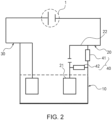
FIG. 2 is a schematic diagram of a circuit structure of a battery apparatus according to an exemplary embodiment. -
FIG. 3 is a schematic diagram of a circuit structure of a battery according to a second exemplary embodiment. -
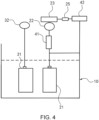
FIG. 4 is a schematic diagram of a circuit structure of a battery according to a third exemplary embodiment. -
FIG. 5 is a schematic diagram of a circuit structure of a battery according to a fourth exemplary embodiment. -
FIG. 6 is a schematic diagram of a circuit structure of a battery which is not according to the invention. - The technical solutions in the exemplary embodiments of the disclosure will be described clearly and explicitly in conjunction with the drawings in the exemplary embodiments of the disclosure. The description proposed herein is just the exemplary embodiments for the purpose of illustrations only, not intended to limit the scope of the disclosure, so it should be understood that and various modifications and variations could be made thereto without departing from the scope of the disclosure as defined by the claims.
- In the description of the present disclosure, unless otherwise specifically defined and limited, the terms "first", "second" and the like are only used for illustrative purposes and are not to be construed as expressing or implying a relative importance. The term "plurality" is two or more. The term "and/or" includes any and all combinations of one or more of the associated listed items.
- In particular, a reference to "the" object or "a" and "an" object is intended to denote also one of a possible plurality of such objects. Unless otherwise defined or described, the terms "connect", "fix" should be broadly interpreted, for example, the term "connect" can be "fixedly connect", "detachably connect", "integrally connect", "electrically connect" or "signal connect". The term "connect" also can be "directly connect" or "indirectly connect via a medium". For the persons skilled in the art, the specific meanings of the abovementioned terms in the present disclosure can be understood according to the specific situation.
- Further, in the description of the present disclosure, it should be understood that spatially relative terms, such as "above", "below" "inside", "outside" and the like, are described based on orientations illustrated in the figures, but are not intended to limit the exemplary embodiments of the present disclosure.
- In the context, it should also be understood that when an element or features is provided "outside" or "inside" of another element(s), it can be directly provided "outside" or "inside" of the other element, or be indirectly provided "outside" or "inside" of the another element(s) by an intermediate element.
- An embodiment of the disclosure provides a battery. With reference to
FIG. 1 to FIG. 6 , the battery includes ahousing 10, a positivecurrent collector 20, a negativecurrent collector 30 and aresistor assembly 40. The positivecurrent collector 20 is disposed at thehousing 10. The negativecurrent collector 30 is disposed at thehousing 10. The positivecurrent collector 20 is electrically connected to thehousing 10 through theresistor assembly 40. Theresistor assembly 40 includes afirst resistor 41 and asecond resistor 42 arranged in parallel. A resistance value of thefirst resistor 41 is greater than a resistance value of thesecond resistor 42. - In an embodiment of the disclosure, the battery includes the
housing 10, the positivecurrent collector 20, the negativecurrent collector 30, and theresistor assembly 40. The positivecurrent collector 20 is electrically connected to thehousing 10 through theresistor assembly 40. Theresistor assembly 40 includes thefirst resistor 41 and thesecond resistor 42 arranged in parallel, and a resistance value of thefirst resistor 41 is greater than a resistance value of thesecond resistor 42. As such, a total resistance value of thefirst resistor 41 and thesecond resistor 42 is less than the resistance value of thesecond resistor 42. In this way, an electric potential of thehousing 10 may be increased, thehousing 10 may be prevented from being corroded, and performance of the battery is thereby improved. - It should be noted that, as the resistance values of the
first resistor 41 and thesecond resistor 42 are configured to be different and thefirst resistor 41 and thesecond resistor 42 are configured to be arranged in parallel; therefore, a resistor with a relatively small resistance value is connected in series between the positivecurrent collector 20 and thehousing 10. As such, an electric potential between the positivecurrent collector 20 and thehousing 10 is relatively high, and thehousing 10 is thereby prevented from being corroded. - In an embodiment, the battery includes a cell and an electrolyte, and the battery is the smallest unit capable of performing electrochemical reactions such as charging/discharging. The cell refers to a unit formed by winding or laminating a stacked part, and the stacked part includes a first electrode, a separator and a second electrode. When the first electrode is a positive electrode, the second electrode is a negative electrode. The polarities of the first electrode and the second electrode may be interchanged. The cell may be disposed in the
housing 10. - The positive
current collector 20 and the negativecurrent collector 30 may include portions of the cell. The positivecurrent collector 20 may include apositive tab 21, and the negativecurrent collector 30 may include anegative tab 31. The positivecurrent collector 20 may further include apositive terminal component 22, and the negativecurrent collector 30 may further include anegative terminal component 32. Thepositive tab 21 and thepositive terminal component 22 are electrically connected, and thenegative tab 31 and thenegative terminal component 32 are electrically connected. As such, the cell may perform charging/discharging through thepositive terminal component 22 and thenegative terminal component 32. - In an embodiment, the positive
current collector 20 and the negativecurrent collector 30 are disposed on thehousing 10. Thepositive terminal component 22 of the positivecurrent collector 20 may be located on thehousing 10, and thenegative terminal component 32 of the negativecurrent collector 30 may be located on thehousing 10. A part of thepositive terminal component 22 and a part of thenegative terminal component 32 may be spaced apart from each other and disposed outside thehousing 10. - In some embodiments, the positive
current collector 20 and the negativecurrent collector 30 are disposed in thehousing 10. Thepositive tab 21 of the positivecurrent collector 20 may be located in thehousing 10, and thenegative tab 31 of the negativecurrent collector 30 may be located in thehousing 10. - In an embodiment, the resistance value of the
first resistor 41 is greater than or equal to 10 MΩ, and the resistance value of the second resistor ranges from 50 S2 to 10,000 Ω. As such, the total resistance value of thefirst resistor 41 and thesecond resistor 42 is less than 50 Ω, so it is ensured that the potential between the positivecurrent collector 20 and thehousing 10 is maintained at a relatively high value, that is, it is ensured that the potential of thehousing 10 is greater than a corrosion potential. - In some embodiments, a voltage between the positive
current collector 20 and thehousing 10 is less than or equal to 50 mV, that is, the electric potential of thehousing 10 may be greater than a corrosion potential. The corrosion potential may be less than or equal to 2V. - In an embodiment, the
first resistor 41 and thesecond resistor 42 of theresistor assembly 40 are not resistor devices provided by the related art. Thefirst resistor 41 and thesecond resistor 42 may be other structures having specific resistance values. For instance, thefirst resistor 41 may be a structure made of an insulating material, and the insulating material may be rubber, polyphenylene sulfide, etc., such that the resistance value of thefirst resistor 41 is relatively large. Thesecond resistor 42 may be a structure made of a semi-conductive material, and the semi-conductive material may be a conductive material made of a conductive fiber doped with polyphenylene sulfide, such that the resistance of thesecond resistor 42 is relatively small. - In an embodiment, the
first resistor 41 includes one or more of a mica insulating material, ceramic, synthetic resin, insulating glue, a fiber product, rubber, plastic and asbestos, such that the resistance value of thefirst resistor 41 is greater than or equal to 10 MΩ. - A material of the
first resistor 41 may be one of a mica insulating material, ceramic, synthetic resin, insulating glue, a fiber product, rubber, plastic and asbestos. Alternatively, the material of thefirst resistor 41 may be a combination of at least two of a mica insulating material, ceramic, synthetic resin, insulating glue, a fiber product, rubber, plastic and asbestos, so that it is ensured that thefirst resistor 41 has a relatively large resistance value. - In an embodiment, the
second resistor 42 includes one or more of a carbon film resistor, a metal film resistor, a metal oxide and a semiconductor material, such that the resistance value range of the second resistor is 50 Ω to 10,000 Ω. The metal oxide may be a zinc oxide, an aluminum oxide, etc., and the semiconductor material may be doped silicon, gallium arsenide, aluminum gallium arsenide, etc. - A material of the
second resistor 42 may be one of a carbon film resistor, a metal film resistor, a zinc oxide, doped silicon, gallium arsenide and aluminum gallium arsenide. Alternatively, the material of thesecond resistor 42 may be a combination of at least two of a carbon film resistor, a metal film resistor, a zinc oxide, doped silicon, gallium arsenide and aluminum gallium arsenide, so that it is ensured that thesecond resistor 42 has a relatively small resistance value. - The positive
current collector 20 includes a fusingstructure 25. Herein, when a current passing through the fusingstructure 25 exceeds a threshold value, the fusingstructure 25 disconnects the electrical connection between the positivecurrent collector 20 and thesecond resistor 42. As such, it is thereby ensured that when a short circuit is present in the battery, if a current still exists between the positivecurrent collector 20 and thehousing 10, a larger resistance value may be provided between the positivecurrent collector 20 and thehousing 10, and a thermal runaway problem may thus be prevented from occurring. - It should be noted that, as shown in
FIG. 1 , the positivecurrent collector 20 includes the fusingstructure 25, and thefirst resistor 41 and thesecond resistor 42 are arranged between the positivecurrent collector 20 and thehousing 10. As shown inFIG. 2 , when the battery is connected into abattery apparatus 1, if there is a short circuit inside the battery, for example, thepositive terminal component 22 of the positivecurrent collector 20 and thenegative terminal component 32 of the negativecurrent collector 30 are directly connected, due to the presence of thebattery apparatus 1, thebattery apparatus 1 may apply a reverse high voltage to the short-circuited battery. At this time, the fusingstructure 25 is disconnected, and the resistor through which the current flows between the positivecurrent collector 20 and thehousing 10 is thefirst resistor 41. Since the resistance value of thefirst resistor 41 is larger, thefirst resistor 41 may not be broken down, and the thermal runaway problem may thus be prevented from occurring. - The fusing
structure 25 disconnects the electrical connection between the positivecurrent collector 20 and thesecond resistor 42, that is, the current between the positivecurrent collector 20 and thehousing 10 may not flow through thesecond resistor 42. In some embodiments, after the fusingstructure 25 disconnects the electrical connection between the positivecurrent collector 20 and thesecond resistor 42, the current between the positivecurrent collector 20 and the housing 10 f only lows through thefirst resistor 41. Since the resistance value of thefirst resistor 41 is larger, thefirst resistor 41 may not be broken down, and the thermal runaway problem may thus be prevented from occurring. In some embodiments, after the fusingstructure 25 disconnects the electrical connection between the positivecurrent collector 20 and thesecond resistor 42, thebattery apparatus 1 may be directly disconnected from the battery, that is, there is no current between the positivecurrent collector 20 and thehousing 10, and the thermal runaway problem may thus be prevented from occurring. - In an embodiment, as shown in
FIG. 3 andFIG. 4 , the positivecurrent collector 20 further includes thepositive terminal component 22, and thehousing 10 includes a first housing member and a second housing member connected to each other. Herein, thefirst resistor 41 is disposed between thepositive terminal component 22 and the first housing member, or thefirst resistor 41 is disposed between thepositive terminal component 22 and the second housing member, so that it is ensured that thepositive terminal component 22 and the first housing member are connected to each other at least through thefirst resistor 41. When the battery is in normal use, thefirst resistor 41 and thesecond resistor 42 are connected in parallel, so that the problem of corrosion is prevented from occurring. When an excessive current occurs, the fusingstructure 25 is disconnected. When a current is provided between the positivecurrent collector 20 and thehousing 10, the current may only flow through thefirst resistor 41, so that the thermal runaway problem is prevented through thefirst resistor 41. - When the
housing 10 is electrically connected to both thefirst resistor 41 and thesecond resistor 42, that is, thepositive terminal component 22 supplies power to both thefirst resistor 41 and thesecond resistor 42, since thefirst resistor 41 and thesecond resistor 42 are connected in parallel, the total resistance value is smaller, and the problem of corrosion is prevented from occurring. When thepositive terminal component 22 supplies power to thefirst resistor 41, since the resistance value of thefirst resistor 41 is larger, the battery is protected, and thermal runaway is prevented from occurring. - In an embodiment, as shown in
FIG. 3 , the positivecurrent collector 20 further includes thepositive tab 21. The fusingstructure 25 is connected to thepositive tab 21 and thepositive terminal component 22, and thesecond resistor 42 is disposed between the fusingstructure 25 and thehousing 10. When the current passing through the fusingstructure 25 exceeds the threshold value, the fusingstructure 25 disconnects the electrical connection between thepositive tab 21 and thepositive terminal component 22 and the electrical connection between thepositive tab 21 and thesecond resistor 42. In this way, thefirst resistor 41 may act as an insulator between thepositive terminal component 22 and thehousing 10, and the thermal runaway problem is accordingly prevented from occurring. In this embodiment, both thefirst resistor 41 and thesecond resistor 42 may be disposed betweenhousing 10 and thepositive terminal component 22. - In an embodiment, the
positive tab 21 and thepositive terminal component 22 may be directly connected to each other through the fusingstructure 25. The fusingstructure 25 may be a fuse structure for safety, and the fuse structure may be at least one of a wire and a fuse. A material of the fuse structure may be selected from a conductive material such as conductive metal, a conductive metal oxide, or other conductive inorganic materials. An insulating structure may be wrapped on a surface of the fuse structure, and the insulating structure may protect the fuse structure. - In an embodiment, as shown in
FIG. 1 , the positivecurrent collector 20 further includes anadapter piece 24, and thepositive tab 21 and thepositive terminal component 22 may be connected to each other through theadapter piece 24. At this time, a connection path between thepositive tab 21 and thepositive terminal component 22 may be further provided with the fusingstructure 25. The fusingstructure 25 may be a fuse structure, and the fuse structure may be at least one of a wire and a fuse. Alternatively, the fusingstructure 25 is disposed on theadapter piece 24. As such, when the fusingstructure 25 is disconnected, theadapter piece 24 is also disconnected, and the electrical connection between thepositive tab 21 and thepositive terminal component 22 and the electrical connection between thepositive tab 21 and thesecond resistor 42 are thereby disconnected. - In some embodiments, the fusing
structure 25 may be a portion of theadapter piece 24. For instance, a through hole is provided on theadapter piece 24, so an area of theadapter piece 24 is decreased, and the fusingstructure 25 is formed. - In an embodiment, as shown in
FIG. 4 , the positivecurrent collector 20 further includes abusbar 23. Thepositive terminal component 22 is electrically connected to thebusbar 23, and the fusingstructure 25 is connected to thebusbar 23 and thesecond resistor 42. Herein, thesecond resistor 42 is disposed between the fusingstructure 25 and thehousing 10. When the current passing through the fusingstructure 25 exceeds the threshold value, the fusingstructure 25 disconnects the electrical connection between thebusbar 23 and thesecond resistor 42, that is, the electrical connection between thepositive terminal component 22 and thesecond resistor 42 is disconnected. In this way, thefirst resistor 41 may act as an insulator between thepositive terminal component 22 and thehousing 10, and the thermal runaway problem is accordingly prevented from occurring. After the fusingstructure 25 is disconnected, the current of thebattery apparatus 1 is transferred to thefirst resistor 41 through thebusbar 23 and thepositive terminal component 22, and thus passes through thehousing 10. Due to the presence of thefirst resistor 41, the electric potential on thehousing 10 may not be excessively high, and protection is thereby effectively provided. In this embodiment, thefirst resistor 41 may be disposed between thehousing 10 and thepositive terminal component 22, and thesecond resistor 42 may be disposed between thehousing 10 and thebusbar 23. - It should be noted that, when the
first resistor 41 is located between thepositive tab 21 and thepositive terminal component 22, the resistance value of thefirst resistor 41 is required to be kept below a predetermined value, such that the electrical connection between thepositive tab 21 and thepositive terminal component 22 is ensured, so as to accordingly ensure the normal use of the battery. - In an embodiment, the fusing
structure 25 is disposed on thebusbar 23. As such, when the fusingstructure 25 is disconnected, thebusbar 23 is disconnected, and the power supply from thebattery apparatus 1 to the battery is thereby disconnected. Thebusbar 23 is configured to implement the series connection and parallel connection between the batteries. Therefore, after thebusbar 23 is disconnected, the connection between the batteries may be disconnected, and the problem of reverse high voltage may not occur in a single battery. - In an embodiment, as shown in
FIG. 5 andFIG. 6 , thehousing 10 includes the first housing member and the second housing member connected to each other. The positivecurrent collector 20 may further include thepositive terminal component 22 and thebusbar 23, and thepositive terminal component 22 is electrically connected to thebusbar 23. Herein, thefirst resistor 41 is disposed between thebusbar 23 and the first housing member, or thefirst resistor 41 is disposed between thebusbar 23 and the second housing member. As such, thefirst resistor 41 may be conveniently installed, and it is also ensured that thepositive terminal component 22 and the first housing member are connected to each other at least through thefirst resistor 41. When the battery is in normal use, thefirst resistor 41 and thesecond resistor 42 are connected in parallel, so that the problem of corrosion is prevented from occurring. When an excessive current occurs, the fusingstructure 25 is disconnected. When a current is provided between the positivecurrent collector 20 and thehousing 10, the current may only flow through thefirst resistor 41, so that the thermal runaway problem is prevented through thefirst resistor 41. - In an embodiment, as shown in
FIG. 5 , the positivecurrent collector 20 further includes thepositive tab 21, and the fusingstructure 25 is connected to thepositive tab 21 and thepositive terminal component 22. Herein, thesecond resistor 42 is disposed between the fusingstructure 25 and thehousing 10. When the current passing through the fusingstructure 25 exceeds the threshold value, the fusingstructure 25 disconnects the electrical connection between thepositive tab 21 and thepositive terminal component 22 and the electrical connection between thepositive tab 21 and thesecond resistor 42. In this way, thefirst resistor 41 may act as an insulator between thebusbar 23 and thehousing 10, and the thermal runaway problem is accordingly prevented from occurring. After the fusingstructure 25 is disconnected, the current of thebattery apparatus 1 is transferred to thefirst resistor 41 through thebusbar 23, and thus passes through thehousing 10. Due to the presence of thefirst resistor 41, the electric potential on thehousing 10 may not be excessively high, and protection is thereby effectively provided. In this embodiment, thefirst resistor 41 is disposed between thehousing 10 and thebusbar 23, and thesecond resistor 42 is disposed between thehousing 10 and thepositive terminal component 22. In some embodiments, thesecond resistor 42 may not be provided to be connected between thepositive tab 21 and thepositive terminal component 22. Alternatively, thesecond resistor 42 may be provided to be connected between thepositive tab 21 and thepositive terminal component 22, as shown inFIG. 5 . - In an embodiment, the
first resistor 41 is disposed between thebusbar 23 and the first housing member. Alternatively, when thefirst resistor 41 is disposed between thebusbar 23 and the second housing member, the fusingstructure 25 may be disposed on thebusbar 23. As such, when the fusingstructure 25 is disconnected, thebusbar 23 is disconnected, and the power supply from thebattery apparatus 1 to the battery is thereby disconnected. - In an embodiment, as shown in
FIG. 6 , thesecond resistor 42 is disposed between thebusbar 23 and the first housing member, or thesecond resistor 42 is disposed between thebusbar 23 and the second housing member, and the fusingstructure 25 is disposed on thebusbar 23. As such, when the fusingstructure 25 is disconnected, thebusbar 23 is disconnected, and the power supply from thebattery apparatus 1 to the battery is thereby disconnected, and the thermal runaway problem is prevented from occurring. In this embodiment, both thefirst resistor 41 and thesecond resistor 42 may be disposed between thehousing 10 and thebusbar 23. - It should be noted that, the
busbar 23 is located outside thehousing 10. Therefore, when thefirst resistor 41 and thesecond resistor 42 are disposed between thehousing 10 and thebusbar 23, thefirst resistor 41 and thesecond resistor 42 are located outside thehousing 10. A portion of thepositive terminal component 22 may be located outside thehousing 10. When thefirst resistor 41 and thesecond resistor 42 are disposed between thehousing 10 and thepositive terminal component 22, thefirst resistor 41 and thesecond resistor 42 are located outside thehousing 10. A portion of thepositive terminal component 22 may be located inside thehousing 10. When thefirst resistor 41 and thesecond resistor 42 are disposed between thehousing 10 and thepositive terminal component 22, thefirst resistor 41 and thesecond resistor 42 are located inside thehousing 10. - In an embodiment, the first housing member and the second housing member are connected to each other to form a sealed space for sealing the cell. The first housing member or the second housing member may be a cover.
- It should be noted that, the structure of the negative
current collector 30 is not particularly limited herein, and description thereof may be found with reference to the description of the positivecurrent collector 20. For instance, the negativecurrent collector 30 may include thenegative tab 31 and thenegative terminal component 32, and thenegative tab 31 and thenegative terminal component 32 may be directly connected to each other. Alternatively, thenegative tab 31 may be connected to thenegative terminal component 32 through an adapter piece. The negativecurrent collector 30 may further include a busbar, a fusing structure, or a resistor assembly. - In the battery provided by the embodiments of the disclosure, the first resistor having a large resistance value is connected in series between the positive terminal component and the housing, so the thermal runaway problem caused by the reverse high voltage is prevented. At the same time, the second resistor having a small resistance value is connected between the fusing structure and the housing, and the first resistor and the second resistor are connected in parallel, such that the problem of corrosion is prevented from occurring in the housing.
- An embodiment of the disclosure further provides a battery apparatus including the abovementioned battery.
- A battery apparatus provided by an embodiment of the disclosure includes the battery, and the battery includes the
housing 10, the positivecurrent collector 20, the negativecurrent collector 30 and theresistor assembly 40. The positivecurrent collector 20 is electrically connected to thehousing 10 through theresistor assembly 40. Theresistor assembly 40 includes thefirst resistor 41 and thesecond resistor 42 arranged in parallel, and the resistance value of thefirst resistor 41 is greater than the resistance value of thesecond resistor 42. As such, the total resistance value of thefirst resistor 41 and thesecond resistor 42 is less than the resistance value of thesecond resistor 42. In this way, the electric potential of thehousing 10 may be increased, thehousing 10 may be prevented from being corroded, and performance of the battery apparatus is thereby improved. - In an embodiment, the battery apparatus includes a plurality of batteries, and the plurality of batteries may be connected in series and/or in parallel. The batteries may be connected in series or parallel via the busbar.
- In an embodiment, the battery apparatus may a battery module or a battery pack.
- The battery module includes a plurality of batteries, and the plurality of batteries may be secured through end plates and side plates.
- The battery pack includes a plurality of batteries and a battery box, and the battery box is configured to secure the plurality of batteries.
- It should be noted that, the battery pack includes the battery, the battery may be multiple, and the multiple batteries are arranged in the box. Herein, after forming the battery module, the batteries may be installed in the box. Herein, the battery module may include the end plates and the side plates configured for securing the batteries. Alternatively, the batteries may be directly disposed in the box, that is, the batteries are not required to be arranged into groups, and the end plates and the side plates may be removed at this time.
- Other embodiments of the disclosure will be apparent to those skilled in the art from consideration of the specification and practice of the disclosure disclosed herein. The disclosure is intended to cover any variations, uses or adaptations of the disclosure. These variations, uses, or adaptations follow the general principles of the disclosure and include common general knowledge or conventional technical means in the art that are not disclosed in the present disclosure. The specification and embodiments are illustrative. The invention is defined by the appended claims.
Claims (15)
- A battery, comprising:a housing (10);a positive current collector (20), disposed at the housing (10);a negative current collector (30), disposed at the housing (10); anda resistor assembly (40), wherein the positive current collector (20) is electrically connected to the housing (10) through the resistor assembly (40), and the resistor assembly (40) comprises a first resistor (41) and a second resistor (42) arranged in parallel,wherein a resistance value of the first resistor (41) is greater than a resistance value of the second resistor (42),wherein the positive current collector (20) comprises a fusing structure (25), the fuse structure (25) is in electrical series with the second resistor (42), and the second resistor (42) is disposed between the fusing structure (25) and the housing (10),wherein when a current passing through the fusing structure (25) exceeds a threshold value, the fusing structure (25) disconnects an electrical connection between the positive current collector (20) and the second resistor (42).
- The battery according to claim 1, wherein the resistance value of the first resistor (41) is greater than or equal to 10 MΩ, and the resistance value of the second resistor (42) ranges from 50 Q to 10,000 Ω.
- The battery according to claim 1, wherein the positive current collector (20) further comprises a positive terminal component (22), and the housing (10) comprises a first housing member and a second housing member connected to each other,
wherein the first resistor (41) is disposed between the positive terminal component (22) and the first housing member, or the first resistor (41) is disposed between the positive terminal component (22) and the second housing member. - The battery according to claim 3, wherein the positive current collector (20) further comprises a positive tab (21), the fusing structure (25) is connected to the positive tab (21) and the positive terminal component (22).
- The battery according to claim 4, wherein the positive current collector (20) further comprises an adapter piece (24), and the fusing structure (25) is disposed on the adapter piece (24).
- The battery according to claim 3, wherein the positive current collector (20) further comprises a busbar (23), the positive terminal component (22) is electrically connected to the busbar (23), and the fusing structure (25) is connected to the busbar (23) and the second resistor (42).
- The battery according to claim 6, wherein the fusing structure (25) is disposed on the busbar (23).
- The battery according to claim 1, wherein the housing (10) comprises a first housing member and a second housing member connected to each other, the positive current collector (20) further comprises an positive terminal component (22) and a busbar (23), and the positive terminal component (22) is electrically connected to the busbar (23),
wherein the first resistor (41) is disposed between the busbar (23) and the first housing member, or the first resistor (41) is disposed between the busbar (23) and the second housing member. - The battery according to claim 8, wherein the positive current collector (20) further comprises a positive tab (21), and the fusing structure (25) is connected to the positive tab (21) and the positive terminal component (22).
- The battery according to claim 8, wherein the fusing structure (25) is disposed on the busbar (23).
- The battery according to claim 8, wherein the second resistor (42) is disposed between the busbar (23) and the first housing member, or the second resistor (42) is disposed between the busbar (23) and the second housing member.
- The battery according to any one of claims 3-11, wherein the first housing member or the second housing member is a cover.
- The battery according to claim 1, wherein the first resistor (41) comprises one or more of a mica insulating material, ceramic, synthetic resin, insulating glue, a fiber product, rubber, plastic and asbestos, and/or
the second resistor (42) comprises one or more of a carbon film resistor, a metal film resistor, a metal oxide and a semiconductor material. - A battery apparatus, comprising the battery according to any one of claims 1-13.
- The battery apparatus according to claim 14, wherein the battery apparatus is a battery module or a battery pack.
Applications Claiming Priority (1)
| Application Number | Priority Date | Filing Date | Title |
|---|---|---|---|
| CN202111116817.1A CN113764834A (en) | 2021-09-23 | 2021-09-23 | Batteries and battery packs |
Publications (2)
| Publication Number | Publication Date |
|---|---|
| EP4156373A1 EP4156373A1 (en) | 2023-03-29 |
| EP4156373B1 true EP4156373B1 (en) | 2025-01-22 |
Family
ID=78621727
Family Applications (1)
| Application Number | Title | Priority Date | Filing Date |
|---|---|---|---|
| EP21208120.2A Active EP4156373B1 (en) | 2021-09-23 | 2021-11-15 | Battery and battery apparatus |
Country Status (3)
| Country | Link |
|---|---|
| US (1) | US20230086270A1 (en) |
| EP (1) | EP4156373B1 (en) |
| CN (1) | CN113764834A (en) |
Families Citing this family (3)
| Publication number | Priority date | Publication date | Assignee | Title |
|---|---|---|---|---|
| CN115360445A (en) * | 2022-08-16 | 2022-11-18 | 东软睿驰汽车技术(沈阳)有限公司 | Battery cell circuit and electronic equipment |
| EP4329085A1 (en) * | 2022-08-26 | 2024-02-28 | Scania CV AB | Protection device for propulsion batteries against conductive energy discharge |
| CN118367227A (en) * | 2024-06-19 | 2024-07-19 | 蜂巢能源科技股份有限公司 | A single battery |
Family Cites Families (8)
| Publication number | Priority date | Publication date | Assignee | Title |
|---|---|---|---|---|
| US6083639A (en) * | 1997-08-22 | 2000-07-04 | Duracell Inc. | Current interrupter for electrochemical cells |
| KR101243546B1 (en) * | 2011-03-02 | 2013-03-20 | 로베르트 보쉬 게엠베하 | Rechargeable battery and battery pack having the same |
| DE102014207608A1 (en) * | 2014-04-23 | 2015-11-12 | Robert Bosch Gmbh | Housing for a battery cell |
| FR3056021B1 (en) * | 2016-09-09 | 2018-08-24 | Thales | PROTECTION OF A DEVICE FOR ACCUMULATING ELECTRIC ENERGY |
| KR102754697B1 (en) * | 2019-05-14 | 2025-01-13 | 주식회사 엘지에너지솔루션 | Battery Management System |
| CN212517351U (en) * | 2020-07-23 | 2021-02-09 | 中航锂电(洛阳)有限公司 | Battery modules and battery packs |
| CN214254673U (en) * | 2021-02-05 | 2021-09-21 | 远景动力技术(江苏)有限公司 | A battery module for preventing electrochemical corrosion |
| CN215933779U (en) * | 2021-09-23 | 2022-03-01 | 中航锂电科技有限公司 | Battery and battery pack |
-
2021
- 2021-09-23 CN CN202111116817.1A patent/CN113764834A/en active Pending
- 2021-11-10 US US17/523,893 patent/US20230086270A1/en not_active Abandoned
- 2021-11-15 EP EP21208120.2A patent/EP4156373B1/en active Active
Also Published As
| Publication number | Publication date |
|---|---|
| EP4156373A1 (en) | 2023-03-29 |
| CN113764834A (en) | 2021-12-07 |
| US20230086270A1 (en) | 2023-03-23 |
Similar Documents
| Publication | Publication Date | Title |
|---|---|---|
| US9577240B2 (en) | Battery module and bus bar applied to battery module | |
| EP2596539B1 (en) | Current collecting terminal for electrochemical cells | |
| EP4156373B1 (en) | Battery and battery apparatus | |
| EP2180538B1 (en) | Protective circuit module and rechargeable battery including the same | |
| KR101223730B1 (en) | Secondary battery pack and protection circuit module for the same | |
| CN103066339B (en) | Integrated units voltage sensing circuit device for fusing | |
| EP2933856B1 (en) | Rechargeable battery having a current distribution member | |
| CN100464445C (en) | Safety device for preventing overcharge and secondary battery combined with the same | |
| EP2827404A1 (en) | Secondary-battery connecting part, and battery module and battery pack including same | |
| CN108352578A (en) | Non-aqueous electrolyte secondary battery unit and battery pack using the same | |
| US9269960B2 (en) | Electrode lead and secondary battery having the same | |
| JP4537355B2 (en) | Secondary battery with PTC element | |
| EP1146579B1 (en) | Non-aqueous electrolyte rechargeable battery | |
| CN104051701A (en) | Safety device for a galvanic cell | |
| CN215933779U (en) | Battery and battery pack | |
| US11916254B2 (en) | Battery pack having structure capable of preventing overcharge, and vehicle comprising same | |
| US11411413B2 (en) | Battery pack charging system having structure capable of preventing overcharging, and vehicle comprising same | |
| US20140065454A1 (en) | Battery and motor vehicle | |
| KR20190112575A (en) | busbar structure for high voltage of Battery module | |
| KR101603626B1 (en) | Protective circuit for preventing overcharge | |
| CN104241590A (en) | battery cell and method of discharging the battery cell | |
| KR100803434B1 (en) | Protective element mountable to battery cap and secondary battery having same | |
| JP7029632B2 (en) | Sealed battery |
Legal Events
| Date | Code | Title | Description |
|---|---|---|---|
| PUAI | Public reference made under article 153(3) epc to a published international application that has entered the european phase |
Free format text: ORIGINAL CODE: 0009012 |
|
| STAA | Information on the status of an ep patent application or granted ep patent |
Free format text: STATUS: REQUEST FOR EXAMINATION WAS MADE |
|
| 17P | Request for examination filed |
Effective date: 20211115 |
|
| AK | Designated contracting states |
Kind code of ref document: A1 Designated state(s): AL AT BE BG CH CY CZ DE DK EE ES FI FR GB GR HR HU IE IS IT LI LT LU LV MC MK MT NL NO PL PT RO RS SE SI SK SM TR |
|
| GRAP | Despatch of communication of intention to grant a patent |
Free format text: ORIGINAL CODE: EPIDOSNIGR1 |
|
| STAA | Information on the status of an ep patent application or granted ep patent |
Free format text: STATUS: GRANT OF PATENT IS INTENDED |
|
| INTG | Intention to grant announced |
Effective date: 20240916 |
|
| GRAS | Grant fee paid |
Free format text: ORIGINAL CODE: EPIDOSNIGR3 |
|
| GRAA | (expected) grant |
Free format text: ORIGINAL CODE: 0009210 |
|
| STAA | Information on the status of an ep patent application or granted ep patent |
Free format text: STATUS: THE PATENT HAS BEEN GRANTED |
|
| AK | Designated contracting states |
Kind code of ref document: B1 Designated state(s): AL AT BE BG CH CY CZ DE DK EE ES FI FR GB GR HR HU IE IS IT LI LT LU LV MC MK MT NL NO PL PT RO RS SE SI SK SM TR |
|
| REG | Reference to a national code |
Ref country code: GB Ref legal event code: FG4D |
|
| REG | Reference to a national code |
Ref country code: CH Ref legal event code: EP |
|
| REG | Reference to a national code |
Ref country code: IE Ref legal event code: FG4D |
|
| REG | Reference to a national code |
Ref country code: DE Ref legal event code: R096 Ref document number: 602021025106 Country of ref document: DE |
|
| REG | Reference to a national code |
Ref country code: NL Ref legal event code: MP Effective date: 20250122 |
|
| PG25 | Lapsed in a contracting state [announced via postgrant information from national office to epo] |
Ref country code: NL Free format text: LAPSE BECAUSE OF FAILURE TO SUBMIT A TRANSLATION OF THE DESCRIPTION OR TO PAY THE FEE WITHIN THE PRESCRIBED TIME-LIMIT Effective date: 20250122 |
|
| PG25 | Lapsed in a contracting state [announced via postgrant information from national office to epo] |
Ref country code: RS Free format text: LAPSE BECAUSE OF FAILURE TO SUBMIT A TRANSLATION OF THE DESCRIPTION OR TO PAY THE FEE WITHIN THE PRESCRIBED TIME-LIMIT Effective date: 20250422 |
|
| PG25 | Lapsed in a contracting state [announced via postgrant information from national office to epo] |
Ref country code: FI Free format text: LAPSE BECAUSE OF FAILURE TO SUBMIT A TRANSLATION OF THE DESCRIPTION OR TO PAY THE FEE WITHIN THE PRESCRIBED TIME-LIMIT Effective date: 20250122 |
|
| PG25 | Lapsed in a contracting state [announced via postgrant information from national office to epo] |
Ref country code: PL Free format text: LAPSE BECAUSE OF FAILURE TO SUBMIT A TRANSLATION OF THE DESCRIPTION OR TO PAY THE FEE WITHIN THE PRESCRIBED TIME-LIMIT Effective date: 20250122 |
|
| PG25 | Lapsed in a contracting state [announced via postgrant information from national office to epo] |
Ref country code: ES Free format text: LAPSE BECAUSE OF FAILURE TO SUBMIT A TRANSLATION OF THE DESCRIPTION OR TO PAY THE FEE WITHIN THE PRESCRIBED TIME-LIMIT Effective date: 20250122 |
|
| REG | Reference to a national code |
Ref country code: LT Ref legal event code: MG9D |
|
| PG25 | Lapsed in a contracting state [announced via postgrant information from national office to epo] |
Ref country code: NO Free format text: LAPSE BECAUSE OF FAILURE TO SUBMIT A TRANSLATION OF THE DESCRIPTION OR TO PAY THE FEE WITHIN THE PRESCRIBED TIME-LIMIT Effective date: 20250422 Ref country code: IS Free format text: LAPSE BECAUSE OF FAILURE TO SUBMIT A TRANSLATION OF THE DESCRIPTION OR TO PAY THE FEE WITHIN THE PRESCRIBED TIME-LIMIT Effective date: 20250522 |
|
| REG | Reference to a national code |
Ref country code: AT Ref legal event code: MK05 Ref document number: 1762151 Country of ref document: AT Kind code of ref document: T Effective date: 20250122 |
|
| PG25 | Lapsed in a contracting state [announced via postgrant information from national office to epo] |
Ref country code: HR Free format text: LAPSE BECAUSE OF FAILURE TO SUBMIT A TRANSLATION OF THE DESCRIPTION OR TO PAY THE FEE WITHIN THE PRESCRIBED TIME-LIMIT Effective date: 20250122 |
|
| PG25 | Lapsed in a contracting state [announced via postgrant information from national office to epo] |
Ref country code: LV Free format text: LAPSE BECAUSE OF FAILURE TO SUBMIT A TRANSLATION OF THE DESCRIPTION OR TO PAY THE FEE WITHIN THE PRESCRIBED TIME-LIMIT Effective date: 20250122 Ref country code: PT Free format text: LAPSE BECAUSE OF FAILURE TO SUBMIT A TRANSLATION OF THE DESCRIPTION OR TO PAY THE FEE WITHIN THE PRESCRIBED TIME-LIMIT Effective date: 20250522 |
|
| PG25 | Lapsed in a contracting state [announced via postgrant information from national office to epo] |
Ref country code: BG Free format text: LAPSE BECAUSE OF FAILURE TO SUBMIT A TRANSLATION OF THE DESCRIPTION OR TO PAY THE FEE WITHIN THE PRESCRIBED TIME-LIMIT Effective date: 20250122 Ref country code: GR Free format text: LAPSE BECAUSE OF FAILURE TO SUBMIT A TRANSLATION OF THE DESCRIPTION OR TO PAY THE FEE WITHIN THE PRESCRIBED TIME-LIMIT Effective date: 20250423 |
|
| PG25 | Lapsed in a contracting state [announced via postgrant information from national office to epo] |
Ref country code: AT Free format text: LAPSE BECAUSE OF FAILURE TO SUBMIT A TRANSLATION OF THE DESCRIPTION OR TO PAY THE FEE WITHIN THE PRESCRIBED TIME-LIMIT Effective date: 20250122 |
|
| PG25 | Lapsed in a contracting state [announced via postgrant information from national office to epo] |
Ref country code: SE Free format text: LAPSE BECAUSE OF FAILURE TO SUBMIT A TRANSLATION OF THE DESCRIPTION OR TO PAY THE FEE WITHIN THE PRESCRIBED TIME-LIMIT Effective date: 20250122 |
|
| PG25 | Lapsed in a contracting state [announced via postgrant information from national office to epo] |
Ref country code: SM Free format text: LAPSE BECAUSE OF FAILURE TO SUBMIT A TRANSLATION OF THE DESCRIPTION OR TO PAY THE FEE WITHIN THE PRESCRIBED TIME-LIMIT Effective date: 20250122 |
|
| PG25 | Lapsed in a contracting state [announced via postgrant information from national office to epo] |
Ref country code: DK Free format text: LAPSE BECAUSE OF FAILURE TO SUBMIT A TRANSLATION OF THE DESCRIPTION OR TO PAY THE FEE WITHIN THE PRESCRIBED TIME-LIMIT Effective date: 20250122 |
|
| PG25 | Lapsed in a contracting state [announced via postgrant information from national office to epo] |
Ref country code: IT Free format text: LAPSE BECAUSE OF FAILURE TO SUBMIT A TRANSLATION OF THE DESCRIPTION OR TO PAY THE FEE WITHIN THE PRESCRIBED TIME-LIMIT Effective date: 20250122 |
|
| PG25 | Lapsed in a contracting state [announced via postgrant information from national office to epo] |
Ref country code: EE Free format text: LAPSE BECAUSE OF FAILURE TO SUBMIT A TRANSLATION OF THE DESCRIPTION OR TO PAY THE FEE WITHIN THE PRESCRIBED TIME-LIMIT Effective date: 20250122 Ref country code: CZ Free format text: LAPSE BECAUSE OF FAILURE TO SUBMIT A TRANSLATION OF THE DESCRIPTION OR TO PAY THE FEE WITHIN THE PRESCRIBED TIME-LIMIT Effective date: 20250122 |
|
| REG | Reference to a national code |
Ref country code: DE Ref legal event code: R097 Ref document number: 602021025106 Country of ref document: DE |
|
| PG25 | Lapsed in a contracting state [announced via postgrant information from national office to epo] |
Ref country code: RO Free format text: LAPSE BECAUSE OF FAILURE TO SUBMIT A TRANSLATION OF THE DESCRIPTION OR TO PAY THE FEE WITHIN THE PRESCRIBED TIME-LIMIT Effective date: 20250122 |
|
| PG25 | Lapsed in a contracting state [announced via postgrant information from national office to epo] |
Ref country code: SK Free format text: LAPSE BECAUSE OF FAILURE TO SUBMIT A TRANSLATION OF THE DESCRIPTION OR TO PAY THE FEE WITHIN THE PRESCRIBED TIME-LIMIT Effective date: 20250122 |
|
| PLBE | No opposition filed within time limit |
Free format text: ORIGINAL CODE: 0009261 |
|
| STAA | Information on the status of an ep patent application or granted ep patent |
Free format text: STATUS: NO OPPOSITION FILED WITHIN TIME LIMIT |
|
| 26N | No opposition filed |
Effective date: 20251023 |
|
| PGFP | Annual fee paid to national office [announced via postgrant information from national office to epo] |
Ref country code: DE Payment date: 20251119 Year of fee payment: 5 |
|
| PGFP | Annual fee paid to national office [announced via postgrant information from national office to epo] |
Ref country code: GB Payment date: 20251121 Year of fee payment: 5 |
|
| PGFP | Annual fee paid to national office [announced via postgrant information from national office to epo] |
Ref country code: FR Payment date: 20251126 Year of fee payment: 5 |