EP4156336A2 - Composite foam as solid-electrolyte interface for solid-state batteries - Google Patents
Composite foam as solid-electrolyte interface for solid-state batteries Download PDFInfo
- Publication number
- EP4156336A2 EP4156336A2 EP22190662.1A EP22190662A EP4156336A2 EP 4156336 A2 EP4156336 A2 EP 4156336A2 EP 22190662 A EP22190662 A EP 22190662A EP 4156336 A2 EP4156336 A2 EP 4156336A2
- Authority
- EP
- European Patent Office
- Prior art keywords
- lithium
- conductor
- ionic conductor
- foam
- solid
- Prior art date
- Legal status (The legal status is an assumption and is not a legal conclusion. Google has not performed a legal analysis and makes no representation as to the accuracy of the status listed.)
- Withdrawn
Links
Images


Classifications
-
- H—ELECTRICITY
- H01—ELECTRIC ELEMENTS
- H01M—PROCESSES OR MEANS, e.g. BATTERIES, FOR THE DIRECT CONVERSION OF CHEMICAL ENERGY INTO ELECTRICAL ENERGY
- H01M4/00—Electrodes
- H01M4/02—Electrodes composed of, or comprising, active material
- H01M4/62—Selection of inactive substances as ingredients for active masses, e.g. binders, fillers
- H01M4/628—Inhibitors, e.g. gassing inhibitors, corrosion inhibitors
-
- H—ELECTRICITY
- H01—ELECTRIC ELEMENTS
- H01M—PROCESSES OR MEANS, e.g. BATTERIES, FOR THE DIRECT CONVERSION OF CHEMICAL ENERGY INTO ELECTRICAL ENERGY
- H01M10/00—Secondary cells; Manufacture thereof
- H01M10/05—Accumulators with non-aqueous electrolyte
- H01M10/052—Li-accumulators
-
- H—ELECTRICITY
- H01—ELECTRIC ELEMENTS
- H01M—PROCESSES OR MEANS, e.g. BATTERIES, FOR THE DIRECT CONVERSION OF CHEMICAL ENERGY INTO ELECTRICAL ENERGY
- H01M10/00—Secondary cells; Manufacture thereof
- H01M10/05—Accumulators with non-aqueous electrolyte
- H01M10/052—Li-accumulators
- H01M10/0525—Rocking-chair batteries, i.e. batteries with lithium insertion or intercalation in both electrodes; Lithium-ion batteries
-
- H—ELECTRICITY
- H01—ELECTRIC ELEMENTS
- H01M—PROCESSES OR MEANS, e.g. BATTERIES, FOR THE DIRECT CONVERSION OF CHEMICAL ENERGY INTO ELECTRICAL ENERGY
- H01M10/00—Secondary cells; Manufacture thereof
- H01M10/05—Accumulators with non-aqueous electrolyte
- H01M10/056—Accumulators with non-aqueous electrolyte characterised by the materials used as electrolytes, e.g. mixed inorganic/organic electrolytes
-
- H—ELECTRICITY
- H01—ELECTRIC ELEMENTS
- H01M—PROCESSES OR MEANS, e.g. BATTERIES, FOR THE DIRECT CONVERSION OF CHEMICAL ENERGY INTO ELECTRICAL ENERGY
- H01M10/00—Secondary cells; Manufacture thereof
- H01M10/05—Accumulators with non-aqueous electrolyte
- H01M10/056—Accumulators with non-aqueous electrolyte characterised by the materials used as electrolytes, e.g. mixed inorganic/organic electrolytes
- H01M10/0561—Accumulators with non-aqueous electrolyte characterised by the materials used as electrolytes, e.g. mixed inorganic/organic electrolytes the electrolyte being constituted of inorganic materials only
- H01M10/0562—Solid materials
-
- H—ELECTRICITY
- H01—ELECTRIC ELEMENTS
- H01M—PROCESSES OR MEANS, e.g. BATTERIES, FOR THE DIRECT CONVERSION OF CHEMICAL ENERGY INTO ELECTRICAL ENERGY
- H01M10/00—Secondary cells; Manufacture thereof
- H01M10/05—Accumulators with non-aqueous electrolyte
- H01M10/056—Accumulators with non-aqueous electrolyte characterised by the materials used as electrolytes, e.g. mixed inorganic/organic electrolytes
- H01M10/0564—Accumulators with non-aqueous electrolyte characterised by the materials used as electrolytes, e.g. mixed inorganic/organic electrolytes the electrolyte being constituted of organic materials only
- H01M10/0565—Polymeric materials, e.g. gel-type or solid-type
-
- H—ELECTRICITY
- H01—ELECTRIC ELEMENTS
- H01M—PROCESSES OR MEANS, e.g. BATTERIES, FOR THE DIRECT CONVERSION OF CHEMICAL ENERGY INTO ELECTRICAL ENERGY
- H01M4/00—Electrodes
- H01M4/02—Electrodes composed of, or comprising, active material
- H01M4/36—Selection of substances as active materials, active masses, active liquids
- H01M4/38—Selection of substances as active materials, active masses, active liquids of elements or alloys
- H01M4/381—Alkaline or alkaline earth metals elements
- H01M4/382—Lithium
-
- H—ELECTRICITY
- H01—ELECTRIC ELEMENTS
- H01M—PROCESSES OR MEANS, e.g. BATTERIES, FOR THE DIRECT CONVERSION OF CHEMICAL ENERGY INTO ELECTRICAL ENERGY
- H01M50/00—Constructional details or processes of manufacture of the non-active parts of electrochemical cells other than fuel cells, e.g. hybrid cells
- H01M50/40—Separators; Membranes; Diaphragms; Spacing elements inside cells
- H01M50/409—Separators, membranes or diaphragms characterised by the material
- H01M50/446—Composite material consisting of a mixture of organic and inorganic materials
-
- H—ELECTRICITY
- H01—ELECTRIC ELEMENTS
- H01M—PROCESSES OR MEANS, e.g. BATTERIES, FOR THE DIRECT CONVERSION OF CHEMICAL ENERGY INTO ELECTRICAL ENERGY
- H01M50/00—Constructional details or processes of manufacture of the non-active parts of electrochemical cells other than fuel cells, e.g. hybrid cells
- H01M50/40—Separators; Membranes; Diaphragms; Spacing elements inside cells
- H01M50/489—Separators, membranes, diaphragms or spacing elements inside the cells, characterised by their physical properties, e.g. swelling degree, hydrophilicity or shut down properties
- H01M50/497—Ionic conductivity
-
- H—ELECTRICITY
- H01—ELECTRIC ELEMENTS
- H01M—PROCESSES OR MEANS, e.g. BATTERIES, FOR THE DIRECT CONVERSION OF CHEMICAL ENERGY INTO ELECTRICAL ENERGY
- H01M2300/00—Electrolytes
- H01M2300/0017—Non-aqueous electrolytes
- H01M2300/0065—Solid electrolytes
- H01M2300/0068—Solid electrolytes inorganic
-
- H—ELECTRICITY
- H01—ELECTRIC ELEMENTS
- H01M—PROCESSES OR MEANS, e.g. BATTERIES, FOR THE DIRECT CONVERSION OF CHEMICAL ENERGY INTO ELECTRICAL ENERGY
- H01M2300/00—Electrolytes
- H01M2300/0017—Non-aqueous electrolytes
- H01M2300/0065—Solid electrolytes
- H01M2300/0068—Solid electrolytes inorganic
- H01M2300/0071—Oxides
-
- H—ELECTRICITY
- H01—ELECTRIC ELEMENTS
- H01M—PROCESSES OR MEANS, e.g. BATTERIES, FOR THE DIRECT CONVERSION OF CHEMICAL ENERGY INTO ELECTRICAL ENERGY
- H01M2300/00—Electrolytes
- H01M2300/0017—Non-aqueous electrolytes
- H01M2300/0065—Solid electrolytes
- H01M2300/0082—Organic polymers
-
- H—ELECTRICITY
- H01—ELECTRIC ELEMENTS
- H01M—PROCESSES OR MEANS, e.g. BATTERIES, FOR THE DIRECT CONVERSION OF CHEMICAL ENERGY INTO ELECTRICAL ENERGY
- H01M2300/00—Electrolytes
- H01M2300/0088—Composites
- H01M2300/0091—Composites in the form of mixtures
-
- H—ELECTRICITY
- H01—ELECTRIC ELEMENTS
- H01M—PROCESSES OR MEANS, e.g. BATTERIES, FOR THE DIRECT CONVERSION OF CHEMICAL ENERGY INTO ELECTRICAL ENERGY
- H01M2300/00—Electrolytes
- H01M2300/0088—Composites
- H01M2300/0094—Composites in the form of layered products, e.g. coatings
-
- Y—GENERAL TAGGING OF NEW TECHNOLOGICAL DEVELOPMENTS; GENERAL TAGGING OF CROSS-SECTIONAL TECHNOLOGIES SPANNING OVER SEVERAL SECTIONS OF THE IPC; TECHNICAL SUBJECTS COVERED BY FORMER USPC CROSS-REFERENCE ART COLLECTIONS [XRACs] AND DIGESTS
- Y02—TECHNOLOGIES OR APPLICATIONS FOR MITIGATION OR ADAPTATION AGAINST CLIMATE CHANGE
- Y02E—REDUCTION OF GREENHOUSE GAS [GHG] EMISSIONS, RELATED TO ENERGY GENERATION, TRANSMISSION OR DISTRIBUTION
- Y02E60/00—Enabling technologies; Technologies with a potential or indirect contribution to GHG emissions mitigation
- Y02E60/10—Energy storage using batteries
Definitions
- This disclosure relates to electrolytes used in batteries, more particularly to solid electrolytes.
- Inorganic solid electrolytes paired with Li-metal anodes, could result in high energy density batteries that can be safely recharged.
- the attempts in using lithium as a negative electrode in Li-ion have revived in recent years.
- the energy density of graphite-based cells is reaching its limits, and the demand for high-energy applications only continues to grow.
- composition of matter has a solid foam, at least one ionic conductor in the foam, and an electronic conductor in the foam.
- a battery have an anode, comprising a metal electrode and a solid foam, a cathode, and a solid electrolyte between the anode and the cathode, the solid electrolyte in contact with the solid foam.
- a solid foam having an electronic conductor, a hard ionic conductor, and a soft ionic conductor.
- the solid electrolyte 14 separates the negative electrode from the positive electrode 12.
- Dendrites, such as 16 can form from uneven deposition of lithium. In extreme cases, the dendrites will pierce the separator and cause the cells to short out.
- the embodiments here involve an artificial solid-electrolyte interface (SEI) made of a composite foam to self-regulate the local current density while maintaining mechanical stability.
- SEI solid-electrolyte interface
- the composite conductive foam combines the toughness and manufacturability of a polymer electrolyte and the approximate room-temperature conductivity of a ceramic electrolyte to achieve stable cycling. This approach greatly expands the surface area of the charge-transfer interface, provides a conductive scaffold that maintains lithium accessibility during discharge.
- the conductive foam confines the deposition front, preventing the lithium dendrites from puncturing the solid electrolyte and shorting the cell. Local hydrostatic pressure within the cell self-regulates the local current. This avoids mechanical degradation.
- FIG. 2 shows alternative embodiments of a battery using a solid foam.
- the battery 20 has a current collector 22 and a negative electrode, also referred to as an anode, 24.
- the anode 24 comprises the negative, metal electrode 26 and the solid foam 28.
- the term "anode” will be used to refer to the combination of metal electrode 26 and the solid foam, even though the solid electrolyte 30 separates the positive electrode 32, or cathode, from the negative electrode.
- the solid electrolyte will typically comprise a lithium ion (Li-ion) conducting material and may comprise a hard material such as ceramic, or a softe material, such as a polymer.
- the solid electrolyte and the foam will contact each other and the interface may be a coherent or partially coherent interface. In one embodment they could be fabricated together and made of the same material. A coherent interface forms when complete continuity of atoms and planes exists across the interface.
- the positive electrode 34 has a collector 36.
- the negative electrode also comprises metal 42 and foam 44, but the foam 44 could exist as a thin layer between the negative electrode metal and the solid electrolyte. In either case, the foam can cover the entire negative-electrode thickness. This increased surface area allows for good lithium accessibility. Local hydrostatic pressure within the cell self-regulates the local current, thereby avoiding mechanical degradation.
- FIG. 3 shows a more detailed view of a portion of a battery in accordance with the embodiments.
- the cathode 34 and the separator 30 are shown with a solid electrolyte interface (SEI) layer 50.
- SEI solid electrolyte interface
- the expanded view of the SEI layer in this embodiment has a polymer ionic conductor 52, a ceramic ionic conductor 54, and an electronic conductor 56.
- the two ionic conductors take the form of a "hard” conductor and a "soft" conductor, not restricted to particular materials, where a hard material has a hardness of equal to or more than 1 GigaPascal, and the soft material has a hardness of less than 1 GigaPascal.
- the threshold between "soft” and “hard” could be at 1 MPa, 10 MPa, 50 MPa, 100 MPa, 200 MPa, 300 MPa, 400 MPa, 500 MPa, or 750 MPa.
- Ionic conductivity as used here means conduction due to the motion of ionic charge. Electronic conductivity results from movement of electrically charged particles through a transmission medium.
- One embodiment comprises a composition of matter.
- the composition includes at least one ionic conductor, and an electronic conductor in a foam, meaning that the foam comprises the ionic conductor and the electronic conductor
- the composition may have a hard ionic conductive material and a soft ionic material.
- the hard ionic conductive material may comprise a ceramic lithium-ion conductor.
- the soft ionic conductive material may comprise a polymer lithium-ion conductor.
- the electronic conductor may comprise a material such as carbon black, including any of its subtypes, and/or KetJen black, a highly conductive form of carbon black..
- the terms "hard” and “soft” mean that their modulus is either above or below 1 Giga Pascal (GPa).
- the term "foam” as used here means a solid foam comprising of a framework of solid cellular material surrounding gas-filled voids.
- the hard material may have high room temperature conductivity of greater than 10 -3 S/cm, and high stiffness. Alternately, the hard material may have room temperature conductivity above 10 -6 S/cm, above 10 -5 S/cm, above 10 -4 S/cm, above 10 -2 S/cm, or above 10 -1 S/cm.
- the soft material comprises a polymer electrolyte such as a lithium salt dissolved in a polymer or a single-ion conducting polymer in which lithium ions coordinate to anions in the polymer structure.
- a polymer electrolyte such as a lithium salt dissolved in a polymer or a single-ion conducting polymer in which lithium ions coordinate to anions in the polymer structure.
- ion-dissolving polymers are polyethers, polyethylene oxide, polycarbonates, polythiols and their derivatives.
- lithium salts are lithium triflate, lithium tetrafluoroborate, lithium carbonate, lithium nitrate, lithium hexafluorophosphate, lithium bis(trifluoromethane sulfonyl imide) (LiTFSI), lithium bis(trifluoro sulfonyl imide) (LiFSI), lithium bis(oxalate borate), and lithium difluoro(oxalate) borate, or other materials consisting of Li ion and anion.
- LiTFSI lithium bis(trifluoromethane sulfonyl imide)
- LiFSI lithium bis(trifluoro sulfonyl imide)
- LiFSI lithium bis(oxalate borate
- lithium difluoro(oxalate) borate lithium difluoro(oxalate) borate
- the soft material would have high toughness and manufacturability.
- the soft material may have room temperature conductivity above 10 -6 S/cm, above 10 -5 S/cm, above 10 -4 S/cm, above 10 -3 S/cm, above 10 -2 S/cm, or above 10 -1 S/cm.
- the soft material could be thermosetting, thermoplastic, or solvent processed.
- the soft material could include some content of conventional liquid electrolyte solvent such as organic carbonates, ethylene carbonate, propylene carbonate, dimethyl carbonate, diethyl carbonate, polyethylene glycol, or organic lactones.
- the polymer could include reactive groups that crosslink to form a gel during the manufacturing process.
- the electronic conductor comprises a carbon-containing material.
- the composition of the foam-forming material, the composite of electronic conductor and hard and soft ionic conductors could additionally include a binder, solvent, or plasticizer to change the manufacturability or viscosity of the foam-forming mixture.
- One embodiment comprises a battery having a cathode, anode, and an electrolyte, where the anode comprises a foam electrolyte with an ionic conductor, and an electronic conductor functioning as a scaffold for the (metal) anode.
- One embodiment comprises a solid state battery and the solid electrolyte interphase (SEI) comprises the foam electrolyte.
Landscapes
- Chemical & Material Sciences (AREA)
- General Chemical & Material Sciences (AREA)
- Electrochemistry (AREA)
- Chemical Kinetics & Catalysis (AREA)
- Engineering & Computer Science (AREA)
- Manufacturing & Machinery (AREA)
- Inorganic Chemistry (AREA)
- General Physics & Mathematics (AREA)
- Physics & Mathematics (AREA)
- Condensed Matter Physics & Semiconductors (AREA)
- Materials Engineering (AREA)
- Dispersion Chemistry (AREA)
- Composite Materials (AREA)
- Secondary Cells (AREA)
- Conductive Materials (AREA)
- Cell Electrode Carriers And Collectors (AREA)
Abstract
Description
- This application claims priority to and the benefit of
US Provisional Application No. 63/240,254 filed September 2, 2021 - This disclosure relates to electrolytes used in batteries, more particularly to solid electrolytes.
- Inorganic solid electrolytes, paired with Li-metal anodes, could result in high energy density batteries that can be safely recharged. The attempts in using lithium as a negative electrode in Li-ion have revived in recent years. The energy density of graphite-based cells is reaching its limits, and the demand for high-energy applications only continues to grow.
- However, electrodeposition of lithium can form non-uniform, tree-like structures called dendrites. The dendrites will eventually grow to the point of penetrating the solid-electrolyte layer, reaching the cathode and shorting out the cell. To enable Li-metal anodes, the solid separator must have sufficient mechanical robustness to occlude the path for Li-dendrites growth and prevent cell shorting.
- According to aspects illustrated here, there is provided a composition of matter, has a solid foam, at least one ionic conductor in the foam, and an electronic conductor in the foam.
- According to aspects illustrated here, there is provided a battery have an anode, comprising a metal electrode and a solid foam, a cathode, and a solid electrolyte between the anode and the cathode, the solid electrolyte in contact with the solid foam.
- According to aspects illustrated here there is provided a solid foam having an electronic conductor, a hard ionic conductor, and a soft ionic conductor.
-
-
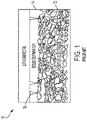
FIG. 1 shows an embodiment of a portion of a battery having dendrites. -
FIG. 2 shows different embodiments of a battery having a solid foam electrolyte. -
FIG. 3 shows an embodiment of a solid foam electrolyte. - In current state-of-the-art batteries such as 10, the
solid electrolyte 14 separates the negative electrode from thepositive electrode 12. Dendrites, such as 16 can form from uneven deposition of lithium. In extreme cases, the dendrites will pierce the separator and cause the cells to short out. - The embodiments here involve an artificial solid-electrolyte interface (SEI) made of a composite foam to self-regulate the local current density while maintaining mechanical stability. The composite conductive foam combines the toughness and manufacturability of a polymer electrolyte and the approximate room-temperature conductivity of a ceramic electrolyte to achieve stable cycling. This approach greatly expands the surface area of the charge-transfer interface, provides a conductive scaffold that maintains lithium accessibility during discharge. The conductive foam confines the deposition front, preventing the lithium dendrites from puncturing the solid electrolyte and shorting the cell. Local hydrostatic pressure within the cell self-regulates the local current. This avoids mechanical degradation.
-
FIG. 2 shows alternative embodiments of a battery using a solid foam. Thebattery 20 has acurrent collector 22 and a negative electrode, also referred to as an anode, 24. In thebattery 20, theanode 24 comprises the negative,metal electrode 26 and thesolid foam 28. The term "anode" will be used to refer to the combination ofmetal electrode 26 and the solid foam, even though thesolid electrolyte 30 separates thepositive electrode 32, or cathode, from the negative electrode. The solid electrolyte will typically comprise a lithium ion (Li-ion) conducting material and may comprise a hard material such as ceramic, or a softe material, such as a polymer. The solid electrolyte and the foam will contact each other and the interface may be a coherent or partially coherent interface. In one embodment they could be fabricated together and made of the same material. A coherent interface forms when complete continuity of atoms and planes exists across the interface. Thepositive electrode 34 has acollector 36. - In the embodiment of
battery 40, the negative electrode also comprisesmetal 42 andfoam 44, but thefoam 44 could exist as a thin layer between the negative electrode metal and the solid electrolyte. In either case, the foam can cover the entire negative-electrode thickness. This increased surface area allows for good lithium accessibility. Local hydrostatic pressure within the cell self-regulates the local current, thereby avoiding mechanical degradation. -
FIG. 3 shows a more detailed view of a portion of a battery in accordance with the embodiments. Thecathode 34 and theseparator 30 are shown with a solid electrolyte interface (SEI)layer 50. The expanded view of the SEI layer in this embodiment has a polymerionic conductor 52, a ceramicionic conductor 54, and anelectronic conductor 56. In one embodiment, the two ionic conductors take the form of a "hard" conductor and a "soft" conductor, not restricted to particular materials, where a hard material has a hardness of equal to or more than 1 GigaPascal, and the soft material has a hardness of less than 1 GigaPascal. Alternately, the threshold between "soft" and "hard" could be at 1 MPa, 10 MPa, 50 MPa, 100 MPa, 200 MPa, 300 MPa, 400 MPa, 500 MPa, or 750 MPa. Ionic conductivity as used here means conduction due to the motion of ionic charge. Electronic conductivity results from movement of electrically charged particles through a transmission medium. - One embodiment comprises a composition of matter. The composition includes at least one ionic conductor, and an electronic conductor in a foam, meaning that the foam comprises the ionic conductor and the electronic conductor The composition may have a hard ionic conductive material and a soft ionic material. The hard ionic conductive material may comprise a ceramic lithium-ion conductor. The soft ionic conductive material may comprise a polymer lithium-ion conductor. The electronic conductor may comprise a material such as carbon black, including any of its subtypes, and/or KetJen black, a highly conductive form of carbon black.. As used here, the terms "hard" and "soft" mean that their modulus is either above or below 1 Giga Pascal (GPa). The term "foam" as used here means a solid foam comprising of a framework of solid cellular material surrounding gas-filled voids.
- In one embodiment of the composition, the hard material comprises a garnet-based superionic conductor, such as LLZO (cubic garnet), lithium germanium phosphorus sulfur (LGPS), LiM2(PO4)3, where M = Zr, Hf, Sn, Ti, Al, Sc, In, Ge, Nb, Y, La, Fe, Cr, Zn, Ca, and Ge, or a combination of metals with stoichiometry adjusted based on valence, LiSCION; (lithium ionic superconductor), and Ohara glass. The hard material may have high room temperature conductivity of greater than 10-3 S/cm, and high stiffness. Alternately, the hard material may have room temperature conductivity above 10-6 S/cm, above 10-5 S/cm, above 10-4 S/cm, above 10-2 S/cm, or above 10-1 S/cm.
- In one embodiment of the composition, the soft material comprises a polymer electrolyte such as a lithium salt dissolved in a polymer or a single-ion conducting polymer in which lithium ions coordinate to anions in the polymer structure. Examples of ion-dissolving polymers are polyethers, polyethylene oxide, polycarbonates, polythiols and their derivatives. Examples of lithium salts are lithium triflate, lithium tetrafluoroborate, lithium carbonate, lithium nitrate, lithium hexafluorophosphate, lithium bis(trifluoromethane sulfonyl imide) (LiTFSI), lithium bis(trifluoro sulfonyl imide) (LiFSI), lithium bis(oxalate borate), and lithium difluoro(oxalate) borate, or other materials consisting of Li ion and anion.
- The soft material would have high toughness and manufacturability. The soft material may have room temperature conductivity above 10-6 S/cm, above 10-5 S/cm, above 10-4 S/cm, above 10-3 S/cm, above 10-2 S/cm, or above 10-1 S/cm. The soft material could be thermosetting, thermoplastic, or solvent processed. The soft material could include some content of conventional liquid electrolyte solvent such as organic carbonates, ethylene carbonate, propylene carbonate, dimethyl carbonate, diethyl carbonate, polyethylene glycol, or organic lactones. The polymer could include reactive groups that crosslink to form a gel during the manufacturing process. In some embodiments, the electronic conductor comprises a carbon-containing material. The composition of the foam-forming material, the composite of electronic conductor and hard and soft ionic conductors, could additionally include a binder, solvent, or plasticizer to change the manufacturability or viscosity of the foam-forming mixture.
- One embodiment comprises a battery having a cathode, anode, and an electrolyte, where the anode comprises a foam electrolyte with an ionic conductor, and an electronic conductor functioning as a scaffold for the (metal) anode. One embodiment comprises a solid state battery and the solid electrolyte interphase (SEI) comprises the foam electrolyte.
- All features disclosed in the specification, including the claims, abstract, and drawings, and all the steps in any method or process disclosed, may be combined in any combination, except combinations where at least some of such features and/or steps are mutually exclusive. Each feature disclosed in the specification, including the claims, abstract, and drawings, can be replaced by alternative features serving the same, equivalent, or similar purpose, unless expressly stated otherwise.
- It will be appreciated that variants of the above-disclosed and other features and functions, or alternatives thereof, may be combined into many other different systems or applications. Various presently unforeseen or unanticipated alternatives, modifications, variations, or improvements therein may be subsequently made by those skilled in the art which are also intended to be encompassed by the following claims.
Claims (15)
- A composition of matter, comprising:a solid foam;at least one ionic conductor in the foam; andan electronic conductor in the foam.
- The composition of matter as claimed in claim 1, wherein the at least one ionic conductor comprises two ionic conductors, a hard ionic conductor and a soft ionic conductor.
- The composition of matter as claimed in claim 2, wherein the soft ionic conductor may include one or more of the group consisting of: organic carbonates, ethylene carbonate, propylene carbonate, dimethyl carbonate, diethyl carbonate, polyethylene glycol, and organic lactones.
- The composition of matter as claimed in claim 2, wherein the hard ionic conductor comprises a ceramic lithium-ion conductor, or wherein the soft ionic conductor comprises a polymer lithium-ion conductor, or wherein the hard ionic conductor comprises a ceramic lithium-ion conductor and the soft ionic conductor comprises a polymer lithium-ion conductor.
- The composition of matter as claimed in claim 4, wherein the soft ionic conductor comprises an ion-dissolving polymer selected from the group consisting of: polyethers, polyethylene oxide, polycarbonates, polythiols and derivatives thereof.
- The composition of matter as claimed in claim 4, wherein the soft ionic conductor comprises a lithium salt dissolved in a polymer, wherein the lithium salt is at least one selected from the group consisting of: lithium triflate, lithium tetrafluoroborate, lithium carbonate, lithium nitrate, lithium hexafluorophosphate, lithium bis(trifluoromethane sulfonyl imide) (LiTFSI), lithium bis(trifluoro sulfonyl imide) (LiFSI), lithium bis(oxalate borate), and lithium difluoro(oxalate) borate.
- The composition of matter as claimed in any preceding claim, wherein the hard ionic conductor comprises one of the group consisting of: a garnet-based superionic conductor, LLZO, lithium germanium phosphorus sulfur, LiM2(PO4)3, where M = Zr, Hf, Sn, Ti, Al, Sc, In, Ge, Nb, Y, La, Fe, Cr, Zn, Ca, and Ge, or a combination of metals with stoichiometry adjusted based on valence, lithium ionic superconductor, and Ohara glass.
- The composition of matter as claimed in any preceding claim, wherein the hard ionic conductor has a room temperature conductivity above 10-6 S/cm.
- The composition of matter as claimed in any preceding claim, further comprising at least one of a binder, a solvent, and a plasticizer.
- A battery, comprising:an anode, comprising a metal electrode and a solid foam, optionally wherein the solid foam covers an entire surface of the metal electrode;a cathode; anda solid electrolyte between the anode and the cathode, the solid electrolyte in contact with the solid foam.
- The battery as claimed in claim 10, wherein the solid electrolyte and the foam are in contact in at least a partially coherent interface.
- The battery as claimed in claim 10, wherein the solid electrolye and the foam is at least one of fabricated together, or made of the same material.
- The battery as claimed in any of claims 10 to 12, wherein the solid foam comprises:an electronic conductor,a soft ionic conductor, optionally wherein the soft ionic conductor comprises a polymer lithium-ion conductor, anda hard ionic conductor, optionally wherein the hard ionic conductor comprises a ceramic lithium-ion conductor.
- A solid foam, comprising:an electronic conductor;a hard ionic conductor, optionally wherein the hard ionic conductor comprises a ceramic lithium-ion conductor; anda soft ionic conductor, optionally wherein the soft ionic conductor comprises a polymer lithium-ion conductor.
- The solid foam as claimed in claim 14, wherein the hard ionic conductor has a hardness of more than or equal to 1 GigaPascal and/or wherein the soft ionic conductor has a hardness of less than or equal to 1 GigaPascal.
Applications Claiming Priority (2)
| Application Number | Priority Date | Filing Date | Title |
|---|---|---|---|
| US202163240254P | 2021-09-02 | 2021-09-02 | |
| US17/528,392 US20230064555A1 (en) | 2021-09-02 | 2021-11-17 | Composite foam as solid-electrolyte interface for solid-state batteries |
Publications (2)
| Publication Number | Publication Date |
|---|---|
| EP4156336A2 true EP4156336A2 (en) | 2023-03-29 |
| EP4156336A3 EP4156336A3 (en) | 2023-05-31 |
Family
ID=82942902
Family Applications (1)
| Application Number | Title | Priority Date | Filing Date |
|---|---|---|---|
| EP22190662.1A Withdrawn EP4156336A3 (en) | 2021-09-02 | 2022-08-16 | Composite foam as solid-electrolyte interface for solid-state batteries |
Country Status (2)
| Country | Link |
|---|---|
| US (1) | US20230064555A1 (en) |
| EP (1) | EP4156336A3 (en) |
Family Cites Families (5)
| Publication number | Priority date | Publication date | Assignee | Title |
|---|---|---|---|---|
| JP3698067B2 (en) * | 2001-03-30 | 2005-09-21 | Jsr株式会社 | Monomer having electron-withdrawing group and electron-donating group, copolymer using the same, and proton conducting membrane |
| US7855017B1 (en) * | 2005-11-09 | 2010-12-21 | The United States Of America As Represented By The Secretary Of The Army | Structural batteries and components thereof |
| US9947932B2 (en) * | 2013-03-08 | 2018-04-17 | Ford Global Technologies, Llc | Lithium-air battery cathodes and methods of making the same |
| US11171388B2 (en) * | 2018-06-12 | 2021-11-09 | Global Graphene Group, Inc. | Method of improving fast-chargeability of a lithium battery |
| US10971725B2 (en) * | 2019-01-24 | 2021-04-06 | Global Graphene Group, Inc. | Lithium metal secondary battery containing elastic polymer foam as an anode-protecting layer |
-
2021
- 2021-11-17 US US17/528,392 patent/US20230064555A1/en not_active Abandoned
-
2022
- 2022-08-16 EP EP22190662.1A patent/EP4156336A3/en not_active Withdrawn
Also Published As
| Publication number | Publication date |
|---|---|
| EP4156336A3 (en) | 2023-05-31 |
| US20230064555A1 (en) | 2023-03-02 |
Similar Documents
| Publication | Publication Date | Title |
|---|---|---|
| JP7117658B2 (en) | Lithium metal secondary battery | |
| ES2925381T3 (en) | Lithium electrode and secondary lithium battery comprising the same | |
| CN111095653B (en) | Solid electrolyte battery and battery module and battery pack containing the solid electrolyte battery | |
| US11621414B2 (en) | Lithium metal pouch cells and methods of making the same | |
| KR101499586B1 (en) | Sodium-Sulfur battery of atmospheric temperature | |
| CN108258175A (en) | For lithium-battery and/or the protective layer with improved contact of lithium-battery pack | |
| EP2421081A1 (en) | Electrolyte comprising a wetting agent for a battery | |
| US10930971B2 (en) | Solid-state battery with polymer electrode structure | |
| EP3745507B1 (en) | Lithium electrode and lithium secondary battery comprising same | |
| US20220181677A1 (en) | Lithium ion secondary battery | |
| US11158882B2 (en) | Lithum metal battery | |
| US20230112241A1 (en) | High voltage lithium-containing electrochemical cells including magnesium-comprising protective layers and related methods | |
| KR20240103017A (en) | Lithium ion conductive separator membrane | |
| EP4156336A2 (en) | Composite foam as solid-electrolyte interface for solid-state batteries | |
| KR102387337B1 (en) | Three-dimensional porous-structured electrode and manufacturing method for the same | |
| US20240282970A1 (en) | Solid-state electrodes with ionic and electronic gradients | |
| US11515539B2 (en) | Volume-expansion accommodable anode-free solid-state battery | |
| KR20130136117A (en) | Sulfur electrode of lithium sulfur battery and manufacturing method for the same, and lithium sulfur battery appling the same | |
| US20260074289A1 (en) | Electrolyte for thick lfp-lithium battery system | |
| US20250391920A1 (en) | Electrolytes for lithium metal batteries | |
| US20240213540A1 (en) | Lithium-metal rechargeable electrochemical cells with liquid electrolytes and single-crystal nickel-manganese-cobalt | |
| WO2023278839A2 (en) | Volume-expansion accommodable anode-free solid-state battery | |
| HK40105869A (en) | Lithium-ion conducting separator membrane | |
| JP2022074287A (en) | Electrode for lithium ion secondary battery and manufacturing method thereof |
Legal Events
| Date | Code | Title | Description |
|---|---|---|---|
| PUAI | Public reference made under article 153(3) epc to a published international application that has entered the european phase |
Free format text: ORIGINAL CODE: 0009012 |
|
| STAA | Information on the status of an ep patent application or granted ep patent |
Free format text: STATUS: THE APPLICATION HAS BEEN PUBLISHED |
|
| AK | Designated contracting states |
Kind code of ref document: A2 Designated state(s): AL AT BE BG CH CY CZ DE DK EE ES FI FR GB GR HR HU IE IS IT LI LT LU LV MC MK MT NL NO PL PT RO RS SE SI SK SM TR |
|
| PUAL | Search report despatched |
Free format text: ORIGINAL CODE: 0009013 |
|
| AK | Designated contracting states |
Kind code of ref document: A3 Designated state(s): AL AT BE BG CH CY CZ DE DK EE ES FI FR GB GR HR HU IE IS IT LI LT LU LV MC MK MT NL NO PL PT RO RS SE SI SK SM TR |
|
| RIC1 | Information provided on ipc code assigned before grant |
Ipc: H01M 50/497 20210101ALI20230426BHEP Ipc: H01M 50/46 20210101ALI20230426BHEP Ipc: H01M 50/446 20210101ALI20230426BHEP Ipc: H01M 10/0562 20100101ALI20230426BHEP Ipc: H01M 4/38 20060101AFI20230426BHEP |
|
| STAA | Information on the status of an ep patent application or granted ep patent |
Free format text: STATUS: REQUEST FOR EXAMINATION WAS MADE |
|
| 17P | Request for examination filed |
Effective date: 20231130 |
|
| RBV | Designated contracting states (corrected) |
Designated state(s): AL AT BE BG CH CY CZ DE DK EE ES FI FR GB GR HR HU IE IS IT LI LT LU LV MC MK MT NL NO PL PT RO RS SE SI SK SM TR |
|
| STAA | Information on the status of an ep patent application or granted ep patent |
Free format text: STATUS: THE APPLICATION IS DEEMED TO BE WITHDRAWN |
|
| 18D | Application deemed to be withdrawn |
Effective date: 20250301 |