EP4147922B1 - Systems and methods to detect shut off valve failure for improved uncommanded braking - Google Patents
Systems and methods to detect shut off valve failure for improved uncommanded braking Download PDFInfo
- Publication number
- EP4147922B1 EP4147922B1 EP22190601.9A EP22190601A EP4147922B1 EP 4147922 B1 EP4147922 B1 EP 4147922B1 EP 22190601 A EP22190601 A EP 22190601A EP 4147922 B1 EP4147922 B1 EP 4147922B1
- Authority
- EP
- European Patent Office
- Prior art keywords
- shut
- valve
- servovalve
- solenoid
- housing
- Prior art date
- Legal status (The legal status is an assumption and is not a legal conclusion. Google has not performed a legal analysis and makes no representation as to the accuracy of the status listed.)
- Active
Links
Images




Classifications
-
- B—PERFORMING OPERATIONS; TRANSPORTING
- B60—VEHICLES IN GENERAL
- B60T—VEHICLE BRAKE CONTROL SYSTEMS OR PARTS THEREOF; BRAKE CONTROL SYSTEMS OR PARTS THEREOF, IN GENERAL; ARRANGEMENT OF BRAKING ELEMENTS ON VEHICLES IN GENERAL; PORTABLE DEVICES FOR PREVENTING UNWANTED MOVEMENT OF VEHICLES; VEHICLE MODIFICATIONS TO FACILITATE COOLING OF BRAKES
- B60T8/00—Arrangements for adjusting wheel-braking force to meet varying vehicular or ground-surface conditions, e.g. limiting or varying distribution of braking force
- B60T8/32—Arrangements for adjusting wheel-braking force to meet varying vehicular or ground-surface conditions, e.g. limiting or varying distribution of braking force responsive to a speed condition, e.g. acceleration or deceleration
- B60T8/88—Arrangements for adjusting wheel-braking force to meet varying vehicular or ground-surface conditions, e.g. limiting or varying distribution of braking force responsive to a speed condition, e.g. acceleration or deceleration with failure responsive means, i.e. means for detecting and indicating faulty operation of the speed responsive control means
- B60T8/885—Arrangements for adjusting wheel-braking force to meet varying vehicular or ground-surface conditions, e.g. limiting or varying distribution of braking force responsive to a speed condition, e.g. acceleration or deceleration with failure responsive means, i.e. means for detecting and indicating faulty operation of the speed responsive control means using electrical circuitry
-
- B—PERFORMING OPERATIONS; TRANSPORTING
- B60—VEHICLES IN GENERAL
- B60T—VEHICLE BRAKE CONTROL SYSTEMS OR PARTS THEREOF; BRAKE CONTROL SYSTEMS OR PARTS THEREOF, IN GENERAL; ARRANGEMENT OF BRAKING ELEMENTS ON VEHICLES IN GENERAL; PORTABLE DEVICES FOR PREVENTING UNWANTED MOVEMENT OF VEHICLES; VEHICLE MODIFICATIONS TO FACILITATE COOLING OF BRAKES
- B60T13/00—Transmitting braking action from initiating means to ultimate brake actuator with power assistance or drive; Brake systems incorporating such transmitting means, e.g. air-pressure brake systems
- B60T13/10—Transmitting braking action from initiating means to ultimate brake actuator with power assistance or drive; Brake systems incorporating such transmitting means, e.g. air-pressure brake systems with fluid assistance, drive, or release
- B60T13/66—Electrical control in fluid-pressure brake systems
- B60T13/68—Electrical control in fluid-pressure brake systems by electrically-controlled valves
- B60T13/686—Electrical control in fluid-pressure brake systems by electrically-controlled valves in hydraulic systems or parts thereof
-
- B—PERFORMING OPERATIONS; TRANSPORTING
- B60—VEHICLES IN GENERAL
- B60T—VEHICLE BRAKE CONTROL SYSTEMS OR PARTS THEREOF; BRAKE CONTROL SYSTEMS OR PARTS THEREOF, IN GENERAL; ARRANGEMENT OF BRAKING ELEMENTS ON VEHICLES IN GENERAL; PORTABLE DEVICES FOR PREVENTING UNWANTED MOVEMENT OF VEHICLES; VEHICLE MODIFICATIONS TO FACILITATE COOLING OF BRAKES
- B60T17/00—Component parts, details, or accessories of power brake systems not covered by groups B60T8/00, B60T13/00 or B60T15/00, or presenting other characteristic features
- B60T17/18—Safety devices; Monitoring
- B60T17/22—Devices for monitoring or checking brake systems; Signal devices
-
- B—PERFORMING OPERATIONS; TRANSPORTING
- B60—VEHICLES IN GENERAL
- B60T—VEHICLE BRAKE CONTROL SYSTEMS OR PARTS THEREOF; BRAKE CONTROL SYSTEMS OR PARTS THEREOF, IN GENERAL; ARRANGEMENT OF BRAKING ELEMENTS ON VEHICLES IN GENERAL; PORTABLE DEVICES FOR PREVENTING UNWANTED MOVEMENT OF VEHICLES; VEHICLE MODIFICATIONS TO FACILITATE COOLING OF BRAKES
- B60T17/00—Component parts, details, or accessories of power brake systems not covered by groups B60T8/00, B60T13/00 or B60T15/00, or presenting other characteristic features
- B60T17/18—Safety devices; Monitoring
- B60T17/22—Devices for monitoring or checking brake systems; Signal devices
- B60T17/221—Procedure or apparatus for checking or keeping in a correct functioning condition of brake systems
-
- B—PERFORMING OPERATIONS; TRANSPORTING
- B60—VEHICLES IN GENERAL
- B60T—VEHICLE BRAKE CONTROL SYSTEMS OR PARTS THEREOF; BRAKE CONTROL SYSTEMS OR PARTS THEREOF, IN GENERAL; ARRANGEMENT OF BRAKING ELEMENTS ON VEHICLES IN GENERAL; PORTABLE DEVICES FOR PREVENTING UNWANTED MOVEMENT OF VEHICLES; VEHICLE MODIFICATIONS TO FACILITATE COOLING OF BRAKES
- B60T8/00—Arrangements for adjusting wheel-braking force to meet varying vehicular or ground-surface conditions, e.g. limiting or varying distribution of braking force
- B60T8/17—Using electrical or electronic regulation means to control braking
- B60T8/1701—Braking or traction control means specially adapted for particular types of vehicles
- B60T8/1703—Braking or traction control means specially adapted for particular types of vehicles for aircrafts
-
- B—PERFORMING OPERATIONS; TRANSPORTING
- B60—VEHICLES IN GENERAL
- B60T—VEHICLE BRAKE CONTROL SYSTEMS OR PARTS THEREOF; BRAKE CONTROL SYSTEMS OR PARTS THEREOF, IN GENERAL; ARRANGEMENT OF BRAKING ELEMENTS ON VEHICLES IN GENERAL; PORTABLE DEVICES FOR PREVENTING UNWANTED MOVEMENT OF VEHICLES; VEHICLE MODIFICATIONS TO FACILITATE COOLING OF BRAKES
- B60T8/00—Arrangements for adjusting wheel-braking force to meet varying vehicular or ground-surface conditions, e.g. limiting or varying distribution of braking force
- B60T8/17—Using electrical or electronic regulation means to control braking
- B60T8/171—Detecting parameters used in the regulation; Measuring values used in the regulation
-
- B—PERFORMING OPERATIONS; TRANSPORTING
- B60—VEHICLES IN GENERAL
- B60T—VEHICLE BRAKE CONTROL SYSTEMS OR PARTS THEREOF; BRAKE CONTROL SYSTEMS OR PARTS THEREOF, IN GENERAL; ARRANGEMENT OF BRAKING ELEMENTS ON VEHICLES IN GENERAL; PORTABLE DEVICES FOR PREVENTING UNWANTED MOVEMENT OF VEHICLES; VEHICLE MODIFICATIONS TO FACILITATE COOLING OF BRAKES
- B60T2270/00—Further aspects of brake control systems not otherwise provided for
- B60T2270/40—Failsafe aspects of brake control systems
- B60T2270/406—Test-mode; Self-diagnosis
-
- B—PERFORMING OPERATIONS; TRANSPORTING
- B60—VEHICLES IN GENERAL
- B60T—VEHICLE BRAKE CONTROL SYSTEMS OR PARTS THEREOF; BRAKE CONTROL SYSTEMS OR PARTS THEREOF, IN GENERAL; ARRANGEMENT OF BRAKING ELEMENTS ON VEHICLES IN GENERAL; PORTABLE DEVICES FOR PREVENTING UNWANTED MOVEMENT OF VEHICLES; VEHICLE MODIFICATIONS TO FACILITATE COOLING OF BRAKES
- B60T2270/00—Further aspects of brake control systems not otherwise provided for
- B60T2270/88—Pressure measurement in brake systems
-
- B—PERFORMING OPERATIONS; TRANSPORTING
- B64—AIRCRAFT; AVIATION; COSMONAUTICS
- B64C—AEROPLANES; HELICOPTERS
- B64C25/00—Alighting gear
- B64C25/32—Alighting gear characterised by elements which contact the ground or similar surface
- B64C25/42—Arrangement or adaptation of brakes
- B64C25/44—Actuating mechanisms
Definitions
- Aircraft often include one or more landing gear that comprise one or more wheels. Wheels may comprise friction brakes which may be hydraulically operated to slow or stop the aircraft. Some servovalves provide hydraulic pressure based on proportional control signal. Other shut off valves provide simple open/closed functionality. Failure of a shut off valve can cause uncommanded braking of the aircraft.
- US 2021/086734 A1 describes autobrake initialization systems and methods.
- US 2020/290580 A1 describes a brake control valve module according to the preamble of claim 1.
- a supply port is coupled to the housing, and the supply port is configured to supply the pressurized fluid to the fluid plumbing system.
- the return port is coupled to the housing, the return port is configured to return the pressurized fluid to a fluid supply, and the return port is in fluid communication with the shut off valve, and the first servovalve.
- the return port is also in fluid communication with a second servovalve coupled to the housing.
- a solenoid port is disposed on the housing, a solenoid is coupled to the housing at the solenoid port, and the solenoid is configured to receive the pressurized fluid from the supply port and is configured to supply the pressurized fluid to the shut off valve.
- the first servovalve is configured to supply the pressurized fluid to a first brake port coupled to the housing.
- the second servovalve is configured to supply the pressurized fluid to a second brake port coupled to the housing.
- a check valve is disposed within the housing, in fluid communication downstream of the shut off valve, the first servovalve and the solenoid, and upstream of the return port, and an inlet filter is disposed within the housing, in fluid communication upstream of the shut off valve and the solenoid and downstream of the supply port.
- the check valve may also be in fluid communication downstream of the second servovalve.
- the solenoid comprises an open position, wherein the solenoid is configured to supply the pressurized fluid to the shut off valve in response to the solenoid being in the open position, the solenoid comprises a closed position, wherein the solenoid is configured not to supply the pressurized fluid to the shut off valve in response to the solenoid being in the closed position, the solenoid is configured to remain in the closed position, andthe solenoid is configured to transition from the closed position to the open position in response to an electric signal from the brake control unit.
- a second aspect of the invention concerns a method according to claim 10, comprising receiving, by a controller, a pressure signal from a pressure sensor in a brake control valve module, and a brake signal from a brake input device, wherein the brake control valve module comprises: a housing, a shut off valve disposed within the housing, a first servovalve coupled to the housing, and the pressure sensor disposed within the housing in fluid communication with the shut off valve, and the first servovalve; determining, by the controller, the shut off valve failure in the brake control valve module in response to the pressure signal being greater than a pressure threshold and the controller not receiving the brake signal for a threshold period; and sending, by the controller, an alert signal to an emergency notification system in response to detection of the shut off valve failure.
- the pressure sensor is configured to transmit the pressure signal to the controller every 2.5 milliseconds to 100 milliseconds, and wherein the brake input device is configured to transmit the brake signal in response to the brake input device being engaged.
- the pressure sensor is a pressure transducer or a pressure switch.
- the threshold period is between 100 milliseconds and 2 seconds. In a preferred embodiment, the pressure threshold is between 1000 to 2000 kilopascals (kPa).
- any of the method or process descriptions may be executed in any order and are not necessarily limited to the order presented.
- any reference to singular includes plural embodiments, and any reference to more than one component or step may include a singular embodiment or step.
- any reference to attached, fixed, connected, or the like may include permanent, removable, temporary, partial, full, and/or any other possible attachment option.
- any reference to without contact (or similar phrases) may also include reduced contact or minimal contact.
- Cross hatching lines may be used throughout the figures to denote different parts but not necessarily to denote the same or different materials.
- the pressure sensor 208 of DBCVM 200 may be a pressure transducer, a pressure switch or any suitable pressure measuring device.
- the pressure transducer may be of a strain-gage type, a capacitance type, a potentiometric type, and/or a resonant wire type.
- the pressure sensor 208 may also be configured to send a pressure signal to the BCU 25.
- the pressure sensor 208 may be configured to be downstream of the shut off valve 203, and upstream of the first servovalve 204 and the second servovalve 206.
Landscapes
- Engineering & Computer Science (AREA)
- Transportation (AREA)
- Mechanical Engineering (AREA)
- Aviation & Aerospace Engineering (AREA)
- Valves And Accessory Devices For Braking Systems (AREA)
Description
- The present invention relates generally to aircraft brake control systems and, more specifically, to systems and methods for detection of shut off valve failure within brake control valve modules.
- Aircraft often include one or more landing gear that comprise one or more wheels. Wheels may comprise friction brakes which may be hydraulically operated to slow or stop the aircraft. Some servovalves provide hydraulic pressure based on proportional control signal. Other shut off valves provide simple open/closed functionality. Failure of a shut off valve can cause uncommanded braking of the aircraft.
US 2021/086734 A1 describes autobrake initialization systems and methods.US 2020/290580 A1 describes a brake control valve module according to the preamble of claim 1. - The foregoing features and elements may be combined in various combinations without exclusivity, unless expressly indicated otherwise. These features and elements as well as the operation thereof will become more apparent in light of the following description and the accompanying drawings. It should be understood, however, the following description and drawings are intended to be exemplary in nature and non-limiting.
- A brake control valve module (BCVM) according to the invention comprises a housing, a shut off valve disposed within the housing, a first servovalve coupled to the housing, a pressure sensor disposed within the housing in fluid communication with the shut off valve, and the first servovalve. In various embodiments, the BCVM may be a dual brake control valve module (DBCVM) and it may comprise the first servovalve and a second servovalve. In various embodiments, the BCVM may comprise only one servovalve.
- In a preferred embodiment, the pressure sensor is at least one of a pressure transducer or a pressure switch. In various embodiments, the pressure sensor is configured to send a pressure signal to a brake control unit. In various embodiments, the pressure sensor is configured to measure a pressure of a pressurized fluid downstream of the shut off valve and upstream of the first servovalve.
- In a preferred embodiment, a supply port is coupled to the housing, and the supply port is configured to supply the pressurized fluid to the fluid plumbing system. In a preferred embodiment, the return port is coupled to the housing, the return port is configured to return the pressurized fluid to a fluid supply, and the return port is in fluid communication with the shut off valve, and the first servovalve. In various embodiments, the return port is also in fluid communication with a second servovalve coupled to the housing. In various embodiments, a solenoid port is disposed on the housing, a solenoid is coupled to the housing at the solenoid port, and the solenoid is configured to receive the pressurized fluid from the supply port and is configured to supply the pressurized fluid to the shut off valve. In various embodiments, the shut off valve is configured to supply the pressurized fluid to the first servovalve in response to the shut off valve receiving the pressurized fluid from the solenoid. In a preferred embodiment, the shut off valve is configured to supply the pressurized fluid to the first servovalve and the second servovalve in response to the shut off valve receiving the pressurized fluid from the solenoid.
- a preferred embodiment, the first servovalve is configured to supply the pressurized fluid to a first brake port coupled to the housing. a preferred embodiment, the second servovalve is configured to supply the pressurized fluid to a second brake port coupled to the housing. In various embodiments, a check valve is disposed within the housing, in fluid communication downstream of the shut off valve, the first servovalve and the solenoid, and upstream of the return port, and an inlet filter is disposed within the housing, in fluid communication upstream of the shut off valve and the solenoid and downstream of the supply port. The check valve may also be in fluid communication downstream of the second servovalve.
- a preferred embodiment, the solenoid comprises an open position, wherein the solenoid is configured to supply the pressurized fluid to the shut off valve in response to the solenoid being in the open position, the solenoid comprises a closed position, wherein the solenoid is configured not to supply the pressurized fluid to the shut off valve in response to the solenoid being in the closed position, the solenoid is configured to remain in the closed position, andthe solenoid is configured to transition from the closed position to the open position in response to an electric signal from the brake control unit.
- A second aspect of the invention concerns a method according to
claim 10, comprising receiving, by a controller, a pressure signal from a pressure sensor in a brake control valve module, and a brake signal from a brake input device, wherein the brake control valve module comprises: a housing, a shut off valve disposed within the housing, a first servovalve coupled to the housing, and the pressure sensor disposed within the housing in fluid communication with the shut off valve, and the first servovalve; determining, by the controller, the shut off valve failure in the brake control valve module in response to the pressure signal being greater than a pressure threshold and the controller not receiving the brake signal for a threshold period; and sending, by the controller, an alert signal to an emergency notification system in response to detection of the shut off valve failure. - In a preferred embodiment, the pressure sensor is configured to transmit the pressure signal to the controller every 2.5 milliseconds to 100 milliseconds, and wherein the brake input device is configured to transmit the brake signal in response to the brake input device being engaged. In a preferred embodiment, the pressure sensor is a pressure transducer or a pressure switch. In a preferred embodiment, the threshold period is between 100 milliseconds and 2 seconds. In a preferred embodiment, the pressure threshold is between 1000 to 2000 kilopascals (kPa).
- A further aspect of the invention concerns a brake control system (BCS) according to
claim 14 and comprising a brake control valve module according to claim 1, a fluid supply, configured to supply a pressurized fluid to the brake control valve module; and a brake control unit configured to receive a pressure signal from the pressure sensor. In a preferred embodiment, the pressure sensor is configured to measure a pressure of a pressurized fluid downstream of the shut off valve and upstream of the first servovalve. In various embodiments, the pressure sensor is a pressure transducer or a pressure switch. - Various features will become apparent to those skilled in the art from the following detailed description of the disclosed, non-limiting, embodiments. The drawings that accompany the detailed description can be briefly described as follows:
-
FIG. 1 illustrates a perspective view of an aircraft, in accordance with various embodiments; -
FIG. 2A illustrates a perspective view of a dual brake control valve module (DBCVM), in accordance with various embodiments; -
FIG. 2B illustrates a perspective view of the DBCVM, in accordance with various embodiments; -
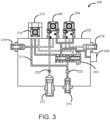
FIG. 3 illustrates a schematic view of the DBCVM, in accordance with various embodiments; -
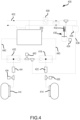
FIG. 4 illustrates a schematic view of a brake control system (BCS), in accordance with various embodiments; -
FIG. 5 illustrates a method for detecting shut off valve failure, in accordance with various embodiments; and -
FIG. 6 illustrates a schematic view of a brake control valve module (BCVM), in accordance with various embodiments. - All ranges and ratio limits disclosed herein may be combined. It is to be understood that unless specifically stated otherwise, references to "a," "an," and/or "the" may include one or more than one and that reference to an item in the singular may also include the item in the plural.
- The detailed description of various embodiments herein makes reference to the accompanying drawings, which show various embodiments by way of illustration. While these various embodiments are described in sufficient detail to enable those skilled in the art to practice the invention, it should be understood that other embodiments may be realized and that logical, chemical, and mechanical changes may be made without departing from the scope of the invention as defined in the claims. Thus, the detailed description herein is presented for purposes of illustration only and not of limitation.
- The scope of the invention is defined by the appended claims. For example, the steps recited in any of the method or process descriptions may be executed in any order and are not necessarily limited to the order presented. Furthermore, any reference to singular includes plural embodiments, and any reference to more than one component or step may include a singular embodiment or step. Also, any reference to attached, fixed, connected, or the like may include permanent, removable, temporary, partial, full, and/or any other possible attachment option. Additionally, any reference to without contact (or similar phrases) may also include reduced contact or minimal contact. Cross hatching lines may be used throughout the figures to denote different parts but not necessarily to denote the same or different materials.
- As used herein, "electronic communication" means communication of electronic signals with physical coupling (e.g., "electrical communication" or "electrically coupled") or without physical coupling and via an electromagnetic field (e.g., "inductive communication" or "inductively coupled" or "inductive coupling"). As used herein, "transmit" may include sending electronic data from one system component to another via electronic communication between the components. Additionally, as used herein, "electronic data" may include encompassing information such as commands, queries, files, data for storage, and the like in digital or any other form.
- Often, a brake control valve module may comprise a shut off valve. Typically, the shut off valve remains in a closed position to prevent hydraulic brake fluid from passing through the shut off valve. The shut off valve is designed to open in response to a brake signal from a brake input device which causes the hydraulic brake fluid to pass through the shut off valve and activate braking. Unfortunately, the shut off valve can fail and remain stuck in an open position. If the shut off valve is stuck open, and a first servovalve or a second servovalve in the brake control valve module also fails, then the aircraft can experience braking without a braking command from the brake input device, i.e., uncommanded braking. Such uncommanded braking during takeoff can cause a serious safety issue.
- In various embodiments, a Brake Control System ("BCS") is provided having one or more Line Replaceable Units ("LRUs"). A LRU may be configured to detect shut off valve failure within the LRU. The LRU may be a Brake Control Valve Module (BCVM) or a Dual Brake Control Valve Module (DBCVM). A BCVM may comprise a first brake port, a first servovalve, a supply port, a return port, a shut off valve and a solenoid. A DBCVM may comprise the first brake port, a second brake port, the first servovalve, the second servovalve, a supply port, a return port, a shut off valve and a solenoid. Various embodiments of the BCVM are configured to detect a failure of the shut off valve using a pressure sensor in fluid communication between the shut off valve, and a first servovalve. In various embodiments the pressurized fluid has a flow path from the shut off valve to the first servovalve. In various embodiments the pressure sensor may be downstream of the shut off valve, wherein downstream means along the flow path of the pressurized fluid passed the shut off valve. In various embodiments the pressure sensor may also be upstream of the first servovalve, wherein upstream means along the flow path of the pressurized fluid prior to the first servovalve. Various embodiments of a BCVM are intended to alert a notification system in response to detection of a shut off valve failure.
- With reference to
FIG. 1 , anaircraft 10 in accordance with various embodiments may include landing gear such aslanding gear 12,landing gear 14 andlanding gear 16.Landing gear 12,landing gear 14 andlanding gear 16 may generally supportaircraft 10 when aircraft is not flying, allowingaircraft 10 to taxi, take off and land without damage.Landing gear 12 may includewheel 13A andwheel 13B coupled by anaxle 20.Landing gear 14 may includewheel 15A andwheel 15B coupled by anaxle 22.Landing gear 16 may includenose wheel 17A andnose wheel 17B coupled by anaxle 24. The nose wheels differ from the main wheels in that the nose wheels may not include a brake and/or a wheel speed transducer. An XYZ axes is used inFIG. 1 to illustrate the axial (y), forward (x) and vertical (z) directions relative toaxle 22. -
Aircraft 10 may comprise Brake Control Unit (BCU) 25, cockpit controls 26,aerodynamic surfaces 27,propulsion system 28 andnotification system 31.Landing gear 14,landing gear 16, andlanding gear 12 may be in communication withBCU 25 and may receive commands fromBCU 25, for example, to apply friction brakes. In various embodiments, the BCU is typically located in the fuselage of the aircraft. Wires may extend between the fuselage and the BCU at the location of the wheels. The BCU may receive signals or commands from cockpit controls, from sources external to the aircraft, or from any other suitable onboard sensors known to those skilled in the art. In various embodiments,BCU 25 may be in electronic communication with cockpit controls 26, a shut offvalve 203, ground controls 32,notification system 31 and/or may be in electronic communication with external systems via external command signals 29 such as, for example, radio signals. TheBCU 25 may transmit data or notifications to thenotification system 31. TheBCU 25 may control the shut offvalve 203 in response to cockpit controls 26, ground controls 32, or external command signals 29. In various embodiments, the cockpit controls 26 may comprise a brake input device configured to transmit a brake signal in response to a pilot activating a brake input.Notification system 31 may be configured to output a notification, for example to the pilot, in response to data received from theBCU 25. The notification may be a shut off valve failure notification, such as displaying a message to the pilot when there is detection of a shut off valve failure. - The
BCU 25 may receive feedback from the shut offvalve 203 such as, for example, position feedback, electrical feedback, and/or any other suitable input data. In various embodiments, the feedback may be direct feedback or sensor feedback. TheBCU 25 may control a solenoid to open the shut offvalve 203 in response to the brake input signal and/or any other suitable input data. In various embodiments, theBCU 25 may be in electronic communication with the full suite of aircraft sensors and other data sources available within and without the aircraft such as, for example, GPS, radio beacons, remote commands and the like. In various embodiments, theBCU 25 may be in electronic communication with various sensors and components of a BCVM such as a pressure sensor. Sensors may provide aircraft speed, wheel speed, brake temperature, shut off valve pressure, landing gear position, pedal position, autobrake setting, thrust reverser position, throttle position, acceleration, aircraft flight phase, brake signal and any other suitable input data. TheBCU 25 may coordinate the inputs of various sensors with internally stored data or configuration settings and may command the notification system to output a shut off valve failure in response to detection of a shut off valve failure. - In various embodiments, and with additional reference to
FIGs. 2A ,2B and3 , a dual brake control valve module (DBCVM) 200 in accordance with various embodiments may include ahousing 202, a shut offvalve 203 disposed within thehousing 202, afirst servovalve 204 and asecond servovalve 206 coupled to thehousing 202, apressure sensor 208 coupled to thehousing 202. In various embodiments, thepressure sensor 208 is in fluid communication with the shut offvalve 203, thefirst servovalve 204 and thesecond servovalve 206. In various embodiments, asupply port 210 is coupled to thehousing 202 and is configured to supply a pressurized fluid to afluid plumbing system 211. In various embodiments, the pressurized fluid can be a hydraulic fluid or any other suitable fluid for a brake system. - In various embodiments, the
pressure sensor 208 ofDBCVM 200 may be a pressure transducer, a pressure switch or any suitable pressure measuring device. In embodiments wherepressure sensor 208 is a pressure transducer, the pressure transducer may be of a strain-gage type, a capacitance type, a potentiometric type, and/or a resonant wire type. Thepressure sensor 208 may also be configured to send a pressure signal to theBCU 25. Thepressure sensor 208 may be configured to be downstream of the shut offvalve 203, and upstream of thefirst servovalve 204 and thesecond servovalve 206. Placing thepressure sensor 208 in such an arrangement allows it to detect a pressure of the pressurized fluid as it flows from the shut offvalve 203 to thefirst servovalve 204 and thesecond servovalve 206. The pressure signal corresponds to the pressure measured by the pressure sensor. Thepressure sensor 208 may output a variable electrical signal indicative of the pressurized fluid, though in various embodiments the variable electrical signal is converted into a digital signal. In various embodiments, thepressure sensor 208 may be configured to output a binary signal indicative of whether the pressurized fluid is above or below a predetermined threshold pressure. - In various embodiments,
pressure sensor 208 may be configured to be coupled to thehousing 202, for example, mounted onto thehousing 202, and in fluid communication with the shut offvalve 203,first servovalve 204, andsecond servovalve 206. Thepressure sensor 208 may be entirely disposed within thehousing 202, and in fluid communication with the shut offvalve 203,first servovalve 204, andsecond servovalve 206. In various embodiments, thepressure sensor 208 may be configured to be outside thehousing 202, and not coupled to thehousing 202, but remain in fluid communication with the shut offvalve 203,first servovalve 204, andsecond servovalve 206. - In various embodiments, a
return port 212 is coupled to thehousing 202 and is configured to return the pressurized fluid to a fluid reservoir. In various embodiments, thereturn port 212 is in fluid communication with the shut offvalve 203, thefirst servovalve 204, thesecond servovalve 206 and asolenoid 215. The return port may be configured to output any return of the pressurized fluid from the shut offvalve 203, thefirst servovalve 204, thesecond servovalve 206 and thesolenoid 215. - In various embodiments, a
solenoid port 214 is coupled to thehousing 202. Thesolenoid 215 may be coupled to thehousing 202. In various embodiments, thesolenoid 215 is in fluid communication with thesupply port 210, the shut offvalve 203, and thereturn port 212. Thesolenoid 215 may also be configured to receive the pressurized fluid from the supply port. In various embodiments, thesolenoid 215 may also supply the pressurized fluid to the shut offvalve 203. Thesolenoid 215 may supply a small amount of the pressurized fluid to the shut offvalve 203. In various embodiments, thesolenoid 215 only provides the small amount of the pressurized fluid to the shut offvalve 203 in order to open the shut offvalve 203. - In various embodiments, the solenoid is in electronic communication with the
BCU 25. Thesolenoid 215 is configured to receive the brake signal from theBCU 25. Thesolenoid 215 may comprise an open position and a closed position. Thesolenoid 215 may be configured to supply the pressurized fluid to the shut offvalve 203 in response to thesolenoid 215 being in the open position. In various embodiments,solenoid 215 is configured to prevent the supply of pressurized fluid to the shut off valve in response to the solenoid being in the closed position. In various embodiments, thesolenoid 215 remains in the closed position and transitions from the closed position to the open position upon receiving the brake signal from theBCU 25. - In various embodiments, the shut off
valve 203 comprises a shut off valve open position and a shut off valve closed position. When in the shut off valve open position, the shut offvalve 203 may be configured to supply the pressurized fluid to thefirst servovalve 204 and thesecond servovalve 206. When in the shut off valve closed position, the shut offvalve 203 may be configured to prevent supply of the pressurized fluid to thefirst servovalve 204 and thesecond servovalve 206. In various embodiments, the shut offvalve 203 remains in the shut off valve closed position and only transitions to the shut off valve open position in response to receiving the pressurized fluid from thesolenoid 215. - In various embodiments, the
first servovalve 204 is in fluid communication with afirst brake port 218 coupled to thehousing 202. Thefirst servovalve 204 may be configured to supply the pressurized fluid to thefirst brake port 218. In various embodiments, thesecond servovalve 206 is in fluid communication with asecond brake port 216 coupled to thehousing 202. Thesecond servovalve 206 may be configured to supply the pressurized fluid to thesecond brake port 216. - In various embodiments, a
check valve 220 is disposed within thehousing 202 and may be in fluid communication with the shut offvalve 203, thefirst servovalve 204, thesecond servovalve 206, thesolenoid 215 and thereturn port 212. Thecheck valve 220 may be upstream of thereturn port 212 and downstream of the shut offvalve 203, thefirst servovalve 204, thesecond servovalve 206 and thesolenoid 215. In various embodiments, aninlet filter 222 is disposed within thehousing 202 and may be in fluid communication with the shut offvalve 203, thesolenoid 215 and thesupply port 210. Theinlet filter 222 may be upstream of the shut offvalve 203 and thesolenoid 215, and downstream of thesupply port 210. - In various embodiments and with additional reference to
FIG. 4 a schematic diagram of a Brake Control System ("BCS") 400 including theDBCVM 200 is illustrated.DBCVM 200 is in fluid communication with afluid supply 402. Thefluid supply 402 may be configured to supply a pressurized fluid to theDBCVM 200.BCS 400 may include aDBCVM 200 comprising the shut offvalve 203, afirst servovalve 204 and asecond servovalve 206.DBCVM 200 may further comprise apressure sensor 208 disposed within thehousing 202, and in fluid communication with the shut offvalve 203, thefirst servovalve 204 and thesecond servovalve 206. In various embodiments thepressure sensor 208 is configured to measure a pressure of the pressurized fluid downstream of the shut offvalve 203, and upstream of thefirst servovalve 204 and thesecond servovalve 206. - In various embodiments,
DBCVM 200 may be in electronic communication withBCU 25 and each of thesolenoid 215, thefirst servovalve 204 and thesecond servovalve 206 may be configured to be controlled by theBCU 25. The shut offvalve 203 is configured to interrupt fluid communication between thefluid supply 402 and each of the first and second servovalves (204 and 206). Thefirst servovalve 204 may be in fluid communication with a firstfriction brake assembly 414 viaprimary supply lines 440 thereby enabling pressure control of the respective friction brake. In like regard, thesecond servovalve 206 may be in fluid communication with a secondfriction brake assembly 416. - In various embodiments, a
first shuttle valve 418 and asecond shuttle valve 420 may be coupled to theprimary supply lines 440 and each fed, respectively, by thefirst servovalve 204 and thesecond servovalve 206. The shuttle valves (418, 420) may be coupled to an emergencybrake supply line 438 and configured to selectively receive hydraulic input pressure therefrom. The emergencybrake supply line 438 may be in fluid communication with apark emergency valve 436 which may be in fluid communication with ahydraulic accumulator 430 and coupled to theBCS 400 in parallel with theDBCVM 200. In this regard,hydraulic accumulator 430 may be configured as an alternate supply of hydraulic pressure to the friction brake assemblies (414, 416) via the shuttle valves (418, 420) in response to opening thepark emergency valve 436. In various embodiments,BCS 400 includes one or more sensors in electronic communication withBCU 25. For example,BCS 400 may include pressure transducers such as a firstbrake pressure transducer 426, a secondbrake pressure transducer 428, an emergencysystem pressure transducer 442, and anaccumulator pressure transducer 434.BCS 400 may include fluid level sensors such as anaccumulator level sensor 432 and/or the like. In various embodiments,BCS 400 may include one or more hydraulic fuses (422, 424) which may tend to limit a loss of hydraulic fluid in the event of damage to hydraulic system elements. - With reference to
FIG. 5 , amethod 500 for detecting a shut off valve failure is provided, in accordance with various embodiments.Method 500 includes receiving, by a controller, a pressure signal from a pressure sensor in a brake control valve module, and a brake signal from a brake input device (step 510).Method 500 includes determining, by the controller, a shut off valve failure in the brake control valve module (step 520).Method 500 includes sending, by the controller, an alert signal to a notification system in response to detection of the shut off valve failure. - With combined reference to
FIG. 1 ,FIG. 3 andFIG. 5 , step 510 may include receiving, byBCU 25, a pressure signal from apressure sensor 208 in dual brakecontrol valve module 200, and a brake signal from a brake input device in cockpit controls 26 (step 510). The brake control valve module may comprisehousing 202, shut offvalve 203 disposed within thehousing 202,first servovalve 204 andsecond servovalve 206 coupled to thehousing 202, andpressure sensor 208 disposed within thehousing 202 in fluid communication with the shut offvalve 203, thefirst servovalve 204, and thesecond servovalve 206. - In various embodiments,
step 520 may include determining, by theBCU 25, the shut off valve failure in the brakecontrol valve module 200, in response to the pressure signal being greater than a pressure threshold and theBCU 25 not receiving the brake signal for a threshold period. In various embodiments, thepressure sensor 208 is configured to transmit the pressure signal to theBCU 25 every 1 millisecond to 200 milliseconds, every 2.5 milliseconds to 100 milliseconds, or every 10 milliseconds to 50 milliseconds. In various embodiments, the threshold period is between 100 milliseconds to 2 seconds, between 300 milliseconds and 1.5 seconds, or between 400 milliseconds and 1 second. In various embodiments, the brake input device is configured to transmit the brake signal in response to the brake input device being engaged. In various embodiments the pressure threshold is a range between 1000 kilopascals (kPa) (145 psi) and 2000 kPa (290.1 psi), and preferably between 1250 kPa (181.2 psi) and 1750 kPa (253.8 psi). The pressure sensor may be a pressure transducer or a pressure switch. In various embodiments,step 530 may include sending, by theBCU 25, an alert signal to anotification system 31 in response to detection of the shut off valve failure. - With reference to
FIG. 6 , a brake control valve module (BCVM) 600 in accordance with various embodiments may include ahousing 602, a shut offvalve 603 disposed within thehousing 602, afirst servovalve 604 coupled to thehousing 602, apressure sensor 608 coupled to thehousing 602. In various embodiments, thepressure sensor 608 is in fluid communication with the shut offvalve 603, and thefirst servovalve 604. In various embodiments, asupply port 610 is coupled to thehousing 602 and is configured to supply a pressurized fluid to afluid plumbing system 611. In various embodiments, the pressurized fluid can be a hydraulic fluid or any other suitable fluid for a brake system. - In various embodiments, the
pressure sensor 608 ofBCVM 600 may be a pressure transducer, a pressure switch or any suitable pressure measuring device. In embodiments wherepressure sensor 608 is a pressure transducer, the pressure transducer may be of a strain-gage type, a capacitance type, a potentiometric type, and/or a resonant wire type. Thepressure sensor 608 may also be configured to send a pressure signal to theBCU 25. Thepressure sensor 608 may be configured to be downstream of the shut offvalve 603, and upstream of thefirst servovalve 604. Placing thepressure sensor 608 in such an arrangement allows it to detect a pressure of the pressurized fluid as it flows from the shut offvalve 603 to thefirst servovalve 604. The pressure signal corresponds to the pressure measured by the pressure sensor. Thepressure sensor 608 may output a variable electrical signal indicative of the pressurized fluid, though in various embodiments the variable electrical signal is converted into a digital signal. In various embodiments, thepressure sensor 608 may be configured to output a binary signal indicative of whether the pressurized fluid is above or below a predetermined threshold pressure. - In various embodiments,
pressure sensor 608 may be configured to be coupled to thehousing 602, for example, mounted onto thehousing 602, and in fluid communication with the shut offvalve 603, andfirst servovalve 604. Thepressure sensor 608 may be entirely disposed within thehousing 602, and in fluid communication with the shut offvalve 603, andfirst servovalve 604. In various embodiments, thepressure sensor 608 may be configured to be outside thehousing 602, and not coupled to thehousing 602, but remain in fluid communication with the shut offvalve 603, andfirst servovalve 604. - In various embodiments, a
return port 612 is coupled to thehousing 602 and is configured to return the pressurized fluid to a fluid reservoir. In various embodiments, thereturn port 612 is in fluid communication with the shut offvalve 603, thefirst servovalve 604 and asolenoid 615. The return port may be configured to output any return of the pressurized fluid from the shut offvalve 603, thefirst servovalve 604 and thesolenoid 615. - In various embodiments, a
solenoid port 614 is coupled to thehousing 602. Thesolenoid 615 may be coupled to thehousing 602. In various embodiments, thesolenoid 615 is in fluid communication with thesupply port 610, the shut offvalve 603, and thereturn port 612. Thesolenoid 615 may also be configured to receive the pressurized fluid from the supply port. In various embodiments, thesolenoid 615 may also supply the pressurized fluid to the shut offvalve 603. Thesolenoid 615 may supply a small amount of the pressurized fluid to the shut offvalve 603. In various embodiments, thesolenoid 615 only provides the small amount of the pressurized fluid to the shut offvalve 603 in order to open the shut offvalve 603. - In various embodiments, the solenoid is in electronic communication with the
BCU 25. Thesolenoid 615 is configured to receive the brake signal from theBCU 25. Thesolenoid 615 may comprise an open position and a closed position. Thesolenoid 615 may be configured to supply the pressurized fluid to the shut offvalve 603 in response to thesolenoid 615 being in the open position. In various embodiments,solenoid 615 is configured to prevent the supply of pressurized fluid to the shut off valve in response to the solenoid being in the closed position. In various embodiments, thesolenoid 615 remains in the closed position and transitions from the closed position to the open position upon receiving the brake signal from theBCU 25. - In various embodiments, the shut off
valve 603 comprises a shut off valve open position and a shut off valve closed position. When in the shut off valve open position, the shut offvalve 603 may be configured to supply the pressurized fluid to thefirst servovalve 604. When in the shut off valve closed position, the shut offvalve 603 may be configured to prevent supply of the pressurized fluid to thefirst servovalve 604. In various embodiments, the shut offvalve 603 remains in the shut off valve closed position and only transitions to the shut off valve open position in response to receiving the pressurized fluid from thesolenoid 615. - In various embodiments, the
first servovalve 604 is in fluid communication with a first brake port 618 coupled to thehousing 602. Thefirst servovalve 604 may be configured to supply the pressurized fluid to thefirst brake port 616. - In various embodiments, a
check valve 620 is disposed within thehousing 602 and may be in fluid communication with the shut offvalve 603, thefirst servovalve 604, thesolenoid 615 and thereturn port 612. Thecheck valve 620 may be upstream of thereturn port 612 and downstream of the shut offvalve 603, thefirst servovalve 604 and thesolenoid 615. In various embodiments, aninlet filter 622 is disposed within thehousing 602 and may be in fluid communication with the shut offvalve 603, thesolenoid 615 and thesupply port 610. Theinlet filter 622 may be upstream of the shut offvalve 603 and thesolenoid 615, and downstream of thesupply port 610. - While the invention is described with reference to exemplary embodiments, it will be understood by those skilled in the art that various changes may be made, and equivalents may be substituted without departing from the scope of the invention as defined in the appended claims. In addition, different modifications may be made to adapt the teachings of the invention to particular situations or materials, without departing from the essential scope thereof. The invention is thus not limited to the particular examples disclosed herein, but includes all embodiments falling within the scope of the appended claims.
- Benefits, other advantages, and solutions to problems have been described herein with regard to specific embodiments. Furthermore, the connecting lines shown in the various figures contained herein are intended to represent exemplary functional relationships and/or physical couplings between the various elements. It should be noted that many alternative or additional functional relationships or physical connections may be present in a practical system. However, the benefits, advantages, solutions to problems, and any elements that may cause any benefit, advantage, or solution to occur or become more pronounced are not to be construed as critical, required, or essential features or elements of the invention. The scope of the invention is accordingly to be limited by nothing other than the appended claims, in which reference to an element in the singular is not intended to mean "one and only one" unless explicitly so stated, but rather "one or more." Moreover, where a phrase similar to "at least one of a, b, or c" is used in the claims, it is intended that the phrase be interpreted to mean that a alone may be present in an embodiment, b alone may be present in an embodiment, c alone may be present in an embodiment, or that any combination of the elements a, b and c may be present in a single embodiment; for example, a and b, a and c, b and c, or a and b and c. Different cross-hatching is used throughout the figures to denote different parts but not necessarily to denote the same or different materials.
- Systems, methods and apparatus are provided herein. In the detailed description herein, references to "one embodiment", "an embodiment", "an example embodiment", etc., indicate that the embodiment described may include a particular feature, structure, or characteristic, but every embodiment may not necessarily include the particular feature, structure, or characteristic. Moreover, such phrases are not necessarily referring to the same embodiment. Further, when a particular feature, structure, or characteristic is described in connection with an embodiment, it is submitted that it is within the knowledge of one skilled in the art to affect such feature, structure, or characteristic in connection with other embodiments whether or not explicitly described. After reading the description, it will be apparent to one skilled in the relevant art(s) how to implement the invention in alternative embodiments.
- Furthermore, no element, component, or method step in the present invention is intended to be dedicated to the public regardless of whether the element, component, or method step is explicitly recited in the claims. As used herein, the terms "comprises", "comprising", or any other variation thereof, are intended to cover a non-exclusive inclusion, such that a process, method, article, or apparatus that comprises a list of elements does not include only those elements but may include other elements not expressly listed or inherent to such process, method, article, or apparatus.
Claims (15)
- A brake control valve module, comprising:a housing (202, 602);a shut off valve (203, 603) disposed within the housing (202, 602);a first servovalve coupled to the housing (202, 602); and characterised by a pressure sensor (208, 608) disposed within the housing (202, 602) and in fluid communication with the shut off valve and the first servovalve.
- The brake control valve module of claim 1, wherein the pressure sensor (208, 608) comprises at least one of a pressure transducer or a pressure switch, and/or wherein the pressure sensor (208, 608) is configured to send a pressure signal to a brake control unit, and/ wherein the pressure sensor (208, 608) is configured to measure a pressure of a pressurized fluid downstream of the shut off valve (203, 603) and upstream of the first servovalve.
- The brake control valve module of any preceding claim, wherein:a supply port is coupled to the housing (202, 602), andthe supply port is configured to supply the pressurized fluid to a fluid plumbing system.
- The brake control valve module of any preceding claim, wherein:a return port is coupled to the housing (202, 602),the return port is configured to return the pressurized fluid to a fluid supply, andthe return port is in fluid communication with the shut off valve, and the first servovalve.
- The brake control valve module of any preceding claim, wherein:a solenoid port is disposed on the housing (202, 602),a solenoid is coupled to the housing (202, 602) at the solenoid port, andthe solenoid is configured to receive the pressurized fluid from the supply port and is configured to supply the pressurized fluid to the shut off valve.
- The brake control valve module of claim 5, wherein the shut off valve (203, 603)is configured to supply the pressurized fluid to the first servovalve in response to the shut off valve (203, 603) receiving the pressurized fluid from the solenoid.
- The brake control valve module of any preceding claim, wherein the first servovalve is configured to supply the pressurized fluid to a first brake port coupled to the housing (202, 602).
- The brake control valve module of claim 7, wherein:a second servovalve is coupled to the housing (202, 602),the shut off valve (203, 603) is configured to supply the pressurized fluid to the second servovalve in response to the shut off valve (203, 603) receiving the pressurized fluid from the solenoid, andthe second servovalve is configured to supply the pressurized fluid to a second brake port coupled to the housing (202, 602).
- The brake control valve module of claim 8, wherein:a check valve is disposed within the housing (202, 602), in fluid communication downstream of the shut off valve, the first servovalve and the solenoid, and upstream of the return port, andan inlet filter is disposed within the housing (202, 602), in fluid communication upstream of the shut off valve (203, 603) and the solenoid and downstream of the supply port, and optionally wherein:the solenoid comprises an open position, wherein the solenoid is configured to supply the pressurized fluid to the shut off valve (203, 603) in response to the solenoid being in the open position,the solenoid comprises a closed position, wherein the solenoid is configured not to supply the pressurized fluid to the shut off valve (203, 603) in response to the solenoid being in the closed position,the solenoid is configured to remain in the closed position, andthe solenoid is configured to transition from the closed position to the open position in response to a brake signal from the brake control unit.
- A method of detecting a shut off valve failure, comprising:receiving, by a controller, a pressure signal from a pressure sensor (208, 608) in abrake control valve module, and a brake signal from a brake input device,wherein the brake control valve module comprises:a housing (202, 602),a shut off valve (203, 603) disposed within the housing (202, 602),a first servovalve coupled to the housing (202, 602), andthe pressure sensor (208, 608) disposed within the housing (202, 602) in fluid communication with the shut off valve, and the first servovalve;determining, by the controller, the shut off valve failure in the brake control valve module in response to the pressure signal being greater than a pressure threshold and the controller not receiving the brake signal for a threshold period; andsending, by the controller, an alert signal to an emergency notification system in response to detection of the shut off valve failure.
- The method of claim 10 wherein the pressure sensor (208, 608) comprises at least one of a pressure transducer or a pressure switch.
- The method of claim 10 or 11, wherein the pressure sensor (208, 608) is configured to transmit the pressure signal to the controller every 2.5 milliseconds to 100 milliseconds, and wherein the brake input device is configured to transmit the brake signal in response to the brake input device being engaged.
- The method of any of claims 10 to 12, wherein the threshold period is between 100 milliseconds and 2 seconds, and optionally wherein the pressure threshold is a range between 1000 kPa to 2000 kPa.
- A brake control system, comprising:the brake control valve module of claim 1a fluid supply, configured to supply a pressurized fluid to the brake control valve module; anda brake control unit configured to receive a pressure signal from the pressure sensor (208, 608).
- The brake control system of claim 14, wherein the pressure sensor (208, 608) is configured to measure a pressure of the pressurized fluid downstream of the shut off valve (203, 603)and upstream of the first servovalve, and optionally wherein the pressure sensor (208, 608) comprises at least one of a pressure transducer or a pressure switch.
Applications Claiming Priority (1)
| Application Number | Priority Date | Filing Date | Title |
|---|---|---|---|
| US17/470,929 US12049215B2 (en) | 2021-09-09 | 2021-09-09 | Systems and methods to detect shut off valve failure for improved uncommanded braking |
Publications (2)
| Publication Number | Publication Date |
|---|---|
| EP4147922A1 EP4147922A1 (en) | 2023-03-15 |
| EP4147922B1 true EP4147922B1 (en) | 2024-07-03 |
Family
ID=82940059
Family Applications (1)
| Application Number | Title | Priority Date | Filing Date |
|---|---|---|---|
| EP22190601.9A Active EP4147922B1 (en) | 2021-09-09 | 2022-08-16 | Systems and methods to detect shut off valve failure for improved uncommanded braking |
Country Status (2)
| Country | Link |
|---|---|
| US (1) | US12049215B2 (en) |
| EP (1) | EP4147922B1 (en) |
Families Citing this family (3)
| Publication number | Priority date | Publication date | Assignee | Title |
|---|---|---|---|---|
| US12060052B2 (en) * | 2021-09-10 | 2024-08-13 | Goodrich Corporation | Valve assembly for brake control system |
| FR3149298A1 (en) * | 2023-06-05 | 2024-12-06 | Safran Landing Systems | Method for securing a park function in an aircraft braking system |
| CN118062228B (en) * | 2024-04-24 | 2024-09-10 | 成都飞机工业(集团)有限责任公司 | Anti-skid brake system, control method, residual pressure fault warning method and disposal method |
Family Cites Families (27)
| Publication number | Priority date | Publication date | Assignee | Title |
|---|---|---|---|---|
| SE7703171L (en) * | 1977-03-21 | 1978-09-22 | Bromsregulator Svenska Ab | HYDRAULIC VEHICLE BRAKE SYSTEM |
| US4522450A (en) * | 1983-04-27 | 1985-06-11 | Gh Tte | Brake system |
| US4708406A (en) * | 1985-10-04 | 1987-11-24 | Nippondenso Co., Ltd. | Hydraulic braking system with malfunction alarm junction |
| US5777218A (en) * | 1996-03-12 | 1998-07-07 | Hydro-Aire Division Of Crane Company | Monitor for uncommanded braking |
| US6513885B1 (en) * | 1999-05-14 | 2003-02-04 | Hydro-Aire, Inc. | Dual redundant active/active brake-by-wire architecture |
| US7128376B2 (en) * | 2003-05-30 | 2006-10-31 | Goodrich Corporation | Redundant architecture for brake-by-wire system |
| DE102004050059A1 (en) * | 2004-10-14 | 2006-04-27 | Robert Bosch Gmbh | Method and device for releasing a brake assist function in a motor vehicle |
| JP4631660B2 (en) * | 2005-11-11 | 2011-02-16 | トヨタ自動車株式会社 | Brake control device |
| GB0623804D0 (en) * | 2006-11-29 | 2007-01-10 | Dunlop Aerospace Ltd | A Braking system for an aircraft and a method of monitoring braking for an air |
| JP4768654B2 (en) * | 2007-03-19 | 2011-09-07 | 日立オートモティブシステムズ株式会社 | Brake control device and pump-up system |
| EP2334525B1 (en) * | 2008-09-08 | 2020-05-20 | Volvo Construction Equipment AB | Method for operating a brake system of a work machine and brake system for a work machine |
| US8118256B2 (en) * | 2008-10-10 | 2012-02-21 | Goodrich Corporation | Brake shutoff valve test |
| US8434301B2 (en) * | 2010-04-16 | 2013-05-07 | Nabtesco Corporation | Local backup hydraulic actuator for aircraft control systems |
| US9726643B2 (en) * | 2012-12-28 | 2017-08-08 | Vetco Gray Inc. | Gate valve real time health monitoring system, apparatus, program code and related methods |
| US10053068B2 (en) * | 2016-07-27 | 2018-08-21 | Goodrich Corporation | Systems and methods for brake control |
| CL2016001969A1 (en) * | 2016-08-04 | 2016-12-16 | Soc Ramírez E Hijo Ltda | System and method for diagnosis, evaluation and prediction of leaks in the different hydraulic circuits, quickly and safely for the operator |
| US10723342B2 (en) * | 2016-12-09 | 2020-07-28 | Goodrich Corporation | Arbitration of multiple systems using shared components |
| US10093291B2 (en) * | 2017-02-02 | 2018-10-09 | Goodrich Corporation | Hydraulic park brake system and method |
| DE102017114556A1 (en) * | 2017-06-29 | 2019-01-03 | Ipgate Ag | Device for a hydraulic actuation system |
| US10723337B2 (en) * | 2017-10-05 | 2020-07-28 | Goodrich Corporation | Brake control system channel protection |
| US10442422B2 (en) * | 2017-12-22 | 2019-10-15 | Goodrich Corporation | Systems and methods for monitoring a health status of a servo valve |
| US10752230B2 (en) | 2018-01-30 | 2020-08-25 | Goodrich Corporation | Prognostics for pressure sensors of hydraulic brake systems |
| US10647306B2 (en) * | 2018-04-23 | 2020-05-12 | Goodrich Corporation | Measurement of contact maintaining control valve current for a hydraulic actuator |
| US11305745B2 (en) * | 2019-03-14 | 2022-04-19 | Goodrich Corporation | Shutoff valve control system |
| US11492103B2 (en) * | 2019-04-08 | 2022-11-08 | Goodrich Corporation | Distributed brake control systems and methods for high efficiency antiskid performance |
| US11458938B2 (en) | 2019-09-24 | 2022-10-04 | Goodrich Corporation | Autobrake initialization systems and methods |
| US11548625B2 (en) | 2019-12-13 | 2023-01-10 | Goodrich Corporation | Aircraft brake system |
-
2021
- 2021-09-09 US US17/470,929 patent/US12049215B2/en active Active
-
2022
- 2022-08-16 EP EP22190601.9A patent/EP4147922B1/en active Active
Also Published As
| Publication number | Publication date |
|---|---|
| EP4147922A1 (en) | 2023-03-15 |
| US12049215B2 (en) | 2024-07-30 |
| US20230074835A1 (en) | 2023-03-09 |
Similar Documents
| Publication | Publication Date | Title |
|---|---|---|
| EP4147922B1 (en) | Systems and methods to detect shut off valve failure for improved uncommanded braking | |
| EP3708449B1 (en) | Primary brake control system with alternate vehicle system override | |
| EP4147931A1 (en) | Valve assembly for brake control system | |
| EP3798121B1 (en) | Autobrake initialization systems and methods | |
| US20250100533A1 (en) | Systems and methods for pressure control mixed mode for braking operation | |
| EP3056396A1 (en) | Multi-thread emergency park brake system | |
| EP3357772B1 (en) | Hydraulic park brake system and method | |
| EP4180287B1 (en) | Systems and methods for brake health monitoring | |
| EP3722206B1 (en) | Distributed brake control systems and methods for high efficiency antiskid performance | |
| EP3466780B1 (en) | Brake control system channel protection | |
| EP3560779B1 (en) | Measurement of contact maintaining control valve current for a hydraulic actuator | |
| EP3708448B1 (en) | Shutoff valve control system | |
| EP3964409B1 (en) | Systems and methods for low speed braking operation | |
| EP4183680B1 (en) | Feel adjustment braking systems and methods | |
| CN114919737A (en) | Aircraft, brake control system thereof, landing gear and method for braking | |
| EP4048590B1 (en) | Aircraft system |
Legal Events
| Date | Code | Title | Description |
|---|---|---|---|
| PUAI | Public reference made under article 153(3) epc to a published international application that has entered the european phase |
Free format text: ORIGINAL CODE: 0009012 |
|
| STAA | Information on the status of an ep patent application or granted ep patent |
Free format text: STATUS: THE APPLICATION HAS BEEN PUBLISHED |
|
| AK | Designated contracting states |
Kind code of ref document: A1 Designated state(s): AL AT BE BG CH CY CZ DE DK EE ES FI FR GB GR HR HU IE IS IT LI LT LU LV MC MK MT NL NO PL PT RO RS SE SI SK SM TR |
|
| STAA | Information on the status of an ep patent application or granted ep patent |
Free format text: STATUS: REQUEST FOR EXAMINATION WAS MADE |
|
| 17P | Request for examination filed |
Effective date: 20230915 |
|
| RBV | Designated contracting states (corrected) |
Designated state(s): AL AT BE BG CH CY CZ DE DK EE ES FI FR GB GR HR HU IE IS IT LI LT LU LV MC MK MT NL NO PL PT RO RS SE SI SK SM TR |
|
| P01 | Opt-out of the competence of the unified patent court (upc) registered |
Effective date: 20230922 |
|
| GRAP | Despatch of communication of intention to grant a patent |
Free format text: ORIGINAL CODE: EPIDOSNIGR1 |
|
| STAA | Information on the status of an ep patent application or granted ep patent |
Free format text: STATUS: GRANT OF PATENT IS INTENDED |
|
| INTG | Intention to grant announced |
Effective date: 20240214 |
|
| GRAS | Grant fee paid |
Free format text: ORIGINAL CODE: EPIDOSNIGR3 |
|
| GRAA | (expected) grant |
Free format text: ORIGINAL CODE: 0009210 |
|
| STAA | Information on the status of an ep patent application or granted ep patent |
Free format text: STATUS: THE PATENT HAS BEEN GRANTED |
|
| AK | Designated contracting states |
Kind code of ref document: B1 Designated state(s): AL AT BE BG CH CY CZ DE DK EE ES FI FR GB GR HR HU IE IS IT LI LT LU LV MC MK MT NL NO PL PT RO RS SE SI SK SM TR |
|
| REG | Reference to a national code |
Ref country code: CH Ref legal event code: EP |
|
| REG | Reference to a national code |
Ref country code: DE Ref legal event code: R096 Ref document number: 602022004288 Country of ref document: DE |
|
| REG | Reference to a national code |
Ref country code: LT Ref legal event code: MG9D |
|
| REG | Reference to a national code |
Ref country code: NL Ref legal event code: MP Effective date: 20240703 |
|
| PG25 | Lapsed in a contracting state [announced via postgrant information from national office to epo] |
Ref country code: PT Free format text: LAPSE BECAUSE OF FAILURE TO SUBMIT A TRANSLATION OF THE DESCRIPTION OR TO PAY THE FEE WITHIN THE PRESCRIBED TIME-LIMIT Effective date: 20241104 |
|
| REG | Reference to a national code |
Ref country code: AT Ref legal event code: MK05 Ref document number: 1699522 Country of ref document: AT Kind code of ref document: T Effective date: 20240703 |
|
| PG25 | Lapsed in a contracting state [announced via postgrant information from national office to epo] |
Ref country code: NL Free format text: LAPSE BECAUSE OF FAILURE TO SUBMIT A TRANSLATION OF THE DESCRIPTION OR TO PAY THE FEE WITHIN THE PRESCRIBED TIME-LIMIT Effective date: 20240703 |
|
| PG25 | Lapsed in a contracting state [announced via postgrant information from national office to epo] |
Ref country code: PT Free format text: LAPSE BECAUSE OF FAILURE TO SUBMIT A TRANSLATION OF THE DESCRIPTION OR TO PAY THE FEE WITHIN THE PRESCRIBED TIME-LIMIT Effective date: 20241104 Ref country code: NL Free format text: LAPSE BECAUSE OF FAILURE TO SUBMIT A TRANSLATION OF THE DESCRIPTION OR TO PAY THE FEE WITHIN THE PRESCRIBED TIME-LIMIT Effective date: 20240703 |
|
| PG25 | Lapsed in a contracting state [announced via postgrant information from national office to epo] |
Ref country code: NO Free format text: LAPSE BECAUSE OF FAILURE TO SUBMIT A TRANSLATION OF THE DESCRIPTION OR TO PAY THE FEE WITHIN THE PRESCRIBED TIME-LIMIT Effective date: 20241003 |
|
| PG25 | Lapsed in a contracting state [announced via postgrant information from national office to epo] |
Ref country code: FI Free format text: LAPSE BECAUSE OF FAILURE TO SUBMIT A TRANSLATION OF THE DESCRIPTION OR TO PAY THE FEE WITHIN THE PRESCRIBED TIME-LIMIT Effective date: 20240703 Ref country code: GR Free format text: LAPSE BECAUSE OF FAILURE TO SUBMIT A TRANSLATION OF THE DESCRIPTION OR TO PAY THE FEE WITHIN THE PRESCRIBED TIME-LIMIT Effective date: 20241004 Ref country code: PL Free format text: LAPSE BECAUSE OF FAILURE TO SUBMIT A TRANSLATION OF THE DESCRIPTION OR TO PAY THE FEE WITHIN THE PRESCRIBED TIME-LIMIT Effective date: 20240703 |
|
| PG25 | Lapsed in a contracting state [announced via postgrant information from national office to epo] |
Ref country code: BG Free format text: LAPSE BECAUSE OF FAILURE TO SUBMIT A TRANSLATION OF THE DESCRIPTION OR TO PAY THE FEE WITHIN THE PRESCRIBED TIME-LIMIT Effective date: 20240703 |
|
| PG25 | Lapsed in a contracting state [announced via postgrant information from national office to epo] |
Ref country code: LV Free format text: LAPSE BECAUSE OF FAILURE TO SUBMIT A TRANSLATION OF THE DESCRIPTION OR TO PAY THE FEE WITHIN THE PRESCRIBED TIME-LIMIT Effective date: 20240703 |
|
| PG25 | Lapsed in a contracting state [announced via postgrant information from national office to epo] |
Ref country code: IS Free format text: LAPSE BECAUSE OF FAILURE TO SUBMIT A TRANSLATION OF THE DESCRIPTION OR TO PAY THE FEE WITHIN THE PRESCRIBED TIME-LIMIT Effective date: 20241103 Ref country code: AT Free format text: LAPSE BECAUSE OF FAILURE TO SUBMIT A TRANSLATION OF THE DESCRIPTION OR TO PAY THE FEE WITHIN THE PRESCRIBED TIME-LIMIT Effective date: 20240703 |
|
| PG25 | Lapsed in a contracting state [announced via postgrant information from national office to epo] |
Ref country code: HR Free format text: LAPSE BECAUSE OF FAILURE TO SUBMIT A TRANSLATION OF THE DESCRIPTION OR TO PAY THE FEE WITHIN THE PRESCRIBED TIME-LIMIT Effective date: 20240703 Ref country code: CZ Free format text: LAPSE BECAUSE OF FAILURE TO SUBMIT A TRANSLATION OF THE DESCRIPTION OR TO PAY THE FEE WITHIN THE PRESCRIBED TIME-LIMIT Effective date: 20240703 |
|
| PG25 | Lapsed in a contracting state [announced via postgrant information from national office to epo] |
Ref country code: ES Free format text: LAPSE BECAUSE OF FAILURE TO SUBMIT A TRANSLATION OF THE DESCRIPTION OR TO PAY THE FEE WITHIN THE PRESCRIBED TIME-LIMIT Effective date: 20240703 Ref country code: RS Free format text: LAPSE BECAUSE OF FAILURE TO SUBMIT A TRANSLATION OF THE DESCRIPTION OR TO PAY THE FEE WITHIN THE PRESCRIBED TIME-LIMIT Effective date: 20241003 |
|
| PG25 | Lapsed in a contracting state [announced via postgrant information from national office to epo] |
Ref country code: RS Free format text: LAPSE BECAUSE OF FAILURE TO SUBMIT A TRANSLATION OF THE DESCRIPTION OR TO PAY THE FEE WITHIN THE PRESCRIBED TIME-LIMIT Effective date: 20241003 Ref country code: PL Free format text: LAPSE BECAUSE OF FAILURE TO SUBMIT A TRANSLATION OF THE DESCRIPTION OR TO PAY THE FEE WITHIN THE PRESCRIBED TIME-LIMIT Effective date: 20240703 Ref country code: NO Free format text: LAPSE BECAUSE OF FAILURE TO SUBMIT A TRANSLATION OF THE DESCRIPTION OR TO PAY THE FEE WITHIN THE PRESCRIBED TIME-LIMIT Effective date: 20241003 Ref country code: LV Free format text: LAPSE BECAUSE OF FAILURE TO SUBMIT A TRANSLATION OF THE DESCRIPTION OR TO PAY THE FEE WITHIN THE PRESCRIBED TIME-LIMIT Effective date: 20240703 Ref country code: IS Free format text: LAPSE BECAUSE OF FAILURE TO SUBMIT A TRANSLATION OF THE DESCRIPTION OR TO PAY THE FEE WITHIN THE PRESCRIBED TIME-LIMIT Effective date: 20241103 Ref country code: HR Free format text: LAPSE BECAUSE OF FAILURE TO SUBMIT A TRANSLATION OF THE DESCRIPTION OR TO PAY THE FEE WITHIN THE PRESCRIBED TIME-LIMIT Effective date: 20240703 Ref country code: GR Free format text: LAPSE BECAUSE OF FAILURE TO SUBMIT A TRANSLATION OF THE DESCRIPTION OR TO PAY THE FEE WITHIN THE PRESCRIBED TIME-LIMIT Effective date: 20241004 Ref country code: FI Free format text: LAPSE BECAUSE OF FAILURE TO SUBMIT A TRANSLATION OF THE DESCRIPTION OR TO PAY THE FEE WITHIN THE PRESCRIBED TIME-LIMIT Effective date: 20240703 Ref country code: ES Free format text: LAPSE BECAUSE OF FAILURE TO SUBMIT A TRANSLATION OF THE DESCRIPTION OR TO PAY THE FEE WITHIN THE PRESCRIBED TIME-LIMIT Effective date: 20240703 Ref country code: CZ Free format text: LAPSE BECAUSE OF FAILURE TO SUBMIT A TRANSLATION OF THE DESCRIPTION OR TO PAY THE FEE WITHIN THE PRESCRIBED TIME-LIMIT Effective date: 20240703 Ref country code: BG Free format text: LAPSE BECAUSE OF FAILURE TO SUBMIT A TRANSLATION OF THE DESCRIPTION OR TO PAY THE FEE WITHIN THE PRESCRIBED TIME-LIMIT Effective date: 20240703 Ref country code: AT Free format text: LAPSE BECAUSE OF FAILURE TO SUBMIT A TRANSLATION OF THE DESCRIPTION OR TO PAY THE FEE WITHIN THE PRESCRIBED TIME-LIMIT Effective date: 20240703 |
|
| REG | Reference to a national code |
Ref country code: DE Ref legal event code: R119 Ref document number: 602022004288 Country of ref document: DE |
|
| PG25 | Lapsed in a contracting state [announced via postgrant information from national office to epo] |
Ref country code: SM Free format text: LAPSE BECAUSE OF FAILURE TO SUBMIT A TRANSLATION OF THE DESCRIPTION OR TO PAY THE FEE WITHIN THE PRESCRIBED TIME-LIMIT Effective date: 20240703 Ref country code: RO Free format text: LAPSE BECAUSE OF FAILURE TO SUBMIT A TRANSLATION OF THE DESCRIPTION OR TO PAY THE FEE WITHIN THE PRESCRIBED TIME-LIMIT Effective date: 20240703 Ref country code: DK Free format text: LAPSE BECAUSE OF FAILURE TO SUBMIT A TRANSLATION OF THE DESCRIPTION OR TO PAY THE FEE WITHIN THE PRESCRIBED TIME-LIMIT Effective date: 20240703 |
|
| PG25 | Lapsed in a contracting state [announced via postgrant information from national office to epo] |
Ref country code: LU Free format text: LAPSE BECAUSE OF NON-PAYMENT OF DUE FEES Effective date: 20240816 |
|
| PG25 | Lapsed in a contracting state [announced via postgrant information from national office to epo] |
Ref country code: MC Free format text: LAPSE BECAUSE OF FAILURE TO SUBMIT A TRANSLATION OF THE DESCRIPTION OR TO PAY THE FEE WITHIN THE PRESCRIBED TIME-LIMIT Effective date: 20240703 Ref country code: EE Free format text: LAPSE BECAUSE OF FAILURE TO SUBMIT A TRANSLATION OF THE DESCRIPTION OR TO PAY THE FEE WITHIN THE PRESCRIBED TIME-LIMIT Effective date: 20240703 |
|
| PG25 | Lapsed in a contracting state [announced via postgrant information from national office to epo] |
Ref country code: SK Free format text: LAPSE BECAUSE OF FAILURE TO SUBMIT A TRANSLATION OF THE DESCRIPTION OR TO PAY THE FEE WITHIN THE PRESCRIBED TIME-LIMIT Effective date: 20240703 Ref country code: IT Free format text: LAPSE BECAUSE OF FAILURE TO SUBMIT A TRANSLATION OF THE DESCRIPTION OR TO PAY THE FEE WITHIN THE PRESCRIBED TIME-LIMIT Effective date: 20240703 |
|
| PLBE | No opposition filed within time limit |
Free format text: ORIGINAL CODE: 0009261 |
|
| STAA | Information on the status of an ep patent application or granted ep patent |
Free format text: STATUS: NO OPPOSITION FILED WITHIN TIME LIMIT |
|
| 26N | No opposition filed |
Effective date: 20250404 |
|
| REG | Reference to a national code |
Ref country code: BE Ref legal event code: MM Effective date: 20240831 |
|
| PG25 | Lapsed in a contracting state [announced via postgrant information from national office to epo] |
Ref country code: DE Free format text: LAPSE BECAUSE OF NON-PAYMENT OF DUE FEES Effective date: 20250301 |
|
| PG25 | Lapsed in a contracting state [announced via postgrant information from national office to epo] |
Ref country code: BE Free format text: LAPSE BECAUSE OF NON-PAYMENT OF DUE FEES Effective date: 20240831 |
|
| PG25 | Lapsed in a contracting state [announced via postgrant information from national office to epo] |
Ref country code: IE Free format text: LAPSE BECAUSE OF NON-PAYMENT OF DUE FEES Effective date: 20240816 |
|
| PG25 | Lapsed in a contracting state [announced via postgrant information from national office to epo] |
Ref country code: SE Free format text: LAPSE BECAUSE OF FAILURE TO SUBMIT A TRANSLATION OF THE DESCRIPTION OR TO PAY THE FEE WITHIN THE PRESCRIBED TIME-LIMIT Effective date: 20240703 |
|
| PGFP | Annual fee paid to national office [announced via postgrant information from national office to epo] |
Ref country code: FR Payment date: 20250725 Year of fee payment: 4 |
|
| PG25 | Lapsed in a contracting state [announced via postgrant information from national office to epo] |
Ref country code: CY Free format text: LAPSE BECAUSE OF FAILURE TO SUBMIT A TRANSLATION OF THE DESCRIPTION OR TO PAY THE FEE WITHIN THE PRESCRIBED TIME-LIMIT; INVALID AB INITIO Effective date: 20220816 |
|
| PG25 | Lapsed in a contracting state [announced via postgrant information from national office to epo] |
Ref country code: HU Free format text: LAPSE BECAUSE OF FAILURE TO SUBMIT A TRANSLATION OF THE DESCRIPTION OR TO PAY THE FEE WITHIN THE PRESCRIBED TIME-LIMIT; INVALID AB INITIO Effective date: 20220816 |
|
| REG | Reference to a national code |
Ref country code: CH Ref legal event code: H13 Free format text: ST27 STATUS EVENT CODE: U-0-0-H10-H13 (AS PROVIDED BY THE NATIONAL OFFICE) Effective date: 20260324 |
|
| PG25 | Lapsed in a contracting state [announced via postgrant information from national office to epo] |
Ref country code: CH Free format text: LAPSE BECAUSE OF NON-PAYMENT OF DUE FEES Effective date: 20250831 |