EP4147577A1 - Chitosan nanoparticles containing encapsulated garlic essential oil (allium sativum l.) and use thereof - Google Patents
Chitosan nanoparticles containing encapsulated garlic essential oil (allium sativum l.) and use thereof Download PDFInfo
- Publication number
- EP4147577A1 EP4147577A1 EP22382784.1A EP22382784A EP4147577A1 EP 4147577 A1 EP4147577 A1 EP 4147577A1 EP 22382784 A EP22382784 A EP 22382784A EP 4147577 A1 EP4147577 A1 EP 4147577A1
- Authority
- EP
- European Patent Office
- Prior art keywords
- chitosan
- geo
- npch
- nanoparticles
- essential oil
- Prior art date
- Legal status (The legal status is an assumption and is not a legal conclusion. Google has not performed a legal analysis and makes no representation as to the accuracy of the status listed.)
- Withdrawn
Links
- 229920001661 Chitosan Polymers 0.000 title claims abstract description 77
- 239000002105 nanoparticle Substances 0.000 title claims abstract description 59
- 239000000341 volatile oil Substances 0.000 title claims abstract description 46
- 235000004611 garlic Nutrition 0.000 title claims abstract description 23
- 240000002234 Allium sativum Species 0.000 title claims description 26
- 230000000843 anti-fungal effect Effects 0.000 claims abstract description 19
- 241000196324 Embryophyta Species 0.000 claims description 17
- 229940121375 antifungal agent Drugs 0.000 claims description 17
- 239000011248 coating agent Substances 0.000 claims description 8
- 238000000576 coating method Methods 0.000 claims description 5
- 239000010647 garlic oil Substances 0.000 claims description 5
- 230000006196 deacetylation Effects 0.000 claims description 4
- 238000003381 deacetylation reaction Methods 0.000 claims description 4
- 239000013543 active substance Substances 0.000 claims description 3
- 230000002538 fungal effect Effects 0.000 claims description 3
- 239000005712 elicitor Substances 0.000 claims description 2
- UHPMCKVQTMMPCG-UHFFFAOYSA-N 5,8-dihydroxy-2-methoxy-6-methyl-7-(2-oxopropyl)naphthalene-1,4-dione Chemical compound CC1=C(CC(C)=O)C(O)=C2C(=O)C(OC)=CC(=O)C2=C1O UHPMCKVQTMMPCG-UHFFFAOYSA-N 0.000 abstract description 6
- 241000223218 Fusarium Species 0.000 abstract description 6
- 239000002245 particle Substances 0.000 abstract description 6
- 241000228212 Aspergillus Species 0.000 abstract description 4
- 230000001737 promoting effect Effects 0.000 abstract description 2
- 244000245420 ail Species 0.000 abstract 1
- 230000008635 plant growth Effects 0.000 abstract 1
- PXMNMQRDXWABCY-UHFFFAOYSA-N 1-(4-chlorophenyl)-4,4-dimethyl-3-(1H-1,2,4-triazol-1-ylmethyl)pentan-3-ol Chemical compound C1=NC=NN1CC(O)(C(C)(C)C)CCC1=CC=C(Cl)C=C1 PXMNMQRDXWABCY-UHFFFAOYSA-N 0.000 description 39
- 239000005839 Tebuconazole Substances 0.000 description 39
- 238000011282 treatment Methods 0.000 description 27
- 241000233866 Fungi Species 0.000 description 16
- 238000000034 method Methods 0.000 description 16
- 230000000845 anti-microbial effect Effects 0.000 description 13
- 230000000694 effects Effects 0.000 description 13
- XLYOFNOQVPJJNP-UHFFFAOYSA-N water Substances O XLYOFNOQVPJJNP-UHFFFAOYSA-N 0.000 description 13
- 241000228245 Aspergillus niger Species 0.000 description 12
- 241000223221 Fusarium oxysporum Species 0.000 description 11
- 238000000113 differential scanning calorimetry Methods 0.000 description 11
- 238000005538 encapsulation Methods 0.000 description 11
- 230000035784 germination Effects 0.000 description 11
- 239000000203 mixture Substances 0.000 description 11
- 241000203233 Aspergillus versicolor Species 0.000 description 10
- 238000002411 thermogravimetry Methods 0.000 description 10
- 201000010099 disease Diseases 0.000 description 9
- 208000037265 diseases, disorders, signs and symptoms Diseases 0.000 description 9
- 238000009472 formulation Methods 0.000 description 9
- 235000013339 cereals Nutrition 0.000 description 8
- 238000012512 characterization method Methods 0.000 description 8
- 150000001875 compounds Chemical class 0.000 description 8
- 235000013305 food Nutrition 0.000 description 8
- 239000000243 solution Substances 0.000 description 8
- 230000007704 transition Effects 0.000 description 8
- 239000000417 fungicide Substances 0.000 description 7
- 239000000575 pesticide Substances 0.000 description 7
- 235000019832 sodium triphosphate Nutrition 0.000 description 7
- QTBSBXVTEAMEQO-UHFFFAOYSA-N Acetic acid Chemical compound CC(O)=O QTBSBXVTEAMEQO-UHFFFAOYSA-N 0.000 description 6
- 241000209140 Triticum Species 0.000 description 6
- 235000021307 Triticum Nutrition 0.000 description 6
- 239000000084 colloidal system Substances 0.000 description 6
- RRAFCDWBNXTKKO-UHFFFAOYSA-N eugenol Chemical compound COC1=CC(CC=C)=CC=C1O RRAFCDWBNXTKKO-UHFFFAOYSA-N 0.000 description 6
- 238000002360 preparation method Methods 0.000 description 6
- 239000000126 substance Substances 0.000 description 6
- UNXRWKVEANCORM-UHFFFAOYSA-I triphosphate(5-) Chemical compound [O-]P([O-])(=O)OP([O-])(=O)OP([O-])([O-])=O UNXRWKVEANCORM-UHFFFAOYSA-I 0.000 description 6
- 244000075850 Avena orientalis Species 0.000 description 5
- 235000007319 Avena orientalis Nutrition 0.000 description 5
- 240000005979 Hordeum vulgare Species 0.000 description 5
- 235000007340 Hordeum vulgare Nutrition 0.000 description 5
- 244000223014 Syzygium aromaticum Species 0.000 description 5
- 235000016639 Syzygium aromaticum Nutrition 0.000 description 5
- 238000004458 analytical method Methods 0.000 description 5
- 230000015572 biosynthetic process Effects 0.000 description 5
- 230000015556 catabolic process Effects 0.000 description 5
- 238000006731 degradation reaction Methods 0.000 description 5
- 229920002521 macromolecule Polymers 0.000 description 5
- 239000000463 material Substances 0.000 description 5
- 229920001282 polysaccharide Polymers 0.000 description 5
- 150000003505 terpenes Chemical class 0.000 description 5
- 235000007586 terpenes Nutrition 0.000 description 5
- IJGRMHOSHXDMSA-UHFFFAOYSA-N Atomic nitrogen Chemical compound N#N IJGRMHOSHXDMSA-UHFFFAOYSA-N 0.000 description 4
- 238000002441 X-ray diffraction Methods 0.000 description 4
- 230000009471 action Effects 0.000 description 4
- 238000013019 agitation Methods 0.000 description 4
- 239000003963 antioxidant agent Substances 0.000 description 4
- 235000007746 carvacrol Nutrition 0.000 description 4
- HHTWOMMSBMNRKP-UHFFFAOYSA-N carvacrol Natural products CC(=C)C1=CC=C(C)C(O)=C1 HHTWOMMSBMNRKP-UHFFFAOYSA-N 0.000 description 4
- RECUKUPTGUEGMW-UHFFFAOYSA-N carvacrol Chemical compound CC(C)C1=CC=C(C)C(O)=C1 RECUKUPTGUEGMW-UHFFFAOYSA-N 0.000 description 4
- 230000007613 environmental effect Effects 0.000 description 4
- 238000011156 evaluation Methods 0.000 description 4
- 238000002474 experimental method Methods 0.000 description 4
- 230000000855 fungicidal effect Effects 0.000 description 4
- 238000001879 gelation Methods 0.000 description 4
- 238000000338 in vitro Methods 0.000 description 4
- WYXXLXHHWYNKJF-UHFFFAOYSA-N isocarvacrol Natural products CC(C)C1=CC=C(O)C(C)=C1 WYXXLXHHWYNKJF-UHFFFAOYSA-N 0.000 description 4
- 230000007226 seed germination Effects 0.000 description 4
- 239000002689 soil Substances 0.000 description 4
- 150000003852 triazoles Chemical class 0.000 description 4
- NPBVQXIMTZKSBA-UHFFFAOYSA-N Chavibetol Natural products COC1=CC=C(CC=C)C=C1O NPBVQXIMTZKSBA-UHFFFAOYSA-N 0.000 description 3
- 239000005770 Eugenol Substances 0.000 description 3
- 238000005033 Fourier transform infrared spectroscopy Methods 0.000 description 3
- KFZMGEQAYNKOFK-UHFFFAOYSA-N Isopropanol Chemical compound CC(C)O KFZMGEQAYNKOFK-UHFFFAOYSA-N 0.000 description 3
- 235000013628 Lantana involucrata Nutrition 0.000 description 3
- 235000006677 Monarda citriodora ssp. austromontana Nutrition 0.000 description 3
- 240000007673 Origanum vulgare Species 0.000 description 3
- UVMRYBDEERADNV-UHFFFAOYSA-N Pseudoeugenol Natural products COC1=CC(C(C)=C)=CC=C1O UVMRYBDEERADNV-UHFFFAOYSA-N 0.000 description 3
- 239000003429 antifungal agent Substances 0.000 description 3
- 230000003078 antioxidant effect Effects 0.000 description 3
- 239000003795 chemical substances by application Substances 0.000 description 3
- 238000000354 decomposition reaction Methods 0.000 description 3
- 238000002296 dynamic light scattering Methods 0.000 description 3
- 229960002217 eugenol Drugs 0.000 description 3
- 238000003306 harvesting Methods 0.000 description 3
- 230000002401 inhibitory effect Effects 0.000 description 3
- 230000000877 morphologic effect Effects 0.000 description 3
- 244000052769 pathogen Species 0.000 description 3
- BASFCYQUMIYNBI-UHFFFAOYSA-N platinum Chemical compound [Pt] BASFCYQUMIYNBI-UHFFFAOYSA-N 0.000 description 3
- 229920000642 polymer Polymers 0.000 description 3
- 239000000843 powder Substances 0.000 description 3
- 230000008569 process Effects 0.000 description 3
- 239000000047 product Substances 0.000 description 3
- 230000009467 reduction Effects 0.000 description 3
- 238000012552 review Methods 0.000 description 3
- 239000002904 solvent Substances 0.000 description 3
- 241000894007 species Species 0.000 description 3
- 238000003860 storage Methods 0.000 description 3
- 239000000725 suspension Substances 0.000 description 3
- 241000234282 Allium Species 0.000 description 2
- 235000002732 Allium cepa var. cepa Nutrition 0.000 description 2
- 241000228197 Aspergillus flavus Species 0.000 description 2
- ZTQSAGDEMFDKMZ-UHFFFAOYSA-N Butyraldehyde Chemical compound CCCC=O ZTQSAGDEMFDKMZ-UHFFFAOYSA-N 0.000 description 2
- OKTJSMMVPCPJKN-UHFFFAOYSA-N Carbon Chemical compound [C] OKTJSMMVPCPJKN-UHFFFAOYSA-N 0.000 description 2
- 244000223760 Cinnamomum zeylanicum Species 0.000 description 2
- 244000124209 Crocus sativus Species 0.000 description 2
- 235000015655 Crocus sativus Nutrition 0.000 description 2
- RMKCQUWJDRTEHE-UHFFFAOYSA-N Diallyltetrasulfane Chemical compound C=CCSSSSCC=C RMKCQUWJDRTEHE-UHFFFAOYSA-N 0.000 description 2
- 241000186779 Listeria monocytogenes Species 0.000 description 2
- 235000007688 Lycopersicon esculentum Nutrition 0.000 description 2
- YNAVUWVOSKDBBP-UHFFFAOYSA-N Morpholine Chemical compound C1COCCN1 YNAVUWVOSKDBBP-UHFFFAOYSA-N 0.000 description 2
- 241000244206 Nematoda Species 0.000 description 2
- 240000003768 Solanum lycopersicum Species 0.000 description 2
- 240000008042 Zea mays Species 0.000 description 2
- 235000016383 Zea mays subsp huehuetenangensis Nutrition 0.000 description 2
- 235000002017 Zea mays subsp mays Nutrition 0.000 description 2
- 244000273928 Zingiber officinale Species 0.000 description 2
- 235000006886 Zingiber officinale Nutrition 0.000 description 2
- 238000010521 absorption reaction Methods 0.000 description 2
- 150000008059 anilinopyrimidines Chemical class 0.000 description 2
- 230000000844 anti-bacterial effect Effects 0.000 description 2
- 238000012458 antifungal assay Methods 0.000 description 2
- 239000004599 antimicrobial Substances 0.000 description 2
- 229910052799 carbon Inorganic materials 0.000 description 2
- 239000004464 cereal grain Substances 0.000 description 2
- 235000017803 cinnamon Nutrition 0.000 description 2
- PFRGXCVKLLPLIP-UHFFFAOYSA-N diallyl disulfide Chemical compound C=CCSSCC=C PFRGXCVKLLPLIP-UHFFFAOYSA-N 0.000 description 2
- 238000009826 distribution Methods 0.000 description 2
- 238000004945 emulsification Methods 0.000 description 2
- 230000000967 entomopathogenic effect Effects 0.000 description 2
- 238000001704 evaporation Methods 0.000 description 2
- 230000008020 evaporation Effects 0.000 description 2
- 239000003337 fertilizer Substances 0.000 description 2
- 239000010408 film Substances 0.000 description 2
- 244000053095 fungal pathogen Species 0.000 description 2
- 230000002068 genetic effect Effects 0.000 description 2
- 235000008397 ginger Nutrition 0.000 description 2
- 239000000411 inducer Substances 0.000 description 2
- 239000003112 inhibitor Substances 0.000 description 2
- 230000005764 inhibitory process Effects 0.000 description 2
- 239000002502 liposome Substances 0.000 description 2
- 238000011068 loading method Methods 0.000 description 2
- 235000009973 maize Nutrition 0.000 description 2
- 230000007246 mechanism Effects 0.000 description 2
- 230000004048 modification Effects 0.000 description 2
- 238000012986 modification Methods 0.000 description 2
- 239000007908 nanoemulsion Substances 0.000 description 2
- 229910052757 nitrogen Inorganic materials 0.000 description 2
- 239000012299 nitrogen atmosphere Substances 0.000 description 2
- 238000004806 packaging method and process Methods 0.000 description 2
- 230000007918 pathogenicity Effects 0.000 description 2
- 238000003752 polymerase chain reaction Methods 0.000 description 2
- 239000002047 solid lipid nanoparticle Substances 0.000 description 2
- 238000001228 spectrum Methods 0.000 description 2
- 238000003786 synthesis reaction Methods 0.000 description 2
- 238000001757 thermogravimetry curve Methods 0.000 description 2
- YDNYEJZZJXFADP-SNVBAGLBSA-N (2r)-5-amino-2-[(4-methylphenyl)sulfonylamino]-5-oxopentanoic acid Chemical compound CC1=CC=C(S(=O)(=O)N[C@H](CCC(N)=O)C(O)=O)C=C1 YDNYEJZZJXFADP-SNVBAGLBSA-N 0.000 description 1
- KBXOGESWPIVMNJ-GQCTYLIASA-N (e)-1-(prop-2-enyldisulfanyl)prop-1-ene Chemical compound C\C=C\SSCC=C KBXOGESWPIVMNJ-GQCTYLIASA-N 0.000 description 1
- 239000001754 3-prop-2-enyldisulfanyldisulfanylprop-1-ene Substances 0.000 description 1
- 229920001817 Agar Polymers 0.000 description 1
- 244000291564 Allium cepa Species 0.000 description 1
- 235000005255 Allium cepa Nutrition 0.000 description 1
- 241000223602 Alternaria alternata Species 0.000 description 1
- 241001263403 Asparagales Species 0.000 description 1
- 241001225321 Aspergillus fumigatus Species 0.000 description 1
- 241000122824 Aspergillus ochraceus Species 0.000 description 1
- 241000228230 Aspergillus parasiticus Species 0.000 description 1
- 241000271566 Aves Species 0.000 description 1
- 241000221198 Basidiomycota Species 0.000 description 1
- 241001480061 Blumeria graminis Species 0.000 description 1
- 241001678559 COVID-19 virus Species 0.000 description 1
- 229920000018 Callose Polymers 0.000 description 1
- 241000288673 Chiroptera Species 0.000 description 1
- 241000223211 Curvularia lunata Species 0.000 description 1
- 241000252212 Danio rerio Species 0.000 description 1
- 241001523681 Dendrobium Species 0.000 description 1
- LFQSCWFLJHTTHZ-UHFFFAOYSA-N Ethanol Chemical compound CCO LFQSCWFLJHTTHZ-UHFFFAOYSA-N 0.000 description 1
- 238000001157 Fourier transform infrared spectrum Methods 0.000 description 1
- 241000690372 Fusarium proliferatum Species 0.000 description 1
- 241000233732 Fusarium verticillioides Species 0.000 description 1
- 241001508365 Gaeumannomyces tritici Species 0.000 description 1
- 206010019851 Hepatotoxicity Diseases 0.000 description 1
- 244000024873 Mentha crispa Species 0.000 description 1
- 235000014749 Mentha crispa Nutrition 0.000 description 1
- 241001465754 Metazoa Species 0.000 description 1
- 208000031888 Mycoses Diseases 0.000 description 1
- OVRNDRQMDRJTHS-FMDGEEDCSA-N N-acetyl-beta-D-glucosamine Chemical group CC(=O)N[C@H]1[C@H](O)O[C@H](CO)[C@@H](O)[C@@H]1O OVRNDRQMDRJTHS-FMDGEEDCSA-N 0.000 description 1
- 241000233855 Orchidaceae Species 0.000 description 1
- 241001635529 Orius Species 0.000 description 1
- 241000736122 Parastagonospora nodorum Species 0.000 description 1
- 101710091688 Patatin Proteins 0.000 description 1
- 101710118982 Pathogen-related protein Proteins 0.000 description 1
- 101710096342 Pathogenesis-related protein Proteins 0.000 description 1
- 206010034203 Pectus Carinatum Diseases 0.000 description 1
- 241000228143 Penicillium Species 0.000 description 1
- 241001507683 Penicillium aurantiogriseum Species 0.000 description 1
- IHPVFYLOGNNZLA-UHFFFAOYSA-N Phytoalexin Natural products COC1=CC=CC=C1C1OC(C=C2C(OCO2)=C2OC)=C2C(=O)C1 IHPVFYLOGNNZLA-UHFFFAOYSA-N 0.000 description 1
- 239000004372 Polyvinyl alcohol Substances 0.000 description 1
- 241000221301 Puccinia graminis Species 0.000 description 1
- 241000221535 Pucciniales Species 0.000 description 1
- 241000700159 Rattus Species 0.000 description 1
- 241000235546 Rhizopus stolonifer Species 0.000 description 1
- 241001354013 Salmonella enterica subsp. enterica serovar Enteritidis Species 0.000 description 1
- 240000002114 Satureja hortensis Species 0.000 description 1
- 235000007315 Satureja hortensis Nutrition 0.000 description 1
- 241000191967 Staphylococcus aureus Species 0.000 description 1
- 229920002472 Starch Polymers 0.000 description 1
- 102000019259 Succinate Dehydrogenase Human genes 0.000 description 1
- 108010012901 Succinate Dehydrogenase Proteins 0.000 description 1
- 244000098338 Triticum aestivum Species 0.000 description 1
- 238000010162 Tukey test Methods 0.000 description 1
- 241000607479 Yersinia pestis Species 0.000 description 1
- 229920002494 Zein Polymers 0.000 description 1
- 241001360088 Zymoseptoria tritici Species 0.000 description 1
- 238000009825 accumulation Methods 0.000 description 1
- 239000002253 acid Substances 0.000 description 1
- 230000002411 adverse Effects 0.000 description 1
- 239000008272 agar Substances 0.000 description 1
- 238000012271 agricultural production Methods 0.000 description 1
- JGMPRNFEEAJLAJ-UHFFFAOYSA-N allyl methyl trisulphide Natural products CSSSCC=C JGMPRNFEEAJLAJ-UHFFFAOYSA-N 0.000 description 1
- 229910052782 aluminium Inorganic materials 0.000 description 1
- 239000004411 aluminium Substances 0.000 description 1
- XAGFODPZIPBFFR-UHFFFAOYSA-N aluminium Chemical compound [Al] XAGFODPZIPBFFR-UHFFFAOYSA-N 0.000 description 1
- 150000001408 amides Chemical class 0.000 description 1
- 125000003277 amino group Chemical group 0.000 description 1
- 230000003214 anti-biofilm Effects 0.000 description 1
- 229940019748 antifibrinolytic proteinase inhibitors Drugs 0.000 description 1
- 229940091771 aspergillus fumigatus Drugs 0.000 description 1
- 238000003556 assay Methods 0.000 description 1
- QVGXLLKOCUKJST-UHFFFAOYSA-N atomic oxygen Chemical compound [O] QVGXLLKOCUKJST-UHFFFAOYSA-N 0.000 description 1
- 150000003851 azoles Chemical class 0.000 description 1
- 238000005452 bending Methods 0.000 description 1
- 230000009286 beneficial effect Effects 0.000 description 1
- 230000008901 benefit Effects 0.000 description 1
- MSWZFWKMSRAUBD-UHFFFAOYSA-N beta-D-galactosamine Natural products NC1C(O)OC(CO)C(O)C1O MSWZFWKMSRAUBD-UHFFFAOYSA-N 0.000 description 1
- MSWZFWKMSRAUBD-QZABAPFNSA-N beta-D-glucosamine Chemical group N[C@H]1[C@H](O)O[C@H](CO)[C@@H](O)[C@@H]1O MSWZFWKMSRAUBD-QZABAPFNSA-N 0.000 description 1
- WQZGKKKJIJFFOK-VFUOTHLCSA-N beta-D-glucose Chemical compound OC[C@H]1O[C@@H](O)[C@H](O)[C@@H](O)[C@@H]1O WQZGKKKJIJFFOK-VFUOTHLCSA-N 0.000 description 1
- 230000000975 bioactive effect Effects 0.000 description 1
- 229920001222 biopolymer Polymers 0.000 description 1
- 230000004790 biotic stress Effects 0.000 description 1
- 238000009395 breeding Methods 0.000 description 1
- 230000001488 breeding effect Effects 0.000 description 1
- 239000004566 building material Substances 0.000 description 1
- WGJOIGZVQZXWLB-UHFFFAOYSA-N carbamic acid;2-methyl-1h-benzimidazole Chemical class NC(O)=O.C1=CC=C2NC(C)=NC2=C1 WGJOIGZVQZXWLB-UHFFFAOYSA-N 0.000 description 1
- 125000002915 carbonyl group Chemical group [*:2]C([*:1])=O 0.000 description 1
- 230000007681 cardiovascular toxicity Effects 0.000 description 1
- 231100000060 cardiovascular toxicity Toxicity 0.000 description 1
- -1 cationic polysaccharide Chemical class 0.000 description 1
- 230000008859 change Effects 0.000 description 1
- 238000007385 chemical modification Methods 0.000 description 1
- 238000006243 chemical reaction Methods 0.000 description 1
- 239000011247 coating layer Substances 0.000 description 1
- 239000002131 composite material Substances 0.000 description 1
- 238000001816 cooling Methods 0.000 description 1
- 238000004132 cross linking Methods 0.000 description 1
- 239000012297 crystallization seed Substances 0.000 description 1
- 230000006378 damage Effects 0.000 description 1
- 230000007423 decrease Effects 0.000 description 1
- 230000004665 defense response Effects 0.000 description 1
- 230000007812 deficiency Effects 0.000 description 1
- 238000011161 development Methods 0.000 description 1
- 230000018109 developmental process Effects 0.000 description 1
- 238000010586 diagram Methods 0.000 description 1
- UBAXRAHSPKWNCX-UHFFFAOYSA-N diallyl trisulfide Chemical compound C=CCSSSCC=C UBAXRAHSPKWNCX-UHFFFAOYSA-N 0.000 description 1
- HHECSPXBQJHZAF-UHFFFAOYSA-N dihexyl hexanedioate Chemical compound CCCCCCOC(=O)CCCCC(=O)OCCCCCC HHECSPXBQJHZAF-UHFFFAOYSA-N 0.000 description 1
- 238000010790 dilution Methods 0.000 description 1
- 239000012895 dilution Substances 0.000 description 1
- 238000004090 dissolution Methods 0.000 description 1
- 239000012153 distilled water Substances 0.000 description 1
- 231100000673 dose–response relationship Toxicity 0.000 description 1
- 229940079593 drug Drugs 0.000 description 1
- 239000003814 drug Substances 0.000 description 1
- 235000013399 edible fruits Nutrition 0.000 description 1
- 230000000003 effect on germination Effects 0.000 description 1
- 239000003995 emulsifying agent Substances 0.000 description 1
- 231100000507 endocrine disrupting Toxicity 0.000 description 1
- 238000005516 engineering process Methods 0.000 description 1
- 238000003912 environmental pollution Methods 0.000 description 1
- 239000000284 extract Substances 0.000 description 1
- 238000000605 extraction Methods 0.000 description 1
- 239000003008 fumonisin Substances 0.000 description 1
- 244000000004 fungal plant pathogen Species 0.000 description 1
- 230000001408 fungistatic effect Effects 0.000 description 1
- 239000000499 gel Substances 0.000 description 1
- 230000036541 health Effects 0.000 description 1
- 230000007686 hepatotoxicity Effects 0.000 description 1
- 231100000304 hepatotoxicity Toxicity 0.000 description 1
- 239000008240 homogeneous mixture Substances 0.000 description 1
- 229910052739 hydrogen Inorganic materials 0.000 description 1
- 239000001257 hydrogen Substances 0.000 description 1
- 230000002519 immonomodulatory effect Effects 0.000 description 1
- 230000006872 improvement Effects 0.000 description 1
- 238000010348 incorporation Methods 0.000 description 1
- 229910052738 indium Inorganic materials 0.000 description 1
- APFVFJFRJDLVQX-UHFFFAOYSA-N indium atom Chemical compound [In] APFVFJFRJDLVQX-UHFFFAOYSA-N 0.000 description 1
- 208000015181 infectious disease Diseases 0.000 description 1
- 238000002329 infrared spectrum Methods 0.000 description 1
- 230000003993 interaction Effects 0.000 description 1
- 238000011835 investigation Methods 0.000 description 1
- 150000002500 ions Chemical class 0.000 description 1
- 238000002955 isolation Methods 0.000 description 1
- 229920005610 lignin Polymers 0.000 description 1
- 229920005684 linear copolymer Polymers 0.000 description 1
- 150000002634 lipophilic molecules Chemical class 0.000 description 1
- 230000014759 maintenance of location Effects 0.000 description 1
- 238000005259 measurement Methods 0.000 description 1
- 239000001220 mentha spicata Substances 0.000 description 1
- 230000000813 microbial effect Effects 0.000 description 1
- 230000004660 morphological change Effects 0.000 description 1
- 210000003097 mucus Anatomy 0.000 description 1
- 231100000252 nontoxic Toxicity 0.000 description 1
- 230000003000 nontoxic effect Effects 0.000 description 1
- 231100000956 nontoxicity Toxicity 0.000 description 1
- 235000015097 nutrients Nutrition 0.000 description 1
- 239000007764 o/w emulsion Substances 0.000 description 1
- 229920001542 oligosaccharide Polymers 0.000 description 1
- 150000002482 oligosaccharides Chemical class 0.000 description 1
- 239000001301 oxygen Substances 0.000 description 1
- 229910052760 oxygen Inorganic materials 0.000 description 1
- 239000000137 peptide hydrolase inhibitor Substances 0.000 description 1
- 239000003090 pesticide formulation Substances 0.000 description 1
- 239000000280 phytoalexin Substances 0.000 description 1
- 150000001857 phytoalexin derivatives Chemical class 0.000 description 1
- 239000000419 plant extract Substances 0.000 description 1
- 229910052697 platinum Inorganic materials 0.000 description 1
- 229920001432 poly(L-lactide) Polymers 0.000 description 1
- 229920000747 poly(lactic acid) Polymers 0.000 description 1
- 235000010482 polyoxyethylene sorbitan monooleate Nutrition 0.000 description 1
- 239000005017 polysaccharide Substances 0.000 description 1
- 229920000136 polysorbate Polymers 0.000 description 1
- 229950008882 polysorbate Drugs 0.000 description 1
- 229920000053 polysorbate 80 Polymers 0.000 description 1
- 229920002451 polyvinyl alcohol Polymers 0.000 description 1
- 230000003334 potential effect Effects 0.000 description 1
- 108090000623 proteins and genes Proteins 0.000 description 1
- 102000004169 proteins and genes Human genes 0.000 description 1
- 230000005588 protonation Effects 0.000 description 1
- 230000005180 public health Effects 0.000 description 1
- 239000002994 raw material Substances 0.000 description 1
- 238000010992 reflux Methods 0.000 description 1
- 238000011160 research Methods 0.000 description 1
- 230000000630 rising effect Effects 0.000 description 1
- 238000004626 scanning electron microscopy Methods 0.000 description 1
- 238000013207 serial dilution Methods 0.000 description 1
- 230000011664 signaling Effects 0.000 description 1
- 239000007787 solid Substances 0.000 description 1
- 238000000527 sonication Methods 0.000 description 1
- 230000004763 spore germination Effects 0.000 description 1
- 238000005507 spraying Methods 0.000 description 1
- 235000019698 starch Nutrition 0.000 description 1
- 239000008107 starch Substances 0.000 description 1
- 238000003756 stirring Methods 0.000 description 1
- 230000035882 stress Effects 0.000 description 1
- 239000006228 supernatant Substances 0.000 description 1
- 230000001629 suppression Effects 0.000 description 1
- 230000009897 systematic effect Effects 0.000 description 1
- 230000009885 systemic effect Effects 0.000 description 1
- 238000012360 testing method Methods 0.000 description 1
- 238000005979 thermal decomposition reaction Methods 0.000 description 1
- 231100000331 toxic Toxicity 0.000 description 1
- 230000002588 toxic effect Effects 0.000 description 1
- 230000002110 toxicologic effect Effects 0.000 description 1
- 231100000759 toxicological effect Toxicity 0.000 description 1
- 230000005068 transpiration Effects 0.000 description 1
- 238000000870 ultraviolet spectroscopy Methods 0.000 description 1
- 238000009834 vaporization Methods 0.000 description 1
- 239000003039 volatile agent Substances 0.000 description 1
- 238000010792 warming Methods 0.000 description 1
- 230000004580 weight loss Effects 0.000 description 1
- 239000005019 zein Substances 0.000 description 1
- 229940093612 zein Drugs 0.000 description 1
- 239000001841 zingiber officinale Substances 0.000 description 1
Images


Classifications
-
- A—HUMAN NECESSITIES
- A01—AGRICULTURE; FORESTRY; ANIMAL HUSBANDRY; HUNTING; TRAPPING; FISHING
- A01P—BIOCIDAL, PEST REPELLANT, PEST ATTRACTANT OR PLANT GROWTH REGULATORY ACTIVITY OF CHEMICAL COMPOUNDS OR PREPARATIONS
- A01P3/00—Fungicides
-
- A—HUMAN NECESSITIES
- A01—AGRICULTURE; FORESTRY; ANIMAL HUSBANDRY; HUNTING; TRAPPING; FISHING
- A01N—PRESERVATION OF BODIES OF HUMANS OR ANIMALS OR PLANTS OR PARTS THEREOF; BIOCIDES, e.g. AS DISINFECTANTS, AS PESTICIDES OR AS HERBICIDES; PEST REPELLANTS OR ATTRACTANTS; PLANT GROWTH REGULATORS
- A01N65/00—Biocides, pest repellants or attractants, or plant growth regulators containing material from algae, lichens, bryophyta, multi-cellular fungi or plants, or extracts thereof
- A01N65/40—Liliopsida [monocotyledons]
- A01N65/42—Aloeaceae [Aloe family] or Liliaceae [Lily family], e.g. aloe, veratrum, onion, garlic or chives
-
- A—HUMAN NECESSITIES
- A01—AGRICULTURE; FORESTRY; ANIMAL HUSBANDRY; HUNTING; TRAPPING; FISHING
- A01N—PRESERVATION OF BODIES OF HUMANS OR ANIMALS OR PLANTS OR PARTS THEREOF; BIOCIDES, e.g. AS DISINFECTANTS, AS PESTICIDES OR AS HERBICIDES; PEST REPELLANTS OR ATTRACTANTS; PLANT GROWTH REGULATORS
- A01N25/00—Biocides, pest repellants or attractants, or plant growth regulators, characterised by their forms, or by their non-active ingredients or by their methods of application, e.g. seed treatment or sequential application; Substances for reducing the noxious effect of the active ingredients to organisms other than pests
- A01N25/26—Biocides, pest repellants or attractants, or plant growth regulators, characterised by their forms, or by their non-active ingredients or by their methods of application, e.g. seed treatment or sequential application; Substances for reducing the noxious effect of the active ingredients to organisms other than pests in coated particulate form
- A01N25/28—Microcapsules or nanocapsules
-
- A—HUMAN NECESSITIES
- A01—AGRICULTURE; FORESTRY; ANIMAL HUSBANDRY; HUNTING; TRAPPING; FISHING
- A01N—PRESERVATION OF BODIES OF HUMANS OR ANIMALS OR PLANTS OR PARTS THEREOF; BIOCIDES, e.g. AS DISINFECTANTS, AS PESTICIDES OR AS HERBICIDES; PEST REPELLANTS OR ATTRACTANTS; PLANT GROWTH REGULATORS
- A01N65/00—Biocides, pest repellants or attractants, or plant growth regulators containing material from algae, lichens, bryophyta, multi-cellular fungi or plants, or extracts thereof
- A01N65/40—Liliopsida [monocotyledons]
Definitions
- This invention refers to chitosan nanoparticles containing encapsulated garlic essential oil and the use thereof, with these nanoparticles being used in the phytosanitary industry for their antifungal/antimicrobial activity and their promotion of the proper defence of plants against attack by fungi or microbes.
- the invention provides chitosan nanoparticles in which the garlic essential oil ( Allium sativum L. ) is encapsulated, the nanoparticles being regularly distributed and spherical in form with a particle size in the range of 200-400 nm.
- the nanoparticles of the invention exhibit antifungal activity, especially against Aspergillus and Fusarium, and have eliciting and plant growth-promoting effects.
- the invention refers to the use of these nanoparticles as antifungals in plants.
- the Commission will adopt measures to reduce the use and risk of chemical pesticides by 50% by 2030, in particular the use of the most dangerous pesticides. To this end, the Commission will review the Directive on the sustainable use of pesticides and promote greater use of alternative forms to protect crops from pests and diseases.
- antifungal agents are used in agriculture for pre- and post-harvest treatment, such as methylbenzimidazole carbamates (MBC), succinate dehydrogenase inhibitors (SDHI), anilinopyrimidines (AP), Qo inhibitors (Qol), morpholine and azoles ( Brauer et al., 2019, Antifungals in agriculture: Friends and foes of public health. Biomolecules, 9(10), 1-21, https://doi.org/10.3390/biom9100521 ).
- MBC methylbenzimidazole carbamates
- SDHI succinate dehydrogenase inhibitors
- AP anilinopyrimidines
- Qo inhibitors Qo inhibitors
- morpholine and azoles Brauer et al., 2019, Antifungals in agriculture: Friends and foes of public health. Biomolecules, 9(10), 1-21, https://doi.org/10.3390/biom9100521 ).
- triazoles are the most commonly used anti
- Tebuconazole is an effective systemic fungicide that has been widely used in both the agricultural and medical sectors for the control of fungal diseases and is the main antifungal currently used as a seed coating agent in numerous cereals ( Marin et al., 2013, Potential effects of environmental conditions on the efficiency of the antifungal tebuconazole controlling Fusarium verticillioides and Fusarium proliferatum growth rate and fumonisin biosynthesis. International Journal of Food Microbiology, 165(3), 251-258 ).
- essential oils (EO) and terpenes are used as antifungal agents, antimicrobials and natural antioxidants ( D'agostino et al., 2019, Essential oils and their natural active compounds presenting antifungal properties. Molecules, 24(20 ); ( Valdivieso-Ugarte et al., 2019, Antimicrobial, antioxidant, and immunomodulatory properties of essential oils: A systematic review. Nutrients, 11(11), 1-29 ; Mahizan et al., 2019 Terpene derivatives as a potential agent against antimicrobial resistance (AMR) pathogens. Molecules, 24(14), 1-21 ). Among these compounds, the essential oil Allium sativum L.
- allyl disulfide is composed mainly of allyl disulfide, allyl trisulfide, allyl(E)-1-propenyl disulfide, allyl methyl trisulfide and diallyl tetrasulfide ( Thuy et al., 2020, Investigation into SARS-CoV-2 Resistance of Compounds in Garlic Essential Oil.
- Encapsulation of these bioactive compounds is an effective method to protect them from degradation in adverse environmental conditions.
- encapsulation can be used not only to improve the useful life of essential oils but also to control release systems ( Vahedikia et al., 2019, Colloids and Surfaces B: Biointerfaces Biodegradable zein film composites reinforced with chitosan nanoparticles and cinnamon essential oil: Physical, mechanical, structural and antimicrobial attributes.
- chitosan is a linear copolymer composed of D-glucosamine and N-acetyl-D-glucosamine units bonded in ⁇ -(1-4) and it is attracting interest as a promising raw material in the pharmaceutical, medical and agricultural industries in plant disease control applications ( Hosseinnejad & Mahdi, 2016, International Journal of Biological Macromolecules Evaluation of different factors affecting antimicrobial properties of chitosan. International Journal of Biological Macromolecules, 85, 467-475 ).
- chitosan has been applied as a foliar treatment agent ( Bittelli et al., 2001, Reduction of transpiration through foliar application of chitosan. Agricultural and Forest Metereology, 107, 167-175 ), as a soil improver ( Rabea et al., 2003, Chitosan as Antimicrobial Agent: Applications and Mode of Action. Biomacromolecules, 4(6), 1457-1465 ) and as a seed-coating agent ( Kananont et al., 2010, Scientia Horticulturae Chitosan specificity for the in vitro seed germination of two Dendrobium orchids (Asparagales: Orchidaceae).
- this cationic polysaccharide has enormous potential applications in nanotechnology, due to its easy and controllable extraction, biocompatibility, biodegradability, non-toxicity, antimicrobial properties, easy chemical modification and also its ability to form gels, films and solid nanoparticles ( Keawchaoon and Yoksan, 2011, Colloids and Surfaces B: Biointerfaces Preparation, characterization and in vitro release study of carvacrol-loaded chitosan nanoparticles. Colloids and Surfaces B: Biointerfaces, 84(1), 163-171 ; Hu and Luo, 2016, Polyphenol-chitosan conjugates: Synthesis, characterization, and applications. Carbohydrate Polymers, 151, 624-639 ).
- TPP Tripolyphosphate
- Carbohydrate Polymers 236(February), 116075 ) for encapsulating oregano essential oil, eugenol, carvacrol, mentha spicata essential oil, clove, Satureja hortensis L., among others ( Fakhreddin et al., 2013, Two-step method for encapsulation of oregano essential oil in chitosan nanoparticles: Preparation, characterization and in vitro release study. Carbohydrate Polymers, 95(1), 50-56 ; Woranuch & Yoksan, 2013, Eugenol-loaded chitosan nanoparticles: I. Thermal stability improvement of eugenol through encapsulation.
- NPCH CH nanoparticles
- a biological pesticide formulation against an entomopathogenic nematode is described in EP1332676B1 , "Biological pesticide based on chitosan and entomopathogenic nematodes”.
- Chitosan was used with a viscosity between 150 and 450 cps and a degree of deacetylation between 50-99%, at a concentration between 0.08 and 0.18% and a weak acid at a concentration of 1 to 10% (v/v), adjusting the pH of this formulation in a range of 4-7.
- the invention provides chitosan nanoparticles in which essential garlic oil (Allium sativum L.) is encapsulated, the nanoparticles having a regular distribution and spherical shape with a particle size in the range of 200-400 nm, the nanoparticles having improved stability, antifungal activity, especially against Aspergillus versicolor, A. niger and Fusarium oxysporum, and with eliciting and plant growth-promoting effects, constituting an ecological alternative to the use of tebuconazole.
- essential garlic oil Allium sativum L.
- the chitosan mentioned is a low molecular weight chitosan of 50-190 kDa, with a degree of deacetylation of 75-85%.
- the ratio chitosan:essential garlic oil present in the nanoparticles is in the range of 1:0.25 to 1:1. Preferably, this ratio is in the range of 1:0.25 to 1:0.75.
- the process of producing chitosan nanoparticles containing encapsulated garlic essential oil can be carried out by encapsulating the garlic essential oil into chitosan nanoparticles according to the following steps:
- the second point of the invention refers to the use of the nanoparticles described above as an antifungal active substance in plants and/or as an elicitor to improve the resistance of plants to fungal attack.
- diseases affecting cereals of economic importance include Blumeria graminis, Puccina recondita, Puccinia graminis, Puccina Striiformis, Septoria tritici and Septoria nodorum, as well as Fusarium.
- fusarium head blight is the most significant disease affecting this crop.
- Fungi of the genus Fusarium in addition to the fusarium head blight, can also cause other diseases: wilting seedlings, root rot or take-all of wheat.
- other fungi cause grain losses during storage and after harvest.
- a recent study showed that cereal grains were infested to varying degrees with storage fungi. A total of 21 different fungi were isolated, namely, Alternaria alternata, Penicillium sp, Aspergillus niger, A.
- chitosan nanoparticles containing encapsulated garlic essential oil increase the fungicidal capacity of garlic essential oil.
- This activity is similar to that of tebuconazole, with the advantage that the nanoparticles of the invention are not harmful and, because of their natural origin, they will be better accepted by consumers than synthetic agents.
- essential oils and plant extracts in general degrade faster than most chemical fungicides, are environmentally friendly, and are less likely to kill beneficial fungi than synthetic fungicides, with greater environmental retention.
- the use of the invention's chitosan nanoparticles containing essential garlic oil encapsulated inside is carried out by coating the seeds to be treated with a solution of the nanoparticles of the invention at a concentration of 2.0-2.5 g/l, for example, spraying seeds.
- niger y Fusarium oxysporum that were isolated from the soil and examined visually and microscopically for morphological characteristics of the isolates as described in Palmero et al. (2014, Pathogenicity and genetic diversity of Fusarium oxysporum isolates from corms of Crocus sativus. Industrial Crops & Products, 61, 186-192 ) and were confirmed by polymerase chain reaction (PCR) techniques using ITS primers as described in Gardes et al. (1993, ITS primers with enhanced specificity for basidiomycetes - application to the identification of mycorrhizae and rusts. Molecular Ecology, 113-118 ).
- GEO-NPCH chitosan nanoparticles
- the CH solution was then sonicated for 10 minutes until it was completely dissolved.
- a 50 ml CH solution at 1,000 RPM was mixed into a 1% Tween 80 solution, then different proportions of CH:GEO (1:0, 1:0.25, 1:0.5, 1:0.75, and 1:1) were emulsified at 1,000 RPM for 10 min.
- a 0.2% TPP solution was added drop by drop at 2 mL/min with continuous agitation to induce ionic gelation.
- the agitation was carried out continuously at 700 RPM for 40 min.
- the nanoparticles were collected after centrifuging at 15,000 RPM for 20 min at 4°°C and then washed several times with mQ water.
- the nanoparticle suspension was frozen at -80°C and lyophilised for 48 h at -50°C (LyoQuest-85 / 208V 60 Hz, Teslar).
- a sample suspension (100 ⁇ l) was mixed with 5 ml of HCI 2M and boiled at 95°C to reflux. After cooling, 1 ml of absolute ethanol was added to the homogeneous mixture before centrifuging at 9,000 rpm for 1 min at 25°C. The supernatant was analysed by UV-vis spectrophotometry over a wavelength range of 250-400 nm, covering the maximum absorption wavelength of garlic essential oil (325 nm). Chitosan nanoparticles without GEO (NPCH) were also prepared as a control in the same manner.
- NPCH Chitosan nanoparticles without GEO
- LC loading capacity
- EE encapsulation efficiency
- Particle characterisation of nano-formulations was determined by dynamic light scattering (DLS) using a Zetasizer (3000HSM Malvern Ltd, IESMAT, Spain). Specifications: Chitosan refractive index (RI) of 1,700, absorption index of 0.010, and RI water solvent: 1.33, with a viscosity of 0.8872 cP, the number of measurements was performed 3 times. IR spectra were recorded on an FT-IR spectrophotometer equipped with an ATR accessory and the main peaks were expressed in cm -1 .
- Thermal decomposition mechanisms were determined using a thermogravimetric analyser (TGA Q20, TA Instruments) equipped with a standard platinum tray.
- the differential scanning calorimetry (DSC) experiments were conducted using a DSC Q50 system (TA Instruments) equipped with a standard aluminium tray. An indium sample was used as a reference. In all cases, samples of approximately 3 mg were heated at a rate of 10°C min -1 in a nitrogen atmosphere.
- the X-ray diffraction (XRD) patterns of the samples were scanned in a 2 ⁇ range of 5 to 60° using an X-R diffractometer with a velocity angle of 0.05°/min.
- DSC differential scanning calorimetry
- a spore suspension at a concentration of 5 x 10 3 spores/ml (100 ⁇ l) was transferred to a 96-well microtiter plate.
- the plates were incubated for 24 hours at 28°C and treatments were added using the serial dilution method with a dilution factor of 1/3.
- the plates were incubated for another 24 hours at room temperature and all plates were treated with 10 ⁇ l of 3-(4.5-dimethylthiazol-2-yl)-2.5,-diphenyltetrazolium bromide (MTT; 5 mg/ml in PBS; Sigma).
- MTT solvent 0.1 NHCI in anhydrous isopropyl alcohol
- the seeds were cultivated, dividing 10 m 2 of the growing area into 6 microplots for each treatment. A batch of 10 seeds was collected for each treatment 15 days after planting. Seeds were evaluated by measuring weight, root length and blade length in mm. Three to five biological replicates were analysed with three technical replicates for biological replicates. Data obtained was statistically analysed by the Tukey method using GraphPad Prism statistical software version 5.0.0 for Windows, GraphPad Software, San Diego, California, USA. Differences were tested at ⁇ 0.05 (95% probability level).
- GEO-chitosan nanoparticles were obtained as described in materials and methods, using different formulations of CH:GEO ratios from 1:0 to 1:1.
- PDI polydispersity index
- the PDI showed the same pattern compared to the NP size pattern, the PDI rate of the NP increased as the amount of GEO increased from 0.4 in 1:0.25 to 0.7 in 1:1, confirming that formulations, except for the 1:1 ratio, are monodispersed and stable.
- the CH:GEO 1:1 ratio formula showed a PDI value > 0.7, demonstrating a very large particle size distribution.
- All the formulations tested had a positive surface charge with a range of +19.8 to +49.8 mV, which is in line with previous studies on chitosan NP that encapsulate different active molecules. These positive charges arise from the protonation of amino groups.
- NPCH and GEO-NPCH 1:0.25, 1:0.5, and 1:0.75 have high stability, as shown in Table 1, while the 1:1 CH:GEO ratio has a more unstable formulation (+ 19.8 mV), which matches the PDI value.
- the chemical composition was determined using the FT-IR technique.
- the FT-IR spectra of GEO, NPCH and GEO-NPCH are shown in Figure 1 .
- the spectra of NPCH and GEO-NPCH are very similar, as their content is mainly chitosan.
- a wide band between 3,750 cm -1 and 2,500 cm -1 is clearly observed, associated with the stretching of the O-H and N-H bonds.
- chitosan nanoparticles are hygroscopic and have a great tendency to absorb water. This signal includes both the structure of the O-H chitosan and the water in its different forces due to the hydrogen bonds formed.
- TGA/DSC Thermogravimetric analysis/differential scanning calorimetry
- the first transition corresponds to a mass loss of 3.5% and is attributed to the loss of water vaporisation/adsorbed/bound moisture.
- NPCH was heated for 1 hour at 50°C under a nitrogen atmosphere and subsequently cooled under nitrogen until room temperature was reached. After 1 hour under nitrogen, the thermogram did not show this first water loss step ( Figure 4 , red line).
- the second stage of degradation was a weight loss of 60% and is due to the degradation of pure chitosan biopolymer. This has been previously observed for other chitosan polymers, where the amount of moisture and the range of degradation temperatures depend on the molecular weight of the chitosan polymer (Szyma ⁇ ska & Winnicka, 2015).
- the seed lot evaluated at 15 days showed different morphological changes according to the treatment used.
- the seeds treated with TB consumed all energy resources, as in other species such as maize where conventional TB treatments produce reductions in bud height, fresh bud weight and fresh root, signalling that suppression of the tebuconazole-induced maize emergence was exponentially dose-dependent.
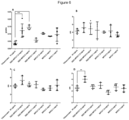
- the data in Fig. 6 showed that GEO-NPCH at 7.6 mg/ml and 2 mg/ml doses have a significantly higher total weight (p ⁇ 0.05) than TB seeds at 10 mg/ml of pure TB.
- NPCH treatments also achieved a more significant increase (p ⁇ 0.05) in total weight than TB seeds. Root length was significantly increased (p ⁇ 0.05) by treatment with GEO-NPCH compared to untreated control, TB and NPCH.
Landscapes
- Life Sciences & Earth Sciences (AREA)
- Health & Medical Sciences (AREA)
- General Health & Medical Sciences (AREA)
- Engineering & Computer Science (AREA)
- Environmental Sciences (AREA)
- Plant Pathology (AREA)
- Wood Science & Technology (AREA)
- Zoology (AREA)
- Agronomy & Crop Science (AREA)
- Natural Medicines & Medicinal Plants (AREA)
- Microbiology (AREA)
- Mycology (AREA)
- Dentistry (AREA)
- Biotechnology (AREA)
- Pest Control & Pesticides (AREA)
- Toxicology (AREA)
- Chemical & Material Sciences (AREA)
- Chemical Kinetics & Catalysis (AREA)
- General Chemical & Material Sciences (AREA)
- Agricultural Chemicals And Associated Chemicals (AREA)
- Cosmetics (AREA)
- Fats And Perfumes (AREA)
- Medicines Containing Plant Substances (AREA)
Abstract
The invention provides chitosan nanoparticles in which the garlic essential oil is encapsulated, the nanoparticles being regularly distributed and spherical in form with a particle size in the range of 200-400 nm. The nanoparticles of the invention exhibit antifungal activity, especially against Aspergillus and Fusarium, and have eliciting and plant growth promoting effects.
Description
- This invention refers to chitosan nanoparticles containing encapsulated garlic essential oil and the use thereof, with these nanoparticles being used in the phytosanitary industry for their antifungal/antimicrobial activity and their promotion of the proper defence of plants against attack by fungi or microbes.
- More specifically, firstly, the invention provides chitosan nanoparticles in which the garlic essential oil (Allium sativum L.) is encapsulated, the nanoparticles being regularly distributed and spherical in form with a particle size in the range of 200-400 nm. The nanoparticles of the invention exhibit antifungal activity, especially against Aspergillus and Fusarium, and have eliciting and plant growth-promoting effects.
- Secondly, the invention refers to the use of these nanoparticles as antifungals in plants.
- Diseases caused by soil pathogenic fungi are the cause of serious losses in agricultural production and a threat to food safety. Antifungal agents have contributed greatly to the protection of agricultural crops, leading to increased agricultural productivity. However, global population growth, global warming and increased resistance to fungi pose new challenges for the agricultural sector. Recently, the European Commission (EC) announced the reduction of pesticide use by 50% by the year 2030 through two framework strategies that will converge in parallel with the green deal, leading to the need to use new ecological and efficient pesticides, which include antifungals.
- The report of 20 May 2020 on the implementation of the Directive on the sustainable use of pesticides showed that, although Member States have made progress in implementing the Directive, less than one-third have completed the review of their national action plans within the legal period of five years and, of those who have reviewed them, most have not remedied the deficiencies identified by the Commission in the initial national action plans.
- Within the framework of the European Green Deal and, in particular, its 'Farm to Fork' and Biodiversity strategies, the Commission will adopt measures to reduce the use and risk of chemical pesticides by 50% by 2030, in particular the use of the most dangerous pesticides. To this end, the Commission will review the Directive on the sustainable use of pesticides and promote greater use of alternative forms to protect crops from pests and diseases.
- Various types of antifungal agents are used in agriculture for pre- and post-harvest treatment, such as methylbenzimidazole carbamates (MBC), succinate dehydrogenase inhibitors (SDHI), anilinopyrimidines (AP), Qo inhibitors (Qol), morpholine and azoles (Brauer et al., 2019, Antifungals in agriculture: Friends and foes of public health. Biomolecules, 9(10), 1-21, https://doi.org/10.3390/biom9100521). Currently, triazoles are the most commonly used antifungals due to their high efficiency and broad-spectrum activity. Within this family, Tebuconazole (TB) is an effective systemic fungicide that has been widely used in both the agricultural and medical sectors for the control of fungal diseases and is the main antifungal currently used as a seed coating agent in numerous cereals (Marin et al., 2013, Potential effects of environmental conditions on the efficiency of the antifungal tebuconazole controlling Fusarium verticillioides and Fusarium proliferatum growth rate and fumonisin biosynthesis. International Journal of Food Microbiology, 165(3), 251-258).
- However, the extensive use of tebuconazole and other triazoles in agriculture has raised concerns about their environmental impacts, as well as the risks arising from their toxicological effects and the emergence of antifungal-resistant strains of pathogenic fungi (Brauer, 2019, supra). TB has been shown to induce cardiovascular toxicity in adult male rats and hepatotoxicity in various species such as zebrafish and fruit bats. In addition, the presence of this triazole in ecosystems has been linked to endocrine disruption of certain animal species in several reports (Ma F et al., 2020; Li S et al., 2019 Environ Pollut; Lopez-Antia A et al., 2020 Environ Pollut). In addition, it has been suggested that the use of triazoles in agriculture will promote the emergence of strains resistant to antifungals that lead to human disease. In this context, it has been reported that the widespread use of TB as coating agents in seed planting involves direct risks for birds on farmland in certain ecosystems (Lopez-Antia A, Ortiz-Santaliestra ME, Mougeot F, Camarero PR, Mateo R. Birds feeding on tebuconazole treated seeds have reduced breeding output. Environ Pollut. 2021 Feb 15;271:116292. doi: 10.1016/j.envpol.2020.116292. EPUB 2020 Dec 17. PMID: 33388683.).
- In these circumstances, it would be interesting to develop alternative strategies to the treatment of TB, combining environmentally friendly compounds with antifungal activity, as well as inducers that improve the plant's own defences against fungal attack.
- In this context, essential oils (EO) and terpenes are used as antifungal agents, antimicrobials and natural antioxidants (D'agostino et al., 2019, Essential oils and their natural active compounds presenting antifungal properties. Molecules, 24(20); (Valdivieso-Ugarte et al., 2019, Antimicrobial, antioxidant, and immunomodulatory properties of essential oils: A systematic review. Nutrients, 11(11), 1-29; Mahizan et al., 2019 Terpene derivatives as a potential agent against antimicrobial resistance (AMR) pathogens. Molecules, 24(14), 1-21). Among these compounds, the essential oil Allium sativum L. is composed mainly of allyl disulfide, allyl trisulfide, allyl(E)-1-propenyl disulfide, allyl methyl trisulfide and diallyl tetrasulfide (Thuy et al., 2020, Investigation into SARS-CoV-2 Resistance of Compounds in Garlic Essential Oil. ACS Omega, 5(14), 8312-8320), and showed antibacterial and antifungal properties against Staphylococcus aureus, Salmonella enteritidis, Listeria monocytogenes, Aspergillus niger, Penicillium cyclopium and Fusarium oxysporum among others (Benkeblia, 2004), Antimicrobial activity of essential oil extracts of various onions (Allium cepa) and garlic (Allium sativum). LWT - Food Science and Technology, 37(2), 263-268; Somrani et al., 2020, Garlic, onion, and cinnamon essential oil anti-biofilms' effect against Listeria monocytogenes. Foods, 9(5), 1-12). Despite their promising properties, applications of essential oils and terpenes continue to be hampered by their high volatility, low solubility in water and instability in light and oxygen (Niza et al., 2020, PEI-coated PLA nanoparticles to enhance the antimicrobial activity of carvacrol. Food Chemistry, 328).
- Encapsulation of these bioactive compounds is an effective method to protect them from degradation in adverse environmental conditions. In addition, encapsulation can be used not only to improve the useful life of essential oils but also to control release systems (Vahedikia et al., 2019, Colloids and Surfaces B: Biointerfaces Biodegradable zein film composites reinforced with chitosan nanoparticles and cinnamon essential oil: Physical, mechanical, structural and antimicrobial attributes. Colloids and Surfaces B: Biointerfaces, 177(December 2018), 25-32), therefore, by maintaining the antimicrobial bioactivity of unstable compounds, improving their solubility in water and bioavailability of lipophilic compounds (Hasheminejad et al., 2019, Improving the antifungal activity of clove essential oil encapsulated by chitosan nanoparticles. Food Chemistry, 275 (August 2018), 113-122). Various building materials have been tested such as poly-l-lactide (Niza et al., 2020, supra) and different types of nano-formulations such as liposomes (Sebaaly et al., 2015, Preparation and characterization of clove essential oil-loaded liposomes. FOOD CHEMISTRY, 178, 52-62), nano-emulsions (Noori et al., 2018, Antimicrobial and antioxidant efficiency of nanoemulsion-based edible coating containing ginger (Zingiber officinale) essential oil and its effect on safety and quality attributes of chicken breast fillets. Food Control, 84, 312-320) and solid lipid nanoparticles, among others, to convey terpenes and various essential oils (Bazzaz et al., 2018, Solid lipid nanoparticles carrying Eugenia caryophyllata essential oil: the novel nanoparticulate systems with broad-spectrum antimicrobial activity. Letters in Applied Microbiology, 66, 506-513) to improve their antimicrobial properties.
- However, chitosan is a linear copolymer composed of D-glucosamine and N-acetyl-D-glucosamine units bonded in β-(1-4) and it is attracting interest as a promising raw material in the pharmaceutical, medical and agricultural industries in plant disease control applications (Hosseinnejad & Mahdi, 2016, International Journal of Biological Macromolecules Evaluation of different factors affecting antimicrobial properties of chitosan. International Journal of Biological Macromolecules, 85, 467-475).
- It is widely used in crop control and agriculture to control plant diseases and has been shown to be toxic to a wide range of fungi, inhibiting both growth and development (Muzzarelli et al., 2001, International Journal of Biological Macromolecules Evaluation of different factors affecting antimicrobial properties of chitosan. International Journal of Biological Macromolecules, 85,467-475). In addition, chitosan-derived oligosaccharides have been described as inducers that lead to a variety of defence responses in host plants against microbial infections, including accumulation of phytoalexins, pathogen-related proteins (PR) and proteinase inhibitors, lignin synthesis, and callose formation (Hadrami et al. 2010, Chitosan in Plant Protection. Marine Drugs, 8, 968-987). In addition, chitosan has been applied as a foliar treatment agent (Bittelli et al., 2001, Reduction of transpiration through foliar application of chitosan. Agricultural and Forest Metereology, 107, 167-175), as a soil improver (Rabea et al., 2003, Chitosan as Antimicrobial Agent: Applications and Mode of Action. Biomacromolecules, 4(6), 1457-1465) and as a seed-coating agent (Kananont et al., 2010, Scientia Horticulturae Chitosan specificity for the in vitro seed germination of two Dendrobium orchids (Asparagales: Orchidaceae). Scientia Horticultae, 124(2), 239-247). In addition, this cationic polysaccharide has enormous potential applications in nanotechnology, due to its easy and controllable extraction, biocompatibility, biodegradability, non-toxicity, antimicrobial properties, easy chemical modification and also its ability to form gels, films and solid nanoparticles (Keawchaoon and Yoksan, 2011, Colloids and Surfaces B: Biointerfaces Preparation, characterization and in vitro release study of carvacrol-loaded chitosan nanoparticles. Colloids and Surfaces B: Biointerfaces, 84(1), 163-171; Hu and Luo, 2016, Polyphenol-chitosan conjugates: Synthesis, characterization, and applications. Carbohydrate Polymers, 151, 624-639).
- Different encapsulation techniques have been applied to protect essential oils and terpenes, including the method of ionic gelation via a non-toxic, multivalent material such as Tripolyphosphate (TPP) (Hadidi et al., 2020, Chitosan nanoparticles loaded with clove essential oil: Characterization, antioxidant and antibacterial activities. Carbohydrate Polymers, 236(February), 116075) for encapsulating oregano essential oil, eugenol, carvacrol, mentha spicata essential oil, clove, Satureja hortensis L., among others (Fakhreddin et al., 2013, Two-step method for encapsulation of oregano essential oil in chitosan nanoparticles: Preparation, characterization and in vitro release study. Carbohydrate Polymers, 95(1), 50-56; Woranuch & Yoksan, 2013, Eugenol-loaded chitosan nanoparticles: I. Thermal stability improvement of eugenol through encapsulation. Carbohydrate Polymers, 96(2), 578-585; Keawchaoon & Yoksan, 2011, supra). Various chitosan formulation methods to form CH nanoparticles (NPCH) showed promising activities in promoting seed germination and seedling growth in wheat, tomatoes and other plant species (Li et al., 2019, supra; Chun & Chandrasekaran, 2019, Chitosan and chitosan nanoparticles induced expression of pathogenesis-related proteins genes enhances biotic stress tolerance in tomato. International Journal of Biological Macromolecules, 125, 948-954).
- A biological pesticide formulation against an entomopathogenic nematode is described in
EP1332676B1 , "Biological pesticide based on chitosan and entomopathogenic nematodes". Chitosan was used with a viscosity between 150 and 450 cps and a degree of deacetylation between 50-99%, at a concentration between 0.08 and 0.18% and a weak acid at a concentration of 1 to 10% (v/v), adjusting the pH of this formulation in a range of 4-7. -
CN103626598B , "Functional chitosan biological slow-release fertilizer and preparation method thereof", describes a slow-release functional chitosan biological fertilizer comprising a coating layer of biodegradable chitosan, polyvinyl alcohol, butyric aldehyde, starch, di-n-hexyl adipate, and distilled water. - According to the first point, the invention provides chitosan nanoparticles in which essential garlic oil (Allium sativum L.) is encapsulated, the nanoparticles having a regular distribution and spherical shape with a particle size in the range of 200-400 nm, the nanoparticles having improved stability, antifungal activity, especially against Aspergillus versicolor, A. niger and Fusarium oxysporum, and with eliciting and plant growth-promoting effects, constituting an ecological alternative to the use of tebuconazole.
- In one embodiment, the chitosan mentioned is a low molecular weight chitosan of 50-190 kDa, with a degree of deacetylation of 75-85%.
- In another embodiment, the ratio chitosan:essential garlic oil present in the nanoparticles is in the range of 1:0.25 to 1:1. Preferably, this ratio is in the range of 1:0.25 to 1:0.75.
- The process of producing chitosan nanoparticles containing encapsulated garlic essential oil can be carried out by encapsulating the garlic essential oil into chitosan nanoparticles according to the following steps:
- i) Obtaining an oil-in-water emulsion from a 0.2% chitosan solution in 1% acetic acid, with agitation, and sonication until complete dissolution, the addition of essential garlic oil together with an emulsifier, such as polysorbate, and emulsification at 1,000 for 10 minutes;
- ii) Addition of a 0.2% sodium tripolyphosphate solution drop by drop at a rate of 2 ml/min under continuous agitation to induce ionic gelation.
- According to the second point of the invention, it refers to the use of the nanoparticles described above as an antifungal active substance in plants and/or as an elicitor to improve the resistance of plants to fungal attack.
- In this context, diseases affecting cereals of economic importance include Blumeria graminis, Puccina recondita, Puccinia graminis, Puccina Striiformis, Septoria tritici and Septoria nodorum, as well as Fusarium.
- Thus, fusarium head blight is the most significant disease affecting this crop. Fungi of the genus Fusarium, in addition to the fusarium head blight, can also cause other diseases: wilting seedlings, root rot or take-all of wheat. In addition to the various cereal diseases caused by the fungi mentioned, other fungi cause grain losses during storage and after harvest. A recent study showed that cereal grains were infested to varying degrees with storage fungi. A total of 21 different fungi were isolated, namely, Alternaria alternata, Penicillium sp, Aspergillus niger, A. flavus, Curvularia lunata, Rhizopus stolonifer, Fusarium oxysporum and Mucus. Aspergillus was the most frequently isolated fungus followed by Aspergillus niger A. flavus. Aspergillus fumigatus, Aspergillus parasiticus, Aspergillus ochraceus were equally common in grains (Varsha bhalerao & Ashok chavan, 2008, Isolation of filamentous fungi in post-harvest cereal grain during the storage and their effect in seed health. International Journal of Advanced Research, 5(8), 2171-2177). The most widely used method against cereal pathogens is protection through the use of fungicides. However, it has been observed that pathogens are developing resistance to the different fungicides used to protect plants. The use of phytosanitary chemicals is also associated with environmental pollution, leaving residues of active substances in soil and grains.
- The fungicidal and fungistatic activities of essential oils, together with knowledge about their traditional and new uses and growing literature on their mechanisms of action, make them an attractive alternative to synthetic fungicides. The success of the use of essential oil as a fungicide is probably because many compounds act synergistically, making them more effective against plant pathogenic fungi.
- As shown in the examples, chitosan nanoparticles containing encapsulated garlic essential oil increase the fungicidal capacity of garlic essential oil. This activity is similar to that of tebuconazole, with the advantage that the nanoparticles of the invention are not harmful and, because of their natural origin, they will be better accepted by consumers than synthetic agents. In addition, essential oils and plant extracts in general degrade faster than most chemical fungicides, are environmentally friendly, and are less likely to kill beneficial fungi than synthetic fungicides, with greater environmental retention.
- In one embodiment, the use of the invention's chitosan nanoparticles containing essential garlic oil encapsulated inside is carried out by coating the seeds to be treated with a solution of the nanoparticles of the invention at a concentration of 2.0-2.5 g/l, for example, spraying seeds.
-
Figure 1 shows FT-IR spectroscopy data from GEO (garlic essential oil), NPCH (chitosan nanoparticles) and GEO-NPCH (chitosan nanoparticles with encapsulated garlic essential oil) for determining the chemical structure of the nanoparticles of the invention. -
Figure 2 shows thermal gravimetric/differential scanning calorimetry (TGA/DSC) analyses of garlic essential oil (GEO). -
Figure 3 shows thermogravimetric analyses (TGA) of NPCH and GEO-NPCH. -
Figure 4 shows the differential scanning calorimetry (DSC) analyses of NPCH and GEO-NPCH. -
Figure 5 shows the X-ray diffraction (XRD) diagram of chitosan powder, NPCH and GEO-NPCH. -
Figure 6 shows data on the characteristics of plants treated with different treatments at different doses: A) total weight, B) root length, C) leaf length and D) stem length. - In the following examples and trials, a low molecular weight chitosan (50-190 kDa) was used with 75-85% deacetylation, tripolyphosphate (TPP), 3-(4.5-dimethylthiazol-2-yl)-2-bromide of 5-diphenyltetrazolium (MTT), tebuconazole (TB) and all solvents were supplied by Sigma-Aldrich (Spain). Nufarm Spain's
Orius 20 EW (20% Tebuconazole) and Garlic Essential Oil (GEO) were purchased from Pranarom. The organisms used for the antifungal assay were species of Aspergillus versicolor, A. niger y Fusarium oxysporum that were isolated from the soil and examined visually and microscopically for morphological characteristics of the isolates as described in Palmero et al. (2014, Pathogenicity and genetic diversity of Fusarium oxysporum isolates from corms of Crocus sativus. Industrial Crops & Products, 61, 186-192) and were confirmed by polymerase chain reaction (PCR) techniques using ITS primers as described in Gardes et al. (1993, ITS primers with enhanced specificity for basidiomycetes - application to the identification of mycorrhizae and rusts. Molecular Ecology, 113-118). - The encapsulation of GEO in chitosan nanoparticles (GEO-NPCH) was formulated in a two-step process: First, primary oil-in-water (o/w) emulsification, followed by the ion gelation method described by Keawchaoon & Yoksan (2011, Colloids and Surfaces B: Biointerfaces Preparation, characterization and in vitro release study of carvacrol-loaded chitosan nanoparticles. Colloids and Surfaces B: Biointerfaces, 84(1), 163-171) with some modifications. Briefly, a 0.2% CH solution was prepared by dissolving CH in 1% acetic acid with continuous stirring overnight. The CH solution was then sonicated for 10 minutes until it was completely dissolved. A 50 ml CH solution at 1,000 RPM was mixed into a 1
% Tween 80 solution, then different proportions of CH:GEO (1:0, 1:0.25, 1:0.5, 1:0.75, and 1:1) were emulsified at 1,000 RPM for 10 min. A 0.2% TPP solution was added drop by drop at 2 mL/min with continuous agitation to induce ionic gelation. The agitation was carried out continuously at 700 RPM for 40 min. The nanoparticles were collected after centrifuging at 15,000 RPM for 20 min at 4°°C and then washed several times with mQ water. The nanoparticle suspension was frozen at -80°C and lyophilised for 48 h at -50°C (LyoQuest-85 /208V 60 Hz, Teslar). - A sample suspension (100 µl) was mixed with 5 ml of HCI 2M and boiled at 95°C to reflux. After cooling, 1 ml of absolute ethanol was added to the homogeneous mixture before centrifuging at 9,000 rpm for 1 min at 25°C. The supernatant was analysed by UV-vis spectrophotometry over a wavelength range of 250-400 nm, covering the maximum absorption wavelength of garlic essential oil (325 nm). Chitosan nanoparticles without GEO (NPCH) were also prepared as a control in the same manner. The loading capacity (LC) and encapsulation efficiency (EE) of GEO were calculated according to the following equations:


- Particle characterisation of nano-formulations (size, zeta potential and polydispersity index (PDI)) was determined by dynamic light scattering (DLS) using a Zetasizer (3000HSM Malvern Ltd, IESMAT, Spain). Specifications: Chitosan refractive index (RI) of 1,700, absorption index of 0.010, and RI water solvent: 1.33, with a viscosity of 0.8872 cP, the number of measurements was performed 3 times. IR spectra were recorded on an FT-IR spectrophotometer equipped with an ATR accessory and the main peaks were expressed in cm-1. Thermal decomposition mechanisms were determined using a thermogravimetric analyser (TGA Q20, TA Instruments) equipped with a standard platinum tray. The differential scanning calorimetry (DSC) experiments were conducted using a DSC Q50 system (TA Instruments) equipped with a standard aluminium tray. An indium sample was used as a reference. In all cases, samples of approximately 3 mg were heated at a rate of 10°C min-1 in a nitrogen atmosphere. The X-ray diffraction (XRD) patterns of the samples were scanned in a 2θ range of 5 to 60° using an X-R diffractometer with a velocity angle of 0.05°/min. A differential scanning calorimetry (DSC) analysis was performed to find out the thermal stability of pure GEO, NPCH and GEO-NPCH using a DSC (PATATIN MODEL) with a rising heat rate of 10°C/min (30-320°C). The morphological surface and shape analysis of NPCH and GEO-NPCH were studied using scanning electron microscopy, SEM. The samples were sprayed with Pt and observed with a Jeol 7800 F electron microscope at 20 KV.
- Various proportions of CH:GEO were evaluated (1:0, 1:0.25, 1:0.5, and 1:0.75). For the antifungal analysis, the GEO-NPCH ratio 1:0.75 was chosen for the assay, as this combination resulted in PDI < 0.7 and LC greater than ratios 1:0.5 and 1:0.25. The antifungal assay with spores of A. versicolor, A. niger and F. oxysporum was carried out according to Rubio-Moraga et al. (2014, Pathogenicity and genetic diversity of Fusarium oxysporum isolates from corms of Crocus sativus. Industrial Crops & Products, 61, 186-192) with some modifications. The treatments were prepared in a sterile Eppendorf tube containing 3,000 spores (40 µl) of each fungus in sterile PDB and 20 µl of the different treatments. The mixture was added to a drilled hole using a Pasteur pipette in the centre of the PDA agar plates. All plates were incubated at 28°C for 6 days to evaluate the antifungal index (%) = ((CT)/C) x 100, and the minimum inhibitory concentrations (MIC) of each treatment, where C and T are radial growth (mm) of control and treated plates of the different fungi. For the antifungal test after spore germination, a spore suspension at a concentration of 5 x 10³ spores/ml (100 µl) was transferred to a 96-well microtiter plate. The plates were incubated for 24 hours at 28°C and treatments were added using the serial dilution method with a dilution factor of 1/3. The plates were incubated for another 24 hours at room temperature and all plates were treated with 10 µl of 3-(4.5-dimethylthiazol-2-yl)-2.5,-diphenyltetrazolium bromide (MTT; 5 mg/ml in PBS; Sigma). The plates were incubated overnight at room temperature, followed by the addition of 100 µl of MTT solvent (0.1 NHCI in anhydrous isopropyl alcohol).
- To evaluate the germination rate of the different seed coatings, three lots of 30 grams of wheat (Triticum vulgare), oats (Avena sativa) and barley seed (Hordeum vulgare) were coated with 3.5 ml of each treatment. 30 grams of untreated seeds, 30 grams of seeds treated with NPCH and GEO-NPCH at 2.5 mg/ml and 30 grams of seeds treated with tebuconazole at commercial doses (9 mg/ml of pure tebuconazole) were used. After coating, the seeds were dried at room temperature. Batches of 100 seeds of each cereal were placed on wet filter paper and incubated at 25°C for 5-7 days in a germination chamber at 21.8°C, with 8 hours of light and 16 hours of dark. The effect on seed germination was evaluated by counting the number of surviving seeds. The experiment was conducted in triplicate. To evaluate morphological effects in plants, batches of 100 grams of wheat seeds with NPCH and GEO-NPCH material were treated at different concentrations (7 mg/ml, 2 mg/ml and 1 mg/ml). The effect was compared to the concentration recommended by the manufacturer TB (45 mg/ml of product with 9 mg/ml of pure TB). Each treatment was tested under field conditions. The seeds were cultivated, dividing 10 m2 of the growing area into 6 microplots for each treatment. A batch of 10 seeds was collected for each treatment 15 days after planting. Seeds were evaluated by measuring weight, root length and blade length in mm. Three to five biological replicates were analysed with three technical replicates for biological replicates. Data obtained was statistically analysed by the Tukey method using GraphPad Prism statistical software version 5.0.0 for Windows, GraphPad Software, San Diego, California, USA. Differences were tested at < 0.05 (95% probability level).
- To improve the stability and efficiency of GEO encapsulation, GEO-chitosan nanoparticles were obtained as described in materials and methods, using different formulations of CH:GEO ratios from 1:0 to 1:1. To determine the NP size, the Z potential and polydispersity index (PDI) of each ratio formula, the DLS technique was applied. The results, shown in Table 1, indicated that the NP varies from 172 to 352 nm in diameter, the size of these NP grew as the amount of GEO increased, a behaviour that has been described previously in other essential oils. The PDI showed the same pattern compared to the NP size pattern, the PDI rate of the NP increased as the amount of GEO increased from 0.4 in 1:0.25 to 0.7 in 1:1, confirming that formulations, except for the 1:1 ratio, are monodispersed and stable. In turn, the CH:GEO 1:1 ratio formula showed a PDI value > 0.7, demonstrating a very large particle size distribution. All the formulations tested had a positive surface charge with a range of +19.8 to +49.8 mV, which is in line with previous studies on chitosan NP that encapsulate different active molecules. These positive charges arise from the protonation of amino groups. The positive surface charge decreases with the increase in the encapsulated amount of GEO in NP due to the interaction of GEO with NP, resulting in changes in structure and charge. In addition, the Z-potential results confirm that NPCH and GEO-NPCH 1:0.25, 1:0.5, and 1:0.75 have high stability, as shown in Table 1, while the 1:1 CH:GEO ratio has a more unstable formulation (+ 19.8 mV), which matches the PDI value.
Table 1 Formulation Average size (d, nm)* PDI* Z potential* (mV) %EE %LC NPCH 172.3±0.71 0.42±0.01 +49.8±0.75 - - GEO-NPCH 1:0.25 186.9±0.99 0.46±0.02 +32.6±0.6 32.8 5.2 GEO-NPCH 1:0.5 194.1±4.37 0.44±0.01 +31.2±0.57 27.8 8.7 GEO-NPCH 1:0.75 352.2±1.95 0.51±0.06 +27.3±0.8 24.7 10.8 GEO-NPCH 1:1 253.4±18.58 0.75±0.05 +19.8±0.25 23.8 19.4 *mean ± SEM of at least three independent trials - The chemical composition was determined using the FT-IR technique. The FT-IR spectra of GEO, NPCH and GEO-NPCH are shown in
Figure 1 . The spectra of NPCH and GEO-NPCH are very similar, as their content is mainly chitosan. A wide band between 3,750 cm-1 and 2,500 cm-1 is clearly observed, associated with the stretching of the O-H and N-H bonds. As shown below in thermogravimetric analysis, chitosan nanoparticles are hygroscopic and have a great tendency to absorb water. This signal includes both the structure of the O-H chitosan and the water in its different forces due to the hydrogen bonds formed. From the spectra, additional characteristic chitosan peaks at 2,916 cm-1 and 2,864 cm-1 are observed due to the extension of the CH bond of carbon sp3, 1,634 cm-1 due to the extension of the carbonyl C=O of the amide, 1,533 cm-1 due to NH bending and 1,066 cm-1 due to the stress of the different CO bonds. The GEO-NPCH sample reveals small peaks associated with the presence of GEO. At 3,082 cm-1, a peak associated with the asymmetric tension of the CH bond for a carbon sp2, 1,422 cm-1 due to the CH deformation of the Csp2-H bond and a strong peak at 1,087 cm-1 as a consequence of the stretching of the S=O group - Thermogravimetric analysis/differential scanning calorimetry (TGA/DSC) was used to evaluate the absorbed material, thermal stability and decomposition temperatures of GEO, NPCH, and GEO-NPCH. GEO is an extremely volatile compound that begins to evaporate even at very low temperatures, as shown in its TGA and DSC (
Figure 2 ). This loss of mass becomes more significant as the temperature increases, until the complete evaporation of GEO at 125°C.Figure 3 shows thermogravimetric TGA of NPCH and GEO-NPCH. NPCH shows two phases of degradation: the initial phase starting from the beginning of the experiment and ending at 100°C and the second phase starting at 170°C to 333°C. The first transition corresponds to a mass loss of 3.5% and is attributed to the loss of water vaporisation/adsorbed/bound moisture. To confirm this, NPCH was heated for 1 hour at 50°C under a nitrogen atmosphere and subsequently cooled under nitrogen until room temperature was reached. After 1 hour under nitrogen, the thermogram did not show this first water loss step (Figure 4 , red line). The second stage of degradation was a weight loss of 60% and is due to the degradation of pure chitosan biopolymer. This has been previously observed for other chitosan polymers, where the amount of moisture and the range of degradation temperatures depend on the molecular weight of the chitosan polymer (Szymańska & Winnicka, 2015). These same transitions are observed in the GEO-NPCH thermogram (Figure 3 , blue line), coinciding in the temperature ranges. In the second transition, mass loss was 58%, coinciding with the degree of NPCH decomposition. However, in the first transition, the mass loss is greater, reaching 7% and, although the water absorbed by both particles may differ, this may indicate that this 7% loss could correspond not only to water loss but also to the loss of GEO. This data was confirmed by DSC of NPCH and GEO-NPCH as shown inFigure 4 . Similarly, for TGA, two transitions are observed in both compounds. An endothermic transition between -25°C and 100°C, and a second, more complex transition, between 170°C and 300°C, combining endothermic and exothermic processes, typical of the decomposition of the chitosan polymer. For the first transition, there is a considerable difference between the NPCH and GEO-NPCH evaporation enthalpies. For NPCH, an enthalpy of 145 J/g has been determined while GEO-NPCH shows a higher value, reaching 185 J/g, indicating that GEO-charged nanoparticles need more energy to evaporate both water and GEO. Encapsulated GEO was decomposed at a higher temperature than free GEO, reflecting the improved thermal stability of the GEO by encapsulation in chitosan nanoparticles. - The crystallographic structure of chitosan powder, NPCH and GEO-NPCH with a CH:GEO ratio of 1:0.75 was determined by XRD and is presented in
Figure 5 . Chitosan powder exhibits a peak marked at 2θ around 22° showing a high degree of crystallinity (Hosseini et al., 2013). NPCH XRD patterns revealed a broad peak caused by the crosslinking reaction between chitosan and TPP, resulting in the formation of an amorphous structure. This reflects the destruction of the native chitosan packaging structure as described in other studies of chitosan NP XDR patterns. Contrary to the study carried out by Hosseini et al., on the encapsulation of oregano essential oil (OEO), where the incorporation of OEO resulted in a change in the packaging structure of chitosan-TPP, the inclusion of GEO in chitosan NP did not result in changes in its crystallinity compared with NPCH. - To estimate the effect of GEO-NPCH on different seed types, a batch of 100 seeds of wheat, oats and barley was evaluated, determining the germination rate after 7 and 15 days of treatment using GEO-NPCH, Tebuconazole (TB) and untreated seeds as control (Table 2). At 7 days, the highest germination rate was observed in barley, where all treatments reached values close to 99% germination, as was the case with untreated seeds. In oats, GEO-NPCH showed a higher germination rate, reaching 99.7% compared to TB, where the effect on germination was as in untreated seeds. On the other hand, untreated wheat seeds showed a germination rate of 82%. TB and GEO-NPCH achieved higher germination rates with 93.0% and 90.3% respectively.
Table 2 Barley Treatment Germination % Wheat Treatment Germination % Oats Treatment Germination % NT 98.7±0.58 NT 82.0±1.15 NT 95.3±0.58 NPCH 98.3±0.58 NPCH 87.7±1.52 NPCH 98.7±0.58 GEO-NPCH 98.3±0.58 GEO-NPCH 90.3±1.53 GEO-NPCH 99.7±0.58 TB 98.7±0.58 TB 93.0±5.20 TB 95.3±0.58 - In contrast, the seed lot evaluated at 15 days (
Fig. 6 ) showed different morphological changes according to the treatment used. The seeds treated with TB consumed all energy resources, as in other species such as maize where conventional TB treatments produce reductions in bud height, fresh bud weight and fresh root, signalling that suppression of the tebuconazole-induced maize emergence was exponentially dose-dependent. In addition, the data inFig. 6 showed that GEO-NPCH at 7.6 mg/ml and 2 mg/ml doses have a significantly higher total weight (p < 0.05) than TB seeds at 10 mg/ml of pure TB. NPCH treatments also achieved a more significant increase (p < 0.05) in total weight than TB seeds. Root length was significantly increased (p < 0.05) by treatment with GEO-NPCH compared to untreated control, TB and NPCH. - The selected dose used to perform this experiment was the same as that used in the evaluation of seed germination (Example 11). For antifungal activities, the minimum inhibitory concentration (MIC) value of NPCH was 10 mg/ml against F. oxysposum, while the remaining fungi showed no total inhibition at this concentration. However, GEO-NPCH was more effective against F. oxysporum (2.5 mg/ml) followed by A. niger and A. versicolor (5 mg/ml). GEO treatment was most effective against A. versicolor (5 mg/ml), followed by F. oxysporum (7.5 mg/ml) and A. niger (10 mg/ml). TB was most effective against the genus Aspergillus, being more effective against A. niger (0.25 mg/ml of pure TB) than A. versicolor (0.5 mg/ml). The MIC of TB against F. oxysporum was the same as GEO-NPCH (2.5 mg/ml). Although there were no MIC values (> 10 mg/ml) against A. versicolor with any of the treatments, including TB, significant inhibition was observed when treated with GEO-NPCH at 10 mg/ml. The effect of the different treatments on the growth of the mycelium is shown in Table 3. All treatments showed the same pattern except A. versicolor, which was resistant to all treatments including TB. A. niger was the most susceptible fungus with MIC values ranging from 0.11 mg/ml to 1.11 mg/ml for TB and NPCH, respectively. The MIC values obtained from GEO-NPCH and TB treatment were almost similar and showed low MIC values for A. niger and high MIC values for A. versicolor.
Table 3 Fungus NPCH GEO-NPCH GEO TB F. oxysporum 3.33 1.11 1.66 >3 A. niger 1.111 0.37 0.56 0.11 A. versicolor >3.33 3.33 15 3
Claims (5)
- Chitosan nanoparticles containing encapsulated garlic essential oil for use as an antifungal active substance in plants and/or as an elicitor to improve the resistance of plants against fungal attack, characterised by its application as a coating of seeds.
- Chitosan nanoparticles containing encapsulated garlic essential oil for use according to claim 1, wherein the concentration of nanoparticles in solution is 2.0-2.5 g/l.
- Chitosan nanoparticles containing encapsulated garlic essential oil for use according to claim 1, wherein the chitosan is a low molecular weight chitosan of 50-190 kDa, with a degree of deacetylation of 75-85%.
- Chitosan nanoparticles containing encapsulated garlic essential oil for use according to claim 1, wherein the ratio chitosan:essential garlic oil present in the nanoparticles is in the range 1:0.25 to 1:1.
- Chitosan nanoparticles containing encapsulated garlic essential oil for use according to claim 4, wherein the concentration of nanoparticles in solution is 1:0.25 to 1:0.75.
Applications Claiming Priority (1)
| Application Number | Priority Date | Filing Date | Title |
|---|---|---|---|
| ES202130849A ES2936013A1 (en) | 2021-09-13 | 2021-09-13 | Chitosan nanoparticles containing encapsulated essential oil of garlic (Allium sativum L.) and use thereof (Machine-translation by Google Translate, not legally binding) |
Publications (1)
| Publication Number | Publication Date |
|---|---|
| EP4147577A1 true EP4147577A1 (en) | 2023-03-15 |
Family
ID=83192013
Family Applications (1)
| Application Number | Title | Priority Date | Filing Date |
|---|---|---|---|
| EP22382784.1A Withdrawn EP4147577A1 (en) | 2021-09-13 | 2022-08-15 | Chitosan nanoparticles containing encapsulated garlic essential oil (allium sativum l.) and use thereof |
Country Status (2)
| Country | Link |
|---|---|
| EP (1) | EP4147577A1 (en) |
| ES (1) | ES2936013A1 (en) |
Citations (2)
| Publication number | Priority date | Publication date | Assignee | Title |
|---|---|---|---|---|
| EP1332676B1 (en) | 2000-11-10 | 2004-07-21 | Idebio, S.L. | Biological pesticide based on chitosan and entomopathogenic nematodes |
| CN103626598A (en) | 2013-12-23 | 2014-03-12 | 史丹利化肥股份有限公司 | Functional chitosan biological slow-release fertilizer and preparation method thereof |
-
2021
- 2021-09-13 ES ES202130849A patent/ES2936013A1/en active Pending
-
2022
- 2022-08-15 EP EP22382784.1A patent/EP4147577A1/en not_active Withdrawn
Patent Citations (2)
| Publication number | Priority date | Publication date | Assignee | Title |
|---|---|---|---|---|
| EP1332676B1 (en) | 2000-11-10 | 2004-07-21 | Idebio, S.L. | Biological pesticide based on chitosan and entomopathogenic nematodes |
| CN103626598A (en) | 2013-12-23 | 2014-03-12 | 史丹利化肥股份有限公司 | Functional chitosan biological slow-release fertilizer and preparation method thereof |
Non-Patent Citations (43)
| Title |
|---|
| BAZZAZ ET AL.: "Solid lipid nanoparticles carrying Eugenia caryophyllata essential oil: the novel nanoparticulate systems with broad-spectrum antimicrobial activity", LETTERS IN APPLIED MICROBIOLOGY, vol. 66, 2018, pages 506 - 513 |
| BENKEBLIA N.: "Antimicrobial activity of essential oil extracts of various onions (Allium cepa) and garlic (Allium sativum)", LWT- FOOD SCIENCE AND TECHNOLOGY, vol. 37, no. 2, 23 October 2003 (2003-10-23), United Kingdom, pages 263 - 268, XP055958373, ISSN: 0023-6438, DOI: 10.1016/j.lwt.2003.09.001 * |
| BENKEBLIA: "Antimicrobial activity of essential oil extracts of various onions (Allium cepa) and garlic (Allium sativum)", LWT - FOOD SCIENCE AND TECHNOLOGY, vol. 37, no. 2, 2004, pages 263 - 268, XP055958373, DOI: 10.1016/j.lwt.2003.09.001 |
| BITTELLI ET AL.: "Reduction of transpiration through foliar application of chitosan", AGRICULTURAL AND FOREST METEREOLOGY, vol. 107, 2001, pages 167 - 175 |
| BOCATE KARLA PAIVA ET AL: "Garlic essential oil as an antifungal and anti-mycotoxin agent in stored corn", LWT- FOOD SCIENCE AND TECHNOLOGY, vol. 147, 1 July 2021 (2021-07-01), United Kingdom, pages 111600, XP093013122, ISSN: 0023-6438, DOI: 10.1016/j.lwt.2021.111600 * |
| BRAUE ET AL.: "Antifungals in agriculture: Friends and foes of public health", BIOMOLECULES, vol. 9, no. 10, 2019, pages 1 - 21, Retrieved from the Internet <URL:https://doi.org/10.3390/biom9100521> |
| CHUNCHANDRASEKARAN: "Chitosan and chitosan nanoparticles induced expression of pathogenesis-related proteins genes enhances biotic stress tolerance in tomato", INTERNATIONAL JOURNAL OF BIOLOGICAL MACROMOLECULES, vol. 125, 2019, pages 948 - 954 |
| D'AGOSTINO ET AL.: "Essential oils and their natural active compounds presenting antifungal properties", MOLECULES, vol. 24, no. 20, 2019 |
| FAKHREDDIN ET AL.: "Two-step method for encapsulation of oregano essential oil in chitosan nanoparticles: Preparation, characterization and in vitro release study", CARBOHYDRATE POLYMERS, vol. 95, no. 1, 2013, pages 50 - 56 |
| GARDES ET AL.: "ITS primers with enhanced specificity for basidiomycetes - application to the identification of mycorrhizae and rusts", MOLECULAR ECOLOGY, 1993, pages 113 - 118, XP009006713 |
| HADIDI ET AL.: "Chitosan nanoparticles loaded with clove essential oil: Characterization, antioxidant and antibacterial activities", CARBOHYDRATE POLYMERS, vol. 236, February 2020 (2020-02-01), pages 116075, XP086086260, DOI: 10.1016/j.carbpol.2020.116075 |
| HADIDI MILAD ET AL: "Chitosan nanoparticles loaded with clove essential oil: Characterization, antioxidant and antibacterial activities", CARBOHYDRATE POLYMERS, APPLIED SCIENCE PUBLISHERS , LTD BARKING, GB, vol. 236, 26 February 2020 (2020-02-26), XP086086260, ISSN: 0144-8617, [retrieved on 20200226], DOI: 10.1016/J.CARBPOL.2020.116075 * |
| HADRAMI ET AL., CHITOSAN IN PLANT PROTECTION. MARINE DRUGS, vol. 8, 2010, pages 968 - 987 |
| HASHEMINEJAD ET AL.: "Improving the antifungal activity of clove essential oil encapsulated by chitosan nanoparticles", FOOD CHEMISTRY, vol. 275, August 2018 (2018-08-01), pages 113 - 122, XP085515100, DOI: 10.1016/j.foodchem.2018.09.085 |
| HASHEMINEJAD NAYERESADAT ET AL: "Improving the antifungal activity of clove essential oil encapsulated by chitosan nanoparticles", FOOD CHEMISTRY, ELSEVIER LTD, NL, vol. 275, 14 September 2018 (2018-09-14), pages 113 - 122, XP085515100, ISSN: 0308-8146, DOI: 10.1016/J.FOODCHEM.2018.09.085 * |
| HOSSEINNEJADMAHDI: "International Journal of Biological Macromolecules Evaluation of different factors affecting antimicrobial properties of chitosan", INTERNATIONAL JOURNAL OF BIOLOGICAL MACROMOLECULES, vol. 85, 2016, pages 467 - 475 |
| HULUO: "Polyphenol-chitosan conjugates: Synthesis, characterization, and applications", CARBOHYDRATE POLYMERS, vol. 151, 2016, pages 624 - 639, XP029661869, DOI: 10.1016/j.carbpol.2016.05.109 |
| KANANONT ET AL.: "Scientia Horticulturae Chitosan specificity for the in vitro seed germination of two Dendrobium orchids (Asparagales: Orchidaceae", SCIENTIA HORTICULTAE, vol. 124, no. 2, 2010, pages 239 - 247 |
| KASHYAP PREM LAL ET AL: "Chitosan nanoparticle based delivery systems for sustainable agriculture", INTERNATIONAL JOURNAL OF BIOLOGICAL MACROMOLECULES, ELSEVIER BV, NL, vol. 77, 5 March 2015 (2015-03-05), pages 36 - 51, XP029232317, ISSN: 0141-8130, DOI: 10.1016/J.IJBIOMAC.2015.02.039 * |
| KEAWCHAOONYOKSAN: "Colloids and Surfaces B: Biointerfaces Preparation, characterization and in vitro release study of carvacrol-loaded chitosan nanoparticles", COLLOIDS AND SURFACES B: BIOINTERFACES, vol. 84, no. 1, 2011, pages 163 - 171 |
| LOPEZ-ANTIA A ET AL., ENVIRON POLLUT, 2020 |
| LOPEZ-ANTIA AORTIZ-SANTALIESTRA MEMOUGEOT FCAMARERO PRMATEO R, BIRDS FEEDING ON TEBUCONAZOLE TREATED SEEDS HAVE REDUCED BREEDING OUTPUT. ENVIRON POLLUT, vol. 271, no. 15, 17 December 2020 (2020-12-17), pages 116292 |
| LUQUE-ALCARAZ ANA GUADALUPE ET AL: "Enhanced Antifungal Effect of Chitosan/Pepper Tree ( Schinus molle ) Essential Oil Bionanocomposites on the Viability of Aspergillus parasiticus Spores", JOURNAL OF NANOMATERIALS, vol. 2016, 16 February 2016 (2016-02-16), US, pages 1 - 10, XP055950627, ISSN: 1687-4110, Retrieved from the Internet <URL:https://downloads.hindawi.com/journals/jnm/2016/6060137.pdf> DOI: 10.1155/2016/6060137 * |
| MAHIZAN ET AL.: "Terpene derivatives as a potential agent against antimicrobial resistance (AMR) pathogens", MOLECULES, vol. 24, no. 14, 2019, pages 1 - 21 |
| MARIN ET AL.: "Potential effects of environmental conditions on the efficiency of the antifungal tebuconazole controlling Fusarium verticillioides and Fusarium proliferatum growth rate and fumonisin biosynthesis", INTERNATIONAL JOURNAL OF FOOD MICROBIOLOGY, vol. 165, no. 3, 2013, pages 251 - 258 |
| MUAZU S. A. ET AL: "Antifungal Activity of Garlic (Allium sativum) Essential Oil and Wood Ash against Post-harvest Fruit Rot of Banana (Musa acuminata L.) in Yola, Adamawa State, Nigeria", INTERNATIONAL JOURNAL OF PLANT & SOIL SCIENCE, vol. 24, no. 6, 23 October 2018 (2018-10-23), pages 1 - 10, XP093013094, DOI: 10.9734/IJPSS/2018/29614 * |
| MUY-RANGEL MARÍA DOLORES ET AL: "Actividad antifúngica in vitro del aceite esencial de ajo (Allium sativum L.) contra Alternaria tenuissima", REVISTA MEXICANA DE FITOPATOLOGÍA, MEXICAN JOURNAL OF PHYTOPATHOLOGY, vol. 36, no. 1, 6 December 2017 (2017-12-06), XP093013074, Retrieved from the Internet <URL:http://www.rmf.smf.org.mx/ojs/index.php/RMF/article/viewFile/91/88> DOI: 10.18781/R.MEX.FIT.1708-3 * |
| MUZZARELLI ET AL.: "International Journal of Biological Macromolecules Evaluation of different factors affecting antimicrobial properties of chitosan", INTERNATIONAL JOURNAL OF BIOLOGICAL MACROMOLECULES, vol. 85, 2001, pages 467 - 475 |
| NIZA ET AL.: "PEI-coated PLA nanoparticles to enhance the antimicrobial activity of carvacrol", FOOD CHEMISTRY, 2020, pages 328 |
| NOORI ET AL.: "Antimicrobial and antioxidant efficiency of nanoemulsion-based edible coating containing ginger (Zingiber officinale) essential oil and its effect on safety and quality attributes of chicken breast fillets", FOOD CONTROL, vol. 84, 2018, pages 312 - 320, XP085273816, DOI: 10.1016/j.foodcont.2017.08.015 |
| RABEA ET AL.: "Chitosan as Antimicrobial Agent: Applications and Mode of Action", BIOMACROMOLECULES, vol. 4, no. 6, 2003, pages 1457 - 1465, XP002339032, DOI: 10.1021/bm034130m |
| RUBIO-MORAGA ET AL.: "Pathogenicity and genetic diversity of Fusarium oxysporum isolates from corms of Crocus sativus", INDUSTRIAL CROPS & PRODUCTS, vol. 61, 2014, pages 186 - 192 |
| SEBAALY ET AL.: "Preparation and characterization of clove essential oil-loaded liposomes", FOOD CHEMISTRY, vol. 178, 2015, pages 52 - 62, XP029142102, DOI: 10.1016/j.foodchem.2015.01.067 |
| SOMRANI ET AL.: "Garlic, onion, and cinnamon essential oil anti-biofilms' effect against Listeria monocytogenes", FOODS, vol. 9, no. 5, 2020, pages 1 - 12 |
| THUY ET AL.: "Investigation into SARS-CoV-2 Resistance of Compounds in Garlic Essential Oil", ACS OMEGA, vol. 5, no. 14, 2020, pages 8312 - 8320, XP055814711, DOI: 10.1021/acsomega.0c00772 |
| VAHEDIKIA ET AL.: "Colloids and Surfaces B: Biointerfaces Biodegradable zein film composites reinforced with chitosan nanoparticles and cinnamon essential oil: Physical, mechanical, structural and antimicrobial attributes", COLLOIDS AND SURFACES B: BIOINTERFACES, vol. 177, December 2018 (2018-12-01), pages 25 - 32 |
| VALDIVIESO-UGARTE ET AL.: "Antimicrobial, antioxidant, and immunomodulatory properties of essential oils: A systematic review", NUTRIENTS, vol. 11, no. 11, 2019, pages 1 - 29 |
| VARGAS-ORTIZ MANUEL ALEJANDRO ET AL: "Short note [Nota corta] GARLIC (Allium sativum L.) ESSENTIAL OIL AGAINST GROWTH AND AFLATOXIN PRODUCTION OF Aspergillus parasiticus", TROPICAL AND SUBTROPICAL AGROECOSYSTEMS, 1 January 2020 (2020-01-01), pages 32, XP093013128, Retrieved from the Internet <URL:https://www.revista.ccba.uady.mx/ojs/index.php/TSA/article/view/3150/1409> [retrieved on 20230111] * |
| VARSHA BHALERAOASHOK CHAVAN: "Isolation of filamentous fungi in post-harvest cereal grain during the storage and their effect in seed health", INTERNATIONAL JOURNAL OF ADVANCED RESEARCH, vol. 5, no. 8, 2008, pages 2171 - 2177 |
| WANG YAOCHEN ET AL: "The Antifungal Effect of Garlic Essential Oil on Phytophthora nicotianae and the Inhibitory Component Involved", BIOMOLECULES, vol. 9, no. 10, 21 October 2019 (2019-10-21), pages 632, XP093013113, DOI: 10.3390/biom9100632 * |
| WORANUCHYOKSAN: "Eugenol-loaded chitosan nanoparticles: I. Thermal stability improvement of eugenol through encapsulation", CARBOHYDRATE POLYMERS, vol. 96, no. 2, 2013, pages 578 - 585, XP028567627, DOI: 10.1016/j.carbpol.2012.08.117 |
| YANG FENG-LIAN ET AL: "Structural Characterization of Nanoparticles Loaded with Garlic Essential Oil and Their Insecticidal Activity against Tribolium castaneum (Herbst) (Coleoptera: Tenebrionidae)", JOURNAL OF AGRICULTURAL AND FOOD CHEMISTRY, vol. 57, no. 21, 11 November 2009 (2009-11-11), US, pages 10156 - 10162, XP093013139, ISSN: 0021-8561, DOI: 10.1021/jf9023118 * |
| YIN MEI-CHIN ET AL: "INHIBITORY EFFECT OF SEVENALLIUM PLANTS UPON THREE ASPERGILLUS SPECIES", INTERNATIONAL JOURNAL OF FOOD MICROBIOLOGY, ELSEVIER BV, NL, vol. 49, 1 January 1999 (1999-01-01), pages 49 - 56, XP008070304, ISSN: 0168-1605, DOI: 10.1016/S0168-1605(99)00061-6 * |
Also Published As
| Publication number | Publication date |
|---|---|
| ES2936013A1 (en) | 2023-03-13 |
Similar Documents
| Publication | Publication Date | Title |
|---|---|---|
| Mondéjar-López et al. | Chitosan nanoparticles loaded with garlic essential oil: A new alternative to tebuconazole as seed dressing agent | |
| Hidangmayum et al. | Chitosan based nanoformulation for sustainable agriculture with special reference to abiotic stress: a review | |
| Sangwan et al. | Effect of chitosan nanoparticles on growth and physiology of crop plants | |
| Alotaibi et al. | Bioactive coatings from nano‐biopolymers/plant extract composites for complete protection from mycotoxigenic fungi in dates | |
| US20240016147A1 (en) | Agricultural biopolymer coating platform | |
| EP2684456A1 (en) | Fungicidal and bactericidal composition that comprises volatile organic compounds of natural origin | |
| El-Naggar et al. | A sustainable green-approach for biofabrication of chitosan nanoparticles, optimization, characterization, its antifungal activity against phytopathogenic Fusarium culmorum and antitumor activity | |
| Al-Dhabaan et al. | Chitosan-based nanostructures in plant protection applications | |
| Sotelo-Boyás et al. | Biological activity of chitosan nanoparticles against pathogenic fungi and bacteria | |
| Mohamed et al. | Use of bioactive chitosan and Lippia multiflora essential oil as coatings for maize and sorghum seeds protection | |
| Mondéjar-López et al. | New gel from a water-soluble Carboxymethyl chitosan-Cinnamaldehyde Schiff base derivative as an effective preservative against soft rot in ginger | |
| Hamouda et al. | The potent effect of selenium nanoparticles: insight into the antifungal activity and preservation of postharvest strawberries from gray mold diseases | |
| EP4147577A1 (en) | Chitosan nanoparticles containing encapsulated garlic essential oil (allium sativum l.) and use thereof | |
| Abd-Elsalam | Next-generation fungicides based on nanohybrids: A preliminary review | |
| Mehta et al. | Chitosan and chitosan-based nanoparticles in horticulture: past, present and future prospects | |
| Camiletti et al. | Fungicide efficacy of nanocrystal-based formulations against peanut smut | |
| López-Bermúdez et al. | Acute phytotoxicity and antifungal effect of nanochitosan particles on Colletotrichum fructicola with low susceptibility to chitosan | |
| Shabir et al. | Biological evaluation, GC–MS profiling, and molecular docking studies of some essential oils against postharvest pathogens of maize | |
| ES1304317U (en) | Chitosan nanoparticles containing encapsulated essential oil of garlic (Allium sativum L.) (Machine-translation by Google Translate, not legally binding) | |
| Devi et al. | Smart nano-chitosan for fungal disease control | |
| Islam | Application of Nanomaterials in Plant Protection | |
| Ramírez-Arrebato et al. | Chitosan protection from rice diseases | |
| Il’ina et al. | Prospects for the use of metal nanoparticles and chitosan nanomaterials with metals to combat phytopathogens | |
| Nguyen et al. | Characterization of a chitosan-based nanoemulsion loaded with Niaouli (Melaleuca quinquenervia) essential oil and its effect on postharvest fungi and ripening of banana fruit | |
| Trujillo-Casarreal et al. | Chitosan biocomposite as a carrier for curcumin, with a focus on its application in combating phytopathogenic bacteria |
Legal Events
| Date | Code | Title | Description |
|---|---|---|---|
| PUAI | Public reference made under article 153(3) epc to a published international application that has entered the european phase |
Free format text: ORIGINAL CODE: 0009012 |
|
| STAA | Information on the status of an ep patent application or granted ep patent |
Free format text: STATUS: THE APPLICATION HAS BEEN PUBLISHED |
|
| AK | Designated contracting states |
Kind code of ref document: A1 Designated state(s): AL AT BE BG CH CY CZ DE DK EE ES FI FR GB GR HR HU IE IS IT LI LT LU LV MC MK MT NL NO PL PT RO RS SE SI SK SM TR |
|
| STAA | Information on the status of an ep patent application or granted ep patent |
Free format text: STATUS: THE APPLICATION IS DEEMED TO BE WITHDRAWN |
|
| 18D | Application deemed to be withdrawn |
Effective date: 20230916 |