EP4145359A1 - Method and apparatus for transferring machine learning model parameter - Google Patents
Method and apparatus for transferring machine learning model parameter Download PDFInfo
- Publication number
- EP4145359A1 EP4145359A1 EP21795817.2A EP21795817A EP4145359A1 EP 4145359 A1 EP4145359 A1 EP 4145359A1 EP 21795817 A EP21795817 A EP 21795817A EP 4145359 A1 EP4145359 A1 EP 4145359A1
- Authority
- EP
- European Patent Office
- Prior art keywords
- management component
- machine learning
- learning model
- native service
- transmission resource
- Prior art date
- Legal status (The legal status is an assumption and is not a legal conclusion. Google has not performed a legal analysis and makes no representation as to the accuracy of the status listed.)
- Granted
Links
Images



Classifications
-
- H—ELECTRICITY
- H04—ELECTRIC COMMUNICATION TECHNIQUE
- H04L—TRANSMISSION OF DIGITAL INFORMATION, e.g. TELEGRAPHIC COMMUNICATION
- H04L67/00—Network arrangements or protocols for supporting network services or applications
- H04L67/01—Protocols
- H04L67/06—Protocols specially adapted for file transfer, e.g. file transfer protocol [FTP]
-
- G—PHYSICS
- G06—COMPUTING OR CALCULATING; COUNTING
- G06N—COMPUTING ARRANGEMENTS BASED ON SPECIFIC COMPUTATIONAL MODELS
- G06N20/00—Machine learning
-
- H—ELECTRICITY
- H04—ELECTRIC COMMUNICATION TECHNIQUE
- H04L—TRANSMISSION OF DIGITAL INFORMATION, e.g. TELEGRAPHIC COMMUNICATION
- H04L41/00—Arrangements for maintenance, administration or management of data switching networks, e.g. of packet switching networks
- H04L41/08—Configuration management of networks or network elements
- H04L41/0803—Configuration setting
- H04L41/0806—Configuration setting for initial configuration or provisioning, e.g. plug-and-play
-
- H—ELECTRICITY
- H04—ELECTRIC COMMUNICATION TECHNIQUE
- H04L—TRANSMISSION OF DIGITAL INFORMATION, e.g. TELEGRAPHIC COMMUNICATION
- H04L41/00—Arrangements for maintenance, administration or management of data switching networks, e.g. of packet switching networks
- H04L41/08—Configuration management of networks or network elements
- H04L41/0803—Configuration setting
- H04L41/0813—Configuration setting characterised by the conditions triggering a change of settings
- H04L41/082—Configuration setting characterised by the conditions triggering a change of settings the condition being updates or upgrades of network functionality
-
- H—ELECTRICITY
- H04—ELECTRIC COMMUNICATION TECHNIQUE
- H04L—TRANSMISSION OF DIGITAL INFORMATION, e.g. TELEGRAPHIC COMMUNICATION
- H04L41/00—Arrangements for maintenance, administration or management of data switching networks, e.g. of packet switching networks
- H04L41/14—Network analysis or design
- H04L41/145—Network analysis or design involving simulating, designing, planning or modelling of a network
-
- H—ELECTRICITY
- H04—ELECTRIC COMMUNICATION TECHNIQUE
- H04L—TRANSMISSION OF DIGITAL INFORMATION, e.g. TELEGRAPHIC COMMUNICATION
- H04L41/00—Arrangements for maintenance, administration or management of data switching networks, e.g. of packet switching networks
- H04L41/16—Arrangements for maintenance, administration or management of data switching networks, e.g. of packet switching networks using machine learning or artificial intelligence
-
- H—ELECTRICITY
- H04—ELECTRIC COMMUNICATION TECHNIQUE
- H04W—WIRELESS COMMUNICATION NETWORKS
- H04W4/00—Services specially adapted for wireless communication networks; Facilities therefor
- H04W4/30—Services specially adapted for particular environments, situations or purposes
-
- H—ELECTRICITY
- H04—ELECTRIC COMMUNICATION TECHNIQUE
- H04W—WIRELESS COMMUNICATION NETWORKS
- H04W80/00—Wireless network protocols or protocol adaptations to wireless operation
- H04W80/08—Upper layer protocols
- H04W80/12—Application layer protocols, e.g. WAP [Wireless Application Protocol]
Definitions
- the present application relates to the field of communication technologies, and in particular, to a method and apparatus for transferring machine learning model parameters.
- NN Neural Network
- ANN Artificial Neural Network
- DNN Deep Neural Network
- RNN Recurrent Neural Network
- CNN Convolutional Neural Network
- the embodiments of the present application provide a method and apparatus for transferring machine learning model parameters, so as to implement the deployment/update of the machine learning model when the machine learning inference model is inside the wireless mobile communication system.
- a method for transferring machine learning model parameters in a mobile communication system includes:
- the AI-native service slave management component in the first device receives the machine learning model file and the information of the target functional component sent by the AI-native service master management component in the second device; and the AI-native service slave management component distributes the machine learning model file to the target functional component in the first device according to the information of the target functional component , thereby realizing the deployment/update of the machine learning model when the machine learning inference model is inside the wireless mobile communication system.
- the AI-native service slave management component is located in an application layer of the first device; and the AI-native service master management component is located in an application layer of the second device.
- the method further includes: installing, by the target functional component, the machine learning model file.
- the method further includes:
- the first device is a terminal device in the mobile communication system
- the second device is a base station device in the mobile communication system
- the transmission resource between the first device and the second device is a wireless transmission resource between the terminal device and the base station device.
- the first device is a base station distributed unit in the mobile communication system
- the second device is a base station centralized unit in the mobile communication system
- the transmission resource between the first device and the second device is a wired or wireless transmission resource between the base station distributed unit and the base station centralized unit.
- a method for transferring machine learning model parameters in a mobile communication system includes:
- the AI-native service slave management component is located in an application layer of the first device; and the AI-native service master management component is located in an application layer of the second device.
- the method further includes: receiving, by the AI-native service master management component in the second device, a transmission resource application sent by the AI-native service slave management component in the first device, and allocating a transmission resource between the first device and the second device to the AI-native service slave management component.
- the method further includes: receiving, by the AI-native service master management component in the second device, a service registration application sent by the AI-native service slave management component in the first device, and sending a service registration permission to the AI-native service slave management component.
- the first device is a terminal device in the mobile communication system
- the second device is a base station device in the mobile communication system
- the transmission resource between the first device and the second device is a wireless transmission resource between the terminal device and the base station device.
- the first device is a base station distributed unit in the mobile communication system
- the second device is a base station centralized unit in the mobile communication system
- the transmission resource between the first device and the second device is a wired or wireless transmission resource between the base station distributed unit and the base station centralized unit.
- an apparatus for transferring machine learning model parameters in a mobile communication system includes:
- the AI-native service slave management component is located in an application layer of the first device; and the AI-native service master management component is located in an application layer of the second device.
- the processor is further configured to invoke the program instructions stored in the memory and execute according to an obtained program: controlling the target functional component to install the machine learning model file.
- the processor is further configured to invoke the program instructions stored in the memory and execute according to an obtained program:
- the first device is a terminal device in the mobile communication system
- the second device is a base station device in the mobile communication system
- the transmission resource between the first device and the second device is a wireless transmission resource between the terminal device and the base station device.
- the first device is a base station distributed unit in the mobile communication system
- the second device is a base station centralized unit in the mobile communication system
- the transmission resource between the first device and the second device is a wired or wireless transmission resource between the base station distributed unit and the base station centralized unit.
- an apparatus for transferring machine learning model parameters in a mobile communication system includes:
- the AI-native service slave management component is located in an application layer of the first device; and the AI-native service master management component is located in an application layer of the second device.
- the processor is further configured to invoke the program instructions stored in the memory and execute according to an obtained program: controlling the AI-native service master management component in the second device to receive a transmission resource application sent by the AI-native service slave management component in the first device, and allocate a transmission resource between the first device and the second device for the AI-native service slave management component.
- the processor is further configured to invoke the program instructions stored in the memory and execute according to an obtained program: controlling the AI-native service master management component in the second device to receive a service registration application sent by the AI-native service slave management component in the first device, and send a service registration permission to the AI-native service slave management component.
- the first device is a terminal device in the mobile communication system
- the second device is a base station device in the mobile communication system
- the transmission resource between the first device and the second device is a wireless transmission resource between the terminal device and the base station device.
- the first device is a base station distributed unit in the mobile communication system
- the second device is a base station centralized unit in the mobile communication system
- the transmission resource between the first device and the second device is a wired or wireless transmission resource between the base station distributed unit and the base station centralized unit.
- another apparatus for transferring machine learning model parameters in a mobile communication system includes:
- another apparatus for transferring machine learning model parameters in a mobile communication system includes:
- a third apparatus for transferring machine learning model parameters in a mobile communication system includes:
- the AI-native service slave management component is located in an application layer of the first device.
- the functional component is further configured to notify the native service slave management component that the machine learning model file has been installed; and the native service slave management component is further configured to: apply for a transmission resource between the first device and the second device from a transmission resource management component in the second device; apply for service registration to the AI-native service master management component by using the transmission resource obtained through application; and launch a service included in a latest machine learning model installed in the target functional component after obtaining a service registration permission from the AI-native service master management component.
- a third apparatus for transferring machine learning model parameters in a mobile communication system includes:
- the AI-native service master management component is located in an application layer of the second device.
- the apparatus further includes: a machine learning model library, configured to store machine learning model files.
- the AI-native service master management component is further configured to: receive a transmission resource application sent by the AI-native service slave management component in the first device, and allocate a transmission resource between the first device and the second device for the AI-native service slave management component.
- the AI-native service master management component is further configured to: receive a service registration application sent by the AI-native service slave management component in the first device, and send a service registration permission to the AI-native service slave management component.
- Another embodiment of the present application provides a computer storage medium storing the computer executable instructions which are configured to cause the computer to perform any one of the above-mentioned methods.
- the embodiments of the present application provide a method and apparatus for transferring machine learning model parameters, so as to transfer the machine learning model trained on the network side to the terminal side.
- the method and device are based on the same application concept. Since the principle of solving the problem in the method is similar to that in the device, the implementations of the device and method can refer to each other, and the repeated description thereof will be omitted.
- the technical solutions provided by the embodiments of the present application may be applicable to various systems, especially a 5G system or a 6G system.
- the applicable systems may be: Global System of Mobile communication (GSM) system, Code Division Multiple Access (CDMA) system, Wideband Code Division Multiple Access (WCDMA) system, General Packet Radio Service (GPRS) system, Long Term Evolution (LTE) system, LTE Frequency Division Duplex (FDD) system, LTE Time Division Duplex (TDD) system, Universal Mobile Telecommunication System (UMTS), Worldwide interoperability for Microwave Access (WiMAX) system, 5G system and 5G NR system, etc.
- GSM Global System of Mobile communication
- CDMA Code Division Multiple Access
- WCDMA Wideband Code Division Multiple Access
- GPRS General Packet Radio Service
- LTE Long Term Evolution
- FDD Frequency Division Duplex
- TDD Time Division Duplex
- UMTS Universal Mobile Telecommunication System
- WiMAX Worldwide interoperability for Microwave Access
- the terminal device involved in the embodiments of the present application may be a device for providing the voice and/or data connectivity to the user, a handheld device with the wireless connection function, or other processing device connected to the wireless modem.
- the terminal device may have different names.
- the terminal device may be referred to as User Equipment (UE).
- UE User Equipment
- the wireless terminal device can communicate with one or more core networks via the RAN, and the wireless terminal device can be a mobile terminal, such as a mobile telephone (or called "cellular" telephone), and a computer with the mobile terminal, for example, can be a portable, pocket, handheld, computer built-in or vehicle-carried mobile device, and they exchange the voice and/or data with the radio access network.
- PCS Personal Communication Service
- SIP Session Initiation Protocol
- WLL Wireless Local Loop
- PDA Personal Digital Assistant
- the wireless terminal device can also be called system, subscriber unit, subscriber station, mobile station, mobile, remote station, access point, remote terminal, access terminal, user terminal, user agent, user device, which is not limited in the embodiments of the present application.
- the network device involved in the embodiments of the present application may be a base station, which may include a plurality of cells. Depending on specific application scenarios, the base station may also be called access point, or may refer to the device in the access network communicating with the wireless terminal via one or more sectors over the air interface or other names.
- the network device may be used to perform the inter-conversion between the received air frame and Internet Protocol (IP) packet, and used as the router between the wireless terminal device and the rest of the access network, wherein the rest of the access network may include IP networks.
- IP Internet Protocol
- the network device may further coordinate the attribute management of the air interface.
- the network device involved in the embodiments of the present application can be a network device (Base Transceiver Station (BTS)) in the Global System of Mobile communication (GSM) or Code Division Multiple Access (CDMA), or can be a network device (NodeB) in the Wideband Code Division Multiple Access (WCDMA), or can be an evolutional network device (evolutional Node B (eNB or e-NodeB)) in the Long Term Evolution (LTE) system, a 5G base station in the 5G network architecture (next generation system), or can be a Home evolved Node B (HeNB), a relay node, femto, pico, etc., which is not limited in the embodiments of the present application.
- BTS Base Transceiver Station
- GSM Global System of Mobile communication
- CDMA Code Division Multiple Access
- NodeB Wideband Code Division Multiple Access
- WCDMA Wideband Code Division Multiple Access
- eNB Evolutional Node B
- eNB Evolution-NodeB
- HeNB Home evolved No
- the embodiments of the present application propose a solution for deploying/updating a machine learning model trained on the system side to the terminal side in wireless mobile communication system by using native services.
- the native service described in the embodiments of the present application may, for example, refer to a type of service constructed between the base station and the terminal in the mobile communication system in order to solve the complex problems of the mobile communication system or improve the performance, and is not a function service directly required by the user.
- the service object thereof is a network itself or an operator, so it is called native service.
- the machine learning model (its corresponding function) to be deployed can be regarded as a native service, so that the deployment or update of the machine learning model can be performed in the manner of service deployment or update.
- the machine learning model can be regarded as an application (APP), and the deployment/update of the model is the download and installation process of the APP.
- APP application
- the more complex model can be deployed in the manner of a native service, and it is also more conducive to the know-how protection of the model itself.
- the control plane mainly executes processes such as service registration process and radio resource application of native services on the RAN side.
- the service registration process initiated by the terminal side is taken as an example to illustrate, that is, a specific native service (such as "channel estimation of terminal side" service executed on the terminal side) needs to register with the operating system on the processor where it is located before execution, and needs to obtain the authorization from the base station during registration, to prevent the terminal from arbitrarily executing unauthorized native services.
- the registration process is generally initiated by an application layer of a main body executing the service (for example, the main body executing the service of the "channel estimation of terminal side" is the terminal), and is processed through a wireless network layer (referring to 5G wireless network layer, which may include RRC, PDCP, RLC, MAC and PHY layers) under the application layer, to form an air interface signal to be sent to the base station; after the base station receives the air interface signal, the signal is processed through a wireless network layer (referring to 5G wireless network layer, which may include PHY, MAC, RLC, PDCP and RRC layers) to obtain the service registration application initiated by the terminal.
- a wireless network layer referring to 5G wireless network layer, which may include RRC, PDCP, RLC, MAC and PHY layers
- the base station After checking the application, the base station will confirm the registered information, and then send it to the terminal after being processed through the wireless network layers under the application layer; and the terminal obtains the authorization information from the base station side after receiving the air interface signal and processing the air interface signal through the wireless network layers.
- the user plane mainly deals with the user data in native services on the RAN side.
- the data may be generated by the application layer (such as the test data used by the terminal to perform a measurement service), or may be generated in the wireless network layer under the control of the control plane (such as a reference signal used in the "channel estimation of terminal side" service, which is generated by the PHY layer in the wireless network layer).
- the test data used by the terminal to perform the measurement service is taken as an example to illustrate.
- the data is generated by the application layer on the base station side and is processed through the wireless network layer (referring to the 5G wireless network layer, which may include SDAP, PDCP, RLC, MAC and PHY layers), to form an air interface signal to be sent to the terminal; after receiving the air interface signal, the terminal side invokes the measurement service to process the air interface signal.
- the wireless network layer referring to the 5G wireless network layer, which may include SDAP, PDCP, RLC, MAC and PHY layers
- the main flow of updating a machine learning model is as shown in FIG. 3 .
- a specific method for deploying/updating a machine learning model is as follows.
- Step 1 when the base station decides to deploy/update the machine learning model for a target functional component on the terminal side, an AI-native service master management component in the base station selects a corresponding machine learning model file from a machine learning model library.
- the target functional component is, for example, channel estimation, signal detection, channel decoding, Channel Quality Indicator (CQI) measurement, synchronization detection, transmit antenna selection, etc.
- the AI-native service master management component is located in the application layer on the base station side, and is mainly configured to provide native services with the service registration function and the function of applying for transmission resources between the terminal and the base station.
- the machine learning model file is generally understood as an executable program file, such as .exe. Generally, multiple files are included and packaged into a compressed file package, such as .zip.
- Step 2 the AI-native service master management component in the base station applies for the transmission resource between the terminal and the base station from a transmission resource management component on the base station side.
- Step 3 the AI-native service master management component in the base station uses the transmission resource obtained by application to send the machine learning model file from the machine learning model library to an AI-native service slave management component on the terminal side, along with the corresponding information of the target functional component.
- the AI-native service slave management component is located in the application layer on the terminal side.
- the information of the target functional component includes, for example, the name of the target functional component, as shown in the second column of Table 1.
- Step 4 the AI-native service slave management component on the terminal side distributes the machine learning model file to the target functional component on the terminal side according to the received information of the target functional component.
- Step 5 the target functional component on the terminal side, after receiving the machine learning model file distributed by the AI-native service slave management component, performs installation and notifies the AI-native service slave management component.
- Step 6 the AI-native service slave management component on the terminal side applies for the transmission resource between the terminal and the base station from the transmission resource management component on the base station side.
- Step 7 the AI-native service slave management component on the terminal side applies for service registration to the AI-native service master management component in the base station by using the transmission resource obtained by application.
- Step 8 the AI-native service slave management component on the terminal side launches a service included in the machine learning model newly deployed/updated in the target functional component after obtaining a service registration permission from the AI-native service master management component on the base station side.
- Table 1 a list of the machine learning model library is shown in Table 1 below, wherein a compression package of a machine learning model file corresponding uniquely to a machine learning model number can be found according to the machine learning model number.
- Table 1 Model Number in the Library Functional Component Machine Learning Model Number Update Date of Machine Learning Model #80 Channel Estimation at Terminal side UECHE001 2020-4-1 #81 Channel Estimation at Terminal side UECHE002 2020-4-11 #82 Channel Estimation at Terminal side UECHE003 2020-4-28 #83 Signal Detection at Terminal side UEDE001 2020-4-2 #84 Signal Detection at Terminal side UEDE002 2020-4-11 #85 Signal Detection at Terminal side UEDE003 2020-4-25 #86 Channel Decoding at Terminal side UECCD001 2020-3-21 #87 Channel Decoding at Terminal side UECCD002 2020-4-1 #88 Channel Decoding at Terminal side UECCD003 2020-4-21 #89 CQI Measurement at Terminal side UECQI001 2020-4-10 #90 CQI Measurement at Terminal side U
- an embodiment of the present application provides a system for deploying/updating a machine learning model using native services, which at least includes a base station side and a terminal side, wherein the base station side includes an AI-native service master management component, a transmission resource management component, and a machine learning model library; and the terminal side includes an AI-native service slave management component and a target functional component which can apply the machine learning model.
- the endogenous services can also be deployed on the CU and DU, to thereby deploy and update the machine learning model in the similar manner.
- a method for transferring machine learning model parameters in a mobile communication system includes the followings.
- an AI-native service slave management component in a first device receives a machine learning model file and the information of the target functional component sent by an AI-native service master management component in a second device.
- the AI-native service slave management component is located in an application layer of the first device; and the AI-native service master management component is located in an application layer of the second device.
- the AI-native service slave management component distributes the machine learning model file into a target functional component in the first device according to the information of the target functional component.
- the method further includes: the target functional component installs the machine learning model file.
- the method further includes:
- the first device is a terminal device in the mobile communication system
- the second device is a base station device in the mobile communication system
- the transmission resource between the first device and the second device is a wireless transmission resource between the terminal device and the base station device.
- the first device is a base station distributed unit in the mobile communication system
- the second device is a base station centralized unit in the mobile communication system
- the transmission resource between the first device and the second device is a wired or wireless transmission resource between the base station distributed unit and the base station centralized unit.
- a method for transferring machine learning model parameters in a mobile communication system includes the followings.
- an AI-native service master management component in a second device determines a target functional component in which a machine learning model is to be deployed in a first device and a corresponding machine learning model file.
- the AI-native service master management component is located in an application layer of the second device.
- the AI-native service master management component in the second device applies for a transmission resource between the first device and the second device from a transmission resource management component in the second device.
- the AI-native service master management component in the second device sends the information of the target functional component and the machine learning model file to an AI-native service slave management component in the first device by using the transmission resource obtained by application.
- the AI-native service slave management component is located in an application layer of the first device.
- the method further includes: the AI-native service master management component in the second device receives a transmission resource application sent by the AI-native service slave management component in the first device, and allocates a transmission resource between the first device and the second device for the AI-native service slave management component.
- the method further includes: the AI-native service master management component in the second device receives a service registration application sent by the AI-native service slave management component in the first device, and sends a service registration permission to the AI-native service slave management component.
- the first device is a terminal device in the mobile communication system
- the second device is a base station device in the mobile communication system
- the transmission resource between the first device and the second device is a wireless transmission resource between the terminal device and the base station device.
- the first device is a base station distributed unit in the mobile communication system
- the second device is a base station centralized unit in the mobile communication system
- the transmission resource between the first device and the second device is a wired or wireless transmission resource between the base station distributed unit and the base station centralized unit.
- an apparatus for transferring machine learning model parameters in a mobile communication system includes: a memory 620 configured to store program instructions; a processor 600 configured to invoke the program instructions stored in the memory, and execute according to an obtained program: controlling an AI-native service slave management component in a first device to receive a machine learning model file and the information of the target functional component sent by an AI-native service master management component in a second device.
- the AI-native service slave management component is located in an application layer of the first device; and the AI-native service master management component is located in an application layer of the second device.
- controlling the AI-native service slave management component to distribute the machine learning model file into a target functional component in the first device according to the information of the target functional component.
- the processor 600 is further configured to invoke the program instructions stored in the memory and execute according to an obtained program: controlling the target functional component to install the machine learning model file.
- processor 600 is further configured to invoke the program instructions stored in the memory and execute according to an obtained program:
- the first device is a terminal device in the mobile communication system
- the second device is a base station device in the mobile communication system
- the transmission resource between the first device and the second device is a wireless transmission resource between the terminal device and the base station device.
- the first device is a base station distributed unit in the mobile communication system
- the second device is a base station centralized unit in the mobile communication system
- the transmission resource between the first device and the second device is a wired or wireless transmission resource between the base station distributed unit and the base station centralized unit.
- a transceiver 610 is configured to receive and send the data under the control of the processor 600.
- the bus architecture can include any numbers of interconnected buses and bridges, and specifically link various circuits of one or more processors represented by the processor 600 and the memory represented by the memory 620.
- the bus architecture may further link various other circuits such as peripheral device, voltage regulator and power management circuit, which are all well known in the art and thus will not be further described again herein.
- the bus interface provides an interface.
- the transceiver 610 may be a plurality of elements, i.e., include a transmitter and a receiver, and provide the components for communicating with various other devices over the transmission media.
- the user interface 630 may also be the interface capable of inter-connecting or exter-connecting with the required devices, and the connected devices include but not limited to keypad, display, loudspeaker, microphone, joystick and the like.
- the processor 600 is responsible for managing the bus architecture and general processing, and the memory 620 may store the data used by the processor 600 when performing the operations.
- the processor 600 may be Central Processing Component (CPU), Application Specific Integrated Circuit (ASIC), Field-Programmable Gate Array (FPGA) or Complex Programmable Logic Device (CPLD).
- CPU Central Processing Component
- ASIC Application Specific Integrated Circuit
- FPGA Field-Programmable Gate Array
- CPLD Complex Programmable Logic Device
- an apparatus for transferring machine learning model parameters in a mobile communication system includes: a memory 520 configured to store program instructions; a processor 500 configured to invoke the program instructions stored in the memory, and execute according to an obtained program: controlling an AI-native service master management component in a second device to determine a target functional component in which a machine learning model is to be deployed in a first device and a corresponding machine learning model file.
- the AI-native service master management component is located in an application layer of the second device.
- the AI-native service slave management component is located in an application layer of the first device.
- the processor 500 is further configured to invoke the program instructions stored in the memory and execute according to an obtained program: controlling the AI-native service master management component in the second device to receive a transmission resource application sent by the AI-native service slave management component in the first device, and allocate a transmission resource between the first device and the second device for the AI-native service slave management component.
- the processor 500 is further configured to invoke the program instructions stored in the memory and execute according to an obtained program: controlling the AI-native service master management component in the second device to receive a service registration application sent by the AI-native service slave management component in the first device, and send a service registration permission to the AI-native service slave management component.
- the first device is a terminal device in the mobile communication system
- the second device is a base station device in the mobile communication system
- the transmission resource between the first device and the second device is a wireless transmission resource between the terminal device and the base station device.
- the first device is a base station distributed unit in the mobile communication system
- the second device is a base station centralized unit in the mobile communication system
- the transmission resource between the first device and the second device is a wired or wireless transmission resource between the base station distributed unit and the base station centralized unit.
- a transceiver 510 is configured to receive and send the data under the control of the processor 500.
- the bus architecture can include any numbers of interconnected buses and bridges, and specifically link various circuits of one or more processors represented by the processor 500 and the memory represented by the memory 520.
- the bus architecture may further link various other circuits such as peripheral device, voltage regulator and power management circuit, which are all well known in the art and thus will not be further described again herein.
- the bus interface provides an interface.
- the transceiver 510 may be a plurality of elements, i.e., include a transmitter and a receiver, and provide the components for communicating with various other devices over the transmission media.
- the processor 500 is responsible for managing the bus architecture and general processing, and the memory 520 may store the data used by the processor 500 when performing the operations.
- the processor 500 may be Central Processing Component (CPU), Application Specific Integrated Circuit (ASIC), Field-Programmable Gate Array (FPGA) or Complex Programmable Logic Device (CPLD).
- CPU Central Processing Component
- ASIC Application Specific Integrated Circuit
- FPGA Field-Programmable Gate Array
- CPLD Complex Programmable Logic Device
- another apparatus for transferring machine learning model parameters in a mobile communication system includes:
- the apparatus on the first device side may be the AI-native service slave management component.
- another apparatus for transferring machine learning model parameters in a mobile communication system includes:
- the apparatus on the second device side may be the AI-native service master management component.
- a third apparatus for transferring machine learning model parameters in a mobile communication system includes: an AI-native service slave management component 31, configured to receive a machine learning model file and the information of the target functional component sent by an AI-native service master management component in a second device; and distribute the machine learning model file into a target functional component in a first device according to the information of the target functional component.
- the AI-native service slave management component 31 is located in an application layer of the first device.
- a functional component 32 configured to install the machine learning model file.
- the functional component 32 is further configured to notify the AI-native service slave management component that the machine learning model file has been installed; and the AI-native service slave management component 31 is further configured to: apply for a transmission resource between the first device and the second device from a transmission resource management component in the second device; apply for service registration to the AI-native service master management component by using the transmission resource obtained through application; and launch a service included in a latest machine learning model installed in the target functional component after obtaining a service registration permission from the AI-native service master management component.
- a third apparatus for transferring machine learning model parameters in a mobile communication system includes: an AI-native service master management component 41, configured to determine a target functional component in which a machine learning model is to be deployed in a first device and a corresponding machine learning model file; apply for a transmission resource between the first device and a second device from a transmission resource management component in the second device; and send the information of the target functional component and the machine learning model file to an AI-native service slave management component in the first device by using the transmission resource obtained by application.
- the AI-native service master management component 41 is located in an application layer of the second device.
- a transmission resource management component 42 configured to provide the transmission resource between the first device and the second device.
- the apparatus further includes: a machine learning model library 43, configured to store machine learning model files.
- the AI-native service master management component 41 is further configured to: receive a transmission resource application sent by the AI-native service slave management component in the first device, and allocate a transmission resource between the first device and the second device for the AI-native service slave management component.
- the AI-native service master management component 41 is further configured to: receive a service registration application sent by the AI-native service slave management component in the first device, and send a service registration permission to the AI-native service slave management component.
- each embodiment of the present application may be integrated into one processing component, or each component may exist alone physically, or two or more components may be integrated into one component.
- the above-mentioned integrated components can be implemented in the form of hardware, or can be implemented in the form of software functional components.
- the integrated component When the integrated component is implemented in the form of software functional component and sold or used as an independent product, it may be stored in a computer readable storage medium.
- the technical solution of the present application essentially or a part that contributes to the prior art or all or a part of the technical solution may be embodied in the form of software product.
- the computer software product is stored in a storage medium, and includes several instructions used to enable a computer device (which may be a personal computer, server, or network device, etc.) or a processor to perform all or some of the steps of the methods of various embodiments of the present application.
- the above-mentioned storage medium includes: USB flash drive, mobile hard disk, Read-Only Memory (ROM), Random Access Memory (RAM), magnetic disk or compact disc or various media that can store the program codes.
- An embodiment of the present application provides a computing device, which can specifically be a desktop computer, a portable computer, a smart phone, a tablet computer, a Personal Digital Assistant (PDA) or the like.
- the computing device can include a Center Processing Component (CPU), a memory, input/output devices and the like.
- the input device can include a keyboard, a mouse, a touch screen and the like, and the output device can include a display device such as Liquid Crystal Display (LCD), Cathode Ray Tube (CRT) or the like.
- LCD Liquid Crystal Display
- CRT Cathode Ray Tube
- the memory can include a Read-Only Memory (ROM) and a Random Access Memory (RAM), and provide the program instructions and data stored in the memory to the processor.
- ROM Read-Only Memory
- RAM Random Access Memory
- the memory may be used to store the program of any one of the methods provided by the embodiments of the present application.
- the processor invokes the program instructions stored in the memory and is configured to perform any one of the methods provided by the embodiments of the present application in accordance with the obtained program instructions.
- An embodiment of the present application provides a computer storage medium for storing the computer program instructions used by the apparatuses provided by the embodiments of the present application described above, where the computer storage medium contains the program for performing any one of the methods provided by the embodiments of the present application described above.
- the computer storage medium may be any available media or data storage device accessible to the computer, including but not limited to magnetic memory (e.g., floppy disk, hard disk, magnetic tape, Magnetic Optical disc (MO) or the like), optical memory (e.g., CD, DVD, BD, HVD or the like), semiconductor memory (e.g., ROM, EPROM, EEPROM, nonvolatile memory (NAND FLASH), Solid State Disk (SSD)) or the like.
- magnetic memory e.g., floppy disk, hard disk, magnetic tape, Magnetic Optical disc (MO) or the like
- optical memory e.g., CD, DVD, BD, HVD or the like
- semiconductor memory e.g., ROM, EPROM, EEPROM, nonvolatile memory (NAND FLASH), Solid State Disk (SSD)
- the methods provided by the embodiments of the present application may be applied to the terminal devices, and may also be applied to the network devices.
- the terminal device can also referred to as the User Equipment ("UE” for short), Mobile Station (“MS” for short), Mobile Terminal (“MT” for short) or the like.
- the terminal can has the ability of communicating with one or more core networks via the Radio Access Network (RAN).
- RAN Radio Access Network
- the terminal can be a mobile telephone (or called "cellular" telephone), or a computer with the mobile property.
- the terminal can also be a portable, pocket, handheld, computer built-in or vehicle-carried mobile device.
- the network device may be a base station (e.g., access point), which means the device in the access network communicating with the wireless terminal via one or more sectors over the air interface.
- the base station may be used to perform the inter-conversion between the received air frame and the IP packet, and used as the router between the wireless terminal and the rest of the access network, wherein the rest of the access network may include Internet Protocol (IP) networks.
- IP Internet Protocol
- the base station may further coordinate the attribute management of the air interface.
- the base station can be the BTS in the GSM or CDMA, or can be the NodeB in the WCDMA, or can be the NodeB or eNB or e-NodeB (evolutional Node B) in the LTE, or can be the gNB in the 5G system, or the like, which is not limited in the embodiments of the present application.
- the processing flows of the above methods may be implemented by a software program, which may be stored in a storage medium. When the stored software program is invoked, the above method steps are performed.
- the embodiments of the present application establish endogenous services inside the mobile communication system to support the operation of the machine learning model, and deploy and update the machine learning model by managing the endogenous services.
- the embodiments of the present application provide a unified method for deploying/updating a machine learning model, to facilitate operators to solve complex problems in the wireless mobile communication system by deploying/updating the machine learning model, and improve the network performance, including controlling the performance of the terminal side.
- the method of building the machine learning model with endogenous services can support complex machine learning models, and is more suitable for scenarios that are relatively insensitive to processing delays.
- the embodiments of the present application can provide methods, systems and computer program products.
- the present application can take the form of hardware embodiments alone, software embodiments alone, or embodiments combining the software and hardware aspects.
- the present application can take the form of computer program products implemented on one or more computer usable storage mediums (including but not limited to magnetic disk memories, optical memories and the like) containing computer usable program codes therein.
- These computer program instructions can also be stored in a computer readable memory which is capable of guiding the computer or another programmable data processing device to operate in a particular way, so that the instructions stored in the computer readable memory produce a manufacture including the instruction apparatus which implements the functions specified in one or more processes of the flow charts and/or one or more blocks of the block diagrams.
- These computer program instructions can also be loaded onto the computer or another programmable data processing device, so that a series of operation steps are performed on the computer or another programmable device to produce the computer-implemented processing.
- the instructions executed on the computer or another programmable device provide steps for implementing the functions specified in one or more processes of the flow charts and/or one or more blocks of the block diagrams.
Landscapes
- Engineering & Computer Science (AREA)
- Software Systems (AREA)
- Theoretical Computer Science (AREA)
- Signal Processing (AREA)
- Computer Networks & Wireless Communication (AREA)
- Evolutionary Computation (AREA)
- Medical Informatics (AREA)
- Computer Vision & Pattern Recognition (AREA)
- Artificial Intelligence (AREA)
- Data Mining & Analysis (AREA)
- Physics & Mathematics (AREA)
- Computing Systems (AREA)
- General Engineering & Computer Science (AREA)
- General Physics & Mathematics (AREA)
- Mathematical Physics (AREA)
- Databases & Information Systems (AREA)
- Mobile Radio Communication Systems (AREA)
Abstract
Description
- The present application claims the priority from
Chinese Patent Application No. 202010349503.5, filed with the Chinese Patent Office on April 28, 2020 - The present application relates to the field of communication technologies, and in particular, to a method and apparatus for transferring machine learning model parameters.
- As one of key methods of artificial intelligence, the machine learning was proposed in the 1950s. With the development of machine learning technologies, the Neural Network (NN) or Artificial Neural Network (ANN) has been proposed, which is a general-purpose model to facilitate the construction of models in machine learning inspired by biological neural network. A simple neural network includes an input layer, an output layer and a hidden layer (if needed), and each layer includes a plurality of neurons.
- In order to solve complex nonlinear problems, the number of hidden layers in the designed neural network is gradually increased to form a Deep Neural Network (DNN), and the corresponding learning method is deep machine learning or deep learning. Various types of deep neural network models have been developed, including DNN, Recurrent Neural Network (RNN), Convolutional Neural Network (CNN), etc. Since the 2010s, the deep learning, as an important branch of machine learning, has gained widespread attention and explosive growth.
- The development of machine learning is mainly reflected in voice recognition, image recognition and other fields, in which a large number of classic models and algorithms have been deposited. The introduction of machine learning into wireless mobile communication system to solve the problems of the wireless mobile communication system has only emerged in recent years.
- However, when the machine learning inference model is inside the wireless mobile communication system, how to deploy/update the machine learning model is a problem to be studied. In particular, when the machine learning model on the user terminal side needs to be updated, it also affects the transmission of the air interface.
- The embodiments of the present application provide a method and apparatus for transferring machine learning model parameters, so as to implement the deployment/update of the machine learning model when the machine learning inference model is inside the wireless mobile communication system.
- On the first device side, a method for transferring machine learning model parameters in a mobile communication system according to an embodiment of the present application includes:
- receiving, by an artificial intelligence (AI)-native service slave management component in a first device, a machine learning model file and information of a target functional component sent by an AI-native service master management component in a second device;
- distributing, by the AI-native service slave management component, the machine learning model file into the target functional component in the first device according to the information of the target functional component.
- Through this method, the AI-native service slave management component in the first device receives the machine learning model file and the information of the target functional component sent by the AI-native service master management component in the second device; and the AI-native service slave management component distributes the machine learning model file to the target functional component in the first device according to the information of the target functional component , thereby realizing the deployment/update of the machine learning model when the machine learning inference model is inside the wireless mobile communication system.
- Optionally, the AI-native service slave management component is located in an application layer of the first device; and the AI-native service master management component is located in an application layer of the second device.
- Optionally, the method further includes:
installing, by the target functional component, the machine learning model file. - Optionally, the method further includes:
- notifying, by the target functional component, the AI-native service slave management component that the machine learning model file has been installed;
- applying, by the AI-native service slave management component, for a transmission resource between the first device and the second device from a transmission resource management component in the second device;
- applying, by the AI-native service slave management component, for service registration from the AI-native service master management component by using the transmission resource obtained through application; and
- launching, by the AI-native service slave management component, a service included in a latest machine learning model installed in the target functional component after obtaining a service registration permission from the AI-native service master management component.
- Optionally, the first device is a terminal device in the mobile communication system, the second device is a base station device in the mobile communication system, and the transmission resource between the first device and the second device is a wireless transmission resource between the terminal device and the base station device.
- Optionally, the first device is a base station distributed unit in the mobile communication system, the second device is a base station centralized unit in the mobile communication system, and the transmission resource between the first device and the second device is a wired or wireless transmission resource between the base station distributed unit and the base station centralized unit.
- On the second device side, a method for transferring machine learning model parameters in a mobile communication system according to an embodiment of the present application includes:
- determining, by an AI-native service master management component in a second device, a target functional component in which a machine learning model is to be deployed in a first device and a corresponding machine learning model file;
- applying, by the AI-native service master management component in the second device, for a transmission resource between the first device and the second device from a transmission resource management component in the second device; and
- sending, by the AI-native service master management component in the second device, the information of the target functional component and the machine learning model file to an AI-native service slave management component in the first device by using the transmission resource obtained by application.
- Optionally, the AI-native service slave management component is located in an application layer of the first device; and the AI-native service master management component is located in an application layer of the second device.
- Optionally, the method further includes:
receiving, by the AI-native service master management component in the second device, a transmission resource application sent by the AI-native service slave management component in the first device, and allocating a transmission resource between the first device and the second device to the AI-native service slave management component. - Optionally, the method further includes:
receiving, by the AI-native service master management component in the second device, a service registration application sent by the AI-native service slave management component in the first device, and sending a service registration permission to the AI-native service slave management component. - Optionally, the first device is a terminal device in the mobile communication system, the second device is a base station device in the mobile communication system, and the transmission resource between the first device and the second device is a wireless transmission resource between the terminal device and the base station device.
- Optionally, the first device is a base station distributed unit in the mobile communication system, the second device is a base station centralized unit in the mobile communication system, and the transmission resource between the first device and the second device is a wired or wireless transmission resource between the base station distributed unit and the base station centralized unit.
- On the first device side, an apparatus for transferring machine learning model parameters in a mobile communication system according to an embodiment of the present application includes:
- a memory configured to store program instructions;
- a processor configured to invoke the program instructions stored in the memory and execute according to an obtained program:
- controlling an AI-native service slave management component in a first device to receive a machine learning model file and information of a target functional component sent by an AI-native service master management component in a second device; and
- controlling the AI-native service slave management component to distribute the machine learning model file into a target functional component in the first device according to the information of the target functional component.
- Optionally, the AI-native service slave management component is located in an application layer of the first device; and the AI-native service master management component is located in an application layer of the second device.
- Optionally, the processor is further configured to invoke the program instructions stored in the memory and execute according to an obtained program:
controlling the target functional component to install the machine learning model file. - Optionally, the processor is further configured to invoke the program instructions stored in the memory and execute according to an obtained program:
- controlling the target functional component to notify the native service slave management component that the machine learning model file has been installed;
- controlling the native service slave management component to apply for a transmission resource between the first device and the second device from a transmission resource management component in the second device;
- controlling the AI-native service slave management component to apply for service registration to the AI-native service master management component by using the transmission resource obtained through application; and
- controlling the AI-native service slave management component to launch a service included in a latest machine learning model installed in the target functional component after obtaining a service registration permission from the AI-native service master management component.
- Optionally, the first device is a terminal device in the mobile communication system, the second device is a base station device in the mobile communication system, and the transmission resource between the first device and the second device is a wireless transmission resource between the terminal device and the base station device.
- Optionally, the first device is a base station distributed unit in the mobile communication system, the second device is a base station centralized unit in the mobile communication system, and the transmission resource between the first device and the second device is a wired or wireless transmission resource between the base station distributed unit and the base station centralized unit.
- On the second device side, an apparatus for transferring machine learning model parameters in a mobile communication system according to an embodiment of the present application includes:
- a memory configured to store program instructions;
- a processor configured to invoke the program instructions stored in the memory and execute according to an obtained program:
- controlling an AI-native service master management component in a second device to determine a target functional component in which a machine learning model is to be deployed in a first device and a corresponding machine learning model file;
- controlling the AI-native service master management component in the second device to apply for a transmission resource between the first device and the second device from a transmission resource management component in the second device; and
- controlling the AI-native service master management component in the second device to send the information of the target functional component and the machine learning model file to an AI-native service slave management component in the first device by using the transmission resource obtained by application.
- Optionally, the AI-native service slave management component is located in an application layer of the first device; and the AI-native service master management component is located in an application layer of the second device.
- Optionally, the processor is further configured to invoke the program instructions stored in the memory and execute according to an obtained program:
controlling the AI-native service master management component in the second device to receive a transmission resource application sent by the AI-native service slave management component in the first device, and allocate a transmission resource between the first device and the second device for the AI-native service slave management component. - Optionally, the processor is further configured to invoke the program instructions stored in the memory and execute according to an obtained program:
controlling the AI-native service master management component in the second device to receive a service registration application sent by the AI-native service slave management component in the first device, and send a service registration permission to the AI-native service slave management component. - Optionally, the first device is a terminal device in the mobile communication system, the second device is a base station device in the mobile communication system, and the transmission resource between the first device and the second device is a wireless transmission resource between the terminal device and the base station device.
- Optionally, the first device is a base station distributed unit in the mobile communication system, the second device is a base station centralized unit in the mobile communication system, and the transmission resource between the first device and the second device is a wired or wireless transmission resource between the base station distributed unit and the base station centralized unit.
- On the first device side, another apparatus for transferring machine learning model parameters in a mobile communication system according to an embodiment of the present application includes:
- a receiving module, configured to receive a machine learning model file and the information of the target functional component sent by an AI-native service master management component in a second device; and
- a sending module, configured to distribute the machine learning model file into a target functional component in a first device according to the information of the target functional component.
- On the second device side, another apparatus for transferring machine learning model parameters in a mobile communication system according to an embodiment of the present application includes:
- a determining module, configured to determine a target functional component in which a machine learning model is to be deployed in a first device and a corresponding machine learning model file;
- an application module, configured to apply for a transmission resource between the first device and a second device from a transmission resource management component in the second device; and
- a sending module, configured to send information of the target functional component and the machine learning model file to an AI-native service slave management component in the first device by using the transmission resource obtained by application.
- On the first device side, a third apparatus for transferring machine learning model parameters in a mobile communication system according to an embodiment of the present application includes:
- an AI-native service slave management component, configured to receive a machine learning model file and the information of the target functional component sent by an AI-native service master management component in a second device; and distribute the machine learning model file into the target functional component in a first device according to the information of the target functional component; and
- a functional component, configured to install the machine learning model file.
- Optionally, the AI-native service slave management component is located in an application layer of the first device.
- Optionally, the functional component is further configured to notify the native service slave management component that the machine learning model file has been installed; and
the native service slave management component is further configured to: apply for a transmission resource between the first device and the second device from a transmission resource management component in the second device; apply for service registration to the AI-native service master management component by using the transmission resource obtained through application; and launch a service included in a latest machine learning model installed in the target functional component after obtaining a service registration permission from the AI-native service master management component. - On the second device side, a third apparatus for transferring machine learning model parameters in a mobile communication system according to an embodiment of the present application includes:
- an AI-native service master management component, configured to determine a target functional component in which a machine learning model is to be deployed in a first device and a corresponding machine learning model file; apply for a transmission resource between the first device and a second device from a transmission resource management component in the second device; and send the information of the target functional component and the machine learning model file to an AI-native service slave management component in the first device by using the transmission resource obtained by application; and
- a transmission resource management component, configured to provide the transmission resource between the first device and the second device.
- Optionally, the AI-native service master management component is located in an application layer of the second device.
- Optionally, the apparatus further includes:
a machine learning model library, configured to store machine learning model files. - Optionally, the AI-native service master management component is further configured to: receive a transmission resource application sent by the AI-native service slave management component in the first device, and allocate a transmission resource between the first device and the second device for the AI-native service slave management component.
- Optionally, the AI-native service master management component is further configured to: receive a service registration application sent by the AI-native service slave management component in the first device, and send a service registration permission to the AI-native service slave management component.
- Another embodiment of the present application provides a computing device, which includes a memory and a processor, wherein the memory is configured to store the program instructions, and the processor is configured to invoke the program instructions stored in the memory and perform any one of the above-mentioned methods in accordance with the obtained program.
- Another embodiment of the present application provides a computer storage medium storing the computer executable instructions which are configured to cause the computer to perform any one of the above-mentioned methods.
- In order to illustrate the technical solutions in the embodiments of the present application more clearly, the accompanying figures which need to be used in describing the embodiments will be introduced below briefly. Obviously, the accompanying figures described below are only some embodiments of the present application, and other accompanying figures can also be obtained by those ordinary skilled in the art according to these accompanying figures without creative labor.
-
FIG. 1 is a schematic diagram of constructing a start point and an end point of an native service on RAN side respectively in a user plane according to an embodiment of the present application. -
FIG. 2 is a schematic diagram of constructing a start point and an end point of an native service on RAN side respectively in a control plane according to an embodiment of the present application. -
FIG. 3 is a schematic diagram of a main flow of updating a machine learning model according to an embodiment of the present application. -
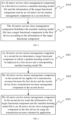
FIG. 4 is a schematic flowchart of a method for transferring machine learning model parameters on the first device side according to an embodiment of the present application. -
FIG. 5 is a schematic flowchart of a method for transferring machine learning model parameters on the second device side according to an embodiment of the present application. -
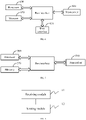
FIG. 6 is a structural schematic diagram of an apparatus for transferring machine learning model parameters on the first device side according to an embodiment of the present application. -
FIG. 7 is a structural schematic diagram of an apparatus for transferring machine learning model parameters on the second device side according to an embodiment of the present application. -
FIG. 8 is a structural schematic diagram of another apparatus for transferring machine learning model parameters on the first device side according to an embodiment of the present application. -
FIG. 9 is a structural schematic diagram of another apparatus for transferring machine learning model parameters on the second device side according to an embodiment of the present application. -
FIG. 10 is a structural schematic diagram of a third apparatus for transferring machine learning model parameters on the first device side according to an embodiment of the present application. -
FIG. 11 is a structural schematic diagram of a third apparatus for transferring machine learning model parameters on the second device side according to an embodiment of the present application. - The technical solutions in the embodiments of the present application will be described clearly and completely below in combination with the accompanying drawings in the embodiments of the present application. Obviously, the described embodiments are only a part of the embodiments of the present application but not all the embodiments. Based upon the embodiments of the present application, all of other embodiments obtained by those ordinary skilled in the art without creative work pertain to the protection scope of the present application.
- The introduction of machine learning into wireless mobile communication system can solve complex problems of the mobile communication system or improve performance. However, due to the complex composition of the wireless mobile communication system and the numerous manufacturers, how to deploy/update the machine learning model trained on the network side to the terminal side has become a systematic problem, which requires a unified solution.
- Therefore, the embodiments of the present application provide a method and apparatus for transferring machine learning model parameters, so as to transfer the machine learning model trained on the network side to the terminal side.
- Here, the method and device are based on the same application concept. Since the principle of solving the problem in the method is similar to that in the device, the implementations of the device and method can refer to each other, and the repeated description thereof will be omitted.
- The technical solutions provided by the embodiments of the present application may be applicable to various systems, especially a 5G system or a 6G system. For example, the applicable systems may be: Global System of Mobile communication (GSM) system, Code Division Multiple Access (CDMA) system, Wideband Code Division Multiple Access (WCDMA) system, General Packet Radio Service (GPRS) system, Long Term Evolution (LTE) system, LTE Frequency Division Duplex (FDD) system, LTE Time Division Duplex (TDD) system, Universal Mobile Telecommunication System (UMTS), Worldwide interoperability for Microwave Access (WiMAX) system, 5G system and 5G NR system, etc. These systems all include terminal devices and network devices.
- The terminal device involved in the embodiments of the present application may be a device for providing the voice and/or data connectivity to the user, a handheld device with the wireless connection function, or other processing device connected to the wireless modem. In different systems, the terminal device may have different names. For example, in a 5G system, the terminal device may be referred to as User Equipment (UE). The wireless terminal device can communicate with one or more core networks via the RAN, and the wireless terminal device can be a mobile terminal, such as a mobile telephone (or called "cellular" telephone), and a computer with the mobile terminal, for example, can be a portable, pocket, handheld, computer built-in or vehicle-carried mobile device, and they exchange the voice and/or data with the radio access network. For example, Personal Communication Service (PCS) telephone, cordless telephone, Session Initiation Protocol (SIP) telephone, Wireless Local Loop (WLL) station, Personal Digital Assistant (PDA) and other devices. The wireless terminal device can also be called system, subscriber unit, subscriber station, mobile station, mobile, remote station, access point, remote terminal, access terminal, user terminal, user agent, user device, which is not limited in the embodiments of the present application.
- The network device involved in the embodiments of the present application may be a base station, which may include a plurality of cells. Depending on specific application scenarios, the base station may also be called access point, or may refer to the device in the access network communicating with the wireless terminal via one or more sectors over the air interface or other names. The network device may be used to perform the inter-conversion between the received air frame and Internet Protocol (IP) packet, and used as the router between the wireless terminal device and the rest of the access network, wherein the rest of the access network may include IP networks. The network device may further coordinate the attribute management of the air interface. For example, the network device involved in the embodiments of the present application can be a network device (Base Transceiver Station (BTS)) in the Global System of Mobile communication (GSM) or Code Division Multiple Access (CDMA), or can be a network device (NodeB) in the Wideband Code Division Multiple Access (WCDMA), or can be an evolutional network device (evolutional Node B (eNB or e-NodeB)) in the Long Term Evolution (LTE) system, a 5G base station in the 5G network architecture (next generation system), or can be a Home evolved Node B (HeNB), a relay node, femto, pico, etc., which is not limited in the embodiments of the present application.
- The embodiments of the present application will be described below in detail with reference to the drawings of the specification. It should be noted that the showing order of the embodiments of the present application only represents the sequential order of the embodiments, but does not represent the pros and cons of the technical solutions provided by the embodiments.
- The embodiments of the present application propose a solution for deploying/updating a machine learning model trained on the system side to the terminal side in wireless mobile communication system by using native services.
- The native service described in the embodiments of the present application may, for example, refer to a type of service constructed between the base station and the terminal in the mobile communication system in order to solve the complex problems of the mobile communication system or improve the performance, and is not a function service directly required by the user. The service object thereof is a network itself or an operator, so it is called native service. The machine learning model (its corresponding function) to be deployed can be regarded as a native service, so that the deployment or update of the machine learning model can be performed in the manner of service deployment or update. Simply put, the machine learning model can be regarded as an application (APP), and the deployment/update of the model is the download and installation process of the APP. The more complex model can be deployed in the manner of a native service, and it is also more conducive to the know-how protection of the model itself.
- A way to construct a start point and an end point of a native service on RAN side (including a base station and a terminal) respectively, as shown in
FIG. 1 and FIG. 2 , includes a user plane and a control plane respectively. - Specifically, the control plane mainly executes processes such as service registration process and radio resource application of native services on the RAN side. Here, the service registration process initiated by the terminal side is taken as an example to illustrate, that is, a specific native service (such as "channel estimation of terminal side" service executed on the terminal side) needs to register with the operating system on the processor where it is located before execution, and needs to obtain the authorization from the base station during registration, to prevent the terminal from arbitrarily executing unauthorized native services. The registration process is generally initiated by an application layer of a main body executing the service (for example, the main body executing the service of the "channel estimation of terminal side" is the terminal), and is processed through a wireless network layer (referring to 5G wireless network layer, which may include RRC, PDCP, RLC, MAC and PHY layers) under the application layer, to form an air interface signal to be sent to the base station; after the base station receives the air interface signal, the signal is processed through a wireless network layer (referring to 5G wireless network layer, which may include PHY, MAC, RLC, PDCP and RRC layers) to obtain the service registration application initiated by the terminal. After checking the application, the base station will confirm the registered information, and then send it to the terminal after being processed through the wireless network layers under the application layer; and the terminal obtains the authorization information from the base station side after receiving the air interface signal and processing the air interface signal through the wireless network layers.
- The user plane mainly deals with the user data in native services on the RAN side. The data may be generated by the application layer (such as the test data used by the terminal to perform a measurement service), or may be generated in the wireless network layer under the control of the control plane (such as a reference signal used in the "channel estimation of terminal side" service, which is generated by the PHY layer in the wireless network layer). Here, the test data used by the terminal to perform the measurement service is taken as an example to illustrate. The data is generated by the application layer on the base station side and is processed through the wireless network layer (referring to the 5G wireless network layer, which may include SDAP, PDCP, RLC, MAC and PHY layers), to form an air interface signal to be sent to the terminal; after receiving the air interface signal, the terminal side invokes the measurement service to process the air interface signal.
- The main flow of updating a machine learning model is as shown in
FIG. 3 . Based on the above constructed native services of the RAN system, a specific method for deploying/updating a machine learning model is as follows. - Step 1: when the base station decides to deploy/update the machine learning model for a target functional component on the terminal side, an AI-native service master management component in the base station selects a corresponding machine learning model file from a machine learning model library.
- Here, the target functional component is, for example, channel estimation, signal detection, channel decoding, Channel Quality Indicator (CQI) measurement, synchronization detection, transmit antenna selection, etc. The AI-native service master management component is located in the application layer on the base station side, and is mainly configured to provide native services with the service registration function and the function of applying for transmission resources between the terminal and the base station. The machine learning model file is generally understood as an executable program file, such as .exe. Generally, multiple files are included and packaged into a compressed file package, such as .zip.
- Step 2: the AI-native service master management component in the base station applies for the transmission resource between the terminal and the base station from a transmission resource management component on the base station side.
- Step 3: the AI-native service master management component in the base station uses the transmission resource obtained by application to send the machine learning model file from the machine learning model library to an AI-native service slave management component on the terminal side, along with the corresponding information of the target functional component.
- The AI-native service slave management component is located in the application layer on the terminal side.
- The information of the target functional component includes, for example, the name of the target functional component, as shown in the second column of Table 1.
- Step 4: the AI-native service slave management component on the terminal side distributes the machine learning model file to the target functional component on the terminal side according to the received information of the target functional component.
- Step 5: the target functional component on the terminal side, after receiving the machine learning model file distributed by the AI-native service slave management component, performs installation and notifies the AI-native service slave management component.
- Step 6: the AI-native service slave management component on the terminal side applies for the transmission resource between the terminal and the base station from the transmission resource management component on the base station side.
- Step 7: the AI-native service slave management component on the terminal side applies for service registration to the AI-native service master management component in the base station by using the transmission resource obtained by application.
- Step 8: the AI-native service slave management component on the terminal side launches a service included in the machine learning model newly deployed/updated in the target functional component after obtaining a service registration permission from the AI-native service master management component on the base station side.
- For example, a list of the machine learning model library is shown in Table 1 below, wherein a compression package of a machine learning model file corresponding uniquely to a machine learning model number can be found according to the machine learning model number.
Table 1 Model Number in the Library Functional Component Machine Learning Model Number Update Date of Machine Learning Model #80 Channel Estimation at Terminal side UECHE001 2020-4-1 #81 Channel Estimation at Terminal side UECHE002 2020-4-11 #82 Channel Estimation at Terminal side UECHE003 2020-4-28 #83 Signal Detection at Terminal side UEDE001 2020-4-2 #84 Signal Detection at Terminal side UEDE002 2020-4-11 #85 Signal Detection at Terminal side UEDE003 2020-4-25 #86 Channel Decoding at Terminal side UECCD001 2020-3-21 #87 Channel Decoding at Terminal side UECCD002 2020-4-1 #88 Channel Decoding at Terminal side UECCD003 2020-4-21 #89 CQI Measurement at Terminal side UECQI001 2020-4-10 #90 CQI Measurement at Terminal side UECQI002 2020-4-21 #91 CQI Measurement at Terminal side UECQI003 2020-4-30 #92 Synchronization Detection at Terminal side UESD001 2020-1-12 #93 Synchronization Detection at Terminal side UESD002 2020-2-28 #94 Synchronization Detection at Terminal side UESD003 2020-3-12 #95 Selection of Sending Antenna at Terminal side UETAS001 2019-12-20 #96 Selection at Sending Antenna of Terminal side UETAS002 2020-1-20 #97 Selection of Sending Antenna at Terminal side UETAS003 2020-3-20 #98 Detection Algorithm at Base Station side BSME008 2019-12-31 #99 ... ... ... - Correspondingly, an embodiment of the present application provides a system for deploying/updating a machine learning model using native services, which at least includes a base station side and a terminal side, wherein the base station side includes an AI-native service master management component, a transmission resource management component, and a machine learning model library; and the terminal side includes an AI-native service slave management component and a target functional component which can apply the machine learning model.
- It should also be noted that, in addition to deploying native services on the base station and terminal, when there are a plurality of units, such as a Centralized Unit (CU) and a Distributed Unit (DU), on the system side, the endogenous services can also be deployed on the CU and DU, to thereby deploy and update the machine learning model in the similar manner.
- To sum up, referring to
FIG. 4 , on the first device side such as a terminal or a base station distributed unit, a method for transferring machine learning model parameters in a mobile communication system according to an embodiment of the present application includes the followings. - S101: an AI-native service slave management component in a first device receives a machine learning model file and the information of the target functional component sent by an AI-native service master management component in a second device.
- Optionally, the AI-native service slave management component is located in an application layer of the first device; and the AI-native service master management component is located in an application layer of the second device.
- S102: the AI-native service slave management component distributes the machine learning model file into a target functional component in the first device according to the information of the target functional component.
- Optionally, the method further includes:
the target functional component installs the machine learning model file. - Optionally, the method further includes:
- the target functional component notifies the AI-native service slave management component that the machine learning model file has been installed;
- the AI-native service slave management component applies for a transmission resource between the first device and the second device from a transmission resource management component in the second device;
- the AI-native service slave management component applies for service registration to the AI-native service master management component by using the transmission resource obtained through application; and
- the AI-native service slave management component launches a service included in a latest machine learning model installed in the target functional component after obtaining a service registration permission of the AI-native service master management component.
- Optionally, the first device is a terminal device in the mobile communication system, the second device is a base station device in the mobile communication system, and the transmission resource between the first device and the second device is a wireless transmission resource between the terminal device and the base station device.
- Optionally, the first device is a base station distributed unit in the mobile communication system, the second device is a base station centralized unit in the mobile communication system, and the transmission resource between the first device and the second device is a wired or wireless transmission resource between the base station distributed unit and the base station centralized unit.
- Referring to
FIG. 5 , on the second device side such as a base station or a centralized unit of a base station, a method for transferring machine learning model parameters in a mobile communication system according to an embodiment of the present application includes the followings. - S201: an AI-native service master management component in a second device determines a target functional component in which a machine learning model is to be deployed in a first device and a corresponding machine learning model file.
- Optionally, the AI-native service master management component is located in an application layer of the second device.
- S202: the AI-native service master management component in the second device applies for a transmission resource between the first device and the second device from a transmission resource management component in the second device.
- S203: the AI-native service master management component in the second device sends the information of the target functional component and the machine learning model file to an AI-native service slave management component in the first device by using the transmission resource obtained by application.
- Optionally, the AI-native service slave management component is located in an application layer of the first device.
- Optionally, the method further includes:
the AI-native service master management component in the second device receives a transmission resource application sent by the AI-native service slave management component in the first device, and allocates a transmission resource between the first device and the second device for the AI-native service slave management component. - Optionally, the method further includes:
the AI-native service master management component in the second device receives a service registration application sent by the AI-native service slave management component in the first device, and sends a service registration permission to the AI-native service slave management component. - Optionally, the first device is a terminal device in the mobile communication system, the second device is a base station device in the mobile communication system, and the transmission resource between the first device and the second device is a wireless transmission resource between the terminal device and the base station device.
- Optionally, the first device is a base station distributed unit in the mobile communication system, the second device is a base station centralized unit in the mobile communication system, and the transmission resource between the first device and the second device is a wired or wireless transmission resource between the base station distributed unit and the base station centralized unit.
- Referring to
FIG. 6 , on the first device side, an apparatus for transferring machine learning model parameters in a mobile communication system according to an embodiment of the present application includes: amemory 620 configured to store program instructions; aprocessor 600 configured to invoke the program instructions stored in the memory, and execute according to an obtained program: controlling an AI-native service slave management component in a first device to receive a machine learning model file and the information of the target functional component sent by an AI-native service master management component in a second device. - Optionally, the AI-native service slave management component is located in an application layer of the first device; and the AI-native service master management component is located in an application layer of the second device.
- controlling the AI-native service slave management component to distribute the machine learning model file into a target functional component in the first device according to the information of the target functional component.
- Optionally, the
processor 600 is further configured to invoke the program instructions stored in the memory and execute according to an obtained program:
controlling the target functional component to install the machine learning model file. - Optionally, the
processor 600 is further configured to invoke the program instructions stored in the memory and execute according to an obtained program: - controlling the target functional component to notify the AI-native service slave management component that the machine learning model file has been installed;
- controlling the AI-native service slave management component to apply for a transmission resource between the first device and the second device from a transmission resource management component in the second device;
- controlling the AI-native service slave management component to apply for service registration to the AI-native service master management component by using the transmission resource obtained through application; and
- controlling the AI-native service slave management component to launch a service included in a latest machine learning model installed in the target functional component after obtaining a service registration permission from the AI-native service master management component.
- Optionally, the first device is a terminal device in the mobile communication system, the second device is a base station device in the mobile communication system, and the transmission resource between the first device and the second device is a wireless transmission resource between the terminal device and the base station device.
- Optionally, the first device is a base station distributed unit in the mobile communication system, the second device is a base station centralized unit in the mobile communication system, and the transmission resource between the first device and the second device is a wired or wireless transmission resource between the base station distributed unit and the base station centralized unit.
- A
transceiver 610 is configured to receive and send the data under the control of theprocessor 600. - Here, in
FIG. 6 , the bus architecture can include any numbers of interconnected buses and bridges, and specifically link various circuits of one or more processors represented by theprocessor 600 and the memory represented by thememory 620. The bus architecture may further link various other circuits such as peripheral device, voltage regulator and power management circuit, which are all well known in the art and thus will not be further described again herein. The bus interface provides an interface. Thetransceiver 610 may be a plurality of elements, i.e., include a transmitter and a receiver, and provide the components for communicating with various other devices over the transmission media. For different user equipment, theuser interface 630 may also be the interface capable of inter-connecting or exter-connecting with the required devices, and the connected devices include but not limited to keypad, display, loudspeaker, microphone, joystick and the like. - The
processor 600 is responsible for managing the bus architecture and general processing, and thememory 620 may store the data used by theprocessor 600 when performing the operations. - Optionally, the
processor 600 may be Central Processing Component (CPU), Application Specific Integrated Circuit (ASIC), Field-Programmable Gate Array (FPGA) or Complex Programmable Logic Device (CPLD). - Referring to
FIG. 7 , on the second device side, an apparatus for transferring machine learning model parameters in a mobile communication system according to an embodiment of the present application includes: amemory 520 configured to store program instructions; aprocessor 500 configured to invoke the program instructions stored in the memory, and execute according to an obtained program: controlling an AI-native service master management component in a second device to determine a target functional component in which a machine learning model is to be deployed in a first device and a corresponding machine learning model file. - Optionally, the AI-native service master management component is located in an application layer of the second device.
- controlling the AI-native service master management component in the second device to apply for a transmission resource between the first device and the second device from a transmission resource management component in the second device.
- controlling the AI-native service master management component in the second device to send information of a target functional component and the machine learning model file to an AI-native service slave management component in the first device by using the transmission resource obtained by application.
- Optionally, the AI-native service slave management component is located in an application layer of the first device.
- Optionally, the
processor 500 is further configured to invoke the program instructions stored in the memory and execute according to an obtained program:
controlling the AI-native service master management component in the second device to receive a transmission resource application sent by the AI-native service slave management component in the first device, and allocate a transmission resource between the first device and the second device for the AI-native service slave management component. - Optionally, the
processor 500 is further configured to invoke the program instructions stored in the memory and execute according to an obtained program:
controlling the AI-native service master management component in the second device to receive a service registration application sent by the AI-native service slave management component in the first device, and send a service registration permission to the AI-native service slave management component. - Optionally, the first device is a terminal device in the mobile communication system, the second device is a base station device in the mobile communication system, and the transmission resource between the first device and the second device is a wireless transmission resource between the terminal device and the base station device.
- Optionally, the first device is a base station distributed unit in the mobile communication system, the second device is a base station centralized unit in the mobile communication system, and the transmission resource between the first device and the second device is a wired or wireless transmission resource between the base station distributed unit and the base station centralized unit.
- A
transceiver 510 is configured to receive and send the data under the control of theprocessor 500. - Here, in
FIG. 7 , the bus architecture can include any numbers of interconnected buses and bridges, and specifically link various circuits of one or more processors represented by theprocessor 500 and the memory represented by thememory 520. The bus architecture may further link various other circuits such as peripheral device, voltage regulator and power management circuit, which are all well known in the art and thus will not be further described again herein. The bus interface provides an interface. Thetransceiver 510 may be a plurality of elements, i.e., include a transmitter and a receiver, and provide the components for communicating with various other devices over the transmission media. Theprocessor 500 is responsible for managing the bus architecture and general processing, and thememory 520 may store the data used by theprocessor 500 when performing the operations. - The
processor 500 may be Central Processing Component (CPU), Application Specific Integrated Circuit (ASIC), Field-Programmable Gate Array (FPGA) or Complex Programmable Logic Device (CPLD). - Referring to
FIG. 8 , on the first device side, another apparatus for transferring machine learning model parameters in a mobile communication system according to an embodiment of the present application includes: - a receiving
module 11, configured to receive a machine learning model file and the information of the target functional component sent by an AI-native service master management component in a second device; and - a sending
module 12, configured to distribute the machine learning model file into a target functional component in a first device according to the information of the target functional component. - For example, the apparatus on the first device side may be the AI-native service slave management component.
- Referring to
FIG. 9 , on the second device side, another apparatus for transferring machine learning model parameters in a mobile communication system according to an embodiment of the present application includes: - a determining
module 21, configured to determine a target functional component in which a machine learning model is to be deployed in a first device and a corresponding machine learning model file; - an
application module 22, configured to apply for a transmission resource between the first device and a second device from a transmission resource management component in the second device; and - a sending
module 23, configured to send the information of the target functional component and the machine learning model file to an AI-native service slave management component in the first device by using the transmission resource obtained by application. - For example, the apparatus on the second device side may be the AI-native service master management component.
- Referring to
FIG. 10 , on the first device side, a third apparatus for transferring machine learning model parameters in a mobile communication system according to an embodiment of the present application includes: an AI-native serviceslave management component 31, configured to receive a machine learning model file and the information of the target functional component sent by an AI-native service master management component in a second device; and distribute the machine learning model file into a target functional component in a first device according to the information of the target functional component. - Optionally, the AI-native service
slave management component 31 is located in an application layer of the first device. - A
functional component 32, configured to install the machine learning model file. - Optionally, the
functional component 32 is further configured to notify the AI-native service slave management component that the machine learning model file has been installed; and
the AI-native serviceslave management component 31 is further configured to: apply for a transmission resource between the first device and the second device from a transmission resource management component in the second device; apply for service registration to the AI-native service master management component by using the transmission resource obtained through application; and launch a service included in a latest machine learning model installed in the target functional component after obtaining a service registration permission from the AI-native service master management component. - Referring to
FIG. 11 , on the second device side, a third apparatus for transferring machine learning model parameters in a mobile communication system according to an embodiment of the present application includes: an AI-native servicemaster management component 41, configured to determine a target functional component in which a machine learning model is to be deployed in a first device and a corresponding machine learning model file; apply for a transmission resource between the first device and a second device from a transmission resource management component in the second device; and send the information of the target functional component and the machine learning model file to an AI-native service slave management component in the first device by using the transmission resource obtained by application. - Optionally, the AI-native service
master management component 41 is located in an application layer of the second device. - A transmission
resource management component 42, configured to provide the transmission resource between the first device and the second device. - Optionally, the apparatus further includes:
a machinelearning model library 43, configured to store machine learning model files. - Optionally, the AI-native service
master management component 41 is further configured to: receive a transmission resource application sent by the AI-native service slave management component in the first device, and allocate a transmission resource between the first device and the second device for the AI-native service slave management component. - Optionally, the AI-native service
master management component 41 is further configured to: receive a service registration application sent by the AI-native service slave management component in the first device, and send a service registration permission to the AI-native service slave management component. - It should be noted that the division of components in the embodiments of the present application is illustrative, and is merely a kind of logical function division, and there may be other division methods in actual implementations. In addition, the functional components in each embodiment of the present application may be integrated into one processing component, or each component may exist alone physically, or two or more components may be integrated into one component. The above-mentioned integrated components can be implemented in the form of hardware, or can be implemented in the form of software functional components.
- When the integrated component is implemented in the form of software functional component and sold or used as an independent product, it may be stored in a computer readable storage medium. Based on such understanding, the technical solution of the present application essentially or a part that contributes to the prior art or all or a part of the technical solution may be embodied in the form of software product. The computer software product is stored in a storage medium, and includes several instructions used to enable a computer device (which may be a personal computer, server, or network device, etc.) or a processor to perform all or some of the steps of the methods of various embodiments of the present application. The above-mentioned storage medium includes: USB flash drive, mobile hard disk, Read-Only Memory (ROM), Random Access Memory (RAM), magnetic disk or compact disc or various media that can store the program codes.
- An embodiment of the present application provides a computing device, which can specifically be a desktop computer, a portable computer, a smart phone, a tablet computer, a Personal Digital Assistant (PDA) or the like. The computing device can include a Center Processing Component (CPU), a memory, input/output devices and the like. The input device can include a keyboard, a mouse, a touch screen and the like, and the output device can include a display device such as Liquid Crystal Display (LCD), Cathode Ray Tube (CRT) or the like.
- The memory can include a Read-Only Memory (ROM) and a Random Access Memory (RAM), and provide the program instructions and data stored in the memory to the processor. In an embodiment of the present application, the memory may be used to store the program of any one of the methods provided by the embodiments of the present application.
- The processor invokes the program instructions stored in the memory and is configured to perform any one of the methods provided by the embodiments of the present application in accordance with the obtained program instructions.
- An embodiment of the present application provides a computer storage medium for storing the computer program instructions used by the apparatuses provided by the embodiments of the present application described above, where the computer storage medium contains the program for performing any one of the methods provided by the embodiments of the present application described above.
- The computer storage medium may be any available media or data storage device accessible to the computer, including but not limited to magnetic memory (e.g., floppy disk, hard disk, magnetic tape, Magnetic Optical disc (MO) or the like), optical memory (e.g., CD, DVD, BD, HVD or the like), semiconductor memory (e.g., ROM, EPROM, EEPROM, nonvolatile memory (NAND FLASH), Solid State Disk (SSD)) or the like.
- The methods provided by the embodiments of the present application may be applied to the terminal devices, and may also be applied to the network devices.
- Here, the terminal device can also referred to as the User Equipment ("UE" for short), Mobile Station ("MS" for short), Mobile Terminal ("MT" for short) or the like. Optionally, the terminal can has the ability of communicating with one or more core networks via the Radio Access Network (RAN). For example, the terminal can be a mobile telephone (or called "cellular" telephone), or a computer with the mobile property. For example, the terminal can also be a portable, pocket, handheld, computer built-in or vehicle-carried mobile device.
- The network device may be a base station (e.g., access point), which means the device in the access network communicating with the wireless terminal via one or more sectors over the air interface. The base station may be used to perform the inter-conversion between the received air frame and the IP packet, and used as the router between the wireless terminal and the rest of the access network, wherein the rest of the access network may include Internet Protocol (IP) networks. The base station may further coordinate the attribute management of the air interface. For example, the base station can be the BTS in the GSM or CDMA, or can be the NodeB in the WCDMA, or can be the NodeB or eNB or e-NodeB (evolutional Node B) in the LTE, or can be the gNB in the 5G system, or the like, which is not limited in the embodiments of the present application.
- The processing flows of the above methods may be implemented by a software program, which may be stored in a storage medium. When the stored software program is invoked, the above method steps are performed.
- In conclusion, the embodiments of the present application establish endogenous services inside the mobile communication system to support the operation of the machine learning model, and deploy and update the machine learning model by managing the endogenous services. The embodiments of the present application provide a unified method for deploying/updating a machine learning model, to facilitate operators to solve complex problems in the wireless mobile communication system by deploying/updating the machine learning model, and improve the network performance, including controlling the performance of the terminal side. The method of building the machine learning model with endogenous services can support complex machine learning models, and is more suitable for scenarios that are relatively insensitive to processing delays.
- It should be understood by those skilled in the art that the embodiments of the present application can provide methods, systems and computer program products. Thus the present application can take the form of hardware embodiments alone, software embodiments alone, or embodiments combining the software and hardware aspects. Also the present application can take the form of computer program products implemented on one or more computer usable storage mediums (including but not limited to magnetic disk memories, optical memories and the like) containing computer usable program codes therein.
- The present application is described by reference to the flow charts and/or the block diagrams of the methods, the devices (systems) and the computer program products according to the embodiments of the present application. It should be understood that each process and/or block in the flow charts and/or the block diagrams, and a combination of processes and/or blocks in the flow charts and/or the block diagrams can be implemented by the computer program instructions. These computer program instructions can be provided to a general-purpose computer, a dedicated computer, an embedded processor, or a processor of another programmable data processing device to produce a machine, so that an apparatus for implementing the functions specified in one or more processes of the flow charts and/or one or more blocks of the block diagrams is produced by the instructions executed by the computer or the processor of another programmable data processing device.
- These computer program instructions can also be stored in a computer readable memory which is capable of guiding the computer or another programmable data processing device to operate in a particular way, so that the instructions stored in the computer readable memory produce a manufacture including the instruction apparatus which implements the functions specified in one or more processes of the flow charts and/or one or more blocks of the block diagrams.
- These computer program instructions can also be loaded onto the computer or another programmable data processing device, so that a series of operation steps are performed on the computer or another programmable device to produce the computer-implemented processing. Thus the instructions executed on the computer or another programmable device provide steps for implementing the functions specified in one or more processes of the flow charts and/or one or more blocks of the block diagrams.
- Evidently those skilled in the art can make various modifications and variations to the present application without departing from the spirit and scope of the present application. Thus the present application is also intended to encompass these modifications and variations therein as long as these modifications and variations to the present application come into the scope of the claims of the present application and their equivalents.
Claims (35)
- A method for transferring machine learning model parameters in a mobile communication system, comprising:receiving, by an artificial intelligence, AI-native service slave management component in a first device, a machine learning model file and information of a target functional component sent by an AI-native service master management component in a second device; anddistributing, by the AI-native service slave management component, the machine learning model file into the target functional component in the first device according to the information of the target functional component.
- The method according to claim 1, wherein the AI-native service slave management component is located in an application layer of the first device; and the AI-native service master management component is located in an application layer of the second device.
- The method according to claim 1, further comprising:
installing, by the target functional component, the machine learning model file. - The method according to claim 3, further comprising:notifying, by the target functional component, the AI-native service slave management component that the machine learning model file has been installed;applying, by the AI-native service slave management component, for a transmission resource between the first device and the second device from a transmission resource management component in the second device;applying, by the AI-native service slave management component, for service registration from the AI-native service master management component by using the transmission resource obtained through application; andlaunching, by the AI-native service slave management component, a service included in a latest machine learning model installed in the target functional component after obtaining a service registration permission from the AI-native service master management component.
- The method according to claim 4, wherein the first device is a terminal device in the mobile communication system, the second device is a base station device in the mobile communication system, and the transmission resource between the first device and the second device is a wireless transmission resource between the terminal device and the base station device.
- The method according to claim 4, wherein the first device is a base station distributed unit in the mobile communication system, the second device is a base station centralized unit in the mobile communication system, and the transmission resource between the first device and the second device is a wired or wireless transmission resource between the base station distributed unit and the base station centralized unit.
- A method for transferring machine learning model parameters in a mobile communication system, comprising:determining, by an AI-native service master management component in a second device, a target functional component in which a machine learning model is to be deployed in a first device and a corresponding machine learning model file;applying, by the AI-native service master management component in the second device, for a transmission resource between the first device and the second device from a transmission resource management component in the second device; andsending, by the AI-native service master management component in the second device, information of the target functional component and the machine learning model file to an AI-native service slave management component in the first device by using the transmission resource obtained by application.
- The method according to claim 7, wherein the AI-native service slave management component is located in an application layer of the first device; and the AI-native service master management component is located in an application layer of the second device.
- The method according to claim 7, further comprising:
receiving, by the AI-native service master management component in the second device, a transmission resource application sent by the AI-native service slave management component in the first device, and allocating the transmission resource between the first device and the second device to the AI-native service slave management component. - The method according to claim 9, further comprising:
receiving, by the AI-native service master management component in the second device, a service registration application sent by the AI-native service slave management component in the first device, and sending a service registration permission to the AI-native service slave management component. - The method according to any one of claims 7 to 10, wherein the first device is a terminal device in the mobile communication system, the second device is a base station device in the mobile communication system, and the transmission resource between the first device and the second device is a wireless transmission resource between the terminal device and the base station device.
- The method according to any one of claims 7 to 10, wherein the first device is a base station distributed unit in the mobile communication system, the second device is a base station centralized unit in the mobile communication system, and the transmission resource between the first device and the second device is a wired or wireless transmission resource between the base station distributed unit and the base station centralized unit.
- An apparatus for transferring machine learning model parameters in a mobile communication system, comprising:a memory configured to store program instructions;a processor configured to invoke the program instructions stored in the memory and execute according to an obtained program:controlling an AI-native service slave management component in a first device to receive a machine learning model file and information of a target functional component sent by an AI-native service master management component in a second device; andcontrolling the AI-native service slave management component to distribute the machine learning model file into the target functional component in the first device according to the information of the target functional component.
- The apparatus according to claim 13, wherein the AI-native service slave management component is located in an application layer of the first device; and the AI-native service master management component is located in an application layer of the second device.
- The apparatus according to claim 13, wherein the processor is further configured to invoke the program instructions stored in the memory and execute according to an obtained program:
controlling the target functional component to install the machine learning model file. - The apparatus according to claim 15, wherein the processor is further configured to invoke the program instructions stored in the memory and execute according to an obtained program:controlling the target functional component to notify the AI-native service slave management component that the machine learning model file has been installed;controlling the AI-native service slave management component to apply for a transmission resource between the first device and the second device from a transmission resource management component in the second device;controlling the AI-native service slave management component to apply for service registration to the AI-native service master management component by using the transmission resource obtained through application; andcontrolling the AI-native service slave management component to launch a service included in a latest machine learning model installed in the target functional component after obtaining a service registration permission from the AI-native service master management component.
- The apparatus according to claim 16, wherein the first device is a terminal device in the mobile communication system, the second device is a base station device in the mobile communication system, and the transmission resource between the first device and the second device is a wireless transmission resource between the terminal device and the base station device.
- The apparatus according to claim 16, wherein the first device is a base station distributed unit in the mobile communication system, the second device is a base station centralized unit in the mobile communication system, and the transmission resource between the first device and the second device is a wired or wireless transmission resource between the base station distributed unit and the base station centralized unit.
- An apparatus for transferring machine learning model parameters in a mobile communication system, comprising:a memory configured to store program instructions;a processor configured to invoke the program instructions stored in the memory and execute according to an obtained program:controlling an AI-native service master management component in a second device to determine a target functional component in which a machine learning model is to be deployed in a first device and a corresponding machine learning model file;controlling the AI-native service master management component in the second device to apply for a transmission resource between the first device and the second device from a transmission resource management component in the second device; andcontrolling the AI-native service master management component in the second device to send information of the target functional component and the machine learning model file to an AI-native service slave management component in the first device by using the transmission resource obtained by application.
- The apparatus according to claim 19, wherein the AI-native service slave management component is located in an application layer of the first device; and the AI-native service master management component is located in an application layer of the second device.
- The apparatus according to claim 20, wherein the processor is further configured to invoke the program instructions stored in the memory and execute according to an obtained program:
controlling the AI-native service master management component in the second device to receive a transmission resource application sent by the AI-native service slave management component in the first device, and allocate the transmission resource between the first device and the second device for the AI-native service slave management component. - The apparatus according to claim 21, wherein the processor is further configured to invoke the program instructions stored in the memory and execute according to an obtained program:
controlling the AI-native service master management component in the second device to receive a service registration application sent by the AI-native service slave management component in the first device, and send a service registration permission to the AI-native service slave management component. - The apparatus according to any one of claims 20 to 22, wherein the first device is a terminal device in the mobile communication system, the second device is a base station device in the mobile communication system, and the transmission resource between the first device and the second device is a wireless transmission resource between the terminal device and the base station device.
- The apparatus according to any one of claims 20 to 22, wherein the first device is a base station distributed unit in the mobile communication system, the second device is a base station centralized unit in the mobile communication system, and the transmission resource between the first device and the second device is a wired or wireless transmission resource between the base station distributed unit and the base station centralized unit.
- An apparatus for transferring machine learning model parameters in a mobile communication system, comprising:a receiving module, configured to receive a machine learning model file and information of a target functional component sent by an AI-native service master management component in a second device; anda sending module, configured to distribute the machine learning model file into the target functional component in a first device according to the information of the target functional component.
- An apparatus for transferring machine learning model parameters in a mobile communication system, comprising:a determining module, configured to determine a target functional component in which a machine learning model is to be deployed in a first device and a corresponding machine learning model file;an application module, configured to apply for a transmission resource between the first device and a second device from a transmission resource management component in the second device; anda sending module, configured to send information of the target functional component and the machine learning model file to an AI-native service slave management component in the first device by using the transmission resource obtained by application.
- An apparatus for transferring machine learning model parameters in a mobile communication system, comprising:an AI-native service slave management component, configured to receive a machine learning model file and information of a target functional component sent by an AI-native service master management component in a second device; and distribute the machine learning model file into the target functional component in a first device according to the information of the target functional component; anda functional component, configured to install the machine learning model file.
- The apparatus according to claim 27, wherein the AI-native service slave management component is located in an application layer of the first device.
- The apparatus according to claim 28, wherein the functional component is further configured to notify the endogenous service slave management component that the machine learning model file has been installed; and
the AI-native service slave management component is further configured to: apply for a transmission resource between the first device and the second device from a transmission resource management component in the second device; apply for service registration to the AI-native service master management component by using the transmission resource obtained through application; and launch a service included in a latest machine learning model installed in the target functional component after obtaining a service registration permission of the AI-native service master management component. - An apparatus for transferring machine learning model parameters in a mobile communication system, comprising:an AI-native service master management component, configured to determine a target functional component in which a machine learning model is to be deployed in a first device and a corresponding machine learning model file; apply for a transmission resource between the first device and a second device from a transmission resource management component in the second device; and send information of the target functional component and the machine learning model file to an AI-native service slave management component in the first device by using the transmission resource obtained by application; anda transmission resource management component, configured to provide the transmission resource between the first device and the second device.
- The apparatus according to claim 30, wherein the AI-native service master management component is located in an application layer of the second device.
- The apparatus according to claim 30, further comprising:
a machine learning model library, configured to store machine learning model files. - The apparatus according to claim 30, wherein the AI-native service master management component is further configured to: receive a transmission resource application sent by the AI-native service slave management component in the first device, and allocate the transmission resource between the first device and the second device to the AI-native service slave management component.
- The apparatus according to claim 33, wherein the AI-native service master management component is further configured to: receive a service registration application sent by the AI-native service slave management component in the first device, and send a service registration permission to the AI-native service slave management component.
- A computer storage medium, storing computer executable instructions which are configured to cause a computer to perform the method of any one of claims 1 to 12.
Applications Claiming Priority (2)
| Application Number | Priority Date | Filing Date | Title |
|---|---|---|---|
| CN202010349503.5A CN113570063B (en) | 2020-04-28 | 2020-04-28 | Machine learning model parameter transfer method and device |
| PCT/CN2021/076843 WO2021218302A1 (en) | 2020-04-28 | 2021-02-19 | Method and apparatus for transferring machine learning model parameter |
Publications (4)
| Publication Number | Publication Date |
|---|---|
| EP4145359A1 true EP4145359A1 (en) | 2023-03-08 |
| EP4145359A4 EP4145359A4 (en) | 2023-10-18 |
| EP4145359B1 EP4145359B1 (en) | 2025-10-29 |
| EP4145359C0 EP4145359C0 (en) | 2025-10-29 |
Family
ID=78157909
Family Applications (1)
| Application Number | Title | Priority Date | Filing Date |
|---|---|---|---|
| EP21795817.2A Active EP4145359B1 (en) | 2020-04-28 | 2021-02-19 | Method and apparatus for transferring machine learning model parameter |
Country Status (6)
| Country | Link |
|---|---|
| US (1) | US20230169398A1 (en) |
| EP (1) | EP4145359B1 (en) |
| JP (1) | JP7418610B2 (en) |
| KR (1) | KR20230002801A (en) |
| CN (1) | CN113570063B (en) |
| WO (1) | WO2021218302A1 (en) |
Families Citing this family (7)
| Publication number | Priority date | Publication date | Assignee | Title |
|---|---|---|---|---|
| CN116017763A (en) * | 2021-10-22 | 2023-04-25 | 大唐移动通信设备有限公司 | Endogenous service transmission method, device and storage medium |
| WO2023097522A1 (en) * | 2021-11-30 | 2023-06-08 | Oppo广东移动通信有限公司 | Model updating method and apparatus for wireless channel processing, device, and medium |
| CN116347426B (en) * | 2021-12-22 | 2025-09-23 | 中国电信股份有限公司 | Wireless access network, node thereof, data collection and processing method and system |
| CN114302506B (en) * | 2021-12-24 | 2023-06-30 | 中国联合网络通信集团有限公司 | Protocol stack unit based on artificial intelligence AI, data processing method and device |
| WO2023133897A1 (en) * | 2022-01-17 | 2023-07-20 | Shenzhen Tcl New Technology Co., Ltd. | User equipment, base station, and wireless communication methods based on machine learning/artificial intelligence |
| CN119071359B (en) * | 2023-06-01 | 2026-04-24 | 中信科移动通信技术股份有限公司 | Communication system, communication method and device |
| WO2024263820A2 (en) * | 2023-06-20 | 2024-12-26 | Xeba Technologies, LLC | Object messaging and intelligent objects (omio) |
Family Cites Families (25)
| Publication number | Priority date | Publication date | Assignee | Title |
|---|---|---|---|---|
| US10512022B2 (en) * | 2013-11-05 | 2019-12-17 | Sharp Kabushiki Kaisha | Terminal apparatus, relay terminal apparatus, and communication control method |
| WO2018053717A1 (en) | 2016-09-21 | 2018-03-29 | Accenture Global Solutions Limited | Dynamic resource allocation for application containers |
| CN108076471B (en) * | 2016-11-14 | 2020-09-04 | 华为技术有限公司 | A method and apparatus for managing RAN slices |
| US11074599B2 (en) * | 2016-12-08 | 2021-07-27 | App Annie Inc. | Determining usage data of mobile applications for a population |
| US10229312B2 (en) * | 2016-12-30 | 2019-03-12 | Facebook, Inc. | Systems and methods for providing augmented reality overlays |
| CN106815644B (en) * | 2017-01-26 | 2019-05-03 | 北京航空航天大学 | Machine Learning Methods and Systems |
| CN107885762B (en) * | 2017-09-19 | 2021-06-11 | 北京百度网讯科技有限公司 | Intelligent big data system, method and device for providing intelligent big data service |
| WO2019089651A1 (en) * | 2017-10-31 | 2019-05-09 | Myndshft Technologies, Inc. | System and method for configuring an adaptive computing cluster |
| US12293260B2 (en) | 2017-11-21 | 2025-05-06 | Amazon Technologies, Inc. | Generating and deploying packages for machine learning at edge devices |
| CN108280522B (en) * | 2018-01-03 | 2021-08-20 | 北京大学 | A plug-in distributed machine learning computing framework and its data processing method |
| CN110119808A (en) * | 2018-02-06 | 2019-08-13 | 华为技术有限公司 | A kind of data processing method and relevant device based on machine learning |
| CN110147915A (en) | 2018-02-11 | 2019-08-20 | 陕西爱尚物联科技有限公司 | A kind of method and its system of resource distribution |
| US10496936B2 (en) * | 2018-03-05 | 2019-12-03 | Capital One Services, Llc | Systems and methods for preventing machine learning models from negatively affecting mobile devices through intermittent throttling |
| CN109255234B (en) * | 2018-08-15 | 2023-03-24 | 腾讯科技(深圳)有限公司 | Processing method, device, medium and electronic equipment of machine learning model |
| CN109445953A (en) * | 2018-08-30 | 2019-03-08 | 北京大学 | A kind of machine learning model training method towards large-scale machines learning system |
| CN109409528A (en) * | 2018-09-10 | 2019-03-01 | 平安科技(深圳)有限公司 | Model generating method, device, computer equipment and storage medium |
| WO2020080989A1 (en) * | 2018-10-19 | 2020-04-23 | Telefonaktiebolaget Lm Ericsson (Publ) | Handling of machine learning to improve performance of a wireless communications network |
| CN109495485B (en) * | 2018-11-29 | 2021-05-14 | 深圳市永达电子信息股份有限公司 | Full-duplex firewall protection method supporting mandatory access control |
| US11423254B2 (en) * | 2019-03-28 | 2022-08-23 | Intel Corporation | Technologies for distributing iterative computations in heterogeneous computing environments |
| EP3948821B1 (en) * | 2019-04-05 | 2024-09-25 | NEC Corporation | Method and system for supporting autonomous driving of an autonomous vehicle |
| CN110263935A (en) * | 2019-06-14 | 2019-09-20 | 安徽奔奔科技有限公司 | Artificial intelligence industry line modeling platform based on machine learning algorithm |
| US11170322B2 (en) * | 2019-08-13 | 2021-11-09 | Salesforce.Com, Inc. | Using a client-side machine learning model dynamically in a mobile enterprise application on a mobile device |
| US20210081920A1 (en) * | 2019-09-13 | 2021-03-18 | Capital One Services, Llc | Systems and methods for determining a mode of financial transaction based on identifiers associated with participants of the financial transaction |
| EP4118663A1 (en) * | 2020-03-13 | 2023-01-18 | PAIGE.AI, Inc. | Systems and methods of automatically processing electronic images across regions |
| US12235840B2 (en) * | 2021-11-16 | 2025-02-25 | Google Llc | Database query optimization via parameter-sensitive plan selection |
-
2020
- 2020-04-28 CN CN202010349503.5A patent/CN113570063B/en active Active
-
2021
- 2021-02-19 JP JP2022565894A patent/JP7418610B2/en active Active
- 2021-02-19 WO PCT/CN2021/076843 patent/WO2021218302A1/en not_active Ceased
- 2021-02-19 KR KR1020227040107A patent/KR20230002801A/en active Pending
- 2021-02-19 EP EP21795817.2A patent/EP4145359B1/en active Active
- 2021-02-19 US US17/921,642 patent/US20230169398A1/en active Pending
Also Published As
| Publication number | Publication date |
|---|---|
| JP7418610B2 (en) | 2024-01-19 |
| EP4145359A4 (en) | 2023-10-18 |
| KR20230002801A (en) | 2023-01-05 |
| WO2021218302A1 (en) | 2021-11-04 |
| JP2023523073A (en) | 2023-06-01 |
| US20230169398A1 (en) | 2023-06-01 |
| CN113570063A (en) | 2021-10-29 |
| EP4145359B1 (en) | 2025-10-29 |
| EP4145359C0 (en) | 2025-10-29 |
| CN113570063B (en) | 2024-04-30 |
Similar Documents
| Publication | Publication Date | Title |
|---|---|---|
| EP4145359B1 (en) | Method and apparatus for transferring machine learning model parameter | |
| CN113570062B (en) | Machine learning model parameter transmission method and device | |
| US11297601B2 (en) | Resource allocation method and orchestrator for network slicing in the wireless access network | |
| CN112752253B (en) | Message transmission method and device | |
| US20250150355A1 (en) | Ai model information transmission method and apparatus, and device | |
| CN109479246B (en) | Reporting method and device of power headroom report | |
| CN112217618B (en) | Information transmission method and device | |
| CN112217617B (en) | Information transmission method and device | |
| WO2023039905A1 (en) | Ai data transmission method and apparatus, device, and storage medium | |
| CN111200841B (en) | Message sending and its control method and device | |
| WO2021088642A1 (en) | Secondary node changing method, master node, second node, and terminal | |
| CN111277375B (en) | Resource allocation method and device | |
| US20220408278A1 (en) | Using physical and logical modeling of network inventory resources for discovery, assignment and activation | |
| EP4561145A1 (en) | L1/l2 mobility configuration information processing method and apparatus, and storage medium | |
| US20230032142A1 (en) | Information transmission method and device | |
| CN115696367B (en) | Method and apparatus for updating terminal protocol functions | |
| WO2009156799A1 (en) | Methods, apparatuses, and computer program products for memory management in devices using software defined radios | |
| CN109495965B (en) | Resource indicating and determining method and device | |
| US20250254535A1 (en) | Updating a distributed unit in a 5g virtual radio access network | |
| US8412159B2 (en) | Method, apparatus and computer program product for security configuration coordination during a cell update procedure | |
| CN114765607A (en) | Network service configuration method and equipment | |
| WO2020020057A1 (en) | Semi-persistent grant uplink transmission method, terminal device and network-side device | |
| KR101838772B1 (en) | Method, apparatus and computer program product for security configuration coordination during a cell update procedure | |
| CN113038466B (en) | Processing methods and equipment | |
| CN113259079B (en) | Dynamic signaling for measurement gaps |
Legal Events
| Date | Code | Title | Description |
|---|---|---|---|
| STAA | Information on the status of an ep patent application or granted ep patent |
Free format text: STATUS: THE INTERNATIONAL PUBLICATION HAS BEEN MADE |
|
| PUAI | Public reference made under article 153(3) epc to a published international application that has entered the european phase |
Free format text: ORIGINAL CODE: 0009012 |
|
| STAA | Information on the status of an ep patent application or granted ep patent |
Free format text: STATUS: REQUEST FOR EXAMINATION WAS MADE |
|
| 17P | Request for examination filed |
Effective date: 20221124 |
|
| AK | Designated contracting states |
Kind code of ref document: A1 Designated state(s): AL AT BE BG CH CY CZ DE DK EE ES FI FR GB GR HR HU IE IS IT LI LT LU LV MC MK MT NL NO PL PT RO RS SE SI SK SM TR |
|
| DAV | Request for validation of the european patent (deleted) | ||
| DAX | Request for extension of the european patent (deleted) | ||
| REG | Reference to a national code |
Ref country code: DE Ref legal event code: R079 Free format text: PREVIOUS MAIN CLASS: G06N0020000000 Ipc: H04L0041080600 Ref document number: 602021041385 Country of ref document: DE |
|
| A4 | Supplementary search report drawn up and despatched |
Effective date: 20230915 |
|
| RIC1 | Information provided on ipc code assigned before grant |
Ipc: H04W 4/30 20180101ALI20230911BHEP Ipc: G06N 20/00 20190101ALI20230911BHEP Ipc: H04L 41/16 20220101ALI20230911BHEP Ipc: H04L 41/14 20220101ALI20230911BHEP Ipc: H04L 41/082 20220101ALI20230911BHEP Ipc: H04L 41/0806 20220101AFI20230911BHEP |
|
| GRAP | Despatch of communication of intention to grant a patent |
Free format text: ORIGINAL CODE: EPIDOSNIGR1 |
|
| STAA | Information on the status of an ep patent application or granted ep patent |
Free format text: STATUS: GRANT OF PATENT IS INTENDED |
|
| RIC1 | Information provided on ipc code assigned before grant |
Ipc: H04L 41/16 20220101ALI20250502BHEP Ipc: H04L 41/14 20220101ALI20250502BHEP Ipc: H04L 41/082 20220101ALI20250502BHEP Ipc: H04L 41/0806 20220101AFI20250502BHEP |
|
| INTG | Intention to grant announced |
Effective date: 20250604 |
|
| GRAS | Grant fee paid |
Free format text: ORIGINAL CODE: EPIDOSNIGR3 |
|
| GRAA | (expected) grant |
Free format text: ORIGINAL CODE: 0009210 |
|
| STAA | Information on the status of an ep patent application or granted ep patent |
Free format text: STATUS: THE PATENT HAS BEEN GRANTED |
|
| AK | Designated contracting states |
Kind code of ref document: B1 Designated state(s): AL AT BE BG CH CY CZ DE DK EE ES FI FR GB GR HR HU IE IS IT LI LT LU LV MC MK MT NL NO PL PT RO RS SE SI SK SM TR |
|
| REG | Reference to a national code |
Ref country code: CH Ref legal event code: F10 Free format text: ST27 STATUS EVENT CODE: U-0-0-F10-F00 (AS PROVIDED BY THE NATIONAL OFFICE) Effective date: 20251029 Ref country code: GB Ref legal event code: FG4D |
|
| REG | Reference to a national code |
Ref country code: DE Ref legal event code: R096 Ref document number: 602021041385 Country of ref document: DE |
|
| REG | Reference to a national code |
Ref country code: IE Ref legal event code: FG4D |
|
| U01 | Request for unitary effect filed |
Effective date: 20251128 |
|
| U07 | Unitary effect registered |
Designated state(s): AT BE BG DE DK EE FI FR IT LT LU LV MT NL PT RO SE SI Effective date: 20251203 |
|
| U20 | Renewal fee for the european patent with unitary effect paid |
Year of fee payment: 6 Effective date: 20260225 |
|
| PGFP | Annual fee paid to national office [announced via postgrant information from national office to epo] |
Ref country code: GB Payment date: 20260220 Year of fee payment: 6 |
|
| PG25 | Lapsed in a contracting state [announced via postgrant information from national office to epo] |
Ref country code: ES Free format text: LAPSE BECAUSE OF FAILURE TO SUBMIT A TRANSLATION OF THE DESCRIPTION OR TO PAY THE FEE WITHIN THE PRESCRIBED TIME-LIMIT Effective date: 20251029 |
|
| PG25 | Lapsed in a contracting state [announced via postgrant information from national office to epo] |
Ref country code: NO Free format text: LAPSE BECAUSE OF FAILURE TO SUBMIT A TRANSLATION OF THE DESCRIPTION OR TO PAY THE FEE WITHIN THE PRESCRIBED TIME-LIMIT Effective date: 20260129 |
|
| PG25 | Lapsed in a contracting state [announced via postgrant information from national office to epo] |
Ref country code: HR Free format text: LAPSE BECAUSE OF FAILURE TO SUBMIT A TRANSLATION OF THE DESCRIPTION OR TO PAY THE FEE WITHIN THE PRESCRIBED TIME-LIMIT Effective date: 20251029 |
|
| PG25 | Lapsed in a contracting state [announced via postgrant information from national office to epo] |
Ref country code: RS Free format text: LAPSE BECAUSE OF FAILURE TO SUBMIT A TRANSLATION OF THE DESCRIPTION OR TO PAY THE FEE WITHIN THE PRESCRIBED TIME-LIMIT Effective date: 20260129 |
|
| PG25 | Lapsed in a contracting state [announced via postgrant information from national office to epo] |
Ref country code: IS Free format text: LAPSE BECAUSE OF FAILURE TO SUBMIT A TRANSLATION OF THE DESCRIPTION OR TO PAY THE FEE WITHIN THE PRESCRIBED TIME-LIMIT Effective date: 20260228 |
|
| PG25 | Lapsed in a contracting state [announced via postgrant information from national office to epo] |
Ref country code: PL Free format text: LAPSE BECAUSE OF FAILURE TO SUBMIT A TRANSLATION OF THE DESCRIPTION OR TO PAY THE FEE WITHIN THE PRESCRIBED TIME-LIMIT Effective date: 20251029 |