EP4145323A1 - Information processing apparatus, information processing program, and information processing method - Google Patents
Information processing apparatus, information processing program, and information processing method Download PDFInfo
- Publication number
- EP4145323A1 EP4145323A1 EP22159332.0A EP22159332A EP4145323A1 EP 4145323 A1 EP4145323 A1 EP 4145323A1 EP 22159332 A EP22159332 A EP 22159332A EP 4145323 A1 EP4145323 A1 EP 4145323A1
- Authority
- EP
- European Patent Office
- Prior art keywords
- information processing
- processing apparatus
- user
- information
- management device
- Prior art date
- Legal status (The legal status is an assumption and is not a legal conclusion. Google has not performed a legal analysis and makes no representation as to the accuracy of the status listed.)
- Granted
Links
Images




Classifications
-
- G—PHYSICS
- G06—COMPUTING OR CALCULATING; COUNTING
- G06F—ELECTRIC DIGITAL DATA PROCESSING
- G06F21/00—Security arrangements for protecting computers, components thereof, programs or data against unauthorised activity
- G06F21/30—Authentication, i.e. establishing the identity or authorisation of security principals
- G06F21/31—User authentication
- G06F21/34—User authentication involving the use of external additional devices, e.g. dongles or smart cards
- G06F21/35—User authentication involving the use of external additional devices, e.g. dongles or smart cards communicating wirelessly
-
- G—PHYSICS
- G06—COMPUTING OR CALCULATING; COUNTING
- G06F—ELECTRIC DIGITAL DATA PROCESSING
- G06F21/00—Security arrangements for protecting computers, components thereof, programs or data against unauthorised activity
- G06F21/30—Authentication, i.e. establishing the identity or authorisation of security principals
- G06F21/45—Structures or tools for the administration of authentication
-
- G—PHYSICS
- G06—COMPUTING OR CALCULATING; COUNTING
- G06F—ELECTRIC DIGITAL DATA PROCESSING
- G06F21/00—Security arrangements for protecting computers, components thereof, programs or data against unauthorised activity
- G06F21/60—Protecting data
- G06F21/606—Protecting data by securing the transmission between two devices or processes
- G06F21/608—Secure printing
-
- G—PHYSICS
- G06—COMPUTING OR CALCULATING; COUNTING
- G06F—ELECTRIC DIGITAL DATA PROCESSING
- G06F2221/00—Indexing scheme relating to security arrangements for protecting computers, components thereof, programs or data against unauthorised activity
- G06F2221/21—Indexing scheme relating to G06F21/00 and subgroups addressing additional information or applications relating to security arrangements for protecting computers, components thereof, programs or data against unauthorised activity
- G06F2221/2111—Location-sensitive, e.g. geographical location, GPS
Definitions
- the present invention relates to an information processing apparatus, an information processing program, and an information processing method.
- JP2016-175248A discloses an image forming apparatus.
- the image forming apparatus includes a first information receiving unit that receives first information which is the identification information of a user in a system provided in a specific organization including an image forming apparatus for performing first authentication, and a second information receiving unit that receives second information which is the identification information of the user in a service system on a cloud for performing second authentication. Further, the image forming apparatus includes an association storage unit that associates and stores the first information and the second information, and a use registration unit that registers the second information in the service system as the identification information of a user who uses the image forming apparatus using the identification information of the image forming apparatus in the service system.
- the image forming apparatus includes an acquisition unit that acquires print data including the second information from the service system, and a control unit that controls processing for printing the print data acquired by the acquisition unit using the first information stored in the association storage unit in association with the second information included in the acquired print data.
- an undesired apparatus may be caused to execute processing.
- An object of the present invention is to provide an information processing apparatus, an information processing program, and an information processing method that can prevent an undesired apparatus from being caused to execute processing even though a user makes a mistake in selection in a case where the user is to cause an apparatus, which is present in a predetermined range from the user, to execute the processing.
- an information processing apparatus including a processor configured to: acquire position information of a user in a case where the user is successful in authentication of a system including the information processing apparatus and requests to use the information processing apparatus; and request a management device, which manages a user who is capable of using the information processing apparatus, to allow the user to use the information processing apparatus even though a use of the information processing apparatus is not allowed in advance in a case where the user is present in a predetermined range from the information processing apparatus.
- the processor may be further configured to request the management device to store identification information of the user together with the above-mentioned request.
- the processor may be configured to request the management device to delete the identification information in a case where the processor receives an instruction to delete the identification information stored in the management device from an administrator of the information processing apparatus.
- the processor may be configured to switch whether or not to request the management device to store the identification information according to a feature of the information processing apparatus without depending on an instruction given from an administrator of the information processing apparatus.
- the feature of the information processing apparatus may be an installation location of the information processing apparatus.
- the processor may be configured to switch whether or not to request the management device to store the identification information according to a feature of a user who has used the information processing apparatus in a predetermined period without depending on an instruction given from an administrator of the information processing apparatus.
- the feature of the user may be an organization to which the user belongs.
- the processor may be further configured to request the management device to store the identification information in a case where the processor requests the management device to allow the user to use the information processing apparatus and the user satisfies a predetermined condition.
- the predetermined condition may be a condition in which the user belongs to the same organization as an organization including the information processing apparatus.
- the predetermined range may be a range in which the user is capable of communicating with the information processing apparatus through near field communication.
- the predetermined range may be a predetermined range on a network between the information processing apparatus and a user terminal of the user.
- the predetermined range may be a predetermined physical range between the information processing apparatus and a user terminal of the user.
- an information processing program causing a computer to execute a process including: acquiring position information of a user in a case where the user is successful in authentication of a system including the information processing apparatus and requests to use the information processing apparatus; and requesting a management device, which manages a user who is capable of using the information processing apparatus, to allow the user to use the information processing apparatus even though a use of the information processing apparatus is not allowed in advance in a case where the user is present in a predetermined range from the information processing apparatus.
- an information processing method including: acquiring position information of a user in a case where the user is successful in authentication of a system including the information processing apparatus and requests to use the information processing apparatus; and requesting a management device, which manages a user who is capable of using the information processing apparatus, to allow the user to use the information processing apparatus even though a use of the information processing apparatus is not allowed in advance in a case where the user is present in a predetermined range from the information processing apparatus.
- the first, thirteenth, and fourteenth aspects it is possible to prevent an undesired apparatus from being caused to execute processing even though a user makes a mistake in selection in a case where the user is to cause an apparatus, which is present in a predetermined range from the user and is included in a system of which the authentication is successful, to execute processing.
- the user in a case where a user not having been allowed to use the information processing apparatus in advance is allowed to use the information processing apparatus, the user can use the information processing apparatus even after the user is allowed to use the information processing apparatus.
- the administrator can delete the identification information of a user other than the user who is stored in the management device by the administrator.
- the fourth aspect it is possible to determine whether or not to store the identification information according to the feature of the information processing apparatus without depending on an instruction given from the administrator.
- the fifth aspect it is possible to determine whether or not to store the identification information according to the installation location of the information processing apparatus without depending on an instruction given from the administrator.
- the sixth aspect it is possible to determine whether or not to store the identification information according to the feature of a user having used the information processing apparatus without depending on an instruction given from the administrator.
- the seventh aspect it is possible to determine whether or not to store the identification information according to an organization to which a user having used the information processing apparatus belongs without depending on an instruction given from the administrator.
- the user in a case where a user not having been allowed to use the information processing apparatus in advance is allowed to use the information processing apparatus, the user can use the information processing apparatus in a case where a predetermined condition is satisfied even after the user is allowed to use the information processing apparatus.
- the user in a case where a user not having been allowed to use the information processing apparatus in advance is allowed to use the information processing apparatus, the user can use the information processing apparatus in a case where the user belongs to the same organization as an organization including the information processing apparatus even after the user is allowed to use the information processing apparatus.
- the tenth aspect it is possible to prevent an undesired apparatus from being caused to execute processing even though a user makes a mistake in selection in a case where the user is to cause an apparatus, which is present in a range in which the user can communicate with the apparatus through near field communication and is included in a system of which the authentication is successful, to execute processing.
- the eleventh aspect it is possible to prevent an undesired apparatus from being caused to execute processing even though a user makes a mistake in selection in a case where the user is to cause an apparatus, which is present in a predetermined range from a user terminal on a network, to execute processing.
- the twelfth aspect it is possible to prevent an undesired apparatus from being caused to execute processing even though a user makes a mistake in selection in a case where the user is to cause an apparatus, which is present in a predetermined physical range from the user terminal, to execute processing.
- an information processing system 1 includes: a management device 10; a user terminal 20A, an administrator terminal 30A, and an information processing apparatus 40A that are provided at a base A; and a user terminal 20B, an administrator terminal 30B, and an information processing apparatus 40B that are provided at a base B.
- a management device 10 a user terminal 20A, an administrator terminal 30A, and an information processing apparatus 40A that are provided at a base A
- a user terminal 20B, an administrator terminal 30B, and an information processing apparatus 40B that are provided at a base B.
- the respective user terminals 20A and 20B are referred to as "user terminals 20".
- the respective administrator terminals 30A and 30B are referred to as "administrator terminals 30".
- the respective information processing apparatuses 40A and 40B are described without being distinguished from each other, the respective information processing apparatuses 40A and 40B are referred to as "information processing apparatuses 40".
- the numbers of the bases, the user terminals 20, the administrator terminals 30, and the information processing apparatuses 40 are not limited to an example shown in Fig. 1 .
- the management device 10, the user terminals 20, the administrator terminals 30, and the information processing apparatuses 40 are adapted to communicate with each other via communication means N.
- An intra-company communication line such as a local area network (LAN) or a wide area network (WAN) is applied as the communication means N in the present exemplary embodiment.
- a public communication line such as an internet or a telephone line, may be applied or an intra-company communication line and a public communication line may be applied in combination.
- a wireless communication line is applied as the communication means N in the present exemplary embodiment.
- a wired communication line may be applied or a wired communication line and a wireless communication line may be applied in combination.
- the management device 10 is a cloud server providing a user management service, which is used to manage a user who can use the information processing apparatus 40 installed at each base, and a device management service, which is used to manage the information processing apparatus 40, as cloud services.
- the device management service includes logic printers that are associated with the information processing apparatuses 40 to be described later, respectively.
- a server that does not provide a cloud service and the like may be applied as the management device 10.
- the user terminal 20 is an information processing terminal of a user who uses the information processing apparatus 40.
- a personal computer is applied as the user terminal 20.
- a smartphone, a tablet terminal, or the like may be applied as the user terminal 20.
- the administrator terminal 30 is an information processing terminal of an administrator who manages the information processing apparatus 40 provided at the same base as the administrator terminal 30.
- a personal computer is applied as the administrator terminal 30.
- a smartphone, a tablet terminal, or the like may be applied as the administrator terminal 30.
- the information processing apparatus 40 is an image forming apparatus that is connected to the management device 10 via a network.
- the logic printer associated with this image forming apparatus is managed by the device management service of the management device 10. Accordingly, in a case where a user selects this logic printer, instructs document data to be printed to perform print settings, and instructs the logic printer to perform printing, print data generated by the logic printer is acquired and image forming processing is performed.
- an information forming apparatus executing functions, such as a print function, a copy function, a scan function, and a facsimile function, is applied as the information processing apparatus 40. Any information processing apparatus may be applied as the information processing apparatus 40.
- a personal computer, a smartphone, or the like may be applied as the information processing apparatus 40.
- the management device 10 includes components, such as a central processing unit (CPU) 11, a read only memory (ROM) 12, a random access memory (RAM) 13, a storage 14, and a communication interface (I/F) 17.
- the respective components are connected to each other via a bus 19 to be capable of communicating with each other.
- the CPU 11 is a central processing unit, and executes various programs or controls each part. That is, the CPU 11 reads out programs from the ROM 12 or the storage 14 and executes the programs using the RAM 13 as a work area.
- the CPU 11 controls the respective components and performs various types of arithmetic processing according to the programs recorded in the ROM 12 or the storage 14.
- a user management program for providing the user management service and a device management program for providing the device management service are stored in the ROM 12 or the storage 14.
- the ROM 12 stores various programs and various data.
- the RAM 13 temporarily stores programs or data as a work area.
- the storage 14 is formed of a hard disk drive (HDD) or a solid state drive (SSD), and stores various programs including an operating system and various data.
- An identification information group of users who can use the information processing system 1, an identification information group of users who can use the information processing apparatus 40 of each base, and the like are stored in the storage 14.
- the email address of the user terminal 20 is applied as the identification information.
- the identification information is not limited to this example.
- the employee identification number or the like of a user may be applied as the identification information.
- the communication I/F 17 is an interface that is used to communicate with other devices, such as the information processing apparatuses 40.
- standards such as Ethernet (registered trademark), FDDI, and Wi-Fi (registered trademark), are used as the communication I/F 17.
- the user terminal 20 includes components, such as a CPU 21, a ROM 22, a RAM 23, a storage 24, and a communication I/F 27.
- the respective components are connected to each other via a bus 29 to be capable of communicating with each other.
- the CPU 21 is a central processing unit, and executes various programs or controls each part. That is, the CPU 21 reads out programs from the ROM 22 or the storage 24 and executes the programs using the RAM 23 as a work area.
- the CPU 21 controls the respective components and performs various types of arithmetic processing according to the programs recorded in the ROM 22 or the storage 24.
- a transmission program which is used to transmit identification information and a request for the use of the information processing apparatus 40 to the information processing apparatus 40, is stored in stored in the ROM 22 or the storage 24.
- the ROM 22 stores various programs and various data.
- the RAM 23 temporarily stores programs or data as a work area.
- the storage 24 is formed of an HDD or an SSD, and stores various programs including an operating system and various data.
- the communication I/F 27 is an interface that is used to communicate with other devices, such as the information processing apparatuses 40.
- standards such as Ethernet (registered trademark), FDDI, and Wi-Fi (registered trademark), are used as the communication I/F 27.
- the administrator terminal 30 includes components, such as a CPU 31, a ROM 32, a RAM 33, a storage 34, and a communication I/F 37.
- the respective components are connected to each other via a bus 39 to be capable of communicating with each other.
- the CPU 31 is a central processing unit, and executes various programs or controls each part. That is, the CPU 31 reads out programs from the ROM 32 or the storage 34 and executes the programs using the RAM 33 as a work area.
- the CPU 31 controls the respective components and performs various types of arithmetic processing according to the programs recorded in the ROM 32 or the storage 34.
- a deletion instruction program is stored in stored in the ROM 32 or the storage 34.
- the deletion instruction program is used to transmit an instruction to delete any of identification information from an identification information group of users who can use the information processing apparatus 40 that is stored in the management device 10.
- the ROM 32 stores various programs and various data.
- the RAM 33 temporarily stores programs or data as a work area.
- the storage 34 is formed of an HDD or an SSD, and stores various programs including an operating system and various data.
- the communication I/F 37 is an interface that is used to communicate with other devices, such as the information processing apparatuses 40.
- standards such as Ethernet (registered trademark), FDDI, and Wi-Fi (registered trademark), are used as the communication I/F 37.
- the information processing apparatus 40 includes components, such as a CPU 41, a ROM 42, a RAM 43, a storage 44, and a communication I/F 47.
- the respective components are connected to each other via a bus 49 to be capable of communicating with each other.
- the CPU 41 is a central processing unit, and executes various programs or controls each part. That is, the CPU 41 reads out programs from the ROM 42 or the storage 44 and executes the programs using the RAM 43 as a work area.
- the CPU 41 controls the respective components and performs various types of arithmetic processing according to the programs recorded in the ROM 42 or the storage 44.
- an information processing program for executing information processing, a deletion program for executing deletion processing, and a switching program for executing switching processing, which will be described later, are stored in stored in the ROM 42 or the storage 44.
- the ROM 42 stores various programs and various data.
- the RAM 43 temporarily stores programs or data as a work area.
- the storage 44 is formed of an HDD or an SSD, and stores various programs including an operating system and various data. The installation location of the information processing apparatus 40, the histories of users who have used the information processing apparatus 40, and the like are stored in the storage 44.
- the communication I/F 47 is an interface that is used to communicate with other devices, such as the management device 10, the user terminal 20, and the administrator terminal 30.
- standards such as Ethernet (registered trademark), FDDI, and Wi-Fi (registered trademark), are used as the communication I/F 47.
- Step S100 of Figs. 6A and 6B the CPU 21 of the user terminal 20 transmits the identification information of a user and a request for the use of the information processing apparatus 40, which are received from the user, to the information processing apparatus 40.
- Step S102 the CPU 41 of the information processing apparatus 40 transmits the identification information of the user and the request for the use of the information processing apparatus 40, which are received from the user terminal 20, to the management device 10 to request the information processing system 1 to authenticate the user.
- Step S104 the CPU 11 of the management device 10 determines whether or not the identification information received from the information processing apparatus 40 is stored in the storage 14 in advance as the identification information of a user who can use the information processing system 1 to execute the authentication of the information processing system 1. Specifically, the CPU 11 determines that the authentication is successful in a case where the received identification information is included in the identification information group of users who can use the information processing system 1 that is stored in advance. On the other hand, the CPU 11 determines that the authentication is failed in a case where the received identification information is not included in the identification information group of users who can use the information processing system 1 that is stored in advance.
- Step S106 the CPU 11 of the management device 10 transmits the result of the authentication executed in Step S104 to the information processing apparatus 40.
- Step S108 the CPU 41 of the information processing apparatus 40 determines whether or not the user has been successful in the authentication of the information processing system 1 from the result of the authentication received from the management device 10. In a case where the user has been successful in the authentication of the information processing system 1 (YES in Step S108), the CPU 41 proceeds to Step S112. On the other hand, in a case where the user has failed in the authentication of the information processing system 1 (NO in Step S108), the CPU 41 proceeds to Step S110.
- Step S110 the CPU 41 of the information processing apparatus 40 transmits use-disallowance information, which shows that the information processing apparatus 40 is not available, to the user terminal 20.
- Step S112 the CPU 41 of the information processing apparatus 40 asks the management device 10 whether or not the user can use the information processing apparatus 40. Specifically, the CPU 41 asks the management device 10 whether or not the user can use the logic printer of the device management service associated with the information processing apparatus 40.
- Step S114 the CPU 11 of the management device 10 determines whether or not the user can use the information processing apparatus 40. Specifically, the CPU 11 determines whether or not the identification information received from the information processing apparatus 40 is stored in the storage 14 in advance as the identification information of a user who can use the information processing apparatus 40. The CPU 11 determines that the use of the information processing apparatus 40 is allowed in a case where the received identification information is included in the identification information group of users who can use the information processing apparatus 40 that is stored in advance. On the other hand, the CPU 11 determines that the use of the information processing apparatus 40 is not allowed in a case where the received identification information is not included in the identification information group of users who can use the information processing apparatus 40 that is stored in advance.
- Step S116 the CPU 11 of the management device 10 transmits the result of the determination of whether or not the user can use the information processing apparatus 40, which has been executed in Step S114, to the information processing apparatus 40.
- Step S118 the CPU 41 of the information processing apparatus 40 determines whether or not the user has been allowed to use the information processing apparatus 40 in advance from the result of the determination that is received from the management device 10. In a case where the user has been allowed to use the information processing apparatus 40 in advance (YES in Step S118), the CPU 41 proceeds to Step S130. On the other hand, in a case where the user has not been allowed to use the information processing apparatus 40 in advance (NO in Step S118), the CPU 41 proceeds to Step S122.
- Step S122 the CPU 41 of the information processing apparatus 40 determines whether or not the identification information of the user has been received from the user terminal 20 in Step S100 through near field communication (for example, NFC, Wi-Fi (registered trademark), Bluetooth (registered trademark), or the like) .
- near field communication for example, NFC, Wi-Fi (registered trademark), Bluetooth (registered trademark), or the like
- the CPU 41 proceeds to Step S130.
- the CPU 41 proceeds to Step S124.
- Step S124 the CPU 41 of the information processing apparatus 40 requests the user terminal 20 to transmit the position information of the user terminal 20.
- the internet protocol address (IP address) of the user terminal 20 is applied as the position information.
- This IP address is information that shows position information on a network.
- the position information is not limited to this example. Information about the current position of the user terminal 20 that is acquired in a case where the user terminal 20 receives signals from a GPS satellite, and the like may be applied as the position information.
- Step S126 the CPU 21 of the user terminal 20 transmits the position information of the user terminal 20 to the information processing apparatus 40.
- Step S1208 the CPU 41 of the information processing apparatus 40 determines whether or not the user terminal 20 is present in a predetermined range from the information processing apparatus 40 using the position information received through the processing of Step S126. In a case where the user terminal 20 is present in the predetermined range from the information processing apparatus 40 (YES in Step S128), the CPU 41 proceeds to Step S130. On the other hand, in a case where the user terminal 20 is not present in the predetermined range from the information processing apparatus 40 (NO in Step S128), the CPU 41 proceeds to Step S110. Any method may be used as a method of determining whether or not the user terminal 20 is present in the predetermined range from the information processing apparatus 40 by the CPU 41.
- the CPU 41 may determine that the user terminal 20 is present in the predetermined range from the information processing apparatus 40. Further, in a case where GPS information acquired from the user terminal 20 is closer than a predetermined distance from the physical position of the information processing apparatus 40, the CPU 41 may determine that the user terminal 20 is present in the predetermined range from the information processing apparatus 40.
- Step S130 the CPU 41 of the information processing apparatus 40 determines whether or not the identification information received through the processing of Step S100 is included in the identification information group of users who can use the information processing apparatus 40 that is stored in the storage 44 in advance. In a case where the received identification information is included in the identification information group of users who can use the information processing apparatus 40 that is stored in the storage 44 in advance (YES in Step S130), the CPU 41 proceeds to Step S132.
- the identification information group of users who belong to the same organization as an organization including the information processing apparatus 40 is applied as the identification information group of users who can use the information processing apparatus 40 that is stored in advance.
- the identification information group of users who can use the information processing apparatus 40 is not limited to this example.
- the identification information group of a user having the same type of a job as a worker working in an organization including the information processing apparatus 40 may be applied as the identification information group stored in advance.
- Step S132 the CPU 41 of the information processing apparatus 40 transmits the identification information, which is received through the processing of Step S100, to the management device 10 and requests the management device 10 to store the identification information in the storage 14 as the identification information group that specifies users who can use the information processing apparatus 40.
- Step S132 the CPU 41 of the information processing apparatus 40 may request the management device 10 to store the identification information of a user as the identification information group that specifies users who can use the information processing apparatus 40 only in a case where the CPU 41 receives an instruction to store the identification information of the user in the management device 10 from the administrator terminal 30.
- the CPU 41 asks the administrator terminal 30 whether or not to store the received identification information through e-mail or the like. Then, in a case where the CPU 41 receives an instruction to store the received identification information from the administrator terminal 30, the CPU 41 may request the management device 10 to store the identification information as the identification information group that specifies users who can use the information processing apparatus 40.
- Step S134 the CPU 11 of the management device 10 stores the identification information, which is received through the processing of Step S132, in the storage 14 as the identification information group that specifies users who can use the information processing apparatus 40. Then, the CPU 11 proceeds to Step S138.
- Step S136 the CPU 41 of the information processing apparatus 40 requests the management device 10 to allow the user terminal 20 to use the information processing apparatus 40.
- Step S138 the CPU 11 of the management device 10 performs predetermined processing to allow the user terminal 20 to use the information processing apparatus 40, and transmits the fact that the user terminal 20 is allowed to use the information processing apparatus 40 to the information processing apparatus 40.
- Step S140 the CPU 41 of the information processing apparatus 40 transmits use-allowance information, which shows that the user can use the information processing apparatus 40, to the user terminal 20.
- a user B can use the information processing apparatus 40A in a case where the user terminal 20B of the user B of the base B is present in a predetermined range from the information processing apparatus 40A.
- deletion processing for requesting the management device 10 to delete identification information, which is instructed to be deleted by the administrator terminal 30, by the information processing apparatus 40 will be described with reference to Fig. 7 .
- Step S200 the CPU 31 of the administrator terminal 30 transmits an instruction to delete any identification information from the identification information group of users who can use the information processing apparatus 40, which is stored in the storage 14, to the information processing apparatus 40.
- Step S202 the CPU 41 of the information processing apparatus 40 requests the management device 10 to delete identification information that is instructed to be deleted by the processing of Step S200.
- Step S204 the CPU 11 of the management device 10 deletes the identification information, which is instructed to be deleted by the processing of Step S202, from the storage 14.
- the CPU 11 may perform processing so that the identification information deleted in Step S204 cannot be stored in the storage 14 again as the identification information of a user who can use the information processing apparatus 40.
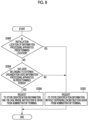
- Step S300 of Fig. 8 the CPU 41 of the information processing apparatus 40 reads out the installation location of the information processing apparatus 40 from the storage 44 and determines whether or not the installation location of the information processing apparatus 40 is a predetermined location. In a case where the CPU 41 determines that the installation location of the information processing apparatus 40 is the predetermined location (YES in Step S300), the CPU 41 proceeds to Step S302. On the other hand, in a case where the CPU 41 determines that the installation location of the information processing apparatus 40 is not the predetermined location (NO in Step S300), the CPU 41 proceeds to Step S304.
- a location where only a person belonging to an organization including the information processing apparatus 40 can visit is applied as the predetermined location.
- the predetermined location is not limited to this example. For example, a location where only a person belonging to an organization including the information processing apparatus 40 and a person allowed by the person belonging to the organization can visit, and the like may be applied as the predetermined location.
- the CPU 41 requests to allow the user terminal 20 to use the information processing apparatus 40 in Step S302
- the CPU 41 is set to request the management device 10 to store the received identification information of a user without depending on an instruction given from the administrator terminal 30 and ends this switching processing.
- the identification information of a user is stored in the management device 10 without depending on an instruction given from the administrator terminal 30, a burden on an administrator can be reduced.
- Step S304 the CPU 41 reads out the histories of users who have used the information processing apparatus 40 in a predetermined period (for example, the last one week) from the storage 44, and determines whether or not persons not belonging to an organization including the information processing apparatus 40 have used the information processing apparatus 40. In a case where the CPU 41 determines that persons not belonging to the organization including the information processing apparatus 40 have used the information processing apparatus 40 in the predetermined period (YES in Step S304), the CPU 41 proceeds to Step S306. On the other hand, in a case where the CPU 41 determines that persons not belonging to an organization including the information processing apparatus 40 did not use the information processing apparatus 40 in the predetermined period (NO in Step S304), the CPU 41 proceeds to Step S302.
- a predetermined period for example, the last one week
- Step S304 the CPU 41 may determine whether or not a ratio of users who do not belong to the organization including the information processing apparatus 40 among users who have used the information processing apparatus 40 in the predetermined period is equal to or higher than a predetermined ratio (for example, 20%). In this case, in a case where the CPU 41 determines that the ratio of users who do not belong to the organization including the information processing apparatus 40 among users who have used the information processing apparatus 40 is equal to higher than the predetermined ratio, the CPU 41 proceeds to Step S306. On the other hand, in a case where the CPU 41 determines that the ratio of users who do not belong to the organization including the information processing apparatus 40 among users who have used the information processing apparatus 40 is lower than the predetermined ratio, the CPU 41 proceeds to Step S302.
- a predetermined ratio for example, 20%
- the CPU 41 requests the management device 10 in Step S306 to allow the user terminal 20 to use the information processing apparatus 40, the CPU 41 is set to request the management device 10 to store the received identification information of a user only in a case where an instruction is given from the administrator terminal 30, and ends this switching processing.
- the CPU 41 may be set not to request the management device 10 to store the received identification information of a user regardless of whether or not there is an instruction given from the administrator terminal 30.
- the exemplary embodiments do not limit the inventions according to claims, and not all of the combinations of features described in the exemplary embodiments are necessary for means for addressing the problems of the invention.
- the above-mentioned exemplary embodiments include inventions at various stages, and various inventions are extracted from the combinations of a plurality of disclosed components. As long as effects are obtained even though some components are deleted from all the components disclosed in the exemplary embodiments, configuration from which these some components are deleted may be extracted as an invention.
- the information processing system 1 may not include the user terminal 20.
- the CPU 41 of the information processing apparatus 40 may receive identification information and the like by an operation input from a user via a user interface of a display unit, such as a liquid crystal display, included in the information processing apparatus 40.
- the CPU 41 of the information processing apparatus 40 may receive identification information and the like by contact from an integrated circuit (IC) card of a user via an authentication unit or the like included in the information processing apparatus 40.
- IC integrated circuit
- the CPU 41 receives identification information from a user without using the user terminal 20 and the user is successful in the authentication of the information processing system 1, the CPU 41 does not acquire the position information of the user and may request the management device 10 to allow the user to use the information processing apparatus 40.
- processor refers to hardware in a broad sense.
- Examples of the processor include general processors (e.g., CPU: Central Processing Unit) and dedicated processors (e.g., GPU: Graphics Processing Unit, ASIC: Application Specific Integrated Circuit, FPGA: Field Programmable Gate Array, and programmable logic device).
- processor is broad enough to encompass one processor or plural processors in collaboration which are located physically apart from each other but may work cooperatively.
- the order of operations of the processor is not limited to one described in the embodiments above, and may be changed.
- the information processing program according to the present exemplary embodiment may be provided in a form where the information processing program is recorded on a computer-readable storage medium.
- the information processing program according to the present exemplary embodiment may be provided in forms where the information processing program is recorded on optical discs, such as a compact disc (CD)-ROM and a digital versatile disc (DVD)-ROM, or forms where the information processing program is recorded on semiconductor memories, such as a universal serial bus (USB) memory and a memory card.
- the information processing program according to the present exemplary embodiment may be acquired from an external device via the communication I/F 47.
- the configuration of the information processing apparatus 40 described in the above-mentioned exemplary embodiment is an example, and it goes without saying that unnecessary portions may be deleted or new portions may be added without departing from the scope of the present invention.
Landscapes
- Engineering & Computer Science (AREA)
- Theoretical Computer Science (AREA)
- Computer Security & Cryptography (AREA)
- Physics & Mathematics (AREA)
- General Engineering & Computer Science (AREA)
- General Physics & Mathematics (AREA)
- Computer Hardware Design (AREA)
- Software Systems (AREA)
- Computer Networks & Wireless Communication (AREA)
- Health & Medical Sciences (AREA)
- General Health & Medical Sciences (AREA)
- Bioethics (AREA)
- Human Computer Interaction (AREA)
- Facsimiles In General (AREA)
- Management, Administration, Business Operations System, And Electronic Commerce (AREA)
- Accessory Devices And Overall Control Thereof (AREA)
Abstract
Description
- The present invention relates to an information processing apparatus, an information processing program, and an information processing method.
-
JP2016-175248A - In a case where a user is successful in the authentication of the system, the user can use an apparatus included in the system even without the allowance of the administrator of the apparatus. Accordingly, in a case where the user is to cause the apparatus, which is present in a predetermined range from the user, to execute processing and the user makes a mistake in selection, an undesired apparatus may be caused to execute processing.
- An object of the present invention is to provide an information processing apparatus, an information processing program, and an information processing method that can prevent an undesired apparatus from being caused to execute processing even though a user makes a mistake in selection in a case where the user is to cause an apparatus, which is present in a predetermined range from the user, to execute the processing.
- According to a first aspect of the present disclosure, there is provided an information processing apparatus including a processor configured to: acquire position information of a user in a case where the user is successful in authentication of a system including the information processing apparatus and requests to use the information processing apparatus; and request a management device, which manages a user who is capable of using the information processing apparatus, to allow the user to use the information processing apparatus even though a use of the information processing apparatus is not allowed in advance in a case where the user is present in a predetermined range from the information processing apparatus.
- Further, according to a second aspect of the present disclosure, in the information processing apparatus according to the first aspect, the processor may be further configured to request the management device to store identification information of the user together with the above-mentioned request.
- Furthermore, according to a third aspect of the present disclosure, in the information processing apparatus according to the second aspect, the processor may be configured to request the management device to delete the identification information in a case where the processor receives an instruction to delete the identification information stored in the management device from an administrator of the information processing apparatus.
- Further, according to a fourth aspect of the present disclosure, in the information processing apparatus according to the second or third aspect, the processor may be configured to switch whether or not to request the management device to store the identification information according to a feature of the information processing apparatus without depending on an instruction given from an administrator of the information processing apparatus.
- Furthermore, according to a fifth aspect of the present disclosure, in the information processing apparatus according to the fourth aspect, the feature of the information processing apparatus may be an installation location of the information processing apparatus.
- Further, according to a sixth aspect of the present disclosure, in the information processing apparatus according to any one of the second to fifth aspects, the processor may be configured to switch whether or not to request the management device to store the identification information according to a feature of a user who has used the information processing apparatus in a predetermined period without depending on an instruction given from an administrator of the information processing apparatus.
- Furthermore, according to a seventh aspect of the present disclosure, in the information processing apparatus according to the sixth aspect, the feature of the user may be an organization to which the user belongs.
- Further, according to an eighth aspect of the present disclosure, in the information processing apparatus according to any one of the second to seventh aspects, the processor may be further configured to request the management device to store the identification information in a case where the processor requests the management device to allow the user to use the information processing apparatus and the user satisfies a predetermined condition.
- Furthermore, according to a ninth aspect of the present disclosure, in the information processing apparatus according to the eighth aspect, the predetermined condition may be a condition in which the user belongs to the same organization as an organization including the information processing apparatus.
- Further, according to a tenth aspect of the present disclosure, in the information processing apparatus according to any one of the first to ninth aspects, the predetermined range may be a range in which the user is capable of communicating with the information processing apparatus through near field communication.
- Furthermore, according to an eleventh aspect of the present disclosure, in the information processing apparatus according to any one of the first to ninth aspects, the predetermined range may be a predetermined range on a network between the information processing apparatus and a user terminal of the user.
- Further, according to a twelfth aspect of the present disclosure, in the information processing apparatus according to any one of the first to ninth aspects, the predetermined range may be a predetermined physical range between the information processing apparatus and a user terminal of the user.
- According to a thirteenth aspect of the present disclosure, there is provided an information processing program causing a computer to execute a process including: acquiring position information of a user in a case where the user is successful in authentication of a system including the information processing apparatus and requests to use the information processing apparatus; and requesting a management device, which manages a user who is capable of using the information processing apparatus, to allow the user to use the information processing apparatus even though a use of the information processing apparatus is not allowed in advance in a case where the user is present in a predetermined range from the information processing apparatus.
- According to a fourteenth aspect of the present disclosure, there is provided an information processing method including: acquiring position information of a user in a case where the user is successful in authentication of a system including the information processing apparatus and requests to use the information processing apparatus; and requesting a management device, which manages a user who is capable of using the information processing apparatus, to allow the user to use the information processing apparatus even though a use of the information processing apparatus is not allowed in advance in a case where the user is present in a predetermined range from the information processing apparatus.
- According to the first, thirteenth, and fourteenth aspects, it is possible to prevent an undesired apparatus from being caused to execute processing even though a user makes a mistake in selection in a case where the user is to cause an apparatus, which is present in a predetermined range from the user and is included in a system of which the authentication is successful, to execute processing.
- According to the second aspect, in a case where a user not having been allowed to use the information processing apparatus in advance is allowed to use the information processing apparatus, the user can use the information processing apparatus even after the user is allowed to use the information processing apparatus.
- According to the third aspect, the administrator can delete the identification information of a user other than the user who is stored in the management device by the administrator.
- According to the fourth aspect, it is possible to determine whether or not to store the identification information according to the feature of the information processing apparatus without depending on an instruction given from the administrator.
- According to the fifth aspect, it is possible to determine whether or not to store the identification information according to the installation location of the information processing apparatus without depending on an instruction given from the administrator.
- According to the sixth aspect, it is possible to determine whether or not to store the identification information according to the feature of a user having used the information processing apparatus without depending on an instruction given from the administrator.
- According to the seventh aspect, it is possible to determine whether or not to store the identification information according to an organization to which a user having used the information processing apparatus belongs without depending on an instruction given from the administrator.
- According to the eighth aspect, in a case where a user not having been allowed to use the information processing apparatus in advance is allowed to use the information processing apparatus, the user can use the information processing apparatus in a case where a predetermined condition is satisfied even after the user is allowed to use the information processing apparatus.
- According to the ninth aspect, in a case where a user not having been allowed to use the information processing apparatus in advance is allowed to use the information processing apparatus, the user can use the information processing apparatus in a case where the user belongs to the same organization as an organization including the information processing apparatus even after the user is allowed to use the information processing apparatus.
- According to the tenth aspect, it is possible to prevent an undesired apparatus from being caused to execute processing even though a user makes a mistake in selection in a case where the user is to cause an apparatus, which is present in a range in which the user can communicate with the apparatus through near field communication and is included in a system of which the authentication is successful, to execute processing.
- According to the eleventh aspect, it is possible to prevent an undesired apparatus from being caused to execute processing even though a user makes a mistake in selection in a case where the user is to cause an apparatus, which is present in a predetermined range from a user terminal on a network, to execute processing.
- According to the twelfth aspect, it is possible to prevent an undesired apparatus from being caused to execute processing even though a user makes a mistake in selection in a case where the user is to cause an apparatus, which is present in a predetermined physical range from the user terminal, to execute processing.
- Exemplary embodiment(s) of the present invention will be described in detail based on the following figures, wherein:
-
Fig. 1 is a schematic diagram showing an example of the hardware configuration of an information processing system according to an exemplary embodiment; -
Fig. 2 is a block diagram showing an example of the hardware configuration of a management device according to the exemplary embodiment; -
Fig. 3 is a block diagram showing an example of the hardware configuration of a user terminal according to the exemplary embodiment; -
Fig. 4 is a block diagram showing an example of the hardware configuration of an administrator terminal according to the exemplary embodiment; -
Fig. 5 is a block diagram showing an example of the hardware configuration of an information processing apparatus according to the exemplary embodiment; -
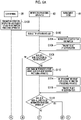
Figs. 6A and6B are sequence diagrams showing an example of the flow of information processing of the information processing system according to the exemplary embodiment; -
Fig. 7 is a sequence diagram showing an example of the flow of deletion processing of the information processing system according to the exemplary embodiment; and -
Fig. 8 is a flowchart showing an example of switching processing according to the exemplary embodiment. - Hereinafter, an example of an exemplary embodiment of the present disclosure will be described with reference to the drawings. In the respective drawings, the same or equivalent components and portions will be denoted by the same reference numerals. Further, since the scales of the drawings are exaggerated for convenience of description, there is a case where the scales are different from actual scales.
- As shown in
Fig. 1 , an information processing system 1 according to the present exemplary embodiment includes: amanagement device 10; a user terminal 20A, anadministrator terminal 30A, and aninformation processing apparatus 40A that are provided at a base A; and a user terminal 20B, anadministrator terminal 30B, and aninformation processing apparatus 40B that are provided at a base B. Hereinafter, in a case where the respective user terminals 20A and 20B are described without being distinguished from each other, the respective user terminals 20A and 20B are referred to as "user terminals 20". Further, in a case where therespective administrator terminals respective administrator terminals administrator terminals 30". Furthermore, in a case where the respectiveinformation processing apparatuses information processing apparatuses information processing apparatuses 40". The numbers of the bases, theuser terminals 20, theadministrator terminals 30, and theinformation processing apparatuses 40 are not limited to an example shown inFig. 1 . - The
management device 10, theuser terminals 20, theadministrator terminals 30, and theinformation processing apparatuses 40 are adapted to communicate with each other via communication means N. An intra-company communication line, such as a local area network (LAN) or a wide area network (WAN) is applied as the communication means N in the present exemplary embodiment. However, as the communication means N, a public communication line, such as an internet or a telephone line, may be applied or an intra-company communication line and a public communication line may be applied in combination. Further, a wireless communication line is applied as the communication means N in the present exemplary embodiment. However, as the communication means N, a wired communication line may be applied or a wired communication line and a wireless communication line may be applied in combination. - The
management device 10 is a cloud server providing a user management service, which is used to manage a user who can use theinformation processing apparatus 40 installed at each base, and a device management service, which is used to manage theinformation processing apparatus 40, as cloud services. In the present exemplary embodiment, the device management service includes logic printers that are associated with theinformation processing apparatuses 40 to be described later, respectively. A server that does not provide a cloud service and the like may be applied as themanagement device 10. - The
user terminal 20 is an information processing terminal of a user who uses theinformation processing apparatus 40. In the present exemplary embodiment, a personal computer is applied as theuser terminal 20. A smartphone, a tablet terminal, or the like may be applied as theuser terminal 20. - The
administrator terminal 30 is an information processing terminal of an administrator who manages theinformation processing apparatus 40 provided at the same base as theadministrator terminal 30. In the present exemplary embodiment, a personal computer is applied as theadministrator terminal 30. A smartphone, a tablet terminal, or the like may be applied as theadministrator terminal 30. - The
information processing apparatus 40 is an image forming apparatus that is connected to themanagement device 10 via a network. The logic printer associated with this image forming apparatus is managed by the device management service of themanagement device 10. Accordingly, in a case where a user selects this logic printer, instructs document data to be printed to perform print settings, and instructs the logic printer to perform printing, print data generated by the logic printer is acquired and image forming processing is performed. In the present exemplary embodiment, an information forming apparatus executing functions, such as a print function, a copy function, a scan function, and a facsimile function, is applied as theinformation processing apparatus 40. Any information processing apparatus may be applied as theinformation processing apparatus 40. For example, a personal computer, a smartphone, or the like may be applied as theinformation processing apparatus 40. - Next, the configuration of the
management device 10 will be described with reference toFig. 2 . - As shown in
Fig. 2 , themanagement device 10 includes components, such as a central processing unit (CPU) 11, a read only memory (ROM) 12, a random access memory (RAM) 13, astorage 14, and a communication interface (I/F) 17. The respective components are connected to each other via abus 19 to be capable of communicating with each other. - The
CPU 11 is a central processing unit, and executes various programs or controls each part. That is, theCPU 11 reads out programs from theROM 12 or thestorage 14 and executes the programs using theRAM 13 as a work area. TheCPU 11 controls the respective components and performs various types of arithmetic processing according to the programs recorded in theROM 12 or thestorage 14. In the present exemplary embodiment, a user management program for providing the user management service and a device management program for providing the device management service are stored in theROM 12 or thestorage 14. - The
ROM 12 stores various programs and various data. TheRAM 13 temporarily stores programs or data as a work area. Thestorage 14 is formed of a hard disk drive (HDD) or a solid state drive (SSD), and stores various programs including an operating system and various data. An identification information group of users who can use the information processing system 1, an identification information group of users who can use theinformation processing apparatus 40 of each base, and the like are stored in thestorage 14. In the present exemplary embodiment, the email address of theuser terminal 20 is applied as the identification information. However, the identification information is not limited to this example. For example, the employee identification number or the like of a user may be applied as the identification information. - The communication I/
F 17 is an interface that is used to communicate with other devices, such as theinformation processing apparatuses 40. For example, standards, such as Ethernet (registered trademark), FDDI, and Wi-Fi (registered trademark), are used as the communication I/F 17. - Next, the configuration of the
user terminal 20 will be described with reference toFig. 3 . - As shown in
Fig. 3 , theuser terminal 20 includes components, such as aCPU 21, aROM 22, aRAM 23, astorage 24, and a communication I/F 27. The respective components are connected to each other via abus 29 to be capable of communicating with each other. - The
CPU 21 is a central processing unit, and executes various programs or controls each part. That is, theCPU 21 reads out programs from theROM 22 or thestorage 24 and executes the programs using theRAM 23 as a work area. TheCPU 21 controls the respective components and performs various types of arithmetic processing according to the programs recorded in theROM 22 or thestorage 24. In the present exemplary embodiment, a transmission program, which is used to transmit identification information and a request for the use of theinformation processing apparatus 40 to theinformation processing apparatus 40, is stored in stored in theROM 22 or thestorage 24. - The
ROM 22 stores various programs and various data. TheRAM 23 temporarily stores programs or data as a work area. Thestorage 24 is formed of an HDD or an SSD, and stores various programs including an operating system and various data. - The communication I/
F 27 is an interface that is used to communicate with other devices, such as theinformation processing apparatuses 40. For example, standards, such as Ethernet (registered trademark), FDDI, and Wi-Fi (registered trademark), are used as the communication I/F 27. - Next, the configuration of the
administrator terminal 30 will be described with reference toFig. 4 . - As shown in
Fig. 4 , theadministrator terminal 30 includes components, such as aCPU 31, aROM 32, aRAM 33, astorage 34, and a communication I/F 37. The respective components are connected to each other via abus 39 to be capable of communicating with each other. - The
CPU 31 is a central processing unit, and executes various programs or controls each part. That is, theCPU 31 reads out programs from theROM 32 or thestorage 34 and executes the programs using theRAM 33 as a work area. TheCPU 31 controls the respective components and performs various types of arithmetic processing according to the programs recorded in theROM 32 or thestorage 34. In the present exemplary embodiment, a deletion instruction program is stored in stored in theROM 32 or thestorage 34. The deletion instruction program is used to transmit an instruction to delete any of identification information from an identification information group of users who can use theinformation processing apparatus 40 that is stored in themanagement device 10. - The
ROM 32 stores various programs and various data. TheRAM 33 temporarily stores programs or data as a work area. Thestorage 34 is formed of an HDD or an SSD, and stores various programs including an operating system and various data. - The communication I/
F 37 is an interface that is used to communicate with other devices, such as theinformation processing apparatuses 40. For example, standards, such as Ethernet (registered trademark), FDDI, and Wi-Fi (registered trademark), are used as the communication I/F 37. - Next, the configuration of the
information processing apparatus 40 will be described with reference toFig. 5 . - As shown in
Fig. 5 , theinformation processing apparatus 40 includes components, such as aCPU 41, aROM 42, aRAM 43, astorage 44, and a communication I/F 47. The respective components are connected to each other via abus 49 to be capable of communicating with each other. - The
CPU 41 is a central processing unit, and executes various programs or controls each part. That is, theCPU 41 reads out programs from theROM 42 or thestorage 44 and executes the programs using theRAM 43 as a work area. TheCPU 41 controls the respective components and performs various types of arithmetic processing according to the programs recorded in theROM 42 or thestorage 44. In the present exemplary embodiment, an information processing program for executing information processing, a deletion program for executing deletion processing, and a switching program for executing switching processing, which will be described later, are stored in stored in theROM 42 or thestorage 44. - The
ROM 42 stores various programs and various data. TheRAM 43 temporarily stores programs or data as a work area. Thestorage 44 is formed of an HDD or an SSD, and stores various programs including an operating system and various data. The installation location of theinformation processing apparatus 40, the histories of users who have used theinformation processing apparatus 40, and the like are stored in thestorage 44. - The communication I/
F 47 is an interface that is used to communicate with other devices, such as themanagement device 10, theuser terminal 20, and theadministrator terminal 30. For example, standards, such as Ethernet (registered trademark), FDDI, and Wi-Fi (registered trademark), are used as the communication I/F 47. - Next, the flow of processing of the information processing system 1 according to the present exemplary embodiment will be described with reference to
Figs. 6A and6B andFig. 7 . First, information processing for requesting themanagement device 10 to allow a user of theuser terminal 20 to use theinformation processing apparatus 40 even though the use of theinformation processing apparatus 40 is not allowed in advance in a case where theuser terminal 20 is present in a predetermined range from theinformation processing apparatus 40 will be described with reference toFigs. 6A and6B . In the following description, the owner of theuser terminal 20 is simply referred to as "user". Further, in the following description, theinformation processing apparatus 40 that the user requests to use is simply referred to as "information processing apparatus 40". - In Step S100 of
Figs. 6A and6B , theCPU 21 of theuser terminal 20 transmits the identification information of a user and a request for the use of theinformation processing apparatus 40, which are received from the user, to theinformation processing apparatus 40. - In Step S102, the
CPU 41 of theinformation processing apparatus 40 transmits the identification information of the user and the request for the use of theinformation processing apparatus 40, which are received from theuser terminal 20, to themanagement device 10 to request the information processing system 1 to authenticate the user. - In Step S104, the
CPU 11 of themanagement device 10 determines whether or not the identification information received from theinformation processing apparatus 40 is stored in thestorage 14 in advance as the identification information of a user who can use the information processing system 1 to execute the authentication of the information processing system 1. Specifically, theCPU 11 determines that the authentication is successful in a case where the received identification information is included in the identification information group of users who can use the information processing system 1 that is stored in advance. On the other hand, theCPU 11 determines that the authentication is failed in a case where the received identification information is not included in the identification information group of users who can use the information processing system 1 that is stored in advance. - In Step S106, the
CPU 11 of themanagement device 10 transmits the result of the authentication executed in Step S104 to theinformation processing apparatus 40. - In Step S108, the
CPU 41 of theinformation processing apparatus 40 determines whether or not the user has been successful in the authentication of the information processing system 1 from the result of the authentication received from themanagement device 10. In a case where the user has been successful in the authentication of the information processing system 1 (YES in Step S108), theCPU 41 proceeds to Step S112. On the other hand, in a case where the user has failed in the authentication of the information processing system 1 (NO in Step S108), theCPU 41 proceeds to Step S110. - In Step S110, the
CPU 41 of theinformation processing apparatus 40 transmits use-disallowance information, which shows that theinformation processing apparatus 40 is not available, to theuser terminal 20. - In Step S112, the
CPU 41 of theinformation processing apparatus 40 asks themanagement device 10 whether or not the user can use theinformation processing apparatus 40. Specifically, theCPU 41 asks themanagement device 10 whether or not the user can use the logic printer of the device management service associated with theinformation processing apparatus 40. - In Step S114, the
CPU 11 of themanagement device 10 determines whether or not the user can use theinformation processing apparatus 40. Specifically, theCPU 11 determines whether or not the identification information received from theinformation processing apparatus 40 is stored in thestorage 14 in advance as the identification information of a user who can use theinformation processing apparatus 40. TheCPU 11 determines that the use of theinformation processing apparatus 40 is allowed in a case where the received identification information is included in the identification information group of users who can use theinformation processing apparatus 40 that is stored in advance. On the other hand, theCPU 11 determines that the use of theinformation processing apparatus 40 is not allowed in a case where the received identification information is not included in the identification information group of users who can use theinformation processing apparatus 40 that is stored in advance. - In Step S116, the
CPU 11 of themanagement device 10 transmits the result of the determination of whether or not the user can use theinformation processing apparatus 40, which has been executed in Step S114, to theinformation processing apparatus 40. - In Step S118, the
CPU 41 of theinformation processing apparatus 40 determines whether or not the user has been allowed to use theinformation processing apparatus 40 in advance from the result of the determination that is received from themanagement device 10. In a case where the user has been allowed to use theinformation processing apparatus 40 in advance (YES in Step S118), theCPU 41 proceeds to Step S130. On the other hand, in a case where the user has not been allowed to use theinformation processing apparatus 40 in advance (NO in Step S118), theCPU 41 proceeds to Step S122. - In Step S122, the
CPU 41 of theinformation processing apparatus 40 determines whether or not the identification information of the user has been received from theuser terminal 20 in Step S100 through near field communication (for example, NFC, Wi-Fi (registered trademark), Bluetooth (registered trademark), or the like) . In a case where the identification information of the user has been received through near field communication (YES in Step S122), theCPU 41 proceeds to Step S130. On the other hand, in a case where the identification information of the user has not been received through near field communication (NO in Step S122), theCPU 41 proceeds to Step S124. - In Step S124, the
CPU 41 of theinformation processing apparatus 40 requests theuser terminal 20 to transmit the position information of theuser terminal 20. In the present exemplary embodiment, the internet protocol address (IP address) of theuser terminal 20 is applied as the position information. This IP address is information that shows position information on a network. However, the position information is not limited to this example. Information about the current position of theuser terminal 20 that is acquired in a case where theuser terminal 20 receives signals from a GPS satellite, and the like may be applied as the position information. - In Step S126, the
CPU 21 of theuser terminal 20 transmits the position information of theuser terminal 20 to theinformation processing apparatus 40. - In Step S128, the
CPU 41 of theinformation processing apparatus 40 determines whether or not theuser terminal 20 is present in a predetermined range from theinformation processing apparatus 40 using the position information received through the processing of Step S126. In a case where theuser terminal 20 is present in the predetermined range from the information processing apparatus 40 (YES in Step S128), theCPU 41 proceeds to Step S130. On the other hand, in a case where theuser terminal 20 is not present in the predetermined range from the information processing apparatus 40 (NO in Step S128), theCPU 41 proceeds to Step S110. Any method may be used as a method of determining whether or not theuser terminal 20 is present in the predetermined range from theinformation processing apparatus 40 by theCPU 41. For example, in a case where the network address part of the IP address of theuser terminal 20 is the same as the network address part of the IP address of theinformation processing apparatus 40, theCPU 41 may determine that theuser terminal 20 is present in the predetermined range from theinformation processing apparatus 40. Further, in a case where GPS information acquired from theuser terminal 20 is closer than a predetermined distance from the physical position of theinformation processing apparatus 40, theCPU 41 may determine that theuser terminal 20 is present in the predetermined range from theinformation processing apparatus 40. - In Step S130, the
CPU 41 of theinformation processing apparatus 40 determines whether or not the identification information received through the processing of Step S100 is included in the identification information group of users who can use theinformation processing apparatus 40 that is stored in thestorage 44 in advance. In a case where the received identification information is included in the identification information group of users who can use theinformation processing apparatus 40 that is stored in thestorage 44 in advance (YES in Step S130), theCPU 41 proceeds to Step S132. In the present exemplary embodiment, the identification information group of users who belong to the same organization as an organization including theinformation processing apparatus 40 is applied as the identification information group of users who can use theinformation processing apparatus 40 that is stored in advance. However, the identification information group of users who can use theinformation processing apparatus 40 is not limited to this example. For example, the identification information group of a user having the same type of a job as a worker working in an organization including theinformation processing apparatus 40 may be applied as the identification information group stored in advance. - In Step S132, the
CPU 41 of theinformation processing apparatus 40 transmits the identification information, which is received through the processing of Step S100, to themanagement device 10 and requests themanagement device 10 to store the identification information in thestorage 14 as the identification information group that specifies users who can use theinformation processing apparatus 40. - In Step S132, the
CPU 41 of theinformation processing apparatus 40 may request themanagement device 10 to store the identification information of a user as the identification information group that specifies users who can use theinformation processing apparatus 40 only in a case where theCPU 41 receives an instruction to store the identification information of the user in themanagement device 10 from theadministrator terminal 30. Specifically, in a case where the identification information received through the processing of Step S100 is included in the identification information group of users who can use theinformation processing apparatus 40 that is stored in thestorage 44 in advance (YES in Step S130), theCPU 41 asks theadministrator terminal 30 whether or not to store the received identification information through e-mail or the like. Then, in a case where theCPU 41 receives an instruction to store the received identification information from theadministrator terminal 30, theCPU 41 may request themanagement device 10 to store the identification information as the identification information group that specifies users who can use theinformation processing apparatus 40. - In Step S134, the
CPU 11 of themanagement device 10 stores the identification information, which is received through the processing of Step S132, in thestorage 14 as the identification information group that specifies users who can use theinformation processing apparatus 40. Then, theCPU 11 proceeds to Step S138. - On the other hand, in a case where the
CPU 41 of theinformation processing apparatus 40 determines that the identification information received through the processing of Step S100 is not included in the identification information group of users who can use theinformation processing apparatus 40 that is stored in thestorage 44 in advance (NO in Step S130), theCPU 41 proceeds to Step S136. In Step S136, theCPU 41 of theinformation processing apparatus 40 requests themanagement device 10 to allow theuser terminal 20 to use theinformation processing apparatus 40. - In Step S138, the
CPU 11 of themanagement device 10 performs predetermined processing to allow theuser terminal 20 to use theinformation processing apparatus 40, and transmits the fact that theuser terminal 20 is allowed to use theinformation processing apparatus 40 to theinformation processing apparatus 40. - In Step S140, the
CPU 41 of theinformation processing apparatus 40 transmits use-allowance information, which shows that the user can use theinformation processing apparatus 40, to theuser terminal 20. - According to the above-mentioned information processing, for example, even though the
information processing apparatus 40A installed at the base A is allowed to be used by only the user terminal 20A installed at the base A, a user B can use theinformation processing apparatus 40A in a case where the user terminal 20B of the user B of the base B is present in a predetermined range from theinformation processing apparatus 40A. - Next, deletion processing for requesting the
management device 10 to delete identification information, which is instructed to be deleted by theadministrator terminal 30, by theinformation processing apparatus 40 will be described with reference toFig. 7 . - In Step S200, the
CPU 31 of theadministrator terminal 30 transmits an instruction to delete any identification information from the identification information group of users who can use theinformation processing apparatus 40, which is stored in thestorage 14, to theinformation processing apparatus 40. - In Step S202, the
CPU 41 of theinformation processing apparatus 40 requests themanagement device 10 to delete identification information that is instructed to be deleted by the processing of Step S200. - In Step S204, the
CPU 11 of themanagement device 10 deletes the identification information, which is instructed to be deleted by the processing of Step S202, from thestorage 14. In addition, theCPU 11 may perform processing so that the identification information deleted in Step S204 cannot be stored in thestorage 14 again as the identification information of a user who can use theinformation processing apparatus 40. - Next, the flow of switching processing for switching whether or not to request the
management device 10 to store the identification information by theinformation processing apparatus 40 will be described with reference toFig. 8 . - In Step S300 of
Fig. 8 , theCPU 41 of theinformation processing apparatus 40 reads out the installation location of theinformation processing apparatus 40 from thestorage 44 and determines whether or not the installation location of theinformation processing apparatus 40 is a predetermined location. In a case where theCPU 41 determines that the installation location of theinformation processing apparatus 40 is the predetermined location (YES in Step S300), theCPU 41 proceeds to Step S302. On the other hand, in a case where theCPU 41 determines that the installation location of theinformation processing apparatus 40 is not the predetermined location (NO in Step S300), theCPU 41 proceeds to Step S304. In the present exemplary embodiment, a location where only a person belonging to an organization including theinformation processing apparatus 40 can visit is applied as the predetermined location. However, the predetermined location is not limited to this example. For example, a location where only a person belonging to an organization including theinformation processing apparatus 40 and a person allowed by the person belonging to the organization can visit, and the like may be applied as the predetermined location. - In a case where the
CPU 41 requests to allow theuser terminal 20 to use theinformation processing apparatus 40 in Step S302, theCPU 41 is set to request themanagement device 10 to store the received identification information of a user without depending on an instruction given from theadministrator terminal 30 and ends this switching processing. In a case where the identification information of a user is stored in themanagement device 10 without depending on an instruction given from theadministrator terminal 30, a burden on an administrator can be reduced. - In Step S304, the
CPU 41 reads out the histories of users who have used theinformation processing apparatus 40 in a predetermined period (for example, the last one week) from thestorage 44, and determines whether or not persons not belonging to an organization including theinformation processing apparatus 40 have used theinformation processing apparatus 40. In a case where theCPU 41 determines that persons not belonging to the organization including theinformation processing apparatus 40 have used theinformation processing apparatus 40 in the predetermined period (YES in Step S304), theCPU 41 proceeds to Step S306. On the other hand, in a case where theCPU 41 determines that persons not belonging to an organization including theinformation processing apparatus 40 did not use theinformation processing apparatus 40 in the predetermined period (NO in Step S304), theCPU 41 proceeds to Step S302. - In Step S304, the
CPU 41 may determine whether or not a ratio of users who do not belong to the organization including theinformation processing apparatus 40 among users who have used theinformation processing apparatus 40 in the predetermined period is equal to or higher than a predetermined ratio (for example, 20%). In this case, in a case where theCPU 41 determines that the ratio of users who do not belong to the organization including theinformation processing apparatus 40 among users who have used theinformation processing apparatus 40 is equal to higher than the predetermined ratio, theCPU 41 proceeds to Step S306. On the other hand, in a case where theCPU 41 determines that the ratio of users who do not belong to the organization including theinformation processing apparatus 40 among users who have used theinformation processing apparatus 40 is lower than the predetermined ratio, theCPU 41 proceeds to Step S302. - In a case where the
CPU 41 requests themanagement device 10 in Step S306 to allow theuser terminal 20 to use theinformation processing apparatus 40, theCPU 41 is set to request themanagement device 10 to store the received identification information of a user only in a case where an instruction is given from theadministrator terminal 30, and ends this switching processing. - In a case where the
CPU 41 requests to allow theuser terminal 20 to use theinformation processing apparatus 40 in Step S306, theCPU 41 may be set not to request themanagement device 10 to store the received identification information of a user regardless of whether or not there is an instruction given from theadministrator terminal 30. - The exemplary embodiments have been described above, but the technical scope of the present invention is not limited to the scope described in the above-mentioned exemplary embodiments. The exemplary embodiments can have various changes or improvements without departing from the scope of the invention, and embodiments including the changes or improvements are also included in the technical scope of the present invention.
- Further, the exemplary embodiments do not limit the inventions according to claims, and not all of the combinations of features described in the exemplary embodiments are necessary for means for addressing the problems of the invention. The above-mentioned exemplary embodiments include inventions at various stages, and various inventions are extracted from the combinations of a plurality of disclosed components. As long as effects are obtained even though some components are deleted from all the components disclosed in the exemplary embodiments, configuration from which these some components are deleted may be extracted as an invention.
- For example, a case where the information processing system 1 includes the
user terminal 20 has been described in the present exemplary embodiment. However, the information processing system 1 may not include theuser terminal 20. In this case, for example, in Step S100 ofFigs. 6A and6B , theCPU 41 of theinformation processing apparatus 40 may receive identification information and the like by an operation input from a user via a user interface of a display unit, such as a liquid crystal display, included in theinformation processing apparatus 40. Further, in Step S100 ofFigs. 6A and6B , theCPU 41 of theinformation processing apparatus 40 may receive identification information and the like by contact from an integrated circuit (IC) card of a user via an authentication unit or the like included in theinformation processing apparatus 40. Then, in a case where theCPU 41 receives identification information from a user without using theuser terminal 20 and the user is successful in the authentication of the information processing system 1, theCPU 41 does not acquire the position information of the user and may request themanagement device 10 to allow the user to use theinformation processing apparatus 40. - In the embodiments above, the term "processor" refers to hardware in a broad sense. Examples of the processor include general processors (e.g., CPU: Central Processing Unit) and dedicated processors (e.g., GPU: Graphics Processing Unit, ASIC: Application Specific Integrated Circuit, FPGA: Field Programmable Gate Array, and programmable logic device).
- In the embodiments above, the term "processor" is broad enough to encompass one processor or plural processors in collaboration which are located physically apart from each other but may work cooperatively. The order of operations of the processor is not limited to one described in the embodiments above, and may be changed.
- An aspect in which the information processing program is installed in the
storage 44 has been described in the present exemplary embodiment, but the present invention is not limited thereto. The information processing program according to the present exemplary embodiment may be provided in a form where the information processing program is recorded on a computer-readable storage medium. For example, the information processing program according to the present exemplary embodiment may be provided in forms where the information processing program is recorded on optical discs, such as a compact disc (CD)-ROM and a digital versatile disc (DVD)-ROM, or forms where the information processing program is recorded on semiconductor memories, such as a universal serial bus (USB) memory and a memory card. Further, the information processing program according to the present exemplary embodiment may be acquired from an external device via the communication I/F 47. - Furthermore, a case where information processing is realized by software configuration using a computer through the execution of a program has been described in the above-mentioned exemplary embodiment, but the present invention is not limited thereto. For example, an aspect in which information processing is realized by hardware configuration or a combination of hardware configuration and software configuration may be provided.
- In addition, the configuration of the
information processing apparatus 40 described in the above-mentioned exemplary embodiment is an example, and it goes without saying that unnecessary portions may be deleted or new portions may be added without departing from the scope of the present invention. - Further, the flow (see
Figs. 6A and6B ) of the processing of the information processing program described in the above-mentioned exemplary embodiment is an example, and it goes without saying that unnecessary steps may be deleted, new steps may be added, or the order of processing may be changed without departing from the scope of the present invention. - The foregoing description of the exemplary embodiments of the present invention has been provided for the purposes of illustration and description. It is not intended to be exhaustive or to limit the invention to the precise forms disclosed. Obviously, many modifications and variations will be apparent to practitioners skilled in the art. The embodiments were chosen and described in order to best explain the principles of the invention and its practical applications, thereby enabling others skilled in the art to understand the invention for various embodiments and with the various modifications as are suited to the particular use contemplated. It is intended that the scope of the invention be defined by the following claims and their equivalents.
-
- 1:
- information processing system
- 10:
- management device
- 11:
- CPU
- 20:
- user terminal
- 21:
- CPU
- 30:
- administrator terminal
- 31:
- CPU
- 40:
- information processing apparatus
- 41:
- CPU
Claims (14)
- An information processing apparatus comprising:
a processor configured to:acquire position information of a user in a case where the user is successful in authentication of a system including the information processing apparatus and requests to use the information processing apparatus; andrequest a management device, which manages a user who is capable of using the information processing apparatus, to allow the user to use the information processing apparatus even though a use of the information processing apparatus is not allowed in advance in a case where the user is present in a predetermined range from the information processing apparatus. - The information processing apparatus according to claim 1, wherein the processor is further configured to:
request the management device to store identification information of the user together with the above-mentioned request. - The information processing apparatus according to claim 2, wherein the processor is configured to:
requests the management device to delete the identification information in a case where the processor receives an instruction to delete the identification information stored in the management device from an administrator of the information processing apparatus. - The information processing apparatus according to claim 2 or 3, wherein the processor is configured to:
switch whether or not to request the management device to store the identification information according to a feature of the information processing apparatus without depending on an instruction given from an administrator of the information processing apparatus. - The information processing apparatus according to claim 4,
wherein the feature of the information processing apparatus is an installation location of the information processing apparatus. - The information processing apparatus according to any one of claims 2 to 5, wherein the processor is configured to:
switch whether or not to request the management device to store the identification information according to a feature of a user who has used the information processing apparatus in a predetermined period without depending on an instruction given from an administrator of the information processing apparatus. - The information processing apparatus according to claim 6,
wherein the feature of the user who has used the information processing apparatus in the predetermined period is an organization to which the user belongs. - The information processing apparatus according to any one of claims 2 to 7, wherein the processor is further configured to:
request the management device to store the identification information in a case where the processor requests the management device to allow the user to use the information processing apparatus and the user satisfies a predetermined condition. - The information processing apparatus according to claim 8,
wherein the predetermined condition is a condition in which the user belongs to the same organization as an organization including the information processing apparatus. - The information processing apparatus according to any one of claims 1 to 9,
wherein the predetermined range is a range in which the user is capable of communicating with the information processing apparatus through near field communication. - The information processing apparatus according to any one of claims 1 to 9,
wherein the predetermined range is a predetermined range on a network between the information processing apparatus and a user terminal of the user. - The information processing apparatus according to any one of claims 1 to 9,
wherein the predetermined range is a predetermined physical range between the information processing apparatus and a user terminal of the user. - An information processing program causing a computer to execute a process comprising:acquiring position information of a user in a case where the user is successful in authentication of a system including the information processing apparatus and requests to use the information processing apparatus; andrequesting a management device, which manages a user who is capable of using the information processing apparatus, to allow the user to use the information processing apparatus even though a use of the information processing apparatus is not allowed in advance in a case where the user is present in a predetermined range from the information processing apparatus.
- An information processing method comprising:acquiring position information of a user in a case where the user is successful in authentication of a system including the information processing apparatus and requests to use the information processing apparatus; andrequesting a management device, which manages a user who is capable of using the information processing apparatus, to allow the user to use the information processing apparatus even though a use of the information processing apparatus is not allowed in advance in a case where the user is present in a predetermined range from the information processing apparatus.
Applications Claiming Priority (1)
| Application Number | Priority Date | Filing Date | Title |
|---|---|---|---|
| JP2021145673A JP7815656B2 (en) | 2021-09-07 | 2021-09-07 | Information processing device and information processing program |
Publications (2)
| Publication Number | Publication Date |
|---|---|
| EP4145323A1 true EP4145323A1 (en) | 2023-03-08 |
| EP4145323B1 EP4145323B1 (en) | 2025-05-14 |
Family
ID=80623790
Family Applications (1)
| Application Number | Title | Priority Date | Filing Date |
|---|---|---|---|
| EP22159332.0A Active EP4145323B1 (en) | 2021-09-07 | 2022-03-01 | Information processing apparatus, information processing program, and information processing method |
Country Status (4)
| Country | Link |
|---|---|
| US (1) | US12536268B2 (en) |
| EP (1) | EP4145323B1 (en) |
| JP (1) | JP7815656B2 (en) |
| CN (1) | CN115774525A (en) |
Citations (4)
| Publication number | Priority date | Publication date | Assignee | Title |
|---|---|---|---|---|
| US20090284790A1 (en) * | 2008-05-13 | 2009-11-19 | Yasuo Ohashi | Information processing apparatus, information processing method, computer program product that causes the apparatus to execute the method, and image forming apparatus incorporating the information processing apparatus |
| US7965401B2 (en) * | 2006-07-10 | 2011-06-21 | Konica Minolta Business Technologies, Inc. | Image-forming apparatus to form an image based on print data, print-job control method, and print-job control program embodied in computer readable medium |
| JP2016175248A (en) | 2015-03-19 | 2016-10-06 | 富士ゼロックス株式会社 | Image forming apparatus and program |
| US20210029546A1 (en) * | 2019-07-25 | 2021-01-28 | Jpmorgan Chase Bank, N.A. | Method and system for providing location-aware multi-factor mobile authentication |
Family Cites Families (12)
| Publication number | Priority date | Publication date | Assignee | Title |
|---|---|---|---|---|
| JP2009055243A (en) | 2007-08-24 | 2009-03-12 | Sharp Corp | Multi-function printer |
| US10783232B2 (en) * | 2007-09-27 | 2020-09-22 | Clevx, Llc | Management system for self-encrypting managed devices with embedded wireless user authentication |
| JP2009214516A (en) * | 2008-03-13 | 2009-09-24 | Seiko Epson Corp | Device, system, and method for authentication output |
| US8570566B2 (en) * | 2010-09-17 | 2013-10-29 | Printeron Inc. | System and method that provides user interface on mobile network terminal for releasing print jobs based on location information |
| JP5321641B2 (en) * | 2011-05-19 | 2013-10-23 | コニカミノルタ株式会社 | Information processing system, information processing apparatus, and relay server |
| JP6256057B2 (en) * | 2014-01-31 | 2018-01-10 | コニカミノルタ株式会社 | Authentication system, server, authentication method and authentication program |
| JP6304497B2 (en) * | 2015-04-25 | 2018-04-04 | 京セラドキュメントソリューションズ株式会社 | Image forming system and augmented reality program |
| US10831880B2 (en) * | 2016-09-07 | 2020-11-10 | Ricoh Company, Ltd. | Information processing apparatus, information processing system, information processing method, and computer-readable recording medium for facial recognition registration and verification |
| EP3552130B1 (en) * | 2017-04-27 | 2022-07-20 | Hewlett-Packard Development Company, L.P. | Controller for a fulfilment service operation |
| KR102549454B1 (en) * | 2019-01-10 | 2023-06-29 | 애플 인크. | Control of the number of downlink-uplink and uplink-downlink switching points within a shared channel occupancy time in new radio systems operating in unlicensed spectrum |
| US11026067B2 (en) * | 2019-01-11 | 2021-06-01 | Sensormatic Electronics, LLC | Power efficient ultra-wideband (UWB) tag for indoor positioning |
| JP7367479B2 (en) | 2019-11-15 | 2023-10-24 | 富士フイルムビジネスイノベーション株式会社 | information processing system |
-
2021
- 2021-09-07 JP JP2021145673A patent/JP7815656B2/en active Active
-
2022
- 2022-01-20 US US17/579,596 patent/US12536268B2/en active Active
- 2022-03-01 EP EP22159332.0A patent/EP4145323B1/en active Active
- 2022-03-17 CN CN202210263060.7A patent/CN115774525A/en active Pending
Patent Citations (4)
| Publication number | Priority date | Publication date | Assignee | Title |
|---|---|---|---|---|
| US7965401B2 (en) * | 2006-07-10 | 2011-06-21 | Konica Minolta Business Technologies, Inc. | Image-forming apparatus to form an image based on print data, print-job control method, and print-job control program embodied in computer readable medium |
| US20090284790A1 (en) * | 2008-05-13 | 2009-11-19 | Yasuo Ohashi | Information processing apparatus, information processing method, computer program product that causes the apparatus to execute the method, and image forming apparatus incorporating the information processing apparatus |
| JP2016175248A (en) | 2015-03-19 | 2016-10-06 | 富士ゼロックス株式会社 | Image forming apparatus and program |
| US20210029546A1 (en) * | 2019-07-25 | 2021-01-28 | Jpmorgan Chase Bank, N.A. | Method and system for providing location-aware multi-factor mobile authentication |
Also Published As
| Publication number | Publication date |
|---|---|
| US20230070466A1 (en) | 2023-03-09 |
| US12536268B2 (en) | 2026-01-27 |
| JP7815656B2 (en) | 2026-02-18 |
| JP2023038778A (en) | 2023-03-17 |
| EP4145323B1 (en) | 2025-05-14 |
| CN115774525A (en) | 2023-03-10 |
Similar Documents
| Publication | Publication Date | Title |
|---|---|---|
| US11853627B2 (en) | Server system for obtaining a token for accessing a service | |
| US9800762B2 (en) | Non-transitory computer-readable information recording medium, information processing apparatus, and communications system | |
| CN104123108B (en) | Communication device and its control method | |
| CN107302643B (en) | System, information processing server and method for storing data | |
| US11556295B2 (en) | Information processing apparatus, non-transitory computer readable medium, and information processing method | |
| US9405492B2 (en) | Non-transitory storage medium storing instructions, information processing device, image processing apparatus, and image processing system | |
| US10063745B2 (en) | Information processing system, information processing apparatus, and information processing method | |
| US11825039B2 (en) | Scanning system including message sharing system, printing system, image processing apparatus, and method | |
| US10257374B2 (en) | Image forming apparatus, method for controlling image forming apparatus, and program | |
| US9955035B2 (en) | Pull print system that improves security performance | |
| US20230291643A1 (en) | Monitoring device, network device, control method of monitoring device, control method of network device, and recording medium | |
| US10846030B2 (en) | Communication device and non-transitory computer-readable medium storing computer-readable instructions for communication device or server | |
| US11645027B2 (en) | Information processing system and method for processing data output requests and identification information | |
| US10409528B2 (en) | Printing system that performs easily printing of unprinted pages when printing is interrupted, and printing method | |
| JP6175995B2 (en) | Mobile terminal and program | |
| CN107422996B (en) | Printing apparatus and control method of printing apparatus | |
| EP4145323B1 (en) | Information processing apparatus, information processing program, and information processing method | |
| CN105930106B (en) | Function provides system and print system | |
| US11405483B2 (en) | Relay device and non-transitory computer readable medium storing program | |
| US20250294107A1 (en) | Information processing system and non-transitory computer-readable storage medium storing information processing program | |
| EP4250702B1 (en) | Scan to service network system with a backup image forming apparatus taking over an unsuable image forming apparatus having requested a service workflow | |
| US12498890B2 (en) | Information processing apparatus, non-transitory computer readable medium storing information processing program, and information processing method | |
| US10289361B2 (en) | Print management device that manages print management information related to image forming apparatus, and printing system including print management device | |
| US20210303221A1 (en) | Image processing device and non-transitory computer-readable recording medium storing computer-readable instructions for image processing device | |
| JP2018200605A (en) | Printing system |
Legal Events
| Date | Code | Title | Description |
|---|---|---|---|
| PUAI | Public reference made under article 153(3) epc to a published international application that has entered the european phase |
Free format text: ORIGINAL CODE: 0009012 |
|
| STAA | Information on the status of an ep patent application or granted ep patent |
Free format text: STATUS: THE APPLICATION HAS BEEN PUBLISHED |
|
| AK | Designated contracting states |
Kind code of ref document: A1 Designated state(s): AL AT BE BG CH CY CZ DE DK EE ES FI FR GB GR HR HU IE IS IT LI LT LU LV MC MK MT NL NO PL PT RO RS SE SI SK SM TR |
|
| STAA | Information on the status of an ep patent application or granted ep patent |
Free format text: STATUS: REQUEST FOR EXAMINATION WAS MADE |
|
| 17P | Request for examination filed |
Effective date: 20230706 |
|
| RBV | Designated contracting states (corrected) |
Designated state(s): AL AT BE BG CH CY CZ DE DK EE ES FI FR GB GR HR HU IE IS IT LI LT LU LV MC MK MT NL NO PL PT RO RS SE SI SK SM TR |
|
| GRAP | Despatch of communication of intention to grant a patent |
Free format text: ORIGINAL CODE: EPIDOSNIGR1 |
|
| STAA | Information on the status of an ep patent application or granted ep patent |
Free format text: STATUS: GRANT OF PATENT IS INTENDED |
|
| INTG | Intention to grant announced |
Effective date: 20250102 |
|
| GRAS | Grant fee paid |
Free format text: ORIGINAL CODE: EPIDOSNIGR3 |
|
| GRAA | (expected) grant |
Free format text: ORIGINAL CODE: 0009210 |
|
| STAA | Information on the status of an ep patent application or granted ep patent |
Free format text: STATUS: THE PATENT HAS BEEN GRANTED |
|
| AK | Designated contracting states |
Kind code of ref document: B1 Designated state(s): AL AT BE BG CH CY CZ DE DK EE ES FI FR GB GR HR HU IE IS IT LI LT LU LV MC MK MT NL NO PL PT RO RS SE SI SK SM TR |
|
| REG | Reference to a national code |
Ref country code: GB Ref legal event code: FG4D |
|
| REG | Reference to a national code |
Ref country code: CH Ref legal event code: EP |
|
| REG | Reference to a national code |
Ref country code: DE Ref legal event code: R096 Ref document number: 602022014512 Country of ref document: DE |
|
| REG | Reference to a national code |
Ref country code: IE Ref legal event code: FG4D |
|
| REG | Reference to a national code |
Ref country code: NL Ref legal event code: MP Effective date: 20250514 |
|
| PG25 | Lapsed in a contracting state [announced via postgrant information from national office to epo] |
Ref country code: FI Free format text: LAPSE BECAUSE OF FAILURE TO SUBMIT A TRANSLATION OF THE DESCRIPTION OR TO PAY THE FEE WITHIN THE PRESCRIBED TIME-LIMIT Effective date: 20250514 Ref country code: PT Free format text: LAPSE BECAUSE OF FAILURE TO SUBMIT A TRANSLATION OF THE DESCRIPTION OR TO PAY THE FEE WITHIN THE PRESCRIBED TIME-LIMIT Effective date: 20250915 Ref country code: ES Free format text: LAPSE BECAUSE OF FAILURE TO SUBMIT A TRANSLATION OF THE DESCRIPTION OR TO PAY THE FEE WITHIN THE PRESCRIBED TIME-LIMIT Effective date: 20250514 |
|
| REG | Reference to a national code |
Ref country code: LT Ref legal event code: MG9D |
|
| PG25 | Lapsed in a contracting state [announced via postgrant information from national office to epo] |
Ref country code: NO Free format text: LAPSE BECAUSE OF FAILURE TO SUBMIT A TRANSLATION OF THE DESCRIPTION OR TO PAY THE FEE WITHIN THE PRESCRIBED TIME-LIMIT Effective date: 20250814 Ref country code: GR Free format text: LAPSE BECAUSE OF FAILURE TO SUBMIT A TRANSLATION OF THE DESCRIPTION OR TO PAY THE FEE WITHIN THE PRESCRIBED TIME-LIMIT Effective date: 20250815 |
|
| PG25 | Lapsed in a contracting state [announced via postgrant information from national office to epo] |
Ref country code: NL Free format text: LAPSE BECAUSE OF FAILURE TO SUBMIT A TRANSLATION OF THE DESCRIPTION OR TO PAY THE FEE WITHIN THE PRESCRIBED TIME-LIMIT Effective date: 20250514 Ref country code: PL Free format text: LAPSE BECAUSE OF FAILURE TO SUBMIT A TRANSLATION OF THE DESCRIPTION OR TO PAY THE FEE WITHIN THE PRESCRIBED TIME-LIMIT Effective date: 20250514 |
|
| REG | Reference to a national code |
Ref country code: AT Ref legal event code: MK05 Ref document number: 1795419 Country of ref document: AT Kind code of ref document: T Effective date: 20250514 |
|
| PG25 | Lapsed in a contracting state [announced via postgrant information from national office to epo] |
Ref country code: BG Free format text: LAPSE BECAUSE OF FAILURE TO SUBMIT A TRANSLATION OF THE DESCRIPTION OR TO PAY THE FEE WITHIN THE PRESCRIBED TIME-LIMIT Effective date: 20250514 |
|
| PG25 | Lapsed in a contracting state [announced via postgrant information from national office to epo] |
Ref country code: HR Free format text: LAPSE BECAUSE OF FAILURE TO SUBMIT A TRANSLATION OF THE DESCRIPTION OR TO PAY THE FEE WITHIN THE PRESCRIBED TIME-LIMIT Effective date: 20250514 |
|
| PG25 | Lapsed in a contracting state [announced via postgrant information from national office to epo] |
Ref country code: AT Free format text: LAPSE BECAUSE OF FAILURE TO SUBMIT A TRANSLATION OF THE DESCRIPTION OR TO PAY THE FEE WITHIN THE PRESCRIBED TIME-LIMIT Effective date: 20250514 |
|
| PG25 | Lapsed in a contracting state [announced via postgrant information from national office to epo] |
Ref country code: RS Free format text: LAPSE BECAUSE OF FAILURE TO SUBMIT A TRANSLATION OF THE DESCRIPTION OR TO PAY THE FEE WITHIN THE PRESCRIBED TIME-LIMIT Effective date: 20250814 |
|
| PG25 | Lapsed in a contracting state [announced via postgrant information from national office to epo] |
Ref country code: IS Free format text: LAPSE BECAUSE OF FAILURE TO SUBMIT A TRANSLATION OF THE DESCRIPTION OR TO PAY THE FEE WITHIN THE PRESCRIBED TIME-LIMIT Effective date: 20250914 |
|
| PG25 | Lapsed in a contracting state [announced via postgrant information from national office to epo] |
Ref country code: LV Free format text: LAPSE BECAUSE OF FAILURE TO SUBMIT A TRANSLATION OF THE DESCRIPTION OR TO PAY THE FEE WITHIN THE PRESCRIBED TIME-LIMIT Effective date: 20250514 |
|
| PG25 | Lapsed in a contracting state [announced via postgrant information from national office to epo] |
Ref country code: DK Free format text: LAPSE BECAUSE OF FAILURE TO SUBMIT A TRANSLATION OF THE DESCRIPTION OR TO PAY THE FEE WITHIN THE PRESCRIBED TIME-LIMIT Effective date: 20250514 Ref country code: SM Free format text: LAPSE BECAUSE OF FAILURE TO SUBMIT A TRANSLATION OF THE DESCRIPTION OR TO PAY THE FEE WITHIN THE PRESCRIBED TIME-LIMIT Effective date: 20250514 |
|
| PG25 | Lapsed in a contracting state [announced via postgrant information from national office to epo] |
Ref country code: CZ Free format text: LAPSE BECAUSE OF FAILURE TO SUBMIT A TRANSLATION OF THE DESCRIPTION OR TO PAY THE FEE WITHIN THE PRESCRIBED TIME-LIMIT Effective date: 20250514 |
|
| PG25 | Lapsed in a contracting state [announced via postgrant information from national office to epo] |
Ref country code: EE Free format text: LAPSE BECAUSE OF FAILURE TO SUBMIT A TRANSLATION OF THE DESCRIPTION OR TO PAY THE FEE WITHIN THE PRESCRIBED TIME-LIMIT Effective date: 20250514 |
|
| PG25 | Lapsed in a contracting state [announced via postgrant information from national office to epo] |
Ref country code: SK Free format text: LAPSE BECAUSE OF FAILURE TO SUBMIT A TRANSLATION OF THE DESCRIPTION OR TO PAY THE FEE WITHIN THE PRESCRIBED TIME-LIMIT Effective date: 20250514 |
|
| PG25 | Lapsed in a contracting state [announced via postgrant information from national office to epo] |
Ref country code: IT Free format text: LAPSE BECAUSE OF FAILURE TO SUBMIT A TRANSLATION OF THE DESCRIPTION OR TO PAY THE FEE WITHIN THE PRESCRIBED TIME-LIMIT Effective date: 20250514 |
|
| REG | Reference to a national code |
Ref country code: DE Ref legal event code: R097 Ref document number: 602022014512 Country of ref document: DE |
|
| P01 | Opt-out of the competence of the unified patent court (upc) registered |
Free format text: CASE NUMBER: UPC_APP_0000848_4145323/2026 Effective date: 20260109 |
|
| PLBE | No opposition filed within time limit |
Free format text: ORIGINAL CODE: 0009261 |
|
| STAA | Information on the status of an ep patent application or granted ep patent |
Free format text: STATUS: NO OPPOSITION FILED WITHIN TIME LIMIT |
|
| REG | Reference to a national code |
Ref country code: CH Ref legal event code: L10 Free format text: ST27 STATUS EVENT CODE: U-0-0-L10-L00 (AS PROVIDED BY THE NATIONAL OFFICE) Effective date: 20260325 |
|
| PGFP | Annual fee paid to national office [announced via postgrant information from national office to epo] |
Ref country code: GB Payment date: 20260202 Year of fee payment: 5 |
|
| PGFP | Annual fee paid to national office [announced via postgrant information from national office to epo] |
Ref country code: DE Payment date: 20260128 Year of fee payment: 5 |
|
| PGFP | Annual fee paid to national office [announced via postgrant information from national office to epo] |
Ref country code: FR Payment date: 20260209 Year of fee payment: 5 |
|
| 26N | No opposition filed |
Effective date: 20260217 |