EP4142018A1 - Battery module - Google Patents
Battery module Download PDFInfo
- Publication number
- EP4142018A1 EP4142018A1 EP22192723.9A EP22192723A EP4142018A1 EP 4142018 A1 EP4142018 A1 EP 4142018A1 EP 22192723 A EP22192723 A EP 22192723A EP 4142018 A1 EP4142018 A1 EP 4142018A1
- Authority
- EP
- European Patent Office
- Prior art keywords
- electrode
- bus bar
- battery
- battery cells
- battery module
- Prior art date
- Legal status (The legal status is an assumption and is not a legal conclusion. Google has not performed a legal analysis and makes no representation as to the accuracy of the status listed.)
- Granted
Links
Images



Classifications
-
- H—ELECTRICITY
- H01—ELECTRIC ELEMENTS
- H01M—PROCESSES OR MEANS, e.g. BATTERIES, FOR THE DIRECT CONVERSION OF CHEMICAL ENERGY INTO ELECTRICAL ENERGY
- H01M10/00—Secondary cells; Manufacture thereof
- H01M10/60—Heating or cooling; Temperature control
- H01M10/61—Types of temperature control
- H01M10/613—Cooling or keeping cold
-
- H—ELECTRICITY
- H01—ELECTRIC ELEMENTS
- H01M—PROCESSES OR MEANS, e.g. BATTERIES, FOR THE DIRECT CONVERSION OF CHEMICAL ENERGY INTO ELECTRICAL ENERGY
- H01M50/00—Constructional details or processes of manufacture of the non-active parts of electrochemical cells other than fuel cells, e.g. hybrid cells
- H01M50/50—Current conducting connections for cells or batteries
- H01M50/502—Interconnectors for connecting terminals of adjacent batteries; Interconnectors for connecting cells outside a battery casing
- H01M50/505—Interconnectors for connecting terminals of adjacent batteries; Interconnectors for connecting cells outside a battery casing comprising a single busbar
-
- H—ELECTRICITY
- H01—ELECTRIC ELEMENTS
- H01M—PROCESSES OR MEANS, e.g. BATTERIES, FOR THE DIRECT CONVERSION OF CHEMICAL ENERGY INTO ELECTRICAL ENERGY
- H01M10/00—Secondary cells; Manufacture thereof
- H01M10/60—Heating or cooling; Temperature control
- H01M10/62—Heating or cooling; Temperature control specially adapted for specific applications
- H01M10/625—Vehicles
-
- H—ELECTRICITY
- H01—ELECTRIC ELEMENTS
- H01M—PROCESSES OR MEANS, e.g. BATTERIES, FOR THE DIRECT CONVERSION OF CHEMICAL ENERGY INTO ELECTRICAL ENERGY
- H01M10/00—Secondary cells; Manufacture thereof
- H01M10/60—Heating or cooling; Temperature control
- H01M10/64—Heating or cooling; Temperature control characterised by the shape of the cells
- H01M10/647—Prismatic or flat cells, e.g. pouch cells
-
- H—ELECTRICITY
- H01—ELECTRIC ELEMENTS
- H01M—PROCESSES OR MEANS, e.g. BATTERIES, FOR THE DIRECT CONVERSION OF CHEMICAL ENERGY INTO ELECTRICAL ENERGY
- H01M10/00—Secondary cells; Manufacture thereof
- H01M10/60—Heating or cooling; Temperature control
- H01M10/65—Means for temperature control structurally associated with the cells
- H01M10/658—Means for temperature control structurally associated with the cells by thermal insulation or shielding
-
- H—ELECTRICITY
- H01—ELECTRIC ELEMENTS
- H01M—PROCESSES OR MEANS, e.g. BATTERIES, FOR THE DIRECT CONVERSION OF CHEMICAL ENERGY INTO ELECTRICAL ENERGY
- H01M50/00—Constructional details or processes of manufacture of the non-active parts of electrochemical cells other than fuel cells, e.g. hybrid cells
- H01M50/20—Mountings; Secondary casings or frames; Racks, modules or packs; Suspension devices; Shock absorbers; Transport or carrying devices; Holders
- H01M50/204—Racks, modules or packs for multiple batteries or multiple cells
- H01M50/207—Racks, modules or packs for multiple batteries or multiple cells characterised by their shape
- H01M50/211—Racks, modules or packs for multiple batteries or multiple cells characterised by their shape adapted for pouch cells
-
- H—ELECTRICITY
- H01—ELECTRIC ELEMENTS
- H01M—PROCESSES OR MEANS, e.g. BATTERIES, FOR THE DIRECT CONVERSION OF CHEMICAL ENERGY INTO ELECTRICAL ENERGY
- H01M50/00—Constructional details or processes of manufacture of the non-active parts of electrochemical cells other than fuel cells, e.g. hybrid cells
- H01M50/20—Mountings; Secondary casings or frames; Racks, modules or packs; Suspension devices; Shock absorbers; Transport or carrying devices; Holders
- H01M50/218—Mountings; Secondary casings or frames; Racks, modules or packs; Suspension devices; Shock absorbers; Transport or carrying devices; Holders characterised by the material
- H01M50/22—Mountings; Secondary casings or frames; Racks, modules or packs; Suspension devices; Shock absorbers; Transport or carrying devices; Holders characterised by the material of the casings or racks
- H01M50/222—Inorganic material
-
- H—ELECTRICITY
- H01—ELECTRIC ELEMENTS
- H01M—PROCESSES OR MEANS, e.g. BATTERIES, FOR THE DIRECT CONVERSION OF CHEMICAL ENERGY INTO ELECTRICAL ENERGY
- H01M50/00—Constructional details or processes of manufacture of the non-active parts of electrochemical cells other than fuel cells, e.g. hybrid cells
- H01M50/20—Mountings; Secondary casings or frames; Racks, modules or packs; Suspension devices; Shock absorbers; Transport or carrying devices; Holders
- H01M50/218—Mountings; Secondary casings or frames; Racks, modules or packs; Suspension devices; Shock absorbers; Transport or carrying devices; Holders characterised by the material
- H01M50/22—Mountings; Secondary casings or frames; Racks, modules or packs; Suspension devices; Shock absorbers; Transport or carrying devices; Holders characterised by the material of the casings or racks
- H01M50/227—Organic material
-
- H—ELECTRICITY
- H01—ELECTRIC ELEMENTS
- H01M—PROCESSES OR MEANS, e.g. BATTERIES, FOR THE DIRECT CONVERSION OF CHEMICAL ENERGY INTO ELECTRICAL ENERGY
- H01M50/00—Constructional details or processes of manufacture of the non-active parts of electrochemical cells other than fuel cells, e.g. hybrid cells
- H01M50/20—Mountings; Secondary casings or frames; Racks, modules or packs; Suspension devices; Shock absorbers; Transport or carrying devices; Holders
- H01M50/249—Mountings; Secondary casings or frames; Racks, modules or packs; Suspension devices; Shock absorbers; Transport or carrying devices; Holders specially adapted for aircraft or vehicles, e.g. cars or trains
-
- H—ELECTRICITY
- H01—ELECTRIC ELEMENTS
- H01M—PROCESSES OR MEANS, e.g. BATTERIES, FOR THE DIRECT CONVERSION OF CHEMICAL ENERGY INTO ELECTRICAL ENERGY
- H01M50/00—Constructional details or processes of manufacture of the non-active parts of electrochemical cells other than fuel cells, e.g. hybrid cells
- H01M50/20—Mountings; Secondary casings or frames; Racks, modules or packs; Suspension devices; Shock absorbers; Transport or carrying devices; Holders
- H01M50/262—Mountings; Secondary casings or frames; Racks, modules or packs; Suspension devices; Shock absorbers; Transport or carrying devices; Holders with fastening means, e.g. locks
- H01M50/264—Mountings; Secondary casings or frames; Racks, modules or packs; Suspension devices; Shock absorbers; Transport or carrying devices; Holders with fastening means, e.g. locks for cells or batteries, e.g. straps, tie rods or peripheral frames
-
- H—ELECTRICITY
- H01—ELECTRIC ELEMENTS
- H01M—PROCESSES OR MEANS, e.g. BATTERIES, FOR THE DIRECT CONVERSION OF CHEMICAL ENERGY INTO ELECTRICAL ENERGY
- H01M50/00—Constructional details or processes of manufacture of the non-active parts of electrochemical cells other than fuel cells, e.g. hybrid cells
- H01M50/50—Current conducting connections for cells or batteries
- H01M50/502—Interconnectors for connecting terminals of adjacent batteries; Interconnectors for connecting cells outside a battery casing
- H01M50/503—Interconnectors for connecting terminals of adjacent batteries; Interconnectors for connecting cells outside a battery casing characterised by the shape of the interconnectors
-
- H—ELECTRICITY
- H01—ELECTRIC ELEMENTS
- H01M—PROCESSES OR MEANS, e.g. BATTERIES, FOR THE DIRECT CONVERSION OF CHEMICAL ENERGY INTO ELECTRICAL ENERGY
- H01M50/00—Constructional details or processes of manufacture of the non-active parts of electrochemical cells other than fuel cells, e.g. hybrid cells
- H01M50/50—Current conducting connections for cells or batteries
- H01M50/502—Interconnectors for connecting terminals of adjacent batteries; Interconnectors for connecting cells outside a battery casing
- H01M50/514—Methods for interconnecting adjacent batteries or cells
- H01M50/517—Methods for interconnecting adjacent batteries or cells by fixing means, e.g. screws, rivets or bolts
-
- H—ELECTRICITY
- H01—ELECTRIC ELEMENTS
- H01M—PROCESSES OR MEANS, e.g. BATTERIES, FOR THE DIRECT CONVERSION OF CHEMICAL ENERGY INTO ELECTRICAL ENERGY
- H01M50/00—Constructional details or processes of manufacture of the non-active parts of electrochemical cells other than fuel cells, e.g. hybrid cells
- H01M50/50—Current conducting connections for cells or batteries
- H01M50/502—Interconnectors for connecting terminals of adjacent batteries; Interconnectors for connecting cells outside a battery casing
- H01M50/521—Interconnectors for connecting terminals of adjacent batteries; Interconnectors for connecting cells outside a battery casing characterised by the material
- H01M50/522—Inorganic material
-
- H—ELECTRICITY
- H01—ELECTRIC ELEMENTS
- H01M—PROCESSES OR MEANS, e.g. BATTERIES, FOR THE DIRECT CONVERSION OF CHEMICAL ENERGY INTO ELECTRICAL ENERGY
- H01M50/00—Constructional details or processes of manufacture of the non-active parts of electrochemical cells other than fuel cells, e.g. hybrid cells
- H01M50/50—Current conducting connections for cells or batteries
- H01M50/531—Electrode connections inside a battery casing
- H01M50/533—Electrode connections inside a battery casing characterised by the shape of the leads or tabs
-
- H—ELECTRICITY
- H01—ELECTRIC ELEMENTS
- H01M—PROCESSES OR MEANS, e.g. BATTERIES, FOR THE DIRECT CONVERSION OF CHEMICAL ENERGY INTO ELECTRICAL ENERGY
- H01M50/00—Constructional details or processes of manufacture of the non-active parts of electrochemical cells other than fuel cells, e.g. hybrid cells
- H01M50/50—Current conducting connections for cells or batteries
- H01M50/543—Terminals
- H01M50/547—Terminals characterised by the disposition of the terminals on the cells
- H01M50/548—Terminals characterised by the disposition of the terminals on the cells on opposite sides of the cell
-
- H—ELECTRICITY
- H01—ELECTRIC ELEMENTS
- H01M—PROCESSES OR MEANS, e.g. BATTERIES, FOR THE DIRECT CONVERSION OF CHEMICAL ENERGY INTO ELECTRICAL ENERGY
- H01M50/00—Constructional details or processes of manufacture of the non-active parts of electrochemical cells other than fuel cells, e.g. hybrid cells
- H01M50/50—Current conducting connections for cells or batteries
- H01M50/543—Terminals
- H01M50/552—Terminals characterised by their shape
- H01M50/553—Terminals adapted for prismatic, pouch or rectangular cells
-
- H—ELECTRICITY
- H01—ELECTRIC ELEMENTS
- H01M—PROCESSES OR MEANS, e.g. BATTERIES, FOR THE DIRECT CONVERSION OF CHEMICAL ENERGY INTO ELECTRICAL ENERGY
- H01M50/00—Constructional details or processes of manufacture of the non-active parts of electrochemical cells other than fuel cells, e.g. hybrid cells
- H01M50/50—Current conducting connections for cells or batteries
- H01M50/543—Terminals
- H01M50/552—Terminals characterised by their shape
- H01M50/553—Terminals adapted for prismatic, pouch or rectangular cells
- H01M50/557—Plate-shaped terminals
-
- H—ELECTRICITY
- H01—ELECTRIC ELEMENTS
- H01M—PROCESSES OR MEANS, e.g. BATTERIES, FOR THE DIRECT CONVERSION OF CHEMICAL ENERGY INTO ELECTRICAL ENERGY
- H01M50/00—Constructional details or processes of manufacture of the non-active parts of electrochemical cells other than fuel cells, e.g. hybrid cells
- H01M50/50—Current conducting connections for cells or batteries
- H01M50/543—Terminals
- H01M50/562—Terminals characterised by the material
-
- H—ELECTRICITY
- H01—ELECTRIC ELEMENTS
- H01M—PROCESSES OR MEANS, e.g. BATTERIES, FOR THE DIRECT CONVERSION OF CHEMICAL ENERGY INTO ELECTRICAL ENERGY
- H01M2220/00—Batteries for particular applications
- H01M2220/20—Batteries in motive systems, e.g. vehicle, ship, plane
-
- Y—GENERAL TAGGING OF NEW TECHNOLOGICAL DEVELOPMENTS; GENERAL TAGGING OF CROSS-SECTIONAL TECHNOLOGIES SPANNING OVER SEVERAL SECTIONS OF THE IPC; TECHNICAL SUBJECTS COVERED BY FORMER USPC CROSS-REFERENCE ART COLLECTIONS [XRACs] AND DIGESTS
- Y02—TECHNOLOGIES OR APPLICATIONS FOR MITIGATION OR ADAPTATION AGAINST CLIMATE CHANGE
- Y02E—REDUCTION OF GREENHOUSE GAS [GHG] EMISSIONS, RELATED TO ENERGY GENERATION, TRANSMISSION OR DISTRIBUTION
- Y02E60/00—Enabling technologies; Technologies with a potential or indirect contribution to GHG emissions mitigation
- Y02E60/10—Energy storage using batteries
Definitions
- the present disclosure relates to a battery module, and more particularly to a battery module including a cell assembly on which a plurality of battery cells are stacked.
- a plurality of battery modules each of which is mounted with the plurality of battery cells, may be mounted on an electric vehicle to implement a battery pack.
- the battery cells generate heat while going through charging and discharging. Hence, there occurs a thermal runaway in which any one of the battery cells explodes due to an increase in a temperature of the battery cells, and gas, etc. is generated in the battery pack due to the thermal runaway.
- a battery module comprising a cell assembly including a plurality of battery cells, each of the plurality of battery cells including: an electrode accommodation portion accommodating an electrode assembly, and an electrode lead protruding from the electrode accommodation portion and coupled to the electrode assembly; a module housing accommodating the cell assembly; a bus bar unit including: a plurality of slits in which the electrode leads are inserted respectively, and a bus bar coupled to the electrode leads; and a guide member positioned between the electrode accommodation portion and the bus bar unit, the guide member including a plurality of openings through which the electrode leads pass.
- the present disclosure can prevent a rapid heat transfer of battery cells by preventing a direct heat transfer through a tab of each battery cell.
- the battery cell 10 may have a shape extending in a longitudinal direction.
- the battery cell 10 may have a shape extending in a direction X from a rear end to a front end of the battery cell 10.
- the longitudinal direction of the battery cell 10 may be a direction in which the electrode lead 15 protrudes from the electrode accommodation portion 13.
- the electrode assembly includes a plurality of electrode plates and electrode tabs and is accommodated in a pouch.
- the electrode plate may include a positive electrode plate and a negative electrode plate, and the electrode assembly may be disposed such that the positive electrode plate and the negative electrode plate are stacked with a separator interposed therebetween in a state where wide surfaces of the positive electrode plate and the negative electrode plate face each other.
- the positive electrode plate and the negative electrode plate are formed as a structure in which an active material slurry is applied to a current collector.
- the slurry is generally formed by stirring a granular active material, an auxiliary conductor, a binder, and a plasticizer in a state in which a solvent is added.
- the plurality of positive electrode plates and the plurality of negative electrode plates may be stacked in one direction.
- the plurality of positive electrode plates and the plurality of negative electrode plates are respectively provided with the electrode tabs, and each electrode tab may be connected to an electrode lead so that electrodes of the same polarity contact each other.
- the battery module 1 may include a module housing 20.
- the module housing 20 may form an appearance of the battery module 1.
- the module housing 20 may accommodate the cell assembly 11.
- the module housing 20 may protect the battery cell 10 from an external environment.
- the module housing 20 may have a structure in which the lower plate and the lateral plate 21 are integrally formed.
- the side plate 21 and the lower plate may be independently formed and then combined to form the module housing 20.
- a front part and a rear part of the module housing 20 may be opened.
- a bus bar unit 30 may be coupled to the front part and the rear part of the module housing 20.
- the module housing 20 may include a material with high thermal conductivity, such as metal.
- the module housing 20 may include an aluminum material.
- the material of the module housing 20 is not limited thereto, and various materials may be used as long as the materials have a strength and thermal conductivity similar to those of a metal, even if the materials are not a metal.
- the cell assembly 11 may include a plurality of unit cell assemblies 11a, 11b and 11c. Each of the plurality of unit cell assemblies 11a, 11b, and 11c may be formed by stacking the plurality of battery cells 10. For example, the cell assembly 11 may be divided into the plurality of unit cell assemblies 11a, 11b and 11c. In other words, the plurality of battery cells 10 may be grouped into the plurality of unit cell assemblies 11a, 11b and 11c.
- the first unit cell assembly 11a, the second unit cell assembly 11b, and the third unit cell assembly 11c may include the same number of battery cells.
- the first unit cell assembly 11a, the second unit cell assembly 11b, and the third unit cell assembly 11c may include a different number of battery cells.
- two unit cell assemblies of the first unit cell assembly 11a, the second unit cell assembly 11b, and the third unit cell assembly 11c may include the same number of battery cells and may include a different number of battery cells from the remaining unit cell assembly.
- the plurality of heat blocking members 50 may be provided.
- one of the plurality of heat blocking members 50 may be disposed between the first unit cell assembly 11a and the second unit cell assembly 11b, and another heat blocking member 50 may be disposed between the second unit cell assembly 11b and the third unit cell assembly 11c.
- the heat blocking member 50 is to prevent heat transfer between the both adjacent battery cells 10 and may have insulation and/or flame retardancy.
- the heat blocking member 50 may form a membrane shape or a film shape.
- the battery module 1 may include the bus bar unit 30.
- the bus bar unit 30 may be coupled to the module housing 20.
- the electrode lead 15 of each of the plurality of battery cells 10 may pass through the bus bar unit 30.
- the bus bar unit 30 may be spaced apart from the electrode assembly.
- the bus bar unit 30 may include a bus bar (not shown).
- the bus bar (not shown) may be electrically connected to each of the electrode leads 15.
- the electrode lead 15 may be coupled to the bus bar (not shown).
- the coupling between the electrode lead 15 and the bus bar (not shown) may be performed by welding in a state in which the electrode lead 15 passes through the slit 31, that is, in a state in which the electrode lead 15 protrudes to the outside of the bus bar.
- the plurality of slits 31 may be provided.
- the plurality of slits 31 may be disposed in the direction in which the plurality of battery cells 10 are stacked.
- the battery module 1 may include a guide member 40.
- the guide member 40 may be positioned inside the module housing 20.
- the guide member 40 may be positioned between the cell assembly 11 and the bus bar unit 30.
- the guide member 40 may fill between the electrode accommodation portion 13 and the bus bar unit 30 in a state where the electrode lead 15 passes through the slit 31 of the bus bar unit 30. That is, the guide member 40 may fill a space between the electrode accommodation portion 13 and the bus bar unit 30.
- the guide member 40 may include a plurality of openings 41. An end of each of the plurality of electrode leads 15 may pass through the plurality of openings 41.
- the plurality of openings 41 may directed toward the bus bar unit 30.
- the plurality of openings 41 may respectively correspond to the plurality of slits 31.
- the plurality of openings 41 may face the plurality of slits 31.
- the plurality of electrode leads 15 may pass through the openings 41 and pass through the slits 31 of the bus bar unit 30.
- a thermal runaway phenomenon may occur in the battery cell 10.
- a high temperature gas generated inside the battery cell 10 in which the thermal runaway has occurred may be discharged from the electrode accommodation portion 13.
- a plurality of electrode leads 15 of a plurality of battery cells 10 were spaced apart from each other, and a space was formed between the plurality of electrode leads 15.
- the gas moved between the electrode leads 15 having a relatively small flow path resistance, and heat could propagate to other battery cells.
- the guide member 40 seals between the electrode leads 15 of the battery cells 10 adjacent to each other, and thus can prevent the gas from propagating heat to other battery cells 10. That is, the guide member 40 can prevent heat generated in one battery cell 10 from propagating to other battery cells 10.
- the guide member 40 may include, for example, at least one of a fiber, an epoxy resin, a mica sheet, a ceramic pad, and a flame retardant rubber.
- the guide member 40 may include a heat insulation material in the form of a gel.
- the guide member 40 may be coupled to at least two battery cells 10 of the plurality of battery cells 10 of the cell assembly 11.
- the present disclosure is not limited thereto, and the number of battery cells 10 to which one guide member 40 is coupled can be variously designed and changed.
- the cell assembly 11 may be provided with the plurality of unit cell assemblies 11a, 11b and 11c.
- the heat blocking member 50 may be disposed between the adjacent unit cell assemblies 11a, 11b and 11c among the plurality of unit cell assemblies 11a, 11b and 11c.
- the guide member 40 may be coupled to one unit cell assembly 11a, 11b or 11c.
- the guide member 40 is disposed between the adjacent heat blocking members 50 and can seal between the unit cell assemblies 11a, 11b and 11c and the bus bar unit 30.
- the plurality of guide members 40 may be provided.
- the guide member 40 may correspond to one unit cell assembly 11a, 11b or 11c.
- the plurality of guide members 40 may be individually disposed while each guide member 40 is interposed between the adjacent heat blocking members 50.
- the plurality of guide members 40 may be individually disposed to respectively correspond to the first unit cell assembly 11a, the second unit cell assembly 11b, and the third unit cell assembly 11c.
- the gas generated due to thermal runaway of the battery cells 10 may be discharged to the outside through the openings 41 of the guide member 40.
- the gas passing through the openings 41 may be discharged to the outside through the slits 31.
- a length of the opening 41 in a transverse direction may be greater than a length of the electrode lead 15 in the transverse direction.
- the length of the opening 41 in the transverse direction may be greater than the length of the end of the electrode lead 15 in the transverse direction.
- the gas generated in the battery cell 10 may be discharged to the outside through the opening 41.
- FIG. 4 illustrates a cross section of the battery module 1 (see FIG. 1 ).
- the slit 31 of the bus bar unit 30 may correspond to the opening 41 of the guide member 40.
- a length of the slit 31 in the transverse direction may be greater than the length of the end of the electrode lead 15 in the transverse direction.
- the gas passing through the opening 41 may pass through the slit 31 and may be discharged to the outside.
- the electrode lead 15 passing through the slit 31 may be coupled to the bus bar unit 30 through welding (e.g., laser welding, etc.).
- welding e.g., laser welding, etc.
- an assembly tolerance may occur if the electrode lead 15 is positioned differently from an initial setting position when the electrode lead 15 is inserted into the slit 31, an assembly tolerance may occur.
- the electrode lead 15 since the length of the slit 31 in the transverse direction is greater than the length of the end of the electrode lead 15 in the transverse direction, an assembly failure due to the assembly tolerance can be prevented. Further, the electrode lead 15 can be more easily coupled to the bus bar (not shown).
- the slit 31 may include a margin portion 31a.
- the margin portion 31a may be a portion of the slit 31 excluding a portion through which the end of the electrode lead 15 passes.
- the gas may be discharged to the outside through the margin portion 31a.
- the battery module 1 may include a support frame 60.
- the support frame 60 may be coupled to the module housing 20.
- the support frame 60 may include a seating portion 61 on which the bus bar unit 30 is placed, and an upper extension 62 and a lower extension 63 that extend from the seating portion 61 in upper and lower directions, respectively.
- Each of the upper extension 62 and the lower extension 63 may be coupled to the module housing 20 by a coupling member such as a hook or a bolt.
- FIG. 5 is a perspective view illustrating the inside of a battery module including a bracket.
- the battery module 1 may include a bracket 80.
- the bracket 80 may face the bus bar unit 30.
- the electrode lead 15 passing through the bus bar unit 30 may face the bracket 80 or may be directed toward the bracket 80.
- the bracket 80 may form a discharge path through which the gas passing through the slits 31 of the bus bar unit 30 is discharged.
- the bracket 80 may include a plurality of apertures 81 and an edge portion 82 surrounding the apertures 81.
- the plurality of apertures 81 may form the discharge path of the gas.
- the gas passing through the slits 31 of the bus bar unit 30 may be discharged to the outside through the plurality of apertures 81.
- FIG. 6 illustrates a cross section of the battery module 1 (see FIG. 1 ).
- a support frame 60' may be coupled to the module housing 20 and may support a bus bar unit 30'.
- the support frame 60' and the bus bar unit 30' may be disposed in the longitudinal direction of the battery cell 10.
- the support frame 60' and the bus bar unit 30' may be disposed in the front-rear direction.
- the support frame 60' may include a seating portion 61' on which the bus bar unit 30' is placed, an upper extension 62' extending upward from the seating portion 61', and a lower extension 63' extending downward from the seating portion 61'.
- At least one of the upper extension 62' and the lower extension 63' may include a through hole 65 through which the gas is discharged to the outside.
- a plurality of through holes 65 may be provided.
- the plurality of through holes 65 may be disposed in each of the upper extension 62' and the lower extension 63'. However, a location of through holes 65 is not limited thereto.
- the plurality of through holes 65 may be disposed to be spaced apart from each other.
- the plurality of through holes 65 may be disposed parallel to a direction in which the plurality of slits 31 are disposed.
- the plurality of through holes 65 may be adjacent to the plurality of openings 41 (see FIG. 2 ).
- the gas passing through the openings 41 may be easily discharged to the outside through the through holes 65.
- the plurality of through holes 65 may be disposed to correspond to the plurality of openings 41 (see FIG. 2 ), respectively.
- the length of the opening 41 (see FIG. 2 ) in the transverse direction may be greater than a length of a slit 31' in the transverse direction.
- the gas passing through the openings 41 may be discharged to the outside through the slits 31' and/or the through holes 65.
- the through holes 65 have been described and illustrated as the rectangular shape. However, the through holes 65 may be provided in a circular shape or provided in a polygonal shape such as a triangular shape or a pentagonal shape. In addition, the through holes 65 may be provided in various shapes through which the gas can pass.
Landscapes
- Chemical & Material Sciences (AREA)
- Chemical Kinetics & Catalysis (AREA)
- Electrochemistry (AREA)
- General Chemical & Material Sciences (AREA)
- Engineering & Computer Science (AREA)
- Manufacturing & Machinery (AREA)
- Inorganic Chemistry (AREA)
- Aviation & Aerospace Engineering (AREA)
- Connection Of Batteries Or Terminals (AREA)
- Battery Mounting, Suspending (AREA)
Abstract
Description
- This application claims the priority benefit of
Korean Patent Application No. 10-2021-0114454 filed on August 30, 2021 - The present disclosure relates to a battery module, and more particularly to a battery module including a cell assembly on which a plurality of battery cells are stacked.
- As technology development and demand for mobile devices and electric vehicles increase, a demand for battery cells as an energy source is rapidly increasing. The battery cell is a battery capable of repeating charging and discharging because an interconversion between chemical energy and electrical energy is reversible.
- A plurality of battery modules, each of which is mounted with the plurality of battery cells, may be mounted on an electric vehicle to implement a battery pack.
- Recently, when battery cells are installed in the electric vehicle, a technology (called Cell-to-Pack (CTP) technology) has been presented to omit a process of manufacturing and installing battery modules mounted with the battery cells and form a battery pack by directly installing the battery cells in the electric vehicle.
- However, the battery cells generate heat while going through charging and discharging. Hence, there occurs a thermal runaway in which any one of the battery cells explodes due to an increase in a temperature of the battery cells, and gas, etc. is generated in the battery pack due to the thermal runaway.
- In particular, as the gas is discharged to a tab of a battery cell having a smallest flow resistance, direct heat propagation to other battery cells is generated through tabs adjacent to each other. As a result, there is a problem in that all the battery cells are burned out at once.
- An aspect of the present disclosure provides a battery module capable of blocking a gas from generating heat propagation to other battery cell through electrode leads of an electrode assembly by disposing a guide member between the electrode assembly and a bus bar unit.
- An aspect of the present disclosure also provides a battery module capable of exhausting a gas generated due to thermal runaway of a battery cell to the outside by inducing the thermal runaway of the battery cell in one direction.
- In order to achieve the above-described and other objects and needs, in one aspect of the present disclosure, there is provided a battery module comprising a cell assembly including a plurality of battery cells, each of the plurality of battery cells including: an electrode accommodation portion accommodating an electrode assembly, and an electrode lead protruding from the electrode accommodation portion and coupled to the electrode assembly; a module housing accommodating the cell assembly; a bus bar unit including: a plurality of slits in which the electrode leads are inserted respectively, and a bus bar coupled to the electrode leads; and a guide member positioned between the electrode accommodation portion and the bus bar unit, the guide member including a plurality of openings through which the electrode leads pass.
- According to an aspect of the present disclosure, the present disclosure can allow a gas to be discharged to the outside of a bus bar by blocking a flow path generated inside a tab (i.e., bus bar) of a battery cell through a flow resistance increase object.
- According to an aspect of the present disclosure, the present disclosure can prevent a rapid heat transfer of battery cells by preventing a direct heat transfer through a tab of each battery cell.
- The accompanying drawings, which are included to provide a further understanding of the disclosure and are incorporated in and constitute a part of the disclosure, illustrate embodiments of the disclosure and together with the description serve to explain the principle of the disclosure.
-
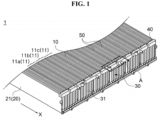
FIG. 1 is a perspective view illustrating a battery module according to an embodiment of the present disclosure. -
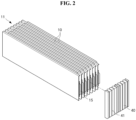
FIG. 2 is an exploded perspective view illustrating a unit cell assembly and a guide member of the battery module ofFIG. 1 . -
FIG. 3 is an enlarged view of a part 'A' of the battery module ofFIG. 1 . -
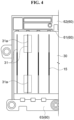
FIG. 4 illustrates an electrode lead, a bus bar unit, and a support frame of the battery module ofFIG. 1 . -
FIG. 5 is a perspective view illustrating the inside of a battery module including a bracket. -
FIG. 6 is a cross-sectional view illustrating a support frame with bus bar unit through holes. - Reference will now be made in detail to embodiments of the disclosure, examples of which are illustrated in the accompanying drawings. Wherever possible, the same reference numbers will be used throughout the drawings to refer to the same or like parts. In general, a suffix such as "module" and "unit" may be used to refer to elements or components. Use of such a suffix herein is merely intended to facilitate description of the present disclosure, and the suffix itself is not intended to give any special meaning or function. It will be noted that a detailed description of known arts will be omitted if it is determined that the detailed description of the known arts can obscure the embodiments of the disclosure. The accompanying drawings are used to help easily understand various technical features and it should be understood that embodiments presented herein are not limited by the accompanying drawings. As such, the present disclosure should be construed to extend to any alterations, equivalents and substitutes in addition to those which are particularly set out in the accompanying drawings.
- The terms including an ordinal number such as first, second, etc. may be used to describe various components, but the components are not limited by such terms. The terms are used only for the purpose of distinguishing one component from other components.
- When any component is described as "being connected" or "being coupled" to other component, this should be understood to mean that another component may exist between them, although any component may be directly connected or coupled to the other component. In contrast, when any component is described as "being directly connected" or "being directly coupled" to other component, this should be understood to mean that no component exists between them.
- A singular expression can include a plural expression as long as it does not have an apparently different meaning in context.
- In the present disclosure, terms "include" and "have" should be understood to be intended to designate that illustrated features, numbers, steps, operations, components, parts or combinations thereof are present and not to preclude the existence of one or more different features, numbers, steps, operations, components, parts or combinations thereof, or the possibility of the addition thereof.
- In the drawings, sizes of the components may be exaggerated or reduced for convenience of explanation. For example, the size and the thickness of each component illustrated in the drawings are arbitrarily illustrated for convenience of explanation, and thus the present disclosure is not limited thereto unless specified as such.
- If any embodiment is implementable differently, a specific order of processes may be performed differently from the order described. For example, two consecutively described processes may be performed substantially at the same time, or performed in the order opposite to the described order.
- In the following embodiments, when layers, areas, components, etc. are connected, the following embodiments include both the case where layers, areas, and components are directly connected, and the case where layers, areas, and components are indirectly connected to other layers, areas, and components intervening between them. For example, when layers, areas, components, etc. are electrically connected, the present disclosure includes both the case where layers, areas, and components are directly electrically connected, and the case where layers, areas, and components are indirectly electrically connected to other layers, areas, and components intervening between them.
- Referring to
FIGS. 1 to 3 , abattery module 1 may include acell assembly 11 formed by stacking a plurality ofbattery cells 10. Thecell assembly 11 is formed by stacking the plurality ofbattery cells 10. Thebattery cells 10 may be stacked in one direction. In this case, the stacking direction of thebattery cells 10 may be variously designed and changed, if necessary or desired. - Each
battery cell 10 may be a pouch-type secondary battery, i.e., a pouch-type battery cell 10 in which an electrode assembly (not shown) is accommodated in a pouch (exterior material). The pouch-type battery cell 10 may include anelectrode accommodation portion 13 accommodating the electrode assembly therein, and anelectrode lead 15 that is connected to the electrode assembly and protrudes from theelectrode accommodation portion 13 to the outside. - The
battery cell 10 may have a shape extending in a longitudinal direction. For example, thebattery cell 10 may have a shape extending in a direction X from a rear end to a front end of thebattery cell 10. The longitudinal direction of thebattery cell 10 may be a direction in which the electrode lead 15 protrudes from theelectrode accommodation portion 13. - The
battery cell 10 may have a flat shape. The plurality ofbattery cells 10 may be stacked. For example, the plurality ofbattery cells 10 may be sequentially stacked in a thickness direction of thebattery cells 10. A width direction of thebattery cell 10 may be parallel to a direction from a lower end of thebattery cell 10 toward an upper end of thebattery cell 10. The width direction of thebattery cell 10 may be a direction transverse to the longitudinal direction of thebattery cell 10. - The electrode assembly includes a plurality of electrode plates and electrode tabs and is accommodated in a pouch. Here, the electrode plate may include a positive electrode plate and a negative electrode plate, and the electrode assembly may be disposed such that the positive electrode plate and the negative electrode plate are stacked with a separator interposed therebetween in a state where wide surfaces of the positive electrode plate and the negative electrode plate face each other. The positive electrode plate and the negative electrode plate are formed as a structure in which an active material slurry is applied to a current collector. The slurry is generally formed by stirring a granular active material, an auxiliary conductor, a binder, and a plasticizer in a state in which a solvent is added. Further, in the electrode assembly, the plurality of positive electrode plates and the plurality of negative electrode plates may be stacked in one direction. In this instance, the plurality of positive electrode plates and the plurality of negative electrode plates are respectively provided with the electrode tabs, and each electrode tab may be connected to an electrode lead so that electrodes of the same polarity contact each other.
- The
battery module 1 may include amodule housing 20. Themodule housing 20 may form an appearance of thebattery module 1. Themodule housing 20 may accommodate thecell assembly 11. Themodule housing 20 may protect thebattery cell 10 from an external environment. - The
module housing 20 may include a lower plate (not shown) supporting a lower part of thecell assembly 11. The lower plate (not shown) may be positioned under thecell assembly 11. - The
module housing 20 may include aside plate 21. Theside plate 21 may form a shape extending upward from an end of the lower plate (not shown). A plurality ofside plates 21 may be provided. For example, the plurality ofside plates 21 may be formed to extend upward from two side ends of the lower plate (not shown). For example, the plurality oflateral plates 21 may include twolateral plates 21. For example, the twolateral plates 21 may be disposed in the thickness direction of thebattery cell 10. Both lateral ends of the lower plate (not shown) may be spaced apart from each other and may face each other. - The
module housing 20 may have a structure in which the lower plate and thelateral plate 21 are integrally formed. For another example, theside plate 21 and the lower plate may be independently formed and then combined to form themodule housing 20. A front part and a rear part of themodule housing 20 may be opened. Abus bar unit 30 may be coupled to the front part and the rear part of themodule housing 20. - The
module housing 20 may include a material with high thermal conductivity, such as metal. For example, themodule housing 20 may include an aluminum material. However, the material of themodule housing 20 is not limited thereto, and various materials may be used as long as the materials have a strength and thermal conductivity similar to those of a metal, even if the materials are not a metal. - The
cell assembly 11 may be disposed in an inner space of themodule housing 20. - A plurality of
battery cells 10 may be provided. The plurality ofbattery cells 10 may form onecell assembly 11. In other words, thecell assembly 11 may be formed by stacking the plurality ofbattery cells 10. - The
cell assembly 11 may include a plurality ofunit cell assemblies unit cell assemblies battery cells 10. For example, thecell assembly 11 may be divided into the plurality ofunit cell assemblies battery cells 10 may be grouped into the plurality ofunit cell assemblies - The plurality of
unit cell assemblies unit cell assembly 11a, a secondunit cell assembly 11b, and a thirdunit cell assembly 11c. - The first
unit cell assembly 11a, the secondunit cell assembly 11b, and the thirdunit cell assembly 11c may include the same number of battery cells. As another example, the firstunit cell assembly 11a, the secondunit cell assembly 11b, and the thirdunit cell assembly 11c may include a different number of battery cells. As another example, two unit cell assemblies of the firstunit cell assembly 11a, the secondunit cell assembly 11b, and the thirdunit cell assembly 11c may include the same number of battery cells and may include a different number of battery cells from the remaining unit cell assembly. - The
battery module 1 may include aheat blocking member 50. The plurality ofunit cell assemblies heat blocking member 50. Theheat blocking member 50 may be disposed between the plurality ofunit cell assemblies heat blocking member 50 is disposed between the firstunit cell assembly 11a and the secondunit cell assembly 11b and can block heat transfer between the firstunit cell assembly 11a and the secondunit cell assembly 11b. Theheat blocking member 50 may be disposed between bothadjacent battery cells 10 and may contact the bothadjacent battery cells 10. - The plurality of
heat blocking members 50 may be provided. For example, one of the plurality ofheat blocking members 50 may be disposed between the firstunit cell assembly 11a and the secondunit cell assembly 11b, and anotherheat blocking member 50 may be disposed between the secondunit cell assembly 11b and the thirdunit cell assembly 11c. - The
heat blocking member 50 is to prevent heat transfer between the bothadjacent battery cells 10 and may have insulation and/or flame retardancy. Theheat blocking member 50 may form a membrane shape or a film shape. - The
battery module 1 may include thebus bar unit 30. Thebus bar unit 30 may be coupled to themodule housing 20. Theelectrode lead 15 of each of the plurality ofbattery cells 10 may pass through thebus bar unit 30. Thebus bar unit 30 may be spaced apart from the electrode assembly. - The
bus bar unit 30 may include a bus bar (not shown). The bus bar (not shown) may be electrically connected to each of the electrode leads 15. - The
bus bar unit 30 may be coupled to one surface or both surfaces of thebattery cell 10 on which theelectrode lead 15 is disposed. Theelectrode lead 15 may pass through thebus bar unit 30 and may be exposed from an outer surface of thebus bar unit 30. The outer surface of thebus bar unit 30 may be directed toward the outside of themodule housing 20. The electrode leads 15 with the same polarity may be connected to each other by the bus bar (not shown) at the outer surface of thebus bar unit 30. To this end, thebus bar unit 30 may be provided with aslit 31 through which theelectrode lead 15 passes. - The
electrode lead 15 may be coupled to the bus bar (not shown). The coupling between theelectrode lead 15 and the bus bar (not shown) may be performed by welding in a state in which theelectrode lead 15 passes through theslit 31, that is, in a state in which theelectrode lead 15 protrudes to the outside of the bus bar. The plurality ofslits 31 may be provided. The plurality ofslits 31 may be disposed in the direction in which the plurality ofbattery cells 10 are stacked. - The
battery module 1 may include aguide member 40. Theguide member 40 may be positioned inside themodule housing 20. Theguide member 40 may be positioned between thecell assembly 11 and thebus bar unit 30. Theguide member 40 may fill between theelectrode accommodation portion 13 and thebus bar unit 30 in a state where theelectrode lead 15 passes through theslit 31 of thebus bar unit 30. That is, theguide member 40 may fill a space between theelectrode accommodation portion 13 and thebus bar unit 30. - The
guide member 40 may include a plurality ofopenings 41. An end of each of the plurality of electrode leads 15 may pass through the plurality ofopenings 41. The plurality ofopenings 41 may directed toward thebus bar unit 30. For example, the plurality ofopenings 41 may respectively correspond to the plurality ofslits 31. For example, the plurality ofopenings 41 may face the plurality ofslits 31. The plurality of electrode leads 15 may pass through theopenings 41 and pass through theslits 31 of thebus bar unit 30. - A thermal runaway phenomenon may occur in the
battery cell 10. A high temperature gas generated inside thebattery cell 10 in which the thermal runaway has occurred may be discharged from theelectrode accommodation portion 13. In the related art, a plurality of electrode leads 15 of a plurality ofbattery cells 10 were spaced apart from each other, and a space was formed between the plurality of electrode leads 15. Hence, the gas moved between the electrode leads 15 having a relatively small flow path resistance, and heat could propagate to other battery cells. - On the other hands, the
guide member 40 according to an embodiment of the present disclosure seals between the electrode leads 15 of thebattery cells 10 adjacent to each other, and thus can prevent the gas from propagating heat toother battery cells 10. That is, theguide member 40 can prevent heat generated in onebattery cell 10 from propagating toother battery cells 10. - The
guide member 40 may include, for example, at least one of a fiber, an epoxy resin, a mica sheet, a ceramic pad, and a flame retardant rubber. For another example, theguide member 40 may include a heat insulation material in the form of a gel. - The
guide member 40 may be coupled to at least twobattery cells 10 of the plurality ofbattery cells 10 of thecell assembly 11. However, the present disclosure is not limited thereto, and the number ofbattery cells 10 to which oneguide member 40 is coupled can be variously designed and changed. - The
cell assembly 11 may be provided with the plurality ofunit cell assemblies heat blocking member 50 may be disposed between the adjacentunit cell assemblies unit cell assemblies - The
guide member 40 may be coupled to oneunit cell assembly guide member 40 is disposed between the adjacentheat blocking members 50 and can seal between theunit cell assemblies bus bar unit 30. - The plurality of
guide members 40 may be provided. Theguide member 40 may correspond to oneunit cell assembly guide members 40 may be individually disposed while eachguide member 40 is interposed between the adjacentheat blocking members 50. For example, the plurality ofguide members 40 may be individually disposed to respectively correspond to the firstunit cell assembly 11a, the secondunit cell assembly 11b, and the thirdunit cell assembly 11c. - The gas generated due to thermal runaway of the
battery cells 10 may be discharged to the outside through theopenings 41 of theguide member 40. For example, the gas passing through theopenings 41 may be discharged to the outside through theslits 31. - Referring to
FIGS. 2 and4 , a length of theopening 41 in a transverse direction may be greater than a length of theelectrode lead 15 in the transverse direction. For example, the length of theopening 41 in the transverse direction may be greater than the length of the end of theelectrode lead 15 in the transverse direction. The gas generated in thebattery cell 10 may be discharged to the outside through theopening 41.FIG. 4 illustrates a cross section of the battery module 1 (seeFIG. 1 ). - The
slit 31 of thebus bar unit 30 may correspond to theopening 41 of theguide member 40. A length of theslit 31 in the transverse direction may be greater than the length of the end of theelectrode lead 15 in the transverse direction. The gas passing through theopening 41 may pass through theslit 31 and may be discharged to the outside. - The
electrode lead 15 passing through theslit 31 may be coupled to thebus bar unit 30 through welding (e.g., laser welding, etc.). In this instance, if theelectrode lead 15 is positioned differently from an initial setting position when theelectrode lead 15 is inserted into theslit 31, an assembly tolerance may occur. In this case, since the length of theslit 31 in the transverse direction is greater than the length of the end of theelectrode lead 15 in the transverse direction, an assembly failure due to the assembly tolerance can be prevented. Further, theelectrode lead 15 can be more easily coupled to the bus bar (not shown). - The
slit 31 may include amargin portion 31a. Themargin portion 31a may be a portion of theslit 31 excluding a portion through which the end of theelectrode lead 15 passes. The gas may be discharged to the outside through themargin portion 31a. - The
battery module 1 may include asupport frame 60. Thesupport frame 60 may be coupled to themodule housing 20. Thesupport frame 60 may include aseating portion 61 on which thebus bar unit 30 is placed, and anupper extension 62 and alower extension 63 that extend from the seatingportion 61 in upper and lower directions, respectively. Each of theupper extension 62 and thelower extension 63 may be coupled to themodule housing 20 by a coupling member such as a hook or a bolt. -
FIG. 5 is a perspective view illustrating the inside of a battery module including a bracket. - Referring to
FIG. 5 , thebattery module 1 may include abracket 80. Thebracket 80 may face thebus bar unit 30. For example, theelectrode lead 15 passing through thebus bar unit 30 may face thebracket 80 or may be directed toward thebracket 80. - The
bracket 80 may form a discharge path through which the gas passing through theslits 31 of thebus bar unit 30 is discharged. For example, thebracket 80 may include a plurality ofapertures 81 and anedge portion 82 surrounding theapertures 81. - The plurality of
apertures 81 may form the discharge path of the gas. The gas passing through theslits 31 of thebus bar unit 30 may be discharged to the outside through the plurality ofapertures 81. -
FIG. 6 illustrates a cross section of the battery module 1 (seeFIG. 1 ). Referring toFIG. 6 , a support frame 60' may be coupled to themodule housing 20 and may support a bus bar unit 30'. The support frame 60' and the bus bar unit 30' may be disposed in the longitudinal direction of thebattery cell 10. For example, the support frame 60' and the bus bar unit 30' may be disposed in the front-rear direction. - The support frame 60' may include a seating portion 61' on which the bus bar unit 30' is placed, an upper extension 62' extending upward from the seating portion 61', and a lower extension 63' extending downward from the seating portion 61'.
- At least one of the upper extension 62' and the lower extension 63' may include a through
hole 65 through which the gas is discharged to the outside. A plurality of throughholes 65 may be provided. The plurality of throughholes 65 may be disposed in each of the upper extension 62' and the lower extension 63'. However, a location of throughholes 65 is not limited thereto. - The plurality of through
holes 65 may be disposed to be spaced apart from each other. For example, the plurality of throughholes 65 may be disposed parallel to a direction in which the plurality ofslits 31 are disposed. The plurality of throughholes 65 may be adjacent to the plurality of openings 41 (seeFIG. 2 ). The gas passing through the openings 41 (seeFIG. 2 ) may be easily discharged to the outside through the through holes 65. The plurality of throughholes 65 may be disposed to correspond to the plurality of openings 41 (seeFIG. 2 ), respectively. - The length of the opening 41 (see
FIG. 2 ) in the transverse direction may be greater than a length of a slit 31' in the transverse direction. When thermal runaway occurs in thebattery cell 10, the gas passing through the openings 41 (seeFIG. 2 ) may be discharged to the outside through the slits 31' and/or the through holes 65. - In the present disclosure, the through
holes 65 have been described and illustrated as the rectangular shape. However, the throughholes 65 may be provided in a circular shape or provided in a polygonal shape such as a triangular shape or a pentagonal shape. In addition, the throughholes 65 may be provided in various shapes through which the gas can pass. - Some embodiments or other embodiments of the present disclosure described above are not mutually exclusive or distinct from each other. Configurations or functions of some embodiments or other embodiments of the present disclosure described above can be used together or combined with each other.
- It is apparent to those skilled in the art that the present disclosure can be embodied in other specific forms without departing from the spirit and essential features of the present disclosure. Accordingly, the above detailed description should not be construed as limiting in all aspects and should be considered as illustrative. The scope of the present disclosure should be determined by rational interpretation of the appended claims, and all modifications within an equivalent scope of the present disclosure are included in the scope of the present disclosure.
Claims (13)
- A battery module comprising:a cell assembly including a plurality of battery cells, each of the plurality of battery cells including:an electrode accommodation portion accommodating an electrode assembly; andan electrode lead protruding from the electrode accommodation portion and coupled to the electrode assembly;a module housing accommodating the cell assembly;a bus bar unit including:a plurality of slits in which the electrode leads are inserted respectively; anda bus bar coupled to the electrode leads; anda guide member positioned between the electrode accommodation portion and the bus bar unit, the guide member including a plurality of openings through which the electrode leads pass.
- The battery module of claim 1, wherein the guide member seals between the electrode leads of adjacent battery cells of the plurality of battery cells.
- The battery module of claim 1 or 2, wherein the guide member is coupled to at least two battery cells of the plurality of battery cells.
- The battery module of any one of claims 1 to 3, further comprising:a heat blocking member accommodated in the module housing,wherein the plurality of battery cells are grouped into a plurality of unit cell assemblies,wherein the heat blocking member is disposed between adjacent unit cell assemblies of the plurality of unit cell assemblies, andwherein the guide member includes a plurality of guide members, and the plurality of guide members are coupled to the plurality of unit cell assemblies, respectively.
- The battery module of any one of claims 1 to 4, wherein the electrode lead in each of the plurality of battery cells forms a shape extending in a longitudinal direction in which the electrode lead protrudes from the electrode accommodation portion, and
wherein the plurality of battery cells are stacked in a thickness direction of each of the plurality of battery cells to form the cell assembly, - The battery module of claim 5, wherein a length of the slit in a transverse direction is greater than a length of the opening in the transverse direction.
- The battery module of claim 5, wherein a length of the slit in a transverse direction is greater than a length of the electrode lead in the transverse direction.
- The battery module of any one of claims 1 to 7, wherein the guide member includes at least one of a fiber, an epoxy resin, a mica sheet, a ceramic pad, and a flame retardant rubber.
- The battery module of any one of claims 1 to 8, wherein the guide member includes a heat insulation material in the form of a gel.
- The battery module of any one of claims 1 to 9, further comprising:
a support frame coupled to the module housing and supporting the bus bar unit, the support frame including a plurality of through holes. - The battery module of claim 10, wherein the support frame includes:a seating portion on which the bus bar unit is placed;an upper extension extending upward from the seating portion anda lower extension extending downward from the seating portion,wherein the plurality of through holes are formed in at least one of the upper extension and the lower extension
- The battery module of claim 10 or 11, wherein the plurality of through holes correspond to the plurality of openings, respectively.
- The battery module of any one of claims 1 to 12, further comprising:
a bracket coupled to the module housing, the bracket facing the bus bar unit, the bracket forming a discharge path through which a gas passing through the bus bar unit is discharged.
Applications Claiming Priority (1)
| Application Number | Priority Date | Filing Date | Title |
|---|---|---|---|
| KR1020210114454A KR102689331B1 (en) | 2021-08-30 | 2021-08-30 | Battery module |
Publications (2)
| Publication Number | Publication Date |
|---|---|
| EP4142018A1 true EP4142018A1 (en) | 2023-03-01 |
| EP4142018B1 EP4142018B1 (en) | 2024-08-14 |
Family
ID=83151737
Family Applications (1)
| Application Number | Title | Priority Date | Filing Date |
|---|---|---|---|
| EP22192723.9A Active EP4142018B1 (en) | 2021-08-30 | 2022-08-30 | Battery module |
Country Status (4)
| Country | Link |
|---|---|
| US (1) | US20230061563A1 (en) |
| EP (1) | EP4142018B1 (en) |
| KR (1) | KR102689331B1 (en) |
| CN (1) | CN115732845A (en) |
Families Citing this family (5)
| Publication number | Priority date | Publication date | Assignee | Title |
|---|---|---|---|---|
| US12494539B2 (en) * | 2022-11-03 | 2025-12-09 | C-Tech United Corporation | Pouch cell device and tab bracket |
| US12300799B2 (en) * | 2023-04-28 | 2025-05-13 | Sk On Co., Ltd. | Battery assembly with improved thermal propagation management |
| DE102023112985A1 (en) * | 2023-05-17 | 2024-11-21 | Dr. Ing. H.C. F. Porsche Aktiengesellschaft | battery cell module |
| EP4614709A4 (en) * | 2023-09-22 | 2026-04-15 | Lg Energy Solution Ltd | BATTERY PACK AND VEHICLE WITH IT |
| EP4704232A1 (en) * | 2024-09-03 | 2026-03-04 | Ford Global Technologies, LLC | Busbar with thermal barrier alignment guides |
Citations (5)
| Publication number | Priority date | Publication date | Assignee | Title |
|---|---|---|---|---|
| US20200106074A1 (en) * | 2018-02-05 | 2020-04-02 | Lg Chem, Ltd. | Battery module, and battery pack and automobile comprising same |
| WO2020246721A1 (en) * | 2019-06-05 | 2020-12-10 | 주식회사 엘지화학 | Battery rack and power storage device comprising same |
| DE202021100964U1 (en) * | 2020-12-14 | 2021-03-08 | Tianjin Ev Energies Co., Ltd. | Battery module to delay thermal runaway and vehicle with the same |
| KR20210092039A (en) * | 2020-01-15 | 2021-07-23 | 주식회사 엘지에너지솔루션 | Battery Module Including Flame Retardant Sheet, Battery Rack Including the Same, and Power Storage System |
| KR20210114454A (en) | 2019-01-11 | 2021-09-23 | 샤프 가부시키가이샤 | UE, core network device, and communication control method |
Family Cites Families (4)
| Publication number | Priority date | Publication date | Assignee | Title |
|---|---|---|---|---|
| KR102380225B1 (en) * | 2019-03-06 | 2022-03-28 | 주식회사 엘지에너지솔루션 | A ESS module having a structure capable of preventing external exposure of a flame and a ESS pack comprising the same |
| JP7426553B2 (en) * | 2019-05-29 | 2024-02-02 | パナソニックIpマネジメント株式会社 | Heat insulation sheet and its manufacturing method, electronic equipment and battery unit |
| KR102814054B1 (en) * | 2019-07-23 | 2025-05-29 | 에스케이온 주식회사 | Bettery module |
| KR102841612B1 (en) * | 2019-08-13 | 2025-08-01 | 에스케이온 주식회사 | Bettery module |
-
2021
- 2021-08-30 KR KR1020210114454A patent/KR102689331B1/en active Active
-
2022
- 2022-08-29 US US17/897,326 patent/US20230061563A1/en active Pending
- 2022-08-30 EP EP22192723.9A patent/EP4142018B1/en active Active
- 2022-08-30 CN CN202211047993.9A patent/CN115732845A/en active Pending
Patent Citations (5)
| Publication number | Priority date | Publication date | Assignee | Title |
|---|---|---|---|---|
| US20200106074A1 (en) * | 2018-02-05 | 2020-04-02 | Lg Chem, Ltd. | Battery module, and battery pack and automobile comprising same |
| KR20210114454A (en) | 2019-01-11 | 2021-09-23 | 샤프 가부시키가이샤 | UE, core network device, and communication control method |
| WO2020246721A1 (en) * | 2019-06-05 | 2020-12-10 | 주식회사 엘지화학 | Battery rack and power storage device comprising same |
| KR20210092039A (en) * | 2020-01-15 | 2021-07-23 | 주식회사 엘지에너지솔루션 | Battery Module Including Flame Retardant Sheet, Battery Rack Including the Same, and Power Storage System |
| DE202021100964U1 (en) * | 2020-12-14 | 2021-03-08 | Tianjin Ev Energies Co., Ltd. | Battery module to delay thermal runaway and vehicle with the same |
Also Published As
| Publication number | Publication date |
|---|---|
| KR102689331B1 (en) | 2024-07-26 |
| EP4142018B1 (en) | 2024-08-14 |
| KR20230032076A (en) | 2023-03-07 |
| CN115732845A (en) | 2023-03-03 |
| US20230061563A1 (en) | 2023-03-02 |
Similar Documents
| Publication | Publication Date | Title |
|---|---|---|
| EP4142018A1 (en) | Battery module | |
| EP4175035A1 (en) | Large battery module and battery pack including same | |
| KR20230134660A (en) | Battery module and battery pack including the same | |
| KR20230134376A (en) | Battery module | |
| JP2023534854A (en) | Battery module and battery pack containing same | |
| KR102670474B1 (en) | Battery module to prevent thermal runaway propagation | |
| KR20240098779A (en) | Battery pack suitable for thermal propagation delay | |
| EP4645562A1 (en) | Battery module, battery pack and vehicle including same | |
| EP4632880A1 (en) | Battery pack and vehicle comprising same | |
| EP4648203A1 (en) | Battery pack and vehicle including same | |
| EP4730538A1 (en) | Battery module, battery pack and vehicle including same | |
| KR20240150200A (en) | Battery pack | |
| KR20240150351A (en) | Battery pack | |
| KR20250073769A (en) | Battery pack | |
| KR20250177724A (en) | Battery module, Battery pack and vehicle including the same | |
| KR20240166690A (en) | Battery pack | |
| KR20250086935A (en) | Battery pack | |
| KR20240152028A (en) | Battery pack | |
| CN121039887A (en) | Battery modules and battery packs including them and vehicles | |
| CN120345117A (en) | Battery module and battery pack including the battery module | |
| CN119366044A (en) | Battery pack and vehicle including the battery pack | |
| JP2026513968A (en) | Battery pack | |
| KR20260024236A (en) | Battery module, Battery pack and vehicle including the same | |
| KR20260011962A (en) | Battery pack and Vehicle including the same | |
| KR20250097418A (en) | Rechargeable battery, rechargeable battery pack and method for manufacturing cap plate for rechargeable battery |
Legal Events
| Date | Code | Title | Description |
|---|---|---|---|
| PUAI | Public reference made under article 153(3) epc to a published international application that has entered the european phase |
Free format text: ORIGINAL CODE: 0009012 |
|
| STAA | Information on the status of an ep patent application or granted ep patent |
Free format text: STATUS: REQUEST FOR EXAMINATION WAS MADE |
|
| 17P | Request for examination filed |
Effective date: 20220920 |
|
| AK | Designated contracting states |
Kind code of ref document: A1 Designated state(s): AL AT BE BG CH CY CZ DE DK EE ES FI FR GB GR HR HU IE IS IT LI LT LU LV MC MK MT NL NO PL PT RO RS SE SI SK SM TR |
|
| P01 | Opt-out of the competence of the unified patent court (upc) registered |
Effective date: 20230602 |
|
| GRAP | Despatch of communication of intention to grant a patent |
Free format text: ORIGINAL CODE: EPIDOSNIGR1 |
|
| STAA | Information on the status of an ep patent application or granted ep patent |
Free format text: STATUS: GRANT OF PATENT IS INTENDED |
|
| INTG | Intention to grant announced |
Effective date: 20240419 |
|
| GRAS | Grant fee paid |
Free format text: ORIGINAL CODE: EPIDOSNIGR3 |
|
| GRAA | (expected) grant |
Free format text: ORIGINAL CODE: 0009210 |
|
| STAA | Information on the status of an ep patent application or granted ep patent |
Free format text: STATUS: THE PATENT HAS BEEN GRANTED |
|
| AK | Designated contracting states |
Kind code of ref document: B1 Designated state(s): AL AT BE BG CH CY CZ DE DK EE ES FI FR GB GR HR HU IE IS IT LI LT LU LV MC MK MT NL NO PL PT RO RS SE SI SK SM TR |
|
| REG | Reference to a national code |
Ref country code: GB Ref legal event code: FG4D |
|
| REG | Reference to a national code |
Ref country code: CH Ref legal event code: EP |
|
| REG | Reference to a national code |
Ref country code: DE Ref legal event code: R096 Ref document number: 602022005297 Country of ref document: DE |
|
| REG | Reference to a national code |
Ref country code: IE Ref legal event code: FG4D |
|
| REG | Reference to a national code |
Ref country code: LT Ref legal event code: MG9D |
|
| REG | Reference to a national code |
Ref country code: NL Ref legal event code: MP Effective date: 20240814 |
|
| PG25 | Lapsed in a contracting state [announced via postgrant information from national office to epo] |
Ref country code: NO Free format text: LAPSE BECAUSE OF FAILURE TO SUBMIT A TRANSLATION OF THE DESCRIPTION OR TO PAY THE FEE WITHIN THE PRESCRIBED TIME-LIMIT Effective date: 20241114 |
|
| REG | Reference to a national code |
Ref country code: AT Ref legal event code: MK05 Ref document number: 1714149 Country of ref document: AT Kind code of ref document: T Effective date: 20240814 |
|
| PG25 | Lapsed in a contracting state [announced via postgrant information from national office to epo] |
Ref country code: GR Free format text: LAPSE BECAUSE OF FAILURE TO SUBMIT A TRANSLATION OF THE DESCRIPTION OR TO PAY THE FEE WITHIN THE PRESCRIBED TIME-LIMIT Effective date: 20241115 Ref country code: NL Free format text: LAPSE BECAUSE OF FAILURE TO SUBMIT A TRANSLATION OF THE DESCRIPTION OR TO PAY THE FEE WITHIN THE PRESCRIBED TIME-LIMIT Effective date: 20240814 Ref country code: PL Free format text: LAPSE BECAUSE OF FAILURE TO SUBMIT A TRANSLATION OF THE DESCRIPTION OR TO PAY THE FEE WITHIN THE PRESCRIBED TIME-LIMIT Effective date: 20240814 Ref country code: FI Free format text: LAPSE BECAUSE OF FAILURE TO SUBMIT A TRANSLATION OF THE DESCRIPTION OR TO PAY THE FEE WITHIN THE PRESCRIBED TIME-LIMIT Effective date: 20240814 Ref country code: PT Free format text: LAPSE BECAUSE OF FAILURE TO SUBMIT A TRANSLATION OF THE DESCRIPTION OR TO PAY THE FEE WITHIN THE PRESCRIBED TIME-LIMIT Effective date: 20241216 |
|
| PG25 | Lapsed in a contracting state [announced via postgrant information from national office to epo] |
Ref country code: BG Free format text: LAPSE BECAUSE OF FAILURE TO SUBMIT A TRANSLATION OF THE DESCRIPTION OR TO PAY THE FEE WITHIN THE PRESCRIBED TIME-LIMIT Effective date: 20240814 |
|
| PG25 | Lapsed in a contracting state [announced via postgrant information from national office to epo] |
Ref country code: LV Free format text: LAPSE BECAUSE OF FAILURE TO SUBMIT A TRANSLATION OF THE DESCRIPTION OR TO PAY THE FEE WITHIN THE PRESCRIBED TIME-LIMIT Effective date: 20240814 |
|
| PG25 | Lapsed in a contracting state [announced via postgrant information from national office to epo] |
Ref country code: AT Free format text: LAPSE BECAUSE OF FAILURE TO SUBMIT A TRANSLATION OF THE DESCRIPTION OR TO PAY THE FEE WITHIN THE PRESCRIBED TIME-LIMIT Effective date: 20240814 Ref country code: IS Free format text: LAPSE BECAUSE OF FAILURE TO SUBMIT A TRANSLATION OF THE DESCRIPTION OR TO PAY THE FEE WITHIN THE PRESCRIBED TIME-LIMIT Effective date: 20241214 |
|
| PG25 | Lapsed in a contracting state [announced via postgrant information from national office to epo] |
Ref country code: HR Free format text: LAPSE BECAUSE OF FAILURE TO SUBMIT A TRANSLATION OF THE DESCRIPTION OR TO PAY THE FEE WITHIN THE PRESCRIBED TIME-LIMIT Effective date: 20240814 |
|
| PG25 | Lapsed in a contracting state [announced via postgrant information from national office to epo] |
Ref country code: RS Free format text: LAPSE BECAUSE OF FAILURE TO SUBMIT A TRANSLATION OF THE DESCRIPTION OR TO PAY THE FEE WITHIN THE PRESCRIBED TIME-LIMIT Effective date: 20241114 Ref country code: ES Free format text: LAPSE BECAUSE OF FAILURE TO SUBMIT A TRANSLATION OF THE DESCRIPTION OR TO PAY THE FEE WITHIN THE PRESCRIBED TIME-LIMIT Effective date: 20240814 |
|
| PG25 | Lapsed in a contracting state [announced via postgrant information from national office to epo] |
Ref country code: RS Free format text: LAPSE BECAUSE OF FAILURE TO SUBMIT A TRANSLATION OF THE DESCRIPTION OR TO PAY THE FEE WITHIN THE PRESCRIBED TIME-LIMIT Effective date: 20241114 Ref country code: PT Free format text: LAPSE BECAUSE OF FAILURE TO SUBMIT A TRANSLATION OF THE DESCRIPTION OR TO PAY THE FEE WITHIN THE PRESCRIBED TIME-LIMIT Effective date: 20241216 Ref country code: PL Free format text: LAPSE BECAUSE OF FAILURE TO SUBMIT A TRANSLATION OF THE DESCRIPTION OR TO PAY THE FEE WITHIN THE PRESCRIBED TIME-LIMIT Effective date: 20240814 Ref country code: NO Free format text: LAPSE BECAUSE OF FAILURE TO SUBMIT A TRANSLATION OF THE DESCRIPTION OR TO PAY THE FEE WITHIN THE PRESCRIBED TIME-LIMIT Effective date: 20241114 Ref country code: NL Free format text: LAPSE BECAUSE OF FAILURE TO SUBMIT A TRANSLATION OF THE DESCRIPTION OR TO PAY THE FEE WITHIN THE PRESCRIBED TIME-LIMIT Effective date: 20240814 Ref country code: LV Free format text: LAPSE BECAUSE OF FAILURE TO SUBMIT A TRANSLATION OF THE DESCRIPTION OR TO PAY THE FEE WITHIN THE PRESCRIBED TIME-LIMIT Effective date: 20240814 Ref country code: IS Free format text: LAPSE BECAUSE OF FAILURE TO SUBMIT A TRANSLATION OF THE DESCRIPTION OR TO PAY THE FEE WITHIN THE PRESCRIBED TIME-LIMIT Effective date: 20241214 Ref country code: HR Free format text: LAPSE BECAUSE OF FAILURE TO SUBMIT A TRANSLATION OF THE DESCRIPTION OR TO PAY THE FEE WITHIN THE PRESCRIBED TIME-LIMIT Effective date: 20240814 Ref country code: GR Free format text: LAPSE BECAUSE OF FAILURE TO SUBMIT A TRANSLATION OF THE DESCRIPTION OR TO PAY THE FEE WITHIN THE PRESCRIBED TIME-LIMIT Effective date: 20241115 Ref country code: FI Free format text: LAPSE BECAUSE OF FAILURE TO SUBMIT A TRANSLATION OF THE DESCRIPTION OR TO PAY THE FEE WITHIN THE PRESCRIBED TIME-LIMIT Effective date: 20240814 Ref country code: ES Free format text: LAPSE BECAUSE OF FAILURE TO SUBMIT A TRANSLATION OF THE DESCRIPTION OR TO PAY THE FEE WITHIN THE PRESCRIBED TIME-LIMIT Effective date: 20240814 Ref country code: BG Free format text: LAPSE BECAUSE OF FAILURE TO SUBMIT A TRANSLATION OF THE DESCRIPTION OR TO PAY THE FEE WITHIN THE PRESCRIBED TIME-LIMIT Effective date: 20240814 Ref country code: AT Free format text: LAPSE BECAUSE OF FAILURE TO SUBMIT A TRANSLATION OF THE DESCRIPTION OR TO PAY THE FEE WITHIN THE PRESCRIBED TIME-LIMIT Effective date: 20240814 |
|
| PG25 | Lapsed in a contracting state [announced via postgrant information from national office to epo] |
Ref country code: SM Free format text: LAPSE BECAUSE OF FAILURE TO SUBMIT A TRANSLATION OF THE DESCRIPTION OR TO PAY THE FEE WITHIN THE PRESCRIBED TIME-LIMIT Effective date: 20240814 Ref country code: DK Free format text: LAPSE BECAUSE OF FAILURE TO SUBMIT A TRANSLATION OF THE DESCRIPTION OR TO PAY THE FEE WITHIN THE PRESCRIBED TIME-LIMIT Effective date: 20240814 Ref country code: RO Free format text: LAPSE BECAUSE OF FAILURE TO SUBMIT A TRANSLATION OF THE DESCRIPTION OR TO PAY THE FEE WITHIN THE PRESCRIBED TIME-LIMIT Effective date: 20240814 |
|
| PG25 | Lapsed in a contracting state [announced via postgrant information from national office to epo] |
Ref country code: LU Free format text: LAPSE BECAUSE OF NON-PAYMENT OF DUE FEES Effective date: 20240830 |
|
| PG25 | Lapsed in a contracting state [announced via postgrant information from national office to epo] |
Ref country code: EE Free format text: LAPSE BECAUSE OF FAILURE TO SUBMIT A TRANSLATION OF THE DESCRIPTION OR TO PAY THE FEE WITHIN THE PRESCRIBED TIME-LIMIT Effective date: 20240814 |
|
| PG25 | Lapsed in a contracting state [announced via postgrant information from national office to epo] |
Ref country code: CZ Free format text: LAPSE BECAUSE OF FAILURE TO SUBMIT A TRANSLATION OF THE DESCRIPTION OR TO PAY THE FEE WITHIN THE PRESCRIBED TIME-LIMIT Effective date: 20240814 |
|
| PG25 | Lapsed in a contracting state [announced via postgrant information from national office to epo] |
Ref country code: SK Free format text: LAPSE BECAUSE OF FAILURE TO SUBMIT A TRANSLATION OF THE DESCRIPTION OR TO PAY THE FEE WITHIN THE PRESCRIBED TIME-LIMIT Effective date: 20240814 Ref country code: IT Free format text: LAPSE BECAUSE OF FAILURE TO SUBMIT A TRANSLATION OF THE DESCRIPTION OR TO PAY THE FEE WITHIN THE PRESCRIBED TIME-LIMIT Effective date: 20240814 |
|
| REG | Reference to a national code |
Ref country code: DE Ref legal event code: R097 Ref document number: 602022005297 Country of ref document: DE |
|
| PLBE | No opposition filed within time limit |
Free format text: ORIGINAL CODE: 0009261 |
|
| STAA | Information on the status of an ep patent application or granted ep patent |
Free format text: STATUS: NO OPPOSITION FILED WITHIN TIME LIMIT |
|
| REG | Reference to a national code |
Ref country code: BE Ref legal event code: MM Effective date: 20240831 |
|
| PG25 | Lapsed in a contracting state [announced via postgrant information from national office to epo] |
Ref country code: MC Free format text: LAPSE BECAUSE OF FAILURE TO SUBMIT A TRANSLATION OF THE DESCRIPTION OR TO PAY THE FEE WITHIN THE PRESCRIBED TIME-LIMIT Effective date: 20240814 |
|
| PG25 | Lapsed in a contracting state [announced via postgrant information from national office to epo] |
Ref country code: BE Free format text: LAPSE BECAUSE OF NON-PAYMENT OF DUE FEES Effective date: 20240831 |
|
| PGFP | Annual fee paid to national office [announced via postgrant information from national office to epo] |
Ref country code: FR Payment date: 20250624 Year of fee payment: 4 |
|
| 26N | No opposition filed |
Effective date: 20250515 |
|
| PG25 | Lapsed in a contracting state [announced via postgrant information from national office to epo] |
Ref country code: IE Free format text: LAPSE BECAUSE OF NON-PAYMENT OF DUE FEES Effective date: 20240830 |
|
| PG25 | Lapsed in a contracting state [announced via postgrant information from national office to epo] |
Ref country code: SE Free format text: LAPSE BECAUSE OF FAILURE TO SUBMIT A TRANSLATION OF THE DESCRIPTION OR TO PAY THE FEE WITHIN THE PRESCRIBED TIME-LIMIT Effective date: 20240814 |
|
| PGFP | Annual fee paid to national office [announced via postgrant information from national office to epo] |
Ref country code: DE Payment date: 20250624 Year of fee payment: 4 |
|
| PG25 | Lapsed in a contracting state [announced via postgrant information from national office to epo] |
Ref country code: CY Free format text: LAPSE BECAUSE OF FAILURE TO SUBMIT A TRANSLATION OF THE DESCRIPTION OR TO PAY THE FEE WITHIN THE PRESCRIBED TIME-LIMIT; INVALID AB INITIO Effective date: 20220830 |
|
| PG25 | Lapsed in a contracting state [announced via postgrant information from national office to epo] |
Ref country code: HU Free format text: LAPSE BECAUSE OF FAILURE TO SUBMIT A TRANSLATION OF THE DESCRIPTION OR TO PAY THE FEE WITHIN THE PRESCRIBED TIME-LIMIT; INVALID AB INITIO Effective date: 20220830 |
|
| REG | Reference to a national code |
Ref country code: CH Ref legal event code: H13 Free format text: ST27 STATUS EVENT CODE: U-0-0-H10-H13 (AS PROVIDED BY THE NATIONAL OFFICE) Effective date: 20260324 |
|
| PG25 | Lapsed in a contracting state [announced via postgrant information from national office to epo] |
Ref country code: CH Free format text: LAPSE BECAUSE OF NON-PAYMENT OF DUE FEES Effective date: 20250831 |