EP4141110A1 - Method for producing particles of bacteriophages of the genus levivirus - Google Patents
Method for producing particles of bacteriophages of the genus levivirus Download PDFInfo
- Publication number
- EP4141110A1 EP4141110A1 EP20932307.0A EP20932307A EP4141110A1 EP 4141110 A1 EP4141110 A1 EP 4141110A1 EP 20932307 A EP20932307 A EP 20932307A EP 4141110 A1 EP4141110 A1 EP 4141110A1
- Authority
- EP
- European Patent Office
- Prior art keywords
- particles
- levivirus
- bacteriophages
- family
- rna
- Prior art date
- Legal status (The legal status is an assumption and is not a legal conclusion. Google has not performed a legal analysis and makes no representation as to the accuracy of the status listed.)
- Withdrawn
Links
Images



Classifications
-
- C—CHEMISTRY; METALLURGY
- C12—BIOCHEMISTRY; BEER; SPIRITS; WINE; VINEGAR; MICROBIOLOGY; ENZYMOLOGY; MUTATION OR GENETIC ENGINEERING
- C12N—MICROORGANISMS OR ENZYMES; COMPOSITIONS THEREOF; PROPAGATING, PRESERVING, OR MAINTAINING MICROORGANISMS; MUTATION OR GENETIC ENGINEERING; CULTURE MEDIA
- C12N7/00—Viruses; Bacteriophages; Compositions thereof; Preparation or purification thereof
-
- C—CHEMISTRY; METALLURGY
- C12—BIOCHEMISTRY; BEER; SPIRITS; WINE; VINEGAR; MICROBIOLOGY; ENZYMOLOGY; MUTATION OR GENETIC ENGINEERING
- C12N—MICROORGANISMS OR ENZYMES; COMPOSITIONS THEREOF; PROPAGATING, PRESERVING, OR MAINTAINING MICROORGANISMS; MUTATION OR GENETIC ENGINEERING; CULTURE MEDIA
- C12N15/00—Mutation or genetic engineering; DNA or RNA concerning genetic engineering, vectors, e.g. plasmids, or their isolation, preparation or purification; Use of hosts therefor
- C12N15/09—Recombinant DNA-technology
- C12N15/11—DNA or RNA fragments; Modified forms thereof; Non-coding nucleic acids having a biological activity
- C12N15/111—General methods applicable to biologically active non-coding nucleic acids
-
- C—CHEMISTRY; METALLURGY
- C12—BIOCHEMISTRY; BEER; SPIRITS; WINE; VINEGAR; MICROBIOLOGY; ENZYMOLOGY; MUTATION OR GENETIC ENGINEERING
- C12N—MICROORGANISMS OR ENZYMES; COMPOSITIONS THEREOF; PROPAGATING, PRESERVING, OR MAINTAINING MICROORGANISMS; MUTATION OR GENETIC ENGINEERING; CULTURE MEDIA
- C12N15/00—Mutation or genetic engineering; DNA or RNA concerning genetic engineering, vectors, e.g. plasmids, or their isolation, preparation or purification; Use of hosts therefor
- C12N15/09—Recombinant DNA-technology
- C12N15/63—Introduction of foreign genetic material using vectors; Vectors; Use of hosts therefor; Regulation of expression
- C12N15/79—Vectors or expression systems specially adapted for eukaryotic hosts
- C12N15/85—Vectors or expression systems specially adapted for eukaryotic hosts for animal cells
- C12N15/86—Viral vectors
-
- C—CHEMISTRY; METALLURGY
- C12—BIOCHEMISTRY; BEER; SPIRITS; WINE; VINEGAR; MICROBIOLOGY; ENZYMOLOGY; MUTATION OR GENETIC ENGINEERING
- C12N—MICROORGANISMS OR ENZYMES; COMPOSITIONS THEREOF; PROPAGATING, PRESERVING, OR MAINTAINING MICROORGANISMS; MUTATION OR GENETIC ENGINEERING; CULTURE MEDIA
- C12N2310/00—Structure or type of the nucleic acid
- C12N2310/10—Type of nucleic acid
- C12N2310/14—Type of nucleic acid interfering nucleic acids [NA]
-
- C—CHEMISTRY; METALLURGY
- C12—BIOCHEMISTRY; BEER; SPIRITS; WINE; VINEGAR; MICROBIOLOGY; ENZYMOLOGY; MUTATION OR GENETIC ENGINEERING
- C12N—MICROORGANISMS OR ENZYMES; COMPOSITIONS THEREOF; PROPAGATING, PRESERVING, OR MAINTAINING MICROORGANISMS; MUTATION OR GENETIC ENGINEERING; CULTURE MEDIA
- C12N2310/00—Structure or type of the nucleic acid
- C12N2310/50—Physical structure
- C12N2310/53—Physical structure partially self-complementary or closed
- C12N2310/531—Stem-loop; Hairpin
-
- C—CHEMISTRY; METALLURGY
- C12—BIOCHEMISTRY; BEER; SPIRITS; WINE; VINEGAR; MICROBIOLOGY; ENZYMOLOGY; MUTATION OR GENETIC ENGINEERING
- C12N—MICROORGANISMS OR ENZYMES; COMPOSITIONS THEREOF; PROPAGATING, PRESERVING, OR MAINTAINING MICROORGANISMS; MUTATION OR GENETIC ENGINEERING; CULTURE MEDIA
- C12N2320/00—Applications; Uses
- C12N2320/30—Special therapeutic applications
- C12N2320/32—Special delivery means, e.g. tissue-specific
-
- C—CHEMISTRY; METALLURGY
- C12—BIOCHEMISTRY; BEER; SPIRITS; WINE; VINEGAR; MICROBIOLOGY; ENZYMOLOGY; MUTATION OR GENETIC ENGINEERING
- C12N—MICROORGANISMS OR ENZYMES; COMPOSITIONS THEREOF; PROPAGATING, PRESERVING, OR MAINTAINING MICROORGANISMS; MUTATION OR GENETIC ENGINEERING; CULTURE MEDIA
- C12N2795/00—Bacteriophages
- C12N2795/00011—Details
- C12N2795/10011—Details dsDNA Bacteriophages
- C12N2795/10211—Podoviridae
- C12N2795/10241—Use of virus, viral particle or viral elements as a vector
- C12N2795/10243—Use of virus, viral particle or viral elements as a vector viral genome or elements thereof as genetic vector
-
- C—CHEMISTRY; METALLURGY
- C12—BIOCHEMISTRY; BEER; SPIRITS; WINE; VINEGAR; MICROBIOLOGY; ENZYMOLOGY; MUTATION OR GENETIC ENGINEERING
- C12N—MICROORGANISMS OR ENZYMES; COMPOSITIONS THEREOF; PROPAGATING, PRESERVING, OR MAINTAINING MICROORGANISMS; MUTATION OR GENETIC ENGINEERING; CULTURE MEDIA
- C12N2795/00—Bacteriophages
- C12N2795/00011—Details
- C12N2795/10011—Details dsDNA Bacteriophages
- C12N2795/10211—Podoviridae
- C12N2795/10241—Use of virus, viral particle or viral elements as a vector
- C12N2795/10244—Chimeric viral vector comprising heterologous viral elements for production of another viral vector
-
- C—CHEMISTRY; METALLURGY
- C12—BIOCHEMISTRY; BEER; SPIRITS; WINE; VINEGAR; MICROBIOLOGY; ENZYMOLOGY; MUTATION OR GENETIC ENGINEERING
- C12N—MICROORGANISMS OR ENZYMES; COMPOSITIONS THEREOF; PROPAGATING, PRESERVING, OR MAINTAINING MICROORGANISMS; MUTATION OR GENETIC ENGINEERING; CULTURE MEDIA
- C12N2795/00—Bacteriophages
- C12N2795/00011—Details
- C12N2795/18011—Details ssRNA Bacteriophages positive-sense
- C12N2795/18111—Leviviridae
- C12N2795/18123—Virus like particles [VLP]
-
- C—CHEMISTRY; METALLURGY
- C12—BIOCHEMISTRY; BEER; SPIRITS; WINE; VINEGAR; MICROBIOLOGY; ENZYMOLOGY; MUTATION OR GENETIC ENGINEERING
- C12N—MICROORGANISMS OR ENZYMES; COMPOSITIONS THEREOF; PROPAGATING, PRESERVING, OR MAINTAINING MICROORGANISMS; MUTATION OR GENETIC ENGINEERING; CULTURE MEDIA
- C12N2795/00—Bacteriophages
- C12N2795/00011—Details
- C12N2795/18011—Details ssRNA Bacteriophages positive-sense
- C12N2795/18111—Leviviridae
- C12N2795/18151—Methods of production or purification of viral material
Definitions
- the group of inventions relates to medicine and biology and concerns a technologically simple method for producing the particles of the bacteriophages of the Levivirus family (MS2-like), devoid of LPS toxicity, and a method of their biomineralization, which provides the prerequisites for the study of their use for a targeted delivery to the malignant tumor cells (including the endothelial cells of the pathological circulatory network) enriched in integrin ⁇ v ⁇ 3 , which allows to drastically reduce their overall toxicity.
- VLPs Phage-like particles
- US Patent Application 201700008778 US Patent Application 20190315807
- US Patent Application 20190315807 Phage-like particles
- US Patent 8324149 the methods for obtaining VLPs in large quantities have been developed, which are based on genetic engineering methods [ US Patent 5534257 ; WO9306921 ; US Patent Application 20190307819 ], while using various cell cultures (bacteria, microscopic fungi, insect or animal cells, as well as human cell lines).
- VLPs Virus-like particles
- the VLPs consist of high-density displays of viral surface proteins and as such are a highly adaptive tool for various applications (e.g., antibody development, a delivery system, a membrane protein expression).
- the VLPs can also provide tissue-specific targeting, as they originate from their own virus.
- the surface of the particles is susceptible to a reaction of chemical conjugation, which makes it possible to create a tissue-specific ligand on its surface. In this case, the VLP particle becomes, as the developers put it, a display that exhibits its ability to find cellular "targets.”
- Virus-like particles Next-generation nanoparticles for targeted therapeutic delivery// Bioengineering & Translational Medicine 2017; v.2(1), pp. 43-57 ], have, as a common disadvantage, a significant list of methods of obtaining that require highly qualified workers and energy costs.
- the use as host cells of the bacteria with an LPS antigen toxic to humans and animals makes it necessary to use expensive sorbents at an isolation stage.
- Penicillins are a large family of compounds, which common structural basis is a ⁇ -lactam ring.
- the ⁇ -lactam ring is a target for nucleophilic attack of free amino groups of the proteins, leading to opening the ring and covalent amide binding of the penicilloyl group.
- the penicilloyl configuration in which the hapten determinant is covalently bound to the ⁇ -amino groups of lysine residues of the proteins, accounts for more than 90% of the products of the conjugation reaction with the proteins.
- conjugation products can be formed by degradation of penicillin in a solution to penicillen or penicilloyn acid, which form disulfide bonds with sulfhydryl groups of cysteine, producing penicillen- and penicillamine-protein conjugates, respectively [ Weltzien H.U., E. Padovan. Molecular Features of Penicillin Allergy//Journal of investigative dermatology 1998, v.110(3), pp. 203-206 ].
- the filling of the obtained VLPs phages of the Lentivirus family with organometallic compounds is provided by genomic RNA or its fragments [ Liu L., Pu X., Yin G., Chen X., Yin J., Wu Y. Biomimetic Mineralization of Magnetic Iron Oxide Nanoparticles Mediated by Bi-Functional Copolypeptides//Molecules 2019; v.24(No 7), pp. 1-16 ], as well as the "internal" ligands introduced into the structure of the capsid of VLPs of Lentivirus after obtaining the latter.
- the technical result of the claimed group of inventions is in the development of the technologically simple method for creating the particles of the bacteriophages of the Levivirus family (MS2-like), devoid of LPS toxicity, and the method of their biomineralization, which provides the prerequisites for the study of their use for the targeted delivery to the malignant tumor cells (including the endothelial cells of the pathological circulatory network) enriched in integrin ⁇ v ⁇ 3 . which allows to drastically reduce their overall toxicity.
- the technical result is achieved by the method for obtaining the particles of the bacteriophages of the Levivirus family, which includes the following steps of:
- the technical result namely, to significantly reduce the overall toxicity of the particles loaded with metal medications, is achieved by the method of biomineralization of the particles of the bacteriophages of the Levivirus family, which includes the following steps of:
- the authors of the group of inventions see a reduction in the cost of medications of the phages of the genus Lentivirus in the application of the phenomenon of pseudolysogeny [ Bolshakova T.N., Dobrynina O.Yu. Karataev G.I., Sivov I.G. Pseudolysogeny in T7 Phage and Its Use (Within the Framework of the Scientific and Practical Conference with the International Participation "Bacteriophages: Theoretical and Practical Aspects of Application in Medicine, Veterinary Medicine and Food Industry")//Moscow, 2016, Russia ].
- the genome of defective T7 phages capable of causing pseudolysogeny comprises a strictly polar mutation.
- the strictly polar mutation is mapped behind the A3 promoter, which leads to a significant decrease in the frequency of transcription of the genome of the phage ( ⁇ 10 2 ).
- the ratio of the phage particles and the particles capable of causing pseudolysogeny was 1:1 (Hft lysates).
- T7 phage as a model of pseudolysogeny is based on its ability to cause infection of a wide range of host bacteria ( Escherichia coli , Salmonella enterica Typhimurium , Shigella flexnery , Bordetella parapertussis, Pseudomonas aeruginosa, Pseudomonas putida, Erwinia carotovorum , Yersinia enterocolitica , Francisella spp , Brucella abortus ), a number of which comprises a non-toxic to humans LPS-antigen.
- host bacteria Escherichia coli , Salmonella enterica Typhimurium , Shigella flexnery , Bordetella parapertussis, Pseudomonas aeruginosa, Pseudomonas putida, Erwinia carotovorum , Yersinia enterocolitica , Francisella s
- chemotherapy medications are encapsulated, for example, in the phages' virions of the genus Lentivirus [ US Patent 5677124 , 6159728 , US Patent Application 20100167981 ; Carlee E. Ashley et al. Cell-Specific Delivery of Diverse Cargos by Bacteriophage MS2 Virus-Like Particles//ACS Nano. 2011; 5(7): 5729-5745 ].
- the capsids comprise cone-shaped pores: an inlet diameter is 5-7 nm and an internal diameter is 1.5 - 2 nm [ Michel T. Dedeo, Daniel T. Finley, Matthew B. Francis. Chapter 8 - Viral Capsids as Self-Assembling Templates for New Materials//page 366. In book "Molecular Assembly in Natural and Engineered Systems” (Edited by S. Howorka) 2011, v. 103, pp. 1-401 ].
- the success of mineralization depends on the preservation of the crystallization property [ Aljabali A. A., Sachin N. Shah, Richard Evans-Gowing, George P.
- the genetically modified internal surface of the virion is subjected to a chemical modification that allows the attachment of the metal medications [ US Patent 8187607 ; US Patent Application 20110286971 ].
- a representative of the phages of the genus Lentivirus, the MS2 bacteriophage loaded with the heavy metal salts, has a basis for the safe use in the medical practice, as shown by the practical application of iRGD-MS2 display [ US Patent Application 20140106982 ; Ashley C. E. , Eric C. Carnes, Genevieve K. Phillips, Paul N. Durfee, Mekensey D. Buley, Christopher A. Lino, David P. Padilla, Brandy Phillips, Mark B. Carter, Cheryl. L. Willman, C. Jeffrey Brinker, Jerri do Carmo Caldeira, Bryce Chackerian, Walker Wharton, David S. Peabody.
- Bacteriophage MS2 is a delivery vehicle for targeted chemotherapy of solid tumors //Acta Naturae. 2019. V. 11. No 2 (41). Pp. 98 -101 ; Firsov I.S., Sivov I.G. Remission in the Patient with Malignant Pleural Mesothelioma: A Case Report// J Clin Case Rep 2019, v. 9(No 2), pp. 1214-1217 ].
- the concentration of Tl +1 in the dose of the medication mentioned in the RF patent is 5 times less than DLM for the salts of the mentioned ion.
- cisplatin cis-dichlorodiamminplatin
- ammonium hexachloroplatinate IV
- ruthenium nitrosonitroamine, aurothiosulfate, iron polymaltosate hydroxide, silver, copper or zinc nitrates, as well as gallium trinitrate, vanadium salts and thallium salts of various valence were administered into the composition of the VLPs of the phages of the Lentivirus family.
- the "empty" virions were obtained by the temporary temperature destruction and assembly in the presence of trimethylamine N-oxide (TMAO), in the same way [ US Patent Application 20040152181 ; WO1995031476 ; RF Patent 2599462 ].
- TMAO trimethylamine N-oxide
- the phage particles of the genus Lentivirus may comprise an "outer" ligand that ensures its interaction with the receptor present on the target cell and is capable of forming a "display" due to the non-enzymatic reaction of the interaction of the 6-peptidylopenicillic acid radical with the surface lysine or cysteine amino acid radicals [ N.F. Adkinson, Jr; L. M. Mendelson; C. Ressler; J. C. Keogh. Penicillin minor determinants//Ann Allergy Asthma Immunol. 2018; v.121; pp.537-544 ].
- an immunological reaction can be avoided, as disclosed in the description to the application [ WO 2020030954 ].
- the toxicity of the metal medications having a platinum atom in the structure is associated with neurotoxicity, which is induced by the formation of the adducts with the DNA [ O. Kanat, Hulya Ertas, Burcu Caner. Platinum-induced neurotoxicity: A review of possible mechanisms// World J Clin Oncol 2017; v.8(4), pp. 329-335 ].
- the minimum therapeutic doses are within the values of 10-100 ⁇ g/m 2 [ US Patent Application 20180078551 ].
- the toxicity of the metal medications having a gold atom in the structure is described, where its tolerability is indicated within the values of 1-500 mg/kg [ US Patent Application 20180303954 ].
- the gold compounds (III) according to the invention [ US Patent Application 20150182489 ] have an antitumor activity.
- Other metal medications having an antitumor potential with an acceptable level of toxicity are mentioned in US Patent 10098952 .
- the mineralization methods are known for obtaining the nanoparticles for the medical purposes in apoferritin [ US Patent 9,925,592 ], as well as in tobacco mosaic virus (TMV) [ US Patent Application 20180256758 ].
- the experts of the World Health Organization recommend a maximum permissible concentration of 50 ⁇ g per aliter of chromium (VI) in drinking water.
- the metal medications were administered into the composition of VLPs, "empty” virions and other methods of "loading” with medications, as the variants of the known mineralization methods [ US Patent Application 20140377289 ].
- the VLPs were obtained using the pseudolysogeny system of T7 bacteriophage [ Bolshakova T.N., Dobrynina O.Yu. Karataev G.I., Sivov I.G. Pseudolysogeny in T7 Phage and Its Use (Within the Framework of the Scientific and Practical Conference with the International Participation "Bacteriophages: Theoretical and Practical Aspects of Application in Medicine, Veterinary Medicine and Food Industry")//Moscow, 2016, Russia ].
- the "empty" virions with the necessary point substitutions of the amino acids of the capsid protein in the phages of the genus Levivirus were obtained by direct hydrolysis of the genomic ssRNA from the "normal” virions, in the same way [ EP 1736538 ];
- the metal-binding agent was obtained in the same way [ US Patent Application 20140377289 ].
- the peptides of the general structure (HHQG) n are offered, which are embedded in the sequences encoding the surface of B protein, which faces the internal part of the capsid.
- the term “administration” and the variants of this term, including “administration”, include contacting.
- the appropriate “effective quantity” can be determined by person skilled in the art using only routine experiments.
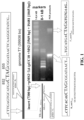
- Figure 1 shows the structure of T7 cointegrates::pMS3,6 VRep (or isolates fr; M12; DL1; DL16; J20; ST4; R17 - SEQ ID NO 1) or T7::pGA2,6 VRep (or isolates KU1; T72; DL10; DL20- SEQ ID NO 2).
- the primers for PCR were added at the final concentration of 1.5 mM.
- An upper line represents the PCR products (slow ⁇ 4B, fast ⁇ 0 ⁇ 5B); a middle line represents the markers with the fragment size of 10, 9, 7, 5, 3, 1 (B); a lower line represents the markers with the fragment size of 1,000, 900, 800, 700, 600, 500 and 400 (b).
- the DNA sequence was performed according to the Manual 373 Automatic Automatic Sequencer (Applied Biosystems, USA) using the kit for Dye Doing Terminator ABI sequencing with Taq polymerase FS (Perkin Elmer, USA).
- the experimental data files (an EMBL format) were compared with the sequences (GenBank sequence acc. No J02518).
- Figure 2 shows obtaining and analysis of the particles of the phages of the genus Lentivirus (the typical results are given).
- PAGE-electrophoresis of the lysates of the warmed up cells from left to right, every 5 hours from the start of warming up.
- the lower band is the capsid MS2 protein.
- Figure 3 shows the determination of the structure of the obtained VLPs.
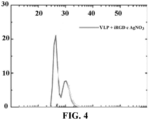
- Figure 4 shows the change in the size of the obtained VLPs after filling them with AgNOs (the concentration is 25 mM).
- Figure 5 shows AFM (atomic force microscopy) of MS2 bacteriophage (the upper pair of figures) and the obtained phages of the genus Levivirus treated with anti-poly-lysin IgG1 antibodies (the lower pair of figures).
- Figure 6 shows the modification of the particles of the phages of the genus Levivirus by the peptide (HHQG) 4 (SEQ ID NO 8), which causes a change in the size of the particles with a poly-lysin insert.
- Figure 7 shows the non-enzymatic conjugation of peptidyl-6APA with B protein of the Levivirus particles.
- the offered method for obtaining the phage particles of the genus Levivirus is implemented on the basis of the state of the art by the following sequence of actions.
- the preparatory procedures are performed to obtain high titers and subsequent purification of the samples of MS2 phage or the VLPs phages of the genus Levivirus, as well as a synthesis of the necessary ligands in the form of the organic compounds used to modify the internal surface of the capsids' cavity.
- Example 1 Obtaining the particles of MS2 phage and the modified VLPs of the genus Levivirus.
- the plasmids were transferred to the cells of Pseudomonas putida using Hft transduction by T7 bacteriophage ( Bolshakova T.N., Dobrynina O.N., Karataev G.I., Sivov I.G. Pseudolysogeny in T7 phage and its use // Bacteriophages: theoretical and practical aspects of application in medicine, veterinary medicine and food industry. The Third International Scientific Conference, Moscow, 2016 ).
- the control of the infectivity of the particles was carried out according to the method ( Knyazhev V.A., Sergienko V.I., Sivov I.G.
- the resulting electrophoretically pure particles were stored at the temperature of +4° C.
- Figure 1 shows the structure of the cointegrates, and Table 1 shows the efficiency of the structure transfer between the representatives of the Enterobacteriaceae family.
- Table 1 shows the efficiency of the structure transfer between the representatives of the Enterobacteriaceae family.
- Table 1 shows the efficiency of the structure transfer between the representatives of the Enterobacteriaceae family.
- Table 1 shows the efficiency of the structure transfer between the representatives of the Enterobacteriaceae family.
- Table 1 shows the efficiency of the structure transfer between the representatives of the Enterobacteriaceae family.
- Table 1 shows the efficiency of the structure transfer between the representatives of the Enterobacteriaceae family.
- Table 1 shows the efficiency of the structure transfer between the representatives of the Enterobacteriaceae family.
- Table 1 shows the efficiency of the structure transfer between the representatives of the Enterobacteriaceae family.
- Table 1 shows the efficiency of the structure transfer between the representatives of the Enterobacteriaceae family.
- Table 1 shows the efficiency of the structure transfer between the representatives of the Enterobacteri
- Example 2 Obtaining the particles of the phage of the genus Levivirus with the fully hydrolyzed RNA.
- the bacteriophage particles are treated with diethylamine (DEA 1.5% causes a complete hydrolysis of the genomic RNA during 2 days of incubation at the temperature of 37° C).
- the control of the decrease in the molecular weight of the genomic RNA was carried out electrophoretically (in 2% agarose gel).
- the obtained particles were concentrated by centrifugation in a density gradient of CsCl (as it is known to those skilled in the art), as well as the purity of the medications was monitored by transmission electron microscopy according to the method ( US Patent 10446366 ).
- the particles were stored at the temperature of +4° C under conditions known to those skilled in the art.
- Example 3 Obtaining the VLPs of the particles with (HHQG) 4 .
- the peptides were obtained by the method of automatic solid-phase synthesis based on 9-fluorenyl(methoxycarbonyl)-amino acids (ChemPep, USA) (synthesizer 433A, Applied Biosystems, FastMoc method). The formation of S-S-bridge was carried out by oxidation of I 2 [10].
- the peptide was purified by HPLC at the reversed phase (column C18 Triart, 21 ⁇ 250 mm, 10.0 ⁇ m, YMC, Switzerland, workstation Agilent 1100, Agilent, USA) in a concentration gradient of CH 3 CN (BioSolve, Israel) in water in the presence of 0.1% acetic acid.
- the purity of the peptide medication is not lower than 95%.
- the conjugation of the peptide with capsid B-protein of the VLPs of the genus Levivirus was performed using the homobifunctional reagent dimethyladipimidate (DMAI, Sigma, USA) in the molar ratio the phage protein: the peptide: DMAI 1:20:80 according to the method [ US Patents 6080383 ; 6468503 ; 10576144 and DE Patent 000069731747 ] in 40% dimethylsulfoxide (DMSO).
- DMSO dimethylsulfoxide
- the VLPs were separated from the excess of the reagents by precipitation with a 25% solution of polyethyleneglycol 6000 ( -M, Russia) using 1M NaCl. The precipitated VLPs were suspended in deionized water.
- the desired shRNA structure (for binding with the maximum number of cations; at least 200) was calculated using the program https://biosettia. com/support/shrna-designer/ and synthesized according to the method [ Chris B. Moore, E. H. Guthrie, M. Tze-Han Huang, D. J. Taxman. Short Hairpin RNA (shRNA): Design, Delivery, and Assessment of Gene Knockdown//Methods Mol Biol. 2010 ; 629: 141-158 ].
- the administration of the shRNA in a complex with the salts was carried out with TMAO [RF Patent 2599462 ] and taking into account the calculations obtained earlier [ Farafonov V.S., Nerukh D.
- the salts and metal medications were transferred to the solution at the concentration of at least 1/50 stock solutions ( ⁇ 1 mg/ml) in the ratio of 100 ⁇ g of the protein. Then incubated during 30 min, with gentle stirring on a magnetic stirrer. Then the mixture was dialized in a pre-cooled glass tube on ice, left on ice for 10 minutes, and then for 5 minutes at the room temperature.
- the residues of the salts and metal medications were removed from the samples by gel filtration using Sephadex G-50. The medications were added to the columns with Sefadex. The separation was repeated twice.
- the final concentrations of the salts encapsulated in nanoparticles were evaluated using a flame photometer (PFP-7/C, Jenway, England). The results were compared with the curve of the concentrations of the compounds in the wavelength range of 280-800 nm.
- the size of the loaded particles was measured using a particle size analyzer (IG-1000 Plus, Shimadzu, Japan).
- Example 5 Atomic-powered microscopy of the phage particles of the genus Levivirus.
- Piece of mica (Structure Probe, Inc., West Chester, PA, USA) was used for the manufacture of the chips, which was sialized in pairs of 3-aminopropyltriethoxysilane (APTES), as known to those skilled in the art.
- APTES 3-aminopropyltriethoxysilane
- the surface of the sialized mica substrates was activated with 0.12 mM DTSSP solution in 10 mM PBSD (pH 7.4) during 10 min, washed with 1 ml of 50% absolute ethanol during 10 min at the temperature of 10° C and then dried in an nitrogen stream, immediately used for immobilization.
- the incubation solutions ( ⁇ 1 mcl) were carefully dripped onto the surface of the activated substrate, incubated during half an hour at the room temperature (25° C) in a moist chamber.
- AFM scanning was performed using a titanium atomic-powered microscope (NT-MDT, Zelenograd, Moscow, Russia).
- NT-MDT has the resonant frequency of 47-150 kHz, the radius of the curvature of the tip of the cantilever is 10 nm).
- the AFM data were assessed according to two criteria: the first is "qualitative," which was based on an obvious increase in the height of the complexes compared to the height of the irregularities of the chip. Triangular sensors with wide legs of 13 ⁇ m and the total length of 100 ⁇ m were used.
- the claimed constant of the force (0.21 N/m) was checked with an accuracy of up to 20% by measuring the deflection of the cantilever when pressed against a quartz fiber of the known stiffness.
- the scanning head was calibrated in the x,y and z directions using polystyrene-latex stands, as known to those skilled in the art. There is some uncontrolled change from launch to launch, which may be related to the scanners, and this introduces a systematic error in sizes up to ⁇ 2.5%.
- the experiments were carried out in a liquid cell, using air and deionized water. The height and width of the image were measured using software available on workstation NanoScope Im. At least 40 molecules were measured at 5 points along their contours for each material shown here. The results were analyzed by program KaleidaGraph.
- the force measurements were made using a force display on the AFM (A graph of the dependence of the voltage applied to the control of the height of the sample associated with the position of the sample, Zs, through the known height calibration, from the deviation signal associated with the force through the deflection of the tip, ZT and the constant of the cantilever spring, kH).
- the adhesion can vary significantly, as it depends on the uncontrolled geometry of the tip and on contamination. We present the averaged values and the range that reflects the typical conditions of the experiment (see Figures 5A and 5B ). Table 2 shows the measurement results using AFM. Table 2.
- Example 6 The isotope analysis of the detection of a stable isotope (see Figures 8A and 8B ).
- the isotope analysis of the detection of an ion was carried out according to ( Good Practice Guide for isotope ratio mass spectrometry 2011, first editi on; as well as Park S.K., Venable J.D., Tao Xu, John R. Yates III. A quantitative analysis software tool for mass spectrometry- based proteomics//Nat Methods. 2008; v.5(No.4), pp. 319-322 and Ilbeigi V., Y. Valadbeigi, M. Tabrizchi. Ion Mobility Spectrometry of Heavy Metals//Anal. Chem. 2016, v.88 (No 14), pp. 7324-7328 ).
- Example 7 The toxicity (mg/kg) of the medications and metal salts was determined for mice (DCL; according to ISO/IEC 17025:2017 [General requirements for the competence of testing and calibration laboratories] and GOST ISO/IEC 17025- 2009), as well as for cell cultures (d aggl ). The toxicity of the medications and the metal salts for mice is shown in Table 3. Table 3.
- Medication DCL ( ⁇ g/dl) in 10 8 particles (ng/dl) Therapeutic ratio ⁇ 10 -7 d aggl (pg/dl) dCL/ d aggl 1 2 3 4 5 cisplatin ( cis -Pt(N H 3 ) 2 Cl 2 ) 3.5 0.5 7 2 5 (NH 4 ) 2 [PtCl 6 ] 0.1 0.02 5 0.5 2 Ru(NO 3 ) 3 2.0 0.03 67 1 1 AuH 2 Na 3 O 6 S 4 0.5 0.01 50 10 5 Fe(C 12 H 22 O 11 ) 3 25 0.01 250 1 5 AgNO 3 9 0.05 180 2 1 Cu(NO 3 ) 2 15 0.6 25 3 1 Zn(NO 3 ) 2 5 0.1 50 1 0.5 Ga(NO 3 ) 3 35 3.8 9.2 20 8 NaVO 3 2.0 0.03 67 1 1 Tl 2 (CO 3 ) 3 19 1.3 14.6 9 0.5 Tl 2 CO 3 21 1.6 13.1 12 2
- Example 8 The targeted delivery of the particles of the phages of the genus Levivirus.
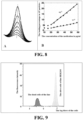
- the accuracy of the delivery was qualitatively identified by the method of flow fluorimetry from the mixture of the cells enriched in integrin ⁇ v ⁇ 3 and devoid of it (lines PC3 and HEK293).
- the mixtures of the cells with and without integrin were prepared in various ratios (1:10; 1:20 and 1:40) in the titer of 10 7 /ml.
- the VLPs of the genus Levivirus were added to the cells with filling, and after 3 hours a fluorescent dye 4',6-diamiidno-2-phenylindole (DAPI) was added to stain the dead cells.
- DAPI fluorescent dye 4',6-diamiidno-2-phenylindole
Landscapes
- Health & Medical Sciences (AREA)
- Life Sciences & Earth Sciences (AREA)
- Genetics & Genomics (AREA)
- Engineering & Computer Science (AREA)
- Biomedical Technology (AREA)
- Chemical & Material Sciences (AREA)
- Bioinformatics & Cheminformatics (AREA)
- Organic Chemistry (AREA)
- Zoology (AREA)
- Wood Science & Technology (AREA)
- General Engineering & Computer Science (AREA)
- Biotechnology (AREA)
- Molecular Biology (AREA)
- General Health & Medical Sciences (AREA)
- Biochemistry (AREA)
- Microbiology (AREA)
- Virology (AREA)
- Physics & Mathematics (AREA)
- Plant Pathology (AREA)
- Biophysics (AREA)
- Immunology (AREA)
- Medicinal Chemistry (AREA)
- Micro-Organisms Or Cultivation Processes Thereof (AREA)
- Peptides Or Proteins (AREA)
Abstract
Description
- The group of inventions relates to medicine and biology and concerns a technologically simple method for producing the particles of the bacteriophages of the Levivirus family (MS2-like), devoid of LPS toxicity, and a method of their biomineralization, which provides the prerequisites for the study of their use for a targeted delivery to the malignant tumor cells (including the endothelial cells of the pathological circulatory network) enriched in integrin αvβ3, which allows to drastically reduce their overall toxicity.
- Phage-like particles (VLPs) are obtained for immunological purposes [
US Patent Application 201700008778 US Patent Application 20190315807 ], as well as for a clinical usage as targeted medication delivery systems [US Patent 8324149 ]. Guided by the above tasks, the methods for obtaining VLPs in large quantities have been developed, which are based on genetic engineering methods [US Patent 5534257 ;WO9306921 US Patent Application 20190307819 ], while using various cell cultures (bacteria, microscopic fungi, insect or animal cells, as well as human cell lines). - Virus-like particles (VLPs) are multimeric nanostructures assembled from native viral structural proteins, but devoid of any genetic material. The VLPs consist of high-density displays of viral surface proteins and as such are a highly adaptive tool for various applications (e.g., antibody development, a delivery system, a membrane protein expression). The VLPs can also provide tissue-specific targeting, as they originate from their own virus. On the other hand, the surface of the particles is susceptible to a reaction of chemical conjugation, which makes it possible to create a tissue-specific ligand on its surface. In this case, the VLP particle becomes, as the developers put it, a display that exhibits its ability to find cellular "targets."
- In the early work with bacteriophages [Zeltins A. Construction and characterization of virus-like particles: a review//Mol Biotechnol. 2013; v.53(No 1), pp.92-107], genetic engineering methods for creating the VLPs of Lentivirus were described, which were obtained by sequential operations: cloning the cDNA of the genomic RNA sequences of these bacteriophages, their expression in bacterial E.coli cells, and then the release of the particles using detoxification methods.
- Further development of the method of obtaining the VLPs of Lentivirus was aimed at the use of various expression systems of genetic structures [Blazeck J., Alper H.S. Promoter engineering: recent advances in controlling transcription at the most fundamental level//Biotechnol J. 2013; v.8(No 1),pp.46-58], in which new genetic engineering "novelties" were introduced in the form of cloning the tandems of the gene of the shell comprising, in order to obtain the desired immunological response, the additional DNA-coding fragments [Zhai L., J. Peabody, Y.-Y. S. Pang, J. Schiller, B. Chackerian, E. Tumban. A Novel Candidate MS2 Phage VLP Vaccine Displaying a tandem HPV L2 Peptide offers Similar Protection in Mice to Gardasil-9// Antiviral Res. 2017 Nov; 147: 116-123].
- Several patents relating to the above-disclosed methods for obtaining the VLPs of Lentivirus, including
US Patents 4722840 ;5534257 ;7494656 ;8324149 , as well asUS Patent Applications 20130224828 ;20140302593 ;20160090403 ;20160208221 , and the contents of which are systematized in publications [P. Pumpens et al. The True Story and Advantages of RNA Phage Capsids as Nanotools//Intervirology 2016;v.59(2), pp.74-110; Rohovie M.J., Nagasawa M., Swartz1 J.R. Virus-like particles: Next-generation nanoparticles for targeted therapeutic delivery// Bioengineering & Translational Medicine 2017; v.2(1), pp. 43-57], have, as a common disadvantage, a significant list of methods of obtaining that require highly qualified workers and energy costs. In addition, the use as host cells of the bacteria with an LPS antigen toxic to humans and animals makes it necessary to use expensive sorbents at an isolation stage. - The chemical modification of the surface of the VLPs of Lentivirus, necessary to give a "target" ability and to obtain displays from them, was developed as a conjugation method and as a method for obtaining capsid proteins with additional peptide sequences, similar to a phage display method [Smith G.P. Filamentous fusion phage: novel expression vectors that display cloned antigens on the virion surface//Science 1985; v.228(No 4705), pp.1315-1317], mentioned above. The administration into the structure of the capsid B protein was carried out taking into account the data [van Meerten D., R. C. L. Olsthoorn, J. van Duin, R. M. D. Verhaert. Peptide display on live MS2 phage: restrictions at the RNA genome level//Journal of General Virology 2001, v.82(No 7), pp.1797-1805].
- Among all the variety of chemical, genetic and physical and chemical methods, a simple reaction of conjugation of penicillins with proteins attracts attention. Penicillins are a large family of compounds, which common structural basis is a β-lactam ring. The β-lactam ring is a target for nucleophilic attack of free amino groups of the proteins, leading to opening the ring and covalent amide binding of the penicilloyl group. The penicilloyl configuration, in which the hapten determinant is covalently bound to the ε-amino groups of lysine residues of the proteins, accounts for more than 90% of the products of the conjugation reaction with the proteins. Other conjugation products can be formed by degradation of penicillin in a solution to penicillen or penicilloyn acid, which form disulfide bonds with sulfhydryl groups of cysteine, producing penicillen- and penicillamine-protein conjugates, respectively [Weltzien H.U., E. Padovan. Molecular Features of Penicillin Allergy//Journal of investigative dermatology 1998, v.110(3), pp. 203-206].
- The only addition to obtaining these conjugates is the preliminary synthesis of the peptide derivatives of 6-amino penicillin acid, obtaining of which is disclosed in patents [
US Patents 3957764 ;4229348 ;4810777 ;DE 69731747 ]. - The filling of the obtained VLPs phages of the Lentivirus family with organometallic compounds (a pharmaceutical medication having an activity center containing a metal atom) is provided by genomic RNA or its fragments [Liu L., Pu X., Yin G., Chen X., Yin J., Wu Y. Biomimetic Mineralization of Magnetic Iron Oxide Nanoparticles Mediated by Bi-Functional Copolypeptides//Molecules 2019; v.24(No 7), pp. 1-16], as well as the "internal" ligands introduced into the structure of the capsid of VLPs of Lentivirus after obtaining the latter. Currently, 89 metal medications are used in medicine [Barry N.P., Sadler P.J. Exploration of the medical periodic table: towards new targets//Chem Commun (Camb). 2013, v.49 (No 45), pp.5106-5131], which, often, have a low "therapeutic ratio" or "therapeutic window" (the ratio of two doses of the medication, where the first causes side effects in the disease, and the second causes the severity of the administration, unrelated to the target indication). For example, the ratio of the toxic dose in 50% of cases, TD50 to the dose at which the medication exhibits the desired pharmacological effect, the effective dose in 50% of cases, ED50). It is obvious that the targeted delivery "expands the therapeutic window" by creating a high local concentration of the medication. Previously, the fundamental possibility of using the mentioned technology was established, applicable to the MS2 phage filled with monovalent thallium salts [Firsov I.S., Sivov I.G. Remission in the Patient with Malignant Pleural Mesothelioma: A Case Report// J Clin Case Rep 2019, v. 9(No 2), pp. 1214-1217]. The level of toxicity of the medications prepared on the basis of the monovalent thallium salts in this case was reduced by 10,000 times.
- The technical result of the claimed group of inventions is in the development of the technologically simple method for creating the particles of the bacteriophages of the Levivirus family (MS2-like), devoid of LPS toxicity, and the method of their biomineralization, which provides the prerequisites for the study of their use for the targeted delivery to the malignant tumor cells (including the endothelial cells of the pathological circulatory network) enriched in integrin αvβ3. which allows to drastically reduce their overall toxicity.
- The technical result is achieved by the method for obtaining the particles of the bacteriophages of the Levivirus family, which includes the following steps of:
- (a) obtaining a line of the pseudolysogenic host cells multiplying at a temperature of ≤ 23° C, devoid of toxic lipopolysaccharide and comprising:
- a sequence of the nucleic acid encoding T7 phasmid with a fragment of the genomes of the bacteriophages of the Levivirus family;
- a sequence of the nucleic acid of T7 phasmid encoding the proteins of the capsid of the particles of the bacteriophages of the Levivirus family;
- a sequence of the nucleic acid of T7 phasmid encoding the proteins of the DNA- and RNA-polymerase of T7 phage and devoid of the morphogenesis genes;
- (b) initiating overexpression of the genes encoding the proteins of the capsid of the particles of the bacteriophages of the Levivirus family at an increase in temperature ≥ 28° C;
- (c) obtaining the particles of the bacteriophages of the Levivirus family with simultaneous destruction of the host cells, wherein these bacteriophage particles have morphological similarity with the natural phage particles.
- In addition, the technical result, namely, to significantly reduce the overall toxicity of the particles loaded with metal medications, is achieved by the method of biomineralization of the particles of the bacteriophages of the Levivirus family, which includes the following steps of:
- (a) complete removal of RNA from the particles of the bacteriophages of the Levivirus family;
- (b) obtaining the complex of the metal medications with hairpin RNA (shRNA) binding at least 200 cations;
- (c) "loading" the complex of the metal medications with hairpin RNA (shRNA) binding at least 200 cations, into the particles of the bacteriophages of the Levivirus family, devoid of RNA, "loosened" by trimethylamine N-oxide;
- (d) the non-enzymatic addition of the ligand to the biomineralized particles suitable for creating a targeted delivery system to the malignant tumor cells, including to the cells enriched in integrin αvβ3;
- (e) determination of the delivery specificity and sensitivity using a mixture model of a PC3 cell line, one of which is enriched in integrin αvβ3.
- Further, the claimed group of inventions will be described in more detail only as an illustration of the following examples. It is assumed that the examples serve to illustrate the group of inventions and should not be considered as limiting the universality of the disclosure of the description in this source [
US Patent Application 20180250331 ]. - In the production of the phages of the genus Lentivirus, affecting "male" bacterial strains, the main difficulty is to preserve the sensitivity that bacterial cells, in the presence of the bacteriophage, quickly lose [Spengler G, Molnár A, Schelz Z, Amaral L, Sharples D, Molnár J. The mechanism of plasmid curing in bacteria//Curr Drug Targets. 2006; v.7(No 7); pp.823-41; Getino M., D.J. Sanabria-Rios, R. Fernández-López, J. Campos-Gómez, J.M. Sánchez-López, A. Fernández, N.M. Carballeira, F. de la Cruz. Synthetic Fatty Acids Prevent Plasmid-Mediated Horizontal Gene Transfer//mBio. 2015; v.6(No 5), pp. e01032-15]. At a genetic level, this phenomenon is expressed in the elimination of the "male" plasmids from the population, and at a biotechnological level it leads to an unstable "harvest" of the phage. This explains the difference in the selling price of the therapeutic phages (about 10 roubles/ml) and one of the phages of the genus Lentivirus - MS2 (14,000 roubles/ml). It should be pointed out that the number of the infectious particles in the first case exceeds the same indicator in the case of MS2 by 1,000 times.
- The authors of the group of inventions see a reduction in the cost of medications of the phages of the genus Lentivirus in the application of the phenomenon of pseudolysogeny [Bolshakova T.N., Dobrynina O.Yu. Karataev G.I., Sivov I.G. Pseudolysogeny in T7 Phage and Its Use (Within the Framework of the Scientific and Practical Conference with the International Participation "Bacteriophages: Theoretical and Practical Aspects of Application in Medicine, Veterinary Medicine and Food Industry")//Moscow, 2016, Russia]. The genome of defective T7 phages capable of causing pseudolysogeny comprises a strictly polar mutation. The strictly polar mutation is mapped behind the A3 promoter, which leads to a significant decrease in the frequency of transcription of the genome of the phage (< 102). When bacteria of pseudolysogenic clones are infected with T7 helper phage in the offspring of the phages, the ratio of the phage particles and the particles capable of causing pseudolysogeny was 1:1 (Hft lysates). The choice of T7 phage as a model of pseudolysogeny is based on its ability to cause infection of a wide range of host bacteria (Escherichia coli, Salmonella enterica Typhimurium, Shigella flexnery, Bordetella parapertussis, Pseudomonas aeruginosa, Pseudomonas putida, Erwinia carotovorum, Yersinia enterocolitica, Francisella spp, Brucella abortus), a number of which comprises a non-toxic to humans LPS-antigen.
- To increase efficiency and reduce the overall toxicity, chemotherapy medications are encapsulated, for example, in the phages' virions of the genus Lentivirus [
US Patent 5677124 ,6159728 ,US Patent Application 20100167981 ; Carlee E. Ashley et al. Cell-Specific Delivery of Diverse Cargos by Bacteriophage MS2 Virus-Like Particles//ACS Nano. 2011; 5(7): 5729-5745]. - In the full-fledged virions of the phages of the genus Lentivirus, the capsids comprise cone-shaped pores: an inlet diameter is 5-7 nm and an internal diameter is 1.5 - 2 nm [Michel T. Dedeo, Daniel T. Finley, Matthew B. Francis. Chapter 8 - Viral Capsids as Self-Assembling Templates for New Materials//page 366. In book "Molecular Assembly in Natural and Engineered Systems" (Edited by S. Howorka) 2011, v. 103, pp. 1-401]. The success of mineralization depends on the preservation of the crystallization property [Aljabali A. A., Sachin N. Shah, Richard Evans-Gowing, George P. Lomonossoff, David J. Evans. Chemically-coupled-peptide -promoted virus nanoparticle templated mineralization// Integr. Biol., 2011, 3, 119-125], when the virions are purified from genomic ssRNA either completely or partially [Hooker J. M., E. W. Kovacs, M. B. Francis. Interior Surface Modification of Bacteriophage MS2//J. AM. CHEM. SOC. 2004, v. 9(No 12), pp. 3718-3719]. In the case of obtaining the particles with the shortened RNA genome capable of diverse packaging [Sun L.-Z., D. Zhang, S.-J. Chen. Theory and Modeling of RNA Structure and Interactions with Metal Ions and Small Molecules//Annu Rev Biophys. 2017; v.46 (No 1), pp. 227-246], it is possible, based on the appropriate calculations, to predict an increase in the number of duplex loops binding the heavy metal cations [Bonilla S., C. Limouse, N. Bisaria, M. Gebala, H. Mabuchi, D. Herschlag. Single-Molecule Fluorescence Reveals Commonalities and Distinctions among Natural and in Vitro-Selected RNA Tertiary Motifs in a Multistep Folding Pathway// J. Am. Chem. Soc. 2017, v.139 (No 51), pp.18576-18589].
- In the case of a complete hydrolysis of the genomic ssRNA and obtaining the VLPs, the genetically modified internal surface of the virion is subjected to a chemical modification that allows the attachment of the metal medications [
US Patent 8187607 ;US Patent Application 20110286971 ]. - A representative of the phages of the genus Lentivirus, the MS2 bacteriophage loaded with the heavy metal salts, has a basis for the safe use in the medical practice, as shown by the practical application of iRGD-MS2 display [
US Patent Application 20140106982 ; Ashley C. E. , Eric C. Carnes, Genevieve K. Phillips, Paul N. Durfee, Mekensey D. Buley, Christopher A. Lino, David P. Padilla, Brandy Phillips, Mark B. Carter, Cheryl. L. Willman, C. Jeffrey Brinker, Jerri do Carmo Caldeira, Bryce Chackerian, Walker Wharton, David S. Peabody. Cell-Specific Delivery of Diverse Cargos by Bacteriophage MS2 Virus-Like Particles// ACS Nano. 2011 Jul 26; 5(7): 5729-5745; Diaz D. , Andrew Care, Anwar Sunna. Bioengineering Strategies for Protein-Based Nanoparticles//Genes (Basel). 2018; v.9 (No 7), pp. 370-400], including in the case of filling the particles with monovalent thallium nitrate [RF Patent2599462 , Kolesanova E. F., Melnikova M.V., Bolshakova T. N., Rybalkina E. Yu., Sivov I.G. Bacteriophage MS2 is a delivery vehicle for targeted chemotherapy of solid tumors //Acta Naturae. 2019. V. 11. No 2 (41). Pp. 98 -101; Firsov I.S., Sivov I.G. Remission in the Patient with Malignant Pleural Mesothelioma: A Case Report// J Clin Case Rep 2019, v. 9(No 2), pp. 1214-1217]. The concentration of Tl+1 in the dose of the medication mentioned in the RF patent is 5 times less than DLM for the salts of the mentioned ion. Using an example of the targeted delivery of the monovalent thallium ion, the possibility of reducing toxicity to the levels of the values below those that are acceptable was already shown [TOXICOLOGICAL REVIEW OF THALLIUM AND COMPOUNDS // U.S. Environmental Protection Agency, 2009]. - In the this group of the authors of the inventions, cisplatin (cis-dichlorodiamminplatin) (II) or ammonium hexachloroplatinate (IV); ruthenium nitrosonitroamine, aurothiosulfate, iron polymaltosate hydroxide, silver, copper or zinc nitrates, as well as gallium trinitrate, vanadium salts and thallium salts of various valence were administered into the composition of the VLPs of the phages of the Lentivirus family.
- In one aspect of this group of inventions, by an analogy with the disclosed method in [
US Patent Applications 20090092538 ;20180103645 ;20170071211 ], filling was carried out: - in the case of cisplatin, by the methods disclosed in [
US Patent 7594884 ;US Patent Application 20190350871 ], with the modifications, but in relation to the structures of the VLPs of the phages of the Lentivirus family; - in the case of ammonium hexachloroplatinate (IV), by the methods disclosed in [
US Patent 7569606 ;EP 2958553 ] with the modifications, but in relation to the structures of the VLPs of the phages of the Lentivirus family; - in the case of ruthenium nitrosonitroamine, aurothiosulfate, iron polymaltosate hydroxide, silver, copper or zinc nitrates, gallium trinitrate, thallium salts and vanadium salts, by the method disclosed in [
US Patent 7594884 ;US Patent Application 20190350871 ] with the modifications, but in relation to the structures of the VLPs of the phages of the Lentivirus family; - In another aspect of this group of inventions, the "empty" virions were obtained by the temporary temperature destruction and assembly in the presence of trimethylamine N-oxide (TMAO), in the same way [
US Patent Application 20040152181 ;WO1995031476 ; RF Patent2599462 - In accordance with another aspect of the group of inventions, the phage particles of the genus Lentivirus may comprise an "outer" ligand that ensures its interaction with the receptor present on the target cell and is capable of forming a "display" due to the non-enzymatic reaction of the interaction of the 6-peptidylopenicillic acid radical with the surface lysine or cysteine amino acid radicals [N.F. Adkinson, Jr; L. M. Mendelson; C. Ressler; J. C. Keogh. Penicillin minor determinants//Ann Allergy Asthma Immunol. 2018; v.121; pp.537-544]. With the administration of such a phage display medication obtained in the reactions with lysyl or cysteyl, an immunological reaction can be avoided, as disclosed in the description to the application [
WO 2020030954 ]. - The toxicity of the metal medications having a platinum atom in the structure is associated with neurotoxicity, which is induced by the formation of the adducts with the DNA [O. Kanat, Hulya Ertas, Burcu Caner. Platinum-induced neurotoxicity: A review of possible mechanisms// World J Clin Oncol 2017; v.8(4), pp. 329-335]. In accordance with the possible side effects of the platinum medications, the minimum therapeutic doses are within the values of 10-100 µg/m2 [
US Patent Application 20180078551 ]. The toxicity of the metal medications having a gold atom in the structure is described, where its tolerability is indicated within the values of 1-500 mg/kg [US Patent Application 20180303954 ]. The gold compounds (III) according to the invention [US Patent Application 20150182489 ] have an antitumor activity. Other metal medications having an antitumor potential with an acceptable level of toxicity are mentioned inUS Patent 10098952 - Previously, a method of the targeted delivery of the salts to the solid tumor cells [RF Patent
2599462 US Patent Application 20150125533 ] or the oral delivery of the therapeutic and detectable agents to a diseased tissue [US Patent Application 20180000949 ], as well as to the vascular network of the tumor [US Patent Application 20190022170 ]. - However, the issue of the targeted delivery of the metal medications and reducing their toxic effects on the recipient's body remains unresolved [Topcul M, Cetin I. Endpoint of cancer treatment: targeted therapies//Asian Pac J Cancer Prev. 2014; v.15(11); pp. 4395-403; Maeda H, Khatami M. Analyses of repeated failures in cancer therapy for solid tumors: poor tumor-selective drug delivery, low therapeutic efficacy and unsustainable costs//Clin Transl Med. 2018; v.7(1); pp.11 - 30].
- Thus, from the state of the art, the mineralization methods are known for obtaining the nanoparticles for the medical purposes in apoferritin [
US Patent 9,925,592 US Patent Application 20180256758 ]. - Previously, the fundamental possibility of using the mentioned technology was established, applicable to the MS2 phage filled with the monovalent thallium salts [Firsov I.S., Sivov I.G. Remission in the Patient with Malignant Pleural Mesothelioma: A Case Report// J Clin Case Rep 2019, v. 9(No 2), pp. 1214-1217]. In the described case, the level of toxicity of the medications prepared on the basis of the monovalent thallium salts was reduced by more than 10,000 times, which makes it possible to expect a similar result with Cr(VI), for which DCL = 50-150 mg/kg. The experts of the World Health Organization (WHO) recommend a maximum permissible concentration of 50 µg per aliter of chromium (VI) in drinking water. The metal medications were administered into the composition of VLPs, "empty" virions and other methods of "loading" with medications, as the variants of the known mineralization methods [
US Patent Application 20140377289 ]. - In one aspect of the group of inventions, the VLPs were obtained using the pseudolysogeny system of T7 bacteriophage [Bolshakova T.N., Dobrynina O.Yu. Karataev G.I., Sivov I.G. Pseudolysogeny in T7 Phage and Its Use (Within the Framework of the Scientific and Practical Conference with the International Participation "Bacteriophages: Theoretical and Practical Aspects of Application in Medicine, Veterinary Medicine and Food Industry")//Moscow, 2016, Russia].
- In another aspect of the group of inventions, the "empty" virions with the necessary point substitutions of the amino acids of the capsid protein in the phages of the genus Levivirus were obtained by direct hydrolysis of the genomic ssRNA from the "normal" virions, in the same way [
EP 1736538 ]; - In one variant, the metal-binding agent was obtained in the same way [
US Patent Application 20140377289 ]. In accordance with this aspect of this group of inventions, the peptides of the general structure (HHQG) n are offered, which are embedded in the sequences encoding the surface of B protein, which faces the internal part of the capsid. - In the context of this group of inventions, the term "administration" and the variants of this term, including "administration", include contacting. For any particular case, the appropriate "effective quantity" can be determined by person skilled in the art using only routine experiments.
- The above and other tasks, peculiarities, advantages, as well as the technical significance of this group of inventions will be more clear from the following detailed description with the references to the accompanying figures.
-
-
Figure 1 shows the structure of T7 cointegrates::pMS3,6 VRep (or isolates fr; M12; DL1; DL16; J20; ST4; R17 - SEQ ID NO 1) or T7::pGA2,6 VRep (or isolates KU1; T72; DL10; DL20- SEQ ID NO 2). -
Figure 2 shows obtaining and analysis of the particles of the phages of the genus Lentivirus (the typical results are given). -
Figure 3 shows the determination of the structure of the obtained VLPs. -
Figure 4 shows the change in the size of the obtained VLPs after filling them with AgNOs (the concentration is 25 mM). -
Figure 5 shows AFM (atomic force microscopy) of MS2 bacteriophage and the obtained phages of the genus Levivirus treated with anti-poly-lysin IgG1 antibodies. -
Figure 6 shows the modification of the particles of the phage of the genus Levivirus by the peptide (HHQG) 4 (SEQ ID NO 8), which causes a change in the size of the particles with a poly-lysin insert. -
Figure 7 shows the non-enzymatic conjugation of peptidyl-6APA with B protein of the Levivirus particles. -
Figure 8 shows an isotopic analysis of the detection of a stable isotope. -
Figure 9 shows the results of determining the accuracy of the delivery by the method of flow fluorimetry from the mixture of the cells enriched in ανβ3 integrin and devoid of it (lines PC3 and HEK293). -
Figure 1 shows the structure of T7 cointegrates::pMS3,6 VRep (or isolates fr; M12; DL1; DL16; J20; ST4; R17 - SEQ ID NO 1) or T7::pGA2,6 VRep (or isolates KU1; T72; DL10; DL20- SEQ ID NO 2). - 1 A. The integration site is located in the 0.5kb fragment of BsaBI-BstBI and after A3 promoter, which hinders any transcription towards the ORF of RNA polymerase of T7 phage. The insert is flanked by the direct full-length IS 481 and tetranucleotide CTAG copies. The sequences at the places of "junctions" are displayed in the rectangles shown by a dotted line. The sequences were obtained by analyzing the PCR products obtained from the primers with the structure shown in the figure.
- 1 B. The PCR amplification of the experimental data. The direction of the electric field is from right to left. The PCR amplification mixture using primer oligonucleotides (* F T7 - TAAGCGCACCACGGCACATAAGG (SEQ ID NO 3);
- * R IS481 - GCGGCGCAGCTCCACGATA (SEQ ID NO 4);
- * L IS481 - GCACCGCTTTACCCGACCTTA (SEQ ID NO 5);
- * R T7 - TGCTCCTTCCACTGCTTCATCTG) (SEQ ID NO 6).
- The primers for PCR were added at the final concentration of 1.5 mM. An upper line represents the PCR products (slow ~ 4B, fast ~ 0<5B); a middle line represents the markers with the fragment size of 10, 9, 7, 5, 3, 1 (B); a lower line represents the markers with the fragment size of 1,000, 900, 800, 700, 600, 500 and 400 (b). The DNA sequence was performed according to the Manual 373 Automatic Automatic Sequencer (Applied Biosystems, USA) using the kit for Dye Doing Terminator ABI sequencing with Taq polymerase FS (Perkin Elmer, USA). The experimental data files (an EMBL format) were compared with the sequences (GenBank sequence acc. No J02518).
-
Figure 2 shows obtaining and analysis of the particles of the phages of the genus Lentivirus (the typical results are given). - 2A. The gradient centrifugation of the nanoparticles of the phages of the genus Levivirus: the arrows with the designations indicate the accumulations of the particles with a buoyant density known to those skilled in the art. VLPs (the clusters located above, because they are lighter), and the phage particles (the clusters located below, because they are heavier).
- 2B. Microscopic photographs of the particles of MS2 phage (filled with silver salts; the dark particles up to 30 nm in size, transmission microscopy) or filled with silver salts; the particles up to 25 nm in size, transmission microscopy).
- 2C. The result of hydrolysis of the genomic RNA in bacteriophages with the changed sequences of the basic protein of the shell. The lower track is the hydrolysis time of 20 minutes, the uppermost one is 4 hours. "Northern dot blot hybridization" (Yadetie F., A.K. Sandvik, H. Bergum, K. Norsett, A. Laegreid. Miniaturized fluorescent RNA dot blot method for rapid quantification of gene expression// BMC Biotechnology 2004, v.4(No 12), pp. 472-480) with a 3-OH labeled oligonucleotide with structure ACATGAGGATTACCCATGT (SEQ ID NO 7) was used to identify the position of the fragments of the phage genomic RNAs.
- 2D. The overexpression of the genes of the cloned genes of the bacteriophages of the Levivirus family.
- PAGE-electrophoresis of the lysates of the warmed up cells (from left to right, every 5 hours from the start of warming up). The lower band is the capsid MS2 protein.
- 2E. The result of the determination of LPS (a LAL test) in the pseudolysogenic cells. The lysate of the cells of Limulus amebocytis causes a gel formation in the presence of the LPS (> 1pg/ml). The guidance for conducting the test is approved by the FDA USA (Guidance for Industry: Pyrogen and Endotoxins Testing: Questions and Answers, JUNE 2012).
-
Figure 3 shows the determination of the structure of the obtained VLPs. - 3A. By the SPR method (a surface plasmon). The surface of the glass chip treated with anti-poly-lysin IgG1 rabbit antibodies (slight nonspecific binding with the control phage particles - OD = 0.0020 and highly specific binding with anti-poly-lysin IgG1 - OD = 0.230).
- 3B. By the HPLC method (high-performance high-pressure liquid chromatography). The calculated molecular weight of B-protein of the phages of the genus Levivirus (control - 13866.58) and the obtained VLPs (experiment - 14457.38).
-
Figure 4 shows the change in the size of the obtained VLPs after filling them with AgNOs (the concentration is 25 mM). -
Figure 5 shows AFM (atomic force microscopy) of MS2 bacteriophage (the upper pair of figures) and the obtained phages of the genus Levivirus treated with anti-poly-lysin IgG1 antibodies (the lower pair of figures). -
Figure 6 shows the modification of the particles of the phages of the genus Levivirus by the peptide (HHQG) 4 (SEQ ID NO 8), which causes a change in the size of the particles with a poly-lysin insert. -
Figure 7 shows the non-enzymatic conjugation of peptidyl-6APA with B protein of the Levivirus particles. - The offered method for obtaining the phage particles of the genus Levivirus is implemented on the basis of the state of the art by the following sequence of actions.
- Initially, the preparatory procedures are performed to obtain high titers and subsequent purification of the samples of MS2 phage or the VLPs phages of the genus Levivirus, as well as a synthesis of the necessary ligands in the form of the organic compounds used to modify the internal surface of the capsids' cavity. For filling with the above compounds, they are used in the form of solutions that are similar to those described, for example, in patents and patent applications (
US Patent Applications 20190255088 ;20190255087 ;20190201547 ;20190167584 ;20190240186 ;20190170742 ;20180071399 ;20190117561 ;20190091165 ;20190015526 ;20190015320 ;20180353613 ;20180344849 ;20180243440 ;20180243229 ;20180133343 ;20180028683 20180021265 ;20180021259 ;20170239369 ;20150157571 ) and which, in accordance with this group of inventions, are considered as the core of the modified VLPs phages of the genus Levivirus. - The control of these operations is carried out using the methods of:
- isolating the genomic RNAs;
- calculating the primers for RT-PCR (reverse transcription coupled with PCR);
- reverse transcription and cloning the cDNA;
- electrophoresis of the DNA in agarose;
- transmission electron microscopy (TEM);
- atomic force microscopy (AFM);
- surface plasmon resonance (SPR) (V.N. Konopsky et al. Photonic Crystal Biosensor Based on Optical Surface Waves // Sensors 2013, 13(20), pp. 25662578);
- fluorescence spectroscopy of the samples comprising various metal medications to determine the effectiveness of the packaging and the intensity of washing out (the manipulations were carried out taking into account the letter of the Chief State Sanitary Doctor of the Russian Federation dated 2004.01.06 No 2510/92-04-32);
- isotope analysis to facilitate ion detection, both when assessing the effectiveness of the packaging and to assess the intensity of washing out;
- flame atomic photometry (FAP);
- enzymatic mapping with trypsin (TEC);
- high-performance high-pressure liquid chromatography (HPLC);
- the time of flight mass spectroscopy (MS) and MADI-TOF mass spectroscopy.
- The group of inventions is explained by the following examples.
- Example 1. Obtaining the particles of MS2 phage and the modified VLPs of the genus Levivirus.
- The plasmids were transferred to the cells of Pseudomonas putida using Hft transduction by T7 bacteriophage (Bolshakova T.N., Dobrynina O.N., Karataev G.I., Sivov I.G. Pseudolysogeny in T7 phage and its use // Bacteriophages: theoretical and practical aspects of application in medicine, veterinary medicine and food industry. The Third International Scientific Conference, Moscow, 2016). The control of the infectivity of the particles was carried out according to the method (Knyazhev V.A., Sergienko V.I., Sivov I.G. RNA transduction by non-infectious virions of MS2 phage// Molecular genetics, microbiology and virology. 2002, No 3, pp. 56-63). The resulting electrophoretically pure particles were stored at the temperature of +4° C.
-
Figure 1 shows the structure of the cointegrates, and Table 1 shows the efficiency of the structure transfer between the representatives of the Enterobacteriaceae family.Table 1. T7::pMS3,6 ∇Rep or T7::pGA2,6 ∇Rep transduction of Gram-negative bacteria No T7::pMS3,6∇Rep T7::pGA2,6∇Rep Species frequency (x 10 6) frequency (x 10 6) 1 1 - 1.5 1 - 1.5 Escherichia coli 2 1 1 Salmonella enterica ap Typhimurium
3 0.5 0.5 Shigella flexnery 4 1 1 Bordetella parapertussis 5 0.3 0.3 Pseudomonas aeruginosa 6 0.7 0.7 Pseudomonas putida 7 0.2 0.2 Erwinia carotovorum 8 0.05 0.05 Yersinia enterocolitica 9 0.005 0.005 Francisella spp 10 0.05 0.05 Brucella abortus - Example 2. Obtaining the particles of the phage of the genus Levivirus with the fully hydrolyzed RNA.
- The bacteriophage particles are treated with diethylamine (DEA 1.5% causes a complete hydrolysis of the genomic RNA during 2 days of incubation at the temperature of 37° C). The control of the decrease in the molecular weight of the genomic RNA was carried out electrophoretically (in 2% agarose gel). The obtained particles were concentrated by centrifugation in a density gradient of CsCl (as it is known to those skilled in the art), as well as the purity of the medications was monitored by transmission electron microscopy according to the method (
US Patent 10446366 - Example 3. Obtaining the VLPs of the particles with (HHQG) 4 .
- 3A. Performed according to the previously described method [Hooker J.M., E.W. Kovacs, M.B. Francis. Interior Surface Modification of Bacteriophage MS2//J. Supporting Information//J. AM. CHEM. SOC. 2004, v.126 (12), pp. 3718-3719] with the modification of Tyr 85 → Cys in the B-protein sequence (SEQ ID NO 9).
- 3B. The peptides were obtained by the method of automatic solid-phase synthesis based on 9-fluorenyl(methoxycarbonyl)-amino acids (ChemPep, USA) (synthesizer 433A, Applied Biosystems, FastMoc method). The formation of S-S-bridge was carried out by oxidation of I2 [10]. The peptide was purified by HPLC at the reversed phase (column C18 Triart, 21 × 250 mm, 10.0 µm, YMC, Switzerland, workstation Agilent 1100, Agilent, USA) in a concentration gradient of CH3CN (BioSolve, Israel) in water in the presence of 0.1% acetic acid. According to the data of the analytical HPLC at the reversed phase (column C18 Triart, 2.1 × 50 mm, 2.0 µm (YMC), workstation Agilent 1200) with UV and mass spectrometric detection, the purity of the peptide medication is not lower than 95%.
- 3C. The non-enzymatic reaction of the addition of iRGD-6APA (SEQ ID NO 10)
- The conjugation of the peptide with capsid B-protein of the VLPs of the genus Levivirus was performed using the homobifunctional reagent dimethyladipimidate (DMAI, Sigma, USA) in the molar ratio the phage protein: the peptide: DMAI 1:20:80 according to the method [
US Patents 6080383 ;6468503 ;10576144 DE Patent 000069731747 ] in 40% dimethylsulfoxide (DMSO). The VLPs were separated from the excess of the reagents by precipitation with a 25% solution of polyethyleneglycol 6000 (-M, Russia) using 1M NaCl. The precipitated VLPs were suspended in deionized water.
- Example 4. Biomineralization of the particles.
- At the preliminary step, the desired shRNA structure (for binding with the maximum number of cations; at least 200) was calculated using the program https://biosettia. com/support/shrna-designer/ and synthesized according to the method [Chris B. Moore, E. H. Guthrie, M. Tze-Han Huang, D. J. Taxman. Short Hairpin RNA (shRNA): Design, Delivery, and Assessment of Gene Knockdown//Methods Mol Biol. 2010 ; 629: 141-158]. The administration of the shRNA in a complex with the salts was carried out with TMAO [RF Patent
2599462 - The analysis was carried out according to the manual instructions for the analytical method of flame photometry [Flame Atomic Absorption Spectrometry. Analytical Methods / /Fourteenth edition, 2017 Agilent Technologies Australia (M) Pty, Ltd.]. The binding of the metal cations to B-protein was monitored using the program "Metal Detector v.2.0". The control measurements of the concentration of the substances gave a linear dependence with r > 0.98. The results obtained are summarized in a table known to those skilled in the art [Analytical Methods for Atomic Absorption Spectroscopy. Manual Perkin Elmer. 1996].
- Example 5. Atomic-powered microscopy of the phage particles of the genus Levivirus.
- Carried out according to the scheme described earlier [Kuznetsov Y.G., Sheng-Chieh Chang, A. McPherson. Investigation of bacteriophage T4 by atomic force microscopy//Bacteriophage. 2011 May-Jun; 1(3): 165-173; A. Ramanaviciene, V. Snitka, R. Mieliauskiene, R. Kazlauskas, A. Ramanavicius. AFM study of complement system assembly initiated by antigen-antibody complex//Central European Journal of Chemistry 2006, v.4(1), pp 194-206]. The results are summarized in
Figures 5A and 5B . - 5a. The chip preparation.
- Piece of mica (Structure Probe, Inc., West Chester, PA, USA) was used for the manufacture of the chips, which was sialized in pairs of 3-aminopropyltriethoxysilane (APTES), as known to those skilled in the art. The surface of the sialized mica substrates was activated with 0.12 mM DTSSP solution in 10 mM PBSD (pH 7.4) during 10 min, washed with 1 ml of 50% absolute ethanol during 10 min at the temperature of 10° C and then dried in an nitrogen stream, immediately used for immobilization. The incubation solutions (~ 1 mcl) were carefully dripped onto the surface of the activated substrate, incubated during half an hour at the room temperature (25° C) in a moist chamber.
- 5B. AFM scanning was performed using a titanium atomic-powered microscope (NT-MDT, Zelenograd, Moscow, Russia). NT-MDT has the resonant frequency of 47-150 kHz, the radius of the curvature of the tip of the cantilever is 10 nm). The AFM data were assessed according to two criteria: the first is "qualitative," which was based on an obvious increase in the height of the complexes compared to the height of the irregularities of the chip. Triangular sensors with wide legs of 13 µm and the total length of 100 µm were used. The claimed constant of the force (0.21 N/m) was checked with an accuracy of up to 20% by measuring the deflection of the cantilever when pressed against a quartz fiber of the known stiffness. The scanning head was calibrated in the x,y and z directions using polystyrene-latex stands, as known to those skilled in the art. There is some uncontrolled change from launch to launch, which may be related to the scanners, and this introduces a systematic error in sizes up to ± 2.5%. The experiments were carried out in a liquid cell, using air and deionized water. The height and width of the image were measured using software available on workstation NanoScope Im. At least 40 molecules were measured at 5 points along their contours for each material shown here. The results were analyzed by program KaleidaGraph.
- The force measurements were made using a force display on the AFM (A graph of the dependence of the voltage applied to the control of the height of the sample associated with the position of the sample, Zs, through the known height calibration, from the deviation signal associated with the force through the deflection of the tip, ZT and the constant of the cantilever spring, kH). The adhesion can vary significantly, as it depends on the uncontrolled geometry of the tip and on contamination. We present the averaged values and the range that reflects the typical conditions of the experiment (see
Figures 5A and 5B ). Table 2 shows the measurement results using AFM.Table 2. The VLPs of the genus Levivirus Air Water 40% alcohol Length (nm) 25.5±2.3 22.6±4.5 23±7 Width (nm) 27±1.3 26±3 26±5.6 The VLPs of the genus Levivirus with filling Air Water 40% alcohol Length (nm) 122.5±22.3 122.6±28.5 103±72 Width (nm) 127±21.3 156±32.6 126±35.3 - Example 6. The isotope analysis of the detection of a stable isotope (see
Figures 8A and 8B ). - The isotope analysis of the detection of an ion was carried out according to (Good Practice Guide for isotope ratio mass spectrometry 2011, first edition; as well as Park S.K., Venable J.D., Tao Xu, John R. Yates III. A quantitative analysis software tool for mass spectrometry- based proteomics//Nat Methods. 2008; v.5(No.4), pp. 319-322 and Ilbeigi V., Y. Valadbeigi, M. Tabrizchi. Ion Mobility Spectrometry of Heavy Metals//Anal. Chem. 2016, v.88 (No 14), pp. 7324-7328).
- Example 7. The toxicity (mg/kg) of the medications and metal salts was determined for mice (DCL; according to ISO/IEC 17025:2017 [General requirements for the competence of testing and calibration laboratories] and GOST ISO/IEC 17025- 2009), as well as for cell cultures (d aggl ). The toxicity of the medications and the metal salts for mice is shown in Table 3.
Table 3. Medication DCL (µg/dl) in 10 8 particles (ng/dl) Therapeutic ratio × 10-7 d aggl (pg/dl) dCL/ d aggl1 2 3 4 5 cisplatin (cis-Pt(N H 3 ) 2 Cl 2 ) 3.5 0.5 7 2 5 (NH 4 ) 2 [PtCl 6 ] 0.1 0.02 5 0.5 2 Ru(NO 3 ) 3 2.0 0.03 67 1 1 AuH 2 Na 3 O 6 S 4 0.5 0.01 50 10 5 Fe(C 12 H 22 O 11 ) 3 25 0.01 250 1 5 AgNO 3 9 0.05 180 2 1 Cu(NO3)2 15 0.6 25 3 1 Zn(NO 3 ) 2 5 0.1 50 1 0.5 Ga(NO 3 ) 3 35 3.8 9.2 20 8 NaVO 3 2.0 0.03 67 1 1 Tl 2 (CO 3)3 19 1.3 14.6 9 0.5 Tl 2 CO 3 21 1.6 13.1 12 2 - Example 8. The targeted delivery of the particles of the phages of the genus Levivirus.
- The accuracy of the delivery was qualitatively identified by the method of flow fluorimetry from the mixture of the cells enriched in integrin α v β 3 and devoid of it (lines PC3 and HEK293). For this purpose, the mixtures of the cells with and without integrin were prepared in various ratios (1:10; 1:20 and 1:40) in the titer of 107/ml. The VLPs of the genus Levivirus were added to the cells with filling, and after 3 hours a fluorescent dye 4',6-diamiidno-2-phenylindole (DAPI) was added to stain the dead cells. The results obtained are summarized in
Figure 9 and in Table 4. The calculated correlation coefficients for the lethal effect of the particles of VLPs of the genus Levivirus with filling are also shown in Table 4.Table 4. The medication for filling and the correlation coefficient obtained in the experiments with the PC3 line in the mixture with iRGD + 6APA ligand The ratio of the log titers of PC3/HEK293 cells % of HEK293 death in the mixture with iRGD + 6APA ligand % of PC3 death in the mixture with iRGD + 6APA ligand % of HEK293 death in the mixture with 6APA ligand % of PC3 death in the mixture with 6APA ligand cisplatin (cis-Pt(N H 3 ) 2 Cl 2 ) 1 95 2 88 R= 0.90 3 82 (NH 4 ) 2 [PtCl 6 ] 1 95 2 92 R= 0.92 3 90 Ru(NO 3 ) 3 1 85 2 70 R= 0.75 3 55 AuH 2 Na 3 O 6 S 4 1 75 2 70 R= 0.72 3 56 Fe(C 12 H 22 O 11 ) 3 1 60 2 45 R= 0.65 3 22 AgNO 31 80 2 75 R= 0.82 3 65 Cu(NO 3 ) 2 1 85 2 82 R= 0.85 3 65 Zn(NO 3 ) 2 1 50 2 35 R = 0.6 3 20 Ga(NO 3 ) 3 1 90 2 82 R= 0.75 3 75 NaVO 31 70 2 55 R = 0.65 3 40 Tl 2 (CO 3 ) 3 1 95 2 92 R= 0.92 3 89 Tl 2 CO 3 1 95 2 85 R= 0.90 3 80
Claims (3)
- A method for obtaining the particles of the bacteriophages of the Levivirus family, including the following steps of:(a) obtaining a line of pseudolysogenic the host cells multiplying at a temperature of ≤ 23°C, devoid of toxic lipopolysaccharide and containing:- a sequence of the nucleic acid encoding T7 phasmid with a fragment of the genomes of bacteriophages of the Levivirus family;- a sequence of the nucleic acid of T7 phasmid encoding the proteins of the capsid of the particles of the bacteriophages of the Levivirus family;- a sequence of the nucleic acid of T7 phasmid encoding the proteins of the DNA- and RNA-polymerase of T7 phage and devoid of the morphogenesis genes;(b) initiating overexpression of the genes encoding the proteins of the capsid of the particles of the bacteriophages of the Levivirus family at an increase in temperature ≥ 28° C;(c) obtaining the particles of the bacteriophages of the Levivirus family with simultaneous destruction of the host cells, wherein these bacteriophage particles have morphological similarity with the natural phage particles.
- The particle of the bacteriophage of the Levivirus family obtained by the method according to claim 1, devoid of LPS toxicity.
- The method of biomineralization of the particles of the bacteriophages of the Levivirus family according to claim 2, obtained by the method according to claim 1, designed to reduce significantly the overall toxicity of the particles loaded with metal medications, including the steps of:(a) complete removal of RNA from the particles of the bacteriophages of the Levivirus family;(b) obtaining a complex of the metal medications with hairpin RNA (shRNA) binding at least 200 cations;(c) "loading" the complex of the metal medications with hairpin RNA (shRNA) binding at least 200 cations, into the particles of the bacteriophages of the Levivirus family, devoid of RNA, "loosened" by trimethylamine N-oxide;(d) a non-enzymatic attachment of a ligand to the biomineralized particles suitable for creating a targeted delivery system to malignant tumor cells, including to the cells enriched in ανβ3 integrin;(e) determination of the delivery specificity and sensitivity using a mixture model of a PC3 cell line, one of which is enriched enriched in ανβ3 integrin.
Applications Claiming Priority (1)
| Application Number | Priority Date | Filing Date | Title |
|---|---|---|---|
| PCT/RU2020/000198 WO2021215952A1 (en) | 2020-04-24 | 2020-04-24 | Method for producing particles of bacteriophages of the genus levivirus |
Publications (2)
| Publication Number | Publication Date |
|---|---|
| EP4141110A1 true EP4141110A1 (en) | 2023-03-01 |
| EP4141110A4 EP4141110A4 (en) | 2025-04-09 |
Family
ID=78269708
Family Applications (1)
| Application Number | Title | Priority Date | Filing Date |
|---|---|---|---|
| EP20932307.0A Withdrawn EP4141110A4 (en) | 2020-04-24 | 2020-04-24 | PROCESS FOR PRODUCING LEVIVIRUS FAMILY BACTERIOPHAGE PARTICLES |
Country Status (2)
| Country | Link |
|---|---|
| EP (1) | EP4141110A4 (en) |
| WO (1) | WO2021215952A1 (en) |
Families Citing this family (1)
| Publication number | Priority date | Publication date | Assignee | Title |
|---|---|---|---|---|
| CN118193878B (en) * | 2024-05-15 | 2024-07-16 | 成都理工大学 | Method, device, equipment and product for fast loading of digital outcrop real-scene three-dimensional model |
Family Cites Families (67)
| Publication number | Priority date | Publication date | Assignee | Title |
|---|---|---|---|---|
| US2599462A (en) | 1950-08-31 | 1952-06-03 | Kowarsch Arthur | Wall attached closure remover with releasable retainer |
| US3957764A (en) | 1969-11-11 | 1976-05-18 | Lovens Kemiske Fabrik Produktionsaktieselskab | 6-aminopenicillanic acid derivatives |
| US4229348A (en) | 1978-05-26 | 1980-10-21 | Chugai Seiyaku Kabushiki Kaisha | Penicillanic acid derivatives |
| US4722840A (en) | 1984-09-12 | 1988-02-02 | Chiron Corporation | Hybrid particle immunogens |
| US4810777A (en) | 1987-03-04 | 1989-03-07 | The United States Of America As Represented By The Department Of Health And Human Services | Antimicrobial compounds |
| GB9101550D0 (en) | 1991-01-24 | 1991-03-06 | Mastico Robert A | Antigen-presenting chimaeric protein |
| WO1993006921A1 (en) | 1991-10-04 | 1993-04-15 | Gs Biochem Ab | Particles, method of preparing said particles and uses thereof |
| GB9213601D0 (en) | 1992-06-26 | 1992-08-12 | Mastico Robert A | Protein based delivery system |
| AUPM566794A0 (en) | 1994-05-17 | 1994-06-09 | University Of Queensland, The | Process and product |
| TR199802537T2 (en) | 1996-06-07 | 1999-03-22 | Zeneca Limited | Peptide tèrevleri. |
| US5677124A (en) | 1996-07-03 | 1997-10-14 | Ambion, Inc. | Ribonuclease resistant viral RNA standards |
| US6080383A (en) | 1997-01-13 | 2000-06-27 | Rose; Samuel | Method and composition for the treatment of cancer by the enzymatic conversion of soluble radioactive toxic agents into radioactive toxic precipitates in the cancer |
| US7351533B2 (en) | 1997-09-05 | 2008-04-01 | Medimmune, Inc. | In vitro method for disassmbly/reassembly of papillomavirus virus-like particles (VLPs). Homogeneous VLP and cavsomere compositions produced by said methods: use thereof as vehicle for improved purification, and delivery of active agents |
| US7138252B2 (en) | 2002-07-17 | 2006-11-21 | Cytos Biotechnology Ag | Molecular antigen arrays |
| CA2487849A1 (en) | 2002-07-18 | 2004-01-29 | Cytos Biotechnology Ag | Hapten-carrier conjugates comprising virus like particles and uses thereof |
| WO2006095345A2 (en) | 2005-03-08 | 2006-09-14 | Ramot At Tel-Aviv University Ltd. | Targeted drug-carrying bacteriophages |
| EP1736538A1 (en) | 2005-06-21 | 2006-12-27 | Cytos Biotechnology AG | Process for the preparative purification of virus-like-particles (VLPs) |
| FR2895386B1 (en) | 2005-12-27 | 2008-04-04 | Goss Int Montataire Sa | FOLDING |
| US7569606B2 (en) | 2006-01-26 | 2009-08-04 | Bionumerik Pharmaceuticals, Inc. | Platinum complexes with mononitrile-containing ligands |
| US20090092538A1 (en) | 2007-10-08 | 2009-04-09 | Amit Khanolkar | Methods for forming stabilized metal salt particles |
| US9943490B2 (en) | 2007-11-05 | 2018-04-17 | The Trustees Of Princeton University | Composite flash-precipitated nanoparticles |
| US8324149B2 (en) | 2008-11-18 | 2012-12-04 | The Board Of Trustees Of The Leland Stanford Junior University | Encapsidation of heterologous entities into virus-like particles |
| CN110542754A (en) | 2009-05-19 | 2019-12-06 | 迈阿密大学 | Compositions, kits and methods for in vitro antigen presentation, assessment of vaccine efficacy and immunotoxicity of biologics and drugs |
| US20140106982A1 (en) | 2009-12-31 | 2014-04-17 | David S. Peabody | Plasmids and methods for peptide display and affinity-selection on virus-like particles of rna bacteriophages |
| ES2757591T3 (en) | 2010-03-31 | 2020-04-29 | Stabilitech Biopharma Ltd | Stabilization of viral particles |
| US9925592B2 (en) | 2010-09-24 | 2018-03-27 | Nanyang Technological University | Method for fabricating a gold nanoparticle |
| WO2012061445A2 (en) | 2010-11-01 | 2012-05-10 | Qapsule Technologies, Inc. | Rna-directed packaging of enzymes within protein particles |
| RS54648B1 (en) | 2010-11-12 | 2016-08-31 | Pharma Mar S.A. | COMBINED THERAPY WITH ANTITUMOR ALKALOID |
| JP2014515031A (en) | 2011-05-12 | 2014-06-26 | メタロファーム エルエルシー | Metal preparation with improved pharmacological properties and method for producing and using the same |
| US20150125533A1 (en) | 2011-07-25 | 2015-05-07 | American University In Cairo | Single-domain antibodies and graphene coated magnetic metal nanoparticles conjugate and methods for using the same |
| CA2846676C (en) | 2011-09-08 | 2020-06-23 | Western University Of Health Sciences | Cystine coupled targeting liposomes |
| EP2798059B1 (en) | 2011-12-21 | 2021-09-29 | Apse, Llc | Process for purifying vlps with capsids resistant to hydrolases |
| KR102181258B1 (en) | 2012-02-16 | 2020-11-20 | 브이엘피 테라퓨틱스 엘엘씨 | Virus like particle composition |
| WO2013134781A1 (en) | 2012-03-09 | 2013-09-12 | Vascular Biosciences | Orally active, cell-penetrating homing peptide and methods of using same |
| AR094577A1 (en) | 2013-01-25 | 2015-08-12 | Nanobiotix | COMPOSITIONS FOR THE TREATMENT OF CANCER, PREPARATION AND USES OF THE SAME |
| KR101999421B1 (en) | 2013-02-19 | 2019-07-11 | 내셔날 헬스 리서치 인스티튜트 | Caged platinum nanoclusters for anticancer chemotherapeutics |
| KR101329646B1 (en) | 2013-05-02 | 2013-11-14 | 주식회사 지니스 | Targeting-enhancing anticancer nanoparticles and preparation method the same |
| EP3604271A1 (en) | 2013-06-28 | 2020-02-05 | Auckland Uniservices Limited | Peptides for amino acid and peptide conjugates and conjugation process |
| WO2015038915A2 (en) | 2013-09-12 | 2015-03-19 | Apse, Llc | Compositions and methods using capsids resistant to hydrolases |
| US20150182489A1 (en) | 2013-12-27 | 2015-07-02 | King Abdulaziz City For Science And Technology | Gold (iii) compounds and use for treating cancer |
| US9925281B2 (en) | 2014-08-05 | 2018-03-27 | Case Western Reserve University | Coated plant virus imaging agents |
| CN106794217A (en) | 2014-08-06 | 2017-05-31 | 血管生物科学 | Composition comprising a pharmacophore selective for diseased tissue and method for its preparation |
| RU2568872C1 (en) * | 2014-10-15 | 2015-11-20 | Игорь Геннадьевич Сивов | Therapeutic agent for treating viral hepatitis c |
| WO2016130546A1 (en) | 2015-02-10 | 2016-08-18 | Memorial Sloan Kettering Cancer Center | Dye-stabilized nanoparticles and methods of their manufacture and therapeutic use |
| WO2016134002A1 (en) | 2015-02-18 | 2016-08-25 | Memorial Sloan Kettering Cancer Center | Compositions and methods for nanoparticle-based drug delivery and imaging |
| WO2016134115A1 (en) | 2015-02-20 | 2016-08-25 | Trustees Of Boston University | Theranostic compositions and uses thereof |
| US20180353613A1 (en) | 2015-05-05 | 2018-12-13 | B.G. Negev Technologies And Applications Ltd | Anionic nanoparticles for use in the delivery of anionic small molecule drugs |
| US20170008778A1 (en) | 2015-07-08 | 2017-01-12 | King Abdulaziz University | Freezing desalination module |
| RU2599462C1 (en) * | 2015-09-22 | 2016-10-10 | Общество с ограниченной ответственностью "БИОТЕХНОЛОГИЯ" (ООО "БИОТЕХНОЛОГИЯ") | Method of poly-signal activation of malignant solid tumors cell apoptosis |
| US10881735B2 (en) | 2015-11-20 | 2021-01-05 | Arizona Board Of Regents On Behalf Of The University Of Arizona | Phase change nanodroplet conjugates for targeted delivery |
| CL2016000112A1 (en) | 2016-01-15 | 2016-07-01 | Univ Chile | Pharmaceutical form for oral administration of highly controlled dose. controlled and stable release of biomachromolecule comprising polymeric film as a printing substrate and an injection ink printed on said polymeric film comprising nanoparticles or suspensions of nanoparticles with said biomachromolecule and preparation methods. |
| WO2017127697A1 (en) | 2016-01-22 | 2017-07-27 | The Penn State Research Foundation | Encapsulation and high loading efficiency of phosphorylated drug and imaging agents in nanoparticles |
| KR101956444B1 (en) | 2016-03-07 | 2019-03-08 | 성균관대학교산학협력단 | Dissolvable microneedles structure releasing self-assembled nanoparticles and method for preparing same |
| WO2017156441A1 (en) | 2016-03-11 | 2017-09-14 | Portland State University | Hybrid membrane-coated nanoparticle composites and methods of making and using the same |
| EP3275462A1 (en) | 2016-07-27 | 2018-01-31 | Fundació Privada Institut de Recerca de la SIDA-Caixa | Virus-like particles with high-density coating for the production of neutralizing antibodies |
| US10183080B2 (en) | 2016-09-02 | 2019-01-22 | The Government Of The United States Of America, As Represented By The Secretary Of The Navy | Use of single dendritic wedge cell penetrating peptides to facilitate cellular delivery of nanoparticles and nanoparticles carrying cargos |
| US11123441B2 (en) | 2016-10-04 | 2021-09-21 | The Trustees Of The University Of Pennsylvania | Methods and compositions for drug delivery |
| US10806715B2 (en) | 2016-10-25 | 2020-10-20 | Council Of Scientific & Industrial Research | Gold nanoparticle based formulation for use in cancer therapy |
| EP3535283A4 (en) | 2016-11-03 | 2020-08-12 | Case Western Reserve University | MELT-PROCESSED VIRAL NANOPARTICLE CONSTRUCTS |
| US20180133343A1 (en) | 2016-11-15 | 2018-05-17 | Massachusetts Institute Of Technology | Nanoparticle conjugates and uses thereof |
| US12042544B2 (en) | 2017-04-19 | 2024-07-23 | Gachon University Of Industry-Academic Cooperation Foundation | Stem cell-nano drug delivery system complex, use thereof and method for preparing the same |
| AU2018255063A1 (en) | 2017-04-21 | 2018-11-22 | Bio-Synectics Inc. | Method for preparing active material nanoparticles using lipid as lubricant for milling |
| US10376468B2 (en) | 2017-12-05 | 2019-08-13 | International Business Machines Corporation | Block copolymers and self-assembling nanoparticles formed therefrom |
| US20190201547A1 (en) | 2018-01-02 | 2019-07-04 | The Government Of The United States Of America, As Represented By The Secretary Of The Navy | Nanoparticle-Based Method for Real-time Actuated Release and Monitoring of Cargos to Cells |
| US10446366B1 (en) | 2018-02-13 | 2019-10-15 | Fei Company | Imaging technique in scanning transmission charged particle microscopy |
| US20190255088A1 (en) | 2018-02-17 | 2019-08-22 | The Board Of Regents Of The University Of Oklahoma | Biocompatible organo-inorganic nanocomposites |
| WO2020030954A1 (en) | 2018-08-09 | 2020-02-13 | Integrative Medicine Clinic, Sia | Theranostics-like protein sanps conjugated to integrin and pmsa targeting peptides and therapy of prostate cancer |
-
2020
- 2020-04-24 EP EP20932307.0A patent/EP4141110A4/en not_active Withdrawn
- 2020-04-24 WO PCT/RU2020/000198 patent/WO2021215952A1/en not_active Ceased
Also Published As
| Publication number | Publication date |
|---|---|
| WO2021215952A1 (en) | 2021-10-28 |
| EP4141110A4 (en) | 2025-04-09 |
Similar Documents
| Publication | Publication Date | Title |
|---|---|---|
| Pietropaolo et al. | Merkel cell polyomavirus and Merkel cell carcinoma | |
| Minten et al. | Controlled encapsulation of multiple proteins in virus capsids | |
| TWI297040B (en) | Recombinant baculovirus and virus-like particle | |
| CN106754912B (en) | A class of plasmids and preparations for directed removal of HBV cccDNA in hepatocytes | |
| Nagampalli et al. | Human mitochondrial pyruvate carrier 2 as an autonomous membrane transporter | |
| CN109071597A (en) | Therapeutic membrane vesicle | |
| Curnow et al. | Expression, purification, and reconstitution of a diatom silicon transporter | |
| WO2005001136A1 (en) | Methods and compositions for modulating erythropoietin expression | |
| EP1017715B1 (en) | Chimeric polypeptide comprising the fragment b of shiga toxin and peptides of therapeutic interest | |
| CN112941237A (en) | CRISPR nucleic acid detection kit for specifically detecting H7N9 avian influenza A virus | |
| CN111214663B (en) | TMED2 as a therapeutic target for Ebola virus disease | |
| CN114364704B (en) | Modified PIGGYBAC transposase polypeptides, polynucleotides encoding the same, introduction vectors, kits, methods for integrating target sequences into cell genomes, and methods for producing cells | |
| CN114259496A (en) | Application of G699-0288 in preparing medicine for treating and/or preventing esophageal cancer | |
| JPH01501280A (en) | Defective recombinant retroviruses and cells containing such retroviruses, and methods for their production and use, in particular for the study of the interaction between wild-type retroviruses and cell lines infectious with said wild-type retroviruses or wild-type retroviruses. Use of defective recombinant retroviruses for in vitro detection of infection | |
| EP4141110A1 (en) | Method for producing particles of bacteriophages of the genus levivirus | |
| Ahmed et al. | Biomimetic plasmonic nanophages by head/tail self-assembling: Gold nanoparticle/virus interactions | |
| TW201732040A (en) | Dna aptamer binding to molecular targeting drug and method for detecting molecular targeting drug using same | |
| Myrda et al. | The Role of the Large T Antigen in the Molecular Pathogenesis of Merkel Cell Carcinoma | |
| EP3225255B1 (en) | Carbosilane dendrimer and aggregatable carrier obtained using said dendrimer for drug delivery system | |
| CN113476588B (en) | Multifunctional nanoparticles targeting breast cancer, preparation method and application thereof | |
| EP3384934B1 (en) | Targeted shell for use in drug delivery system utilizing carbosilane dendrimer | |
| KR100674325B1 (en) | Protein hollow nanoparticles and drugs using the same | |
| TW202400251A (en) | Nucleic acid constructs and applications thereof | |
| JP4904269B2 (en) | Methods for screening carnitine transporter agonists or antagonists and uses thereof | |
| CN118979049B (en) | ORF, plasmid and mRNA for targeted degradation of intracellular proteins, and use method and application thereof |
Legal Events
| Date | Code | Title | Description |
|---|---|---|---|
| STAA | Information on the status of an ep patent application or granted ep patent |
Free format text: STATUS: THE INTERNATIONAL PUBLICATION HAS BEEN MADE |
|
| PUAI | Public reference made under article 153(3) epc to a published international application that has entered the european phase |
Free format text: ORIGINAL CODE: 0009012 |
|
| STAA | Information on the status of an ep patent application or granted ep patent |
Free format text: STATUS: REQUEST FOR EXAMINATION WAS MADE |
|
| 17P | Request for examination filed |
Effective date: 20221117 |
|
| AK | Designated contracting states |
Kind code of ref document: A1 Designated state(s): AL AT BE BG CH CY CZ DE DK EE ES FI FR GB GR HR HU IE IS IT LI LT LU LV MC MK MT NL NO PL PT RO RS SE SI SK SM TR |
|
| RAP1 | Party data changed (applicant data changed or rights of an application transferred) |
Owner name: SF BIOTECH LABORATUVAR DANISMANLIK ANONIM SIRKETI |
|
| DAV | Request for validation of the european patent (deleted) | ||
| DAX | Request for extension of the european patent (deleted) | ||
| RIC1 | Information provided on ipc code assigned before grant |
Ipc: C12N 15/63 20060101ALI20241213BHEP Ipc: C12N 7/04 20060101ALI20241213BHEP Ipc: C12N 7/01 20060101AFI20241213BHEP |
|
| A4 | Supplementary search report drawn up and despatched |
Effective date: 20250312 |
|
| RIC1 | Information provided on ipc code assigned before grant |
Ipc: C12N 15/63 20060101ALI20250306BHEP Ipc: C12N 7/04 20060101ALI20250306BHEP Ipc: C12N 7/01 20060101AFI20250306BHEP |
|
| STAA | Information on the status of an ep patent application or granted ep patent |
Free format text: STATUS: THE APPLICATION IS DEEMED TO BE WITHDRAWN |
|
| 18D | Application deemed to be withdrawn |
Effective date: 20251002 |
|
| RAP1 | Party data changed (applicant data changed or rights of an application transferred) |
Owner name: FIRSOV, IGOR |