EP4136971A1 - Composition for protecting islet transplantation - Google Patents
Composition for protecting islet transplantation Download PDFInfo
- Publication number
- EP4136971A1 EP4136971A1 EP21780603.3A EP21780603A EP4136971A1 EP 4136971 A1 EP4136971 A1 EP 4136971A1 EP 21780603 A EP21780603 A EP 21780603A EP 4136971 A1 EP4136971 A1 EP 4136971A1
- Authority
- EP
- European Patent Office
- Prior art keywords
- compound
- islet
- islets
- formula
- composition according
- Prior art date
- Legal status (The legal status is an assumption and is not a legal conclusion. Google has not performed a legal analysis and makes no representation as to the accuracy of the status listed.)
- Pending
Links
- 238000002054 transplantation Methods 0.000 title claims abstract description 29
- 239000000203 mixture Substances 0.000 title claims abstract description 18
- 150000001875 compounds Chemical class 0.000 claims abstract description 17
- 230000036542 oxidative stress Effects 0.000 claims abstract description 13
- 150000003839 salts Chemical class 0.000 claims abstract description 13
- 239000003642 reactive oxygen metabolite Substances 0.000 claims description 22
- 238000002955 isolation Methods 0.000 claims description 21
- 102000004127 Cytokines Human genes 0.000 claims description 13
- 108090000695 Cytokines Proteins 0.000 claims description 13
- 102100037907 High mobility group protein B1 Human genes 0.000 claims description 13
- 101001025337 Homo sapiens High mobility group protein B1 Proteins 0.000 claims description 13
- 238000009825 accumulation Methods 0.000 claims description 13
- 230000000770 proinflammatory effect Effects 0.000 claims description 12
- 108060008682 Tumor Necrosis Factor Proteins 0.000 claims description 10
- 229910052739 hydrogen Inorganic materials 0.000 claims description 10
- 239000001257 hydrogen Substances 0.000 claims description 10
- 125000004169 (C1-C6) alkyl group Chemical group 0.000 claims description 8
- 150000002431 hydrogen Chemical group 0.000 claims description 8
- 102000004889 Interleukin-6 Human genes 0.000 claims description 7
- 108090001005 Interleukin-6 Proteins 0.000 claims description 7
- 102000036770 Islet Amyloid Polypeptide Human genes 0.000 claims description 7
- 108010041872 Islet Amyloid Polypeptide Proteins 0.000 claims description 7
- RWRDLPDLKQPQOW-UHFFFAOYSA-N Pyrrolidine Chemical compound C1CCNC1 RWRDLPDLKQPQOW-UHFFFAOYSA-N 0.000 claims description 6
- 102000003390 tumor necrosis factor Human genes 0.000 claims description 6
- 231100000331 toxic Toxicity 0.000 claims description 5
- 230000002588 toxic effect Effects 0.000 claims description 5
- 102000003777 Interleukin-1 beta Human genes 0.000 claims description 4
- 108090000193 Interleukin-1 beta Proteins 0.000 claims description 4
- 108010055717 JNK Mitogen-Activated Protein Kinases Proteins 0.000 claims description 4
- NQRYJNQNLNOLGT-UHFFFAOYSA-N Piperidine Chemical compound C1CCNCC1 NQRYJNQNLNOLGT-UHFFFAOYSA-N 0.000 claims description 4
- JUJWROOIHBZHMG-UHFFFAOYSA-N Pyridine Chemical group C1=CC=NC=C1 JUJWROOIHBZHMG-UHFFFAOYSA-N 0.000 claims description 4
- WYURNTSHIVDZCO-UHFFFAOYSA-N Tetrahydrofuran Chemical compound C1CCOC1 WYURNTSHIVDZCO-UHFFFAOYSA-N 0.000 claims description 4
- 229910052736 halogen Inorganic materials 0.000 claims description 4
- 150000002367 halogens Chemical group 0.000 claims description 4
- 229910052757 nitrogen Inorganic materials 0.000 claims description 4
- LOGFVTREOLYCPF-KXNHARMFSA-N (2s,3r)-2-[[(2r)-1-[(2s)-2,6-diaminohexanoyl]pyrrolidine-2-carbonyl]amino]-3-hydroxybutanoic acid Chemical compound C[C@@H](O)[C@@H](C(O)=O)NC(=O)[C@H]1CCCN1C(=O)[C@@H](N)CCCCN LOGFVTREOLYCPF-KXNHARMFSA-N 0.000 claims description 3
- UZRCNCPUOFYHRB-UHFFFAOYSA-N 5-[(1,1-dioxo-1,4-thiazinan-4-yl)methyl]-n-(oxan-4-yl)-2-phenyl-1h-indol-7-amine Chemical compound C1CS(=O)(=O)CCN1CC1=CC(NC2CCOCC2)=C(NC(=C2)C=3C=CC=CC=3)C2=C1 UZRCNCPUOFYHRB-UHFFFAOYSA-N 0.000 claims description 3
- 229940100601 interleukin-6 Drugs 0.000 claims description 3
- 125000005913 (C3-C6) cycloalkyl group Chemical group 0.000 claims description 2
- 125000004214 1-pyrrolidinyl group Chemical group [H]C1([H])N(*)C([H])([H])C([H])([H])C1([H])[H] 0.000 claims description 2
- 102000001253 Protein Kinase Human genes 0.000 claims description 2
- DHXVGJBLRPWPCS-UHFFFAOYSA-N Tetrahydropyran Chemical compound C1CCOCC1 DHXVGJBLRPWPCS-UHFFFAOYSA-N 0.000 claims description 2
- 239000004480 active ingredient Substances 0.000 claims description 2
- 229910052799 carbon Inorganic materials 0.000 claims description 2
- 125000000113 cyclohexyl group Chemical group [H]C1([H])C([H])([H])C([H])([H])C([H])(*)C([H])([H])C1([H])[H] 0.000 claims description 2
- 125000001511 cyclopentyl group Chemical group [H]C1([H])C([H])([H])C([H])([H])C([H])(*)C1([H])[H] 0.000 claims description 2
- 125000004435 hydrogen atom Chemical group [H]* 0.000 claims description 2
- 125000002887 hydroxy group Chemical group [H]O* 0.000 claims description 2
- 125000001997 phenyl group Chemical group [H]C1=C([H])C([H])=C(*)C([H])=C1[H] 0.000 claims description 2
- 125000001116 prolino group Chemical group [H]OC(=O)C1([H])N(*)C([H])([H])C([H])([H])C1([H])[H] 0.000 claims description 2
- UMJSCPRVCHMLSP-UHFFFAOYSA-N pyridine Chemical group COC1=CC=CN=C1 UMJSCPRVCHMLSP-UHFFFAOYSA-N 0.000 claims description 2
- YLQBMQCUIZJEEH-UHFFFAOYSA-N tetrahydrofuran Natural products C=1C=COC=1 YLQBMQCUIZJEEH-UHFFFAOYSA-N 0.000 claims description 2
- 230000001681 protective effect Effects 0.000 abstract description 6
- 206010061218 Inflammation Diseases 0.000 abstract description 4
- 230000004054 inflammatory process Effects 0.000 abstract description 4
- 239000000126 substance Substances 0.000 abstract 1
- 229940125904 compound 1 Drugs 0.000 description 52
- NOESYZHRGYRDHS-UHFFFAOYSA-N insulin Chemical compound N1C(=O)C(NC(=O)C(CCC(N)=O)NC(=O)C(CCC(O)=O)NC(=O)C(C(C)C)NC(=O)C(NC(=O)CN)C(C)CC)CSSCC(C(NC(CO)C(=O)NC(CC(C)C)C(=O)NC(CC=2C=CC(O)=CC=2)C(=O)NC(CCC(N)=O)C(=O)NC(CC(C)C)C(=O)NC(CCC(O)=O)C(=O)NC(CC(N)=O)C(=O)NC(CC=2C=CC(O)=CC=2)C(=O)NC(CSSCC(NC(=O)C(C(C)C)NC(=O)C(CC(C)C)NC(=O)C(CC=2C=CC(O)=CC=2)NC(=O)C(CC(C)C)NC(=O)C(C)NC(=O)C(CCC(O)=O)NC(=O)C(C(C)C)NC(=O)C(CC(C)C)NC(=O)C(CC=2NC=NC=2)NC(=O)C(CO)NC(=O)CNC2=O)C(=O)NCC(=O)NC(CCC(O)=O)C(=O)NC(CCCNC(N)=N)C(=O)NCC(=O)NC(CC=3C=CC=CC=3)C(=O)NC(CC=3C=CC=CC=3)C(=O)NC(CC=3C=CC(O)=CC=3)C(=O)NC(C(C)O)C(=O)N3C(CCC3)C(=O)NC(CCCCN)C(=O)NC(C)C(O)=O)C(=O)NC(CC(N)=O)C(O)=O)=O)NC(=O)C(C(C)CC)NC(=O)C(CO)NC(=O)C(C(C)O)NC(=O)C1CSSCC2NC(=O)C(CC(C)C)NC(=O)C(NC(=O)C(CCC(N)=O)NC(=O)C(CC(N)=O)NC(=O)C(NC(=O)C(N)CC=1C=CC=CC=1)C(C)C)CC1=CN=CN1 NOESYZHRGYRDHS-UHFFFAOYSA-N 0.000 description 23
- 210000004027 cell Anatomy 0.000 description 18
- 241000699670 Mus sp. Species 0.000 description 16
- 230000000694 effects Effects 0.000 description 15
- 239000002609 medium Substances 0.000 description 14
- 230000009469 supplementation Effects 0.000 description 14
- 108091003079 Bovine Serum Albumin Proteins 0.000 description 13
- 229940125396 insulin Drugs 0.000 description 13
- 239000012091 fetal bovine serum Substances 0.000 description 12
- 241000699666 Mus <mouse, genus> Species 0.000 description 11
- 238000000034 method Methods 0.000 description 11
- WQZGKKKJIJFFOK-GASJEMHNSA-N Glucose Natural products OC[C@H]1OC(O)[C@H](O)[C@@H](O)[C@@H]1O WQZGKKKJIJFFOK-GASJEMHNSA-N 0.000 description 10
- 102000004877 Insulin Human genes 0.000 description 10
- 108090001061 Insulin Proteins 0.000 description 10
- 210000000227 basophil cell of anterior lobe of hypophysis Anatomy 0.000 description 10
- 239000008103 glucose Substances 0.000 description 10
- 238000000338 in vitro Methods 0.000 description 10
- 238000001727 in vivo Methods 0.000 description 10
- CIHOLLKRGTVIJN-UHFFFAOYSA-N tert‐butyl hydroperoxide Chemical compound CC(C)(C)OO CIHOLLKRGTVIJN-UHFFFAOYSA-N 0.000 description 10
- 206010012601 diabetes mellitus Diseases 0.000 description 9
- 230000006870 function Effects 0.000 description 9
- 210000004153 islets of langerhan Anatomy 0.000 description 9
- 230000035899 viability Effects 0.000 description 9
- 206010028851 Necrosis Diseases 0.000 description 8
- 230000006907 apoptotic process Effects 0.000 description 8
- 230000017074 necrotic cell death Effects 0.000 description 8
- 210000002966 serum Anatomy 0.000 description 8
- 210000001519 tissue Anatomy 0.000 description 8
- 230000003833 cell viability Effects 0.000 description 7
- 230000021597 necroptosis Effects 0.000 description 7
- 230000030833 cell death Effects 0.000 description 6
- 230000003247 decreasing effect Effects 0.000 description 6
- 230000001965 increasing effect Effects 0.000 description 6
- 210000000496 pancreas Anatomy 0.000 description 6
- 230000008569 process Effects 0.000 description 6
- UCSJYZPVAKXKNQ-HZYVHMACSA-N streptomycin Chemical compound CN[C@H]1[C@H](O)[C@@H](O)[C@H](CO)O[C@H]1O[C@@H]1[C@](C=O)(O)[C@H](C)O[C@H]1O[C@@H]1[C@@H](NC(N)=N)[C@H](O)[C@@H](NC(N)=N)[C@H](O)[C@H]1O UCSJYZPVAKXKNQ-HZYVHMACSA-N 0.000 description 6
- 230000006378 damage Effects 0.000 description 5
- 238000011124 ex vivo culture Methods 0.000 description 5
- 238000010186 staining Methods 0.000 description 5
- MZOFCQQQCNRIBI-VMXHOPILSA-N (3s)-4-[[(2s)-1-[[(2s)-1-[[(1s)-1-carboxy-2-hydroxyethyl]amino]-4-methyl-1-oxopentan-2-yl]amino]-5-(diaminomethylideneamino)-1-oxopentan-2-yl]amino]-3-[[2-[[(2s)-2,6-diaminohexanoyl]amino]acetyl]amino]-4-oxobutanoic acid Chemical compound OC[C@@H](C(O)=O)NC(=O)[C@H](CC(C)C)NC(=O)[C@H](CCCN=C(N)N)NC(=O)[C@H](CC(O)=O)NC(=O)CNC(=O)[C@@H](N)CCCCN MZOFCQQQCNRIBI-VMXHOPILSA-N 0.000 description 4
- 102000000852 Tumor Necrosis Factor-alpha Human genes 0.000 description 4
- 238000001514 detection method Methods 0.000 description 4
- 238000011534 incubation Methods 0.000 description 4
- 230000003914 insulin secretion Effects 0.000 description 4
- 230000002438 mitochondrial effect Effects 0.000 description 4
- 239000000047 product Substances 0.000 description 4
- 108090000623 proteins and genes Proteins 0.000 description 4
- ZSJLQEPLLKMAKR-GKHCUFPYSA-N streptozocin Chemical compound O=NN(C)C(=O)N[C@H]1[C@@H](O)O[C@H](CO)[C@@H](O)[C@@H]1O ZSJLQEPLLKMAKR-GKHCUFPYSA-N 0.000 description 4
- FWBHETKCLVMNFS-UHFFFAOYSA-N 4',6-Diamino-2-phenylindol Chemical compound C1=CC(C(=N)N)=CC=C1C1=CC2=CC=C(C(N)=N)C=C2N1 FWBHETKCLVMNFS-UHFFFAOYSA-N 0.000 description 3
- QTBSBXVTEAMEQO-UHFFFAOYSA-N Acetic acid Chemical compound CC(O)=O QTBSBXVTEAMEQO-UHFFFAOYSA-N 0.000 description 3
- 241000700199 Cavia porcellus Species 0.000 description 3
- 108060005980 Collagenase Proteins 0.000 description 3
- 102000029816 Collagenase Human genes 0.000 description 3
- LFQSCWFLJHTTHZ-UHFFFAOYSA-N Ethanol Chemical compound CCO LFQSCWFLJHTTHZ-UHFFFAOYSA-N 0.000 description 3
- 208000013016 Hypoglycemia Diseases 0.000 description 3
- 206010021143 Hypoxia Diseases 0.000 description 3
- -1 IL-1β Proteins 0.000 description 3
- KFZMGEQAYNKOFK-UHFFFAOYSA-N Isopropanol Chemical compound CC(C)O KFZMGEQAYNKOFK-UHFFFAOYSA-N 0.000 description 3
- 102000011779 Nitric Oxide Synthase Type II Human genes 0.000 description 3
- 108010076864 Nitric Oxide Synthase Type II Proteins 0.000 description 3
- 229930182555 Penicillin Natural products 0.000 description 3
- JGSARLDLIJGVTE-MBNYWOFBSA-N Penicillin G Chemical compound N([C@H]1[C@H]2SC([C@@H](N2C1=O)C(O)=O)(C)C)C(=O)CC1=CC=CC=C1 JGSARLDLIJGVTE-MBNYWOFBSA-N 0.000 description 3
- 241000288906 Primates Species 0.000 description 3
- 239000012980 RPMI-1640 medium Substances 0.000 description 3
- FAPWRFPIFSIZLT-UHFFFAOYSA-M Sodium chloride Chemical compound [Na+].[Cl-] FAPWRFPIFSIZLT-UHFFFAOYSA-M 0.000 description 3
- ZSJLQEPLLKMAKR-UHFFFAOYSA-N Streptozotocin Natural products O=NN(C)C(=O)NC1C(O)OC(CO)C(O)C1O ZSJLQEPLLKMAKR-UHFFFAOYSA-N 0.000 description 3
- 102000019197 Superoxide Dismutase Human genes 0.000 description 3
- 108010012715 Superoxide dismutase Proteins 0.000 description 3
- ZMANZCXQSJIPKH-UHFFFAOYSA-N Triethylamine Chemical compound CCN(CC)CC ZMANZCXQSJIPKH-UHFFFAOYSA-N 0.000 description 3
- 230000004913 activation Effects 0.000 description 3
- 238000003556 assay Methods 0.000 description 3
- 230000002238 attenuated effect Effects 0.000 description 3
- 210000004369 blood Anatomy 0.000 description 3
- 239000008280 blood Substances 0.000 description 3
- KRKNYBCHXYNGOX-UHFFFAOYSA-N citric acid Chemical compound OC(=O)CC(O)(C(O)=O)CC(O)=O KRKNYBCHXYNGOX-UHFFFAOYSA-N 0.000 description 3
- 229960002424 collagenase Drugs 0.000 description 3
- 238000011156 evaluation Methods 0.000 description 3
- 239000001963 growth medium Substances 0.000 description 3
- 230000002218 hypoglycaemic effect Effects 0.000 description 3
- 230000007954 hypoxia Effects 0.000 description 3
- RAXXELZNTBOGNW-UHFFFAOYSA-N imidazole Natural products C1=CNC=N1 RAXXELZNTBOGNW-UHFFFAOYSA-N 0.000 description 3
- 210000003734 kidney Anatomy 0.000 description 3
- 239000000463 material Substances 0.000 description 3
- AICOOMRHRUFYCM-ZRRPKQBOSA-N oxazine, 1 Chemical compound C([C@@H]1[C@H](C(C[C@]2(C)[C@@H]([C@H](C)N(C)C)[C@H](O)C[C@]21C)=O)CC1=CC2)C[C@H]1[C@@]1(C)[C@H]2N=C(C(C)C)OC1 AICOOMRHRUFYCM-ZRRPKQBOSA-N 0.000 description 3
- 229940049954 penicillin Drugs 0.000 description 3
- 230000003389 potentiating effect Effects 0.000 description 3
- 230000002829 reductive effect Effects 0.000 description 3
- 239000000243 solution Substances 0.000 description 3
- 229960005322 streptomycin Drugs 0.000 description 3
- 229960001052 streptozocin Drugs 0.000 description 3
- 230000035882 stress Effects 0.000 description 3
- 238000005406 washing Methods 0.000 description 3
- 230000007082 Aβ accumulation Effects 0.000 description 2
- 238000011740 C57BL/6 mouse Methods 0.000 description 2
- 238000011746 C57BL/6J (JAX™ mouse strain) Methods 0.000 description 2
- HEDRZPFGACZZDS-UHFFFAOYSA-N Chloroform Chemical compound ClC(Cl)Cl HEDRZPFGACZZDS-UHFFFAOYSA-N 0.000 description 2
- RGHNJXZEOKUKBD-SQOUGZDYSA-N D-gluconic acid Chemical compound OC[C@@H](O)[C@@H](O)[C@H](O)[C@@H](O)C(O)=O RGHNJXZEOKUKBD-SQOUGZDYSA-N 0.000 description 2
- 108090000790 Enzymes Proteins 0.000 description 2
- VZCYOOQTPOCHFL-OWOJBTEDSA-N Fumaric acid Chemical compound OC(=O)\C=C\C(O)=O VZCYOOQTPOCHFL-OWOJBTEDSA-N 0.000 description 2
- ZRALSGWEFCBTJO-UHFFFAOYSA-N Guanidine Chemical compound NC(N)=N ZRALSGWEFCBTJO-UHFFFAOYSA-N 0.000 description 2
- 102000000849 HMGB Proteins Human genes 0.000 description 2
- 108010001860 HMGB Proteins Proteins 0.000 description 2
- WZUVPPKBWHMQCE-UHFFFAOYSA-N Haematoxylin Chemical compound C12=CC(O)=C(O)C=C2CC2(O)C1C1=CC=C(O)C(O)=C1OC2 WZUVPPKBWHMQCE-UHFFFAOYSA-N 0.000 description 2
- 239000012981 Hank's balanced salt solution Substances 0.000 description 2
- 108091006905 Human Serum Albumin Proteins 0.000 description 2
- 102000008100 Human Serum Albumin Human genes 0.000 description 2
- VEXZGXHMUGYJMC-UHFFFAOYSA-N Hydrochloric acid Chemical compound Cl VEXZGXHMUGYJMC-UHFFFAOYSA-N 0.000 description 2
- 102000000589 Interleukin-1 Human genes 0.000 description 2
- 108010002352 Interleukin-1 Proteins 0.000 description 2
- 102000015696 Interleukins Human genes 0.000 description 2
- 108010063738 Interleukins Proteins 0.000 description 2
- 241000282567 Macaca fascicularis Species 0.000 description 2
- WSMYVTOQOOLQHP-UHFFFAOYSA-N Malondialdehyde Chemical compound O=CCC=O WSMYVTOQOOLQHP-UHFFFAOYSA-N 0.000 description 2
- 241001465754 Metazoa Species 0.000 description 2
- AFVFQIVMOAPDHO-UHFFFAOYSA-N Methanesulfonic acid Chemical compound CS(O)(=O)=O AFVFQIVMOAPDHO-UHFFFAOYSA-N 0.000 description 2
- 108010057466 NF-kappa B Proteins 0.000 description 2
- 102000003945 NF-kappa B Human genes 0.000 description 2
- MWUXSHHQAYIFBG-UHFFFAOYSA-N Nitric oxide Chemical compound O=[N] MWUXSHHQAYIFBG-UHFFFAOYSA-N 0.000 description 2
- NBIIXXVUZAFLBC-UHFFFAOYSA-N Phosphoric acid Chemical compound OP(O)(O)=O NBIIXXVUZAFLBC-UHFFFAOYSA-N 0.000 description 2
- PLXBWHJQWKZRKG-UHFFFAOYSA-N Resazurin Chemical compound C1=CC(=O)C=C2OC3=CC(O)=CC=C3[N+]([O-])=C21 PLXBWHJQWKZRKG-UHFFFAOYSA-N 0.000 description 2
- UIIMBOGNXHQVGW-UHFFFAOYSA-M Sodium bicarbonate Chemical compound [Na+].OC([O-])=O UIIMBOGNXHQVGW-UHFFFAOYSA-M 0.000 description 2
- QAOWNCQODCNURD-UHFFFAOYSA-N Sulfuric acid Chemical compound OS(O)(=O)=O QAOWNCQODCNURD-UHFFFAOYSA-N 0.000 description 2
- 102000002689 Toll-like receptor Human genes 0.000 description 2
- 108020000411 Toll-like receptor Proteins 0.000 description 2
- DTQVDTLACAAQTR-UHFFFAOYSA-N Trifluoroacetic acid Chemical compound OC(=O)C(F)(F)F DTQVDTLACAAQTR-UHFFFAOYSA-N 0.000 description 2
- 206010067584 Type 1 diabetes mellitus Diseases 0.000 description 2
- 208000027418 Wounds and injury Diseases 0.000 description 2
- DPKHZNPWBDQZCN-UHFFFAOYSA-N acridine orange free base Chemical compound C1=CC(N(C)C)=CC2=NC3=CC(N(C)C)=CC=C3C=C21 DPKHZNPWBDQZCN-UHFFFAOYSA-N 0.000 description 2
- 238000003349 alamar blue assay Methods 0.000 description 2
- 230000000735 allogeneic effect Effects 0.000 description 2
- 238000004458 analytical method Methods 0.000 description 2
- 239000003963 antioxidant agent Substances 0.000 description 2
- 230000003078 antioxidant effect Effects 0.000 description 2
- 230000004900 autophagic degradation Effects 0.000 description 2
- WPYMKLBDIGXBTP-UHFFFAOYSA-N benzoic acid Chemical compound OC(=O)C1=CC=CC=C1 WPYMKLBDIGXBTP-UHFFFAOYSA-N 0.000 description 2
- DZBUGLKDJFMEHC-UHFFFAOYSA-N benzoquinolinylidene Natural products C1=CC=CC2=CC3=CC=CC=C3N=C21 DZBUGLKDJFMEHC-UHFFFAOYSA-N 0.000 description 2
- 239000000872 buffer Substances 0.000 description 2
- 230000007541 cellular toxicity Effects 0.000 description 2
- 238000004624 confocal microscopy Methods 0.000 description 2
- 230000001419 dependent effect Effects 0.000 description 2
- 230000029087 digestion Effects 0.000 description 2
- 238000005516 engineering process Methods 0.000 description 2
- 238000002474 experimental method Methods 0.000 description 2
- 230000001771 impaired effect Effects 0.000 description 2
- 230000006872 improvement Effects 0.000 description 2
- 230000001939 inductive effect Effects 0.000 description 2
- 230000002757 inflammatory effect Effects 0.000 description 2
- 208000014674 injury Diseases 0.000 description 2
- 206010022498 insulinoma Diseases 0.000 description 2
- 230000003834 intracellular effect Effects 0.000 description 2
- JVTAAEKCZFNVCJ-UHFFFAOYSA-N lactic acid Chemical compound CC(O)C(O)=O JVTAAEKCZFNVCJ-UHFFFAOYSA-N 0.000 description 2
- 230000003859 lipid peroxidation Effects 0.000 description 2
- 229940118019 malondialdehyde Drugs 0.000 description 2
- BDAGIHXWWSANSR-UHFFFAOYSA-N methanoic acid Natural products OC=O BDAGIHXWWSANSR-UHFFFAOYSA-N 0.000 description 2
- 230000001338 necrotic effect Effects 0.000 description 2
- 235000015097 nutrients Nutrition 0.000 description 2
- 208000021255 pancreatic insulinoma Diseases 0.000 description 2
- 239000008188 pellet Substances 0.000 description 2
- 238000002360 preparation method Methods 0.000 description 2
- XJMOSONTPMZWPB-UHFFFAOYSA-M propidium iodide Chemical compound [I-].[I-].C12=CC(N)=CC=C2C2=CC=C(N)C=C2[N+](CCC[N+](C)(CC)CC)=C1C1=CC=CC=C1 XJMOSONTPMZWPB-UHFFFAOYSA-M 0.000 description 2
- 230000006950 reactive oxygen species formation Effects 0.000 description 2
- 210000005084 renal tissue Anatomy 0.000 description 2
- 238000010839 reverse transcription Methods 0.000 description 2
- 230000002441 reversible effect Effects 0.000 description 2
- YGSDEFSMJLZEOE-UHFFFAOYSA-N salicylic acid Chemical compound OC(=O)C1=CC=CC=C1O YGSDEFSMJLZEOE-UHFFFAOYSA-N 0.000 description 2
- 230000011218 segmentation Effects 0.000 description 2
- 230000000638 stimulation Effects 0.000 description 2
- JOXIMZWYDAKGHI-UHFFFAOYSA-N toluene-4-sulfonic acid Chemical compound CC1=CC=C(S(O)(=O)=O)C=C1 JOXIMZWYDAKGHI-UHFFFAOYSA-N 0.000 description 2
- VZCYOOQTPOCHFL-UHFFFAOYSA-N trans-butenedioic acid Natural products OC(=O)C=CC(O)=O VZCYOOQTPOCHFL-UHFFFAOYSA-N 0.000 description 2
- 230000002103 transcriptional effect Effects 0.000 description 2
- 208000001072 type 2 diabetes mellitus Diseases 0.000 description 2
- JKMHFZQWWAIEOD-UHFFFAOYSA-N 2-[4-(2-hydroxyethyl)piperazin-1-yl]ethanesulfonic acid Chemical compound OCC[NH+]1CCN(CCS([O-])(=O)=O)CC1 JKMHFZQWWAIEOD-UHFFFAOYSA-N 0.000 description 1
- BMYNFMYTOJXKLE-UHFFFAOYSA-N 3-azaniumyl-2-hydroxypropanoate Chemical compound NCC(O)C(O)=O BMYNFMYTOJXKLE-UHFFFAOYSA-N 0.000 description 1
- OSWFIVFLDKOXQC-UHFFFAOYSA-N 4-(3-methoxyphenyl)aniline Chemical compound COC1=CC=CC(C=2C=CC(N)=CC=2)=C1 OSWFIVFLDKOXQC-UHFFFAOYSA-N 0.000 description 1
- 231100000582 ATP assay Toxicity 0.000 description 1
- 102100022900 Actin, cytoplasmic 1 Human genes 0.000 description 1
- 108010085238 Actins Proteins 0.000 description 1
- 239000012103 Alexa Fluor 488 Substances 0.000 description 1
- 239000004475 Arginine Substances 0.000 description 1
- 210000002237 B-cell of pancreatic islet Anatomy 0.000 description 1
- 239000005711 Benzoic acid Substances 0.000 description 1
- LSNNMFCWUKXFEE-UHFFFAOYSA-M Bisulfite Chemical compound OS([O-])=O LSNNMFCWUKXFEE-UHFFFAOYSA-M 0.000 description 1
- 238000010152 Bonferroni least significant difference Methods 0.000 description 1
- 208000007204 Brain death Diseases 0.000 description 1
- OYPRJOBELJOOCE-UHFFFAOYSA-N Calcium Chemical compound [Ca] OYPRJOBELJOOCE-UHFFFAOYSA-N 0.000 description 1
- UXVMQQNJUSDDNG-UHFFFAOYSA-L Calcium chloride Chemical compound [Cl-].[Cl-].[Ca+2] UXVMQQNJUSDDNG-UHFFFAOYSA-L 0.000 description 1
- 241001092081 Carpenteria Species 0.000 description 1
- 108090000397 Caspase 3 Proteins 0.000 description 1
- 102100029855 Caspase-3 Human genes 0.000 description 1
- 102100026550 Caspase-9 Human genes 0.000 description 1
- 108090000566 Caspase-9 Proteins 0.000 description 1
- 102000016938 Catalase Human genes 0.000 description 1
- 108010053835 Catalase Proteins 0.000 description 1
- IGXWBGJHJZYPQS-SSDOTTSWSA-N D-Luciferin Chemical compound OC(=O)[C@H]1CSC(C=2SC3=CC=C(O)C=C3N=2)=N1 IGXWBGJHJZYPQS-SSDOTTSWSA-N 0.000 description 1
- RGHNJXZEOKUKBD-UHFFFAOYSA-N D-gluconic acid Natural products OCC(O)C(O)C(O)C(O)C(O)=O RGHNJXZEOKUKBD-UHFFFAOYSA-N 0.000 description 1
- 108020004414 DNA Proteins 0.000 description 1
- 102000053602 DNA Human genes 0.000 description 1
- CYCGRDQQIOGCKX-UHFFFAOYSA-N Dehydro-luciferin Natural products OC(=O)C1=CSC(C=2SC3=CC(O)=CC=C3N=2)=N1 CYCGRDQQIOGCKX-UHFFFAOYSA-N 0.000 description 1
- FEWJPZIEWOKRBE-JCYAYHJZSA-N Dextrotartaric acid Chemical compound OC(=O)[C@H](O)[C@@H](O)C(O)=O FEWJPZIEWOKRBE-JCYAYHJZSA-N 0.000 description 1
- 208000002249 Diabetes Complications Diseases 0.000 description 1
- XBPCUCUWBYBCDP-UHFFFAOYSA-N Dicyclohexylamine Chemical compound C1CCCCC1NC1CCCCC1 XBPCUCUWBYBCDP-UHFFFAOYSA-N 0.000 description 1
- 239000006144 Dulbecco’s modified Eagle's medium Substances 0.000 description 1
- 238000002965 ELISA Methods 0.000 description 1
- 102000004190 Enzymes Human genes 0.000 description 1
- 241000283074 Equus asinus Species 0.000 description 1
- 206010016654 Fibrosis Diseases 0.000 description 1
- 229920001917 Ficoll Polymers 0.000 description 1
- 108090000331 Firefly luciferases Proteins 0.000 description 1
- BJGNCJDXODQBOB-UHFFFAOYSA-N Fivefly Luciferin Natural products OC(=O)C1CSC(C=2SC3=CC(O)=CC=C3N=2)=N1 BJGNCJDXODQBOB-UHFFFAOYSA-N 0.000 description 1
- 102000006587 Glutathione peroxidase Human genes 0.000 description 1
- 108700016172 Glutathione peroxidases Proteins 0.000 description 1
- 239000007995 HEPES buffer Substances 0.000 description 1
- 101001081479 Homo sapiens Islet amyloid polypeptide Proteins 0.000 description 1
- 101001050288 Homo sapiens Transcription factor Jun Proteins 0.000 description 1
- DGAQECJNVWCQMB-PUAWFVPOSA-M Ilexoside XXIX Chemical compound C[C@@H]1CC[C@@]2(CC[C@@]3(C(=CC[C@H]4[C@]3(CC[C@@H]5[C@@]4(CC[C@@H](C5(C)C)OS(=O)(=O)[O-])C)C)[C@@H]2[C@]1(C)O)C)C(=O)O[C@H]6[C@@H]([C@H]([C@@H]([C@H](O6)CO)O)O)O.[Na+] DGAQECJNVWCQMB-PUAWFVPOSA-M 0.000 description 1
- 108010034143 Inflammasomes Proteins 0.000 description 1
- 102100037850 Interferon gamma Human genes 0.000 description 1
- 108010074328 Interferon-gamma Proteins 0.000 description 1
- 102000019223 Interleukin-1 receptor Human genes 0.000 description 1
- 108050006617 Interleukin-1 receptor Proteins 0.000 description 1
- 239000007836 KH2PO4 Substances 0.000 description 1
- ODKSFYDXXFIFQN-BYPYZUCNSA-P L-argininium(2+) Chemical compound NC(=[NH2+])NCCC[C@H]([NH3+])C(O)=O ODKSFYDXXFIFQN-BYPYZUCNSA-P 0.000 description 1
- KDXKERNSBIXSRK-YFKPBYRVSA-N L-lysine Chemical compound NCCCC[C@H](N)C(O)=O KDXKERNSBIXSRK-YFKPBYRVSA-N 0.000 description 1
- 108010052014 Liberase Proteins 0.000 description 1
- WHXSMMKQMYFTQS-UHFFFAOYSA-N Lithium Chemical compound [Li] WHXSMMKQMYFTQS-UHFFFAOYSA-N 0.000 description 1
- DDWFXDSYGUXRAY-UHFFFAOYSA-N Luciferin Natural products CCc1c(C)c(CC2NC(=O)C(=C2C=C)C)[nH]c1Cc3[nH]c4C(=C5/NC(CC(=O)O)C(C)C5CC(=O)O)CC(=O)c4c3C DDWFXDSYGUXRAY-UHFFFAOYSA-N 0.000 description 1
- KDXKERNSBIXSRK-UHFFFAOYSA-N Lysine Natural products NCCCCC(N)C(O)=O KDXKERNSBIXSRK-UHFFFAOYSA-N 0.000 description 1
- 239000004472 Lysine Substances 0.000 description 1
- FYYHWMGAXLPEAU-UHFFFAOYSA-N Magnesium Chemical compound [Mg] FYYHWMGAXLPEAU-UHFFFAOYSA-N 0.000 description 1
- 238000000585 Mann–Whitney U test Methods 0.000 description 1
- 108010067028 Mitochondrial Permeability Transition Pore Proteins 0.000 description 1
- 241001529936 Murinae Species 0.000 description 1
- 241000699660 Mus musculus Species 0.000 description 1
- 101000756628 Mus musculus Actin, cytoplasmic 1 Proteins 0.000 description 1
- CHJJGSNFBQVOTG-UHFFFAOYSA-N N-methyl-guanidine Natural products CNC(N)=N CHJJGSNFBQVOTG-UHFFFAOYSA-N 0.000 description 1
- MBBZMMPHUWSWHV-BDVNFPICSA-N N-methylglucamine Chemical compound CNC[C@H](O)[C@@H](O)[C@H](O)[C@H](O)CO MBBZMMPHUWSWHV-BDVNFPICSA-N 0.000 description 1
- 102100022691 NACHT, LRR and PYD domains-containing protein 3 Human genes 0.000 description 1
- 102000004722 NADPH Oxidases Human genes 0.000 description 1
- 108010002998 NADPH Oxidases Proteins 0.000 description 1
- GRYLNZFGIOXLOG-UHFFFAOYSA-N Nitric acid Chemical compound O[N+]([O-])=O GRYLNZFGIOXLOG-UHFFFAOYSA-N 0.000 description 1
- 241000283973 Oryctolagus cuniculus Species 0.000 description 1
- ZLMJMSJWJFRBEC-UHFFFAOYSA-N Potassium Chemical compound [K] ZLMJMSJWJFRBEC-UHFFFAOYSA-N 0.000 description 1
- OFOBLEOULBTSOW-UHFFFAOYSA-N Propanedioic acid Natural products OC(=O)CC(O)=O OFOBLEOULBTSOW-UHFFFAOYSA-N 0.000 description 1
- 108010001946 Pyrin Domain-Containing 3 Protein NLR Family Proteins 0.000 description 1
- 238000002123 RNA extraction Methods 0.000 description 1
- 238000011529 RT qPCR Methods 0.000 description 1
- 206010063837 Reperfusion injury Diseases 0.000 description 1
- 238000000692 Student's t-test Methods 0.000 description 1
- FEWJPZIEWOKRBE-UHFFFAOYSA-N Tartaric acid Natural products [H+].[H+].[O-]C(=O)C(O)C(O)C([O-])=O FEWJPZIEWOKRBE-UHFFFAOYSA-N 0.000 description 1
- 108091023040 Transcription factor Proteins 0.000 description 1
- 102000040945 Transcription factor Human genes 0.000 description 1
- 102100023132 Transcription factor Jun Human genes 0.000 description 1
- 206010060872 Transplant failure Diseases 0.000 description 1
- 206010054094 Tumour necrosis Diseases 0.000 description 1
- LEHOTFFKMJEONL-UHFFFAOYSA-N Uric Acid Chemical compound N1C(=O)NC(=O)C2=C1NC(=O)N2 LEHOTFFKMJEONL-UHFFFAOYSA-N 0.000 description 1
- TVWHNULVHGKJHS-UHFFFAOYSA-N Uric acid Natural products N1C(=O)NC(=O)C2NC(=O)NC21 TVWHNULVHGKJHS-UHFFFAOYSA-N 0.000 description 1
- 235000011054 acetic acid Nutrition 0.000 description 1
- 230000009471 action Effects 0.000 description 1
- 239000012190 activator Substances 0.000 description 1
- GFFGJBXGBJISGV-UHFFFAOYSA-N adenyl group Chemical class N1=CN=C2N=CNC2=C1N GFFGJBXGBJISGV-UHFFFAOYSA-N 0.000 description 1
- 239000011543 agarose gel Substances 0.000 description 1
- 238000000246 agarose gel electrophoresis Methods 0.000 description 1
- 229910052783 alkali metal Inorganic materials 0.000 description 1
- 150000001340 alkali metals Chemical class 0.000 description 1
- 229910052784 alkaline earth metal Inorganic materials 0.000 description 1
- 229910000147 aluminium phosphate Inorganic materials 0.000 description 1
- 150000001413 amino acids Chemical class 0.000 description 1
- 238000000540 analysis of variance Methods 0.000 description 1
- 238000010171 animal model Methods 0.000 description 1
- 150000001450 anions Chemical class 0.000 description 1
- 230000003110 anti-inflammatory effect Effects 0.000 description 1
- 238000013459 approach Methods 0.000 description 1
- ODKSFYDXXFIFQN-UHFFFAOYSA-N arginine Natural products OC(=O)C(N)CCCNC(N)=N ODKSFYDXXFIFQN-UHFFFAOYSA-N 0.000 description 1
- 238000003149 assay kit Methods 0.000 description 1
- QVGXLLKOCUKJST-UHFFFAOYSA-N atomic oxygen Chemical compound [O] QVGXLLKOCUKJST-UHFFFAOYSA-N 0.000 description 1
- SRSXLGNVWSONIS-UHFFFAOYSA-N benzenesulfonic acid Chemical compound OS(=O)(=O)C1=CC=CC=C1 SRSXLGNVWSONIS-UHFFFAOYSA-N 0.000 description 1
- 229940092714 benzenesulfonic acid Drugs 0.000 description 1
- 235000010233 benzoic acid Nutrition 0.000 description 1
- 230000033228 biological regulation Effects 0.000 description 1
- 230000029918 bioluminescence Effects 0.000 description 1
- 238000005415 bioluminescence Methods 0.000 description 1
- 229960000074 biopharmaceutical Drugs 0.000 description 1
- 230000015572 biosynthetic process Effects 0.000 description 1
- 229940098773 bovine serum albumin Drugs 0.000 description 1
- 239000007975 buffered saline Substances 0.000 description 1
- 239000006227 byproduct Substances 0.000 description 1
- 238000010804 cDNA synthesis Methods 0.000 description 1
- 229910052791 calcium Inorganic materials 0.000 description 1
- 239000011575 calcium Substances 0.000 description 1
- 239000001110 calcium chloride Substances 0.000 description 1
- 229910001628 calcium chloride Inorganic materials 0.000 description 1
- 239000002775 capsule Substances 0.000 description 1
- 208000037887 cell injury Diseases 0.000 description 1
- 238000002659 cell therapy Methods 0.000 description 1
- 239000003153 chemical reaction reagent Substances 0.000 description 1
- OEYIOHPDSNJKLS-UHFFFAOYSA-N choline Chemical compound C[N+](C)(C)CCO OEYIOHPDSNJKLS-UHFFFAOYSA-N 0.000 description 1
- 229960001231 choline Drugs 0.000 description 1
- 235000015165 citric acid Nutrition 0.000 description 1
- 230000002301 combined effect Effects 0.000 description 1
- 210000001953 common bile duct Anatomy 0.000 description 1
- 230000002153 concerted effect Effects 0.000 description 1
- 238000007796 conventional method Methods 0.000 description 1
- 238000012937 correction Methods 0.000 description 1
- 230000016396 cytokine production Effects 0.000 description 1
- 210000000805 cytoplasm Anatomy 0.000 description 1
- 230000007123 defense Effects 0.000 description 1
- 230000006735 deficit Effects 0.000 description 1
- ZBCBWPMODOFKDW-UHFFFAOYSA-N diethanolamine Chemical compound OCCNCCO ZBCBWPMODOFKDW-UHFFFAOYSA-N 0.000 description 1
- SWSQBOPZIKWTGO-UHFFFAOYSA-N dimethylaminoamidine Natural products CN(C)C(N)=N SWSQBOPZIKWTGO-UHFFFAOYSA-N 0.000 description 1
- 231100000673 dose–response relationship Toxicity 0.000 description 1
- 239000003937 drug carrier Substances 0.000 description 1
- 229940088598 enzyme Drugs 0.000 description 1
- CCIVGXIOQKPBKL-UHFFFAOYSA-M ethanesulfonate Chemical compound CCS([O-])(=O)=O CCIVGXIOQKPBKL-UHFFFAOYSA-M 0.000 description 1
- 230000001610 euglycemic effect Effects 0.000 description 1
- 230000005284 excitation Effects 0.000 description 1
- 210000003020 exocrine pancreas Anatomy 0.000 description 1
- HJUFTIJOISQSKQ-UHFFFAOYSA-N fenoxycarb Chemical compound C1=CC(OCCNC(=O)OCC)=CC=C1OC1=CC=CC=C1 HJUFTIJOISQSKQ-UHFFFAOYSA-N 0.000 description 1
- 230000004761 fibrosis Effects 0.000 description 1
- 238000012632 fluorescent imaging Methods 0.000 description 1
- 235000019253 formic acid Nutrition 0.000 description 1
- 239000001530 fumaric acid Substances 0.000 description 1
- 235000011087 fumaric acid Nutrition 0.000 description 1
- 230000009760 functional impairment Effects 0.000 description 1
- 239000000499 gel Substances 0.000 description 1
- 239000000174 gluconic acid Substances 0.000 description 1
- 235000012208 gluconic acid Nutrition 0.000 description 1
- 238000007446 glucose tolerance test Methods 0.000 description 1
- 230000002641 glycemic effect Effects 0.000 description 1
- XMBWDFGMSWQBCA-UHFFFAOYSA-N hydrogen iodide Chemical compound I XMBWDFGMSWQBCA-UHFFFAOYSA-N 0.000 description 1
- 229940071870 hydroiodic acid Drugs 0.000 description 1
- 201000001421 hyperglycemia Diseases 0.000 description 1
- 230000002631 hypothermal effect Effects 0.000 description 1
- 238000003384 imaging method Methods 0.000 description 1
- 230000005934 immune activation Effects 0.000 description 1
- 230000028993 immune response Effects 0.000 description 1
- 230000002163 immunogen Effects 0.000 description 1
- 230000005847 immunogenicity Effects 0.000 description 1
- 238000011532 immunohistochemical staining Methods 0.000 description 1
- 238000012744 immunostaining Methods 0.000 description 1
- 208000027866 inflammatory disease Diseases 0.000 description 1
- 230000028709 inflammatory response Effects 0.000 description 1
- 230000005764 inhibitory process Effects 0.000 description 1
- 230000015788 innate immune response Effects 0.000 description 1
- 210000005007 innate immune system Anatomy 0.000 description 1
- 230000031146 intracellular signal transduction Effects 0.000 description 1
- 210000003093 intracellular space Anatomy 0.000 description 1
- 238000007912 intraperitoneal administration Methods 0.000 description 1
- 208000028867 ischemia Diseases 0.000 description 1
- 239000004310 lactic acid Substances 0.000 description 1
- 235000014655 lactic acid Nutrition 0.000 description 1
- 229910052744 lithium Inorganic materials 0.000 description 1
- 230000007774 longterm Effects 0.000 description 1
- 229910052749 magnesium Inorganic materials 0.000 description 1
- 239000011777 magnesium Substances 0.000 description 1
- VZCYOOQTPOCHFL-UPHRSURJSA-N maleic acid Chemical compound OC(=O)\C=C/C(O)=O VZCYOOQTPOCHFL-UPHRSURJSA-N 0.000 description 1
- 239000011976 maleic acid Substances 0.000 description 1
- 238000004519 manufacturing process Methods 0.000 description 1
- 230000010534 mechanism of action Effects 0.000 description 1
- 229940098779 methanesulfonic acid Drugs 0.000 description 1
- 150000007522 mineralic acids Chemical class 0.000 description 1
- 238000012544 monitoring process Methods 0.000 description 1
- 229910000402 monopotassium phosphate Inorganic materials 0.000 description 1
- 235000019796 monopotassium phosphate Nutrition 0.000 description 1
- 238000010172 mouse model Methods 0.000 description 1
- 229910017604 nitric acid Inorganic materials 0.000 description 1
- 235000020925 non fasting Nutrition 0.000 description 1
- 231100000252 nontoxic Toxicity 0.000 description 1
- 230000003000 nontoxic effect Effects 0.000 description 1
- 239000002773 nucleotide Substances 0.000 description 1
- 125000003729 nucleotide group Chemical group 0.000 description 1
- 238000006384 oligomerization reaction Methods 0.000 description 1
- 238000001543 one-way ANOVA Methods 0.000 description 1
- 230000003287 optical effect Effects 0.000 description 1
- 210000000056 organ Anatomy 0.000 description 1
- 150000007524 organic acids Chemical class 0.000 description 1
- 230000004792 oxidative damage Effects 0.000 description 1
- 229910052760 oxygen Inorganic materials 0.000 description 1
- 239000001301 oxygen Substances 0.000 description 1
- 238000006213 oxygenation reaction Methods 0.000 description 1
- FJKROLUGYXJWQN-UHFFFAOYSA-N papa-hydroxy-benzoic acid Natural products OC(=O)C1=CC=C(O)C=C1 FJKROLUGYXJWQN-UHFFFAOYSA-N 0.000 description 1
- 239000012188 paraffin wax Substances 0.000 description 1
- 230000008506 pathogenesis Effects 0.000 description 1
- 230000007170 pathology Effects 0.000 description 1
- 229910052700 potassium Inorganic materials 0.000 description 1
- 239000011591 potassium Substances 0.000 description 1
- GNSKLFRGEWLPPA-UHFFFAOYSA-M potassium dihydrogen phosphate Chemical compound [K+].OP(O)([O-])=O GNSKLFRGEWLPPA-UHFFFAOYSA-M 0.000 description 1
- 230000007112 pro inflammatory response Effects 0.000 description 1
- 230000001737 promoting effect Effects 0.000 description 1
- 238000011002 quantification Methods 0.000 description 1
- 150000003254 radicals Chemical class 0.000 description 1
- 238000003753 real-time PCR Methods 0.000 description 1
- 102000005962 receptors Human genes 0.000 description 1
- 108020003175 receptors Proteins 0.000 description 1
- 230000009467 reduction Effects 0.000 description 1
- 238000011160 research Methods 0.000 description 1
- 230000011506 response to oxidative stress Effects 0.000 description 1
- 230000000250 revascularization Effects 0.000 description 1
- 229960004889 salicylic acid Drugs 0.000 description 1
- 230000002000 scavenging effect Effects 0.000 description 1
- 229910052708 sodium Inorganic materials 0.000 description 1
- 239000011734 sodium Substances 0.000 description 1
- 229910000030 sodium bicarbonate Inorganic materials 0.000 description 1
- 239000011780 sodium chloride Substances 0.000 description 1
- 239000007787 solid Substances 0.000 description 1
- 230000003595 spectral effect Effects 0.000 description 1
- 238000007619 statistical method Methods 0.000 description 1
- 239000006228 supernatant Substances 0.000 description 1
- 238000001356 surgical procedure Methods 0.000 description 1
- 239000011975 tartaric acid Substances 0.000 description 1
- 235000002906 tartaric acid Nutrition 0.000 description 1
- 231100000419 toxicity Toxicity 0.000 description 1
- 230000001988 toxicity Effects 0.000 description 1
- 231100000453 toxicity by dose Toxicity 0.000 description 1
- 238000012549 training Methods 0.000 description 1
- 230000009261 transgenic effect Effects 0.000 description 1
- 238000011830 transgenic mouse model Methods 0.000 description 1
- 238000013519 translation Methods 0.000 description 1
- 230000005945 translocation Effects 0.000 description 1
- YNJBWRMUSHSURL-UHFFFAOYSA-N trichloroacetic acid Chemical compound OC(=O)C(Cl)(Cl)Cl YNJBWRMUSHSURL-UHFFFAOYSA-N 0.000 description 1
- LENZDBCJOHFCAS-UHFFFAOYSA-N tris Chemical compound OCC(N)(CO)CO LENZDBCJOHFCAS-UHFFFAOYSA-N 0.000 description 1
- 238000007492 two-way ANOVA Methods 0.000 description 1
- 229940116269 uric acid Drugs 0.000 description 1
- XLYOFNOQVPJJNP-UHFFFAOYSA-N water Substances O XLYOFNOQVPJJNP-UHFFFAOYSA-N 0.000 description 1
- 238000011816 wild-type C57Bl6 mouse Methods 0.000 description 1
- 230000003820 β-cell dysfunction Effects 0.000 description 1
Images




Classifications
-
- A—HUMAN NECESSITIES
- A01—AGRICULTURE; FORESTRY; ANIMAL HUSBANDRY; HUNTING; TRAPPING; FISHING
- A01N—PRESERVATION OF BODIES OF HUMANS OR ANIMALS OR PLANTS OR PARTS THEREOF; BIOCIDES, e.g. AS DISINFECTANTS, AS PESTICIDES OR AS HERBICIDES; PEST REPELLANTS OR ATTRACTANTS; PLANT GROWTH REGULATORS
- A01N1/00—Preservation of bodies of humans or animals, or parts thereof
- A01N1/10—Preservation of living parts
- A01N1/12—Chemical aspects of preservation
- A01N1/122—Preservation or perfusion media
- A01N1/126—Physiologically active agents, e.g. antioxidants or nutrients
-
- C—CHEMISTRY; METALLURGY
- C07—ORGANIC CHEMISTRY
- C07D—HETEROCYCLIC COMPOUNDS
- C07D405/00—Heterocyclic compounds containing both one or more hetero rings having oxygen atoms as the only ring hetero atoms, and one or more rings having nitrogen as the only ring hetero atom
- C07D405/02—Heterocyclic compounds containing both one or more hetero rings having oxygen atoms as the only ring hetero atoms, and one or more rings having nitrogen as the only ring hetero atom containing two hetero rings
- C07D405/12—Heterocyclic compounds containing both one or more hetero rings having oxygen atoms as the only ring hetero atoms, and one or more rings having nitrogen as the only ring hetero atom containing two hetero rings linked by a chain containing hetero atoms as chain links
Definitions
- the present invention relates to a composition having protective effect during islet transplantation. More specifically, the present invention relates to a composition for protecting islet transplantation comprising a compound of the following Formula 1 or a pharmaceutically acceptable salt thereof which can provide protective effect against oxidative stress and inflammation during islet transplantation: wherein n, X, R 1 , R 2 , R 3 , R 4 , R 5 and R 6 are the same as defined herein.
- Type 1 diabetes or long-term type 2 diabetes, which is rapidly increasing in recent years, is highly dependent on insulin due to destruction of pancreatic ⁇ -cells, and the incidence of life-threatening hypoglycemia and diabetes complications is high.
- Islet transplantation refers to an operation in which a pancreas donated from a brain dead is biochemically treated to isolate pure islets, and then administered to a recipient. The purpose of surgery is to allow diabetic patients to control their blood sugar normally without insulin administration. Transplanted islets secrete insulin, allowing recipients to lead a normal life without insulin administration.
- pancreatic islet transplantation has been a promising strategy for eliminating severe hypoglycemia and achieving normoglycemia in people with type 1 diabetes complicated by impaired awareness of hypoglycemia.
- substantial loss of transplanted islet mass during the peri-transplant period remains an important hurdle for the widespread clinical use.
- DAMPs damage-associated molecular patterns
- HMGB1 high-mobility group box 1
- HMGB1 damage-associated molecular patterns
- necroptosis or necrosis is highly immunogenic.
- both DAMPs released from the necrotic cells and cell-intrinsic activation of nucleotide-binding oligomerization domain (NOD)-like receptor protein 3 (NLRP3) inflammasome during the necroptosis process are responsible for such immunogenicity.
- NOD nucleotide-binding oligomerization domain
- NLRP3 nucleotide-binding oligomerization domain
- ROS mitochondrial reactive oxygen species
- mPTP mitochondrial permeability transition pore
- the technical problem of the present invention is the provision of a composition which can effectively protect islets at the time of islet transplantation.
- the present invention provides a composition for protecting islet transplantation comprising as an active ingredient a compound of the following Formula 1 or a pharmaceutically acceptable salt thereof: wherein
- the compound of Formula 1 may be (tetrahydropyran-4-yl)-[2-phenyl-5-(1,1-dioxo-thiomorpholin-4-yl)methyl-1H-indol-7-yl]amine of the following Formula 2:
- the pharmaceutically acceptable salt may include an acid-addition salt which is formed from an inorganic acid such as hydrochloric acid, sulfuric acid, nitric acid, phosphoric acid, hydrobromic acid and hydroiodic acid; an organic acid such as tartaric acid, formic acid, citric acid, acetic acid, trichloroacetic acid, trifluoroacetic acid, gluconic acid, benzoic acid, lactic acid, fumaric acid, maleic acid and salicylic acid; or sulfonic acid such as methanesulfonic acid, ethanesulfonic acid, benzenesulfonic acid and p-toluenesulfonic acid, which form non-toxic acid-addition salt including pharmaceutically acceptable anion.
- an inorganic acid such as hydrochloric acid, sulfuric acid, nitric acid, phosphoric acid, hydrobromic acid and hydroiodic acid
- an organic acid such as tartaric acid, formic acid, citric
- the pharmaceutically acceptable salt may include a pharmaceutically acceptable base-addition salt-for example, the salt with alkali metal or alkali earth metal such as lithium, sodium, potassium, calcium and magnesium; salts with amino acid such as lysine, arginine and guanidine; and an organic salt such as dicyclohexylamine, N-methyl-D-glucamine, tris(hydroxymethyl)methylamine, diethanolamine, choline and triethylamine, but is not limited thereto.
- the compound of Formula 1 according to the present invention may be converted into their salts by conventional methods, and the preparation of the salt could be easily carried out by a person skilled in the art based on the structure of Formula 1 without a separate explanation.
- Islet (pancreatic islet) transplantation is an operation in which only insulin-producing islet cells from the pancreas are isolated and transplanted into a recipient, and is a representative example of cell therapy and not solid organ.
- ⁇ -cells are vulnerable to oxidative stress due to their weak anti-oxidative defense systems.
- various factors including hypothermia, mechanical stress, and exposure to collagenase contribute to generate oxidative stress and ultimately trigger cell death.
- apoptosis, autophagy, necrosis and necroptosis occur in islets.
- apoptosis in contrast to necrosis, usually does not involve inflammatory reactions, primary apoptosis in islets by hypoxia may induce immune activation presenting non-cleaved caspase-9 and caspase-3, not their cleaved forms.
- DAMPs damage-associated molecular patterns
- TLRs Toll-like receptors
- HMGB 1 is secreted by damaged or necrotic cells during cell death and acts as a DAMP signal and proinflammatory cytokine and relates to the pathogenesis of various inflammatory diseases.
- Several inflammatory cytokines such as IL-1 ⁇ , IFN- ⁇ and TNF- ⁇ were also known to be responsible for inducing ⁇ -cell dysfunction and apoptosis through a series of intracellular signaling pathways, including ROS formation and JNK activation, and translocation of NF- ⁇ B.
- NF- ⁇ B is a transcription factor which controls NADPH oxidase, leading to generation of oxidative stress.
- iNOS inducible nitric oxide synthase
- MnSOD manganese superoxide dismutase
- isolated human islets are commonly cultured in serum-deprived culture condition before clinical allogeneic intraportal islet transplantation.
- islets are further exposed to diverse stresses in the culture medium, deprivation of nutrients, various proinflammatory cytokines, enzymes from the exocrine pancreas and deprivation of adequate oxygenation, and these stresses are harmful to ⁇ -cell, inducing accumulation of ROS in excess.
- IAPP islet amyloid polypeptide
- the compound of Formula 1 according to the present invention can protect islets by reducing the amount of oxidative stress and reactive oxygen species (ROS) when treated while isolating islets.
- ROS reactive oxygen species
- HMGB1 high mobility group box-1
- proinflammatory cytokines e.g., interleukin-1 ⁇ , interleukin-6 and tumor necrosis factor (TNF)- ⁇
- IAPP islet amyloid polypeptide oligomers
- ROS mitochondrial reactive oxygen species
- the compound of Formula 1 according to the present invention effectively protects islets when it is treated during islet isolation or serum-deprived culture of isolated islets through the mechanism of action as described above, thereby dramatically improving the diabetes reversal rate after islet transplantation.
- composition of the present invention may further comprise a pharmaceutically acceptable carrier, if necessary.
- a pharmaceutically acceptable carrier refers to a material that facilitates the administration of compounds into cells or tissues, and there is no particular limitation thereto.
- composition of the present invention can significantly improve the success rate in islet transplantation by providing an excellent protective effect on islet cells.
- Islets were isolated from heterozygous human islet amyloid polypeptide transgenic ( hIAPP + / - ) FVB/N mice (Jackson Laboratory, Bar Harbor, ME, USA), C58BL/6 mice (Orientbio, Sungnam, Korea), and cynomolgus monkeys (Macaca fascicularis; Orientbio, Sungnam, Korea).
- rat insulinoma cells RINm5F cells
- tBHP tert-butyl hydroperoxide
- RINm5F cells were suspended in DMEM medium (Gibco, Grand Island, NY, USA) containing 100 IU/mL penicillin and 100 ⁇ g/mL streptomycin, and cultured at 37°C in a fully humidified 5% CO 2 atmosphere. All experimental protocols in this study were approved by the Institutional Animal Care and Use Committee (IACUC) of Samsung Biomedical Research Institute.
- IACUC Institutional Animal Care and Use Committee
- mice were isolated from 10- to 12-week-old hIAPP + / - and C57BL/6 mice as described previously. Briefly, 0.8 mg/mL of collagenase P (Roche, Indianapolis, IN, USA) in Hank's buffered saline solution (HBSS, Sigma-Aldrich, St. Louis, MO, USA) with or without 20 ⁇ M Compound 1 were infused into the common bile duct for mouse pancreas digestion. Islets were purified from the digested pancreas using a Ficoll (Biochrom, Berlin, Germany) gradient and washed several times with 1 ⁇ HBSS.
- HBSS Hank's buffered saline solution
- Isolated islets were cultured while free-floating in 10 mL of RPMI 1640 (Gibco, Grand Island, NY, USA). The medium was supplemented with 10% heat-inactivated FBS (fetal bovine serum) at 37°C and 5% CO 2 incubation prior to the ex vivo and in vivo studies.
- FBS heat-inactivated FBS
- the dissected nonhuman primate (NHP) pancreas was injected intraductally with a cold Liberase MTF C/T solution (4 mL/g pancreas; Roche). Digestion and isolation were performed using Ricordi's automated isolation technique as described previously. All isolated NHP islets were cultured in a CMRL medium supplemented with 10% heat-inactivated porcine serum at 37°C and 5% CO 2 incubation prior to the in vitro and in vivo studies.
- Purified hIAPP + / - FVB/N and C57BL/6J mouse were suspended in RPMI 1640 (Gibco, Grand Island, NY, USA) containing 100 IU/mL penicillin and 100 ⁇ g/mL streptomycin, and cultured at 37°C in a fully humidified 5% CO 2 atmosphere.
- Purified NHP islets were suspended in CMRL 1066 medium (Corning Life Sciences, Tewksbury, MA; catalog number 99-663-CV) containing 100 IU/mL penicillin and 100 ⁇ g/mL streptomycin, and cultured at 37°C in a fully humidified 5% CO 2 atmosphere.
- the medium was supplemented with 10% FBS (FBS group) and 0-20 ⁇ M Compound 1 plus 0.625% human serum albumin (HSA; Greencross, Yongin, Korea) to determine the optimal concentration of Compound 1 for treatment during the serum-deprived culture. Also, the medium was supplemented with 10% FBS (FBS group), 20 ⁇ M Compound 1 plus 10% FBS (FBS + Compound 1 group), 0.625% human serum albumin (HSA; Greencross, Yongin, Korea; HSA group), or 20 ⁇ M Compound 1 plus 0.625% HSA (HSA + Compound 1 group).
- islets isolated from hIAPP + / - mice were cultured at a density of 100 islet equivalents (IE) per well in 24-well plates with RPMI 1640 containing 10% FBS and 0.625% BSA with or without Compound 1. After 1 and 3 days, 10 ⁇ Alamar blue solution was added directly to each well, and the islets were incubated at 37°C for 4 hours with protection from direct light. The fluorescence intensity of each well was measured at 570/585 nm (excitation/emission) using a GloMax-Multi Plus Detection System (Promega, Fitchburg, WI, USA), and the values were normalized to a blank.
- IE islet equivalents
- Islet viability after isolation and culture was assessed using double fluorescence in acridine orange (0.67 ⁇ mol/L) and propidium iodide (75 ⁇ mol/L) (AO/PI) staining to visualize the living and dead islet cells simultaneously. Fluorescent imaging was performed with a fluorescence microscope (Nikon ECLIPSE 80i, Tokyo, Japan) and live and dead areas were quantified using NIS-Element AR 3.0 (Nikon). The islet viability (%) was calculated as living islet cells/total islet cells ⁇ 100.
- ATP content of islets was assayed by a luminometric method.
- the samples were mixed with 200 ⁇ L of a commercially available lyophilized ATP monitoring reagent containing firefly luciferase and luciferin (ATP Bioluminescence Assay KIT CLS II, Roche Diagnostics) at first reconstituted in an imidazole buffer (100 mM, pH 7.75). The emitted light was measured in a luminometer (LKB 1250 luminometer). The adenine nucleotide content in samples was determined after correction of the control (no islet or cell) and calculated by reference to ATP standards treated in the same manner as the samples.
- the oxidative stress levels in hIAPP + / - mouse islets were determined right after islet isolation and after ex vivo culture of isolated islets.
- the oxidative stress of the islets was quantified using a fluorescence-based intracellular ROS detection method and by estimating the concentration of malondialdehyde (MDA), a by-product of lipid peroxidation.
- MDA malondialdehyde
- the formation of total ROS, superoxide ion and nitric oxide was determined using a reactive oxygen species detection kit (ENZ-51011, Enzo Life Sciences, Farmingdale, New York, USA).
- the ROS content was measured by levels of DHR123 fluorescence. The kit was applied according to the manufacturer's protocol.
- GSIS Glucose-stimulated insulin secretion
- islets were seeded on 12-mm diameter insert wells (Merck Millipore, Billerica, MA, USA) with 10 islets per well, and preincubated with 60 mg/dL glucose in Kreb's-Ringer buffer (KRB: 129 mM NaCl, 4.8 mM KCl, 2.5 mM CaCl 2 , 1.2 mM KH2PO4, 5 mM NaHCO 3 , 10 mM HEPES, and 0.2% BSA) for 90 min at 37°C. After washing, islets were incubated with 300 mg/dL glucose-KRB for 1 hour, followed by additional incubation with 60 mg/dL glucose-KRB for 1 hour. Insulin release into the supernatant by the mouse islets was measured by ELISA (ALPCO, Salem, NH, USA) and a multiplex kit (Merck Millipore), respectively.
- Kreb's-Ringer buffer KRB: 129 mM NaCl, 4.8 mM KCl, 2.5
- RNA pellets were washed with 75% ethanol, and RNA was eluted from pellets using RNase-Free water (WelGene, Daegu, South Korea). RNA purity was assessed by NanoDrop (Thermo Scientific, Wilmington, DE, USA) and agarose gel electrophoresis.
- RNA was reverse transcribed to quantify the expression of genes using the SuperScript TM II reverse transcription system (Life Technologies) according to the manufacturer's protocol.
- Real-time qRT-PCR was performed using gene-specific primer pairs (Table 1). Amplified PCR products were normalized to the ⁇ -actin PCR product amplified from the same sample. PCR products were separated on 1% agarose gels, and images were obtained using a Gel DocTM XR instrument (Bio-Rad, Hercules, CA, USA). To quantify the expression level of genes, real-time PCR was performed using a SYBR premix kit (Takara Bio Inc., Tokyo, Japan) and an ABI Prism 7000 (Applied Biosystems, Foster City, CA, USA) according to the manufacturers' protocols.
- a marginal mass renal subcapsular islet transplantation model was used to assess the in vivo islet function of hIAPP + / - mice.
- 180 mg/kg of streptozotocin STZ, Sigma-Aldrich
- STZ streptozotocin
- Equal amounts (400 IEQ of islets per recipient) of islets isolated from hIAPP + / - mice were allocated to the following two groups: culture medium supplemented with 0.625% BSA (BSA group) and 0.625% BSA plus Compound 1 (BSA+Compound 1 group) to evaluate the combined effect of Compound 1 on islet mass and function during ex vivo culture. After culture for 72 hours, islets were transplanted into the renal subscapular space of diabetic hIAPP - / - mice. The IE number was calculated using the Ricordi algorithm by classifying islets according to their diameter. After islet transplantation, non-fasting blood glucose levels were measured three times a week for the first 2 weeks and twice a week for the last 2 weeks.
- hIAPP + / - mice islets stained with A11 Ab (anti-oligomer antibody, Invitrogen) and insulin antibody (Dako). Islets were blocked with 10% normal donkey serum and incubated with primary rabbit anti-oligomer (1:100). Islets were washed and incubated with secondary Cy3-conjugated anti-rabbit antibody for 1 hour. After washing, sections were stained with a guinea pig anti-insulin primary antibody (1:500; Dako) followed by an Alexa Fluor 488 anti-guinea pig secondary antibody (1:200; Jackson ImmunoResearch Laboratories).
- Sections were mounted after counterstaining with 40,6-diamidino-2-phenylindole (DAPI).
- DAPI 40,6-diamidino-2-phenylindole
- the sections of islet grafts under the kidney capsule were examined for islet amyloid after 0.5% thioflavin S staining (Sigma) and for ⁇ -cells using insulin immunostaining with a guinea pig anti-insulin antibody (1:500; Dako, Carpenteria, CA) followed by Cy3-conjugated anti-guinea pig secondary antibody (1:200; Jackson ImmunoResearch Laboratories, West Grove, PA). Sections were mounted after staining with DAPI. To quantify accumulation of amyloid per section, the percent proportion of thioflavin S-stained cells (green) among total islet graft site (green+ red + blue portion) was determined using confocal microscopy. Original magnification is 100 ⁇ for panels.
- Results are expressed as means ⁇ standard deviations (SD) or medians and interquartile ranges, as appropriate. Continuous variables were compared using Student's t-test, one-way analysis of variance (ANOVA), or the Mann-Whitney U test, as appropriate. Longitudinal data were analyzed by two-way ANOVA with Bonferroni post hoc testing using Graphpad Prism 5 (GraphPad Software, La Jolla, CA, USA). A p value ⁇ 0.05 was accepted as statistically significant for comparisons.
- islets from hIAPP + /- FVB/N mice were isolated by collagenase with and without supplementation with 20 ⁇ M of Compound 1.
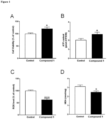
- the relative ex vivo cell viability assessed by Alamar blue assay was significantly increased in the Compound 1 treated group compared to those non-treated group ( Figure 1A ).
- Compound 1 treatment during islet isolation presented significantly elevated levels of ATP compared to Compound 1 non-treated group ( Figure 1B ).
- ROS contents and oxidative stress levels in islets treated with Compound 1 during the islet isolation were markedly decreased compared to control islets without Compound 1 treatment ( Figures 1C and 1D ).
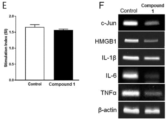
- GSIS glucose-stimulated insulin secretion
- HMGB1 high mobility group box-1
- proinflammatory cytokines including interleukin (IL)-1 ⁇ , IL-6, and tumor necrosis factor (TNF)- ⁇ were significantly decreased in Compound 1 treated group compared to non-treated group ( Figure 1F ).
- Compound 1 group demonstrated better post-transplantation outcomes, in terms of diabetes reversal rate and glucose levels during the intraperitoneal glucose tolerance test (IPGTT), compared to those of control group ( Figures 3C, 3D and 3E ).
- Compound 1 group presented greater proportion of insulin positive area in the grafted tissue compared to that of control group ( Figure 3F ).
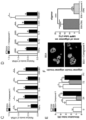
- Figure 6A shows cell viability of hIAPP + / - FVB/N mice islets during serum-deprived culture with or without Compound 1 supplementation assessed by AO/PI staining.
- islets cultured with BSA for 72 hours experienced greater cell death showing the positivity of red PI-positive cells and the impaired cell viability significantly improved by supplementation of Compound 1 ( Figures 6A and 6B ).
- Transcript levels of TNF- ⁇ , IL-1 ⁇ , IL-6, c-JUN and HMGB1 after 1 and 3 days of ex vivo culture were significantly attenuated in the BSA + Compound 1 group than those in the BSA group ( Figures 6C and 6D ).
- Compound 1 protected against serum deprivation-induced impairment of in vitro islet viability. More importantly, supplementation of medium with Compound 1 during serum-deprived culture significantly reduced accumulation of amyloid as well as toxic IAPP oligomers, and improved in vivo islet graft function.
Landscapes
- Life Sciences & Earth Sciences (AREA)
- Health & Medical Sciences (AREA)
- Organic Chemistry (AREA)
- Chemical & Material Sciences (AREA)
- Zoology (AREA)
- Wood Science & Technology (AREA)
- General Health & Medical Sciences (AREA)
- Environmental Sciences (AREA)
- Dentistry (AREA)
- Engineering & Computer Science (AREA)
- Pharmaceuticals Containing Other Organic And Inorganic Compounds (AREA)
- Biophysics (AREA)
- Physiology (AREA)
- Micro-Organisms Or Cultivation Processes Thereof (AREA)
- Medicines Containing Material From Animals Or Micro-Organisms (AREA)
Abstract
Description
- The present invention relates to a composition having protective effect during islet transplantation. More specifically, the present invention relates to a composition for protecting islet transplantation comprising a compound of the following
Formula 1 or a pharmaceutically acceptable salt thereof which can provide protective effect against oxidative stress and inflammation during islet transplantation:
-
Type 1 diabetes, or long-term type 2 diabetes, which is rapidly increasing in recent years, is highly dependent on insulin due to destruction of pancreatic β-cells, and the incidence of life-threatening hypoglycemia and diabetes complications is high. Islet transplantation refers to an operation in which a pancreas donated from a brain dead is biochemically treated to isolate pure islets, and then administered to a recipient. The purpose of surgery is to allow diabetic patients to control their blood sugar normally without insulin administration. Transplanted islets secrete insulin, allowing recipients to lead a normal life without insulin administration. - Allogeneic pancreatic islet transplantation has been a promising strategy for eliminating severe hypoglycemia and achieving normoglycemia in people with
type 1 diabetes complicated by impaired awareness of hypoglycemia. However, substantial loss of transplanted islet mass during the peri-transplant period remains an important hurdle for the widespread clinical use. - During the peri-transplant period, hypoxia/reoxygenation-induced injury and release of damage-associated molecular patterns (DAMPs) such as high-mobility group box 1 (HMGB1) has been increasingly accepted as a potent activator of innate immunity and proinflammatory cytokine production. In contrast to apoptosis which is non-inflammatory or even anti-inflammatory mode of cell death, necroptosis or necrosis is highly immunogenic. At least in part, both DAMPs released from the necrotic cells and cell-intrinsic activation of nucleotide-binding oligomerization domain (NOD)-like receptor protein 3 (NLRP3) inflammasome during the necroptosis process are responsible for such immunogenicity.
- Generation of mitochondrial reactive oxygen species (ROS), which induces opening of mitochondrial permeability transition pore (mPTP), is one of the key players promoting necroptosis and necrosis processes. The role of mitochondrial ROS in necroptosis and necrosis in transplanted islets could be critical because β-cells are known to be highly susceptible to oxidative stress due to low expression of the antioxidant enzyme genes such as catalase, superoxide dismutase and glutathione peroxidase. Therefore, oxidative stress generated during the various process of islet transplantation and hypoxia/reoxygenation-induced injury could play an essential role in significant β-cell damage and primary loss of transplant islets. In this context, various antioxidants have been used in few studies to provide possible effects on protection of islets against oxidative damage, leading to enhance islet viability and insulin secretion in vitro, and improve islet transplantation procedures. However, clinical translation of these approaches would require more potent efficacy and availability of clinical-grade materials. In addition, production of mitochondrial ROS has not been a specific target in previous studies and these studies primarily focused on the reduction of apoptosis.
- Accordingly, the technical problem of the present invention is the provision of a composition which can effectively protect islets at the time of islet transplantation.
- In order to achieve the above object, the present invention provides a composition for protecting islet transplantation comprising as an active ingredient a compound of the following
Formula 1 or a pharmaceutically acceptable salt thereof:
- n is 0 or 1;
- X is C or N, provided that n is 0 when X is N, and n is 1 when X is C;
- R1 is hydrogen or C1-C6 alkyl;
- R2 is phenyl or pyridine;
- R3 is hydrogen, halogen or C1-C6 alkyl;
- R4 is hydrogen, halogen, 2-carboxy-pyrrolidin-1-yl, pyrrolidin-1-yl, 4-acetic acid-1,3-thiazolin-2-yl, -CH2-(1,1-dioxo-thiomorpholin-4-yl) or -CH2-(2-oxopiperazin-4-yl);
- R5 is hydrogen, C1-C6 alkyl or C3-C6 cycloalkyl; and
- R6 is -D-W-R7, wherein D is cyclopentyl, cyclohexyl, pyrrolidine, tetrahydropyran, tetrahydrofuran or piperidine; W is a direct bond, -SO2-, -CO- or -C(O)O-; and R7 is hydrogen, hydroxy or C1-C6 alkyl.
- In one embodiment according to the present invention, the compound of
Formula 1 may be (tetrahydropyran-4-yl)-[2-phenyl-5-(1,1-dioxo-thiomorpholin-4-yl)methyl-1H-indol-7-yl]amine of the following Formula 2:
- In another embodiment according to the present invention, the pharmaceutically acceptable salt may include an acid-addition salt which is formed from an inorganic acid such as hydrochloric acid, sulfuric acid, nitric acid, phosphoric acid, hydrobromic acid and hydroiodic acid; an organic acid such as tartaric acid, formic acid, citric acid, acetic acid, trichloroacetic acid, trifluoroacetic acid, gluconic acid, benzoic acid, lactic acid, fumaric acid, maleic acid and salicylic acid; or sulfonic acid such as methanesulfonic acid, ethanesulfonic acid, benzenesulfonic acid and p-toluenesulfonic acid, which form non-toxic acid-addition salt including pharmaceutically acceptable anion. In addition, the pharmaceutically acceptable salt may include a pharmaceutically acceptable base-addition salt-for example, the salt with alkali metal or alkali earth metal such as lithium, sodium, potassium, calcium and magnesium; salts with amino acid such as lysine, arginine and guanidine; and an organic salt such as dicyclohexylamine, N-methyl-D-glucamine, tris(hydroxymethyl)methylamine, diethanolamine, choline and triethylamine, but is not limited thereto. The compound of Formula 1 according to the present invention may be converted into their salts by conventional methods, and the preparation of the salt could be easily carried out by a person skilled in the art based on the structure of
Formula 1 without a separate explanation. - Islet (pancreatic islet) transplantation is an operation in which only insulin-producing islet cells from the pancreas are isolated and transplanted into a recipient, and is a representative example of cell therapy and not solid organ.
- However, β-cells are vulnerable to oxidative stress due to their weak anti-oxidative defense systems. During islet isolation, various factors including hypothermia, mechanical stress, and exposure to collagenase contribute to generate oxidative stress and ultimately trigger cell death. Under low availability of oxygen and nutrients during the process of islet transplantation and revascularization, apoptosis, autophagy, necrosis and necroptosis occur in islets. Although apoptosis, in contrast to necrosis, usually does not involve inflammatory reactions, primary apoptosis in islets by hypoxia may induce immune activation presenting non-cleaved caspase-9 and caspase-3, not their cleaved forms. This indicates main cellular death process towards necrosis, which induces damage-associated molecular patterns (DAMPs) release, rather than secondary apoptosis. DAMPs are molecules such as
HMGB 1, dsDNA and uric acid released from the intracellular space and recognized mainly by Toll-like receptors (TLRs) involving innate immune system. As DAMPs are released during ischemia and reperfusion injury as the consequences of cellular death by necrosis and necroptosis and contribute to inflammation cascade in islet-graft failure, suppressing necrosis and necroptosis rather than apoptosis or autophagy may be a preferable strategy for reducing DAMPs release and associated immune responses during the period of islet transplantation. -
HMGB 1 is secreted by damaged or necrotic cells during cell death and acts as a DAMP signal and proinflammatory cytokine and relates to the pathogenesis of various inflammatory diseases. Several inflammatory cytokines such as IL-1β, IFN-γ and TNF-α were also known to be responsible for inducing β-cell dysfunction and apoptosis through a series of intracellular signaling pathways, including ROS formation and JNK activation, and translocation of NF-κB. NF-κB is a transcription factor which controls NADPH oxidase, leading to generation of oxidative stress. The concerted action of proinflammatory cytokines induced the expression of inducible nitric oxide synthase (iNOS) and blockade of iNOS activity or increased expression of manganese superoxide dismutase (MnSOD) attenuated cytokine-induced NF-xB activation under in vitro conditions in insulin-producing cell lines. - To avoid the use of animal products for safety regulations, isolated human islets are commonly cultured in serum-deprived culture condition before clinical allogeneic intraportal islet transplantation. During the culture of islets under serum deprivation condition, islets are further exposed to diverse stresses in the culture medium, deprivation of nutrients, various proinflammatory cytokines, enzymes from the exocrine pancreas and deprivation of adequate oxygenation, and these stresses are harmful to β-cell, inducing accumulation of ROS in excess. In addition, it had been thought that toxicity of islet amyloid polypeptide (IAPP) is a cause of gradual decrease in the amount of β-cells and islet fibrosis in type 2 diabetes, and serum-deprived culture in euglycemic condition provokes toxic hIAPP oligomers accumulation. The inhibition of IL-1/IL-1 receptor axis can attenuate the inflammatory responses and functional impairment of islets caused by serum-deprived culture, but IL-1 blockade cannot attenuate accumulation of toxic oligomers during the serum-deprived culture.
- The compound of Formula 1 according to the present invention can protect islets by reducing the amount of oxidative stress and reactive oxygen species (ROS) when treated while isolating islets.
- In addition, when the compound of
Formula 1 according to the present invention is treated during serum-deprived culture of isolated islets, the expression of c-jun N-terminal kinase, HMGB1 (high mobility group box-1) and proinflammatory cytokines (e.g., interleukin-1β, interleukin-6 and tumor necrosis factor (TNF)-α) is decreased, and the accumulation of amyloid and toxic IAPP (islet amyloid polypeptide) oligomers is decreased due to potent mitochondrial reactive oxygen species (ROS) scavenging activity. - The compound of Formula 1 according to the present invention effectively protects islets when it is treated during islet isolation or serum-deprived culture of isolated islets through the mechanism of action as described above, thereby dramatically improving the diabetes reversal rate after islet transplantation.
- In another embodiment according to the present invention, the composition of the present invention may further comprise a pharmaceutically acceptable carrier, if necessary. As used herein, the term "carrier" refers to a material that facilitates the administration of compounds into cells or tissues, and there is no particular limitation thereto.
- The composition of the present invention can significantly improve the success rate in islet transplantation by providing an excellent protective effect on islet cells.
-
-
Figure 1 shows the results of evaluating effects ofCompound 1 during isolation on in vitro viability, function and pro-inflammatory cytokines expression of isolated hIAPP +/- mouse islets. -
Figure 2 shows the results of evaluating effects ofCompound 1 during isolation on in vitro viability, function and pro-inflammatory cytokines expression of isolated C57BL/6 mouse islets. -
Figure 3 shows the results of evaluating effects ofCompound 1 during isolation on post-transplantation in vivo outcomes of hIAPP +/- mouse islets. -
Figure 4 shows the results of evaluating effects ofCompound 1 during serum-deprived culture on the cell viability and ROS in RINm5F cells and hIAPP +/- mouse islets. -
Figure 5 shows the results of evaluating effects ofCompound 1 during serum-deprived culture on the cell viability and ROS in nonhuman primate (NHP) islets. -
Figure 6 shows the results of evaluating effects ofCompound 1 during serum-deprived culture on in vitro viability, function, pro-inflammatory cytokines expression and oligomer accumulation of isolated hIAPP +/- mouse islets. -
Figure 7 shows the results of evaluating effects ofCompound 1 during serum-deprived culture on post-transplantation in vivo outcomes of hIAPP +/- mouse islets. - Hereinafter, the present invention will be described in more detail through preparation examples and examples. However, these examples are only illustrative, and the scope of the present invention is not limited thereto.
- (Tetrahydropyran-4-yl)-[2-phenyl-5-(1,1-dioxo-thiomorpholin-4-yl)methyl-1H-indol-7-yl]amine (hereinafter referred to as "
Compound 1") was prepared according to the method described in Example 36 of International Publication No.WO 2009/025478 A1 . - Islets were isolated from heterozygous human islet amyloid polypeptide transgenic (hIAPP +/- ) FVB/N mice (Jackson Laboratory, Bar Harbor, ME, USA), C58BL/6 mice (Orientbio, Sungnam, Korea), and cynomolgus monkeys (Macaca fascicularis; Orientbio, Sungnam, Korea). For additional in vitro studies, rat insulinoma cells (RINm5F cells) were treated with or without
Compound 1 during culture under tert-butyl hydroperoxide (tBHP) exposure or serum deprivation condition. RINm5F cells were suspended in DMEM medium (Gibco, Grand Island, NY, USA) containing 100 IU/mL penicillin and 100 µg/mL streptomycin, and cultured at 37°C in a fully humidified 5% CO2 atmosphere. All experimental protocols in this study were approved by the Institutional Animal Care and Use Committee (IACUC) of Samsung Biomedical Research Institute. - Mouse islets were isolated from 10- to 12-week-old hIAPP +/- and C57BL/6 mice as described previously. Briefly, 0.8 mg/mL of collagenase P (Roche, Indianapolis, IN, USA) in Hank's buffered saline solution (HBSS, Sigma-Aldrich, St. Louis, MO, USA) with or without 20
µM Compound 1 were infused into the common bile duct for mouse pancreas digestion. Islets were purified from the digested pancreas using a Ficoll (Biochrom, Berlin, Germany) gradient and washed several times with 1×HBSS. Isolated islets were cultured while free-floating in 10 mL of RPMI 1640 (Gibco, Grand Island, NY, USA). The medium was supplemented with 10% heat-inactivated FBS (fetal bovine serum) at 37°C and 5% CO2 incubation prior to the ex vivo and in vivo studies. - The dissected nonhuman primate (NHP) pancreas was injected intraductally with a cold Liberase MTF C/T solution (4 mL/g pancreas; Roche). Digestion and isolation were performed using Ricordi's automated isolation technique as described previously. All isolated NHP islets were cultured in a CMRL medium supplemented with 10% heat-inactivated porcine serum at 37°C and 5% CO2 incubation prior to the in vitro and in vivo studies.
- Purified hIAPP +/- FVB/N and C57BL/6J mouse were suspended in RPMI 1640 (Gibco, Grand Island, NY, USA) containing 100 IU/mL penicillin and 100 µg/mL streptomycin, and cultured at 37°C in a fully humidified 5% CO2 atmosphere. Purified NHP islets were suspended in CMRL 1066 medium (Corning Life Sciences, Tewksbury, MA; catalog number 99-663-CV) containing 100 IU/mL penicillin and 100 µg/mL streptomycin, and cultured at 37°C in a fully humidified 5% CO2 atmosphere. During the ex vivo culture of murine islets, three experimental groups were designated for experiments using hIAPP +/-FVB/N and C57BL/6J mice islets: medium supplemented with 10% FBS (Tissue Culture Biologicals, Los Alamitos, CA, USA; catalog number 101; FBS group), medium supplemented with 0.625% bovine serum albumin (Qbiogene, Carlsbad, CA, USA; catalog number BSA003; BSA group), and medium supplemented with 0, 0.1, 1, 10 and 20
µM Compoun 1 plus 0.625% BSA (BSA+Compound 1 group). In experiments using NHP islets, the medium was supplemented with 10% FBS (FBS group) and 0-20µM Compound 1 plus 0.625% human serum albumin (HSA; Greencross, Yongin, Korea) to determine the optimal concentration ofCompound 1 for treatment during the serum-deprived culture. Also, the medium was supplemented with 10% FBS (FBS group), 20µM Compound 1 plus 10% FBS (FBS +Compound 1 group), 0.625% human serum albumin (HSA; Greencross, Yongin, Korea; HSA group), or 20µM Compound 1 plus 0.625% HSA (HSA +Compound 1 group). - The viability of islets was evaluated using Alamar blue staining according to the manufacturer's protocol (Invitrogen, Grand Island, NY, USA). Briefly, islets isolated from hIAPP +/- mice were cultured at a density of 100 islet equivalents (IE) per well in 24-well plates with RPMI 1640 containing 10% FBS and 0.625% BSA with or without
Compound 1. After 1 and 3 days, 10× Alamar blue solution was added directly to each well, and the islets were incubated at 37°C for 4 hours with protection from direct light. The fluorescence intensity of each well was measured at 570/585 nm (excitation/emission) using a GloMax-Multi Plus Detection System (Promega, Fitchburg, WI, USA), and the values were normalized to a blank. - Islet viability after isolation and culture was assessed using double fluorescence in acridine orange (0.67 µmol/L) and propidium iodide (75 µmol/L) (AO/PI) staining to visualize the living and dead islet cells simultaneously. Fluorescent imaging was performed with a fluorescence microscope (Nikon ECLIPSE 80i, Tokyo, Japan) and live and dead areas were quantified using NIS-Element AR 3.0 (Nikon). The islet viability (%) was calculated as living islet cells/total islet cells × 100.
- ATP content of islets was assayed by a luminometric method. The samples were mixed with 200 µL of a commercially available lyophilized ATP monitoring reagent containing firefly luciferase and luciferin (ATP Bioluminescence Assay KIT CLS II, Roche Diagnostics) at first reconstituted in an imidazole buffer (100 mM, pH 7.75). The emitted light was measured in a luminometer (LKB 1250 luminometer). The adenine nucleotide content in samples was determined after correction of the control (no islet or cell) and calculated by reference to ATP standards treated in the same manner as the samples.
- The oxidative stress levels in hIAPP +/- mouse islets were determined right after islet isolation and after ex vivo culture of isolated islets. The oxidative stress of the islets was quantified using a fluorescence-based intracellular ROS detection method and by estimating the concentration of malondialdehyde (MDA), a by-product of lipid peroxidation. The formation of total ROS, superoxide ion and nitric oxide was determined using a reactive oxygen species detection kit (ENZ-51011, Enzo Life Sciences, Farmingdale, New York, USA). The ROS content was measured by levels of DHR123 fluorescence. The kit was applied according to the manufacturer's protocol.
- After hand-picking and washing with PBS, islets were seeded on 12-mm diameter insert wells (Merck Millipore, Billerica, MA, USA) with 10 islets per well, and preincubated with 60 mg/dL glucose in Kreb's-Ringer buffer (KRB: 129 mM NaCl, 4.8 mM KCl, 2.5 mM CaCl2, 1.2 mM KH2PO4, 5 mM NaHCO3, 10 mM HEPES, and 0.2% BSA) for 90 min at 37°C. After washing, islets were incubated with 300 mg/dL glucose-KRB for 1 hour, followed by additional incubation with 60 mg/dL glucose-KRB for 1 hour. Insulin release into the supernatant by the mouse islets was measured by ELISA (ALPCO, Salem, NH, USA) and a multiplex kit (Merck Millipore), respectively.
- Harvested islets were treated with 500 µL Trizol (Life Technologies, Grand Island, NY, USA), and then 100 µL of chloroform was added. After incubation at 4°C for 5 minutes, the mixture was centrifuged at 12,000 rpm for 15 minutes, and 250 µL of isopropyl alcohol was added to precipitate total RNA. RNA pellets were washed with 75% ethanol, and RNA was eluted from pellets using RNase-Free water (WelGene, Daegu, South Korea). RNA purity was assessed by NanoDrop (Thermo Scientific, Wilmington, DE, USA) and agarose gel electrophoresis. The purity of RNA ranged from 1.9 to 2.0 based on the ratio of optical densities (OD) of 260/230 and 260/280. Total RNA was reverse transcribed to quantify the expression of genes using the SuperScript™ II reverse transcription system (Life Technologies) according to the manufacturer's protocol.
- Real-time qRT-PCR was performed using gene-specific primer pairs (Table 1). Amplified PCR products were normalized to the β-actin PCR product amplified from the same sample. PCR products were separated on 1% agarose gels, and images were obtained using a Gel DocTM XR instrument (Bio-Rad, Hercules, CA, USA). To quantify the expression level of genes, real-time PCR was performed using a SYBR premix kit (Takara Bio Inc., Tokyo, Japan) and an ABI Prism 7000 (Applied Biosystems, Foster City, CA, USA) according to the manufacturers' protocols.
[Table 1] Genes Gene-specific primer sequence Forward Reverse Mouse β-actin GGCTGTATTCCCCTCCATCG CCAGTTGGTAACAATGCCATGT IL-1β TCAGGCAGGCAGTATCACTC GAAGGTCCACGGGAAAGACAC IL-6 CTATACCACTTCACAAGTCG GAATTGCCATTGCACAACTCT TNF-α CTGAACTTCGGGGTGATCGG GGCTTGTCACTCGAATTTTGA C-jun CCTGTCCCCTATCGACATGG CTTTTCCGGCACTTGGAGG HMGB1 CGAGAGGCAAAATGTCCTCA TCATAACGAGCCTTGTCAGC IL-1 β: Interleukin-1 beta; IL-6: Interleukin-6; TNF-α: Tumor necrosis factors-alpha;
HMGB1: Highmobility group box 1 - A marginal mass renal subcapsular islet transplantation model was used to assess the in vivo islet function of hIAPP +/- mice. To induce diabetes, 180 mg/kg of streptozotocin (STZ, Sigma-Aldrich) was administered to 8- to 10-week-old hIAPP -/- FVB/N mice. Mice were considered to have diabetes when two consecutive blood glucose level readings were higher than 300 mg/dL. Equal amounts (400 IEQ of islets per recipient) of islets isolated from hIAPP +/- mice were allocated to the following two groups: culture medium supplemented with 0.625% BSA (BSA group) and 0.625% BSA plus Compound 1 (BSA+
Compound 1 group) to evaluate the combined effect ofCompound 1 on islet mass and function during ex vivo culture. After culture for 72 hours, islets were transplanted into the renal subscapular space of diabetic hIAPP -/- mice. The IE number was calculated using the Ricordi algorithm by classifying islets according to their diameter. After islet transplantation, non-fasting blood glucose levels were measured three times a week for the first 2 weeks and twice a week for the last 2 weeks. - At 4 weeks after transplantation, the transplantation site on the kidney of mouse were removed and embedded in paraffin. Immunohistochemical staining is briefly explained in the following. After deparaffinization, 4-µm tissue sections were stained with the polyclonal guinea pig anti-insulin antibody (1:1000, A0546, DAKO, Denmark), glucacon (1:500, ab92517, abcam, United Kingdom) and amyloid (1:2500, #44-344, Invitrogen). Stained slides were observed using an Olympus BX40 light microscope (Olympus, Japan) with × 10/22 numeric aperture and ×40/0.75 numeric aperture objectives. Photographic images were collected with a digital camera (Olympus DP50) and analyzed using the Image-Pro Plus 5.1 software.
- For quantification of the DAB-labeled β-cells, all slides were imaged at 10 × on a Vectra 3.0 automated quantitative pathology imaging system and analyzed using inForm software (all from Perkin-Elmer, Waltham, MA, USA). The transplanted renal tissue sections were scanned for image acquisition and then to set the transplanted tissue segmentation, a number of representative regions of transplanted islet cells and regions to be excluded from the analysis such as renal tissues were examined by learn-by-example interface. For the β-cell segmentation, a spectral library was used to identify the hematoxylin-stained nuclei and the DAB-stained cytoplasm (β-cells) within the transplanted tissue. With these training sets, the algorithm for identifying only the DAB-stained cells in the transplanted tissue was verified. All the captured 10× images were analyzed, and the DAB-stained transplanted β-cells were counted.
- Accumulation of hIAPP oligomers was evaluated using sections of hIAPP +/- mice islets stained with A11 Ab (anti-oligomer antibody, Invitrogen) and insulin antibody (Dako). Islets were blocked with 10% normal donkey serum and incubated with primary rabbit anti-oligomer (1:100). Islets were washed and incubated with secondary Cy3-conjugated anti-rabbit antibody for 1 hour. After washing, sections were stained with a guinea pig anti-insulin primary antibody (1:500; Dako) followed by an Alexa Fluor 488 anti-guinea pig secondary antibody (1:200; Jackson ImmunoResearch Laboratories). Sections were mounted after counterstaining with 40,6-diamidino-2-phenylindole (DAPI). To quantify accumulation of hIAPP oligomers per islet, the proportion of A11-stained cells among total DAPI + islet cells was determined using confocal microscopy.
- The sections of islet grafts under the kidney capsule were examined for islet amyloid after 0.5% thioflavin S staining (Sigma) and for β-cells using insulin immunostaining with a guinea pig anti-insulin antibody (1:500; Dako, Carpenteria, CA) followed by Cy3-conjugated anti-guinea pig secondary antibody (1:200; Jackson ImmunoResearch Laboratories, West Grove, PA). Sections were mounted after staining with DAPI. To quantify accumulation of amyloid per section, the percent proportion of thioflavin S-stained cells (green) among total islet graft site (green+ red + blue portion) was determined using confocal microscopy. Original magnification is 100× for panels.
- Results are expressed as means ± standard deviations (SD) or medians and interquartile ranges, as appropriate. Continuous variables were compared using Student's t-test, one-way analysis of variance (ANOVA), or the Mann-Whitney U test, as appropriate. Longitudinal data were analyzed by two-way ANOVA with Bonferroni post hoc testing using Graphpad Prism 5 (GraphPad Software, La Jolla, CA, USA). A p value <0.05 was accepted as statistically significant for comparisons.
- To evaluate the effect of
Compound 1 during the islet isolation, islets from hIAPP +/-FVB/N mice were isolated by collagenase with and without supplementation with 20 µM ofCompound 1. The relative ex vivo cell viability assessed by Alamar blue assay was significantly increased in theCompound 1 treated group compared to those non-treated group (Figure 1A ). In addition,Compound 1 treatment during islet isolation presented significantly elevated levels of ATP compared toCompound 1 non-treated group (Figure 1B ). Also, ROS contents and oxidative stress levels in islets treated withCompound 1 during the islet isolation were markedly decreased compared to control islets withoutCompound 1 treatment (Figures 1C and 1D ). The stimulation index obtained in the glucose-stimulated insulin secretion (GSIS) assay, presenting the in vitro islet function, showed comparable values between two groups (Figure 1E ). Next, we also examined the transcriptional expression of c-Jun N-terminal kinases and high mobility group box-1 (HMGB1), and proinflammatory cytokines including interleukin (IL)-1β, IL-6, and tumor necrosis factor (TNF)-α in the culture medium after isolation with and without supplementation ofCompound 1. These transcriptional expression levels were significantly decreased inCompound 1 treated group compared to non-treated group (Figure 1F ). These results were reproduced in wild type C57BL/6 mouse islets (Figure 2 ). - To examine the effect of supplementation of
Compound 1 during islet isolation in vivo, marginal mass of islets, isolated with or without supplementation ofCompound 1, were transplanted into renal subcapsular space of streptozotocin (STZ)-induced diabetic hIAPP -/-FVB/N mice (Figure 3A ). The post-transplant glucose levels ofCompound 1 treated group were markedly lower than those of non-treated group and removal of the grafted kidney confirmed regain of hyperglycemia in theCompound 1 treated group (Figure 3B ).Compound 1 group demonstrated better post-transplantation outcomes, in terms of diabetes reversal rate and glucose levels during the intraperitoneal glucose tolerance test (IPGTT), compared to those of control group (Figures 3C, 3D and3E ).Compound 1 group presented greater proportion of insulin positive area in the grafted tissue compared to that of control group (Figure 3F ). - We examined the effect of supplementation of
Compound 1 on tert-butyl hydroperoxide (tBHP) exposure or islet culture under serum-deprived condition. Although RINm5F cells exposed to tBHP exerted LDH release and ROS formation, cellular toxicity and ROS contents were markedly reduced after the supplementation of Compound 1 (Figures 4A and 4B ). The relative cell viability of rat insulinoma cells (RINm5F cells) and islets from hIAPP +/- FVB/N mice significantly increased serum deprivation-induced cell toxicity by dose-dependent manner from 0.1 µM to 20 µM (Figures 4C and 4D ). Supplementation of medium withCompound 1 during serum-deprived culture condition also decreased serum deprivation-induced ROS in RINm5F cells and islets from hIAPP +/- FVB/N mice by dose-dependent manner from 0.1 µM to 20 µM (Figures 4E and 4F ). Similar results were observed in NHP islets (Figures 5A, 5B and 5C ). -
Figure 6A shows cell viability of hIAPP +/- FVB/N mice islets during serum-deprived culture with or withoutCompound 1 supplementation assessed by AO/PI staining. Compared to the FBS-treated islets, islets cultured with BSA for 72 hours experienced greater cell death showing the positivity of red PI-positive cells and the impaired cell viability significantly improved by supplementation of Compound 1 (Figures 6A and 6B ). Transcript levels of TNF-α, IL-1β, IL-6, c-JUN and HMGB1 after 1 and 3 days of ex vivo culture were significantly attenuated in the BSA +Compound 1 group than those in the BSA group (Figures 6C and 6D ). For evaluating the function of islets, significantly increased stimulation index was observed in islets from hIAPP +/- mouse whenCompound 1 was added to the medium during serum-deprived culture condition (Figure 6E ). After culture in medium with and withoutCompound 1 for 72 hours under serum deprived culture conditions, proportion of accumulation of hIAPP oligomers in hIAPP +/- islets was significantly decreased in BSA +Compound 1 group compared to BSA group (Figure 6F ). - We investigated whether supplementation of medium with
Compound 1 during serum-deprived culture improves posttransplantation outcomes in in vivo mouse models. A marginal mass of islets from hIAPP +/- FVB/N mice were cultured with and without supplementation ofCompound 1 for 72 hours and transplanted into subrenal subcapsular of STZ-induced diabetic hIAPP -/- FVB/N mice (Figure 7A ). TheCompound 1 group demonstrated significantly better posttransplantation outcomes including posttransplant glucose levels, diabetes reversal rate, and glucose levels and AUC of glucose during IPGTT (Figures 7B ,7C, 7D and 7E ). The insulin positive area in the grafted tissue was greater inCompound 1 group than the proportion in the control group (Figure 7F ). In addition, proportion of accumulation of amyloid was significantly reduced in the sections of islet grafts fromCompound 1 group compared to the control group (Figure 7G ). - Supplementation of
Compound 1 during islet isolation resulted in increased in vitro islet cellular viability, and attenuated oxidative stress, reactive oxygen species (ROS) contents, and the expression of c-Jun, HMGB1 and proinflammatory cytokines. In addition, in vivo studies confirmed improved post-transplantation outcomes by treatment ofCompound 1 during islet isolation. - Furthermore,
Compound 1 protected against serum deprivation-induced impairment of in vitro islet viability. More importantly, supplementation of medium withCompound 1 during serum-deprived culture significantly reduced accumulation of amyloid as well as toxic IAPP oligomers, and improved in vivo islet graft function. - From these results, advantageous effects can be confirmed according to supplementation of
Compound 1 during islet isolation as well as serum-deprivation culture in the process of islet transplantation.
Claims (8)
- A composition for protecting islet transplantation comprising as an active ingredient a compound of the following Formula 1 or a pharmaceutically acceptable salt thereof:
 n is 0 or 1;X is C or N, provided that n is 0 when X is N, and n is 1 when X is C;R1 is hydrogen or C1-C6 alkyl;R2 is phenyl or pyridine;R3 is hydrogen, halogen or C1-C6 alkyl;R4 is hydrogen, halogen, 2-carboxy-pyrrolidin-1-yl, pyrrolidin-1-yl, 4-acetic acid-1,3-thiazolin-2-yl, -CH2-(1,1-dioxo-thiomorpholin-4-yl) or -CH2-(2-oxopiperazin-4-yl);R5 is hydrogen, C1-C6 alkyl or C3-C6 cycloalkyl; andR6 is -D-W-R7, wherein D is cyclopentyl, cyclohexyl, pyrrolidine, tetrahydropyran, tetrahydrofuran or piperidine; W is a direct bond, -SO2-, -CO- or -C(O)O-; and R7 is hydrogen, hydroxy or C1-C6 alkyl.
 - The composition according to Claim 1, wherein the compound of Formula 1 is (tetrahydropyran-4-yl)-[2-phenyl-5-(1,1-dioxo-thiomorpholin-4-yl)methyl-1H-indol-7-yl]amine of the following Formula 2:

- The composition according to Claim 1, wherein the compound of Formula 1 is treated during isolation of islet.
- The composition according to Claim 1, wherein the compound of Formula 1 is treated during serum-deprived culture of isolated islet.
- The composition according to Claim 3, wherein the compound of Formula 1 reduces the amount of oxidative stress and reactive oxygen species (ROS).
- The composition according to Claim 3, wherein the compound of Formula 1 reduces the expression of c-jun N-terminal kinase, HMGB1 (high mobility group box-1) and proinflammatory cytokines.
- The composition according to Claim 6, wherein the proinflammatory cytokines are interleukin-1β, interleukin-6 and tumor necrosis factor (TNF)-α.
- The composition according to Claim 4, wherein the compound of Formula 1 reduces the accumulation of amyloid and toxic IAPP (islet amyloid polypeptide) oligomers.
Applications Claiming Priority (2)
| Application Number | Priority Date | Filing Date | Title |
|---|---|---|---|
| KR20200039408 | 2020-03-31 | ||
| PCT/KR2021/004022 WO2021201609A1 (en) | 2020-03-31 | 2021-03-31 | Composition for protecting islet transplantation |
Publications (2)
| Publication Number | Publication Date |
|---|---|
| EP4136971A1 true EP4136971A1 (en) | 2023-02-22 |
| EP4136971A4 EP4136971A4 (en) | 2023-11-22 |
Family
ID=77929536
Family Applications (1)
| Application Number | Title | Priority Date | Filing Date |
|---|---|---|---|
| EP21780603.3A Pending EP4136971A4 (en) | 2020-03-31 | 2021-03-31 | Composition for protecting islet transplantation |
Country Status (6)
| Country | Link |
|---|---|
| US (1) | US20230148589A1 (en) |
| EP (1) | EP4136971A4 (en) |
| JP (1) | JP7601425B2 (en) |
| KR (1) | KR102649355B1 (en) |
| CN (1) | CN115361866B (en) |
| WO (1) | WO2021201609A1 (en) |
Family Cites Families (12)
| Publication number | Priority date | Publication date | Assignee | Title |
|---|---|---|---|---|
| US6562836B1 (en) * | 1999-05-24 | 2003-05-13 | Queen's University Of Kingston | Methods and compounds for inhibiting amyloid deposits |
| AU5994900A (en) * | 1999-07-09 | 2001-01-30 | Isis Innovation Limited | Compounds for inhibiting diseases and preparing cells for transplantation |
| BRPI0413923A (en) * | 2003-08-29 | 2006-11-07 | Ono Pharmaceutical Co | compound capable of binding the s1p receptor and pharmaceutical use thereof |
| WO2005027901A1 (en) * | 2003-09-25 | 2005-03-31 | Tel Aviv University Future Technology Development L.P. | Compositions and methods using same for treating amyloid-associated diseases |
| EP1932843A1 (en) * | 2006-12-14 | 2008-06-18 | sanofi-aventis | Sulfonyl-phenyl-2H-(1,2,4) oxadiazole-5-one derivatives, processes for their preparation and their use as pharmaceuticals |
| JP5323834B2 (en) * | 2007-08-17 | 2013-10-23 | エルジー・ライフ・サイエンシーズ・リミテッド | Indole compounds as cell necrosis inhibitors |
| RU2460525C2 (en) * | 2008-01-04 | 2012-09-10 | Эл Джи Лайф Сайенсиз Лтд. | Indole and indazole derivatives showing preserving action on cells, tissues and organs |
| AP2015008663A0 (en) * | 2013-02-19 | 2015-08-31 | Pfizer | Azabenzimidazole compounds as inhibitors of PDE4 isozymes for the treatment of cns and other disorders |
| KR101941004B1 (en) * | 2013-03-25 | 2019-01-23 | 주식회사 엘지화학 | A pharmaceutical composition for suppressing immune response via promoting differentiation and proliferation of regulatory T cell |
| KR102006247B1 (en) * | 2014-04-18 | 2019-08-01 | 주식회사 엘지화학 | Composition for preventing or treating fatty liver diseases |
| EP3185903A1 (en) * | 2014-08-26 | 2017-07-05 | Fundación para la Investigación Médica Aplicada | Products for the treatment and prevention of neurological disorders coursing with a cognition deficit or impairment, and of neurodegenerative diseases |
| US10426817B2 (en) * | 2017-01-24 | 2019-10-01 | Macregen, Inc. | Treatment of age-related macular degeneration and other eye diseases with apolipoprotein mimetics |
-
2021
- 2021-03-31 JP JP2022559717A patent/JP7601425B2/en active Active
- 2021-03-31 WO PCT/KR2021/004022 patent/WO2021201609A1/en not_active Ceased
- 2021-03-31 KR KR1020210042271A patent/KR102649355B1/en active Active
- 2021-03-31 EP EP21780603.3A patent/EP4136971A4/en active Pending
- 2021-03-31 US US17/916,359 patent/US20230148589A1/en active Pending
- 2021-03-31 CN CN202180025599.2A patent/CN115361866B/en active Active
Also Published As
| Publication number | Publication date |
|---|---|
| EP4136971A4 (en) | 2023-11-22 |
| KR20210122199A (en) | 2021-10-08 |
| JP7601425B2 (en) | 2024-12-17 |
| KR102649355B1 (en) | 2024-03-19 |
| CN115361866A (en) | 2022-11-18 |
| JP2023522308A (en) | 2023-05-30 |
| CN115361866B (en) | 2025-07-18 |
| US20230148589A1 (en) | 2023-05-18 |
| WO2021201609A1 (en) | 2021-10-07 |
Similar Documents
| Publication | Publication Date | Title |
|---|---|---|
| US11441124B2 (en) | Mammalian cells enriched with functional mitochondria | |
| Chen et al. | Recombinant Klotho protects human periodontal ligament stem cells by regulating mitochondrial function and the antioxidant system during H2O2‐induced oxidative stress | |
| Oltean et al. | Vascular endothelial growth factor-A165b is protective and restores endothelial glycocalyx in diabetic nephropathy | |
| ES2516690T5 (en) | Serine protease activity inhibitors and their use in methods and compositions for the treatment of graft rejection and graft survival promotion | |
| Ly et al. | Transplasma membrane electron transport: enzymes involved and biological function | |
| Kim et al. | Protective effect of a novel clinical-grade small molecule necrosis inhibitor against oxidative stress and inflammation during islet transplantation | |
| EP3471827A1 (en) | Extracellular vesicles with enhanced potency | |
| WO2016049867A1 (en) | Composition with exogenous mitochondria as active ingredients, and use thereof and cell repairing method therefor | |
| US9744180B2 (en) | Pharmaceutical formulations containing mitochondrially targeted antioxidants | |
| Wang et al. | GLP-1 inhibits PKCβ2 phosphorylation to improve the osteogenic differentiation potential of hPDLSCs in the AGE microenvironment | |
| Bruni et al. | BMX-001, a novel redox-active metalloporphyrin, improves islet function and engraftment in a murine transplant model | |
| Zhang et al. | Dehydrocholic acid ameliorates sodium taurocholate-induced acute biliary pancreatitis in mice | |
| WO2014038866A1 (en) | Composition for treating angiogenic diseases using extracellular matrix membrane of cartilage-derived cell, and transplant material for cornea or conjunctiva | |
| Kabel et al. | Omarigliptin/galangin combination mitigates lipopolysaccharide-induced neuroinflammation in rats: Involvement of glucagon-like peptide-1, toll-like receptor-4, apoptosis and Akt/GSK-3β signaling | |
| US20110229449A1 (en) | Prophylaxis and treatment of macular degeneration and retinopathy using a prdx protein | |
| US20230148589A1 (en) | Composition for protecting islet transplantation | |
| CN121109289A (en) | Pancreatic organoids that efficiently maintain pancreatic β-cell identity, their preparation methods and applications | |
| JP6801934B2 (en) | Use of anti-aging glycopeptides to improve pancreatic cell health, survival and transplant outcome | |
| KR102014349B1 (en) | Immunosuppression composition comprising JAK inhibitor | |
| KR102693138B1 (en) | Composition or method for treating or preventing corneal endothelial disease comprising (T)EW-7197 | |
| WO2023080628A1 (en) | Use of apomorphine as therapeutic agent for necroptosis-related diseases | |
| Kaya et al. | Oxidative and antioxidative status in the testes of rats with acute epididymitis | |
| KR20220137037A (en) | Use of anti-aging glycopeptides for inhibition of immune rejection of grafts | |
| LU503317B1 (en) | The use of adiponectin-modified islet cells in improving or enhancing islet transplantation outcomes | |
| Luanpitpong et al. | Adult Stem Cells for |
Legal Events
| Date | Code | Title | Description |
|---|---|---|---|
| STAA | Information on the status of an ep patent application or granted ep patent |
Free format text: STATUS: THE INTERNATIONAL PUBLICATION HAS BEEN MADE |
|
| PUAI | Public reference made under article 153(3) epc to a published international application that has entered the european phase |
Free format text: ORIGINAL CODE: 0009012 |
|
| STAA | Information on the status of an ep patent application or granted ep patent |
Free format text: STATUS: REQUEST FOR EXAMINATION WAS MADE |
|
| 17P | Request for examination filed |
Effective date: 20221020 |
|
| AK | Designated contracting states |
Kind code of ref document: A1 Designated state(s): AL AT BE BG CH CY CZ DE DK EE ES FI FR GB GR HR HU IE IS IT LI LT LU LV MC MK MT NL NO PL PT RO RS SE SI SK SM TR |
|
| DAV | Request for validation of the european patent (deleted) | ||
| DAX | Request for extension of the european patent (deleted) | ||
| A4 | Supplementary search report drawn up and despatched |
Effective date: 20231025 |
|
| RIC1 | Information provided on ipc code assigned before grant |
Ipc: A01N 1/02 20060101AFI20231019BHEP |