EP4135116B1 - Bus bar module, battery module, and manufacturing method for reused battery module - Google Patents
Bus bar module, battery module, and manufacturing method for reused battery module Download PDFInfo
- Publication number
- EP4135116B1 EP4135116B1 EP22187004.1A EP22187004A EP4135116B1 EP 4135116 B1 EP4135116 B1 EP 4135116B1 EP 22187004 A EP22187004 A EP 22187004A EP 4135116 B1 EP4135116 B1 EP 4135116B1
- Authority
- EP
- European Patent Office
- Prior art keywords
- pair
- parts
- bus bar
- electrode
- reused
- Prior art date
- Legal status (The legal status is an assumption and is not a legal conclusion. Google has not performed a legal analysis and makes no representation as to the accuracy of the status listed.)
- Active
Links
Images


Classifications
-
- H—ELECTRICITY
- H01—ELECTRIC ELEMENTS
- H01M—PROCESSES OR MEANS, e.g. BATTERIES, FOR THE DIRECT CONVERSION OF CHEMICAL ENERGY INTO ELECTRICAL ENERGY
- H01M50/00—Constructional details or processes of manufacture of the non-active parts of electrochemical cells other than fuel cells, e.g. hybrid cells
- H01M50/50—Current conducting connections for cells or batteries
- H01M50/502—Interconnectors for connecting terminals of adjacent batteries; Interconnectors for connecting cells outside a battery casing
- H01M50/505—Interconnectors for connecting terminals of adjacent batteries; Interconnectors for connecting cells outside a battery casing comprising a single busbar
-
- H—ELECTRICITY
- H01—ELECTRIC ELEMENTS
- H01M—PROCESSES OR MEANS, e.g. BATTERIES, FOR THE DIRECT CONVERSION OF CHEMICAL ENERGY INTO ELECTRICAL ENERGY
- H01M50/00—Constructional details or processes of manufacture of the non-active parts of electrochemical cells other than fuel cells, e.g. hybrid cells
- H01M50/50—Current conducting connections for cells or batteries
- H01M50/502—Interconnectors for connecting terminals of adjacent batteries; Interconnectors for connecting cells outside a battery casing
- H01M50/507—Interconnectors for connecting terminals of adjacent batteries; Interconnectors for connecting cells outside a battery casing comprising an arrangement of two or more busbars within a container structure, e.g. busbar modules
-
- H—ELECTRICITY
- H01—ELECTRIC ELEMENTS
- H01M—PROCESSES OR MEANS, e.g. BATTERIES, FOR THE DIRECT CONVERSION OF CHEMICAL ENERGY INTO ELECTRICAL ENERGY
- H01M10/00—Secondary cells; Manufacture thereof
- H01M10/42—Methods or arrangements for servicing or maintenance of secondary cells or secondary half-cells
-
- H—ELECTRICITY
- H01—ELECTRIC ELEMENTS
- H01M—PROCESSES OR MEANS, e.g. BATTERIES, FOR THE DIRECT CONVERSION OF CHEMICAL ENERGY INTO ELECTRICAL ENERGY
- H01M50/00—Constructional details or processes of manufacture of the non-active parts of electrochemical cells other than fuel cells, e.g. hybrid cells
- H01M50/20—Mountings; Secondary casings or frames; Racks, modules or packs; Suspension devices; Shock absorbers; Transport or carrying devices; Holders
- H01M50/204—Racks, modules or packs for multiple batteries or multiple cells
-
- H—ELECTRICITY
- H01—ELECTRIC ELEMENTS
- H01M—PROCESSES OR MEANS, e.g. BATTERIES, FOR THE DIRECT CONVERSION OF CHEMICAL ENERGY INTO ELECTRICAL ENERGY
- H01M50/00—Constructional details or processes of manufacture of the non-active parts of electrochemical cells other than fuel cells, e.g. hybrid cells
- H01M50/20—Mountings; Secondary casings or frames; Racks, modules or packs; Suspension devices; Shock absorbers; Transport or carrying devices; Holders
- H01M50/204—Racks, modules or packs for multiple batteries or multiple cells
- H01M50/207—Racks, modules or packs for multiple batteries or multiple cells characterised by their shape
- H01M50/209—Racks, modules or packs for multiple batteries or multiple cells characterised by their shape adapted for prismatic or rectangular cells
-
- H—ELECTRICITY
- H01—ELECTRIC ELEMENTS
- H01M—PROCESSES OR MEANS, e.g. BATTERIES, FOR THE DIRECT CONVERSION OF CHEMICAL ENERGY INTO ELECTRICAL ENERGY
- H01M50/00—Constructional details or processes of manufacture of the non-active parts of electrochemical cells other than fuel cells, e.g. hybrid cells
- H01M50/50—Current conducting connections for cells or batteries
- H01M50/502—Interconnectors for connecting terminals of adjacent batteries; Interconnectors for connecting cells outside a battery casing
- H01M50/514—Methods for interconnecting adjacent batteries or cells
- H01M50/516—Methods for interconnecting adjacent batteries or cells by welding, soldering or brazing
-
- H—ELECTRICITY
- H01—ELECTRIC ELEMENTS
- H01M—PROCESSES OR MEANS, e.g. BATTERIES, FOR THE DIRECT CONVERSION OF CHEMICAL ENERGY INTO ELECTRICAL ENERGY
- H01M50/00—Constructional details or processes of manufacture of the non-active parts of electrochemical cells other than fuel cells, e.g. hybrid cells
- H01M50/50—Current conducting connections for cells or batteries
- H01M50/569—Constructional details of current conducting connections for detecting conditions inside cells or batteries, e.g. details of voltage sensing terminals
-
- H—ELECTRICITY
- H01—ELECTRIC ELEMENTS
- H01M—PROCESSES OR MEANS, e.g. BATTERIES, FOR THE DIRECT CONVERSION OF CHEMICAL ENERGY INTO ELECTRICAL ENERGY
- H01M50/00—Constructional details or processes of manufacture of the non-active parts of electrochemical cells other than fuel cells, e.g. hybrid cells
- H01M50/50—Current conducting connections for cells or batteries
- H01M50/572—Means for preventing undesired use or discharge
- H01M50/574—Devices or arrangements for the interruption of current
-
- Y—GENERAL TAGGING OF NEW TECHNOLOGICAL DEVELOPMENTS; GENERAL TAGGING OF CROSS-SECTIONAL TECHNOLOGIES SPANNING OVER SEVERAL SECTIONS OF THE IPC; TECHNICAL SUBJECTS COVERED BY FORMER USPC CROSS-REFERENCE ART COLLECTIONS [XRACs] AND DIGESTS
- Y02—TECHNOLOGIES OR APPLICATIONS FOR MITIGATION OR ADAPTATION AGAINST CLIMATE CHANGE
- Y02E—REDUCTION OF GREENHOUSE GAS [GHG] EMISSIONS, RELATED TO ENERGY GENERATION, TRANSMISSION OR DISTRIBUTION
- Y02E60/00—Enabling technologies; Technologies with a potential or indirect contribution to GHG emissions mitigation
- Y02E60/10—Energy storage using batteries
-
- Y—GENERAL TAGGING OF NEW TECHNOLOGICAL DEVELOPMENTS; GENERAL TAGGING OF CROSS-SECTIONAL TECHNOLOGIES SPANNING OVER SEVERAL SECTIONS OF THE IPC; TECHNICAL SUBJECTS COVERED BY FORMER USPC CROSS-REFERENCE ART COLLECTIONS [XRACs] AND DIGESTS
- Y02—TECHNOLOGIES OR APPLICATIONS FOR MITIGATION OR ADAPTATION AGAINST CLIMATE CHANGE
- Y02W—CLIMATE CHANGE MITIGATION TECHNOLOGIES RELATED TO WASTEWATER TREATMENT OR WASTE MANAGEMENT
- Y02W30/00—Technologies for solid waste management
- Y02W30/50—Reuse, recycling or recovery technologies
- Y02W30/84—Recycling of batteries or fuel cells
Definitions
- the present invention relates to a bus bar module, a battery module, and a manufacturing method for a reused battery module.
- JP 2015 - 198 071 A discloses a bus bar including a plurality of weld parts formed to be separated from each other, and a rupture part that can be ruptured disposed between the weld parts. With this bus bar, in a case in which a welding failure occurs, welding can be performed again without discarding a material corresponding to one module.
- CN 202 395 111 U discloses a power battery pack which comprises a plurality of single batteries and connecting sheets used for connecting the single batteries. At least some single batteries are connected in series.
- Each connecting sheet comprises a first connecting terminal and a second connecting terminal which are respectively connected with the electrode terminals of the adjacent single batteries.
- Short-circuit pins are arranged on both the first connecting terminals and the second connecting terminals. Insulating layers are arranged between the short-circuit pins and the single batteries.
- CN 112 310 562 A discloses a battery module which comprises a plurality of battery units used for series connection, a connecting piece and a conductive part.
- CN 112 297 847 A discloses a battery module which comprises a battery unit. The battery unit is provided with an electrode terminal. The battery unit comprises a failure battery unit and a non-failure battery unit. The battery module further comprises a conductive part, the conductive part is used for being connected with the electrode terminal of a target battery unit, and the target battery unit is a non-failure battery unit; wherein the failure battery unit is located between the two target battery units.
- said object is solved by a bus bar module having the features of the independent claim 1 and a battery module according to claim 4.
- said object is solved by a reused bus bar module having the features of the independent claim 5 and a reused battery module according to claim 6.
- said object is solved by a manufacturing method having the features of the independent claim 7.
- the first direction is referred to as an "arrangement direction X”
- the second direction is referred to as a “width direction Y”
- the third direction is referred to as a "height direction Z”.
- the arrangement direction X as the first direction, the width direction Y as the second direction, and the height direction Z as the third direction are orthogonal to each other.
- the directions used in the following description are assumed to be directions in a state in which respective parts are assembled to each other unless otherwise specified.
- a bus bar module 1 according to the present embodiment illustrated in FIG. 1 and FIG. 2 is applied to a battery pack 100 mounted on a vehicle.
- the battery pack 100 is mounted on a vehicle including an electric motor such as a motor as a driving source (an electric vehicle, a hybrid vehicle, or the like), and is used for supplying electric power to the electric motor.
- the battery pack 100 includes a battery module 110 and a monitoring device 120.
- the battery module 110 includes a set battery 111 and the bus bar module 1.
- the set battery 111 is constituted of a plurality of battery cells (single batteries) 112 arranged along the arrangement direction X.
- the bus bar module 1 is electrically connected to the battery cells 112 constituting the set battery 111.
- the monitoring device 120 is an arithmetic device constituting a battery monitoring unit that monitors a state (a voltage, a current, a temperature, and the like) of each of the battery cells 112, which is an Electronic Control Unit (ECU), a microcomputer, or the like, for example.
- the bus bar module 1 electrically connects each of the battery cells 112 to the monitoring device 120.
- the monitoring device 120 monitors the state of each of the battery cells 112 based on information (voltage information, current information, temperature information, and the like) representing the state of the battery cell 112 obtained via the bus bar module 1, and use the state for various kinds of control such as charge and discharge control.
- Each of the battery cells 112 includes a cell main body 113 and two electrode terminals 114.
- the cell main body 113 is a main portion constituting the battery cell 112.
- the cell main body 113 is formed in a substantially rectangular parallelepiped plate shape, and respective parts are housed therein.
- Each of the two electrode terminals 114 is disposed at any position on the cell main body 113 in a state of being exposed to the outside.
- One of the two electrode terminals 114 is a positive electrode, and the other one thereof is a negative electrode.
- the electrode terminal 114 may be a plate-shaped electrode terminal disposed on an outer wall surface of the cell main body 113, or may be a pillar-shaped electrode pole projecting from the outer wall surface of the cell main body 113.
- the electrode terminal 114 is assumed to be an electrode formed in a substantially rectangular plate shape.
- the battery cells 112 are continuously arranged in a state in which the electrode terminals 114 on one side of the respective battery cells 112 are arranged in a line, and the electrode terminals 114 on the other side thereof are also arranged in a line.
- electrode terminal groups 115 each including the electrode terminals 114 arranged in a line are disposed at two points.
- the cell main body 113 is formed in a substantially rectangular parallelepiped plate shape, and the positive and negative electrode terminals 114 are disposed on one of six outer wall surfaces thereof.
- the battery module 110 is formed in a substantially rectangular parallelepiped shape as a whole with the battery cells 112 arranged along the arrangement direction X, and includes six wall surfaces as an aggregate constituted of the battery cells 112.
- the electrode terminal groups 115 are disposed on one of the six wall surfaces as an aggregate.
- the bus bar module 1 is electrically connected to at least one of the electrode terminal groups 115 of the battery module 110 having the configuration as described above.
- the bus bar module 1 is electrically connected to both of the two electrode terminal groups 115.
- FIG. 1 , FIG. 2 , and FIG. 3 represent the bus bar module 1 and the battery module 110 at the time of primary use before being reused.
- FIG. 4 and FIG. 5 represent the bus bar module 1 and the battery module 110 at the time of secondary use after being reused. The following describes the configuration of the bus bar module 1 in detail with reference to the drawings.
- the bus bar module 1 and the battery module 110 before being reused with reference to FIG. 1 , FIG. 2 , and FIG. 3 , and describes the bus bar module 1 and the battery module 110 after being reused with reference to FIG. 4 and FIG. 5 thereafter.
- the battery module 110 after being reused illustrated in FIG. 4 and FIG. 5 is particularly referred to as a "reused battery module 110R” in some cases.
- the bus bar module 1 after being reused is particularly referred to as a "reused bus bar module 1R”
- the bus bar 10 after being reused is particularly referred to as a "reused bus bar 10R”
- the battery cell 112 after being reused is particularly referred to as a "reused battery cell 112R” in some cases.
- the bus bar module 1 before being reused illustrated in FIG. 1 , FIG. 2 , and FIG. 3 includes the bus bar 10, a case 20, and a detection conductor 30.
- the bus bar 10 is a connection terminal that electrically connects the electrode terminals 114 included in the respective battery cells 112 to each other.
- the case 20 is a housing that houses and holds the bus bar 10.
- the detection conductor 30 is a detection line that is electrically connected to the bus bar 10, and electrically connects each bus bar 10 to the monitoring device 120.
- the bus bar module 1 may further include a thermistor, various sensors, and the like.
- a connection target of the bus bar 10 is at least one of the arranged battery cells 112, and the bus bar 10 is electrically connected to one of the two electrode terminals 114 included in the battery cell 112 as the connection target. More specifically, the bus bar 10 constitutes an electrode connecting bus bar that electrically connects one of the two electrode terminals 114 included in the battery cell 112 to one of the two electrode terminals 114 included the other battery cell 112 adjacent thereto along the arrangement direction X. The bus bar 10 electrically connects the electrode terminals 114 of the adjacent battery cells 112 to each other in accordance with a connection scheme of the battery cells 112 required for the battery module 110.
- the bus bar 10 connects the electrode terminal 114 constituting a positive electrode in one of the adjacent battery cells 112 to the electrode terminal 114 constituting a negative electrode in the other one of the battery cells 112.
- the electrode terminal 114 as the positive electrode and the electrode terminal 114 as the negative electrode are alternately disposed in each of the electrode terminal groups 115.
- the bus bar 10 connects the electrode terminals 114 constituting positive electrodes of the adjacent battery cells 112 to each other, or connects the electrode terminals 114 constituting negative electrodes thereof to each other.
- the electrode terminals having the same polarity are disposed side by side in each of the electrode terminal groups 115.
- the battery module 110 includes the two electrode terminals 114 that are not coupled by the bus bar 10. One of them is a total positive electrode, and the other one thereof is a total negative electrode.
- each of the drawings exemplifies a case in which the battery cells 112 are connected in series in the battery module 110, that is, a case in which the electrode terminals 114 serving as the positive electrode and the negative electrode are alternately disposed in each of the electrode terminal groups 115, and both of the total positive electrode and the total negative electrode are positioned in one of the electrode terminal groups 115.
- a total positive electrode bus bar 116 and a total negative electrode bus bar 117 are electrically connected to the electrode terminals 114 as the total positive electrode and the total negative electrode, respectively.
- the total positive electrode bus bar 116 and the total negative electrode bus bar 117 may also have a structure that can be reused as described later.
- the bus bar 10 includes a pair of electrode joining parts 11, a coupling part 12, and a pair of rejoinable parts 13 in the bus bar module 1 before being reused, and these parts are integrally formed of metallic material having electrical conductivity.
- the bus bar 10 is formed in a substantially U-shaped plate shape as a whole by the pair of electrode joining parts 11, the coupling part 12, and the pair of rejoinable parts 13.
- the pair of electrode joining parts 11 is portions that are joined to the different electrode terminals 114.
- the respective electrode joining parts 11 are joined to the different electrode terminals 114 to be electrically connected to the electrode terminals 114. That is, a first electrode joining part 11 of the pair of electrode joining parts 11 is joined to a first electrode terminal 114 disposed on a first battery cell 112.
- a second electrode joining part 11 of the pair of electrode joining parts 11 is joined to a second electrode terminal 114 disposed on a second battery cell 112 that is positioned to be adjacent to the first battery cell 112.
- a form of joining between the electrode joining part 11 and the electrode terminal 114 in the present embodiment is weld-bonding.
- each of the pair of electrode joining parts 11 is formed to be a welding region having a substantially rectangular shape.
- Each of the electrode joining parts 11 is electrically connected to the electrode terminal 114 by being welded to the electrode terminal 114 (for example, by laser welding).
- the form of joining between the electrode joining part 11 and the electrode terminal 114 is not limited to weld-bonding.
- bolt-joining and the like may be employed in place of the weld-bonding.
- the coupling part 12 is a portion that couples the pair of electrode joining parts 11 to each other.
- the coupling part 12 extends between the pair of electrode joining parts 11 along the arrangement direction X of the battery cells 112, and is formed integrally with the pair of electrode joining parts 11. That is, the pair of electrode joining parts 11 is continuous to each other via the coupling part 12 in the arrangement direction X.
- the coupling part 12 includes a connection tab part 12a.
- the connection tab part 12a is a portion to which the detection conductor 30 is electrically connected.
- the connection tab part 12a is formed to project from a center portion in the arrangement direction X of the coupling part 12 toward one side along the width direction Y to have a plate shape.
- the coupling part 12 can be cut between the pair of electrode joining parts 11 in a state in which the pair of electrode joining parts 11 is respectively joined (welded) to the electrode terminals 114.
- the coupling part 12 can divide one of the electrode joining parts 11 from the other one of the electrode joining parts 11 by being cut between the pair of electrode joining parts 11.
- the coupling part 12 includes a notch part 12b formed at a part that can be cut.
- the notch part 12b is a portion as a mark for a part that can be cut in the coupling part 12.
- the notch part 12b is formed as a part notched in a recessed shape along the width direction Y.
- the notch parts 12b are respectively disposed on both sides in the arrangement direction X of the connection tab part 12a in the coupling part 12.
- the notch parts 12b are disposed, as a pair, on both sides of the coupling part 12 to be opposed to each other in the width direction Y.
- the pair of notch parts 12b opposed to each other in the width direction Y is assumed to be one group, and two groups of the notch parts 12b (in total) are respectively disposed on both sides in the arrangement direction X of the connection tab part 12a.
- the pair of rejoinable parts 13 are portions respectively extending from the pair of electrode joining parts 11.
- the pair of rejoinable parts 13 respectively extends from the pair of electrode joining parts 11 along the width direction Y, and is formed integrally with the electrode joining parts 11. That is, a first rejoinable part 13 of the pair of rejoinable parts 13 is disposed to be connected to the first electrode joining part 11, and extends from the first electrode joining part 11 along the width direction Y. On the other hand, a second rejoinable part 13 of the pair of rejoinable parts 13 is disposed to be connected to the second electrode joining part 11, and extends from the second electrode joining part 11 along the width direction Y.
- first electrode joining part 11 and the first rejoinable part 13 are integrally formed, and positioned on one side with respect to the coupling part 12 in the arrangement direction X.
- the second electrode joining part 11 and the second rejoinable part 13 are integrally formed, and positioned on the other side with respect to the coupling part 12 in the arrangement direction X.
- the pair of rejoinable parts 13 is divided from each other via the notch part 12b and the like described above or a slit shape in the arrangement direction X.
- the pair of rejoinable parts 13 is portions that are joined to each other by a joining member 15R to constitute a conductive connection part 16R for secondary use at the time of reusing the bus bar module 1 and the battery module 110 (refer to FIG. 4 and FIG. 5 ).
- each of the pair of rejoinable parts 13 is formed to be a welding region having a substantially rectangular shape.
- the pair of electrode joining parts 11 and the coupling part 12 configured as described above constitute a conductive connection part 14 for primary use that is disposed across the different electrode terminals 114 to electrically connect the different electrode terminals 114 to each other in a state before being reused.
- the conductive connection part 14 for primary use is a portion that conductively connects the electrode terminal 114 of one of the adjacent battery cells 112 to the electrode terminal 114 of the other one of the battery cells 112 in the bus bar module 1 before being reused.
- the conductive connection part 14 for primary use extends across the electrode terminal 114 of one of the battery cells 112 adjacent to each other along the arrangement direction X and the electrode terminal 114 of the other one of the battery cells 112, and the respective electrode joining parts 11 are joined (welded) to the different electrode terminals 114.
- the case 20 houses and holds the bus bars 10 configured as described above and arranged side by side along the arrangement direction X.
- the case 20 is configured such that a plurality of housing chambers for housing the bus bars 10 are arranged side by side along the arrangement direction X, and the housing chambers are coupled to each other via a displacement absorbing structure such as a hinge.
- the case 20 houses one bus bar 10 in each of the housing chambers, and holds each of the electrode joining parts 11 in an attitude that can be connected to the electrode terminal 114.
- Two cases 20 are disposed in total, that is, one case 20 is disposed for each of the electrode terminal groups 115.
- Each of the cases 20 includes the housing chambers the number of which corresponds to the number of the electrode terminals 114 constituting the electrode terminal group 115.
- one of the cases 20 also includes housing chambers that house and hold the total positive electrode bus bar 116 and the total negative electrode bus bar 117 described above.
- the detection conductor 30 is electrically connected to each of the bus bars 10 configured as described above, and electrically connects each of the bus bars 10 to the monitoring device 120 described above.
- the detection conductor 30 can be constituted of flexible printed circuits (FPCs). That is, in this case, the detection conductor 30 is constituted of a circuit body (conductor layer) constituting the flexible printed circuits.
- the detection conductor 30 is electrically connected to each of the bus bars 10 by being welded or fastened to the connection tab part 12a of the bus bar 10.
- the detection conductor 30 may be electrically connected to the connection tab part 12a via a relay bus bar and the like.
- the detection conductor 30 is not necessarily constituted of flexible printed circuits, but may be constituted of an insulated electric wire and the like.
- the bus bar module 1 configured as described above is assembled to the set battery 111 in a state in which the bus bars 10, the case 20, and the detection conductor 30 are modularized, and the electrode joining parts 11 are respectively joined to the electrode terminals 114 to configure the battery module 110.
- the bus bar module 1 conductively connects the electrode terminals 114 of the adjacent battery cells 112 to each other via the conductive connection part 14 for primary use of each of the bus bars 10.
- the bus bar module 1 can electrically connect each of the battery cells 112 to the monitoring device 120 by electrically connecting each of the bus bars 10 to the monitoring device 120 via the detection conductor 30.
- the reused bus bar module 1R illustrated in FIG. 4 and FIG. 5 is the bus bar module 1 applied to the reused battery module 110R, and includes the reused bus bar 10R obtained by performing predetermined reuse processing on the bus bar 10 before being reused.
- the reused bus bar 10R is formed by cutting the coupling part 12 between the pair of electrode joining parts 11 to divide the pair of electrode joining parts 11 from each other in a state in which the pair of electrode joining parts 11 is respectively joined (welded) to the electrode terminals 114 in the bus bar 10 before being reused. That is, the coupling part 12 constituting the conductive connection part 14 for primary use in the bus bar 10 before being reused functions as a cutting (dividing) part for cutting (dividing) the pair of electrode joining parts 11 joined to the electrode terminals 114 from each other. In other words, the conductive connection part 14 for primary use in the bus bar 10 before being reused is divided into the pair of electrode joining parts 11 at the coupling part 12 for reuse.
- the coupling part 12 is cut by using a cutting tool such as an insulated cutter.
- a cut trace generated in this process is formed on a cut end face of the coupling part 12. Accordingly, in the battery module 110, the battery cells 112 before being reused that are connected to each other via the conductive connection part 14 for primary use are caused to be in a state of being able to be separated from each other.
- each coupling part 12 of the bus bar 10 connected to the battery cell 112 that is required to be replaced is cut.
- the coupling part 12 can be easily cut while maintaining conductive connection between the connection tab part 12a and the detection conductor 30.
- the case 20 is not cut together with the bus bar 10, but the embodiment is not limited thereto. Part of the case 20 may be cut along with cutting of the coupling part 12.
- the reused bus bar 10R is configured as a form of connecting the electrode terminal 114 of any of the battery cells 112 in a state of being able to be separated as described above, the battery cell 112 being able to be used as the reused battery cell 112R, to the electrode terminal 114 of the other battery cell 112.
- the reused battery module 110R is the battery module 110 including at least one reused battery cell 112R.
- the reused battery module 110R is configured such that the joining member 15R is joined to the rejoinable parts 13 respectively disposed on two battery cells (at least one of which is the reused battery cell 112R) of the battery cells 112 in a state of being able to be separated as the coupling part 12 is cut as described above.
- the pair of electrode joining parts 11 divided from each other, the pair of rejoinable parts 13, and the joining member 15R constitute the conductive connection part 16R for secondary use that is disposed across the different electrode terminals 114 to electrically connect the different electrode terminals 114 to each other.
- the reused bus bar 10R includes the pair of electrode joining parts 11 that is respectively joined (welded) to the different electrode terminals 114 and divided from each other, the pair of rejoinable parts 13 respectively extending from the pair of electrode joining parts 11, and the joining member 15R that is joined to the pair of rejoinable parts 13.
- the pair of rejoinable parts 13 typically functions as welding regions of new surfaces, each of which is free of welding trace and the like.
- the joining member 15R according to the present embodiment is electrically connected to the pair of rejoinable parts 13 by being welded to the pair of rejoinable parts 13 (for example, by laser welding and the like).
- the pair of electrode joining parts 11, the pair of rejoinable parts 13, and the joining member 15R configured as described above constitute the conductive connection part 16R for secondary use that is disposed across the different electrode terminals 114 to electrically connect the different electrode terminals 114 to each other in a state after being reused.
- the conductive connection part 16R for secondary use is a portion that conductively connects the electrode terminal 114 of the reused battery cell 112R to the electrode terminal 114 of the battery cell 112 adjacent thereto (this may also be the reused battery cell 112R) in the reused bus bar module 1R after being reused.
- the conductive connection part 16R for secondary use extends across the electrode terminal 114 of one of the battery cells 112 adjacent to each other along the arrangement direction X and the electrode terminal 114 of the other one of the battery cells 112 via the joining member 15R, and the electrode joining parts 11 are maintained to be respectively joined to the different electrode terminals 114.
- the reused bus bar module 1R configured as described above conductively connects the electrode terminals 114 of the adjacent battery cells 112 including the reused battery cell 112R to each other via the conductive connection part 16R for secondary use of the reused bus bar 10R at the time of secondary use after being reused.
- the reused bus bar module 1R can electrically connect each of the battery cells 112 including the reused battery cell 112R to the monitoring device 120 by electrically connecting each of the bus bars 10 including the reused bus bar 10R to the monitoring device 120 via the detection conductor 30.
- the manufacturing method for the reused battery module 110R configured as described above (manufacturing method for the reused battery module) with reference to FIG. 6 .
- the description will be made based on a flowchart of FIG. 6 while appropriately referring to the other drawings.
- the manufacturing method for the reused battery module 110R described below may be manually performed by a worker using various kinds of devices, equipment, jigs, and the like, or may be automatically performed by various manufacturing devices.
- the manufacturing method for the reused battery module 110R includes a connection step for primary use (Step S1), a cutting step (Step S2), and a connection step for secondary use (Step S3).
- the connection step for primary use (Step S1) is a step of causing the battery module 110 to be in a state of being able to be primarily used.
- the cutting step (Step S2) is a step of cutting the coupling part 12 of the bus bar 10 for replacing at least part of the battery cells 112 in the battery module 110 that has been primarily used.
- the connection step for secondary use is a step of causing the reused battery module 110R to be in a state of being able to be secondarily used, the reused battery module 110R using, as the reused battery cell 112R, at least one of the battery cells 112 constituting the battery module 110 that has been primarily used.
- the manufacturing method for the reused battery module 110R is assumed to be manually performed by a worker.
- the worker assembles the bus bar module 1 to the set battery 111, the bus bar module 1 in which the bus bars 10, the case 20, and the detection conductor 30 are modularized.
- the worker joins (herein, welds) the pair of electrode joining parts 11 of each of the bus bars 10 in the bus bar module 1 to the different electrode terminals 114 respectively, configures the conductive connection part 14 for primary use with the pair of electrode joining parts 11 and the coupling part 12, and configures the battery module 110 with the battery cells 112 (Step S1).
- the bus bar module 1 conductively connects the electrode terminals 114 of the adjacent battery cells 112 to each other via the conductive connection part 14 for primary use of each of the bus bars 10.
- the worker then electrically connects each of the battery cells 112 to the monitoring device 120 by electrically connecting each of the bus bars 10 to the monitoring device 120 via the detection conductor 30.
- the worker cuts the coupling part 12 between the pair of electrode joining parts 11 to divide the pair of electrode joining parts 11 from each other in a state in which the pair of electrode joining parts 11 is respectively joined to the electrode terminals 114, and causes the battery cells 112 constituting the battery module 110 to be in a state of being able to be separated from each other (Step S2).
- the worker replaces, with the reused battery cell 112R, the battery cell 112 that is required to be replaced among the battery cells 112 in a state of being able to be separated, and joins the joining member 15R to the rejoinable parts 13 respectively disposed on the two battery cells 112 including the replaced reused battery cell 112R.
- the worker electrically connects the joining member 15R to the pair of rejoinable parts 13 by welding (for example, by laser welding and the like) the joining member 15R to the pair of rejoinable parts 13.
- the worker configures the conductive connection part 16R for secondary use with the pair of electrode joining parts 11, the pair of rejoinable parts 13, and the joining member 15R, configures the reused battery module 110R including at least the replaced reused battery cell 112R (Step S3), and ends the manufacturing method for the reused battery module 110R.
- the manufacturing method for the reused battery module described above includes the connection step for primary use (Step S1), the cutting step (Step S2), and the connection step for secondary use (Step S3).
- the bus bar 10 includes the pair of rejoinable parts 13 together with the coupling part 12 that can be cut between the pair of electrode joining parts 11 in a state in which the pair of electrode joining parts 11 is respectively joined to the electrode terminals 114, and the pair of electrode joining parts 11 and the coupling part 12 constitute the conductive connection part 14 for primary use.
- the pair of electrode joining parts 11, the pair of rejoinable parts 13, and the joining member 15R constitute the conductive connection part 16R for secondary use in a state in which the pair of electrode joining parts is respectively joined to the different electrode terminals 114 and divided from each other.
- the rejoinable parts 13 are prepared separately from the electrode joining part 11, and can be used as a region of a new surface free of welding trace and the like, so that the joining member 15R can be appropriately brought into contact with and joined to the rejoinable part 13, and an appropriate conductively connected state can be secured.
- the rejoinable part 13 is added to the bus bar 10 as described above, the coupling part 12 of the bus bar 10 is subjected to the cut processing at the time of reuse, and the joining member 15R is joined to the rejoinable part 13, so that the battery cell 112 can be appropriately reused.
- the bus bar module 1 and the battery module 110 have a configuration in which the battery cell 112 is replaced after cutting the coupling part 12 as described above, and the usable battery cells 112 can be connected to each other again via the rejoinable part 13 and the joining member 15R, so that it is possible to appropriately recycle and reuse the battery cell 112 that is still usable.
- the bus bar module 1, the battery module 110, and the manufacturing method for the reused battery module can implement a configuration that can be appropriately and easily reused, and can suppress increase in battery discarding processing and reduce a discarding amount.
- the manufacturing method for the reused battery module, the bus bar module 1, and the battery module 110 described above include the notch part 12b formed at a part that can be cut on the coupling part 12, so that, at the time of cutting the coupling part 12, the coupling part 12 can be cut at an appropriate position using the notch part 12b as a guide.
- the coupling part 12 can be cut while maintaining conductive connection between the connection tab part 12a and the detection conductor 30.
- the manufacturing method for the reused battery module, the bus bar module 1, and the battery module 110 can improve workability in manufacturing the reused battery module 110R.
- bus bar module, the battery module, and the manufacturing method for the reused battery module according to the embodiment of the present invention described above are not limited to the embodiment described above, and can be variously modified within the scope of claims.
- the notch part 12b is assumed to be formed as a part notched in a recessed shape along the width direction Y, but the shape thereof is not limited thereto. Additionally, the coupling part 12 is assumed to include the notch part 12b in the above description, but the embodiment is not limited thereto. The coupling part 12 may be configured without the notch part 12b.
- rejoinable part 13 is assumed to be formed as a welding region having a substantially rectangular shape, but the embodiment is not limited thereto.
- the joining form between the rejoinable part 13 and the joining member 15R is not limited to weld-bonding.
- a bus bar 210 (reused bus bar 210R) according to a modification illustrated in FIG. 7 and FIG. 8 is different from the bus bar 10 described above in that the bus bar 210 (reused bus bar 210R) includes rejoinable parts 213 in place of the rejoinable parts 13. Additionally, the reused bus bar 210R according to the present modification is different from the reused bus bar 10R described above in that the reused bus bar 210R includes a joining member 215R in place of the joining member 15R. Other configurations of the bus bar 210 and the reused bus bar 210R are substantially the same as those of the bus bar 10 and the reused bus bar 10R described above.
- bolt-joining is employed in place of weld-bonding.
- the pair of rejoinable parts 213 are portions respectively extending from the pair of electrode joining parts 11.
- the pair of rejoinable parts 213 respectively extends from the pair of electrode joining parts 11 while being bent toward one side along the height direction Z, and is formed integrally with the electrode joining parts 11. That is, a first rejoinable part 213 of the pair of rejoinable parts 213 is disposed to be connected to the first electrode joining part 11, and extends from the first electrode joining part 11 while being bent along the height direction Z.
- a second rejoinable part 213 of the pair of rejoinable parts 213 is disposed to be connected to the second electrode joining part 11, and extends from the second electrode joining part 11 along the height direction Z.
- each of the pair of rejoinable parts 213 is formed as a bolt-joining region having a substantially rectangular shape, and includes a bolt insertion hole 213a passing therethrough along the width direction Y at a center part.
- Each of the pair of rejoinable parts 213 typically functions as a bolt-joining region of a new surface free of welding trace and the like.
- the joining member 215R according to the present modification is joined to the pair of rejoinable parts 213 via a fastening member 215Ra such as a bolt or a nut.
- a fastening member 215Ra such as a bolt or a nut.
- the worker electrically connects the joining member 215R to the pair of rejoinable parts 213 by bolt-joining the joining member 215R to the pair of rejoinable parts 213 via the fastening member 215Ra.
- the pair of electrode joining parts 11 divided from each other, the pair of rejoinable parts 213, and the joining member 215R constitute a conductive connection part 216R for secondary use that is disposed across the different electrode terminals 114 to electrically connect the different electrode terminals 114 to each other.
- the rejoinable part 213 is added to the bus bar 210 as described above, the coupling part 12 of the bus bar 210 is subjected to the cut processing at the time of reuse, and the joining member 215R is joined to the rejoinable part 213, so that the battery cell 112 can be appropriately reused.
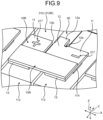
- the bus bar module 1 described above may include a polarity symbol part 317 as exemplified in FIG. 9 .
- the electrode joining part 11 or the rejoinable part 13 extending from the electrode joining part 11 includes the polarity symbol part 317.
- the polarity symbol part 317 is a portion representing polarity of the electrode terminal 114 to which the electrode joining part 11 is joined (welded).
- the polarity symbol part 317 is assumed to be disposed on the electrode joining part 11, but may be disposed on the rejoinable part 13.
- the polarity symbol part 317 is formed as a symbol having a concave-convex shape on the electrode joining part 11.
- the polarity symbol part 317 is configured by a symbol "+ (plus)" representing the positive electrode, for example.
- the polarity symbol part 317 is configured by a symbol "- (minus)" representing the negative electrode, for example.
- the bus bar module 1, the battery module 110, and the manufacturing method for the reused battery module can enable the worker to easily grasp the polarity of the electrode terminal 114 to which the electrode joining part 11 is joined by visual check in a state in which the coupling part 12 is cut and the pair of electrode joining parts 11 is divided from each other, that is, in a state in which the battery cells 112 constituting the battery module 110 can be separated from each other.
- the reused battery module 110R can be manufactured without mistaking the polarity of the electrode terminal 114.
- the bus bar module, the battery module, and the manufacturing method for the reused battery module according to the present embodiment may be configured by appropriately combining the constituent elements in the embodiment and the modifications described above.
- the bus bar module, the battery module, and the manufacturing method for a reused battery module according to the present embodiment exhibit an effect of being able to be appropriately reused.
Landscapes
- Chemical & Material Sciences (AREA)
- Chemical Kinetics & Catalysis (AREA)
- Electrochemistry (AREA)
- General Chemical & Material Sciences (AREA)
- Engineering & Computer Science (AREA)
- Manufacturing & Machinery (AREA)
- Connection Of Batteries Or Terminals (AREA)
- Battery Mounting, Suspending (AREA)
Description
- The present invention relates to a bus bar module, a battery module, and a manufacturing method for a reused battery module.
- For example,
JP 2015 - 198 071 A - In recent years, electric motor vehicles such as a Hybrid Electric Vehicle (HEV) and an Electric Vehicle (EV) are equipped with a large number of batteries. With the recent increase in the number of electric motor vehicles, the disposal of such batteries mounted on electric motor vehicles is expected to increase in the future as more vehicles are scrapped in the future. Thus, it is desired to reduce a discarding amount of such batteries through reuse, recycle, or other means. Accordingly, bus bars such as those disclosed in
JP 2015 - 198 071 A
CN 202 395 111 U discloses a power battery pack which comprises a plurality of single batteries and connecting sheets used for connecting the single batteries. At least some single batteries are connected in series. Each connecting sheet comprises a first connecting terminal and a second connecting terminal which are respectively connected with the electrode terminals of the adjacent single batteries. Short-circuit pins are arranged on both the first connecting terminals and the second connecting terminals. Insulating layers are arranged between the short-circuit pins and the single batteries.
CN 112 310 562 A discloses a battery module which comprises a plurality of battery units used for series connection, a connecting piece and a conductive part.
CN 112 297 847 A discloses a battery module which comprises a battery unit. The battery unit is provided with an electrode terminal. The battery unit comprises a failure battery unit and a non-failure battery unit. The battery module further comprises a conductive part, the conductive part is used for being connected with the electrode terminal of a target battery unit, and the target battery unit is a non-failure battery unit; wherein the failure battery unit is located between the two target battery units. - It is an object of the present invention to provide a bus bar module and a battery module that can be appropriately reused, and a manufacturing method for a reused battery module. According to the present invention said object is solved by a bus bar module having the features of the
independent claim 1 and a battery module according to claim 4. Moreover, said object is solved by a reused bus bar module having the features of the independent claim 5 and a reused battery module according to claim 6. Furthermore, said object is solved by a manufacturing method having the features of the independent claim 7. Preferred embodiments are laid down in the dependent claims. - The above and other objects, features, advantages and technical and industrial significance of this invention will be better understood by reading the following detailed description of presently preferred embodiments of the invention, when considered in connection with the accompanying drawings.
-
-
FIG. 1 is a perspective view representing a schematic configuration of a battery pack according to an embodiment before being reused; -
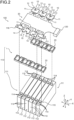
FIG. 2 is an exploded perspective view representing a schematic configuration of the battery pack according to the embodiment before being reused; -
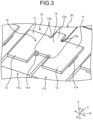
FIG. 3 is a partial perspective view representing a schematic configuration of a bus bar before being reused included in the battery pack according to the embodiment; -
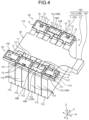
FIG. 4 is a perspective view representing a schematic configuration of the battery pack according to the embodiment after being reused; -
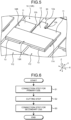
FIG. 5 is a partial perspective view representing a schematic configuration of the bus bar after being reused included in the battery pack according to the embodiment; -
FIG. 6 is a flowchart representing a manufacturing method for a reused battery module according to the embodiment; -
FIG. 7 is a partial perspective view representing a schematic configuration of a bus bar included in a battery pack according to a modification; -
FIG. 8 is a partial perspective view representing a schematic configuration of a bus bar included in a battery pack according to a modification; and -
FIG. 9 is a partial perspective view representing a schematic configuration of a bus bar included in a battery pack according to a modification. - In the following description, regarding a first direction, a second direction, and a third direction intersecting with each other, the first direction is referred to as an "arrangement direction X", the second direction is referred to as a "width direction Y", and the third direction is referred to as a "height direction Z". Herein, the arrangement direction X as the first direction, the width direction Y as the second direction, and the height direction Z as the third direction are orthogonal to each other. The directions used in the following description are assumed to be directions in a state in which respective parts are assembled to each other unless otherwise specified.
- A
bus bar module 1 according to the present embodiment illustrated inFIG. 1 andFIG. 2 is applied to abattery pack 100 mounted on a vehicle. For example, thebattery pack 100 is mounted on a vehicle including an electric motor such as a motor as a driving source (an electric vehicle, a hybrid vehicle, or the like), and is used for supplying electric power to the electric motor. Thebattery pack 100 includes abattery module 110 and amonitoring device 120. Thebattery module 110 includes aset battery 111 and thebus bar module 1. - The set
battery 111 is constituted of a plurality of battery cells (single batteries) 112 arranged along the arrangement direction X. Thebus bar module 1 is electrically connected to thebattery cells 112 constituting theset battery 111. Themonitoring device 120 is an arithmetic device constituting a battery monitoring unit that monitors a state (a voltage, a current, a temperature, and the like) of each of thebattery cells 112, which is an Electronic Control Unit (ECU), a microcomputer, or the like, for example. Thebus bar module 1 electrically connects each of thebattery cells 112 to themonitoring device 120. Themonitoring device 120 monitors the state of each of thebattery cells 112 based on information (voltage information, current information, temperature information, and the like) representing the state of thebattery cell 112 obtained via thebus bar module 1, and use the state for various kinds of control such as charge and discharge control. - First, the following describes each of the
battery cells 112 as a connection target of thebus bar module 1 with reference toFIG. 1 andFIG. 2 , for example. Each of thebattery cells 112 includes a cellmain body 113 and twoelectrode terminals 114. The cellmain body 113 is a main portion constituting thebattery cell 112. Herein, the cellmain body 113 is formed in a substantially rectangular parallelepiped plate shape, and respective parts are housed therein. Each of the twoelectrode terminals 114 is disposed at any position on the cellmain body 113 in a state of being exposed to the outside. One of the twoelectrode terminals 114 is a positive electrode, and the other one thereof is a negative electrode. For example, theelectrode terminal 114 may be a plate-shaped electrode terminal disposed on an outer wall surface of the cellmain body 113, or may be a pillar-shaped electrode pole projecting from the outer wall surface of the cellmain body 113. In the following description, theelectrode terminal 114 is assumed to be an electrode formed in a substantially rectangular plate shape. In the setbattery 111, thebattery cells 112 are continuously arranged in a state in which theelectrode terminals 114 on one side of therespective battery cells 112 are arranged in a line, and theelectrode terminals 114 on the other side thereof are also arranged in a line. Thus, in thebattery module 110,electrode terminal groups 115 each including theelectrode terminals 114 arranged in a line are disposed at two points. Herein, in each of thebattery cells 112, the cellmain body 113 is formed in a substantially rectangular parallelepiped plate shape, and the positive andnegative electrode terminals 114 are disposed on one of six outer wall surfaces thereof. Thus, thebattery module 110 is formed in a substantially rectangular parallelepiped shape as a whole with thebattery cells 112 arranged along the arrangement direction X, and includes six wall surfaces as an aggregate constituted of thebattery cells 112. In thebattery module 110, theelectrode terminal groups 115 are disposed on one of the six wall surfaces as an aggregate. Thebus bar module 1 is electrically connected to at least one of theelectrode terminal groups 115 of thebattery module 110 having the configuration as described above. Herein, thebus bar module 1 is electrically connected to both of the twoelectrode terminal groups 115. - In this configuration, a
rejoinable part 13 is added to abus bar 10 that is electrically connected to theelectrode terminal 114 of thebattery cell 112, so that thebus bar module 1 according to the present embodiment implements a configuration that can be appropriately reused.FIG. 1 ,FIG. 2 , andFIG. 3 represent thebus bar module 1 and thebattery module 110 at the time of primary use before being reused. On the other hand,FIG. 4 andFIG. 5 represent thebus bar module 1 and thebattery module 110 at the time of secondary use after being reused. The following describes the configuration of thebus bar module 1 in detail with reference to the drawings. - First, the following describes the
bus bar module 1 and thebattery module 110 before being reused with reference toFIG. 1 ,FIG. 2 , andFIG. 3 , and describes thebus bar module 1 and thebattery module 110 after being reused with reference toFIG. 4 andFIG. 5 thereafter. In the following description, thebattery module 110 after being reused illustrated inFIG. 4 andFIG. 5 is particularly referred to as a "reusedbattery module 110R" in some cases. Similarly, thebus bar module 1 after being reused is particularly referred to as a "reused bus bar module 1R", thebus bar 10 after being reused is particularly referred to as a "reusedbus bar 10R", and thebattery cell 112 after being reused is particularly referred to as a "reusedbattery cell 112R" in some cases. - Specifically, the
bus bar module 1 before being reused illustrated inFIG. 1 ,FIG. 2 , andFIG. 3 includes thebus bar 10, acase 20, and adetection conductor 30. Thebus bar 10 is a connection terminal that electrically connects theelectrode terminals 114 included in therespective battery cells 112 to each other. Thecase 20 is a housing that houses and holds thebus bar 10. Thedetection conductor 30 is a detection line that is electrically connected to thebus bar 10, and electrically connects eachbus bar 10 to themonitoring device 120. Thebus bar module 1 may further include a thermistor, various sensors, and the like. - A connection target of the
bus bar 10 is at least one of the arrangedbattery cells 112, and thebus bar 10 is electrically connected to one of the twoelectrode terminals 114 included in thebattery cell 112 as the connection target. More specifically, thebus bar 10 constitutes an electrode connecting bus bar that electrically connects one of the twoelectrode terminals 114 included in thebattery cell 112 to one of the twoelectrode terminals 114 included theother battery cell 112 adjacent thereto along the arrangement direction X. Thebus bar 10 electrically connects theelectrode terminals 114 of theadjacent battery cells 112 to each other in accordance with a connection scheme of thebattery cells 112 required for thebattery module 110. In a case of connecting thebattery cells 112 in series in thebattery module 110, thebus bar 10 connects theelectrode terminal 114 constituting a positive electrode in one of theadjacent battery cells 112 to theelectrode terminal 114 constituting a negative electrode in the other one of thebattery cells 112. In this case, in thebattery module 110, theelectrode terminal 114 as the positive electrode and theelectrode terminal 114 as the negative electrode are alternately disposed in each of theelectrode terminal groups 115. In a case of connecting thebattery cells 112 in parallel in thebattery module 110, thebus bar 10 connects theelectrode terminals 114 constituting positive electrodes of theadjacent battery cells 112 to each other, or connects theelectrode terminals 114 constituting negative electrodes thereof to each other. In this case, in thebattery module 110, the electrode terminals having the same polarity are disposed side by side in each of theelectrode terminal groups 115. - The
battery module 110 includes the twoelectrode terminals 114 that are not coupled by thebus bar 10. One of them is a total positive electrode, and the other one thereof is a total negative electrode. Herein, each of the drawings exemplifies a case in which thebattery cells 112 are connected in series in thebattery module 110, that is, a case in which theelectrode terminals 114 serving as the positive electrode and the negative electrode are alternately disposed in each of theelectrode terminal groups 115, and both of the total positive electrode and the total negative electrode are positioned in one of theelectrode terminal groups 115. In thebattery module 110, a total positiveelectrode bus bar 116 and a total negativeelectrode bus bar 117 are electrically connected to theelectrode terminals 114 as the total positive electrode and the total negative electrode, respectively. Similarly to thebus bar 10, the total positiveelectrode bus bar 116 and the total negativeelectrode bus bar 117 may also have a structure that can be reused as described later. - The
bus bar 10 according to the present embodiment includes a pair ofelectrode joining parts 11, acoupling part 12, and a pair ofrejoinable parts 13 in thebus bar module 1 before being reused, and these parts are integrally formed of metallic material having electrical conductivity. Thebus bar 10 is formed in a substantially U-shaped plate shape as a whole by the pair ofelectrode joining parts 11, thecoupling part 12, and the pair ofrejoinable parts 13. - The pair of
electrode joining parts 11 is portions that are joined to thedifferent electrode terminals 114. The respectiveelectrode joining parts 11 are joined to thedifferent electrode terminals 114 to be electrically connected to theelectrode terminals 114. That is, a firstelectrode joining part 11 of the pair ofelectrode joining parts 11 is joined to afirst electrode terminal 114 disposed on afirst battery cell 112. On the other hand, a secondelectrode joining part 11 of the pair ofelectrode joining parts 11 is joined to asecond electrode terminal 114 disposed on asecond battery cell 112 that is positioned to be adjacent to thefirst battery cell 112. A form of joining between theelectrode joining part 11 and theelectrode terminal 114 in the present embodiment is weld-bonding. That is, herein, each of the pair ofelectrode joining parts 11 is formed to be a welding region having a substantially rectangular shape. Each of theelectrode joining parts 11 is electrically connected to theelectrode terminal 114 by being welded to the electrode terminal 114 (for example, by laser welding). The form of joining between theelectrode joining part 11 and theelectrode terminal 114 is not limited to weld-bonding. For example, bolt-joining and the like may be employed in place of the weld-bonding. - The
coupling part 12 is a portion that couples the pair ofelectrode joining parts 11 to each other. Thecoupling part 12 extends between the pair ofelectrode joining parts 11 along the arrangement direction X of thebattery cells 112, and is formed integrally with the pair ofelectrode joining parts 11. That is, the pair ofelectrode joining parts 11 is continuous to each other via thecoupling part 12 in the arrangement direction X. - Herein, the
coupling part 12 includes aconnection tab part 12a. Theconnection tab part 12a is a portion to which thedetection conductor 30 is electrically connected. Theconnection tab part 12a is formed to project from a center portion in the arrangement direction X of thecoupling part 12 toward one side along the width direction Y to have a plate shape. - The
coupling part 12 according to the present embodiment can be cut between the pair ofelectrode joining parts 11 in a state in which the pair ofelectrode joining parts 11 is respectively joined (welded) to theelectrode terminals 114. Thecoupling part 12 can divide one of theelectrode joining parts 11 from the other one of theelectrode joining parts 11 by being cut between the pair ofelectrode joining parts 11. - Herein, the
coupling part 12 includes anotch part 12b formed at a part that can be cut. Thenotch part 12b is a portion as a mark for a part that can be cut in thecoupling part 12. Herein, thenotch part 12b is formed as a part notched in a recessed shape along the width direction Y. Thenotch parts 12b are respectively disposed on both sides in the arrangement direction X of theconnection tab part 12a in thecoupling part 12. Thenotch parts 12b are disposed, as a pair, on both sides of thecoupling part 12 to be opposed to each other in the width direction Y. That is, herein, the pair ofnotch parts 12b opposed to each other in the width direction Y is assumed to be one group, and two groups of thenotch parts 12b (in total) are respectively disposed on both sides in the arrangement direction X of theconnection tab part 12a. - The pair of
rejoinable parts 13 are portions respectively extending from the pair ofelectrode joining parts 11. The pair ofrejoinable parts 13 respectively extends from the pair ofelectrode joining parts 11 along the width direction Y, and is formed integrally with theelectrode joining parts 11. That is, a firstrejoinable part 13 of the pair ofrejoinable parts 13 is disposed to be connected to the firstelectrode joining part 11, and extends from the firstelectrode joining part 11 along the width direction Y. On the other hand, a secondrejoinable part 13 of the pair ofrejoinable parts 13 is disposed to be connected to the secondelectrode joining part 11, and extends from the secondelectrode joining part 11 along the width direction Y. In other words, the firstelectrode joining part 11 and the firstrejoinable part 13 are integrally formed, and positioned on one side with respect to thecoupling part 12 in the arrangement direction X. The secondelectrode joining part 11 and the secondrejoinable part 13 are integrally formed, and positioned on the other side with respect to thecoupling part 12 in the arrangement direction X. The pair ofrejoinable parts 13 is divided from each other via thenotch part 12b and the like described above or a slit shape in the arrangement direction X. As described later, the pair ofrejoinable parts 13 is portions that are joined to each other by a joiningmember 15R to constitute aconductive connection part 16R for secondary use at the time of reusing thebus bar module 1 and the battery module 110 (refer toFIG. 4 andFIG. 5 ). Herein, each of the pair ofrejoinable parts 13 is formed to be a welding region having a substantially rectangular shape. - The pair of
electrode joining parts 11 and thecoupling part 12 configured as described above constitute aconductive connection part 14 for primary use that is disposed across thedifferent electrode terminals 114 to electrically connect thedifferent electrode terminals 114 to each other in a state before being reused. Theconductive connection part 14 for primary use is a portion that conductively connects theelectrode terminal 114 of one of theadjacent battery cells 112 to theelectrode terminal 114 of the other one of thebattery cells 112 in thebus bar module 1 before being reused. Theconductive connection part 14 for primary use extends across theelectrode terminal 114 of one of thebattery cells 112 adjacent to each other along the arrangement direction X and theelectrode terminal 114 of the other one of thebattery cells 112, and the respectiveelectrode joining parts 11 are joined (welded) to thedifferent electrode terminals 114. - The
case 20 houses and holds the bus bars 10 configured as described above and arranged side by side along the arrangement direction X. Thecase 20 is configured such that a plurality of housing chambers for housing the bus bars 10 are arranged side by side along the arrangement direction X, and the housing chambers are coupled to each other via a displacement absorbing structure such as a hinge. Thecase 20 houses onebus bar 10 in each of the housing chambers, and holds each of theelectrode joining parts 11 in an attitude that can be connected to theelectrode terminal 114. Twocases 20 are disposed in total, that is, onecase 20 is disposed for each of theelectrode terminal groups 115. Each of thecases 20 includes the housing chambers the number of which corresponds to the number of theelectrode terminals 114 constituting theelectrode terminal group 115. Herein, one of thecases 20 also includes housing chambers that house and hold the total positiveelectrode bus bar 116 and the total negativeelectrode bus bar 117 described above. - The
detection conductor 30 is electrically connected to each of the bus bars 10 configured as described above, and electrically connects each of the bus bars 10 to themonitoring device 120 described above. For example, thedetection conductor 30 can be constituted of flexible printed circuits (FPCs). That is, in this case, thedetection conductor 30 is constituted of a circuit body (conductor layer) constituting the flexible printed circuits. Thedetection conductor 30 is electrically connected to each of the bus bars 10 by being welded or fastened to theconnection tab part 12a of thebus bar 10. For example, thedetection conductor 30 may be electrically connected to theconnection tab part 12a via a relay bus bar and the like. Thedetection conductor 30 is not necessarily constituted of flexible printed circuits, but may be constituted of an insulated electric wire and the like. - The
bus bar module 1 configured as described above is assembled to theset battery 111 in a state in which the bus bars 10, thecase 20, and thedetection conductor 30 are modularized, and theelectrode joining parts 11 are respectively joined to theelectrode terminals 114 to configure thebattery module 110. - With this configuration, at the time of primary use before being reused, the
bus bar module 1 conductively connects theelectrode terminals 114 of theadjacent battery cells 112 to each other via theconductive connection part 14 for primary use of each of the bus bars 10. Thebus bar module 1 can electrically connect each of thebattery cells 112 to themonitoring device 120 by electrically connecting each of the bus bars 10 to themonitoring device 120 via thedetection conductor 30. - Next, the following describes the bus bar module 1 (reused bus bar module 1R) and the battery module 110 (reused
battery module 110R) after being reused with reference toFIG. 4 andFIG. 5 . The reused bus bar module 1R illustrated inFIG. 4 andFIG. 5 is thebus bar module 1 applied to the reusedbattery module 110R, and includes the reusedbus bar 10R obtained by performing predetermined reuse processing on thebus bar 10 before being reused. - Specifically, the reused
bus bar 10R is formed by cutting thecoupling part 12 between the pair ofelectrode joining parts 11 to divide the pair ofelectrode joining parts 11 from each other in a state in which the pair ofelectrode joining parts 11 is respectively joined (welded) to theelectrode terminals 114 in thebus bar 10 before being reused. That is, thecoupling part 12 constituting theconductive connection part 14 for primary use in thebus bar 10 before being reused functions as a cutting (dividing) part for cutting (dividing) the pair ofelectrode joining parts 11 joined to theelectrode terminals 114 from each other. In other words, theconductive connection part 14 for primary use in thebus bar 10 before being reused is divided into the pair ofelectrode joining parts 11 at thecoupling part 12 for reuse. For example, thecoupling part 12 is cut by using a cutting tool such as an insulated cutter. A cut trace generated in this process is formed on a cut end face of thecoupling part 12. Accordingly, in thebattery module 110, thebattery cells 112 before being reused that are connected to each other via theconductive connection part 14 for primary use are caused to be in a state of being able to be separated from each other. Typically, in thebus bar module 1, eachcoupling part 12 of thebus bar 10 connected to thebattery cell 112 that is required to be replaced is cut. - At this point, by cutting the
coupling part 12 using any of thenotch parts 12b disposed on the sides of theconnection tab part 12a as a guide, thecoupling part 12 can be easily cut while maintaining conductive connection between theconnection tab part 12a and thedetection conductor 30. In the drawing, it is assumed that thecase 20 is not cut together with thebus bar 10, but the embodiment is not limited thereto. Part of thecase 20 may be cut along with cutting of thecoupling part 12. - The reused
bus bar 10R is configured as a form of connecting theelectrode terminal 114 of any of thebattery cells 112 in a state of being able to be separated as described above, thebattery cell 112 being able to be used as the reusedbattery cell 112R, to theelectrode terminal 114 of theother battery cell 112. - More specifically, the reused
battery module 110R is thebattery module 110 including at least one reusedbattery cell 112R. The reusedbattery module 110R is configured such that the joiningmember 15R is joined to therejoinable parts 13 respectively disposed on two battery cells (at least one of which is the reusedbattery cell 112R) of thebattery cells 112 in a state of being able to be separated as thecoupling part 12 is cut as described above. - In this case, in the reused
bus bar 10R, the pair ofelectrode joining parts 11 divided from each other, the pair ofrejoinable parts 13, and the joiningmember 15R constitute theconductive connection part 16R for secondary use that is disposed across thedifferent electrode terminals 114 to electrically connect thedifferent electrode terminals 114 to each other. - That is, in this case, the reused
bus bar 10R includes the pair ofelectrode joining parts 11 that is respectively joined (welded) to thedifferent electrode terminals 114 and divided from each other, the pair ofrejoinable parts 13 respectively extending from the pair ofelectrode joining parts 11, and the joiningmember 15R that is joined to the pair ofrejoinable parts 13. Herein, the pair ofrejoinable parts 13 typically functions as welding regions of new surfaces, each of which is free of welding trace and the like. For example, the joiningmember 15R according to the present embodiment is electrically connected to the pair ofrejoinable parts 13 by being welded to the pair of rejoinable parts 13 (for example, by laser welding and the like). - The pair of
electrode joining parts 11, the pair ofrejoinable parts 13, and the joiningmember 15R configured as described above constitute theconductive connection part 16R for secondary use that is disposed across thedifferent electrode terminals 114 to electrically connect thedifferent electrode terminals 114 to each other in a state after being reused. Theconductive connection part 16R for secondary use is a portion that conductively connects theelectrode terminal 114 of the reusedbattery cell 112R to theelectrode terminal 114 of thebattery cell 112 adjacent thereto (this may also be the reusedbattery cell 112R) in the reused bus bar module 1R after being reused. Theconductive connection part 16R for secondary use extends across theelectrode terminal 114 of one of thebattery cells 112 adjacent to each other along the arrangement direction X and theelectrode terminal 114 of the other one of thebattery cells 112 via the joiningmember 15R, and theelectrode joining parts 11 are maintained to be respectively joined to thedifferent electrode terminals 114. - The reused bus bar module 1R configured as described above conductively connects the
electrode terminals 114 of theadjacent battery cells 112 including the reusedbattery cell 112R to each other via theconductive connection part 16R for secondary use of the reusedbus bar 10R at the time of secondary use after being reused. The reused bus bar module 1R can electrically connect each of thebattery cells 112 including the reusedbattery cell 112R to themonitoring device 120 by electrically connecting each of the bus bars 10 including the reusedbus bar 10R to themonitoring device 120 via thedetection conductor 30. - Next, the following describes a manufacturing method for the reused
battery module 110R configured as described above (manufacturing method for the reused battery module) with reference toFIG. 6 . The description will be made based on a flowchart ofFIG. 6 while appropriately referring to the other drawings. The manufacturing method for the reusedbattery module 110R described below may be manually performed by a worker using various kinds of devices, equipment, jigs, and the like, or may be automatically performed by various manufacturing devices. - The manufacturing method for the reused
battery module 110R according to the present embodiment includes a connection step for primary use (Step S1), a cutting step (Step S2), and a connection step for secondary use (Step S3). The connection step for primary use (Step S1) is a step of causing thebattery module 110 to be in a state of being able to be primarily used. The cutting step (Step S2) is a step of cutting thecoupling part 12 of thebus bar 10 for replacing at least part of thebattery cells 112 in thebattery module 110 that has been primarily used. The connection step for secondary use (Step S3) is a step of causing the reusedbattery module 110R to be in a state of being able to be secondarily used, the reusedbattery module 110R using, as the reusedbattery cell 112R, at least one of thebattery cells 112 constituting thebattery module 110 that has been primarily used. In the following description, the manufacturing method for the reusedbattery module 110R is assumed to be manually performed by a worker. - First, as the connection step for primary use, the worker assembles the
bus bar module 1 to theset battery 111, thebus bar module 1 in which the bus bars 10, thecase 20, and thedetection conductor 30 are modularized. The worker joins (herein, welds) the pair ofelectrode joining parts 11 of each of the bus bars 10 in thebus bar module 1 to thedifferent electrode terminals 114 respectively, configures theconductive connection part 14 for primary use with the pair ofelectrode joining parts 11 and thecoupling part 12, and configures thebattery module 110 with the battery cells 112 (Step S1). Accordingly, at the time of primary use, thebus bar module 1 conductively connects theelectrode terminals 114 of theadjacent battery cells 112 to each other via theconductive connection part 14 for primary use of each of the bus bars 10. The worker then electrically connects each of thebattery cells 112 to themonitoring device 120 by electrically connecting each of the bus bars 10 to themonitoring device 120 via thedetection conductor 30. - Next, in the
battery module 110 that has been primarily used, as the cutting step, the worker cuts thecoupling part 12 between the pair ofelectrode joining parts 11 to divide the pair ofelectrode joining parts 11 from each other in a state in which the pair ofelectrode joining parts 11 is respectively joined to theelectrode terminals 114, and causes thebattery cells 112 constituting thebattery module 110 to be in a state of being able to be separated from each other (Step S2). - Next, as the connection step for secondary use, the worker replaces, with the reused
battery cell 112R, thebattery cell 112 that is required to be replaced among thebattery cells 112 in a state of being able to be separated, and joins the joiningmember 15R to therejoinable parts 13 respectively disposed on the twobattery cells 112 including the replaced reusedbattery cell 112R. Herein, the worker electrically connects the joiningmember 15R to the pair ofrejoinable parts 13 by welding (for example, by laser welding and the like) the joiningmember 15R to the pair ofrejoinable parts 13. Accordingly, the worker configures theconductive connection part 16R for secondary use with the pair ofelectrode joining parts 11, the pair ofrejoinable parts 13, and the joiningmember 15R, configures the reusedbattery module 110R including at least the replaced reusedbattery cell 112R (Step S3), and ends the manufacturing method for the reusedbattery module 110R. - The manufacturing method for the reused battery module described above includes the connection step for primary use (Step S1), the cutting step (Step S2), and the connection step for secondary use (Step S3). In the
bus bar module 1 and thebattery module 110 at the time of primary use, thebus bar 10 includes the pair ofrejoinable parts 13 together with thecoupling part 12 that can be cut between the pair ofelectrode joining parts 11 in a state in which the pair ofelectrode joining parts 11 is respectively joined to theelectrode terminals 114, and the pair ofelectrode joining parts 11 and thecoupling part 12 constitute theconductive connection part 14 for primary use. On the other hand, regarding the reused bus bar module 1R and the reusedbattery module 110R at the time of secondary use, in the reusedbus bar 10R, the pair ofelectrode joining parts 11, the pair ofrejoinable parts 13, and the joiningmember 15R constitute theconductive connection part 16R for secondary use in a state in which the pair of electrode joining parts is respectively joined to thedifferent electrode terminals 114 and divided from each other. In this case, therejoinable parts 13 are prepared separately from theelectrode joining part 11, and can be used as a region of a new surface free of welding trace and the like, so that the joiningmember 15R can be appropriately brought into contact with and joined to therejoinable part 13, and an appropriate conductively connected state can be secured. - That is, with the
bus bar module 1, thebattery module 110, and the manufacturing method for the reused battery module, therejoinable part 13 is added to thebus bar 10 as described above, thecoupling part 12 of thebus bar 10 is subjected to the cut processing at the time of reuse, and the joiningmember 15R is joined to therejoinable part 13, so that thebattery cell 112 can be appropriately reused. - For example, with the
battery module 110 in which thebattery cells 112 are connected to each other by welding and the like via thebus bar 10, at the time of extracting thereusable battery cell 112, it is difficult to join thebattery cell 112 to thebus bar 10 again after taking off thebattery cell 112 from thebus bar 10. On the other hand, thebus bar module 1 and thebattery module 110 according to the present embodiment have a configuration in which thebattery cell 112 is replaced after cutting thecoupling part 12 as described above, and theusable battery cells 112 can be connected to each other again via therejoinable part 13 and the joiningmember 15R, so that it is possible to appropriately recycle and reuse thebattery cell 112 that is still usable. - As a result, the
bus bar module 1, thebattery module 110, and the manufacturing method for the reused battery module can implement a configuration that can be appropriately and easily reused, and can suppress increase in battery discarding processing and reduce a discarding amount. - The manufacturing method for the reused battery module, the
bus bar module 1, and thebattery module 110 described above include thenotch part 12b formed at a part that can be cut on thecoupling part 12, so that, at the time of cutting thecoupling part 12, thecoupling part 12 can be cut at an appropriate position using thenotch part 12b as a guide. Herein, by cutting thecoupling part 12 using any of thenotch parts 12b disposed on the sides of theconnection tab part 12a as a guide, thecoupling part 12 can be cut while maintaining conductive connection between theconnection tab part 12a and thedetection conductor 30. As a result, the manufacturing method for the reused battery module, thebus bar module 1, and thebattery module 110 can improve workability in manufacturing the reusedbattery module 110R. - The bus bar module, the battery module, and the manufacturing method for the reused battery module according to the embodiment of the present invention described above are not limited to the embodiment described above, and can be variously modified within the scope of claims.
- In the above description, the
notch part 12b is assumed to be formed as a part notched in a recessed shape along the width direction Y, but the shape thereof is not limited thereto. Additionally, thecoupling part 12 is assumed to include thenotch part 12b in the above description, but the embodiment is not limited thereto. Thecoupling part 12 may be configured without thenotch part 12b. - In the above description, the
rejoinable part 13 is assumed to be formed as a welding region having a substantially rectangular shape, but the embodiment is not limited thereto. The joining form between therejoinable part 13 and the joiningmember 15R is not limited to weld-bonding. - A bus bar 210 (reused
bus bar 210R) according to a modification illustrated inFIG. 7 and FIG. 8 is different from thebus bar 10 described above in that the bus bar 210 (reusedbus bar 210R) includesrejoinable parts 213 in place of therejoinable parts 13. Additionally, the reusedbus bar 210R according to the present modification is different from the reusedbus bar 10R described above in that the reusedbus bar 210R includes a joiningmember 215R in place of the joiningmember 15R. Other configurations of thebus bar 210 and the reusedbus bar 210R are substantially the same as those of thebus bar 10 and the reusedbus bar 10R described above. - As the form of joining between the
rejoinable part 213 and the joiningmember 215R according to the present modification, bolt-joining is employed in place of weld-bonding. - Specifically, similarly to the
rejoinable parts 13, the pair ofrejoinable parts 213 are portions respectively extending from the pair ofelectrode joining parts 11. Herein, the pair ofrejoinable parts 213 respectively extends from the pair ofelectrode joining parts 11 while being bent toward one side along the height direction Z, and is formed integrally with theelectrode joining parts 11. That is, a firstrejoinable part 213 of the pair ofrejoinable parts 213 is disposed to be connected to the firstelectrode joining part 11, and extends from the firstelectrode joining part 11 while being bent along the height direction Z. On the other hand, a secondrejoinable part 213 of the pair ofrejoinable parts 213 is disposed to be connected to the secondelectrode joining part 11, and extends from the secondelectrode joining part 11 along the height direction Z. Herein, each of the pair ofrejoinable parts 213 is formed as a bolt-joining region having a substantially rectangular shape, and includes abolt insertion hole 213a passing therethrough along the width direction Y at a center part. Each of the pair ofrejoinable parts 213 typically functions as a bolt-joining region of a new surface free of welding trace and the like. - The joining
member 215R according to the present modification is joined to the pair ofrejoinable parts 213 via a fastening member 215Ra such as a bolt or a nut. At the connection step for secondary use (Step S3) described above, the worker electrically connects the joiningmember 215R to the pair ofrejoinable parts 213 by bolt-joining the joiningmember 215R to the pair ofrejoinable parts 213 via the fastening member 215Ra. As a result, in the reusedbus bar 210R, the pair ofelectrode joining parts 11 divided from each other, the pair ofrejoinable parts 213, and the joiningmember 215R constitute aconductive connection part 216R for secondary use that is disposed across thedifferent electrode terminals 114 to electrically connect thedifferent electrode terminals 114 to each other. - Even in this case, with the
bus bar module 1, thebattery module 110, and the manufacturing method for the reused battery module, therejoinable part 213 is added to thebus bar 210 as described above, thecoupling part 12 of thebus bar 210 is subjected to the cut processing at the time of reuse, and the joiningmember 215R is joined to therejoinable part 213, so that thebattery cell 112 can be appropriately reused. - The
bus bar module 1 described above may include apolarity symbol part 317 as exemplified inFIG. 9 . - In a bus bar 310 (reused
bus bar 310R) according to a modification illustrated inFIG. 9 , theelectrode joining part 11 or therejoinable part 13 extending from theelectrode joining part 11 includes thepolarity symbol part 317. Thepolarity symbol part 317 is a portion representing polarity of theelectrode terminal 114 to which theelectrode joining part 11 is joined (welded). In the drawing, thepolarity symbol part 317 is assumed to be disposed on theelectrode joining part 11, but may be disposed on therejoinable part 13. For example, thepolarity symbol part 317 is formed as a symbol having a concave-convex shape on theelectrode joining part 11. On theelectrode joining part 11 joined to theelectrode terminal 114 constituting a positive electrode, thepolarity symbol part 317 is configured by a symbol "+ (plus)" representing the positive electrode, for example. On the other hand, on theelectrode joining part 11 joined to theelectrode terminal 114 constituting a negative electrode, thepolarity symbol part 317 is configured by a symbol "- (minus)" representing the negative electrode, for example. - In this case, the
bus bar module 1, thebattery module 110, and the manufacturing method for the reused battery module can enable the worker to easily grasp the polarity of theelectrode terminal 114 to which theelectrode joining part 11 is joined by visual check in a state in which thecoupling part 12 is cut and the pair ofelectrode joining parts 11 is divided from each other, that is, in a state in which thebattery cells 112 constituting thebattery module 110 can be separated from each other. As a result, with thebus bar module 1, thebattery module 110, and the manufacturing method for the reused battery module, the reusedbattery module 110R can be manufactured without mistaking the polarity of theelectrode terminal 114. - The bus bar module, the battery module, and the manufacturing method for the reused battery module according to the present embodiment may be configured by appropriately combining the constituent elements in the embodiment and the modifications described above.
- The bus bar module, the battery module, and the manufacturing method for a reused battery module according to the present embodiment exhibit an effect of being able to be appropriately reused.
Claims (7)
- A bus bar module (1) comprising:a bus bar (10) configured to electrically connect electrode terminals (114) respectively included in a plurality of battery cells (112); anda detection conductor (30) configured to be electrically connected to the bus bar (10), whereinthe bus bar (10) includesa pair of electrode joining parts (11) respectively joined to the different electrode terminals (114),a coupling part (12) configured to couple the pair of electrode joining parts (11) to each other, and to be able to be cut between the pair of electrode joining parts (11) in a state in which the pair of electrode joining parts (11) is respectively joined to the electrode terminals (114), anda pair of rejoinable parts (13) are portions respectively extending from the pair of electrode joining parts (11) along a width direction (Y), whereinthe pair of electrode joining parts (11), the coupling part (12) and the pair of rejoinable parts (13) are integrally formed of metallic material having electrical conductivity, whereinthe bus bar (10) is formed in a U-shaped plate shape as a whole by the pair of electrode joining parts (11), the coupling part (12), and the pair of rejoinable parts (13), whereinthe coupling part (12) includes a connection tab part (12a) and a notch part (12b), wherein the connection tab part (12a) is a portion to which the detection conductor (30) is electrically connected and which is formed to project from a center portion in an arrangement direction (X) of the coupling part (12) toward one side along the width direction (Y) to have a plate shape, and the notch part (12b) is formed as a part notched in a recessed shape along the width direction (Y),wherein the notch parts (12b) are respectively disposed on both sides in the arrangement direction (X) of the connection tab part (12a) in the coupling part (12), wherein the notch parts (12b) are disposed, as a pair, on both sides of the coupling part (12) to be opposed to each other in the width direction (Y), so that the pair of the notch parts (12b) opposed to each other in the width direction (Y) is assumed to be one group, and two groups of the notch parts (12b) are respectively disposed on both sides in the arrangement direction (X) of the connection tab part (12a),
andthe pair of electrode joining parts (11) and the coupling part (12) constitute a conductive connection part (14) that is disposed across the different electrode terminals (114) to electrically connect the different electrode terminals (114) to each other. - The bus bar module (1) according to claim 1, wherein
the coupling part (12) includes the notch part (12b) formed at a part that is able to be cut. - The bus bar module (1) according to claim 1 or 2, wherein
the electrode joining part (11) or the rejoinable part (13) extending from the electrode joining part (11) includes a polarity symbol part (317) representing polarity of the electrode terminal (114) to which the electrode joining part (11) is joined. - A battery module (110) comprising:a plurality of battery cells (112); anda bus bar module (1) according to claim 1 configured to be electrically connected to the battery cells (112).
- A reused bus bar module (1R) comprising:a reused bus bar (10R) configured to electrically connect electrode terminals (114) respectively included in a plurality of reused battery cells (112R); anda detection conductor (30) configured to be electrically connected to the reused bus bar (10R), whereinthe reused bus bar (10R) includesa pair of electrode joining parts (11) joined to the different electrode terminals (114) and divided from each other,a pair of rejoinable parts (13) respectively extending from the pair of electrode joining parts (11) along a width direction (Y) and is formed integrally with the electrode joining parts (11),wherein the pair of electrode joining parts (11) and the pair of the rejoinable parts (13) are made of metallic material having electrical conductivity,a coupling part (12) including a connection tab part (12a) and a notch part (12b), wherein the connection tab part (12a) is a portion to which the detection conductor (30) is electrically connected and which is formed to project from a center portion in an arrangement direction (X) of the coupling part (12) toward one side along the width direction (Y) to have a plate shape, and the notch part (12b) is formed as a part notched in a recessed shape along the width direction (Y),
wherein, the reused bus bar (10R) is formed by cutting the coupling part (12) between the pair of electrode joining parts (11) to divide the pair of electrode joining parts (11) from each other in a state in which the pair of electrode joining parts (11) respectively joined to the electrode terminals (114) in the bus bar before being reused, whereinthe rejoinable parts (13) are separated as the coupling part (12) is cut,a joining member (15R) joined to the pair of rejoinable parts (13) by being welded to the pair of rejoinable parts (13), wherein
the pair of electrode joining parts (11), the pair of rejoinable parts (13), and the joining member (15R) constitute a conductive connection part (16R) that is disposed across the different electrode terminals (114) to electrically connect the different electrode terminals (114) to each other. - A reused battery module (110R) comprising:a plurality of reused battery cells (112R); anda reused bus bar module (1R) according to claim 5 configured to be electrically connected to the reused battery cells (112R).
- A manufacturing method for the reused battery module (110R) according to claim 6, the manufacturing method comprising:a connection step for primary use (S1), joining a pair of electrode joining parts (11) of a bus bar module (1) to respective different electrode terminals (114), the bus bar module (1) including a bus bar (10, 210, 310) configured to electrically connect electrode terminals (114) respectively included in a plurality of battery cells (112) and a detection conductor (30) configured to be electrically connected to the bus bar (10, 210, 310), the bus bar (10, 210, 310) including the pair of electrode joining parts (11) respectively joined to the different electrode terminals (114), a coupling part (12) configured to couple the pair of electrode joining parts (11) to each other, and a pair of rejoinable parts (13, 213) respectively extending from the pair of electrode joining parts (11), configuring a conductive connection part (14) that is disposed across the different electrode terminals (114) to electrically connect the different electrode terminals (114) to each other by the pair of electrode joining parts (11) and the coupling part (12), and configuring a battery module (110) by the battery cells (112);a cutting step (S2), cutting the coupling part (12) between the pair of electrode joining parts (11) to divide the pair of electrode joining parts (11) from each other in a state in which the pair of electrode joining parts (11) is respectively joined to the electrode terminals (114), and causing the battery cells (112) constituting the battery module (110) to be in a state of being able to be separated from each other; anda connection step for secondary use (S3), replacing the battery cell (112) that is required to be replaced among the battery cells (112) in a state of being able to be separated, joining a joining member (15R, 215R) to the rejoinable parts (13, 213) respectively disposed on the two battery cells (112, 112R) including the replaced battery cell (112R), configuring a conductive connection part (16R, 216R) that is disposed across the different electrode terminals (114) to electrically connect the different electrode terminals (114) to each other by the pair of electrode joining parts (11), the pair of rejoinable parts (13, 213), and the joining member (15R, 215R), and configuring a reused battery module (110R) including at least the replaced battery cell (112R).
Applications Claiming Priority (1)
| Application Number | Priority Date | Filing Date | Title |
|---|---|---|---|
| JP2021122107A JP7467394B2 (en) | 2021-07-27 | 2021-07-27 | Busbar module, battery module, and method for manufacturing reused battery module |
Publications (2)
| Publication Number | Publication Date |
|---|---|
| EP4135116A1 EP4135116A1 (en) | 2023-02-15 |
| EP4135116B1 true EP4135116B1 (en) | 2024-05-15 |
Family
ID=82742821
Family Applications (1)
| Application Number | Title | Priority Date | Filing Date |
|---|---|---|---|
| EP22187004.1A Active EP4135116B1 (en) | 2021-07-27 | 2022-07-26 | Bus bar module, battery module, and manufacturing method for reused battery module |
Country Status (4)
| Country | Link |
|---|---|
| US (1) | US20230035821A1 (en) |
| EP (1) | EP4135116B1 (en) |
| JP (1) | JP7467394B2 (en) |
| CN (1) | CN115693037B (en) |
Families Citing this family (6)
| Publication number | Priority date | Publication date | Assignee | Title |
|---|---|---|---|---|
| CN117157820A (en) * | 2021-08-05 | 2023-12-01 | 日本汽车能源株式会社 | Battery pack |
| JP7672376B2 (en) * | 2022-11-18 | 2025-05-07 | プライムプラネットエナジー&ソリューションズ株式会社 | Assembled battery and method for dismantling same |
| JP2024113308A (en) | 2023-02-09 | 2024-08-22 | セイコーエプソン株式会社 | Mechanical Watches |
| CN121399761A (en) * | 2023-07-13 | 2026-01-23 | 松下知识产权经营株式会社 | Battery pack, method for manufacturing battery pack, and method for replacing secondary battery cell |
| KR20250023706A (en) * | 2023-08-10 | 2025-02-18 | 에스케이온 주식회사 | Battery module and method for changing battery cell |
| KR20250036473A (en) * | 2023-09-07 | 2025-03-14 | 에스케이온 주식회사 | Bus bar and battery module including the same |
Family Cites Families (12)
| Publication number | Priority date | Publication date | Assignee | Title |
|---|---|---|---|---|
| JP2010267405A (en) * | 2009-05-12 | 2010-11-25 | Autonetworks Technologies Ltd | Battery module |
| JP2013051175A (en) | 2011-08-31 | 2013-03-14 | Hitachi Vehicle Energy Ltd | Power storage module |
| WO2013054727A1 (en) * | 2011-10-13 | 2013-04-18 | 株式会社ケーヒン | Power supply control device |
| CN202395111U (en) | 2011-11-28 | 2012-08-22 | 上海比亚迪有限公司 | Power battery pack |
| US8802275B2 (en) | 2012-02-23 | 2014-08-12 | Samsung Sdi Co., Ltd. | Battery module |
| JP6016737B2 (en) * | 2013-08-29 | 2016-10-26 | 古河電気工業株式会社 | In-battery wiring module of battery pack |
| JP2015198071A (en) | 2014-04-03 | 2015-11-09 | トヨタ自動車株式会社 | bus bar |
| KR102385996B1 (en) * | 2014-12-30 | 2022-04-14 | 에이치그린파워 주식회사 | Busbar of battery pack of eco-friendly vehicles having fusing function and battery pack of eco-friendly vehicles using the same |
| JP6720852B2 (en) * | 2016-12-22 | 2020-07-08 | 株式会社オートネットワーク技術研究所 | Bus bar, power storage module, and wiring module |
| CN112297847B (en) | 2019-10-31 | 2022-03-15 | 宁德时代新能源科技股份有限公司 | Battery module, battery pack, device and failure treatment method for failed battery cells |
| CN112310562B (en) | 2020-04-03 | 2023-04-07 | 宁德时代新能源科技股份有限公司 | Battery module, battery pack, device and failure processing method |
| KR102277326B1 (en) * | 2020-10-27 | 2021-07-14 | 인셀(주) | The secondary battery protection system for preventing short circuit accidents |
-
2021
- 2021-07-27 JP JP2021122107A patent/JP7467394B2/en active Active
-
2022
- 2022-07-25 US US17/872,675 patent/US20230035821A1/en not_active Abandoned
- 2022-07-26 CN CN202210884226.7A patent/CN115693037B/en active Active
- 2022-07-26 EP EP22187004.1A patent/EP4135116B1/en active Active
Also Published As
| Publication number | Publication date |
|---|---|
| US20230035821A1 (en) | 2023-02-02 |
| JP2023018195A (en) | 2023-02-08 |
| EP4135116A1 (en) | 2023-02-15 |
| CN115693037B (en) | 2025-08-26 |
| JP7467394B2 (en) | 2024-04-15 |
| CN115693037A (en) | 2023-02-03 |
Similar Documents
| Publication | Publication Date | Title |
|---|---|---|
| EP4135116B1 (en) | Bus bar module, battery module, and manufacturing method for reused battery module | |
| EP2530764B1 (en) | Middle or large-sized battery module | |
| JP5326127B2 (en) | Battery module | |
| KR101853397B1 (en) | Battery Module | |
| KR101913786B1 (en) | Battery Module for Direct Connection Structure Between Terminal Plate and Battery Management System | |
| CN103066339B (en) | Integrated units voltage sensing circuit device for fusing | |
| EP4135114B1 (en) | Battery module comprising solder pin for connection to busbar and battery pack including same | |
| JP7291312B2 (en) | A battery module that uses a non-welded structure as the connection structure between the busbar and the voltage sensing member | |
| CN118040065A (en) | Energy storage module and method of assembly | |
| US20230231259A1 (en) | Battery wiring module | |
| KR102880591B1 (en) | Battery module | |
| US12401099B2 (en) | Cell unit, energy storage module and method for the assembly thereof | |
| KR20220012033A (en) | Battery module having a simple connection structure between cell lead and voltage sensing member and battery pack including the same | |
| US12278394B2 (en) | Flexible bus bar, composite bus bar, power storage pack, and method for manufacturing flexible bus bar | |
| US20240079749A1 (en) | Power source device and method for manufacturing same | |
| US10950841B2 (en) | Battery pack | |
| KR20190112551A (en) | Battery pack | |
| CN103620821A (en) | Connector for producing an electrically conductive connection between at least three terminals of battery cells | |
| US20240213628A1 (en) | Battery-cell coupling structure | |
| KR102016716B1 (en) | Battery Pack | |
| CN112332036A (en) | Battery module, battery pack, device and failure processing method | |
| KR20250097459A (en) | Battery module | |
| WO2025158449A1 (en) | Energy storage unit | |
| WO2026024683A1 (en) | Battery module with a hybrid monitoring circuit structure | |
| KR20250128491A (en) | Current collector for electrode having fuse-integrated uncoated portion and secondary battery including the same |
Legal Events
| Date | Code | Title | Description |
|---|---|---|---|
| PUAI | Public reference made under article 153(3) epc to a published international application that has entered the european phase |
Free format text: ORIGINAL CODE: 0009012 |
|
| STAA | Information on the status of an ep patent application or granted ep patent |
Free format text: STATUS: REQUEST FOR EXAMINATION WAS MADE |
|
| 17P | Request for examination filed |
Effective date: 20220726 |
|
| AK | Designated contracting states |
Kind code of ref document: A1 Designated state(s): AL AT BE BG CH CY CZ DE DK EE ES FI FR GB GR HR HU IE IS IT LI LT LU LV MC MK MT NL NO PL PT RO RS SE SI SK SM TR |
|
| STAA | Information on the status of an ep patent application or granted ep patent |
Free format text: STATUS: EXAMINATION IS IN PROGRESS |
|
| 17Q | First examination report despatched |
Effective date: 20230504 |
|
| RAP3 | Party data changed (applicant data changed or rights of an application transferred) |
Owner name: YAZAKI CORPORATION |
|
| GRAP | Despatch of communication of intention to grant a patent |
Free format text: ORIGINAL CODE: EPIDOSNIGR1 |
|
| STAA | Information on the status of an ep patent application or granted ep patent |
Free format text: STATUS: GRANT OF PATENT IS INTENDED |
|
| INTG | Intention to grant announced |
Effective date: 20240229 |
|
| GRAS | Grant fee paid |
Free format text: ORIGINAL CODE: EPIDOSNIGR3 |
|
| GRAA | (expected) grant |
Free format text: ORIGINAL CODE: 0009210 |
|
| STAA | Information on the status of an ep patent application or granted ep patent |
Free format text: STATUS: THE PATENT HAS BEEN GRANTED |
|
| AK | Designated contracting states |
Kind code of ref document: B1 Designated state(s): AL AT BE BG CH CY CZ DE DK EE ES FI FR GB GR HR HU IE IS IT LI LT LU LV MC MK MT NL NO PL PT RO RS SE SI SK SM TR |
|
| REG | Reference to a national code |
Ref country code: CH Ref legal event code: EP |
|
| REG | Reference to a national code |
Ref country code: IE Ref legal event code: FG4D |
|
| REG | Reference to a national code |
Ref country code: DE Ref legal event code: R096 Ref document number: 602022003459 Country of ref document: DE |
|
| REG | Reference to a national code |
Ref country code: LT Ref legal event code: MG9D |
|
| REG | Reference to a national code |
Ref country code: NL Ref legal event code: MP Effective date: 20240515 |
|
| PG25 | Lapsed in a contracting state [announced via postgrant information from national office to epo] |
Ref country code: IS Free format text: LAPSE BECAUSE OF FAILURE TO SUBMIT A TRANSLATION OF THE DESCRIPTION OR TO PAY THE FEE WITHIN THE PRESCRIBED TIME-LIMIT Effective date: 20240915 |
|
| PG25 | Lapsed in a contracting state [announced via postgrant information from national office to epo] |
Ref country code: BG Free format text: LAPSE BECAUSE OF FAILURE TO SUBMIT A TRANSLATION OF THE DESCRIPTION OR TO PAY THE FEE WITHIN THE PRESCRIBED TIME-LIMIT Effective date: 20240515 |
|
| PG25 | Lapsed in a contracting state [announced via postgrant information from national office to epo] |
Ref country code: HR Free format text: LAPSE BECAUSE OF FAILURE TO SUBMIT A TRANSLATION OF THE DESCRIPTION OR TO PAY THE FEE WITHIN THE PRESCRIBED TIME-LIMIT Effective date: 20240515 Ref country code: FI Free format text: LAPSE BECAUSE OF FAILURE TO SUBMIT A TRANSLATION OF THE DESCRIPTION OR TO PAY THE FEE WITHIN THE PRESCRIBED TIME-LIMIT Effective date: 20240515 |
|
| PGFP | Annual fee paid to national office [announced via postgrant information from national office to epo] |
Ref country code: DE Payment date: 20240729 Year of fee payment: 3 |
|
| PG25 | Lapsed in a contracting state [announced via postgrant information from national office to epo] |
Ref country code: GR Free format text: LAPSE BECAUSE OF FAILURE TO SUBMIT A TRANSLATION OF THE DESCRIPTION OR TO PAY THE FEE WITHIN THE PRESCRIBED TIME-LIMIT Effective date: 20240816 |
|
| PG25 | Lapsed in a contracting state [announced via postgrant information from national office to epo] |
Ref country code: PT Free format text: LAPSE BECAUSE OF FAILURE TO SUBMIT A TRANSLATION OF THE DESCRIPTION OR TO PAY THE FEE WITHIN THE PRESCRIBED TIME-LIMIT Effective date: 20240916 |
|
| REG | Reference to a national code |
Ref country code: AT Ref legal event code: MK05 Ref document number: 1687654 Country of ref document: AT Kind code of ref document: T Effective date: 20240515 |
|
| PG25 | Lapsed in a contracting state [announced via postgrant information from national office to epo] |
Ref country code: NL Free format text: LAPSE BECAUSE OF FAILURE TO SUBMIT A TRANSLATION OF THE DESCRIPTION OR TO PAY THE FEE WITHIN THE PRESCRIBED TIME-LIMIT Effective date: 20240515 |
|
| PG25 | Lapsed in a contracting state [announced via postgrant information from national office to epo] |
Ref country code: ES Free format text: LAPSE BECAUSE OF FAILURE TO SUBMIT A TRANSLATION OF THE DESCRIPTION OR TO PAY THE FEE WITHIN THE PRESCRIBED TIME-LIMIT Effective date: 20240515 |
|
| PG25 | Lapsed in a contracting state [announced via postgrant information from national office to epo] |
Ref country code: AT Free format text: LAPSE BECAUSE OF FAILURE TO SUBMIT A TRANSLATION OF THE DESCRIPTION OR TO PAY THE FEE WITHIN THE PRESCRIBED TIME-LIMIT Effective date: 20240515 |
|
| PG25 | Lapsed in a contracting state [announced via postgrant information from national office to epo] |
Ref country code: PL Free format text: LAPSE BECAUSE OF FAILURE TO SUBMIT A TRANSLATION OF THE DESCRIPTION OR TO PAY THE FEE WITHIN THE PRESCRIBED TIME-LIMIT Effective date: 20240515 |
|
| PG25 | Lapsed in a contracting state [announced via postgrant information from national office to epo] |
Ref country code: LV Free format text: LAPSE BECAUSE OF FAILURE TO SUBMIT A TRANSLATION OF THE DESCRIPTION OR TO PAY THE FEE WITHIN THE PRESCRIBED TIME-LIMIT Effective date: 20240515 |
|
| PG25 | Lapsed in a contracting state [announced via postgrant information from national office to epo] |
Ref country code: PT Free format text: LAPSE BECAUSE OF FAILURE TO SUBMIT A TRANSLATION OF THE DESCRIPTION OR TO PAY THE FEE WITHIN THE PRESCRIBED TIME-LIMIT Effective date: 20240916 Ref country code: PL Free format text: LAPSE BECAUSE OF FAILURE TO SUBMIT A TRANSLATION OF THE DESCRIPTION OR TO PAY THE FEE WITHIN THE PRESCRIBED TIME-LIMIT Effective date: 20240515 Ref country code: NO Free format text: LAPSE BECAUSE OF FAILURE TO SUBMIT A TRANSLATION OF THE DESCRIPTION OR TO PAY THE FEE WITHIN THE PRESCRIBED TIME-LIMIT Effective date: 20240815 Ref country code: NL Free format text: LAPSE BECAUSE OF FAILURE TO SUBMIT A TRANSLATION OF THE DESCRIPTION OR TO PAY THE FEE WITHIN THE PRESCRIBED TIME-LIMIT Effective date: 20240515 Ref country code: LV Free format text: LAPSE BECAUSE OF FAILURE TO SUBMIT A TRANSLATION OF THE DESCRIPTION OR TO PAY THE FEE WITHIN THE PRESCRIBED TIME-LIMIT Effective date: 20240515 Ref country code: IS Free format text: LAPSE BECAUSE OF FAILURE TO SUBMIT A TRANSLATION OF THE DESCRIPTION OR TO PAY THE FEE WITHIN THE PRESCRIBED TIME-LIMIT Effective date: 20240915 Ref country code: HR Free format text: LAPSE BECAUSE OF FAILURE TO SUBMIT A TRANSLATION OF THE DESCRIPTION OR TO PAY THE FEE WITHIN THE PRESCRIBED TIME-LIMIT Effective date: 20240515 Ref country code: GR Free format text: LAPSE BECAUSE OF FAILURE TO SUBMIT A TRANSLATION OF THE DESCRIPTION OR TO PAY THE FEE WITHIN THE PRESCRIBED TIME-LIMIT Effective date: 20240816 Ref country code: FI Free format text: LAPSE BECAUSE OF FAILURE TO SUBMIT A TRANSLATION OF THE DESCRIPTION OR TO PAY THE FEE WITHIN THE PRESCRIBED TIME-LIMIT Effective date: 20240515 Ref country code: ES Free format text: LAPSE BECAUSE OF FAILURE TO SUBMIT A TRANSLATION OF THE DESCRIPTION OR TO PAY THE FEE WITHIN THE PRESCRIBED TIME-LIMIT Effective date: 20240515 Ref country code: BG Free format text: LAPSE BECAUSE OF FAILURE TO SUBMIT A TRANSLATION OF THE DESCRIPTION OR TO PAY THE FEE WITHIN THE PRESCRIBED TIME-LIMIT Effective date: 20240515 Ref country code: AT Free format text: LAPSE BECAUSE OF FAILURE TO SUBMIT A TRANSLATION OF THE DESCRIPTION OR TO PAY THE FEE WITHIN THE PRESCRIBED TIME-LIMIT Effective date: 20240515 Ref country code: RS Free format text: LAPSE BECAUSE OF FAILURE TO SUBMIT A TRANSLATION OF THE DESCRIPTION OR TO PAY THE FEE WITHIN THE PRESCRIBED TIME-LIMIT Effective date: 20240815 |
|
| PG25 | Lapsed in a contracting state [announced via postgrant information from national office to epo] |
Ref country code: DK Free format text: LAPSE BECAUSE OF FAILURE TO SUBMIT A TRANSLATION OF THE DESCRIPTION OR TO PAY THE FEE WITHIN THE PRESCRIBED TIME-LIMIT Effective date: 20240515 |
|
| PG25 | Lapsed in a contracting state [announced via postgrant information from national office to epo] |
Ref country code: EE Free format text: LAPSE BECAUSE OF FAILURE TO SUBMIT A TRANSLATION OF THE DESCRIPTION OR TO PAY THE FEE WITHIN THE PRESCRIBED TIME-LIMIT Effective date: 20240515 |
|
| PG25 | Lapsed in a contracting state [announced via postgrant information from national office to epo] |
Ref country code: CZ Free format text: LAPSE BECAUSE OF FAILURE TO SUBMIT A TRANSLATION OF THE DESCRIPTION OR TO PAY THE FEE WITHIN THE PRESCRIBED TIME-LIMIT Effective date: 20240515 |
|
| PG25 | Lapsed in a contracting state [announced via postgrant information from national office to epo] |
Ref country code: RO Free format text: LAPSE BECAUSE OF FAILURE TO SUBMIT A TRANSLATION OF THE DESCRIPTION OR TO PAY THE FEE WITHIN THE PRESCRIBED TIME-LIMIT Effective date: 20240515 Ref country code: SK Free format text: LAPSE BECAUSE OF FAILURE TO SUBMIT A TRANSLATION OF THE DESCRIPTION OR TO PAY THE FEE WITHIN THE PRESCRIBED TIME-LIMIT Effective date: 20240515 |
|
| PG25 | Lapsed in a contracting state [announced via postgrant information from national office to epo] |
Ref country code: SM Free format text: LAPSE BECAUSE OF FAILURE TO SUBMIT A TRANSLATION OF THE DESCRIPTION OR TO PAY THE FEE WITHIN THE PRESCRIBED TIME-LIMIT Effective date: 20240515 |
|
| PG25 | Lapsed in a contracting state [announced via postgrant information from national office to epo] |
Ref country code: SM Free format text: LAPSE BECAUSE OF FAILURE TO SUBMIT A TRANSLATION OF THE DESCRIPTION OR TO PAY THE FEE WITHIN THE PRESCRIBED TIME-LIMIT Effective date: 20240515 Ref country code: SK Free format text: LAPSE BECAUSE OF FAILURE TO SUBMIT A TRANSLATION OF THE DESCRIPTION OR TO PAY THE FEE WITHIN THE PRESCRIBED TIME-LIMIT Effective date: 20240515 Ref country code: RO Free format text: LAPSE BECAUSE OF FAILURE TO SUBMIT A TRANSLATION OF THE DESCRIPTION OR TO PAY THE FEE WITHIN THE PRESCRIBED TIME-LIMIT Effective date: 20240515 Ref country code: EE Free format text: LAPSE BECAUSE OF FAILURE TO SUBMIT A TRANSLATION OF THE DESCRIPTION OR TO PAY THE FEE WITHIN THE PRESCRIBED TIME-LIMIT Effective date: 20240515 Ref country code: DK Free format text: LAPSE BECAUSE OF FAILURE TO SUBMIT A TRANSLATION OF THE DESCRIPTION OR TO PAY THE FEE WITHIN THE PRESCRIBED TIME-LIMIT Effective date: 20240515 Ref country code: CZ Free format text: LAPSE BECAUSE OF FAILURE TO SUBMIT A TRANSLATION OF THE DESCRIPTION OR TO PAY THE FEE WITHIN THE PRESCRIBED TIME-LIMIT Effective date: 20240515 |
|
| PG25 | Lapsed in a contracting state [announced via postgrant information from national office to epo] |
Ref country code: MC Free format text: LAPSE BECAUSE OF FAILURE TO SUBMIT A TRANSLATION OF THE DESCRIPTION OR TO PAY THE FEE WITHIN THE PRESCRIBED TIME-LIMIT Effective date: 20240515 Ref country code: IT Free format text: LAPSE BECAUSE OF FAILURE TO SUBMIT A TRANSLATION OF THE DESCRIPTION OR TO PAY THE FEE WITHIN THE PRESCRIBED TIME-LIMIT Effective date: 20240515 |
|
| REG | Reference to a national code |
Ref country code: DE Ref legal event code: R097 Ref document number: 602022003459 Country of ref document: DE |
|
| PG25 | Lapsed in a contracting state [announced via postgrant information from national office to epo] |
Ref country code: LU Free format text: LAPSE BECAUSE OF NON-PAYMENT OF DUE FEES Effective date: 20240726 |
|
| PLBE | No opposition filed within time limit |
Free format text: ORIGINAL CODE: 0009261 |
|
| STAA | Information on the status of an ep patent application or granted ep patent |
Free format text: STATUS: NO OPPOSITION FILED WITHIN TIME LIMIT |
|
| PG25 | Lapsed in a contracting state [announced via postgrant information from national office to epo] |
Ref country code: LU Free format text: LAPSE BECAUSE OF NON-PAYMENT OF DUE FEES Effective date: 20240726 |
|
| 26N | No opposition filed |
Effective date: 20250218 |
|
| PG25 | Lapsed in a contracting state [announced via postgrant information from national office to epo] |
Ref country code: SI Free format text: LAPSE BECAUSE OF FAILURE TO SUBMIT A TRANSLATION OF THE DESCRIPTION OR TO PAY THE FEE WITHIN THE PRESCRIBED TIME-LIMIT Effective date: 20240515 Ref country code: BE Free format text: LAPSE BECAUSE OF NON-PAYMENT OF DUE FEES Effective date: 20240731 |
|
| PG25 | Lapsed in a contracting state [announced via postgrant information from national office to epo] |
Ref country code: FR Free format text: LAPSE BECAUSE OF NON-PAYMENT OF DUE FEES Effective date: 20240731 |
|
| REG | Reference to a national code |
Ref country code: BE Ref legal event code: MM Effective date: 20240731 |
|
| PG25 | Lapsed in a contracting state [announced via postgrant information from national office to epo] |
Ref country code: IE Free format text: LAPSE BECAUSE OF NON-PAYMENT OF DUE FEES Effective date: 20240726 |
|
| PG25 | Lapsed in a contracting state [announced via postgrant information from national office to epo] |
Ref country code: SE Free format text: LAPSE BECAUSE OF FAILURE TO SUBMIT A TRANSLATION OF THE DESCRIPTION OR TO PAY THE FEE WITHIN THE PRESCRIBED TIME-LIMIT Effective date: 20240515 |
|
| PG25 | Lapsed in a contracting state [announced via postgrant information from national office to epo] |
Ref country code: CY Free format text: LAPSE BECAUSE OF FAILURE TO SUBMIT A TRANSLATION OF THE DESCRIPTION OR TO PAY THE FEE WITHIN THE PRESCRIBED TIME-LIMIT; INVALID AB INITIO Effective date: 20220726 |
|
| REG | Reference to a national code |
Ref country code: DE Ref legal event code: R119 Ref document number: 602022003459 Country of ref document: DE |
|
| REG | Reference to a national code |
Ref country code: CH Ref legal event code: H13 Free format text: ST27 STATUS EVENT CODE: U-0-0-H10-H13 (AS PROVIDED BY THE NATIONAL OFFICE) Effective date: 20260224 |
|
| PG25 | Lapsed in a contracting state [announced via postgrant information from national office to epo] |
Ref country code: HU Free format text: LAPSE BECAUSE OF FAILURE TO SUBMIT A TRANSLATION OF THE DESCRIPTION OR TO PAY THE FEE WITHIN THE PRESCRIBED TIME-LIMIT; INVALID AB INITIO Effective date: 20220726 |
|
| PG25 | Lapsed in a contracting state [announced via postgrant information from national office to epo] |
Ref country code: DE Free format text: LAPSE BECAUSE OF NON-PAYMENT OF DUE FEES Effective date: 20260203 |
|
| PG25 | Lapsed in a contracting state [announced via postgrant information from national office to epo] |
Ref country code: CH Free format text: LAPSE BECAUSE OF NON-PAYMENT OF DUE FEES Effective date: 20250731 |