EP4131059A1 - Method and device for monitoring escalator - Google Patents
Method and device for monitoring escalator Download PDFInfo
- Publication number
- EP4131059A1 EP4131059A1 EP21774349.1A EP21774349A EP4131059A1 EP 4131059 A1 EP4131059 A1 EP 4131059A1 EP 21774349 A EP21774349 A EP 21774349A EP 4131059 A1 EP4131059 A1 EP 4131059A1
- Authority
- EP
- European Patent Office
- Prior art keywords
- pattern
- escalator
- outline
- blocked
- stored
- Prior art date
- Legal status (The legal status is an assumption and is not a legal conclusion. Google has not performed a legal analysis and makes no representation as to the accuracy of the status listed.)
- Granted
Links
Images



Classifications
-
- G—PHYSICS
- G06—COMPUTING OR CALCULATING; COUNTING
- G06V—IMAGE OR VIDEO RECOGNITION OR UNDERSTANDING
- G06V10/00—Arrangements for image or video recognition or understanding
- G06V10/20—Image preprocessing
- G06V10/26—Segmentation of patterns in the image field; Cutting or merging of image elements to establish the pattern region, e.g. clustering-based techniques; Detection of occlusion
-
- G—PHYSICS
- G06—COMPUTING OR CALCULATING; COUNTING
- G06V—IMAGE OR VIDEO RECOGNITION OR UNDERSTANDING
- G06V10/00—Arrangements for image or video recognition or understanding
- G06V10/20—Image preprocessing
- G06V10/26—Segmentation of patterns in the image field; Cutting or merging of image elements to establish the pattern region, e.g. clustering-based techniques; Detection of occlusion
- G06V10/267—Segmentation of patterns in the image field; Cutting or merging of image elements to establish the pattern region, e.g. clustering-based techniques; Detection of occlusion by performing operations on regions, e.g. growing, shrinking or watersheds
-
- G—PHYSICS
- G06—COMPUTING OR CALCULATING; COUNTING
- G06V—IMAGE OR VIDEO RECOGNITION OR UNDERSTANDING
- G06V10/00—Arrangements for image or video recognition or understanding
- G06V10/40—Extraction of image or video features
- G06V10/44—Local feature extraction by analysis of parts of the pattern, e.g. by detecting edges, contours, loops, corners, strokes or intersections; Connectivity analysis, e.g. of connected components
-
- G—PHYSICS
- G06—COMPUTING OR CALCULATING; COUNTING
- G06V—IMAGE OR VIDEO RECOGNITION OR UNDERSTANDING
- G06V10/00—Arrangements for image or video recognition or understanding
- G06V10/40—Extraction of image or video features
- G06V10/56—Extraction of image or video features relating to colour
-
- G—PHYSICS
- G06—COMPUTING OR CALCULATING; COUNTING
- G06V—IMAGE OR VIDEO RECOGNITION OR UNDERSTANDING
- G06V20/00—Scenes; Scene-specific elements
- G06V20/10—Terrestrial scenes
-
- G—PHYSICS
- G06—COMPUTING OR CALCULATING; COUNTING
- G06V—IMAGE OR VIDEO RECOGNITION OR UNDERSTANDING
- G06V20/00—Scenes; Scene-specific elements
- G06V20/50—Context or environment of the image
- G06V20/52—Surveillance or monitoring of activities, e.g. for recognising suspicious objects
-
- H—ELECTRICITY
- H04—ELECTRIC COMMUNICATION TECHNIQUE
- H04N—PICTORIAL COMMUNICATION, e.g. TELEVISION
- H04N23/00—Cameras or camera modules comprising electronic image sensors; Control thereof
- H04N23/80—Camera processing pipelines; Components thereof
-
- H—ELECTRICITY
- H04—ELECTRIC COMMUNICATION TECHNIQUE
- H04N—PICTORIAL COMMUNICATION, e.g. TELEVISION
- H04N23/00—Cameras or camera modules comprising electronic image sensors; Control thereof
- H04N23/90—Arrangement of cameras or camera modules, e.g. multiple cameras in TV studios or sports stadiums
Definitions
- the present disclosure relates to a method for monitoring an escalator and a device for monitoring an escalator.
- the turn-on and turn-off of an escalator generally depends on the staff going to the site for inspection and manually turn-on or turn-off a button of the escalator. This leads to a large amount of labor to the staff in a place with relatively large number of escalators. Therefore, it is needed to be able to remotely monitor the escalator to determine whether there is a passenger or an object on the escalator, so as to remotely turn-on or turn-off the escalator.
- the present disclosure provides a method for remotely monitoring an escalator, which includes: capturing an image of an escalator by a camera, wherein each step of the escalator is provided with a pattern with a predetermined color, and a color of the pattern is different from a color of steps of the escalator; performing a grayscale treatment to the image as captured; covering a background of the image being subjected to the grayscale treatment and separating the pattern; identifying an outline of the pattern; comparing the outline of the pattern with a pre-stored outline of the pattern, and determining whether the pattern on the step of the escalator is blocked according to a comparison result, wherein the pre-stored outline of the pattern is a non-blocked outline of the pattern.
- the escalator is blocked upon the comparison result showing that the outline of the pattern as identified is different from the pre-stored outline of the pattern.
- a case that the outline of the pattern as identified is different from the pre-stored outline of the pattern comprises a case that a number of non-blocked patterns is less than a pre-stored number of non-blocked patterns.
- the pattern on the step of the escalator is not blocked.
- a case that the outline of the pattern as identified is the same as the pre-stored outline of the pattern comprises a case that a number of non-blocked patterns is equal to a pre-stored number of non-blocked patterns.
- the pattern is arranged on a tread and/or a riser of each step of the escalator.
- the pattern is an oval pattern arranged at a center of the tread and/or the riser of each step of the escalator.
- the pattern is a boundary line arranged at a periphery of the tread and/or the riser of each step of the escalator.
- the present disclosure further provides a device for remotely monitoring an escalator, which includes: a camera, configured for capturing an image of an escalator, wherein each step of the escalator is provided with a pattern with a predetermined color, and a color of the pattern is different from a color of steps of the escalator; a graying module, configured for performing a grayscale treatment to the image as captured; a separation module, configured for covering a background of the image being subjected to the grayscale treatment and separating the pattern; an identification module, configured for identifying an outline of the pattern; a processing module, configured for comparing the outline of the pattern with a pre-stored outline of the pattern, and determining whether the pattern on the step of the escalator is blocked according to a comparison result, wherein the pre-stored outline of the pattern is a non-blocked outline of the pattern.
- the escalator is blocked upon the comparison result showing that the outline of the pattern as identified is different from the pre-stored outline of the pattern.
- a case that the outline of the pattern as identified is different from the pre-stored outline of the pattern comprises a case that a number of non-blocked patterns is less than a pre-stored number of non-blocked patterns.
- the pattern on the step of the escalator is not blocked.
- a case that the outline of the pattern as identified is the same as the pre-stored outline of the pattern comprises a case that a number of non-blocked patterns is equal to a pre-stored number of non-blocked patterns.
- the pattern is arranged on a tread and/or a riser of each step of the escalator.
- the pattern is an oval pattern arranged at a center of the tread and/or the riser of each step of the escalator.
- the pattern is a boundary line arranged at a periphery of the tread and/or the riser of each step of the escalator
- the inventive concept of the present disclosure is to determine whether there is a passenger or other object on the step of the escalator by remotely monitoring the escalator, so as to remotely turn-on or turn-off the escalator.
- FIGS. 1 to 8 preferred embodiments according to the present disclosure are described in detail.
- step 101 an image of an escalator is captured by a camera.
- the camera is configured that its field of view covers the whole escalator to capture the image of the whole escalator.
- One camera can be provided to capture the image of the whole escalator, or multiple cameras can be provided to capture the image of the escalator. In the case of multiple cameras, the images captured by multiple cameras are combined to form the image of the whole escalator.
- a pattern 1 with a predetermined color is provided on each step 2 of the escalator, preferably on a tread 21 and/or a riser 22 of each step.
- an oval pattern or a square pattern is arranged at the center of the tread and/or riser, and a pattern in a form of a boundary line is arranged at the periphery of the tread and/or riser.
- the colors of these patterns are different from the color of the steps of the escalator, so that these patterns can be distinguished in the subsequent processing.
- step 102 the image as captured is subjected to a grayscale treatment, so as to remove the color interference for subsequent processing, as illustrated by FIGS. 4 and 7 , for example.
- step 103 the background of the image being subjected to the grayscale treatment is covered to separate the pattern.
- step 104 an outline of the pattern is identified, as illustrated by FIGS. 5 and 8 , for example.
- the above image processing can use an HSV-based image processing method, which is well known to those skilled in the art and will not be described here again.
- step 105 the outline of the pattern as identified is compared with a pre-stored outline of the pattern. Based on the comparison result, it is determined whether the pattern on the step of the escalator is blocked.
- the pre-stored outline of the pattern is shown in FIGS. 3 and 6 .
- the comparison result shows that the recognized pattern outline is different from the pre-stored outline of the pattern, then it is determined that the pattern on the step of the escalator is blocked, so that it is determined that there is a passenger or an object on the escalator. In this case, the escalator will not be remotely turned-on or turned-off. For example, if a number of non-blocked patterns is less than a pre-stored number of non-blocked patterns, it indicates that some patterns are blocked.
- the comparison result shows that the comparison result showing that the outline of the pattern as identified is the same as the pre-stored outline of the pattern, it is determined that the pattern on the step of the escalator is not blocked, so that there are no passengers or objects on the escalator, and then the escalator can be turned-on or turned-off remotely.
- the number of non-blocked patterns is equal to the pre-stored number of non-blocked patterns, which indicates that no pattern is blocked.
- the present disclosure also provides a device for remotely monitoring an escalator, which includes a camera, configured for capturing an image of an escalator; a graying module, configured for performing a grayscale treatment to the image as captured; a separation module, configured for covering a background of the image being subjected to the grayscale treatment and separating the pattern; an identification module, configured for identifying an outline of the pattern; a processing module, configured for comparing the outline of the pattern with a pre-stored outline of the pattern, and determining whether the pattern on the step of the escalator is blocked according to a comparison result.
- a camera configured for capturing an image of an escalator
- a graying module configured for performing a grayscale treatment to the image as captured
- a separation module configured for covering a background of the image being subjected to the grayscale treatment and separating the pattern
- an identification module configured for identifying an outline of the pattern
- a processing module configured for comparing the outline of the pattern with a pre-stored outline of the
- the method and device for remotely monitoring an escalator of the present disclosure it is possible to conveniently and reliably determine whether there is a passenger or an object on the escalator, so as to remotely turn-on or turn-off the escalator, for example, turning-on the escalator in the morning and turning-off the escalator at night, without the staff spending too much labor.
Landscapes
- Engineering & Computer Science (AREA)
- Multimedia (AREA)
- Physics & Mathematics (AREA)
- General Physics & Mathematics (AREA)
- Theoretical Computer Science (AREA)
- Computer Vision & Pattern Recognition (AREA)
- Signal Processing (AREA)
- Escalators And Moving Walkways (AREA)
- Image Analysis (AREA)
Abstract
Description
- The present application claims priority of China Patent application No.
CN202010211781.4 filed on March 24, 2020 - The present disclosure relates to a method for monitoring an escalator and a device for monitoring an escalator.
- At present, the turn-on and turn-off of an escalator generally depends on the staff going to the site for inspection and manually turn-on or turn-off a button of the escalator. This leads to a large amount of labor to the staff in a place with relatively large number of escalators. Therefore, it is needed to be able to remotely monitor the escalator to determine whether there is a passenger or an object on the escalator, so as to remotely turn-on or turn-off the escalator.
- Therefore, the present disclosure provides a method for remotely monitoring an escalator, which includes: capturing an image of an escalator by a camera, wherein each step of the escalator is provided with a pattern with a predetermined color, and a color of the pattern is different from a color of steps of the escalator; performing a grayscale treatment to the image as captured; covering a background of the image being subjected to the grayscale treatment and separating the pattern; identifying an outline of the pattern; comparing the outline of the pattern with a pre-stored outline of the pattern, and determining whether the pattern on the step of the escalator is blocked according to a comparison result, wherein the pre-stored outline of the pattern is a non-blocked outline of the pattern.
- Preferably, upon the comparison result showing that the outline of the pattern as identified is different from the pre-stored outline of the pattern, it is determined that the pattern on the step of the escalator is blocked.
- Preferably, a case that the outline of the pattern as identified is different from the pre-stored outline of the pattern comprises a case that a number of non-blocked patterns is less than a pre-stored number of non-blocked patterns.
- Preferably, upon the comparison result showing that the outline of the pattern as identified is the same as the pre-stored outline of the pattern, it is determined that the pattern on the step of the escalator is not blocked.
- Preferably, a case that the outline of the pattern as identified is the same as the pre-stored outline of the pattern comprises a case that a number of non-blocked patterns is equal to a pre-stored number of non-blocked patterns.
- Preferably, the pattern is arranged on a tread and/or a riser of each step of the escalator.
- Preferably, the pattern is an oval pattern arranged at a center of the tread and/or the riser of each step of the escalator.
- Preferably, the pattern is a boundary line arranged at a periphery of the tread and/or the riser of each step of the escalator.
- The present disclosure further provides a device for remotely monitoring an escalator, which includes: a camera, configured for capturing an image of an escalator, wherein each step of the escalator is provided with a pattern with a predetermined color, and a color of the pattern is different from a color of steps of the escalator; a graying module, configured for performing a grayscale treatment to the image as captured; a separation module, configured for covering a background of the image being subjected to the grayscale treatment and separating the pattern; an identification module, configured for identifying an outline of the pattern; a processing module, configured for comparing the outline of the pattern with a pre-stored outline of the pattern, and determining whether the pattern on the step of the escalator is blocked according to a comparison result, wherein the pre-stored outline of the pattern is a non-blocked outline of the pattern.
- Preferably, upon the comparison result showing that the outline of the pattern as identified is different from the pre-stored outline of the pattern, it is determined that the pattern on the step of the escalator is blocked.
- Preferably, a case that the outline of the pattern as identified is different from the pre-stored outline of the pattern comprises a case that a number of non-blocked patterns is less than a pre-stored number of non-blocked patterns.
- Preferably, upon the comparison result showing that the outline of the pattern as identified is the same as the pre-stored outline of the pattern, it is determined that the pattern on the step of the escalator is not blocked..
- Preferably, a case that the outline of the pattern as identified is the same as the pre-stored outline of the pattern comprises a case that a number of non-blocked patterns is equal to a pre-stored number of non-blocked patterns.
- Preferably, the pattern is arranged on a tread and/or a riser of each step of the escalator.
- Preferably, the pattern is an oval pattern arranged at a center of the tread and/or the riser of each step of the escalator.
- Preferably, the pattern is a boundary line arranged at a periphery of the tread and/or the riser of each step of the escalator
- The advantages and objects of the present disclosure can be better understood from the following detailed description of the preferred embodiments of the present disclosure with reference to the accompanying drawings, in which:
-
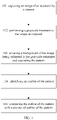
FIG. 1 shows a flowchart of a method for monitoring an escalator according to the present disclosure. -
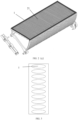
FIG. 2(a) shows a pattern of a predetermined color provided on a step of an escalator. -
FIG. 2(b) shows another pattern of a predetermined color provided on a step of an escalator. -
FIG. 2(c) shows yet another pattern of a predetermined color provided on a step of an escalator. -
FIG. 3 shows a schematic diagram of a pre-stored outline of an oval pattern. -
FIG. 4 shows a schematic diagram of an image of an escalator captured by a camera. -
FIG. 5 shows an outline of an oval pattern identified by the method of the present disclosure. -
FIG. 6 shows a schematic diagram of a pre-stored outline of a boundary line pattern. -
FIG. 7 shows a schematic diagram of an image of an escalator captured by a camera. -
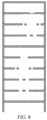
FIG. 8 shows an outline of the boundary line pattern identified by the method of the present disclosure. - Various embodiments according to the present disclosure will be described in detail with reference to the accompanying drawings. Herein, it should be noted that in the drawings, the same reference numerals are given to constituent parts that basically have the same or similar structure and function, and repeated descriptions about them will be omitted. Unless otherwise specified, the terms "on", "below", "top", "bottom", "inner side" and "outer side" are all described with respect to the drawings of the present disclosure. The term "includes A, B, C, etc. in sequence" only indicates the sequence of the included components A, B, C, etc., and does not exclude the possibility of including other components between A and B and/or between B and C.
- The inventive concept of the present disclosure is to determine whether there is a passenger or other object on the step of the escalator by remotely monitoring the escalator, so as to remotely turn-on or turn-off the escalator.
- Hereinafter, referring to
FIGS. 1 to 8 , preferred embodiments according to the present disclosure are described in detail. - As illustrated by
FIG. 1 , a flowchart of a method for remotely monitoring an escalator according to the present disclosure is shown. Instep 101, an image of an escalator is captured by a camera. The camera is configured that its field of view covers the whole escalator to capture the image of the whole escalator. One camera can be provided to capture the image of the whole escalator, or multiple cameras can be provided to capture the image of the escalator. In the case of multiple cameras, the images captured by multiple cameras are combined to form the image of the whole escalator. - A
pattern 1 with a predetermined color is provided on eachstep 2 of the escalator, preferably on atread 21 and/or ariser 22 of each step. As illustrated byFIGS. 2(a) to 2(c) , an oval pattern or a square pattern is arranged at the center of the tread and/or riser, and a pattern in a form of a boundary line is arranged at the periphery of the tread and/or riser. It should be understood by those skilled in the art that other arbitrary patterns can be used as long as the purpose of the present disclosure can be achieved. The colors of these patterns are different from the color of the steps of the escalator, so that these patterns can be distinguished in the subsequent processing. - Next, in
step 102, the image as captured is subjected to a grayscale treatment, so as to remove the color interference for subsequent processing, as illustrated byFIGS. 4 and7 , for example. Instep 103, the background of the image being subjected to the grayscale treatment is covered to separate the pattern. Instep 104, an outline of the pattern is identified, as illustrated byFIGS. 5 and8 , for example. The above image processing can use an HSV-based image processing method, which is well known to those skilled in the art and will not be described here again. - Finally, in
step 105, the outline of the pattern as identified is compared with a pre-stored outline of the pattern. Based on the comparison result, it is determined whether the pattern on the step of the escalator is blocked. The pre-stored outline of the pattern is shown inFIGS. 3 and6 . - If the comparison result shows that the recognized pattern outline is different from the pre-stored outline of the pattern, then it is determined that the pattern on the step of the escalator is blocked, so that it is determined that there is a passenger or an object on the escalator. In this case, the escalator will not be remotely turned-on or turned-off. For example, if a number of non-blocked patterns is less than a pre-stored number of non-blocked patterns, it indicates that some patterns are blocked. If the comparison result shows that the comparison result showing that the outline of the pattern as identified is the same as the pre-stored outline of the pattern, it is determined that the pattern on the step of the escalator is not blocked, so that there are no passengers or objects on the escalator, and then the escalator can be turned-on or turned-off remotely. For example, the number of non-blocked patterns is equal to the pre-stored number of non-blocked patterns, which indicates that no pattern is blocked.
- The present disclosure also provides a device for remotely monitoring an escalator, which includes a camera, configured for capturing an image of an escalator; a graying module, configured for performing a grayscale treatment to the image as captured; a separation module, configured for covering a background of the image being subjected to the grayscale treatment and separating the pattern; an identification module, configured for identifying an outline of the pattern; a processing module, configured for comparing the outline of the pattern with a pre-stored outline of the pattern, and determining whether the pattern on the step of the escalator is blocked according to a comparison result.
- Through the method and device for remotely monitoring an escalator of the present disclosure, it is possible to conveniently and reliably determine whether there is a passenger or an object on the escalator, so as to remotely turn-on or turn-off the escalator, for example, turning-on the escalator in the morning and turning-off the escalator at night, without the staff spending too much labor.
- Although the present disclosure has been specifically described above with reference to the preferred embodiments of the present disclosure, it should be understood that the present disclosure is not limited to the above-described embodiments, but various modifications and changes can be made by those skilled in the art without departing from the essence of the present disclosure, and these modifications and changes should fall within the scope defined by the appended claims and their equivalents.
Claims (16)
- A method for remotely monitoring an escalator, which is characterized in that the method comprises:capturing an image of an escalator by a camera, wherein each step of the escalator is provided with a pattern with a predetermined color, and a color of the pattern is different from a color of steps of the escalator;performing a grayscale treatment to the captured image;covering a background of the image being subjected to the grayscale treatment and separating the pattern;identifying an outline of the pattern;comparing the outline of the pattern with a pre-stored outline of the pattern, and determining whether the pattern on the step of the escalator is blocked according to a comparison result, wherein the pre-stored outline of the pattern is a non-blocked outline of the pattern.
- The method according to claim 1, which is characterized in that, upon the comparison result showing that the outline of the pattern as identified is different from the pre-stored outline of the pattern, it is determined that the pattern on the step of the escalator is blocked.
- The method according to claim 2, which is characterized in that, a case that the outline of the pattern as identified is different from the pre-stored outline of the pattern comprises a case that a number of non-blocked patterns is less than a pre-stored number of non-blocked patterns.
- The method according to claim 1, which is characterized in that, upon the comparison result showing that the outline of the pattern as identified is the same as the pre-stored outline of the pattern, it is determined that the pattern on the step of the escalator is not blocked.
- The method according to claim 4, which is characterized in that, a case that the outline of the pattern as identified is the same as the pre-stored outline of the pattern comprises a case that a number of non-blocked patterns is equal to a pre-stored number of non-blocked patterns.
- The method according to claim 1, which is characterized in that, the pattern is arranged on a tread and/or a riser of each step of the escalator.
- The method according to claim 6, which is characterized in that, the pattern is an oval pattern arranged at a center of the tread and/or the riser of each step of the escalator.
- The method according to claim 6, which is characterized in that, the pattern is a boundary line arranged at a periphery of the tread and/or the riser of each step of the escalator.
- A device for remotely monitoring an escalator, which is characterized in that, the device comprises:a camera, configured for capturing an image of an escalator, wherein each step of the escalator is provided with a pattern with a predetermined color, and a color of the pattern is different from a color of steps of the escalator;a graying module, configured for performing a grayscale treatment to the captured image;a separation module, configured for covering a background of the image being subjected to the grayscale treatment and separating the pattern;an identification module, configured for identifying an outline of the pattern;a processing module, configured for comparing the outline of the pattern with a pre-stored outline of the pattern, and determining whether the pattern on the step of the escalator is blocked according to a comparison result, wherein the pre-stored outline of the pattern is a non-blocked outline of the pattern.
- The device according to claim 9, which is characterized in that, upon the comparison result showing that the outline of the pattern as identified is different from the pre-stored outline of the pattern, it is determined that the pattern on the step of the escalator is blocked.
- The device according to claim 10, which is characterized in that, a case that the outline of the pattern as identified is different from the pre-stored outline of the pattern comprises a case that a number of non-blocked patterns is less than a pre-stored number of non-blocked patterns.
- The device according to claim 9, which is characterized in that, upon the comparison result showing that the outline of the pattern as identified is the same as the pre-stored outline of the pattern, it is determined that the pattern on the step of the escalator is not blocked..
- The device according to claim 12, which is characterized in that, a case that the outline of the pattern as identified is the same as the pre-stored outline of the pattern comprises a case that a number of non-blocked patterns is equal to a pre-stored number of non-blocked patterns.
- The device according to claim 9, which is characterized in that, the pattern is arranged on a tread and/or a riser of each step of the escalator.
- The device according to claim 14, which is characterized in that, the pattern is an oval pattern arranged at a center of the tread and/or the riser of each step of the escalator.
- The device according to claim 14, which is characterized in that, the pattern is a boundary line arranged at a periphery of the tread and/or the riser of each step of the escalator.
Applications Claiming Priority (2)
| Application Number | Priority Date | Filing Date | Title |
|---|---|---|---|
| CN202010211781.4A CN111325188A (en) | 2020-03-24 | 2020-03-24 | Method for monitoring escalator and device for monitoring escalator |
| PCT/CN2021/081302 WO2021190375A1 (en) | 2020-03-24 | 2021-03-17 | Method and device for monitoring escalator |
Publications (3)
| Publication Number | Publication Date |
|---|---|
| EP4131059A1 true EP4131059A1 (en) | 2023-02-08 |
| EP4131059A4 EP4131059A4 (en) | 2024-03-13 |
| EP4131059B1 EP4131059B1 (en) | 2026-01-28 |
Family
ID=71173393
Family Applications (1)
| Application Number | Title | Priority Date | Filing Date |
|---|---|---|---|
| EP21774349.1A Active EP4131059B1 (en) | 2020-03-24 | 2021-03-17 | Method and device for monitoring escalator |
Country Status (4)
| Country | Link |
|---|---|
| US (1) | US20230131405A1 (en) |
| EP (1) | EP4131059B1 (en) |
| CN (1) | CN111325188A (en) |
| WO (1) | WO2021190375A1 (en) |
Families Citing this family (2)
| Publication number | Priority date | Publication date | Assignee | Title |
|---|---|---|---|---|
| CN111325188A (en) * | 2020-03-24 | 2020-06-23 | 通力电梯有限公司 | Method for monitoring escalator and device for monitoring escalator |
| CN114283305A (en) * | 2020-12-25 | 2022-04-05 | 上海商汤智能科技有限公司 | Image detection method and device, electronic equipment and storage medium |
Family Cites Families (15)
| Publication number | Priority date | Publication date | Assignee | Title |
|---|---|---|---|---|
| JP2006131379A (en) * | 2004-11-08 | 2006-05-25 | Takenaka Komuten Co Ltd | Man conveyor and footstep |
| JP4792069B2 (en) * | 2008-09-03 | 2011-10-12 | 株式会社日立製作所 | Image recognition device |
| JP2012180187A (en) * | 2011-03-01 | 2012-09-20 | Toshiba Elevator Co Ltd | Passenger conveyor |
| JP2013203484A (en) * | 2012-03-27 | 2013-10-07 | Hitachi Ltd | Passenger conveyor |
| US9836028B2 (en) * | 2013-02-08 | 2017-12-05 | Chuck Fung | Method, system and processor for instantly recognizing and positioning an object |
| JP2015093781A (en) * | 2013-11-13 | 2015-05-18 | テクノウェーブ株式会社 | Escalator which allows a user to ride on safely |
| US10061058B2 (en) * | 2014-05-21 | 2018-08-28 | Universal City Studios Llc | Tracking system and method for use in surveying amusement park equipment |
| EP3211611A1 (en) * | 2016-02-24 | 2017-08-30 | Wincor Nixdorf International GmbH | Method for the computer-assisted detection of an empty transport container and device for computer-assisted detection of an empty transport container |
| CN107662872B (en) * | 2016-07-29 | 2021-03-12 | 奥的斯电梯公司 | Monitoring system and monitoring method for passenger conveyor |
| CN117902441A (en) * | 2016-07-29 | 2024-04-19 | 奥的斯电梯公司 | Monitoring system for passenger conveyor, passenger conveyor and monitoring method thereof |
| JP6524288B1 (en) * | 2018-03-01 | 2019-06-05 | 東芝エレベータ株式会社 | Passenger conveyor |
| KR20190119350A (en) * | 2018-04-12 | 2019-10-22 | 한국전자통신연구원 | Apparatus and method for detecting of escalator accident using image |
| CN110188644B (en) * | 2019-05-22 | 2021-06-29 | 广东寰球智能科技有限公司 | Escalator passenger dangerous behavior monitoring system and method based on visual analysis |
| JP6816923B1 (en) * | 2019-11-29 | 2021-01-20 | 東芝エレベータ株式会社 | Anomaly detection device |
| CN111325188A (en) * | 2020-03-24 | 2020-06-23 | 通力电梯有限公司 | Method for monitoring escalator and device for monitoring escalator |
-
2020
- 2020-03-24 CN CN202010211781.4A patent/CN111325188A/en active Pending
-
2021
- 2021-03-17 US US17/913,204 patent/US20230131405A1/en active Pending
- 2021-03-17 EP EP21774349.1A patent/EP4131059B1/en active Active
- 2021-03-17 WO PCT/CN2021/081302 patent/WO2021190375A1/en not_active Ceased
Also Published As
| Publication number | Publication date |
|---|---|
| CN111325188A (en) | 2020-06-23 |
| EP4131059A4 (en) | 2024-03-13 |
| EP4131059B1 (en) | 2026-01-28 |
| US20230131405A1 (en) | 2023-04-27 |
| WO2021190375A1 (en) | 2021-09-30 |
Similar Documents
| Publication | Publication Date | Title |
|---|---|---|
| CN114821373B (en) | An intelligent supervision, monitoring, analysis and early warning system for infrastructure project construction site safety | |
| US11649662B2 (en) | Car door monitoring system and car door monitoring method | |
| CN107662872B (en) | Monitoring system and monitoring method for passenger conveyor | |
| EP4131059B1 (en) | Method and device for monitoring escalator | |
| US20180060660A1 (en) | Blindman navigation method and blindman navigation apparatus | |
| CN107662871B (en) | Moving handrail monitoring system for passenger transportation device, passenger transportation device and monitoring method thereof | |
| CN1498849A (en) | Camera for monitoring escalator and mobile footway | |
| CN107601197A (en) | Elevator examination work auxiliary device and Inspection accessory system | |
| JP4672658B2 (en) | Object detection device and elevator object detection device | |
| CN109598194A (en) | A kind of fire smoke image-recognizing method based on artificial intelligence | |
| EP3051461A1 (en) | A computer implemented system and method for extracting and recognizing alphanumeric characters from traffic signs | |
| CN112110321A (en) | Passenger conveyor and maintenance method | |
| US10909713B2 (en) | System and method for item location, delineation, and measurement | |
| US20200134807A1 (en) | Idiosyncrasy sensing system and idiosyncrasy sensing method | |
| CN101668186B (en) | Image monitoring system | |
| JP6492599B2 (en) | Lighting state determination device, lighting state determination method, and lighting state determination program | |
| JP6449425B1 (en) | Imaging state diagnosis method, remote diagnosis system, and remote diagnosis program for elevator camera device | |
| CN113284147B (en) | Foreign matter detection method and system based on yellow foreign matter defects | |
| JPH0926472A (en) | Station platform faller detection device | |
| CN117437442B (en) | High-altitude operation safety belt detection and early warning method and system | |
| JP6699179B2 (en) | Image processing device | |
| JP2000034087A (en) | Passenger monitoring method and device for man conveyor | |
| KR101582454B1 (en) | Method for cognition of movement object in photographing image and system for prevention of vehicle boarding accident | |
| JPH11322247A (en) | Monitoring system of man conveyor | |
| JPH07296166A (en) | Congestion degree detector |
Legal Events
| Date | Code | Title | Description |
|---|---|---|---|
| STAA | Information on the status of an ep patent application or granted ep patent |
Free format text: STATUS: THE INTERNATIONAL PUBLICATION HAS BEEN MADE |
|
| PUAI | Public reference made under article 153(3) epc to a published international application that has entered the european phase |
Free format text: ORIGINAL CODE: 0009012 |
|
| STAA | Information on the status of an ep patent application or granted ep patent |
Free format text: STATUS: REQUEST FOR EXAMINATION WAS MADE |
|
| 17P | Request for examination filed |
Effective date: 20220923 |
|
| AK | Designated contracting states |
Kind code of ref document: A1 Designated state(s): AL AT BE BG CH CY CZ DE DK EE ES FI FR GB GR HR HU IE IS IT LI LT LU LV MC MK MT NL NO PL PT RO RS SE SI SK SM TR |
|
| DAV | Request for validation of the european patent (deleted) | ||
| DAX | Request for extension of the european patent (deleted) | ||
| P01 | Opt-out of the competence of the unified patent court (upc) registered |
Effective date: 20230525 |
|
| REG | Reference to a national code |
Ref country code: DE Ref legal event code: R079 Free format text: PREVIOUS MAIN CLASS: G06K0009000000 Ipc: G06V0020520000 Ref country code: DE Ref legal event code: R079 Ref document number: 602021046971 Country of ref document: DE Free format text: PREVIOUS MAIN CLASS: G06K0009000000 Ipc: G06V0020520000 |
|
| A4 | Supplementary search report drawn up and despatched |
Effective date: 20240213 |
|
| RIC1 | Information provided on ipc code assigned before grant |
Ipc: G06V 10/56 20220101ALI20240207BHEP Ipc: G06V 10/44 20220101ALI20240207BHEP Ipc: G06V 20/52 20220101AFI20240207BHEP |
|
| RAP1 | Party data changed (applicant data changed or rights of an application transferred) |
Owner name: KONE CORPORATION |
|
| GRAP | Despatch of communication of intention to grant a patent |
Free format text: ORIGINAL CODE: EPIDOSNIGR1 |
|
| STAA | Information on the status of an ep patent application or granted ep patent |
Free format text: STATUS: GRANT OF PATENT IS INTENDED |
|
| INTG | Intention to grant announced |
Effective date: 20250902 |
|
| GRAS | Grant fee paid |
Free format text: ORIGINAL CODE: EPIDOSNIGR3 |
|
| GRAA | (expected) grant |
Free format text: ORIGINAL CODE: 0009210 |
|
| STAA | Information on the status of an ep patent application or granted ep patent |
Free format text: STATUS: THE PATENT HAS BEEN GRANTED |
|
| AK | Designated contracting states |
Kind code of ref document: B1 Designated state(s): AL AT BE BG CH CY CZ DE DK EE ES FI FR GB GR HR HU IE IS IT LI LT LU LV MC MK MT NL NO PL PT RO RS SE SI SK SM TR |
|
| REG | Reference to a national code |
Ref country code: CH Ref legal event code: F10 Free format text: ST27 STATUS EVENT CODE: U-0-0-F10-F00 (AS PROVIDED BY THE NATIONAL OFFICE) Effective date: 20260128 Ref country code: GB Ref legal event code: FG4D |
|
| REG | Reference to a national code |
Ref country code: DE Ref legal event code: R096 Ref document number: 602021046971 Country of ref document: DE |
|
| REG | Reference to a national code |
Ref country code: IE Ref legal event code: FG4D |
|
| PGFP | Annual fee paid to national office [announced via postgrant information from national office to epo] |
Ref country code: GB Payment date: 20260324 Year of fee payment: 6 |
|
| PGFP | Annual fee paid to national office [announced via postgrant information from national office to epo] |
Ref country code: DE Payment date: 20260319 Year of fee payment: 6 |
|
| PGFP | Annual fee paid to national office [announced via postgrant information from national office to epo] |
Ref country code: FR Payment date: 20260323 Year of fee payment: 6 |