EP4129794A1 - Vehicular control assistance system and method - Google Patents
Vehicular control assistance system and method Download PDFInfo
- Publication number
- EP4129794A1 EP4129794A1 EP22168439.2A EP22168439A EP4129794A1 EP 4129794 A1 EP4129794 A1 EP 4129794A1 EP 22168439 A EP22168439 A EP 22168439A EP 4129794 A1 EP4129794 A1 EP 4129794A1
- Authority
- EP
- European Patent Office
- Prior art keywords
- vehicular
- control assistance
- dynamic
- assistance function
- vehicular control
- Prior art date
- Legal status (The legal status is an assumption and is not a legal conclusion. Google has not performed a legal analysis and makes no representation as to the accuracy of the status listed.)
- Ceased
Links
Images

Classifications
-
- B—PERFORMING OPERATIONS; TRANSPORTING
- B60—VEHICLES IN GENERAL
- B60W—CONJOINT CONTROL OF VEHICLE SUB-UNITS OF DIFFERENT TYPE OR DIFFERENT FUNCTION; CONTROL SYSTEMS SPECIALLY ADAPTED FOR HYBRID VEHICLES; ROAD VEHICLE DRIVE CONTROL SYSTEMS FOR PURPOSES NOT RELATED TO THE CONTROL OF A PARTICULAR SUB-UNIT
- B60W50/00—Details of control systems for road vehicle drive control not related to the control of a particular sub-unit, e.g. process diagnostic or vehicle driver interfaces
- B60W50/06—Improving the dynamic response of the control system, e.g. improving the speed of regulation or avoiding hunting or overshoot
-
- B—PERFORMING OPERATIONS; TRANSPORTING
- B60—VEHICLES IN GENERAL
- B60W—CONJOINT CONTROL OF VEHICLE SUB-UNITS OF DIFFERENT TYPE OR DIFFERENT FUNCTION; CONTROL SYSTEMS SPECIALLY ADAPTED FOR HYBRID VEHICLES; ROAD VEHICLE DRIVE CONTROL SYSTEMS FOR PURPOSES NOT RELATED TO THE CONTROL OF A PARTICULAR SUB-UNIT
- B60W30/00—Purposes of road vehicle drive control systems not related to the control of a particular sub-unit, e.g. of systems using conjoint control of vehicle sub-units
- B60W30/08—Active safety systems predicting or avoiding probable or impending collision or attempting to minimise its consequences
-
- B—PERFORMING OPERATIONS; TRANSPORTING
- B60—VEHICLES IN GENERAL
- B60W—CONJOINT CONTROL OF VEHICLE SUB-UNITS OF DIFFERENT TYPE OR DIFFERENT FUNCTION; CONTROL SYSTEMS SPECIALLY ADAPTED FOR HYBRID VEHICLES; ROAD VEHICLE DRIVE CONTROL SYSTEMS FOR PURPOSES NOT RELATED TO THE CONTROL OF A PARTICULAR SUB-UNIT
- B60W50/00—Details of control systems for road vehicle drive control not related to the control of a particular sub-unit, e.g. process diagnostic or vehicle driver interfaces
-
- G—PHYSICS
- G05—CONTROLLING; REGULATING
- G05D—SYSTEMS FOR CONTROLLING OR REGULATING NON-ELECTRIC VARIABLES
- G05D1/00—Control of position, course, altitude or attitude of land, water, air or space vehicles, e.g. using automatic pilots
- G05D1/0088—Control of position, course, altitude or attitude of land, water, air or space vehicles, e.g. using automatic pilots characterized by the autonomous decision making process, e.g. artificial intelligence, predefined behaviours
-
- G—PHYSICS
- G05—CONTROLLING; REGULATING
- G05D—SYSTEMS FOR CONTROLLING OR REGULATING NON-ELECTRIC VARIABLES
- G05D1/00—Control of position, course, altitude or attitude of land, water, air or space vehicles, e.g. using automatic pilots
- G05D1/02—Control of position or course in two dimensions
- G05D1/021—Control of position or course in two dimensions specially adapted to land vehicles
- G05D1/0287—Control of position or course in two dimensions specially adapted to land vehicles involving a plurality of land vehicles, e.g. fleet or convoy travelling
- G05D1/0289—Control of position or course in two dimensions specially adapted to land vehicles involving a plurality of land vehicles, e.g. fleet or convoy travelling with means for avoiding collisions between vehicles
-
- B—PERFORMING OPERATIONS; TRANSPORTING
- B60—VEHICLES IN GENERAL
- B60W—CONJOINT CONTROL OF VEHICLE SUB-UNITS OF DIFFERENT TYPE OR DIFFERENT FUNCTION; CONTROL SYSTEMS SPECIALLY ADAPTED FOR HYBRID VEHICLES; ROAD VEHICLE DRIVE CONTROL SYSTEMS FOR PURPOSES NOT RELATED TO THE CONTROL OF A PARTICULAR SUB-UNIT
- B60W50/00—Details of control systems for road vehicle drive control not related to the control of a particular sub-unit, e.g. process diagnostic or vehicle driver interfaces
- B60W2050/0062—Adapting control system settings
- B60W2050/0075—Automatic parameter input, automatic initialising or calibrating means
- B60W2050/009—Priority selection
-
- B—PERFORMING OPERATIONS; TRANSPORTING
- B60—VEHICLES IN GENERAL
- B60W—CONJOINT CONTROL OF VEHICLE SUB-UNITS OF DIFFERENT TYPE OR DIFFERENT FUNCTION; CONTROL SYSTEMS SPECIALLY ADAPTED FOR HYBRID VEHICLES; ROAD VEHICLE DRIVE CONTROL SYSTEMS FOR PURPOSES NOT RELATED TO THE CONTROL OF A PARTICULAR SUB-UNIT
- B60W50/00—Details of control systems for road vehicle drive control not related to the control of a particular sub-unit, e.g. process diagnostic or vehicle driver interfaces
- B60W2050/0062—Adapting control system settings
- B60W2050/0075—Automatic parameter input, automatic initialising or calibrating means
- B60W2050/009—Priority selection
- B60W2050/0094—Priority selection of control units
-
- B—PERFORMING OPERATIONS; TRANSPORTING
- B60—VEHICLES IN GENERAL
- B60W—CONJOINT CONTROL OF VEHICLE SUB-UNITS OF DIFFERENT TYPE OR DIFFERENT FUNCTION; CONTROL SYSTEMS SPECIALLY ADAPTED FOR HYBRID VEHICLES; ROAD VEHICLE DRIVE CONTROL SYSTEMS FOR PURPOSES NOT RELATED TO THE CONTROL OF A PARTICULAR SUB-UNIT
- B60W50/00—Details of control systems for road vehicle drive control not related to the control of a particular sub-unit, e.g. process diagnostic or vehicle driver interfaces
- B60W50/06—Improving the dynamic response of the control system, e.g. improving the speed of regulation or avoiding hunting or overshoot
- B60W2050/065—Improving the dynamic response of the control system, e.g. improving the speed of regulation or avoiding hunting or overshoot by reducing the computational load on the digital processor of the control computer
-
- B—PERFORMING OPERATIONS; TRANSPORTING
- B60—VEHICLES IN GENERAL
- B60W—CONJOINT CONTROL OF VEHICLE SUB-UNITS OF DIFFERENT TYPE OR DIFFERENT FUNCTION; CONTROL SYSTEMS SPECIALLY ADAPTED FOR HYBRID VEHICLES; ROAD VEHICLE DRIVE CONTROL SYSTEMS FOR PURPOSES NOT RELATED TO THE CONTROL OF A PARTICULAR SUB-UNIT
- B60W2552/00—Input parameters relating to infrastructure
-
- B—PERFORMING OPERATIONS; TRANSPORTING
- B60—VEHICLES IN GENERAL
- B60W—CONJOINT CONTROL OF VEHICLE SUB-UNITS OF DIFFERENT TYPE OR DIFFERENT FUNCTION; CONTROL SYSTEMS SPECIALLY ADAPTED FOR HYBRID VEHICLES; ROAD VEHICLE DRIVE CONTROL SYSTEMS FOR PURPOSES NOT RELATED TO THE CONTROL OF A PARTICULAR SUB-UNIT
- B60W2555/00—Input parameters relating to exterior conditions, not covered by groups B60W2552/00, B60W2554/00
-
- B—PERFORMING OPERATIONS; TRANSPORTING
- B60—VEHICLES IN GENERAL
- B60W—CONJOINT CONTROL OF VEHICLE SUB-UNITS OF DIFFERENT TYPE OR DIFFERENT FUNCTION; CONTROL SYSTEMS SPECIALLY ADAPTED FOR HYBRID VEHICLES; ROAD VEHICLE DRIVE CONTROL SYSTEMS FOR PURPOSES NOT RELATED TO THE CONTROL OF A PARTICULAR SUB-UNIT
- B60W2555/00—Input parameters relating to exterior conditions, not covered by groups B60W2552/00, B60W2554/00
- B60W2555/20—Ambient conditions, e.g. wind or rain
-
- B—PERFORMING OPERATIONS; TRANSPORTING
- B60—VEHICLES IN GENERAL
- B60W—CONJOINT CONTROL OF VEHICLE SUB-UNITS OF DIFFERENT TYPE OR DIFFERENT FUNCTION; CONTROL SYSTEMS SPECIALLY ADAPTED FOR HYBRID VEHICLES; ROAD VEHICLE DRIVE CONTROL SYSTEMS FOR PURPOSES NOT RELATED TO THE CONTROL OF A PARTICULAR SUB-UNIT
- B60W2556/00—Input parameters relating to data
- B60W2556/40—High definition maps
-
- B—PERFORMING OPERATIONS; TRANSPORTING
- B60—VEHICLES IN GENERAL
- B60W—CONJOINT CONTROL OF VEHICLE SUB-UNITS OF DIFFERENT TYPE OR DIFFERENT FUNCTION; CONTROL SYSTEMS SPECIALLY ADAPTED FOR HYBRID VEHICLES; ROAD VEHICLE DRIVE CONTROL SYSTEMS FOR PURPOSES NOT RELATED TO THE CONTROL OF A PARTICULAR SUB-UNIT
- B60W2556/00—Input parameters relating to data
- B60W2556/45—External transmission of data to or from the vehicle
- B60W2556/50—External transmission of data to or from the vehicle of positioning data, e.g. GPS [Global Positioning System] data
Definitions
- the invention relates to a vehicular control assistance system, particularly a vehicular control assistance system for a motor vehicle, and a corresponding vehicular control assistance method.
- Vehicular control assistance systems are designed to help drivers during driving.
- a vehicular control assistance system may comprise several software algorithms configured to perform vehicular control assistance functions in order to assist a driver. However, a lot of computer processing resources may be required to run these software algorithms.
- An objective is to provide a vehicular control assistance system or a vehicular control assistance method that may ameliorate negative effects of the problems of the prior art.
- a vehicular control assistance system comprising: a vehicular control assistance function module comprising a first vehicular control assistance function algorithm; and a vehicular control assistance function priority setter configured to set a priority level for the first vehicular control assistance function algorithm based on dynamic vehicular environment information.
- vehicular control assistance system One advantage of the vehicular control assistance system is that computer processing resources may be reserved for or allocated to a vehicular control assistance function algorithm that would be more helpful at a particular time instant or in a certain situation based on the dynamic vehicular environment information.
- the vehicular control assistance system is distinguishable from a device that is configured to, for example, allocate more computer processing resources to a reverse braking assist function algorithm when a reverse gear is engaged.
- the device is merely pre-programmed to allocate more computer processing resources to a reverse braking assist function algorithm when a reverse gear is engaged, and thus no dynamic vehicular environment information is taken into account. Hence, the device would not achieve the advantage of the vehicular control assistance system.
- the vehicular control assistance function priority setter is configured to set the priority level for the first vehicular control assistance function algorithm based on dynamic vehicular map information.
- computer processing resources may be reserved for or allocated to a vehicular control assistance function algorithm that would be more helpful at a particular time instant or in a certain situation based on the dynamic vehicular map information.
- the vehicular control assistance function priority setter is configured to set the priority level for the first vehicular control assistance function algorithm based on dynamic vehicular localisation information.
- computer processing resources may be reserved for or allocated to a vehicular control assistance function algorithm that would be more helpful at a particular time instant or in a certain situation based on the dynamic vehicular localisation information.
- the vehicular control assistance function priority setter is configured to set the priority level for the first vehicular control assistance function algorithm based on dynamic vehicular environment weather information.
- computer processing resources may be reserved for or allocated to a vehicular control assistance function algorithm that would be more helpful at a particular time instant or in a certain situation based on the dynamic vehicular environment weather information.
- the vehicular control assistance function priority setter is configured to set the priority level for the first vehicular control assistance function algorithm based on dynamic vehicular environment sensor information.
- computer processing resources may be reserved for or allocated to a vehicular control assistance function algorithm that would be more helpful at a particular time instant or in a certain situation based on the dynamic vehicular environment sensor information.
- the vehicular control assistance function priority setter is configured to set the priority level for the first vehicular control assistance function algorithm based on at least one of: dynamic vehicular map information; dynamic vehicular localisation information; dynamic vehicular environment weather information; or dynamic vehicular environment sensor information.
- computer processing resources may be reserved for or allocated to a vehicular control assistance function algorithm that would be more helpful at a particular time instant or in a certain situation based on at least one of the dynamic vehicular map information, the dynamic vehicular localisation information, the dynamic vehicular environment weather information or the dynamic vehicular environment sensor information.
- the vehicular control assistance function module comprises a second vehicular control assistance function algorithm; and the vehicular control assistance function priority setter is configured to set a priority level for the second vehicular control assistance function algorithm based on the dynamic vehicular environment information.
- computer processing resources may be reserved for or allocated to a vehicular control assistance function algorithm that would be more helpful at a particular time instant or in a certain situation based on the dynamic vehicular environment information.
- the vehicular control assistance function priority setter is configured to set the first vehicular control assistance function algorithm and the second vehicular control assistance function algorithm in order of priority relative to one another based on the dynamic vehicular environment information.
- computer processing resources may be reserved for or allocated to a vehicular control assistance function algorithm that would be more helpful at a particular time instant or in a certain situation based on the dynamic vehicular environment information.
- the vehicular control assistance function priority setter is configured to set the priority level for the second vehicular control assistance function algorithm based on at least one of: the dynamic vehicular map information; the dynamic vehicular localisation information; the dynamic vehicular environment weather information; or the dynamic vehicular environment sensor information.
- computer processing resources may be reserved for or allocated to a vehicular control assistance function algorithm that would be more helpful at a particular time instant or in a certain situation based on at least one of the dynamic vehicular map information, the dynamic vehicular localisation information, the dynamic vehicular environment weather information or the dynamic vehicular environment sensor information.
- a motor vehicle may comprise the vehicular control assistance system.
- any feature or step disclosed in the context of the first aspect of the invention may also be used, to the extent possible, in combination with and/or in the context of other aspects of the invention, and in the inventions generally.
- any feature or step disclosed in the context of any other aspect of the invention may also be used, to the extent possible, in combination with and/or in the context of the first aspect of the invention, and in the inventions generally.
- a vehicular control assistance system comprising: a vehicular control assistance function module comprising a first vehicular control assistance function algorithm; and a vehicular control assistance function priority setter configured to set a priority level for the first vehicular control assistance function algorithm based on dynamic vehicular environment information; wherein: the vehicular control assistance function module comprises a second vehicular control assistance function algorithm; and the vehicular control assistance function priority setter is configured to set a priority level for the second vehicular control assistance function algorithm based on the dynamic vehicular environment information; wherein the vehicular control assistance function priority setter is configured to set the first vehicular control assistance function algorithm and the second vehicular control assistance function algorithm in order of priority relative to one another based on the dynamic vehicular environment information; wherein the vehicular control assistance function priority setter is configured to set the priority level for the first vehicular control assistance function algorithm based on at least one of: dynamic vehicular map information; dynamic vehicular localisation information; dynamic vehicular environment weather information; or dynamic vehicular environment sensor information; and wherein the vehicular control assistance function priority setter is configured to set the
- vehicular control assistance system One advantage of the vehicular control assistance system is that computer processing resources may be reserved for or allocated to a vehicular control assistance function algorithm that would be more helpful at a particular time instant or in a certain situation based on the dynamic vehicular environment information.
- computer processing resources may be reserved for or allocated to a vehicular control assistance function algorithm that would be more helpful at a particular time instant or in a certain situation based on at least one of the dynamic vehicular map information, the dynamic vehicular localisation information, the dynamic vehicular environment weather information or the dynamic vehicular environment sensor information.
- the vehicular control assistance system is distinguishable from a device that is configured to, for example, allocate more computer processing resources to a reverse braking assist function algorithm when a reverse gear is engaged.
- the device is merely pre-programmed to allocate more computer processing resources to a reverse braking assist function algorithm when a reverse gear is engaged, and thus no dynamic vehicular environment information is taken into account. Hence, the device would not achieve the advantage of the vehicular control assistance system.
- any feature or step disclosed in the context of the second aspect of the invention may also be used, to the extent possible, in combination with and/or in the context of other aspects of the invention, and in the inventions generally.
- any feature or step disclosed in the context of any other aspect of the invention may also be used, to the extent possible, in combination with and/or in the context of the second aspect of the invention, and in the inventions generally.
- a vehicular control assistance method comprising the acts of: receiving dynamic vehicular environment information; providing a first vehicular control assistance function algorithm; and setting a priority level for the first vehicular control assistance function algorithm based on the dynamic vehicular environment information received.
- vehicular control assistance method One advantage of the vehicular control assistance method is that computer processing resources may be reserved for or allocated to a vehicular control assistance function algorithm that would be more helpful at a particular time instant or in a certain situation based on the dynamic vehicular environment information received.
- the vehicular control assistance method is distinguishable from a process that would, for example, allocate more computer processing resources to a reverse braking assist function algorithm when a reverse gear is engaged.
- the process would merely involve allocating more computer processing resources to a reverse braking assist function algorithm when a reverse gear is engaged, and thus would not involve taking into account dynamic vehicular environment information.
- the process would not achieve the advantage achievable by the vehicular control assistance method.
- the act of receiving the dynamic vehicular environment information comprises the act of receiving dynamic vehicular map information; and the act of setting the priority level for the first vehicular control assistance function algorithm based on the dynamic vehicular environment information received comprises the act of setting the priority level for the first vehicular control assistance function algorithm based on the dynamic vehicular map information received.
- computer processing resources may be reserved for or allocated to a vehicular control assistance function algorithm that would be more helpful at a particular time instant or in a certain situation based on the dynamic vehicular map information received.
- the act of receiving the dynamic vehicular environment information comprises the act of receiving dynamic vehicular localisation information; and the act of setting the priority level for the first vehicular control assistance function algorithm based on the dynamic vehicular environment information received comprises the act of setting the priority level for the first vehicular control assistance function algorithm based on the dynamic vehicular localisation information received.
- computer processing resources may be reserved for or allocated to a vehicular control assistance function algorithm that would be more helpful at a particular time instant or in a certain situation based on the dynamic vehicular localisation information received.
- the act of receiving the dynamic vehicular environment information comprises the act of receiving dynamic vehicular environment weather information; and the act of setting the priority level for the first vehicular control assistance function algorithm based on the dynamic vehicular environment information received comprises the act of setting the priority level for the first vehicular control assistance function algorithm based on the dynamic vehicular environment weather information received.
- computer processing resources may be reserved for or allocated to a vehicular control assistance function algorithm that would be more helpful at a particular time instant or in a certain situation based on the dynamic vehicular environment weather information received.
- the act of receiving the dynamic vehicular environment information comprises the act of receiving dynamic vehicular environment sensor information; and the act of setting the priority level for the first vehicular control assistance function algorithm based on the dynamic vehicular environment information received comprises the act of setting the priority level for the first vehicular control assistance function algorithm based on the dynamic vehicular environment sensor information received.
- computer processing resources may be reserved for or allocated to a vehicular control assistance function algorithm that would be more helpful at a particular time instant or in a certain situation based on the dynamic vehicular environment sensor information received.
- the vehicular control assistance method may further comprise the acts of: providing a second vehicular control assistance function algorithm; and setting a priority level for the second vehicular control assistance function algorithm based on the dynamic vehicular environment information received.
- computer processing resources may be reserved for or allocated to a vehicular control assistance function algorithm that would be more helpful at a particular time instant or in a certain situation based on the dynamic vehicular environment information received.
- the vehicular control assistance method may further comprise the act of setting the first vehicular control assistance function algorithm and the second vehicular control assistance function algorithm in order of priority relative to one another based on the dynamic vehicular environment information received.
- computer processing resources may be reserved for or allocated to a vehicular control assistance function algorithm that would be more helpful at a particular time instant or in a certain situation based on the dynamic vehicular environment information received.
- the act of receiving the dynamic vehicular environment information comprises the act of receiving the dynamic vehicular map information; and the act of setting the priority level for the second vehicular control assistance function algorithm based on the dynamic vehicular environment information received comprises the act of setting the priority level for the second vehicular control assistance function algorithm based on the dynamic vehicular map information received.
- computer processing resources may be reserved for or allocated to a vehicular control assistance function algorithm that would be more helpful at a particular time instant or in a certain situation based on the dynamic vehicular map information received.
- the act of receiving the dynamic vehicular environment information comprises the act of receiving the dynamic vehicular localisation information; and the act of setting the priority level for the second vehicular control assistance function algorithm based on the dynamic vehicular environment information received comprises the act of setting the priority level for the second vehicular control assistance function algorithm based on the dynamic vehicular localisation information received.
- computer processing resources may be reserved for or allocated to a vehicular control assistance function algorithm that would be more helpful at a particular time instant or in a certain situation based on the dynamic vehicular localisation information received.
- the act of receiving the dynamic vehicular environment information comprises the act of receiving the dynamic vehicular environment weather information; and the act of setting the priority level for the second vehicular control assistance function algorithm based on the dynamic vehicular environment information received comprises the act of setting the priority level for the second vehicular control assistance function algorithm based on the dynamic vehicular environment weather information received.
- computer processing resources may be reserved for or allocated to a vehicular control assistance function algorithm that would be more helpful at a particular time instant or in a certain situation based on the dynamic vehicular environment weather information received.
- the act of receiving the dynamic vehicular environment information comprises the act of receiving the dynamic vehicular environment sensor information; and the act of setting the priority level for the second vehicular control assistance function algorithm based on the dynamic vehicular environment information received comprises the act of setting the priority level for the second vehicular control assistance function algorithm based on the dynamic vehicular environment sensor information received.
- computer processing resources may be reserved for or allocated to a vehicular control assistance function algorithm that would be more helpful at a particular time instant or in a certain situation based on the dynamic vehicular environment sensor information received.
- any feature or step disclosed in the context of the third aspect of the invention may also be used, to the extent possible, in combination with and/or in the context of other aspects of the invention, and in the inventions generally.
- any feature or step disclosed in the context of any other aspect of the invention may also be used, to the extent possible, in combination with and/or in the context of the third aspect of the invention, and in the inventions generally.
- a vehicular control assistance method comprising the acts of: receiving dynamic vehicular environment information; providing a first vehicular control assistance function algorithm; setting a priority level for the first vehicular control assistance function algorithm based on the dynamic vehicular environment information received; wherein: the act of receiving the dynamic vehicular environment information comprises the act of receiving dynamic vehicular map information; and the act of setting the priority level for the first vehicular control assistance function algorithm based on the dynamic vehicular environment information received comprises the act of setting the priority level for the first vehicular control assistance function algorithm based on the dynamic vehicular map information received; wherein: the act of receiving the dynamic vehicular environment information comprises the act of receiving dynamic vehicular localisation information; and the act of setting the priority level for the first vehicular control assistance function algorithm based on the dynamic vehicular environment information received comprises the act of setting the priority level for the first vehicular control assistance function algorithm based on the dynamic vehicular localisation information received; wherein: the act of receiving the dynamic vehicular environment information comprises the act of receiving dynamic vehicular environment weather information; and
- vehicular control assistance method One advantage of the vehicular control assistance method is that computer processing resources may be reserved for or allocated to a vehicular control assistance function algorithm that would be more helpful at a particular time instant or in a certain situation based on the dynamic vehicular environment information received.
- computer processing resources may be reserved for or allocated to a vehicular control assistance function algorithm that would be more helpful at a particular time instant or in a certain situation based on at least one of the dynamic vehicular map information, the dynamic vehicular localisation information, the dynamic vehicular environment weather information or the dynamic vehicular environment sensor information received.
- any feature or step disclosed in the context of the fourth aspect of the invention may also be used, to the extent possible, in combination with and/or in the context of other aspects of the invention, and in the inventions generally.
- any feature or step disclosed in the context of any other aspect of the invention may also be used, to the extent possible, in combination with and/or in the context of the fourth aspect of the invention, and in the inventions generally.
- the vehicular control assistance method is distinguishable from a process that would, for example, allocate more computer processing resources to a reverse braking assist function algorithm when a reverse gear is engaged.
- the process would merely involve allocating more computer processing resources to a reverse braking assist function algorithm when a reverse gear is engaged, and thus would not involve taking into account dynamic vehicular environment information.
- the process would not achieve the advantage achievable by the vehicular control assistance method.
- components A, B, and C may consist of (that is, contain only) components A, B, and C, or may contain not only components A B, and C but also one or more other components.
- the term "at least” followed by a number is used in to denote the start of a range beginning with that number (which may be a range having an upper limit or no upper limit, depending on the variable being defined).
- “at least 1” means 1 or more than 1.
- the term “at most” followed by a number is used herein to denote the end of a range ending with that number (which may be a range having 1 or 0 as its lower limit, or a range having no lower limit, depending on the variable being defined).
- “at most 4" means 4 or less than 4
- "at most 40%” means 40% or less than 40%.
- a range is given as "(a first number) to (a second number)" or "(a first number) - (a second number)"
- 25 to 100 mm means a range whose lower limit is 25 mm, and whose upper limit is 100 mm.
- vehicle control assistance system means a system configured to help or support a driver or a driving system to drive a vehicle.
- a vehicular control assistance system may be carried out by software, hardware or a combination of software and hardware.
- vehicle control assistance method means a method that is able to help or support a driver or a driving system to drive a vehicle.
- a vehicular control assistance method may be carried out by software, hardware or a combination of software and hardware.
- vehicle control assistance function means a task designed to help or support a driver or a driving system to drive a vehicle.
- a vehicular control assistance function may be carried out by software, hardware or a combination of software and hardware.
- Pedestrian detection and alert functions, cross traffic detection and alert functions, lane departure detection and alert functions, emergency braking function, traffic sign recognition function, headlamp assist function, reverse braking assist function and trailer assist function are examples of vehicular control assistance function.
- a vehicular control assistance function algorithm is a set of rules designed to perform a task designed to help or support a driver or a driving system to drive a vehicle.
- priority level means a position or rank in a scale of importance. For instance, if a higher priority level is placed on a first vehicular control assistance function algorithm than on a second vehicular control assistance function algorithm, then the first vehicular control assistance function algorithm would be of a higher priority or is more important than the second vehicular control assistance function algorithm.
- a priority level may, for example, be a predetermined position or rank, such as low, medium, high or critical.
- Dynamic vehicular environment information means information or data related to changing or developing surroundings of a vehicle, for instance, when the vehicle is being driven.
- Dynamic vehicular environment information may comprise at least one of dynamic vehicular map information, dynamic vehicular localisation information, dynamic vehicular environment weather information or dynamic vehicular environment sensor information.
- Dynamic vehicular map information means map information or data related to changing or developing surroundings of a vehicle, for instance, when the vehicle is being driven.
- Dynamic vehicular map information may comprise static map information on physical objects such as buildings, roads, traffic lights, road signs and petrol stations, obtained from a static digital map stored in a memory device or a network, such as an intranet, an extranet or the internet.
- Dynamic vehicular map information may also comprise dynamic map information on roadworks, accidents and the weather, obtained from the internet, vehicle-to-environment (V-to-X) communication devices or sensors in a vehicle.
- Dynamic vehicular map information comprising static map information and dynamic map information may be used to construct a real-world model of surroundings of a vehicle at a particular time instant or in a certain situation.
- Dynamic vehicular localisation information means localisation information or data related to changing or developing surroundings of a vehicle, for instance, when the vehicle is being driven.
- Dynamic vehicular localisation information may comprise location or time information obtained from a global positioning system (GPS) based satellite navigation system or satellites, or direction information obtained from a compass.
- GPS global positioning system
- dynamic vehicular environment weather information means weather information or data related to changing or developing surroundings of a vehicle, for instance, when the vehicle is being driven.
- Dynamic vehicular environment sensor information means sensor information or data related to changing or developing surroundings of a vehicle, for instance, when the vehicle is being driven.
- Dynamic vehicular environment sensor information may comprise sensor information from sensors such as lidar (light detection and ranging) sensors, radar (radio detection and ranging) sensors, ultrasound sensors, cameras (including infrared cameras), or combinations thereof, of a vehicle to capture data of surroundings of the vehicle at a particular time instant or in a certain situation.
- volatile memory means any type of computer memory where the contents of the memory are lost if there is no power to the computer.
- RAM random-access memory
- nonvolatile memory or the term “non-transitory computer-readable medium” means any type of computer memory where the contents of the memory are retained even if there is no power to the computer.
- SSD solid-state drive
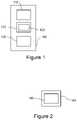
- FIG. 1 shows a vehicular control assistance system 100 comprising a dynamic vehicular environment information retriever 110, a vehicular control assistance function module 120 and a vehicular control assistance function priority setter 130.
- the vehicular control assistance system 100 may comprise software, hardware or a combination of software and hardware.
- the dynamic vehicular environment information retriever 110 is configured to retrieve dynamic vehicular environment information. Hence, the dynamic vehicular environment information retriever 110 is configured to retrieve at least one of dynamic vehicular map information, dynamic vehicular localisation information, dynamic vehicular environment weather information or dynamic vehicular environment sensor information.
- the dynamic vehicular environment information retriever 110 may comprise software, hardware or a combination of software and hardware.
- the dynamic vehicular environment information retriever 110 may retrieve dynamic vehicular map information, or map information or data related to changing or developing surroundings of a vehicle, for instance, when the vehicle is being driven.
- the dynamic vehicular environment information retriever 110 may retrieve static map information on physical objects such as buildings, roads, traffic lights, road signs and petrol stations, from a static digital map stored in a memory device or a network, such as an intranet, an extranet or the internet.
- the dynamic vehicular environment information retriever 110 may also retrieve dynamic map information on roadworks, accidents and the weather, from the internet, vehicle-to-environment (V-to-X) communication devices or sensors in a vehicle.
- V-to-X vehicle-to-environment
- the dynamic vehicular environment information retriever 110 may retrieve dynamic vehicular localisation information, or localisation information or data related to changing or developing surroundings of a vehicle, for instance, when the vehicle is being driven. Hence, the dynamic vehicular environment information retriever 110 may retrieve location or time information from a global positioning system (GPS) based satellite navigation system or satellites, or direction information from a compass.
- GPS global positioning system
- the dynamic vehicular environment information retriever 110 may retrieve dynamic vehicular environment weather information, or weather information or data related to changing or developing surroundings of a vehicle, for instance, when the vehicle is being driven.
- the dynamic vehicular environment information retriever 110 may retrieve dynamic vehicular environment weather information from a network, such as an intranet, an extranet, the internet, vehicle-to-environment (V-to-X) communication devices or sensors in a vehicle.
- a network such as an intranet, an extranet, the internet, vehicle-to-environment (V-to-X) communication devices or sensors in a vehicle.
- the dynamic vehicular environment information retriever 110 may retrieve dynamic vehicular environment sensor information, or sensor information or data related to changing or developing surroundings of a vehicle, for instance, when the vehicle is being driven.
- the dynamic vehicular environment information retriever 110 may retrieve dynamic vehicular environment sensor information from sensors such as lidar (light detection and ranging) sensors, radar (radio detection and ranging) sensors, ultrasound sensors, cameras (including infrared cameras), or combinations thereof, of a vehicle to capture data of surroundings of the vehicle at a particular time instant or in a certain situation.
- the vehicular control assistance function module 120 may comprise at least one vehicular control assistance function algorithm 122, such as a pedestrian detection function algorithm, a pedestrian alert function algorithm, a cross traffic detection function algorithm, a cross traffic alert function algorithm, a lane departure detection function algorithm, a lane departure alert function algorithm, an emergency braking function algorithm, a traffic sign recognition function algorithm, a headlamp assist function algorithm, a reverse braking assist function algorithm, an electronic stability control function algorithm or a trailer assist function algorithm.
- the vehicular control assistance function module 120 may comprise software, hardware or a combination of software and hardware.
- the vehicular control assistance function priority setter 130 is configured to set a priority level for at least one vehicular control assistance function algorithm 122 based on dynamic vehicular environment information.
- the vehicular control assistance function priority setter 130 is also configured to set at least two vehicular control assistance function algorithms 122 in order of priority relative to one another based on the dynamic vehicular environment information.
- the vehicular control assistance function priority setter 130 is configured to set a priority level for at least one vehicular control assistance function algorithm 122 or to set at least two vehicular control assistance function algorithms 122 in order of priority relative to one another based on at least one of dynamic vehicular map information, dynamic vehicular localisation information, dynamic vehicular environment weather information or dynamic vehicular environment sensor information.
- the vehicular control assistance function priority setter 130 may receive dynamic vehicular environment information and determine a respective vehicular control assistance function algorithm priority score for each vehicular control assistance function algorithm 122. Then, the vehicular control assistance function priority setter 130 may set a respective priority level, for example, low, medium, high or critical, for each vehicular control assistance function algorithm 122 based on its corresponding vehicular control assistance function algorithm priority score.
- the vehicular control assistance function priority setter 130 may comprise software, hardware or a combination of software and hardware.
- the vehicular control assistance system 100 may then allocate more computer processing resources to those vehicular control assistance function algorithms 122 with higher priority levels (for example, critical) and allocate less computer processing resources to those vehicular control assistance function algorithms 122 with lower priority levels (for example, low).
- higher priority levels for example, critical
- lower priority levels for example, low
- the vehicular control assistance function priority setter 130 may set low priority levels for a lane departure alert function algorithm, a trailer assist function algorithm, a reverse braking assist function algorithm and a traffic sign recognition function algorithm, and set a high priority level for an electronic stability control function algorithm.
- Figure 2 shows a motor vehicle 140 comprising the vehicular control assistance system 100.
- the motor vehicle 140 may be a car.
- vehicular control assistance system 100 One advantage of the vehicular control assistance system 100 is that computer processing resources may be reserved for or allocated to a vehicular control assistance function algorithm 122 that would be more helpful at a particular time instant or in a certain situation based on dynamic vehicular environment information.
- computer processing resources may be reserved for or allocated to a vehicular control assistance function algorithm 122 that would be more helpful at a particular time instant or in a certain situation based on at least one of dynamic vehicular map information, dynamic vehicular localisation information, dynamic vehicular environment weather information or dynamic vehicular environment sensor information.
- the vehicular control assistance system 100 is distinguishable from a device that is configured to, for example, allocate more computer processing resources to a reverse braking assist function algorithm when a reverse gear is engaged.
- the device is merely pre-programmed to allocate more computer processing resources to a reverse braking assist function algorithm when a reverse gear is engaged, and thus no dynamic vehicular environment information is taken into account. Hence, the device would not achieve the advantage of the vehicular control assistance system 100.
- Figure 3 shows a diagram for a vehicular control assistance method 200 using the vehicular control assistance system 100.
- the vehicular control assistance method 200 begins.
- the dynamic vehicular environment information retriever 110 retrieves dynamic vehicular environment information.
- the vehicular control assistance function priority setter 130 determines a respective vehicular control assistance function algorithm priority score for each vehicular control assistance function algorithm 122 based on the dynamic vehicular environment information received.
- the vehicular control assistance function priority setter 130 sets a respective priority level, for example, low, medium, high or critical, for each vehicular control assistance function algorithm 122 based on its corresponding vehicular control assistance function algorithm priority score determined from the dynamic vehicular environment information received.
- the vehicular control assistance system 100 allocates more computer processing resources to those vehicular control assistance function algorithms 122 with higher priority levels (for example, critical) and allocates less computer processing resources to those vehicular control assistance function algorithms 122 with lower priority levels (for example, low).
- the vehicular control assistance method 200 ends.
- the vehicular control assistance method 200 illustrated in a sequential plurality of steps in Figure 3 merely illustrates the vehicular control assistance method 200 as applied to a particular time instance. Hence, step 212 may loop back to step 202 to perform the vehicular control assistance method 200 again.
- vehicular control assistance method 200 One advantage of the vehicular control assistance method 200 is that computer processing resources may be reserved for or allocated to a vehicular control assistance function algorithm 122 that would be more helpful at a particular time instant or in a certain situation based on dynamic vehicular environment information received.
- computer processing resources may be reserved for or allocated to a vehicular control assistance function algorithm 122 that would be more helpful at a particular time instant or in a certain situation based on at least one of dynamic vehicular map information, dynamic vehicular localisation information, dynamic vehicular environment weather information or dynamic vehicular environment sensor information received.
- the vehicular control assistance method 200 is distinguishable from a process that would, for example, allocate more computer processing resources to a reverse braking assist function algorithm when a reverse gear is engaged.
- the process would merely involve allocating more computer processing resources to a reverse braking assist function algorithm when a reverse gear is engaged, and thus would not involve taking into account dynamic vehicular environment information.
- the process would not achieve the advantage achievable by the vehicular control assistance method 200.
- other types of information may be retrieved by the vehicular control assistance system 100.
Landscapes
- Engineering & Computer Science (AREA)
- Automation & Control Theory (AREA)
- Radar, Positioning & Navigation (AREA)
- Remote Sensing (AREA)
- Mechanical Engineering (AREA)
- Transportation (AREA)
- Human Computer Interaction (AREA)
- Aviation & Aerospace Engineering (AREA)
- Physics & Mathematics (AREA)
- General Physics & Mathematics (AREA)
- Health & Medical Sciences (AREA)
- Game Theory and Decision Science (AREA)
- Medical Informatics (AREA)
- Evolutionary Computation (AREA)
- Artificial Intelligence (AREA)
- Business, Economics & Management (AREA)
- Traffic Control Systems (AREA)
- Control Of Driving Devices And Active Controlling Of Vehicle (AREA)
Abstract
Description
- The invention relates to a vehicular control assistance system, particularly a vehicular control assistance system for a motor vehicle, and a corresponding vehicular control assistance method.
- Vehicular control assistance systems are designed to help drivers during driving. A vehicular control assistance system may comprise several software algorithms configured to perform vehicular control assistance functions in order to assist a driver. However, a lot of computer processing resources may be required to run these software algorithms.
- An objective is to provide a vehicular control assistance system or a vehicular control assistance method that may ameliorate negative effects of the problems of the prior art.
- According to a first aspect of the invention, there is provided a vehicular control assistance system comprising: a vehicular control assistance function module comprising a first vehicular control assistance function algorithm; and a vehicular control assistance function priority setter configured to set a priority level for the first vehicular control assistance function algorithm based on dynamic vehicular environment information.
- One advantage of the vehicular control assistance system is that computer processing resources may be reserved for or allocated to a vehicular control assistance function algorithm that would be more helpful at a particular time instant or in a certain situation based on the dynamic vehicular environment information.
- Moreover, the vehicular control assistance system is distinguishable from a device that is configured to, for example, allocate more computer processing resources to a reverse braking assist function algorithm when a reverse gear is engaged. In fact, the device is merely pre-programmed to allocate more computer processing resources to a reverse braking assist function algorithm when a reverse gear is engaged, and thus no dynamic vehicular environment information is taken into account. Hence, the device would not achieve the advantage of the vehicular control assistance system.
- Optionally, the vehicular control assistance function priority setter is configured to set the priority level for the first vehicular control assistance function algorithm based on dynamic vehicular map information.
- Hence, advantageously, computer processing resources may be reserved for or allocated to a vehicular control assistance function algorithm that would be more helpful at a particular time instant or in a certain situation based on the dynamic vehicular map information.
- Optionally, the vehicular control assistance function priority setter is configured to set the priority level for the first vehicular control assistance function algorithm based on dynamic vehicular localisation information.
- Hence, advantageously, computer processing resources may be reserved for or allocated to a vehicular control assistance function algorithm that would be more helpful at a particular time instant or in a certain situation based on the dynamic vehicular localisation information.
- Optionally, the vehicular control assistance function priority setter is configured to set the priority level for the first vehicular control assistance function algorithm based on dynamic vehicular environment weather information.
- Hence, advantageously, computer processing resources may be reserved for or allocated to a vehicular control assistance function algorithm that would be more helpful at a particular time instant or in a certain situation based on the dynamic vehicular environment weather information.
- Optionally, the vehicular control assistance function priority setter is configured to set the priority level for the first vehicular control assistance function algorithm based on dynamic vehicular environment sensor information.
- Hence, advantageously, computer processing resources may be reserved for or allocated to a vehicular control assistance function algorithm that would be more helpful at a particular time instant or in a certain situation based on the dynamic vehicular environment sensor information.
- Optionally, the vehicular control assistance function priority setter is configured to set the priority level for the first vehicular control assistance function algorithm based on at least one of: dynamic vehicular map information; dynamic vehicular localisation information; dynamic vehicular environment weather information; or dynamic vehicular environment sensor information.
- Hence, advantageously, computer processing resources may be reserved for or allocated to a vehicular control assistance function algorithm that would be more helpful at a particular time instant or in a certain situation based on at least one of the dynamic vehicular map information, the dynamic vehicular localisation information, the dynamic vehicular environment weather information or the dynamic vehicular environment sensor information.
- Optionally, the vehicular control assistance function module comprises a second vehicular control assistance function algorithm; and the vehicular control assistance function priority setter is configured to set a priority level for the second vehicular control assistance function algorithm based on the dynamic vehicular environment information.
- Hence, advantageously, computer processing resources may be reserved for or allocated to a vehicular control assistance function algorithm that would be more helpful at a particular time instant or in a certain situation based on the dynamic vehicular environment information.
- Optionally, the vehicular control assistance function priority setter is configured to set the first vehicular control assistance function algorithm and the second vehicular control assistance function algorithm in order of priority relative to one another based on the dynamic vehicular environment information.
- Hence, advantageously, computer processing resources may be reserved for or allocated to a vehicular control assistance function algorithm that would be more helpful at a particular time instant or in a certain situation based on the dynamic vehicular environment information.
- Optionally, the vehicular control assistance function priority setter is configured to set the priority level for the second vehicular control assistance function algorithm based on at least one of: the dynamic vehicular map information; the dynamic vehicular localisation information; the dynamic vehicular environment weather information; or the dynamic vehicular environment sensor information.
- Hence, advantageously, computer processing resources may be reserved for or allocated to a vehicular control assistance function algorithm that would be more helpful at a particular time instant or in a certain situation based on at least one of the dynamic vehicular map information, the dynamic vehicular localisation information, the dynamic vehicular environment weather information or the dynamic vehicular environment sensor information.
- A motor vehicle may comprise the vehicular control assistance system.
- Any feature or step disclosed in the context of the first aspect of the invention may also be used, to the extent possible, in combination with and/or in the context of other aspects of the invention, and in the inventions generally. In addition, any feature or step disclosed in the context of any other aspect of the invention may also be used, to the extent possible, in combination with and/or in the context of the first aspect of the invention, and in the inventions generally.
- According to a second aspect of the invention, there is provided a vehicular control assistance system comprising: a vehicular control assistance function module comprising a first vehicular control assistance function algorithm; and a vehicular control assistance function priority setter configured to set a priority level for the first vehicular control assistance function algorithm based on dynamic vehicular environment information; wherein: the vehicular control assistance function module comprises a second vehicular control assistance function algorithm; and the vehicular control assistance function priority setter is configured to set a priority level for the second vehicular control assistance function algorithm based on the dynamic vehicular environment information; wherein the vehicular control assistance function priority setter is configured to set the first vehicular control assistance function algorithm and the second vehicular control assistance function algorithm in order of priority relative to one another based on the dynamic vehicular environment information; wherein the vehicular control assistance function priority setter is configured to set the priority level for the first vehicular control assistance function algorithm based on at least one of: dynamic vehicular map information; dynamic vehicular localisation information; dynamic vehicular environment weather information; or dynamic vehicular environment sensor information; and wherein the vehicular control assistance function priority setter is configured to set the priority level for the second vehicular control assistance function algorithm based on at least one of: the dynamic vehicular map information; the dynamic vehicular localisation information; the dynamic vehicular environment weather information; or the dynamic vehicular environment sensor information.
- One advantage of the vehicular control assistance system is that computer processing resources may be reserved for or allocated to a vehicular control assistance function algorithm that would be more helpful at a particular time instant or in a certain situation based on the dynamic vehicular environment information.
- In addition, advantageously, computer processing resources may be reserved for or allocated to a vehicular control assistance function algorithm that would be more helpful at a particular time instant or in a certain situation based on at least one of the dynamic vehicular map information, the dynamic vehicular localisation information, the dynamic vehicular environment weather information or the dynamic vehicular environment sensor information.
- Moreover, the vehicular control assistance system is distinguishable from a device that is configured to, for example, allocate more computer processing resources to a reverse braking assist function algorithm when a reverse gear is engaged. In fact, the device is merely pre-programmed to allocate more computer processing resources to a reverse braking assist function algorithm when a reverse gear is engaged, and thus no dynamic vehicular environment information is taken into account. Hence, the device would not achieve the advantage of the vehicular control assistance system.
- Any feature or step disclosed in the context of the second aspect of the invention may also be used, to the extent possible, in combination with and/or in the context of other aspects of the invention, and in the inventions generally. In addition, any feature or step disclosed in the context of any other aspect of the invention may also be used, to the extent possible, in combination with and/or in the context of the second aspect of the invention, and in the inventions generally.
- According to a third aspect of the invention, there is provided a vehicular control assistance method comprising the acts of: receiving dynamic vehicular environment information; providing a first vehicular control assistance function algorithm; and setting a priority level for the first vehicular control assistance function algorithm based on the dynamic vehicular environment information received.
- One advantage of the vehicular control assistance method is that computer processing resources may be reserved for or allocated to a vehicular control assistance function algorithm that would be more helpful at a particular time instant or in a certain situation based on the dynamic vehicular environment information received.
- Moreover, the vehicular control assistance method is distinguishable from a process that would, for example, allocate more computer processing resources to a reverse braking assist function algorithm when a reverse gear is engaged. In fact, the process would merely involve allocating more computer processing resources to a reverse braking assist function algorithm when a reverse gear is engaged, and thus would not involve taking into account dynamic vehicular environment information. Hence, the process would not achieve the advantage achievable by the vehicular control assistance method.
- Optionally, the act of receiving the dynamic vehicular environment information comprises the act of receiving dynamic vehicular map information; and the act of setting the priority level for the first vehicular control assistance function algorithm based on the dynamic vehicular environment information received comprises the act of setting the priority level for the first vehicular control assistance function algorithm based on the dynamic vehicular map information received.
- Hence, advantageously, computer processing resources may be reserved for or allocated to a vehicular control assistance function algorithm that would be more helpful at a particular time instant or in a certain situation based on the dynamic vehicular map information received.
- Optionally, the act of receiving the dynamic vehicular environment information comprises the act of receiving dynamic vehicular localisation information; and the act of setting the priority level for the first vehicular control assistance function algorithm based on the dynamic vehicular environment information received comprises the act of setting the priority level for the first vehicular control assistance function algorithm based on the dynamic vehicular localisation information received.
- Hence, advantageously, computer processing resources may be reserved for or allocated to a vehicular control assistance function algorithm that would be more helpful at a particular time instant or in a certain situation based on the dynamic vehicular localisation information received.
- Optionally, the act of receiving the dynamic vehicular environment information comprises the act of receiving dynamic vehicular environment weather information; and the act of setting the priority level for the first vehicular control assistance function algorithm based on the dynamic vehicular environment information received comprises the act of setting the priority level for the first vehicular control assistance function algorithm based on the dynamic vehicular environment weather information received.
- Hence, advantageously, computer processing resources may be reserved for or allocated to a vehicular control assistance function algorithm that would be more helpful at a particular time instant or in a certain situation based on the dynamic vehicular environment weather information received.
- Optionally, the act of receiving the dynamic vehicular environment information comprises the act of receiving dynamic vehicular environment sensor information; and the act of setting the priority level for the first vehicular control assistance function algorithm based on the dynamic vehicular environment information received comprises the act of setting the priority level for the first vehicular control assistance function algorithm based on the dynamic vehicular environment sensor information received.
- Hence, advantageously, computer processing resources may be reserved for or allocated to a vehicular control assistance function algorithm that would be more helpful at a particular time instant or in a certain situation based on the dynamic vehicular environment sensor information received.
- The vehicular control assistance method may further comprise the acts of: providing a second vehicular control assistance function algorithm; and setting a priority level for the second vehicular control assistance function algorithm based on the dynamic vehicular environment information received.
- Hence, advantageously, computer processing resources may be reserved for or allocated to a vehicular control assistance function algorithm that would be more helpful at a particular time instant or in a certain situation based on the dynamic vehicular environment information received.
- The vehicular control assistance method may further comprise the act of setting the first vehicular control assistance function algorithm and the second vehicular control assistance function algorithm in order of priority relative to one another based on the dynamic vehicular environment information received.
- Hence, advantageously, computer processing resources may be reserved for or allocated to a vehicular control assistance function algorithm that would be more helpful at a particular time instant or in a certain situation based on the dynamic vehicular environment information received.
- Optionally, the act of receiving the dynamic vehicular environment information comprises the act of receiving the dynamic vehicular map information; and the act of setting the priority level for the second vehicular control assistance function algorithm based on the dynamic vehicular environment information received comprises the act of setting the priority level for the second vehicular control assistance function algorithm based on the dynamic vehicular map information received.
- Hence, advantageously, computer processing resources may be reserved for or allocated to a vehicular control assistance function algorithm that would be more helpful at a particular time instant or in a certain situation based on the dynamic vehicular map information received.
- Optionally, the act of receiving the dynamic vehicular environment information comprises the act of receiving the dynamic vehicular localisation information; and the act of setting the priority level for the second vehicular control assistance function algorithm based on the dynamic vehicular environment information received comprises the act of setting the priority level for the second vehicular control assistance function algorithm based on the dynamic vehicular localisation information received.
- Hence, advantageously, computer processing resources may be reserved for or allocated to a vehicular control assistance function algorithm that would be more helpful at a particular time instant or in a certain situation based on the dynamic vehicular localisation information received.
- Optionally, the act of receiving the dynamic vehicular environment information comprises the act of receiving the dynamic vehicular environment weather information; and the act of setting the priority level for the second vehicular control assistance function algorithm based on the dynamic vehicular environment information received comprises the act of setting the priority level for the second vehicular control assistance function algorithm based on the dynamic vehicular environment weather information received.
- Hence, advantageously, computer processing resources may be reserved for or allocated to a vehicular control assistance function algorithm that would be more helpful at a particular time instant or in a certain situation based on the dynamic vehicular environment weather information received.
- Optionally, the act of receiving the dynamic vehicular environment information comprises the act of receiving the dynamic vehicular environment sensor information; and the act of setting the priority level for the second vehicular control assistance function algorithm based on the dynamic vehicular environment information received comprises the act of setting the priority level for the second vehicular control assistance function algorithm based on the dynamic vehicular environment sensor information received.
- Hence, advantageously, computer processing resources may be reserved for or allocated to a vehicular control assistance function algorithm that would be more helpful at a particular time instant or in a certain situation based on the dynamic vehicular environment sensor information received.
- Any feature or step disclosed in the context of the third aspect of the invention may also be used, to the extent possible, in combination with and/or in the context of other aspects of the invention, and in the inventions generally. In addition, any feature or step disclosed in the context of any other aspect of the invention may also be used, to the extent possible, in combination with and/or in the context of the third aspect of the invention, and in the inventions generally.
- According to a fourth aspect of the invention, there is provided a vehicular control assistance method comprising the acts of: receiving dynamic vehicular environment information; providing a first vehicular control assistance function algorithm; setting a priority level for the first vehicular control assistance function algorithm based on the dynamic vehicular environment information received; wherein: the act of receiving the dynamic vehicular environment information comprises the act of receiving dynamic vehicular map information; and the act of setting the priority level for the first vehicular control assistance function algorithm based on the dynamic vehicular environment information received comprises the act of setting the priority level for the first vehicular control assistance function algorithm based on the dynamic vehicular map information received; wherein: the act of receiving the dynamic vehicular environment information comprises the act of receiving dynamic vehicular localisation information; and the act of setting the priority level for the first vehicular control assistance function algorithm based on the dynamic vehicular environment information received comprises the act of setting the priority level for the first vehicular control assistance function algorithm based on the dynamic vehicular localisation information received; wherein: the act of receiving the dynamic vehicular environment information comprises the act of receiving dynamic vehicular environment weather information; and the act of setting the priority level for the first vehicular control assistance function algorithm based on the dynamic vehicular environment information received comprises the act of setting the priority level for the first vehicular control assistance function algorithm based on the dynamic vehicular environment weather information received; wherein: the act of receiving the dynamic vehicular environment information comprises the act of receiving dynamic vehicular environment sensor information; and the act of setting the priority level for the first vehicular control assistance function algorithm based on the dynamic vehicular environment information received comprises the act of setting the priority level for the first vehicular control assistance function algorithm based on the dynamic vehicular environment sensor information received; providing a second vehicular control assistance function algorithm; and setting a priority level for the second vehicular control assistance function algorithm based on the dynamic vehicular environment information received; and setting the first vehicular control assistance function algorithm and the second vehicular control assistance function algorithm in order of priority relative to one another based on the dynamic vehicular environment information received; wherein: the act of receiving the dynamic vehicular environment information comprises the act of receiving the dynamic vehicular map information; and the act of setting the priority level for the second vehicular control assistance function algorithm based on the dynamic vehicular environment information received comprises the act of setting the priority level for the second vehicular control assistance function algorithm based on the dynamic vehicular map information received; wherein: the act of receiving the dynamic vehicular environment information comprises the act of receiving the dynamic vehicular localisation information; and the act of setting the priority level for the second vehicular control assistance function algorithm based on the dynamic vehicular environment information received comprises the act of setting the priority level for the second vehicular control assistance function algorithm based on the dynamic vehicular localisation information received; wherein: the act of receiving the dynamic vehicular environment information comprises the act of receiving the dynamic vehicular environment weather information; and the act of setting the priority level for the second vehicular control assistance function algorithm based on the dynamic vehicular environment information received comprises the act of setting the priority level for the second vehicular control assistance function algorithm based on the dynamic vehicular environment weather information received; and wherein: the act of receiving the dynamic vehicular environment information comprises the act of receiving the dynamic vehicular environment sensor information; and the act of setting the priority level for the second vehicular control assistance function algorithm based on the dynamic vehicular environment information received comprises the act of setting the priority level for the second vehicular control assistance function algorithm based on the dynamic vehicular environment sensor information received.
- One advantage of the vehicular control assistance method is that computer processing resources may be reserved for or allocated to a vehicular control assistance function algorithm that would be more helpful at a particular time instant or in a certain situation based on the dynamic vehicular environment information received.
- In addition, advantageously, computer processing resources may be reserved for or allocated to a vehicular control assistance function algorithm that would be more helpful at a particular time instant or in a certain situation based on at least one of the dynamic vehicular map information, the dynamic vehicular localisation information, the dynamic vehicular environment weather information or the dynamic vehicular environment sensor information received.
- Any feature or step disclosed in the context of the fourth aspect of the invention may also be used, to the extent possible, in combination with and/or in the context of other aspects of the invention, and in the inventions generally. In addition, any feature or step disclosed in the context of any other aspect of the invention may also be used, to the extent possible, in combination with and/or in the context of the fourth aspect of the invention, and in the inventions generally.
- Moreover, the vehicular control assistance method is distinguishable from a process that would, for example, allocate more computer processing resources to a reverse braking assist function algorithm when a reverse gear is engaged. In fact, the process would merely involve allocating more computer processing resources to a reverse braking assist function algorithm when a reverse gear is engaged, and thus would not involve taking into account dynamic vehicular environment information. Hence, the process would not achieve the advantage achievable by the vehicular control assistance method.
- In this summary, in the description below, in the claims below, and in the accompanying drawings, reference is made to particular features (including method steps) of the invention. It is to be understood that the disclosure of the invention in this specification includes all possible combinations of such particular features. For example, where a particular feature is disclosed in the context of a particular aspect or embodiment of the invention, or a particular claim, that feature may also be used, to the extent possible, in combination with and/or in the context of other particular aspects and embodiments of the invention, and in the inventions generally.
- In this summary, in the description below, in the claims below, and in the accompanying drawings, where reference is made herein to a method comprising two or more defined steps or acts, the defined steps or acts may be carried out in any order or simultaneously (except where the context excludes that possibility), and the method may include one or more other steps or acts which are carried out before any of the defined steps or acts, between two of the defined steps or acts, or after all the defined steps or acts (except where the context excludes that possibility).
- As used in this summary, in the description below, in the claims below, and in the accompanying drawings, the term "comprises" and grammatical equivalents thereof are used herein to mean that other components, ingredients, steps, et cetera are optionally present. For example, an article "comprising" (or "which comprises") components A, B, and C may consist of (that is, contain only) components A, B, and C, or may contain not only components A B, and C but also one or more other components.
- As used in this summary, in the description below, in the claims below, and in the accompanying drawings, the term "at least" followed by a number is used in to denote the start of a range beginning with that number (which may be a range having an upper limit or no upper limit, depending on the variable being defined). For example, "at least 1" means 1 or more than 1. The term "at most" followed by a number is used herein to denote the end of a range ending with that number (which may be a range having 1 or 0 as its lower limit, or a range having no lower limit, depending on the variable being defined). For example, "at most 4" means 4 or less than 4, and "at most 40%" means 40% or less than 40%. When, in this specification, a range is given as "(a first number) to (a second number)" or "(a first number) - (a second number)", this means a range whose lower limit is the first number and whose upper limit is the second number. For example, 25 to 100 mm means a range whose lower limit is 25 mm, and whose upper limit is 100 mm.
- As used in this summary, in the description below, in the claims below, and in the accompanying drawings, the term "vehicular control assistance system" means a system configured to help or support a driver or a driving system to drive a vehicle. A vehicular control assistance system may be carried out by software, hardware or a combination of software and hardware.
- As used in this summary, in the description below, in the claims below, and in the accompanying drawings, the term "vehicular control assistance method" means a method that is able to help or support a driver or a driving system to drive a vehicle. A vehicular control assistance method may be carried out by software, hardware or a combination of software and hardware.
- As used in this summary, in the description below, in the claims below, and in the accompanying drawings, the term "vehicular control assistance function" means a task designed to help or support a driver or a driving system to drive a vehicle. A vehicular control assistance function may be carried out by software, hardware or a combination of software and hardware. Pedestrian detection and alert functions, cross traffic detection and alert functions, lane departure detection and alert functions, emergency braking function, traffic sign recognition function, headlamp assist function, reverse braking assist function and trailer assist function are examples of vehicular control assistance function.
- As used in this summary, in the description below, in the claims below, and in the accompanying drawings, the term "algorithm" means a set of rules designed to perform a task, for instance, a set of rules used by a computer or a processor to perform a task. An algorithm may be configured to run on software, hardware or a combination of software and hardware. Hence, a vehicular control assistance function algorithm is a set of rules designed to perform a task designed to help or support a driver or a driving system to drive a vehicle.
- As used in this summary, in the description below, in the claims below, and in the accompanying drawings, the term "priority level" means a position or rank in a scale of importance. For instance, if a higher priority level is placed on a first vehicular control assistance function algorithm than on a second vehicular control assistance function algorithm, then the first vehicular control assistance function algorithm would be of a higher priority or is more important than the second vehicular control assistance function algorithm. A priority level may, for example, be a predetermined position or rank, such as low, medium, high or critical.
- As used in this summary, in the description below, in the claims below, and in the accompanying drawings, the term "dynamic vehicular environment information" means information or data related to changing or developing surroundings of a vehicle, for instance, when the vehicle is being driven. Dynamic vehicular environment information may comprise at least one of dynamic vehicular map information, dynamic vehicular localisation information, dynamic vehicular environment weather information or dynamic vehicular environment sensor information.
- As used in this summary, in the description below, in the claims below, and in the accompanying drawings, the term "dynamic vehicular map information" means map information or data related to changing or developing surroundings of a vehicle, for instance, when the vehicle is being driven. Dynamic vehicular map information may comprise static map information on physical objects such as buildings, roads, traffic lights, road signs and petrol stations, obtained from a static digital map stored in a memory device or a network, such as an intranet, an extranet or the internet. Dynamic vehicular map information may also comprise dynamic map information on roadworks, accidents and the weather, obtained from the internet, vehicle-to-environment (V-to-X) communication devices or sensors in a vehicle. Dynamic vehicular map information comprising static map information and dynamic map information may be used to construct a real-world model of surroundings of a vehicle at a particular time instant or in a certain situation.
- As used in this summary, in the description below, in the claims below, and in the accompanying drawings, the term "dynamic vehicular localisation information" means localisation information or data related to changing or developing surroundings of a vehicle, for instance, when the vehicle is being driven. Dynamic vehicular localisation information may comprise location or time information obtained from a global positioning system (GPS) based satellite navigation system or satellites, or direction information obtained from a compass.
- As used in this summary, in the description below, in the claims below, and in the accompanying drawings, the term "dynamic vehicular environment weather information" means weather information or data related to changing or developing surroundings of a vehicle, for instance, when the vehicle is being driven.
- As used in this summary, in the description below, in the claims below, and in the accompanying drawings, the term "dynamic vehicular environment sensor information" means sensor information or data related to changing or developing surroundings of a vehicle, for instance, when the vehicle is being driven. Dynamic vehicular environment sensor information may comprise sensor information from sensors such as lidar (light detection and ranging) sensors, radar (radio detection and ranging) sensors, ultrasound sensors, cameras (including infrared cameras), or combinations thereof, of a vehicle to capture data of surroundings of the vehicle at a particular time instant or in a certain situation.
- As used in this summary, in the description below, in the claims below, and in the accompanying drawings, the term "volatile memory" means any type of computer memory where the contents of the memory are lost if there is no power to the computer. Random-access memory (RAM) is an example of a type of volatile memory. As used in the summary above, in this description, in the claims below, and in the accompanying drawings, the term "nonvolatile memory" or the term "non-transitory computer-readable medium" means any type of computer memory where the contents of the memory are retained even if there is no power to the computer. Hard disk and solid-state drive (SSD) are examples of types of nonvolatile memory or non-transitory computer-readable medium.
- These and other features, aspects, and advantages will become better understood with regard to the following description, appended claims, and accompanying drawings where:
-
Figure 1 shows a vehicular control assistance system; -
Figure 2 shows a motor vehicle comprising the vehicular control assistance system ofFigure 1 ; and -
Figure 3 shows a diagram for a vehicular control assistance method. - In the drawings, like parts are denoted by like reference numerals.
- In the summary above, in this description, in the claims below, and in the accompanying drawings, reference is made to particular features (including method steps) of the invention. It is to be understood that the disclosure of the invention in this specification includes all possible combinations of such particular features. For example, where a particular feature is disclosed in the context of a particular aspect or embodiment of the invention, or a particular claim, that feature may also be used, to the extent possible, in combination with and/or in the context of other particular aspects and embodiments of the invention, and in the inventions generally.
-
Figure 1 shows a vehicularcontrol assistance system 100 comprising a dynamic vehicularenvironment information retriever 110, a vehicular controlassistance function module 120 and a vehicular control assistancefunction priority setter 130. The vehicularcontrol assistance system 100 may comprise software, hardware or a combination of software and hardware. - The dynamic vehicular
environment information retriever 110 is configured to retrieve dynamic vehicular environment information. Hence, the dynamic vehicularenvironment information retriever 110 is configured to retrieve at least one of dynamic vehicular map information, dynamic vehicular localisation information, dynamic vehicular environment weather information or dynamic vehicular environment sensor information. The dynamic vehicularenvironment information retriever 110 may comprise software, hardware or a combination of software and hardware. - The dynamic vehicular
environment information retriever 110 may retrieve dynamic vehicular map information, or map information or data related to changing or developing surroundings of a vehicle, for instance, when the vehicle is being driven. The dynamic vehicularenvironment information retriever 110 may retrieve static map information on physical objects such as buildings, roads, traffic lights, road signs and petrol stations, from a static digital map stored in a memory device or a network, such as an intranet, an extranet or the internet. The dynamic vehicularenvironment information retriever 110 may also retrieve dynamic map information on roadworks, accidents and the weather, from the internet, vehicle-to-environment (V-to-X) communication devices or sensors in a vehicle. - The dynamic vehicular
environment information retriever 110 may retrieve dynamic vehicular localisation information, or localisation information or data related to changing or developing surroundings of a vehicle, for instance, when the vehicle is being driven. Hence, the dynamic vehicularenvironment information retriever 110 may retrieve location or time information from a global positioning system (GPS) based satellite navigation system or satellites, or direction information from a compass. - The dynamic vehicular
environment information retriever 110 may retrieve dynamic vehicular environment weather information, or weather information or data related to changing or developing surroundings of a vehicle, for instance, when the vehicle is being driven. The dynamic vehicularenvironment information retriever 110 may retrieve dynamic vehicular environment weather information from a network, such as an intranet, an extranet, the internet, vehicle-to-environment (V-to-X) communication devices or sensors in a vehicle. - The dynamic vehicular
environment information retriever 110 may retrieve dynamic vehicular environment sensor information, or sensor information or data related to changing or developing surroundings of a vehicle, for instance, when the vehicle is being driven. Hence, the dynamic vehicularenvironment information retriever 110 may retrieve dynamic vehicular environment sensor information from sensors such as lidar (light detection and ranging) sensors, radar (radio detection and ranging) sensors, ultrasound sensors, cameras (including infrared cameras), or combinations thereof, of a vehicle to capture data of surroundings of the vehicle at a particular time instant or in a certain situation. - The vehicular control
assistance function module 120 may comprise at least one vehicular controlassistance function algorithm 122, such as a pedestrian detection function algorithm, a pedestrian alert function algorithm, a cross traffic detection function algorithm, a cross traffic alert function algorithm, a lane departure detection function algorithm, a lane departure alert function algorithm, an emergency braking function algorithm, a traffic sign recognition function algorithm, a headlamp assist function algorithm, a reverse braking assist function algorithm, an electronic stability control function algorithm or a trailer assist function algorithm. The vehicular controlassistance function module 120 may comprise software, hardware or a combination of software and hardware. - The vehicular control assistance
function priority setter 130 is configured to set a priority level for at least one vehicular controlassistance function algorithm 122 based on dynamic vehicular environment information. The vehicular control assistancefunction priority setter 130 is also configured to set at least two vehicular controlassistance function algorithms 122 in order of priority relative to one another based on the dynamic vehicular environment information. Hence, the vehicular control assistancefunction priority setter 130 is configured to set a priority level for at least one vehicular controlassistance function algorithm 122 or to set at least two vehicular controlassistance function algorithms 122 in order of priority relative to one another based on at least one of dynamic vehicular map information, dynamic vehicular localisation information, dynamic vehicular environment weather information or dynamic vehicular environment sensor information. - The vehicular control assistance
function priority setter 130 may receive dynamic vehicular environment information and determine a respective vehicular control assistance function algorithm priority score for each vehicular controlassistance function algorithm 122. Then, the vehicular control assistancefunction priority setter 130 may set a respective priority level, for example, low, medium, high or critical, for each vehicular controlassistance function algorithm 122 based on its corresponding vehicular control assistance function algorithm priority score. The vehicular control assistancefunction priority setter 130 may comprise software, hardware or a combination of software and hardware. - The vehicular
control assistance system 100 may then allocate more computer processing resources to those vehicular controlassistance function algorithms 122 with higher priority levels (for example, critical) and allocate less computer processing resources to those vehicular controlassistance function algorithms 122 with lower priority levels (for example, low). - For instance, if dynamic vehicular environment information indicates that a vehicle is travelling at a high speed along a sandy path in a rural area on a bright sunny day, the vehicular control assistance
function priority setter 130 may set low priority levels for a lane departure alert function algorithm, a trailer assist function algorithm, a reverse braking assist function algorithm and a traffic sign recognition function algorithm, and set a high priority level for an electronic stability control function algorithm. -
Figure 2 shows amotor vehicle 140 comprising the vehicularcontrol assistance system 100. Themotor vehicle 140 may be a car. - One advantage of the vehicular
control assistance system 100 is that computer processing resources may be reserved for or allocated to a vehicular controlassistance function algorithm 122 that would be more helpful at a particular time instant or in a certain situation based on dynamic vehicular environment information. - In addition, advantageously, computer processing resources may be reserved for or allocated to a vehicular control
assistance function algorithm 122 that would be more helpful at a particular time instant or in a certain situation based on at least one of dynamic vehicular map information, dynamic vehicular localisation information, dynamic vehicular environment weather information or dynamic vehicular environment sensor information. - Moreover, the vehicular
control assistance system 100 is distinguishable from a device that is configured to, for example, allocate more computer processing resources to a reverse braking assist function algorithm when a reverse gear is engaged. In fact, the device is merely pre-programmed to allocate more computer processing resources to a reverse braking assist function algorithm when a reverse gear is engaged, and thus no dynamic vehicular environment information is taken into account. Hence, the device would not achieve the advantage of the vehicularcontrol assistance system 100. -
Figure 3 shows a diagram for a vehicularcontrol assistance method 200 using the vehicularcontrol assistance system 100. - At
step 202, the vehicularcontrol assistance method 200 begins. Atstep 204, the dynamic vehicularenvironment information retriever 110 retrieves dynamic vehicular environment information. Atstep 206, the vehicular control assistancefunction priority setter 130 determines a respective vehicular control assistance function algorithm priority score for each vehicular controlassistance function algorithm 122 based on the dynamic vehicular environment information received. Atstep 208, the vehicular control assistancefunction priority setter 130 sets a respective priority level, for example, low, medium, high or critical, for each vehicular controlassistance function algorithm 122 based on its corresponding vehicular control assistance function algorithm priority score determined from the dynamic vehicular environment information received. Atstep 210, the vehicularcontrol assistance system 100 allocates more computer processing resources to those vehicular controlassistance function algorithms 122 with higher priority levels (for example, critical) and allocates less computer processing resources to those vehicular controlassistance function algorithms 122 with lower priority levels (for example, low). Finally, atstep 212, the vehicularcontrol assistance method 200 ends. However, it is to be understood that the vehicularcontrol assistance method 200 illustrated in a sequential plurality of steps inFigure 3 merely illustrates the vehicularcontrol assistance method 200 as applied to a particular time instance. Hence, step 212 may loop back to step 202 to perform the vehicularcontrol assistance method 200 again. - One advantage of the vehicular
control assistance method 200 is that computer processing resources may be reserved for or allocated to a vehicular controlassistance function algorithm 122 that would be more helpful at a particular time instant or in a certain situation based on dynamic vehicular environment information received. - In addition, advantageously, computer processing resources may be reserved for or allocated to a vehicular control
assistance function algorithm 122 that would be more helpful at a particular time instant or in a certain situation based on at least one of dynamic vehicular map information, dynamic vehicular localisation information, dynamic vehicular environment weather information or dynamic vehicular environment sensor information received. - Moreover, the vehicular
control assistance method 200 is distinguishable from a process that would, for example, allocate more computer processing resources to a reverse braking assist function algorithm when a reverse gear is engaged. In fact, the process would merely involve allocating more computer processing resources to a reverse braking assist function algorithm when a reverse gear is engaged, and thus would not involve taking into account dynamic vehicular environment information. Hence, the process would not achieve the advantage achievable by the vehicularcontrol assistance method 200. - Although the invention has been described in considerable detail with reference to certain embodiments or aspects, other embodiments or aspects are possible.
- For example, other types of information may be retrieved by the vehicular
control assistance system 100. - Therefore, the spirit and scope of the appended claims should not be limited to the description of the embodiments contained herein.
- All features disclosed in this specification (including the appended claims, abstract, and accompanying drawings) may be replaced by alternative features serving the same, equivalent, or similar purpose, unless expressly stated otherwise. Thus, unless expressly stated otherwise, each feature disclosed is one example only of a generic series of equivalent or similar features.
Claims (17)
- A vehicular control assistance system (100) comprising:a vehicular control assistance function module (120) comprising a first vehicular control assistance function algorithm (122); anda vehicular control assistance function priority setter (130) configured to set a priority level for the first vehicular control assistance function algorithm (122) based on dynamic vehicular environment information.
- The vehicular control assistance system (100) as in claim 1, wherein the vehicular control assistance function priority setter (130) is configured to set the priority level for the first vehicular control assistance function algorithm (122) based on at least one of:dynamic vehicular map information;dynamic vehicular localisation information;dynamic vehicular environment weather information; ordynamic vehicular environment sensor information.
- The vehicular control assistance system (100) as in claim 2, wherein:the vehicular control assistance function module (120) comprises a second vehicular control assistance function algorithm (122); andthe vehicular control assistance function priority setter (130) is configured to set a priority level for the second vehicular control assistance function algorithm (122) based on the dynamic vehicular environment information.
- The vehicular control assistance system (100) as in claim 3, wherein the vehicular control assistance function priority setter (130) is configured to set the priority level for the second vehicular control assistance function algorithm (122) based on at least one of:the dynamic vehicular map information;the dynamic vehicular localisation information;the dynamic vehicular environment weather information; orthe dynamic vehicular environment sensor information.
- The vehicular control assistance system (100) as in claim 1, wherein:the vehicular control assistance function module (120) comprises a second vehicular control assistance function algorithm (122); andthe vehicular control assistance function priority setter (130) is configured to set a priority level for the second vehicular control assistance function algorithm (122) based on the dynamic vehicular environment information.
- The vehicular control assistance system (100) as in claim 5, wherein the vehicular control assistance function priority setter (130) is configured to set the priority level for the second vehicular control assistance function algorithm (122) based on at least one of:dynamic vehicular map information;dynamic vehicular localisation information;dynamic vehicular environment weather information; ordynamic vehicular environment sensor information.
- The vehicular control assistance system (100) as in any one of claims 3-6, wherein the vehicular control assistance function priority setter (130) is configured to set the first vehicular control assistance function algorithm (122) and the second vehicular control assistance function algorithm (122) in order of priority relative to one another based on the dynamic vehicular environment information.
- A motor vehicle (140) comprising the vehicular control assistance system (100) as in any one of the preceding claims.
- A vehicular control assistance system (100) comprising:a vehicular control assistance function module (120) comprising a first vehicular control assistance function algorithm (122); anda vehicular control assistance function priority setter (130) configured to set a priority level for the first vehicular control assistance function algorithm (122) based on dynamic vehicular environment information;wherein:the vehicular control assistance function module (120) comprises a second vehicular control assistance function algorithm (122); andthe vehicular control assistance function priority setter (130) is configured to set a priority level for the second vehicular control assistance function algorithm (122) based on the dynamic vehicular environment information;wherein the vehicular control assistance function priority setter (130) is configured to set the first vehicular control assistance function algorithm (122) and the second vehicular control assistance function algorithm (122) in order of priority relative to one another based on the dynamic vehicular environment information;wherein the vehicular control assistance function priority setter (130) is configured to set the priority level for the first vehicular control assistance function algorithm (122) based on at least one of:dynamic vehicular map information;dynamic vehicular localisation information;dynamic vehicular environment weather information; ordynamic vehicular environment sensor information; andwherein the vehicular control assistance function priority setter (130) is configured to set the priority level for the second vehicular control assistance function algorithm (122) based on at least one of:the dynamic vehicular map information;the dynamic vehicular localisation information;the dynamic vehicular environment weather information; orthe dynamic vehicular environment sensor information.
- A vehicular control assistance method comprising the acts of:receiving dynamic vehicular environment information;providing a first vehicular control assistance function algorithm (122); andsetting a priority level for the first vehicular control assistance function algorithm (122) based on the dynamic vehicular environment information received.
- The vehicular control assistance method (200) as in claim 10, wherein:the act of receiving the dynamic vehicular environment information comprises the act of receiving dynamic vehicular map information; andthe act of setting the priority level for the first vehicular control assistance function algorithm (122) based on the dynamic vehicular environment information received comprises the act of setting the priority level for the first vehicular control assistance function algorithm (122) based on the dynamic vehicular map information received.
- The vehicular control assistance method (200) as in any one of claims 10-11, wherein:the act of receiving the dynamic vehicular environment information comprises the act of receiving dynamic vehicular localisation information; andthe act of setting the priority level for the first vehicular control assistance function algorithm (122) based on the dynamic vehicular environment information received comprises the act of setting the priority level for the first vehicular control assistance function algorithm (122) based on the dynamic vehicular localisation information received.
- The vehicular control assistance method (200) as in any one of claims 10-12, wherein:the act of receiving the dynamic vehicular environment information comprises the act of receiving dynamic vehicular environment weather information; andthe act of setting the priority level for the first vehicular control assistance function algorithm (122) based on the dynamic vehicular environment information received comprises the act of setting the priority level for the first vehicular control assistance function algorithm (122) based on the dynamic vehicular environment weather information received.
- The vehicular control assistance method (200) as in any one of claims 10-13, wherein:the act of receiving the dynamic vehicular environment information comprises the act of receiving dynamic vehicular environment sensor information; andthe act of setting the priority level for the first vehicular control assistance function algorithm (122) based on the dynamic vehicular environment information received comprises the act of setting the priority level for the first vehicular control assistance function algorithm (122) based on the dynamic vehicular environment sensor information received.
- The vehicular control assistance method (200) as in any one of claims 10-14, further comprising the acts of:providing a second vehicular control assistance function algorithm (122); andsetting a priority level for the second vehicular control assistance function algorithm (122) based on the dynamic vehicular environment information received.
- The vehicular control assistance method (200) as in claim 15, further comprising the act of setting the first vehicular control assistance function algorithm (122) and the second vehicular control assistance function algorithm (122) in order of priority relative to one another based on the dynamic vehicular environment information received.
- A vehicular control assistance method (200) comprising the acts of:receiving dynamic vehicular environment information;providing a first vehicular control assistance function algorithm (122);setting a priority level for the first vehicular control assistance function algorithm (122) based on the dynamic vehicular environment information received;wherein:the act of receiving the dynamic vehicular environment information comprises the act of receiving dynamic vehicular map information; andthe act of setting the priority level for the first vehicular control assistance function algorithm (122) based on the dynamic vehicular environment information received comprises the act of setting the priority level for the first vehicular control assistance function algorithm (122) based on the dynamic vehicular map information received;wherein:the act of receiving the dynamic vehicular environment information comprises the act of receiving dynamic vehicular localisation information; andthe act of setting the priority level for the first vehicular control assistance function algorithm (122) based on the dynamic vehicular environment information received comprises the act of setting the priority level for the first vehicular control assistance function algorithm (122) based on the dynamic vehicular localisation information received;wherein:the act of receiving the dynamic vehicular environment information comprises the act of receiving dynamic vehicular environment weather information; andthe act of setting the priority level for the first vehicular control assistance function algorithm (122) based on the dynamic vehicular environment information received comprises the act of setting the priority level for the first vehicular control assistance function algorithm (122) based on the dynamic vehicular environment weather information received;wherein:the act of receiving the dynamic vehicular environment information comprises the act of receiving dynamic vehicular environment sensor information; andthe act of setting the priority level for the first vehicular control assistance function algorithm (122) based on the dynamic vehicular environment information received comprises the act of setting the priority level for the first vehicular control assistance function algorithm (122) based on the dynamic vehicular environment sensor information received;providing a second vehicular control assistance function algorithm (122); andsetting a priority level for the second vehicular control assistance function algorithm (122) based on the dynamic vehicular environment information received; andsetting the first vehicular control assistance function algorithm (122) and the second vehicular control assistance function algorithm (122) in order of priority relative to one another based on the dynamic vehicular environment information received;wherein:the act of receiving the dynamic vehicular environment information comprises the act of receiving the dynamic vehicular map information; andthe act of setting the priority level for the second vehicular control assistance function algorithm (122) based on the dynamic vehicular environment information received comprises the act of setting the priority level for the second vehicular control assistance function algorithm (122) based on the dynamic vehicular map information received;wherein:the act of receiving the dynamic vehicular environment information comprises the act of receiving the dynamic vehicular localisation information; andthe act of setting the priority level for the second vehicular control assistance function algorithm (122) based on the dynamic vehicular environment information received comprises the act of setting the priority level for the second vehicular control assistance function algorithm (122) based on the dynamic vehicular localisation information received;wherein:the act of receiving the dynamic vehicular environment information comprises the act of receiving the dynamic vehicular environment weather information; andthe act of setting the priority level for the second vehicular control assistance function algorithm (122) based on the dynamic vehicular environment information received comprises the act of setting the priority level for the second vehicular control assistance function algorithm (122) based on the dynamic vehicular environment weather information received; andwherein:the act of receiving the dynamic vehicular environment information comprises the act of receiving the dynamic vehicular environment sensor information; andthe act of setting the priority level for the second vehicular control assistance function algorithm (122) based on the dynamic vehicular environment information received comprises the act of setting the priority level for the second vehicular control assistance function algorithm (122) based on the dynamic vehicular environment sensor information received.
Applications Claiming Priority (1)
| Application Number | Priority Date | Filing Date | Title |
|---|---|---|---|
| GB2111349.3A GB2609493A (en) | 2021-08-06 | 2021-08-06 | Vehicular control assistance system and method |
Publications (1)
| Publication Number | Publication Date |
|---|---|
| EP4129794A1 true EP4129794A1 (en) | 2023-02-08 |
Family
ID=81326280
Family Applications (1)
| Application Number | Title | Priority Date | Filing Date |
|---|---|---|---|
| EP22168439.2A Ceased EP4129794A1 (en) | 2021-08-06 | 2022-04-14 | Vehicular control assistance system and method |
Country Status (2)
| Country | Link |
|---|---|
| EP (1) | EP4129794A1 (en) |
| GB (1) | GB2609493A (en) |
Citations (4)
| Publication number | Priority date | Publication date | Assignee | Title |
|---|---|---|---|---|
| DE102004051758A1 (en) * | 2004-10-23 | 2006-04-27 | Daimlerchrysler Ag | Planning of processes in driving system equipment |
| DE102014224665A1 (en) * | 2014-12-02 | 2016-06-02 | Robert Bosch Gmbh | Driver assistance control unit, motor vehicle, method for operating a driver assistance control unit of a motor vehicle |
| DE102016008269A1 (en) * | 2016-07-07 | 2018-01-11 | Audi Ag | Method for operating an integrated circuit of a device control device |
| DE102018111070A1 (en) * | 2018-05-08 | 2019-11-14 | Audi Ag | Method for operating a motor vehicle for improving working conditions of evaluation units of the motor vehicle, control system for carrying out such a method and motor vehicle with such a control system |
Family Cites Families (4)
| Publication number | Priority date | Publication date | Assignee | Title |
|---|---|---|---|---|
| KR102418660B1 (en) * | 2018-03-26 | 2022-07-08 | 현대모비스 주식회사 | Embedded system for congestion control of vehicle, congestion control method of vehicle |
| KR102077201B1 (en) * | 2018-07-20 | 2020-02-13 | 현대모비스 주식회사 | Integrated control apparatus of vehicle method thereof |
| KR102184929B1 (en) * | 2018-10-05 | 2020-12-01 | 한국과학기술원 | Collision Avoidance System and Method of Autonomous Vehicle |
| KR102201384B1 (en) * | 2020-01-29 | 2021-01-14 | (주)제인모터스 | System and method for electric autonomous vehicle longitudinal response control |
-
2021
- 2021-08-06 GB GB2111349.3A patent/GB2609493A/en not_active Withdrawn
-
2022
- 2022-04-14 EP EP22168439.2A patent/EP4129794A1/en not_active Ceased
Patent Citations (4)
| Publication number | Priority date | Publication date | Assignee | Title |
|---|---|---|---|---|
| DE102004051758A1 (en) * | 2004-10-23 | 2006-04-27 | Daimlerchrysler Ag | Planning of processes in driving system equipment |
| DE102014224665A1 (en) * | 2014-12-02 | 2016-06-02 | Robert Bosch Gmbh | Driver assistance control unit, motor vehicle, method for operating a driver assistance control unit of a motor vehicle |
| DE102016008269A1 (en) * | 2016-07-07 | 2018-01-11 | Audi Ag | Method for operating an integrated circuit of a device control device |
| DE102018111070A1 (en) * | 2018-05-08 | 2019-11-14 | Audi Ag | Method for operating a motor vehicle for improving working conditions of evaluation units of the motor vehicle, control system for carrying out such a method and motor vehicle with such a control system |
Also Published As
| Publication number | Publication date |
|---|---|
| GB2609493A (en) | 2023-02-08 |
Similar Documents
| Publication | Publication Date | Title |
|---|---|---|
| CN112009474B (en) | Automatic driving assistance device | |
| CN110873568B (en) | High-precision map generation method and device and computer equipment | |
| US10943133B2 (en) | Vehicle control device, vehicle control method, and storage medium | |
| CN111267854B (en) | Systems and methods for supporting autonomous vehicles | |
| CN112650210B (en) | Vehicle control device, vehicle control method, and storage medium | |
| JP6411956B2 (en) | Vehicle control apparatus and vehicle control method | |
| US10860028B2 (en) | Vehicle control apparatus, vehicle control method, and program | |
| US20200149896A1 (en) | System to derive an autonomous vehicle enabling drivable map | |
| US11173910B2 (en) | Lane change controller for vehicle system including the same, and method thereof | |
| US10457289B2 (en) | Acceleration learning/prediction from learned deceleration area | |
| EP3121764A1 (en) | Animal type determination device | |
| JP6620378B2 (en) | vehicle | |
| JP2018036796A (en) | External information processing equipment | |
| CN112046474A (en) | Vehicle control device, operation method thereof, vehicle, and storage medium | |
| EP3851350B1 (en) | Method and control unit automatically controlling lane change assist | |
| CN115092186B (en) | A method and device for automatic driving of a vehicle, an electronic device, and a storage medium | |
| JP2020160878A (en) | Driving support method and driving support device | |
| US20220055615A1 (en) | Vehicle control device, vehicle control method, and storage medium | |
| GB2609493A (en) | Vehicular control assistance system and method | |
| US12304501B2 (en) | Method for providing operating data for an at least semi-automated vehicle | |
| US12313425B2 (en) | Remove objects from a digital road map | |
| CN112208534B (en) | Vehicle control device, vehicle control method and storage medium | |
| WO2022078670A1 (en) | Vehicle control method and device, computer storage medium and vehicle | |
| CN114684173A (en) | Intelligent driving control method, device and vehicle | |
| CN115230692B (en) | Vehicle control method and device, vehicle and readable storage medium |
Legal Events
| Date | Code | Title | Description |
|---|---|---|---|
| PUAI | Public reference made under article 153(3) epc to a published international application that has entered the european phase |
Free format text: ORIGINAL CODE: 0009012 |
|
| STAA | Information on the status of an ep patent application or granted ep patent |
Free format text: STATUS: THE APPLICATION HAS BEEN PUBLISHED |
|
| AK | Designated contracting states |
Kind code of ref document: A1 Designated state(s): AL AT BE BG CH CY CZ DE DK EE ES FI FR GB GR HR HU IE IS IT LI LT LU LV MC MK MT NL NO PL PT RO RS SE SI SK SM TR |
|
| STAA | Information on the status of an ep patent application or granted ep patent |
Free format text: STATUS: REQUEST FOR EXAMINATION WAS MADE |
|
| 17P | Request for examination filed |
Effective date: 20230808 |
|
| RBV | Designated contracting states (corrected) |
Designated state(s): AL AT BE BG CH CY CZ DE DK EE ES FI FR GB GR HR HU IE IS IT LI LT LU LV MC MK MT NL NO PL PT RO RS SE SI SK SM TR |
|
| STAA | Information on the status of an ep patent application or granted ep patent |
Free format text: STATUS: EXAMINATION IS IN PROGRESS |
|
| 17Q | First examination report despatched |
Effective date: 20240306 |
|
| RAP3 | Party data changed (applicant data changed or rights of an application transferred) |
Owner name: AUMOVIO AUTONOMOUS MOBILITY GERMANY GMBH |
|
| STAA | Information on the status of an ep patent application or granted ep patent |
Free format text: STATUS: THE APPLICATION HAS BEEN REFUSED |
|
| 18R | Application refused |
Effective date: 20251016 |