EP4129241A1 - Dynamic bone loading total knee arthroplasty - Google Patents
Dynamic bone loading total knee arthroplasty Download PDFInfo
- Publication number
- EP4129241A1 EP4129241A1 EP22188577.5A EP22188577A EP4129241A1 EP 4129241 A1 EP4129241 A1 EP 4129241A1 EP 22188577 A EP22188577 A EP 22188577A EP 4129241 A1 EP4129241 A1 EP 4129241A1
- Authority
- EP
- European Patent Office
- Prior art keywords
- stem
- boss
- prosthesis assembly
- joint prosthesis
- joint
- Prior art date
- Legal status (The legal status is an assumption and is not a legal conclusion. Google has not performed a legal analysis and makes no representation as to the accuracy of the status listed.)
- Pending
Links
Images

Classifications
-
- A—HUMAN NECESSITIES
- A61—MEDICAL OR VETERINARY SCIENCE; HYGIENE
- A61F—FILTERS IMPLANTABLE INTO BLOOD VESSELS; PROSTHESES; DEVICES PROVIDING PATENCY TO, OR PREVENTING COLLAPSING OF, TUBULAR STRUCTURES OF THE BODY, e.g. STENTS; ORTHOPAEDIC, NURSING OR CONTRACEPTIVE DEVICES; FOMENTATION; TREATMENT OR PROTECTION OF EYES OR EARS; BANDAGES, DRESSINGS OR ABSORBENT PADS; FIRST-AID KITS
- A61F2/00—Filters implantable into blood vessels; Prostheses, i.e. artificial substitutes or replacements for parts of the body; Appliances for connecting them with the body; Devices providing patency to, or preventing collapsing of, tubular structures of the body, e.g. stents
- A61F2/02—Prostheses implantable into the body
- A61F2/30—Joints
- A61F2/38—Joints for elbows or knees
- A61F2/3868—Joints for elbows or knees with sliding tibial bearing
-
- A—HUMAN NECESSITIES
- A61—MEDICAL OR VETERINARY SCIENCE; HYGIENE
- A61F—FILTERS IMPLANTABLE INTO BLOOD VESSELS; PROSTHESES; DEVICES PROVIDING PATENCY TO, OR PREVENTING COLLAPSING OF, TUBULAR STRUCTURES OF THE BODY, e.g. STENTS; ORTHOPAEDIC, NURSING OR CONTRACEPTIVE DEVICES; FOMENTATION; TREATMENT OR PROTECTION OF EYES OR EARS; BANDAGES, DRESSINGS OR ABSORBENT PADS; FIRST-AID KITS
- A61F2/00—Filters implantable into blood vessels; Prostheses, i.e. artificial substitutes or replacements for parts of the body; Appliances for connecting them with the body; Devices providing patency to, or preventing collapsing of, tubular structures of the body, e.g. stents
- A61F2/02—Prostheses implantable into the body
- A61F2/30—Joints
- A61F2/38—Joints for elbows or knees
- A61F2/3859—Femoral components
-
- A—HUMAN NECESSITIES
- A61—MEDICAL OR VETERINARY SCIENCE; HYGIENE
- A61F—FILTERS IMPLANTABLE INTO BLOOD VESSELS; PROSTHESES; DEVICES PROVIDING PATENCY TO, OR PREVENTING COLLAPSING OF, TUBULAR STRUCTURES OF THE BODY, e.g. STENTS; ORTHOPAEDIC, NURSING OR CONTRACEPTIVE DEVICES; FOMENTATION; TREATMENT OR PROTECTION OF EYES OR EARS; BANDAGES, DRESSINGS OR ABSORBENT PADS; FIRST-AID KITS
- A61F2/00—Filters implantable into blood vessels; Prostheses, i.e. artificial substitutes or replacements for parts of the body; Appliances for connecting them with the body; Devices providing patency to, or preventing collapsing of, tubular structures of the body, e.g. stents
- A61F2/02—Prostheses implantable into the body
- A61F2/30—Joints
- A61F2/38—Joints for elbows or knees
- A61F2/389—Tibial components
-
- A—HUMAN NECESSITIES
- A61—MEDICAL OR VETERINARY SCIENCE; HYGIENE
- A61F—FILTERS IMPLANTABLE INTO BLOOD VESSELS; PROSTHESES; DEVICES PROVIDING PATENCY TO, OR PREVENTING COLLAPSING OF, TUBULAR STRUCTURES OF THE BODY, e.g. STENTS; ORTHOPAEDIC, NURSING OR CONTRACEPTIVE DEVICES; FOMENTATION; TREATMENT OR PROTECTION OF EYES OR EARS; BANDAGES, DRESSINGS OR ABSORBENT PADS; FIRST-AID KITS
- A61F2/00—Filters implantable into blood vessels; Prostheses, i.e. artificial substitutes or replacements for parts of the body; Appliances for connecting them with the body; Devices providing patency to, or preventing collapsing of, tubular structures of the body, e.g. stents
- A61F2/02—Prostheses implantable into the body
- A61F2/30—Joints
- A61F2/30767—Special external or bone-contacting surface, e.g. coating for improving bone ingrowth
-
- A—HUMAN NECESSITIES
- A61—MEDICAL OR VETERINARY SCIENCE; HYGIENE
- A61F—FILTERS IMPLANTABLE INTO BLOOD VESSELS; PROSTHESES; DEVICES PROVIDING PATENCY TO, OR PREVENTING COLLAPSING OF, TUBULAR STRUCTURES OF THE BODY, e.g. STENTS; ORTHOPAEDIC, NURSING OR CONTRACEPTIVE DEVICES; FOMENTATION; TREATMENT OR PROTECTION OF EYES OR EARS; BANDAGES, DRESSINGS OR ABSORBENT PADS; FIRST-AID KITS
- A61F2/00—Filters implantable into blood vessels; Prostheses, i.e. artificial substitutes or replacements for parts of the body; Appliances for connecting them with the body; Devices providing patency to, or preventing collapsing of, tubular structures of the body, e.g. stents
- A61F2/02—Prostheses implantable into the body
- A61F2/30—Joints
- A61F2002/30001—Additional features of subject-matter classified in A61F2/28, A61F2/30 and subgroups thereof
- A61F2002/30003—Material related properties of the prosthesis or of a coating on the prosthesis
- A61F2002/30004—Material related properties of the prosthesis or of a coating on the prosthesis the prosthesis being made from materials having different values of a given property at different locations within the same prosthesis
- A61F2002/30011—Material related properties of the prosthesis or of a coating on the prosthesis the prosthesis being made from materials having different values of a given property at different locations within the same prosthesis differing in porosity
-
- A—HUMAN NECESSITIES
- A61—MEDICAL OR VETERINARY SCIENCE; HYGIENE
- A61F—FILTERS IMPLANTABLE INTO BLOOD VESSELS; PROSTHESES; DEVICES PROVIDING PATENCY TO, OR PREVENTING COLLAPSING OF, TUBULAR STRUCTURES OF THE BODY, e.g. STENTS; ORTHOPAEDIC, NURSING OR CONTRACEPTIVE DEVICES; FOMENTATION; TREATMENT OR PROTECTION OF EYES OR EARS; BANDAGES, DRESSINGS OR ABSORBENT PADS; FIRST-AID KITS
- A61F2/00—Filters implantable into blood vessels; Prostheses, i.e. artificial substitutes or replacements for parts of the body; Appliances for connecting them with the body; Devices providing patency to, or preventing collapsing of, tubular structures of the body, e.g. stents
- A61F2/02—Prostheses implantable into the body
- A61F2/30—Joints
- A61F2002/30001—Additional features of subject-matter classified in A61F2/28, A61F2/30 and subgroups thereof
- A61F2002/30108—Shapes
- A61F2002/3011—Cross-sections or two-dimensional shapes
- A61F2002/30112—Rounded shapes, e.g. with rounded corners
- A61F2002/30113—Rounded shapes, e.g. with rounded corners circular
-
- A—HUMAN NECESSITIES
- A61—MEDICAL OR VETERINARY SCIENCE; HYGIENE
- A61F—FILTERS IMPLANTABLE INTO BLOOD VESSELS; PROSTHESES; DEVICES PROVIDING PATENCY TO, OR PREVENTING COLLAPSING OF, TUBULAR STRUCTURES OF THE BODY, e.g. STENTS; ORTHOPAEDIC, NURSING OR CONTRACEPTIVE DEVICES; FOMENTATION; TREATMENT OR PROTECTION OF EYES OR EARS; BANDAGES, DRESSINGS OR ABSORBENT PADS; FIRST-AID KITS
- A61F2/00—Filters implantable into blood vessels; Prostheses, i.e. artificial substitutes or replacements for parts of the body; Appliances for connecting them with the body; Devices providing patency to, or preventing collapsing of, tubular structures of the body, e.g. stents
- A61F2/02—Prostheses implantable into the body
- A61F2/30—Joints
- A61F2002/30001—Additional features of subject-matter classified in A61F2/28, A61F2/30 and subgroups thereof
- A61F2002/30108—Shapes
- A61F2002/3011—Cross-sections or two-dimensional shapes
- A61F2002/30112—Rounded shapes, e.g. with rounded corners
- A61F2002/30125—Rounded shapes, e.g. with rounded corners elliptical or oval
-
- A—HUMAN NECESSITIES
- A61—MEDICAL OR VETERINARY SCIENCE; HYGIENE
- A61F—FILTERS IMPLANTABLE INTO BLOOD VESSELS; PROSTHESES; DEVICES PROVIDING PATENCY TO, OR PREVENTING COLLAPSING OF, TUBULAR STRUCTURES OF THE BODY, e.g. STENTS; ORTHOPAEDIC, NURSING OR CONTRACEPTIVE DEVICES; FOMENTATION; TREATMENT OR PROTECTION OF EYES OR EARS; BANDAGES, DRESSINGS OR ABSORBENT PADS; FIRST-AID KITS
- A61F2/00—Filters implantable into blood vessels; Prostheses, i.e. artificial substitutes or replacements for parts of the body; Appliances for connecting them with the body; Devices providing patency to, or preventing collapsing of, tubular structures of the body, e.g. stents
- A61F2/02—Prostheses implantable into the body
- A61F2/30—Joints
- A61F2002/30001—Additional features of subject-matter classified in A61F2/28, A61F2/30 and subgroups thereof
- A61F2002/30108—Shapes
- A61F2002/3011—Cross-sections or two-dimensional shapes
- A61F2002/30138—Convex polygonal shapes
- A61F2002/30154—Convex polygonal shapes square
-
- A—HUMAN NECESSITIES
- A61—MEDICAL OR VETERINARY SCIENCE; HYGIENE
- A61F—FILTERS IMPLANTABLE INTO BLOOD VESSELS; PROSTHESES; DEVICES PROVIDING PATENCY TO, OR PREVENTING COLLAPSING OF, TUBULAR STRUCTURES OF THE BODY, e.g. STENTS; ORTHOPAEDIC, NURSING OR CONTRACEPTIVE DEVICES; FOMENTATION; TREATMENT OR PROTECTION OF EYES OR EARS; BANDAGES, DRESSINGS OR ABSORBENT PADS; FIRST-AID KITS
- A61F2/00—Filters implantable into blood vessels; Prostheses, i.e. artificial substitutes or replacements for parts of the body; Appliances for connecting them with the body; Devices providing patency to, or preventing collapsing of, tubular structures of the body, e.g. stents
- A61F2/02—Prostheses implantable into the body
- A61F2/30—Joints
- A61F2002/30001—Additional features of subject-matter classified in A61F2/28, A61F2/30 and subgroups thereof
- A61F2002/30108—Shapes
- A61F2002/3011—Cross-sections or two-dimensional shapes
- A61F2002/30138—Convex polygonal shapes
- A61F2002/30156—Convex polygonal shapes triangular
-
- A—HUMAN NECESSITIES
- A61—MEDICAL OR VETERINARY SCIENCE; HYGIENE
- A61F—FILTERS IMPLANTABLE INTO BLOOD VESSELS; PROSTHESES; DEVICES PROVIDING PATENCY TO, OR PREVENTING COLLAPSING OF, TUBULAR STRUCTURES OF THE BODY, e.g. STENTS; ORTHOPAEDIC, NURSING OR CONTRACEPTIVE DEVICES; FOMENTATION; TREATMENT OR PROTECTION OF EYES OR EARS; BANDAGES, DRESSINGS OR ABSORBENT PADS; FIRST-AID KITS
- A61F2/00—Filters implantable into blood vessels; Prostheses, i.e. artificial substitutes or replacements for parts of the body; Appliances for connecting them with the body; Devices providing patency to, or preventing collapsing of, tubular structures of the body, e.g. stents
- A61F2/02—Prostheses implantable into the body
- A61F2/30—Joints
- A61F2002/30001—Additional features of subject-matter classified in A61F2/28, A61F2/30 and subgroups thereof
- A61F2002/30108—Shapes
- A61F2002/3011—Cross-sections or two-dimensional shapes
- A61F2002/30159—Concave polygonal shapes
- A61F2002/30171—Concave polygonal shapes rosette- or star-shaped
-
- A—HUMAN NECESSITIES
- A61—MEDICAL OR VETERINARY SCIENCE; HYGIENE
- A61F—FILTERS IMPLANTABLE INTO BLOOD VESSELS; PROSTHESES; DEVICES PROVIDING PATENCY TO, OR PREVENTING COLLAPSING OF, TUBULAR STRUCTURES OF THE BODY, e.g. STENTS; ORTHOPAEDIC, NURSING OR CONTRACEPTIVE DEVICES; FOMENTATION; TREATMENT OR PROTECTION OF EYES OR EARS; BANDAGES, DRESSINGS OR ABSORBENT PADS; FIRST-AID KITS
- A61F2/00—Filters implantable into blood vessels; Prostheses, i.e. artificial substitutes or replacements for parts of the body; Appliances for connecting them with the body; Devices providing patency to, or preventing collapsing of, tubular structures of the body, e.g. stents
- A61F2/02—Prostheses implantable into the body
- A61F2/30—Joints
- A61F2002/30001—Additional features of subject-matter classified in A61F2/28, A61F2/30 and subgroups thereof
- A61F2002/30316—The prosthesis having different structural features at different locations within the same prosthesis; Connections between prosthetic parts; Special structural features of bone or joint prostheses not otherwise provided for
- A61F2002/30329—Connections or couplings between prosthetic parts, e.g. between modular parts; Connecting elements
- A61F2002/30331—Connections or couplings between prosthetic parts, e.g. between modular parts; Connecting elements made by longitudinally pushing a protrusion into a complementarily-shaped recess, e.g. held by friction fit
-
- A—HUMAN NECESSITIES
- A61—MEDICAL OR VETERINARY SCIENCE; HYGIENE
- A61F—FILTERS IMPLANTABLE INTO BLOOD VESSELS; PROSTHESES; DEVICES PROVIDING PATENCY TO, OR PREVENTING COLLAPSING OF, TUBULAR STRUCTURES OF THE BODY, e.g. STENTS; ORTHOPAEDIC, NURSING OR CONTRACEPTIVE DEVICES; FOMENTATION; TREATMENT OR PROTECTION OF EYES OR EARS; BANDAGES, DRESSINGS OR ABSORBENT PADS; FIRST-AID KITS
- A61F2/00—Filters implantable into blood vessels; Prostheses, i.e. artificial substitutes or replacements for parts of the body; Appliances for connecting them with the body; Devices providing patency to, or preventing collapsing of, tubular structures of the body, e.g. stents
- A61F2/02—Prostheses implantable into the body
- A61F2/30—Joints
- A61F2002/30001—Additional features of subject-matter classified in A61F2/28, A61F2/30 and subgroups thereof
- A61F2002/30316—The prosthesis having different structural features at different locations within the same prosthesis; Connections between prosthetic parts; Special structural features of bone or joint prostheses not otherwise provided for
- A61F2002/30329—Connections or couplings between prosthetic parts, e.g. between modular parts; Connecting elements
- A61F2002/30331—Connections or couplings between prosthetic parts, e.g. between modular parts; Connecting elements made by longitudinally pushing a protrusion into a complementarily-shaped recess, e.g. held by friction fit
- A61F2002/30332—Conically- or frustoconically-shaped protrusion and recess
-
- A—HUMAN NECESSITIES
- A61—MEDICAL OR VETERINARY SCIENCE; HYGIENE
- A61F—FILTERS IMPLANTABLE INTO BLOOD VESSELS; PROSTHESES; DEVICES PROVIDING PATENCY TO, OR PREVENTING COLLAPSING OF, TUBULAR STRUCTURES OF THE BODY, e.g. STENTS; ORTHOPAEDIC, NURSING OR CONTRACEPTIVE DEVICES; FOMENTATION; TREATMENT OR PROTECTION OF EYES OR EARS; BANDAGES, DRESSINGS OR ABSORBENT PADS; FIRST-AID KITS
- A61F2/00—Filters implantable into blood vessels; Prostheses, i.e. artificial substitutes or replacements for parts of the body; Appliances for connecting them with the body; Devices providing patency to, or preventing collapsing of, tubular structures of the body, e.g. stents
- A61F2/02—Prostheses implantable into the body
- A61F2/30—Joints
- A61F2002/30001—Additional features of subject-matter classified in A61F2/28, A61F2/30 and subgroups thereof
- A61F2002/30316—The prosthesis having different structural features at different locations within the same prosthesis; Connections between prosthetic parts; Special structural features of bone or joint prostheses not otherwise provided for
- A61F2002/30329—Connections or couplings between prosthetic parts, e.g. between modular parts; Connecting elements
- A61F2002/30331—Connections or couplings between prosthetic parts, e.g. between modular parts; Connecting elements made by longitudinally pushing a protrusion into a complementarily-shaped recess, e.g. held by friction fit
- A61F2002/30354—Cylindrically-shaped protrusion and recess, e.g. cylinder of circular basis
-
- A—HUMAN NECESSITIES
- A61—MEDICAL OR VETERINARY SCIENCE; HYGIENE
- A61F—FILTERS IMPLANTABLE INTO BLOOD VESSELS; PROSTHESES; DEVICES PROVIDING PATENCY TO, OR PREVENTING COLLAPSING OF, TUBULAR STRUCTURES OF THE BODY, e.g. STENTS; ORTHOPAEDIC, NURSING OR CONTRACEPTIVE DEVICES; FOMENTATION; TREATMENT OR PROTECTION OF EYES OR EARS; BANDAGES, DRESSINGS OR ABSORBENT PADS; FIRST-AID KITS
- A61F2/00—Filters implantable into blood vessels; Prostheses, i.e. artificial substitutes or replacements for parts of the body; Appliances for connecting them with the body; Devices providing patency to, or preventing collapsing of, tubular structures of the body, e.g. stents
- A61F2/02—Prostheses implantable into the body
- A61F2/30—Joints
- A61F2002/30001—Additional features of subject-matter classified in A61F2/28, A61F2/30 and subgroups thereof
- A61F2002/30316—The prosthesis having different structural features at different locations within the same prosthesis; Connections between prosthetic parts; Special structural features of bone or joint prostheses not otherwise provided for
- A61F2002/30329—Connections or couplings between prosthetic parts, e.g. between modular parts; Connecting elements
- A61F2002/30331—Connections or couplings between prosthetic parts, e.g. between modular parts; Connecting elements made by longitudinally pushing a protrusion into a complementarily-shaped recess, e.g. held by friction fit
- A61F2002/30354—Cylindrically-shaped protrusion and recess, e.g. cylinder of circular basis
- A61F2002/30355—Cylinder of elliptical or oval basis
-
- A—HUMAN NECESSITIES
- A61—MEDICAL OR VETERINARY SCIENCE; HYGIENE
- A61F—FILTERS IMPLANTABLE INTO BLOOD VESSELS; PROSTHESES; DEVICES PROVIDING PATENCY TO, OR PREVENTING COLLAPSING OF, TUBULAR STRUCTURES OF THE BODY, e.g. STENTS; ORTHOPAEDIC, NURSING OR CONTRACEPTIVE DEVICES; FOMENTATION; TREATMENT OR PROTECTION OF EYES OR EARS; BANDAGES, DRESSINGS OR ABSORBENT PADS; FIRST-AID KITS
- A61F2/00—Filters implantable into blood vessels; Prostheses, i.e. artificial substitutes or replacements for parts of the body; Appliances for connecting them with the body; Devices providing patency to, or preventing collapsing of, tubular structures of the body, e.g. stents
- A61F2/02—Prostheses implantable into the body
- A61F2/30—Joints
- A61F2002/30001—Additional features of subject-matter classified in A61F2/28, A61F2/30 and subgroups thereof
- A61F2002/30316—The prosthesis having different structural features at different locations within the same prosthesis; Connections between prosthetic parts; Special structural features of bone or joint prostheses not otherwise provided for
- A61F2002/30329—Connections or couplings between prosthetic parts, e.g. between modular parts; Connecting elements
- A61F2002/30331—Connections or couplings between prosthetic parts, e.g. between modular parts; Connecting elements made by longitudinally pushing a protrusion into a complementarily-shaped recess, e.g. held by friction fit
- A61F2002/30362—Connections or couplings between prosthetic parts, e.g. between modular parts; Connecting elements made by longitudinally pushing a protrusion into a complementarily-shaped recess, e.g. held by friction fit with possibility of relative movement between the protrusion and the recess
-
- A—HUMAN NECESSITIES
- A61—MEDICAL OR VETERINARY SCIENCE; HYGIENE
- A61F—FILTERS IMPLANTABLE INTO BLOOD VESSELS; PROSTHESES; DEVICES PROVIDING PATENCY TO, OR PREVENTING COLLAPSING OF, TUBULAR STRUCTURES OF THE BODY, e.g. STENTS; ORTHOPAEDIC, NURSING OR CONTRACEPTIVE DEVICES; FOMENTATION; TREATMENT OR PROTECTION OF EYES OR EARS; BANDAGES, DRESSINGS OR ABSORBENT PADS; FIRST-AID KITS
- A61F2/00—Filters implantable into blood vessels; Prostheses, i.e. artificial substitutes or replacements for parts of the body; Appliances for connecting them with the body; Devices providing patency to, or preventing collapsing of, tubular structures of the body, e.g. stents
- A61F2/02—Prostheses implantable into the body
- A61F2/30—Joints
- A61F2002/30001—Additional features of subject-matter classified in A61F2/28, A61F2/30 and subgroups thereof
- A61F2002/30316—The prosthesis having different structural features at different locations within the same prosthesis; Connections between prosthetic parts; Special structural features of bone or joint prostheses not otherwise provided for
- A61F2002/30329—Connections or couplings between prosthetic parts, e.g. between modular parts; Connecting elements
- A61F2002/30331—Connections or couplings between prosthetic parts, e.g. between modular parts; Connecting elements made by longitudinally pushing a protrusion into a complementarily-shaped recess, e.g. held by friction fit
- A61F2002/30362—Connections or couplings between prosthetic parts, e.g. between modular parts; Connecting elements made by longitudinally pushing a protrusion into a complementarily-shaped recess, e.g. held by friction fit with possibility of relative movement between the protrusion and the recess
- A61F2002/30364—Rotation about the common longitudinal axis
- A61F2002/30367—Rotation about the common longitudinal axis with additional means for preventing said rotation
-
- A—HUMAN NECESSITIES
- A61—MEDICAL OR VETERINARY SCIENCE; HYGIENE
- A61F—FILTERS IMPLANTABLE INTO BLOOD VESSELS; PROSTHESES; DEVICES PROVIDING PATENCY TO, OR PREVENTING COLLAPSING OF, TUBULAR STRUCTURES OF THE BODY, e.g. STENTS; ORTHOPAEDIC, NURSING OR CONTRACEPTIVE DEVICES; FOMENTATION; TREATMENT OR PROTECTION OF EYES OR EARS; BANDAGES, DRESSINGS OR ABSORBENT PADS; FIRST-AID KITS
- A61F2/00—Filters implantable into blood vessels; Prostheses, i.e. artificial substitutes or replacements for parts of the body; Appliances for connecting them with the body; Devices providing patency to, or preventing collapsing of, tubular structures of the body, e.g. stents
- A61F2/02—Prostheses implantable into the body
- A61F2/30—Joints
- A61F2002/30001—Additional features of subject-matter classified in A61F2/28, A61F2/30 and subgroups thereof
- A61F2002/30316—The prosthesis having different structural features at different locations within the same prosthesis; Connections between prosthetic parts; Special structural features of bone or joint prostheses not otherwise provided for
- A61F2002/30329—Connections or couplings between prosthetic parts, e.g. between modular parts; Connecting elements
- A61F2002/30331—Connections or couplings between prosthetic parts, e.g. between modular parts; Connecting elements made by longitudinally pushing a protrusion into a complementarily-shaped recess, e.g. held by friction fit
- A61F2002/30362—Connections or couplings between prosthetic parts, e.g. between modular parts; Connecting elements made by longitudinally pushing a protrusion into a complementarily-shaped recess, e.g. held by friction fit with possibility of relative movement between the protrusion and the recess
- A61F2002/30369—Limited lateral translation of the protrusion within a larger recess
-
- A—HUMAN NECESSITIES
- A61—MEDICAL OR VETERINARY SCIENCE; HYGIENE
- A61F—FILTERS IMPLANTABLE INTO BLOOD VESSELS; PROSTHESES; DEVICES PROVIDING PATENCY TO, OR PREVENTING COLLAPSING OF, TUBULAR STRUCTURES OF THE BODY, e.g. STENTS; ORTHOPAEDIC, NURSING OR CONTRACEPTIVE DEVICES; FOMENTATION; TREATMENT OR PROTECTION OF EYES OR EARS; BANDAGES, DRESSINGS OR ABSORBENT PADS; FIRST-AID KITS
- A61F2/00—Filters implantable into blood vessels; Prostheses, i.e. artificial substitutes or replacements for parts of the body; Appliances for connecting them with the body; Devices providing patency to, or preventing collapsing of, tubular structures of the body, e.g. stents
- A61F2/02—Prostheses implantable into the body
- A61F2/30—Joints
- A61F2002/30001—Additional features of subject-matter classified in A61F2/28, A61F2/30 and subgroups thereof
- A61F2002/30316—The prosthesis having different structural features at different locations within the same prosthesis; Connections between prosthetic parts; Special structural features of bone or joint prostheses not otherwise provided for
- A61F2002/30329—Connections or couplings between prosthetic parts, e.g. between modular parts; Connecting elements
- A61F2002/30331—Connections or couplings between prosthetic parts, e.g. between modular parts; Connecting elements made by longitudinally pushing a protrusion into a complementarily-shaped recess, e.g. held by friction fit
- A61F2002/30362—Connections or couplings between prosthetic parts, e.g. between modular parts; Connecting elements made by longitudinally pushing a protrusion into a complementarily-shaped recess, e.g. held by friction fit with possibility of relative movement between the protrusion and the recess
- A61F2002/3037—Translation along the common longitudinal axis, e.g. piston
-
- A—HUMAN NECESSITIES
- A61—MEDICAL OR VETERINARY SCIENCE; HYGIENE
- A61F—FILTERS IMPLANTABLE INTO BLOOD VESSELS; PROSTHESES; DEVICES PROVIDING PATENCY TO, OR PREVENTING COLLAPSING OF, TUBULAR STRUCTURES OF THE BODY, e.g. STENTS; ORTHOPAEDIC, NURSING OR CONTRACEPTIVE DEVICES; FOMENTATION; TREATMENT OR PROTECTION OF EYES OR EARS; BANDAGES, DRESSINGS OR ABSORBENT PADS; FIRST-AID KITS
- A61F2/00—Filters implantable into blood vessels; Prostheses, i.e. artificial substitutes or replacements for parts of the body; Appliances for connecting them with the body; Devices providing patency to, or preventing collapsing of, tubular structures of the body, e.g. stents
- A61F2/02—Prostheses implantable into the body
- A61F2/30—Joints
- A61F2002/30001—Additional features of subject-matter classified in A61F2/28, A61F2/30 and subgroups thereof
- A61F2002/30316—The prosthesis having different structural features at different locations within the same prosthesis; Connections between prosthetic parts; Special structural features of bone or joint prostheses not otherwise provided for
- A61F2002/30329—Connections or couplings between prosthetic parts, e.g. between modular parts; Connecting elements
- A61F2002/30383—Connections or couplings between prosthetic parts, e.g. between modular parts; Connecting elements made by laterally inserting a protrusion, e.g. a rib into a complementarily-shaped groove
- A61F2002/3039—Connections or couplings between prosthetic parts, e.g. between modular parts; Connecting elements made by laterally inserting a protrusion, e.g. a rib into a complementarily-shaped groove with possibility of relative movement of the rib within the groove
- A61F2002/30398—Sliding
-
- A—HUMAN NECESSITIES
- A61—MEDICAL OR VETERINARY SCIENCE; HYGIENE
- A61F—FILTERS IMPLANTABLE INTO BLOOD VESSELS; PROSTHESES; DEVICES PROVIDING PATENCY TO, OR PREVENTING COLLAPSING OF, TUBULAR STRUCTURES OF THE BODY, e.g. STENTS; ORTHOPAEDIC, NURSING OR CONTRACEPTIVE DEVICES; FOMENTATION; TREATMENT OR PROTECTION OF EYES OR EARS; BANDAGES, DRESSINGS OR ABSORBENT PADS; FIRST-AID KITS
- A61F2/00—Filters implantable into blood vessels; Prostheses, i.e. artificial substitutes or replacements for parts of the body; Appliances for connecting them with the body; Devices providing patency to, or preventing collapsing of, tubular structures of the body, e.g. stents
- A61F2/02—Prostheses implantable into the body
- A61F2/30—Joints
- A61F2002/30001—Additional features of subject-matter classified in A61F2/28, A61F2/30 and subgroups thereof
- A61F2002/30316—The prosthesis having different structural features at different locations within the same prosthesis; Connections between prosthetic parts; Special structural features of bone or joint prostheses not otherwise provided for
- A61F2002/30329—Connections or couplings between prosthetic parts, e.g. between modular parts; Connecting elements
- A61F2002/30518—Connections or couplings between prosthetic parts, e.g. between modular parts; Connecting elements with possibility of relative movement between the prosthetic parts
-
- A—HUMAN NECESSITIES
- A61—MEDICAL OR VETERINARY SCIENCE; HYGIENE
- A61F—FILTERS IMPLANTABLE INTO BLOOD VESSELS; PROSTHESES; DEVICES PROVIDING PATENCY TO, OR PREVENTING COLLAPSING OF, TUBULAR STRUCTURES OF THE BODY, e.g. STENTS; ORTHOPAEDIC, NURSING OR CONTRACEPTIVE DEVICES; FOMENTATION; TREATMENT OR PROTECTION OF EYES OR EARS; BANDAGES, DRESSINGS OR ABSORBENT PADS; FIRST-AID KITS
- A61F2/00—Filters implantable into blood vessels; Prostheses, i.e. artificial substitutes or replacements for parts of the body; Appliances for connecting them with the body; Devices providing patency to, or preventing collapsing of, tubular structures of the body, e.g. stents
- A61F2/02—Prostheses implantable into the body
- A61F2/30—Joints
- A61F2002/30001—Additional features of subject-matter classified in A61F2/28, A61F2/30 and subgroups thereof
- A61F2002/30316—The prosthesis having different structural features at different locations within the same prosthesis; Connections between prosthetic parts; Special structural features of bone or joint prostheses not otherwise provided for
- A61F2002/30535—Special structural features of bone or joint prostheses not otherwise provided for
- A61F2002/30601—Special structural features of bone or joint prostheses not otherwise provided for telescopic
-
- A—HUMAN NECESSITIES
- A61—MEDICAL OR VETERINARY SCIENCE; HYGIENE
- A61F—FILTERS IMPLANTABLE INTO BLOOD VESSELS; PROSTHESES; DEVICES PROVIDING PATENCY TO, OR PREVENTING COLLAPSING OF, TUBULAR STRUCTURES OF THE BODY, e.g. STENTS; ORTHOPAEDIC, NURSING OR CONTRACEPTIVE DEVICES; FOMENTATION; TREATMENT OR PROTECTION OF EYES OR EARS; BANDAGES, DRESSINGS OR ABSORBENT PADS; FIRST-AID KITS
- A61F2/00—Filters implantable into blood vessels; Prostheses, i.e. artificial substitutes or replacements for parts of the body; Appliances for connecting them with the body; Devices providing patency to, or preventing collapsing of, tubular structures of the body, e.g. stents
- A61F2/02—Prostheses implantable into the body
- A61F2/30—Joints
- A61F2002/30001—Additional features of subject-matter classified in A61F2/28, A61F2/30 and subgroups thereof
- A61F2002/30667—Features concerning an interaction with the environment or a particular use of the prosthesis
- A61F2002/3069—Revision endoprostheses
-
- A—HUMAN NECESSITIES
- A61—MEDICAL OR VETERINARY SCIENCE; HYGIENE
- A61F—FILTERS IMPLANTABLE INTO BLOOD VESSELS; PROSTHESES; DEVICES PROVIDING PATENCY TO, OR PREVENTING COLLAPSING OF, TUBULAR STRUCTURES OF THE BODY, e.g. STENTS; ORTHOPAEDIC, NURSING OR CONTRACEPTIVE DEVICES; FOMENTATION; TREATMENT OR PROTECTION OF EYES OR EARS; BANDAGES, DRESSINGS OR ABSORBENT PADS; FIRST-AID KITS
- A61F2/00—Filters implantable into blood vessels; Prostheses, i.e. artificial substitutes or replacements for parts of the body; Appliances for connecting them with the body; Devices providing patency to, or preventing collapsing of, tubular structures of the body, e.g. stents
- A61F2/02—Prostheses implantable into the body
- A61F2/30—Joints
- A61F2/30767—Special external or bone-contacting surface, e.g. coating for improving bone ingrowth
- A61F2/30771—Special external or bone-contacting surface, e.g. coating for improving bone ingrowth applied in original prostheses, e.g. holes or grooves
- A61F2002/30878—Special external or bone-contacting surface, e.g. coating for improving bone ingrowth applied in original prostheses, e.g. holes or grooves with non-sharp protrusions, for instance contacting the bone for anchoring, e.g. keels, pegs, pins, posts, shanks, stems, struts
-
- A—HUMAN NECESSITIES
- A61—MEDICAL OR VETERINARY SCIENCE; HYGIENE
- A61F—FILTERS IMPLANTABLE INTO BLOOD VESSELS; PROSTHESES; DEVICES PROVIDING PATENCY TO, OR PREVENTING COLLAPSING OF, TUBULAR STRUCTURES OF THE BODY, e.g. STENTS; ORTHOPAEDIC, NURSING OR CONTRACEPTIVE DEVICES; FOMENTATION; TREATMENT OR PROTECTION OF EYES OR EARS; BANDAGES, DRESSINGS OR ABSORBENT PADS; FIRST-AID KITS
- A61F2/00—Filters implantable into blood vessels; Prostheses, i.e. artificial substitutes or replacements for parts of the body; Appliances for connecting them with the body; Devices providing patency to, or preventing collapsing of, tubular structures of the body, e.g. stents
- A61F2/02—Prostheses implantable into the body
- A61F2/30—Joints
- A61F2/30767—Special external or bone-contacting surface, e.g. coating for improving bone ingrowth
- A61F2/30771—Special external or bone-contacting surface, e.g. coating for improving bone ingrowth applied in original prostheses, e.g. holes or grooves
- A61F2002/30878—Special external or bone-contacting surface, e.g. coating for improving bone ingrowth applied in original prostheses, e.g. holes or grooves with non-sharp protrusions, for instance contacting the bone for anchoring, e.g. keels, pegs, pins, posts, shanks, stems, struts
- A61F2002/30884—Fins or wings, e.g. longitudinal wings for preventing rotation within the bone cavity
-
- A—HUMAN NECESSITIES
- A61—MEDICAL OR VETERINARY SCIENCE; HYGIENE
- A61F—FILTERS IMPLANTABLE INTO BLOOD VESSELS; PROSTHESES; DEVICES PROVIDING PATENCY TO, OR PREVENTING COLLAPSING OF, TUBULAR STRUCTURES OF THE BODY, e.g. STENTS; ORTHOPAEDIC, NURSING OR CONTRACEPTIVE DEVICES; FOMENTATION; TREATMENT OR PROTECTION OF EYES OR EARS; BANDAGES, DRESSINGS OR ABSORBENT PADS; FIRST-AID KITS
- A61F2/00—Filters implantable into blood vessels; Prostheses, i.e. artificial substitutes or replacements for parts of the body; Appliances for connecting them with the body; Devices providing patency to, or preventing collapsing of, tubular structures of the body, e.g. stents
- A61F2/02—Prostheses implantable into the body
- A61F2/30—Joints
- A61F2/30767—Special external or bone-contacting surface, e.g. coating for improving bone ingrowth
- A61F2/30771—Special external or bone-contacting surface, e.g. coating for improving bone ingrowth applied in original prostheses, e.g. holes or grooves
- A61F2002/30878—Special external or bone-contacting surface, e.g. coating for improving bone ingrowth applied in original prostheses, e.g. holes or grooves with non-sharp protrusions, for instance contacting the bone for anchoring, e.g. keels, pegs, pins, posts, shanks, stems, struts
- A61F2002/30891—Plurality of protrusions
-
- A—HUMAN NECESSITIES
- A61—MEDICAL OR VETERINARY SCIENCE; HYGIENE
- A61F—FILTERS IMPLANTABLE INTO BLOOD VESSELS; PROSTHESES; DEVICES PROVIDING PATENCY TO, OR PREVENTING COLLAPSING OF, TUBULAR STRUCTURES OF THE BODY, e.g. STENTS; ORTHOPAEDIC, NURSING OR CONTRACEPTIVE DEVICES; FOMENTATION; TREATMENT OR PROTECTION OF EYES OR EARS; BANDAGES, DRESSINGS OR ABSORBENT PADS; FIRST-AID KITS
- A61F2/00—Filters implantable into blood vessels; Prostheses, i.e. artificial substitutes or replacements for parts of the body; Appliances for connecting them with the body; Devices providing patency to, or preventing collapsing of, tubular structures of the body, e.g. stents
- A61F2/02—Prostheses implantable into the body
- A61F2/30—Joints
- A61F2/30767—Special external or bone-contacting surface, e.g. coating for improving bone ingrowth
- A61F2002/3092—Special external or bone-contacting surface, e.g. coating for improving bone ingrowth having an open-celled or open-pored structure
-
- A—HUMAN NECESSITIES
- A61—MEDICAL OR VETERINARY SCIENCE; HYGIENE
- A61F—FILTERS IMPLANTABLE INTO BLOOD VESSELS; PROSTHESES; DEVICES PROVIDING PATENCY TO, OR PREVENTING COLLAPSING OF, TUBULAR STRUCTURES OF THE BODY, e.g. STENTS; ORTHOPAEDIC, NURSING OR CONTRACEPTIVE DEVICES; FOMENTATION; TREATMENT OR PROTECTION OF EYES OR EARS; BANDAGES, DRESSINGS OR ABSORBENT PADS; FIRST-AID KITS
- A61F2/00—Filters implantable into blood vessels; Prostheses, i.e. artificial substitutes or replacements for parts of the body; Appliances for connecting them with the body; Devices providing patency to, or preventing collapsing of, tubular structures of the body, e.g. stents
- A61F2/02—Prostheses implantable into the body
- A61F2/30—Joints
- A61F2/38—Joints for elbows or knees
- A61F2/3859—Femoral components
- A61F2002/3863—Condyles fitted on an anchored base
Definitions
- Joint arthroplasty is a surgical procedure intended to restore the integrity and functioning of a joint when it becomes damaged, such as by trauma, and/or deteriorated, such as by disease.
- Joint arthroplasty typically involves resurfacing bones that comprise a joint, such as by cutting, and then applying an artificial implant or prosthesis to the resurfaced bones.
- Joint prostheses are often secured to underlying bone via bone cement or via a press-fit relationship.
- an intramedullary stem may be used in conjunction with a joint component to provide additional structural support and stability.
- a stem may help distribute loads generated during normal joint functioning over a greater area of bone which can result in a decreased risk of fracture.
- joint prosthesis assemblies and methods of their use are described herein.
- Such assemblies include a joint component and a stem.
- the joint component is coupled to a stem in-situ but in a manner that allows the joint component to move axially relative to the stem while simultaneously being constrained by the stem in a transverse plane. This allows the stem to provide a load bearing function, particularly in the transverse plane.
- the joint component is free to distribute axial load to the end of the bone as it is not inhibited in this regard by the stem.
- the joint components exemplified in this disclosure are a femoral component and tibial component of a total knee prosthesis. However, while not depicted, other joint components may be utilized in conjunction with an intramedullary stem as described herein.
- Such joint components may include a femoral head of a hip prosthesis, a glenoid component of a shoulder prosthesis, and a tibial component of an ankle prosthesis, for example.
- a joint prosthesis assembly in one aspect of the present disclosure, includes a stem.
- the stem has a first end, a second end, and a length that extends between the first and second ends.
- the stem has an opening that extends into the second end along a portion of the length of the stem and terminates within the stem so as to form a base surface that defines an end of the opening.
- the opening has a constant cross-sectional dimension that extends along a majority of its length from the second end of the stem toward the base surface.
- the assembly also includes a joint component that has an articular side, a bone contact side, and a boss that extends from the bone contact side of the joint component to a free end of the boss.
- the boss has a constant cross-sectional dimension along a majority of its length and is slidingly receivable within the opening of the stem such that when the stem and the joint component are implanted, the boss is unconstrained in an axial direction within the opening and constrained by an inner surface of the stem in a direction transverse to the axial direction.
- a joint prosthesis assembly in another aspect of the present disclosure, includes a stem.
- the stem has a first end, a second end, and a length that extends between the first and second ends.
- the stem may have a cylindrical opening that extends into the second end along a portion of the length and terminates within the stem so as to form a base surface that defines an end of the cylindrical opening.
- the assembly may also include a joint component that has an articular side, a bone contact side, and a cylindrical boss that extends from the bone contact side. The boss is slidingly receivable within the cylindrical opening such that, when the stem and joint component are implanted, the stem is unconstrained in an axial direction and constrained by the stem in a direction transverse to the axial direction.
- the method may include removing a previously implanted prosthesis from an end of the long bone.
- the joint component may be a femoral component
- the engaging step may include engaging planar resected surfaces of the long bone with corresponding planar surfaces of the femoral component.
- the engaging step may include inserting pegs of the joint component into the long bone.
- the engaging step may include interposing bone cement between the planar resected surfaces of the femur and planar surfaces of the femoral component.
- Boss 22a extends from bone contact side 28 to a free end 23 and is cylindrical. Thus, its cross-sectional shape is circular with a constant diameter along its length, as best shown in FIGs. 2 and 3A . In other words, boss 22a has a constant cross-sectional dimension along its entire length. However, boss 22a may not be cylindrical along its entire length but rather may be cylindrical along the majority of its length while being conical along a minority of its length. In other words, boss 22a may have a constant cross-sectional dimension along a majority of its length, and a tapering cross-sectional dimension along a minority of its length.
- Boss 22a may also include one or more anti-rotation features extending along at least a portion of its length.
- boss 22a may include one or more splines 25, as shown in FIG.3B , that extend radially outwardly from a boss outer surface 24 while also extending axially along a length of boss 22a.
- Boss 22a may be constructed to have other cross-sectional shapes.
- various shapes that can comprise the cross-sectional geometry of boss 22a include an oval 22c ( FIG. 3C ), a star 22d ( FIG. 3D ), and a polygon, such as a square 22e ( FIG. 3E ), triangle 22f ( FIG. 3F ), and the like.
- Such stem shapes have inherent anti-rotation characteristics in that they each include at least one cross-sectional dimension greater than another within the same cross-sectional plane.
- the cross-sectional dimensions of each boss 22a-f be constant along their respective lengths regardless of the cross-sectional shape selected.
- pegs 21 may extend from bone contact side 28, as shown in FIG. 2 . Such pegs 21 may be inserted into corresponding openings in a bone to help prevent rotation of femoral component 20 relative to the bone.
- Stem 30 includes first and second ends 31, 33 and a length that extends therebetween.
- the length of stem 30 is preferably 75 to 100 mm.
- stem 30 is configured to be implanted into a metaphysis of a long bone and to extend from the metaphysis into the diaphysis of the bone.
- An exterior of stem defines a cylindrical portion 34 and a conical portion 36.
- stem 30 may be conical along its entire length.
- the conical shape of conical portion 36 forms a taper configured to be press-fit into an intramedullary canal of a bone.
- stem 30 may have a porous structure on its exterior for bone ingrowth and/or may include a plurality of splines for anti-rotation.
- Opening 32 has a shape complementary to that of any one of bosses 22a-f of femoral component 20.
- femoral component includes cylindrical boss 22a, such as that shown in FIGs. 2 and 3A
- opening 32 is correspondingly cylindrical.
- opening 32 may have a constant cross-sectional dimension along its entire length or along a majority of its length with a tapering cross-sectional dimension along a minority of its length.
- boss has any of the shapes shown in FIGs. 3B-3F , opening 32 has the same shape.
- opening 32 is slightly larger in cross-sectional dimension than that of the corresponding boss 22a-f so that it can slide freely into opening 32.
- the cross-sectional dimension of opening 32 is such that a total transverse gap is formed between inner surface 37 of stem 30 and outer surface 24 of boss 22a-f that is no more than 2 mm.
- opening of stem 32 is sized relative to boss 22a such that gaps G1 and G2 between outer surface 24 of boss 22a and inner surface 37 of stem 30 along a transverse axis A1 creates a total gap G total of a maximum 2 mm which is the sum of gaps G1 and G2.
- boss 22a is unconstrained in an axial direction while being constrained in a direction transverse to a longitudinal axis of boss 22a.
- a method of use is now described in the context of a revision procedure.
- a previously implanted femoral component is removed from a distal end of bone 2.
- Bone 2 may then be prepared by cutting its distal end to correspond to the bone contact side 28 of femoral component 20.
- the intramedullary canal of femur 2 may be prepared by reaming, broaching, or the like to accommodate stem 30.
- FIG. 7 depicts another joint prosthesis assembly 100.
- joint prosthesis assembly 100 includes a joint component 120 with a boss 122a and a stem 130 with a complementary opening defined by an inner surface 131 as previously described.
- boss 122a of joint component 120 is axially slidable within stem 130 while being constrained in a transverse direction.
- assembly 100 also differs from assembly 10 in that joint component 120 is a tibial component and, more specifically, a tibial baseplate.
- Tibial baseplate 120 generally includes an articular side 126 and a bone contact side 128.
Landscapes
- Health & Medical Sciences (AREA)
- Orthopedic Medicine & Surgery (AREA)
- Heart & Thoracic Surgery (AREA)
- Vascular Medicine (AREA)
- Oral & Maxillofacial Surgery (AREA)
- Transplantation (AREA)
- Engineering & Computer Science (AREA)
- Biomedical Technology (AREA)
- Veterinary Medicine (AREA)
- Cardiology (AREA)
- Life Sciences & Earth Sciences (AREA)
- Animal Behavior & Ethology (AREA)
- General Health & Medical Sciences (AREA)
- Public Health (AREA)
- Physical Education & Sports Medicine (AREA)
- Prostheses (AREA)
Abstract
Description
- Joint arthroplasty is a surgical procedure intended to restore the integrity and functioning of a joint when it becomes damaged, such as by trauma, and/or deteriorated, such as by disease. Joint arthroplasty typically involves resurfacing bones that comprise a joint, such as by cutting, and then applying an artificial implant or prosthesis to the resurfaced bones. Joint prostheses are often secured to underlying bone via bone cement or via a press-fit relationship.
- In some circumstances where the underlying bone is compromised, such as in revision procedures or cases of osteoporosis, for example, an intramedullary stem may be used in conjunction with a joint component to provide additional structural support and stability. In this regard, a stem may help distribute loads generated during normal joint functioning over a greater area of bone which can result in a decreased risk of fracture.
- However, a problem often encountered with joint component and stem combinations is stress shielding. According to Wolff's law, bone adapts to stress by increasing its density in response to increased levels of stress and decreasing its density in response to a reduction or elimination of stress. Thus, when stress is shielded from a bone, for example, when a stem bears a greater share of load than intended, osteopenia and an associated increased risk of fracture may develop. Therefore, further improvements are desirable.
- Embodiments of joint prosthesis assemblies and methods of their use are described herein. Such assemblies include a joint component and a stem. The joint component is coupled to a stem in-situ but in a manner that allows the joint component to move axially relative to the stem while simultaneously being constrained by the stem in a transverse plane. This allows the stem to provide a load bearing function, particularly in the transverse plane. However, the joint component is free to distribute axial load to the end of the bone as it is not inhibited in this regard by the stem. The joint components exemplified in this disclosure are a femoral component and tibial component of a total knee prosthesis. However, while not depicted, other joint components may be utilized in conjunction with an intramedullary stem as described herein. Such joint components may include a femoral head of a hip prosthesis, a glenoid component of a shoulder prosthesis, and a tibial component of an ankle prosthesis, for example.
- In one aspect of the present disclosure, a joint prosthesis assembly includes a stem. The stem has a first end, a second end, and a length that extends between the first and second ends. The stem has an opening that extends into the second end along a portion of the length of the stem and terminates within the stem so as to form a base surface that defines an end of the opening. The opening has a constant cross-sectional dimension that extends along a majority of its length from the second end of the stem toward the base surface. The assembly also includes a joint component that has an articular side, a bone contact side, and a boss that extends from the bone contact side of the joint component to a free end of the boss. The boss has a constant cross-sectional dimension along a majority of its length and is slidingly receivable within the opening of the stem such that when the stem and the joint component are implanted, the boss is unconstrained in an axial direction within the opening and constrained by an inner surface of the stem in a direction transverse to the axial direction.
- Additionally, the joint component may be a femoral component, and the articular side may include lateral and medial condylar portions. The bone contact side may include a plurality of intersecting planar surfaces. The bone contact side may also include a porous structure configured to promote bone ingrowth. Alternatively, the joint component may be a tibial component, and the articular side may include a tray configured to receive a tibial insert. The bone contact side of the tibial component may include a planar surface and keels extending therefrom.
- Continuing with this aspect, the stem may have a length of 75 to 150 mm and may have a porous exterior. The stem may have conical portion and a cylindrical portion. The conical portion may define the first end, and the cylindrical portion may define the second end. Also, an inner surface of the stem may define the opening, and a total gap between the inner surface and the boss may be no more than 2 mm.
- Also, the stem and the boss may each include a complementary anti-rotation characteristic at their respective outer and inner surfaces that are configured to engage each other to prevent rotation of the stem and boss relative to each other while permitting axial movement therebetween. The anti-rotation characteristic of the boss may include one or more splines extending radially outwardly from a boss outer surface while also extending axially along a length of the boss. The opening of the stem and the boss may each have a cylindrical cross-sectional geometry. Alternatively, the opening of the stem and the boss may each have a cross-sectional geometry of one of oval, star, square, and triangle.
- In another aspect of the present disclosure, a joint prosthesis assembly, includes a stem. The stem has a first end, a second end, and a length that extends between the first and second ends. The stem may have a cylindrical opening that extends into the second end along a portion of the length and terminates within the stem so as to form a base surface that defines an end of the cylindrical opening. The assembly may also include a joint component that has an articular side, a bone contact side, and a cylindrical boss that extends from the bone contact side. The boss is slidingly receivable within the cylindrical opening such that, when the stem and joint component are implanted, the stem is unconstrained in an axial direction and constrained by the stem in a direction transverse to the axial direction.
- In a further aspect of the present disclosure, a method of implanting a joint prosthesis, includes inserting a stem into an intramedullary canal of a long bone. The stem has a first end and a second end. The first end has a blind opening that extends therein. The blind opening is cylindrical. After the inserting step, the method includes engaging a joint component to an end of the long bone so that a cylindrical boss extending from the joint component is slidingly received within the blind opening. The cylindrical boss is slidable within the blind opening and constrained by the stem from movement in a direction transverse to a longitudinal axis of the cylindrical boss.
- Additionally, the method may include removing a previously implanted prosthesis from an end of the long bone. The joint component may be a femoral component, and the engaging step may include engaging planar resected surfaces of the long bone with corresponding planar surfaces of the femoral component. Also, the engaging step may include inserting pegs of the joint component into the long bone. Further, the engaging step may include interposing bone cement between the planar resected surfaces of the femur and planar surfaces of the femoral component.
- The features, aspects, and advantages of the present invention will become better understood with regard to the following description, appended claims, and accompanying drawings in which:
-
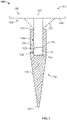
FIG. 1 is a side elevational view of a joint prosthesis assembly according to an embodiment of the present disclosure. -
FIG. 2 is a side elevational view of joint component of the assembly ofFIG. 1 . -
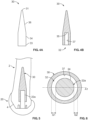
FIGs. 3A-3F are cross-sectional views of a boss of the joint component ofFIG. 2 according to various embodiments of the present disclosure. -
FIG. 4A is a side elevational view of an intramedullary stem of the assembly ofFIG. 1 . -
FIG. 4B is a cross-sectional view of the intramedullary stem ofFIG. 3A . -
FIG. 5 is a cutaway view of the joint prosthesis assembly ofFIG. 1 as implanted in a distal femur. -
FIG. 6 is a cross-sectional view of a boss of the joint component ofFIG. 2 within the intramedullary stem ofFIG. 3A . -
FIG. 7 is a cutaway view of a joint prosthesis assembly according to another embodiment of the present disclosure. - When referring to specific directions in the following discussion of certain implantable devices, it should be understood that such directions are described with regard to the implantable device's orientation and position during exemplary application to the human body. Thus, as used herein, the term "proximal" means close to the heart and the term "distal" means more distant from the heart. Also, as used herein, the terms "about," "generally" and "substantially" are intended to mean that slight deviations from absolute are included within the scope of the term so modified.
-
FIGs. 1-6 depict ajoint prosthesis assembly 10 according to an embodiment of the present disclosure.Assembly 10 generally includes ajoint component 20 and anintramedullary stem 30. -
Joint component 20, as shown, is a femoral component of a total knee prosthesis.Femoral component 20 includes anarticular side 26, abone contact side 28, and aboss 22a.Articular side 28 includescondyles 27 for articulating with a tibial component. Thebone contact side 28 includes a plurality of planar intersecting surfaces 29 which can include three, four, or five intersectingplanar surfaces 29, for example. However, in other embodiments,bone contact side 28 may include one or more curved surfaces or a combination of planar and curved surfaces. In addition,bone contact side 28 may include a porous structure configured to promote bone ingrowth. Alternatively,femoral component 20 may include corrugations or the like to aid in cement adherence. Thus,femoral component 20 can be configured to be press-fit or cemented to a distal femur. -
Boss 22a extends frombone contact side 28 to afree end 23 and is cylindrical. Thus, its cross-sectional shape is circular with a constant diameter along its length, as best shown inFIGs. 2 and 3A . In other words,boss 22a has a constant cross-sectional dimension along its entire length. However,boss 22a may not be cylindrical along its entire length but rather may be cylindrical along the majority of its length while being conical along a minority of its length. In other words,boss 22a may have a constant cross-sectional dimension along a majority of its length, and a tapering cross-sectional dimension along a minority of its length. It should be noted that that in such embodiment, the cylindrical portion (i.e., the constant dimension portion) extends from afree end 23 ofboss 22a to a junction with the conical portion (i.e., the tapering cross-sectional portion), while the conical portion may extend from the bone contact side offemoral component 20 to the junction. Such configuration allowsboss 22a to move unconstrained in an axial direction within anopening 32 ofstem 30 to promote subsidence and maximal force application at an end of the bone to prevent stress shielding. -
Boss 22a may also include one or more anti-rotation features extending along at least a portion of its length. For example,boss 22a may include one ormore splines 25, as shown inFIG.3B , that extend radially outwardly from a bossouter surface 24 while also extending axially along a length ofboss 22a. -
Boss 22a, however, may be constructed to have other cross-sectional shapes. For example, various shapes that can comprise the cross-sectional geometry ofboss 22a include an oval 22c (FIG. 3C ), astar 22d (FIG. 3D ), and a polygon, such as a square 22e (FIG. 3E ),triangle 22f (FIG. 3F ), and the like. Such stem shapes have inherent anti-rotation characteristics in that they each include at least one cross-sectional dimension greater than another within the same cross-sectional plane. Also, as explained further below, it is desirable that any one of thesebosses 22a-f be capable of sliding withinstem 30. Thus, it is preferable that the cross-sectional dimensions of eachboss 22a-f be constant along their respective lengths regardless of the cross-sectional shape selected. - In addition to
boss 22a, other features may extend frombone contact side 28. For example, one ormore pegs 21 may extend frombone contact side 28, as shown inFIG. 2 .Such pegs 21 may be inserted into corresponding openings in a bone to help prevent rotation offemoral component 20 relative to the bone. -
Stem 30 includes first and second ends 31, 33 and a length that extends therebetween. The length ofstem 30 is preferably 75 to 100 mm. In this regard, stem 30 is configured to be implanted into a metaphysis of a long bone and to extend from the metaphysis into the diaphysis of the bone. An exterior of stem defines a cylindrical portion 34 and aconical portion 36. However, in some embodiments, stem 30 may be conical along its entire length. The conical shape ofconical portion 36 forms a taper configured to be press-fit into an intramedullary canal of a bone. In some embodiments, stem 30 may have a porous structure on its exterior for bone ingrowth and/or may include a plurality of splines for anti-rotation. - An
inner surface 37 ofstem 30 defines ablind opening 32 that extends axially throughsecond end 33 ofstem 30 and terminates withinstem 30 at abase surface 35, as shown inFIG. 4B .Opening 32 has a shape complementary to that of any one ofbosses 22a-f offemoral component 20. Thus, in embodiments in which femoral component includescylindrical boss 22a, such as that shown inFIGs. 2 and 3A , opening 32 is correspondingly cylindrical. In other words, opening 32 may have a constant cross-sectional dimension along its entire length or along a majority of its length with a tapering cross-sectional dimension along a minority of its length. Similarly, where boss has any of the shapes shown inFIGs. 3B-3F , opening 32 has the same shape. However, opening 32 is slightly larger in cross-sectional dimension than that of thecorresponding boss 22a-f so that it can slide freely intoopening 32. In this regard, the cross-sectional dimension of opening 32 is such that a total transverse gap is formed betweeninner surface 37 ofstem 30 andouter surface 24 ofboss 22a-f that is no more than 2 mm. For example, as shown inFIG. 6 , opening ofstem 32 is sized relative toboss 22a such that gaps G1 and G2 betweenouter surface 24 ofboss 22a andinner surface 37 ofstem 30 along a transverse axis A1 creates a total gap Gtotal of a maximum 2 mm which is the sum of gaps G1 and G2. Thus, whenboss 22a is received withinopening 32,boss 22a is unconstrained in an axial direction while being constrained in a direction transverse to a longitudinal axis ofboss 22a. - A method of use is now described in the context of a revision procedure. In a revision procedure, a previously implanted femoral component is removed from a distal end of
bone 2.Bone 2 may then be prepared by cutting its distal end to correspond to thebone contact side 28 offemoral component 20. In addition, the intramedullary canal offemur 2 may be prepared by reaming, broaching, or the like to accommodatestem 30. - Once
bone 2 is prepared, stem 30 is inserted into the intramedullary canal in a press-fit manner which is facilitated by the conical taper ofstem 30. Thereafter,femoral component 20 is placed onto thedistal end femur 2 so thatbone contact side 28 seats ontofemur 2 either in a press-fit manner or via a layer of bone cement. Asfemoral component 20 is placed ontofemur 2,boss 22a is slid into opening 32 of stem as shown inFIGs. 5 and 6 . Due to the corresponding geometries ofboss 22a and stemopening 32,boss 22a axially slides into opening so that it is not constrained from axial movement. This allowsfemoral component 20 to fully seat onfemur 2 and for axial loads applied tofemoral component 2 to be transferred to the distal femur throughbone contact side 28 ofcomponent 20. However, stem 30 constrainsboss 22a in a transverse direction relative to a longitudinal axis ofboss 22a. Thus, loads that act transverse toboss 22a during normal functioning of a knee joint are shared byfemoral component 20 andstem 30. -
FIG. 7 depicts anotherjoint prosthesis assembly 100. For ease of review, like elements will be accorded like reference numerals to that ofjoint prosthesis assembly 10 but within the 100-series of numbers. For instance,joint prosthesis assembly 100 includes ajoint component 120 with aboss 122a and astem 130 with a complementary opening defined by aninner surface 131 as previously described. In this regard,boss 122a ofjoint component 120 is axially slidable withinstem 130 while being constrained in a transverse direction. However,assembly 100 also differs fromassembly 10 in thatjoint component 120 is a tibial component and, more specifically, a tibial baseplate.Tibial baseplate 120 generally includes anarticular side 126 and abone contact side 128.Articular side 126 ofbaseplate 120 includes atray 127 configured to receive a polymer insert, as known in the art, for articulation with a femoral component, such asfemoral component 20. In addition,bone contact side 128 of baseplate includes aplanar surface 129 that may include a porous structure for bone ingrowth. Alternatively,tibial component 120 may include corrugations or the like to aid in cement adherence. Thus,tibial component 120 can be configured to be press-fit or cemented to a distal femur. Additionally,tibial component 120 may include one ormore keels 121 extending therefrom for anti-rotation within a bone, as shown. - In use, just as with
assembly 10, stem 130 is first implanted into a proximal tibia and thentibial component 120 is implanted so thatbaseplate 120 fully seats on a proximal tibial plateau whileboss 122a slidably extends within the opening ofstem 130. In this regard, axial loads applied tobaseplate 120 can be fully transferred to the underlying bone while transverse loads are alleviated bystem 130. - Although the embodiments described herein are exemplified in the form of a femoral component and tibial component of a total knee prosthesis, it should be understood that principles described herein can be applied to joint prostheses of various kinds, such as a hip, shoulder, and ankle prostheses.
- Although the invention herein has been described with reference to particular embodiments, it is to be understood that these embodiments are merely illustrative of the principles and applications of the present invention. It is therefore to be understood that numerous modifications may be made to the illustrative embodiments and that other arrangements may be devised without departing from the spirit and scope of the present invention as defined by the appended claims.
Claims (14)
- A joint prosthesis assembly (10, 100), comprising:a stem (30, 130) having a first end (31, 131), a second end (33, 133), and a length extending between the first and second ends (31, 131,33, 133), the stem (30) having an opening (32, 132) extending into the second end (33, 133) along a portion of the length of the stem (30, 130) and terminating within the stem (30, 130) so as to form a base surface (35, 135) defining an end of the opening (32, 132), the opening (32, 132) having a constant cross-sectional dimension extending along a majority of its length from the second end (33, 133) of the stem (30, 130) toward the base surface (35, 135); anda joint component (20, 120) having an articular side (26, 126), a bone contact side (28, 128), and a boss (22a, 122a) extending from the bone contact side (28, 128) of the joint component (20, 120) to a free end (23, 123) of the boss (22a, 122a), the boss (22a, 122a) having a constant cross-sectional dimension along a majority of its length and being slidingly receivable within the opening (32, 132) of the stem (30, 130),wherein, when the stem (30, 130) and the joint component (20, 120) are implanted, the boss (22a, 122a) is unconstrained in an axial direction within the opening (32, 132) and constrained by an inner surface (37, 137) of the stem (32, 132) in a direction transverse to the axial direction.
- The joint prosthesis assembly (10, 100) of claim 1, wherein the joint component (20, 120) is a femoral component (20), and the articular side (28) includes lateral and medial condylar portions (27).
- The joint prosthesis assembly (10, 100) as in claim 2, wherein the bone contact side (28) includes a plurality of intersecting planar surfaces (29).
- The joint prosthesis assembly (10, 100) as in any preceding claim, wherein the bone contact side (28, 128) includes a porous structure configured to promote bone ingrowth.
- The joint prosthesis assembly (10, 100) as in any preceding claim, wherein the stem (30, 130) has a length of 75 to 150 mm.
- The joint prosthesis assembly (10, 100) as in any preceding claim, wherein the stem (30, 130) has a porous exterior.
- The joint prosthesis assembly (10, 100) as in any preceding claim, wherein the stem (30, 130) has conical portion (36, 136) and a cylindrical portion (34, 134), the conical portion (36, 136) defining the first end (31, 131), the cylindrical portion (34, 134) defining the second end (33, 133).
- The joint prosthesis assembly (10, 100) as in any preceding claim, wherein the joint component (20, 120) is a tibial component (120), and the articular side (126) includes a tray (127) configured to receive a tibial insert.
- The joint prosthesis assembly (10, 100) as in claim 8, wherein the bone contact side (128) of the tibial component (120) includes a planar surface (129) and keels (121) extending therefrom.
- The joint prosthesis assembly (10, 100) as in any preceding claim, wherein an inner surface (37, 137) of the stem (30, 130) defines the opening (32, 132), and a total gap (Gtotal) between the inner surface (37, 137) and the boss (22a, 122a) is no more than 2 mm.
- The joint prosthesis assembly (10, 100) as in any preceding claim, wherein the stem (30, 130) and the boss (22a, 122a) each include a complementary anti-rotation characteristic (25, 22c-f) at their respective outer and inner surfaces (24, 124, 37, 137) that are configured to engage each other to prevent rotation of the stem (30, 130) and boss (22a, 122a) relative to each other while permitting axial movement therebetween.
- The joint prosthesis assembly (10, 100) of claim 11, wherein the anti-rotation characteristic (25, 22c-f) of the boss (22a, 122a) includes one or more splines (25) extending radially outwardly from a boss outer surface (24, 124) while also extending axially along a length of the boss (22a, 122a).
- The joint prosthesis assembly (10, 100) as of any of the preceding claims, wherein the opening (32, 132) of the stem (30, 130) and the boss (22a, 122a) each have a cylindrical cross-sectional geometry.
- The joint prosthesis assembly (10, 100) as of any of claims 1-12, wherein the opening (32, 132) of the stem (30, 130) and the boss (22a, 122a) each have a cross-sectional geometry of one of oval (22c), star (22d), square (22e), and triangle (22f).
Applications Claiming Priority (1)
| Application Number | Priority Date | Filing Date | Title |
|---|---|---|---|
| US202163228757P | 2021-08-03 | 2021-08-03 |
Publications (1)
| Publication Number | Publication Date |
|---|---|
| EP4129241A1 true EP4129241A1 (en) | 2023-02-08 |
Family
ID=82786297
Family Applications (1)
| Application Number | Title | Priority Date | Filing Date |
|---|---|---|---|
| EP22188577.5A Pending EP4129241A1 (en) | 2021-08-03 | 2022-08-03 | Dynamic bone loading total knee arthroplasty |
Country Status (3)
| Country | Link |
|---|---|
| US (1) | US20230040129A1 (en) |
| EP (1) | EP4129241A1 (en) |
| AU (1) | AU2022211796A1 (en) |
Citations (11)
| Publication number | Priority date | Publication date | Assignee | Title |
|---|---|---|---|---|
| DE7634751U1 (en) * | 1976-11-02 | 1977-05-05 | Omar-Pacha, Nabil, Dr.Dr., 3470 Hoexter | Knee joint prosthesis |
| EP0220803A2 (en) * | 1985-09-16 | 1987-05-06 | Dow Corning Corporation | Multiple component hip femoral prosthesis |
| US4911719A (en) * | 1987-02-09 | 1990-03-27 | Dow Corning Corporation | Joint prosthesis |
| US4950298A (en) * | 1988-04-08 | 1990-08-21 | Gustilo Ramon B | Modular knee joint prosthesis |
| US5061271A (en) * | 1989-02-27 | 1991-10-29 | Boehringer Mannheim Corporation | Tool for separating components of a modular joint prosthesis |
| US5658344A (en) * | 1995-12-29 | 1997-08-19 | Johnson & Johnson Professional, Inc. | Tibial insert reinforcement pin |
| EP0806921B1 (en) * | 1995-01-31 | 2003-01-29 | SMITH & NEPHEW, INC. | Tibial prosthesis |
| US20030139818A1 (en) * | 2002-01-18 | 2003-07-24 | Rogers James R. | Adjustable long bone prosthesis |
| US9498343B2 (en) * | 2014-07-25 | 2016-11-22 | Russell Nevins | Implant system for knee prosthesis |
| US20170189196A1 (en) * | 2015-01-15 | 2017-07-06 | DePuy Synthes Products, Inc. | Modular reverse shoulder orthopaedic implant and method of implanting the same |
| US9918842B1 (en) * | 2009-12-16 | 2018-03-20 | Signal Medical Corporation | Knee system |
Family Cites Families (4)
| Publication number | Priority date | Publication date | Assignee | Title |
|---|---|---|---|---|
| US4301553A (en) * | 1975-08-15 | 1981-11-24 | United States Surgical Corporation | Prosthetic knee joint |
| US4352212A (en) * | 1979-03-05 | 1982-10-05 | Howmedica, Inc. | Joint prosthesis |
| WO2012021764A2 (en) * | 2010-08-13 | 2012-02-16 | Smith & Nephew, Inc. | Orthopaedic implants and methods |
| AU2019203591B2 (en) * | 2018-05-25 | 2024-11-14 | Howmedica Osteonics Corp. | Variable thickness femoral augments |
-
2022
- 2022-08-01 US US17/878,499 patent/US20230040129A1/en not_active Abandoned
- 2022-08-02 AU AU2022211796A patent/AU2022211796A1/en active Pending
- 2022-08-03 EP EP22188577.5A patent/EP4129241A1/en active Pending
Patent Citations (11)
| Publication number | Priority date | Publication date | Assignee | Title |
|---|---|---|---|---|
| DE7634751U1 (en) * | 1976-11-02 | 1977-05-05 | Omar-Pacha, Nabil, Dr.Dr., 3470 Hoexter | Knee joint prosthesis |
| EP0220803A2 (en) * | 1985-09-16 | 1987-05-06 | Dow Corning Corporation | Multiple component hip femoral prosthesis |
| US4911719A (en) * | 1987-02-09 | 1990-03-27 | Dow Corning Corporation | Joint prosthesis |
| US4950298A (en) * | 1988-04-08 | 1990-08-21 | Gustilo Ramon B | Modular knee joint prosthesis |
| US5061271A (en) * | 1989-02-27 | 1991-10-29 | Boehringer Mannheim Corporation | Tool for separating components of a modular joint prosthesis |
| EP0806921B1 (en) * | 1995-01-31 | 2003-01-29 | SMITH & NEPHEW, INC. | Tibial prosthesis |
| US5658344A (en) * | 1995-12-29 | 1997-08-19 | Johnson & Johnson Professional, Inc. | Tibial insert reinforcement pin |
| US20030139818A1 (en) * | 2002-01-18 | 2003-07-24 | Rogers James R. | Adjustable long bone prosthesis |
| US9918842B1 (en) * | 2009-12-16 | 2018-03-20 | Signal Medical Corporation | Knee system |
| US9498343B2 (en) * | 2014-07-25 | 2016-11-22 | Russell Nevins | Implant system for knee prosthesis |
| US20170189196A1 (en) * | 2015-01-15 | 2017-07-06 | DePuy Synthes Products, Inc. | Modular reverse shoulder orthopaedic implant and method of implanting the same |
Also Published As
| Publication number | Publication date |
|---|---|
| AU2022211796A1 (en) | 2023-02-23 |
| US20230040129A1 (en) | 2023-02-09 |
Similar Documents
| Publication | Publication Date | Title |
|---|---|---|
| US11648127B2 (en) | Method and system including sleeves and broaches for surgically preparing the patient's bone | |
| AU2018204287B2 (en) | Femoral knee prosthesis system with augments and multiple lengths of sleeves sharing common geometry | |
| US6139584A (en) | Proximal femoral sleeve for a revision hip prosthesis | |
| EP2664301B1 (en) | Prosthesis kit with finned sleeve | |
| US9237953B2 (en) | Mechanical assembly of pegs to prosthesis | |
| US8100982B2 (en) | Modular diaphyseal and collar implant | |
| EP2710979A1 (en) | Modular knee prosthesis system | |
| AU2018204289B2 (en) | Modular knee prosthesis with multiple lengths of sleeves sharing a common geometry | |
| US7494509B1 (en) | Method and apparatus for providing a short-stemmed hip prosthesis | |
| AU2970195A (en) | Proximal conical stem | |
| US20230040129A1 (en) | Dynamic Bone Loading TKA | |
| AU2014201526B2 (en) | Mechanical assembly of titanium foam pegs |
Legal Events
| Date | Code | Title | Description |
|---|---|---|---|
| PUAI | Public reference made under article 153(3) epc to a published international application that has entered the european phase |
Free format text: ORIGINAL CODE: 0009012 |
|
| STAA | Information on the status of an ep patent application or granted ep patent |
Free format text: STATUS: REQUEST FOR EXAMINATION WAS MADE |
|
| 17P | Request for examination filed |
Effective date: 20220803 |
|
| AK | Designated contracting states |
Kind code of ref document: A1 Designated state(s): AL AT BE BG CH CY CZ DE DK EE ES FI FR GB GR HR HU IE IS IT LI LT LU LV MC MK MT NL NO PL PT RO RS SE SI SK SM TR |
|
| RAP3 | Party data changed (applicant data changed or rights of an application transferred) |
Owner name: HOWMEDICA OSTEONICS CORP. |
|
| STAA | Information on the status of an ep patent application or granted ep patent |
Free format text: STATUS: EXAMINATION IS IN PROGRESS |
|
| 17Q | First examination report despatched |
Effective date: 20241017 |
|
| STAA | Information on the status of an ep patent application or granted ep patent |
Free format text: STATUS: THE APPLICATION IS DEEMED TO BE WITHDRAWN |