EP4122861A1 - Elevator control device, elevator control method, and elevator control program - Google Patents
Elevator control device, elevator control method, and elevator control program Download PDFInfo
- Publication number
- EP4122861A1 EP4122861A1 EP20937615.1A EP20937615A EP4122861A1 EP 4122861 A1 EP4122861 A1 EP 4122861A1 EP 20937615 A EP20937615 A EP 20937615A EP 4122861 A1 EP4122861 A1 EP 4122861A1
- Authority
- EP
- European Patent Office
- Prior art keywords
- floor
- elevator
- elevator user
- exercise
- user
- Prior art date
- Legal status (The legal status is an assumption and is not a legal conclusion. Google has not performed a legal analysis and makes no representation as to the accuracy of the status listed.)
- Granted
Links
Images




Classifications
-
- B—PERFORMING OPERATIONS; TRANSPORTING
- B66—HOISTING; LIFTING; HAULING
- B66B—ELEVATORS; ESCALATORS OR MOVING WALKWAYS
- B66B1/00—Control systems of elevators in general
- B66B1/34—Details, e.g. call counting devices, data transmission from car to control system, devices giving information to the control system
- B66B1/46—Adaptations of switches or switchgear
- B66B1/52—Floor selectors
-
- B—PERFORMING OPERATIONS; TRANSPORTING
- B66—HOISTING; LIFTING; HAULING
- B66B—ELEVATORS; ESCALATORS OR MOVING WALKWAYS
- B66B5/00—Applications of checking, fault-correcting, or safety devices in elevators
- B66B5/0006—Monitoring devices or performance analysers
- B66B5/0012—Devices monitoring the users of the elevator system
-
- B—PERFORMING OPERATIONS; TRANSPORTING
- B66—HOISTING; LIFTING; HAULING
- B66B—ELEVATORS; ESCALATORS OR MOVING WALKWAYS
- B66B1/00—Control systems of elevators in general
- B66B1/02—Control systems without regulation, i.e. without retroactive action
- B66B1/06—Control systems without regulation, i.e. without retroactive action electric
- B66B1/14—Control systems without regulation, i.e. without retroactive action electric with devices, e.g. push-buttons, for indirect control of movements
-
- B—PERFORMING OPERATIONS; TRANSPORTING
- B66—HOISTING; LIFTING; HAULING
- B66B—ELEVATORS; ESCALATORS OR MOVING WALKWAYS
- B66B1/00—Control systems of elevators in general
- B66B1/24—Control systems with regulation, i.e. with retroactive action, for influencing travelling speed, acceleration, or deceleration
- B66B1/2408—Control systems with regulation, i.e. with retroactive action, for influencing travelling speed, acceleration, or deceleration where the allocation of a call to an elevator car is of importance, i.e. by means of a supervisory or group controller
-
- B—PERFORMING OPERATIONS; TRANSPORTING
- B66—HOISTING; LIFTING; HAULING
- B66B—ELEVATORS; ESCALATORS OR MOVING WALKWAYS
- B66B1/00—Control systems of elevators in general
- B66B1/34—Details, e.g. call counting devices, data transmission from car to control system, devices giving information to the control system
- B66B1/3415—Control system configuration and the data transmission or communication within the control system
- B66B1/3423—Control system configuration, i.e. lay-out
-
- B—PERFORMING OPERATIONS; TRANSPORTING
- B66—HOISTING; LIFTING; HAULING
- B66B—ELEVATORS; ESCALATORS OR MOVING WALKWAYS
- B66B1/00—Control systems of elevators in general
- B66B1/34—Details, e.g. call counting devices, data transmission from car to control system, devices giving information to the control system
- B66B1/46—Adaptations of switches or switchgear
- B66B1/468—Call registering systems
-
- B—PERFORMING OPERATIONS; TRANSPORTING
- B66—HOISTING; LIFTING; HAULING
- B66B—ELEVATORS; ESCALATORS OR MOVING WALKWAYS
- B66B2201/00—Aspects of control systems of elevators
- B66B2201/10—Details with respect to the type of call input
- B66B2201/104—Call input for a preferential elevator car or indicating a special request
-
- B—PERFORMING OPERATIONS; TRANSPORTING
- B66—HOISTING; LIFTING; HAULING
- B66B—ELEVATORS; ESCALATORS OR MOVING WALKWAYS
- B66B2201/00—Aspects of control systems of elevators
- B66B2201/20—Details of the evaluation method for the allocation of a call to an elevator car
- B66B2201/22—Secondary evaluation criteria
-
- B—PERFORMING OPERATIONS; TRANSPORTING
- B66—HOISTING; LIFTING; HAULING
- B66B—ELEVATORS; ESCALATORS OR MOVING WALKWAYS
- B66B2201/00—Aspects of control systems of elevators
- B66B2201/40—Details of the change of control mode
- B66B2201/405—Details of the change of control mode by input of special passenger or passenger group
Definitions
- the present disclosure relates to travel of an elevator.
- Patent Literature 1 There is a technology to encourage elevator users to use stairs and promote exercise among the elevator users (for example, Patent Literature 1).
- Patent Literature 1 discloses a technology for determining whether or not an elevator user is an able-bodied person and encouraging the use of stairs if the elevator user is an able-bodied person.
- Patent Literature 1 JP 6364366 B2
- Patent Literature 1 The technology of Patent Literature 1 is intended to promote exercise among the elevator users, but the degree to which the exercise is required differs for each elevator user. Therefore, it is desirable to adjust the number of floors for which the stairs are used depending on the necessity degree of exercise of the elevator user.
- Patent Literature 1 has a problem in that the number of floors for the elevator user to use the stairs is fixed (for example, single floor travel) and in that it is not feasible to adjust the number of floors for which the stairs are used and the direction to which the stairs are used depending on the necessity degree of exercise of the elevator user.
- the present disclosure mainly aims to solve the above-described problem. More specifically, the present disclosure mainly aims to adjust the number of floors for which an inter-floor travel means such as stairs is used and the direction to which the inter-floor travel means is used depending on the necessity degree of exercise of an elevator user.
- An elevator control apparatus includes:
- Fig. 1 illustrates a configuration example of an elevator system according to the present embodiment.
- an elevator system which is provided in a building provided with stairs as an inter-floor travel means other than an elevator.
- the inter-floor travel means is a means provided to let a user travel between floors.
- a slope, an escalator, and the like are considered in addition to the stairs.
- the stairs will be described as an example of the inter-floor travel means.
- the building is a ten-story building.
- An elevator 50 travels from a first floor to a tenth floor of the building. Further, an elevator control apparatus 10 is installed in the elevator 50. The elevator control apparatus 10 controls travel of the elevator 50.
- Fig. 1 illustrates only the first floor, a sixth floor, a seventh floor, and a ninth floor.
- a door 101 On the first floor, there are a door 101, stairs 102, a surveillance camera 103, and a beacon 104.
- the door 101 remains closed before the elevator 50 arrives at the first floor.
- the door 101 opens.
- the stairs 102 are stairs for ascending to a second floor.
- the surveillance camera 103 captures an elevator user (hereinafter, simply referred to as a user) who is on the first floor.
- the beacon 104 communicates with a mobile terminal device (for example, a smart phone) held by the elevator user on the first floor.
- the seventh floor, and the ninth floor there are a door 601, a door 701, and a door 901, respectively.
- Each of the door 601, the door 701, and the door 901 is the same as the door 101.
- the stairs 602 are stairs for descending to a fifth floor and for ascending to the seventh floor.
- the stairs 702 are stairs for descending to the sixth floor and for ascending to an eighth floor.
- the stairs 902 are stairs for descending to the eighth floor and for ascending to the tenth floor.
- Each of the surveillance camera 603, the surveillance camera 703, and the surveillance camera 903 is the same as the surveillance camera 103.
- each of the beacon 604, the beacon 704, and the beacon 904 is the same as the beacon 104.
- the elevator control apparatus 10 determines the exercise necessity degree of the elevator user.
- the exercise necessity degree is a degree to which the elevator user needs to exercise.
- the elevator control apparatus 10 stores a stairs-usage floor number for each level of exercise necessity degree.
- the stairs-usage floor number is expressed like “1 up/2 down”.
- “Up” represents the maximum number of ascending floors which is the maximum number of floors to let the elevator user ascend the stairs.
- Down represents the maximum number of descending floors which is the maximum number of floors to let the elevator user descend the stairs.
- “1 up/2 down” means that the maximum number of ascending floors is 1 floor and the maximum number of descending floors is 2 floors.
- the elevator control apparatus 10 changes based on the exercise necessity degree of the elevator user, at least one of the boarding floor and the alighting floor of the elevator from a floor that the elevator user prefers to another floor so as to let the elevator user use the stairs before the elevator user reaches a destination floor to which the elevator user intends to go. More specifically, the elevator control apparatus 10 changes at least one of the boarding floor and the alighting floor within the range of the stairs-usage floor number corresponding to the exercise necessity degree of the elevator user.
- the stairs-usage floor number corresponding to the exercise necessity degree of the elevator user is "1 up/2 down".
- the elevator control apparatus 10 changes either the boarding floor or the alighting floor.
- the elevator control apparatus 10 keeps the boarding floor as the first floor and changes the alighting floor to the sixth floor.
- the elevator user who has gotten off the elevator 50 on the sixth floor uses the stairs to the seventh floor. In this case, the condition of "1 up" is satisfied.
- the elevator control apparatus 10 keeps the boarding floor as the first floor and may change the alighting floor to the ninth floor.
- the elevator user who has gotten off the elevator 50 on the ninth floor uses the stairs to the seventh floor. In this case, the condition of "2 down" is satisfied.
- Fig. 2 illustrates a hardware configuration example of the elevator control apparatus 10 according to the present embodiment.
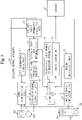
- Fig. 3 illustrates a functional configuration example of the elevator control apparatus 10 according to the present embodiment.
- the elevator control apparatus 10 is a computer.
- the operation procedure of the elevator control apparatus 10 is equivalent to an elevator control method.
- a program which realizes operations of the elevator control apparatus 10 is equivalent to an elevator control program.
- the elevator control apparatus 10 includes a processor 1001, a main storage device 1002, an auxiliary storage device 1003, and a communication device 1004, as pieces of hardware.
- the elevator control apparatus 10 includes a user identification unit 11, a destination-floor extraction unit 12, an exercise necessity degree determination unit 13, a floor decision unit 14, a change request acquisition unit 15, a user information storage unit 16, a destination-floor information storage unit 17, an activity amount information acquisition unit 18, a stairs-usage floor number information storage unit 19, and a travel control unit 20, as a functional configuration.
- the auxiliary storage device 1003 stores programs which realize functions of the user identification unit 11, the destination-floor extraction unit 12, the exercise necessity degree determination unit 13, the floor decision unit 14, the change request acquisition unit 15, the activity amount information acquisition unit 18, and the travel control unit 20.
- These programs are loaded from the auxiliary storage device 1003 into the main storage device 1002. Then, the processor 1001 executes these programs and performs operations of the user identification unit 11, the destination-floor extraction unit 12, the exercise necessity degree determination unit 13, the floor decision unit 14, the change request acquisition unit 15, the activity amount information acquisition unit 18, and the travel control unit 20 to be described below.
- Fig. 2 schematically illustrates a state where the processor 1001 executes the programs which realize the functions of the user identification unit 11, the destination-floor extraction unit 12, the exercise necessity degree determination unit 13, the floor decision unit 14, the change request acquisition unit 15, the activity amount information acquisition unit 18, and the travel control unit 20.
- the user information storage unit 16, the destination-floor information storage unit 17, and the stairs-usage floor number information storage unit 19 are realized by the main storage device 1002 or the auxiliary storage device 1003.
- the user identification unit 11 identifies the elevator user.
- the user identification unit 11 acquires from the surveillance camera 103, a face image of the elevator user captured by the surveillance camera 103. Further, the user identification unit 11 acquires user information from the user information storage unit 16. The user information stores identification information for identifying the elevator user (for example, the face image and a telephone number).
- the user identification unit 11 identifies the elevator user by collating the face image of the elevator user with the user information. Further, the user identification unit 11 identifies the floor on which the surveillance camera 103 that has acquired the face image of the elevator user is placed (the first floor) as the floor on which the elevator user is currently located.
- Fig. 3 illustrates an example in which the user identification unit 11 acquires the face image of the elevator user from the surveillance camera 103 placed on the first floor.
- the user identification unit 11 may also acquire the face image of the elevator user from a surveillance camera on another floor.
- the user identification unit 11 acquires form a mobile terminal device (for example, a smart phone), an identifier of the beacon 104 acquired by the mobile terminal device and an identifier of the mobile terminal device (for example, a telephone number). Then, the user identification unit 11 identifies the elevator user by collating the identifier of the mobile terminal device of the elevator user with the user information. Further, the user identification unit 11 identifies the floor on which the elevator user is currently located (for example, the first floor) with using the identifier of the beacon 104.
- a mobile terminal device for example, a smart phone
- an identifier of the beacon 104 acquired by the mobile terminal device
- an identifier of the mobile terminal device for example, a telephone number
- the user identification unit 11 notifies the destination-floor extraction unit 12 of the identified elevator user. Further, the user identification unit 11 notifies the destination-floor extraction unit 12 and the exercise necessity degree determination unit 13 of the floor on which the elevator user is currently located (for example, the first floor).
- the destination-floor extraction unit 12 extracts the destination floor to which the elevator user notified of by the user identification unit 11 intends to go.
- the destination-floor extraction unit 12 acquires destination floor information from the destination-floor information storage unit 17.
- the destination floor information indicates the destination floor for each elevator user.
- the elevator user is assumed to perform routine travel. That is, in the present embodiment, the elevator user is assumed to routinely travel between the floor on which the entrance and exit of the building is located (for example, the first floor) and the floor on which an office where the elevator user works at is located (for example, the seventh floor). Therefore, the floor on which the entrance and the exit of the building is located (for example, the first floor) and the floor on which the office where the elevator user works at is located (for example, the seventh floor) are described in the destination floor information as destination floors.
- the destination-floor extraction unit 12 acquires the destination floor information from a floor display 105 to be described below. In the following, an example in which the elevator user performs the routine travel will be described.
- the destination-floor extraction unit 12 extracts by referring to the destination floor information, the destination floor to which the elevator user notified of by the user identification unit 11 intends to go.
- the destination-floor extraction unit 12 notifies the floor decision unit 14 of the floor on which the elevator user is currently located and the destination floor to which the elevator user intends to go.
- the floor on which the elevator user is currently located and the destination floor to which the elevator user intends to go are the boarding floor and the alighting floor that the elevator user prefers.
- the exercise necessity degree determination unit 13 determines the exercise necessity degree of the elevator user notified of by the user identification unit 11.
- the exercise necessity degree determination unit 13 acquires from the activity amount information acquisition unit 18, activity amount information of the elevator user notified of by the user identification unit 11.
- the activity amount information indicates the activity amount of the elevator user.
- the activity amount is, for example, an energy consumption, the number of steps, or the like.
- the exercise necessity degree determination unit 13 determines the exercise necessity degree based on the activity amount of the elevator user.
- the exercise necessity degree determination unit 13 determines the exercise necessity degree on four levels from 0 to 3. It is assumed that the exercise necessity degree: 0 is the lowest necessity degree of exercise and the exercise necessity degree: 3 is the highest necessity degree of exercise.
- the exercise necessity degree determination unit 13 notifies the floor decision unit 14 of the determined exercise necessity degree.
- the process performed by the exercise necessity degree determination unit 13 is equivalent to an exercise necessity degree determination process.
- the floor decision unit 14 decides the boarding floor and the alighting floor for the elevator user.
- the floor decision unit 14 acquires stairs-usage floor number information from the stairs-usage floor number information storage unit 19. Then, the floor decision unit 14 obtains the stairs-usage floor number by collating the exercise necessity degree with the stairs-usage floor number information.
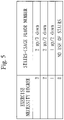
- Fig. 5 illustrates an example of the stairs-usage floor number information.
- the stairs-usage floor number information indicates the stairs-usage floor number for each exercise necessity degree.
- the floor decision unit 14 extracts from the stairs-usage floor number information, the stairs-usage floor number corresponding to the exercise necessity degree of the elevator user notified of by the exercise necessity degree determination unit 13.
- the floor decision unit 14 changes at least one of the boarding floor and the alighting floor of the elevator 50 within the range of the extracted stairs-usage floor number, from a floor that the elevator user prefers to another floor so as to let the elevator user use the stairs before reaching the destination floor.
- the floor decision unit 14 changes at least one of the boarding floor and the alighting floor from the floor that the elevator user prefers to another floor so as to let the elevator user with the higher exercise necessity degree use stairs more.
- the floor decision unit 14 for example, notifies the elevator user of the changed boarding floor and/or the changed alighting floor by lighting up the floor display 105 corresponding to the decided boarding floor and alighting floor among the floor display 105 included in an information board 106 provided at an elevator platform. For example, as explained with using Fig. 1 , when the floor decision unit 14 changes the alighting floor from the seventh floor to the sixth floor, the floor decision unit 14 lights up the floor display 105 corresponding to the sixth floor. The floor decision unit 14 may notify the elevator user of the changed boarding floor and/or the changed alighting floor in other ways.
- the destination-floor extraction unit 12 notifies the user information storage unit 16 of the decided boarding floor and alighting floor.
- the floor decision unit 14 changes at least one of the boarding floor and the alighting floor to the floor that the elevator user prefers.
- the process performed by the floor decision unit 14 is equivalent to a floor decision process.
- the change request acquisition unit 15 acquires from the elevator user, a change request to change at least one of the boarding floor and the alighting floor. That is, when the elevator user does not accept at least one of the boarding floor and the alighting floor decided by the floor decision unit 14, the elevator user requests to change at least one of the boarding floor and the alighting floor.
- the change request acquisition unit 15 acquires such change requests.
- the elevator user for example, presses the floor display 105 corresponding to the requested boarding floor and/or alighting floor. For example, as explained with using Fig.
- the elevator user presses the floor display 105 corresponding to the seventh floor.
- the change request acquisition unit 15 acquires the change request to the seventh floor by a press on the floor display 105 corresponding to the seventh floor.
- the change request acquisition unit 15 outputs the change request to the floor decision unit 14.
- the user information storage unit 16 sores the user information described above.
- the destination-floor information storage unit 17 stores the destination floor information described above.
- the activity amount information acquisition unit 18 acquires the activity amount information.
- the activity amount information acquisition unit 18 acquires from a mobile terminal device (for example, a smart phone), the activity amount information indicating, for example, an energy consumption of the elevator user. Further, when the building is provided with an activity amount estimation system to estimate the activity amount of the elevator user, the activity amount information acquisition unit 18 may acquire the activity amount information indicating the activity amount estimated by the activity amount estimation system.
- a mobile terminal device for example, a smart phone
- the activity amount information acquisition unit 18 may acquire the activity amount information indicating the activity amount estimated by the activity amount estimation system.
- the stairs-usage floor number information storage unit 19 stores the stairs-usage floor number information described above.
- the travel control unit 20 controls the travel of the elevator 50 so as to stop the elevator 50 at the boarding floor and the alighting floor notified of by the floor decision unit 14.
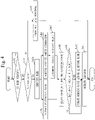
- Fig. 4 illustrates an operation example of the elevator control apparatus 10 according to the present embodiment.
- step S401 the user identification unit 11 determines whether or not the elevator user is present on any floor.
- the user identification unit 11 determines that the elevator user is present.
- the user identification unit 11 may determine the presence of the elevator user when obtaining from the mobile terminal device, an identifier of a beacon on any floor.
- step S402 the user identification unit 11 determines whether the user is alone or not.
- the user identification unit 11 determines that the user is alone when obtaining only one face image of the elevator user from the surveillance camera on the corresponding floor. Alternatively, the user identification unit 11 may determine that the user is alone when there is only one mobile terminal device that has sent the identifier of the beacon on the corresponding floor.
- step S404 the process proceeds to step S404.
- step S403 the floor decision unit 14 decides the boarding floor and the alighting floor with the usual procedure.
- the user identification unit 11 notifies the floor decision unit 14 that there are the several users, via the destination-floor extraction unit 12. Further, the user identification unit 11 notifies the floor decision unit 14 of the floor on which several elevator users are located (for example, the first floor), via the destination-floor extraction unit 12. The floor decision unit 14 decides the floor on which the several elevator users are located as the boarding floor. Then, the floor decision unit 14 notifies the travel control unit 20 of the boarding floor and the travel control unit 20 controls to direct the elevator 50 to the boarding floor. Further, when the elevator 50 reaches the boarding floor and a destination floor button in the elevator 50 is pressed by the elevator user, the floor decision unit 14 decides the floor on which the destination floor button is pressed as the alighting floor. Then, the floor decision unit 14 notifies the travel control unit 20 of the alighting floor and the travel control unit 20 controls to direct the elevator 50 to the alighting floor.
- step S404 the user identification unit 11 identifies the elevator user.
- the user identification unit 11 acquires the user information from the user information storage unit 16.
- the user identification unit 11 collates the face image of the elevator user with the user information and identifies the elevator user.
- the user identification unit 11 collates the identifier of the mobile terminal device with user identification information and identifies the elevator user.
- the user identification unit 11 notifies the destination-floor extraction unit 12 of the elevator user. Further, the user identification unit 11 notifies the destination-floor extraction unit 12 and the exercise necessity degree determination unit 13 of the floor on which the elevator user is currently located (for example, the first floor).
- the floor on which the elevator user is currently located is referred to as a location floor.
- step S405 the destination-floor extraction unit 12 extracts the destination floor.
- the destination-floor extraction unit 12 acquires the destination floor information from the destination-floor information storage unit 17.
- the destination-floor extraction unit 12 extracts the destination floor for the elevator user by collating the elevator user notified of by the user identification unit 11 with the destination floor information.
- the destination-floor extraction unit 12 notifies the floor decision unit 14 of the extracted destination floor and location floor.
- step S406 the activity amount information acquisition unit 18 acquires the activity amount information from the mobile terminal device or the activity amount estimation system.
- the exercise necessity degree determination unit 13 notifies the activity amount information acquisition unit 18 of the location floor.
- the location floor is the first floor.
- the activity amount information acquisition unit 18 acquires the activity amount information of the elevator user from the mobile terminal device on the first floor or the activity amount estimation system on the first floor. It is assumed that the mobile terminal device records the energy consumption, the number of steps, or the like of the elevator user as the activity amount.
- the activity amount information acquisition unit 18 outputs the acquired activity amount information to the exercise necessity degree determination unit 13.
- step S407 the exercise necessity degree determination unit 13 determines the exercise necessity degree of the elevator user based on the activity amount information.
- the exercise necessity degree determination unit 13 can determine the exercise necessity degree by an achievement degree toward a target value of the activity amount, the achievement degree being indicated in the acquired activity amount information. Any method may be used to determine the exercise necessity degree.
- the exercise necessity degree determination unit 13 notifies the floor decision unit 14 of the exercise necessity degree.
- step S408 the floor decision unit 14 decides the boarding floor and the alighting floor for the elevator user based on the exercise necessity degree.
- the floor decision unit 14 acquires the stairs-usage floor number information from the stairs-usage floor number information storage unit 19. Then, the floor decision unit 14 obtains the stairs-usage floor number by collating the exercise necessity degree with the stairs-usage floor number information.
- the floor decision unit 14 decides the boarding floor and the alighting floor that are compatible with the stairs-usage floor number, within an on-board section between the destination floor and the location floor notified of by the destination-floor extraction unit 12.
- the floor decision unit 14 selects any one combination from the several combinations.
- the floor decision unit 14 notifies the elevator user of the boarding floor and the alighting floor by lighting up the floor display 105 corresponding to the decided boarding floor and alighting floor.
- step S409 the floor decision unit 14 determines whether or not the change request from the elevator user has been made within a certain period of time after the floor display 105 has been lightened up.
- the floor decision unit 14 determines that the change request has been made.
- the floor decision unit 14 notifies the travel control unit 20 of the boarding floor and the alighting floor, then the process proceeds to step S411.
- step S410 the floor decision unit 14 updates the boarding floor and/or the alighting floor to the floor that the elevator user prefers in response to the change request.
- the floor decision unit 14 When the floor decision unit 14 has changed the boarding floor to a floor other than the location floor and the elevator user prefers to change the boarding floor to the location floor, the floor decision unit 14 changes the boarding floor to the location floor that the elevator user prefers.
- the floor decision unit 14 changes the alighting floor to the destination floor that the elevator user prefers.
- the floor decision unit 14 notifies the travel control unit 20 of the eventual boarding floor and alighting floor.
- step S411 the travel control unit 20 controls to direct the elevator 50 to the boarding floor. Further, the user information storage unit 16 controls to direct the elevator 50 to the alighting floor.
- Fig. 6 illustrates patterns using the elevator first.
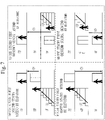
- Fig. 7 illustrates patterns using the stairs first.
- Fig. 6 (a) illustrates a pattern of ascending by the elevator first and then ascending the stairs to reach the destination floor.
- the floor decision unit 14 decides the first floor as the boarding floor and the sixth floor as the alighting floor (1 up).
- Fig. 6 (b) illustrates a pattern of ascending by the elevator first and then descending the stairs to reach the destination floor.
- the floor decision unit 14 decides the first floor as the boarding floor and the eighth floor as the alighting floor (1 down).
- Fig. 6 (c) illustrates a pattern of descending by the elevator first and then ascending the stairs to reach the destination floor.
- the floor decision unit 14 decides the seventh floor as the boarding floor and the first floor as the alighting floor (1 up).
- Fig. 6 (d) illustrates a pattern of descending by the elevator first and then descending the stairs to reach the destination floor.
- the floor decision unit 14 decides the seventh floor as the boarding floor and the second floor as the alighting floor (1 down).
- Fig. 7 (a) illustrates a pattern of ascending the stairs first and then ascending by the elevator to reach the destination floor.
- the floor decision unit 14 decides the second floor as the boarding floor (1 up) and the seventh floor as the alighting floor.
- Fig. 7 (b) illustrates a pattern of descending the stairs first and then ascending by the elevator to reach the destination floor.
- the floor decision unit 14 decides the first floor as the boarding floor (1 down) and the seventh floor as the alighting floor.
- Fig. 7 (c) illustrates a pattern of ascending the stairs first and then descending by the elevator to reach the destination floor.
- the floor decision unit 14 decides the seventh floor as the boarding floor (1 up) and the first floor as the alighting floor.
- Fig. 7 (d) illustrates a pattern of descending the stairs first, and then descending by the elevator to reach the destination floor.
- the floor decision unit 14 decides the sixth floor as the boarding floor (1 down) and the first floor as the alighting floor.
- the exercise necessity degree determination unit 13 determines the exercise necessity degree based on the activity amount being indicated in the activity amount information.
- the exercise necessity degree determination unit 13 may determine the exercise necessity degree, for example, based on a diagnosis by a doctor or the like, about the need for exercise for the elevator user.
- the elevator user when the boarding floor and/or the alighting floor is changed by the elevator control apparatus 10, the elevator user can change the changed boarding floor and/or the changed alighting floor back to the floor that the elevator user prefers. Therefore, the elevator user can choose to use the elevator in such an occasion that he/she does not want to use the stairs for health reasons, that he/she does not want to use the stairs because he/she is in a hurry, that he/she does not want to use the stairs because he/she has luggage, or the like.
- the floor decision unit 14 decides the boarding floor and the alighting floor based on a record of the elevator user accepting the changed boarding floor and/or the changed alighting floor in the past.
- Fig. 8 illustrates a functional configuration example of the elevator control apparatus 10 according to the present embodiment
- a record registration unit 21 is added in the elevator control apparatus 10.
- the record registration unit 21 is also realized by a program.
- the program which realizes a function of the record registration unit 21 is executed by the processor 1001 as with the user identification unit 11 and the like.
- the record registration unit 21 registers an acceptance record of the boarding floor and the alighting floor for each elevator user.
- Fig. 9 illustrates an example of acceptance record information managed in the record registration unit 21.
- the record registration unit 21 registers the number of times of approval, the number of times of disapproval, and the number of times of update for each combination of the boarding floor and the alighting floor as illustrated in Fig. 9 .
- the example of Fig. 9 illustrates the acceptance record of the elevator user with a user ID: AAA.
- the number of times of approval is the number of times that the elevator user has approved the combination of the boarding floor and the alighting floor decided by the floor decision unit 14 (the number of times that a change in the boarding floor and/or the alighting floor has not been requested).
- the number of times of disapproval is the number of times that the elevator user has disapproved the combination of the boarding floor and the alighting floor decided by the floor decision unit 14 (the number of times that a change in the boarding floor and/or the alighting floor has been requested).
- the number of times of update is the number of times that an update has been requested in the change request.
- AAA the on-board section of the elevator 50 for the user with the user ID: AAA is the first floor to the seventh floor.
- the number of times of approval is "5". Further, since the elevator user has disapproved the combination of "boarding floor: 1F” and “alighting floor: 6F” three times in the past and has requested to change it to another combination, the number of times of disapproval is "3". Further, since the elevator user has requested twice to change from another combination to the combination of "boarding floor: 1F" and "alighting floor: 6F", the number of times of update is "2".
- the floor decision unit 14 decides the boarding floor and the alighting floor based on the acceptance record of the elevator user about the boarding floor and the alighting floor. For example, the floor decision unit 14 selects a combination of the boarding floor and the alighting floor for which the number of times of acceptance is equal to or greater than a threshold value. The number of times of acceptance is assumed to be obtained by (the number of times of approval + the number of times of update). Further, the floor decision unit 14 may select a combination of the boarding floor and the alighting floor for which an acceptance probability is equal to or greater than a threshold value. The acceptance probability is assumed to be obtained by (the number of times of acceptance / (the number of times of acceptance + the number of times of disapproval)).
- Fig. 10 illustrates an operation example of the elevator control apparatus 10 according to the present embodiment
- steps S401 to S404 are the same as those illustrated in Fig. 4 , the descriptions will be omitted.
- step S421 the floor decision unit 14 determines whether or not there is the acceptance record information exemplified in Fig. 9 for the user identified in step S404.
- steps S405 to S408 are performed.
- Fig. 10 does not depict steps S405 to S408 for depiction convenience, however, "S405 to S408" in Fig. 10 means that steps S405 to S408 in Fig. 4 are performed.
- step S422 the floor decision unit 14 decides the boarding floor and the alighting floor based on the acceptance record.
- the floor decision unit 14 selects a combination of the boarding floor and the alighting floor for which the number of times of acceptance is equal to or greater than a threshold value.
- the floor decision unit 14 selects, for example, a combination for which the number of times of acceptance is highest.
- the floor decision unit 14 may select a combination with the highest stairs-usage floor number, from among combinations for which the number of times of acceptance is equal to or greater than the threshold value.
- the floor decision unit 14 may select a combination of the boarding floor and the alighting floor for which the acceptance probability is equal to or greater than a threshold value.
- the floor decision unit 14 selects, for example, a combination for which the acceptance probability is highest.
- the floor decision unit 14 may select a combination with the highest stairs-usage floor number, from among combinations for which the acceptance probability is equal to or greater than the threshold value.
- the floor decision unit 14 notifies the elevator user of the boarding floor and the alighting floor by lighting up the floor display 105 corresponding to the decided boarding floor and alighting floor in the same way as the first embodiment.
- step S409 and step S410 are the same as those illustrated in Fig. 4 , the descriptions will be omitted.
- step S423 the record registration unit 21 registers record information.
- the floor decision unit 14 notifies the record registration unit 21 of the boarding floor and the alighting floor decided in step 408 or step S422. Further, when the boarding floor and/or the alighting floor has been updated in step S410, the floor decision unit 14 notifies the record registration unit 21 of the eventual boarding floor and/or alighting floor.
- the floor decision unit 14 also notifies the record registration unit 21 of the user ID of the corresponding elevator user.
- the record registration unit 21 updates for the user ID notified of by the floor decision unit 14, the number of times of approval, the number of times of disapproval, and the number of times of update in the record information exemplified in Fig. 9 , in response to the combination of the boarding floor and the alighting floor notified of by the floor decision unit 14. Then, the updated record information is registered.
- step S411 is the same as that illustrated in Fig. 4 , the descriptions will be omitted.
- the elevator user does not have to perform any operation for the change request.
- the floor decision unit 14 may select a floor to which the floor that the elevator user prefers is changed, while giving priority to a record closer to the present in terms of a time axis among at least either of records of the elevator user accepting in the past and records of the elevator user not accepting in the past.
- the floor decision unit 14 records a history of date and time of acceptance for each combination of the boarding floor and the alighting floor and multiplies the acceptance probability by a coefficient inversely proportional to the elapsed time up to the present.
- the floor decision unit 14 weights the acceptance probability of the most recently accepted combination of the boarding floor and the alighting floor so as to relatively enlarge the acceptance probability of the most recently accepted combination of the boarding floor and the alighting floor.
- the floor decision unit 14 may perform such weighting for the acceptance probability depending on a time range of a day, a day of the week, or a season. Further, it is acceptable that the floor decision unit 14 does not refer to the record with the elapsed time up to the present being above a certain time so as not to refer to records older than a certain time.
- the floor decision unit 14 may choose a floor to which the floor that the elevator user prefers is changed, based on the record that the elevator user has accepted at least one of the changed boarding floor and the changed alighting floor and based on the number of floors for which the inter-floor travel means has been used with the changed boarding floor and the number of floors for which the inter-floor travel means has been used with the changed alighting floor. For example, the floor decision unit 14 selects a combination of the boarding floor and the alighting floor for which an expected value is equal to or greater than a threshold value, the expected value being obtained by multiplying the acceptance probability by the number of floors used.
- one of these two embodiments may be partially implemented.
- these two embodiments may be partially implemented in combination.
- an attribute for example, wheelchair
- an elevator user may always be able to go to the floor that the elevator user prefers by identify the elevator user, by setting the exercise necessity degree of the elevator user to 0 all the time, or the like.
- the exercise necessity degree is always determined to be 0 by setting the target value of the activity amount to 0.
- the processor 1001 illustrated in Fig. 2 is an IC (Integrated Circuit) that performs processing.
- the processor 1001 is a CPU (Central Processing Unit), a DSP (Digital Signal Processor), or the like.
- the main storage device 1002 illustrated in Fig. 2 is a RAM (Random Access Memory).
- the auxiliary storage device 1003 illustrated in Fig. 2 is a ROM (Read Only Memory), a flash memory, an HDD (Hard Disk Drive), or the like.
- the communication device 1004 illustrated in Fig. 2 is an electronic circuit that executes a communication process for data.
- the communication device 1004 is, for example, a communication chip or an NIC (Network Interface Card).
- auxiliary storage device 1003 also stores an OS (Operating System).
- OS Operating System
- the processor 1001 executes the programs which realize the functions of the user identification unit 11, the destination-floor extraction unit 12, the exercise necessity degree determination unit 13, the floor decision unit 14, the change request acquisition unit 15, the activity amount information acquisition unit 18, the travel control unit 20, and the record registration unit 21.
- processor 1001 By the processor 1001 executing the OS, task management, memory management, file management, communication control, and the like are performed.
- At least one of information, data, a signal vale, and a variable value that indicate results of processes of the user identification unit 11, the destination-floor extraction unit 12, the exercise necessity degree determination unit 13, the floor decision unit 14, the change request acquisition unit 15, the activity amount information acquisition unit 18, the travel control unit 20, and the record registration unit 21 is stored in at least one of the main storage device 1002, the auxiliary storage device 1003, and a register and a cache memory in the processor 1001.
- the programs which realize the functions of the user identification unit 11, the destination-floor extraction unit 12, the exercise necessity degree determination unit 13, the floor decision unit 14, the change request acquisition unit 15, the activity amount information acquisition unit 18, the travel control unit 20, and the record registration unit 21 may be stored in a portable recording medium such as a magnetic disk, a flexible disk, an optical disc, a compact disc, a Blu-ray (registered trademark) disc, a DVD. Then, the portable recording medium storing the program which realize the functions of the user identification unit 11, the destination-floor extraction unit 12, the exercise necessity degree determination unit 13, the floor decision unit 14, the change request acquisition unit 15, the activity amount information acquisition unit 18, the travel control unit 20, and the record registration unit 21 may be distributed.
- a portable recording medium such as a magnetic disk, a flexible disk, an optical disc, a compact disc, a Blu-ray (registered trademark) disc, a DVD.
- the "unit" of each of the user identification unit 11, the destination-floor extraction unit 12, the exercise necessity degree determination unit 13, the floor decision unit 14, the change request acquisition unit 15, the activity amount information acquisition unit 18, the travel control unit 20, and the record registration unit 21 may be read as a "circuit", “step”, “procedure”, or "process".
- the elevator control apparatus 10 may be realized by a processing circuit.
- the processing circuit is, for example, a logic IC (Integrated Circuit), a GA (Gate Array), an ASIC (Application Specific Integrated Circuit), or an FPGA (Field-Programmable Gate Array).
- processing circuitry a superordinate concept of the processor and the processing circuit.
- each of the processor and the processing circuit is a specific example of the "processing circuitry”.
- 10 elevator control apparatus; 11: user identification unit; 12: destination-floor extraction unit; 13: exercise necessity degree determination unit; 14: floor decision unit; 15: change request acquisition unit; 16: user information storage unit; 17: destination-floor information storage unit; 18: activity amount information acquisition unit; 19: stairs-usage floor number information storage unit; 20: travel control unit; 21: record registration unit; 50: elevator; 101: door; 102: stairs; 103: surveillance camera; 104: beacon; 105: floor display; 106: information board; 601: door; 602: stairs; 603: surveillance camera; 604: beacon; 701: door; 702: stairs; 703: surveillance camera; 704: beacon; 901: door; 902: stairs; 903: surveillance camera; 904: beacon; 1001: processor; 1002: main storage device; 1003: auxiliary storage device; 1004: communication device
Landscapes
- Engineering & Computer Science (AREA)
- Automation & Control Theory (AREA)
- Computer Networks & Wireless Communication (AREA)
- Elevator Control (AREA)
Abstract
Description
- The present disclosure relates to travel of an elevator.
- There is a technology to encourage elevator users to use stairs and promote exercise among the elevator users (for example, Patent Literature 1).
-
Patent Literature 1 discloses a technology for determining whether or not an elevator user is an able-bodied person and encouraging the use of stairs if the elevator user is an able-bodied person. - Patent Literature 1:
JP 6364366 B2 - The technology of
Patent Literature 1 is intended to promote exercise among the elevator users, but the degree to which the exercise is required differs for each elevator user. Therefore, it is desirable to adjust the number of floors for which the stairs are used depending on the necessity degree of exercise of the elevator user. - However, the technology of
Patent Literature 1 has a problem in that the number of floors for the elevator user to use the stairs is fixed (for example, single floor travel) and in that it is not feasible to adjust the number of floors for which the stairs are used and the direction to which the stairs are used depending on the necessity degree of exercise of the elevator user. - The present disclosure mainly aims to solve the above-described problem. More specifically, the present disclosure mainly aims to adjust the number of floors for which an inter-floor travel means such as stairs is used and the direction to which the inter-floor travel means is used depending on the necessity degree of exercise of an elevator user.
- An elevator control apparatus according to the present disclosure includes:
- an exercise necessity degree determination unit to determine an exercise necessity degree being a degree to which an elevator user needs to exercise, who uses an elevator provided in a building provided with an inter-floor travel means other than the elevator; and
- a floor decision unit to change based on the exercise necessity degree of the elevator user determined by the exercise necessity degree determination unit, at least one of a boarding floor and an alighting floor of the elevator from a floor that the elevator user prefers to another floor so as to let the elevator user use the inter-floor travel means before the elevator user reaches a destination floor to which the elevator user intends to go.
- According to the present disclosure, it is possible to adjust the number of floors for which an inter-floor travel means is used and the direction to which the inter-floor travel means is used depending on the necessity degree of exercise of an elevator user.
-
-
Fig. 1 is a diagram illustrating a configuration example of an elevator system according to a first embodiment. -
Fig. 2 is a diagram illustrating a hardware configuration example of an elevator control apparatus according to the first embodiment. -
Fig. 3 is a diagram illustrating a functional configuration example of the elevator control apparatus according to the first embodiment. -
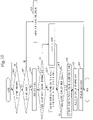
Fig. 4 is a flowchart illustrating an operation example of the elevator control apparatus according to the first embodiment. -
Fig. 5 is a diagram illustrating an example of stairs-usage floor number information according to the first embodiment. -
Fig. 6 is a diagram illustrating combination patterns of a boarding floor and an alighting floor according to the first embodiment. -
Fig. 7 is a diagram illustrating combination patterns of the boarding floor and the alighting floor according to the first embodiment. -
Fig. 8 is a diagram illustrating a functional configuration example of the elevator control apparatus according to a second embodiment. -
Fig. 9 is a diagram illustrating an example of acceptance record information according to the second embodiment. -
Fig. 10 is a flowchart illustrating an operation example of the elevator control apparatus according to the second embodiment. - Hereinafter, embodiments will be described with reference to the drawings. In the following description of the embodiments and the drawings, parts assigned the same reference numerals indicate the same parts or corresponding parts.
-
Fig. 1 illustrates a configuration example of an elevator system according to the present embodiment. - In the present embodiment, an elevator system will be described, which is provided in a building provided with stairs as an inter-floor travel means other than an elevator. The inter-floor travel means is a means provided to let a user travel between floors. As the inter-floor travel means, a slope, an escalator, and the like are considered in addition to the stairs. In the present embodiment, the stairs will be described as an example of the inter-floor travel means.
- In the present embodiment, it is assumed that the building is a ten-story building.
- An
elevator 50 travels from a first floor to a tenth floor of the building. Further, anelevator control apparatus 10 is installed in theelevator 50. Theelevator control apparatus 10 controls travel of theelevator 50. - For depiction convenience,
Fig. 1 illustrates only the first floor, a sixth floor, a seventh floor, and a ninth floor. - On the first floor, there are a
door 101,stairs 102, asurveillance camera 103, and abeacon 104. - The
door 101 remains closed before theelevator 50 arrives at the first floor. When theelevator 50 arrives at the first floor, thedoor 101 opens. - The
stairs 102 are stairs for ascending to a second floor. - The
surveillance camera 103 captures an elevator user (hereinafter, simply referred to as a user) who is on the first floor. Thebeacon 104 communicates with a mobile terminal device (for example, a smart phone) held by the elevator user on the first floor. - Also on the sixth floor, the seventh floor, and the ninth floor, there are a
door 601, adoor 701, and adoor 901, respectively. Each of thedoor 601, thedoor 701, and thedoor 901 is the same as thedoor 101. - Further, also on the sixth floor, the seventh floor, and the ninth floor, there are
stairs 602,stairs 702, andstairs 902, respectively. Thestairs 602 are stairs for descending to a fifth floor and for ascending to the seventh floor. Thestairs 702 are stairs for descending to the sixth floor and for ascending to an eighth floor. Thestairs 902 are stairs for descending to the eighth floor and for ascending to the tenth floor. - Also on the sixth floor, the seventh floor, and the ninth floor, there are a
surveillance camera 603, a surveillance camera 703, and asurveillance camera 903, respectively. Each of thesurveillance camera 603, the surveillance camera 703, and thesurveillance camera 903 is the same as thesurveillance camera 103. - Also on the sixth floor, the seventh floor, and the ninth floor, there are a
beacon 604, a beacon 704, and abeacon 904, respectively. Each of thebeacon 604, the beacon 704, and thebeacon 904 is the same as thebeacon 104. - An outline of operation of the
elevator control apparatus 10 according to the present embodiment will be described hereinafter. - The
elevator control apparatus 10 determines the exercise necessity degree of the elevator user. The exercise necessity degree is a degree to which the elevator user needs to exercise. Theelevator control apparatus 10, for example, determines the exercise necessity degree based on the activity amount of the elevator user. - Further, the
elevator control apparatus 10 stores a stairs-usage floor number for each level of exercise necessity degree. For example, the stairs-usage floor number is expressed like "1 up/2 down". "Up" represents the maximum number of ascending floors which is the maximum number of floors to let the elevator user ascend the stairs. "Down" represents the maximum number of descending floors which is the maximum number of floors to let the elevator user descend the stairs. "1 up/2 down" means that the maximum number of ascending floors is 1 floor and the maximum number of descending floors is 2 floors. - Then, the
elevator control apparatus 10 changes based on the exercise necessity degree of the elevator user, at least one of the boarding floor and the alighting floor of the elevator from a floor that the elevator user prefers to another floor so as to let the elevator user use the stairs before the elevator user reaches a destination floor to which the elevator user intends to go. More specifically, theelevator control apparatus 10 changes at least one of the boarding floor and the alighting floor within the range of the stairs-usage floor number corresponding to the exercise necessity degree of the elevator user. - For example, it is assumed that there is an elevator user on the first floor and the destination floor to which the elevator user intends to go is the seventh floor. Further, it is assumed that the stairs-usage floor number corresponding to the exercise necessity degree of the elevator user is "1 up/2 down".
- In this case, based on "1 up/2 down" which is the stairs-usage floor number and the seventh floor which is the destination floor, the
elevator control apparatus 10 changes either the boarding floor or the alighting floor. - For example, the
elevator control apparatus 10 keeps the boarding floor as the first floor and changes the alighting floor to the sixth floor. The elevator user who has gotten off theelevator 50 on the sixth floor uses the stairs to the seventh floor. In this case, the condition of "1 up" is satisfied. - Further, the
elevator control apparatus 10 keeps the boarding floor as the first floor and may change the alighting floor to the ninth floor. The elevator user who has gotten off theelevator 50 on the ninth floor uses the stairs to the seventh floor. In this case, the condition of "2 down" is satisfied. -
Fig. 2 illustrates a hardware configuration example of theelevator control apparatus 10 according to the present embodiment. -
Fig. 3 illustrates a functional configuration example of theelevator control apparatus 10 according to the present embodiment. - The
elevator control apparatus 10 is a computer. The operation procedure of theelevator control apparatus 10 is equivalent to an elevator control method. Further, a program which realizes operations of theelevator control apparatus 10 is equivalent to an elevator control program. - The
elevator control apparatus 10 includes aprocessor 1001, amain storage device 1002, anauxiliary storage device 1003, and acommunication device 1004, as pieces of hardware. - Further, the
elevator control apparatus 10 includes auser identification unit 11, a destination-floor extraction unit 12, an exercise necessitydegree determination unit 13, afloor decision unit 14, a changerequest acquisition unit 15, a userinformation storage unit 16, a destination-floorinformation storage unit 17, an activity amountinformation acquisition unit 18, a stairs-usage floor numberinformation storage unit 19, and atravel control unit 20, as a functional configuration. - The
auxiliary storage device 1003 stores programs which realize functions of theuser identification unit 11, the destination-floor extraction unit 12, the exercise necessitydegree determination unit 13, thefloor decision unit 14, the changerequest acquisition unit 15, the activity amountinformation acquisition unit 18, and thetravel control unit 20. - These programs are loaded from the
auxiliary storage device 1003 into themain storage device 1002. Then, theprocessor 1001 executes these programs and performs operations of theuser identification unit 11, the destination-floor extraction unit 12, the exercise necessitydegree determination unit 13, thefloor decision unit 14, the changerequest acquisition unit 15, the activity amountinformation acquisition unit 18, and thetravel control unit 20 to be described below. -
Fig. 2 schematically illustrates a state where theprocessor 1001 executes the programs which realize the functions of theuser identification unit 11, the destination-floor extraction unit 12, the exercise necessitydegree determination unit 13, thefloor decision unit 14, the changerequest acquisition unit 15, the activity amountinformation acquisition unit 18, and thetravel control unit 20. - The user
information storage unit 16, the destination-floorinformation storage unit 17, and the stairs-usage floor numberinformation storage unit 19 are realized by themain storage device 1002 or theauxiliary storage device 1003. - In
Fig. 3 , theuser identification unit 11 identifies the elevator user. - The
user identification unit 11, for example, acquires from thesurveillance camera 103, a face image of the elevator user captured by thesurveillance camera 103. Further, theuser identification unit 11 acquires user information from the userinformation storage unit 16. The user information stores identification information for identifying the elevator user (for example, the face image and a telephone number). - Then, the
user identification unit 11 identifies the elevator user by collating the face image of the elevator user with the user information. Further, theuser identification unit 11 identifies the floor on which thesurveillance camera 103 that has acquired the face image of the elevator user is placed (the first floor) as the floor on which the elevator user is currently located. -
Fig. 3 illustrates an example in which theuser identification unit 11 acquires the face image of the elevator user from thesurveillance camera 103 placed on the first floor. However, theuser identification unit 11 may also acquire the face image of the elevator user from a surveillance camera on another floor. - Further, the
user identification unit 11, for example, acquires form a mobile terminal device (for example, a smart phone), an identifier of thebeacon 104 acquired by the mobile terminal device and an identifier of the mobile terminal device (for example, a telephone number). Then, theuser identification unit 11 identifies the elevator user by collating the identifier of the mobile terminal device of the elevator user with the user information. Further, theuser identification unit 11 identifies the floor on which the elevator user is currently located (for example, the first floor) with using the identifier of thebeacon 104. - The
user identification unit 11 notifies the destination-floor extraction unit 12 of the identified elevator user. Further, theuser identification unit 11 notifies the destination-floor extraction unit 12 and the exercise necessitydegree determination unit 13 of the floor on which the elevator user is currently located (for example, the first floor). - The destination-
floor extraction unit 12 extracts the destination floor to which the elevator user notified of by theuser identification unit 11 intends to go. - The destination-
floor extraction unit 12 acquires destination floor information from the destination-floorinformation storage unit 17. The destination floor information indicates the destination floor for each elevator user. In the present embodiment, the elevator user is assumed to perform routine travel. That is, in the present embodiment, the elevator user is assumed to routinely travel between the floor on which the entrance and exit of the building is located (for example, the first floor) and the floor on which an office where the elevator user works at is located (for example, the seventh floor). Therefore, the floor on which the entrance and the exit of the building is located (for example, the first floor) and the floor on which the office where the elevator user works at is located (for example, the seventh floor) are described in the destination floor information as destination floors. When the elevator user does not perform the routine travel, the destination-floor extraction unit 12 acquires the destination floor information from afloor display 105 to be described below. In the following, an example in which the elevator user performs the routine travel will be described. - The destination-
floor extraction unit 12 extracts by referring to the destination floor information, the destination floor to which the elevator user notified of by theuser identification unit 11 intends to go. - The destination-
floor extraction unit 12 notifies thefloor decision unit 14 of the floor on which the elevator user is currently located and the destination floor to which the elevator user intends to go. The floor on which the elevator user is currently located and the destination floor to which the elevator user intends to go are the boarding floor and the alighting floor that the elevator user prefers. - The exercise necessity
degree determination unit 13 determines the exercise necessity degree of the elevator user notified of by theuser identification unit 11. - Specifically, the exercise necessity
degree determination unit 13 acquires from the activity amountinformation acquisition unit 18, activity amount information of the elevator user notified of by theuser identification unit 11. The activity amount information indicates the activity amount of the elevator user. The activity amount is, for example, an energy consumption, the number of steps, or the like. - Then, the exercise necessity
degree determination unit 13 determines the exercise necessity degree based on the activity amount of the elevator user. - In the present embodiment, it is assumed that the exercise necessity
degree determination unit 13 determines the exercise necessity degree on four levels from 0 to 3. It is assumed that the exercise necessity degree: 0 is the lowest necessity degree of exercise and the exercise necessity degree: 3 is the highest necessity degree of exercise. - The exercise necessity
degree determination unit 13 notifies thefloor decision unit 14 of the determined exercise necessity degree. - The process performed by the exercise necessity
degree determination unit 13 is equivalent to an exercise necessity degree determination process. - The
floor decision unit 14 decides the boarding floor and the alighting floor for the elevator user. - Specifically, the
floor decision unit 14 acquires stairs-usage floor number information from the stairs-usage floor numberinformation storage unit 19. Then, thefloor decision unit 14 obtains the stairs-usage floor number by collating the exercise necessity degree with the stairs-usage floor number information. -
Fig. 5 illustrates an example of the stairs-usage floor number information. The stairs-usage floor number information indicates the stairs-usage floor number for each exercise necessity degree. - The
floor decision unit 14 extracts from the stairs-usage floor number information, the stairs-usage floor number corresponding to the exercise necessity degree of the elevator user notified of by the exercise necessitydegree determination unit 13. - Then, the
floor decision unit 14 changes at least one of the boarding floor and the alighting floor of theelevator 50 within the range of the extracted stairs-usage floor number, from a floor that the elevator user prefers to another floor so as to let the elevator user use the stairs before reaching the destination floor. - As is evident from
Fig. 5 , thefloor decision unit 14 changes at least one of the boarding floor and the alighting floor from the floor that the elevator user prefers to another floor so as to let the elevator user with the higher exercise necessity degree use stairs more. - The
floor decision unit 14, for example, notifies the elevator user of the changed boarding floor and/or the changed alighting floor by lighting up thefloor display 105 corresponding to the decided boarding floor and alighting floor among thefloor display 105 included in aninformation board 106 provided at an elevator platform. For example, as explained with usingFig. 1 , when thefloor decision unit 14 changes the alighting floor from the seventh floor to the sixth floor, thefloor decision unit 14 lights up thefloor display 105 corresponding to the sixth floor. Thefloor decision unit 14 may notify the elevator user of the changed boarding floor and/or the changed alighting floor in other ways. - Further, the destination-
floor extraction unit 12 notifies the userinformation storage unit 16 of the decided boarding floor and alighting floor. - Further, when the elevator user requests to change at least one of the boarding floor and the alighting floor to the floor that the elevator user prefers, the
floor decision unit 14 changes at least one of the boarding floor and the alighting floor to the floor that the elevator user prefers. - The process performed by the
floor decision unit 14 is equivalent to a floor decision process. - The change
request acquisition unit 15 acquires from the elevator user, a change request to change at least one of the boarding floor and the alighting floor. That is, when the elevator user does not accept at least one of the boarding floor and the alighting floor decided by thefloor decision unit 14, the elevator user requests to change at least one of the boarding floor and the alighting floor. The changerequest acquisition unit 15 acquires such change requests. The elevator user, for example, presses thefloor display 105 corresponding to the requested boarding floor and/or alighting floor. For example, as explained with usingFig. 1 , when thefloor decision unit 14 changes the alighting floor from the seventh floor to the sixth floor and the elevator user does not accept the sixth floor, the elevator user presses thefloor display 105 corresponding to the seventh floor. The changerequest acquisition unit 15 acquires the change request to the seventh floor by a press on thefloor display 105 corresponding to the seventh floor. - The change
request acquisition unit 15 outputs the change request to thefloor decision unit 14. - The user
information storage unit 16 sores the user information described above. - The destination-floor
information storage unit 17 stores the destination floor information described above. - The activity amount
information acquisition unit 18 acquires the activity amount information. - The activity amount
information acquisition unit 18 acquires from a mobile terminal device (for example, a smart phone), the activity amount information indicating, for example, an energy consumption of the elevator user. Further, when the building is provided with an activity amount estimation system to estimate the activity amount of the elevator user, the activity amountinformation acquisition unit 18 may acquire the activity amount information indicating the activity amount estimated by the activity amount estimation system. - The stairs-usage floor number
information storage unit 19 stores the stairs-usage floor number information described above. - The
travel control unit 20 controls the travel of theelevator 50 so as to stop theelevator 50 at the boarding floor and the alighting floor notified of by thefloor decision unit 14. -
Fig. 4 illustrates an operation example of theelevator control apparatus 10 according to the present embodiment. - Hereinafter, with reference to
Fig. 4 , the operation example of theelevator control apparatus 10 according to the present embodiment will be described. - First, in step S401, the
user identification unit 11 determines whether or not the elevator user is present on any floor. - Specifically, when the
user identification unit 11 acquires the face image of the elevator user from the surveillance camera on one of the floors, theuser identification unit 11 determines that the elevator user is present. Alternatively, theuser identification unit 11 may determine the presence of the elevator user when obtaining from the mobile terminal device, an identifier of a beacon on any floor. - When the
user identification unit 11 determines that the elevator user is present, the process proceeds to step S402. - In step S402, the
user identification unit 11 determines whether the user is alone or not. - Specifically, the
user identification unit 11 determines that the user is alone when obtaining only one face image of the elevator user from the surveillance camera on the corresponding floor. Alternatively, theuser identification unit 11 may determine that the user is alone when there is only one mobile terminal device that has sent the identifier of the beacon on the corresponding floor. - When there are several users, the process proceeds to step S403.
- On the other hand, when the user is alone, the process proceeds to step S404.
- In step S403, the
floor decision unit 14 decides the boarding floor and the alighting floor with the usual procedure. - That is, the
user identification unit 11 notifies thefloor decision unit 14 that there are the several users, via the destination-floor extraction unit 12. Further, theuser identification unit 11 notifies thefloor decision unit 14 of the floor on which several elevator users are located (for example, the first floor), via the destination-floor extraction unit 12. Thefloor decision unit 14 decides the floor on which the several elevator users are located as the boarding floor. Then, thefloor decision unit 14 notifies thetravel control unit 20 of the boarding floor and thetravel control unit 20 controls to direct theelevator 50 to the boarding floor. Further, when theelevator 50 reaches the boarding floor and a destination floor button in theelevator 50 is pressed by the elevator user, thefloor decision unit 14 decides the floor on which the destination floor button is pressed as the alighting floor. Then, thefloor decision unit 14 notifies thetravel control unit 20 of the alighting floor and thetravel control unit 20 controls to direct theelevator 50 to the alighting floor. - In step S404, the
user identification unit 11 identifies the elevator user. - Specifically, the
user identification unit 11 acquires the user information from the userinformation storage unit 16. - Then, when the face image of the elevator user has been acquired from the surveillance camera, the
user identification unit 11 collates the face image of the elevator user with the user information and identifies the elevator user. - Alternatively, when the identifier of the beacon has been acquired from the mobile terminal device, the
user identification unit 11 collates the identifier of the mobile terminal device with user identification information and identifies the elevator user. - The
user identification unit 11 notifies the destination-floor extraction unit 12 of the elevator user. Further, theuser identification unit 11 notifies the destination-floor extraction unit 12 and the exercise necessitydegree determination unit 13 of the floor on which the elevator user is currently located (for example, the first floor). Hereinafter, the floor on which the elevator user is currently located is referred to as a location floor. - In step S405, the destination-
floor extraction unit 12 extracts the destination floor. - Specifically, the destination-
floor extraction unit 12 acquires the destination floor information from the destination-floorinformation storage unit 17. - Then, the destination-
floor extraction unit 12 extracts the destination floor for the elevator user by collating the elevator user notified of by theuser identification unit 11 with the destination floor information. - The destination-
floor extraction unit 12 notifies thefloor decision unit 14 of the extracted destination floor and location floor. - In step S406, the activity amount
information acquisition unit 18 acquires the activity amount information from the mobile terminal device or the activity amount estimation system. - More specifically, the exercise necessity
degree determination unit 13 notifies the activity amountinformation acquisition unit 18 of the location floor. Here, it is assumed that the location floor is the first floor. The activity amountinformation acquisition unit 18 acquires the activity amount information of the elevator user from the mobile terminal device on the first floor or the activity amount estimation system on the first floor. It is assumed that the mobile terminal device records the energy consumption, the number of steps, or the like of the elevator user as the activity amount. - The activity amount
information acquisition unit 18 outputs the acquired activity amount information to the exercise necessitydegree determination unit 13. - Next, in step S407, the exercise necessity
degree determination unit 13 determines the exercise necessity degree of the elevator user based on the activity amount information. - For example, the exercise necessity
degree determination unit 13 can determine the exercise necessity degree by an achievement degree toward a target value of the activity amount, the achievement degree being indicated in the acquired activity amount information. Any method may be used to determine the exercise necessity degree. - The exercise necessity
degree determination unit 13 notifies thefloor decision unit 14 of the exercise necessity degree. - Next, in step S408, the
floor decision unit 14 decides the boarding floor and the alighting floor for the elevator user based on the exercise necessity degree. - More specifically, the
floor decision unit 14 acquires the stairs-usage floor number information from the stairs-usage floor numberinformation storage unit 19. Then, thefloor decision unit 14 obtains the stairs-usage floor number by collating the exercise necessity degree with the stairs-usage floor number information. - Then, the
floor decision unit 14 decides the boarding floor and the alighting floor that are compatible with the stairs-usage floor number, within an on-board section between the destination floor and the location floor notified of by the destination-floor extraction unit 12. When there are several combinations of the boarding floor and the alighting floor that are compatible with the stairs-usage floor number, thefloor decision unit 14 selects any one combination from the several combinations. - Further, the
floor decision unit 14 notifies the elevator user of the boarding floor and the alighting floor by lighting up thefloor display 105 corresponding to the decided boarding floor and alighting floor. - Next, in step S409, the
floor decision unit 14 determines whether or not the change request from the elevator user has been made within a certain period of time after thefloor display 105 has been lightened up. - Specifically, when the change request is output from the change
request acquisition unit 15, thefloor decision unit 14 determines that the change request has been made. - When the change request has been made, the process proceeds to step S410.
- On the other hand, when the change request has not been made, the
floor decision unit 14 notifies thetravel control unit 20 of the boarding floor and the alighting floor, then the process proceeds to step S411. - In step S410, the
floor decision unit 14 updates the boarding floor and/or the alighting floor to the floor that the elevator user prefers in response to the change request. - When the
floor decision unit 14 has changed the boarding floor to a floor other than the location floor and the elevator user prefers to change the boarding floor to the location floor, thefloor decision unit 14 changes the boarding floor to the location floor that the elevator user prefers. - Similarly, when the
floor decision unit 14 has changed the alighting floor to a floor other than the destination floor and the elevator user prefers to change the alighting floor to the destination floor, thefloor decision unit 14 changes the alighting floor to the destination floor that the elevator user prefers. - Then, the
floor decision unit 14 notifies thetravel control unit 20 of the eventual boarding floor and alighting floor. - In step S411, the
travel control unit 20 controls to direct theelevator 50 to the boarding floor. Further, the userinformation storage unit 16 controls to direct theelevator 50 to the alighting floor. - Next, combination patterns of the boarding floor and the alighting floor are described with reference to
Fig. 6 andFig. 7 . -
Fig. 6 illustrates patterns using the elevator first. -
Fig. 7 illustrates patterns using the stairs first. - Further, although it is not described in
Fig. 5 , the explanation will be given here using an example in which the stairs-usage floor number is "1 up/1 down" for simplifying the explanation. -
Fig. 6 (a) illustrates a pattern of ascending by the elevator first and then ascending the stairs to reach the destination floor. - When the first floor is the location floor and the seventh floor is the destination floor, in the pattern of
Fig. 6 (a) , thefloor decision unit 14 decides the first floor as the boarding floor and the sixth floor as the alighting floor (1 up). -
Fig. 6 (b) illustrates a pattern of ascending by the elevator first and then descending the stairs to reach the destination floor. - When the first floor is the location floor and the seventh floor is the destination floor, in the pattern of
Fig. 6 (b) , thefloor decision unit 14 decides the first floor as the boarding floor and the eighth floor as the alighting floor (1 down). -
Fig. 6 (c) illustrates a pattern of descending by the elevator first and then ascending the stairs to reach the destination floor. - When the seventh floor is the location floor and the second floor is the destination floor, in the pattern of
Fig. 6 (c) , thefloor decision unit 14 decides the seventh floor as the boarding floor and the first floor as the alighting floor (1 up). -
Fig. 6 (d) illustrates a pattern of descending by the elevator first and then descending the stairs to reach the destination floor. - When the seventh floor is the location floor and the first floor is the destination floor, in the pattern of
Fig. 6 (d) , thefloor decision unit 14 decides the seventh floor as the boarding floor and the second floor as the alighting floor (1 down). -
Fig. 7 (a) illustrates a pattern of ascending the stairs first and then ascending by the elevator to reach the destination floor. - When the first floor is the location floor and the seventh floor is the destination floor, in the pattern of
Fig. 7 (a) , thefloor decision unit 14 decides the second floor as the boarding floor (1 up) and the seventh floor as the alighting floor. -
Fig. 7 (b) illustrates a pattern of descending the stairs first and then ascending by the elevator to reach the destination floor. - When the second floor is the location floor and the seventh floor is the destination floor, in the pattern of
Fig. 7 (b) , thefloor decision unit 14 decides the first floor as the boarding floor (1 down) and the seventh floor as the alighting floor. -
Fig. 7 (c) illustrates a pattern of ascending the stairs first and then descending by the elevator to reach the destination floor. - When the sixth floor is the location floor and the first floor is the destination floor, in the pattern of
Fig. 7 (c) , thefloor decision unit 14 decides the seventh floor as the boarding floor (1 up) and the first floor as the alighting floor. -
Fig. 7 (d) illustrates a pattern of descending the stairs first, and then descending by the elevator to reach the destination floor. - When the seventh floor is the location floor and the first floor is the destination floor, in the pattern of
Fig. 7 (d) , thefloor decision unit 14 decides the sixth floor as the boarding floor (1 down) and the first floor as the alighting floor. - In the above, an example has been described in which the exercise necessity
degree determination unit 13 determines the exercise necessity degree based on the activity amount being indicated in the activity amount information. Alternatively, the exercise necessitydegree determination unit 13 may determine the exercise necessity degree, for example, based on a diagnosis by a doctor or the like, about the need for exercise for the elevator user. - As described above, according to the present embodiment, it is possible to adjust the number of floors for which the stairs are used depending on the necessity degree of exercise of the elevator user.
- Further, in the present embodiment, when the boarding floor and/or the alighting floor is changed by the
elevator control apparatus 10, the elevator user can change the changed boarding floor and/or the changed alighting floor back to the floor that the elevator user prefers. Therefore, the elevator user can choose to use the elevator in such an occasion that he/she does not want to use the stairs for health reasons, that he/she does not want to use the stairs because he/she is in a hurry, that he/she does not want to use the stairs because he/she has luggage, or the like. - In the present embodiment, differences from the first embodiment will be mainly described.
- Incidentally, matters that are not descried below are the same as those in the first embodiment.
- In the present embodiment, an example will be described, in which the
floor decision unit 14 decides the boarding floor and the alighting floor based on a record of the elevator user accepting the changed boarding floor and/or the changed alighting floor in the past. -
Fig. 8 illustrates a functional configuration example of theelevator control apparatus 10 according to the present embodiment - Compared with
Fig. 3 , arecord registration unit 21 is added in theelevator control apparatus 10. - Note that, as with the
user identification unit 11 and the like, therecord registration unit 21 is also realized by a program. The program which realizes a function of therecord registration unit 21 is executed by theprocessor 1001 as with theuser identification unit 11 and the like. - The
record registration unit 21 registers an acceptance record of the boarding floor and the alighting floor for each elevator user. -
Fig. 9 illustrates an example of acceptance record information managed in therecord registration unit 21. - The
record registration unit 21 registers the number of times of approval, the number of times of disapproval, and the number of times of update for each combination of the boarding floor and the alighting floor as illustrated inFig. 9 . The example ofFig. 9 illustrates the acceptance record of the elevator user with a user ID: AAA. - The number of times of approval is the number of times that the elevator user has approved the combination of the boarding floor and the alighting floor decided by the floor decision unit 14 (the number of times that a change in the boarding floor and/or the alighting floor has not been requested).
- The number of times of disapproval is the number of times that the elevator user has disapproved the combination of the boarding floor and the alighting floor decided by the floor decision unit 14 (the number of times that a change in the boarding floor and/or the alighting floor has been requested).
- The number of times of update is the number of times that an update has been requested in the change request.
- It is assumed that the on-board section of the
elevator 50 for the user with the user ID: AAA is the first floor to the seventh floor. - In the example of
Fig. 9 , since thefloor decision unit 14 has not proposed the combination of "boarding floor: 1 F" and "alighting floor: 7F", the number of times of approval and the number of times of disapproval are both "0". On the other hand, the elevator user has requested ten times in the past to change from another combination to the combination of "boarding floor: 1F" and "alighting floor: 7F" and the number of times of update is "10". That is, although thefloor decision unit 14 has proposed to use the stairs in the past, the user with the user ID: AAA has requested ten times to operate theelevator 50 with "boarding floor: 1F" and "alighting floor: 7F". - Since the elevator user has approved the combination of "boarding floor: 1F" and "alighting floor: 6F" five times in the past, the number of times of approval is "5". Further, since the elevator user has disapproved the combination of "boarding floor: 1F" and "alighting floor: 6F" three times in the past and has requested to change it to another combination, the number of times of disapproval is "3". Further, since the elevator user has requested twice to change from another combination to the combination of "boarding floor: 1F" and "alighting floor: 6F", the number of times of update is "2".
- In the present embodiment, by referring to the acceptance record information exemplified in
Fig. 9 , thefloor decision unit 14 decides the boarding floor and the alighting floor based on the acceptance record of the elevator user about the boarding floor and the alighting floor. For example, thefloor decision unit 14 selects a combination of the boarding floor and the alighting floor for which the number of times of acceptance is equal to or greater than a threshold value. The number of times of acceptance is assumed to be obtained by (the number of times of approval + the number of times of update). Further, thefloor decision unit 14 may select a combination of the boarding floor and the alighting floor for which an acceptance probability is equal to or greater than a threshold value. The acceptance probability is assumed to be obtained by (the number of times of acceptance / (the number of times of acceptance + the number of times of disapproval)). -
Fig. 10 illustrates an operation example of theelevator control apparatus 10 according to the present embodiment - Since steps S401 to S404 are the same as those illustrated in
Fig. 4 , the descriptions will be omitted. - In step S421, the
floor decision unit 14 determines whether or not there is the acceptance record information exemplified inFig. 9 for the user identified in step S404. - When there is no acceptance record information, steps S405 to S408 are performed.
Fig. 10 does not depict steps S405 to S408 for depiction convenience, however, "S405 to S408" inFig. 10 means that steps S405 to S408 inFig. 4 are performed. - On the other hand, when there is the acceptance record information, the process proceeds to step S422.
- In step S422, the
floor decision unit 14 decides the boarding floor and the alighting floor based on the acceptance record. - For example, the
floor decision unit 14 selects a combination of the boarding floor and the alighting floor for which the number of times of acceptance is equal to or greater than a threshold value. When there is more than one combination for which the number of times of acceptance is equal to or greater than the threshold value, thefloor decision unit 14 selects, for example, a combination for which the number of times of acceptance is highest. Alternatively, thefloor decision unit 14 may select a combination with the highest stairs-usage floor number, from among combinations for which the number of times of acceptance is equal to or greater than the threshold value. - Alternatively, the
floor decision unit 14 may select a combination of the boarding floor and the alighting floor for which the acceptance probability is equal to or greater than a threshold value. When there is more than one combination of the boarding floor and the alighting floor for which the acceptance probability is equal to or greater than the threshold value, thefloor decision unit 14 selects, for example, a combination for which the acceptance probability is highest. Alternatively, thefloor decision unit 14 may select a combination with the highest stairs-usage floor number, from among combinations for which the acceptance probability is equal to or greater than the threshold value. - Then, the
floor decision unit 14 notifies the elevator user of the boarding floor and the alighting floor by lighting up thefloor display 105 corresponding to the decided boarding floor and alighting floor in the same way as the first embodiment. - Since step S409 and step S410 are the same as those illustrated in
Fig. 4 , the descriptions will be omitted. - In step S423, the
record registration unit 21 registers record information. - Specifically, the
floor decision unit 14 notifies therecord registration unit 21 of the boarding floor and the alighting floor decided instep 408 or step S422. Further, when the boarding floor and/or the alighting floor has been updated in step S410, thefloor decision unit 14 notifies therecord registration unit 21 of the eventual boarding floor and/or alighting floor. - Further, the
floor decision unit 14 also notifies therecord registration unit 21 of the user ID of the corresponding elevator user. - The
record registration unit 21 updates for the user ID notified of by thefloor decision unit 14, the number of times of approval, the number of times of disapproval, and the number of times of update in the record information exemplified inFig. 9 , in response to the combination of the boarding floor and the alighting floor notified of by thefloor decision unit 14. Then, the updated record information is registered. - Since step S411 is the same as that illustrated in
Fig. 4 , the descriptions will be omitted. - In the present embodiment, it is possible to propose to the elevator user the combination of the boarding floor and the alighting floor that is easily accepted by the elevator user because the boarding floor and the alighting floor are decided based on the acceptance record. As a result, it is possible to avoid offending the elevator user by proposing the use of stairs that is difficult for the elevator user to accept.
- Further, by proposing to the elevator user a combination of the boarding floor and the alighting floor that is easy for the elevator user to accept, the elevator user does not have to perform any operation for the change request.
- Further, by recording the acceptance record, it is possible to grasp an appropriate load (the stairs-usage floor number) for the elevator user.
- Further, in addition to the above, the
floor decision unit 14 may select a floor to which the floor that the elevator user prefers is changed, while giving priority to a record closer to the present in terms of a time axis among at least either of records of the elevator user accepting in the past and records of the elevator user not accepting in the past. For example, thefloor decision unit 14 records a history of date and time of acceptance for each combination of the boarding floor and the alighting floor and multiplies the acceptance probability by a coefficient inversely proportional to the elapsed time up to the present. Thereby, thefloor decision unit 14 weights the acceptance probability of the most recently accepted combination of the boarding floor and the alighting floor so as to relatively enlarge the acceptance probability of the most recently accepted combination of the boarding floor and the alighting floor. Thefloor decision unit 14 may perform such weighting for the acceptance probability depending on a time range of a day, a day of the week, or a season. Further, it is acceptable that thefloor decision unit 14 does not refer to the record with the elapsed time up to the present being above a certain time so as not to refer to records older than a certain time. - Further, the
floor decision unit 14 may choose a floor to which the floor that the elevator user prefers is changed, based on the record that the elevator user has accepted at least one of the changed boarding floor and the changed alighting floor and based on the number of floors for which the inter-floor travel means has been used with the changed boarding floor and the number of floors for which the inter-floor travel means has been used with the changed alighting floor. For example, thefloor decision unit 14 selects a combination of the boarding floor and the alighting floor for which an expected value is equal to or greater than a threshold value, the expected value being obtained by multiplying the acceptance probability by the number of floors used. - The first and second embodiments have been described above, and these two embodiments may be implemented in combination.
- Alternatively, one of these two embodiments may be partially implemented.
- Alternatively, these two embodiments may be partially implemented in combination.
- Further, the configurations and procedures described in these two embodiments may be modified as necessary.
- For a user who has difficulty using the inter-floor travel means other than the elevator, an attribute (for example, wheelchair) is registered in the user information. Then, such an elevator user may always be able to go to the floor that the elevator user prefers by identify the elevator user, by setting the exercise necessity degree of the elevator user to 0 all the time, or the like. For example, it is conceivable that the exercise necessity degree is always determined to be 0 by setting the target value of the activity amount to 0.
- Finally, a supplementary description of the hardware configuration of the
elevator control apparatus 10 will be given. - The
processor 1001 illustrated inFig. 2 is an IC (Integrated Circuit) that performs processing. - The
processor 1001 is a CPU (Central Processing Unit), a DSP (Digital Signal Processor), or the like. - The
main storage device 1002 illustrated inFig. 2 is a RAM (Random Access Memory). - The
auxiliary storage device 1003 illustrated inFig. 2 is a ROM (Read Only Memory), a flash memory, an HDD (Hard Disk Drive), or the like. - The
communication device 1004 illustrated inFig. 2 is an electronic circuit that executes a communication process for data. - The
communication device 1004 is, for example, a communication chip or an NIC (Network Interface Card). - Further, the
auxiliary storage device 1003 also stores an OS (Operating System). - Then, at least a part of the OS is executed by the
processor 1001. - While executing at least the part of the OS, the
processor 1001 executes the programs which realize the functions of theuser identification unit 11, the destination-floor extraction unit 12, the exercise necessitydegree determination unit 13, thefloor decision unit 14, the changerequest acquisition unit 15, the activity amountinformation acquisition unit 18, thetravel control unit 20, and therecord registration unit 21. - By the
processor 1001 executing the OS, task management, memory management, file management, communication control, and the like are performed. - Further, at least one of information, data, a signal vale, and a variable value that indicate results of processes of the
user identification unit 11, the destination-floor extraction unit 12, the exercise necessitydegree determination unit 13, thefloor decision unit 14, the changerequest acquisition unit 15, the activity amountinformation acquisition unit 18, thetravel control unit 20, and therecord registration unit 21 is stored in at least one of themain storage device 1002, theauxiliary storage device 1003, and a register and a cache memory in theprocessor 1001. - Further, the programs which realize the functions of the
user identification unit 11, the destination-floor extraction unit 12, the exercise necessitydegree determination unit 13, thefloor decision unit 14, the changerequest acquisition unit 15, the activity amountinformation acquisition unit 18, thetravel control unit 20, and therecord registration unit 21 may be stored in a portable recording medium such as a magnetic disk, a flexible disk, an optical disc, a compact disc, a Blu-ray (registered trademark) disc, a DVD. Then, the portable recording medium storing the program which realize the functions of theuser identification unit 11, the destination-floor extraction unit 12, the exercise necessitydegree determination unit 13, thefloor decision unit 14, the changerequest acquisition unit 15, the activity amountinformation acquisition unit 18, thetravel control unit 20, and therecord registration unit 21 may be distributed. - Further, the "unit" of each of the
user identification unit 11, the destination-floor extraction unit 12, the exercise necessitydegree determination unit 13, thefloor decision unit 14, the changerequest acquisition unit 15, the activity amountinformation acquisition unit 18, thetravel control unit 20, and therecord registration unit 21 may be read as a "circuit", "step", "procedure", or "process". - Further, the
elevator control apparatus 10 may be realized by a processing circuit. The processing circuit is, for example, a logic IC (Integrated Circuit), a GA (Gate Array), an ASIC (Application Specific Integrated Circuit), or an FPGA (Field-Programmable Gate Array). - Note that, in the present specification, a superordinate concept of the processor and the processing circuit is referred to as "processing circuitry".
- That is, each of the processor and the processing circuit is a specific example of the "processing circuitry".
- 10: elevator control apparatus; 11: user identification unit; 12: destination-floor extraction unit; 13: exercise necessity degree determination unit; 14: floor decision unit; 15: change request acquisition unit; 16: user information storage unit; 17: destination-floor information storage unit; 18: activity amount information acquisition unit; 19: stairs-usage floor number information storage unit; 20: travel control unit; 21: record registration unit; 50: elevator; 101: door; 102: stairs; 103: surveillance camera; 104: beacon; 105: floor display; 106: information board; 601: door; 602: stairs; 603: surveillance camera; 604: beacon; 701: door; 702: stairs; 703: surveillance camera; 704: beacon; 901: door; 902: stairs; 903: surveillance camera; 904: beacon; 1001: processor; 1002: main storage device; 1003: auxiliary storage device; 1004: communication device
Claims (12)
- An elevator control apparatus comprising:an exercise necessity degree determination unit to determine an exercise necessity degree being a degree to which an elevator user needs to exercise, who uses an elevator provided in a building provided with an inter-floor travel means other than the elevator; anda floor decision unit to change based on the exercise necessity degree of the elevator user determined by the exercise necessity degree determination unit, at least one of a boarding floor and an alighting floor of the elevator from a floor that the elevator user prefers to another floor so as to let the elevator user use the inter-floor travel means before the elevator user reaches a destination floor to which the elevator user intends to go.
- The elevator control apparatus according to claim 1, wherein
when the elevator user requests to change at least one of a changed boarding floor and a changed alighting floor to a floor that the elevator user prefers, the floor decision unit changes at least one of the changed boarding floor and the changed alighting floor to the floor that the elevator user prefers. - The elevator control apparatus according to claim 1, wherein
the floor decision unit decides whether or not to change based on at least one of a record of the elevator user accepting at least one of a changed boarding floor and a changed alighting floor and a record of the elevator user not accepting at least one of the changed boarding floor and the changed alighting floor, at least one of the boarding floor and the alighting floor of the elevator from the floor that the elevator user prefers to the another floor. - The elevator control apparatus according to claim 3, wherein
the floor decision unit changes at least one of the boarding floor and the alighting floor of the elevator to at least one of the changed boarding floor and the changed alighting floor that the elevator user has accepted in the past the number of times equal to or greater than a threshold value. - The elevator control apparatus according to claim 3, wherein
the floor decision unit changes at least one of the boarding floor and the alighting floor of the elevator to at least one of the changed boarding floor and the changed alighting floor that the elevator user has not accepted in the past the number of times equal to or less than a threshold value. - The elevator control apparatus according to claim 3, wherein
the floor decision unit changes at least one of the boarding floor and the alighting floor of the elevator to at least one of the changed boarding floor and the changed alighting floor that the elevator user has accepted in the past with a probability equal to or greater than a threshold value. - The elevator control apparatus according to claim 3, wherein
the floor decision unit selects a floor to which the floor that the elevator user prefers is changed, while giving priority to a record closer to the present in terms of a time axis among at least either of records of the elevator user accepting in the past and records of the elevator user not accepting in the past. - The elevator control apparatus according to claim 3, wherein
the floor decision unit selects a floor to which the floor that the elevator user prefers is changed, based on a record that the elevator user has accepted at least one of the changed boarding floor and the changed alighting floor and based on the number of floors for which the inter-floor travel means has been used with the changed boarding floor and the number of floors for which the inter-floor travel means has been used with the changed alighting floor. - The elevator control apparatus according to claim 1, wherein
the floor decision unit changes at least one of the boarding floor and the alighting floor of the elevator from the floor that the elevator user prefers to the another floor so as to let the elevator user with a higher exercise necessity degree use the inter-floor travel means more. - The elevator control apparatus according to claim 1, wherein
the exercise necessity degree determination unit determines the exercise necessity degree based on an activity amount of the elevator user. - An elevator control method comprising:determining an exercise necessity degree being a degree to which an elevator user needs to exercise, who uses an elevator provided in a building provided with an inter-floor travel means other than the elevator, by a computer; andchanging based on the determined exercise necessity degree of the elevator user, at least one of a boarding floor and an alighting floor of the elevator from a floor that the elevator user prefers to another floor so as to let the elevator user use the inter-floor travel means before the elevator user reaches a destination floor to which the elevator user intends to go, by the computer.
- An elevator control program for causing a computer to execute:an exercise necessity degree determination process to determine an exercise necessity degree being a degree to which an elevator user needs to exercise, who uses an elevator provided in a building provided with an inter-floor travel means other than the elevator; anda floor decision process to change based on the exercise necessity degree of the elevator user determined by the exercise necessity degree determination process, at least one of a boarding floor and an alighting floor of the elevator from a floor that the elevator user prefers to another floor so as to let the elevator user use the inter-floor travel means before the elevator user reaches a destination floor to which the elevator user intends to go.
Applications Claiming Priority (1)
| Application Number | Priority Date | Filing Date | Title |
|---|---|---|---|
| PCT/JP2020/020684 WO2021240627A1 (en) | 2020-05-26 | 2020-05-26 | Elevator control device, elevator control method, and elevator control program |
Publications (3)
| Publication Number | Publication Date |
|---|---|
| EP4122861A1 true EP4122861A1 (en) | 2023-01-25 |
| EP4122861A4 EP4122861A4 (en) | 2023-05-10 |
| EP4122861B1 EP4122861B1 (en) | 2024-06-12 |
Family
ID=78723056
Family Applications (1)
| Application Number | Title | Priority Date | Filing Date |
|---|---|---|---|
| EP20937615.1A Active EP4122861B1 (en) | 2020-05-26 | 2020-05-26 | Elevator control apparatus, elevator control method, and elevator control program |
Country Status (4)
| Country | Link |
|---|---|
| US (1) | US20230028432A1 (en) |
| EP (1) | EP4122861B1 (en) |
| JP (1) | JP7114006B2 (en) |
| WO (1) | WO2021240627A1 (en) |
Families Citing this family (4)
| Publication number | Priority date | Publication date | Assignee | Title |
|---|---|---|---|---|
| JP3411194B2 (en) | 1997-07-29 | 2003-05-26 | アルプス電気株式会社 | Soft magnetic film and MR / inductive combined thin film magnetic head using the soft magnetic film |
| WO2022029860A1 (en) * | 2020-08-04 | 2022-02-10 | 三菱電機株式会社 | Moving body tracking system, moving body tracking device, program and moving body tracking method |
| WO2023119617A1 (en) * | 2021-12-24 | 2023-06-29 | 三菱電機株式会社 | Device for presenting recommended action, system for presenting recommended action, method for presenting recommended action, and program for presenting recommended action |
| CN115744511A (en) * | 2022-11-15 | 2023-03-07 | 深圳火神人工智能有限公司 | Method for automatically calling elevator and call control panel |
Family Cites Families (5)
| Publication number | Priority date | Publication date | Assignee | Title |
|---|---|---|---|---|
| JP2010086358A (en) * | 2008-09-30 | 2010-04-15 | Brother Ind Ltd | Exercise promotion system and exercise amount acquiring device usable in exercise promotion system |
| JP6364366B2 (en) | 2015-02-27 | 2018-07-25 | 株式会社日立製作所 | Elevator equipment |
| WO2017144384A1 (en) * | 2016-02-24 | 2017-08-31 | Inventio Ag | Elevator trip planning based on destinations and activity parameters |
| NL2016332B1 (en) * | 2016-02-26 | 2017-09-20 | Elevante Beheer B V | Elevator and stairs assembly. |
| JP2018177513A (en) | 2017-04-21 | 2018-11-15 | 清水建設株式会社 | Elevator control system |
-
2020
- 2020-05-26 EP EP20937615.1A patent/EP4122861B1/en active Active
- 2020-05-26 WO PCT/JP2020/020684 patent/WO2021240627A1/en not_active Ceased
- 2020-05-26 JP JP2022527301A patent/JP7114006B2/en active Active
-
2022
- 2022-09-29 US US17/956,011 patent/US20230028432A1/en active Pending
Also Published As
| Publication number | Publication date |
|---|---|
| EP4122861B1 (en) | 2024-06-12 |
| WO2021240627A1 (en) | 2021-12-02 |
| JP7114006B2 (en) | 2022-08-05 |
| EP4122861A4 (en) | 2023-05-10 |
| JPWO2021240627A1 (en) | 2021-12-02 |
| US20230028432A1 (en) | 2023-01-26 |
Similar Documents
| Publication | Publication Date | Title |
|---|---|---|
| US20230028432A1 (en) | Elevator control apparatus, elevator control method, and computer readable medium | |
| CN114955754B (en) | Control device for elevator and management device for moving body | |
| AU2012323116B2 (en) | Elevator system with multiple cars | |
| US11076378B2 (en) | Method for notification to disembark and user equipment | |
| JPWO2009008083A1 (en) | Elevator system | |
| CN110304506B (en) | An elevator control method, device, elevator system and storage medium | |
| CN103303754B (en) | Elevator group management control system | |
| KR20090094827A (en) | Elevator system | |
| KR102288490B1 (en) | Vehicle rental method, system and program based on limit waiting time | |
| CN112313698B (en) | Commercial vehicle operation system | |
| JP7606026B2 (en) | Information processing device, control method for information processing device, and control program for information processing device | |
| WO2007049328A1 (en) | Elevator system | |
| JP2009096617A (en) | Elevator operation mode management apparatus and program | |
| JP6477151B2 (en) | Elevator system and return floor registration control method | |
| JP6908148B1 (en) | Elevator group management system | |
| CN101878173A (en) | Elevator system | |
| CN114684680B (en) | Elevator control method and terminal | |
| JP6784272B2 (en) | Elevator allocation device | |
| WO2020261361A1 (en) | Elevator group management system | |
| JP6861905B1 (en) | Elevator control device, elevator control method and elevator control program | |
| CN116588767A (en) | Dynamic calling method, device, medium, elevator controller and system | |
| CN118354970A (en) | Passenger flow management in elevator systems | |
| JP6759417B1 (en) | Elevator allocation device | |
| JP7630741B2 (en) | Elevator user guidance system, elevator user guidance program, information terminal, and elevator user guidance method | |
| JP2025091838A (en) | Display operation device and display operation method |
Legal Events
| Date | Code | Title | Description |
|---|---|---|---|
| STAA | Information on the status of an ep patent application or granted ep patent |
Free format text: STATUS: THE INTERNATIONAL PUBLICATION HAS BEEN MADE |
|
| PUAI | Public reference made under article 153(3) epc to a published international application that has entered the european phase |
Free format text: ORIGINAL CODE: 0009012 |
|
| STAA | Information on the status of an ep patent application or granted ep patent |
Free format text: STATUS: REQUEST FOR EXAMINATION WAS MADE |
|
| 17P | Request for examination filed |
Effective date: 20221005 |
|
| AK | Designated contracting states |
Kind code of ref document: A1 Designated state(s): AL AT BE BG CH CY CZ DE DK EE ES FI FR GB GR HR HU IE IS IT LI LT LU LV MC MK MT NL NO PL PT RO RS SE SI SK SM TR |
|
| A4 | Supplementary search report drawn up and despatched |
Effective date: 20230411 |
|
| RIC1 | Information provided on ipc code assigned before grant |
Ipc: B66B 5/00 20060101ALI20230403BHEP Ipc: B66B 1/46 20060101ALI20230403BHEP Ipc: B66B 1/14 20060101ALI20230403BHEP Ipc: B66B 3/00 20060101AFI20230403BHEP |
|
| DAV | Request for validation of the european patent (deleted) | ||
| DAX | Request for extension of the european patent (deleted) | ||
| GRAP | Despatch of communication of intention to grant a patent |
Free format text: ORIGINAL CODE: EPIDOSNIGR1 |
|
| STAA | Information on the status of an ep patent application or granted ep patent |
Free format text: STATUS: GRANT OF PATENT IS INTENDED |
|
| INTG | Intention to grant announced |
Effective date: 20240206 |
|
| GRAS | Grant fee paid |
Free format text: ORIGINAL CODE: EPIDOSNIGR3 |
|
| GRAA | (expected) grant |
Free format text: ORIGINAL CODE: 0009210 |
|
| STAA | Information on the status of an ep patent application or granted ep patent |
Free format text: STATUS: THE PATENT HAS BEEN GRANTED |
|
| AK | Designated contracting states |
Kind code of ref document: B1 Designated state(s): AL AT BE BG CH CY CZ DE DK EE ES FI FR GB GR HR HU IE IS IT LI LT LU LV MC MK MT NL NO PL PT RO RS SE SI SK SM TR |
|
| REG | Reference to a national code |
Ref country code: GB Ref legal event code: FG4D |
|
| REG | Reference to a national code |
Ref country code: CH Ref legal event code: EP |
|
| REG | Reference to a national code |
Ref country code: DE Ref legal event code: R096 Ref document number: 602020032498 Country of ref document: DE |
|
| REG | Reference to a national code |
Ref country code: IE Ref legal event code: FG4D |
|
| PG25 | Lapsed in a contracting state [announced via postgrant information from national office to epo] |
Ref country code: BG Free format text: LAPSE BECAUSE OF FAILURE TO SUBMIT A TRANSLATION OF THE DESCRIPTION OR TO PAY THE FEE WITHIN THE PRESCRIBED TIME-LIMIT Effective date: 20240612 |
|
| PG25 | Lapsed in a contracting state [announced via postgrant information from national office to epo] |
Ref country code: FI Free format text: LAPSE BECAUSE OF FAILURE TO SUBMIT A TRANSLATION OF THE DESCRIPTION OR TO PAY THE FEE WITHIN THE PRESCRIBED TIME-LIMIT Effective date: 20240612 Ref country code: HR Free format text: LAPSE BECAUSE OF FAILURE TO SUBMIT A TRANSLATION OF THE DESCRIPTION OR TO PAY THE FEE WITHIN THE PRESCRIBED TIME-LIMIT Effective date: 20240612 |
|
| REG | Reference to a national code |
Ref country code: LT Ref legal event code: MG9D |
|
| PG25 | Lapsed in a contracting state [announced via postgrant information from national office to epo] |
Ref country code: GR Free format text: LAPSE BECAUSE OF FAILURE TO SUBMIT A TRANSLATION OF THE DESCRIPTION OR TO PAY THE FEE WITHIN THE PRESCRIBED TIME-LIMIT Effective date: 20240913 |
|
| REG | Reference to a national code |
Ref country code: NL Ref legal event code: MP Effective date: 20240612 |
|
| PG25 | Lapsed in a contracting state [announced via postgrant information from national office to epo] |
Ref country code: ES Free format text: LAPSE BECAUSE OF FAILURE TO SUBMIT A TRANSLATION OF THE DESCRIPTION OR TO PAY THE FEE WITHIN THE PRESCRIBED TIME-LIMIT Effective date: 20240612 |
|
| PG25 | Lapsed in a contracting state [announced via postgrant information from national office to epo] |
Ref country code: LV Free format text: LAPSE BECAUSE OF FAILURE TO SUBMIT A TRANSLATION OF THE DESCRIPTION OR TO PAY THE FEE WITHIN THE PRESCRIBED TIME-LIMIT Effective date: 20240612 |
|
| PG25 | Lapsed in a contracting state [announced via postgrant information from national office to epo] |
Ref country code: NO Free format text: LAPSE BECAUSE OF FAILURE TO SUBMIT A TRANSLATION OF THE DESCRIPTION OR TO PAY THE FEE WITHIN THE PRESCRIBED TIME-LIMIT Effective date: 20240912 Ref country code: LV Free format text: LAPSE BECAUSE OF FAILURE TO SUBMIT A TRANSLATION OF THE DESCRIPTION OR TO PAY THE FEE WITHIN THE PRESCRIBED TIME-LIMIT Effective date: 20240612 Ref country code: HR Free format text: LAPSE BECAUSE OF FAILURE TO SUBMIT A TRANSLATION OF THE DESCRIPTION OR TO PAY THE FEE WITHIN THE PRESCRIBED TIME-LIMIT Effective date: 20240612 Ref country code: GR Free format text: LAPSE BECAUSE OF FAILURE TO SUBMIT A TRANSLATION OF THE DESCRIPTION OR TO PAY THE FEE WITHIN THE PRESCRIBED TIME-LIMIT Effective date: 20240913 Ref country code: FI Free format text: LAPSE BECAUSE OF FAILURE TO SUBMIT A TRANSLATION OF THE DESCRIPTION OR TO PAY THE FEE WITHIN THE PRESCRIBED TIME-LIMIT Effective date: 20240612 Ref country code: ES Free format text: LAPSE BECAUSE OF FAILURE TO SUBMIT A TRANSLATION OF THE DESCRIPTION OR TO PAY THE FEE WITHIN THE PRESCRIBED TIME-LIMIT Effective date: 20240612 Ref country code: BG Free format text: LAPSE BECAUSE OF FAILURE TO SUBMIT A TRANSLATION OF THE DESCRIPTION OR TO PAY THE FEE WITHIN THE PRESCRIBED TIME-LIMIT Effective date: 20240612 Ref country code: RS Free format text: LAPSE BECAUSE OF FAILURE TO SUBMIT A TRANSLATION OF THE DESCRIPTION OR TO PAY THE FEE WITHIN THE PRESCRIBED TIME-LIMIT Effective date: 20240912 |
|
| PG25 | Lapsed in a contracting state [announced via postgrant information from national office to epo] |
Ref country code: NL Free format text: LAPSE BECAUSE OF FAILURE TO SUBMIT A TRANSLATION OF THE DESCRIPTION OR TO PAY THE FEE WITHIN THE PRESCRIBED TIME-LIMIT Effective date: 20240612 |
|
| REG | Reference to a national code |
Ref country code: AT Ref legal event code: MK05 Ref document number: 1694082 Country of ref document: AT Kind code of ref document: T Effective date: 20240612 |
|
| PG25 | Lapsed in a contracting state [announced via postgrant information from national office to epo] |
Ref country code: NL Free format text: LAPSE BECAUSE OF FAILURE TO SUBMIT A TRANSLATION OF THE DESCRIPTION OR TO PAY THE FEE WITHIN THE PRESCRIBED TIME-LIMIT Effective date: 20240612 |
|
| PG25 | Lapsed in a contracting state [announced via postgrant information from national office to epo] |
Ref country code: PT Free format text: LAPSE BECAUSE OF FAILURE TO SUBMIT A TRANSLATION OF THE DESCRIPTION OR TO PAY THE FEE WITHIN THE PRESCRIBED TIME-LIMIT Effective date: 20241014 |
|
| PG25 | Lapsed in a contracting state [announced via postgrant information from national office to epo] |
Ref country code: PT Free format text: LAPSE BECAUSE OF FAILURE TO SUBMIT A TRANSLATION OF THE DESCRIPTION OR TO PAY THE FEE WITHIN THE PRESCRIBED TIME-LIMIT Effective date: 20241014 |
|
| PG25 | Lapsed in a contracting state [announced via postgrant information from national office to epo] |
Ref country code: PL Free format text: LAPSE BECAUSE OF FAILURE TO SUBMIT A TRANSLATION OF THE DESCRIPTION OR TO PAY THE FEE WITHIN THE PRESCRIBED TIME-LIMIT Effective date: 20240612 |
|
| PG25 | Lapsed in a contracting state [announced via postgrant information from national office to epo] |
Ref country code: EE Free format text: LAPSE BECAUSE OF FAILURE TO SUBMIT A TRANSLATION OF THE DESCRIPTION OR TO PAY THE FEE WITHIN THE PRESCRIBED TIME-LIMIT Effective date: 20240612 |
|
| PG25 | Lapsed in a contracting state [announced via postgrant information from national office to epo] |
Ref country code: AT Free format text: LAPSE BECAUSE OF FAILURE TO SUBMIT A TRANSLATION OF THE DESCRIPTION OR TO PAY THE FEE WITHIN THE PRESCRIBED TIME-LIMIT Effective date: 20240612 Ref country code: IS Free format text: LAPSE BECAUSE OF FAILURE TO SUBMIT A TRANSLATION OF THE DESCRIPTION OR TO PAY THE FEE WITHIN THE PRESCRIBED TIME-LIMIT Effective date: 20241012 |
|
| PG25 | Lapsed in a contracting state [announced via postgrant information from national office to epo] |
Ref country code: CZ Free format text: LAPSE BECAUSE OF FAILURE TO SUBMIT A TRANSLATION OF THE DESCRIPTION OR TO PAY THE FEE WITHIN THE PRESCRIBED TIME-LIMIT Effective date: 20240612 |
|
| PG25 | Lapsed in a contracting state [announced via postgrant information from national office to epo] |
Ref country code: RO Free format text: LAPSE BECAUSE OF FAILURE TO SUBMIT A TRANSLATION OF THE DESCRIPTION OR TO PAY THE FEE WITHIN THE PRESCRIBED TIME-LIMIT Effective date: 20240612 Ref country code: SK Free format text: LAPSE BECAUSE OF FAILURE TO SUBMIT A TRANSLATION OF THE DESCRIPTION OR TO PAY THE FEE WITHIN THE PRESCRIBED TIME-LIMIT Effective date: 20240612 |
|
| PG25 | Lapsed in a contracting state [announced via postgrant information from national office to epo] |
Ref country code: SM Free format text: LAPSE BECAUSE OF FAILURE TO SUBMIT A TRANSLATION OF THE DESCRIPTION OR TO PAY THE FEE WITHIN THE PRESCRIBED TIME-LIMIT Effective date: 20240612 |
|
| PG25 | Lapsed in a contracting state [announced via postgrant information from national office to epo] |
Ref country code: SM Free format text: LAPSE BECAUSE OF FAILURE TO SUBMIT A TRANSLATION OF THE DESCRIPTION OR TO PAY THE FEE WITHIN THE PRESCRIBED TIME-LIMIT Effective date: 20240612 Ref country code: SK Free format text: LAPSE BECAUSE OF FAILURE TO SUBMIT A TRANSLATION OF THE DESCRIPTION OR TO PAY THE FEE WITHIN THE PRESCRIBED TIME-LIMIT Effective date: 20240612 Ref country code: RO Free format text: LAPSE BECAUSE OF FAILURE TO SUBMIT A TRANSLATION OF THE DESCRIPTION OR TO PAY THE FEE WITHIN THE PRESCRIBED TIME-LIMIT Effective date: 20240612 Ref country code: PL Free format text: LAPSE BECAUSE OF FAILURE TO SUBMIT A TRANSLATION OF THE DESCRIPTION OR TO PAY THE FEE WITHIN THE PRESCRIBED TIME-LIMIT Effective date: 20240612 Ref country code: IS Free format text: LAPSE BECAUSE OF FAILURE TO SUBMIT A TRANSLATION OF THE DESCRIPTION OR TO PAY THE FEE WITHIN THE PRESCRIBED TIME-LIMIT Effective date: 20241012 Ref country code: EE Free format text: LAPSE BECAUSE OF FAILURE TO SUBMIT A TRANSLATION OF THE DESCRIPTION OR TO PAY THE FEE WITHIN THE PRESCRIBED TIME-LIMIT Effective date: 20240612 Ref country code: CZ Free format text: LAPSE BECAUSE OF FAILURE TO SUBMIT A TRANSLATION OF THE DESCRIPTION OR TO PAY THE FEE WITHIN THE PRESCRIBED TIME-LIMIT Effective date: 20240612 Ref country code: AT Free format text: LAPSE BECAUSE OF FAILURE TO SUBMIT A TRANSLATION OF THE DESCRIPTION OR TO PAY THE FEE WITHIN THE PRESCRIBED TIME-LIMIT Effective date: 20240612 |
|
| REG | Reference to a national code |
Ref country code: DE Ref legal event code: R097 Ref document number: 602020032498 Country of ref document: DE |
|
| PG25 | Lapsed in a contracting state [announced via postgrant information from national office to epo] |
Ref country code: DK Free format text: LAPSE BECAUSE OF FAILURE TO SUBMIT A TRANSLATION OF THE DESCRIPTION OR TO PAY THE FEE WITHIN THE PRESCRIBED TIME-LIMIT Effective date: 20240612 |
|
| PLBE | No opposition filed within time limit |
Free format text: ORIGINAL CODE: 0009261 |
|
| STAA | Information on the status of an ep patent application or granted ep patent |
Free format text: STATUS: NO OPPOSITION FILED WITHIN TIME LIMIT |
|
| 26N | No opposition filed |
Effective date: 20250313 |
|
| PGFP | Annual fee paid to national office [announced via postgrant information from national office to epo] |
Ref country code: DE Payment date: 20250402 Year of fee payment: 6 |
|
| PGFP | Annual fee paid to national office [announced via postgrant information from national office to epo] |
Ref country code: IT Payment date: 20250422 Year of fee payment: 6 |
|
| PG25 | Lapsed in a contracting state [announced via postgrant information from national office to epo] |
Ref country code: SE Free format text: LAPSE BECAUSE OF FAILURE TO SUBMIT A TRANSLATION OF THE DESCRIPTION OR TO PAY THE FEE WITHIN THE PRESCRIBED TIME-LIMIT Effective date: 20240612 |
|
| P01 | Opt-out of the competence of the unified patent court (upc) registered |
Free format text: CASE NUMBER: UPC_APP_4946_4122861/2025 Effective date: 20250827 |
|
| REG | Reference to a national code |
Ref country code: CH Ref legal event code: H13 Free format text: ST27 STATUS EVENT CODE: U-0-0-H10-H13 (AS PROVIDED BY THE NATIONAL OFFICE) Effective date: 20251223 |
|
| PG25 | Lapsed in a contracting state [announced via postgrant information from national office to epo] |
Ref country code: LU Free format text: LAPSE BECAUSE OF NON-PAYMENT OF DUE FEES Effective date: 20250526 |
|
| PG25 | Lapsed in a contracting state [announced via postgrant information from national office to epo] |
Ref country code: CH Free format text: LAPSE BECAUSE OF NON-PAYMENT OF DUE FEES Effective date: 20250531 |
|
| REG | Reference to a national code |
Ref country code: BE Ref legal event code: MM Effective date: 20250531 |
|
| PG25 | Lapsed in a contracting state [announced via postgrant information from national office to epo] |
Ref country code: MC Free format text: LAPSE BECAUSE OF FAILURE TO SUBMIT A TRANSLATION OF THE DESCRIPTION OR TO PAY THE FEE WITHIN THE PRESCRIBED TIME-LIMIT Effective date: 20240612 |
|
| PGFP | Annual fee paid to national office [announced via postgrant information from national office to epo] |
Ref country code: GB Payment date: 20260323 Year of fee payment: 7 |
|
| PG25 | Lapsed in a contracting state [announced via postgrant information from national office to epo] |
Ref country code: IE Free format text: LAPSE BECAUSE OF NON-PAYMENT OF DUE FEES Effective date: 20250526 |
|
| PG25 | Lapsed in a contracting state [announced via postgrant information from national office to epo] |
Ref country code: BE Free format text: LAPSE BECAUSE OF NON-PAYMENT OF DUE FEES Effective date: 20250531 |
|
| PG25 | Lapsed in a contracting state [announced via postgrant information from national office to epo] |
Ref country code: FR Free format text: LAPSE BECAUSE OF NON-PAYMENT OF DUE FEES Effective date: 20250531 |