EP4115058B1 - Procédé de fabrication d'une plateforme composite pour une soufflante de turbomachine d'aéronef et plateforme composite pour une soufflante de turbomachine d'aéronef - Google Patents
Procédé de fabrication d'une plateforme composite pour une soufflante de turbomachine d'aéronef et plateforme composite pour une soufflante de turbomachine d'aéronef Download PDFInfo
- Publication number
- EP4115058B1 EP4115058B1 EP21714250.4A EP21714250A EP4115058B1 EP 4115058 B1 EP4115058 B1 EP 4115058B1 EP 21714250 A EP21714250 A EP 21714250A EP 4115058 B1 EP4115058 B1 EP 4115058B1
- Authority
- EP
- European Patent Office
- Prior art keywords
- wall
- platform
- fabrics
- fan
- sheets
- Prior art date
- Legal status (The legal status is an assumption and is not a legal conclusion. Google has not performed a legal analysis and makes no representation as to the accuracy of the status listed.)
- Active
Links
Images


Classifications
-
- F—MECHANICAL ENGINEERING; LIGHTING; HEATING; WEAPONS; BLASTING
- F02—COMBUSTION ENGINES; HOT-GAS OR COMBUSTION-PRODUCT ENGINE PLANTS
- F02K—JET-PROPULSION PLANTS
- F02K3/00—Plants including a gas turbine driving a compressor or a ducted fan
- F02K3/02—Plants including a gas turbine driving a compressor or a ducted fan in which part of the working fluid by-passes the turbine and combustion chamber
- F02K3/04—Plants including a gas turbine driving a compressor or a ducted fan in which part of the working fluid by-passes the turbine and combustion chamber the plant including ducted fans, i.e. fans with high volume, low pressure outputs, for augmenting the jet thrust, e.g. of double-flow type
- F02K3/06—Plants including a gas turbine driving a compressor or a ducted fan in which part of the working fluid by-passes the turbine and combustion chamber the plant including ducted fans, i.e. fans with high volume, low pressure outputs, for augmenting the jet thrust, e.g. of double-flow type with front fan
-
- F—MECHANICAL ENGINEERING; LIGHTING; HEATING; WEAPONS; BLASTING
- F01—MACHINES OR ENGINES IN GENERAL; ENGINE PLANTS IN GENERAL; STEAM ENGINES
- F01D—NON-POSITIVE DISPLACEMENT MACHINES OR ENGINES, e.g. STEAM TURBINES
- F01D11/00—Preventing or minimising internal leakage of working-fluid, e.g. between stages
- F01D11/005—Sealing means between non relatively rotating elements
- F01D11/006—Sealing the gap between rotor blades or blades and rotor
- F01D11/008—Sealing the gap between rotor blades or blades and rotor by spacer elements between the blades, e.g. independent interblade platforms
-
- B—PERFORMING OPERATIONS; TRANSPORTING
- B29—WORKING OF PLASTICS; WORKING OF SUBSTANCES IN A PLASTIC STATE IN GENERAL
- B29C—SHAPING OR JOINING OF PLASTICS; SHAPING OF MATERIAL IN A PLASTIC STATE, NOT OTHERWISE PROVIDED FOR; AFTER-TREATMENT OF THE SHAPED PRODUCTS, e.g. REPAIRING
- B29C70/00—Shaping composites, i.e. plastics material comprising reinforcements, fillers or preformed parts, e.g. inserts
- B29C70/04—Shaping composites, i.e. plastics material comprising reinforcements, fillers or preformed parts, e.g. inserts comprising reinforcements only, e.g. self-reinforcing plastics
- B29C70/28—Shaping operations therefor
- B29C70/40—Shaping or impregnating by compression not applied
- B29C70/42—Shaping or impregnating by compression not applied for producing articles of definite length, i.e. discrete articles
- B29C70/46—Shaping or impregnating by compression not applied for producing articles of definite length, i.e. discrete articles using matched moulds, e.g. for deforming sheet moulding compounds [SMC] or prepregs
-
- B—PERFORMING OPERATIONS; TRANSPORTING
- B29—WORKING OF PLASTICS; WORKING OF SUBSTANCES IN A PLASTIC STATE IN GENERAL
- B29C—SHAPING OR JOINING OF PLASTICS; SHAPING OF MATERIAL IN A PLASTIC STATE, NOT OTHERWISE PROVIDED FOR; AFTER-TREATMENT OF THE SHAPED PRODUCTS, e.g. REPAIRING
- B29C70/00—Shaping composites, i.e. plastics material comprising reinforcements, fillers or preformed parts, e.g. inserts
- B29C70/68—Shaping composites, i.e. plastics material comprising reinforcements, fillers or preformed parts, e.g. inserts by incorporating or moulding on preformed parts, e.g. inserts or layers, e.g. foam blocks
- B29C70/72—Encapsulating inserts having non-encapsulated projections, e.g. extremities or terminal portions of electrical components
-
- B—PERFORMING OPERATIONS; TRANSPORTING
- B29—WORKING OF PLASTICS; WORKING OF SUBSTANCES IN A PLASTIC STATE IN GENERAL
- B29C—SHAPING OR JOINING OF PLASTICS; SHAPING OF MATERIAL IN A PLASTIC STATE, NOT OTHERWISE PROVIDED FOR; AFTER-TREATMENT OF THE SHAPED PRODUCTS, e.g. REPAIRING
- B29C70/00—Shaping composites, i.e. plastics material comprising reinforcements, fillers or preformed parts, e.g. inserts
- B29C70/68—Shaping composites, i.e. plastics material comprising reinforcements, fillers or preformed parts, e.g. inserts by incorporating or moulding on preformed parts, e.g. inserts or layers, e.g. foam blocks
- B29C70/86—Incorporated in coherent impregnated reinforcing layers, e.g. by winding
-
- F—MECHANICAL ENGINEERING; LIGHTING; HEATING; WEAPONS; BLASTING
- F01—MACHINES OR ENGINES IN GENERAL; ENGINE PLANTS IN GENERAL; STEAM ENGINES
- F01D—NON-POSITIVE DISPLACEMENT MACHINES OR ENGINES, e.g. STEAM TURBINES
- F01D25/00—Component parts, details, or accessories, not provided for in, or of interest apart from, other groups
- F01D25/005—Selecting particular materials
-
- B—PERFORMING OPERATIONS; TRANSPORTING
- B29—WORKING OF PLASTICS; WORKING OF SUBSTANCES IN A PLASTIC STATE IN GENERAL
- B29K—INDEXING SCHEME ASSOCIATED WITH SUBCLASSES B29B, B29C OR B29D, RELATING TO MOULDING MATERIALS OR TO MATERIALS FOR MOULDS, REINFORCEMENTS, FILLERS OR PREFORMED PARTS, e.g. INSERTS
- B29K2705/00—Use of metals, their alloys or their compounds, for preformed parts, e.g. for inserts
-
- B—PERFORMING OPERATIONS; TRANSPORTING
- B29—WORKING OF PLASTICS; WORKING OF SUBSTANCES IN A PLASTIC STATE IN GENERAL
- B29K—INDEXING SCHEME ASSOCIATED WITH SUBCLASSES B29B, B29C OR B29D, RELATING TO MOULDING MATERIALS OR TO MATERIALS FOR MOULDS, REINFORCEMENTS, FILLERS OR PREFORMED PARTS, e.g. INSERTS
- B29K2705/00—Use of metals, their alloys or their compounds, for preformed parts, e.g. for inserts
- B29K2705/02—Aluminium
-
- B—PERFORMING OPERATIONS; TRANSPORTING
- B29—WORKING OF PLASTICS; WORKING OF SUBSTANCES IN A PLASTIC STATE IN GENERAL
- B29L—INDEXING SCHEME ASSOCIATED WITH SUBCLASS B29C, RELATING TO PARTICULAR ARTICLES
- B29L2031/00—Other particular articles
- B29L2031/08—Blades for rotors, stators, fans, turbines or the like, e.g. screw propellers
-
- B—PERFORMING OPERATIONS; TRANSPORTING
- B29—WORKING OF PLASTICS; WORKING OF SUBSTANCES IN A PLASTIC STATE IN GENERAL
- B29L—INDEXING SCHEME ASSOCIATED WITH SUBCLASS B29C, RELATING TO PARTICULAR ARTICLES
- B29L2031/00—Other particular articles
- B29L2031/748—Machines or parts thereof not otherwise provided for
- B29L2031/7504—Turbines
-
- F—MECHANICAL ENGINEERING; LIGHTING; HEATING; WEAPONS; BLASTING
- F05—INDEXING SCHEMES RELATING TO ENGINES OR PUMPS IN VARIOUS SUBCLASSES OF CLASSES F01-F04
- F05D—INDEXING SCHEME FOR ASPECTS RELATING TO NON-POSITIVE-DISPLACEMENT MACHINES OR ENGINES, GAS-TURBINES OR JET-PROPULSION PLANTS
- F05D2220/00—Application
- F05D2220/30—Application in turbines
- F05D2220/36—Application in turbines specially adapted for the fan of turbofan engines
-
- F—MECHANICAL ENGINEERING; LIGHTING; HEATING; WEAPONS; BLASTING
- F05—INDEXING SCHEMES RELATING TO ENGINES OR PUMPS IN VARIOUS SUBCLASSES OF CLASSES F01-F04
- F05D—INDEXING SCHEME FOR ASPECTS RELATING TO NON-POSITIVE-DISPLACEMENT MACHINES OR ENGINES, GAS-TURBINES OR JET-PROPULSION PLANTS
- F05D2240/00—Components
- F05D2240/80—Platforms for stationary or moving blades
-
- F—MECHANICAL ENGINEERING; LIGHTING; HEATING; WEAPONS; BLASTING
- F05—INDEXING SCHEMES RELATING TO ENGINES OR PUMPS IN VARIOUS SUBCLASSES OF CLASSES F01-F04
- F05D—INDEXING SCHEME FOR ASPECTS RELATING TO NON-POSITIVE-DISPLACEMENT MACHINES OR ENGINES, GAS-TURBINES OR JET-PROPULSION PLANTS
- F05D2250/00—Geometry
- F05D2250/70—Shape
- F05D2250/71—Shape curved
-
- F—MECHANICAL ENGINEERING; LIGHTING; HEATING; WEAPONS; BLASTING
- F05—INDEXING SCHEMES RELATING TO ENGINES OR PUMPS IN VARIOUS SUBCLASSES OF CLASSES F01-F04
- F05D—INDEXING SCHEME FOR ASPECTS RELATING TO NON-POSITIVE-DISPLACEMENT MACHINES OR ENGINES, GAS-TURBINES OR JET-PROPULSION PLANTS
- F05D2300/00—Materials; Properties thereof
- F05D2300/40—Organic materials
- F05D2300/43—Synthetic polymers, e.g. plastics; Rubber
-
- F—MECHANICAL ENGINEERING; LIGHTING; HEATING; WEAPONS; BLASTING
- F05—INDEXING SCHEMES RELATING TO ENGINES OR PUMPS IN VARIOUS SUBCLASSES OF CLASSES F01-F04
- F05D—INDEXING SCHEME FOR ASPECTS RELATING TO NON-POSITIVE-DISPLACEMENT MACHINES OR ENGINES, GAS-TURBINES OR JET-PROPULSION PLANTS
- F05D2300/00—Materials; Properties thereof
- F05D2300/40—Organic materials
- F05D2300/43—Synthetic polymers, e.g. plastics; Rubber
- F05D2300/433—Polyamides, e.g. NYLON
-
- F—MECHANICAL ENGINEERING; LIGHTING; HEATING; WEAPONS; BLASTING
- F05—INDEXING SCHEMES RELATING TO ENGINES OR PUMPS IN VARIOUS SUBCLASSES OF CLASSES F01-F04
- F05D—INDEXING SCHEME FOR ASPECTS RELATING TO NON-POSITIVE-DISPLACEMENT MACHINES OR ENGINES, GAS-TURBINES OR JET-PROPULSION PLANTS
- F05D2300/00—Materials; Properties thereof
- F05D2300/40—Organic materials
- F05D2300/43—Synthetic polymers, e.g. plastics; Rubber
- F05D2300/434—Polyimides, e.g. AURUM
-
- F—MECHANICAL ENGINEERING; LIGHTING; HEATING; WEAPONS; BLASTING
- F05—INDEXING SCHEMES RELATING TO ENGINES OR PUMPS IN VARIOUS SUBCLASSES OF CLASSES F01-F04
- F05D—INDEXING SCHEME FOR ASPECTS RELATING TO NON-POSITIVE-DISPLACEMENT MACHINES OR ENGINES, GAS-TURBINES OR JET-PROPULSION PLANTS
- F05D2300/00—Materials; Properties thereof
- F05D2300/40—Organic materials
- F05D2300/44—Resins
-
- F—MECHANICAL ENGINEERING; LIGHTING; HEATING; WEAPONS; BLASTING
- F05—INDEXING SCHEMES RELATING TO ENGINES OR PUMPS IN VARIOUS SUBCLASSES OF CLASSES F01-F04
- F05D—INDEXING SCHEME FOR ASPECTS RELATING TO NON-POSITIVE-DISPLACEMENT MACHINES OR ENGINES, GAS-TURBINES OR JET-PROPULSION PLANTS
- F05D2300/00—Materials; Properties thereof
- F05D2300/60—Properties or characteristics given to material by treatment or manufacturing
- F05D2300/603—Composites; e.g. fibre-reinforced
-
- Y—GENERAL TAGGING OF NEW TECHNOLOGICAL DEVELOPMENTS; GENERAL TAGGING OF CROSS-SECTIONAL TECHNOLOGIES SPANNING OVER SEVERAL SECTIONS OF THE IPC; TECHNICAL SUBJECTS COVERED BY FORMER USPC CROSS-REFERENCE ART COLLECTIONS [XRACs] AND DIGESTS
- Y02—TECHNOLOGIES OR APPLICATIONS FOR MITIGATION OR ADAPTATION AGAINST CLIMATE CHANGE
- Y02T—CLIMATE CHANGE MITIGATION TECHNOLOGIES RELATED TO TRANSPORTATION
- Y02T50/00—Aeronautics or air transport
- Y02T50/60—Efficient propulsion technologies, e.g. for aircraft
Definitions
- the present invention relates to a method of manufacturing a composite platform for an aircraft turbomachine fan, a composite platform for an aircraft turbomachine fan and an aircraft turbomachine.
- the technical background includes documents EP-A2-1 013 886 , US-A1-5,193,982 , US-A1-2017/022824 , EP-A1-2 837 774 , US-A1-2017/101876 And EP-A1-3 536 909 .
- FIG 1 which shows a partial sectional view of a fan rotor 1 of an aircraft turbomachine
- a fan rotor 1 having an axis of rotation and comprising a fan casing, a fan disk 2, blades 3 or fan blades comprising as a retaining device the feet fitted in cells of the periphery of said disk 2.
- Each blade 3 comprises an intrados, an extrados, a leading edge 3a and an edge of leak 3b.
- the fan rotor 1 comprises platforms 4b interposed between the fan blades 3 and fixed to the periphery of the disc 2.
- Each platform 4b comprises an aerodynamic external face 4c extending along said axis substantially from the leading edges 3a to 'at the trailing edges 3b of the blades 3 between which this platform 4b is mounted.
- the rotor 1 comprises an upstream cone 13, an upstream shroud 14 and a downstream shroud 15, the two shrouds 14, 15 being secured to the fan disk 2.
- a fan rotor is known in particular from the document EP-A1-1 970 537 .
- Each platform must ensure an aerodynamic function which is its main function and a definition of the air flow path.
- each platform must satisfy all operating conditions, namely ensuring performance for the entire operating envelope, for example a flight for an aircraft, guaranteeing safety requirements and guaranteeing the availability of the rotor as part of the engine for commercial use.
- each platform must be able to absorb a significant quantity of energy by crushing its lateral edges which respectively run along an intrados of a blade and an extrados of an adjacent blade.
- the platforms are generally made of metal alloy. However, it is not conceivable to use metal platforms with composite blades because the risk of wear and weakening of the blades is too great due to the metal-composite contacts.
- the present invention proposes to solve at least part of these problems, in a simple, effective and economical manner.
- the platform according to the invention is designed to reduce its mass while increasing its stiffness and its lifespan. It is relatively simple to manufacture, by arranging a frame with prepregs (fabrics or sheets), in a heating mold. There is therefore no particular mechanical assembly step, such as screwing, which simplifies manufacturing and reduces the cost of manufacturing the part.
- fabric means a planar and flexible element formed by weaving fibers.
- a tablecloth is a flat and flexible element formed by non-woven fibers.
- the present invention also relates to a composite platform for an aircraft turbomachine fan according to claim 9, this platform being manufactured by a process as described above, this platform being devoid of mechanical elements for fixing the armature to the preform and the platform, and said external face being devoid of mounting holes for such elements.
- the present invention also relates to an aircraft turbomachine, characterized in that it comprises a fan comprising a disk carrying blades and platforms as described above.
- the rotor 1 is mounted rotating around an axis of rotation and comprises a fan disk 2 and fan blades 3 comprising feet fitted into cells on the periphery of the disk 2, of which only one blade 3 is visible at the rear. figure 2 .
- Each blade 3 comprises an intrados, an extrados, a leading edge 3a and a trailing edge 3b.
- a periphery of the disc 2 is advantageously toothed by being provided with teeth 16, advantageously of trapezoidal section and extending axially on the disc 2 relative to the axis of rotation of the rotor 1.
- At least one wedge 17 is provided on the upstream side between two adjacent teeth 16 which form a cell for receiving a root of a blade 3, this wedge 17 being intended to axially block the blade root in its corresponding cell.
- Platforms 4 are interposed between the fan blades 3 and fixed to the periphery of the disc 2. Each platform 4 can therefore be interposed between two consecutive fan blades 3.
- Each platform 4 has an internal face 4b (or radially internal with reference to said axis) and an aerodynamic external face 4a. These faces 4a, 4b extend along the axis substantially from the leading edges 3a to the trailing edges 3b of the two blades 3 between which this platform 4 is mounted.
- each platform 4 At its upstream end (with reference to the flow of gases in the fan and the turbomachine), each platform 4 comprises a rim 5 of fixing or hooking to the disc 2. A similar rim 9 is located at the downstream end of each platform 4.
- each platform 4 is connected to a fixing tab 6 on a flange 8 of the disc 2.
- This tab 6 extends radially inwardly and comprises at its radially internal free end a passage orifice d a screw 7 for fixing the tab and the platform 4 to the flange 8 and therefore to the disc 2.
- Platform 4 visible to figures 1 And 2 is made in a single piece of metal alloy and the present invention proposes a composite platform which can be used for example with fan blades also made of composite.
- the composite platform 20 of figures 2 to 5 comprises a wall 22 of elongated shape and configured to extend between two fan blades.
- This wall 22 has an aerodynamic external face 22a and an internal face 22b on which is located a fixing tab 24 similar to the tab 6 described in the above.
- the fixing bracket 24 is made of metal alloy and comprises a base 24a connected to an ear 24b pierced with an orifice 24c for passing a screw (similar to the screw 7 described in the above).
- the base 24a is flat and is applied to the internal face 22b of the wall 22.
- the wall 22 is made of composite material from a resin.
- the wall 22 comprises substantially in its middle orifices which are aligned with orifices of the base 24a and which receive screws 26 for fixing the tab 24 to the wall 22.
- Each screw 26 comprises a head, preferably countersunk, engaged in a recess of the external face 22a of the wall, and a threaded rod onto which is screwed a nut bearing on the base 24a.
- the invention makes it possible to remedy at least part of these problems and proposes a platform, one embodiment of which is represented in figures 6 to 8 .
- the composite platform 30 comprises a wall 32 of elongated shape and configured to extend between two fan blades.
- This wall 32 has an aerodynamic external face 32a and an internal face 32b on which is located a lug 34 for fixing to a fan disk.
- the wall 32 further comprises an upstream edge 32c, a downstream edge 32d, a concave curved side edge 32e and a convex curved side edge 32f. It is understood that the concave curved edge 32e extends along an extrados of a blade, from the leading edge to the trailing edge of this blade, and that the convex curved edge 32f extends along a intrados of an adjacent blade, from the leading edge to the trailing edge of this adjacent blade.
- the wall can have a rim or form a step. These ends are intended to cooperate with the ferrules of the fan rotor, as mentioned in the above in relation to the figure 1 .
- the fixing bracket 34 is formed in one piece with a metal frame 36 which is at least partly integrated into the wall 32.
- the frame is metal because it must withstand a force of several tonnes.
- This wall 32 is produced by superimposing prepregs in a mold, the reinforcement 36 being arranged in this mold so as not to use fixing screws or the like.
- the frame 36 comprises a plate 38 which extends along the wall 32 and which is connected to the fixing bracket 34.
- the Figure 7 allows us to see that the plate 38 is located at a distance from the upstream 32c and downstream 32d ends of the wall 32.
- the figure 8 allows us to see that the plate 38 has two side edges 38a, 38b which are set back relative to the side edges 32e, 32f of the wall 32.
- the edges 32e, 32f of the wall 32 are thus made from prepregs and do not include any part metal of the plate, which is particularly important because these edges are likely to come into contact with a blade and be crushed by this blade in the event of the latter breaking.
- the “fuse” function of these edges is in fact an important criterion of these platforms for the safety criterion.
- the reinforcement 36 and in particular the plate 38 can be at least partly coated with an adhesion primer or be subjected to a surface treatment, with a view to improving the mechanical strength of the prepregs on the reinforcement.
- the frame 36 can be made of aluminum, titanium, or steel manufactured by foundry, forging, stamping and welding, machining, electroerosion or even additive manufacturing, etc.
- the impregnation resin 32 is thermoplastic or thermosetting and is for example chosen from the following materials and their mixtures: polyaryletherketones, polyetherimides, semi-aromatic polyamides, and polyamides.
- the wall 32 is entirely formed by the prepregs 40 which therefore extend over the entire extent of the wall 32. They also extend in stiffeners 42 projecting on the internal face 32b of the wall 32.
- the external face 32a of the wall 32 can be at least partly covered with a damping layer (not shown).
- This layer can contribute to modifications of the natural frequencies of the part or to the dynamic performance of the entire fan rotor.
Landscapes
- Engineering & Computer Science (AREA)
- Mechanical Engineering (AREA)
- Chemical & Material Sciences (AREA)
- Composite Materials (AREA)
- General Engineering & Computer Science (AREA)
- Combustion & Propulsion (AREA)
- Materials Engineering (AREA)
- Structures Of Non-Positive Displacement Pumps (AREA)
- Moulding By Coating Moulds (AREA)
Description
- La présente invention concerne un procédé de fabrication d'une plateforme composite pour une soufflante de turbomachine d'aéronef, une plateforme composite pour une soufflante de turbomachine d'aéronef et une turbomachine d'aéronef.
- L'arrière-plan technique comprend notamment les documents
EP-A2-1 013 886 ,US-A1-5,193,982 ,US-A1-2017/022824 ,EP-A1-2 837 774 ,US-A1-2017/101876 etEP-A1-3 536 909 . - En se référant à la
figure 1 qui montre une vue partielle en coupe d'un rotor 1 de soufflante d'une turbomachine d'aéronef, il est connu de l'état de la technique un rotor 1 de soufflante ayant un axe de rotation et comportant un carter de soufflante, un disque 2 de soufflante, des pales 3 ou aubes de soufflante comportant comme dispositif de rétention des pieds emmanchés dans des alvéoles de la périphérie dudit disque 2. Chaque pale 3 comprend un intrados, un extrados, un bord d'attaque 3a et un bord de fuite 3b. - Le rotor 1 de soufflante comprend des plateformes 4b intercalées entre les pales 3 de soufflante et fixées à la périphérie du disque 2. Chaque plateforme 4b comporte une face externe aérodynamique 4c s'étendant le long dudit axe sensiblement depuis les bords d'attaque 3a jusqu'aux bords de fuite 3b des pales 3 entre lesquelles cette plateforme 4b est montée.
- Enfin, le rotor 1 comprend un cône amont 13, une virole amont 14 et une virole aval 15, les deux viroles 14, 15 étant solidarisées au disque 2 de soufflante. Un tel rotor de soufflante est connu notamment du document
EP-A1-1 970 537 . - Chaque plateforme doit assurer une fonction aérodynamique qui est sa fonction principale et une définition de la veine d'écoulement de l'air.
- De plus, chaque plateforme doit satisfaire à toutes les conditions d'opération, à savoir assurer les performances pour toute l'enveloppe de fonctionnement, par exemple un vol pour un aéronef, garantir les exigences de sécurité et garantir la disponibilité du rotor comme partie du moteur pour un usage commercial.
- En ce qui concerne la sécurité, chaque plateforme doit être apte à amortir une quantité importante d'énergie par écrasement de ses bords latéraux qui longent respectivement un intrados d'une aube et un extrados d'une aube adjacente.
- Il est connu de réaliser des aubes de soufflante en matériau composite, l'utilisation de matériau composite dans le domaine aéronautique étant particulièrement intéressante pour leurs propriétés mécaniques et leurs gains en masse par rapport à un alliage métallique.
- Les plateformes sont en général réalisées en alliage métallique. Cependant, il n'est pas concevable d'utiliser des plateformes métalliques avec des aubes composites car le risque d'usure et d'affaiblissement des aubes est trop important du fait des contacts métal-composite.
- Il a donc déjà été proposé de réaliser des plateformes de soufflante en matériau composite. Cependant, les technologies actuellement connues ne sont pas entièrement satisfaisantes en particulier car le procédé de fabrication est long et complexe et entraîne un coût de production important.
- La présente invention propose de résoudre au moins une partie de ces problèmes, de manière simple, efficace et économique.
- La présente invention concerne un procédé de fabrication d'une plateforme composite pour une soufflante de turbomachine d'aéronef selon la revendication 1, cette plateforme comportant une paroi de forme allongée et configurée pour s'étendre entre deux aubes de soufflante, cette paroi comportant une face externe aérodynamique et une face interne sur laquelle est située une patte de fixation configurée pour être fixée à un disque de soufflante, le procédé comprenant les étapes de :
- a) préparation de tissus ou nappes préimprégnés avec une résine,
- b) dépôt des tissus ou nappes dans un moule,
- c) positionnement d'une armature métallique dans le moule, sur les tissus ou nappes, l'armature étant formée d'une seule pièce avec ladite patte de fixation,
- d) dépôt de tissus ou nappes sur une partie de l'armature, et
- e) fermeture et chauffage du moule en vue de la solidification de l'ensemble formé par les tissus ou nappes et l'armature.
- La plateforme selon l'invention est conçue pour réduire sa masse tout en augmentant sa raideur et sa durée de vie. Elle est relativement simple à fabriquer, par agencement d'une armature avec des pré-imprégnés (tissus ou nappes), dans un moule de chauffage. Il n'y a donc pas d'étape particulière d'assemblage mécanique, tel qu'un vissage, ce qui simplifie la fabrication et réduit le coût de fabrication de la pièce.
- Dans la présente demande, on entend par tissu, un élément plan et souple formé par tissage de fibres. A contrario, une nappe est un élément plan et souple formé par des fibres non tissées.
- La plateforme selon l'invention peut comprendre une ou plusieurs des caractéristiques suivantes, prises isolément les unes des autres, ou en combinaison les unes avec les autres :
- l'armature comprend une plaque qui est reliée à ladite patte de fixation et qui est disposée entre deux tissus ou nappes ou deux plis de tissus ou nappes ;
- la plaque est située à distance des extrémités amont et aval de la paroi ;
- la paroi comprend au moins un bord latéral qui est incurvé, la plaque comportant au moins un bord latéral qui est en retrait par rapport à ce bord latéral de la paroi,
- la paroi comprend un bord latéral qui est incurvé concave et un bord latéral opposé qui est incurvé convexe, la plaque comportant deux bords latéraux qui sont en retrait par rapport aux bords latéraux de la paroi ;
- l'armature est au moins en partie revêtue d'un primaire d'accrochage et/ou la face externe de la paroi est au moins en partie revêtue d'une couche amortissante ;
- la résine est choisie parmi les matériaux suivants et leurs mélanges : polyaryléthercétones, polyétherimides, polyamides semi-aromatiques, et polyamides ;
- des raidisseurs sont en saillie sur la face interne de la paroi et sont réalisées en résine.
- La présente invention concerne également une plateforme composite pour une soufflante de turbomachine d'aéronef selon la revendication 9, cette plateforme étant fabriquée par un procédé tel que décrit ci-dessus, cette plateforme étant dépourvue d'éléments mécaniques de fixation de l'armature à la préforme et à la plateforme, et ladite face externe étant dépourvue d'orifices de montage de tels éléments.
- La présente invention concerne également une turbomachine d'aéronef, caractérisée en ce qu'elle comporte une soufflante comportant un disque portant des aubes et des plateformes telles que décrites ci-dessus.
- D'autres caractéristiques, buts et avantages de la présente invention apparaîtront à la lecture de la description détaillée qui va suivre et au regard des dessins annexés donnés à titre d'exemples non limitatifs et sur lesquels :
- [
Fig.1 ] lafigure 1 est une vue schématique en coupe axiale d'un rotor de soufflante selon l'état de la technique, - [
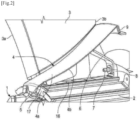
Fig.2 ] lafigure 2 est une vue schématique en perspective du rotor de soufflante de lafigure 1 , - [
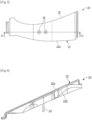
Fig.3 ] lafigure 3 est une vue schématique en perspective d'une plateforme composite, vue de dessus ou de l'extérieur et qui ne fait pas partie de l'invention, - [
Fig.4 ] lafigure 4 est une vue schématique en coupe selon la ligne IV-IV de lafigure 3 , - [
Fig.5 ] lafigure 5 est une autre vue schématique en perspective de la plateforme de lafigure 3 , vue de dessous ou de l'intérieur, - [
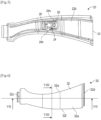
Fig.6 ] lafigure 6 est une vue schématique en perspective d'une plateforme composite conformément à un mode de réalisation de l'invention, - [
Fig.7 ] lafigure 7 est une vue schématique en coupe selon la ligne VII-VII de lafigure 6 , et - [
Fig.8 ] lafigure 8 est une vue schématique en coupe selon la ligne VIII-VIII de lafigure 6 . - La
figure 1 a été décrite dans ce qui précède et lafigure 2 représente en perspective une partie du rotor de soufflante 1 de lafigure 1 . Lesfigures 1 et2 illustrent ainsi l'art antérieur. - Le rotor 1 est monté tournant autour d'un axe de rotation et comporte un disque 2 de soufflante et des pales 3 de soufflante comportant des pieds emmanchés dans des alvéoles de la périphérie du disque 2, dont une seule pale 3 est visible à la
figure 2 . Chaque pale 3 comprend un intrados, un extrados, un bord d'attaque 3a et un bord de fuite 3b. - Une périphérie du disque 2 est avantageusement dentée en étant munie de dents 16, avantageusement de section trapézoïdale et s'étendant axialement sur le disque 2 par rapport à l'axe de rotation du rotor 1. Au moins une cale 17 est prévue côté amont entre deux dents 16 adjacentes qui forment une alvéole de réception d'un pied d'une pale 3, cette cale 17 étant destinée à bloquer axialement le pied de pale dans son alvéole correspondante.
- Des plateformes 4 sont intercalées entre les pales 3 de soufflante et fixées à la périphérie du disque 2. Chaque plateforme 4 peut donc être interposée entre deux pales 3 de soufflante consécutives.
- Chaque plateforme 4 comporte une face interne 4b (ou radialement interne par référence audit axe) et une face externe 4a aérodynamique. Ces faces 4a, 4b s'étendent le long de l'axe sensiblement depuis les bords d'attaque 3a jusqu'aux bords de fuite 3b des deux pales 3 entre lesquelles cette plateforme 4 est montée.
- A son extrémité amont (par référence à l'écoulement des gaz dans la soufflante et la turbomachine), chaque plateforme 4 comprend un rebord 5 de fixation ou d'accrochage au disque 2. Un rebord 9 similaire est situé à l'extrémité aval de chaque plateforme 4.
- La face interne 4b de chaque plateforme 4 est reliée à une patte de fixation 6 sur une bride 8 du disque 2. Cette patte 6 s'étend en saillie radialement vers l'intérieur et comprend à son extrémité libre radialement interne un orifice de passage d'une vis 7 de fixation de la patte et de la plateforme 4 à la bride 8 et donc au disque 2.
- La plateforme 4 visible aux
figures 1 et2 est réalisée d'une seule pièce en alliage métallique et la présente invention propose une plateforme composite qui peut être utilisée par exemple avec des aubes de soufflante également en composite. - Les
figures 3 à 5 décrivent un exemple de réalisation d'une plateforme composite qui ne fait pas partie de l'invention. - La plateforme composite 20 des
figures 2 à 5 comporte une paroi 22 de forme allongée et configurée pour s'étendre entre deux aubes de soufflante. - Cette paroi 22 comporte une face externe 22a aérodynamique et une face interne 22b sur laquelle est située une patte de fixation 24 similaire à la patte 6 décrite dans ce qui précède.
- La patte de fixation 24 est réalisée en alliage métallique et comprend une embase 24a reliée à une oreille 24b percée d'un orifice 24c de passage d'une vis (similaire à la vis 7 décrite dans ce qui précède).
- L'embase 24a est plane et est appliquée sur la face interne 22b de la paroi 22. La paroi 22 est réalisée en matériau composite à partir d'une résine. La paroi 22 comprend sensiblement en son milieu des orifices qui sont alignés avec des orifices de l'embase 24a et qui reçoivent des vis 26 de fixation de la patte 24 à la paroi 22. Chaque vis 26 comprend une tête, de préférence fraisée, engagée dans un renfoncement de la face externe 22a de la paroi, et une tige filetée sur laquelle est vissé un écrou prenant appui sur l'embase 24a.
- Cette technologie de plateforme composite n'est pas entièrement satisfaisante car elle présente des inconvénients.
- Le positionnement de la patte 24 sur la paroi 22 nécessite une forte précision (et donc un fort surcoût) pour respecter les contraintes géométriques imposées par l'aérodynamique. En plus, les têtes de vis 26 doivent impérativement être recouvertes afin de tenir la géométrie aérodynamique de la veine, ce qui génère également un surcoût par ajout d'une étape de recouvrement délicate et complexe dans sa maîtrise. Par ailleurs, le fait de recouvrir les têtes de vis par un enduit rend plus difficile leur localisation pour un éventuel démontage de la patte et retrait de la plateforme en vue de son remplacement par exemple.
- Chaque plateforme 20 a une masse importante, environ 1 kilogramme chacune, un rotor de soufflante comportant par exemple dix-huit plateformes 20.
- Une surépaisseur de la paroi 22 au niveau des vis 26 et de l'embase 24a est nécessaire pour réduire l'effort de matage dans la paroi, générée par son serrage ; serrage qui doit aussi résister aux efforts centrifuges vus par la pièce : la forme de serrage doit être supérieure à la somme des forces de matage et centrifuge (F serrage > F matage + F centrifuge).
- La force de serrage est d'autant plus difficile à tenir que les têtes fraisées des vis 26 ne peuvent supporter des rondelles au droit de leur tête, ce qui participe à une mauvaise répartition des efforts de serrage et sollicite un volume plus faible de matière.
- La tenue géométrique de chaque plateforme 20 au cours du fonctionnement moteur suite aux efforts centrifuges. La moindre déformation fait perdre du rendement à la soufflante. De même, l'utilisation des vis 26 à tête fraisée réduit le volume de matière chargée par l'assemblage et augmente significativement les contraintes locales, en particulier au niveau des têtes de vis.
- Ces deux derniers points engendrent la nécessité d'un serrage de vis très contrôlé (clé dynamométrique) et donc coûteux.
- La durabilité suite à l'étape de recouvrement des têtes de vis. La pièce doit en principe perdurer toute la vie du moteur sans altération. L'érosion alliée aux contraintes locales met en doute la possibilité de tenir ce critère.
- L'invention permet de remédier à au moins une partie de ces problèmes et propose une plateforme dont un mode de réalisation est représenté aux
figures 6 à 8 . - La plateforme composite 30 comporte une paroi 32 de forme allongée et configurée pour s'étendre entre deux aubes de soufflante.
- Cette paroi 32 comporte une face externe 32a aérodynamique et une face interne 32b sur laquelle est située une patte 34 de fixation à un disque de soufflante.
- La paroi 32 comporte en outre un bord amont 32c, un bord aval 32d, un bord latéral incurvé concave 32e et un bord latéral incurvé convexe 32f. On comprend que le bord incurvé concave 32e s'étend le long d'un extrados d'une aube, du bord d'attaque au bord de fuite de cette aube, et que le bord incurvé convexe 32f s'étend le long d'un intrados d'une aube adjacente, du bord d'attaque au bord de fuite de cette aube adjacente. A chacune des extrémités axiales de la paroi 32, au niveau des bords 32c, 32d, la paroi peut avoir un rebord ou former une marche. Ces extrémités sont destinées à coopérer avec les viroles du rotor de soufflante, comme évoqué dans ce qui précède en relation avec la
figure 1 . - La patte de fixation 34 est formée d'une seule pièce avec une armature métallique 36 qui est au moins en partie intégrée dans la paroi 32. L'armature est métallique car elle doit résister à un effort de plusieurs tonnes. Cette paroi 32 est réalisée par superposition de préimprégnés dans un moule, l'armature 36 étant disposée dans ce moule de façon à ne pas utiliser de vis de fixation ou analogue.
- L'armature 36 comprend une plaque 38 qui s'étend le long de la paroi 32 et qui est reliée à la patte de fixation 34. La
figure 7 permet de constater que la plaque 38 est située à distance des extrémités amont 32c et aval 32d de la paroi 32. Lafigure 8 permet quant à elle de constater que la plaque 38 comporte deux bords latéraux 38a, 38b qui sont en retrait par rapport aux bords latéraux 32e, 32f de la paroi 32. Les bords 32e, 32f de la paroi 32 sont ainsi réalisés à partir de préimprégnés et ne comprennent pas de partie métallique de la plaque, ce qui est particulièrement important car ces bords sont susceptibles d'entrer en contact avec une aube et être écrasable par cette aube en cas de rupture de cette dernière. La fonction « fusible » de ces bords est en effet un critère important de ces plateformes pour le critère de sécurité. L'armature 36 et en particulier la plaque 38 peuvent être au moins en partie revêtue d'un primaire d'accrochage ou être soumise à un traitement de surface, en vue d'améliorer la tenue mécanique des préimprégnés sur l'armature. - L'armature 36 peut être composée en aluminium, titane, ou acier fabriquée par fonderie, forgeage, emboutissage et soudage, usinage, électroérosion ou encore fabrication additive, etc.
- La résine d'imprégnation 32 est thermoplastique ou thermodurcissable et est par exemple choisie parmi les matériaux suivants et leurs mélanges : polyaryléthercétones, polyétherimides, polyamides semi-aromatiques, et polyamides.
- La plateforme 30 est fabriquée par un procédé comprenant plus précisément les étapes de :
- a) préparation de tissus ou nappes préimprégnés avec une résine,
- b) dépôt des tissus ou nappes dans un moule,
- c) positionnement de l'armature 34 dans le moule, sur les tissus ou nappes, et
- d) dépôt de tissus ou nappes sur une partie de l'armature, et en particulier la plaque 38, et
- e) fermeture et chauffage du moule en vue de la solidification de l'ensemble formé par les tissus ou nappes et l'armature. Le chauffage peut être accompagné d'une compression, par exemple sous presse du moule, ou bâche à vide ou vessies, etc.
- Comme on le voit à la
figure 7 , la paroi 32 est intégralement formée par les préimprégnés 40 qui s'étendent donc sur toute l'étendue de la paroi 32. Ils s'étendent en outre dans des raidisseurs 42 en saillie sur la face interne 32b de la paroi 32. - La face externe 32a de la paroi 32 peut être au moins en partie revêtue d'une couche amortissante (non représentée). Cette couche (surmoulage bi-matière, peinture, collage de film, etc.) peut participer aux modifications des fréquences propres de la pièce ou bien à la tenue dynamique de l'ensemble du rotor de soufflante.
- L'invention apporte plusieurs avantages :
- Un gain de masse estimée entre 10 et 20% par pièce, en éliminant vis, écrous, et rondelles. La masse de la plateforme peut être minimisée via une conception optimisée de l'armature (épaississement aux endroits contraints, possibilité de creuser/évider l'armature, optimisation de sa forme et ses dimensions, etc.).
- Une garantie que la face aérodynamique 32a reste lisse dans le temps, sans perturbation de flux d'air, suite à la suppression des vis et une meilleure tenue de la pièce suite à une rigidification globale de la pièce due à l'armature et/ou aux renforts et/ou aux raidisseurs.
- Un gain de prix de la pièce qui peut ne pas nécessiter d'opération de retouche à la sortie du moule. Ce n'est plus un assemblage de plusieurs pièces mais une même et seule pièce du fait de l'intégration de plusieurs fonctions (raidisseurs, bords fusibles, etc.).
- Une simplification de montage et de fabrication. La pièce étant aux cotes finies, elle peut directement être montée. Sa géométrie et ses dimensions sont assurées par le moule. La géométrie finale est maîtrisée car le positionnement de l'armature métallique directement dans le moule permet de garantir la reproductibilité de la forme.
- Une amélioration de la durée de vie de la pièce puisque les contraintes de serrage sont nulles et l'effort transite au travers de l'armature métallique.
Claims (10)
- Procédé de fabrication d'une plateforme composite (30) pour une soufflante de turbomachine d'aéronef, cette plateforme comportant une paroi (32) de forme allongée et configurée pour s'étendre entre deux aubes de soufflante (3), cette paroi comportant une face externe (32a) aérodynamique et une face interne (32b) sur laquelle est située une patte de fixation (34) configurée pour être fixée à un disque de soufflante (2), comprenant les étapes de :a) préparation de tissus ou nappes préimprégnés avec une résine,b) dépôt des tissus ou nappes dans un moule, caractérisé en ce qu'il comprend en outre les étapes de:c) positionnement d'une armature métallique (36) dans le moule, sur les tissus ou nappes, l'armature étant formée d'une seule pièce avec ladite patte de fixation,d) dépôt de tissus ou nappes sur une partie de l'armature, ete) fermeture et chauffage du moule en vue de la solidification de l'ensemble formé par les tissus ou nappes et l'armature.
- Procédé selon la revendication 1, dans lequel l'armature (36) comprend une plaque (38) qui est reliée à ladite patte de fixation (36) et qui est disposée entre deux tissus ou nappes, ou deux plis de tissus ou nappes.
- Procédé selon la revendication 2, dans lequel la plaque (38) est située à distance des extrémités amont et aval de la paroi (32).
- Procédé selon la revendication 2 ou 3, dans lequel la paroi (32) comprend au moins un bord latéral (32e, 32f) qui est incurvé, la plaque (38) comportant au moins un bord latéral (38a, 38b) qui est en retrait par rapport à ce bord latéral de la paroi.
- Procédé selon l'une des revendication 2 à 4, dans lequel la paroi (32) comprend un bord latéral (32e) qui est incurvé concave et un bord latéral (32f) opposé qui est incurvé convexe, la plaque (38) comportant deux bords latéraux (38a, 38b) qui sont en retrait par rapport aux bords latéraux de la paroi.
- Procédé selon l'une des revendications précédentes, dans lequel l'armature (36) est au moins en partie revêtue d'un primaire d'accrochage et/ou la face externe (32a) de la paroi (32) est au moins en partie revêtue d'une couche amortissante.
- Procédé selon l'une des revendications précédentes, dans lequel la résine est choisie parmi les matériaux suivants et leurs mélanges : polyaryléthercétones, polyétherimides, polyamides semi-aromatiques, et polyamides.
- Procédé selon l'une des revendications précédentes, dans lequel des raidisseurs (42) sont en saillie sur la face interne (32b) de la paroi (32) et sont réalisées en résine.
- Plateforme composite (30) pour une soufflante de turbomachine d'aéronef, cette plateforme comportant une paroi (32) de forme allongée et configurée pour s'étendre entre deux aubes de soufflante (3), cette paroi comportant une face externe (32a) aérodynamique et une face interne (32b) sur laquelle est située une patte de fixation (34) configurée pour être fixée à un disque de soufflante (2), la plateforme comprenant des tissus ou nappes préimprégnés avec une résine,
caractérisé en ce que:une armature métallique (36) est formée d'une seule pièce avec ladite patte de fixation, l'armature étant positionnée sur les tissus ou nappes, etdes tissus ou nappes étant déposées sur une partie de l'armature, cette plateforme étant dépourvue d'éléments mécaniques de fixation de l'armature á la plateforme, et ladite face externe étant dépourvue d'orifices de montage de tels éléments,cette plateforme étant fabriquée par un procédé selon l'une des revendications précédentes. - Turbomachine d'aéronef, caractérisée en ce qu'elle comporte une soufflante comportant un disque (2) portant des aubes (3) et des plateformes (30) selon la revendication précédente.
Applications Claiming Priority (2)
| Application Number | Priority Date | Filing Date | Title |
|---|---|---|---|
| FR2002122A FR3107923B1 (fr) | 2020-03-03 | 2020-03-03 | Procede de fabrication d’une plateforme composite pour une soufflante de turbomachine d’aeronef |
| PCT/FR2021/050340 WO2021176167A1 (fr) | 2020-03-03 | 2021-03-01 | Procede de fabrication d'une plateforme composite pour une soufflante de turbomachine d'aeronef |
Publications (2)
| Publication Number | Publication Date |
|---|---|
| EP4115058A1 EP4115058A1 (fr) | 2023-01-11 |
| EP4115058B1 true EP4115058B1 (fr) | 2024-08-07 |
Family
ID=70614179
Family Applications (1)
| Application Number | Title | Priority Date | Filing Date |
|---|---|---|---|
| EP21714250.4A Active EP4115058B1 (fr) | 2020-03-03 | 2021-03-01 | Procédé de fabrication d'une plateforme composite pour une soufflante de turbomachine d'aéronef et plateforme composite pour une soufflante de turbomachine d'aéronef |
Country Status (5)
| Country | Link |
|---|---|
| US (1) | US11939937B2 (fr) |
| EP (1) | EP4115058B1 (fr) |
| CN (1) | CN115210452B (fr) |
| FR (1) | FR3107923B1 (fr) |
| WO (1) | WO2021176167A1 (fr) |
Families Citing this family (3)
| Publication number | Priority date | Publication date | Assignee | Title |
|---|---|---|---|---|
| US12508747B2 (en) * | 2022-10-31 | 2025-12-30 | Rohr, Inc. | Systems and methods for bladder pressure forming a preform into a shaped body |
| US12325668B2 (en) | 2022-10-31 | 2025-06-10 | Goodrich Corporation | Expandable male die bladder for match die shape-forming systems and methods |
| US20240271537A1 (en) * | 2023-02-14 | 2024-08-15 | Raytheon Technologies Corporation | Machinable coating for damping |
Citations (7)
| Publication number | Priority date | Publication date | Assignee | Title |
|---|---|---|---|---|
| US5193982A (en) * | 1991-07-17 | 1993-03-16 | Societe Nationale D'etude Et De Construction De Moteurs D'aviation S.N.E.C.M.A. | Separate inter-blade platform for a bladed rotor disk |
| EP1013886A2 (fr) * | 1998-12-24 | 2000-06-28 | ROLLS-ROYCE plc | Plate-forme inter aubes |
| EP1970537A1 (fr) * | 2007-03-16 | 2008-09-17 | Snecma | Soufflante de turbomachine |
| EP2837774A1 (fr) * | 2013-08-14 | 2015-02-18 | Rolls-Royce plc | Plateforme entretoise annulaire, étage et motor à turbine à gaz associés |
| US20170022824A1 (en) * | 2015-07-21 | 2017-01-26 | United Technologies Corporation | Fan platform with stiffening feature |
| US20170101876A1 (en) * | 2015-10-08 | 2017-04-13 | General Electric Company | Fan platform for a gas turbine engine |
| EP3536909A1 (fr) * | 2018-03-08 | 2019-09-11 | United Technologies Corporation | Espaceur de ventilateur multi-pièce pour un moteur à turbine à gaz |
Family Cites Families (11)
| Publication number | Priority date | Publication date | Assignee | Title |
|---|---|---|---|---|
| GB0318937D0 (en) * | 2003-08-13 | 2003-09-17 | Rolls Royce Plc | A method of manufacturing an article by diffusion bonding and superplastic forming |
| US7654125B2 (en) * | 2007-02-06 | 2010-02-02 | Gm Global Technology Operations, Inc. | Metal forming apparatus |
| US7805839B2 (en) * | 2007-12-31 | 2010-10-05 | Turbine Engine Components Technologies Corporation | Method of manufacturing a turbine fan blade |
| US10436036B2 (en) * | 2016-07-05 | 2019-10-08 | Safran Aircraft Engines | Fitted platform for a turbine engine fan, and a method of fabricating it |
| US10995632B2 (en) * | 2019-03-11 | 2021-05-04 | Raytheon Technologies Corporation | Damped airfoil for a gas turbine engine |
| US11033993B2 (en) * | 2019-03-20 | 2021-06-15 | Raytheon Technologies Corporation | Method of forming gas turbine engine components |
| US11236619B2 (en) * | 2019-05-07 | 2022-02-01 | Raytheon Technologies Corporation | Multi-cover gas turbine engine component |
| US11370016B2 (en) * | 2019-05-23 | 2022-06-28 | Raytheon Technologies Corporation | Assembly and method of forming gas turbine engine components |
| US11174737B2 (en) * | 2019-06-12 | 2021-11-16 | Raytheon Technologies Corporation | Airfoil with cover for gas turbine engine |
| US11248477B2 (en) * | 2019-08-02 | 2022-02-15 | Raytheon Technologies Corporation | Hybridized airfoil for a gas turbine engine |
| US11148221B2 (en) * | 2019-08-29 | 2021-10-19 | Raytheon Technologies Corporation | Method of forming gas turbine engine components |
-
2020
- 2020-03-03 FR FR2002122A patent/FR3107923B1/fr active Active
-
2021
- 2021-03-01 CN CN202180019032.4A patent/CN115210452B/zh active Active
- 2021-03-01 WO PCT/FR2021/050340 patent/WO2021176167A1/fr not_active Ceased
- 2021-03-01 US US17/908,500 patent/US11939937B2/en active Active
- 2021-03-01 EP EP21714250.4A patent/EP4115058B1/fr active Active
Patent Citations (7)
| Publication number | Priority date | Publication date | Assignee | Title |
|---|---|---|---|---|
| US5193982A (en) * | 1991-07-17 | 1993-03-16 | Societe Nationale D'etude Et De Construction De Moteurs D'aviation S.N.E.C.M.A. | Separate inter-blade platform for a bladed rotor disk |
| EP1013886A2 (fr) * | 1998-12-24 | 2000-06-28 | ROLLS-ROYCE plc | Plate-forme inter aubes |
| EP1970537A1 (fr) * | 2007-03-16 | 2008-09-17 | Snecma | Soufflante de turbomachine |
| EP2837774A1 (fr) * | 2013-08-14 | 2015-02-18 | Rolls-Royce plc | Plateforme entretoise annulaire, étage et motor à turbine à gaz associés |
| US20170022824A1 (en) * | 2015-07-21 | 2017-01-26 | United Technologies Corporation | Fan platform with stiffening feature |
| US20170101876A1 (en) * | 2015-10-08 | 2017-04-13 | General Electric Company | Fan platform for a gas turbine engine |
| EP3536909A1 (fr) * | 2018-03-08 | 2019-09-11 | United Technologies Corporation | Espaceur de ventilateur multi-pièce pour un moteur à turbine à gaz |
Also Published As
| Publication number | Publication date |
|---|---|
| US11939937B2 (en) | 2024-03-26 |
| CN115210452B (zh) | 2024-05-24 |
| US20240060460A1 (en) | 2024-02-22 |
| WO2021176167A1 (fr) | 2021-09-10 |
| FR3107923A1 (fr) | 2021-09-10 |
| CN115210452A (zh) | 2022-10-18 |
| FR3107923B1 (fr) | 2022-02-04 |
| EP4115058A1 (fr) | 2023-01-11 |
Similar Documents
| Publication | Publication Date | Title |
|---|---|---|
| EP4115058B1 (fr) | Procédé de fabrication d'une plateforme composite pour une soufflante de turbomachine d'aéronef et plateforme composite pour une soufflante de turbomachine d'aéronef | |
| EP3356650A1 (fr) | Aube comprenant un bouclier de bord d'attaque et procede de fabrication de l'aube | |
| EP4115056B1 (fr) | Plateforme composite pour une soufflante de turbomachine d'aeronef | |
| FR3084695A1 (fr) | Aube composite a armature metallique et son procede de fabrication | |
| EP3121375A1 (fr) | Aube composite de compresseur de turbomachine axiale | |
| EP3996990B1 (fr) | Aube de soufflante | |
| FR3151882A1 (fr) | Aubage fixe de turbomachine comprenant des aubes à calage variable | |
| EP4127409B1 (fr) | Aube de soufflante rotative de turbomachine, soufflante et turbomachine munies de celle-ci | |
| FR3011269A1 (fr) | Aube de redresseur pour moteur a turbine a gaz a structure hybride | |
| EP4115055B1 (fr) | Procede de fabrication d'une plateforme composite pour une soufflante de turbomachine d'aeronef | |
| EP4577453B1 (fr) | Aubage fixe de turbomachine comprenant des aubes à calage variable | |
| EP3899207B1 (fr) | Ensemble de turbomachine comprenant des aubes de soufflante à bord de fuite prolongé | |
| EP4532319B1 (fr) | Aube comprenant une structure en matériau composite et procédé de fabrication associé | |
| BE1031981B1 (fr) | Bride de fixation pour carter, notamment carter de compresseur basse pression, eventuellement rapide, d'une turbomachine d'aeronef | |
| FR3108665A1 (fr) | Rotor de soufflante comprenant des aubes à centre de gravité en amont | |
| BE1032648B1 (fr) | Carter de compresseur basse pression d'une turbomachine d'aéronef | |
| FR3100834A1 (fr) | Virole annulaire acoustique de turbomachine et procede de fabrication associe | |
| FR3165468A1 (fr) | Aube a calage variable pour une turbomachine | |
| FR3165467A1 (fr) | Aube a calage variable pour une turbomachine | |
| EP4473197A1 (fr) | Aube hybride metal/composite a orientation textile adaptee aux sollicitations mecaniques | |
| WO2025061698A1 (fr) | Carter de compresseur basse pression d'une turbomachine d'aéronef | |
| FR3165466A1 (fr) | Aube a calage variable pour une turbomachine | |
| WO2026033179A1 (fr) | Aube a calage variable pour une turbomachine | |
| FR3138904A1 (fr) | Aubage fixe de turbomachine comprenant des aubes à calage variable |
Legal Events
| Date | Code | Title | Description |
|---|---|---|---|
| STAA | Information on the status of an ep patent application or granted ep patent |
Free format text: STATUS: UNKNOWN |
|
| STAA | Information on the status of an ep patent application or granted ep patent |
Free format text: STATUS: THE INTERNATIONAL PUBLICATION HAS BEEN MADE |
|
| PUAI | Public reference made under article 153(3) epc to a published international application that has entered the european phase |
Free format text: ORIGINAL CODE: 0009012 |
|
| STAA | Information on the status of an ep patent application or granted ep patent |
Free format text: STATUS: REQUEST FOR EXAMINATION WAS MADE |
|
| 17P | Request for examination filed |
Effective date: 20220923 |
|
| AK | Designated contracting states |
Kind code of ref document: A1 Designated state(s): AL AT BE BG CH CY CZ DE DK EE ES FI FR GB GR HR HU IE IS IT LI LT LU LV MC MK MT NL NO PL PT RO RS SE SI SK SM TR |
|
| DAV | Request for validation of the european patent (deleted) | ||
| DAX | Request for extension of the european patent (deleted) | ||
| GRAP | Despatch of communication of intention to grant a patent |
Free format text: ORIGINAL CODE: EPIDOSNIGR1 |
|
| STAA | Information on the status of an ep patent application or granted ep patent |
Free format text: STATUS: GRANT OF PATENT IS INTENDED |
|
| INTG | Intention to grant announced |
Effective date: 20240304 |
|
| GRAS | Grant fee paid |
Free format text: ORIGINAL CODE: EPIDOSNIGR3 |
|
| GRAA | (expected) grant |
Free format text: ORIGINAL CODE: 0009210 |
|
| STAA | Information on the status of an ep patent application or granted ep patent |
Free format text: STATUS: THE PATENT HAS BEEN GRANTED |
|
| AK | Designated contracting states |
Kind code of ref document: B1 Designated state(s): AL AT BE BG CH CY CZ DE DK EE ES FI FR GB GR HR HU IE IS IT LI LT LU LV MC MK MT NL NO PL PT RO RS SE SI SK SM TR |
|
| REG | Reference to a national code |
Ref country code: GB Ref legal event code: FG4D Free format text: NOT ENGLISH |
|
| REG | Reference to a national code |
Ref country code: CH Ref legal event code: EP |
|
| REG | Reference to a national code |
Ref country code: IE Ref legal event code: FG4D Free format text: LANGUAGE OF EP DOCUMENT: FRENCH |
|
| REG | Reference to a national code |
Ref country code: DE Ref legal event code: R096 Ref document number: 602021016817 Country of ref document: DE |
|
| REG | Reference to a national code |
Ref country code: LT Ref legal event code: MG9D |
|
| REG | Reference to a national code |
Ref country code: NL Ref legal event code: MP Effective date: 20240807 |
|
| PG25 | Lapsed in a contracting state [announced via postgrant information from national office to epo] |
Ref country code: NO Free format text: LAPSE BECAUSE OF FAILURE TO SUBMIT A TRANSLATION OF THE DESCRIPTION OR TO PAY THE FEE WITHIN THE PRESCRIBED TIME-LIMIT Effective date: 20241107 |
|
| REG | Reference to a national code |
Ref country code: AT Ref legal event code: MK05 Ref document number: 1711152 Country of ref document: AT Kind code of ref document: T Effective date: 20240807 |
|
| PG25 | Lapsed in a contracting state [announced via postgrant information from national office to epo] |
Ref country code: NL Free format text: LAPSE BECAUSE OF FAILURE TO SUBMIT A TRANSLATION OF THE DESCRIPTION OR TO PAY THE FEE WITHIN THE PRESCRIBED TIME-LIMIT Effective date: 20240807 Ref country code: FI Free format text: LAPSE BECAUSE OF FAILURE TO SUBMIT A TRANSLATION OF THE DESCRIPTION OR TO PAY THE FEE WITHIN THE PRESCRIBED TIME-LIMIT Effective date: 20240807 Ref country code: PL Free format text: LAPSE BECAUSE OF FAILURE TO SUBMIT A TRANSLATION OF THE DESCRIPTION OR TO PAY THE FEE WITHIN THE PRESCRIBED TIME-LIMIT Effective date: 20240807 Ref country code: GR Free format text: LAPSE BECAUSE OF FAILURE TO SUBMIT A TRANSLATION OF THE DESCRIPTION OR TO PAY THE FEE WITHIN THE PRESCRIBED TIME-LIMIT Effective date: 20241108 Ref country code: PT Free format text: LAPSE BECAUSE OF FAILURE TO SUBMIT A TRANSLATION OF THE DESCRIPTION OR TO PAY THE FEE WITHIN THE PRESCRIBED TIME-LIMIT Effective date: 20241209 |
|
| PG25 | Lapsed in a contracting state [announced via postgrant information from national office to epo] |
Ref country code: BG Free format text: LAPSE BECAUSE OF FAILURE TO SUBMIT A TRANSLATION OF THE DESCRIPTION OR TO PAY THE FEE WITHIN THE PRESCRIBED TIME-LIMIT Effective date: 20240807 |
|
| PG25 | Lapsed in a contracting state [announced via postgrant information from national office to epo] |
Ref country code: LV Free format text: LAPSE BECAUSE OF FAILURE TO SUBMIT A TRANSLATION OF THE DESCRIPTION OR TO PAY THE FEE WITHIN THE PRESCRIBED TIME-LIMIT Effective date: 20240807 |
|
| PG25 | Lapsed in a contracting state [announced via postgrant information from national office to epo] |
Ref country code: AT Free format text: LAPSE BECAUSE OF FAILURE TO SUBMIT A TRANSLATION OF THE DESCRIPTION OR TO PAY THE FEE WITHIN THE PRESCRIBED TIME-LIMIT Effective date: 20240807 Ref country code: IS Free format text: LAPSE BECAUSE OF FAILURE TO SUBMIT A TRANSLATION OF THE DESCRIPTION OR TO PAY THE FEE WITHIN THE PRESCRIBED TIME-LIMIT Effective date: 20241207 |
|
| PG25 | Lapsed in a contracting state [announced via postgrant information from national office to epo] |
Ref country code: HR Free format text: LAPSE BECAUSE OF FAILURE TO SUBMIT A TRANSLATION OF THE DESCRIPTION OR TO PAY THE FEE WITHIN THE PRESCRIBED TIME-LIMIT Effective date: 20240807 |
|
| PG25 | Lapsed in a contracting state [announced via postgrant information from national office to epo] |
Ref country code: ES Free format text: LAPSE BECAUSE OF FAILURE TO SUBMIT A TRANSLATION OF THE DESCRIPTION OR TO PAY THE FEE WITHIN THE PRESCRIBED TIME-LIMIT Effective date: 20240807 Ref country code: RS Free format text: LAPSE BECAUSE OF FAILURE TO SUBMIT A TRANSLATION OF THE DESCRIPTION OR TO PAY THE FEE WITHIN THE PRESCRIBED TIME-LIMIT Effective date: 20241107 |
|
| PG25 | Lapsed in a contracting state [announced via postgrant information from national office to epo] |
Ref country code: RS Free format text: LAPSE BECAUSE OF FAILURE TO SUBMIT A TRANSLATION OF THE DESCRIPTION OR TO PAY THE FEE WITHIN THE PRESCRIBED TIME-LIMIT Effective date: 20241107 Ref country code: PT Free format text: LAPSE BECAUSE OF FAILURE TO SUBMIT A TRANSLATION OF THE DESCRIPTION OR TO PAY THE FEE WITHIN THE PRESCRIBED TIME-LIMIT Effective date: 20241209 Ref country code: PL Free format text: LAPSE BECAUSE OF FAILURE TO SUBMIT A TRANSLATION OF THE DESCRIPTION OR TO PAY THE FEE WITHIN THE PRESCRIBED TIME-LIMIT Effective date: 20240807 Ref country code: NO Free format text: LAPSE BECAUSE OF FAILURE TO SUBMIT A TRANSLATION OF THE DESCRIPTION OR TO PAY THE FEE WITHIN THE PRESCRIBED TIME-LIMIT Effective date: 20241107 Ref country code: NL Free format text: LAPSE BECAUSE OF FAILURE TO SUBMIT A TRANSLATION OF THE DESCRIPTION OR TO PAY THE FEE WITHIN THE PRESCRIBED TIME-LIMIT Effective date: 20240807 Ref country code: LV Free format text: LAPSE BECAUSE OF FAILURE TO SUBMIT A TRANSLATION OF THE DESCRIPTION OR TO PAY THE FEE WITHIN THE PRESCRIBED TIME-LIMIT Effective date: 20240807 Ref country code: IS Free format text: LAPSE BECAUSE OF FAILURE TO SUBMIT A TRANSLATION OF THE DESCRIPTION OR TO PAY THE FEE WITHIN THE PRESCRIBED TIME-LIMIT Effective date: 20241207 Ref country code: HR Free format text: LAPSE BECAUSE OF FAILURE TO SUBMIT A TRANSLATION OF THE DESCRIPTION OR TO PAY THE FEE WITHIN THE PRESCRIBED TIME-LIMIT Effective date: 20240807 Ref country code: GR Free format text: LAPSE BECAUSE OF FAILURE TO SUBMIT A TRANSLATION OF THE DESCRIPTION OR TO PAY THE FEE WITHIN THE PRESCRIBED TIME-LIMIT Effective date: 20241108 Ref country code: FI Free format text: LAPSE BECAUSE OF FAILURE TO SUBMIT A TRANSLATION OF THE DESCRIPTION OR TO PAY THE FEE WITHIN THE PRESCRIBED TIME-LIMIT Effective date: 20240807 Ref country code: ES Free format text: LAPSE BECAUSE OF FAILURE TO SUBMIT A TRANSLATION OF THE DESCRIPTION OR TO PAY THE FEE WITHIN THE PRESCRIBED TIME-LIMIT Effective date: 20240807 Ref country code: BG Free format text: LAPSE BECAUSE OF FAILURE TO SUBMIT A TRANSLATION OF THE DESCRIPTION OR TO PAY THE FEE WITHIN THE PRESCRIBED TIME-LIMIT Effective date: 20240807 Ref country code: AT Free format text: LAPSE BECAUSE OF FAILURE TO SUBMIT A TRANSLATION OF THE DESCRIPTION OR TO PAY THE FEE WITHIN THE PRESCRIBED TIME-LIMIT Effective date: 20240807 |
|
| PG25 | Lapsed in a contracting state [announced via postgrant information from national office to epo] |
Ref country code: DK Free format text: LAPSE BECAUSE OF FAILURE TO SUBMIT A TRANSLATION OF THE DESCRIPTION OR TO PAY THE FEE WITHIN THE PRESCRIBED TIME-LIMIT Effective date: 20240807 Ref country code: SM Free format text: LAPSE BECAUSE OF FAILURE TO SUBMIT A TRANSLATION OF THE DESCRIPTION OR TO PAY THE FEE WITHIN THE PRESCRIBED TIME-LIMIT Effective date: 20240807 |
|
| PG25 | Lapsed in a contracting state [announced via postgrant information from national office to epo] |
Ref country code: EE Free format text: LAPSE BECAUSE OF FAILURE TO SUBMIT A TRANSLATION OF THE DESCRIPTION OR TO PAY THE FEE WITHIN THE PRESCRIBED TIME-LIMIT Effective date: 20240807 |
|
| PG25 | Lapsed in a contracting state [announced via postgrant information from national office to epo] |
Ref country code: CZ Free format text: LAPSE BECAUSE OF FAILURE TO SUBMIT A TRANSLATION OF THE DESCRIPTION OR TO PAY THE FEE WITHIN THE PRESCRIBED TIME-LIMIT Effective date: 20240807 |
|
| PG25 | Lapsed in a contracting state [announced via postgrant information from national office to epo] |
Ref country code: SK Free format text: LAPSE BECAUSE OF FAILURE TO SUBMIT A TRANSLATION OF THE DESCRIPTION OR TO PAY THE FEE WITHIN THE PRESCRIBED TIME-LIMIT Effective date: 20240807 |
|
| REG | Reference to a national code |
Ref country code: DE Ref legal event code: R097 Ref document number: 602021016817 Country of ref document: DE |
|
| PLBE | No opposition filed within time limit |
Free format text: ORIGINAL CODE: 0009261 |
|
| STAA | Information on the status of an ep patent application or granted ep patent |
Free format text: STATUS: NO OPPOSITION FILED WITHIN TIME LIMIT |
|
| 26N | No opposition filed |
Effective date: 20250508 |
|
| PG25 | Lapsed in a contracting state [announced via postgrant information from national office to epo] |
Ref country code: SE Free format text: LAPSE BECAUSE OF FAILURE TO SUBMIT A TRANSLATION OF THE DESCRIPTION OR TO PAY THE FEE WITHIN THE PRESCRIBED TIME-LIMIT Effective date: 20240807 |
|
| PG25 | Lapsed in a contracting state [announced via postgrant information from national office to epo] |
Ref country code: MC Free format text: LAPSE BECAUSE OF FAILURE TO SUBMIT A TRANSLATION OF THE DESCRIPTION OR TO PAY THE FEE WITHIN THE PRESCRIBED TIME-LIMIT Effective date: 20240807 |
|
| REG | Reference to a national code |
Ref country code: CH Ref legal event code: H13 Free format text: ST27 STATUS EVENT CODE: U-0-0-H10-H13 (AS PROVIDED BY THE NATIONAL OFFICE) Effective date: 20251023 |
|
| PG25 | Lapsed in a contracting state [announced via postgrant information from national office to epo] |
Ref country code: LU Free format text: LAPSE BECAUSE OF NON-PAYMENT OF DUE FEES Effective date: 20250301 |
|
| REG | Reference to a national code |
Ref country code: BE Ref legal event code: MM Effective date: 20250331 |
|
| PG25 | Lapsed in a contracting state [announced via postgrant information from national office to epo] |
Ref country code: BE Free format text: LAPSE BECAUSE OF NON-PAYMENT OF DUE FEES Effective date: 20250331 |
|
| PG25 | Lapsed in a contracting state [announced via postgrant information from national office to epo] |
Ref country code: CH Free format text: LAPSE BECAUSE OF NON-PAYMENT OF DUE FEES Effective date: 20250331 |
|
| PG25 | Lapsed in a contracting state [announced via postgrant information from national office to epo] |
Ref country code: IE Free format text: LAPSE BECAUSE OF NON-PAYMENT OF DUE FEES Effective date: 20250301 |
|
| PG25 | Lapsed in a contracting state [announced via postgrant information from national office to epo] |
Ref country code: IT Free format text: LAPSE BECAUSE OF FAILURE TO SUBMIT A TRANSLATION OF THE DESCRIPTION OR TO PAY THE FEE WITHIN THE PRESCRIBED TIME-LIMIT Effective date: 20240807 |
|
| PGFP | Annual fee paid to national office [announced via postgrant information from national office to epo] |
Ref country code: GB Payment date: 20260324 Year of fee payment: 6 |
|
| PGFP | Annual fee paid to national office [announced via postgrant information from national office to epo] |
Ref country code: DE Payment date: 20260320 Year of fee payment: 6 |
|
| PG25 | Lapsed in a contracting state [announced via postgrant information from national office to epo] |
Ref country code: RO Free format text: LAPSE BECAUSE OF FAILURE TO SUBMIT A TRANSLATION OF THE DESCRIPTION OR TO PAY THE FEE WITHIN THE PRESCRIBED TIME-LIMIT Effective date: 20240807 |
|
| PGFP | Annual fee paid to national office [announced via postgrant information from national office to epo] |
Ref country code: FR Payment date: 20260324 Year of fee payment: 6 |