EP4113956A2 - Method of controlling autonomous vehicle, electronic device, vehicle, cloud server, storage medium, and program product - Google Patents
Method of controlling autonomous vehicle, electronic device, vehicle, cloud server, storage medium, and program product Download PDFInfo
- Publication number
- EP4113956A2 EP4113956A2 EP22202492.9A EP22202492A EP4113956A2 EP 4113956 A2 EP4113956 A2 EP 4113956A2 EP 22202492 A EP22202492 A EP 22202492A EP 4113956 A2 EP4113956 A2 EP 4113956A2
- Authority
- EP
- European Patent Office
- Prior art keywords
- vehicle
- information
- task
- cloud
- state
- Prior art date
- Legal status (The legal status is an assumption and is not a legal conclusion. Google has not performed a legal analysis and makes no representation as to the accuracy of the status listed.)
- Granted
Links
Images


Classifications
-
- G—PHYSICS
- G08—SIGNALLING
- G08G—TRAFFIC CONTROL SYSTEMS
- G08G1/00—Traffic control systems for road vehicles
- G08G1/09—Arrangements for giving variable traffic instructions
- G08G1/0962—Arrangements for giving variable traffic instructions having an indicator mounted inside the vehicle, e.g. giving voice messages
- G08G1/0967—Systems involving transmission of highway information, e.g. weather, speed limits
- G08G1/096708—Systems involving transmission of highway information, e.g. weather, speed limits where the received information might be used to generate an automatic action on the vehicle control
-
- H—ELECTRICITY
- H04—ELECTRIC COMMUNICATION TECHNIQUE
- H04L—TRANSMISSION OF DIGITAL INFORMATION, e.g. TELEGRAPHIC COMMUNICATION
- H04L67/00—Network arrangements or protocols for supporting network services or applications
- H04L67/01—Protocols
- H04L67/12—Protocols specially adapted for proprietary or special-purpose networking environments, e.g. medical networks, sensor networks, networks in vehicles or remote metering networks
- H04L67/125—Protocols specially adapted for proprietary or special-purpose networking environments, e.g. medical networks, sensor networks, networks in vehicles or remote metering networks involving control of end-device applications over a network
-
- B—PERFORMING OPERATIONS; TRANSPORTING
- B60—VEHICLES IN GENERAL
- B60K—ARRANGEMENT OR MOUNTING OF PROPULSION UNITS OR OF TRANSMISSIONS IN VEHICLES; ARRANGEMENT OR MOUNTING OF PLURAL DIVERSE PRIME-MOVERS IN VEHICLES; AUXILIARY DRIVES FOR VEHICLES; INSTRUMENTATION OR DASHBOARDS FOR VEHICLES; ARRANGEMENTS IN CONNECTION WITH COOLING, AIR INTAKE, GAS EXHAUST OR FUEL SUPPLY OF PROPULSION UNITS IN VEHICLES
- B60K35/00—Instruments specially adapted for vehicles; Arrangement of instruments in or on vehicles
- B60K35/10—Input arrangements, i.e. from user to vehicle, associated with vehicle functions or specially adapted therefor
-
- B—PERFORMING OPERATIONS; TRANSPORTING
- B60—VEHICLES IN GENERAL
- B60K—ARRANGEMENT OR MOUNTING OF PROPULSION UNITS OR OF TRANSMISSIONS IN VEHICLES; ARRANGEMENT OR MOUNTING OF PLURAL DIVERSE PRIME-MOVERS IN VEHICLES; AUXILIARY DRIVES FOR VEHICLES; INSTRUMENTATION OR DASHBOARDS FOR VEHICLES; ARRANGEMENTS IN CONNECTION WITH COOLING, AIR INTAKE, GAS EXHAUST OR FUEL SUPPLY OF PROPULSION UNITS IN VEHICLES
- B60K35/00—Instruments specially adapted for vehicles; Arrangement of instruments in or on vehicles
- B60K35/20—Output arrangements, i.e. from vehicle to user, associated with vehicle functions or specially adapted therefor
- B60K35/21—Output arrangements, i.e. from vehicle to user, associated with vehicle functions or specially adapted therefor using visual output, e.g. blinking lights or matrix displays
- B60K35/22—Display screens
-
- B—PERFORMING OPERATIONS; TRANSPORTING
- B60—VEHICLES IN GENERAL
- B60K—ARRANGEMENT OR MOUNTING OF PROPULSION UNITS OR OF TRANSMISSIONS IN VEHICLES; ARRANGEMENT OR MOUNTING OF PLURAL DIVERSE PRIME-MOVERS IN VEHICLES; AUXILIARY DRIVES FOR VEHICLES; INSTRUMENTATION OR DASHBOARDS FOR VEHICLES; ARRANGEMENTS IN CONNECTION WITH COOLING, AIR INTAKE, GAS EXHAUST OR FUEL SUPPLY OF PROPULSION UNITS IN VEHICLES
- B60K35/00—Instruments specially adapted for vehicles; Arrangement of instruments in or on vehicles
- B60K35/20—Output arrangements, i.e. from vehicle to user, associated with vehicle functions or specially adapted therefor
- B60K35/28—Output arrangements, i.e. from vehicle to user, associated with vehicle functions or specially adapted therefor characterised by the type of the output information, e.g. video entertainment or vehicle dynamics information; characterised by the purpose of the output information, e.g. for attracting the attention of the driver
-
- B—PERFORMING OPERATIONS; TRANSPORTING
- B60—VEHICLES IN GENERAL
- B60K—ARRANGEMENT OR MOUNTING OF PROPULSION UNITS OR OF TRANSMISSIONS IN VEHICLES; ARRANGEMENT OR MOUNTING OF PLURAL DIVERSE PRIME-MOVERS IN VEHICLES; AUXILIARY DRIVES FOR VEHICLES; INSTRUMENTATION OR DASHBOARDS FOR VEHICLES; ARRANGEMENTS IN CONNECTION WITH COOLING, AIR INTAKE, GAS EXHAUST OR FUEL SUPPLY OF PROPULSION UNITS IN VEHICLES
- B60K35/00—Instruments specially adapted for vehicles; Arrangement of instruments in or on vehicles
- B60K35/80—Arrangements for controlling instruments
-
- B—PERFORMING OPERATIONS; TRANSPORTING
- B60—VEHICLES IN GENERAL
- B60W—CONJOINT CONTROL OF VEHICLE SUB-UNITS OF DIFFERENT TYPE OR DIFFERENT FUNCTION; CONTROL SYSTEMS SPECIALLY ADAPTED FOR HYBRID VEHICLES; ROAD VEHICLE DRIVE CONTROL SYSTEMS FOR PURPOSES NOT RELATED TO THE CONTROL OF A PARTICULAR SUB-UNIT
- B60W50/00—Details of control systems for road vehicle drive control not related to the control of a particular sub-unit, e.g. process diagnostic or vehicle driver interfaces
- B60W50/08—Interaction between the driver and the control system
- B60W50/14—Means for informing the driver, warning the driver or prompting a driver intervention
-
- B—PERFORMING OPERATIONS; TRANSPORTING
- B60—VEHICLES IN GENERAL
- B60W—CONJOINT CONTROL OF VEHICLE SUB-UNITS OF DIFFERENT TYPE OR DIFFERENT FUNCTION; CONTROL SYSTEMS SPECIALLY ADAPTED FOR HYBRID VEHICLES; ROAD VEHICLE DRIVE CONTROL SYSTEMS FOR PURPOSES NOT RELATED TO THE CONTROL OF A PARTICULAR SUB-UNIT
- B60W60/00—Drive control systems specially adapted for autonomous road vehicles
- B60W60/001—Planning or execution of driving tasks
- B60W60/0025—Planning or execution of driving tasks specially adapted for specific operations
- B60W60/00253—Taxi operations
-
- G—PHYSICS
- G06—COMPUTING OR CALCULATING; COUNTING
- G06Q—INFORMATION AND COMMUNICATION TECHNOLOGY [ICT] SPECIALLY ADAPTED FOR ADMINISTRATIVE, COMMERCIAL, FINANCIAL, MANAGERIAL OR SUPERVISORY PURPOSES; SYSTEMS OR METHODS SPECIALLY ADAPTED FOR ADMINISTRATIVE, COMMERCIAL, FINANCIAL, MANAGERIAL OR SUPERVISORY PURPOSES, NOT OTHERWISE PROVIDED FOR
- G06Q10/00—Administration; Management
- G06Q10/06—Resources, workflows, human or project management; Enterprise or organisation planning; Enterprise or organisation modelling
- G06Q10/063—Operations research, analysis or management
-
- G—PHYSICS
- G06—COMPUTING OR CALCULATING; COUNTING
- G06Q—INFORMATION AND COMMUNICATION TECHNOLOGY [ICT] SPECIALLY ADAPTED FOR ADMINISTRATIVE, COMMERCIAL, FINANCIAL, MANAGERIAL OR SUPERVISORY PURPOSES; SYSTEMS OR METHODS SPECIALLY ADAPTED FOR ADMINISTRATIVE, COMMERCIAL, FINANCIAL, MANAGERIAL OR SUPERVISORY PURPOSES, NOT OTHERWISE PROVIDED FOR
- G06Q10/00—Administration; Management
- G06Q10/20—Administration of product repair or maintenance
-
- G—PHYSICS
- G06—COMPUTING OR CALCULATING; COUNTING
- G06Q—INFORMATION AND COMMUNICATION TECHNOLOGY [ICT] SPECIALLY ADAPTED FOR ADMINISTRATIVE, COMMERCIAL, FINANCIAL, MANAGERIAL OR SUPERVISORY PURPOSES; SYSTEMS OR METHODS SPECIALLY ADAPTED FOR ADMINISTRATIVE, COMMERCIAL, FINANCIAL, MANAGERIAL OR SUPERVISORY PURPOSES, NOT OTHERWISE PROVIDED FOR
- G06Q50/00—Information and communication technology [ICT] specially adapted for implementation of business processes of specific business sectors, e.g. utilities or tourism
- G06Q50/40—Business processes related to the transportation industry
-
- G—PHYSICS
- G07—CHECKING-DEVICES
- G07C—TIME OR ATTENDANCE REGISTERS; REGISTERING OR INDICATING THE WORKING OF MACHINES; GENERATING RANDOM NUMBERS; VOTING OR LOTTERY APPARATUS; ARRANGEMENTS, SYSTEMS OR APPARATUS FOR CHECKING NOT PROVIDED FOR ELSEWHERE
- G07C5/00—Registering or indicating the working of vehicles
- G07C5/008—Registering or indicating the working of vehicles communicating information to a remotely located station
-
- G—PHYSICS
- G07—CHECKING-DEVICES
- G07C—TIME OR ATTENDANCE REGISTERS; REGISTERING OR INDICATING THE WORKING OF MACHINES; GENERATING RANDOM NUMBERS; VOTING OR LOTTERY APPARATUS; ARRANGEMENTS, SYSTEMS OR APPARATUS FOR CHECKING NOT PROVIDED FOR ELSEWHERE
- G07C5/00—Registering or indicating the working of vehicles
- G07C5/08—Registering or indicating performance data other than driving, working, idle, or waiting time, with or without registering driving, working, idle or waiting time
- G07C5/0816—Indicating performance data, e.g. occurrence of a malfunction
-
- G—PHYSICS
- G08—SIGNALLING
- G08G—TRAFFIC CONTROL SYSTEMS
- G08G1/00—Traffic control systems for road vehicles
- G08G1/09—Arrangements for giving variable traffic instructions
- G08G1/0962—Arrangements for giving variable traffic instructions having an indicator mounted inside the vehicle, e.g. giving voice messages
- G08G1/0967—Systems involving transmission of highway information, e.g. weather, speed limits
- G08G1/096708—Systems involving transmission of highway information, e.g. weather, speed limits where the received information might be used to generate an automatic action on the vehicle control
- G08G1/096725—Systems involving transmission of highway information, e.g. weather, speed limits where the received information might be used to generate an automatic action on the vehicle control where the received information generates an automatic action on the vehicle control
-
- G—PHYSICS
- G08—SIGNALLING
- G08G—TRAFFIC CONTROL SYSTEMS
- G08G1/00—Traffic control systems for road vehicles
- G08G1/09—Arrangements for giving variable traffic instructions
- G08G1/0962—Arrangements for giving variable traffic instructions having an indicator mounted inside the vehicle, e.g. giving voice messages
- G08G1/0967—Systems involving transmission of highway information, e.g. weather, speed limits
- G08G1/096733—Systems involving transmission of highway information, e.g. weather, speed limits where a selection of the information might take place
- G08G1/096741—Systems involving transmission of highway information, e.g. weather, speed limits where a selection of the information might take place where the source of the transmitted information selects which information to transmit to each vehicle
-
- G—PHYSICS
- G08—SIGNALLING
- G08G—TRAFFIC CONTROL SYSTEMS
- G08G1/00—Traffic control systems for road vehicles
- G08G1/09—Arrangements for giving variable traffic instructions
- G08G1/0962—Arrangements for giving variable traffic instructions having an indicator mounted inside the vehicle, e.g. giving voice messages
- G08G1/0967—Systems involving transmission of highway information, e.g. weather, speed limits
- G08G1/096733—Systems involving transmission of highway information, e.g. weather, speed limits where a selection of the information might take place
- G08G1/09675—Systems involving transmission of highway information, e.g. weather, speed limits where a selection of the information might take place where a selection from the received information takes place in the vehicle
-
- G—PHYSICS
- G08—SIGNALLING
- G08G—TRAFFIC CONTROL SYSTEMS
- G08G1/00—Traffic control systems for road vehicles
- G08G1/09—Arrangements for giving variable traffic instructions
- G08G1/0962—Arrangements for giving variable traffic instructions having an indicator mounted inside the vehicle, e.g. giving voice messages
- G08G1/0967—Systems involving transmission of highway information, e.g. weather, speed limits
- G08G1/096766—Systems involving transmission of highway information, e.g. weather, speed limits where the system is characterised by the origin of the information transmission
- G08G1/096775—Systems involving transmission of highway information, e.g. weather, speed limits where the system is characterised by the origin of the information transmission where the origin of the information is a central station
-
- G—PHYSICS
- G08—SIGNALLING
- G08G—TRAFFIC CONTROL SYSTEMS
- G08G1/00—Traffic control systems for road vehicles
- G08G1/09—Arrangements for giving variable traffic instructions
- G08G1/0962—Arrangements for giving variable traffic instructions having an indicator mounted inside the vehicle, e.g. giving voice messages
- G08G1/0968—Systems involving transmission of navigation instructions to the vehicle
- G08G1/0969—Systems involving transmission of navigation instructions to the vehicle having a display in the form of a map
-
- G—PHYSICS
- G08—SIGNALLING
- G08G—TRAFFIC CONTROL SYSTEMS
- G08G1/00—Traffic control systems for road vehicles
- G08G1/20—Monitoring the location of vehicles belonging to a group, e.g. fleet of vehicles, countable or determined number of vehicles
- G08G1/202—Dispatching vehicles on the basis of a location, e.g. taxi dispatching
-
- H—ELECTRICITY
- H04—ELECTRIC COMMUNICATION TECHNIQUE
- H04L—TRANSMISSION OF DIGITAL INFORMATION, e.g. TELEGRAPHIC COMMUNICATION
- H04L67/00—Network arrangements or protocols for supporting network services or applications
- H04L67/01—Protocols
- H04L67/10—Protocols in which an application is distributed across nodes in the network
- H04L67/1097—Protocols in which an application is distributed across nodes in the network for distributed storage of data in networks, e.g. transport arrangements for network file system [NFS], storage area networks [SAN] or network attached storage [NAS]
-
- H—ELECTRICITY
- H04—ELECTRIC COMMUNICATION TECHNIQUE
- H04L—TRANSMISSION OF DIGITAL INFORMATION, e.g. TELEGRAPHIC COMMUNICATION
- H04L67/00—Network arrangements or protocols for supporting network services or applications
- H04L67/34—Network arrangements or protocols for supporting network services or applications involving the movement of software or configuration parameters
-
- B—PERFORMING OPERATIONS; TRANSPORTING
- B60—VEHICLES IN GENERAL
- B60K—ARRANGEMENT OR MOUNTING OF PROPULSION UNITS OR OF TRANSMISSIONS IN VEHICLES; ARRANGEMENT OR MOUNTING OF PLURAL DIVERSE PRIME-MOVERS IN VEHICLES; AUXILIARY DRIVES FOR VEHICLES; INSTRUMENTATION OR DASHBOARDS FOR VEHICLES; ARRANGEMENTS IN CONNECTION WITH COOLING, AIR INTAKE, GAS EXHAUST OR FUEL SUPPLY OF PROPULSION UNITS IN VEHICLES
- B60K2360/00—Indexing scheme associated with groups B60K35/00 or B60K37/00 relating to details of instruments or dashboards
- B60K2360/16—Type of output information
- B60K2360/166—Navigation
-
- B—PERFORMING OPERATIONS; TRANSPORTING
- B60—VEHICLES IN GENERAL
- B60K—ARRANGEMENT OR MOUNTING OF PROPULSION UNITS OR OF TRANSMISSIONS IN VEHICLES; ARRANGEMENT OR MOUNTING OF PLURAL DIVERSE PRIME-MOVERS IN VEHICLES; AUXILIARY DRIVES FOR VEHICLES; INSTRUMENTATION OR DASHBOARDS FOR VEHICLES; ARRANGEMENTS IN CONNECTION WITH COOLING, AIR INTAKE, GAS EXHAUST OR FUEL SUPPLY OF PROPULSION UNITS IN VEHICLES
- B60K2360/00—Indexing scheme associated with groups B60K35/00 or B60K37/00 relating to details of instruments or dashboards
- B60K2360/18—Information management
- B60K2360/188—Displaying information using colour changes
-
- B—PERFORMING OPERATIONS; TRANSPORTING
- B60—VEHICLES IN GENERAL
- B60K—ARRANGEMENT OR MOUNTING OF PROPULSION UNITS OR OF TRANSMISSIONS IN VEHICLES; ARRANGEMENT OR MOUNTING OF PLURAL DIVERSE PRIME-MOVERS IN VEHICLES; AUXILIARY DRIVES FOR VEHICLES; INSTRUMENTATION OR DASHBOARDS FOR VEHICLES; ARRANGEMENTS IN CONNECTION WITH COOLING, AIR INTAKE, GAS EXHAUST OR FUEL SUPPLY OF PROPULSION UNITS IN VEHICLES
- B60K2360/00—Indexing scheme associated with groups B60K35/00 or B60K37/00 relating to details of instruments or dashboards
- B60K2360/731—Instruments adaptations for specific vehicle types or users by comprising user programmable systems
-
- B—PERFORMING OPERATIONS; TRANSPORTING
- B60—VEHICLES IN GENERAL
- B60K—ARRANGEMENT OR MOUNTING OF PROPULSION UNITS OR OF TRANSMISSIONS IN VEHICLES; ARRANGEMENT OR MOUNTING OF PLURAL DIVERSE PRIME-MOVERS IN VEHICLES; AUXILIARY DRIVES FOR VEHICLES; INSTRUMENTATION OR DASHBOARDS FOR VEHICLES; ARRANGEMENTS IN CONNECTION WITH COOLING, AIR INTAKE, GAS EXHAUST OR FUEL SUPPLY OF PROPULSION UNITS IN VEHICLES
- B60K35/00—Instruments specially adapted for vehicles; Arrangement of instruments in or on vehicles
- B60K35/20—Output arrangements, i.e. from vehicle to user, associated with vehicle functions or specially adapted therefor
- B60K35/29—Instruments characterised by the way in which information is handled, e.g. showing information on plural displays or prioritising information according to driving conditions
-
- B—PERFORMING OPERATIONS; TRANSPORTING
- B60—VEHICLES IN GENERAL
- B60K—ARRANGEMENT OR MOUNTING OF PROPULSION UNITS OR OF TRANSMISSIONS IN VEHICLES; ARRANGEMENT OR MOUNTING OF PLURAL DIVERSE PRIME-MOVERS IN VEHICLES; AUXILIARY DRIVES FOR VEHICLES; INSTRUMENTATION OR DASHBOARDS FOR VEHICLES; ARRANGEMENTS IN CONNECTION WITH COOLING, AIR INTAKE, GAS EXHAUST OR FUEL SUPPLY OF PROPULSION UNITS IN VEHICLES
- B60K35/00—Instruments specially adapted for vehicles; Arrangement of instruments in or on vehicles
- B60K35/65—Instruments specially adapted for specific vehicle types or users, e.g. for left- or right-hand drive
-
- B—PERFORMING OPERATIONS; TRANSPORTING
- B60—VEHICLES IN GENERAL
- B60W—CONJOINT CONTROL OF VEHICLE SUB-UNITS OF DIFFERENT TYPE OR DIFFERENT FUNCTION; CONTROL SYSTEMS SPECIALLY ADAPTED FOR HYBRID VEHICLES; ROAD VEHICLE DRIVE CONTROL SYSTEMS FOR PURPOSES NOT RELATED TO THE CONTROL OF A PARTICULAR SUB-UNIT
- B60W50/00—Details of control systems for road vehicle drive control not related to the control of a particular sub-unit, e.g. process diagnostic or vehicle driver interfaces
- B60W50/08—Interaction between the driver and the control system
- B60W50/14—Means for informing the driver, warning the driver or prompting a driver intervention
- B60W2050/146—Display means
-
- B—PERFORMING OPERATIONS; TRANSPORTING
- B60—VEHICLES IN GENERAL
- B60W—CONJOINT CONTROL OF VEHICLE SUB-UNITS OF DIFFERENT TYPE OR DIFFERENT FUNCTION; CONTROL SYSTEMS SPECIALLY ADAPTED FOR HYBRID VEHICLES; ROAD VEHICLE DRIVE CONTROL SYSTEMS FOR PURPOSES NOT RELATED TO THE CONTROL OF A PARTICULAR SUB-UNIT
- B60W2556/00—Input parameters relating to data
- B60W2556/45—External transmission of data to or from the vehicle
-
- B—PERFORMING OPERATIONS; TRANSPORTING
- B60—VEHICLES IN GENERAL
- B60W—CONJOINT CONTROL OF VEHICLE SUB-UNITS OF DIFFERENT TYPE OR DIFFERENT FUNCTION; CONTROL SYSTEMS SPECIALLY ADAPTED FOR HYBRID VEHICLES; ROAD VEHICLE DRIVE CONTROL SYSTEMS FOR PURPOSES NOT RELATED TO THE CONTROL OF A PARTICULAR SUB-UNIT
- B60W2756/00—Output or target parameters relating to data
- B60W2756/10—Involving external transmission of data to or from the vehicle
-
- G—PHYSICS
- G06—COMPUTING OR CALCULATING; COUNTING
- G06Q—INFORMATION AND COMMUNICATION TECHNOLOGY [ICT] SPECIALLY ADAPTED FOR ADMINISTRATIVE, COMMERCIAL, FINANCIAL, MANAGERIAL OR SUPERVISORY PURPOSES; SYSTEMS OR METHODS SPECIALLY ADAPTED FOR ADMINISTRATIVE, COMMERCIAL, FINANCIAL, MANAGERIAL OR SUPERVISORY PURPOSES, NOT OTHERWISE PROVIDED FOR
- G06Q2220/00—Business processing using cryptography
-
- H—ELECTRICITY
- H04—ELECTRIC COMMUNICATION TECHNIQUE
- H04W—WIRELESS COMMUNICATION NETWORKS
- H04W4/00—Services specially adapted for wireless communication networks; Facilities therefor
- H04W4/30—Services specially adapted for particular environments, situations or purposes
- H04W4/40—Services specially adapted for particular environments, situations or purposes for vehicles, e.g. vehicle-to-pedestrians [V2P]
- H04W4/44—Services specially adapted for particular environments, situations or purposes for vehicles, e.g. vehicle-to-pedestrians [V2P] for communication between vehicles and infrastructures, e.g. vehicle-to-cloud [V2C] or vehicle-to-home [V2H]
Definitions
- the present disclosure relates to a field of artificial intelligence technology, and in particular to a field of autonomous driving technology.
- An application of an autonomous vehicle is more and more extensive. For example, the autonomous vehicle has begun to pick up or drop off a passenger.
- a safety officer is required to perform relevant decisions. For example, the safety officer is required to trigger a process of picking up or dropping off the passenger, resulting in insufficient intelligence of the autonomous vehicle.
- the present disclosure provides a method and an apparatus of controlling an autonomous vehicle, a vehicle, a cloud server, an electronic device, a storage medium, and a program product.
- a method of controlling an autonomous vehicle including: acquiring a vehicle state configuration information from a cloud; enabling a task receiving function of the vehicle, in response to the vehicle state configuration information indicating that the vehicle is in an automatic operation state; acquiring a task information from the cloud in response to the task receiving function being enabled; and controlling the vehicle according to the task information.
- a method of controlling an autonomous vehicle including: receiving a state acquisition request from the vehicle; determining a vehicle state configuration information of the vehicle, wherein the vehicle state configuration information is configured to indicate a vehicle state of the vehicle; sending the vehicle state configuration information to the vehicle; in response to a receipt of a task information acquisition request from the vehicle, generating a task information for the vehicle according to the task information acquisition request; and sending the task information to the vehicle.
- an apparatus of controlling an autonomous vehicle including: a first acquisition module configured to acquire a vehicle state configuration information from a cloud; an enabling module configured to enable a task receiving function of the vehicle, in response to the vehicle state configuration information indicating that the vehicle is in an automatic operation state; a second acquisition module configured to acquire a task information from the cloud in response to the task receiving function being enabled; and a control module configured to control the vehicle according to the task information.
- an apparatus of controlling an autonomous vehicle including: a receiving module configured to receive a state acquisition request from the vehicle; a determination module configured to determine a vehicle state configuration information of the vehicle, wherein the vehicle state configuration information is configured to indicate a vehicle state of the vehicle; a first sending module configured to send the vehicle state configuration information to the vehicle; a generation module configured to: in response to a receipt of a task information acquisition request from the vehicle, generate a task information for the vehicle according to the task information acquisition request; and a second sending module configured to send the task information to the vehicle.
- an electronic device including: at least one processor; and a memory communicatively connected to the at least one processor, wherein the memory stores instructions executable by the at least one processor, and the instructions, when executed by the at least one processor, cause the at least one processor to implement the methods as described in embodiments of the present disclosure.
- a non-transitory computer-readable storage medium having computer instructions therein wherein the computer instructions are configured to cause a computer system to implement the methods as described in embodiments of the present disclosure.
- a computer program product containing a computer program or instructions is provided, wherein the computer program or instructions, when executed by a processor, causes or cause the processor to implement the methods as described in embodiments of the present disclosure.
- an autonomous vehicle including the electronic device as described in embodiments of the present disclosure, wherein the electronic device is configured to implement the methods as described in embodiments of the present disclosure.
- a cloud server including the electronic device as described in embodiments of the present disclosure, wherein the electronic device is configured to implement the methods as described in embodiments of the present disclosure.
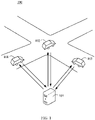
- FIG. 1 schematically shows an application scenario of a method and an apparatus of controlling an autonomous vehicle according to embodiments of the present disclosure. It should be noted that FIG. 1 is only an example of an application scenario to which embodiments of the present disclosure may be applied, so as to help those skilled in the art to understand the technical content of the present disclosure, but it does not mean that embodiments of the present disclosure may not be applied to other devices, systems, environment or scenarios.
- an application scenario 100 of embodiments of the present disclosure includes a plurality of vehicles 101, 102, 103, and a server 104.
- the vehicles 101, 102, and 103 may be autonomous vehicles.
- the server 104 may be a cloud server which is also referred to as a cloud computing server or a cloud host and which is a host product in the cloud computing service system to solve shortcomings of difficult management and weak business scalability in existing physical host and VPS (Virtual Private Server) service.
- the server 104 may also be a server of a distributed system, or a server combined with a block-chain.
- the vehicles 101, 102, and 103 may perform data interaction with the server 104.
- the server 104 may configure a vehicle state for the vehicle 101, a vehicle state for the vehicle 102, and a vehicle state for the vehicle 103, and store the vehicle state for the vehicle 101 in a vehicle state configuration information corresponding to the vehicle 101, the vehicle state for the vehicle 102 in a vehicle state configuration information corresponding to the vehicle 102, and the vehicle state for the vehicle 103 in a vehicle state configuration information corresponding to the vehicle 103.
- the vehicle state may include an automatic operation state, a manual operation state, and/or the like.
- the automatic operation state indicates that the vehicle may automatically receive a task and process the task.
- the manual operation state indicates that the vehicle needs to receive a task and process the task under a control of a safety officer.
- the task may include, for example, a task of processing an order, where the order includes, but is not limited to, a passenger order and a freight order.
- the vehicle 101 may acquire the vehicle state configuration information corresponding to the vehicle 101 from the server 104
- the vehicle 102 may acquire the vehicle state configuration information corresponding to the vehicle 102 from the server 104
- the vehicle 103 may acquire the vehicle state configuration information corresponding to the vehicle 103 from the server 104.
- a task receiving function of the vehicle 101 may be enabled, in response to the vehicle state configuration information corresponding to the vehicle 102 indicating that the vehicle 102 is in the automatic operation state, a task receiving function of the vehicle 102 may be enabled, and in response to the vehicle state configuration information corresponding to the vehicle 103 indicating that the vehicle 103 is in the automatic operation state, a task receiving function of the vehicle 103 may be enabled.
- the vehicle 101 may send a task information acquisition request to the server 104 to acquire a task information
- the vehicle 102 may send a task information acquisition request to the server 104 to acquire a task information
- the vehicle 103 may send a task information acquisition request to the server 104 to acquire a task information.
- the server 104 may generate a task information corresponding to the vehicle 101 according to the task information acquisition request of the vehicle 101, a task information corresponding to the vehicle 102 according to the task information acquisition request of the vehicle 102, and a task information corresponding to the vehicle 103 according to the task information acquisition request of the vehicle 103, and send the task information of the task corresponding to the vehicle 101 to the vehicle 101, the task information of the task corresponding to the vehicle 102 to the vehicle 102, and the task information of the task corresponding to the vehicle 103 to the vehicle 103.
- the vehicle 101 may perform a corresponding control operation according to the task information
- the vehicle 102 may perform a corresponding control operation according to the task information
- the vehicle 103 may perform a corresponding control operation according to the task information.
- the vehicle 101, 102, or 103 may upload an energy consumption information to the server 104.
- the server 104 may determine whether an energy consumption of the vehicle 101, 102 or 103 exceeds an energy consumption threshold according to the energy consumption information of the vehicle 101, 102, or 103. If the energy consumption of the vehicle 101, 102, or 103 exceeds the energy consumption threshold, the vehicle is configured to be in a standby state by setting the vehicle state configuration information of the vehicle. Then, it is possible to send a dispatching instruction to the vehicle in the standby state to instruct the vehicle to move to a target position.
- the target position may be, for example, a position of a facility such as a gas station or a charging station that is used to replenish energy for the vehicle.
- the server 104 may configure the vehicle to be in an abnormal state by setting the vehicle state configuration information of the vehicle, so that the abnormal vehicle will not receive a task.
- the vehicle 101, 102, or 103 may be provided with a display device for presenting a prompt information to a user.
- the display device may include, for example, a liquid crystal display (LCD), an organic light-emitting diode (OLED), an active-matrix organic light-emitting diode (AMOLED), a flex light-emitting diode (FLED), a Mini-LED, a Micro-LED, a Micro-OLED, a quantum dot light-emitting diode (QLED), etc.
- the prompt information may include, for example, a color information, an image information, a text information, a video information, etc.
- the display device may be disposed on a roof of the vehicle 101, 102, or 103.
- the prompt information corresponding to the task may be displayed to the user by the display device, so as to prompt the user.
- the collection, storage, use, processing, transmission, provision, and disclosure of data related to vehicle information, task information, etc. all comply with the relevant laws and regulations, and do not violate public order and good customs.
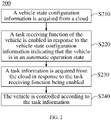
- FIG. 2 schematically shows a flowchart of a method of controlling an autonomous vehicle according to embodiments of the present disclosure.
- a method 200 may be implemented by a vehicle control apparatus which may be provided, for example, in the vehicle as described above.
- the method 200 includes operations S210 to S240.
- a vehicle state configuration information is acquired from a cloud.
- the vehicle state configuration information may be used to indicate a vehicle state of a vehicle.
- the cloud may configure the vehicle state of the vehicle and store the vehicle state in the vehicle state configuration information corresponding to the vehicle.
- the vehicle may acquire the vehicle state configuration information corresponding to itself from the cloud, and then determine a current vehicle state of the vehicle according to the vehicle state configuration information.
- the vehicle state may include an automatic operation state, a manual operation state, and/or the like.
- the automatic operation state indicates that the vehicle may automatically receive a task and process the task.
- the manual operation state indicates that the vehicle needs to receive a task and process the task under a control of a safety officer.
- a task receiving function of the vehicle is enabled in response to the vehicle state configuration information indicating that the vehicle is in an automatic operation state.
- the task receiving function of the vehicle may be enabled when the vehicle is in the automatic operation state, so that the vehicle may independently receive and process the task.
- a task information is acquired from the cloud in response to the task receiving function being enabled.
- the vehicle may automatically acquire the task information from the cloud when the task receiving function of the vehicle is enabled.
- the task information may include, for example, a task identification (ID), a user information, a real-time state of the task, a starting position, an ending position, etc.
- the vehicle may perform a corresponding operation according to the task information.
- a task information of the passenger transport task may include, for example, a real-time state of the task and a starting position.
- the real-time state of the task indicates that the task is currently in a state of waiting to pick up a user. Based on this, the vehicle may move to the starting position according to the task information to pick up the user.
- the autonomous vehicle when the autonomous vehicle receives the task, it needs the safety officer to operate.
- the method of controlling the autonomous vehicle according to embodiments of the present disclosure may achieve that the vehicle automatically receives the task, thereby eliminating the safety officer and improving a degree of intelligence.
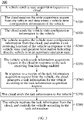
- FIG. 3 schematically shows a flowchart of a method of controlling an autonomous vehicle according to embodiments of the present disclosure.
- the method includes operations S310 to S380.
- a vehicle sends a state acquisition request to a cloud.
- the state acquisition request may be used to request to acquire a vehicle state configuration information corresponding to the vehicle.
- the vehicle state configuration information may be used to indicate a vehicle state of the vehicle.
- the vehicle state may include, for example, an automatic operation state, a manual operation state, etc.
- the state acquisition request may include, for example, a vehicle ID of the vehicle.
- the cloud receives the state acquisition request from the vehicle and determines the vehicle state configuration information of the vehicle.
- the cloud may acquire the vehicle ID according to the state acquisition request, and then determine the vehicle state configuration information corresponding to the vehicle ID.
- the cloud sends the vehicle state configuration information to the vehicle.
- the vehicle acquires the vehicle state configuration information from the cloud, and enables a task receiving function of the vehicle in response to the vehicle state configuration information indicating that the vehicle is in the automatic operation state.
- the vehicle sends a task information acquisition request to the cloud in response to the task receiving function being enabled.
- the task information acquisition request may be used to request to acquire a task information.
- the task information acquisition request may include, for example, the vehicle ID of the vehicle.
- the cloud in response to a receipt of the task information acquisition request from the vehicle, the cloud generates the task information for the vehicle according to the task information acquisition request.
- the cloud may acquire the vehicle ID according to the task information acquisition request. Then the cloud determines whether a task corresponding to the vehicle ID currently exists or not. If no task exists, acquiring an unprocessed task and binding the unprocessed task with the vehicle ID to generate the task information for the vehicle. If the task already exists, a current task information of the task is acquired.
- the cloud sends the task information to the vehicle.
- the vehicle receives the task information from the cloud, and controls the vehicle according to the task information.
- the task information may include a user personalization information.
- the cloud may acquire a starting position corresponding to a task and a user personalization information corresponding to the task. Then the task information is generated according to the starting position and the user personalization information.
- the vehicle may move to the starting position.
- the prompt information is presented by the display device of the vehicle according to the user personalization information.
- the prompt information may be used to prompt the user that the vehicle has arrived.
- the user personalization information may include, for example, a color information. Based on this, the vehicle may use a color indicated by the color information to present the prompt information, so as to facilitate user identification.
- the vehicle may send the state acquisition request to the cloud repeatedly at a first frequency.
- the cloud sends a current vehicle state configuration information of the vehicle to the vehicle every time it receives the state acquisition request.
- the vehicle state configuration information in the vehicle may be synchronized with the cloud.
- the first frequency may be determined as required in practice.
- the first frequency may be 5 seconds/time.
- the vehicle may send the task information acquisition request to the cloud repeatedly at a second frequency.
- the cloud sends a current task information corresponding to the vehicle to the vehicle every time it receives the task information acquisition request.
- the task information in the vehicle may be synchronized with the cloud.
- the second frequency may be determined as required in practice.
- the second frequency may be 2 seconds/time.
- the vehicle state may include a standby state.
- the cloud may configure the vehicle to be in the standby state by setting the vehicle state configuration information of the vehicle.
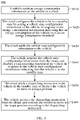
- FIG. 4 schematically shows a flowchart of a method of controlling an autonomous vehicle according to embodiments of the present disclosure.
- a method 400 of controlling the autonomous vehicle may include operations S410 to S460.
- a vehicle sends an energy consumption information of the vehicle to a cloud.
- the cloud configures the vehicle to be in a standby state by setting a vehicle state configuration information of the vehicle, in response to the energy consumption information indicating that an energy consumption of the vehicle exceeds an energy consumption threshold.
- the cloud sends the vehicle state configuration information to the vehicle.
- the vehicle acquires the vehicle state configuration information from the cloud, and disables a task receiving function of the vehicle in response to the vehicle state configuration information indicating that the vehicle is in the standby state.
- the cloud sends a dispatching instruction to the vehicle in the standby state to instruct the vehicle to move to a target position.
- the vehicle receives the dispatching instruction from the cloud, and controls the vehicle to move to the target position according to the dispatching instruction.
- the energy consumption information may include, for example, a fuel consumption information, a power consumption information, etc.
- the energy consumption threshold may be set as required in practice, which is not specifically limited in the present disclosure.
- the dispatching instruction may be used to instruct the vehicle to move to the target position.
- the target position may include, for example, a position of a facility such as a gas station or a charging station that is used to replenish energy for the vehicle.
- the cloud may dispatch the vehicle to the target position for energy replenishment by sending the dispatching instruction to the vehicle.
- the vehicle state may include an abnormal state.
- the cloud may configure the vehicle to be in the abnormal state by setting the vehicle state configuration information of the vehicle.
- FIG. 5 schematically shows a flowchart of a method of controlling an autonomous vehicle according to embodiments of the present disclosure.
- a method 500 of controlling the autonomous vehicle may include operations S510 to S540.
- a vehicle sends an abnormal information to a cloud in response to the vehicle being abnormal.
- the cloud configures the vehicle to be in an abnormal state by setting a vehicle state configuration information of the vehicle.
- the cloud sends the vehicle state configuration information to the vehicle.
- the vehicle acquires the vehicle state configuration information from the cloud, and disables a task receiving function of the vehicle in response to the vehicle state configuration information indicating that the vehicle is in the abnormal state.
- the vehicle is configured to be in the abnormal state by setting the vehicle state configuration information of the vehicle in response to the abnormal information being received.
- the cloud may perform a corresponding operation, such as collecting abnormal data, troubleshooting, dispatching maintenance personnel, etc., to solve an abnormal situation of the vehicle.
- FIG. 6 schematically shows a block diagram of an apparatus of controlling an autonomous vehicle according to embodiments of the present disclosure.
- an apparatus 600 of controlling the autonomous vehicle includes a first acquisition module 610, an enabling module 620, a second acquisition module 630, and a control module 640.
- the first acquisition module 610 is used to acquire a vehicle state configuration information from a cloud.
- the enabling module 620 is used to enable a task receiving function of a vehicle, in response to the vehicle state configuration information indicating that the vehicle is in an automatic operation state.
- the second acquisition module 630 is used to acquire a task information from the cloud in response to the task receiving function being enabled.
- the control module 640 is used to control the vehicle according to the task information.
- FIG. 7 schematically shows a block diagram of an apparatus of controlling an autonomous vehicle according to embodiments of the present disclosure.
- an apparatus 700 of controlling the autonomous vehicle includes a receiving module 710, a determination module 720, a first sending module 730, a generation module 740, and a second sending module 750.
- the receiving module 710 is used to receive a state acquisition request from a vehicle.
- the determination module 720 is used to determine a vehicle state configuration information of the vehicle, where the vehicle state configuration information is used to indicate a vehicle state of the vehicle.
- the first sending module 730 is used to send the vehicle state configuration information to the vehicle.
- the generation module 740 is used to: in response to a receipt of a task information acquisition request from the vehicle, generate a task information for the vehicle according to the task information acquisition request.
- the second sending module 750 is used to send the task information to the vehicle.
- the present disclosure further provides an electronic device, a readable storage medium, and a computer program product.
- FIG. 8 shows a schematic block diagram of an exemplary electronic device 800 for implementing embodiments of the present disclosure.
- the electronic device is intended to represent various forms of digital computers, such as a laptop computer, a desktop computer, a workstation, a personal digital assistant, a server, a blade server, a mainframe computer, and other suitable computers.
- the electronic device may further represent various forms of mobile devices, such as a personal digital assistant, a cellular phone, a smart phone, a wearable device, and other similar computing devices.
- the components as illustrated herein, and connections, relationships, and functions thereof are merely examples, and are not intended to limit the implementation of the present disclosure described and/or required herein.
- the device 800 may include a computing unit 801, which may perform various appropriate actions and processing based on a computer program stored in a read-only memory (ROM) 802 or a computer program loaded from a storage unit 808 into a random access memory (RAM) 803.
- Various programs and data required for the operation of the device 800 may be stored in the RAM 803.
- the computing unit 801, the ROM 802 and the RAM 803 are connected to each other through a bus 804.
- An input/output (I/O) interface 805 is further connected to the bus 804.
- Various components in the device 800 including an input unit 806 such as a keyboard, a mouse, etc., an output unit 807 such as various types of displays, speakers, etc., a storage unit 808 such as a magnetic disk, an optical disk, etc., and a communication unit 809 such as a network card, a modem, a wireless communication transceiver, etc., are connected to the I/O interface 805.
- the communication unit 809 allows the device 800 to exchange information/data with other devices through a computer network such as the Internet and/or various telecommunication networks.
- the computing unit 801 may be various general-purpose and/or special-purpose processing components with processing and computing capabilities. Some examples of the computing unit 801 include but are not limited to a central processing unit (CPU), a graphics processing unit (GPU), various dedicated artificial intelligence (AI) computing chips, various computing units running machine learning model algorithms, a digital signal processor (DSP), and any appropriate processor, controller, microcontroller, and so on.
- the computing unit 801 may perform the various methods and processes described above, such as the methods of controlling the autonomous vehicle.
- the methods of controlling the autonomous vehicle may be implemented as a computer software program that is tangibly contained on a machine-readable medium, such as the storage unit 808.
- part or all of a computer program may be loaded and/or installed on the device 800 via the ROM 802 and/or the communication unit 809.
- the computer program When the computer program is loaded into the RAM 803 and executed by the computing unit 801, one or more steps of the methods of controlling the autonomous vehicle described above may be performed.
- the computing unit 801 may be configured to perform the methods of controlling the autonomous vehicle in any other appropriate way (for example, by means of firmware).
- Various embodiments of the systems and technologies described herein may be implemented in a digital electronic circuit system, an integrated circuit system, a field programmable gate array (FPGA), an application specific integrated circuit (ASIC), an application specific standard product (ASSP), a system on chip (SOC), a complex programmable logic device (CPLD), a computer hardware, firmware, software, and/or combinations thereof.
- FPGA field programmable gate array
- ASIC application specific integrated circuit
- ASSP application specific standard product
- SOC system on chip
- CPLD complex programmable logic device
- the programmable processor may be a special-purpose or general-purpose programmable processor, which may receive data and instructions from the storage system, the at least one input device and the at least one output device, and may transmit the data and instructions to the storage system, the at least one input device, and the at least one output device.
- Program codes for implementing the methods of the present disclosure may be written in any combination of one or more programming languages. These program codes may be provided to a processor or a controller of a general-purpose computer, a special-purpose computer, or other programmable data processing devices, so that when the program codes are executed by the processor or the controller, the functions/operations specified in the flowchart and/or block diagram may be implemented.
- the program codes may be executed completely on the machine, partly on the machine, partly on the machine and partly on the remote machine as an independent software package, or completely on the remote machine or the server.
- the machine readable medium may be a tangible medium that may contain or store programs for use by or in combination with an instruction execution system, device or apparatus.
- the machine readable medium may be a machine-readable signal medium or a machine-readable storage medium.
- the machine readable medium may include, but not be limited to, electronic, magnetic, optical, electromagnetic, and infrared or semiconductor systems, devices or apparatuses, or any suitable combination of the above.
- machine readable storage medium may include electrical connections based on one or more wires, portable computer disks, hard disks, random access memory (RAM), read-only memory (ROM), erasable programmable read-only memory (EPROM or flash memory), optical fiber, convenient compact disk read-only memory (CD-ROM), optical storage device, magnetic storage device, or any suitable combination of the above.
- RAM random access memory
- ROM read-only memory
- EPROM or flash memory erasable programmable read-only memory
- CD-ROM compact disk read-only memory
- magnetic storage device magnetic storage device, or any suitable combination of the above.
- a computer including a display device (for example, a CRT (cathode ray tube) or LCD (liquid crystal display) monitor) for displaying information to the user), and a keyboard and a pointing device (for example, a mouse or a trackball) through which the user may provide the input to the computer.
- a display device for example, a CRT (cathode ray tube) or LCD (liquid crystal display) monitor
- a keyboard and a pointing device for example, a mouse or a trackball
- Other types of devices may also be used to provide interaction with users.
- a feedback provided to the user may be any form of sensory feedback (for example, visual feedback, auditory feedback, or tactile feedback), and the input from the user may be received in any form (including acoustic input, voice input or tactile input).
- the systems and technologies described herein may be implemented in a computing system including back-end components (for example, a data server), or a computing system including middleware components (for example, an application server), or a computing system including front-end components (for example, a user computer having a graphical user interface or web browser through which the user may interact with the implementation of the system and technology described herein), or a computing system including any combination of such back-end components, middleware components or front-end components.
- the components of the system may be connected to each other by digital data communication (for example, a communication network) in any form or through any medium. Examples of the communication network include a local area network (LAN), a wide area network (WAN), and Internet.
- LAN local area network
- WAN wide area network
- Internet Internet
- the computer system may include a client and a server.
- the client and the server are generally far away from each other and usually interact through a communication network.
- the relationship between the client and the server is generated through computer programs running on the corresponding computers and having a client-server relationship with each other.
- the server may be the cloud server, also referred to as the cloud computing server or the cloud host, which is the host product in the cloud computing service system to solve shortcomings of difficult management and weak business scalability in conventional physical host and VPS service.
- the server may also be the server of the distributed system, or the combined with the blockchain.
- steps of the processes illustrated above may be reordered, added or deleted in various manners.
- the steps described in the present disclosure may be performed in parallel, sequentially, or in a different order, as long as a desired result of the technical solution of the present disclosure may be achieved. This is not limited in the present disclosure.
Landscapes
- Engineering & Computer Science (AREA)
- General Physics & Mathematics (AREA)
- Physics & Mathematics (AREA)
- Business, Economics & Management (AREA)
- Transportation (AREA)
- Mechanical Engineering (AREA)
- Atmospheric Sciences (AREA)
- Life Sciences & Earth Sciences (AREA)
- Combustion & Propulsion (AREA)
- Chemical & Material Sciences (AREA)
- Human Resources & Organizations (AREA)
- Economics (AREA)
- Strategic Management (AREA)
- Tourism & Hospitality (AREA)
- General Business, Economics & Management (AREA)
- Marketing (AREA)
- Theoretical Computer Science (AREA)
- Automation & Control Theory (AREA)
- General Health & Medical Sciences (AREA)
- Health & Medical Sciences (AREA)
- Human Computer Interaction (AREA)
- Computer Networks & Wireless Communication (AREA)
- Primary Health Care (AREA)
- Entrepreneurship & Innovation (AREA)
- Signal Processing (AREA)
- Operations Research (AREA)
- Quality & Reliability (AREA)
- Radar, Positioning & Navigation (AREA)
- Remote Sensing (AREA)
- Medical Informatics (AREA)
- Development Economics (AREA)
- Computing Systems (AREA)
- Game Theory and Decision Science (AREA)
- Educational Administration (AREA)
- Traffic Control Systems (AREA)
- Control Of Driving Devices And Active Controlling Of Vehicle (AREA)
Abstract
Description
- The present disclosure relates to a field of artificial intelligence technology, and in particular to a field of autonomous driving technology.
- An application of an autonomous vehicle is more and more extensive. For example, the autonomous vehicle has begun to pick up or drop off a passenger. In related technologies, during a driving process of the autonomous vehicle, a safety officer is required to perform relevant decisions. For example, the safety officer is required to trigger a process of picking up or dropping off the passenger, resulting in insufficient intelligence of the autonomous vehicle.
- The present disclosure provides a method and an apparatus of controlling an autonomous vehicle, a vehicle, a cloud server, an electronic device, a storage medium, and a program product.
- According to an aspect of the present disclosure, a method of controlling an autonomous vehicle is provided, including: acquiring a vehicle state configuration information from a cloud; enabling a task receiving function of the vehicle, in response to the vehicle state configuration information indicating that the vehicle is in an automatic operation state; acquiring a task information from the cloud in response to the task receiving function being enabled; and controlling the vehicle according to the task information.
- According to an aspect of the present disclosure, a method of controlling an autonomous vehicle is provided, including: receiving a state acquisition request from the vehicle; determining a vehicle state configuration information of the vehicle, wherein the vehicle state configuration information is configured to indicate a vehicle state of the vehicle; sending the vehicle state configuration information to the vehicle; in response to a receipt of a task information acquisition request from the vehicle, generating a task information for the vehicle according to the task information acquisition request; and sending the task information to the vehicle.
- According to an aspect of the present disclosure, an apparatus of controlling an autonomous vehicle is provided, including: a first acquisition module configured to acquire a vehicle state configuration information from a cloud; an enabling module configured to enable a task receiving function of the vehicle, in response to the vehicle state configuration information indicating that the vehicle is in an automatic operation state; a second acquisition module configured to acquire a task information from the cloud in response to the task receiving function being enabled; and a control module configured to control the vehicle according to the task information.
- According to an aspect of the present disclosure, an apparatus of controlling an autonomous vehicle is provided, including: a receiving module configured to receive a state acquisition request from the vehicle; a determination module configured to determine a vehicle state configuration information of the vehicle, wherein the vehicle state configuration information is configured to indicate a vehicle state of the vehicle; a first sending module configured to send the vehicle state configuration information to the vehicle; a generation module configured to: in response to a receipt of a task information acquisition request from the vehicle, generate a task information for the vehicle according to the task information acquisition request; and a second sending module configured to send the task information to the vehicle.
- According to an aspect of the present disclosure, an electronic device is provided, including: at least one processor; and a memory communicatively connected to the at least one processor, wherein the memory stores instructions executable by the at least one processor, and the instructions, when executed by the at least one processor, cause the at least one processor to implement the methods as described in embodiments of the present disclosure.
- According to an aspect of the present disclosure, a non-transitory computer-readable storage medium having computer instructions therein is provided, wherein the computer instructions are configured to cause a computer system to implement the methods as described in embodiments of the present disclosure.
- According to an aspect of the present disclosure, a computer program product containing a computer program or instructions is provided, wherein the computer program or instructions, when executed by a processor, causes or cause the processor to implement the methods as described in embodiments of the present disclosure.
- According to an aspect of the present disclosure, an autonomous vehicle is provided, including the electronic device as described in embodiments of the present disclosure, wherein the electronic device is configured to implement the methods as described in embodiments of the present disclosure.
- According to an aspect of the present disclosure, a cloud server is provided, including the electronic device as described in embodiments of the present disclosure, wherein the electronic device is configured to implement the methods as described in embodiments of the present disclosure.
- It should be understood that content described in this section is not intended to identify key or important features in embodiments of the present disclosure, nor is it intended to limit the scope of the present disclosure. Other features of the present disclosure will be easily understood through the following description.
- The accompanying drawings are used to understand the present disclosure better and do not constitute a limitation to the present disclosure, wherein:
-
FIG. 1 schematically shows an application scenario of a method and an apparatus of controlling an autonomous vehicle according to embodiments of the present disclosure; -
FIG. 2 schematically shows a flowchart of a method of controlling an autonomous vehicle according to embodiments of the present disclosure; -
FIG. 3 schematically shows a flowchart of a method of controlling an autonomous vehicle according to embodiments of the present disclosure; -
FIG. 4 schematically shows a flowchart of a method of controlling an autonomous vehicle according to embodiments of the present disclosure; -
FIG. 5 schematically shows a flowchart of a method of controlling an autonomous vehicle according to embodiments of the present disclosure; -
FIG. 6 schematically shows a block diagram of an apparatus of controlling an autonomous vehicle according to embodiments of the present disclosure; -
FIG. 7 schematically shows a block diagram of an apparatus of controlling an autonomous vehicle according to embodiments of the present disclosure; and -
FIG. 8 schematically shows a block diagram of an example electronic device for implementing embodiments of the present disclosure. - Exemplary embodiments of the present disclosure will be described below with reference to accompanying drawings, which include various details of embodiments of the present disclosure to facilitate understanding and should be considered as merely exemplary. Therefore, those of ordinary skilled in the art should realize that various changes and modifications may be made to embodiments described herein without departing from the scope and spirit of the present disclosure. Likewise, for clarity and conciseness, descriptions of well-known functions and structures are omitted in the following description.
-
FIG. 1 schematically shows an application scenario of a method and an apparatus of controlling an autonomous vehicle according to embodiments of the present disclosure. It should be noted thatFIG. 1 is only an example of an application scenario to which embodiments of the present disclosure may be applied, so as to help those skilled in the art to understand the technical content of the present disclosure, but it does not mean that embodiments of the present disclosure may not be applied to other devices, systems, environment or scenarios. - As shown in
FIG. 1 , anapplication scenario 100 of embodiments of the present disclosure includes a plurality ofvehicles server 104. Thevehicles - The
server 104 may be a cloud server which is also referred to as a cloud computing server or a cloud host and which is a host product in the cloud computing service system to solve shortcomings of difficult management and weak business scalability in existing physical host and VPS (Virtual Private Server) service. Theserver 104 may also be a server of a distributed system, or a server combined with a block-chain. - According to embodiments of the present disclosure, the
vehicles server 104. - In embodiments, the
server 104 may configure a vehicle state for thevehicle 101, a vehicle state for thevehicle 102, and a vehicle state for thevehicle 103, and store the vehicle state for thevehicle 101 in a vehicle state configuration information corresponding to thevehicle 101, the vehicle state for thevehicle 102 in a vehicle state configuration information corresponding to thevehicle 102, and the vehicle state for thevehicle 103 in a vehicle state configuration information corresponding to thevehicle 103. For example, the vehicle state may include an automatic operation state, a manual operation state, and/or the like. The automatic operation state indicates that the vehicle may automatically receive a task and process the task. The manual operation state indicates that the vehicle needs to receive a task and process the task under a control of a safety officer. The task may include, for example, a task of processing an order, where the order includes, but is not limited to, a passenger order and a freight order. - The
vehicle 101 may acquire the vehicle state configuration information corresponding to thevehicle 101 from theserver 104, thevehicle 102 may acquire the vehicle state configuration information corresponding to thevehicle 102 from theserver 104, and thevehicle 103 may acquire the vehicle state configuration information corresponding to thevehicle 103 from theserver 104. In response to the vehicle state configuration information corresponding to thevehicle 101 indicating that thevehicle 101 is in the automatic operation state, a task receiving function of thevehicle 101 may be enabled, in response to the vehicle state configuration information corresponding to thevehicle 102 indicating that thevehicle 102 is in the automatic operation state, a task receiving function of thevehicle 102 may be enabled, and in response to the vehicle state configuration information corresponding to thevehicle 103 indicating that thevehicle 103 is in the automatic operation state, a task receiving function of thevehicle 103 may be enabled. In response to the task receiving function of thevehicle 101 being enabled, thevehicle 101 may send a task information acquisition request to theserver 104 to acquire a task information, in response to the task receiving function of thevehicle 102 being enabled, thevehicle 102 may send a task information acquisition request to theserver 104 to acquire a task information, and in response to the task receiving function of thevehicle 103 being enabled, thevehicle 103 may send a task information acquisition request to theserver 104 to acquire a task information. After receiving the requests, theserver 104 may generate a task information corresponding to thevehicle 101 according to the task information acquisition request of thevehicle 101, a task information corresponding to thevehicle 102 according to the task information acquisition request of thevehicle 102, and a task information corresponding to thevehicle 103 according to the task information acquisition request of thevehicle 103, and send the task information of the task corresponding to thevehicle 101 to thevehicle 101, the task information of the task corresponding to thevehicle 102 to thevehicle 102, and the task information of the task corresponding to thevehicle 103 to thevehicle 103. After receiving the task information corresponding to thevehicle 101, thevehicle 101 may perform a corresponding control operation according to the task information, after receiving the task information corresponding to thevehicle 102, thevehicle 102 may perform a corresponding control operation according to the task information, and after receiving the task information corresponding to thevehicle 103, thevehicle 103 may perform a corresponding control operation according to the task information. - In embodiments, the
vehicle server 104. Theserver 104 may determine whether an energy consumption of thevehicle vehicle vehicle server 104 in response to thevehicle server 104 may configure the vehicle to be in an abnormal state by setting the vehicle state configuration information of the vehicle, so that the abnormal vehicle will not receive a task. - In embodiments, the
vehicle vehicle vehicle - In the technical solution of the present disclosure, the collection, storage, use, processing, transmission, provision, and disclosure of data related to vehicle information, task information, etc., all comply with the relevant laws and regulations, and do not violate public order and good customs.
-
FIG. 2 schematically shows a flowchart of a method of controlling an autonomous vehicle according to embodiments of the present disclosure. For example, amethod 200 may be implemented by a vehicle control apparatus which may be provided, for example, in the vehicle as described above. - As shown in
FIG. 2 , themethod 200 includes operations S210 to S240. - In operation S210, a vehicle state configuration information is acquired from a cloud.
- According to embodiments of the present disclosure, the vehicle state configuration information may be used to indicate a vehicle state of a vehicle. The cloud may configure the vehicle state of the vehicle and store the vehicle state in the vehicle state configuration information corresponding to the vehicle. The vehicle may acquire the vehicle state configuration information corresponding to itself from the cloud, and then determine a current vehicle state of the vehicle according to the vehicle state configuration information.
- For example, in this embodiment, the vehicle state may include an automatic operation state, a manual operation state, and/or the like. The automatic operation state indicates that the vehicle may automatically receive a task and process the task. The manual operation state indicates that the vehicle needs to receive a task and process the task under a control of a safety officer.
- In operation S220, a task receiving function of the vehicle is enabled in response to the vehicle state configuration information indicating that the vehicle is in an automatic operation state.
- According to embodiments of the present disclosure, the task receiving function of the vehicle may be enabled when the vehicle is in the automatic operation state, so that the vehicle may independently receive and process the task.
- In operation S230, a task information is acquired from the cloud in response to the task receiving function being enabled.
- According to embodiments of the present disclosure, the vehicle may automatically acquire the task information from the cloud when the task receiving function of the vehicle is enabled. The task information may include, for example, a task identification (ID), a user information, a real-time state of the task, a starting position, an ending position, etc.
- In operation S240, the vehicle is controlled according to the task information.
- According to embodiments of the present disclosure, the vehicle may perform a corresponding operation according to the task information. Taking a passenger transport task as an example, a task information of the passenger transport task may include, for example, a real-time state of the task and a starting position. The real-time state of the task indicates that the task is currently in a state of waiting to pick up a user. Based on this, the vehicle may move to the starting position according to the task information to pick up the user.
- In a related technology, when the autonomous vehicle receives the task, it needs the safety officer to operate. The method of controlling the autonomous vehicle according to embodiments of the present disclosure may achieve that the vehicle automatically receives the task, thereby eliminating the safety officer and improving a degree of intelligence.
-
FIG. 3 schematically shows a flowchart of a method of controlling an autonomous vehicle according to embodiments of the present disclosure. - As shown in
FIG. 3 , the method includes operations S310 to S380. - In operation S310, a vehicle sends a state acquisition request to a cloud.
- According to embodiments of the present disclosure, the state acquisition request may be used to request to acquire a vehicle state configuration information corresponding to the vehicle. The vehicle state configuration information may be used to indicate a vehicle state of the vehicle. The vehicle state may include, for example, an automatic operation state, a manual operation state, etc. The state acquisition request may include, for example, a vehicle ID of the vehicle.
- In operation S320, the cloud receives the state acquisition request from the vehicle and determines the vehicle state configuration information of the vehicle.
- According to embodiments of the present disclosure, after receiving the state acquisition request from the vehicle, the cloud may acquire the vehicle ID according to the state acquisition request, and then determine the vehicle state configuration information corresponding to the vehicle ID.
- In operation S330, the cloud sends the vehicle state configuration information to the vehicle.
- In operation S340, the vehicle acquires the vehicle state configuration information from the cloud, and enables a task receiving function of the vehicle in response to the vehicle state configuration information indicating that the vehicle is in the automatic operation state.
- In operation S350, the vehicle sends a task information acquisition request to the cloud in response to the task receiving function being enabled.
- According to embodiments of the present disclosure, the task information acquisition request may be used to request to acquire a task information. The task information acquisition request may include, for example, the vehicle ID of the vehicle.
- In operation S360, in response to a receipt of the task information acquisition request from the vehicle, the cloud generates the task information for the vehicle according to the task information acquisition request.
- According to embodiments of the present disclosure, after receiving the task information acquisition request, the cloud may acquire the vehicle ID according to the task information acquisition request. Then the cloud determines whether a task corresponding to the vehicle ID currently exists or not. If no task exists, acquiring an unprocessed task and binding the unprocessed task with the vehicle ID to generate the task information for the vehicle. If the task already exists, a current task information of the task is acquired.
- In operation S370, the cloud sends the task information to the vehicle.
- In operation S380, the vehicle receives the task information from the cloud, and controls the vehicle according to the task information.
- According to embodiments of the present disclosure, the task information may include a user personalization information. Based on this, the cloud may acquire a starting position corresponding to a task and a user personalization information corresponding to the task. Then the task information is generated according to the starting position and the user personalization information. After acquiring the task information, the vehicle may move to the starting position. Then, in response to an arrival of the vehicle at the starting position, the prompt information is presented by the display device of the vehicle according to the user personalization information. The prompt information may be used to prompt the user that the vehicle has arrived. In an example, the user personalization information may include, for example, a color information. Based on this, the vehicle may use a color indicated by the color information to present the prompt information, so as to facilitate user identification.
- According to embodiments of the present disclosure, for example, the vehicle may send the state acquisition request to the cloud repeatedly at a first frequency. The cloud sends a current vehicle state configuration information of the vehicle to the vehicle every time it receives the state acquisition request. Thus, the vehicle state configuration information in the vehicle may be synchronized with the cloud. According to embodiments of the present disclosure, the first frequency may be determined as required in practice. For example, in this embodiment, the first frequency may be 5 seconds/time.
- According to embodiments of the present disclosure, for example, the vehicle may send the task information acquisition request to the cloud repeatedly at a second frequency. The cloud sends a current task information corresponding to the vehicle to the vehicle every time it receives the task information acquisition request. Thus, the task information in the vehicle may be synchronized with the cloud. According to embodiments of the present disclosure, the second frequency may be determined as required in practice. For example, in this embodiment, the second frequency may be 2 seconds/time.
- According to embodiments of the present disclosure, the vehicle state may include a standby state. The cloud may configure the vehicle to be in the standby state by setting the vehicle state configuration information of the vehicle. Based on this,
FIG. 4 schematically shows a flowchart of a method of controlling an autonomous vehicle according to embodiments of the present disclosure. - As shown in
FIG. 4 , amethod 400 of controlling the autonomous vehicle may include operations S410 to S460. - In operation S410, a vehicle sends an energy consumption information of the vehicle to a cloud.
- In operation S420, the cloud configures the vehicle to be in a standby state by setting a vehicle state configuration information of the vehicle, in response to the energy consumption information indicating that an energy consumption of the vehicle exceeds an energy consumption threshold.
- In operation S430, the cloud sends the vehicle state configuration information to the vehicle.
- In operation S440, the vehicle acquires the vehicle state configuration information from the cloud, and disables a task receiving function of the vehicle in response to the vehicle state configuration information indicating that the vehicle is in the standby state.
- In operation S450, the cloud sends a dispatching instruction to the vehicle in the standby state to instruct the vehicle to move to a target position.
- In operation S460, the vehicle receives the dispatching instruction from the cloud, and controls the vehicle to move to the target position according to the dispatching instruction.
- According to embodiments of the present disclosure, the energy consumption information may include, for example, a fuel consumption information, a power consumption information, etc. The energy consumption threshold may be set as required in practice, which is not specifically limited in the present disclosure. The dispatching instruction may be used to instruct the vehicle to move to the target position. The target position may include, for example, a position of a facility such as a gas station or a charging station that is used to replenish energy for the vehicle.
- According to embodiments of the present disclosure, by acquiring the energy consumption information of the vehicle, before the energy of the vehicle is exhausted, it is possible to inform the vehicle that its current state has changed to the standby state by sending the vehicle state configuration information indicating that the vehicle is in the standby state to the vehicle, and then disable the task receiving function of the vehicle, so as to prevent the vehicle from stopping due to energy depletion during task processing. In addition, the cloud may dispatch the vehicle to the target position for energy replenishment by sending the dispatching instruction to the vehicle.
- According to embodiments of the present disclosure, the vehicle state may include an abnormal state. The cloud may configure the vehicle to be in the abnormal state by setting the vehicle state configuration information of the vehicle. Based on this,
FIG. 5 schematically shows a flowchart of a method of controlling an autonomous vehicle according to embodiments of the present disclosure. - As shown in
FIG. 5 , amethod 500 of controlling the autonomous vehicle may include operations S510 to S540. - In operation S510, a vehicle sends an abnormal information to a cloud in response to the vehicle being abnormal.
- In operation S520, in response to a receipt of the abnormal information of the vehicle, the cloud configures the vehicle to be in an abnormal state by setting a vehicle state configuration information of the vehicle.
- In operation S530, the cloud sends the vehicle state configuration information to the vehicle.
- In operation S540, the vehicle acquires the vehicle state configuration information from the cloud, and disables a task receiving function of the vehicle in response to the vehicle state configuration information indicating that the vehicle is in the abnormal state.
- According to embodiments of the present disclosure, the vehicle is configured to be in the abnormal state by setting the vehicle state configuration information of the vehicle in response to the abnormal information being received. When assigning a task, if the vehicle is currently in the abnormal state, it will not be assigned the task, so that the vehicle in the abnormal state will not undertake and process the task. In addition, after receiving the abnormal information of the vehicle, the cloud may perform a corresponding operation, such as collecting abnormal data, troubleshooting, dispatching maintenance personnel, etc., to solve an abnormal situation of the vehicle.
-
FIG. 6 schematically shows a block diagram of an apparatus of controlling an autonomous vehicle according to embodiments of the present disclosure. - As shown in
FIG. 6 , anapparatus 600 of controlling the autonomous vehicle includes afirst acquisition module 610, an enablingmodule 620, asecond acquisition module 630, and acontrol module 640. - The
first acquisition module 610 is used to acquire a vehicle state configuration information from a cloud. - The enabling
module 620 is used to enable a task receiving function of a vehicle, in response to the vehicle state configuration information indicating that the vehicle is in an automatic operation state. - The
second acquisition module 630 is used to acquire a task information from the cloud in response to the task receiving function being enabled. - The
control module 640 is used to control the vehicle according to the task information. -
FIG. 7 schematically shows a block diagram of an apparatus of controlling an autonomous vehicle according to embodiments of the present disclosure. - As shown in
FIG. 7 , anapparatus 700 of controlling the autonomous vehicle includes a receivingmodule 710, adetermination module 720, afirst sending module 730, ageneration module 740, and asecond sending module 750. - The receiving
module 710 is used to receive a state acquisition request from a vehicle. - The
determination module 720 is used to determine a vehicle state configuration information of the vehicle, where the vehicle state configuration information is used to indicate a vehicle state of the vehicle. - The
first sending module 730 is used to send the vehicle state configuration information to the vehicle. - The
generation module 740 is used to: in response to a receipt of a task information acquisition request from the vehicle, generate a task information for the vehicle according to the task information acquisition request. - The
second sending module 750 is used to send the task information to the vehicle. - According to embodiments of the present disclosure, the present disclosure further provides an electronic device, a readable storage medium, and a computer program product.
-
FIG. 8 shows a schematic block diagram of an exemplaryelectronic device 800 for implementing embodiments of the present disclosure. The electronic device is intended to represent various forms of digital computers, such as a laptop computer, a desktop computer, a workstation, a personal digital assistant, a server, a blade server, a mainframe computer, and other suitable computers. The electronic device may further represent various forms of mobile devices, such as a personal digital assistant, a cellular phone, a smart phone, a wearable device, and other similar computing devices. The components as illustrated herein, and connections, relationships, and functions thereof are merely examples, and are not intended to limit the implementation of the present disclosure described and/or required herein. - As shown in
FIG. 8 , thedevice 800 may include acomputing unit 801, which may perform various appropriate actions and processing based on a computer program stored in a read-only memory (ROM) 802 or a computer program loaded from astorage unit 808 into a random access memory (RAM) 803. Various programs and data required for the operation of thedevice 800 may be stored in theRAM 803. Thecomputing unit 801, theROM 802 and theRAM 803 are connected to each other through abus 804. An input/output (I/O)interface 805 is further connected to thebus 804. - Various components in the
device 800, including an input unit 806 such as a keyboard, a mouse, etc., an output unit 807 such as various types of displays, speakers, etc., astorage unit 808 such as a magnetic disk, an optical disk, etc., and acommunication unit 809 such as a network card, a modem, a wireless communication transceiver, etc., are connected to the I/O interface 805. Thecommunication unit 809 allows thedevice 800 to exchange information/data with other devices through a computer network such as the Internet and/or various telecommunication networks. - The
computing unit 801 may be various general-purpose and/or special-purpose processing components with processing and computing capabilities. Some examples of thecomputing unit 801 include but are not limited to a central processing unit (CPU), a graphics processing unit (GPU), various dedicated artificial intelligence (AI) computing chips, various computing units running machine learning model algorithms, a digital signal processor (DSP), and any appropriate processor, controller, microcontroller, and so on. Thecomputing unit 801 may perform the various methods and processes described above, such as the methods of controlling the autonomous vehicle. For example, in some embodiments, the methods of controlling the autonomous vehicle may be implemented as a computer software program that is tangibly contained on a machine-readable medium, such as thestorage unit 808. In some embodiments, part or all of a computer program may be loaded and/or installed on thedevice 800 via theROM 802 and/or thecommunication unit 809. When the computer program is loaded into theRAM 803 and executed by thecomputing unit 801, one or more steps of the methods of controlling the autonomous vehicle described above may be performed. Alternatively, in other embodiments, thecomputing unit 801 may be configured to perform the methods of controlling the autonomous vehicle in any other appropriate way (for example, by means of firmware). - Various embodiments of the systems and technologies described herein may be implemented in a digital electronic circuit system, an integrated circuit system, a field programmable gate array (FPGA), an application specific integrated circuit (ASIC), an application specific standard product (ASSP), a system on chip (SOC), a complex programmable logic device (CPLD), a computer hardware, firmware, software, and/or combinations thereof. These various embodiments may be implemented by one or more computer programs executable and/or interpretable on a programmable system including at least one programmable processor. The programmable processor may be a special-purpose or general-purpose programmable processor, which may receive data and instructions from the storage system, the at least one input device and the at least one output device, and may transmit the data and instructions to the storage system, the at least one input device, and the at least one output device.
- Program codes for implementing the methods of the present disclosure may be written in any combination of one or more programming languages. These program codes may be provided to a processor or a controller of a general-purpose computer, a special-purpose computer, or other programmable data processing devices, so that when the program codes are executed by the processor or the controller, the functions/operations specified in the flowchart and/or block diagram may be implemented. The program codes may be executed completely on the machine, partly on the machine, partly on the machine and partly on the remote machine as an independent software package, or completely on the remote machine or the server.
- In the context of the present disclosure, the machine readable medium may be a tangible medium that may contain or store programs for use by or in combination with an instruction execution system, device or apparatus. The machine readable medium may be a machine-readable signal medium or a machine-readable storage medium. The machine readable medium may include, but not be limited to, electronic, magnetic, optical, electromagnetic, and infrared or semiconductor systems, devices or apparatuses, or any suitable combination of the above. More specific examples of the machine readable storage medium may include electrical connections based on one or more wires, portable computer disks, hard disks, random access memory (RAM), read-only memory (ROM), erasable programmable read-only memory (EPROM or flash memory), optical fiber, convenient compact disk read-only memory (CD-ROM), optical storage device, magnetic storage device, or any suitable combination of the above.
- In order to provide interaction with users, the systems and techniques described here may be implemented on a computer including a display device (for example, a CRT (cathode ray tube) or LCD (liquid crystal display) monitor) for displaying information to the user), and a keyboard and a pointing device (for example, a mouse or a trackball) through which the user may provide the input to the computer. Other types of devices may also be used to provide interaction with users. For example, a feedback provided to the user may be any form of sensory feedback (for example, visual feedback, auditory feedback, or tactile feedback), and the input from the user may be received in any form (including acoustic input, voice input or tactile input).
- The systems and technologies described herein may be implemented in a computing system including back-end components (for example, a data server), or a computing system including middleware components (for example, an application server), or a computing system including front-end components (for example, a user computer having a graphical user interface or web browser through which the user may interact with the implementation of the system and technology described herein), or a computing system including any combination of such back-end components, middleware components or front-end components. The components of the system may be connected to each other by digital data communication (for example, a communication network) in any form or through any medium. Examples of the communication network include a local area network (LAN), a wide area network (WAN), and Internet.
- The computer system may include a client and a server. The client and the server are generally far away from each other and usually interact through a communication network. The relationship between the client and the server is generated through computer programs running on the corresponding computers and having a client-server relationship with each other.
- The server may be the cloud server, also referred to as the cloud computing server or the cloud host, which is the host product in the cloud computing service system to solve shortcomings of difficult management and weak business scalability in conventional physical host and VPS service. The server may also be the server of the distributed system, or the combined with the blockchain.
- It should be understood that steps of the processes illustrated above may be reordered, added or deleted in various manners. For example, the steps described in the present disclosure may be performed in parallel, sequentially, or in a different order, as long as a desired result of the technical solution of the present disclosure may be achieved. This is not limited in the present disclosure.
- The above-mentioned specific embodiments do not constitute a limitation on the scope of protection of the present disclosure. Those skilled in the art should understand that various modifications, combinations, sub-combinations and substitutions may be made according to design requirements and other factors. Any modifications, equivalent replacements and improvements made within the spirit and principles of the present disclosure shall be contained in the scope of protection of the present disclosure.
Claims (15)
- A method of controlling an autonomous vehicle, the method comprising:acquiring (S210) a vehicle state configuration information from a cloud;enabling (S220) a task receiving function of the vehicle, in response to the vehicle state configuration information indicating that the vehicle is in an automatic operation state;acquiring (S230) a task information from the cloud in response to the task receiving function being enabled; andcontrolling (S240) the vehicle according to the task information.
- The method according to claim 1, wherein the acquiring a vehicle state configuration information from a cloud comprises:sending a state acquisition request to the cloud repeatedly at a first frequency; andreceiving the vehicle state configuration information from the cloud, wherein the vehicle state configuration information corresponds to the state acquisition request.
- The method according to claim 1, wherein the acquiring a task information from the cloud comprises:sending a task information acquisition request to the cloud repeatedly at a second frequency; andreceiving the task information from the cloud, wherein the task information corresponds to the task information acquisition request.
- The method according to claim 1, the method further comprising:in response to the vehicle state configuration information indicating that the vehicle is in a standby state,disabling the task receiving function of the vehicle;receiving a dispatching instruction from the cloud; andcontrolling the vehicle to move to a target position according to the dispatching instruction.
- The method according to claim 1, the method further comprising:in response to the vehicle being abnormal, sending an abnormal information to the cloud so that the cloud configures the vehicle to be in an abnormal state; anddisabling the task receiving function of the vehicle in response to the vehicle state configuration information indicating that the vehicle is in the abnormal state.
- The method according to claim 1, wherein the task information comprises a starting position, and the controlling the vehicle according to the task information comprises:controlling the vehicle to move to the starting position,preferably, wherein the task information further comprises a user personalization information, and the controlling the vehicle according to the task information further comprises:in response to an arrival of the vehicle at the starting position, presenting, by a display device of the vehicle, a prompt information according to the user personalization information,preferably, wherein the user personalization information comprises a color information, and the presenting, by a display device of the vehicle, a prompt information according to the user personalization information comprises:
presenting the prompt information in a color indicated by the color information. - A method of controlling an autonomous vehicle, the method comprising:receiving a state acquisition request from the vehicle;determining a vehicle state configuration information of the vehicle, wherein the vehicle state configuration information is configured to indicate a vehicle state of the vehicle;sending the vehicle state configuration information to the vehicle;in response to a receipt of a task information acquisition request from the vehicle, generating a task information for the vehicle according to the task information acquisition request; andsending the task information to the vehicle.
- The method according to claim 7, the method further comprising:
configuring the vehicle to be in an automatic operation state by setting the vehicle state configuration information of the vehicle, in response to the vehicle meeting an automatic operation condition. - The method according to claim 7, the method further comprising:acquiring an energy consumption information of the vehicle;configuring the vehicle to be in a standby state by setting the vehicle state configuration information of the vehicle, in response to the energy consumption information indicating that an energy consumption of the vehicle exceeds an energy consumption threshold; andsending a dispatching instruction to the vehicle in the standby state to instruct the vehicle to move to a target position.
- The method according to claim 7, the method further comprising:configuring the vehicle to be in an abnormal state by setting the vehicle state configuration information of the vehicle, in response to a receipt of an abnormal information of the vehicle,optionally, the method further comprising:acquiring a starting position corresponding to a task and a user personalization information corresponding to the task, wherein the user personalization information comprises a color information; andgenerating the task information according to the starting position and the user personalization information.
- An electronic device (800), comprising:at least one processor; anda memory communicatively connected to the at least one processor, wherein the memory stores instructions executable by the at least one processor, and the instructions, when executed by the at least one processor, cause the at least one processor to implement the method of any one of claims 1 to 10.
- A non-transitory computer-readable storage medium having computer instructions therein, wherein the computer instructions are configured to cause a computer system to implement the method of any one of claims 1 to 10.
- A computer program product containing a computer program or instructions, wherein the computer program or instructions, when executed by a processor, causes or cause the processor to implement the method of any one of claims 1 to 10.
- An autonomous vehicle, comprising the electronic device (800) according to claim 11, wherein the electronic device (800) is configured to implement the method of any one of claims 1 to 6.
- A cloud server, comprising the electronic device (800) according to claim 11, wherein the electronic device (800) is configured to implement the method of any one of claims 7 to 10.
Applications Claiming Priority (1)
| Application Number | Priority Date | Filing Date | Title |
|---|---|---|---|
| CN202111218573.8A CN113963560B (en) | 2021-10-19 | 2021-10-19 | Method and device for controlling automatic driving vehicle, vehicle and cloud server |
Publications (3)
| Publication Number | Publication Date |
|---|---|
| EP4113956A2 true EP4113956A2 (en) | 2023-01-04 |
| EP4113956A3 EP4113956A3 (en) | 2023-03-22 |
| EP4113956B1 EP4113956B1 (en) | 2024-04-10 |
Family
ID=79464796
Family Applications (1)
| Application Number | Title | Priority Date | Filing Date |
|---|---|---|---|
| EP22202492.9A Active EP4113956B1 (en) | 2021-10-19 | 2022-10-19 | Method of controlling an autonomous vehicle, electronic device, vehicle, cloud server, storage medium, and program product |
Country Status (5)
| Country | Link |
|---|---|
| US (1) | US12260755B2 (en) |
| EP (1) | EP4113956B1 (en) |
| JP (1) | JP2023014438A (en) |
| KR (1) | KR20220148769A (en) |
| CN (1) | CN113963560B (en) |
Families Citing this family (2)
| Publication number | Priority date | Publication date | Assignee | Title |
|---|---|---|---|---|
| CN115903616B (en) * | 2022-12-20 | 2025-10-10 | 广州文远知行科技有限公司 | Autonomous driving vehicle, control method thereof, storage medium and computer device |
| CN116248731B (en) * | 2022-12-21 | 2026-01-30 | 北京百度网讯科技有限公司 | Method and apparatus for configuring driving capabilities of autonomous vehicles |
Family Cites Families (22)
| Publication number | Priority date | Publication date | Assignee | Title |
|---|---|---|---|---|
| JP5011424B2 (en) * | 2009-08-06 | 2012-08-29 | アイシン・エィ・ダブリュ株式会社 | In-vehicle terminal device and wireless connection program for in-vehicle terminal device |
| JP6257318B2 (en) * | 2013-09-30 | 2018-01-10 | 株式会社日本総合研究所 | Mobile object in automatic driving traffic system, cooperative vehicle allocation apparatus for mobile object, and vehicle allocation method thereof |
| CN105197012B (en) * | 2015-10-10 | 2017-12-15 | 广东轻工职业技术学院 | A kind of vehicle automatic control method |
| WO2017106497A1 (en) * | 2015-12-17 | 2017-06-22 | Counterfy Llc | Displayed identifier for a ridesharing service |
| JP6624677B2 (en) * | 2016-03-16 | 2019-12-25 | 株式会社Subaru | Vehicle travel control device |
| GB2551312B (en) * | 2016-05-31 | 2022-02-09 | Arrival Ltd | Vehicle sleep mode |
| KR101891599B1 (en) * | 2016-09-30 | 2018-08-24 | 엘지전자 주식회사 | Control method of Autonomous vehicle and Server |
| JP6958273B2 (en) * | 2017-11-16 | 2021-11-02 | トヨタ自動車株式会社 | Driverless transportation system |
| JP6994739B2 (en) * | 2019-04-02 | 2022-01-14 | 株式会社Zmp | Unmanned delivery system by unmanned delivery vehicle |
| CN109376987A (en) * | 2018-09-10 | 2019-02-22 | 百度在线网络技术(北京)有限公司 | Pilotless automobile dispatching method, device, equipment and storage medium |
| CN109165879A (en) * | 2018-10-26 | 2019-01-08 | 浙江吉利汽车研究院有限公司 | A kind of shared automobile automatic scheduling method and system |
| JP2020142710A (en) * | 2019-03-07 | 2020-09-10 | 本田技研工業株式会社 | Vehicle control system, vehicle control method, and program |
| JP7161703B2 (en) * | 2019-03-27 | 2022-10-27 | トヨタ自動車株式会社 | Operation control device, operation control method, and vehicle |
| CN110782148A (en) * | 2019-10-18 | 2020-02-11 | 北京三快在线科技有限公司 | Energy management method and device for autonomous driving fleet |
| CN113492872B (en) * | 2020-03-20 | 2023-07-04 | 际络科技(上海)有限公司 | Driving mode switching method, driving mode switching system and computer readable storage medium |
| CN111694647A (en) * | 2020-06-08 | 2020-09-22 | 北京百度网讯科技有限公司 | Task scheduling method, device and storage medium for automatic driving vehicle |
| CN111703301B (en) * | 2020-06-18 | 2022-03-04 | 北京航迹科技有限公司 | Vehicle window content display method and device, electronic equipment and readable storage medium |
| CN112102584B (en) * | 2020-09-04 | 2022-06-21 | 中国第一汽车股份有限公司 | Automatic driving alarm method and device for vehicle, vehicle and storage medium |
| CN112622930A (en) * | 2020-12-22 | 2021-04-09 | 北京百度网讯科技有限公司 | Unmanned vehicle driving control method, device and equipment and automatic driving vehicle |
| CN112947257A (en) * | 2021-04-02 | 2021-06-11 | 三一智矿科技有限公司 | Remote control device and method for unmanned mine car |
| CN113264036B (en) * | 2021-05-19 | 2022-10-14 | 广州小鹏汽车科技有限公司 | Guiding method and device based on parking function in automatic driving |
| CN113501009B (en) * | 2021-08-17 | 2023-06-23 | 阿波罗智能技术(北京)有限公司 | Method and device for remote control of self-driving vehicle, and electronic device |
-
2021
- 2021-10-19 CN CN202111218573.8A patent/CN113963560B/en active Active
-
2022
- 2022-10-18 US US17/968,347 patent/US12260755B2/en active Active
- 2022-10-19 EP EP22202492.9A patent/EP4113956B1/en active Active
- 2022-10-19 KR KR1020220134863A patent/KR20220148769A/en not_active Withdrawn
- 2022-10-19 JP JP2022167276A patent/JP2023014438A/en active Pending
Also Published As
| Publication number | Publication date |
|---|---|
| EP4113956B1 (en) | 2024-04-10 |
| US12260755B2 (en) | 2025-03-25 |
| KR20220148769A (en) | 2022-11-07 |
| JP2023014438A (en) | 2023-01-30 |
| CN113963560A (en) | 2022-01-21 |
| US20230044125A1 (en) | 2023-02-09 |
| CN113963560B (en) | 2023-02-03 |
| EP4113956A3 (en) | 2023-03-22 |
Similar Documents
| Publication | Publication Date | Title |
|---|---|---|
| US11844121B2 (en) | Wireless connection establishment method, apparatus, device, and storage medium | |
| US10021045B2 (en) | Method, system, and storage medium for message processing | |
| US11824714B2 (en) | Method and apparatus for updating an edge node, device, medium and program product | |
| EP4113956A2 (en) | Method of controlling autonomous vehicle, electronic device, vehicle, cloud server, storage medium, and program product | |
| CN109936587B (en) | Control method, control device, electronic apparatus, and storage medium | |
| CN114157701B (en) | Task testing method, device, equipment and storage medium | |
| CN111045901A (en) | Container monitoring method and device, storage medium and electronic equipment | |
| US20250077780A1 (en) | Method and apparatus for invoking a plugin of a large language model, device, and storage medium | |
| EP4304219A1 (en) | Data transmission method and system, electronic device, and storage medium | |
| CN114240157B (en) | Robot scheduling method, system, equipment and storage medium | |
| WO2023098375A1 (en) | Operation sheet processing method and device, storage medium, and electronic device | |
| CN115504379A (en) | Tower crane control method and device, scheduling platform and storage medium | |
| CN116552330A (en) | Information management method, device, electronic device and storage medium | |
| CN116360829A (en) | Vehicle OTA upgrade method, device, equipment, medium and self-driving vehicle | |
| KR20210038856A (en) | Method and device for determining newly-added vehicle energy station | |
| CN113619601A (en) | Vehicle control method and device | |
| US20230206756A1 (en) | Method and system of controlling traffic lighting apparatus, electronic device and storage medium | |
| CN113726872B (en) | Method, device, equipment and medium for filtering promotion information | |
| CN116248731A (en) | Driving capability configuration method and device for autonomous vehicle | |
| WO2023173684A1 (en) | Distribution method and device | |
| CN114727148A (en) | Audio and video interaction method, device and equipment applied to vehicle and storage medium | |
| CN114143063A (en) | Information processing method, information processing apparatus, electronic device, and storage medium | |
| US12136120B2 (en) | Method and apparatus for providing state information of taxi service order, and storage medium | |
| CN114443439A (en) | Control method, device and equipment based on ARM server and storage medium | |
| CN115034702A (en) | Distribution control method and device, electronic equipment and storage medium |
Legal Events
| Date | Code | Title | Description |
|---|---|---|---|
| PUAI | Public reference made under article 153(3) epc to a published international application that has entered the european phase |
Free format text: ORIGINAL CODE: 0009012 |
|
| STAA | Information on the status of an ep patent application or granted ep patent |
Free format text: STATUS: REQUEST FOR EXAMINATION WAS MADE |
|
| 17P | Request for examination filed |
Effective date: 20221019 |
|
| AK | Designated contracting states |
Kind code of ref document: A2 Designated state(s): AL AT BE BG CH CY CZ DE DK EE ES FI FR GB GR HR HU IE IS IT LI LT LU LV MC ME MK MT NL NO PL PT RO RS SE SI SK SM TR |
|
| REG | Reference to a national code |
Ref country code: DE Ref legal event code: R079 Free format text: PREVIOUS MAIN CLASS: H04L0067109700 Ipc: H04L0067125000 Ref document number: 602022002817 Country of ref document: DE |
|
| PUAL | Search report despatched |
Free format text: ORIGINAL CODE: 0009013 |
|
| AK | Designated contracting states |
Kind code of ref document: A3 Designated state(s): AL AT BE BG CH CY CZ DE DK EE ES FI FR GB GR HR HU IE IS IT LI LT LU LV MC ME MK MT NL NO PL PT RO RS SE SI SK SM TR |
|
| RIC1 | Information provided on ipc code assigned before grant |
Ipc: G08G 1/0967 20060101ALI20230215BHEP Ipc: H04W 4/44 20180101ALI20230215BHEP Ipc: H04L 67/1097 20220101ALI20230215BHEP Ipc: H04L 67/125 20220101AFI20230215BHEP |
|
| RIC1 | Information provided on ipc code assigned before grant |
Ipc: G08G 1/0967 20060101ALI20231102BHEP Ipc: H04W 4/44 20180101ALI20231102BHEP Ipc: H04L 67/1097 20220101ALI20231102BHEP Ipc: H04L 67/125 20220101AFI20231102BHEP |
|
| GRAP | Despatch of communication of intention to grant a patent |
Free format text: ORIGINAL CODE: EPIDOSNIGR1 |
|
| STAA | Information on the status of an ep patent application or granted ep patent |
Free format text: STATUS: GRANT OF PATENT IS INTENDED |
|
| INTG | Intention to grant announced |
Effective date: 20231213 |
|
| GRAS | Grant fee paid |
Free format text: ORIGINAL CODE: EPIDOSNIGR3 |
|
| GRAA | (expected) grant |
Free format text: ORIGINAL CODE: 0009210 |
|
| STAA | Information on the status of an ep patent application or granted ep patent |
Free format text: STATUS: THE PATENT HAS BEEN GRANTED |
|
| AK | Designated contracting states |
Kind code of ref document: B1 Designated state(s): AL AT BE BG CH CY CZ DE DK EE ES FI FR GB GR HR HU IE IS IT LI LT LU LV MC ME MK MT NL NO PL PT RO RS SE SI SK SM TR |
|
| P01 | Opt-out of the competence of the unified patent court (upc) registered |
Effective date: 20240229 |
|
| REG | Reference to a national code |
Ref country code: GB Ref legal event code: FG4D |
|
| REG | Reference to a national code |
Ref country code: CH Ref legal event code: EP |
|
| REG | Reference to a national code |
Ref country code: DE Ref legal event code: R096 Ref document number: 602022002817 Country of ref document: DE |
|
| REG | Reference to a national code |
Ref country code: IE Ref legal event code: FG4D |
|
| REG | Reference to a national code |
Ref country code: LT Ref legal event code: MG9D |
|
| REG | Reference to a national code |
Ref country code: NL Ref legal event code: MP Effective date: 20240410 |
|
| REG | Reference to a national code |
Ref country code: AT Ref legal event code: MK05 Ref document number: 1676064 Country of ref document: AT Kind code of ref document: T Effective date: 20240410 |
|
| PG25 | Lapsed in a contracting state [announced via postgrant information from national office to epo] |
Ref country code: NL Free format text: LAPSE BECAUSE OF FAILURE TO SUBMIT A TRANSLATION OF THE DESCRIPTION OR TO PAY THE FEE WITHIN THE PRESCRIBED TIME-LIMIT Effective date: 20240410 |
|
| PG25 | Lapsed in a contracting state [announced via postgrant information from national office to epo] |
Ref country code: NL Free format text: LAPSE BECAUSE OF FAILURE TO SUBMIT A TRANSLATION OF THE DESCRIPTION OR TO PAY THE FEE WITHIN THE PRESCRIBED TIME-LIMIT Effective date: 20240410 |
|
| PG25 | Lapsed in a contracting state [announced via postgrant information from national office to epo] |
Ref country code: IS Free format text: LAPSE BECAUSE OF FAILURE TO SUBMIT A TRANSLATION OF THE DESCRIPTION OR TO PAY THE FEE WITHIN THE PRESCRIBED TIME-LIMIT Effective date: 20240810 |
|
| PG25 | Lapsed in a contracting state [announced via postgrant information from national office to epo] |
Ref country code: BG Free format text: LAPSE BECAUSE OF FAILURE TO SUBMIT A TRANSLATION OF THE DESCRIPTION OR TO PAY THE FEE WITHIN THE PRESCRIBED TIME-LIMIT Effective date: 20240410 |
|
| PG25 | Lapsed in a contracting state [announced via postgrant information from national office to epo] |
Ref country code: FI Free format text: LAPSE BECAUSE OF FAILURE TO SUBMIT A TRANSLATION OF THE DESCRIPTION OR TO PAY THE FEE WITHIN THE PRESCRIBED TIME-LIMIT Effective date: 20240410 Ref country code: HR Free format text: LAPSE BECAUSE OF FAILURE TO SUBMIT A TRANSLATION OF THE DESCRIPTION OR TO PAY THE FEE WITHIN THE PRESCRIBED TIME-LIMIT Effective date: 20240410 |
|
| PG25 | Lapsed in a contracting state [announced via postgrant information from national office to epo] |
Ref country code: GR Free format text: LAPSE BECAUSE OF FAILURE TO SUBMIT A TRANSLATION OF THE DESCRIPTION OR TO PAY THE FEE WITHIN THE PRESCRIBED TIME-LIMIT Effective date: 20240711 |
|
| PG25 | Lapsed in a contracting state [announced via postgrant information from national office to epo] |
Ref country code: PT Free format text: LAPSE BECAUSE OF FAILURE TO SUBMIT A TRANSLATION OF THE DESCRIPTION OR TO PAY THE FEE WITHIN THE PRESCRIBED TIME-LIMIT Effective date: 20240812 |
|
| PG25 | Lapsed in a contracting state [announced via postgrant information from national office to epo] |
Ref country code: ES Free format text: LAPSE BECAUSE OF FAILURE TO SUBMIT A TRANSLATION OF THE DESCRIPTION OR TO PAY THE FEE WITHIN THE PRESCRIBED TIME-LIMIT Effective date: 20240410 |
|
| PG25 | Lapsed in a contracting state [announced via postgrant information from national office to epo] |
Ref country code: AT Free format text: LAPSE BECAUSE OF FAILURE TO SUBMIT A TRANSLATION OF THE DESCRIPTION OR TO PAY THE FEE WITHIN THE PRESCRIBED TIME-LIMIT Effective date: 20240410 |
|
| PG25 | Lapsed in a contracting state [announced via postgrant information from national office to epo] |
Ref country code: PL Free format text: LAPSE BECAUSE OF FAILURE TO SUBMIT A TRANSLATION OF THE DESCRIPTION OR TO PAY THE FEE WITHIN THE PRESCRIBED TIME-LIMIT Effective date: 20240410 |
|
| PG25 | Lapsed in a contracting state [announced via postgrant information from national office to epo] |
Ref country code: LV Free format text: LAPSE BECAUSE OF FAILURE TO SUBMIT A TRANSLATION OF THE DESCRIPTION OR TO PAY THE FEE WITHIN THE PRESCRIBED TIME-LIMIT Effective date: 20240410 |
|
| PG25 | Lapsed in a contracting state [announced via postgrant information from national office to epo] |
Ref country code: PT Free format text: LAPSE BECAUSE OF FAILURE TO SUBMIT A TRANSLATION OF THE DESCRIPTION OR TO PAY THE FEE WITHIN THE PRESCRIBED TIME-LIMIT Effective date: 20240812 Ref country code: PL Free format text: LAPSE BECAUSE OF FAILURE TO SUBMIT A TRANSLATION OF THE DESCRIPTION OR TO PAY THE FEE WITHIN THE PRESCRIBED TIME-LIMIT Effective date: 20240410 Ref country code: NO Free format text: LAPSE BECAUSE OF FAILURE TO SUBMIT A TRANSLATION OF THE DESCRIPTION OR TO PAY THE FEE WITHIN THE PRESCRIBED TIME-LIMIT Effective date: 20240710 Ref country code: LV Free format text: LAPSE BECAUSE OF FAILURE TO SUBMIT A TRANSLATION OF THE DESCRIPTION OR TO PAY THE FEE WITHIN THE PRESCRIBED TIME-LIMIT Effective date: 20240410 Ref country code: IS Free format text: LAPSE BECAUSE OF FAILURE TO SUBMIT A TRANSLATION OF THE DESCRIPTION OR TO PAY THE FEE WITHIN THE PRESCRIBED TIME-LIMIT Effective date: 20240810 Ref country code: HR Free format text: LAPSE BECAUSE OF FAILURE TO SUBMIT A TRANSLATION OF THE DESCRIPTION OR TO PAY THE FEE WITHIN THE PRESCRIBED TIME-LIMIT Effective date: 20240410 Ref country code: GR Free format text: LAPSE BECAUSE OF FAILURE TO SUBMIT A TRANSLATION OF THE DESCRIPTION OR TO PAY THE FEE WITHIN THE PRESCRIBED TIME-LIMIT Effective date: 20240711 Ref country code: FI Free format text: LAPSE BECAUSE OF FAILURE TO SUBMIT A TRANSLATION OF THE DESCRIPTION OR TO PAY THE FEE WITHIN THE PRESCRIBED TIME-LIMIT Effective date: 20240410 Ref country code: ES Free format text: LAPSE BECAUSE OF FAILURE TO SUBMIT A TRANSLATION OF THE DESCRIPTION OR TO PAY THE FEE WITHIN THE PRESCRIBED TIME-LIMIT Effective date: 20240410 Ref country code: BG Free format text: LAPSE BECAUSE OF FAILURE TO SUBMIT A TRANSLATION OF THE DESCRIPTION OR TO PAY THE FEE WITHIN THE PRESCRIBED TIME-LIMIT Effective date: 20240410 Ref country code: AT Free format text: LAPSE BECAUSE OF FAILURE TO SUBMIT A TRANSLATION OF THE DESCRIPTION OR TO PAY THE FEE WITHIN THE PRESCRIBED TIME-LIMIT Effective date: 20240410 Ref country code: RS Free format text: LAPSE BECAUSE OF FAILURE TO SUBMIT A TRANSLATION OF THE DESCRIPTION OR TO PAY THE FEE WITHIN THE PRESCRIBED TIME-LIMIT Effective date: 20240710 |
|
| REG | Reference to a national code |
Ref country code: DE Ref legal event code: R097 Ref document number: 602022002817 Country of ref document: DE |
|
| PG25 | Lapsed in a contracting state [announced via postgrant information from national office to epo] |
Ref country code: DK Free format text: LAPSE BECAUSE OF FAILURE TO SUBMIT A TRANSLATION OF THE DESCRIPTION OR TO PAY THE FEE WITHIN THE PRESCRIBED TIME-LIMIT Effective date: 20240410 |
|
| PG25 | Lapsed in a contracting state [announced via postgrant information from national office to epo] |
Ref country code: EE Free format text: LAPSE BECAUSE OF FAILURE TO SUBMIT A TRANSLATION OF THE DESCRIPTION OR TO PAY THE FEE WITHIN THE PRESCRIBED TIME-LIMIT Effective date: 20240410 |
|
| PG25 | Lapsed in a contracting state [announced via postgrant information from national office to epo] |
Ref country code: CZ Free format text: LAPSE BECAUSE OF FAILURE TO SUBMIT A TRANSLATION OF THE DESCRIPTION OR TO PAY THE FEE WITHIN THE PRESCRIBED TIME-LIMIT Effective date: 20240410 |
|
| PG25 | Lapsed in a contracting state [announced via postgrant information from national office to epo] |
Ref country code: SK Free format text: LAPSE BECAUSE OF FAILURE TO SUBMIT A TRANSLATION OF THE DESCRIPTION OR TO PAY THE FEE WITHIN THE PRESCRIBED TIME-LIMIT Effective date: 20240410 Ref country code: RO Free format text: LAPSE BECAUSE OF FAILURE TO SUBMIT A TRANSLATION OF THE DESCRIPTION OR TO PAY THE FEE WITHIN THE PRESCRIBED TIME-LIMIT Effective date: 20240410 |
|
| PG25 | Lapsed in a contracting state [announced via postgrant information from national office to epo] |
Ref country code: SM Free format text: LAPSE BECAUSE OF FAILURE TO SUBMIT A TRANSLATION OF THE DESCRIPTION OR TO PAY THE FEE WITHIN THE PRESCRIBED TIME-LIMIT Effective date: 20240410 |
|
| PG25 | Lapsed in a contracting state [announced via postgrant information from national office to epo] |
Ref country code: SM Free format text: LAPSE BECAUSE OF FAILURE TO SUBMIT A TRANSLATION OF THE DESCRIPTION OR TO PAY THE FEE WITHIN THE PRESCRIBED TIME-LIMIT Effective date: 20240410 Ref country code: SK Free format text: LAPSE BECAUSE OF FAILURE TO SUBMIT A TRANSLATION OF THE DESCRIPTION OR TO PAY THE FEE WITHIN THE PRESCRIBED TIME-LIMIT Effective date: 20240410 Ref country code: RO Free format text: LAPSE BECAUSE OF FAILURE TO SUBMIT A TRANSLATION OF THE DESCRIPTION OR TO PAY THE FEE WITHIN THE PRESCRIBED TIME-LIMIT Effective date: 20240410 Ref country code: EE Free format text: LAPSE BECAUSE OF FAILURE TO SUBMIT A TRANSLATION OF THE DESCRIPTION OR TO PAY THE FEE WITHIN THE PRESCRIBED TIME-LIMIT Effective date: 20240410 Ref country code: DK Free format text: LAPSE BECAUSE OF FAILURE TO SUBMIT A TRANSLATION OF THE DESCRIPTION OR TO PAY THE FEE WITHIN THE PRESCRIBED TIME-LIMIT Effective date: 20240410 Ref country code: CZ Free format text: LAPSE BECAUSE OF FAILURE TO SUBMIT A TRANSLATION OF THE DESCRIPTION OR TO PAY THE FEE WITHIN THE PRESCRIBED TIME-LIMIT Effective date: 20240410 |
|
| PG25 | Lapsed in a contracting state [announced via postgrant information from national office to epo] |
Ref country code: IT Free format text: LAPSE BECAUSE OF FAILURE TO SUBMIT A TRANSLATION OF THE DESCRIPTION OR TO PAY THE FEE WITHIN THE PRESCRIBED TIME-LIMIT Effective date: 20240410 |
|
| PLBE | No opposition filed within time limit |
Free format text: ORIGINAL CODE: 0009261 |
|
| STAA | Information on the status of an ep patent application or granted ep patent |
Free format text: STATUS: NO OPPOSITION FILED WITHIN TIME LIMIT |
|
| 26N | No opposition filed |
Effective date: 20250113 |
|
| PG25 | Lapsed in a contracting state [announced via postgrant information from national office to epo] |
Ref country code: SI Free format text: LAPSE BECAUSE OF FAILURE TO SUBMIT A TRANSLATION OF THE DESCRIPTION OR TO PAY THE FEE WITHIN THE PRESCRIBED TIME-LIMIT Effective date: 20240410 |
|
| PG25 | Lapsed in a contracting state [announced via postgrant information from national office to epo] |
Ref country code: MC Free format text: LAPSE BECAUSE OF FAILURE TO SUBMIT A TRANSLATION OF THE DESCRIPTION OR TO PAY THE FEE WITHIN THE PRESCRIBED TIME-LIMIT Effective date: 20240410 |
|
| PG25 | Lapsed in a contracting state [announced via postgrant information from national office to epo] |
Ref country code: LU Free format text: LAPSE BECAUSE OF NON-PAYMENT OF DUE FEES Effective date: 20241019 Ref country code: BE Free format text: LAPSE BECAUSE OF NON-PAYMENT OF DUE FEES Effective date: 20241031 |
|
| REG | Reference to a national code |
Ref country code: BE Ref legal event code: MM Effective date: 20241031 |
|
| PG25 | Lapsed in a contracting state [announced via postgrant information from national office to epo] |
Ref country code: SE Free format text: LAPSE BECAUSE OF FAILURE TO SUBMIT A TRANSLATION OF THE DESCRIPTION OR TO PAY THE FEE WITHIN THE PRESCRIBED TIME-LIMIT Effective date: 20240410 |
|
| PGFP | Annual fee paid to national office [announced via postgrant information from national office to epo] |
Ref country code: FR Payment date: 20250820 Year of fee payment: 4 |
|
| PG25 | Lapsed in a contracting state [announced via postgrant information from national office to epo] |
Ref country code: IE Free format text: LAPSE BECAUSE OF NON-PAYMENT OF DUE FEES Effective date: 20241019 |
|
| PGFP | Annual fee paid to national office [announced via postgrant information from national office to epo] |
Ref country code: DE Payment date: 20251020 Year of fee payment: 4 |
|
| PG25 | Lapsed in a contracting state [announced via postgrant information from national office to epo] |
Ref country code: CY Free format text: LAPSE BECAUSE OF FAILURE TO SUBMIT A TRANSLATION OF THE DESCRIPTION OR TO PAY THE FEE WITHIN THE PRESCRIBED TIME-LIMIT; INVALID AB INITIO Effective date: 20221019 |
|
| PG25 | Lapsed in a contracting state [announced via postgrant information from national office to epo] |
Ref country code: HU Free format text: LAPSE BECAUSE OF FAILURE TO SUBMIT A TRANSLATION OF THE DESCRIPTION OR TO PAY THE FEE WITHIN THE PRESCRIBED TIME-LIMIT; INVALID AB INITIO Effective date: 20221019 |