EP4108223A1 - Modular and automatic dispenser for medication and dispensing method - Google Patents
Modular and automatic dispenser for medication and dispensing method Download PDFInfo
- Publication number
- EP4108223A1 EP4108223A1 EP22176318.8A EP22176318A EP4108223A1 EP 4108223 A1 EP4108223 A1 EP 4108223A1 EP 22176318 A EP22176318 A EP 22176318A EP 4108223 A1 EP4108223 A1 EP 4108223A1
- Authority
- EP
- European Patent Office
- Prior art keywords
- dispenser
- medicine
- delivery
- router
- module
- Prior art date
- Legal status (The legal status is an assumption and is not a legal conclusion. Google has not performed a legal analysis and makes no representation as to the accuracy of the status listed.)
- Granted
Links
Images

Classifications
-
- A—HUMAN NECESSITIES
- A61—MEDICAL OR VETERINARY SCIENCE; HYGIENE
- A61J—CONTAINERS SPECIALLY ADAPTED FOR MEDICAL OR PHARMACEUTICAL PURPOSES; DEVICES OR METHODS SPECIALLY ADAPTED FOR BRINGING PHARMACEUTICAL PRODUCTS INTO PARTICULAR PHYSICAL OR ADMINISTERING FORMS; DEVICES FOR ADMINISTERING FOOD OR MEDICINES ORALLY; BABY COMFORTERS; DEVICES FOR RECEIVING SPITTLE
- A61J7/00—Devices for administering medicines orally, e.g. spoons; Pill counting devices; Arrangements for time indication or reminder for taking medicine
- A61J7/04—Arrangements for time indication or reminder for taking medicine, e.g. programmed dispensers
- A61J7/0409—Arrangements for time indication or reminder for taking medicine, e.g. programmed dispensers with timers
- A61J7/0427—Arrangements for time indication or reminder for taking medicine, e.g. programmed dispensers with timers with direct interaction with a dispensing or delivery system
-
- A—HUMAN NECESSITIES
- A61—MEDICAL OR VETERINARY SCIENCE; HYGIENE
- A61J—CONTAINERS SPECIALLY ADAPTED FOR MEDICAL OR PHARMACEUTICAL PURPOSES; DEVICES OR METHODS SPECIALLY ADAPTED FOR BRINGING PHARMACEUTICAL PRODUCTS INTO PARTICULAR PHYSICAL OR ADMINISTERING FORMS; DEVICES FOR ADMINISTERING FOOD OR MEDICINES ORALLY; BABY COMFORTERS; DEVICES FOR RECEIVING SPITTLE
- A61J7/00—Devices for administering medicines orally, e.g. spoons; Pill counting devices; Arrangements for time indication or reminder for taking medicine
- A61J7/0076—Medicament distribution means
- A61J7/0084—Medicament distribution means for multiple medicaments
-
- B—PERFORMING OPERATIONS; TRANSPORTING
- B65—CONVEYING; PACKING; STORING; HANDLING THIN OR FILAMENTARY MATERIAL
- B65D—CONTAINERS FOR STORAGE OR TRANSPORT OF ARTICLES OR MATERIALS, e.g. BAGS, BARRELS, BOTTLES, BOXES, CANS, CARTONS, CRATES, DRUMS, JARS, TANKS, HOPPERS, FORWARDING CONTAINERS; ACCESSORIES, CLOSURES, OR FITTINGS THEREFOR; PACKAGING ELEMENTS; PACKAGES
- B65D83/00—Containers or packages with special means for dispensing contents
- B65D83/04—Containers or packages with special means for dispensing contents for dispensing annular, disc-shaped, spherical or like small articles, e.g. tablets or pills
- B65D83/0445—Containers or packages with special means for dispensing contents for dispensing annular, disc-shaped, spherical or like small articles, e.g. tablets or pills all the articles being stored in individual compartments
- B65D83/0454—Containers or packages with special means for dispensing contents for dispensing annular, disc-shaped, spherical or like small articles, e.g. tablets or pills all the articles being stored in individual compartments the whole forming a circular container with rotating parts
-
- G—PHYSICS
- G16—INFORMATION AND COMMUNICATION TECHNOLOGY [ICT] SPECIALLY ADAPTED FOR SPECIFIC APPLICATION FIELDS
- G16H—HEALTHCARE INFORMATICS, i.e. INFORMATION AND COMMUNICATION TECHNOLOGY [ICT] SPECIALLY ADAPTED FOR THE HANDLING OR PROCESSING OF MEDICAL OR HEALTHCARE DATA
- G16H10/00—ICT specially adapted for the handling or processing of patient-related medical or healthcare data
- G16H10/60—ICT specially adapted for the handling or processing of patient-related medical or healthcare data for patient-specific data, e.g. for electronic patient records
-
- G—PHYSICS
- G16—INFORMATION AND COMMUNICATION TECHNOLOGY [ICT] SPECIALLY ADAPTED FOR SPECIFIC APPLICATION FIELDS
- G16H—HEALTHCARE INFORMATICS, i.e. INFORMATION AND COMMUNICATION TECHNOLOGY [ICT] SPECIALLY ADAPTED FOR THE HANDLING OR PROCESSING OF MEDICAL OR HEALTHCARE DATA
- G16H20/00—ICT specially adapted for therapies or health-improving plans, e.g. for handling prescriptions, for steering therapy or for monitoring patient compliance
- G16H20/10—ICT specially adapted for therapies or health-improving plans, e.g. for handling prescriptions, for steering therapy or for monitoring patient compliance relating to drugs or medications, e.g. for ensuring correct administration to patients
- G16H20/13—ICT specially adapted for therapies or health-improving plans, e.g. for handling prescriptions, for steering therapy or for monitoring patient compliance relating to drugs or medications, e.g. for ensuring correct administration to patients delivered from dispensers
-
- G—PHYSICS
- G16—INFORMATION AND COMMUNICATION TECHNOLOGY [ICT] SPECIALLY ADAPTED FOR SPECIFIC APPLICATION FIELDS
- G16H—HEALTHCARE INFORMATICS, i.e. INFORMATION AND COMMUNICATION TECHNOLOGY [ICT] SPECIALLY ADAPTED FOR THE HANDLING OR PROCESSING OF MEDICAL OR HEALTHCARE DATA
- G16H40/00—ICT specially adapted for the management or administration of healthcare resources or facilities; ICT specially adapted for the management or operation of medical equipment or devices
- G16H40/60—ICT specially adapted for the management or administration of healthcare resources or facilities; ICT specially adapted for the management or operation of medical equipment or devices for the operation of medical equipment or devices
- G16H40/63—ICT specially adapted for the management or administration of healthcare resources or facilities; ICT specially adapted for the management or operation of medical equipment or devices for the operation of medical equipment or devices for local operation
-
- G—PHYSICS
- G16—INFORMATION AND COMMUNICATION TECHNOLOGY [ICT] SPECIALLY ADAPTED FOR SPECIFIC APPLICATION FIELDS
- G16H—HEALTHCARE INFORMATICS, i.e. INFORMATION AND COMMUNICATION TECHNOLOGY [ICT] SPECIALLY ADAPTED FOR THE HANDLING OR PROCESSING OF MEDICAL OR HEALTHCARE DATA
- G16H40/00—ICT specially adapted for the management or administration of healthcare resources or facilities; ICT specially adapted for the management or operation of medical equipment or devices
- G16H40/60—ICT specially adapted for the management or administration of healthcare resources or facilities; ICT specially adapted for the management or operation of medical equipment or devices for the operation of medical equipment or devices
- G16H40/67—ICT specially adapted for the management or administration of healthcare resources or facilities; ICT specially adapted for the management or operation of medical equipment or devices for the operation of medical equipment or devices for remote operation
-
- A—HUMAN NECESSITIES
- A61—MEDICAL OR VETERINARY SCIENCE; HYGIENE
- A61J—CONTAINERS SPECIALLY ADAPTED FOR MEDICAL OR PHARMACEUTICAL PURPOSES; DEVICES OR METHODS SPECIALLY ADAPTED FOR BRINGING PHARMACEUTICAL PRODUCTS INTO PARTICULAR PHYSICAL OR ADMINISTERING FORMS; DEVICES FOR ADMINISTERING FOOD OR MEDICINES ORALLY; BABY COMFORTERS; DEVICES FOR RECEIVING SPITTLE
- A61J2200/00—General characteristics or adaptations
- A61J2200/30—Compliance analysis for taking medication
-
- A—HUMAN NECESSITIES
- A61—MEDICAL OR VETERINARY SCIENCE; HYGIENE
- A61J—CONTAINERS SPECIALLY ADAPTED FOR MEDICAL OR PHARMACEUTICAL PURPOSES; DEVICES OR METHODS SPECIALLY ADAPTED FOR BRINGING PHARMACEUTICAL PRODUCTS INTO PARTICULAR PHYSICAL OR ADMINISTERING FORMS; DEVICES FOR ADMINISTERING FOOD OR MEDICINES ORALLY; BABY COMFORTERS; DEVICES FOR RECEIVING SPITTLE
- A61J2200/00—General characteristics or adaptations
- A61J2200/70—Device provided with specific sensor or indicating means
- A61J2200/74—Device provided with specific sensor or indicating means for weight
Definitions
- the present invention falls within the area of medicine, more particularly to an equipment for the automatic and timely dispensing of oral medicine, particularly in the form of pills, capsules or similar for delivery to at least one user.
- the document US2006/0266763 presents an automatic pill dispenser, which has a microprocessor and some interesting features.
- this model does not allow connection to external servers.
- the model does not allow updating the medicine remotely.
- the storage of the pills is done in such a way that it does not allow changing the doses, and there is no flexibility for changes during normal operation, if needed.
- the pills are stored outside the blister packs, which can be a factor in pills contamination and reduced efficacy. There is also no efficient use of storage space for pills. It does not have protocols for emergency scenarios nor the possibility of communication with a smart wristband or other local devices.
- US10555873 discloses a modular pill dispenser system. This system does not allow communication with other devices, i.e., it does not provide bidirectional functionality, relevant for user authorization with the dispenser and for extending the alarm range of the dispenser. Medicine is sensitive and can be dangerous or harmful if unauthorized users have access to it. The model does not provide a way to verify the identity of the user. The dispenser alarm may not be noticed by the user.
- the invention consists of a modular, automatic, and intelligent device, with low production cost for entry into the international market.
- the medicine dispenser contains a mechanical component, an electronic component and a computer component.
- the medicine dispenser is configured to store, organize and dispense prescribed medicine to the user or users of the equipment.
- the dispenser also allows coupling to other dispensers, which allows increasing the number of users that can benefit from the equipment, with the increase of the storage area.
- substantially cylindrical and substantially trapezoidal shapes is meant the preferred shapes for embodiments of the invention, although the invention is able to work with other shapes.
- substantially vertical By “substantially vertical”, “at the back” and “at the bottom” positions is meant the preferred positions for implementing the invention, although the invention is able to work with other positions.
- medicine units is meant that the quantity is at least one medicine unit.
- the present invention relates to a modular and automatic dispenser for medicine, intended for the automatic and timely dispensing of medicine, particularly in the form of pills, capsules or similar for delivery to at least one user, comprising a storage system, a delivery system and a management and communication system.
- the medicine dispenser (1) integrates a chassis (9) comprising:
- the medicine dispenser (1) In the interior of the the medicine dispenser (1) are located the storage system and the delivery system, which comprise the mechanical components for storing and delivering medicine, as well as the electronic components, namely the circuit board, which allow the instructions received from the management system, and which control the mechanical components, to be executed.
- the medicine dispenser (1) also has a mechanism for coupling to other medicine dispensers (1) .
- the storage system comprises:
- the housing (5) in a preferred embodiment, has substantially an "L" shape and incorporates means that allow the at least one dispenser module (10) to be attached.
- the lower wall of the housing (5) is placed in a substantially horizontal position and the side wall of the housing (5) is placed in a substantially vertical position.
- the lower wall of the housing (5) additionally comprises a connector (10.5).
- the means enabling the attachment of the dispenser module (10) are rails which are coupled to the bottom wall and the side wall of the housing (5).
- the housing (5) has any shape suitable to fit the at least one dispenser module (10).
- the dispenser module (10) in a preferred embodiment, has a substantially cylindrical shape, is placed in a substantially vertical position within the chassis (9) and integrates a wrapper (10.3) having a substantially circular shape, encircling a storage divider (10.8) and which comprises an opening (10.7) in its lower part through which the medicine are dispensed.
- the storage divider (10.8) integrates at least one partition (10.1) separating the at least one locker (10.2) used for storing medicine.
- Each locker (10.2) is substantially trapezoidal in shape, with a width that narrows from the outside to the inside, the inside being the wall in the centre of the storage divider (10.8).
- the size of the lockers (10.2) can be changed by adjusting the distance between partitions (10.1) by moving the partitions (10.1) on the centre wall of the storage divider (10.8), so that the lockers (10.2) can suit the size of the medicine or the casing of the medicine to be stored.
- the wrapper (10.3) surrounds the storage divider (10.8), inappropriate outflow of medicine from the lockers (10.2) is prevented.
- the dispenser module (10) additionally comprises means enabling the at least one dispenser module (10) to be fixed to the housing (5).
- the means for attaching the dispenser module (10) to the housing (5) is a guide (10.4) which is shaped to fit into the existing rails of the housing (5).
- the guide (10.4) and the housing (5) have mutually complementary shapes.
- the guide (10.4) has substantially an "L" shape, whereby both walls of the guide (10.4), i.e. the side wall and the bottom wall, have a length substantially equal to the radius of the wrapper (10.3), whereby the bottom wall of the guide (10.4) engages in rails of the bottom wall of the housing (5) and the side wall of the guide (10.4) engages in rails of the side wall of the housing (5).
- the dispenser module (10) also incorporates a connector (10.5) for connection between the management and communication system and the rotation system (10.6) of the dispenser module (10). Located at the rear of the dispenser module (10), the rotation system (10.6) integrates the rotation components of the storage divider (10.8).
- the rails of the housing (5) are configured to receive the guides (10.4) of the dispenser module and comprise guide fixing mechanisms (10.4) that allow the dispenser module (10) to be coupled and uncoupled.
- the rails of the housing (5) also comprise mechanisms for joining the electronics to the connector (10.5) of the dispenser module (10). Due to the shape and position of the guide (10.4), the dispenser module (10) is fixed to the housing (5) in a substantially vertical position.
- the dispenser module (10) can be easily removed and inserted in the interior of the medicine dispenser (1), facilitating the refilling of the dispenser module (10) whenever necessary.
- the guides (10.4) allow for easy insertion and removal of the dispenser modules (10) from the interior of the medicine dispenser (1).
- the medicine delivery system allows for the collection of medicine and its routing to the outlet.
- the delivery system comprises a medicine router (3), positioned under the dispenser module (10), comprising:
- the router (3) presents any shape suitable for routing the medicine that falls into it, transferring said medicine, by gravity, to the delivery cup (4) positioned under the router (3).
- the router (3) has a semifunnel shape.
- the count sensor checks if the medicine units have left the dispensing module (10).
- the weight sensor ascertains if the medicine units have been delivered to the delivery cup (4) and the presence sensor of the delivery cup (4) confirms if the delivery cup (4) has already been removed or is still in the medicine dispenser (1).
- the counting sensor confirms that the amount of medicine units that fell into the router (3) corresponds to the number of medicine units that had to fall by sensing the passage of the medicine units to the router (3) . If the counting sensor does not detect the passage of the medicine units, the vibration motor is activated which releases medicine units that may be stuck.
- the weight sensor checks if the medicine units have been deposited in the delivery cup (4), by making a comparison between the weight of the medicine units inside the delivery cup (4) and the weight of the medicine units that should be inside the delivery cup (4).
- the presence sensor of the delivery cup (4) checks whether the delivery cup (4) has already been removed from the medicine dispenser (1).
- the medicine dispenser (1) comprises a management and communication system.
- the management and communication system has the function of managing the medicine dispenser (1), as well as the communication between the circuit board of the medicine dispenser (1), the servers and the databases comprising the information necessary for the operation of the medicine dispenser (1).
- These servers and databases namely comprise the data regarding the user, the prescription, the medicine, where it is stored in the dispenser modules (10) and the respective dispensing schedules.
- the communication of the medicine dispenser (1) with the server, the databases and the application, that can run on a fixed or mobile electronic device, namely, but not exclusively, tablet, smartphone, laptop, or desktop, can be performed through various channels that can be activated and deactivated according to needs.
- the communication channels are selected from, namely, but not exclusively, Ethernet, Wi-Fi, Bluetooth, Radio Frequency Identification (RFID), Near Field Communication (NFC), Global System for Mobile Communication (GMS), Zigbee, 3G, 4G, 5G, Microwave, and Long Range (LoRa). This redundancy of channels allows adaptation to various scenarios and the choice of channel according to the situation.
- the communication carried out between the server and the application allows, in particular:
- the communication system also allows communication with remote devices, including, but not limited to, smart bracelets, smartwatches, RFID/NFC tags, or smartphones. These devices allow, namely, the authentication of the user at the medicine dispenser (1) and the update of information regarding the schedule for taking medicine.
- the communication channels for authentication are selected from but not exclusively, Bluetooth, Bluetooth Low Energy, NFC and RFID.
- the management and communication system comprises an alarm that is triggered when it is time to take the medicine, to inform of the dispensing of medicine.
- This alarm can be triggered on the medicine dispenser (1) through a visual/sound component that integrates the medicine dispenser (1), as well as on the remote devices.
- the medicine dispenser (1) is a equipment that can be used by several users, when used for the first time by a user, it is necessary to insert information about the user and the respective prescription.
- This information can be loaded locally through the operation panel (8), through the application installed in fixed or mobile devices, or by connecting to external servers that have the information previously loaded.
- the parameterization stage it is necessary to proceed with the activation of the intended functionalities, as well as the specification of the operating characteristics.
- One of the functionalities to be activated is the need for user authentication.
- Another of the existing functionalities, whose operating characteristics need to be defined, are the alarm parameters. For example, what type of alarm is activated, whether it is visual, acoustic or both visual and acoustic, whether it is activated locally and/or through remote devices and for how long it is active. It is also necessary to inform the medicine dispenser (1) of what action to take if the alarm is not deactivated within the time set. If there is more than one user, each user defines their own parameters. The parameters will be saved and used in the interaction with the respective user.
- remote devices associated with the user namely, but not exclusively, smart wristbands, smartwatches, RFID/NFC tags, or smartphones.
- Each user can have more than one remote device associated, however, a given remote device can only be associated with one user.
- the delivery step when the time comes to dispense a medicine according to the prescription time, the alarm of the medicine dispenser (1) is activated.
- authentication is active, the alarm is deactivated, and the medicine is dispensed by user authentication with the medicine dispenser (1).
- This authentication is executed by entering a code on the operation panel (8), through a remote device or through an application installed on a mobile device.
- An alarm is always related to a medicine prescription for one user. The device uses the parameters previously entered to alert the user to take the dose. Authentication is only authorized if the code is correctly entered in the operation panel (8), by the remote device or by the application installed on a mobile device associated to the user who must take the dose.
- pressing the multifunction button (2) deactivates the alarm and the medicine is dispensed.
- the action configured in the medicine dispenser (1) is triggered.
- the device informs the user to whom the medicine to be dispensed belongs to via the operating panel (8) or an acoustic signal.
- the management and communication system send information about the location of the medicine to be dispensed and the quantity to be dispensed to the circuit board that controls the storage system and the delivery system.
- the circuit board activates the rotation system (10.6) of the dispensing module (10) in which the medicine to be dispensed is located, sets the storage divider (10.8) in rotation, until the locker (10.2) containing the medicine units to be dispensed is substantially aligned with the opening (10.7) of the wrapper (10.3).
- the opening (10.7) is located at the bottom of the wrapper (10.3) of the dispensing module (10), when the locker (10.2) becomes substantially aligned with the opening (10.7), through the force of gravity the amount of medicine units to be dispensed falls into the router (3).
- the counting sensor detects the passage of the medicine units into the router (3), which lets the management and communication system know that the medicine units have left the locker (10.2).
- the drug units are routed into the delivery cup (4) by the router (3).
- the weight sensor located underneath the delivery cup (4) checks whether the units of medicine deposited in the delivery cup (4) match the number of units of medicine that should be delivered, by making a comparison between the weight of the units of medicine deposited in the delivery cup (4) and the weight of the units of medicine that should be inside the delivery cup (4).
- the user collects the delivery cup (4) with the units of medicine.
- the delivery cup presence sensor checks whether the delivery cup (4) has been removed from the medicine dispenser (1) .
- the management system shall activate the emergency measures foreseen for each situation, namely sending messages, activating the acoustic warning, light warning, or any other that is appropriate for the gravity of the situation.
Landscapes
- Health & Medical Sciences (AREA)
- Engineering & Computer Science (AREA)
- Public Health (AREA)
- General Health & Medical Sciences (AREA)
- Medical Informatics (AREA)
- Primary Health Care (AREA)
- Biomedical Technology (AREA)
- Epidemiology (AREA)
- General Business, Economics & Management (AREA)
- Business, Economics & Management (AREA)
- Life Sciences & Earth Sciences (AREA)
- Animal Behavior & Ethology (AREA)
- Veterinary Medicine (AREA)
- Chemical & Material Sciences (AREA)
- Bioinformatics & Cheminformatics (AREA)
- Medicinal Chemistry (AREA)
- Mechanical Engineering (AREA)
- Medical Preparation Storing Or Oral Administration Devices (AREA)
Abstract
Description
- The present invention falls within the area of medicine, more particularly to an equipment for the automatic and timely dispensing of oral medicine, particularly in the form of pills, capsules or similar for delivery to at least one user.
- With the evolution of medicine and related sciences, human life expectancy is increasing, and the quality of life has also improved substantially. However, this increase in life expectancy, as well as its quality, is generally achieved by the periodic consumption of medicine, usually in the form of pills. As this is a situation that occurs with greater frequency in an elderly population, it is not uncommon that, due to the quantity and diversity of medicine that must be taken, and with the cognitive difficulties that some people develop, mistakes occur, with errors ranging from forgetting to take medicine, taking an inappropriate dosage, or taking at the wrong time. Serious situations can result from these occurrences, especially in cases where medicine is taken in the wrong dosage or if users self-medicate or take the wrong pills.
- Additionally, difficulties remain in remote access to information by formal and/or informal caregivers. These caregivers must go to the home of the users to help them take their medicine. In case of unexpected situations, these caregivers are sometimes unaware of the history of previous occurrences that may have occurred.
- Over the years, devices capable of storing and dispensing pills have been developed. With an alarm system, these devices alert users when it is time to take their medicine. However, these devices do not safeguard the preservation of medicine, the communication with the system, the modularity in storage, as well as an efficient and intelligent management.
- The document
US2006/0266763 presents an automatic pill dispenser, which has a microprocessor and some interesting features. However, this model does not allow connection to external servers. The model does not allow updating the medicine remotely. The storage of the pills is done in such a way that it does not allow changing the doses, and there is no flexibility for changes during normal operation, if needed. The pills are stored outside the blister packs, which can be a factor in pills contamination and reduced efficacy. There is also no efficient use of storage space for pills. It does not have protocols for emergency scenarios nor the possibility of communication with a smart wristband or other local devices. - The documents
US2014/0097194 andUS2014/0131378 show automatic pill dispensers with a mechanical arm that integrates an aspirator that takes the pill to be dispensed from the storage section and delivers it to the dispensing box. - The document
US 2016/0042150 introduces a smart pill dispenser. - The document
US10555873 - The invention consists of a modular, automatic, and intelligent device, with low production cost for entry into the international market. The medicine dispenser contains a mechanical component, an electronic component and a computer component. The medicine dispenser is configured to store, organize and dispense prescribed medicine to the user or users of the equipment. The dispenser also allows coupling to other dispensers, which allows increasing the number of users that can benefit from the equipment, with the increase of the storage area.
- These and other characteristics can be easily understood by means of the attached drawings, which are to be considered as mere examples and in no way restrictive of the scope of the invention. In the drawings, and for illustrative purposes, the measurements of some of the elements may be exaggerated and not drawn to scale. The absolute and relative dimensions do not correspond to the real ratios for the embodiments of the invention.
- In a preferred embodiment:
-
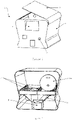
Figure 1 shows a front perspective view of the equipment of the invention. -
Figure 2 shows the equipment of the invention in a frontal position and its interior. -
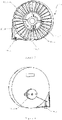
Figure 3 shows a front view of the dispenser module. -
Figure 4 shows the back of the dispenser module. -
Figure 5 shows a detail of the components of the dispenser module. - In the figures are marked the elements and components of the equipment of the present invention, as well as the elements essential for the functioning of the invention:
- 1.
- medicine dispenser
- 2.
- button
- 3.
- router
- 4.
- delivery cup
- 5.
- housing
- 7.
- cover
- 8.
- operation panel
- 9.
- chassis
- 10.
- dispenser module
10.1. partitions
10.2. lockers
10.3. wrapper
10.4. guide
10.5. connector
10.6. rotation system
10.7. opening
10.8. storage divider - By "substantially cylindrical" and "substantially trapezoidal" shapes is meant the preferred shapes for embodiments of the invention, although the invention is able to work with other shapes.
- By "substantially vertical", "at the back" and "at the bottom" positions is meant the preferred positions for implementing the invention, although the invention is able to work with other positions.
- By "medicine units" is meant that the quantity is at least one medicine unit.
- According to the figures, the present invention relates to a modular and automatic dispenser for medicine, intended for the automatic and timely dispensing of medicine, particularly in the form of pills, capsules or similar for delivery to at least one user, comprising a storage system, a delivery system and a management and communication system.
- The medicine dispenser (1) integrates a chassis (9) comprising:
- a cover (7) for access to the interior of the medicine dispenser (1);
- a multifunction button (2) located on the front of the chassis (9) which allows for, among other things, deactivating the alarm;
- an operation panel (8) for communication with the user and that may include buttons and a display for user interface which allows for, namely, but not exclusively, programming and activation of functionalities and uploading of user related information to the prescription and remote devices.
- In the interior of the the medicine dispenser (1) are located the storage system and the delivery system, which comprise the mechanical components for storing and delivering medicine, as well as the electronic components, namely the circuit board, which allow the instructions received from the management system, and which control the mechanical components, to be executed. The medicine dispenser (1) also has a mechanism for coupling to other medicine dispensers (1) .
- The storage system comprises:
- at least one removable dispenser module (10); and
- at least one housing (5) to which the at least one dispenser module (10) is fixed.
- The housing (5), in a preferred embodiment, has substantially an "L" shape and incorporates means that allow the at least one dispenser module (10) to be attached. The lower wall of the housing (5) is placed in a substantially horizontal position and the side wall of the housing (5) is placed in a substantially vertical position. The lower wall of the housing (5) additionally comprises a connector (10.5). In a preferred embodiment, the means enabling the attachment of the dispenser module (10) are rails which are coupled to the bottom wall and the side wall of the housing (5). In another embodiment, the housing (5) has any shape suitable to fit the at least one dispenser module (10).
- The dispenser module (10), in a preferred embodiment, has a substantially cylindrical shape, is placed in a substantially vertical position within the chassis (9) and integrates a wrapper (10.3) having a substantially circular shape, encircling a storage divider (10.8) and which comprises an opening (10.7) in its lower part through which the medicine are dispensed. The storage divider (10.8) integrates at least one partition (10.1) separating the at least one locker (10.2) used for storing medicine. Each locker (10.2) is substantially trapezoidal in shape, with a width that narrows from the outside to the inside, the inside being the wall in the centre of the storage divider (10.8). As the medicine, and consequently the casings protecting them, can be of different sizes and shapes, the size of the lockers (10.2) can be changed by adjusting the distance between partitions (10.1) by moving the partitions (10.1) on the centre wall of the storage divider (10.8), so that the lockers (10.2) can suit the size of the medicine or the casing of the medicine to be stored. As the wrapper (10.3) surrounds the storage divider (10.8), inappropriate outflow of medicine from the lockers (10.2) is prevented. The dispenser module (10) additionally comprises means enabling the at least one dispenser module (10) to be fixed to the housing (5). In a preferred embodiment, the means for attaching the dispenser module (10) to the housing (5) is a guide (10.4) which is shaped to fit into the existing rails of the housing (5). In one embodiment, the guide (10.4) and the housing (5) have mutually complementary shapes. In a preferred embodiment, the guide (10.4) has substantially an "L" shape, whereby both walls of the guide (10.4), i.e. the side wall and the bottom wall, have a length substantially equal to the radius of the wrapper (10.3), whereby the bottom wall of the guide (10.4) engages in rails of the bottom wall of the housing (5) and the side wall of the guide (10.4) engages in rails of the side wall of the housing (5).
- The dispenser module (10) also incorporates a connector (10.5) for connection between the management and communication system and the rotation system (10.6) of the dispenser module (10). Located at the rear of the dispenser module (10), the rotation system (10.6) integrates the rotation components of the storage divider (10.8).
- The rails of the housing (5) are configured to receive the guides (10.4) of the dispenser module and comprise guide fixing mechanisms (10.4) that allow the dispenser module (10) to be coupled and uncoupled. The rails of the housing (5) also comprise mechanisms for joining the electronics to the connector (10.5) of the dispenser module (10). Due to the shape and position of the guide (10.4), the dispenser module (10) is fixed to the housing (5) in a substantially vertical position.
- The dispenser module (10) can be easily removed and inserted in the interior of the medicine dispenser (1), facilitating the refilling of the dispenser module (10) whenever necessary. After gaining access to the housing (5), through the opening of the cover (7), the guides (10.4) allow for easy insertion and removal of the dispenser modules (10) from the interior of the medicine dispenser (1).
- The medicine delivery system allows for the collection of medicine and its routing to the outlet.
- The delivery system comprises a medicine router (3), positioned under the dispenser module (10), comprising:
- a counting sensor selected from, namely, but not exclusively, an infrared sensor, a microwave sensor or an ultrasonic sensor;
- a vibration motor;
- a weight sensor;
- a delivery cup presence sensor (4); and
- a delivery cup (4).
- The router (3) presents any shape suitable for routing the medicine that falls into it, transferring said medicine, by gravity, to the delivery cup (4) positioned under the router (3). In a preferred embodiment, the router (3) has a semifunnel shape.
- The count sensor checks if the medicine units have left the dispensing module (10). The weight sensor ascertains if the medicine units have been delivered to the delivery cup (4) and the presence sensor of the delivery cup (4) confirms if the delivery cup (4) has already been removed or is still in the medicine dispenser (1). After the medicine unit is released from the dispenser module (10), the counting sensor confirms that the amount of medicine units that fell into the router (3) corresponds to the number of medicine units that had to fall by sensing the passage of the medicine units to the router (3) . If the counting sensor does not detect the passage of the medicine units, the vibration motor is activated which releases medicine units that may be stuck. The weight sensor checks if the medicine units have been deposited in the delivery cup (4), by making a comparison between the weight of the medicine units inside the delivery cup (4) and the weight of the medicine units that should be inside the delivery cup (4). The presence sensor of the delivery cup (4) checks whether the delivery cup (4) has already been removed from the medicine dispenser (1).
- Additionally, the medicine dispenser (1) comprises a management and communication system.
- The management and communication system has the function of managing the medicine dispenser (1), as well as the communication between the circuit board of the medicine dispenser (1), the servers and the databases comprising the information necessary for the operation of the medicine dispenser (1). These servers and databases namely comprise the data regarding the user, the prescription, the medicine, where it is stored in the dispenser modules (10) and the respective dispensing schedules.
- The communication of the medicine dispenser (1) with the server, the databases and the application, that can run on a fixed or mobile electronic device, namely, but not exclusively, tablet, smartphone, laptop, or desktop, can be performed through various channels that can be activated and deactivated according to needs. The communication channels are selected from, namely, but not exclusively, Ethernet, Wi-Fi, Bluetooth, Radio Frequency Identification (RFID), Near Field Communication (NFC), Global System for Mobile Communication (GMS), Zigbee, 3G, 4G, 5G, Microwave, and Long Range (LoRa). This redundancy of channels allows adaptation to various scenarios and the choice of channel according to the situation.
- The communication carried out between the server and the application allows, in particular:
- registration and update of users;
- recording and update of the actions to be taken in the event of the occurrence of a non-conformity;
- recording and update of prescription information;
- sending log records relating to the operation of the medicine dispenser (1);
- sending of alerts and notifications; and
- software updates.
- The communication system also allows communication with remote devices, including, but not limited to, smart bracelets, smartwatches, RFID/NFC tags, or smartphones. These devices allow, namely, the authentication of the user at the medicine dispenser (1) and the update of information regarding the schedule for taking medicine. The communication channels for authentication are selected from but not exclusively, Bluetooth, Bluetooth Low Energy, NFC and RFID.
- Additionally, the management and communication system comprises an alarm that is triggered when it is time to take the medicine, to inform of the dispensing of medicine. This alarm can be triggered on the medicine dispenser (1) through a visual/sound component that integrates the medicine dispenser (1), as well as on the remote devices.
- Since the medicine dispenser (1) is a equipment that can be used by several users, when used for the first time by a user, it is necessary to insert information about the user and the respective prescription. This information can be loaded locally through the operation panel (8), through the application installed in fixed or mobile devices, or by connecting to external servers that have the information previously loaded.
- Regarding the prescription, it is necessary to load the information regarding the medicine and its location within the medicine dispenser (1), i.e., which dispenser module (10) the medicine will stored in, and the respective dispensing schedules. All medicine are placed in the respective lockers (10.2) through the opening of the lid (7) that allows access to the inside of the medicine dispenser (1) .
- For a first stage, the parameterization stage, it is necessary to proceed with the activation of the intended functionalities, as well as the specification of the operating characteristics. One of the functionalities to be activated is the need for user authentication. Another of the existing functionalities, whose operating characteristics need to be defined, are the alarm parameters. For example, what type of alarm is activated, whether it is visual, acoustic or both visual and acoustic, whether it is activated locally and/or through remote devices and for how long it is active. It is also necessary to inform the medicine dispenser (1) of what action to take if the alarm is not deactivated within the time set. If there is more than one user, each user defines their own parameters. The parameters will be saved and used in the interaction with the respective user.
- During the parameterization of a user, it is also possible to register remote devices associated with the user, namely, but not exclusively, smart wristbands, smartwatches, RFID/NFC tags, or smartphones. Each user can have more than one remote device associated, however, a given remote device can only be associated with one user.
- For a second step, the delivery step, when the time comes to dispense a medicine according to the prescription time, the alarm of the medicine dispenser (1) is activated.
- The user or users, or someone duly authorized to do so, namely a formal and/or informal caregiver, comes or goes to the medicine dispenser (1) at the time set in the timetable to collect the medicine to be taken.
- If authentication is active, the alarm is deactivated, and the medicine is dispensed by user authentication with the medicine dispenser (1). This authentication is executed by entering a code on the operation panel (8), through a remote device or through an application installed on a mobile device. An alarm is always related to a medicine prescription for one user. The device uses the parameters previously entered to alert the user to take the dose. Authentication is only authorized if the code is correctly entered in the operation panel (8), by the remote device or by the application installed on a mobile device associated to the user who must take the dose.
- If the user authentication option is not active, pressing the multifunction button (2) deactivates the alarm and the medicine is dispensed.
- If the alarm is not deactivated within the time set for this, the action configured in the medicine dispenser (1) is triggered. Before dispensing, the device informs the user to whom the medicine to be dispensed belongs to via the operating panel (8) or an acoustic signal.
- Once the medicine dispenser (1) has confirmed that the user is near the equipment, the process of delivering and collecting the medicine begins.
- After the alarm is deactivated, the management and communication system send information about the location of the medicine to be dispensed and the quantity to be dispensed to the circuit board that controls the storage system and the delivery system. Upon receiving this information, the circuit board activates the rotation system (10.6) of the dispensing module (10) in which the medicine to be dispensed is located, sets the storage divider (10.8) in rotation, until the locker (10.2) containing the medicine units to be dispensed is substantially aligned with the opening (10.7) of the wrapper (10.3). Since the opening (10.7) is located at the bottom of the wrapper (10.3) of the dispensing module (10), when the locker (10.2) becomes substantially aligned with the opening (10.7), through the force of gravity the amount of medicine units to be dispensed falls into the router (3). The counting sensor detects the passage of the medicine units into the router (3), which lets the management and communication system know that the medicine units have left the locker (10.2).
- Given its inclination of the router (3), the drug units are routed into the delivery cup (4) by the router (3). The weight sensor located underneath the delivery cup (4) checks whether the units of medicine deposited in the delivery cup (4) match the number of units of medicine that should be delivered, by making a comparison between the weight of the units of medicine deposited in the delivery cup (4) and the weight of the units of medicine that should be inside the delivery cup (4). With the medicine dispensed, the user collects the delivery cup (4) with the units of medicine. Finally, the delivery cup presence sensor checks whether the delivery cup (4) has been removed from the medicine dispenser (1) .
- If the management system detects any non-conformity in any of the previous situations, namely when dropping the medicine units from the locker (10.2), delivering the medicine units to the delivery cup (4) or collecting the delivery cup (4), the management system shall activate the emergency measures foreseen for each situation, namely sending messages, activating the acoustic warning, light warning, or any other that is appropriate for the gravity of the situation.
Claims (13)
- Modular and automatic dispenser for medicine comprising:- a chassis (9);- a storage system comprising:- at least one removable dispenser module (10) comprising a wrapper (10.3) encircling a storage divider (10.8) and comprising an opening (10.7) at the bottom; and- a housing (5);- a medicine router (3) positioned under the dispensing module (10) and a delivery cup (4) placed under the router (3);wherein:- the dispenser module (10) comprises a guide (10.4) located at the bottom of the dispenser module (10);- the housing (5):- has a format substantially complementary to the format of the guides (10.4);- comprises rails configured to receive the guides (10.4); and- comprises guide (10.4) fixing mechanisms that allow coupling and uncoupling of the dispenser module (10);
and- the dispenser module (10) is fixed in the housing (5) in a substantially vertical position. - Dispenser according to the preceding claim, characterized by the guide (10.4) having an "L" shape, wherein the lower wall of the guide (10.4) fits into the trough of the lower wall of the housing (5) and the side wall of the guide (10.4) fits into the side wall of the housing (5) and said both walls have a length substantially equal to the radius of the wrapper (10.3).
- Dispenser according to any one of the preceding claims, wherein the dispenser module (10) comprises:- a rotation system (10.6) comprising the rotation components of the storage divider (10.8);- a connector (10.5) connecting the management and communication system to the rotation system (10.6);and the storage divider (10.8) comprising at least one partition (10.1) which separates a at least one locker (10.2).
- Dispenser according to the preceding claim, wherein the locker (10.2) has a substantially trapezoidal shape with a width that narrows from the outside to the inside, the inside being the wall of the center of the storage divider (10.8).
- Dispenser according to the preceding claim, wherein the size of the locker (10.2) is changed by adjusting the distance between partitions (10.1) by moving the partition (10.1) on the wall in the center of the storage divider (10.8).
- Dispenser according to any one of the preceding claims, wherein the dispenser module (10) has a substantially cylindrical shape.
- Dispenser according to any of the preceding claims, wherein the wrapper (10.3) has a substantially circular shape.
- Dispenser according to any one of the preceding claims, wherein the chassis (9) comprises a cover (7), a multifunction button (2) and an operations panel (8).
- Dispenser according to any one of the preceding claims, wherein it comprises a delivery system and an electronic system.
- Dispenser according to the preceding claim, wherein the electronic system comprises a circuit board, a sensor system and a management and communication system enabling electronic and computer management of the dispenser.
- Dispenser according to any one of claims 9 or 10, wherein the delivery system comprises the router (3), the delivery cup (4), a counting sensor, a weight sensor, and a delivery cup presence sensor (4).
- Dispenser according to any one of the preceding claims, wherein the router (3) comprises a vibration motor.
- Method of dispensing medicines with the dispenser claimed in the preceding claims characterized by comprising the following steps:a. parameterization stage, comprising the following steps:a.1 insertion of information on the user and the respective prescription;a.2 activation of the user authentication functionality;a.3 setting of alarm parameters;a.4 defining the actions to be triggered in the event of the occurrence of a non-conformity;b. delivery stage, comprising the following steps:b.1 according to the prescription time, the alarm is activated;b.2 the alarm is deactivated by authentication of the user at the medicine dispenser (1) or by pressing the multifunction button (2);b.3 after the alarm is deactivated, the rotation system (10.6) of the dispenser module (10) is activated by the circuit board;b.4 with the rotation of the storage divider (10.8), the locker (10.2) containing the medicine units to be dispensed becomes substantially aligned with the opening (10.7) of the wrapper (10.3);b.5 the amount of medicine units to be dispensed falls to the router (3);b.6 the counting sensor detects the passage of the medicine units to the router (3);b.7 the medicine units are forwarded to the delivery cup (4) by the router (3);b.8 the weight sensor checks whether the weight of the medicine units deposited in the delivery cup (4) corresponds to the weight of the medicine units that should be inside the delivery cup (4);b.9 a user picks up the delivery cup (4); andb.10 the delivery cup presence sensor (4) checks the removal of the delivery cup (4) from the medicine dispenser (1).
Applications Claiming Priority (1)
| Application Number | Priority Date | Filing Date | Title |
|---|---|---|---|
| PT117303A PT117303A (en) | 2021-06-23 | 2021-06-23 | MODULAR AND AUTOMATIC DISPENSER FOR MEDICINES AND DISPENSING METHOD |
Publications (3)
| Publication Number | Publication Date |
|---|---|
| EP4108223A1 true EP4108223A1 (en) | 2022-12-28 |
| EP4108223B1 EP4108223B1 (en) | 2025-07-09 |
| EP4108223C0 EP4108223C0 (en) | 2025-07-09 |
Family
ID=84179644
Family Applications (1)
| Application Number | Title | Priority Date | Filing Date |
|---|---|---|---|
| EP22176318.8A Active EP4108223B1 (en) | 2021-06-23 | 2022-05-31 | Modular and automatic dispenser for medication and dispensing method |
Country Status (2)
| Country | Link |
|---|---|
| EP (1) | EP4108223B1 (en) |
| PT (1) | PT117303A (en) |
Cited By (1)
| Publication number | Priority date | Publication date | Assignee | Title |
|---|---|---|---|---|
| WO2025191190A1 (en) * | 2024-03-13 | 2025-09-18 | Manzaneque Mendez Emilio | Medication dispenser |
Citations (7)
| Publication number | Priority date | Publication date | Assignee | Title |
|---|---|---|---|---|
| US4573606A (en) * | 1983-09-12 | 1986-03-04 | Kermit E. Lewis | Automatic pill dispenser and method of administering medical pills |
| US5755357A (en) * | 1995-06-26 | 1998-05-26 | Healthtech Services Corp. | Compact medication delivery systems |
| US20060266763A1 (en) | 2005-05-31 | 2006-11-30 | Katrin Svabo Bech | Automated medication dispensing apparatus |
| US20140097194A1 (en) | 2012-10-09 | 2014-04-10 | Hon Hai Precision Industry Co., Ltd. | Automatic pill dispenser |
| US20140131378A1 (en) | 2012-11-13 | 2014-05-15 | Hon Hai Precision Industry Co., Ltd. | Automatic pill dispenser |
| US20160042150A1 (en) | 2014-08-11 | 2016-02-11 | Joseph Moloughney | Intelligent Pill Dispenser With Remote Scheduling And Monitoring |
| US10555873B2 (en) | 2015-05-26 | 2020-02-11 | Michel Poirier | Modular medication dispensing system |
Family Cites Families (1)
| Publication number | Priority date | Publication date | Assignee | Title |
|---|---|---|---|---|
| US10730687B2 (en) * | 2014-10-16 | 2020-08-04 | RxCap Inc. | Intelligent medicine dispenser |
-
2021
- 2021-06-23 PT PT117303A patent/PT117303A/en unknown
-
2022
- 2022-05-31 EP EP22176318.8A patent/EP4108223B1/en active Active
Patent Citations (7)
| Publication number | Priority date | Publication date | Assignee | Title |
|---|---|---|---|---|
| US4573606A (en) * | 1983-09-12 | 1986-03-04 | Kermit E. Lewis | Automatic pill dispenser and method of administering medical pills |
| US5755357A (en) * | 1995-06-26 | 1998-05-26 | Healthtech Services Corp. | Compact medication delivery systems |
| US20060266763A1 (en) | 2005-05-31 | 2006-11-30 | Katrin Svabo Bech | Automated medication dispensing apparatus |
| US20140097194A1 (en) | 2012-10-09 | 2014-04-10 | Hon Hai Precision Industry Co., Ltd. | Automatic pill dispenser |
| US20140131378A1 (en) | 2012-11-13 | 2014-05-15 | Hon Hai Precision Industry Co., Ltd. | Automatic pill dispenser |
| US20160042150A1 (en) | 2014-08-11 | 2016-02-11 | Joseph Moloughney | Intelligent Pill Dispenser With Remote Scheduling And Monitoring |
| US10555873B2 (en) | 2015-05-26 | 2020-02-11 | Michel Poirier | Modular medication dispensing system |
Cited By (1)
| Publication number | Priority date | Publication date | Assignee | Title |
|---|---|---|---|---|
| WO2025191190A1 (en) * | 2024-03-13 | 2025-09-18 | Manzaneque Mendez Emilio | Medication dispenser |
Also Published As
| Publication number | Publication date |
|---|---|
| EP4108223B1 (en) | 2025-07-09 |
| PT117303A (en) | 2022-12-23 |
| EP4108223C0 (en) | 2025-07-09 |
Similar Documents
| Publication | Publication Date | Title |
|---|---|---|
| US7978564B2 (en) | Interactive medication container | |
| US7715277B2 (en) | Interactive medication container | |
| EP1850826B1 (en) | Medication dispensing system | |
| CA2578910C (en) | Pill dispensing apparatus | |
| US10682284B2 (en) | Pill dispensing apparatus and method for automatically dispensing pills | |
| JP7121733B2 (en) | Systems and methods for compliance management | |
| US7178688B2 (en) | Portable medication dispenser | |
| US8391104B2 (en) | Interactive medication container labeling | |
| EP2675727B1 (en) | A blister holder provided with means designed to detect the number of extracted products from the blister and with gsm/gprs communication means to remotely dialogue with a control center | |
| EP1478420B1 (en) | Dose dispensing system and apparatus | |
| US10391037B2 (en) | Portable smart medicine case using guardian notifying function and medication time notifying system including same | |
| EP1174363A1 (en) | Automated portable medication radial dispensing apparatus and method using a carrier tape | |
| EP1310900A2 (en) | Automated portable medication radial dispensing apparatus and method | |
| WO2012013723A1 (en) | Pharmaceutical product dispenser | |
| CN101103350A (en) | Built-in non-sequential remote medication management and compliance system | |
| JPH10501143A (en) | Drug dispensing, management and storage systems | |
| EP4108223B1 (en) | Modular and automatic dispenser for medication and dispensing method | |
| US7129819B2 (en) | Modular drug releasing system | |
| WO2017069142A1 (en) | Medicine accommodating device | |
| WO2007090740A1 (en) | Device for dispensing medicines | |
| US20240315927A1 (en) | Smart multi-medication dispenser system | |
| WO2015032403A1 (en) | Monitoring system | |
| KR20230071862A (en) | Smart pill box and management method using the same | |
| AU2006212698B2 (en) | Medication dispensing system | |
| WO2023176694A1 (en) | Drug management system |
Legal Events
| Date | Code | Title | Description |
|---|---|---|---|
| PUAI | Public reference made under article 153(3) epc to a published international application that has entered the european phase |
Free format text: ORIGINAL CODE: 0009012 |
|
| STAA | Information on the status of an ep patent application or granted ep patent |
Free format text: STATUS: THE APPLICATION HAS BEEN PUBLISHED |
|
| AK | Designated contracting states |
Kind code of ref document: A1 Designated state(s): AL AT BE BG CH CY CZ DE DK EE ES FI FR GB GR HR HU IE IS IT LI LT LU LV MC MK MT NL NO PL PT RO RS SE SI SK SM TR |
|
| STAA | Information on the status of an ep patent application or granted ep patent |
Free format text: STATUS: REQUEST FOR EXAMINATION WAS MADE |
|
| 17P | Request for examination filed |
Effective date: 20230623 |
|
| RBV | Designated contracting states (corrected) |
Designated state(s): AL AT BE BG CH CY CZ DE DK EE ES FI FR GB GR HR HU IE IS IT LI LT LU LV MC MK MT NL NO PL PT RO RS SE SI SK SM TR |
|
| GRAP | Despatch of communication of intention to grant a patent |
Free format text: ORIGINAL CODE: EPIDOSNIGR1 |
|
| STAA | Information on the status of an ep patent application or granted ep patent |
Free format text: STATUS: GRANT OF PATENT IS INTENDED |
|
| INTG | Intention to grant announced |
Effective date: 20250107 |
|
| RIN1 | Information on inventor provided before grant (corrected) |
Inventor name: FERRO LEBRES, VERA ALEXANDRA Inventor name: SOUSA MAGALHAES LIMA, JOSE LUIS Inventor name: SANCHES DE CASTRO LOPES, RUI PEDRO Inventor name: RIBEIRO DE MESQUITA, LUIS MANUEL Inventor name: PINHEIRO NUNES PEREIRA, ANA ISABEL Inventor name: ALEGRE DA COSTA, BRUNO ANTONIO |
|
| GRAS | Grant fee paid |
Free format text: ORIGINAL CODE: EPIDOSNIGR3 |
|
| GRAA | (expected) grant |
Free format text: ORIGINAL CODE: 0009210 |
|
| STAA | Information on the status of an ep patent application or granted ep patent |
Free format text: STATUS: THE PATENT HAS BEEN GRANTED |
|
| AK | Designated contracting states |
Kind code of ref document: B1 Designated state(s): AL AT BE BG CH CY CZ DE DK EE ES FI FR GB GR HR HU IE IS IT LI LT LU LV MC MK MT NL NO PL PT RO RS SE SI SK SM TR |
|
| REG | Reference to a national code |
Ref country code: GB Ref legal event code: FG4D |
|
| REG | Reference to a national code |
Ref country code: CH Ref legal event code: EP |
|
| REG | Reference to a national code |
Ref country code: IE Ref legal event code: FG4D |
|
| REG | Reference to a national code |
Ref country code: DE Ref legal event code: R096 Ref document number: 602022017200 Country of ref document: DE |
|
| U01 | Request for unitary effect filed |
Effective date: 20250801 |
|
| U07 | Unitary effect registered |
Designated state(s): AT BE BG DE DK EE FI FR IT LT LU LV MT NL PT RO SE SI Effective date: 20250812 |
|
| PG25 | Lapsed in a contracting state [announced via postgrant information from national office to epo] |
Ref country code: IS Free format text: LAPSE BECAUSE OF FAILURE TO SUBMIT A TRANSLATION OF THE DESCRIPTION OR TO PAY THE FEE WITHIN THE PRESCRIBED TIME-LIMIT Effective date: 20251109 |
|
| PG25 | Lapsed in a contracting state [announced via postgrant information from national office to epo] |
Ref country code: NO Free format text: LAPSE BECAUSE OF FAILURE TO SUBMIT A TRANSLATION OF THE DESCRIPTION OR TO PAY THE FEE WITHIN THE PRESCRIBED TIME-LIMIT Effective date: 20251009 |
|
| PG25 | Lapsed in a contracting state [announced via postgrant information from national office to epo] |
Ref country code: HR Free format text: LAPSE BECAUSE OF FAILURE TO SUBMIT A TRANSLATION OF THE DESCRIPTION OR TO PAY THE FEE WITHIN THE PRESCRIBED TIME-LIMIT Effective date: 20250709 |
|
| PG25 | Lapsed in a contracting state [announced via postgrant information from national office to epo] |
Ref country code: GR Free format text: LAPSE BECAUSE OF FAILURE TO SUBMIT A TRANSLATION OF THE DESCRIPTION OR TO PAY THE FEE WITHIN THE PRESCRIBED TIME-LIMIT Effective date: 20251010 |
|
| PG25 | Lapsed in a contracting state [announced via postgrant information from national office to epo] |
Ref country code: PL Free format text: LAPSE BECAUSE OF FAILURE TO SUBMIT A TRANSLATION OF THE DESCRIPTION OR TO PAY THE FEE WITHIN THE PRESCRIBED TIME-LIMIT Effective date: 20250709 |
|
| PG25 | Lapsed in a contracting state [announced via postgrant information from national office to epo] |
Ref country code: RS Free format text: LAPSE BECAUSE OF FAILURE TO SUBMIT A TRANSLATION OF THE DESCRIPTION OR TO PAY THE FEE WITHIN THE PRESCRIBED TIME-LIMIT Effective date: 20251009 |
|
| PG25 | Lapsed in a contracting state [announced via postgrant information from national office to epo] |
Ref country code: ES Free format text: LAPSE BECAUSE OF FAILURE TO SUBMIT A TRANSLATION OF THE DESCRIPTION OR TO PAY THE FEE WITHIN THE PRESCRIBED TIME-LIMIT Effective date: 20250709 |
|
| PG25 | Lapsed in a contracting state [announced via postgrant information from national office to epo] |
Ref country code: SM Free format text: LAPSE BECAUSE OF FAILURE TO SUBMIT A TRANSLATION OF THE DESCRIPTION OR TO PAY THE FEE WITHIN THE PRESCRIBED TIME-LIMIT Effective date: 20250709 |
|
| PG25 | Lapsed in a contracting state [announced via postgrant information from national office to epo] |
Ref country code: CZ Free format text: LAPSE BECAUSE OF FAILURE TO SUBMIT A TRANSLATION OF THE DESCRIPTION OR TO PAY THE FEE WITHIN THE PRESCRIBED TIME-LIMIT Effective date: 20250709 |
|
| PG25 | Lapsed in a contracting state [announced via postgrant information from national office to epo] |
Ref country code: SK Free format text: LAPSE BECAUSE OF FAILURE TO SUBMIT A TRANSLATION OF THE DESCRIPTION OR TO PAY THE FEE WITHIN THE PRESCRIBED TIME-LIMIT Effective date: 20250709 |
|
| PLBE | No opposition filed within time limit |
Free format text: ORIGINAL CODE: 0009261 |
|
| STAA | Information on the status of an ep patent application or granted ep patent |
Free format text: STATUS: NO OPPOSITION FILED WITHIN TIME LIMIT |