EP4107252B1 - Method for the production of aav - Google Patents
Method for the production of aav Download PDFInfo
- Publication number
- EP4107252B1 EP4107252B1 EP21811385.0A EP21811385A EP4107252B1 EP 4107252 B1 EP4107252 B1 EP 4107252B1 EP 21811385 A EP21811385 A EP 21811385A EP 4107252 B1 EP4107252 B1 EP 4107252B1
- Authority
- EP
- European Patent Office
- Prior art keywords
- aav
- perfusion
- production
- cells
- cell
- Prior art date
- Legal status (The legal status is an assumption and is not a legal conclusion. Google has not performed a legal analysis and makes no representation as to the accuracy of the status listed.)
- Active
Links
Images







Classifications
-
- C—CHEMISTRY; METALLURGY
- C12—BIOCHEMISTRY; BEER; SPIRITS; WINE; VINEGAR; MICROBIOLOGY; ENZYMOLOGY; MUTATION OR GENETIC ENGINEERING
- C12M—APPARATUS FOR ENZYMOLOGY OR MICROBIOLOGY; APPARATUS FOR CULTURING MICROORGANISMS FOR PRODUCING BIOMASS, FOR GROWING CELLS OR FOR OBTAINING FERMENTATION OR METABOLIC PRODUCTS, i.e. BIOREACTORS OR FERMENTERS
- C12M29/00—Means for introduction, extraction or recirculation of materials, e.g. pumps
- C12M29/10—Perfusion
-
- C—CHEMISTRY; METALLURGY
- C12—BIOCHEMISTRY; BEER; SPIRITS; WINE; VINEGAR; MICROBIOLOGY; ENZYMOLOGY; MUTATION OR GENETIC ENGINEERING
- C12N—MICROORGANISMS OR ENZYMES; COMPOSITIONS THEREOF; PROPAGATING, PRESERVING, OR MAINTAINING MICROORGANISMS; MUTATION OR GENETIC ENGINEERING; CULTURE MEDIA
- C12N15/00—Mutation or genetic engineering; DNA or RNA concerning genetic engineering, vectors, e.g. plasmids, or their isolation, preparation or purification; Use of hosts therefor
- C12N15/09—Recombinant DNA-technology
- C12N15/63—Introduction of foreign genetic material using vectors; Vectors; Use of hosts therefor; Regulation of expression
- C12N15/79—Vectors or expression systems specially adapted for eukaryotic hosts
- C12N15/85—Vectors or expression systems specially adapted for eukaryotic hosts for animal cells
- C12N15/86—Viral vectors
-
- C—CHEMISTRY; METALLURGY
- C12—BIOCHEMISTRY; BEER; SPIRITS; WINE; VINEGAR; MICROBIOLOGY; ENZYMOLOGY; MUTATION OR GENETIC ENGINEERING
- C12N—MICROORGANISMS OR ENZYMES; COMPOSITIONS THEREOF; PROPAGATING, PRESERVING, OR MAINTAINING MICROORGANISMS; MUTATION OR GENETIC ENGINEERING; CULTURE MEDIA
- C12N7/00—Viruses; Bacteriophages; Compositions thereof; Preparation or purification thereof
-
- C—CHEMISTRY; METALLURGY
- C12—BIOCHEMISTRY; BEER; SPIRITS; WINE; VINEGAR; MICROBIOLOGY; ENZYMOLOGY; MUTATION OR GENETIC ENGINEERING
- C12N—MICROORGANISMS OR ENZYMES; COMPOSITIONS THEREOF; PROPAGATING, PRESERVING, OR MAINTAINING MICROORGANISMS; MUTATION OR GENETIC ENGINEERING; CULTURE MEDIA
- C12N2750/00—MICROORGANISMS OR ENZYMES; COMPOSITIONS THEREOF; PROPAGATING, PRESERVING, OR MAINTAINING MICROORGANISMS; MUTATION OR GENETIC ENGINEERING; CULTURE MEDIA ssDNA viruses
- C12N2750/00011—Details
- C12N2750/14011—Parvoviridae
- C12N2750/14111—Dependovirus, e.g. adenoassociated viruses
- C12N2750/14122—New viral proteins or individual genes, new structural or functional aspects of known viral proteins or genes
-
- C—CHEMISTRY; METALLURGY
- C12—BIOCHEMISTRY; BEER; SPIRITS; WINE; VINEGAR; MICROBIOLOGY; ENZYMOLOGY; MUTATION OR GENETIC ENGINEERING
- C12N—MICROORGANISMS OR ENZYMES; COMPOSITIONS THEREOF; PROPAGATING, PRESERVING, OR MAINTAINING MICROORGANISMS; MUTATION OR GENETIC ENGINEERING; CULTURE MEDIA
- C12N2750/00—MICROORGANISMS OR ENZYMES; COMPOSITIONS THEREOF; PROPAGATING, PRESERVING, OR MAINTAINING MICROORGANISMS; MUTATION OR GENETIC ENGINEERING; CULTURE MEDIA ssDNA viruses
- C12N2750/00011—Details
- C12N2750/14011—Parvoviridae
- C12N2750/14111—Dependovirus, e.g. adenoassociated viruses
- C12N2750/14141—Use of virus, viral particle or viral elements as a vector
- C12N2750/14143—Use of virus, viral particle or viral elements as a vector viral genome or elements thereof as genetic vector
-
- C—CHEMISTRY; METALLURGY
- C12—BIOCHEMISTRY; BEER; SPIRITS; WINE; VINEGAR; MICROBIOLOGY; ENZYMOLOGY; MUTATION OR GENETIC ENGINEERING
- C12N—MICROORGANISMS OR ENZYMES; COMPOSITIONS THEREOF; PROPAGATING, PRESERVING, OR MAINTAINING MICROORGANISMS; MUTATION OR GENETIC ENGINEERING; CULTURE MEDIA
- C12N2750/00—MICROORGANISMS OR ENZYMES; COMPOSITIONS THEREOF; PROPAGATING, PRESERVING, OR MAINTAINING MICROORGANISMS; MUTATION OR GENETIC ENGINEERING; CULTURE MEDIA ssDNA viruses
- C12N2750/00011—Details
- C12N2750/14011—Parvoviridae
- C12N2750/14111—Dependovirus, e.g. adenoassociated viruses
- C12N2750/14151—Methods of production or purification of viral material
-
- C—CHEMISTRY; METALLURGY
- C12—BIOCHEMISTRY; BEER; SPIRITS; WINE; VINEGAR; MICROBIOLOGY; ENZYMOLOGY; MUTATION OR GENETIC ENGINEERING
- C12N—MICROORGANISMS OR ENZYMES; COMPOSITIONS THEREOF; PROPAGATING, PRESERVING, OR MAINTAINING MICROORGANISMS; MUTATION OR GENETIC ENGINEERING; CULTURE MEDIA
- C12N2750/00—MICROORGANISMS OR ENZYMES; COMPOSITIONS THEREOF; PROPAGATING, PRESERVING, OR MAINTAINING MICROORGANISMS; MUTATION OR GENETIC ENGINEERING; CULTURE MEDIA ssDNA viruses
- C12N2750/00011—Details
- C12N2750/14011—Parvoviridae
- C12N2750/14111—Dependovirus, e.g. adenoassociated viruses
- C12N2750/14151—Methods of production or purification of viral material
- C12N2750/14152—Methods of production or purification of viral material relating to complementing cells and packaging systems for producing virus or viral particles
Definitions
- the present invention relates to methods for the production of Adeno-associated virus (AAV), comprising steps of providing a stable AAV producer cell line in which at least some or all genes encoding the components necessary for the production of AAV are stably integrated into the cell genome, and culturing said cells in perfusion culture during the AAV production step (i.e., during the N step), wherein said perfusion culture encompasses continuous replacement of spent media with fresh media, and wherein said continuous replacement of spent media with fresh media continues after the induction of AAV production.
- AAV Adeno-associated virus
- AAV vectors in gene therapy are a good safety profile, the fact that such vectors are not pathogenic, i.e., are not associated with any disease, the long-term expression of transgenes, and the possibility of transducing dividing as well as non-dividing cells.
- a major challenge for translation of this promising research to clinical development is the challenge to deliver substantial amounts of AAV viral vectors in high quality.
- helper genes are used which can be derived from different helper viruses, the most common being helper virus genes taken from Adenovirus (AV), such as E1A, E1B, E2A, E4orf6, or VA RNA.
- AV Adenovirus
- GOI gene of interest
- ITRs AAV inverted terminal repeat sequences
- transfer vector containing gene of interest transfer vector containing gene of interest
- pAAV-Rep2CapX capsid function of different AAV serotypes
- the transient transfection step impedes certain process optimization steps to increase product titer or product quality which are common in the production of other recombinant biologicals, like extensive media and feed optimization, and variation of process parameters like pH, temperature, or cell density during production.
- process parameters like pH, temperature, or cell density during production.
- the latter one is a promising approach to increase the overall product titer.
- a higher cell density in general leads to an increased titer, as long as cell specific productivity is not decreased ("cell-density effect").
- the cell specific productivity can decrease while increasing cell density. This is also described in particular for the production of viral vectors.
- AAV titers achieved by transient transfection of mammalian suspension cells, such as e.g. HEK293 cells, are in the range of 1 ⁇ 10 13 to 1 ⁇ 10 15 vg/L (viral genomes per L) depending on the process. By transient transfection the proportion of full particles was reported with a maximum of ⁇ 30 % full particles, but is normally in the range of 10-18 %. This implies that 82-90 % are undesirable empty particles. Empty particles are therapeutically inactive and can increase immune responses in the patients.
- So-called producer cell lines with an already stably integrated gene of interest are mostly based on HEK or HeLa cells. However, they need additional infection with helper virus, e.g. adenovirus.
- helper virus e.g. adenovirus
- This addition of helper virus during AAV production requires first production of the corresponding helper virus, then extensive purification of the produced AAV vector in order to remove the helper virus from the final product and costly proof of absence of helper viruses.
- HSV Herpes simplex virus
- the Baculovirus-based system additionally lacks sufficient scalability and robustness, and adds the risk of contaminations by insect host cell protein and immunogenic insect cell specific glycosylation structures.
- the technical problem underlying the present invention is the provision of a scalable system for the stable production of AAV vectors that does not require transient transfection or helper viruses, allowing for the robust, industrial and scalable production of AAV gene therapy vectors, as well as extensive upstream process development optimization, in particular with the aim to increase product titer and/or cell specific yield, and even more importantly product quality, in particular in terms of the proportion of full particles.
- the present invention relates to a method for the production of Adeno-associated virus (AAV), comprising the steps of:
- AAV in the present invention is not limited to particular AAV serotypes.
- AAV can be selected from the group consisting of AAV serotype 1 (AAV1), AAV2, AAV3, AAV4, AAV5, AAV6, AAV7, AAV8, AAV9, AAV10, AAV11, AAVDJ, AAVDJ8, AAVrh10, hybrids of two or more different of said serotypes, and said serotypes having mutations that alter the tropism of the AAV serotype.
- AAV is selected from the group consisting of AAV2, AAV5, AAV6, AAV8, and AAV9, wherein AAV8 is particularly preferred.
- all genes encoding the components necessary for the production of AAV are stably integrated into the host cell genome.
- the genes encoding the components necessary for the production of AAV are the genes encoding the AAV Cap proteins VP1, VP2, and VP3; genes encoding the AAV Rep proteins Rep78, Rep68, Rep52, and Rep40; genes encoding the adenoviral helper functions E4orf6, E2A and VA-RNA; genes encoding the Ad5 helper genes E1A and E1B; and the gene of interest (GOI) flanked by AAV ITRs.
- GOIs to be used in the context of the present invention are not particularly limited and include any genes the transfer of which into the recipient of the AAV vector is of interest, e.g. for treatment of eye diseases, blindness diseases, muscular diseases, Duchenne muscular dystrophy, GM2 gangliosidosis and spinocerebellar ataxia type, ALS, Huntington disease, X-linked severe combined immunodeficiency (X-SCID), adenosine deaminase deficiency (ADA-SCID), central nervous system diseases, Parkinson's disease, Alzheimer disease, liver diseases, liver enzyme ornithine transcarbamylase (OTC) deficiency, Leber's congenital amaurosis, hemophilia, ⁇ -thalassemia, cancer diseases, head and neck cancer, metastatic melanoma, heart diseases, lung diseases, or cystic fibrosis, Wiskott-Aldrich syndrome (WAS), metachromatic leukodystrophy (MLD), and severe lip
- the stable AAV producer host cell line used in the present invention can be derived from any suitable cell line known in the art.
- said cell line is derived from a cell line, or is a cell line, selected from the group consisting of CAP cells, AGE1.hn, HEK293, PER.C6, NSO1, COS-7, BHK, CHO, CV1, VERO, HeLa, MDCK, BRL3A, W138, and HepG2 cells, wherein CAP cells and HEK293 cells are particularly preferred.
- the above cell line is derived from CAP cells or is a CAP cell line.
- the above cell line is derived from HEK293 cells or is a HEK293 cell line.
- the term "the stable AAV producer host cell line is derived from a cell line X” indicates that said stable AAV producer host cell line is generated by stably integrating the respective genes indicated above into cells of cell line X.
- the above term expressly encompasses the stable AAV producer host cell line being a cell line X, as indicated above.
- the term "the stable AAV producer host cell line is derived from a cell line X” can be read as "the stable AAV producer host cell line is based on a cell line X", and the respective terms can be used interchangeably herein.
- the scale of AAV production according to the present invention can vary from small volumes in the milliliter range over mid-range volumes up-to large scale volumes with e.g. 2,000 L or 25,000 L volume per production run.
- Perfusion culture in step (b) of the methods of the present invention can be performed in any suitable culture vessel or system known in the art.
- bioreactor which can be used in this respect include stirred-tank bioreactors (STR), orbitally shaken bioreactors (OSB), rocking bed bioreactors (e.g. WAVE, Rocking Motion), air-lift bioreactors, or tubular bioreactors.
- STR stirred-tank bioreactors
- OSB orbitally shaken bioreactors
- rocking bed bioreactors e.g. WAVE, Rocking Motion
- air-lift bioreactors e.g. WAVE, Rocking Motion
- tubular bioreactors e.g. WAVE, Rocking Motion
- glass, stainless steel or single-use bioreactor vessels can be used.
- Perfusion bioreactors designed for adherent cells can also be used, e.g. hollow-fiber bioreactors (HFBR), fixed-bed bioreactors (e.g. packed-bed bioreactors), and fluidized bed bioreactors.
- HFBR hollow-fiber bioreactors
- fixed-bed bioreactors e.g. packed-bed bioreactors
- fluidized bed bioreactors e.g. fluidized bed bioreactors.
- Operational modes for perfusion culture include but are not particularly limited to standard perfusion (continuous), concentrated perfusion (continuous), hybrid perfusion/fed-batch, perfusion with volume expansion, and two-stage continuous processes, as known in the art.
- Perfusion devices include hollow-fiber filters operated under strategies such as TFF (tangential flow filtration) and ATF (alternating tangential flow), floating membranes, spin-filters and rotating cylindrical filters (aka vortex-flow filters or external spin-filters) and rotating disc filters (aka controlled-shear filters), wherein ATF perfusion culture is particularly preferred.
- Other types of filtration devices such as hollow-fiber based or tubular membrane modules operating with peristaltic pumps, diaphragm pumps or centrifugal pumps based on magnetic levitation (e.g.
- Levitronix can also be used.
- further perfusion devices include gravitational settlers (lamella settlers, compact cell settlers), acoustic settlers (aka acoustic filter), centrifuges, and hydrocyclones, as known in the art.
- perfusion culture encompasses continuous replacement of spent media with fresh media (i.e., continuous medium exchange), wherein said continuous replacement of spent media with fresh media continues after the induction of AAV production.
- said continuous replacement of spent media with fresh media continues for at least 24 hours after induction, at least 48 hours after induction, at least 72 hours after induction, and/or until the harvest of AAV.
- continuous replacement of spent media with fresh media or “continuous medium exchange” do not necessarily require non-stop replacement of spent media with fresh media (i.e., non-stop medium exchange), but also allows for pausing said replacement for intervals several times a day, as known in the art.
- possible pauses of replacement or medium exchange are pauses for e.g. up to 1 hour or up to 2 hours, 1, 2, 3, 4, 5 or 6 times a day, or pauses for e.g. up to 6 hours or up to 12 hours, once or twice a day.
- the cell specific perfusion rate (CSPR) during perfusion culture is about 0.01 to about 0.20 nL/cell/day. Further, the perfusion rate is preferably about 1 to about 20 vvd (volume of fresh medium/working volume of reactor/day).
- the methods can be initiated with a cell density at seeding at lower viable cell densities (VCD) in the range of about 0.1 ⁇ 10 6 to about 2.0 ⁇ 10 6 cells/mL, or at higher VCD in the range of about 2.0 ⁇ 10 6 to about 20 ⁇ 10 6 cells/mL.
- VCD viable cell densities
- the cell density at the seeding of the perfusion culture is about 0.5 ⁇ 10 6 to about 5 ⁇ 10 6 cells/mL.
- the cell density at the timepoint of induction of AAV production can be at lower VCD in the range of about 1.0 ⁇ 10 6 to about 10 ⁇ 10 6 cells/mL, at high VCD in the range of about 10 ⁇ 10 6 to about 100 ⁇ 10 6 cells/mL, or at very high VCD in the range of about 100 ⁇ 10 6 to about 200 ⁇ 10 6 cells/mL.
- the cell density at the timepoint of the induction of AAV production is about 20 ⁇ 10 6 cells/mL or higher.
- the methods of the present invention can comprise a step of harvesting AAV from the perfusion culture retentate.
- the process time from post-seeding until the induction of AAV production can be in the range of 0 to 21 days. Further, the process time post-induction can be in the range of 2 to 10 days post-induction.
- process parameters such as seeding cell density, temperature, stirring speed, pH, DO (dissolved oxygen), osmolarity, and/or bioreactor working volume can be changed during the production process, as known in the art.
- DO dissolved oxygen
- osmolarity osmolarity
- bioreactor working volume can be changed during the production process, as known in the art.
- supplementation of the cell culture with the lacking components can be part of the production process, as known in the art.
- AAV Adeno-associated virus
- fully stable AAV producer cell lines represent an effective method for the large-scale manufacturing of AAV vectors.
- These fully stable AAV producer cells consist of cells with a stable integration of the capsid genes (VP1, VP2, VP3), regulatory genes (Rep78, Rep68, Rep52, Rep40), adenoviral helper functions (E1A, E1B, E4orf6, E2A and VA-RNA) and the ITR-flanked transgene (gene of interest; GOI).
- the expression of the four rep proteins and the helper functions E2A and E4orf6 are under the control of an inducible system.
- the inducer the aforementioned proteins are expressed, and recombinant AAV (rAAV) vectors are produced.
- This stable system harbors several advantages, as no transient transfection step or helper infection step is necessary. Therefore, costs of good are reduced due to the omitted plasmid costs or additional cost for the production of helper virus.
- the system is scalable, highly reproducible with only minor or none batch to batch variations.
- the stable AAV production cell line used in the present invention with no need for transient transfection or virus infection, also allows extensive upstream cell culture process development and optimization, e.g. in order to increase viral titer yields (volumetric productivity and/or cell-specific virus yield) and/or to increase product quality, in particular in terms of the proportion of full particles.
- upstream cell culture processes can be operated in batch, fed-batch, continuous, or continuous with cell recirculation (perfusion) modes, or hybrid modes (e.g. hybrid of perfusion and fed-batch).
- perfusion cell recirculation
- hybrid modes e.g. hybrid of perfusion and fed-batch.
- perfusion mode feeding of fresh medium (inlet) and removal of spent medium (outlet) are usually done using the same flow rate in the inlet and in the outlet, so that the bioreactor volume is maintained constant.
- the cells are retained in the production system (bioreactor) by using a cell retention (or perfusion) device. Consequently, high cell densities can be obtained.
- perfusion allows for higher volumetric productivity, with lower footprints, compared to other operational modes.
- Different perfusion devices can be used, using different mechanisms for cell separation: settling (under gravitational or centrifugal field), aggregation under ultrasonic field (followed by settling), and filtration.
- the separation efficiency depends on the selection of the device. Examples are: centrifuges, gravitational settlers (lamella settlers, compact cell settlers), acoustic settlers (aka acoustic filter), centrifuges, hydrocyclones, and filters.
- Filtration operated under different strategies: TFF (tangential flow filtration) and ATF (alternating tangential flow), floating membranes, spin-filters and rotating cylindrical filters (aka vortex-flow filters or external spin-filters) and rotating disc filters (aka controlled-shear filters).
- TFF and ATF are commonly used for perfusion.
- a hollow-fiber module containing filter membranes is used.
- ATF the bi-directional flow is obtained through a diaphragm pump.
- ATF is the mostly used cell retention device for recombinant protein production (biopharmaceuticals).
- the perfusion process for rAAV production in accordance with the present invention enabled higher titers (vg/L) as well as higher cell-specific virus yield (vg/cell), compared to conventional batch process with stable AAV producer cells.
- vg/L titers
- vg/cell cell-specific virus yield
- harvesting of the AAV viral vectors could be done from the retentate (whole cell suspension, collected from the bioreactor bulk) instead of the permeate, reducing the volume for the subsequent AAV purification process dramatically, which makes the overall process more efficient.
- Utilizing the fully stable AAV producer platform described in the present invention results in a similar percentage of full particles when compared to the fully transient approach. However, this is only true for manufacturing the AAV particle in a batch or fed-batch approach. Unexpectedly, manufacturing AAV viral vectors with the fully stable producer cell system utilizing perfusion advantageously results in a dramatically increased percentage of full particles up to about 10-fold compared to a reference batch process. Therefore, in the subsequent full particle enrichment step by utilizing e.g. AEX chromatography, a final proportion of 75 % or higher of full particles can be achieved.
- the present invention relates to the following nucleotide sequences:
- Stable AAV producer cell lines harbouring all components necessary for the production of AAV were selected for perfusion process development. Two cell lines were used: (1) based on CAP cells and (2) based on HEK293 cells.
- AAV production was induced with addition of doxycycline to the culture.
- the following primer/dual-labelled probe combination (MWG, Eurofins; Table 1) directed against the SV40 PolyA or the GOI (GFP) was used to measure the viral titer.
- Table 1 Primer/Probe combinations used for measuring the viral titer Primer/Probe Sequence SV40 PolyA Primer for 5'- AGC AAT AGC ATC ACA AAT TTC ACA A -3' (SEQ ID NO: 1) SV40 PolyA Primer rev SV40 PolyA Probe GFP Primer for 5'- TTC TTC AAG TCC GCC ATG CC -3' (SEQ ID NO: 4) GFP Primer rev 5'- AAG TCG ATG CCC TTC AGC TC -3' (SEQ ID NO: 5) GFP Probe Fam: 6-Carboxyfluorescein; BHQ1: Black Hole Quencher; Hex: 5-Hexachloro-fluorescein
- qPCR reaction contained the following components: 2 ⁇ Brilliant Multiplex qPCR Master Mix (Agilent), nuclease-free H 2 O (Thermo Fisher Scientific), primer/probe mix and sample/standard. qPCR was run on an Agilent Mx3005P according to the manufacturer's instructions.
- ELISA specific for assembled capsids was performed with commercially available ELISA Kits (Progen) according to the manufacturer's instructions.
- capsid proteins were separated on a SDS PAGE and visualized via SyproRuby staining. Briefly, samples were mixed with 4 ⁇ LDS buffer and then incubated at 70 °C in a dry heat block for 10 min. The tubes were spun down and the wells loaded with 10 ⁇ L sample. 4-12 % Bis-Tris gels were run in MES SDS buffer at 200 V for 40 min. SyproRuby staining was performed with overnight incubation in staining solution followed by a 30 min wash step in 10 % Methanol, 7 % acetic acid and a final wash in ddH 2 O.
- AAV particles from whole cell suspension lysate were enriched chromatography. Full versus empty separation was achieved by utilizing the anion exchange chromatography column.
- CSPR cell specific perfusion rate
- a stable CAP AAV producer (single cell clone) was cultivated in shake flasks in PEM with 4 mM GlutaMAX in non-baffled shake flasks. From cultivation day 3, daily medium exchange was done. After centrifugation, spent medium was discarded. The cell pellet was then resuspended in equal amount of fresh medium. That is, perfusion rate was maintained at 1 vvd until a drop in viability was observed.
- Exponential cell growth and high viabilities were observed until day 7, corresponding to VCD of 20 ⁇ 10 6 cells/mL and a CSPR of about 0.05 nL/cell/d ( Fig. 1 ). These parameters were selected as the target for scale-up to perfusion bioreactor. For sustaining higher cell densities using supplemented PEM medium as perfusion medium, higher perfusion rate should be applied.
- the AAV production with stable CAP AAV producer cells was either performed in a batch process or as an ATF-based perfusion process. Both were performed in a stirred-tank bioreactor under controlled conditions.
- Bioreactor e.g. the single-use 10c vessel (Eppendorf) vessel, BioFlo320 system (Eppendorf).
- Bioreactor is inoculated with a comparable low cell density (0.5 ⁇ 10 6 to 1 ⁇ 10 6 cells/mL), in PEM medium supplemented with 4 mM GlutaMAX.
- the process was operated in batch mode. After the cells grew to the target viable cell density for AAV production (typically 3 days post seeding), production of AAV production was initiated with 1 ⁇ g/mL doxycycline.
- the ATF-based perfusion set-up consisted of a stirred tank bioreactor connected to an ATF unit. Cells were cultivated in a stirred-tank bioreactor, e.g. the single-use 3c vessel (Eppendorf) vessel, BioFlo320 system (Eppendorf).
- a stirred-tank bioreactor e.g. the single-use 3c vessel (Eppendorf) vessel, BioFlo320 system (Eppendorf).
- a bioreactor was inoculated with a comparable low cell density (0.5 ⁇ 10 6 to 1 ⁇ 10 6 cells/mL), in PEM medium supplemented with 4 mM GlutaMAX. The process was operated in batch mode for 3 days. Thereafter, perfusion was started, feeding with supplemented PEM medium, following a cell specific perfusion rate (CSPR) of about 0.05 nL/cell/d to about 0.10 nL/cell/d. After the cells grew to about 20 ⁇ 10 6 viable cells/mL (day 7), induction of AAV production was done with 1 ⁇ g/mL doxycycline. During production phase, perfusion rate was maintained approximately constant in about 1 vvd.
- CSPR cell specific perfusion rate
- genomic titer (vg/mL) was extraordinarily high ( Figure 5 ).
- an increase of 42-fold was obtained in the CAP perfusion process (average of three independent cultivations) compared to the reference batch process (average of two independent cultivations). This was partly due to the higher VCD, but more importantly due to a significant increase in the cell-specific virus yield (vg/cell) which was on average 9-fold higher in perfusion ( Fig. 7 ).
- the proportion of full particles was also significantly increased in the perfusion process ( Fig. 6 ), as compared to the batch process.
- the maximum percentage of full particles in perfusion (around 4 d.p.i.) was about 10-fold higher compared to the value obtained in the reference batch process at the same timepoint.
- the maximum percentage of full AAV particle was 9.3-fold higher for the perfusion runs, when data of the three perfusion runs and the two batch runs are compared.
- Possible explanations could be that the perfusion environment contributed to a better AAV vector DNA amplification or to an increased packaging of viral genomes into the AAV particle.
- Infectious AAV particles were determined by transduction assay.
- the ratio of transduction units (TU) to viral genomes (VG) was calculated (TU:VG).
- TU:VG was determined from day 3 to day 6 post-induction (d.p.i.). The maximum value was obtained on 3 d.p.i.
- d.p.i. day 6 post-induction
- the maximum value was obtained on 3 d.p.i.
- the maximum value was also obtained on 3 d.p.i.
- the ratio of TU:VG of each sample was therefore normalized to 3 d.p.i. for each run.
- the ATF-based perfusion set-up consisted of a stirred tank bioreactor connected to an ATF unit. Cells were cultivated in a stirred-tank bioreactor, e.g., the single-use 3c vessel (Eppendorf) vessel, BioFlo320 system (Eppendorf).
- a stirred-tank bioreactor e.g., the single-use 3c vessel (Eppendorf) vessel, BioFlo320 system (Eppendorf).
- a bioreactor was inoculated with a comparable low cell density (0.5 ⁇ 10 6 to 1 ⁇ 10 6 cells/mL), in PEM medium supplemented with 4 mM GlutaMAX. The process was operated in batch mode for 3 days. Thereafter, perfusion was started, feeding with supplemented PEM medium, following a cell specific perfusion rate (CSPR) of about 0.05 nL/cell/d to about 0.10 nL/cell/d. After the cells grew to about 20 ⁇ 10 6 viable cells/mL, induction of AAV production was done with 1 ⁇ g/mL doxycycline. After induction, perfusion was stopped.
- CSPR cell specific perfusion rate
- Example 3 show clearly that only when the perfusion mode is continued further post-induction and therefore during the whole production phase, ensuring the sustainability of the cells, an efficient AAV production with high cell specific virus yield and increased percentage of full AAV particle is obtained.
- Cells were cultivated in 125 mL non-baffled shake flask with 30 mL culture volume. The culture was inoculated with a comparable low cell density (0.5 ⁇ 10 6 to 1.0 ⁇ 10 6 cells/mL), in PEM medium supplemented with 4 mM GlutaMAX. The process was operated in batch mode. After a 3-day cell growth period, production of AAV production was initiated with 1 ⁇ g/mL doxycycline.
- the ATF-based perfusion set-up consisted of a stirred tank bioreactor connected to an ATF unit. Cells were cultivated in a stirred-tank bioreactor, e.g. the single-use 3c vessel (Eppendorf) vessel, BioFlo320 system (Eppendorf).
- a stirred-tank bioreactor e.g. the single-use 3c vessel (Eppendorf) vessel, BioFlo320 system (Eppendorf).
- a bioreactor was inoculated with a comparable low cell density (0.5 ⁇ 10 6 to 1 ⁇ 10 6 cells/mL), in PEM medium supplemented with 4 mM GlutaMAX. The process was operated in batch mode for 3 days. Thereafter, perfusion was started, feeding with supplemented PEM medium, following a cell specific perfusion rate (CSPR) of about 0.05 nL/cell/d to about 0.10 nL/cell/d. After the cells grew to about 20 ⁇ 10 6 viable cells/mL (day 7), induction of AAV production was done with 1 ⁇ g/mL doxycycline. During production phase, perfusion rate was maintained approximately constant in about 1.25 vvd .
- CSPR cell specific perfusion rate
- the perfusion process with the stable HEK293 AAV producer pool cells results in an approximately 4-fold increase in the proportion of full AAV particles ( Fig. 15 ) compared to the batch process.
- the lower fold increase for the stable HEK293 perfusion process compared to the CAP perfusion process is most likely due to the fact that a polyclonal pool was utilized for the HEK293 process, whereas a monoclonal single cell clone was utilized for the CAP perfusion process.
- Example 2 Cell suspension from the retentate of a perfusion run with stable CAP AAV producer cells (Example 2) was lysed and AAV particles were enriched by chromatography. The pooled fractions containing the AAV particles were then subject to anion exchange chromatography. In the elution gradient, full AAV particles were enriched in the fractions 2 for the perfusion AEX run 1 and fractions 5-7 for the perfusion AEX run 2 ( Fig. 16 ).
- the present invention explicitly shows that the cell specific virus yield is significantly increased in the perfusion process according to the present invention when compared to a batch process ( Fig. 7 ). This proves that the increase in titer seen in the present invention is not only due to an increased viable cell density at the timepoint of induction but is due to an increase in titer per cell.
- Example 3 and Figs. 9 and 10 show a perfusion process in which the viable cell density was increased before induction of AAV production via doxycycline by perfusion process but directly after induction the perfusion process was stopped. Therefore, the production of AAV was in a batch process with high cell densities, proving that the increase in productivity was not just by a high cell density at the timepoint of induction but due to the perfusion process afterwards.
- Example 4 and Figs. 11 to 15 show a perfusion process according to the present invention with stable HEK293 AAV producer cells, proving that the increase in AAV productivity (volumetric and cell specific) and improvement of AAV quality due to a higher full vs. empty ratio is not restricted to CAP cells but also reproducible with another cell line, i.e., HEK293.
- the present invention advantageously provides not only an increase in the cell specific productivity in the methods of the present invention, but also an increase in full vs. empty AAV particles, both of which is unexpected and surprising. These advantageous properties are not due to a mere increase in total cell number, as shown in Figs. 9 and 10 , but results from continued perfusion post-induction.
Landscapes
- Life Sciences & Earth Sciences (AREA)
- Health & Medical Sciences (AREA)
- Genetics & Genomics (AREA)
- Engineering & Computer Science (AREA)
- Chemical & Material Sciences (AREA)
- Bioinformatics & Cheminformatics (AREA)
- Organic Chemistry (AREA)
- Wood Science & Technology (AREA)
- Zoology (AREA)
- General Engineering & Computer Science (AREA)
- Biomedical Technology (AREA)
- Biotechnology (AREA)
- Microbiology (AREA)
- Biochemistry (AREA)
- General Health & Medical Sciences (AREA)
- Virology (AREA)
- Plant Pathology (AREA)
- Physics & Mathematics (AREA)
- Biophysics (AREA)
- Molecular Biology (AREA)
- Medicinal Chemistry (AREA)
- Immunology (AREA)
- Sustainable Development (AREA)
- Micro-Organisms Or Cultivation Processes Thereof (AREA)
- Apparatus Associated With Microorganisms And Enzymes (AREA)
- Crystals, And After-Treatments Of Crystals (AREA)
Description
- The present invention relates to methods for the production of Adeno-associated virus (AAV), comprising steps of providing a stable AAV producer cell line in which at least some or all genes encoding the components necessary for the production of AAV are stably integrated into the cell genome, and culturing said cells in perfusion culture during the AAV production step (i.e., during the N step), wherein said perfusion culture encompasses continuous replacement of spent media with fresh media, and wherein said continuous replacement of spent media with fresh media continues after the induction of AAV production.
- Recently there has been a rapid increase in the number of gene therapy trials and products based on AAV-derived vectors. Advantages of AAV vectors in gene therapy are a good safety profile, the fact that such vectors are not pathogenic, i.e., are not associated with any disease, the long-term expression of transgenes, and the possibility of transducing dividing as well as non-dividing cells. However, a major challenge for translation of this promising research to clinical development is the challenge to deliver substantial amounts of AAV viral vectors in high quality.
- The production of recombinant AAV inter alia requires the expression of AAV Rep and Cap proteins, usually encoded by the AAV genome, for production of recombinant virus supplied in trans. Further, helper genes are used which can be derived from different helper viruses, the most common being helper virus genes taken from Adenovirus (AV), such as E1A, E1B, E2A, E4orf6, or VA RNA. Furthermore, a transfer vector containing the gene of interest (GOI) flanked by AAV inverted terminal repeat sequences (ITRs) is needed.
- Current production systems for AAV rely mostly on the following techniques which, however, have several drawbacks.
- The most common system for the production of recombinant AAV relies on the introduction of all genes necessary for AAV production into the production cells by transient transfection. Transient transfection usually requires a two- or three-plasm id system: transfer vector containing gene of interest; pHelper with adenoviral helper functions; and pAAV-Rep2CapX (CapX = capsid function of different AAV serotypes) supplying the capsid and replicase functions. However, this approach has several drawbacks. In particular, due to the transient transfection step, this method entails high costs of plasmid DNA and lacks sufficient scalability, robustness, and reproducibility.
- In addition, the transient transfection step impedes certain process optimization steps to increase product titer or product quality which are common in the production of other recombinant biologicals, like extensive media and feed optimization, and variation of process parameters like pH, temperature, or cell density during production. In particular the latter one is a promising approach to increase the overall product titer. A higher cell density in general leads to an increased titer, as long as cell specific productivity is not decreased ("cell-density effect"). In particular while using transient transfection, the cell specific productivity can decrease while increasing cell density. This is also described in particular for the production of viral vectors.
- Production of AAV results, independently of the particular production process, always in a mixture of full AAV particles, that means with the packaged gene of interest (GOI) flanked by AAV ITRs and empty particles without the packaged GOI. AAV titers achieved by transient transfection of mammalian suspension cells, such as e.g. HEK293 cells, are in the range of 1×10¹³ to 1×10¹⁵ vg/L (viral genomes per L) depending on the process. By transient transfection the proportion of full particles was reported with a maximum of ≈30 % full particles, but is normally in the range of 10-18 %. This implies that 82-90 % are undesirable empty particles. Empty particles are therapeutically inactive and can increase immune responses in the patients. Therefore, in the purification process post-production, these empty particles have to be removed as efficiently as possible. This can be achieved either via centrifugation, a process which is effective but not scalable, or by chromatography methods. The latter can be utilized also for large scale production but the fold enrichment of full particle is normally only in the range of ≈ 3- to 6-fold.
- Therefore, e.g. the enrichment of a sample with around 10 % full particles results in a final proportion of only ≈ 30 to 60 % full particles.
- So-called producer cell lines with an already stably integrated gene of interest are mostly based on HEK or HeLa cells. However, they need additional infection with helper virus, e.g. adenovirus. This addition of helper virus during AAV production requires first production of the corresponding helper virus, then extensive purification of the produced AAV vector in order to remove the helper virus from the final product and costly proof of absence of helper viruses. The same applies for Herpes simplex virus (HSV)-based system. The Baculovirus-based system additionally lacks sufficient scalability and robustness, and adds the risk of contaminations by insect host cell protein and immunogenic insect cell specific glycosylation structures.
- Therefore, current AAV production systems are limited not only with respect to scalability, robustness, reproducibility, ease of use and cost efficiency but also in respect to product quality.
- Accordingly, the technical problem underlying the present invention is the provision of a scalable system for the stable production of AAV vectors that does not require transient transfection or helper viruses, allowing for the robust, industrial and scalable production of AAV gene therapy vectors, as well as extensive upstream process development optimization, in particular with the aim to increase product titer and/or cell specific yield, and even more importantly product quality, in particular in terms of the proportion of full particles.
- The solution to the above technical problem is achieved by the embodiments characterized in the claims.
- In particular, in a first aspect, the present invention relates to a method for the production of Adeno-associated virus (AAV), comprising the steps of:
- (a) providing a stable AAV producer host cell line in which at least some or all genes encoding the components necessary for the production of AAV are stably integrated into the host cell genome;
- (b) culturing said cells in perfusion culture during the AAV production step (i.e., during the N step), wherein said perfusion culture encompasses continuous replacement of spent media with fresh media, and wherein said continuous replacement of spent media with fresh media continues after the induction of AAV production.
- AAV in the present invention is not limited to particular AAV serotypes. Thus, AAV can be selected from the group consisting of AAV serotype 1 (AAV1), AAV2, AAV3, AAV4, AAV5, AAV6, AAV7, AAV8, AAV9, AAV10, AAV11, AAVDJ, AAVDJ8, AAVrh10, hybrids of two or more different of said serotypes, and said serotypes having mutations that alter the tropism of the AAV serotype. Preferably, AAV is selected from the group consisting of AAV2, AAV5, AAV6, AAV8, and AAV9, wherein AAV8 is particularly preferred.
- According to the present invention, all genes encoding the components necessary for the production of AAV are stably integrated into the host cell genome.
- In this context, according to the present invention, the genes encoding the components necessary for the production of AAV are the genes encoding the AAV Cap proteins VP1, VP2, and VP3; genes encoding the AAV Rep proteins Rep78, Rep68, Rep52, and Rep40; genes encoding the adenoviral helper functions E4orf6, E2A and VA-RNA; genes encoding the Ad5 helper genes E1A and E1B; and the gene of interest (GOI) flanked by AAV ITRs.
- GOIs to be used in the context of the present invention are not particularly limited and include any genes the transfer of which into the recipient of the AAV vector is of interest, e.g. for treatment of eye diseases, blindness diseases, muscular diseases, Duchenne muscular dystrophy, GM2 gangliosidosis and spinocerebellar ataxia type, ALS, Huntington disease, X-linked severe combined immunodeficiency (X-SCID), adenosine deaminase deficiency (ADA-SCID), central nervous system diseases, Parkinson's disease, Alzheimer disease, liver diseases, liver enzyme ornithine transcarbamylase (OTC) deficiency, Leber's congenital amaurosis, hemophilia, β-thalassemia, cancer diseases, head and neck cancer, metastatic melanoma, heart diseases, lung diseases, or cystic fibrosis, Wiskott-Aldrich syndrome (WAS), metachromatic leukodystrophy (MLD), and severe lipoprotein lipase deficiency disorder (LPLD) infection diseases, severe combined immunodeficiency syndrome, HIV infection, rare diseases including Niemann Pick Disease Type C and ornithine transcarbamylase (OTC) deficiency.
- The stable AAV producer host cell line used in the present invention can be derived from any suitable cell line known in the art. However, in preferred embodiments, said cell line is derived from a cell line, or is a cell line, selected from the group consisting of CAP cells, AGE1.hn, HEK293, PER.C6, NSO1, COS-7, BHK, CHO, CV1, VERO, HeLa, MDCK, BRL3A, W138, and HepG2 cells, wherein CAP cells and HEK293 cells are particularly preferred. In a specific embodiment, the above cell line is derived from CAP cells or is a CAP cell line. In another specific embodiment, the above cell line is derived from HEK293 cells or is a HEK293 cell line. In this context, the term "the stable AAV producer host cell line is derived from a cell line X" indicates that said stable AAV producer host cell line is generated by stably integrating the respective genes indicated above into cells of cell line X. Thus, the above term expressly encompasses the stable AAV producer host cell line being a cell line X, as indicated above. In this context, the term "the stable AAV producer host cell line is derived from a cell line X" can be read as "the stable AAV producer host cell line is based on a cell line X", and the respective terms can be used interchangeably herein.
- The scale of AAV production according to the present invention can vary from small volumes in the milliliter range over mid-range volumes up-to large scale volumes with e.g. 2,000 L or 25,000 L volume per production run.
- Perfusion culture in step (b) of the methods of the present invention can be performed in any suitable culture vessel or system known in the art. Different types of bioreactor which can be used in this respect include stirred-tank bioreactors (STR), orbitally shaken bioreactors (OSB), rocking bed bioreactors (e.g. WAVE, Rocking Motion), air-lift bioreactors, or tubular bioreactors. For any of these bioreactor types, glass, stainless steel or single-use bioreactor vessels can be used.
- Also, valid multi-parallel bioreactors, including high throughput bioreactors coupled to perfusion devices, can be used. Perfusion bioreactors designed for adherent cells can also be used, e.g. hollow-fiber bioreactors (HFBR), fixed-bed bioreactors (e.g. packed-bed bioreactors), and fluidized bed bioreactors.
- Operational modes for perfusion culture include but are not particularly limited to standard perfusion (continuous), concentrated perfusion (continuous), hybrid perfusion/fed-batch, perfusion with volume expansion, and two-stage continuous processes, as known in the art. Perfusion devices include hollow-fiber filters operated under strategies such as TFF (tangential flow filtration) and ATF (alternating tangential flow), floating membranes, spin-filters and rotating cylindrical filters (aka vortex-flow filters or external spin-filters) and rotating disc filters (aka controlled-shear filters), wherein ATF perfusion culture is particularly preferred. Other types of filtration devices such as hollow-fiber based or tubular membrane modules operating with peristaltic pumps, diaphragm pumps or centrifugal pumps based on magnetic levitation (e.g. Levitronix) can also be used. Yet further perfusion devices include gravitational settlers (lamella settlers, compact cell settlers), acoustic settlers (aka acoustic filter), centrifuges, and hydrocyclones, as known in the art.
- According to the present invention, perfusion culture encompasses continuous replacement of spent media with fresh media (i.e., continuous medium exchange), wherein said continuous replacement of spent media with fresh media continues after the induction of AAV production. In preferred embodiments, said continuous replacement of spent media with fresh media continues for at least 24 hours after induction, at least 48 hours after induction, at least 72 hours after induction, and/or until the harvest of AAV. As known in the art, the terms "continuous replacement of spent media with fresh media" or "continuous medium exchange" do not necessarily require non-stop replacement of spent media with fresh media (i.e., non-stop medium exchange), but also allows for pausing said replacement for intervals several times a day, as known in the art. By way of example, possible pauses of replacement or medium exchange are pauses for e.g. up to 1 hour or up to 2 hours, 1, 2, 3, 4, 5 or 6 times a day, or pauses for e.g. up to 6 hours or up to 12 hours, once or twice a day.
- In preferred embodiments, the cell specific perfusion rate (CSPR) during perfusion culture is about 0.01 to about 0.20 nL/cell/day. Further, the perfusion rate is preferably about 1 to about 20 vvd (volume of fresh medium/working volume of reactor/day).
- According to the present invention, the methods can be initiated with a cell density at seeding at lower viable cell densities (VCD) in the range of about 0.1×10⁶ to about 2.0×10⁶ cells/mL, or at higher VCD in the range of about 2.0×10⁶ to about 20×106 cells/mL. In preferred embodiments, the cell density at the seeding of the perfusion culture is about 0.5×10⁶ to about 5×10⁶ cells/mL.
- Further, the cell density at the timepoint of induction of AAV production can be at lower VCD in the range of about 1.0×10⁶ to about 10×106 cells/mL, at high VCD in the range of about 10×106 to about 100×106 cells/mL, or at very high VCD in the range of about 100×106 to about 200×106 cells/mL. In preferred embodiments, the cell density at the timepoint of the induction of AAV production is about 20×106 cells/mL or higher.
- In specific embodiments, the methods of the present invention can comprise a step of harvesting AAV from the perfusion culture retentate.
- In the methods of the present invention, the process time from post-seeding until the induction of AAV production can be in the range of 0 to 21 days. Further, the process time post-induction can be in the range of 2 to 10 days post-induction.
- In order to achieve maximum AAV titer, process parameters such as seeding cell density, temperature, stirring speed, pH, DO (dissolved oxygen), osmolarity, and/or bioreactor working volume can be changed during the production process, as known in the art. In addition, in order to avoid deprivation of certain amino acids, saccharides, organic acids, cofactors, vitamins, minerals, and/or other elements, supplementation of the cell culture with the lacking components can be part of the production process, as known in the art.
- The present invention results in an Adeno-associated virus (AAV), obtainable by the method according to the present invention as defined above.
- As used herein, the term "comprising"/"comprises" expressly includes the terms "consisting essentially of"/"consists essentially of" and "consisting of"/"consists of", i.e., all of said terms are interchangeable with each other.
- The term "about" as used herein is a modified of the specified value of ±10%, preferably ±7%, ±5%, ±4%, ±3%, ±2%, ±1 %, or ±0.5%. By way of example, the term "about 10" as used herein can refer to a range of 9 to 11.
- In the present invention, fully stable AAV producer cell lines represent an effective method for the large-scale manufacturing of AAV vectors. These fully stable AAV producer cells consist of cells with a stable integration of the capsid genes (VP1, VP2, VP3), regulatory genes (Rep78, Rep68, Rep52, Rep40), adenoviral helper functions (E1A, E1B, E4orf6, E2A and VA-RNA) and the ITR-flanked transgene (gene of interest; GOI). In this system, the expression of the four rep proteins and the helper functions E2A and E4orf6 are under the control of an inducible system. By addition of the inducer, the aforementioned proteins are expressed, and recombinant AAV (rAAV) vectors are produced.
- This stable system harbors several advantages, as no transient transfection step or helper infection step is necessary. Therefore, costs of good are reduced due to the omitted plasmid costs or additional cost for the production of helper virus. The system is scalable, highly reproducible with only minor or none batch to batch variations.
- Most importantly, the stable AAV production cell line used in the present invention, with no need for transient transfection or virus infection, also allows extensive upstream cell culture process development and optimization, e.g. in order to increase viral titer yields (volumetric productivity and/or cell-specific virus yield) and/or to increase product quality, in particular in terms of the proportion of full particles.
- In general, upstream cell culture processes can be operated in batch, fed-batch, continuous, or continuous with cell recirculation (perfusion) modes, or hybrid modes (e.g. hybrid of perfusion and fed-batch). The operational mode determines the growth profile and the production kinetics.
- In perfusion mode, feeding of fresh medium (inlet) and removal of spent medium (outlet) are usually done using the same flow rate in the inlet and in the outlet, so that the bioreactor volume is maintained constant. The cells are retained in the production system (bioreactor) by using a cell retention (or perfusion) device. Consequently, high cell densities can be obtained. Typically, perfusion allows for higher volumetric productivity, with lower footprints, compared to other operational modes.
- Different perfusion devices can be used, using different mechanisms for cell separation: settling (under gravitational or centrifugal field), aggregation under ultrasonic field (followed by settling), and filtration. Hence, the separation efficiency depends on the selection of the device. Examples are: centrifuges, gravitational settlers (lamella settlers, compact cell settlers), acoustic settlers (aka acoustic filter), centrifuges, hydrocyclones, and filters. Filtration operated under different strategies: TFF (tangential flow filtration) and ATF (alternating tangential flow), floating membranes, spin-filters and rotating cylindrical filters (aka vortex-flow filters or external spin-filters) and rotating disc filters (aka controlled-shear filters). Among the different types of filters, TFF and ATF are commonly used for perfusion. In both cases, a hollow-fiber module containing filter membranes is used. In the case of ATF, the bi-directional flow is obtained through a diaphragm pump. Nowadays, ATF is the mostly used cell retention device for recombinant protein production (biopharmaceuticals). Although perfusion is well established for biopharmaceutical manufacturing processes, it has not yet been available for scalable manufacturing of viral vectors.
- In summary, the perfusion process for rAAV production in accordance with the present invention enabled higher titers (vg/L) as well as higher cell-specific virus yield (vg/cell), compared to conventional batch process with stable AAV producer cells. Unexpectedly, when applying perfusion in the stable AAV production system, the ratio between full and empty viral particle was dramatically increased compared to the traditional batch process. In addition, harvesting of the AAV viral vectors could be done from the retentate (whole cell suspension, collected from the bioreactor bulk) instead of the permeate, reducing the volume for the subsequent AAV purification process dramatically, which makes the overall process more efficient.
- Utilizing the fully stable AAV producer platform described in the present invention results in a similar percentage of full particles when compared to the fully transient approach. However, this is only true for manufacturing the AAV particle in a batch or fed-batch approach. Unexpectedly, manufacturing AAV viral vectors with the fully stable producer cell system utilizing perfusion advantageously results in a dramatically increased percentage of full particles up to about 10-fold compared to a reference batch process. Therefore, in the subsequent full particle enrichment step by utilizing e.g. AEX chromatography, a final proportion of 75 % or higher of full particles can be achieved.
- The figures show:
-
Figure 1 :- Growth of a stable CAP AAV producer in shake flasks (SF) in pseudo-perfusion mode.
- A) Cell growth and viability of cultures in shake flasks (SF) 1 and 2 (biological duplicates) to high cell density. B) Cell specific perfusion rate (CSPR) calculated with the average VCD of the biological duplicates.
-
Figure 2 :- Simplified scheme of ATF-based perfusion process for rAAV production.
- Continuous addition of fresh medium (feed) and removal of spent medium (permeate) is done. ATF (alternating tangential flow) is shown as perfusion device.
-
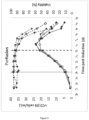
Figure 3 :- ATF-based perfusion process for rAAV production with stable CAP AAV producer cells.
- Viable cell density (VCD, solid line) and viability (dashed line) of a CAP AAV producer cell line in perfusion bioreactor. Three independent cultivations: runs 1 (◆), 2 (O) and 3 (•). Perfusion mode is initiated 3 days after inoculation (grey vertical line). Production of rAAV is started 7 days after inoculation (dashed vertical line). Production phase is carried out up to 5 days post-induction.
-
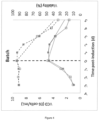
Figure 4 :- Conventional batch process for rAAV production with stable CAP AAV producer cells.
- Viable cell density (VCD, solid line) and viability (dashed line) of a CAP AAV producer cell line in bioreactor in batch mode. Two independent cultivations: runs 1 (■) and 2 (□). Production of rAAV is started 3 days after inoculation (dashed vertical line).
-
Figure 5 :- Production of rAAV in perfusion mode compared to batch process with stable CAP AAV producer cells.
- Three runs in perfusion mode and two runs in batch mode, with a CAP AAV producer cell line, were done. A) AAV8 genome titers determined by qPCR. B) Concentration of capsids determined by ELISA. Data is normalized to the average value of the two batch processes on
day 5 post-induction.
-
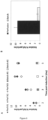
Figure 6 :- Higher percentage of full capsids in perfusion mode with stable CAP AAV producer cells.
- Comparison to a batch reference process. The percentage was calculated as ratio of genomic titer (
Fig. 5A ) to capsid titer (Fig. 5B ). Data is normalized to the batch runs. A) Time-course of processes in perfusion mode (n = 3) and in batch mode (n = 2), where n represents the number of biological replicates. B) Full capsids data is represented as average ± standard deviation of biological replicates.
-
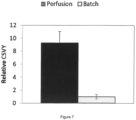
Figure 7 :- increased cell-specific virus yield (CSVY) in perfusion mode with stable CAP AAV producer cells.
- Comparison to a batch reference process. The yield was calculated as ratio of genomic titer at time of harvest to viable cell density at time of induction. Data is represented as average ± standard deviation of biological replicates (perfusion: n = 3, batch: n = 2). Data is normalized to batch on
day 5 post-induction.
-
Figure 8 :
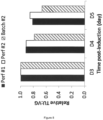
Infectivity of CAP derived AAV particles during production in perfusion and batch. Data is normalized today 3 post-induction of each production run. -
Figure 9 :
Discontinuation of the ATF-based perfusion process during the AAV production phase results in decreased viable cell density and cell viability post-induction. Viable cell density (VCD, solid line) and viability (dashed line). Perfusion mode is initiated 3 days after inoculation (grey vertical line). Production of rAAV is started 8 days after inoculation (dashed vertical line). Production phase is done in batch mode until 4 days post-induction. -
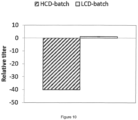
Figure 10 :- Discontinuation of the ATF-based perfusion process during the AAV production phase results in dramatically decreased AAV titer.
- AAV8 genome titers determined by qPCR. Titer of high cell density (HCD)-batch measured at time of harvest. Data is normalized to conventional low cell density (LCD)-batch on
day 5 post-induction.
-
Figure 11 :- ATF-based perfusion process for stable rAAV production with stable HEK293 AAV producer pool cells.
- Viable cell density (VCD, solid line) and viability (dashed line) of a stable HEK293 AAV producer pool in perfusion bioreactor (◆). Perfusion is initiated 3 days after inoculation (grey vertical line). Production of rAAV is started 6 days after inoculation (dashed vertical line). Production phase lasts until 4 days post-induction.
-
Figure 12 :
Stable rAAV production with stable HEK293 AAV producer pool cells in batch mode. Viable cell density (VCD, solid line) and viability (dashed line) of a stable HEK293 AAV producer pool in batch shake flask (□). Production in batch mode is started 3 days after inoculation (dashed vertical line) and is carried out until 5 days post-induction. -
Figure 13 :
Production of rAAV in perfusion mode with stable HEK293 AAV producer pool cells. One run in perfusion mode and one run in batch mode. A) AAV8 genome titers determined by qPCR. B) Concentration of capsids determined by ELISA. Data is normalized today 3 post-induction of batch control. -
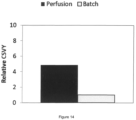
Figure 14 :- increased cell-specific virus yield (CSVY) in perfusion mode with stable HEK293 AAV producer pool cells.
- The yield was calculated as ratio of peak genomic titer to viable cell density at time of induction. The result is normalized to batch control.
-
Figure 15 :- Higher percentage of full capsids in perfusion mode with stable HEK293 AAV producer pool cells.
- The percentage was calculated as ratio of normalized genomic titer (
Fig. 13A ) to normalized capsid titer (Fig. 13B ). Data is normalized to batch control.
-
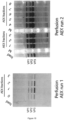
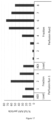
Figure 16 :- SyproRuby staining of AAV particle from different fraction of the AEX runs reveal a ratio ofVP1 to VP2 to VP3 of ~1:1:10.
- Capsids from different fractions of two different AEX runs were visualized by SyproRuby staining.
-
Figure 17 :- Full versus empty ratio after AEX purification.
- After determination of the viral particle by ELISA and viral genome titer by qPCR, the ratio of full versus empty particle of the different fractions from two AEX runs from an AAV production utilizing ATF perfusion was calculated.
- The present invention relates to the following nucleotide sequences:
- SEQ ID NO: 1
SV40 PolyA Primer forward
AGCAATAGCATCACAAATTTCACAA - SEQ ID NO: 2
SV40 PolyA Primer reverse
CCAGACATGATAAGATACATTGATGAGTT - SEQ ID NO: 3
SV40 PolyA Probe
AGCATTTTTTTCACTGCATTCTAGTTGTGGTTTGTC - SEQ ID NO: 4
GFP Primer forward
TTCTTCAAGTCCGCCATGCC - SEQ ID NO: 5
GFP Primer reverse
AAGTCGATGCCCTTCAGCTC - SEQ ID NO: 6
GFP Probe
CGCACCATCTTCTTCAAGGACGACGGCAACTACA - The present invention will be further illustrated by the following examples without being limited thereto.
- Stable AAV producer cell lines harbouring all components necessary for the production of AAV were selected for perfusion process development. Two cell lines were used: (1) based on CAP cells and (2) based on HEK293 cells.
- (1) Stable CAP AAV producer single cell clones containing the sequences for the inducer Tet3G, inducible replicase, inducible helper (E2A, E4orf6), VA-RNA, VP1, VP2, and VP3 of the serotype specific capsid (AAV8), and the ITR flanked gene of interest (GOI) GFP. In addition, the Ad5 helper genes E1A and E1B are already stably integrated in the CAP cells as they were immortalized thereby.
- (2) Stable HEK293 AAV producer pool containing the sequences for the inducer Tet3G, inducible replicase, inducible helper (E2A, E4orf6), VA-RNA, VP1, VP2, and VP3 of the serotype specific capsid (AAV8), and the ITR flanked gene of interest (GOI) GFP-Luciferase. In addition, the Ad5 helper genes E1A and E1B are already stably integrated in the HEK cells as they were immortalized thereby.
-
- (1) For regular cultivation, CAP cells were cultured in Protein Expression Medium (PEM) (Life Technologies/Gibco) supplemented with 4 mM GlutaMAX (Gibco), in non-baffled shake flasks at 37 °C, 5 % CO2 and 120 to 185 rpm on a shaking incubator. Cells were routinely passaged with fresh medium to a viable cell density of 0.5×10⁶ to 1×10⁶ cells/mL every 3 to 4 days.
- (2) For regular cultivation, HEK293 cells were cultured in Protein Expression Medium (PEM) (Life Technologies/Gibco) supplemented with 4 mM GlutaMAX (Gibco), in non-baffled shake flasks at 37 °C, 5 % CO2 and 170 to 200 rpm on a shaking incubator. Cells were routinely passaged with fresh medium to a viable cell density of 0.3×10⁶ to 0.5×10⁶ cells/mL every 2 to 3 days.
- AAV production was induced with addition of doxycycline to the culture.
- The following primer/dual-labelled probe combination (MWG, Eurofins; Table 1) directed against the SV40 PolyA or the GOI (GFP) was used to measure the viral titer.
Table 1: Primer/Probe combinations used for measuring the viral titer Primer/Probe Sequence SV40 PolyA Primer for 5'- AGC AAT AGC ATC ACA AAT TTC ACA A -3' (SEQ ID NO: 1) SV40 PolyA Primer rev 
SV40 PolyA Probe 
GFP Primer for 5'- TTC TTC AAG TCC GCC ATG CC -3' (SEQ ID NO: 4) GFP Primer rev 5'- AAG TCG ATG CCC TTC AGC TC -3' (SEQ ID NO: 5) GFP Probe 
Fam: 6-Carboxyfluorescein; BHQ1: Black Hole Quencher; Hex: 5-Hexachloro-fluorescein - As standard, linearized transgene plasmid with a defined copy number was used. The qPCR reaction contained the following components: 2 × Brilliant Multiplex qPCR Master Mix (Agilent), nuclease-free H2O (Thermo Fisher Scientific), primer/probe mix and sample/standard. qPCR was run on an Agilent Mx3005P according to the manufacturer's instructions.
- ELISA specific for assembled capsids was performed with commercially available ELISA Kits (Progen) according to the manufacturer's instructions.
- In order to determine the ratio of the capsid proteins VP1, VP2, and VP3, capsid proteins were separated on a SDS PAGE and visualized via SyproRuby staining. Briefly, samples were mixed with 4× LDS buffer and then incubated at 70 °C in a dry heat block for 10 min. The tubes were spun down and the wells loaded with 10 µL sample. 4-12 % Bis-Tris gels were run in MES SDS buffer at 200 V for 40 min. SyproRuby staining was performed with overnight incubation in staining solution followed by a 30 min wash step in 10 % Methanol, 7 % acetic acid and a final wash in ddH2O.
- AAV particles from whole cell suspension lysate were enriched chromatography. Full versus empty separation was achieved by utilizing the anion exchange chromatography column.
- Higher cell densities require higher perfusion rates, using most cell culture media, in order to maintain cell viability and sustain cell growth. As the cell density changes during the production process, the cell specific perfusion rate (CSPR) is a determinant for the perfusion rate during the whole process based on the cell density.
- CSPR indicates nutrient supply per cell per day in a continuous process:

- To determine the CSPR for the perfusion bioreactor process, a stable CAP AAV producer (single cell clone) was cultivated in shake flasks in PEM with 4 mM GlutaMAX in non-baffled shake flasks. From
cultivation day 3, daily medium exchange was done. After centrifugation, spent medium was discarded. The cell pellet was then resuspended in equal amount of fresh medium. That is, perfusion rate was maintained at 1 vvd until a drop in viability was observed. - Exponential cell growth and high viabilities (> 90 %) were observed until
day 7, corresponding to VCD of 20×106 cells/mL and a CSPR of about 0.05 nL/cell/d (Fig. 1 ). These parameters were selected as the target for scale-up to perfusion bioreactor. For sustaining higher cell densities using supplemented PEM medium as perfusion medium, higher perfusion rate should be applied. - In order to evaluate the advantages of using an ATF based perfusion over a conventional batch process, the AAV production with stable CAP AAV producer cells was either performed in a batch process or as an ATF-based perfusion process. Both were performed in a stirred-tank bioreactor under controlled conditions.
- Cells were cultivated in a stirred-tank bioreactor, e.g. the single-use 10c vessel (Eppendorf) vessel, BioFlo320 system (Eppendorf). Bioreactor is inoculated with a comparable low cell density (0.5×10⁶ to 1×10⁶ cells/mL), in PEM medium supplemented with 4 mM GlutaMAX. The process was operated in batch mode. After the cells grew to the target viable cell density for AAV production (typically 3 days post seeding), production of AAV production was initiated with 1 µg/mL doxycycline.
- The ATF-based perfusion set-up consisted of a stirred tank bioreactor connected to an ATF unit. Cells were cultivated in a stirred-tank bioreactor, e.g. the single-use 3c vessel (Eppendorf) vessel, BioFlo320 system (Eppendorf).
- A bioreactor was inoculated with a comparable low cell density (0.5×10⁶ to 1×10⁶ cells/mL), in PEM medium supplemented with 4 mM GlutaMAX. The process was operated in batch mode for 3 days. Thereafter, perfusion was started, feeding with supplemented PEM medium, following a cell specific perfusion rate (CSPR) of about 0.05 nL/cell/d to about 0.10 nL/cell/d. After the cells grew to about 20×106 viable cells/mL (day 7), induction of AAV production was done with 1 µg/mL doxycycline. During production phase, perfusion rate was maintained approximately constant in about 1 vvd.
- Robust cell growth to 20×106 cells/mL in the three perfusion runs was observed (
Fig. 3 ). Cell growth in perfusion bioreactor was comparable to the semi-perfusion experiment in shake flask (Fig. 1 ). An approximately 5-fold increase of VCD at time of induction compared to batch process was observed (Fig. 4 ). - In perfusion mode, genomic titer (vg/mL) was extraordinarily high (
Figure 5 ). Considering maximum titers, an increase of 42-fold was obtained in the CAP perfusion process (average of three independent cultivations) compared to the reference batch process (average of two independent cultivations). This was partly due to the higher VCD, but more importantly due to a significant increase in the cell-specific virus yield (vg/cell) which was on average 9-fold higher in perfusion (Fig. 7 ). - Unexpectedly, the proportion of full particles was also significantly increased in the perfusion process (
Fig. 6 ), as compared to the batch process. The maximum percentage of full particles in perfusion (around 4 d.p.i.) was about 10-fold higher compared to the value obtained in the reference batch process at the same timepoint. On average, the maximum percentage of full AAV particle was 9.3-fold higher for the perfusion runs, when data of the three perfusion runs and the two batch runs are compared. Possible explanations could be that the perfusion environment contributed to a better AAV vector DNA amplification or to an increased packaging of viral genomes into the AAV particle. - Infectious AAV particles were determined by transduction assay. The ratio of transduction units (TU) to viral genomes (VG) was calculated (TU:VG). For
batch run 2, TU:VG was determined fromday 3 today 6 post-induction (d.p.i.). The maximum value was obtained on 3 d.p.i. For perfusion runs 1 and 2, the maximum value was also obtained on 3 d.p.i. The ratio of TU:VG of each sample was therefore normalized to 3 d.p.i. for each run. - The result (
Fig. 8 ) suggests that higher infectivity was maintained over time in perfusion mode compared to batch. Betweendays 3 to 5 post-induction, about 30% of infectious AAV particles lost infectivity in batch, while in perfusion mode (1 vvd), the loss was below 18% for the same period. - Utilizing ATF perfusion for generation of a high cell density CAP producer cell culture
- In order to determine if the significant increase in cell specific productivity, increase of volumetric titer, as well as the increase in percentage of full particle was mainly due to the perfusion mode before induction of AAV production, the following experiment was conducted. The cells were cultured in perfusion mode in the N bioreactor as described in Example 2 until the target viable cell density of 20×106 cells/mL was reached. However, directly after induction of AAV production by doxycycline induction, the perfusion was stopped and the production phase was operated in batch mode, that means no further media exchange was performed in the production phase.
- The ATF-based perfusion set-up consisted of a stirred tank bioreactor connected to an ATF unit. Cells were cultivated in a stirred-tank bioreactor, e.g., the single-use 3c vessel (Eppendorf) vessel, BioFlo320 system (Eppendorf).
- A bioreactor was inoculated with a comparable low cell density (0.5×10⁶ to 1×10⁶ cells/mL), in PEM medium supplemented with 4 mM GlutaMAX. The process was operated in batch mode for 3 days. Thereafter, perfusion was started, feeding with supplemented PEM medium, following a cell specific perfusion rate (CSPR) of about 0.05 nL/cell/d to about 0.10 nL/cell/d. After the cells grew to about 20×106 viable cells/mL, induction of AAV production was done with 1 µg/mL doxycycline. After induction, perfusion was stopped.
- The perfusion culture followed the same growth profile as the previous runs (
Fig. 3 ) and 2.0 x 10⁶ cells/mL were reached at the time point of induction (Fig. 9 ). After the operational mode shift to batch, the cell concentration was maintained for 24 hours post-induction. Subsequently there was a drastic drop in cell concentration and viability. Interestingly, the volumetric as well as cell specific productivity was extremely low, withgenome titer 4 days post-induction of about 40-fold lower compared to the reference batch process (Fig. 10 ). The results indicate that not simply the perfusion mode before the induction and therefore the increase of the viable cell density at the time point of induction is responsible for the astonishing increase in the aforementioned volumetric productivity, cell specific productivity, and increase in percentage of full AAV particle (Example 2). - The results of the present example (Example 3) show clearly that only when the perfusion mode is continued further post-induction and therefore during the whole production phase, ensuring the sustainability of the cells, an efficient AAV production with high cell specific virus yield and increased percentage of full AAV particle is obtained.
- Perfusion mode using stable HEK293 AAV producer cells for AAV production
- This experiment was performed in order to demonstrate that the beneficial effects of the perfusion process in respect to cell specific virus yield, volumetric productivity and the increase percentage of full AAV particle is no limited to stable CAP AAV producer cells (Example 2), but can be transferred to other AAV production systems. Therefore, a similar perfusion process was developed for a stable HEK293 AAV producer pool. As an internal control, AAV was also produced using HEK293 AAV producer pool cells cultured in shake flask and operated in batch mode.
- Cells were cultivated in 125 mL non-baffled shake flask with 30 mL culture volume. The culture was inoculated with a comparable low cell density (0.5×10⁶ to 1.0×10⁶ cells/mL), in PEM medium supplemented with 4 mM GlutaMAX. The process was operated in batch mode. After a 3-day cell growth period, production of AAV production was initiated with 1 µg/mL doxycycline.
- The ATF-based perfusion set-up consisted of a stirred tank bioreactor connected to an ATF unit. Cells were cultivated in a stirred-tank bioreactor, e.g. the single-use 3c vessel (Eppendorf) vessel, BioFlo320 system (Eppendorf).
- A bioreactor was inoculated with a comparable low cell density (0.5×10⁶ to 1×10⁶ cells/mL), in PEM medium supplemented with 4 mM GlutaMAX. The process was operated in batch mode for 3 days. Thereafter, perfusion was started, feeding with supplemented PEM medium, following a cell specific perfusion rate (CSPR) of about 0.05 nL/cell/d to about 0.10 nL/cell/d. After the cells grew to about 20×106 viable cells/mL (day 7), induction of AAV production was done with 1 µg/mL doxycycline. During production phase, perfusion rate was maintained approximately constant in about 1.25 vvd .
- Cell growth to 20×106 cells/mL in perfusion with high viability was observed before induction (
Fig. 11 ), corresponding to approximately 6 times the viable cell density at time of induction in batch (Fig. 12 ). - As already seen for the stable CAP AAV producer single cells in Example 2, an enormous increase in volumetric productivity of about 30-fold (
Fig.13 ) could be achieved by cultivating stable HEK293 AAV producer pool cells in perfusion mode during the entire production phase (i.e., before and after induction of AAV production). Again, the increase in volumetric productivity was not simply due to the increase in the number of viable cells at the time point of induction as this increase was only around 6-fold. Therefore, the overall titer increase was achieved by a 5-fold higher cell-specific virus yield in perfusion mode when compared to batch mode (Fig. 14 ). - As seen for the stable CAP AAV producer single cells (Example 2), the perfusion process with the stable HEK293 AAV producer pool cells results in an approximately 4-fold increase in the proportion of full AAV particles (
Fig. 15 ) compared to the batch process. The lower fold increase for the stable HEK293 perfusion process compared to the CAP perfusion process is most likely due to the fact that a polyclonal pool was utilized for the HEK293 process, whereas a monoclonal single cell clone was utilized for the CAP perfusion process. - Unexpectedly, it was found that while applying ATF perfusion for the production of AAV particle with a fully stable AAV producer CAP cell line, a significant, about 9-fold increase in the ratio of full particle could be achieved when compared to the conventional batch process.
- In order to test if by starting already with higher percentage of full particle, also a further enrichment of full particles utilizing the AEX chromatography can be achieved, the following experiment was performed.
- Cell suspension from the retentate of a perfusion run with stable CAP AAV producer cells (Example 2) was lysed and AAV particles were enriched by chromatography. The pooled fractions containing the AAV particles were then subject to anion exchange chromatography. In the elution gradient, full AAV particles were enriched in the
fractions 2 for theperfusion AEX run 1 and fractions 5-7 for the perfusion AEX run 2 (Fig. 16 ). - As shown in
Figure 16 , the separation of the material from the perfusion process resulted in a percentage of full particles of up to 78 %. - In order to determine the ratio of the capsid proteins VP1, VP2, and VP3, the different fractions from two distinct AEX experiments were separated on a SDS PAGE and visualized via SyproRuby staining. As shown in
Figure 17 , over all fractions in both experiments the three capsid proteins displayed the expected ratio of ~1:1:10, proving that the perfusion process is not altering the composition of the AAV capsid. - In summary, this proves that the developed process with ATF perfusion is an outstanding method to ensure high percentage of full AAV particles in the final product.
- The present invention explicitly shows that the cell specific virus yield is significantly increased in the perfusion process according to the present invention when compared to a batch process (
Fig. 7 ). This proves that the increase in titer seen in the present invention is not only due to an increased viable cell density at the timepoint of induction but is due to an increase in titer per cell. - Further, Example 3 and
Figs. 9 and10 show a perfusion process in which the viable cell density was increased before induction of AAV production via doxycycline by perfusion process but directly after induction the perfusion process was stopped. Therefore, the production of AAV was in a batch process with high cell densities, proving that the increase in productivity was not just by a high cell density at the timepoint of induction but due to the perfusion process afterwards. - Furthermore, Example 4 and
Figs. 11 to 15 show a perfusion process according to the present invention with stable HEK293 AAV producer cells, proving that the increase in AAV productivity (volumetric and cell specific) and improvement of AAV quality due to a higher full vs. empty ratio is not restricted to CAP cells but also reproducible with another cell line, i.e., HEK293. - Thus, the present invention advantageously provides not only an increase in the cell specific productivity in the methods of the present invention, but also an increase in full vs. empty AAV particles, both of which is unexpected and surprising. These advantageous properties are not due to a mere increase in total cell number, as shown in
Figs. 9 and10 , but results from continued perfusion post-induction.
Claims (12)
- A method for the production of Adeno-associated virus (AAV), comprising the steps of:(a) providing a stable AAV producer host cell line in which all genes encoding the components necessary for the production of AAV are stably integrated into 5 the host cell genome;(b) culturing said cells in perfusion culture during the AAV production step, wherein said perfusion culture encompasses continuous replacement of spent media with fresh media, and wherein said continuous replacement of spent media with fresh media continues after the induction of AAV production,wherein the following genes are stably integrated into the host cell genome:the genes encoding the AAV Cap proteins VP1, VP2, and VP3;the genes encoding the AAV Rep proteins Rep78 and Rep68,the genes encoding the AAV Rep proteins Rep52 and Rep40;the genes encoding the adenoviral helper functions E4orf6, E2A, and VA-RNA,the genes encoding the Ad5 helper genes E1A and E1B, andthe gene of interest (GOI) flanked by AAV ITRs,and wherein the expression of the four Rep proteins and the expression of the adenoviral helper functions E2A and E4orf6 are under the control of an inducible system.
- The method according to claim 1, wherein the AAV is selected from the group consisting of AAV serotype 1 (AAV1), AAV2, AAV3, AAV4, AAV5, AAV6, AAV7, AAV8, AAV9, AAV10, AAV11, AAVDJ, AAVDJ8, AAVrh10, hybrids of two or more different of said serotypes, and said serotypes having mutations that alter the tropism of the AAV serotype.
- The method according to claim 1 or claim 2, wherein the stable AAV producer host cell line is a cell line, selected from the group consisting of CAP cells, AGE1.hn, HEK293, PER.C6, NSO1, COS-7, BHK, CHO, CV1, VERO, HeLa, MDCK, BRL3A, W138, and HepG2 cells.
- The method according to any one of claims 1 to 3, wherein perfusion culture is performed in a stirred-tank bioreactor (STR), orbitally shaken bioreactor (OSB), rocking bed bioreactor, air-lift bioreactor, tubular bioreactor, hollow-fiber bioreactor (HFBR), fixed-bed bioreactor, or fluidized bed bioreactor.
- The methods according to any one of claims 1 to 4, wherein the perfusion device used for perfusion culture is a hollow-fiber filter used in TFF (tangential flow filtration) mode or ATF (alternating tangential flow) mode; a floating membrane, a spin-filter, a rotating cylindrical filter, a rotating disc filter, a centrifuge, a gravitational settler, a lamella settler, a compact cell settler, an acoustic settler, or a hydrocyclone.
- The method according to claim 5, wherein the perfusion device used for perfusion culture is a hollow-fiber filter used in ATF mode.
- The method according to any one of claims 1 to 6, wherein said continuous replacement of spent media with fresh media continues for at least 24 hours, at least 48 hours, or at least 72 hours after the induction of AAV production, and/or until the harvest of AAV.
- The method according to any one of claims 1 to 7, wherein the cell specific perfusion rate (CSPR) is about 0.01 to about 0.20 nL/cell/day.
- The method according to any one of claims 1 to 8, wherein the perfusion rate is about 1 to about 20 vvd (volume of fresh medium/working volume of reactor/day).
- The method according to any one of claims 1 to 9, wherein the cell density at the seeding of the perfusion culture is about 0.5×10⁶ to about 5×10⁶ cells/mL.
- The method according to any one of claims 1 to 10, wherein the cell density at the timepoint of the induction of AAV production is about 20×106 cells/mL or higher.
- The method according to any one of claims 1 to 11, wherein said method further comprises the step of harvesting AAV from the perfusion culture retentate.
Priority Applications (1)
| Application Number | Priority Date | Filing Date | Title |
|---|---|---|---|
| EP25158433.0A EP4596674A3 (en) | 2020-11-25 | 2021-11-23 | Method for the production of aav |
Applications Claiming Priority (2)
| Application Number | Priority Date | Filing Date | Title |
|---|---|---|---|
| EP20209811.7A EP4006141A1 (en) | 2020-11-25 | 2020-11-25 | Method for the production of aav |
| PCT/EP2021/082615 WO2022112218A1 (en) | 2020-11-25 | 2021-11-23 | Method for the production of aav |
Related Child Applications (1)
| Application Number | Title | Priority Date | Filing Date |
|---|---|---|---|
| EP25158433.0A Division EP4596674A3 (en) | 2020-11-25 | 2021-11-23 | Method for the production of aav |
Publications (2)
| Publication Number | Publication Date |
|---|---|
| EP4107252A1 EP4107252A1 (en) | 2022-12-28 |
| EP4107252B1 true EP4107252B1 (en) | 2025-02-19 |
Family
ID=73597941
Family Applications (3)
| Application Number | Title | Priority Date | Filing Date |
|---|---|---|---|
| EP20209811.7A Withdrawn EP4006141A1 (en) | 2020-11-25 | 2020-11-25 | Method for the production of aav |
| EP25158433.0A Pending EP4596674A3 (en) | 2020-11-25 | 2021-11-23 | Method for the production of aav |
| EP21811385.0A Active EP4107252B1 (en) | 2020-11-25 | 2021-11-23 | Method for the production of aav |
Family Applications Before (2)
| Application Number | Title | Priority Date | Filing Date |
|---|---|---|---|
| EP20209811.7A Withdrawn EP4006141A1 (en) | 2020-11-25 | 2020-11-25 | Method for the production of aav |
| EP25158433.0A Pending EP4596674A3 (en) | 2020-11-25 | 2021-11-23 | Method for the production of aav |
Country Status (15)
| Country | Link |
|---|---|
| US (1) | US20240263148A1 (en) |
| EP (3) | EP4006141A1 (en) |
| JP (2) | JP7601339B2 (en) |
| KR (1) | KR102700433B1 (en) |
| CN (1) | CN116209748A (en) |
| AU (1) | AU2021388811B2 (en) |
| CA (1) | CA3174017C (en) |
| DK (1) | DK4107252T3 (en) |
| ES (1) | ES3017247T3 (en) |
| FI (1) | FI4107252T3 (en) |
| IL (1) | IL296770B2 (en) |
| MX (1) | MX2022013385A (en) |
| PT (1) | PT4107252T (en) |
| WO (1) | WO2022112218A1 (en) |
| ZA (1) | ZA202210745B (en) |
Families Citing this family (8)
| Publication number | Priority date | Publication date | Assignee | Title |
|---|---|---|---|---|
| AU2022373653A1 (en) | 2021-10-18 | 2024-05-02 | Regeneron Pharmaceuticals, Inc. | Eukaryotic cells comprising adenovirus-associated virus polynucleotides |
| EP4490278A1 (en) * | 2022-03-07 | 2025-01-15 | Ultragenyx Pharmaceutical Inc. | Modified batch aav production systems and methods |
| EP4532737A1 (en) * | 2022-06-03 | 2025-04-09 | F. Hoffmann-La Roche AG | Method for producing recombinant aav particles |
| WO2025047766A1 (en) * | 2023-08-29 | 2025-03-06 | 富士フイルム株式会社 | Virus production method and method for introducing nucleic acid into cell |
| WO2025171001A1 (en) | 2024-02-06 | 2025-08-14 | Regeneron Pharmaceuticals, Inc. | Compositions and methods for improved production of aav viral vectors |
| WO2025168663A1 (en) | 2024-02-09 | 2025-08-14 | F. Hoffmann-La Roche Ag | Method for producing recombinant adeno-associated viral particles |
| EP4606816A1 (en) | 2024-02-26 | 2025-08-27 | Universitat Autónoma De Barcelona (UAB) | Method for production of gene therapy vehicles in mammalian cells |
| WO2025226558A1 (en) | 2024-04-22 | 2025-10-30 | Ultragenyx Pharmaceutical Inc. | Multi-step filtration and clarification methods for recombinant adeno-associated virus purification |
Family Cites Families (8)
| Publication number | Priority date | Publication date | Assignee | Title |
|---|---|---|---|---|
| US20020168342A1 (en) * | 1994-11-03 | 2002-11-14 | Cell Genesys, Inc. | Novel adenoviral vectors, packaging cell lines, recombinant adenoviruses and methods |
| US6989264B2 (en) * | 1997-09-05 | 2006-01-24 | Targeted Genetics Corporation | Methods for generating high titer helper-free preparations of released recombinant AAV vectors |
| EP1124976A1 (en) * | 1998-10-27 | 2001-08-22 | Crucell Holland B.V. | Improved aav vector production |
| US6844192B2 (en) * | 2001-06-29 | 2005-01-18 | Wake Forest University | Adenovirus E4 protein variants for virus production |
| WO2017180724A1 (en) * | 2016-04-12 | 2017-10-19 | Artemis Biosystems, Inc. | Perfusion filtration systems |
| EP3456822A1 (en) * | 2017-09-19 | 2019-03-20 | CEVEC Pharmaceuticals GmbH | Inducible aav rep genes |
| WO2020154607A1 (en) * | 2019-01-25 | 2020-07-30 | Biogen Ma Inc. | Seed culture process for aav production |
| US20220243225A1 (en) * | 2019-04-29 | 2022-08-04 | Voyager Therapeutics, Inc. | SYSTEMS AND METHODS FOR PRODUCING BACULOVIRAL INFECTED INSECT CELLS (BIICs) IN BIOREACTORS |
-
2020
- 2020-11-25 EP EP20209811.7A patent/EP4006141A1/en not_active Withdrawn
-
2021
- 2021-11-23 AU AU2021388811A patent/AU2021388811B2/en active Active
- 2021-11-23 ES ES21811385T patent/ES3017247T3/en active Active
- 2021-11-23 EP EP25158433.0A patent/EP4596674A3/en active Pending
- 2021-11-23 US US18/005,027 patent/US20240263148A1/en active Pending
- 2021-11-23 KR KR1020227040149A patent/KR102700433B1/en active Active
- 2021-11-23 IL IL296770A patent/IL296770B2/en unknown
- 2021-11-23 FI FIEP21811385.0T patent/FI4107252T3/en active
- 2021-11-23 CA CA3174017A patent/CA3174017C/en active Active
- 2021-11-23 WO PCT/EP2021/082615 patent/WO2022112218A1/en not_active Ceased
- 2021-11-23 EP EP21811385.0A patent/EP4107252B1/en active Active
- 2021-11-23 JP JP2022569478A patent/JP7601339B2/en active Active
- 2021-11-23 MX MX2022013385A patent/MX2022013385A/en unknown
- 2021-11-23 CN CN202180045906.3A patent/CN116209748A/en active Pending
- 2021-11-23 DK DK21811385.0T patent/DK4107252T3/en active
- 2021-11-23 PT PT218113850T patent/PT4107252T/en unknown
-
2022
- 2022-09-28 ZA ZA2022/10745A patent/ZA202210745B/en unknown
-
2024
- 2024-07-11 JP JP2024111946A patent/JP2024144435A/en active Pending
Non-Patent Citations (17)
| Title |
|---|
| ANONYMOUS: "CEVEC Announces the Launch of the ELEVECTA® Platform - the Stable Producer Cell Line Technology for AAV Gene Therapy Vectors", BIO NRW - THE HOME OF BIOTECH, 28 April 2020 (2020-04-28), XP093340410 |
| ANONYMOUS: "Perfusion Cell Culture Processes for Biopharmaceuticals - Process Development, Design, and Scale-Up ", CAMBRIDGE SERIES IN CHEMICAL ENGINEERING, CAMBRIDGE UNIVERSITY PRESS, 1 January 2020 (2020-01-01), XP093340403, DOI: 10.1017/9781108847209 |
| ANONYMOUS: "Scaling AAV vector manufacture: overcoming roadblocks to the translation of gene therapies", CELL AND GENE THERAPY INSIGHTS, vol. 6, no. 3, 15 May 2020 (2020-05-15), pages 617 - 623, XP093340406, ISSN: 2059-7800, DOI: 10.18609/cgti.2020.074 |
| BIELSER JEAN-MARC; WOLF MORITZ; SOUQUET JONATHAN; BROLY HERVé; MORBIDELLI MASSIMO: "Perfusion mammalian cell culture for recombinant protein manufacturing – A critical review", BIOTECHNOLOGY ADVANCES., ELSEVIER PUBLISHING, BARKING., GB, vol. 36, no. 4, 5 May 2018 (2018-05-05), GB , pages 1328 - 1340, XP085400132, ISSN: 0734-9750, DOI: 10.1016/j.biotechadv.2018.04.011 |
| CEHAJIC-KAPETANOVIC JASMINA ET AL: "Gene Therapy for the Special Senses 1. Retinal Gene Therapy in X-Linked Retinitis Pigmentosa Caused by Mutations in RPGR: Results at 6 Months in a First in Human Clinical Trial Gene Editing -Arrest of Rod Degeneration and Restoration of Rod Function in a Transgenic Pig Model of Autosomal Dominant Re", 28 April 2020 (2020-04-28), XP093037634, Retrieved from the Internet <URL:https://asgct.org/global/documents/asgct20_abstracts_may8?_zs=S2i4b&_zl=U9052> [retrieved on 20230405] * |
| CELL & GENE THERAPY INSIGHTS: "Stable AAV producer cell lines: elevating vector manufacturing", 11 May 2020 (2020-05-11), XP093006562, Retrieved from the Internet <URL:https://vimeo.com/417208805> [retrieved on 20221209] * |
| CLÉVIO NÓBREGA, LILIANA MENDONÇA, CARLOS A. MATOS: "A Handbook of Gene and Cell Therapy", 2020, SPRINGER, ISBN: 978-3-030-41332-3, article "3 Viral Vectors for Gene Therapy", pages: 54-82, DOI: 10.1007/978-3-030-41333-0 |
| D10 - VERBATIM TRANSCRIPT OF VIDEO PRESENTATION "STABLE AAV PRODUCER CELL LINES ELEVATING VECTO MANUFACTURING" |
| D3 - VERBATIM TRANSCRIPT OF VIDEO PRESENTATION FROM THE 2020 MEETING ON THE MESA |
| D4 - LIST OF PRESENTING COMPANIES AT THE 2020 MEETING ON THE MESA |
| DARBY L. THOMAS, LIJUN WANG, JUSTINE NIAMKE, JILIN LIU, WEN KANG, MARINA M. SCOTTI, GUO-JIE YE, GABOR VERES, DAVID R. KNOP: "Scalable Recombinant Adeno-Associated Virus Production Using Recombinant Herpes Simplex Virus Type 1 Coinfection of Suspension-Adapted Mammalian Cells", HUMAN GENE THERAPY, MARY ANN LIEBERT, vol. 20, no. 8, 1 August 2009 (2009-08-01), pages 861 - 870, XP055043924, ISSN: 10430342, DOI: 10.1089/hum.2009.004 |
| FERNANDES SOFIA, DIOGO JOANA, COROADINHA ANA SOFIA: "Mammalian Stable Cell Platforms for Recombinant Adeno-associated Virus (rAAV) Production: Development Strategies and their Impact on Viral Productivity", CURRENT GENE THERAPY, BENTHAM SCIENCE PUBLISHERS LTD., NL, vol. 23, no. 3, 1 June 2023 (2023-06-01), NL , pages 184 - 197, XP093340401, ISSN: 1566-5232, DOI: 10.2174/1566523223666230331111336 |
| FLAKA RADONIQI; HU ZHANG; CAMERON L. BARDLIVING; PARVIZ SHAMLOU; JON COFFMAN: "Computational fluid dynamic modeling of alternating tangential flow filtration for perfusion cell culture", BIOTECHNOLOGY AND BIOENGINEERING, JOHN WILEY, HOBOKEN, USA, vol. 115, no. 11, 15 September 2018 (2018-09-15), Hoboken, USA, pages 2751 - 2759, XP071052615, ISSN: 0006-3592, DOI: 10.1002/bit.26813 |
| GIRIDHARA R. JAYANDHARAN: "GENE AND CELL THERAPY: BIOLOGY AND APPLICATIONS", 2018, SPRINGER, Singapore, ISBN: 978-981-13-0480-4, article BERTIN MARY, NUSRAT KHAN, SATHYATHITHAN ARUMUGAM, HIMANSHI SAXENA, MOHIT KUMAR, PARAMASIVAM MANIMARAN, SOURAV CHATTOPADHYAY, AND G: "2 Adeno-associated Virus Vectors in Gene Therapy", pages: 29-56, DOI: 10.1007/978-981-13-0481-1 |
| MAINWARING DAVID, JOSHI AMAR, CORONEL JULIANA, NIEHUS CHRISTIAN: "Transfer and scale-up from 10 L BioBLU®️ to Allegro™ STR 50 and STR 200 Bioreactors", CELL AND GENE THERAPY INSIGHTS, vol. 7, no. 9, 29 September 2021 (2021-09-29), pages 1347 - 1362, XP093006236, ISSN: 2059-7800, DOI: 10.18609/cgti.2021.178 |
| MICHAEL F. NASO, BRIAN TOMKOWICZ, WILLIAM L. PERRY, WILLIAM R. STROHL: "Adeno-Associated Virus (AAV) as a Vector for Gene Therapy", BIODRUGS, ADIS INTERNATIONAL LTD., NZ, vol. 31, no. 4, 1 August 2017 (2017-08-01), NZ , pages 317 - 334, XP055547503, ISSN: 1173-8804, DOI: 10.1007/s40259-017-0234-5 |
| ZHAO HUIREN, LEE KI-JEONG, DARIS MARK, LIN YUN, WOLFE THOMAS, SHENG JACKIE, PLEWA CHERYLENE, WANG SONGLI, MEISEN W. HANS: "Creation of a High-Yield AAV Vector Production Platform in Suspension Cells Using a Design-of-Experiment Approach", MOLECULAR THERAPY- METHODS & CLINICAL DEVELOPMENT, NATURE PUBLISHING GROUP, GB, vol. 18, 1 September 2020 (2020-09-01), GB , pages 312 - 320, XP093194007, ISSN: 2329-0501, DOI: 10.1016/j.omtm.2020.06.004 |
Also Published As
| Publication number | Publication date |
|---|---|
| JP2024144435A (en) | 2024-10-11 |
| JP2023518919A (en) | 2023-05-08 |
| ZA202210745B (en) | 2023-05-31 |
| EP4107252A1 (en) | 2022-12-28 |
| IL296770B1 (en) | 2025-06-01 |
| CA3174017C (en) | 2025-05-06 |
| KR20220164801A (en) | 2022-12-13 |
| US20240263148A1 (en) | 2024-08-08 |
| EP4596674A2 (en) | 2025-08-06 |
| EP4596674A3 (en) | 2025-10-22 |
| WO2022112218A1 (en) | 2022-06-02 |
| MX2022013385A (en) | 2022-11-30 |
| JP7601339B2 (en) | 2024-12-17 |
| IL296770B2 (en) | 2025-10-01 |
| AU2021388811B2 (en) | 2023-02-23 |
| FI4107252T3 (en) | 2025-03-26 |
| AU2021388811A1 (en) | 2022-11-03 |
| IL296770A (en) | 2022-11-01 |
| KR102700433B1 (en) | 2024-08-30 |
| PT4107252T (en) | 2025-03-14 |
| DK4107252T3 (en) | 2025-03-17 |
| CN116209748A (en) | 2023-06-02 |
| EP4006141A1 (en) | 2022-06-01 |
| CA3174017A1 (en) | 2022-06-02 |
| ES3017247T3 (en) | 2025-05-12 |
Similar Documents
| Publication | Publication Date | Title |
|---|---|---|
| EP4107252B1 (en) | Method for the production of aav | |
| EP1009808B1 (en) | Methods for generating high titer helper-free preparations of recombinant aav vectors | |
| US6989264B2 (en) | Methods for generating high titer helper-free preparations of released recombinant AAV vectors | |
| Merten et al. | Manufacturing of viral vectors for gene therapy: part I. Upstream processing | |
| US20220259572A1 (en) | Adeno-associated virus (aav) production | |
| US20230159950A1 (en) | Methods and compositions for production of recombinant adeno-associated viruses | |
| RU2850334C1 (en) | Method for obtaining aav | |
| JP2025535062A (en) | Dual transfection vector | |
| TW202417619A (en) | Method for producing recombinant aav particles | |
| BR112022022055B1 (en) | METHOD FOR PRODUCTION OF ADENO-ASSOCIATED VIRUS (AAV) | |
| BR122024005920A2 (en) | METHOD FOR PRODUCING ADENO-ASSOCIATED VIRUS (AAV) AND AAV OBTAINED BY THE SAME | |
| US20250242053A1 (en) | Recombinant therapeutic fmr1 constructs and methods of treating fragile x syndrome and related disorders | |
| US20250136651A1 (en) | Recombinant optimized mecp2 cassettes and methods for treating rett syndrome and related disorders | |
| WO2025194042A1 (en) | Plasmid system for production of recombinant adenoassociated virus | |
| TW202405182A (en) | Method for producing recombinant aav particles | |
| AU2007205720A1 (en) | Methods for generating high titer helper-free preparations of recombinant AAV vectors |
Legal Events
| Date | Code | Title | Description |
|---|---|---|---|
| STAA | Information on the status of an ep patent application or granted ep patent |
Free format text: STATUS: UNKNOWN |
|
| STAA | Information on the status of an ep patent application or granted ep patent |
Free format text: STATUS: THE INTERNATIONAL PUBLICATION HAS BEEN MADE |
|
| PUAI | Public reference made under article 153(3) epc to a published international application that has entered the european phase |
Free format text: ORIGINAL CODE: 0009012 |
|
| STAA | Information on the status of an ep patent application or granted ep patent |
Free format text: STATUS: REQUEST FOR EXAMINATION WAS MADE |
|
| 17P | Request for examination filed |
Effective date: 20220922 |
|
| AK | Designated contracting states |
Kind code of ref document: A1 Designated state(s): AL AT BE BG CH CY CZ DE DK EE ES FI FR GB GR HR HU IE IS IT LI LT LU LV MC MK MT NL NO PL PT RO RS SE SI SK SM TR |
|
| STAA | Information on the status of an ep patent application or granted ep patent |
Free format text: STATUS: EXAMINATION IS IN PROGRESS |
|
| 17Q | First examination report despatched |
Effective date: 20230413 |
|
| P01 | Opt-out of the competence of the unified patent court (upc) registered |
Effective date: 20230430 |
|
| DAV | Request for validation of the european patent (deleted) | ||
| DAX | Request for extension of the european patent (deleted) | ||
| GRAP | Despatch of communication of intention to grant a patent |
Free format text: ORIGINAL CODE: EPIDOSNIGR1 |
|
| STAA | Information on the status of an ep patent application or granted ep patent |
Free format text: STATUS: GRANT OF PATENT IS INTENDED |
|
| INTG | Intention to grant announced |
Effective date: 20241106 |
|
| GRAS | Grant fee paid |
Free format text: ORIGINAL CODE: EPIDOSNIGR3 |
|
| GRAA | (expected) grant |
Free format text: ORIGINAL CODE: 0009210 |
|
| STAA | Information on the status of an ep patent application or granted ep patent |
Free format text: STATUS: THE PATENT HAS BEEN GRANTED |
|
| AK | Designated contracting states |
Kind code of ref document: B1 Designated state(s): AL AT BE BG CH CY CZ DE DK EE ES FI FR GB GR HR HU IE IS IT LI LT LU LV MC MK MT NL NO PL PT RO RS SE SI SK SM TR |
|
| REG | Reference to a national code |
Ref country code: GB Ref legal event code: FG4D |
|
| REG | Reference to a national code |
Ref country code: CH Ref legal event code: EP |
|
| REG | Reference to a national code |
Ref country code: IE Ref legal event code: FG4D |
|
| REG | Reference to a national code |
Ref country code: DE Ref legal event code: R096 Ref document number: 602021026469 Country of ref document: DE |
|
| REG | Reference to a national code |
Ref country code: PT Ref legal event code: SC4A Ref document number: 4107252 Country of ref document: PT Date of ref document: 20250314 Kind code of ref document: T Free format text: AVAILABILITY OF NATIONAL TRANSLATION Effective date: 20250311 |
|
| REG | Reference to a national code |
Ref country code: DK Ref legal event code: T3 Effective date: 20250310 |
|
| REG | Reference to a national code |
Ref country code: SE Ref legal event code: TRGR |
|
| REG | Reference to a national code |
Ref country code: NL Ref legal event code: FP Ref country code: FI Ref legal event code: FGE |
|
| REG | Reference to a national code |
Ref country code: ES Ref legal event code: FG2A Ref document number: 3017247 Country of ref document: ES Kind code of ref document: T3 Effective date: 20250512 |
|
| PG25 | Lapsed in a contracting state [announced via postgrant information from national office to epo] |
Ref country code: RS Free format text: LAPSE BECAUSE OF FAILURE TO SUBMIT A TRANSLATION OF THE DESCRIPTION OR TO PAY THE FEE WITHIN THE PRESCRIBED TIME-LIMIT Effective date: 20250519 |
|
| PG25 | Lapsed in a contracting state [announced via postgrant information from national office to epo] |
Ref country code: PL Free format text: LAPSE BECAUSE OF FAILURE TO SUBMIT A TRANSLATION OF THE DESCRIPTION OR TO PAY THE FEE WITHIN THE PRESCRIBED TIME-LIMIT Effective date: 20250219 |
|
| REG | Reference to a national code |
Ref country code: LT Ref legal event code: MG9D |
|
| PG25 | Lapsed in a contracting state [announced via postgrant information from national office to epo] |
Ref country code: NO Free format text: LAPSE BECAUSE OF FAILURE TO SUBMIT A TRANSLATION OF THE DESCRIPTION OR TO PAY THE FEE WITHIN THE PRESCRIBED TIME-LIMIT Effective date: 20250519 Ref country code: IS Free format text: LAPSE BECAUSE OF FAILURE TO SUBMIT A TRANSLATION OF THE DESCRIPTION OR TO PAY THE FEE WITHIN THE PRESCRIBED TIME-LIMIT Effective date: 20250619 |
|
| PG25 | Lapsed in a contracting state [announced via postgrant information from national office to epo] |
Ref country code: HR Free format text: LAPSE BECAUSE OF FAILURE TO SUBMIT A TRANSLATION OF THE DESCRIPTION OR TO PAY THE FEE WITHIN THE PRESCRIBED TIME-LIMIT Effective date: 20250219 |
|
| PG25 | Lapsed in a contracting state [announced via postgrant information from national office to epo] |
Ref country code: LV Free format text: LAPSE BECAUSE OF FAILURE TO SUBMIT A TRANSLATION OF THE DESCRIPTION OR TO PAY THE FEE WITHIN THE PRESCRIBED TIME-LIMIT Effective date: 20250219 |
|
| PG25 | Lapsed in a contracting state [announced via postgrant information from national office to epo] |
Ref country code: GR Free format text: LAPSE BECAUSE OF FAILURE TO SUBMIT A TRANSLATION OF THE DESCRIPTION OR TO PAY THE FEE WITHIN THE PRESCRIBED TIME-LIMIT Effective date: 20250520 Ref country code: BG Free format text: LAPSE BECAUSE OF FAILURE TO SUBMIT A TRANSLATION OF THE DESCRIPTION OR TO PAY THE FEE WITHIN THE PRESCRIBED TIME-LIMIT Effective date: 20250219 |
|
| REG | Reference to a national code |
Ref country code: DE Ref legal event code: R081 Ref document number: 602021026469 Country of ref document: DE Owner name: CEVEC PHARMACEUTICALS GMBH, DE Free format text: FORMER OWNER: CEVEC PHARMACEUTICALS GMBH, 51105 KOELN, DE |
|
| PG25 | Lapsed in a contracting state [announced via postgrant information from national office to epo] |
Ref country code: SM Free format text: LAPSE BECAUSE OF FAILURE TO SUBMIT A TRANSLATION OF THE DESCRIPTION OR TO PAY THE FEE WITHIN THE PRESCRIBED TIME-LIMIT Effective date: 20250219 |
|
| RAP4 | Party data changed (patent owner data changed or rights of a patent transferred) |
Owner name: CEVEC PHARMACEUTICALS GMBH |
|
| PG25 | Lapsed in a contracting state [announced via postgrant information from national office to epo] |
Ref country code: EE Free format text: LAPSE BECAUSE OF FAILURE TO SUBMIT A TRANSLATION OF THE DESCRIPTION OR TO PAY THE FEE WITHIN THE PRESCRIBED TIME-LIMIT Effective date: 20250219 Ref country code: CZ Free format text: LAPSE BECAUSE OF FAILURE TO SUBMIT A TRANSLATION OF THE DESCRIPTION OR TO PAY THE FEE WITHIN THE PRESCRIBED TIME-LIMIT Effective date: 20250219 |
|
| PG25 | Lapsed in a contracting state [announced via postgrant information from national office to epo] |
Ref country code: RO Free format text: LAPSE BECAUSE OF FAILURE TO SUBMIT A TRANSLATION OF THE DESCRIPTION OR TO PAY THE FEE WITHIN THE PRESCRIBED TIME-LIMIT Effective date: 20250219 |
|
| PG25 | Lapsed in a contracting state [announced via postgrant information from national office to epo] |
Ref country code: SK Free format text: LAPSE BECAUSE OF FAILURE TO SUBMIT A TRANSLATION OF THE DESCRIPTION OR TO PAY THE FEE WITHIN THE PRESCRIBED TIME-LIMIT Effective date: 20250219 |
|
| REG | Reference to a national code |
Ref country code: DE Ref legal event code: R026 Ref document number: 602021026469 Country of ref document: DE |
|
| PLBI | Opposition filed |
Free format text: ORIGINAL CODE: 0009260 |
|
| PLAX | Notice of opposition and request to file observation + time limit sent |
Free format text: ORIGINAL CODE: EPIDOSNOBS2 |
|
| REG | Reference to a national code |
Ref country code: CH Ref legal event code: U11 Free format text: ST27 STATUS EVENT CODE: U-0-0-U10-U11 (AS PROVIDED BY THE NATIONAL OFFICE) Effective date: 20251201 |
|
| REG | Reference to a national code |
Ref country code: CH Ref legal event code: L10 Free format text: ST27 STATUS EVENT CODE: U-0-0-L10-L00 (AS PROVIDED BY THE NATIONAL OFFICE) Effective date: 20251203 |
|
| PGFP | Annual fee paid to national office [announced via postgrant information from national office to epo] |
Ref country code: PT Payment date: 20251103 Year of fee payment: 5 |