EP4101994A1 - Remote operation assistance server, remote operation assistance system, and remote operation assistance method - Google Patents
Remote operation assistance server, remote operation assistance system, and remote operation assistance method Download PDFInfo
- Publication number
- EP4101994A1 EP4101994A1 EP21775552.9A EP21775552A EP4101994A1 EP 4101994 A1 EP4101994 A1 EP 4101994A1 EP 21775552 A EP21775552 A EP 21775552A EP 4101994 A1 EP4101994 A1 EP 4101994A1
- Authority
- EP
- European Patent Office
- Prior art keywords
- remote operation
- work machine
- remote
- assistance
- operator
- Prior art date
- Legal status (The legal status is an assumption and is not a legal conclusion. Google has not performed a legal analysis and makes no representation as to the accuracy of the status listed.)
- Granted
Links
Images


Classifications
-
- E—FIXED CONSTRUCTIONS
- E02—HYDRAULIC ENGINEERING; FOUNDATIONS; SOIL SHIFTING
- E02F—DREDGING; SOIL-SHIFTING
- E02F9/00—Component parts of dredgers or soil-shifting machines, not restricted to one of the kinds covered by groups E02F3/00 - E02F7/00
- E02F9/20—Drives; Control devices
- E02F9/2025—Particular purposes of control systems not otherwise provided for
- E02F9/205—Remotely operated machines, e.g. unmanned vehicles
-
- G—PHYSICS
- G08—SIGNALLING
- G08C—TRANSMISSION SYSTEMS FOR MEASURED VALUES, CONTROL OR SIMILAR SIGNALS
- G08C17/00—Arrangements for transmitting signals characterised by the use of a wireless electrical link
-
- H—ELECTRICITY
- H04—ELECTRIC COMMUNICATION TECHNIQUE
- H04N—PICTORIAL COMMUNICATION, e.g. TELEVISION
- H04N7/00—Television systems
- H04N7/18—Closed-circuit television [CCTV] systems, i.e. systems in which the video signal is not broadcast
- H04N7/181—Closed-circuit television [CCTV] systems, i.e. systems in which the video signal is not broadcast for receiving images from a plurality of remote sources
-
- G—PHYSICS
- G08—SIGNALLING
- G08C—TRANSMISSION SYSTEMS FOR MEASURED VALUES, CONTROL OR SIMILAR SIGNALS
- G08C17/00—Arrangements for transmitting signals characterised by the use of a wireless electrical link
- G08C17/02—Arrangements for transmitting signals characterised by the use of a wireless electrical link using a radio link
-
- G—PHYSICS
- G08—SIGNALLING
- G08C—TRANSMISSION SYSTEMS FOR MEASURED VALUES, CONTROL OR SIMILAR SIGNALS
- G08C2201/00—Transmission systems of control signals via wireless link
- G08C2201/40—Remote control systems using repeaters, converters, gateways
- G08C2201/42—Transmitting or receiving remote control signals via a network
Definitions
- the present invention relates to a technology for assisting remote operations of a plurality of work machines through remote operation apparatuses by operators.
- Patent Literature 1 Japanese Patent Laid-Open No. 2019-176401
- an object of the present invention is to provide a technology for making it possible to, when the same work machine is remotely operated by different operators or through different remote operation apparatuses, smoothly perform work of the work machine.
- a remote operation assistance server of the present invention is a remote operation assistance server for assisting a remote operation of a work machine through a remote operation apparatus by an operator, the remote operation assistance server, and comprises:
- a remote operation assistance system comprises the remote operation assistance server of the present invention, the first remote operation apparatus and the second remote operation apparatus.
- the remote operation assistance server and the like constituting the remote operation assistance system
- the remote operation assistance server and the like when a remote operation of a work machine through the first remote operation apparatus is stopped by one operator, operation of the engine of the work machine is stopped if another operator who may possibly remotely operate the same work machine through the second remote operation apparatus does not exist.
- “who may possibly remotely operate" is a concept that includes the operator of the second remote operation apparatus having scheduled to perform a remote operation of the work machine and/or that the operator expressing an intention to perform a remote operation.
- the first assistance processing element acquires picked-up image data indicating an operation state and a surrounding environment of the work machine, the picked-up image data being acquired through an image pickup apparatus, causes an output interface of the second remote operation apparatus to output a work environment image corresponding to the picked-up image data and then confirms whether the possibility of the remote operation of the work machine by the operator of the second remote operation apparatus exists or not, based on communication with the second remote operation apparatus.
- the remote operation assistance server and the like in the above configuration it is possible to cause an operation state and a surrounding environment of a work machine remotely operated by one operator through a first remote operation apparatus to be recognized by another operator and cause the other operator to decide whether or not to continuously remotely operate the same work machine through a second remote operation apparatus. Since it is possible for the other operator to take over the remote operation of the work machine after recognizing the operation situation and surrounding environment of the work machine, the other operator can immediately remotely operate the work machine without an uncomfortable feeling. Therefore, when the same work machine is remotely operated by different operators or through different remote operation apparatuses, work of the work machine can be smoothly performed.
- a remote operation assistance system as an embodiment of the present invention shown in FIG. 1 comprises a remote operation assistance server 10 and remote operation apparatuses 20 (clients) for remotely operating work machines 40.
- the remote operation assistance server 10, the remote operation apparatuses 20, the work machines 40 and clients 60 are configured to be capable of mutually performing network communication.
- a mutual communication network between the remote operation assistance server 10 and the remote operation apparatuses 20 and a mutual communication network between the remote operation assistance server 10 and the work machines 40 may be the same or may be different.
- the remote operation assistance server 10 comprises a database 102, a first assistance processing element 121 and a second assistance processing element 122.
- the database 102 stores and holds picked-up image data and the like.
- the database 102 may comprise a database server separate from the remote operation assistance server 10.
- Each assistance processing element comprises an arithmetic processing device (a single-core processor, a multi-core processor or a processor core constituting the multi-core processor), and the assistance processing element reads necessary data and software from a storage device such as a memory and executes arithmetic processing described later according to the software for the data.
- Each remote operation apparatus 20 comprises a remote control device 200, a remote input interface 210 and a remote output interface 220.
- the remote operation apparatus 20 functions as at least one of "a first remote operation apparatus" and "a second remote operation apparatus".
- the remote control device 200 comprises an arithmetic processing device (a single-core processor, a multi-core processor or a processor core constituting the multi-core processor), and the remote control device 200 reads necessary data and software from a storage device such as a memory and executes arithmetic processing according to the software for the data.
- the remote input interface 210 comprises a remote operation mechanism 211.
- the remote output interface 220 comprises an image output device 221 and remote wireless communication equipment 222.
- the remote operation apparatus 20 may comprise a mobile information terminal such as a smartphone or a tablet terminal.
- the remote operation mechanism 211 includes a travel operation device, a turning operation device, a boom operation device, an arm operation device and a bucket operation device.
- Each operation device has an operation lever to receive a rotation operation.
- the operation lever of the travel operation device (a travel lever) is operated to move a lower travel body 410 of a work machine 40.
- the travel lever may also serve as a travel pedal.
- the operation lever of the turning operation device (a turning lever) is operated to move a hydraulic turning motor constituting a turning mechanism 430 of the work machine 40.
- the operation lever of the boom operation device (a boom lever) is operated to move a boom cylinder 442 of the work machine 40.
- the operation lever of the arm operation device (an arm lever) is operated to move an arm cylinder 444 of the work machine 40.
- the operation lever of the bucket operation device (a bucket lever) is operated to move a bucket cylinder 446 of the work machine 40.
- the operation levers constituting the remote operation mechanism 211 are arranged, for example, around a seat St for an operator to be seated as shown in FIG. 2 .
- the seat St is in a form like a high back chair with armrests, it may be a seating part in an arbitrary form on which an operator can sit, such as a form like a low back chair without a headrest or a form like a chair without a backrest.
- a pair of left and right travel levers 2110 corresponding to left and right crawlers are arranged left and right, side by side.
- One operation lever may serve as a plurality of operation levers.
- a left-side operation lever 2111 provided in front of a left-side frame of the seat St shown in FIG. 2 may function as an arm lever when operated in a front/back direction and function as a turning lever when operated in a left-right direction.
- a right-side operation lever 2112 provided in front of a right-side frame of the seat St shown in FIG. 2 may function as a boom lever when operated in the front/back direction and function as a bucket lever when operated in the left-right direction.
- the lever patterns may be arbitrarily changed by an operation instruction by an operator.
- a shutoff lever 2113 provided below the left-side operation lever 2111 in front of the left-side frame of the seat St functions as an operation lever for, when being raised, locking the work machine 40 so that the work machine 40 does not move even if each of the operation levers 2110, 2111 and 2112 is operated and, when being lowered, releasing the lock.
- the image output device 221 comprises a central image output device 2210, a left-side image output device 2211 and a right-side image output device 2212 that are arranged in front of, diagonally forward left of and diagonally forward right of the seat St, respectively, each of the image output devices having an almost rectangular-shaped screen.
- the shapes and sizes of the screens (image display areas) of the central image output device 2210, the left-side image output device 2211 and the right-side image output device 2212 may be the same or may be different.
- the right edge of the left-side image output device 2211 adjoins the left edge of the central image output device 2210 such that the screen of the central image output device 2210 and the screen of the left-side image output device 2211 form a tilt angle ⁇ 1 (for example, 120° ⁇ 1 ⁇ 150°).
- the left edge of the right-side image output device 2212 adjoins the right edge of the central image output device 2210 such that the screen of the central image output device 2210 and the screen of the right-side image output device 2212 form a tilt angle ⁇ 2 (for example, 120° ⁇ 2 ⁇ 150°).
- the tilt angles ⁇ 1 and ⁇ 2 may be the same or different.
- Each of the screens of the central image output device 2210, the left-side image output device 2211 and the right-side image output device 2212 may be parallel to the vertical direction or may be inclined relative to the vertical direction.
- At least one image output device among the central image output device 2210, the left-side image output device 2211 and the right-side image output device 2212 may comprise a plurality of divided image output devices.
- the central image output device 2210 may comprise a pair of image output devices that vertically adjoin each other, each of the image output devices having an almost rectangular-shaped screen.
- Each of the image output devices 2210 to 2212 may further comprise a speaker (a voice output device).
- Each work machine 40 comprises a work machine control device 400, a work machine input interface 41, a work machine output interface 42, a work mechanism 440 and an engine 460.
- the work machine control device 400 comprises an arithmetic processing device (a single-core processor, a multi-core processor or a processor core constituting the multi-core processor), and the work machine control device 400 reads necessary data and software from a storage device such as a memory and executes arithmetic processing according to the software for the data.
- the work machine 40 is, for example, a crawler shovel (a construction machine) and comprises the crawler-type lower travel body 410, an upper turning body 420 that is turnably mounted on the lower travel body 410 via the turning mechanism 430 as shown in FIG. 3 .
- a cab 424 (a driving room) is provided on the front left side part of the upper turning body 420.
- the work mechanism 440 is provided on the front center part of the upper turning body 420.
- the work machine input interface 41 comprises a work machine operation mechanism 411 and a work machine image-pickup device 412.
- the work machine operation mechanism 411 comprises a plurality of operation levers arranged similarly to those of the remote operation mechanism 211 around a seat arranged inside the cab 424.
- a driving mechanism or robot that receives a signal corresponding to an operation aspect of a remote operation lever and moves a work machine operation lever based on the received signal is provided in the cab 424.
- the work machine image-pickup device 412 is installed, for example, inside the cab 424 and picks up an image of an environment that includes at least a part of the work mechanism 440 through a front window and a pair of left and right side windows. A part or all of the front window and side windows may be omitted.
- the work machine output interface 42 comprises work machine wireless communication equipment 422.
- the work mechanism 440 comprises a boom 441 fitted to the upper turning body 420 in a manner of being capable of being raised, an arm 443 rotatably coupled with the tip of the boom 441 and a bucket 445 rotatably coupled with the tip of the arm 443.
- the boom cylinder 442, the arm cylinder 444 and the bucket cylinder 446 that comprise telescopic hydraulic cylinders, respectively, are fitted to the work mechanism 440.
- the boom cylinder 442 is interposed between the boom 441 and the upper turning body 420 so as to, by extending and retracting by receiving supply of hydraulic oil, cause the boom 441 to rotate in a direction of being raised.
- the arm cylinder 444 is interposed between the arm 443 and the boom 441 so as to, by extending and retracting by receiving supply of hydraulic oil, cause the arm 443 to rotate around a horizontal axis relative to the boom 441.
- the bucket cylinder 446 is interposed between the bucket 445 and the arm 443 so as to, by extending and retracting by receiving supply of hydraulic oil, cause the bucket 445 to rotate around a horizontal axis relative to the arm 443.
- the engine 460 is a driving source of the work machine 40 and can drive a main pump and a pilot pump.
- hydraulic oil can be supplied from the main pump to a plurality of direction control valves, and primary pressure oil is supplied from the pilot pump to the work machine operation mechanism 411.
- primary pressure oil is supplied from the pilot pump to the work machine operation mechanism 411.
- secondary pressure oil being supplied to a direction control valve according to a movement corresponding to a remote operation instruction of the work machine operation mechanism 411 and hydraulic oil being supplied to a hydraulic cylinder corresponding to operation of the direction control valve.
- the state in which the engine 460 is operating and a state in which the engine 460 is stopped will be called ON and OFF, respectively.
- each block indicated by "C•" is used to simplify description, means transmission and/or reception of data and means such a conditional branch that processing in a branch direction is executed under the condition of transmission and/or reception of the data.
- a remote operation apparatus 20 as a first remote operation apparatus, it is determined by an operator whether a first specification operation through the remote input interface 210 has been performed or not ( FIG. 4 /STEP 211).
- the "first specification operation” is, for example, an operation such as tapping or swiping on the remote input interface 210 for specifying a work machine 40 that the operator intends to remotely operate.
- FIG. 4 /STEP 211: NO a determination process about whether the first specification operation has been performed or not ( FIG. 4 /STEP 211) is repeated. On the other hand, if the result of the determination is positive ( FIG. 4 /STEP 211: YES), it is determined by the operator whether a second specification operation through the remote input interface 210 has been performed or not in the remote operation apparatus 20 as the first remote operation apparatus ( FIG. 4 /STEP 212).
- the "second specification operation" is, for example, an operation such as key touching, tapping or swiping on the remote input interface 210 for setting a schedule including scheduled start time (first scheduled start time) and scheduled end time (first scheduled end time) of a remote operation of a work machine 40 specified by the first specification operation.
- This schedule may be registered with the database 102 in advance.
- the schedule may be set by a terminal apparatus such as a smartphone, a tablet terminal or a personal computer.
- the specification operation information includes a remote identifier for identifying the remote operation apparatus 20, a work machine identifier for identifying the work machine 40 specified by the first specification operation, the schedule including the first scheduled start time and the first scheduled end time of the remote operation, which has been specified by the second specification operation.
- the specification operation information is received ( FIG. 4 /C110)
- the specification operation information is registered with the database 102 ( FIG. 4 /STEP 110).
- a preparation completion notification to the effect that preparation for the remote operation has been made is transmitted to the remote operation assistance server 10 via the remote wireless communication equipment 222 in responses to a specified trigger ( FIG. 4 /STEP 214).
- a specified trigger the operator pressing a preparation completion button that constitutes the remote input interface 210, the operator being seated on the seat St, or the like is detected.
- the preparation completion notification may not be transmitted.
- the preparation completion notification includes the remote identifier.
- the preparation completion notification when the preparation completion notification is received, the preparation completion notification is transmitted to the work machine 40 identified by the work machine identifier that is stored and hold in or registered with the database 102 in association with the remote identifier included in the preparation completion notification, by the first assistance processing element 121 ( FIG. 4 /C111).
- the engine 460 of the work machine 40 is switched from ON to OFF by the work machine control device 400 ( FIG. 4 /STEP 410).
- the primary pressure oil supplied from the pilot pump can be supplied to the direction control valves as the secondary pressure oil (by the operation aspect of the work machine operation mechanism 411 being adjusted by an actuator) in response to a remote operation instruction, and, therefore, the work machine 40, including the turning mechanism 430 and the work mechanism 440, is into an operable state.
- the work machine control device 400 acquires a picked-up image through the work machine image-pickup device 412 ( FIG. 4 /STEP 411). Picked-up image data indicating the picked-up image is transmitted to the remote operation assistance server 10 by the work machine control device 400 through the work machine wireless communication equipment 422 ( FIG. 4 /STEP 412).
- the remote operation assistance server 10 when the picked-up image data is received ( FIG. 4 /C111), work environment image data according to the picked-up image is transmitted to the remote operation apparatus 20 by the second assistance processing element 122 ( FIG. 4 /STEP 112).
- the work environment image data includes, in addition to the picked-up image data itself, image data indicating a simulated work environment image generated based on the picked-up image.
- the remote operation apparatus 20 when the work environment image data is received through the remote wireless communication equipment 222 ( FIG. 4 /C210), a work environment image corresponding to the work environment image data is outputted on the image output device 221 by the remote control device 200 ( FIG. 4 /STEP 215).
- an operation aspect of the remote operation mechanism 211 is recognized by the remote control device 200 ( FIG. 4 /STEP 216), and a remote operation instruction corresponding to the operation aspect is transmitted to the remote operation assistance server 10 through the remote wireless communication equipment 222 ( FIG. 4 /STEP 217).
- the operation aspect may not be recognized until the first scheduled start time comes, or the remote operation instruction may not be transmitted to the remote operation assistance server 10 even if the operation aspect is recognized.
- the remote operation instruction when the remote operation instruction is received by the second assistance processing element 122, the remote operation instruction is transmitted to the work machine 40 by the second assistance processing element 122 ( FIG. 4 /C113).
- the work machine 40 when the remote operation instruction is received through the work machine wireless communication equipment 422 ( FIG. 4 /C412), operations of the work mechanism 440 and the like are controlled by the work machine control device 400 ( FIG. 4 /STEP 414). Thereby, a remote operation of the work machine 40 is started. For example, work of scooping dirt in front of the work machine 40 by the bucket 445, causing the upper turning body 420 to turn and dropping the dirt from the bucket 445 is executed.
- the remote operation apparatus 20 it is determined by the operator whether a third specification operation through the remote input interface 210 has been performed or not ( FIG. 4 /STEP 218).
- the "third specification operation” is, for example, an operation such as tapping on the remote input interface 210 for causing operation of the engine 460 of the work machine 40 to stop, such as switching the IGN switch from ON to OFF.
- FIG. 5 /STEP 218 NO
- a process of and after the reception of work environment image data through the remote wireless communication equipment 222 (see FIG. 4 /C210) and the output of a work environment image corresponding to the work environment image data on the image output device 221 (see FIG. 4 /STEP 215) is repeated.
- a remote operation stop notification (or a remote operation stop instruction) is transmitted to the remote operation assistance server 10 through the remote wireless communication equipment 222 ( FIG. 4 /STEP 219).
- the remote operation stop notification includes the work machine identifier for identifying the work machine 40.
- the third specification operation may be an operation for stopping the operation of the engine 460 of the work machine 40 after specified time
- the remote operation stop notification may be an instruction for stopping the operation of the engine 460 of the work machine 40 after the specified time. In this case, it becomes possible to continue the remote operation of the work machine 40 by the first remote operation apparatus until the specified time after the third specification operation being performed (see FIG. 4 /STEP 216 ⁇ STEP 217 ⁇ ... ⁇ STEP 414).
- the remote operation assistance server 10 when the remote operation stop notification is received ( FIG. 4 /C114), a process described later using FIG. 5 is executed. In the remote operation assistance server 10, if the remote operation stop notification is not received, the process of and after the reception of picked-up image data (see FIG. 4 /C112) and the transmission of work environment image data (see FIG. 4 /STEP 112) is repeated.
- each block indicated by "C•" is used to simplify description, means transmission and/or reception of data, and means such a conditional branch that processing in a branch direction is executed under the condition of transmission and/or reception of the data.
- a remote operation apparatus 20 as a second remote operation apparatus, it is determined by an operator whether a first specification operation through the remote input interface 210 has been performed or not ( FIG. 5 /STEP 221).
- FIG. 5 /STEP 221 NO
- a process of and after the determination about whether the first specification operation has been performed or not FIG. 5 /STEP 221 is repeated.
- FIG. 5 /STEP 221: YES it is determined by the operator whether a second specification operation through the remote input interface 210 has been performed or not in the remote operation apparatus 20 as the second remote operation apparatus.
- the "second specification operation” is, for example, an operation such as key touching, tapping or swiping on the remote input interface 210 for setting a schedule including scheduled start time (second scheduled start time) and scheduled end time (second scheduled end time) of a remote operation of the work machine 40 specified by the first specification operation.
- the specification operation information includes a remote identifier for identifying the remote operation apparatus 20, the work machine identifier for identifying the work machine 40 specified by the first specification operation, the schedule including the second scheduled start time and the second scheduled end time of the remote operation, which has been specified by the second specification operation.
- the specification operation information is received ( FIG. 5 /C120)
- the specification operation information is registered with the database 102 ( FIG. 5 /STEP 120).
- the operator of the remote operation apparatus 20 as the second remote operation apparatus is selected by the first assistance processing element 121 ( FIG. 5 /STEP 121).
- the first assistance processing element 121 FIG. 5 /STEP 121
- a remote operation schedule of the work machine 40 is referred to, and an operator or remote operation apparatus to remotely operate the work machine 40 after the first remote operation apparatus is selected. If the operator to remotely operate the work machine 40 after the first remote operation apparatus is the operator to operate the second remote operation apparatus, the availability information is transmitted ( FIG. 5 /STEP 122).
- a screen for confirming whether a remote operation is intended or not is outputted on the image output device 221 by the remote control device 200 ( FIG. 5 /STEP 224).
- a screen for confirming that a remote operation of the work machine 40 is to be started is outputted on the image output device 221.
- a work environment image (video) corresponding to work environment image data corresponding to a predetermined period in the past may be outputted together on the image output device 221.
- the result of the determination is negative. If the result of the determination is negative, a negative intention confirmation result is transmitted to the remote operation assistance server 10 by the remote control device 200 through the remote wireless communication equipment 222 ( FIG. 5 /STEP 226).
- the specified period is set, for example, as a time during which fuel consumption in the case of turning the engine 460 of the work machine 40 to OFF at the first scheduled end time and turning the engine 460 to ON again at the second scheduled start time exceeds fuel consumption in the case of continuing keeping the engine 460 of the work machine 40 ON from the first scheduled end time to the second scheduled start time.
- the second assistance processing element 122 determines whether the intention confirmation result is positive or negative ( FIG. 5 /STEP 2123). If the intention confirmation result is negative ( FIG. 5 /STEP 123: NO), an engine operation stop instruction is transmitted to the work machine 40 by the second assistance processing element 122 ( FIG. 5 /STEP 128).
- the engine operation stop instruction is received through the work machine wireless communication equipment 422 ( FIG. 5 /C422), the engine 460 of the work machine 40 is switched from ON to OFF by the work machine control device 400 ( FIG. 5 /STEP 422). Thereby, supply of the primary pressure oil from the pilot pump to the work machine operation mechanism 411 is stopped, and the turning mechanism 430 and the work mechanism 440 are into an inoperable state even if the work machine operation mechanism 411 is moved according to a remote operation instruction.
- an engine operation continuation instruction is transmitted to the work machine 40 by the second assistance processing element 122 ( FIG. 5 /STEP 124).
- the engine operation continuation instruction is received through the work machine wireless communication equipment 422 ( FIG. 5 /C421), the engine 460 of the work machine 40 is kept ON by the work machine control device 400 ( FIG. 5 /STEP 421). Thereby, the state of the primary pressure oil being supplied from the pilot pump to the work machine operation mechanism 411 is continued.
- a remote operation enabled notification is transmitted to the remote operation apparatus 20 as the second remote operation apparatus, by the second assistance processing element 122 ( FIG. 5 /STEP 126).
- the second remote operation apparatus when the remote operation enabled notification is received by the remote control device 200 through the remote wireless communication equipment 222 ( FIG. 5 /C222), the notification is outputted on the image output device 221 ( FIG. 5 /STEP 227).
- the work machine 40 can be remotely operated by the remote operation apparatus 20 as the second remote operation apparatus according to the flowchart shown in FIG. 4 (FIG.
- the remote operation assistance server 10 constituting the remote operation assistance system
- a remote operation of a work machine 40 through one remote operation apparatus 20 as a first remote operation apparatus is stopped by one operator
- operation of the engine 460 of the work machine 40 is stopped if another operator who may possibly continuously remotely operate the same work machine 40 through another remote operation apparatus 20 as a second remote operation apparatus does not exist (see FIG. 5 /STEP 225: NO ⁇ END, C122 ⁇ STEP 128 ⁇ C422 ⁇ STEP 422).
- the first assistance processing element 121 may further confirm scheduled start time of a remote operation of a work machine 40 by an operator of a second remote operation apparatus, and the second assistance processing element 122 may, after receiving a remote operation stop notification (a remote operation stop instruction) for the work machine 40 from a first remote operation apparatus (see FIG. 4 /C114), cause operation of the engine 460 of the work machine 40 to continue on condition that a time interval until the scheduled start time of the remote operation is equal to or shorter than a specified time interval (see FIG. 5 /STEP 124).
- a remote operation stop notification a remote operation stop instruction
- the remote operation assistance server 10 in the above configuration, if, when a remote operation of a work machine 40 through a first remote operation apparatus is stopped by one operator, another operator who may possibly continuously remotely operate the same work machine 40 through a second remote operation apparatus exists, but a time interval until scheduled start time (second scheduled start time) of the remote operation by the other operator is long enough to exceed the specified time, operation of the engine 460 of the work machine 40 is stopped. Therefore, it is possible to avoid a situation in which the engine of the work machine 40 operates for an excessively long period without being remotely operated.
- the second assistance processing element 122 may cause operation of the engine of a work machine 40 to continue or stop according to a specified time interval determined to be continuously or gradually longer as environment temperature of the work machine 40 is lower.
- availability information is transmitted to a remote operation apparatus 20 of a selected operator (see FIG. 5 /STEP 122).
- scheduled start time (second scheduled start time) for a remote operation by an operator or a remote operation apparatus that remotely operates a work machine 40 after a first remote operation apparatus is after a specified time or more after scheduled end time (first scheduled end time) of a remote operation of the work machine 40 by the first remote operation apparatus, the applicability information may not be transmitted.
- the specified time is a time during which fuel consumption in the case of turning the engine of the work machine 40 to OFF at the first scheduled end time and turning the engine to ON again at the second scheduled start time exceeds fuel consumption in the case of continuing keeping the engine of the work machine 40 ON from the first scheduled end time to the second scheduled start time.
- the first assistance processing element 122 acquires picked-up image data indicating an operation state and a surrounding environment of a work machine, the picked-up image data being acquired through the image pickup apparatus, causes the remote output interface 220 of a second remote operation apparatus to output a work environment image corresponding to the picked-up image data and then confirms whether the possibility of the remote operation of the work machine 40 by the operator of the second remote operation apparatus exists or not, based on communication with the second remote operation apparatus.
Landscapes
- Engineering & Computer Science (AREA)
- Mining & Mineral Resources (AREA)
- Civil Engineering (AREA)
- General Engineering & Computer Science (AREA)
- Structural Engineering (AREA)
- Computer Networks & Wireless Communication (AREA)
- Physics & Mathematics (AREA)
- General Physics & Mathematics (AREA)
- Multimedia (AREA)
- Signal Processing (AREA)
- Operation Control Of Excavators (AREA)
- Component Parts Of Construction Machinery (AREA)
- Closed-Circuit Television Systems (AREA)
- Selective Calling Equipment (AREA)
Abstract
Description
- The present invention relates to a technology for assisting remote operations of a plurality of work machines through remote operation apparatuses by operators.
- There is proposed a technology for, by causing a picked-up image acquired through a camera (a work machine image pickup apparatus) mounted on a work machine such as a construction machine to be displayed on a monitor constituting a remote operation apparatus, assisting a remote operation of the work machine through the remote operation apparatus (see, for example, Patent Literature 1). When the remote operation of the work machine through the remote operation apparatus ends, operation of the engine (the motor) of the work machine is stopped.
- Patent Literature 1:
Japanese Patent Laid-Open No. 2019-176401 - However, when, shortly after a remote operation of a work machine through one remote operation apparatus by one operator ends, another operator tries a remote operation of the same work machine through another remote operation apparatus, it is necessary to restart the engine of the work machine, and there is a possibility that smoothness of work by the work machine is impaired accordingly.
- Therefore, an object of the present invention is to provide a technology for making it possible to, when the same work machine is remotely operated by different operators or through different remote operation apparatuses, smoothly perform work of the work machine.
- A remote operation assistance server of the present invention is a remote operation assistance server for assisting a remote operation of a work machine through a remote operation apparatus by an operator, the remote operation assistance server, and comprises:
- a first assistance processing element which, when recognizing that a remote operation of the work machine by a first remote operation apparatus ends, based on communication with at least one of the first remote operation apparatus and the work machine, confirms, based on communication with a second remote operation apparatus different from the first remote operation apparatus, whether a possibility of a remote operation of the work machine by an operator of the second remote operation apparatus exists or not; and
- a second assistance processing element which, when it is confirmed by the first assistance processing element that the possibility of the remote operation of the work machine by the operator of the second remote operation apparatus does not exist, stops operation of an engine of the work machine in response to receiving a remote operation stop instruction for the work machine being received from the first remote operation apparatus, and, when it is confirmed by the first assistance processing element that the possibility of the remote operation of the work machine by the operator of the second remote operation apparatus exists, causes the operation of the engine of the work machine to continue even after receiving the remote operation stop instruction for the work machine from the first remote operation apparatus.
- A remote operation assistance system comprises the remote operation assistance server of the present invention, the first remote operation apparatus and the second remote operation apparatus.
- According to the remote operation assistance system in the above configuration and the remote operation assistance server constituting the remote operation assistance system (hereinafter referred to as "the remote operation assistance server and the like"), when a remote operation of a work machine through the first remote operation apparatus is stopped by one operator, operation of the engine of the work machine is stopped if another operator who may possibly remotely operate the same work machine through the second remote operation apparatus does not exist. Here, "who may possibly remotely operate..." is a concept that includes the operator of the second remote operation apparatus having scheduled to perform a remote operation of the work machine and/or that the operator expressing an intention to perform a remote operation.
- On the other hand, when the remote operation of the work machine through the first remote operation apparatus is stopped by the one operator, the operation of the engine of the work machine is continued without being stopped if another operator who may possibly continuously remotely operate the same work machine through the second remote operation apparatus exists. Therefore, the other operator can immediately remotely operate the work machine through the second remote operation apparatus without causing the engine of the work machine, which has been an operation target of the first remote operation apparatus so far, to restart and perform warm-up operation. Therefore, when the same work machine is remotely operated by different operators or through different remote operation apparatuses, work of the work machine can be smoothly performed.
- In the remote operation assistance server and the like of the present invention, it is favorable that the first assistance processing element acquires picked-up image data indicating an operation state and a surrounding environment of the work machine, the picked-up image data being acquired through an image pickup apparatus, causes an output interface of the second remote operation apparatus to output a work environment image corresponding to the picked-up image data and then confirms whether the possibility of the remote operation of the work machine by the operator of the second remote operation apparatus exists or not, based on communication with the second remote operation apparatus.
- According to the remote operation assistance server and the like in the above configuration, it is possible to cause an operation state and a surrounding environment of a work machine remotely operated by one operator through a first remote operation apparatus to be recognized by another operator and cause the other operator to decide whether or not to continuously remotely operate the same work machine through a second remote operation apparatus. Since it is possible for the other operator to take over the remote operation of the work machine after recognizing the operation situation and surrounding environment of the work machine, the other operator can immediately remotely operate the work machine without an uncomfortable feeling. Therefore, when the same work machine is remotely operated by different operators or through different remote operation apparatuses, work of the work machine can be smoothly performed.
-
-
FIG. 1 is a diagram about a configuration of a remote operation assistance system as an embodiment of the present invention. -
FIG. 2 is a diagram about a configuration of a remote operation apparatus. -
FIG. 3 is a diagram about a configuration of a work machine. -
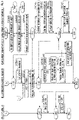
FIG. 4 is a diagram about a first function of the remote operation assistance system. -
FIG. 5 is a diagram about a second function of the remote operation assistance system. -
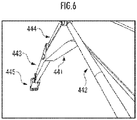
FIG. 6 is a diagram about a work environment image. - A remote operation assistance system as an embodiment of the present invention shown in
FIG. 1 comprises a remoteoperation assistance server 10 and remote operation apparatuses 20 (clients) for remotelyoperating work machines 40. The remoteoperation assistance server 10, theremote operation apparatuses 20, thework machines 40 and clients 60 are configured to be capable of mutually performing network communication. A mutual communication network between the remoteoperation assistance server 10 and theremote operation apparatuses 20 and a mutual communication network between the remoteoperation assistance server 10 and thework machines 40 may be the same or may be different. - The remote
operation assistance server 10 comprises adatabase 102, a firstassistance processing element 121 and a secondassistance processing element 122. Thedatabase 102 stores and holds picked-up image data and the like. Thedatabase 102 may comprise a database server separate from the remoteoperation assistance server 10. Each assistance processing element comprises an arithmetic processing device (a single-core processor, a multi-core processor or a processor core constituting the multi-core processor), and the assistance processing element reads necessary data and software from a storage device such as a memory and executes arithmetic processing described later according to the software for the data. - Each
remote operation apparatus 20 comprises aremote control device 200, aremote input interface 210 and aremote output interface 220. Theremote operation apparatus 20 functions as at least one of "a first remote operation apparatus" and "a second remote operation apparatus". Theremote control device 200 comprises an arithmetic processing device (a single-core processor, a multi-core processor or a processor core constituting the multi-core processor), and theremote control device 200 reads necessary data and software from a storage device such as a memory and executes arithmetic processing according to the software for the data. Theremote input interface 210 comprises aremote operation mechanism 211. Theremote output interface 220 comprises animage output device 221 and remotewireless communication equipment 222. Theremote operation apparatus 20 may comprise a mobile information terminal such as a smartphone or a tablet terminal. - The
remote operation mechanism 211 includes a travel operation device, a turning operation device, a boom operation device, an arm operation device and a bucket operation device. Each operation device has an operation lever to receive a rotation operation. The operation lever of the travel operation device (a travel lever) is operated to move alower travel body 410 of awork machine 40. The travel lever may also serve as a travel pedal. For example, a travel pedal fixed to the base or lower end part of the travel lever may be provided. The operation lever of the turning operation device (a turning lever) is operated to move a hydraulic turning motor constituting aturning mechanism 430 of thework machine 40. The operation lever of the boom operation device (a boom lever) is operated to move aboom cylinder 442 of thework machine 40. The operation lever of the arm operation device (an arm lever) is operated to move anarm cylinder 444 of thework machine 40. The operation lever of the bucket operation device (a bucket lever) is operated to move abucket cylinder 446 of thework machine 40. - The operation levers constituting the
remote operation mechanism 211 are arranged, for example, around a seat St for an operator to be seated as shown inFIG. 2 . Though the seat St is in a form like a high back chair with armrests, it may be a seating part in an arbitrary form on which an operator can sit, such as a form like a low back chair without a headrest or a form like a chair without a backrest. - In front of the seat St, a pair of left and
right travel levers 2110 corresponding to left and right crawlers are arranged left and right, side by side. One operation lever may serve as a plurality of operation levers. For example, a left-side operation lever 2111 provided in front of a left-side frame of the seat St shown inFIG. 2 may function as an arm lever when operated in a front/back direction and function as a turning lever when operated in a left-right direction. Similarly, a right-side operation lever 2112 provided in front of a right-side frame of the seat St shown inFIG. 2 may function as a boom lever when operated in the front/back direction and function as a bucket lever when operated in the left-right direction. The lever patterns may be arbitrarily changed by an operation instruction by an operator. - A
shutoff lever 2113 provided below the left-side operation lever 2111 in front of the left-side frame of the seat St functions as an operation lever for, when being raised, locking thework machine 40 so that thework machine 40 does not move even if each of the operation levers 2110, 2111 and 2112 is operated and, when being lowered, releasing the lock. - For example, as shown in
FIG. 2 , theimage output device 221 comprises a centralimage output device 2210, a left-sideimage output device 2211 and a right-sideimage output device 2212 that are arranged in front of, diagonally forward left of and diagonally forward right of the seat St, respectively, each of the image output devices having an almost rectangular-shaped screen. The shapes and sizes of the screens (image display areas) of the centralimage output device 2210, the left-sideimage output device 2211 and the right-sideimage output device 2212 may be the same or may be different. - As shown in
FIG. 2 , the right edge of the left-sideimage output device 2211 adjoins the left edge of the centralimage output device 2210 such that the screen of the centralimage output device 2210 and the screen of the left-sideimage output device 2211 form a tilt angle θ1 (for example, 120°≤θ1≤150°). As shown inFIG. 2 , the left edge of the right-sideimage output device 2212 adjoins the right edge of the centralimage output device 2210 such that the screen of the centralimage output device 2210 and the screen of the right-sideimage output device 2212 form a tilt angle θ2 (for example, 120°≤θ2≤150°). The tilt angles θ1 and θ2 may be the same or different. - Each of the screens of the central
image output device 2210, the left-sideimage output device 2211 and the right-sideimage output device 2212 may be parallel to the vertical direction or may be inclined relative to the vertical direction. At least one image output device among the centralimage output device 2210, the left-sideimage output device 2211 and the right-sideimage output device 2212 may comprise a plurality of divided image output devices. For example, the centralimage output device 2210 may comprise a pair of image output devices that vertically adjoin each other, each of the image output devices having an almost rectangular-shaped screen. Each of theimage output devices 2210 to 2212 may further comprise a speaker (a voice output device). - Each
work machine 40 comprises a workmachine control device 400, a workmachine input interface 41, a workmachine output interface 42, awork mechanism 440 and anengine 460. The workmachine control device 400 comprises an arithmetic processing device (a single-core processor, a multi-core processor or a processor core constituting the multi-core processor), and the workmachine control device 400 reads necessary data and software from a storage device such as a memory and executes arithmetic processing according to the software for the data. - The
work machine 40 is, for example, a crawler shovel (a construction machine) and comprises the crawler-typelower travel body 410, anupper turning body 420 that is turnably mounted on thelower travel body 410 via theturning mechanism 430 as shown inFIG. 3 . On the front left side part of theupper turning body 420, a cab 424 (a driving room) is provided. On the front center part of theupper turning body 420, thework mechanism 440 is provided. - The work
machine input interface 41 comprises a workmachine operation mechanism 411 and a work machine image-pickup device 412. The workmachine operation mechanism 411 comprises a plurality of operation levers arranged similarly to those of theremote operation mechanism 211 around a seat arranged inside thecab 424. A driving mechanism or robot that receives a signal corresponding to an operation aspect of a remote operation lever and moves a work machine operation lever based on the received signal is provided in thecab 424. The work machine image-pickup device 412 is installed, for example, inside thecab 424 and picks up an image of an environment that includes at least a part of thework mechanism 440 through a front window and a pair of left and right side windows. A part or all of the front window and side windows may be omitted. - The work
machine output interface 42 comprises work machinewireless communication equipment 422. - The
work mechanism 440 comprises aboom 441 fitted to theupper turning body 420 in a manner of being capable of being raised, anarm 443 rotatably coupled with the tip of theboom 441 and abucket 445 rotatably coupled with the tip of thearm 443. Theboom cylinder 442, thearm cylinder 444 and thebucket cylinder 446 that comprise telescopic hydraulic cylinders, respectively, are fitted to thework mechanism 440. - The
boom cylinder 442 is interposed between theboom 441 and theupper turning body 420 so as to, by extending and retracting by receiving supply of hydraulic oil, cause theboom 441 to rotate in a direction of being raised. Thearm cylinder 444 is interposed between thearm 443 and theboom 441 so as to, by extending and retracting by receiving supply of hydraulic oil, cause thearm 443 to rotate around a horizontal axis relative to theboom 441. Thebucket cylinder 446 is interposed between thebucket 445 and thearm 443 so as to, by extending and retracting by receiving supply of hydraulic oil, cause thebucket 445 to rotate around a horizontal axis relative to thearm 443. - The
engine 460 is a driving source of thework machine 40 and can drive a main pump and a pilot pump. In a state in which theengine 460 is operating, hydraulic oil can be supplied from the main pump to a plurality of direction control valves, and primary pressure oil is supplied from the pilot pump to the workmachine operation mechanism 411. By secondary pressure oil being supplied to a direction control valve according to a movement corresponding to a remote operation instruction of the workmachine operation mechanism 411 and hydraulic oil being supplied to a hydraulic cylinder corresponding to operation of the direction control valve, theturning mechanism 430 and thework mechanism 440 operate. Hereinafter, the state in which theengine 460 is operating and a state in which theengine 460 is stopped will be called ON and OFF, respectively. - A first function of the remote operation assistance system in the above configuration will be described using a flowchart shown in
FIG. 4 . In the flowchart, each block indicated by "C•" is used to simplify description, means transmission and/or reception of data and means such a conditional branch that processing in a branch direction is executed under the condition of transmission and/or reception of the data. - In a
remote operation apparatus 20 as a first remote operation apparatus, it is determined by an operator whether a first specification operation through theremote input interface 210 has been performed or not (FIG. 4 /STEP 211). The "first specification operation" is, for example, an operation such as tapping or swiping on theremote input interface 210 for specifying awork machine 40 that the operator intends to remotely operate. - If a result of the determination is negative (
FIG. 4 /STEP 211: NO), a determination process about whether the first specification operation has been performed or not (FIG. 4 /STEP 211) is repeated. On the other hand, if the result of the determination is positive (FIG. 4 /STEP 211: YES), it is determined by the operator whether a second specification operation through theremote input interface 210 has been performed or not in theremote operation apparatus 20 as the first remote operation apparatus (FIG. 4 /STEP 212). The "second specification operation" is, for example, an operation such as key touching, tapping or swiping on theremote input interface 210 for setting a schedule including scheduled start time (first scheduled start time) and scheduled end time (first scheduled end time) of a remote operation of awork machine 40 specified by the first specification operation. This schedule may be registered with thedatabase 102 in advance. The schedule may be set by a terminal apparatus such as a smartphone, a tablet terminal or a personal computer. - If a result of the determination is negative (
FIG. 4 /STEP 212: NO), a process of and after the determination about whether the first specification operation has been performed or not (FIG. 4 /STEP 211) is repeated. On the other hand, if the result of the determination is positive (FIG. 4 /STEP 212: YES), specification operation information is transmitted to the remoteoperation assistance server 10 through the remote wireless communication equipment 222 (FIG. 4 /STEP 213). The specification operation information includes a remote identifier for identifying theremote operation apparatus 20, a work machine identifier for identifying thework machine 40 specified by the first specification operation, the schedule including the first scheduled start time and the first scheduled end time of the remote operation, which has been specified by the second specification operation. - In the remote
operation assistance server 10, when the specification operation information is received (FIG. 4 /C110), the specification operation information is registered with the database 102 (FIG. 4 /STEP 110). - In the
remote operation apparatus 20, a preparation completion notification to the effect that preparation for the remote operation has been made is transmitted to the remoteoperation assistance server 10 via the remotewireless communication equipment 222 in responses to a specified trigger (FIG. 4 /STEP 214). As the specified trigger, the operator pressing a preparation completion button that constitutes theremote input interface 210, the operator being seated on the seat St, or the like is detected. However, when the specified trigger occurs more than a predetermined time (for example, 10 minutes) before the first scheduled start time, the preparation completion notification may not be transmitted. The preparation completion notification includes the remote identifier. - In the remote
operation assistance server 10, when the preparation completion notification is received, the preparation completion notification is transmitted to thework machine 40 identified by the work machine identifier that is stored and hold in or registered with thedatabase 102 in association with the remote identifier included in the preparation completion notification, by the first assistance processing element 121 (FIG. 4 /C111). - In the
work machine 40, when the preparation completion notification is received through the work machine wireless communication equipment 422 (FIG. 4 /C410), theengine 460 of thework machine 40 is switched from ON to OFF by the work machine control device 400 (FIG. 4 /STEP 410). Thereby, for example, the primary pressure oil supplied from the pilot pump can be supplied to the direction control valves as the secondary pressure oil (by the operation aspect of the workmachine operation mechanism 411 being adjusted by an actuator) in response to a remote operation instruction, and, therefore, thework machine 40, including theturning mechanism 430 and thework mechanism 440, is into an operable state. - Furthermore, the work
machine control device 400 acquires a picked-up image through the work machine image-pickup device 412 (FIG. 4 /STEP 411). Picked-up image data indicating the picked-up image is transmitted to the remoteoperation assistance server 10 by the workmachine control device 400 through the work machine wireless communication equipment 422 (FIG. 4 /STEP 412). - In the remote
operation assistance server 10, when the picked-up image data is received (FIG. 4 /C111), work environment image data according to the picked-up image is transmitted to theremote operation apparatus 20 by the second assistance processing element 122 (FIG. 4 /STEP 112). The work environment image data includes, in addition to the picked-up image data itself, image data indicating a simulated work environment image generated based on the picked-up image. - In the
remote operation apparatus 20, when the work environment image data is received through the remote wireless communication equipment 222 (FIG. 4 /C210), a work environment image corresponding to the work environment image data is outputted on theimage output device 221 by the remote control device 200 (FIG. 4 /STEP 215). - Thereby, for example, as shown in
FIG. 6 , a work environment image with theboom 441, thearm 443 and thebucket 445, which are parts of thework mechanism 440, being reflected therein is outputted on theimage output device 221. - In the
remote operation apparatus 20, an operation aspect of theremote operation mechanism 211 is recognized by the remote control device 200 (FIG. 4 /STEP 216), and a remote operation instruction corresponding to the operation aspect is transmitted to the remoteoperation assistance server 10 through the remote wireless communication equipment 222 (FIG. 4 /STEP 217). The operation aspect may not be recognized until the first scheduled start time comes, or the remote operation instruction may not be transmitted to the remoteoperation assistance server 10 even if the operation aspect is recognized. - In the remote
operation assistance server 10, when the remote operation instruction is received by the secondassistance processing element 122, the remote operation instruction is transmitted to thework machine 40 by the second assistance processing element 122 (FIG. 4 /C113). - In the
work machine 40, when the remote operation instruction is received through the work machine wireless communication equipment 422 (FIG. 4 /C412), operations of thework mechanism 440 and the like are controlled by the work machine control device 400 (FIG. 4 /STEP 414). Thereby, a remote operation of thework machine 40 is started. For example, work of scooping dirt in front of thework machine 40 by thebucket 445, causing theupper turning body 420 to turn and dropping the dirt from thebucket 445 is executed. - In the
remote operation apparatus 20, it is determined by the operator whether a third specification operation through theremote input interface 210 has been performed or not (FIG. 4 /STEP 218). The "third specification operation" is, for example, an operation such as tapping on theremote input interface 210 for causing operation of theengine 460 of thework machine 40 to stop, such as switching the IGN switch from ON to OFF. - If a result of the determination is negative (
FIG. 5 /STEP 218: NO), a process of and after the reception of work environment image data through the remote wireless communication equipment 222 (seeFIG. 4 /C210) and the output of a work environment image corresponding to the work environment image data on the image output device 221 (seeFIG. 4 /STEP 215) is repeated. On the other hand, if the result of the determination is positive (FIG. 5 /STEP 218: YES), a remote operation stop notification (or a remote operation stop instruction) is transmitted to the remoteoperation assistance server 10 through the remote wireless communication equipment 222 (FIG. 4 /STEP 219). The remote operation stop notification includes the work machine identifier for identifying thework machine 40. - The third specification operation may be an operation for stopping the operation of the
engine 460 of thework machine 40 after specified time, and the remote operation stop notification may be an instruction for stopping the operation of theengine 460 of thework machine 40 after the specified time. In this case, it becomes possible to continue the remote operation of thework machine 40 by the first remote operation apparatus until the specified time after the third specification operation being performed (seeFIG. 4 /STEP 216→STEP 217→...→STEP 414). - In the remote
operation assistance server 10, when the remote operation stop notification is received (FIG. 4 /C114), a process described later usingFIG. 5 is executed. In the remoteoperation assistance server 10, if the remote operation stop notification is not received, the process of and after the reception of picked-up image data (seeFIG. 4 /C112) and the transmission of work environment image data (seeFIG. 4 /STEP 112) is repeated. - A second function of the remote operation assistance system in the configuration described before will be described using a flowchart shown in
FIG. 5 . In the flowchart, each block indicated by "C•" is used to simplify description, means transmission and/or reception of data, and means such a conditional branch that processing in a branch direction is executed under the condition of transmission and/or reception of the data. - In a
remote operation apparatus 20 as a second remote operation apparatus, it is determined by an operator whether a first specification operation through theremote input interface 210 has been performed or not (FIG. 5 /STEP 221). - If a result of the determination is negative (
FIG. 5 /STEP 221: NO), a process of and after the determination about whether the first specification operation has been performed or not (FIG. 5 /STEP 221) is repeated. On the other hand, if the result of the determination is positive (FIG. 5 /STEP 221: YES), it is determined by the operator whether a second specification operation through theremote input interface 210 has been performed or not in theremote operation apparatus 20 as the second remote operation apparatus (FIG. 5 /STEP 222). The "second specification operation" is, for example, an operation such as key touching, tapping or swiping on theremote input interface 210 for setting a schedule including scheduled start time (second scheduled start time) and scheduled end time (second scheduled end time) of a remote operation of thework machine 40 specified by the first specification operation. - If a result of the determination is negative (
FIG. 5 /STEP 222: NO), a process of and after the determination about whether the first specification operation has been performed or not (FIG. 5 /STEP 221) is repeated. On the other hand, if the result of the determination is positive (FIG. 5 /STEP 222: YES), specification operation information is transmitted to the remoteoperation assistance server 10 through the remote wireless communication equipment 222 (FIG. 5 /STEP 223). The specification operation information includes a remote identifier for identifying theremote operation apparatus 20, the work machine identifier for identifying thework machine 40 specified by the first specification operation, the schedule including the second scheduled start time and the second scheduled end time of the remote operation, which has been specified by the second specification operation. - In the remote
operation assistance server 10, when the specification operation information is received (FIG. 5 /C120), the specification operation information is registered with the database 102 (FIG. 5 /STEP 120). - In the remote
operation assistance server 10, the operator of theremote operation apparatus 20 as the second remote operation apparatus is selected by the first assistance processing element 121 (FIG. 5 /STEP 121). For example, by an inquiry to thedatabase 102, a remote operation schedule of thework machine 40 is referred to, and an operator or remote operation apparatus to remotely operate thework machine 40 after the first remote operation apparatus is selected. If the operator to remotely operate thework machine 40 after the first remote operation apparatus is the operator to operate the second remote operation apparatus, the availability information is transmitted (FIG. 5 /STEP 122). - In the
remote operation apparatus 20, when the availability information is received through the remote wireless communication equipment 222 (FIG. 5 /C221), a screen for confirming whether a remote operation is intended or not is outputted on theimage output device 221 by the remote control device 200 (FIG. 5 /STEP 224). For example, a screen for confirming that a remote operation of thework machine 40 is to be started is outputted on theimage output device 221. A work environment image (video) corresponding to work environment image data corresponding to a predetermined period in the past may be outputted together on theimage output device 221. - It is determined by the
remote control device 200 whether an intention expression operation through theremote input interface 210 has been made or not by the remote control device 200 (FIG. 5 /STEP 225). For example, a selection operation by tapping one of buttons constituting an intention confirmation screen outputted on theimage output device 221 or the like corresponds to the intention expression operation. For example, if it is determined that an intention expression operation has been performed within a specified period, it is determined that a result of the determination is positive. If the result of the determination is positive, a positive intention confirmation result is transmitted to the remoteoperation assistance server 10 by theremote control device 200 through the remote wireless communication equipment 222 (FIG. 5 /STEP 226). On the other hand, if it is successively determined that an intention expression operation has not been performed within the specified period, the result of the determination is negative. If the result of the determination is negative, a negative intention confirmation result is transmitted to the remoteoperation assistance server 10 by theremote control device 200 through the remote wireless communication equipment 222 (FIG. 5 /STEP 226). The specified period is set, for example, as a time during which fuel consumption in the case of turning theengine 460 of thework machine 40 to OFF at the first scheduled end time and turning theengine 460 to ON again at the second scheduled start time exceeds fuel consumption in the case of continuing keeping theengine 460 of thework machine 40 ON from the first scheduled end time to the second scheduled start time. - In the remote
operation assistance server 10, when the intention confirmation result is received (FIG. 5 /C122), it is determined by the secondassistance processing element 122 whether the intention confirmation result is positive or negative (FIG. 5 /STEP 2123). If the intention confirmation result is negative (FIG. 5 /STEP 123: NO), an engine operation stop instruction is transmitted to thework machine 40 by the second assistance processing element 122 (FIG. 5 /STEP 128). In thework machine 40, when the engine operation stop instruction is received through the work machine wireless communication equipment 422 (FIG. 5 /C422), theengine 460 of thework machine 40 is switched from ON to OFF by the work machine control device 400 (FIG. 5 /STEP 422). Thereby, supply of the primary pressure oil from the pilot pump to the workmachine operation mechanism 411 is stopped, and theturning mechanism 430 and thework mechanism 440 are into an inoperable state even if the workmachine operation mechanism 411 is moved according to a remote operation instruction. - On the other hand, if the intention confirmation result is positive (
FIG. 5 /STEP 123: YES), an engine operation continuation instruction is transmitted to thework machine 40 by the second assistance processing element 122 (FIG. 5 /STEP 124). In thework machine 40, when the engine operation continuation instruction is received through the work machine wireless communication equipment 422 (FIG. 5 /C421), theengine 460 of thework machine 40 is kept ON by the work machine control device 400 (FIG. 5 /STEP 421). Thereby, the state of the primary pressure oil being supplied from the pilot pump to the workmachine operation mechanism 411 is continued. - Furthermore, in this case, a remote operation enabled notification is transmitted to the
remote operation apparatus 20 as the second remote operation apparatus, by the second assistance processing element 122 (FIG. 5 /STEP 126). In the second remote operation apparatus, when the remote operation enabled notification is received by theremote control device 200 through the remote wireless communication equipment 222 (FIG. 5 /C222), the notification is outputted on the image output device 221 (FIG. 5 /STEP 227). Thereby, thework machine 40 can be remotely operated by theremote operation apparatus 20 as the second remote operation apparatus according to the flowchart shown inFIG. 4 (FIG. 4 /STEP 41→STEP 412→C112→STEP 112→C210→STEP 215→STEP 216→STEP 217→C113→C412→STEP 414). However, theengine 460 does not have to be switched from OFF to ON (seeFIG. 4 /STEP 410). - According to the remote operation assistance system in the above configuration and the remote
operation assistance server 10 constituting the remote operation assistance system, when a remote operation of awork machine 40 through oneremote operation apparatus 20 as a first remote operation apparatus is stopped by one operator, operation of theengine 460 of thework machine 40 is stopped if another operator who may possibly continuously remotely operate thesame work machine 40 through anotherremote operation apparatus 20 as a second remote operation apparatus does not exist (seeFIG. 5 /STEP 225: NO→END, C122→STEP 128→C422→STEP 422). - On the other hand, when a remote operation of a
work machine 40 through oneremote operation apparatus 20 as a first remote operation apparatus is stopped by one operator, operation of theengine 460 of thework machine 40 is continued without being stopped if another operator who may possibly continuously remotely operate thesame work machine 40 through anotherremote operation apparatus 20 as a second remote operation apparatus exists (seeFIG. 5 /STEP 225: YES→STEP 226→C122→STEP 124→C421→STEP 421). Therefore, the other operator can immediately remotely operate thework machine 40 through the second remote operation apparatus without causing theengine 460 of thework machine 40, which has been an operation target of the first remote operation apparatus so far, to restart and perform warm-up operation. Therefore, when thesame work machine 40 is remotely operated by different operators or through differentremote operation apparatuses 20, work of thework machine 40 can be smoothly performed. - The first
assistance processing element 121 may further confirm scheduled start time of a remote operation of awork machine 40 by an operator of a second remote operation apparatus, and the secondassistance processing element 122 may, after receiving a remote operation stop notification (a remote operation stop instruction) for thework machine 40 from a first remote operation apparatus (seeFIG. 4 /C114), cause operation of theengine 460 of thework machine 40 to continue on condition that a time interval until the scheduled start time of the remote operation is equal to or shorter than a specified time interval (seeFIG. 5 /STEP 124). - According to the remote
operation assistance server 10 in the above configuration, if, when a remote operation of awork machine 40 through a first remote operation apparatus is stopped by one operator, another operator who may possibly continuously remotely operate thesame work machine 40 through a second remote operation apparatus exists, but a time interval until scheduled start time (second scheduled start time) of the remote operation by the other operator is long enough to exceed the specified time, operation of theengine 460 of thework machine 40 is stopped. Therefore, it is possible to avoid a situation in which the engine of thework machine 40 operates for an excessively long period without being remotely operated. - On the other hand, if, when a remote operation of a
work machine 40 through a first remote operation apparatus is stopped by one operator, another operator who may possibly continuously remotely operate thesame work machine 40 through a second remote operation apparatus exists, and a time interval until scheduled start time of the remote operation by the other operator is short enough not to exceed the specified time interval, the operation of theengine 460 of thework machine 40 is continued without being stopped. Therefore, the other operator can immediately remotely operate thework machine 40 through the second remote operation apparatus without causing theengine 460 of thework machine 40, which has been an operation target of the first remote operation apparatus so far, to restart and perform warm-up operation. Therefore, when thesame work machine 40 is remotely operated by different operators or through different remote operation apparatuses, work of thework machine 40 can be smoothly performed. - The second
assistance processing element 122 may cause operation of the engine of awork machine 40 to continue or stop according to a specified time interval determined to be continuously or gradually longer as environment temperature of thework machine 40 is lower. - In this case, when a remote operation of the
work machine 40 through a first remote operation apparatus is stopped by one operator, operation of the engine is continued for a longer time as environment temperature of the work machine is lower even if a time interval until a scheduled start time of a remote operation by another operator who may possibly continuously remotely operate thesame work machine 40 is relatively long. Therefore, it is possible to reduce necessity to perform warm-up operation for a relatively long time after restart of the engine because operation of the engine of the work machine is stopped relatively earlier, and enable start of the remote operation of thework machine 40 early. Therefore, when thesame work machine 40 is remotely operated by different operators or through differentremote operation apparatuses 20, work of thework machine 40 can be smoothly performed. - In the above embodiment, availability information is transmitted to a
remote operation apparatus 20 of a selected operator (seeFIG. 5 /STEP 122). However, when scheduled start time (second scheduled start time) for a remote operation by an operator or a remote operation apparatus that remotely operates awork machine 40 after a first remote operation apparatus is after a specified time or more after scheduled end time (first scheduled end time) of a remote operation of thework machine 40 by the first remote operation apparatus, the applicability information may not be transmitted. For example, the specified time is a time during which fuel consumption in the case of turning the engine of thework machine 40 to OFF at the first scheduled end time and turning the engine to ON again at the second scheduled start time exceeds fuel consumption in the case of continuing keeping the engine of thework machine 40 ON from the first scheduled end time to the second scheduled start time. - The first
assistance processing element 122 acquires picked-up image data indicating an operation state and a surrounding environment of a work machine, the picked-up image data being acquired through the image pickup apparatus, causes theremote output interface 220 of a second remote operation apparatus to output a work environment image corresponding to the picked-up image data and then confirms whether the possibility of the remote operation of thework machine 40 by the operator of the second remote operation apparatus exists or not, based on communication with the second remote operation apparatus. - In this case, it is possible to cause the operation state and the surrounding environment of the
work machine 40 remotely operated by one operator through a first remote operation apparatus to be recognized by another operator and cause the other operator to decide whether or not to continuously remotely operate thesame work machine 40 through the second remote operation apparatus. Since it is possible for the other operator to take over the remote operation of thework machine 40 after recognizing the operation situation and surrounding environment of thework machine 40, the other operator can immediately start and continue the remote operation of thework machine 40 without an uncomfortable feeling. Therefore, when thesame work machine 40 is remotely operated by different operators or through differentremote operation apparatuses 20, work of thework machine 40 can be smoothly performed. -
- 10
- Remote operation assistance server
- 20
- Remote operation apparatus (first remote operation apparatus, second remote operation apparatus)
- 40
- Work machine
- 102
- Database
- 121
- First assistance processing element
- 122
- Second assistance processing element
- 200
- Remote control device
- 210
- Remote input interface
- 211
- Remote operation mechanism
- 212
- Operator state sensor
- 220
- Remote output interface
- 221
- Image output device
- 400
- Work machine control device
- 41
- Work machine input interface
- 42
- Work machine output interface
- 424
- Cab (driving room)
- 440
- Work mechanism (work attachment)
- 445
- Bucket (work unit)
- 460
- Engine
Claims (6)
- A remote operation assistance server for assisting a remote operation of a work machine through a remote operation apparatus by an operator, the remote operation assistance server comprising:a first assistance processing element which, when recognizing that a remote operation of the work machine by a first remote operation apparatus ends, based on communication with at least one of the first remote operation apparatus and the work machine, confirms, based on communication with a second remote operation apparatus different from the first remote operation apparatus, whether a possibility of a remote operation of the work machine by an operator of the second remote operation apparatus exists or not; anda second assistance processing element which, when it is confirmed by the first assistance processing element that the possibility of the remote operation of the work machine by the operator of the second remote operation apparatus does not exist, stops operation of an engine of the work machine in response to receiving a remote operation stop instruction for the work machine being received from the first remote operation apparatus, and, when it is confirmed by the first assistance processing element that the possibility of the remote operation of the work machine by the operator of the second remote operation apparatus exists, causes the operation of the engine of the work machine to continue even after receiving the remote operation stop instruction for the work machine from the first remote operation apparatus.
- The remote operation assistance server according to claim 1, wherein
the first assistance processing element acquires picked-up image data indicating an operation state and a surrounding environment of the work machine, the picked-up image data being acquired through an image pickup apparatus, causes an output interface of the second remote operation apparatus to output a work environment image corresponding to the picked-up image data and then confirms whether the possibility of the remote operation of the work machine by the operator of the second remote operation apparatus exists or not, based on communication with the second remote operation apparatus. - The remote operation assistance server according to claim 1 or 2, whereinthe first assistance processing element recognizes, in addition to whether the possibility of the remote operation of the work machine by the operator of the second remote operation apparatus exists or not, scheduled remote operation start time when the possibility of the remote operation exists; andif the possibility of the remote operation of the work machine by the operator existing and the scheduled remote operation start time are confirmed by the first assistance processing element, the second assistance processing element causes the operation of the engine of the work machine to continue on condition that a time interval until the scheduled remote operation start time is equal to or shorter than a specified time interval, after receiving the remote operation stop instruction for the work machine from the first remote operation apparatus.
- The remote operation assistance server according to claim 3, wherein the second assistance processing element causes the operation of the engine of the work machine to continue or stop according to the specified time interval determined to be continuously or gradually longer as environment temperature of the work machine is lower.
- A remote operation assistance system comprising the remote operation assistance server, the first remote operation apparatus, and the second remote operation apparatus according to any one of claims 1 to 4.
- A remote operation assistance method for assisting a remote operation of a work machine through a remote operation apparatus by an operator, the remote operation assistance method comprising:a first assistance process of, when recognizing that a remote operation of the work machine by a first remote operation apparatus ends, based on communication with at least one of the first remote operation apparatus and the work machine, confirming, based on communication with a second remote operation apparatus different from the first remote operation apparatus, whether a possibility of a remote operation of the work machine by an operator of the second remote operation apparatus exists or not; anda second assistance process of, when it is confirmed by execution of the first assistance process that the possibility of the remote operation of the work machine by the operator of the second remote operation apparatus does not exist, stopping operation of an engine of the work machine in response to receiving a remote operation stop instruction for the work machine being received from the first remote operation apparatus, and, when it is confirmed by the first assistance process that the possibility of the remote operation of the work machine by the operator of the second remote operation apparatus exists, causing the operation of the engine of the work machine to continue even after receiving the remote operation stop instruction for the work machine from the first remote operation apparatus.
Applications Claiming Priority (2)
| Application Number | Priority Date | Filing Date | Title |
|---|---|---|---|
| JP2020051871A JP7363627B2 (en) | 2020-03-23 | 2020-03-23 | Remote operation support server, remote operation support system, and remote operation support method |
| PCT/JP2021/000330 WO2021192483A1 (en) | 2020-03-23 | 2021-01-07 | Remote operation assistance server, remote operation assistance system, and remote operation assistance method |
Publications (3)
| Publication Number | Publication Date |
|---|---|
| EP4101994A1 true EP4101994A1 (en) | 2022-12-14 |
| EP4101994A4 EP4101994A4 (en) | 2023-07-12 |
| EP4101994B1 EP4101994B1 (en) | 2026-03-11 |
Family
ID=77847898
Family Applications (1)
| Application Number | Title | Priority Date | Filing Date |
|---|---|---|---|
| EP21775552.9A Active EP4101994B1 (en) | 2020-03-23 | 2021-01-07 | Remote operation assistance server, remote operation assistance system, and remote operation assistance method |
Country Status (5)
| Country | Link |
|---|---|
| US (1) | US12509856B2 (en) |
| EP (1) | EP4101994B1 (en) |
| JP (1) | JP7363627B2 (en) |
| CN (1) | CN115362295B (en) |
| WO (1) | WO2021192483A1 (en) |
Families Citing this family (5)
| Publication number | Priority date | Publication date | Assignee | Title |
|---|---|---|---|---|
| US12353205B2 (en) | 2021-08-11 | 2025-07-08 | Doosan Bobcat North America, Inc. | Remote control for a power machine |
| WO2023122742A1 (en) | 2021-12-22 | 2023-06-29 | Clark Equipment Company | Control of multiple power machines |
| JP2024094591A (en) * | 2022-12-28 | 2024-07-10 | 住友重機械工業株式会社 | Work machines, remote operation support devices |
| WO2025177701A1 (en) * | 2024-02-21 | 2025-08-28 | パナソニックIpマネジメント株式会社 | Operator selection method, terminal device, and program |
| US20260050259A1 (en) * | 2024-08-14 | 2026-02-19 | Nvidia Corporation | Security of teleassistance operating modes in autonomous systems and applications |
Family Cites Families (11)
| Publication number | Priority date | Publication date | Assignee | Title |
|---|---|---|---|---|
| JP2001182091A (en) * | 1999-12-28 | 2001-07-03 | Hitachi Constr Mach Co Ltd | Automatic operating shovel, and automatic shovel operating method |
| JP2004239166A (en) * | 2003-02-06 | 2004-08-26 | Kobelco Contstruction Machinery Ltd | Engine control device for construction equipment |
| JP2011208568A (en) * | 2010-03-30 | 2011-10-20 | Kobelco Cranes Co Ltd | Engine control device of working machine |
| JP5303794B2 (en) * | 2010-05-24 | 2013-10-02 | 株式会社小松製作所 | Work machine management device |
| US9110468B2 (en) * | 2013-01-31 | 2015-08-18 | Caterpillar Inc. | Universal remote operator station |
| US9650062B2 (en) * | 2013-08-26 | 2017-05-16 | Wacker Neuson Production Americas Llc | System for controlling remote operation of ground working devices |
| CN107110035B (en) * | 2014-10-06 | 2020-07-10 | 日立建机株式会社 | work machinery |
| JP2016212503A (en) * | 2015-04-30 | 2016-12-15 | 鹿島建設株式会社 | Method and system for creating operation support image of work machine |
| WO2017184038A1 (en) * | 2016-04-19 | 2017-10-26 | Cpac Systems Ab | Control unit in working machine for identifying human operation of implement |
| JP7015133B2 (en) * | 2017-10-04 | 2022-02-02 | 株式会社小松製作所 | Work system, work machine and control method |
| JP7014007B2 (en) | 2018-03-29 | 2022-02-01 | コベルコ建機株式会社 | Remote control system for work machines |
-
2020
- 2020-03-23 JP JP2020051871A patent/JP7363627B2/en active Active
-
2021
- 2021-01-07 WO PCT/JP2021/000330 patent/WO2021192483A1/en not_active Ceased
- 2021-01-07 US US17/910,606 patent/US12509856B2/en active Active
- 2021-01-07 EP EP21775552.9A patent/EP4101994B1/en active Active
- 2021-01-07 CN CN202180023578.7A patent/CN115362295B/en active Active
Also Published As
| Publication number | Publication date |
|---|---|
| JP7363627B2 (en) | 2023-10-18 |
| CN115362295B (en) | 2024-04-09 |
| EP4101994B1 (en) | 2026-03-11 |
| US20230279640A1 (en) | 2023-09-07 |
| US12509856B2 (en) | 2025-12-30 |
| JP2021147978A (en) | 2021-09-27 |
| CN115362295A (en) | 2022-11-18 |
| WO2021192483A1 (en) | 2021-09-30 |
| EP4101994A4 (en) | 2023-07-12 |
Similar Documents
| Publication | Publication Date | Title |
|---|---|---|
| EP4101994B1 (en) | Remote operation assistance server, remote operation assistance system, and remote operation assistance method | |
| JP7472578B2 (en) | REMOTE OPERATION SUPPORT SERVER, REMOTE OPERATION SUPPORT SYSTEM, AND REMOTE OPERATION SUPPORT METHOD | |
| EP3922775A1 (en) | Remote operation system and remote operation server | |
| WO2021024553A1 (en) | Work machine | |
| US11993922B2 (en) | Remote operation system | |
| US20220412049A1 (en) | Work assisting server and method for selecting imaging device | |
| EP4283051A1 (en) | Work assistance system and work assistance composite system | |
| JP7310338B2 (en) | Remote control system and remote control server | |
| EP4071311B1 (en) | Remote operation assistance server, remote operation assistance system, and remote operation assistance method | |
| EP4039891B1 (en) | Work machine remote operation support system and method therefor | |
| US20220303472A1 (en) | Image capturing function control system and image capturing function control method | |
| US12043982B2 (en) | Remote operation support system and remote operation support method | |
| JP7367486B2 (en) | Work support server and work support system | |
| WO2023233800A1 (en) | Remote operation system | |
| EP4279667A1 (en) | Remote operation assistance server and remote operation assistance system | |
| CN121866377A (en) | Operating machinery | |
| EP4575102A1 (en) | Remote operation assistance system and remote operation device for work machine | |
| CN121794972A (en) | construction machinery |
Legal Events
| Date | Code | Title | Description |
|---|---|---|---|
| STAA | Information on the status of an ep patent application or granted ep patent |
Free format text: STATUS: THE INTERNATIONAL PUBLICATION HAS BEEN MADE |
|
| PUAI | Public reference made under article 153(3) epc to a published international application that has entered the european phase |
Free format text: ORIGINAL CODE: 0009012 |
|
| STAA | Information on the status of an ep patent application or granted ep patent |
Free format text: STATUS: REQUEST FOR EXAMINATION WAS MADE |
|
| 17P | Request for examination filed |
Effective date: 20220907 |
|
| AK | Designated contracting states |
Kind code of ref document: A1 Designated state(s): AL AT BE BG CH CY CZ DE DK EE ES FI FR GB GR HR HU IE IS IT LI LT LU LV MC MK MT NL NO PL PT RO RS SE SI SK SM TR |
|
| DAV | Request for validation of the european patent (deleted) | ||
| DAX | Request for extension of the european patent (deleted) | ||
| A4 | Supplementary search report drawn up and despatched |
Effective date: 20230609 |
|
| RIC1 | Information provided on ipc code assigned before grant |
Ipc: G08C 17/00 20060101ALI20230602BHEP Ipc: H04N 7/18 20060101ALI20230602BHEP Ipc: H04Q 9/00 20060101ALI20230602BHEP Ipc: E02F 9/26 20060101ALI20230602BHEP Ipc: E02F 9/20 20060101AFI20230602BHEP |
|
| GRAP | Despatch of communication of intention to grant a patent |
Free format text: ORIGINAL CODE: EPIDOSNIGR1 |
|
| STAA | Information on the status of an ep patent application or granted ep patent |
Free format text: STATUS: GRANT OF PATENT IS INTENDED |
|
| GRAJ | Information related to disapproval of communication of intention to grant by the applicant or resumption of examination proceedings by the epo deleted |
Free format text: ORIGINAL CODE: EPIDOSDIGR1 |
|
| STAA | Information on the status of an ep patent application or granted ep patent |
Free format text: STATUS: REQUEST FOR EXAMINATION WAS MADE |
|
| GRAP | Despatch of communication of intention to grant a patent |
Free format text: ORIGINAL CODE: EPIDOSNIGR1 |
|
| STAA | Information on the status of an ep patent application or granted ep patent |
Free format text: STATUS: GRANT OF PATENT IS INTENDED |
|
| INTG | Intention to grant announced |
Effective date: 20250819 |
|
| INTC | Intention to grant announced (deleted) | ||
| INTG | Intention to grant announced |
Effective date: 20250901 |
|
| GRAS | Grant fee paid |
Free format text: ORIGINAL CODE: EPIDOSNIGR3 |
|
| GRAA | (expected) grant |
Free format text: ORIGINAL CODE: 0009210 |
|
| STAA | Information on the status of an ep patent application or granted ep patent |
Free format text: STATUS: THE PATENT HAS BEEN GRANTED |
|
| AK | Designated contracting states |
Kind code of ref document: B1 Designated state(s): AL AT BE BG CH CY CZ DE DK EE ES FI FR GB GR HR HU IE IS IT LI LT LU LV MC MK MT NL NO PL PT RO RS SE SI SK SM TR |
|
| REG | Reference to a national code |
Ref country code: CH Ref legal event code: F10 Free format text: ST27 STATUS EVENT CODE: U-0-0-F10-F00 (AS PROVIDED BY THE NATIONAL OFFICE) Effective date: 20260311 Ref country code: GB Ref legal event code: FG4D |
|
| REG | Reference to a national code |
Ref country code: DE Ref legal event code: R096 Ref document number: 602021049784 Country of ref document: DE |
|
| REG | Reference to a national code |
Ref country code: IE Ref legal event code: FG4D |