EP4099334A1 - Laboratory system - Google Patents
Laboratory system Download PDFInfo
- Publication number
- EP4099334A1 EP4099334A1 EP21382497.2A EP21382497A EP4099334A1 EP 4099334 A1 EP4099334 A1 EP 4099334A1 EP 21382497 A EP21382497 A EP 21382497A EP 4099334 A1 EP4099334 A1 EP 4099334A1
- Authority
- EP
- European Patent Office
- Prior art keywords
- laboratory
- instrument
- module
- management module
- communication protocol
- Prior art date
- Legal status (The legal status is an assumption and is not a legal conclusion. Google has not performed a legal analysis and makes no representation as to the accuracy of the status listed.)
- Pending
Links
Images


Classifications
-
- H—ELECTRICITY
- H04—ELECTRIC COMMUNICATION TECHNIQUE
- H04L—TRANSMISSION OF DIGITAL INFORMATION, e.g. TELEGRAPHIC COMMUNICATION
- H04L69/00—Network arrangements, protocols or services independent of the application payload and not provided for in the other groups of this subclass
- H04L69/08—Protocols for interworking; Protocol conversion
-
- G—PHYSICS
- G16—INFORMATION AND COMMUNICATION TECHNOLOGY [ICT] SPECIALLY ADAPTED FOR SPECIFIC APPLICATION FIELDS
- G16H—HEALTHCARE INFORMATICS, i.e. INFORMATION AND COMMUNICATION TECHNOLOGY [ICT] SPECIALLY ADAPTED FOR THE HANDLING OR PROCESSING OF MEDICAL OR HEALTHCARE DATA
- G16H10/00—ICT specially adapted for the handling or processing of patient-related medical or healthcare data
- G16H10/40—ICT specially adapted for the handling or processing of patient-related medical or healthcare data for data related to laboratory analysis, e.g. patient specimen analysis
-
- G—PHYSICS
- G01—MEASURING; TESTING
- G01N—INVESTIGATING OR ANALYSING MATERIALS BY DETERMINING THEIR CHEMICAL OR PHYSICAL PROPERTIES
- G01N35/00—Automatic analysis not limited to methods or materials provided for in any single one of groups G01N1/00 - G01N33/00; Handling materials therefor
- G01N35/00584—Control arrangements for automatic analysers
- G01N35/00722—Communications; Identification
- G01N35/00732—Identification of carriers, materials or components in automatic analysers
-
- G—PHYSICS
- G16—INFORMATION AND COMMUNICATION TECHNOLOGY [ICT] SPECIALLY ADAPTED FOR SPECIFIC APPLICATION FIELDS
- G16H—HEALTHCARE INFORMATICS, i.e. INFORMATION AND COMMUNICATION TECHNOLOGY [ICT] SPECIALLY ADAPTED FOR THE HANDLING OR PROCESSING OF MEDICAL OR HEALTHCARE DATA
- G16H40/00—ICT specially adapted for the management or administration of healthcare resources or facilities; ICT specially adapted for the management or operation of medical equipment or devices
- G16H40/40—ICT specially adapted for the management or administration of healthcare resources or facilities; ICT specially adapted for the management or operation of medical equipment or devices for the management of medical equipment or devices, e.g. scheduling maintenance or upgrades
-
- H—ELECTRICITY
- H04—ELECTRIC COMMUNICATION TECHNIQUE
- H04L—TRANSMISSION OF DIGITAL INFORMATION, e.g. TELEGRAPHIC COMMUNICATION
- H04L69/00—Network arrangements, protocols or services independent of the application payload and not provided for in the other groups of this subclass
- H04L69/18—Multiprotocol handlers, e.g. single devices capable of handling multiple protocols
-
- G—PHYSICS
- G01—MEASURING; TESTING
- G01N—INVESTIGATING OR ANALYSING MATERIALS BY DETERMINING THEIR CHEMICAL OR PHYSICAL PROPERTIES
- G01N35/00—Automatic analysis not limited to methods or materials provided for in any single one of groups G01N1/00 - G01N33/00; Handling materials therefor
- G01N35/00584—Control arrangements for automatic analysers
- G01N35/00722—Communications; Identification
- G01N35/00871—Communications between instruments or with remote terminals
- G01N2035/00881—Communications between instruments or with remote terminals network configurations
Definitions
- the present invention relates to a laboratory system, a laboratory communications engine, a laboratory instrument, a computer-implemented method, a non-transitory computer readable storage medium, and a laboratory.
- LIMS Laboratory information management systems
- LIS laboratory information systems
- LMS laboratory management systems
- these instruments will report results to an LIS for further distribution to clients or clinicians.
- the instruments will receive instructions from the LIS as to how a sample is to be processed or other workflow related instructions.
- Laboratory middleware is provided a software-based intermediately between each laboratory instrument and the LIS.
- the laboratory middleware can help ensure that an LIS from one provider is operable with instruments from another provider.
- the laboratory middleware will often utilise standard communication protocols (e.g. Health level 7 protocol or the ASTM-LIS2-A2 protocol) to provide interoperability between instruments and the LIS. These standards, however, are unable to model the specific needs or capabilities of a given instrument. Manufacturers of instruments therefore will make their own interpretation of the standard to include as much relevant information to the LIS as possible, under restrictions from the standard communication protocol syntax. The instrument, or laboratory middleware, will then need to convert any messages to be transmitted to the LIS (or vice versa) from an internal communication protocol to one of these standard communication protocols supported by the receiver of the message.
- standard communication protocols e.g. Health level 7 protocol or the ASTM-LIS2-A2 protocol
- US 9,268,619 B2 proposes a method of communicating between an analytical instrument and a client using a connectivity driver.
- the connectivity driver translates all messages from the analytical instrument or client into a format suitable for use by the other.
- embodiments of the invention provide a laboratory system comprising:
- Such a system can reduce the computational load when messages are transmitted from a laboratory instrument to a laboratory management module, or vice versa, and moreover it can increase the apparent functionality of the laboratory instrument to the laboratory management module.
- the protocol identification module and the message conversion module may be located within the laboratory management module, the laboratory instrument, or an intermediary device connected to both the laboratory management module and the laboratory instrument.
- the protocol identification module and the message conversion module may be implemented as computer-software running on any one of the same.
- the laboratory management module may form a part of a laboratory information system or may be middleware connected to the laboratory management system.
- the instrument data processing module may be configured to obtain and process analytical data from the laboratory instrument using an instrument data model
- the laboratory instrument may be one of: a pre-analytics instrument, an analyser, or a post-analytic instrument. There may be a plurality of laboratory instruments.
- the protocol identification module may be configured to receive from either of, or both of, the laboratory management module and the instrument data processing module a status indicator which includes an indication of the one or more communication protocols supported by the laboratory management module, the instrument data processing module, or both.
- the laboratory management module, the instrument data processing module, or the protocol identification module may be configured to send an enquiry message requesting one or both of the laboratory management module or the instrument data processing module reply with an indication of the communication protocol(s) it supports.
- the message conversion module may be configured to convert form the instrument communication protocol or the laboratory management module communication protocol into any one of: a health level 7, HL7, protocol; an ASTM-LIS2-A2 protocol; a POCT1-A protocol; or a fast healthcare interoperability resources, FHIR, protocol.
- the laboratory instrument may include a user input module, and the instrument data processing module may be configured to establish a connection to the laboratory management module when prompted to do so via the user input module.
- the message conversion module may be configured to:
- embodiments of the invention provide a laboratory communications engine comprising:
- Such a communications engine can reduce the computational load when messages are transmitted from a laboratory instrument to a laboratory management module, or vice versa, and further increase the apparent functionality of the laboratory instrument to the laboratory management module.
- the laboratory communications engine may be installed within a laboratory instrument, the laboratory management module, or an intermediary device connected to a laboratory instrument and the laboratory management module.
- the laboratory communications engine may be implemented as computer software, and may be stored in a non-transitory computer readable storage medium containing machine executable instructions which, when executed on a processor, implement the communication module, the protocol identification module, and the message conversion module.
- implement it may be meant that software providing the functions described is installed and operated.
- the protocol identification module may be configured to receive from either the laboratory management module or the instrument data processing module, or both, a status indicator which includes an indication of one or more communication protocols supported by the laboratory management module, the instrument data processing module, or both.
- the communication module may be configured to send an enquiry message to either the laboratory management module or the instrument data processing module, or both, requesting that it reply with an indication of the communication protocol(s) it supports.
- embodiments of the invention provide a laboratory instrument, connectable to a laboratory management module, the laboratory instrument comprising:
- Such a laboratory instrument engine can reduce the computational load when messages are transmitted from a laboratory instrument to a laboratory management module, or vice versa, and further increase the apparent functionality of the laboratory instrument to the laboratory management module.
- the laboratory instrument may contain any one, or any combination insofar as they are compatible, of the optional features as set out with reference to the first or second aspects.
- embodiments of the invention provide a computer-implemented method including the steps of:
- Such a computer-implemented method can reduce the computational load when messages are transmitted from a laboratory instrument to a laboratory management module, or vice versa, and further increase the apparent functionality of the laboratory instrument to the laboratory management module.
- the computer-implemented method may contain any one, or any combination insofar as they are compatible, of the optional features as set out with reference to the first or second aspects.
- embodiments of the invention provide a non-transitory computer readable storage medium containing machine executable instructions which, when executed on one or more processors, cause the one or more processors to perform the method of the fourth aspect.
- embodiments of the invention provide a laboratory, including the communications engine of the second aspect, wherein the laboratory management module is connected to a plurality of laboratory instruments as set out in the third aspect.
- Figure 1 is a schematic view of a laboratory system 100.
- the laboratory system includes a laboratory information system (LIS) 102, connected to middleware (MW) 104.
- Both the LIS and MW are implementable as software packages running on one or more computers. They may be connected either by virtue of running on the same computer (physical or virtual) or may be connected via a network when located on distinct computers.
- the LIS and MW are implemented on separate computers and connected to one another via network 106.
- the LIS and MW are examples of a laboratory management module in that they may contain software which provides the functions of the laboratory management module.
- the network 106 also facilitates connection between the LIS, MW, and one or more laboratory instruments 108a to 108n.
- the laboratory instruments may be, for example, pre-analytics instruments, analysers, or post-analytic instruments.
- one or more of the laboratory instruments may be cobas (RTM) 6000 analysers configured to perform measurements of proteins, enzymes, substrates and electrolytes, direct antiglobulin tests, and therapeutic drug monitoring, or cobas (RTM) 6800/cobas (RTM) 8800 for measurement of nucleic acids, e.g. of pathogens.
- the LIS communicates with the laboratory instruments in order to order tests, monitor consumables, receive error codes, receive status indicators, receive test results and the like. This communication can either be directly between the LIS and a given laboratory instrument, or via the middleware.
- the middleware typically enhances the functions available to the LIS and operates as an intermediary between the laboratory instruments and the LIS.
- the LIS and/or MW (now referred to as the laboratory management module), is configured to receive and process data from the or each laboratory instrument 108. It is further configured to generate one or more messages to be transmitted to an instrument data processing module (discussed in detail below), which in this example is located in a respective laboratory instrument. In some examples, the instrument data processing module is located externally to but connected with at least one laboratory instrument. These messages, from the laboratory management module, are generated according to a laboratory management module communication protocol.
- the or each instrument data processing module located in a respective instrument 108a, is configured to obtain and process analytical data from the laboratory instrument.
- the instrument data processing module(s) are also configured to generate one or more messages to be transmitted to the laboratory management module according to an instrument communication protocol. These messages can contain, for example, the analytical data obtained and processed from the laboratory instrument.
- the system also comprises a protocol identification module (PIM).
- PIM protocol identification module
- the PIM is implemented as software and can be installed on any one of: the LIS 102, the MW 104, or a laboratory instrument 108.
- the protocol identification module is configured to identify the communication protocol(s) supported by the laboratory management module and the communication protocol(s) supported by the instrument data processing module. This can be performed, for example, by requesting that the laboratory management module and/or instrument data processing module transmit to the PIM a list of all communication protocols supported thereby. This request can be sent in the form of an enquiry message.
- the laboratory management module and instrument data processing module may be configured to transmit status indicators to the PIM (e.g. without prompt), the status indicators including an indication of the one or more protocol(s) supported.
- the system also comprises a message conversion module (MCM).
- MCM message conversion module
- the MCM is implemented as software and can be installed on any one of: the LIS, 102, the MW 104, or a laboratory instrument 108.
- the MCM is configured to convert messages to be sent from the laboratory management module to the instrument data processing module, or vice versa, when it is determined that the messages are in an incompatible communication protocol.
- the laboratory management module intends to transmit a message to the instrument data processing module according to the health level 7 protocol, but it has been determined (for example by the PIM, but this determination could be made by the MCM or the laboratory management module itself) that the instrument data processing module is incompatible with this communication protocol, the MCM will convert the message into a communication protocol which is compatible with the instrument data processing module. These converted messages are then transferred via the network from the sender to the receiver.
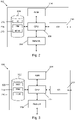
- FIG. 2 is a schematic view of the laboratory information system 102.
- the laboratory information system in this example includes a CPU or processing unit 202, which is connected to random access memory (RAM) or other volatile, short term memory 204.
- the processor causes computer software to be read from non-volatile storage 206 and loaded into the volatile memory for execution, in a manner known per se in the art.
- the processing unit is also connected to input/output (I/O) interface(s) 210 which can include, for example, a human-machine interface such a keyboard and mouse, displays, and the like.
- the human-machine interface can be used, for example, to establish a connection between the LIS and the one or more laboratory instruments.
- the CPU 202 is connected to network interface 208 which enables communication over network 106 between the LIS 102 and other elements of the system.
- the non-volatile storage 206 includes the following software: LIS software 212; the protocol identification module 214; and the message conversion module 216.
- the LIS software 212 allows the LIS 102 to operate as an LIS, and so includes the type of functionality expected from an LIS (e.g. ability to view workflows, order test, review results etc.).
- the protocol identification module 214 and message conversion module 216 allow the processor to perform functions of the PIM and MCM as discussed above. In other examples, where the PIM and MCM are located elsewhere in the system, the non-volatile storage 206 may not contain the PIM and MCM. Alternatively, it may include further copies of the PIM and MCM which operate on messages to be sent from the LIS.
- FIG 3 is a schematic view of the middleware 104.
- the middleware shares features in common with the LIS 102, and so like features are indicated by like reference numerals.
- the middleware 104 also includes a processor 202, volatile memory 204, network interface 208, and I/O interface(s) 210. It differs in the software which is contained in the non-volatile storage 302.
- the non-volatile storage 302 of the middleware contains MW software 306, and the PIM 214 and MCM 216.
- the MW software 306 allows the MW 104 to operate as middleware, and so includes the type of functionality expected from middleware (e.g. management of instruments and provision of data to an LIS).
- the protocol identification module 214 and message conversion module 216 allow the processor to perform the functions of the PIM and MCM as discussed above.
- the non-volatile storage 302 may not contain the PIM and MCM. Alternatively, it may include further copies of the PIM and MCM which operate on messages to be sent from the MW.
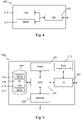
- FIG 4 is a schematic view of a laboratory communications engine 400.
- the laboratory communications engine 400 is a collection of software modules which are operable on one or more computers.
- the laboratory communications engine includes a communication module 402 which is configured to establish a connection between an instrument data processing module (e.g. one in a laboratory instrument) and a laboratory management module (e.g. the LIS and/or MW) via a computer network.
- the laboratory communications engine also includes a protocol identification module 214 as discussed previously, as well as a message conversion module 216 also as discussed previously.
- the laboratory communications engine 400 is installable on the LIS, MW, the laboratory instrument, an intermediary (not shown) connected between the LIS or MW and the laboratory instrument, or on a virtual computing network (e.g. a cloud computing space).
- a virtual computing network e.g. a cloud computing space
- FIG. 5 is a schematic view of a laboratory instrument 108a.
- the laboratory instrument 108a includes similar elements to the LIS 102 and MW 104, in that it includes a processing unit 202 which is connected: volatile memory 204; I/O interfaces 508; network interface 208; and non-volatile storage 502.
- the laboratory instrument 108a also includes a data acquisition unit 510, which is connected to the I/O interfaces 508.
- the data acquisition unit 510 will vary dependant on what specific function the laboratory instrument is to perform but will generally obtain raw measurement data. For example, where the laboratory instrument is a polymerase chain reaction analyser, the data acquisition unit may obtain raw measurement data from which a concentration or amount of target DNA can be derived.
- the I/O interfaces 508 can also include one or more human-machine interfaces, e.g. a display, a keyboard, a mouse, etc.
- the human-machine interface can be used, for example, to establish a connection between the laboratory instrument and the LIS and/or MW.
- the non-volatile storage 502 of the laboratory instrument also includes different software to the MW and LIS.
- the non-volatile storage of the laboratory instrument includes: the instrument data processing module (IDPM) 502 discussed above; instrument software (IS) 506; the protocol identification module (PIM) 214 discussed above; and the message conversion module (MCM) 216 discussed above.
- IDPM instrument data processing module
- IS instrument software
- PIM protocol identification module
- MCM message conversion module
- the non-volatile storage 502 may not contain the PIM and MCM. Alternatively, it may include further copies of the PIM and MCM which operate on messages to be sent from the IDPM.
- the instrument software 506 allows the laboratory instrument to perform the functionality of a laboratory instrument (e.g.
- the instrument data processing module 502 is configured to obtain and process analytical data from the laboratory instrument (e.g. data from the data acquisition unit 510) and to generate one or more messages to be transmitted to the laboratory management module according to the instrument communication protocol.
- the IDPM 506 may also be configured to obtain and process analytical data from the data acquisition unit 510 using an instrument data model.
- the instrument data model may be implemented, for example, in XML, JSON, or YAML.
- An example of a data stored within the instrument data model is shown below:
- the MCM 216 can be further configured, in such examples, to convert the analytical data from the instrument data model into a data model compatible with the communication protocol(s) supported by the LIS and/or MW.
- the above example may be converted into the HL7 protocol:
- the PIM and MCM may be implemented in any one or more of the LIS, MW, the laboratory instrument, or an intermediary device (not shown) connected to both the LIS or MW and the laboratory instrument.
- FIG. 6 is a flow diagram of a computer-implemented method 600.
- a connection is established by a connection module (e.g. the communication module 402 of the laboratory communications engine 400) between the instrument data processing module and the laboratory management module via a computer network.
- a connection module e.g. the communication module 402 of the laboratory communications engine 400
- an instrument communication protocol supported by the instrument data processing module and a laboratory management module communication protocol supported by the laboratory management module are identified by the protocol identification module 214.
- Step 606 includes transmitting, by the communication module, messages from the instrument data processing module (IDPM) to the laboratory management module (LMM) in the instrument communication protocol when it is determined that the instrument communication protocol is the same as or compatible with the laboratory management module communication protocol.
- Step 608 includes transmitting, by the communication module, messages from the laboratory management module to the instrument data processing module in the laboratory management module communication protocol when it is determined that the laboratory management module communication protocol is the same as or compatible with the instrument communication protocol.
- message conversion may be performed as discussed previously. This message conversion is achieved through use of the message conversion module 216 discussed above.
Landscapes
- Engineering & Computer Science (AREA)
- Health & Medical Sciences (AREA)
- General Health & Medical Sciences (AREA)
- Public Health (AREA)
- Primary Health Care (AREA)
- Medical Informatics (AREA)
- Epidemiology (AREA)
- Biomedical Technology (AREA)
- General Business, Economics & Management (AREA)
- Signal Processing (AREA)
- Business, Economics & Management (AREA)
- Computer Networks & Wireless Communication (AREA)
- Computer Security & Cryptography (AREA)
- Physics & Mathematics (AREA)
- Biochemistry (AREA)
- Analytical Chemistry (AREA)
- Chemical & Material Sciences (AREA)
- Life Sciences & Earth Sciences (AREA)
- Immunology (AREA)
- General Physics & Mathematics (AREA)
- Pathology (AREA)
- Medical Treatment And Welfare Office Work (AREA)
- Computer And Data Communications (AREA)
- Automatic Analysis And Handling Materials Therefor (AREA)
Abstract
Description
- The present invention relates to a laboratory system, a laboratory communications engine, a laboratory instrument, a computer-implemented method, a non-transitory computer readable storage medium, and a laboratory.
- Laboratory information management systems (LIMS), also referred to as laboratory information systems (LIS) or laboratory management systems (LMS) are software-based solutions which support laboratory operation. For example, these software systems facilitate workflow and data tracking management as well the tracking and management of samples within the laboratory.
- For example, in a laboratory comprising a large number of laboratory instruments, these instruments will report results to an LIS for further distribution to clients or clinicians. Similarly, the instruments will receive instructions from the LIS as to how a sample is to be processed or other workflow related instructions.
- There is a desire that the LIS and laboratory instruments communicate in an efficient manner, and to that end laboratory middleware is often deployed. Laboratory middleware is provided a software-based intermediately between each laboratory instrument and the LIS. The laboratory middleware can help ensure that an LIS from one provider is operable with instruments from another provider.
- The laboratory middleware will often utilise standard communication protocols (e.g. Health level 7 protocol or the ASTM-LIS2-A2 protocol) to provide interoperability between instruments and the LIS. These standards, however, are unable to model the specific needs or capabilities of a given instrument. Manufacturers of instruments therefore will make their own interpretation of the standard to include as much relevant information to the LIS as possible, under restrictions from the standard communication protocol syntax. The instrument, or laboratory middleware, will then need to convert any messages to be transmitted to the LIS (or vice versa) from an internal communication protocol to one of these standard communication protocols supported by the receiver of the message.
-
US 9,268,619 B2 - However, such conversion is computationally expensive. Further, the apparent functionality of the instrument (as viewed by the LIS) is limited to that which can be expressed in the syntax of the standard communication protocol.
- Accordingly, in a first aspect, embodiments of the invention provide a laboratory system comprising:
- a laboratory instrument;
- a laboratory management module, configured to receive and process data from the laboratory instrument, and to generate one or more messages to be transmitted to an instrument data processing module according to a laboratory management module communication protocol;
- wherein the instrument data processing module is configured to obtain and process analytical data from the laboratory instrument, and to generate one or more messages to be transmitted to the laboratory management module according to an instrument communication protocol;
- wherein the laboratory system further comprises:
- a protocol identification module, configured to identify communication protocol(s) supported by the laboratory management module and communication protocol(s) supported by the instrument data processing module; and
- a message conversion module, configured to convert the or each message to be transmitted from one of the instrument data processing module and the laboratory management module into a communication protocol supported by the other of the laboratory management module and instrument data processing module when it is determined that either:
- the laboratory management module communication protocol is incompatible with the communication protocol(s) supported by the instrument data processing module, or
- the instrument communication protocol is incompatible with the communication protocol(s) supported by the laboratory management module; and
- wherein:
- the instrument data processing module is configured, when it is determined that the instrument communication protocol is supported by the laboratory management module, to transmit its generated message(s) to the laboratory management module according to the instrument communication protocol; and/or
- the laboratory management module is configured, when it is determined that the laboratory management module communication protocol is supported by the instrument data processing module, to transmit its generated message(s) to the instrument data processing module according to the laboratory management module communication protocol.
- Such a system can reduce the computational load when messages are transmitted from a laboratory instrument to a laboratory management module, or vice versa, and moreover it can increase the apparent functionality of the laboratory instrument to the laboratory management module.
- Optional features will now be set out. These are applicable singly or in any combination with any aspect of the invention.
- The protocol identification module and the message conversion module may be located within the laboratory management module, the laboratory instrument, or an intermediary device connected to both the laboratory management module and the laboratory instrument. The protocol identification module and the message conversion module may be implemented as computer-software running on any one of the same.
- The laboratory management module may form a part of a laboratory information system or may be middleware connected to the laboratory management system.
- The instrument data processing module may be configured to obtain and process analytical data from the laboratory instrument using an instrument data model;
- the message conversion module may be further configured to convert the analytical data from the instrument data model into a data model compatible with the communication protocol(s) supported by the laboratory management module when it is determined that the instrument data model is incompatible with the communication protocol(s) supported by the laboratory management module; and
- the instrument data processing module may be configured to transmit the analytical data obtained from the laboratory instrument to the laboratory management module in the instrument data model when it is determined that the instrument data model is supported by the laboratory management module.
- The laboratory instrument may be one of: a pre-analytics instrument, an analyser, or a post-analytic instrument. There may be a plurality of laboratory instruments.
- The protocol identification module may be configured to receive from either of, or both of, the laboratory management module and the instrument data processing module a status indicator which includes an indication of the one or more communication protocols supported by the laboratory management module, the instrument data processing module, or both.
- The laboratory management module, the instrument data processing module, or the protocol identification module may be configured to send an enquiry message requesting one or both of the laboratory management module or the instrument data processing module reply with an indication of the communication protocol(s) it supports.
- The message conversion module may be configured to convert form the instrument communication protocol or the laboratory management module communication protocol into any one of: a health level 7, HL7, protocol; an ASTM-LIS2-A2 protocol; a POCT1-A protocol; or a fast healthcare interoperability resources, FHIR, protocol.
- The laboratory instrument may include a user input module, and the instrument data processing module may be configured to establish a connection to the laboratory management module when prompted to do so via the user input module.
- The message conversion module may be configured to:
- convert the or each message to be transmitted from the instrument data processing module to the laboratory management module into a communication protocol supported by the laboratory management module, when it is determined that the instrument communication protocol is incompatible with the communication protocol(s) supported by the laboratory management module; and
- convert the or each message to be transmitted from the laboratory management module to the instrument data processing module into a communication protocol supported by the instrument data processing module, when it is determined that the laboratory management module communication protocol is incompatible with the communication protocol(s) supported by the instrument data processing module.
- In a second aspect, embodiments of the invention provide a laboratory communications engine comprising:
- a communication module, configured to establish a connection between an instrument data processing module and a laboratory management module via a computer network;
- a protocol identification module, configured to identify a communication protocol supported by the instrument data processing module and a communication protocol supported by the laboratory management module; and
- a message conversion module, configured to convert the messages to be transmitted from one of the instrument data processing module and the laboratory management module into a communication protocol supported by the other of the laboratory management module and instrument data processing module when it is determined that either:
- the communication protocol supported by the laboratory management module is incompatible with the communication protocol supported by the instrument data processing module, or
- the communication protocol supported by the instrument data processing module is incompatible with the communication protocol supported by the laboratory management module; and
- wherein:
- the communication module is configured, when it is determined that the instrument communication protocol is supported by the laboratory management module, to transmit its generated message(s) to the laboratory management module according to the instrument communication protocol; and/or
- the communication module is configured, when it is determined that the laboratory management module communication protocol is supported by the instrument data processing module, to transmit its generated message(s) to the instrument data processing module according to the laboratory management module communication protocol.
- Such a communications engine can reduce the computational load when messages are transmitted from a laboratory instrument to a laboratory management module, or vice versa, and further increase the apparent functionality of the laboratory instrument to the laboratory management module.
- The laboratory communications engine may be installed within a laboratory instrument, the laboratory management module, or an intermediary device connected to a laboratory instrument and the laboratory management module.
- The laboratory communications engine may be implemented as computer software, and may be stored in a non-transitory computer readable storage medium containing machine executable instructions which, when executed on a processor, implement the communication module, the protocol identification module, and the message conversion module. By implement, it may be meant that software providing the functions described is installed and operated.
- The protocol identification module may be configured to receive from either the laboratory management module or the instrument data processing module, or both, a status indicator which includes an indication of one or more communication protocols supported by the laboratory management module, the instrument data processing module, or both.
- The communication module may be configured to send an enquiry message to either the laboratory management module or the instrument data processing module, or both, requesting that it reply with an indication of the communication protocol(s) it supports.
- In a third aspect, embodiments of the invention provide a laboratory instrument, connectable to a laboratory management module, the laboratory instrument comprising:
- an instrument data processing module, configured to obtain and process analytical data, and to generate messages to be transmitted to the laboratory management module according to an instrument communication protocol;
- a protocol identification module, configured to identify communication protocol(s) supported by the laboratory management module; and
- a message conversion module, configured to convert the messages to be transmitted to the laboratory management module into a communication protocol supported by the laboratory management module when it is determined that the instrument communication protocol is incompatible with the communication protocol(s) supported by the laboratory management module;
- wherein the instrument data processing module is configured to transmit generated messages to the laboratory management module in the instrument communication protocol when it is determined that the instrument communication protocol is the same as or compatible with the laboratory management module communication protocol.
- Such a laboratory instrument engine can reduce the computational load when messages are transmitted from a laboratory instrument to a laboratory management module, or vice versa, and further increase the apparent functionality of the laboratory instrument to the laboratory management module.
- The laboratory instrument may contain any one, or any combination insofar as they are compatible, of the optional features as set out with reference to the first or second aspects.
- In a fourth aspect, embodiments of the invention provide a computer-implemented method including the steps of:
- establishing, by a communication module, a connection between an instrument data processing module and a laboratory management module via a computer network;
- identifying, by a protocol identification module, an instrument communication protocol supported by the instrument data processing module and a laboratory management module communication protocol supported by the laboratory management module;
- and one or both of:
- transmitting, by the communication module, messages from the instrument data processing module to the laboratory management module in the instrument communication protocol when it is determined that the instrument communication protocol is the same as or compatible with the laboratory management module communication protocol; and
- transmitting, by the communication module, messages from the laboratory management module to the instrument data processing module in the laboratory management module communication protocol when it is determined that the laboratory management module communication protocol is the same as or compatible with the instrument communication protocol.
- Such a computer-implemented method can reduce the computational load when messages are transmitted from a laboratory instrument to a laboratory management module, or vice versa, and further increase the apparent functionality of the laboratory instrument to the laboratory management module.
- The computer-implemented method may contain any one, or any combination insofar as they are compatible, of the optional features as set out with reference to the first or second aspects.
- In a fifth aspect, embodiments of the invention provide a non-transitory computer readable storage medium containing machine executable instructions which, when executed on one or more processors, cause the one or more processors to perform the method of the fourth aspect.
- In a sixth aspect, embodiments of the invention provide a laboratory, including the communications engine of the second aspect, wherein the laboratory management module is connected to a plurality of laboratory instruments as set out in the third aspect.
- Further aspects of the present invention provide: a computer program comprising code which, when run on a computer, causes the computer to perform the method of the fourth aspect; a computer readable medium storing a computer program comprising code which, when run on a computer, causes the computer to perform the method of the first aspect; and a computer system programmed to perform the method of the fourth aspect.
- Embodiments of the invention will now be described by way of example with reference to the accompanying drawings in which:
-
Figure 1 is a schematic view of a laboratory system; -
Figure 2 is a schematic view of the laboratory information system; -
Figure 3 is a schematic view of the middleware; -
Figure 4 is a schematic view of a laboratory communications engine. -
Figure 5 is a schematic view of a laboratory instrument; and -
Figure 6 is a flow diagram of a computer-implemented method. - Aspects and embodiments of the present invention will now be discussed with reference to the accompanying figures. Further aspects and embodiments will be apparent to those skilled in the art.
-
Figure 1 is a schematic view of alaboratory system 100. The laboratory system includes a laboratory information system (LIS) 102, connected to middleware (MW) 104. Both the LIS and MW are implementable as software packages running on one or more computers. They may be connected either by virtue of running on the same computer (physical or virtual) or may be connected via a network when located on distinct computers. In the example shown inFigure 1 , the LIS and MW are implemented on separate computers and connected to one another vianetwork 106. The LIS and MW are examples of a laboratory management module in that they may contain software which provides the functions of the laboratory management module. - The
network 106 also facilitates connection between the LIS, MW, and one ormore laboratory instruments 108a to 108n. The laboratory instruments may be, for example, pre-analytics instruments, analysers, or post-analytic instruments. For example, one or more of the laboratory instruments may be cobas (RTM) 6000 analysers configured to perform measurements of proteins, enzymes, substrates and electrolytes, direct antiglobulin tests, and therapeutic drug monitoring, or cobas (RTM) 6800/cobas (RTM) 8800 for measurement of nucleic acids, e.g. of pathogens. In use, the LIS communicates with the laboratory instruments in order to order tests, monitor consumables, receive error codes, receive status indicators, receive test results and the like. This communication can either be directly between the LIS and a given laboratory instrument, or via the middleware. The middleware typically enhances the functions available to the LIS and operates as an intermediary between the laboratory instruments and the LIS. - In use, the LIS and/or MW (now referred to as the laboratory management module), is configured to receive and process data from the or each laboratory instrument 108. It is further configured to generate one or more messages to be transmitted to an instrument data processing module (discussed in detail below), which in this example is located in a respective laboratory instrument. In some examples, the instrument data processing module is located externally to but connected with at least one laboratory instrument. These messages, from the laboratory management module, are generated according to a laboratory management module communication protocol.
- The or each instrument data processing module, located in a
respective instrument 108a, is configured to obtain and process analytical data from the laboratory instrument. The instrument data processing module(s) are also configured to generate one or more messages to be transmitted to the laboratory management module according to an instrument communication protocol. These messages can contain, for example, the analytical data obtained and processed from the laboratory instrument. - The system also comprises a protocol identification module (PIM). As will be discussed in detail below, the PIM is implemented as software and can be installed on any one of: the
LIS 102, theMW 104, or a laboratory instrument 108. The protocol identification module is configured to identify the communication protocol(s) supported by the laboratory management module and the communication protocol(s) supported by the instrument data processing module. This can be performed, for example, by requesting that the laboratory management module and/or instrument data processing module transmit to the PIM a list of all communication protocols supported thereby. This request can be sent in the form of an enquiry message. In some examples, the laboratory management module and instrument data processing module may be configured to transmit status indicators to the PIM (e.g. without prompt), the status indicators including an indication of the one or more protocol(s) supported. - The system also comprises a message conversion module (MCM). As will be discussed in detail below, the MCM is implemented as software and can be installed on any one of: the LIS, 102, the
MW 104, or a laboratory instrument 108. The MCM is configured to convert messages to be sent from the laboratory management module to the instrument data processing module, or vice versa, when it is determined that the messages are in an incompatible communication protocol. For example, where the laboratory management module intends to transmit a message to the instrument data processing module according to the health level 7 protocol, but it has been determined (for example by the PIM, but this determination could be made by the MCM or the laboratory management module itself) that the instrument data processing module is incompatible with this communication protocol, the MCM will convert the message into a communication protocol which is compatible with the instrument data processing module. These converted messages are then transferred via the network from the sender to the receiver. - Whereas, when it has been determined that the laboratory management module communication protocol is supported by the instrument data processing module (or vice versa) messages are transmitted directly from one to the other without conversion. For example, where the laboratory management module intends to transmit a message to the instrument processing module according to a laboratory management module communication protocol and the PIM has ascertained that the instrument data processing module supports this protocol, the communication happens directly and without conversion across the network.
-
Figure 2 is a schematic view of thelaboratory information system 102. The laboratory information system in this example includes a CPU orprocessing unit 202, which is connected to random access memory (RAM) or other volatile,short term memory 204. In use, the processor causes computer software to be read fromnon-volatile storage 206 and loaded into the volatile memory for execution, in a manner known per se in the art. The processing unit is also connected to input/output (I/O) interface(s) 210 which can include, for example, a human-machine interface such a keyboard and mouse, displays, and the like. The human-machine interface can be used, for example, to establish a connection between the LIS and the one or more laboratory instruments. Further, theCPU 202 is connected to networkinterface 208 which enables communication overnetwork 106 between theLIS 102 and other elements of the system. - In this example, the
non-volatile storage 206 includes the following software:LIS software 212; theprotocol identification module 214; and themessage conversion module 216. TheLIS software 212 allows theLIS 102 to operate as an LIS, and so includes the type of functionality expected from an LIS (e.g. ability to view workflows, order test, review results etc.). Theprotocol identification module 214 andmessage conversion module 216 allow the processor to perform functions of the PIM and MCM as discussed above. In other examples, where the PIM and MCM are located elsewhere in the system, thenon-volatile storage 206 may not contain the PIM and MCM. Alternatively, it may include further copies of the PIM and MCM which operate on messages to be sent from the LIS. -
Figure 3 is a schematic view of themiddleware 104. The middleware shares features in common with theLIS 102, and so like features are indicated by like reference numerals. Specifically, themiddleware 104 also includes aprocessor 202,volatile memory 204,network interface 208, and I/O interface(s) 210. It differs in the software which is contained in thenon-volatile storage 302. Here, thenon-volatile storage 302 of the middleware containsMW software 306, and thePIM 214 andMCM 216. TheMW software 306 allows theMW 104 to operate as middleware, and so includes the type of functionality expected from middleware (e.g. management of instruments and provision of data to an LIS). Theprotocol identification module 214 andmessage conversion module 216 allow the processor to perform the functions of the PIM and MCM as discussed above. In other examples, where the PIM and MCM are located elsewhere in the system, thenon-volatile storage 302 may not contain the PIM and MCM. Alternatively, it may include further copies of the PIM and MCM which operate on messages to be sent from the MW. -
Figure 4 is a schematic view of alaboratory communications engine 400. Thelaboratory communications engine 400 is a collection of software modules which are operable on one or more computers. The laboratory communications engine includes acommunication module 402 which is configured to establish a connection between an instrument data processing module (e.g. one in a laboratory instrument) and a laboratory management module (e.g. the LIS and/or MW) via a computer network. The laboratory communications engine also includes aprotocol identification module 214 as discussed previously, as well as amessage conversion module 216 also as discussed previously. Thelaboratory communications engine 400 is installable on the LIS, MW, the laboratory instrument, an intermediary (not shown) connected between the LIS or MW and the laboratory instrument, or on a virtual computing network (e.g. a cloud computing space). -
Figure 5 is a schematic view of alaboratory instrument 108a. Thelaboratory instrument 108a includes similar elements to theLIS 102 andMW 104, in that it includes aprocessing unit 202 which is connected:volatile memory 204; I/O interfaces 508;network interface 208; andnon-volatile storage 502. However, thelaboratory instrument 108a also includes adata acquisition unit 510, which is connected to the I/O interfaces 508. Thedata acquisition unit 510 will vary dependant on what specific function the laboratory instrument is to perform but will generally obtain raw measurement data. For example, where the laboratory instrument is a polymerase chain reaction analyser, the data acquisition unit may obtain raw measurement data from which a concentration or amount of target DNA can be derived. This information is transferred, via the I/O interface 508 toprocessing unit 202. The I/O interfaces 508 can also include one or more human-machine interfaces, e.g. a display, a keyboard, a mouse, etc. The human-machine interface can be used, for example, to establish a connection between the laboratory instrument and the LIS and/or MW. - The
non-volatile storage 502 of the laboratory instrument also includes different software to the MW and LIS. In this example, the non-volatile storage of the laboratory instrument includes: the instrument data processing module (IDPM) 502 discussed above; instrument software (IS) 506; the protocol identification module (PIM) 214 discussed above; and the message conversion module (MCM) 216 discussed above. In other examples, where the PIM and MCM are located elsewhere in the system, thenon-volatile storage 502 may not contain the PIM and MCM. Alternatively, it may include further copies of the PIM and MCM which operate on messages to be sent from the IDPM. Theinstrument software 506 allows the laboratory instrument to perform the functionality of a laboratory instrument (e.g. performing tests, retrieving data from the data acquisition unit, receiving instructions via the network or via a local human-machine interface). The instrumentdata processing module 502, as discussed previously, is configured to obtain and process analytical data from the laboratory instrument (e.g. data from the data acquisition unit 510) and to generate one or more messages to be transmitted to the laboratory management module according to the instrument communication protocol. - The
IDPM 506 may also be configured to obtain and process analytical data from thedata acquisition unit 510 using an instrument data model. The instrument data model may be implemented, for example, in XML, JSON, or YAML. An example of a data stored within the instrument data model is shown below:
 {"LISCommunication": {
      "metadata": {
        "senderName": "instrument1",
        "receiverName": "host",
        "dateTime": "20101020091052",
        "messageType": "TSREQ",
        "messageID": "15161",
        "standardVersion": "HL7-2.5",
        "applicationAckPolicy": "Error",
        "characterEncoding": "UNICODE UTF-8"
      }, "analytical": {
        "query": {
           "querylD": "15161",
           "queryName": "TSREQ",
           "queryPriority": "Routine",
           "queryType": "R1",
           "sample": {
              "sampIeID": "321070",
              "sampleType": {
                 "name": "S1" },
              "container": {
                 "containerType": "SC",
                 "rack": {
                   "rackID": "50094",
                   "positionlnRack": "2"
      }}}}}
- MSH|^∼\&|instrument1||host||20101020091052||TSREQ|15161||2.5||||ER||UNICODE UTF-8| QPD|TSREQ|15161|321070||50094|2||||S1|SC|R1|R|
- RCP|I|1|R|
- H|\^&|15220||instrument1^1.04|||||host|TSREQ|P|1|20101020091706|
- Q|1|^^321070^0^50094^2^^S1^SC^R1||ALL||||||R|O|
- L|1|N|
- 100
- Laboratory system
- 102
- Laboratory information system
- 104
- Middleware
- 106
- Network
- 108a/n
- Laboratory instrument
- 202
- CPU / Processing unit
- 204
- RAM / Volatile memory
- 206, 302, 502
- Non-volatile storage
- 208
- Network interface
- 210
- I/O interface(s)
- 212
- LIS software
- 214
- Protocol identification module
- 216
- Message conversion module
- 306
- Middleware software
- 400
- Laboratory communications engine
- 402
- Communication module
- 504
- Instrument data processing module
- 506
- Instrument software
- 508
- Instrument I/O interface(s)
- 510
- Data acquisition unit
Claims (18)
- A laboratory system comprising:a laboratory instrument;a laboratory management module, configured to receive and process data from the laboratory instrument, and to generate one or more messages to be transmitted to an instrument data processing module according to a laboratory management module communication protocol;wherein the instrument data processing module is configured to obtain and process analytical data from the laboratory instrument, and to generate one or more messages to be transmitted to the laboratory management module according to an instrument communication protocol;wherein the laboratory system further comprises:a protocol identification module, configured to identify communication protocol(s) supported by the laboratory management module and communication protocol(s) supported by the instrument data processing module; anda message conversion module, configured to convert the or each message to be transmitted from one of the instrument data processing module and the laboratory management module into a communication protocol supported by the other of the laboratory management module and instrument data processing module when it is determined that either:the laboratory management module communication protocol is incompatible with the communication protocol(s) supported by the instrument data processing module, orthe instrument communication protocol is incompatible with the communication protocol(s) supported by the laboratory management module; andwherein:the instrument data processing module is configured, when it is determined that the instrument communication protocol is supported by the laboratory management module, to transmit its generated message(s) to the laboratory management module according to the instrument communication protocol; and/orthe laboratory management module is configured, when it is determined that the laboratory management module communication protocol is supported by the instrument data processing module, to transmit its generated message(s) to the instrument data processing module according to the laboratory management module communication protocol.
- The laboratory system of claim 1, wherein the protocol identification module and the message conversion module are located within the laboratory management module, the laboratory instrument, or an intermediary device connected to both the laboratory management module and the laboratory instrument.
- The laboratory system of claim 1 or claim 2, wherein the laboratory management module forms a part of a laboratory information system, or is middleware connected to a laboratory information system.
- The laboratory system of any preceding claim, wherein:the instrument data processing module is configured to obtain and process analytical data from the laboratory instrument using an instrument data model;the message conversion module is further configured to convert the analytical data from the instrument data model into a data model compatible with the communication protocol(s) supported by the laboratory management module when it is determined that the instrument data model is incompatible with the communication protocol(s) supported by the laboratory management module; andthe instrument data processing module is configured to transmit the analytical data obtained from the laboratory instrument to the laboratory management module in the instrument data model when it is determined that the instrument data model is supported by the laboratory management module.
- The laboratory system of any preceding claim, wherein the laboratory instrument is one of: a pre-analytics instrument, an analyser, or a post-analytic instrument.
- The laboratory system of any preceding claim, wherein the protocol identification module is configured to receive from either of, or both of, the laboratory management module and the instrument data processing module a status indicator which includes an indication of the one or more communication protocols supported by the laboratory management module, the instrument data processing module, or both.
- The laboratory system of any preceding clam, wherein the laboratory management module, the instrument data processing module, or the protocol identification module is configured to send an enquiry message requesting one or both of the laboratory management module or the instrument data processing module reply with an indication of the communication protocol(s) it supports.
- The laboratory system of any preceding claim, wherein the message conversion module is configured to convert from the instrument communication protocol or the laboratory management module communication protocol into any one of: a health level 7, HL7, protocol; an ASTM-LIS2-A2 protocol; a POCT1-A protocol; or a fast healthcare interoperability resources, FHIR, protocol.
- The laboratory system of any preceding claim, wherein the laboratory instrument includes a user input module, and the instrument data processing module is configured to establish a connection to the laboratory management module when prompted to do so via the user input module.
- A laboratory communications engine, comprising:a communication module, configured to establish a connection between an instrument data processing module and a laboratory management module via a computer network;a protocol identification module, configured to identify a communication protocol supported by the instrument data processing module and a communication protocol supported by the laboratory management module; anda message conversion module, configured to convert the messages to be transmitted from one of the instrument data processing module and the laboratory management module into a communication protocol supported by the other of the laboratory management module and instrument data processing module when it is determined that either:the communication protocol supported by the laboratory management module is incompatible with the communication protocol supported by the instrument data processing module, orthe communication protocol supported by the instrument data processing module is incompatible with the communication protocol supported by the laboratory management module; andwherein:the communication module is configured, when it is determined that the instrument communication protocol is supported by the laboratory management module, to transmit its generated message(s) to the laboratory management module according to the instrument communication protocol; and/orthe communication module is configured, when it is determined that the laboratory management module communication protocol is supported by the instrument data processing module, to transmit its generated message(s) to the instrument data processing module according to the laboratory management module communication protocol.
- The laboratory communications engine of claim 10, wherein the laboratory communications engine is installed within a laboratory instrument, the laboratory management module, or an intermediary device connected to a laboratory instrument and the laboratory management module.
- The laboratory communications engine of claim 10 or 11, wherein the laboratory communications engine is implemented as computer software, and is stored in a non-transitory computer readable storage medium containing machine executable instructions which, when executed on a processor, implement the communication module, protocol identification module, and message conversion module.
- The laboratory communications engine of any of claims 10 - 12, wherein the protocol identification module is configured to receive from either the laboratory management module or the instrument data processing module, or both, a status indicator which includes an indication of one or more communications protocols supported by the laboratory management module, the instrument data processing module, or both.
- The laboratory communications engine of any of claims 10 - 13, wherein the communication module is configured to send an enquiry message to either the laboratory management module or the instrument data processing module, or both, requesting that it reply with an indication of the communication protocol(s) it supports.
- A laboratory instrument, connectable to a laboratory management module, the laboratory instrument comprising:an instrument data processing module, configured to obtain and process analytical data, and to generate messages to be transmitted to the laboratory management module according to an instrument communication protocol;a protocol identification module, configured to identify communication protocol(s) supported by the laboratory management module; anda message conversion module, configured to convert the messages to be transmitted to the laboratory management module into a communication protocol supported by the laboratory management module when it is determined that the instrument communication protocol is incompatible with the communication protocol(s) supported by the laboratory management module;wherein the instrument data processing module is configured to transmit generated messages to the laboratory management module in the instrument communication protocol when it is determined that the instrument communication protocol is the same as or compatible with the laboratory management module communication protocol.
- A computer-implemented method including the steps of:establishing, by a communication module, a connection between an instrument data processing module and a laboratory management module via a computer network;identifying, by a protocol identification module, an instrument communication protocol supported by the instrument data processing module and a laboratory management module communication protocol supported by the laboratory management module;and one or both of:transmitting, by the communication module, messages from the instrument data processing module to the laboratory management module in the instrument communication protocol when it is determined that the instrument communication protocol is the same as or compatible with the laboratory management module communication protocol; andtransmitting, by the communication module, messages from the laboratory management module to the instrument data processing module in the laboratory management module communication protocol when it is determined that the laboratory management module communication protocol is the same as or compatible with the instrument communication protocol.
- A non-transitory computer readable storage medium containing machine executable instructions which, when executed on one or more processors, cause the one or more processors to perform the method of claim 16.
- A laboratory, including the communications engine as set out in any one of claims 10 - 14, wherein the laboratory management module is connected to a plurality of laboratory instruments as set out in claim 15.
Priority Applications (4)
| Application Number | Priority Date | Filing Date | Title |
|---|---|---|---|
| EP21382497.2A EP4099334A1 (en) | 2021-06-03 | 2021-06-03 | Laboratory system |
| US17/751,897 US12451219B2 (en) | 2021-06-03 | 2022-05-24 | Laboratory system |
| CN202210621465.3A CN115442449A (en) | 2021-06-03 | 2022-06-02 | Laboratory system |
| JP2022090405A JP7532443B2 (en) | 2021-06-03 | 2022-06-02 | Laboratory Systems |
Applications Claiming Priority (1)
| Application Number | Priority Date | Filing Date | Title |
|---|---|---|---|
| EP21382497.2A EP4099334A1 (en) | 2021-06-03 | 2021-06-03 | Laboratory system |
Publications (1)
| Publication Number | Publication Date |
|---|---|
| EP4099334A1 true EP4099334A1 (en) | 2022-12-07 |
Family
ID=76553680
Family Applications (1)
| Application Number | Title | Priority Date | Filing Date |
|---|---|---|---|
| EP21382497.2A Pending EP4099334A1 (en) | 2021-06-03 | 2021-06-03 | Laboratory system |
Country Status (4)
| Country | Link |
|---|---|
| US (1) | US12451219B2 (en) |
| EP (1) | EP4099334A1 (en) |
| JP (1) | JP7532443B2 (en) |
| CN (1) | CN115442449A (en) |
Cited By (2)
| Publication number | Priority date | Publication date | Assignee | Title |
|---|---|---|---|---|
| EP4726734A1 (en) * | 2024-10-11 | 2026-04-15 | Radiometer Medical ApS | A system and method for generating a device driver for a medical device |
| EP4726735A1 (en) * | 2024-10-11 | 2026-04-15 | Radiometer Medical ApS | A system and method for generating a device driver for a medical device |
Families Citing this family (3)
| Publication number | Priority date | Publication date | Assignee | Title |
|---|---|---|---|---|
| CN116842086A (en) * | 2023-07-03 | 2023-10-03 | 上海新程医学科技有限公司 | LIS communication system, method, computer equipment and storage medium |
| WO2025031961A2 (en) * | 2023-08-04 | 2025-02-13 | F. Hoffmann-La Roche Ag | Lis interchange manager |
| CN117348578A (en) * | 2023-12-05 | 2024-01-05 | 成都源流立创科技有限公司 | A physical and chemical laboratory system, system communication implementation method and laboratory |
Citations (2)
| Publication number | Priority date | Publication date | Assignee | Title |
|---|---|---|---|---|
| US20040015609A1 (en) * | 2002-07-18 | 2004-01-22 | International Business Machines Corporation | Method and system for conversion of message formats in a pervasive embedded network environment |
| US20130145046A1 (en) * | 2011-12-02 | 2013-06-06 | Slava Rivkin | System for communicating between a plurality of remote analytical instruments |
Family Cites Families (17)
| Publication number | Priority date | Publication date | Assignee | Title |
|---|---|---|---|---|
| US20100042440A1 (en) * | 1999-12-18 | 2010-02-18 | Raymond Anthony Joao | Apparatus and method for processing and/or for providing healthcare information and/or healthcare-related information |
| US20020138301A1 (en) * | 2001-03-22 | 2002-09-26 | Thanos Karras | Integration of a portal into an application service provider data archive and/or web based viewer |
| EP1315358A1 (en) * | 2002-09-12 | 2003-05-28 | Agilent Technologies Inc. a Delaware Corporation | Data-transparent management system for controlling measurement instruments |
| US20040172298A1 (en) * | 2002-12-06 | 2004-09-02 | Cross Lori N. | Automated clinical system to facilitate the process of providing notice of laboratory result publication |
| US7584019B2 (en) * | 2003-12-15 | 2009-09-01 | Dako Denmark A/S | Systems and methods for the automated pre-treatment and processing of biological samples |
| US7648678B2 (en) * | 2002-12-20 | 2010-01-19 | Dako Denmark A/S | Method and system for pretreatment of tissue slides |
| US8719053B2 (en) * | 2003-07-17 | 2014-05-06 | Ventana Medical Systems, Inc. | Laboratory instrumentation information management and control network |
| US20080235055A1 (en) | 2003-07-17 | 2008-09-25 | Scott Mattingly | Laboratory instrumentation information management and control network |
| JP4864401B2 (en) | 2005-09-26 | 2012-02-01 | 株式会社東芝 | MEDICAL DEVICE PROTOCOL PROVIDING SYSTEM, MEDICAL DEVICE PROTOCOL PROVIDING METHOD, AND MEDICAL DEVICE PROTOCOL PROVIDING PROGRAM |
| CA2858355C (en) * | 2011-12-21 | 2019-09-03 | Laboratory Corporation Of America Holdings | Systems, methods, and media for laboratory testing services |
| US10305699B2 (en) * | 2012-04-18 | 2019-05-28 | Tekpea, Inc. | Device management system |
| AU2014292858A1 (en) | 2013-07-25 | 2016-02-04 | Theranos Ip Company, Llc | Systems and methods for a distributed clinical laboratory |
| PL3230910T3 (en) * | 2014-12-11 | 2022-06-13 | Hyris Limited | Method for managing the protocols used by devices for diagnostic and clinical analysis and results obtained from such devices |
| WO2019136070A1 (en) * | 2018-01-02 | 2019-07-11 | Talis Clinical LLC | Improved healthcare interoperability environment system |
| WO2019155093A1 (en) * | 2018-02-12 | 2019-08-15 | Techno-Path Manufacturing Limited | Device and method for laboratory data distribution |
| WO2019178140A1 (en) * | 2018-03-12 | 2019-09-19 | Laboratory Corporation Of America Holdings | Data management for genetic laboratory testing |
| EP3928171B1 (en) * | 2019-02-19 | 2024-03-06 | Basf Se | Controlling the production by a control loop using communication between computer systems |
-
2021
- 2021-06-03 EP EP21382497.2A patent/EP4099334A1/en active Pending
-
2022
- 2022-05-24 US US17/751,897 patent/US12451219B2/en active Active
- 2022-06-02 CN CN202210621465.3A patent/CN115442449A/en active Pending
- 2022-06-02 JP JP2022090405A patent/JP7532443B2/en active Active
Patent Citations (3)
| Publication number | Priority date | Publication date | Assignee | Title |
|---|---|---|---|---|
| US20040015609A1 (en) * | 2002-07-18 | 2004-01-22 | International Business Machines Corporation | Method and system for conversion of message formats in a pervasive embedded network environment |
| US20130145046A1 (en) * | 2011-12-02 | 2013-06-06 | Slava Rivkin | System for communicating between a plurality of remote analytical instruments |
| US9268619B2 (en) | 2011-12-02 | 2016-02-23 | Abbott Informatics Corporation | System for communicating between a plurality of remote analytical instruments |
Cited By (4)
| Publication number | Priority date | Publication date | Assignee | Title |
|---|---|---|---|---|
| EP4726734A1 (en) * | 2024-10-11 | 2026-04-15 | Radiometer Medical ApS | A system and method for generating a device driver for a medical device |
| EP4726735A1 (en) * | 2024-10-11 | 2026-04-15 | Radiometer Medical ApS | A system and method for generating a device driver for a medical device |
| WO2026078169A1 (en) * | 2024-10-11 | 2026-04-16 | Radiometer Medical Aps | A system and method for generating a device driver for a medical device |
| WO2026078168A1 (en) * | 2024-10-11 | 2026-04-16 | Radiometer Medical Aps | A system and method for generating a device driver for a medical device |
Also Published As
| Publication number | Publication date |
|---|---|
| US12451219B2 (en) | 2025-10-21 |
| JP2022186660A (en) | 2022-12-15 |
| JP7532443B2 (en) | 2024-08-13 |
| US20220392586A1 (en) | 2022-12-08 |
| CN115442449A (en) | 2022-12-06 |
Similar Documents
| Publication | Publication Date | Title |
|---|---|---|
| US12451219B2 (en) | Laboratory system | |
| CN110022289B (en) | Data transmission method, device and system | |
| US8655941B2 (en) | Service oriented architecture enterprise service bus with universal ports | |
| US9268619B2 (en) | System for communicating between a plurality of remote analytical instruments | |
| CN111240688B (en) | excel file analysis method and device, computer equipment and storage medium | |
| US20050106736A1 (en) | System and method for discovery of biological instruments | |
| EP1560121A1 (en) | Data relay device and data management system using the same | |
| JP2022186660A5 (en) | ||
| WO2007097843A1 (en) | Scalable transformation and configuration of edi interchanges | |
| EP4437564A1 (en) | Method and apparatus for clinical data integration | |
| CN114282519A (en) | CAN data analysis method and device | |
| US11005938B2 (en) | Data router-mediated publisher/subscriber transmission architecture apparatus and methods | |
| US8671415B2 (en) | Persisting application state | |
| EP4339960A1 (en) | Medical laboratory computer system | |
| US20180350450A1 (en) | Examination order processing device and examination system using same | |
| CN112666360B (en) | Sample information query method and sample analyzer | |
| US20240297740A1 (en) | Computer-implemented method | |
| US8707329B2 (en) | Open framework system for heterogeneous computing and service integration | |
| CN113992641B (en) | Data processing method, device, equipment and storage medium | |
| CN115301310A (en) | Laboratory sample transfer and proxy system | |
| CN105516271A (en) | Business processing system, business processing method and business processing apparatus | |
| CN111221891A (en) | Data query method and system | |
| CN107635009A (en) | Method of servicing, system, request of data device and the data supplying device of middleware | |
| CN115348320A (en) | Communication data conversion method and device and electronic equipment | |
| US20190394292A1 (en) | Method for Transferring Operating Data of an Automation System to a Cloud Memory, and Gateway |
Legal Events
| Date | Code | Title | Description |
|---|---|---|---|
| PUAI | Public reference made under article 153(3) epc to a published international application that has entered the european phase |
Free format text: ORIGINAL CODE: 0009012 |
|
| STAA | Information on the status of an ep patent application or granted ep patent |
Free format text: STATUS: THE APPLICATION HAS BEEN PUBLISHED |
|
| AK | Designated contracting states |
Kind code of ref document: A1 Designated state(s): AL AT BE BG CH CY CZ DE DK EE ES FI FR GB GR HR HU IE IS IT LI LT LU LV MC MK MT NL NO PL PT RO RS SE SI SK SM TR |
|
| STAA | Information on the status of an ep patent application or granted ep patent |
Free format text: STATUS: REQUEST FOR EXAMINATION WAS MADE |
|
| 17P | Request for examination filed |
Effective date: 20230531 |
|
| RBV | Designated contracting states (corrected) |
Designated state(s): AL AT BE BG CH CY CZ DE DK EE ES FI FR GB GR HR HU IE IS IT LI LT LU LV MC MK MT NL NO PL PT RO RS SE SI SK SM TR |
|
| STAA | Information on the status of an ep patent application or granted ep patent |
Free format text: STATUS: EXAMINATION IS IN PROGRESS |
|
| 17Q | First examination report despatched |
Effective date: 20250904 |