EP4098754A1 - Rna signature of pdac sensitivities to anticancer treatments - Google Patents
Rna signature of pdac sensitivities to anticancer treatments Download PDFInfo
- Publication number
- EP4098754A1 EP4098754A1 EP21305757.3A EP21305757A EP4098754A1 EP 4098754 A1 EP4098754 A1 EP 4098754A1 EP 21305757 A EP21305757 A EP 21305757A EP 4098754 A1 EP4098754 A1 EP 4098754A1
- Authority
- EP
- European Patent Office
- Prior art keywords
- positive
- negative
- patient
- treatment
- pdac
- Prior art date
- Legal status (The legal status is an assumption and is not a legal conclusion. Google has not performed a legal analysis and makes no representation as to the accuracy of the status listed.)
- Pending
Links
Images




Classifications
-
- C—CHEMISTRY; METALLURGY
- C12—BIOCHEMISTRY; BEER; SPIRITS; WINE; VINEGAR; MICROBIOLOGY; ENZYMOLOGY; MUTATION OR GENETIC ENGINEERING
- C12Q—MEASURING OR TESTING PROCESSES INVOLVING ENZYMES, NUCLEIC ACIDS OR MICROORGANISMS; COMPOSITIONS OR TEST PAPERS THEREFOR; PROCESSES OF PREPARING SUCH COMPOSITIONS; CONDITION-RESPONSIVE CONTROL IN MICROBIOLOGICAL OR ENZYMOLOGICAL PROCESSES
- C12Q1/00—Measuring or testing processes involving enzymes, nucleic acids or microorganisms; Compositions therefor; Processes of preparing such compositions
- C12Q1/68—Measuring or testing processes involving enzymes, nucleic acids or microorganisms; Compositions therefor; Processes of preparing such compositions involving nucleic acids
- C12Q1/6876—Nucleic acid products used in the analysis of nucleic acids, e.g. primers or probes
- C12Q1/6883—Nucleic acid products used in the analysis of nucleic acids, e.g. primers or probes for diseases caused by alterations of genetic material
- C12Q1/6886—Nucleic acid products used in the analysis of nucleic acids, e.g. primers or probes for diseases caused by alterations of genetic material for cancer
-
- A—HUMAN NECESSITIES
- A61—MEDICAL OR VETERINARY SCIENCE; HYGIENE
- A61K—PREPARATIONS FOR MEDICAL, DENTAL OR TOILETRY PURPOSES
- A61K31/00—Medicinal preparations containing organic active ingredients
- A61K31/28—Compounds containing heavy metals
- A61K31/282—Platinum compounds
-
- A—HUMAN NECESSITIES
- A61—MEDICAL OR VETERINARY SCIENCE; HYGIENE
- A61K—PREPARATIONS FOR MEDICAL, DENTAL OR TOILETRY PURPOSES
- A61K31/00—Medicinal preparations containing organic active ingredients
- A61K31/33—Heterocyclic compounds
- A61K31/335—Heterocyclic compounds having oxygen as the only ring hetero atom, e.g. fungichromin
- A61K31/337—Heterocyclic compounds having oxygen as the only ring hetero atom, e.g. fungichromin having four-membered rings, e.g. taxol
-
- A—HUMAN NECESSITIES
- A61—MEDICAL OR VETERINARY SCIENCE; HYGIENE
- A61K—PREPARATIONS FOR MEDICAL, DENTAL OR TOILETRY PURPOSES
- A61K31/00—Medicinal preparations containing organic active ingredients
- A61K31/33—Heterocyclic compounds
- A61K31/395—Heterocyclic compounds having nitrogen as a ring hetero atom, e.g. guanethidine or rifamycins
- A61K31/435—Heterocyclic compounds having nitrogen as a ring hetero atom, e.g. guanethidine or rifamycins having six-membered rings with one nitrogen as the only ring hetero atom
- A61K31/47—Quinolines; Isoquinolines
- A61K31/4738—Quinolines; Isoquinolines ortho- or peri-condensed with heterocyclic ring systems
- A61K31/4745—Quinolines; Isoquinolines ortho- or peri-condensed with heterocyclic ring systems condensed with ring systems having nitrogen as a ring hetero atom, e.g. phenantrolines
-
- A—HUMAN NECESSITIES
- A61—MEDICAL OR VETERINARY SCIENCE; HYGIENE
- A61K—PREPARATIONS FOR MEDICAL, DENTAL OR TOILETRY PURPOSES
- A61K31/00—Medicinal preparations containing organic active ingredients
- A61K31/33—Heterocyclic compounds
- A61K31/395—Heterocyclic compounds having nitrogen as a ring hetero atom, e.g. guanethidine or rifamycins
- A61K31/495—Heterocyclic compounds having nitrogen as a ring hetero atom, e.g. guanethidine or rifamycins having six-membered rings with two or more nitrogen atoms as the only ring heteroatoms, e.g. piperazine or tetrazines
- A61K31/505—Pyrimidines; Hydrogenated pyrimidines, e.g. trimethoprim
- A61K31/513—Pyrimidines; Hydrogenated pyrimidines, e.g. trimethoprim having oxo groups directly attached to the heterocyclic ring, e.g. cytosine
-
- A—HUMAN NECESSITIES
- A61—MEDICAL OR VETERINARY SCIENCE; HYGIENE
- A61K—PREPARATIONS FOR MEDICAL, DENTAL OR TOILETRY PURPOSES
- A61K31/00—Medicinal preparations containing organic active ingredients
- A61K31/70—Carbohydrates; Sugars; Derivatives thereof
- A61K31/7042—Compounds having saccharide radicals and heterocyclic rings
- A61K31/7052—Compounds having saccharide radicals and heterocyclic rings having nitrogen as a ring hetero atom, e.g. nucleosides, nucleotides
- A61K31/706—Compounds having saccharide radicals and heterocyclic rings having nitrogen as a ring hetero atom, e.g. nucleosides, nucleotides containing six-membered rings with nitrogen as a ring hetero atom
- A61K31/7064—Compounds having saccharide radicals and heterocyclic rings having nitrogen as a ring hetero atom, e.g. nucleosides, nucleotides containing six-membered rings with nitrogen as a ring hetero atom containing condensed or non-condensed pyrimidines
- A61K31/7068—Compounds having saccharide radicals and heterocyclic rings having nitrogen as a ring hetero atom, e.g. nucleosides, nucleotides containing six-membered rings with nitrogen as a ring hetero atom containing condensed or non-condensed pyrimidines having oxo groups directly attached to the pyrimidine ring, e.g. cytidine, cytidylic acid
-
- A—HUMAN NECESSITIES
- A61—MEDICAL OR VETERINARY SCIENCE; HYGIENE
- A61P—SPECIFIC THERAPEUTIC ACTIVITY OF CHEMICAL COMPOUNDS OR MEDICINAL PREPARATIONS
- A61P35/00—Antineoplastic agents
-
- C—CHEMISTRY; METALLURGY
- C12—BIOCHEMISTRY; BEER; SPIRITS; WINE; VINEGAR; MICROBIOLOGY; ENZYMOLOGY; MUTATION OR GENETIC ENGINEERING
- C12Q—MEASURING OR TESTING PROCESSES INVOLVING ENZYMES, NUCLEIC ACIDS OR MICROORGANISMS; COMPOSITIONS OR TEST PAPERS THEREFOR; PROCESSES OF PREPARING SUCH COMPOSITIONS; CONDITION-RESPONSIVE CONTROL IN MICROBIOLOGICAL OR ENZYMOLOGICAL PROCESSES
- C12Q2600/00—Oligonucleotides characterized by their use
- C12Q2600/106—Pharmacogenomics, i.e. genetic variability in individual responses to drugs and drug metabolism
-
- C—CHEMISTRY; METALLURGY
- C12—BIOCHEMISTRY; BEER; SPIRITS; WINE; VINEGAR; MICROBIOLOGY; ENZYMOLOGY; MUTATION OR GENETIC ENGINEERING
- C12Q—MEASURING OR TESTING PROCESSES INVOLVING ENZYMES, NUCLEIC ACIDS OR MICROORGANISMS; COMPOSITIONS OR TEST PAPERS THEREFOR; PROCESSES OF PREPARING SUCH COMPOSITIONS; CONDITION-RESPONSIVE CONTROL IN MICROBIOLOGICAL OR ENZYMOLOGICAL PROCESSES
- C12Q2600/00—Oligonucleotides characterized by their use
- C12Q2600/158—Expression markers
Definitions
- the present invention relates to a method and a kit for determining if a patient having pancreatic ductal adenocarcinoma (PDAC) is sensitive to a treatment. It further relates to a method for determining a suitable treatment for a patient having PDAC.
- PDAC pancreatic ductal adenocarcinoma
- Pancreatic ductal adenocarcinoma is the fourth leading cause of cancer-related mortality in western countries and bears one of the poorest prognoses with a five-year survival rate of 6%. In addition to frequent late-stage diagnosis, this dismal outcome can also be explained by the lack of effective therapies. Targeted therapies and immunotherapies have failed to improve unselected patients' outcomes, making chemotherapy the only effective systemic treatment.
- Companion diagnostics are used to guide the choice of therapy by selecting patients that have a higher chance of responding to a given therapeutic agent.
- companion diagnostics With an ever-growing number of regimens composed of multiple chemotherapies, companion diagnostics has not only the potential to improve survival by matching drugs to likely responders, but also to reduce adverse effects by avoiding unnecessary highly toxic regimens.
- FOLFIRINOX is one of the main chemotherapy treatments for pancreatic ductal adenocarcinoma.
- FOLFIRINOX is the combination of three different chemotherapy drugs and a vitamin: Fluoro-uracil (5-FU), Irinotecan, and Oxaliplatin. It also includes folinic acid (Leucovorin).
- 5-FU Fluoro-uracil
- Irinotecan Irinotecan
- Oxaliplatin Oxaliplatin
- It also includes folinic acid (Leucovorin).
- folinic acid Leucovorin
- RNA signature of PDAC cells can be used as a marker for determining sensitivity to a treatment of a patient having pancreatic ductal adenocarcinoma (PDAC).
- PDAC pancreatic ductal adenocarcinoma
- the present invention provides a method, preferably an ex vivo method, for determining if a patient having pancreatic ductal adenocarcinoma (PDAC) is sensitive to a treatment, comprising:
- the invention also concerns gemcitabine, oxaliplatin, 5 fluoro-uracil (5-FU), irinotecan, a taxane or a combination thereof, for use for treating PDAC in a patient, wherein said patient having a PDAC has been determined sensitive to gemcitabine, oxaliplatin, 5 fluoro-uracil (5-FU), irinotecan, a taxane or a combination thereof.
- the invention provides a kit for determining if a patient having pancreatic ductal adenocarcinoma (PDAC) is sensitive to a treatment with gemcitabine, oxaliplatin, 5 fluoro-uracil (5-FU), irinotecan, a taxane or a combination thereof, comprising means for detecting RNA.
- PDAC pancreatic ductal adenocarcinoma
- the present invention also relates to a method, preferably an ex vivo method for determining a suitable treatment for a patient having pancreatic ductal adenocarcinoma (PDAC), comprising:
- the present invention provides a method, preferably an ex vivo method, for determining if a patient having pancreatic ductal adenocarcinoma (PDAC) is sensitive to a treatment, comprising:
- the term "patient” refers to a mammalian such as a rodent, a feline, an equine, a bovine, an ovine, a canine or a primate, and is preferably a primate and more preferably a human.
- the patient has been diagnosed as having PDAC.
- PDAC pancreatic ductal adenocarcinoma
- pancreatic cancer originating in the ductal epithelium of the pancreas.
- “Therapy” or “treatment” includes reducing, alleviating, inhibiting, or eliminating the causes of a disease or pathological conditions, as well as treatment intended to reduce, alleviate, inhibit or eliminate symptoms of said disease or pathological condition.
- treatment includes reducing the tumor size, slowing the tumor growth, eliminating the tumor, and/or inhibiting the apparition of metastasis.
- a patient sensitive to a treatment it is meant that the patient has a PDAC cancer on which the treatment has a positive remedie/risk balance, i.e. the treatment is able to reduce, alleviate, inhibit or eliminate symptoms of cancer.
- the patient shows complete response (CR), partial response (PR), or at least is stable (stable disease SD) with said treatment.
- the PDAC is sensitive to a treatment, when the treatment is able to reduce the tumor size, slow the tumor growth, eliminate the tumor, and/or inhibit the apparition of metastasis.
- cells of the PDAC refers to at least one cell extracted from the PDAC tumor of a patient. These cells can be alive or lysed. These cells can be obtained by several techniques such as fine needle aspiration, or other type of biopsy, or following resection of a part of the tumor. They can be processed (such as purification, fractionation, enzymatic processing, freezing etc%) prior to the detection of total RNA transcripts.
- RNA stands for ribonucleic acid. RNA transcripts are produced by RNA polymerase during transcription.
- total RNA transcripts is all RNA transcripts that can be detected in a cell or a group of cells, by methods well-known to the skilled in the art such as RNA-seq.
- detection of the total RNA transcript according to the invention is done by DNA microarray, RNA-seq, nanostring or RT-PCR.
- RNA signature The detection of total RNA transcripts of PDAC cells allows obtaining a full RNA signature of said cells, named RNA signature.
- sensitivity RNA signature of a treatment or in short “sensitivity signature” it is meant a set of RNA transcripts which presence or absence is significantly correlated to sensitivity of PDAC cells to said treatment.
- the sensitivity RNA signature of a treatment comprises several RNA transcripts and the information on the type of correlation, i.e. if their presence or their absence is significantly correlated to sensitivity. Examples of such of signatures are provided in Tables 1-5.
- the sensitivity RNA signature of a treatment does not comprise information on all RNA transcript of the cells or on all transcripts existing in the patients' specie, but only RNA transcript which presence or absence have a significant correlation with the sensitivity to said treatment.
- the sensitivity RNA signature of a treatment comprises all RNA transcript which presence or absence have a significant correlation with the sensitivity to said treatment.
- a RNA signature of PDAC cells corresponds to a sensitivity RNA signature of a treatment when all RNA transcripts of the sensitivity signature whose presence is positively correlated to sensitivity to the treatment are detected in PDAC cells, and all RNA transcript whose absence is positively correlated to sensitivity to the treatment is not detected in PDAC cells.
- correspondence between RNA signature of PDAC cells and a sensitivity RNA signature of a treatment can be evaluated by a score.
- the algorithm calculating the score can be statistically determined by cohort studies. The more the signature of PDAC cells is close to the sensitivity RNA signature of a treatment, the higher is the score.
- the patient is determined as being sensitive to the treatment.
- Said threshold can be defined by various methods such as a mean value observed in a population or cohort, or by ROC analysis. According to the invention, the threshold may be determined by a plurality of samples, preferably more than 5, 50, 100, 200 or 500 samples.
- Such score can also be used for stratification of patient population.
- the quartile of the population with the lowest score is considered not sensitive to the treatment
- the quartile of the population with the highest score is considered highly sensitive to the treatment
- the rest of the population is considered as normally sensitive.
- the method for determining if a patient having pancreatic ductal adenocarcinoma (PDAC) is sensitive to a treatment according to the invention is for determining if the patient is sensitive to a treatment with gemcitabine, oxaliplatin, 5 fluoro-uracil (5-FU), irinotecan, a taxane or a combination thereof, wherein :
- Gemcitabine (ATCC: L01BC05, 2', 2'-difluoro 2'deoxycytidine) is used to treat a number of types of cancer including pancreatic cancer. It is part of the nucleoside analog family of medication and block the creation of new DNA, which results in cell death.
- sensitivity RNA signature of Gemcitabine is as described in Table 1.
- Table 1 sensitivity RNA signature of Gemcitabine Gene Correlation MDK Negative MTAP Negative UCHL1 Negative CALB2 Negative FLNC Negative NES Negative SMAD4 Negative NIBAN1 Negative HKDC1 Negative PLAU Negative QPRT Negative OLFML2A Negative ANGPTL4 Positive BICDL1 Positive EGR3 Positive MUC1 Positive MPDZ Positive DSP Positive FGD4 Positive INHA Positive SLC16A2 Positive RBP4 Positive SGPP2 Positive LIMCH1 Positive SCNN1A Positive TCIM Positive NRCAM Positive SERPINA3 Positive VGLL3 Positive SNAI2 Positive RAB34 Positive KRT17 Positive UGT1A8 Positive UGT1A1 Positive IRX3 Positive SERPINA5 Positive MSN Positive ROS1 Positive BASP1 Positive ALDH1A2 Positive SCNN1B Positive UGT1A3 Positive UGT1A9 Positive CGA Positive RERG Positive P3H2 Positive
- Oxaliplatin (ATCC: L01XA03, (R,R)-1,2-diaminocyclohexan (ethanedioate-O,O)platin) is used to treat several cancer. It is part of the platinum-based antineoplastic family of medications, and is believed to work by blocking the duplication of DNA.
- RNA signature of Oxaliplatin is as described in Table 2.
- Table 2 Sensitivity RNA signature of Oxaliplatin Gene Correlation SERPINB2 Negative COL12A1 Negative PTPRG Negative SLC1A3 Negative VIPR1 Negative ZNF334 Negative MCOLN3 Negative CNNM1 Negative ARFGEF3 Negative SCD5 Negative GSTM3 Negative ADAMTS9 Negative GDA Negative GATM Negative GALNT14 Negative GALNT18 Negative TLE4 Negative ERAP2 Negative PAX6 Negative DUXAP10 Negative COL4A4 Negative ZNF736 Negative NCR3LG1 Negative MT1E Negative LARGE2 Negative HES2 Negative UST Negative SLC2A3 Negative NIBAN1 Negative BACE2 Negative BDKRB2 Negative AADAC Negative SPINK5 Negative COL4A3 Negative ABCA3 Negative ICAM1 Negative SEL1L3 Neg
- Fluoro-uracil (ATCC: L01BC02, 5-fluoro-2,4(1H,3H)-pyrimidinedion) is used to treat a number of types of cancer including pancreatic cancer. It is in the antimetabolite family of drugs and more particularly a pyrimidine analog.
- RNA signature of 5-FU is as described in Table 3.
- Table 3 Sensitivity RNA signature of 5-FU Gene Correlation TSHZ2 Negative MGP Negative NR5A2 Negative EPHB6 Negative VCAN Negative FGF19 Negative IL7R Negative SERPINA3 Negative AKR1B10 Negative CA9 Negative ITGA9 Negative SUCNR1 Negative CST4 Negative WNT7A Negative AQP5 Negative WFDC2 Negative SLCO4A1 Negative ALB Negative EDIL3 Positive CDON Positive CCDC152 Positive TNNT1 Positive PPP1R1B Positive AQP1 Positive ITLN1 Positive SELENOP Positive SLC13A5 Positive ADIRF Positive TNFRSF6B Positive SRGN Positive CSPG4 Positive BCAT1 Positive DMBT1 Positive PADI2 Positive FER1L6 Positive ANPEP Positive TIMP3 Positive QPRT Positive MUC6 Positive
- Irinotecan (ATCC: L01XX19) is an anticancerous drug in the topoisomerase inhibitor family. It is a prodrug from which the active metabolite inhibits topoisomerase 1, which results in DNA damage and cell death.
- RNA signature of Irinotecan is as described in Table 4.
- Table 4 Sensitivity RNA signature of Irinotecan Gene Correlation TNC Negative MYBPC1 Negative AKR1C2 Negative IFI44L Negative ANPEP Negative CLDN10 Positive SLC28A3 Positive CFTR Positive LY6D Positive TFF3 Positive MTCL1 Positive TNS1 Positive SEMA3E Positive VTCN1 Positive PROM1 Positive MME Positive PRODH Positive DUOXA2 Positive GPC4 Positive KRT17 Positive VGLL3 Positive CXCL6 Positive PDE3A Positive KLK7 Positive SLC26A9 Positive
- Taxanes are a class of diterpenes. They were originally identified from plants of the genus Taxus, and feature a taxadiene core. Numerous taxanes are used as anticancerous treatment such as Paclitaxel (Taxol), docetaxel (Taxotere) or Cabazitaxel. The principal mechanism of action of the taxane class of drugs is the disruption of microtubule function.
- said taxane according to the invention is docetaxel, paclitaxel or nab-paclitaxel.
- RNA signature of taxane is as described in Table 5.
- Table 5 Sensitivity RNA signature of taxane Gene Correlation MMP1 Positive SLC26A9 Positive AZGP1 Positive VCAN Positive COL6A2 Positive CLDN18 Positive CEACAM7 Positive VNN2 Positive PRAME Positive TFF2 Positive SPRR1B Positive MME Positive SYNE1 Positive CDH6 Positive LINC01088 Positive ATP13A4 Positive SATB1 Positive GPC3 Positive SEMA6D Positive LCP1 Positive G0S2 Positive CLU Positive IL33 Positive PRSS23 Positive SERPINA6 Positive THBS1 Positive DIO3OS Positive TPPP3 Positive MEX3C Positive TFF3 Positive KRT81 Positive SMAD4 Positive ZNF702P Positive UGT1A10 Positive SPOCK2 Positive HBEGF Positive IL6R Positive LAMC2 Positive FBXO2 Positive MGP Positive SLCO2A1 Positive ANPEP Positive EML1 Positive AQP1 Positive UST Positive MAPK8IP2 Positive CEACAM
- a RNA signature of PDAC cells corresponds to any one of tables 1 to 5, when all RNA transcript of the sensitivity signature whose presence is positively correlated to sensitivity to the treatment in the table are detected in PDAC cells, and all RNA transcript whose absence is positively correlated to sensitivity to the treatment in the table is not detected in PDAC cells.
- correspondence between RNA signature of PDAC cells and any one of tables 1 to 5 can be evaluated by a score.
- the algorithm calculating the score can be statistically determined by cohort studies. The more the signature of PDAC cells is close to the sensitivity RNA signature of a treatment, the higher is the score.
- the patient is determined as being sensitive to the treatment.
- Said threshold can be defined by various methods such as a mean value observed in a population or cohort, or by ROC analysis. According to the invention, the threshold may be determined by a plurality of samples, preferably more than 5, 50, 100, 200 or 500 samples.
- Such score can also be used for stratification of patient population.
- the quartile of the population with the lowest score is considered not sensitive to the treatment
- the quartile of the population with the highest score is considered highly sensitive to the treatment
- the rest of the population is considered as normally sensitive.
- the polychemotherapy regimen FOLFIRINOX is the combination of three different chemotherapy drugs and a vitamin: Fluoro-uracil (5-FU), Irinotecan, and Oxaliplatin. It also includes folinic acid (Leucovorin). It is one of the main chemotherapy treatments for pancreatic ductal adenocarcinoma.
- a patient is determined sensitive to oxaliplatin, 5-FU and/or irinotecan by the methods of the invention, said patient can be considered sensitive to the FOLFIRINOX treatment.
- a score can be calculated in function of the correspondence between the RNA signature of PDAC cells of the patient and Tables 2, 3 and/or 4 to determine if a patient is sensitive to the FOLFIRINOX treatment.
- RNA transcripts of the sensitivity RNA signature of a treatment are RNA transcript of genes of table 1, and/or of table 2, and/or of table 3, and/or of table 4 and/or of table 5.
- the invention concerns Gemcitabine, Oxaliplatin, 5 fluoro-uracil (5-FU), Irinotecan, a taxane or a combination thereof, for use for treating PDAC in a patient, wherein said patient has been determined as having a PDAC sensitive to gemcitabine, oxaliplatin, 5 fluoro-uracil (5-FU), irinotecan, a taxane or a combination thereof.
- the invention also concerns a method of treatment of PDAC in a patient comprising the administration of Gemcitabine, Oxaliplatin, 5 fluoro-uracil (5-FU), Irinotecan, a taxane or a combination thereof, wherein said patient having a PDAC is sensitive to gemcitabine, oxaliplatin, 5 fluoro-uracil (5-FU), irinotecan, a taxane or a combination thereof.
- a therapeutically effective amount of Gemcitabine, Oxaliplatin, 5 fluoro-uracil (5-FU), Irinotecan, a taxane or a combination thereof is administered to a patient in need thereof.
- the expression "therapeutically effective amount” means a sufficient amount of a compound to treat a specific disease, at a reasonable benefit/risk ratio applicable to any medical treatment. It will be understood, however, that the total daily usage of the compounds of the present invention will be decided by attending physician within the scope of sound medical judgment.
- the specific therapeutically effective dose level for any particular subject will depend upon a variety of factors including the disorder being treating and the severity of the disorder, activity of the specific compounds employed, the specific combinations employed, the age, body weight, general health, sex and diet of the subject, the time of administration, route of administration, the duration of the treatment, drugs used in combination or coincidental with the specific compounds employed, and like factors well known in the medical arts.
- the patient having a PDAC has been determined sensitive to gemcitabine, oxaliplatin, 5 fluoro-uracil (5-FU), irinotecan, a taxane or a combination thereof according to one method of the invention.
- the present invention provides a method, preferably an ex vivo method, for determining a suitable treatment for a patient having pancreatic ductal adenocarcinoma (PDAC), comprising:
- suitable treatment it is meant a treatment that the patient has higher chance of responding to, preferably the patient having PDAC is sensitive to said treatment as the.
- a suitable treatment has the potential to improve survival by matching drugs to likely responders, but also to reduce adverse effects by avoiding unnecessary highly toxic regimens.
- the suitable treatment for the patient is a treatment from which the patient is determined as sensitive or highly sensitive.
- Said suitable treatment can be the combination of several therapeutic drugs, such as the FOLFIRINOX treatment.
- step a) comprises determining if the patient is sensitive to a treatment with gemcitabine, oxaliplatin, 5 fluoro-uracil (5-FU), irinotecan, a taxane or a combination, preferably using the method of the invention.
- the invention also relates to a kit for determining if a patient having pancreatic ductal adenocarcinoma (PDAC) is sensitive to a treatment with gemcitabine, oxaliplatin, 5 fluoro-uracil (5-FU), irinotecan, a taxane or a combination thereof, comprising means for detecting RNA of genes of tables 1, 2, 3, 4 or 5.
- PDAC pancreatic ductal adenocarcinoma
- RNA-sequencing comprises chip, microchip, RNA-sequencing, probes and/or a set of primers, preferably it comprises chip, microchip, probes and/or a set of primers.
- said chip or microchip comprises probes.
- Probes and primers of the kit, of the chip or of the microchip of the kit are preferably specific to RNA of genes of tables 1, 2, 3, 4 or 5.
- said kit further comprises means for taking a sample of PDAC cells, such as means for biopsy.
- the invention also concerns the use of a kit according to the invention for determining if a patient having pancreatic ductal adenocarcinoma (PDAC) is sensitive to a treatment with gemcitabine, oxaliplatin, 5 fluoro-uracil (5-FU), irinotecan, a taxane or a combination thereof.
- PDAC pancreatic ductal adenocarcinoma
- the invention also concerns the use of a kit according to the invention for determining a suitable treatment for a patient having PDAC.
- RNAs The purpose of this study was to determine if an efficient set of RNAs can be determined to predict the Gemcitabine, 5-FU, Oxaliplatin, Irinotecan and taxanes sensitivity in PDAC, and/or to be used for selecting sensitive patients to predict their more efficient treatment.
- Xenografts obtained from mice were split into several small pieces and used for cell culture. These fragments were processed in a biosafety chamber: after fine mincing, they were treated with collagenase type V (ref C9263; Sigma-Aldrich, St. Louis, MO) and trypsin/EDTA (ref 25200-056; Gibco, Life Technologies, Grand Island, NY) and were suspended in Dulbecco's modified Eagle's medium supplemented with 1% w/w penicillin/streptomycin (Gibco, Life Technologies) and 10% fetal bovine serum (Lonza Inc., Walkersville, MD).
- collagenase type V ref C9263
- trypsin/EDTA ref 25200-056
- Dulbecco's modified Eagle's medium supplemented with 1% w/w penicillin/streptomycin (Gibco, Life Technologies) and 10% fetal bovine serum (Lonza Inc., Walkersville, MD).
- Tumoral cells were obtained from the PDAC biopsies through slight digestion with the Tumor Dissociation Kit (Miltenyi Biotec) at 37°C for 5 minutes. Isolated cells were placed into 12-well plates coated with 150 ⁇ L growth factor-reduced Matrigel (Corning) and cultured with advanced DMEM/F12 supplemented with HEPES (10 mmol/L; Thermo Fisher Scientific), human recombinant FGF10 (100 ng/m; PeproTech), human recombinant EGF (50 ng/mL; PeproTech), human recombinant Noggin (100 ng/mL; Bio-Techne), human Gastrin 1 (10 nmol/L; Sigma-Aldrich, Inc.), Nicotinamide (10 mmol/L; Sigma-Aldrich, Inc.), N-acetylcysteine (1.25 mmol/L; Sigma-Aldrich, Inc.), B27 (Thermo Fisher Scientific), A83-01 (500
- PDPCC were screened for chemosensitivity with five cytotoxic drugs: Gemcitabine (Eli Lilly & Co., Indianapolis, IN), Oxaliplatin (Hospira, Lake Forest, IL) and active Irinotecan metabolite named 7-ethyl 10-hydroxycamptothecin or SN-38 (11406; Sigma-Aldrich), 5-FU (Teva Pharmaceutical Industries, Petah Tikva, Israel) and Docetaxel (Sanofi, Bridgewater, NJ). These cells were treated for 72 hours with increasing concentrations of chemotherapeutic drugs ranging from 0 to 1000 ⁇ mol/L. Five thousand cells were plated per well in 96-well plates in serum free defined media.
- the score of tumor growth was calculating for each PDX and for each treatment as the AUC of treated animals over the AUC of untreated animals.
- BDPOs were disaggregated with accutase (Thermo Fisher Scientific), and 1,000 cells/well were plated in a 96-well round bottom ultra-low plate (Corning) with the medium described above. Twenty-four hours later, the media was supplemented with increasing concentrations of Gemcitabine, Oxaliplatin, SN-38, 5-FU and Docetaxel and incubated for 72 hours. Cell viability was measured with CellTiter-Glo 3D (Promega) reagent quantified using the plate reader Tristar LB941 (Berthold Technologies). Each experiment was repeated at least three times. Eight increasing concentrations of cytotoxic drugs were used ranging from 0 to 1 mmol/L. Values were normalized and expressed as the percentage of the control (vehicle), which represent 100% of normalized fluorescence.
- CACL cell lines
- CEL microarray files for 21 pancreatic cancer CACL were downloaded from 209 ArrayExpress database (E-MTAB-3610).
- Microarray data was processed following the workflow detailed in the maEndToEnd R package. Briefly, oligo R package was used to read, background subtraction and normalization of probe set intensity applied Robust Multi-array Analysis (RMA). Then, common cell lines with the Dependency Map chemosensitivity database (DepMap) were used for chemo-sensitivity signature validation. For each cell line, AUC was extracted from PRISM Repurposing Secondary Screen 19Q4 database.
- RMA Robust Multi-array Analysis
- RNA was extracted using RNeasy Mini Kit (Qiagen). RNA libraries were prepared (Illumina TruSeq RNA v2) and run on the Illumina High Seq-2000 for 101 bp paired end reads. Gene expression profiles were obtained using the MAP-RSeq v.1.2.1 workflow. MAP-RSeq consists of alignment with TopHat 2.0.626 against the human hg19 genome build and gene counts with the HTSeq software 0.5.3p9 using gene annotation files obtained from Illumina. Gene counts were normalized using upper quartile.
- each drug's training cohort was determined by selecting the samples between AUC's percentiles (P).
- the sensitive group was allocated in the P10 and P25, whereas the range among the P75 and P90 defined the resistant group.
- the chemo-sensitivity components were calculated using independent component analysis (ICA) on the robust PCA sparse matrix, previous integration of PDX, and PDPCC gene expression of each training cohort. Spearman correlation was performed to determine the most relevant component associated with the chemo-sensitivity profiles. All statistical analysis was performed using the R statistical suite.
- ICA independent component analysis
Landscapes
- Health & Medical Sciences (AREA)
- Chemical & Material Sciences (AREA)
- Life Sciences & Earth Sciences (AREA)
- Organic Chemistry (AREA)
- General Health & Medical Sciences (AREA)
- Proteomics, Peptides & Aminoacids (AREA)
- Medicinal Chemistry (AREA)
- Pharmacology & Pharmacy (AREA)
- Animal Behavior & Ethology (AREA)
- Public Health (AREA)
- Veterinary Medicine (AREA)
- Pathology (AREA)
- Genetics & Genomics (AREA)
- Zoology (AREA)
- Wood Science & Technology (AREA)
- Engineering & Computer Science (AREA)
- Immunology (AREA)
- Analytical Chemistry (AREA)
- Epidemiology (AREA)
- Molecular Biology (AREA)
- General Engineering & Computer Science (AREA)
- Bioinformatics & Cheminformatics (AREA)
- Physics & Mathematics (AREA)
- Biophysics (AREA)
- Hospice & Palliative Care (AREA)
- Biotechnology (AREA)
- Microbiology (AREA)
- Biochemistry (AREA)
- Oncology (AREA)
- Nuclear Medicine, Radiotherapy & Molecular Imaging (AREA)
- Chemical Kinetics & Catalysis (AREA)
- General Chemical & Material Sciences (AREA)
- Measuring Or Testing Involving Enzymes Or Micro-Organisms (AREA)
- Pharmaceuticals Containing Other Organic And Inorganic Compounds (AREA)
- Acyclic And Carbocyclic Compounds In Medicinal Compositions (AREA)
- Apparatus Associated With Microorganisms And Enzymes (AREA)
- Saccharide Compounds (AREA)
- Investigating Or Analysing Biological Materials (AREA)
Abstract
Description
- The present invention relates to a method and a kit for determining if a patient having pancreatic ductal adenocarcinoma (PDAC) is sensitive to a treatment. It further relates to a method for determining a suitable treatment for a patient having PDAC.
- Pancreatic ductal adenocarcinoma (PDAC) is the fourth leading cause of cancer-related mortality in western countries and bears one of the poorest prognoses with a five-year survival rate of 6%. In addition to frequent late-stage diagnosis, this dismal outcome can also be explained by the lack of effective therapies. Targeted therapies and immunotherapies have failed to improve unselected patients' outcomes, making chemotherapy the only effective systemic treatment. Despite being a generally refractory cancer, it has been shown that the molecularly guided selection of small patient subgroups increased the efficacy for some therapies such as Olaparib for patients with germline BRCA mutations (approximately 5% of patients) or immunotherapy for mismatch-repair deficient tumors (approximately 1% of patients). These studies demonstrate the advantage of molecular stratification for therapeutic decisions and introduce an incremental model for PDAC, solving one subgroup at a time.
- Today, the selection of systemic therapy is based on patient's fitness rather than on the potential efficacy of a particular chemotherapeutic regimen.
- Companion diagnostics are used to guide the choice of therapy by selecting patients that have a higher chance of responding to a given therapeutic agent. With an ever-growing number of regimens composed of multiple chemotherapies, companion diagnostics has not only the potential to improve survival by matching drugs to likely responders, but also to reduce adverse effects by avoiding unnecessary highly toxic regimens.
- For example, FOLFIRINOX is one of the main chemotherapy treatments for pancreatic ductal adenocarcinoma. FOLFIRINOX is the combination of three different chemotherapy drugs and a vitamin: Fluoro-uracil (5-FU), Irinotecan, and Oxaliplatin. It also includes folinic acid (Leucovorin). However, only one third of patients treated with FOLFIRINOX respond to the treatment. The remaining two third suffer of the side effects of FOLFIRINOX without any benefice.
- Another example is Gemcitabine, it remains to date the most effective monotherapy in PDAC but with an estimated response rate of 10% to 23% in advanced patients.
- There is a need for a new method for determining the best treatment for patient having pancreatic ductal adenocarcinoma, and thus avoiding them unnecessary treatments, or unnecessary strong side-effects.
- The inventors discovered that RNA signature of PDAC cells can be used as a marker for determining sensitivity to a treatment of a patient having pancreatic ductal adenocarcinoma (PDAC).
- In a first aspect, the present invention provides a method, preferably an ex vivo method, for determining if a patient having pancreatic ductal adenocarcinoma (PDAC) is sensitive to a treatment, comprising:
- a) detecting total RNA transcripts of cells of the PDAC of said patient; and
- b) determining the patient as sensitive to said treatment, if the RNA signature of PDAC cells of said patient corresponds to the sensitivity RNA signature of said treatment,
- The invention also concerns gemcitabine, oxaliplatin, 5 fluoro-uracil (5-FU), irinotecan, a taxane or a combination thereof, for use for treating PDAC in a patient, wherein said patient having a PDAC has been determined sensitive to gemcitabine, oxaliplatin, 5 fluoro-uracil (5-FU), irinotecan, a taxane or a combination thereof.
- In a further aspect, the invention provides a kit for determining if a patient having pancreatic ductal adenocarcinoma (PDAC) is sensitive to a treatment with gemcitabine, oxaliplatin, 5 fluoro-uracil (5-FU), irinotecan, a taxane or a combination thereof, comprising means for detecting RNA.
- The present invention also relates to a method, preferably an ex vivo method for determining a suitable treatment for a patient having pancreatic ductal adenocarcinoma (PDAC), comprising:
- a) determining if the patient is sensitive to a treatment using according to the method of the invention, and
- b) deducing a suitable treatment for the patient.
- The present invention provides a method, preferably an ex vivo method, for determining if a patient having pancreatic ductal adenocarcinoma (PDAC) is sensitive to a treatment, comprising:
- a) detecting total RNA transcripts of cells of the PDAC of said patient; and
- b) determining the patient as sensitive to said treatment, if the RNA signature of PDAC cells of said patient corresponds to the sensitivity RNA signature of said treatment,
- As used herein the term "patient" refers to a mammalian such as a rodent, a feline, an equine, a bovine, an ovine, a canine or a primate, and is preferably a primate and more preferably a human. The patient has been diagnosed as having PDAC.
- By "PDAC" or "pancreatic ductal adenocarcinoma", it is meant a pancreatic cancer originating in the ductal epithelium of the pancreas.
- "Therapy" or "treatment" includes reducing, alleviating, inhibiting, or eliminating the causes of a disease or pathological conditions, as well as treatment intended to reduce, alleviate, inhibit or eliminate symptoms of said disease or pathological condition. In particular herein these terms includes reducing the tumor size, slowing the tumor growth, eliminating the tumor, and/or inhibiting the apparition of metastasis.
- By "a patient sensitive to a treatment", it is meant that the patient has a PDAC cancer on which the treatment has a positive benefice/risk balance, i.e. the treatment is able to reduce, alleviate, inhibit or eliminate symptoms of cancer. Preferably, the patient shows complete response (CR), partial response (PR), or at least is stable (stable disease SD) with said treatment.
- Similarly, the PDAC is sensitive to a treatment, when the treatment is able to reduce the tumor size, slow the tumor growth, eliminate the tumor, and/or inhibit the apparition of metastasis.
- The term "cells of the PDAC" or "PDAC cells" refers to at least one cell extracted from the PDAC tumor of a patient. These cells can be alive or lysed. These cells can be obtained by several techniques such as fine needle aspiration, or other type of biopsy, or following resection of a part of the tumor. They can be processed (such as purification, fractionation, enzymatic processing, freezing etc...) prior to the detection of total RNA transcripts.
- RNA stands for ribonucleic acid. RNA transcripts are produced by RNA polymerase during transcription.
- As used herein the term "total RNA transcripts", is all RNA transcripts that can be detected in a cell or a group of cells, by methods well-known to the skilled in the art such as RNA-seq. Preferably, detection of the total RNA transcript according to the invention is done by DNA microarray, RNA-seq, nanostring or RT-PCR.
- The detection of total RNA transcripts of PDAC cells allows obtaining a full RNA signature of said cells, named RNA signature.
- By "sensitivity RNA signature of a treatment" or in short "sensitivity signature", it is meant a set of RNA transcripts which presence or absence is significantly correlated to sensitivity of PDAC cells to said treatment. Preferably, the sensitivity RNA signature of a treatment comprises several RNA transcripts and the information on the type of correlation, i.e. if their presence or their absence is significantly correlated to sensitivity. Examples of such of signatures are provided in Tables 1-5.
- Preferably, the sensitivity RNA signature of a treatment does not comprise information on all RNA transcript of the cells or on all transcripts existing in the patients' specie, but only RNA transcript which presence or absence have a significant correlation with the sensitivity to said treatment. Preferably, the sensitivity RNA signature of a treatment comprises all RNA transcript which presence or absence have a significant correlation with the sensitivity to said treatment.
- In an embodiment of the invention, a RNA signature of PDAC cells corresponds to a sensitivity RNA signature of a treatment when all RNA transcripts of the sensitivity signature whose presence is positively correlated to sensitivity to the treatment are detected in PDAC cells, and all RNA transcript whose absence is positively correlated to sensitivity to the treatment is not detected in PDAC cells.
- In another embodiment, correspondence between RNA signature of PDAC cells and a sensitivity RNA signature of a treatment can be evaluated by a score. The algorithm calculating the score can be statistically determined by cohort studies. The more the signature of PDAC cells is close to the sensitivity RNA signature of a treatment, the higher is the score.
- When the score is higher than a predetermined value (hereby threshold), the patient is determined as being sensitive to the treatment. Said threshold can be defined by various methods such as a mean value observed in a population or cohort, or by ROC analysis. According to the invention, the threshold may be determined by a plurality of samples, preferably more than 5, 50, 100, 200 or 500 samples.
- Such score can also be used for stratification of patient population. For example, in one embodiment of the invention, the quartile of the population with the lowest score is considered not sensitive to the treatment, the quartile of the population with the highest score is considered highly sensitive to the treatment, and the rest of the population is considered as normally sensitive.
- In an embodiment the method for determining if a patient having pancreatic ductal adenocarcinoma (PDAC) is sensitive to a treatment according to the invention, is for determining if the patient is sensitive to a treatment with gemcitabine, oxaliplatin, 5 fluoro-uracil (5-FU), irinotecan, a taxane or a combination thereof, wherein :
- a) the patient is determined as being sensitive to Gemcitabine, if the RNA signature of PDAC cells corresponds to Table 1, and/or
- b) the patient is determined as being sensitive to Oxaliplatin, if the RNA signature of PDAC cells corresponds to Table 2, and /or
- c) the patient is determined as being sensitive to 5-FU, if the RNA signature of PDAC cells corresponds to Table 3, and/or
- d) the patient is determined as being sensitive to Irinotecan, if the RNA signature of PDAC cells corresponds to Table 4, and/or
- e) the patient is determined as being sensitive to taxane, if the RNA signature of PDAC cells corresponds to Table 5.
- Gemcitabine (ATCC: L01BC05, 2', 2'-difluoro 2'deoxycytidine) is used to treat a number of types of cancer including pancreatic cancer. It is part of the nucleoside analog family of medication and block the creation of new DNA, which results in cell death.
- The inventors determined that the sensitivity RNA signature of Gemcitabine is as described in Table 1.
Table 1: sensitivity RNA signature of Gemcitabine Gene Correlation MDK Negative MTAP Negative UCHL1 Negative CALB2 Negative FLNC Negative NES Negative SMAD4 Negative NIBAN1 Negative HKDC1 Negative PLAU Negative QPRT Negative OLFML2A Negative ANGPTL4 Positive BICDL1 Positive EGR3 Positive MUC1 Positive MPDZ Positive DSP Positive FGD4 Positive INHA Positive SLC16A2 Positive RBP4 Positive SGPP2 Positive LIMCH1 Positive SCNN1A Positive TCIM Positive NRCAM Positive SERPINA3 Positive VGLL3 Positive SNAI2 Positive RAB34 Positive KRT17 Positive UGT1A8 Positive UGT1A1 Positive IRX3 Positive SERPINA5 Positive MSN Positive ROS1 Positive BASP1 Positive ALDH1A2 Positive SCNN1B Positive UGT1A3 Positive UGT1A9 Positive CGA Positive RERG Positive P3H2 Positive PCDH7 Positive F3 Positive SLC16A7 Positive UGT1A7 Positive MAP2 Positive CPM Positive PBX1 Positive UGT1A6 Positive CSGALNACT1 Positive SLPI Positive GSTM1 Positive MAOB Positive EHF Positive UGT1A10 Positive AKR1C3 Positive MTUS1 Positive KRT6A Positive NNMT Positive DNER Positive MT1X Positive LDHB Positive FKBP5 Positive PTPRM Positive PMEPA1 Positive CFH Positive PID1 Positive EREG Positive THBS1 Positive PLCXD3 Positive S100A9 Positive METTL7A Positive CCL20 Positive PGC Positive COL4A6 Positive SLC16A14 Positive SGK1 Positive BICC1 Positive RIPOR2 Positive FLRT3 Positive C3 Positive TNS4 Positive GLUL Positive FN1 Positive ALB Positive SCNN1G Positive MAOA Positive AKR1C1 Positive IL1RL1 Positive TFCP2L1 Positive SRGN Positive AKR1C2 Positive COL12A1 Positive CPE Positive - In this table, when the correlation column indicates "Positive", thus presence of the corresponding RNA transcript is significantly correlated to sensitivity of cells to Gemcitabine. On the opposite, when the correlation column indicates "Negative", thus absence of the corresponding RNA transcript is significantly correlated to sensitivity of cells to Gemcitabine.
- Oxaliplatin (ATCC: L01XA03, (R,R)-1,2-diaminocyclohexan (ethanedioate-O,O)platin) is used to treat several cancer. It is part of the platinum-based antineoplastic family of medications, and is believed to work by blocking the duplication of DNA.
- The inventors determined that the sensitivity RNA signature of Oxaliplatin is as described in Table 2.
Table 2: Sensitivity RNA signature of Oxaliplatin Gene Correlation SERPINB2 Negative COL12A1 Negative PTPRG Negative SLC1A3 Negative VIPR1 Negative ZNF334 Negative MCOLN3 Negative CNNM1 Negative ARFGEF3 Negative SCD5 Negative GSTM3 Negative ADAMTS9 Negative GDA Negative GATM Negative GALNT14 Negative GALNT18 Negative TLE4 Negative ERAP2 Negative PAX6 Negative DUXAP10 Negative COL4A4 Negative ZNF736 Negative NCR3LG1 Negative MT1E Negative LARGE2 Negative HES2 Negative UST Negative SLC2A3 Negative NIBAN1 Negative BACE2 Negative BDKRB2 Negative AADAC Negative SPINK5 Negative COL4A3 Negative ABCA3 Negative ICAM1 Negative SEL1L3 Negative PDE4C Negative PCSK9 Negative VWA5A Negative COLCA2 Negative CCND2 Negative ZNF618 Negative HPDL Negative VLDLR Negative CELSR3 Negative MAPRE2 Negative ESPN Negative AKT3 Negative KRT5 Negative SLC38A5 Negative P2RY1 Negative CHST4 Negative MAN1A1 Negative KCTD15 Negative CTH Negative NLRP1 Negative ANKRD1 Negative SLAIN1 Negative CLU Negative TBC1D30 Negative LYPD6B Negative PARD3B Negative PPBP Negative NRARP Negative SERPINB7 Negative COLCA1 Negative SYNE1 Negative LYPD2 Negative GPRC5B Negative JPH2 Negative CYP2C9 Negative CYP2C18 Negative ADGRL2 Negative SCIN Negative PTPN13 Negative FGFR4 Negative SLC27A2 Negative KRT13 Negative TNFAIP2 Negative DMKN Negative CYP2C19 Negative FLG Negative DBNDD1 Negative DSG3 Negative AMOT Negative RIMKLB Negative SERPINB8 Negative SLC6A20 Negative CNN3 Negative SEMA5A Negative DUXAP8 Negative SMIM24 Negative ADH1C Negative MGP Negative MATN2 Positive CD81 Positive ANTXR2 Positive RUNX3 Positive KYNU Positive DHRS9 Positive RAC2 Positive COL4A2 Positive IGFBP1 Positive SYCE1 Positive BMP7 Positive TGFBI Positive TFAP2C Positive PRDM8 Positive HOTAIRM1 Positive MYBL1 Positive CDHR5 Positive COL17A1 Positive TMTC1 Positive LINC01169 Positive BEX3 Positive TRPV2 Positive LXN Positive MYADM Positive NCCRP1 Positive MLPH Positive SLC16A3 Positive C1QTNF1 Positive FAXDC2 Positive FOXQ1 Positive FLNA Positive IGFBP7 Positive SERPINE1 Positive CHST11 Positive FKBP5 Positive VIM Positive LDOC1 Positive LDHB Positive XKR9 Positive KLK11 Positive SCNN1G Positive HAL Positive LINC00960 Positive PRAME Positive CLMP Positive AXL Positive RGS20 Positive EDIL3 Positive MAPRE3 Positive CDA Positive MPP1 Positive ZNF418 Positive TGM2 Positive KLK7 Positive GCNT3 Positive PAX9 Positive ALOX15B Positive TOX2 Positive NPBWR1 Positive PLCB1 Positive DCBLD1 Positive TMX3 Positive PRR5L Positive CD40 Positive FIGN Positive MAFB Positive COL4A5 Positive COPZ2 Positive RUNX2 Positive ACKR2 Positive TRPS1 Positive NNMT Positive TIMP3 Positive FSTL1 Positive HOXA13 Positive EPGN Positive LBH Positive LY6K Positive RFX8 Positive HOXB8 Positive DKK1 Positive PLCB2 Positive APBB1 Positive PCDH7 Positive NTSR1 Positive BMF Positive ZNF365 Positive NID1 Positive LINC00654 Positive CES4A Positive BNIP3 Positive PRSS21 Positive CYP2B7P Positive TNC Positive APOD Positive KLK6 Positive OSBP2 Positive ECHDC3 Positive C2 Positive FAM83A Positive MIA Positive FPR1 Positive LGALS1 Positive STMN3 Positive RAB34 Positive GJB2 Positive ADAM19 Positive FLRT2 Positive IRX3 Positive COL18A1 Positive HOXB13 Positive KLHL4 Positive TRPM2 Positive ARMCX1 Positive CADM1 Positive CHGB Positive PREX1 Positive KRT6A Positive GABRE Positive POPDC3 Positive HOXC12 Positive GLI3 Positive C11orf86 Positive SNAI2 Positive WWC3 Positive CASC9 Positive VGLL3 Positive ZNF415 Positive MIR100HG Positive JCAD Positive SLCO2B1 Positive RBP4 Positive HOXC10 Positive NRCAM Positive EFCAB1 Positive LGALS4 Positive CLDN10 Positive ARL11 Positive CDYL2 Positive TNS4 Positive DACT2 Positive CLEC4O Positive COL5A2 Positive HOXC13 Positive CPE Positive HAS2 Positive HIF3A Positive ZNF114 Positive PMEPA1 Positive CCN6 Positive LYPD3 Positive PTPRS Positive COL6A1 Positive HORMAD1 Positive MDFIC Positive ANGPTL2 Positive KRT6B Positive BTBD6 Positive LNCAROD Positive EPHA4 Positive SLC44A5 Positive IGFL2 Positive TRHDE Positive MUC3A Positive CDKN2B Positive TMEM45A Positive WDR72 Positive CCBE1 Positive L1CAM Positive BASP1 Positive IGF2 Positive GASK1B Positive COL5A1 Positive EFEMP1 Positive LINC00668 Positive SERPINE2 Positive LINC01819 Positive QPCT Positive ROS1 Positive COL6A2 Positive IGF2BP1 Positive FN1 Positive - In this table, when the correlation column indicates "Positive", thus presence of the corresponding RNA transcript is significantly correlated to sensitivity of cells to Oxaliplatin. On the opposite, when the correlation column indicates "Negative", thus absence of the corresponding RNA transcript is significantly correlated to sensitivity of cells to Oxaliplatin.
- Fluoro-uracil (5-FU) (ATCC: L01BC02, 5-fluoro-2,4(1H,3H)-pyrimidinedion) is used to treat a number of types of cancer including pancreatic cancer. It is in the antimetabolite family of drugs and more particularly a pyrimidine analog.
- The inventors determined that the sensitivity RNA signature of 5-FU is as described in Table 3.
Table 3: Sensitivity RNA signature of 5-FU Gene Correlation TSHZ2 Negative MGP Negative NR5A2 Negative EPHB6 Negative VCAN Negative FGF19 Negative IL7R Negative SERPINA3 Negative AKR1B10 Negative CA9 Negative ITGA9 Negative SUCNR1 Negative CST4 Negative WNT7A Negative AQP5 Negative WFDC2 Negative SLCO4A1 Negative ALB Negative EDIL3 Positive CDON Positive CCDC152 Positive TNNT1 Positive PPP1R1B Positive AQP1 Positive ITLN1 Positive SELENOP Positive SLC13A5 Positive ADIRF Positive TNFRSF6B Positive SRGN Positive CSPG4 Positive BCAT1 Positive DMBT1 Positive PADI2 Positive FER1L6 Positive ANPEP Positive TIMP3 Positive QPRT Positive MUC6 Positive - In this table, when the correlation column indicates "positive", thus presence of the corresponding RNA transcript is significantly correlated to sensitivity of cells to 5-FU. On the opposite, when the correlation column indicates "Negative", thus absence of the corresponding RNA transcript is significantly correlated to sensitivity of cells to 5-FU.
- Irinotecan (ATCC: L01XX19) is an anticancerous drug in the topoisomerase inhibitor family. It is a prodrug from which the active metabolite inhibits
topoisomerase 1, which results in DNA damage and cell death. - The inventors determined that the sensitivity RNA signature of Irinotecan is as described in Table 4.
Table 4: Sensitivity RNA signature of Irinotecan Gene Correlation TNC Negative MYBPC1 Negative AKR1C2 Negative IFI44L Negative ANPEP Negative CLDN10 Positive SLC28A3 Positive CFTR Positive LY6D Positive TFF3 Positive MTCL1 Positive TNS1 Positive SEMA3E Positive VTCN1 Positive PROM1 Positive MME Positive PRODH Positive DUOXA2 Positive GPC4 Positive KRT17 Positive VGLL3 Positive CXCL6 Positive PDE3A Positive KLK7 Positive SLC26A9 Positive - In this table, when the correlation column indicates "Positive", thus presence of the corresponding RNA transcript is significantly correlated to sensitivity of cells to Irinotecan. On the opposite, when the correlation column indicates "Negative", thus absence of the corresponding RNA transcript is significantly correlated to sensitivity of cells to Irinotecan.
- Taxanes are a class of diterpenes. They were originally identified from plants of the genus Taxus, and feature a taxadiene core. Numerous taxanes are used as anticancerous treatment such as Paclitaxel (Taxol), docetaxel (Taxotere) or Cabazitaxel. The principal mechanism of action of the taxane class of drugs is the disruption of microtubule function.
- Preferably, said taxane according to the invention is docetaxel, paclitaxel or nab-paclitaxel.
- The inventors determined that the sensitivity RNA signature of taxane is as described in Table 5.
Table 5: Sensitivity RNA signature of taxane Gene Correlation MMP1 Positive SLC26A9 Positive AZGP1 Positive VCAN Positive COL6A2 Positive CLDN18 Positive CEACAM7 Positive VNN2 Positive PRAME Positive TFF2 Positive SPRR1B Positive MME Positive SYNE1 Positive CDH6 Positive LINC01088 Positive ATP13A4 Positive SATB1 Positive GPC3 Positive SEMA6D Positive LCP1 Positive G0S2 Positive CLU Positive IL33 Positive PRSS23 Positive SERPINA6 Positive THBS1 Positive DIO3OS Positive TPPP3 Positive MEX3C Positive TFF3 Positive KRT81 Positive SMAD4 Positive ZNF702P Positive UGT1A10 Positive SPOCK2 Positive HBEGF Positive IL6R Positive LAMC2 Positive FBXO2 Positive MGP Positive SLCO2A1 Positive ANPEP Positive EML1 Positive AQP1 Positive UST Positive MAPK8IP2 Positive CEACAM18 Positive ZSCAN18 Positive FAM171A1 Positive MYADM Positive DPP4 Positive CASP1 Positive GSTM1 Positive COL5A2 Positive VWDE Positive PAX7 Positive REG4 Positive CNTFR Positive CA9 Positive SDK1 Positive LIMCH1 Positive PCLO Positive ADGRF1 Positive TNFRSF6B Positive RGS2 Positive LAMB1 Positive SLC19A3 Positive FLNA Positive GABRB3 Positive DSEL Positive TM4SF4 Positive TSPAN18 Positive CCN3 Positive SULT1C2 Positive SCG5 Positive DPY19L2 Positive SPRR3 Positive LDLRAD4 Positive C6orf141 Positive ADH1C Positive GABRP Positive PLXDC2 Positive DQX1 Positive TNFRSF1B Positive KCNH3 Positive STMN3 Positive CES1 Positive SCN9A Positive UBD Positive MEIS2 Positive KISS1 Positive ZNF43 Positive MDK Positive RPE65 Positive NMNAT2 Positive CXCL17 Positive CYFIP2 Positive SIDT1 Positive ANKRD40CL Positive RIMKLB Positive ZNF542P Positive CXCL1 Positive COL22A1 Positive RERG Positive KCNQ3 Positive DNAJB13 Positive FBXO17 Positive BTNL9 Positive XRCC4 Positive SERPINB7 Positive SEMA6A Positive GJC1 Positive TM4SF5 Positive ZNF568 Positive TUBB3 Positive GRHL3 Positive B3GAT1 Positive TMPRSS3 Positive SUCNR1 Positive TMEFF2 Positive ZNF486 Positive LINC01234 Positive PRDM16 Positive MPP1 Positive GGT6 Positive PLSCR4 Positive LINC01819 Positive CRMP1 Positive FUT3 Positive PROM2 Positive CFTR Positive GRM5 Positive NR0B2 Positive CA2 Positive FABP3 Positive MPDZ Positive BEX4 Positive KRT10 Positive NRP2 Positive TUSC3 Positive MXRA5 Positive WDR72 Positive CYP2B6 Positive SECTM1 Positive MCAM Positive FERMT2 Positive KRT5 Positive ELOVL2 Negative CDYL2 Negative PGGHG Negative ZNF345 Negative PRPH Negative SERPINA5 Negative CACNA1C Negative KLK8 Negative LGALS2 Negative ABCG8 Negative LTBP1 Negative KLK9 Negative GRID1 Negative SYCP2 Negative ZNF154 Negative MAL2 Negative ABCA6 Negative TTTY14 Negative TSPAN8 Negative NXN Negative NECAB1 Negative VIM Negative COL8A1 Negative ZNF257 Negative CTNND2 Negative PRSS3 Negative PRKD1 Negative ZIK1 Negative B4GALNT4 Negative AKAP12 Negative LINC02532 Negative RNF144A Negative KLHDC7A Negative KLK10 Negative EREG Negative RAB3B Negative UTRN Negative THSD7A Negative DUSP27 Negative NR5A2 Negative ITM2A Negative ZFP28 Negative ABCG5 Negative PFN2 Negative MAOB Negative AGMO Negative SERPINB2 Negative TDRP Negative C8orf88 Negative ACHE Negative MPP6 Negative OLFM2 Negative ENAM Negative ZNF469 Negative CAPN9 Negative TENM2 Negative GJA1 Negative CXCL8 Negative ZNF470 Negative LNCOC1 Negative FGFBP1 Negative TGM3 Negative MT2A Negative LAMA4 Negative ZNF518B Negative LNCAROD Negative USP32P1 Negative IGF2BP1 Negative ADAMTS1 Negative GCNT2 Negative SYT11 Negative MUC3A Negative PTGER2 Negative CCDC144A Negative SNAP25 Negative LY6K Negative PIK3C2G Negative VAV1 Negative SRGN Negative COL18A1 Negative EIF1AY Negative APBA2 Negative FRMD3 Negative CADM1 Negative FAT4 Negative UTY Negative PRDM5 Negative TNFAIP6 Negative RNF152 Negative CDC25B Negative HPGD Negative FABP6 Negative TRIM29 Negative ACE2 Negative ECM1 Negative TTN Negative CMTM3 Negative ZFP82 Negative ALDH1A2 Negative GATA3 Negative CLDN2 Negative LINGO1 Negative DKK1 Negative MCOLN3 Negative KCTD15 Negative CHST9 Negative PADI1 Negative MTAP Negative KDM5D Negative MICB Negative CYS1 Negative TM4SF20 Negative ROR1 Negative KCNJ15 Negative NPY1R Negative LRRC19 Negative PRKY Negative ZFY Negative GYG2P1 Negative USP9Y Negative KLK6 Negative SLC7A9 Negative MRC2 Negative TRPM2 Negative TXLNGY Negative PLCB1 Negative NHS Negative IL6 Negative UCP2 Negative A2ML1 Negative KRT6B Negative DDX3Y Negative PDGFD Negative CD163L1 Negative DHRS9 Negative BST2 Negative ALPK3 Negative PLA2G3 Negative WIF1 Negative ZFP30 Negative MAP1B Negative PLCB2 Negative KLK7 Negative PDE4B Negative PLEKHS1 Negative SLC28A3 Negative SCTR Negative NIBAN1 Negative MGAM2 Negative PTGS2 Negative CAPN12 Negative BICC1 Negative PRR29 Negative ARHGAP6 Negative TGFB2 Negative OLFM4 Negative SCEL Negative RPS4Y1 Negative GLI2 Negative C5 Negative ICAM2 Negative CADPS Negative CARMIL2 Negative PGBD5 Negative TRPV4 Negative NTS Negative ZBED2 Negative MUCL3 Negative GPRC5B Negative CFI Negative SULT1E1 Negative TRIM22 Negative HPN Negative - In this table, when the correlation column indicates "Positive", the presence of the corresponding RNA transcript is significantly correlated to sensitivity of cells to taxanes, and more preferably to docetaxel, paclitaxel and/or nab-paclitaxel. On the opposite, when the correlation column indicates "Negative", thus absence of the corresponding RNA transcript is significantly correlated to sensitivity of cells to taxanes, and more preferably to docetaxel, paclitaxel and/or nab-paclitaxel.
- In an embodiment of the invention, a RNA signature of PDAC cells corresponds to any one of tables 1 to 5, when all RNA transcript of the sensitivity signature whose presence is positively correlated to sensitivity to the treatment in the table are detected in PDAC cells, and all RNA transcript whose absence is positively correlated to sensitivity to the treatment in the table is not detected in PDAC cells.
- In another embodiment, correspondence between RNA signature of PDAC cells and any one of tables 1 to 5 can be evaluated by a score. The algorithm calculating the score can be statistically determined by cohort studies. The more the signature of PDAC cells is close to the sensitivity RNA signature of a treatment, the higher is the score.
- When the score is higher than a predetermined value (hereby threshold), the patient is determined as being sensitive to the treatment. Said threshold can be defined by various methods such as a mean value observed in a population or cohort, or by ROC analysis. According to the invention, the threshold may be determined by a plurality of samples, preferably more than 5, 50, 100, 200 or 500 samples.
- Such score can also be used for stratification of patient population. For example, in one embodiment of the invention, the quartile of the population with the lowest score is considered not sensitive to the treatment, the quartile of the population with the highest score is considered highly sensitive to the treatment, and the rest of the population is considered as normally sensitive.
- The polychemotherapy regimen FOLFIRINOX is the combination of three different chemotherapy drugs and a vitamin: Fluoro-uracil (5-FU), Irinotecan, and Oxaliplatin. It also includes folinic acid (Leucovorin). It is one of the main chemotherapy treatments for pancreatic ductal adenocarcinoma.
- In a particular embodiment, if a patient is determined sensitive to oxaliplatin, 5-FU and/or irinotecan by the methods of the invention, said patient can be considered sensitive to the FOLFIRINOX treatment.
- In another embodiment, a score can be calculated in function of the correspondence between the RNA signature of PDAC cells of the patient and Tables 2, 3 and/or 4 to determine if a patient is sensitive to the FOLFIRINOX treatment.
- In a preferred embodiment of the method according to the invention, RNA transcripts of the sensitivity RNA signature of a treatment are RNA transcript of genes of table 1, and/or of table 2, and/or of table 3, and/or of table 4 and/or of table 5.
- On another aspect the invention concerns Gemcitabine, Oxaliplatin, 5 fluoro-uracil (5-FU), Irinotecan, a taxane or a combination thereof, for use for treating PDAC in a patient, wherein said patient has been determined as having a PDAC sensitive to gemcitabine, oxaliplatin, 5 fluoro-uracil (5-FU), irinotecan, a taxane or a combination thereof.
- The invention also concerns a method of treatment of PDAC in a patient comprising the administration of Gemcitabine, Oxaliplatin, 5 fluoro-uracil (5-FU), Irinotecan, a taxane or a combination thereof, wherein said patient having a PDAC is sensitive to gemcitabine, oxaliplatin, 5 fluoro-uracil (5-FU), irinotecan, a taxane or a combination thereof.
- In an embodiment a therapeutically effective amount of Gemcitabine, Oxaliplatin, 5 fluoro-uracil (5-FU), Irinotecan, a taxane or a combination thereof is administered to a patient in need thereof.
- As used herein, the expression "therapeutically effective amount" means a sufficient amount of a compound to treat a specific disease, at a reasonable benefit/risk ratio applicable to any medical treatment. It will be understood, however, that the total daily usage of the compounds of the present invention will be decided by attending physician within the scope of sound medical judgment. The specific therapeutically effective dose level for any particular subject will depend upon a variety of factors including the disorder being treating and the severity of the disorder, activity of the specific compounds employed, the specific combinations employed, the age, body weight, general health, sex and diet of the subject, the time of administration, route of administration, the duration of the treatment, drugs used in combination or coincidental with the specific compounds employed, and like factors well known in the medical arts.
- Preferably, the patient having a PDAC has been determined sensitive to gemcitabine, oxaliplatin, 5 fluoro-uracil (5-FU), irinotecan, a taxane or a combination thereof according to one method of the invention.
- The present invention provides a method, preferably an ex vivo method, for determining a suitable treatment for a patient having pancreatic ductal adenocarcinoma (PDAC), comprising:
- a) determining if the patient is sensitive to a treatment using the method of disclosed herein, and
- b) deducing a suitable treatment for the patient.
- By "suitable treatment", it is meant a treatment that the patient has higher chance of responding to, preferably the patient having PDAC is sensitive to said treatment as the. A suitable treatment has the potential to improve survival by matching drugs to likely responders, but also to reduce adverse effects by avoiding unnecessary highly toxic regimens.
- Preferably, in step b) the suitable treatment for the patient is a treatment from which the patient is determined as sensitive or highly sensitive. Said suitable treatment can be the combination of several therapeutic drugs, such as the FOLFIRINOX treatment.
- In an embodiment of the invention, step a) comprises determining if the patient is sensitive to a treatment with gemcitabine, oxaliplatin, 5 fluoro-uracil (5-FU), irinotecan, a taxane or a combination, preferably using the method of the invention.
- The invention also relates to a kit for determining if a patient having pancreatic ductal adenocarcinoma (PDAC) is sensitive to a treatment with gemcitabine, oxaliplatin, 5 fluoro-uracil (5-FU), irinotecan, a taxane or a combination thereof, comprising means for detecting RNA of genes of tables 1, 2, 3, 4 or 5.
- According to the invention "means for detecting RNA of genes of tables 1, 2, 3, 4 or 5, comprises chip, microchip, RNA-sequencing, probes and/or a set of primers, preferably it comprises chip, microchip, probes and/or a set of primers. In a particular embodiment, said chip or microchip comprises probes. Probes and primers of the kit, of the chip or of the microchip of the kit are preferably specific to RNA of genes of tables 1, 2, 3, 4 or 5.
- In an embodiment, said kit further comprises means for taking a sample of PDAC cells, such as means for biopsy.
- The invention also concerns the use of a kit according to the invention for determining if a patient having pancreatic ductal adenocarcinoma (PDAC) is sensitive to a treatment with gemcitabine, oxaliplatin, 5 fluoro-uracil (5-FU), irinotecan, a taxane or a combination thereof.
- The invention also concerns the use of a kit according to the invention for determining a suitable treatment for a patient having PDAC.
- The present invention will be further illustrated by the figures and examples below.
-
-
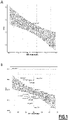
Figure 1 : A. PDPCC training cohort correlation among ICA2 component and Gemcitabine AUC. B. PDPCC validation cohort correlation after ICA2 projection. -
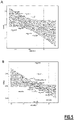
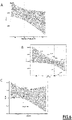
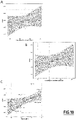
Figure 2 : A. PDX validation cohort correlation after ICA2 projection. B. BDPO validation cohort correlation after ICA2 projection. C. CACL validation cohort correlation after ICA2 projection. -
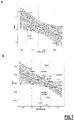
Figure 3 : A. PDPCC training cohort correlation among ICA18 component and Oxaliplatin AUC. B. PDPCC validation cohort correlation after ICA18 projection. -
Figure 4 : A. PDX validation cohort correlation after ICA18 projection. B. BDPO validation cohort correlation after ICA18 projection. C. CACL validation cohort correlation after ICA18 projection. -
Figure 5 : A. PDPCC training cohort correlation among ICA12 component and 5-FU AUC. B. PDPCC validation cohort correlation after ICA12 projection. -
Figure 6 : A. PDX validation cohort correlation after ICA12 projection. B. BDPO validation cohort correlation after ICA12 projection. C. CACL validation cohort correlation after ICA12 projection. -
Figure 7 : A. PDPCC training cohort correlation among ICA1 component and Irinotecan AUC. B. PDPCC validation cohort correlation after ICA1 projection. -
Figure 8 : A. PDX validation cohort correlation after ICA1 projection. B. BDPO validation cohort correlation after ICA1 projection. C. CACL validation cohort correlation after ICA1 projection. -
Figure 9 : A. PDPCC training cohort correlation among ICA12 component and Docetaxel AUC. B. PDPCC validation cohort correlation after ICA12 projection. -
Figure 10 : A. PDX validation cohort correlation after ICA12 projection. B. BDPO validation cohort correlation after ICA12 projection. C. CACL validation cohort correlation after ICA12 projection. - The purpose of this study was to determine if an efficient set of RNAs can be determined to predict the Gemcitabine, 5-FU, Oxaliplatin, Irinotecan and taxanes sensitivity in PDAC, and/or to be used for selecting sensitive patients to predict their more efficient treatment.
- Patients with PDAC diagnosis between February 2011 and September 2015 were included in this study under the clinical trial "Predictive Biomarkers of Therapeutic Response in Pancreatic Tumors".
- Animal experiments were conducted following institutional guidelines and "Plateforme de Stabulation et d'Experimentation Animale" (PSEA, Scientific Park of Luminy, Marseille) approval. PDAC tissues were fragmented, mixed with 100 µL of Matrigel and implanted with a 10 gauge trocar (Innovative Research of America, Sarasota, FL) in the subcutaneous right upper flank of an anesthetized male NMRI-nude mouse (Swiss Nude Mouse Crl: NU(Ico)-Foxn1nu; Charles River Laboratories, Wilmington, MA). Once xenografts reached 1 cm3, they were removed and passed to NMRI-nude mice.
- Xenografts obtained from mice were split into several small pieces and used for cell culture. These fragments were processed in a biosafety chamber: after fine mincing, they were treated with collagenase type V (ref C9263; Sigma-Aldrich, St. Louis, MO) and trypsin/EDTA (ref 25200-056; Gibco, Life Technologies, Grand Island, NY) and were suspended in Dulbecco's modified Eagle's medium supplemented with 1% w/w penicillin/streptomycin (Gibco, Life Technologies) and 10% fetal bovine serum (Lonza Inc., Walkersville, MD). After centrifugation, cells were resuspended in serum-free ductal media at 37°C in a 5% CO2 incubator. Amplified cells were stored in liquid nitrogen. Cells were weaned from antibiotics for ≥48 hours before testing.
- Tumoral cells were obtained from the PDAC biopsies through slight digestion with the Tumor Dissociation Kit (Miltenyi Biotec) at 37°C for 5 minutes. Isolated cells were placed into 12-well plates coated with 150 µL growth factor-reduced Matrigel (Corning) and cultured with advanced DMEM/F12 supplemented with HEPES (10 mmol/L; Thermo Fisher Scientific), human recombinant FGF10 (100 ng/m; PeproTech), human recombinant EGF (50 ng/mL; PeproTech), human recombinant Noggin (100 ng/mL; Bio-Techne), human Gastrin 1 (10 nmol/L; Sigma-Aldrich, Inc.), Nicotinamide (10 mmol/L; Sigma-Aldrich, Inc.), N-acetylcysteine (1.25 mmol/L; Sigma-Aldrich, Inc.), B27 (Thermo Fisher Scientific), A83-01 (500 nmol/L; Bio-Techne), and Y27632 (10.5 µmol/L; Bio-Techne). The plates were incubated at 37°C in a 5% CO2 incubator, and the media changed every 3 to 4 days.
- PDPCC were screened for chemosensitivity with five cytotoxic drugs: Gemcitabine (Eli Lilly & Co., Indianapolis, IN), Oxaliplatin (Hospira, Lake Forest, IL) and active Irinotecan metabolite named 7-ethyl 10-hydroxycamptothecin or SN-38 (11406; Sigma-Aldrich), 5-FU (Teva Pharmaceutical Industries, Petah Tikva, Israel) and Docetaxel (Sanofi, Bridgewater, NJ). These cells were treated for 72 hours with increasing concentrations of chemotherapeutic drugs ranging from 0 to 1000 µmol/L. Five thousand cells were plated per well in 96-well plates in serum free defined media. Twenty-four hours later, the media was supplemented with increasing concentrations of drugs and incubated for 72 hours. Each experiment was performed in triplicate and repeated at least three times. Cell viability was estimated after the addition of the PrestoBlue cell viability reagent (Life Technologies) for 3 hours following the supplier's protocol. Cell viability was measured on days 0 and 3 to calculate the replication rate of the cells. Area under the curve (AUC) was calculated.
- Forty PDAC were included in this study to derive PDX that were tested for drug chemosensitivity. Each PDX corresponding to one patient was inoculated into 8 nude NMRI mice for each treatment. A total of 672 (8 x 6 x 14) animals were utilized. When the PDX for each patient reached 200 mm3 animals were randomized and treated with Gemcitabine (120 mg/kg every third day for four administrations in the tail vein, n = 8), Irinotecan (22 mg/kg every second day for three administrations in the tail vein, n = 8), Docetaxel (5 mg/kg every second day for three administrations in the tail vein, n = 8) 5-FU (56 mg/kg every four days with two administrations in the tail vein, n = 8) and Oxaliplatin (5 mg/kg every fourth day for two administrations in the tail vein, n = 8) or vehicle (NaCl 0.9% n = 8). Chemotherapy sensitivity was revealed by tumor growth monitoring. Tumor size was measured with a Vernier caliper twice weekly, and the tumor volume was calculated with the equation v = (length/width2)/2. The score of tumor growth was calculating for each PDX and for each treatment as the AUC of treated animals over the AUC of untreated animals.
- BDPOs were disaggregated with accutase (Thermo Fisher Scientific), and 1,000 cells/well were plated in a 96-well round bottom ultra-low plate (Corning) with the medium described above. Twenty-four hours later, the media was supplemented with increasing concentrations of Gemcitabine, Oxaliplatin, SN-38, 5-FU and Docetaxel and incubated for 72 hours. Cell viability was measured with CellTiter-Glo 3D (Promega) reagent quantified using the plate reader Tristar LB941 (Berthold Technologies). Each experiment was repeated at least three times. Eight increasing concentrations of cytotoxic drugs were used ranging from 0 to 1 mmol/L. Values were normalized and expressed as the percentage of the control (vehicle), which represent 100% of normalized fluorescence.
- CEL microarray files for 21 pancreatic cancer CACL were downloaded from 209 ArrayExpress database (E-MTAB-3610). Microarray data was processed following the workflow detailed in the maEndToEnd R package. Briefly, oligo R package was used to read, background subtraction and normalization of probe set intensity applied Robust Multi-array Analysis (RMA). Then, common cell lines with the Dependency Map chemosensitivity database (DepMap) were used for chemo-sensitivity signature validation. For each cell line, AUC was extracted from PRISM Repurposing Secondary Screen 19Q4 database.
- PDPCC total RNA was extracted using RNeasy Mini Kit (Qiagen). RNA libraries were prepared (Illumina TruSeq RNA v2) and run on the Illumina High Seq-2000 for 101 bp paired end reads. Gene expression profiles were obtained using the MAP-RSeq v.1.2.1 workflow. MAP-RSeq consists of alignment with TopHat 2.0.626 against the human hg19 genome build and gene counts with the HTSeq software 0.5.3p9 using gene annotation files obtained from Illumina. Gene counts were normalized using upper quartile.
- Initially, we applied robust PCA to decompose the PDX and PDPCC expression matrix in low rank and sparse, representing the basal and perturbation gene sets, respectively. In parallel, each drug's training cohort was determined by selecting the samples between AUC's percentiles (P). The sensitive group was allocated in the P10 and P25, whereas the range among the P75 and P90 defined the resistant group. The chemo-sensitivity components were calculated using independent component analysis (ICA) on the robust PCA sparse matrix, previous integration of PDX, and PDPCC gene expression of each training cohort. Spearman correlation was performed to determine the most relevant component associated with the chemo-sensitivity profiles. All statistical analysis was performed using the R statistical suite.
- The reference component (ICA2) was extracted from PDPCC using AUC as chemo-sensitivity parameter (
Figure 1A ; r = -0.93; P = 0.002; Table 1). The selected component was validated in an independent PDPCC cohort (Figure 1B ; r = -0.52; P = 0.003). Furthermore, PDX (Figure 2A ; r = -0.79; P = 0.03), BDPO (Figure 2B ; r = -0.64; P = 0.005) and CACL (Figure 2C ; r = -0.66; P = 0.03) chemo-sensitivity was predicted applying ICA2 on the expression matrices. - Oxaliplatin selected component (ICA18) correlates positively with the PDPCC training cohort AUC (
Figure 3A ; r = 066; P = 0.02; Table 2). ICA18 was applied in an independent PDPCC cohort (Figure 3B ; r = 0.44; P = 0.02) and PDX (Figure 4A ; r = 0.82; P = 0.02). To further confirm the signature robustness, ICA18 component was projected in both, BDPO and CACL, displaying a significant correlation with the AUC, with a coefficient of 0.59 (Figure 4B ; P = 0.03) and 0.81 (Figure 4C ; P = 0.005), respectively. - 5-FU chemo-sensitivity signature (ICA12) correlates negatively with the AUC (
Figure 5A ; r = -0.50; P = 0.03; Table 3). Validation was performed in an independent PDPCC cohort (Figure 5B ; r = -0.4; P = 0.03) and PDX (Figure 6A ; r = -0.89; P = 0.02). Additionally, ICA12 predicted accurately BDPO (Figure 6B ; r = -0.4; P = 0.04) and CACL (Figure 6C ; r = -0.4; P = 0.03) chemo-sensitivity response. - ICA1 component displayed a strong correlation between PDPCC and AUC (
Figure 7A ; r = 0.59; P = 0.04; Table 4). ICA1 component was validated in an independent cohort of PDPCC (Figure 7B ; r = -0.43; P = 0.02) as well as an PDX cohort (Figure 8A ; r = -0.82; P = 0.02). In addition, ICA1 was effective in predict BDPO (Figure 8B ; r = -0.57; P = 0.007) and CACL (Figure 8C ; r = -0.85; P = 0.007) chemo-sensitivity profile. - Docetaxel PDPCC AUC displayed a strong correlation with ICA12 component (
Figure 9A ; r = 0.64; P = 0.03). In addition, the selected component was validated in an independent cohort of PDPCC (Figure 9B ; r = 0.41; P = 0.03) and PDX (Figure 10A ; r = 0.89; P = 0.02). Docetaxel signature was projected in both, BDPO (Figure 10B ; r = 0.46; P = 0.04) and CACL (Figure 10C ; r = 0.52; P = 0.04), showing a high predictive power. - Conclusion: Since patients with a PDAC have a short survival time, and because when the disease progresses, the chances of response is decreasing, it is essential to give the best-adapted treatment to each patient as a first line. On the one hand, the chances of a response will be increased and, on the other hand, the toxic effects of ineffective drugs will be avoided.
Claims (10)
- An ex vivo method for determining if a patient having pancreatic ductal adenocarcinoma (PDAC) is sensitive to a treatment, comprising:a) detecting total RNA transcripts of cells of the PDAC of said patient; andb) determining the patient as sensitive to said treatment, if the RNA signature of PDAC cells of said patient corresponds to the sensitivity RNA signature of said treatment,wherein the sensitivity RNA signature of a treatment is a set of RNA transcripts which presence or absence is significantly correlated to sensitivity to said treatment.
- An ex vivo method according to claim 1, for determining if the patient is sensitive to a treatment with gemcitabine, oxaliplatin, 5 fluoro-uracil (5-FU), irinotecan, a taxane or a combination thereof, wherein:a) the patient is determined as being sensitive to Gemcitabine, if the RNA signature of PDAC cells corresponds to Table 1, and/orb) the patient is determined as being sensitive to Oxaliplatin, if the RNA signature of PDAC cells corresponds to Table 2, and /orc) the patient is determined as being sensitive to 5-FU, if the RNA signature of PDAC cells corresponds to Table 3, and/ord) the patient is determined as being sensitive to Irinotecan, if the RNA signature of PDAC cells corresponds to Table 4, and/ore) the patient is determined as being sensitive to taxane, if the RNA signature of PDAC cells corresponds to Table 5.
- The method according to claim 2, wherein said taxane is docetaxel, paclitaxel or nab-paclitaxel.
- The method according to claim 2, wherein if said patent is determined as sensitive to oxaliplatin, 5-FU and/or irinotecan said patient is thus sensitive to the FOLFIRINOX treatment.
- The method according to any one of claims 1-4, wherein total RNA transcripts are detected by DNA microarray, RNA-seq, nanostring or RT-PCR.
- The method according to any one of claims 1-5, wherein RNA transcripts of the sensitivity RNA signature of a treatment are RNA transcript of genes of table 1, and/or of table 2, and/or of table 3, and/or of table 4 and/or of table 5.
- Gemcitabine, Oxaliplatin, 5 fluoro-uracil (5-FU), Irinotecan, a taxane or a combination thereof, for use for treating PDAC in a patient, wherein said patient having pancreatic ductal adenocarcinoma has been determined sensitive to gemcitabine, oxaliplatin, 5 fluoro-uracil (5-FU), irinotecan, a taxane or a combination thereof.
- A kit for determining if a patient having pancreatic ductal adenocarcinoma (PDAC) is sensitive to a treatment with gemcitabine, oxaliplatin, 5 fluoro-uracil (5-FU), irinotecan, a taxane or a combination thereof, comprising means for detecting RNA of genes of tables 1, 2, 3, 4 or 5.
- An ex vivo method for determining a suitable treatment for a patient having pancreatic ductal adenocarcinoma (PDAC), comprising:a) determining if the patient is sensitive to a treatment using the method of any one of claims 1- 6, andb) deducing a suitable treatment for the patient.
- An ex vivo method according to claim 9, wherein step a) comprises determining if the patient is sensitive to a treatment with gemcitabine, oxaliplatin, 5 fluoro-uracil (5-FU), irinotecan, a taxane or a combination thereof using the method of any one of claims 2- 6.
Priority Applications (9)
| Application Number | Priority Date | Filing Date | Title |
|---|---|---|---|
| EP21305757.3A EP4098754A1 (en) | 2021-06-04 | 2021-06-04 | Rna signature of pdac sensitivities to anticancer treatments |
| KR1020247000319A KR20240041314A (en) | 2021-06-04 | 2022-06-03 | RNA signature of PDAC susceptibility to anticancer treatment |
| US18/565,594 US20240263243A1 (en) | 2021-06-04 | 2022-06-03 | Rna signature of pdac sensitivities to anticancer treatments |
| JP2023575406A JP2024520757A (en) | 2021-06-04 | 2022-06-03 | RNA signatures of PDAC sensitive to anti-cancer treatment |
| CN202280045931.6A CN117616136A (en) | 2021-06-04 | 2022-06-03 | RNA signature of PDAC sensitive to anticancer therapy |
| PCT/EP2022/065222 WO2022254023A1 (en) | 2021-06-04 | 2022-06-03 | Rna signature of pdac sensitivities to anticancer treatments |
| EP22732980.2A EP4347894A1 (en) | 2021-06-04 | 2022-06-03 | Rna signature of pdac sensitivities to anticancer treatments |
| AU2022284311A AU2022284311A1 (en) | 2021-06-04 | 2022-06-03 | Rna signature of pdac sensitivities to anticancer treatments |
| CA3220938A CA3220938A1 (en) | 2021-06-04 | 2022-06-03 | Rna signature of pdac sensitivities to anticancer treatments |
Applications Claiming Priority (1)
| Application Number | Priority Date | Filing Date | Title |
|---|---|---|---|
| EP21305757.3A EP4098754A1 (en) | 2021-06-04 | 2021-06-04 | Rna signature of pdac sensitivities to anticancer treatments |
Publications (1)
| Publication Number | Publication Date |
|---|---|
| EP4098754A1 true EP4098754A1 (en) | 2022-12-07 |
Family
ID=76483240
Family Applications (2)
| Application Number | Title | Priority Date | Filing Date |
|---|---|---|---|
| EP21305757.3A Pending EP4098754A1 (en) | 2021-06-04 | 2021-06-04 | Rna signature of pdac sensitivities to anticancer treatments |
| EP22732980.2A Pending EP4347894A1 (en) | 2021-06-04 | 2022-06-03 | Rna signature of pdac sensitivities to anticancer treatments |
Family Applications After (1)
| Application Number | Title | Priority Date | Filing Date |
|---|---|---|---|
| EP22732980.2A Pending EP4347894A1 (en) | 2021-06-04 | 2022-06-03 | Rna signature of pdac sensitivities to anticancer treatments |
Country Status (8)
| Country | Link |
|---|---|
| US (1) | US20240263243A1 (en) |
| EP (2) | EP4098754A1 (en) |
| JP (1) | JP2024520757A (en) |
| KR (1) | KR20240041314A (en) |
| CN (1) | CN117616136A (en) |
| AU (1) | AU2022284311A1 (en) |
| CA (1) | CA3220938A1 (en) |
| WO (1) | WO2022254023A1 (en) |
Citations (2)
| Publication number | Priority date | Publication date | Assignee | Title |
|---|---|---|---|---|
| WO2016091888A2 (en) * | 2014-12-08 | 2016-06-16 | Institut National De La Sante Et De La Recherche Medicale (Inserm) | Methods, kits and compositions for phenotyping pancreatic ductal adenocarcinoma behaviour by transcriptomics |
| US20160348182A1 (en) * | 2014-02-04 | 2016-12-01 | Beth Israel Deaconess Medical Center, Inc. | Methods and kits for the diagnosis and treatment of pancreatic cancer |
-
2021
- 2021-06-04 EP EP21305757.3A patent/EP4098754A1/en active Pending
-
2022
- 2022-06-03 CN CN202280045931.6A patent/CN117616136A/en active Pending
- 2022-06-03 KR KR1020247000319A patent/KR20240041314A/en active Pending
- 2022-06-03 CA CA3220938A patent/CA3220938A1/en active Pending
- 2022-06-03 US US18/565,594 patent/US20240263243A1/en active Pending
- 2022-06-03 JP JP2023575406A patent/JP2024520757A/en active Pending
- 2022-06-03 EP EP22732980.2A patent/EP4347894A1/en active Pending
- 2022-06-03 AU AU2022284311A patent/AU2022284311A1/en not_active Abandoned
- 2022-06-03 WO PCT/EP2022/065222 patent/WO2022254023A1/en not_active Ceased
Patent Citations (2)
| Publication number | Priority date | Publication date | Assignee | Title |
|---|---|---|---|---|
| US20160348182A1 (en) * | 2014-02-04 | 2016-12-01 | Beth Israel Deaconess Medical Center, Inc. | Methods and kits for the diagnosis and treatment of pancreatic cancer |
| WO2016091888A2 (en) * | 2014-12-08 | 2016-06-16 | Institut National De La Sante Et De La Recherche Medicale (Inserm) | Methods, kits and compositions for phenotyping pancreatic ductal adenocarcinoma behaviour by transcriptomics |
Non-Patent Citations (1)
| Title |
|---|
| P. DUCONSEIL ET AL: "Transcriptomic Analysis Predicts Survival and Sensitivity to Anticancer Drugs of Patients with a Pancreatic Adenocarcinoma", THE AMERICAN JOURNAL OF PATHOLOGY, vol. 185, no. 4, 1 April 2015 (2015-04-01), pages 1022 - 1032, XP055759543, DOI: 10.1016/j.ajpath. 2014.11.02 9 * |
Also Published As
| Publication number | Publication date |
|---|---|
| WO2022254023A1 (en) | 2022-12-08 |
| CA3220938A1 (en) | 2022-12-08 |
| US20240263243A1 (en) | 2024-08-08 |
| CN117616136A (en) | 2024-02-27 |
| JP2024520757A (en) | 2024-05-24 |
| EP4347894A1 (en) | 2024-04-10 |
| AU2022284311A1 (en) | 2023-12-21 |
| KR20240041314A (en) | 2024-03-29 |
Similar Documents
| Publication | Publication Date | Title |
|---|---|---|
| Ambrogio et al. | Combined inhibition of DDR1 and Notch signaling is a therapeutic strategy for KRAS-driven lung adenocarcinoma | |
| US8660801B2 (en) | Gene signature for the prediction of radiation therapy response | |
| US20070026424A1 (en) | Gene profiles correlating with histology and prognosis | |
| Shen et al. | A three-gene signature as potential predictive biomarker for irinotecan sensitivity in gastric cancer | |
| Moreno et al. | Evidence that p53-mediated cell-cycle-arrest inhibits chemotherapeutic treatment of ovarian carcinomas | |
| WO2013133876A1 (en) | Biomarkers for prediction of response to parp inhibition in breast cancer | |
| Necchi et al. | Molecular characterization of residual bladder cancer after neoadjuvant pembrolizumab | |
| Jin et al. | Identification of three lncRNAs as potential predictive biomarkers of lung adenocarcinoma | |
| US20200129482A1 (en) | Treatment of non-small cell lung cancer | |
| Corbett et al. | Gene expression alterations in the bronchial epithelium of e-cigarette users | |
| EP3665307B1 (en) | Materials and methods for stratifying and treating cancers | |
| CN108603231A (en) | Ways to detect cancer recurrence | |
| Xu et al. | Analysis of the role of m6A and lncRNAs in prognosis and immunotherapy of hepatocellular carcinoma | |
| JP2010539890A (en) | Genetic signature for predicting response to radiation therapy | |
| US20240263243A1 (en) | Rna signature of pdac sensitivities to anticancer treatments | |
| Lin et al. | Identification of an autophagy-related gene signature for the prediction of prognosis in early-stage colorectal cancer | |
| US10982284B2 (en) | Compositions and methods APC, CREB, and BAD pathways to assess and affect cancer | |
| Choi et al. | Identification of Sestrin3 involved in the in vitro resistance of colorectal cancer cells to irinotecan | |
| US20230348988A1 (en) | DNA Damage Repair Deficit in Cancer Cells | |
| WO2023089146A1 (en) | Prognostic and treatment response predictive method | |
| Wen et al. | Identification of potential biomarkers associated with prognosis and pathogenesis of pancreatic cancer | |
| Lo Nigro et al. | Expression profiling and long lasting responses to chemotherapy in metastatic gastric cancer | |
| Hagos et al. | Expression profiling and pathway analysis of Krüppel-like factor 4 in mouse embryonic fibroblasts | |
| Vastrad et al. | Identification of key genes and signaling pathways associated with the progression of glioblastoma multiform | |
| Spitzer et al. | Mutant IDH inhibitors induce lineage differentiation in IDH-mutant Oligodendroglioma |
Legal Events
| Date | Code | Title | Description |
|---|---|---|---|
| PUAI | Public reference made under article 153(3) epc to a published international application that has entered the european phase |
Free format text: ORIGINAL CODE: 0009012 |
|
| STAA | Information on the status of an ep patent application or granted ep patent |
Free format text: STATUS: THE APPLICATION HAS BEEN PUBLISHED |
|
| AK | Designated contracting states |
Kind code of ref document: A1 Designated state(s): AL AT BE BG CH CY CZ DE DK EE ES FI FR GB GR HR HU IE IS IT LI LT LU LV MC MK MT NL NO PL PT RO RS SE SI SK SM TR |
|
| STAA | Information on the status of an ep patent application or granted ep patent |
Free format text: STATUS: REQUEST FOR EXAMINATION WAS MADE |
|
| 17P | Request for examination filed |
Effective date: 20230425 |
|
| RBV | Designated contracting states (corrected) |
Designated state(s): AL AT BE BG CH CY CZ DE DK EE ES FI FR GB GR HR HU IE IS IT LI LT LU LV MC MK MT NL NO PL PT RO RS SE SI SK SM TR |
|
| RAP3 | Party data changed (applicant data changed or rights of an application transferred) |
Owner name: INSTITUT JEAN PAOLI & IRENE CALMETTES CENTRE REGIONAL DE LUTTE CONTRE LE CANCER Owner name: UNIVERSITE D'AIX-MARSEILLE Owner name: CENTRE NATIONAL DE LA RECHERCHE SCIENTIFIQUE Owner name: INSTITUT NATIONAL DE LA SANTE ET DE LA RECHERCHE MEDICALE - INSERM |
|
| STAA | Information on the status of an ep patent application or granted ep patent |
Free format text: STATUS: THE APPLICATION IS DEEMED TO BE WITHDRAWN |