EP4096181A1 - Method and network system for defeating media-coordinated attacks on emergency call networks - Google Patents
Method and network system for defeating media-coordinated attacks on emergency call networks Download PDFInfo
- Publication number
- EP4096181A1 EP4096181A1 EP21175767.9A EP21175767A EP4096181A1 EP 4096181 A1 EP4096181 A1 EP 4096181A1 EP 21175767 A EP21175767 A EP 21175767A EP 4096181 A1 EP4096181 A1 EP 4096181A1
- Authority
- EP
- European Patent Office
- Prior art keywords
- esrp
- media
- call
- psap
- transcoding
- Prior art date
- Legal status (The legal status is an assumption and is not a legal conclusion. Google has not performed a legal analysis and makes no representation as to the accuracy of the status listed.)
- Granted
Links
Images


Classifications
-
- H—ELECTRICITY
- H04—ELECTRIC COMMUNICATION TECHNIQUE
- H04W—WIRELESS COMMUNICATION NETWORKS
- H04W12/00—Security arrangements; Authentication; Protecting privacy or anonymity
- H04W12/12—Detection or prevention of fraud
- H04W12/121—Wireless intrusion detection systems [WIDS]; Wireless intrusion prevention systems [WIPS]
- H04W12/122—Counter-measures against attacks; Protection against rogue devices
-
- H—ELECTRICITY
- H04—ELECTRIC COMMUNICATION TECHNIQUE
- H04L—TRANSMISSION OF DIGITAL INFORMATION, e.g. TELEGRAPHIC COMMUNICATION
- H04L63/00—Network architectures or network communication protocols for network security
- H04L63/14—Network architectures or network communication protocols for network security for detecting or protecting against malicious traffic
- H04L63/1408—Network architectures or network communication protocols for network security for detecting or protecting against malicious traffic by monitoring network traffic
- H04L63/1425—Traffic logging, e.g. anomaly detection
-
- H—ELECTRICITY
- H04—ELECTRIC COMMUNICATION TECHNIQUE
- H04L—TRANSMISSION OF DIGITAL INFORMATION, e.g. TELEGRAPHIC COMMUNICATION
- H04L63/00—Network architectures or network communication protocols for network security
- H04L63/14—Network architectures or network communication protocols for network security for detecting or protecting against malicious traffic
- H04L63/1441—Countermeasures against malicious traffic
- H04L63/1458—Denial of Service
-
- H—ELECTRICITY
- H04—ELECTRIC COMMUNICATION TECHNIQUE
- H04W—WIRELESS COMMUNICATION NETWORKS
- H04W4/00—Services specially adapted for wireless communication networks; Facilities therefor
- H04W4/90—Services for handling of emergency or hazardous situations, e.g. earthquake and tsunami warning systems [ETWS]
Definitions
- the present invention relates to a method, a network system, and a computer program product for defeating media-coordinated attacks on emergency call networks.
- NG911 Next Generation 911
- NG112 Next Generation 112
- PSAP Public Safety Answering Point
- Every emergency caller can initiate an emergency session without any restriction regarding the media details of the call (i.e. the codecs that will be used in the SIP INVITE request).
- the latest Next Generation 911 (NG911) standard in the i3 version defines that the emergency calls could be served using audio, video and/or text.
- One key element of Emergency Services IP network architecture pertains to the transcoding engines which are responsible for connecting endpoints that may not come to a media negotiation (i.e. successful RTP stream establishment).
- the transcoding engine is responsible for translating different types of incompatible RTP streams on the fly.
- the transcoding process has a special meaning in NG911 or NG112 ecosystems.
- the vendors are obliged to serve every emergency call. So, in theory it is not possible to deny the emergency service in callers which do not support the same media details to the devices (i.e. desk phones) which reside on the PSAP side. This potential can be exploited by attackers who can initiate fake emergency calls with specially crafted SDP bodies (i.e. HD videos) that require transcoding.
- SDP bodies i.e. HD videos
- These SDP bodies require a particularly large amount of CPU resources to perform the transcoding. It should be noted here that the more information and the better the quality in a stream, the more intensive the real-time RTP translation in terms of CPU cost.
- a zombie virus gains access to a computer or smartphone system through the Internet and takes control of its resources. It uses the infected computer as its launch-pad - sending viruses, Trojan horses, or malicious data to other systems. While the virus and the harm it creates spreads, the original perpetrator's identity remains hidden. In the world of IT (information technology), the infected computer is known as a zombie computer. The perpetrator typically uses the infected computer to carry out illegal activities.
- an attacker can cause paralysis in specific elements of an emergency services network architecture only by using a portion of the session initiation messages that are usually be used on a pure volumetric Distributed Denial of Service (DDoS), for example in a media server that hosts the transcoding engine.
- DDoS Distributed Denial of Service
- the aim of the attack is to circumvent the network guards by sending a smaller number of SIP messages, compared to a traditional DDoS attack. This action will generate Real-time Transport Protocol (RTP) streams, which bring about resource draining operations in the emergency network.
- RTP Real-time Transport Protocol
- the emergency calling centers are equipped with a set of digital signaling processing (DSP) modules which perform transcoding and are usually shipped in a media server element.
- the position of the transcoder may be in a different emergency network element, such as the PSAP.
- the most important problem with these types of modules is related to their costs and the number of streams which they can handle.
- the emergency network would need hundreds of these DSP modules to cover the transcoding needs. Or even worse, the machines that host these DSP modules would most probably be led to paralysis.
- the present invention is based on the object to provide a method, a corresponding network system and a corresponding computer program product for defeating media-coordinated attacks on emergency call networks.
- a method, a corresponding network system and a corresponding computer program product for defeating media-coordinated attacks on emergency call networks.
- to reduce the possibility of transcoding operations in the emergency network thus, to eliminate the overhead in the corresponding elements and additionally to mitigate a media-coordinated DDoS attack which aims on the paralysis of the transcoding engine.
- a method for defeating media-coordinated attacks on emergency call networks comprising the steps: Receiving, by a first ESRP element, a session initiation request with a session description Protocol (SDP) body wherein the session initiation request deviates from a preconfigured media threshold k from a caller. Following, logging, by the first ESRP element, the session initiation request which deviates from a preconfigured media threshold k in a set of requests which meet the requirements of the first step.
- SDP session description Protocol
- the first ESRP element verifying, by the first ESRP element, if there is a transcoding impact in the routing to a first PSAP element of the first ESRP element that will handle the call, the call being transferred to the first PSAP element if no transcoding impact is present. Otherwise, if there is a transcoding impact in the routing to a first PSAP element of the first ESRP element that will handle the call, gathering and analyzing, by the first ESRP element, alert notifications which have been received using the subscribed/notify mechanism for a potential media-coordinated attacks form, the second ESRP element and/or other ESRP elements in the network,
- the first ESRP evaluates, by the first ESRP, the alert notifications from the second ESRP element and/or other ESRP elements to deduce if there is any media-capable PSAP element in any one of the ESRP elements in the network which can handle the call without transcoding. If this is possible then the call is routed to a second PSAP element without transcoding. However, if this is not possible then downgrading, by the first ESRP element, the call to audio only and routing the call to the first PSAP element.
- the preconfigured media threshold k is in a timeframe of x seconds and/or is based on the media capabilities of the devices present in PSAP elements which are monitored by the first ESRP element.
- the media threshold corresponds to the limit of the bandwidth, which is set from the emergency service, e.g., per ESRP element, which indicates the limit that can be handled by this ESRP, including the PSAP elements under this ESRP, with respect to the bandwidth and the transcoding capabilities of the hardware (i.e., media server, transcoder, devices).
- the media-coordinated attack is a DoS or a DDoS attack.
- the alert notification comprises the transcoding impact if existing and/or the media capabilities of the devices present in PSAP elements which are monitored by the first ESRP element.
- the method further comprising initiating a call in a private line between call takers of the first and second PSAP elements at the same time.
- a network system comprising a plurality of ESRP elements wherein each of the ESRP elements comprise a plurality of corresponding PSAP elements with at least one device capable to receive calls, wherein the PSAP elements are monitored by their corresponding ESRP element and wherein the network system is configured to perform the method for defeating media-coordinated attacks on emergency networks according to claims 1 to 10.
- system further comprising at least one social media source and/or at least one media transcoder component.
- the system further comprising at least one machine learning (ML) element, Interactive Voice Response (IVR) system, Gateway (GW), Border Control Function (BCF) and/or Session Border Control (SBC).
- ML machine learning
- IVR Interactive Voice Response
- GW Gateway
- Border Control Function BCF
- SBC Session Border Control
- a computer program product comprising code to perform the method for defeating media-coordinated attacks on emergency networks according to claims 1 to 11.
- Fig. 1 shows a schematic illustration of how RTP streams may need to be transcoded on the fly in the context of an emergency communication path.
- the core network elements for successfully routing an emergency call in an emergency network comprise elements like the Emergency Services Routing Proxy (ESRP), and the Public Safety Answering Point (PSAP).
- ESRP Emergency Services Routing Proxy
- PSAP Public Safety Answering Point
- the first is responsible for selecting the appropriate answering point based on the caller's location while the latter is the last frontier of the network, namely the entity which hosts the call takers.
- the PSAP always offers the possibility to connect a caller with an Interactive Voice Response (IVR) system in case a call taker is not readily available.
- IVR Interactive Voice Response
- the network topology is not the same in each network installation and thus the number of the ESRP and the PSAP elements typically varies between different deployments.
- the problem here relates to the fact that the streams either audio or video which are established between the caller and the call taker are solely based on the PSAP device capabilities.
- the emergency management application i.e. GEMMA
- the emergency management application which is used by the call taker is only available for managing the calls by sending instructions to the hardware phone devices that reside on the PSAP side (DeskPhone1, DeskPhoneN).
- the communication between the emergency management application (i.e. GEMMA) and a PBX (i.e. Open Scape Voice (OSV)) is realized using a different protocol like for example the Computer-Supported Telecommunications Applications (CSTA).
- CSTA Computer-Supported Telecommunications Applications
- CSTA is a common protocol for this purpose.
- the web application only caters for remote control to the desk phones, meaning that the audio and video streams solely rely on the capabilities of the latter.
- the devices which reside on the PSAP cannot handle all the types of codecs that will be offered by the callers. They can only handle these codecs which are shipped with their firmware. Therefore, the emergency architecture needs transcoders. It is usual that different PSAP elements may have devices from different vendors and thus support different codecs.
- caller sends a SIP INVITE request comprising in the SDP body a preferred Codec A to a PSAP in an emergency network.
- the SIP INVITE request may previously pass-through other components of the network such as an ESRP and a Border Control Function (BCF), most often combined with a Session Border Controller (SBC) component associated with a media server transcoder.
- BCF Border Control Function
- SBC Session Border Controller
- the desk phones within the PSAP only support codecs B, C or E.
- the PSAP responds with 200 OK to the SIP request, but then the RTP stream of the caller must be transcoded from Codec A to Codec C using the transcoder connected for example to the BCF/SBC. This transcoding of course costs CPU resources.
- a first ESRP element hereinafter called ESRP-X receives a session initiation request with a session description Protocol (SDP) body.
- SDP session description Protocol
- the session initiation request deviates from a preconfigured media threshold k from a caller.
- the preconfigured media threshold k is in a timeframe of x seconds and/or is based on the media capabilities of the devices present in PSAP elements which are monitored by ESRP-X.
- This "anomalous" session initiation request is logged or included in S210 by the ESRP-X in a set of requests which meet the requirements of step S200.
- the anomalous messages can be stored either in a DB in the ESRP, or in a remote cloud storage which can be accessed from other network elements in the ESInet for forensic reasons.
- ESRP-X sends an alert notification to another second ESRP element hereinafter called ESRP-N element and/or other ESRP elements in the network which have also subscribed for a potential media-coordinated DDoS attack, using a SUBSCRIBE/NOTIFY mechanism.
- the alert notification may further comprise the transcoding impact, if such an impact exists and/or the media capabilities of the devices present in PSAP elements which are monitored by ESRP-X.
- step S230 it is verified if there is a transcoding impact in the routing to a first PSAP element hereinafter also called initial routed PSAP target of ESRP-X that will handle the call. In the case, if no transcoding impact is present the call is transferred to this first PSAP element and the method is terminated. Otherwise, if a transcoding impact is present the method proceeds further with steps S240/S241 wherein ESRP-X gathers and analyzes alert notifications which have been received using the SUBSCRIBE/NOTIFY mechanism for potential media-coordinated attacks from ESRP-N and/or other ESRP elements in the network. The other ESRP elements also meet the requirements of step S200 regarding the threshold value k and/or timeframe x in seconds.
- transcoding impact threat and/or media capabilities of the PSAP elements monitored by other ESRP elements can also be included in the notifications if such information is available.
- ESRP-X compares the media received in the alert notifications with the media received in the incoming session initiation request in S200.
- the ESRP-X evaluates the alert notifications from ESRP-N elements and/or other ESRP elements to deduce if there is any media-capable PSAP element in any one of the ESRP elements in the network which can handle the call without transcoding.
- any PSAP is media-capable
- the call is routed without transcoding to this second PSAP element hereinafter also called the closest matched PSAP element and in S252 the call taker from the initial routed PSAP target is connected in a private line with the new call taker in the closest matched PSAP.
- ESRP-X element evaluates if there are more than one media descriptors in the SDP body of the session initiation request. If this is the case, those media codecs which use most CPU resources are stripped to have the lightest transcoding possible.
- the call is prioritized over other emergency calls to minimize the effects of transcoding time.
- the initial routed PSAP target performs a content query in a social media source to find similar media content with same media codec to this presented in the transcoding stream. In case if similar media content with same media codec to this presented in the transcoding stream is found, the caller is presented with the media content from the social media source.
- Fig. 3 shows a schematic illustration of a communication path of method for defeating media-coordinated attacks on emergency call networks according to another embodiment of the invention.
- the ESRP-X receives a session initiation request with SDP for codecs A, B for video and audio that targets the emergency service. The request deviates from a predefined media threshold that contains media description details which consider the initiation of an audio and video call.
- the ESRP-X logs this message under a set of messages which meet the same requirements defined in S200.
- the ESRP-X sends a NOTIFY message to ESRP-N in order to inform about a potential media-coordinated DDoS attack (MediaBtnAttack).
- MediaBtnAttack media-coordinated DDoS attack
- the ESRP-X sends the media details of the PSAP elements which are monitored by the ESRP-X as well as a possible transcoding impact S230.
- the transcoding impact is added in the notification message as a binary piece of information, but the codec which caused the transcoding, in this case the SDP A, B, is also included as a notification information. This is important for the other ESRP elements in order to deduce if there are other PSAP elements that may support the requested codecs A and B.
- the ESRP-X receives from the ESRP-N, a notification about a potential media-coordinated DDoS attack which contains the binary information of the transcoding, in this case is 0 (i.e., the stream does not need to be transcoded). Moreover, it receives the media details of the PSAP elements which operate under the umbrella of ESRP-N which are equal to codecs C and E. In S250 ESRP-X identifies that there are not available codecs in the PSAP elements of ESRP-N that match A or B. Thus, in S260 the ESRP-X strips codec A from the SDP body of the session initiation request which is examined.
- the ESRP-X forwards the call to the PSAP only with SDP B details.
- a priority label is also added in the call in order to be delivered to the call taker with a priority.
- the transcoding time will be reduced for the examined call due to the fact that even if the caller waits in the call queue the stream is transcoded in order to deliver an audio/video stream from an Interactive Voice Response system (IVR).
- IVR Interactive Voice Response system
- the call is connected between the caller and the call taker.
- the PSAP element queries the social media server in order to retrieve media related to the emergency incident of the examined call.
- the method offers the caller videos from the social media delivered in the media format that the caller understands after the ML comparison has identified that this video retrieved from the social media is similar to the original stream presented by the caller.
- this RTP connection is not related to the device capabilities, i.e. to the codecs supported by the devices in the PSAP and thus it is possible to deliver this content using the same codec that the caller requests.
- S280 offers the caller with videos from the social media which are not only similar to the original stream, but more importantly are offered to the caller using the same media encoding format which entails that there is no need for a transcoding operation and the call on PSAP side can be dropped to audio only.
- the PSAP element does not reach the video transcoding limit, thus the method does not perform any operation in this step.
Landscapes
- Engineering & Computer Science (AREA)
- Computer Security & Cryptography (AREA)
- Computer Networks & Wireless Communication (AREA)
- Signal Processing (AREA)
- Computer Hardware Design (AREA)
- Computing Systems (AREA)
- General Engineering & Computer Science (AREA)
- Health & Medical Sciences (AREA)
- Emergency Management (AREA)
- Environmental & Geological Engineering (AREA)
- Public Health (AREA)
- Business, Economics & Management (AREA)
- Telephonic Communication Services (AREA)
Abstract
Description
- The present invention relates to a method, a network system, and a computer program product for defeating media-coordinated attacks on emergency call networks.
- Emergency calling services are a cornerstone of public safety. During the last few years, such systems are transitioning to VoIP and unified communications, and are continuously evolving under the umbrella of organizations, including National Emergency Number Association (NENA) and European Emergency Number Association (EENA). The outcome of this effort is Next Generation 911 (NG911) or Next Generation 112 (NG112) services operating over the so-called Emergency Services IP network (ESInet).
- Emergency calling services allow every citizen to contact experienced professionals which reside on the Public Safety Answering Point (PSAP) side to communicate the details of an emergency incident and get help from first responders.
- Every emergency caller can initiate an emergency session without any restriction regarding the media details of the call (i.e. the codecs that will be used in the SIP INVITE request). In fact, the latest Next Generation 911 (NG911) standard in the i3 version defines that the emergency calls could be served using audio, video and/or text.
- One key element of Emergency Services IP network architecture pertains to the transcoding engines which are responsible for connecting endpoints that may not come to a media negotiation (i.e. successful RTP stream establishment). In such a case, the transcoding engine is responsible for translating different types of incompatible RTP streams on the fly.
- The transcoding process has a special meaning in NG911 or NG112 ecosystems. According to the legislation, the vendors are obliged to serve every emergency call. So, in theory it is not possible to deny the emergency service in callers which do not support the same media details to the devices (i.e. desk phones) which reside on the PSAP side. This potential can be exploited by attackers who can initiate fake emergency calls with specially crafted SDP bodies (i.e. HD videos) that require transcoding. These SDP bodies require a particularly large amount of CPU resources to perform the transcoding. It should be noted here that the more information and the better the quality in a stream, the more intensive the real-time RTP translation in terms of CPU cost.
- Suppose the following scenario: an attacker illegally instructs an army of infected zombie computers to silently initiate a small number of emergency calls with transcoding-intensive SDP bodies.
- A zombie virus gains access to a computer or smartphone system through the Internet and takes control of its resources. It uses the infected computer as its launch-pad - sending viruses, Trojan horses, or malicious data to other systems. While the virus and the harm it creates spreads, the original perpetrator's identity remains hidden. In the world of IT (information technology), the infected computer is known as a zombie computer. The perpetrator typically uses the infected computer to carry out illegal activities.
- Using this type of attack an attacker can cause paralysis in specific elements of an emergency services network architecture only by using a portion of the session initiation messages that are usually be used on a pure volumetric Distributed Denial of Service (DDoS), for example in a media server that hosts the transcoding engine. The aim of the attack is to circumvent the network guards by sending a smaller number of SIP messages, compared to a traditional DDoS attack. This action will generate Real-time Transport Protocol (RTP) streams, which bring about resource draining operations in the emergency network. Such type of attack is very likely to be effective as there is no requirement for the media details transmitted via the SIP messages used in emergency calls.
- The emergency calling centers are equipped with a set of digital signaling processing (DSP) modules which perform transcoding and are usually shipped in a media server element. The position of the transcoder may be in a different emergency network element, such as the PSAP. The most important problem with these types of modules is related to their costs and the number of streams which they can handle. In case of a media-coordinated DDoS attack launched from a botnet, the emergency network would need hundreds of these DSP modules to cover the transcoding needs. Or even worse, the machines that host these DSP modules would most probably be led to paralysis.
- There is a broad prior art for the detection, prevention, and mitigation of SIP-based DDoS attacks. However, most of the works is concentrated on volumetric attacks. These attacks rely on the number of messages they send to a victim. However, there are no proposals from the state of the art on how media-coordinated attacks could be prevented and transcoding effort can be reduced in emergency networks.
- Therefore, the present invention is based on the object to provide a method, a corresponding network system and a corresponding computer program product for defeating media-coordinated attacks on emergency call networks. In particular, to reduce the possibility of transcoding operations in the emergency network, thus, to eliminate the overhead in the corresponding elements and additionally to mitigate a media-coordinated DDoS attack which aims on the paralysis of the transcoding engine.
- This object is solved by a method having the features according to claim 1, a network system having the features of claim 12 and a computer program product having the features of claim 15. Preferred embodiments of the invention are defined in the respective dependent claims.
- According to the invention, a method for defeating media-coordinated attacks on emergency call networks is provided, the method comprising the steps:
Receiving, by a first ESRP element, a session initiation request with a session description Protocol (SDP) body wherein the session initiation request deviates from a preconfigured media threshold k from a caller. Following, logging, by the first ESRP element, the session initiation request which deviates from a preconfigured media threshold k in a set of requests which meet the requirements of the first step. - Then sending, by the first ESRP element, an alert notification to a second ESRP element and/or other ESRP elements which have subscribed using a subscribed/notify mechanism for a potential media-coordinated attack.
- Subsequently, verifying, by the first ESRP element, if there is a transcoding impact in the routing to a first PSAP element of the first ESRP element that will handle the call, the call being transferred to the first PSAP element if no transcoding impact is present. Otherwise, if there is a transcoding impact in the routing to a first PSAP element of the first ESRP element that will handle the call, gathering and analyzing, by the first ESRP element, alert notifications which have been received using the subscribed/notify mechanism for a potential media-coordinated attacks form, the second ESRP element and/or other ESRP elements in the network,
- Then evaluating, by the first ESRP, the alert notifications from the second ESRP element and/or other ESRP elements to deduce if there is any media-capable PSAP element in any one of the ESRP elements in the network which can handle the call without transcoding. If this is possible then the call is routed to a second PSAP element without transcoding. However, if this is not possible then downgrading, by the first ESRP element, the call to audio only and routing the call to the first PSAP element.
- According to a preferred embodiment of the method, the preconfigured media threshold k is in a timeframe of x seconds and/or is based on the media capabilities of the devices present in PSAP elements which are monitored by the first ESRP element. The media threshold corresponds to the limit of the bandwidth, which is set from the emergency service, e.g., per ESRP element, which indicates the limit that can be handled by this ESRP, including the PSAP elements under this ESRP, with respect to the bandwidth and the transcoding capabilities of the hardware (i.e., media server, transcoder, devices).
- According to another preferred embodiment of the method, the media-coordinated attack is a DoS or a DDoS attack.
- According to still another preferred embodiment of the method, the alert notification comprises the transcoding impact if existing and/or the media capabilities of the devices present in PSAP elements which are monitored by the first ESRP element.
- Further, according to a preferred embodiment of the method, wherein the method further comprising initiating a call in a private line between call takers of the first and second PSAP elements at the same time.
- According to yet another preferred embodiment of the method, wherein in the case there is no media-capable PSAP element in any one of the ESRP elements in the network which can handle the call without transcoding, evaluating, by the first ESRP element, if there are more than one media descriptors in the SDP body of the session initiation request and stripping, by the first ESRP element, those media codecs which use the most CPU resources and then performing the transcoding process.
- According to still another preferred embodiment of the method wherein prioritizing, by the first ESRP element, the call over other emergency calls before transcoding.
- According to still another preferred embodiment of the method wherein during the transcoding process performing, by the first PSAP element, a content query in a social media source of the network to find similar media content with same media codec to this presented in the transcoding stream. If similar media content with same media codec to this presented in the transcoding stream, the caller is presented with the media content from the social media source.
- According to still another preferred embodiment of the method wherein the media content query is done using Machine Learning techniques.
- According to still another preferred embodiment of the method wherein dropping, by the PSAP, the call to only audio if similar media content with same media codec to this presented in the transcoding stream.
- According to still another preferred embodiment of the method wherein dropping, by the PSAP, the call to only audio if the first PSAP has reached a certain media transcoding threshold n.
- According to the invention a network system comprising a plurality of ESRP elements is provided wherein each of the ESRP elements comprise a plurality of corresponding PSAP elements with at least one device capable to receive calls, wherein the PSAP elements are monitored by their corresponding ESRP element and wherein the network system is configured to perform the method for defeating media-coordinated attacks on emergency networks according to claims 1 to 10.
- According to a preferred embodiment of the network system the system further comprising at least one social media source and/or at least one media transcoder component.
- According to another preferred embodiment of the network system the system further comprising at least one machine learning (ML) element, Interactive Voice Response (IVR) system, Gateway (GW), Border Control Function (BCF) and/or Session Border Control (SBC).
- According to the invention a computer program product is provided wherein the computer program product comprising code to perform the method for defeating media-coordinated attacks on emergency networks according to claims 1 to 11.
- The invention and embodiments thereof will be described below in further detail in connection with the drawings.
- Fig. 1
- shows a schematic illustration of how RTP streams may need to be transcoded on the fly in the context of an emergency communication path,
- Fig. 2
- shows a flowchart of the method for defeating media-coordinated attacks on emergency call networks according to an embodiment of the invention,
- Fig. 3
- shows a schematic illustration of a communication path of method for defeating media-coordinated attacks on emergency call networks according to another embodiment of the invention.
-
Fig. 1 shows a schematic illustration of how RTP streams may need to be transcoded on the fly in the context of an emergency communication path. The core network elements for successfully routing an emergency call in an emergency network comprise elements like the Emergency Services Routing Proxy (ESRP), and the Public Safety Answering Point (PSAP). The first is responsible for selecting the appropriate answering point based on the caller's location while the latter is the last frontier of the network, namely the entity which hosts the call takers. The PSAP always offers the possibility to connect a caller with an Interactive Voice Response (IVR) system in case a call taker is not readily available. The network topology is not the same in each network installation and thus the number of the ESRP and the PSAP elements typically varies between different deployments. The problem here relates to the fact that the streams either audio or video which are established between the caller and the call taker are solely based on the PSAP device capabilities. The emergency management application (i.e. GEMMA) which is used by the call taker is only available for managing the calls by sending instructions to the hardware phone devices that reside on the PSAP side (DeskPhone1, DeskPhoneN). The communication between the emergency management application (i.e. GEMMA) and a PBX (i.e. Open Scape Voice (OSV)) is realized using a different protocol like for example the Computer-Supported Telecommunications Applications (CSTA). So far, a typical PSAP deployment comprises a set of hardware desk phones which are usually controlled via a web application i.e. an emergency management application. CSTA is a common protocol for this purpose. The web application only caters for remote control to the desk phones, meaning that the audio and video streams solely rely on the capabilities of the latter. It is obvious that the devices which reside on the PSAP cannot handle all the types of codecs that will be offered by the callers. They can only handle these codecs which are shipped with their firmware. Therefore, the emergency architecture needs transcoders. It is usual that different PSAP elements may have devices from different vendors and thus support different codecs. In this example caller sends a SIP INVITE request comprising in the SDP body a preferred Codec A to a PSAP in an emergency network. The SIP INVITE request may previously pass-through other components of the network such as an ESRP and a Border Control Function (BCF), most often combined with a Session Border Controller (SBC) component associated with a media server transcoder. However, the desk phones within the PSAP only support codecs B, C or E. The PSAP responds with 200 OK to the SIP request, but then the RTP stream of the caller must be transcoded from Codec A to Codec C using the transcoder connected for example to the BCF/SBC. This transcoding of course costs CPU resources. -
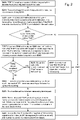
Fig. 2 shows a flowchart of the method for defeating media-coordinated attacks on emergency call networks according to an embodiment of the invention. In a first step S200, a first ESRP element hereinafter called ESRP-X receives a session initiation request with a session description Protocol (SDP) body. Wherein the session initiation request deviates from a preconfigured media threshold k from a caller. The preconfigured media threshold k is in a timeframe of x seconds and/or is based on the media capabilities of the devices present in PSAP elements which are monitored by ESRP-X. This "anomalous" session initiation request is logged or included in S210 by the ESRP-X in a set of requests which meet the requirements of step S200. The anomalous messages can be stored either in a DB in the ESRP, or in a remote cloud storage which can be accessed from other network elements in the ESInet for forensic reasons. Subsequently, in S220 ESRP-X sends an alert notification to another second ESRP element hereinafter called ESRP-N element and/or other ESRP elements in the network which have also subscribed for a potential media-coordinated DDoS attack, using a SUBSCRIBE/NOTIFY mechanism. The alert notification may further comprise the transcoding impact, if such an impact exists and/or the media capabilities of the devices present in PSAP elements which are monitored by ESRP-X. In the next step S230 it is verified if there is a transcoding impact in the routing to a first PSAP element hereinafter also called initial routed PSAP target of ESRP-X that will handle the call. In the case, if no transcoding impact is present the call is transferred to this first PSAP element and the method is terminated. Otherwise, if a transcoding impact is present the method proceeds further with steps S240/S241 wherein ESRP-X gathers and analyzes alert notifications which have been received using the SUBSCRIBE/NOTIFY mechanism for potential media-coordinated attacks from ESRP-N and/or other ESRP elements in the network. The other ESRP elements also meet the requirements of step S200 regarding the threshold value k and/or timeframe x in seconds. Further the transcoding impact threat and/or media capabilities of the PSAP elements monitored by other ESRP elements can also be included in the notifications if such information is available. ESRP-X compares the media received in the alert notifications with the media received in the incoming session initiation request in S200. In step S250 the ESRP-X evaluates the alert notifications from ESRP-N elements and/or other ESRP elements to deduce if there is any media-capable PSAP element in any one of the ESRP elements in the network which can handle the call without transcoding. If any PSAP is media-capable, in S251 the call is routed without transcoding to this second PSAP element hereinafter also called the closest matched PSAP element and in S252 the call taker from the initial routed PSAP target is connected in a private line with the new call taker in the closest matched PSAP. Otherwise, in S260, in the case there is no media-capable PSAP element in any one of the ESRP elements in the network which can handle the call without transcoding, ESRP-X element evaluates if there are more than one media descriptors in the SDP body of the session initiation request. If this is the case, those media codecs which use most CPU resources are stripped to have the lightest transcoding possible. Then, in S261 the call is prioritized over other emergency calls to minimize the effects of transcoding time. In S270 the initial routed PSAP target performs a content query in a social media source to find similar media content with same media codec to this presented in the transcoding stream. In case if similar media content with same media codec to this presented in the transcoding stream is found, the caller is presented with the media content from the social media source. -
Fig. 3 shows a schematic illustration of a communication path of method for defeating media-coordinated attacks on emergency call networks according to another embodiment of the invention. In S200 the ESRP-X receives a session initiation request with SDP for codecs A, B for video and audio that targets the emergency service. The request deviates from a predefined media threshold that contains media description details which consider the initiation of an audio and video call. In S210 the ESRP-X logs this message under a set of messages which meet the same requirements defined in S200. In S220 the ESRP-X sends a NOTIFY message to ESRP-N in order to inform about a potential media-coordinated DDoS attack (MediaBtnAttack). Additionally, the ESRP-X sends the media details of the PSAP elements which are monitored by the ESRP-X as well as a possible transcoding impact S230. The transcoding impact is added in the notification message as a binary piece of information, but the codec which caused the transcoding, in this case the SDP A, B, is also included as a notification information. This is important for the other ESRP elements in order to deduce if there are other PSAP elements that may support the requested codecs A and B. In S240/S241 the ESRP-X receives from the ESRP-N, a notification about a potential media-coordinated DDoS attack which contains the binary information of the transcoding, in this case is 0 (i.e., the stream does not need to be transcoded). Moreover, it receives the media details of the PSAP elements which operate under the umbrella of ESRP-N which are equal to codecs C and E. In S250 ESRP-X identifies that there are not available codecs in the PSAP elements of ESRP-N that match A or B. Thus, in S260 the ESRP-X strips codec A from the SDP body of the session initiation request which is examined. In S261 the ESRP-X forwards the call to the PSAP only with SDP B details. In this step a priority label is also added in the call in order to be delivered to the call taker with a priority. Using this approach, the transcoding time will be reduced for the examined call due to the fact that even if the caller waits in the call queue the stream is transcoded in order to deliver an audio/video stream from an Interactive Voice Response system (IVR). After these steps, the call is connected between the caller and the call taker. In S270/S271 the PSAP element queries the social media server in order to retrieve media related to the emergency incident of the examined call. Additionally, the method offers the caller videos from the social media delivered in the media format that the caller understands after the ML comparison has identified that this video retrieved from the social media is similar to the original stream presented by the caller. Keep in mind that this RTP connection is not related to the device capabilities, i.e. to the codecs supported by the devices in the PSAP and thus it is possible to deliver this content using the same codec that the caller requests. Still, S280 offers the caller with videos from the social media which are not only similar to the original stream, but more importantly are offered to the caller using the same media encoding format which entails that there is no need for a transcoding operation and the call on PSAP side can be dropped to audio only. In S281 the PSAP element does not reach the video transcoding limit, thus the method does not perform any operation in this step.
Claims (15)
- Method for defeating media-coordinated attacks on emergency call networks, the method comprising:- S200 receiving, by a first ESRP element, a session initiation request with a session description Protocol (SDP) body wherein the session initiation request deviates from a preconfigured media threshold k from a caller;- S210 logging, by the first ESRP element, the session initiation request which deviates from a preconfigured media threshold in a set of requests which meet the requirements of step S200;- S220 sending, by the first ESRP element, an alert notification to a second ESRP element and/or other ESRP elements which have subscribed using a subscribed/notify mechanism for a potential media-coordinated attack;- S230 verifying, by the first ESRP element, if there is a transcoding impact in the routing to a first PSAP element of the first ESRP element that will handle the call, if no transcoding impact is present the call is transferred to the first PSAP element, otherwise;- S240 gathering and S241 analyzing, by the first ESRP element, alert notifications which have been received using the subscribed/notify mechanism for a potential media-coordinated attacks form, the second ESRP element and/or other ESRP elements in the network;- S250 evaluating, by the first ESRP, the alert notifications from the second ESRP element and/or other ESRP elements to deduce if there is any media-capable PSAP element in any one of the ESRP elements in the network which can handle the call without transcoding, S251 if yes, the call is routed to a second PSAP element without transcoding, otherwise;- S290 downgrading, by the first ESRP element, the call to audio only and routing the call to the first PSAP element.
- The method according to claim 1 wherein the preconfigured media threshold k is in a timeframe of x seconds and/or is based on the media capabilities of the devices present in PSAP elements which are monitored by the first ESRP element.
- The method according to any of the preceding claims wherein the media-coordinated attacks are DoS or DDoS attacks.
- The method according to any of the preceding claims wherein the alert notification comprises the transcoding impact if existing and/or the media capabilities of the devices present in PSAP elements which are monitored by the first ESRP element.
- The method according to any of the preceding claims wherein in step S251 initiating, at the same time, a call in a private line between call takers of the first and second PSAP elements S252.
- The method according to any of the preceding claims wherein S260 in the case there is no media-capable PSAP element in any one of the ESRP elements in the network which can handle the call without transcoding, evaluating, by the first ESRP element, if there are more than one media descriptors in the SDP body of the session initiation request and stripping, by the first ESRP element, those media codecs which use the most CPU resources and then performing the transcoding process.
- The method according to claim 6 wherein S261 prioritizing, by the first ESRP element, the call over other emergency calls before transcoding.
- The method according to claim 6 or 7 wherein S270 during the transcoding process performing, by the first PSAP element, a content query in a social media server of the first PSAP element to find similar media content with same media codec to this presented in the transcoding stream, if similar media content with same media codec to this presented in the transcoding stream, the caller is presented with the media content from the social media server.
- The method according to claim 8 wherein S271 the media content query is done using Machine Learning techniques.
- The method according to claim 8 wherein S272 dropping, by the PSAP, the call to only audio if similar media content has been found according to step S270.
- The method according to claim 6 to 8 wherein S280 dropping, by the PSAP, the call to only audio if the first PSAP has reached a certain media transcoding threshold n.
- A network comprising a plurality of ESRP elements wherein each of the ESRP elements comprise a plurality of corresponding PSAP elements with at least one device capable to receive calls wherein the PSAP elements are monitored by their corresponding ESRP element and wherein the network is configured to perform the method for defeating media-coordinated attacks on emergency networks according to claims 1 to 11.
- The network according to claim 12, further comprising at least one social media server component and/or at least one media transcoder component.
- The network according to claim 12 or 13, further comprising at least one machine learning (ML) element, Interactive Voice Response (IVR) system, Gateway (GW), Border Control Function (BCF) and/or Session Border Control (SBC).
- Computer program product comprising machine-readable instructions on a non-transitory storage medium of a network wherein the computer program product comprising code to perform the method for defeating media-coordinated attacks on emergency networks according to claims 1 to 11.
Priority Applications (2)
| Application Number | Priority Date | Filing Date | Title |
|---|---|---|---|
| EP21175767.9A EP4096181B1 (en) | 2021-05-25 | 2021-05-25 | Method and network system for defeating media-coordinated attacks on emergency call networks |
| US17/746,314 US12035138B2 (en) | 2021-05-25 | 2022-05-17 | Method and network system for defeating media-coordinated attacks on emergency call networks |
Applications Claiming Priority (1)
| Application Number | Priority Date | Filing Date | Title |
|---|---|---|---|
| EP21175767.9A EP4096181B1 (en) | 2021-05-25 | 2021-05-25 | Method and network system for defeating media-coordinated attacks on emergency call networks |
Publications (2)
| Publication Number | Publication Date |
|---|---|
| EP4096181A1 true EP4096181A1 (en) | 2022-11-30 |
| EP4096181B1 EP4096181B1 (en) | 2023-11-15 |
Family
ID=76137900
Family Applications (1)
| Application Number | Title | Priority Date | Filing Date |
|---|---|---|---|
| EP21175767.9A Active EP4096181B1 (en) | 2021-05-25 | 2021-05-25 | Method and network system for defeating media-coordinated attacks on emergency call networks |
Country Status (2)
| Country | Link |
|---|---|
| US (1) | US12035138B2 (en) |
| EP (1) | EP4096181B1 (en) |
Citations (1)
| Publication number | Priority date | Publication date | Assignee | Title |
|---|---|---|---|---|
| WO2019168418A1 (en) * | 2018-02-28 | 2019-09-06 | Motorola Solutions, Inc | Method to handle the distributed denial-of-service attacks on 911 answering centers |
Family Cites Families (14)
| Publication number | Priority date | Publication date | Assignee | Title |
|---|---|---|---|---|
| US9426304B2 (en) * | 2011-09-26 | 2016-08-23 | Solacom Technologies Inc. | Answering or releasing emergency calls from a map display for an emergency services platform |
| CN106537931B (en) * | 2014-07-23 | 2020-03-03 | 高通股份有限公司 | Emergency call from vehicle |
| US11665276B2 (en) * | 2016-08-09 | 2023-05-30 | Onvoy Spectrum, Llc | Provisioning location information sourced independently from communications network |
| US10242554B2 (en) * | 2017-04-18 | 2019-03-26 | Carbyne Ltd. | System and method thereof for automatically routing a communication request addressed to a public safety answering point (PSAP) to a suitable dispatch unit |
| US10367947B2 (en) * | 2017-06-06 | 2019-07-30 | Bandwith.com, Inc. | Techniques for migrating legacy 911 systems to NG-911 systems |
| US10616412B1 (en) * | 2017-12-20 | 2020-04-07 | Geo-Comm, Inc. | Processing an emergency services call |
| US10820181B2 (en) * | 2018-02-09 | 2020-10-27 | Rapidsos, Inc. | Emergency location analysis system |
| US10498894B1 (en) * | 2018-10-31 | 2019-12-03 | Motorola Solutions, Inc. | System, device, and method for routing communications in an emergency service network |
| US10667199B1 (en) * | 2019-03-19 | 2020-05-26 | NG911 Services, Inc. | Systems and methods for improving routing of communications to emergency services |
| US11388575B2 (en) * | 2020-01-09 | 2022-07-12 | 911 Datamaster | Height-floor indexing for call routing and responder determination |
| WO2021163154A1 (en) * | 2020-02-11 | 2021-08-19 | NG911 Services, Inc | Routing an emergency services call |
| US20210368320A1 (en) * | 2020-05-25 | 2021-11-25 | NG911 Services, Inc | Employing data from a combination of cell sectors |
| US11399409B2 (en) * | 2020-09-17 | 2022-07-26 | T-Mobile Usa, Inc. | Timer for emergency text messages |
| US11330664B1 (en) * | 2020-12-31 | 2022-05-10 | Rapidsos, Inc. | Apparatus and method for obtaining emergency data and providing a map view |
-
2021
- 2021-05-25 EP EP21175767.9A patent/EP4096181B1/en active Active
-
2022
- 2022-05-17 US US17/746,314 patent/US12035138B2/en active Active
Patent Citations (1)
| Publication number | Priority date | Publication date | Assignee | Title |
|---|---|---|---|---|
| WO2019168418A1 (en) * | 2018-02-28 | 2019-09-06 | Motorola Solutions, Inc | Method to handle the distributed denial-of-service attacks on 911 answering centers |
Non-Patent Citations (2)
| Title |
|---|
| "Emergency Communications (EMTEL); Core elements for network independent access to emergency services", vol. EMTEL, no. V1.1.1, 16 December 2019 (2019-12-16), pages 1 - 62, XP014360299, Retrieved from the Internet <URL:http://www.etsi.org/deliver/etsi_ts/103400_103499/103479/01.01.01_60/ts_103479v010101p.pdf> [retrieved on 20191216] * |
| GURI MORDECHAI ET AL: "9-1-1 DDoS: Attacks, Analysis and Mitigation", 2017 IEEE EUROPEAN SYMPOSIUM ON SECURITY AND PRIVACY (EUROS&P), IEEE, 26 April 2017 (2017-04-26), pages 218 - 232, XP033113313, DOI: 10.1109/EUROSP.2017.23 * |
Also Published As
| Publication number | Publication date |
|---|---|
| EP4096181B1 (en) | 2023-11-15 |
| US12035138B2 (en) | 2024-07-09 |
| US20220386127A1 (en) | 2022-12-01 |
Similar Documents
| Publication | Publication Date | Title |
|---|---|---|
| CN102546621B (en) | The system and method for the VoIP honey jar of serving for the VoIP merging | |
| US8161540B2 (en) | System and method for unified communications threat management (UCTM) for converged voice, video and multi-media over IP flows | |
| Walsh et al. | Challenges in securing voice over IP | |
| US20150040220A1 (en) | System and Method for Unified Communications Threat Management (UCTM) for Converged Voice, Video and Multi-Media Over IP Flows | |
| US20090185673A1 (en) | Voice-Over-IP Call Recording in Call Centers | |
| US9369580B2 (en) | System and method to detect and correct IP phone mismatch in a contact center | |
| US9491302B2 (en) | Telephone call processing method and apparatus | |
| CN103368837B (en) | Systems and methods for influencing SIP routing through sequenced applications | |
| US9148306B2 (en) | System and method for classification of media in VoIP sessions with RTP source profiling/tagging | |
| US20070159979A1 (en) | System and method for detection of data traffic on a network | |
| Antonova et al. | Ways of the Asterisk software PBX protection | |
| EP1894350B1 (en) | Ip telephony securing | |
| Shan et al. | Research on security mechanisms of SIP-based VoIP system | |
| US20060039540A1 (en) | Denial of 911 emergency service attacks prevention method | |
| EP4096181B1 (en) | Method and network system for defeating media-coordinated attacks on emergency call networks | |
| US9430279B2 (en) | System and method for dynamic influencing of sequence vector by sequenced applications | |
| Voznak et al. | Threats to voice over IP communications systems | |
| Řezáč et al. | Security risks in IP telephony | |
| KR101379779B1 (en) | Caller Information Modulated Voice/Message Phishing Detecting and Blocking Method | |
| Tsiatsikas et al. | At your service 24/7 or not? Denial of service on ESInet systems | |
| Ahmad et al. | VoIP security: A model proposed to mitigate DDoS attacks on SIP based VoIP network | |
| Areo | Transforming Communication: A Critical Review of VoIP and Its Role in Global Networking | |
| CN114679432A (en) | Harmful telephone precaution device and method | |
| US12328416B2 (en) | Method for rerouting communication in a unified communications network | |
| Moore | Denial-of-Service (DoS) Attacks Against the Availability of the Next Generation 911 (NG9-1-1) System |
Legal Events
| Date | Code | Title | Description |
|---|---|---|---|
| PUAI | Public reference made under article 153(3) epc to a published international application that has entered the european phase |
Free format text: ORIGINAL CODE: 0009012 |
|
| STAA | Information on the status of an ep patent application or granted ep patent |
Free format text: STATUS: THE APPLICATION HAS BEEN PUBLISHED |
|
| AK | Designated contracting states |
Kind code of ref document: A1 Designated state(s): AL AT BE BG CH CY CZ DE DK EE ES FI FR GB GR HR HU IE IS IT LI LT LU LV MC MK MT NL NO PL PT RO RS SE SI SK SM TR |
|
| STAA | Information on the status of an ep patent application or granted ep patent |
Free format text: STATUS: REQUEST FOR EXAMINATION WAS MADE |
|
| 17P | Request for examination filed |
Effective date: 20230213 |
|
| RBV | Designated contracting states (corrected) |
Designated state(s): AL AT BE BG CH CY CZ DE DK EE ES FI FR GB GR HR HU IE IS IT LI LT LU LV MC MK MT NL NO PL PT RO RS SE SI SK SM TR |
|
| REG | Reference to a national code |
Ref country code: DE Free format text: PREVIOUS MAIN CLASS: H04L0029060000 Ref country code: DE Ref legal event code: R079 Ref document number: 602021006768 Country of ref document: DE Free format text: PREVIOUS MAIN CLASS: H04L0029060000 Ipc: H04L0009400000 |
|
| GRAP | Despatch of communication of intention to grant a patent |
Free format text: ORIGINAL CODE: EPIDOSNIGR1 |
|
| STAA | Information on the status of an ep patent application or granted ep patent |
Free format text: STATUS: GRANT OF PATENT IS INTENDED |
|
| RIC1 | Information provided on ipc code assigned before grant |
Ipc: H04L 9/40 20220101AFI20230526BHEP |
|
| INTG | Intention to grant announced |
Effective date: 20230622 |
|
| GRAS | Grant fee paid |
Free format text: ORIGINAL CODE: EPIDOSNIGR3 |
|
| GRAA | (expected) grant |
Free format text: ORIGINAL CODE: 0009210 |
|
| STAA | Information on the status of an ep patent application or granted ep patent |
Free format text: STATUS: THE PATENT HAS BEEN GRANTED |
|
| AK | Designated contracting states |
Kind code of ref document: B1 Designated state(s): AL AT BE BG CH CY CZ DE DK EE ES FI FR GB GR HR HU IE IS IT LI LT LU LV MC MK MT NL NO PL PT RO RS SE SI SK SM TR |
|
| REG | Reference to a national code |
Ref country code: CH Ref legal event code: EP Ref country code: GB Ref legal event code: FG4D |
|
| REG | Reference to a national code |
Ref country code: DE Ref legal event code: R096 Ref document number: 602021006768 Country of ref document: DE |
|
| REG | Reference to a national code |
Ref country code: IE Ref legal event code: FG4D |
|
| REG | Reference to a national code |
Ref country code: LT Ref legal event code: MG9D |
|
| REG | Reference to a national code |
Ref country code: NL Ref legal event code: MP Effective date: 20231115 |
|
| PG25 | Lapsed in a contracting state [announced via postgrant information from national office to epo] |
Ref country code: GR Free format text: LAPSE BECAUSE OF FAILURE TO SUBMIT A TRANSLATION OF THE DESCRIPTION OR TO PAY THE FEE WITHIN THE PRESCRIBED TIME-LIMIT Effective date: 20240216 |
|
| PG25 | Lapsed in a contracting state [announced via postgrant information from national office to epo] |
Ref country code: IS Free format text: LAPSE BECAUSE OF FAILURE TO SUBMIT A TRANSLATION OF THE DESCRIPTION OR TO PAY THE FEE WITHIN THE PRESCRIBED TIME-LIMIT Effective date: 20240315 |
|
| PG25 | Lapsed in a contracting state [announced via postgrant information from national office to epo] |
Ref country code: LT Free format text: LAPSE BECAUSE OF FAILURE TO SUBMIT A TRANSLATION OF THE DESCRIPTION OR TO PAY THE FEE WITHIN THE PRESCRIBED TIME-LIMIT Effective date: 20231115 |
|
| REG | Reference to a national code |
Ref country code: AT Ref legal event code: MK05 Ref document number: 1632775 Country of ref document: AT Kind code of ref document: T Effective date: 20231115 |
|
| PG25 | Lapsed in a contracting state [announced via postgrant information from national office to epo] |
Ref country code: NL Free format text: LAPSE BECAUSE OF FAILURE TO SUBMIT A TRANSLATION OF THE DESCRIPTION OR TO PAY THE FEE WITHIN THE PRESCRIBED TIME-LIMIT Effective date: 20231115 |
|
| PG25 | Lapsed in a contracting state [announced via postgrant information from national office to epo] |
Ref country code: AT Free format text: LAPSE BECAUSE OF FAILURE TO SUBMIT A TRANSLATION OF THE DESCRIPTION OR TO PAY THE FEE WITHIN THE PRESCRIBED TIME-LIMIT Effective date: 20231115 |
|
| PG25 | Lapsed in a contracting state [announced via postgrant information from national office to epo] |
Ref country code: ES Free format text: LAPSE BECAUSE OF FAILURE TO SUBMIT A TRANSLATION OF THE DESCRIPTION OR TO PAY THE FEE WITHIN THE PRESCRIBED TIME-LIMIT Effective date: 20231115 |
|
| PG25 | Lapsed in a contracting state [announced via postgrant information from national office to epo] |
Ref country code: NL Free format text: LAPSE BECAUSE OF FAILURE TO SUBMIT A TRANSLATION OF THE DESCRIPTION OR TO PAY THE FEE WITHIN THE PRESCRIBED TIME-LIMIT Effective date: 20231115 Ref country code: LT Free format text: LAPSE BECAUSE OF FAILURE TO SUBMIT A TRANSLATION OF THE DESCRIPTION OR TO PAY THE FEE WITHIN THE PRESCRIBED TIME-LIMIT Effective date: 20231115 Ref country code: IS Free format text: LAPSE BECAUSE OF FAILURE TO SUBMIT A TRANSLATION OF THE DESCRIPTION OR TO PAY THE FEE WITHIN THE PRESCRIBED TIME-LIMIT Effective date: 20240315 Ref country code: GR Free format text: LAPSE BECAUSE OF FAILURE TO SUBMIT A TRANSLATION OF THE DESCRIPTION OR TO PAY THE FEE WITHIN THE PRESCRIBED TIME-LIMIT Effective date: 20240216 Ref country code: ES Free format text: LAPSE BECAUSE OF FAILURE TO SUBMIT A TRANSLATION OF THE DESCRIPTION OR TO PAY THE FEE WITHIN THE PRESCRIBED TIME-LIMIT Effective date: 20231115 Ref country code: BG Free format text: LAPSE BECAUSE OF FAILURE TO SUBMIT A TRANSLATION OF THE DESCRIPTION OR TO PAY THE FEE WITHIN THE PRESCRIBED TIME-LIMIT Effective date: 20240215 Ref country code: AT Free format text: LAPSE BECAUSE OF FAILURE TO SUBMIT A TRANSLATION OF THE DESCRIPTION OR TO PAY THE FEE WITHIN THE PRESCRIBED TIME-LIMIT Effective date: 20231115 Ref country code: PT Free format text: LAPSE BECAUSE OF FAILURE TO SUBMIT A TRANSLATION OF THE DESCRIPTION OR TO PAY THE FEE WITHIN THE PRESCRIBED TIME-LIMIT Effective date: 20240315 |
|
| PG25 | Lapsed in a contracting state [announced via postgrant information from national office to epo] |
Ref country code: SE Free format text: LAPSE BECAUSE OF FAILURE TO SUBMIT A TRANSLATION OF THE DESCRIPTION OR TO PAY THE FEE WITHIN THE PRESCRIBED TIME-LIMIT Effective date: 20231115 Ref country code: RS Free format text: LAPSE BECAUSE OF FAILURE TO SUBMIT A TRANSLATION OF THE DESCRIPTION OR TO PAY THE FEE WITHIN THE PRESCRIBED TIME-LIMIT Effective date: 20231115 Ref country code: PL Free format text: LAPSE BECAUSE OF FAILURE TO SUBMIT A TRANSLATION OF THE DESCRIPTION OR TO PAY THE FEE WITHIN THE PRESCRIBED TIME-LIMIT Effective date: 20231115 Ref country code: NO Free format text: LAPSE BECAUSE OF FAILURE TO SUBMIT A TRANSLATION OF THE DESCRIPTION OR TO PAY THE FEE WITHIN THE PRESCRIBED TIME-LIMIT Effective date: 20240215 Ref country code: LV Free format text: LAPSE BECAUSE OF FAILURE TO SUBMIT A TRANSLATION OF THE DESCRIPTION OR TO PAY THE FEE WITHIN THE PRESCRIBED TIME-LIMIT Effective date: 20231115 Ref country code: HR Free format text: LAPSE BECAUSE OF FAILURE TO SUBMIT A TRANSLATION OF THE DESCRIPTION OR TO PAY THE FEE WITHIN THE PRESCRIBED TIME-LIMIT Effective date: 20231115 |
|
| PG25 | Lapsed in a contracting state [announced via postgrant information from national office to epo] |
Ref country code: DK Free format text: LAPSE BECAUSE OF FAILURE TO SUBMIT A TRANSLATION OF THE DESCRIPTION OR TO PAY THE FEE WITHIN THE PRESCRIBED TIME-LIMIT Effective date: 20231115 |
|
| PG25 | Lapsed in a contracting state [announced via postgrant information from national office to epo] |
Ref country code: CZ Free format text: LAPSE BECAUSE OF FAILURE TO SUBMIT A TRANSLATION OF THE DESCRIPTION OR TO PAY THE FEE WITHIN THE PRESCRIBED TIME-LIMIT Effective date: 20231115 |
|
| PG25 | Lapsed in a contracting state [announced via postgrant information from national office to epo] |
Ref country code: SK Free format text: LAPSE BECAUSE OF FAILURE TO SUBMIT A TRANSLATION OF THE DESCRIPTION OR TO PAY THE FEE WITHIN THE PRESCRIBED TIME-LIMIT Effective date: 20231115 |
|
| PG25 | Lapsed in a contracting state [announced via postgrant information from national office to epo] |
Ref country code: SM Free format text: LAPSE BECAUSE OF FAILURE TO SUBMIT A TRANSLATION OF THE DESCRIPTION OR TO PAY THE FEE WITHIN THE PRESCRIBED TIME-LIMIT Effective date: 20231115 Ref country code: SK Free format text: LAPSE BECAUSE OF FAILURE TO SUBMIT A TRANSLATION OF THE DESCRIPTION OR TO PAY THE FEE WITHIN THE PRESCRIBED TIME-LIMIT Effective date: 20231115 Ref country code: RO Free format text: LAPSE BECAUSE OF FAILURE TO SUBMIT A TRANSLATION OF THE DESCRIPTION OR TO PAY THE FEE WITHIN THE PRESCRIBED TIME-LIMIT Effective date: 20231115 Ref country code: IT Free format text: LAPSE BECAUSE OF FAILURE TO SUBMIT A TRANSLATION OF THE DESCRIPTION OR TO PAY THE FEE WITHIN THE PRESCRIBED TIME-LIMIT Effective date: 20231115 Ref country code: EE Free format text: LAPSE BECAUSE OF FAILURE TO SUBMIT A TRANSLATION OF THE DESCRIPTION OR TO PAY THE FEE WITHIN THE PRESCRIBED TIME-LIMIT Effective date: 20231115 Ref country code: DK Free format text: LAPSE BECAUSE OF FAILURE TO SUBMIT A TRANSLATION OF THE DESCRIPTION OR TO PAY THE FEE WITHIN THE PRESCRIBED TIME-LIMIT Effective date: 20231115 Ref country code: CZ Free format text: LAPSE BECAUSE OF FAILURE TO SUBMIT A TRANSLATION OF THE DESCRIPTION OR TO PAY THE FEE WITHIN THE PRESCRIBED TIME-LIMIT Effective date: 20231115 |
|
| REG | Reference to a national code |
Ref country code: DE Ref legal event code: R097 Ref document number: 602021006768 Country of ref document: DE |
|
| PLBE | No opposition filed within time limit |
Free format text: ORIGINAL CODE: 0009261 |
|
| STAA | Information on the status of an ep patent application or granted ep patent |
Free format text: STATUS: NO OPPOSITION FILED WITHIN TIME LIMIT |
|
| 26N | No opposition filed |
Effective date: 20240819 |
|
| PG25 | Lapsed in a contracting state [announced via postgrant information from national office to epo] |
Ref country code: SI Free format text: LAPSE BECAUSE OF FAILURE TO SUBMIT A TRANSLATION OF THE DESCRIPTION OR TO PAY THE FEE WITHIN THE PRESCRIBED TIME-LIMIT Effective date: 20231115 |
|
| PG25 | Lapsed in a contracting state [announced via postgrant information from national office to epo] |
Ref country code: SI Free format text: LAPSE BECAUSE OF FAILURE TO SUBMIT A TRANSLATION OF THE DESCRIPTION OR TO PAY THE FEE WITHIN THE PRESCRIBED TIME-LIMIT Effective date: 20231115 |
|
| REG | Reference to a national code |
Ref country code: DE Ref legal event code: R081 Ref document number: 602021006768 Country of ref document: DE Owner name: UNIFY BETEILIGUNGSVERWALTUNG GMBH & CO. KG, DE Free format text: FORMER OWNER: UNIFY PATENTE GMBH & CO. KG, 81739 MUENCHEN, DE |
|
| REG | Reference to a national code |
Ref country code: CH Ref legal event code: PL |
|
| PG25 | Lapsed in a contracting state [announced via postgrant information from national office to epo] |
Ref country code: MC Free format text: LAPSE BECAUSE OF FAILURE TO SUBMIT A TRANSLATION OF THE DESCRIPTION OR TO PAY THE FEE WITHIN THE PRESCRIBED TIME-LIMIT Effective date: 20231115 |
|
| PG25 | Lapsed in a contracting state [announced via postgrant information from national office to epo] |
Ref country code: LU Free format text: LAPSE BECAUSE OF NON-PAYMENT OF DUE FEES Effective date: 20240525 |
|
| PG25 | Lapsed in a contracting state [announced via postgrant information from national office to epo] |
Ref country code: MC Free format text: LAPSE BECAUSE OF FAILURE TO SUBMIT A TRANSLATION OF THE DESCRIPTION OR TO PAY THE FEE WITHIN THE PRESCRIBED TIME-LIMIT Effective date: 20231115 Ref country code: LU Free format text: LAPSE BECAUSE OF NON-PAYMENT OF DUE FEES Effective date: 20240525 Ref country code: CH Free format text: LAPSE BECAUSE OF NON-PAYMENT OF DUE FEES Effective date: 20240531 |
|
| REG | Reference to a national code |
Ref country code: BE Ref legal event code: MM Effective date: 20240531 |
|
| PG25 | Lapsed in a contracting state [announced via postgrant information from national office to epo] |
Ref country code: IE Free format text: LAPSE BECAUSE OF NON-PAYMENT OF DUE FEES Effective date: 20240525 |
|
| PG25 | Lapsed in a contracting state [announced via postgrant information from national office to epo] |
Ref country code: BE Free format text: LAPSE BECAUSE OF NON-PAYMENT OF DUE FEES Effective date: 20240531 |
|
| PGFP | Annual fee paid to national office [announced via postgrant information from national office to epo] |
Ref country code: DE Payment date: 20250402 Year of fee payment: 5 |
|
| PGFP | Annual fee paid to national office [announced via postgrant information from national office to epo] |
Ref country code: FR Payment date: 20250401 Year of fee payment: 5 |
|
| PG25 | Lapsed in a contracting state [announced via postgrant information from national office to epo] |
Ref country code: HU Free format text: LAPSE BECAUSE OF FAILURE TO SUBMIT A TRANSLATION OF THE DESCRIPTION OR TO PAY THE FEE WITHIN THE PRESCRIBED TIME-LIMIT; INVALID AB INITIO Effective date: 20210525 |
|
| PG25 | Lapsed in a contracting state [announced via postgrant information from national office to epo] |
Ref country code: CY Free format text: LAPSE BECAUSE OF FAILURE TO SUBMIT A TRANSLATION OF THE DESCRIPTION OR TO PAY THE FEE WITHIN THE PRESCRIBED TIME-LIMIT; INVALID AB INITIO Effective date: 20210525 |
|
| PG25 | Lapsed in a contracting state [announced via postgrant information from national office to epo] |
Ref country code: FI Free format text: LAPSE BECAUSE OF FAILURE TO SUBMIT A TRANSLATION OF THE DESCRIPTION OR TO PAY THE FEE WITHIN THE PRESCRIBED TIME-LIMIT Effective date: 20231115 |
|
| REG | Reference to a national code |
Ref country code: GB Ref legal event code: 732E Free format text: REGISTERED BETWEEN 20250925 AND 20251001 |
|
| PGFP | Annual fee paid to national office [announced via postgrant information from national office to epo] |
Ref country code: GB Payment date: 20260310 Year of fee payment: 6 |