EP4095730A1 - File secret key storage method, system and apparatus, electronic device, and storage medium - Google Patents
File secret key storage method, system and apparatus, electronic device, and storage medium Download PDFInfo
- Publication number
- EP4095730A1 EP4095730A1 EP21760336.4A EP21760336A EP4095730A1 EP 4095730 A1 EP4095730 A1 EP 4095730A1 EP 21760336 A EP21760336 A EP 21760336A EP 4095730 A1 EP4095730 A1 EP 4095730A1
- Authority
- EP
- European Patent Office
- Prior art keywords
- key
- request
- target file
- operating system
- safety device
- Prior art date
- Legal status (The legal status is an assumption and is not a legal conclusion. Google has not performed a legal analysis and makes no representation as to the accuracy of the status listed.)
- Granted
Links
Images



Classifications
-
- G—PHYSICS
- G06—COMPUTING OR CALCULATING; COUNTING
- G06F—ELECTRIC DIGITAL DATA PROCESSING
- G06F21/00—Security arrangements for protecting computers, components thereof, programs or data against unauthorised activity
- G06F21/60—Protecting data
- G06F21/602—Providing cryptographic facilities or services
-
- H—ELECTRICITY
- H04—ELECTRIC COMMUNICATION TECHNIQUE
- H04L—TRANSMISSION OF DIGITAL INFORMATION, e.g. TELEGRAPHIC COMMUNICATION
- H04L9/00—Cryptographic mechanisms or cryptographic arrangements for secret or secure communications; Network security protocols
- H04L9/08—Key distribution or management, e.g. generation, sharing or updating, of cryptographic keys or passwords
- H04L9/0816—Key establishment, i.e. cryptographic processes or cryptographic protocols whereby a shared secret becomes available to two or more parties, for subsequent use
- H04L9/0819—Key transport or distribution, i.e. key establishment techniques where one party creates or otherwise obtains a secret value, and securely transfers it to the other(s)
- H04L9/0827—Key transport or distribution, i.e. key establishment techniques where one party creates or otherwise obtains a secret value, and securely transfers it to the other(s) involving distinctive intermediate devices or communication paths
-
- G—PHYSICS
- G06—COMPUTING OR CALCULATING; COUNTING
- G06F—ELECTRIC DIGITAL DATA PROCESSING
- G06F21/00—Security arrangements for protecting computers, components thereof, programs or data against unauthorised activity
- G06F21/30—Authentication, i.e. establishing the identity or authorisation of security principals
- G06F21/45—Structures or tools for the administration of authentication
-
- G—PHYSICS
- G06—COMPUTING OR CALCULATING; COUNTING
- G06F—ELECTRIC DIGITAL DATA PROCESSING
- G06F21/00—Security arrangements for protecting computers, components thereof, programs or data against unauthorised activity
- G06F21/60—Protecting data
- G06F21/62—Protecting access to data via a platform, e.g. using keys or access control rules
- G06F21/6218—Protecting access to data via a platform, e.g. using keys or access control rules to a system of files or objects, e.g. local or distributed file system or database
-
- H—ELECTRICITY
- H04—ELECTRIC COMMUNICATION TECHNIQUE
- H04L—TRANSMISSION OF DIGITAL INFORMATION, e.g. TELEGRAPHIC COMMUNICATION
- H04L9/00—Cryptographic mechanisms or cryptographic arrangements for secret or secure communications; Network security protocols
- H04L9/08—Key distribution or management, e.g. generation, sharing or updating, of cryptographic keys or passwords
- H04L9/0861—Generation of secret information including derivation or calculation of cryptographic keys or passwords
-
- H—ELECTRICITY
- H04—ELECTRIC COMMUNICATION TECHNIQUE
- H04L—TRANSMISSION OF DIGITAL INFORMATION, e.g. TELEGRAPHIC COMMUNICATION
- H04L9/00—Cryptographic mechanisms or cryptographic arrangements for secret or secure communications; Network security protocols
- H04L9/08—Key distribution or management, e.g. generation, sharing or updating, of cryptographic keys or passwords
- H04L9/0894—Escrow, recovery or storing of secret information, e.g. secret key escrow or cryptographic key storage
- H04L9/0897—Escrow, recovery or storing of secret information, e.g. secret key escrow or cryptographic key storage involving additional devices, e.g. trusted platform module [TPM], smartcard or USB
-
- G—PHYSICS
- G06—COMPUTING OR CALCULATING; COUNTING
- G06F—ELECTRIC DIGITAL DATA PROCESSING
- G06F2221/00—Indexing scheme relating to security arrangements for protecting computers, components thereof, programs or data against unauthorised activity
- G06F2221/21—Indexing scheme relating to G06F21/00 and subgroups addressing additional information or applications relating to security arrangements for protecting computers, components thereof, programs or data against unauthorised activity
- G06F2221/2107—File encryption
Definitions
- the present disclosure relates to the field of computer technologies, and more particularly, to a file key storage method, system and apparatus, an electronic device, and a storage medium.
- Batteries are widely used in life since their emergence by virtue of their advantages such as high operating voltage, high capacity, long cycle life, and no memory effect. To ensure the safety of a battery in a process of use, the battery needs to undergo strict testing before being put into use.
- a way to test a battery is to test the whole battery.
- the battery is charged by a Microcontroller Unit (MCU) using different charging strategies, and discharged by actual normal power consumption of a terminal.
- MCU Microcontroller Unit
- the charging and discharging modes of the battery can be cycled periodically until the capacity of the battery drops to a specified value (usually 80% of a rated capacity), and the number of times the battery has been charged and discharged is recorded, or remaining capacities of batteries after the same number of cycles are compared, to characterize the cycle performance of the test battery.
- Embodiments of the present disclosure provide a file key storage method, system and apparatus, an electronic device, and a storage medium, allowing safer storage of a key.
- a file key storage method includes: receiving an encryption request for a target file; generating a key for the target file based on the encryption request; and transmitting a key storage request to an external safety device.
- the key storage request is configured to request the external safety device to store a correspondence between an identifier of the target file and the key.
- a file decryption method includes: receiving a decryption request for a target file; transmitting a key retrieval request to an external safety device based on the decryption request, the key retrieval request carrying an identifier of the target file and being configured to request a key corresponding to the identifier of the target file from the external safety device; and receiving the key returned by the external safety device, and decrypting the target file based on the key.
- a file key storage system includes a terminal and an external safety device.
- the terminal is configured to receive an encryption request for a target file, generate a key for the target file based on the encryption request, and transmit a key storage request to an external safety device.
- the external safety device is configured to receive the key storage request transmitted from the terminal, and store a correspondence between an identifier of the target file and the key based on the key storage request.
- a file key storage apparatus includes: a receiving module configured to receive an encryption request for a target file; a generation module configured to generate a key for the target file based on the encryption request; and a transmitting module configured to transmit a key storage request to an external safety device.
- the key storage request is configured to request the external safety device to store a correspondence between an identifier of the target file and the key.
- the electronic device includes a memory and a processor.
- the memory has a computer program stored thereon.
- the computer program when executed by the processor, causes the processor to perform steps of the file key storage method described above.
- a computer-readable storage medium has a computer program stored thereon.
- the computer program when executed by a processor, implements steps of the file key storage method described above.
- the terminal after receiving the encryption request for the target file, the terminal generates the key for the target file based on the encryption request, and transmits the key storage request to the external safety device to request the external safety device to store the correspondence between the identifier of the target file and the key.
- the terminal stores the key in the external safety device after generating the key for the target file, which is equivalent to storing the key for the key using independent storage hardware at hardware-level safety isolation. In this manner, the key is not likely to be stolen, which greatly improves storage safety for the key.
- what stored in the external safety device is the correspondence between the identifier of the target file and the key, and the key for the target file can be accurately retrieved and positioned through the correspondence.
- FIG. 1 is a diagram showing an application environment of a file key storage method according to some embodiments.
- the application environment includes a terminal 110 and an external safety device 120.
- the terminal 110 includes, but is not limited to, electronic devices such as a smartphone, a personal computer, a laptop computer, a desktop computer, a media player, a smart television, a tablet computer, and the like.
- the external safety device 120 may be a portable wearable device, e.g., a smart watch, a smart necklace, a smart helmet, or the like.
- the external safety device can be connected to the terminal by means of Bluetooth, infrared, Wireless Fidelity (WiFi), Universal Serial Bus (USB) interface, and other manners.
- WiFi Wireless Fidelity
- USB Universal Serial Bus
- FIG. 2 a schematic diagram of an internal structure of the terminal 110.
- the terminal includes a processor and a memory that are connected to each other via a system bus.
- the processor is configured to provide computing and control capabilities to support operations of the entire terminal.
- the memory may include a non-volatile storage medium and an internal memory.
- the non-volatile storage medium has an operating system and a computer program stored thereon.
- the computer program is executable by the processor to implement a file key storage method as provided in any of the following embodiments.
- the internal memory is configured to provide a cached running environment for the operating system and the computer program in the non-volatile storage medium.
- an executive subject thereof is a terminal.
- an executive subject of each of the methods shown in FIG. 3 to FIG. 6 may be a file key storage apparatus.
- the apparatus may be implemented as part or all of the terminal by means of software, hardware, or a combination thereof.
- FIG. 3 is a flowchart illustrating a file key storage method according to some embodiments.
- the file key storage method according to the embodiments is described with the method running in the terminal running in FIG. 1 as an example. As illustrated in FIG. 3 , the file key storage method includes actions at blocks 302 to 306.
- an encryption request for a target file is received.
- the target file represents a file to be encrypted in a current terminal.
- the file to be encrypted may be a picture, e.g., an encrypted pattern of a payment application, including an image for face unlocking or payment of the user, etc.; a document, e.g., a document edited on the terminal or uploaded to the terminal by the user actively; or other types of files, e.g., an account number and a password of an application, an unlock password, etc.
- the embodiments do not limit a type, a quantity, etc., of the target file.
- the encryption request for the target file represents a request triggered when a current user needs to encrypt the target file.
- the user triggers, on a display screen of the terminal, an encryption request for the target file, and the terminal receives the encryption request for the target file.
- the user may trigger the encryption request for the target file by manners such as voice, touch, an external input device, etc., which is not limited in the embodiments.
- the encryption request may carry an encryption manner, e.g., password encryption, verification code encryption, pattern encryption, etc.
- a key for the target file is generated based on the encryption request.
- the terminal After receiving the encryption request, the terminal encrypts the target file and generates the key for the target file.
- the key refers to secret information used to complete cryptographic applications such as encryption, decryption, and integrity verification.
- a way for the terminal to generate the key for the target file is not limited.
- the terminal may encrypt the target file by a built-in encryption algorithm, and generate the key for the target file after the target file is encrypted.
- the encryption algorithm may be a Data Encryption Algorithm (DEA), a Data Encryption Standard (DES), a hash algorithm, or the like, which is not limited in the embodiments.
- a key storage request is transmitted to an external safety device.
- the key storage request is configured to request the external safety device to store a correspondence between an identifier of the target file and the key.
- the external safety device refers to an external device configured to store the key for the target file.
- the external device may be a device connected to the terminal via a USB interface, e.g., a Ukey; or a device connected to the terminal in a wireless way, e.g., a wearable device that may be connected to the terminal by Bluetooth, WiFi, or the like.
- the type of the external safety device is not limited.
- the terminal Based on the key for the target file generated by the terminal, the terminal transmits a correspondence between the target file and the key to the external safety device for storage. That is, the terminal transmits the key storage request to the external safety device.
- the key storage request is configured to request the external safety device to store the correspondence between the identifier of the target file and the key.
- the identifier of the target file may be in a form of words, numbers, letters, or a combination thereof, and is not limited to any of these example forms.
- the terminal After receiving the encryption request for the target file, the terminal generates the key for the target file based on the encryption request, and transmits the key storage request to the external safety device to request the external safety device to store the correspondence between the identifier of the target file and the key.
- the terminal stores the key in the external safety device after generating the key for the target file, which is equivalent to using independent storage hardware for the key and storing the key at hardware-level safety isolation. In this manner, the key is not likely to be stolen, which greatly improves storage safety for the key.
- what stored in the external safety device is the correspondence between the identifier of the target file and the key, and the key for the target file can be accurately retrieved and positioned through the correspondence.
- the external safety device is a wearable device.
- the transmitting the key storage request to the external safety device includes transmitting the key storage request to the wearable device.
- the wearable device includes a Real-Time Operating System (RTOS), and the transmitting the key storage request to the wearable device includes transmitting the key storage request to the wearable device, the key storage request being configured to request the wearable device to store the correspondence between the identifier of the target file and the key in the RTOS.
- RTOS Real-Time Operating System
- the terminal when the external safety device is the wearable device, the terminal establishes a connection with the wearable device in advance, and then transmits the key storage request to the wearable device to request the wearable device to store the correspondence between the identifier of the target file and the key for the target file.
- the wearable device includes the RTOS.
- the RTOS which is an abbreviation for a Real-Time Operating System, may run and manage system resources in an order and provide a consistent basis for developing applications. Compared with a usual operating system, the RTOS has the most distinctive characteristic of "real time capability". Therefore, when a task needs to be executed, the RTOS may execute the task immediately (within a short time) without long delays. Such a characteristic ensures timely execution of each task.
- the wearable device may store the correspondence between the identifier of the target file and the key in the RTOS after the terminal transmits the key storage request to the wearable device. In this manner, a file key storage process can be completed quickly in real time during an actual application of the file key storage method provided by the present disclosure.
- the wearable device includes two operating systems, one of which has higher power consumption than the other operating system.
- the operating system having higher power consumption is a commonly used operating system of the wearable device
- the operating system having lower power consumption is a backup operating system of the wearable device.
- the wearable device includes a first operating system and a second operating system.
- a storage space of the first operating system is independent of a storage space of the second operating system.
- the transmitting the key storage request to the wearable device includes transmitting the key storage request to the first operating system of the wearable device, the key storage request being configured to instruct the first operating system to store the correspondence between the identifier of the target file and the key in the second operating system.
- power consumption of the first operating system is greater than power consumption of the second operating system.
- different chips are applied in the first operating system and the second operating system.
- the wearable device includes the first operating system and the second operating system, the storage space of the first operating system is independent of that of the second operating system, and in the wearable device, the power consumption of the first operating system is greater than that of the second operating system. Power consumption of the wearable device can be reduced by using the second operating system having lower power consumption to store the correspondence between the identifier of the target file and the key. Moreover, different chips are applied in the first operating system and the second operating system. Therefore, even in the wearable device, chip-level physical isolation is adopted to improve safety of the correspondence between the identifier of the target file and the key. In this manner, when the terminal device transmits the key storage request to the wearable device, the key storage request reaches the first operating system first.
- the first operating system After receiving the key storage request, the first operating system stores the correspondence between the identifier of the target file and the key in the second operating system. Since the storage spaces of the two operating systems are independent of each other and the second operating system is not a commonly used system of the wearable device, storing the key in the second operating system can ensure the storage safety for the key.
- the first operating system is an Android system and the second operating system is the RTOS.
- the wearable device is a smart watch.
- the smart watch is a dual-system and dual-mode smart watch, as shown in FIG. 4 , showing a schematic diagram of a same sports application (APP) with respect to two operating systems.
- APP sports application
- a big core uses the Android system
- a small core uses the RTOS
- the two adopts different chips and have mutually independent storage spaces.
- the user is capable of freely switching between the Android system and the RTOS.
- the Android system provides comprehensive functions while the RTOS provides low-power-consumption ultra-long battery life and safety reinforcement capability.
- the power consumption of the Android system is greater than the power consumption of the RTOS.
- the Android system When the smart watch uses the Android system having a big core, the Android system corresponds to a normal mode due to the comprehensive functions of the Android system.
- the RTOS When the smart watch uses the RTOS having a small core, the RTOS corresponds to a bracelet mode of the smart watch since the RTOS is a mode switched in response to the low-power-consumption ultra-long battery life.
- the terminal transmits the key storage request, which carries the correspondence between the identifier of the target file and the key, to the big-core Android system of the smart watch.
- the big-core Android system of the smart watch forwards the key storage request to the small-core RTOS of the smart watch, i.e., storing the correspondence between the identifier of the target file and the key.
- the key is stored at hardware-level safety isolation by using independent storage hardware, and is therefore not likely to be stolen, which greatly improves the storage safety for the key.
- the terminal stores the key for the target file in the bracelet mode of the smart watch.
- the terminal is connected to the bracelet, and the target file can be opened by the key stored in the bracelet mode.
- the method includes actions at blocks S502 to S506, subsequent to transmitting the key storage request to the external safety device.
- the decryption request refers to a request triggered when the user needs to decrypt the target file.
- the user may trigger the decryption request on the display screen of the terminal.
- a key retrieval request is transmitted to the external safety device based on the decryption request.
- the key retrieval request carries the identifier of the target file and is configured to request the key corresponding to the identifier of the target file from the external safety device.
- the terminal transmits the key retrieval request to the external safety device.
- the key retrieval request transmitted by the terminal to the external safety device carries the identifier of the target file.
- the external safety device can position the key corresponding to the target file based on the identifier of the target file, and return the key to the terminal.
- the key returned by the external safety device is received, and the target file is decrypted based on the key.
- the terminal After the terminal receives the key returned by the external safety device, the terminal can decrypt the target file based on the key. Since the key is stored on independent storage hardware at hardware-level safety isolation, the storage has high safety, and the safety of the target file can be greatly ensured in a process of decrypting the target file by using the key and applying the target file.
- the external safety device is the wearable device including the RTOS.
- the transmitting, by the terminal, the key retrieval request to the external safety device includes transmitting the key retrieval request to the wearable device, the key retrieval request being configured to request the key corresponding to the identifier of the target file from the RTOS of the wearable device.
- the terminal When the external safety device is the wearable device, the terminal has already pre-stored a key for a file in the wearable device.
- the key for the file is stored in the RTOS of the wearable device. Therefore, transmitting, by the terminal, the key retrieval request to the external safety device means requesting the key for the file from the RTOS of the wearable device.
- the RTOS of the wearable device can make a response instantly after receiving the key retrieval request, and transmit the key corresponding to the identifier of the target file to the terminal. Therefore, by requesting the key for the file from the RTOS of the wearable device, the key for the file can be obtained quickly in real time to complete a subsequent file decryption process.
- the external safety device is a wearable device including a first operating system and a second operating system, a storage space of the first operating system is independent of a storage space of the second operating system, and the transmitting the key retrieval request to the external safety device includes transmitting the key retrieval request to the first operating system of the wearable device, the key retrieval request being configured to instruct the first operating system to retrieve the key corresponding to the identifier of the target file from the second operating system.
- the terminal pre-stores the key for the file in the second operating system of the wearable device. Therefore, transmitting, by the terminal, the key retrieval request to the external safety device means requesting the key for the file from the second operating system of the wearable device.
- the first operating system and the second operating system adopt different chips, and in the wearable device, the power consumption of the first operating system is greater than the power consumption of the second operating system.
- the terminal pre-stores the key for the file in the second operating system, which has lower power consumption, of the wearable device.
- the second operating system having lower power consumption to store the correspondence between the identifier of the target file and the key can reduce the power consumption of the wearable device.
- the safety of the key for the target file is improved through chip-level physical isolation, even in the wearable device.
- the wearable device is the smart watch
- the first operating system is the Android system
- the second operating system is the RTOS.
- the terminal device transmits the key retrieval request to the wearable device
- the key retrieval request reaches the first operating system first.
- the first operating system continues to request the key corresponding to the identifier of the target file from the second operating system. That is, the terminal device transmits the key retrieval request to the Android system first, and the Android system transmits the key retrieval request to the RTOS after receiving the key retrieval request.
- the RTOS makes a response instantly after receiving the key retrieval request, to transmit, to the Android system, the key corresponding to the identifier of the target file to allow the Android system to transmit the key to the terminal, achieving a quick and real-time access to the key for the file and completing decryption of the target file.
- some embodiments of storing a key for an encrypted file and retrieving the key for the encrypted file are provided by taking the wearable device being the dual-system and dual-mode smart watch and the terminal being a cell phone as an example.
- the embodiments include file encryption step at blocks S11 to S15 and file decryption steps at blocks S21 to S26.
- the embodiments provide a joint file encryption processing strategy for a cell phone and a smart watch that has a dual-core and dual-system architecture. Since the key for the file is stored in the small core of the smart watch, storage safety of the key for the file can be improved for a reason that the small core of the smart watch, which adopts the RTOS, has an independent storage space, and it is difficult for an intruder to obtain the key for the file. Therefore, safety of files in the cell phone can be effectively improved.
- steps in each of the flowcharts illustrated in FIG. 3 to FIG. 6 are shown in a sequence indicated by the arrow, these steps are not necessarily executed in the sequence indicated by the arrow. Unless explicitly stated herein, the sequence for the execution of these steps is not strictly limited, and these steps may be performed in other sequences.
- at least a part of the steps in each of FIG. 3 to FIG. 6 may include a plurality of sub-steps or a plurality of stages. These sub-steps or stages are not necessarily executed and completed at the same moment of time, but may be executed at different moments of time. These sub-steps or stages are also not necessarily executed sequentially one by one, but may be executed in turn or alternately with other steps, or at least a part of sub-steps or stages of other steps.
- the system includes: a terminal and an external safety device.
- the terminal is configured to receive an encryption request for a target file, generate a key for the target file based on the encryption request, and transmit a key storage request to the external safety device.
- the external safety device is configured to receive the key storage request transmitted from the terminal, and store a correspondence between an identifier of the target file and the key based on the key storage request.
- the external safety device is a wearable device.
- the wearable device includes an RTOS.
- the wearable device is configured to store the correspondence between the identifier of the target file and the key in the RTOS.
- the wearable device includes a first operating system and a second operating system.
- a storage space of the first operating system is independent of a storage space of the second operating system.
- the first operating system of the wearable device is configured to receive the key storage request, and store, based on the key storage request, the correspondence between the identifier of the target file and the key in the second operating system.
- power consumption of the first operating system is greater than power consumption of the second operating system.
- the first operating system and the second operating system adopt different chips.
- the first operating system is an Android system
- the second operating system is the RTOS.
- the wearable device is a smart watch.
- the terminal is further configured to: receive a decryption request for a target file; transmit a key retrieval request to the external safety device based on the decryption request; and receive the key returned by the external safety device, and decrypt the target file based on the key.
- the external safety device is further configured to receive the key retrieval request transmitted from the terminal, and transmit, based on the key retrieval request, the key corresponding to the identifier of the target file to the terminal.
- FIG. 7 is a block diagram showing a structure of a file key storage apparatus according to some embodiments. As illustrated in FIG. 7 , the apparatus includes: an encryption request receiving module 10, a generation module 11, and a transmitting module 12.
- the encryption request receiving module 10 is configured to receive an encryption request for a target file.
- the generation module 11 is configured to generate a key for the target file based on the encryption request.
- the transmitting module 12 is configured to transmit a key storage request to an external safety device.
- the key storage request is configured to request the external safety device to store a correspondence between an identifier of the target file and the key.
- the transmitting module 12 is specifically configured to transmit the key storage request to a wearable device.
- the transmitting module 12 is further specifically configured to transmit the key storage request to a wearable device.
- the key storage request is configured to request the wearable device to store the correspondence between the identifier of the target file and the key in the RTOS.
- the transmitting module 12 is further specifically configured to transmit the key storage request to the first operating system of the wearable device.
- the key storage request is configured to instruct the first operating system to store the correspondence between the identifier of the target file and the key in the second operating system.
- power consumption of the first operating system is greater than power consumption of the second operating system.
- the first operating system and the second operating system adopt different chips.
- the first operating system is an Android system
- the second operating system is the RTOS.
- the wearable device is a smart watch.
- a file key storage apparatus includes a decryption request receiving module 13, a retrieval module 14, and a decryption module 15.
- the decryption request receiving module 13 is configured to receive a decryption request for a target file.
- the retrieval module 14 is configured to transmit a key retrieval request to an external safety device based on the decryption request.
- the key retrieval request carries an identifier of the target file and is configured to request a key corresponding to the identifier of the target file from the external safety device.
- the decryption module 15 is configured to receive the key returned by the external safety device, and decrypt the target file based on the key.
- the retrieval module 14 is specifically configured to transmit the key retrieval request to the wearable device.
- the key retrieval request is configured to request the key corresponding to the identifier of the target file from the RTOS of the wearable device.
- the retrieval module 14 is further specifically configured to transmit the key retrieval request to the first operating system of the wearable device.
- the key retrieval request is configured to instruct the first operating system to retrieve the key corresponding to the identifier of the target file from the second operating system.
- the division of the file key storage apparatus into various modules is for illustration only. In some other embodiments, the file key storage apparatus may be divided into different modules as required to complete all or part of the functions of the file key storage.
- Each module in the file key storage apparatus may be implemented in whole or in part by software, hardware, or a combination thereof.
- the above modules can be embedded in the form of hardware in or independent of the processor in a computer device, or stored in the form of software in the memory in the computer device, such that the processor can invoke and execute operations corresponding to the above modules.
- an electronic device is provided.
- the electronic device includes a processor and a memory that are connected via a system bus.
- the processor is configured to provide computing and control capabilities to support the operation of the entire electronic device.
- the memory includes a non-volatile storage medium and an internal memory.
- the non-volatile storage medium has an operating system and a computer program stored thereon.
- the computer program when executed by the processor, implements the file key storage method according to any of the following embodiments.
- the internal memory provides a cached operating environment for the operating system and the computer program in the non-volatile storage medium.
- the electronic device may be any terminal device such as a cell phone, a tablet computer, a Personal Digital Assistant (PDA), a Point of Sales (POS), an in-vehicle computer, a wearable device, etc.
- PDA Personal Digital Assistant
- POS Point of Sales
- Each module in the file key storage apparatus may be implemented in the form of a computer program.
- the computer program can run on a terminal or a server.
- a program module constituted by the computer program can be stored in a memory of the electronic device.
- the computer program when executed by the processor, implements the steps of the method described in the embodiments of the present disclosure.
- the embodiments of the present disclosure further provide a computer-readable storage medium, such as one or more non-volatile computer-readable storage media including computer-executable instructions.
- the computer-executable instructions When executed by one or more processors, the computer-executable instructions cause the one or more processors to perform steps of the file key storage method.
- a computer program product including instructions, which, when executed on a computer, causes the computer to perform the file key storage method.
- any reference to memory, storage, database, or other media as used herein may include a non-volatile and/or a volatile memory.
- the nonvolatile memory may include a Read Only Memory (ROM), a Programmable ROM (PROM), an Electrically Programmable ROM (EPROM), an Electrically Erasable Programmable ROM (EEPROM), or a flash memory.
- the volatile memory may include a Random Access Memory (RAM) that acts as an external cache memory.
- an RAM is available in various forms such as a Static RAM (SRAM), a Dynamic RAM (DRAM), a Synchronous DRAM (SDRAM), a Double Data Rate SDRAM (DDR SDRAM), an Enhanced SDRAM (ESDRAM), a Synchlink DRAM (SLDRAM), a Rambus Direct RAM (RDRAM), a Direct Rambus Dynamic RAM (DRDRAM), and a Rambus Dynamic RAM (RDRAM).
- SRAM Static RAM
- DRAM Dynamic RAM
- SDRAM Synchronous DRAM
- DDR SDRAM Double Data Rate SDRAM
- ESDRAM Enhanced SDRAM
- SLDRAM Synchlink DRAM
- RDRAM Rambus Direct RAM
- DRAM Direct Rambus Dynamic RAM
- RDRAM Rambus Dynamic RAM
Landscapes
- Engineering & Computer Science (AREA)
- Theoretical Computer Science (AREA)
- Computer Security & Cryptography (AREA)
- Physics & Mathematics (AREA)
- Computer Hardware Design (AREA)
- Software Systems (AREA)
- General Engineering & Computer Science (AREA)
- General Physics & Mathematics (AREA)
- Health & Medical Sciences (AREA)
- Bioethics (AREA)
- General Health & Medical Sciences (AREA)
- Signal Processing (AREA)
- Computer Networks & Wireless Communication (AREA)
- Databases & Information Systems (AREA)
- Storage Device Security (AREA)
Abstract
Description
- The present disclosure relates to the field of computer technologies, and more particularly, to a file key storage method, system and apparatus, an electronic device, and a storage medium.
- Batteries are widely used in life since their emergence by virtue of their advantages such as high operating voltage, high capacity, long cycle life, and no memory effect. To ensure the safety of a battery in a process of use, the battery needs to undergo strict testing before being put into use.
- At present, a way to test a battery is to test the whole battery. The battery is charged by a Microcontroller Unit (MCU) using different charging strategies, and discharged by actual normal power consumption of a terminal. Take testing of cycle performance of the battery as an example, the charging and discharging modes of the battery can be cycled periodically until the capacity of the battery drops to a specified value (usually 80% of a rated capacity), and the number of times the battery has been charged and discharged is recorded, or remaining capacities of batteries after the same number of cycles are compared, to characterize the cycle performance of the test battery.
- However, the above battery testing process requires long discharging test time, which is likely to accelerate aging of the battery and therefore, lowers accuracy of a test result.
- Embodiments of the present disclosure provide a file key storage method, system and apparatus, an electronic device, and a storage medium, allowing safer storage of a key.
- A file key storage method is provided. The method includes: receiving an encryption request for a target file; generating a key for the target file based on the encryption request; and transmitting a key storage request to an external safety device. The key storage request is configured to request the external safety device to store a correspondence between an identifier of the target file and the key.
- A file decryption method is provided. The method includes: receiving a decryption request for a target file; transmitting a key retrieval request to an external safety device based on the decryption request, the key retrieval request carrying an identifier of the target file and being configured to request a key corresponding to the identifier of the target file from the external safety device; and receiving the key returned by the external safety device, and decrypting the target file based on the key.
- A file key storage system is provided. The system includes a terminal and an external safety device. The terminal is configured to receive an encryption request for a target file, generate a key for the target file based on the encryption request, and transmit a key storage request to an external safety device. The external safety device is configured to receive the key storage request transmitted from the terminal, and store a correspondence between an identifier of the target file and the key based on the key storage request.
- A file key storage apparatus is provided. The apparatus includes: a receiving module configured to receive an encryption request for a target file; a generation module configured to generate a key for the target file based on the encryption request; and a transmitting module configured to transmit a key storage request to an external safety device. The key storage request is configured to request the external safety device to store a correspondence between an identifier of the target file and the key.
- An electronic device is provided. The electronic device includes a memory and a processor. The memory has a computer program stored thereon. The computer program, when executed by the processor, causes the processor to perform steps of the file key storage method described above.
- A computer-readable storage medium is provided. The computer-readable storage medium has a computer program stored thereon. The computer program, when executed by a processor, implements steps of the file key storage method described above.
- With the above file key storage method, system and apparatus, electronic device, and storage medium, after receiving the encryption request for the target file, the terminal generates the key for the target file based on the encryption request, and transmits the key storage request to the external safety device to request the external safety device to store the correspondence between the identifier of the target file and the key. In the embodiments, the terminal stores the key in the external safety device after generating the key for the target file, which is equivalent to storing the key for the key using independent storage hardware at hardware-level safety isolation. In this manner, the key is not likely to be stolen, which greatly improves storage safety for the key. In addition, what stored in the external safety device is the correspondence between the identifier of the target file and the key, and the key for the target file can be accurately retrieved and positioned through the correspondence.
- In order to clearly explain technical solutions according to embodiments of the present disclosure or in the related art, drawings used in the description of the embodiments of present disclosure or the related art are briefly described below. Apparently, the drawings as described below are merely some embodiments of the present disclosure. Based on these drawings, other drawings can be obtained by those skilled in the art without creative effort.
-
FIG. 1 is a diagram showing an application environment of a file key storage method according to some embodiments. -
FIG. 2 is a schematic diagram showing an internal structure of a terminal according to some embodiments. -
FIG. 3 is a flowchart illustrating a file key storage method according to some embodiments. -
FIG. 4 is a schematic diagram showing dual systems of a smart watch according to some embodiments. -
FIG. 5 is a flowchart illustrating a file key storage method according to some other embodiments. -
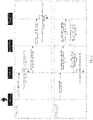
FIG. 6 is a schematic diagram showing file encryption and decryption according to some embodiments. -
FIG. 7 is a block diagram showing a structure of a file key storage apparatus according to some embodiments. -
FIG. 8 is a block diagram showing a structure of a file key storage apparatus according to some embodiments. - In order to make the objects, technical solutions, and advantages of the present disclosure more apparent, the present disclosure will be described in detail with reference to the accompanying drawings and embodiments. It should be understood that the embodiments described here are only used to explain, rather than limit, the present disclosure.
-
FIG. 1 is a diagram showing an application environment of a file key storage method according to some embodiments. As illustrated inFIG. 1 , the application environment includes aterminal 110 and anexternal safety device 120. Theterminal 110 includes, but is not limited to, electronic devices such as a smartphone, a personal computer, a laptop computer, a desktop computer, a media player, a smart television, a tablet computer, and the like. Theexternal safety device 120 may be a portable wearable device, e.g., a smart watch, a smart necklace, a smart helmet, or the like. Here, the external safety device can be connected to the terminal by means of Bluetooth, infrared, Wireless Fidelity (WiFi), Universal Serial Bus (USB) interface, and other manners. - Here, reference may be made to
FIG. 2 for a schematic diagram of an internal structure of theterminal 110. As illustrated inFIG. 2 of the internal structure of theterminal 110, the terminal includes a processor and a memory that are connected to each other via a system bus. The processor is configured to provide computing and control capabilities to support operations of the entire terminal. The memory may include a non-volatile storage medium and an internal memory. The non-volatile storage medium has an operating system and a computer program stored thereon. The computer program is executable by the processor to implement a file key storage method as provided in any of the following embodiments. The internal memory is configured to provide a cached running environment for the operating system and the computer program in the non-volatile storage medium. - Technical solutions of the present disclosure and how the technical solutions of the present disclosure solve the above-mentioned technical problems will be described in detail below with embodiments in conjunction with the accompanying drawings. The following specific embodiments may be combined with each other, and same or similar concepts or processes may be omitted in some embodiments. It should be noted that for the file key storage methods provided by the present disclosure, as illustrated in
FIG. 3 to FIG. 6 , an executive subject thereof is a terminal. Alternatively, an executive subject of each of the methods shown inFIG. 3 to FIG. 6 may be a file key storage apparatus. The apparatus may be implemented as part or all of the terminal by means of software, hardware, or a combination thereof. -
FIG. 3 is a flowchart illustrating a file key storage method according to some embodiments. The file key storage method according to the embodiments is described with the method running in the terminal running inFIG. 1 as an example. As illustrated inFIG. 3 , the file key storage method includes actions at blocks 302 to 306. - At block 302, an encryption request for a target file is received.
- The target file represents a file to be encrypted in a current terminal. For example, in practical applications, when a user stores some relatively private files, the user may encrypt these private files to ensure privacy. Here, the file to be encrypted may be a picture, e.g., an encrypted pattern of a payment application, including an image for face unlocking or payment of the user, etc.; a document, e.g., a document edited on the terminal or uploaded to the terminal by the user actively; or other types of files, e.g., an account number and a password of an application, an unlock password, etc. The embodiments do not limit a type, a quantity, etc., of the target file.
- The encryption request for the target file represents a request triggered when a current user needs to encrypt the target file. For example, the user triggers, on a display screen of the terminal, an encryption request for the target file, and the terminal receives the encryption request for the target file. Here, the user may trigger the encryption request for the target file by manners such as voice, touch, an external input device, etc., which is not limited in the embodiments.
- In some scenarios, the encryption request may carry an encryption manner, e.g., password encryption, verification code encryption, pattern encryption, etc.
- At block 304, a key for the target file is generated based on the encryption request.
- After receiving the encryption request, the terminal encrypts the target file and generates the key for the target file. The key refers to secret information used to complete cryptographic applications such as encryption, decryption, and integrity verification.
- Here, a way for the terminal to generate the key for the target file is not limited. For example, after receiving the encryption request, the terminal may encrypt the target file by a built-in encryption algorithm, and generate the key for the target file after the target file is encrypted. Of course, the encryption algorithm may be a Data Encryption Algorithm (DEA), a Data Encryption Standard (DES), a hash algorithm, or the like, which is not limited in the embodiments.
- At block 306, a key storage request is transmitted to an external safety device. The key storage request is configured to request the external safety device to store a correspondence between an identifier of the target file and the key.
- The external safety device refers to an external device configured to store the key for the target file. For example, the external device may be a device connected to the terminal via a USB interface, e.g., a Ukey; or a device connected to the terminal in a wireless way, e.g., a wearable device that may be connected to the terminal by Bluetooth, WiFi, or the like. The type of the external safety device is not limited.
- Based on the key for the target file generated by the terminal, the terminal transmits a correspondence between the target file and the key to the external safety device for storage. That is, the terminal transmits the key storage request to the external safety device. The key storage request is configured to request the external safety device to store the correspondence between the identifier of the target file and the key. Here, the identifier of the target file may be in a form of words, numbers, letters, or a combination thereof, and is not limited to any of these example forms.
- With the file key storage method according to the embodiments, after receiving the encryption request for the target file, the terminal generates the key for the target file based on the encryption request, and transmits the key storage request to the external safety device to request the external safety device to store the correspondence between the identifier of the target file and the key. In the embodiments, the terminal stores the key in the external safety device after generating the key for the target file, which is equivalent to using independent storage hardware for the key and storing the key at hardware-level safety isolation. In this manner, the key is not likely to be stolen, which greatly improves storage safety for the key. In addition, what stored in the external safety device is the correspondence between the identifier of the target file and the key, and the key for the target file can be accurately retrieved and positioned through the correspondence.
- For the above external safety device, a process of transmitting, by the terminal, the key storage request to the external safety device and storing, by the external safety device, the key is explained by taking the external safety device being a wearable device as an example.
- In some embodiments, the external safety device is a wearable device. The transmitting the key storage request to the external safety device includes transmitting the key storage request to the wearable device. Optionally, the wearable device includes a Real-Time Operating System (RTOS), and the transmitting the key storage request to the wearable device includes transmitting the key storage request to the wearable device, the key storage request being configured to request the wearable device to store the correspondence between the identifier of the target file and the key in the RTOS.
- In some embodiments, when the external safety device is the wearable device, the terminal establishes a connection with the wearable device in advance, and then transmits the key storage request to the wearable device to request the wearable device to store the correspondence between the identifier of the target file and the key for the target file.
- In a scenario, it is assumed that the wearable device includes the RTOS. The RTOS, which is an abbreviation for a Real-Time Operating System, may run and manage system resources in an order and provide a consistent basis for developing applications. Compared with a usual operating system, the RTOS has the most distinctive characteristic of "real time capability". Therefore, when a task needs to be executed, the RTOS may execute the task immediately (within a short time) without long delays. Such a characteristic ensures timely execution of each task. Based on such a characteristic of the RTOS, in a case where the wearable device includes the RTOS, the wearable device may store the correspondence between the identifier of the target file and the key in the RTOS after the terminal transmits the key storage request to the wearable device. In this manner, a file key storage process can be completed quickly in real time during an actual application of the file key storage method provided by the present disclosure.
- In another scenario, it is assumed that the wearable device includes two operating systems, one of which has higher power consumption than the other operating system. For example, the operating system having higher power consumption is a commonly used operating system of the wearable device, and the operating system having lower power consumption is a backup operating system of the wearable device. For this scenario, the process of transmitting, by the terminal, the key storage request to the external safety device and storing, by the external safety device, the key is explained with reference to some embodiments.
- In some embodiments, the wearable device includes a first operating system and a second operating system. A storage space of the first operating system is independent of a storage space of the second operating system. The transmitting the key storage request to the wearable device includes transmitting the key storage request to the first operating system of the wearable device, the key storage request being configured to instruct the first operating system to store the correspondence between the identifier of the target file and the key in the second operating system. Optionally, power consumption of the first operating system is greater than power consumption of the second operating system. Optionally, different chips are applied in the first operating system and the second operating system.
- In the embodiments, the wearable device includes the first operating system and the second operating system, the storage space of the first operating system is independent of that of the second operating system, and in the wearable device, the power consumption of the first operating system is greater than that of the second operating system. Power consumption of the wearable device can be reduced by using the second operating system having lower power consumption to store the correspondence between the identifier of the target file and the key. Moreover, different chips are applied in the first operating system and the second operating system. Therefore, even in the wearable device, chip-level physical isolation is adopted to improve safety of the correspondence between the identifier of the target file and the key. In this manner, when the terminal device transmits the key storage request to the wearable device, the key storage request reaches the first operating system first. After receiving the key storage request, the first operating system stores the correspondence between the identifier of the target file and the key in the second operating system. Since the storage spaces of the two operating systems are independent of each other and the second operating system is not a commonly used system of the wearable device, storing the key in the second operating system can ensure the storage safety for the key.
- In some embodiments, the first operating system is an Android system and the second operating system is the RTOS. Optionally, the wearable device is a smart watch.
- Take the smart watch including the Android system and the RTOS as an example for illustration. That is, the smart watch is a dual-system and dual-mode smart watch, as shown in
FIG. 4 , showing a schematic diagram of a same sports application (APP) with respect to two operating systems. In the smart watch, a big core uses the Android system, a small core uses the RTOS, and the two adopts different chips and have mutually independent storage spaces. The user is capable of freely switching between the Android system and the RTOS. The Android system provides comprehensive functions while the RTOS provides low-power-consumption ultra-long battery life and safety reinforcement capability. The power consumption of the Android system is greater than the power consumption of the RTOS. - When the smart watch uses the Android system having a big core, the Android system corresponds to a normal mode due to the comprehensive functions of the Android system. When the smart watch uses the RTOS having a small core, the RTOS corresponds to a bracelet mode of the smart watch since the RTOS is a mode switched in response to the low-power-consumption ultra-long battery life.
- For example, after generating the key for the target file, the terminal transmits the key storage request, which carries the correspondence between the identifier of the target file and the key, to the big-core Android system of the smart watch. After receiving the key storage request, the big-core Android system of the smart watch forwards the key storage request to the small-core RTOS of the smart watch, i.e., storing the correspondence between the identifier of the target file and the key. In this manner, the key is stored at hardware-level safety isolation by using independent storage hardware, and is therefore not likely to be stolen, which greatly improves the storage safety for the key.
- In the embodiments, the terminal stores the key for the target file in the bracelet mode of the smart watch. When the target file needs to be decrypted, the terminal is connected to the bracelet, and the target file can be opened by the key stored in the bracelet mode. Such a manner ensures safety of the target file in use.
- In practical applications, in addition to the process of encrypting the target file and then storing the key involved in the above embodiments, when the target file needs to be used, the key needs to be retrieved to open the target file. Therefore, a decryption process of the target file is explained with reference to some embodiments. As illustrated in
FIG. 5 , in some embodiments, the method includes actions at blocks S502 to S506, subsequent to transmitting the key storage request to the external safety device. - At block S502, a decryption request for the target file is received.
- For the target file, reference may be made to the description at block 302, and details thereof will be omitted here. Here, the decryption request refers to a request triggered when the user needs to decrypt the target file. For example, the user may trigger the decryption request on the display screen of the terminal.
- At block S504, a key retrieval request is transmitted to the external safety device based on the decryption request. The key retrieval request carries the identifier of the target file and is configured to request the key corresponding to the identifier of the target file from the external safety device.
- Similarly, for the external safety device, reference may be made to the description in the above embodiments, and details thereof will be omitted here.
- In this action, after receiving the decryption request, the terminal transmits the key retrieval request to the external safety device. To accurately retrieve the key for the target file, the key retrieval request transmitted by the terminal to the external safety device carries the identifier of the target file. After receiving the key retrieval request, the external safety device can position the key corresponding to the target file based on the identifier of the target file, and return the key to the terminal.
- At block S506, the key returned by the external safety device is received, and the target file is decrypted based on the key.
- After the terminal receives the key returned by the external safety device, the terminal can decrypt the target file based on the key. Since the key is stored on independent storage hardware at hardware-level safety isolation, the storage has high safety, and the safety of the target file can be greatly ensured in a process of decrypting the target file by using the key and applying the target file.
- In some embodiments, it is assumed the external safety device is the wearable device including the RTOS. On this basis, in some embodiments, the transmitting, by the terminal, the key retrieval request to the external safety device includes transmitting the key retrieval request to the wearable device, the key retrieval request being configured to request the key corresponding to the identifier of the target file from the RTOS of the wearable device.
- When the external safety device is the wearable device, the terminal has already pre-stored a key for a file in the wearable device. In a case where the wearable device includes the RTOS, the key for the file is stored in the RTOS of the wearable device. Therefore, transmitting, by the terminal, the key retrieval request to the external safety device means requesting the key for the file from the RTOS of the wearable device. Based on the introduction of characteristics of the RTOS in the above embodiments, the RTOS of the wearable device can make a response instantly after receiving the key retrieval request, and transmit the key corresponding to the identifier of the target file to the terminal. Therefore, by requesting the key for the file from the RTOS of the wearable device, the key for the file can be obtained quickly in real time to complete a subsequent file decryption process.
- In some other embodiments, the external safety device is a wearable device including a first operating system and a second operating system, a storage space of the first operating system is independent of a storage space of the second operating system, and the transmitting the key retrieval request to the external safety device includes transmitting the key retrieval request to the first operating system of the wearable device, the key retrieval request being configured to instruct the first operating system to retrieve the key corresponding to the identifier of the target file from the second operating system.
- In the embodiments, for the first operating system and the second operating system of the wearable device, reference can be made to the introduction in the above embodiments, and details thereof will be omitted here.
- In a case where the wearable device includes the first operating system and the second operating system, the terminal pre-stores the key for the file in the second operating system of the wearable device. Therefore, transmitting, by the terminal, the key retrieval request to the external safety device means requesting the key for the file from the second operating system of the wearable device.
- Optionally, the first operating system and the second operating system adopt different chips, and in the wearable device, the power consumption of the first operating system is greater than the power consumption of the second operating system. On this basis, the terminal pre-stores the key for the file in the second operating system, which has lower power consumption, of the wearable device. Using the second operating system having lower power consumption to store the correspondence between the identifier of the target file and the key can reduce the power consumption of the wearable device. Moreover, since the first operating system and the second operating system adopt different chips, the safety of the key for the target file is improved through chip-level physical isolation, even in the wearable device.
- For example, the wearable device is the smart watch, the first operating system is the Android system, and the second operating system is the RTOS. After the terminal device transmits the key retrieval request to the wearable device, the key retrieval request reaches the first operating system first. After receiving the key retrieval request, the first operating system continues to request the key corresponding to the identifier of the target file from the second operating system. That is, the terminal device transmits the key retrieval request to the Android system first, and the Android system transmits the key retrieval request to the RTOS after receiving the key retrieval request. In this manner, the RTOS makes a response instantly after receiving the key retrieval request, to transmit, to the Android system, the key corresponding to the identifier of the target file to allow the Android system to transmit the key to the terminal, achieving a quick and real-time access to the key for the file and completing decryption of the target file.
- As illustrated in
FIG. 6 , some embodiments of storing a key for an encrypted file and retrieving the key for the encrypted file are provided by taking the wearable device being the dual-system and dual-mode smart watch and the terminal being a cell phone as an example. The embodiments include file encryption step at blocks S11 to S15 and file decryption steps at blocks S21 to S26. - File encryption steps:
- At S11, a user operates on the cell phone to encrypt a file.
- At S12, the cell phone creates an encrypted file and generates a key corresponding to the encrypted file.
- At S13, the cell phone transmits the key to a big core of the smart watch.
- At S14, the big core of the smart watch transmits the key to a small core of the smart watch.
- At S15, the small core of the smart watch stores the key in an independent storage space of the small core.
- File decryption steps:
- At S21, the encrypted file is viewed.
- At S22, the cell phone retrieves the key from the smart watch.
- At S23, the big core of the smart watch retrieves the key from the small core of the smart watch.
- At S24, the small core of the smart watch returns the key to the big core of the smart watch.
- At S25, the big core of the smart watch returns the key to the cell phone.
- At S26, the cell phone decrypts the file by using the key.
- The embodiments provide a joint file encryption processing strategy for a cell phone and a smart watch that has a dual-core and dual-system architecture. Since the key for the file is stored in the small core of the smart watch, storage safety of the key for the file can be improved for a reason that the small core of the smart watch, which adopts the RTOS, has an independent storage space, and it is difficult for an intruder to obtain the key for the file. Therefore, safety of files in the cell phone can be effectively improved.
- It should be understood that although steps in each of the flowcharts illustrated in
FIG. 3 to FIG. 6 are shown in a sequence indicated by the arrow, these steps are not necessarily executed in the sequence indicated by the arrow. Unless explicitly stated herein, the sequence for the execution of these steps is not strictly limited, and these steps may be performed in other sequences. In addition, at least a part of the steps in each ofFIG. 3 to FIG. 6 may include a plurality of sub-steps or a plurality of stages. These sub-steps or stages are not necessarily executed and completed at the same moment of time, but may be executed at different moments of time. These sub-steps or stages are also not necessarily executed sequentially one by one, but may be executed in turn or alternately with other steps, or at least a part of sub-steps or stages of other steps. - In addition, some embodiments of the present disclosure further provide a file key storage system. Referring to
FIG. 1 , the system includes: a terminal and an external safety device. The terminal is configured to receive an encryption request for a target file, generate a key for the target file based on the encryption request, and transmit a key storage request to the external safety device. The external safety device is configured to receive the key storage request transmitted from the terminal, and store a correspondence between an identifier of the target file and the key based on the key storage request. - In some embodiments, the external safety device is a wearable device.
- In some embodiments, the wearable device includes an RTOS. The wearable device is configured to store the correspondence between the identifier of the target file and the key in the RTOS.
- In some embodiments, the wearable device includes a first operating system and a second operating system. A storage space of the first operating system is independent of a storage space of the second operating system. The first operating system of the wearable device is configured to receive the key storage request, and store, based on the key storage request, the correspondence between the identifier of the target file and the key in the second operating system.
- In some embodiments, power consumption of the first operating system is greater than power consumption of the second operating system.
- In some embodiments, the first operating system and the second operating system adopt different chips.
- In some embodiments, the first operating system is an Android system, and the second operating system is the RTOS.
- In some embodiments, the wearable device is a smart watch.
- In some embodiments, the terminal is further configured to: receive a decryption request for a target file; transmit a key retrieval request to the external safety device based on the decryption request; and receive the key returned by the external safety device, and decrypt the target file based on the key. The external safety device is further configured to receive the key retrieval request transmitted from the terminal, and transmit, based on the key retrieval request, the key corresponding to the identifier of the target file to the terminal.
- The implementation principles and technical effects of the file key storage system according to the above embodiments are similar to those of the embodiments of the file key storage method, and details thereof will be omitted here.
- In addition, a virtual apparatus corresponding to the above file key storage method is also provided. In some embodiments,
FIG. 7 is a block diagram showing a structure of a file key storage apparatus according to some embodiments. As illustrated inFIG. 7 , the apparatus includes: an encryptionrequest receiving module 10, ageneration module 11, and a transmittingmodule 12. - Here, the encryption
request receiving module 10 is configured to receive an encryption request for a target file. - The
generation module 11 is configured to generate a key for the target file based on the encryption request. - The transmitting
module 12 is configured to transmit a key storage request to an external safety device. The key storage request is configured to request the external safety device to store a correspondence between an identifier of the target file and the key. - In some embodiments, the transmitting
module 12 is specifically configured to transmit the key storage request to a wearable device. - In some embodiments, the transmitting
module 12 is further specifically configured to transmit the key storage request to a wearable device. The key storage request is configured to request the wearable device to store the correspondence between the identifier of the target file and the key in the RTOS. - In some embodiments, the transmitting
module 12 is further specifically configured to transmit the key storage request to the first operating system of the wearable device. The key storage request is configured to instruct the first operating system to store the correspondence between the identifier of the target file and the key in the second operating system. - In some embodiments, power consumption of the first operating system is greater than power consumption of the second operating system.
- In some embodiments, the first operating system and the second operating system adopt different chips.
- In some embodiments, the first operating system is an Android system, and the second operating system is the RTOS.
- In some embodiments, the wearable device is a smart watch.
- In some embodiments, a file key storage apparatus is provided. As illustrated in
FIG. 8 , the apparatus includes a decryptionrequest receiving module 13, aretrieval module 14, and adecryption module 15. - The decryption
request receiving module 13 is configured to receive a decryption request for a target file. - The
retrieval module 14 is configured to transmit a key retrieval request to an external safety device based on the decryption request. The key retrieval request carries an identifier of the target file and is configured to request a key corresponding to the identifier of the target file from the external safety device. - The
decryption module 15 is configured to receive the key returned by the external safety device, and decrypt the target file based on the key. - In some embodiments, the
retrieval module 14 is specifically configured to transmit the key retrieval request to the wearable device. The key retrieval request is configured to request the key corresponding to the identifier of the target file from the RTOS of the wearable device. - In some embodiments, the
retrieval module 14 is further specifically configured to transmit the key retrieval request to the first operating system of the wearable device. The key retrieval request is configured to instruct the first operating system to retrieve the key corresponding to the identifier of the target file from the second operating system. - The implementation principles and technical effects of all the file key storage apparatuses according to the above embodiments are similar to those of the embodiments of the file key storage method, and details thereof will be omitted here.
- The division of the file key storage apparatus into various modules is for illustration only. In some other embodiments, the file key storage apparatus may be divided into different modules as required to complete all or part of the functions of the file key storage.
- For specific limitations of the file key storage apparatus, reference may be made to limitations of the file key storage method, which will not be repeated here. Each module in the file key storage apparatus may be implemented in whole or in part by software, hardware, or a combination thereof. The above modules can be embedded in the form of hardware in or independent of the processor in a computer device, or stored in the form of software in the memory in the computer device, such that the processor can invoke and execute operations corresponding to the above modules.
- In some embodiments, an electronic device is provided. For a schematic diagram of an internal structure of the electronic device, reference may be made to the diagram of the internal structure of the terminal illustrated in
FIG. 2 . The electronic device includes a processor and a memory that are connected via a system bus. Here, the processor is configured to provide computing and control capabilities to support the operation of the entire electronic device. The memory includes a non-volatile storage medium and an internal memory. The non-volatile storage medium has an operating system and a computer program stored thereon. The computer program, when executed by the processor, implements the file key storage method according to any of the following embodiments. The internal memory provides a cached operating environment for the operating system and the computer program in the non-volatile storage medium. The electronic device may be any terminal device such as a cell phone, a tablet computer, a Personal Digital Assistant (PDA), a Point of Sales (POS), an in-vehicle computer, a wearable device, etc. - Each module in the file key storage apparatus according to the embodiments of the present disclosure may be implemented in the form of a computer program. The computer program can run on a terminal or a server. A program module constituted by the computer program can be stored in a memory of the electronic device. The computer program, when executed by the processor, implements the steps of the method described in the embodiments of the present disclosure.
- The embodiments of the present disclosure further provide a computer-readable storage medium, such as one or more non-volatile computer-readable storage media including computer-executable instructions. When executed by one or more processors, the computer-executable instructions cause the one or more processors to perform steps of the file key storage method.
- Further provided is a computer program product including instructions, which, when executed on a computer, causes the computer to perform the file key storage method.
- Any reference to memory, storage, database, or other media as used herein may include a non-volatile and/or a volatile memory. The nonvolatile memory may include a Read Only Memory (ROM), a Programmable ROM (PROM), an Electrically Programmable ROM (EPROM), an Electrically Erasable Programmable ROM (EEPROM), or a flash memory. The volatile memory may include a Random Access Memory (RAM) that acts as an external cache memory. By way of illustration, rather than limitation, an RAM is available in various forms such as a Static RAM (SRAM), a Dynamic RAM (DRAM), a Synchronous DRAM (SDRAM), a Double Data Rate SDRAM (DDR SDRAM), an Enhanced SDRAM (ESDRAM), a Synchlink DRAM (SLDRAM), a Rambus Direct RAM (RDRAM), a Direct Rambus Dynamic RAM (DRDRAM), and a Rambus Dynamic RAM (RDRAM).
- The above embodiments illustrate merely some implementations of the present disclosure. Although description of the above embodiments is specific and detailed, the description should not be construed as limitations on the scope of the present disclosure. It should be pointed out that, various modifications and improvements can be made by those skilled in the art without departing from the concept of the present disclosure, and the protection scope of the present disclosure is as defined by the claims as attached.
Claims (12)
- A file key storage method, comprising:receiving an encryption request for a target file;generating a key for the target file based on the encryption request; andtransmitting a key storage request to an external safety device, wherein the key storage request is configured to request the external safety device to store a correspondence between an identifier of the target file and the key.
- The method according to claim 1, wherein the external safety device is a wearable device comprising a Real-Time Operating System (RTOS); and
wherein said transmitting the key storage request to the external safety device comprises:
transmitting the key storage request to the wearable device, wherein the key storage request is configured to request the wearable device to store the correspondence between the identifier of the target file and the key in the RTOS. - The method according to claim 1, wherein the external safety device is a wearable device comprising a first operating system and a second operating system, a storage space of the first operating system being independent of a storage space of the second operating system; and
wherein said transmitting the key storage request to the external safety device comprises:
transmitting the key storage request to the first operating system of the wearable device, wherein the key storage request is configured to instruct the first operating system to store the correspondence between the identifier of the target file and the key in the second operating system. - The method according to claim 3, wherein power consumption of the first operating system is greater than power consumption of the second operating system.
- The method according to claim 1, comprising, subsequent to said transmitting the key storage request to the external safety device:receiving a decryption request for the target file;transmitting a key retrieval request to the external safety device based on the decryption request, wherein the key retrieval request carries the identifier of the target file and is configured to request the key corresponding to the identifier of the target file from the external safety device; andreceiving the key returned by the external safety device, and decrypting the target file based on the key.
- A file decryption method, comprising:receiving a decryption request for a target file;transmitting a key retrieval request to an external safety device based on the decryption request, wherein the key retrieval request carries an identifier of the target file and is configured to request a key corresponding to the identifier of the target file from the external safety device; andreceiving the key returned by the external safety device, and decrypting the target file based on the key.
- The method according to claim 6, wherein the external safety device is a wearable device comprising a Real-Time Operating System (RTOS); and
wherein said transmitting the key retrieval request to the external safety device comprises:
transmitting the key retrieval request to the wearable device, wherein the key retrieval request is configured to request the key corresponding to the identifier of the target file from the RTOS of the wearable device. - The method according to claim 6, wherein the external safety device is a wearable device comprising a first operating system and a second operating system, a storage space of the first operating system being independent of a storage space of the second operating system; and
wherein said transmitting the key retrieval request to the external safety device comprises: transmitting the key retrieval request to the first operating system of the wearable device, wherein the key retrieval request is configured to instruct the first operating system to retrieve the key corresponding to the identifier of the target file from the second operating system. - A file key storage system, comprising:a terminal configured to receive an encryption request for a target file, generate a key for the target file based on the encryption request, and transmit a key storage request to an external safety device; andthe external safety device configured to receive the key storage request transmitted from the terminal, and store a correspondence between an identifier of the target file and the key based on the key storage request.
- A file key storage apparatus, comprising:a receiving module configured to receive an encryption request for a target file;a generation module configured to generate a key for the target file based on the encryption request; anda transmitting module configured to transmit a key storage request to an external safety device, wherein the key storage request is configured to request the external safety device to store a correspondence between an identifier of the target file and the key.
- An electronic device, comprising:a memory having a computer program stored thereon; anda processor,wherein the computer program, when executed by the processor, causes the processor to perform steps of the file key storage method according to any one of claims 1 to 8.
- A computer-readable storage medium, having a computer program stored thereon, wherein the computer program, when executed by a processor, implements steps of the file key storage method according to any one of claims 1 to 8.
Applications Claiming Priority (2)
| Application Number | Priority Date | Filing Date | Title |
|---|---|---|---|
| CN202010124455.XA CN113312658B (en) | 2020-02-27 | 2020-02-27 | File key storage method, system, device, electronic device and storage medium |
| PCT/CN2021/074821 WO2021169747A1 (en) | 2020-02-27 | 2021-02-02 | File secret key storage method, system and apparatus, electronic device, and storage medium |
Publications (3)
| Publication Number | Publication Date |
|---|---|
| EP4095730A1 true EP4095730A1 (en) | 2022-11-30 |
| EP4095730A4 EP4095730A4 (en) | 2023-07-19 |
| EP4095730B1 EP4095730B1 (en) | 2024-10-30 |
Family
ID=77370392
Family Applications (1)
| Application Number | Title | Priority Date | Filing Date |
|---|---|---|---|
| EP21760336.4A Active EP4095730B1 (en) | 2020-02-27 | 2021-02-02 | File secret key storage method, system and apparatus, electronic device, and storage medium |
Country Status (4)
| Country | Link |
|---|---|
| US (1) | US12445272B2 (en) |
| EP (1) | EP4095730B1 (en) |
| CN (2) | CN120387183A (en) |
| WO (1) | WO2021169747A1 (en) |
Families Citing this family (1)
| Publication number | Priority date | Publication date | Assignee | Title |
|---|---|---|---|---|
| CN119293823B (en) * | 2024-10-18 | 2025-10-10 | 中电信量子信息科技集团有限公司 | A file encryption method, device, equipment and medium based on quantum encryption |
Family Cites Families (9)
| Publication number | Priority date | Publication date | Assignee | Title |
|---|---|---|---|---|
| CN101091184B (en) * | 2005-01-18 | 2010-04-14 | 松下电器产业株式会社 | Data storage method, data recording device and data playback device |
| CN101784045A (en) * | 2009-01-20 | 2010-07-21 | 英华达(上海)电子有限公司 | Method and device for generating secrete key and method and device for loading secrete key |
| CN104424028A (en) * | 2013-08-26 | 2015-03-18 | 联想(北京)有限公司 | Terminal device and switching method thereof |
| US10033702B2 (en) * | 2015-08-05 | 2018-07-24 | Intralinks, Inc. | Systems and methods of secure data exchange |
| US20190057043A1 (en) * | 2017-08-17 | 2019-02-21 | International Business Machines Corporation | Hot encryption support prior to storage device enrolment |
| CN107528917B (en) * | 2017-09-13 | 2020-12-15 | 马上消费金融股份有限公司 | File storage method and device |
| US10291395B1 (en) * | 2018-01-25 | 2019-05-14 | Fortress Cyber Security, LLC | Secure storage of data via a distributed ledger system |
| CN109635581A (en) * | 2018-12-12 | 2019-04-16 | 深圳市网心科技有限公司 | A kind of data processing method, equipment, system and storage medium |
| CN109639419A (en) * | 2018-12-29 | 2019-04-16 | 北京深思数盾科技股份有限公司 | Cryptographic key protection method, cipher key storage device and terminal device |
-
2020
- 2020-02-27 CN CN202510257532.1A patent/CN120387183A/en active Pending
- 2020-02-27 CN CN202010124455.XA patent/CN113312658B/en active Active
-
2021
- 2021-02-02 EP EP21760336.4A patent/EP4095730B1/en active Active
- 2021-02-02 WO PCT/CN2021/074821 patent/WO2021169747A1/en not_active Ceased
-
2022
- 2022-08-16 US US17/888,719 patent/US12445272B2/en active Active
Also Published As
| Publication number | Publication date |
|---|---|
| WO2021169747A1 (en) | 2021-09-02 |
| CN120387183A (en) | 2025-07-29 |
| US20220393861A1 (en) | 2022-12-08 |
| EP4095730B1 (en) | 2024-10-30 |
| US12445272B2 (en) | 2025-10-14 |
| CN113312658B (en) | 2025-03-25 |
| CN113312658A (en) | 2021-08-27 |
| EP4095730A4 (en) | 2023-07-19 |
Similar Documents
| Publication | Publication Date | Title |
|---|---|---|
| US9288047B2 (en) | System and method for content protection based on a combination of a user pin and a device specific identifier | |
| US9800407B2 (en) | Methods and apparatuses for prime number generation and storage | |
| US20140068280A1 (en) | Security chip, program, information processing apparatus, and information processing system | |
| KR102065833B1 (en) | Data synchronization method and device | |
| US11283606B2 (en) | Trusted execution environment-based key burning system and method | |
| CN114070614B (en) | Identity authentication method, apparatus, device, storage medium and computer program product | |
| US11258600B2 (en) | Secure communication in accessing a network | |
| CN109460670B (en) | Configuration item decryption method, device, computer equipment and storage medium | |
| CN115134087B (en) | Client secure data deduplication method for decentralized cloud storage | |
| WO2019122825A1 (en) | A hardware multiple cipher engine | |
| EP4095730A1 (en) | File secret key storage method, system and apparatus, electronic device, and storage medium | |
| JP2017532906A (en) | How to manage subscriptions on the provisioning server | |
| CN115361198A (en) | Decryption method, encryption method, device, computer equipment and storage medium | |
| US20150310230A1 (en) | Cryptographic processing apparatus, cryptographic processing system, and cryptographic processing method | |
| CN117313140A (en) | Information query method, device, computer equipment and storage medium | |
| KR102512871B1 (en) | Centralized private key management method for multiple user devices related to a single public key | |
| CN113127041A (en) | Memory system, firmware updating method and device thereof, and readable storage medium | |
| US12619791B2 (en) | Encrypted key management | |
| US20220222384A1 (en) | Encrypted key management | |
| CN117578655A (en) | Charging authentication method, device, electronic equipment and storage medium | |
| CN116882983A (en) | Resource transfer method, device, computer equipment and storage medium | |
| CN119203199A (en) | Data processing method, device, equipment and medium | |
| CN115795424A (en) | Port control method, system, computer device and computer-readable storage medium | |
| CN121309090A (en) | Secure writing method, apparatus, device, and storage medium based on dynamic key chain and hardware encryption. | |
| CN117313124A (en) | Firmware security processing system and encryption and decryption methods |
Legal Events
| Date | Code | Title | Description |
|---|---|---|---|
| STAA | Information on the status of an ep patent application or granted ep patent |
Free format text: STATUS: THE INTERNATIONAL PUBLICATION HAS BEEN MADE |
|
| PUAI | Public reference made under article 153(3) epc to a published international application that has entered the european phase |
Free format text: ORIGINAL CODE: 0009012 |
|
| STAA | Information on the status of an ep patent application or granted ep patent |
Free format text: STATUS: REQUEST FOR EXAMINATION WAS MADE |
|
| 17P | Request for examination filed |
Effective date: 20220823 |
|
| AK | Designated contracting states |
Kind code of ref document: A1 Designated state(s): AL AT BE BG CH CY CZ DE DK EE ES FI FR GB GR HR HU IE IS IT LI LT LU LV MC MK MT NL NO PL PT RO RS SE SI SK SM TR |
|
| DAV | Request for validation of the european patent (deleted) | ||
| DAX | Request for extension of the european patent (deleted) | ||
| A4 | Supplementary search report drawn up and despatched |
Effective date: 20230619 |
|
| RIC1 | Information provided on ipc code assigned before grant |
Ipc: G06F 21/60 20130101ALI20230613BHEP Ipc: H04L 9/08 20060101ALI20230613BHEP Ipc: G06F 21/62 20130101AFI20230613BHEP |
|
| RIC1 | Information provided on ipc code assigned before grant |
Ipc: G06F 21/60 20130101ALI20240418BHEP Ipc: H04L 9/08 20060101ALI20240418BHEP Ipc: G06F 21/62 20130101AFI20240418BHEP |
|
| GRAP | Despatch of communication of intention to grant a patent |
Free format text: ORIGINAL CODE: EPIDOSNIGR1 |
|
| STAA | Information on the status of an ep patent application or granted ep patent |
Free format text: STATUS: GRANT OF PATENT IS INTENDED |
|
| INTG | Intention to grant announced |
Effective date: 20240524 |
|
| GRAS | Grant fee paid |
Free format text: ORIGINAL CODE: EPIDOSNIGR3 |
|
| GRAA | (expected) grant |
Free format text: ORIGINAL CODE: 0009210 |
|
| STAA | Information on the status of an ep patent application or granted ep patent |
Free format text: STATUS: THE PATENT HAS BEEN GRANTED |
|
| AK | Designated contracting states |
Kind code of ref document: B1 Designated state(s): AL AT BE BG CH CY CZ DE DK EE ES FI FR GB GR HR HU IE IS IT LI LT LU LV MC MK MT NL NO PL PT RO RS SE SI SK SM TR |
|
| REG | Reference to a national code |
Ref country code: GB Ref legal event code: FG4D |
|
| REG | Reference to a national code |
Ref country code: CH Ref legal event code: EP |
|
| REG | Reference to a national code |
Ref country code: IE Ref legal event code: FG4D |
|
| REG | Reference to a national code |
Ref country code: DE Ref legal event code: R096 Ref document number: 602021021062 Country of ref document: DE |
|
| REG | Reference to a national code |
Ref country code: LT Ref legal event code: MG9D |
|
| REG | Reference to a national code |
Ref country code: NL Ref legal event code: MP Effective date: 20241030 |
|
| P01 | Opt-out of the competence of the unified patent court (upc) registered |
Free format text: CASE NUMBER: APP_9802/2025 Effective date: 20250226 |
|
| PG25 | Lapsed in a contracting state [announced via postgrant information from national office to epo] |
Ref country code: IS Free format text: LAPSE BECAUSE OF FAILURE TO SUBMIT A TRANSLATION OF THE DESCRIPTION OR TO PAY THE FEE WITHIN THE PRESCRIBED TIME-LIMIT Effective date: 20250228 Ref country code: HR Free format text: LAPSE BECAUSE OF FAILURE TO SUBMIT A TRANSLATION OF THE DESCRIPTION OR TO PAY THE FEE WITHIN THE PRESCRIBED TIME-LIMIT Effective date: 20241030 Ref country code: PT Free format text: LAPSE BECAUSE OF FAILURE TO SUBMIT A TRANSLATION OF THE DESCRIPTION OR TO PAY THE FEE WITHIN THE PRESCRIBED TIME-LIMIT Effective date: 20250228 |
|
| PG25 | Lapsed in a contracting state [announced via postgrant information from national office to epo] |
Ref country code: NL Free format text: LAPSE BECAUSE OF FAILURE TO SUBMIT A TRANSLATION OF THE DESCRIPTION OR TO PAY THE FEE WITHIN THE PRESCRIBED TIME-LIMIT Effective date: 20241030 Ref country code: FI Free format text: LAPSE BECAUSE OF FAILURE TO SUBMIT A TRANSLATION OF THE DESCRIPTION OR TO PAY THE FEE WITHIN THE PRESCRIBED TIME-LIMIT Effective date: 20241030 |
|
| REG | Reference to a national code |
Ref country code: AT Ref legal event code: MK05 Ref document number: 1737619 Country of ref document: AT Kind code of ref document: T Effective date: 20241030 |
|
| PG25 | Lapsed in a contracting state [announced via postgrant information from national office to epo] |
Ref country code: BG Free format text: LAPSE BECAUSE OF FAILURE TO SUBMIT A TRANSLATION OF THE DESCRIPTION OR TO PAY THE FEE WITHIN THE PRESCRIBED TIME-LIMIT Effective date: 20241030 |
|
| PG25 | Lapsed in a contracting state [announced via postgrant information from national office to epo] |
Ref country code: ES Free format text: LAPSE BECAUSE OF FAILURE TO SUBMIT A TRANSLATION OF THE DESCRIPTION OR TO PAY THE FEE WITHIN THE PRESCRIBED TIME-LIMIT Effective date: 20241030 |
|
| PG25 | Lapsed in a contracting state [announced via postgrant information from national office to epo] |
Ref country code: NO Free format text: LAPSE BECAUSE OF FAILURE TO SUBMIT A TRANSLATION OF THE DESCRIPTION OR TO PAY THE FEE WITHIN THE PRESCRIBED TIME-LIMIT Effective date: 20250130 |
|
| PG25 | Lapsed in a contracting state [announced via postgrant information from national office to epo] |
Ref country code: LV Free format text: LAPSE BECAUSE OF FAILURE TO SUBMIT A TRANSLATION OF THE DESCRIPTION OR TO PAY THE FEE WITHIN THE PRESCRIBED TIME-LIMIT Effective date: 20241030 Ref country code: GR Free format text: LAPSE BECAUSE OF FAILURE TO SUBMIT A TRANSLATION OF THE DESCRIPTION OR TO PAY THE FEE WITHIN THE PRESCRIBED TIME-LIMIT Effective date: 20250131 Ref country code: AT Free format text: LAPSE BECAUSE OF FAILURE TO SUBMIT A TRANSLATION OF THE DESCRIPTION OR TO PAY THE FEE WITHIN THE PRESCRIBED TIME-LIMIT Effective date: 20241030 |
|
| PG25 | Lapsed in a contracting state [announced via postgrant information from national office to epo] |
Ref country code: PL Free format text: LAPSE BECAUSE OF FAILURE TO SUBMIT A TRANSLATION OF THE DESCRIPTION OR TO PAY THE FEE WITHIN THE PRESCRIBED TIME-LIMIT Effective date: 20241030 |
|
| PG25 | Lapsed in a contracting state [announced via postgrant information from national office to epo] |
Ref country code: RS Free format text: LAPSE BECAUSE OF FAILURE TO SUBMIT A TRANSLATION OF THE DESCRIPTION OR TO PAY THE FEE WITHIN THE PRESCRIBED TIME-LIMIT Effective date: 20250130 |
|
| PG25 | Lapsed in a contracting state [announced via postgrant information from national office to epo] |
Ref country code: SM Free format text: LAPSE BECAUSE OF FAILURE TO SUBMIT A TRANSLATION OF THE DESCRIPTION OR TO PAY THE FEE WITHIN THE PRESCRIBED TIME-LIMIT Effective date: 20241030 |
|
| PG25 | Lapsed in a contracting state [announced via postgrant information from national office to epo] |
Ref country code: DK Free format text: LAPSE BECAUSE OF FAILURE TO SUBMIT A TRANSLATION OF THE DESCRIPTION OR TO PAY THE FEE WITHIN THE PRESCRIBED TIME-LIMIT Effective date: 20241030 |
|
| PG25 | Lapsed in a contracting state [announced via postgrant information from national office to epo] |
Ref country code: EE Free format text: LAPSE BECAUSE OF FAILURE TO SUBMIT A TRANSLATION OF THE DESCRIPTION OR TO PAY THE FEE WITHIN THE PRESCRIBED TIME-LIMIT Effective date: 20241030 |
|
| PG25 | Lapsed in a contracting state [announced via postgrant information from national office to epo] |
Ref country code: RO Free format text: LAPSE BECAUSE OF FAILURE TO SUBMIT A TRANSLATION OF THE DESCRIPTION OR TO PAY THE FEE WITHIN THE PRESCRIBED TIME-LIMIT Effective date: 20241030 |
|
| PG25 | Lapsed in a contracting state [announced via postgrant information from national office to epo] |
Ref country code: SK Free format text: LAPSE BECAUSE OF FAILURE TO SUBMIT A TRANSLATION OF THE DESCRIPTION OR TO PAY THE FEE WITHIN THE PRESCRIBED TIME-LIMIT Effective date: 20241030 |
|
| PG25 | Lapsed in a contracting state [announced via postgrant information from national office to epo] |
Ref country code: CZ Free format text: LAPSE BECAUSE OF FAILURE TO SUBMIT A TRANSLATION OF THE DESCRIPTION OR TO PAY THE FEE WITHIN THE PRESCRIBED TIME-LIMIT Effective date: 20241030 |
|
| PG25 | Lapsed in a contracting state [announced via postgrant information from national office to epo] |
Ref country code: IT Free format text: LAPSE BECAUSE OF FAILURE TO SUBMIT A TRANSLATION OF THE DESCRIPTION OR TO PAY THE FEE WITHIN THE PRESCRIBED TIME-LIMIT Effective date: 20241030 |
|
| REG | Reference to a national code |
Ref country code: DE Ref legal event code: R097 Ref document number: 602021021062 Country of ref document: DE |
|
| PLBE | No opposition filed within time limit |
Free format text: ORIGINAL CODE: 0009261 |
|
| STAA | Information on the status of an ep patent application or granted ep patent |
Free format text: STATUS: NO OPPOSITION FILED WITHIN TIME LIMIT |
|
| PG25 | Lapsed in a contracting state [announced via postgrant information from national office to epo] |
Ref country code: SE Free format text: LAPSE BECAUSE OF FAILURE TO SUBMIT A TRANSLATION OF THE DESCRIPTION OR TO PAY THE FEE WITHIN THE PRESCRIBED TIME-LIMIT Effective date: 20241030 |
|
| PG25 | Lapsed in a contracting state [announced via postgrant information from national office to epo] |
Ref country code: MC Free format text: LAPSE BECAUSE OF FAILURE TO SUBMIT A TRANSLATION OF THE DESCRIPTION OR TO PAY THE FEE WITHIN THE PRESCRIBED TIME-LIMIT Effective date: 20241030 |
|
| REG | Reference to a national code |
Ref country code: CH Ref legal event code: PL |
|
| 26N | No opposition filed |
Effective date: 20250731 |
|
| PG25 | Lapsed in a contracting state [announced via postgrant information from national office to epo] |
Ref country code: LU Free format text: LAPSE BECAUSE OF NON-PAYMENT OF DUE FEES Effective date: 20250202 |
|
| PG25 | Lapsed in a contracting state [announced via postgrant information from national office to epo] |
Ref country code: CH Free format text: LAPSE BECAUSE OF NON-PAYMENT OF DUE FEES Effective date: 20250228 |
|
| GBPC | Gb: european patent ceased through non-payment of renewal fee |
Effective date: 20250202 |
|
| REG | Reference to a national code |
Ref country code: BE Ref legal event code: MM Effective date: 20250228 |
|
| PG25 | Lapsed in a contracting state [announced via postgrant information from national office to epo] |
Ref country code: GB Free format text: LAPSE BECAUSE OF NON-PAYMENT OF DUE FEES Effective date: 20250202 |
|
| PG25 | Lapsed in a contracting state [announced via postgrant information from national office to epo] |
Ref country code: FR Free format text: LAPSE BECAUSE OF NON-PAYMENT OF DUE FEES Effective date: 20250228 |
|
| PG25 | Lapsed in a contracting state [announced via postgrant information from national office to epo] |
Ref country code: BE Free format text: LAPSE BECAUSE OF NON-PAYMENT OF DUE FEES Effective date: 20250228 |
|
| PG25 | Lapsed in a contracting state [announced via postgrant information from national office to epo] |
Ref country code: IE Free format text: LAPSE BECAUSE OF NON-PAYMENT OF DUE FEES Effective date: 20250202 |
|
| PGFP | Annual fee paid to national office [announced via postgrant information from national office to epo] |
Ref country code: DE Payment date: 20260223 Year of fee payment: 6 |