EP4095143A1 - Novel gadolinium-based compound, method for producing same, and mri contrast agent containing same - Google Patents
Novel gadolinium-based compound, method for producing same, and mri contrast agent containing same Download PDFInfo
- Publication number
- EP4095143A1 EP4095143A1 EP21745126.9A EP21745126A EP4095143A1 EP 4095143 A1 EP4095143 A1 EP 4095143A1 EP 21745126 A EP21745126 A EP 21745126A EP 4095143 A1 EP4095143 A1 EP 4095143A1
- Authority
- EP
- European Patent Office
- Prior art keywords
- compound
- chemical formula
- gadolinium
- based compound
- present disclosure
- Prior art date
- Legal status (The legal status is an assumption and is not a legal conclusion. Google has not performed a legal analysis and makes no representation as to the accuracy of the status listed.)
- Pending
Links
Images


Classifications
-
- C—CHEMISTRY; METALLURGY
- C07—ORGANIC CHEMISTRY
- C07F—ACYCLIC, CARBOCYCLIC OR HETEROCYCLIC COMPOUNDS CONTAINING ELEMENTS OTHER THAN CARBON, HYDROGEN, HALOGEN, OXYGEN, NITROGEN, SULFUR, SELENIUM OR TELLURIUM
- C07F5/00—Compounds containing elements of Groups 3 or 13 of the Periodic Table
- C07F5/003—Compounds containing elements of Groups 3 or 13 of the Periodic Table without C-Metal linkages
-
- A—HUMAN NECESSITIES
- A61—MEDICAL OR VETERINARY SCIENCE; HYGIENE
- A61K—PREPARATIONS FOR MEDICAL, DENTAL OR TOILETRY PURPOSES
- A61K49/00—Preparations for testing in vivo
- A61K49/06—Nuclear magnetic resonance [NMR] contrast preparations; Magnetic resonance imaging [MRI] contrast preparations
- A61K49/08—Nuclear magnetic resonance [NMR] contrast preparations; Magnetic resonance imaging [MRI] contrast preparations characterised by the carrier
- A61K49/085—Nuclear magnetic resonance [NMR] contrast preparations; Magnetic resonance imaging [MRI] contrast preparations characterised by the carrier conjugated systems
-
- A—HUMAN NECESSITIES
- A61—MEDICAL OR VETERINARY SCIENCE; HYGIENE
- A61K—PREPARATIONS FOR MEDICAL, DENTAL OR TOILETRY PURPOSES
- A61K49/00—Preparations for testing in vivo
- A61K49/06—Nuclear magnetic resonance [NMR] contrast preparations; Magnetic resonance imaging [MRI] contrast preparations
- A61K49/08—Nuclear magnetic resonance [NMR] contrast preparations; Magnetic resonance imaging [MRI] contrast preparations characterised by the carrier
- A61K49/10—Organic compounds
-
- A—HUMAN NECESSITIES
- A61—MEDICAL OR VETERINARY SCIENCE; HYGIENE
- A61K—PREPARATIONS FOR MEDICAL, DENTAL OR TOILETRY PURPOSES
- A61K49/00—Preparations for testing in vivo
- A61K49/06—Nuclear magnetic resonance [NMR] contrast preparations; Magnetic resonance imaging [MRI] contrast preparations
- A61K49/08—Nuclear magnetic resonance [NMR] contrast preparations; Magnetic resonance imaging [MRI] contrast preparations characterised by the carrier
- A61K49/10—Organic compounds
- A61K49/101—Organic compounds the carrier being a complex-forming compound able to form MRI-active complexes with paramagnetic metals
- A61K49/106—Organic compounds the carrier being a complex-forming compound able to form MRI-active complexes with paramagnetic metals the complex-forming compound being cyclic, e.g. DOTA
- A61K49/108—Organic compounds the carrier being a complex-forming compound able to form MRI-active complexes with paramagnetic metals the complex-forming compound being cyclic, e.g. DOTA the metal complex being Gd-DOTA
-
- A—HUMAN NECESSITIES
- A61—MEDICAL OR VETERINARY SCIENCE; HYGIENE
- A61K—PREPARATIONS FOR MEDICAL, DENTAL OR TOILETRY PURPOSES
- A61K2123/00—Preparations for testing in vivo
-
- Y—GENERAL TAGGING OF NEW TECHNOLOGICAL DEVELOPMENTS; GENERAL TAGGING OF CROSS-SECTIONAL TECHNOLOGIES SPANNING OVER SEVERAL SECTIONS OF THE IPC; TECHNICAL SUBJECTS COVERED BY FORMER USPC CROSS-REFERENCE ART COLLECTIONS [XRACs] AND DIGESTS
- Y02—TECHNOLOGIES OR APPLICATIONS FOR MITIGATION OR ADAPTATION AGAINST CLIMATE CHANGE
- Y02P—CLIMATE CHANGE MITIGATION TECHNOLOGIES IN THE PRODUCTION OR PROCESSING OF GOODS
- Y02P20/00—Technologies relating to chemical industry
- Y02P20/50—Improvements relating to the production of bulk chemicals
- Y02P20/55—Design of synthesis routes, e.g. reducing the use of auxiliary or protecting groups
Definitions
- the present disclosure relates to a novel gadolinium-based compound, a method for preparation of the same, and an MRI contrast agent containing the same.
- the present disclosure relates to a novel gadolinium-based compound having a structure in which a gadolinium complex and a gallic acid are bonded to each other via a linking group, a method for preparing the same, and an MRI contrast agent containing the same.
- Degenerative brain diseases include Parkinson's disease, vascular dementia, Alzheimer's disease, and the like. Neurotoxicity due to excessive accumulation of amyloid beta polymer (oligomeric A ⁇ ) is considered as one of the causes of the disease.
- amyloid beta is a major component of amyloid plaque found in a brain of an Alzheimer's patient, and refers to 36 to 43 amino acid peptides that are critically involved in the Alzheimer's disease.
- the peptide is derived from amyloid precursor protein (APP).
- amyloid beta molecules may aggregate with each other to form a soluble polymer that may exist in several forms. It is known that the formed amyloid beta polymer (oligomeric A ⁇ ) is toxic to nerve cells, and excessive accumulation in the brain thereof is directly involved in the pathogenesis of Alzheimer's disease. Therefore, it was expected that sensing change in a concentration of the amyloid beta polymer would enable early diagnosis of the degenerative brain diseases.
- Magnetic Resonance Image refers to a method of obtaining anatomical, physiological, and biochemical information images of the body using a phenomenon in which the distributions of hydrogen atoms in different tissues of the body are different from each other and the hydrogen atoms are relaxed in a magnetic field.
- MRI Magnetic Resonance Image
- CT or PET MRI does not use radiation harmful to the human body and creates images inside the body using the gradient of the magnetic field and radio waves under a strong magnetic field.
- the MRI is non-invasive, has high resolution, and has excellent soft tissue examination capabilities.
- a contrast agent is injected into a subj ect to obtain an MRI image.
- the contrast between tissues on the MRI image is a phenomenon that occurs because the relaxation actions in which the nuclear spins of water molecules to return to the equilibrium state in the different tissues are different from each other.
- the contrast agent uses a paramagnetic or superparamagnetic material to affect the relaxation action to enhance the difference in relaxation between tissues and thus induce change in the MRI signal to make the contrast between the tissues clearer.
- contrast agent based on gadolinium (Gd) chelate.
- Gd-DTPA Magneticnevist ®
- Gd-DOTA Dotaram ®
- Gd(DTPA-BMA) Omniscan ®
- Gd(DO3A-HP) ProHance ®
- Gd(BOPTA) MultiHance ®
- most of the commercially available contrast agents are non-specific contrast agents distributed in the extracellular fluid (ECF). Only a liver-specific contrast agent is used as a specific contrast agent.
- Recent research is related to the development of a contrast agent that has a specific target or that may exhibit signal enhancement due to physiological activity (pH change, enzyme activity).
- pH change Currently, sufficient results about MRI contrast agents specific to degenerative brain diseases have not been obtained.
- One purpose of the present disclosure is to provide a gadolinium-based compound that may be used as an MRI contrast material and, in particular, has specificity to degenerative brain disease.
- Another purpose of the present disclosure is to provide an MRI contrast agent containing the compound.
- Another purpose of the present disclosure is to provide a method for preparation of the compound.
- an MRI contrast agent containing the gadolinium-based compound represented by the Chemical Formula 1 is provided.
- novel gadolinium-based compound according to the present disclosure not only has sufficient self-relaxation properties to be used as an MRI contrast material, but also binds to amyloid beta polymer (oligomeric A ⁇ ), so that the compound has an MRI contrast enhancing effect in the presence of the amyloid beta polymer (oligomeric A ⁇ ), and thus may be used for diagnosis of diseases related to the amyloid beta polymer (oligomeric A ⁇ ), specifically, the degenerative brain disease.
- a gadolinium-based compound according to the present disclosure may be represented by a following Chemical Formula 1:
- n may represent any integer from 1 to 5
- a 1 may represent ⁇ -CONH- ⁇ .
- L 1 may represent linear or branched (C1-C10)alkyl
- L 2 may represent the single bond
- gadolinium may be coordinated with at least one water molecule.
- gadolinium may coordinate with one or two water molecules.
- an oxygen atom may form a coordination bond with gadolinium.
- the Chemical Formula 2 of the present disclosure is a portion derived from a gallic acid.
- the gallic acid is a polyphenol compound as a chemical substance found in plants, and contains two or more phenol groups in one molecule thereof, and has been used as a major component of anti-aging agents and disease-treatment agents for diseases because of its antioxidant effect.
- the use of the gallic acid for an MRI contrast agent with a targeting function toward amyloid beta polymer (oligomeric A ⁇ ) has not been considered until now.
- the gadolinium-based compound of the Chemical Formula 1 of the present disclosure may specifically bind to mammalian amyloid beta polymer (oligomeric A ⁇ ), as shown in Examples to be described later.
- the compound according to the present disclosure is water-soluble and coordinates with at least one or more water molecules and thus has magnetic-relaxation properties.
- the compound increases the relaxation of at least one or more water molecules and hydrogen atoms in the human body to improve the image contrast, and thus may be used as an MRI contrast material.
- an MRI contrast agent containing a gadolinium-based compound represented by the Chemical Formula 1 is provided.
- the compound according to the present disclosure is capable of binding to the amyloid beta polymer (oligomeric A ⁇ )
- the MRI contrast agent according to the present disclosure may be used to diagnose a disease associated with amyloid beta polymer (oligomeric A ⁇ ), more specifically, degenerative brain diseases such as Parkinson's disease, vascular dementia, Alzheimer's disease.
- a specific MRI contrast agent for diagnosing degenerative brain disease containing the compound of the Chemical Formula 1 may be provided.
- an MRI contrast agent containing the compound according to the present disclosure targeting the amyloid beta polymer (oligomeric A ⁇ ) may act as a specific MRI contrast agent for the diagnosis of Alzheimer's disease, especially for early diagnosis thereof.
- L 2 may be a single bond, and the halogen compound may be thionyl chloride.
- PT 1 may represent a protecting group which may include a protecting group commonly used for protecting a -OH group, for example, acetyl, benzoyl, methoxymethyl ether, methylthiomethyl ether or the like.
- PT 2 may represent a protecting group, which may include a protecting group commonly used for protecting a -COOH group, for example, methyl, benzyl, tert-butyl, or the like.
- the step (c) refers to a step for removing the protecting group, where the protecting groups, that is, PT 1 and PT 2 may be removed using a method commonly used in the art, for example, using an aqueous base or an aqueous acid.
- L 2 may be a single bond. That is, the compound of the Chemical Formula 2-1 may be gallic acid.
- PT 3 may represent a protecting group, which may include a protecting group commonly used for protecting a -COOH group, for example, methyl, benzyl, tert-butyl, or the like.
- the step (b) refers to a step for removing the protecting group, where the protecting group, that is, PT 3 may be removed using a method commonly used in the art, for example, using an aqueous base or an aqueous acid.
- Acetic anhydride (11.34 mL, 120 mmol) was added to gallic acid (3.76 g, 20 mmol) to produce a mixed solution. A small amount of 95% concentrated sulfuric acid was added thereto and the mixed solution was stirred for 1 hour until the solution became completely clear. Then, distilled water (100 mL) was added thereto and the mixed solution was stirred for 2.5 hours to remove residual acetic anhydride therefrom. A resulting product was filtered to obtain a solid, and then the solid was washed with distilled water (3 x 100 mL) and dried to obtain a white solid material (Compound 1). (Yield: 5.92 g (100 %))
- Tri-tert-butyl 2,2',2"-(1,4,7,10-tetraazacyclododecane-1,4,7-triyl)triacetate (5 g, 9.72 mmol) was dissolved in acetonitrile (160 mL) to produce a mixed solution. Then, potassium hydrogen carbonate (2.96 g, 29.69 mmol) was added thereto and the mixed solution was stirred for 30 mins. Then, ethyl bromoacetate (1.18 mL, 10.69 mmol) was added thereto and the mixed solution was stirred at 60°C for 24 hours. After the stirring, a resulting product was filtered through a filter, and the solvent was removed therefrom via filtration under reduced pressure.
- the compound 4 (0.4 g, 1.27 mmol) was dissolved in acetonitrile to produce a mixed solution, and then, potassium carbonate (0.053 g, 3.81 mmol) was added thereto and reaction occurred for 30 minutes, and then the compound 2 was added thereto and the mixed solution was stirred at room temperature for 20 hours. Thereafter, a solid was removed therefrom with a filter, and the solvent was removed therefrom via filtration under reduced pressure, and then, a resulting product was subjected to separation and purification using high performance liquid chromatography under a distilled water/acetonitrile to which 0.1% trifluoroacetic acid was added. Thus, a yellow solid substance (Compound 5) was obtained.
- Trifluoroacetic acid (2 mL) was added to the Compound 5 (0.65 g, 0.73 mmol) at -4°C to produce a mixed solution, and then the mixed solution was stirred for 20 hours, and then dichloromethane was added thereto. Then, the mixed solution was subjected to filtration under reduced pressure three times. A resulting product was dissolved in acetone (45 mL), and 3M HCl (10.5 mL) was added thereto, and the mixed solution was heated at 70°C and stirred for 6 hours. Then, a resulting product was subjected to separation and purification using high performance liquid chromatography under a distilled water/acetonitrile to which 0.1% trifluoroacetic acid was added.
- the Compound 6 (0.31 g, 0.518 mmol) was dissolved in distilled water to produce a mixed solution. pH thereof was adjusted to pH 3 using 1M sodium hydroxide. A further mixed solution in which Gd(Cl) 3 ⁇ 6H 2 O (0.17 g, 0.47 mmol) dissolved in distilled water (500 ⁇ l) was added thereto. pH thereof was adjusted to 7 using 1M sodium hydroxide, and the mixed solution was stirred at room temperature for 20 hours. After completion of the stirring, a resulting product was subjected to filtration under reduced pressure to obtain a solid. The solid was subjected to separation and purification using high performance liquid chromatography under a distilled water/acetonitrile.
- Tri-tert-butyl 2,2',2"-(1,4,7,10-tetraazacyclododecane-1,4,7-triyl)triacetate (5 g, 9.72 mmol) was dissolved in 160 mL of acetonitrile to produce a mixed solution, and then potassium hydrogen carbonate (2.96 g, 29.69 mmol) was added thereto and the mixed solution was stirred for 30 mins. Then, ethyl bromoacetate (1.18 mL, 10.69 mmol) was added thereto and the mixed solution was stirred at 60°C for 24 hours. After the 24 hours, a resulting product was filtered through a filter, and the solvent was removed therefrom via filtration under reduced pressure.
- Gallic acid (2.18 g, 11.61 mmol) was dissolved in dimethylformamide to produce a mixed solution and then the mixed solution was stirred at 0°C. Then, a further solution in which EDC (2.45 g, 12.77 mmol) and hydroxybenzotriazole (HOBt hydrate) (1.75 g, 12.77 mmol) were dissolved in dimethylformamide were added to the gallic acid solution as the mixed solution, and then, the mixed solution was stirred for 30 minutes. Then, a further solution in which the Compound 2 (5 g, 8.13 mmol) was dissolved in dimethylformamide was added to the mixed solution.
- Trifluoroacetic acid was added, in an excessive amount, to the Compound 3 at 0°C to produce a mixture and then the mixture was stirred at room temperature for 20 hours. Thereafter, dichloromethane was added thereto, and filtration under reduced pressure was repeated thereon. A resulting product was subjected to high-performance liquid chromatography under water/acetonitrile to which 0.1% trifluoroacetic acid was added, thereby obtaining a purified solid (Compound 4). Yield (2 ⁇ 4): 2.1 g (43%)
- the Compound 4 (1 g, 1.67 mmol) was dissolved in distilled water to produce a mixed solution and then, pH thereof was adjusted to pH 3 using 1 M sodium hydroxide, and then a further mixed solution in which Gd(Cl) 3 ⁇ 6H 2 O (0.43 g, 1.17 mmol) was dissolved in distilled water was added thereto. pH thereof was adjusted to pH 7 using 1 M sodium hydroxide, and the mixed solution was stirred at room temperature for 20 hours. After completion of the stirring, a resulting product was subjected to filtration under reduced pressure to obtain a solid. The solid was subjected to separation and purification using high performance liquid chromatography under a distilled water/acetonitrile. Thus, a solid material (Compound Gd-DO3A-Ga) was obtained.
- characteristic evaluation of the prepared representative compound of the present disclosure was performed to determine whether the prepared representative compound of the present disclosure can be used as an MRI contrast material, and at the same time, has a targeting ability towards the amyloid beta polymer.
- a phantom was prepared by diluting the gadolinium complex to 5 concentrations (0.0625, 0.125, 0.25, 0.5, 1 mM) using tertiary distilled water, and then T 1 and T 2 relaxation times thereof were measured in 3T MRI.
- a r 1 value of Gd-DO3A-Ga was measured to be 4.04 ⁇ 0.09 and a r2 value thereof was measured to be 4.82 ⁇ 0.11, which are respectively similar to or slightly larger than those of each of the cyclic commercial contrast agents as the comparison groups.
- the contrast medium of the present disclosure exhibited sufficient relaxivity for clinical use.
- a phantom was prepared by diluting each of Gd-DO3A-Ga and several commercial contrast agents (Gadovist, Dotarem, Prohance, Magnevist, Primovist, Multihance) to a concentration of 2.5 mM using PBS (pH 7.4), and then 250 mM of zinc chloride (ZnCl 2 ) was added, at 1 equivalent, thereto. Binding stability of DO3A ligand and Gd metal ions was evaluated, and a result is shown in FIG. 6 . This may be identified by measuring transmetallation of gadolinium ions due to zinc ions as a change in the relaxivity.
- the synthesized Gd-DO3A-Ga maintains a value of R 2 change at a large value of 0.9 or greater and thus has sufficient stability to be used as an MRI contrast agent.
- HFIP (221.5 ⁇ l) was added to amyloid beta (1 mg, 1 mM) to produce a mixture which in turn was shaken for 1 hour at room temperature using a shaker to remove preaggregation.
- amyloid beta from which the pre-aggregation was removed was dried.
- DMSO 221.5 ⁇ l
- PBS (1X, pH 7.4, 878.5 ⁇ l
- FIG. 7 shows a graph of a comparing result of MR signal intensities of the MRI phantom samples.
- a contrast enhancement effect of the phantom (control) incubated only with the amyloid beta polymer and a contrast enhancement effect of the phantom (comparative example) incubated with both of the commercial contrast medium (Gadovist ® ) and the amyloid beta polymer had no significant difference from each other.
- the commercial contrast agent (Gadovist ® ) used as the comparative example had no targeting effect toward the amyloid beta polymer.
- the phantom incubated with GD-DO3A-Ga as the compound according to the present disclosure and the amyloid beta polymer exhibited a signal intensity that was higher than two times of that of the control.
- the compound according to the present disclosure has a targeting effect toward amyloid beta polymer.
- Gd-DO3A-Ga of the present disclosure is suitable as an amyloid beta polymer targeting contrast agent.
Landscapes
- Health & Medical Sciences (AREA)
- Chemical & Material Sciences (AREA)
- Nuclear Medicine, Radiotherapy & Molecular Imaging (AREA)
- Life Sciences & Earth Sciences (AREA)
- Radiology & Medical Imaging (AREA)
- Epidemiology (AREA)
- Animal Behavior & Ethology (AREA)
- General Health & Medical Sciences (AREA)
- Public Health (AREA)
- Veterinary Medicine (AREA)
- Organic Chemistry (AREA)
- Medicinal Chemistry (AREA)
- Medicines Containing Antibodies Or Antigens For Use As Internal Diagnostic Agents (AREA)
Abstract
Description
- The present disclosure relates to a novel gadolinium-based compound, a method for preparation of the same, and an MRI contrast agent containing the same. Specifically, the present disclosure relates to a novel gadolinium-based compound having a structure in which a gadolinium complex and a gallic acid are bonded to each other via a linking group, a method for preparing the same, and an MRI contrast agent containing the same.
- Today, the number of patients with degenerative brain disease is increasing due to the aging of the population. Accordingly, the need for early detection of the disease is emerging. Degenerative brain diseases include Parkinson's disease, vascular dementia, Alzheimer's disease, and the like. Neurotoxicity due to excessive accumulation of amyloid beta polymer (oligomeric Aβ) is considered as one of the causes of the disease.
- The amyloid beta (Aβ) is a major component of amyloid plaque found in a brain of an Alzheimer's patient, and refers to 36 to 43 amino acid peptides that are critically involved in the Alzheimer's disease. The peptide is derived from amyloid precursor protein (APP).
- The amyloid beta molecules may aggregate with each other to form a soluble polymer that may exist in several forms. It is known that the formed amyloid beta polymer (oligomeric Aβ) is toxic to nerve cells, and excessive accumulation in the brain thereof is directly involved in the pathogenesis of Alzheimer's disease. Therefore, it was expected that sensing change in a concentration of the amyloid beta polymer would enable early diagnosis of the degenerative brain diseases.
- Magnetic Resonance Image (MRI) refers to a method of obtaining anatomical, physiological, and biochemical information images of the body using a phenomenon in which the distributions of hydrogen atoms in different tissues of the body are different from each other and the hydrogen atoms are relaxed in a magnetic field. Unlike CT or PET, MRI does not use radiation harmful to the human body and creates images inside the body using the gradient of the magnetic field and radio waves under a strong magnetic field. Thus, the MRI is non-invasive, has high resolution, and has excellent soft tissue examination capabilities.
- In order to use the MRI equipment more precisely, a contrast agent is injected into a subj ect to obtain an MRI image. The contrast between tissues on the MRI image is a phenomenon that occurs because the relaxation actions in which the nuclear spins of water molecules to return to the equilibrium state in the different tissues are different from each other. The contrast agent uses a paramagnetic or superparamagnetic material to affect the relaxation action to enhance the difference in relaxation between tissues and thus induce change in the MRI signal to make the contrast between the tissues clearer.
- Currently, the most commonly used contrast agent in clinical practice is a contrast agent based on gadolinium (Gd) chelate. Currently, Gd-DTPA (Magnevist®), Gd-DOTA (Dotaram®), Gd(DTPA-BMA) (Omniscan®), Gd(DO3A-HP) (ProHance®), Gd(BOPTA) (MultiHance®), etc. are being used. However, most of the commercially available contrast agents are non-specific contrast agents distributed in the extracellular fluid (ECF). Only a liver-specific contrast agent is used as a specific contrast agent. Recent research is related to the development of a contrast agent that has a specific target or that may exhibit signal enhancement due to physiological activity (pH change, enzyme activity). Currently, sufficient results about MRI contrast agents specific to degenerative brain diseases have not been obtained.
- One purpose of the present disclosure is to provide a gadolinium-based compound that may be used as an MRI contrast material and, in particular, has specificity to degenerative brain disease.
- Another purpose of the present disclosure is to provide an MRI contrast agent containing the compound.
- Another purpose of the present disclosure is to provide a method for preparation of the compound.
- According to the present disclosure, there is provided a gadolinium-based compound represented by a following Chemical Formula 1:

- In the above Chemical Formula 1,
- A represents ∗-(CH2)n-A1-∗,
- n represents any integer from 0 to 5,
- A1 represents ∗-COO-∗, ∗-CO-∗, ∗-NH-∗, ∗-CH2-∗, ∗-CONH-∗, or ∗-O-∗,
- Linker represents ∗-L1-NHCO-L2-∗, ∗-L1-O-R-O-L2-∗, ∗-L1-CH2-L2-∗, ∗-L1-NH-L2-∗, or ∗-L1-COO-L2-∗ ,
- L1 represents linear or branched (C1-C30)alkyl,
- L2 represents a single bond, hydrogen or linear or branched (C1-C30)alkyl,
- R represents linear or branched (Cl-C20)alkyl,
- Ga represents a following Chemical Formula 2:

- Further, according to the present disclosure, an MRI contrast agent containing the gadolinium-based compound represented by the Chemical Formula 1 is provided.
- Further, according to one embodiment of the present disclosure, there is provided a method for preparing the gadolinium-based compound represented by the Chemical Formula 1, the method comprising following steps:
- (a) reacting a compound represented by a following Chemical Formula 1-1 with a halogen compound to obtain a following Chemical Formula 1-2:


- PT1 represents a protecting group,
- X represents a halogen atom,
- L2 is the same as previously defined in the Chemical Formula 1;
- (b) reacting the compound of the Chemical Formula 1-2 with a compound represented by a following Chemical Formula 1-3 to obtain a compound represented by a following Chemical Formula 1-4,



- each of PT1 and PT2 individually represents a protecting group,
- Linker represents ∗-L1-NH-L2-∗,
- each of L1, L2, and A is as previously defined in the Chemical Formula 1;
- (c) removing PT1 and PT2 from the compound of the Chemical Formula 1-4; and
- (d) reacting a compound obtained in the step (c) with gadolinium hydrate to obtain the compound of the Chemical Formula 1.
- Further, according to another embodiment of the present disclosure, there is provided a method for preparing the gadolinium-based compound represented by the Chemical Formula 1, the method comprising following steps:
- (a) reacting a compound represented by a following Chemical Formula 2-1 with a compound represented by a following Chemical Formula 2-2 to obtain a following Chemical Formula 2-3:


- PT3 represents a protecting group,
- Linker represents ∗-L1-NH-L2-∗,
- each of L1, L2, and A is the same as previously defined in the Chemical Formula 1;
- (b) removing PT3 from the compound of the Chemical Formula 2-3; and
- (c) reacting a compound obtained in the step (b) with gadolinium hydrate to obtain the compound of the Chemical Formula 1.
- The novel gadolinium-based compound according to the present disclosure not only has sufficient self-relaxation properties to be used as an MRI contrast material, but also binds to amyloid beta polymer (oligomeric Aβ), so that the compound has an MRI contrast enhancing effect in the presence of the amyloid beta polymer (oligomeric Aβ), and thus may be used for diagnosis of diseases related to the amyloid beta polymer (oligomeric Aβ), specifically, the degenerative brain disease.
-
-
FIG. 1A is a 1H NMR spectrum of acompound 6 prepared in Present Example 1 of a compound according to the present disclosure. -
FIG. 1B is a HR-ESI-MS spectrum of thecompound 6 prepared in Present Example 1 of a compound according to the present disclosure. -
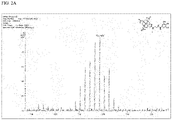
FIG. 2A is a HR-ESI-MS spectrum of Gd-DO3A-Ga prepared in Present Example 1 of a compound according to the present disclosure. -
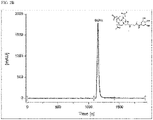
FIG. 2B is an HPLC chromatogram of Gd-DO3A-Ga prepared in Present Example 1 of a compound according to the present disclosure. -
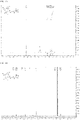
FIG. 3A is a 1H NMR spectrum of a compound 4 prepared in Present Example 2 of a compound according to the present disclosure. -
FIG. 3B is a 13C NMR spectrum of a compound 4 prepared in Present Example 2 of a compound according to the present disclosure. -
FIG. 3C is an HR-MS spectrum of the compound 4 prepared in Present Example 2 of a compound according to the present disclosure. -
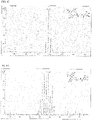
FIG. 4A is a HR-MS spectrum of Gd-DO3A-Ga prepared in Present Example 2 of a compound according to the present disclosure. -
FIG. 4B is an HPLC chromatogram of Gd-DO3A-Ga prepared in Present Example 2 of a compound according to the present disclosure. -
FIG. 5 shows an analysis graph of magnetic relaxivity (r1, r2) of Gd-DO3A-Ga according to the present disclosure. -
FIG. 6 shows a graph of kinetic stability of each of Gd-DO3A-Ga according to the present disclosure and several commercial contrast agents (Gadovist, Dotarem, Prohance, Magnevist, Primovist, Multihance). -
FIG. 7 shows a graph of a comparing result of MR signal intensities of MRI phantom samples. - The terminology used herein is for the purpose of describing particular embodiments only and is not intended to be limiting of the present disclosure. Unless otherwise defined, all terms including technical and scientific terms used herein have the same meaning as commonly understood by one of ordinary skill in the art to which this inventive concept belongs. It will be further understood that terms, such as those defined in commonly used dictionaries, should be interpreted as having a meaning that is consistent with their meaning in the context of the relevant art and will not be interpreted in an idealized or overly formal sense unless expressly so defined herein.
- A gadolinium-based compound according to the present disclosure may be represented by a following Chemical Formula 1:


- In the above Chemical Formula 1,
- A represents ∗-(CH2)n-A1-∗,
- n may represent any integer from 0 to 5, specifically any integer from 1 to 5, and more specifically, any integer from 1 to 3,
- A1 represents ∗-COO-∗, ∗-CO-∗, ∗-NH-∗, ∗-CH2-∗, ∗-CONH-∗, or ∗-O-∗,
- Linker represents ∗-L1-NHCO-L2-∗, ∗-L1-O-R-O-L2-∗, ∗-L1-CH2-L2-∗, ∗-L1-NH-L2-∗, or ∗-L1-COO-L2-∗, specifically, ∗-L1-CH2-L2-∗,
- L1 represents linear or branched (C1-C30)alkyl, specifically, linear or branched (C1-C10)alkyl, more specifically, linear or branched (Cl-C5)alkyl,
- L2 represents a single bond, hydrogen or linear or branched (C1-C30)alkyl, specifically, a singe bond,
- R represents linear or branched (C1-C20)alkyl, specifically, linear or branched (C1-C10)alkyl, more specifically, linear or branched (Cl-C5)alkyl,
- Ga represents a following Chemical Formula 2:


- According to one embodiment of the present disclosure, in the Chemical Formula 1, n may represent any integer from 1 to 5, and A1 may represent ∗-CONH-∗.
- According to another embodiment of the present disclosure, L1 may represent linear or branched (C1-C10)alkyl, and L2 may represent the single bond.
- In the gadolinium-based compound of the Chemical Formula 1, gadolinium may be coordinated with at least one water molecule. For example, in the gadolinium-based compound of the Chemical Formula 1, gadolinium may coordinate with one or two water molecules.
- In the gadolinium-based compound of the Chemical Formula 1 of the present disclosure, when A1 is ∗-COO-∗, ∗-CO-∗, or ∗-CONH-∗, an oxygen atom may form a coordination bond with gadolinium.
- The
Chemical Formula 2 of the present disclosure is a portion derived from a gallic acid. The gallic acid is a polyphenol compound as a chemical substance found in plants, and contains two or more phenol groups in one molecule thereof, and has been used as a major component of anti-aging agents and disease-treatment agents for diseases because of its antioxidant effect. The use of the gallic acid for an MRI contrast agent with a targeting function toward amyloid beta polymer (oligomeric Aβ) has not been considered until now. - The gadolinium-based compound of the Chemical Formula 1 of the present disclosure may specifically bind to mammalian amyloid beta polymer (oligomeric Aβ), as shown in Examples to be described later.
- Further, the compound according to the present disclosure is water-soluble and coordinates with at least one or more water molecules and thus has magnetic-relaxation properties. Thus, the compound increases the relaxation of at least one or more water molecules and hydrogen atoms in the human body to improve the image contrast, and thus may be used as an MRI contrast material.
- Accordingly, according to the present disclosure, an MRI contrast agent containing a gadolinium-based compound represented by the Chemical Formula 1 is provided. Further, since the compound according to the present disclosure is capable of binding to the amyloid beta polymer (oligomeric Aβ), the MRI contrast agent according to the present disclosure may be used to diagnose a disease associated with amyloid beta polymer (oligomeric Aβ), more specifically, degenerative brain diseases such as Parkinson's disease, vascular dementia, Alzheimer's disease. Accordingly, according to one embodiment of the present disclosure, a specific MRI contrast agent for diagnosing degenerative brain disease containing the compound of the Chemical Formula 1 may be provided. Moreover, as described above, according to a recent study, the amyloid beta polymer (oligomeric Aβ) induced by amyloid precursor protein is excessively accumulated in the brain and thus was involved in onset of Alzheimer's disease. Therefore, an MRI contrast agent containing the compound according to the present disclosure targeting the amyloid beta polymer (oligomeric Aβ) may act as a specific MRI contrast agent for the diagnosis of Alzheimer's disease, especially for early diagnosis thereof.
- Further, according to one embodiment of the present disclosure, there is provided a method for preparing the gadolinium-based compound represented by the Chemical Formula 1, the method comprising following steps:
- (a) reacting a compound represented by a following Chemical Formula 1-1 with a halogen compound to obtain a following Chemical Formula 1-2:

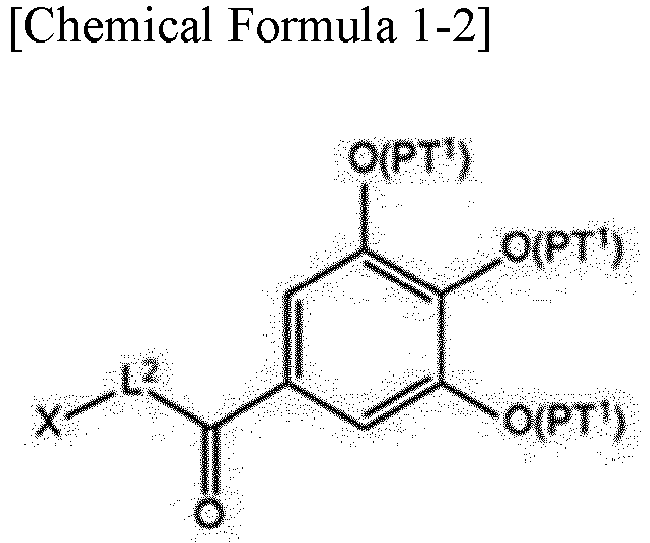
- PT1 represents a protecting group,
- X represents a halogen atom,
- L2 is the same as previously defined in the Chemical Formula 1;
- (b) reacting the compound of the Chemical Formula 1-2 with a compound represented by a following Chemical Formula 1-3 to obtain a compound represented by a following Chemical Formula 1-4,


- each of PT1 and PT2 individually represents a protecting group,
- Linker represents ∗-L1-NH-L2-∗,
- each of L1, L2, and A is as previously defined in the Chemical Formula 1;
- (c) removing PT1 and PT2 from the compound of the Chemical Formula 1-4; and
- (d) reacting a compound obtained in the step (c) with gadolinium hydrate to obtain the compound of the Chemical Formula 1.
- According to one embodiment of the present disclosure, in the step (a), L2 may be a single bond, and the halogen compound may be thionyl chloride.
- In the above Chemical formulas 1-1, 1-2, and 1-4, PT1 may represent a protecting group which may include a protecting group commonly used for protecting a -OH group, for example, acetyl, benzoyl, methoxymethyl ether, methylthiomethyl ether or the like.
- In the above Chemical Formulas 1-3 and 1-4, PT2 may represent a protecting group, which may include a protecting group commonly used for protecting a -COOH group, for example, methyl, benzyl, tert-butyl, or the like.
- The step (c) refers to a step for removing the protecting group, where the protecting groups, that is, PT1 and PT2 may be removed using a method commonly used in the art, for example, using an aqueous base or an aqueous acid.
- Further, according to another embodiment of the present disclosure, there is provided a method for preparing the gadolinium-based compound represented by the Chemical Formula 1, the method comprising following steps:
- (a) reacting a compound represented by a following Chemical Formula 2-1 with a compound represented by a following Chemical Formula 2-2 to obtain a following Chemical Formula 2-3:


- PT3 represents a protecting group,
- Linker represents ∗-L1-NH-L2-∗,
- each of L1, L2, and A is the same as previously defined in the Chemical Formula 1;
- (b) removing PT3 from the compound of the Chemical Formula 2-3; and
- (c) reacting a compound obtained in the step (b) with gadolinium hydrate to obtain the compound of the Chemical Formula 1.
- According to one embodiment of the present disclosure, in the step (a), L2 may be a single bond. That is, the compound of the Chemical Formula 2-1 may be gallic acid.
- In the above Chemical Formulas 2-2 and 2-3, PT3 may represent a protecting group, which may include a protecting group commonly used for protecting a -COOH group, for example, methyl, benzyl, tert-butyl, or the like.
- The step (b) refers to a step for removing the protecting group, where the protecting group, that is, PT3 may be removed using a method commonly used in the art, for example, using an aqueous base or an aqueous acid.
- Hereinafter, for a detailed understanding of the present disclosure, the compound according to the present disclosure, the method for preparing the same, and characteristics of the MRI contrast agent containing the same will be described based on a representative compound according to the present disclosure.
-

- Acetic anhydride (11.34 mL, 120 mmol) was added to gallic acid (3.76 g, 20 mmol) to produce a mixed solution. A small amount of 95% concentrated sulfuric acid was added thereto and the mixed solution was stirred for 1 hour until the solution became completely clear. Then, distilled water (100 mL) was added thereto and the mixed solution was stirred for 2.5 hours to remove residual acetic anhydride therefrom. A resulting product was filtered to obtain a solid, and then the solid was washed with distilled water (3 x 100 mL) and dried to obtain a white solid material (Compound 1). (Yield: 5.92 g (100 %))
- Thionyl chloride (1.76 mL, 20 mmol) was dissolved in dimethylformamide (DMF) (200 µl) to produce a mixed solution. Then, the mixed solution was slowly added to a further mixed solution in which the compound 1 (2.96 g, 10 mmol) was dissolved in dichloromethane (25 mL). A resulting mixture was stirred at 60°C for 6 hours, and the solvent was removed therefrom via filtration under reduced pressure, and toluene was added thereto, and then, filtration under reduced pressure was repeated three times thereon to obtain a white solid (Compound 2). No further purification was carried out.
- Tri-tert-
butyl - The obtained compound 3 (3.2 g, 5.33 mmol) was dissolved in methanol (7 mL) to produce a mixed solution and ethylenediamine (6 mL) was added thereto, followed by reaction at room temperature for 4 days. Thereafter, the solvent was removed therefrom by heating the solution to 55°C under vacuum to obtain an oily solid, which in turn was washed several times with ethyl ether. The washed solid was subjected to vacuum drying, and substances insoluble in methanol were removed therefrom via filtration. Then, open column chromatography thereon was performed under a dichloromethane/methanol condition to separate and purify a yellow solid (Compound 4). (Yield: 1.87 g (57 %))
- The compound 4 (0.4 g, 1.27 mmol) was dissolved in acetonitrile to produce a mixed solution, and then, potassium carbonate (0.053 g, 3.81 mmol) was added thereto and reaction occurred for 30 minutes, and then the
compound 2 was added thereto and the mixed solution was stirred at room temperature for 20 hours. Thereafter, a solid was removed therefrom with a filter, and the solvent was removed therefrom via filtration under reduced pressure, and then, a resulting product was subjected to separation and purification using high performance liquid chromatography under a distilled water/acetonitrile to which 0.1% trifluoroacetic acid was added. Thus, a yellow solid substance (Compound 5) was obtained. - Trifluoroacetic acid (2 mL) was added to the Compound 5 (0.65 g, 0.73 mmol) at -4°C to produce a mixed solution, and then the mixed solution was stirred for 20 hours, and then dichloromethane was added thereto. Then, the mixed solution was subjected to filtration under reduced pressure three times. A resulting product was dissolved in acetone (45 mL), and 3M HCl (10.5 mL) was added thereto, and the mixed solution was heated at 70°C and stirred for 6 hours. Then, a resulting product was subjected to separation and purification using high performance liquid chromatography under a distilled water/acetonitrile to which 0.1% trifluoroacetic acid was added. Thus, a brown solid substance (Compound 6) was obtained. (Yield: 0.25 g (71 %)). 1H NMR spectrum and HR-ESI-MS spectrum of the obtained
Compound 6 are shown inFIG. 1A and FIG. 1B , respectively. - 1H NMR (Methanol-d4); δ = 2.96 - 3.25 (m, 16H, CH2 in the cyclen ring), 3.25 - 3.39 (m, 4H, CH2), 3.47 - 3.95 (m, 8H, CH2), 6.67 - 6.73 (m, 2H, ArH)
- HR-ESI-MS (m/z): [M+H]+ calculated for C25H39N6O11, 599.2677; found, 599.2680
- The Compound 6 (0.31 g, 0.518 mmol) was dissolved in distilled water to produce a mixed solution. pH thereof was adjusted to pH 3 using 1M sodium hydroxide. A further mixed solution in which Gd(Cl)3 · 6H2O (0.17 g, 0.47 mmol) dissolved in distilled water (500 µl) was added thereto. pH thereof was adjusted to 7 using 1M sodium hydroxide, and the mixed solution was stirred at room temperature for 20 hours. After completion of the stirring, a resulting product was subjected to filtration under reduced pressure to obtain a solid. The solid was subjected to separation and purification using high performance liquid chromatography under a distilled water/acetonitrile. Thus, a brown solid substance (compound Gd-DO3A-Ga) was obtained. HR-ESI-MS spectrum and HPLC chromatogram of the obtained compound Gd-DO3A-Ga are shown in
FIG. 2A andFIG. 2B , respectively. (Yield: 0.13 g (33%)). - HR-ESI-MS (m/z): [M+H]+ calculated for C25H35GdN6O11, 754.1683; found, 754.1679,
- Purity analysis using analytical HPLC: 96 %
-

- Tri-tert-
butyl - The obtained compound 1 (3.2 g, 5.33 mmol) was dissolved in methanol (7 mL) to produce a mixed solution, and then ethylenediamine (6 mL) was added thereto, followed by reaction at room temperature for 4 days. Thereafter, the solvent was removed therefrom by heating the solution to 55°C under vacuum to obtain an oily solid, which in turn was washed several times with ethyl ether. The washed solid was subjected to vacuum drying, and substances insoluble in methanol were removed therefrom via filtration. Then, open column chromatography thereon was performed under a dichloromethane/methanol condition to separate and purify a yellow solid (Compound 2). (Yield: 1.87 g (57 %))
- Gallic acid (2.18 g, 11.61 mmol) was dissolved in dimethylformamide to produce a mixed solution and then the mixed solution was stirred at 0°C. Then, a further solution in which EDC (2.45 g, 12.77 mmol) and hydroxybenzotriazole (HOBt hydrate) (1.75 g, 12.77 mmol) were dissolved in dimethylformamide were added to the gallic acid solution as the mixed solution, and then, the mixed solution was stirred for 30 minutes. Then, a further solution in which the Compound 2 (5 g, 8.13 mmol) was dissolved in dimethylformamide was added to the mixed solution. Then, DIPEA (4.04 mL, 23.22 mmol) was added thereto, followed by stirring at room temperature for 24 hours. Next, dimethylformamide was concentrated as much as possible via filtration under reduced pressure. Then, a resulting product was subjected to extraction using dichloromethane and brine, and was dehydrated with sodium sulfate, and was filtered under reduced pressure. Thereafter, open column chromatography was performed thereon under a dichloromethane/methanol condition to separate and purify a solid (Compound 3). A subsequent reaction thereof was performed without further separation and purification.
- Trifluoroacetic acid was added, in an excessive amount, to the Compound 3 at 0°C to produce a mixture and then the mixture was stirred at room temperature for 20 hours. Thereafter, dichloromethane was added thereto, and filtration under reduced pressure was repeated thereon. A resulting product was subjected to high-performance liquid chromatography under water/acetonitrile to which 0.1% trifluoroacetic acid was added, thereby obtaining a purified solid (Compound 4). Yield (2 → 4): 2.1 g (43%)
- 1H NMR spectrum, 13C NMR spectrum and HR-MS spectrum of the obtained Compound 4 are shown in
FIG. 3A to FIG. 3C , respectively. - 1H NMR (500 MHz, MeOD); δ = 6.70 (d, J = 7.7 Hz, 2H), 3.91 - 3.46 (m, 8H), 3.31 - 3.28 (m, 2H), 3.24 - 2.78 (m, 18H).
- 13C NMR (126 MHz, MeOD); δ = 169.29, 169.26, 161.48, 161.20, 160.92, 160.64, 145.37, 136.80, 124.60, 106.60, 54.34, 53.20, 39.15, 38.75.
- HR-MS (m/z): [M+H]+ calculated for C25H39N6O11, 599.2677; found, 599.2680.
- The Compound 4 (1 g, 1.67 mmol) was dissolved in distilled water to produce a mixed solution and then, pH thereof was adjusted to pH 3 using 1 M sodium hydroxide, and then a further mixed solution in which Gd(Cl)3 · 6H2O (0.43 g, 1.17 mmol) was dissolved in distilled water was added thereto. pH thereof was adjusted to pH 7 using 1 M sodium hydroxide, and the mixed solution was stirred at room temperature for 20 hours. After completion of the stirring, a resulting product was subjected to filtration under reduced pressure to obtain a solid. The solid was subjected to separation and purification using high performance liquid chromatography under a distilled water/acetonitrile. Thus, a solid material (Compound Gd-DO3A-Ga) was obtained.
- HR-MS spectrum and HPLC chromatogram of the obtained Compound Gd-DO3A-Ga are shown in
FIG. 4A andFIG. 4B , respectively. (Yield: 0.8 g (63%)) - HR-MS (m/z): [M+H]+ calculated for C25H36N6O11Gd, 754.1683; found, 754.1687.
- Purity analysis using analytical HPLC: 96 %
- Hereinafter, characteristic evaluation of the prepared representative compound of the present disclosure was performed to determine whether the prepared representative compound of the present disclosure can be used as an MRI contrast material, and at the same time, has a targeting ability towards the amyloid beta polymer.
- Relaxivity (r1, r2) of each of Gd-DO3A-Ga synthesized using the method according to Present Example 2, and Gadovist® and Dotarem® as commercial cyclic contrast agents as comparative groups.
- Specifically, a phantom was prepared by diluting the gadolinium complex to 5 concentrations (0.0625, 0.125, 0.25, 0.5, 1 mM) using tertiary distilled water, and then T1 and T2 relaxation times thereof were measured in 3T MRI. Thus, R (relaxivity=1/T) thereof at each of the concentrations was calculated and a result of the relaxivity of the gadolinium complex was obtained via linear regression analysis. (See following Table 1 and
FIG. 5 )
- It was identified as shown in the above Table 1 and
FIG. 5 that a r1 value of Gd-DO3A-Ga was measured to be 4.04±0.09 and a r2 value thereof was measured to be 4.82±0.11, which are respectively similar to or slightly larger than those of each of the cyclic commercial contrast agents as the comparison groups. Thus, the contrast medium of the present disclosure exhibited sufficient relaxivity for clinical use. - A phantom was prepared by diluting each of Gd-DO3A-Ga and several commercial contrast agents (Gadovist, Dotarem, Prohance, Magnevist, Primovist, Multihance) to a concentration of 2.5 mM using PBS (pH 7.4), and then 250 mM of zinc chloride (ZnCl2) was added, at 1 equivalent, thereto. Binding stability of DO3A ligand and Gd metal ions was evaluated, and a result is shown in
FIG. 6 . This may be identified by measuring transmetallation of gadolinium ions due to zinc ions as a change in the relaxivity. - As shown in
FIG. 6 , the synthesized Gd-DO3A-Ga maintains a value of R2 change at a large value of 0.9 or greater and thus has sufficient stability to be used as an MRI contrast agent. - HFIP (221.5 µl) was added to amyloid beta (1 mg, 1 mM) to produce a mixture which in turn was shaken for 1 hour at room temperature using a shaker to remove preaggregation.
- Next, the amyloid beta from which the pre-aggregation was removed was dried. Then, DMSO (221.5 µl) was added thereto to adjust a concentration thereof to 1 mM. Then, a suspension thereof was produced using a mixer and a sonicator, and PBS (1X, pH 7.4, 878.5 µl) was added to the suspension to adjust a concentration of the suspension to 0.2 mM.
- Thereafter, the suspension was subjected to incubation for 4 days at 37 °C using a shaker. Then, amyloid beta polymer (oligomeric Aβ) that has been polymerized was dispensed by 200 µl. Then, a further mixed solution in which the compound Gd-DO3A-Ga was dissolved in PBS at a concentration of 2 mM was added thereto at 20 µl amount. A further mixed solution in which the commercial contrast agent (Gadovist®) was dissolved in PBS at a concentration of 2 mM was added thereto at 20 µl amount. Then, each of two resulting mixtures was incubated at 37°C for 24 hours using a shaker.
- After completion of the incubation, a supernatant was removed therefrom via centrifugation, and then the amyloid beta polymer was washed with PBS, and then 200 µl of PBS:DMSO=9:1 solution was added to a pellet thereof to prepare MRI phantom samples.
- The amyloid beta polymer targeting ability test experiment was carried out in 9.4T MR equipment, and a result is shown in
FIG. 7. FIG. 7 shows a graph of a comparing result of MR signal intensities of the MRI phantom samples. - Referring to
FIG. 7 , a contrast enhancement effect of the phantom (control) incubated only with the amyloid beta polymer and a contrast enhancement effect of the phantom (comparative example) incubated with both of the commercial contrast medium (Gadovist®) and the amyloid beta polymer had no significant difference from each other. Thus, it was identified that the commercial contrast agent (Gadovist®) used as the comparative example had no targeting effect toward the amyloid beta polymer. - On the contrary, the phantom incubated with GD-DO3A-Ga as the compound according to the present disclosure and the amyloid beta polymer exhibited a signal intensity that was higher than two times of that of the control. Thus, it may be identified that the compound according to the present disclosure has a targeting effect toward amyloid beta polymer. Thus, it may be identified that Gd-DO3A-Ga of the present disclosure is suitable as an amyloid beta polymer targeting contrast agent.
- Although the above disclosure has been described with reference to a preferred embodiment of the present disclosure, those skilled in the art may variously modify the present disclosure within the scope not departing from the spirit and scope of the present disclosure described in the claims below.
Claims (12)
- A gadolinium-based compound represented by a following Chemical Formula 1:
 A represents ∗-(CH2)n-A1-∗,n represents any integer from 0 to 5,A1 represents ∗-COO-∗, ∗-CO-∗, ∗-NH-∗, ∗-CH2-∗, ∗-CONH-∗, or ∗-O-∗,Linker represents ∗-L1-NHCO-L2-∗, ∗-L1-O-R-O-L2-∗, ∗-L1-CH2-L2-∗, ∗-L1-NH-L2-∗, or ∗-L1-COO-L2-∗,L1 represents linear or branched (Cl-C30)alkyl,L2 represents a single bond, hydrogen or linear or branched (Cl-C30)alkyl,R represents linear or branched (Cl-C20)alkyl,Ga represents a following Chemical Formula 2:

- The gadolinium-based compound of claim 1, wherein n represents any integer from 1 to 5, and A1 represents ∗-CONH-∗.
- The gadolinium-based compound of claim 1, wherein L1 represents linear or branched (C1-C10)alkyl, and L2 represents the single bond.
- The gadolinium-based compound of claim 1, wherein the gadolinium coordinates with at least one water molecule.
- The gadolinium-based compound of claim 1, wherein the compound specifically binds to mammalian amyloid beta polymer (oligomeric Aβ)).
- An MRI contrast agent comprising the gadolinium-based compound of claim 1.
- The MRI contrast agent of claim 6, wherein the agent is used for diagnosis of a degenerative brain disease.
- The MRI contrast agent of claim 7, wherein the agent is used for diagnosis of Alzheimer's disease.
- A method for preparing the gadolinium-based compound of claim 1, the method comprising following steps:(a) reacting a compound represented by a following Chemical Formula 1-1 with a halogen compound to obtain a following Chemical Formula 1-2:

 PT1 represents a protecting group,X represents a halogen atom,L2 is the same as defined in claim 1;(b) reacting the compound of the Chemical Formula 1-2 with a compound represented by a following Chemical Formula 1-3 to obtain a compound represented by a following Chemical Formula 1-4:
 each of PT1 and PT2 individually represents a protecting group,Linker represents ∗-L1-NH-L2-∗,each of L1, L2, and A is the same as defined in claim 1;(c) removing PT1 and PT2 from the compound of the Chemical Formula 1-4; and(d) reacting a compound obtained in the step (c) with gadolinium hydrate to obtain the compound of the Chemical Formula 1.
 - The method of claim 9, wherein in the step (a), L2 represents the single bond, and the halogen compound is thionyl chloride.
- A method for preparing the gadolinium-based compound of claim 1, the method comprising following steps:(a) reacting a compound represented by a following Chemical Formula 2-1 with a compound represented by a following Chemical Formula 2-2 to obtain a following Chemical Formula 2-3:


 PT3 represents a protecting group,Linker represents ∗-L1-NH-L2-∗,each of L1, L2, and A is the same as defined in claim 1;(b) removing PT3 from the compound of the Chemical Formula 2-3; and(c) reacting a compound obtained in the step (b) with gadolinium hydrate to obtain the compound of the Chemical Formula 1.
 - The method of claim 11, wherein in the step (a), L2 represents the single bond.
Applications Claiming Priority (2)
| Application Number | Priority Date | Filing Date | Title |
|---|---|---|---|
| KR20200008880 | 2020-01-22 | ||
| PCT/KR2021/000883 WO2021150049A1 (en) | 2020-01-22 | 2021-01-22 | Novel gadolinium-based compound, method for producing same, and mri contrast agent containing same |
Publications (2)
| Publication Number | Publication Date |
|---|---|
| EP4095143A1 true EP4095143A1 (en) | 2022-11-30 |
| EP4095143A4 EP4095143A4 (en) | 2024-01-10 |
Family
ID=77148507
Family Applications (1)
| Application Number | Title | Priority Date | Filing Date |
|---|---|---|---|
| EP21745126.9A Pending EP4095143A4 (en) | 2020-01-22 | 2021-01-22 | Novel gadolinium-based compound, method for producing same, and mri contrast agent containing same |
Country Status (3)
| Country | Link |
|---|---|
| EP (1) | EP4095143A4 (en) |
| KR (1) | KR102515875B1 (en) |
| CN (1) | CN115279772B (en) |
Family Cites Families (3)
| Publication number | Priority date | Publication date | Assignee | Title |
|---|---|---|---|---|
| AU2002220082A1 (en) | 2000-10-19 | 2002-04-29 | The General Hospital Corporation | Imaging of enzymatic activity |
| US10927132B2 (en) | 2015-02-27 | 2021-02-23 | Rochester Institute Of Technology | Transmetalation methods for the synthesis of PET and SPECT imaging agents |
| KR102208086B1 (en) * | 2018-03-22 | 2021-01-27 | 경북대학교 산학협력단 | Gadolinium complex, synthesis method of the gadolinium complex, and mri contrast agent including the gadolinium complex |
-
2021
- 2021-01-22 KR KR1020210009130A patent/KR102515875B1/en active Active
- 2021-01-22 CN CN202180010604.2A patent/CN115279772B/en active Active
- 2021-01-22 EP EP21745126.9A patent/EP4095143A4/en active Pending
Also Published As
| Publication number | Publication date |
|---|---|
| CN115279772B (en) | 2025-01-24 |
| KR20210095081A (en) | 2021-07-30 |
| CN115279772A (en) | 2022-11-01 |
| KR102515875B1 (en) | 2023-03-30 |
| EP4095143A4 (en) | 2024-01-10 |
Similar Documents
| Publication | Publication Date | Title |
|---|---|---|
| EP4095142A1 (en) | Novel gadolinium-based compound, preparation method therefor, and mri contrast agent containing same | |
| EP3303307B1 (en) | New gadolinium chelate compounds for use in magnetic resonance imaging | |
| US10759817B2 (en) | Gadolinium complex, method for synthesis of the gadolinium complex, and MRI contrast agent including the gadolinium complex | |
| CN103153969B (en) | MRI contrast agents containing gadolinium complexes | |
| EP3544964B1 (en) | High relaxivity gadolinium chelate compounds for use in magnetic resonance imaging | |
| KR100634246B1 (en) | Perfluoroalkylamides, Their Production and Their Use in Diagnosis | |
| US12576167B2 (en) | Gadolinium-based compound, method for producing same, and MRI contrast agent containing same | |
| US20090104124A1 (en) | Paramagnetic Complexes with Pendant Crown Compounds Showing Improved Targeting- Specificity as MRI Contrast Agents | |
| US12370271B2 (en) | Gadolinium-based compound, preparation method therefor, and MRI contrast agent containing same | |
| EP4374883A1 (en) | Gadolinium-based compound, and mri contrast agent including same | |
| Wan et al. | Binuclear gadolinium (III) complex based on DTPA and 1, 3-bis (4-aminophenyl) adamantane as a high-relaxivity MRI contrast agent | |
| KR102515875B1 (en) | Novel gadolinium-based compound, method for the preparation thereof, and mri contrast agent comprising the same | |
| KR102386595B1 (en) | Novel gadolinium-based compound, method for the preparation thereof, and mri contrast agent comprising the same | |
| EP4374882A1 (en) | Gadolinium-based compound, and mri contrast agent including same | |
| CN117677404A (en) | Gadolinium-based compounds, MRI contrast agents containing the same | |
| KR102659248B1 (en) | Gadolinium-based compound, mri contrast agent comprising the same | |
| EP4374881A1 (en) | Gadolinium-based compound and mri contrast agent comprising same | |
| EP4067364B1 (en) | Novel gadolinium-based compound, method for producing same, and mri contrast agent containing same | |
| KR102659229B1 (en) | Gadolinium-based compound, mri contrast agent comprising the same | |
| KR102683452B1 (en) | Gadolinium-based compound, mri contrast agent comprising the same | |
| KR102646267B1 (en) | Gadolinium-based compound, mri contrast agent comprising the same | |
| KR102667904B1 (en) | Gadolinium-based compound, mri contrast agent comprising the same | |
| CN117677403A (en) | Gadolinium-based compounds, MRI contrast agents containing the same | |
| CN117980008A (en) | Gadolinium-based compound, MRI contrast agent containing the same |
Legal Events
| Date | Code | Title | Description |
|---|---|---|---|
| STAA | Information on the status of an ep patent application or granted ep patent |
Free format text: STATUS: THE INTERNATIONAL PUBLICATION HAS BEEN MADE |
|
| PUAI | Public reference made under article 153(3) epc to a published international application that has entered the european phase |
Free format text: ORIGINAL CODE: 0009012 |
|
| STAA | Information on the status of an ep patent application or granted ep patent |
Free format text: STATUS: REQUEST FOR EXAMINATION WAS MADE |
|
| 17P | Request for examination filed |
Effective date: 20220727 |
|
| AK | Designated contracting states |
Kind code of ref document: A1 Designated state(s): AL AT BE BG CH CY CZ DE DK EE ES FI FR GB GR HR HU IE IS IT LI LT LU LV MC MK MT NL NO PL PT RO RS SE SI SK SM TR |
|
| DAV | Request for validation of the european patent (deleted) | ||
| DAX | Request for extension of the european patent (deleted) | ||
| REG | Reference to a national code |
Ref country code: DE Ref legal event code: R079 Free format text: PREVIOUS MAIN CLASS: C07F0005000000 Ipc: A61K0049080000 |
|
| A4 | Supplementary search report drawn up and despatched |
Effective date: 20231212 |
|
| RIC1 | Information provided on ipc code assigned before grant |
Ipc: C07F 5/00 20060101ALI20231206BHEP Ipc: A61K 49/10 20060101ALI20231206BHEP Ipc: A61K 49/08 20060101AFI20231206BHEP |