EP4092116A1 - Xanthine amide hydrolase and use thereof - Google Patents
Xanthine amide hydrolase and use thereof Download PDFInfo
- Publication number
- EP4092116A1 EP4092116A1 EP21741220.4A EP21741220A EP4092116A1 EP 4092116 A1 EP4092116 A1 EP 4092116A1 EP 21741220 A EP21741220 A EP 21741220A EP 4092116 A1 EP4092116 A1 EP 4092116A1
- Authority
- EP
- European Patent Office
- Prior art keywords
- xanthine
- seq
- amino acid
- bacillus
- amide hydrolase
- Prior art date
- Legal status (The legal status is an assumption and is not a legal conclusion. Google has not performed a legal analysis and makes no representation as to the accuracy of the status listed.)
- Pending
Links
- LRFVTYWOQMYALW-UHFFFAOYSA-N Xanthine Natural products O=C1NC(=O)NC2=C1NC=N2 LRFVTYWOQMYALW-UHFFFAOYSA-N 0.000 title claims abstract description 190
- 229940075420 xanthine Drugs 0.000 title claims abstract description 172
- 201000005569 Gout Diseases 0.000 claims abstract description 24
- 108090000604 Hydrolases Proteins 0.000 claims description 150
- 102000004157 Hydrolases Human genes 0.000 claims description 150
- 125000003275 alpha amino acid group Chemical group 0.000 claims description 124
- 150000007523 nucleic acids Chemical class 0.000 claims description 63
- 102000039446 nucleic acids Human genes 0.000 claims description 61
- 108020004707 nucleic acids Proteins 0.000 claims description 61
- 108090000765 processed proteins & peptides Proteins 0.000 claims description 53
- 229920001184 polypeptide Polymers 0.000 claims description 51
- 102000004196 processed proteins & peptides Human genes 0.000 claims description 51
- 210000004027 cell Anatomy 0.000 claims description 40
- 230000014509 gene expression Effects 0.000 claims description 37
- 239000013604 expression vector Substances 0.000 claims description 33
- 230000003197 catalytic effect Effects 0.000 claims description 32
- 150000001413 amino acids Chemical class 0.000 claims description 27
- 238000000034 method Methods 0.000 claims description 19
- 235000013402 health food Nutrition 0.000 claims description 18
- 239000008194 pharmaceutical composition Substances 0.000 claims description 18
- 241000588724 Escherichia coli Species 0.000 claims description 16
- 125000000539 amino acid group Chemical group 0.000 claims description 15
- 241000193747 Bacillus firmus Species 0.000 claims description 13
- 241000592795 Paenibacillus sp. Species 0.000 claims description 13
- 229940005348 bacillus firmus Drugs 0.000 claims description 13
- 229910021645 metal ion Inorganic materials 0.000 claims description 13
- 108010044467 Isoenzymes Proteins 0.000 claims description 12
- 238000006467 substitution reaction Methods 0.000 claims description 12
- 241000194110 Bacillus sp. (in: Bacteria) Species 0.000 claims description 11
- 238000012217 deletion Methods 0.000 claims description 11
- 230000037430 deletion Effects 0.000 claims description 11
- 238000003780 insertion Methods 0.000 claims description 11
- 230000037431 insertion Effects 0.000 claims description 11
- KDCGOANMDULRCW-UHFFFAOYSA-N 7H-purine Chemical compound N1=CNC2=NC=NC2=C1 KDCGOANMDULRCW-UHFFFAOYSA-N 0.000 claims description 10
- 230000000694 effects Effects 0.000 claims description 10
- 150000003212 purines Chemical class 0.000 claims description 10
- 230000015556 catabolic process Effects 0.000 claims description 9
- 238000006731 degradation reaction Methods 0.000 claims description 9
- 210000003527 eukaryotic cell Anatomy 0.000 claims description 8
- 230000002265 prevention Effects 0.000 claims description 8
- 241000587861 Bacillus oceanisediminis Species 0.000 claims description 7
- 241001001965 Paenibacillus donghaensis Species 0.000 claims description 7
- 241001659629 Virgibacillus Species 0.000 claims description 7
- 239000002361 compost Substances 0.000 claims description 7
- 239000003814 drug Substances 0.000 claims description 7
- 210000001236 prokaryotic cell Anatomy 0.000 claims description 7
- 241000217428 Aneurinibacillus migulanus Species 0.000 claims description 6
- 241000186530 Gottschalkia acidurici Species 0.000 claims description 6
- 241001350479 Soehngenia saccharolytica Species 0.000 claims description 6
- 238000000338 in vitro Methods 0.000 claims description 6
- 238000002360 preparation method Methods 0.000 claims description 6
- 241000193467 Gottschalkia purinilyticum Species 0.000 claims description 5
- 210000005253 yeast cell Anatomy 0.000 claims description 5
- 241001245444 Alkaliphilus metalliredigens Species 0.000 claims description 4
- 241000099190 Alkaliphilus sp. Species 0.000 claims description 4
- 241000099235 Ammoniphilus sp. Species 0.000 claims description 4
- 241001239770 Anaerovirgula multivorans Species 0.000 claims description 4
- 241001037822 Bacillus bacterium Species 0.000 claims description 4
- 241001364844 Bacillus fortis Species 0.000 claims description 4
- 241000774330 Bacillus freudenreichii Species 0.000 claims description 4
- 241001208143 Bacillus mesonae Species 0.000 claims description 4
- 241001027298 Bacillus notoginsengisoli Species 0.000 claims description 4
- 241000961669 Bacillus praedii Species 0.000 claims description 4
- 241000930553 Bacillus solani Species 0.000 claims description 4
- 241000957912 Bacillus terrae Species 0.000 claims description 4
- 241000589174 Bradyrhizobium japonicum Species 0.000 claims description 4
- 241001147798 Caloramator fervidus Species 0.000 claims description 4
- 241000894331 Caloramator mitchellensis Species 0.000 claims description 4
- 241000696036 Caloranaerobacter Species 0.000 claims description 4
- 241000904828 Clostridiaceae bacterium Species 0.000 claims description 4
- 241000588722 Escherichia Species 0.000 claims description 4
- 241000280560 Fictibacillus enclensis Species 0.000 claims description 4
- 241000845813 Fictibacillus solisalsi Species 0.000 claims description 4
- 241001414454 Marininema halotolerans Species 0.000 claims description 4
- 241001393231 Marininema mesophilum Species 0.000 claims description 4
- 241000191273 Natribacillus halophilus Species 0.000 claims description 4
- 241001371710 Natronincola peptidivorans Species 0.000 claims description 4
- 241000226868 Ornithinibacillus halophilus Species 0.000 claims description 4
- 241000321594 Paenibacillus borealis Species 0.000 claims description 4
- 241000488502 Paenibacillus typhae Species 0.000 claims description 4
- 241000590158 Paraclostridium benzoelyticum Species 0.000 claims description 4
- 241000193157 Paraclostridium bifermentans Species 0.000 claims description 4
- 241001008590 Proteiniborus Species 0.000 claims description 4
- 241001008607 Proteiniborus ethanoligenes Species 0.000 claims description 4
- 241001350478 Soehngenia Species 0.000 claims description 4
- 241000193413 Sporosarcina globispora Species 0.000 claims description 4
- 241001136690 Thermoflavimicrobium Species 0.000 claims description 4
- 241000202344 Thermoflavimicrobium dichotomicum Species 0.000 claims description 4
- 241000407262 Thermohalobacter berrensis Species 0.000 claims description 4
- 241001022266 Thermotalea metallivorans Species 0.000 claims description 4
- 241000060078 Tindallia californiensis Species 0.000 claims description 4
- 241000985899 Tindallia magadiensis Species 0.000 claims description 4
- 241000167944 Tissierella praeacuta Species 0.000 claims description 4
- 241000627166 [Clostridium] ultunense Esp Species 0.000 claims description 4
- 239000003937 drug carrier Substances 0.000 claims description 4
- 239000000546 pharmaceutical excipient Substances 0.000 claims description 4
- 241001111556 Alkaliphilus oremlandii Species 0.000 claims description 3
- 241001309703 Anaeromicrobium sediminis Species 0.000 claims description 3
- 241001531270 Andreesenia angusta Species 0.000 claims description 3
- 241000606125 Bacteroides Species 0.000 claims description 3
- 241000186000 Bifidobacterium Species 0.000 claims description 3
- 241000193165 Clostridium cylindrosporum Species 0.000 claims description 3
- 241000192125 Firmicutes Species 0.000 claims description 3
- 241000186660 Lactobacillus Species 0.000 claims description 3
- 241001509487 Maledivibacter halophilus Species 0.000 claims description 3
- 241001227781 Paludifilum halophilum Species 0.000 claims description 3
- 241000310436 Tepidimicrobium xylanilyticum Species 0.000 claims description 3
- 241000167878 Tissierella creatinini Species 0.000 claims description 3
- 241000131408 Tissierella sp. Species 0.000 claims description 3
- 229940039696 lactobacillus Drugs 0.000 claims description 3
- 241000920694 Acidaminobacter hydrogenoformans Species 0.000 claims description 2
- 241001371706 Alkaliphilus peptidifermentans Species 0.000 claims description 2
- 241000716167 Caloramator australicus Species 0.000 claims description 2
- 241000380288 Sporanaerobacter acetigenes Species 0.000 claims description 2
- 108090000623 proteins and genes Proteins 0.000 description 34
- 229940024606 amino acid Drugs 0.000 description 29
- 235000001014 amino acid Nutrition 0.000 description 27
- 102000004169 proteins and genes Human genes 0.000 description 19
- LEHOTFFKMJEONL-UHFFFAOYSA-N Uric Acid Chemical compound N1C(=O)NC(=O)C2=C1NC(=O)N2 LEHOTFFKMJEONL-UHFFFAOYSA-N 0.000 description 17
- 102000004190 Enzymes Human genes 0.000 description 16
- 108090000790 Enzymes Proteins 0.000 description 16
- 229940088598 enzyme Drugs 0.000 description 16
- UYTPUPDQBNUYGX-UHFFFAOYSA-N guanine Chemical compound O=C1NC(N)=NC2=C1N=CN2 UYTPUPDQBNUYGX-UHFFFAOYSA-N 0.000 description 16
- 235000018102 proteins Nutrition 0.000 description 16
- 239000002773 nucleotide Substances 0.000 description 14
- 125000003729 nucleotide group Chemical group 0.000 description 14
- 229940116269 uric acid Drugs 0.000 description 14
- 108020004414 DNA Proteins 0.000 description 13
- TVWHNULVHGKJHS-UHFFFAOYSA-N Uric acid Natural products N1C(=O)NC(=O)C2NC(=O)NC21 TVWHNULVHGKJHS-UHFFFAOYSA-N 0.000 description 13
- 230000001105 regulatory effect Effects 0.000 description 10
- 241000700159 Rattus Species 0.000 description 9
- -1 xanthine amide Chemical class 0.000 description 9
- ZHNUHDYFZUAESO-UHFFFAOYSA-N Formamide Chemical compound NC=O ZHNUHDYFZUAESO-UHFFFAOYSA-N 0.000 description 8
- FAPWRFPIFSIZLT-UHFFFAOYSA-M Sodium chloride Chemical compound [Na+].[Cl-] FAPWRFPIFSIZLT-UHFFFAOYSA-M 0.000 description 8
- 238000006243 chemical reaction Methods 0.000 description 8
- 238000009396 hybridization Methods 0.000 description 8
- 239000000243 solution Substances 0.000 description 8
- IJGRMHOSHXDMSA-UHFFFAOYSA-N Atomic nitrogen Chemical compound N#N IJGRMHOSHXDMSA-UHFFFAOYSA-N 0.000 description 6
- 241000193403 Clostridium Species 0.000 description 6
- 108091028043 Nucleic acid sequence Proteins 0.000 description 6
- 239000003651 drinking water Substances 0.000 description 6
- 235000020188 drinking water Nutrition 0.000 description 6
- 238000005516 engineering process Methods 0.000 description 6
- 238000003304 gavage Methods 0.000 description 6
- RAXXELZNTBOGNW-UHFFFAOYSA-N imidazole Natural products C1=CNC=N1 RAXXELZNTBOGNW-UHFFFAOYSA-N 0.000 description 6
- 108091033319 polynucleotide Proteins 0.000 description 6
- 239000002157 polynucleotide Substances 0.000 description 6
- 102000040430 polynucleotide Human genes 0.000 description 6
- 230000008569 process Effects 0.000 description 6
- 239000000758 substrate Substances 0.000 description 6
- QKNYBSVHEMOAJP-UHFFFAOYSA-N 2-amino-2-(hydroxymethyl)propane-1,3-diol;hydron;chloride Chemical compound Cl.OCC(N)(CO)CO QKNYBSVHEMOAJP-UHFFFAOYSA-N 0.000 description 5
- 241000273231 Clostridium cylindrosporum DSM 605 Species 0.000 description 5
- 241000699670 Mus sp. Species 0.000 description 5
- 239000003623 enhancer Substances 0.000 description 5
- 230000003203 everyday effect Effects 0.000 description 5
- 210000001035 gastrointestinal tract Anatomy 0.000 description 5
- 239000000126 substance Substances 0.000 description 5
- 230000014616 translation Effects 0.000 description 5
- 239000013598 vector Substances 0.000 description 5
- IAKHMKGGTNLKSZ-INIZCTEOSA-N (S)-colchicine Chemical compound C1([C@@H](NC(C)=O)CC2)=CC(=O)C(OC)=CC=C1C1=C2C=C(OC)C(OC)=C1OC IAKHMKGGTNLKSZ-INIZCTEOSA-N 0.000 description 4
- 108091032973 (ribonucleotides)n+m Proteins 0.000 description 4
- 229930024421 Adenine Natural products 0.000 description 4
- GFFGJBXGBJISGV-UHFFFAOYSA-N Adenine Chemical compound NC1=NC=NC2=C1N=CN2 GFFGJBXGBJISGV-UHFFFAOYSA-N 0.000 description 4
- 241000894006 Bacteria Species 0.000 description 4
- 108091003079 Bovine Serum Albumin Proteins 0.000 description 4
- DHMQDGOQFOQNFH-UHFFFAOYSA-N Glycine Chemical compound NCC(O)=O DHMQDGOQFOQNFH-UHFFFAOYSA-N 0.000 description 4
- 201000001431 Hyperuricemia Diseases 0.000 description 4
- KDXKERNSBIXSRK-UHFFFAOYSA-N Lysine Natural products NCCCCC(N)C(O)=O KDXKERNSBIXSRK-UHFFFAOYSA-N 0.000 description 4
- 239000004472 Lysine Substances 0.000 description 4
- 108010093894 Xanthine oxidase Proteins 0.000 description 4
- 102100033220 Xanthine oxidase Human genes 0.000 description 4
- 230000006978 adaptation Effects 0.000 description 4
- 229960000643 adenine Drugs 0.000 description 4
- OFCNXPDARWKPPY-UHFFFAOYSA-N allopurinol Chemical compound OC1=NC=NC2=C1C=NN2 OFCNXPDARWKPPY-UHFFFAOYSA-N 0.000 description 4
- 229960003459 allopurinol Drugs 0.000 description 4
- 210000004369 blood Anatomy 0.000 description 4
- 239000008280 blood Substances 0.000 description 4
- 229940098773 bovine serum albumin Drugs 0.000 description 4
- 239000000872 buffer Substances 0.000 description 4
- 239000002775 capsule Substances 0.000 description 4
- 230000000593 degrading effect Effects 0.000 description 4
- 229940079593 drug Drugs 0.000 description 4
- 239000012634 fragment Substances 0.000 description 4
- 230000007062 hydrolysis Effects 0.000 description 4
- 238000006460 hydrolysis reaction Methods 0.000 description 4
- YBYRMVIVWMBXKQ-UHFFFAOYSA-N phenylmethanesulfonyl fluoride Chemical compound FS(=O)(=O)CC1=CC=CC=C1 YBYRMVIVWMBXKQ-UHFFFAOYSA-N 0.000 description 4
- 239000000047 product Substances 0.000 description 4
- 150000003839 salts Chemical class 0.000 description 4
- 239000000523 sample Substances 0.000 description 4
- 239000011780 sodium chloride Substances 0.000 description 4
- UCSJYZPVAKXKNQ-HZYVHMACSA-N streptomycin Chemical compound CN[C@H]1[C@H](O)[C@@H](O)[C@H](CO)O[C@H]1O[C@@H]1[C@](C=O)(O)[C@H](C)O[C@H]1O[C@@H]1[C@@H](NC(N)=N)[C@H](O)[C@@H](NC(N)=N)[C@H](O)[C@H]1O UCSJYZPVAKXKNQ-HZYVHMACSA-N 0.000 description 4
- 238000003786 synthesis reaction Methods 0.000 description 4
- 238000013518 transcription Methods 0.000 description 4
- 230000035897 transcription Effects 0.000 description 4
- 238000013519 translation Methods 0.000 description 4
- 241000193830 Bacillus <bacterium> Species 0.000 description 3
- 108091026890 Coding region Proteins 0.000 description 3
- KCXVZYZYPLLWCC-UHFFFAOYSA-N EDTA Chemical compound OC(=O)CN(CC(O)=O)CCN(CC(O)=O)CC(O)=O KCXVZYZYPLLWCC-UHFFFAOYSA-N 0.000 description 3
- PEDCQBHIVMGVHV-UHFFFAOYSA-N Glycerine Chemical compound OCC(O)CO PEDCQBHIVMGVHV-UHFFFAOYSA-N 0.000 description 3
- 108010012029 Guanine Deaminase Proteins 0.000 description 3
- 102000013587 Guanine deaminase Human genes 0.000 description 3
- CKLJMWTZIZZHCS-REOHCLBHSA-N L-aspartic acid Chemical compound OC(=O)[C@@H](N)CC(O)=O CKLJMWTZIZZHCS-REOHCLBHSA-N 0.000 description 3
- AGPKZVBTJJNPAG-WHFBIAKZSA-N L-isoleucine Chemical compound CC[C@H](C)[C@H](N)C(O)=O AGPKZVBTJJNPAG-WHFBIAKZSA-N 0.000 description 3
- 241001296556 Marinisporobacter balticus Species 0.000 description 3
- OKKJLVBELUTLKV-UHFFFAOYSA-N Methanol Chemical compound OC OKKJLVBELUTLKV-UHFFFAOYSA-N 0.000 description 3
- ONIBWKKTOPOVIA-UHFFFAOYSA-N Proline Natural products OC(=O)C1CCCN1 ONIBWKKTOPOVIA-UHFFFAOYSA-N 0.000 description 3
- 108020004511 Recombinant DNA Proteins 0.000 description 3
- 241000310534 Thermosyntropha lipolytica DSM 11003 Species 0.000 description 3
- 238000010521 absorption reaction Methods 0.000 description 3
- AVKUERGKIZMTKX-NJBDSQKTSA-N ampicillin Chemical compound C1([C@@H](N)C(=O)N[C@H]2[C@H]3SC([C@@H](N3C2=O)C(O)=O)(C)C)=CC=CC=C1 AVKUERGKIZMTKX-NJBDSQKTSA-N 0.000 description 3
- 229960000723 ampicillin Drugs 0.000 description 3
- 235000003704 aspartic acid Nutrition 0.000 description 3
- 230000001580 bacterial effect Effects 0.000 description 3
- OQFSQFPPLPISGP-UHFFFAOYSA-N beta-carboxyaspartic acid Natural products OC(=O)C(N)C(C(O)=O)C(O)=O OQFSQFPPLPISGP-UHFFFAOYSA-N 0.000 description 3
- 230000015572 biosynthetic process Effects 0.000 description 3
- 239000005515 coenzyme Substances 0.000 description 3
- 238000002474 experimental method Methods 0.000 description 3
- 210000000936 intestine Anatomy 0.000 description 3
- 229960000310 isoleucine Drugs 0.000 description 3
- AGPKZVBTJJNPAG-UHFFFAOYSA-N isoleucine Natural products CCC(C)C(N)C(O)=O AGPKZVBTJJNPAG-UHFFFAOYSA-N 0.000 description 3
- OOYGSFOGFJDDHP-KMCOLRRFSA-N kanamycin A sulfate Chemical compound OS(O)(=O)=O.O[C@@H]1[C@@H](O)[C@H](O)[C@@H](CN)O[C@@H]1O[C@H]1[C@H](O)[C@@H](O[C@@H]2[C@@H]([C@@H](N)[C@H](O)[C@@H](CO)O2)O)[C@H](N)C[C@@H]1N OOYGSFOGFJDDHP-KMCOLRRFSA-N 0.000 description 3
- 229960002064 kanamycin sulfate Drugs 0.000 description 3
- 239000007788 liquid Substances 0.000 description 3
- 230000037353 metabolic pathway Effects 0.000 description 3
- 239000000203 mixture Substances 0.000 description 3
- 229910052757 nitrogen Inorganic materials 0.000 description 3
- 229920000642 polymer Polymers 0.000 description 3
- 238000000746 purification Methods 0.000 description 3
- 230000004144 purine metabolism Effects 0.000 description 3
- 239000001509 sodium citrate Substances 0.000 description 3
- NLJMYIDDQXHKNR-UHFFFAOYSA-K sodium citrate Chemical compound O.O.[Na+].[Na+].[Na+].[O-]C(=O)CC(O)(CC([O-])=O)C([O-])=O NLJMYIDDQXHKNR-UHFFFAOYSA-K 0.000 description 3
- 239000000725 suspension Substances 0.000 description 3
- 238000012360 testing method Methods 0.000 description 3
- 238000001890 transfection Methods 0.000 description 3
- 241000588625 Acinetobacter sp. Species 0.000 description 2
- 241000289982 Alkaliphilus peptidifermentans DSM 18978 Species 0.000 description 2
- 241001227014 Bacillus oceanisediminis 2691 Species 0.000 description 2
- 241001329291 Caloramator australicus RC3 Species 0.000 description 2
- 241000058977 Fictibacillus sp. Species 0.000 description 2
- 239000004471 Glycine Substances 0.000 description 2
- QNAYBMKLOCPYGJ-REOHCLBHSA-N L-alanine Chemical compound C[C@H](N)C(O)=O QNAYBMKLOCPYGJ-REOHCLBHSA-N 0.000 description 2
- 241001465754 Metazoa Species 0.000 description 2
- 238000012408 PCR amplification Methods 0.000 description 2
- 208000002193 Pain Diseases 0.000 description 2
- 241000387508 Paraclostridium bifermentans ATCC 19299 Species 0.000 description 2
- 241000387506 Paraclostridium bifermentans ATCC 638 Species 0.000 description 2
- 241000273325 Romboutsia lituseburensis DSM 797 Species 0.000 description 2
- 241000308566 Sporanaerobacter acetigenes DSM 13106 Species 0.000 description 2
- 241000310641 Tissierella praeacuta DSM 18095 Species 0.000 description 2
- 235000004279 alanine Nutrition 0.000 description 2
- 125000003277 amino group Chemical group 0.000 description 2
- 238000000137 annealing Methods 0.000 description 2
- 239000007864 aqueous solution Substances 0.000 description 2
- WPYMKLBDIGXBTP-UHFFFAOYSA-N benzoic acid Chemical compound OC(=O)C1=CC=CC=C1 WPYMKLBDIGXBTP-UHFFFAOYSA-N 0.000 description 2
- 230000003115 biocidal effect Effects 0.000 description 2
- 229910052799 carbon Inorganic materials 0.000 description 2
- 125000003178 carboxy group Chemical group [H]OC(*)=O 0.000 description 2
- 238000010367 cloning Methods 0.000 description 2
- 229910017052 cobalt Inorganic materials 0.000 description 2
- 239000010941 cobalt Substances 0.000 description 2
- GUTLYIVDDKVIGB-UHFFFAOYSA-N cobalt atom Chemical compound [Co] GUTLYIVDDKVIGB-UHFFFAOYSA-N 0.000 description 2
- 229960001338 colchicine Drugs 0.000 description 2
- 239000002299 complementary DNA Substances 0.000 description 2
- 230000001276 controlling effect Effects 0.000 description 2
- 230000008021 deposition Effects 0.000 description 2
- 238000001514 detection method Methods 0.000 description 2
- 238000010586 diagram Methods 0.000 description 2
- 235000005911 diet Nutrition 0.000 description 2
- 230000037213 diet Effects 0.000 description 2
- HGXYMHQZIAWNKI-UHFFFAOYSA-L disodium;2-[4-(carboxylatomethyl)-5-oxo-1,3-dioxolan-4-yl]acetate Chemical compound [Na+].[Na+].[O-]C(=O)CC1(CC([O-])=O)OCOC1=O HGXYMHQZIAWNKI-UHFFFAOYSA-L 0.000 description 2
- 230000002255 enzymatic effect Effects 0.000 description 2
- BQSJTQLCZDPROO-UHFFFAOYSA-N febuxostat Chemical compound C1=C(C#N)C(OCC(C)C)=CC=C1C1=NC(C)=C(C(O)=O)S1 BQSJTQLCZDPROO-UHFFFAOYSA-N 0.000 description 2
- 229960005101 febuxostat Drugs 0.000 description 2
- 230000002401 inhibitory effect Effects 0.000 description 2
- 230000000977 initiatory effect Effects 0.000 description 2
- 210000003734 kidney Anatomy 0.000 description 2
- 239000006166 lysate Substances 0.000 description 2
- HQKMJHAJHXVSDF-UHFFFAOYSA-L magnesium stearate Chemical compound [Mg+2].CCCCCCCCCCCCCCCCCC([O-])=O.CCCCCCCCCCCCCCCCCC([O-])=O HQKMJHAJHXVSDF-UHFFFAOYSA-L 0.000 description 2
- 238000004519 manufacturing process Methods 0.000 description 2
- 230000007246 mechanism Effects 0.000 description 2
- 230000001404 mediated effect Effects 0.000 description 2
- 239000002609 medium Substances 0.000 description 2
- 239000012528 membrane Substances 0.000 description 2
- 108020004999 messenger RNA Proteins 0.000 description 2
- 230000004048 modification Effects 0.000 description 2
- 238000012986 modification Methods 0.000 description 2
- 238000010369 molecular cloning Methods 0.000 description 2
- 210000004279 orbit Anatomy 0.000 description 2
- 230000036407 pain Effects 0.000 description 2
- 239000002244 precipitate Substances 0.000 description 2
- 239000012460 protein solution Substances 0.000 description 2
- 238000003259 recombinant expression Methods 0.000 description 2
- 230000010076 replication Effects 0.000 description 2
- 210000002966 serum Anatomy 0.000 description 2
- 241000894007 species Species 0.000 description 2
- 238000003860 storage Methods 0.000 description 2
- 229960005322 streptomycin Drugs 0.000 description 2
- 239000006228 supernatant Substances 0.000 description 2
- 230000026683 transduction Effects 0.000 description 2
- 238000010361 transduction Methods 0.000 description 2
- 238000012546 transfer Methods 0.000 description 2
- 230000009466 transformation Effects 0.000 description 2
- 238000011144 upstream manufacturing Methods 0.000 description 2
- 238000005406 washing Methods 0.000 description 2
- XLYOFNOQVPJJNP-UHFFFAOYSA-N water Substances O XLYOFNOQVPJJNP-UHFFFAOYSA-N 0.000 description 2
- WEEMDRWIKYCTQM-UHFFFAOYSA-N 2,6-dimethoxybenzenecarbothioamide Chemical compound COC1=CC=CC(OC)=C1C(N)=S WEEMDRWIKYCTQM-UHFFFAOYSA-N 0.000 description 1
- OQUFOZNPBIIJTN-UHFFFAOYSA-N 2-hydroxypropane-1,2,3-tricarboxylic acid;sodium Chemical compound [Na].OC(=O)CC(O)(C(O)=O)CC(O)=O OQUFOZNPBIIJTN-UHFFFAOYSA-N 0.000 description 1
- FWMNVWWHGCHHJJ-SKKKGAJSSA-N 4-amino-1-[(2r)-6-amino-2-[[(2r)-2-[[(2r)-2-[[(2r)-2-amino-3-phenylpropanoyl]amino]-3-phenylpropanoyl]amino]-4-methylpentanoyl]amino]hexanoyl]piperidine-4-carboxylic acid Chemical compound C([C@H](C(=O)N[C@H](CC(C)C)C(=O)N[C@H](CCCCN)C(=O)N1CCC(N)(CC1)C(O)=O)NC(=O)[C@H](N)CC=1C=CC=CC=1)C1=CC=CC=C1 FWMNVWWHGCHHJJ-SKKKGAJSSA-N 0.000 description 1
- XWHHYOYVRVGJJY-UHFFFAOYSA-N 4-fluorophenylalanine Chemical compound OC(=O)C(N)CC1=CC=C(F)C=C1 XWHHYOYVRVGJJY-UHFFFAOYSA-N 0.000 description 1
- RYYCJUAHISIHTL-UHFFFAOYSA-N 5-azaorotic acid Chemical compound OC(=O)C1=NC(=O)NC(=O)N1 RYYCJUAHISIHTL-UHFFFAOYSA-N 0.000 description 1
- PQSKWIHIUOGLHX-UHFFFAOYSA-N 5-ureidoimidazole-4-carboxylic acid Chemical compound NC(=O)NC=1NC=NC=1C(O)=O PQSKWIHIUOGLHX-UHFFFAOYSA-N 0.000 description 1
- 241000289931 Acidaminobacter hydrogenoformans DSM 2784 Species 0.000 description 1
- 241001039916 Alkaliphilus oremlandii OhILAs Species 0.000 description 1
- 241001358254 Anaeromicrobium Species 0.000 description 1
- 241000638157 Andreesenia Species 0.000 description 1
- 239000004475 Arginine Substances 0.000 description 1
- 241000972773 Aulopiformes Species 0.000 description 1
- 241000680734 Bacillus firmus DS1 Species 0.000 description 1
- 241000583512 Bacillus sp. 2_A_57_CT2 Species 0.000 description 1
- 241001545844 Bacillus sp. 7894-2 Species 0.000 description 1
- 241000023091 Bacillus sp. cl95 Species 0.000 description 1
- 239000005711 Benzoic acid Substances 0.000 description 1
- UXVMQQNJUSDDNG-UHFFFAOYSA-L Calcium chloride Chemical compound [Cl-].[Cl-].[Ca+2] UXVMQQNJUSDDNG-UHFFFAOYSA-L 0.000 description 1
- BCZXFFBUYPCTSJ-UHFFFAOYSA-L Calcium propionate Chemical compound [Ca+2].CCC([O-])=O.CCC([O-])=O BCZXFFBUYPCTSJ-UHFFFAOYSA-L 0.000 description 1
- 102000016362 Catenins Human genes 0.000 description 1
- 108010067316 Catenins Proteins 0.000 description 1
- 108020004705 Codon Proteins 0.000 description 1
- 230000006820 DNA synthesis Effects 0.000 description 1
- 102000007260 Deoxyribonuclease I Human genes 0.000 description 1
- 108010008532 Deoxyribonuclease I Proteins 0.000 description 1
- 229920002307 Dextran Polymers 0.000 description 1
- 241000672609 Escherichia coli BL21 Species 0.000 description 1
- 241000701959 Escherichia virus Lambda Species 0.000 description 1
- 241000206602 Eukaryota Species 0.000 description 1
- 229920001917 Ficoll Polymers 0.000 description 1
- 108700028146 Genetic Enhancer Elements Proteins 0.000 description 1
- LCWXJXMHJVIJFK-UHFFFAOYSA-N Hydroxylysine Natural products NCC(O)CC(N)CC(O)=O LCWXJXMHJVIJFK-UHFFFAOYSA-N 0.000 description 1
- PMMYEEVYMWASQN-DMTCNVIQSA-N Hydroxyproline Chemical compound O[C@H]1CN[C@H](C(O)=O)C1 PMMYEEVYMWASQN-DMTCNVIQSA-N 0.000 description 1
- 206010061218 Inflammation Diseases 0.000 description 1
- 108091092195 Intron Proteins 0.000 description 1
- 206010023232 Joint swelling Diseases 0.000 description 1
- SNDPXSYFESPGGJ-BYPYZUCNSA-N L-2-aminopentanoic acid Chemical compound CCC[C@H](N)C(O)=O SNDPXSYFESPGGJ-BYPYZUCNSA-N 0.000 description 1
- XUJNEKJLAYXESH-REOHCLBHSA-N L-Cysteine Chemical compound SC[C@H](N)C(O)=O XUJNEKJLAYXESH-REOHCLBHSA-N 0.000 description 1
- AHLPHDHHMVZTML-BYPYZUCNSA-N L-Ornithine Chemical compound NCCC[C@H](N)C(O)=O AHLPHDHHMVZTML-BYPYZUCNSA-N 0.000 description 1
- RHGKLRLOHDJJDR-BYPYZUCNSA-N L-citrulline Chemical compound NC(=O)NCCC[C@H]([NH3+])C([O-])=O RHGKLRLOHDJJDR-BYPYZUCNSA-N 0.000 description 1
- SNDPXSYFESPGGJ-UHFFFAOYSA-N L-norVal-OH Natural products CCCC(N)C(O)=O SNDPXSYFESPGGJ-UHFFFAOYSA-N 0.000 description 1
- LRQKBLKVPFOOQJ-YFKPBYRVSA-N L-norleucine Chemical compound CCCC[C@H]([NH3+])C([O-])=O LRQKBLKVPFOOQJ-YFKPBYRVSA-N 0.000 description 1
- 239000006142 Luria-Bertani Agar Substances 0.000 description 1
- 241000487816 Maledivibacter Species 0.000 description 1
- 102000016943 Muramidase Human genes 0.000 description 1
- 108010014251 Muramidase Proteins 0.000 description 1
- 241000699666 Mus <mouse, genus> Species 0.000 description 1
- 241000699660 Mus musculus Species 0.000 description 1
- 108010062010 N-Acetylmuramoyl-L-alanine Amidase Proteins 0.000 description 1
- RHGKLRLOHDJJDR-UHFFFAOYSA-N Ndelta-carbamoyl-DL-ornithine Natural products OC(=O)C(N)CCCNC(N)=O RHGKLRLOHDJJDR-UHFFFAOYSA-N 0.000 description 1
- AHLPHDHHMVZTML-UHFFFAOYSA-N Orn-delta-NH2 Natural products NCCCC(N)C(O)=O AHLPHDHHMVZTML-UHFFFAOYSA-N 0.000 description 1
- UTJLXEIPEHZYQJ-UHFFFAOYSA-N Ornithine Natural products OC(=O)C(C)CCCN UTJLXEIPEHZYQJ-UHFFFAOYSA-N 0.000 description 1
- 241001240185 Paenibacillus sp. FSL H8-0259 Species 0.000 description 1
- 241001240186 Paenibacillus sp. FSL R5-0490 Species 0.000 description 1
- 241001200306 Paenibacillus sp. FSL R5-0912 Species 0.000 description 1
- 241001200308 Paenibacillus sp. FSL R7-0273 Species 0.000 description 1
- 206010057249 Phagocytosis Diseases 0.000 description 1
- ZLMJMSJWJFRBEC-UHFFFAOYSA-N Potassium Chemical compound [K] ZLMJMSJWJFRBEC-UHFFFAOYSA-N 0.000 description 1
- 108091028664 Ribonucleotide Proteins 0.000 description 1
- 241000186567 Romboutsia lituseburensis Species 0.000 description 1
- 206010042674 Swelling Diseases 0.000 description 1
- 108010076818 TEV protease Proteins 0.000 description 1
- 241000812947 Tepidimicrobium Species 0.000 description 1
- 241000531081 Thermosyntropha lipolytica Species 0.000 description 1
- 102000006601 Thymidine Kinase Human genes 0.000 description 1
- 108020004440 Thymidine kinase Proteins 0.000 description 1
- 241000131405 Tissierella Species 0.000 description 1
- 239000007983 Tris buffer Substances 0.000 description 1
- 229920004890 Triton X-100 Polymers 0.000 description 1
- 239000013504 Triton X-100 Substances 0.000 description 1
- 108010092464 Urate Oxidase Proteins 0.000 description 1
- 208000036142 Viral infection Diseases 0.000 description 1
- 241000700605 Viruses Species 0.000 description 1
- 230000002159 abnormal effect Effects 0.000 description 1
- 239000002253 acid Substances 0.000 description 1
- 230000009471 action Effects 0.000 description 1
- BFNBIHQBYMNNAN-UHFFFAOYSA-N ammonium sulfate Chemical compound N.N.OS(O)(=O)=O BFNBIHQBYMNNAN-UHFFFAOYSA-N 0.000 description 1
- 229910052921 ammonium sulfate Inorganic materials 0.000 description 1
- 235000011130 ammonium sulphate Nutrition 0.000 description 1
- 230000003698 anagen phase Effects 0.000 description 1
- 238000004873 anchoring Methods 0.000 description 1
- 238000010171 animal model Methods 0.000 description 1
- ODKSFYDXXFIFQN-UHFFFAOYSA-N arginine Natural products OC(=O)C(N)CCCNC(N)=N ODKSFYDXXFIFQN-UHFFFAOYSA-N 0.000 description 1
- 206010003246 arthritis Diseases 0.000 description 1
- 230000000721 bacterilogical effect Effects 0.000 description 1
- 235000010233 benzoic acid Nutrition 0.000 description 1
- 238000003766 bioinformatics method Methods 0.000 description 1
- 230000008033 biological extinction Effects 0.000 description 1
- 230000037396 body weight Effects 0.000 description 1
- 239000001110 calcium chloride Substances 0.000 description 1
- 229910001628 calcium chloride Inorganic materials 0.000 description 1
- 239000001506 calcium phosphate Substances 0.000 description 1
- 229910000389 calcium phosphate Inorganic materials 0.000 description 1
- 235000011010 calcium phosphates Nutrition 0.000 description 1
- 235000010331 calcium propionate Nutrition 0.000 description 1
- 239000004330 calcium propionate Substances 0.000 description 1
- 125000004432 carbon atom Chemical group C* 0.000 description 1
- 150000001732 carboxylic acid derivatives Chemical class 0.000 description 1
- 230000006652 catabolic pathway Effects 0.000 description 1
- 238000004113 cell culture Methods 0.000 description 1
- 230000001413 cellular effect Effects 0.000 description 1
- 238000005119 centrifugation Methods 0.000 description 1
- 230000008859 change Effects 0.000 description 1
- 125000003636 chemical group Chemical class 0.000 description 1
- 239000012707 chemical precursor Substances 0.000 description 1
- 239000003153 chemical reaction reagent Substances 0.000 description 1
- 230000035605 chemotaxis Effects 0.000 description 1
- 229960002173 citrulline Drugs 0.000 description 1
- 235000013477 citrulline Nutrition 0.000 description 1
- 238000003776 cleavage reaction Methods 0.000 description 1
- 230000000295 complement effect Effects 0.000 description 1
- 150000001875 compounds Chemical class 0.000 description 1
- 238000002856 computational phylogenetic analysis Methods 0.000 description 1
- 238000005094 computer simulation Methods 0.000 description 1
- 238000010276 construction Methods 0.000 description 1
- 235000018417 cysteine Nutrition 0.000 description 1
- 229960002433 cysteine Drugs 0.000 description 1
- XUJNEKJLAYXESH-UHFFFAOYSA-N cysteine Natural products SCC(N)C(O)=O XUJNEKJLAYXESH-UHFFFAOYSA-N 0.000 description 1
- 230000002354 daily effect Effects 0.000 description 1
- 230000009615 deamination Effects 0.000 description 1
- 238000006481 deamination reaction Methods 0.000 description 1
- 230000007423 decrease Effects 0.000 description 1
- 239000007857 degradation product Substances 0.000 description 1
- YSMODUONRAFBET-UHFFFAOYSA-N delta-DL-hydroxylysine Natural products NCC(O)CCC(N)C(O)=O YSMODUONRAFBET-UHFFFAOYSA-N 0.000 description 1
- 239000003398 denaturant Substances 0.000 description 1
- 238000001212 derivatisation Methods 0.000 description 1
- 238000011161 development Methods 0.000 description 1
- 230000018109 developmental process Effects 0.000 description 1
- 229960002086 dextran Drugs 0.000 description 1
- 229960000633 dextran sulfate Drugs 0.000 description 1
- PMMYEEVYMWASQN-UHFFFAOYSA-N dl-hydroxyproline Natural products OC1C[NH2+]C(C([O-])=O)C1 PMMYEEVYMWASQN-UHFFFAOYSA-N 0.000 description 1
- 239000012154 double-distilled water Substances 0.000 description 1
- 238000001962 electrophoresis Methods 0.000 description 1
- 238000004520 electroporation Methods 0.000 description 1
- 239000003995 emulsifying agent Substances 0.000 description 1
- 239000000839 emulsion Substances 0.000 description 1
- 230000002708 enhancing effect Effects 0.000 description 1
- YSMODUONRAFBET-UHNVWZDZSA-N erythro-5-hydroxy-L-lysine Chemical compound NC[C@H](O)CC[C@H](N)C(O)=O YSMODUONRAFBET-UHNVWZDZSA-N 0.000 description 1
- BEFDCLMNVWHSGT-UHFFFAOYSA-N ethenylcyclopentane Chemical compound C=CC1CCCC1 BEFDCLMNVWHSGT-UHFFFAOYSA-N 0.000 description 1
- 239000012467 final product Substances 0.000 description 1
- 239000000796 flavoring agent Substances 0.000 description 1
- 235000013305 food Nutrition 0.000 description 1
- 235000013355 food flavoring agent Nutrition 0.000 description 1
- 235000003599 food sweetener Nutrition 0.000 description 1
- 125000000524 functional group Chemical group 0.000 description 1
- 230000004927 fusion Effects 0.000 description 1
- 238000001502 gel electrophoresis Methods 0.000 description 1
- 230000002068 genetic effect Effects 0.000 description 1
- 239000003862 glucocorticoid Substances 0.000 description 1
- 125000003630 glycyl group Chemical group [H]N([H])C([H])([H])C(*)=O 0.000 description 1
- 239000001963 growth medium Substances 0.000 description 1
- HNDVDQJCIGZPNO-UHFFFAOYSA-N histidine Natural products OC(=O)C(N)CC1=CN=CN1 HNDVDQJCIGZPNO-UHFFFAOYSA-N 0.000 description 1
- 210000005260 human cell Anatomy 0.000 description 1
- 125000004435 hydrogen atom Chemical group [H]* 0.000 description 1
- QJHBJHUKURJDLG-UHFFFAOYSA-N hydroxy-L-lysine Natural products NCCCCC(NO)C(O)=O QJHBJHUKURJDLG-UHFFFAOYSA-N 0.000 description 1
- 229960002591 hydroxyproline Drugs 0.000 description 1
- 238000001727 in vivo Methods 0.000 description 1
- 230000006698 induction Effects 0.000 description 1
- 208000015181 infectious disease Diseases 0.000 description 1
- 230000004054 inflammatory process Effects 0.000 description 1
- 230000003993 interaction Effects 0.000 description 1
- BPHPUYQFMNQIOC-NXRLNHOXSA-N isopropyl beta-D-thiogalactopyranoside Chemical compound CC(C)S[C@@H]1O[C@H](CO)[C@H](O)[C@H](O)[C@H]1O BPHPUYQFMNQIOC-NXRLNHOXSA-N 0.000 description 1
- 238000001638 lipofection Methods 0.000 description 1
- 239000007937 lozenge Substances 0.000 description 1
- 239000000314 lubricant Substances 0.000 description 1
- 239000012139 lysis buffer Substances 0.000 description 1
- 239000004325 lysozyme Substances 0.000 description 1
- 235000010335 lysozyme Nutrition 0.000 description 1
- 229960000274 lysozyme Drugs 0.000 description 1
- 235000019359 magnesium stearate Nutrition 0.000 description 1
- 239000003550 marker Substances 0.000 description 1
- 238000004949 mass spectrometry Methods 0.000 description 1
- 239000000463 material Substances 0.000 description 1
- 238000002844 melting Methods 0.000 description 1
- 230000008018 melting Effects 0.000 description 1
- 238000006241 metabolic reaction Methods 0.000 description 1
- 229910052751 metal Inorganic materials 0.000 description 1
- 239000002184 metal Substances 0.000 description 1
- 150000002739 metals Chemical class 0.000 description 1
- 244000005700 microbiome Species 0.000 description 1
- 238000013508 migration Methods 0.000 description 1
- 230000005012 migration Effects 0.000 description 1
- 239000002480 mineral oil Substances 0.000 description 1
- 235000010446 mineral oil Nutrition 0.000 description 1
- 238000002156 mixing Methods 0.000 description 1
- 239000012452 mother liquor Substances 0.000 description 1
- 238000010172 mouse model Methods 0.000 description 1
- 238000002703 mutagenesis Methods 0.000 description 1
- 231100000350 mutagenesis Toxicity 0.000 description 1
- 239000013642 negative control Substances 0.000 description 1
- 210000000440 neutrophil Anatomy 0.000 description 1
- 239000002547 new drug Substances 0.000 description 1
- 229940021182 non-steroidal anti-inflammatory drug Drugs 0.000 description 1
- 238000007899 nucleic acid hybridization Methods 0.000 description 1
- 229960003104 ornithine Drugs 0.000 description 1
- 229950000193 oteracil Drugs 0.000 description 1
- 239000002245 particle Substances 0.000 description 1
- 230000037361 pathway Effects 0.000 description 1
- 239000008188 pellet Substances 0.000 description 1
- 230000008782 phagocytosis Effects 0.000 description 1
- 239000006187 pill Substances 0.000 description 1
- 239000013600 plasmid vector Substances 0.000 description 1
- 230000008488 polyadenylation Effects 0.000 description 1
- 230000004481 post-translational protein modification Effects 0.000 description 1
- 239000011591 potassium Substances 0.000 description 1
- 229910052700 potassium Inorganic materials 0.000 description 1
- 239000000843 powder Substances 0.000 description 1
- 239000003755 preservative agent Substances 0.000 description 1
- 125000002924 primary amino group Chemical group [H]N([H])* 0.000 description 1
- 238000012545 processing Methods 0.000 description 1
- 150000003230 pyrimidines Chemical class 0.000 description 1
- HNJBEVLQSNELDL-UHFFFAOYSA-N pyrrolidin-2-one Chemical compound O=C1CCCN1 HNJBEVLQSNELDL-UHFFFAOYSA-N 0.000 description 1
- 239000011535 reaction buffer Substances 0.000 description 1
- 238000005215 recombination Methods 0.000 description 1
- 230000008439 repair process Effects 0.000 description 1
- 238000012552 review Methods 0.000 description 1
- 239000002336 ribonucleotide Substances 0.000 description 1
- 125000002652 ribonucleotide group Chemical group 0.000 description 1
- 238000007142 ring opening reaction Methods 0.000 description 1
- 235000019515 salmon Nutrition 0.000 description 1
- 229920006395 saturated elastomer Polymers 0.000 description 1
- 230000007017 scission Effects 0.000 description 1
- 239000011734 sodium Substances 0.000 description 1
- 229910052708 sodium Inorganic materials 0.000 description 1
- FQENQNTWSFEDLI-UHFFFAOYSA-J sodium diphosphate Chemical compound [Na+].[Na+].[Na+].[Na+].[O-]P([O-])(=O)OP([O-])([O-])=O FQENQNTWSFEDLI-UHFFFAOYSA-J 0.000 description 1
- 239000001488 sodium phosphate Substances 0.000 description 1
- 229910000162 sodium phosphate Inorganic materials 0.000 description 1
- 239000012064 sodium phosphate buffer Substances 0.000 description 1
- 229940048086 sodium pyrophosphate Drugs 0.000 description 1
- 239000007787 solid Substances 0.000 description 1
- 235000010199 sorbic acid Nutrition 0.000 description 1
- 239000004334 sorbic acid Substances 0.000 description 1
- 229940075582 sorbic acid Drugs 0.000 description 1
- 230000010473 stable expression Effects 0.000 description 1
- 229960002385 streptomycin sulfate Drugs 0.000 description 1
- 239000000829 suppository Substances 0.000 description 1
- 239000000375 suspending agent Substances 0.000 description 1
- 239000003765 sweetening agent Substances 0.000 description 1
- 230000008961 swelling Effects 0.000 description 1
- 239000006188 syrup Substances 0.000 description 1
- 235000020357 syrup Nutrition 0.000 description 1
- 229940037128 systemic glucocorticoids Drugs 0.000 description 1
- 239000003826 tablet Substances 0.000 description 1
- 239000000454 talc Substances 0.000 description 1
- 229910052623 talc Inorganic materials 0.000 description 1
- 235000012222 talc Nutrition 0.000 description 1
- 235000019818 tetrasodium diphosphate Nutrition 0.000 description 1
- 239000001577 tetrasodium phosphonato phosphate Substances 0.000 description 1
- 230000001225 therapeutic effect Effects 0.000 description 1
- 238000011830 transgenic mouse model Methods 0.000 description 1
- 230000007704 transition Effects 0.000 description 1
- 230000014621 translational initiation Effects 0.000 description 1
- QORWJWZARLRLPR-UHFFFAOYSA-H tricalcium bis(phosphate) Chemical compound [Ca+2].[Ca+2].[Ca+2].[O-]P([O-])([O-])=O.[O-]P([O-])([O-])=O QORWJWZARLRLPR-UHFFFAOYSA-H 0.000 description 1
- LENZDBCJOHFCAS-UHFFFAOYSA-N tris Chemical compound OCC(N)(CO)CO LENZDBCJOHFCAS-UHFFFAOYSA-N 0.000 description 1
- RYFMWSXOAZQYPI-UHFFFAOYSA-K trisodium phosphate Chemical compound [Na+].[Na+].[Na+].[O-]P([O-])([O-])=O RYFMWSXOAZQYPI-UHFFFAOYSA-K 0.000 description 1
- 241000701161 unidentified adenovirus Species 0.000 description 1
- 241001430294 unidentified retrovirus Species 0.000 description 1
- 230000009385 viral infection Effects 0.000 description 1
- 239000000080 wetting agent Substances 0.000 description 1
- 238000004804 winding Methods 0.000 description 1
- 239000003064 xanthine oxidase inhibitor Substances 0.000 description 1
- DGVVWUTYPXICAM-UHFFFAOYSA-N β‐Mercaptoethanol Chemical compound OCCS DGVVWUTYPXICAM-UHFFFAOYSA-N 0.000 description 1
Images



Classifications
-
- A—HUMAN NECESSITIES
- A61—MEDICAL OR VETERINARY SCIENCE; HYGIENE
- A61P—SPECIFIC THERAPEUTIC ACTIVITY OF CHEMICAL COMPOUNDS OR MEDICINAL PREPARATIONS
- A61P19/00—Drugs for skeletal disorders
- A61P19/06—Antigout agents, e.g. antihyperuricemic or uricosuric agents
-
- A—HUMAN NECESSITIES
- A23—FOODS OR FOODSTUFFS; TREATMENT THEREOF, NOT COVERED BY OTHER CLASSES
- A23L—FOODS, FOODSTUFFS OR NON-ALCOHOLIC BEVERAGES, NOT OTHERWISE PROVIDED FOR; PREPARATION OR TREATMENT THEREOF
- A23L33/00—Modifying nutritive qualities of foods; Dietetic products; Preparation or treatment thereof
- A23L33/10—Modifying nutritive qualities of foods; Dietetic products; Preparation or treatment thereof using additives
-
- A—HUMAN NECESSITIES
- A23—FOODS OR FOODSTUFFS; TREATMENT THEREOF, NOT COVERED BY OTHER CLASSES
- A23L—FOODS, FOODSTUFFS OR NON-ALCOHOLIC BEVERAGES, NOT OTHERWISE PROVIDED FOR; PREPARATION OR TREATMENT THEREOF
- A23L33/00—Modifying nutritive qualities of foods; Dietetic products; Preparation or treatment thereof
- A23L33/10—Modifying nutritive qualities of foods; Dietetic products; Preparation or treatment thereof using additives
- A23L33/13—Nucleic acids or derivatives thereof
-
- A—HUMAN NECESSITIES
- A23—FOODS OR FOODSTUFFS; TREATMENT THEREOF, NOT COVERED BY OTHER CLASSES
- A23L—FOODS, FOODSTUFFS OR NON-ALCOHOLIC BEVERAGES, NOT OTHERWISE PROVIDED FOR; PREPARATION OR TREATMENT THEREOF
- A23L33/00—Modifying nutritive qualities of foods; Dietetic products; Preparation or treatment thereof
- A23L33/10—Modifying nutritive qualities of foods; Dietetic products; Preparation or treatment thereof using additives
- A23L33/17—Amino acids, peptides or proteins
- A23L33/175—Amino acids
-
- A—HUMAN NECESSITIES
- A23—FOODS OR FOODSTUFFS; TREATMENT THEREOF, NOT COVERED BY OTHER CLASSES
- A23L—FOODS, FOODSTUFFS OR NON-ALCOHOLIC BEVERAGES, NOT OTHERWISE PROVIDED FOR; PREPARATION OR TREATMENT THEREOF
- A23L33/00—Modifying nutritive qualities of foods; Dietetic products; Preparation or treatment thereof
- A23L33/10—Modifying nutritive qualities of foods; Dietetic products; Preparation or treatment thereof using additives
- A23L33/17—Amino acids, peptides or proteins
- A23L33/18—Peptides; Protein hydrolysates
-
- A—HUMAN NECESSITIES
- A61—MEDICAL OR VETERINARY SCIENCE; HYGIENE
- A61K—PREPARATIONS FOR MEDICAL, DENTAL OR TOILETRY PURPOSES
- A61K38/00—Medicinal preparations containing peptides
- A61K38/16—Peptides having more than 20 amino acids; Gastrins; Somatostatins; Melanotropins; Derivatives thereof
- A61K38/43—Enzymes; Proenzymes; Derivatives thereof
- A61K38/46—Hydrolases (3)
- A61K38/50—Hydrolases (3) acting on carbon-nitrogen bonds, other than peptide bonds (3.5), e.g. asparaginase
-
- C—CHEMISTRY; METALLURGY
- C12—BIOCHEMISTRY; BEER; SPIRITS; WINE; VINEGAR; MICROBIOLOGY; ENZYMOLOGY; MUTATION OR GENETIC ENGINEERING
- C12N—MICROORGANISMS OR ENZYMES; COMPOSITIONS THEREOF; PROPAGATING, PRESERVING, OR MAINTAINING MICROORGANISMS; MUTATION OR GENETIC ENGINEERING; CULTURE MEDIA
- C12N15/00—Mutation or genetic engineering; DNA or RNA concerning genetic engineering, vectors, e.g. plasmids, or their isolation, preparation or purification; Use of hosts therefor
- C12N15/09—Recombinant DNA-technology
- C12N15/63—Introduction of foreign genetic material using vectors; Vectors; Use of hosts therefor; Regulation of expression
-
- C—CHEMISTRY; METALLURGY
- C12—BIOCHEMISTRY; BEER; SPIRITS; WINE; VINEGAR; MICROBIOLOGY; ENZYMOLOGY; MUTATION OR GENETIC ENGINEERING
- C12N—MICROORGANISMS OR ENZYMES; COMPOSITIONS THEREOF; PROPAGATING, PRESERVING, OR MAINTAINING MICROORGANISMS; MUTATION OR GENETIC ENGINEERING; CULTURE MEDIA
- C12N15/00—Mutation or genetic engineering; DNA or RNA concerning genetic engineering, vectors, e.g. plasmids, or their isolation, preparation or purification; Use of hosts therefor
- C12N15/09—Recombinant DNA-technology
- C12N15/63—Introduction of foreign genetic material using vectors; Vectors; Use of hosts therefor; Regulation of expression
- C12N15/70—Vectors or expression systems specially adapted for E. coli
-
- C—CHEMISTRY; METALLURGY
- C12—BIOCHEMISTRY; BEER; SPIRITS; WINE; VINEGAR; MICROBIOLOGY; ENZYMOLOGY; MUTATION OR GENETIC ENGINEERING
- C12N—MICROORGANISMS OR ENZYMES; COMPOSITIONS THEREOF; PROPAGATING, PRESERVING, OR MAINTAINING MICROORGANISMS; MUTATION OR GENETIC ENGINEERING; CULTURE MEDIA
- C12N9/00—Enzymes; Proenzymes; Compositions thereof; Processes for preparing, activating, inhibiting, separating or purifying enzymes
- C12N9/14—Hydrolases (3)
-
- C—CHEMISTRY; METALLURGY
- C12—BIOCHEMISTRY; BEER; SPIRITS; WINE; VINEGAR; MICROBIOLOGY; ENZYMOLOGY; MUTATION OR GENETIC ENGINEERING
- C12N—MICROORGANISMS OR ENZYMES; COMPOSITIONS THEREOF; PROPAGATING, PRESERVING, OR MAINTAINING MICROORGANISMS; MUTATION OR GENETIC ENGINEERING; CULTURE MEDIA
- C12N9/00—Enzymes; Proenzymes; Compositions thereof; Processes for preparing, activating, inhibiting, separating or purifying enzymes
- C12N9/14—Hydrolases (3)
- C12N9/78—Hydrolases (3) acting on carbon to nitrogen bonds other than peptide bonds (3.5)
- C12N9/80—Hydrolases (3) acting on carbon to nitrogen bonds other than peptide bonds (3.5) acting on amide bonds in linear amides (3.5.1)
-
- C—CHEMISTRY; METALLURGY
- C12—BIOCHEMISTRY; BEER; SPIRITS; WINE; VINEGAR; MICROBIOLOGY; ENZYMOLOGY; MUTATION OR GENETIC ENGINEERING
- C12N—MICROORGANISMS OR ENZYMES; COMPOSITIONS THEREOF; PROPAGATING, PRESERVING, OR MAINTAINING MICROORGANISMS; MUTATION OR GENETIC ENGINEERING; CULTURE MEDIA
- C12N9/00—Enzymes; Proenzymes; Compositions thereof; Processes for preparing, activating, inhibiting, separating or purifying enzymes
- C12N9/14—Hydrolases (3)
- C12N9/78—Hydrolases (3) acting on carbon to nitrogen bonds other than peptide bonds (3.5)
- C12N9/86—Hydrolases (3) acting on carbon to nitrogen bonds other than peptide bonds (3.5) acting on amide bonds in cyclic amides, e.g. penicillinase (3.5.2)
-
- C—CHEMISTRY; METALLURGY
- C12—BIOCHEMISTRY; BEER; SPIRITS; WINE; VINEGAR; MICROBIOLOGY; ENZYMOLOGY; MUTATION OR GENETIC ENGINEERING
- C12Y—ENZYMES
- C12Y305/00—Hydrolases acting on carbon-nitrogen bonds, other than peptide bonds (3.5)
- C12Y305/02—Hydrolases acting on carbon-nitrogen bonds, other than peptide bonds (3.5) in cyclic amides (3.5.2)
- C12Y305/02005—Allantoinase (3.5.2.5)
-
- C—CHEMISTRY; METALLURGY
- C12—BIOCHEMISTRY; BEER; SPIRITS; WINE; VINEGAR; MICROBIOLOGY; ENZYMOLOGY; MUTATION OR GENETIC ENGINEERING
- C12Y—ENZYMES
- C12Y305/00—Hydrolases acting on carbon-nitrogen bonds, other than peptide bonds (3.5)
- C12Y305/02—Hydrolases acting on carbon-nitrogen bonds, other than peptide bonds (3.5) in cyclic amides (3.5.2)
- C12Y305/02017—Hydroxyisourate hydrolase (3.5.2.17)
-
- A—HUMAN NECESSITIES
- A23—FOODS OR FOODSTUFFS; TREATMENT THEREOF, NOT COVERED BY OTHER CLASSES
- A23V—INDEXING SCHEME RELATING TO FOODS, FOODSTUFFS OR NON-ALCOHOLIC BEVERAGES AND LACTIC OR PROPIONIC ACID BACTERIA USED IN FOODSTUFFS OR FOOD PREPARATION
- A23V2002/00—Food compositions, function of food ingredients or processes for food or foodstuffs
-
- A—HUMAN NECESSITIES
- A61—MEDICAL OR VETERINARY SCIENCE; HYGIENE
- A61K—PREPARATIONS FOR MEDICAL, DENTAL OR TOILETRY PURPOSES
- A61K38/00—Medicinal preparations containing peptides
-
- C—CHEMISTRY; METALLURGY
- C12—BIOCHEMISTRY; BEER; SPIRITS; WINE; VINEGAR; MICROBIOLOGY; ENZYMOLOGY; MUTATION OR GENETIC ENGINEERING
- C12N—MICROORGANISMS OR ENZYMES; COMPOSITIONS THEREOF; PROPAGATING, PRESERVING, OR MAINTAINING MICROORGANISMS; MUTATION OR GENETIC ENGINEERING; CULTURE MEDIA
- C12N2800/00—Nucleic acids vectors
- C12N2800/10—Plasmid DNA
- C12N2800/101—Plasmid DNA for bacteria
-
- Y—GENERAL TAGGING OF NEW TECHNOLOGICAL DEVELOPMENTS; GENERAL TAGGING OF CROSS-SECTIONAL TECHNOLOGIES SPANNING OVER SEVERAL SECTIONS OF THE IPC; TECHNICAL SUBJECTS COVERED BY FORMER USPC CROSS-REFERENCE ART COLLECTIONS [XRACs] AND DIGESTS
- Y02—TECHNOLOGIES OR APPLICATIONS FOR MITIGATION OR ADAPTATION AGAINST CLIMATE CHANGE
- Y02A—TECHNOLOGIES FOR ADAPTATION TO CLIMATE CHANGE
- Y02A50/00—TECHNOLOGIES FOR ADAPTATION TO CLIMATE CHANGE in human health protection, e.g. against extreme weather
- Y02A50/30—Against vector-borne diseases, e.g. mosquito-borne, fly-borne, tick-borne or waterborne diseases whose impact is exacerbated by climate change
Definitions
- This application generally relates to the field of biomedicine technology; specifically, this application provides a new purine degradation pathway, enzymes participating in the pathway, and their usages, especially in the treatment of gout.
- Gout is a type of arthritis caused by abnormal purine metabolism. It is characterized by recurring red, tender, burning, and swollen joints. The pain usually occurs quickly, reaching maximum intensity in less than 12 hours.
- the cause of gout is the increase in the level of uric acid in the body, which causes the deposition of urate in the joints and kidneys, and uric acid is a product of purine metabolism.
- the existing drugs for gout include colchicine, allopurinol, febuxostat and other non-steroidal anti-inflammatory drugs and glucocorticoids.
- Colchicine inhibits the chemotaxis, adhesion and phagocytosis of neutrophils, so as to control local pain, swelling and inflammation in the joints.
- Allopurinol and febuxostat are selective xanthine oxidase inhibitors that can treat gout by reducing the blood urate concentration, but the above drugs have relatively large side effects.
- the present application provides a polypeptide comprising the amino acid sequence shown in SEQ ID NO:1 or a functional variant thereof, wherein the functional variant has xanthine amide hydrolase activity.
- the polypeptide has a catalytic site defined as follows in spatial conformation:
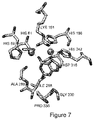
- the catalytic site comprises amino acid residues H59, H61, K151, H186, H242, and D316 that are close to each other in spatial conformation and refer to SEQ ID NO:1.
- the catalytic site further comprises a divalent metal ion.
- the polypeptide further comprises a binding site defined as follows in spatial conformation:
- the binding site comprises amino acid residues I288, A289, P338 and G339 of SEQ ID NO:1 that are close to each other in spatial conformation.
- the catalytic site is not more than 5 angstroms away from the binding site
- the functional variant is a natural isozyme of the amino acid sequence shown in SEQ ID NO:1.
- the functional variant is the insertion, substitution and/or deletion of one or more amino acids on the basis of the amino acid sequence shown in SEQ ID NO:1 or its natural isozyme.
- the present application provides a nucleic acid molecule that encodes the polypeptide described in the first aspect.
- the present application provides an expression cassette, which contains the nucleic acid molecule described in the second aspect.
- the present application provides an expression vector, which comprises the nucleic acid molecule described in the second aspect or the expression cassette described in the third aspect.
- the present application provides a host cell, which comprises the nucleic acid molecule described in the second aspect, the expression cassette described in the third aspect, or the expression vector described in the fourth aspect.
- the host cell can express and produce: a polypeptide comprising the amino acid sequence shown in SEQ ID NO:1 or a functional variant thereof, wherein the functional variant has xanthine amide hydrolysis enzyme activity.
- polypeptide has a catalytic site defined as follows in spatial conformation:
- the catalytic site comprises amino acid residues H59, H61, K151, H186, H242, and D316 that are close to each other in spatial conformation and refer to SEQ ID NO:1.
- the catalytic site further comprises a divalent metal ion.
- the host cell is a eukaryotic cell or a prokaryotic cell.
- the eukaryotic cell is a yeast cell.
- the prokaryotic cell is selected from the group consisting of Escherichia, Lactobacillus, Bifidobacterium, Bacteroides and Firmicutes
- the present application provides a pharmaceutical composition or health food, which comprises the polypeptide described in the first aspect, the nucleic acid molecule described in the second aspect, the expression cassette described in the third aspect, and the expression vector described in the fourth aspect or the host cell and pharmaceutically acceptable carrier or excipient described in the fifth aspect.
- the pharmaceutical composition or health food is used for the prevention and/or intervention and/or treatment of gout.
- the present application provides the polypeptide described in the first aspect, the nucleic acid molecule described in the second aspect, the expression cassette described in the third aspect, the expression vector described in the fourth aspect, and the host cell described in the fifth aspect, or the pharmaceutical composition or health food in degrading purinesin the sixth aspect.
- the degradation of purines occurs in vitro.
- this application provides the polypeptide described in the first aspect, the nucleic acid molecule described in the second aspect, the expression cassette described in the third aspect, the expression vector described in the fourth aspect, and the host cell described in the fifth aspect, or the pharmaceutical composition or health food in the preparation of a medicament for the prevention, intervention and/or treatment of goutin the sixth aspect.
- this application provides a method for preventing, intervening and/or treating gout, which comprises giving toan individual in need the polypeptide of the first aspect, the nucleic acid molecule of the second aspect, and the expression cassette of the third aspect, the expression vector according to the fourth aspect, the host cell according to the fifth aspect, or the pharmaceutical composition or health food according to the sixth aspect.
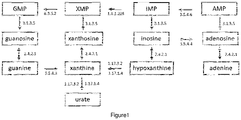
- Figure 1 shows the metabolic pathways of various purines in the human body.
- the final product of various purine metabolism is urate, and the deposition of urate in joints and kidneys is the cause of gout.
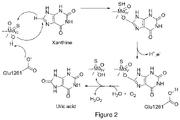
- Figure 2 shows the process by which the aerobic protein xanthine oxidase catalyzes the degradation of xanthine to produce uric acid.
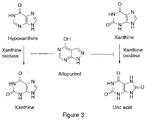
- the gout drug allopurinol inhibits the production of uric acid by inhibiting xanthine oxidase, thereby treating gout ( Figure 3 ).
- G.D. VOGELS et al. Degradation of Purines and Pyrimidines by Microorganisms, Bacteriological Reviews, June 1976, Vol. 40, No. 2, p.
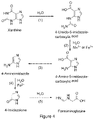
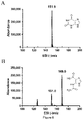
- Figure 4 shows the reaction formula of xanthine amide hydrolase to degrade xanthine under anaerobic conditions.
- the inventor of the present application realizes that purine degradation under anaerobic conditions is of great significance, because the human intestinal tract is an anaerobic environment. If it can precede the absorption of purines in the intestinal tract and degrade purines in the intestinal tract, this is a new idea for prevention, intervention, alleviation and/or treatment of gout.
- the inventor of the present application successfully identified xanthine amide hydrolase that degrades xanthine under anaerobic conditions after doing a lot of work using bioinformatics methods.
- nucleic acids are written from left to right in the 5'to 3'direction, respectively; amino acid sequences are written from left to right in the amino to carboxy direction, respectively.
- the number range includes the number that defines the range.
- Amino acids can be represented herein by their commonly known three-letter symbols or the one-letter symbols recommended by the IUPAC-IUB Biochemical Nomenclature Committee. Likewise, the commonly accepted one-letter codes can be used to represent nucleotides. Refer to the specification as a whole to more fully define the terms defined above.
- Polypeptide and “protein” in this application are used interchangeably herein and refer to polymers of amino acid residues and their variants and synthetic and naturally-occurring analogs. Therefore, these terms apply to naturally-occurring amino acid polymers and their naturally-occurring chemical derivatives, and to non-naturally-occurring amino acids in which one or more amino acid residues are synthetic (such as chemical analogs of the corresponding naturally-occurring amino acids) amino acid polymer.
- Such derivatives include, for example, post-translational modifications and degradation products, including phosphorylated, glycosylated, oxidized, isomerized, carboxylated, and deaminated variants of polypeptide fragments.
- enzyme active center refers to the part of the enzyme molecule that can directly bind to the substrate molecule and catalyze the chemical reaction of the substrate, and this part becomes the active center of the enzyme. It is generally believed that the active center is mainly composed of two functional sites: the first is the catalytic site, where the bond of the substrate is broken or a new bond is formed to cause certain chemical changes; the second is the binding site, which is the substrate of the enzyme,the substance binds to the enzyme molecule by this site.
- the functional part is composed of a few amino acid residues or some groups on these residues that are relatively close in the three-dimensional structure of the enzyme molecule.
- coenzyme molecules such as metal ions Zn 2+ and/or Mn 2+
- a certain part of the structure of the coenzyme molecule is also a function part of the site.
- amino acid refers to a compound in which a hydrogen atom on a carbon atom of a carboxylic acid is replaced by an amino group, and the amino acid molecule contains two functional groups: an amino group and a carboxyl group. It includes naturally occurring and non-naturally occurring amino acids as well as amino acid analogs and mimetics. Naturally-occurring amino acids include 20 kinds of (L)-amino acids used in protein biosynthesis and other amino acids, such as 4-hydroxyproline, hydroxylysine, carboxylated lysine, catenin, isocatenin, high cysteine, citrulline and ornithine.
- Non-naturally occurring amino acids include, for example, (D)-amino acids, norleucine, norvaline, p-fluorophenylalanine, ethylthioine, etc., which are known to those skilled in the art.
- Amino acid analogs include modified forms of naturally occurring and non-naturally occurring amino acids. Such modifications may include, for example, substitution of chemical groups and moieties on amino acids, or derivatization of amino acids.
- Amino acid mimetics include, for example, organic structures that exhibit functionally similar properties, such as the charge and charge space properties of amino acids.
- an organic structure that mimics arginine has a positively charged moiety that is located in a similar molecular space and has the same degree of mobility as the e-amino group of the side chain of a naturally occurring Arg amino acid.
- Mimics also include constrained structures to maintain optimal space and charge interactions of amino acids or amino acid functional groups. Those skilled in the art can determine what structures constitute functionally equivalent amino acid analogs and amino acid mimetics.
- isoenzyme refers to enzymes that catalyze the same reaction in an organism but have different molecular structures.
- nucleic acid refers to mRNA, RNA, cRNA, cDNA or DNA, including single-stranded and double-stranded forms of DNA.
- the term generally refers to a polymeric form of nucleotides of at least 10 bases in length, the nucleotides being ribonucleotides or deoxynucleotides or a modified form of any type of nucleotide.
- nucleic acid encoding when used in the context of a specific nucleic acid means that the nucleic acid contains the necessary information to direct the translation of the nucleotide sequence into a specific protein.
- codons represents information about the encoded protein.
- a nucleic acid encoding a protein may comprise untranslated sequences (e.g., introns) located within the translation region of the nucleic acid or may lack such intervening untranslated sequences (e.g., as in cDNA).
- a "full-length sequence" related to a specific polynucleotide or the protein encoded by it refers to the entire nucleic acid sequence or the entire amino acid sequence having a natural (non-synthetic) endogenous sequence.
- the full-length polynucleotide encodes the full-length, catalytically active form of the specific protein.
- isolated refers to a polypeptide or nucleic acid or a biologically active portion thereof, which is substantially or essentially free of those normally accompanied or reacted with the protein or nucleic acid as found in its naturally occurring environment components. Therefore, when recombinant technology is used to produce isolated polypeptides or nucleic acids, the isolated polypeptides or nucleic acids are substantially free of other cellular materials or culture media, or when the isolated polypeptides or nucleic acids are chemically synthesized, they are substantially free of chemical precursors or other chemicals.
- expression vector as used herein is a recombinantly or synthetically produced nucleic acid construct that has a series of specific nucleic acid elements that allow specific nucleic acid to be transcribed in a host cell.
- the term "host cell” as used herein refers to a cell that receives a foreign gene in transformation and transduction (infection).
- the host cell may be a eukaryotic cell such as a yeast cell or a prokaryotic cell such as E. coli.
- the present application provides a polypeptide comprising the amino acid sequence shown in SEQ ID NO:1 or a functional variant thereof, wherein the functional variant has xanthine amide hydrolase activity.
- the catalytic site has a catalytic site defined as follows in spatial conformation:
- the catalytic site comprises amino acid residues H59, H61, K151, H186, H242, and D316 that are close to each other in spatial conformation and refer to SEQ ID NO:1.
- the catalytic site further comprises a divalent metal ion.
- the catalytic site further comprises two divalent metal ions, such as Zn 2+ and/or Mn 2+ .
- the polypeptide further comprises a binding site having the following definition in a spatial conformation:
- the binding site comprises amino acid residues I288, A289, P338 and G339 of SEQ ID NO:1 that are close to each other in spatial conformation.
- the distance between the catalytic site and the binding site is no more than 5 angstroms
- the functional variant is a natural isozyme of the amino acid sequence shown in SEQ ID NO:1.
- the natural isozyme is derived from: Bacillus firmus, compost metagenome, Clostridium purinilyticum, Thermoflavimicrobium sp., Marininemahalotolerans, Clostridiaceae bacterium, Bacillus sp., Paenibacillus sp., Thermoflavimicrobium dichotomicum, Fictibacillusenclensis, Marininema mesophilum, Paenibacillus typhae, Tissierella praeacuta, Bradyrhizobium japonicum, Acidaminobacter hydrogenoformans, Caloranaerobacter sp., Tissierella sp., Paenibacillus donghaensis, Gottschalkia acidurici, Clostridium acidurici, Bacillus fortis, Bacillus oceanisediminis, Virgiedbacillus profundi,
- the natural isozyme comprises the amino acid sequence shown in any one of SEQ ID NO: 4-104.
- the functional variant is the insertion, substitution and/or deletion of one or more amino acids on the basis of the amino acid sequence shown in SEQ ID NO:1 or its natural isozymes.
- the insertion, substitution and/or deletion does not occur at the catalytic site.
- the insertion, substitution and/or deletion does not occur at the binding site.
- the insertion, substitution and/or deletion does not occur at the catalytic site and the binding site.
- the number of amino acid insertions, substitutions and/or deletions is 1-30, preferably 1-20, more preferably 1-10, wherein the obtained functional variant is basically remaining the activity of xanthine amide hydrolase unchanged.
- the functional variant differs from the amino acid sequence shown in SEQ ID NO:1 by about 1, 2, 3, 4, 5, 6, 7, 8, 9, or 10 amino acids insertions, substitutions and/or deletions.
- the functional variant differs from the amino acid sequence shown in SEQ ID NO: 1 by about 1, 2, 3, 4 or 5 amino acid insertions, substitutions and/or deletions.
- the polypeptide is an isolated polypeptide.
- the present application provides a nucleic acid molecule that encodes the polypeptide described in the first aspect.
- the nucleic acid molecule of the present application comprises a nucleic acid that hybridizes to a nucleotide sequence encoding the polypeptide shown in any one of SEQ ID NO: 1 and SEQ ID NO: 4-104 under stringent conditions.
- Hybridization generally depends on the ability of denatured DNA to reanneal when the complementary strand is in an environment below its melting temperature. The higher the degree of homology between the probe and the hybridizable sequence, the higher the relative temperature that can be used. Therefore, a higher relative temperature tends to make the reaction conditions more stringent, while at a lower temperature, the stringency is lower.
- stringent conditions of the hybridization reaction please refer to Ausubel et al., Current Protocols in Molecular Biology, Wiley Interscience Publishers, (1995 ).
- stringent conditions used for DNA hybridization include: 1) Low ionic strength and high temperature are used for washing, for example, 0.015M sodium chloride/0.0015M sodium citrate/0.1% sodium alkyl sulfate at 50°C; 2) Use formamide and other denaturants during hybridizationat 42°C, such as 50% (v/v) formamide plus 0.1% bovine serum albumin/0.1% Ficoll/0.1% polydiene pyrrolidone/50mM sodium phosphate buffer (pH 6.5), 750mM sodium chloride, 75mM sodium citrate; and or (3) hybridize overnight at 42°C, the hybridization solution contains 50% formamide, 5xSSC (0.75M sodium chloride, 0.075M citric acid sodium), 50mM sodium phosphate (pH 6.8), 0.1% sodium pyrophosphate, 5xDenhardt's solution, sonicated salmon sperm DNA (50mg/mL), 0.1% SDS and 10% dextran sulfate,
- moderately stringent conditions can be determined as described in Sambrook et al., Molecular Cloning: A Laboratory Manual, New York: Cold Spring Harbor Press, 1989 .
- Moderately stringent conditions include the use of washing solutions and hybridization conditions (such as temperature, ionic strength, and SDS percentage) that are less stringent than those described above.
- moderately stringent conditions include hybridization with at least about 16% v/v to at least about 30% v/v formamide and at least about 0.5 M to at least about 0.9 M salt at 42°C, and at least about 0.1 M to at least about 0.2M salt is washed at 55°C.
- Moderately stringent conditions can also include hybridization with 1% bovine serum albumin (BSA), 1mM EDTA, 0.5M NaHPO 4 (pH 7.2), 7% SDS at 65°C, and (i) 2xSSC, 0.1% SDS; or (ii) 0.5% BSA, 1mM EDTA, 40mM NaHPO 4 (pH 7.2), 5% SDS wash at 60-65°C.
- BSA bovine serum albumin
- 1mM EDTA 1mM NaHPO 4
- 2xSSC 0.1% SDS
- the minimum length of a hybridizable nucleic acid is at least about 12 nucleotides, preferably at least about 16, more preferably at least about 24, and most preferably at least about 36 nucleotides.
- nucleic acid molecules of the present application can be combined with other DNA sequences, such as promoters, polyadenylation signals, other restriction sites, multiple cloning sites, other coding segments, etc., so that their total length can vary significantly. It is therefore considered that polynucleotide fragments of almost any length can be utilized; the total length is preferably limited by the ease of preparation and use in the intended recombinant DNA protocol.
- nucleic acid molecules encoding the polypeptides of the present application or functional variants thereof can be used in recombinant DNA molecules to direct the expression of the polypeptides in appropriate host cells. Due to the inherent degeneracy of the genetic code, other DNA sequences encoding substantially the same or functionally equivalent amino acid sequences can also be used in this application, and these sequences can be used to clone and express a given polypeptide.
- nucleic acid molecules of the present application can be modified, including but not limited to the cloning, processing, expression and/or activity modification of gene products.
- the nucleic acid molecule is produced by artificial synthesis, such as direct chemical synthesis or enzymatic synthesis.
- the nucleic acid molecule is produced by recombinant technology.
- the nucleic acid molecule is an isolated nucleic acid molecule.
- the present application provides an expression cassette, which contains the nucleic acid molecule described in the second aspect.
- the expression cassette may additionally include a 5'leader sequence, which can play a role in enhancing translation.
- various DNA fragments can be manipulated to provide the DNA sequence in the proper orientation and in the proper reading frame when appropriate.
- adaptors or linkers can be used to connect DNA fragments, or other operations can be involved to provide convenient restriction sites, remove excess DNA, remove restriction sites, and so on.
- it may involve in vitro mutagenesis, primer repair, restriction, annealing, and replacement, such as transition and transversion.
- the present application provides an expression vector, which comprises the nucleic acid molecule described in the second aspect or the expression cassette described in the third aspect.
- any suitable expression vector can be used in this application.
- the expression vector can be any of pET28, pET14, HT-1N-TAG-2691, pRS416 and other vectors.
- the nucleic acid molecule encoding the polypeptide shown in any one of SEQ ID NO: 1 and SEQ ID NO: 4-104 is cloned into a recombinant vector to form a nucleic acid molecule containing the nucleic acid molecule described in the present application.
- the expression vector used to clone the polynucleotide is a plasmid vector.
- the above-mentioned expression vector further comprises a control sequence for regulating the expression of the nucleic acid molecule, wherein the nucleic acid molecule is operably linked to the control sequence.
- regulatory sequence refers to a polynucleotide sequence required to achieve expression of a coding sequence linked to it.
- the nature of such regulatory sequences varies with the host organism. In prokaryotes, such regulatory sequences generally include promoters, ribosome binding sites, and terminator; in eukaryotes, such regulatory sequences generally include promoters, terminators, and in some cases enhancers. Therefore, the term “regulatory sequence” includes all sequences whose existence is the minimum necessary for the expression of the target gene, and may also include other sequences whose existence is advantageous for the expression of the target gene, such as leader sequences.
- operably linked refers to a situation where the involved sequences are in a relationship that allows them to function in a desired manner.
- a regulatory sequence "operably linked" to a coding sequence allows the expression of the coding sequence to be achieved under conditions compatible with the regulatory sequence.
- nucleotide sequence that encodes the polypeptide shown in any one of SEQ ID NO: 1 and SEQ ID NO: 4-104 and suitable expression vector for transcription/translation regulatory elements. These methods include in vitro recombinant DNA technology, DNA synthesis technology, in vivo recombination technology, etc. ( Sambroook, et al. Molecular Cloning, a Laboratory Manual, cold Spring Harbor Laboratory. New York, 1989 ).
- the nucleotide sequence is operably linked to an appropriate promoter in the expression vector to direct mRNA synthesis.
- promoters include: Escherichia coli lac or trp promoter; lambda phage PL promoter; eukaryotic promoters include CMV immediate early promoter, HSV thymidine kinase promoter, early and late SV40 promoter, Retrovirus LTRs and some other known promoters that can control gene expression in prokaryotic cells or eukaryotic cells or their viruses.
- the expression vector also includes a ribosome binding site for translation initiation and a transcription terminator. Inserting an enhancer sequence into the vector will enhance its transcription in higher eukaryotic cells. Enhancers are cis-acting factors of DNA expression, usually about 10 to 300 base pairs, acting on promoters to enhance gene transcription. Examples include SV40 enhancers of 100 to 270 base pairs on the late side of the replication initiation point, polyoma enhancers and adenovirus enhancers on the late side of the replication initiation point, and etc.
- the expression vector preferably contains one or more selectable marker genes to provide phenotypic traits for selection of transformed host cells, such as those encoding kanamycin sulfate resistance, ampicillin resistance, and etc.
- the present application provides a host cell, which comprises the nucleic acid molecule described in the second aspect or the expression cassette described in the third aspect or the expression vector described in the fourth aspect.
- the host cell can express and produce: a polypeptide comprising the amino acid sequence shown in SEQ ID NO:1 or a functional variant thereof, wherein the functional variant has xanthine amide hydrolysis enzyme activity.
- the polypeptide has a catalytic site defined as follows in spatial conformation:
- the catalytic site comprises amino acid residues H59, H61, K151, H186, H242, and D316 that are close to each other in spatial conformation and refer to SEQ ID NO:1.
- the catalytic site further comprises a divalent metal ion.
- the catalytic site further comprises two divalent metal ions, such as Zn 2+ and/or Mn 2+ .
- the polypeptide has a catalytic site and a binding site defined as follows in a spatial conformation:
- the catalytic site comprises amino acid residues H59, H61, K151, H186, H242 and D316 that are close to each other in spatial conformation and with reference to SEQ ID NO:1 and 2 divalent metal ions (e.g. Zn 2+ and/or Mn 2+ ).
- the binding site comprises amino acid residues I288, A289, P338 and G339 of SEQ ID NO:1 that are close to each other in spatial conformation.
- the usable host cell is a cell containing the above-mentioned expression vector, which may be a eukaryotic cell, for example, a yeast cell culture system may be used for the expression of the polypeptide of the present application.
- the host cell may also be a prokaryotic cell containing the above-mentioned expression vector, for example, may be selected from the genus Escherichia (for example, Escherichia coli ), Lactobacillus, Bifidobacterium, Bacteroides, Firmicutes, and etc.
- the host cell is a yeast cell or E . coli.
- the nucleic acid molecule encoding one or more enzymes of the present application may exist in the host cell in the form of an episomal vector, or may also be integrated into the genome of the host cell.
- the isolated nucleic acid is operably linked to a regulatory sequence, which can be recognized by a host cell transformed with the expression vector.
- the expression vector can be introduced into the host cell using any technique known in the art, including transformation, transduction, transfection, viral infection, particle bombardment or Ti-mediated gene transfer. Specific methods include calcium phosphate transfection, DEAE-dextran-mediated transfection, lipofection or electroporation ( Davis, L., Dibner, M., Battey, I., Basic Methods in Molecular Biology, (1986 )). As an example, when the host is a prokaryotic organism such as Escherichia coli, competent cells can be harvested after the exponential growth phase and transformed by the CaCl 2 method well known in the art.
- the present application provides a pharmaceutical composition or health food, which comprises the polypeptide described in the first aspect, the nucleic acid molecule described in the second aspect, the expression cassette described in the third aspect, and the expression vector described in the fourth aspect, or the host cell described in the fifth aspect and a pharmaceutically acceptable carrier or excipient.
- the pharmaceutical composition or health food is used for the prevention, intervention and/or treatment of gout.
- the pharmaceutical composition or health food may further comprise one or more of the following: lubricants, such as talc, magnesium stearate and mineral oil; wetting agents; emulsifiers; suspending agents; preservatives, such as benzoic acid, sorbic acid and calcium propionate; sweeteners and/or flavoring agents, etc.
- lubricants such as talc, magnesium stearate and mineral oil
- wetting agents such as talc, magnesium stearate and mineral oil
- emulsifiers such as talc, magnesium stearate and mineral oil
- suspending agents such as benzoic acid, sorbic acid and calcium propionate
- preservatives such as benzoic acid, sorbic acid and calcium propionate
- sweeteners and/or flavoring agents etc.
- the pharmaceutical composition or health food in the present application can be formulated into tablets, pills, powders, lozenges, elixirs, suspensions, emulsions, solutions, syrups, suppositories or capsules, etc.
- any method that can be administered to the intestinal tract can be used to deliver the pharmaceutical composition or health food of the present application, preferably oral administration.
- the host cells of the fifth invention are prepared into enteric-coated capsules for oral administration.
- the drug for therapeutic use can be formulated in the form of a lyophilized preparation or an aqueous solution by mixing a reagent with the required purity with a pharmaceutically acceptable carrier, excipient, etc. and used for storage.
- the present application provides the polypeptide described in the first aspect, the nucleic acid molecule described in the second aspect, the expression cassette described in the third aspect, the expression vector described in the fourth aspect, and the host cell described in the fifth aspect, or the pharmaceutical composition or health food in degrading purinesin the sixth aspect.
- the degradation of purines occurs in vitro.
- the degradation of purines is performed in an anaerobic environment, such as in the intestine.
- this application provides the polypeptide described in the first aspect, the nucleic acid molecule described in the second aspect, the expression cassette described in the third aspect, the expression vector described in the fourth aspect, and the host cell described in the fifth aspect, or the pharmaceutical composition or health food in the preparation of a medicament for the prevention, intervention and/or treatment of goutin the sixth aspect.
- the present application provides a method for preventing, intervening and/or treating gout, which comprises giving toan individual in needthe polypeptide of the first aspect, the nucleic acid molecule of the second aspect, and the expression cassette of the third aspect, the expression vector according to the fourth aspect, the host cell according to the fifth aspect, or the pharmaceutical composition or health food according to the sixth aspect.
- the xanthine amide hydrolase shown in SEQ ID NO: 1 degrades xanthine into 4-ureido-5-carboxyimidazole, thereby reducing the acquisition of purine by human cells,and converting purine into uric acid, thus degrading xanthine in the intestinal tract to prevent, intervene and/or treat gout.
- the upstream and downstream primers shown in SEQ ID NOs: 2 and 3 were used to PCR amplify the xanthine amide hydrolase (SEQ ID NO: 1) nucleic acid molecules to obtain the gene sequence encoding xanthine amide hydrolase.
- SEQ ID NO: 1 the gene sequence encoding xanthine amide hydrolase was inserted into the Sspl restriction site of the HT-1N-TAG-2691 vector (which contains His 6 tag and TEV protease cleavage site) to obtain the expression vector with the gene encoding xanthine amidehydrolase.
- the expression vector containing gene 1 encoding xanthine amide hydrolase constructed in Example 1 was transformed into E. coli BL21 cells, and spread on LB agar plates containing 50 ⁇ g/mL kanamycin sulfate, and incubate overnight at 37°C. Pick a single colony and culture it overnight in 5mL LB liquid medium containing kanamycin sulfate at 220rpm,37°C.Then transfer it to 800mL LB medium for expand cultivation the next day. When the OD 600 value reaches about 0.8, change the temperature to 18°C, and add IPTG at a final concentration of 0.3 mM to induce protein expression.
- the cells were collected by centrifugation at 4000xg for 10 min at 4°C. Resuspend the bacterial pellet in 35mL lysis buffer [50mM Tris/HCI, pH 8.0, 1mM phenylmethylsulfonyl fluoride (PMSF), 0.2mg/mL lysozyme, 0.03% Triton X-100 and 1 ⁇ L DNase I], and frozen and preserved at -80°C.
- lysis buffer 50mM Tris/HCI, pH 8.0, 1mM phenylmethylsulfonyl fluoride (PMSF), 0.2mg/mL lysozyme, 0.03% Triton X-100 and 1 ⁇ L DNase I
- the cells were taken out from -80°C and incubated in a water bath at 25°C for 40 minutes to lyse the cells. Add 6 mL of 6% streptomycin sulfate aqueous solution, mix gently, and centrifuge at 20,000xg for 5 minutes at 4°C. The supernatant was filtered with a 0.22 ⁇ m filter membrane and bound to a 5mL TALON cobalt column equilibrated with buffer A (20mM Tris-HCl 7.5, 0.2M KCI), and the column was washed with 10 times the column volume of buffer A.
- buffer A (20mM Tris-HCl 7.5, 0.2M KCI
- the target protein was eluted with 5 column volumes of buffer B containing 150 mM imidazole (20 mM Tris-HCl 7.5, 0.2 M KCI, 150 mM imidazole, 5 mM ⁇ -mercaptoethanol).
- buffer B containing 150 mM imidazole (20 mM Tris-HCl 7.5, 0.2 M KCI, 150 mM imidazole, 5 mM ⁇ -mercaptoethanol.
- ammonium sulfate to the eluted protein solution to 70% saturated precipitated protein, centrifuge at 10,000 ⁇ g for 10 minutes, discard the supernatant, and use 5mL buffer C (20mM Tris-HCl 7.5, 0.2M KCI, 10 % (V/v) glycerol) to resuspend the precipitate, and a G25 column was used to remove the salt.
- the target protein After removing the salt, the target protein is divided into aliquots, quick-frozen with liquid nitrogen, and stored at -80°C for freezer storage.
- the final concentration of xanthine amide hydrolase is detected by a spectrophotometer. According to the protein sequence, the extinction coefficient of xanthine amide hydrolase is 55,810M -1 cm -1 . On average, about 35mg of protein can be purified per liter.
- Figure 5 shows the process of expression and purification of xanthine amide hydrolase, and its migration rate on gel electrophoresis conforms to the actual molecular weight (55.7kDa).
- the PHYRE2 server was used to simulate the structure of the enzyme ( Figure 7 ), showing that it contains fourhistidines, one lysine, one aspartic acid, and two divalent metal ions (Zn 2+ and/or Mn 2+ )composing a catalytic site. Furthermore, computer software was used to show the anchoring of the substrate xanthine to the simulated xanthine amide hydrolase.
- the active center also includes one isoleucine, one alanine, one proline and one glycine that are close to each other in spatial conformation,and form the binding site which interacts with the substrate xanthine ( Figure 7 ).
- the inventor of the present application further found the sequence of this xanthine amide hydrolase isoenzyme UniRef50 from the Uniprot database (covering 50% sequence identity, and at the same time more than 80% of the xanthine amide hydrolase length of the protein sequence), the above sequences are all in The UniRef50_Q3AEA1 cluster includes a total of 101 protein sequences, and the phylogenetic tree analysis of these 101 proteins from different species ( Figure 8 ).
- a representative protein is selected from each evolutionary branch, and there are five proteins in total, which are derived from Bacillus firmus, Clostridium cylindrosporum DSM 605, Clostridium purinilyticum, Carbydothermus hydrogenoformans strain ATCC BAA-161/DSM 6008/Z-2901, and Paenibacillus donghaensis, the accession numbers encoded by them are A0A366K523, A0A0J8G334, A0A0L0W692, Q3AEA1, and A0A2Z2KEH1.
- Table 2 shows the accession numbers, strain sources and amino acid sequence numbers of 101 xanthine amide hydrolase enzymes found in the Uniprot database. Table 2 Accession number Source of strain SEQ ID NO: A0A0L0W692 Clostridium purinilytica 4 A0A364K317 Thermoflavimicrobium sp.
- FSLR5-0912 13 A0A1G9DGW2 Paenibacillus typhae 14 A0A1M4UHZ6 Tissierella praeacuta DSM18095 15 A0A1I6C7J4 Bacillus sp. c195 16 A0A0A3XEE6 Bradyrhizobium japonicum 17 A0A380XTT6 Bacillus firmus 18 A0A1G5S5P6 Acidaminobacten hydrogenoformansDSM 2784 19 A0A0P8Z9T7 Caloranaerobacter sp . TR13 20 A0A265Q2B2 Tissierellasp. P1 21 A0A429Y566 Bacillus sp.
- A0A2Z2KEH1 Paenibacillus donghaensis 23 K0AWA5 Gottschakia aciduric (ATCC 7906 / DSM 604 / BCRC 14475 / CIP 104303 / NCIMB 10678 / 9a) 24 A0A443IKX3 Bacillus fortis 25 A0A2V2ZNB0 Bacillus oceantsediminis 26 A0A2A2IEE5 Virgibacillus profundi 27 A0A089MDW3 Paenibacillus sp. FSLR7-0331 28 A0A0M0X8C9 Bacillus sp.
- A0A3F3S6I2 Tissierella praeacuta 30 A0A1S1YDG4 Bacillus oceanisediminis 31 A0A1I1X526 Bacillus sp. OV194 32 A0A267MJF0 Anaeromicrobium sedimints 33 A0A1M5RDLO Thermosyntropha lipolytica DSM11003 34 A0A1G5KXHO Alkaliphilus peptidifermentans DSM18978 35 A0A1G807H9 Aneurinibacillus migulanus 36 A0A0B2F3Z2 Paenibacillussp.
- DMB5 86 A0A235B9X8 Paludiflum halophtlum 87 A0A1H3NJWI Proteiniborus ethanoligenes 88 A6TWT7 Alkaliphilus metalliredigens (strain QYMF) 89 A0A1G9U6Z5 Fictibacillus solisalsi 90 A0A0M0GGH4 Sporosarcina globispora 91 A0A366K523 Bacillus firmus 92 A0A1R1FFH4 Paenibacillus sp. FSLR5-0490 93 A0A2G2MLE4 Alkaliphilus sp.
- Escherichia coli capable of expressing xanthine amide hydrolase (SEQ ID NO: 1) was constructed.
- the key operation of this example is to integrate the gene encoding xanthine amide hydrolase into the E . coli genome, for example, one copy of the multi-copy 16sRNA, so that it can be stably expressed, and at the same time, the promoter controlling guanine transporter and guanine deaminase is replaced with the gapA promoter, allowing the gene encoding xanthine amide hydrolase to continuously and stably express.
- the promoters encoding guanine transporter and guanine deaminase with the constitutive and continuous and stable expression promoter gapA.
- the original promoter can usually not promote the gene express when the nitrogen source is sufficientin the environment,unless therelack nitrogen sources or thereis guanine nitrogenin the environment.
- Example 7 Escherichia coli expressing xanthine amide hydrolase is used for the treatment of gout
- Example 6 Usingoxonic acid-induced hyper-uric acid rats or uricase knockout transgenic mice as gout animal models, various Escherichia coli prepared in Example 6 were made into enteric-coated capsules. Under the same feeding conditions, test whether various E . coli enteric-coated capsules can reduce the blood uric acid content of gout rats and mouse models.
- Example 8 Escherichia coli expressing xanthine amide hydrolase is used for the treatment of gout
- Hyperuricemia group The rats were fed a diet containing 1% (w/w) adenine every day for two weeks.
- Control group rats were fed with ordinary diet daily for two weeks.
- mice choose Balb/c mice (8 weeks old), 5 mice in each group, and divide them into experimental group, hyperuricemia group and control group under the same feeding conditions.
- the specific experimental process is as follows:
- Hyperuricemia group mice were fed 0.1% (w/w) adenine feed and 200 mg/kg potassium oxonateby gavage every day for two weeks.
- Control group normal feed was fed every day for two weeks.
Landscapes
- Life Sciences & Earth Sciences (AREA)
- Health & Medical Sciences (AREA)
- Chemical & Material Sciences (AREA)
- Engineering & Computer Science (AREA)
- Genetics & Genomics (AREA)
- Organic Chemistry (AREA)
- Bioinformatics & Cheminformatics (AREA)
- Wood Science & Technology (AREA)
- Zoology (AREA)
- General Health & Medical Sciences (AREA)
- Molecular Biology (AREA)
- General Engineering & Computer Science (AREA)
- Biochemistry (AREA)
- Biomedical Technology (AREA)
- Biotechnology (AREA)
- Medicinal Chemistry (AREA)
- Nutrition Science (AREA)
- Food Science & Technology (AREA)
- Polymers & Plastics (AREA)
- Mycology (AREA)
- Microbiology (AREA)
- Proteomics, Peptides & Aminoacids (AREA)
- Pharmacology & Pharmacy (AREA)
- Public Health (AREA)
- Veterinary Medicine (AREA)
- Animal Behavior & Ethology (AREA)
- Nuclear Medicine, Radiotherapy & Molecular Imaging (AREA)
- Plant Pathology (AREA)
- Pain & Pain Management (AREA)
- Rheumatology (AREA)
- Physical Education & Sports Medicine (AREA)
- Chemical Kinetics & Catalysis (AREA)
- General Chemical & Material Sciences (AREA)
- Physics & Mathematics (AREA)
- Biophysics (AREA)
- Epidemiology (AREA)
- Gastroenterology & Hepatology (AREA)
- Immunology (AREA)
- Enzymes And Modification Thereof (AREA)
- Micro-Organisms Or Cultivation Processes Thereof (AREA)
Abstract
Description
- This application claims the priority of
Chinese Patent Application No. 202010036500.6 202010036519.0 filed on January 14, 2020 - This application generally relates to the field of biomedicine technology; specifically, this application provides a new purine degradation pathway, enzymes participating in the pathway, and their usages, especially in the treatment of gout.
- The absorption of purines mainly occurs in the intestine, which is an anaerobic environment. Gout is a type of arthritis caused by abnormal purine metabolism. It is characterized by recurring red, tender, burning, and swollen joints. The pain usually occurs quickly, reaching maximum intensity in less than 12 hours. The cause of gout is the increase in the level of uric acid in the body, which causes the deposition of urate in the joints and kidneys, and uric acid is a product of purine metabolism.
- The existing drugs for gout include colchicine, allopurinol, febuxostat and other non-steroidal anti-inflammatory drugs and glucocorticoids. Colchicine inhibits the chemotaxis, adhesion and phagocytosis of neutrophils, so as to control local pain, swelling and inflammation in the joints. Allopurinol and febuxostat are selective xanthine oxidase inhibitors that can treat gout by reducing the blood urate concentration, but the above drugs have relatively large side effects.
- The development and application of new drugs for the prevention, intervention and/or treatment of gout are needed in this field.
- In the first aspect, the present application provides a polypeptide comprising the amino acid sequence shown in SEQ ID NO:1 or a functional variant thereof, wherein the functional variant has xanthine amide hydrolase activity.
- In some embodiments of the first aspect, wherein the polypeptide has a catalytic site defined as follows in spatial conformation:
The catalytic site comprises amino acid residues H59, H61, K151, H186, H242, and D316 that are close to each other in spatial conformation and refer to SEQ ID NO:1. - In some embodiments of the first aspect, the catalytic site further comprises a divalent metal ion.
- In some embodiments of the first aspect, the polypeptide further comprises a binding site defined as follows in spatial conformation:
The binding site comprises amino acid residues I288, A289, P338 and G339 of SEQ ID NO:1 that are close to each other in spatial conformation. - In some embodiments of the first aspect, wherein the catalytic site is not more than 5 angstroms away from the binding site
- In some embodiments of the first aspect, the functional variant is a natural isozyme of the amino acid sequence shown in SEQ ID NO:1.
- In some embodiments of the first aspect, wherein the functional variant is the insertion, substitution and/or deletion of one or more amino acids on the basis of the amino acid sequence shown in SEQ ID NO:1 or its natural isozyme.
- In some embodiments of the first aspect, wherein the insertion, substitution and/or deletion does not occur at the catalytic site and/or binding site.
- In the second aspect, the present application provides a nucleic acid molecule that encodes the polypeptide described in the first aspect.
- In the third aspect, the present application provides an expression cassette, which contains the nucleic acid molecule described in the second aspect.
- In the fourth aspect, the present application provides an expression vector, which comprises the nucleic acid molecule described in the second aspect or the expression cassette described in the third aspect.
- In the fifth aspect, the present application provides a host cell, which comprises the nucleic acid molecule described in the second aspect, the expression cassette described in the third aspect, or the expression vector described in the fourth aspect.
- In some embodiments of the fifth aspect, the host cell can express and produce: a polypeptide comprising the amino acid sequence shown in SEQ ID NO:1 or a functional variant thereof, wherein the functional variant has xanthine amide hydrolysis enzyme activity.
- In some embodiments of the fifth aspect, wherein the polypeptide has a catalytic site defined as follows in spatial conformation:
- The catalytic site comprises amino acid residues H59, H61, K151, H186, H242, and D316 that are close to each other in spatial conformation and refer to SEQ ID NO:1.
- In some embodiments of the fifth aspect, the catalytic site further comprises a divalent metal ion.
- In some embodiments of the fifth aspect, the host cell is a eukaryotic cell or a prokaryotic cell.
- In some embodiments of the fifth aspect, the eukaryotic cell is a yeast cell.
- In some embodiments of the fifth aspect, the prokaryotic cell is selected from the group consisting of Escherichia, Lactobacillus, Bifidobacterium, Bacteroides and Firmicutes
- In the sixth aspect, the present application provides a pharmaceutical composition or health food, which comprises the polypeptide described in the first aspect, the nucleic acid molecule described in the second aspect, the expression cassette described in the third aspect, and the expression vector described in the fourth aspect or the host cell and pharmaceutically acceptable carrier or excipient described in the fifth aspect.
- In some embodiments of the sixth aspect, the pharmaceutical composition or health food is used for the prevention and/or intervention and/or treatment of gout.
- In the seventh aspect, the present application provides the polypeptide described in the first aspect, the nucleic acid molecule described in the second aspect, the expression cassette described in the third aspect, the expression vector described in the fourth aspect, and the host cell described in the fifth aspect, or the pharmaceutical composition or health food in degrading purinesin the sixth aspect.
- In some embodiments of the seventh aspect, the degradation of purines occurs in vitro.
- In the eighth aspect, this application provides the polypeptide described in the first aspect, the nucleic acid molecule described in the second aspect, the expression cassette described in the third aspect, the expression vector described in the fourth aspect, and the host cell described in the fifth aspect, or the pharmaceutical composition or health food in the preparation of a medicament for the prevention, intervention and/or treatment of goutin the sixth aspect.
- In the ninth aspect, this application provides a method for preventing, intervening and/or treating gout, which comprises giving toan individual in need the polypeptide of the first aspect, the nucleic acid molecule of the second aspect, and the expression cassette of the third aspect, the expression vector according to the fourth aspect, the host cell according to the fifth aspect, or the pharmaceutical composition or health food according to the sixth aspect.
-
-
Figure 1 shows the human body's metabolic pathways that degrade various purines and the EC numbers of enzymes that catalyze each step of the reaction. -
Figure 2 shows the metabolic reaction of xanthine oxidase to degrade xanthine to produce uric acid and its catalytic mechanism involving complex Mo-containing prosthetic groups. -
Figure 3 shows the mechanism of allopurinol in the treatment of gout by inhibiting xanthine oxidase to prevent the production of uric acid. -
Figure 4 shows the reaction formula (1) and the entire metabolic pathway for xanthine amide hydrolase to degrade xanthine under anaerobic conditions. -
Figure 5 shows the electrophoresis results of the purified xanthine amide hydrolase, where lane M represents the molecular weight indicator, lane T is the bacterial lysate expressing xanthine amide hydrolase, and lane U represents the bacterial lysate after the Co affinity column, Lanes E1, E2, and E3 represent 1, 2 and 4 µg xanthine amide hydrolase purified and eluted by a cobalt affinity column, respectively. -
Figure 6 shows the LC-MS (liquid mass spectrometry) test results of the enzymatic activity of xanthine amide hydrolase catalyzing the hydrolysis and opening of xanthine, where A is the LC-MS test results of the negative control without enzyme, and B is the LC-MS detection results of thetest group. -
Figure 7 is a diagram of the active center of the xanthine amide hydrolase structure obtained by computer simulation by the PHYRE2 server (PHYRE2Protein Fold Recognition Server). The catalytic site contains fourhistidines, onecarboxylated lysine,one aspartic acid and two divalent metal ions (such as Zn2+ and/or Mn2+)that are close to each other in spatial conformation; the binding site contains one isoleucine,onealanine, one proline and one glycine residuethat are close to each other in spatial conformation and interact with xanthine. -
Figure 8 is a phylogenetic tree diagram of all xanthine amide hydrolase enzymes in UniRef50_Q3AEA1. Gray markers are selected strains from each tree branch to represent Bacillus firmus, Clostridium cylindrosporum DSM 605, Clostridium purinilyticum, Carbydothermus hydrogenoformans strain ATCC BAA- 161/DSM 6008/Z-2901 and Paenibacillus donghaensis, the amino acid sequences of xanthine amide hydrolase encoded by them are A0A366K523, A0A0J8G334, A0A0L0W692, Q3AEA1 and A0A2Z2KEH1, respectively, and compared as inFigure 9 . -
Figure 9 shows the xanthine amide hydrolase sequence comparison results of A0A366K523, A0A0J8G334, A0A0L0W692, Q3AEA1 and A0A2Z2KEH1 encoded by five different species of Bacillus firmus, Clostridium cylindrosporum DSM 605, Clostridium purinilyticum,Carbydothermus hydrogenoformans strain ATCC BAA-161/DSM 6008/ Z-2901 and Paenibacillus donghaensis, wherein the catalytic site contains two divalent metals (such as Zn2+ or Mn2+, etc.) and four histidine (H), one lysine (K) and one aspartic acid (D) residues (solid box) coordinated with the gray background; the binding site contains one isoleucine (I), one alanine (A), one proline (P) and one glycine residues (G)that binds to xanthine with gray background. -
- SEQ ID NO: 1 shows the amino acid sequence of the xanthine amide hydrolase expressed by Bacillus firmus(CGMCC1.2010).
- SEQ ID NO: 2 shows the nucleotide sequence of the upstream primer used for PCR amplification of the nucleic acid molecule encoding xanthine amide hydrolase.
- SEQ ID NO: 3 shows the nucleotide sequence of the downstream primer used for PCR amplification of the nucleic acid molecule encoding xanthine amide hydrolase.
- SEQ ID NO: 4 shows the amino acid sequence of the xanthine amide hydrolase expressed by Clostridium purinilytica with the accession number A0A0L0W692.
- SEQ ID NO: 5 shows the amino acid sequence of the xanthine amide hydrolase with the accession number A0A364K317 expressed by Thermoflavimicrobium sp. FBKL4.011.
- SEQ ID NO: 6 shows the amino acid sequence of the xanthine amide hydrolase expressed by the salt-tolerant marine filamentous bacteria (Marininema halotolerans) with the accession number A0A1I6SUY8.
- SEQ ID NO: 7 shows the amino acid sequence of the xanthine amide hydrolase expressed by Clostridiaceae bacterium with the accession number A0A3D2NSM2.
- SEQ ID NO: 8 shows the amino acid sequence of the xanthine amide hydrolase with the accession number E5WNF6 expressed by Bacillus sp.2_A_57_CT2.
- SEQ ID NO: 9 shows the amino acid sequence of the xanthine amide hydrolase expressed by Paenibacillus sp.FSL H8-0259 with the accession number A0A1R1CK18.
- SEQ ID NO: 10 shows the amino acid sequence of the xanthine amide hydrolase expressed by Thermoflavimicrobium dichotomicum with the accession number A0A1I3U261.
- SEQ ID NO: 11 shows the amino acid sequence of the xanthine amide hydrolase expressed by Fictibacillus enclensis with the accession number A0A0V8JCN2.
- SEQ ID NO: 12 shows the amino acid sequence of the xanthine amide hydrolase expressed by the marine filamentous bacteria (Marininema mesophilum) with the accession number A0A1H2QVP9.
- SEQ ID NO: 13 shows the amino acid sequence of the xanthine amide hydrolase expressed by Paenibacillus sp.FSL R5-0912 with the accession number A0A089K5P4.
- SEQ ID NO: 14 shows the amino acid sequence of the xanthine amide hydrolase expressed by Paenibacillus typhae with the accession number A0A1G9DGW2.
- SEQ ID NO: 15 shows the amino acid sequence of the xanthine amide hydrolase expressed by Tissierella praeacuta DSM18095 with the accession number A0A1M4UHZ6.
- SEQ ID NO: 16 shows the amino acid sequence of the xanthine amide hydrolase expressed by Bacillus cl95 (Bacillus sp. cl95) with the accession number A0A1I6C7J4.
- SEQ ID NO: 17 shows the amino acid sequence of the xanthine amide hydrolase expressed by Bradyrhizobium japonicum with the accession number A0A0A3XEE6.
- SEQ ID NO: 18 shows the amino acid sequence of the xanthine amide hydrolase expressed by Bacillus firmus with the accession number A0A380XTT6.
- SEQ ID NO: 19 shows the amino acid sequence of the xanthine amide hydrolase expressed by Acidaminobacter hydrogenoformansDSM 2784 with the accession number A0A1G5S5P6.
- SEQ ID NO: 20 shows the amino acid sequence of the xanthine amide hydrolase expressed by Caloranaerobacter sp. TR13 with the accession number A0A0P8Z9T7.
- SEQ ID NO: 21 shows the amino acid sequence of xanthine amide hydrolase expressed by Tissierella sp. P1 with the accession number A0A265Q2B2.
- SEQ ID NO: 22 shows the amino acid sequence of the xanthine amide hydrolase expressed by Bacillus sp. 3-2-2 with the accession number A0A429Y566.
- SEQ ID NO: 23 shows the amino acid sequence of the xanthine amide hydrolase expressed by Paenibacillus donghaensis with the accession number A0A2Z2KEH1.
- SEQ ID NO: 24 shows the amino acid sequence of the xanthine amide hydrolase with the accession number K0AWA5 expressed by Gottschalkia acidurici (strain ATCC7906/DSM 604/BCRC 14475/CIP 104303/NCIMB 10678/9a).
- SEQ ID NO: 25 shows the amino acid sequence of the xanthine amide hydrolase expressed by Bacillus fortis with the accession number A0A443IKX3.
- SEQ ID NO: 26 shows the amino acid sequence of the xanthine amide hydrolase expressed by Bacillus oceanisediminis with the accession number A0A2V2ZNB0.
- SEQ ID NO: 27 shows the amino acid sequence of the xanthine amide hydrolase expressed by Virgibacillus profundi with the accession number A0A2A2IEE5.
- SEQ ID NO: 28 shows the amino acid sequence of the xanthine amide hydrolase expressed by Paenibacillus sp. FSL R7-0331 with the accession number A0A089MDW3.
- SEQ ID NO: 29 shows the amino acid sequence of the xanthine amide hydrolase expressed by Bacillus sp. FJAT-21945) with the accession number A0A0M0X8C9.
- SEQ ID NO: 30 shows the amino acid sequence of xanthine amide hydrolase expressed by Tissierella praeacuta with the accession number A0A3F3S6I2.
- SEQ ID NO: 31 shows the amino acid sequence of xanthine amide hydrolase expressed by Bacillus oceanisediminis with the accession number A0A1S1YDG4.
- SEQ ID NO: 32 shows the amino acid sequence of the xanthine amide hydrolase expressed by Bacillus sp. OV194 with the accession number A0A1I1X526.
- SEQ ID NO: 33 shows the amino acid sequence of the xanthine amide hydrolase expressed by Anaeromicrobiumsediminis with the accession number A0A267MJF0.
- SEQ ID NO: 34 shows the amino acid sequence of the xanthine amide hydrolase whose accession number is A0A1M5RDL0 expressed by Thermosyntropha lipolytica DSM 11003.
- SEQ ID NO: 35 shows the amino acid sequence of the xanthine amide hydrolase expressed by Alkaliphilus peptidifermentans DSM 18978 with the accession number A0A1G5KXH0.
- SEQ ID NO: 36 shows the amino acid sequence of the xanthine amide hydrolase expressed by Aneurinibacillus migulanus with the accession number A0A1G8Q7H9.
- SEQ ID NO: 37 shows the amino acid sequence of the xanthine amide hydrolase expressed by Paenibacillus sp. IHB B 3415 with the accession number A0A0B2F3Z2.
- SEQ ID NO: 38 shows the amino acid sequence of the xanthine amide hydrolase expressed by Marinisporobacter balticus with the accession number A0A4R2KME8.
- SEQ ID NO: 39 shows the amino acid sequence of the xanthine amide hydrolase expressed by Bacillus terrae with the accession number A0A429X0W8.
- SEQ ID NO: 40 shows the amino acid sequence of the xanthine amide hydrolase expressed by Tindallia californiensis with the accession number A0A1H3Q6T8.
- SEQ ID NO: 41 shows the amino acid sequence of the xanthine amide hydrolase with the accession number K0B360 expressed by Clostridium acidurici(strain ATCC7906/DSM 604/BCRC 14475/CIP 104303/NCIMB 10678/9a).
- SEQ ID NO: 42 shows the amino acid sequence of the xanthine amide hydrolase expressed by Romboutsia lituseburensis DSM 797 with the accession number A0A1G9M635.
- SEQ ID NO: 43 shows the amino acid sequence of the xanthine amide hydrolase expressed by Paraclostridium bifermentans ATCC 19299 with the accession number T4V5T0.
- SEQ ID NO: 44 shows the amino acid sequence of the xanthine amide hydrolase expressed by Bacilluspraedii with the accession number A0A4R1ATL6.
- SEQ ID NO: 45 shows the amino acid sequence of the xanthine amide hydrolase expressed by Carbydothermus islandicus with the accession number A0A1L8D5S0.
- SEQ ID NO: 46 shows the amino acid sequence of the xanthine amide hydrolase expressed by Caloramator australicus RC3 with the accession number I7KTT3.
- SEQ ID NO: 47 shows the amino acid sequence of the xanthine amide hydrolase with the accession number T4VRB8 expressed by Paraclostridium bifermentans ATCC 638.
- SEQ ID NO: 48 shows the amino acid sequence of the xanthine amide hydrolase expressed by Tepidimicrobium xylanilyticumwith the accession number A0A1H2RLU1.
- SEQ ID NO: 49 shows the amino acid sequence of the xanthine amide hydrolase expressed by Aneurinibacillus migulanus with the accession number A0A0K2WJ73.
- SEQ ID NO: 50 shows the amino acid sequence of the xanthine amide hydrolase expressed by Bacillus bacterium with the accession number A0A3D0EBN7.
- SEQ ID NO: 51 shows the amino acid sequence of the xanthine amide hydrolase expressed by Bacillusnotoginsengisoli with the accession number A0A417YW08.
- SEQ ID NO: 52 shows the amino acid sequence of the xanthine amide hydrolase expressed by Bacillus oceanisediminis 2691 with the accession number A0A160MBB4.
- SEQ ID NO: 53 shows the amino acid sequence of the xanthine amide hydrolase expressed by Paenibacillus sp.FSL R7-0273 with the accession number A0A089LXU3.
- SEQ ID NO: 54 shows the amino acid sequence of the xanthine amide hydrolase with the accession number M1ZGS5 expressed by [Clostridium] ultunense Esp.
- SEQ ID NO: 55 shows the amino acid sequence of the xanthine amide hydrolase expressed by Bacillus freudenreichii with the accession number A0A448FF64.
- SEQ ID NO: 56 shows the amino acid sequence of the xanthine amide hydrolase expressed by Caloramator fervidus with the accession number A0A1H5RUL9.
- SEQ ID NO: 57 shows the amino acid sequence of xanthine amide hydrolase expressed by Bacillus oceanisediminis with the accession number A0A4R8GVS7.
- SEQ ID NO: 58 shows the amino acid sequence of the xanthine amide hydrolase expressed by Soehngenia saccharolytica with the accession number A0A4T9ZWH0.
- SEQ ID NO: 59 shows the amino acid sequence of the xanthine amide hydrolase with the accession number W7LB72 expressed by Bacillus firmus DS1.
- SEQ ID NO: 60 shows the amino acid sequence of the xanthine amide hydrolase expressed by Thermotalea metallivorans with the accession number A0A140L3I5.
- SEQ ID NO: 61 shows the amino acid sequence of the xanthine amide hydrolase expressed by Ornithinibacillus halophilus with the accession number A0A1M5FNK3.
- SEQ ID NO: 62 shows the amino acid sequence of the xanthine amide hydrolase whose accession number is A0A1M5LQE8 expressed by Thermosyntropha lipolyticaDSM 11003.
- SEQ ID NO: 63 shows the amino acid sequence of the xanthine amide hydrolase expressed by Fictibacillus sp. S7 with the accession number A0A4Q2HRQ1.
- SEQ ID NO: 64 shows the amino acid sequence of the xanthine amide hydrolase expressed by Bacillus mesonae with the accession number A0A3Q9QZ31.
- SEQ ID NO: 65 shows the amino acid sequence of the xanthine amide hydrolase expressed by Clostridium purinilytica with the accession number A0A0L0W688.
- SEQ ID NO: 66 shows the amino acid sequence of the xanthine amide hydrolase expressed by Tindallia magadiensis with the accession number A0A1I3ETA9.
- SEQ ID NO: 67 shows the amino acid sequence of the xanthine amide hydrolase expressed by Paenibacillus borealis with the accession number A0A089LHF8.
- SEQ ID NO: 68 shows the amino acid sequence of the xanthine amide hydrolase expressed by Paraclostridium benzoelyticum with the accession number A0A0M3DN30.
- SEQ ID NO: 69 shows the amino acid sequence of the xanthine amide hydrolase expressed by Bacillus solani with the accession number A0A0Q3QMR7.
- SEQ ID NO: 70 shows the amino acid sequence of the xanthine amide hydrolase expressed by Thermohalobacterberrensis with the accession number A0A419T2I0.
- SEQ ID NO: 71 shows the amino acid sequence of the xanthine amide hydrolase expressed by Acinetobacter sp. RIT592 with the accession number A0A369PBX6.
- SEQ ID NO: 72 shows the amino acid sequence of the xanthine amide hydrolase expressed by Maledivibacter halophilus with the accession number A0A1T5JUM9.
- SEQ ID NO: 73 shows the amino acid sequence of the xanthine amide hydrolase expressed by Tissierella creatinini with the accession number A0A4T9WHZ3.
- SEQ ID NO: 74 shows the amino acid sequence of the xanthine amide hydrolase expressed by the compost metagenome with the accession number A0A3R1HSK2.
- SEQ ID NO: 75 shows the amino acid sequence of the xanthine amide hydrolase expressed by Natronincola peptidivorans with the accession number A0A1I0F3P2.
- SEQ ID NO: 76 shows the amino acid sequence of the xanthine amide hydrolase expressed by Bacillus firmus with the accession number A0A0J5YTU9.
- SEQ ID NO: 77 shows the amino acid sequence of the xanthine amide hydrolase expressed by Anaerovirgula multivorans with the accession number A0A239FV01.
- SEQ ID NO: 78 shows the amino acid sequence of the xanthine amide hydrolase with the accession number Q3AEA1 expressed by Carbydothermus hydrogenoformans (strain ATCC BAA-161/DSM 6008/Z-2901).
- SEQ ID NO: 79 shows the amino acid sequence of xanthine amide hydrolase expressed by Sporanaerobacter acetigenes DSM 13106 with the accession number A0A1M5YST8.
- SEQ ID NO: 80 shows the amino acid sequence of the xanthine amide hydrolase expressed by Proteiniborus sp. DW1 with the accession number A0A1M4MA63.
- SEQ ID NO: 81 shows the amino acid sequence of the xanthine amide hydrolase expressed by Bacillus sp.7894-2 with the accession number A0A268IWM5.
- SEQ ID NO: 82 shows the amino acid sequence of the xanthine amide hydrolase with the accession number A0A1M4PLJ1 expressed by [Clostridium] ultunense Esp.
- SEQ ID NO: 83 shows the amino acid sequence of the xanthine amide hydrolase expressed by Virgibacillus indicus with the accession number A0A265N7L4.
- SEQ ID NO: 84 shows the amino acid sequence of the xanthine amide hydrolase expressed by Paenibacillus sp. NFR01 with the accession number A0A1I0KAI3.
- SEQ ID NO: 85 shows the amino acid sequence of the xanthine amide hydrolase expressed by Andreesenia angus with the accession number A0A1S1V3Q5.
- SEQ ID NO: 86 shows the amino acid sequence of the xanthine amide hydrolase expressed by Paenibacillus sp. DMB5with the accession number A0A117T0P2.
- SEQ ID NO: 87 shows the amino acid sequence of the xanthine amide hydrolase expressed by Paludifilum halophilum with the accession number A0A235B9X8.
- SEQ ID NO: 88 shows the amino acid sequence of the xanthine amide hydrolase expressed by Proteiniborus ethanoligenes with the accession number A0A1H3NJW1.
- SEQ ID NO: 89 shows the amino acid sequence of the xanthine amide hydrolase expressed by Alkaliphilus metalliredigens (strain QYMF) with the accession number A6TWT7.
- SEQ ID NO: 90 shows the amino acid sequence of the xanthine amide hydrolase expressed by Fictibacillussolisalsi with the accession number A0A1G9U6Z5.
- SEQ ID NO: 91 shows the amino acid sequence of the xanthine amide hydrolase expressed by Sporosarcina globispora with the accession number A0A0M0GGH4.
- SEQ ID NO: 92 shows the amino acid sequence of the xanthine amide hydrolase with the accession number A0A366K523 expressed by Bacillus firmus.
- SEQ ID NO: 93 shows the amino acid sequence of the xanthine amide hydrolase expressed by Paenibacillus sp.FSL R5-0490 with the accession number A0A1R1FFH4.
- SEQ ID NO: 94 shows the amino acid sequence of the xanthine amide hydrolase expressed by Alkaliphilus sp. with the accession number A0A2G2MLE4.
- SEQ ID NO: 95 shows the amino acid sequence of the xanthine amide hydrolase with the accession number A8MLA7 expressed by anaerobic arsenic-reducing bacteria (Alkaliphilus oremlandii, strain OhILAs).
- SEQ ID NO: 96 shows the amino acid sequence of the xanthine amide hydrolase expressed by Caloramator mitchellensis with the accession number A0A0R3JVG6.
- SEQ ID NO: 97 shows the amino acid sequence of the xanthine amide hydrolase expressed by Clostridium cylindrosporumDSM 605 with the accession number A0A0J8G334.
- SEQ ID NO: 98 shows the amino acid sequence of the xanthine amide hydrolase expressed by Ammoniphilus sp. CFH 90114 with the accession number A0A4Q1SWC2.
- SEQ ID NO: 99 shows the amino acid sequence of the xanthine amide hydrolase expressed by Carbydothermus pertinax with the accession number A0A1L8CSM0.
- SEQ ID NO: 100 shows the amino acid sequence of the xanthine amide hydrolase expressed by Soehngenia sp. 1933P with the accession number A0A4Z0D783.
- SEQ ID NO: 101 shows the amino acid sequence of the xanthine amide hydrolase expressed by Soehngenia saccharolytica with the accession number A0A4T9ZOT2.
- SEQ ID NO: 102 shows the amino acid sequence of the xanthine amide hydrolase expressed by Natribacillus halophilus with the accession number A0A1G8N2H8.
- SEQ ID NO: 103 shows the amino acid sequence of the xanthine amide hydrolase expressed by the compost metagenome with the accession number A0A403WBU6.
- SEQ ID NO: 104 shows the amino acid sequence of the xanthine amide hydrolase with the accession number A0A3R4A6V9 expressed by the compost metagenome.
-
Figure 1 shows the metabolic pathways of various purines in the human body. The final product of various purine metabolism is urate, and the deposition of urate in joints and kidneys is the cause of gout.Figure 2 shows the process by which the aerobic protein xanthine oxidase catalyzes the degradation of xanthine to produce uric acid. The gout drug allopurinol inhibits the production of uric acid by inhibiting xanthine oxidase, thereby treating gout (Figure 3 ). G.D. VOGELS et al. (Degradation of Purines and Pyrimidines by Microorganisms, Bacteriological Reviews, June 1976, Vol. 40, No. 2, p. 403-468) reported that Clostridium cylindrosporum can degrade xanthine to iminomethylglycineunder anaerobic conditions.Figure 4 shows the reaction formula of xanthine amide hydrolase to degrade xanthine under anaerobic conditions. The inventor of the present application realizes that purine degradation under anaerobic conditions is of great significance, because the human intestinal tract is an anaerobic environment. If it can precede the absorption of purines in the intestinal tract and degrade purines in the intestinal tract, this is a new idea for prevention, intervention, alleviation and/or treatment of gout. The inventor of the present application successfully identified xanthine amide hydrolase that degrades xanthine under anaerobic conditions after doing a lot of work using bioinformatics methods. - Unless otherwise specified, the terms used in this application have the meanings commonly understood by those skilled in the field.
- Unless otherwise indicated, nucleic acids are written from left to right in the 5'to 3'direction, respectively; amino acid sequences are written from left to right in the amino to carboxy direction, respectively. The number range includes the number that defines the range. Amino acids can be represented herein by their commonly known three-letter symbols or the one-letter symbols recommended by the IUPAC-IUB Biochemical Nomenclature Committee. Likewise, the commonly accepted one-letter codes can be used to represent nucleotides. Refer to the specification as a whole to more fully define the terms defined above.
- "Polypeptide" and "protein" in this application are used interchangeably herein and refer to polymers of amino acid residues and their variants and synthetic and naturally-occurring analogs. Therefore, these terms apply to naturally-occurring amino acid polymers and their naturally-occurring chemical derivatives, and to non-naturally-occurring amino acids in which one or more amino acid residues are synthetic (such as chemical analogs of the corresponding naturally-occurring amino acids) amino acid polymer. Such derivatives include, for example, post-translational modifications and degradation products, including phosphorylated, glycosylated, oxidized, isomerized, carboxylated, and deaminated variants of polypeptide fragments.
- The term "enzyme active center" as used herein refers to the part of the enzyme molecule that can directly bind to the substrate molecule and catalyze the chemical reaction of the substrate, and this part becomes the active center of the enzyme. It is generally believed that the active center is mainly composed of two functional sites: the first is the catalytic site, where the bond of the substrate is broken or a new bond is formed to cause certain chemical changes; the second is the binding site, which is the substrate of the enzyme,the substance binds to the enzyme molecule by this site. The functional part is composed of a few amino acid residues or some groups on these residues that are relatively close in the three-dimensional structure of the enzyme molecule. They may be far apart in the primary structure, or even located on different peptide chains, but close to each other in spatial conformation through the winding and folding of the peptide chain; for enzymes that require coenzymes, coenzyme molecules (such as metal ions Zn2+ and/or Mn2+) or a certain part of the structure of the coenzyme molecule is also a function part of the site.
- The term "amino acid" as used herein refers to a compound in which a hydrogen atom on a carbon atom of a carboxylic acid is replaced by an amino group, and the amino acid molecule contains two functional groups: an amino group and a carboxyl group. It includes naturally occurring and non-naturally occurring amino acids as well as amino acid analogs and mimetics. Naturally-occurring amino acids include 20 kinds of (L)-amino acids used in protein biosynthesis and other amino acids, such as 4-hydroxyproline, hydroxylysine, carboxylated lysine, catenin, isocatenin, high cysteine, citrulline and ornithine. Non-naturally occurring amino acids include, for example, (D)-amino acids, norleucine, norvaline, p-fluorophenylalanine, ethylthioine, etc., which are known to those skilled in the art. Amino acid analogs include modified forms of naturally occurring and non-naturally occurring amino acids. Such modifications may include, for example, substitution of chemical groups and moieties on amino acids, or derivatization of amino acids. Amino acid mimetics include, for example, organic structures that exhibit functionally similar properties, such as the charge and charge space properties of amino acids. For example, an organic structure that mimics arginine (Arg or R) has a positively charged moiety that is located in a similar molecular space and has the same degree of mobility as the e-amino group of the side chain of a naturally occurring Arg amino acid. Mimics also include constrained structures to maintain optimal space and charge interactions of amino acids or amino acid functional groups. Those skilled in the art can determine what structures constitute functionally equivalent amino acid analogs and amino acid mimetics.
- The term "isoenzyme" as used herein refers to enzymes that catalyze the same reaction in an organism but have different molecular structures.
- The term "nucleic acid" as used herein refers to mRNA, RNA, cRNA, cDNA or DNA, including single-stranded and double-stranded forms of DNA. The term generally refers to a polymeric form of nucleotides of at least 10 bases in length, the nucleotides being ribonucleotides or deoxynucleotides or a modified form of any type of nucleotide.
- As used herein, the term "encoding" when used in the context of a specific nucleic acid means that the nucleic acid contains the necessary information to direct the translation of the nucleotide sequence into a specific protein. The use of codons represents information about the encoded protein. A nucleic acid encoding a protein may comprise untranslated sequences (e.g., introns) located within the translation region of the nucleic acid or may lack such intervening untranslated sequences (e.g., as in cDNA).
- As used herein, a "full-length sequence" related to a specific polynucleotide or the protein encoded by it refers to the entire nucleic acid sequence or the entire amino acid sequence having a natural (non-synthetic) endogenous sequence. The full-length polynucleotide encodes the full-length, catalytically active form of the specific protein.
- The term "isolated" as used herein refers to a polypeptide or nucleic acid or a biologically active portion thereof, which is substantially or essentially free of those normally accompanied or reacted with the protein or nucleic acid as found in its naturally occurring environment components. Therefore, when recombinant technology is used to produce isolated polypeptides or nucleic acids, the isolated polypeptides or nucleic acids are substantially free of other cellular materials or culture media, or when the isolated polypeptides or nucleic acids are chemically synthesized, they are substantially free of chemical precursors or other chemicals.
- The term "expression vector" as used herein is a recombinantly or synthetically produced nucleic acid construct that has a series of specific nucleic acid elements that allow specific nucleic acid to be transcribed in a host cell.
- The term "host cell" as used herein refers to a cell that receives a foreign gene in transformation and transduction (infection). The host cell may be a eukaryotic cell such as a yeast cell or a prokaryotic cell such as E. coli.
- In the first aspect, the present application provides a polypeptide comprising the amino acid sequence shown in SEQ ID NO:1 or a functional variant thereof, wherein the functional variant has xanthine amide hydrolase activity.
- In some embodiments of the first aspect, it has a catalytic site defined as follows in spatial conformation:
The catalytic site comprises amino acid residues H59, H61, K151, H186, H242, and D316 that are close to each other in spatial conformation and refer to SEQ ID NO:1. - In some embodiments of the first aspect, the catalytic site further comprises a divalent metal ion.
- In some specific embodiments of the first aspect, the catalytic site further comprises two divalent metal ions, such as Zn2+ and/or Mn2+.
- In some embodiments of the first aspect, wherein the polypeptide further comprises a binding site having the following definition in a spatial conformation:
The binding site comprises amino acid residues I288, A289, P338 and G339 of SEQ ID NO:1 that are close to each other in spatial conformation. - In some embodiments of the first aspect, the distance between the catalytic site and the binding site is no more than 5 angstroms
- In some embodiments of the first aspect, wherein the functional variant is a natural isozyme of the amino acid sequence shown in SEQ ID NO:1.
- In some embodiments of the first aspect, the natural isozyme is derived from: Bacillus firmus, compost metagenome, Clostridium purinilyticum, Thermoflavimicrobium sp., Marininemahalotolerans, Clostridiaceae bacterium, Bacillus sp., Paenibacillus sp., Thermoflavimicrobium dichotomicum, Fictibacillusenclensis, Marininema mesophilum, Paenibacillus typhae, Tissierella praeacuta, Bradyrhizobium japonicum, Acidaminobacter hydrogenoformans, Caloranaerobacter sp., Tissierella sp., Paenibacillus donghaensis, Gottschalkia acidurici, Clostridium acidurici, Bacillus fortis, Bacillus oceanisediminis, Virgiedbacillus profundi, Anaeromicrobium sediminis, Thermosyntropha lipolytica, Alkaliphilus peptidifermentans, Aneurinibacillus migulanus, Bacillus bacterium, Marinisporobacter balticus, Bacillus terrae, California Tindallia californiensis, Romboutsia lituseburensis, Paraclostridium bifermentans, Bacillus praedii, Carbydothermus islandicus, Caloramator australicus, Paraclostridium bifermentans, Tepidimicrobium xylanilyticum, Bacillus notoginsengisoli, [Clostridium] ultunense Esp, Bacillus freudenreichii, Caloramator fervidus, Soehngenia saccharolytica, Thermotalea metallivorans, Ornithinibacillus halophilus, Fictibacillussp., Bacillus mesonae, Tindallia magadiensis, Paenibacillus borealis, Paraclostridium benzoelyticum, Bacillus solani, Thermohalobacter berrensis, Acinetobactersp., Maledivibacter halophilus, Tissierella creatinini, Natronincola peptidivorans, Anaerovirgula multivorans, Carbydothermus hydrogenoformans, Sporanaerobacter acetigenes, Proteiniborus sp., Virgibacillus indicus, Andreesenia angusta, Paludifilum halophilum, Proteiniborus ethanoligenes, Alkaliphilus metalliredigens, Fictibacillus solisalsi, Sporosarcina globispora, Alkaliphilus sp., Alkaliphilus oremlandii, Caloramator mitchellensis, Clostridium cylindrosporum, Ammoniphilus sp., Carbydothermus pertinax, Soehngenia sp. and Natribacillus halophilus.
- In some specific embodiments of the first aspect, the natural isozyme comprises the amino acid sequence shown in any one of SEQ ID NO: 4-104.
- In some specific embodiments of the first aspect, wherein the functional variant is the insertion, substitution and/or deletion of one or more amino acids on the basis of the amino acid sequence shown in SEQ ID NO:1 or its natural isozymes.
- In some embodiments of the first aspect, the insertion, substitution and/or deletion does not occur at the catalytic site.
- In some embodiments of the first aspect, the insertion, substitution and/or deletion does not occur at the binding site.
- In some embodiments of the first aspect, the insertion, substitution and/or deletion does not occur at the catalytic site and the binding site.
- In some embodiments of the first aspect, the number of amino acid insertions, substitutions and/or deletions is 1-30, preferably 1-20, more preferably 1-10, wherein the obtained functional variant is basically remaining the activity of xanthine amide hydrolase unchanged.
- In some embodiments of the first aspect, the functional variant differs from the amino acid sequence shown in SEQ ID NO:1 by about 1, 2, 3, 4, 5, 6, 7, 8, 9, or 10 amino acids insertions, substitutions and/or deletions.
- In some embodiments of the first aspect, the functional variant differs from the amino acid sequence shown in SEQ ID NO: 1 by about 1, 2, 3, 4 or 5 amino acid insertions, substitutions and/or deletions.
- In some embodiments of the first aspect, the polypeptide is an isolated polypeptide.
- In the second aspect, the present application provides a nucleic acid molecule that encodes the polypeptide described in the first aspect.
- In some embodiments of the second aspect, the nucleic acid molecule of the present application comprises a nucleic acid that hybridizes to a nucleotide sequence encoding the polypeptide shown in any one of SEQ ID NO: 1 and SEQ ID NO: 4-104 under stringent conditions. A nucleotide sequence, or a nucleotide sequence that specifically hybridizes with any one of the polypeptides of SEQ ID NO: 1 and SEQ ID NO: 4-104 and is encoded with SEQ ID NO: 1 and SEQ ID NO: 4-104 the nucleic acid sequence composition of a polypeptide that is functionally equivalent to the polypeptide shown in any one of the items.
- Those skilled in the art can routinely select stringent conditions for DNA hybridization. Generally longer probes require higher temperatures for proper annealing, while shorter probes require lower temperatures. Hybridization generally depends on the ability of denatured DNA to reanneal when the complementary strand is in an environment below its melting temperature. The higher the degree of homology between the probe and the hybridizable sequence, the higher the relative temperature that can be used. Therefore, a higher relative temperature tends to make the reaction conditions more stringent, while at a lower temperature, the stringency is lower. For a detailed description of the stringent conditions of the hybridization reaction, please refer to Ausubel et al., Current Protocols in Molecular Biology, Wiley Interscience Publishers, (1995).
- In some embodiments of the second aspect, stringent conditions used for DNA hybridization include: 1) Low ionic strength and high temperature are used for washing, for example, 0.015M sodium chloride/0.0015M sodium citrate/0.1% sodium alkyl sulfate at 50°C; 2) Use formamide and other denaturants during hybridizationat 42°C, such as 50% (v/v) formamide plus 0.1% bovine serum albumin/0.1% Ficoll/0.1% polydiene pyrrolidone/50mM sodium phosphate buffer (pH 6.5), 750mM sodium chloride, 75mM sodium citrate; and or (3) hybridize overnight at 42°C, the hybridization solution contains 50% formamide, 5xSSC (0.75M sodium chloride, 0.075M citric acid sodium), 50mM sodium phosphate (pH 6.8), 0.1% sodium pyrophosphate, 5xDenhardt's solution, sonicated salmon sperm DNA (50mg/mL), 0.1% SDS and 10% dextran sulfate, then in 0.2xSSC (sodium chloride/sodium citrate) was washed at 42°C for 10 minutes, and then washed with high stringency at 55°C with 0.1×SSC containing EDTA. The moderately stringent conditions can be determined as described in Sambrook et al., Molecular Cloning: A Laboratory Manual, New York: Cold Spring Harbor Press, 1989. Moderately stringent conditions include the use of washing solutions and hybridization conditions (such as temperature, ionic strength, and SDS percentage) that are less stringent than those described above. For example, moderately stringent conditions include hybridization with at least about 16% v/v to at least about 30% v/v formamide and at least about 0.5 M to at least about 0.9 M salt at 42°C, and at least about 0.1 M to at least about 0.2M salt is washed at 55°C. Moderately stringent conditions can also include hybridization with 1% bovine serum albumin (BSA), 1mM EDTA, 0.5M NaHPO4 (pH 7.2), 7% SDS at 65°C, and (i) 2xSSC, 0.1% SDS; or (ii) 0.5% BSA, 1mM EDTA, 40mM NaHPO4 (pH 7.2), 5% SDS wash at 60-65°C. Professionals will adjust the temperature and ionic strength according to the length of the probe and other factors. The stringency of hybridizing nucleic acids depends on the length and degree of complementarity of the nucleic acid molecules, as well as other variables well known in the art. The greater the similarity or homology between two nucleotide sequences, the greater the Tm of nucleic acid hybrids containing these sequences. The relative stability of nucleic acid hybridization (corresponding to higher Tm) decreases in the following order: RNA:RNA, DNA:RNA, DNA:DNA. Preferably, the minimum length of a hybridizable nucleic acid is at least about 12 nucleotides, preferably at least about 16, more preferably at least about 24, and most preferably at least about 36 nucleotides.
- The nucleic acid molecules of the present application can be combined with other DNA sequences, such as promoters, polyadenylation signals, other restriction sites, multiple cloning sites, other coding segments, etc., so that their total length can vary significantly. It is therefore considered that polynucleotide fragments of almost any length can be utilized; the total length is preferably limited by the ease of preparation and use in the intended recombinant DNA protocol.
- Any one of a variety of mature technologies known and available in the art can be used to prepare, manipulate, and/or express polynucleotides and their fusions. For example, nucleic acid molecules encoding the polypeptides of the present application or functional variants thereof can be used in recombinant DNA molecules to direct the expression of the polypeptides in appropriate host cells. Due to the inherent degeneracy of the genetic code, other DNA sequences encoding substantially the same or functionally equivalent amino acid sequences can also be used in this application, and these sequences can be used to clone and express a given polypeptide.
- In addition, methods known in the art can be used to modify the nucleic acid molecules of the present application, including but not limited to the cloning, processing, expression and/or activity modification of gene products.
- In some embodiments of the second aspect, the nucleic acid molecule is produced by artificial synthesis, such as direct chemical synthesis or enzymatic synthesis.
- In some embodiments of the second aspect, the nucleic acid molecule is produced by recombinant technology.
- In some embodiments of the second aspect, the nucleic acid molecule is an isolated nucleic acid molecule.
- In the third aspect, the present application provides an expression cassette, which contains the nucleic acid molecule described in the second aspect.
- In some specific embodiments of the third aspect, the expression cassette may additionally include a 5'leader sequence, which can play a role in enhancing translation.
- When preparing the expression cassette, various DNA fragments can be manipulated to provide the DNA sequence in the proper orientation and in the proper reading frame when appropriate. To achieve this goal, adaptors or linkers can be used to connect DNA fragments, or other operations can be involved to provide convenient restriction sites, remove excess DNA, remove restriction sites, and so on. For this purpose, it may involve in vitro mutagenesis, primer repair, restriction, annealing, and replacement, such as transition and transversion.
- In the fourth aspect, the present application provides an expression vector, which comprises the nucleic acid molecule described in the second aspect or the expression cassette described in the third aspect.
- In some embodiments of the fourth aspect, any suitable expression vector can be used in this application. For example, the expression vector can be any of pET28, pET14, HT-1N-TAG-2691, pRS416 and other vectors.
- In some embodiments of the fourth aspect, the nucleic acid molecule encoding the polypeptide shown in any one of SEQ ID NO: 1 and SEQ ID NO: 4-104 is cloned into a recombinant vector to form a nucleic acid molecule containing the nucleic acid molecule described in the present application.
- In some embodiments of the fourth aspect, the expression vector used to clone the polynucleotide is a plasmid vector.
- In some embodiments of the fourth aspect, the above-mentioned expression vector further comprises a control sequence for regulating the expression of the nucleic acid molecule, wherein the nucleic acid molecule is operably linked to the control sequence.
- The term "regulatory sequence" as used herein refers to a polynucleotide sequence required to achieve expression of a coding sequence linked to it. The nature of such regulatory sequences varies with the host organism. In prokaryotes, such regulatory sequences generally include promoters, ribosome binding sites, and terminator; in eukaryotes, such regulatory sequences generally include promoters, terminators, and in some cases enhancers. Therefore, the term "regulatory sequence" includes all sequences whose existence is the minimum necessary for the expression of the target gene, and may also include other sequences whose existence is advantageous for the expression of the target gene, such as leader sequences.
- The term "operably linked" as used herein refers to a situation where the involved sequences are in a relationship that allows them to function in a desired manner. Thus, for example, a regulatory sequence "operably linked" to a coding sequence allows the expression of the coding sequence to be achieved under conditions compatible with the regulatory sequence.
- In some embodiments of the fourth aspect, methods well known to those skilled in the art are used to construct a nucleotide sequence that encodes the polypeptide shown in any one of SEQ ID NO: 1 and SEQ ID NO: 4-104 and suitable expression vector for transcription/translation regulatory elements. These methods include in vitro recombinant DNA technology, DNA synthesis technology, in vivo recombination technology, etc. (Sambroook, et al. Molecular Cloning, a Laboratory Manual, cold Spring Harbor Laboratory. New York, 1989). The nucleotide sequence is operably linked to an appropriate promoter in the expression vector to direct mRNA synthesis. Representative examples of these promoters include: Escherichia coli lac or trp promoter; lambda phage PL promoter; eukaryotic promoters include CMV immediate early promoter, HSV thymidine kinase promoter, early and late SV40 promoter, Retrovirus LTRs and some other known promoters that can control gene expression in prokaryotic cells or eukaryotic cells or their viruses. The expression vector also includes a ribosome binding site for translation initiation and a transcription terminator. Inserting an enhancer sequence into the vector will enhance its transcription in higher eukaryotic cells. Enhancers are cis-acting factors of DNA expression, usually about 10 to 300 base pairs, acting on promoters to enhance gene transcription. Examples include SV40 enhancers of 100 to 270 base pairs on the late side of the replication initiation point, polyoma enhancers and adenovirus enhancers on the late side of the replication initiation point, and etc.
- In addition, the expression vector preferably contains one or more selectable marker genes to provide phenotypic traits for selection of transformed host cells, such as those encoding kanamycin sulfate resistance, ampicillin resistance, and etc.
- In the fifth aspect, the present application provides a host cell, which comprises the nucleic acid molecule described in the second aspect or the expression cassette described in the third aspect or the expression vector described in the fourth aspect.
- In some embodiments of the fifth aspect, the host cell can express and produce: a polypeptide comprising the amino acid sequence shown in SEQ ID NO:1 or a functional variant thereof, wherein the functional variant has xanthine amide hydrolysis enzyme activity.
- In some embodiments of the fifth aspect, wherein the polypeptide has a catalytic site defined as follows in spatial conformation:
The catalytic site comprises amino acid residues H59, H61, K151, H186, H242, and D316 that are close to each other in spatial conformation and refer to SEQ ID NO:1. - In some embodiments of the fifth aspect, the catalytic site further comprises a divalent metal ion.
- In some specific embodiments of the fifth aspect, the catalytic site further comprises two divalent metal ions, such as Zn2+ and/or Mn2+.
- In some specific embodiments of the fifth aspect, wherein the polypeptide has a catalytic site and a binding site defined as follows in a spatial conformation:
The catalytic site comprises amino acid residues H59, H61, K151, H186, H242 and D316 that are close to each other in spatial conformation and with reference to SEQ ID NO:1 and 2 divalent metal ions (e.g. Zn2+ and/or Mn2+). - The binding site comprises amino acid residues I288, A289, P338 and G339 of SEQ ID NO:1 that are close to each other in spatial conformation.
- In some embodiments of the fifth aspect, the usable host cell is a cell containing the above-mentioned expression vector, which may be a eukaryotic cell, for example, a yeast cell culture system may be used for the expression of the polypeptide of the present application. The host cell may also be a prokaryotic cell containing the above-mentioned expression vector, for example, may be selected from the genus Escherichia (for example, Escherichia coli), Lactobacillus, Bifidobacterium, Bacteroides, Firmicutes, and etc.
- In some specific embodiments of the fifth aspect, the host cell is a yeast cell or E. coli.
- In some specific embodiments of the fifth aspect, the nucleic acid molecule encoding one or more enzymes of the present application may exist in the host cell in the form of an episomal vector, or may also be integrated into the genome of the host cell.
- In some embodiments of any of the above aspects, the isolated nucleic acid is operably linked to a regulatory sequence, which can be recognized by a host cell transformed with the expression vector.
- The expression vector can be introduced into the host cell using any technique known in the art, including transformation, transduction, transfection, viral infection, particle bombardment or Ti-mediated gene transfer. Specific methods include calcium phosphate transfection, DEAE-dextran-mediated transfection, lipofection or electroporation (Davis, L., Dibner, M., Battey, I., Basic Methods in Molecular Biology, (1986)). As an example, when the host is a prokaryotic organism such as Escherichia coli, competent cells can be harvested after the exponential growth phase and transformed by the CaCl2 method well known in the art.
- In the sixth aspect, the present application provides a pharmaceutical composition or health food, which comprises the polypeptide described in the first aspect, the nucleic acid molecule described in the second aspect, the expression cassette described in the third aspect, and the expression vector described in the fourth aspect, or the host cell described in the fifth aspect and a pharmaceutically acceptable carrier or excipient.
- In some embodiments of the sixth aspect, the pharmaceutical composition or health food is used for the prevention, intervention and/or treatment of gout.
- In some embodiments of the sixth aspect, the pharmaceutical composition or health food may further comprise one or more of the following: lubricants, such as talc, magnesium stearate and mineral oil; wetting agents; emulsifiers; suspending agents; preservatives, such as benzoic acid, sorbic acid and calcium propionate; sweeteners and/or flavoring agents, etc.
- In some embodiments of the sixth aspect, the pharmaceutical composition or health food in the present application can be formulated into tablets, pills, powders, lozenges, elixirs, suspensions, emulsions, solutions, syrups, suppositories or capsules, etc.
- In some embodiments of the sixth aspect, any method that can be administered to the intestinal tract can be used to deliver the pharmaceutical composition or health food of the present application, preferably oral administration.
- In some specific embodiments of the sixth aspect, the host cells of the fifth invention are prepared into enteric-coated capsules for oral administration.
- In some embodiments of the sixth aspect, the drug for therapeutic use can be formulated in the form of a lyophilized preparation or an aqueous solution by mixing a reagent with the required purity with a pharmaceutically acceptable carrier, excipient, etc. and used for storage.
- In the seventh aspect, the present application provides the polypeptide described in the first aspect, the nucleic acid molecule described in the second aspect, the expression cassette described in the third aspect, the expression vector described in the fourth aspect, and the host cell described in the fifth aspect, or the pharmaceutical composition or health food in degrading purinesin the sixth aspect.
- In some embodiments of the seventh aspect, the degradation of purines occurs in vitro.
- In some embodiments of the seventh aspect, the degradation of purines is performed in an anaerobic environment, such as in the intestine.
- In the eighth aspect, this application provides the polypeptide described in the first aspect, the nucleic acid molecule described in the second aspect, the expression cassette described in the third aspect, the expression vector described in the fourth aspect, and the host cell described in the fifth aspect, or the pharmaceutical composition or health food in the preparation of a medicament for the prevention, intervention and/or treatment of goutin the sixth aspect.
- In the ninth aspect, the present application provides a method for preventing, intervening and/or treating gout, which comprises giving toan individual in needthe polypeptide of the first aspect, the nucleic acid molecule of the second aspect, and the expression cassette of the third aspect, the expression vector according to the fourth aspect, the host cell according to the fifth aspect, or the pharmaceutical composition or health food according to the sixth aspect.
- As an exemplary embodiment, in the anaerobic degradation of xanthine, the xanthine amide hydrolase shown in SEQ ID NO: 1 degrades xanthine into 4-ureido-5-carboxyimidazole, thereby reducing the acquisition of purine by human cells,and converting purine into uric acid, thus degrading xanthine in the intestinal tract to prevent, intervene and/or treat gout.
- The following examples are only illustrative, and are not intended to limit the scope of the embodiments of the present application or the scope of the appended claims.
- Using the genome of Bacillus firmus (CGMCC 1.2010) as a template, the upstream and downstream primers shown in SEQ ID NOs: 2 and 3 were used to PCR amplify the xanthine amide hydrolase (SEQ ID NO: 1) nucleic acid molecules to obtain the gene sequence encoding xanthine amide hydrolase. Using Gibson's method, the gene sequence encoding xanthine amide hydrolase was inserted into the Sspl restriction site of the HT-1N-TAG-2691 vector (which contains His6 tag and TEV protease cleavage site) to obtain the expression vector with the gene encoding xanthine amidehydrolase.
- The expression
vector containing gene 1 encoding xanthine amide hydrolase constructed in Example 1 was transformed into E. coli BL21 cells, and spread on LB agar plates containing 50 µg/mL kanamycin sulfate, and incubate overnight at 37°C. Pick a single colony and culture it overnight in 5mL LB liquid medium containing kanamycin sulfate at 220rpm,37°C.Then transfer it to 800mL LB medium for expand cultivation the next day. When the OD 600 value reaches about 0.8, change the temperature to 18°C, and add IPTG at a final concentration of 0.3 mM to induce protein expression. After 16 hours of induction of expression, the cells were collected by centrifugation at 4000xg for 10 min at 4°C. Resuspend the bacterial pellet in 35mL lysis buffer [50mM Tris/HCI, pH 8.0, 1mM phenylmethylsulfonyl fluoride (PMSF), 0.2mg/mL lysozyme, 0.03% Triton X-100 and 1µL DNase I], and frozen and preserved at -80°C. - The cells were taken out from -80°C and incubated in a water bath at 25°C for 40 minutes to lyse the cells. Add 6 mL of 6% streptomycin sulfate aqueous solution, mix gently, and centrifuge at 20,000xg for 5 minutes at 4°C. The supernatant was filtered with a 0.22µm filter membrane and bound to a 5mL TALON cobalt column equilibrated with buffer A (20mM Tris-HCl 7.5, 0.2M KCI), and the column was washed with 10 times the column volume of buffer A. Then, the target protein was eluted with 5 column volumes of buffer B containing 150 mM imidazole (20 mM Tris-HCl 7.5, 0.2 M KCI, 150 mM imidazole, 5 mM β-mercaptoethanol). Add ammonium sulfate to the eluted protein solution to 70% saturated precipitated protein, centrifuge at 10,000×g for 10 minutes, discard the supernatant, and use 5mL buffer C (20mM Tris-HCl 7.5, 0.2M KCI, 10 % (V/v) glycerol) to resuspend the precipitate, and a G25 column was used to remove the salt. After removing the salt, the target protein is divided into aliquots, quick-frozen with liquid nitrogen, and stored at -80°C for freezer storage. The final concentration of xanthine amide hydrolase is detected by a spectrophotometer. According to the protein sequence, the extinction coefficient of xanthine amide hydrolase is 55,810M-1 cm-1. On average, about 35mg of protein can be purified per liter.
Figure 5 shows the process of expression and purification of xanthine amide hydrolase, and its migration rate on gel electrophoresis conforms to the actual molecular weight (55.7kDa). -
Incubate 1 mL of a solution containing 1 mM xanthine, 4 µM xanthine amide hydrolase obtained in Example 2, 0.1 mM Mn2+, 200 mM Tris-HCl (pH 7.5) in a water bath at 30°C for 0.5 h to allow the system to fully react, and then add the same volume of methanol solution, mix well, and centrifuged at 14,000xg for 10 minutes, and the protein precipitate was filtered through a 0.22 µm filter membrane, which was recorded as the experimental group. The control group was a reaction without addition of xanthine amide hydrolase and divalent metal ions, and the control group had the same other experimental conditions as the experimental group (Table 1). The experiment was carried out in an anaerobic glove box. All solutions including protein solution, reaction buffer, etc. were deoxygenated through Schlenk line before entering the glove box. - Using LC-MS to detect xanthine amide hydrolase catalyzed the ring opening of xanthine hydrolysis, no product peak was detected in the control group, while the product peak with a molecular weight of 169 Da was detected in the experimental group, which proved that xanthine amide hydrolase can degrade xanthine (
Figure 6 ).Table 1 xanthine xanthine amide hydrolase Mn2+ Tris-HCl (pH7.5) ddH2O mother liquor 1mM 4µM 0.1 mM 200mM control group 100µL 0µL 0µL 200µE 700µL experimental group 100µL 100µL 10µL 200µL 590µL - After confirming in vitro that the polypeptide containing the amino acid sequence shown in SEQ ID NO: 1 has xanthine amide hydrolase activity, the PHYRE2 server was used to simulate the structure of the enzyme (
Figure 7 ), showing that it contains fourhistidines, one lysine, one aspartic acid, and two divalent metal ions (Zn2+ and/or Mn2+)composing a catalytic site. Furthermore, computer software was used to show the anchoring of the substrate xanthine to the simulated xanthine amide hydrolase. The active center also includes one isoleucine, one alanine, one proline and one glycine that are close to each other in spatial conformation,and form the binding site which interacts with the substrate xanthine (Figure 7 ). - The inventor of the present application further found the sequence of this xanthine amide hydrolase isoenzyme UniRef50 from the Uniprot database (covering 50% sequence identity, and at the same time more than 80% of the xanthine amide hydrolase length of the protein sequence), the above sequences are all in The UniRef50_Q3AEA1 cluster includes a total of 101 protein sequences, and the phylogenetic tree analysis of these 101 proteins from different species (
Figure 8 ). A representative protein is selected from each evolutionary branch, and there are five proteins in total, which are derived from Bacillus firmus, Clostridium cylindrosporumDSM 605, Clostridium purinilyticum, Carbydothermus hydrogenoformans strain ATCC BAA-161/DSM 6008/Z-2901, and Paenibacillus donghaensis, the accession numbers encoded by them are A0A366K523, A0A0J8G334, A0A0L0W692, Q3AEA1, and A0A2Z2KEH1. The sequence comparison results show that the amino acid residues at the above catalytic site and binding site are highly conserved, and all five sequences contain the above amino acid residues, proving that these enzymes are xanthine amide hydrolases (Figure 9 ). Table 2 shows the accession numbers, strain sources and amino acid sequence numbers of 101 xanthine amide hydrolase enzymes found in the Uniprot database.Table 2 Accession number Source of strain SEQ ID NO: A0A0L0W692 Clostridium purinilytica 4 A0A364K317 Thermoflavimicrobium sp. FBKL4.011 5 A0A1I6SUY8 Marininema halotolerans 6 A0A3D2NSM2 Clostridiaceae bacterium 7 E5WNF6 Bacillus sp. 2_A_57_CT2 8 A0A1R1CK18 Paenibacillus sp. FSLH8-0259 9 A0A1I3U261 Thermoflavimicrobium dichotomicum 10 A0A0V8JCN2 Fictibacillus enclensis 11 A0A1H2OVP9 Marininema mesophilum 12 A0A089K5P4 Paenibacillus sp. FSLR5-0912 13 A0A1G9DGW2 Paenibacillus typhae 14 A0A1M4UHZ6 Tissierella praeacuta DSM18095 15 A0A1I6C7J4 Bacillus sp. c195 16 A0A0A3XEE6 Bradyrhizobium japonicum 17 A0A380XTT6 Bacillus firmus 18 A0A1G5S5P6 Acidaminobacten hydrogenoformansDSM 2784 19 A0A0P8Z9T7 Caloranaerobacter sp. TR13 20 A0A265Q2B2 Tissierellasp. P1 21 A0A429Y566 Bacillus sp. 3-2-2 22 A0A2Z2KEH1 Paenibacillus donghaensis 23 K0AWA5 Gottschakia aciduric(ATCC 7906 / DSM 604 / BCRC 14475 / CIP 104303 / NCIMB 10678 / 9a) 24 A0A443IKX3 Bacillus fortis 25 A0A2V2ZNB0 Bacillus oceantsediminis 26 A0A2A2IEE5 Virgibacillus profundi 27 A0A089MDW3 Paenibacillus sp. FSLR7-0331 28 A0A0M0X8C9 Bacillus sp. FJAT-21945 29 A0A3F3S6I2 Tissierella praeacuta 30 A0A1S1YDG4 Bacillus oceanisediminis 31 A0A1I1X526 Bacillus sp. OV194 32 A0A267MJF0 Anaeromicrobium sedimints 33 A0A1M5RDLO Thermosyntropha lipolyticaDSM11003 34 A0A1G5KXHO Alkaliphilus peptidifermentansDSM18978 35 A0A1G807H9 Aneurinibacillus migulanus 36 A0A0B2F3Z2 Paenibacillussp.IHB B3415 37 A0A4R2KME8 Marinisporobacter balticus 38 A0A429X0W8 Bacillus terrae 39 A0A1H3Q6T8 Tindallia californiensis 40 K0B360 Clostridiumaciduric(ATCC 7906 / DSM 604 /BCRC 14475 / CIP 104303 / NCIMB 10678 / 9a) 41 A0A1G9M635 Romboutsia lituseburensis DSM797 42 T4V5T0 Paraclostridium bifermentans ATCC19299 43 A0A4R1ATL6 Bacillus praedii 44 A0A1L8D5S0 Carbydothermus islandicus 45 17KTT3 Caloramator australicus RC3 46 T4VRB8 Paraclostridium bifermentans ATCC638 47 A0A1H2RLU1 Tepidimicrobium xylanilyticum 48 A0A0K2WJ73 Aneurinibacillus migulanus 49 A0A3D0EBN7 Bacillus bacterium 50 A0A417YW08 Bacillus notoginsengisoli 51 A0A160MBB4 Bacillus oceanisediminis 2691 52 A0A089LXU3 Paenibacillus sp. FSLR7-0273 53 MIZGS5 [Clostridium] Jultunense Esp 54 A0A448FF64 Bacillus freudenreichii 55 A0A1H5RUL9 Caloramator fervidus 56 A0A4R8GVS7 Bacillus oceanisediminis 57 A0A4T9ZWH0 Soehngenia saccharolytica 58 W7LB72 Bacillus frmus DS1 59 A0A140L3I5 Thermotalea metallivorans 60 A0A1M5FNK3 Ornithinibacillus halophilus 61 A0A1M5LQES Thermosntropha lipolytica DSM 11003 62 A0A4Q2HRQ1 Fictibacillus sp. S7 63 A0A3Q9QZ31 Bacillus mesonae 64 A0A0L0W688 Clostridium purinilytica 65 A0A1I3ETA9 Tindallia magadiensis 66 A0A089LHF8 Paenibacillus borealis 67 A0A0M3DN30 Paraclostridium benzoelyticum 68 A0A0Q3QMR7 Bacillus solani 69 A0A419T2I0 Thermohalobacter berrensis 70 A0A369PBX6 Acinetobacter sp. RIT592 71 A0A1T5JUM9 Maledivibacter halophils 72 A0A4T9WHZ3 Tissierella creatinint 73 A0A3R1HSK2 compost metagenome 74 A0A1I0F3P2 Natronincola peptidivorans 75 A0A0J5YTU9 Bacillus firmus 76 A0A239FV01 Anaerovirgula multivorans 77 Q3AEA1 Carbydothermus hydrogenoformans, strain ATCC BAA-161/ DSM 6008 /Z-2901) 78 A0A1M5YST8 Sporanaerobacter acetigenes DSM13106 79 A0A1M4MA63 Proteiniborus sp. DW1 80 A0A268IWM5 Bacillus sp. 7894-2 81 A0A1M4PLJ1 Clostridium]ultunense Esp 82 A0A265N7L4 Virgibacillus indicus 83 A0A1I0KAI3 Paenibacillus sp. NFR01 84 A0A1S1V3Q5 Andreesenia angusta 85 A0A117T0P2 Paenibacillus sp. DMB5 86 A0A235B9X8 Paludiflum halophtlum 87 A0A1H3NJWI Proteiniborus ethanoligenes 88 A6TWT7 Alkaliphilus metalliredigens (strain QYMF) 89 A0A1G9U6Z5 Fictibacillus solisalsi 90 A0A0M0GGH4 Sporosarcina globispora 91 A0A366K523 Bacillus firmus 92 A0A1R1FFH4 Paenibacillus sp. FSLR5-0490 93 A0A2G2MLE4 Alkaliphilus sp. 94 A8MLA7 Alkaliphilus oremlandii strain OhILAs 95 A0A0R3JVG6 Caloramator mitchellensis 96 A0A0J8G334 Clostridium cylindrosporum DSM605 97 A0A4QISWC2 Ammoniphilus sp. CFH90114 98 A0A1L8CSM0 Carbydothermus pertinax 99 A0A4Z0D783 Soehngenia sp. 1933P 100 A0A4T9ZOT2 Soehngenia saccharolytica 101 A0AIG8N2H8 Natribacillus halophilus 102 A0A403WBU6 compost metagenome 103 A0A3R4A6V9 compostmetagenome 104 - In this example, Escherichia coli capable of expressing xanthine amide hydrolase (SEQ ID NO: 1) was constructed.
- The key operation of this example is to integrate the gene encoding xanthine amide hydrolase into the E. coli genome, for example, one copy of the multi-copy 16sRNA, so that it can be stably expressed, and at the same time, the promoter controlling guanine transporter and guanine deaminase is replaced with the gapA promoter, allowing the gene encoding xanthine amide hydrolase to continuously and stably express.
- In this embodiment, it is preferable to replace the promoters encoding guanine transporter and guanine deaminase with the constitutive and continuous and stable expression promoter gapA. The original promoter can usually not promote the gene express when the nitrogen source is sufficientin the environment,unless therelack nitrogen sources or thereis guanine nitrogenin the environment. In order to make the guanine in the food degraded by the xanthine amide hydrolase of the present invention, it is necessary to replace the promoter which controlling guanine transporter and guanine deamination gene expression,and allows them to be expressed at any time, thereby effectively transporting guanine into the above-mentioned engineered E. coli cells and degrading it by the sequential action of guanine deaminase and xanthine amide hydrolase, thereby effectively preventing the absorption of guanine in the human intestine and converting it into uric acid.
- Usingoxonic acid-induced hyper-uric acid rats or uricase knockout transgenic mice as gout animal models, various Escherichia coli prepared in Example 6 were made into enteric-coated capsules. Under the same feeding conditions, test whether various E. coli enteric-coated capsules can reduce the blood uric acid content of gout rats and mouse models.
- Select SD male rats (body weight 120g-150g), each group containing 6 rats, under the same feeding conditions, they are divided into experimental group, hyperuricemia group and control group. The specific experimental process is as follows:
- 1. Animal pre-adaptation: ≥7 days of pre-adaptation process, feeding with ordinary feed and ordinary drinking water.
- 2. Antibiotic pretreatment: feed with ordinary feed, add 2mg/mL streptomycin + 1mg/mL ampicillin to the drinking water after feeding rats for 3 days, stop drinking water for more than 6 hours, and then give the subsequent gavage treatment.
- 3. Experimental group: rats were fed with 1% (w/w) adenine feed every day, and treated with 200µL containing 2×10^10 E. coli suspension prepared in Example 6 by gavage for two weeks.
- Hyperuricemia group: The rats were fed a diet containing 1% (w/w) adenine every day for two weeks.
- Control group: rats were fed with ordinary diet daily for two weeks.
- After two weeks of feeding, blood was taken from the eye socket, and the serum uric acid content was detected with a uric acid kit.
- Choose Balb/c mice (8 weeks old), 5 mice in each group, and divide them into experimental group, hyperuricemia group and control group under the same feeding conditions. The specific experimental process is as follows:
- 1. Animal pre-adaptation: ≥7 days of pre-adaptation process, feeding with ordinary feed and ordinary drinking water.
- 2. Antibiotic pretreatment: feed with ordinary feed, add 2mg/mL streptomycin and 1mg/mL ampicillin to the drinking water. After feeding the mice for 3 days, stop drinking water for more than 6 hours, then give the follow-up gavage treatment.
- 3. Experimental group: mice were fed with 0.1% (w/w) adenine feed, and administered with 200 mg/kg potassiumoxonate by gavage every day, and treated with 100 µL containing 2×10^10 E. coli suspension prepared in Example 6 by gavage for two weeks.
- Hyperuricemia group: mice were fed 0.1% (w/w) adenine feed and 200 mg/kg potassium oxonateby gavage every day for two weeks.
- Control group: normal feed was fed every day for two weeks.
- After two weeks of feeding, blood was taken from the eye socket, and the serum uric acid content was detected with a uric acid kit.
- The exemplary embodiments of the various inventions of the present application are described above. However, without departing from the essence and scope of the present application, those skilled in the art can modify or improve the exemplary embodiments described in the present application. The resulting variants or equivalent solutions also belong to the scope of this application.
Claims (18)
- A polypeptide comprising the amino acid sequence shown in SEQ ID NO:1 or a functional variant thereof, wherein the functional variant has xanthine amide hydrolase activity.
- The polypeptide of claim 1, which has a catalytic site defined as follows in spatial conformation:the catalytic site comprises amino acid residues H59, H61, K151, H186, H242, and D316 that are close to each other in spatial conformation and refer to SEQ ID NO:1.
- The polypeptide of claim 2, wherein the catalytic site further comprises a divalent metal ion, optionally two divalent metal ions (such as Zn2+ and/or Mn2+).
- The polypeptide according to any one of claims 1 to 3, which further comprises a binding site defined as follows in spatial conformation: the binding site comprises amino acid residues I288, A289, P338 and G339 of SEQ ID NO:1 that are close to each other in spatial conformation.
- The polypeptide of claim 4, wherein the distance between the catalytic site and the binding site is not more than 5 angstroms.
- The polypeptide of any one of claims 1-5, wherein the functional variant is a natural isozyme of the amino acid sequence shown in SEQ ID NO:1; preferably, the natural isozyme is from: Bacillus firmus, Compost metagenome, Clostridium purinilyticum, Thermoflavimicrobium sp., Marininemahalotolerans,Clostridiaceae bacterium, Bacillus sp., Paenibacillus sp., Thermoflavimicrobiumdichotomicum, Fictibacillusenclensis, Marininemamesophilum, Paenibacillustyphae, Tissierellapraeacuta, Bradyrhizobium japonicum, Acidaminobacterhydrogenoformans, Caloranaerobacter sp., Tissierella sp., Paenibacillusdonghaensis, Gottschalkiaacidurici, Clostridium acidurici, Bacillus fortis, Bacillus oceanisediminis, Virgibacillus profundi, Anaeromicrobiumsediminis, Thermophilic lipolytica, Alkaliphiluspeptidifermentans, Aneurinibacillusmigulanus, Bacillus bacterium, Marinasporobacterbalticus, Bacillus terrae, Tindalliacaliforniensis, Romboutsialituseburesnis, Paraclostridiumbifermentans, Bacillus praedii, Carbydothermusislandicus, Caloramatoraustralicus, Paraclostridiumbifermentans, Tepidimicrobiumxylanilyticum, Bacillus notoginsengisoli,[Clostridium]ultunenseEsp, Bacillus freudenreichii, Caloramatorfervidus,Soehngeniasaccharolytica, Thermotaleametallivorans, Ornithinibacillushalophilus, Fictibacillussp., Bacillus mesonae, Tindalliamagadiensis, Paenibacillus borealis, Paraclostridiumbenzoelyticum, Bacillus solani, Thermohalobacterberrensis, Acinetobactersp., Maledivibacterhalophilus, Tissierellacreatinini, Natronincolapeptidivorans, Anaerovirgulamultivorans, Carbydothermushydrogenoformans, Sporanaerobacteracetigenes, Proteiniborus sp., Virgibacillus indicus, Andreeseniaangusta, Paludifilumhalophilum, Proteiniborusethanoligenes, Alkaliphilusmetalliredigens, Fictibacillussolisalsi, Sporosarcinaglobispora,Alkaliphilus sp., Alkaliphilusoremlandii, Caloramatormitchellensis, Clostridium cylindrosporum, Ammoniphilus sp., Carbydothermuspertinax, Soehngenia sp. and Natribacillushalophilus;more preferably, the natural isozyme comprises the amino acid sequence shown in any one of SEQ ID NO: 4-104.
- The polypeptide according to any one of claims 1 to 6, wherein the functional variant is the insertion of one or more amino acids on the basis of the amino acid sequence shown in SEQ ID NO:1 or its natural isozyme, substitution and/or deletion, alternatively, the insertion, substitution and/or deletion does not occur at the catalytic site and/or binding site.
- A nucleic acid molecule encoding the polypeptide of any one of claims 1-7.
- An expression cassette comprising the nucleic acid molecule of claim 8.
- An expression vector comprising the nucleic acid molecule of claim 8 or the expression cassette of claim 9.
- A host cell comprising the nucleic acid molecule of claim 8, the expression cassette of claim 9, or the expression vector of claim 10.
- The host cell of claim 11, which is a eukaryotic cell or a prokaryotic cell; preferably, the eukaryotic cell is a yeast cell; preferably, the prokaryotic cell is selected from the group consisting of Escherichia, Lactobacillus, Bifidobacterium, Bacteroides and Firmicutes; more preferably, the Escherichia is Escherichia coli.
- A pharmaceutical composition or health food comprising the polypeptide of any one of claims 1-7, the nucleic acid molecule of claim 8, the expression cassette of claim 9, the expression vector of claim 10, or the host cell of claim 11 or 12 and a pharmaceutically acceptable carrier or excipient.
- The pharmaceutical composition or health food according to claim 13, which is used for the prevention, intervention and/or treatment of gout.
- The polypeptide of any one of claims 1-7, the nucleic acid molecule of claim 8, the expression cassette of claim 9, the expression vector of claim 10, the host cell of claim 11 or 12, or the pharmaceutical composition or health food according to claim 13 or 14, have the usage in the degradation of purines.
- The usage according to claim 15, wherein the degradation of purine occurs in vitro.
- The polypeptide of any one of claims 1-7, the nucleic acid molecule of claim 8, the expression cassette of claim 9, the expression vector of claim 10, the host cell of claim 11 or 12, or the pharmaceutical composition or health food according to claim 13 or 14,have the usage in the preparation of a medicament for the prevention, intervention and/or treatment of gout.
- A method for preventing, intervening and/or treating gout, comprising giving toan individual in needthe polypeptide of any one of claims 1-7, the nucleic acid molecule of claim 8, the expression cassette of claim 9,the expression vector of claim 10, the host cell of claim 11 or 12, or the pharmaceutical composition or health food of claim 13 or 14.
Applications Claiming Priority (3)
| Application Number | Priority Date | Filing Date | Title |
|---|---|---|---|
| CN202010036500.6A CN113186181A (en) | 2020-01-14 | 2020-01-14 | Xanthine amide hydrolase and use thereof |
| CN202010036519.0A CN113186180A (en) | 2020-01-14 | 2020-01-14 | 4-ureido-5-carboxyl imidazole amide hydrolase and application thereof |
| PCT/CN2021/071501 WO2021143725A1 (en) | 2020-01-14 | 2021-01-13 | Xanthine amide hydrolase and use thereof |
Publications (2)
| Publication Number | Publication Date |
|---|---|
| EP4092116A1 true EP4092116A1 (en) | 2022-11-23 |
| EP4092116A4 EP4092116A4 (en) | 2023-06-21 |
Family
ID=76863663
Family Applications (1)
| Application Number | Title | Priority Date | Filing Date |
|---|---|---|---|
| EP21741220.4A Pending EP4092116A4 (en) | 2020-01-14 | 2021-01-13 | XANTHINE AMIDE HYDROLASE AND USE THEREOF |
Country Status (4)
| Country | Link |
|---|---|
| US (2) | US20230064173A1 (en) |
| EP (1) | EP4092116A4 (en) |
| JP (1) | JP7546305B2 (en) |
| WO (2) | WO2021143725A1 (en) |
Families Citing this family (6)
| Publication number | Priority date | Publication date | Assignee | Title |
|---|---|---|---|---|
| EP4092116A4 (en) * | 2020-01-14 | 2023-06-21 | Tianjin University | XANTHINE AMIDE HYDROLASE AND USE THEREOF |
| JP7534550B2 (en) * | 2021-12-29 | 2024-08-14 | テサン・コーポレイション | Novel promoter variants for constitutive expression and uses thereof |
| CN114574409B (en) * | 2022-05-07 | 2022-07-26 | 广东省科学院微生物研究所(广东省微生物分析检测中心) | Pseudobacillus, fermentation product thereof and application thereof in algae solubilization |
| CN118480105B (en) * | 2024-05-11 | 2026-04-17 | 华东理工大学 | Xanthine transporter mutant and application thereof |
| CN119120434B (en) * | 2024-11-12 | 2025-01-24 | 四川大学 | Alkaline protease mutant and its application in leather dehairing |
| CN121380020A (en) * | 2025-12-24 | 2026-01-23 | 安琪酵母股份有限公司 | Vomitoxin hydrolase and method for degrading vomitoxin |
Family Cites Families (4)
| Publication number | Priority date | Publication date | Assignee | Title |
|---|---|---|---|---|
| EP1948793B1 (en) * | 2005-11-07 | 2012-08-01 | Universita' Degli Studi Di Parma | Method for conversion of uric acid to allantoin and related enzymes |
| WO2011017458A1 (en) * | 2009-08-04 | 2011-02-10 | The Regents Of The University Of California | Design and implementation of novel and/or enhanced bacterial microcompartments for customizing metabolism |
| US20190309269A1 (en) | 2018-03-20 | 2019-10-10 | Rubius Therapeutics, Inc. | Therapeutic cell systems and methods for treating hyperuricemia and gout |
| EP4092116A4 (en) * | 2020-01-14 | 2023-06-21 | Tianjin University | XANTHINE AMIDE HYDROLASE AND USE THEREOF |
-
2021
- 2021-01-13 EP EP21741220.4A patent/EP4092116A4/en active Pending
- 2021-01-13 WO PCT/CN2021/071501 patent/WO2021143725A1/en not_active Ceased
- 2021-01-13 WO PCT/CN2021/071497 patent/WO2021143724A1/en not_active Ceased
- 2021-01-13 US US17/793,014 patent/US20230064173A1/en active Pending
- 2021-01-13 US US17/793,009 patent/US20230049044A1/en active Pending
- 2021-01-13 JP JP2022543080A patent/JP7546305B2/en active Active
Also Published As
| Publication number | Publication date |
|---|---|
| EP4092116A4 (en) | 2023-06-21 |
| US20230064173A1 (en) | 2023-03-02 |
| WO2021143725A1 (en) | 2021-07-22 |
| WO2021143724A1 (en) | 2021-07-22 |
| US20230049044A1 (en) | 2023-02-16 |
| JP2023512465A (en) | 2023-03-27 |
| JP7546305B2 (en) | 2024-09-06 |
Similar Documents
| Publication | Publication Date | Title |
|---|---|---|
| US20230064173A1 (en) | Xanthine amide hydrolase and use thereof | |
| Leimkühler et al. | Xanthine dehydrogenase from the phototrophic purple bacterium Rhodobacter capsulatus is more similar to its eukaryotic counterparts than to prokaryotic molybdenum enzymes | |
| Cendrin et al. | Cloning, sequencing, and expression in Escherichia coli of the gene coding for malate dehydrogenase of the extremely halophilic archaebacterium Haloarcula marismortui | |
| Liao et al. | Removal of N‐terminal methionine from recombinant proteins by engineered E. coli methionine aminopeptidase | |
| CN103710321B (en) | Nicotinamide mononucleotide adenylyltransferase (Nmnat) mutant as well as coding gene and application thereof | |
| Magni et al. | Structure and function of nicotinamide mononucleotide adenylyltransferase | |
| Bernard et al. | NAD+‐Dependent d‐2‐Hydroxyisocaproate Dehydrogenase of Lactobacillus Delbrueckii subsp. Bulgaricus: Gene Cloning and Enzyme Characterization | |
| Vorholt et al. | A polyferredoxin with eight [4Fe–4S] clusters as a subunit of molybdenum formylmethanofuran dehydrogenase from Methanosarcina barkeri | |
| CN113265382B (en) | Polyphosphate kinase mutant | |
| WO1997024444A1 (en) | Novel dna polymerase | |
| CN102199578A (en) | Mutant enzyme of glutamate dehydrogenase and construction method thereof | |
| Pollegioni et al. | Cloning, sequencing and expression in E. coli of a D-amino acid oxidase cDNA from Rhodotorula gracilis active on cephalosporin C | |
| Benjamin et al. | Nucleotide sequence of xylE from the TOL pDK1 plasmid and structural comparison with isofunctional catechol-2, 3-dioxygenase genes from TOL, pWW0 and NAH7 | |
| EP2071022A1 (en) | S-adenosylmethionine synthetase mutants, the dnas encoding the same and uses of the mutants | |
| CN102776157A (en) | Improved ketoreductase polypeptide and coding gene thereof, and cell for expressing polypeptide | |
| RIDDERSTRÖM et al. | Molecular cloning and characterization of the thiolesterase glyoxalase II from Arabidopsis thaliana | |
| Chen et al. | Control of 5′, 5′-dinucleoside triphosphate catabolism by APH1, a Saccharomyces cerevisiae analog of human FHIT | |
| Baetens et al. | Genes and enzymes of the acetyl cycle of arginine biosynthesis in the extreme thermophilic bacterium Thermus thermophilus HB27 | |
| Striebel et al. | Mutational analysis of both subunits from rat mitochondrial processing peptidase | |
| EP1318197B1 (en) | Thermotolerant ribonuclease h | |
| Morawala-Patell et al. | Cis-and trans-splicing and RNA editing are required for the expression of nad2 in wheat mitochondria | |
| US20020110863A1 (en) | Gene for thermostable glucokinase, recombinant vector containing the same, transformant containing the recombinant vector and process for producing thermostable glucokinase using the transformant | |
| Chen et al. | Molecular cloning and characterisation of a novel xanthine oxidase from Cellulosimicrobium cellulans ATCC21606 | |
| CN113186181A (en) | Xanthine amide hydrolase and use thereof | |
| CN116515793A (en) | Nicotinamide mononucleotide adenyltransferase mutant and preparation method and application thereof |
Legal Events
| Date | Code | Title | Description |
|---|---|---|---|
| STAA | Information on the status of an ep patent application or granted ep patent |
Free format text: STATUS: THE INTERNATIONAL PUBLICATION HAS BEEN MADE |
|
| PUAI | Public reference made under article 153(3) epc to a published international application that has entered the european phase |
Free format text: ORIGINAL CODE: 0009012 |
|
| STAA | Information on the status of an ep patent application or granted ep patent |
Free format text: STATUS: REQUEST FOR EXAMINATION WAS MADE |
|
| 17P | Request for examination filed |
Effective date: 20220811 |
|
| AK | Designated contracting states |
Kind code of ref document: A1 Designated state(s): AL AT BE BG CH CY CZ DE DK EE ES FI FR GB GR HR HU IE IS IT LI LT LU LV MC MK MT NL NO PL PT RO RS SE SI SK SM TR |
|
| DAV | Request for validation of the european patent (deleted) | ||
| DAX | Request for extension of the european patent (deleted) | ||
| STAA | Information on the status of an ep patent application or granted ep patent |
Free format text: STATUS: EXAMINATION IS IN PROGRESS |
|
| A4 | Supplementary search report drawn up and despatched |
Effective date: 20230522 |
|
| RIC1 | Information provided on ipc code assigned before grant |
Ipc: A61K 38/00 20060101ALI20230515BHEP Ipc: A23L 33/175 20160101ALI20230515BHEP Ipc: A23L 33/18 20160101ALI20230515BHEP Ipc: A23L 33/13 20160101ALI20230515BHEP Ipc: A23L 33/10 20160101ALI20230515BHEP Ipc: A61P 19/06 20060101ALI20230515BHEP Ipc: A61K 38/50 20060101ALI20230515BHEP Ipc: C12N 15/55 20060101ALI20230515BHEP Ipc: C12N 9/86 20060101ALI20230515BHEP Ipc: C12N 9/80 20060101AFI20230515BHEP |
|
| 17Q | First examination report despatched |
Effective date: 20230602 |