EP4092047B1 - Disubstituted pegylated interleukin 2, preparation method therefor and use thereof - Google Patents
Disubstituted pegylated interleukin 2, preparation method therefor and use thereof Download PDFInfo
- Publication number
- EP4092047B1 EP4092047B1 EP21740887.1A EP21740887A EP4092047B1 EP 4092047 B1 EP4092047 B1 EP 4092047B1 EP 21740887 A EP21740887 A EP 21740887A EP 4092047 B1 EP4092047 B1 EP 4092047B1
- Authority
- EP
- European Patent Office
- Prior art keywords
- elution
- interleukin
- buffer
- collecting
- pegylated
- Prior art date
- Legal status (The legal status is an assumption and is not a legal conclusion. Google has not performed a legal analysis and makes no representation as to the accuracy of the status listed.)
- Active
Links
Images




Classifications
-
- A—HUMAN NECESSITIES
- A61—MEDICAL OR VETERINARY SCIENCE; HYGIENE
- A61P—SPECIFIC THERAPEUTIC ACTIVITY OF CHEMICAL COMPOUNDS OR MEDICINAL PREPARATIONS
- A61P31/00—Antiinfectives, i.e. antibiotics, antiseptics, chemotherapeutics
- A61P31/04—Antibacterial agents
-
- A—HUMAN NECESSITIES
- A61—MEDICAL OR VETERINARY SCIENCE; HYGIENE
- A61K—PREPARATIONS FOR MEDICAL, DENTAL OR TOILETRY PURPOSES
- A61K38/00—Medicinal preparations containing peptides
- A61K38/16—Peptides having more than 20 amino acids; Gastrins; Somatostatins; Melanotropins; Derivatives thereof
- A61K38/17—Peptides having more than 20 amino acids; Gastrins; Somatostatins; Melanotropins; Derivatives thereof from animals; from humans
- A61K38/19—Cytokines; Lymphokines; Interferons
- A61K38/20—Interleukins [IL]
- A61K38/2013—IL-2
-
- A—HUMAN NECESSITIES
- A61—MEDICAL OR VETERINARY SCIENCE; HYGIENE
- A61K—PREPARATIONS FOR MEDICAL, DENTAL OR TOILETRY PURPOSES
- A61K47/00—Medicinal preparations characterised by the non-active ingredients used, e.g. carriers or inert additives; Targeting or modifying agents chemically bound to the active ingredient
- A61K47/50—Medicinal preparations characterised by the non-active ingredients used, e.g. carriers or inert additives; Targeting or modifying agents chemically bound to the active ingredient the non-active ingredient being chemically bound to the active ingredient, e.g. polymer-drug conjugates
- A61K47/51—Medicinal preparations characterised by the non-active ingredients used, e.g. carriers or inert additives; Targeting or modifying agents chemically bound to the active ingredient the non-active ingredient being chemically bound to the active ingredient, e.g. polymer-drug conjugates the non-active ingredient being a modifying agent
- A61K47/56—Medicinal preparations characterised by the non-active ingredients used, e.g. carriers or inert additives; Targeting or modifying agents chemically bound to the active ingredient the non-active ingredient being chemically bound to the active ingredient, e.g. polymer-drug conjugates the non-active ingredient being a modifying agent the modifying agent being an organic macromolecular compound, e.g. an oligomeric, polymeric or dendrimeric molecule
- A61K47/59—Medicinal preparations characterised by the non-active ingredients used, e.g. carriers or inert additives; Targeting or modifying agents chemically bound to the active ingredient the non-active ingredient being chemically bound to the active ingredient, e.g. polymer-drug conjugates the non-active ingredient being a modifying agent the modifying agent being an organic macromolecular compound, e.g. an oligomeric, polymeric or dendrimeric molecule obtained otherwise than by reactions only involving carbon-to-carbon unsaturated bonds, e.g. polyureas or polyurethanes
- A61K47/60—Medicinal preparations characterised by the non-active ingredients used, e.g. carriers or inert additives; Targeting or modifying agents chemically bound to the active ingredient the non-active ingredient being chemically bound to the active ingredient, e.g. polymer-drug conjugates the non-active ingredient being a modifying agent the modifying agent being an organic macromolecular compound, e.g. an oligomeric, polymeric or dendrimeric molecule obtained otherwise than by reactions only involving carbon-to-carbon unsaturated bonds, e.g. polyureas or polyurethanes the organic macromolecular compound being a polyoxyalkylene oligomer, polymer or dendrimer, e.g. PEG, PPG, PEO or polyglycerol
-
- A—HUMAN NECESSITIES
- A61—MEDICAL OR VETERINARY SCIENCE; HYGIENE
- A61P—SPECIFIC THERAPEUTIC ACTIVITY OF CHEMICAL COMPOUNDS OR MEDICINAL PREPARATIONS
- A61P31/00—Antiinfectives, i.e. antibiotics, antiseptics, chemotherapeutics
- A61P31/04—Antibacterial agents
- A61P31/06—Antibacterial agents for tuberculosis
-
- A—HUMAN NECESSITIES
- A61—MEDICAL OR VETERINARY SCIENCE; HYGIENE
- A61P—SPECIFIC THERAPEUTIC ACTIVITY OF CHEMICAL COMPOUNDS OR MEDICINAL PREPARATIONS
- A61P31/00—Antiinfectives, i.e. antibiotics, antiseptics, chemotherapeutics
- A61P31/04—Antibacterial agents
- A61P31/08—Antibacterial agents for leprosy
-
- A—HUMAN NECESSITIES
- A61—MEDICAL OR VETERINARY SCIENCE; HYGIENE
- A61P—SPECIFIC THERAPEUTIC ACTIVITY OF CHEMICAL COMPOUNDS OR MEDICINAL PREPARATIONS
- A61P31/00—Antiinfectives, i.e. antibiotics, antiseptics, chemotherapeutics
- A61P31/12—Antivirals
-
- A—HUMAN NECESSITIES
- A61—MEDICAL OR VETERINARY SCIENCE; HYGIENE
- A61P—SPECIFIC THERAPEUTIC ACTIVITY OF CHEMICAL COMPOUNDS OR MEDICINAL PREPARATIONS
- A61P31/00—Antiinfectives, i.e. antibiotics, antiseptics, chemotherapeutics
- A61P31/12—Antivirals
- A61P31/14—Antivirals for RNA viruses
-
- A—HUMAN NECESSITIES
- A61—MEDICAL OR VETERINARY SCIENCE; HYGIENE
- A61P—SPECIFIC THERAPEUTIC ACTIVITY OF CHEMICAL COMPOUNDS OR MEDICINAL PREPARATIONS
- A61P31/00—Antiinfectives, i.e. antibiotics, antiseptics, chemotherapeutics
- A61P31/12—Antivirals
- A61P31/14—Antivirals for RNA viruses
- A61P31/16—Antivirals for RNA viruses for influenza or rhinoviruses
-
- A—HUMAN NECESSITIES
- A61—MEDICAL OR VETERINARY SCIENCE; HYGIENE
- A61P—SPECIFIC THERAPEUTIC ACTIVITY OF CHEMICAL COMPOUNDS OR MEDICINAL PREPARATIONS
- A61P31/00—Antiinfectives, i.e. antibiotics, antiseptics, chemotherapeutics
- A61P31/12—Antivirals
- A61P31/14—Antivirals for RNA viruses
- A61P31/18—Antivirals for RNA viruses for HIV
-
- A—HUMAN NECESSITIES
- A61—MEDICAL OR VETERINARY SCIENCE; HYGIENE
- A61P—SPECIFIC THERAPEUTIC ACTIVITY OF CHEMICAL COMPOUNDS OR MEDICINAL PREPARATIONS
- A61P31/00—Antiinfectives, i.e. antibiotics, antiseptics, chemotherapeutics
- A61P31/12—Antivirals
- A61P31/20—Antivirals for DNA viruses
-
- A—HUMAN NECESSITIES
- A61—MEDICAL OR VETERINARY SCIENCE; HYGIENE
- A61P—SPECIFIC THERAPEUTIC ACTIVITY OF CHEMICAL COMPOUNDS OR MEDICINAL PREPARATIONS
- A61P31/00—Antiinfectives, i.e. antibiotics, antiseptics, chemotherapeutics
- A61P31/12—Antivirals
- A61P31/20—Antivirals for DNA viruses
- A61P31/22—Antivirals for DNA viruses for herpes viruses
-
- A—HUMAN NECESSITIES
- A61—MEDICAL OR VETERINARY SCIENCE; HYGIENE
- A61P—SPECIFIC THERAPEUTIC ACTIVITY OF CHEMICAL COMPOUNDS OR MEDICINAL PREPARATIONS
- A61P35/00—Antineoplastic agents
-
- A—HUMAN NECESSITIES
- A61—MEDICAL OR VETERINARY SCIENCE; HYGIENE
- A61P—SPECIFIC THERAPEUTIC ACTIVITY OF CHEMICAL COMPOUNDS OR MEDICINAL PREPARATIONS
- A61P35/00—Antineoplastic agents
- A61P35/02—Antineoplastic agents specific for leukemia
-
- A—HUMAN NECESSITIES
- A61—MEDICAL OR VETERINARY SCIENCE; HYGIENE
- A61P—SPECIFIC THERAPEUTIC ACTIVITY OF CHEMICAL COMPOUNDS OR MEDICINAL PREPARATIONS
- A61P37/00—Drugs for immunological or allergic disorders
- A61P37/02—Immunomodulators
-
- C—CHEMISTRY; METALLURGY
- C07—ORGANIC CHEMISTRY
- C07K—PEPTIDES
- C07K1/00—General methods for the preparation of peptides, i.e. processes for the organic chemical preparation of peptides or proteins of any length
- C07K1/14—Extraction; Separation; Purification
- C07K1/16—Extraction; Separation; Purification by chromatography
- C07K1/18—Ion-exchange chromatography
-
- C—CHEMISTRY; METALLURGY
- C07—ORGANIC CHEMISTRY
- C07K—PEPTIDES
- C07K1/00—General methods for the preparation of peptides, i.e. processes for the organic chemical preparation of peptides or proteins of any length
- C07K1/14—Extraction; Separation; Purification
- C07K1/16—Extraction; Separation; Purification by chromatography
- C07K1/22—Affinity chromatography or related techniques based upon selective absorption processes
-
- C—CHEMISTRY; METALLURGY
- C07—ORGANIC CHEMISTRY
- C07K—PEPTIDES
- C07K1/00—General methods for the preparation of peptides, i.e. processes for the organic chemical preparation of peptides or proteins of any length
- C07K1/14—Extraction; Separation; Purification
- C07K1/34—Extraction; Separation; Purification by filtration, ultrafiltration or reverse osmosis
-
- C—CHEMISTRY; METALLURGY
- C07—ORGANIC CHEMISTRY
- C07K—PEPTIDES
- C07K14/00—Peptides having more than 20 amino acids; Gastrins; Somatostatins; Melanotropins; Derivatives thereof
- C07K14/435—Peptides having more than 20 amino acids; Gastrins; Somatostatins; Melanotropins; Derivatives thereof from animals; from humans
- C07K14/52—Cytokines; Lymphokines; Interferons
- C07K14/54—Interleukins [IL]
- C07K14/55—IL-2
-
- A—HUMAN NECESSITIES
- A61—MEDICAL OR VETERINARY SCIENCE; HYGIENE
- A61K—PREPARATIONS FOR MEDICAL, DENTAL OR TOILETRY PURPOSES
- A61K38/00—Medicinal preparations containing peptides
Definitions
- the present invention belongs to the technical field of pharmaceuticals, and particularly relates to a preparation method for a mixture of PEGylated interleukin 2, which comprises disubstituted PEGylated interleukin 2.
- Interleukin-2 is produced when lymphocyte proliferation is stimulated by a mitogen such as phytohemagglutinin (PHA).
- PHA phytohemagglutinin
- the IL-2 produced by lymphocytes acts on cells with IL-2 receptors on their surface, causing the cells to proliferate and exert the biological functions thereof.
- the research on this factor and its receptors has become increasingly intensive recently, and it has been found that the factor plays an important role in cellular immunity, humoral immunity and immunomodulation, and especially its role and clinical significance in tumor immunotherapy has drawn great attention.
- IL-2 was approved for the treatment of renal cell carcinoma and metastatic melanoma many years ago, but the application of commercial drugs has been limited mainly due to the following: (1) low effective rate: the effective rate of IL-2 used alone can only reach about 15-20%; (2) two-sided functions of IL-2: a low dose of IL-2 promotes the proliferation of regulatory T cells and causes immunosuppression, and how to balance the two functions remains to be solved; (3) short half-life: the half-life is only a few minutes, and administration at a large dose is a must for sustained effect; (4) severe adverse reaction: the over-activated immune system may attack visceral organs and thus cause organ failure, and the dose window is relatively narrow.
- NKTR-214 developed by Nektar has lower side effects and better specificity, and can more efficiently activate the immune system.
- 6 polyethylene glycol (PEG) modifications are added to the IL-2 molecule to form an inactive medicament; after injection into a tumor patient, the 6 PEG modifications will gradually be shed to form the active 2-PEG and 1-PEG.
- CN103517718A discloses a conjugate of an IL-2 moiety with one or more non-peptide water-soluble polymers and a method for preparing the conjugate.
- a form of PEGylated IL-2 is designed in the non-patent literature "Relationship of Effective Molecular Size to Systemic Clearance in Rats of Recombinant Interleukin-2 Chemically Modified with Water-soluble Polymers" in which a PEG molecule is conjugated to the primary amine of IL-2 to form a protein heterogeneous mixture containing 1 IL-2 molecule and 4 PEG molecules.
- This study found that the covalent attachment of the hydrophilic polymer polyethylene glycol can increase the solubility of IL-2 and reduce the plasma clearance, thereby improving its anti-tumor capability
- WO2019/226538 discloses mixtures of PEG-IL2.
- the present invention provides a preparation method for the mixture of PEGylated interleukin 2 comprises the following specific steps:
- a content of a disubstituted PEGylated interleukin 2 in the components of the mixture of PEGylated interleukin 2 is greater than 60%,further preferably greater than 70%, particularly preferably greater than 90%.
- the mixture of PEGylated interleukin 2 further comprises a trisubstituted PEGylated interleukin 2 and/or a monosubstituted PEGylated interleukin 2.
- a content of the trisubstituted PEGylated interleukin 2 in the mixture of PEGylated interleukin 2 is less than 40%, further preferably less than 20%, particularly preferably less than 10%.
- a content of the monosubstituted PEGylated interleukin 2 in the mixture of PEGylated interleukin 2 is less than 10%, further preferably less than 5%, particularly preferably less than 2%.
- the PEG is a linear or branched PEG (2-10 arm branched PEG), including linear PEG, double-ended PEG, 2-arm branched PEG, 4-arm branched PEG, 6-arm branched PEG, 8-arm branched PEG, or the like.
- the PEG has a molecular weight of 1-100 KDa, such as 1-10 KDa (specifically 1, 2, 3, 4, 5, 6, 7, 8, 9 or 10 KDa), 10-50 KDa (specifically 10, 15, 20, 25, 30, 35, 40, 45 or 50 KDa) or 50-100 KDa (specifically 50, 55, 60, 65, 70, 75, 80, 85, 90, 95 or 100 KDa).
- 1-10 KDa specifically 1, 2, 3, 4, 5, 6, 7, 8, 9 or 10 KDa
- 10-50 KDa specifically 10, 15, 20, 25, 30, 35, 40, 45 or 50 KDa
- 50-100 KDa specifically 50, 55, 60, 65, 70, 75, 80, 85, 90, 95 or 100 KDa.
- the interleukin 2 includes a mammalian wild-type interleukin 2 (IL-2) and active variants.
- the active variants of interleukin 2 include glycosylated variants or non-glycosylated variants; particularly preferably, the non-glycosylated variants of the interleukin include IL-2 phosphorylated variants and IL-2 polypeptide molecule fusion or polymeric variants.
- the PEG can be linked to the interleukin 2 through a hydrolytic bond, such as an amide bond, a urethane bond, an amine bond, a thioether bond, or an urea bond.
- a hydrolytic bond such as an amide bond, a urethane bond, an amine bond, a thioether bond, or an urea bond.
- the present invention also provides a preparation method for the disubstituted PEGylated interleukin 2 comprises:
- the PEG in the step (1) may have a molecular weight of 1-100 KDa, such as 1-10 KDa (specifically 1, 2, 3, 4, 5, 6, 7, 8, 9 or 10 KDa), 10-50 KDa (specifically 10, 15, 20, 25, 30, 35, 40, 45 or 50 KDa) or 50-100 KDa (specifically 50, 55, 60, 65, 70, 75, 80, 85, 90, 95 or 100 KDa). More preferably, the PEG in the step (1) has a molecular weight of 20 KDa.
- the PEG in the step (1) may be a linear or branched PEG (2-10 arm branched PEG), including linear PEG, double-ended PEG, 2-arm branched PEG, 4-arm branched PEG, 6-arm branched PEG, 8-arm branched PEG, or the like. More preferably, the PEG in the step (1) is a linear single-chain PEG.
- PEG in the step (1) is methoxy polyethylene glycol succinimidyl propionate.
- the step (1) comprises: adding methoxy polyethylene glycol succinimidyl propionate and IL2 to a buffer and reacting at room temperature for 0.5-5 h, preferably 1-3 h.
- a flow rate of loading and elution for the gel chromatography filtration in the step (2) is 0.5-1 mL/min, further preferably 0.75 mL/min;
- the elution buffer for the gel chromatography filtration in the step (2) is an acetic acid solution and a sodium chloride solution, a concentration of the acetic acid solution is 0.1-0.5 M, and a concentration of the sodium chloride solution is 0.1-0.5 M; more preferably, the elution buffer for the gel chromatography filtration is 0.2 M acetic acid solution and 0.2 M the sodium chloride solution.
- the step (2) comprises:
- the step (3) comprises: loading a sample onto the ⁇ receptor affinity column, wherein the sample is the product obtained in the step (2); after the sample loading, eluting with an equilibration buffer, preferably until UV is stable, and collecting the flow-through peak; after washing, using an elution buffer instead to elute and collecting the elution peak.
- a flow rate of loading and elution in the step (3) is 0.1-1 mL/min, preferably 0.45 mL/min; preferably, the equilibration buffer in the step (3) is a PBS solution with a concentration of 1-10 mM, and the elution buffer is a balanced salt solution with a concentration of 0.1-0.5 M.
- the chromatographic column used in the receptor affinity chromatography in step (3) is an ⁇ receptor affinity column
- the equilibration buffer is 5 mM PBS solution
- the elution buffer is 0.2 M sodium acetate solution and 0.2 M sodium chloride solution.
- the step (3) comprises: after a 5 mL ⁇ receptor affinity column is installed, equilibrating the system until the UV curve is stable; loading a sample, wherein the sample is the product obtained in the step (2), and the flow rate is controlled at 0.45 mL/min; after the sample loading is completed, eluting with the equilibration buffer until UV is stable, and collecting the flow-through peak; after washing, using an elution buffer instead to elute a mixture of the PEGylated IL-2 and collecting the elution peak.
- the step (4) comprises: loading one or two of the flow-through peak component and the elution peak component in the step (3) through a sample injection loop, using a washing buffer A1 instead, after the sample loading, for elution until UV is stable, and collecting a flow-through peak; after the washing is completed, using an elution buffer B1 instead for elution, and collecting an elution peak; after the collecting is completed, using an elution buffer A2 instead for elution, and collecting an elution peak; after the collecting is completed, using an elution buffer B2 instead for elution, and collecting an elution peak.
- the elution flow rate for the ion exchange separation in the step (4) is 1-5 mL/min, more preferably 1 mL/min;
- the equilibration buffer is a NaAc solution
- the washing buffer A1 is a NaAc solution
- the elution buffer B1 is a NaAc solution, and a conductivity is adjusted to 1-5 mS/cm
- the elution buffer A2 is a NaAc solution, and the conductivity is adjusted to 5-10 mS/cm
- the elution buffer B2 is a NaAc solution.
- the washing buffer A1 is 5 mM NaAc pH 5.0
- the elution buffer B1 is 5 mM NaAc pH 5.0, and the conductivity is adjusted to 3.4 mS/cm
- the elution buffer A2 is 5 mM NaAc pH 5.0, and the conductivity is adjusted to 8.64 mS/cm with 1 M NaCl
- the elution buffer B2 is 5 mM NaAc pH 5.0 containing 1 M NaCl.
- the elution peak for the elution buffer A2 is collected in the step (4), so as to obtain the components of the disubstituted PEGylated interleukin 2.
- the term "preventing” include reducing the risks of having, contracting or experiencing a disease, disorder, condition or state, the development and/or progression thereof, and/or symptoms thereof.
- treatment and “treating” include inhibiting, delaying, moderating, attenuating, limiting, alleviating, or causing the regression of a disease, disorder, condition or state, the development and/or progression thereof, and/or symptoms thereof.
- G1 is blank control group
- G2 is IL-2 group (3 mg/kg)
- G3 is NKTR-214 group (2 mg/kg)
- G4 is sample No. 3 group (2 mg/kg)
- G5 is sample No. 7 group (2 mg/kg).
- Table 1 Content of each component of PEGylated IL-2 Peak number Components Content (%) 1 ⁇ 4PEG-IL2 2.7 2 3PEG-IL-2 20.5 3 2PEG-IL-2 34.1 4 1PEG-IL-2 31.7 5 IL-2 11.0
- the gel chromatography filtration was set as follows: mobile phase: 5 mM PBS, flow rate: 0.75 mL/min, chromatography column: superdex 200 increase 10/300 GL.
- the receptor column affinity chromatography was set as follows: mobile phase A: 5 mM PBS, pH 7.0, mobile phase B: 0.2 M HAc + 0.2 M NaCl, flow rate: 0.45 mL/min, column: 5 mL ⁇ receptor affinity column, self-made.
- the separation steps were as follows: S1: the chromatography system was equilibrated until the UV curve was stable; S2: the flow-through peak and the elution peak were collected after the sample obtained in the Example 2 was loaded.
- the ion exchange separation chromatography was set as follows: mobile phase A1: 5 mM NaAc pH 5.0, mobile phase B1: 5 mM NaAc pH 5.0, conductivity adjusted to 3.4 mS/cm with 1 M NaCl, mobile phase A2: 5 mM NaAc pH 5.0, conductivity adjusted to 8.64 mS/cm with 1 M NaCl, mobile phase B2: 5 mM NaAc pH 5.0 containing 1 M NaCl, flow rate: 1 mL/min, column: CM FF 1 mL.
- the separation steps were as follows: S1: the chromatography system was equilibrated until the UV curve was stable; S2: the flow-through/elution components separated in the Example 3 were each loaded through a sample injection loop; S3: elution was performed with the phase A1 until the UV was stable, and a flow-through peak was collected; S4: elution was performed with the phase B1 instead, and an elution peak was collected; S5: elution was performed with the phase A2 instead, and an elution peak was collected; S6: elution was performed with the phase B2 instead, and an elution peak was collected; S7: the collected components were detected for volume and concentration; S8: the HPLC detection was performed; S9: the collected components were concentrated by ultrafiltration and detected by SDS-PAGE.
- Samples No. 2, No. 3, No. 7 and No. 8 were collected separately, concentrated and then subjected to affinity assay using a SPR system.
- the receptor proteins are an IL-2 ⁇ receptor and an IL-2 ⁇ receptor, and the test results are shown in Table 5. The results showed that the 2PEG-IL-2 prepared by the method described herein generated receptor selectivity and had stronger binding ability to the IL-2 ⁇ receptor. Table 5.
- Receptor affinity assay for flow-through peak and elution peak Sample Description Kd(nM) ⁇ receptor ⁇ receptor Sample No. 2 7594 11850 Sample No. 3 2918 16980 Sample No. 7 1689 19120 Sample No. 8 563.1 4982
- test compound 2PEG-IL-2 and the positive control drug NKTR214 were administrated separately, blood samples were taken at 0 h, 4 h, 24 h, 48 h, 72 h, 96 h, 120 h, 168 h and 240 h, and the p-Stat5 levels in the blood samples of female C57BL/6 mice were determined by flow cytometry.
- the specific administration design is shown in Table 6: Table 6.
- the expression levels of p-Stat5 cells were analyzed using the analysis software that came with an Attune NxT flow cytometer, and the plotting and data analysis were performed using prism graphpad5.
- the drugs IL-sample 2 and NKTR214 were administered via tail vein injection in female C57BL/6 mice, and the p-Stat5 levels at different time points were determined by flow cytometry.
- the results showed that the area under the curve was smaller for the 2PEG-IL-2 group relative to the NKTR214 group, indicating that it results in lower expression and faster metabolic efficiency of p-Stat5 in mice.
- mice/carrier group 9 mice/carrier group, 16 mice/treatment group, a total of 5 groups as shown in Table 8: Table 8.
- mice were fed in BioDuro eco-boxes (Shanghai).
- mice were housed in ventilated cages with constant temperature and humidity and there were up to 5 animals in each cage.
- B16F10 was incubated in a 5% CO 2 incubator at 37 °C with RPMI-1640 supplemented with 10% heat-inactivated FBS. The cells were subcultured 3 times a week. The cells had been harvested, counted and subcultured, and inoculated when the confluence was about 70%.
- the tumor volume was then used to calculate the T-C and T/C values.
- T-C was calculated, where T is the median time (in days) required for tumors in the treatment group to reach a predetermined size and C is the median time (in days) for tumors in the control group to reach the same size.
- the T/C value (in percent) is an indication of anti-tumor efficacy; T and C are the average volumes of the treatment and control groups, respectively, on a given day.
- the T-C value was calculated according to TV.
- T-C had been calculated with T as the median time (days) required for tumors in the treatment group to reach a predetermined size and C as the median time (days) for tumors in the control group to reach the same size.
- the tumor tissues were photographed and weighed at the end of the study.
- the tumor tissues were collected at different time points, and after digestion and decomposition of the tumor tissues into individual cells, the cells were subjected to immunofluorescence staining with CD45, CD3, CD4, CD8, CD25 and FOXP3. The stained cells were counted with a flow cytometer and then the proportions of cells with different labels were calculated.
- the animals in groups 2, 3, 4 and 5 showed significant anti-tumor activity, and the curves of change in tumor volume are shown in FIG. 5 .
- the proportions of different immune cells in tumor tissues were determined by FACS, and the curves of change in the proportion of CD4 T cells to T cells are shown in FIG. 6 .
- the samples include IL2 (group 2) and three PEG-IL-2 components, including NKTR-214 (group 3), sample No. 3 (receptor column flow-through sample) and sample No. 7 (receptor column elution sample).
- IL-2 and three PEG-IL2 showed significant anti-tumor activity, with NKTR-214 showing the minimal tumor volume.
- IL-2 is an immune cell molecule that achieves the purpose of killing tumor cells by regulating the type and the number of immune cells.
- the manner in which PEG-IL-2 inhibits tumors was explored by analyzing the number of different immune cells in tumors. In this experiment, the changes in the number of immune cells labeled with CD45, CD3, CD4, CD8, CD25 and FOXP3 were tested by flow cytometry.
- NKTR-214 is an IL-2 coupled with 6 PEGs, and its mechanism is that receptor selectivity can be generated after PEG coupling, and it is more likely to bind to ⁇ receptor.
- the binding of NKTR-214 to ⁇ receptor can increase the proliferation of CD8 cells and inhibit the differentiation of Treg cells, which results in a proportion of CD8/Treg being 400 times that for IL-2.
- both NKTR-214 and sample No. 7 showed significant effect of increasing the proportion of CD8/Treg, so it can be seen that the mechanism of anti-tumor killing of 2PEG-IL-2 sample and that of NKTR-214 should be the same.
- a hydrolysis process is required for the NKTR-214 product to exert drug efficacy, and 6PEG-IL-2 is not effective unless it is degraded to 2PEG-IL-2 or 1PEG-IL-2.
- the hydrolysis process is relatively long, and it has been reported in the literature that only 1 PEG can be degraded about every 23 hours at pH 7.4 and 37 °C, and 92 hours are needed for degrading from 6PEG-IL-2 to 2PEG-IL-2.
- the PEG-IL-2 sample of the present invention does not require the degradation process, so the time for it to exert drug efficacy is earlier than that of NKTR-214.
Landscapes
- Health & Medical Sciences (AREA)
- Life Sciences & Earth Sciences (AREA)
- Chemical & Material Sciences (AREA)
- Organic Chemistry (AREA)
- Medicinal Chemistry (AREA)
- General Health & Medical Sciences (AREA)
- Pharmacology & Pharmacy (AREA)
- Public Health (AREA)
- Animal Behavior & Ethology (AREA)
- Veterinary Medicine (AREA)
- Virology (AREA)
- Chemical Kinetics & Catalysis (AREA)
- General Chemical & Material Sciences (AREA)
- Nuclear Medicine, Radiotherapy & Molecular Imaging (AREA)
- Oncology (AREA)
- Communicable Diseases (AREA)
- Molecular Biology (AREA)
- Engineering & Computer Science (AREA)
- Proteomics, Peptides & Aminoacids (AREA)
- Bioinformatics & Cheminformatics (AREA)
- Genetics & Genomics (AREA)
- Biochemistry (AREA)
- Biophysics (AREA)
- Immunology (AREA)
- Epidemiology (AREA)
- Biotechnology (AREA)
- Pulmonology (AREA)
- Analytical Chemistry (AREA)
- Gastroenterology & Hepatology (AREA)
- Zoology (AREA)
- AIDS & HIV (AREA)
- Tropical Medicine & Parasitology (AREA)
- Hematology (AREA)
- Toxicology (AREA)
- Water Supply & Treatment (AREA)
- Medicines That Contain Protein Lipid Enzymes And Other Medicines (AREA)
- Peptides Or Proteins (AREA)
- Medicinal Preparation (AREA)
Description
- The present invention belongs to the technical field of pharmaceuticals, and particularly relates to a preparation method for a mixture of
PEGylated interleukin 2, which comprises disubstitutedPEGylated interleukin 2. - Interleukin-2 (IL-2) is produced when lymphocyte proliferation is stimulated by a mitogen such as phytohemagglutinin (PHA). The IL-2 produced by lymphocytes acts on cells with IL-2 receptors on their surface, causing the cells to proliferate and exert the biological functions thereof. The research on this factor and its receptors has become increasingly intensive recently, and it has been found that the factor plays an important role in cellular immunity, humoral immunity and immunomodulation, and especially its role and clinical significance in tumor immunotherapy has drawn great attention.
IL-2 was approved for the treatment of renal cell carcinoma and metastatic melanoma many years ago, but the application of commercial drugs has been limited mainly due to the following: (1) low effective rate: the effective rate of IL-2 used alone can only reach about 15-20%; (2) two-sided functions of IL-2: a low dose of IL-2 promotes the proliferation of regulatory T cells and causes immunosuppression, and how to balance the two functions remains to be solved; (3) short half-life: the half-life is only a few minutes, and administration at a large dose is a must for sustained effect; (4) severe adverse reaction: the over-activated immune system may attack visceral organs and thus cause organ failure, and the dose window is relatively narrow. In order to improve the therapeutic effect of IL-2 and reduce its adverse reaction, various combined regimens have been tried, such as that of IL-2 and interferon, IL-2 and lymphokine-activated killer (LAK) cell therapy, and IL-2 and chemotherapy, but none of these is satisfactory. - In recent years, studies have found that the addition of chemical modification to the normal IL-2 molecule can maintain the effect of IL-2 while reducing the use concentration and side effects as well. For example, NKTR-214 developed by Nektar has lower side effects and better specificity, and can more efficiently activate the immune system. Specifically, 6 polyethylene glycol (PEG) modifications are added to the IL-2 molecule to form an inactive medicament; after injection into a tumor patient, the 6 PEG modifications will gradually be shed to form the active 2-PEG and 1-PEG.
- To address toxicity of IL-2, certain conjugates of IL-2 have also been proposed; for example,
CN103517718A discloses a conjugate of an IL-2 moiety with one or more non-peptide water-soluble polymers and a method for preparing the conjugate. - A form of PEGylated IL-2 is designed in the non-patent literature "Relationship of Effective Molecular Size to Systemic Clearance in Rats of Recombinant Interleukin-2 Chemically Modified with Water-soluble Polymers" in which a PEG molecule is conjugated to the primary amine of IL-2 to form a protein heterogeneous mixture containing 1 IL-2 molecule and 4 PEG molecules. This study found that the covalent attachment of the hydrophilic polymer polyethylene glycol can increase the solubility of IL-2 and reduce the plasma clearance, thereby improving its anti-tumor capability
WO2019/226538 discloses mixtures of PEG-IL2. In addition, it describes ion exhcange chromatography or reverse-phase chromatography as purification methods for the obtention of the pegylated IL2 variants. - However, in the prior art, there are neither methods for obtaining high-purity disubstituted
PEGylated interleukin 2 nor reports about high-purityPEGylated interleukin 2 and uses thereof. - The invention is defined in claims 1-14.
- The present invention provides a preparation method for the mixture of
PEGylated interleukin 2 comprises the following specific steps: - (1) reacting PEG with IL-2 to obtain a crude product of a
PEGylated interleukin 2; - (2) performing gel chromatography filtration to remove
free interleukin 2 from the crude product; - (3) performing affinity chromatography on a product in the step (2) by means of an α receptor column, and collecting a flow-through peak component and an elution peak component; and
- (4) performing ion exchange separation on the flow-through peak component and/or the elution peak component in the step (3), and collecting to obtain components of the mixture of
PEGylated interleukin 2. - Preferably, a content of a disubstituted
PEGylated interleukin 2 in the components of the mixture ofPEGylated interleukin 2 is greater than 60%,further preferably greater than 70%, particularly preferably greater than 90%. - Preferably, the mixture of
PEGylated interleukin 2 further comprises a trisubstitutedPEGylated interleukin 2 and/or a monosubstitutedPEGylated interleukin 2. - Preferably, a content of the trisubstituted
PEGylated interleukin 2 in the mixture ofPEGylated interleukin 2 is less than 40%, further preferably less than 20%, particularly preferably less than 10%. - Preferably, a content of the monosubstituted
PEGylated interleukin 2 in the mixture ofPEGylated interleukin 2 is less than 10%, further preferably less than 5%, particularly preferably less than 2%. - Preferably, the PEG is a linear or branched PEG (2-10 arm branched PEG), including linear PEG, double-ended PEG, 2-arm branched PEG, 4-arm branched PEG, 6-arm branched PEG, 8-arm branched PEG, or the like.
- Preferably, the PEG has a molecular weight of 1-100 KDa, such as 1-10 KDa (specifically 1, 2, 3, 4, 5, 6, 7, 8, 9 or 10 KDa), 10-50 KDa (specifically 10, 15, 20, 25, 30, 35, 40, 45 or 50 KDa) or 50-100 KDa (specifically 50, 55, 60, 65, 70, 75, 80, 85, 90, 95 or 100 KDa).
- Preferably, the interleukin 2 (IL-2) includes a mammalian wild-type interleukin 2 (IL-2) and active variants.
- More preferably, the active variants of interleukin 2 (IL-2) include glycosylated variants or non-glycosylated variants; particularly preferably, the non-glycosylated variants of the interleukin include IL-2 phosphorylated variants and IL-2 polypeptide molecule fusion or polymeric variants.
- Preferably, the PEG can be linked to the
interleukin 2 through a hydrolytic bond, such as an amide bond, a urethane bond, an amine bond, a thioether bond, or an urea bond. - The present invention also provides a preparation method for the disubstituted
PEGylated interleukin 2 comprises: - (1) reacting PEG with IL-2 to obtain a crude product of a
PEGylated interleukin 2; - (2) performing gel chromatography filtration to remove
free interleukin 2 from the crude product; - (3) performing affinity chromatography on a product in the step (2) by means of an α receptor column, and collecting a flow-through peak component and an elution peak component; and
- (4) performing ion exchange separation on the flow-through peak component and/or the elution peak component in the step (3), and collecting to obtain components of the disubstituted
PEGylated interleukin 2; preferably, the PEG in the step (1) is a polyethylene glycol derivative with a molecular weight of 1-100 KDa; further preferably, the PEG in the step (1) is methoxy polyethylene glycol succinimidyl propionate. - Preferably, the PEG in the step (1) may have a molecular weight of 1-100 KDa, such as 1-10 KDa (specifically 1, 2, 3, 4, 5, 6, 7, 8, 9 or 10 KDa), 10-50 KDa (specifically 10, 15, 20, 25, 30, 35, 40, 45 or 50 KDa) or 50-100 KDa (specifically 50, 55, 60, 65, 70, 75, 80, 85, 90, 95 or 100 KDa). More preferably, the PEG in the step (1) has a molecular weight of 20 KDa.
- Preferably, the PEG in the step (1) may be a linear or branched PEG (2-10 arm branched PEG), including linear PEG, double-ended PEG, 2-arm branched PEG, 4-arm branched PEG, 6-arm branched PEG, 8-arm branched PEG, or the like. More preferably, the PEG in the step (1) is a linear single-chain PEG.
- PEG in the step (1) is methoxy polyethylene glycol succinimidyl propionate.
- In one embodiment of the present invention, the step (1) comprises: adding methoxy polyethylene glycol succinimidyl propionate and IL2 to a buffer and reacting at room temperature for 0.5-5 h, preferably 1-3 h.
- Preferably, a flow rate of loading and elution for the gel chromatography filtration in the step (2) is 0.5-1 mL/min, further preferably 0.75 mL/min;
Preferably, the elution buffer for the gel chromatography filtration in the step (2) is an acetic acid solution and a sodium chloride solution, a concentration of the acetic acid solution is 0.1-0.5 M, and a concentration of the sodium chloride solution is 0.1-0.5 M; more preferably, the elution buffer for the gel chromatography filtration is 0.2 M acetic acid solution and 0.2 M the sodium chloride solution. - In one embodiment of the present invention, the step (2) comprises:
- equilibrating a gel chromatography system to be stable; loading a sample, wherein the sample is a solution of the crude product of the
PEGylated interleukin 2, and a flow rate is controlled at 0.75 mL/min; after the sample loading is completed, eluting with an elution buffer, i.e., 0.2 M HAc and 0.2 M NaCl solution, preferably until UV is stable; and collecting an elution peak, and - removing the
free interleukin 2 from the crude product. - Preferably, the step (3) comprises: loading a sample onto the α receptor affinity column, wherein the sample is the product obtained in the step (2); after the sample loading, eluting with an equilibration buffer, preferably until UV is stable, and collecting the flow-through peak; after washing, using an elution buffer instead to elute and collecting the elution peak.
- Preferably, a flow rate of loading and elution in the step (3) is 0.1-1 mL/min, preferably 0.45 mL/min;
preferably, the equilibration buffer in the step (3) is a PBS solution with a concentration of 1-10 mM, and the elution buffer is a balanced salt solution with a concentration of 0.1-0.5 M. - More preferably, the chromatographic column used in the receptor affinity chromatography in step (3) is an α receptor affinity column, the equilibration buffer is 5 mM PBS solution, and the elution buffer is 0.2 M sodium acetate solution and 0.2 M sodium chloride solution.
- In one embodiment of the present invention, the step (3) comprises: after a 5 mL α receptor affinity column is installed, equilibrating the system until the UV curve is stable; loading a sample, wherein the sample is the product obtained in the step (2), and the flow rate is controlled at 0.45 mL/min; after the sample loading is completed, eluting with the equilibration buffer until UV is stable, and collecting the flow-through peak; after washing, using an elution buffer instead to elute a mixture of the PEGylated IL-2 and collecting the elution peak.
- Preferably, the step (4) comprises: loading one or two of the flow-through peak component and the elution peak component in the step (3) through a sample injection loop, using a washing buffer A1 instead, after the sample loading, for elution until UV is stable, and collecting a flow-through peak; after the washing is completed, using an elution buffer B1 instead for elution, and collecting an elution peak; after the collecting is completed, using an elution buffer A2 instead for elution, and collecting an elution peak; after the collecting is completed, using an elution buffer B2 instead for elution, and collecting an elution peak.
- Preferably, the elution flow rate for the ion exchange separation in the step (4) is 1-5 mL/min, more preferably 1 mL/min;
In the ion exchange chromatography, the equilibration buffer is a NaAc solution, and the washing buffer A1 is a NaAc solution; the elution buffer B1 is a NaAc solution, and a conductivity is adjusted to 1-5 mS/cm; the elution buffer A2 is a NaAc solution, and the conductivity is adjusted to 5-10 mS/cm; the elution buffer B2 is a NaAc solution. - More preferably, in the ion exchange chromatography, the washing buffer A1 is 5 mM NaAc pH 5.0, the elution buffer B1 is 5 mM NaAc pH 5.0, and the conductivity is adjusted to 3.4 mS/cm; the elution buffer A2 is 5 mM NaAc pH 5.0, and the conductivity is adjusted to 8.64 mS/cm with 1 M NaCl; the elution buffer B2 is 5 mM NaAc pH 5.0 containing 1 M NaCl.
- Preferably, the elution peak for the elution buffer A2 is collected in the step (4), so as to obtain the components of the disubstituted
PEGylated interleukin 2. - Unless defined otherwise, all technical and scientific terms used in the present invention have the same meaning as commonly understood by those skilled in the art to which the present invention relates, for example:
- as used herein, the terms "
interleukin 2" and "IL-2" have the same meaning and are used interchangeably, and may be anatural interleukin 2, a recombinant protein (e.g., recombinant human interleukin 2) or a mutant that also has the function of the natural IL-2 (e.g., - "IL-2-C125A/L18M/L19S" as described in the doctoral dissertation "Recombinant Human Interleukin-2 (IL-2) Mutant Cloning and Expression and Purification in Pichia Pastoris System" by Liu Yan), and also include products obtained by tissue culturing, protein synthesis and cell culturing (natural, recombinant cells or mutants), wherein methods for extraction and isolation of the natural, recombinant IL-2 or mutants are well known to those skilled in the art.
- Unless otherwise stated, the term "preventing" include reducing the risks of having, contracting or experiencing a disease, disorder, condition or state, the development and/or progression thereof, and/or symptoms thereof.
- Unless otherwise stated, the terms "treatment" and "treating" include inhibiting, delaying, moderating, attenuating, limiting, alleviating, or causing the regression of a disease, disorder, condition or state, the development and/or progression thereof, and/or symptoms thereof.
- Unless otherwise stated, the terms "comprise" "comprising" and "containing" are intended to represent "open" or "inclusive" language, such that they include the enumerated elements and also allow for the inclusion of additional, unmentioned elements.
-
-
FIG. 1 shows a chromatogram ofPEGylated interleukin 2. -
FIG. 2 shows a chromatogram ofPEGylated interleukin 2 after separation of IL-2 by gel chromatography filtration. -
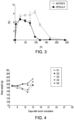
FIG. 3 shows the curves of p-Stat5 expression levels of the drugs at different time points. -
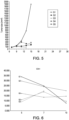
FIG. 4 shows the curves of change in body weight of the animals in each group. -
FIG. 5 shows the curves of change in tumor volume. -
FIG. 6 shows the curves of change in the proportion of CD4 T cells to T cells. -
FIG. 7 shows the curves of change in the proportion of Treg cells to CD4 T cells in tumor tissues. -
FIG. 8 shows the curves of change in the proportion of Th cells to CD4 T cells. -
FIG. 9 shows the curves of change of CD8 T cells in tumor cells. -
FIG. 10 shows the curves of change in the proportion of CD8/Treg in tumor tissues. -
FIG. 11 shows the curves of change in double samples of CD8 and PD-1 T cells. - In the figures, G1 is blank control group, G2 is IL-2 group (3 mg/kg), G3 is NKTR-214 group (2 mg/kg), G4 is sample No. 3 group (2 mg/kg), and G5 is sample No. 7 group (2 mg/kg).
- The technical solutions in the examples of the present invention will be described clearly and completely below, and it is apparent that the examples described herein are only some examples of the present invention, but not all of them. Based on the examples of the present invention, all other examples obtained by those of ordinary skill in the art without creative work shall fall within the protection scope of the present invention.
- The technical solutions in the examples of the present invention will be described clearly and completely below, and it is apparent that the examples described herein are only some examples of the present invention, but not all of them. Based on the examples of the present invention, all other examples obtained by those of ordinary skill in the art without creative work shall fall within the protection scope of the present invention.
-
S1: 62.4 mg of methoxy polyethylene glycol succinimidyl propionate with a molecular weight of 20 K (M-SPA-20K) was weighed accurately and added into a 5 mL centrifuge tube;
S2: 1.3 mL of 10 mg/mL IL2 was added, and the resulting mixture was mixed gently until the PEG was completely dissolved;
S3: 3 mL of 50 mM PBS buffer (pH 8.3) was then added, and the resulting mixture was mixed gently and left to stand at room temperature for reaction for 1 h;
S4: the tube was slowly shaken at room temperature for 2 h;
S5: the excess receptors were washed off with 5 column volumes of coupling buffer;
S6: a sample was taken and the content of each component in the reaction mixture was determined by HPLC, and the results are shown inFIG. 1 and Table 1:Table 1. Content of each component of PEGylated IL-2 Peak number Components Content (%) 1 ≥4PEG-IL2 2.7 2 3PEG-IL-2 20.5 3 2PEG-IL-2 34.1 4 1PEG-IL-2 31.7 5 IL-2 11.0 - The gel chromatography filtration was set as follows: mobile phase: 5 mM PBS, flow rate: 0.75 mL/min, chromatography column: superdex 200
increase 10/300 GL. - The separation steps were as follows: S1: the chromatography system was equilibrated until the UV curve was stable; S2: the elution peak was collected after the sample obtained in the Example 1 was loaded;
- S3: the collected components were concentrated by ultrafiltration and detected by HPLC, and the results are shown in
FIG. 2 and Table 2:Table 2. Content of each component of PEGylated IL-2 after separation of IL-2 by gel chromatography filtration Peak number Components Content (%) 1 ≥ 4PEG-IL2 3.2 2 3PEG-IL-2 20.5 3 2PEG-IL-2 40.1 4 1PEG-IL-2 33.8 5 IL-2 1.0 - The receptor column affinity chromatography was set as follows: mobile phase A: 5 mM PBS, pH 7.0, mobile phase B: 0.2 M HAc + 0.2 M NaCl, flow rate: 0.45 mL/min, column: 5 mL α receptor affinity column, self-made.
- The separation steps were as follows: S1: the chromatography system was equilibrated until the UV curve was stable; S2: the flow-through peak and the elution peak were collected after the sample obtained in the Example 2 was loaded.
- The ion exchange separation chromatography was set as follows: mobile phase A1: 5 mM NaAc pH 5.0, mobile phase B1: 5 mM NaAc pH 5.0, conductivity adjusted to 3.4 mS/cm with 1 M NaCl, mobile phase A2: 5 mM NaAc pH 5.0, conductivity adjusted to 8.64 mS/cm with 1 M NaCl, mobile phase B2: 5 mM NaAc pH 5.0 containing 1 M NaCl, flow rate: 1 mL/min, column:
CM FF 1 mL. - The separation steps were as follows: S1: the chromatography system was equilibrated until the UV curve was stable; S2: the flow-through/elution components separated in the Example 3 were each loaded through a sample injection loop; S3: elution was performed with the phase A1 until the UV was stable, and a flow-through peak was collected; S4: elution was performed with the phase B1 instead, and an elution peak was collected; S5: elution was performed with the phase A2 instead, and an elution peak was collected; S6: elution was performed with the phase B2 instead, and an elution peak was collected; S7: the collected components were detected for volume and concentration; S8: the HPLC detection was performed; S9: the collected components were concentrated by ultrafiltration and detected by SDS-PAGE.
-
Table 3. Content of each component of PEGylated IL-2 after separation of the flow-through peak component by ion exchange chromatography No. Sample Description ≥4PEG-IL-2 3PEG-IL-2 2PEG-IL-2 1PEG-IL-2 IL-2 1 Mobile phase A1 elution component 93.73% 3.97% 2.31% 0 0 2 Mobile phase B1 elution component 30.88% 69.12% 0 0 0 3 Mobile phase A2 elution component 0 38.14% 61.86% 0 0 4 Mobile phase B2 elution component 7.21% 16.45% 40.18% 33.66% 2.50% Table 4. Content of each component of PEGylated IL-2 after separation of the elution peak component by ion exchange chromatography No. Sample Description ≥ 4PEG-IL-2 3PEG-IL-2 2PEG-IL-2 1PEG-IL-2 IL-2 5 Mobile phase A1 elution component 48.64% 51.36% 0 0 0 6 Mobile phase B1 elution component 0 92.39% 7.61% 0 0 7 Mobile phase A2 elution component 0 15.48% 79.87% 4.65% 0 8 Mobile phase B2 elution component 0 0 28.50% 71.50% 0 - Samples No. 2, No. 3, No. 7 and No. 8 were collected separately, concentrated and then subjected to affinity assay using a SPR system. The receptor proteins are an IL-2α receptor and an IL-2β receptor, and the test results are shown in Table 5. The results showed that the 2PEG-IL-2 prepared by the method described herein generated receptor selectivity and had stronger binding ability to the IL-2β receptor.
Table 5. Receptor affinity assay for flow-through peak and elution peak Sample Description Kd(nM) α receptor β receptor Sample No. 2 7594 11850 Sample No. 3 2918 16980 Sample No. 7 1689 19120 Sample No. 8 563.1 4982 - To assess the effect of the test drug 2PEG-IL-2 on the level of p-Stat5 in female C57BL/6 mice at different time points.
- The test compound 2PEG-IL-2 and the positive control drug NKTR214 were administrated separately, blood samples were taken at 0 h, 4 h, 24 h, 48 h, 72 h, 96 h, 120 h, 168 h and 240 h, and the p-Stat5 levels in the blood samples of female C57BL/6 mice were determined by flow cytometry. The specific administration design is shown in Table 6:
Table 6. Administration design of 2PEG-IL-2 Groups Concentratio n (mg/kg) Volume of administration (mL/kg) Frequency of administration Number of animals Test period (days) 1 NKTR214 0.8 10 Single administration 36 10 2 2PEG-IL-2 0.8 10 Single administration 36 10 -
- 3.1 Mouse strain
Female C57BL/6 - 3.2 Test drugs
- Test compound 2PEG-IL-2 (sample No. 7 in Example 5)
- Positive control drug NKTR214
- 3.3 Reagents and antibodies
- Lyse/Fix buffer
- Methanol
- Stain buffer (FBS)
- Hamster Anti-Mouse CD3e-PE
- Phospho-Stat5 (Tyr694) (C71E5) Rabbit monoclonal antibody
- CD16/CD32 monoclonal antibody
-
- 4.1Grouping and administration for mice
- 4.1.1 The mice were divided into groups of 36 mice by body weight, and the drugs IL-
sample 2 and NKTR214 were each administered via tail vein injection at a concentration of 0.8 mg/kg and a volume of 10 mL/kg. - 4.1.2 For each group, four mice were sacrificed by CO2 at each of 0 h, 4 h, 24 h, 48 h, 72 h, 96 h, 120 h, 168 h and 240 h (where 0 h represents the administration is not performed) and blood was taken from the hearts.
- 4.1.1 The mice were divided into groups of 36 mice by body weight, and the drugs IL-
- 4.2 Sample treatment
- 4.2.1 After obtaining samples at each time point, the samples were grouped, and in addition to the administration group of 8 mice, there were also a blank group and a negative group without drug administration.
- 4.2.2 200 µL of the obtained mouse blood was pipetted into a centrifuge tube, then 1.8 mL of 1× Lyse/Fix buffer was added, and the mixture was incubated at 37 °C for 10 min. The mixture was centrifuged at 700 g for 5 min and washed once with 500 µL of stain buffer (FBS).
- 4.2.3 1 mL of pre-cooled 90% methanol was added, and the mixture was mixed well and placed on ice for 20 min.
- 4.2.4 For the blank group, the mixture was centrifuged at 700 g for 5 min and washed once with 500 mL of stain buffer (FBS). Then the mixture was resuspended in 500 µL of stain buffer (FBS), placed on ice for assay later.
- 4.2.5 The mixture was centrifuged at 700 g for 5 min and washed twice with 500 mL of stain buffer (FBS). Except for the blank group, the mixtures for other groups were each resuspended in 100 µL of statin buffer (FBS) and added with 1 µL of CD16/32, and the resulting mixture was place on ice for 10 min.
- 4.2.6 The mixture was centrifuged at 700 g for 5 min and washed once with 500 mL of stain buffer (FBS). Except for the blank group, the mixtures for other groups were each resuspended in 100 µL of statin buffer (FBS) and added with 1 µL of p-Stat5 and 1 µL of CD3e, and the resulting mixture was incubated at 37 °C for 30 min.
- 4.2.7 The mixture was centrifuged at 700 g for 5 min and washed once with 500 mL of stain buffer (FBS). Then the mixture was resuspended in 500 µL of stain buffer (FBS) and used for assay.
- 4.3 Data analysis
- The expression levels of p-Stat5 cells were analyzed using the analysis software that came with an Attune NxT flow cytometer, and the plotting and data analysis were performed using prism graphpad5.
-
Table 7. p-Stat5 expression levels of drugs in two groups at different time points NKTR214 2PEG-IL-2 1 2 3 4 1 2 3 4 0h 0.037 0.019 0 0.025 0.055 0.028 0.016 0.067 4h 1.273 4.477 3.913 2.704 3.709 8.028 5.106 4.794 24h 9.709 8.446 6.275 7.673 6.426 6.699 7.612 7.58 48h 8.499 7.731 8.18 9.361 6.013 7.696 5.816 6.734 72h 10.732 7.333 9.881 5.743 4.007 6.143 7.78 5.199 96h 8.204 10.782 8.762 10.213 1.095 1.199 0.959 1.319 120h 6.414 4.664 5.206 4.463 0.121 0.057 0.077 0.02 168h 0.665 0.795 0.888 1.152 0.207 0.22 0.176 0.252 240h 0.011 0.052 0 0.07 0 0.02 0.025 0.078 - The curves of p-Stat5 expression levels of the drugs in two groups at different time points are shown in
FIG. 3 . - In this experiment, the drugs IL-
sample 2 and NKTR214 were administered via tail vein injection in female C57BL/6 mice, and the p-Stat5 levels at different time points were determined by flow cytometry. The results showed that the area under the curve was smaller for the 2PEG-IL-2 group relative to the NKTR214 group, indicating that it results in lower expression and faster metabolic efficiency of p-Stat5 in mice. - In this experiment, p-Stat5 expression induced by the test drug 2PEG-IL-2 is metabolized more rapidly relative to the positive drug in the NKTR214 group. The persistence of phosphorylation activation is significantly reduced compared to NKTR214.
- In vivo experimental study on anti-tumor effect for B16-F10 subcutaneous tumors in C57BL/6 mice
- To evaluate the growth of B16-F10 subcutaneous tumors in C57BL/6 mice.
- 9 mice/carrier group, 16 mice/treatment group, a total of 5 groups as shown in Table 8:
Table 8. Mice grouping information Group (G) Treatment Mice/group Frequency of administration Route of administration 1 Carrier 9 QDx5 IV 2 IL-2 9+7 3mg/ kgQDx5 IV 3 NKTR-214 9+7 2mg/ kgx1 IV 4 Sample No. 3 9+7 2mg/ kgx1 IV 5 Sample No. 7 9+7 2mg/kgx1 IV -
- Species: mouse
- Strain: C57BL/6 mice
- Age: 6-8 weeks
- Sex: female
- Number of animals: 102 mice
- Animal supplier: Shanghai Jihui Biotech Co., Ltd.
- The mice were fed in BioDuro eco-boxes (Shanghai).
- The mice were housed in ventilated cages with constant temperature and humidity and there were up to 5 animals in each cage.
- Temperature: 20-26 °C.
- Humidity: 40-70%.
- Cage type: polycarbonate (Suzhou Suhang Technology Equipment Co., Ltd., catalog number: VMU), with a size of 300 mm×180 mm×150 mm. The padding was corn cob (Shanghai Puleteng Biotech Co., Ltd., catalog number: PYMX1), which was changed twice a week.
- Diet: during the whole study period, the animals had free access to irradiation-sterilized food in dry granules, and this product is a genuine product for rodents produced by Shanghai Puluteng Biotech Co., Ltd., NO. P1104F.001.
- Environmental enrichment: none.
- Water: the animals had free access to sterile drinking water.
- Cage identification: the identification label for each cage comprised the following information: number of animals, sex, strain and date of receipt, treatment, study number, group number and starting date of treatment.
- Animal identification: the animals were ear coded.
-
- Product identification: IL-2
- Physical description: transparent liquid
- Packaging and content: 2.63 mg/mL, (2+1) mL
- Storage condition: 4 °C
- Product identification: NKTR-214
- Physical description: transparent liquid
- Packaging and content: 0.61 mg/mL, (1+0.82) mL
- Storage condition: 4 °C
- Product identification: sample No. 3 in Example 5 (receptor flow-through component)
- Physical description: transparent liquid
- Packaging and content: 0.69 mg/mL, (1+0.51) mL
- Storage condition: 4 °C
- Product identification: sample No. 7 in Example 5 (receptor elution component)
- Physical description: transparent liquid
- Packaging and content: 0.57 mg/mL, (1+0.78) mL
- Storage condition: 4 °C
- Carrier: normal saline
- B16F10 was incubated in a 5% CO2 incubator at 37 °C with RPMI-1640 supplemented with 10% heat-inactivated FBS. The cells were subcultured 3 times a week. The cells had been harvested, counted and subcultured, and inoculated when the confluence was about 70%.
- When B16f10 reached the desired average size (55-105 mm3), 102 animals were enrolled to the efficacy study. The animals were randomized as follows according to tumor size by using block randomization in Excel. This ensured that all groups were comparable at baseline. 1 × 10⁶ B16F10 cells suspended in 100 µL of PBS had been inoculated subcutaneously into the right flank.
- All procedures related to animal handling, care and treatment in this study were performed according to guidelines approved by Institutional Animal Care and Use Committee (IACUC) of BioDuro and followed the guidelines of The Association for Assessment and Accreditation of Laboratory Animal Care (AAALAC, accreditation number 001516). In routine monitoring, the animals had been examined for any adverse effects of tumor growth and/or treatment on normal behavior, such as motility, food and water consumption (by observation only), and body weight gain/loss (the body weight was measured twice weekly during the pre-administration phase and daily during the administration phase), eye/hair matting, and any other abnormal effects, including tumor ulceration.
- Tumor volume was measured in two dimensions twice weekly with a caliper, and the volume was expressed in mm3 by the following formula: V = 0.5a × b2, where a and b are the long and short diameters of the tumor, respectively. The tumor volume was then used to calculate the T-C and T/C values. T-C was calculated, where T is the median time (in days) required for tumors in the treatment group to reach a predetermined size and C is the median time (in days) for tumors in the control group to reach the same size. The T/C value (in percent) is an indication of anti-tumor efficacy; T and C are the average volumes of the treatment and control groups, respectively, on a given day. The T-C value was calculated according to TV. T-C had been calculated with T as the median time (days) required for tumors in the treatment group to reach a predetermined size and C as the median time (days) for tumors in the control group to reach the same size. The tumor tissues were photographed and weighed at the end of the study.
- The tumor tissues were collected at different time points, and after digestion and decomposition of the tumor tissues into individual cells, the cells were subjected to immunofluorescence staining with CD45, CD3, CD4, CD8, CD25 and FOXP3. The stained cells were counted with a flow cytometer and then the proportions of cells with different labels were calculated.
- The laboratory animals in
groups group 4 onday 7 after drug injection, and all of these animals were sacrificed onday 7, so data forday 10 were missing. The curves of change in body weight of the animals in each group are shown inFIG. 4 . - The animals in
groups FIG. 5 . - The proportions of different immune cells in tumor tissues were determined by FACS, and the curves of change in the proportion of CD4 T cells to T cells are shown in
FIG. 6 . - The curves of change in the proportion of Treg cells to CD4 T cells in tumor tissues are shown in
FIG. 7 . - The curves of change in the proportion of Th cells to CD4 T cells are shown in
FIG. 8 . - The curves of change of CD8 T cells in tumor cells are shown in
FIG. 9 . - The curves of change in the proportion of CD8/Treg in tumor tissues are shown in
FIG. 10 . - The curves of change in double samples CD8 and PD-1 T cells are shown in
FIG. 11 . - In this experiment, the anti-tumor effect of PEG-IL-2 was tested on B16F10 melanoma-bearing C57BL6 mice, the mechanism of anti-tumor activity of PEG-IL-2 was also studied, and the changes in the content of different types of immune cells in tumor tissues at different stages were tested. The samples include IL2 (group 2) and three PEG-IL-2 components, including NKTR-214 (group 3), sample No. 3 (receptor column flow-through sample) and sample No. 7 (receptor column elution sample).
- A stringent toxicity test was not performed in this experiment, but toxicity was observed generally from the body weight changes and deaths of the mice. The body weight changes showed that the body weight of animals in
groups - According to the curves of change in tumor volume, IL-2 and three PEG-IL2 showed significant anti-tumor activity, with NKTR-214 showing the minimal tumor volume.
- IL-2 is an immune cell molecule that achieves the purpose of killing tumor cells by regulating the type and the number of immune cells. The manner in which PEG-IL-2 inhibits tumors was explored by analyzing the number of different immune cells in tumors. In this experiment, the changes in the number of immune cells labeled with CD45, CD3, CD4, CD8, CD25 and FOXP3 were tested by flow cytometry.
- It has been reported in the literature that NKTR-214 is an IL-2 coupled with 6 PEGs, and its mechanism is that receptor selectivity can be generated after PEG coupling, and it is more likely to bind to β receptor. The binding of NKTR-214 to β receptor can increase the proliferation of CD8 cells and inhibit the differentiation of Treg cells, which results in a proportion of CD8/Treg being 400 times that for IL-2.
- According to the results of this experiment, both NKTR-214 and sample No. 7 showed significant effect of increasing the proportion of CD8/Treg, so it can be seen that the mechanism of anti-tumor killing of 2PEG-IL-2 sample and that of NKTR-214 should be the same.
- A hydrolysis process is required for the NKTR-214 product to exert drug efficacy, and 6PEG-IL-2 is not effective unless it is degraded to 2PEG-IL-2 or 1PEG-IL-2. The hydrolysis process is relatively long, and it has been reported in the literature that only 1 PEG can be degraded about every 23 hours at pH 7.4 and 37 °C, and 92 hours are needed for degrading from 6PEG-IL-2 to 2PEG-IL-2. In contrast, the PEG-IL-2 sample of the present invention does not require the degradation process, so the time for it to exert drug efficacy is earlier than that of NKTR-214.
- Finally, it should be noted that, the above examples are only used to illustrate the technical solutions of the present invention rather than to limit the same.
| Groups | Preparation | Concentration (mg/mL) | Storage |
| Blank control | Normal saline | - | 4 °C |
| IL-2 | 0.30798 mL of IL-2 was added to 2.39202 mL of normal saline and the mixture was vortexed to obtain a solution. | 2.63 | 4 °C |
| NKTR-214 | 0.7377 mL of NKTR-214 was added to 1.5123 mL of normal saline and the mixture was vortexed to obtain a solution. | 0.61 | 4 °C |
| Sample No. 3 | 0.65217 mL of sample No. 3 was added to 1.59783 mL of normal saline and the mixture was vortexed to obtain a solution. | 0.69 | 4 °C |
| Sample No. 7 | 0.78947 mL of sample No. 7 was added to 1.46053 mL of normal saline and the mixture was vortexed to obtain a solution. | 0.57 | 4 ° |
Claims (14)
- A preparation method for a mixture of PEGylated interleukin 2, comprising the steps of:(1) reacting PEG with IL-2 to obtain a crude product of a PEGylated interleukin 2;(2) performing gel chromatography filtration to remove free interleukin 2 from the crude product;(3) performing affinity chromatography on a product in the step (2) by means of an α receptor column, and collecting a flow-through peak component and an elution peak component; and(4) performing ion exchange separation on the flow-through peak component and/or the elution peak component in the step (3), and collecting to obtain components of the mixture of PEGylated interleukin 2.
- The method of claim 1, wherein the mixture of PEGylated interleukin 2 comprises a disubstituted PEGylated interleukin 2; and wherein the disubstituted PEGylated interleukin 2 is present in the mixture of PEGylated interleukin 2 in an amount greater than 60% (w/w), preferably greater than 70% (w/w), particularly preferably greater than 90% (w/w).
- The method of claim 2 wherein the mixture of PEGylated interleukin 2 further comprises a trisubstituted PEGylated interleukin 2 and/or a monosubstituted PEGylated interleukin 2.
- The method of claim 2, wherein the trisubstituted PEGylated interleukin 2 in the mixture of PEGylated interleukin 2 is present in an amount less than 40% (w/w), preferably less than 20% (w/w), more preferably less than 10% (w/w).
- The method of claim 2, wherein the monosubstituted PEGylated interleukin 2 in the mixture of PEGylated interleukin 2 is present in an amount less than 10% (w/w), preferably less than 5% (w/w), more preferably less than 2% (w/w).
- A preparation method for a disubstituted PEGylated interleukin 2, comprising the steps of:(1) reacting PEG with IL-2 to obtain a crude product of a PEGylated interleukin 2;(2) performing gel chromatography filtration to remove free interleukin 2 from the crude product;(3) performing affinity chromatography on a product in the step (2) by means of an α receptor column, and collecting a flow-through peak component and an elution peak component; and(4) performing ion exchange separation on the flow-through peak component and/or the elution peak component in the step (3), and collecting to obtain components of the disubstituted PEGylated interleukin 2; preferably, the PEG in the step (1) is a polyethylene glycol derivative with a molecular weight of 1-100 KDa; further preferably, the PEG in the step (1) is methoxy polyethylene glycol succinimidyl propionate.
- The method of claim 6, wherein a flow rate of loading and elution in the gel chromatography filtration in the step (2) is 0.5-1 mL/min, the elution is elution with a PBS solution with a concentration of is 1-10 mM.
- The method of claim 6, wherein the step (2) comprises: equilibrating a gel chromatography system; loading a sample, wherein the sample is a solution of the crude product of the PEGylated interleukin 2, and a flow rate is controlled at 0.75 mL/min; after the sample loading is completed, eluting with an elution buffer, i.e., 0.2 M HAc and 0.2 M NaCl solution, collecting an elution peak, and removing the free interleukin 2 from the crude product.
- The method of claim 6, wherein the step (3) comprises: loading a sample onto the α receptor affinity column, wherein the sample is the product obtained in the step (2); after the sample loading, eluting with an equilibration buffer and collecting the flow-through peak; after washing, using an elution buffer instead to elute a mixture of the PEGylated IL-2 and collecting the elution peak.
- The method of claim 9, wherein a flow rate of loading and elution in the step (3) is 0.1-1 mL/min, the equilibration buffer is a PBS solution, and the elution buffer is an acetic acid solution and a sodium chloride solution.
- The method of claim 9, wherein a chromatography column used in the step (3) is a 5 mL α receptor affinity column, a flow rate is controlled at 0.45 mL/min, the equilibration buffer is 5 mM PBS, and the elution buffer is 0.2 M acetic acid solution and 0.2 M sodium chloride solution.
- The method of claim 6, wherein the step (4) comprises: loading one or two of the flow-through peak component and the elution component in the step (3), using a washing buffer A1 instead, after the sample loading, for elution until UV is stable, and collecting a flow-through peak; after the washing is completed, using an elution buffer B1 instead for elution, and collecting an elution peak; after the collecting is completed, using an elution buffer A2 instead for elution, and collecting an elution peak; after the collecting is completed, using an elution buffer B2 instead for elution, and collecting an elution peak, wherein the washing buffer A1 is a sodium acetate solution, the elution buffer B1 is a sodium acetate solution, and a conductivity is adjusted to 1-5 mS/cm; the elution buffer A2 is a sodium acetate solution, and the conductivity is adjusted to 5-10 mS/cm; the elution buffer B2 is a sodium acetate solution.
- The method of claim 12, wherein a flow rate of the elution is 1-5 mL/min, the washing buffer A1 is 5 mM NaAc pH 5.0, the elution buffer B1 is 5 mM NaAc pH 5.0, and the conductivity is adjusted to 3.4 mS/cm; the elution buffer A2 is 5 mM NaAc pH 5.0, and the conductivity is adjusted to 8.64 mS/cm with 1 M NaCl; the elution buffer B2 is 5 mM NaAc pH 5.0 containing 1 M NaCl.
- The method of claim 12 or 13, wherein the elution peak for the elution buffer A2 is collected to obtain the components of the disubstituted PEGylated interleukin 2.
Applications Claiming Priority (3)
| Application Number | Priority Date | Filing Date | Title |
|---|---|---|---|
| CN202010044132 | 2020-01-15 | ||
| CN202011168335.6A CN113121670B (en) | 2020-01-15 | 2020-10-28 | Disubstituted PEGylated interleukin 2 and its preparation method and application |
| PCT/CN2021/070268 WO2021143573A1 (en) | 2020-01-15 | 2021-01-05 | Disubstituted pegylated interleukin 2, preparation method therefor and use thereof |
Publications (3)
| Publication Number | Publication Date |
|---|---|
| EP4092047A1 EP4092047A1 (en) | 2022-11-23 |
| EP4092047A4 EP4092047A4 (en) | 2023-08-23 |
| EP4092047B1 true EP4092047B1 (en) | 2025-06-04 |
Family
ID=76772065
Family Applications (1)
| Application Number | Title | Priority Date | Filing Date |
|---|---|---|---|
| EP21740887.1A Active EP4092047B1 (en) | 2020-01-15 | 2021-01-05 | Disubstituted pegylated interleukin 2, preparation method therefor and use thereof |
Country Status (4)
| Country | Link |
|---|---|
| US (1) | US20230053651A1 (en) |
| EP (1) | EP4092047B1 (en) |
| CN (1) | CN113121670B (en) |
| WO (1) | WO2021143573A1 (en) |
Families Citing this family (2)
| Publication number | Priority date | Publication date | Assignee | Title |
|---|---|---|---|---|
| WO2021143572A1 (en) * | 2020-01-15 | 2021-07-22 | 天津键凯科技有限公司 | Preparation method for pegylated biomolecules having controllable binding sites |
| CN114767835A (en) * | 2022-05-18 | 2022-07-22 | 北京键凯科技股份有限公司 | Pharmaceutical composition for treating colorectal cancer and application thereof |
Family Cites Families (9)
| Publication number | Priority date | Publication date | Assignee | Title |
|---|---|---|---|---|
| WO2004089280A2 (en) * | 2003-04-08 | 2004-10-21 | Yeda Research And Development Co. Ltd. | Reversible pegylated drugs |
| CN101584866A (en) * | 2008-05-21 | 2009-11-25 | 北京双鹭药业股份有限公司 | Polyethylene glycol modified human interleukin-2, preparation method and application thereof |
| JP5784592B2 (en) * | 2009-06-03 | 2015-09-24 | イミュノジェン・インコーポレーテッド | Conjugation method |
| ES2866674T3 (en) * | 2010-11-12 | 2021-10-19 | Nektar Therapeutics | Conjugates of a fraction of IL-2 and a polymer |
| CA3191031A1 (en) * | 2013-09-27 | 2015-04-02 | Massachusetts Institute Of Technology | Carrier-free biologically-active protein nanostructures |
| JP6640834B2 (en) * | 2014-08-11 | 2020-02-05 | デリニア, インコーポレイテッド | Modified IL-2 variants that selectively activate regulatory T cells for treatment of autoimmune diseases |
| US11318164B2 (en) * | 2017-03-01 | 2022-05-03 | Nektar Therapeutics | Immunotherapeutic treatment method using an interleukin-2 receptor beta-selective agonist in combination with adoptive cell transfer therapy |
| EP3796940A1 (en) * | 2018-05-21 | 2021-03-31 | Nektar Therapeutics | Selective treg stimulator rur20kd-il-2 and related compositions |
| CN111378026A (en) * | 2018-12-27 | 2020-07-07 | 天津键凯科技有限公司 | A method for preparing PEGylated biomolecules with controllable binding sites |
-
2020
- 2020-10-28 CN CN202011168335.6A patent/CN113121670B/en active Active
-
2021
- 2021-01-05 EP EP21740887.1A patent/EP4092047B1/en active Active
- 2021-01-05 US US17/792,998 patent/US20230053651A1/en active Pending
- 2021-01-05 WO PCT/CN2021/070268 patent/WO2021143573A1/en not_active Ceased
Also Published As
| Publication number | Publication date |
|---|---|
| CN113121670B (en) | 2022-11-22 |
| WO2021143573A1 (en) | 2021-07-22 |
| EP4092047A1 (en) | 2022-11-23 |
| US20230053651A1 (en) | 2023-02-23 |
| EP4092047A4 (en) | 2023-08-23 |
| CN113121670A (en) | 2021-07-16 |
Similar Documents
| Publication | Publication Date | Title |
|---|---|---|
| Spittler et al. | Influence of glutamine on the phenotype and function of human monocytes | |
| Bach et al. | Leukemia-associated antigens in the mixed leukocyte culture test | |
| JP2980569B2 (en) | Interferon complex | |
| KR100689212B1 (en) | BCS combination | |
| AU733714B2 (en) | Enhanced stimulation of erythropoiesis | |
| Wendling | Thrombopoietin: its role from early hematopoiesis to platelet production | |
| JP5759988B2 (en) | Use of LCAT to treat anemia and erythrocyte dysfunction | |
| EP4092047A1 (en) | Disubstituted pegylated interleukin 2, preparation method therefor and use thereof | |
| Xu et al. | The effect of granulocyte colony‐stimulating factor (G‐CSF) on the degranulation of secondary granule proteins from human neutrophils in vivo may be indirect | |
| CN111909908A (en) | Pegylated single-modified recombinant glutathione peroxidase GPX4 mutant, preparation method and application thereof | |
| MOORE | Humoral regulation of granulopoiesis | |
| CN102859364A (en) | Methods for preparing peg-hemoglobin conjugates using reduced reactant ratios | |
| CN101455844B (en) | PEG-erythrocyte-stimulating factor and preparation method and use thereof | |
| US20220125939A1 (en) | Method of preparing pegylated biomolecules having controllable binding sites | |
| WO2011138512A1 (en) | Sulphated hyaluronic acid in combination with g-csf for use in mobilising blood stem cells | |
| US20030045602A1 (en) | Methods for purification of an activated PEG solution and for the synthesis of a modified hemoglobin solution | |
| Paukovits et al. | The Granulocytic Chalone–A Specific Inhibitor of Granulopoiesis: Molecular Weight and Chemical Nature | |
| CN111893100A (en) | Pegylated single-modified recombinant glutathione peroxidase, and preparation method and application thereof | |
| IL146032A (en) | Use of n-acetylcysteine for the | |
| Ohsaka et al. | Effects of granulocyte colony‐stimulating factor and granulocyte‐macrophage colony‐stimulating factor on respiratory burst activity of neutrophiis in patients with myelodysplastic syndromes | |
| US20030073820A1 (en) | Dextran-hemoglobin conjugates as blood substitutes | |
| CN112369408A (en) | Immune cell storage liquid and preparation and application methods thereof | |
| RU2466138C1 (en) | Interferon conjugates and method for production thereof | |
| US20150231212A1 (en) | St6gal-1 mediated modulation of hematopoiesis | |
| SE460825B (en) | COMPOSITION FOR TREATMENT OF INFECTIOUS DISEASES, GYT AND ARTERIOS SCLEROS, CONTAINING HUMAN PEPSIN AND / OR HUMAN LEUKOCYTE-PEPS SIMILAR ENZYM |
Legal Events
| Date | Code | Title | Description |
|---|---|---|---|
| STAA | Information on the status of an ep patent application or granted ep patent |
Free format text: STATUS: THE INTERNATIONAL PUBLICATION HAS BEEN MADE |
|
| PUAI | Public reference made under article 153(3) epc to a published international application that has entered the european phase |
Free format text: ORIGINAL CODE: 0009012 |
|
| STAA | Information on the status of an ep patent application or granted ep patent |
Free format text: STATUS: REQUEST FOR EXAMINATION WAS MADE |
|
| 17P | Request for examination filed |
Effective date: 20220805 |
|
| AK | Designated contracting states |
Kind code of ref document: A1 Designated state(s): AL AT BE BG CH CY CZ DE DK EE ES FI FR GB GR HR HU IE IS IT LI LT LU LV MC MK MT NL NO PL PT RO RS SE SI SK SM TR |
|
| DAV | Request for validation of the european patent (deleted) | ||
| DAX | Request for extension of the european patent (deleted) | ||
| A4 | Supplementary search report drawn up and despatched |
Effective date: 20230724 |
|
| RIC1 | Information provided on ipc code assigned before grant |
Ipc: A61P 37/02 20060101ALI20230718BHEP Ipc: A61P 35/00 20060101ALI20230718BHEP Ipc: A61P 31/12 20060101ALI20230718BHEP Ipc: A61P 31/04 20060101ALI20230718BHEP Ipc: A61K 47/60 20170101ALI20230718BHEP Ipc: A61K 38/20 20060101ALI20230718BHEP Ipc: C07K 1/107 20060101ALI20230718BHEP Ipc: C07K 14/55 20060101AFI20230718BHEP |
|
| STAA | Information on the status of an ep patent application or granted ep patent |
Free format text: STATUS: EXAMINATION IS IN PROGRESS |
|
| 17Q | First examination report despatched |
Effective date: 20240510 |
|
| GRAP | Despatch of communication of intention to grant a patent |
Free format text: ORIGINAL CODE: EPIDOSNIGR1 |
|
| STAA | Information on the status of an ep patent application or granted ep patent |
Free format text: STATUS: GRANT OF PATENT IS INTENDED |
|
| INTG | Intention to grant announced |
Effective date: 20250314 |
|
| GRAS | Grant fee paid |
Free format text: ORIGINAL CODE: EPIDOSNIGR3 |
|
| GRAA | (expected) grant |
Free format text: ORIGINAL CODE: 0009210 |
|
| STAA | Information on the status of an ep patent application or granted ep patent |
Free format text: STATUS: THE PATENT HAS BEEN GRANTED |
|
| AK | Designated contracting states |
Kind code of ref document: B1 Designated state(s): AL AT BE BG CH CY CZ DE DK EE ES FI FR GB GR HR HU IE IS IT LI LT LU LV MC MK MT NL NO PL PT RO RS SE SI SK SM TR |
|
| REG | Reference to a national code |
Ref country code: GB Ref legal event code: FG4D |
|
| REG | Reference to a national code |
Ref country code: CH Ref legal event code: EP |
|
| REG | Reference to a national code |
Ref country code: DE Ref legal event code: R096 Ref document number: 602021031798 Country of ref document: DE |
|
| REG | Reference to a national code |
Ref country code: IE Ref legal event code: FG4D |
|
| REG | Reference to a national code |
Ref country code: NL Ref legal event code: MP Effective date: 20250604 |
|
| PG25 | Lapsed in a contracting state [announced via postgrant information from national office to epo] |
Ref country code: FI Free format text: LAPSE BECAUSE OF FAILURE TO SUBMIT A TRANSLATION OF THE DESCRIPTION OR TO PAY THE FEE WITHIN THE PRESCRIBED TIME-LIMIT Effective date: 20250604 Ref country code: ES Free format text: LAPSE BECAUSE OF FAILURE TO SUBMIT A TRANSLATION OF THE DESCRIPTION OR TO PAY THE FEE WITHIN THE PRESCRIBED TIME-LIMIT Effective date: 20250604 |
|
| REG | Reference to a national code |
Ref country code: LT Ref legal event code: MG9D |
|
| PG25 | Lapsed in a contracting state [announced via postgrant information from national office to epo] |
Ref country code: GR Free format text: LAPSE BECAUSE OF FAILURE TO SUBMIT A TRANSLATION OF THE DESCRIPTION OR TO PAY THE FEE WITHIN THE PRESCRIBED TIME-LIMIT Effective date: 20250905 Ref country code: NO Free format text: LAPSE BECAUSE OF FAILURE TO SUBMIT A TRANSLATION OF THE DESCRIPTION OR TO PAY THE FEE WITHIN THE PRESCRIBED TIME-LIMIT Effective date: 20250904 |
|
| PG25 | Lapsed in a contracting state [announced via postgrant information from national office to epo] |
Ref country code: PL Free format text: LAPSE BECAUSE OF FAILURE TO SUBMIT A TRANSLATION OF THE DESCRIPTION OR TO PAY THE FEE WITHIN THE PRESCRIBED TIME-LIMIT Effective date: 20250604 |
|
| PG25 | Lapsed in a contracting state [announced via postgrant information from national office to epo] |
Ref country code: BG Free format text: LAPSE BECAUSE OF FAILURE TO SUBMIT A TRANSLATION OF THE DESCRIPTION OR TO PAY THE FEE WITHIN THE PRESCRIBED TIME-LIMIT Effective date: 20250604 |
|
| PG25 | Lapsed in a contracting state [announced via postgrant information from national office to epo] |
Ref country code: HR Free format text: LAPSE BECAUSE OF FAILURE TO SUBMIT A TRANSLATION OF THE DESCRIPTION OR TO PAY THE FEE WITHIN THE PRESCRIBED TIME-LIMIT Effective date: 20250604 |
|
| PG25 | Lapsed in a contracting state [announced via postgrant information from national office to epo] |
Ref country code: RS Free format text: LAPSE BECAUSE OF FAILURE TO SUBMIT A TRANSLATION OF THE DESCRIPTION OR TO PAY THE FEE WITHIN THE PRESCRIBED TIME-LIMIT Effective date: 20250904 |
|
| PG25 | Lapsed in a contracting state [announced via postgrant information from national office to epo] |
Ref country code: LV Free format text: LAPSE BECAUSE OF FAILURE TO SUBMIT A TRANSLATION OF THE DESCRIPTION OR TO PAY THE FEE WITHIN THE PRESCRIBED TIME-LIMIT Effective date: 20250604 |
|
| PG25 | Lapsed in a contracting state [announced via postgrant information from national office to epo] |
Ref country code: NL Free format text: LAPSE BECAUSE OF FAILURE TO SUBMIT A TRANSLATION OF THE DESCRIPTION OR TO PAY THE FEE WITHIN THE PRESCRIBED TIME-LIMIT Effective date: 20250604 |
|
| PG25 | Lapsed in a contracting state [announced via postgrant information from national office to epo] |
Ref country code: PT Free format text: LAPSE BECAUSE OF FAILURE TO SUBMIT A TRANSLATION OF THE DESCRIPTION OR TO PAY THE FEE WITHIN THE PRESCRIBED TIME-LIMIT Effective date: 20251006 |
|
| REG | Reference to a national code |
Ref country code: AT Ref legal event code: MK05 Ref document number: 1800283 Country of ref document: AT Kind code of ref document: T Effective date: 20250604 |
|
| PG25 | Lapsed in a contracting state [announced via postgrant information from national office to epo] |
Ref country code: IS Free format text: LAPSE BECAUSE OF FAILURE TO SUBMIT A TRANSLATION OF THE DESCRIPTION OR TO PAY THE FEE WITHIN THE PRESCRIBED TIME-LIMIT Effective date: 20251004 |
|
| PG25 | Lapsed in a contracting state [announced via postgrant information from national office to epo] |
Ref country code: AT Free format text: LAPSE BECAUSE OF FAILURE TO SUBMIT A TRANSLATION OF THE DESCRIPTION OR TO PAY THE FEE WITHIN THE PRESCRIBED TIME-LIMIT Effective date: 20250604 Ref country code: SM Free format text: LAPSE BECAUSE OF FAILURE TO SUBMIT A TRANSLATION OF THE DESCRIPTION OR TO PAY THE FEE WITHIN THE PRESCRIBED TIME-LIMIT Effective date: 20250604 |
|
| PG25 | Lapsed in a contracting state [announced via postgrant information from national office to epo] |
Ref country code: CZ Free format text: LAPSE BECAUSE OF FAILURE TO SUBMIT A TRANSLATION OF THE DESCRIPTION OR TO PAY THE FEE WITHIN THE PRESCRIBED TIME-LIMIT Effective date: 20250604 |
|
| PG25 | Lapsed in a contracting state [announced via postgrant information from national office to epo] |
Ref country code: EE Free format text: LAPSE BECAUSE OF FAILURE TO SUBMIT A TRANSLATION OF THE DESCRIPTION OR TO PAY THE FEE WITHIN THE PRESCRIBED TIME-LIMIT Effective date: 20250604 |
|
| PG25 | Lapsed in a contracting state [announced via postgrant information from national office to epo] |
Ref country code: SK Free format text: LAPSE BECAUSE OF FAILURE TO SUBMIT A TRANSLATION OF THE DESCRIPTION OR TO PAY THE FEE WITHIN THE PRESCRIBED TIME-LIMIT Effective date: 20250604 |
|
| PG25 | Lapsed in a contracting state [announced via postgrant information from national office to epo] |
Ref country code: IT Free format text: LAPSE BECAUSE OF FAILURE TO SUBMIT A TRANSLATION OF THE DESCRIPTION OR TO PAY THE FEE WITHIN THE PRESCRIBED TIME-LIMIT Effective date: 20250604 |
|
| REG | Reference to a national code |
Ref country code: DE Ref legal event code: R097 Ref document number: 602021031798 Country of ref document: DE |
|
| PGFP | Annual fee paid to national office [announced via postgrant information from national office to epo] |
Ref country code: GB Payment date: 20260120 Year of fee payment: 6 |
|
| PLBE | No opposition filed within time limit |
Free format text: ORIGINAL CODE: 0009261 |
|
| STAA | Information on the status of an ep patent application or granted ep patent |
Free format text: STATUS: NO OPPOSITION FILED WITHIN TIME LIMIT |
|
| PG25 | Lapsed in a contracting state [announced via postgrant information from national office to epo] |
Ref country code: DK Free format text: LAPSE BECAUSE OF FAILURE TO SUBMIT A TRANSLATION OF THE DESCRIPTION OR TO PAY THE FEE WITHIN THE PRESCRIBED TIME-LIMIT Effective date: 20250604 |
|
| PGFP | Annual fee paid to national office [announced via postgrant information from national office to epo] |
Ref country code: DE Payment date: 20260128 Year of fee payment: 6 |
|
| REG | Reference to a national code |
Ref country code: CH Ref legal event code: L10 Free format text: ST27 STATUS EVENT CODE: U-0-0-L10-L00 (AS PROVIDED BY THE NATIONAL OFFICE) Effective date: 20260416 |
|
| PGFP | Annual fee paid to national office [announced via postgrant information from national office to epo] |
Ref country code: FR Payment date: 20260119 Year of fee payment: 6 |
|
| 26N | No opposition filed |
Effective date: 20260305 |
|
| PG25 | Lapsed in a contracting state [announced via postgrant information from national office to epo] |
Ref country code: LT Free format text: LAPSE BECAUSE OF FAILURE TO SUBMIT A TRANSLATION OF THE DESCRIPTION OR TO PAY THE FEE WITHIN THE PRESCRIBED TIME-LIMIT Effective date: 20250604 |
|
| PG25 | Lapsed in a contracting state [announced via postgrant information from national office to epo] |
Ref country code: SE Free format text: LAPSE BECAUSE OF FAILURE TO SUBMIT A TRANSLATION OF THE DESCRIPTION OR TO PAY THE FEE WITHIN THE PRESCRIBED TIME-LIMIT Effective date: 20250604 |