EP4089149A1 - Bioplastics based on amyloid fibrils and biodegradable polymers - Google Patents
Bioplastics based on amyloid fibrils and biodegradable polymers Download PDFInfo
- Publication number
- EP4089149A1 EP4089149A1 EP21173061.9A EP21173061A EP4089149A1 EP 4089149 A1 EP4089149 A1 EP 4089149A1 EP 21173061 A EP21173061 A EP 21173061A EP 4089149 A1 EP4089149 A1 EP 4089149A1
- Authority
- EP
- European Patent Office
- Prior art keywords
- composite material
- amyloid fibrils
- polymer
- amyloid
- solution
- Prior art date
- Legal status (The legal status is an assumption and is not a legal conclusion. Google has not performed a legal analysis and makes no representation as to the accuracy of the status listed.)
- Withdrawn
Links
- 102000001049 Amyloid Human genes 0.000 title claims abstract description 71
- 108010094108 Amyloid Proteins 0.000 title claims abstract description 71
- 229920002988 biodegradable polymer Polymers 0.000 title claims abstract description 20
- 239000004621 biodegradable polymer Substances 0.000 title claims abstract description 20
- 229920000704 biodegradable plastic Polymers 0.000 title description 31
- 239000002131 composite material Substances 0.000 claims abstract description 98
- 238000000034 method Methods 0.000 claims abstract description 35
- 238000004519 manufacturing process Methods 0.000 claims abstract description 23
- XLYOFNOQVPJJNP-UHFFFAOYSA-N water Substances O XLYOFNOQVPJJNP-UHFFFAOYSA-N 0.000 claims description 45
- 229910001868 water Inorganic materials 0.000 claims description 45
- 229920000642 polymer Polymers 0.000 claims description 42
- 102000004169 proteins and genes Human genes 0.000 claims description 42
- 108090000623 proteins and genes Proteins 0.000 claims description 42
- 239000000243 solution Substances 0.000 claims description 42
- KRKNYBCHXYNGOX-UHFFFAOYSA-N citric acid Chemical compound OC(=O)CC(O)(C(O)=O)CC(O)=O KRKNYBCHXYNGOX-UHFFFAOYSA-N 0.000 claims description 38
- PEDCQBHIVMGVHV-UHFFFAOYSA-N Glycerine Chemical compound OCC(O)CO PEDCQBHIVMGVHV-UHFFFAOYSA-N 0.000 claims description 33
- 102000007544 Whey Proteins Human genes 0.000 claims description 21
- 108010046377 Whey Proteins Proteins 0.000 claims description 21
- 239000000654 additive Substances 0.000 claims description 19
- 239000005862 Whey Substances 0.000 claims description 18
- 229920003169 water-soluble polymer Polymers 0.000 claims description 14
- 239000005022 packaging material Substances 0.000 claims description 13
- 238000000576 coating method Methods 0.000 claims description 11
- 235000013305 food Nutrition 0.000 claims description 11
- 239000011248 coating agent Substances 0.000 claims description 9
- 150000001875 compounds Chemical class 0.000 claims description 8
- 239000000758 substrate Substances 0.000 claims description 7
- 238000004806 packaging method and process Methods 0.000 claims description 6
- 239000004014 plasticizer Substances 0.000 claims description 6
- 238000012545 processing Methods 0.000 claims description 6
- 239000002253 acid Substances 0.000 claims description 5
- 239000006185 dispersion Substances 0.000 claims description 5
- 239000011159 matrix material Substances 0.000 claims description 5
- 239000011541 reaction mixture Substances 0.000 claims description 5
- 239000007787 solid Substances 0.000 claims description 5
- 239000002904 solvent Substances 0.000 claims description 5
- 239000007864 aqueous solution Substances 0.000 claims description 4
- -1 beta-lactoglobuline Proteins 0.000 claims description 4
- 230000002209 hydrophobic effect Effects 0.000 claims description 4
- 229920005615 natural polymer Polymers 0.000 claims description 4
- 239000003960 organic solvent Substances 0.000 claims description 4
- 240000002791 Brassica napus Species 0.000 claims description 3
- 235000004977 Brassica sinapistrum Nutrition 0.000 claims description 3
- 241000196324 Embryophyta Species 0.000 claims description 3
- VEXZGXHMUGYJMC-UHFFFAOYSA-N Hydrochloric acid Chemical compound Cl VEXZGXHMUGYJMC-UHFFFAOYSA-N 0.000 claims description 3
- 102000016943 Muramidase Human genes 0.000 claims description 3
- 108010014251 Muramidase Proteins 0.000 claims description 3
- 108010062010 N-Acetylmuramoyl-L-alanine Amidase Proteins 0.000 claims description 3
- 240000007594 Oryza sativa Species 0.000 claims description 3
- 235000007164 Oryza sativa Nutrition 0.000 claims description 3
- 244000061456 Solanum tuberosum Species 0.000 claims description 3
- 235000002595 Solanum tuberosum Nutrition 0.000 claims description 3
- 229920002494 Zein Polymers 0.000 claims description 3
- 230000033228 biological regulation Effects 0.000 claims description 3
- 229920002678 cellulose Polymers 0.000 claims description 3
- 239000003431 cross linking reagent Substances 0.000 claims description 3
- 239000011888 foil Substances 0.000 claims description 3
- 239000004325 lysozyme Substances 0.000 claims description 3
- 235000010335 lysozyme Nutrition 0.000 claims description 3
- 229960000274 lysozyme Drugs 0.000 claims description 3
- 230000037230 mobility Effects 0.000 claims description 3
- 235000009566 rice Nutrition 0.000 claims description 3
- 239000005019 zein Substances 0.000 claims description 3
- 229940093612 zein Drugs 0.000 claims description 3
- 239000003929 acidic solution Substances 0.000 claims description 2
- 230000001476 alcoholic effect Effects 0.000 claims description 2
- 235000013361 beverage Nutrition 0.000 claims description 2
- 235000020965 cold beverage Nutrition 0.000 claims description 2
- 239000008187 granular material Substances 0.000 claims description 2
- 235000012171 hot beverage Nutrition 0.000 claims description 2
- 239000008188 pellet Substances 0.000 claims description 2
- 235000021067 refined food Nutrition 0.000 claims description 2
- 235000011888 snacks Nutrition 0.000 claims description 2
- 229920001059 synthetic polymer Polymers 0.000 claims description 2
- PXIPVTKHYLBLMZ-UHFFFAOYSA-N Sodium azide Chemical compound [Na+].[N-]=[N+]=[N-] PXIPVTKHYLBLMZ-UHFFFAOYSA-N 0.000 claims 2
- 239000004971 Cross linker Substances 0.000 claims 1
- FBPFZTCFMRRESA-FSIIMWSLSA-N D-Glucitol Natural products OC[C@H](O)[C@H](O)[C@@H](O)[C@H](O)CO FBPFZTCFMRRESA-FSIIMWSLSA-N 0.000 claims 1
- FBPFZTCFMRRESA-JGWLITMVSA-N D-glucitol Chemical compound OC[C@H](O)[C@@H](O)[C@H](O)[C@H](O)CO FBPFZTCFMRRESA-JGWLITMVSA-N 0.000 claims 1
- SXRSQZLOMIGNAQ-UHFFFAOYSA-N Glutaraldehyde Chemical compound O=CCCCC=O SXRSQZLOMIGNAQ-UHFFFAOYSA-N 0.000 claims 1
- 230000000844 anti-bacterial effect Effects 0.000 claims 1
- KGBXLFKZBHKPEV-UHFFFAOYSA-N boric acid Chemical compound OB(O)O KGBXLFKZBHKPEV-UHFFFAOYSA-N 0.000 claims 1
- 239000004327 boric acid Substances 0.000 claims 1
- 235000010980 cellulose Nutrition 0.000 claims 1
- 239000003795 chemical substances by application Substances 0.000 claims 1
- IXCSERBJSXMMFS-UHFFFAOYSA-N hydrogen chloride Substances Cl.Cl IXCSERBJSXMMFS-UHFFFAOYSA-N 0.000 claims 1
- 239000004332 silver Substances 0.000 claims 1
- 229910052709 silver Inorganic materials 0.000 claims 1
- 239000000600 sorbitol Substances 0.000 claims 1
- 239000001993 wax Substances 0.000 claims 1
- 230000009286 beneficial effect Effects 0.000 abstract description 8
- 230000003078 antioxidant effect Effects 0.000 abstract description 7
- 230000003287 optical effect Effects 0.000 abstract description 7
- 238000006065 biodegradation reaction Methods 0.000 abstract description 4
- 239000000470 constituent Substances 0.000 abstract description 3
- 239000010408 film Substances 0.000 description 91
- 239000000178 monomer Substances 0.000 description 38
- 229920002451 polyvinyl alcohol Polymers 0.000 description 30
- 235000018102 proteins Nutrition 0.000 description 30
- 235000019422 polyvinyl alcohol Nutrition 0.000 description 24
- 229920003023 plastic Polymers 0.000 description 21
- 239000004033 plastic Substances 0.000 description 21
- PXRKCOCTEMYUEG-UHFFFAOYSA-N 5-aminoisoindole-1,3-dione Chemical compound NC1=CC=C2C(=O)NC(=O)C2=C1 PXRKCOCTEMYUEG-UHFFFAOYSA-N 0.000 description 16
- 229920000609 methyl cellulose Polymers 0.000 description 16
- 239000001923 methylcellulose Substances 0.000 description 16
- 235000010981 methylcellulose Nutrition 0.000 description 16
- 239000000463 material Substances 0.000 description 12
- OHDRQQURAXLVGJ-HLVWOLMTSA-N azane;(2e)-3-ethyl-2-[(e)-(3-ethyl-6-sulfo-1,3-benzothiazol-2-ylidene)hydrazinylidene]-1,3-benzothiazole-6-sulfonic acid Chemical compound [NH4+].[NH4+].S/1C2=CC(S([O-])(=O)=O)=CC=C2N(CC)C\1=N/N=C1/SC2=CC(S([O-])(=O)=O)=CC=C2N1CC OHDRQQURAXLVGJ-HLVWOLMTSA-N 0.000 description 10
- 102000008192 Lactoglobulins Human genes 0.000 description 8
- 108010060630 Lactoglobulins Proteins 0.000 description 8
- 238000004630 atomic force microscopy Methods 0.000 description 8
- 239000004372 Polyvinyl alcohol Substances 0.000 description 7
- 239000000203 mixture Substances 0.000 description 7
- 230000008569 process Effects 0.000 description 7
- 239000000126 substance Substances 0.000 description 6
- 238000001338 self-assembly Methods 0.000 description 5
- 238000002835 absorbance Methods 0.000 description 4
- 230000000694 effects Effects 0.000 description 4
- 238000007654 immersion Methods 0.000 description 4
- 230000003993 interaction Effects 0.000 description 4
- 230000005012 migration Effects 0.000 description 4
- 238000013508 migration Methods 0.000 description 4
- 229920001610 polycaprolactone Polymers 0.000 description 4
- 239000004632 polycaprolactone Substances 0.000 description 4
- 239000000047 product Substances 0.000 description 4
- 239000007858 starting material Substances 0.000 description 4
- IAZDPXIOMUYVGZ-UHFFFAOYSA-N Dimethylsulphoxide Chemical compound CS(C)=O IAZDPXIOMUYVGZ-UHFFFAOYSA-N 0.000 description 3
- 238000010521 absorption reaction Methods 0.000 description 3
- 238000005266 casting Methods 0.000 description 3
- 230000000052 comparative effect Effects 0.000 description 3
- 238000004132 cross linking Methods 0.000 description 3
- 238000005516 engineering process Methods 0.000 description 3
- 239000002803 fossil fuel Substances 0.000 description 3
- 150000004676 glycans Chemical class 0.000 description 3
- 238000002156 mixing Methods 0.000 description 3
- 229920000070 poly-3-hydroxybutyrate Polymers 0.000 description 3
- 229920001282 polysaccharide Polymers 0.000 description 3
- 239000005017 polysaccharide Substances 0.000 description 3
- 238000004626 scanning electron microscopy Methods 0.000 description 3
- 235000021119 whey protein Nutrition 0.000 description 3
- CURLTUGMZLYLDI-UHFFFAOYSA-N Carbon dioxide Chemical compound O=C=O CURLTUGMZLYLDI-UHFFFAOYSA-N 0.000 description 2
- 229920002943 EPDM rubber Polymers 0.000 description 2
- LFQSCWFLJHTTHZ-UHFFFAOYSA-N Ethanol Chemical compound CCO LFQSCWFLJHTTHZ-UHFFFAOYSA-N 0.000 description 2
- VGGSQFUCUMXWEO-UHFFFAOYSA-N Ethene Chemical compound C=C VGGSQFUCUMXWEO-UHFFFAOYSA-N 0.000 description 2
- 239000012901 Milli-Q water Substances 0.000 description 2
- ZMXDDKWLCZADIW-UHFFFAOYSA-N N,N-Dimethylformamide Chemical compound CN(C)C=O ZMXDDKWLCZADIW-UHFFFAOYSA-N 0.000 description 2
- KDLHZDBZIXYQEI-UHFFFAOYSA-N Palladium Chemical compound [Pd] KDLHZDBZIXYQEI-UHFFFAOYSA-N 0.000 description 2
- WYURNTSHIVDZCO-UHFFFAOYSA-N Tetrahydrofuran Chemical compound C1CCOC1 WYURNTSHIVDZCO-UHFFFAOYSA-N 0.000 description 2
- 206010002022 amyloidosis Diseases 0.000 description 2
- 230000004888 barrier function Effects 0.000 description 2
- 239000001913 cellulose Substances 0.000 description 2
- 230000008859 change Effects 0.000 description 2
- 238000012512 characterization method Methods 0.000 description 2
- 230000007423 decrease Effects 0.000 description 2
- 239000010432 diamond Substances 0.000 description 2
- 239000010794 food waste Substances 0.000 description 2
- 238000010438 heat treatment Methods 0.000 description 2
- 229920001903 high density polyethylene Polymers 0.000 description 2
- 239000004700 high-density polyethylene Substances 0.000 description 2
- 229920001684 low density polyethylene Polymers 0.000 description 2
- 239000004702 low-density polyethylene Substances 0.000 description 2
- 230000000704 physical effect Effects 0.000 description 2
- 239000013502 plastic waste Substances 0.000 description 2
- BASFCYQUMIYNBI-UHFFFAOYSA-N platinum Chemical compound [Pt] BASFCYQUMIYNBI-UHFFFAOYSA-N 0.000 description 2
- 229920000747 poly(lactic acid) Polymers 0.000 description 2
- 239000004626 polylactic acid Substances 0.000 description 2
- 239000004810 polytetrafluoroethylene Substances 0.000 description 2
- 229920001343 polytetrafluoroethylene Polymers 0.000 description 2
- 230000035484 reaction time Effects 0.000 description 2
- 238000004064 recycling Methods 0.000 description 2
- 238000000935 solvent evaporation Methods 0.000 description 2
- 238000001179 sorption measurement Methods 0.000 description 2
- 239000011550 stock solution Substances 0.000 description 2
- 239000010409 thin film Substances 0.000 description 2
- 239000002699 waste material Substances 0.000 description 2
- 102000009091 Amyloidogenic Proteins Human genes 0.000 description 1
- 108010048112 Amyloidogenic Proteins Proteins 0.000 description 1
- 241000894006 Bacteria Species 0.000 description 1
- 239000002028 Biomass Substances 0.000 description 1
- 241000195493 Cryptophyta Species 0.000 description 1
- LCGLNKUTAGEVQW-UHFFFAOYSA-N Dimethyl ether Chemical compound COC LCGLNKUTAGEVQW-UHFFFAOYSA-N 0.000 description 1
- 239000004593 Epoxy Substances 0.000 description 1
- 241000233866 Fungi Species 0.000 description 1
- 241000032989 Ipomoea lacunosa Species 0.000 description 1
- 239000004696 Poly ether ether ketone Substances 0.000 description 1
- 239000004793 Polystyrene Substances 0.000 description 1
- 229920002472 Starch Polymers 0.000 description 1
- 230000002378 acidificating effect Effects 0.000 description 1
- 230000009471 action Effects 0.000 description 1
- 230000000996 additive effect Effects 0.000 description 1
- 239000003463 adsorbent Substances 0.000 description 1
- 150000001413 amino acids Chemical class 0.000 description 1
- 238000004458 analytical method Methods 0.000 description 1
- 238000013459 approach Methods 0.000 description 1
- QVGXLLKOCUKJST-UHFFFAOYSA-N atomic oxygen Chemical compound [O] QVGXLLKOCUKJST-UHFFFAOYSA-N 0.000 description 1
- OHDRQQURAXLVGJ-UHFFFAOYSA-N azane;3-ethyl-2-[(3-ethyl-6-sulfo-1,3-benzothiazol-2-ylidene)hydrazinylidene]-1,3-benzothiazole-6-sulfonic acid Chemical compound [NH4+].[NH4+].S1C2=CC(S([O-])(=O)=O)=CC=C2N(CC)C1=NN=C1SC2=CC(S([O-])(=O)=O)=CC=C2N1CC OHDRQQURAXLVGJ-UHFFFAOYSA-N 0.000 description 1
- 230000008901 benefit Effects 0.000 description 1
- JUPQTSLXMOCDHR-UHFFFAOYSA-N benzene-1,4-diol;bis(4-fluorophenyl)methanone Chemical compound OC1=CC=C(O)C=C1.C1=CC(F)=CC=C1C(=O)C1=CC=C(F)C=C1 JUPQTSLXMOCDHR-UHFFFAOYSA-N 0.000 description 1
- 230000008033 biological extinction Effects 0.000 description 1
- 230000031018 biological processes and functions Effects 0.000 description 1
- 229920001222 biopolymer Polymers 0.000 description 1
- 230000015572 biosynthetic process Effects 0.000 description 1
- 239000006227 byproduct Substances 0.000 description 1
- 229910002092 carbon dioxide Inorganic materials 0.000 description 1
- 239000001569 carbon dioxide Substances 0.000 description 1
- 238000010382 chemical cross-linking Methods 0.000 description 1
- 235000013365 dairy product Nutrition 0.000 description 1
- 230000003247 decreasing effect Effects 0.000 description 1
- 230000001419 dependent effect Effects 0.000 description 1
- 235000021245 dietary protein Nutrition 0.000 description 1
- 238000004090 dissolution Methods 0.000 description 1
- 238000009826 distribution Methods 0.000 description 1
- 238000001035 drying Methods 0.000 description 1
- 229920001971 elastomer Polymers 0.000 description 1
- 238000001704 evaporation Methods 0.000 description 1
- 230000008020 evaporation Effects 0.000 description 1
- 238000002474 experimental method Methods 0.000 description 1
- 238000001125 extrusion Methods 0.000 description 1
- 239000013538 functional additive Substances 0.000 description 1
- 125000000524 functional group Chemical group 0.000 description 1
- 239000011521 glass Substances 0.000 description 1
- 102000034238 globular proteins Human genes 0.000 description 1
- 108091005896 globular proteins Proteins 0.000 description 1
- 229920005669 high impact polystyrene Polymers 0.000 description 1
- 239000004797 high-impact polystyrene Substances 0.000 description 1
- 229930195733 hydrocarbon Natural products 0.000 description 1
- 150000002430 hydrocarbons Chemical class 0.000 description 1
- 238000003384 imaging method Methods 0.000 description 1
- 238000011065 in-situ storage Methods 0.000 description 1
- 238000011534 incubation Methods 0.000 description 1
- 230000001939 inductive effect Effects 0.000 description 1
- 150000002484 inorganic compounds Chemical class 0.000 description 1
- 229910010272 inorganic material Inorganic materials 0.000 description 1
- VUZPPFZMUPKLLV-UHFFFAOYSA-N methane;hydrate Chemical compound C.O VUZPPFZMUPKLLV-UHFFFAOYSA-N 0.000 description 1
- 239000010445 mica Substances 0.000 description 1
- 229910052618 mica group Inorganic materials 0.000 description 1
- 244000005700 microbiome Species 0.000 description 1
- 238000001000 micrograph Methods 0.000 description 1
- 229910052760 oxygen Inorganic materials 0.000 description 1
- 239000001301 oxygen Substances 0.000 description 1
- 238000010979 pH adjustment Methods 0.000 description 1
- 229910052763 palladium Inorganic materials 0.000 description 1
- 125000000914 phenoxymethylpenicillanyl group Chemical group CC1(S[C@H]2N([C@H]1C(=O)*)C([C@H]2NC(COC2=CC=CC=C2)=O)=O)C 0.000 description 1
- 239000002953 phosphate buffered saline Substances 0.000 description 1
- 229910052697 platinum Inorganic materials 0.000 description 1
- 239000002798 polar solvent Substances 0.000 description 1
- 239000005014 poly(hydroxyalkanoate) Substances 0.000 description 1
- 229920000728 polyester Polymers 0.000 description 1
- 229920002530 polyetherether ketone Polymers 0.000 description 1
- 229920002643 polyglutamic acid Polymers 0.000 description 1
- 239000000843 powder Substances 0.000 description 1
- 239000002243 precursor Substances 0.000 description 1
- 238000002360 preparation method Methods 0.000 description 1
- 102000004196 processed proteins & peptides Human genes 0.000 description 1
- 108090000765 processed proteins & peptides Proteins 0.000 description 1
- 238000000746 purification Methods 0.000 description 1
- 238000010791 quenching Methods 0.000 description 1
- 230000000171 quenching effect Effects 0.000 description 1
- 230000008707 rearrangement Effects 0.000 description 1
- 239000005060 rubber Substances 0.000 description 1
- 238000010079 rubber tapping Methods 0.000 description 1
- 238000001878 scanning electron micrograph Methods 0.000 description 1
- 230000002000 scavenging effect Effects 0.000 description 1
- 239000011265 semifinished product Substances 0.000 description 1
- 230000035945 sensitivity Effects 0.000 description 1
- 241000894007 species Species 0.000 description 1
- 238000002798 spectrophotometry method Methods 0.000 description 1
- 239000008107 starch Substances 0.000 description 1
- 235000019698 starch Nutrition 0.000 description 1
- 230000003068 static effect Effects 0.000 description 1
- 230000003075 superhydrophobic effect Effects 0.000 description 1
- 239000013501 sustainable material Substances 0.000 description 1
- 230000008961 swelling Effects 0.000 description 1
- 238000012360 testing method Methods 0.000 description 1
- 238000007669 thermal treatment Methods 0.000 description 1
- 229920001187 thermosetting polymer Polymers 0.000 description 1
- 231100000331 toxic Toxicity 0.000 description 1
- 231100000167 toxic agent Toxicity 0.000 description 1
- 230000002588 toxic effect Effects 0.000 description 1
- 238000002834 transmittance Methods 0.000 description 1
- AVYKQOAMZCAHRG-UHFFFAOYSA-N triethoxy(3,3,4,4,5,5,6,6,7,7,8,8,8-tridecafluorooctyl)silane Chemical compound CCO[Si](OCC)(OCC)CCC(F)(F)C(F)(F)C(F)(F)C(F)(F)C(F)(F)C(F)(F)F AVYKQOAMZCAHRG-UHFFFAOYSA-N 0.000 description 1
- 235000013311 vegetables Nutrition 0.000 description 1
- 230000035899 viability Effects 0.000 description 1
- 230000000007 visual effect Effects 0.000 description 1
- 230000004580 weight loss Effects 0.000 description 1
Images


Classifications
-
- C—CHEMISTRY; METALLURGY
- C08—ORGANIC MACROMOLECULAR COMPOUNDS; THEIR PREPARATION OR CHEMICAL WORKING-UP; COMPOSITIONS BASED THEREON
- C08L—COMPOSITIONS OF MACROMOLECULAR COMPOUNDS
- C08L89/00—Compositions of proteins; Compositions of derivatives thereof
-
- B—PERFORMING OPERATIONS; TRANSPORTING
- B65—CONVEYING; PACKING; STORING; HANDLING THIN OR FILAMENTARY MATERIAL
- B65D—CONTAINERS FOR STORAGE OR TRANSPORT OF ARTICLES OR MATERIALS, e.g. BAGS, BARRELS, BOTTLES, BOXES, CANS, CARTONS, CRATES, DRUMS, JARS, TANKS, HOPPERS, FORWARDING CONTAINERS; ACCESSORIES, CLOSURES, OR FITTINGS THEREFOR; PACKAGING ELEMENTS; PACKAGES
- B65D65/00—Wrappers or flexible covers; Packaging materials of special type or form
- B65D65/38—Packaging materials of special type or form
- B65D65/40—Applications of laminates for particular packaging purposes
-
- B—PERFORMING OPERATIONS; TRANSPORTING
- B65—CONVEYING; PACKING; STORING; HANDLING THIN OR FILAMENTARY MATERIAL
- B65D—CONTAINERS FOR STORAGE OR TRANSPORT OF ARTICLES OR MATERIALS, e.g. BAGS, BARRELS, BOTTLES, BOXES, CANS, CARTONS, CRATES, DRUMS, JARS, TANKS, HOPPERS, FORWARDING CONTAINERS; ACCESSORIES, CLOSURES, OR FITTINGS THEREFOR; PACKAGING ELEMENTS; PACKAGES
- B65D65/00—Wrappers or flexible covers; Packaging materials of special type or form
- B65D65/38—Packaging materials of special type or form
- B65D65/42—Applications of coated or impregnated materials
-
- B—PERFORMING OPERATIONS; TRANSPORTING
- B65—CONVEYING; PACKING; STORING; HANDLING THIN OR FILAMENTARY MATERIAL
- B65D—CONTAINERS FOR STORAGE OR TRANSPORT OF ARTICLES OR MATERIALS, e.g. BAGS, BARRELS, BOTTLES, BOXES, CANS, CARTONS, CRATES, DRUMS, JARS, TANKS, HOPPERS, FORWARDING CONTAINERS; ACCESSORIES, CLOSURES, OR FITTINGS THEREFOR; PACKAGING ELEMENTS; PACKAGES
- B65D65/00—Wrappers or flexible covers; Packaging materials of special type or form
- B65D65/38—Packaging materials of special type or form
- B65D65/46—Applications of disintegrable, dissolvable or edible materials
- B65D65/466—Bio- or photodegradable packaging materials
-
- C—CHEMISTRY; METALLURGY
- C08—ORGANIC MACROMOLECULAR COMPOUNDS; THEIR PREPARATION OR CHEMICAL WORKING-UP; COMPOSITIONS BASED THEREON
- C08J—WORKING-UP; GENERAL PROCESSES OF COMPOUNDING; AFTER-TREATMENT NOT COVERED BY SUBCLASSES C08B, C08C, C08F, C08G or C08H
- C08J5/00—Manufacture of articles or shaped materials containing macromolecular substances
- C08J5/18—Manufacture of films or sheets
-
- C—CHEMISTRY; METALLURGY
- C08—ORGANIC MACROMOLECULAR COMPOUNDS; THEIR PREPARATION OR CHEMICAL WORKING-UP; COMPOSITIONS BASED THEREON
- C08L—COMPOSITIONS OF MACROMOLECULAR COMPOUNDS
- C08L29/00—Compositions of homopolymers or copolymers of compounds having one or more unsaturated aliphatic radicals, each having only one carbon-to-carbon double bond, and at least one being terminated by an alcohol, ether, aldehydo, ketonic, acetal or ketal radical; Compositions of hydrolysed polymers of esters of unsaturated alcohols with saturated carboxylic acids; Compositions of derivatives of such polymers
- C08L29/02—Homopolymers or copolymers of unsaturated alcohols
- C08L29/04—Polyvinyl alcohol; Partially hydrolysed homopolymers or copolymers of esters of unsaturated alcohols with saturated carboxylic acids
-
- C—CHEMISTRY; METALLURGY
- C09—DYES; PAINTS; POLISHES; NATURAL RESINS; ADHESIVES; COMPOSITIONS NOT OTHERWISE PROVIDED FOR; APPLICATIONS OF MATERIALS NOT OTHERWISE PROVIDED FOR
- C09D—COATING COMPOSITIONS, e.g. PAINTS, VARNISHES OR LACQUERS; FILLING PASTES; CHEMICAL PAINT OR INK REMOVERS; INKS; CORRECTING FLUIDS; WOODSTAINS; PASTES OR SOLIDS FOR COLOURING OR PRINTING; USE OF MATERIALS THEREFOR
- C09D129/00—Coating compositions based on homopolymers or copolymers of compounds having one or more unsaturated aliphatic radicals, each having only one carbon-to-carbon double bond, and at least one being terminated by an alcohol, ether, aldehydo, ketonic, acetal, or ketal radical; Coating compositions based on hydrolysed polymers of esters of unsaturated alcohols with saturated carboxylic acids; Coating compositions based on derivatives of such polymers
- C09D129/02—Homopolymers or copolymers of unsaturated alcohols
- C09D129/04—Polyvinyl alcohol; Partially hydrolysed homopolymers or copolymers of esters of unsaturated alcohols with saturated carboxylic acids
-
- C—CHEMISTRY; METALLURGY
- C09—DYES; PAINTS; POLISHES; NATURAL RESINS; ADHESIVES; COMPOSITIONS NOT OTHERWISE PROVIDED FOR; APPLICATIONS OF MATERIALS NOT OTHERWISE PROVIDED FOR
- C09D—COATING COMPOSITIONS, e.g. PAINTS, VARNISHES OR LACQUERS; FILLING PASTES; CHEMICAL PAINT OR INK REMOVERS; INKS; CORRECTING FLUIDS; WOODSTAINS; PASTES OR SOLIDS FOR COLOURING OR PRINTING; USE OF MATERIALS THEREFOR
- C09D189/00—Coating compositions based on proteins; Coating compositions based on derivatives thereof
-
- C—CHEMISTRY; METALLURGY
- C08—ORGANIC MACROMOLECULAR COMPOUNDS; THEIR PREPARATION OR CHEMICAL WORKING-UP; COMPOSITIONS BASED THEREON
- C08J—WORKING-UP; GENERAL PROCESSES OF COMPOUNDING; AFTER-TREATMENT NOT COVERED BY SUBCLASSES C08B, C08C, C08F, C08G or C08H
- C08J2389/00—Characterised by the use of proteins; Derivatives thereof
-
- C—CHEMISTRY; METALLURGY
- C08—ORGANIC MACROMOLECULAR COMPOUNDS; THEIR PREPARATION OR CHEMICAL WORKING-UP; COMPOSITIONS BASED THEREON
- C08J—WORKING-UP; GENERAL PROCESSES OF COMPOUNDING; AFTER-TREATMENT NOT COVERED BY SUBCLASSES C08B, C08C, C08F, C08G or C08H
- C08J2429/00—Characterised by the use of homopolymers or copolymers of compounds having one or more unsaturated aliphatic radicals, each having only one carbon-to-carbon double bond, and at least one being terminated by an alcohol, ether, aldehydo, ketonic, acetal, or ketal radical; Hydrolysed polymers of esters of unsaturated alcohols with saturated carboxylic acids; Derivatives of such polymer
- C08J2429/02—Homopolymers or copolymers of unsaturated alcohols
- C08J2429/04—Polyvinyl alcohol; Partially hydrolysed homopolymers or copolymers of esters of unsaturated alcohols with saturated carboxylic acids
-
- C—CHEMISTRY; METALLURGY
- C08—ORGANIC MACROMOLECULAR COMPOUNDS; THEIR PREPARATION OR CHEMICAL WORKING-UP; COMPOSITIONS BASED THEREON
- C08L—COMPOSITIONS OF MACROMOLECULAR COMPOUNDS
- C08L2201/00—Properties
- C08L2201/06—Biodegradable
-
- C—CHEMISTRY; METALLURGY
- C08—ORGANIC MACROMOLECULAR COMPOUNDS; THEIR PREPARATION OR CHEMICAL WORKING-UP; COMPOSITIONS BASED THEREON
- C08L—COMPOSITIONS OF MACROMOLECULAR COMPOUNDS
- C08L2205/00—Polymer mixtures characterised by other features
- C08L2205/14—Polymer mixtures characterised by other features containing polymeric additives characterised by shape
- C08L2205/16—Fibres; Fibrils
Definitions
- the present invention relates to novel composite materials comprising amyloid fibrils and a biodegradable polymer.
- the invention further provides for environmentally friendly methods to manufacture such composite materials, to articles comprising such composite materials and the use of such composite materials.
- the composite materials described herein show unexpected beneficial properties, when compared to the individual constituents. These beneficial properties include improved mechanical properties (e.g. flexibility), improved biodegradation, improved antioxidant properties, and beneficial optical properties (high transparency in the visible, combined with UV-blocking) .
- Plastic is one of the most abundant man-made materials and, although its widespread use started only 70 years ago, an estimate of 8300 million metric tons (Mt) of plastic have been produced to date. Plastic production was drastically accelerated by the intensive utilization of single-use containers, and packaging is now plastic's largest market. Approximately 150 Mt of solid plastic, corresponding to half of the annual global production, is thrown away each year worldwide. Most polymers used to produce plastics are derived from fossil hydrocarbons, posing a threat to fossil fuel sources. Additionally, most common plastics are not biodegradable and, if not permanently destroyed by proper thermal treatment, accumulate in the natural environment or in landfills causing devastating effects to the planet's ecosystem. Up to 80% of the global plastic waste ends up contaminating the environment, plastic debris is so abundant in the environment that it can be used as a geological indicator of the Anthropocene era.
- Bioplastics include biodegradable plastics and bio-based plastics.
- Bio-based plastics are produced employing renewable resources (such as cellulose, starch, polylactide or polyhydroxy-alkanoates) instead of fossil fuels.
- renewable resources such as cellulose, starch, polylactide or polyhydroxy-alkanoates
- US2004/0249065 discloses a method for producing biodegradable plastic from natural materials containing polysaccharides with a basic aqueous solution. Although suitable, the physical properties of the materials obtained are considered insufficient for many applications.
- Protein-based biodegradable plastic is attracting attention due to their broad availability, fast biodegradation rates, and their food-grade nature, resulting in films that can even be classified as edible.
- the major drawbacks of protein-based bioplastic derive from the intrinsic nature of native protein monomers, which are typically globular, hydrophilic, and water soluble. These properties result in difficulties using conventional manufacturing processes, they show poor mechanical and barrier properties and are sensitive to water and humidity.
- bioplastics are optimal candidates to produce shaped articles, such as films.
- amyloid fibrils may be used as building blocks for engineering novel bioplastics with targeted characteristics tuned by blending different functional additives such as bio-polymers and additives to improve the performances of the resulting commercial products, such as films.
- other important properties such as water stability, hydrophobicity and antioxidant activity can be tuned by additives, chemical treatment or coatings.
- bioplastics are characterized by a wide range of properties that can be achieved and tuned to avoid non-biodegradable or toxic compounds.
- these bioplastics show great potential for commercialization with economic viability thanks to the very low cost of the protein used, which are mainly obtained, for example, by waste products of the food industry.
- the present invention relates to composite materials ("bioplastic”, “composites”) containing (i.e. “comprising” or “consisting of”) amyloid fibrils, a biodegradable polymer and optionally additives.
- inventive composite materials add value to the circular economy by efficientlyzing, for example, food waste proteins, such as whey, a byproduct of the dairy industry.
- the results presented herein demonstrate the potential of composite materials comprising amyloid fibrils (e.g. based on whey) and biodegradable polymers as an efficient, sustainable, and inexpensive solution for alleviating the global plastics production and pollution issue.
- the inventive composite materials have physical properties, such as elasticity and toughness, superior to the individual components alone. It was surprisingly found that a composite produced by mixing whey amyloid fibrils and PVA showed significantly better properties compared to films produced by either whey amyloid or PVA alone.
- the composite films (comprising both, amyloid fibrils and polymer) are significantly more flexible and withstand folding better compared to traditional films (comprising PVA or amyloids alone).
- pure amyloid films are characterized by low mechanical stability, resulting in a film that is extremely brittle, fragmented and poorly water stable, limiting their real-world applications in their pure form.
- the biodegradation of the resulting composite material is significantly enhanced.
- the inventive composites show antioxidant activity that the biodegradable polymer alone does not possess. Without being bound to theory, it is believed that the high number of amino acids exposed on the surface of amyloid fibrils supports this feature. Additionally, the composite films show high transparency in the visible, combined with UV-blocking proterties. Amyloid fibrils interact more efficiently with the polymers, thanks to their high degree of functionalities, resulting in a more stable, robust, and homogeneous blending compared to protein monomers.
- inventive composite materials are far superior to those of the individual constituents and also exceed composite materials comprising protein monomers and polymers.
- Amyloid Fibrils The term "amyloid fibrils" is generally known in the field and particularly describes fibrils made by proteins or peptides prevalently found in cross beta-sheet secondary structure. Accordingly, the term amyloid fibrils excludes native proteins and other types of non-amyloid protein aggregates. Amyloid fibrils can be obtained from several different protein sources, collectively amylodogenic proteins, such as vegetable-based proteins and animal-based proteins. In embodiments, amyloid fibrils are obtained from the group of plant-based proteins, preferably oat, pea, soy, zein, potato, rice, rapeseed.
- amyloid fibrils are obtained from the group of animal-based proteins, preferably whey, beta-lactoglobuline, lysozyme, BSA.
- the amyloid fibrils are obtained from whey.
- Whey is a rich source of proteins whose the most abundant is beta-lactoglobulin, a globular protein that can easily self-assembly into amyloid fibrils. Accordingly, the amyloid fibrils are advantageously obtained from whey.
- the amyloid fibrils have high aspect ratio, preferably with ⁇ 10 nm in diameter and ⁇ 100nm in length, particular preferably ⁇ 10 nm in diameter and ⁇ 200nm in length.
- the amyloid fibrils have a highly charged surface.
- highly charged surfaces is generally known in the field and particularly describes surfaces showing electrophoretic mobilities of the order 2 ⁇ m cm/V s at pH 4.
- the polymer is biodegradable.
- biodegradable polymer is known in the field. It refers to plastics that degrade thanks to the action of microorganisms, such as naturally occurring bacteria, fungi and algae. Additionally, if a polymer degrades by biological processes into biomass, carbon dioxide, water and inorganic compounds without leaving toxic residues, is defined as "compostable polymer”. So, all compostable plastics belong to the group of biodegradable polymers, but not all biodegradable polymers are compostable polymers. Further, biodegradable polymers distinguish from "bio-based plastics".
- bio-based plastics are produced employing renewable resources rather than fossil fuels not all bio-based plastics are biodegradable, such as those converting renewable resources into building blocks for PET. So, biodegradable polymers distinguish from bioplastics in that the latter are not necessarily biodegradable.
- the polymer is biodegradable according to one or more of the followingSTANDARDS : ISO 14855 or ISO14851 or ISO14852 or ISO17556 or ISO19679 .
- the polymer is compostable according to one or more of the following norms / regulations: EU13432 (PACKAGING) or EU14995 (NON-PACKAGING) or US ASTM D6400 or ISO17088.
- biodegradable polymers may be used.
- they comply with the requirements of biodegradability as given above.
- soluble polymers are particularly useful.
- Such polymers include water-soluble polymers and non-water-soluble polymers.
- the polymer is selected from the group of water soluble-polymers, including PVA and polysaccharides such as MC.
- the polymer is selected from the group of non-water soluble polymers, including Polylactic acid (PLA), Polyglycolide (PGA), Polycaprolactone (PCL) and Poly-3-hydroxybutyrate (PHB).
- PHA Polylactic acid
- PGA Polyglycolide
- PCL Polycaprolactone
- PHB Poly-3-hydroxybutyrate
- the polymer is selected from the group of synthetic polymers, e.g. Polyvinyl alcohols (PVA), such as fully hydrolyzed PVAs.
- PVA Polyvinyl alcohols
- the polymer is selected from the group of natural polymers and modified natural polymers, such as polysaccharides, e.g. Methyl cellulose (MC).
- MC Methyl cellulose
- additives It is common in the field to include additive for facilitating the manufacturing or to beneficial influence material's properties, e.g. plasticizers. Such additives are commercial items, the type and amount may be selected by the skilled person in line with the intended effect. In embodiments, the additives are selected from biodegradable materials, such as glycerol.
- Composite material The term composite material is known in the field. According to the present invention, it refers to a material comprising at least two components, a biodegradable polymer and amyloid fibrils. One or more additives may or may not be present.
- the biodegradable polymer and the amyloid fibrils form a homogeneous network matrix and the additives, if present, are distributed within said matrix. In preferred embodiments, the biodegradable polymer and the amyloid fibrils form a homogeneous double network matrix and the additives, if present, are distributed within said matrix.
- amyloid fibrils are distributed randomly within said polymer.
- the amount of polymer ranges from 10 to ⁇ 66 wt%, preferably ranges from ranges from 20 to ⁇ 50 wt%.
- the amount of amyloid fibrils ranges from ⁇ 33 to 90 wt%, preferably ranges from ⁇ 50 to 80 wt%.
- the amount of additives ranges from 0 - 40 wt%, preferably 5 - 35 wt%.
- the invention relates to the use of amyloid fibrils in the manufacturing of biodegradable composite materials.
- the inventive composite material may be characterized by physical parameters.
- the composite material has a broad range of surface hydrophobicity, with water contact angles ranging from 20 to 150 degree, preferably 50 - 120 degree. In embodiments, the water contact angle is above 50 degree.
- the composite material has a Young's modulus ranging from 0.01 to 4 GPa, depending on the target application and the production process
- the composite material has a high degree of transparency ranging from 50 to 99.9% visible light transmittance.
- inventive composite materials may be obtained in various forms, generally referred to as solid shaped articles. This particularly depends on step (c) in the process outlined below and includes self-supporting thin films, coatings on a substrate, granules, pellets or casted blocks. In view of many commercial relevant applications, the preferred form is a film. It is considered advantageous that inventive films are obtainable by processes well known in the field, including solution casting or extrusion methods or by hot press methods.
- the invention also provides for a composite material obtainable by the method described herein, or obtained according to the method as described herein.
- the invention in a second aspect , relates to a method of manufacturing inventive composite materials.
- a composition comprising an amylodogenic protein, for example, beta-lactoglobulin protein, a polymer and optionally additives are combined in solution to obtain an initial dispersion.
- an amylodogenic protein for example, beta-lactoglobulin protein
- a polymer and optionally additives are combined in solution to obtain an initial dispersion.
- self-assembly of protein monomers to amyloid fibrils occurs and all components are solubilized.
- the thus obtained solution may be shaped, e.g. cast, to form a shaped article, e.g. a film, after solvent evaporation.
- This method of manufacturing is considered simple, scalable and environmentally friendly.
- This aspect of the invention is depicted in fig.1 and shall be explained in further detail below, whereby method A is adapted to water soluble polymers and method B is adapted to non-water soluble polymers:
- the method provides composite materials with well-organized structures and unprecedented properties.
- the obtained materials have unique optical properties, such as high transparency.
- the invention relates to a method from manufacturing composite materials as described herein in the form of a film.
- the method is considered scalable and straightforward (as suitable for existing equipment) and environmentally friendly (as water based).
- WPI whey protein isolate
- glycerol glycerol
- a water-soluble polymer selected from PVA or other soluble polymers.
- the solution is then heated to thereby solubilize all the components homogeneously and convert beta-lactoglobulin protein into self-assembled amyloid fibrils (e.g. 90°C for 5 hours).
- This solution is cast onto a substrate followed by solved evaporation to thereby obtain freestanding homogeneous and transparent films containing the inventive composite material, with properties superior to those of the individual components.
- Non-Water soluble Polymers In case the polymer is non-water soluble, an organic solvent for that polymer, such as DMSO, THF, DMF or ethanol is used, either alone or in combination.
- amyloid aqueous solution is prepared separately according to (a) and (b); than it is mixed with the biopolymer separately dissolved in a polar solvent and the resulting mixture is subjected to step (c).
- Converting amylodogenic protein monomers to amyloid fibrils by application of heat and to thereby obtain a solution is a process known in the field.
- the reaction mixture is stirred.
- the reaction mixture is heated to 70 - 95 °C for 1 - 10 hours, preferably 90 °C / 5 hrs. This step may be terminated by quenching.
- a solution comprising dissolved polymer into a solid is known in the field. Due to the properties of polymer and amyloid fibrils, common casting and extruding technologies may be applied. Suitably, a thin film is cast and dried under ambient or controlled conditions, e.g. by application of moderate heat and / or reduced pressure.
- inventive process may be accomplished by further steps, e.g. preceding step (a) or following step (c), including purification, further processing, assembling and other process steps known to the skilled person.
- inventive method comprises one or more finishing steps (d), including chemical treatment e.g. a cross-linking agent in alcoholic solution.
- the manufacturing is very flexible.
- the chemical, mechanical and optical properties of the obtained composite materials can be tailored by the changing the preparation conditions such as concentration of precursors, drying temperature and substrate type and texture.
- hydrophobicity and mechanical stability of inventive composites can be conveniently tuned by chemical treatment inducing crosslinking within the fibrils and polymer domains.
- the invention also relates to various uses of the inventive composite materials and to articles comprising or consisting of a composite material as described herein.
- inventive composite materials present a remarkable water stability and hydrophobic behavior, allowing these materials to be suitable for many applications to thereby replace traditional plastics.
- the invention provides for an article, selected from the group consisting of foils, laminates, bags, containers, and tubes.
- the inventive composite material is present as a shaped article, such as a semifinished product. This is typically the case once manufacturing is completed.
- the inventive composites are typically in the form of foils or extrudates.
- the inventive composite is present as a coating on a substrate.
- a broad range of substrates may be coated, depending on the intended use of the inventive composite.
- the coating may be the top coating.
- the invention also provides for an article comprising a substrate and a coating, said coating consisting of an inventive composite material as described herein. Such articles include packaging materials.
- the inventive composite is present as a packaging material, particularly as a packaging material for fresh food products; as a packaging material for beverages including hot and cold beverages; as a packaging material for processed food / pre-cooked products; as a packaging material for snack products, as a packaging material for non-food products, such as electronics, or clothes.
- WPI Whey protein isolate
- PVA Polyvinyl alcohol
- Hydrochloric acid 36%) were purchased from Merck.
- Methyl cellulose ( MC ) viscosity: 400 cP
- Glycerol ⁇ 99.5%
- Citric acid CA
- 1H,1H,2H,2H-Perfluorooctyltriethoxysilane FAS
- 2,2' -azinobis(ethyl-2,3-dihydrobenzothiazoline-6-sulfonic acid) diammonium salt ABTS
- Tenax ® porous polymer adsorbent 60-80 mesh
- AFM Atomic force microscopy
- SEM scanning electron microscopy
- Fig. 5 presents the mechanical properties of the hybrid whey amyloid, WPI monomer (comparative), amyloid FAS-coated and CA containing films.
- the water contact angle of the films was recorded by Nikon D300 digital camera at 25°C and relative humidity of 50%. To shed light on the interaction of films with water, their weight loss, and water absorption after immersing in the water and at different time intervals were measured.
- Fig. 3 To determine the hydrophobicity of amyloid-based films, static water contact angle analysis was performed. The contact angle varies highly depending on the composition and the chemical treatment. In particular, the film's contact angle formed by native WPI monomers is the smallest one, confirming the hydrophilic nature of this species. However, the contact angle measured on amyloid fibril-based film resulted in a more hydrophobic nature compared to the monomer-based ones. The chemical crosslinking treatment using FAS, resulted in films with a surface characterized by a super-hydrophobic nature, with contact angles above 90°. The film containing CA, showed the lowest contact angle measured, even compared to protein monomers.
- the antioxidant activity of film was determined by the spectrophotometric method described by Kusznierewicz et al. Briefly, the stock solution of ABTS with the concentration of 7 mM was diluted with water to display the absorbance of 0.7 at 734 nm. Then 4.5 mL of ABTS solution was combined with a piece of film (10 mg). After 20 min reaction time, the film was removed, and the solution was transferred to a cuvette, and its absorbance was measured at 734 nm with the use of a UV-vis spectrophotometer (Cary 100, Agilent Technology).
- Sc ABTS V ABTS ⁇ A 0 ⁇ A f ⁇ 1000 ⁇ ⁇ l ⁇ m
- ScABTS the amount of scavenged ABTS ( ⁇ mol)
- VABTS the volume of stock solution of ABTS added to the film (mL)
- A0 the absorbance of the initial ABTS solution
- Af the absorbance of the radical solution after reaction time
- ⁇ the ABTS molar extinction coefficient (16,000 M-1 cm-1 at 734nm)
- 1 is the optical path of the cuvette (1 cm)
- m is the film mass (g) 33.
- the inventive hybrid amyloid fibril films showed excellent antioxidant activity by scavenging 150-300 ⁇ mol ABTS/g.
- the food-contact migration properties of the bioplastic films were evaluated based on EU technical guidelines for compliance testing in the framework of the plastic FCM Regulation (EU) No 10/201134.
- EU plastic FCM Regulation
- Tenax ® was used as a dry food simulant.
- a square-shape film with a dimension of 2 cm was placed between two layers of Tenax ® powder (40 mg below and 40 mg above the sample) and stored in the oven for 2 h at 70 °C.
- the overall food migration was calculated by the mass difference of Tenax ® before and after the treatment resulting in migration values below the EU limit.
- amyloid fibrils are a suitable building block for developing composite materials jointly with a biodegradable polymer.
- in situ fibrilization of protein monomers e.g. whey
- a plasticizer and a biodegradable plastic such as PVA and MC.
- the resultant films were transparent, flexible, and exhibited mechanical and water stabilities superior to the individual components.
- the films can be prepared from cheap bio-based and biodegradable sources, point to their affordability and environment friendliness for a broad range of applications.
Landscapes
- Chemical & Material Sciences (AREA)
- Engineering & Computer Science (AREA)
- Organic Chemistry (AREA)
- Mechanical Engineering (AREA)
- Chemical Kinetics & Catalysis (AREA)
- Health & Medical Sciences (AREA)
- Life Sciences & Earth Sciences (AREA)
- Medicinal Chemistry (AREA)
- Polymers & Plastics (AREA)
- Materials Engineering (AREA)
- Manufacturing & Machinery (AREA)
- Biodiversity & Conservation Biology (AREA)
- Wood Science & Technology (AREA)
- Compositions Of Macromolecular Compounds (AREA)
- Processes Of Treating Macromolecular Substances (AREA)
- Biological Depolymerization Polymers (AREA)
- Materials For Medical Uses (AREA)
- Artificial Filaments (AREA)
Abstract
The present invention relates to novel composite materials comprising amyloid fibrils and a biodegradable polymer. The invention further provides for environmentally friendly methods to manufacture such composite materials, to articles comprising such composite materials and the use of such composite materials. The composite materials described herein show unexpected beneficial properties, when compared to the individual constituents. These beneficial properties include improved mechanical properties (e.g. flexibility), improved biodegradation, improved antioxidant properties, and beneficial optical properties (high transparency in the visible, combined with UV-blocking) .
Description
- The present invention relates to novel composite materials comprising amyloid fibrils and a biodegradable polymer. The invention further provides for environmentally friendly methods to manufacture such composite materials, to articles comprising such composite materials and the use of such composite materials. The composite materials described herein show unexpected beneficial properties, when compared to the individual constituents. These beneficial properties include improved mechanical properties (e.g. flexibility), improved biodegradation, improved antioxidant properties, and beneficial optical properties (high transparency in the visible, combined with UV-blocking) .
- Plastic is one of the most abundant man-made materials and, although its widespread use started only 70 years ago, an estimate of 8300 million metric tons (Mt) of plastic have been produced to date. Plastic production was drastically accelerated by the intensive utilization of single-use containers, and packaging is now plastic's largest market. Approximately 150 Mt of solid plastic, corresponding to half of the annual global production, is thrown away each year worldwide. Most polymers used to produce plastics are derived from fossil hydrocarbons, posing a threat to fossil fuel sources. Additionally, most common plastics are not biodegradable and, if not permanently destroyed by proper thermal treatment, accumulate in the natural environment or in landfills causing devastating effects to the planet's ecosystem. Up to 80% of the global plastic waste ends up contaminating the environment, plastic debris is so abundant in the environment that it can be used as a geological indicator of the Anthropocene era.
- Although recycling is suggested as a possible solution to some of these problems, this process remains limited to less than 9% of global plastic waste since it is costly, time-consuming, cannot be applied to many polymeric materials. Further, the quality of the polymers obtained by recycling is low.
- The replacement of plastics by bioplastics is also suggested as a possible solution to some of these problems. Bioplastics include biodegradable plastics and bio-based plastics.
- Bio-based plastics are produced employing renewable resources (such as cellulose, starch, polylactide or polyhydroxy-alkanoates) instead of fossil fuels. For example,
US2004/0249065 discloses a method for producing biodegradable plastic from natural materials containing polysaccharides with a basic aqueous solution. Although suitable, the physical properties of the materials obtained are considered insufficient for many applications. - Protein-based biodegradable plastic is attracting attention due to their broad availability, fast biodegradation rates, and their food-grade nature, resulting in films that can even be classified as edible. The major drawbacks of protein-based bioplastic derive from the intrinsic nature of native protein monomers, which are typically globular, hydrophilic, and water soluble. These properties result in difficulties using conventional manufacturing processes, they show poor mechanical and barrier properties and are sensitive to water and humidity.
- Accordingly, there is a need to provide advanced materials addressing human needs and considering our environment. There is a further need to replace presently used plastics by more sustainable materials. It would be considered beneficial if these advanced materials are easily available and can be processed using known technology.
- One or more of the above objectives are achieved by the composite material as defined in
claim 1 and the manufacturing method as defined in claim 9. Further aspects of the invention are disclosed in the specification and independent claims, preferred embodiments are disclosed in the specification and the dependent claims. - The inventive composite materials ("bioplastics") are optimal candidates to produce shaped articles, such as films. In particular, amyloid fibrils may be used as building blocks for engineering novel bioplastics with targeted characteristics tuned by blending different functional additives such as bio-polymers and additives to improve the performances of the resulting commercial products, such as films. Additionally, other important properties such as water stability, hydrophobicity and antioxidant activity can be tuned by additives, chemical treatment or coatings. These novel bioplastics are characterized by a wide range of properties that can be achieved and tuned to avoid non-biodegradable or toxic compounds. Moreover, these bioplastics show great potential for commercialization with economic viability thanks to the very low cost of the protein used, which are mainly obtained, for example, by waste products of the food industry. Further, the manufacturing of novel composite materials is considered cheap, scalable, and environmentally friendly and specifically suited for film formation. Ultimately, producing bioplastic using food wastes helps food industries for two main reasons: not only it improves their production in terms of sustainability, waste management and valorization, but it also directly improves their circular economy.
- The present invention will be described in more detail below. It is understood that the various embodiments, preferences and ranges as provided/disclosed in this specification may be combined at will. Further, depending on the specific embodiment, selected definitions, embodiments, or ranges may not apply.
- As used herein, the terms "a", "an,", "the" and similar terms used in the context of the present invention (especially in the context of the claims) are to be construed to cover both the singular and plural unless otherwise indicated herein or clearly contradicted by the context. The term "containing" shall cover "comprising", "essentially consisting of" and "consisting of"
- The present invention will be better understood by reference to the figures.
-
Figure 1 is a schematic representation of the protocol for manufacturing the inventive composites and articles, 2nd aspect of the invention. As an illustrative example, whey protein isolate, Glycerol and PVA are dispersed in water, the solution is heated at 90°C for 5 hours under acidic conditions to allow whey monomers to self-assemble into amyloid fibrils. The solution is cast to obtain bioplastic film through solvent evaporation and subsequently formed into a freestanding film. -
Figure 2 : Characterization of amyloid fibrils and film surfaces. a) AFM of amyloid fibrils, b) AFM of the mixture of amyloid fibrils, Glycerol and PVA, c) SEM of hybrid amyloid film top surface and d) SEM of hybrid monomer film top surface shows AFM micrographs. In panel a) amyloid fibrils obtained from pure beta-lactoglobulin dispersed inpH 2 Milli-Q water. As a comparison, panel b) shows the amyloid fibrils formed from WPI and in the presence of PVA and glycerol, confirming that the other compounds do not inhibit the self-assembly of beta-lactoglobulin into amyloid fibrils in solution. -
Figure 3 . Water contact angle of the films after different crosslinking treatment as explained in the examples. The histogram shows on the y-axis the average contact angle (degree) measured on: composites (inventive, untreated), films made with native WPI monomers (comparison), composites treated with FAS (inventive), and composites treated with CA (inventive). The y-axis is water contact angle (degree), the x-axis is hybrid bio plastic type (black bar: amyloid, white bar: monomer, horizontally sparse bar: amyloid FAS and vertically sparse bar: amyloid CA) . -
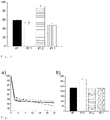
Figure 4 : Water interactions of composites, a) mass change (in %) over time (hrs) and b) water absorption (in %). a) The y axis is mass change (%), the x axis is time (h) (solid line: amyloid, dash line: monomer, dotted line: amyloid FAS and dashed-dotted line: amyloid CA). b) The y axis is water absorption (%), the x axis is hybrid bio plastic type (black bar: amyloid, white bar: monomer, horizontally sparse bar: amyloid FAS and vertically sparse bar: amyloid CA). -
Figure 5 : Mechanical properties of composites. a) stress-strain plot, b) maximum stress, c) maximum strain, and d) Young's modulus. a) The y axis is stress (MPa), the x axis is Strain (%) (solid line: amyloid, dashed line: monomer, dotted line: amyloid FAS and dashed-dotted line: amyloid CA). b) The y axis is maximum stress (Mpa), the x axis is hybrid bio plastic type (black bar: amyloid, white bar: monomer, horizontally sparse bar: amyloid FAS and vertically sparse bar: amyloid CA) . c) The y axis is maximum strain (%), the x axis is hybrid bio plastic type (black bar: amyloid, white bar: monomer, horizontally sparse bar: amyloid FAS and vertically sparse bar: amyloid CA). d) The y axis is Young's modulus (GPa), the x axis is hybrid bio plastic type (black bar: amyloid, white bar: monomer, horizontally sparse bar: amyloid FAS and vertically sparse bar: amyloid CA). -
Figure 6 . Generality, scalability, and comparison. a) Visual appearance of inventive composite amyloid fibrils - MC according to the example. b) scalability example of inventive composites. c) mechanical properties of exemplary inventive composites and commercial plastics. The y axis is Young's modulus (GPa), the x axis is elongation at break (%) (EPOXY: black left triangle, PHB: black hexagon, PEEK: black diamond, Polyester: white right triangle, PET: black right triangle, PS: black up triangle, PLA: white hexagon, PBT: white diamond, PVC: white circle, HIPS: black circle, PP: white up triangle, HDPE: black down triangle, PTFE: right white triangle, PBS: black pentagon, PCL: white pentagon, HDPE: black down triangle, LDPE: white down triangle, EPDM: black square, HAm-MC (#2, INVENTIVE): white star and HAm-PVA (#1, INVENTIVE): black star). - Further details on the figures are provided in the experiments below.
- In a first aspect, the present invention relates to composite materials ("bioplastic", "composites") containing (i.e. "comprising" or "consisting of") amyloid fibrils, a biodegradable polymer and optionally additives.
- As further outlined below, these inventive composite materials add value to the circular economy by valorizing, for example, food waste proteins, such as whey, a byproduct of the dairy industry. The results presented herein demonstrate the potential of composite materials comprising amyloid fibrils (e.g. based on whey) and biodegradable polymers as an efficient, sustainable, and inexpensive solution for alleviating the global plastics production and pollution issue.
- It is additionally considered particularly advantageous that the inventive composite materials have physical properties, such as elasticity and toughness, superior to the individual components alone. It was surprisingly found that a composite produced by mixing whey amyloid fibrils and PVA showed significantly better properties compared to films produced by either whey amyloid or PVA alone. The composite films (comprising both, amyloid fibrils and polymer) are significantly more flexible and withstand folding better compared to traditional films (comprising PVA or amyloids alone). At the same time, pure amyloid films are characterized by low mechanical stability, resulting in a film that is extremely brittle, fragmented and poorly water stable, limiting their real-world applications in their pure form.
Moreover, by combining protein amyloid fibrils with the polymer, the biodegradation of the resulting composite material is significantly enhanced. Additionally, the inventive composites show antioxidant activity that the biodegradable polymer alone does not possess. Without being bound to theory, it is believed that the high number of amino acids exposed on the surface of amyloid fibrils supports this feature.
Additionally, the composite films show high transparency in the visible, combined with UV-blocking proterties. Amyloid fibrils interact more efficiently with the polymers, thanks to their high degree of functionalities, resulting in a more stable, robust, and homogeneous blending compared to protein monomers. - Hence the properties of the inventive composite materials are far superior to those of the individual constituents and also exceed composite materials comprising protein monomers and polymers.
- This aspect of the invention shall be explained in further detail below:
Amyloid Fibrils: The term "amyloid fibrils" is generally known in the field and particularly describes fibrils made by proteins or peptides prevalently found in cross beta-sheet secondary structure. Accordingly, the term amyloid fibrils excludes native proteins and other types of non-amyloid protein aggregates.
Amyloid fibrils can be obtained from several different protein sources, collectively amylodogenic proteins, such as vegetable-based proteins and animal-based proteins.
In embodiments, amyloid fibrils are obtained from the group of plant-based proteins, preferably oat, pea, soy, zein, potato, rice, rapeseed.
In embodiments, amyloid fibrils are obtained from the group of animal-based proteins, preferably whey, beta-lactoglobuline, lysozyme, BSA.
As an example, the amyloid fibrils are obtained from whey. Whey is a rich source of proteins whose the most abundant is beta-lactoglobulin, a globular protein that can easily self-assembly into amyloid fibrils. Accordingly, the amyloid fibrils are advantageously obtained from whey. Without being bound to theory, it is believed that a broad range of functionalities characterizes the fibrils obtained from these food proteins and, thanks to their remarkable properties that are far superior to those of single monomers (including high stiffness and aspect ratios) they have been found particularly suitable for preparing the inventive composites described herein. Advantageously, the amyloid fibrils have high aspect ratio, preferably with ≤ 10 nm in diameter and ≥ 100nm in length, particular preferably ≤ 10 nm in diameter and ≥ 200nm in length. Advantageously, the amyloid fibrils have a highly charged surface. The term highly charged surfaces is generally known in the field and particularly describes surfaces showing electrophoretic mobilities of theorder 2 µmcm/V s at pH 4.
- Polymer: In line with the present invention, the polymer is biodegradable. The term "biodegradable polymer" is known in the field. It refers to plastics that degrade thanks to the action of microorganisms, such as naturally occurring bacteria, fungi and algae.
Additionally, if a polymer degrades by biological processes into biomass, carbon dioxide, water and inorganic compounds without leaving toxic residues, is defined as "compostable polymer". So, all compostable plastics belong to the group of biodegradable polymers, but not all biodegradable polymers are compostable polymers.
Further, biodegradable polymers distinguish from "bio-based plastics". While bio-based plastics are produced employing renewable resources rather than fossil fuels not all bio-based plastics are biodegradable, such as those converting renewable resources into building blocks for PET. So, biodegradable polymers distinguish from bioplastics in that the latter are not necessarily biodegradable. - In embodiments, the polymer is biodegradable according to one or more of the followingSTANDARDS : ISO 14855 or ISO14851 or ISO14852 or ISO17556 or ISO19679 .
- In embodiments, the polymer is compostable according to one or more of the following norms / regulations: EU13432 (PACKAGING) or EU14995 (NON-PACKAGING) or US ASTM D6400 or ISO17088.
- In view of the above, a wide range of biodegradable polymers may be used. Advantageously, they comply with the requirements of biodegradability as given above. Given the manufacturing method, soluble polymers are particularly useful. Such polymers include water-soluble polymers and non-water-soluble polymers.
- In embodiments, the polymer is selected from the group of water soluble-polymers, including PVA and polysaccharides such as MC.
- In alternative embodiments, the polymer is selected from the group of non-water soluble polymers, including Polylactic acid (PLA), Polyglycolide (PGA), Polycaprolactone (PCL) and Poly-3-hydroxybutyrate (PHB).
- By combining them with amyloid fibrils to give the composite materials as described herein, the disadvantages of protein-based materials, such as difficult to process, poor mechanical properties, poor barrier properties and sensitivity to water / humidity are mitigated.
- In embodiments, the polymer is selected from the group of synthetic polymers, e.g. Polyvinyl alcohols (PVA), such as fully hydrolyzed PVAs. A broad range of molecular weights, as commercially available, may be used in the context or the present invention. Suitable are, for example PVA with 100'000 ≤ Mw ≤ 500'000 such as Mw approx. 200'000. It was found that composites comprising such polymers are easily manufactured and processed. Their mechanical and optical properties are advantageous.
- In embodiments, the polymer is selected from the group of natural polymers and modified natural polymers, such as polysaccharides, e.g. Methyl cellulose (MC). A broad range of viscosities, as commercially available, may be used in the context or the present invention. Suitable are, for example MC with 100 cP ≤ viscosity ≤ 1'000 cP such as approx. 400 cP. It was found that composites comprising such polymers are easily manufactured and processed. Their mechanical and optical properties are advantageous.
- Additives: It is common in the field to include additive for facilitating the manufacturing or to beneficial influence material's properties, e.g. plasticizers. Such additives are commercial items, the type and amount may be selected by the skilled person in line with the intended effect. In embodiments, the additives are selected from biodegradable materials, such as glycerol.
- Composite material: The term composite material is known in the field. According to the present invention, it refers to a material comprising at least two components, a biodegradable polymer and amyloid fibrils. One or more additives may or may not be present.
- In embodiments, the biodegradable polymer and the amyloid fibrils form a homogeneous network matrix and the additives, if present, are distributed within said matrix. In preferred embodiments, the biodegradable polymer and the amyloid fibrils form a homogeneous double network matrix and the additives, if present, are distributed within said matrix.
- In embodiments, the amyloid fibrils are distributed randomly within said polymer.
- In embodiments, the amount of polymer ranges from 10 to < 66 wt%, preferably ranges from ranges from 20 to < 50 wt%. In embodiments, the amount of amyloid fibrils ranges from ≥ 33 to 90 wt%, preferably ranges from ≥ 50 to 80 wt%. In embodiments, the amount of additives ranges from 0 - 40 wt%, preferably 5 - 35 wt%.
- In an embodiment, the invention relates to the use of amyloid fibrils in the manufacturing of biodegradable composite materials.
- In addition to the chemical composition, the inventive composite material may be characterized by physical parameters.
Advantageously, the composite material has a broad range of surface hydrophobicity, with water contact angles ranging from 20 to 150 degree, preferably 50 - 120 degree. In embodiments, the water contact angle is above 50 degree. Advantageously, the composite material has a Young's modulus ranging from 0.01 to 4 GPa, depending on the target application and the production process
Advantageously, the composite material has a high degree of transparency ranging from 50 to 99.9% visible light transmittance. - The inventive composite materials may be obtained in various forms, generally referred to as solid shaped articles. This particularly depends on step (c) in the process outlined below and includes self-supporting thin films, coatings on a substrate, granules, pellets or casted blocks. In view of many commercial relevant applications, the preferred form is a film. It is considered advantageous that inventive films are obtainable by processes well known in the field, including solution casting or extrusion methods or by hot press methods.
- Product-by-process: In a further embodiment, the invention also provides for a composite material obtainable by the method described herein, or obtained according to the method as described herein.
- In a second aspect , the invention relates to a method of manufacturing inventive composite materials. Briefly, a composition comprising an amylodogenic protein, for example, beta-lactoglobulin protein, a polymer and optionally additives are combined in solution to obtain an initial dispersion. Upon heating and pH adjustment, self-assembly of protein monomers to amyloid fibrils occurs and all components are solubilized. The thus obtained solution may be shaped, e.g. cast, to form a shaped article, e.g. a film, after solvent evaporation. This method of manufacturing is considered simple, scalable and environmentally friendly. This aspect of the invention is depicted in
fig.1 and shall be explained in further detail below, whereby method A is adapted to water soluble polymers and method B is adapted to non-water soluble polymers: - Method a: Advantageously, the inventive method comprises the steps of:
- (a) combining a native amylodogenic protein ("protein monomers", e.g. beta-lactoglobulin), biodegradable water soluble polymer, water and optionally acid and optionally additives to obtain an aqueous dispersion; than
- (b) converting the protein monomers to amyloid fibrils by application of heat and optionally adjusting the pH to thereby obtain an acidic solution; and
- (c) processing the solution by removing the solvent to thereby form a composite material; and optionally
- (d) further treatment of the thus obtained composite material to obtain an shaped article.
fig.1 . The obtained composite material may be further processed according to methods well established (c.f. step (d) below) . It is considered particularly advantageous that the entire manufacturing is green and eco-friendly. - Method B: Advantageously, the inventive method comprises the steps of:
- (a) combining a native amylodogenic protein ("protein monomers", e.g. beta-lactoglobulin), water and optionally acid and optionally additives, to obtain an aqueous dispersion (a-1), combining organic solvent and biodegradable non-water soluble polymer, to obtain an organic solution (a-2); than
- (b) converting the protein monomers to amyloid fibrils by application of heat and optionally adjusting the pH to thereby obtain an aqueous solution of amyloid fibrils (b-1), and combining the thus obtained solution (b-1) with the organic solution (a-2) to thereby obtain a combined solution; and
- (c) processing the combined solution by removing the solvent to thereby form a composite material; and optionally
- (d) further treatment of the thus obtained composite material to obtain an shaped article.
- The individual process steps are known per se, but not yet applied to the specific starting materials. It is advantageous if the above organic solvent and water do form a miscible phase.
- It is considered particularly advantageous that important properties of the inventive composite material, including density, stiffness and color, may be tuned in s simple way by adjusting the individual process steps.
- It is considered particularly advantageous that the method provides composite materials with well-organized structures and unprecedented properties.
- It is further considered particularly advantageous that the obtained materials have unique optical properties, such as high transparency.
- In embodiments, the invention relates to a method from manufacturing composite materials as described herein in the form of a film. The method is considered scalable and straightforward (as suitable for existing equipment) and environmentally friendly (as water based). Specifically, WPI (whey protein isolate) is dispersed in
pH 2 water together with glycerol and a water-soluble polymer selected from PVA or other soluble polymers. The solution is then heated to thereby solubilize all the components homogeneously and convert beta-lactoglobulin protein into self-assembled amyloid fibrils (e.g. 90°C for 5 hours). This solution is cast onto a substrate followed by solved evaporation to thereby obtain freestanding homogeneous and transparent films containing the inventive composite material, with properties superior to those of the individual components. - Water soluble polymers: In case the polymer is water soluble, water is used as a solvent. These starting materials are known per se. Combining them and adjusting pH to 0.5 - 4 such as pH = 2 is entirely conventional. Non-Water soluble Polymers: In case the polymer is non-water soluble, an organic solvent for that polymer, such as DMSO, THF, DMF or ethanol is used, either alone or in combination. In this embodiment, amyloid aqueous solution is prepared separately according to (a) and (b); than it is mixed with the biopolymer separately dissolved in a polar solvent and the resulting mixture is subjected to step (c).
- Converting amylodogenic protein monomers to amyloid fibrils by application of heat and to thereby obtain a solution is a process known in the field. Advantageously, the reaction mixture is stirred. Advantageously, the reaction mixture is heated to 70 - 95 °C for 1 - 10 hours, preferably 90 °C / 5 hrs. This step may be terminated by quenching.
- Again, processing a solution comprising dissolved polymer into a solid is known in the field. Due to the properties of polymer and amyloid fibrils, common casting and extruding technologies may be applied. Suitably, a thin film is cast and dried under ambient or controlled conditions, e.g. by application of moderate heat and / or reduced pressure.
- The inventive process may be accomplished by further steps, e.g. preceding step (a) or following step (c), including purification, further processing, assembling and other process steps known to the skilled person. In embodiments, the inventive method comprises one or more finishing steps (d), including chemical treatment e.g. a cross-linking agent in alcoholic solution.
- As shown above, the manufacturing is very flexible. The chemical, mechanical and optical properties of the obtained composite materials can be tailored by the changing the preparation conditions such as concentration of precursors, drying temperature and substrate type and texture. For example, hydrophobicity and mechanical stability of inventive composites can be conveniently tuned by chemical treatment inducing crosslinking within the fibrils and polymer domains.
- In a third aspect, the invention also relates to various uses of the inventive composite materials and to articles comprising or consisting of a composite material as described herein. Compared to other bioplastics, the inventive composite materials present a remarkable water stability and hydrophobic behavior, allowing these materials to be suitable for many applications to thereby replace traditional plastics.
- Accordingly, the invention provides for an article, selected from the group consisting of foils, laminates, bags, containers, and tubes.
- In embodiments of the invention, the inventive composite material is present as a shaped article, such as a semifinished product. This is typically the case once manufacturing is completed. In this form, the inventive composites are typically in the form of foils or extrudates.
- In a further embodiment of the invention, the inventive composite is present as a coating on a substrate. A broad range of substrates may be coated, depending on the intended use of the inventive composite. The coating may be the top coating. Accordingly, the invention also provides for an article comprising a substrate and a coating, said coating consisting of an inventive composite material as described herein. Such articles include packaging materials.
- In a further embodiment of the invention, the inventive composite is present as a packaging material, particularly as a packaging material for fresh food products; as a packaging material for beverages including hot and cold beverages; as a packaging material for processed food / pre-cooked products; as a packaging material for snack products, as a packaging material for non-food products, such as electronics, or clothes.
- To further illustrate the invention, the following examples are provided. These examples are provided with no intent to limit the scope of the invention.
- Whey protein isolate (WPI) was supplied from Fonterra, New Zealand. Polyvinyl alcohol (PVA, fully hydrolyzed, Mw approx. 200000) and Hydrochloric acid (36%) were purchased from Merck. Methyl cellulose (MC) (viscosity: 400 cP), Glycerol (≥99.5%), Citric acid (CA) (≥99.5%), 1H,1H,2H,2H-Perfluorooctyltriethoxysilane (FAS), 2,2' -azinobis(ethyl-2,3-dihydrobenzothiazoline-6-sulfonic acid) diammonium salt (ABTS), and Tenax® porous polymer adsorbent (60-80 mesh) were provided from Sigma Aldrich
-
- example 1, HAm-PVA: For fabricating hybrid amyloid (HAm) fibrils film, 4 g of WPI first was dissolved in 100 ml of water. Then the pH of the solution was adjusted to 2 and 2 g of Glycerol, as a plasticizer, was dispersed in the solution. For hybrid amyloid fibrils films with PVA and MC, 2 g of each compound was added to the solution. To convert the WPI monomers to amyloid fibrils and dissolving the biodegradable polymer, the solution was stirred and heated at 90 °C for 5 h. After the incubation, the solution cast immediately on a petri dish to dry at room temperature.
- example 1.1, HAm-PVA treated with CA: For the study of the effect of CA in film properties, 1.5 g of it was added to solutions before the fibrilization process.
- example 1.2, HAm-PVA coated with FAS: Moreover, for fabricating more hydrophobic films, they were placed in an ethanolic solution containing FAS (0.5 wt %) for 1 h. Subsequently, the films were dried under room temperature to obtain the FAS-coated hybrid amyloid films.
- example 2: HAm-MC: The generality of the approach for fabricating different composite materials, PVA is replaced by Methylcellulose (MC, methyl ether of cellulose), cf.
fig. 6 .- Panel a: As shown in this panel, the resulting HAm-MC film is smooth, flexible, and transparent. While both PVA and MC are biodegradable polymers, MC has the advantage of being from biosources and more sustainable. However, the water stability of native MC hybrid amyloid fibrils film is lower than the ones with PVA.
- Panel b: demonstrates the scalability of the hybrid whey amyloid fibrils bioplastic by its production on a larger scale. This panel shows the inventive composite material in the form of a bioplastic film with the size of 1.5 m×1.5 m, produced successfully via a simple solution-casting process.
- Panel c: compares the mechanical properties of the inventive films based on PVA and MC against different engineering, thermosets, rubbers, and biodegradable plastics. As observed, although both bioplastics in this work have similar elastic modulus, HAm-PVA has a higher elongation value compared to HAm-MC, reaching the value of 750%. This excellent strain value places the HAm-PVA film among the toughest plastics. On the other hand, the young modulus of the inventive films is in the range of PTFE, PBS, PCL, LDPE, and EPDM.
- The details of composition and treatment are listed in Table.1.
Table.1. Bioplastic Films composition in dry mass Bioplastics Whey amyloid wt. % Whey monomer wt.% PVA wt. % MC wt. % Gly wt. % CA wt. % FAS treatment inventive # 1, Hybrid amyloid 40 - 30 - 30 - No #1.1, Hybrid amyloid-CA 35 - 26 - 26 13 No #1.2, Hybrid amyloid-FAS 40 - 30 - 30 - Yes # 2, Hybrid amyloid-MC 44 - - 23 33 - No comparative: #C1, Hybrid monomer - 40 30 - 30 No No - To characterize the morphologies of amyloid fibrils and their composite materials in the form of films, Atomic force microscopy (AFM) and scanning electron microscopy (SEM) were used. For AFM, the solutions were dried onto cleaved mica and analyzed by applying the tapping mode. A Hitachi SU5000 scanning electron microscope characterized the structure and properties of hybrid bioplastic films. Small pieces of films were attached to stubs with paste and sputter-coated with 5 nm of platinum/palladium under planetary rotational movement (Safematic, CCU- 10, Switzerland) before imaging.
Fig. 2 verifies that amyloid fibrils self-assembly is not inhibited by the other compounds in solution (glycerol and PVA and other compounds contained in WPI), atomic force microscopy (AFM) has been used to image the solution resulting after the heat treatment. - Panel A: amyloid fibrils obtained from pure beta-lactoglobulin dispersed in
pH 2 Milli-Q water. - Panel B: amyloid fibrils formed from WPI and in the presence of PVA and glycerol, confirming that the other compounds in solution do not inhibit the self-assembly of whey monomers into amyloid fibrils. The main difference between the fibrils obtained regards their contour length distribution that decreases when amyloids are produced in the other compounds' presence.
- Pane C and D: SEM images of the surface of the inventive composites and composites of protein monomer are presented. As shown in the figure, the amyloid-based films' surface is smooth, homogenous, and without cracks. However, the surface of the films obtained with WPI monomers shows multiple cracks spanning several micrometers. These cracks increase the oxygen and vapor transport through the films, resulting in films that might not be suitable for food packaging. On the contrary, films of the inventive composites are characterized by a highly homogeneous surface. Without being bound to theory, this may be attributed to the high degree of interactions between amyloid fibrils, the plasticizer (Glycerol), and the polymer chains (PVA), favored by the very high aspect ratio of amyloid fibrils combined with the numerous functional groups on their surface. Surprisingly, most of the properties of the hybrid composites were found superior to films produced by either the amyloid or the polymer components alone. Firstly, the mechanical properties, in terms of flexibility, stability and processability improve compared to the individual components. Additionally, the hybrid film showed high degree of functionalities, such as antioxidant activity and improved surface properties.
- The mechanical properties of films were evaluated by measuring tensile strength and elongation using a Z010 (Zwick) equipped with a 100 N load cell. The stress (σ)-strain (ε) curves were obtained at room temperature. The Young's modulus was calculated from the stress-strain curves.
Fig. 5 presents the mechanical properties of the hybrid whey amyloid, WPI monomer (comparative), amyloid FAS-coated and CA containing films. - Panel a: As observed in stress-strain curves, fibrillization, combination, and coating directly affect the mechanical properties of the films.
- Panels b - d: The maximum stress at break, ultimate elongation, and Young's modulus values are presented. The maximum stress of pure amyloid hybrid film is 17 MPa, similar to the value for monomer hybrid film. However, as depicted in panel c, the elongation of hybrid amyloid films (inventive) is improved at least two orders of magnitude compared to hybrid monomer film (comparative). Without being bound to theory, it is speculated that the better elongation of the amyloid hybrid film is attributed to good alignment of nanofibril chains, making the interfibrillar slippage and molecular rearrangement easier. The excellent elongation of hybrid films is a fascinating property for food packaging applications. However, this property leads to a lower Young's modulus value for amyloid fibrils hybrid films than monomer hybrid films (panel d). Furthermore, it appeared that although coating and hybridizing the films with FAS and CA, respectively, improve the maximum stress and Young's modulus, they decrease the film strain, resulted in rigid and less flexible films. This phenomenon is believed to be due to the crosslinking effect and limited mobility of whey amyloid fibrils chain after the addition of CA or coating with FAS.
- The water contact angle of the films was recorded by Nikon D300 digital camera at 25°C and relative humidity of 50%. To shed light on the interaction of films with water, their weight loss, and water absorption after immersing in the water and at different time intervals were measured.
Fig. 3 : To determine the hydrophobicity of amyloid-based films, static water contact angle analysis was performed. The contact angle varies highly depending on the composition and the chemical treatment. In particular, the film's contact angle formed by native WPI monomers is the smallest one, confirming the hydrophilic nature of this species. However, the contact angle measured on amyloid fibril-based film resulted in a more hydrophobic nature compared to the monomer-based ones. The chemical crosslinking treatment using FAS, resulted in films with a surface characterized by a super-hydrophobic nature, with contact angles above 90°. The film containing CA, showed the lowest contact angle measured, even compared to protein monomers. - The interaction with water is further investigated and the results are summarized in
Fig. 4 . - Panel a: For all the samples, a substantial mass release of about 50% has been measured on all the films after 2 hours of water immersion. However, after this first water immersion, the mass loss measured in all the film containing amyloid fibrils decreased drastically within the first 3 hours, while later, no substantial mass loss was observed up to 24 hours. The major component released in water by the films is suspected to be mainly the plasticizer due to the high water solubility of this compound. This is further confirmed by the fact that the films appeared much more brittle compared to the same films before water immersion. At the same time, the film composed by WPI native monomers showed a continuous mass loss during all the time tested, up to full film dissolution (not shown in the figure).
- Panel b: The water adsorption measurements resulted in very similar behavior in the films based on amyloid fibrils independently by the treatment and all the films absorbed around 225% of water after 24 hours of immersion. The swelling, however, increased significantly in the film obtained by WPI monomers, reaching water adsorption values of around 325%. The low performances of monomer based films are supposed to be related to the hydrophilic nature of the protein native state but also to the surface properties of these films that, as already discussed above (see also
fig. 2 and3 ), are characterized by a hydrophilic, inhomogeneous and fractured surface confirming the highest performances of amyloid fibrils compared to native monomers. - The antioxidant activity of film was determined by the spectrophotometric method described by Kusznierewicz et al. Briefly, the stock solution of ABTS with the concentration of 7 mM was diluted with water to display the absorbance of 0.7 at 734 nm. Then 4.5 mL of ABTS solution was combined with a piece of film (10 mg). After 20 min reaction time, the film was removed, and the solution was transferred to a cuvette, and its absorbance was measured at 734 nm with the use of a UV-vis spectrophotometer (
Cary 100, Agilent Technology). Finally, the amount of ABTS radicals scavenged by 1 g of the film was calculated based on the Beer-Lambert-Bouguer Law:
The inventive hybrid amyloid fibril films showed excellent antioxidant activity by scavenging 150-300µmol ABTS/g. - The food-contact migration properties of the bioplastic films were evaluated based on EU technical guidelines for compliance testing in the framework of the plastic FCM Regulation (EU) No 10/201134. To assess the possible migration of molecules from the films to the food, Tenax® was used as a dry food simulant. In a clean glass petri dish, a square-shape film with a dimension of 2 cm was placed between two layers of Tenax® powder (40 mg below and 40 mg above the sample) and stored in the oven for 2 h at 70 °C. The overall food migration was calculated by the mass difference of Tenax® before and after the treatment resulting in migration values below the EU limit.
- As clearly shown by the examples and data provided, amyloid fibrils are a suitable building block for developing composite materials jointly with a biodegradable polymer. To do so, in situ fibrilization of protein monomers, e.g. whey, took place in the presence of a plasticizer and a biodegradable plastic, such as PVA and MC. The resultant films were transparent, flexible, and exhibited mechanical and water stabilities superior to the individual components. The films can be prepared from cheap bio-based and biodegradable sources, point to their affordability and environment friendliness for a broad range of applications.
Claims (15)
- A composite material comprising amyloid fibrils, a polymer and optionally additives, characterized in that- said amyloid fibrils are distributed within said polymer; and- said polymer is biodegradable.
- The composite material according to claim 1, wherein- the amount of polymer is 10 to < 66 wt%, preferably ranges from ranges from 20 to < 50 wt%;- the amount of amyloid fibrils is ≥ 33 to 90 wt%, preferably ranges from ≥ 50 - 80 wt%;- the amount of additives ranges from 0 - 40 wt%, preferably 5 - 35 wt%,in each case based on dry wt%.
- A composite material according to claim 1, wherein said polymer- is biodegradable according to one or more of the following standards: ISO14855, ISO14851, ISO14852, ISO17556 or ISO19679; or- is compostable according to one or more of the following norms / regulations: EU 13432 PACKAGING, EU 14995 NON-PACKAGING, US ASTM D6400 or ISO17088.
- The composite material according to any of the preceding claims, wherein said biodegradable polymer is selected from- the group of synthetic polymers, preferably PVA; or- the group of natural polymers and modified natural polymers, preferably celluloses.
- The composite material according to any of the preceding claims, wherein said amyloid fibrils- are obtained from the group of plant-based proteins, preferably from oat, pea, soy, zein, potato, rice, rapeseed and other amylodogenic proteins; and / or- are obtained from the group of animal-based proteins, preferably from whey, beta-lactoglobuline, lysozyme, BSA, and other amylodogenic proteins; and / or- have high aspect ratio, preferably with ≤ 10 nm in diameter and ≥ 100nm in length, and / or- have highly charged surfaces, preferably electrophoretic mobilities of the order of 2 µm·cm/V·s at pH 4; and / or- are homogeneously distributed within said polymer.
- The composite material according to any of the preceding claims, wherein said additives are selected from- plasticizers, particularly glycerol, sorbitol ;- crosslinkers, particularly GA (Glutaraldehyde);- acids, particularly citric acid, boric acid, HCl;- antibacterial compounds, particularly silver, sodium azide;- hydrophobic agents, particularly waxes, FAS.
- The composite material according to any of the preceding claims, complying with one or more of the following characteristics:- the polymer and the amyloid fibrils form an homogeneous network matrix;- the composite material has a water contact angle of 20-150 degree, preferably 50 - 120 degree;- the composite material has a transparency of at least 50-99.9% in the visible (e.g. at 660 nm);- the composite material has a Young's modulus in the range of 0.01-4 GPa.
- The composite material according to any of the preceding claims, in the form of- a self-supporting film;- a coating on a substrate or on an article- granules or pellets or blocks.
- A method for manufacturing a composite material according to any of the preceding claims, said method comprising the steps of:- Method A for water soluble polymers -(a) combining amylodogenic protein, biodegradable polymer, water and optionally acid and optionally additives, to obtain an aqueous dispersion; than(b) converting the amylodogenic protein to amyloid fibrils by application of heat to thereby obtain an acidic solution; and(c) processing the solution by removing the solvent to thereby form a solid composite material; and optionally(d) further treatment of the thus obtained composite material to obtain an shaped article; OR- Method B for non-water soluble polymers -(a) combining amylodogenic protein, water and optionally acid and optionally additives, to obtain an aqueous dispersion (a-1), combining organic solvent and non-water soluble polymer to obtain an organic solution (a-2); than(b) converting the amylodogenic protein to amyloid fibrils by application of heat to thereby obtain an aqueous solution of amyloid fibrils (b-1), and combining the thus obtained solution (b-1) with the organic solution (a-2) to thereby obtain a combined solution; and(c) processing the combined solution by removing the solvent to thereby form a solid composite material; and optionally(d) further treatment of the thus obtained composite material to obtain a shaped article.
- The method according to claim 9, wherein- in step (a): the pH is adjusted to 0.5 - 4 preferably 2; and / or- in step (a), the amylodogenic protein is seleced from plant-based proteins, preferably from oat, pea, soy, zein, potato, rice, rapeseed, or the amylodogenic protein is selected from animal-based proteins, preferably from whey, beta-lactoglobuline, lysozyme, BSA,;- in said step (b) the reaction mixture is heated to 50-95 °C for 1-10 h, preferably 90°C / 5 h; and /or- in said step (b) the reaction mixture is stirred- In said step (c) the reaction mixture is quenched and cast and water is evaporated.- in said step (d) the obtained composite materials are chemically treated with a cross-linking agent in alcoholic solution.
- The method according to any of claims 9 to 10, additionally comprising one or more further steps (d) ; preferably where in said step (d) the obtained composite materials are chemically treated with a cross-linking agent.
- A composite material obtainable by, or obtained according to the method of any of claims 9 to 11.
- An article comprising, or consisting of, a composite material according to any of claims 1 to 9 or 12.
- The article of claim 13, selected from the group consisting of foils, laminates, bags, containers, and tubes.
- Use of a composite material according to any of claims 1-9 and 12 as a packaging material, particularly- as a packaging material for fresh food products;- as a packaging material for beverages including hot and cold beverages;- as a packaging material for processed food / pre-cooked products;- as a packaging material for snack products;- as a packaging material for non food products, including electronics, and clothes.
Priority Applications (7)
| Application Number | Priority Date | Filing Date | Title |
|---|---|---|---|
| EP21173061.9A EP4089149A1 (en) | 2021-05-10 | 2021-05-10 | Bioplastics based on amyloid fibrils and biodegradable polymers |
| US18/560,122 US20240240022A1 (en) | 2021-05-10 | 2022-05-05 | Bioplastics based on amyloid fibrils and biodegradable polymers |
| EP22733515.5A EP4337729A1 (en) | 2021-05-10 | 2022-05-05 | Bioplastics based on amyloid fibrils and biodegradable polymers |
| JP2023569625A JP2024518475A (en) | 2021-05-10 | 2022-05-05 | Bioplastics based on amyloid fibrils and biodegradable polymers |
| CN202280047070.5A CN117597401A (en) | 2021-05-10 | 2022-05-05 | Bioplastics based on amyloid fibrils and biodegradable polymers |
| PCT/EP2022/062215 WO2022238244A1 (en) | 2021-05-10 | 2022-05-05 | Bioplastics based on amyloid fibrils and biodegradable polymers |
| AU2022272793A AU2022272793A1 (en) | 2021-05-10 | 2022-05-05 | Bioplastics based on amyloid fibrils and biodegradable polymers |
Applications Claiming Priority (1)
| Application Number | Priority Date | Filing Date | Title |
|---|---|---|---|
| EP21173061.9A EP4089149A1 (en) | 2021-05-10 | 2021-05-10 | Bioplastics based on amyloid fibrils and biodegradable polymers |
Publications (1)
| Publication Number | Publication Date |
|---|---|
| EP4089149A1 true EP4089149A1 (en) | 2022-11-16 |
Family
ID=76076201
Family Applications (2)
| Application Number | Title | Priority Date | Filing Date |
|---|---|---|---|
| EP21173061.9A Withdrawn EP4089149A1 (en) | 2021-05-10 | 2021-05-10 | Bioplastics based on amyloid fibrils and biodegradable polymers |
| EP22733515.5A Pending EP4337729A1 (en) | 2021-05-10 | 2022-05-05 | Bioplastics based on amyloid fibrils and biodegradable polymers |
Family Applications After (1)
| Application Number | Title | Priority Date | Filing Date |
|---|---|---|---|
| EP22733515.5A Pending EP4337729A1 (en) | 2021-05-10 | 2022-05-05 | Bioplastics based on amyloid fibrils and biodegradable polymers |
Country Status (6)
| Country | Link |
|---|---|
| US (1) | US20240240022A1 (en) |
| EP (2) | EP4089149A1 (en) |
| JP (1) | JP2024518475A (en) |
| CN (1) | CN117597401A (en) |
| AU (1) | AU2022272793A1 (en) |
| WO (1) | WO2022238244A1 (en) |
Cited By (3)
| Publication number | Priority date | Publication date | Assignee | Title |
|---|---|---|---|---|
| CN116920171A (en) * | 2023-06-13 | 2023-10-24 | 华南理工大学 | Nanofiber composite DNA gel ink and preparation method and application thereof |
| CN118402552A (en) * | 2024-06-07 | 2024-07-30 | 合肥工业大学 | Preparation and application of betalain-loaded arachidonic acid amyloid fiber/chitosan supramolecular composite coating solution |
| WO2025165865A1 (en) * | 2024-01-31 | 2025-08-07 | Null Objective, LLC | Natural cellulose and protein-based materials |
Families Citing this family (6)
| Publication number | Priority date | Publication date | Assignee | Title |
|---|---|---|---|---|
| CN116265512B (en) * | 2023-03-10 | 2025-08-08 | 湖南大学 | Millimeter-scale PEI/AFL/PVA aerogel and its preparation method and application |
| WO2024215783A1 (en) * | 2023-04-10 | 2024-10-17 | University Of Connecticut | Recycleable bioplastics, methods of manufacture thereof and articles comprising the same |
| AU2024299302A1 (en) * | 2023-07-27 | 2026-02-05 | Centre National De La Recherche Scientifique | Composite materials functionalized with protein fibers comprising at least one amyloid structure |
| US20260055247A1 (en) | 2024-08-21 | 2026-02-26 | Xampla Limited | Films containing plant protein and pva |
| CN119505303B (en) * | 2024-10-14 | 2025-10-17 | 浙江科技大学 | Preparation method of high-performance soybean protein emulsion film |
| CN119319710B (en) * | 2024-12-19 | 2025-03-07 | 山东野迈塑胶有限公司 | Degradable heat-shrinkable film and preparation method thereof |
Citations (1)
| Publication number | Priority date | Publication date | Assignee | Title |
|---|---|---|---|---|
| US20040249065A1 (en) | 2003-06-09 | 2004-12-09 | Schilling Christopher H. | Biodegradable plastics |
Family Cites Families (1)
| Publication number | Priority date | Publication date | Assignee | Title |
|---|---|---|---|---|
| GB0818563D0 (en) | 2008-10-09 | 2008-11-19 | Cambridge Entpr Ltd | Polymer composite and method for its manufacture |
-
2021
- 2021-05-10 EP EP21173061.9A patent/EP4089149A1/en not_active Withdrawn
-
2022
- 2022-05-05 AU AU2022272793A patent/AU2022272793A1/en not_active Abandoned
- 2022-05-05 US US18/560,122 patent/US20240240022A1/en active Pending
- 2022-05-05 WO PCT/EP2022/062215 patent/WO2022238244A1/en not_active Ceased
- 2022-05-05 CN CN202280047070.5A patent/CN117597401A/en active Pending
- 2022-05-05 EP EP22733515.5A patent/EP4337729A1/en active Pending
- 2022-05-05 JP JP2023569625A patent/JP2024518475A/en active Pending
Patent Citations (1)
| Publication number | Priority date | Publication date | Assignee | Title |
|---|---|---|---|---|
| US20040249065A1 (en) | 2003-06-09 | 2004-12-09 | Schilling Christopher H. | Biodegradable plastics |
Non-Patent Citations (3)
| Title |
|---|
| NOLENE BYRNE ET AL: "The preparation of novel nanofilled polymer composites using poly(-lactic acid) and protein fibers", EUROPEAN POLYMER JOURNAL, PERGAMON PRESS LTD OXFORD, GB, vol. 47, no. 6, 8 December 2010 (2010-12-08), pages 1279 - 1283, XP028209526, ISSN: 0014-3057, [retrieved on 20101222], DOI: 10.1016/J.EURPOLYMJ.2010.12.002 * |
| SARAH M. PILKINGTON ET AL: "Amyloid fibrils as a nanoscaffold for enzyme immobilization", BIOTECHNOLOGY PROGRESS, vol. 26, no. 1, 13 November 2009 (2009-11-13), pages 93 - 100, XP055573685, ISSN: 8756-7938, DOI: 10.1002/btpr.309 * |
| SHIVA P. RAO ET AL: "Amyloid fibrils as functionalizable components of nanocomposite materials", BIOTECHNOLOGY PROGRESS, vol. 28, no. 1, 14 October 2011 (2011-10-14), pages 248 - 256, XP055573778, ISSN: 8756-7938, DOI: 10.1002/btpr.726 * |
Cited By (3)
| Publication number | Priority date | Publication date | Assignee | Title |
|---|---|---|---|---|
| CN116920171A (en) * | 2023-06-13 | 2023-10-24 | 华南理工大学 | Nanofiber composite DNA gel ink and preparation method and application thereof |
| WO2025165865A1 (en) * | 2024-01-31 | 2025-08-07 | Null Objective, LLC | Natural cellulose and protein-based materials |
| CN118402552A (en) * | 2024-06-07 | 2024-07-30 | 合肥工业大学 | Preparation and application of betalain-loaded arachidonic acid amyloid fiber/chitosan supramolecular composite coating solution |
Also Published As
| Publication number | Publication date |
|---|---|
| CN117597401A (en) | 2024-02-23 |
| AU2022272793A1 (en) | 2023-12-21 |
| US20240240022A1 (en) | 2024-07-18 |
| WO2022238244A1 (en) | 2022-11-17 |
| EP4337729A1 (en) | 2024-03-20 |
| JP2024518475A (en) | 2024-05-01 |
Similar Documents
| Publication | Publication Date | Title |
|---|---|---|
| US20240240022A1 (en) | Bioplastics based on amyloid fibrils and biodegradable polymers | |
| Peydayesh et al. | Sustainable bioplastics from amyloid fibril-biodegradable polymer blends | |
| Liu et al. | Study of combined effects of glycerol and transglutaminase on properties of gelatin films | |
| Mohammadi et al. | Physico-mechanical and structural properties of eggshell membrane gelatin-chitosan blend edible films | |
| Zheng et al. | Mechanical and moisture sensitivity of fully bio-based dialdehyde carboxymethyl cellulose cross-linked soy protein isolate films | |
| Su et al. | Properties of soy protein isolate/poly (vinyl alcohol) blend “green” films: compatibility, mechanical properties, and thermal stability | |
| JP7381549B2 (en) | biodegradable film | |
| Ji et al. | A gelatin/PLA-b-PEG film of excellent gas barrier and mechanical properties | |
| KR101725238B1 (en) | Protein-polymer-graphene oxide nanocomposites and nanocomposite films comprising them | |
| Bagnani et al. | From soy waste to bioplastics: industrial proof of concept | |
| JP7110228B2 (en) | biodegradable film | |
| Hejazi et al. | A study of the effects of acid, plasticizer, cross-linker, and extracted chitin nanofibers on the properties of chitosan biofilm | |
| Wang et al. | Effect of in situ apatite on performance of collagen fiber film for food packaging applications | |
| US12415918B2 (en) | Polyvinyl alcohol-based degradable plastic, preparation method therefor and application thereof, and recycling method therefor | |
| Dou et al. | Effects of lactic acid and mixed acid aqueous solutions on the preparation, structure and properties of thermoplastic chitosan | |
| Durmaz et al. | Poly (vinyl alcohol) and casein films: The effects of glycerol amount on the properties of films | |
| Schmitz et al. | Toughening of poly (lactic acid)(PLA) with poly (butylene adipate-co-terephthalate)(PBAT): a morphological, thermal, mechanical, and degradation evaluation in a simulated marine environment | |
| Zhang et al. | Preparation of highly transparent, mechanically enhanced, antioxidant, and biodegradable SPI/OAG films via synergistic schiff base chemistry and hydrogen bonding interactions | |
| Zhang et al. | Performance comparison of glycerol-plasticized type A and type B gelatin films and their suitability for food packaging | |
| CN117866394A (en) | A fast biodegradable PBAT film and preparation method thereof | |
| CN110358273B (en) | Biomass antibacterial film with high puncture resistance | |
| EP2483335B1 (en) | Xyloglucan films | |
| CN110922646A (en) | Preparation method of novel biodegradable high-barrier packaging film | |
| Lothfy et al. | Fabrication and characterization of jackfruit seed powder and polyvinyl alcohol blend as biodegradable plastic | |
| Nakashima et al. | Biodegradation characteristics of chitin and chitosan films |
Legal Events
| Date | Code | Title | Description |
|---|---|---|---|
| PUAI | Public reference made under article 153(3) epc to a published international application that has entered the european phase |
Free format text: ORIGINAL CODE: 0009012 |
|
| STAA | Information on the status of an ep patent application or granted ep patent |
Free format text: STATUS: THE APPLICATION HAS BEEN PUBLISHED |
|
| AK | Designated contracting states |
Kind code of ref document: A1 Designated state(s): AL AT BE BG CH CY CZ DE DK EE ES FI FR GB GR HR HU IE IS IT LI LT LU LV MC MK MT NL NO PL PT RO RS SE SI SK SM TR |
|
| STAA | Information on the status of an ep patent application or granted ep patent |
Free format text: STATUS: THE APPLICATION IS DEEMED TO BE WITHDRAWN |
|
| 18D | Application deemed to be withdrawn |
Effective date: 20230517 |