EP4086617A1 - Paste for reference electrode, reference electrode, and biosensor including the same - Google Patents
Paste for reference electrode, reference electrode, and biosensor including the same Download PDFInfo
- Publication number
- EP4086617A1 EP4086617A1 EP22169744.4A EP22169744A EP4086617A1 EP 4086617 A1 EP4086617 A1 EP 4086617A1 EP 22169744 A EP22169744 A EP 22169744A EP 4086617 A1 EP4086617 A1 EP 4086617A1
- Authority
- EP
- European Patent Office
- Prior art keywords
- reference electrode
- paste
- carbon
- silver chloride
- conductive material
- Prior art date
- Legal status (The legal status is an assumption and is not a legal conclusion. Google has not performed a legal analysis and makes no representation as to the accuracy of the status listed.)
- Granted
Links
Images
Classifications
-
- H—ELECTRICITY
- H01—ELECTRIC ELEMENTS
- H01B—CABLES; CONDUCTORS; INSULATORS; SELECTION OF MATERIALS FOR THEIR CONDUCTIVE, INSULATING OR DIELECTRIC PROPERTIES
- H01B1/00—Conductors or conductive bodies characterised by the conductive materials; Selection of materials as conductors
- H01B1/20—Conductive material dispersed in non-conductive organic material
- H01B1/22—Conductive material dispersed in non-conductive organic material the conductive material comprising metals or alloys
-
- G—PHYSICS
- G01—MEASURING; TESTING
- G01N—INVESTIGATING OR ANALYSING MATERIALS BY DETERMINING THEIR CHEMICAL OR PHYSICAL PROPERTIES
- G01N27/00—Investigating or analysing materials by the use of electric, electrochemical, or magnetic means
- G01N27/26—Investigating or analysing materials by the use of electric, electrochemical, or magnetic means by investigating electrochemical variables; by using electrolysis or electrophoresis
- G01N27/28—Electrolytic cell components
- G01N27/30—Electrodes, e.g. test electrodes; Half-cells
- G01N27/301—Reference electrodes
-
- A—HUMAN NECESSITIES
- A61—MEDICAL OR VETERINARY SCIENCE; HYGIENE
- A61B—DIAGNOSIS; SURGERY; IDENTIFICATION
- A61B5/00—Measuring for diagnostic purposes; Identification of persons
- A61B5/02—Detecting, measuring or recording for evaluating the cardiovascular system, e.g. pulse, heart rate, blood pressure or blood flow
- A61B5/0205—Simultaneously evaluating both cardiovascular conditions and different types of body conditions, e.g. heart and respiratory condition
- A61B5/02055—Simultaneously evaluating both cardiovascular condition and temperature
-
- A—HUMAN NECESSITIES
- A61—MEDICAL OR VETERINARY SCIENCE; HYGIENE
- A61B—DIAGNOSIS; SURGERY; IDENTIFICATION
- A61B5/00—Measuring for diagnostic purposes; Identification of persons
- A61B5/145—Measuring characteristics of blood in vivo, e.g. gas concentration or pH-value ; Measuring characteristics of body fluids or tissues, e.g. interstitial fluid or cerebral tissue
- A61B5/14532—Measuring characteristics of blood in vivo, e.g. gas concentration or pH-value ; Measuring characteristics of body fluids or tissues, e.g. interstitial fluid or cerebral tissue for measuring glucose, e.g. by tissue impedance measurement
-
- A—HUMAN NECESSITIES
- A61—MEDICAL OR VETERINARY SCIENCE; HYGIENE
- A61B—DIAGNOSIS; SURGERY; IDENTIFICATION
- A61B5/00—Measuring for diagnostic purposes; Identification of persons
- A61B5/24—Detecting, measuring or recording bioelectric or biomagnetic signals of the body or parts thereof
- A61B5/25—Bioelectric electrodes therefor
- A61B5/251—Means for maintaining electrode contact with the body
- A61B5/257—Means for maintaining electrode contact with the body using adhesive means, e.g. adhesive pads or tapes
- A61B5/259—Means for maintaining electrode contact with the body using adhesive means, e.g. adhesive pads or tapes using conductive adhesive means, e.g. gels
-
- G—PHYSICS
- G01—MEASURING; TESTING
- G01N—INVESTIGATING OR ANALYSING MATERIALS BY DETERMINING THEIR CHEMICAL OR PHYSICAL PROPERTIES
- G01N27/00—Investigating or analysing materials by the use of electric, electrochemical, or magnetic means
- G01N27/26—Investigating or analysing materials by the use of electric, electrochemical, or magnetic means by investigating electrochemical variables; by using electrolysis or electrophoresis
- G01N27/28—Electrolytic cell components
- G01N27/30—Electrodes, e.g. test electrodes; Half-cells
- G01N27/308—Electrodes, e.g. test electrodes; Half-cells at least partially made of carbon
-
- G—PHYSICS
- G01—MEASURING; TESTING
- G01N—INVESTIGATING OR ANALYSING MATERIALS BY DETERMINING THEIR CHEMICAL OR PHYSICAL PROPERTIES
- G01N27/00—Investigating or analysing materials by the use of electric, electrochemical, or magnetic means
- G01N27/26—Investigating or analysing materials by the use of electric, electrochemical, or magnetic means by investigating electrochemical variables; by using electrolysis or electrophoresis
- G01N27/28—Electrolytic cell components
- G01N27/30—Electrodes, e.g. test electrodes; Half-cells
- G01N27/327—Biochemical electrodes, e.g. electrical or mechanical details for in vitro measurements
-
- G—PHYSICS
- G01—MEASURING; TESTING
- G01N—INVESTIGATING OR ANALYSING MATERIALS BY DETERMINING THEIR CHEMICAL OR PHYSICAL PROPERTIES
- G01N27/00—Investigating or analysing materials by the use of electric, electrochemical, or magnetic means
- G01N27/26—Investigating or analysing materials by the use of electric, electrochemical, or magnetic means by investigating electrochemical variables; by using electrolysis or electrophoresis
- G01N27/403—Cells and electrode assemblies
- G01N27/406—Cells and probes with solid electrolytes
- G01N27/407—Cells and probes with solid electrolytes for investigating or analysing gases
- G01N27/4075—Composition or fabrication of the electrodes and coatings thereon, e.g. catalysts
-
- G—PHYSICS
- G01—MEASURING; TESTING
- G01N—INVESTIGATING OR ANALYSING MATERIALS BY DETERMINING THEIR CHEMICAL OR PHYSICAL PROPERTIES
- G01N33/00—Investigating or analysing materials by specific methods not covered by groups G01N1/00 - G01N31/00
- G01N33/48—Biological material, e.g. blood, urine; Haemocytometers
Definitions
- a process for depositing or synthesizing silver chloride on the surface of silver may not be involved.
- a paste for a reference electrode having uniform interfacial properties may be prepared by a method of mixing the carbon-based conductive material with separately prepared silver chloride.
- the paste for a reference electrode according to embodiments of the present invention may not include solid silver. Therefore, even if the reference electrode manufactured according to the embodiments is used together with a chlorine ion solution (e.g., KCl solution), etc., additional generation of silver chloride may be suppressed, and generation of AgCl 2 - caused by an increase in the content of silver chloride may be delayed. Further, a change in the reference potential caused by additional generation of silver chloride, etc. may be suppressed, and a life-span of the reference electrode may be extended.
- a chlorine ion solution e.g., KCl solution
- the paste for a reference electrode may further include a resin.
- the resin functions as a binder, and by including the resin, the paste for a reference electrode may have an increased adhesiveness.
- the paste for a reference electrode may be cured in a predetermined shape.
- a paste was prepared by performing the same procedures as described in Example 1, except that about 10 wt. parts of graphite was used.
Landscapes
- Health & Medical Sciences (AREA)
- Life Sciences & Earth Sciences (AREA)
- Chemical & Material Sciences (AREA)
- Physics & Mathematics (AREA)
- Molecular Biology (AREA)
- General Health & Medical Sciences (AREA)
- Pathology (AREA)
- Analytical Chemistry (AREA)
- Biochemistry (AREA)
- General Physics & Mathematics (AREA)
- Immunology (AREA)
- Chemical Kinetics & Catalysis (AREA)
- Electrochemistry (AREA)
- Engineering & Computer Science (AREA)
- Biomedical Technology (AREA)
- Animal Behavior & Ethology (AREA)
- Public Health (AREA)
- Biophysics (AREA)
- Heart & Thoracic Surgery (AREA)
- Medical Informatics (AREA)
- Surgery (AREA)
- Veterinary Medicine (AREA)
- Cardiology (AREA)
- Dispersion Chemistry (AREA)
- Physiology (AREA)
- Hematology (AREA)
- Urology & Nephrology (AREA)
- Spectroscopy & Molecular Physics (AREA)
- Medicinal Chemistry (AREA)
- Food Science & Technology (AREA)
- Emergency Medicine (AREA)
- Optics & Photonics (AREA)
- Pulmonology (AREA)
- Conductive Materials (AREA)
Abstract
Description
- The present invention relates to a paste for a reference electrode, a reference electrode, and a biosensor including the same, and more particularly, to a reference electrode including silver chloride, and a biosensor including the reference electrode.
- Recently, patients with chronic diseases such as diabetes are increasing, and there is growing concern about the chronic diseases. As an extension thereof, demand for biosensors capable of monitoring a body composition, etc. to manage the chronic diseases is also steadily increasing. For example, by regularly performing a blood sugar check, it is possible for diabetic patients to control blood sugar levels more strictly and prevent complications from occurring.
- A continuous blood sugar meter corresponding to an example of the biosensor may include a sensor module configured to measure a glucose concentration from a body fluid, and a transmitter configured to transmit a value measured by the sensor module to a terminal, wherein the value received from the transmitter is output by the terminal. In addition, the sensor module may further include a sensor probe, and the like to extract interstitial fluid, etc. from subcutaneous fat.
- Meanwhile, the sensor module of the biosensor may include two or more electrodes to measure an electrical signal caused by a specific component of the body fluid. For example, the sensor module may include a working electrode and a reference electrode, and may further include a counter electrode. In particular, the sensor module may include the reference electrode to secure consistency in measurement.
- As in Patent Document 1, an invention for preventing deterioration of the sensor module is disclosed in the prior art. The sensor unit of Patent Document 1 further includes a filter unit. The filter unit is intended to prevent immune cells or other cells and biological particles or proteins contained in a living tissue or whole blood from being adsorbed to a working electrode (as a detection electrode) and a reference electrode (as a standard electrode).
- However, Patent Document 1 does not provide a special advantage in maintaining the consistency in signal measurement of biosignals by using the conventional electrodes.
- (Patent Document 0001)
Korean Patent Registration Publication No. 10-1637325 - An object of the present invention is to provide a paste for a reference electrode having improved mechanical stability, a reference electrode and a biosensor including the same.
- Another object of the present invention is to provide a paste for a reference electrode having improved electrical properties, a reference electrode and a biosensor including the same.
- To achieve the above objects, the following technical solutions are adopted in the present invention.
- 1. A paste for a reference electrode, including a mixture of silver chloride powder and a carbon-based conductive material.
- 2. The paste for a reference electrode according to the above 1, wherein the paste does not comprise solid silver.
- 3. The paste for a reference electrode according to the above 1, wherein the carbon-based conductive material includes at least one compound selected from the group consisting of carbon nanotubes, graphite, graphene, and carbon black.
- 4. The paste for a reference electrode according to the above 3, wherein the carbon-based conductive material is included in an amount of 1 to 250 parts by weight based on 100 parts by weight of the silver chloride powder.
- 5. The paste for a reference electrode according to the above 1, wherein the silver chloride powder and the carbon-based conductive material are electrically connected with each other.
- 6. The paste for a reference electrode according to the above 1, wherein the mixture further comprises a resin.
- 7. A reference electrode including: a substrate; and an electrode layer formed of the paste for a reference electrode according to the above 1 on the substrate.
- 8. A biosensor including: a working electrode; and the reference electrode according to the above 7.
- 9. The biosensor according to the above 8, further including a counter electrode.
- According to embodiments of the present invention, the paste for a reference electrode including the carbon-based conductive material is easily shaped, such that it is possible to implement the reference electrode without limitation on an external shape thereof by using the paste.
- In addition, the reference electrode formed of the paste for a reference electrode according to the exemplary embodiment may provide improved mechanical properties.
- Further, the reference electrode formed of the paste for a reference electrode according to the exemplary embodiment may provide improved electrical properties.
- Furthermore, the reference electrode formed of the paste for a reference electrode according to the exemplary embodiment may include a carbon-based conductive material by replacing expensive solid silver with a low cost material such as a carbon-based conductive material, thereby providing an advantage in terms of production costs.
- The above and other objects, features and other advantages of the present invention will be more clearly understood from the following detailed description taken in conjunction with the accompanying drawings, in which:
-
FIG. 1 is a schematic cross-sectional view illustrating a reference electrode according to an exemplary embodiment; and -
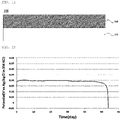
FIG. 2 is a graph illustrating a change in a potential value over time of the reference electrode according to an exemplary embodiment. - As used herein, the term "biosignal" may refer to a specific substance contained in a biosample, for example, a substance such as blood sugar, cholesterol, protein, hormone and the like. As an example of biosignal measurement, measurement of a glucose concentration contained in the interstitial fluid may be considered.
- As used herein, the term "measurement" may refer to quantitatively analyzing a content of the specific substance.
- Embodiments of the present invention disclose a paste for a reference electrode including a mixture of silver chloride powder and a carbon-based conductive material. Hereinafter, each configuration of the paste for a reference electrode will be described in more detail.
- In embodiments of the present invention, the carbon-based conductive material may include at least one compound selected from the group consisting of carbon nanotubes (CNT), graphite (GP), graphene, and carbon black.
- In some exemplary embodiments, by including the carbon-based conductive material, electrical conductivity and mechanical stability of the paste for a reference electrode, such as tensile strength, flexibility, elasticity, etc. may be improved.
- The "carbon nanotube" is a carbon allotrope composed of carbon that exists in large amounts on earth, and means a material in which one carbon is bonded with other carbon atoms in a hexagonal honeycomb pattern to form a tube shape. The carbon nanotube has a particle diameter in a nano-size. The nano-size may mean a size between several nanometers and several tens of nanometers.
- In some exemplary embodiments, the carbon nanotubes may have a single-walled, double-walled, or multi-walled shape, and may be formed in a rope shape in some cases. Since field emission characteristics can be maintained even when the carbon nanotubes having the wall shape are subjected to additional surface modification or adsorption, the paste for a reference electrode according to some exemplary embodiments may include multi-walled carbon nanotubes, or may include a mixture of single-walled carbon nanotubes and multi-walled carbon nanotubes.
- As a method of synthesizing carbon nanotubes, an electric discharge method, a thermal decomposition method, a laser deposition method, a plasma chemical vapor deposition method, a thermochemical vapor deposition method, an electrolysis method, a flame synthesis method, and the like may be considered.
- In some exemplary embodiments, by including carbon nanotubes as the carbon-based conductive material, electrical conductivity and mechanical stability such as flexibility of the paste for a reference electrode may be further improved.
- The "graphene" is a material in which one carbon is bonded to other carbon atoms in a hexagonal honeycomb pattern to form a layer, and has high electrical conductivity and mechanical stability. The "graphite" is a carbon allotrope composed of carbon that exists in large amounts on earth, and means a material in which two or more types of graphene is laminated.
- The number of sheets (single graphene layers) included in the graphite is preferably 2 to 100. When the number of sheets exceeds 100, excessive use of the carbon-based conductive material may be involved in order to implement uniform electrical properties, and workability of the paste for a reference electrode may be deteriorated. Therefore, the number of sheets (single graphene layers) included in the graphite is preferably 50 or less, more preferably 20 or less, and most preferably 10 or less.
- The "carbon black" is a material obtained from incomplete combustion of a carbon-based compound such as tar, and includes Denka black, acetylene black, Ketjen black, Furnace black, Super-P black, thermal black and the like. Carbon black contains nano-sized fine particles.
- In some exemplary embodiments, since the carbon black is used as the carbon-based conductive material, the carbon-based conductive material and the silver chloride powder may be more uniformly mixed with each other.
- Embodiments of the present invention disclose a paste for a reference electrode including the carbon-based conductive material instead of solid silver. The carbon-based conductive material used instead of silver may come into contact with the silver chloride powder to be electrically connected thereto, such that a change in the silver chloride phase (e.g., generation of an electric current) caused by a measurement target may be electrically transmitted to a substrate or the like.
- In addition, in exemplary embodiments, since the paste for a reference electrode do not have solid silver, a process for depositing or synthesizing silver chloride on the surface of silver may not be involved. In particular, a paste for a reference electrode having uniform interfacial properties may be prepared by a method of mixing the carbon-based conductive material with separately prepared silver chloride.
- In addition, the paste for a reference electrode according to embodiments of the present invention may not include solid silver. Therefore, even if the reference electrode manufactured according to the embodiments is used together with a chlorine ion solution (e.g., KCl solution), etc., additional generation of silver chloride may be suppressed, and generation of AgCl2 -caused by an increase in the content of silver chloride may be delayed. Further, a change in the reference potential caused by additional generation of silver chloride, etc. may be suppressed, and a life-span of the reference electrode may be extended.
- In addition, the paste for a reference electrode of exemplary embodiments includes powdery silver chloride. For example, the powdery silver chloride may refer to an aggregation of silver chloride particles. The silver chloride powder may include silver chloride particles. The silver chloride particles may have an aspect ratio of 0.5 or more, but it is preferable that the aspect ratio of the silver chloride particles is 0.9 or more, and more preferably a spherical or similar spherical shape in terms of capable of providing a uniform reference potential.
- Further, according to some exemplary embodiments, the silver chloride particles may have an average particle diameter of 1 µm to 10 mm, preferably 1 µm to 1 mm, more preferably 1 µm to 100 pm, and most preferably 1 µm to 10 µm. As the average particle diameter of silver chloride is increased, a risk in which the silver chloride particles will not be uniformly dispersed in the carbon-based conductive material is increased, and as the average particle diameter of silver chloride is decreased, a risk in which the oxidation-reduction potential will not be constantly maintained is increased.
- According to some exemplary embodiments, when the average particle diameter of the silver chloride particles exceeds 10 µm, a surface energy of the silver chloride particles is increased, such that the silver chloride particles may not be sufficiently dispersed by the carbon-based conductive material, and a shortage of mechanical stability such as an adhesion strength may be further increased. On the other hand, when the average particle diameter of the silver chloride particles is less than 1 µm, the surface of the silver chloride particles cannot be sufficiently exposed to an outside, such that electrochemical properties thereof as a reference electrode may be further deteriorated.
- Therefore, since both electrochemical properties and mechanical stability of the reference electrode can be pursued, the powdery silver chloride preferably includes silver chloride particles satisfying the above-described numerical range.
- In order to obtain silver chloride having a uniform average particle diameter, a conventional microemulsion method or matrix-based synthesis method known in the art may be used. In addition, a method of mixing silver nitrate (AgNO3) and silver chloride to form aggregation nuclei, followed by growing the same may be used.
- For example, when a molar ratio of hydrochloric acid to silver nitrate is 2 to 30, a silver chloride cube or sphere may be formed, and a hypothetical inscribed sphere or the sphere may have an average particle diameter of 1.5 µm to 0.05 mm.
- In addition, in some exemplary embodiments of the paste for a reference electrode, the carbon-based conductive material may be included in an amount of 0.1 to 300 parts by weight ('wt. parts'), and preferably 1 to 250 wt. parts based on 100 wt. parts of the silver chloride powder.
- According to some exemplary embodiments, when the silver chloride powder is included in an amount of less than 1 wt. part, a sufficient oxidation-reduction potential required for the reference electrode may not be secured. In addition, the oxidation-reduction potential may not be constantly maintained, and as a result of life-span evaluation, the reference electrode obtained therefrom may have a significantly short life-span below the reference. On the other hand, when the silver chloride powder is included in an amount exceeding 100 wt. parts, the evaluation result of mechanical stability of the reference electrode, for example, flexibility, may be below the reference due to the lack of the content of the carbon-based conductive material.
- Therefore, since both electrochemical properties and mechanical stability of the reference electrode can be pursued, it is preferable that the paste for a reference electrode includes silver chloride powder in an amount of satisfying the above-described numerical range.
- In addition, in exemplary embodiments, the paste for a reference electrode may further include a solvent to uniformly mix the silver chloride powder and the carbon-based conductive material included therein. Further, after the silver chloride powder and the carbon-based conductive material are uniformly mixed with each other, the solvent may be evaporated.
- According to exemplary embodiments, the solvent is capable of dissolving a resin monomer, the carbon-based conductive material, and the silver chloride powder, and preferably has a polarity. As examples of the solvent, it may be considered to use at least one solvent of acetone, methyl ethyl ketone, methyl alcohol, ethyl alcohol, isopropyl alcohol, butyl alcohol, ethylene glycol, polyethylene glycol, tetrahydrofuran, dimethylformamide, dimethylacetamide, N-methyl-2-pyrrolidone, hexane, cyclohexanone, toluene, chloroform, distilled water, dichlorobenzene, dimethylbenzene, trimethylbenzene, pyridine, methylnaphthalene, nitromethane, acrylonitrile, octadecylamine, aniline, or dimethylsulfoxide.
- In addition, in exemplary embodiments, the paste for a reference electrode may further include a resin. The resin functions as a binder, and by including the resin, the paste for a reference electrode may have an increased adhesiveness. Furthermore, by including a curable resin, the paste for a reference electrode may be cured in a predetermined shape.
- Exemplary embodiments of the present invention disclose a paste for a reference electrode in which a mixture including silver chloride and the carbon-based conductive material further includes a resin.
- As examples of the resin included in the mixture, it may be considered to use at least one of a polycarbonate resin, polyarylate resin, polysulfone resin, polystyrene resin, polyacrylate resin, styrene-acrylic copolymer, ethylene-vinyl acetate copolymer, polypropylene resin, olefin polymer, polyvinyl chloride resin, vinyl chloride-vinyl acetate copolymer, polyester resin, alkyd resin, polyamide resin, polyurethane resin, epoxy resin, diallyl phthalate resin, silicon resin, ketone resin, polyvinyl butyral resin, polyether resin, or phenol resin.
- In addition, the curable resin may be a photocurable or thermosetting resin, and a pressure may be applied to the paste for a reference electrode during a curing process, or the pressure may be applied to the paste for a reference electrode before and after the curing process.
- For example, the photocurable resin may include at least one of a monomer, an oligomer (or a resin, in particular, a low molecular weight resin), and a polymer. In addition, as an example of the monomer, a monofunctional monomer, or a polyfunctional monomer having at least two polymerizable unsaturated bonds may be considered.
- As examples of the monofunctional monomer, (meth)acrylic monomers such as (meth)acrylic acid ester, etc.; vinyl monomers such as vinylpyrrolidone, (meth) acrylate having a bridged cyclic hydrocarbon group, such as isobornyl(meth)acrylate, adamantly(meth)acrylate, and the like may be considered.
- In addition, as examples of the polyfunctional monomer, alkylene glycol di(meth)acrylate such as ethylene glycol di(meth)acrylate, propylene glycol di(meth)acrylate, etc.; (poly)oxyalkylene glycol di(meth)acrylate such as diethylene glycol di(meth)acrylate, dipropylene glycol di(meth)acrylate, etc.; di(meth)acrylate having a bridged cyclic hydrocarbon group, such as tricyclodecane dimethanol di(meth)acrylate, adamantane di(meth)acrylate, etc.; polyfunctional monomers having a polymerizable unsaturated bond, such as trimethylolpropane tri(meth)acrylate, trimethylolethane tri(meth)acrylate, pentaerythritol tri(meth)acrylate, and the like may be considered.
- In addition, the curable resin may further include a curing agent according to types thereof. When using the thermosetting resin, a curing agent such as amines, polyvalent carboxylic acids, etc. may be commercially used. When using the photocurable resin, a photo-polymerization initiator may be included.
- Further, as examples of the photo-polymerization initiator, acetophenones or propiophenones, benzils, benzoins, benzophenones, thioxanthones, acylphosphine oxides, and the like may be considered. In terms of securing both sufficient curing speed and mechanical properties, a content of the curing agent is preferably 0.1 to 20 wt. parts based on 100 wt. parts of a precursor of the curable resin.
- In the present disclosure, embodiments of the present invention further disclose a reference electrode including: a substrate; and an electrode layer formed of the paste for a reference electrode according to exemplary embodiments on the substrate.
- In addition, the substrate may have conductivity or include a layer having conductivity, or may not have conductivity. The substrate may have a shape of a foil, sheet or plate, and may be a single layer or multilayer.
- For example, the substrate may include metal or a polymer resin. As examples of the metal, copper, zinc, nickel, cobalt, palladium, platinum, tin, stainless steel, or an alloy thereof may be considered. In addition, as examples of the polymer resin, polyethylene, polypropylene, polyimide (e.g., KAPTON®), polyethylene terephthalate (PET), polyacrylate, polycarbonate, silicone, epoxy resin, polyester (e.g., MYLAR®), polyethersulfone (PES), polyetherimide (e.g., ULTEM®), polyethylenenaphthalate (PEN), and the like may be considered.
- In the present disclosure, embodiments of the present invention further disclose a biosensor including a working electrode and the reference electrode according to exemplary embodiments, and a biosensor including a working electrode, a counter electrode, and the reference electrode according to exemplary embodiments.
- In some exemplary embodiments, the working electrode or the counter electrode may be manufactured using metal or a carbon-based material. For example, as a non-limiting example of the working electrode or the counter electrode, the use of metal, metal oxide, carbon ink, graphite, glassy carbon, graphene, and the like may be considered.
- In some exemplary embodiments, the biosensor may include a two-electrode system. In addition, in some exemplary embodiments, in order to further improve reliability and precision in measurement, the biosensor may employ a three-electrode system by further including a counter electrode.
- According to exemplary embodiments, the biosensor may be used to measure the concentrations, etc., of various biomaterials. The measurement using the biosensor may be performed based on a change in current according to the presence of the measurement target and the concentration thereof. In addition, the reference electrode according to an exemplary embodiment may provide a background value as a reference for measurement.
- Further, as examples of the biomaterial to be the measurement target, enzyme, aptamer, carbohydrate, protein, oxide, lipid, hormone, DNA, PNA, RNA, or a mixture thereof may be considered. Furthermore, the biomaterial may be included in blood, urine, tears, sweat, saliva, intercellular fluid, lymph fluid, cerebrospinal fluid or the like.
- In addition, the biosensor may be used to measure biological characteristics of a subject. An exemplary biosensor may be used to extract health information combining skin temperature, heart rate, respiration rate, or blood pressure.
- Hereinafter, experimental examples including specific examples and comparative examples will be described to more concretely understand the present invention. However, those skilled in the art will appreciate that such examples are provided for illustrative purposes and do not limit subject matters to be protected as disclosed in appended claims. Therefore, it will be apparent to those skilled in the art various alterations and modifications of the embodiments are possible within the scope and spirit of the present invention and duly included within the range as defined by the appended claims.
- Specifically, electrochemical properties and mechanical properties of the reference electrode according to exemplary embodiments will be described with reference to drawings and examples. However, it should be noted that such a description is provided to facilitate understanding of those skilled in the art, and is not intended to limit the scope of the present invention.
-
FIG. 1 is a schematic cross-sectional view illustrating a reference electrode according to an exemplary embodiment. Areference electrode 100 according to an exemplary embodiment includes asubstrate 110 and anelectrode layer 120 formed of the paste for a reference electrode according to the exemplary embodiment on the substrate. A method of manufacturing thereference electrode 100 according to an exemplary embodiment is the same as described in the following examples and comparative examples. - About 400 wt. parts of isobornyl acrylate monomer, 100 wt. parts of silver chloride having an average particle diameter of 3 µm, 200 wt. parts of graphite (CAS No. 7782-42-5, manufactured by Sigma Aldrich, GP), and 20 wt. parts of 2,4,6-trimethylbenzoyl-diphenyl-phosphine oxide were added in an excess organic solvent, and mixed well at 80°C for 1 hour, then the solvent was evaporated to obtain a paste.
- The obtained paste was applied to a PET substrate and irradiated with light (ultraviolet rays) to induce a photocuring reaction. As a result, a reference electrode in which silver chloride and graphite were uniformly mixed could be obtained.
- A paste was prepared by performing the same procedures as described in Example 1, except that silver chloride having an average particle diameter of 8 µm was used. In addition, about 600 wt. parts of isobornyl acrylate monomer and 200 wt. parts of graphite were used.
- A paste was prepared by performing the same procedures as described in Example 1, except that silver chloride having an average particle diameter of 15 µm was used. In addition, about 800 wt. parts of isobornyl acrylate monomer and 200 wt. parts of graphite were used.
- A paste was prepared by performing the same procedures as described in Example 1, except that silver chloride having an average particle diameter of 1 µm was used. In addition, about 200 wt. parts of isobornyl acrylate monomer and 200 wt. parts of graphite were used.
- A paste was prepared by performing the same procedures as described in Example 1, except that about 300 wt. parts of graphite was used.
- A paste was prepared by performing the same procedures as described in Example 1, except that about 150 wt. parts of graphite was used.
- A paste was prepared by performing the same procedures as described in Example 1, except that about 75 wt. parts of graphite was used.
- A paste was prepared by performing the same procedures as described in Example 1, except that about 10 wt. parts of graphite was used.
- A paste was prepared by performing the same procedures as described in Example 1, except that about 1 wt. part of graphite was used.
- A paste was prepared by performing the same procedures as described in Example 1, except that 150 wt. parts of graphene (CAS No. 1034343-98-0, manufactured by Sigma Aldrich) was mixed instead of 200 wt. parts of graphite.
- A paste was prepared by performing the same procedures as described in Example 1, except that 150 wt. parts of multi-walled carbon nanotubes (mw-CNT, CAS No. 308068-56-6, manufactured by Sigma Aldrich) was mixed instead of 200 wt. parts of graphite.
- A paste was prepared by performing the same procedures as described in Example 1, except that 200 wt. parts of Denka black (manufactured by Denka Korea Co., Ltd.) was mixed instead of 150 wt. parts of graphite.
- Compositions and contents of the compounds included in the pastes of Examples 1 to 12 are summarized in Table 1 below. The numerical values indicated for each compound means wt. parts. The particle diameter means an average particle diameter of the silver chloride powder, and the unit is µm.
[TABLE 1] Configura tion Example 1 2 3 4 5 6 7 8 9 10 11 12 Resin 400 600 800 200 400 400 400 400 400 400 400 400 Silver chloride powder 100 100 100 100 100 100 100 100 100 100 100 100 GP 200 200 200 200 300 150 75 10 1 - - - Graphene - - - - - - - - - 150 - - mw-CNT - - - - - - - - - - 150 - Denka black - - - - - - - - - - - 150 Particle diameter 3 8 15 1 3 3 3 3 3 3 3 3 - A paste was prepared by performing the same procedures as described in Example 1, except that about 400 wt. parts of an isobornyl acrylate monomer and 100 wt. parts of silver chloride powder having an average particle diameter of 3 µm were mixed.
- A paste was prepared by performing the same procedures as described in Example 1, except that about 400 wt. parts of isobornyl acrylate monomer, 200 wt. parts of graphite, 50 wt. parts of silver chloride powder having an average particle diameter of about 3 µm, and 50 wt. parts of silver powder having an average particle diameter of about 3 µm were mixed.
- A paste was prepared by performing the same procedures as described in Example 1, except that about 400 wt. parts of an isobornyl acrylate monomer, 200 wt. parts of graphite, and 100 wt. parts of silver powder having an average particle diameter of 3 µm were mixed.
- The life-span of each of the reference electrodes manufactured using the pastes prepared according to the examples and comparative examples was evaluated using a potentiostat (CHI660). Each of the prepared reference electrodes was immersed in a phosphate buffered saline (PBS) solution to which 3M of potassium chloride (KCl) was added. In order to measure a potential value of the reference electrode, a silver/silver chloride electrode was used as a counter electrode. An initial value of the measured potential was 0.02 to 0.06 V.
- Standards for evaluating the life-span of the reference electrode are as follows. The performance of each reference electrode was evaluated based on the period during which the initial value of the measured potential was maintained at a specific level or higher. The measurement of the electric potential was performed every one minute.
- Ⓞ (Excellent): The potential value exceeds 95% of the initial value for 45 days
- o (Favorable): The potential value exceeds 95% of the initial value for 30 days
- × (Below the reference): The potential value is below 95% of the initial value within 30 days.
- In addition,
FIG. 2 is a graph illustrating a change in the potential value over time of the reference electrode obtained by using the paste for a reference electrode according to Example 1. The initial potential value was 0.04 V, and the current value was 10 nA. - Referring to
FIG. 2 , since a potential of about 0.04 V was maintained for 30 days or more and a potential value of 0.038 V or higher was maintained even after 45 days had elapsed in the reference electrode of Example 1, it was found that the life-span evaluation result of the electrode was excellent. In addition, results of the life-span evaluation of the electrodes of the examples and comparative examples are shown in Table 2 below.[TABLE 2] Life-span evaluation result Example 1 2 3 4 5 6 7 8 9 10 11 12 Evaluation result Ⓞ Ⓞ ○ Ⓞ Ⓞ Ⓞ Ⓞ Ⓞ ○ Ⓞ Ⓞ Ⓞ Comparative Example 1 2 3 Evaluation result × × × - Referring to Table 2, it can be seen that the reference electrodes of Examples 3 and 9 had favorable life-spans, and all of the reference electrodes of the examples except the above examples had excellent life-spans. Thereby, it is determined that the addition of the carbon-based conductive material up to a certain content contributes to an increase in the life-span.
- On the other hand, all the reference electrodes of Comparative Examples 1 to 3 had life-spans below the reference, and in the reference electrodes of Comparative Examples 2 and 3, a change in the potential of 1% or higher was confirmed.
- The adhesion of the reference electrode was evaluated according to ISO 2409. In detail, 100 specimens were prepared by cross-cutting the cured products of the pastes obtained in the examples and comparative examples with a cutting machine having blades with an interval of 1 mm.
- A test tape having an adhesive force of about 7.6 N/cm was attached to and detached from the prepared specimen, and the number of intact specimens was recorded. Adhesion evaluation results are shown in Table 3 below.
[TABLE 3] Adhesion evaluation result Example 1 2 3 4 5 6 Evaluati on result 98 100 100 93 95 100 Example 7 8 9 10 11 12 Evaluati 100 100 100 100 100 100 on result Comparat ive Example 1 2 3 Evaluati on result 100 100 100 - Referring to Table 3, it was found that the specimens of the cured products obtained from the examples except for Examples 1, 4 and 5, and the comparative examples remained intact even after the evaluation of the adhesion force. According to the evaluation results, it was confirmed that the number of intact specimens was increased as the content ratio of the resin included in the paste for a reference electrode was increased.
- In order to evaluate the flexibility of the reference electrode, 5 specimens having a size of 15 mm × 25 mm were cut out from each of the cured products of the pastes obtained in the examples and comparative examples. According to JIS P 8115, each specimen was bent 5 times in a vertical direction, and a change in resistance before and after bending of the specimen was measured.
- In bending of the specimen, a radius of curvature was 0.8 mm, a transmission speed was 175 rpm, a feed angle was 135 degrees, and a load was 0.5 kgf as detailed conditions. The standards for evaluation are as follows, and flexibility evaluation results are shown in Table 4 below.
Ⓞ (Excellent) : Resistance change before and after bending 5 times is 5% or less
o (Favorable): Resistance change before and after bending 5 times is 10% or less
× (Below the reference): resistance change before and after bending 5 times exceeds 10%[TABLE 4] Flexibility evaluation result Example 1 2 3 4 5 6 Evaluati on result ○ ○ × Ⓞ Ⓞ ○ Example 7 8 9 10 11 12 Evaluati on result ○ ○ × ○ Ⓞ ○ Comparat ive Example 1 2 3 Evaluati on result × ○ ○ - Referring to Table 4, all the cured products of the examples except for Examples 3 and 9 were evaluated to have favorable flexibility or higher, and Examples 4, 5 and 11 were evaluated to have excellent flexibility. In addition, all the cured products of the comparative example except for Comparative Example 1 were also evaluated to have favorable flexibility.
- Referring to the evaluation results, it was found that the higher the content ratio of the carbon-based conductive material included in the paste for a reference electrode, the better the flexibility. In addition, it was found that the flexibility may vary depending on the types of the carbon-based conductive material, and the use of carbon nanotubes may contribute to the improvement of the flexibility.
Claims (9)
- A paste for a reference electrode, comprising a mixture of silver chloride powder and a carbon-based conductive material.
- The paste for a reference electrode according to claim 1, wherein the paste does not comprise solid silver.
- The paste for a reference electrode according to claim 1, wherein the carbon-based conductive material includes at least one compound selected from the group consisting of carbon nanotubes, graphite, graphene, and carbon black.
- The paste for a reference electrode according to claim 3, wherein the carbon-based conductive material is included in an amount of 1 to 250 parts by weight based on 100 parts by weight of the silver chloride powder.
- The paste for a reference electrode according to claim 1, wherein the silver chloride powder and the carbon-based conductive material are electrically connected with each other.
- The paste for a reference electrode according to claim 1, wherein the mixture further comprises a resin.
- A reference electrode comprising:a substrate; andan electrode layer formed of the paste for a reference electrode according to claim 1 on the substrate.
- A biosensor comprising: a working electrode; and the reference electrode according to claim 7.
- The biosensor according to claim 8, further comprising a counter electrode.
Applications Claiming Priority (1)
| Application Number | Priority Date | Filing Date | Title |
|---|---|---|---|
| KR1020210058561A KR102650140B1 (en) | 2021-05-06 | 2021-05-06 | Paste for reference electrode, reference electrode, and biosensor including the same |
Publications (2)
| Publication Number | Publication Date |
|---|---|
| EP4086617A1 true EP4086617A1 (en) | 2022-11-09 |
| EP4086617B1 EP4086617B1 (en) | 2025-01-01 |
Family
ID=81386487
Family Applications (1)
| Application Number | Title | Priority Date | Filing Date |
|---|---|---|---|
| EP22169744.4A Active EP4086617B1 (en) | 2021-05-06 | 2022-04-25 | Paste for reference electrode, reference electrode, and biosensor including the same |
Country Status (6)
| Country | Link |
|---|---|
| US (1) | US11967440B2 (en) |
| EP (1) | EP4086617B1 (en) |
| JP (1) | JP7397120B2 (en) |
| KR (1) | KR102650140B1 (en) |
| CN (1) | CN115308281B (en) |
| AU (1) | AU2022202498B2 (en) |
Families Citing this family (2)
| Publication number | Priority date | Publication date | Assignee | Title |
|---|---|---|---|---|
| CN116259436B (en) * | 2023-03-16 | 2024-10-25 | 上海聚隆电子科技有限公司 | Silver-carbon-silver chloride slurry and application thereof |
| WO2026059057A1 (en) * | 2024-09-10 | 2026-03-19 | 주식회사 셀라메스 | Cell chip and method for modifying electrode surface |
Citations (6)
| Publication number | Priority date | Publication date | Assignee | Title |
|---|---|---|---|---|
| US4303740A (en) * | 1978-03-31 | 1981-12-01 | Magyar Tudomanyos Akademia | Process for the preparation of highly accurate and stable electrode containing a silver salt |
| WO2001004614A1 (en) * | 1999-07-13 | 2001-01-18 | Wakunaga Pharmaceutical Co., Ltd. | Electrochemical biosensor using silver silver chloride electrode and chromatography matrix |
| JP3453904B2 (en) * | 1995-03-07 | 2003-10-06 | 凸版印刷株式会社 | Method and apparatus for measuring glucose concentration in leaves |
| KR101637325B1 (en) | 2015-02-09 | 2016-07-08 | 주식회사 에이엠피올 | Degradation prevention structure for vital reaction of in vivo implantable continuous glucose monitoring sensor |
| CN106291015A (en) * | 2016-07-28 | 2017-01-04 | 青岛科技大学 | A kind of deep-sea long-life electric-field sensor and interior electrode cores preparation |
| US20190307350A1 (en) * | 2016-11-02 | 2019-10-10 | Northeastern University | Portable Brain and Vision Diagnostic and Therapeutic System |
Family Cites Families (18)
| Publication number | Priority date | Publication date | Assignee | Title |
|---|---|---|---|---|
| JPS5550342A (en) * | 1978-10-05 | 1980-04-12 | Tdk Electronics Co Ltd | Silverrsilver chloride electrode |
| DE3008386C2 (en) * | 1980-03-05 | 1986-01-16 | Seitz Enzinger Noll Maschinenbau Ag, 6800 Mannheim | Filling element for counter pressure filling machines |
| JPH0290052A (en) * | 1988-09-28 | 1990-03-29 | Toyobo Co Ltd | Thin film type biosensor |
| JP2740587B2 (en) * | 1991-07-18 | 1998-04-15 | 工業技術院長 | Micro composite electrode and method of manufacturing the same |
| JP3465370B2 (en) * | 1994-09-20 | 2003-11-10 | 凸版印刷株式会社 | Enzyme electrode |
| MY114011A (en) * | 1995-10-20 | 2002-07-31 | Toyo Bioreactor Company Ltd | A method of waste treatment for stock farms |
| US5851438A (en) * | 1997-08-29 | 1998-12-22 | E. I. Du Pont De Nemours And Company | Thick film compositions for making medical electrodes |
| JP4278415B2 (en) | 2003-03-18 | 2009-06-17 | 東亜ディーケーケー株式会社 | Chloride ion electrode, production method thereof, and chloride ion electrode performance reduction recovery method |
| US20160033438A1 (en) | 2013-03-15 | 2016-02-04 | President And Fellows Of Harvard College | Paper-Based Reference Electrode And Potentiometric Ion Sensing |
| US10072177B2 (en) * | 2014-11-06 | 2018-09-11 | E I Du Pont De Nemours And Company | Stretchable polymer thick film compositions for thermoplastic substrates and wearables electronics |
| KR20160109806A (en) * | 2015-03-13 | 2016-09-21 | 한국전기연구원 | Method of manufacturing an electrode of superhydrophobic pattern is printed, electrode made by this and a heater that includes an electrode |
| WO2017146120A1 (en) * | 2016-02-24 | 2017-08-31 | 田中貴金属工業株式会社 | Metal paste for forming gas sensor electrode |
| RU167241U1 (en) * | 2016-04-18 | 2016-12-27 | Федеральное государственное бюджетное образовательное учреждение высшего образования "Тульский государственный университет" (ТулГУ) | GRAPHITE PRINTED ELECTRODE |
| JP6612984B2 (en) * | 2016-06-30 | 2019-11-27 | タツタ電線株式会社 | Silver chloride paste |
| KR20180031531A (en) * | 2016-09-20 | 2018-03-28 | 이종영 | Paste composition and its manufacturing method with a conductive , thermally conductive , corrosion-resistant properties |
| JP6654164B2 (en) | 2017-03-30 | 2020-02-26 | タツタ電線株式会社 | Silver chloride coated particles |
| CA3097405A1 (en) * | 2019-11-25 | 2021-05-25 | Institut National De La Recherche Scientifique | Reduced graphene oxide/manganese(iv) oxide nanocomposite and electrode comprising same, method of manufacture of various graphene material/metal oxide nanocomposites |
| CN113697843B (en) * | 2021-08-30 | 2022-09-20 | 中船重工黄冈贵金属有限公司 | Preparation method of superfine silver chloride powder |
-
2021
- 2021-05-06 KR KR1020210058561A patent/KR102650140B1/en active Active
-
2022
- 2022-04-14 AU AU2022202498A patent/AU2022202498B2/en active Active
- 2022-04-25 EP EP22169744.4A patent/EP4086617B1/en active Active
- 2022-04-28 CN CN202210463596.3A patent/CN115308281B/en active Active
- 2022-05-02 JP JP2022075899A patent/JP7397120B2/en active Active
- 2022-05-03 US US17/735,275 patent/US11967440B2/en active Active
Patent Citations (6)
| Publication number | Priority date | Publication date | Assignee | Title |
|---|---|---|---|---|
| US4303740A (en) * | 1978-03-31 | 1981-12-01 | Magyar Tudomanyos Akademia | Process for the preparation of highly accurate and stable electrode containing a silver salt |
| JP3453904B2 (en) * | 1995-03-07 | 2003-10-06 | 凸版印刷株式会社 | Method and apparatus for measuring glucose concentration in leaves |
| WO2001004614A1 (en) * | 1999-07-13 | 2001-01-18 | Wakunaga Pharmaceutical Co., Ltd. | Electrochemical biosensor using silver silver chloride electrode and chromatography matrix |
| KR101637325B1 (en) | 2015-02-09 | 2016-07-08 | 주식회사 에이엠피올 | Degradation prevention structure for vital reaction of in vivo implantable continuous glucose monitoring sensor |
| CN106291015A (en) * | 2016-07-28 | 2017-01-04 | 青岛科技大学 | A kind of deep-sea long-life electric-field sensor and interior electrode cores preparation |
| US20190307350A1 (en) * | 2016-11-02 | 2019-10-10 | Northeastern University | Portable Brain and Vision Diagnostic and Therapeutic System |
Non-Patent Citations (2)
| Title |
|---|
| CAS , no. 308068-56-6 |
| FERNANDES J. C. B. ET AL: "Alternative strategy for manufacturing of all-solid-state reference electrodes for potentiometry", JOURNAL OF SENSORS AND SENSOR SYSTEMS, vol. 4, no. 1, 1 January 2015 (2015-01-01), pages 53 - 61, XP055808303, Retrieved from the Internet <URL:https://core.ac.uk/download/pdf/190923032.pdf> DOI: 10.5194/jsss-4-53-2015 * |
Also Published As
| Publication number | Publication date |
|---|---|
| JP7397120B2 (en) | 2023-12-12 |
| JP2022173131A (en) | 2022-11-17 |
| US11967440B2 (en) | 2024-04-23 |
| KR102650140B1 (en) | 2024-03-21 |
| NZ787284A (en) | 2024-11-29 |
| CN115308281A (en) | 2022-11-08 |
| KR20220151380A (en) | 2022-11-15 |
| AU2022202498B2 (en) | 2023-11-23 |
| AU2022202498A1 (en) | 2022-11-24 |
| EP4086617B1 (en) | 2025-01-01 |
| US20220359100A1 (en) | 2022-11-10 |
| CN115308281B (en) | 2026-03-06 |
Similar Documents
| Publication | Publication Date | Title |
|---|---|---|
| Deshmukh et al. | Non-enzymatic electrochemical glucose sensors based on polyaniline/reduced-graphene-oxide nanocomposites functionalized with silver nanoparticles | |
| Mathew et al. | Electrochemical biosensors based on Ti3C2Tx MXene: future perspectives for on-site analysis | |
| Osuna et al. | Progress of polyaniline glucose sensors for diabetes mellitus management utilizing enzymatic and non-enzymatic detection | |
| Otero et al. | Biosensors—recent advances and future challenges in electrode materials | |
| Fu et al. | Conductive hydrogel-based electrochemical sensor: a soft platform for capturing analyte | |
| US6627058B1 (en) | Thick film conductor composition for use in biosensors | |
| Chen et al. | Facile preparation of graphene-copper nanoparticle composite by in situ chemical reduction for electrochemical sensing of carbohydrates | |
| Wang | Electrochemical glucose biosensors | |
| EP4086617B1 (en) | Paste for reference electrode, reference electrode, and biosensor including the same | |
| Mohd Yazid et al. | A review of glucose biosensors based on graphene/metal oxide nanomaterials | |
| EP0987333B1 (en) | Thick film conductor composition for use in biosensors | |
| Babu et al. | Binder free and free-standing electrospun membrane architecture for sensitive and selective non-enzymatic glucose sensors | |
| Maduraiveeran et al. | Functional nanomaterial-derived electrochemical sensor and biosensor platforms for biomedical applications | |
| Subash et al. | Ultrasonication assisted synthesis of NiO nanoparticles anchored on graphene oxide: An enzyme-free glucose sensor with ultrahigh sensitivity | |
| Li et al. | Theoretical background of electrochemical analysis | |
| Zuliska et al. | Advances in electrochemical biosensors employing carbon-based electrodes for detection of biomarkers in diabetes mellitus | |
| Rahmanifar et al. | Application of CdO/SWCNTs nanocomposite ionic liquids carbon paste electrode as a voltammetric sensor for determination of benserazide | |
| Bourouba et al. | A highly accurate and selective non-enzymatic glucose sensor based on a Fe 2 O 3/CuFe 2 O 4/graphene nanoplatelet nanocomposite | |
| Kamble et al. | In situ soft templated synthesis of polyfluorene-molybdenum oxide (PF-MoO3) nanocomposite: a nanostructure glucose sensor | |
| JP4997583B2 (en) | Sensor | |
| Goyal et al. | Surface modification in electroanalysis: past, present and future | |
| Shrestha et al. | Durable, Breathable, and Flexible Sensor Based on Vapor‐Phase Polymerized PANI‐Coated PUC‐CoNi‐LDH@ PANI Composite for Continuous Sweat Glucose Monitoring | |
| Esteves et al. | MXene and Its Composites for Biomedical Applications | |
| JP2015508902A (en) | Polymeric poly (vinyl-diamino-triazine) nanoparticles for use in biosensors | |
| CN100403018C (en) | Siphon nano-biosensing chip and preparing method thereof |
Legal Events
| Date | Code | Title | Description |
|---|---|---|---|
| PUAI | Public reference made under article 153(3) epc to a published international application that has entered the european phase |
Free format text: ORIGINAL CODE: 0009012 |
|
| STAA | Information on the status of an ep patent application or granted ep patent |
Free format text: STATUS: REQUEST FOR EXAMINATION WAS MADE |
|
| 17P | Request for examination filed |
Effective date: 20220425 |
|
| AK | Designated contracting states |
Kind code of ref document: A1 Designated state(s): AL AT BE BG CH CY CZ DE DK EE ES FI FR GB GR HR HU IE IS IT LI LT LU LV MC MK MT NL NO PL PT RO RS SE SI SK SM TR |
|
| RBV | Designated contracting states (corrected) |
Designated state(s): AL AT BE BG CH CY CZ DE DK EE ES FI FR GB GR HR HU IE IS IT LI LT LU LV MC MK MT NL NO PL PT RO RS SE SI SK SM TR |
|
| GRAP | Despatch of communication of intention to grant a patent |
Free format text: ORIGINAL CODE: EPIDOSNIGR1 |
|
| STAA | Information on the status of an ep patent application or granted ep patent |
Free format text: STATUS: GRANT OF PATENT IS INTENDED |
|
| INTG | Intention to grant announced |
Effective date: 20240819 |
|
| GRAS | Grant fee paid |
Free format text: ORIGINAL CODE: EPIDOSNIGR3 |
|
| GRAA | (expected) grant |
Free format text: ORIGINAL CODE: 0009210 |
|
| STAA | Information on the status of an ep patent application or granted ep patent |
Free format text: STATUS: THE PATENT HAS BEEN GRANTED |
|
| AK | Designated contracting states |
Kind code of ref document: B1 Designated state(s): AL AT BE BG CH CY CZ DE DK EE ES FI FR GB GR HR HU IE IS IT LI LT LU LV MC MK MT NL NO PL PT RO RS SE SI SK SM TR |
|
| REG | Reference to a national code |
Ref country code: GB Ref legal event code: FG4D |
|
| REG | Reference to a national code |
Ref country code: DE Ref legal event code: R096 Ref document number: 602022009234 Country of ref document: DE |
|
| REG | Reference to a national code |
Ref country code: CH Ref legal event code: EP |
|
| REG | Reference to a national code |
Ref country code: IE Ref legal event code: FG4D |
|
| REG | Reference to a national code |
Ref country code: LT Ref legal event code: MG9D |
|
| REG | Reference to a national code |
Ref country code: NL Ref legal event code: MP Effective date: 20250101 |
|
| REG | Reference to a national code |
Ref country code: AT Ref legal event code: MK05 Ref document number: 1756718 Country of ref document: AT Kind code of ref document: T Effective date: 20250101 |
|
| PG25 | Lapsed in a contracting state [announced via postgrant information from national office to epo] |
Ref country code: NL Free format text: LAPSE BECAUSE OF FAILURE TO SUBMIT A TRANSLATION OF THE DESCRIPTION OR TO PAY THE FEE WITHIN THE PRESCRIBED TIME-LIMIT Effective date: 20250101 |
|
| PG25 | Lapsed in a contracting state [announced via postgrant information from national office to epo] |
Ref country code: FI Free format text: LAPSE BECAUSE OF FAILURE TO SUBMIT A TRANSLATION OF THE DESCRIPTION OR TO PAY THE FEE WITHIN THE PRESCRIBED TIME-LIMIT Effective date: 20250101 |
|
| PG25 | Lapsed in a contracting state [announced via postgrant information from national office to epo] |
Ref country code: PL Free format text: LAPSE BECAUSE OF FAILURE TO SUBMIT A TRANSLATION OF THE DESCRIPTION OR TO PAY THE FEE WITHIN THE PRESCRIBED TIME-LIMIT Effective date: 20250101 |
|
| PGFP | Annual fee paid to national office [announced via postgrant information from national office to epo] |
Ref country code: DE Payment date: 20250403 Year of fee payment: 4 |
|
| PG25 | Lapsed in a contracting state [announced via postgrant information from national office to epo] |
Ref country code: ES Free format text: LAPSE BECAUSE OF FAILURE TO SUBMIT A TRANSLATION OF THE DESCRIPTION OR TO PAY THE FEE WITHIN THE PRESCRIBED TIME-LIMIT Effective date: 20250101 |
|
| PG25 | Lapsed in a contracting state [announced via postgrant information from national office to epo] |
Ref country code: NO Free format text: LAPSE BECAUSE OF FAILURE TO SUBMIT A TRANSLATION OF THE DESCRIPTION OR TO PAY THE FEE WITHIN THE PRESCRIBED TIME-LIMIT Effective date: 20250401 Ref country code: IS Free format text: LAPSE BECAUSE OF FAILURE TO SUBMIT A TRANSLATION OF THE DESCRIPTION OR TO PAY THE FEE WITHIN THE PRESCRIBED TIME-LIMIT Effective date: 20250501 |
|
| PG25 | Lapsed in a contracting state [announced via postgrant information from national office to epo] |
Ref country code: HR Free format text: LAPSE BECAUSE OF FAILURE TO SUBMIT A TRANSLATION OF THE DESCRIPTION OR TO PAY THE FEE WITHIN THE PRESCRIBED TIME-LIMIT Effective date: 20250101 |
|
| PG25 | Lapsed in a contracting state [announced via postgrant information from national office to epo] |
Ref country code: LV Free format text: LAPSE BECAUSE OF FAILURE TO SUBMIT A TRANSLATION OF THE DESCRIPTION OR TO PAY THE FEE WITHIN THE PRESCRIBED TIME-LIMIT Effective date: 20250101 Ref country code: PT Free format text: LAPSE BECAUSE OF FAILURE TO SUBMIT A TRANSLATION OF THE DESCRIPTION OR TO PAY THE FEE WITHIN THE PRESCRIBED TIME-LIMIT Effective date: 20250502 |
|
| PG25 | Lapsed in a contracting state [announced via postgrant information from national office to epo] |
Ref country code: BG Free format text: LAPSE BECAUSE OF FAILURE TO SUBMIT A TRANSLATION OF THE DESCRIPTION OR TO PAY THE FEE WITHIN THE PRESCRIBED TIME-LIMIT Effective date: 20250101 Ref country code: GR Free format text: LAPSE BECAUSE OF FAILURE TO SUBMIT A TRANSLATION OF THE DESCRIPTION OR TO PAY THE FEE WITHIN THE PRESCRIBED TIME-LIMIT Effective date: 20250402 |
|
| PG25 | Lapsed in a contracting state [announced via postgrant information from national office to epo] |
Ref country code: AT Free format text: LAPSE BECAUSE OF FAILURE TO SUBMIT A TRANSLATION OF THE DESCRIPTION OR TO PAY THE FEE WITHIN THE PRESCRIBED TIME-LIMIT Effective date: 20250101 |
|
| PG25 | Lapsed in a contracting state [announced via postgrant information from national office to epo] |
Ref country code: CZ Free format text: LAPSE BECAUSE OF FAILURE TO SUBMIT A TRANSLATION OF THE DESCRIPTION OR TO PAY THE FEE WITHIN THE PRESCRIBED TIME-LIMIT Effective date: 20250101 |
|
| PG25 | Lapsed in a contracting state [announced via postgrant information from national office to epo] |
Ref country code: SE Free format text: LAPSE BECAUSE OF FAILURE TO SUBMIT A TRANSLATION OF THE DESCRIPTION OR TO PAY THE FEE WITHIN THE PRESCRIBED TIME-LIMIT Effective date: 20250101 |
|
| REG | Reference to a national code |
Ref country code: DE Ref legal event code: R097 Ref document number: 602022009234 Country of ref document: DE |
|
| PG25 | Lapsed in a contracting state [announced via postgrant information from national office to epo] |
Ref country code: SM Free format text: LAPSE BECAUSE OF FAILURE TO SUBMIT A TRANSLATION OF THE DESCRIPTION OR TO PAY THE FEE WITHIN THE PRESCRIBED TIME-LIMIT Effective date: 20250101 |
|
| PG25 | Lapsed in a contracting state [announced via postgrant information from national office to epo] |
Ref country code: DK Free format text: LAPSE BECAUSE OF FAILURE TO SUBMIT A TRANSLATION OF THE DESCRIPTION OR TO PAY THE FEE WITHIN THE PRESCRIBED TIME-LIMIT Effective date: 20250101 |
|
| PG25 | Lapsed in a contracting state [announced via postgrant information from national office to epo] |
Ref country code: IT Free format text: LAPSE BECAUSE OF FAILURE TO SUBMIT A TRANSLATION OF THE DESCRIPTION OR TO PAY THE FEE WITHIN THE PRESCRIBED TIME-LIMIT Effective date: 20250101 |
|
| PG25 | Lapsed in a contracting state [announced via postgrant information from national office to epo] |
Ref country code: EE Free format text: LAPSE BECAUSE OF FAILURE TO SUBMIT A TRANSLATION OF THE DESCRIPTION OR TO PAY THE FEE WITHIN THE PRESCRIBED TIME-LIMIT Effective date: 20250101 |
|
| PG25 | Lapsed in a contracting state [announced via postgrant information from national office to epo] |
Ref country code: RO Free format text: LAPSE BECAUSE OF FAILURE TO SUBMIT A TRANSLATION OF THE DESCRIPTION OR TO PAY THE FEE WITHIN THE PRESCRIBED TIME-LIMIT Effective date: 20250101 |
|
| PG25 | Lapsed in a contracting state [announced via postgrant information from national office to epo] |
Ref country code: SK Free format text: LAPSE BECAUSE OF FAILURE TO SUBMIT A TRANSLATION OF THE DESCRIPTION OR TO PAY THE FEE WITHIN THE PRESCRIBED TIME-LIMIT Effective date: 20250101 |
|
| PLBE | No opposition filed within time limit |
Free format text: ORIGINAL CODE: 0009261 |
|
| STAA | Information on the status of an ep patent application or granted ep patent |
Free format text: STATUS: NO OPPOSITION FILED WITHIN TIME LIMIT |
|
| REG | Reference to a national code |
Ref country code: CH Ref legal event code: L10 Free format text: ST27 STATUS EVENT CODE: U-0-0-L10-L00 (AS PROVIDED BY THE NATIONAL OFFICE) Effective date: 20251112 |
|
| REG | Reference to a national code |
Ref country code: CH Ref legal event code: H13 Free format text: ST27 STATUS EVENT CODE: U-0-0-H10-H13 (AS PROVIDED BY THE NATIONAL OFFICE) Effective date: 20251125 |
|
| 26N | No opposition filed |
Effective date: 20251002 |
|
| PG25 | Lapsed in a contracting state [announced via postgrant information from national office to epo] |
Ref country code: LU Free format text: LAPSE BECAUSE OF NON-PAYMENT OF DUE FEES Effective date: 20250425 |
|
| PG25 | Lapsed in a contracting state [announced via postgrant information from national office to epo] |
Ref country code: MC Free format text: LAPSE BECAUSE OF FAILURE TO SUBMIT A TRANSLATION OF THE DESCRIPTION OR TO PAY THE FEE WITHIN THE PRESCRIBED TIME-LIMIT Effective date: 20250101 |
|
| REG | Reference to a national code |
Ref country code: BE Ref legal event code: MM Effective date: 20250430 |
|
| PG25 | Lapsed in a contracting state [announced via postgrant information from national office to epo] |
Ref country code: FR Free format text: LAPSE BECAUSE OF NON-PAYMENT OF DUE FEES Effective date: 20250430 |
|
| PG25 | Lapsed in a contracting state [announced via postgrant information from national office to epo] |
Ref country code: BE Free format text: LAPSE BECAUSE OF NON-PAYMENT OF DUE FEES Effective date: 20250430 |
|
| PG25 | Lapsed in a contracting state [announced via postgrant information from national office to epo] |
Ref country code: CH Free format text: LAPSE BECAUSE OF NON-PAYMENT OF DUE FEES Effective date: 20250430 |
|
| PG25 | Lapsed in a contracting state [announced via postgrant information from national office to epo] |
Ref country code: IE Free format text: LAPSE BECAUSE OF NON-PAYMENT OF DUE FEES Effective date: 20250425 |