EP4086225A1 - 3d graphene aerogels - Google Patents
3d graphene aerogels Download PDFInfo
- Publication number
- EP4086225A1 EP4086225A1 EP21382400.6A EP21382400A EP4086225A1 EP 4086225 A1 EP4086225 A1 EP 4086225A1 EP 21382400 A EP21382400 A EP 21382400A EP 4086225 A1 EP4086225 A1 EP 4086225A1
- Authority
- EP
- European Patent Office
- Prior art keywords
- graphene oxide
- aerogel
- formaldehyde
- resorcinol
- graphene
- Prior art date
- Legal status (The legal status is an assumption and is not a legal conclusion. Google has not performed a legal analysis and makes no representation as to the accuracy of the status listed.)
- Withdrawn
Links
- OKTJSMMVPCPJKN-UHFFFAOYSA-N Carbon Chemical compound [C] OKTJSMMVPCPJKN-UHFFFAOYSA-N 0.000 title claims abstract description 158
- 229910021389 graphene Inorganic materials 0.000 title claims abstract description 144
- 239000004964 aerogel Substances 0.000 title claims abstract description 119
- 238000000034 method Methods 0.000 claims abstract description 38
- WSFSSNUMVMOOMR-UHFFFAOYSA-N Formaldehyde Chemical compound O=C WSFSSNUMVMOOMR-UHFFFAOYSA-N 0.000 claims description 81
- GHMLBKRAJCXXBS-UHFFFAOYSA-N resorcinol Chemical compound OC1=CC=CC(O)=C1 GHMLBKRAJCXXBS-UHFFFAOYSA-N 0.000 claims description 46
- OKKJLVBELUTLKV-UHFFFAOYSA-N Methanol Chemical compound OC OKKJLVBELUTLKV-UHFFFAOYSA-N 0.000 claims description 36
- 239000000243 solution Substances 0.000 claims description 31
- HEMHJVSKTPXQMS-UHFFFAOYSA-M Sodium hydroxide Chemical compound [OH-].[Na+] HEMHJVSKTPXQMS-UHFFFAOYSA-M 0.000 claims description 30
- XLYOFNOQVPJJNP-UHFFFAOYSA-N water Substances O XLYOFNOQVPJJNP-UHFFFAOYSA-N 0.000 claims description 26
- 229920000642 polymer Polymers 0.000 claims description 20
- 239000002904 solvent Substances 0.000 claims description 15
- 238000010438 heat treatment Methods 0.000 claims description 13
- 239000002243 precursor Substances 0.000 claims description 13
- 239000007900 aqueous suspension Substances 0.000 claims description 12
- 238000010790 dilution Methods 0.000 claims description 11
- 239000012895 dilution Substances 0.000 claims description 11
- 238000010000 carbonizing Methods 0.000 claims description 8
- DGXAGETVRDOQFP-UHFFFAOYSA-N 2,6-dihydroxybenzaldehyde Chemical compound OC1=CC=CC(O)=C1C=O DGXAGETVRDOQFP-UHFFFAOYSA-N 0.000 claims description 6
- 239000000203 mixture Substances 0.000 claims description 6
- 238000003756 stirring Methods 0.000 claims description 6
- WSFSSNUMVMOOMR-NJFSPNSNSA-N methanone Chemical compound O=[14CH2] WSFSSNUMVMOOMR-NJFSPNSNSA-N 0.000 claims description 4
- 229920000620 organic polymer Polymers 0.000 claims description 4
- 239000007772 electrode material Substances 0.000 abstract description 5
- 239000000446 fuel Substances 0.000 abstract description 5
- 229910052799 carbon Inorganic materials 0.000 description 24
- 239000000463 material Substances 0.000 description 14
- 239000004966 Carbon aerogel Substances 0.000 description 11
- 239000011148 porous material Substances 0.000 description 10
- 230000015572 biosynthetic process Effects 0.000 description 9
- 239000003054 catalyst Substances 0.000 description 8
- 229910052753 mercury Inorganic materials 0.000 description 8
- 238000005259 measurement Methods 0.000 description 7
- QSHDDOUJBYECFT-UHFFFAOYSA-N mercury Chemical compound [Hg] QSHDDOUJBYECFT-UHFFFAOYSA-N 0.000 description 7
- 238000006068 polycondensation reaction Methods 0.000 description 7
- 238000002459 porosimetry Methods 0.000 description 7
- 239000000523 sample Substances 0.000 description 7
- 239000000725 suspension Substances 0.000 description 7
- 239000011230 binding agent Substances 0.000 description 6
- 239000008098 formaldehyde solution Substances 0.000 description 6
- 238000000696 nitrogen adsorption--desorption isotherm Methods 0.000 description 6
- 238000003786 synthesis reaction Methods 0.000 description 6
- 238000002441 X-ray diffraction Methods 0.000 description 5
- 239000007789 gas Substances 0.000 description 5
- 238000005325 percolation Methods 0.000 description 5
- 239000000126 substance Substances 0.000 description 5
- 239000003575 carbonaceous material Substances 0.000 description 4
- 238000001879 gelation Methods 0.000 description 4
- 238000004519 manufacturing process Methods 0.000 description 4
- 150000001299 aldehydes Chemical class 0.000 description 3
- 125000003178 carboxy group Chemical group [H]OC(*)=O 0.000 description 3
- 239000003153 chemical reaction reagent Substances 0.000 description 3
- 238000013461 design Methods 0.000 description 3
- 238000001035 drying Methods 0.000 description 3
- 125000002887 hydroxy group Chemical group [H]O* 0.000 description 3
- 238000006116 polymerization reaction Methods 0.000 description 3
- ZSDSQXJSNMTJDA-UHFFFAOYSA-N trifluralin Chemical compound CCCN(CCC)C1=C([N+]([O-])=O)C=C(C(F)(F)F)C=C1[N+]([O-])=O ZSDSQXJSNMTJDA-UHFFFAOYSA-N 0.000 description 3
- LFQSCWFLJHTTHZ-UHFFFAOYSA-N Ethanol Chemical compound CCO LFQSCWFLJHTTHZ-UHFFFAOYSA-N 0.000 description 2
- XOJVVFBFDXDTEG-UHFFFAOYSA-N Norphytane Natural products CC(C)CCCC(C)CCCC(C)CCCC(C)C XOJVVFBFDXDTEG-UHFFFAOYSA-N 0.000 description 2
- 238000003763 carbonization Methods 0.000 description 2
- 239000011248 coating agent Substances 0.000 description 2
- 238000000576 coating method Methods 0.000 description 2
- 230000002860 competitive effect Effects 0.000 description 2
- 239000002131 composite material Substances 0.000 description 2
- 239000010949 copper Substances 0.000 description 2
- 238000004132 cross linking Methods 0.000 description 2
- 230000007423 decrease Effects 0.000 description 2
- 238000001514 detection method Methods 0.000 description 2
- 238000011161 development Methods 0.000 description 2
- 238000009826 distribution Methods 0.000 description 2
- 230000000694 effects Effects 0.000 description 2
- 238000004146 energy storage Methods 0.000 description 2
- 238000002173 high-resolution transmission electron microscopy Methods 0.000 description 2
- 239000007788 liquid Substances 0.000 description 2
- 230000000877 morphologic effect Effects 0.000 description 2
- 229910052756 noble gas Inorganic materials 0.000 description 2
- 150000002835 noble gases Chemical class 0.000 description 2
- -1 polytetrafluoroethylene Polymers 0.000 description 2
- 229920001343 polytetrafluoroethylene Polymers 0.000 description 2
- 239000004810 polytetrafluoroethylene Substances 0.000 description 2
- 238000001812 pycnometry Methods 0.000 description 2
- 230000005855 radiation Effects 0.000 description 2
- 239000000376 reactant Substances 0.000 description 2
- 230000000087 stabilizing effect Effects 0.000 description 2
- 238000002411 thermogravimetry Methods 0.000 description 2
- 238000009827 uniform distribution Methods 0.000 description 2
- 229920002749 Bacterial cellulose Polymers 0.000 description 1
- RYGMFSIKBFXOCR-UHFFFAOYSA-N Copper Chemical compound [Cu] RYGMFSIKBFXOCR-UHFFFAOYSA-N 0.000 description 1
- 229910016411 CuxO Inorganic materials 0.000 description 1
- 239000004593 Epoxy Substances 0.000 description 1
- FOIXSVOLVBLSDH-UHFFFAOYSA-N Silver ion Chemical compound [Ag+] FOIXSVOLVBLSDH-UHFFFAOYSA-N 0.000 description 1
- 239000000654 additive Substances 0.000 description 1
- 239000003463 adsorbent Substances 0.000 description 1
- 238000004220 aggregation Methods 0.000 description 1
- 230000002776 aggregation Effects 0.000 description 1
- QVGXLLKOCUKJST-UHFFFAOYSA-N atomic oxygen Chemical compound [O] QVGXLLKOCUKJST-UHFFFAOYSA-N 0.000 description 1
- 239000005016 bacterial cellulose Substances 0.000 description 1
- 239000002041 carbon nanotube Substances 0.000 description 1
- 229910021393 carbon nanotube Inorganic materials 0.000 description 1
- 230000003197 catalytic effect Effects 0.000 description 1
- 238000012512 characterization method Methods 0.000 description 1
- 238000006243 chemical reaction Methods 0.000 description 1
- 239000000084 colloidal system Substances 0.000 description 1
- 230000000052 comparative effect Effects 0.000 description 1
- 150000001875 compounds Chemical class 0.000 description 1
- 239000004020 conductor Substances 0.000 description 1
- 229910052802 copper Inorganic materials 0.000 description 1
- 230000003247 decreasing effect Effects 0.000 description 1
- 230000007547 defect Effects 0.000 description 1
- 239000006185 dispersion Substances 0.000 description 1
- 230000008030 elimination Effects 0.000 description 1
- 238000003379 elimination reaction Methods 0.000 description 1
- 230000002255 enzymatic effect Effects 0.000 description 1
- 230000002349 favourable effect Effects 0.000 description 1
- 238000011049 filling Methods 0.000 description 1
- 239000012467 final product Substances 0.000 description 1
- 239000000499 gel Substances 0.000 description 1
- 239000008240 homogeneous mixture Substances 0.000 description 1
- 239000012212 insulator Substances 0.000 description 1
- 238000011835 investigation Methods 0.000 description 1
- 239000004973 liquid crystal related substance Substances 0.000 description 1
- 239000011159 matrix material Substances 0.000 description 1
- 229910021645 metal ion Inorganic materials 0.000 description 1
- 238000002156 mixing Methods 0.000 description 1
- 238000005580 one pot reaction Methods 0.000 description 1
- 230000003287 optical effect Effects 0.000 description 1
- 229910052760 oxygen Inorganic materials 0.000 description 1
- 239000001301 oxygen Substances 0.000 description 1
- 239000000843 powder Substances 0.000 description 1
- 238000002360 preparation method Methods 0.000 description 1
- 238000011160 research Methods 0.000 description 1
- 238000001878 scanning electron micrograph Methods 0.000 description 1
- 238000004626 scanning electron microscopy Methods 0.000 description 1
- 239000002356 single layer Substances 0.000 description 1
- 238000003980 solgel method Methods 0.000 description 1
- 239000007787 solid Substances 0.000 description 1
- 239000011343 solid material Substances 0.000 description 1
- 238000012990 sonochemical synthesis Methods 0.000 description 1
- 238000001179 sorption measurement Methods 0.000 description 1
- 239000011232 storage material Substances 0.000 description 1
- 229910052717 sulfur Inorganic materials 0.000 description 1
- 230000003075 superhydrophobic effect Effects 0.000 description 1
- 238000007669 thermal treatment Methods 0.000 description 1
- 238000012546 transfer Methods 0.000 description 1
Images


Classifications
-
- C—CHEMISTRY; METALLURGY
- C01—INORGANIC CHEMISTRY
- C01B—NON-METALLIC ELEMENTS; COMPOUNDS THEREOF; METALLOIDS OR COMPOUNDS THEREOF NOT COVERED BY SUBCLASS C01C
- C01B32/00—Carbon; Compounds thereof
- C01B32/15—Nano-sized carbon materials
- C01B32/182—Graphene
- C01B32/198—Graphene oxide
-
- B—PERFORMING OPERATIONS; TRANSPORTING
- B01—PHYSICAL OR CHEMICAL PROCESSES OR APPARATUS IN GENERAL
- B01J—CHEMICAL OR PHYSICAL PROCESSES, e.g. CATALYSIS OR COLLOID CHEMISTRY; THEIR RELEVANT APPARATUS
- B01J13/00—Colloid chemistry, e.g. the production of colloidal materials or their solutions, not otherwise provided for; Making microcapsules or microballoons
- B01J13/0091—Preparation of aerogels, e.g. xerogels
-
- C—CHEMISTRY; METALLURGY
- C01—INORGANIC CHEMISTRY
- C01B—NON-METALLIC ELEMENTS; COMPOUNDS THEREOF; METALLOIDS OR COMPOUNDS THEREOF NOT COVERED BY SUBCLASS C01C
- C01B32/00—Carbon; Compounds thereof
-
- C—CHEMISTRY; METALLURGY
- C01—INORGANIC CHEMISTRY
- C01P—INDEXING SCHEME RELATING TO STRUCTURAL AND PHYSICAL ASPECTS OF SOLID INORGANIC COMPOUNDS
- C01P2006/00—Physical properties of inorganic compounds
- C01P2006/10—Solid density
-
- C—CHEMISTRY; METALLURGY
- C01—INORGANIC CHEMISTRY
- C01P—INDEXING SCHEME RELATING TO STRUCTURAL AND PHYSICAL ASPECTS OF SOLID INORGANIC COMPOUNDS
- C01P2006/00—Physical properties of inorganic compounds
- C01P2006/12—Surface area
-
- C—CHEMISTRY; METALLURGY
- C01—INORGANIC CHEMISTRY
- C01P—INDEXING SCHEME RELATING TO STRUCTURAL AND PHYSICAL ASPECTS OF SOLID INORGANIC COMPOUNDS
- C01P2006/00—Physical properties of inorganic compounds
- C01P2006/14—Pore volume
-
- C—CHEMISTRY; METALLURGY
- C01—INORGANIC CHEMISTRY
- C01P—INDEXING SCHEME RELATING TO STRUCTURAL AND PHYSICAL ASPECTS OF SOLID INORGANIC COMPOUNDS
- C01P2006/00—Physical properties of inorganic compounds
- C01P2006/16—Pore diameter
-
- C—CHEMISTRY; METALLURGY
- C01—INORGANIC CHEMISTRY
- C01P—INDEXING SCHEME RELATING TO STRUCTURAL AND PHYSICAL ASPECTS OF SOLID INORGANIC COMPOUNDS
- C01P2006/00—Physical properties of inorganic compounds
- C01P2006/40—Electric properties
-
- Y—GENERAL TAGGING OF NEW TECHNOLOGICAL DEVELOPMENTS; GENERAL TAGGING OF CROSS-SECTIONAL TECHNOLOGIES SPANNING OVER SEVERAL SECTIONS OF THE IPC; TECHNICAL SUBJECTS COVERED BY FORMER USPC CROSS-REFERENCE ART COLLECTIONS [XRACs] AND DIGESTS
- Y02—TECHNOLOGIES OR APPLICATIONS FOR MITIGATION OR ADAPTATION AGAINST CLIMATE CHANGE
- Y02E—REDUCTION OF GREENHOUSE GAS [GHG] EMISSIONS, RELATED TO ENERGY GENERATION, TRANSMISSION OR DISTRIBUTION
- Y02E60/00—Enabling technologies; Technologies with a potential or indirect contribution to GHG emissions mitigation
- Y02E60/13—Energy storage using capacitors
Definitions
- the present invention relates to three-dimensional (3D) graphene aerogels which exhibit ultra-low density, large macroporosity and high electrical conductivity values and their process of obtainment.
- Said 3D graphene aerogels with controlled porosity and high electrical conductivity are extremely attractive for their application in several fields, especially as electrode materials for electrochemical devices such as supercapacitors, batteries, fuel cells and sensors. Therefore, the present invention also refers to an electrode for electrochemical devices comprising said 3D graphene aerogels.
- carbon aerogels The most significant characteristic of carbon aerogels is that their porous properties, mesoporosity and macroporosity, can be tailored during the synthesis procedure by choosing the adequate reagents and conditions, among which the most prominent are the type of catalyst, pH, concentration, temperature and time of the different synthesis steps.
- the polycondensation of both molecules produces spherical nodules that cross-link to each other during the curing stage.
- the empty space between all the nodules becomes pores with a specific size, depending of the size of the nodules, in the drying step.
- the porosity can be varied with high precision by controlling the sizes of these nodules, which leads to design aerogels with specific porous texture [ Rey-Raap, N., Menéndez, J.A. & Arenillas, A. Simultaneous adjustment of the main chemical variables to fine-tune the porosity of carbon xerogels. Carbon 78, 490-499 (2014 ).]
- the extremely large porosity of the aerogels provides unique characteristics, such as low thermal conductivity, ultralow density and large specific surface area. Nevertheless, carbon aerogels do not simultaneously possess both large porosity and ultrahigh electrical conductivity, which are normally opposed properties. This is because a high porosity implies an amorphous structure with several defects, besides a well-developed open porous structure, which are not favourable for the transfer of electrons while an ordered and connected carbon structure is required in order to get high electrical conductivity [ Wang, Q., Yan, J. & Fan, Z. Carbon materials for high volumetric performance supercapacitors: design, challenges and opportunities. Energy Environ. Sci.
- oxygen functionalized graphene (GO) with acceptable solubility is utilized instead of pristine graphene as a building block for constructing 3D graphene networks
- Aerogels are solid materials with an extremely high porosity (higher than 90 %), so most of their volume is air, obtained by a sol-gel process. All the precursor compounds contained in the initial solution (i.e. sol) react to form a colloidal system increasing the viscosity of the mixture (i.e. gel). During this process, continuous polymerization and cross-linking reactions take place until the colloidal suspension turns to a polymeric solid with the initial solvent filling the voids of its structure. After the elimination of the solvent (i.e. drying process) the aerogel is finally obtained. Aerogels therefore have very high porosity, low density and large surface area.
- the graphene aerogels of the present invention exhibit simultaneously ultra-low density, large macroporosity high electrical conductivity values as well as high porosity. Their features make them suitable for a wide range of applications in different areas, especially on electrochemical devices, as electrode materials for electrochemical devices such as supercapacitors, batteries, fuel cells and sensors.
- the present invention refers to three-dimensional aerogels (herein the aerogels of the invention) consisting of a plurality of crystalline reduced graphene oxide sheets and a resorcinol-formaldehyde polymer (R/F polymer) wherein the resorcinol-formaldehyde polymer is disposed between the crystalline reduced graphene oxide sheets and randomly forms covalent bonds with said crystalline reduced graphene oxide sheets.
- the aerogels of the invention consisting of a plurality of crystalline reduced graphene oxide sheets and a resorcinol-formaldehyde polymer (R/F polymer) wherein the resorcinol-formaldehyde polymer is disposed between the crystalline reduced graphene oxide sheets and randomly forms covalent bonds with said crystalline reduced graphene oxide sheets.
- the R/F polymer forms covalent bonds with the oxygenated groups (hydroxyl, aldehyde and carboxyl groups) of the graphene oxide sheets what allows the formation of porous and well-connected networks.
- the resulting structures of the aerogels possess a good robustness due to such covalent unions.
- the graphene sheets are linked enough to allow the electrical percolation limit to be achieved (i.e. the percolation threshold is reached). Therefore, it is important to highlight that the graphene content in the aerogels is optimized to allow a good connection between the graphene sheets.
- the present invention refers to an aerogel of the invention wherein the content of the crystalline reduced graphene oxide sheets ranges between 39 wt.% and 41 wt% and said aerogel has:
- the density and the porosity percentage were determined by using He pycnometry (the instruments used is AccuPyc 1330 pycnometer from Micromeritics and an adapted tap density by using Geopyc 1360 device from Micromeritics). All samples were previously outgassed in a VAcPrep 0.61 device (Micromeritics) at 120 °C for 12 h to eliminate possible physisorbed gases and humidity. N 2 adsorption-desorption isotherms were recorded in a Tristar 3020 instrument (Micromeritics) at - 196 °C. Brunauer-Emmett-Teller equation was applied to calculate the BET surface area (SBET).
- SBET Brunauer-Emmett-Teller equation was applied to calculate the BET surface area
- N 2 adsorption-desorption isotherms and mercury porosimetry were used to determine the total pore volume.
- the macropores size was determined by means of mercury porosimetry (using an Autopore IV 9500 apparatus from Micromeritics).
- the in-plane conductivity of the materials was measured by studying the resistivity of a film made with the samples studied by using the four-probe method and the Van der Pauw equation.
- a four-point probe equipment (SR-4-6L, Everbeing) was employed to do these measurements in air and at 25°C.
- macropores in the present invention corresponds to pores of a size larger than 50 nanometers and less than 1 millimeter.
- This aerogel has a natural sea sponge shape morphology with larger macropores.
- the present invention refers to an aerogel wherein the content of the crystalline reduced graphene oxide sheets is 40 wt%, the porosity is 97.6%, the electrical conductivity is 719S/m at 25°C, the density is 73 mg/cm 3 and the BET surface is 385 m 2 /g.
- the macropores have an average size of 96 ⁇ m
- Another aspect of the present invention refers to the process for obtaining the aerogel described in the first aspect of the invention which comprises the following steps:
- This process is performed in the absence of catalyst, such as NaOH, for the polycondensation reaction between the resorcinol and formaldehyde that takes place in step b).
- catalyst such as NaOH
- mol of total solvent refers to the total moles of the liquid part of the precursor solution (water of the GO suspension and water and the stabilizing methanol of the formaldehyde solution, in case that formaldehyde F is added in the form of a water/methanol solution).
- step (b) The heating of step (b) is performed by means of a microwave oven which is a very competitive, economic, efficient and well-stablished method, reducing the time and production costs considerably. Moreover, the dehydrating step (c) is crucial for maintaining the morphology of the organic aerogel. In last step (d) the carbonization of the dried aerogel obtained in step (c) results in the obtainment of the carbon aerogel and the reduction of the graphene oxide to reduced graphene oxide.
- step b) formaldehyde and resorcinol react between them to form the polymer that randomly forms covalent bonds with said crystalline reduced graphene oxide sheets.
- a graphene oxide aqueous suspension mentioned in step a) has a concentration in graphene of 5mg/ml.
- the formaldehyde is added in the form of a water solution, or water/methanol solution, in a concentration of between 36 wt.% and 38 wt. % , more preferably of 37 wt.%.
- step (b) the heating of step (b) is carried out at 85 °C and /or between 3 h and 5 h, more preferably, for 3h
- the dehydrating step (c) is carried out a time between 24 h and 72 h, more preferably, for 24 h.
- the carbonizing step (d) under inert atmosphere is carried out at a temperature of 1000 °C and/or between 1 h and 2 h, more preferably, for 1h.
- inert atmosphere refers to a gas which is non-reactive at the carbonizing step temperature (e.g. N 2 , He, Ar and other noble gases).
- the invention also refers to an aerogel obtained by the above-described method.
- the aerogel obtained has the features indicated in the first aspect of the invention.
- Another aspect of the invention refers to an aerogel of the invention, wherein the content of crystalline reduced graphene oxide sheets ranges between 15 wt.% and 17 wt.% in the aerogel and said aerogel has
- the density and the porosity percentage were determined by using He pycnometry (AccuPyc 1330 pycnometer from Micromeritics) and an adapted tap density by using Geopyc 1360 device (Micromeritics). All samples were previously outgassed in a VAcPrep 0.61 device (Micromeritics) at 120 °C for 12 h to eliminate possible physisorbed gases and humidity. N 2 adsorption-desorption isotherms were recorded in a Tristar 3020 instrument (Micromeritics) at -196 °C. Brunauer-Emmett-Teller equation was applied to calculate the BET surface area (SBET).
- SBET Brunauer-Emmett-Teller equation
- N 2 adsorption-desorption isotherms and mercury porosimetry were used to determine the total pore volume.
- the macropores size was determined by means of mercury porosimetry using an Autopore IV 9500 apparatus (Micromeritics).
- the in-plane conductivity of the materials was measured by studying the resistivity of a film made with the samples studied by using the four-probe method and the Van der Pauw equation.
- a four-point probe equipment (SR-4-6L, Everbeing) was employed to do these measurements in air and at room temperature (25°C).
- the present invention refers to an aerogel wherein the content of the crystalline reduced graphene oxide sheets is 16 wt%, a porosity of 96%, a electrical conductivity of 852S/m at 25°C, a density of 82 mg/cm 3 and a BET surface of 422 m 2 /g.
- the macropores have an average size of 13 ⁇ m
- step b) formaldehyde and resorcinol react between them to form the polymer (polycondensation reaction) that randomly forms covalent bonds with said crystalline reduced graphene oxide sheets.
- mol of total solvent refers to the total moles of the liquid part of the precursor solution (water of the GO suspension and water and the stabilizing methanol of the formaldehyde solution, in case that formaldehyde is added in the form of a water/methanol solution)).
- step (b) The NaOH added in step (b) is working herein as a catalyst of the polycondensation reaction. Therefore, this is a catalysed process, meanwhile the process to obtain the aerogel of the first aspect of the invention is a uncatalyzed process.
- the NaOH favours the polymerisation reaction, so the final polymer is different from the one obtained in absence of NaOH from the same dilution ratio (D), giving rise to a different porosity and different conductivity, as can be seen in the examples provided in the description.
- a graphene oxide aqueous suspension mentioned in step a) has a concentration in graphene oxide of 5mg/ml.
- the formaldehyde is added in the form of a water solution or water/methanol solution in a concentration of between 36 wt.% and 38 wt. % , more preferably of 37 wt.%.
- the NaOH is added as an NaOH having a concentration between 0.5 and 3 mol/L.
- step (c) the heating of step (c) is carried out at 85 °C and /or between 3 h and 5 h, more preferably, for 3h.
- the dehydrating step (d) is carried out a time between 24 h and 72 h, more preferably, for24 h.
- the carbonizing step (e) under inert atmosphere is carried out at a temperature of 1000 °C and/or between 1 h and 2 h, more preferably, for 1h.
- inert atmosphere refers to a gas which is non-reactive at the carbonizing step temperature (e.g. N 2 , He, Ar and other noble gases).
- another aspect of the present invention refers to said process and to a aerogel obtained by said process.
- the aerogel obtained in this process has the features described in the aspect of invention just above.
- step (c) The heating of step (c) is performed by means of a microwave oven which is a very competitive, economic, efficient and well-stablished method, reducing the time and production costs considerably.
- the dehydrating step (d) is crucial for maintaining the morphology of the organic aerogel.
- step (e) the carbonization of the dried aerogel obtained in step (d) results in the obtainment of the carbon aerogel and the reduction of the graphene oxide to reduced graphene oxide.
- the graphene aerogels of the present invention exhibit simultaneously ultra-low density, large macroporosity and high electrical conductivity making them suitable for a wide range of applications in different areas, especially on electrochemical devices, as electrode materials for electrochemical devices such as supercapacitors, batteries, fuel cells and sensors.
- the last aspect of the present invention refers to an electrode for electrochemical devices comprising any of the aerogels described in the present invention.
- a R/F polymer with controllable porosity is employed as binder material and a GO solution (cheaper than pristine graphene) as building blocks to create an ultra-porous graphene network with remarkable electrical conductivity.
- Graphene aerogels were prepared by resorcinol(R)/formaldehyde(F) polycondensation reaction with and without catalyst:
- TGA Thermogravimetric analyses
- the morphology of the aerogels was examined by scanning electron microscopy (SEM, Quanta FEG 650) equipped with an EDT secondary electron detector (Everhart-Thornley); and by high-resolution transmission electron microscopy (HRTEM, JEOL 2100Plus).
- the porosity percentage and the density of the samples were determined by using an AccuPyc 1330 pycnometer (Micromeritics) and a Geopyc 1360 device (Micromeritics). All samples were previously outgassed in a VAcPrep 0.61 device (Micromeritics) at 120 °C for 12 h to eliminate possible physisorbed gases and humidity. N 2 adsorption-desorption isotherms were recorded in a Tristar 3020 instrument (Micromeritics) at -196 °C. Brunauer-Emmett-Teller equation was applied to calculate the BET surface area (SBET). The N 2 adsorbed at the saturation point was used to determine the total pore volume. The meso-macroporous structure was determined by means of mercury porosimetry using an Autopore IV 9500 apparatus (Micromeritics).
- the in-plane conductivity of the materials was measured by studying the resistivity of a film made with the samples studied by using the four-probe method and the Van der Pauw equation.
- a four-point probe equipment (SR-4-6L, Everbeing) was employed to do these measurements in air and at room temperature.
- the films for these measurements were made by mixing the carbon aerogels with a 10 wt.% polytetrafluoroethylene (PTFE) as binder material until a homogeneous mixture was obtained. After that, the resulting powders were uniaxially pressed into circular films of 1 cm and 200-300 ⁇ m of diameter and thickness, respectively.
- PTFE polytetrafluoroethylene
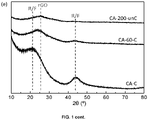
- Figure 1e displays the XRD patterns of XRD patterns for the CA-C, CA-60-C and CA-200-unC. graphene aerogels. Two broad peaks are observed for the R/F aerogel without graphene, CA-C, at 20.5 and 44.1° (2 ⁇ ), which are assigned to the (002) and (101) reflections of carbons with low structural order, respectively ( Golsheikh, A.M., Huang, N.M., Lim, H.N. & Zakaria, R. One-pot sonochemical synthesis of reduced graphene oxide uniformly decorated with ultrafine silver nanoparticles for non-enzymatic detection of H2O2 and optical detection of mercury ions. RSC Adv. 4, 36401-36411 (2014 )).
- the (002) peaks narrow as the amount of reduced graphene increases in the graphene aerogels, with its maximum shifting to higher 2 ⁇ degrees (up to 24.5°).
- the intensity of the (101) reflection weakens with the graphene content.
- the XRD pattern of CA-60 ⁇ 2-C resembles that of pure rGO.
- the morphology of the 3D network slightly changes with the graphene content.
- Catalyzed aerogels with low amount of graphene present structures formed by individual and randomly distributed graphene sheets with a high degree of carbonized R/F coating. These sheets are linked by the carbonized R/F polymer, forming the 3D framework.
- the degree of carbonized R/F coating decreases, producing that the graphene sheets gradually roll and fold and, consequently, the porosity of the network increases.
- the framework architecture of the aerogels is more uniform as the graphene content increases, especially that of CA-60-C, since the graphene sheets tend to align, creating a robust and more ordered structure ( Fig. 2 ).
- the graphene sheets are not linked enough to allow the electrical percolation limit to be achieved (i.e. the percolation threshold is not reached). This is the reason why the conductivity value of CA-20-C graphene aerogel is more similar to that of the RF aerogel without graphene while CA-60-C possesses an extremely high conductivity value 37 times higher than that of the CA-C aerogel. Therefore, it is important to highlight that the graphene content in the aerogel needs to be high enough to allow a good connection between the graphene sheets.
- the conductivities of the uncatalyzed aerogels are lower than those of the catalyzed series ( Figure 4b ).
- CA-40-C possesses a conductivity value of 372 S/m while the analogous uncatalyzed aerogel, CA-40-unC, only presents a value of 80 S/m, assuming that both samples have similar graphene content.
- the conductivity differences are more pronounced for the CA-60-C and CA-60-unC, with values of 852 and 109 S/m, respectively. This is related to the porosity and the volume of macropores, which are more elevated for the uncatalyzed samples, producing a lower degree of percolation between the graphene sheets and decreasing the electrical conductivity.
Landscapes
- Chemical & Material Sciences (AREA)
- Organic Chemistry (AREA)
- Inorganic Chemistry (AREA)
- Engineering & Computer Science (AREA)
- Materials Engineering (AREA)
- Nanotechnology (AREA)
- Dispersion Chemistry (AREA)
- Chemical Kinetics & Catalysis (AREA)
- Carbon And Carbon Compounds (AREA)
Abstract
The present invention relates to three-dimensional (3D) graphene aerogels which exhibit ultra-low density, large macroporosity and high electrical conductivity values and its process of obtainment. Said 3D graphene aerogels with controlled porosity and high electrical conductivity are extremely attractive for their application in several fields, especially as electrode materials for electrochemical devices such as supercapacitors, batteries, fuel cells and sensors. Therefore, the present invention also refers to an electrode for electrochemical energy devices comprising said 3D graphene aerogels.
Description
- The present invention relates to three-dimensional (3D) graphene aerogels which exhibit ultra-low density, large macroporosity and high electrical conductivity values and their process of obtainment. Said 3D graphene aerogels with controlled porosity and high electrical conductivity are extremely attractive for their application in several fields, especially as electrode materials for electrochemical devices such as supercapacitors, batteries, fuel cells and sensors. Therefore, the present invention also refers to an electrode for electrochemical devices comprising said 3D graphene aerogels.
- The design of materials with tailored chemical and physical characteristics has rapidly grown in the recent years. Several research studies have been focused on synthetic carbonaceous materials because their structural, morphological, thermal and electrical properties can be eventually controlled during the synthesis procedure. This characteristic has allowed the development of a wide variety of materials, i.e. carbon aerogels, with specific applications, such as catalytic supports, thermal insulators, chemical adsorbents and energy storage materials.
- The most significant characteristic of carbon aerogels is that their porous properties, mesoporosity and macroporosity, can be tailored during the synthesis procedure by choosing the adequate reagents and conditions, among which the most prominent are the type of catalyst, pH, concentration, temperature and time of the different synthesis steps.
- For example, in the gelation stage of the resorcinol/formaldehyde (R/F) aerogels, the polycondensation of both molecules produces spherical nodules that cross-link to each other during the curing stage. After that, the empty space between all the nodules becomes pores with a specific size, depending of the size of the nodules, in the drying step. Hence, the porosity can be varied with high precision by controlling the sizes of these nodules, which leads to design aerogels with specific porous texture [Rey-Raap, N., Menéndez, J.A. & Arenillas, A. Simultaneous adjustment of the main chemical variables to fine-tune the porosity of carbon xerogels. Carbon 78, 490-499 (2014).]
- Moreover, the extremely large porosity of the aerogels provides unique characteristics, such as low thermal conductivity, ultralow density and large specific surface area. Nevertheless, carbon aerogels do not simultaneously possess both large porosity and ultrahigh electrical conductivity, which are normally opposed properties. This is because a high porosity implies an amorphous structure with several defects, besides a well-developed open porous structure, which are not favourable for the transfer of electrons while an ordered and connected carbon structure is required in order to get high electrical conductivity [Wang, Q., Yan, J. & Fan, Z. Carbon materials for high volumetric performance supercapacitors: design, challenges and opportunities. Energy Environ. Sci. 9, 729-762 (2016) and Zhang, L.L., Zhao, X., Stoller, M.D., Zhu, Y., Hengxing, J., Murali, S., Wu, Y., Perales, S., Clevenger, B. & Ruoff, R.S. Highly conductive and porous activated reduced graphene oxide films for high-power supercapacitors. Nano Lett. 12, 1806-1812 (2012)]. In this sense, further investigations on highly conductor aerogels are necessary to obtain a combination of both properties in a single material.
- On the contrary, ordered carbon materials, such as graphene, present high electron mobility; but, although in some cases it may exhibit large specific surface area, it usually presents low porosity. Thus, the combination of 2D graphene with a binder material to create a 3D carbon material that integrates the intrinsic properties of graphene with a high pore volume has been intensively pursued [Worsley, M.A., Pauzauskie, P.J., Olson, T.Y., Biener, J., Satcher, J.H. & Baumann, T.F. Synthesis of graphene aerogel with high electrical conductivity. J. Am. Chem. Soc. 132, 14067-14069 (2010); Lee, C., Wei, X., Kysar, J.W. & Hone, J. Measurement of the elastic properties and intrinsic strength of monolayer graphene. Science 321, 385-388 (2008) and Bianco, A., Chen, Y., Chen, Y., Ghoshal, D., Hurt, R.H., Kim, Y.A., Koratkar, N., Meunier, V. & Terrones, M. A carbon science perspective in 2018: current achievements and future challenges. Carbon 132, 785-801 (2018).]
- Different binder materials, including organic molecules, metal ions and polymers have been investigated to create porous graphene aerogels [Huang, H., Chen, P., Zhang, X., Lu, Y. & Zhan, W. Edge-to-edge assembled graphene oxide aerogels with outstanding mechanical performance and superhigh chemical activity. Small 9, 1397-1404 (2013); Bai, H., Li, C., Wang, X. & Shi, G. On the gelation of graphene oxide. J. Phys. Chem. C 115, 5545-5551 (2011); Li, C., Wu, Z.Y., Liang, H.W., Chen, J.F. & Yu, S.H. Ultralight multifunctional carbon-based aerogels by combining graphene oxide and bacterial cellulose. Small 13, 1700453 (2017) and Ye, S., Liu, Y. & Feng, J. Low-density, mechanical compressible, water-induced self-recoverable graphene aerogels for water treatment. ACS Appl. Mater. Interfaces 9, 22456-22464 (2017)].
- Because of the low dispersive properties of graphene, oxygen functionalized graphene (GO) with acceptable solubility is utilized instead of pristine graphene as a building block for constructing 3D graphene networks [Hu, K., Szkopek, T. & Cerruti, M. Tuning the aggregation of graphene oxide dispersions to synthesize elastic, low density graphene aerogels. J. Mater. Chem. A 5, 23123-23130 (2017); Huang, H., Chen, P., Zhang, X., Lu, Y. & Zhan, W. Edge-to-edge assembled graphene oxide aerogels with outstanding mechanical performance and superhigh chemical activity. Small 9, 1397-1404 (2013) and Yang, H., Li, Z., Lu, B., Gao, J., Jin, X., Sun, G., Zhang, G., Zhang, P. & Qu, L. Reconstruction of inherent graphene oxide liquid crystals for large-scale fabrication of structure-intact graphene aerogel bulk toward practical applications. ACS Nano 12, 11407-11416 (2018)]. The oxygenated groups of graphene oxide sheets, i.e., hydroxyl, aldehyde or carboxyl are the principal covalent linking sites with the binder material. However, the addition of a binder does not always allow to a satisfactory morphology with adequate porosity.
- The development of 3D graphene aerogels with controlled porosity and high electrical conductivity is extremely attractive for their application in several fields, especially as electrode materials for electrochemical energy devices such as supercapacitors, batteries and fuel cells [Cao, X., Yin, Z. & Zhang, H. Three-Dimensional Graphene Materials: Preparation, Structures and Application in Supercapacitors. Energy Environ. Sci. 7, 1850-1865 (2014) and Nardecchia, S., Carriazo, D., Ferrer, M.L., Gutiérrez, M.C. & del Monte, F. Three dimensional macroporous architectures and aerogels built of carbon nanotubes and/or graphene: synthesis and applications. Chem. Soc. Rev. 42, 794-830 (2013)]. Moreover, to the best of our knowledge, it has not been prepared graphene aerogels which possesses at the same time both porosity and electrical conductivity high enough to be commercially used.
- Thus, it is needed to develop aerogels that are able to face and overcome all the issues presented so far.
- Aerogels are solid materials with an extremely high porosity (higher than 90 %), so most of their volume is air, obtained by a sol-gel process. All the precursor compounds contained in the initial solution (i.e. sol) react to form a colloidal system increasing the viscosity of the mixture (i.e. gel). During this process, continuous polymerization and cross-linking reactions take place until the colloidal suspension turns to a polymeric solid with the initial solvent filling the voids of its structure. After the elimination of the solvent (i.e. drying process) the aerogel is finally obtained. Aerogels therefore have very high porosity, low density and large surface area.
- The graphene aerogels of the present invention exhibit simultaneously ultra-low density, large macroporosity high electrical conductivity values as well as high porosity. Their features make them suitable for a wide range of applications in different areas, especially on electrochemical devices, as electrode materials for electrochemical devices such as supercapacitors, batteries, fuel cells and sensors.
- In particular, the present invention refers to three-dimensional aerogels (herein the aerogels of the invention) consisting of a plurality of crystalline reduced graphene oxide sheets and a resorcinol-formaldehyde polymer (R/F polymer) wherein the resorcinol-formaldehyde polymer is disposed between the crystalline reduced graphene oxide sheets and randomly forms covalent bonds with said crystalline reduced graphene oxide sheets.
- The R/F polymer forms covalent bonds with the oxygenated groups (hydroxyl, aldehyde and carboxyl groups) of the graphene oxide sheets what allows the formation of porous and well-connected networks. The resulting structures of the aerogels possess a good robustness due to such covalent unions.
- In the aerogels of the present invention the graphene sheets are linked enough to allow the electrical percolation limit to be achieved (i.e. the percolation threshold is reached). Therefore, it is important to highlight that the graphene content in the aerogels is optimized to allow a good connection between the graphene sheets.
- In a first aspect, the present invention refers to an aerogel of the invention wherein the content of the crystalline reduced graphene oxide sheets ranges between 39 wt.% and 41 wt% and said aerogel has:
- a porosity of between 97 % and 99 %,
- macropores of average size between 50 µm and 100 µm,
- an electrical conductivity of between 710 S/m and 730 S/m at 25°C,
- a density of between 70 mg/cm3 and 80 mg/cm3, and
- a BET surface of between 350 m2/g and 450 m2/g.
- The density and the porosity percentage were determined by using He pycnometry (the instruments used is AccuPyc 1330 pycnometer from Micromeritics and an adapted tap density by using Geopyc 1360 device from Micromeritics). All samples were previously outgassed in a VAcPrep 0.61 device (Micromeritics) at 120 °C for 12 h to eliminate possible physisorbed gases and humidity. N2 adsorption-desorption isotherms were recorded in a Tristar 3020 instrument (Micromeritics) at - 196 °C. Brunauer-Emmett-Teller equation was applied to calculate the BET surface area (SBET). N2 adsorption-desorption isotherms and mercury porosimetry were used to determine the total pore volume. The macropores size was determined by means of mercury porosimetry (using an Autopore IV 9500 apparatus from Micromeritics). The in-plane conductivity of the materials was measured by studying the resistivity of a film made with the samples studied by using the four-probe method and the Van der Pauw equation. A four-point probe equipment (SR-4-6L, Everbeing) was employed to do these measurements in air and at 25°C.
- The term "macropores" in the present invention corresponds to pores of a size larger than 50 nanometers and less than 1 millimeter.
- This aerogel has a natural sea sponge shape morphology with larger macropores.
- In a preferred embodiment, the present invention refers to an aerogel wherein the content of the crystalline reduced graphene oxide sheets is 40 wt%, the porosity is 97.6%, the electrical conductivity is 719S/m at 25°C, the density is 73 mg/cm3 and the BET surface is 385 m2/g.
- In a preferred embodiment, the macropores have an average size of 96 µm
- Another aspect of the present invention refers to the process for obtaining the aerogel described in the first aspect of the invention which comprises the following steps:
- a) preparing a precursor solution of resorcinol (R), formaldehyde (F) and graphene oxide (GO) by dissolving resorcinol in a graphene oxide aqueous suspension under constant stirring, said graphene oxide aqueous suspension having a concentration in graphene oxide between 5mg/ml and 10 mg/ml, and, then, adding formaldehyde,
wherein the moles of formaldehyde added are double that the moles of resorcinol and wherein the dilution ratio (D) is 200, being dilution ratio (D) = (moles R+ moles F)/(mol of total solvent) - b) heating the precursor solution obtained in step (a) at a temperature range between 70 °C and 95 °C by means of a microwave oven for a period of time of at least 3 h,
- c) dehydrating the organic polymer obtained in step (b) by means of a freeze-dryer for a period of time of at least 24 h, and
- d) carbonizing the dried aerogel obtained in step (c) at a temperature between 1000 °C and 1100 °C, under inert atmosphere for a period of time of at least 1 h.
- This process is performed in the absence of catalyst, such as NaOH, for the polycondensation reaction between the resorcinol and formaldehyde that takes place in step b).
- The term of "mol of total solvent" mentioned in step a) (in the formula of D) refers to the total moles of the liquid part of the precursor solution (water of the GO suspension and water and the stabilizing methanol of the formaldehyde solution, in case that formaldehyde F is added in the form of a water/methanol solution).
- The heating of step (b) is performed by means of a microwave oven which is a very competitive, economic, efficient and well-stablished method, reducing the time and production costs considerably. Moreover, the dehydrating step (c) is crucial for maintaining the morphology of the organic aerogel. In last step (d) the carbonization of the dried aerogel obtained in step (c) results in the obtainment of the carbon aerogel and the reduction of the graphene oxide to reduced graphene oxide.
- The formaldehyde is added in stoichiometric amount with respect to resorcinol that corresponds to a molar ratio R/F of 0.5. In step b) formaldehyde and resorcinol react between them to form the polymer that randomly forms covalent bonds with said crystalline reduced graphene oxide sheets.
- In a preferred embodiment, a graphene oxide aqueous suspension mentioned in step a) has a concentration in graphene of 5mg/ml..
- In a preferred embodiment, the formaldehyde is added in the form of a water solution, or water/methanol solution, in a concentration of between 36 wt.% and 38 wt. % , more preferably of 37 wt.%.
- In a preferred embodiment, the heating of step (b) is carried out at 85 °C and /or between 3 h and 5 h, more preferably, for 3h
- In a preferred embodiment, the dehydrating step (c) is carried out a time between 24 h and 72 h, more preferably, for 24 h.
- In a preferred embodiment, the carbonizing step (d) under inert atmosphere is carried out at a temperature of 1000 °C and/or between 1 h and 2 h, more preferably, for 1h.
- The term "inert atmosphere" refers to a gas which is non-reactive at the carbonizing step temperature (e.g. N2, He, Ar and other noble gases).
- The invention also refers to an aerogel obtained by the above-described method. The aerogel obtained has the features indicated in the first aspect of the invention.
- Another aspect of the invention refers to an aerogel of the invention, wherein the content of crystalline reduced graphene oxide sheets ranges between 15 wt.% and 17 wt.% in the aerogel and said aerogel has
- a porosity of between 95 % and 97 %,
- macropores of average size between 5 µm and 15 µm,
- an electrical conductivity of between 850 S/m and 870 S/m at 25°C,
- a density of between 80 mg/cm3 and 85 mg/cm3, and
- a BET surface of between 400 m2/g and 450 m2/g.
- The density and the porosity percentage were determined by using He pycnometry (AccuPyc 1330 pycnometer from Micromeritics) and an adapted tap density by using Geopyc 1360 device (Micromeritics). All samples were previously outgassed in a VAcPrep 0.61 device (Micromeritics) at 120 °C for 12 h to eliminate possible physisorbed gases and humidity. N2 adsorption-desorption isotherms were recorded in a Tristar 3020 instrument (Micromeritics) at -196 °C. Brunauer-Emmett-Teller equation was applied to calculate the BET surface area (SBET). N2 adsorption-desorption isotherms and mercury porosimetry were used to determine the total pore volume. The macropores size was determined by means of mercury porosimetry using an Autopore IV 9500 apparatus (Micromeritics). The in-plane conductivity of the materials was measured by studying the resistivity of a film made with the samples studied by using the four-probe method and the Van der Pauw equation. A four-point probe equipment (SR-4-6L, Everbeing) was employed to do these measurements in air and at room temperature (25°C).
- In a preferred embodiment, the present invention refers to an aerogel wherein the content of the crystalline reduced graphene oxide sheets is 16 wt%, a porosity of 96%, a electrical conductivity of 852S/m at 25°C, a density of 82 mg/cm3 and a BET surface of 422 m2/g.
- In a preferred embodiment, the macropores have an average size of 13 µm
- The 3D aerogel described in the third aspect of the present invention is obtained following the next steps:
- a) preparing a precursor solution of resorcinol (R), formaldehyde (F) and graphene oxide (GO) by dissolving resorcinol in a graphene oxide aqueous suspension under constant stirring, said graphene oxide aqueous suspension having a concentration in graphene oxide between 5mg/ml and 10 mg/ml, and, then, adding formaldehyde,
wherein the moles of formaldehyde added are double that the moles of resorcinol and wherein the dilution ratio (D) is 60, being
- b) adjusting the pH of the precursor solution obtained in step (a) to 5 by adding NaOH,
- c) heating the mixture obtained in step (b) at a temperature range between 70 °C and 95 °C by means of a microwave oven for a period of time of at least 3 h,
- d) dehydrating the organic polymer obtained in step (c) by means of a freeze-dryer for a period of time of at least 24 h,
- e) carbonizing the dried aerogel obtained in step (d) at a temperature between 1000 °C and 1100°C, under inert atmosphere for a period of time of at least 1 h.
- The formaldehyde is added in stoichiometric amount with respect to resorcinol that corresponds to a molar ratio R/F of 0.5. In step b) formaldehyde and resorcinol react between them to form the polymer (polycondensation reaction) that randomly forms covalent bonds with said crystalline reduced graphene oxide sheets.
- The term of "mol of total solvent" mentioned in step a) (in the formula of D) refers to the total moles of the liquid part of the precursor solution (water of the GO suspension and water and the stabilizing methanol of the formaldehyde solution, in case that formaldehyde is added in the form of a water/methanol solution)).
- The NaOH added in step (b) is working herein as a catalyst of the polycondensation reaction. Therefore, this is a catalysed process, meanwhile the process to obtain the aerogel of the first aspect of the invention is a uncatalyzed process. The NaOH favours the polymerisation reaction, so the final polymer is different from the one obtained in absence of NaOH from the same dilution ratio (D), giving rise to a different porosity and different conductivity, as can be seen in the examples provided in the description.
- In a preferred embodiment, a graphene oxide aqueous suspension mentioned in step a) has a concentration in graphene oxide of 5mg/ml.
- In a preferred embodiment, the formaldehyde is added in the form of a water solution or water/methanol solution in a concentration of between 36 wt.% and 38 wt. % , more preferably of 37 wt.%.
- In a preferred embodiment, the NaOH is added as an NaOH having a concentration between 0.5 and 3 mol/L.
- In a preferred embodiment, the heating of step (c) is carried out at 85 °C and /or between 3 h and 5 h, more preferably, for 3h.
- In a preferred embodiment, the dehydrating step (d) is carried out a time between 24 h and 72 h, more preferably, for24 h.
- In a preferred embodiment, the carbonizing step (e) under inert atmosphere is carried out at a temperature of 1000 °C and/or between 1 h and 2 h, more preferably, for 1h.
- The term "inert atmosphere" refers to a gas which is non-reactive at the carbonizing step temperature (e.g. N2, He, Ar and other noble gases).
- Therefore, another aspect of the present invention refers to said process and to a aerogel obtained by said process. The aerogel obtained in this process has the features described in the aspect of invention just above.
- The heating of step (c) is performed by means of a microwave oven which is a very competitive, economic, efficient and well-stablished method, reducing the time and production costs considerably. Moreover, the dehydrating step (d) is crucial for maintaining the morphology of the organic aerogel. In last step (e) the carbonization of the dried aerogel obtained in step (d) results in the obtainment of the carbon aerogel and the reduction of the graphene oxide to reduced graphene oxide.
- The processes of obtainment of the 3D aerogels of the present invention are rapid, easy, cost-effective and scalable at industrial level.
- The graphene aerogels of the present invention exhibit simultaneously ultra-low density, large macroporosity and high electrical conductivity making them suitable for a wide range of applications in different areas, especially on electrochemical devices, as electrode materials for electrochemical devices such as supercapacitors, batteries, fuel cells and sensors.
- Therefore, the last aspect of the present invention refers to an electrode for electrochemical devices comprising any of the aerogels described in the present invention.
- Throughout the description and claims the word "comprise" and its variations are not intended to exclude other technical features, additives, components, or steps. Additional objects, advantages and features of the invention will become apparent to those skilled in the art upon examination of the description or may be learned by practice of the invention. The following examples, drawings are provided by way of illustration and are not intended to be limiting of the present invention.
-
-
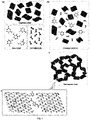
Fig. 1 . (a-d) Schematic representation of the formation of organic graphene aerogels. (e) XRD patterns for the CA-C, CA-60-C and CA-200-unC graphene aerogels. -
Figure 2 . SEM micrographs of the CA-60-C and CA-200-unC graphene aerogels at different magnifications: 40 µm, 20 µm, 5 µm and 2 µm. -
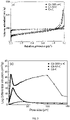
Figure 3 . N2 adsorption-desorption isotherms (a) and pore size (b) distributions obtained from mercury porosimetry for the CA-C, CA-60-C and CA-200-unC graphene aerogels. -
Figure 4 . Influence of wt.% of graphene oxide in the electrical conductivity values for the CA-C, CA-60-C and CA-200-unC series of graphene aerogels. - A new and different concept to create a graphene matrix where the graphene sheets are linked by the carbon R/F polymer is presented herein. To this end, a rapid and economic microwave synthesis procedure is used to obtain ultralight graphene aerogels which combine both a greatly porous structure and an excellent electrical conductivity.
- To achieve this combination, a R/F polymer with controllable porosity is employed as binder material and a GO solution (cheaper than pristine graphene) as building blocks to create an ultra-porous graphene network with remarkable electrical conductivity.
- Graphene aerogels were prepared by resorcinol(R)/formaldehyde(F) polycondensation reaction with and without catalyst:
- Procedure with catalyst (C) :
- Graphene aerogel was synthesized by dissolving resorcinol (R) (Indspec, 99%) in a commercial graphene oxide (GO) suspension (Applynano Solutions S.L., 5 mg/mL) under constant stirring for 1 h. After that, stoichiometric amount (mol ratio R/F=0.5) of formaldehyde (F) commercial solution (Ercros, 37 wt.% in water, 10-15% methanol) was incorporated and the resulting mixture was stirred for 5 minutes to ensure a uniform distribution of all reagents. The dilution ratio (D) ranges from 20 to 60, which is related to the molar ratio between reactants and total solvent added to the precursor solution (D=(moles R+ moles F)/(mol of total solvent); in this case, mol of total solvent= (moles of water in the GO suspension)+(moles of water in the formaldehyde solution)+(moles of methanol in the formaldehyde solution). The pH was adjusted to 5 by adding a NaOH solution (1 mol/L), which acts as catalyst for the polycondensation reaction. Then, the solution was heated at 85 °C for 3 h in a microwave oven in order to accelerate the gelation process. Organic aerogels (OA) were dehydrated by sublimating the water in a freeze-dryer (FD) for 24 hours. Finally, the dried aerogels were carbonized at 1000 °C for 1 h under a N2 regular flow of 150 mL/min and a heating rate of 1 °C/min in order to get the carbon aerogel (CA) and reduce the GO to reduced GO (rGO). The estimated percentages of graphene (rGO) are ranging from 6-28 wt.%.
- Procedure without catalyst (unC)
- Graphene aerogel was synthesized by dissolving resorcinol (Indspec, 99%) in a commercial graphene oxide (GO) suspension (Applynano Solutions S.L., 5 mg/mL) under constant stirring for 1 h. After that, stoichiometric amount (mol ratio R/F=0.5) of formaldehyde commercial solution (Ercros, 37 wt.% in water, 10-15% methanol) was incorporated and the resulting mixture was stirred for 5 minutes to ensure a uniform distribution of all reagents. The dilution ratio (D) ranges from 40 to 200, which is related to the molar ratio between the reactants and total solvent added to the precursor solution (D=(moles R+ moles F)/(mol of total solvent); in this case, mol of total solvent= (moles of water in the GO suspension)+(moles of water in the formaldehyde solution)+(moles of methanol in the formaldehyde solution). Then, the solution was heated at 85 °C for 3 h in a microwave oven in order to accelerate the gelation process. Organic aerogels (OA) were dehydrated by sublimating the water in a freeze-dryer (FD) for 24 hours. Finally, the dried aerogels were carbonized at 1000 °C for 1 h under a N2 regular flow of 150 mL/min and a heating rate of 1 °C/min in order to get the carbon aerogel (CA) and reduce the GO to reduced GO (rGO). The estimated percentages of graphene (rGO) are ranging from 11-40 wt.% Comparative examples: Organic aerogels (OA) were dehydrated by two processes: (i) the water was evaporated by thermal treatment (TT) in a furnace at 120 °C until constant weight, and (ii) the water was sublimated in a freeze-dryer (FD) for 24 hours. FD method is preferred since it allows maintaining the morphology of the as-synthesized organic aerogel since the solvent is sublimated much more slowly, preserving the highly porous structure of the organic aerogel.
- All aerogels were studied by X-ray diffraction (XRD) with a D8 Advance (Bruker) diffractometer and sealed-tube CuKα1 radiation. A Göbel mirror configuration was employed to collect the reflected radiation. The total measurement time was 1 h over 5-80° (2θ) angular range. Phase identification was performed with X'Pert HighScore Plus program51.
- Thermogravimetric analyses (TGA) were carried out on a SDTQ600 analyzer (TA Instruments) under a regular N2 airflow of 20 mL/min at a heating rate of 1 °C/min from room temperature to 1000 °C.
- The morphology of the aerogels was examined by scanning electron microscopy (SEM, Quanta FEG 650) equipped with an EDT secondary electron detector (Everhart-Thornley); and by high-resolution transmission electron microscopy (HRTEM, JEOL 2100Plus).
- The porosity percentage and the density of the samples were determined by using an AccuPyc 1330 pycnometer (Micromeritics) and a Geopyc 1360 device (Micromeritics). All samples were previously outgassed in a VAcPrep 0.61 device (Micromeritics) at 120 °C for 12 h to eliminate possible physisorbed gases and humidity. N2 adsorption-desorption isotherms were recorded in a Tristar 3020 instrument (Micromeritics) at -196 °C. Brunauer-Emmett-Teller equation was applied to calculate the BET surface area (SBET). The N2 adsorbed at the saturation point was used to determine the total pore volume. The meso-macroporous structure was determined by means of mercury porosimetry using an Autopore IV 9500 apparatus (Micromeritics).
- The in-plane conductivity of the materials was measured by studying the resistivity of a film made with the samples studied by using the four-probe method and the Van der Pauw equation. A four-point probe equipment (SR-4-6L, Everbeing) was employed to do these measurements in air and at room temperature.
- The films for these measurements were made by mixing the carbon aerogels with a 10 wt.% polytetrafluoroethylene (PTFE) as binder material until a homogeneous mixture was obtained. After that, the resulting powders were uniaxially pressed into circular films of 1 cm and 200-300 µm of diameter and thickness, respectively.
- The polycondensation reactions of resorcinol and formaldehyde molecules with the oxygenated groups of the graphene oxide sheets allow the formation of porous and well-connected networks (
Figure 1a-d ). For that, not only the R/F polymer attaches the graphene oxide surface, but also hydroxyl, aldehyde and carboxyl groups of the graphene oxide sheets react with the formaldehyde and resorcinol molecules via covalent cross-linking (Figure1d ). The resulting structures of the aerogels possess a good robustness due to such covalent unions. -
Figure 1e displays the XRD patterns of XRD patterns for the CA-C, CA-60-C and CA-200-unC. graphene aerogels. Two broad peaks are observed for the R/F aerogel without graphene, CA-C, at 20.5 and 44.1° (2θ), which are assigned to the (002) and (101) reflections of carbons with low structural order, respectively (Golsheikh, A.M., Huang, N.M., Lim, H.N. & Zakaria, R. One-pot sonochemical synthesis of reduced graphene oxide uniformly decorated with ultrafine silver nanoparticles for non-enzymatic detection of H2O2 and optical detection of mercury ions. RSC Adv. 4, 36401-36411 (2014 )). The (002) peaks narrow as the amount of reduced graphene increases in the graphene aerogels, with its maximum shifting to higher 2θ degrees (up to 24.5°). At the same time, the intensity of the (101) reflection weakens with the graphene content. As a result, the XRD pattern of CA-60·2-C resembles that of pure rGO. - The morphology of the 3D network slightly changes with the graphene content. Catalyzed aerogels with low amount of graphene present structures formed by individual and randomly distributed graphene sheets with a high degree of carbonized R/F coating. These sheets are linked by the carbonized R/F polymer, forming the 3D framework.
- However, when the graphene content increases, the degree of carbonized R/F coating decreases, producing that the graphene sheets gradually roll and fold and, consequently, the porosity of the network increases. In addition, the framework architecture of the aerogels is more uniform as the graphene content increases, especially that of CA-60-C, since the graphene sheets tend to align, creating a robust and more ordered structure (
Fig. 2 ). - On the contrary, when the amount of graphene is too high (CA-60-2-C), not all graphene sheets are covered by the carbonized R/F polymer. These uncoated sheets remain trapped inside the 3D network and the porosity of the aerogel decreases.
- The determination of pore volumes by N2 adsorption is not too precise for materials with wide pores. Therefore, mercury porosimetry was also carried out to calculate the size and volume of macro- and mesopores in these materials (Table 1). The pore size distributions of the catalyzed and uncatalyzed aerogels are shown in
Figures 3 a and b.Table 1. Textural properties of the aerogels obtained in this work with different wt.% of graphene. Compositio n Graphen e (wt.%) Porosit y (%) Density (mg/cm3 ) SBET (m2/g ) VT (cm3/g ) Vmeso (cm3/g ) Vmacro (cm3/g ) Por e (µm ) Catalyzed CA- C 0 85.49 303 732 2.478 0.011 2.467 35.8 CA-20-C 6 92.80 148 667 6.455 0.006 6.449 1.4 CA-40-C 11 93.23 132 389 8.062 0.063 7.999 5.3 CA-60-C 16 96.06 82 422 12.28 0.024 12.26 13.1 9 5 CA-60·2-C 28 92.36 136 -- -- -- -- -- Uncatalyzed CA-40-unC 11 97.71 63 764 15.10 7 0.191 14.91 6 5.6 CA-60-unC 16 98.45 44 599 19.76 8 0.270 19.49 8 6.3 CA-80-unC 21 98.66 47 651 30.29 7 0.290 30.00 7 12.2 CA-100- unC 25 99.24 47 605 37.22 1 0.248 36.97 3 18.8 CA-120-unC 28 99.45 48 1320 39.48 3 0.298 39.18 6 22.9 CA-140-unC 32 99.32 39 351 42.36 2 0.472 39.01 1 48.9 CA-160- unC 35 99.58 42 496 37.93 8 0.459 37.47 9 22.1 CA-180-unC 37 93.58 52 388 44.22 7 0.296 43.93 1 62.6 CA-200- unC 40 97.58 73 385 37.835 0.354 37.481 96.1 - Electrical conductivity values obtained by the four-probe method for the catalyzed and uncatalyzed graphene aerogels are represented in
Figure 4 . The highest values of electrical conductivity were achieved by CA-60-C and CA-200-unC samples of the catalyzed and uncatalyzed series with 852 and 719 S/cm and 96.06 and 97.58 % of porosity, respectively. - In aerogels with low graphene content and large amount of carbonized R/F polymer, the graphene sheets are not linked enough to allow the electrical percolation limit to be achieved (i.e. the percolation threshold is not reached). This is the reason why the conductivity value of CA-20-C graphene aerogel is more similar to that of the RF aerogel without graphene while CA-60-C possesses an extremely high conductivity value 37 times higher than that of the CA-C aerogel. Therefore, it is important to highlight that the graphene content in the aerogel needs to be high enough to allow a good connection between the graphene sheets.
- The conductivities of the uncatalyzed aerogels are lower than those of the catalyzed series (
Figure 4b ). For example, CA-40-C possesses a conductivity value of 372 S/m while the analogous uncatalyzed aerogel, CA-40-unC, only presents a value of 80 S/m, assuming that both samples have similar graphene content. Moreover, the conductivity differences are more pronounced for the CA-60-C and CA-60-unC, with values of 852 and 109 S/m, respectively. This is related to the porosity and the volume of macropores, which are more elevated for the uncatalyzed samples, producing a lower degree of percolation between the graphene sheets and decreasing the electrical conductivity. Then, the use of a catalyst (NaOH) for the polymerization reaction plays an important role in the characteristics of the final product.Table 2. Electrical conductivity values and porous properties of the aerogels obtained in this work in comparison with the literature. Composition SBET (m2/g) Density (mg/cm3) Porosity (%) K-FPP (S/m) Ref. CA-60-C 422 82 96.06 852 This work CA-200-unC 385 73 97.58 719 This work Graphene aerogel 244 150 -- 133 1 Graphene aerogel 512 86 -- 63 2 Graphene aerogel 584 -- -- 87 3 Graphene aerogel -- 2 -- 17 2 Graphene aerogel -- 7 -- 16 4 Graphene aerogel (1500 °C) 441 -- -- 157 5 Carbon sphere aerogels 609 51 -- 695 6 Cu/CuxO@rGO aerogel 48 -- 97.70 430 7 Graphene doped carbon xerogel 1556 -- -- 310 8 Graphene aerogel composite -- 16 -- 25 9 1. Markovic, Z.M., Babic, B.M., Dramicanin, M.D., Holclajtner Antunovic, I.D., Pavlovic, V.B., Perusko, D.B. & Markovic, B.M.T. Preparation of highly conductive carbon cryogel based on pristine graphene. Synth. Met. 162, 743-747 (2012).
2. Chen, X., Lai, D., Yuan, B. & Fu, M.L. Fabrication of superelastic and highly conductive graphene aerogels by precisely "unlocking" the oxygenated groups on graphene oxide sheets. Carbon 162, 552-561 (2020).
3. Worsley, M.A., Pauzauskie, P.J., Olson, T.Y., Biener, J., Satcher, J.H. & Baumann, T.F. Synthesis of graphene aerogel with high electrical conductivity. J. Am. Chem. Soc. 132, 14067-14069 (2010).
4. Long, S., Feng, Y., He, F., He, S., Hong, H., Yang, X., Zheng, L., Liu, J., Gan, L. & Long, M. An ultralight, supercompressible, superhydrophobic and multifunctional carbon aerogel with a specially designed structure. Carbon 158, 137-145 (2020).
5. Cheng, Y., Zhou, S., Hu, P., Zhao, G., Li, Y., Zhang, X. & Han, W. Enhanced mechanical, thermal, and electric properties of graphene aerogels via supercritical ethanol drying and high-temperature thermal reduction. Sci. Rep. 7, 1439 (2017).
6. Dong, D., Guo, H., Li, G., Yan, L., Zhang, X. & Song, W. Assembling hollow carbon sphere-graphene polylithic aerogels for thermoelectric cells. Nano Energy 39, 470-477 (2017).
7. Zhao, J., Pan, R., Sun, R., Wen, C., Zhang, S.L., Wu, B., Nyholm, L. & Zhang, Z.B. High-conductivity reduced-graphene-oxide/copper aerogel for energy storage. ).
8. Canal-Rodriguez, M., Arenillas, A., Rey-Raap, N., Ramos-Fernandez, G., Martin-Gullón, I. & Menéndez, J.A. Graphene-doped carbon xerogel combining high electrical conductivity and surface area for optimized aqueous supercapacitors. Carbon 118, 291-298 (2017).
9. Wang, Z., Shen, X., Garakani, M.A., Lin, X., Wu, Y., Liu, X., Sun, X. & Kim, J.K. Graphene aerogel/epoxy composites with exceptional anisotropic structure and properties. ACS Appl. Mater. Interfaces 7, 5538-5549 (2015).
Claims (15)
- A three-dimensional aerogel consisting of:a plurality of crystalline reduced graphene oxide sheets anda resorcinol- formaldehyde polymer (R/F polymer)wherein the resorcinol-formaldehyde polymer is disposed between the crystalline reduced graphene oxide sheets and randomly forms covalent bonds with said crystalline reduced graphene oxide sheets andwherein the content of the crystalline reduced graphene oxide sheets ranges between 39 wt.% and 41 wt% and the aerogel has:• a porosity of between 97 % and 99 %,• macropores of average size between 50 µm and 100 µm,• an electrical conductivity of between 710 S/m and 730 S/m at 25°C,• a density of between 70 mg/cm3 and 80 mg/cm3, and• a BET surface of between 350 m2/g and 450 m2/g.
- The three-dimensional aerogel according to claim 1, wherein the content of the crystalline reduced graphene oxide sheets is 40 wt%, the porosity is 97.6%, the electrical conductivity is 719S/m at 25°C, the density is 73 mg/cm3 and the BET surface is 385 m2/g.
- A process for obtaining the aerogel described in claims 1 or 2 that comprises the following steps:a) preparing a precursor solution of resorcinol (R), formaldehyde (F) and graphene oxide (GO) by dissolving resorcinol in a graphene oxide aqueous suspension under constant stirring, said graphene oxide aqueous suspension having a concentration in graphene oxide between 5mg/ml and 10 mg/ml, and then, adding formaldehyde, wherein the moles of formaldehyde added are double that the moles of resorcinol and wherein the dilution ratio (D) is 200, being:
dilution ratio (D) = (moles R+ moles F)/(mol of total solvent)
b) heating the precursor solution obtained in step (a) at a temperature range between 70 °C and 95 °C by means of a microwave oven for a period of time of at least 3 h,c) dehydrating the organic polymer obtained in step (b) by means of a freeze-dryer for a period of time of at least 24 h, andd) carbonizing the dried aerogel obtained in step (c) at a temperature between 1000 °C and 1100 °C, under inert atmosphere for a period of time of at least 1 h. - A process according to claim 3 wherein the graphene oxide aqueous suspension mentioned in step a) has a concentration in graphene oxide of 5mg/ml.
- A process according to claim 3 or 4 wherein the formaldehyde is added in the form of a water solution or water/methanol solution in a concentration of between 36 wt.% and 38 wt.%.
- A process according to any of claims 3 to 5 wherein the heating of step (b) is carried out at 85 °C and /or between 3 h and 5 h.
- A process according to any of claims 3 to 6 wherein the dehydrating step (c) is carried out a time between 24 h and 72 h.
- A three-dimensional aerogel consisting ofa plurality of crystalline reduced graphene oxide sheets anda resorcinol-formaldehyde polymer (R/F polymer)wherein the resorcinol-formaldehyde polymer is disposed between the crystalline reduced graphene oxide sheets and randomly form covalent bonds with said crystalline reduced graphene oxide sheets andwherein the content of the crystalline reduced graphene oxide sheets ranges between 15 wt.% and 17 wt.% in the aerogel and said aerogel has• a porosity of between 95 % and 97 %,• macropores of average size between 5 µm and 15 µm,• an electrical conductivity of between 850 S/m and 870 S/m at 25°C,• a density of between 80 mg/cm3 and 85 mg/cm3, and• a BET surface of between 400 m2/g and 450 m2/g.
- The three-dimensional aerogel according to claim 8, wherein the content of the crystalline reduced graphene oxide sheets is 16 wt%, a porosity of 96%, a electrical conductivity of 852S/m at 25°C, a density of 82 mg/cm3 and a BET surface of 422 m2/g.
- A process for obtaining the aerogel described in claims 8 or 9 that comprises the following steps:a) preparing a precursor solution of resorcinol (R), formaldehyde (F) and graphene oxide (GO) by dissolving resorcinol in a graphene oxide aqueous suspension under constant stirring, said graphene oxide aqueous suspension having a concentration in graphene oxide between 5mg/ml and 10 mg/ml, and then, adding formaldehyde, wherein the moles of formaldehyde added are double that the moles of resorcinol and wherein the dilution ratio (D) is 60, being
dilution ratio (D) = (moles R+ moles F)/(mol of total solvent)
b) adjusting the pH of the precursor solution obtained in step (a) to 5 by adding NaOH,c) heating the mixture obtained in step (b) at a temperature range between 70 °C and 95 °C by means of a microwave oven for a period of time of at least 3 h,d) dehydrating the organic polymer obtained in step (c) by means of a freeze-dryer for a period of time of at least 24 h,e) carbonizing the dried aerogel obtained in step (d) at a temperature between 1000 °C and 1100°C, under inert atmosphere for a period of time of at least 1 h. - A process according to claim 10 wherein the graphene oxide aqueous suspension mentioned in step a) has a concentration in graphene oxide of 5mg/ml.
- A process according to claim 10 or 11 wherein the formaldehyde is added in the form of a water solution or water/methanol solution in a concentration of between 36 wt.% and 38 wt.%.
- A process according to any of claims 10 to 12 wherein the heating of step (b) is carried out at 85 °C and /or between 3 h and 5 h.
- A process according to any of claims 10 to 13 wherein the dehydrating step (c) is carried out a time between 24 h and 72 h.
- Electrode for electrochemical devices comprising the aerogel defined in any of claims 1 o 2 or the aerogel defined in any of claims 8 and 9.
Priority Applications (2)
| Application Number | Priority Date | Filing Date | Title |
|---|---|---|---|
| EP21382400.6A EP4086225A1 (en) | 2021-05-04 | 2021-05-04 | 3d graphene aerogels |
| PCT/EP2022/060899 WO2022233626A1 (en) | 2021-05-04 | 2022-04-25 | 3d graphene aerogels |
Applications Claiming Priority (1)
| Application Number | Priority Date | Filing Date | Title |
|---|---|---|---|
| EP21382400.6A EP4086225A1 (en) | 2021-05-04 | 2021-05-04 | 3d graphene aerogels |
Publications (1)
| Publication Number | Publication Date |
|---|---|
| EP4086225A1 true EP4086225A1 (en) | 2022-11-09 |
Family
ID=75825786
Family Applications (1)
| Application Number | Title | Priority Date | Filing Date |
|---|---|---|---|
| EP21382400.6A Withdrawn EP4086225A1 (en) | 2021-05-04 | 2021-05-04 | 3d graphene aerogels |
Country Status (2)
| Country | Link |
|---|---|
| EP (1) | EP4086225A1 (en) |
| WO (1) | WO2022233626A1 (en) |
Families Citing this family (1)
| Publication number | Priority date | Publication date | Assignee | Title |
|---|---|---|---|---|
| JP7371095B2 (en) * | 2018-11-26 | 2023-10-30 | スイエ ソシエテ アノニム | Graphene oxide-grafted PBO (Zylon®) fiber, its manufacturing method, and application to airship hulls and lighter-than-air vehicles |
Citations (2)
| Publication number | Priority date | Publication date | Assignee | Title |
|---|---|---|---|---|
| US20120034442A1 (en) * | 2010-08-06 | 2012-02-09 | Lawrence Livermore National Security, Llc | Graphene aerogels |
| CN106365142A (en) * | 2016-09-13 | 2017-02-01 | 同济大学 | Preparation method of high-specific-surface-area high-electric-conductivity graphene compound carbon aerogel based on chemical crosslinking |
Family Cites Families (1)
| Publication number | Priority date | Publication date | Assignee | Title |
|---|---|---|---|---|
| CN111097341B (en) * | 2018-10-25 | 2021-08-06 | 中国科学院上海硅酸盐研究所 | A kind of preparation method of phenolic resin reinforced three-dimensional graphene aerogel |
-
2021
- 2021-05-04 EP EP21382400.6A patent/EP4086225A1/en not_active Withdrawn
-
2022
- 2022-04-25 WO PCT/EP2022/060899 patent/WO2022233626A1/en not_active Ceased
Patent Citations (2)
| Publication number | Priority date | Publication date | Assignee | Title |
|---|---|---|---|---|
| US20120034442A1 (en) * | 2010-08-06 | 2012-02-09 | Lawrence Livermore National Security, Llc | Graphene aerogels |
| CN106365142A (en) * | 2016-09-13 | 2017-02-01 | 同济大学 | Preparation method of high-specific-surface-area high-electric-conductivity graphene compound carbon aerogel based on chemical crosslinking |
Non-Patent Citations (26)
| Title |
|---|
| BAI, H.LI, C.WANG, X.SHI, G.: "On the gelation of graphene oxide", J. PHYS. CHEM. C, vol. 115, 2011, pages 5545 - 5551 |
| BIANCO, A.CHEN, Y.CHEN, Y.GHOSHAL, D.HURT, R.H.KIM, Y.A.KORATKAR, N.MEUNIER, V.TERRONES, M.: "A carbon science perspective in 2018: current achievements and future challenges", CARBON, vol. 132, 2018, pages 785 - 801 |
| CANAL-RODRIGUEZ, M.ARENILLAS, A.REY-RAAP, N.RAMOS-FERNANDEZ, G.MARTIN-GULLON, I.MENENDEZ, J.A.: "Graphene-doped carbon xerogel combining high electrical conductivity and surface area for optimized aqueous supercapacitors", CARBON, vol. 118, 2017, pages 291 - 298, XP085014171, DOI: 10.1016/j.carbon.2017.03.059 |
| CAO, X.YIN, Z.ZHANG, H.: "Three-Dimensional Graphene Materials: Preparation, Structures and Application in Supercapacitors", ENERGY ENVIRON. SCI., vol. 7, 2014, pages 1850 - 1865 |
| CHEN, X.LAI, D.YUAN, B.FU, M.L.: "Fabrication of superelastic and highly conductive graphene aerogels by precisely ''unlocking'' the oxygenated groups on graphene oxide sheets", CARBON, vol. 162, 2020, pages 552 - 561, XP086131496, DOI: 10.1016/j.carbon.2020.02.082 |
| CHENG, Y.ZHOU, S.HU, P.ZHAO, G.LI, Y.ZHANG, X.HAN, W.: "Enhanced mechanical, thermal, and electric properties of graphene aerogels via supercritical ethanol drying and high-temperature thermal reduction", SCI. REP., vol. 7, 2017, pages 1439, XP055636084, DOI: 10.1038/s41598-017-01601-x |
| DATABASE WPI Week 201723, Derwent World Patents Index; AN 2017-10330A, XP002804900 * |
| DONG, D.GUO, H.LI, G.YAN, L.ZHANG, X.SONG, W.: "Assembling hollow carbon sphere-graphene polylithic aerogels for thermoelectric cells", NANO ENERGY, vol. 39, 2017, pages 470 - 477 |
| DOS SANTOS-GÓMEZ LUCÍA ET AL: "Ultralight-Weight Graphene Aerogels with Extremely High Electrical Conductivity", SMALL, vol. 17, no. 41, 12 October 2021 (2021-10-12), pages 2103407, XP055866913, ISSN: 1613-6810, Retrieved from the Internet <URL:https://onlinelibrary.wiley.com/doi/full-xml/10.1002/smll.202103407> DOI: 10.1002/smll.202103407 * |
| GOLSHEIKH, A.M.HUANG, N.M.LIM, H.N.ZAKARIA, R.: "One-pot sonochemical synthesis of reduced graphene oxide uniformly decorated with ultrafine silver nanoparticles for non-enzymatic detection of H202 and optical detection of mercury ions", RSC ADV, vol. 4, 2014, pages 36401 - 36411 |
| HU, K.SZKOPEK, T.CERRUTI, M.: "Tuning the aggregation of graphene oxide dispersions to synthesize elastic, low density graphene aerogels", J. MATER. CHEM. A, vol. 5, 2017, pages 23123 - 23130 |
| HUANG, H.CHEN, P.ZHANG, X.LU, Y.ZHAN, W.: "Edge-to-edge assembled graphene oxide aerogels with outstanding mechanical performance and superhigh chemical activity", SMALL, vol. 9, 2013, pages 1397 - 1404 |
| LEE, C.WEI, X.KYSAR, J.W.HONE, J.: "Measurement of the elastic properties and intrinsic strength of monolayer graphene", SCIENCE, vol. 321, 2008, pages 385 - 388, XP055036409, DOI: 10.1126/science.1157996 |
| LI, C.WU, Z.Y.LIANG, H.W.CHEN, J.F.YU, S.H.: "Ultralight multifunctional carbon-based aerogels by combining graphene oxide and bacterial cellulose", SMALL, vol. 13, 2017, pages 1700453 |
| LIZENG ZUO ET AL: "Polymer/Carbon-Based Hybrid Aerogels: Preparation, Properties and Applications", MATERIALS, vol. 8, no. 10, 9 October 2015 (2015-10-09), pages 6806 - 6848, XP055332426, DOI: 10.3390/ma8105343 * |
| LONG, S.FENG, Y.HE, F.HE, S.HONG, H.YANG, X.ZHENG, L.LIU, J.GAN, L.LONG, M.: "An ultralight, supercompressible, superhydrophobic and multifunctional carbon aerogel with a specially designed structure", CARBON, vol. 158, 2020, pages 137 - 145, XP086014843, DOI: 10.1016/j.carbon.2019.11.065 |
| MARKOVIC, Z.M.BABIC, B.M.DRAMICANIN, M.D.HOLCLAJTNER ANTUNOVIC, I.D.PAVLOVIC, V.B.PERUSKO, D.B.MARKOVIC, B.M.T.: "Preparation of highly conductive carbon cryogel based on pristine graphene", SYNTH. MET., vol. 162, 2012, pages 743 - 747, XP028482683, DOI: 10.1016/j.synthmet.2012.03.019 |
| NARDECCHIA, S.CARRIAZO, D.FERRER, M.L.GUTIERREZ, M.C.DEL MONTE, F.: "Three dimensional macroporous architectures and aerogels built of carbon nanotubes and/or graphene: synthesis and applications", CHEM. SOC. REV., vol. 42, 2013, pages 794 - 830, XP055299399, DOI: 10.1039/C2CS35353A |
| REY-RAAP, N.MENENDEZ, J.A.ARENILLAS, A.: "Simultaneous adjustment of the main chemical variables to fine-tune the porosity of carbon xerogels", CARBON, vol. 78, 2014, pages 490 - 499, XP029043398, DOI: 10.1016/j.carbon.2014.07.030 |
| WANG, Q.YAN, J.FAN, Z.: "Carbon materials for high volumetric performance supercapacitors: design, challenges and opportunities", ENERGY ENVIRON. SCI., vol. 9, 2016, pages 729 - 762 |
| WANG, Z.SHEN, X.GARAKANI, M.A.LIN, X.WU, Y.LIU, X.SUN, X.KIM, J.K.: "Graphene aerogel/epoxy composites with exceptional anisotropic structure and properties", ACS APPL. MATER. INTERFACES, vol. 7, 2015, pages 5538 - 5549 |
| WORSLEY, M.A.PAUZAUSKIE, P.J.OLSON, T.Y.BIENER, J.SATCHER, J.H.BAUMANN, T.F.: "Synthesis of graphene aerogel with high electrical conductivity", J. AM. CHEM. SOC., vol. 132, 2010, pages 14067 - 14069, XP055183592, DOI: 10.1021/ja1072299 |
| YANG, H.LI, Z.LU, B.GAO, J.JIN, X.SUN, G.ZHANG, G.ZHANG, P.QU, L.: "Reconstruction of inherent graphene oxide liquid crystals for large-scale fabrication of structure-intact graphene aerogel bulk toward practical applications", ACS NANO, vol. 12, 2018, pages 11407 - 11416 |
| YE, S.LIU, Y.FENG, J.: "Low-density, mechanical compressible, water-induced self-recoverable graphene aerogels for water treatment", ACS APPL. MATER. INTERFACES, vol. 9, 2017, pages 22456 - 22464 |
| ZHANG, L.L.ZHAO, X.STOLLER, M.D.ZHU, Y.HENGXING, J.MURALI, S.WU, Y.PERALES, S.CLEVENGER, B.RUOFF, R.S.: "Highly conductive and porous activated reduced graphene oxide films for high-power supercapacitors", NANO LETT, vol. 12, pages 1806 - 1812, XP055203825, DOI: 10.1021/nl203903z |
| ZHAO, J.PAN, R.SUN, R.WEN, C.ZHANG, S.L.WU, B.NYHOLM, L.ZHANG, Z.B.: "High-conductivity reduced-graphene-oxide/copper aerogel for energy storage", NANO ENERGY, vol. 60, 2019, pages 760 - 767 |
Also Published As
| Publication number | Publication date |
|---|---|
| WO2022233626A1 (en) | 2022-11-10 |
Similar Documents
| Publication | Publication Date | Title |
|---|---|---|
| dos Santos‐Gómez et al. | Ultralight‐weight graphene aerogels with extremely high electrical conductivity | |
| Yoon et al. | Fabrication of carbon capsules with hollow macroporous core/mesoporous shell structures | |
| Liu et al. | Sulfur–nitrogen co-doped three-dimensional carbon foams with hierarchical pore structures as efficient metal-free electrocatalysts for oxygen reduction reactions | |
| Yang et al. | In situ synthesis of zeolitic imidazolate frameworks/carbon nanotube composites with enhanced CO 2 adsorption | |
| KR101473319B1 (en) | Composite mesoporous carbon, method for manufacturing the same, and fuel cell using the same | |
| Xu et al. | A two-step synthesis of ordered mesoporous resorcinol–formaldehyde polymer and carbon | |
| Wang et al. | Co-gelation synthesis of porous graphitic carbons with high surface area and their applications | |
| KR100866311B1 (en) | Process for preparing nitrogen rich nanoporous graphite carbon nitride structure | |
| Zhang et al. | Controlling the microstructure of resorcinol–furfural aerogels and derived carbon aerogels via the salt templating approach | |
| Bayatsarmadi et al. | Soft‐Templating Synthesis of N‐Doped Mesoporous Carbon Nanospheres for Enhanced Oxygen Reduction Reaction | |
| CN112875673A (en) | Mesoporous carbon, process for producing the same, and solid polymer fuel cell | |
| Ng et al. | Enhancing the performance of 3D porous N-doped carbon in oxygen reduction reaction and supercapacitor via boosting the meso-macropore interconnectivity using the “exsolved” dual-template | |
| Zhang et al. | Uniform fibrous-structured hollow mesoporous carbon spheres for high-performance supercapacitor electrodes | |
| Li et al. | Nickel oxide nanocrystallites within the wall of ordered mesoporous carbon CMK-3: Synthesis and characterization | |
| US20150352522A1 (en) | Carbon material for catalyst support use | |
| CN116941062A (en) | Fiber carbon silicon composite material and manufacturing method thereof | |
| Shruthi et al. | Graphene oxide aided structural tailoring of 3-D N-doped amorphous carbon network for enhanced energy storage | |
| KR20070056434A (en) | Heteroatom-containing medium porous carbon, its manufacturing method and fuel cell using the same | |
| Chang et al. | Nitrogen/sulfur dual-doped mesoporous carbon with controllable morphology as a catalyst support for the methanol oxidation reaction | |
| Fuertes et al. | Template synthesis of mesoporous carbons from mesostructured silica by vapor deposition polymerisation | |
| KR100983059B1 (en) | Porous Carbon Fiber Using MgO and the Fuel Cell Catalyst Support Using the same | |
| Cao et al. | Synthesis, characterization, and electrochemical properties of ordered mesoporous carbons containing nickel oxide nanoparticles using sucrose and nickel acetate in a silica template | |
| CN113046774A (en) | Directional porous monoatomic carbon film electrode and preparation method and application thereof | |
| Liu et al. | Nitrogen-doped carbon materials with cubic ordered mesostructure: low-temperature autoclaving synthesis for electrochemical supercapacitor and CO 2 capture | |
| WO2022233626A1 (en) | 3d graphene aerogels |
Legal Events
| Date | Code | Title | Description |
|---|---|---|---|
| PUAI | Public reference made under article 153(3) epc to a published international application that has entered the european phase |
Free format text: ORIGINAL CODE: 0009012 |
|
| STAA | Information on the status of an ep patent application or granted ep patent |
Free format text: STATUS: THE APPLICATION HAS BEEN PUBLISHED |
|
| AK | Designated contracting states |
Kind code of ref document: A1 Designated state(s): AL AT BE BG CH CY CZ DE DK EE ES FI FR GB GR HR HU IE IS IT LI LT LU LV MC MK MT NL NO PL PT RO RS SE SI SK SM TR |
|
| STAA | Information on the status of an ep patent application or granted ep patent |
Free format text: STATUS: THE APPLICATION IS DEEMED TO BE WITHDRAWN |
|
| 18D | Application deemed to be withdrawn |
Effective date: 20230510 |