EP4086094B1 - Thermal management system and electric vehicle - Google Patents
Thermal management system and electric vehicle Download PDFInfo
- Publication number
- EP4086094B1 EP4086094B1 EP20913314.9A EP20913314A EP4086094B1 EP 4086094 B1 EP4086094 B1 EP 4086094B1 EP 20913314 A EP20913314 A EP 20913314A EP 4086094 B1 EP4086094 B1 EP 4086094B1
- Authority
- EP
- European Patent Office
- Prior art keywords
- valve port
- valve
- open state
- path direction
- direction control
- Prior art date
- Legal status (The legal status is an assumption and is not a legal conclusion. Google has not performed a legal analysis and makes no representation as to the accuracy of the status listed.)
- Active
Links
Images




Classifications
-
- B—PERFORMING OPERATIONS; TRANSPORTING
- B60—VEHICLES IN GENERAL
- B60K—ARRANGEMENT OR MOUNTING OF PROPULSION UNITS OR OF TRANSMISSIONS IN VEHICLES; ARRANGEMENT OR MOUNTING OF PLURAL DIVERSE PRIME-MOVERS IN VEHICLES; AUXILIARY DRIVES FOR VEHICLES; INSTRUMENTATION OR DASHBOARDS FOR VEHICLES; ARRANGEMENTS IN CONNECTION WITH COOLING, AIR INTAKE, GAS EXHAUST OR FUEL SUPPLY OF PROPULSION UNITS IN VEHICLES
- B60K11/00—Arrangement in connection with cooling of propulsion units
- B60K11/02—Arrangement in connection with cooling of propulsion units with liquid cooling
-
- B—PERFORMING OPERATIONS; TRANSPORTING
- B60—VEHICLES IN GENERAL
- B60H—ARRANGEMENTS OF HEATING, COOLING, VENTILATING OR OTHER AIR-TREATING DEVICES SPECIALLY ADAPTED FOR PASSENGER OR GOODS SPACES OF VEHICLES
- B60H1/00—Heating, cooling or ventilating devices
- B60H1/00271—HVAC devices specially adapted for particular vehicle parts or components and being connected to the vehicle HVAC unit
- B60H1/00278—HVAC devices specially adapted for particular vehicle parts or components and being connected to the vehicle HVAC unit for the battery
-
- B—PERFORMING OPERATIONS; TRANSPORTING
- B60—VEHICLES IN GENERAL
- B60H—ARRANGEMENTS OF HEATING, COOLING, VENTILATING OR OTHER AIR-TREATING DEVICES SPECIALLY ADAPTED FOR PASSENGER OR GOODS SPACES OF VEHICLES
- B60H1/00—Heating, cooling or ventilating devices
- B60H1/00357—Air-conditioning arrangements specially adapted for particular vehicles
- B60H1/00385—Air-conditioning arrangements specially adapted for particular vehicles for vehicles having an electrical drive, e.g. hybrid or fuel cell
- B60H1/00392—Air-conditioning arrangements specially adapted for particular vehicles for vehicles having an electrical drive, e.g. hybrid or fuel cell for electric vehicles having only electric drive means
-
- B—PERFORMING OPERATIONS; TRANSPORTING
- B60—VEHICLES IN GENERAL
- B60H—ARRANGEMENTS OF HEATING, COOLING, VENTILATING OR OTHER AIR-TREATING DEVICES SPECIALLY ADAPTED FOR PASSENGER OR GOODS SPACES OF VEHICLES
- B60H1/00—Heating, cooling or ventilating devices
- B60H1/00485—Valves for air-conditioning devices, e.g. thermostatic valves
-
- B—PERFORMING OPERATIONS; TRANSPORTING
- B60—VEHICLES IN GENERAL
- B60H—ARRANGEMENTS OF HEATING, COOLING, VENTILATING OR OTHER AIR-TREATING DEVICES SPECIALLY ADAPTED FOR PASSENGER OR GOODS SPACES OF VEHICLES
- B60H1/00—Heating, cooling or ventilating devices
- B60H1/00642—Control systems or circuits; Control members or indication devices for heating, cooling or ventilating devices
- B60H1/00814—Control systems or circuits characterised by their output, for controlling particular components of the heating, cooling or ventilating installation
- B60H1/00878—Control systems or circuits characterised by their output, for controlling particular components of the heating, cooling or ventilating installation the components being temperature regulating devices
- B60H1/00885—Controlling the flow of heating or cooling liquid, e.g. valves or pumps
-
- B—PERFORMING OPERATIONS; TRANSPORTING
- B60—VEHICLES IN GENERAL
- B60H—ARRANGEMENTS OF HEATING, COOLING, VENTILATING OR OTHER AIR-TREATING DEVICES SPECIALLY ADAPTED FOR PASSENGER OR GOODS SPACES OF VEHICLES
- B60H1/00—Heating, cooling or ventilating devices
- B60H1/22—Heating, cooling or ventilating devices the heat source being other than the propulsion plant
- B60H1/2215—Heating, cooling or ventilating devices the heat source being other than the propulsion plant the heat being derived from electric heaters
- B60H1/2221—Heating, cooling or ventilating devices the heat source being other than the propulsion plant the heat being derived from electric heaters arrangements of electric heaters for heating an intermediate liquid
-
- B—PERFORMING OPERATIONS; TRANSPORTING
- B60—VEHICLES IN GENERAL
- B60H—ARRANGEMENTS OF HEATING, COOLING, VENTILATING OR OTHER AIR-TREATING DEVICES SPECIALLY ADAPTED FOR PASSENGER OR GOODS SPACES OF VEHICLES
- B60H1/00—Heating, cooling or ventilating devices
- B60H1/32—Cooling devices
- B60H1/3204—Cooling devices using compression
- B60H1/3228—Cooling devices using compression characterised by refrigerant circuit configurations
- B60H1/32284—Cooling devices using compression characterised by refrigerant circuit configurations comprising two or more secondary circuits, e.g. at evaporator and condenser side
-
- B—PERFORMING OPERATIONS; TRANSPORTING
- B60—VEHICLES IN GENERAL
- B60K—ARRANGEMENT OR MOUNTING OF PROPULSION UNITS OR OF TRANSMISSIONS IN VEHICLES; ARRANGEMENT OR MOUNTING OF PLURAL DIVERSE PRIME-MOVERS IN VEHICLES; AUXILIARY DRIVES FOR VEHICLES; INSTRUMENTATION OR DASHBOARDS FOR VEHICLES; ARRANGEMENTS IN CONNECTION WITH COOLING, AIR INTAKE, GAS EXHAUST OR FUEL SUPPLY OF PROPULSION UNITS IN VEHICLES
- B60K1/00—Arrangement or mounting of electrical propulsion units
-
- B—PERFORMING OPERATIONS; TRANSPORTING
- B60—VEHICLES IN GENERAL
- B60L—PROPULSION OF ELECTRICALLY-PROPELLED VEHICLES; SUPPLYING ELECTRIC POWER FOR AUXILIARY EQUIPMENT OF ELECTRICALLY-PROPELLED VEHICLES; ELECTRODYNAMIC BRAKE SYSTEMS FOR VEHICLES IN GENERAL; MAGNETIC SUSPENSION OR LEVITATION FOR VEHICLES; MONITORING OPERATING VARIABLES OF ELECTRICALLY-PROPELLED VEHICLES; ELECTRIC SAFETY DEVICES FOR ELECTRICALLY-PROPELLED VEHICLES
- B60L1/00—Supplying electric power to auxiliary equipment of vehicles
- B60L1/003—Supplying electric power to auxiliary equipment of vehicles to auxiliary motors, e.g. for pumps, compressors
-
- B—PERFORMING OPERATIONS; TRANSPORTING
- B60—VEHICLES IN GENERAL
- B60L—PROPULSION OF ELECTRICALLY-PROPELLED VEHICLES; SUPPLYING ELECTRIC POWER FOR AUXILIARY EQUIPMENT OF ELECTRICALLY-PROPELLED VEHICLES; ELECTRODYNAMIC BRAKE SYSTEMS FOR VEHICLES IN GENERAL; MAGNETIC SUSPENSION OR LEVITATION FOR VEHICLES; MONITORING OPERATING VARIABLES OF ELECTRICALLY-PROPELLED VEHICLES; ELECTRIC SAFETY DEVICES FOR ELECTRICALLY-PROPELLED VEHICLES
- B60L1/00—Supplying electric power to auxiliary equipment of vehicles
- B60L1/02—Supplying electric power to auxiliary equipment of vehicles to electric heating circuits
-
- B—PERFORMING OPERATIONS; TRANSPORTING
- B60—VEHICLES IN GENERAL
- B60L—PROPULSION OF ELECTRICALLY-PROPELLED VEHICLES; SUPPLYING ELECTRIC POWER FOR AUXILIARY EQUIPMENT OF ELECTRICALLY-PROPELLED VEHICLES; ELECTRODYNAMIC BRAKE SYSTEMS FOR VEHICLES IN GENERAL; MAGNETIC SUSPENSION OR LEVITATION FOR VEHICLES; MONITORING OPERATING VARIABLES OF ELECTRICALLY-PROPELLED VEHICLES; ELECTRIC SAFETY DEVICES FOR ELECTRICALLY-PROPELLED VEHICLES
- B60L58/00—Methods or circuit arrangements for monitoring or controlling batteries or fuel cells, specially adapted for electric vehicles
- B60L58/10—Methods or circuit arrangements for monitoring or controlling batteries or fuel cells, specially adapted for electric vehicles for monitoring or controlling batteries
- B60L58/24—Methods or circuit arrangements for monitoring or controlling batteries or fuel cells, specially adapted for electric vehicles for monitoring or controlling batteries for controlling the temperature of batteries
- B60L58/26—Methods or circuit arrangements for monitoring or controlling batteries or fuel cells, specially adapted for electric vehicles for monitoring or controlling batteries for controlling the temperature of batteries by cooling
-
- B—PERFORMING OPERATIONS; TRANSPORTING
- B60—VEHICLES IN GENERAL
- B60L—PROPULSION OF ELECTRICALLY-PROPELLED VEHICLES; SUPPLYING ELECTRIC POWER FOR AUXILIARY EQUIPMENT OF ELECTRICALLY-PROPELLED VEHICLES; ELECTRODYNAMIC BRAKE SYSTEMS FOR VEHICLES IN GENERAL; MAGNETIC SUSPENSION OR LEVITATION FOR VEHICLES; MONITORING OPERATING VARIABLES OF ELECTRICALLY-PROPELLED VEHICLES; ELECTRIC SAFETY DEVICES FOR ELECTRICALLY-PROPELLED VEHICLES
- B60L58/00—Methods or circuit arrangements for monitoring or controlling batteries or fuel cells, specially adapted for electric vehicles
- B60L58/10—Methods or circuit arrangements for monitoring or controlling batteries or fuel cells, specially adapted for electric vehicles for monitoring or controlling batteries
- B60L58/24—Methods or circuit arrangements for monitoring or controlling batteries or fuel cells, specially adapted for electric vehicles for monitoring or controlling batteries for controlling the temperature of batteries
- B60L58/27—Methods or circuit arrangements for monitoring or controlling batteries or fuel cells, specially adapted for electric vehicles for monitoring or controlling batteries for controlling the temperature of batteries by heating
-
- F—MECHANICAL ENGINEERING; LIGHTING; HEATING; WEAPONS; BLASTING
- F25—REFRIGERATION OR COOLING; COMBINED HEATING AND REFRIGERATION SYSTEMS; HEAT PUMP SYSTEMS; MANUFACTURE OR STORAGE OF ICE; LIQUEFACTION SOLIDIFICATION OF GASES
- F25B—REFRIGERATION MACHINES, PLANTS OR SYSTEMS; COMBINED HEATING AND REFRIGERATION SYSTEMS; HEAT PUMP SYSTEMS
- F25B25/00—Machines, plants or systems, using a combination of modes of operation covered by two or more of the groups F25B1/00 - F25B23/00
- F25B25/005—Machines, plants or systems, using a combination of modes of operation covered by two or more of the groups F25B1/00 - F25B23/00 using primary and secondary systems
-
- H—ELECTRICITY
- H01—ELECTRIC ELEMENTS
- H01M—PROCESSES OR MEANS, e.g. BATTERIES, FOR THE DIRECT CONVERSION OF CHEMICAL ENERGY INTO ELECTRICAL ENERGY
- H01M10/00—Secondary cells; Manufacture thereof
- H01M10/60—Heating or cooling; Temperature control
- H01M10/62—Heating or cooling; Temperature control specially adapted for specific applications
- H01M10/625—Vehicles
-
- H—ELECTRICITY
- H01—ELECTRIC ELEMENTS
- H01M—PROCESSES OR MEANS, e.g. BATTERIES, FOR THE DIRECT CONVERSION OF CHEMICAL ENERGY INTO ELECTRICAL ENERGY
- H01M10/00—Secondary cells; Manufacture thereof
- H01M10/60—Heating or cooling; Temperature control
- H01M10/63—Control systems
-
- H—ELECTRICITY
- H01—ELECTRIC ELEMENTS
- H01M—PROCESSES OR MEANS, e.g. BATTERIES, FOR THE DIRECT CONVERSION OF CHEMICAL ENERGY INTO ELECTRICAL ENERGY
- H01M10/00—Secondary cells; Manufacture thereof
- H01M10/60—Heating or cooling; Temperature control
- H01M10/65—Means for temperature control structurally associated with the cells
- H01M10/656—Means for temperature control structurally associated with the cells characterised by the type of heat-exchange fluid
- H01M10/6561—Gases
- H01M10/6563—Gases with forced flow, e.g. by blowers
-
- H—ELECTRICITY
- H01—ELECTRIC ELEMENTS
- H01M—PROCESSES OR MEANS, e.g. BATTERIES, FOR THE DIRECT CONVERSION OF CHEMICAL ENERGY INTO ELECTRICAL ENERGY
- H01M10/00—Secondary cells; Manufacture thereof
- H01M10/60—Heating or cooling; Temperature control
- H01M10/65—Means for temperature control structurally associated with the cells
- H01M10/656—Means for temperature control structurally associated with the cells characterised by the type of heat-exchange fluid
- H01M10/6567—Liquids
-
- H—ELECTRICITY
- H01—ELECTRIC ELEMENTS
- H01M—PROCESSES OR MEANS, e.g. BATTERIES, FOR THE DIRECT CONVERSION OF CHEMICAL ENERGY INTO ELECTRICAL ENERGY
- H01M10/00—Secondary cells; Manufacture thereof
- H01M10/60—Heating or cooling; Temperature control
- H01M10/65—Means for temperature control structurally associated with the cells
- H01M10/656—Means for temperature control structurally associated with the cells characterised by the type of heat-exchange fluid
- H01M10/6569—Fluids undergoing a liquid-gas phase change or transition, e.g. evaporation or condensation
-
- H—ELECTRICITY
- H01—ELECTRIC ELEMENTS
- H01M—PROCESSES OR MEANS, e.g. BATTERIES, FOR THE DIRECT CONVERSION OF CHEMICAL ENERGY INTO ELECTRICAL ENERGY
- H01M10/00—Secondary cells; Manufacture thereof
- H01M10/60—Heating or cooling; Temperature control
- H01M10/65—Means for temperature control structurally associated with the cells
- H01M10/659—Means for temperature control structurally associated with the cells by heat storage or buffering, e.g. heat capacity or liquid-solid phase changes or transition
-
- H—ELECTRICITY
- H01—ELECTRIC ELEMENTS
- H01M—PROCESSES OR MEANS, e.g. BATTERIES, FOR THE DIRECT CONVERSION OF CHEMICAL ENERGY INTO ELECTRICAL ENERGY
- H01M10/00—Secondary cells; Manufacture thereof
- H01M10/60—Heating or cooling; Temperature control
- H01M10/66—Heat-exchange relationships between the cells and other systems, e.g. central heating systems or fuel cells
-
- B—PERFORMING OPERATIONS; TRANSPORTING
- B60—VEHICLES IN GENERAL
- B60H—ARRANGEMENTS OF HEATING, COOLING, VENTILATING OR OTHER AIR-TREATING DEVICES SPECIALLY ADAPTED FOR PASSENGER OR GOODS SPACES OF VEHICLES
- B60H1/00—Heating, cooling or ventilating devices
- B60H1/00271—HVAC devices specially adapted for particular vehicle parts or components and being connected to the vehicle HVAC unit
- B60H2001/00307—Component temperature regulation using a liquid flow
-
- B—PERFORMING OPERATIONS; TRANSPORTING
- B60—VEHICLES IN GENERAL
- B60K—ARRANGEMENT OR MOUNTING OF PROPULSION UNITS OR OF TRANSMISSIONS IN VEHICLES; ARRANGEMENT OR MOUNTING OF PLURAL DIVERSE PRIME-MOVERS IN VEHICLES; AUXILIARY DRIVES FOR VEHICLES; INSTRUMENTATION OR DASHBOARDS FOR VEHICLES; ARRANGEMENTS IN CONNECTION WITH COOLING, AIR INTAKE, GAS EXHAUST OR FUEL SUPPLY OF PROPULSION UNITS IN VEHICLES
- B60K1/00—Arrangement or mounting of electrical propulsion units
- B60K2001/003—Arrangement or mounting of electrical propulsion units with means for cooling the electrical propulsion units
-
- B—PERFORMING OPERATIONS; TRANSPORTING
- B60—VEHICLES IN GENERAL
- B60K—ARRANGEMENT OR MOUNTING OF PROPULSION UNITS OR OF TRANSMISSIONS IN VEHICLES; ARRANGEMENT OR MOUNTING OF PLURAL DIVERSE PRIME-MOVERS IN VEHICLES; AUXILIARY DRIVES FOR VEHICLES; INSTRUMENTATION OR DASHBOARDS FOR VEHICLES; ARRANGEMENTS IN CONNECTION WITH COOLING, AIR INTAKE, GAS EXHAUST OR FUEL SUPPLY OF PROPULSION UNITS IN VEHICLES
- B60K1/00—Arrangement or mounting of electrical propulsion units
- B60K2001/003—Arrangement or mounting of electrical propulsion units with means for cooling the electrical propulsion units
- B60K2001/005—Arrangement or mounting of electrical propulsion units with means for cooling the electrical propulsion units the electric storage means
-
- B—PERFORMING OPERATIONS; TRANSPORTING
- B60—VEHICLES IN GENERAL
- B60K—ARRANGEMENT OR MOUNTING OF PROPULSION UNITS OR OF TRANSMISSIONS IN VEHICLES; ARRANGEMENT OR MOUNTING OF PLURAL DIVERSE PRIME-MOVERS IN VEHICLES; AUXILIARY DRIVES FOR VEHICLES; INSTRUMENTATION OR DASHBOARDS FOR VEHICLES; ARRANGEMENTS IN CONNECTION WITH COOLING, AIR INTAKE, GAS EXHAUST OR FUEL SUPPLY OF PROPULSION UNITS IN VEHICLES
- B60K1/00—Arrangement or mounting of electrical propulsion units
- B60K2001/003—Arrangement or mounting of electrical propulsion units with means for cooling the electrical propulsion units
- B60K2001/006—Arrangement or mounting of electrical propulsion units with means for cooling the electrical propulsion units the electric motors
-
- B—PERFORMING OPERATIONS; TRANSPORTING
- B60—VEHICLES IN GENERAL
- B60L—PROPULSION OF ELECTRICALLY-PROPELLED VEHICLES; SUPPLYING ELECTRIC POWER FOR AUXILIARY EQUIPMENT OF ELECTRICALLY-PROPELLED VEHICLES; ELECTRODYNAMIC BRAKE SYSTEMS FOR VEHICLES IN GENERAL; MAGNETIC SUSPENSION OR LEVITATION FOR VEHICLES; MONITORING OPERATING VARIABLES OF ELECTRICALLY-PROPELLED VEHICLES; ELECTRIC SAFETY DEVICES FOR ELECTRICALLY-PROPELLED VEHICLES
- B60L2240/00—Control parameters of input or output; Target parameters
- B60L2240/10—Vehicle control parameters
- B60L2240/36—Temperature of vehicle components or parts
-
- B—PERFORMING OPERATIONS; TRANSPORTING
- B60—VEHICLES IN GENERAL
- B60L—PROPULSION OF ELECTRICALLY-PROPELLED VEHICLES; SUPPLYING ELECTRIC POWER FOR AUXILIARY EQUIPMENT OF ELECTRICALLY-PROPELLED VEHICLES; ELECTRODYNAMIC BRAKE SYSTEMS FOR VEHICLES IN GENERAL; MAGNETIC SUSPENSION OR LEVITATION FOR VEHICLES; MONITORING OPERATING VARIABLES OF ELECTRICALLY-PROPELLED VEHICLES; ELECTRIC SAFETY DEVICES FOR ELECTRICALLY-PROPELLED VEHICLES
- B60L2240/00—Control parameters of input or output; Target parameters
- B60L2240/40—Drive Train control parameters
- B60L2240/54—Drive Train control parameters related to batteries
- B60L2240/545—Temperature
-
- F—MECHANICAL ENGINEERING; LIGHTING; HEATING; WEAPONS; BLASTING
- F25—REFRIGERATION OR COOLING; COMBINED HEATING AND REFRIGERATION SYSTEMS; HEAT PUMP SYSTEMS; MANUFACTURE OR STORAGE OF ICE; LIQUEFACTION SOLIDIFICATION OF GASES
- F25B—REFRIGERATION MACHINES, PLANTS OR SYSTEMS; COMBINED HEATING AND REFRIGERATION SYSTEMS; HEAT PUMP SYSTEMS
- F25B2339/00—Details of evaporators; Details of condensers
- F25B2339/04—Details of condensers
- F25B2339/047—Water-cooled condensers
-
- H—ELECTRICITY
- H01—ELECTRIC ELEMENTS
- H01M—PROCESSES OR MEANS, e.g. BATTERIES, FOR THE DIRECT CONVERSION OF CHEMICAL ENERGY INTO ELECTRICAL ENERGY
- H01M2220/00—Batteries for particular applications
- H01M2220/20—Batteries in motive systems, e.g. vehicle, ship, plane
-
- Y—GENERAL TAGGING OF NEW TECHNOLOGICAL DEVELOPMENTS; GENERAL TAGGING OF CROSS-SECTIONAL TECHNOLOGIES SPANNING OVER SEVERAL SECTIONS OF THE IPC; TECHNICAL SUBJECTS COVERED BY FORMER USPC CROSS-REFERENCE ART COLLECTIONS [XRACs] AND DIGESTS
- Y02—TECHNOLOGIES OR APPLICATIONS FOR MITIGATION OR ADAPTATION AGAINST CLIMATE CHANGE
- Y02E—REDUCTION OF GREENHOUSE GAS [GHG] EMISSIONS, RELATED TO ENERGY GENERATION, TRANSMISSION OR DISTRIBUTION
- Y02E60/00—Enabling technologies; Technologies with a potential or indirect contribution to GHG emissions mitigation
- Y02E60/10—Energy storage using batteries
-
- Y—GENERAL TAGGING OF NEW TECHNOLOGICAL DEVELOPMENTS; GENERAL TAGGING OF CROSS-SECTIONAL TECHNOLOGIES SPANNING OVER SEVERAL SECTIONS OF THE IPC; TECHNICAL SUBJECTS COVERED BY FORMER USPC CROSS-REFERENCE ART COLLECTIONS [XRACs] AND DIGESTS
- Y02—TECHNOLOGIES OR APPLICATIONS FOR MITIGATION OR ADAPTATION AGAINST CLIMATE CHANGE
- Y02T—CLIMATE CHANGE MITIGATION TECHNOLOGIES RELATED TO TRANSPORTATION
- Y02T10/00—Road transport of goods or passengers
- Y02T10/60—Other road transportation technologies with climate change mitigation effect
- Y02T10/70—Energy storage systems for electromobility, e.g. batteries
-
- Y—GENERAL TAGGING OF NEW TECHNOLOGICAL DEVELOPMENTS; GENERAL TAGGING OF CROSS-SECTIONAL TECHNOLOGIES SPANNING OVER SEVERAL SECTIONS OF THE IPC; TECHNICAL SUBJECTS COVERED BY FORMER USPC CROSS-REFERENCE ART COLLECTIONS [XRACs] AND DIGESTS
- Y02—TECHNOLOGIES OR APPLICATIONS FOR MITIGATION OR ADAPTATION AGAINST CLIMATE CHANGE
- Y02T—CLIMATE CHANGE MITIGATION TECHNOLOGIES RELATED TO TRANSPORTATION
- Y02T10/00—Road transport of goods or passengers
- Y02T10/60—Other road transportation technologies with climate change mitigation effect
- Y02T10/72—Electric energy management in electromobility
-
- Y—GENERAL TAGGING OF NEW TECHNOLOGICAL DEVELOPMENTS; GENERAL TAGGING OF CROSS-SECTIONAL TECHNOLOGIES SPANNING OVER SEVERAL SECTIONS OF THE IPC; TECHNICAL SUBJECTS COVERED BY FORMER USPC CROSS-REFERENCE ART COLLECTIONS [XRACs] AND DIGESTS
- Y02—TECHNOLOGIES OR APPLICATIONS FOR MITIGATION OR ADAPTATION AGAINST CLIMATE CHANGE
- Y02T—CLIMATE CHANGE MITIGATION TECHNOLOGIES RELATED TO TRANSPORTATION
- Y02T10/00—Road transport of goods or passengers
- Y02T10/80—Technologies aiming to reduce greenhouse gasses emissions common to all road transportation technologies
- Y02T10/88—Optimized components or subsystems, e.g. lighting, actively controlled glasses
Definitions
- This application relates to the field of heat management technologies, and in particular, to a heat management system and an electronic vehicle.
- an electric vehicle uses a battery as a power source, and therefore has features such as energy conservation and environmental protection.
- a pure electric vehicle is popularized in the market.
- heat management generally needs to be performed on management objects such as a battery pack, a passenger compartment, and a power system (which may also be referred to as a power assembly) of the electric vehicle, so that temperatures of these management objects are maintained within an operating temperature range for normal operation.
- the heat management includes cooling management and heating management.
- the power system may include but is not limited to an oil cooler, a motor, and a power component (such as an inverter).
- FIG. 1 a conventional heat management architecture solution of an electric vehicle is shown in FIG. 1 .
- the conventional heat management solution is divided into three circulation parts based on endurance temperatures of three system ends of the battery pack, the passenger compartment, and the power assembly.
- Circulation 1 is heat dissipation circulation of the battery pack (an intake temperature of a low-temperature heat exchanger of a battery at a front end is about 30°C).
- Circulation 2 is cooling circulation of the passenger compartment (an intake temperature of a condenser is about 40°C).
- Circulation 3 is heat dissipation circulation of a power assembly loop (an intake temperature of a heat sink of the power assembly at a front end is about 45°C).
- US 2018/0208014 A1 describes a waste heat utilization system for an electric vehicle having an electric motor and a battery may include a first cooling circuit in which a first coolant circulates and having arranged therein the electric motor, a first direct heat exchanger for discharging heat from the first coolant into surroundings of the system, and a first delivery device for driving the first coolant.
- the system may also include a second cooling circuit in which a second coolant circulates and having arranged therein the battery and a second delivery device for driving the second coolant.
- the system may also include an air conditioning circuit in which a working medium circulates, and having arranged therein a compressor, condenser, and evaporator.
- the system may further include first and second chillers by which heat may be transferrable from the first and second cooling circuits into the air conditioning circuit, and first and second heat exchangers incorporated in one of the first and second cooling circuits for discharging heat into the surroundings.
- CN110329113A describes a control method for automobile comprehensive thermal management.
- Embodiments of this invention provide a heat management system and an electric vehicle, to provide specific coolant circulation manners (that is, heat management manners) for different heat management requirements, thereby reducing energy consumption and costs generated when a system performs heat management on a power assembly and a battery pack.
- the embodiments of this invention provide a heat management system and an electric vehicle, to provide specific coolant circulation manners (that is, heat management manners) for different heat management requirements, thereby reducing energy consumption and costs generated when a system performs heat management on a power assembly and a battery pack.
- this invention provides a heat management system (hereinafter referred to as a system for short).
- a system for short For a framework of the system, refer to FIG. 2 .
- the system includes a vapor compression circulation subsystem and a coolant subsystem.
- the vapor compression circulation subsystem is connected by using a dashed line.
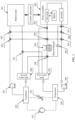
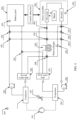
- the subsystem includes but is not limited to the following components: a compressor 101, a condenser 102 (for example, a water condenser), a throttling apparatus 103 (for example, a regulating valve), and an evaporator 104 (for example, a water evaporator).
- the compressor 101, the condenser 102, the throttling apparatus 103, and the evaporator 104 are sequentially connected to form a closed loop shown by using the dashed line in FIG. 2 .
- the vapor compression circulation subsystem is configured to: control a temperature and a velocity of a coolant in the condenser 102 and/or the evaporator 103, and then provide the coolant with a preset temperature to the coolant subsystem. For example, if the compressor 101 operates, the coolant circulates in the closed loop shown by using the dashed line in FIG. 2 .
- the system includes but is not limited to the following components: a first water pump 201 (that is, a condenser branch water pump), a battery pack 202, a power assembly 203, a second water pump 204 (that is, a power assembly branch water pump), a heat exchanger 205, a third water pump 206 (that is, an evaporator branch water pump), a first water tank 207 (for example, an evaporator expansion water tank), a second water tank 208 (for example, a condenser expansion water tank), and a multi-path direction control valve assembly (for example, multi-path direction control valves 301 to 309 in FIG. 2 ).
- a first water pump 201 that is, a condenser branch water pump
- a battery pack 202 that is, a power assembly 203, a second water pump 204 (that is, a power assembly branch water pump), a heat exchanger 205, a third water pump 206 (that is, an evaporator branch water pump),
- the second water tank 208, the power assembly 203, and a third valve port of the multi-path direction control valve 305 are respectively connected to a first valve port, a third valve port, and a second valve port of a multi-path direction control valve 304 of the multi-path direction control valve assembly.
- a water inlet of the heat exchanger 205 and a second valve port of a multi-path direction control valve 309 of the multi-path direction control valve assembly are respectively connected to a first valve port and a second valve port of the multi-path direction control valve 305.
- the second water tank 208, the first water tank 207, a water outlet of the heat exchanger 205, and the second water pump 204 are respectively connected to a fourth valve port, a first valve port, a third valve port, and a second valve port of a multi-path direction control valve 306 of the multi-path direction control valve assembly.
- the power assembly 203, the second water pump 204, and a right valve of a multi-path direction control valve 308 are respectively connected to a third valve port, a second valve port, and a first valve port of a multi-path direction control valve 307 of the multi-path direction control valve assembly.
- a third valve port of the multi-path direction control valve 309 is connected to a first valve port of the multi-path direction control valve 308.
- the third water pump 206 is connected to a first valve port of the multi-path direction control valve 309.
- the system further includes a control subsystem.
- the control subsystem specifically controls the multi-path direction control valve assembly to implement circulation of the coolant among the condenser 102, the evaporator 104, the battery pack 202, the power assembly 203, the heat exchanger 205, the first water pump 201, the second water pump 204, the third water pump 206, the first water tank 207, and the second water tank 208.
- the multi-path direction control valve assembly includes the plurality of multi-path direction control valves.
- the multi-path direction control valves may be in different types such as a two-path direction control valve, a three-path direction control valve, and a four-path direction control valve. Different types of multi-path direction control valves also have different quantities of valves. Therefore, the control subsystem can control opening or closing of each valve port to select different circulation manners of the coolant. This includes but is not limited to the following manners.
- the system further includes a sensing subsystem configured to obtain a heat parameter of a target object.
- the target object includes one or more of an environment in which the system is located, the battery pack, and the power assembly.
- the control subsystem is further specifically configured to: receive the heat parameter sent by the sensing subsystem, and control, based on the heat parameter, opening or closing of a valve port of each multi-path direction control valve of the multi-path direction control valve assembly.
- the sensing subsystem includes but is not limited to the following components (with reference to FIG. 4 ): a first sensor 401 (for example, a temperature sensor configured to sense a first temperature of the battery pack 202), a second sensor 402 (for example, a heat sensor configured to sense a heat value generated when the power assembly 203 is in different operation states), and a third sensor 403 (for example, a temperature sensor configured to sense a second temperature of the environment in which the system is located).
- the sensing subsystem is configured to obtain the heat parameter (for example, the temperature or the heat value) of the target object (for example, the battery pack 202, the power assembly 203, or the environment in which the system is located).
- control subsystem may be further configured to: obtain a current operating condition (for example, a normally driving condition, a fast charging request, or a start condition) of the electric vehicle configured with the system, and control, based on the obtained heat parameter of the target object, the coolant subsystem to perform a corresponding heat management manner of the electric vehicle under the current operating condition.
- a specific control manner may be adjusting opening or closing of each path of the multi-path direction control valve assembly (that is, the multi-path direction control valves 301 to 309 in FIG. 4 ) to control a flow direction of the coolant in the entire system.
- the system further obtains the first temperature (which may be denoted as T 401 ) of the battery pack 202 by using the first sensor 401; and obtains, by using the third sensor 403, the second temperature (which may be denoted as T 403 ) of the environment in which the system is located.
- the system separately compares T 401 with a first preset temperature (which may be denoted as T a ) preset in the system, and compares T 403 with a second preset temperature (which may be denoted as T 0 ) preset in the system.
- a comparison result of the system is T 401 >T a and T 403 >T 0 , it indicates that the system determines that the battery pack 202 needs to be cooled, and the temperature of the environment in which the electric vehicle is located in a current phase is excessively high (for example, an ambient temperature is relatively high in summer). This cannot meet a requirement for natural heat dissipation of the battery pack 202. Therefore, the battery pack 202 uses an air condition cooling manner. Because a current operating condition of the electric vehicle is the normally driving state, a heat value generated when the power assembly 203 operates is not very high. Therefore, the power assembly 203 uses the natural heat dissipation manner. In conclusion, when T 401 >T a and T 403 >T 0 , the system controls the multi-path direction control valve assembly to implement a coolant circulation manner of the air conditioning of the battery pack and the natural heat dissipation of the power assembly.
- the system adjusts opening and closing of each valve port in the multi-path direction control valve assembly according to a logical manner in Table 1, to form a coolant circulation manner indicated by using an arrow in FIG. 5 .
- Table 1 First valve port Second/Fourt h valve port Third valve port Second valve port Multi-path direction control valve 301 Closed - Open Open Multi-path direction control valve 302 Open - Open Closed Multi-path direction control valve 303 Closed - Open Open Multi-path direction control valve 304 Open - Open Closed Multi-path direction control valve 305 Open Open Open Closed Multi-path direction control valve 306 Closed Open Open Open Multi-path direction control valve 307 Closed Open Open Open - Multi-path direction control valve 308 Open Open Closed - Multi-path direction control valve 309 Open Closed Open -
- the compressor 101 When the compressor 101 operates, the compressor 101 in an operating state enables the evaporator 104 to output the low-temperature coolant.
- the evaporator 104 refrigerates the coolant under an operation of the compressor 101, and then pumps the low-temperature (lower than an ambient temperature) coolant to the battery pack 202 under an operation of the third water pump 206, to implement the air condition cooling manner of the battery pack 202.
- the condenser 102 releases heat generated by the vapor compression circulation subsystem to the coolant.
- Heat of the high-temperature (higher than the ambient temperature) coolant is released to incoming air in the heat exchanger 205 under the operation of the first water pump 201.
- heat generated in a driving process of the power assembly 203 is also released to the coolant.
- heat of the high-temperature coolant is released to the incoming air in the heat exchanger 205 after circulation, to implement the natural heat dissipation manner of the power assembly through the environment.
- actively cooling that is, air condition cooling
- the evaporator 104 in the vapor compression circulation subsystem is implemented by using the battery pack 202.
- Heat management with low power consumption is implemented for the heat generated by the power assembly 203 and the heat of the condenser 102 in the natural heat dissipation manner of the heat exchanger 205.
- the system controls the multi-path direction control valve assembly to implement a coolant circulation manner of natural heat dissipation after the battery pack is connected to the power assembly in series.
- the system adjusts opening and closing of each valve port in the multi-path direction control valve assembly according to a logical manner in Table 2, to form a coolant circulation manner indicated by using an arrow in FIG. 6 .
- Table 2 First valve port Second/Fourt h valve port Third valve port Second valve port Multi-path direction control valve 301 Closed - Open Open Multi-path direction control valve 302 Open - Open Closed Multi-path direction control valve 303 Open - Open Closed Multi-path direction control valve 304 Open - Open Closed Multi-path direction control valve 305 Open Closed Open Closed Multi-path direction control valve 306 Closed Open Open Closed Multi-path direction control valve 307 Open Closed Open - Multi-path direction control valve 308 Open Closed Open - Multi-path direction control valve 309 Open Closed Open -
- the following describes the coolant circulation manner indicated by using the arrow in FIG. 6 . Because a tolerant temperature range of the power assembly 203 is relatively high, after the coolant is cooled by using the incoming air in the heat exchanger 205 under an operation of the third water pump 206 and the first water pump 201, a temperature of the coolant is close to the ambient temperature, and then the coolant close to the ambient temperature is pumped to the battery pack 202 to take away the heat generated by the battery pack 202, to implement the natural heat dissipation manner of the battery pack 202.
- the coolant with a rising temperature is then pumped to the power assembly 203 under the operation of the third water pump 206, takes away the heat generated by the power assembly 203 in the driving state, and then is sent back to the heat exchanger 205. Finally, the coolant delivers the heat to the incoming air by using the heat exchanger 205. The temperature of the coolant is decreased to the temperature close to the ambient temperature, and then enters the foregoing circulation.
- the compressor 101 in the vapor compression circulation subsystem does not need to operate, and the evaporator 102 and the condenser 104 do not heat or cool the coolant flowing through the evaporator 102 and the condenser 104. Because the compressor 101 is in a non-operating state, the system does not need to generate extra power consumption for the compressor 101, to implement the heat management with low power consumption for the battery pack 202 and the power assembly 203.
- T 401 a third preset temperature (which may be denoted as T c )
- the system further needs to obtain a heat value (which may be denoted as Q) of the power assembly.
- Q a heat value of the power assembly.
- Different Q and different T 403 correspond to different coolant circulation manners. This is specifically shown as follows.
- Q for example, the control subsystem obtains information such as a rotation speed, input power, and a torque of the power assembly in real time, and determines Q of the power assembly based on the information
- Q for example, the control subsystem obtains information such as a rotation speed, input power, and a torque of the power assembly in real time, and determines Q of the power assembly based on the information
- the system determines that the battery pack needs to be heated for driving.
- the system determines that Q ⁇ Q1 and T 403 >T 0
- the system further determines that the heat generated by the power assembly is excessively low in the current phase, and needs to absorb extra heat from the environment.
- the system controls the multi-path direction control valve assembly to implement a coolant circulation manner of heating of the battery pack, heat absorption of the heat exchanger from the environment, and natural heat dissipation of the power assembly.
- the system adjusts opening and closing of each valve port in the multi-path direction control valve assembly according to a logical manner in Table 3, to form a coolant circulation manner indicated by using an arrow in FIG. 7 .
- Table 3 First valve port Second/Fourt h valve port Third valve port Second valve port Multi-path direction control valve 301 Open - Open Closed Multi-path direction control valve 302 Open - Open Closed Multi-path direction control valve 303 Open - Open Closed Multi-path direction control valve 304 Open - Closed Open Multi-path direction control valve 305 Open Closed Closed Open Multi-path direction control valve 306 Closed Closed Open Open Multi-path direction control valve 307 Closed Open Open Open - Multi-path direction control valve 308 Any Any Any - Multi-path direction control valve 309 Open Open Closed -
- the compressor 101 operates.
- the battery pack 202 is heated by using a heat pump under an operation of the compressor 101.
- the high-temperature coolant flowing from the condenser 102 enters the battery pack to heat the battery pack.
- the coolant flows back to the condenser 102 through the second water tank 208.
- a heat load of the power assembly 203 is relatively small (which indicates that a requirement for the heat dissipation of the power assembly 203 is not high, that is, Q ⁇ Q1 is met)
- the heat generated by the power assembly 203 is not large.
- the power assembly 203 generates only 200-watt heat, and the evaporator 104 needs to absorb 500-watt heat to keep the coolant consistent with the ambient temperature. In this way, the evaporator 104 takes away 200-watt heat from the power assembly 203, and further takes away 300-watt heat generated in the environment from the heat exchanger 205.
- the coolant is pumped to the power assembly 203 under an operation of the second water pump 204, absorbs heat in the power assembly to be heated, and then enters the evaporator 104 again.
- the coolant circulation manner corresponding to FIG. 7 after the coolant enters the evaporator 104, the temperature of the coolant rises. Therefore, energy efficiency of the vapor compression circulation subsystem is increased, and heat consumption of the heat pump is decreased, to save energy.
- the system controls the multi-path direction control valve assembly to implement a coolant circulation manner of heating of the battery pack and natural heat dissipation of the power assembly.
- Q for example, the control subsystem obtains information such as a rotation speed, input power, and a torque of the power assembly in real time, and determines Q of the power assembly based on the information
- Q for example, the control subsystem obtains information such as a rotation speed, input power, and a torque of the power assembly in real time, and determines Q of the power assembly based on the information
- the system determines that the battery pack needs to be heated for driving. In this case, if the system determines that Q1 ⁇ Q ⁇ Q2 and T 403 ⁇ T 0 , the system further determines that the heat generated by the power assembly in the current phase is sufficient for heating of the heat pump of the battery pack 202.
- the system controls the multi-path direction control valve assembly to implement a coolant circulation manner of heating of the battery pack and natural heat dissipation of the power assembly.
- the system adjusts opening and closing of each valve port in the multi-path direction control valve assembly according to a logical manner in Table 4, to form a coolant circulation manner indicated by using an arrow in FIG. 8 .
- Table 4 First valve port Second/Fourt h valve port Third valve port Second valve port Multi-path direction control valve 301 Open - Open Closed Multi-path direction control valve 302 Open - Open Closed Multi-path direction control valve 303 Open - Open Closed Multi-path direction control valve 304 Closed - Open Open Multi-path direction control valve 305 Any Any Any Multi-path direction control valve 306 Any Any Any Multi-path direction control valve 307 Open Closed Open - Multi-path direction control valve 308 Open Closed Open - Multi-path direction control valve 309 Open Closed Open -
- the compressor 101 operates.
- the battery pack 202 is heated by using the heat pump under an operation of the compressor 101.
- the high-temperature coolant flowing from the condenser 102 enters the battery pack to heat the battery pack, and then the coolant flows back to the condenser 102 through the second water tank 208.
- the heat value generated by the power assembly 203 is between Q1 and Q2.
- the heat value sufficiently meets heat required for heat generation of the heat pump of the battery pack 202.
- the coolant flowing from an outlet of the evaporator 104 is directly sent to the power assembly 203, absorbs heat to be heated, and then is directly sent back to the evaporator 104.
- the battery pack 202 is directly heated by using heat absorbed by the low-temperature coolant from the power assembly 203, to improve energy utilization.
- the system controls the multi-path direction control valve assembly to implement a coolant circulation manner of heating of the battery pack and heat absorption of the heat exchanger from the power assembly.
- Q for example, the control subsystem obtains information such as a rotation speed, input power, and a torque of the power assembly in real time, and determines Q of the power assembly based on the information
- Q for example, the control subsystem obtains information such as a rotation speed, input power, and a torque of the power assembly in real time, and determines Q of the power assembly based on the information
- the control subsystem determines that the battery pack needs to be heated for driving. If the electric vehicle is currently in an operating condition such as long-time slope climbing or high-speed driving, in this case, Q generated by the power assembly is greater than Q2 and T 403 ⁇ T 0 . The system further determines that the heat generated by the power assembly is excessively high in the current phase.
- the generated heat is sufficient for heating of the heat pump of the battery pack 202.
- a part of the heat needs to be released to the environment by using the heat exchanger.
- the system controls the multi-path direction control valve assembly to implement a coolant circulation manner of heating the battery pack and heat absorption of the heat exchanger from the power assembly.
- the system adjusts opening and closing of each valve port in the multi-path direction control valve assembly according to a logical manner in Table 5, to form a coolant circulation manner indicated by using an arrow in FIG. 9 .
- Table 5 First valve port Second/Fourt h valve port Third valve port Second valve port Multi-path direction control valve 301 Open - Open Closed Multi-path direction control valve 302 Open - Open Closed Multi-path direction control valve 303 Open - Open Closed Multi-path direction control valve 304 Open - Open Closed Multi-path direction control valve 305 Open Closed Open Closed Multi-path direction control valve 306 Open Closed Open Closed Multi-path direction control valve 307 Open Closed Open - Multi-path direction control valve 308 Open Closed Open - Multi-path direction control valve 309 Open Closed Open -
- the compressor 101 operates.
- the battery pack 202 is heated by using the heat pump under an operation of the compressor 101.
- the high-temperature coolant flowing from the condenser 102 enters the battery pack to heat the battery pack, and then the coolant flows back to the condenser 102 through the second water tank 208.
- the heat value generated by the power assembly 203 is greater than Q2.
- the generated heat is sufficient for heating of the heat pump of the battery pack 202.
- a part of the extra heat needs to be released to the environment by using the heat exchanger 205.
- the coolant flowing from an outlet of the evaporator 104 is directly sent to the power assembly 203, and absorbs heat to be heated. Then, the heated coolant (the temperature is higher than the ambient temperature) flows through the heat exchanger 205, to lower the temperature of the coolant to the ambient temperature. Afterwards, the coolant is sent back to the evaporator 104. If the extra heat of the coolant from the power assembly 203 is not released to the environment by using the heat exchanger 205, the high-temperature coolant flowing from the power assembly 203 directly flows to the evaporator 104. Consequently, a service life of the vapor compression circulation subsystem is shortened. The high-temperature coolant even damages a related component in the vapor compression circulation subsystem.
- a heat management circulation branch corresponding to FIG. 9 Under an operation of the compressor 101, the coolant flowing from the evaporator 104 absorbs the heat of the power assembly 203 to be heated. Then, the coolant releases the extra heat to the environment through the heat exchanger 205. Afterwards, the coolant with a temperature consistent with the ambient temperature flows back to the evaporator 104, to reduce power consumption for heating of the heat pump and prolong a service life of the vapor compression circulation subsystem.
- a current operating condition is a charge request or a start request.
- the sensing subsystem is further configured to obtain a heat parameter of a target object, including a first temperature of the battery pack.
- the system determines, by using the control subsystem, that the current operating condition of the electric vehicle is the charge request or the start request (for example, a request for fast charging or a request for starting the electric vehicle), the system further obtains the first temperature (that is, T 401 ) of the battery pack 202 by using the first sensor 401.
- T 401 the temperature of the environment in which the electric vehicle is located does not need to be obtained.
- T 401 only needs to be compared with a value of a fourth preset temperature (may be denoted as T b ).
- the power assembly has not generated extra heat (for example, the electric vehicle cannot be driven in the charging process, and the power assembly generates no heat when the electric vehicle is not driven).
- the system controls the multi-path direction control valve assembly to implement a coolant circulation manner of heating the battery pack to the fourth preset temperature and heat absorption of the heat exchanger from the environment.
- the system adjusts opening and closing of each valve port in the multi-path direction control valve assembly according to a logical manner in Table 6, to form a coolant circulation manner indicated by using an arrow in FIG. 10 .
- Table 6 First valve port Second/Fourt h valve port Third valve port Second valve port Multi-path direction control valve 301 Open - Open Closed Multi-path direction control valve 302 Open - Open Closed Multi-path direction control valve 303 Open - Open Closed Multi-path direction control valve 304 Any - Any Any Multi-path direction control valve 305 Open Closed Closed Open Multi-path direction control valve 306 Open Closed Open Closed Multi-path direction control valve 307 Any Any Any - Multi-path direction control valve 308 Any Any Any - Multi-path direction control valve 309 Open Open Closed -
- the compressor 101 operates.
- the battery pack 202 is heated by using the heat pump under the operation of the compressor 101.
- the high-temperature high-pressure coolant in the condenser 102 releases heat in condensation.
- the coolant flowing through the condenser 102 is heated.
- the heated coolant is pumped to the battery pack 202 to heat the battery pack 202 under an operation of the first water pump 201.
- the coolant flows from the battery pack 202, and flows back to the condenser 102 through the second water tank 208.
- the coolant releasing the heat flows from the condenser 102, and is converted to the low-temperature low-pressure coolant in a vapor-liquid state after passing through the throttling apparatus 103.
- the low-temperature low-pressure coolant enters the evaporator 104, absorbs heat and is evaporated into supper-heated vapor, and then returns to the compressor.
- the current operating condition is a charge request or a start request (which indicates that the power assembly 203 does not operate in this case)
- the power assembly 203 does not generate extra heat.
- the coolant Under the operation of the third water pump 206, the coolant enters the evaporator 104, and releases heat.
- the temperature of the coolant falls below the ambient temperature.
- the low-temperature coolant enters the heat exchanger 205, absorbs the heat in the environment and is heated (in this case, the temperature of the coolant is consistent with the ambient temperature), and then enters the evaporator 104 again to continue to release heat to the low-temperature coolant.
- the battery pack 202 is directly heated by using the high-temperature coolant. Because the power assembly 203 does not operate, the low-temperature coolant flows from the evaporator 104, absorbs the heat in the environment, and flows back to the evaporator 104, to improve energy utilization.
- the first preset temperature T a , the second preset temperature T 0 , the third preset temperature T c , the fourth preset temperature T b , the first preset value Q1, and the second preset value Q2 may be all set according to a requirement of a user (for example, a driving habit, an overall vehicle condition of an electric vehicle, and a season condition of a current region). This is not specifically limited herein.
- the electric vehicle may determine a proper coolant circulation manner for the current operating condition in real time based on the current operating condition and the obtained heat parameter of the target object, to provide different coolant circulation manners for different heat management requirements of the electric vehicle, thereby reducing power consumption generated when the system performs heat management on the power assembly and the battery pack.
Landscapes
- Engineering & Computer Science (AREA)
- Mechanical Engineering (AREA)
- Physics & Mathematics (AREA)
- Thermal Sciences (AREA)
- Chemical & Material Sciences (AREA)
- Manufacturing & Machinery (AREA)
- Chemical Kinetics & Catalysis (AREA)
- Electrochemistry (AREA)
- General Chemical & Material Sciences (AREA)
- Transportation (AREA)
- Power Engineering (AREA)
- Sustainable Energy (AREA)
- Sustainable Development (AREA)
- Life Sciences & Earth Sciences (AREA)
- Combustion & Propulsion (AREA)
- General Engineering & Computer Science (AREA)
- Automation & Control Theory (AREA)
- Electric Propulsion And Braking For Vehicles (AREA)
- Air-Conditioning For Vehicles (AREA)
Description
- This application relates to the field of heat management technologies, and in particular, to a heat management system and an electronic vehicle.
- In comparison with a conventional fuel vehicle, an electric vehicle uses a battery as a power source, and therefore has features such as energy conservation and environmental protection. Currently, a pure electric vehicle is popularized in the market. In an actual application scenario, heat management generally needs to be performed on management objects such as a battery pack, a passenger compartment, and a power system (which may also be referred to as a power assembly) of the electric vehicle, so that temperatures of these management objects are maintained within an operating temperature range for normal operation. For example, the heat management includes cooling management and heating management. The power system may include but is not limited to an oil cooler, a motor, and a power component (such as an inverter).
- In a related technology, a conventional heat management architecture solution of an electric vehicle is shown in
FIG. 1 . The conventional heat management solution is divided into three circulation parts based on endurance temperatures of three system ends of the battery pack, the passenger compartment, and the power assembly.Circulation 1 is heat dissipation circulation of the battery pack (an intake temperature of a low-temperature heat exchanger of a battery at a front end is about 30°C).Circulation 2 is cooling circulation of the passenger compartment (an intake temperature of a condenser is about 40°C).Circulation 3 is heat dissipation circulation of a power assembly loop (an intake temperature of a heat sink of the power assembly at a front end is about 45°C). - In the foregoing heat management solution, the battery pack and the power assembly are divided into two different coolant circulation parts. As two independent circulation parts, the
circulation 1 and thecirculation 3 need two heat exchange systems. The two heat exchange systems have a single heat management manner. -
US 2018/0208014 A1 describes a waste heat utilization system for an electric vehicle having an electric motor and a battery may include a first cooling circuit in which a first coolant circulates and having arranged therein the electric motor, a first direct heat exchanger for discharging heat from the first coolant into surroundings of the system, and a first delivery device for driving the first coolant. The system may also include a second cooling circuit in which a second coolant circulates and having arranged therein the battery and a second delivery device for driving the second coolant. The system may also include an air conditioning circuit in which a working medium circulates, and having arranged therein a compressor, condenser, and evaporator. The system may further include first and second chillers by which heat may be transferrable from the first and second cooling circuits into the air conditioning circuit, and first and second heat exchangers incorporated in one of the first and second cooling circuits for discharging heat into the surroundings.CN110329113A describes a control method for automobile comprehensive thermal management. - The invention is defined by the independent claims. Further embodiments are defined by the dependent claims. Embodiments of this invention provide a heat management system and an electric vehicle, to provide specific coolant circulation manners (that is, heat management manners) for different heat management requirements, thereby reducing energy consumption and costs generated when a system performs heat management on a power assembly and a battery pack.
-
-
FIG. 1 is a schematic diagram of conventional heat management architecture of an electric vehicle; -
FIG. 2 is a schematic diagram of a frame structure of a heat management system according to this invention; -
FIG. 3 is a schematic diagram of another frame structure of a heat management system according to this invention; -
FIG. 4 is a schematic diagram of another frame structure of a heat management system according to this invention; -
FIG. 5 is a schematic diagram of a coolant circulation manner according to this invention; -
FIG. 6 is a schematic diagram of another coolant circulation manner according to this invention; -
FIG. 7 is a schematic diagram of another coolant circulation manner according to this invention; -
FIG. 8 is a schematic diagram of another coolant circulation manner according to this invention; -
FIG. 9 is a schematic diagram of another coolant circulation manner according to this invention; and -
FIG. 10 is a schematic diagram of another coolant circulation manner according to this invention. - The embodiments of this invention provide a heat management system and an electric vehicle, to provide specific coolant circulation manners (that is, heat management manners) for different heat management requirements, thereby reducing energy consumption and costs generated when a system performs heat management on a power assembly and a battery pack.
- The following describes embodiments of this invention with reference to accompanying drawings. A person of ordinary skill in this field may know that, with development of technologies and emergence of a new scenario, the technical solutions provided in the embodiments of this invention are also applicable to a similar technical problem.
- In the specification, claims, and accompanying drawings of this invention, the terms "first", "second", and so on are intended to distinguish between similar objects but do not necessarily indicate a specific order or sequence. It should be understood that the terms used in such a way are interchangeable in proper circumstances, which is merely a discrimination manner that is used when objects having a same attribute are described in the embodiments of this invention. In addition, the terms "include", "contain" and any other variants mean to cover the non-exclusive inclusion, so that a process, method, system, product, or device that includes a series of units is not necessarily limited to those units, but may include other units not expressly listed or inherent to such a process, method, product, or device.
- First, this invention provides a heat management system (hereinafter referred to as a system for short). For a framework of the system, refer to
FIG. 2 . The system includes a vapor compression circulation subsystem and a coolant subsystem. InFIG. 2 , the vapor compression circulation subsystem is connected by using a dashed line. The subsystem includes but is not limited to the following components: acompressor 101, a condenser 102 (for example, a water condenser), a throttling apparatus 103 (for example, a regulating valve), and an evaporator 104 (for example, a water evaporator). Thecompressor 101, thecondenser 102, thethrottling apparatus 103, and theevaporator 104 are sequentially connected to form a closed loop shown by using the dashed line inFIG. 2 . The vapor compression circulation subsystem is configured to: control a temperature and a velocity of a coolant in thecondenser 102 and/or theevaporator 103, and then provide the coolant with a preset temperature to the coolant subsystem. For example, if thecompressor 101 operates, the coolant circulates in the closed loop shown by using the dashed line inFIG. 2 . In this way, theevaporator 104 outputs the low-temperature coolant (also referred to as chilled water), and thecondenser 102 outputs the high-temperature coolant. Thethrottling apparatus 103 is configured to control a velocity of the coolant circulating in the closed loop shown by using the dashed line inFIG. 2 . The coolant subsystem is connected by using a solid line inFIG. 2 . The system includes but is not limited to the following components: a first water pump 201 (that is, a condenser branch water pump), abattery pack 202, apower assembly 203, a second water pump 204 (that is, a power assembly branch water pump), aheat exchanger 205, a third water pump 206 (that is, an evaporator branch water pump), a first water tank 207 (for example, an evaporator expansion water tank), a second water tank 208 (for example, a condenser expansion water tank), and a multi-path direction control valve assembly (for example, multi-pathdirection control valves 301 to 309 inFIG. 2 ). Thefirst water pump 201, thebattery pack 202, thepower assembly 203, thesecond water pump 204, theheat exchanger 205, thethird water pump 206, thefirst water tank 207, and thesecond water tank 208 are connected by using the multi-path direction control valve assembly, so that the system adjusts opening or closing of each valve port in the multi-path direction control valve assembly to select different circulation manners of the coolant.FIG. 2 shows a connection relationship. Specifically, thesecond water tank 208, thefirst water tank 207, and thebattery pack 202 are respectively connected to a first valve port, a second valve port, and a third valve port of a multi-pathdirection control valve 301 of the multi-path direction control valve assembly. Thefirst water pump 201, an fourth valve port of a multi-pathdirection control valve 305 of the multi-path direction control valve assembly, and a first valve port of a multi-pathdirection control valve 303 of the multi-path direction control valve assembly are respectively connected to a first valve port, a second valve port, and a third valve port of a multi-pathdirection control valve 302 of the multi-path direction control valve assembly. Thebattery pack 202 and a second valve port of a multi-pathdirection control valve 308 of the multi-path direction control valve assembly are respectively connected to a third valve port and a second valve port of the multi-pathdirection control valve 303. Thesecond water tank 208, thepower assembly 203, and a third valve port of the multi-pathdirection control valve 305 are respectively connected to a first valve port, a third valve port, and a second valve port of a multi-pathdirection control valve 304 of the multi-path direction control valve assembly. A water inlet of theheat exchanger 205 and a second valve port of a multi-pathdirection control valve 309 of the multi-path direction control valve assembly are respectively connected to a first valve port and a second valve port of the multi-pathdirection control valve 305. Thesecond water tank 208, thefirst water tank 207, a water outlet of theheat exchanger 205, and thesecond water pump 204 are respectively connected to a fourth valve port, a first valve port, a third valve port, and a second valve port of a multi-pathdirection control valve 306 of the multi-path direction control valve assembly. Thepower assembly 203, thesecond water pump 204, and a right valve of a multi-pathdirection control valve 308 are respectively connected to a third valve port, a second valve port, and a first valve port of a multi-pathdirection control valve 307 of the multi-path direction control valve assembly. A third valve port of the multi-pathdirection control valve 309 is connected to a first valve port of the multi-pathdirection control valve 308. Thethird water pump 206 is connected to a first valve port of the multi-pathdirection control valve 309. - In the foregoing implementation of this invention, the coolant subsystem connects the
battery pack 202, thepower assembly 203, theheat exchanger 205, thefirst water pump 201, thesecond water pump 204, thethird water pump 206, thefirst water tank 207, and thesecond water tank 208 by using the multi-path direction control valve assembly, so that the system can adjust opening or closing of each valve port in the multi-path direction control valve assembly to select different circulation manners of the coolant. Heat management manners are specifically provided for different heat management requirements, to reduce energy consumption and costs generated when the system performs heat management on the power assembly and the battery pack. - It should be noted that the system further includes a control subsystem. With reference to
FIG. 3 , the control subsystem specifically controls the multi-path direction control valve assembly to implement circulation of the coolant among thecondenser 102, theevaporator 104, thebattery pack 202, thepower assembly 203, theheat exchanger 205, thefirst water pump 201, thesecond water pump 204, thethird water pump 206, thefirst water tank 207, and thesecond water tank 208. The multi-path direction control valve assembly includes the plurality of multi-path direction control valves. The multi-path direction control valves may be in different types such as a two-path direction control valve, a three-path direction control valve, and a four-path direction control valve. Different types of multi-path direction control valves also have different quantities of valves. Therefore, the control subsystem can control opening or closing of each valve port to select different circulation manners of the coolant. This includes but is not limited to the following manners. - a. The multi-path direction control valve assembly is controlled to implement three-path circulation of the coolant. The coolant on a first path of the three-path circulation is output from the condenser; sequentially flows through the first water pump, the heat exchanger, and the second water tank; and then is input to the condenser. The coolant on a second path of the three-path circulation is output from the condenser; sequentially flows through the first water pump, the heat exchanger, the second water pump, and the power assembly; and then is input to the condenser. The coolant on a third path of the three-path circulation is output from the evaporator; sequentially flows through the third water pump, the battery pack, and the first water tank; and then is input to the evaporator.
- b. The multi-path direction control valve assembly is controlled to implement the following process in which the coolant is output from the condenser; sequentially flows through the first water pump, the battery pack, the first water tank, the evaporator, the third water pump, the power assembly, the heat exchanger, and the second water tank; and then is input to the condenser.
- c. The multi-path direction control valve assembly is controlled to implement two-path circulation of the coolant. The coolant on a first path of the two-path circulation is output from the condenser; sequentially flows through the first water pump, the battery pack, and the second water tank; and then is input to the condenser. The coolant on a second path of the two-path circulation is output from the evaporator; sequentially flows through the third water pump, the heat exchanger, the second water pump, the power assembly, and the first water tank; and then is input to the evaporator.
- d. The multi-path direction control valve assembly is controlled to implement two-path circulation of the coolant. The coolant on a first path of the two-path circulation is output from the condenser; sequentially flows through the first water pump, the battery pack, and the second water tank; and then is input to the condenser. The coolant on a second path of the two-path circulation is output from the evaporator; sequentially flows through the third water pump, the power assembly, and the first water tank; and then is input to the evaporator.
- e. The multi-path direction control valve assembly is controlled to implement two-path circulation of the coolant. The coolant on a first path of the two-path circulation is output from the condenser; sequentially flows through the first water pump, the battery pack, and the second water tank; and then is input to the condenser. The coolant on a second path of the two-path circulation is output from the evaporator; sequentially flows through the third water pump, the power assembly, the heat exchanger, and the first water tank; and then is input to the evaporator.
- f. The multi-path direction control valve assembly is controlled to implement two-path circulation of the coolant. The coolant on a first path of the two-path circulation is output from the condenser; sequentially flows through the first water pump, the battery pack, and the second water tank; and then is input to the condenser. The coolant on a second path of the two-path circulation is output from the evaporator; sequentially flows through the third water pump, the heat exchanger, and the first water tank; and then is input to the evaporator.
- In some implementations of this invention, the system further includes a sensing subsystem configured to obtain a heat parameter of a target object. The target object includes one or more of an environment in which the system is located, the battery pack, and the power assembly. In this case, the control subsystem is further specifically configured to: receive the heat parameter sent by the sensing subsystem, and control, based on the heat parameter, opening or closing of a valve port of each multi-path direction control valve of the multi-path direction control valve assembly.
- It should be noted that, in some implementations of this invention, the sensing subsystem includes but is not limited to the following components (with reference to
FIG. 4 ): a first sensor 401 (for example, a temperature sensor configured to sense a first temperature of the battery pack 202), a second sensor 402 (for example, a heat sensor configured to sense a heat value generated when thepower assembly 203 is in different operation states), and a third sensor 403 (for example, a temperature sensor configured to sense a second temperature of the environment in which the system is located). The sensing subsystem is configured to obtain the heat parameter (for example, the temperature or the heat value) of the target object (for example, thebattery pack 202, thepower assembly 203, or the environment in which the system is located). It should be further noted that the control subsystem may be further configured to: obtain a current operating condition (for example, a normally driving condition, a fast charging request, or a start condition) of the electric vehicle configured with the system, and control, based on the obtained heat parameter of the target object, the coolant subsystem to perform a corresponding heat management manner of the electric vehicle under the current operating condition. A specific control manner may be adjusting opening or closing of each path of the multi-path direction control valve assembly (that is, the multi-pathdirection control valves 301 to 309 inFIG. 4 ) to control a flow direction of the coolant in the entire system. - For ease of understanding, based on a system structure framework corresponding to
FIG. 4 , how to implement different coolant circulation manners in the same system structure framework is specifically described when the electric vehicle configured with the system is under different operating conditions and different heat parameters are obtained for the target object. - 1. A current operating condition is driving. The sensing subsystem is configured to obtain the heat parameter of the target object, which includes obtaining the first temperature of the battery pack and the second temperature of the environment in which the electric vehicle is located.
- With reference to
FIG. 4 , if the system uses the control subsystem to obtain the current operating condition of the electric vehicle as driving (for example, the normally driving state), the system further obtains the first temperature (which may be denoted as T401) of thebattery pack 202 by using thefirst sensor 401; and obtains, by using thethird sensor 403, the second temperature (which may be denoted as T403) of the environment in which the system is located. After the system obtains T401 and T403, the system separately compares T401 with a first preset temperature (which may be denoted as Ta) preset in the system, and compares T403 with a second preset temperature (which may be denoted as T0) preset in the system. - A. If T401>Ta and T403>T0, the system controls the multi-path direction control valve assembly to implement a coolant circulation manner of air condition cooling of the battery pack and natural heat dissipation of the power assembly.
- If a comparison result of the system is T401>Ta and T403>T0, it indicates that the system determines that the
battery pack 202 needs to be cooled, and the temperature of the environment in which the electric vehicle is located in a current phase is excessively high (for example, an ambient temperature is relatively high in summer). This cannot meet a requirement for natural heat dissipation of thebattery pack 202. Therefore, thebattery pack 202 uses an air condition cooling manner. Because a current operating condition of the electric vehicle is the normally driving state, a heat value generated when thepower assembly 203 operates is not very high. Therefore, thepower assembly 203 uses the natural heat dissipation manner. In conclusion, when T401>Ta and T403>T0, the system controls the multi-path direction control valve assembly to implement a coolant circulation manner of the air conditioning of the battery pack and the natural heat dissipation of the power assembly. - Specifically, the system adjusts opening and closing of each valve port in the multi-path direction control valve assembly according to a logical manner in Table 1, to form a coolant circulation manner indicated by using an arrow in
FIG. 5 .Table 1 First valve port Second/Fourt h valve port Third valve port Second valve port Multi-path direction control valve 301Closed - Open Open Multi-path direction control valve 302Open - Open Closed Multi-path direction control valve 303Closed - Open Open Multi-path direction control valve 304Open - Open Closed Multi-path direction control valve 305Open Open Open Closed Multi-path direction control valve 306Closed Open Open Open Multi-path direction control valve 307Closed Open Open - Multi-path direction control valve 308Open Open Closed - Multi-path direction control valve 309Open Closed Open - - The following describes the coolant circulation manner indicated by using the arrow in
FIG. 5 . When thecompressor 101 operates, thecompressor 101 in an operating state enables theevaporator 104 to output the low-temperature coolant. In other words, theevaporator 104 refrigerates the coolant under an operation of thecompressor 101, and then pumps the low-temperature (lower than an ambient temperature) coolant to thebattery pack 202 under an operation of thethird water pump 206, to implement the air condition cooling manner of thebattery pack 202. In addition, thecondenser 102 releases heat generated by the vapor compression circulation subsystem to the coolant. Heat of the high-temperature (higher than the ambient temperature) coolant is released to incoming air in theheat exchanger 205 under the operation of thefirst water pump 201. In addition, heat generated in a driving process of thepower assembly 203 is also released to the coolant. Under an operation of thesecond water pump 204, heat of the high-temperature coolant is released to the incoming air in theheat exchanger 205 after circulation, to implement the natural heat dissipation manner of the power assembly through the environment. - In conclusion, in the coolant circulation manner, actively cooling (that is, air condition cooling) of the
evaporator 104 in the vapor compression circulation subsystem is implemented by using thebattery pack 202. Heat management with low power consumption is implemented for the heat generated by thepower assembly 203 and the heat of thecondenser 102 in the natural heat dissipation manner of theheat exchanger 205. - B. If T401>Ta and T403<T0, the system controls the multi-path direction control valve assembly to implement a coolant circulation manner of natural heat dissipation after the battery pack is connected to the power assembly in series.
- Similarly, when the current ambient temperature is relatively low, if a comparison result of the system is T401>Ta and T403<T0, it indicates that the system determines that the
battery pack 202 needs to be cooled, and the temperature of the conventional environment in a current phase is relatively low (for example, an ambient temperature is relatively low in winter). This can meet a requirement for natural heat dissipation of thebattery pack 202. In addition, because a current operating condition of the electric vehicle is the normally driving state, a heat value generated when thepower assembly 203 operates is not very high. Therefore, thepower assembly 203 uses the natural heat dissipation manner. In conclusion, when T401>Ta and T403<T0, the system controls the multi-path direction control valve assembly to implement a coolant circulation manner of the natural heat dissipation when the battery pack is connected to the power assembly in series. - Specifically, the system adjusts opening and closing of each valve port in the multi-path direction control valve assembly according to a logical manner in Table 2, to form a coolant circulation manner indicated by using an arrow in
FIG. 6 .Table 2 First valve port Second/Fourt h valve port Third valve port Second valve port Multi-path direction control valve 301Closed - Open Open Multi-path direction control valve 302Open - Open Closed Multi-path direction control valve 303Open - Open Closed Multi-path direction control valve 304Open - Open Closed Multi-path direction control valve 305Open Closed Open Closed Multi-path direction control valve 306Closed Open Open Closed Multi-path direction control valve 307Open Closed Open - Multi-path direction control valve 308Open Closed Open - Multi-path direction control valve 309Open Closed Open - - The following describes the coolant circulation manner indicated by using the arrow in
FIG. 6 . Because a tolerant temperature range of thepower assembly 203 is relatively high, after the coolant is cooled by using the incoming air in theheat exchanger 205 under an operation of thethird water pump 206 and thefirst water pump 201, a temperature of the coolant is close to the ambient temperature, and then the coolant close to the ambient temperature is pumped to thebattery pack 202 to take away the heat generated by thebattery pack 202, to implement the natural heat dissipation manner of thebattery pack 202. The coolant with a rising temperature is then pumped to thepower assembly 203 under the operation of thethird water pump 206, takes away the heat generated by thepower assembly 203 in the driving state, and then is sent back to theheat exchanger 205. Finally, the coolant delivers the heat to the incoming air by using theheat exchanger 205. The temperature of the coolant is decreased to the temperature close to the ambient temperature, and then enters the foregoing circulation. - In conclusion, in this coolant circulation manner, because the ambient temperature can meet the requirement for the natural heat dissipation of the
battery pack 202, thecompressor 101 in the vapor compression circulation subsystem does not need to operate, and theevaporator 102 and thecondenser 104 do not heat or cool the coolant flowing through theevaporator 102 and thecondenser 104. Because thecompressor 101 is in a non-operating state, the system does not need to generate extra power consumption for thecompressor 101, to implement the heat management with low power consumption for thebattery pack 202 and thepower assembly 203. - In addition, if the system determines that T401<a third preset temperature (which may be denoted as Tc), the system further needs to obtain a heat value (which may be denoted as Q) of the power assembly. Different Q and different T403 correspond to different coolant circulation manners. This is specifically shown as follows.
- A. If Q<a first preset value (may be denoted as Q1) and T403>T0, the system controls the multi-path direction control valve assembly to implement a coolant circulation manner of heating of the battery pack, heat absorption of the heat exchanger from the environment, and natural heat dissipation of the power assembly.
- When a current operating condition of the electric vehicle is driving, Q (for example, the control subsystem obtains information such as a rotation speed, input power, and a torque of the power assembly in real time, and determines Q of the power assembly based on the information) of the power assembly is obtained in real time by using the control subsystem. Because T401<Tc, the system determines that the battery pack needs to be heated for driving. In this case, if the system determines that Q<Q1 and T403>T0, the system further determines that the heat generated by the power assembly is excessively low in the current phase, and needs to absorb extra heat from the environment. In this case, the system controls the multi-path direction control valve assembly to implement a coolant circulation manner of heating of the battery pack, heat absorption of the heat exchanger from the environment, and natural heat dissipation of the power assembly.
- Specifically, the system adjusts opening and closing of each valve port in the multi-path direction control valve assembly according to a logical manner in Table 3, to form a coolant circulation manner indicated by using an arrow in
FIG. 7 .Table 3 First valve port Second/Fourt h valve port Third valve port Second valve port Multi-path direction control valve 301Open - Open Closed Multi-path direction control valve 302Open - Open Closed Multi-path direction control valve 303Open - Open Closed Multi-path direction control valve 304Open - Closed Open Multi-path direction control valve 305Open Closed Closed Open Multi-path direction control valve 306Closed Closed Open Open Multi-path direction control valve 307Closed Open Open - Multi-path direction control valve 308Any Any Any - Multi-path direction control valve 309Open Open Closed - - The following describes the coolant circulation manner indicated by using the arrow in
FIG. 7 . Thecompressor 101 operates. Thebattery pack 202 is heated by using a heat pump under an operation of thecompressor 101. To be specific, the high-temperature coolant flowing from thecondenser 102 enters the battery pack to heat the battery pack. Then, the coolant flows back to thecondenser 102 through thesecond water tank 208. When a heat load of thepower assembly 203 is relatively small (which indicates that a requirement for the heat dissipation of thepower assembly 203 is not high, that is, Q<Q1 is met), the heat generated by thepower assembly 203 is not large. It is assumed that thepower assembly 203 generates only 200-watt heat, and theevaporator 104 needs to absorb 500-watt heat to keep the coolant consistent with the ambient temperature. In this way, theevaporator 104 takes away 200-watt heat from thepower assembly 203, and further takes away 300-watt heat generated in the environment from theheat exchanger 205. In other words, after the low-temperature coolant flowing from theevaporator 104 absorbs heat from the environment, the coolant is pumped to thepower assembly 203 under an operation of thesecond water pump 204, absorbs heat in the power assembly to be heated, and then enters theevaporator 104 again. In comparison with the mode of the coolant circulation manner corresponding toFIG. 6 , in the coolant circulation manner corresponding toFIG. 7 , after the coolant enters theevaporator 104, the temperature of the coolant rises. Therefore, energy efficiency of the vapor compression circulation subsystem is increased, and heat consumption of the heat pump is decreased, to save energy. - B. If Q1<Q<a second preset value (may be denoted as Q2) and T403<T0, the system controls the multi-path direction control valve assembly to implement a coolant circulation manner of heating of the battery pack and natural heat dissipation of the power assembly.
- Similarly, when a current operating condition of the electric vehicle is driving, Q (for example, the control subsystem obtains information such as a rotation speed, input power, and a torque of the power assembly in real time, and determines Q of the power assembly based on the information) of the power assembly is obtained in real time by using the control subsystem. Because T401<Tc, the system determines that the battery pack needs to be heated for driving. In this case, if the system determines that Q1<Q<Q2 and T403<T0, the system further determines that the heat generated by the power assembly in the current phase is sufficient for heating of the heat pump of the
battery pack 202. In this case, the low-temperature coolant flowing from the evaporator does not need to absorb extra heat from the environment. In this case, the system controls the multi-path direction control valve assembly to implement a coolant circulation manner of heating of the battery pack and natural heat dissipation of the power assembly. - Specifically, the system adjusts opening and closing of each valve port in the multi-path direction control valve assembly according to a logical manner in Table 4, to form a coolant circulation manner indicated by using an arrow in
FIG. 8 .Table 4 First valve port Second/Fourt h valve port Third valve port Second valve port Multi-path direction control valve 301Open - Open Closed Multi-path direction control valve 302Open - Open Closed Multi-path direction control valve 303Open - Open Closed Multi-path direction control valve 304Closed - Open Open Multi-path direction control valve 305Any Any Any Any Multi-path direction control valve 306Any Any Any Any Multi-path direction control valve 307Open Closed Open - Multi-path direction control valve 308Open Closed Open - Multi-path direction control valve 309Open Closed Open - - The following describes the coolant circulation manner indicated by using the arrow in
FIG. 8 . Thecompressor 101 operates. Thebattery pack 202 is heated by using the heat pump under an operation of thecompressor 101. In other words, the high-temperature coolant flowing from thecondenser 102 enters the battery pack to heat the battery pack, and then the coolant flows back to thecondenser 102 through thesecond water tank 208. When the current operating condition is driving (for example, driving for a long time), the heat value generated by thepower assembly 203 is between Q1 and Q2. The heat value sufficiently meets heat required for heat generation of the heat pump of thebattery pack 202. The coolant flowing from an outlet of theevaporator 104 is directly sent to thepower assembly 203, absorbs heat to be heated, and then is directly sent back to theevaporator 104. - In the coolant circulation manner corresponding to
FIG. 8 , under an operation of thecompressor 101, thebattery pack 202 is directly heated by using heat absorbed by the low-temperature coolant from thepower assembly 203, to improve energy utilization. - C. If Q>Q2, the system controls the multi-path direction control valve assembly to implement a coolant circulation manner of heating of the battery pack and heat absorption of the heat exchanger from the power assembly.
- Similarly, when a current operating condition of the electric vehicle is driving, Q (for example, the control subsystem obtains information such as a rotation speed, input power, and a torque of the power assembly in real time, and determines Q of the power assembly based on the information) of the power assembly is obtained in real time by using the control subsystem. Because T401<Tc, the system determines that the battery pack needs to be heated for driving. If the electric vehicle is currently in an operating condition such as long-time slope climbing or high-speed driving, in this case, Q generated by the power assembly is greater than Q2 and T403<T0. The system further determines that the heat generated by the power assembly is excessively high in the current phase. The generated heat is sufficient for heating of the heat pump of the
battery pack 202. In addition, a part of the heat needs to be released to the environment by using the heat exchanger. In this case, the system controls the multi-path direction control valve assembly to implement a coolant circulation manner of heating the battery pack and heat absorption of the heat exchanger from the power assembly. - Specifically, the system adjusts opening and closing of each valve port in the multi-path direction control valve assembly according to a logical manner in Table 5, to form a coolant circulation manner indicated by using an arrow in
FIG. 9 .Table 5 First valve port Second/Fourt h valve port Third valve port Second valve port Multi-path direction control valve 301Open - Open Closed Multi-path direction control valve 302Open - Open Closed Multi-path direction control valve 303Open - Open Closed Multi-path direction control valve 304Open - Open Closed Multi-path direction control valve 305Open Closed Open Closed Multi-path direction control valve 306Open Closed Open Closed Multi-path direction control valve 307Open Closed Open - Multi-path direction control valve 308Open Closed Open - Multi-path direction control valve 309Open Closed Open - - The following describes the coolant circulation manner indicated by using the arrow in
FIG. 9 : Thecompressor 101 operates. Thebattery pack 202 is heated by using the heat pump under an operation of thecompressor 101. In other words, the high-temperature coolant flowing from thecondenser 102 enters the battery pack to heat the battery pack, and then the coolant flows back to thecondenser 102 through thesecond water tank 208. However, when a current operating condition is driving (for example, abnormally driving such as long-time slope climbing or high-speed driving), in this case, the heat value generated by thepower assembly 203 is greater than Q2. The generated heat is sufficient for heating of the heat pump of thebattery pack 202. In addition, a part of the extra heat needs to be released to the environment by using theheat exchanger 205. The coolant flowing from an outlet of theevaporator 104 is directly sent to thepower assembly 203, and absorbs heat to be heated. Then, the heated coolant (the temperature is higher than the ambient temperature) flows through theheat exchanger 205, to lower the temperature of the coolant to the ambient temperature. Afterwards, the coolant is sent back to theevaporator 104. If the extra heat of the coolant from thepower assembly 203 is not released to the environment by using theheat exchanger 205, the high-temperature coolant flowing from thepower assembly 203 directly flows to theevaporator 104. Consequently, a service life of the vapor compression circulation subsystem is shortened. The high-temperature coolant even damages a related component in the vapor compression circulation subsystem. - In a heat management circulation branch corresponding to
FIG. 9 , under an operation of thecompressor 101, the coolant flowing from theevaporator 104 absorbs the heat of thepower assembly 203 to be heated. Then, the coolant releases the extra heat to the environment through theheat exchanger 205. Afterwards, the coolant with a temperature consistent with the ambient temperature flows back to theevaporator 104, to reduce power consumption for heating of the heat pump and prolong a service life of the vapor compression circulation subsystem. - 2. A current operating condition is a charge request or a start request. The sensing subsystem is further configured to obtain a heat parameter of a target object, including a first temperature of the battery pack.
- With reference to
FIG. 4 , if the system determines, by using the control subsystem, that the current operating condition of the electric vehicle is the charge request or the start request (for example, a request for fast charging or a request for starting the electric vehicle), the system further obtains the first temperature (that is, T401) of thebattery pack 202 by using thefirst sensor 401. In this case, the temperature of the environment in which the electric vehicle is located does not need to be obtained. Herein, T401 only needs to be compared with a value of a fourth preset temperature (may be denoted as Tb). If T401<Tb, the system determines that the battery pack needs to be heated before charging or starting (for example, it is assumed that Tb=8°C; and in this case, T401 is lower than 8°C because thebattery pack 202 is in the environment when the ambient temperature in winter is lower than 8°C, and thebattery pack 202 needs to be heated). In addition, when the electric vehicle is being charged or started, the power assembly has not generated extra heat (for example, the electric vehicle cannot be driven in the charging process, and the power assembly generates no heat when the electric vehicle is not driven). In this case, the system controls the multi-path direction control valve assembly to implement a coolant circulation manner of heating the battery pack to the fourth preset temperature and heat absorption of the heat exchanger from the environment. - Specifically, the system adjusts opening and closing of each valve port in the multi-path direction control valve assembly according to a logical manner in Table 6, to form a coolant circulation manner indicated by using an arrow in
FIG. 10 .Table 6 First valve port Second/Fourt h valve port Third valve port Second valve port Multi-path direction control valve 301Open - Open Closed Multi-path direction control valve 302Open - Open Closed Multi-path direction control valve 303Open - Open Closed Multi-path direction control valve 304Any - Any Any Multi-path direction control valve 305Open Closed Closed Open Multi-path direction control valve 306Open Closed Open Closed Multi-path direction control valve 307Any Any Any - Multi-path direction control valve 308Any Any Any - Multi-path direction control valve 309Open Open Closed - - The following describes the coolant circulation manner indicated by using the arrow in
FIG. 10 . Thecompressor 101 operates. Thebattery pack 202 is heated by using the heat pump under the operation of thecompressor 101. In other words, the high-temperature high-pressure coolant in thecondenser 102 releases heat in condensation. The coolant flowing through thecondenser 102 is heated. The heated coolant is pumped to thebattery pack 202 to heat thebattery pack 202 under an operation of thefirst water pump 201. Then, the coolant flows from thebattery pack 202, and flows back to thecondenser 102 through thesecond water tank 208. Afterwards, the coolant releasing the heat flows from thecondenser 102, and is converted to the low-temperature low-pressure coolant in a vapor-liquid state after passing through thethrottling apparatus 103. The low-temperature low-pressure coolant enters theevaporator 104, absorbs heat and is evaporated into supper-heated vapor, and then returns to the compressor. When the current operating condition is a charge request or a start request (which indicates that thepower assembly 203 does not operate in this case), in this case, thepower assembly 203 does not generate extra heat. Under the operation of thethird water pump 206, the coolant enters theevaporator 104, and releases heat. After the coolant releases the heat, the temperature of the coolant falls below the ambient temperature. The low-temperature coolant enters theheat exchanger 205, absorbs the heat in the environment and is heated (in this case, the temperature of the coolant is consistent with the ambient temperature), and then enters theevaporator 104 again to continue to release heat to the low-temperature coolant. - In the coolant circulation manner corresponding to
FIG. 10 , under an operation of thecompressor 101, thebattery pack 202 is directly heated by using the high-temperature coolant. Because thepower assembly 203 does not operate, the low-temperature coolant flows from theevaporator 104, absorbs the heat in the environment, and flows back to theevaporator 104, to improve energy utilization. - It should be noted that, in the foregoing implementation of this invention, the first preset temperature Ta, the second preset temperature T0, the third preset temperature Tc, the fourth preset temperature Tb, the first preset value Q1, and the second preset value Q2 may be all set according to a requirement of a user (for example, a driving habit, an overall vehicle condition of an electric vehicle, and a season condition of a current region). This is not specifically limited herein.
- In the foregoing implementation of this invention, the electric vehicle may determine a proper coolant circulation manner for the current operating condition in real time based on the current operating condition and the obtained heat parameter of the target object, to provide different coolant circulation manners for different heat management requirements of the electric vehicle, thereby reducing power consumption generated when the system performs heat management on the power assembly and the battery pack.
Claims (12)
- A heat management system, comprising:a vapor compression circulation subsystem and a coolant subsystem, whereina compressor (101), a condenser (102), a throttling apparatus (103), and an evaporator (104) that are comprised in the vapor compression circulation subsystem are sequentially connected to form a closed loop, to provide a coolant at a preset temperature for circulation in the coolant subsystem; anda battery pack (202), a power assembly (203), a heat exchanger (205), a first water pump (201), a second water pump (204), a third water pump (206), a first water tank (207), and a second water tank (208) that are comprised in the coolant subsystem are connected by using a multi-path direction control valve assembly, so that the system adjusts opening or closing of each valve port in the multi-path direction control valve assembly to select different circulation manners of the coolant,wherein the system further comprises:a control subsystem, configured to control the multi-path direction control valve assembly to implement circulation of the coolant among the condenser (102), the evaporator (104), the battery pack (202), the power assembly (203), the heat exchanger (205), the first water pump (201), the second water pump (204), the third water pump (206), the first water tank (207), and the second water tank (208),characterized in that the control subsystem is specifically configured to:control the multi-path direction control valve assembly to implement three-path circulation of the coolant, wherein the coolant on a first path of the three-path circulation is output from the condenser (102), sequentially flows through the first water pump (201), the heat exchanger (205), and the second water tank (208), and then is input to the condenser (102); the coolant on a second path of the three-path circulation is output from the condenser (102), sequentially flows through the first water pump (201), the heat exchanger (205), the second water pump (204), and the power assembly (203), and then is input to the condenser (102); and the coolant on a third path of the three-path circulation is output from the evaporator (104), sequentially flows through the third water pump (206), the battery pack (202), and the first water tank (207), and then is input to the evaporator (104);wherein the second water tank (208), the first water tank (207), and the battery pack (202) are respectively connected to a first valve port, a second valve port, and a third valve port of a first multi-path direction control valve (301) of the multi-path direction control valve assembly;the first water pump (201), a fourth valve port of a fifth multi-path direction control valve (305) of the multi-path direction control valve assembly, and a first valve port of a third multi-path direction control valve (303) of the multi-path direction control valve assembly are respectively connected to a first valve port, a second valve port, and a third valve port of a second multi-path direction control valve (302) of the multi-path direction control valve assembly;the battery pack (202) and a second valve port of an eighth multi-path direction control valve (308) of the multi-path direction control valve assembly are respectively connected to a third valve port and a second valve port of the third multi-path direction control valve (303);the second water tank (208), the power assembly (203), and a third valve port of the fifth multi-path direction control valve (305) are respectively connected to a first valve port, a third valve port, and a second valve port of a fourth multi-path direction control valve (304) of the multi-path direction control valve assembly;a water inlet of the heat exchanger (205) and a second valve port of a ninth multi-path direction control valve (309) of the multi-path direction control valve assembly are respectively connected to a first valve port and a second valve port of the fifth multi-path direction control valve (305);the second water tank (208), the first water tank (207), a water outlet of the heat exchanger (205), and the second water pump (204) are respectively connected to a fourth valve port, a first valve port, a third valve port, and a second valve port of a sixth multi-path direction control valve (306) of the multi-path direction control valve assembly;the power assembly (203), the second water pump (204), and a right valve of the eighth multi-path direction control valve (308) are respectively connected to a third valve port, a second valve port, and a first valve port of a seventh multi-path direction control valve (307) of the multi-path direction control valve assembly;a third valve port of the ninth multi-path direction control valve (309) is connected to a first valve port of the eighth multi-path direction control valve (308); andthe third water pump (206) is connected to a first valve port of the ninth multi-path direction control valve (309).
- The system according to claim 1, wherein the system further comprises:a sensing subsystem, configured to obtain a heat parameter of a target object, wherein the target object comprises one or more of an environment in which the system is located, the battery pack (202), or the power assembly (203), whereinthe control subsystem is further specifically configured to receive the heat parameter sent by the sensing subsystem, and control, based on the heat parameter, opening or closing of a valve port of each multi-path direction control valve of the multi-path direction control valve assembly.
- The system according to claim 2, wherein the sensing subsystem is specifically configured to:
obtain a first temperature of the battery pack (202) and a second temperature of the environment in which the system is located. - The system according to claim 3, wherein the control subsystem is specifically configured to:when the control subsystem determines that the received first temperature is greater than a first preset temperature and the received second temperature is greater than a second preset temperature, control the first valve port, the third valve port, and the second valve port of the first multi-path direction control valve (301) to respectively be in a closed state, an open state, and the open state;control the first valve port, the third valve port, and the second valve port of the second multi-path direction control valve (203) to respectively be in the open state, the open state, and the closed state;control the first valve port, the third valve port, and the second valve port of the third multi-path direction control valve (303) to respectively be in the closed state, the open state, and the open state;control the first valve port, the third valve port, and the second valve port of the second multi-path direction control valve (304) to respectively be in the open state, the open state, and the closed state;control the first valve port, the fourth valve port, the third valve port, and the second valve port of the fifth multi-path direction control valve (305) to respectively be in the open state, the open state, the open state, and the closed state;control the first valve port, the fourth valve port, the third valve port, and the second valve port of the sixth multi-path direction control valve (306) to respectively be in the closed state, the open state, the open state, and the open state;control the first valve port, the second valve port, and the third valve port of the seventh multi-path direction control valve (307) to respectively be in the closed state, the open state, and the open state;control the first valve port, the second valve port, and the third valve port of the eighth multi-path direction control valve (308) to respectively be in the open state, the open state, and the closed state; andcontrol the first valve port, the second valve port, and the third valve port of the ninth multi-path direction control valve (309) to respectively be in the open state, the closed state, and the open state.
- The system according to claim 3, wherein the control subsystem is further specifically configured to:when the control subsystem determines that the received first temperature is less than a first preset temperature and the received second temperature is greater than a second preset temperature, control the first valve port, the third valve port, and the second valve port of the first multi-path direction control valve (301) to respectively be in a closed state, an open state, and the open state;control the first valve port, the third valve port, and the second valve port of the second multi-path direction control valve (302) to respectively be in the open state, the open state, and the closed state;control the first valve port, the third valve port, and the second valve port of the third multi-path direction control valve (303) to respectively be in the open state, the open state, and the closed state;control the first valve port, the third valve port, and the second valve port of the fourth multi-path direction control valve (304) to respectively be in the open state, the open state, and the closed state;control the first valve port, the fourth valve port, the third valve port, and the second valve port of the fifth multi-path direction control valve (305) to respectively be in the open state, the closed state, the open state, and the closed state;control the first valve port, the fourth valve port, the third valve port, and the second valve port of the sixth multi-path direction control valve (306) to respectively be in the closed state, the open state, the open state, and the closed state;control the first valve port, the second valve port, and the third valve port of the seventh multi-path direction control valve (307) to respectively be in the open state, the closed state, and the open state;control the first valve port, the second valve port, and the third valve port of the eighth multi-path direction control (308) valve to respectively be in the open state, the closed state, and the open state; andcontrol the first valve port, the second valve port, and the third valve port of the ninth multi-path direction control valve (309) to respectively be in the open state, the closed state, and the open state.
- The system according to any one of claims 3 to 5, wherein the sensing subsystem is further specifically configured to:
obtain a heat value of the power assembly (203). - The system according to claim 6, wherein the control subsystem is further specifically configured to:when the control subsystem determines that the received first temperature is less than a third preset temperature, the received second temperature is greater than the second preset temperature, and the heat value is less than a first preset value, control the first valve port, the third valve port, and the second valve port of the first multi-path direction control valve (301) to respectively be in the open state, the open state, and the closed state;control the first valve port, the third valve port, and the second valve port of the second multi-path direction control valve (302) to respectively be in the open state, the open state, and the closed state;control the first valve port, the third valve port, and the second valve port of the third multi-path direction control valve (303) to respectively be in the open state, the open state, and the closed state;control the first valve port, the third valve port, and the second valve port of the fourth multi-path direction control valve (304) to respectively be in the open state, the closed state, and the open state;control the first valve port, the fourth valve port, the third valve port, and the second valve port of the fifth multi-path direction control valve (305) to respectively be in the open state, the closed state, the closed state, and the open state;control the first valve port, the fourth valve port, the third valve port, and the second valve port of the sixth multi-path direction control valve (306) to respectively be in the closed state, the closed state, the open state, and the open state;control the first valve port, the second valve port, and the third valve port of the seventh multi-path direction control valve (307) to respectively be in the closed state, the open state, and the open state; andcontrol the first valve port, the second valve port, and the third valve port of the ninth multi-path direction control valve (308) to respectively be in the open state, the open state, and the closed state.
- The system according to claim 6, wherein the control subsystem is further specifically configured to:when the control subsystem determines that the received first temperature is less than a third preset temperature, the received second temperature is less than the second preset temperature, and the heat value is greater than a first preset value and less than a second preset value, control the first valve port, the third valve port, and the second valve port of the first multi-path direction control valve (301) to respectively be in the open state, the open state, and the closed state;control the first valve port, the third valve port, and the second valve port of the second multi-path direction control valve (302) to respectively be in the open state, the open state, and the closed state;control the first valve port, the third valve port, and the second valve port of the third multi-path direction control valve (303) to respectively be in the open state, the open state, and the closed state;control the first valve port, the third valve port, and the second valve port of the fourth multi-path direction control valve (304) to respectively be in the closed state, the open state, and the open state;control the first valve port, the second valve port, and the third valve port of the seventh multi-path direction control valve (307) to respectively be in the open state, the closed state, and the open state;control the first valve port, the second valve port, and the third valve port of the eighth multi-path direction control valve (308) to respectively be in the open state, the closed state, and the open state; andcontrol the first valve port, the second valve port, and the third valve port of the ninth multi-path direction control valve (309) to respectively be in the open state, the closed state, and the open state.
- The system according to claim 6, wherein the control subsystem is further specifically configured to:when the control subsystem determines that the received first temperature is less than a third preset temperature and the heat value is greater than a second preset value, control the first valve port, the third valve port, and the second valve port of the first multi-path direction control valve (301) to respectively be in the open state, the open state, and the closed state;control the first valve port, the third valve port, and the second valve port of the second multi-path direction control valve (302) to respectively be in the open state, the open state, and the closed state;control the first valve port, the third valve port, and the second valve port of the third multi-path direction control valve (303) to respectively be in the open state, the open state, and the closed state;control the first valve port, the third valve port, and the second valve port of the fourth multi-path direction control valve (304) to respectively be in the open state, the open state, and the closed state;control the first valve port, the fourth valve port, the third valve port, and the second valve port of the fifth multi-path direction control valve (305) to respectively be in the open state, the closed state, the open state, and the closed state;control the first valve port, the fourth valve port, the third valve port, and the second valve port of the sixth multi-path direction control valve (306) to respectively be in the open state, the closed state, the open state, and the closed state;control the first valve port, the second valve port, and the third valve port of the seventh multi-path direction control valve (307) to respectively be in the open state, the closed state, and the open state;control the first valve port, the second valve port, and the third valve port of the eighth multi-path direction control valve (308) to respectively be in the open state, the closed state, and the open state; andcontrol the first valve port, the second valve port, and the third valve port of the ninth multi-path direction control valve (309) to respectively be in the open state, the closed state, and the open state.
- The system according to claim 6, wherein the control subsystem is further specifically configured to:when the control subsystem determines that the received first temperature is less than a fourth preset temperature and the heat value is less than an operating threshold, and the operating threshold is used to indicate a minimum heat value that needs to be reached when the power assembly (203) operates, control the first valve port, the third valve port, and the second valve port of the first multi-path direction control valve (301) to respectively be in the open state, the open state, and the closed state;control the first valve port, the third valve port, and the second valve port of the second multi-path direction control valve (302) to respectively be in the open state, the open state, and the closed state;control the first valve port, the third valve port, and the second valve port of the third multi-path direction control valve (303) to respectively be in the open state, the open state, and the closed state;control the first valve port, the fourth valve port, the third valve port, and the second valve port of the fifth multi-path direction control valve (305) to respectively be in the open state, the closed state, the closed state, and the open state;control the first valve port, the fourth valve port, the third valve port, and the second valve port of the sixth multi-path direction control valve (306) to respectively be in the open state, the closed state, the open state, and the closed state; andcontrol the first valve port, the second valve port, and the third valve port of the ninth multi-path direction control valve (309) to respectively be in the open state, the open state, and the closed state.
- The system according to any one of claims 2 to 10, wherein the sensing subsystem comprises:a first sensor (401), a second sensor (402), and a third sensor (403), whereinthe first sensor (401) is configured to obtain the first temperature of the battery pack (202);the second sensor (402) is configured to obtain the heat value of the power assembly (203); andthe third sensor (403) is configured to obtain the second temperature of the environment in which the system is located.
- An electric vehicle, wherein the electric vehicle is configured with the heat management system according to any one of claims 1 to 11.
Applications Claiming Priority (2)
| Application Number | Priority Date | Filing Date | Title |
|---|---|---|---|
| CN202010062316.9A CN111251823B (en) | 2020-01-19 | 2020-01-19 | Thermal management system and electric automobile |
| PCT/CN2020/109075 WO2021143125A1 (en) | 2020-01-19 | 2020-08-14 | Thermal management system and electric vehicle |
Publications (3)
| Publication Number | Publication Date |
|---|---|
| EP4086094A1 EP4086094A1 (en) | 2022-11-09 |
| EP4086094A4 EP4086094A4 (en) | 2023-07-05 |
| EP4086094B1 true EP4086094B1 (en) | 2025-06-25 |
Family
ID=70945901
Family Applications (1)
| Application Number | Title | Priority Date | Filing Date |
|---|---|---|---|
| EP20913314.9A Active EP4086094B1 (en) | 2020-01-19 | 2020-08-14 | Thermal management system and electric vehicle |
Country Status (4)
| Country | Link |
|---|---|
| US (1) | US12576686B2 (en) |
| EP (1) | EP4086094B1 (en) |
| CN (1) | CN111251823B (en) |
| WO (1) | WO2021143125A1 (en) |
Families Citing this family (23)
| Publication number | Priority date | Publication date | Assignee | Title |
|---|---|---|---|---|
| CN111251823B (en) | 2020-01-19 | 2022-02-18 | 华为数字能源技术有限公司 | Thermal management system and electric automobile |
| CN114388924B (en) * | 2020-10-20 | 2024-02-09 | 华为数字能源技术有限公司 | Electric motor car thermal management system and electric motor car |
| CN114312484B (en) * | 2021-07-31 | 2024-04-12 | 华为数字能源技术有限公司 | Thermal management device, thermal management system and new energy automobile |
| CN113659232A (en) * | 2021-08-04 | 2021-11-16 | 恒大新能源汽车投资控股集团有限公司 | Power battery, electric automobile, and battery thermal control method and system |
| CN113904032A (en) * | 2021-08-26 | 2022-01-07 | 上海奥威科技开发有限公司 | Capacitor pack or battery pack cooling system and control method thereof |
| KR20230033113A (en) * | 2021-08-27 | 2023-03-08 | 현대자동차주식회사 | Coolant circulation system of vehicle |
| EP4344913B1 (en) | 2021-09-27 | 2025-07-16 | Zhejiang Geely Holding Group Co., Ltd. | Thermal management system, vehicle, and thermal management method |
| KR20230135937A (en) * | 2022-03-17 | 2023-09-26 | 현대자동차주식회사 | Coolant circulation system for mobility |
| CN114670713B (en) * | 2022-04-22 | 2024-06-25 | 应雪汽车科技(常熟)有限公司 | Battery thermal management system for energy storage |
| CN114801652B (en) * | 2022-05-20 | 2024-07-09 | 中国第一汽车股份有限公司 | Control method and device of thermal management system, storage medium and processor |
| CN115107466B (en) * | 2022-06-24 | 2024-08-13 | 重庆长安汽车股份有限公司 | Extended range electric vehicle thermal management system, control method and extended range electric vehicle |
| CN115621609A (en) * | 2022-09-29 | 2023-01-17 | 宁波拓普集团股份有限公司 | A car battery thermal management system |
| US20240317017A1 (en) * | 2023-03-24 | 2024-09-26 | Stant Usa Corp. | Thermal management system |
| DE102023210776A1 (en) * | 2023-10-31 | 2025-04-30 | Zf Friedrichshafen Ag | Cooling system for a vehicle, axle assembly, vehicle and method |
| CN117239294B (en) * | 2023-11-10 | 2024-02-20 | 广汽埃安新能源汽车股份有限公司 | Electric vehicle thermal management system and management method thereof |
| GB2637949A (en) * | 2024-02-07 | 2025-08-13 | Jaguar Land Rover Ltd | Control of vehicle thermal management systems |
| GB2637945A (en) * | 2024-02-07 | 2025-08-13 | Jaguar Land Rover Ltd | Control of vehicle thermal management systems |
| WO2025172093A1 (en) * | 2024-02-14 | 2025-08-21 | HELLA GmbH & Co. KGaA | Heat pump system for an electrically operated vehicle, and method for operating same |
| FR3162395B1 (en) * | 2024-05-23 | 2026-04-10 | Stellantis Auto Sas | MOTOR VEHICLE FEATURING A POWER DISSIPATION DEVICE TO ASSIST BRAKING |
| FR3162390B1 (en) * | 2024-05-23 | 2026-04-10 | Stellantis Auto Sas | MOTOR VEHICLE FEATURING A POWER DISSIPATION DEVICE TO ASSIST BRAKING |
| CN121043615A (en) * | 2024-05-30 | 2025-12-02 | 法雷奥新能源汽车德国有限责任公司 | Vehicle cooling system and vehicle |
| CN222852051U (en) * | 2024-06-28 | 2025-05-09 | 阳光电源股份有限公司 | Energy storage system |
| DE102024206846A1 (en) * | 2024-07-22 | 2026-01-22 | Zf Friedrichshafen Ag | Cooling system, axle assembly, vehicle and process |
Family Cites Families (13)
| Publication number | Priority date | Publication date | Assignee | Title |
|---|---|---|---|---|
| CN103448728B (en) * | 2013-06-24 | 2016-03-02 | 浙江吉利汽车研究院有限公司杭州分公司 | Control method and system of traditional vehicle air conditioner in hybrid electric vehicle |
| CN108025621B (en) * | 2015-08-28 | 2021-02-12 | 株式会社电装 | Air conditioning system |
| DE102017201202A1 (en) * | 2017-01-25 | 2018-07-26 | Mahle International Gmbh | Waste heat utilization device for an electric vehicle |
| KR102398876B1 (en) * | 2017-05-30 | 2022-05-18 | 현대자동차주식회사 | Hvac system of vehicle |
| US10562407B2 (en) * | 2017-12-08 | 2020-02-18 | Ford Global Technologies, Llc | Refrigerant shut off valve simplification |
| JP7024537B2 (en) * | 2018-03-22 | 2022-02-24 | 株式会社デンソー | Cooling system |
| DE102018003530A1 (en) * | 2018-04-30 | 2019-10-31 | Daimler Ag | Air conditioning device for a motor vehicle, in particular for a commercial vehicle, and method for operating such an air conditioning device and motor vehicle |
| CN108725249A (en) * | 2018-06-14 | 2018-11-02 | 上海牛仁汽车有限公司 | New-energy automobile heat management system |
| DE102018117099A1 (en) * | 2018-07-16 | 2020-01-16 | Hanon Systems | Thermal system of a motor vehicle and method for operating the thermal system |
| CN209552867U (en) * | 2018-12-07 | 2019-10-29 | 江苏超力电器有限公司 | Direct pump type heat automotive air-conditioning system based on the optimization of multi-channel electronic thermostat valve |
| CN110385963B (en) * | 2019-07-26 | 2024-04-05 | 深圳职业技术学院 | Electric automobile air conditioning system and control method thereof |
| CN110329113B (en) * | 2019-08-19 | 2021-04-06 | 厦门金龙联合汽车工业有限公司 | A kind of control method of automobile integrated thermal management system |
| CN111251823B (en) * | 2020-01-19 | 2022-02-18 | 华为数字能源技术有限公司 | Thermal management system and electric automobile |
-
2020
- 2020-01-19 CN CN202010062316.9A patent/CN111251823B/en active Active
- 2020-08-14 EP EP20913314.9A patent/EP4086094B1/en active Active
- 2020-08-14 WO PCT/CN2020/109075 patent/WO2021143125A1/en not_active Ceased
-
2022
- 2022-07-19 US US17/868,122 patent/US12576686B2/en active Active
Also Published As
| Publication number | Publication date |
|---|---|
| US12576686B2 (en) | 2026-03-17 |
| EP4086094A4 (en) | 2023-07-05 |
| CN111251823B (en) | 2022-02-18 |
| EP4086094A1 (en) | 2022-11-09 |
| CN111251823A (en) | 2020-06-09 |
| WO2021143125A1 (en) | 2021-07-22 |
| US20220348051A1 (en) | 2022-11-03 |
Similar Documents
| Publication | Publication Date | Title |
|---|---|---|
| EP4086094B1 (en) | Thermal management system and electric vehicle | |
| US20220212517A1 (en) | Thermal management system, method for controlling thermal management system, and electric vehicle | |
| US11173769B2 (en) | Thermal management system for vehicle | |
| CN113059980B (en) | Integrated Thermal Management Systems and Vehicles | |
| KR102361190B1 (en) | device for control temperature of battery for a vehicle | |
| US20090205353A1 (en) | Air conditioning system for vehicle | |
| CN115465089B (en) | Thermal management system control method for hybrid vehicle and hybrid vehicle | |
| CN113858906A (en) | Thermal management system for a vehicle | |
| US12285996B2 (en) | Method for controlling vehicle thermal management system | |
| CN117445615A (en) | Heat pump system of electric automobile, electric automobile and heat control method of electric automobile | |
| US12384223B2 (en) | Refrigerant circuit for a vehicle, and method for controlling such a circuit | |
| KR20220085886A (en) | Thermal management system for fuel cell electric vehicle | |
| CN115503440A (en) | Integrated battery waste heat utilization system and control method thereof | |
| CN116330917A (en) | Thermal management system for a vehicle | |
| US12466238B2 (en) | Coolant circuit for vehicle and method for controlling such a circuit | |
| CN119459252B (en) | Thermal management systems and vehicles | |
| CN223302506U (en) | Thermal management system of vehicle and vehicle | |
| US20230142706A1 (en) | Vehicle cabin and rechargeable energy storage system thermal management system | |
| CN118790004B (en) | Vehicle thermal management system | |
| US12397607B2 (en) | Integrated-type air-conditioning system | |
| US20240034128A1 (en) | Transport refrigeration system with a thermal management system | |
| US20260109197A1 (en) | Heat pump system for vehicle | |
| US20230001763A1 (en) | Air conditioning system for electric vehicle | |
| CN224197619U (en) | A thermal management system for heavy-duty new energy commercial vehicle batteries | |
| CN120735549B (en) | An energy management system, an energy management method, and a vehicle |
Legal Events
| Date | Code | Title | Description |
|---|---|---|---|
| STAA | Information on the status of an ep patent application or granted ep patent |
Free format text: STATUS: THE INTERNATIONAL PUBLICATION HAS BEEN MADE |
|
| PUAI | Public reference made under article 153(3) epc to a published international application that has entered the european phase |
Free format text: ORIGINAL CODE: 0009012 |
|
| STAA | Information on the status of an ep patent application or granted ep patent |
Free format text: STATUS: REQUEST FOR EXAMINATION WAS MADE |
|
| 17P | Request for examination filed |
Effective date: 20220803 |
|
| AK | Designated contracting states |
Kind code of ref document: A1 Designated state(s): AL AT BE BG CH CY CZ DE DK EE ES FI FR GB GR HR HU IE IS IT LI LT LU LV MC MK MT NL NO PL PT RO RS SE SI SK SM TR |
|
| DAV | Request for validation of the european patent (deleted) | ||
| DAX | Request for extension of the european patent (deleted) | ||
| A4 | Supplementary search report drawn up and despatched |
Effective date: 20230606 |
|
| RIC1 | Information provided on ipc code assigned before grant |
Ipc: B60H 1/32 20060101ALI20230531BHEP Ipc: H01M 10/66 20140101ALI20230531BHEP Ipc: H01M 10/659 20140101ALI20230531BHEP Ipc: H01M 10/6569 20140101ALI20230531BHEP Ipc: H01M 10/625 20140101ALI20230531BHEP Ipc: B60K 1/00 20060101ALI20230531BHEP Ipc: B60L 58/27 20190101ALI20230531BHEP Ipc: B60L 58/26 20190101ALI20230531BHEP Ipc: B60L 1/00 20060101ALI20230531BHEP Ipc: B60L 1/02 20060101ALI20230531BHEP Ipc: B60K 11/02 20060101ALI20230531BHEP Ipc: B60H 1/00 20060101AFI20230531BHEP |
|
| STAA | Information on the status of an ep patent application or granted ep patent |
Free format text: STATUS: EXAMINATION IS IN PROGRESS |
|
| 17Q | First examination report despatched |
Effective date: 20231201 |
|
| GRAP | Despatch of communication of intention to grant a patent |
Free format text: ORIGINAL CODE: EPIDOSNIGR1 |
|
| STAA | Information on the status of an ep patent application or granted ep patent |
Free format text: STATUS: GRANT OF PATENT IS INTENDED |
|
| INTG | Intention to grant announced |
Effective date: 20250212 |
|
| GRAS | Grant fee paid |
Free format text: ORIGINAL CODE: EPIDOSNIGR3 |
|
| GRAA | (expected) grant |
Free format text: ORIGINAL CODE: 0009210 |
|
| STAA | Information on the status of an ep patent application or granted ep patent |
Free format text: STATUS: THE PATENT HAS BEEN GRANTED |
|
| P01 | Opt-out of the competence of the unified patent court (upc) registered |
Free format text: CASE NUMBER: APP_20317/2025 Effective date: 20250429 |
|
| AK | Designated contracting states |
Kind code of ref document: B1 Designated state(s): AL AT BE BG CH CY CZ DE DK EE ES FI FR GB GR HR HU IE IS IT LI LT LU LV MC MK MT NL NO PL PT RO RS SE SI SK SM TR |
|
| REG | Reference to a national code |
Ref country code: GB Ref legal event code: FG4D |
|
| RIN1 | Information on inventor provided before grant (corrected) |
Inventor name: LIU, CHAOPENG Inventor name: CHEN, JUN |
|
| REG | Reference to a national code |
Ref country code: CH Ref legal event code: EP |
|
| REG | Reference to a national code |
Ref country code: DE Ref legal event code: R096 Ref document number: 602020053553 Country of ref document: DE |
|
| REG | Reference to a national code |
Ref country code: CH Ref legal event code: EP |
|
| REG | Reference to a national code |
Ref country code: IE Ref legal event code: FG4D |
|
| PG25 | Lapsed in a contracting state [announced via postgrant information from national office to epo] |
Ref country code: FI Free format text: LAPSE BECAUSE OF FAILURE TO SUBMIT A TRANSLATION OF THE DESCRIPTION OR TO PAY THE FEE WITHIN THE PRESCRIBED TIME-LIMIT Effective date: 20250625 |
|
| PGFP | Annual fee paid to national office [announced via postgrant information from national office to epo] |
Ref country code: DE Payment date: 20250708 Year of fee payment: 6 |
|
| REG | Reference to a national code |
Ref country code: LT Ref legal event code: MG9D |
|
| PG25 | Lapsed in a contracting state [announced via postgrant information from national office to epo] |
Ref country code: GR Free format text: LAPSE BECAUSE OF FAILURE TO SUBMIT A TRANSLATION OF THE DESCRIPTION OR TO PAY THE FEE WITHIN THE PRESCRIBED TIME-LIMIT Effective date: 20250926 Ref country code: NO Free format text: LAPSE BECAUSE OF FAILURE TO SUBMIT A TRANSLATION OF THE DESCRIPTION OR TO PAY THE FEE WITHIN THE PRESCRIBED TIME-LIMIT Effective date: 20250925 |
|
| PG25 | Lapsed in a contracting state [announced via postgrant information from national office to epo] |
Ref country code: BG Free format text: LAPSE BECAUSE OF FAILURE TO SUBMIT A TRANSLATION OF THE DESCRIPTION OR TO PAY THE FEE WITHIN THE PRESCRIBED TIME-LIMIT Effective date: 20250625 |
|
| PGFP | Annual fee paid to national office [announced via postgrant information from national office to epo] |
Ref country code: GB Payment date: 20250710 Year of fee payment: 6 |
|
| PG25 | Lapsed in a contracting state [announced via postgrant information from national office to epo] |
Ref country code: HR Free format text: LAPSE BECAUSE OF FAILURE TO SUBMIT A TRANSLATION OF THE DESCRIPTION OR TO PAY THE FEE WITHIN THE PRESCRIBED TIME-LIMIT Effective date: 20250625 |
|
| PG25 | Lapsed in a contracting state [announced via postgrant information from national office to epo] |
Ref country code: RS Free format text: LAPSE BECAUSE OF FAILURE TO SUBMIT A TRANSLATION OF THE DESCRIPTION OR TO PAY THE FEE WITHIN THE PRESCRIBED TIME-LIMIT Effective date: 20250925 |
|
| PG25 | Lapsed in a contracting state [announced via postgrant information from national office to epo] |
Ref country code: LV Free format text: LAPSE BECAUSE OF FAILURE TO SUBMIT A TRANSLATION OF THE DESCRIPTION OR TO PAY THE FEE WITHIN THE PRESCRIBED TIME-LIMIT Effective date: 20250625 |
|
| REG | Reference to a national code |
Ref country code: NL Ref legal event code: MP Effective date: 20250625 |
|
| PG25 | Lapsed in a contracting state [announced via postgrant information from national office to epo] |
Ref country code: NL Free format text: LAPSE BECAUSE OF FAILURE TO SUBMIT A TRANSLATION OF THE DESCRIPTION OR TO PAY THE FEE WITHIN THE PRESCRIBED TIME-LIMIT Effective date: 20250625 |
|
| PG25 | Lapsed in a contracting state [announced via postgrant information from national office to epo] |
Ref country code: PT Free format text: LAPSE BECAUSE OF FAILURE TO SUBMIT A TRANSLATION OF THE DESCRIPTION OR TO PAY THE FEE WITHIN THE PRESCRIBED TIME-LIMIT Effective date: 20251027 |
|
| REG | Reference to a national code |
Ref country code: AT Ref legal event code: MK05 Ref document number: 1806137 Country of ref document: AT Kind code of ref document: T Effective date: 20250625 |
|
| PG25 | Lapsed in a contracting state [announced via postgrant information from national office to epo] |
Ref country code: IS Free format text: LAPSE BECAUSE OF FAILURE TO SUBMIT A TRANSLATION OF THE DESCRIPTION OR TO PAY THE FEE WITHIN THE PRESCRIBED TIME-LIMIT Effective date: 20251025 |
|
| PG25 | Lapsed in a contracting state [announced via postgrant information from national office to epo] |
Ref country code: AT Free format text: LAPSE BECAUSE OF FAILURE TO SUBMIT A TRANSLATION OF THE DESCRIPTION OR TO PAY THE FEE WITHIN THE PRESCRIBED TIME-LIMIT Effective date: 20250625 Ref country code: SM Free format text: LAPSE BECAUSE OF FAILURE TO SUBMIT A TRANSLATION OF THE DESCRIPTION OR TO PAY THE FEE WITHIN THE PRESCRIBED TIME-LIMIT Effective date: 20250625 |
|
| PG25 | Lapsed in a contracting state [announced via postgrant information from national office to epo] |
Ref country code: CZ Free format text: LAPSE BECAUSE OF FAILURE TO SUBMIT A TRANSLATION OF THE DESCRIPTION OR TO PAY THE FEE WITHIN THE PRESCRIBED TIME-LIMIT Effective date: 20250625 |
|
| PG25 | Lapsed in a contracting state [announced via postgrant information from national office to epo] |
Ref country code: PL Free format text: LAPSE BECAUSE OF FAILURE TO SUBMIT A TRANSLATION OF THE DESCRIPTION OR TO PAY THE FEE WITHIN THE PRESCRIBED TIME-LIMIT Effective date: 20250625 |
|
| PG25 | Lapsed in a contracting state [announced via postgrant information from national office to epo] |
Ref country code: EE Free format text: LAPSE BECAUSE OF FAILURE TO SUBMIT A TRANSLATION OF THE DESCRIPTION OR TO PAY THE FEE WITHIN THE PRESCRIBED TIME-LIMIT Effective date: 20250625 |
|
| PG25 | Lapsed in a contracting state [announced via postgrant information from national office to epo] |
Ref country code: SK Free format text: LAPSE BECAUSE OF FAILURE TO SUBMIT A TRANSLATION OF THE DESCRIPTION OR TO PAY THE FEE WITHIN THE PRESCRIBED TIME-LIMIT Effective date: 20250625 |
|
| PG25 | Lapsed in a contracting state [announced via postgrant information from national office to epo] |
Ref country code: ES Free format text: LAPSE BECAUSE OF FAILURE TO SUBMIT A TRANSLATION OF THE DESCRIPTION OR TO PAY THE FEE WITHIN THE PRESCRIBED TIME-LIMIT Effective date: 20250625 |
|
| PG25 | Lapsed in a contracting state [announced via postgrant information from national office to epo] |
Ref country code: RO Free format text: LAPSE BECAUSE OF FAILURE TO SUBMIT A TRANSLATION OF THE DESCRIPTION OR TO PAY THE FEE WITHIN THE PRESCRIBED TIME-LIMIT Effective date: 20250625 |
|
| REG | Reference to a national code |
Ref country code: CH Ref legal event code: H13 Free format text: ST27 STATUS EVENT CODE: U-0-0-H10-H13 (AS PROVIDED BY THE NATIONAL OFFICE) Effective date: 20260324 |
|
| PG25 | Lapsed in a contracting state [announced via postgrant information from national office to epo] |
Ref country code: MC Free format text: LAPSE BECAUSE OF FAILURE TO SUBMIT A TRANSLATION OF THE DESCRIPTION OR TO PAY THE FEE WITHIN THE PRESCRIBED TIME-LIMIT Effective date: 20250625 |
|
| PG25 | Lapsed in a contracting state [announced via postgrant information from national office to epo] |
Ref country code: DK Free format text: LAPSE BECAUSE OF FAILURE TO SUBMIT A TRANSLATION OF THE DESCRIPTION OR TO PAY THE FEE WITHIN THE PRESCRIBED TIME-LIMIT Effective date: 20250625 |
|
| PG25 | Lapsed in a contracting state [announced via postgrant information from national office to epo] |
Ref country code: LU Free format text: LAPSE BECAUSE OF NON-PAYMENT OF DUE FEES Effective date: 20250814 Ref country code: IT Free format text: LAPSE BECAUSE OF FAILURE TO SUBMIT A TRANSLATION OF THE DESCRIPTION OR TO PAY THE FEE WITHIN THE PRESCRIBED TIME-LIMIT Effective date: 20250625 |
|
| PG25 | Lapsed in a contracting state [announced via postgrant information from national office to epo] |
Ref country code: CH Free format text: LAPSE BECAUSE OF NON-PAYMENT OF DUE FEES Effective date: 20250831 |
|
| PLBE | No opposition filed within time limit |
Free format text: ORIGINAL CODE: 0009261 |
|
| STAA | Information on the status of an ep patent application or granted ep patent |
Free format text: STATUS: NO OPPOSITION FILED WITHIN TIME LIMIT |