EP4085916A1 - Prophylactic or therapeutic composition for graft-versus-host disease - Google Patents
Prophylactic or therapeutic composition for graft-versus-host disease Download PDFInfo
- Publication number
- EP4085916A1 EP4085916A1 EP20892673.3A EP20892673A EP4085916A1 EP 4085916 A1 EP4085916 A1 EP 4085916A1 EP 20892673 A EP20892673 A EP 20892673A EP 4085916 A1 EP4085916 A1 EP 4085916A1
- Authority
- EP
- European Patent Office
- Prior art keywords
- bacteria
- bacteroides
- unclassified
- ruminococcus
- composition according
- Prior art date
- Legal status (The legal status is an assumption and is not a legal conclusion. Google has not performed a legal analysis and makes no representation as to the accuracy of the status listed.)
- Pending
Links
Images








Classifications
-
- A—HUMAN NECESSITIES
- A61—MEDICAL OR VETERINARY SCIENCE; HYGIENE
- A61K—PREPARATIONS FOR MEDICAL, DENTAL OR TOILETRY PURPOSES
- A61K35/00—Medicinal preparations containing materials or reaction products thereof with undetermined constitution
- A61K35/66—Microorganisms or materials therefrom
- A61K35/74—Bacteria
-
- A—HUMAN NECESSITIES
- A61—MEDICAL OR VETERINARY SCIENCE; HYGIENE
- A61K—PREPARATIONS FOR MEDICAL, DENTAL OR TOILETRY PURPOSES
- A61K35/00—Medicinal preparations containing materials or reaction products thereof with undetermined constitution
- A61K35/66—Microorganisms or materials therefrom
- A61K35/74—Bacteria
- A61K35/741—Probiotics
-
- A—HUMAN NECESSITIES
- A61—MEDICAL OR VETERINARY SCIENCE; HYGIENE
- A61K—PREPARATIONS FOR MEDICAL, DENTAL OR TOILETRY PURPOSES
- A61K35/00—Medicinal preparations containing materials or reaction products thereof with undetermined constitution
- A61K35/66—Microorganisms or materials therefrom
- A61K35/74—Bacteria
- A61K35/741—Probiotics
- A61K35/742—Spore-forming bacteria, e.g. Bacillus coagulans, Bacillus subtilis, clostridium or Lactobacillus sporogenes
-
- A—HUMAN NECESSITIES
- A61—MEDICAL OR VETERINARY SCIENCE; HYGIENE
- A61K—PREPARATIONS FOR MEDICAL, DENTAL OR TOILETRY PURPOSES
- A61K35/00—Medicinal preparations containing materials or reaction products thereof with undetermined constitution
- A61K35/66—Microorganisms or materials therefrom
- A61K35/74—Bacteria
- A61K35/741—Probiotics
- A61K35/744—Lactic acid bacteria, e.g. enterococci, pediococci, lactococci, streptococci or leuconostocs
-
- A—HUMAN NECESSITIES
- A61—MEDICAL OR VETERINARY SCIENCE; HYGIENE
- A61K—PREPARATIONS FOR MEDICAL, DENTAL OR TOILETRY PURPOSES
- A61K35/00—Medicinal preparations containing materials or reaction products thereof with undetermined constitution
- A61K35/66—Microorganisms or materials therefrom
- A61K35/74—Bacteria
- A61K35/741—Probiotics
- A61K35/744—Lactic acid bacteria, e.g. enterococci, pediococci, lactococci, streptococci or leuconostocs
- A61K35/745—Bifidobacteria
-
- A—HUMAN NECESSITIES
- A61—MEDICAL OR VETERINARY SCIENCE; HYGIENE
- A61K—PREPARATIONS FOR MEDICAL, DENTAL OR TOILETRY PURPOSES
- A61K35/00—Medicinal preparations containing materials or reaction products thereof with undetermined constitution
- A61K35/66—Microorganisms or materials therefrom
- A61K35/74—Bacteria
- A61K35/741—Probiotics
- A61K35/744—Lactic acid bacteria, e.g. enterococci, pediococci, lactococci, streptococci or leuconostocs
- A61K35/747—Lactobacilli, e.g. L. acidophilus or L. brevis
-
- A—HUMAN NECESSITIES
- A61—MEDICAL OR VETERINARY SCIENCE; HYGIENE
- A61K—PREPARATIONS FOR MEDICAL, DENTAL OR TOILETRY PURPOSES
- A61K9/00—Medicinal preparations characterised by special physical form
- A61K9/48—Preparations in capsules, e.g. of gelatin, of chocolate
-
- A—HUMAN NECESSITIES
- A61—MEDICAL OR VETERINARY SCIENCE; HYGIENE
- A61P—SPECIFIC THERAPEUTIC ACTIVITY OF CHEMICAL COMPOUNDS OR MEDICINAL PREPARATIONS
- A61P37/00—Drugs for immunological or allergic disorders
- A61P37/02—Immunomodulators
- A61P37/06—Immunosuppressants, e.g. drugs for graft rejection
-
- C—CHEMISTRY; METALLURGY
- C12—BIOCHEMISTRY; BEER; SPIRITS; WINE; VINEGAR; MICROBIOLOGY; ENZYMOLOGY; MUTATION OR GENETIC ENGINEERING
- C12N—MICROORGANISMS OR ENZYMES; COMPOSITIONS THEREOF; PROPAGATING, PRESERVING, OR MAINTAINING MICROORGANISMS; MUTATION OR GENETIC ENGINEERING; CULTURE MEDIA
- C12N1/00—Microorganisms; Compositions thereof; Processes of propagating, maintaining or preserving microorganisms or compositions thereof; Processes of preparing or isolating a composition containing a microorganism; Culture media therefor
- C12N1/20—Bacteria; Culture media therefor
Definitions
- the present invention relates to a composition comprising a microbiota, and more particularly relates to a prophylactic or therapeutic composition for graft-versus-host disease (GVHD).
- GVHD graft-versus-host disease
- Allogeneic hematopoietic stem cell transplantation has been widely used as a radical therapy for various blood diseases, but acute GVHD associated with allo-HSCT is comparable to recurrence and infection among serious complications.
- Agents used in initial therapy (primary therapy) for this GVHD are adrenocorticosteroid hormones (steroids), but only about half of them are confirmed to be effective ( Blood. 2007; 109(10): 4119-4126 . (Non-patent Document 1)), and no secondary therapy has been established.
- Non-patent Document 2 fecal microbiota transplantation
- the object of the present invention is to provide a prophylactic or therapeutic composition particularly for acute gut GVHD
- the inventors of the present invention have succeeded in preventing or treating GVHD by transplantation of a composition comprising a feces-derived microbiota, and have identified bacteria effective for the prevention or treatment of GVHD from a feces-derived microbiota, thereby completing the present invention.
- the present invention is as follows.
- the present invention enables the prevention or treatment of acute gut GVHD
- FMT fecal microbiota transplantation
- the inventors of the present invention have performed gut microbiota analysis before and after FMT on patients who had developed GVHD following hematopoietic stem cell transplantation, whereby bacteria useful for the prevention and/or treatment of GVHD have been identified.
- gut microbiota analysis it has been found that there are clear differences in the distribution of the engrafted microbiota between patients whose GVHD has gotten better and the other patients.
- the engrafted gut microbiota in patients whose GVHD has gotten better were picked up as bacteria useful for the treatment of GVHD, and then grouped under unique indicators such as heterogeneity in abundance due to the therapeutic effect of FMT in recipients, as analyzed by two group comparison (between CR or PR group and Others group), the length of the engraftment period in recipients, etc.
- the inventors of the present invention have succeeded in identifying bacteria useful for the prevention and/or treatment of GVHD.
- a treated product of feces can be used as the composition of the present invention.
- a treated product of feces includes not only a suspension of collected feces in an appropriate solvent (e.g., physiological saline, buffer), but also a filtrate of this suspension passed through an appropriate sieve, gauze, filter or the like (e.g., pore size: 0.1 mm to 0.5 mm), or a precipitate of this suspension obtained after centrifugation.
- these compositions may be frozen in a freezer or with liquid nitrogen, or may be subjected to lyophilization or spray drying.
- feces may be suspended with 1 to 20 ml of liquid per gram of feces.
- the bacteria may be suspended again in 0.2 to 1 mL of liquid per gram of bacteria and then provided for use.
- cryoprotectants and/or lyoprotectants may be added, as exemplified by various sugars (e.g., sucrose, fructose, lactose, mannitol), glycerol, polyethylene glycol (PEG), trehalose, glycine, glucose, dextran, erythritol and so on.
- sugars e.g., sucrose, fructose, lactose, mannitol
- PEG polyethylene glycol
- trehalose glycine
- glucose dextran
- erythritol erythritol
- the collected feces or a treated product thereof may be stored for 6 to 10 hours after collection or treatment of the feces.
- the storage temperature is not limited in any way, but cold storage (e.g., 4°C) is preferred for this purpose.
- the thus prepared composition is used as a material for FMT.
- the prepared FMT material is preferably stored under anaerobic conditions (e.g., in an anaerobic unit, in an anaerobic bag) until use.
- cold storage e.g., 4°C is also preferred.
- a composition comprising a fecal microbiota i.e., an untreated or treated fecal material
- a composition for use in FMT may be transplanted to the same individual whose feces were collected, or may be configured such that a fecal microbiota collected from one individual is transplanted to another individual.
- GVHD The disease to be targeted is GVHD, as exemplified by GVHD following hematopoietic stem cell transplantation.
- GVHD includes, but is not limited to, acute gut GVHD
- Transplantation may be performed in any manner, either by oral or parenteral administration. Examples include transplantation via a gastroduodenal tube, internal use in the form of capsules or the like, administration of suppositories, transplantation into the colon through a colon fiberscope or high pressure enema, etc.
- the amount used for single transplantation is 150 ml to 300 ml in the case of liquid form, which is given once a day. Depending on the condition of a recipient, transplantation may be repeated every 4 days to 2 weeks, twice to 4 times in total.
- composition of the present invention enables the treatment of GVHD when transplanted (administered) to GVHD patients.
- CR + PR which is the sum of complete response (CR) and partial response (PR).
- CR + PR the response rate
- PR partial response
- a comparative analysis is made between microbiota in patients (group) assessed as CR or PR and microbiota in patients (group) assessed as the group of others. Aliquots of the donor fecal preparation and the patient's feces (e.g., collected before FMT, and at 1 to 3 days and 1, 2 and 4 weeks after the final FMT) are used for analysis of gut microbiota at each time point.
- the following two methods are used for narrow down search based on heterogeneity in the abundance of bacteria between CR or PR group and Others group.
- the bacteria extracted by narrow down search using Methods 1 and 2 are bacteria which have DNA shearing 94% or more homology with any of the nucleotide sequences shown in SEQ ID NOs: 1 to 120 in the sequence of their 16S rRNA gene (e.g., v1-v2 region).
- the expression "94% or more homology” is intended to mean being, for example, 94% or more, 95% or more, 96% or more, 97% or more, 98% or more, 99% or more, 99.5% or more, 99.8% or more, 99.9% or more, or 100% homologous (the same applies hereinafter).
- bacteria which have DNA sharing 94% or more homology with any of the nucleotide sequences shown in SEQ ID NOs: 121 to 152.
- the bacteria extracted by narrow down search using Methods 1 and 2 are bacteria which have DNA sharing 97% or more homology with any of the nucleotide sequences shown in SEQ ID NOs: 1 to 120 in the sequence of their 16S rRNA gene (e.g., v1-v2 region).
- bacteria which have DNA sharing 97% or more homology with any of the nucleotide sequences shown in SEQ ID NOs: 121 to 152.
- bacteria determined to be preferred by Method 1 are bacteria which have DNA sharing 94% or more homology with any of the nucleotide sequences shown in SEQ ID NOs: 153 to 198 in the sequence of the v1-v2 region in their 16S rRNA gene.
- bacteria which have DNA sharing 94% or more homology with any of the nucleotide sequences shown in SEQ ID NOs: 199 to 201.
- bacteria determined to be preferred by Method 1 are bacteria which have DNA sharing 97% or more homology with any of the nucleotide sequences shown in SEQ ID NOs: 153 to 198 in the sequence of the v1-v2 region in their 16S rRNA gene.
- bacteria which have DNA sharing 97% or more homology with any of the nucleotide sequences shown in SEQ ID NOs: 199 to 201.
- bacteria determined to be preferred by Method 2 are bacteria which have DNA sharing 94% or more homology with any of the nucleotide sequences shown in SEQ ID NOs: 202 to 312 in the sequence of the v1-v2 region in their 16S rRNA gene.
- bacteria which have DNA sharing 94% or more homology with any of the nucleotide sequences shown in SEQ ID NOs: 313 to 344.
- bacteria determined to be preferred by Method 2 are bacteria which have DNA sharing 97% or more homology with any of the nucleotide sequences shown in SEQ ID NOs: 202 to 312 in the sequence of the v1-v2 region in their 16S rRNA gene.
- bacteria which have DNA sharing 97% or more homology with any of the nucleotide sequences shown in SEQ ID NOs: 313 to 344.
- bacteria determined to be preferred by Method 1 are those belonging to the genera given below.
- Bacteria belonging to "unclassified taxonomy names" are bacteria which have DNA sharing 94% or more homology with the nucleotide sequence of 16S rRNA gene in bacteria found under the species names shown in Table 1A blow.
- bacteria determined to be more preferred in terms of the length of the engraftment period in recipients are those belonging to the following genera.
- bacteria determined to be preferred by Method 2 are those belonging to the genera given below.
- Bacteria belonging to "unclassified taxonomy names” are bacteria which have DNA sharing 94% or more homology with the nucleotide sequence of 16S rRNA gene in bacteria found under the species names shown in Table 1A.
- bacteria determined to be more preferred in terms of the length of the engraftment period in recipients are those belonging to the following genera.
- Bacteria belonging to "unclassified taxonomy names” are bacteria which have DNA sharing 94% or more homology with the nucleotide sequence of 16S rRNA gene in bacteria found under the species names shown in Table 1A.
- composition of the present invention comprises bacteria belonging to any genus selected from the group consisting of the following genera: Blautia, Clostridium, unclassified Clostridiales, Actinomyces, Parabacteroides, Lachnoclostridium, Bacteroides, Faecalibacterium, unclassified Lachnospiraceae, Roseburia, Ruminococcus, unclassified Firmicutes, Dorea, Phascolarctobacterium, Sutterella, Megamonas, Collinsella, Eubacterium, Coprococcus, Schaalia, Alistipes, Bifidobacterium, Lactobacillus, Veillonella, Anaerostipes, Bilophila, Butyricicoccus, Barnesiella, Fusicatenibacter, Flavonifractor, unclassified Ruminococcaceae, unclassified Clostridiaceae, Faecalicatena, Prevotella, Megasphaera, Robinsoniella, Faecalitalea, Lachnospir
- the composition of the present invention comprises bacteria belonging to any genus selected from the group consisting of the following genera: Blautia, Clostridium, unclassified Clostridiales, Actinomyces, Parabacteroides, Lachnoclostridium, Bacteroides, Faecalibacterium, unclassified Lachnospiraceae, Roseburia, Ruminococcus, unclassified Firmicutes, Dorea, Phascolarctobacterium, Sutterella, Megamonas, Collinsella, Eubacterium, and Coprococcus.
- Method 1 (narrow down search with median) and Method 2 (narrow down search with mean and carrying rate) mentioned above can also be applied to define preferred bacterial species.
- Method 2 (narrow down search with mean and carrying rate) mentioned above can also be applied to define preferred bacterial species.
- species names For definition of species names, a narrow down search was made for bacterial species belonging to the genus names defined in the section "3-2. Definition by genus name.”
- bacteria determined to be preferred by Method 1 are of the following species.
- Table IB Narrow down search with median Bacteroides uniformis Bacteroides sp. AR29 Bacteroides ovatus Bacteroides dorei Bacteroides vulgatus Parabacteroides distasonis Bacteroides stercoris Schaalia odontolytica Parabacteroides merdae Bifidobacterium longum Bacteroides faecis Dorea longicatena Ruminococcus sp.
- K-1 Blautia wexlerae Blautia massiliensis Bacteroides fragilis [Clostridium] bolteae Bifidobacterium adolescentis [Ruminococcus] torques butyrate-producing bacterium M104/1 Bifidobacterium faecale Anaerostipes hadrus Clostridium sp. 826 Collinsella aerofaciens Clostridium sp. HGF2 Clostridium sp. AT4 Bilophila sp.
- bacteria determined to be preferred by Method 2 are of the following species.
- Table 1C Narrow down search with mean and carrying rate Bacteroides vulgatus Eubacterium ventriosum Bacteroides stercoris Clostridiales bacterium 80/3 Bacteroides uniformis Butyricicoccus faecihominis Blautia wexlerae Bacteroides cellulosilyticus Bacteroides sp. AR29 Coprococcus catus Dorea longicatena Parabacteroides johnsonii Phascolarctobacterium faecium Lachnospiraceae bacterium DJF_RP14 Blautia massiliensis [Ruminococcus] gnavus Ruminococcus sp.
- HGF2 Dorea longicatena butyrate-producing bacterium M104/1 Phascolarctobacterium faecium butyrate-producing bacterium A2-207 Sutterella wadsworthensis Clostridiales bacterium 80/3 Megamonas funiformis butyrate-producing bacterium A2-175 Collinsella aerofaciens butyrate-producing bacterium SM6/1 Eubacterium ventriosum butyrate-producing bacterium SS3/4 [Eubacterium] eligens butyrate-producing bacterium SL7/1 Coprococcus catus Coprococcus comes Parabacteroides merdae Schaalia odontolytica Parabacteroides sp.
- the results of the narrow down search for species indicate that 76 species shown in Table 1D (referred to as Group A) are abundant in CR or PR. Among them, the following 27 species (referred to as Group B) are more preferred. Among these species falling within Group B, the following 10 species (referred to as Group C) are most preferred.
- bacteria belonging to the genera listed above may be contained alone, or some of these bacteria may be contained in combination. When some of these bacteria are contained in combination, up to 40 types of bacteria are preferred, up to 30 type of bacteria are more preferred, and up to 20 types of bacteria are most preferred. It is possible to select any combination of up to 20 types of bacteria, for example, any combination of 20, 19, 18, 17, 16, 15, 14, 13, 12, 11, 10, 9, 8, 7, 6, 5, 4, 3 or 2 types of bacteria.
- composition of the present invention may be in any powder, solid or liquid form in order that it is used as appropriate in allo-HSCT or can be used for a long period of time.
- a powder, solid or liquid form may also be formulated into a capsule formulation.
- the composition of the present invention when formulated into a capsule formulation is advantageous in that it is possible to avoid complications such as hemorrhage caused by tube insertion and/or a colon fiberscope, etc., and it is also possible to reduce the burdens on patients during implementation.
- composition of the present invention may comprise either live bacteria or dead bacteria, or may comprise a mixture of live and dead bacteria.
- composition of the present invention may be configured to comprise at least one selected from pH stabilizers, acidifiers, antiseptics, vitamins, minerals, nutritional supplements, prebiotics and probiotics.
- composition of the present invention may be administered either before or after or both before and after hematopoietic stem cell transplantation to a patient who is a subject of this transplantation, whereby GVHD can be prevented or treated.
- GVHD may be exemplified by steroid-refractory or steroid-dependent GVHD, or acute gut GVHD
- the degree of suppression is not limited in any way as long as the development of GVHD can be suppressed.
- the "treatment” includes both complete response (CR) and partial response (PR).
- Complete response (CR) means the disappearance of all gut GVHD-related symptoms
- partial response (PR) means at least one down staging of gut GVHD.
- the treatment is assumed to be effective (i.e., GVHD has been treated) when reaching PR or CR in steroid-resistant cases or when succeeding in 40% or more steroid reduction in steroid-dependent cases as compared to before treatment.
- prevention or “prophylactic” is intended to include all of the following meanings: to suppress the development of GVHD before it occurs, to prevent the condition of already developed GVHD from becoming worse, and to prevent the recurrence of resolved GVHD
- a therapeutic method for GVHD which comprises administering the above composition or capsule formulation to a GVHD patient.
- the present invention further provides a prophylactic method for GVHD, which comprises administering the above composition or capsule formulation either before or after or both before and after hematopoietic stem cell transplantation to a patient who is a subject of the hematopoietic stem cell transplantation.
- the present invention provides a method for preparing a suspension for fecal microbiota transplantation, which comprises confirming the presence of the above bacteria in feces collected from a human subject, and suspending the feces confirmed for the presence of the bacteria into a solvent (e.g., physiological saline, buffer).
- a solvent e.g., physiological saline, buffer
- the present invention provides a method for preparing a suspension for fecal microbiota transplantation, which comprises confirming the presence of the above bacteria in feces collected from a human subject, obtaining a microbiota from the feces confirmed for the presence of the bacteria, and suspending the microbiota into a solvent.
- the present invention provides a method for preparing a bacterial mixture for fecal microbiota transplantation, which comprises confirming the presence of the above bacteria in feces collected from a human subject, separating the bacteria from the feces confirmed for the presence of the bacteria, and mixing the separated bacteria.
- bacteria contained in a sample may be of a single type or may be of two or more types.
- a method for preparing a formulation for fecal microbiota transplantation which comprises confirming the presence of the above bacteria in feces collected from a human subject, and formulating a microbiota from the feces confirmed for the presence of the bacteria, or the bacteria separated from the feces confirmed for the presence of the bacteria.
- Formulation techniques are exemplified by encapsulation into capsules.
- Feces may be collected according to the procedures described in the section "1. FMT" above.
- Techniques used to confirm the presence of bacteria are not limited in any way, and examples include 16S rRNA gene analysis, qPCR or Microarray using the DNA sequences of regions specific to bacteria of interest, or MALDI-TOF MS, etc.
- the formulation of the present invention may be in any dosage form as long as it comprises the above bacteria of the present invention, but preferred is a formulation for oral administration.
- a base drug may be supplemented with an excipient and optionally with a binder, a disintegrant, a lubricant, a coloring agent, a corrective and so on, and then formulated in a standard manner into tablets, coated tablets, granules, fine granules, powders, capsules, etc.
- Capsules used for this purpose include, for example, acid-resistant capsules.
- acid-resistant capsules may be exemplified by DR Caps ® (Capsugel).
- Examples of an excipient available for use include lactose, corn starch, sucrose, glucose, sorbit, crystalline cellulose, silicon dioxide and so on.
- Examples of a binder available for use include polyvinyl alcohol, ethyl cellulose, methyl cellulose, gum arabic, hydroxypropyl cellulose, hydroxypropyl methyl cellulose and so on.
- Examples of a lubricant available for use include magnesium stearate, talc, silica and so on.
- Examples of a coloring agent available for use include those permitted to be added to medicaments.
- Examples of a corrective available for use include cocoa powder, menthol, aromatic acids, peppermint oil, borneol, cinnamon powder and so on.
- a capsule formulation is preferred among the above formulations.
- Bacteria contained in the formulation may be set to, for example, 1 to 2000 mg, preferably 10 to 500 mg, and more preferably 100 to 250 mg by dry weight, and may be administered in an amount of 150 to 200 mg per day, preferably 175 mg per day, depending on the patient's body weight and symptoms, etc.
- the bacteria intended in the present invention may be used either as a medicament or as a quasi drug.
- FMT was performed on 15 cases of steroid-refractory or steroid-dependent acute gut GVHD.
- a steroid-refractory case refers to a case where in spite of treatment with adequate steroid dose (1 mg/kg or more of prednisolone), the clinical condition of a patient remains unchanged from day 5 after initiation of the treatment, while a steroid-dependent case refers to a case where a patient initially responds to steroid treatment, but becomes worse with reduction in steroid dose, so that the steroid dose is required to be increased again (i.e., a case where steroid dose is difficult to reduce).
- this study was also targeted at cases where acute gut GVHD progressed on day 3 after initiation of steroid treatment.
- Donor candidates were selected from the spouses or relatives within the fourth degree of relationship of patients. These candidates were between 20 and 64 years of age and were selected from those who did not have any infection risks as shown below.
- donor candidates have no problem with the above items, they were subjected to blood collection and fecal examination.
- Blood examination was made to check HIV, human T-lymphotropic virus type I (HTLV-1), hepatitis A, B and C, syphilis, cytomegalovirus (CMV) and Epstein-Barr virus (EBV).
- CMV human T-lymphotropic virus type I
- CMV cytomegalovirus
- EBV Epstein-Barr virus
- fecal examination was made to check the presence or absence of parasites, Clostridium difficile, Cryptosporidium, Giardia, Microsporidia, Entamoeba histolytica, Cyclospora, Isospora, Dientamoeba fragilis, Blastocystis hominis, Schistosoma and other pathogenic bacteria, etc.
- CMV and EBV patients showing a past infection pattern of CMV or EBV were determined to have no problem.
- feces were started to be prepared.
- feces were first weighed, and sterile physiological saline was added in a volume of 200 to 300 mL depending on the weight of feces, followed by thoroughly stirring to give a uniform mixture. This mixture was passed once through a metal sieve to remove large undigested matters, and then passed twice through sterile gauze to prepared a suspension. FMT was performed as soon as patients were ready.
- the suspension was filled into 50 mL syringes, and the fecal suspension was administered through the gastroduodenal tube.
- the administration rate was set not to exceed 30 seconds per 50 mL. After the entire suspension was introduced, 50 mL of physiological saline was used to wash the inside of the tube, and the tube was then removed to complete the administration.
- the therapeutic effect was evaluated at 4 weeks after the final FMT. Criteria for therapeutic effect assessment are as shown below.
- FMT was assessed to be effective when reaching PR or CR in steroid-resistant cases or when succeeding in 40% or more steroid reduction in steroid-dependent cases as compared to before treatment.
- Bacterial DNA was extracted from each sample in a standard manner. This DNA was amplified by PCR (polymerase chain reaction) with primers (27Fmod: 5'-agrgtttgatymtggctcag-3' (SEQ ID NO: 345), 338R: 5'-tgctgcctccgtaggagt-3' (SEQ ID NO: 346)) designed to cover the variable region v1-v2 in the 16S rRNA gene, followed by 250 bp paired-end sequencing on MiSeq ® (illumina). After Read 1 and Read 2 of the resulting sequence were merged, quality checking was conducted and 3,000 sequence data reads which passed this quality checking were used for analysis.
- primers 27Fmod: 5'-agrgtttgatymtggctcag-3' (SEQ ID NO: 345), 338R: 5'-tgctgcctccgtaggagt-3' (SEQ ID NO: 34
- the resulting reads were sorted in descending order by the abundance of the same sequence, and reads at the same abundance were sorted in descending order by the average of quality.
- the sorted sequences were subjected to operational taxonomic units (OTUs) clustering using the UCLUST algorithm with a homology threshold of 97%.
- OTUs operational taxonomic units
- glsearch was used to perform homology search against 16S rRNA gene databases (RefSeq, RDP, GRD, CORE) to thereby identify bacterial species.
- the homology threshold in genus identification was set to 94%.
- the homology threshold in species identification was set to 97%.
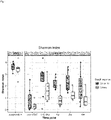
- the time course of changes in the diversity of fecal microbiota before and after FMT is as shown in Figure 1 .
- the CR or PR group and the Others group both showed an improvement in ⁇ diversity after FMT.
- the ⁇ diversity was gradually reduced over 4 weeks after FMT, but this reduction was suppressed in the CR or PR group as compared to the Others group.
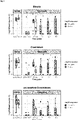
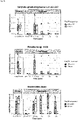
- FIG. 2 Graphs representing the relative proportions of fecal microbiota at the genus level before and after FMT are shown in Figure 2 .
- the diversity of the microbiota was reduced (i.e., dysbiosis), and bacteria such as Staphylococcus and Enterococcus were dominant.
- the diversity of the microbiota was recovered, so that the microbiota was altered to include various bacteria such as Bacteroides and Bifidobacterium.
- the Others group cases where Escherichia was dominant after 4 weeks were also observed.
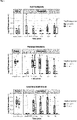
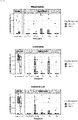
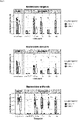
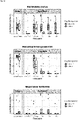
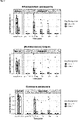
- the time courses of their changes are shown in Figures 3 to 9 .
- the genera shown in Figures 3 to 9 were all confirmed to be abundant in the CR or PR group in comparison with the Others group.
- Corynebacterium shown in Figure 10 was confirmed to be abundant in the Others group at all the time points.
Landscapes
- Health & Medical Sciences (AREA)
- Life Sciences & Earth Sciences (AREA)
- Chemical & Material Sciences (AREA)
- Microbiology (AREA)
- Mycology (AREA)
- Medicinal Chemistry (AREA)
- General Health & Medical Sciences (AREA)
- Veterinary Medicine (AREA)
- Pharmacology & Pharmacy (AREA)
- Animal Behavior & Ethology (AREA)
- Public Health (AREA)
- Epidemiology (AREA)
- Engineering & Computer Science (AREA)
- Molecular Biology (AREA)
- Immunology (AREA)
- Bioinformatics & Cheminformatics (AREA)
- Organic Chemistry (AREA)
- Zoology (AREA)
- Transplantation (AREA)
- General Chemical & Material Sciences (AREA)
- Chemical Kinetics & Catalysis (AREA)
- Nuclear Medicine, Radiotherapy & Molecular Imaging (AREA)
- Biotechnology (AREA)
- Wood Science & Technology (AREA)
- Genetics & Genomics (AREA)
- Biomedical Technology (AREA)
- Virology (AREA)
- Tropical Medicine & Parasitology (AREA)
- Biochemistry (AREA)
- General Engineering & Computer Science (AREA)
- Medicines Containing Material From Animals Or Micro-Organisms (AREA)
- Micro-Organisms Or Cultivation Processes Thereof (AREA)
Abstract
Description
- The present invention relates to a composition comprising a microbiota, and more particularly relates to a prophylactic or therapeutic composition for graft-versus-host disease (GVHD).
- Allogeneic hematopoietic stem cell transplantation (allo-HSCT) has been widely used as a radical therapy for various blood diseases, but acute GVHD associated with allo-HSCT is comparable to recurrence and infection among serious complications. Agents used in initial therapy (primary therapy) for this GVHD are adrenocorticosteroid hormones (steroids), but only about half of them are confirmed to be effective (Blood. 2007; 109(10): 4119-4126. (Non-patent Document 1)), and no secondary therapy has been established.
- Enterobacteria and their metabolites have been widely known to play important roles in inflammatory suppression and immunomodulation in the gut, and recent reports have suggested the applicability of fecal microbiota transplantation (FMT) to GVHD following allo-HSCT (Blood. 2014; 124(7): 1174-1182. (Non-patent Document 2)). Moreover, as to FMT, the inventions disclosed in
JP 2013-537531 A JP 2016-501852 A Japanese Patent No. 6408092 - However, the relation between GVHD and FMT is not clear.
-
- Patent Document 1:
JP 2013-537531 A - Patent Document 2:
JP 2016-501852 A - Patent Document 3:
Japanese Patent No. 6408092 -
- Non-patent Document 1: Blood. 2007; 109(10): 4119-4126.
- Non-patent Document 2: Blood. 2014; 124(7): 1174-1182.
- Non-patent Document 3: Bone Marrow Transplantation 1995; 15, 825-828.
- The object of the present invention is to provide a prophylactic or therapeutic composition particularly for acute gut GVHD
- As a result of extensive and intensive efforts made to solve the problem stated above, the inventors of the present invention have succeeded in preventing or treating GVHD by transplantation of a composition comprising a feces-derived microbiota, and have identified bacteria effective for the prevention or treatment of GVHD from a feces-derived microbiota, thereby completing the present invention.
- Namely, the present invention is as follows.
- (1) A prophylactic or therapeutic composition for GVHD, which comprises bacteria belonging to any genus selected from the group consisting of the following genera:
- Blautia,
- Clostridium,
- unclassified Clostridiales,
- Actinomyces,
- Parabacteroides,
- Lachnoclostridium,
- Bacteroides,
- Faecalibacterium,
- unclassified Lachnospiraceae,
- Roseburia,
- Ruminococcus,
- unclassified Firmicutes,
- Dorea,
- Phascolarctobacterium,
- Sutterella,
- Megamonas,
- Collinsella,
- Eubacterium,
- Coprococcus,
- Schaalia,
- Alistipes,
- Bifidobacterium,
- Lactobacillus,
- Veillonella,
- Anaerostipes,
- Bilophila,
- Butyricicoccus,
- Barnesiella,
- Fusicatenibacter,
- Flavonifractor,
- unclassified Ruminococcaceae,
- unclassified Clostridiaceae,
- Faecalicatena,
- Prevotella,
- Megasphaera,
- Robinsoniella,
- Faecalitalea,
- Lachnospira, and
- Romboutsia,
- (2) The composition according to (1) above, which comprises bacteria belonging to any genus selected from the group consisting of the following genera:
- Blautia,
- Clostridium,
- unclassified Clostridiales,
- Actinomyces,
- Parabacteroides,
- Lachnoclostridium,
- Bacteroides,
- Faecalibacterium,
- unclassified Lachnospiraceae,
- Roseburia,
- Ruminococcus,
- unclassified Firmicutes,
- Dorea,
- Phascolarctobacterium,
- Sutterella,
- Megamonas,
- Collinsella,
- Eubacterium, and
- Coprococcus,
- (3) The composition according to (1) above, which comprises bacteria belonging to any genus selected from the group consisting of the following genera:
- Blautia,
- Clostridium,
- unclassified Clostridiales,
- Actinomyces,
- Parabacteroides,
- Lachnoclostridium,
- Bacteroides,
- unclassified Lachnospiraceae,
- Roseburia,
- Ruminococcus,
- Phascolarctobacterium,
- Faecalibacterium,
- Schaalia,
- Alistipes,
- Bifidobacterium,
- Lactobacillus,
- Veillonella,
- Dorea,
- unclassified Firmicutes,
- Anaerostipes,
- Collinsella,
- Butyricicoccus,
- Barnesiella, and
- Fusicatenibacter,
- (4) The composition according to (3) above, which comprises bacteria belonging to any genus selected from the group consisting of the following genera:
- Blautia,
- Clostridium,
- unclassified Clostridiales,
- Actinomyces,
- Parabacteroides,
- Lachnoclostridium, and
- Bacteroides,
- (5) The composition according to (1) above, which comprises bacteria belonging to any genus selected from the group consisting of the following genera:
- Faecalibacterium,
- unclassified Clostridiales,
- unclassified Lachnospiraceae,
- Roseburia,
- Ruminococcus,
- unclassified Firmicutes,
- Dorea,
- Phascolarctobacterium,
- Sutterella,
- Bacteroides,
- Blautia,
- Parabacteroides,
- Megamonas,
- Collinsella,
- Eubacterium,
- Coprococcus,
- Anaerostipes,
- Bilophila,
- Flavonifractor,
- unclassified Ruminococcaceae,
- unclassified Clostridiaceae,
- Butyricicoccus,
- Faecalicatena,
- Prevotella,
- Clostridium,
- Lachnoclostridium,
- Alistipes,
- Megasphaera,
- Robinsoniella,
- Fusicatenibacter,
- Barnesiella,
- Faecalitalea,
- Lachnospira, and
- Romboutsia,
- (6) The composition according to (5) above, which comprises bacteria belonging to any genus selected from the group consisting of the following genera:
- Faecalibacterium,
- unclassified Clostridiales,
- unclassified Lachnospiraceae,
- Roseburia,
- Ruminococcus,
- unclassified Firmicutes,
- Dorea,
- Phascolarctobacterium,
- Sutterella,
- Bacteroides,
- Blautia,
- Parabacteroides,
- Megamonas,
- Collinsella,
- Eubacterium, and
- Coprococcus,
- (7) A prophylactic or therapeutic composition for GVHD, which comprises bacteria comprising DNA consisting of a nucleotide sequence sharing 94% or more homology with any of the nucleotide sequences shown in SEQ ID NOs: 1 to 120, or any combination of these bacteria.
- (8) The composition according to (7) above, which comprises bacteria comprising DNA consisting of a nucleotide sequence sharing 94% or more homology with any of the nucleotide sequences shown in SEQ ID NOs: 121 to 152, or any combination of these bacteria.
- (9) The composition according to (7) above, which comprises bacteria comprising DNA consisting of a nucleotide sequence sharing 94% or more homology with any of the nucleotide sequences shown in SEQ ID NOs: 153 to 198, or any combination of these bacteria.
- (10) The composition according to (9) above, which comprises bacteria comprising DNA consisting of a nucleotide sequence sharing 94% or more homology with any of the nucleotide sequences shown in SEQ ID NOs: 199 to 201, or any combination of these bacteria.
- (11) The composition according to (7) above, which comprises bacteria comprising DNA consisting of a nucleotide sequence sharing 94% or more homology with any of the nucleotide sequences shown in SEQ ID NOs: 202 to 312, or any combination of these bacteria.
- (12) The composition according to (11) above, which comprises bacteria comprising DNA consisting of a nucleotide sequence sharing 94% or more homology with any of the nucleotide sequences shown in SEQ ID NOs: 313 to 344, or any combination of these bacteria.
- (13) The composition according to (1) above, wherein the bacteria comprise at least one selected from the group consisting of:
- Bacteroides vulgatus,
- Bacteroides stercoris,
- Bacteroides uniformis,
- Blautia wexlerae,
- Bacteroides sp. AR29,
- Dorea longicatena,
- Phascolarctobacterium faecium,
- Blautia massiliensis,
- Ruminococcus sp. K-1,
- Bacteroides ovatus,
- Faecalibacterium prausnitzii,
- Megamonas funiformis,
- Bifidobacterium adolescentis,
- [Ruminococcus] torques,
- Collinsella aerofaciens,
- Parabacteroides merdae,
- butyrate-producing bacterium M104/1,
- Bifidobacterium faecale,
- Clostridium sp. 826,
- Bacteroides coprocola,
- Roseburia faecis,
- Lachnospiraceae bacterium DJF_VP18k1,
- Clostridium sp. AT4,
- Lactobacillus rogosae,
- butyrate-producing bacterium A2-207,
- Roseburia sp. 1120,
- Bacteroides dorei,
- Bifidobacterium pseudocatenulatum,
- Megasphaera massiliensis,
- Bacteroides massiliensis,
- Anaerostipes hadrus,
- Alistipes putredinis,
- Parabacteroides sp. D25,
- Roseburia inulinivorans,
- Bilophila sp. 4_1_30,
- Flavonifractor plautii,
- Eubacterium ventriosum,
- Clostridiales bacterium 80/3,
- Butyricicoccus faecihominis,
- Bacteroides cellulosilyticus,
- Coprococcus catus,
- Parabacteroides j ohnsonii,
- Lachnospiraceae bacterium DJF_RP14,
- [Ruminococcus] gnavus,
- Bifidobacterium longum,
- Bacteroides xylanisolvens,
- Prevotella stercorea,
- Bacteroides plebeius,
- Firmicutes bacterium DJF VR50,
- Sutterella wadsworthensis,
- Lachnospiraceae bacterium 1_1_57FAA,
- Blautia obeum,
- Barnesiella intestinihominis,
- [Eubacterium] eligens,
- Coprococcus comes,
- Ruminococcus sp. DJF_VR70k1,
- butyrate-producing bacterium A2-175,
- Faecalitalea cylindroides,
- Blautia sp. YHC-4,
- [Clostridium] glycyrrhizinilyticum,
- Ruminococcus sp. 653,
- Ruminococcus lactaris,
- butyrate-producing bacterium SM6/1,
- butyrate-producing bacterium SS3/4,
- Clostridiaceae bacterium DJF_LS40,
- Bacteroides sp. 1_1_30,
- Bacteroides nordii,
- Fusicatenibacter saccharivorans,
- butyrate-producing bacterium SL7/1,
- [Clostridium] scindens,
- Parabacteroides distasonis,
- Schaalia odontolytica,
- Bacteroides faecis,
- Bacteroides fragilis,
- [Clostridium] bolteae, and
- Clostridium sp. HGF2.
- (14) The composition according to (13) above, wherein the bacteria comprise at least one selected from the group consisting of:
- Bacteroides vulgatus,
- Bacteroides stercoris,
- Bacteroides uniformis,
- Blautia wexlerae,
- Bacteroides sp. AR29,
- Dorea longicatena,
- Phascolarctobacterium faecium,
- Blautia massiliensis,
- Ruminococcus sp. K-1,
- Bacteroides ovatus,
- Faecalibacterium prausnitzii,
- Megamonas funiformis,
- Bifidobacterium adolescentis,
- [Ruminococcus] torques,
- Collinsella aerofaciens,
- Parabacteroides merdae,
- butyrate-producing bacterium M104/1,
- Bifidobacterium faecale,
- Clostridium sp. 826,
- Bacteroides coprocola,
- Roseburia faecis,
- Lachnospiraceae bacterium DJF_VP18k1,
- Clostridium sp. AT4,
- Lactobacillus rogosae,
- butyrate-producing bacterium A2-207,
- Roseburia sp. 1120, and
- Bacteroides dorei.
- (15) The composition according to (13) above, wherein the bacteria comprise at least one selected from the group consisting of:
- Bacteroides vulgatus,
- Bacteroides stercoris,
- Bacteroides uniformis,
- Blautia wexlerae,
- Bacteroides sp. AR29,
- Dorea longicatena,
- Phascolarctobacterium faecium,
- Blautia massiliensis,
- Ruminococcus sp. K-1, and
- Bacteroides ovatus.
- (16) The composition according to any one of (1) to (15) above, wherein the GVHD is steroid-refractory or steroid-dependent GVHD
- (17) The composition according to any one of (1) to (15) above, wherein the GVHD is acute gut GVHD
- (18) A capsule formulation for the prevention or treatment of GVHD, which comprises the composition according to any one of (1) to (17) above.
- (19) A therapeutic method for GVHD, which comprises administering the composition according to any one of (1) to (17) above or the capsule formulation according to (18) above to a GVHD patient.
- (20) A prophylactic method for GVHD, which comprises administering the composition according to any one of (1) to (17) above or the capsule formulation according to (18) above either before or after or both before and after hematopoietic stem cell transplantation to a patient who is a subject of the hematopoietic stem cell transplantation.
- (21) A method for preparing a suspension for fecal microbiota transplantation, which comprises confirming the presence of the bacteria shown in any one of (1) to (15) above in feces collected from a human subject, and suspending the feces confirmed for the presence of the bacteria into an aqueous medium.
- (22) A method for preparing a bacterial mixture for fecal microbiota transplantation, which comprises confirming the presence of the bacteria shown in any one of (1) to (15) above in feces collected from a human subject, separating the bacteria from the feces confirmed for the presence of the bacteria, and mixing the separated bacteria.
- (23) A method for preparing a formulation for fecal microbiota transplantation, which comprises confirming the presence of the bacteria shown in any one of (1) to (15) above in feces collected from a human subject, separating the bacteria from the feces confirmed for the presence of the bacteria, and formulating the separated bacteria.
- (24) The method according to (23) above, wherein the formulation is a capsule formulation.
- (25) The method according to any one of (21) to (24) above, wherein the presence of the bacteria is confirmed by 16S rRNA gene analysis.
- The present invention enables the prevention or treatment of acute gut GVHD
-
-
Figure 1 shows the results of α diversity evaluation by the Shannon index. -
Figure 2 shows the relative proportions of fecal microbiota at the genus level before and after FMT. -
Figure 3 shows the results of microbiota analysis based on the 16S rRNA gene in bacteria belonging to each genus. -
Figure 4 shows the results of microbiota analysis based on the 16S rRNA gene in bacteria belonging to each genus. -
Figure 5 shows the results of microbiota analysis based on the 16S rRNA gene in bacteria belonging to each genus. -
Figure 6 shows the results of microbiota analysis based on the 16S rRNA gene in bacteria belonging to each genus. -
Figure 7 shows the results of microbiota analysis based on the 16S rRNA gene in bacteria belonging to each genus. -
Figure 8 shows the results of microbiota analysis based on the 16S rRNA gene in bacteria belonging to each genus. -
Figure 9 shows the results of microbiota analysis based on the 16S rRNA gene in bacteria belonging to each genus. -
Figure 10 shows the results of microbiota analysis based on the 16S rRNA gene in bacteria belonging to the genus Corynebacterium. -
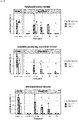
Figure 11 shows the results of microbiota analysis based on the 16S rRNA gene in each species. -
Figure 12 shows the results of microbiota analysis based on the 16S rRNA gene in each species. -
Figure 13 shows the results of microbiota analysis based on the 16S rRNA gene in each species. -
Figure 14 shows the results of microbiota analysis based on the 16S rRNA gene in each species. -
Figure 15 shows the results of microbiota analysis based on the 16S rRNA gene in each species. -
Figure 16 shows the results of microbiota analysis based on the 16S rRNA gene in each species. -
Figure 17 shows the results of microbiota analysis based on the 16S rRNA gene in each species. -
Figure 18 shows the results of microbiota analysis based on the 16S rRNA gene in each species. -
Figure 19 shows the results of microbiota analysis based on the 16S rRNA gene in each species. - In the expectation that intervention in the gut microbiota would lead to novel prophylactic and therapeutic methods for GVHD following hematopoietic stem cell transplantation, the inventors of the present invention have attempted to perform fecal microbiota transplantation (FMT) on GVHD patients. FMT is a therapy designed to administer a fecal suspension from a normal subject into the gut of a patient, thereby allowing high volume administration of a normal microbiota, and this therapy has been attempted for use in diseases which are deemed to be associated with dysbiosis of the gut microbiota.
- Further, the inventors of the present invention have performed gut microbiota analysis before and after FMT on patients who had developed GVHD following hematopoietic stem cell transplantation, whereby bacteria useful for the prevention and/or treatment of GVHD have been identified. As a result of the analysis, it has been found that there are clear differences in the distribution of the engrafted microbiota between patients whose GVHD has gotten better and the other patients. Further, the engrafted gut microbiota in patients whose GVHD has gotten better were picked up as bacteria useful for the treatment of GVHD, and then grouped under unique indicators such as heterogeneity in abundance due to the therapeutic effect of FMT in recipients, as analyzed by two group comparison (between CR or PR group and Others group), the length of the engraftment period in recipients, etc.
- As a result, the inventors of the present invention have succeeded in identifying bacteria useful for the prevention and/or treatment of GVHD.
- Since a fecal microbiota is contained in feces per se or a treated product of feces, a treated product of feces can be used as the composition of the present invention. Such a treated product of feces includes not only a suspension of collected feces in an appropriate solvent (e.g., physiological saline, buffer), but also a filtrate of this suspension passed through an appropriate sieve, gauze, filter or the like (e.g., pore size: 0.1 mm to 0.5 mm), or a precipitate of this suspension obtained after centrifugation. Further, these compositions may be frozen in a freezer or with liquid nitrogen, or may be subjected to lyophilization or spray drying. In the above case where feces are prepared into a suspension with a solvent, feces may be suspended with 1 to 20 ml of liquid per gram of feces. In a case where the prepared suspension is centrifuged to isolate bacteria, the bacteria may be suspended again in 0.2 to 1 mL of liquid per gram of bacteria and then provided for use.
- For freezing or lyophilization, cryoprotectants and/or lyoprotectants may be added, as exemplified by various sugars (e.g., sucrose, fructose, lactose, mannitol), glycerol, polyethylene glycol (PEG), trehalose, glycine, glucose, dextran, erythritol and so on.
- In the present invention, the collected feces or a treated product thereof may be stored for 6 to 10 hours after collection or treatment of the feces. The storage temperature is not limited in any way, but cold storage (e.g., 4°C) is preferred for this purpose.
- The thus prepared composition is used as a material for FMT. The prepared FMT material is preferably stored under anaerobic conditions (e.g., in an anaerobic unit, in an anaerobic bag) until use. In this case, cold storage (e.g., 4°C) is also preferred.
- In the present invention, a composition comprising a fecal microbiota (i.e., an untreated or treated fecal material) is transplanted between different individuals, for example, between humans or between animals. A composition for use in FMT may be transplanted to the same individual whose feces were collected, or may be configured such that a fecal microbiota collected from one individual is transplanted to another individual.
- The disease to be targeted is GVHD, as exemplified by GVHD following hematopoietic stem cell transplantation. GVHD includes, but is not limited to, acute gut GVHD
- Transplantation may be performed in any manner, either by oral or parenteral administration. Examples include transplantation via a gastroduodenal tube, internal use in the form of capsules or the like, administration of suppositories, transplantation into the colon through a colon fiberscope or high pressure enema, etc.
- The amount used for single transplantation is 150 ml to 300 ml in the case of liquid form, which is given once a day. Depending on the condition of a recipient, transplantation may be repeated every 4 days to 2 weeks, twice to 4 times in total.
- In this way, the composition of the present invention enables the treatment of GVHD when transplanted (administered) to GVHD patients.
- For assessment of the therapeutic effect, the results of the maximum effect at 4 weeks after the final administration and within the observation period are used to evaluate the response rate (CR + PR), which is the sum of complete response (CR) and partial response (PR). A comparative analysis is made between microbiota in patients (group) assessed as CR or PR and microbiota in patients (group) assessed as the group of others. Aliquots of the donor fecal preparation and the patient's feces (e.g., collected before FMT, and at 1 to 3 days and 1, 2 and 4 weeks after the final FMT) are used for analysis of gut microbiota at each time point.
- In the present invention, the following two methods are used for narrow down search based on heterogeneity in the abundance of bacteria between CR or PR group and Others group.
-
- (1) At each time point of fecal collection, the average of relative abundance of the respective genera or OTUs (operational taxonomic units) in samples of the same group is calculated for the CR or PR group (hereinafter referred to as "CR or PR group") and the group of others (hereinafter referred to as "Others group"), and genera or OTUs in which a greater one of the averages of the "CR or PR group" and the "Others group" is 0.1% or more are used for analysis.
- (2) At each time point, the median of relative abundance of the genera or OTUs in samples of the same group is calculated for each of the CR or PR group and the Others group.
- (3) The median Log2 fold change (CR or PR group/Others group) is calculated. The Log2 fold change intended here refers to a logarithmic value (base 2) of the ratio obtained by dividing the median of the CR or PR group by the median of the Others group. Such a median may include 0; and hence 0.0001 is added to each median before calculation of the Log2 fold change.
- (4) Genera or OTUs showing a Log2 fold change of 0.5 or more are assumed to be abundant in the CR or PR group, while those showing a Log2 fold change of -0.5 or less are assumed to be abundant in the Others group. However, genera or OTUs showing a negative Log2 Fold change for the ratio of median between the donor and the recipient before FMT in the CR or PR group, or genera or OTUs for which the carrying rate of bacteria belonging thereto is 0 in the donor are excluded, because they cannot be determined to be transplanted through FMT from the donor.
- (5) At the time points of fecal collection after fecal transplantation, the number of times when the Log2 fold change was 0.5 or more or was -0.5 or less is counted.
- (6) In
step 5, cases where the number of times when the Log2 fold change is 0.5 or more exceeds 1 are assumed to be preferred, and bacteria showing a higher number of times are assessed to give more contribution to the effect of FMT. If the number of times counted exceeds more than half of the number of fecal collection after transplantation, such bacteria are assessed to give more contribution to the effect of FMT. However, if the number of times when the Log2 fold change is -0.5 or less exceeds the number of times when the Log2 fold change is 0.5 or more, such bacteria are excluded because they are not determined to be abundant in the CR or PR group. -
- (1) At each time point of fecal collection, the average of relative abundance of the respective genera or OTUs in samples of the same group is calculated for the CR or PR group (hereinafter referred to as "CR or PR group") and the group of others (hereinafter referred to as "Others group"), and genera or OTUs in which a greater one of the averages of the "CR or PR group" and the "Others group" is 0.1% or more are used for analysis.
- (2) At each time point, the mean of relative abundance of the genera or OTUs in samples of the same group is calculated for each of the CR or PR group and the Others group. Further, at each time point, the carrying rate of genera or OTUs (i.e., the proportion of donors or recipients in which the relative abundance of these genera or OTUs is greater than zero) in each group is calculated.
- (3) The mean Log2 fold change (CR or PR group/Others group) is calculated. The Log2 fold change intended here refers to a logarithmic value (base 2) of the ratio obtained by dividing the mean of the CR or PR group by the mean of the Others group. Such a mean may include 0; and hence 0.0001 is added to each mean before calculation of the Log2 fold change.
- (4) At the time points of fecal collection after fecal transplantation, the number of times when the Log2 fold change was 0.5 or more and the carrying rate in the CR or PR group was 20% or more is counted. Genera or OTUs showing a higher number of times were assumed to be more abundant in the CR or PR group. However, in (4), genera or OTUs showing a negative Log2 Fold change of the ratio of mean between the donor and the recipient before FMT in the CR or PR group, or genera or OTUs for which the carrying rate of bacteria belonging thereto is 0 in the donor are excluded, because they cannot be determined to be transplanted through FMT from the donor.
- (5) At the time points of fecal collection after fecal transplantation, the number of times when the Log2 fold change was -0.5 or less and the carrying rate in the Others group was 20% or more is counted. Genera or OTUs showing a higher number of times are assumed to be more abundant in the Others group.
- (6) In (4), cases where the number of times counted exceeds 1 are assumed to be preferred, and bacteria showing a higher number of times are assessed to give more contribution to the effect of FMT. If the number of times counted exceeds more than half of the number of fecal collection after transplantation, such bacteria are assessed to give more contribution to the effect of FMT. However, if the number of times in (5) exceeds the number of times in (4), such bacteria are excluded because they are not determined to be abundant in the CR or PR group.
- The bacteria extracted by narrow down
search using Methods - As used herein, the expression "94% or more homology" is intended to mean being, for example, 94% or more, 95% or more, 96% or more, 97% or more, 98% or more, 99% or more, 99.5% or more, 99.8% or more, 99.9% or more, or 100% homologous (the same applies hereinafter).
- More preferred are bacteria which have DNA sharing 94% or more homology with any of the nucleotide sequences shown in SEQ ID NOs: 121 to 152.
- In another embodiment of the present invention, the bacteria extracted by narrow down
search using Methods - More preferred are bacteria which have DNA sharing 97% or more homology with any of the nucleotide sequences shown in SEQ ID NOs: 121 to 152.
- In the present invention, bacteria determined to be preferred by Method 1 (narrow down search with median) are bacteria which have DNA sharing 94% or more homology with any of the nucleotide sequences shown in SEQ ID NOs: 153 to 198 in the sequence of the v1-v2 region in their 16S rRNA gene.
- More preferred are bacteria which have DNA sharing 94% or more homology with any of the nucleotide sequences shown in SEQ ID NOs: 199 to 201.
- In yet another embodiment of the present invention, bacteria determined to be preferred by Method 1 (narrow down search with median) are bacteria which have DNA sharing 97% or more homology with any of the nucleotide sequences shown in SEQ ID NOs: 153 to 198 in the sequence of the v1-v2 region in their 16S rRNA gene.
- More preferred are bacteria which have DNA sharing 97% or more homology with any of the nucleotide sequences shown in SEQ ID NOs: 199 to 201.
- In the present invention, bacteria determined to be preferred by Method 2 (narrow down search with mean and carrying rate) are bacteria which have DNA sharing 94% or more homology with any of the nucleotide sequences shown in SEQ ID NOs: 202 to 312 in the sequence of the v1-v2 region in their 16S rRNA gene.
- More preferred are bacteria which have DNA sharing 94% or more homology with any of the nucleotide sequences shown in SEQ ID NOs: 313 to 344.
- In yet another embodiment of the present invention, bacteria determined to be preferred by Method 2 (narrow down search with mean and carrying rate) are bacteria which have DNA sharing 97% or more homology with any of the nucleotide sequences shown in SEQ ID NOs: 202 to 312 in the sequence of the v1-v2 region in their 16S rRNA gene.
- More preferred are bacteria which have DNA sharing 97% or more homology with any of the nucleotide sequences shown in SEQ ID NOs: 313 to 344.
- In the present invention, bacteria determined to be preferred by Method 1 (narrow down search with median) are those belonging to the genera given below. Bacteria belonging to "unclassified taxonomy names" (e.g., unclassified Clostridiales) are bacteria which have DNA sharing 94% or more homology with the nucleotide sequence of 16S rRNA gene in bacteria found under the species names shown in Table 1A blow.
-
- Blautia
- Clostridium
- unclassified Clostridiales
- Actinomyces
- Parabacteroides
- Lachnoclostridium
- Bacteroides
- unclassified Lachnospiraceae
- Roseburia
- Ruminococcus
- Phascolarctobacterium
- Faecalibacterium
- Schaalia
- Alistipes
- Bifidobacterium
- Lactobacillus
- Veillonella
- Dorea
- unclassified Firmicutes
- Anaerostipes
- Collinsella
- Bilophila
- Butyricicoccus
- Barnesiella
- Fusicatenibacter
-

- Among those listed above, bacteria determined to be more preferred in terms of the length of the engraftment period in recipients are those belonging to the following genera.
- Blautia
- Clostridium
- unclassified Clostridiales
- Actinomyces
- Parabacteroides
- Lachnoclostridium
- Bacteroides
- Likewise, in the present invention, bacteria determined to be preferred by Method 2 (narrow down search with mean and carrying rate) are those belonging to the genera given below. Bacteria belonging to "unclassified taxonomy names" are bacteria which have DNA sharing 94% or more homology with the nucleotide sequence of 16S rRNA gene in bacteria found under the species names shown in Table 1A.
-
- Faecalibacterium
- unclassified Clostridiales
- unclassified Lachnospiraceae
- Roseburia
- Ruminococcus
- unclassified Firmicutes
- Dorea
- Phascolarctobacterium
- Sutterella
- Bacteroides
- Blautia
- Parabacteroides
- Megamonas
- Collinsella
- Eubacterium
- Coprococcus
- Anaerostipes
- Bilophila
- Flavonifractor
- unclassified Ruminococcaceae
- unclassified Clostridiaceae
- Butyricicoccus
- Faecalicatena
- Prevotella
- Clostridium
- Lachnoclostridium
- Alistipes
- Megasphaera
- Robinsoniella
- Fusicatenibacter
- Barnesiella
- Faecalitalea
- Lachnospira
- Romboutsia
- Among those listed above, bacteria determined to be more preferred in terms of the length of the engraftment period in recipients are those belonging to the following genera.
- Faecalibacterium
- unclassified Clostridiales
- unclassified Lachnospiraceae
- Roseburia
- Ruminococcus
- unclassified Firmicutes
- Dorea
- Phascolarctobacterium
- Sutterella
- Bacteroides
- Blautia
- Parabacteroides
- Megamonas
- Collinsella
- Eubacterium
- Coprococcus
- The genera of bacteria extracted by the above two methods for narrow down search are as listed below. Bacteria belonging to "unclassified taxonomy names" are bacteria which have DNA sharing 94% or more homology with the nucleotide sequence of 16S rRNA gene in bacteria found under the species names shown in Table 1A.
- Blautia, Clostridium, unclassified Clostridiales, Actinomyces, Parabacteroides, Lachnoclostridium, Bacteroides, Faecalibacterium, unclassified Lachnospiraceae, Roseburia, Ruminococcus, unclassified Firmicutes, Dorea, Phascolarctobacterium, Sutterella, Megamonas, Collinsella, Eubacterium, Coprococcus, Schaalia, Alistipes, Bifidobacterium, Lactobacillus, Veillonella, Anaerostipes, Bilophila, Butyricicoccus, Barnesiella, Fusicatenibacter, Flavonifractor, unclassified Ruminococcaceae, unclassified Clostridiaceae, Faecalicatena, Prevotella, Megasphaera, Robinsoniella, Faecalitalea, Lachnospira, Romboutsia
- Thus, the composition of the present invention comprises bacteria belonging to any genus selected from the group consisting of the following genera: Blautia, Clostridium, unclassified Clostridiales, Actinomyces, Parabacteroides, Lachnoclostridium, Bacteroides, Faecalibacterium, unclassified Lachnospiraceae, Roseburia, Ruminococcus, unclassified Firmicutes, Dorea, Phascolarctobacterium, Sutterella, Megamonas, Collinsella, Eubacterium, Coprococcus, Schaalia, Alistipes, Bifidobacterium, Lactobacillus, Veillonella, Anaerostipes, Bilophila, Butyricicoccus, Barnesiella, Fusicatenibacter, Flavonifractor, unclassified Ruminococcaceae, unclassified Clostridiaceae, Faecalicatena, Prevotella, Megasphaera, Robinsoniella, Faecalitalea, Lachnospira, and Romboutsia.
- More preferably, the composition of the present invention comprises bacteria belonging to any genus selected from the group consisting of the following genera: Blautia, Clostridium, unclassified Clostridiales, Actinomyces, Parabacteroides, Lachnoclostridium, Bacteroides, Faecalibacterium, unclassified Lachnospiraceae, Roseburia, Ruminococcus, unclassified Firmicutes, Dorea, Phascolarctobacterium, Sutterella, Megamonas, Collinsella, Eubacterium, and Coprococcus.
- In the present invention, Method 1 (narrow down search with median) and Method 2 (narrow down search with mean and carrying rate) mentioned above can also be applied to define preferred bacterial species. For definition of species names, a narrow down search was made for bacterial species belonging to the genus names defined in the section "3-2. Definition by genus name."
- In the present invention, bacteria determined to be preferred by Method 1 (narrow down search with median) are of the following species.
-
Table IB Narrow down search with median Bacteroides uniformis Bacteroides sp. AR29 Bacteroides ovatus Bacteroides dorei Bacteroides vulgatus Parabacteroides distasonis Bacteroides stercoris Schaalia odontolytica Parabacteroides merdae Bifidobacterium longum Bacteroides faecis Dorea longicatena Ruminococcus sp. K-1 Blautia wexlerae Blautia massiliensis Bacteroides fragilis [Clostridium] bolteae Bifidobacterium adolescentis [Ruminococcus] torques butyrate-producing bacterium M104/1 Bifidobacterium faecale Anaerostipes hadrus Clostridium sp. 826 Collinsella aerofaciens Clostridium sp. HGF2 Clostridium sp. AT4 Bilophila sp. 4_1_30 Faecalibacterium prausnitzii [Ruminococcus] gnavus Roseburia inulinivorans Bifidobacterium pseudocatenulatum Butyricicoccus faecihominis Firmicutes bacterium DJF_VR50 Lachnospiraceae bacterium 1_1_57FAA Blautia obeum Ruminococcus sp. DJF_VR70k1 - Likewise, in the present invention, bacteria determined to be preferred by Method 2 (narrow down search with mean and carrying rate) are of the following species.
-
Table 1C Narrow down search with mean and carrying rate Bacteroides vulgatus Eubacterium ventriosum Bacteroides stercoris Clostridiales bacterium 80/3 Bacteroides uniformis Butyricicoccus faecihominis Blautia wexlerae Bacteroides cellulosilyticus Bacteroides sp. AR29 Coprococcus catus Dorea longicatena Parabacteroides johnsonii Phascolarctobacterium faecium Lachnospiraceae bacterium DJF_RP14 Blautia massiliensis [Ruminococcus] gnavus Ruminococcus sp. K-1 Bifidobacterium longum Faecalibacterium prausnitzii Bacteroides xylanisolvens Megamonas funiformis Prevotella stercorea Bifidobacterium adolescentis Bacteroides plebeius [Ruminococcus] torques Firmicutes bacterium DJF_VR50 Collinsella aerofaciens Sutterella wadsworthensis Parabacteroides merdae Lachnospiraceae bacterium 1_1_57FAA butyrate-producing bacterium M104/1 Blautia obeum Bifidobacterium faecale Barnesiella intestinihominis Clostridium sp. 826 [Eubacterium] eligens Bacteroides coprocola Coprococcus comes Roseburia faecis Ruminococcus sp. DJF_VR70k1 Lachnospiraceae bacterium DJF_VP18k1 butyrate-producing bacterium A2-175 Clostridium sp. AT4 Faecalitalea cylindroides Lactobacillus rogosae Blautia sp. YHC-4 butyrate-producing bacterium A2-207 [Clostridium] glycyrrhizinilyticum Roseburia sp. 1120 Ruminococcus sp. 653 Bacteroides dorei Ruminococcus lactaris Bifidobacterium pseudocatenulatum butyrate-producing bacterium SM6/1 Megasphaera massiliensis butyrate-producing bacterium SS3/4 Bacteroides massiliensis Clostridiaceae bacterium DJF_LS40 Anaerostipes hadrus Bacteroides sp. 1_1_30 Alistipes putredinis Bacteroides nordii Parabacteroides sp. D25 Fusicatenibacter saccharivorans Roseburia inulinivorans butyrate-producing bacterium SL7/1 Bilophila sp. 4_1_30 [Clostridium] scindens Flavonifractor plautii - Species extracted by the above two methods for narrow down search are summarized as follows.
-
Table ID Species Species Blautia wexlerae Roseburia faecis Blautia massiliensis Roseburia sp. 1120 [Ruminococcus] torques Roseburia inulinivorans [Ruminococcus] gnavus Ruminococcus sp. K-1 Blautia obeum Ruminococcus sp. DJF_VR70k1 Blautia sp. YHC-4 Ruminococcus sp. 653 Clostridium sp. 826 Ruminococcus lactaris Clostridium sp. AT4 Firmicutes bacterium DJF_VR50 Clostridium sp. HGF2 Dorea longicatena butyrate-producing bacterium M104/1 Phascolarctobacterium faecium butyrate-producing bacterium A2-207 Sutterella wadsworthensis Clostridiales bacterium 80/3 Megamonas funiformis butyrate-producing bacterium A2-175 Collinsella aerofaciens butyrate-producing bacterium SM6/1 Eubacterium ventriosum butyrate-producing bacterium SS3/4 [Eubacterium] eligens butyrate-producing bacterium SL7/1 Coprococcus catus Coprococcus comes Parabacteroides merdae Schaalia odontolytica Parabacteroides sp. D25 Alistipes putredinis Parabacteroides johnsonii Bifidobacterium adolescentis Parabacteroides distasonis Bifidobacterium faecale [Clostridium] glycyrrhizinilyticum Bifidobacterium pseudocatenulatum [Clostridium] scindens Bifidobacterium longum [Clostridium] bolteae Lactobacillus rogosae Bacteroides vulgatus Bacteroides stercoris Anaerostipes hadrus Bacteroides uniformis Bilophila sp. 4_1_30 Bacteroides sp. AR29 Butyricicoccus faecihominis Bacteroides ovatus Barnesiella intestinihominis Bacteroides coprocola Fusicatenibacter saccharivorans Bacteroides dorei Flavonifractor plautii Bacteroides massiliensis Bacteroides cellulosilyticus Clostridiaceae bacterium DJF_LS40 Bacteroides xylanisolvens Bacteroides plebeius Prevotella stercorea Bacteroides sp. 1_1_30 Megasphaera massiliensis Bacteroides nordii Bacteroides faecis Faecalitalea cylindroides Bacteroides fragilis Faecalibacterium prausnitzii Lachnospiraceae bacterium DJF_VP18k1 Lachnospiraceae bacterium DJF_RP14 Lachnospiraceae bacterium 1_1_57FAA - In the present invention, the results of the narrow down search for species indicate that 76 species shown in Table 1D (referred to as Group A) are abundant in CR or PR. Among them, the following 27 species (referred to as Group B) are more preferred. Among these species falling within Group B, the following 10 species (referred to as Group C) are most preferred.
-
- Bacteroides vulgatus
- Bacteroides stercoris
- Bacteroides uniformis
- Blautia wexlerae
- Bacteroides sp. AR29
- Dorea longicatena
- Phascolarctobacterium faecium
- Blautia massiliensis
- Ruminococcus sp. K-1
- Bacteroides ovatus
- Faecalibacterium prausnitzii
- Megamonas funiformis
- Bifidobacterium adolescentis
- [Ruminococcus] torques
- Collinsella aerofaciens
- Parabacteroides merdae
- butyrate-producing bacterium M104/1
- Bifidobacterium faecale
- Clostridium sp. 826
- Bacteroides coprocola
- Roseburia faecis
- Lachnospiraceae bacterium DJF_VP18k1
- Clostridium sp. AT4
- Lactobacillus rogosae
- butyrate-producing bacterium A2-207
- Roseburia sp. 1120
- Bacteroides dorei
-
- Bacteroides vulgatus
- Bacteroides stercoris
- Bacteroides uniformis
- Blautia wexlerae
- Bacteroides sp. AR29
- Dorea longicatena
- Phascolarctobacterium faecium
- Blautia massiliensis
- Ruminococcus sp. K-1
- Bacteroides ovatus
- In the composition of the present invention, bacteria belonging to the genera listed above may be contained alone, or some of these bacteria may be contained in combination. When some of these bacteria are contained in combination, up to 40 types of bacteria are preferred, up to 30 type of bacteria are more preferred, and up to 20 types of bacteria are most preferred. It is possible to select any combination of up to 20 types of bacteria, for example, any combination of 20, 19, 18, 17, 16, 15, 14, 13, 12, 11, 10, 9, 8, 7, 6, 5, 4, 3 or 2 types of bacteria.
- Moreover, the composition of the present invention may be in any powder, solid or liquid form in order that it is used as appropriate in allo-HSCT or can be used for a long period of time. Such a powder, solid or liquid form may also be formulated into a capsule formulation. The composition of the present invention when formulated into a capsule formulation is advantageous in that it is possible to avoid complications such as hemorrhage caused by tube insertion and/or a colon fiberscope, etc., and it is also possible to reduce the burdens on patients during implementation.
- Further, the composition of the present invention may comprise either live bacteria or dead bacteria, or may comprise a mixture of live and dead bacteria.
- Furthermore, the composition of the present invention may be configured to comprise at least one selected from pH stabilizers, acidifiers, antiseptics, vitamins, minerals, nutritional supplements, prebiotics and probiotics.
- Moreover, the composition of the present invention may be administered either before or after or both before and after hematopoietic stem cell transplantation to a patient who is a subject of this transplantation, whereby GVHD can be prevented or treated.
- GVHD may be exemplified by steroid-refractory or steroid-dependent GVHD, or acute gut GVHD
- In the context of the term "treatment" or "therapeutic" as used herein, the degree of suppression is not limited in any way as long as the development of GVHD can be suppressed. Thus, the "treatment" includes both complete response (CR) and partial response (PR). Complete response (CR) means the disappearance of all gut GVHD-related symptoms, while partial response (PR) means at least one down staging of gut GVHD. In the present invention, the treatment is assumed to be effective (i.e., GVHD has been treated) when reaching PR or CR in steroid-resistant cases or when succeeding in 40% or more steroid reduction in steroid-dependent cases as compared to before treatment.
- Likewise, the term "prevention" or "prophylactic" is intended to include all of the following meanings: to suppress the development of GVHD before it occurs, to prevent the condition of already developed GVHD from becoming worse, and to prevent the recurrence of resolved GVHD
- In the present invention, there is provided a therapeutic method for GVHD, which comprises administering the above composition or capsule formulation to a GVHD patient.
- The present invention further provides a prophylactic method for GVHD, which comprises administering the above composition or capsule formulation either before or after or both before and after hematopoietic stem cell transplantation to a patient who is a subject of the hematopoietic stem cell transplantation.
- The present invention provides a method for preparing a suspension for fecal microbiota transplantation, which comprises confirming the presence of the above bacteria in feces collected from a human subject, and suspending the feces confirmed for the presence of the bacteria into a solvent (e.g., physiological saline, buffer).
- Moreover, the present invention provides a method for preparing a suspension for fecal microbiota transplantation, which comprises confirming the presence of the above bacteria in feces collected from a human subject, obtaining a microbiota from the feces confirmed for the presence of the bacteria, and suspending the microbiota into a solvent.
- Further, the present invention provides a method for preparing a bacterial mixture for fecal microbiota transplantation, which comprises confirming the presence of the above bacteria in feces collected from a human subject, separating the bacteria from the feces confirmed for the presence of the bacteria, and mixing the separated bacteria. In the separation of bacteria, bacteria contained in a sample may be of a single type or may be of two or more types.
- In yet another embodiment of the present invention, there is provided a method for preparing a formulation for fecal microbiota transplantation, which comprises confirming the presence of the above bacteria in feces collected from a human subject, and formulating a microbiota from the feces confirmed for the presence of the bacteria, or the bacteria separated from the feces confirmed for the presence of the bacteria.
- Formulation techniques are exemplified by encapsulation into capsules.
- Feces may be collected according to the procedures described in the section "1. FMT" above.
- Techniques used to confirm the presence of bacteria are not limited in any way, and examples include 16S rRNA gene analysis, qPCR or Microarray using the DNA sequences of regions specific to bacteria of interest, or MALDI-TOF MS, etc.
- Once the presence of bacteria has been confirmed by 16S rRNA gene analysis or other techniques, it can be assumed that the bacteria are contained in the donor feces. A diluted suspension of such feces is subjected to various culture conditions, and single colonies are collected to isolate the bacteria.
- The formulation of the present invention may be in any dosage form as long as it comprises the above bacteria of the present invention, but preferred is a formulation for oral administration.
- In the case of preparing an oral solid formulation, a base drug may be supplemented with an excipient and optionally with a binder, a disintegrant, a lubricant, a coloring agent, a corrective and so on, and then formulated in a standard manner into tablets, coated tablets, granules, fine granules, powders, capsules, etc.
- Capsules used for this purpose include, for example, acid-resistant capsules. Such acid-resistant capsules may be exemplified by DR Caps® (Capsugel).
- Examples of an excipient available for use include lactose, corn starch, sucrose, glucose, sorbit, crystalline cellulose, silicon dioxide and so on. Examples of a binder available for use include polyvinyl alcohol, ethyl cellulose, methyl cellulose, gum arabic, hydroxypropyl cellulose, hydroxypropyl methyl cellulose and so on. Examples of a lubricant available for use include magnesium stearate, talc, silica and so on. Examples of a coloring agent available for use include those permitted to be added to medicaments. Examples of a corrective available for use include cocoa powder, menthol, aromatic acids, peppermint oil, borneol, cinnamon powder and so on.
- In the present invention, a capsule formulation is preferred among the above formulations.
- Bacteria contained in the formulation may be set to, for example, 1 to 2000 mg, preferably 10 to 500 mg, and more preferably 100 to 250 mg by dry weight, and may be administered in an amount of 150 to 200 mg per day, preferably 175 mg per day, depending on the patient's body weight and symptoms, etc.
- The bacteria intended in the present invention may be used either as a medicament or as a quasi drug.
- The present invention will be further described in more detail by way of the following illustrative examples. However, the scope of the present invention is not limited by these examples.
- FMT for screening of preferred microbiota
- FMT was performed on 15 cases of steroid-refractory or steroid-dependent acute gut GVHD.
- Not only the gut, but also the skin and the liver can be target organs of acute GVHD, but this study was targeted at the gut in terms of the fact that acute gut GVHD is more severe than acute GVHD in the other organs. A steroid-refractory case refers to a case where in spite of treatment with adequate steroid dose (1 mg/kg or more of prednisolone), the clinical condition of a patient remains unchanged from
day 5 after initiation of the treatment, while a steroid-dependent case refers to a case where a patient initially responds to steroid treatment, but becomes worse with reduction in steroid dose, so that the steroid dose is required to be increased again (i.e., a case where steroid dose is difficult to reduce). - In addition to the above cases, this study was also targeted at cases where acute gut GVHD progressed on
day 3 after initiation of steroid treatment. - Even in the case of patients complicated with other gut lesions, cases where acute gut GVHD was considered to be the leading cause of diarrhea were available for entry.
- Exclusion criteria were set as shown below.
- 1) GVHD responsive to steroid treatment
- 2) GVHD progressive after primary steroid treatment (regardless of affected organ)
- 3) Cases with uncontrollable infections
- 4) Cases where diarrhea is deemed to result from any cause other than GVHD
- Donor candidates were selected from the spouses or relatives within the fourth degree of relationship of patients. These candidates were between 20 and 64 years of age and were selected from those who did not have any infection risks as shown below.
- 1) Not have gotten a new tattoo or pierced within the last three months
- 2) Not have had sexual contact with a new partner within the last three months
- 3) Not have received a blood transfusion within the last three months
- 4) Not have had a travel history to tropical regions within the last three months
- 5) Not have used any antibiotics within the last one month
- 6) Not have a previous history of malignant disease or inflammatory bowel disease
- 7) Not have any digestive symptoms such as diarrhea on the day of FMT (as confirmed on the day of FMT)
- 8) Not have hypertension, diabetes, hyperlipidemia, cardiac diseases (e.g., myocardial infarction, angina pectoris, heart failure), apoplexy, or allergic diseases (e.g., asthma, atopic dermatitis, food allergy) (except for pollinosis)
- If donor candidates have no problem with the above items, they were subjected to blood collection and fecal examination. Blood examination was made to check HIV, human T-lymphotropic virus type I (HTLV-1), hepatitis A, B and C, syphilis, cytomegalovirus (CMV) and Epstein-Barr virus (EBV). Likewise, fecal examination was made to check the presence or absence of parasites, Clostridium difficile, Cryptosporidium, Giardia, Microsporidia, Entamoeba histolytica, Cyclospora, Isospora, Dientamoeba fragilis, Blastocystis hominis, Schistosoma and other pathogenic bacteria, etc. With regard to CMV and EBV, patients showing a past infection pattern of CMV or EBV were determined to have no problem.
- On the day of FMT, feces were collected from the donors and stored at 4°C under anaerobic conditions until use.
- At the timing of inserting a gastroduodenal tube into each patient, feces were started to be prepared. For preparation of feces, feces were first weighed, and sterile physiological saline was added in a volume of 200 to 300 mL depending on the weight of feces, followed by thoroughly stirring to give a uniform mixture. This mixture was passed once through a metal sieve to remove large undigested matters, and then passed twice through sterile gauze to prepared a suspension. FMT was performed as soon as patients were ready.
- The suspension was filled into 50 mL syringes, and the fecal suspension was administered through the gastroduodenal tube. The administration rate was set not to exceed 30 seconds per 50 mL. After the entire suspension was introduced, 50 mL of physiological saline was used to wash the inside of the tube, and the tube was then removed to complete the administration.
- When no FMT-related adverse event of grade 3 (as defined in Non-patent Document 3) or higher was observed, additional administration was allowed once within 4 to 14 days after the first FMT while checking its effect. In this case, feces were collected from the same donor as used for the first administration. Fecal transplantation was performed within 12 hours (within 8 hours, if possible) after fecal collection from the donor.
- Patients who were fasting due to their gut GVHD were allowed to ingest supplements containing dietary fiber, oligosaccharides and so on (GFO®: Otsuka Pharmaceutical Co., Ltd., Japan) as prebiotics from the day before initiation of FMT. Moreover, the administration of antibiotics was stopped for 24 hours before and after FMT, if possible.
- Cases newly developed or showing progression of grade 1 (as defined in Non-patent Document 3) or higher within one week after FMT were all regarded as adverse events, and evaluated by the National Cancer Institute Common Terminology Criteria for Adverse Events (CTC-AE) version 4.0.
- The therapeutic effect was evaluated at 4 weeks after the final FMT. Criteria for therapeutic effect assessment are as shown below.
- 1) Complete response (CR): disappearance of all gut GVHD-related symptoms
- 2) Partial response (PR): at least one down staging of gut GVHD
- 3) Progression (PG): progression of at least one stage (as defined in Non-patent Document 3)
- 4) No change (NC): variation within the same stage (as defined in Non-patent Document 3)
- 5) Not determined (ND): early death (within 7 days) after treatment or any case difficult to evaluate due to symptoms other than GVHD
- FMT was assessed to be effective when reaching PR or CR in steroid-resistant cases or when succeeding in 40% or more steroid reduction in steroid-dependent cases as compared to before treatment.
- Aliquots of the prepared fecal preparation and the patient's feces (collected before FMT, and at 1 to 3 days and 1, 2 and 4 weeks after the final FMT) were used for analysis of gut microbiota.
- Bacterial DNA was extracted from each sample in a standard manner. This DNA was amplified by PCR (polymerase chain reaction) with primers (27Fmod: 5'-agrgtttgatymtggctcag-3' (SEQ ID NO: 345), 338R: 5'-tgctgcctcccgtaggagt-3' (SEQ ID NO: 346)) designed to cover the variable region v1-v2 in the 16S rRNA gene, followed by 250 bp paired-end sequencing on MiSeq® (illumina). After
Read 1 and Read 2 of the resulting sequence were merged, quality checking was conducted and 3,000 sequence data reads which passed this quality checking were used for analysis. The resulting reads were sorted in descending order by the abundance of the same sequence, and reads at the same abundance were sorted in descending order by the average of quality. The sorted sequences were subjected to operational taxonomic units (OTUs) clustering using the UCLUST algorithm with a homology threshold of 97%. Moreover, glsearch was used to perform homology search against 16S rRNA gene databases (RefSeq, RDP, GRD, CORE) to thereby identify bacterial species. The homology threshold in genus identification was set to 94%. The homology threshold in species identification was set to 97%. - Moreover, the Shannon index was used for α diversity evaluation. It should be noted that taxonomy names in this analysis were in accordance with taxdmp.zip on the FTP site of the NCBI Taxonomy Database as of May 7, 2019.
- The CR or PR group and the Others group were subjected to the two methods described in the sections "
Method 1. Narrow down search with median" and "Method 2. Narrow down search for bacteria with mean and carrying rate" to extract enterobacteria abundant in the CR or PR group. - In the therapeutic effect assessment using the results obtained at 4 weeks after the final administration, 6 of the 15 cases were assessed as CR and 3 of the 15 cases were assessed as PR, thus resulting in a response rate of 60%. Thus, this example demonstrated the effectiveness of FMT as a therapeutic or prophylactic strategy for GVHD
- The time course of changes in the diversity of fecal microbiota before and after FMT is as shown in
Figure 1 . The CR or PR group and the Others group both showed an improvement in α diversity after FMT. The α diversity was gradually reduced over 4 weeks after FMT, but this reduction was suppressed in the CR or PR group as compared to the Others group. - Graphs representing the relative proportions of fecal microbiota at the genus level before and after FMT are shown in
Figure 2 . Before FMT, the diversity of the microbiota was reduced (i.e., dysbiosis), and bacteria such as Staphylococcus and Enterococcus were dominant. After FMT, the diversity of the microbiota was recovered, so that the microbiota was altered to include various bacteria such as Bacteroides and Bifidobacterium. In the Others group, cases where Escherichia was dominant after 4 weeks were also observed. Moreover, for the respective genera, the time courses of their changes are shown inFigures 3 to 9 . The genera shown inFigures 3 to 9 were all confirmed to be abundant in the CR or PR group in comparison with the Others group. Moreover, Corynebacterium shown inFigure 10 was confirmed to be abundant in the Others group at all the time points. - The results of two group comparison obtained by the two methods described in the sections "
Method 1. Narrow down search with median" and "Method 2. Narrow down search for bacteria with mean and carrying rate" are shown below. The results at the OTU level are shown in Table 2 and Table 3, while the results at the genus level are shown in Table 4 and Table 5. These tables represent bacteria showing at least one time when the Log2 Fold change was 0.5 or more.
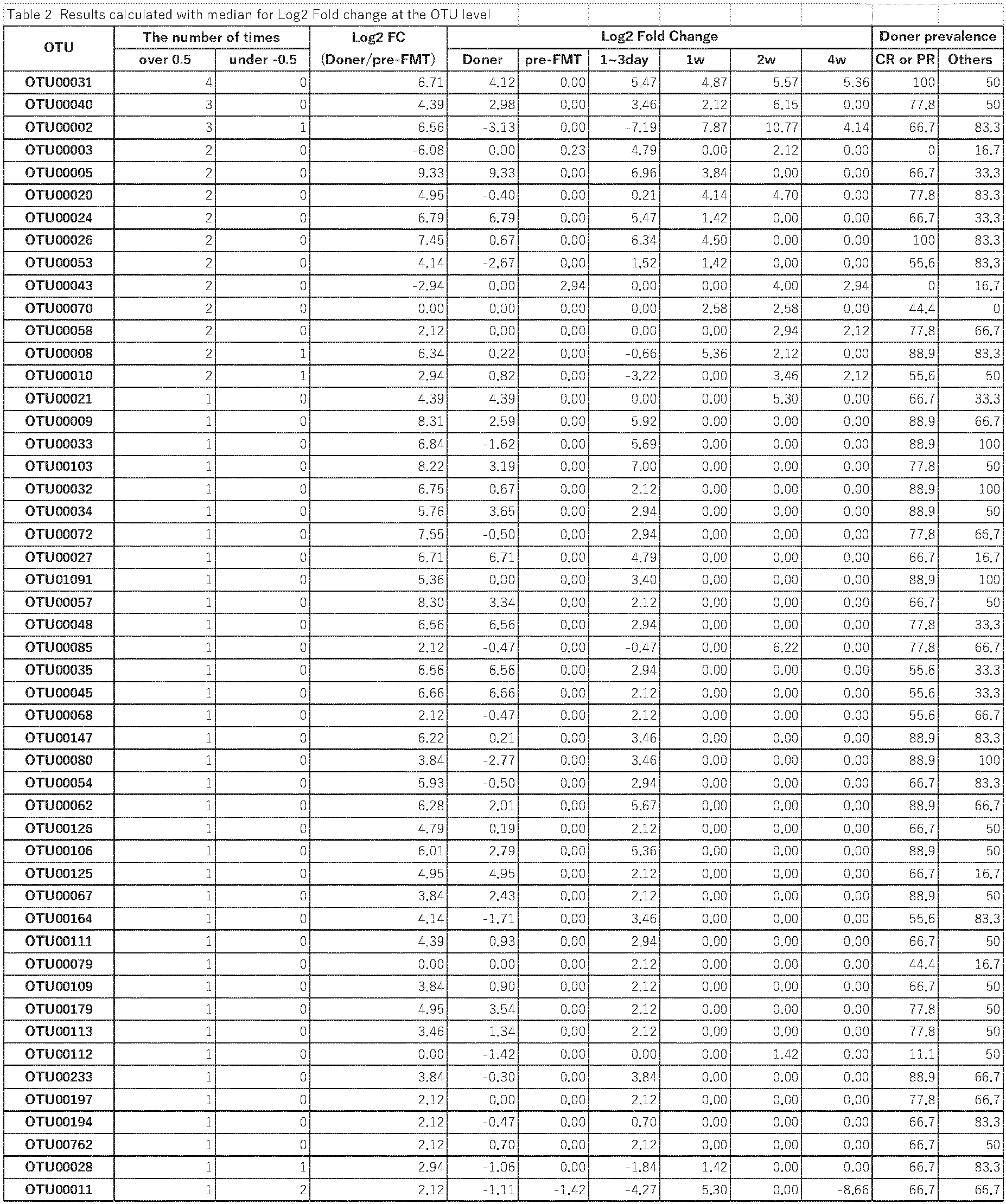


- Further, among species in the fecal microbiota before and after FMT, the time courses of changes in the species of the above Group B are shown in
Figures 11 to 19 . The species shown inFigures 11 to 19 were all confirmed to be abundant in the CR or PR group in comparison with the Others group. -
- SEQ ID NO: 345: synthetic DNA
- SEQ ID NO: 346: synthetic DNA
Claims (25)
- A prophylactic or therapeutic composition for GVHD, which comprises bacteria belonging to any genus selected from the group consisting of the following genera:Blautia,Clostridium,unclassified Clostridiales,Actinomyces,Parabacteroides,Lachnoclostridium,Bacteroides,Faecalibacterium,unclassified Lachnospiraceae,Roseburia,Ruminococcus,unclassified Firmicutes,Dorea,Phascolarctobacterium,Sutterella,Megamonas,Collinsella,Eubacterium,Coprococcus,Schaalia,Alistipes,Bifidobacterium,Lactobacillus,Veillonella,Anaerostipes,Bilophila,Butyricicoccus,Barnesiella,Fusicatenibacter,Flavonifractor,unclassified Ruminococcaceae,unclassified Clostridiaceae,Faecalicatena,Prevotella,Megasphaera,Robinsoniella,Faecalitalea,Lachnospira, andRomboutsia,or any combination of bacteria belonging to these genera.
- The composition according to claim 1, which comprises bacteria belonging to any genus selected from the group consisting of the following genera:Blautia,Clostridium,unclassified Clostridiales,Actinomyces,Parabacteroides,Lachnoclostridium,Bacteroides,Faecalibacterium,unclassified Lachnospiraceae,Roseburia,Ruminococcus,unclassified Firmicutes,Dorea,Phascolarctobacterium,Sutterella,Megamonas,Collinsella,Eubacterium, andCoprococcus,or any combination of bacteria belonging to these genera.
- The composition according to claim 1, which comprises bacteria belonging to any genus selected from the group consisting of the following genera:Blautia,Clostridium,unclassified Clostridiales,Actinomyces,Parabacteroides,Lachnoclostridium,Bacteroides,unclassified Lachnospiraceae,Roseburia,Ruminococcus,Phascolarctobacterium,Faecalibacterium,Schaalia,Alistipes,Bifidobacterium,Lactobacillus,Veillonella,Dorea,unclassified Firmicutes,Anaerostipes,Collinsella,Butyricicoccus,Barnesiella, andFusicatenibacter,or any combination of bacteria belonging to these genera.
- The composition according to claim 3, which comprises bacteria belonging to any genus selected from the group consisting of the following genera:Blautia,Clostridium,unclassified Clostridiales,Actinomyces,Parabacteroides,Lachnoclostridium, andBacteroides,or any combination of bacteria belonging to these genera.
- The composition according to claim 1, which comprises bacteria belonging to any genus selected from the group consisting of the following genera:Faecalibacterium,unclassified Clostridiales,unclassified Lachnospiraceae,Roseburia,Ruminococcus,unclassified Firmicutes,Dorea,Phascolarctobacterium,Sutterella,Bacteroides,Blautia,Parabacteroides,Megamonas,Collinsella,Eubacterium,Coprococcus,Anaerostipes,Bilophila,Flavonifractor,unclassified Ruminococcaceae,unclassified Clostridiaceae,Butyricicoccus,Faecalicatena,Prevotella,Clostridium,Lachnoclostridium,Alistipes,Megasphaera,Robinsoniella,Fusicatenibacter,Barnesiella,Faecalitalea,Lachnospira, andRomboutsia,or any combination of bacteria belonging to these genera.
- The composition according to claim 5, which comprises bacteria belonging to any genus selected from the group consisting of the following genera:Faecalibacterium,unclassified Clostridiales,unclassified Lachnospiraceae,Roseburia,Ruminococcus,unclassified Firmicutes,Dorea,Phascolarctobacterium,Sutterella,Bacteroides,Blautia,Parabacteroides,Megamonas,Collinsella,Eubacterium, andCoprococcus,or any combination of bacteria belonging to these genera.
- A prophylactic or therapeutic composition for GVHD, which comprises bacteria comprising DNA consisting of a nucleotide sequence sharing 94% or more homology with any of the nucleotide sequences shown in SEQ ID NOs: 1 to 120, or any combination of these bacteria.
- The composition according to claim 7, which comprises bacteria comprising DNA consisting of a nucleotide sequence sharing 94% or more homology with any of the nucleotide sequences shown in SEQ ID NOs: 121 to 152, or any combination of these bacteria.
- The composition according to claim 7, which comprises bacteria comprising DNA consisting of a nucleotide sequence sharing 94% or more homology with any of the nucleotide sequences shown in SEQ ID NOs: 153 to 198, or any combination of these bacteria.
- The composition according to claim 9, which comprises bacteria comprising DNA consisting of a nucleotide sequence sharing 94% or more homology with any of the nucleotide sequences shown in SEQ ID NOs: 199 to 201, or any combination of these bacteria.
- The composition according to claim 7, which comprises bacteria comprising DNA consisting of a nucleotide sequence sharing 94% or more homology with any of the nucleotide sequences shown in SEQ ID NOs: 202 to 312, or any combination of these bacteria.
- The composition according to claim 11, which comprises bacteria comprising DNA consisting of a nucleotide sequence sharing 94% or more homology with any of the nucleotide sequences shown in SEQ ID NOs: 313 to 344, or any combination of these bacteria.
- The composition according to claim 1, wherein the bacteria comprise at least one selected from the group consisting of:Bacteroides vulgatus,Bacteroides stercoris,Bacteroides uniformis,Blautia wexlerae,Bacteroides sp. AR29,Dorea longicatena,Phascolarctobacterium faecium,Blautia massiliensis,Ruminococcus sp. K-1,Bacteroides ovatus,Faecalibacterium prausnitzii,Megamonas funiformis,Bifidobacterium adolescentis,[Ruminococcus] torques,Collinsella aerofaciens,Parabacteroides merdae,butyrate-producing bacterium M104/1,Bifidobacterium faecale,Clostridium sp. 826,Bacteroides coprocola,Roseburia faecis,Lachnospiraceae bacterium DJF_VP18k1,Clostridium sp. AT4,Lactobacillus rogosae,butyrate-producing bacterium A2-207,Roseburia sp. 1120,Bacteroides dorei,Bifidobacterium pseudocatenulatum,Megasphaera massiliensis,Bacteroides massiliensis,Anaerostipes hadrus,Alistipes putredinis,Parabacteroides sp. D25,Roseburia inulinivorans,Bilophila sp. 4_1_30,Flavonifractor plautii,Eubacterium ventriosum,Clostridiales bacterium 80/3,Butyricicoccus faecihominis,Bacteroides cellulosilyticus,Coprococcus catus,Parabacteroides j ohnsonii,Lachnospiraceae bacterium DJF_RP14,[Ruminococcus] gnavus,Bifidobacterium longum,Bacteroides xylanisolvens,Prevotella stercorea,Bacteroides plebeius,Firmicutes bacterium DJF_VR50,Sutterella wadsworthensis,Lachnospiraceae bacterium 1_1_57FAA,Blautia obeum,Barnesiella intestinihominis,[Eubacterium] eligens,Coprococcus comes,Ruminococcus sp. DJF _VR70k1,butyrate-producing bacterium A2-175,Faecalitalea cylindroides,Blautia sp. YHC-4,[Clostridium] glycyrrhizinilyticum,Ruminococcus sp. 653,Ruminococcus lactaris,butyrate-producing bacterium SM6/1,butyrate-producing bacterium SS3/4,Clostridiaceae bacterium DJF_LS40,Bacteroides sp. 1_1_30,Bacteroides nordii,Fusicatenibacter saccharivorans,butyrate-producing bacterium SL7/1,[Clostridium] scindens,Parabacteroides distasonis,Schaalia odontolytica,Bacteroides faecis,Bacteroides fragilis,[Clostridium] bolteae, andClostridium sp. HGF2.
- The composition according to claim 13, wherein the bacteria comprise at least one selected from the group consisting of:Bacteroides vulgatus,Bacteroides stercoris,Bacteroides uniformis,Blautia wexlerae,Bacteroides sp. AR29,Dorea longicatena,Phascolarctobacterium faecium,Blautia massiliensis,Ruminococcus sp. K-1,Bacteroides ovatus,Faecalibacterium prausnitzii,Megamonas funiformis,Bifidobacterium adolescents,[Ruminococcus] torques,Collinsella aerofaciens,Parabacteroides merdae,butyrate-producing bacterium M104/1,Bifidobacterium faecale,Clostridium sp. 826,Bacteroides coprocola,Roseburia faecis,Lachnospiraceae bacterium DJF_VP18k1,Clostridium sp. AT4,Lactobacillus rogosae,butyrate-producing bacterium A2-207,Roseburia sp. 1120, andBacteroides dorei.
- The composition according to claim 13, wherein the bacteria comprise at least one selected from the group consisting of:Bacteroides vulgatus,Bacteroides stercoris,Bacteroides uniformis,Blautia wexlerae,Bacteroides sp. AR29,Dorea longicatena,Phascolarctobacterium faecium,Blautia massiliensis,Ruminococcus sp. K-1, andBacteroides ovatus.
- The composition according to any one of claims 1 to 15, wherein the GVHD is steroid-refractory or steroid-dependent GVHD
- The composition according to any one of claims 1 to 15, wherein the GVHD is acute gut GVHD
- A capsule formulation for the prevention or treatment of GVHD, which comprises the composition according to any one of claims 1 to 17.
- A therapeutic method for GVHD, which comprises administering the composition according to any one of claims 1 to 17 or the capsule formulation according to claim 18 to a GVHD patient.
- A prophylactic method for GVHD, which comprises administering the composition according to any one of claims 1 to 17 or the capsule formulation according to claim 18 either before or after or both before and after hematopoietic stem cell transplantation to a patient who is a subject of the hematopoietic stem cell transplantation.
- A method for preparing a suspension for fecal microbiota transplantation, which comprises confirming the presence of the bacteria shown in any one of claims 1 to 15 in feces collected from a human subject, and suspending the feces confirmed for the presence of the bacteria into an aqueous medium.
- A method for preparing a bacterial mixture for fecal microbiota transplantation, which comprises confirming the presence of the bacteria shown in any one of claims 1 to 15 in feces collected from a human subject, separating the bacteria from the feces confirmed for the presence of the bacteria, and mixing the separated bacteria.
- A method for preparing a formulation for fecal microbiota transplantation, which comprises confirming the presence of the bacteria shown in any one of claims 1 to 15 in feces collected from a human subject, separating the bacteria from the feces confirmed for the presence of the bacteria, and formulating the separated bacteria.
- The method according to claim 23, wherein the formulation is a capsule formulation.
- The method according to any one of claims 21 to 24, wherein the presence of the bacteria is confirmed by 16S rRNA gene analysis.
Applications Claiming Priority (2)
| Application Number | Priority Date | Filing Date | Title |
|---|---|---|---|
| JP2019213436 | 2019-11-26 | ||
| PCT/JP2020/043883 WO2021106952A1 (en) | 2019-11-26 | 2020-11-25 | Prophylactic or therapeutic composition for graft-versus-host disease |
Publications (2)
| Publication Number | Publication Date |
|---|---|
| EP4085916A1 true EP4085916A1 (en) | 2022-11-09 |
| EP4085916A4 EP4085916A4 (en) | 2024-03-27 |
Family
ID=76129434
Family Applications (1)
| Application Number | Title | Priority Date | Filing Date |
|---|---|---|---|
| EP20892673.3A Pending EP4085916A4 (en) | 2019-11-26 | 2020-11-25 | Prophylactic or therapeutic composition for graft-versus-host disease |
Country Status (5)
| Country | Link |
|---|---|
| US (2) | US20230024068A1 (en) |
| EP (1) | EP4085916A4 (en) |
| JP (1) | JPWO2021106952A1 (en) |
| CN (1) | CN115461064A (en) |
| WO (1) | WO2021106952A1 (en) |
Families Citing this family (6)
| Publication number | Priority date | Publication date | Assignee | Title |
|---|---|---|---|---|
| JP7783588B2 (en) * | 2021-07-21 | 2025-12-10 | 国立大学法人東海国立大学機構 | Method for providing information on Collinsella genus in intestinal flora, method for predicting COVID-19 severity and method for predicting cytokine storm severity using said information |
| US20240415900A1 (en) * | 2021-10-20 | 2024-12-19 | City Of Hope | Clostridium butyricum compositions and methods of using the same |
| CN122459001A (en) * | 2023-11-15 | 2026-07-24 | 亥姆霍兹慕尼黑中心-德国健康与环境研究中心(有限公司) | bacteriophage composition |
| JP2025174745A (en) * | 2024-05-17 | 2025-11-28 | 株式会社バイオパレット | Method for producing artificial intestinal microbiota |
| CN119055685A (en) * | 2024-09-13 | 2024-12-03 | 南方医科大学南方医院 | Application of Parabacteroides faecalis in the preparation and isolation of graft-versus-leukemia effect and graft-versus-host disease drugs |
| CN118987051A (en) * | 2024-09-13 | 2024-11-22 | 南方医科大学南方医院 | Application of bacteroides faecalis in preparing medicine for treating graft-versus-host disease |
Family Cites Families (7)
| Publication number | Priority date | Publication date | Assignee | Title |
|---|---|---|---|---|
| JPS61282440A (en) | 1985-06-07 | 1986-12-12 | マルチ−テツクス プロダクツ コ−ポレ−シヨン | Composite yarn product |
| CA2807242C (en) | 2010-08-04 | 2017-05-02 | Thomas Julius Borody | Compositions for fecal floral transplantation and methods for making and using them and devices for delivering them |
| CN104918624A (en) | 2012-11-26 | 2015-09-16 | 托马斯·朱利叶斯·波洛迪 | Compositions for restoring fecal microbiota and methods of making and using same |
| ES3010296T3 (en) * | 2014-11-25 | 2025-04-02 | Memorial Sloan Kettering Cancer Center | Intestinal microbiota and gvhd |
| MA41020A (en) * | 2014-11-25 | 2017-10-03 | Evelo Biosciences Inc | PROBIOTIC AND PREBIOTIC COMPOSITIONS, AND THEIR METHODS OF USE FOR MODULATION OF THE MICROBIOME |
| US20180185421A1 (en) * | 2016-08-29 | 2018-07-05 | Tokyo Metropolitan Government | Composition comprising fecal microbiota |
| BR112019013125B1 (en) * | 2016-12-23 | 2022-02-08 | Keio University | PHARMACEUTICAL COMPOSITIONS COMPRISING A PURIFIED BACTERIAL MIXTURE |
-
2020
- 2020-11-25 JP JP2021561461A patent/JPWO2021106952A1/ja active Pending
- 2020-11-25 US US17/779,286 patent/US20230024068A1/en not_active Abandoned
- 2020-11-25 CN CN202080082543.6A patent/CN115461064A/en active Pending
- 2020-11-25 EP EP20892673.3A patent/EP4085916A4/en active Pending
- 2020-11-25 WO PCT/JP2020/043883 patent/WO2021106952A1/en not_active Ceased
-
2025
- 2025-03-14 US US19/080,046 patent/US20250281549A1/en active Pending
Also Published As
| Publication number | Publication date |
|---|---|
| CN115461064A (en) | 2022-12-09 |
| WO2021106952A1 (en) | 2021-06-03 |
| EP4085916A4 (en) | 2024-03-27 |
| US20250281549A1 (en) | 2025-09-11 |
| JPWO2021106952A1 (en) | 2021-06-03 |
| US20230024068A1 (en) | 2023-01-26 |
Similar Documents
| Publication | Publication Date | Title |
|---|---|---|
| US20250281549A1 (en) | Prophylactic or therapeutic composition for graft-versus-host disease | |
| CN113073066B (en) | Lactobacillus reuteri and application, composition, medicine and food thereof | |
| JP2024129008A (en) | Synergistic bacterial compositions and methods of making and using same | |
| CN107530280B (en) | Preparation method of fecal microbiota sample | |
| EP3389681B1 (en) | Lyophilized composition for preserving microbiota in its ecosystem | |
| CN111343972A (en) | Oral pharmaceutical preparations containing bacteria | |
| AU2018209227B2 (en) | Autologous fecal sample for use in the treatment of microbial dysbiosis | |
| US20200038459A1 (en) | Composition comprising fecal microbiota | |
| CN113286602A (en) | Bacterial therapy against propionibacterium acnes for the treatment of acne | |
| WO2023222098A1 (en) | A new streptomyces spororaveus strain and a new antibiotics against bacteria and fungi | |
| US20200281991A1 (en) | Methods and compositions for treating disorders related to a gut dysbiosis | |
| AU2021353115A9 (en) | Therapeutic bacterial composition | |
| CN115087442A (en) | Intervention strategies for the prevention or treatment of diabetes, autoimmune diseases, inflammatory diseases or cardiovascular diseases | |
| WO2019157566A1 (en) | Compositions and methods for promoting gut health | |
| CN120818452A (en) | Use of Lactobacillus rhamnosus in preparing products for preventing and treating inflammatory bowel disease | |
| WO2019227414A1 (en) | Composition and uses thereof | |
| CN112336753A (en) | A kind of intestinal flora capsule and its preparation method and application | |
| US20200197449A1 (en) | Compositions and Methods for Treating Alopecia and Related Disorders | |
| TWI625124B (en) | Uses of streptococcus thermophilus tci633 strain and its metabolites in preventing and/or treating osteoporosis | |
| CN117568180A (en) | Bacteria-carrying microalgae, preparation method and application thereof | |
| EP4606380A1 (en) | Method for fecal microbiome purification and uses thereof | |
| WO2020214739A1 (en) | Methods and compositions for treating inflammatory diseases | |
| JP2025153503A (en) | Pharmaceutical compositions containing fecal microbiota | |
| WO2021189558A1 (en) | Composition of intestinal flora modulator and mesenchymal stem cells and use thereof | |
| CN120661551A (en) | Use of lactobacillus reuteri in preparing products for preventing or treating cardiovascular diseases |
Legal Events
| Date | Code | Title | Description |
|---|---|---|---|
| STAA | Information on the status of an ep patent application or granted ep patent |
Free format text: STATUS: THE INTERNATIONAL PUBLICATION HAS BEEN MADE |
|
| PUAI | Public reference made under article 153(3) epc to a published international application that has entered the european phase |
Free format text: ORIGINAL CODE: 0009012 |
|
| STAA | Information on the status of an ep patent application or granted ep patent |
Free format text: STATUS: REQUEST FOR EXAMINATION WAS MADE |
|
| 17P | Request for examination filed |
Effective date: 20220609 |
|
| AK | Designated contracting states |
Kind code of ref document: A1 Designated state(s): AL AT BE BG CH CY CZ DE DK EE ES FI FR GB GR HR HU IE IS IT LI LT LU LV MC MK MT NL NO PL PT RO RS SE SI SK SM TR |
|
| RAP3 | Party data changed (applicant data changed or rights of an application transferred) |
Owner name: JSR CORPORATION Owner name: KEIO UNIVERSITY Owner name: TOKYO METROPOLITAN GOVERNMENT |
|
| RAP1 | Party data changed (applicant data changed or rights of an application transferred) |
Owner name: JSR CORPORATION Owner name: KEIO UNIVERSITY Owner name: TOKYO METROPOLITAN HOSPITAL ORGANIZATION |
|
| DAV | Request for validation of the european patent (deleted) | ||
| DAX | Request for extension of the european patent (deleted) | ||
| RIC1 | Information provided on ipc code assigned before grant |
Ipc: C12N 15/11 20060101ALI20231128BHEP Ipc: C12N 1/20 20060101ALI20231128BHEP Ipc: A61P 37/06 20060101ALI20231128BHEP Ipc: A61K 35/747 20150101ALI20231128BHEP Ipc: A61K 35/745 20150101ALI20231128BHEP Ipc: A61K 35/744 20150101ALI20231128BHEP Ipc: A61K 35/742 20150101ALI20231128BHEP Ipc: A61K 35/741 20150101ALI20231128BHEP Ipc: A61K 35/74 20150101AFI20231128BHEP |
|
| A4 | Supplementary search report drawn up and despatched |
Effective date: 20240226 |
|
| RIC1 | Information provided on ipc code assigned before grant |
Ipc: C12N 15/11 20060101ALI20240220BHEP Ipc: C12N 1/20 20060101ALI20240220BHEP Ipc: A61P 37/06 20060101ALI20240220BHEP Ipc: A61K 35/747 20150101ALI20240220BHEP Ipc: A61K 35/745 20150101ALI20240220BHEP Ipc: A61K 35/744 20150101ALI20240220BHEP Ipc: A61K 35/742 20150101ALI20240220BHEP Ipc: A61K 35/741 20150101ALI20240220BHEP Ipc: A61K 35/74 20150101AFI20240220BHEP |
|
| RAP1 | Party data changed (applicant data changed or rights of an application transferred) |
Owner name: JSR CORPORATION Owner name: KEIO UNIVERSITY Owner name: TOKYO METROPOLITAN HOSPITAL ORGANIZATION |